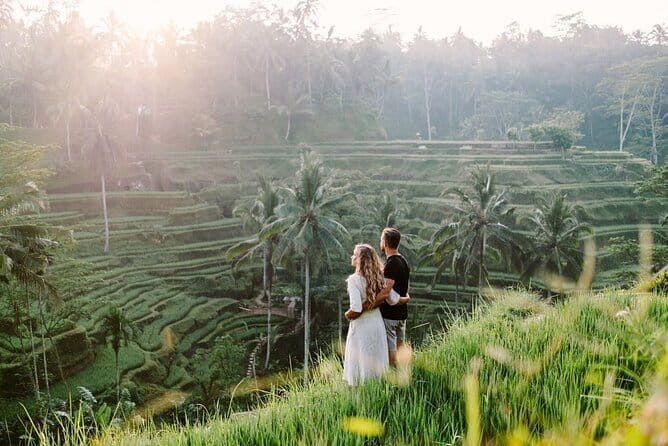
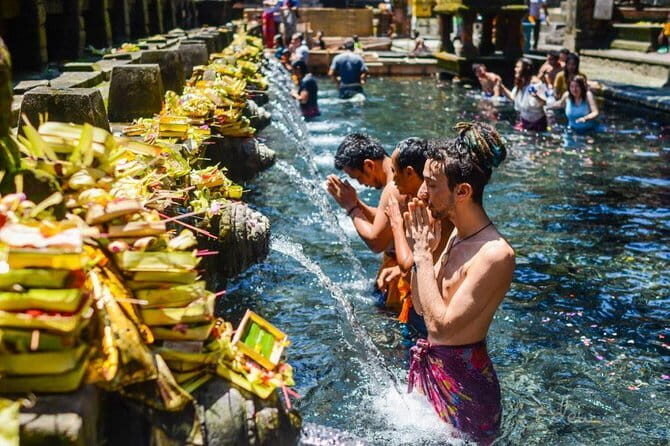
North Bali Private Tour – All Inclusive

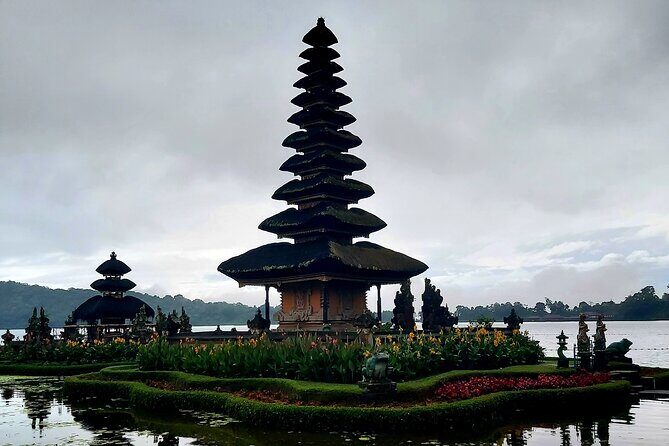
North Bali Private Tour - All Inclusive - Ulun Danu Bratan: Lake-Temple Views and Photo Time

North Bali feels like a movie set. This private tour strings together Ulun Danu Bratan, Handara Gate, twin-lake viewpoints, Banyumala waterfalls, and Jatiluwih rice terraces, with your guide handling the driving and timing so you can focus on the scenery and photos.

I love the air-conditioned car and the fact that you get hotel pickup and drop-off, which keeps the logistics painless and helps you start early to beat traffic. One consideration: you’ll be out most of the day (8 to 10 hours) and the waterfall stop calls for moderate physical fitness because there’s some walking on rocky paths.

Key things to know before you go
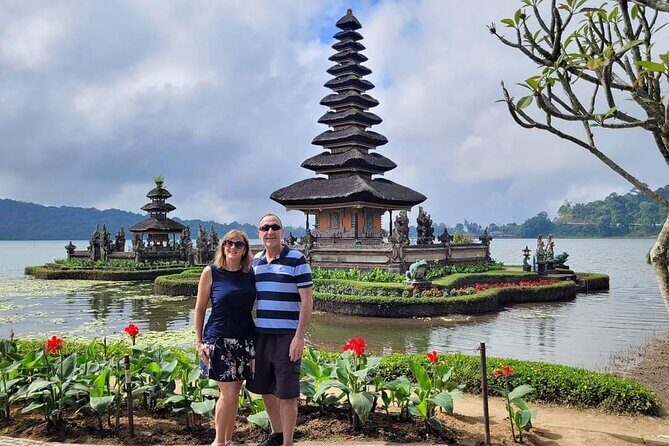
North Bali Private Tour - All Inclusive - Key things to know before you go

  • A true private day: only your group, with an English-speaking guide who runs the schedule
  • AC and water included: you’re not roasting in transit all day
  • Photo support is part of the plan: guides have mobile photography skills (stills and video)
  • Big scenery stops, not rushed shopping: temples, gates, waterfalls, and rice terraces in one route
  • Entrance fees covered: you pay once, then step in at each main stop
  • Weather matters: the tour is weather-dependent, with a different date or full refund if canceled

North Bali in One Day: How This Private Route Works

This is the kind of North Bali day that makes sense when you want a lot of variety without getting stuck in traffic or figuring out logistics. Your guide manages the flow, and that matters here because the stops are scattered across the Bedugul–Jatiluwih area.

The route is built around five main beats: a lakeside temple, the photo-famous Handara Gate, a twin-lake viewpoint, the hike/walk portion for Banyumala waterfalls, then the UNESCO-listed rice terraces at Jatiluwih. Each stop has a set time block (from 20 minutes for a quick viewpoint to about 2 hours for the waterfalls), so you get enough time to enjoy, but you’re not stuck forever at any single location.

Getting Started in Ubud: AC Comfort and Door-to-Door Pickup
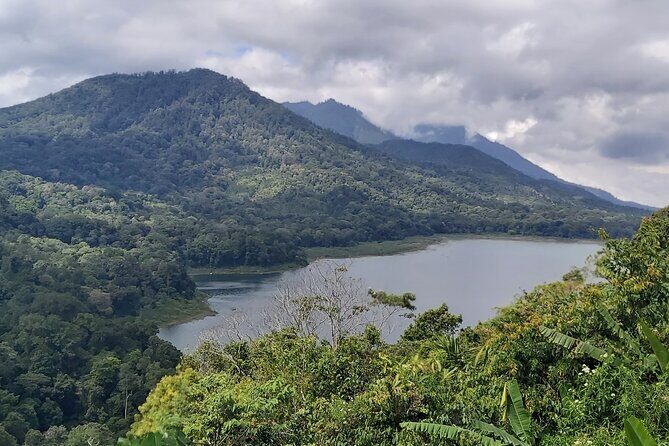
North Bali Private Tour - All Inclusive - Getting Started in Ubud: AC Comfort and Door-to-Door Pickup
The best practical perk is private hotel pickup and drop-off. You don’t have to coordinate taxis, haggle with drivers, or waste time figuring out where to meet. It also makes early starts easier, and early starts are a real deal in Bali because traffic can mess with your daylight.

You’ll ride in an air-conditioned vehicle, plus you get a bottle of water. That sounds small, but on an 8 to 10 hour day it keeps you from spending your energy on basics instead of enjoying the scenery.

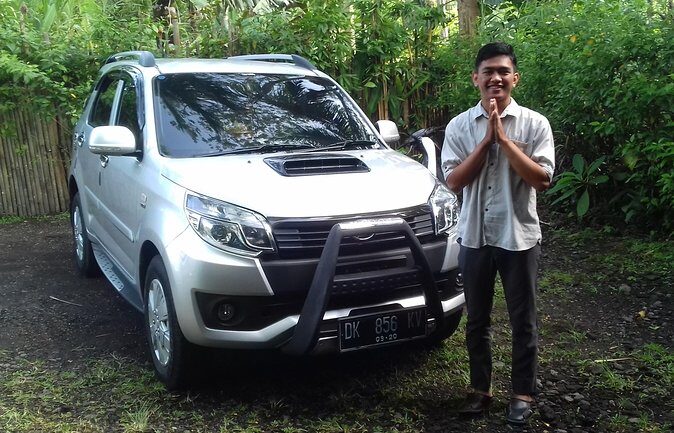
There’s also a “driver as guide” vibe to the experience. The driver/guide is there to handle the driving and guide you in English, plus they can help with photo angles and phone videos. That means you’re less likely to end up standing in the wrong place while the best view slips away.

Ulun Danu Bratan: Lake-Temple Views and Photo Time
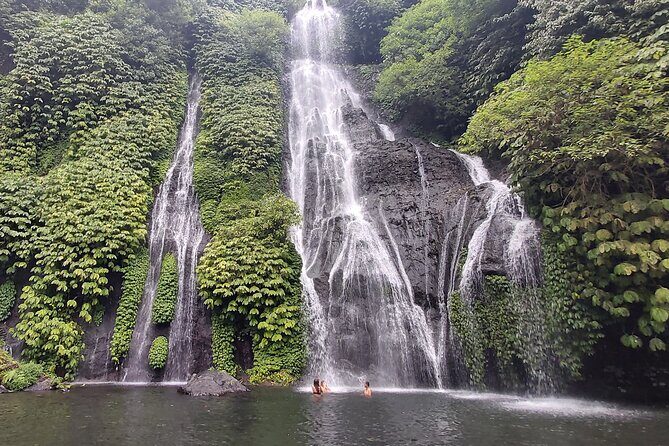
North Bali Private Tour - All Inclusive - Ulun Danu Bratan: Lake-Temple Views and Photo Time
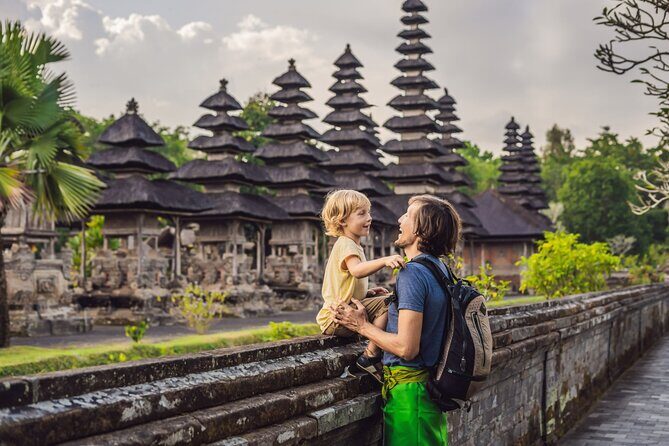
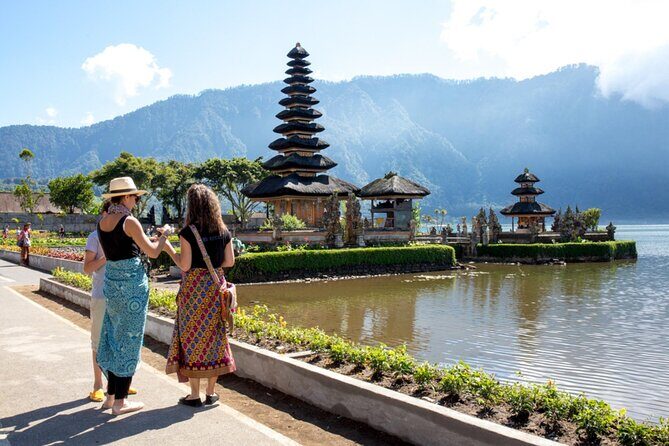
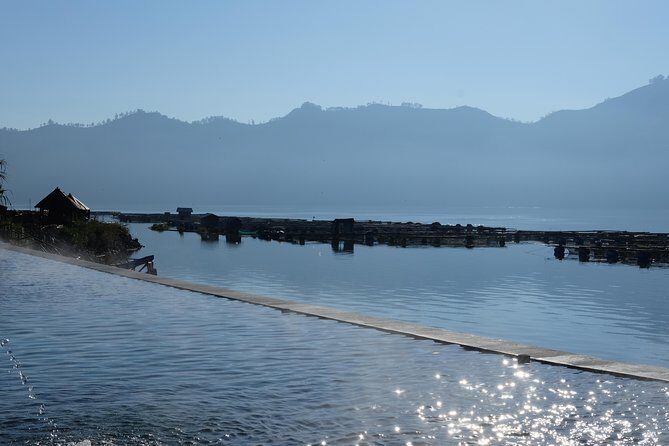
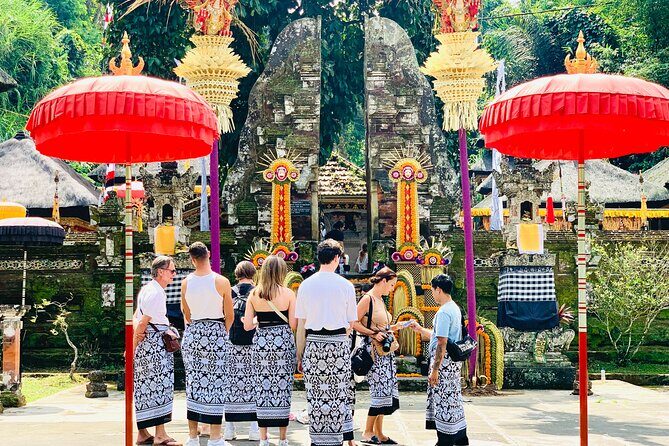
Your first major stop is Ulun Danu Bratan, a temple complex on the west side of Lake Bratan in Bedugul. You get about 45 minutes, with the entrance ticket included.

What makes this stop worth your time is the combination of setting and story. It’s both a famous photo spot and a meaningful temple site. The visuals are why people come, but the cultural explanation is what helps you understand why the place matters beyond the camera.

Time is tight here in the best way: 45 minutes lets you slow down for photos and a quick visit without turning it into a half-day event. If you care about getting shots, this is a good moment to ask your guide for helpful positioning so you don’t waste your best light or stand somewhere blocked.

Drawback to keep in mind: because this is a “must-see” temple stop, you should expect crowds and photo jockeying at the viewpoints. That’s normal for Bali’s most iconic places, and the private timing helps you move efficiently through it.

Handara Gate and Twin Lake Lookouts

North Bali Private Tour - All Inclusive - Handara Gate and Twin Lake Lookouts
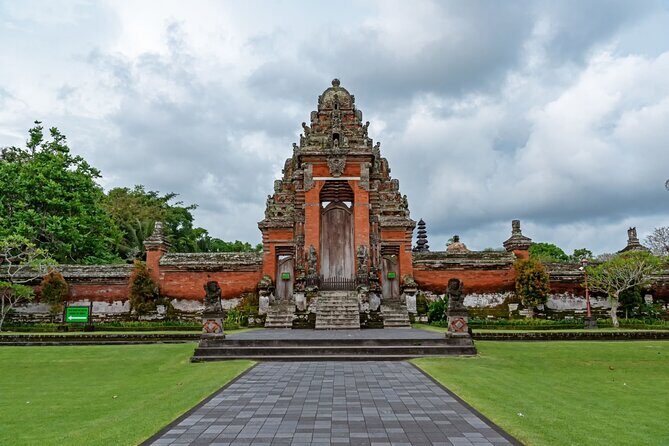
After Ulun Danu Bratan, you head to the Handara Iconic Gate—another 45 minute stop, with admission included. This is the classic mountain-and-gate photo location, the kind of place where you instantly understand why it’s famous.

The practical upside of having a guide here is simple: you spend less time guessing where the angles are. You also get smoother pacing, because your guide can keep the day from turning into random detours that add travel time.

Next is the Twin Lake View, a 20 minute viewpoint for Lake Buyan and Lake Tamblingan. It’s shorter on purpose. Use it for quick photos and a moment to take in the big view without burning your whole afternoon.

A consideration here: 20 minutes is enough for photos if you’re flexible, but if you’re the type who likes long sitting time, you’ll want to lean into “one good viewpoint angle, then move on.” The value of the day is that you get multiple different scenery types, not one long stay everywhere.

Banyumala Twin Waterfalls: Walk Time and Shoe Tip
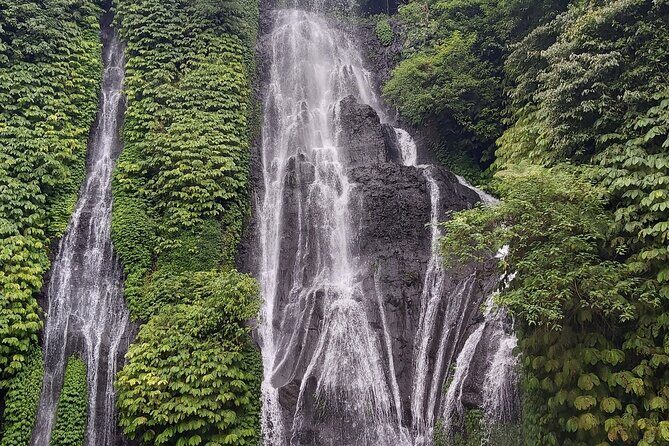
North Bali Private Tour - All Inclusive - Banyumala Twin Waterfalls: Walk Time and Shoe Tip
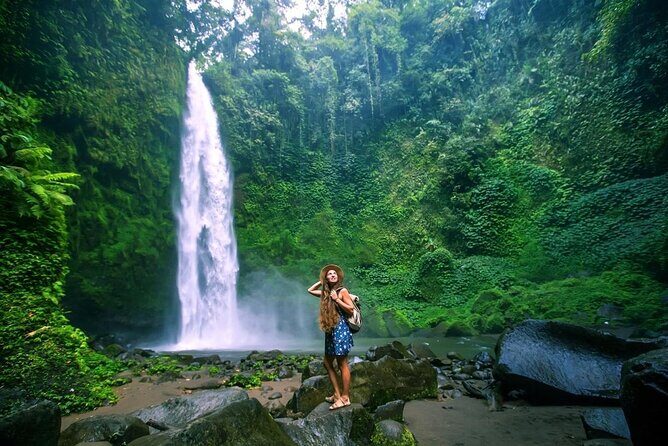
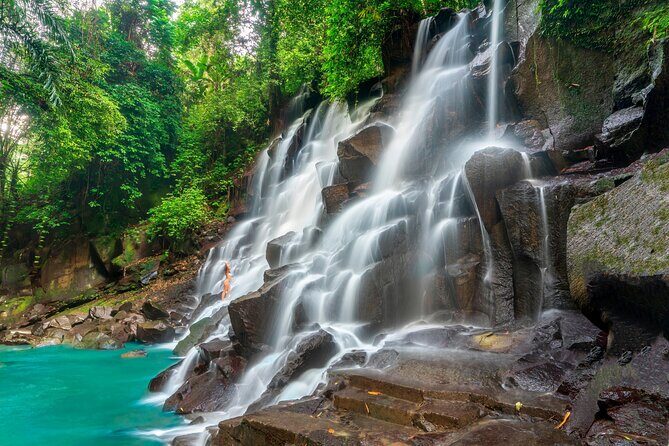
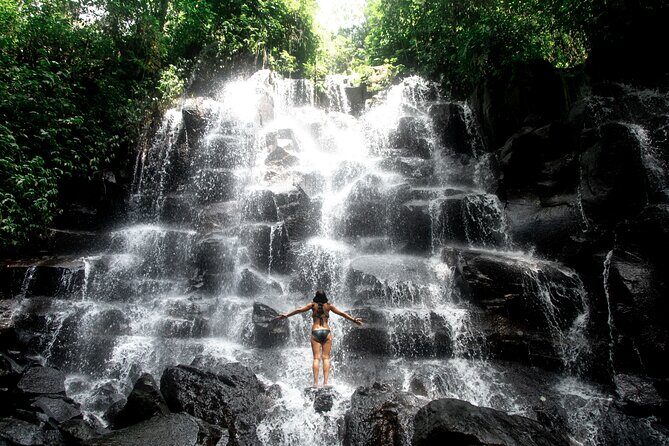
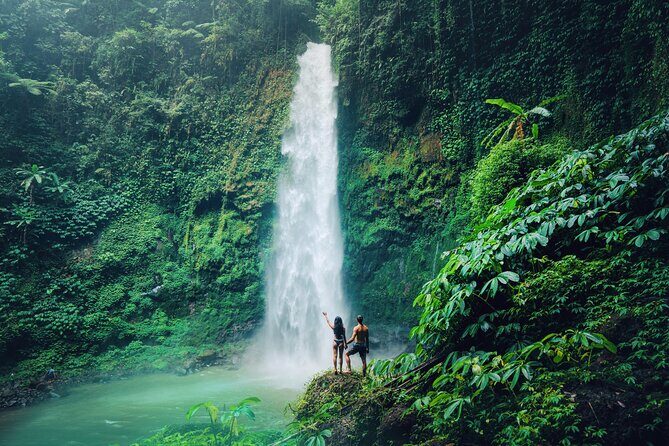
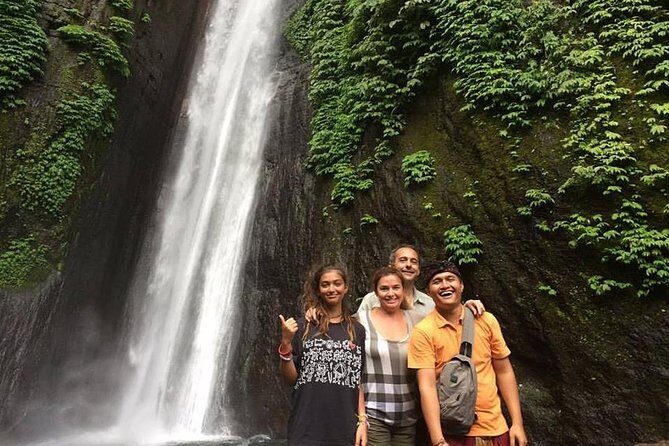
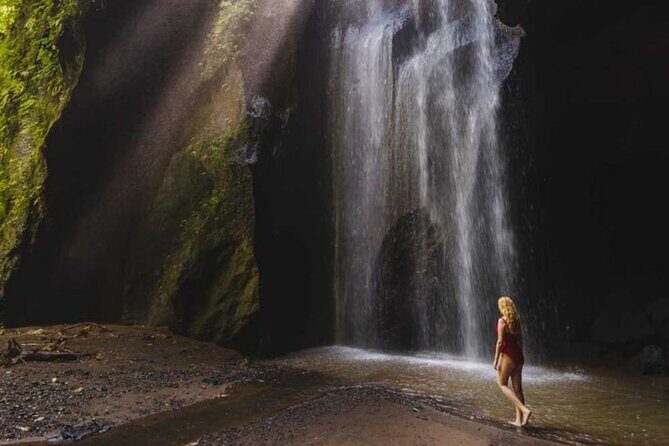
Now for the most active part: Banyumala Twin Waterfalls. You’ll spend about 2 hours here, with entrance included. The walk to the falls gives you those “you’re there” moments—spring-fed water, clear views, and a waterfall experience that feels more grounded than the temple photo spots.

The key detail: the path can be rocky. A strong tip from the experience style is to wear beach shoes or footwear with grip. Going barefoot can be tough on the ground when you’re stepping in and out of wet areas.

This stop also ties into the fitness note for the whole tour. The day is built for people with moderate physical fitness. You don’t need to be an athlete, but you should be comfortable with walking, uneven ground, and spending time outdoors.

What I like about this stop from a “tour value” angle: it balances effort and reward. Two hours is long enough to enjoy the falls without the day feeling like a hike marathon.

Jatiluwih Rice Terrace: UNESCO Views at Batukaru’s Foot
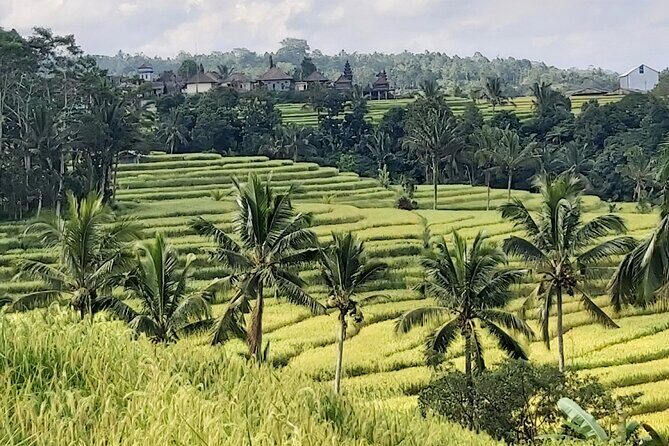
North Bali Private Tour - All Inclusive - Jatiluwih Rice Terrace: UNESCO Views at Batukaru’s Foot
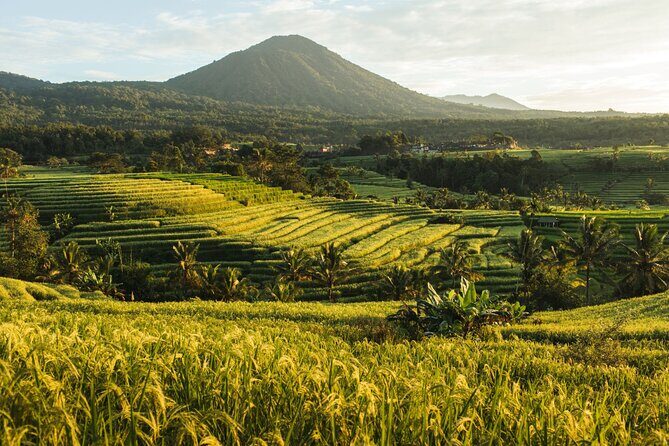
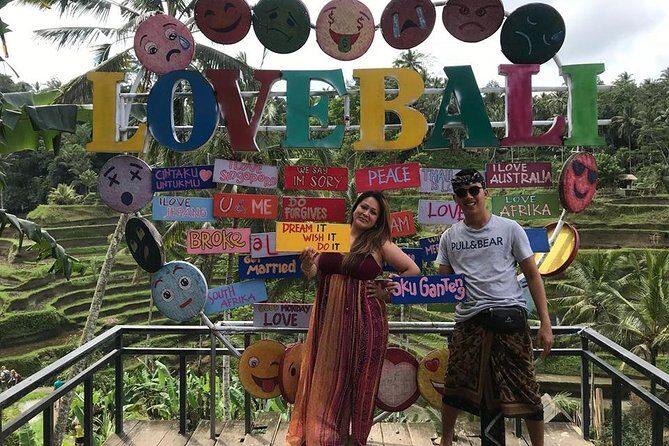
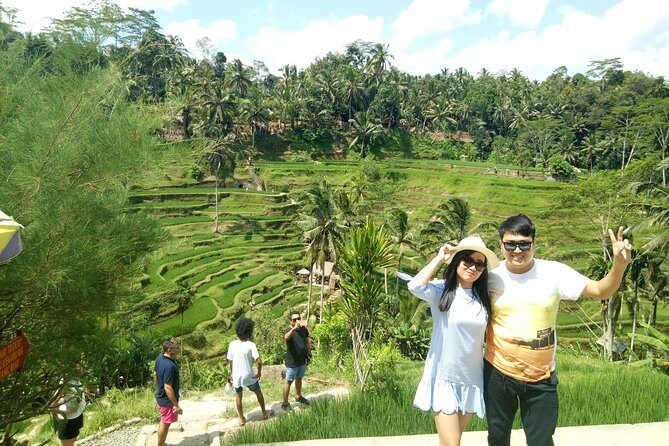
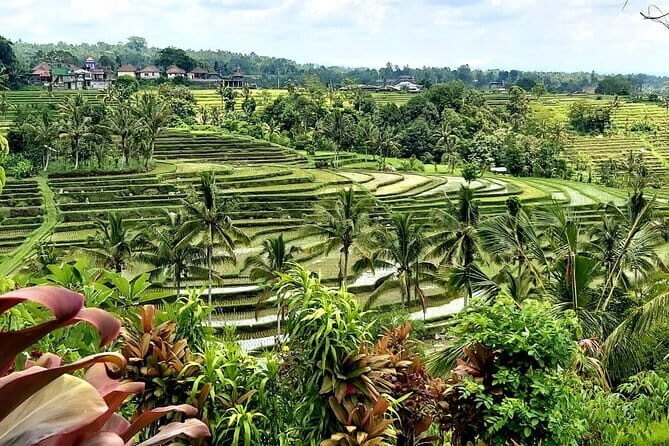
The final big scenery stop is Jatiluwih Green Land, the UNESCO-listed rice terraces in Bali. You’ll get about 1 hour here, with admission included.

A couple of useful specifics make this place easier to appreciate:

  • It covers over 700 hectares
  • It sits at the foot of Mount Batukaru
  • It’s around 700 meters in altitude

Those details explain the feel of the terraces. They’re not just a viewpoint platform; they’re a large farming landscape that stretches out in multiple directions, which is why your photos look more expansive than typical “single field” stops.

The best way to use your hour is to do it in stages: first, take the big panorama shots, then shift to closer views where you can see how the terraces are laid out. Your guide’s photo help is especially useful here because timing and positioning matter when the views are wide.

If you’re hoping to escape crowds entirely, you might not get that. But you will get a meaningful UNESCO site, not a quick photo stop in a parking lot.

Your Guide and the Photo Game
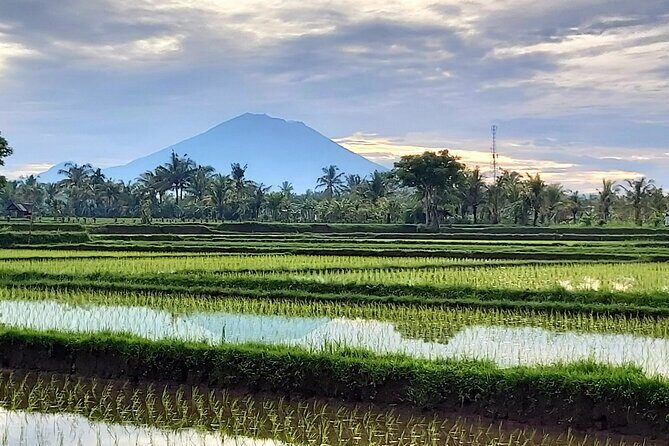
North Bali Private Tour - All Inclusive - Your Guide and the Photo Game
This tour’s secret weapon is the guide style. The people leading this route bring more than directions. They tend to mix practical help with cultural context, which keeps the day from feeling like a checklist.

In particular, many guides on this route are known for:

  • making time for explanations about what you’re seeing and why it matters
  • taking photos and helping you get better angles
  • sharing video and phone-focused photo tips, so you don’t just rely on selfies

You’ll see names come up often, like Osa, Agung, Ketut Suwenda, and Dewa. What ties them together is the same theme: friendly, respectful pacing and a focus on safe, smooth driving between stops.

One more value point: guides often stay flexible. That’s useful if you want to linger at one viewpoint a bit longer or skip something that isn’t your priority. Flexibility is the difference between a tour that feels strict and one that feels like it fits your day.

Price and What Is Included in the $71 Cost
North Bali Private Tour - All Inclusive - Price and What Is Included in the $71 Cost
At $71 per person, this sits in a sweet spot for a private North Bali day. Here’s the math you can do in your head:

What you get included:

  • Private hotel pickup and drop-off
  • Air-conditioned vehicle
  • English-speaking driver/guide
  • Bottle of water
  • Entrance fees

Not included:

  • Lunch
  • Gratuities (optional)

When entrance fees are included across multiple stops, the price becomes easier to justify. If you were to DIY a day like this—hiring drivers, paying for entry at several attractions, and dealing with route planning—you’d usually spend more and lose time.

The one “watch this” item is lunch. You’ll need to plan where you eat or bring snacks. If you don’t want decision stress, consider eating early before the tour and then planning a proper meal after you’re back in Ubud.

Also note: confirmation happens at booking time, and the tour depends on good weather. If conditions are poor, you’ll be offered a different date or a full refund.

Who Should Book This Tour

Book this if you want:

  • a private, guided day that’s heavy on sightseeing variety
  • AC comfort and door-to-door convenience from Ubud
  • a plan that includes both iconic sights and a more nature-focused stop at Banyumala
  • phone-photo help so you don’t waste time hunting for the right angle

You’ll get along well with the pacing if you’re okay with a full day out (8 to 10 hours) and you can handle some walking on rocky ground at the waterfalls.

This tour is especially good for couples, small groups, and first-timers who want North Bali highlights without turning your trip into a logistics puzzle.

Should You Book This North Bali Private Tour?

Yes, I’d book it if you want an organized North Bali day with minimal friction. The combination of included entrance fees, AC transport, and a guide who helps with photos makes the day feel genuinely efficient.

Pass or consider an alternative if you want a slow, unhurried itinerary with lots of downtime. This tour is designed for movement and multiple stops. It’s also best for people who are comfortable with moderate walking, especially at Banyumala.

If you’re trying to pick just one North Bali experience from Ubud, this is a strong candidate because it covers the big categories—temple, iconic gate, viewpoints, waterfalls, and rice terraces—without asking you to plan every step.

FAQ

How long is the North Bali Private Tour

The tour runs about 8 to 10 hours.

Is hotel pickup and drop-off included

Yes. You get private pickup from your hotel and drop-off back to your hotel.

What stops are included in the itinerary

You’ll visit Ulun Danu Bratan, Handara Iconic Gate, Twin Lake View (Lake Buyan and Lake Tamblingan), Banyumala Twin Waterfalls, and Jatiluwih Rice Terrace.

Are entrance fees included

Yes. Entrance fees are included for the stops listed.

Is lunch included

No. Lunch is not included.

Do I need a certain fitness level

The tour suggests travelers should have moderate physical fitness level, especially for the walk at the waterfall stop.

What if weather is bad or I need to cancel

The experience requires good weather. If it’s canceled due to poor weather, you’ll be offered a different date or a full refund. You can cancel up to 24 hours in advance for a full refund.


ARMA Museum Visit

ARMA Museum Visit - Why ARMA Museum in Ubud is more than a room of paintings

Art in Ubud feels hands-on.

This ARMA Museum ticket is a simple way to lock in entry to one of Ubud’s well-known art centers, so you spend less time stuck in line and more time looking. I like the freedom to go at your own pace, and I also like that you get a free hot drink when you redeem your ticket.

What makes ARMA worth your time is that it’s not just “walk, look, leave.” It’s a center for visual and performing arts, so you can encounter a mix of exhibitions and cultural activity, plus practical extras like a bookshop and a library/reading room. The collection is described as ranging from traditional Batik paintings to contemporary works, which is a great spread if you like seeing how styles shift over time.

One thing to consider: this is admission plus a hot drink, not a full guided experience with a set tour route. If you need a step-by-step explanation for every room, you’ll want to plan for extra reading on the spot, or you may rely on whatever onsite activities are available when you arrive.

Key things to know before you buy your ARMA ticket

ARMA Museum Visit - Key things to know before you buy your ARMA ticket

  • Fast entry focus: you book admission in advance to reduce waiting.
  • Self-paced visit: you explore without a group schedule taking over your time.
  • Hot drink included: you redeem your ticket for coffee and/or tea.
  • ARMA is more than galleries: it also supports performances, workshops, and classes.
  • Worth it even on a short stop: the visit window is listed as about 30 minutes to 2 hours.
  • Limited group size: the experience has a maximum of 100 travelers.

Why ARMA Museum in Ubud is more than a room of paintings

ARMA Museum Visit - Why ARMA Museum in Ubud is more than a room of paintings
ARMA in Ubud has a broad arts identity. Yes, you’ll see art, but the place is described as a center for visual and performing arts, with cultural activities ranging from theatre performances and dance to music and painting classes. That matters because it changes the feel of your visit: you’re not only scanning frames—you’re watching culture in motion when the program is running.

I also like that ARMA positions itself around Balinese and Indonesian culture through both permanent works and special temporary exhibitions. If your goal in Ubud is to go beyond souvenir-style crafts and actually learn what local artists are doing, a museum like this gives you a stronger context.

Finally, there are “hang-out” options inside. The museum includes a bookshop and a library/reading room, which is perfect if you want a slow moment with a book after you’ve looked at art for a while.

Price and value: what $9.38 gets you (and what it doesn’t)

At $9.38 per person, the big value is that you’re paying for admission certainty plus a hot drink. In a place like Ubud—where popular stops can mean waiting—you’re not just buying access. You’re buying time.

The ticket includes coffee and/or tea, but it does not include lunch or other drinks. Alcoholic drinks are available to purchase, though. If you’re planning a longer outing, you’ll likely want to pair ARMA with a meal elsewhere (or plan on ARMA’s onsite options if you find you’re staying longer than you thought).

Also note the booking rhythm: it’s commonly booked about 24 days in advance. That’s a hint to treat this like a “reserve it, then relax” stop—especially if you’re visiting during busy travel weeks.

When you should plan for: 30 minutes to 2 hours in real life

The experience duration is listed as about 30 minutes to 2 hours. That range is useful because it fits different travel styles.

If you’re short on time, you can do a focused circuit: redeem your ticket, get your hot drink, then concentrate on the permanent collection range and any temporary exhibition you can quickly access. If you have the time, the longer end of that window gives you space to slow down, read descriptions, and use the library/reading room or bookshop as part of the experience rather than a postscript.

Because it’s self-paced, you don’t have to “keep up.” You can stop for a few minutes at pieces you like, then move on without worrying about catching a group’s pace.

Your visit flow: how to use the ticket once you arrive

Your visit starts with admission to Agung Rai Museum of Art (ARMA). The ticket is designed to reduce line time, and you’re meant to redeem it so entry is straightforward.

Right after redemption, you get your free hot drink—coffee and/or tea. This is a small detail, but it’s genuinely practical. It gives you a built-in break early in the visit, which helps if you’re arriving from Ubud heat or after walking between other stops.

Then comes the main event: wandering the collection and checking what’s on offer at the time. ARMA is described as having a permanent collection, special temporary exhibitions, and the possibility of cultural activities like theatre performances, dance, music, and painting classes. You don’t have to plan a complex route, but it helps to keep an eye out for what’s scheduled while you’re there.

What you’ll see: Batik to contemporary art in one place

ARMA’s collection is described as ranging from traditional Batik paintings to contemporary masterpieces. That’s a smart combination because Batik gives you cultural technique and regional identity, while contemporary works show you how artists are translating those roots into modern ideas.

If you’re the type who likes art history, you’ll probably enjoy how you can compare styles without feeling like you need to master a textbook first. If you’re less interested in technical labels, you can still enjoy it visually—you’re not stuck looking at one single style for your entire visit.

Temporary exhibitions can also shape what you take away. ARMA is known to show special temporary exhibitions on top of the permanent collection, so what you see can differ from another day or another season.

The hot drink stop: a tiny perk that improves the whole rhythm

The included coffee and/or tea might not sound dramatic, but I’d treat it as part of the plan. You’ll get a more comfortable visit when you can pause without paying extra for your first drink.

Also, because the ticket is meant to reduce waiting, you can often redeem and settle in without losing momentum. That matters when you’re trying to fit ARMA into a day that already includes temples, markets, and coffee stops.

ARMA’s “extra rooms”: bookshop, library, reading time, and workshops

One reason I’d pick ARMA over smaller one-room museum stops is the variety of spaces. Inside, ARMA is described as having a bookshop and a library/reading room. If you want souvenirs that aren’t mass-produced magnets, the bookshop can be a better choice—you leave with something you can read later, which makes the art stick in your memory.

ARMA is also described as offering cultural workshops, conferences, seminars, and training programs. You might not catch everything on a single visit, but knowing the museum has an education and events mindset helps you understand why it feels active even when you’re just walking through exhibitions.

If you enjoy watching the arts being practiced, it can be worth checking what’s happening during your visit window. The museum describes theatre performances, dance, music, and painting classes as part of the experience. Even if you only catch part of one activity, it can add context to what you see on the walls.

Where this fits in a Ubud day plan

This ticket is especially handy when ARMA is one of several stops in Ubud. The museum is described as close to other nice things to do, and the visit duration range makes it easy to slot in between other activities.

Here’s how I’d structure it for a smooth day:

  • Start with ARMA when you still have energy to look carefully.
  • Use the included coffee/tea as your mid-visit reset.
  • If you find you want more time, the library/reading room and bookshop help you stretch the visit without feeling like you’re forcing it.

Because the ticket lets you go at your own pace, it’s a good choice when your schedule is flexible—or when you just don’t want your day controlled by a group timing plan.

Who this ARMA ticket is best for (and who might skip it)

This works well for art lovers who want a solid museum visit without locking into a strict group itinerary. It’s also a good fit if you like self-directed travel—walk, look, decide, repeat.

You’ll probably appreciate it if you want a broad view of Southeast Asian art styles, especially the mix described from traditional Batik to contemporary works. And if you enjoy arts centers that also host cultural activity, ARMA’s blend of visual and performing arts fits that mindset.

Where it may not be ideal: if you want a highly guided, narrative walkthrough that explains every piece in depth, this ticket is more about admission and access than a guaranteed, full-service interpretation.

Should you book ARMA admission in advance?

If you want the simplest plan with good odds of smooth entry, I’d book. The ticket is designed for guaranteed entry by reserving admission ahead of time, and that removes a common travel hassle. At $9.38 plus a hot drink, it’s a low-risk add-on to your Ubud itinerary, especially if art is part of why you came.

I’d also lean toward booking if your schedule is tight. The visit window (about 30 minutes to 2 hours) is flexible, so you can treat ARMA as either a focused stop or a slower session, depending on the day.

On the other hand, if you’re in Ubud with very loose plans and you know you’ll be fine with waiting, you might still be okay without advance timing. But the whole point here is to protect your time—and for many visitors, that’s the best kind of value.

FAQ

How much does the ARMA Museum admission cost?

The price is $9.38 per person.

How long does the ARMA visit take?

It’s listed as approximately 30 minutes to 2 hours.

What’s included with the ticket?

Admission to ARMA Museum is included, along with coffee and/or tea.

Are meals included?

No. Lunch and other food and drinks are not included. Alcoholic drinks are available to purchase.

Can I explore on my own instead of joining a group?

Yes. The experience is designed for you to explore at your own pace without waiting for a group.

When should I book?

On average, this is booked about 24 days in advance.

What if I need to cancel?

You can cancel for a full refund if you cancel up to 24 hours in advance of the experience’s start time (based on local time).

Threads of Tradition Miniature Keliki Painting Workshops

Threads of Tradition Miniature Keliki Painting Workshops - The 3-Hour Flow: What You’ll Do Step by Step

Tiny paintings, big Balinese lessons.

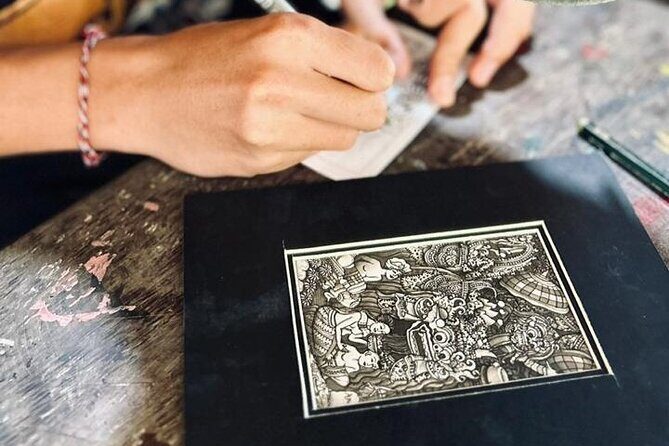
In Ubud’s Keliki area, this 3-hour workshop teaches you traditional Balinese Keliki painting in a laid-back home-studio setting. You work with classic materials, learn the layered process, and pause for afternoon tea while you get to know the artists behind the style.

I especially love two things. First, you learn from Gusti and Kedek, and the pace is unhurried—no stress, no rushing, just step-by-step help. Second, you get hands-on practice with the multi-step layers using Chinese ink and acrylic paint, and that style clicks even if you’re not an artist.

One thing to consider: this is a studio-based art class, not a full-day sightseeing tour. If you’re expecting lots of stops and big photo moments, you’ll want to plan other activities around it.

Key things to know before you go

Threads of Tradition Miniature Keliki Painting Workshops - Key things to know before you go

  • Small-group feel (max 20) means you can ask questions and actually follow along
  • Two instructors, Gusti and Kedek guide your first Keliki-style attempts
  • Traditional materials and layered technique use Chinese ink plus acrylic paint
  • Afternoon tea included so you’re not just painting for three hours straight
  • Take-home artwork gives you a real souvenir you made yourself

Keliki Miniatures: What Makes This Balinese Painting Style Different

Keliki painting is a Balinese tradition that favors storytelling scenes—often village life and small, practical myths. The style is known for many careful steps, with details built gradually instead of one bold pass. That matters because the workshop isn’t just about drawing an image. It’s about learning the method behind the look.

You’ll also notice the focus on miniatures. The scale pushes you to slow down. Lines become deliberate. Shapes get placed with intent. If you’ve ever struggled with drawing because you want it perfect immediately, this format is oddly freeing—you learn how to build, correct, and keep going.

The workshop uses traditional materials, including Chinese ink and acrylic paint, and the process builds in layers. Even if you don’t master every nuance in three hours, the training gives you a clear workflow: outline, layer, refine, and finish.

Five Arts Studio in Keliki: Where the Class Happens

Threads of Tradition Miniature Keliki Painting Workshops - Five Arts Studio in Keliki: Where the Class Happens
The experience centers at Five Arts Studio on Jl. Raya Keliki, in the Tegallalang (Gianyar) area. It’s a traditional Balinese house compound, which changes the feel from a typical classroom. Instead of fluorescent lights and a table row, you’re working in a space that’s clearly part of local life.

That also affects pacing. You’re not herded. You’re invited into the process. When you’re working with ink and paint, that calmer rhythm helps. It gives your hand time to catch up to your eyes.

You’ll start and end back at the same meeting point. So you’re not trying to solve logistics mid-class. When the workshop ends, you’re already where you need to be.

The 3-Hour Flow: What You’ll Do Step by Step

Threads of Tradition Miniature Keliki Painting Workshops - The 3-Hour Flow: What You’ll Do Step by Step
The session is about three hours. In that time, the goal is practical learning: you should come away with a clear sense of how Keliki painting is put together, plus a finished piece you can take home.

You’ll learn by doing, not by watching from a distance. The structure typically follows a pattern common to traditional art classes:

  • you’re introduced to the style and key steps
  • you practice the technique with guidance
  • you build up layers, with the instructors checking your progress
  • you finish your miniature and prepare to leave with it

Because this is designed for all skill levels, the instruction stays grounded. No prior painting experience is required. If you can follow directions and keep your attention on one step at a time, you’re in the right place.

Gusti and Kedek: Two Instructors Who Keep It Friendly

Threads of Tradition Miniature Keliki Painting Workshops - Gusti and Kedek: Two Instructors Who Keep It Friendly
A big reason this workshop scores so well is the teaching style. Gusti and Kedek are personable and fun, and they explain in a way that makes you feel capable instead of overwhelmed.

The teaching also hits a sweet spot for beginners. You get enough structure to know what to do next, but you still have room to make choices—especially once you’re working on your own miniature.

The other subtle benefit of two instructors: you get faster feedback. When one person is explaining how a technique should look, the other can help adjust how you’re holding your tool or where you’re placing a detail. That’s the kind of attention that can make the difference between a confusing first attempt and a satisfying one.

Working With Ink and Acrylic Layers Without Getting Lost

Threads of Tradition Miniature Keliki Painting Workshops - Working With Ink and Acrylic Layers Without Getting Lost
Keliki’s look comes from layering. In this class, you’ll practice techniques using Chinese ink and acrylic paint, which is a classic pairing in many ink-based art traditions. Ink tends to set a crisp line. Acrylic helps you fill, deepen tones, and add color layers.

The multi-step approach means you’re not trying to do everything at once. You learn the logic of the layers: build detail in stages so each step can support the next. That’s also why the pace feels comfortable. You aren’t rushing through dry stages or skipping the steps that create depth.

Here’s what you can do to get the most out of the time:

  • Focus on getting the first lines right, not making everything perfect
  • Expect the middle stages to look unfinished at times
  • Ask questions when you’re unsure about what comes next in the layering process

You’ll leave knowing the difference between simply copying a scene and actually understanding the steps.

Afternoon Tea at a Balinese Home Studio (Why It Matters)

Threads of Tradition Miniature Keliki Painting Workshops - Afternoon Tea at a Balinese Home Studio (Why It Matters)
Yes, you’ll paint—but you’ll also get afternoon tea during your class. You’ll have snacks, coffee and/or tea, and mineral water included. That changes the whole experience from work-only to a social, human pace.

In a traditional house compound setting, tea time also gives you something underrated: conversation with local artists in an informal way. You’re not stuck in a scripted lecture. It feels like you’re visiting while still learning.

Tea breaks are practical here too. Ink and acrylic sessions can be tiring for your hands and eyes. A pause keeps you from pushing too hard and makes it easier to finish with a steadier outcome.

What You Create—and How to Turn It Into a Real Souvenir

Threads of Tradition Miniature Keliki Painting Workshops - What You Create—and How to Turn It Into a Real Souvenir
By the end, you’re set up to take home your artwork. That’s huge for value. A class that teaches you technique is great, but a class that results in something you can display later is even better.

Since this is a miniature Keliki-style workshop, your final piece is small enough to pack and show friends, but detailed enough to feel personal. The point isn’t just decoration—it’s evidence that you learned a real traditional method.

If you’re the type who likes “one good thing” from each trip, this will deliver. You’ll have an item that connects directly to a moment you did with your own hands, not just something you bought off a shelf.

Price and Value: Is $29 Worth It?

Threads of Tradition Miniature Keliki Painting Workshops - Price and Value: Is $29 Worth It?
At $29 per person, this workshop is priced for people who want real culture without paying the premium of a long private tour. You’re getting a three-hour practical art lesson, instruction from two local artists, traditional materials used during the class, plus snacks and drinks.

Value here comes from three areas:

  • Instruction quality: you’re not just handed paper and told to figure it out
  • Technique focus: layering ink and acrylic means you learn an actual process
  • Included refreshments: tea and snacks keep it comfortable and social

The class is also limited to a maximum of 20 travelers, which helps keep it from feeling too crowded. And it’s typically booked about 10 days in advance, so availability can tighten when dates are popular.

If you’re on a mid-budget trip and you want an experience that’s both useful and memorable, $29 for three hours with two artists is strong value.

Who Should Book This Keliki Painting Workshop

This workshop is a great fit if any of these sound like you:

  • you want a hands-on Balinese art experience in the Keliki area near Ubud
  • you’re curious about traditional painting techniques and how layering creates the look
  • you want an activity that works even if you’ve never painted before
  • you like small-group classes with friendly local instructors

It’s also ideal if you’re traveling with a partner or friend and want a shared creative project. The class structure supports both beginners and people who just want an easy, satisfying afternoon.

If you’re only interested in big temple tours or full-day excursions, you may feel the workshop is too focused. But if you like depth in one activity, you’ll probably leave happy.

Practical Tips to Make Your Afternoon Go Smoothly

A few details can help you have a smoother class:

Dress code is smart casual. You don’t need fancy clothes, but you should wear something you’re comfortable sitting and working in. If you’re worried about paint splatter, choose clothes you don’t mind getting a tiny bit of mess risk.

The workshop includes tea and snacks, and alcohol is not included (it’s available to purchase). So plan to hydrate and snack during class, but don’t count on a full meal afterward.

Lunch is not included. You can order local food if you want. Also, the start point is near public transportation, so you can likely fit it into your day without needing a complicated transfer plan.

Finally, because the class is unhurried and you work at your own pace, show up ready to slow down. The best results come when you focus on the next step, not when you try to finish faster than the paint and ink process allow.

Should You Book Threads of Tradition Miniature Keliki Painting?

If you want an authentic, hands-on Balinese art experience near Ubud, I’d book this. The best part isn’t just making something pretty—it’s learning a traditional Keliki technique with Gusti and Kedek in a calm setting. Add in tea, snacks, and the chance to take your piece home, and it feels like a satisfying afternoon with real substance.

You might skip it if you’re looking for a busy day of sightseeing or lots of different locations. This is intentionally focused. If you’re cool with that, it’s a great match for a thoughtful traveler.

FAQ

How long is the Keliki painting workshop?

It’s about 3 hours.

Where does the workshop start?

The meeting point is Five Arts Studio on Jl. Raya Keliki, Keliki, Kec. Tegallalang, Kabupaten Gianyar, Bali 80561, Indonesia.

What will I learn during the class?

You’ll learn the traditional Balinese Keliki painting style, including the techniques and process of drawing and painting in layers.

Do I need any prior art experience?

No. The workshop welcomes all levels, and no prior knowledge of painting is needed.

Is afternoon tea included?

Yes. Coffee and/or tea, snacks, and mineral water are included, and afternoon tea is part of the class.

What materials are used?

The class uses traditional materials, including Chinese ink and acrylic paint.

Is vegetarian food available?

A vegetarian option is available—advise the requirement at the time of booking.

What should I wear?

The dress code is smart casual.

Is alcohol included?

Alcohol is not included, though it’s available to purchase.

Can I take my artwork home?

Yes. Your finished artwork is intended to be taken home as a souvenir.

What is the cancellation window?

You can cancel up to 24 hours in advance for a full refund.

Bali Charm: Full-Day Bedugul and Tanah Lot Tour (UNESCO) – All Inclusive Tickets

Bali Charm: Full-Day Bedugul and Tanah Lot Tour (UNESCO) - All Inclusive Tickets - Taman Ayun Temple: the royal water-garden hour

One-day Bali can feel like a whirlwind. This one works because it strings together temples with real purpose and Bali’s UNESCO rice scenery in a single loop. You get a private air-conditioned vehicle with an English-speaking driver/guide, plus admission fees and entry costs so you spend less time figuring things out and more time looking around.

I especially like the mix of sacred sites and landscapes. Taman Ayun feels like a royal garden retreat, and Tanah Lot delivers the classic sea-temple moment that’s pure photo fuel. My one heads-up: it’s a long day with plenty of driving, and north-and-west Bali roads can get slow, so you’ll want to start fresh and stay patient.

Key highlights worth caring about

Bali Charm: Full-Day Bedugul and Tanah Lot Tour (UNESCO) - All Inclusive Tickets - Key highlights worth caring about

  • Four main stops with tickets included: Taman Ayun, Ulun Danu Bratan, Jatiluwih, and Tanah Lot
  • UNESCO rice terraces at Jatiluwih: one hour built in for real looking and photos
  • Private driver/guide, English-speaking: you’re not stuck with a loud, impersonal group
  • Guides help with photos: stopping in the right spots and parking so you don’t waste time
  • Optional add-ons if time permits: waterfalls, gates, monkey sanctuary, hot springs, and more

Bedugul to Tanah Lot: temples and UNESCO rice in one loop

This full-day tour is built around three classic Bali “wow” categories: temples, water scenery, and rice terraces. The route starts with Taman Ayun near Mengwi, then heads toward Bedugul for Ulun Danu Beratan by the lake. After that you’ll go to Jatiluwih, the UNESCO-listed rice landscape, before finishing at Tanah Lot along the coast.

The big advantage for you is flow. The tour doesn’t just list sights; it schedules enough time at each stop (about an hour each) so you’re not constantly sprinting. And because it’s private, you can move at a pace that fits your group—quiet photos, slower walking, or just standing back to watch what’s happening at a temple.

Still, you should go in with realistic expectations. It’s roughly 10 hours, with significant travel time between northern and western Bali sights, and traffic can slow things down. If you hate car time, bring snacks for the ride and a good attitude. If you’re the type who likes the changing scenery on the way, this day becomes part of the fun.

Getting there from Ubud: pickup that saves your morning

Bali Charm: Full-Day Bedugul and Tanah Lot Tour (UNESCO) - All Inclusive Tickets - Getting there from Ubud: pickup that saves your morning
Pickup starts at 8:30 am, and the tour offers drop-off back in your area, including Ubud and a long list of south Bali locations. If you’re staying near the pickup zones, that’s a real time-saver. You don’t have to plan transport on your own, and you avoid the usual back-and-forth with local drivers.

A practical bonus: your guide also acts as the driver. In real life, that matters. Instead of repeating yourself 10 times, you can ask questions once and get answers while you’re on the road. It also tends to make photo stops easier, because the person who knows the route can park in a spot that actually matches where you need to walk.

One caution: you’ll be waiting in your hotel lobby for pickup, so plan your morning around that start time. If you’re traveling with kids, build in a little buffer so you don’t end up rushing right before departure.

Taman Ayun Temple: the royal water-garden hour

Bali Charm: Full-Day Bedugul and Tanah Lot Tour (UNESCO) - All Inclusive Tickets - Taman Ayun Temple: the royal water-garden hour
Taman Ayun Temple is the first stop, and it’s a good opener. You get a full hour in a temple-and-garden complex known for traditional Balinese architecture spread across courtyards and enclosures. The feel here is different from the more dramatic cliff and sea-temple locations later in the day. This one is calmer—more like walking through a planned garden space where people come to pray and observe temple life.

What I like for your experience: the site doesn’t feel like a quick photo wall. You can slow down. Notice how the layout shapes movement. If you enjoy architecture and garden design, this hour can be surprisingly satisfying even if you’re not a temple super-fan.

A small consideration: it’s still a place of worship, so you’ll want to dress respectfully and keep your voice down. Also, because you’re starting early, it’s a great time to get photos before crowds thicken at later stops.

Ulun Danu Beratan: Lake views with a water-temple focus

Bali Charm: Full-Day Bedugul and Tanah Lot Tour (UNESCO) - All Inclusive Tickets - Ulun Danu Beratan: Lake views with a water-temple focus
Next comes Ulun Danu Bratan Temple, a water temple by Lake Beratan. The setting is the headline: water, temple structures, and the sense that this place sits right at the edge of daily Balinese religious life. The temple is associated with worship meant to invoke fertility, prosperity, human well-being, and sustainability—in other words, it’s not just a pretty backdrop.

For you, the value is twofold. First, you’re not just seeing a temple; you’re learning what people believe this place represents. Second, the lake setting gives you a built-in reason to step back, look, and take your time. This is one of those stops where changing light can matter, so don’t rush every photo.

Possible drawback: lake-area views can mean cooler air and sometimes unpredictable weather. If you feel chilly early in the day, bring a light layer. A short, thoughtful stop beats a stressed, “we’re freezing” sprint.

Jatiluwih Green Land (UNESCO): rice terraces that feel endless

Bali Charm: Full-Day Bedugul and Tanah Lot Tour (UNESCO) - All Inclusive Tickets - Jatiluwih Green Land (UNESCO): rice terraces that feel endless
Then you reach Jatiluwih Green Land, the UNESCO rice terrace area and one of the biggest rice-terrace scenes in Bali. This stop is a full hour. That matters because the terraces take time to absorb. It’s not just one view; the terraces create layers, and each angle gives you a different sense of scale.

I love how this stop ties directly to what the rice terraces represent. This is Bali’s living system—people grow food in stepped landscapes, and the whole place is recognized for its UNESCO value. It’s the kind of stop where you can learn something real in a short time, without making it feel like a lecture.

What you’ll enjoy most: the walk-and-look rhythm. You’ll get chances for photos, but you also want to pause and watch how the terraces shape movement and farming. If you’re a photographer, you’ll probably take the same shot twice—once fast, once after you realize where the best lines are.

The one consideration: this is one of the places where you may notice humidity, uneven paths, and sometimes muddy ground depending on weather. Wear shoes you’re happy to get a bit dirty. Your feet will thank you.

Tanah Lot: the sea-temple photo stop and tide timing

Bali Charm: Full-Day Bedugul and Tanah Lot Tour (UNESCO) - All Inclusive Tickets - Tanah Lot: the sea-temple photo stop and tide timing
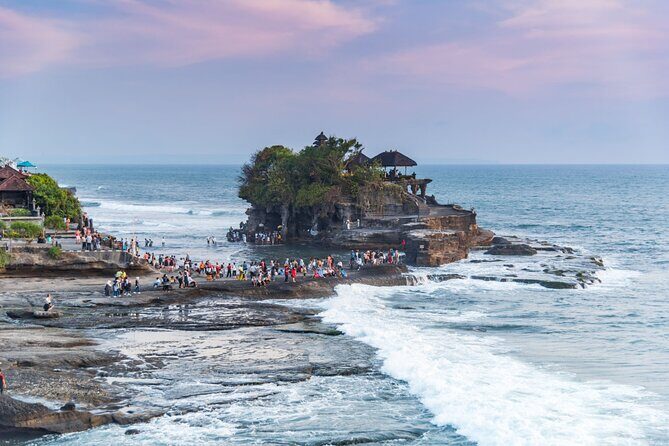
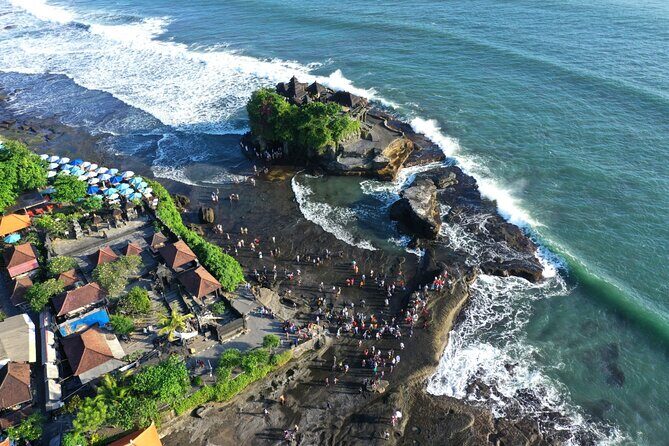
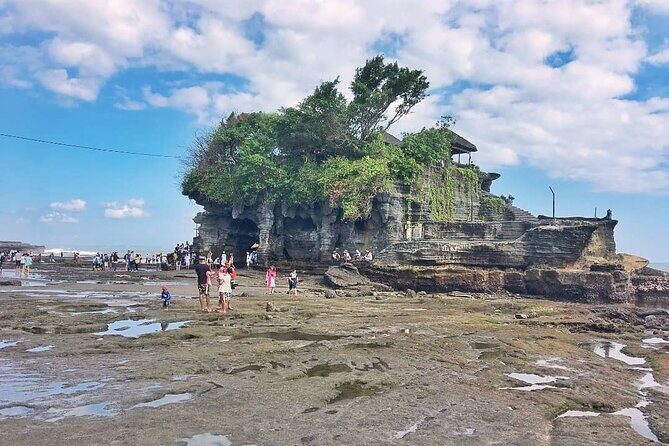
Finish at Tanah Lot Temple, the most visited and famous temple in Bali for sunset. It’s famous because it appears like a sea temple, sitting by the coast as if it’s floating when conditions line up.

The big tip I’d give you: for the best “floating” look, tide timing matters. You might catch it with the tide out for that extra dramatic scene. Even if you don’t, Tanah Lot still works because the setting is stunning and the temple is visually strong from multiple angles.

This is also where a good driver/guide helps. The difference between an okay photo and a great one is often about where you stand and how quickly you can get there. Guides like Rudy and Ardiyasa are described as especially helpful with getting photos and parking you at accessible points—exactly what you want when you only have about an hour.

Keep in mind: coast conditions can get windy. Bring a hat if you have one, and keep an eye on where you’re walking so you don’t end up on slick spots near the water.

Optional add-ons when the schedule has room

Bali Charm: Full-Day Bedugul and Tanah Lot Tour (UNESCO) - All Inclusive Tickets - Optional add-ons when the schedule has room
This tour can add extra stops if time permits. The exact choices depend on your day and how the route is paced, but the options listed include things like:

  • Gitgit Waterfall: a jungle-feeling hotspot in northern Bali
  • A large botanical garden: a cooler upland escape with rare tropical plants
  • Handara Gate: a big photo-worthy gate with mountain and rainforest backdrops
  • A second waterfall option in northern Bali: described as an iconic, beautiful waterfall
  • A surfer beach: a break from crowds, with strong swells and strong rips
  • Hot water springs: a therapeutic-style stop with sulphuric content
  • A traditional country town and arts area: tied to the Balinese royal family
  • A monkey sanctuary: a habitat with over 1,000 long-tailed monkeys
  • A lotus-pond temple in Ubud: a hidden-style temple with two ponds full of lotus
  • A cave Hindu temple: an 11th-century style site with holy fountains for purification
  • An upscale beach resort area: a mature, well-known Bali tourism zone
  • A sunrise beach: with eateries and cafés nearby
  • A local market walk: food options for dinner and low-cost traditional cuisine
  • A garden and quirky object area: creative structures, animals, and fauna
  • A purification-feeling temple and other cultural sites
  • A capital/commerce/education center viewpoint stop and a monument with Bali history photos

How to use these options wisely: pick one or two. When you add too many, you turn a beautiful day into “stop, walk, photo, repeat.” If you’re already getting temples and rice, I’d treat optional stops as a bonus flavor—waterfall, monkeys, or hot springs—something that changes the pace.

Also, if your group is sensitive to crowds, prioritize the calmer-feeling options. If you want big energy and photos, choose a waterfall or gate stop. If you want a cultural reset, choose a temple or market. Your guide can help you decide based on timing.

Private vehicle time: how to make the long drive feel shorter

Bali Charm: Full-Day Bedugul and Tanah Lot Tour (UNESCO) - All Inclusive Tickets - Private vehicle time: how to make the long drive feel shorter
This is the part that can make or break your day. You’re moving between Ubud, Bedugul, Jatiluwih, and the coastal west side. That’s far enough that you’ll spend real time in the car, and traffic can be slow.

My advice for you: treat the drive like your buffer. Bring a charged phone, download offline maps for peace of mind, and keep water handy. If you’re prone to motion sickness, consider sitting where you feel best and taking it easy before the bigger climbs.

The good news is that the guide can turn time in the car into learning time. Guides are often described as friendly and professional—people like Aris and Tegeg are mentioned as accommodating, with strong explanations of history, religion, and customs. When you’re watching Bali from the window anyway, it’s nice to understand what you’re seeing.

Price value: what $56.54 includes and why it adds up

At $56.54 per person, this tour looks like a solid deal once you factor in what’s included. You get:

  • a private air-conditioned vehicle
  • pickup and drop-off in multiple areas
  • an English-speaking guide (who also drives)
  • entry/admission fees
  • parking fees
  • gas/petrol
  • a mobile ticket
  • group discounts are listed as a feature

Food and drink are not included, and tips are optional. That’s normal, but it means you should budget for lunch/snacks as you go.

The real value is that admissions and logistics are wrapped in. When you compare to piecing together transport plus tickets plus parking, this kind of all-in approach often saves stress and time. You also get to avoid the usual hassle of trying to coordinate multiple independent services across a large loop.

If you’re traveling solo, a private tour can still feel worthwhile because you’re not sharing the experience with strangers. If you’re a couple, it can feel like a controlled, comfortable way to pack in north-and-west highlights without turning the day into chaos.

What kind of traveler should book this?

Book this if you want a full, classic Bali day with structure. It fits best for:

  • couples and small groups who like a private pace
  • people who want both temples and UNESCO rice terraces in one run
  • photographers who appreciate having a guide help with stopping and photo angles
  • anyone who likes explanations of Balinese religion and customs without getting trapped in a rigid script

It may not be ideal if you hate long drives or want a slow, zero-rush day centered on one tiny area. This tour moves, and it rewards patience.

Should you book Bali Charm: Full-Day Bedugul and Tanah Lot Tour?

Yes, if your goal is a well-paced day that hits the big north-and-west hits without making you juggle tickets and transport. The strongest reasons to book are the included admissions, the UNESCO Jatiluwih stop, and the practical private setup with an English-speaking guide/driver who can help with photos and timing.

If you’re deciding between this and a more relaxed plan, consider your travel style. If you want one memorable, photo-heavy loop with built-in learning and comfort, this is a good match. If you’d rather do fewer stops, pick a shorter temple-focused day instead.

Best of Ubud Tour with Jungle Swing Private and All Inclusive

Best of Ubud Tour with Jungle Swing Private and All Inclusive - Stop 1: Tegenungan Waterfall for Instant Nature Drama

This private Best of Ubud tour is a smart way to pack in the classics without playing logistics bingo. You get hotel pickup and drop-off plus an English-speaking driver, and the day includes the jungle swing ticket along with entrance fees—so you’re not doing surprise math between stops.

Two things I really like: you travel in an air-conditioned vehicle, and the stops are arranged for maximum sightseeing in one long day. The trip also feels personal thanks to a private setup, which matters when you want a little flexibility at busy sites.

One consideration: the day moves fast. Even Tirta Empul is listed as a very short stop, so if you want slow, meditative temple time, you may feel a bit rushed.

Key things to know before you go

Best of Ubud Tour with Jungle Swing Private and All Inclusive - Key things to know before you go

  • Entrance fees and the jungle swing ticket are included, which smooths out your budget.
  • Air-conditioned private transport makes the long day far more comfortable.
  • Tegenungan Waterfall, Sacred Monkey Forest, and Tegalalang Rice Terrace are the core “Ubud highlights” mix.
  • Your guide matters, and real examples include Komang and Alit stepping in to make the day feel organized and fun.
  • Swing photos may require extra dress rental, so expect that small add-on.

A One-Day Ubud Hit List, With a Jungle Swing in the Mix

Best of Ubud Tour with Jungle Swing Private and All Inclusive - A One-Day Ubud Hit List, With a Jungle Swing in the Mix
If you want Ubud in a single day, this tour is built for that exact goal. You’ll see the usual headline stops—waterfall, temple, monkeys, and rice terraces—then layer in the jungle swing at Alas Harum Bali Jungle Swing. It’s an efficient format, not a slow cultural retreat.

I like that it’s “best of” style without being chaotic. The structure is clear: you go site to site, you pay the key admissions once (they’re included), and you spend your time actually looking around. The private setup also helps. Even if you’re the only people in the car, you’re not stuck waiting behind someone else’s pace.

The included mineral water is a small touch, but it helps on a hot day. And because it’s all private, you’re less likely to feel like you’re being herded.

Pickup Zones and AC Comfort: Less Waiting, More Daylight

This tour includes round-trip transfers from a wide set of Bali areas: Ubud, Kuta, Seminyak, Nusa Dua, Sanur, Uluwatu, Jimbaran, Legian, and Canggu. That’s a big deal. A lot of “Ubud day trips” only pick up from Ubud or a couple nearby neighborhoods. Here, you can save time on the start and end of your day.

You’ll also ride in a super comfort air-conditioned vehicle with a driver who speaks English. In practice, that means fewer awkward moments and less time spent figuring things out on your own—especially when you’re trying to get from one attraction zone to another.

One practical tip: because pickup zones are spread out, your day can start earlier depending on where you’re staying. Build in patience for traffic on the way into Ubud.

Stop 1: Tegenungan Waterfall for Instant Nature Drama

Best of Ubud Tour with Jungle Swing Private and All Inclusive - Stop 1: Tegenungan Waterfall for Instant Nature Drama
Your day begins at Tegenungan Waterfall. It’s described as one of Bali’s most popular waterfalls that isn’t too far from the capital area, which is traveler-friendly in the sense that you’re not wasting the day on long-distance travel just to get to the first view.

This stop is listed as about 2 hours, and that’s a solid amount of time for getting photos, walking to viewpoints, and actually enjoying the scenery rather than sprinting through. Waterfalls in Bali tend to be a mix of nature and people, so having a couple hours helps you find your pace.

What to consider: you’ll likely be hot and possibly damp. Wear footwear you trust on uneven ground and bring something small to keep dry (or at least keep your phone safe). Also, keep expectations realistic: it’s a famous spot, so you’ll see other visitors.

Stop 2: Sacred Monkey Forest Sanctuary and the Temple-Plus-Animals Vibe

Best of Ubud Tour with Jungle Swing Private and All Inclusive - Stop 2: Sacred Monkey Forest Sanctuary and the Temple-Plus-Animals Vibe
Next up is Sacred Monkey Forest Sanctuary, where you’ll see gray macaques moving through a forest setting alongside Hindu temples. This is one of those places where the scenery is only half the story. The other half is the animal behavior, and how you handle it.

It’s listed for about 2 hours. That gives you time to explore temple areas, pause for photos, and still keep moving at a comfortable pace. The key here is respect. Don’t treat the macaques like props. Keep your belongings secured and follow site guidance so the animals stay animals, not troublemakers.

A useful “you’ll be glad you did it” habit: keep your camera and snacks handled carefully. Monkey encounters are often less about fear and more about preventing chaos.

Stop 3: Tegalalang Rice Terrace for Views That Actually Earn Their Time

Best of Ubud Tour with Jungle Swing Private and All Inclusive - Stop 3: Tegalalang Rice Terrace for Views That Actually Earn Their Time
Then you head to Tegalalang Rice Terrace, about 20 minutes from Ubud by drive. This is a classic Bali viewpoint—terraced fields, green slopes, and photo angles everywhere you turn.

This stop is also listed as about 2 hours, which is exactly enough time to do three things:

  • take photos from multiple viewpoints,
  • enjoy the surrounding walkways at a slow speed,
  • and not feel rushed when the light changes.

Why this stop works on a one-day tour: it gives you a different texture from waterfalls and temples. You’re shifting from water and stone into a landscape shaped by farming and time. Even if you’ve seen rice terraces before, Tegalalang is the kind of place where your brain finally says, okay, now I get it.

Stop 4: Tirta Empul Temple for a Quick Taste of a Water Temple

Best of Ubud Tour with Jungle Swing Private and All Inclusive - Stop 4: Tirta Empul Temple for a Quick Taste of a Water Temple
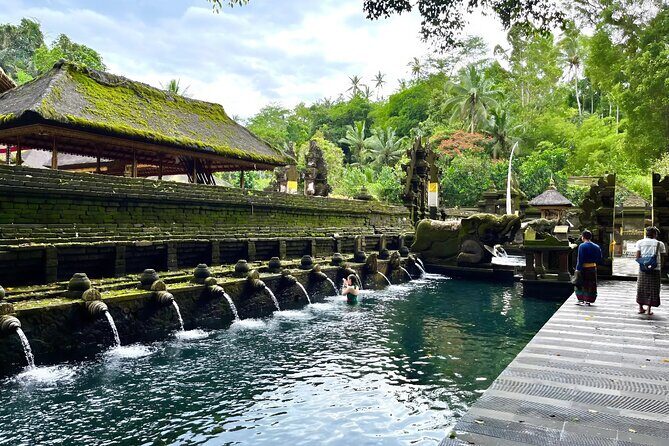
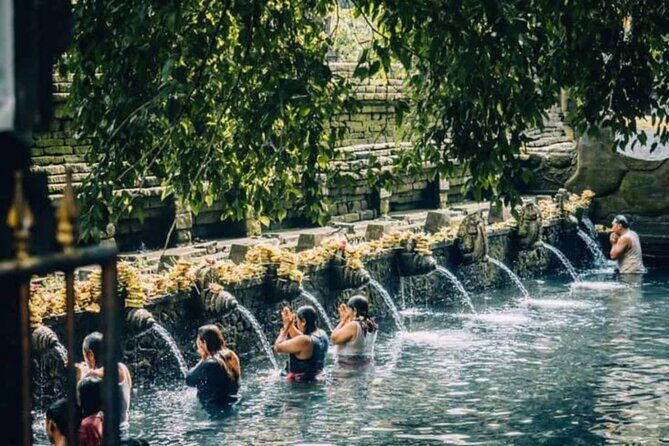
After the rice terraces, you’ll visit Tirta Empul Temple (Pura Tirta Empul), a Hindu water temple near Tampaksiring. The temple compound includes a bathing structure called a petirtaan, which is the heart of the site’s identity.

Here’s the one scheduling detail that can affect your enjoyment: it’s listed as 2 minutes. That doesn’t mean the temple is “bad”—it means the pacing is tight. If you love sacred sites and want longer time to watch rituals or read signage, you may wish you had more minutes here.

Still, even a very short visit can work if your goal is to check this icon off your list and get the overall feel of the place. If you’re sensitive to crowds, go in knowing it’s a stop that may feel more like a quick highlight than a full immersion.

The Extra Stops: Silver Craft, Batik Painting, and Time for Art

Best of Ubud Tour with Jungle Swing Private and All Inclusive - The Extra Stops: Silver Craft, Batik Painting, and Time for Art
Between the big-ticket nature and temple stops, the day also includes places described as the biggest silver crafting in Bali, plus stops for traditional batik painting and painting.

These stops are valuable for a simple reason: they give you a break from constant walking and sightseeing while showing you how craft culture works in Bali. Even if you don’t buy anything, it’s a chance to watch processes and see how art connects to daily life.

If you do want to shop, go in with a clear plan. Decide what you’re comfortable buying before you’re tired from a full day. Craft stops can be tempting when you’re standing right in front of the work.

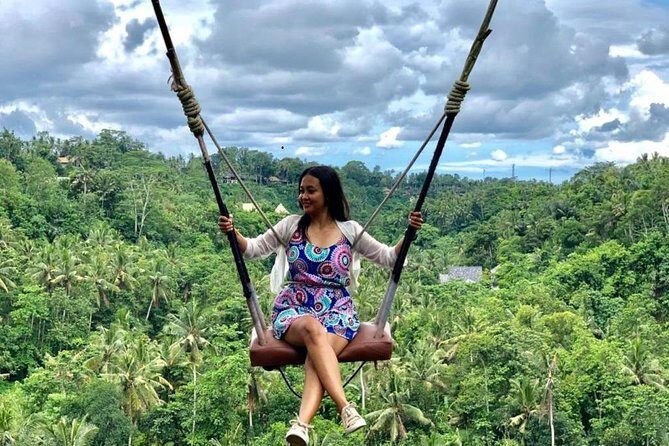
Jungle Swing at Alas Harum Bali: Included Ticket, Photo Outfit Add-On

Best of Ubud Tour with Jungle Swing Private and All Inclusive - Jungle Swing at Alas Harum Bali: Included Ticket, Photo Outfit Add-On
The headline fun piece is Alas Harum Bali Jungle Swing, and the jungle swing ticket is included. So the main attraction cost is already covered in the tour price.

Here’s the practical part. One review mentioned that you’ll need to pay for a dress rental for the pictures on the swing. It wasn’t described as expensive, but it’s an extra fee you should expect if you want the full set of photo options.

What I’d do in your shoes: bring confidence and a sense of humor. This is Bali—people take it seriously, but you don’t need to. The best swing moments usually come when you stop trying to look perfect and just enjoy the view and the ride.

Also, take a moment to look around before you swing. The setting in the rice fields is part of why it’s worth doing. If you only focus on the jump, you miss the scenery that makes the experience feel special.

Price and Value: Why $33 Works (If You Want a One-Day Stack)

At $33 per person, this tour feels like good value if your priority is coverage. You’re paying for:

  • private round-trip transfers from many areas,
  • an English-speaking driver,
  • entrance fees (included),
  • mineral water,
  • parking and petrol,
  • and the jungle swing ticket.

Individually, those categories add up fast on Bali day trips. What makes this price feel fair is that you’re not paying separately for the big-ticket elements (especially entrance fees and the swing ticket). That keeps your budget calmer, which is what most people want when they’re on vacation.

There are two ways the value can slip. If you decide you want long, slow temple time everywhere, this schedule may feel too compressed. And if you arrive wanting a sit-down lunch at a specific place, meals aren’t included, so you’ll need to cover that yourself.

Your Guides Make the Day: Komang, Aris, and Alit

A strong day is usually a mix of sights plus smooth handling. In this case, the guide quality shows up in real-world examples. Komang is described as helpful at every opportunity, Aris as organized, efficient, and knowledgeable, and Alit as fun, personable, and supportive (including a guide in training who made the experience extra enjoyable).

You should use the guide’s strengths. Ask simple questions as you travel, not when you’re already standing in the queue. If you want better photo angles, say so early. If you’re unsure about timing between sites, ask for a quick plan. In a private tour, these small conversations can improve the whole flow.

Who This Tour Is Best For (and Who Might Not Love It)

This tour is a good fit if you want:

  • a one-day highlight pack of Ubud without complex planning,
  • private comfort with pickup from many Bali areas,
  • and one big adrenaline-photo moment via the jungle swing.

It may not be the best fit if you:

  • want very slow temple and ritual time (the Tirta Empul stop is extremely short),
  • dislike shopping or craft stops (silver/batik/painting stops are part of the structure),
  • or hate crowds at famous viewpoints like the waterfall and monkey forest.

If you’re traveling with a flexible attitude, you’ll probably enjoy it even more. The day mixes nature and culture, but it doesn’t pretend to be endless.

Should You Book This Best of Ubud Tour?

Book it if you want to see a lot, stay comfortable, and keep your costs under control. The included entrance fees and included jungle swing ticket are the big wins, and the pickup range makes it practical from many parts of Bali.

Skip it or consider a slower option if you’re the type who wants to linger at each sacred site or you feel stressed by tight timing. This is a highlight-day design, not a slow retreat.

If you like your Bali days structured and action-packed, you’ll likely feel happy with how this tour stacks Ubud’s greatest hits in one go.

FAQ

FAQ

What’s included in the tour price?

The tour includes hotel pickup and drop-off (from several Bali areas), mineral water, an English-speaking driver, private tour, parking fee, petrol, air-conditioning, entrance fees, and the jungle swing ticket.

What are the main stops on the day?

You’ll visit Tegenungan Waterfall, Sacred Monkey Forest Sanctuary, Tegalalang Rice Terrace, Tirta Empul Temple, plus stops related to silver crafting, traditional batik painting, and painting.

How long is the tour?

It runs about 8 to 9 hours.

Do I need to pay entrance fees separately?

No. Entrance fees are included, along with the jungle swing ticket.

Are meals included?

No. Meal fees and any other personal or optional expenses are not included.

What happens if the weather is bad?

This experience requires good weather. If it’s canceled due to poor weather, you’ll be offered a different date or a full refund.

Mount Batur Trekking Sunrise Private Tour

Mount Batur Trekking Sunrise Private Tour - Breakfast with sunrise colors over Lake Batur and Mt. Rinjani

Early morning has a reason.

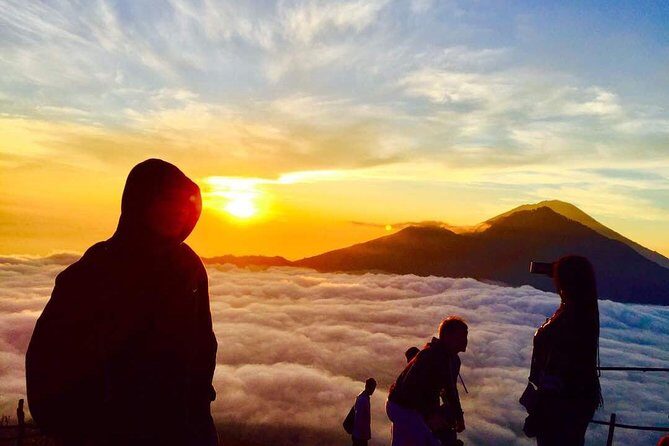
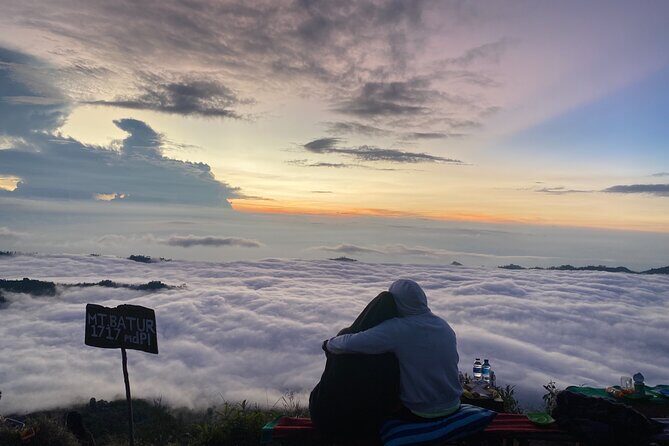
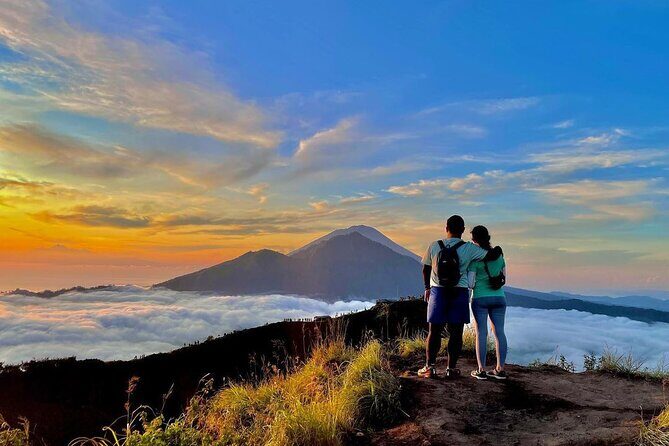
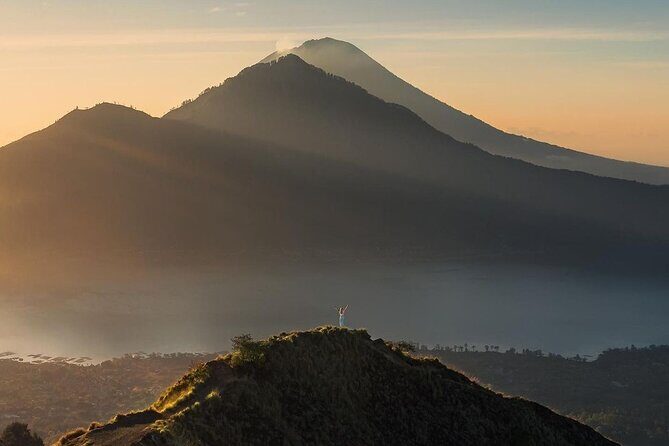
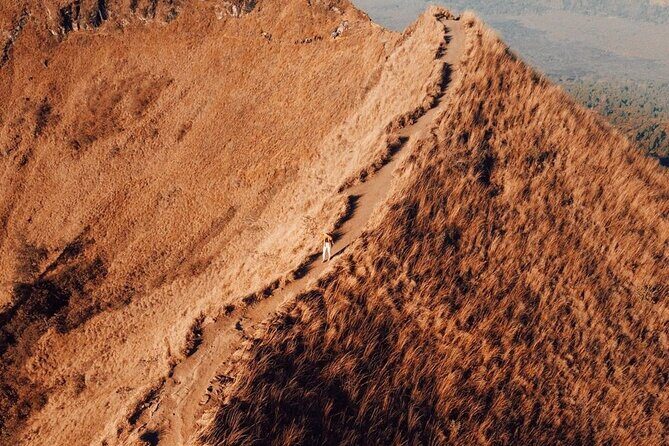
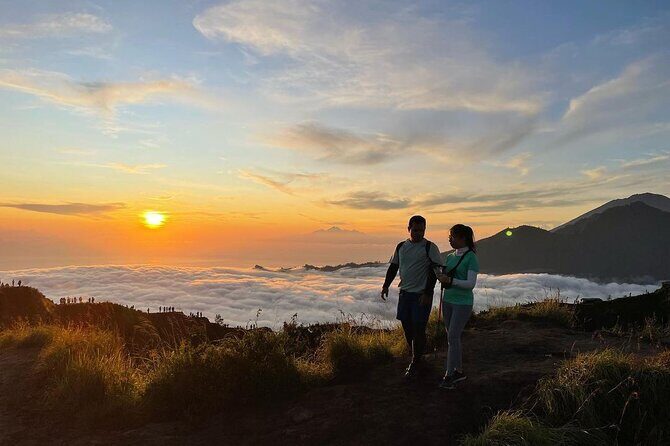
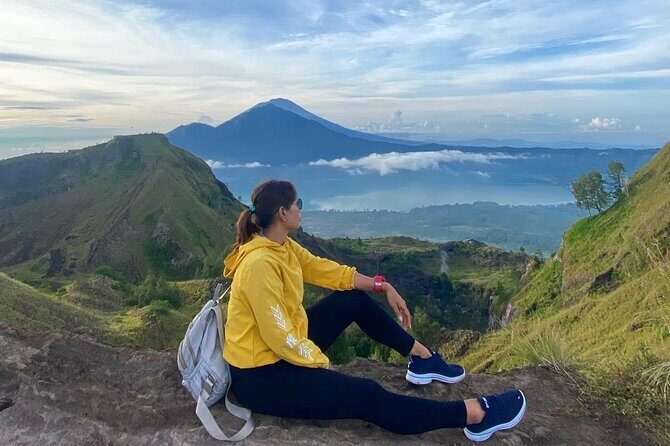
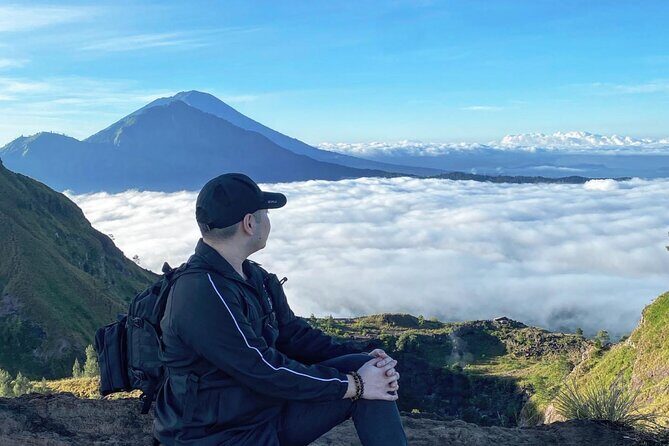
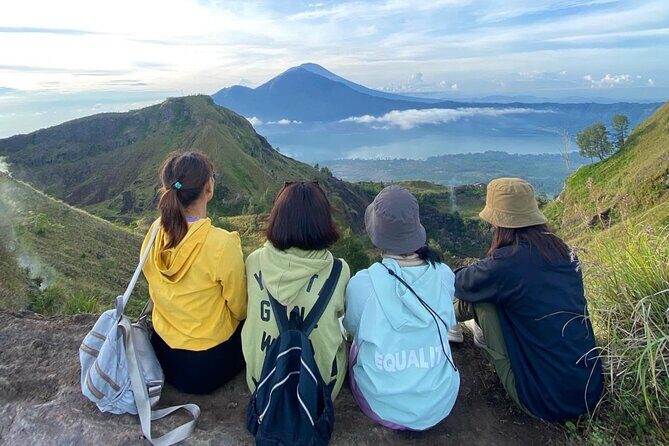
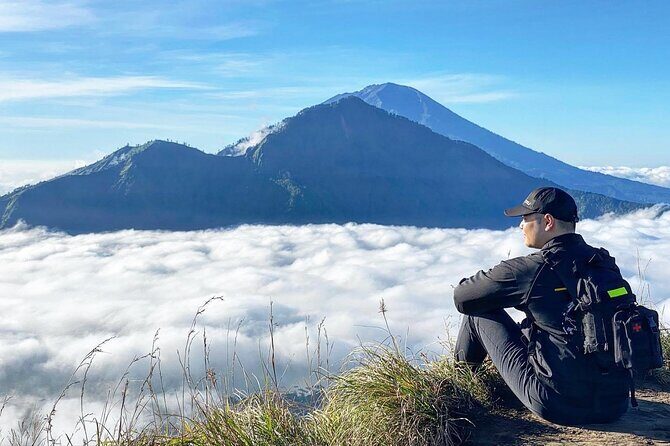
This sunrise trek on Mt. Batur is built around one big moment: a summit view over Lake Batur and Mount Rinjani right around 6am. You start in the dark (3:30am), hike up with flashlights, then come back down by late morning with time for breakfast and more crater scenery.

Two things I really like here. First, the trek is led by an experienced English-speaking mountain guide, and the included flashlights help you climb without guessing your footing. Second, breakfast is part of the sunrise payoff, with clear, high-up views over Lake Batur while the sky warms up.

One drawback to plan for: the climb is steep. It is doable for many people, but if you are not used to uphill steps, you’ll feel it—so wear proper shoes and expect a workout, not a stroll.

Key highlights you’ll actually feel

Mount Batur Trekking Sunrise Private Tour - Key highlights you’ll actually feel

  • 3:30am start, sunrise at ~6am: the timing makes the whole day feel worth it.
  • Flashlights included: helpful on a dark, steep ascent.
  • Breakfast on/near the crater rim: watch the color shift over Lake Batur and Mt. Rinjani.
  • Crater and lava walk after sunrise: an extra option to see ash cones and lava flows.
  • Small group setup: max 5 travelers, with one English-speaking guide for every group of 4.
  • Optional upgrades: 2-way hotel transfers and hot spring soaking for sore muscles.

Why Mt. Batur sunrise means you get the best light

This is the kind of tour where the hardest part starts before you’ve really had breakfast—because the pickup meets you at 3:30am. The starting point is Toya Bungkah Village in the Kintamani area, and you’ll meet your guide there before the climb begins.

That very-early schedule matters. You’ll reach the summit area after about 1.5 to 2 hours of hiking, then watch dawn open up right around 6am. Instead of seeing the volcano on a cloudy afternoon, you’re there when the horizon is clean and the first light hits the crater edges and the surrounding caldera.

If you’re basing yourself in or around Ubud, this trip is a great way to see another side of Bali—volcano country—without turning your day into a marathon of stops. You’re out, you’re up, and you’re back by early afternoon (around 1:30pm after the coffee plantation stop, if you choose it).

The climb: steep steps, flashlights, and a realistic pace

Mount Batur Trekking Sunrise Private Tour - The climb: steep steps, flashlights, and a realistic pace
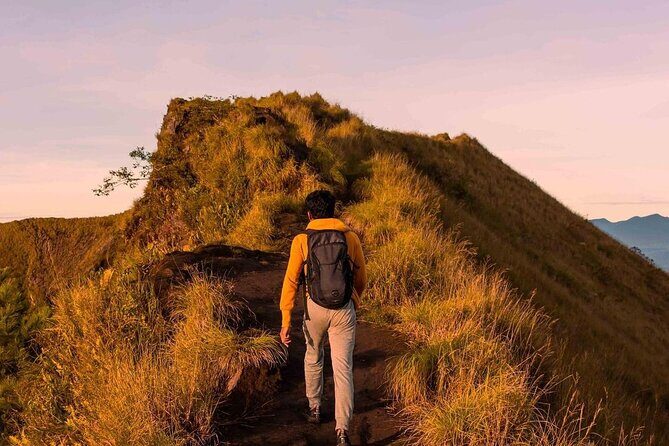
The ascent to Mt. Batur’s summit (1717 meters) is described as steep. That is not a scare tactic; it’s just the honest setup. You’ll be hiking in the dark at first, so the included flashlights are a practical win. They reduce that awkward moment of everyone trying to hold a phone flashlight while moving uphill.

Your guide’s job isn’t just pointing the route. A good mountain guide keeps people moving safely in a steady rhythm—especially on uneven rock where footing matters more than speed. The reviews highlight guides like Jerry and Ari as friendly and confident, with a focus on getting everyone up safely and back down without stress.

Bring the right attitude, not just the right gear. If you pace yourself, you’ll be able to take in the sunrise rather than just survive the climb. Also, it’s early: plan on being a little cold at the start. A windbreaker helps.

One more tip from the tour’s own essentials list: bring sunglasses and sunscreen. Even though you start in the dark, the sun climbs fast after sunrise at altitude.

Breakfast with sunrise colors over Lake Batur and Mt. Rinjani

Mount Batur Trekking Sunrise Private Tour - Breakfast with sunrise colors over Lake Batur and Mt. Rinjani
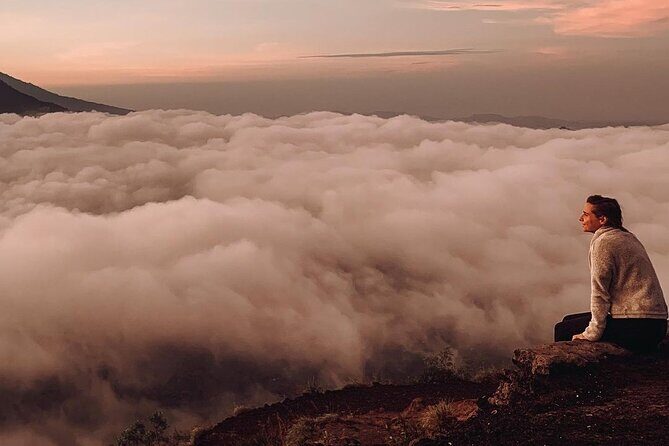
The best part of the timing is what happens once you’re high enough. You arrive for sunrise at about 6am, and breakfast follows as the sky changes. The view is the main event: you’ll look out over Lake Batur (Danau Batur) and also take in the far-reaching presence of Mount Rinjani.

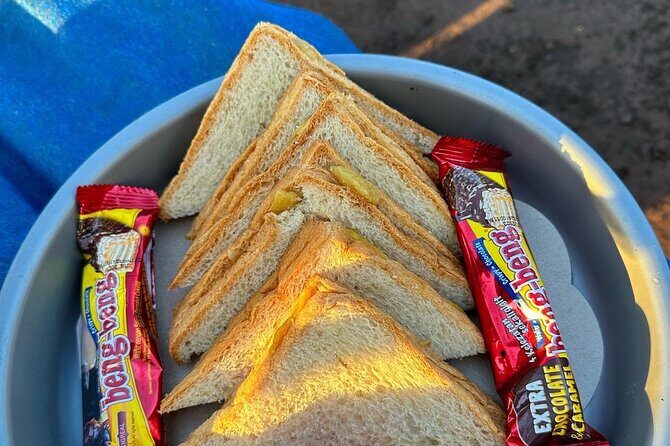
Breakfast here isn’t a side snack. It’s your chance to reset after the steep climb, and it puts you in position to actually enjoy the sunrise instead of rushing through it. You’ll be served hot tea or coffee with breakfast, which is a simple detail but a very smart one for a cold early start.

This is also where the small-group format helps. With fewer people, you’re less likely to feel like you’re in a line, and you can shift your view to get a better angle of the crater rim and the caldera. The tour description even emphasizes that you have a stunning view from every angle you see.

If you’re the type who takes photos, bring patience. Sunrise moments are short, and you’ll want a few shots without losing your place at breakfast. Sunglasses help with the glare once the light gets stronger.

After dawn: crater rim walk, lava flows, and ash cones

Mount Batur Trekking Sunrise Private Tour - After dawn: crater rim walk, lava flows, and ash cones
Once sunrise is done, you have a choice: head back down or add an extra walk around the crater and lava-sculpted ground. I like that option because it lets you match the hike to your energy level. If you feel good, you get more time on the volcano. If your legs are already voting for retreat, you can keep it simpler.

The added crater/lava portion is where the trip feels less like a checklist. The tour talks about visiting a raw, less-visited part of Mt. Batur, and learning how lava flows and ash cones shaped the area. That kind of explanation turns scenery into something you can understand, even if you’re not a geology person.

On the descent, there’s also a possibility of seeing monkeys. That’s not guaranteed, but it’s the sort of bonus that can make the return feel less repetitive.

Practical note: once you’ve finished the sunrise highlight, the ground can still be uneven. If you’re prone to slipping when tired, slow down on the way down. Your guide’s experience matters most during the descent, when attention tends to drop.

The rest of your day: back by 9am, then Satria Agrowisata coffee stop

Mount Batur Trekking Sunrise Private Tour - The rest of your day: back by 9am, then Satria Agrowisata coffee stop
You’ll be back at Toya Bungkah Village around 9am. That’s a key advantage of this tour: it gives you the morning pay-off and still leaves your afternoon open for normal travel stuff, not just more hiking.

After you return, the plan includes driving to a Balinese Coffee Plantation stop around 11:30am, with the itinerary naming Satria Agrowisata. This part is more about cultural flavor than it is about being a serious coffee class. You’ll have time to walk around, see how coffee is presented, and buy snacks or souvenirs if you want.

Then the day wraps with you arriving back at your accommodation around 1:30pm. That timeline is helpful if you’ve got another reservation later in Ubud, or if you want to rest after an early start without losing the entire day.

Price and value: what $120 covers, and what costs extra

Mount Batur Trekking Sunrise Private Tour - Price and value: what $120 covers, and what costs extra
At $120 per person, this is not a cheap casual outing—but it’s also not pretending to be a luxury day. The value comes from what’s included: an English-speaking guide, flashlights, all fees and taxes, and breakfast (hot tea or coffee).

Group size also affects value. The tour is capped at a maximum of 5 travelers, and it mentions one English-speaking guide per group of 4. In other words, you’re not blending into a huge crowd. That matters when you’re on steep volcanic ground and you need help with pace and safety.

What’s not included is straightforward:

  • Lunch is not included.
  • Souvenir photos can be purchased.

There are also upgrade paths. You can add 2-way hotel transfers, and you can upgrade to soak in natural hot springs after. Another upgrade can add a coffee plantation visit (even though coffee is listed in the itinerary, the overview frames it as an add-on). If you want the hot springs part, that’s often the difference between an intense sunrise trek and a trek that also helps your body recover.

My advice on deciding: if you already plan to arrange transport and don’t care about hot springs, you might keep it basic. If you’d rather reduce stress after the hike—especially the early morning transfer—then the hotel transfer upgrade can make the day feel smoother.

What to bring (and what can ruin your morning)

Mount Batur Trekking Sunrise Private Tour - What to bring (and what can ruin your morning)
You’ll get flashlights, but you still need to show up prepared. The tour’s packing list is solid, so take it seriously:

  • Proper walking shoes (non-negotiable for a steep, rocky climb)
  • A windbreaker (it’s cold early, especially at altitude)
  • Sunglasses and sunscreen (the sun hits fast after sunrise)
  • Tissue
  • Money for souvenirs or tip

The shoe choice is the biggest real-world difference between enjoying the crater rim and thinking about your ankles. Choose shoes with grip you trust on uneven surfaces.

Also, think about timing in your clothes. You’ll start early, hike in cool air, then warm up after sunrise. Layers help. If you come in wearing thick bulky stuff, you might sweat on the climb. If you come in too light, you’ll shiver during the dark portion.

Finally, this is an early start, but it is designed so you’re not stuck out all day. You’re back by late morning and home by early afternoon, which makes it easier to build the rest of your Bali schedule.

Who this Mount Batur sunrise trek is best for

Mount Batur Trekking Sunrise Private Tour - Who this Mount Batur sunrise trek is best for
This tour is a great fit if you want a volcano sunrise without a long, complicated day. Most travelers can participate, and the age range is 12 to 65.

It’s especially good for:

  • People who like early adventures and want that 6am moment
  • Anyone who wants a guide-led experience on steep ground
  • Hikers who can handle a tough uphill climb and a careful descent
  • Couples and small groups who prefer fewer people around them at sunrise (the group size is small)

It may feel less ideal if you hate steep climbs or you’re dealing with major mobility limits. The tour itself flags that the climb is quite steep, and some reviews describe it as difficult for inexperienced hikers. In that case, you may want to consider whether the additional crater/lava walk after sunrise is too much for your legs.

Should you book this Mt. Batur Sunrise Private Tour?

I think it’s worth booking if you want the classic Mount Batur sunrise experience with real guide support, included flashlights, and breakfast at altitude. The schedule is tight in a good way, and the small group setup helps you enjoy the views rather than fight for space.

If your top priority is comfort over effort, then plan for the steep part. Wear good shoes, bring a windbreaker, and accept that this is a workout that starts in the dark.

Before you book, ask yourself two questions: Do you enjoy early mornings? And can you handle a steep hike at altitude? If you answer yes, this is one of the more satisfying ways to spend a day from Ubud.

FAQ

FAQ

What time do I start the Mount Batur sunrise trek?

You’ll start at 3:30am, meeting at the starting point in Toya Bungkah Village.

How long does it take to reach the summit?

It takes about 1.5 to 2 hours to reach the Mt. Batur summit from the starting point.

When does sunrise happen on this tour?

The tour is timed so you’ll see sunrise at about 6am.

What’s included with breakfast?

Breakfast is included and comes with hot tea or coffee.

What’s included and not included in the tour price?

Included: an English-speaking guide per group of 4, flashlights, all fees and taxes, and breakfast (hot tea/coffee). Not included: lunch and souvenir photos.

Is the coffee plantation stop included?

The itinerary includes a stop at a Balinese Coffee Plantation around 11:30am (Satria Agrowisata). The overview also says coffee plantation visit may be added as an upgrade, so confirm what’s included with your selected option.

Can I add hotel transfers or hot springs?

Yes. You can upgrade to include 2-way hotel transfers and a soak in natural hot springs.

Ubud Private Tour: Waterfalls, Temple and Rice Terraces Swing

Ubud Private Tour: Waterfalls, Temple and Rice Terraces Swing - Tegalalang rice terraces: where the swing photo happens

Ubud in one day can be chaotic. This private tour keeps it calm, with door-to-door pickup and a route built around waterfalls, temples, and the rice terraces swing. You also get onboard Wi-Fi so you can post your photos without guessing roaming costs.

Two things I really like: you’re not stuck in a slow-moving big group, and you get a driver-guide who’s sharp on phone photography—helpful if you want pics that look good, not blurry. Plus, the route mixes nature and culture, not just a string of viewpoints.

One consideration: waterfalls and the swing stop can be affected by weather. There’s also at least one report of a missed pickup, so I recommend confirming your timing the day before.

Key things I’d pencil in

Ubud Private Tour: Waterfalls, Temple and Rice Terraces Swing - Key things I’d pencil in

  • Private, air-conditioned car with hotel pickup and drop-off, so you’re not playing taxi roulette
  • Onboard Wi-Fi and bottled water, which is underrated on a long Ubud day
  • Tegalalang rice terraces + swing photo moment, a big visual payoff for the time spent there
  • Two waterfall stops: Kanto Lampo and Ulu Petanu (Ulu Petanu is described as easier to access)
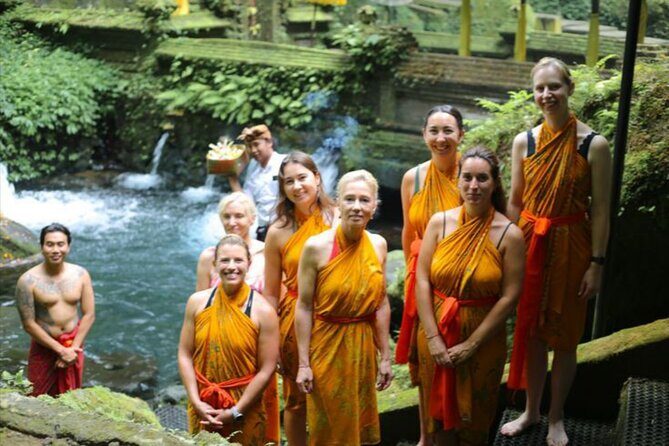
  • Tirta Empul Holy Water Temple includes a sarong for the visit
  • All-Inclusive upgrade can bundle lunch and entrance fees, so you’re not counting cash all afternoon

A private Ubud route built to reduce stress

Ubud Private Tour: Waterfalls, Temple and Rice Terraces Swing - A private Ubud route built to reduce stress
If you’ve tried self-driving in Bali, you already know the stress. This tour is designed around the opposite feeling: one car, one driver-guide, and stops that make sense without constant route planning.

The big practical win is pacing. It’s private, so you can linger at Tegalalang for photos, take a real break at lunch, and move on without negotiating with strangers about when to go. And because it’s run with a driver-guide, you’re not just getting transport—you’re getting context while you’re in motion.

What makes this day “worth the long hours”

This isn’t a short hop. It’s an 8 to 10 hour full-day loop, with multiple outdoor stops and temple etiquette. That length is what gives you variety: terraces, two different waterfall experiences, and a water temple ritual, plus coffee plantation time and lunch.

If you hate “photo stop treadmill” tours, this one usually feels more human. The better-reviewed guides are repeatedly praised for being patient, adjusting to needs, and making the drive feel like part of the experience, not a chore.

Tegalalang rice terraces: where the swing photo happens

Ubud Private Tour: Waterfalls, Temple and Rice Terraces Swing - Tegalalang rice terraces: where the swing photo happens
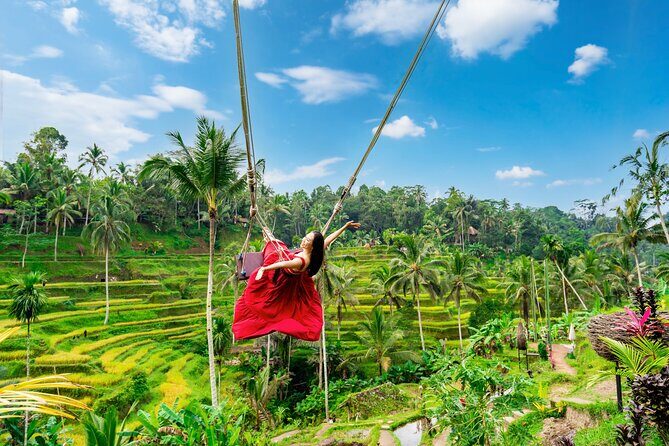
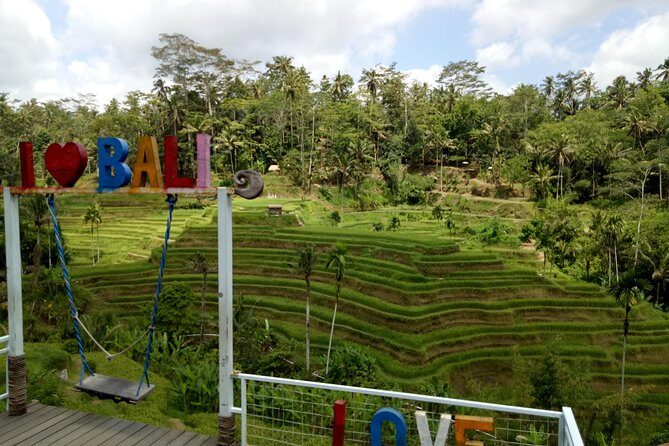
Your day starts at the Tegalalang Rice Terraces, one of Ubud’s most famous terrace zones. Expect a scenic stroll and a lot of photo angles. Plan on wearing shoes you don’t mind getting dusty, because these paths can be uneven and slippery.

This is also where the iconic rice-terrace swing moment fits in. The setup is all about the view—people typically want wide shots showing the terraces behind them, not just a close-up on a swing frame. If rain hits, you might find the swing timing disrupted, so bring a calm mindset and be ready to shift into terrace-walk photos instead.

Admission timing: don’t let it surprise you

The terrace stop lists an admission ticket as not included, so it’s smart to budget for it if you’re choosing the standard option. If you go All-Inclusive, you’re aiming to avoid those separate ticket calculations later in the day.

Ulu Petanu waterfall: a quieter-feeling swim stop

Ubud Private Tour: Waterfalls, Temple and Rice Terraces Swing - Ulu Petanu waterfall: a quieter-feeling swim stop
Next comes Ulu Petanu Waterfall in Kedisan Village, near Tegallalang. This stop stands out because it’s described as having fewer stairs, which matters once you’ve already walked around terraces. In plain terms: you’ll likely spend more time at the waterfall and less time grinding your way down and back up.

Ulu Petanu is presented as pristine and less crowded than some louder spots, which is exactly what you want in a packed full-day itinerary. You’ll have time to enjoy the waterfall area, and there’s an option for a swim if conditions allow.

What to do for comfort at this stage

By the time you’re here, you’re usually hot, sweaty, and ready for water. This is why bringing a change of clothes and a towel is clutch. If you’re wearing flip-flops, consider something with grip for the wet areas and slippery rocks.

Also, keep an eye on the light. Waterfall photos look best when you can control glare, so moving a few steps can make a big difference.

Tirta Empul Holy Water Temple: sarong time and respectful wandering

Ubud Private Tour: Waterfalls, Temple and Rice Terraces Swing - Tirta Empul Holy Water Temple: sarong time and respectful wandering
Then you shift gears from water falls to water ritual. Tirta Empul Holy Water Temple is a sacred place where people come for purification, and it’s also a beautiful setting that slows the pace.

You’ll be given a traditional Balinese sarong for the holy water temple visit. That’s a practical inclusion because it saves you from shopping for the right garment on the spot. It also signals that the visit is meant to be taken seriously, even while you’re on a day tour.

How to get the most out of a temple stop

Temple visits can feel confusing if you only think in terms of photos. What works best is to watch how people move through the space, then follow the cues around you. If your driver-guide points out key spots and explains what’s going on, you’ll get more meaning out of the buildings and basins than you would by staring at signs.

This is one of those stops where good guidance can turn a quick visit into a memory that sticks.

D Alas Warung lunch: rice-terrace views with real food time

Ubud Private Tour: Waterfalls, Temple and Rice Terraces Swing - D Alas Warung lunch: rice-terrace views with real food time
Lunch is at D Alas Warung Restaurant, and the standout detail here is the setting: it’s described as having stunning rice terrace views. That matters because it breaks the day into two distinct moods. You’ve been outside walking and climbing. Now you get a real pause with food and a view.

Lunch is listed as included, but it depends on which option you select. The “All-Inclusive” upgrade is what bundles lunch and entrance fees, so check which version you booked if you want predictable costs.

What to expect from the meal

You can expect a choice of western or traditional Balinese dishes. The smart move is to treat lunch as refueling rather than a side quest. If you have a swimsuit, towel, or extra layer, this is a good time to reset your bag and get ready for the next waterfall.

Pemulan Bali Coffee Plantation: a guided taste of coffee culture

Ubud Private Tour: Waterfalls, Temple and Rice Terraces Swing - Pemulan Bali Coffee Plantation: a guided taste of coffee culture
After lunch comes Pemulan Bali Coffee Plantation. The visit is designed like a guided introduction to coffee and tea cultivation, including how the process works from plant to product. It’s also typically a time when you can slow down inside and ask questions without the pressure of racing between outdoor sites.

The tour includes coffee and/or tea here, which is a nice way to make the plantation stop more than just a photo walk. If you’re a coffee person, pay attention to the differences being explained, because that context makes the tasting more fun.

Coffee plantation expectations (so you don’t get disappointed)

Plantation stops can split people into two camps: love the learning, or just want the waterfall part. If you’re in the learning camp, you’ll appreciate a real guide-led explanation. If you’re mostly there for scenery, treat this as a break day moment, not the main event.

Either way, it helps the itinerary feel balanced: culture, nature, food, and then one more big payoff waterfall.

Kanto Lampo waterfall: multi-tier water and pool time

Ubud Private Tour: Waterfalls, Temple and Rice Terraces Swing - Kanto Lampo waterfall: multi-tier water and pool time
To close the day, you go to Kanto Lampo Waterfall, a multi-tier waterfall surrounded by greenery. It’s a classic Ubud waterfall scene, the kind that gives you enough angles for photos and enough water to feel like you left the city behind.

This stop also includes time to enjoy natural rock pools, and there’s mention of swim time depending on conditions. That’s why your earlier planning matters: bring the right footwear, and keep water-ready clothing in mind.

A simple “waterfall survival” checklist

When you’re doing two waterfalls in one day, your biggest enemy is getting uncomfortable too early. You’ll have an easier time if you:

  • Wear shoes/sandals that handle wet surfaces
  • Bring sunscreen and reapply if you’re exposed between stops
  • Pack a towel and change clothes for the final stretch

If you do that, the end of the day feels like a win instead of a slog.

Driver-guide skills, Wi-Fi, and photo help that actually matters

Ubud Private Tour: Waterfalls, Temple and Rice Terraces Swing - Driver-guide skills, Wi-Fi, and photo help that actually matters
A private tour is only as good as the person behind the wheel. One pattern showing up in the best feedback is that the guides are praised for English communication, cultural explanations, safe driving, and patient pacing.

Names that come up in the feedback include Kadek Jarot, Agung, Dika, Darma, Denar, and Noki. I’m not saying you’ll get the same person, but it’s useful context: the best experiences here are closely tied to driver-guide performance, and this operation clearly hires for more than just driving.

Wi-Fi on board: why it’s a big deal

On long days, Wi-Fi isn’t a luxury. It’s practical. You can message family, check directions, or upload photos without worrying about roaming. And because it’s onboard, it’s available while you’re between stops, not only when you reach a café.

That small convenience makes the time feel less like waiting and more like moving.

Price and value: what you’re really paying for

At $24.82 per person, the headline price looks friendly for a private, door-to-door day. The value depends on which option you pick.

Here’s the tradeoff:

  • If you choose All-Inclusive, you’re covering lunch and entrance fees, which can reduce decision fatigue and stop you from paying multiple small amounts during the day.
  • If you choose the standard option, some admissions are listed as not included (like the rice terrace and both waterfall stops). That means you’ll want cash or a card ready, especially for the outdoor attractions.

When this price feels like a bargain

This tour tends to feel like a good deal if you fit one of these situations:

  • You want a private driver so you can go at your pace
  • You care about photos and want help composing shots (the phone photography angle shows up a lot)
  • You’d rather pay one bundled price than track several tickets

It can also work well for first-time Bali visitors who feel overwhelmed by driving.

Should you book this Ubud waterfalls, temple, and rice terrace swing tour?

I’d book it if you want a full Ubud day that mixes terraces, waterfalls, and a temple visit without the stress of driving. The optional all-inclusive upgrade is especially attractive if you dislike surprise entrance costs.

Do it with a clear expectation: weather can affect outdoor moments, and you’ll spend real time walking near waterfalls and terraces. Also, because this is a private tour, it’s worth being organized about your meeting time and having your pickup details handy the day before.

If you prefer flexible pacing, care about respectful temple etiquette (sarong provided), and want a good balance of nature plus culture, this itinerary is a strong match. And if it’s going to be your first big Ubud day, the variety helps you understand what you want more of tomorrow.

FAQ

How long is the Ubud private tour?

It runs about 8 to 10 hours.

Is hotel pickup and drop-off included?

Yes, pickup and drop-off are offered from your accommodation.

Are entrance fees and lunch included?

Lunch and all entrance fees are included if you select the All-Inclusive option. Some stops list admission tickets as not included.

Which waterfalls does the tour include?

You’ll visit Ulu Petanu Waterfall and Kanto Lampo Waterfall.

Is Wi-Fi available during the tour?

Yes. There is complimentary Wi-Fi offered by the driver during the tour.

What should I bring for the day?

Bring comfortable footwear, sunscreen, cash or a credit card, a change of clothes, and a swimsuit plus a towel for the water parts.

Bali Adventure Combo: ATV Quad Bike & Water Rafting Experience

Bali Adventure Combo: ATV Quad Bike & Water Rafting Experience - Pickup, Safety Briefings, and Gear Up: What the First Hours Feel Like

Thrills, plus a break for photos. This Ubud adventure pairs Ayung River rafting with an ATV ride through rice fields, villages, and even waterfall scenery. I like how it’s built around two guided activities back-to-back, so your day feels full without wasting time. I also like that you get hotel pickup and drop-off, plus safety gear and water included. One thing to consider: if you’re a first-timer, the ATV can feel more intense than expected, so go in ready to follow your guide’s instructions.

This is set up as a private experience, tailored to your group, with guides focused on a good time and clear safety briefings. In the day, you’ll go from wet-and-wild river action to a dry off-road circuit, then refuel at a local lunch buffet. I’ll flag one practical detail: expect an 8-hour day, so plan your energy for a full adrenaline hit.

Key highlights for your Ubud ATV and rafting day

Bali Adventure Combo: ATV Quad Bike & Water Rafting Experience - Key highlights for your Ubud ATV and rafting day

  • ATV + rafting in one package so you don’t juggle multiple tours
  • Guided safety briefings for both activities before you start
  • Route variety on the ATV: rice fields, villages, forest sections, and waterfall views
  • Lunch buffet included, giving you real downtime between the two thrills
  • Hotel pickup and drop-off to keep the day easy
  • Private group setup, so it’s just your group and your pace

A Ubud Adventure Combo: ATV and Ayung River Rafting in One Day

If you like the idea of one day with two totally different kinds of excitement, this Bali combo makes sense. You start with water rafting on the Ayung River in the Ubud area, then you switch gears to an ATV ride on off-road trails around Ubud. It’s a smart pairing because rafting is about momentum and teamwork, while ATV riding is more about control, balance, and watching the scenery pass by.

The Ayung River part is built around rapids through lush greenery. Even if you’re not chasing “extreme,” that kind of river setting usually turns the ride into more than just splashing around. After rafting, you get a window to change and freshen up, which matters because the ATV portion comes next and you’ll want to feel human again.

Then the ATV ride adds that classic Bali “out of town” feel: rice fields, local villages, and green stretches through forest. Some routes also include waterfall scenery, and that’s exactly the kind of surprise moment you remember later. The overall result is a full-day route that connects nature, rural life, and action—without needing a big schedule headache.

Why This Combo Works: From Rapids to Rice Fields

Bali Adventure Combo: ATV Quad Bike & Water Rafting Experience - Why This Combo Works: From Rapids to Rice Fields
The real value here isn’t only that you get two activities. It’s the rhythm. You’ll go from river gear and paddling to ATV instructions and throttle time, with lunch in the middle to break up the exertion. For most people, that pacing is easier than booking two separate days and dealing with twice the transit and twice the “what time do we start” stress.

You also get a private tour setup. Your guide can tailor the experience to your group and keep everyone moving together. That usually helps for first-timers, because you’re not trying to learn on the fly while your group is stretched out.

One more practical point: the tour includes mineral water and a lunch buffet. That sounds simple, but on a day with sun, water, and movement, it’s a big deal. You’re less likely to spend your afternoon hunting for basic needs and more likely to enjoy the ride parts fully.

Possible drawback? Your day will be active and time will move fast. If you’re hoping for a slow, leisurely Bali day with lots of café time, this won’t be that day.

Pickup, Safety Briefings, and Gear Up: What the First Hours Feel Like

Bali Adventure Combo: ATV Quad Bike & Water Rafting Experience - Pickup, Safety Briefings, and Gear Up: What the First Hours Feel Like
The tour starts with pickup from your hotel and transportation to the rafting area and then onward to the ATV portion. That matters in Bali because traffic can be unpredictable, and it’s nice when your day is already stitched together. The experience provider is Batour Net Bali, and many guide interactions in feedback point to a friendly, guiding-first approach.

Before each activity, you’ll receive a safety briefing and be equipped with the necessary gear. That’s the biggest “okay, you’re in good hands” signal for activities like rafting and ATVs—especially if you’re new. You’ll also get clear instructions for operating the ATV, which is key because many people feel nervous at the start when they’re stepping onto an unfamiliar machine.

If you want a simple game plan, it’s this: listen carefully in the briefing, ask questions before you start, and let the guide set your pace. This is one of those tours where your comfort improves quickly once you’re moving.

Ayung River Rafting in Ubud: Rapids, Green Views, and Photo Time

Your rafting day begins when you arrive at the Ubud rafting location. The activity is focused on navigating the rapids of the Ayung River, surrounded by lush greenery and scenic views. The payoff here is the mix of physical activity and natural scenery. You’re not just sitting on a boat watching land go by—you’re steering through the river’s energy.

Once the rafting ends, there’s time to change and freshen up. That’s a big practical inclusion because it keeps the day smooth. Then you can take photos and capture the moment while you still feel the adrenaline.

From an “expectation management” angle: rafting can be wet and unpredictable by nature, but the tour is structured with gear and safety time so you’re not improvising. If you’re someone who worries about getting through water activities, this tour’s guided setup is the reason it keeps getting recommended.

Lunch Buffet in the Middle: The Reset You Actually Need

Between rafting and ATV riding, you’ll stop for lunch at a local restaurant with a lunch buffet included. This is more than a meal break. It’s the reset that makes the second half of the day enjoyable instead of miserable.

I like that the schedule doesn’t leave you hanging between activities. Lunch is timed after rafting and before the ATV start, so you can fuel up, settle down, and get ready for another stretch of movement. The tour includes lunch, so you aren’t spending extra time and money trying to find something that works with your schedule.

If you’re someone who can get cranky when meals get delayed, this middle break is a quiet win. It also gives you a moment to dry off mentally as the day shifts from river action to off-road riding.

ATV Ride Through Rice Fields and Villages: Real Off-Road Variety

Bali Adventure Combo: ATV Quad Bike & Water Rafting Experience - ATV Ride Through Rice Fields and Villages: Real Off-Road Variety
After lunch, you start the ATV ride in the Ubud area. You’ll get a safety briefing and instructions for operating the ATV, then you head out onto off-road trails. This is where the scenery becomes part of the experience, not just a backdrop.

Your ATV route is described as taking you through rice fields and local villages, with additional sections that can include forest and waterfall scenery. That matters because it keeps the ride feeling varied. You’re not doing one long loop that looks identical the whole time. The route mix is one reason people talk about this ATV portion as a memorable highlight.

Here’s the practical reality from the vibe of feedback: if it’s your first time on an ATV, you might feel scared or nervous at the start. That doesn’t mean it’s unsafe; it means you’re human. The good part is that the experience is guided, and the instructions are meant to get you comfortable quickly.

One consideration: ATV riding can be more challenging than some first-timers expect. If you’re planning for a relaxed pace, set expectations ahead of time. This is adventure-focused, and part of the fun is adapting once you’re rolling.

Guides and Service Quality: The Human Touch Matters

The difference between a good adventure day and a chaotic one is the guide. In the feedback, the service tone is a consistent theme: friendly guides, professional guidance, and help that keeps the experience from feeling intimidating.

One specific name that comes up is Erli, who picked someone up and drove them to each place with excellent service and good company. That name detail matters because it points to more than logistics. It suggests the guide is involved in your day from start to finish, not just handing you gear and walking away.

The operator also connects the adventure to the local feel through the routes—rice fields, villages, forest stretches, and waterfall scenery. That’s part of why the tour reads as more than just a thrill ride. It’s also a guided way to see how people live and work in the Ubud region while doing something active.

Price and What You Get for $31.57: Value That’s Easy to Understand

At $31.57 per person, this combo is priced like a value adventure day rather than a premium private chauffeur-and-extras package. The reason it feels reasonable is what’s included:

  • Safety equipment for both rafting and the ATV ride
  • Hotel pickup and drop-off
  • Mineral water
  • All tickets
  • Lunch buffet

When you add up that mix, you’re not paying extra for the basics that usually cost you time and money on a packed day. You’re also not scrambling for transportation between two activity sites.

What’s not included is personal expenses, which is typical. You’ll still want to budget for souvenirs, snacks beyond the lunch buffet, or anything you forgot at home. But as a package, the core day is covered.

Also, this is often booked about 24 days in advance. That doesn’t mean you must book early, but it does suggest demand. If you’re visiting in a busy travel season or want a specific time window, booking sooner usually saves stress.

Timing, Duration, and Meeting Point: The Day Plan Reality

This experience runs for about 8 hours. For a combo tour, that’s pretty standard: you’re stacking rafting, lunch, and an ATV ride. The upside is it’s one long day that gives you two different kinds of memories. The downside is you won’t fit much else in between unless you plan a low-key evening.

The starting point is Gorilla ATV Adventure, Jl. Raya Payangan No.199, Puhu, Kec. Gianyar, Bali 80572, Indonesia. The activity ends back at the meeting point. Since pickup and drop-off are included, you’ll likely feel the day as a loop: hotel to rafting, rafting to lunch, lunch to ATV, then back.

One more detail that’s worth knowing: it’s listed as near public transportation. That can be comforting if you’re staying somewhere not directly on the main hotel pickup route, but the tour does offer pickup anyway.

Who Should Book This ATV and Rafting Day (and Who Might Rethink It)

This is a great fit for you if you want:

  • Action plus scenery in the same day
  • A guided experience with safety briefings and clear instructions
  • A tour that feels private for your group, not like a big assembly line
  • An adventure where the routes include rice fields, villages, forest sections, and waterfall views

It may not be ideal if you:

  • Need a very relaxed pace (this is an active 8-hour day)
  • Are extremely worried about trying an ATV for the first time, since some people do feel nervous at the start and the ride can be more challenging than expected

The good news: the tour is designed for most people to participate, and guides focus on helping you get comfortable.

Should You Book This Bali ATV and Rafting Combo?

If you’re deciding between a single thrill and a full adventure day, I’d lean toward booking this combo. The strongest reason is the balance: rafting on the Ayung River followed by an ATV route through rural Ubud scenery, with a lunch buffet and practical included basics like pickup, safety gear, water, and tickets. It’s built to be a smooth day, not a patchwork of separate bookings.

Book it if your idea of Bali includes getting a little muddy, learning the basics of ATV riding with help, and then enjoying the green scenery people rave about on these routes. Hold off if you want a slow, culture-only day or you’re not comfortable with physically active water and off-road riding.

FAQ

How long is the ATV and water rafting experience in Ubud?

It runs for about 8 hours.

What does the price include?

The package includes safety equipment for rafting and ATV, hotel pickup and drop-off, mineral water, all tickets, and a lunch buffet.

What is not included in the tour price?

Personal expenses are not included.

Is this a private tour?

Yes. It’s private, meaning only your group participates.

Where does the activity start and where does it end?

It starts at Gorilla ATV Adventure (Jl. Raya Payangan No.199, Puhu, Kec. Payangan, Kabupaten Gianyar, Bali 80572) and ends back at the same meeting point.

Do I get hotel pickup and drop-off?

Yes, pickup and drop-off from your hotel is included.

Do I receive a mobile ticket, and are group discounts available?

Yes, mobile tickets are offered and group discounts are available.

Is there free cancellation?

Yes. You can cancel for a full refund up to 24 hours in advance.

Is confirmation provided after booking?

Yes, confirmation is received at the time of booking.

Bali Rafting

Bali Rafting - The Ubud Pickup and Drive: Start Early, Then Settle In

Rainforest whitewater is not just for adrenaline chasers. This half-day rafting on the Ayung River is built for first-timers too, with Class II–III rapids, jungle scenery, and chances to swim in fresh water. I like how the whole thing feels like a real Bali day, not a factory tour.

What I really like: you get pickup from Ubud (most mornings), plus lunch and all the rafting and safety gear in one price. The second big win is the value for what you do: about 2 hours on the river for a low per-person cost, and you’re usually in a small group (max 10).

One thing to plan for: there’s a steep hike down to the river and a climb back up after. If you struggle with stairs or hills, this can be a deal-breaker even if the rafting itself is beginner-friendly.

Key highlights you’ll care about

Bali Rafting - Key highlights you’ll care about

  • Class II–III rapids that work for beginners and families, not just experts
  • 2 hours of rafting with swims possible in the river
  • Small group size (up to 10 travelers) for a more personal experience
  • Ubud hotel pickup and air-conditioned transport
  • Lunch included after you get off the water
  • Morning timing that keeps the rest of your day in Ubud free

Ayung River Rafting: A Short Morning With Real Whitewater

If your Ubud trip needs one memorable activity that isn’t too long, this fits. You’re out early, you get your whitewater fix, and you’re back with enough time left for the rest of the day. The Ayung River is one of Bali’s signature rafting runs, and it shows: you get fast moments on the water plus a steady stream of sights—waterfalls, lush jungle, and rocky scenery along the gorge.

This tour is designed to feel doable. It targets travelers with moderate fitness, and the rapids are described as suitable for a wide range of experience levels. That matters because rafting isn’t just about the paddle—it’s about comfort, confidence, and not being overwhelmed.

What Class II–III Really Means for First-Timers

Bali Rafting - What Class II–III Really Means for First-Timers
Class II–III rapids land in the sweet spot: not calm, but not extreme. That’s why this works for beginners. You’ll still get real water action—waves, turns, and the kind of chaos that makes whitewater fun—but you’re not being thrown into the sort of technical rafting that requires advanced skills.

The tour is also set up for a broad age range, listed as about 6 to 60 years old. That doesn’t mean every kid or every older adult will love it, but it does signal the operator expects a mixed group. You can also expect the river to feel fresh and clean, with the possibility to swim while you’re on the rafting stretch.

The Ubud Pickup and Drive: Start Early, Then Settle In

Bali Rafting - The Ubud Pickup and Drive: Start Early, Then Settle In
Your morning starts with pickup between 8:00 and 8:30 am, depending on where your hotel is. From there you drive to the operator’s rafting office in Ubud, where you’ll get your gear and safety setup before heading out.

Two practical notes here. First, early pickup means less heat and fewer crowds on your drive. Second, the ride is in an air-conditioned vehicle, which is a quiet quality-of-life upgrade in Bali’s morning warmth.

If you’re staying near public transport, it’s also useful to know the pickup/office setup is described as near public transportation. That gives you an extra option if your hotel pickup isn’t ideal.

At the River: Gear, Safety, and the Part People Forget

Bali Rafting - At the River: Gear, Safety, and the Part People Forget
Rafting is wet work, and the river environment is not always flat. After you arrive, you’ll do the rafting and safety prep that’s included in the tour package. The good part is you’re not left to figure out what to bring or how to get ready; the tour lists all rafting and safety equipment as included.

What you should mentally prepare for is the physical side of getting to the water. One of the most repeated cautions is the steep hike down and uphill climb back. Even if you’re capable of rafting, the walk can feel like the hardest part. Plan to wear shoes you don’t mind getting muddy, and move slowly. This is not a tour where you can ignore your body.

The 2-Hour Ayung Paddle: Rapids, Waterfalls, and Jungle Up Close

The main event is about 2 hours rafting on the Ayung River. This is where the tour earns its reputation: you’re in a tropical valley with waterfall views and lots of that lush green jungle feeling you came to Bali for.

On the water, you’ll experience the Class II–III rhythm—enough impact to be exciting, enough control to be enjoyable. A good sign of a well-run beginner rafting trip is that you can focus on the scenery without constantly panicking. The setup here is meant to keep first-timers comfortable while still delivering thrills.

And yes, swimming can be part of the experience. The river is described as fresh and clean, and there’s the chance to jump in and cool off. That adds variety. You’re not only paddling—you’re also taking breaks to enjoy the water and the views.

You may also catch wildlife and rock formations along the way. In one account, the river route came with monkeys, carved rocks, and lots of waterfall-and-jungle moments. Even if you don’t spot everything on your day, the general promise is consistent: you’re rafting through real rainforest scenery, not a staged channel.

Lunch After Rafting: Indonesian Food While You Cool Down

After you finish rafting, the tour includes lunch with indonesian food. This is more than a checkbox. After whitewater, eating something hot and filling helps you reset fast. It also keeps the timing clean: you’re not scrambling to find a restaurant while your clothes are still damp or your energy is low.

Lunch is served after the rafting portion ends, so you’re dealing with fewer moving parts. That makes it easier to plan the rest of your day in Ubud without stress.

Price and Value: Why This Costs So Much Less Than You Expect

The price is listed at $24.45 per person, with lunch and all fees and taxes included. It also includes things that often cost extra on tours: pickup transport, rafting and safety equipment, and lunch.

Let’s translate that into real value. A lot of adventure tours in Bali separate the costs—transport plus gear plus food plus park fees—and suddenly you’re paying more than you expected. Here, the included bundle keeps the budget friendly. Add in that it’s usually capped at a small group of up to 10, and you get a decent balance of cost and personal attention.

You’ll also see a min booking of 2 people, so don’t plan this as a solo “maybe” unless you’re comfortable coordinating with a partner or group.

One more value angle: the tour is described as easy to fit into your schedule because there are multiple tour times. That matters if you’re also planning temples, markets, or a couple of day trips around Ubud.

Who Should Book This Ayung Rafting Trip

Bali Rafting - Who Should Book This Ayung Rafting Trip
This is a strong choice if you want:

  • A beginner-friendly whitewater experience with real action
  • A half-day plan that doesn’t eat your whole day
  • A trip that includes pickup, lunch, and gear, so you don’t manage extra logistics

It’s especially suited for families and mixed-experience groups. The river is described as good for beginners, and one of the best signs is the age range listed (about 6 to 60). You’ll also find this works for people who want a “morning adventure” more than a full-day hike.

But I’d think twice if you:

  • Avoid steep walks or uphill climbs
  • Have issues with moderate physical fitness requirements
  • Want a super slow, fully flat, zero-effort outing

The rafting itself is meant to be welcoming. The getting-there-and-back part is the piece you should judge honestly.

Tips to Make Your Morning Feel Easy (Not Annoying)

Here’s how to set yourself up for a smooth day without needing special knowledge.

Wear footwear you trust. If there’s a steep hike, you want grip. You also don’t want to spend the day babying your sandals.

Bring a dry change of clothes. Even with “swim time possible,” you’ll likely get wet in rafting. A small dry bag helps.

Expect an early start. Pickup begins between 8:00 and 8:30 am. If you’re the kind of person who hates mornings, plan to sleep early.

Keep your phone safe. If you bring it, use a waterproof option or keep it in a sealed bag. Water happens fast in whitewater.

Don’t overdo accessories. Sunglasses and hats can be great in Bali, but rafting is not the moment for anything you can’t afford to lose. Keep it simple.

Timing, Weather, and the Nature of River Days

This is a river day, so weather matters. The tour is described as requiring good weather, and if it’s canceled due to poor weather, you’ll be offered a different date or a full refund.

That’s one reason it helps to book with a bit of flexibility. Also, the tour says confirmation happens at booking time, and there’s a mobile ticket option, which makes it easier to show up without printing.

Should You Book Bali Rafting on the Ayung?

I’d book it if you want a value-packed, half-day rafting experience that’s built for beginners, includes lunch and gear, and still delivers real scenery and Class II–III thrills.

I wouldn’t book it if your main priority is comfort from start to finish. The steep hike down and uphill climb back are real considerations. Also, if you’re traveling on a tight schedule where losing a day to weather would hurt, keep some slack in your plan.

If you’re in Ubud and you want one morning adventure that feels authentically Bali—jungle, waterfalls, and a river you can actually play on—this Ayung rafting trip is a solid pick.

Private Custom Tour: 10-hour Best of Bali Tour

Private Custom Tour: 10-hour Best of Bali Tour - Door-to-door pickup across Bali saves you stress

Bali feels less like a checklist when you get to pick the day. This private 10-hour tour in and around Ubud is built around your interests, with an experienced driver/guide helping you stitch together temples, rice terraces, waterfalls, and more. You get door-to-door service and the freedom to swap stops as the day unfolds.

What I really like is the custom itinerary help you get from the guide, so you’re not stuck guessing what fits best together. I also like that it’s truly private (up to five people) with an air-conditioned vehicle, bottled water, and parking handled. The main drawback to consider: entrance fees are not included for most stops, so your final cost depends on how many paid attractions you choose.

Key highlights to focus on

Private Custom Tour: 10-hour Best of Bali Tour - Key highlights to focus on

  • Private, small-group setup (up to five people) for a calmer day than hopping around on your own
  • A veteran driver/guide helps plan the route, so your 10 hours don’t get eaten by backtracking
  • Door-to-door pickup and drop-off across Ubud and major south Bali areas
  • Tickets are mostly extra, but a few stops like Kuta Beach and Campuhan Ridge Walk can keep costs down
  • English speaking guide who also drives, which helps with timing and quick decisions on the day
  • Guides like Yasmik, Rudi, Darma, Mudana, Indy, and Lemon have stood out for fast communication and thoughtful pacing in real day-to-day service

Your Bali day starts with a plan you can actually use

Private Custom Tour: 10-hour Best of Bali Tour - Your Bali day starts with a plan you can actually use
The real value of this tour is how it handles the biggest Bali problem: time. You’re not just picking from a fixed circuit. You’re choosing what you care about—then your driver/guide helps put it into an order that makes sense for a full-day visit.

You also get practical comfort baked in. The vehicle is air-conditioned, bottled water is included, and gas/petrol and parking fees are handled. That means you can focus on the sights instead of the logistics of getting there.

One more plus: this is the kind of private tour that can work when your group has mixed interests. Someone might want temples and culture. Someone else might want a water or animal-related break. You can shape the day around that, instead of everyone waiting while one person camps out at one spot.

Door-to-door pickup across Bali saves you stress

Private Custom Tour: 10-hour Best of Bali Tour - Door-to-door pickup across Bali saves you stress
Starting at 8:30 am, the tour meets you at your hotel lobby for pickup. The provider lists pickup coverage for Sanur, Ubud, Kuta/Legian, Seminyak, Canggu, Jimbaran, Nusa Dua, Benoa, and Denpasar, plus the port and the airport area in the broader service description.

That matters because Bali traffic can be unpredictable, and crossing town repeatedly burns hours fast. A door-to-door setup also helps you avoid the mental load of coordinating local transport while trying to read your way through a new place.

If you like photos, this also helps. Less time stuck in the wrong place at the wrong time, more time arriving with enough energy to actually enjoy where you land.

What the guide does (beyond just driving)

Private Custom Tour: 10-hour Best of Bali Tour - What the guide does (beyond just driving)
This tour isn’t only about transit. You’re paired with an English speaking guide who also acts as your driver, and the key task is helping you design your itinerary.

In the guide experiences that come through this tour style, names like Yasmik, Rudi, Darma, Mudana, Indy, Lemon, and Sudi show up with a consistent pattern: fast communication, suggestions based on your list, and pacing that tries to keep the day from feeling rushed. People also note that drivers like Mudana can help organize long wish lists into a logical sequence, while others like Darma and Indy focus on making the cultural context click.

So when you’re planning, think of it like a conversation:

  • Tell the guide what you want most: temples, views, waterfalls, rice, beaches, parks, or a mix.
  • Mention your limits: how many stops you want, and how much walking you’re comfortable with.
  • Ask for tradeoffs: if you want one big paid attraction, what should you drop to keep the day balanced?

How to plan your 10 hours so it doesn’t feel like a sprint

Private Custom Tour: 10-hour Best of Bali Tour - How to plan your 10 hours so it doesn’t feel like a sprint
Most selected stops are slotted for about 30 minutes. That’s helpful because it gives you a realistic rhythm, but it also means you need to choose.

A smart target for a 10-hour day is usually 6 to 9 stops, depending on driving time and how long you want at each place. If you cram too many, you’ll spend more time arriving than absorbing.

Here’s a practical way to decide what to pick:

  • Choose one or two anchor experiences (for example, a temple area and a rice terrace).
  • Add one nature stop (waterfall or Mount Batur).
  • Add one relaxed stop (a beach or a ridge walk).
  • Add a flexible option if you have extra time (museum, cultural park, or family-friendly breaks like Waterbom Bali or Bali Bird Park).

Temples and culture stops: from Monkey Forest to Tirta Empul

Private Custom Tour: 10-hour Best of Bali Tour - Temples and culture stops: from Monkey Forest to Tirta Empul
If temples and sacred sites are your priority, this itinerary offers multiple flavors of Bali spirituality—so you’re not forced into just one kind of visit.

Sacred Monkey Forest Sanctuary (optional, 30 minutes, ticket not included)

This is a classic Ubud-area option if you want a sanctuary stop early in the day. Since admission is not included and it’s listed for about 30 minutes, it’s best as a quick, focused visit rather than a long lingering walk.

Consider it when:

  • You want an easy Ubud start.
  • Your group likes wildlife-focused places (the name gives the theme).

Possible drawback:

  • Because it’s optional and ticketed, you’ll want to confirm entry timing and plan it early enough that you still have energy for other paid stops.

Puseh Batuan Temple (optional, 30 minutes, ticket not included)

This is another temple option that can add variety beyond the best-known Ubud route. It’s short on the clock, so treat it as a cultural stop you can enjoy without overplanning.

Consider it when:

  • You want temple photos and atmosphere without turning the day into a temple marathon.

Museum PASIFIKA (optional, 30 minutes, ticket not included)

If your group likes art and cultural interpretation, this is a good change of pace. With only 30 minutes planned, you’ll want to focus on what you’re most interested in rather than trying to see everything.

Consider it when:

  • You want something indoor or museum-like between outdoor visits.

Tirta Empul Temple (optional, 30 minutes, ticket not included)

This temple stop is a strong choice if you want a meaningful cultural highlight. It’s listed as an optional 30-minute visit with admission not included, so it fits well after rice or waterfall time—when your group is ready for something more reflective.

Tanah Lot Temple (optional, 30 minutes, ticket not included)

Tanah Lot is one of the most recognizable temple names on Bali. The planned time is short, which can work well if you want that iconic stop without spending half a day getting there and waiting around.

Consider it when:

  • You want a major temple highlight.
  • You like adding one big-ticket temple moment.

Uluwatu Temple (optional, 30 minutes, ticket not included)

Uluwatu is another iconic choice, and it’s listed as optional with admission not included. Since the itinerary is customizable, you can pair it with a beach time nearby depending on your interests.

Possible drawback:

  • Any temple stop with strong views can create timing pressure. Keep the day flexible and let your driver/guide advise on the best order.

Ulun Danu Bratan Temple (optional, 30 minutes, ticket not included)

This is a great option if your group likes scenery paired with a major temple stop. It’s listed as optional and ticketed, so treat it like an anchor choice rather than a filler.

Taman Ayun Temple (optional, 30 minutes, ticket not included)

This adds another temple angle to your day. With 30 minutes planned, you’ll likely enjoy it most if you keep the day focused and don’t overload with too many other paid stops.

Rice terraces and Ubud walking moments

Private Custom Tour: 10-hour Best of Bali Tour - Rice terraces and Ubud walking moments
Bali’s rice scenery is the type of thing that’s hard to fake with a quick photo stop. This tour includes classic terrace options and also a free walk that can refresh the day.

Tegalalang Rice Terrace (optional, 30 minutes, ticket not included)

This is a top choice if rice terraces are on your must-see list. Since admission is not included and the time is limited, aim to enjoy the views and then move on while your group still has stamina.

Consider it when:

  • You want Bali’s signature countryside look with minimal planning stress.

Kajeng Rice Field (optional, 30 minutes, ticket free)

This is one of the free options. That makes it a smart add-on when you want a rice-focused moment without paying another entrance fee.

Campuhan Ridge Walk (optional, 30 minutes, ticket free)

This free walk is a perfect palate cleanser in the middle of a busy day. It’s listed as optional and ticket-free, which makes it easier to slot in when you’re balancing paid attractions.

Best use:

  • Pair it after a temple or terrace stop.
  • Use it as a reset: stretch your legs, grab photos, and then continue.

Waterfalls and Mount Batur: choose based on your energy

Private Custom Tour: 10-hour Best of Bali Tour - Waterfalls and Mount Batur: choose based on your energy
Waterfalls can be worth every minute on a Bali day, but you’ll want to think about how much nature time you can realistically absorb in a 10-hour schedule.

Tegenungan Waterfall (optional, 30 minutes, ticket not included)

This is a straightforward waterfall option with a short scheduled visit. It tends to work best as a single nature stop rather than stacking multiple waterfall-style destinations back to back.

Git Git Waterfall (optional, 30 minutes, ticket not included)

Another waterfall choice with a similar short time slot. If you pick both waterfall stops, ask your guide to check how much driving time fits, because two nature stops can eat up the buffer you need for everything else.

Mount Batur (optional, 30 minutes, ticket not included)

Mount Batur is listed as an optional stop. With only about 30 minutes planned, treat it as a view-focused stop rather than a long hike day inside a 10-hour tour.

Practical note:

  • If you want Mount Batur included, keep your other stops fewer and more local to the route.

Beaches and sea time without losing the day

Private Custom Tour: 10-hour Best of Bali Tour - Beaches and sea time without losing the day
Even if you’re temple-and-terraces focused, a beach moment can make the day feel complete. This tour includes both free and paid beach options.

Kuta Beach – Bali (optional, 30 minutes, ticket free)

This is one of the free admission stops. If you want to end with sand time without adding ticket cost, it’s an easy win.

Jimbaran Beach (optional, 30 minutes, ticket not included)

Jimbaran is a strong choice for a relaxed coastal end to your day. It’s listed as optional, with admission not included, so you’ll want to consider it as your beach anchor.

Elephant Cave and other optional natural/cultural stops

Not every stop in a Bali day has to be a temple. This tour includes a few curveballs that can add variety.

Elephant Cave (optional, 30 minutes, ticket not included)

This is an optional cave stop. Caves usually mean steps and uneven ground, so comfortable shoes matter. Since time is short, aim for a focused visit rather than treating it like a long exploration.

Museum PASIFIKA (optional, 30 minutes, ticket not included)

Yes, it fits under culture too, but it’s also a good “change the mood” stop. If your day has already hit multiple sacred sites and rice terraces, an art museum break can help keep everyone fresh.

Bigger attraction options: Waterbom, Bird Park, and Garuda Wisnu Kencana

If your group wants a non-temple afternoon (or you’re traveling with kids who want active distractions), you’ve got options.

Waterbom Bali (optional, 30 minutes, ticket not included)

Waterbom is an easy choice when you want something fun and different from the religious and scenery-heavy stops.

Bali Bird Park (optional, 30 minutes, ticket not included)

Bird Park is a solid option if you want a nature-themed stop without going for a waterfall day.

Garuda Wisnu Kencana Cultural Park (optional, 30 minutes, ticket not included)

This is a cultural park stop that can work well when you want a single, memorable landmark. Because admission is not included and time is limited, it’s best when your group agrees it’s worth prioritizing.

Price and value: $35 per person plus tickets

The price listed is $35 per person for a 10-hour private custom tour. Since the tour is private for up to five people, your group size can change the feeling of value a lot. With more people, you spread the vehicle cost across the group, which can make this a very strong deal compared to separate taxis or piecing together multiple guides.

What’s not included is just as important. Entrance fees are not included for most attractions, and food and drink are also not included. That means the real budget is:

  • Your base tour price
  • Plus whatever admission fees your chosen stops charge on the day

The good news: you can control cost. Some options are ticket-free such as Kuta Beach, Campuhan Ridge Walk, and Kajeng Rice Field. If you want to keep spending down, build your day around a few paid anchors and then add free nature/relaxation stops.

Who should book this tour (and who might skip)

This is a great fit if:

  • You want temples, rice terraces, waterfalls, and beaches, but in the order that matches your group.
  • You don’t want to fight Bali roads alone.
  • You value a guide who can translate what you’re seeing and help keep the day logical.
  • You have a short trip and want door-to-door time savings.

It might be less ideal if:

  • You prefer a fully self-guided day with no driver/guide planning help.
  • You hate paying on the spot for entrances, since most major sites require separate tickets.

Also, keep in mind that the tour is described as suitable for most people, but it’s still a full-day schedule. You’ll likely be doing a fair amount of getting in and out of the car.

Small tips that make this kind of private day work

Here are the things that tend to keep a custom day from turning chaotic.

  • Pick a theme for your morning. If you want temples and culture, start there. If you want nature, pick your waterfall or terrace first.
  • Keep your must-sees to a short list. The guide can help fill the gaps, but too many anchors cause timing stress.
  • Wear practical shoes. Even when stops are only 30 minutes, Bali sites can involve stairs, uneven ground, and quick transfers.
  • Bring a simple plan for meals. Food isn’t included, so you’ll want to decide ahead of time what kind of lunch you want during the day.
  • Use the guide’s suggestions. Names like Darma, Mudana, and Indy have been highlighted for helping shape an itinerary and handling the day with good timing, even when roads get congested.

Should you book this private custom tour?

I’d book it if you want a full-day Bali experience without the hassle of coordinating transport and juggling timing alone. The door-to-door pickup, English speaking guide who drives, and 10-hour format make it ideal for visitors who want flexibility but still want structure.

I’d hesitate only if you’re tightly budgeting entrance fees or you’re hoping for a schedule that includes everything paid. Since tickets are mostly extra, you’ll want to decide early what kind of day you really want: a few paid anchors plus free breaks, or a heavier ticket day with fewer free moments.

If that sounds like your style, this is one of the more straightforward ways to turn Bali into a day that fits you.

FAQ

What’s included in the Private Custom Tour?

The tour includes a private air-conditioned vehicle, pickup and drop-off in listed Bali areas, an English speaking guide who also serves as a driver, bottled water, gas/petrol, and parking fees.

Are entrance fees included for the attractions?

No. Entrance fees for attractions are not included and are paid on the day based on your chosen itinerary. A few stops listed as free include Kuta Beach, Campuhan Ridge Walk, and Kajeng Rice Field.

Where does pickup and drop-off happen?

Pickup and drop-off are offered in Sanur, Ubud, Kuta/Legian, Seminyak, Canggu, Jimbaran, Nusa Dua, Benoa, and Denpasar. The tour also mentions door-to-door service from Ubud, south Bali, the port, and the airport.

How long is the tour, and when does it start?

The tour is about 10 hours and starts at 8:30 am.

Is this tour private, or do I share with others?

It’s a private tour/activity, so only your group participates, with up to five travelers.

Can I cancel for a full refund?

Yes. There is free cancellation. You can cancel up to 24 hours in advance of the experience start time for a full refund. If you cancel less than 24 hours before, the amount paid is not refunded.

Batur Hike : Mount batur Sunrise Hike & Natural Hotspring

Batur Hike : Mount batur Sunrise Hike & Natural Hotspring - Pre-dawn logistics: pickup, timing, and how not to feel frantic

Waking up at pre-dawn is worth it here. This private Mount Batur sunrise hike is built around cooler temps and a top-of-volcano sunrise, then you roll straight into recovery with natural hot springs. Two things I especially like: hotel pickup so you don’t hunt for a meeting spot, and the fact you can climb at your own pace with a guide who stays with your rhythm. One caution: the climb can feel rocky and steeper than expected, so pack for a proper hike day.

You also get a full morning structure, not a rushed photo sprint. The early schedule gets you to the summit for sunrise and breakfast, then you’re back down and on to hot springs and a traditional coffee stop before midday. If you’re hoping for a lazy outing, this isn’t that kind of experience, but if you want a real Bali adventure without joining a big cattle-train group, it fits nicely.

Key highlights you’ll feel immediately

Batur Hike : Mount batur Sunrise Hike & Natural Hotspring - Key highlights you’ll feel immediately

  • Private trekking pacing: no need to match a large-group tempo.
  • Sunrise timing: you reach the summit in time to watch the light change.
  • Hotel pickup and drop-off: fewer hassles at 2 a.m. and after your climb.
  • Volcano summit breakfast: food at altitude makes the whole morning feel complete.
  • Natural hot springs stop: optional soak time after the descent.
  • Coffee plantation visit: a calm cultural pause before you head back.

Sunrise on Mount Batur: why this hike is such a morning magnet

Batur Hike : Mount batur Sunrise Hike & Natural Hotspring - Sunrise on Mount Batur: why this hike is such a morning magnet
Mount Batur is one of those Bali hikes that people talk about for a reason: the combo of sunrise timing and volcano views hits fast. You start in the dark, climb while the air is cool, and then the summit turns into a front-row seat as morning arrives. Even if you’ve seen sunrise photos before, arriving in person feels different—less like a postcard, more like a moment you get to earn.

The “private” part matters too. Instead of being shoved forward or dragged along, you climb at your own speed. That’s huge when your legs are adjusting, your breathing needs a steady pace, or you simply want a break without being treated like dead weight.

And yes, there’s breakfast at the top. You’re up early anyway; having a proper meal waiting after sunrise makes the effort feel like it had a payoff plan, not just a view-and-go routine.

Pre-dawn logistics: pickup, timing, and how not to feel frantic

Batur Hike : Mount batur Sunrise Hike & Natural Hotspring - Pre-dawn logistics: pickup, timing, and how not to feel frantic
This tour is structured tightly because the whole point is sunrise. Pickup usually starts between 01:20 and 02:30, and the exact time depends on where your hotel is. Then you reach the start area at about 03:30, depart for the ascent around 03:45, and shift into “climb mode” quickly.

That early window is why hotel pickup is worth paying for. You don’t have to figure out a meeting point while half-asleep. You also avoid the stress of scrambling for transport right when the morning is still black outside. For a hike that starts before most places are even thinking about breakfast, this is the most practical part of the whole plan.

One more thing: the tour ends back at the meeting point, and the overall duration is about 8 hours 30 minutes. That’s long enough to plan your day around, but not so long that you lose the rest of Bali.

The ascent: what the climb feels like at Mount Batur

Plan for a real hike, not a stroll. The trek is often described as rocky and steeper than people expect, even when they’re in decent shape. The good news is that the guides are focused on keeping you moving comfortably—people specifically note that the guide will pause when you need a breather.

You’ll be climbing from the early hours until the summit. Based on the schedule, you reach the top around 06:15 for sunrise, then you enjoy the view and breakfast before heading down. That timing also means you’ll likely be moving in low light for part of the climb, so bring whatever you need for early-morning footing—good traction shoes are a smart idea.

The “at your own pace” promise is also the difference between a fun hard hike and a suffering contest. If you like steady progress, you’ll enjoy this. If you hate slowing down, you might feel a little limited by how your body sets the tempo—but most people see that as a feature, not a flaw.

Summit sunrise: steam, views, and why breakfast matters

Batur Hike : Mount batur Sunrise Hike & Natural Hotspring - Summit sunrise: steam, views, and why breakfast matters
Reaching the top around 06:15 is the payoff moment. This is when the Kintamani Highlands views come into focus, and you get that volcano-in-the-morning feeling that’s hard to replicate on any scenic drive. People often mention the steam from the volcano as part of the experience—small detail, big mood.

Sunrise itself is a short window, but you’re not just running up for one dramatic shot and sprinting back. You’ll have time to take in the moment, and you’ll also have breakfast prepared for you at the summit. That breakfast isn’t just food; it’s morale. It turns the hike from an endurance event into a whole morning you can actually enjoy.

If you care about photos, pay attention to how your guide positions you. Guides named in good feedback—like Wi and Agus—are credited for helping with the right sunrise spots and for taking great pictures. Even if you don’t care about Instagram, good framing gives you memories that last longer than your phone’s battery.

Descent at 08:00: where legs will ask questions

Batur Hike : Mount batur Sunrise Hike & Natural Hotspring - Descent at 08:00: where legs will ask questions
Downhill is its own challenge. The schedule has you starting the descent around 08:00 back to the starting point. Your cardio might feel fine by then, but your knees and ankles will remember the rocky sections.

This is another reason the private pacing matters. A confident guide helps you descend without rushing. People highlight that the climb is manageable with the right support—patience, stops when needed, and helpful guidance make a noticeable difference.

If you’re sensitive to steep footing, take the descent seriously even if you feel strong. The summit moment is exciting, but the descent is where most discomfort shows up. Go slow, breathe, and let the morning stay fun.

Natural hot springs at 09:00: soothing, but set expectations

Batur Hike : Mount batur Sunrise Hike & Natural Hotspring - Natural hot springs at 09:00: soothing, but set expectations
After you finish the hike and head back, the plan includes natural hot springs, starting around 09:00. This is the recovery portion, and it’s the easiest way to turn soreness into “okay, I’m glad I did that.”

Here’s the balanced view: hot springs on this kind of tour can be more basic than a resort spa. Some people describe the hot springs as feeling like a family pool rather than a polished wellness facility. If you’re expecting towels and spa-grade luxury, you may be underwhelmed.

Still, for sore muscles, warm water is warm water. Think of it as a practical reset after an early climb—not the main attraction. If you do it, do it for comfort and muscle recovery.

Coffee plantation stop around 11:30: a friendly cultural reset

Batur Hike : Mount batur Sunrise Hike & Natural Hotspring - Coffee plantation stop around 11:30: a friendly cultural reset
Between hot springs and lunch-time return, there’s a stop at a traditional Balinese coffee plantation at about 11:30. This part is valuable because it breaks up the day after physical effort. You get a slower rhythm, a local context, and a chance to learn about coffee in a place where it’s part of daily culture.

The timing also makes sense. You’re not thrown back into another intense activity right away. You soak, you rest your legs, and then you transition into something calmer before heading back to your hotel.

Price and value: what $18 buys you in the real world

Batur Hike : Mount batur Sunrise Hike & Natural Hotspring - Price and value: what $18 buys you in the real world
At $18 per person, the value is strong—especially with sunrise timing and pickup included. You’re paying for:

  • early logistics that would be annoying to organize on your own,
  • the summit-focused guide time,
  • and the structured morning plan that gets you to sunrise without guesswork.

If you’ve ever tried to DIY a sunrise volcano hike, you know the hidden costs: transport, coordination, and the stress of making wrong timing calls. This tour removes a lot of that. The only “cost” you control is your effort level—because yes, you’ll work for the view.

Private tours often cost a lot more than group options, so the ability to climb without pressure (and with the guide helping you stop when needed) is where the price feels fair rather than bargain-basement.

Who should book this (and who should skip it)

This is a great fit if you:

  • want a sunrise experience tied to real effort,
  • like the idea of climbing without matching a big group,
  • and you’re comfortable with moderate fitness needs on a rocky ascent.

It might not be your best choice if you:

  • want a gentle walk with minimal effort,
  • hate steep footing,
  • or you’re expecting the hot springs to feel like a spa resort.

If you’re traveling with friends, couples, or anyone who benefits from pacing (not speed), private support is a big win. Names that show up in helpful feedback—Putu, Gede Mertadana, Wi, Agus, and Harry—are described as patient, friendly, and tuned into what hikers need, including stopping for breaks and helping with photos.

Quick practical tips before you go

  • Wear proper hiking shoes. This hike is rocky and uneven.
  • Bring warm layers. Early morning at sunrise can feel colder than you expect.
  • Expect the schedule to be early and exact. The whole point is being at the summit on time.
  • For hot springs, set expectations around a casual soak, not a luxury spa.
  • If you get motion sick easily, consider how dark, bumpy mountain roads affect you during pickup.

Should you book the Mount Batur Sunrise Hike and Natural Hot Springs?

Yes, if your goal is a classic Bali sunrise with a real mountain climb and an organized recovery afterward. The combination of private pacing, hotel pickup, and summit-time sunrise plus breakfast is exactly what makes this itinerary feel “worth it” rather than just “something to do.”

Skip it only if you’re unwilling to handle rocky steps and a steep descent. Also, if hot springs are your primary reason for going, do a mindset check: this is natural and functional, not spa-glamour.

If you want an authentic morning adventure that doesn’t waste time with meeting-point chaos, this is a solid choice.

FAQ

FAQ

What time does pickup usually happen?

Pickup typically starts between 01:20 and 02:30, depending on where your hotel is located.

When do we arrive at the start of the hike?

You arrive at the starting point of the ascent around 03:30.

What time do we start climbing?

You generally depart for the climb around 03:45.

Will we reach the summit for sunrise?

Yes. You arrive at the top around 06:15 to enjoy sunrise and breakfast.

Is this a private tour?

Yes. It’s private, meaning only your group participates.

Does the tour include hot springs?

It includes a visit to natural hot springs after the descent, starting around 09:00. The stop is described as optional.

Is there food included?

Yes. Breakfast is included at the summit after you arrive for sunrise.

Is there any other stop besides the hike?

Yes. There’s a stop at a traditional Balinese coffee plantation around 11:30.

What is the starting meeting point?

The meeting point listed is Central Batur, Bangli Regency, Bali, Indonesia (6P3QQ92X+227Q92X+227). The activity ends back at the meeting point.

Bali ATV Ride with Jungle Swing and Rice Terrace Tour

Bali ATV Ride with Jungle Swing and Rice Terrace Tour - Balaji Adventure Bali ATV ride: jungle tracks and rice-field views

ATVs in Ubud beat sitting in traffic. This day tour strings together big-scenery moments: door-to-door pickup, an ATV ride through jungle and plantations, a jungle swing at Uma Pakel Agro Tourism, and time at Tegalalang Rice Terrace.

I like that the itinerary is tightly timed, so you’re not wasting half the day just getting around. I also love that lunch is included right after the ATV, with towel, changing room, and shower facilities if you get splashed. One possible drawback: the ATV portion needs real care, so don’t assume it’s just a casual cruise.

Key highlights you’ll feel immediately

Bali ATV Ride with Jungle Swing and Rice Terrace Tour - Key highlights you’ll feel immediately

  • ATV ride through jungle, rivers, and plantations with admission handled
  • Jungle swing at Uma Pakel Agro Tourism (d’Alas Swing) for high-up photo angles
  • Tegalalang Rice Terrace time to sightsee and walk through rice paddies
  • Meet local farmers during the rice-terrace stroll (part of the experience pacing)
  • Hearty local lunch plus bottled water right after the ATV
  • Shower, towel, and changing room support so you don’t end the day soaked and sticky

Door-to-door private transfers: getting to Ubud’s countryside without stress

Bali ATV Ride with Jungle Swing and Rice Terrace Tour - Door-to-door private transfers: getting to Ubud’s countryside without stress
This tour runs out of Ubud with pickup offered, plus an air-conditioned private car for round-trip transfers. You start at 8:00 am, which matters in Bali because you avoid the worst traffic by doing the active stuff early.

What I like about the private setup is the pacing. You’re not juggling multiple stops with random drop-offs, and you’re not stuck waiting on strangers at every turn.

You’ll also get an English-speaking driver or guide, so directions and timing stay clear. If you’re the type who likes a plan you can trust, this format makes the day feel controlled.

Balaji Adventure Bali ATV ride: jungle tracks and rice-field views

Bali ATV Ride with Jungle Swing and Rice Terrace Tour - Balaji Adventure Bali ATV ride: jungle tracks and rice-field views
The ATV portion is the engine of the day. At Balaji Adventure Bali you’ll spend about 2 hours riding through jungle areas and past rice fields with big views, and the admission ticket is included in that time block.

Then you shift into a calmer rhythm: lunch comes after the ATV activities at the finish point. This order is smart because you’re not trying to eat while your gear is still wet or muddy.

Now the practical part: the ATV is also the piece that can catch people off guard. The info you were given includes a caution mindset—go in expecting a real ride, not a gentle stroll. If you’re nervous around bikes or uneven ground, ask your guide for guidance early and take it slow.

One extra detail that’s easy to overlook: you’re provided an ATV guide, plus towel, changing room, and shower facilities. That combination tells you the tour expects some mess from the ride, so plan to rinse up and change before the swing and rice terrace.

Uma Pakel Agro Tourism jungle swing (d’Alas Swing): fast photos, big height

Bali ATV Ride with Jungle Swing and Rice Terrace Tour - Uma Pakel Agro Tourism jungle swing (d’Alas Swing): fast photos, big height
After the ATV, the tour moves to d’Alas Swing. This is where you soar high above the rice paddies and jungle views, and you’ll have time to capture photos from up high.

The swing is about 1 hour in the schedule, which feels right. You get enough time for a few attempts and photos without dragging on all day.

A useful way to think about this stop: it’s a change of pace. You went from engine noise and control to suspended moments where you can just look out and frame shots. If you’re someone who loves perspective—wide views, height, and layered greenery—this is the part that delivers that “wow” factor quickly.

If height makes you uneasy, don’t pretend you’re fine. Take a second to decide at the start of the activity, because once you’re strapped in, you’ll want to be confident in your comfort level.

Tegalalang Rice Terrace: a guided stroll through paddies and farmer life

Bali ATV Ride with Jungle Swing and Rice Terrace Tour - Tegalalang Rice Terrace: a guided stroll through paddies and farmer life
The final sightseeing block is Tegalalang Rice Terrace, also about 1 hour. You’ll get scenic views in the Tegalalang area, plus the chance to walk through rice paddies and meet local farmers as part of the experience.

This stop is valuable for two reasons. First, it’s not just looking from a distance—the walking and farmer interaction turn it into something more personal than a photo-op. Second, it ties back to what you saw earlier from the ATV: you’re moving from “ride past the fields” to “walk inside the working landscape.”

A good expectation to set: the pace here is slower than the ATV. You’ll have time to slow your steps, look around, and absorb how the terraces shape farming life.

Lunch after the ATV: included fuel and real comfort

Bali ATV Ride with Jungle Swing and Rice Terrace Tour - Lunch after the ATV: included fuel and real comfort
Lunch is part of the day, and it’s described as a hearty local lunch served after your ATV ride. That timing matters, because it lines up with the moment your energy needs the most help.

You also get bottled water as part of the included package. In Bali, that small inclusion can save you from chasing drinks mid-activity.

The other comfort win is the set of facilities offered alongside the ATV gear: towel, changing room, and shower facilities. If you get wet, this is the difference between feeling refreshed for the next stop and spending the rest of the day thinking about how you feel sticky.

If you’re planning your clothing, follow the guidance and bring extra clothes. This tour practically asks for it.

Price and what you actually get for $89.52

Bali ATV Ride with Jungle Swing and Rice Terrace Tour - Price and what you actually get for $89.52
At $89.52 per person, the value here is mostly in what’s bundled. You’re not just paying for transportation and a quick ticket.

The included list covers all activity fees, lunch, bottled water, and entrance tickets. You also get an ATV guide, plus towel, changing room, and shower facilities. On top of that, the private AC car includes petrol and parking, and there’s an English-speaking driver or guide for the day.

Why that matters: Bali days can turn expensive when you add up separate line items like entrance fees, food, and transfers. This tour packages those costs into one price, which makes it easier to compare against other “pick a thing, pay extra later” options.

You might see group discounts mentioned too, which can help if you’re traveling with friends or a small group. The tour is also set up as a private activity, meaning only your group participates, so you’re not sharing the experience with random extras.

One thing to keep in mind: personal expenses are not included. That’s normal, but it’s smart to budget for snacks, souvenirs, or anything you grab on the side.

Time on the clock: a 7–8 hour day that stays structured

Bali ATV Ride with Jungle Swing and Rice Terrace Tour - Time on the clock: a 7–8 hour day that stays structured
The total duration is listed at 7 to 8 hours. With a 3-hour block at Balaji Adventure Bali, then 1 hour at the swing, then 1 hour at the rice terrace, the remaining time is how you’d expect it to be spent: transitions, pickup, and the rhythm of moving between sites.

This schedule is built for people who want a full day without a “lost in transit” headache. You get action, then a high-up photo stop, then a cultural walking experience.

Start time is 8:00 am, so you’ll want to be ready early. If your hotel pickup is delayed for any reason, the whole day can feel compressed, so keep your morning plan flexible.

Guide quality and keeping the ATV safe

Bali ATV Ride with Jungle Swing and Rice Terrace Tour - Guide quality and keeping the ATV safe
One theme that really matters on this kind of tour is the guide’s hands-on role. Your included package includes an ATV guide, which is exactly what you want when you’re trying to balance fun with safety.

If you get a driver like Darma, the day can feel extra smooth because he’s described as looking after people well. Even with a good guide, listen closely during the ATV orientation and don’t rush your first few minutes.

The caution note is simple: be careful with the ATVs. That’s not about ruining the fun—it’s about giving yourself margin so you can enjoy the views and the ride instead of being tense the whole time.

Who should book this Bali ATV Swing and Rice Terrace tour

This tour fits best if you want a mix of active and scenic in one day. You’ll get jungle and rice views from the ATV, the high-angle swing moment, and then a terraced rice walk with farmer interaction.

It’s also a good option if you value support and cleanup. With shower facilities, towel, changing room, and shower help included, you can move from muddy adventure to photo and walking without stress.

A few practical notes from the tour details:

  • Minimum age is 10 years.
  • Bring extra clothes.
  • Most people can participate, but the ATV still requires care and coordination.

If you’re only interested in slow sightseeing or you dislike riding on rough paths, you might find the ATV portion the hardest sell. In that case, you’d be better off choosing a tour that’s purely viewing and walking.

Should you book this tour?

Yes, you should book it if you want one day in Ubud that combines ATV fun, a real jungle swing height moment, and a meaningful rice-terrace walk. The price is easier to justify because lunch, entry tickets, and the comfort extras (towel, changing room, shower facilities) are included.

Skip it or rethink your fit if the ATV part sounds stressful to you. The swing and rice terrace are great, but the ATV is the start of the whole day, and it’s the part that needs the most attention.

If you do book, plan your morning around the 8:00 am start, bring extra clothes, and lean on your guide early for ATV confidence. That’s the formula for a fun day that doesn’t end with chaos.

FAQ

What time does the tour start in Ubud?

The start time is 8:00 am.

How long is the Bali ATV ride with swing and rice terrace tour?

It runs about 7 to 8 hours.

Is lunch included?

Yes. Lunch is included and is served after the ATV activities.

What’s included besides the ATV and entrance tickets?

The package includes an ATV guide, towel, changing room, shower facilities, bottled water, and an AC private car with petrol and parking fees. Entrance tickets are also included.

Are there age requirements?

The minimum age is 10 years.

Is pickup and private transportation included?

Pickup is offered, and you’ll have door-to-door round-trip private transfers in an AC private car.

Can I cancel for a full refund?

Yes. You can cancel up to 24 hours in advance for a full refund.

Mount Batur Trekking & Hot Spring

Mount Batur Trekking & Hot Spring - Night Hiking With Flashlight and a Walking Stick

A volcano sunrise is a pretty big deal. This full-day Mt. Batur experience is built around a guided night hike that puts you on the summit for first light, with the payoff coming right after breakfast: a soak in natural hot springs.

I like that it’s organized start-to-finish, not a DIY scramble. You get the gear you actually need for dark steps (a flashlight and walking stick), plus hot coffee or tea to take the chill off before the climb. A small caution: you’ll be leaving extremely early, and the return trail can be slippery, so you’ll want moderate fitness and good footing.

Key Points at a Glance

Mount Batur Trekking & Hot Spring - Key Points at a Glance

  • Sunrise timing built in: you’re aiming to reach the summit around first light, then enjoy breakfast up there
  • Night-hike support: flashlight and walking stick help you move safely in the dark
  • Steam-kitchen breakfast moment: eggs and banana cooked at the active volcano area with a local guide
  • Natural hot springs stop: you cool down after the hike with a soak and warm drinks
  • Coffee plantation visit: you pair your volcano morning with a coffee break before heading back to Ubud area
  • Small group feel: max 30 travelers, so it’s not a cattle-car sunrise rush

Mt. Batur Sunrise Trek: Worth the 2 a.m. Alarm

Mount Batur Trekking & Hot Spring - Mt. Batur Sunrise Trek: Worth the 2 a.m. Alarm

This is one of Bali’s classic early-morning trips for a reason. Mt. Batur is famous for sunrise, and this tour is structured around that exact payoff: you’re climbing in the dark so you can be there when the sky starts to change.

What makes it special for me is the rhythm. You go from nighttime steps, to summit breakfast, to steaming volcanic spots, and then down into warmer water at the hot springs—like the day is paced for your body, not just the clock.

The value part is that the hard work is handled. Pickup is included (air-conditioned vehicle), entrance fees and round-trip transfers are handled, and the guide manages the key transitions—so you spend your energy on the hike, not on logistics.

Pickup Times and How the Day Actually Runs

The itinerary starts before most cities start dreaming. Pickup depends on where you’re staying, with options like:

  • Kintamani: around 03:00
  • Ubud: around 02:30
  • Sanur: around 02:15
  • Denpasar: around 01:30
  • Kuta / Seminyak / Canggu / Badung area: around 01:30

From there, the day keeps moving. You’re picked up roughly between 01:00 and 02:45 depending on hotel location, then you arrive at the starting point (Batur Bamboo Cabin) for coffee or tea and pre-hike prep.

One thing to plan for: you’re not doing a “quick stroll.” You’ll start hiking around 03:30 after you’ve had a drink and met your local guide. That means you’ll want an easy night sleep the day before, and you’ll want to keep expectations realistic for a sunrise climb.

Night Hiking With Flashlight and a Walking Stick

Mount Batur Trekking & Hot Spring - Night Hiking With Flashlight and a Walking Stick

The climb begins in the dark, which changes everything. Your guide leads the way while you follow along by flashlight, and the walking stick is there to help you find stable footing. That matters because the trail conditions can vary and the descent later can feel worse than the ascent if it’s slippery.

This is also where a good guide shows up. In the reviews, Wayan gets called out for being patient and helpful when it got difficult for one person on the way up and slippery on the way down. You’ll feel that kind of support most when your legs start arguing with you.

I like that the tour explicitly expects moderate physical fitness, not extreme athleticism. If you can handle a steep climb for a few hours and you’re comfortable taking your time, you’re in the right zone.

Batur Bamboo Cabin Start: Coffee While You Get Ready

Mount Batur Trekking & Hot Spring - Batur Bamboo Cabin Start: Coffee While You Get Ready

Before you hit the trail, you stop at Batur Bamboo Cabin. This is where the tour turns from sleep mode into climb mode.

You’ll get coffee or tea and get the basics sorted—mineral water for hydration, plus your flashlight and walking stick. You’re also meeting your local guide who will take you up alongside the route.

Even if you’re tempted to treat this like waiting around, it’s worth staying alert here. You’ll be glad you drank something warm and got your pacing straight before the hike starts.

Summit for Sunrise: Breakfast With Real Volcano Views

Mount Batur Trekking & Hot Spring - Summit for Sunrise: Breakfast With Real Volcano Views

The goal is to reach the summit around 05:50 and then spend time enjoying sunrise and breakfast from about 06:00 to 06:30. Sitting there with the sky changing is the moment most people are chasing, and this tour is designed so you’re not arriving too late.

At the summit, breakfast is included. The menu is simple and practical: banana sandwich, egg, a chocolate bar, and mineral water. There’s a reason these choices work at altitude and in cool morning air—easy to carry, quick to eat, and not heavy.

You’ll also likely appreciate the guide’s talk while you’re up there. One review notes the guide’s explanations were interesting and valuable, and you can see why: a sunrise on a volcano is more fun when you understand what you’re looking at.

Active Volcano Steam Stop: Where Breakfast Gets Cooked

Mount Batur Trekking & Hot Spring - Active Volcano Steam Stop: Where Breakfast Gets Cooked

After sunrise breakfast, the itinerary moves to an active volcano area around 07:00. You’ll see hot steam, and the guide cooks eggs and banana there for your breakfast before heading back down.

This part is memorable because it’s not just sightseeing. It’s tied to the mountain’s geothermal energy, and it turns the day’s food into an experience rather than a box lunch you’d forget five minutes later.

There’s also a practical takeaway. If you’ve never been this close to active steam, you’ll understand why the guide matters and why you don’t stray from the group. This is also a good moment to slow down, hydrate, and be ready for the descent.

Hot Springs Soak and the Coffee Plantation Reset

Mount Batur Trekking & Hot Spring - Hot Springs Soak and the Coffee Plantation Reset

By around 08:00 to 09:00, you return to parking and continue the rest of the day. Next up is the natural hot springs, followed by a stop at a coffee plantation.

The hot springs are the counterbalance to the sunrise hike. Your legs have been working hard in cool air; the soak helps you actually feel like you recovered instead of just thinking about recovery. You’ll also get a welcome drink at the hot spring, so you can warm up again without digging into your own budget.

Then comes the coffee plantation visit. It’s not described as a full training course, but it gives you a break from volcano focus and lets you end the morning with something distinctively Bali. Even if coffee isn’t your thing, it’s a nice change of pace after the physical part of the day.

Price and Value: What $53 Covers (and What Doesn’t)

Mount Batur Trekking & Hot Spring - Price and Value: What $53 Covers (and What Doesn’t)

At about $53 for the tour, this is positioned as an affordable guided sunrise experience for Ubud-based travelers. The value comes from what’s included:

  • Air-conditioned vehicle pickup and return transfers
  • Entrance fees and tickets
  • Breakfast and hot beverages (coffee or tea, plus mineral water)
  • Flashlight and walking stick
  • Guide support throughout the hike

You’re also getting the major “time-value” element: a coordinated early departure, so you don’t have to solve transport to the starting point or scramble for a guide at midnight. That’s worth real money in Bali, where the sunrise window doesn’t wait for anyone.

What’s not included is tipping for the guide and driver, plus personal shopping. Also, if you book as a solo traveler, there’s an additional operational fee of $35 cash on arrival, and the tour has a minimum of 2 persons for standard booking. So if you’re solo, do the math before you fall in love with the idea.

Who Should Book This Mt. Batur Day, and Who Might Not

This tour is a strong fit if you:

  • want sunrise from the summit, not sunrise from a viewpoint in town
  • like guided structure and having key gear provided
  • have moderate physical fitness and can walk steep, uneven ground in the dark
  • want a full day package that covers hike + steam area + hot springs + coffee stop

It might not be the best match if you:

  • hate very early starts and get grumpy before coffee
  • have trouble with steep, slippery sections on the way down
  • aren’t comfortable moving on uneven terrain, even with a walking stick

If you’re the type who worries about leg fatigue, set expectations now: you’re climbing and descending under your own steam. The guide can help you through tricky moments, but your body still does the work.

Practical Tips So Your Sunrise Feels Smooth

I can’t change the early alarm, but you can improve how the morning feels.

  • Wear shoes with good grip. The dark plus steep paths can make normal sandals a bad idea.
  • Dress for cold at altitude. Even if Bali is warm in the day, sunrise hikes often feel chilly early.
  • Keep your breakfast simple. The included banana sandwich, egg, and chocolate bar are easy fuel—don’t treat the day like a restaurant.
  • Bring cash for tips and any shopping. Tips aren’t included, and personal spending depends on you.
  • If you’re solo, expect the $35 operational fee cash on arrival, since the minimum booking is 2 people.

What Happens If Weather Turns?

This experience requires good weather. If it gets canceled due to poor conditions, you’ll be offered a different date or a full refund. That’s important for sunrise trips, because clouds and bad conditions can change the whole payoff.

Should You Book This Mt. Batur Trek With Hot Springs?

If you’re in Ubud and you want one “Bali classic” that delivers on a real payoff, I think it’s a good booking. The big reasons are practical: the sunrise summit is the point, the hike is guided with useful equipment, and the day doesn’t end at the view. You get steam activity, then hot springs, then coffee plantation time to balance out the physical effort.

Book it if your body can handle a steep early-morning climb and you’re okay with pickup times that feel slightly illegal. Skip it if you want a relaxed start or if slippery descent is a deal-breaker.

FAQ

FAQ

What time is pickup for this tour from Ubud?

Pickup for Ubud is typically around 02:30. The exact pickup time depends on where your hotel is located.

What’s included in the breakfast and drinks?

Breakfast includes banana sandwich, egg, a chocolate bar, mineral water, and coffee and/or tea. You also get welcome drinks at the starting point and at the hot spring.

Do I get any hiking gear for the sunrise trek?

Yes. You’ll be provided a flashlight and a walking stick for the hike.

Is the tour suitable for someone with only moderate fitness?

The tour is described as suitable for travelers with moderate physical fitness. It’s a hike to the summit and back, so you should be comfortable with steep walking.

Is solo travel allowed?

Booking requires a minimum of 2 persons. If you travel solo, there is an additional $35 operational fee paid in cash on arrival.

What if the weather is bad on the day of the tour?

The experience requires good weather. If it’s canceled due to poor weather, you’ll be offered a different date or a full refund.

Ubud: Private Customized Highlights Tour

Ubud: Private Customized Highlights Tour - How the custom format works: 4 stops vs 5 stops

Ubud is best when you slow down. This private tour in central Bali lets you string together famous sights and calmer corners with your own licensed guide, instead of getting herded along with strangers. You’ll get hotel pickup and complimentary bottled water, plus a sarong for temple visits.

What I like most is the human part: your guide can explain what you’re looking at in real terms, and in the reviews that standout name is Koman. I also like the flexibility—this isn’t a fixed route; you choose up to a set number of stops, so you can match your day to your energy level.

One thing to keep in mind: some listed places charge extra, and the tour is built around time windows. If you pick a heavy mix of waterfalls and temples, you’ll want good shoes and a little patience for traffic.

Key things to know before you book

Ubud: Private Customized Highlights Tour - Key things to know before you book

  • Choose your own stops: up to 4 for half-day or up to 5 for full-day, picked from a menu of highlights
  • Private, not crowded: only your group, so you can ask questions and move at your pace
  • Koman-style guidance: the guides get called out for clear explanations and friendly, helpful energy
  • Water and sarong included: a practical touch that matters in Bali’s heat and at temples
  • Rainy-season ready: bring an umbrella and rain jacket so occasional showers don’t wreck your plans
  • Some admissions aren’t included: a few specific stops are marked admission not included

Hotel pickup, cold water, and the day that starts on time

The first advantage of a private Ubud highlights tour is also the most basic: you don’t waste your morning figuring out rides. Pickup and drop-off are included for designated Ubud areas, and you’ll start straight from your hotel lobby. In the Bali heat, that matters.

You also get bottled water for staying comfortable between stops. It’s simple, but it changes how you feel walking from one attraction to the next. You’re not constantly thinking about where to buy a drink.

There are a few “nice-to-have” rules that help the trip feel smoother. The car policy includes no smoking and no drinking in the car, and because it’s private, you don’t have to deal with someone else’s schedule or indecision.

The real value in the price: $58.98 and what you avoid paying for

Ubud: Private Customized Highlights Tour - The real value in the price: $58.98 and what you avoid paying for
At $58.98 per person, this is priced like a mid-range day tour that’s trying to balance two things: you’re paying for a private driver-guide, but you’re also getting help covering the on-site costs. The inclusion list says entrance fees and bottled water are part of the experience, and many stops show admission ticket included.

Still, it’s smart to read the stop-by-stop notes in your chosen itinerary. A couple of places are marked as admission ticket not included (like Tibumana Waterfall and Umah Bali Kuno coffee). That doesn’t make the tour “bad,” but it means you should keep a little cash or card ready so you’re not surprised at checkout windows.

Time value is another part of the deal. You’ll have a 6 to 9 hour window depending on whether you pick half-day or full-day. Those hours aren’t “free time.” They’re built around a short visit at each chosen stop, so you’ll want to choose items you truly care about instead of stacking everything.

The other value piece is the guide. In the reviews, Koman is repeatedly praised for being attentive, answering questions, and keeping things fun while explaining culture. A good guide helps you see more than the postcard version.

How the custom format works: 4 stops vs 5 stops

Ubud: Private Customized Highlights Tour - How the custom format works: 4 stops vs 5 stops
This tour is designed as a menu, not a mandatory checklist. For a full-day private tour (up to 9 hours), you choose up to 5 destinations from the list. For a half-day tour (up to 6 hours), you choose up to 4 destinations.

That design is practical. Ubud traffic and the distance between areas can turn a “quick stop” into a long commute. By limiting the number of stops, the tour gives you a fighting chance to enjoy each place rather than just collecting stamps.

A good strategy is to mix categories. For example:

  • One spiritual stop + one viewpoint/walk + one cultural site + one waterfall
  • Or one temple + one rice terrace + a market/craft stop + a temple or cave complex

And if you’re traveling as a couple or small family, the private format gives you control for pacing. You can linger when it’s quiet and speed up when it’s not.

Spiritual Ubud: purification, holy water temples, and cave complexes

Ubud: Private Customized Highlights Tour - Spiritual Ubud: purification, holy water temples, and cave complexes
Ubud has more sacred sites than most people expect. The benefit of having a guide here is that you’ll understand what the place is for, not just what it looks like.

Tirta Empul Temple (admission ticket included)

This is a sacred temple tied to purification rituals. You’ll see the natural purification pools where people traditionally cleanse themselves. Your guide can explain the meaning behind the ritual, which helps you approach the site respectfully instead of treating it like a photo backdrop.

Consideration: if you’re not sure about temple etiquette, a sarong is included, which helps you get sorted quickly.

Mount Kawi (admission ticket included)

Mount Kawi is an ancient temple complex carved into rock cliffs. The setting feels dramatic, and you’ll be surrounded by greenery and rice fields. It’s a great pick if you like a site with strong “place in the landscape” energy—without needing to do a long trek like some other Bali attractions.

Watch your footing. Stone steps and wet patches happen, especially in rainy season.

Gunung Kawi Sebatu Temple (admission ticket included)

This is one of the calmer holy water temples listed. The focus is spiritual significance and purification rituals, set among gardens and koi ponds. If you want a less frenetic feel than the big-name attractions, this can work well in the mix.

Mengening Temple (admission ticket included)

Mengening Temple is described as a peaceful site with holy springs and lush greenery. It’s another purification-related stop, and having a guide helps you connect what you see to why people come here.

Elephant Cave (admission ticket included)

Elephant Cave is a historic site featuring a carved cave and sacred pools used for meditation. It’s a nice change of pace from the standard “temple with steps” vibe because the cave element creates a different kind of atmosphere.

Practical tip: caves can be cool, but they also mean uneven floors. Wear shoes you trust.

Rice terraces and ridge walks: scenic views without the chaos

Ubud: Private Customized Highlights Tour - Rice terraces and ridge walks: scenic views without the chaos
Ubud’s most famous views are popular for a reason. The trick is choosing the right time and not rushing through the meaning.

Tegalalang Rice Terrace (admission ticket included)

Tegalalang is the stepped rice field that people travel for. You’ll get breathtaking views and a look at traditional farming methods. When you understand what rice farming means in Bali’s culture, the view feels less like scenery and more like a working system.

Drawback to plan around: it’s a high-traffic area in general, so don’t expect solitude. Your guide can still help you position your timing and move efficiently.

Campuhan Ridge Walk (admission ticket included)

This is a scenic walking trail along a ridge. It’s the kind of walk that can fit sunrise or sunset vibes, and it’s a good “stretch your legs” stop between heavier sights.

Bring water (you’ll have some) and a light layer. Even when it’s warm, ridge air can shift.

Monkey Forest and palace-era Ubud: culture you can touch

Ubud: Private Customized Highlights Tour - Monkey Forest and palace-era Ubud: culture you can touch
Ubud is not only nature and waterfalls. It also has old-world cultural centers, and these stops help you see how the island’s arts and beliefs connect.

Sacred Monkey Forest Sanctuary (admission ticket included)

This is a sacred forest home to hundreds of long-tailed monkeys, plus ancient temples and lush pathways. The key word here is sanctuary: it’s not just a zoo.

What to consider: monkeys are monkeys. Keep small items secured and follow your guide’s instructions on behavior. If you want the cultural side, plan to spend your time looking at the temple elements too, not only the animals.

Ubud Palace (admission ticket included)

Ubud Palace is the historical residence of the royal family, with intricate Balinese carvings and performances. It’s a good stop when you want more “Ubud identity” and less nature-only time.

Saraswati Temple (admission ticket included)

Saraswati Temple is in central Ubud and known for its lotus ponds and Balinese architecture. It’s a beautiful contrast to the rice-and-forest areas, and it pairs nicely with Ubud Palace since both are cultural anchors.

Waterfall circuit: choose based on mood and risk

Ubud: Private Customized Highlights Tour - Waterfall circuit: choose based on mood and risk
If you like waterfalls, this tour gives you options across different styles—from strong flow photo spots to quieter, more secluded-feeling falls.

Tegenungan Waterfall (admission ticket included)

Tegenungan is near Ubud and easy to access. It has a strong water flow and good opportunities for sightseeing and photography. If you want the classic “big waterfall” experience, this is usually the straightforward pick.

Kanto Lampo Waterfall (admission ticket included)

Kanto Lampo is multi-tiered with shallow pools, so it can be ideal for cooling off and photos. It’s a great option if you want a waterfall you can interact with more than just watch from a distance.

Shoes matter here—wet rocks and slippery edges are common.

Suwat Waterfall (admission ticket included)

Suwat is described as more secluded, with crystal-clear water and a tranquil atmosphere. If your day is already loud and packed, this can be a reset.

Taman Sari Waterfall (admission ticket included)

Taman Sari is surrounded by lush vegetation and is meant to be a peaceful escape from crowds. It’s a strong choice if you prefer quieter photo angles and a slower pace.

Goa Raja Waterfall (admission ticket included)

Goa Raja flows through a cave-like rock formation, which gives it a more mystical ambiance. It’s also the sort of place where you’ll appreciate explanations about how the site feels and why visitors treat it with respect.

Tibumana Waterfall (admission ticket not included)

Tibumana is described as a hidden gem with a single cascade into a natural pool and tropical greenery. This is one of the few waterfall picks that’s marked admission ticket not included, so plan for that extra cost.

Ulu Petanu Waterfall (admission ticket included)

Ulu Petanu is described as serene and lesser-known, surrounded by forest and rice fields. It’s another good pick when you want calmer vibes and space to breathe.

Smart approach: if the day includes multiple waterfalls, pick one “easy and popular” stop (like Tegenungan) and one “quieter feel” stop (like Suwat or Ulu Petanu). You’ll be less tired and more impressed.

Art, markets, and craft stops: where culture becomes souvenirs

Ubud: Private Customized Highlights Tour - Art, markets, and craft stops: where culture becomes souvenirs
Ubud is famous for crafts, and this tour includes several ways to see and shop. The advantage of a guide is not just language—it’s knowing what you’re looking at and when it’s worth buying.

Dewa Putu Toris (free admission)

This stop focuses on classic Balinese painting styles, including mythology and daily life. If you’re curious about how Balinese stories show up in art, this can be a thoughtful cultural stop rather than just a quick building visit.

Yana Art Gallery (free admission)

Yana Art Gallery is another art-focused choice, with skilled artisans carving detailed wood sculptures. If you want to understand craft processes, galleries like this can be more meaningful than souvenir browsing.

Ubud Art Market (free admission)

Ubud Art Market is where you’ll find handcrafted souvenirs, textiles, and Balinese art. It’s a good place to browse for gifts, but keep in mind it can be busy. A guide can help you navigate quickly if you’re trying to avoid getting stuck in the same stall loop.

UC Silver Gold (free admission)

This is a stop to discover silversmith craftsmanship and shop for jewelry. If you’re shopping anyway, it’s worth bundling this with other cultural stops so you don’t add extra transport later.

Umah Bali Kuno coffee (admission ticket not included)

This stop is a beautifully designed home showcasing authentic Balinese architecture and family compounds. It’s marked as admission ticket not included, so treat it as a culture-and-coffee add-on rather than a guaranteed “included entry.”

Planning your order: how to avoid wasted time

Because you’re choosing up to 4 or 5 destinations, your itinerary order matters a lot. A practical way to think about it:

  • Start with something relatively straightforward (like a temple or palace).
  • Move toward viewpoints or scenic walks next (rice terraces or ridge walk).
  • Finish with a waterfall if you want your photos at the end and don’t mind getting wet.

Also, Bali mornings can feel different from afternoons in comfort and crowding. A ridge walk (Campuhan) can work well when the air feels cooler. And for places like Monkey Forest, earlier can be more manageable.

Your guide’s job is to manage flow and timing. In the reviews, Koman is credited with attentive planning and handling driving even with traffic. That’s a big deal for a day like this.

Rainy season reality: what to bring so the day stays fun

The tour operates in rainy season, and that changes the “feel” even if the destinations are the same. You’ll still see Bali’s beauty, but you need to arrive ready for occasional showers.

Pack an umbrella and a rain jacket. Also, consider quick-dry clothing and footwear you can trust on wet stone and slick steps. Waterfalls can be amazing after a rain, but the ground can also get dangerous if you’re wearing sandals with no grip.

Who should book this Ubud private customized highlights tour?

This is a great fit if:

  • You want a private guide who can explain culture and answer questions
  • You like tailoring your day instead of following a fixed route
  • You’re balancing big-name stops (rice terraces, monkey forest) with options that can be calmer (certain temple and waterfall picks)
  • You care about practical inclusions like hotel pickup, water, and sarong

It might be less ideal if:

  • You’re trying to do “everything” in one day, because the stop limit is there for a reason
  • You dislike changing plans based on weather or crowds
  • You don’t want to pay additional entrance fees at a couple of specific stops (those marked admission ticket not included)

Should you book it? My straight answer

Yes, you should book this tour if you want an easier, more personal Ubud day with a guide-led experience. The pricing feels fair when you use the private format wisely, and the included water and sarong are the kind of details that make temples and heat less annoying.

If you book, spend a moment choosing your 4 or 5 stops thoughtfully. Pick a mix of culture, views, and one or two waterfalls—then let your guide help shape the order. That’s when this kind of tour becomes more than a checklist. It becomes your day in Ubud.

FAQ

How long is the Ubud private customized highlights tour?

It runs about 6 to 9 hours, depending on whether you choose the half-day or full-day option.

Is it a private tour or shared group?

It’s private. Only your group participates.

How many destinations can I choose?

For a half-day tour, you choose up to 4 destinations. For a full-day tour, you choose up to 5 destinations.

Are hotel pickup and drop-off included?

Yes, pickup and drop-off are included for certain areas in Ubud.

Are entrance fees included for the attractions?

Entrance fees are listed as included, but some specific stops are marked as admission ticket not included, such as Tibumana Waterfall and Umah Bali Kuno coffee.

Is bottled water included?

Yes. Bottled water is included to help you stay hydrated in Bali’s heat.

Do I need a sarong for temple visits?

Yes, a sarong is included for temple visits.

What should I bring for rainy season?

Bring an umbrella and a rain jacket for occasional showers.

Is there free cancellation?

Yes, free cancellation is available. You can cancel up to 24 hours in advance for a full refund.

Shore Excursion Cruise Ship from Benoa and Celukan Bawang Port

Shore Excursion Cruise Ship from Benoa and Celukan Bawang Port - North Bali Stops: Floating Temple, Twin Lakes Views, and Waterfall Energy

Bali in one long, well-paced day. This shore excursion is built for cruise timing, with a private guide and air-conditioned transport that take you from Benoa or Celukan Bawang toward North Bali, Ubud, and then the South. I like that you get the big Bali sights without the usual scramble, and I also like the hands-on stops people remember most: the Ulun Danu Beratan floating temple, coffee tasting, and a waterfall that can be steep but scenic. One drawback to plan for: the day runs long (about 6 to 8 hours), and road time can eat daylight, so you’ll need to be flexible if traffic or weather slows things down.

You’re paying for convenience, not just sightseeing. The price ($38.51 per person) covers bottled water, a professional guide, private transportation, and travel insurance, while entrance fees and parking are on you. If your main goal is a slow, walk-everywhere day, this format might feel like a lot of moving, even when the stops are excellent.

Key Things to Know Before You Go

Shore Excursion Cruise Ship from Benoa and Celukan Bawang Port - Key Things to Know Before You Go

  • Private, cruise-friendly timing: You’re only with your group, and the focus is getting you back to the ship on schedule.
  • North Bali highlights are the star: Ulun Danu Beratan floating temple plus viewpoints like Twin Lakes show off a calmer side of the island.
  • Coffee tasting is part of the story: It’s not just a photo stop; it’s usually a full tasting experience.
  • Waterfalls can be worth the effort: Expect steep steps or a workout for your legs, depending on the spot.
  • English can vary by guide: Many guides are great, but language/comms quality isn’t uniform across all days.
  • Entrance fees are extra: Bring cash/card habits for temple tickets and similar costs.

Cruise-Port Pickup That Actually Respects Your Schedule

Shore Excursion Cruise Ship from Benoa and Celukan Bawang Port - Cruise-Port Pickup That Actually Respects Your Schedule
This is a shore excursion designed for people who have to be back on the ship, not just out enjoying Bali until they feel like it. Pickup is offered from the cruise ports of Benoa or Celukan Bawang, and you travel in an air-conditioned vehicle with a private driver and guide for your group.

That matters because Bali’s roads can be slow and unpredictable. Several guides in the past feedback were praised for being punctual and for handling traffic and winding roads smoothly, with examples like Made and Jun getting called out for safe, organized driving. If you want a day that feels low-stress, start here.

The private setup also changes the vibe. You’re not waiting around for a big group to argue about photos. You can ask for what you care about that day, and guides like Krisna and Badil were noted for tailoring the route and pace to the group’s preferences and even mobility limits.

North Bali Stops: Floating Temple, Twin Lakes Views, and Waterfall Energy

Shore Excursion Cruise Ship from Benoa and Celukan Bawang Port - North Bali Stops: Floating Temple, Twin Lakes Views, and Waterfall Energy
North Bali is where the itinerary tends to shine. The whole pitch is about a quieter, more authentic feel than South Bali, with natural scenery and cultural landmarks that feel like a real change of pace.

Ulun Danu Beratan floating temple

One stop gets repeated a lot for a reason: Ulun Danu Beratan, often described as a floating temple. Getting there takes time, and one guide experience noted the ride is about 1.5 hours from the port. That gives you a reality check: you’re trading some early time in the car for a landmark that’s very photo-worthy and culturally important.

Practical tip: wear shoes you trust on wet or uneven paths, and give yourself a little buffer for viewing. Even if the temple itself is the headline, the approach areas and viewpoints can be part of what makes the moment.

Twin Lakes viewpoint

North Bali also tends to include a viewpoint stop connected to Twin Lakes. In the feedback, this is paired with the temple day so you get more than one scenery “wow” moment. It’s the kind of place where you can pause, breathe, and look out rather than just sprint between entrances.

If you’re the type who likes geography—how water and valleys shape what you see—this stop helps connect the dots.

Coffee plantation tasting

Coffee is another North Bali centerpiece in the typical flow. You’ll often find a coffee plantation tasting that includes the chance to learn what’s grown and how it’s prepared. In one account, the coffee stop was described as fun, and it also helped make the day feel full without adding too much chaos.

Bring a water habit: tasting is better when you’re hydrated, and the tour includes bottled water, which is helpful for long, active days.

Waterfall stop (where your legs will file a complaint)

Then comes the waterfall. This is where the day can shift from sightseeing to actual effort.

Expect steep steps and a workout-like walk in many cases. In feedback, someone described it as hard work because it’s steep, but also said the view at the top makes the effort worth it. Another note mentioned swimming in a beautiful waterfall, so the option exists to get in—if conditions and safety allow.

Practical tip: keep your balance gear-ready. If you’re prone to slipping, plan lighter footwear and move slowly on the steep bits. Also, don’t plan to rush here. The best waterfall moments come when you slow down long enough to look around.

Ubud: Culture, Temples, Markets, and a Change of Rhythm

Your day also includes Ubud, Bali’s cultural and artistic heart. This is where the itinerary usually feels more grounded: traditional villages, sacred spaces, and local market energy.

Even if you don’t spend hours wandering, Ubud tends to add meaning to the rest of the trip. North Bali shows you scenery and heritage in a quieter setting, then Ubud brings the social and spiritual texture of Bali to the center of the day.

If you enjoy temples beyond the postcard view, Ubud is a good counterbalance. It’s also where you can slow down and look at daily life, not only tourist landmarks.

Practical approach: If you’re short on time, focus your Ubud stop on one or two priorities rather than trying to check everything off. A strong guide can help you pick the right order so you’re not running on empty.

South Bali Highlights: Big Sights Before You Head Back

Shore Excursion Cruise Ship from Benoa and Celukan Bawang Port - South Bali Highlights: Big Sights Before You Head Back
After North Bali and Ubud, South Bali enters the picture. This is the “most popular region” part of the itinerary: beaches, iconic temples, and areas known for shopping and nightlife energy.

For cruise passengers, this often works best as a sampler. You see key sights without pretending you can explore South Bali like a land-based traveler with days to spare. The value is in getting the contrast: quieter North, cultural Ubud rhythm, then South Bali’s recognizable landmarks.

A useful way to think about this section: treat South Bali as your finish-line chapter. If you want a sunset moment, or a last temple photo, prioritize it early in the South Bali segment so it doesn’t get squeezed by time.

The Guides Are the Difference Maker (From Made to Dedy)

Shore Excursion Cruise Ship from Benoa and Celukan Bawang Port - The Guides Are the Difference Maker (From Made to Dedy)
This kind of day lives or dies by the guide. And in the feedback you shared, some guides clearly did the extra work.

Made was praised for punctuality, safe driving, friendliness, and organizing the day so it felt smooth. Dedy received strong notes for friendliness and for sharing Bali culture along the way, which is huge on a day packed with stops. Gede (Bon Bon) was specifically credited with professionalism, friendly handling of the group, lots of photos, and getting everyone back to the ship on time.

You’ll also see patterns in the best feedback:

  • Guides who manage traffic and timing
  • Guides who explain what you’re seeing (not just drop you off)
  • Guides who help you choose what fits your group’s energy
  • Guides who keep the ship return plan front and center

One fair caution: there’s also at least one note where the guide had very limited English and didn’t provide much commentary. That doesn’t mean every day is like that, but it does mean you should be ready to communicate priorities clearly if you have strict expectations for explanations.

If you care about commentary, you can ask directly what language level and explanation style your guide is comfortable with when you meet them.

What’s Included, What Costs Extra, and How to Plan Smart

Shore Excursion Cruise Ship from Benoa and Celukan Bawang Port - What’s Included, What Costs Extra, and How to Plan Smart
Here’s the practical breakdown of what you’re paying for and what you’ll still need to budget.

Included:

  • Bottled water
  • Air-conditioned vehicle
  • Private transportation
  • Professional tour guide
  • Travel insurance

Not included:

  • Parking fees
  • Entrance fees (you pay those yourself)

That’s decent value for a cruise excursion because transport, guide time, and insurance are often the biggest “hidden costs” when you self-book. The extra entrance fees are normal for temple visits, waterfalls with ticketing, and similar stops, so plan on having some cash ready.

Timing note: some areas can mean bumpy roads and long drives between locations. One feedback comment specifically said roads are bumpy in some areas and drives can be long between stops, so leave your patience at home and bring your snacks for the car ride (even if water is included).

Timing, Comfort, and How to Avoid the Common Cruise-Excursion Pitfalls

Shore Excursion Cruise Ship from Benoa and Celukan Bawang Port - Timing, Comfort, and How to Avoid the Common Cruise-Excursion Pitfalls
A 6 to 8 hour day is workable, but it’s not a “wander and snack” schedule. You’ll want to be ready for:

  • Long car segments between North Bali sights and Ubud/South Bali stops
  • A waterfall walk that may be steep
  • Temples where time is spent standing, walking uneven paths, and waiting for a decent photo angle

Comfort moves that pay off:

  • Dress in layers. Bali weather can change, and temple areas may feel cooler.
  • Bring sun protection and consider a small towel or quick-dry cloth if you plan to swim.
  • Keep a simple plan for lunch timing. Some days include lunch at a local establishment, but the details weren’t consistent across everything you shared, so be flexible and hungry in advance.

If you have mobility limitations, you can still make this work. One account praised a guide (Badil) for tailoring the day to mobility needs and adjusting the timeline, so it’s not automatically “too much walking.” Just communicate early and be honest about what you can handle.

Who This Shore Excursion Fits Best

Shore Excursion Cruise Ship from Benoa and Celukan Bawang Port - Who This Shore Excursion Fits Best
This tour style is ideal if you:

  • Are on a cruise and need a plan that returns you to the ship on time
  • Want a balanced Bali sampler without negotiating rides all day
  • Enjoy a mix of temples, viewpoints, and one active stop like a waterfall
  • Like the idea of North Bali’s quieter pace, then a South Bali finish for the big names

It may not be perfect if you:

  • Want a slow, flexible day with long free time in one place
  • Prefer lots of guided explanations in your chosen language every minute (English support can vary)
  • Hate steep walks and sudden changes in walking surfaces

Should You Book This Bali North + South Cruise Day?

I’d book it if you want a single-day hit list that still feels personal. The private setup, A/C transport, and the fact that many guides focus on smooth timing make this a strong choice for shore days.

I’d skip it or adjust expectations if your heart is set on spending hours in just one area, or if you need lots of commentary in fluent English. In that case, send your priorities before pickup and confirm how the guide plans to handle explanations.

If your goal is to see Ulun Danu Beratan, add Ubud culture, and still squeeze in South Bali without stress, this is a smart use of your port day.

FAQ

How long is the shore excursion?

The tour runs about 6 to 8 hours.

What ports does this shore excursion run from?

It’s described as a shore excursion from Benoa and Celukan Bawang port.

Is pickup included?

Yes, pickup is offered.

Is this a private tour?

Yes. It’s private, and only your group participates.

What is included in the price?

The tour includes bottled water, an air-conditioned vehicle, private transportation, a professional tour guide, and travel insurance.

Are entrance fees included?

No. Entrance fees are not included, and you pay them yourself.

How much does it cost?

The price listed is $38.51 per person.

Does weather affect the tour?

Yes. The experience requires good weather, and if it’s canceled due to poor weather, you’ll be offered another date or a full refund.
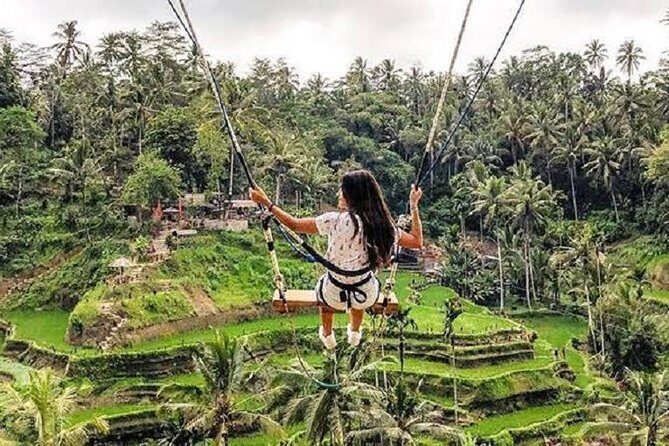
If you want, tell me your cruise port (Benoa or Celukan Bawang) and your top 2 priorities (temples, coffee, waterfalls, Ubud shopping/markets), and I’ll suggest a simple strategy for how to spend your limited time inside a 6 to 8 hour day.