OFFICIAL ATV KUBER – Tunnel, Waterfall, Rice Field, River, Jungle

OFFICIAL ATV KUBER - Tunnel, Waterfall, Rice Field, River, Jungle - The ride: tunnel, cave, rice fields, bamboo, river, jungle

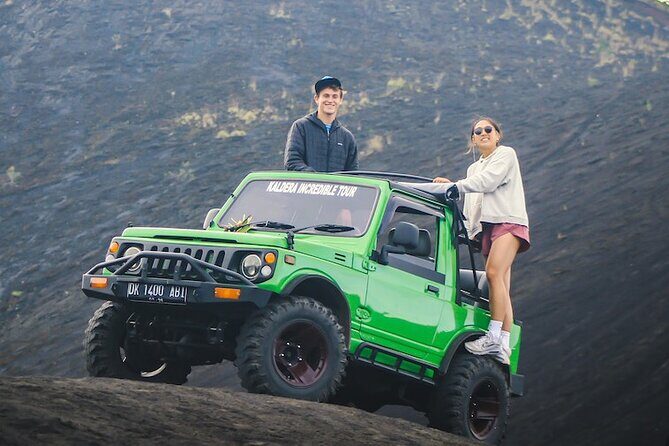
ATVs through Bali scenery feel like a movie scene. This Ubud-area ride sends you through tunnel passages, past rice fields, and into wet jungle fun, then wraps with lunch before you head back.

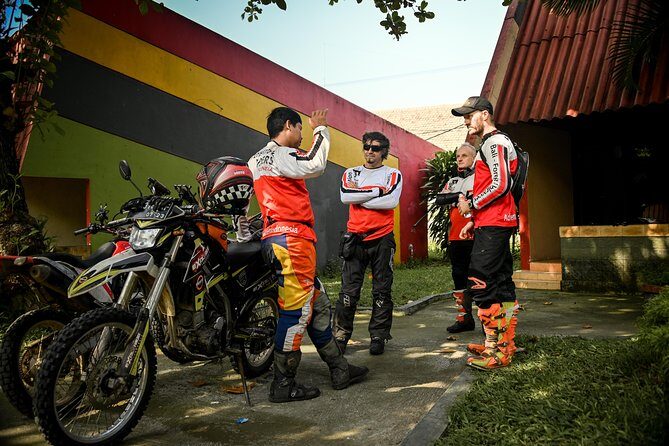
I especially like the way the tour blends variety in a short window, not just straight trail riding. The small-group setup also means your guide can keep an eye on you, and you get proper safety gear so you can focus on the ride.

One consideration: arrival and check-in can feel a bit chaotic, so plan to show up a few minutes early and stay patient when they get everyone sorted.

Key things I’d watch for before you book
OFFICIAL ATV KUBER - Tunnel, Waterfall, Rice Field, River, Jungle - Key things I’d watch for before you book

  • Tunnel + waterfall + rice fields in one loop means constant scenery changes, not a single-track slog.
  • Helmet and rubber boots are included, which matters because parts of the route can get wet.
  • Small group (max 20) usually helps you get clearer instructions and faster help if you’re unsure.
  • Optional upgrades can add river rafting and/or a rope swing section if you want more water time.
  • Photo/video packages cost extra, and they can be easy to skip unless you want the souvenir.
  • Hotel pickup is available only for selected areas, and private-car transfer may cost more from some locations.

Why ATV Kuber works as a Ubud adventure

OFFICIAL ATV KUBER - Tunnel, Waterfall, Rice Field, River, Jungle - Why ATV Kuber works as a Ubud adventure
This isn’t the kind of ATV tour that feels like a checklist. It’s built around a tight circuit of environments: cave/tunnel sections, bamboo areas, rice fields, river moments, and jungle trails. In about 1.5 hours (depending on how fast you ride), you get the sense you’re moving through layers of Bali countryside rather than just circling the same dirt road.

The price also feels reasonable for what’s included. At about $45.21 per person, you’re getting the ATV portion, guide support, lunch, insurance, and the gear you need to stay comfortable. You’re not just paying to sit on a machine; you’re paying for an organized route with stops and time built in for safety and recovery.

And if you’re staying around Ubud, the pickup option (from select hotel areas) can remove the biggest headache. You can keep your day simple: ride, eat, shower, back to your base.

The ride: tunnel, cave, rice fields, bamboo, river, jungle
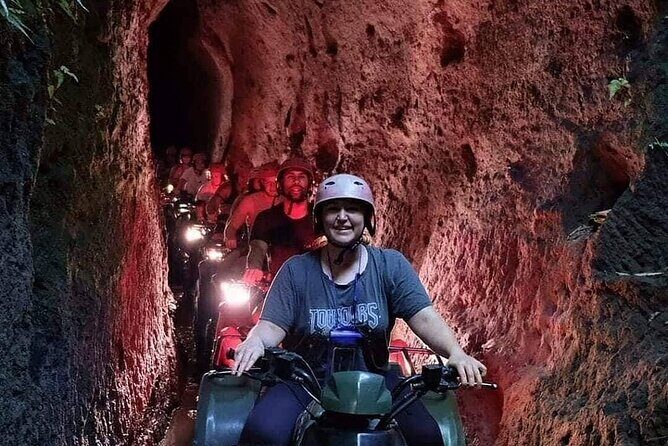
OFFICIAL ATV KUBER - Tunnel, Waterfall, Rice Field, River, Jungle - The ride: tunnel, cave, rice fields, bamboo, river, jungle
Let’s talk about what the route actually feels like, because that’s the heart of this tour.

Tunnel and cave sections

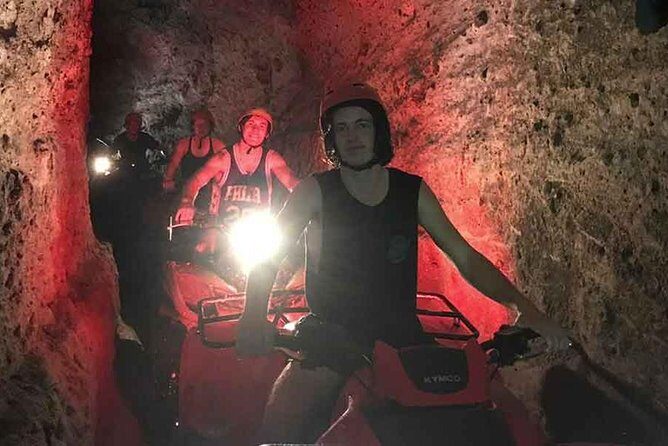
The most memorable moments tend to be the “you’re inside the jungle” parts. You’ll ride through tunnels and cave-style sections as part of the circuit. These segments add a nice mental shift: the route becomes more about control and concentration than just speed.

From a rider’s point of view, tunnels also force you to slow down and follow the guide’s pacing. That’s a good thing for photos, safety, and keeping the group together.

Waterfall and wet fun attractions

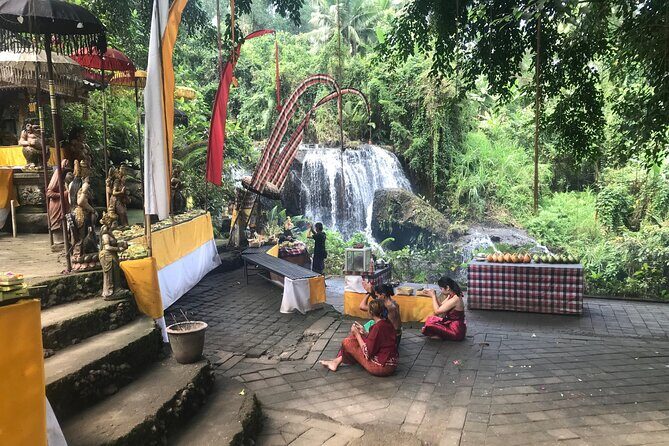
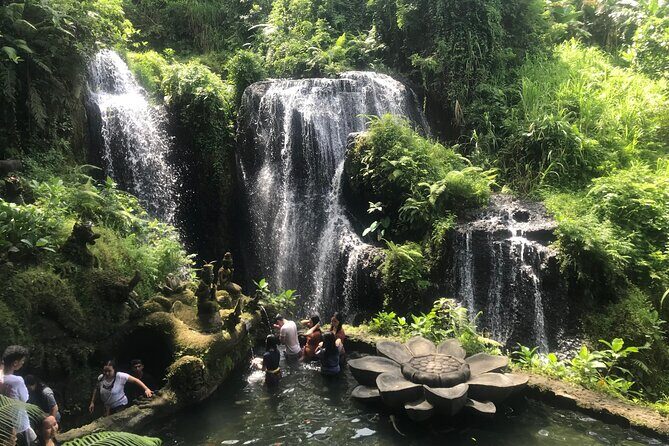
You’ll also hit a waterfall element and at least one wet attraction section. Since the tour includes rubber boots, you’re not expected to figure out footwear at the last second. Still, come prepared for the fact that you’ll likely get damp.

Practical tip: wear quick-dry clothes under your riding gear. If you bring cotton, it tends to stay wet longer than you’d like during a short 1.5-hour tour.

Rice fields and the countryside view breaks

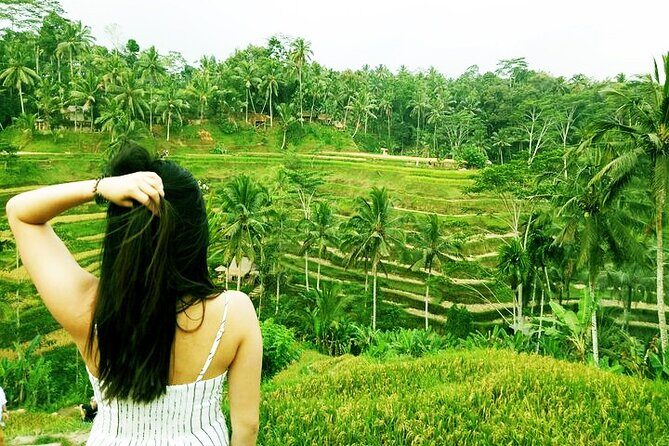
A big reason people enjoy this ATV style is that it’s not only dirt. The itinerary includes a rice field panorama and a bamboo plantation segment. Those stretches give you the “Bali postcard” contrast: you go from tight, earthy paths to open views where you can breathe and look ahead.

These pauses also make the tour feel longer than it is. Even though the ride time is short, the scenery changes keep your attention.

River moments and jungle trails

After the rice and bamboo areas, you’ll move into river and jungle terrain. The river part is where the tour earns its nickname style: you get that wet, splashy element that makes ATV riding feel more like an adventure activity than a theme-park ride.

Then it’s back to jungle trails, which are great for adrenaline and for that “wind in your hair” feeling. The key is that you’re not just zooming; you’re transitioning through environments designed to look and feel different.

Small-group pacing and guide attention

OFFICIAL ATV KUBER - Tunnel, Waterfall, Rice Field, River, Jungle - Small-group pacing and guide attention
This is designed as a small-group activity with a maximum of 20 travelers. In practice, that matters. You’re less likely to get stuck behind a big line of machines, and your guide can give tighter instructions and course corrections.

I also like the way the tour is structured around safety equipment and a professional ATV guide. When your group stays manageable, the guide can actually help if you’re new to riding or if conditions change on the ground.

If you’re worried about confidence, you’ll probably feel better knowing they provide the basics (helmet and boots) and keep you on an organized route.

Lunch and shower facilities: the payoff after the wet parts
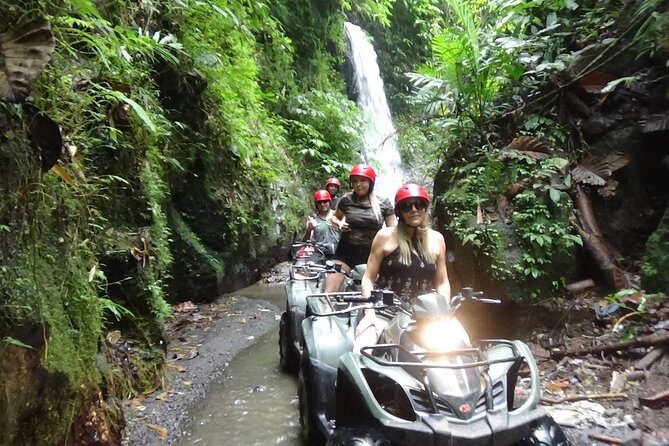
OFFICIAL ATV KUBER - Tunnel, Waterfall, Rice Field, River, Jungle - Lunch and shower facilities: the payoff after the wet parts
You’ll stop for a delicious Balinese lunch at a local restaurant. It’s not described as a fancy, plated meal, but it’s part of the value here: you get food included so your day doesn’t spiral into hunting for lunch while still feeling sweaty and muddy.

Even better, the tour includes towel and shower facilities. That’s not a small detail. It means the wet parts don’t have to ruin your evening plans afterward. Bring a change of clothes in your day bag so you can move on with comfort.

Optional upgrades: rafting and rope swing add-on choices
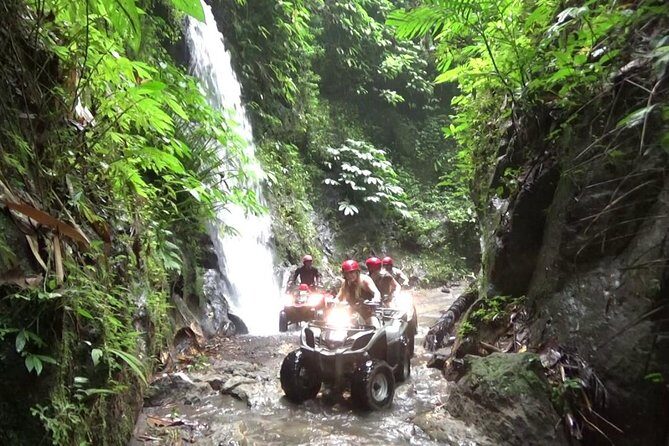
OFFICIAL ATV KUBER - Tunnel, Waterfall, Rice Field, River, Jungle - Optional upgrades: rafting and rope swing add-on choices
The tour offers upgrades that can include river rafting and/or a rope swing portion. If you’re the type who likes your outdoor time to keep escalating, this is where you can customize the day.

One caution: upgrades change the “flow” of your time. If you’re trying to fit this neatly around another Ubud activity, ask how the add-ons affect timing before you decide. With a total duration hovering around 1.5 hours for the core ATV loop, adding extras can shift your schedule.

If you’re mainly here for the ATV and scenery, you can also skip upgrades and still get a full, varied ride.

Price and what you really get for $45.21

OFFICIAL ATV KUBER - Tunnel, Waterfall, Rice Field, River, Jungle - Price and what you really get for $45.21
At about $45.21 per person, the value comes from the bundle:

  • ATV experience with a professional guide
  • helmet and rubber boots
  • lunch
  • insurance
  • towel and shower facilities
  • pickup from select hotel areas (option selected)

What isn’t included is also important. CD photos/videos aren’t included, so if you want a media souvenir, you’ll likely pay extra on top. One rider said it was worth paying the additional cost for pictures, and another described the video/photo delivery through a Google Drive style link, which is the kind of practical setup you want if you hate sorting through random files later.

Also, solo travelers can have an extra charge of $15. And transfers can cost more depending on where you’re coming from.

Bottom line: this price makes sense if you’re doing it as a real activity with gear, guide, food, and cleanup included. If you’re only interested in the ride but would otherwise pay for lunch and transportation anyway, this bundle adds up.

Pickup, meeting point, and how to avoid stress
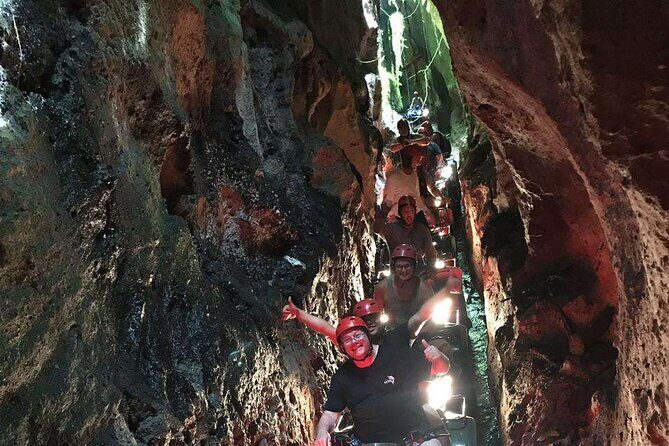
OFFICIAL ATV KUBER - Tunnel, Waterfall, Rice Field, River, Jungle - Pickup, meeting point, and how to avoid stress
If you select pickup, it’s from select area hotels. If you don’t, you’ll meet at the Kuber BALI ADVENTURE location:

Br Bayad, Melinggih Kelod, Kec. Payangan, Kabupaten Gianyar, Bali 80572, Indonesia

The tour ends back at the meeting point.

Here’s what helps most: plan to arrive early and keep your pace calm. Even though the ride experience tends to impress people, the arrival/check-in flow can be disorganized. You’ll have a better day if you treat the first 10–20 minutes like a “wait-and-then-go” moment.

Photo and video add-ons: worth it, but only if you want it
OFFICIAL ATV KUBER - Tunnel, Waterfall, Rice Field, River, Jungle - Photo and video add-ons: worth it, but only if you want it
There’s an option to pay for photos/videos during the experience. People who did the add-on described lots of photos returned and a photographer who delivers the files in an easy-to-access way.

Since CD photos/videos aren’t included, you should decide ahead of time whether you want this souvenir. If you’re the type who likes a visual record of you in action, it’s a decent add-on. If you travel light and mostly want memories made in your head, skip it and just enjoy the ride.

Weather matters more than you think

This experience requires good weather. If conditions aren’t suitable, you’ll be offered a different date or a full refund.

Even if the forecast looks okay, keep in mind that the route is built around wet elements. That means they’re likely to cancel or adjust when conditions become unsafe.

If you’re on a tight schedule around Ubud, pick a day where you have flexibility. One extra hour or one shifted day can make all the difference between a smooth, fun ride and a cancellation.

Who this ATV Kuber tour suits best

I think this tour is a great fit if:

  • you want an ATV ride that mixes tunnels, rice fields, and jungle rather than repeating one trail
  • you like short, organized adventure days with included lunch
  • you want an option to add rafting or rope swing if you’re in a high-energy mood
  • you’ll appreciate having showers and towels ready at the end

It might be less ideal if:

  • you hate any uncertainty around check-in pacing
  • you dislike wet conditions and don’t want to wear rubber boots
  • you’re very schedule-tied to Ubud and cannot flex if weather affects timing

Quick practical tips before you go

Bring a small bag with essentials: dry clothes for after, a way to keep your phone secure, and anything you need to rinse off. Wear quick-drying clothing if you have it. And don’t overthink the gear: helmet and rubber boots are included, so focus on comfort rather than buying extra equipment.

Also, if you’re choosing between single and double ATV, know that solo travelers have an extra $15 charge. It’s not a reason to skip, just a fact that affects total cost.

Should you book ATV Kuber in Ubud?

I’d book it if you want a fun, varied Ubud-area adventure that gives you more than just driving in a circle. The tunnel and river elements add real excitement, while the rice field and bamboo parts keep it interesting visually. Add in lunch and shower facilities, and it’s a pretty efficient way to spend a half-day.

I’d think twice only if you’re very sensitive to check-in chaos or you’re coming at a time when rain is likely and you can’t shift plans. If you have flexibility and you want a straightforward adventure day, ATV Kuber is a solid choice.

FAQ

How long is the ATV Kuber tour?

The tour lasts about 1 hour 30 minutes, depending on how fast you ride through the tunnel, waterfall, river, jungle, and rice field areas.

Do they provide hotel pickup in Ubud?

Pickup is offered if you select the option, and it’s available from select area hotels. Some locations may have an extra charge for private car transfer after pandemic-related safety arrangements.

What’s included in the price?

The tour includes a professional ATV guide, helmet and rubber boots, towel and shower facilities, lunch, insurance, and a private hotel transfer if that option is selected.

What should I expect to wear and bring?

You’ll get safety equipment including a helmet and rubber boots. Since the route includes wet attractions and waterfall/river elements, bring dry clothes for after and plan for getting damp.

Can I add river rafting or a rope swing?

Yes. You can upgrade to include river rafting and/or a rope swing portion.

Where does the tour start and end?

It starts at Kuber BALI ADVENTURE in Payangan and ends back at the meeting point.

What happens if weather is bad?

This experience requires good weather. If it’s canceled due to poor weather, you’ll be offered a different date or a full refund.


Discover Scuba Diving

Discover Scuba Diving - The morning flow: tea/coffee first, then skill building

This is one of those small-group setups that helps you feel ready fast. You get real instruction before you ever go in the water, and the day is paced for beginners instead of checking boxes. The plan mixes a theory rundown, a pool session, and then an open-water underwater experience in either Coral Garden or the WWII USAT Liberty Shipwreck near Tulamben.

Two things I really like: first, the group limit is tiny, max 5 total including you (so you get close attention). Second, you’re not left to figure anything out on your own—hotel pickup and drop-off are part of the package, plus you get equipment, towels, and drinks like tea or coffee.

One possible drawback: it’s designed as a short day (about 5 hours) with one main ocean session. If you want a second ocean stop, you’ll need to upgrade.

Key things worth knowing before you go

Discover Scuba Diving - Key things worth knowing before you go

  • Max group size (4 other people): more 1-on-1 coaching when skills get tricky
  • Pool practice first: you learn the moves in a controlled setting before the ocean
  • Two underwater options: Coral Garden for calmer reef time, or the WWII USAT Liberty wreck near Tulamben
  • Photos/video included: you leave with memories of your first underwater session
  • WWII wreck option for history buffs: the USAT Liberty Shipwreck is a big draw in this area
  • Friendly, organized instruction: multiple instructors are praised for professionalism and safety focus

Where Ubud fits in, and why Amed is the right base

Discover Scuba Diving - Where Ubud fits in, and why Amed is the right base
This intro program is marketed from Ubud, but the action runs from the Amed/Tulamben side of Bali. That matters because it puts you close to some of the area’s most well-known beginner-friendly underwater scenery, including reef time at Coral Garden and the USAT Liberty Shipwreck option near Tulamben.

The best part for your schedule: the day starts in the morning, with a clear structure. You begin with a welcome tea or coffee, then you move step-by-step from rules and technique to practice in the pool. Only then do you head into the ocean.

That’s the underlying theme here: you’re not rushed into water just to get a checkmark. You’re coached until you understand what you’re doing.

Small-group coaching that actually keeps you safe

The biggest quality-of-life win is the tiny group size. This is limited to no more than 4 travelers (so you’re not fighting for attention while your instructor tries to manage multiple bodies, multiple questions, and multiple skill levels).

In practical terms, that means:

  • corrections happen fast (you can adjust before your next attempt)
  • you get more time to ask about risks and technique
  • you’re watched closely during the session (especially helpful for brand-new students)

Even the way the center describes the program signals a safety-first style: rules and expectations come before pool practice, and the ocean portion follows after you’ve demonstrated basic control.

From the feedback I’m seeing in the instructors and team vibe, the staff also handles changes in plans with preparation rather than panic. If your comfort level needs adjustments, you’ll likely get that attention.

The morning flow: tea/coffee first, then skill building

Discover Scuba Diving - The morning flow: tea/coffee first, then skill building
Your day starts at 8:00 am. Before anything technical happens, there’s a welcome tea or coffee. It sounds small, but it sets the tone: calm start, then you get into the scuba rules and what to expect.

After the overview, you go straight into a pool session to get comfortable with the gear and movements. This is the part that makes the ocean session feel less like a leap and more like a continuation.

Also helpful: equipment, towels, and water are provided, plus fruits. So you’re not juggling a bunch of logistics while you’re trying to stay relaxed.

If you like a tour that feels organized—where you’re not guessing what comes next—this style works.

Pool session: where beginners get their footing

Discover Scuba Diving - Pool session: where beginners get their footing
For first-timers, the pool matters more than most people think. You’re learning control points like breathing rhythm, buoyancy basics, and how to move without panicking. In the water, there’s more sensation: temperature changes, sound changes, and you can feel a little time pressure. The pool removes a lot of that.

The program is built around that sequencing:

1) rules and basics explained

2) practice in the pool until you’re comfortable

3) one ocean session where you apply it

That’s also why this experience works well when you’re pressed for time. It’s short, but not random.

And based on instructor feedback, the team teaches with care and technical competence. Names that show up in positive feedback include Fernando, Pepan, and Zebastain P—each praised for professionalism, patience, and clear guidance. Another name connected with technical expertise is Antoine, which is a good sign that the staff isn’t winging it.

Coral Garden vs the USAT Liberty Shipwreck: choosing your underwater mood

Discover Scuba Diving - Coral Garden vs the USAT Liberty Shipwreck: choosing your underwater mood
This is one of the key decision points built into the day: your ocean session will be either:

  • Coral Garden (reef-style ocean time), or
  • the USAT Liberty Shipwreck near Tulamben (a WWII-era wreck)

You might not choose this yourself every time—ocean conditions and planning can affect it—but knowing what each option feels like helps you decide what you’re hoping for.

Coral Garden: reef time with beginner-friendly energy

If you want something focused on learning basics in open water, Coral Garden is the kind of option that typically feels more straightforward for new students. The goal is still skill and comfort, but the environment tends to suit people who want to see marine life and practice calm control.

USAT Liberty: WWII wreck atmosphere with serious wow factor

The USAT Liberty Shipwreck is a major draw in this area. A WWII-era wreck adds drama to the learning day—less like a classroom moment, more like a story you can swim through.

The tradeoff is that wreck environments can demand more attention to buoyancy, positioning, and staying aware. The good news: this program is designed specifically for beginners, and your instructor support should keep you on track.

If you’re the type who loves a big setting and doesn’t mind that it’s a little more “eventful,” the wreck option is the one to hope for.

What’s included (and why it makes a difference)

This isn’t a bare-bones taster where you show up and fend for yourself. You’re provided with:

  • equipment
  • towels
  • tea/coffee, water, and fruits
  • photos/videos from your experience

And there’s another detail that’s genuinely useful: your photos/videos are part of the package. New underwater students often feel too busy focusing on breathing and body position to grab good photos anyway. Getting images afterward means you can actually remember what you did—without doing a frantic smartphone dance underwater.

The day also includes program structure (the overview, the pool session, then the ocean). That reduces uncertainty, which helps your nerves.

How the photos fit into the value

Discover Scuba Diving - How the photos fit into the value
The fact you get photos/videos isn’t just a cute extra. It changes the experience from feeling like a one-time test into something you can share and reflect on.

If you’re booking an intro session specifically because you’re curious about scuba, you’ll want proof that you can do it. Visual memories help you judge your progress honestly—and decide if you want to continue with a course afterward.

This center’s wider coaching reputation also comes through in feedback about taking further education, including an Open Water Diver course and references to SSI.

So you can treat this day as the warm-up, not a dead end.

Price and value: what $120.94 buys you in real terms

At $120.94 per person for about 5 hours, you’re paying for:

  • instruction built for beginners
  • equipment and towels
  • drinks and fruits
  • transport via hotel pickup/drop-off
  • guided safety oversight in the pool and ocean
  • photos/videos afterward
  • a small group with max 4 other people

That’s the big value story: you’re buying coaching time and safety attention, not just access to water.

And the booking pattern matters too. On average, it’s booked about 12 days in advance, which tells me this is a popular day format. If you wait too long, you can lose the ideal time slots.

If you compare this to a DIY option, the cost isn’t just the gear—it’s the teaching and supervision. For most first-timers, that’s what keeps the experience enjoyable instead of stressful.

How to get the most out of your one ocean session

Because the program is short and structured, you’ll get more from it if you treat the day like skill practice, not sightseeing.

A few practical mindset tips:

  • Pay attention in the rules overview; it’s not filler.
  • Use the pool session to build calm habits. Don’t rush your learning.
  • In the ocean, focus on the basics your instructor gives you rather than comparing yourself to anyone else.
  • If you’re unsure about your comfort, say it early. Small groups make it easier for the instructor to adjust.

Also, keep in mind there’s an option to do a second ocean session upgrade. If you’re already thinking about getting more time in the water, ask about it during the planning window rather than assuming it’s automatic.

Who this intro session suits best

This program fits best if you:

  • are short on time and want a beginner-friendly intro day
  • want personal attention in a tiny group
  • prefer hotel pickup/drop-off so you can show up and relax
  • want a structured progression: rules → pool → ocean
  • value photos/videos so you don’t miss the memory part

It’s also a good fit if you’re drawn to the area’s signature options—reef time at Coral Garden or the big visual moment of the USAT Liberty Shipwreck.

If you’re looking for a long multi-day expedition, this isn’t it. It’s a focused start.

Quick decision: should you book this?

I’d book this if you want an organized, beginner-first day with small-group attention, pool coaching, and one guided ocean experience, plus photos to take home. It’s especially smart if you’re curious about continuing into a full certification later.

I’d think twice only if you’re hoping for multiple ocean sessions as part of the base price, because the program is built around one main open-water experience. If you want more time underwater, plan on asking about the second-session upgrade.

If you like your tours with clear steps and careful instruction, this is the kind of experience that turns first-timer nerves into a real, confident start.

FAQ

What happens first in the program?

You start with a welcome tea or coffee, then get an overview of scuba rules. After that, you do a pool session to get comfortable before the open-water ocean experience.

How big is the group?

The experience is limited to a maximum of 4 travelers. The goal is personalized attention in a very small group.

Where does the ocean session take place?

Your ocean session is either at Coral Garden or at the USAT Liberty Shipwreck in Tulamben.

What’s included in the price?

You get equipment, towels, tea/coffee, water, fruits, and photos/videos from your experience, plus instruction during the day.

Is hotel pickup and drop-off included?

Pickup is offered, and the activity includes hotel pickup and drop-off, so you don’t need to find a meeting point on your own.

Can I cancel and get a refund?

Yes. You can cancel up to 24 hours in advance for a full refund. If you cancel later than that, the amount paid is not refunded.

Best Of Ubud Half Day Private Guided Tour

Best Of Ubud Half Day Private Guided Tour - Tirta Empul Temple and the Holy Water Cleansing Ritual

Ubud runs on photo magic. This private half-day style tour strings together Bali classics: UNESCO-listed rice terraces, temple rituals, a waterfall viewpoint, and that famous giant swing with Mt Batur countryside views. I like that the route is designed for photo stops, not rushed checkboxes.

Two things stand out for me. First, you get undivided guide time in an AC private car, so you can ask questions and slow down for shots. Second, entrance tickets and small extras like bottled water plus tea and coffee breaks are included, which helps the day feel like good value at the stated price.

One consideration: the tour is listed as about 6 hours, but real-world pacing can stretch longer when you linger for photos or if your route adds extra stops. If you’re tight on schedule, plan some cushion.

Key takeaways

  • Private, photo-friendly guiding with a plan you can adjust on the fly
  • Tegalalang rice terraces and the giant swing for big “Bali postcard” pictures
  • Temple time at Tirta Empul with the option to take part in a holy water cleansing ritual
  • Tampaksiring gardens plus a sit-down tea/coffee break
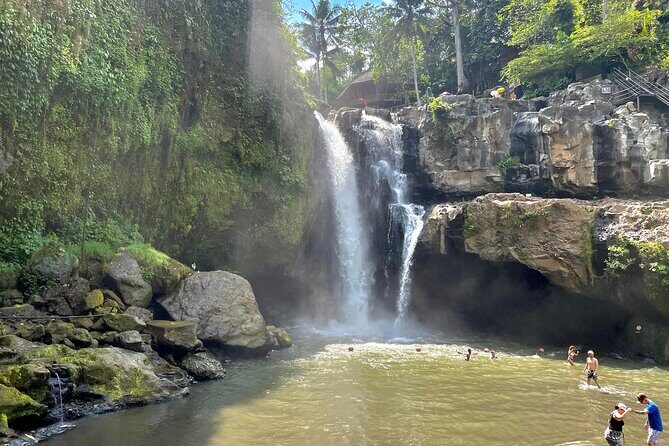
  • Tegenungan waterfall for dramatic views and a solid photo window
  • Real flexibility from guides (names like Ketut, Adi, Dee, Putu, Nyoman show up in past experiences)

Why This Ubud Tour Works for Photo-Lovers (and Not Just Sight-Checkers)

Best Of Ubud Half Day Private Guided Tour - Why This Ubud Tour Works for Photo-Lovers (and Not Just Sight-Checkers)
This tour is built around the Ubud area’s strongest hits: scenic viewpoints, culture, and temples. The big draw is that it mixes iconic scenery with guided context—so you don’t just point and click, you understand what you’re looking at while you shoot.

I especially like how the day balances dramatic nature photos with calmer, slower stops. Tegalalang’s terraced rice fields give you that layered Bali look, while Tirta Empul adds a very different feel: people performing a ritual in the holy water. Then you finish with the waterfall, where the mood turns more energetic and cinematic.

You should also know the tour leans into the classics that visitors come for, including a giant swing ride over the rice terraces, plus views related to Mt Batur. If you like photography, you’ll appreciate how the stops are chosen for angles—especially in early daylight when shadows and colors look good.

Seminyak Pickup, AC Comfort, and a Route That Can Run Longer Than 6 Hours

The tour includes pickup and drop-off across a wide range of Bali areas (south, north, east, west, and central). That matters because Ubud traffic can be a time-waster. Having a driver who handles the transfer means you start the day relaxed, not figuring out routes while you’re already tired.

The ride is private transportation with AC, plus complimentary water and tea/coffee breaks. In Bali heat, that’s not a small perk—it’s the difference between enjoying the day and feeling cooked by the second stop.

Also, the duration is listed as about 6 hours. In practice, your day can run shorter or longer depending on your pace and what you decide to add or linger for. Past experiences mention days lasting closer to 9 hours when people take their time, and others were closer to 4–5 hours when the group kept moving. I’d treat 6 hours as a baseline, then plan for flexibility.

Tegalalang Rice Terraces and the Giant Swing: The Shot That Makes This Tour Worth It

Best Of Ubud Half Day Private Guided Tour - Tegalalang Rice Terraces and the Giant Swing: The Shot That Makes This Tour Worth It
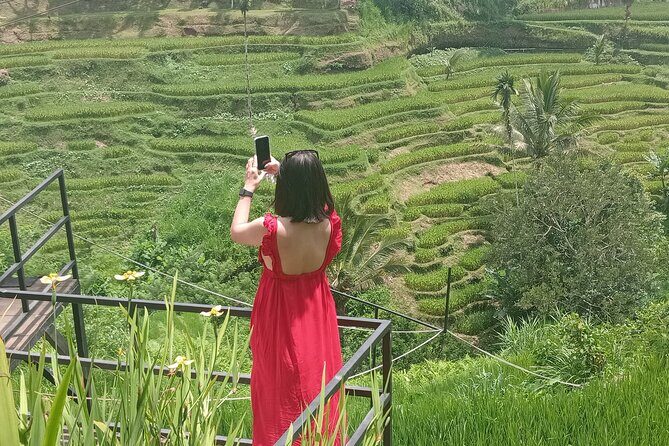
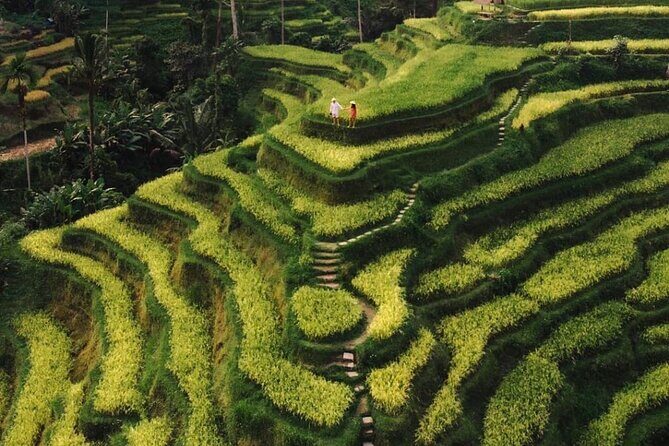
Tegalalang rice terraces are the reason many people come to Ubud in the first place. Expect a UNESCO-listed rice landscape where the pattern of terraces gives your photos instant depth—foreground, middle, and background all at once.

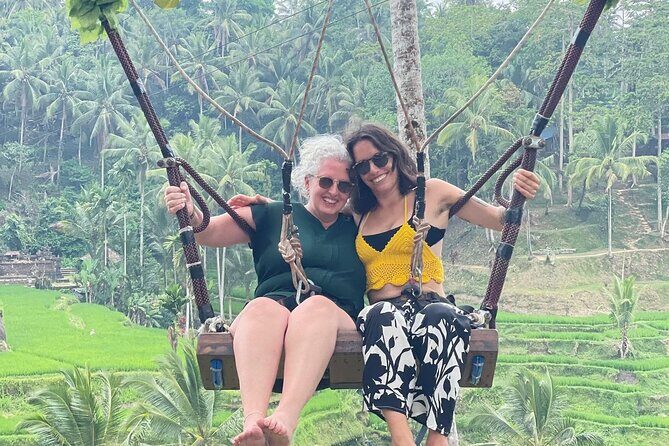
Then there’s the giant swing. This is the signature photo moment: you get the fun of the ride plus the big countryside backdrop. It’s not just a thrill stop. It’s also a chance to frame your photos with the terraces stretching behind you, which is hard to replicate from ground level.

A couple of practical notes. The best photos usually come from timing and positioning—so give yourself a bit of time. Also, the terrain around viewpoints can be uneven, and you may do short walks between lookouts. If your mobility is limited, you’ll want to move slowly and ask your guide for the most practical path.

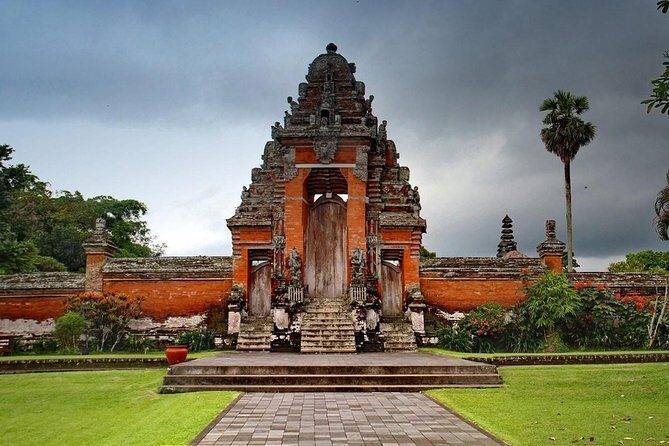
Tirta Empul Temple and the Holy Water Cleansing Ritual

Best Of Ubud Half Day Private Guided Tour - Tirta Empul Temple and the Holy Water Cleansing Ritual
Tirta Empul is one of the most meaningful stops on the day. The highlight here is the temple’s holy water area, where visitors can participate in a cleansing ritual.

If you plan to join, go in with a respectful mindset. This isn’t a theme park. Dress smart-casual, cover up where appropriate, and follow your guide’s lead on what’s okay to do and where to stand.

Even if you don’t participate, you’ll likely enjoy the atmosphere and symbolism. It’s a quiet contrast to the “photo ride” energy of the swing and rice terraces. You’ll see people focused on the ritual, and your guide can help explain the setting so it feels real, not like a backdrop.

One more tip: bring your patience. Temple stops take time because people move through ceremonies at their own pace. Your guide’s job is to keep you flowing without steamrolling the experience.

Tampaksiring Gardens: A Calm Break With Tea and Coffee

After temples and viewpoints, the Tampaksiring gardens offer a slower tempo. This stop focuses on local gardens filled with color and seasonal tropical plants. It’s a nice reset—less loud than the rice terraces, more about strolling and taking in the environment.

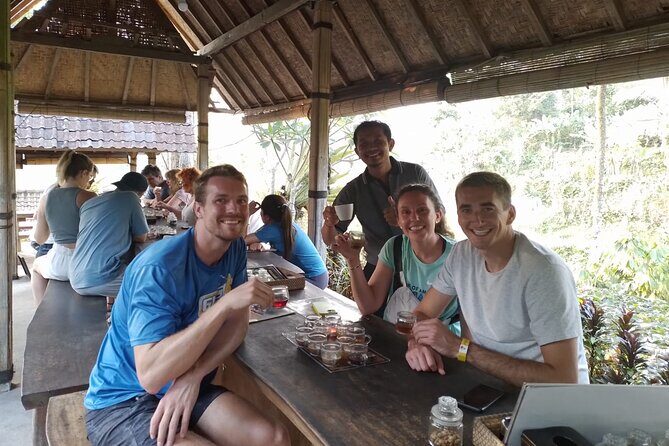
You also get a break with hot tea and coffee served while you sit on the garden terrace. In real life travel terms, this is where you catch your breath, hydrate, and let the earlier walking settle in. It’s also a good moment to ask your guide questions about what you’ve seen so far.

The big value here is variety. Instead of stacking only scenic photo locations, the day includes a decompress stop that still feels like you’re experiencing Bali beyond viewpoints.

Tegenungan Waterfall: Getting the Best Picture Without Burning Out

Best Of Ubud Half Day Private Guided Tour - Tegenungan Waterfall: Getting the Best Picture Without Burning Out
Tegenungan waterfall is a dramatic finale-style stop. Expect an unforgettable viewpoint and the chance to capture strong photos while your guide helps you find the best angles.

Waterfalls can be tricky for photos because you’re dealing with mist, bright light, and crowds depending on the day. The good news: your guide’s attention helps you use your time well, rather than wandering while everyone else has already climbed to the ideal spot.

Also keep in mind that you’ll likely do some walking over uneven ground to reach viewpoints. Wear footwear you trust. If you’re thinking about long exposure shots or lots of camera changes, plan your time so you don’t end up rushed at the most important moment.

Cultural Stops You Should Expect: Barong and Kris Dance, Plus Temple Visits

Beyond nature and photos, the tour includes cultural elements. The highlights mention a barong and kris dance performance, which is a major reason the day feels more like culture than just scenery.

You’ll also encounter other temple and classic Ubud sites such as Gunung Kawi Sebatu temple and Ubud Monkey Forest as part of the overall plan. These stops add variety: temples bring ritual energy, while Monkey Forest tends to feel playful and lively (just keep an eye on personal items and follow your guide’s guidance).

Mt Batur views are also part of the promise in this tour style, often delivered through viewpoints and countryside scenery as you travel through the Ubud area. Even if you don’t get a perfect clear-weather sightline every time, you’re still going to see the mountain’s presence in the geography and how locals talk about the region.

If you want Bali that feels grounded—rituals, dance, and everyday places alongside the famous shots—this is a strong match.

The Guide Makes the Day: What Past Names Tell You About the Experience

In a private tour, the guide is the product. The names that show up in past experiences—Ketut, Adi, Dee, Putu, Nyoman, Dewa, Katut, and Moyo—point to a consistent theme: guides who adjust to your pace and keep things smooth.

Here’s what I’d take from those stories as practical value for you:

  • Guides can adapt the timing based on what you want most, especially around photos.
  • Expect real friendliness and explanation, not just silent driving.
  • If you have mobility limits, a good guide will slow down and help you keep the day enjoyable rather than forcing speed.

One example of this style: some experiences describe guides helping with comfort issues like slower walking pace, plus adding helpful extra stops on the way back. Another mentions car comfort and even playlist choices, which sounds silly until you’re stuck in traffic heat and realize a calm ride makes a difference.

Even with a standard route, you’re not on rails. That’s the point of private guiding.

Price and Value: What $23.08 Buys You (and What Might Cost Extra)

Best Of Ubud Half Day Private Guided Tour - Price and Value: What $23.08 Buys You (and What Might Cost Extra)
At $23.08 per person, this is priced like a budget-friendly way to get a full Ubud highlights day without dealing with separate tickets and constant logistics.

What’s included:

  • Pickup and drop-off across many Bali areas
  • Private AC transportation
  • Entrance ticket described as premium all inclusive
  • Professional driver/guide
  • Water plus tea and coffee breaks
  • Insurance
  • Mobile ticket
  • Vegetarian option available if you request it

What might cost extra:

  • Lunch is not included. A typical estimate shown is around $4 per person at a local restaurant.
  • There’s also a note that for special private guided visits, you might pay additional entrance tickets if you visit all attraction options, with an extra amount around $10 per person mentioned in the details.

So here’s my value take: you’re paying for a guided, bundled route, and you’re unlikely to feel nickeled-and-dimed at each stop. The main out-of-pocket you should expect is lunch, plus any optional extras you choose to add.

Practical Tips So You Enjoy Every Stop (Without Feeling Rushed)

Here are the things that will make the biggest difference once you’re in Ubud.

Wear smart-casual clothing. The tour lists a smart casual dress code. For temple areas, coverage matters, so choose items you can adjust with confidence.

Bring water habits. You’ll get bottled water, but you’ll still want to pace yourself in Bali’s heat—especially around waterfalls and temple walking.

Plan for photo time, not just transit time. This tour is built for photo opportunities, including the swing and rice terraces. If you skip the “just one more angle” moments, the day can feel tighter. If you go all-in, expect the day to run long.

Use footwear you can trust. Multiple stops involve uneven paths and stairs around viewpoints and temple areas. Decent shoes save your knees and your mood.

If you eat plant-based, request the vegetarian option at booking. It’s explicitly offered, so you don’t need to guess or negotiate day-of.

Should You Book This Ubud Private Guided Tour?

Book it if you want a private guide, a classic Ubud photo route, and a day that mixes nature views with temple and culture. The price-to-coverage ratio looks strong, especially since entrance tickets and basic refreshments are included.

Skip or reconsider if you’re extremely schedule-bound. The tour is listed as half-day style, but real pacing can stretch. If you only have a strict window and no flexibility, you’ll want to plan a buffer.

If you’re coming specifically for Tegalalang rice terraces, a giant swing shot, and a well-run day that keeps the driving handled for you, this is a smart way to do it.

FAQ

How long is the Best Of Ubud half day private guided tour?

The duration is listed as about 6 hours (approx.), though the experience can run longer depending on pace and photo time.

Is pickup and drop-off included?

Yes. Pickup and drop-off are included across South, North, East, West, and central Bali areas.

Are entrance tickets included?

Entrance tickets are listed as included as part of premium all inclusive. There is also a note that you may need to pay additional entrance tickets if you visit all attraction options for special private guided, with an extra cost noted around $10 per person.

Is lunch included?

No. Lunch is an additional personal expense, with an estimate provided of about $4.00 per person.

Do they offer a vegetarian meal option?

Yes. A vegetarian option is available if you advise at the time of booking.

Is the tour weather-dependent?

Yes. The experience requires good weather. If it’s canceled due to poor weather, you’ll be offered a different date or a full refund.
Bali Cooking Class and Ubud Sightseeing Tour

Bali Cooking Class and Ubud Sightseeing Tour - Pejeng Market: start with ingredients, not just photos

One day, two big reasons to smile. This private Ubud outing mixes a real Balinese cooking class with classic sightseeing stops, without the big-group shuffle. I like that you start with ingredient shopping at Pejeng Market, so your lunch feels earned, not handed to you.

My other favorite part is the hands-on cooking setup at Canting Bali Cooking Class, where you make the menu yourself and then sit down to eat what you cooked. The one thing to consider: it’s about an 8-hour day, and the tour depends on good weather, so plan around that.

Key takeaways before you go

Bali Cooking Class and Ubud Sightseeing Tour - Key takeaways before you go

  • Private feel: Only your group participates, with pickup and air-conditioned round-trip transportation.
  • Market-to-meal flow: You collect cooking ingredients at Pejeng Market before you cook.
  • Hands-on class at Canting Bali: You learn the menu and prepare it yourself for lunch.
  • Vegetarian option available: Choose a vegetarian or non-vegetarian menu.
  • Sightseeing built in: After lunch, you visit Tegalalang Rice Terrace and Sacred Monkey Forest Sanctuary.

Why this private Ubud day works so well

Bali Cooking Class and Ubud Sightseeing Tour - Why this private Ubud day works so well
Ubud can be a lot of things in one trip: temples, markets, food, and those famous rice terraces. What I like about this tour is how it keeps the day practical. You get a smooth ride, a clear flow from market to cooking to sightseeing, and you avoid spending your time figuring out routes.

The “private” part matters more than it sounds. When it’s only your group, you’re not rushed by a larger schedule, and your guide can steer the day around your pace. That’s a big deal for food experiences, where timing and attention really affect how fun it feels.

One more smart touch: it’s designed as a full-day mix, but it doesn’t force you to treat every stop like a race. You can enjoy the cooking class, then shift into sightseeing mode at a comfortable rhythm.

Pejeng Market: start with ingredients, not just photos

Bali Cooking Class and Ubud Sightseeing Tour - Pejeng Market: start with ingredients, not just photos
The tour begins with a pickup from your hotel area, then heads to Pejeng Market. This is the part that turns the cooking class into something more meaningful. Instead of only learning techniques in a classroom, you’re gathering ingredients first, with your guide.

Here’s what that means for your experience. You’ll be paying attention to spices, produce, and the kinds of items that show up in Balinese cooking. And when it’s time to cook, those ingredients are no longer a blur. They have context. You know what you picked and why it likely belongs in the menu.

Practical note: markets can be busy and active. Wear comfortable shoes and keep your expectations flexible. The value is in the process, not in standing still and perfecting a shot.

Canting Bali Cooking Class: learn, cook, and eat what you made

Bali Cooking Class and Ubud Sightseeing Tour - Canting Bali Cooking Class: learn, cook, and eat what you made
After the market stop, you go to Canting Bali Cooking Class. This is the centerpiece of the day. The format is hands-on: you’ll be guided through making a typical Balinese meal, and all menu items are prepared by you.

Two things I’d highlight if you’re deciding whether this is worth your time:

First, the class is structured around a menu choice. You can go vegetarian or non-vegetarian, so you’re not stuck with a one-size-fits-all meal. That matters in Bali, where many cooking classes focus heavily on meat or seafood by default.

Second, you don’t just taste. You savor a lunch you prepared yourself. That’s the difference between a cooking demo and a real class. Even if you only pick up a few techniques, the lunch part makes it feel complete.

The guide role also looks important here. Based on the strong overall rating and comments about the tour guides being interactive and informative, you’re likely to get a lesson that’s more than a script. You should expect Q and A, plus enough back-and-forth to make the class feel lively.

Tegalalang Rice Terrace: a classic Ubud stop with time to reset

Bali Cooking Class and Ubud Sightseeing Tour - Tegalalang Rice Terrace: a classic Ubud stop with time to reset
Once lunch is done, you head to Tegalalang Rice Terrace. This stop is a classic for a reason: the terraces are visually striking, and they help break up the day after the intensity of cooking.

I like pairing a food experience with a sightseeing stop like this. Cooking keeps your hands and attention busy. The terraces give you a chance to slow down, look around, and switch gears without needing to think about transportation or navigation.

What to be ready for: rice terrace areas often involve walking on uneven ground and changing elevations. You’ll be happier if you wear shoes that feel stable rather than fancy. Also, bring a light layer if you tend to get cold in the shade, since weather in Ubud can shift.

Even if you’ve seen rice terraces in photos before, seeing them in person tends to feel different. It’s one of those stops where your brain starts taking in the spacing, the steps, and the scale.

Sacred Monkey Forest Sanctuary: cultural scenery after your meal

Bali Cooking Class and Ubud Sightseeing Tour - Sacred Monkey Forest Sanctuary: cultural scenery after your meal
Next up is Sacred Monkey Forest Sanctuary. It’s one of the most popular Ubud attractions, and it fits neatly after lunch. By this point, you’ve already shopped, cooked, and eaten, so you’re not showing up hungry or rushed.

This stop is also a good reminder that Ubud isn’t only about food. It’s about nature-based culture, and the sanctuary setting makes the visit feel like more than just a viewpoint. Try to keep the pacing gentle. People often take longer here than they plan because the area is busy and you naturally slow down while looking around.

A practical tip: keep your phone and small items secure, especially if the area is active. I’m not saying to be paranoid, but it’s smart to treat this as an animal-inhabited sanctuary rather than a quiet garden.

Transportation and timing: air-conditioned comfort and a clean day plan

Bali Cooking Class and Ubud Sightseeing Tour - Transportation and timing: air-conditioned comfort and a clean day plan
A key part of why this tour feels easy is the transport. You’ll travel in an air-conditioned car with a friendly driver, and you’ll get round-trip transportation back to your lodging. Pickup time is based on your hotel area, so the start should feel organized.

This matters in Ubud because locations can be scattered. Without a driver, you’d likely be spending energy negotiating logistics. With this format, your only job is to show up and follow the flow.

The tour runs about 8 hours. That means you should treat it as a real commitment, not a quick add-on. If you’re the type who likes a long dinner and a relaxed evening plan, you’ll probably be able to do that without feeling rushed.

Also, the day’s timing depends on the schedule of your pickup and the order of stops. You’ll want to be ready for a full-day rhythm: eat at the right time (lunch is part of the class), then switch to sightseeing without a long gap.

Price ($46.80) and value: what you actually pay for

Bali Cooking Class and Ubud Sightseeing Tour - Price ($46.80) and value: what you actually pay for
At $46.80 per person, this tour sits in a mid-range price spot for Bali. The real question is what you get for that money, and here the value is pretty clear.

You’re paying for:

  • market ingredient collection at the start
  • a guided cooking class at Canting Bali
  • lunch based on what you cooked
  • air-conditioned round-trip transport
  • visits to Tegalalang Rice Terrace and Sacred Monkey Forest Sanctuary

Many tours in Bali either focus on sightseeing (and food is optional) or focus on cooking (and sightseeing is light). This one links both, so you’re covering two interests in a single organized day.

A couple of added value clues from the tour details:

  • Group discounts may be available, which can lower your cost if you’re booking with more people.
  • It uses a mobile ticket, which reduces hassle once you arrive.
  • It often gets booked about 70 days in advance, so if your dates are firm, reserving earlier can help.

Bottom line: the price makes sense if you want a true market-to-table cooking experience plus two major Ubud sights without arranging everything yourself.

Who this tour fits best

Bali Cooking Class and Ubud Sightseeing Tour - Who this tour fits best
This is a great match if you want:

  • a private day with your own group and less waiting around
  • a hands-on cooking experience with a clear structure
  • a vegetarian-friendly choice if that’s important to you
  • classic Ubud sightseeing wrapped into the same itinerary

I’d especially recommend it for food lovers who don’t want a “watch me cook” session. If you’d rather learn by doing—buying ingredients, preparing dishes, and then eating the results—this format is built for you.

If you’re traveling solo, couples, or a small group, the private setup also helps. It reduces the friction that can come with sharing a schedule with strangers.

The only group I’d hesitate for is anyone who hates long days. At around 8 hours, you’ll want energy for a full stretch, including market time and two sightseeing stops.

Should you book this Bali Cooking Class and Ubud Sightseeing Tour?

If you like food that comes with context, this is an easy yes. The market ingredient start, the hands-on cooking class at Canting Bali, and the fact that you eat what you cooked is the core strength here. Add in Tegalalang Rice Terrace and Sacred Monkey Forest Sanctuary, and you get a complete Ubud day that’s still organized.

I’d book it if:

  • you want a private tour feel
  • you want a vegetarian option
  • you prefer air-conditioned, round-trip transport
  • you want one day that covers both cooking and key Ubud sights

I’d think twice if:

  • you’re trying to keep your day short
  • you don’t handle weather changes well, since the tour requires good weather

Also, consider the booking trend. With about 70 days average advance booking, reserving early is a smart move if your dates are fixed.

FAQ

Where does the tour take place?

The tour takes place in Ubud, Indonesia.

How long is the Bali Cooking Class and Ubud Sightseeing Tour?

It runs for about 8 hours.

What is the price per person?

The price is $46.80 per person.

Is pickup and round-trip transportation included?

Yes. Pickup is offered, and you get round-trip transportation in an air-conditioned car.

Is this a private tour?

Yes. It is a private tour/activity, and only your group will participate.

Do you visit a market before cooking?

Yes. The first stop is Pejeng Market, where you explore and collect ingredients for the cooking class.

Can I choose a vegetarian menu?

Yes. The cooking class offers a vegetarian option (vegetarian or non-vegetarian menu).

What are the main stops during the tour?

The tour includes: Pejeng Market, Canting Bali Cooking Class, Tegalalang Rice Terrace, and Sacred Monkey Forest Sanctuary.

Do you provide a ticket on your phone?

Yes. The tour includes a mobile ticket.

What if weather is bad?

This experience requires good weather. If it’s canceled due to poor weather, you’ll be offered a different date or a full refund.
FAQ

Can I cancel for a full refund?

Yes. You can cancel up to 24 hours in advance for a full refund.

When does the no-refund period start?

If you cancel less than 24 hours before the experience’s start time, the amount you paid will not be refunded.

How early should I book if my schedule is fixed?

The tour is often booked about 70 days in advance, so it’s wise to reserve early if your dates are set.

Mount Batur Sunrise Jeep Expedition

Mount Batur Sunrise Jeep Expedition - Hotel pickup in the dark: logistics that protect your time

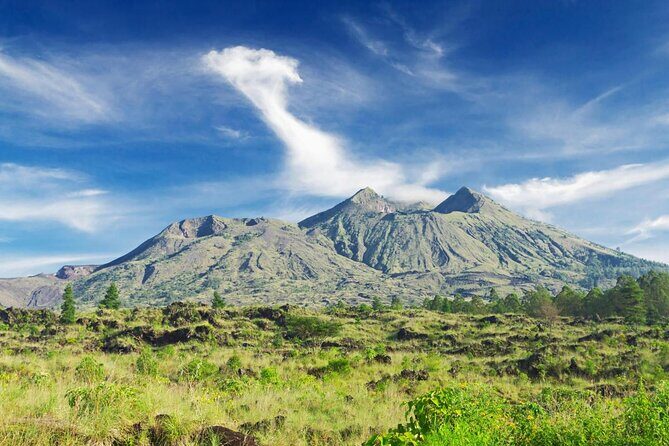
Mount Batur sunrise is one of Bali’s early mornings. You’ll roll out from Ubud in the dark for a sunrise-at-the-crater style morning, then spend the rest of the session cruising the black lava fields by jeep.

Two things I really like about this Mount Batur experience are the included breakfast and water (so you’re fueled before the big views) and the fact that your local guide handles the logistics so you’re not guessing timing at altitude. The main drawback to plan around is the start time. Expect pickup around 2:30–3:30am, and you’ll want a moderate fitness level for the moving parts, especially if you’re not a fan of early wake-ups.

Because this is a private tour/activity, it stays focused on your group instead of funneling you through a crowd. Reviews also highlight friendly, safety-minded driving and photography help from people like Kadek (driver/jeep rider in different trips), Agus (pickup driver), and Jadu (jeep rider), which matters a lot when you’re trying to catch the light without stress.

Key reasons this Mount Batur sunrise jeep tour works

Mount Batur Sunrise Jeep Expedition - Key reasons this Mount Batur sunrise jeep tour works

  • 2:30–3:30am pickup means you reach the viewing area before the sun shows up
  • Breakfast + water included keeps the morning comfortable before and after sunrise
  • Safety procedure at ~5:00am so you know what to expect before the main viewing
  • Jeep time on black lava fields around ~7:00am for the off-road feel and photo angles
  • Private group format helps the day feel less rushed and more personal
  • Around 6 hours total keeps it ambitious but not a full-day grind

Sunrise starts early for a reason: the timing math

Mount Batur Sunrise Jeep Expedition - Sunrise starts early for a reason: the timing math
The big reason people love Mount Batur sunrise tours is also the reason they’re hard to book without planning: the sun. The schedule is built to get you to the starting area around 05:00am, then into position for sunrise at about 06:00am.

That timing is the difference between seeing a volcano rim and actually watching the sky turn into a real show. When you’re there early, you also get fewer crowds around your photo spots and more chances to capture the moment as light spreads across the caldera area.

The early pickup window (around 02:30–03:30am) is not optional if you want the sunrise. The tour runs long enough to be worth it—around 6 hours—but short enough that you’re back at your hotel by roughly 10:00am. That’s a sweet spot: you get a big “Bali bucket list” moment without losing your entire day.

Hotel pickup in the dark: logistics that protect your time

Mount Batur Sunrise Jeep Expedition - Hotel pickup in the dark: logistics that protect your time
Most of your “work” on this tour happens before sunrise: being ready when the driver arrives. The tour uses hotel pickup, with the exact time varying depending on your location in/around Ubud.

Here’s what this means in practice:

  • You’ll be leaving while it’s still dark.
  • You’ll want to be awake before the driver shows up (not just half awake and looking for your shoes).
  • You’ll likely spend the ride climbing toward the mountain’s base and staging point.

From the reviews, pickup drivers are often described as friendly, on-time, and helpful—names like Agus and Kadek come up as people who keep things calm and punctual. That matters because a late start can ruin the whole sunrise plan. The route is steep and the timing is tight, so good driving and organization are part of the experience, not an afterthought.

Also, you’re in a private tour/activity, so you’re not waiting around for strangers to show up and slow the van down. That’s a real quality-of-life upgrade when your alarm is already brutal.

The staging point and safety talk around 05:00am

Once you arrive around 05:00am, you’ll receive an introduction and a safety procedure. This is the part of the morning that feels less glamorous than sunrise, but it sets you up to enjoy the rest.

Why I consider it valuable:

  • You’ll know how things work before you’re standing in low light with cameras in your hands.
  • If you’re not used to off-road vehicles or rough terrain, you’ll get basic expectations.
  • You can plan your posture and gear choices (especially if you’re wearing layers).

Because the tour requires a moderate physical fitness level, this briefing helps you understand what movement looks like on this kind of route. Think of it as the “reduce surprises” step, not just a formality.

Sunrise viewing around 06:00am: what you’re actually aiming for

Mount Batur Sunrise Jeep Expedition - Sunrise viewing around 06:00am: what you’re actually aiming for
At about 06:00am, you reach the sunrise point. This is your main “wow” moment, and it’s also when the tour earns its early wake-up call.

What makes this sunrise experience distinctive is that you’re positioned to see the volcano and the sky at a time when conditions are still cool and contrast is dramatic. Even on mornings when clouds show up, the view can still be unforgettable, because the light changes fast and the volcano shape stays the same while the sky shifts.

This is also where photography matters. Reviews mention guides and jeep drivers who take photos and point out photo-friendly spots—people like Kadek and Putu show up in the feedback as drivers who help capture the moment. You’ll want to show up with your camera settings roughly ready, because sunrise waits for no one.

Practical tip: dress for cold first, warm later. Sunrise is early, and even in tropical Bali, the mountain air can feel cooler than Ubud at the same time of morning.

Breakfast and fueling the climb: included, but timed right

Mount Batur Sunrise Jeep Expedition - Breakfast and fueling the climb: included, but timed right
After you arrive and settle in for the morning, you’ll have an included breakfast and water. The core idea is smart: you eat early enough to keep energy steady, but not so late that you feel heavy or rushed right before the main off-road portion.

The breakfast is part of the reason this tour feels like more than a quick “watch and go” stop. It turns the morning into a full experience: you get warm food, hydration, and then you move on to the lava fields.

From a value standpoint, this is where $79 starts to make sense. If you compare it to doing the same sunrise timing on your own, you’d still need transport, guidance, and you’d likely pay separately for food somewhere near the staging point. Here, it’s bundled in, and that saves both time and hassle.

Jeep exploration of black lava fields around 07:00am

Mount Batur Sunrise Jeep Expedition - Jeep exploration of black lava fields around 07:00am
At roughly 07:00am, the tour moves into jeep time, exploring the black lava fields. This is where the experience shifts from “viewing” to “moving through the setting.”

Why people love this part:

  • Jeeps give you access to terrain you’d never reach comfortably on foot.
  • The lava fields create sharp textures and strong contrasts for photos.
  • You feel the off-road energy without needing technical trekking skills.

And importantly, the drivers here matter. Reviews repeatedly emphasize competent, safe driving and riders who understand how to position vehicles for views and photos. Names that come up include Ketut as a jeep driver in one story, and Jadu in another. Even without knowing the exact driver you’ll get, the pattern is clear: people appreciate that the ride feels controlled, not chaotic.

One consideration: this part isn’t a smooth city drive. It’s off-road, so you should expect bumpy moments. If you’re sensitive to rough terrain, bring a calm mindset (and maybe something to hold onto).

Finish point and back to Ubud by ~10:00am

Mount Batur Sunrise Jeep Expedition - Finish point and back to Ubud by ~10:00am
Around 08:00am, you arrive at the finish point and board back into the car. Then you’ll return to your hotel, with an arrival time around 10:00am (again, varying by your exact location).

This timing is a big deal. A lot of Bali excursions start early and end late. Here, the schedule is compact: you get sunrise + jeep exploration + breakfast, and you’re back before midday gets too hot.

That gives you options after you return:

  • A long brunch.
  • A rest period in your hotel.
  • Planning a second activity without losing your whole day.

Price and value: why $79 feels fair for sunrise + jeep time

Mount Batur Sunrise Jeep Expedition - Price and value: why $79 feels fair for sunrise + jeep time
At $79 per person, this tour isn’t “cheap” in the casual sense. But it also doesn’t read like an overpriced souvenir-style experience.

Here’s the value case I see:

  • Hotel pickup and drop-off are included, which is real labor and time.
  • You’re paying for timed logistics to reach sunrise and to coordinate the off-road jeep segment.
  • Breakfast and water are included, so you’re not hunting for food while you’re already up at dawn.
  • The experience is private for your group, which usually increases comfort and reduces waiting.

Also, it’s booked on average about 51 days in advance, which suggests steady demand. When demand is high, good operators get busier and time slots fill. Booking ahead helps you lock the sunrise timing you want.

So for who is this best value? If you want the full Mount Batur sunrise flow without dealing with arranging transport, timing, and food on your own, this price is easier to justify.

Who should book this Mount Batur sunrise jeep expedition

This is a great match if you:

  • Want a big Bali moment early in the day and still want your afternoon.
  • Prefer a guide-led, logistics-handled experience over planning around sunrise schedules.
  • Like off-road rides but don’t want trekking-level effort.
  • Are okay with a moderate fitness level expectation and early wake-up reality.

It’s also a strong family-friendly option in principle. Reviews include mentions of doing this with kids and even a very young child, with guides described as informative and good with children. That said, you’ll still want to judge it based on your child’s comfort with early morning and bumpy jeep time.

If you’re the type who hates waking up early, this tour will feel like a workout disguised as a sunrise. But if you can handle 2–3am pickup, the payoff is real.

What to bring so the morning feels smooth

Because this is an early climb with a jeep ride over rougher ground, pack smart:

  • Warm layers for the early hours, even if you’re traveling in Bali’s heat later.
  • A flashlight or use your phone light before sunrise (you’ll likely be moving in low light at pickup and staging).
  • Comfortable footwear that won’t slip on uneven terrain.
  • Your camera setup ready, since the tour’s timing is built for photos.

And here’s the simple advice I’d give: plan to be ready before pickup. In a 02:30–03:30am start, “I’ll be ready in five minutes” turns into “we’re late and sunrise is gone.”

Should you book the Mount Batur Sunrise Jeep Expedition?

If you want the full Mount Batur sunrise experience—early pickup, included breakfast, sunrise viewing, and jeep exploration of black lava fields—then this is an easy yes. The schedule is tight, but it’s built to protect the sunrise moment and keep you back by about 10:00am, which is a big win for how you’ll spend the rest of your Bali day.

I’d skip it only if you strongly dislike early mornings, rougher vehicle terrain, or you don’t meet the moderate fitness level expectation. Sunrise is worth it, but only if you can comfortably handle the dawn-to-jeep flow.

FAQ

What time is hotel pickup for the Mount Batur sunrise tour?

Pickup is typically around 2:30–3:30am, though the exact time can vary depending on where you’re staying.

How long does the tour take?

Plan on about 6 hours total, with return to your hotel around 10:00am (exact timing depends on your location).

What’s included with the sunrise experience?

Breakfast and water are included, along with a guide who manages the morning’s logistics and a jeep exploration of the black lava fields.

Do I need to be physically fit?

You should have a moderate physical fitness level for this experience.

Is this tour private?

Yes. It’s described as a private tour/activity, so only your group participates.

Can I cancel for a full refund?

Yes. Free cancellation is available up to 24 hours in advance of the experience start time for a full refund. If you cancel less than 24 hours before, the amount paid is not refunded.

Private Tour: Tanah Lot at Sunset

Private Tour: Tanah Lot at Sunset - Taman Ayun Temple: royal grounds, calm gardens, and a fish pond

Sunset on Bali has a way of slowing you down. This private evening tour strings together two of the island’s most photogenic stops, Taman Ayun Temple and Tanah Lot Temple, with an actual local guide to help the experience make sense as the light changes.

I especially liked the private guide attention. You’re not herded through. You can ask questions, get quick fixes (like how to handle small practical issues), and move at a pace that fits your group. The second big win is the Tanah Lot payoff at sunset, where the temple’s setting becomes the main character.

One possible drawback: you’re on the road for much of the evening. Even with air-conditioning and pickup, it’s still a sightseeing drive—so go in expecting transit time, not a quick hop between sites.

Key points at a glance

Private Tour: Tanah Lot at Sunset - Key points at a glance

  • Private guide, hotel pickup, and drop-off make the evening feel easy from start to finish
  • Taman Ayun’s gardens and fish pond give you a calmer, greener counterpoint to Tanah Lot
  • Tanah Lot at sunset is timed for the golden light and the dramatic sea setting
  • Admission tickets and bottled water included, but food isn’t, so plan snacks
  • Guides vary in style, and the best moments come when you ask questions early

Denpasar pickup at 1:30 pm: turning traffic into timing

Private Tour: Tanah Lot at Sunset - Denpasar pickup at 1:30 pm: turning traffic into timing
The day starts at 1:30 pm with pickup from your Denpasar hotel, then you ride in an air-conditioned coach. This matters more than it sounds. In Bali, the order of things can make or break your photos and your mood. Starting early enough gives you time to arrive before the sunset crush starts building.

The tour runs about 6 hours total. That’s a realistic length for two major temples plus transit. You’re not doing a long menu of stops; you’re doing fewer things, done at the moments that count.

Also, this is a private tour—just your group. That usually means you get better flexibility with how long you linger at each spot. If you’re the type who hates rushing, this format helps. If you’re the type who hates sitting in a vehicle, it can feel like you’re still “waiting,” but at least you’re waiting toward a good payoff.

Taman Ayun Temple: royal grounds, calm gardens, and a fish pond

Private Tour: Tanah Lot at Sunset - Taman Ayun Temple: royal grounds, calm gardens, and a fish pond
Your first stop is Taman Ayun Temple, a 17th-century landmark tied to the Mengwi royal family’s ancestors. It’s one of those places where the design looks deliberate and peaceful, not chaotic or purely touristy.

You’ll spend about 45 minutes here, and the admission ticket is included. The best part is how the space feels like it’s built for slow walking: floating garden-style layouts and a fish pond that add life without demanding attention. This is a nice change of pace after a day of beach heat, and it gives you a mental reset before Tanah Lot.

Even if you’re not a temple expert, a good guide makes a difference. Some guides on this route have gone beyond basic directions and helped explain what you’re seeing—how the place works and what to be mindful of while you’re there. That turns your visit from sightseeing into something you actually understand.

Tip from the practical side: bring a little patience. Taman Ayun is calmer than Tanah Lot, so it’s where you can take your time and get your bearings. If your group wants photos, this is the earlier window when the light can still be forgiving.

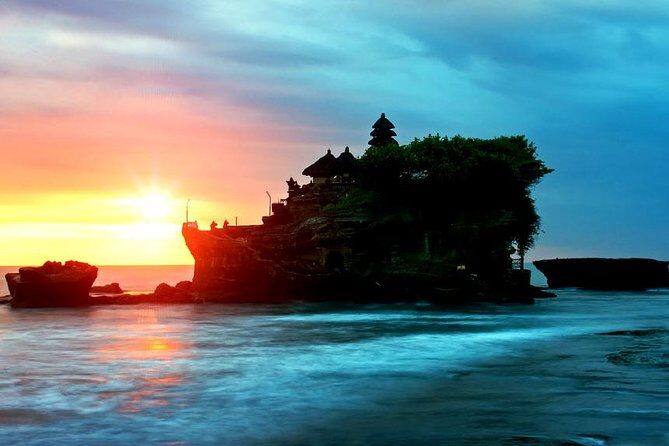
Tanah Lot at sunset: ocean reflections and tidal drama

Private Tour: Tanah Lot at Sunset - Tanah Lot at sunset: ocean reflections and tidal drama
Next comes Tanah Lot Temple, Bali’s iconic sea-temple scene. Your guide takes you to a good vantage point to watch the sun sink into the water. That’s the whole point of this outing, and it’s why people book it.

You’ll have about 1 hour at Tanah Lot, with admission included. The setting is striking: at high tide, the temple sits in the sea in a way that feels almost cinematic. Even when the tide isn’t perfect, the view still delivers, because the sky and ocean do most of the work once the sun starts dropping.

This hour is where the tour’s pacing matters. A private guide helps you avoid the worst positions and find a spot where you can actually watch the changing colors instead of craning your neck through other people. And since you’re not doing ten stops, you’re more likely to stay present for the full sequence.

One small but helpful expectation: sunsets don’t all arrive on the dot like a bus schedule. Clouds, ocean conditions, and where you’re standing can change the results. The value here is that the tour is built around giving you time to experience the slow transition, not just a quick “there it is” photo.

Private guide value: cultural help and safe, confident driving

Private Tour: Tanah Lot at Sunset - Private guide value: cultural help and safe, confident driving
A private guide isn’t just for narration. It’s for the small things that make the evening smoother.

I’ve seen this tour’s guides praised for two big reasons. First, they handle cultural context in a way that makes visitors feel less clueless. One guide (Oka) was specifically helpful with cultural questions on a first day in Bali, even stepping in to solve a practical issue when a bathroom fee came up and someone didn’t have small bills.

Second, the driving matters. Another guide/driver (Sunarta) was praised for being courteous and respectful, and for handling difficult driving conditions while keeping guests feeling safe. That’s not a detail you want to learn after the fact. If you’re arriving from Denpasar, you’ll appreciate having someone who can read the road and the traffic flow.

Other guide names that have stood out include Lewer (informative, patient, and helpful with a first-time visitor mindset) and Bagus (excellent communication and accommodation with requests). Those are the kinds of strengths that turn this into more than a checklist.

Now, the balanced part: one review included a complaint about a guide who seemed disengaged and spent time on the phone. That’s the outlier, but it’s worth considering. With private tours, you can’t assume every guide will match your preferred style. If your guide seems off-track, it’s totally fair to ask questions early and set expectations right away.

Price and what you truly get for $39 per person

Private Tour: Tanah Lot at Sunset - Price and what you truly get for $39 per person
At $39 per person, this tour is priced like a value add-on, not a luxury splurge. The key is that it includes several items that often cost extra elsewhere.

What’s included:

  • Private tour with a local guide
  • Hotel pickup and drop-off in Denpasar
  • Bottled water
  • All entrance fees
  • Mobile ticket

What’s not included:

  • Food and drinks

That last line is the one to plan around. If you finish in the late afternoon/early evening (as this timing suggests), you might get hungry before or after Tanah Lot. Since food isn’t covered, bring a snack plan—either eat before pickup or budget for something nearby after you’re done.

Value-wise, including entrance fees reduces surprise costs. And bottled water plus a dedicated guide means you’re not constantly stopping to solve problems. If you’ve got limited time in Bali, combining two major temple experiences in one evening with smooth logistics can be a smart use of your hours.

Also, it’s telling that this tour is booked around 74 days in advance on average and has a 4.9 rating with 98% recommendations. That’s usually a sign that the timing and guide quality are hitting the mark for most people.

Staying comfortable: how to enjoy the hour at each temple

Private Tour: Tanah Lot at Sunset - Staying comfortable: how to enjoy the hour at each temple
Comfort is underrated on sunset tours, because you spend time standing and waiting.

At Taman Ayun, you’ll have about 45 minutes. Use that time to take photos early and then slow down for the garden details. It’s easier to enjoy this kind of place when you’re not rushing from one view to the next.

At Tanah Lot, you’ll have about 1 hour. Expect that you might spend a chunk of that time just watching the sea and sky change. Your guide’s job is to get you to a vantage point where you can actually see the sun go down. Your job is to dress for the evening and stay patient during the transition. If you want the best shots, bring a steady mindset—great photos usually come after a bit of waiting.

One extra practical note from guide help: if you’re paying small fees on-site (like a bathroom fee), having small bills can save you stress. One guide on this route has helped with this kind of issue, but you’ll enjoy the evening more if you don’t need rescue.

Who this Bali sunset tour fits best

Private Tour: Tanah Lot at Sunset - Who this Bali sunset tour fits best
This is a great match if:

  • You’re in Bali for a short time and want two temple experiences without building a plan yourself
  • You want private guide attention instead of a long group procession
  • You care about the timed part of Tanah Lot sunset and don’t want to guess when to arrive

It also fits families and most general travelers, since the tour is designed for broad participation.

If you’re the kind of traveler who only wants one big “wow” stop and hates riding in a vehicle, you might find the evening drive a little long. But because it’s private and focused on two major locations, it’s still a tidy way to spend your time.

Should you book this Tanah Lot sunset private tour?

Private Tour: Tanah Lot at Sunset - Should you book this Tanah Lot sunset private tour?
If you want the best chance at seeing Tanah Lot in its full sunset moment, this tour is worth considering. The combination of temple variety (royal temple gardens first, sea temple second), included entrance tickets, and Denpasar hotel pickup/drop-off removes a lot of friction that can steal your energy.

I’d book it if:

  • Your schedule allows a 1:30 pm start
  • You’re okay with a ~6-hour evening
  • You’d rather pay once for logistics than assemble transport and tickets on your own

I might skip or rethink it if:

  • You strongly dislike any driving time and would rather stay in one area
  • You prefer self-guided temple visits with no guide interaction

Bottom line: for most people, the value comes from seeing Tanah Lot the right way—at the right light—with a guide who helps you understand what you’re looking at.

FAQ

Is hotel pickup and drop-off included?

Yes. Pickup and drop-off are included from Denpasar hotels.

What time does the tour start?

The tour starts at 1:30 pm.

How long is the tour?

The duration is about 6 hours.

Are entrance tickets included?

Yes. Entrance fees are included for both stops: Taman Ayun Temple and Tanah Lot Temple.

Is food included?

No. Food and drinks aren’t included. Bottled water is provided.

Is there free cancellation?

Yes. You can cancel for a full refund up to 24 hours before the experience starts.

Mount Batur Sunrise Hike with Sekumpul Waterfalls Tours

Mount Batur Sunrise Hike with Sekumpul Waterfalls Tours - The Drive From Ubud to Batur (and Why It’s Not Wasted Time)

Two Bali moments, same day. That’s the appeal here. You start with a Mount Batur sunrise trek, then switch gears to the Sekumpul Waterfalls area later in the day for a totally different kind of Bali magic. What makes it especially interesting is the way the tour stitches it together with early pickups, private guiding, and a package that covers the big practical items—gear, food, and transport.

I also like that the tour is genuinely hands-on. You get the headlamp and walking poles you’ll actually need for the dark climb, and you’re not left hunting for coffee or snacks once you’re exhausted. And since it’s private transport straight from Ubud (and drop-off back there, plus Kintamani pickups), you lose less time to routing and waiting.

One consideration: it’s a long day with a very early wake-up. You’ll be up around the early morning hours, and the combo of steep steps up Batur plus waterfall walking later means you should bring your best shoes and a calm mindset.

Key Things I’d Focus On

Mount Batur Sunrise Hike with Sekumpul Waterfalls Tours - Key Things I’d Focus On

  • A two-activity Bali day: volcano sunrise climbing, then Sekumpul’s seven-waterfall zone later
  • Actual hiking support included: headlamp and walking poles, plus local guides
  • Meals and hot drinks included: breakfast after you reach Batur’s top, then lunch afterward
  • Waterfall time includes comfort: there’s time to shower and even swim under the falls
  • Optional bonus stop: Lake Beratan temple visit is add-on with your own entrance fee
  • Private means easier pacing: you and your group set the rhythm with your own guide

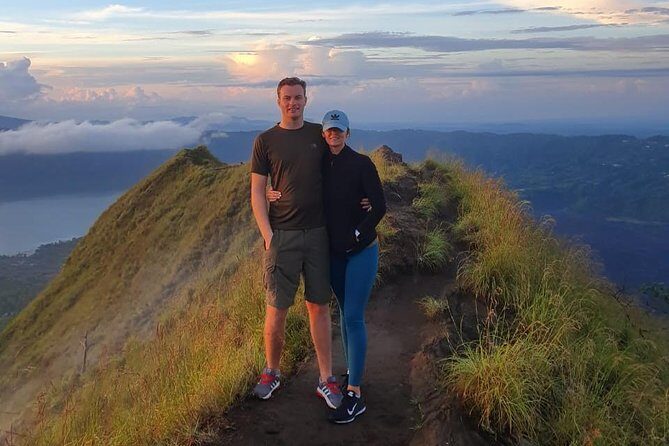
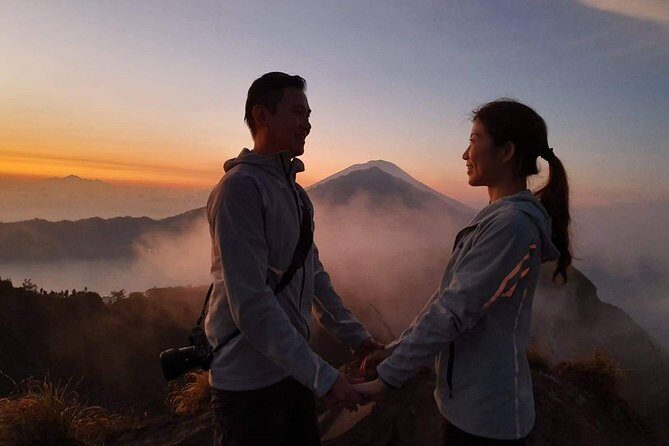
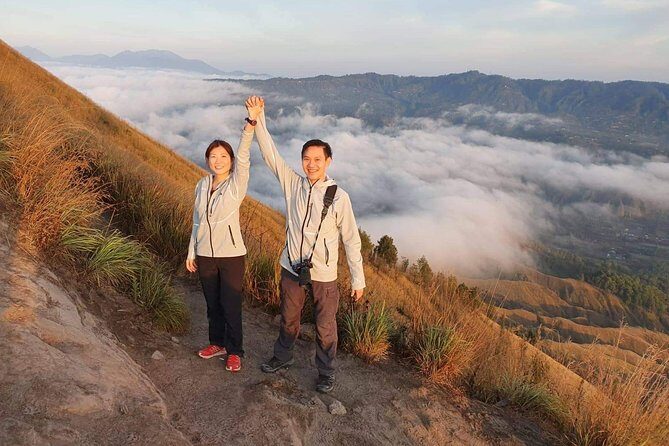
Mt. Batur Sunrise: Cold Dark Steps, Then Breakfast With a View

Mount Batur Sunrise Hike with Sekumpul Waterfalls Tours - Mt. Batur Sunrise: Cold Dark Steps, Then Breakfast With a View
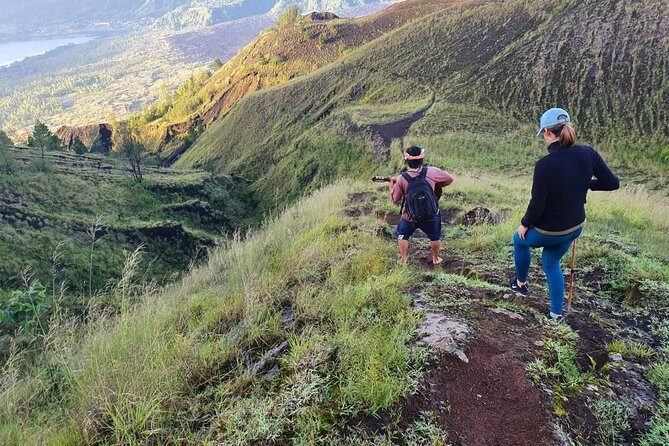
The day starts before sunrise because that’s when Mount Batur is at its best. The climb is timed so you can reach the top in time to enjoy the morning light and then eat breakfast up there. The tour builds in the basics you need for that pre-dawn scramble: a headlamp (so you’re not doing the toe-tap shuffle in the dark) and walking poles (helpful on uneven volcanic ground and for the descent).

Expect a real workout. Even if you’re reasonably fit, you’re walking uphill in low light, and the air can feel cool before the sun rises. The good news is the guides focus on steady movement. In the experiences shared by people who did this, guides such as Juta and Gede got praised for keeping things organized and helping with photos along the way, which matters when you’re tired and the views keep changing.

If you’re feeling strong, some guides also adapt the vibe. One account mentioned Gerald being great and even making time for trail-running on the way down if the group wanted that. Not everyone will want to run, but it’s a sign you’re not stuck with a one-size-fits-all pace.

The Drive From Ubud to Batur (and Why It’s Not Wasted Time)

Mount Batur Sunrise Hike with Sekumpul Waterfalls Tours - The Drive From Ubud to Batur (and Why It’s Not Wasted Time)
You’re picked up in the early hours from your Ubud or Kintamani hotel area and then ride to the Batur trekking start point. The drive is roughly an hour and a half, but the schedule matters because you’re aiming to start hiking in the dark and arrive at the top around morning.

This is one place where private transport pays off. Instead of figuring out connections and meeting points at 3 a.m., you’re simply in the car and moving. You also get more flexibility with timing because the transfer is directly between your hotel and the key activities, which helps when you’re trying to squeeze volcano sunrise and an afternoon waterfall hike into one full day.

A few driver names popped up in people’s experiences—like Bot, Wayan, and Ari—and they’re described as on-time, smooth, and professional. That’s exactly what you want when you’re waking up early and your first thought shouldn’t be, Where’s the ride?

Getting Ready: What to Pack for a Sunrise-Plus-Waterfall Day

Mount Batur Sunrise Hike with Sekumpul Waterfalls Tours - Getting Ready: What to Pack for a Sunrise-Plus-Waterfall Day
This tour gives you two pieces of hiking equipment, but you still need to show up prepared. The packing list provided is practical, not fussy:

  • Sport shoes: choose something with grip for rocky/uneven volcanic terrain
  • Jacket: mornings can be chilly before the sun climbs
  • Spare clothes and sandals: you’ll want to switch after the waterfall time
  • Mask and hand sanitizer: listed as items to bring, especially useful before food or after misty stops

Also bring a basic layer logic: sunrise hiking usually feels colder at first, then warmer as you climb. At the waterfalls later, you’re dealing with wet surfaces and humidity. Your shoes and clothes will decide how comfortable that second half feels.

If you’re the type who wants to keep your gear tidy, plan around the fact that this is two different environments—dark trekking, then damp waterfall paths. A small dry bag (if you have one) can be a comfort.

The Climb Up Batur: Pace, Poles, and Photography-Friendly Guidance

Mount Batur Sunrise Hike with Sekumpul Waterfalls Tours - The Climb Up Batur: Pace, Poles, and Photography-Friendly Guidance
Once you reach the trek start point, the tour follows a straightforward rhythm: walk up with your guide, then reach the top and eat breakfast. The timing is built so you’re not rushing blindly—you’re hiking toward a specific morning moment, and the guides help you stay safe and moving.

The headlamp and poles are more than “nice extras.” They’re what let you hike with confidence before sunrise. With volcanic terrain, lighting matters because the ground can look uniform until you’re stepping on it. Poles reduce strain on knees and improve balance, especially when you start descending.

One of the most praised aspects in the experiences you shared was the guiding quality. People called out guides like Carik, Oman, Tana, and Gede for different strengths: helpful pacing, friendly professionalism, and good English. There’s also praise for photography support—one account specifically mentioned that Carik delivered expert photos and videos, which is handy if you’re traveling as a couple or want images without stopping every five minutes.

If your goal is sunrise photos, do yourself a favor: keep your hands free where possible, don’t fumble with camera straps in the dark, and listen when your guide tells you the best spots to stop.

Sekumpul Waterfalls Afternoon: Seven Falls, Clean Water, and Time to Get Wet

Mount Batur Sunrise Hike with Sekumpul Waterfalls Tours - Sekumpul Waterfalls Afternoon: Seven Falls, Clean Water, and Time to Get Wet
After you finish Batur, you drive to Sekumpul Village for the afternoon waterfall hike. This is where the day changes character. Instead of uphill effort, you’re moving through a waterfall area known for a set of seven waterfalls spread across two sides of Sekumpul village.

The key practical detail: you’re not just looking from a distance. The tour includes time to shower and even swim under the waterfalls, with the water described as very clean. That turns Sekumpul from a quick photo stop into a refreshing reset—especially helpful after the long sunrise climb.

The tour also includes lunch around early afternoon, which means you’re not stuck trying to make it through waterfall time hungry. You’ll also meet your Sekumpul guide there for exploring the falls. In people’s accounts, guides were praised for friendliness and professionalism—names like Nyoman came up—so you’re not wandering around without context.

Do keep your expectations realistic. Waterfall paths can be slippery and uneven. If you want to swim, wear footwear you can trust for wet rock, and bring those spare clothes so you’re not stuck damp in the car ride back.

Ulun Danu Beratan Temple: Optional, With a Pay-Your-Own Entry Ticket

Mount Batur Sunrise Hike with Sekumpul Waterfalls Tours - Ulun Danu Beratan Temple: Optional, With a Pay-Your-Own Entry Ticket
On the way back, there’s an optional stop at Ulun Danu Beratan Lake Temple. The entrance fee isn’t included, so it’s a simple add-on with your own payment. Why do this? If you want one last cultural contrast to the volcano and waterfalls, this temple stop is an easy “third flavor” to the day.

Because it’s optional, you can decide based on energy. After the early wake-up and the physical effort, you might prefer a quieter finish. Still, if you’re going to spend a day like this, it can be nice to end with a scenic cultural landmark.

Food, Hot Drinks, and Staying Comfortable in the Long Day

Mount Batur Sunrise Hike with Sekumpul Waterfalls Tours - Food, Hot Drinks, and Staying Comfortable in the Long Day
This tour takes care of your main meals. You get breakfast up at Mount Batur and lunch later after Sekumpul time. It also includes bottled water and coffee and/or tea, plus hot drinks.

That matters more than it sounds. Long days have a way of turning into bad days if you’re underfed or dehydrated. With breakfast built into the Batur segment, you’re not waiting until you’re done hiking to finally eat. Then lunch and drinks help you recover before the optional temple stop.

Pack smart for comfort. Even if you’re not a big sweater, you’ll likely feel cold in the early hours and warm after you start moving. Layers and a jacket can keep you from turning the sunrise into a shivering experience.

Private Guides and Safety: What You Actually Get for the Money

Mount Batur Sunrise Hike with Sekumpul Waterfalls Tours - Private Guides and Safety: What You Actually Get for the Money
This is a private tour/activity, meaning your group is the only one participating. That’s not just a marketing phrase—it changes how the day feels. You’re not forced into a fast-moving crowd, and your guide can help you pace based on your group’s needs.

Safety is part of that. Batur trekking at dawn means reduced visibility and tricky footing. Private guidance helps you avoid the common mistake of rushing. In the shared experiences, guides were repeatedly praised as professional and attentive, including people like Gede and Juta on the Batur side.

There’s also a “human help” factor. One account mentioned guides and drivers going out of their way to help, and another praised guides for being accommodating and friendly while customizing the experience to group preferences like being around fewer people and getting great photos.

Private guiding is also where cultural context shows up. Some people described learning about life and culture in Bali through conversation with their local guides, which is one reason this kind of trip can feel more real than just ticking boxes.

Price and Value: Two Big Activities, Meals, Gear, and Hotel Pickup

At $104.76 per person for a full day (about 16 hours), this isn’t a cheap add-on. But it can still feel like good value because it bundles the stuff that usually costs time and money when you arrange separately.

Here’s what’s included that often becomes pricey or stressful if you plan it yourself:

  • Private transportation to and from the main areas (Ubud/Kintamani)
  • Private guides for both Mount Batur and Sekumpul
  • Hiking essentials: headlamp and walking pole
  • Meals: breakfast and lunch, plus coffee/tea
  • Bottled water
  • All fees and taxes (with the one clearly noted exception: Beratan temple entrance)

You’re also getting a timed day that matches the physical reality of Bali’s volcano sunrise. If you’ve ever tried to coordinate transport, meeting points, guides, and food for two separate half-day plans, you know how quickly it becomes a hassle. This tour trades a single scheduled day for a lot of decision fatigue.

One more angle: it’s booked on average about 28 days in advance. That suggests it’s a popular combo, so if this is your top plan, lock it in early enough to pick your preferred date.

Who This Tour Fits Best (and Who Should Skip the Combo)

This experience fits best if you:

  • Are comfortable with moderate physical fitness
  • Don’t mind a very early start and a long day
  • Want to do both a sunrise volcano hike and a major waterfall experience without splitting into two separate bookings
  • Like having a guide who helps with pacing and photos

You might want to skip or adjust the plan if you:

  • Don’t do well with cold early mornings
  • Have knee issues that struggle with steep descents (poles help, but it’s still work)
  • Prefer a lighter day rather than stacking two active segments

Should You Book This Mount Batur + Sekumpul Day?

I’d book it if your priority is seeing Bali’s dramatic variety in one shot: sunrise from a volcano top, then water and mist in the afternoon. The tour’s included headlamp, walking poles, meals, and private guides make it easier to enjoy instead of manage.

I’d hesitate if the idea of getting up in the early hours makes you grumpy, or if you’d rather take your time and move slowly between sites. This is a plan that demands you show up ready—good shoes, jacket, spare clothes, and patience.

FAQ

FAQ

What time do I get picked up?

Pickup is listed between 1:30 and 2:15, early in the morning, followed by a coffee break service before heading to the trekking start point.

How long is the tour?

The total duration is about 16 hours.

What is included for hiking on Mount Batur?

You’ll receive trekking essentials including a headlamp and walking pole, plus a private mount Batur trekking guide.

Do you include food and drinks?

Yes. Breakfast, lunch, bottled water, and coffee and/or tea are included.

Is Sekumpul Waterfalls swimming included?

The tour allows time for shower and swimming under the waterfalls.

Is the Beratan Lake Temple entrance fee included?

No. The entrance ticket for Ulun Danu Beratan Lake Temple is not included and is paid by yourself.

Is this a private tour or a shared group?

It’s private. Only your group participates.

What happens if weather is poor?

This experience requires good weather. If it’s canceled due to poor weather, you’ll be offered a different date or a full refund.
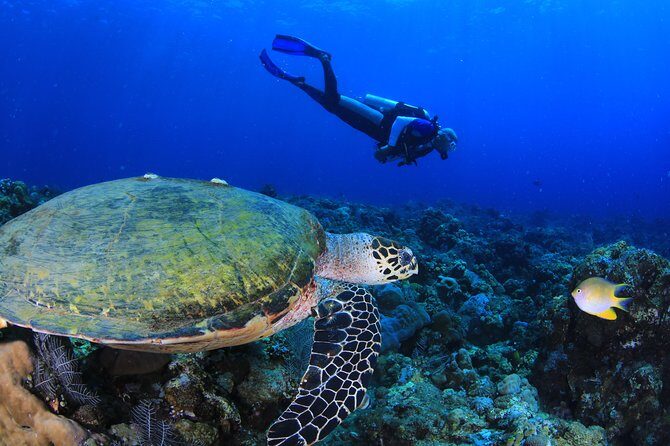
Purification Holy Bath at Beji Gria Waterfall

Purification Holy Bath at Beji Gria Waterfall - The ceremony flow: what happens from prayer to coconut blessing

Two waterfalls. One mind reset.

At Beji Griya Waterfall near Ubud, a temple-led purification turns a short nature outing into a full ritual sequence: prayer, two water baths, and a closing blessing. You’re not just looking at water. You’re taking part in a structured ceremony with local priests and offerings, in a setting that feels quiet and personal even though it’s popular.

What I like most is the clarity. You get guided steps, incense offerings, and a special sash/cloth, so you know what’s expected instead of guessing in wet confusion. I also appreciate the private hotel pickup and drop-off plus a guide staying with you the whole time, which makes the whole day simpler. One consideration: the experience can feel a bit commercial at the site, and you might get pressured to buy extras if you do not want them.

Key things to know before you go

Purification Holy Bath at Beji Gria Waterfall - Key things to know before you go

  • Priest-led ceremony steps, from prayer and meditation to a final coconut-water blessing
  • Two waterfall moments with different intentions: cleansing the body first, then your aura
  • A guide who walks you through it, plus offerings and a cloth sash included
  • Hotel pickup makes it easy, with the waterfall stop handled for you
  • Plan for cold water and wet clothes, and bring what you need to change fast

A real ritual, not just a photo stop at Beji Griya Waterfall

Purification Holy Bath at Beji Gria Waterfall - A real ritual, not just a photo stop at Beji Griya Waterfall
This is the kind of Bali activity that changes the rhythm of your day. Instead of a random waterfall visit, you follow a set flow led by a local priest and a guide. It’s part spiritual practice, part controlled performance, and part nature experience.

The setting matters. Beji Griya Waterfall is framed by stone, narrow paths, and the sound of water that keeps building as you go. That physical environment makes the ceremony feel more grounded. You’re moving through the space in a deliberate way, and the water moments feel like punctuation marks rather than a single splash-and-go.

It’s also good value for the structure you get. At $59 per person, you’re paying for transport, admission, a guide, and all the ritual items like incense sticks and the cloth you’ll wear during the process. Food and drinks are not included, but that’s normal for short tours like this. The cost mostly covers the “do it properly” parts.

The ceremony flow: what happens from prayer to coconut blessing

Purification Holy Bath at Beji Gria Waterfall - The ceremony flow: what happens from prayer to coconut blessing
Here’s the sequence you should expect, in plain language. This matters because the ritual is the main event.

First, you start with meditation/prayer led by a temple priest. This sets the tone. You’re guided into the mindset of cleansing and release rather than treating it like a scenic walk.

Next, you do the first holy bath. Before you even reach the water, you walk through a narrow canyon area. This is not a wide, easy stroll. It’s more like careful footing through a constrained route, then stepping into the cleansing moment. The purpose is described as balancing your health, so it’s treated as your first reset.

Then comes the second holy bath, at a small well. This one is framed around cleansing your aura, with the intention of attracting happiness and luck. Even if you’re not thinking in those terms, the ceremony gives you something to “do” with your attention. It’s not just water. It’s attention on purpose.

After that, there’s a release moment at the first waterfall. You’re guided to scream/cry as loud as you can to release anxiety, tension, and sadness. It sounds theatrical until you’re there, but it’s clearly part of the design: a physical emotional exhale in front of moving water.

At the second waterfall, the tone shifts. You’re asked to smile and laugh as loud as you can to express happiness. This contrast is one of the most memorable aspects of the whole ritual, because it moves from release to expression instead of ending in silence.

Finally, you receive the last blessing from the priest using holy water taken from green and yellow coconut water. That closing moment is your capstone. It’s also why the tour feels complete when it’s over instead of stopping mid-ceremony.

The walk and timing: why you should plan a “wet but comfortable” day

Purification Holy Bath at Beji Gria Waterfall - The walk and timing: why you should plan a “wet but comfortable” day
The tour is designed to be paced. You’ll typically spend about 2 hours at the waterfall, and the overall day from pickup to drop-off is around 5 hours depending on where you’re staying and traffic.

Transfer time usually runs 30 minutes to 1 hour each way. In Ubud, that can swing based on road congestion. It’s smart to treat this like a half-day outing, not a quick errand.

What you feel most during the process is the mix of standing, walking, and getting into water. The path to the first bath includes that narrow canyon section, so you want footwear you’re confident in. The tour advises light, comfortable clothing and a swimsuit, plus a change of clothes. That’s not overkill. It’s the difference between enjoying the ceremony and spending the next hour shivering awkwardly.

Also plan for time to cool down after. The ritual includes cold sensations and wet gear. One review specifically called out that the water felt cold, which is exactly what most people experience in waterfall baths in Bali.

What’s included for $59, and what costs extra

Here’s the value picture, without the marketing fluff.

Included:

  • Private hotel pick-up and drop-off
  • Local authorized guide who stays with you and explains each step
  • Parking fees
  • Admission ticket(s)
  • Offerings for the holy bath, including incense sticks
  • Special sash/cloth for the ceremony

Not included:

  • Food and drinks
  • Other personal expenses

For most people, the biggest “extra” is simply staying fueled. Bring snacks and water. The tour advises water bottle and snacks, which makes sense because you’ll want energy for the walking and the emotional release parts.

If you’re someone who hates sudden costs, this tour is good because the ceremony items are built in. You shouldn’t need to bring your own incense or worry about finding the right cloth. You do still need to bring what you wear and what you’ll change into after.

Your guide and driver: what good service looks like here

This isn’t one of those tours where the staff disappears after arrival. The structure includes a guide accompanying you through the entire purification steps.

You’ll also have pickup and transport arranged by Bali Yowana Tour. Reviews mention driver Vito for being on time, helpful, friendly, and knowledgeable. Another named guide, Pandu, is also praised for walking guests through the experience and even capturing moments with a phone during the ceremony.

Even if you don’t get those exact people, the consistent idea is the same: you want someone who can explain what’s happening before you’re wet, not after. This matters because the ritual involves actions like screaming/crying and laughing/smiling. If you’re unclear on what to do, the whole experience can feel awkward. A good guide keeps it respectful and simple.

Photography: beautiful results, but keep the vibe respectful

You’ll likely want photos. The site is visually photogenic, and people highlight it as a strong spot for pictures.

But do it with the ceremony in mind. The ritual is not a background for your camera. If you can, frame shots that include the ceremony moments without blocking others. If the priest or guide is instructing you, pause and follow first.

A practical tip: bring your camera, but also bring common sense about getting it wet. The tour advises a swimsuit and change of clothes, so you should assume you’ll be close to splashes. If you have a phone, a simple waterproof case can reduce stress.

What to wear and pack: my practical checklist

Purification Holy Bath at Beji Gria Waterfall - What to wear and pack: my practical checklist
The tour gives smart packing advice, and I’d follow it closely.

Wear/bring:

  • Light, comfortable clothing
  • Swimsuit
  • Change of clothes
  • Sunscreen
  • Sunglasses
  • Cap or hat
  • Water bottle
  • Snacks
  • Camera
  • Some petty cash

Why this list matters:

  • Comfort helps during the walk through the narrow areas.
  • A cap and sunscreen matter because you’ll be outside for a while.
  • Change of clothes keeps you comfortable after the cold water.
  • Snacks prevent you from ending the ceremony cranky and hungry.

Who should book, and who should skip the holy bath

This is one of those tours where the fit is personal. You’ll enjoy it most if you like structured experiences and you don’t mind being emotionally expressive during the ritual.

Good fit if you:

  • Want a spiritual, priest-led experience rather than a casual waterfall stop
  • Prefer clear steps guided by a local host
  • Are comfortable doing staged emotional release (scream/cry) and joy expression (smile/laugh) when prompted

Skip or reconsider if:

  • You are a woman who is on period. The tour policy says women on menstruation are not allowed to do the holy bath for safety reasons.
  • You’re outside the age range: minimum age 10, maximum 60.
  • You dislike cold water and wet clothing situations. The water can feel cold once you’re in.

Also think about your physical comfort. The route includes walking through a narrow canyon area. The tour isn’t described as technical climbing, but it does sound more confined than a wide trail.

Timing and planning in Ubud: make it easy on yourself

On average, this activity is booked about 34 days in advance, which tells me it’s not a “wait until tomorrow” kind of plan if you want to lock in your preferred slot.

Plan for a half day:

  • Pickup from your hotel
  • Transfer to the waterfall (30 minutes to 1 hour)
  • Ceremony time at the site (around 2 hours)
  • Return to your hotel (30 minutes to 1 hour)

And don’t schedule anything important right after. You’ll be wet, possibly cold, and you’ll want time to shower and reset.

Also note it’s a private activity for your group only. That’s a big quality-of-life factor if you’re traveling with friends or family who want their own pace and space.

The main drawback: when a sacred site feels a bit commercial

One theme that comes up is that parts of the visit can feel somewhat commercial. That doesn’t mean the purification itself is fake. It means the surrounding area may include people trying to sell extras or packages.

Here’s how to protect your experience:

  • Decide in advance whether you want to buy anything beyond what’s included.
  • If you don’t, be polite but firm.
  • Keep your attention on the ceremony steps and your guide’s instructions.

If you treat the sales angle like background noise and focus on the ritual, the experience can still feel powerful and well organized.

So, should you book Purification Holy Bath at Beji Griya Waterfall?

I think you should book it if you want something more than a waterfall. This is a guided purification sequence with a priest, two water moments tied to different intentions, and a closing blessing with coconut water. You’re not paying just for scenery. You’re paying for a process.

I’d skip it if:

  • You want a quiet, low-effort nature walk
  • You dislike cold water or getting wet for a while
  • You’re not comfortable with the expressive parts of the ritual (scream/cry, smile/laugh)

If you do book, go prepared. Wear what you can get wet in, bring a swimsuit and change of clothes, and expect about 5 hours total from pickup to drop-off. Done right, it’s the kind of Bali experience you remember for how it made you act, not just how it looked.

FAQ

How long does the purification holy bath take?

The activity is about 3 to 4 hours, and the time from hotel pickup to drop-off is around 5 hours depending on your location and traffic.

Do I get hotel pickup and drop-off?

Yes. The tour includes private hotel pick-up and drop-off by Bali Yowana Tour.

What does the ceremony include?

You can expect prayer/meditation with a temple priest, a first holy bath in a canyon area, a second holy bath at a small well, a release moment at the first waterfall, a happiness expression at the second waterfall, and a final blessing using holy water from green and yellow coconut water. Incense and a special cloth/sash are included.

What is included in the $59 price?

The price includes private pickup and drop-off, an authorized local guide, parking fees, admission tickets, offerings (including incense sticks), and the special sash/cloth. Food and drinks are not included.

Who can participate, and who can’t?

The minimum age is 10 and the maximum is 60. Women on period/menstruation are not allowed to do the holy bath for safety reasons.

What should I bring?

Bring light comfortable clothing, a swimsuit, a change of clothes, sunscreen, sunglasses, a cap or hat, a water bottle, snacks, a camera, and some petty cash.

Is there free cancellation?

Yes. You can cancel up to 24 hours in advance for a full refund. If you cancel within 24 hours, the amount paid is not refunded.

Bali Instagram Tour – All Inclusive

Bali Instagram Tour - All Inclusive - Stop 2: Tirta Gangga Water Palace, Koi Feeding, and Stepping-Stone Photos

Timing matters in Bali.

This private all-inclusive day is built around sunrise light and fast photo stops, starting before dawn so you can reach Lempuyang Temple for the Gate of Heaven shots with fewer crowds. You’ll roll through classic Instagram targets—Lempuyang, Tirta Gangga, a Mt. Agung view buffet, Tukad Cepung, and Tegalalang Rice Terrace—then wrap with an optional swing if you want one more big photo moment.

I particularly like the private chauffeur setup. Your group stays together all day with AC transport, a dedicated driver/guide, and help setting up angles so you’re not doing the awkward pointing-and-guessing routine.

One thing to plan for: even with the early start, Lempuyang can still mean waiting for photos. Expect some patience, wear good footwear, and don’t treat the schedule like a strict photo factory.

Key things that make this tour work

  • Sunrise arrival for Lempuyang Temple to improve your odds for better timing and photos
  • Private group control, so you’re not stuck waiting on other people’s pace
  • All-inclusive value at a budget-friendly price with entry tickets (when selected), lunch, sarong, and water
  • Photo-focused stops that move from temple to water garden to rice terrace with minimal dead time
  • Guides who help with shots, with past guides like Yansi, Ady, and Komang praised for friendly service and strong photo/video angles
  • Optional Aloha Ubud Swing, letting you choose how far you want to push the day

Why This 10-Hour Instagram Sprint Starts Before Dawn

Bali Instagram Tour - All Inclusive - Why This 10-Hour Instagram Sprint Starts Before Dawn
This is the kind of tour where timing isn’t a bonus—it’s the whole product. The day is designed to leave before dawn and hit Lempuyang Temple early enough to beat the worst of the lineups. You’ll reach the main “Gate of Heaven” area around 07:00, with time set aside for posing like you’re touching the sky.

After that, the itinerary stays intentionally tight: a water-garden photo stop, a lunch break with a volcano view, then waterfall and rice-terrace scenes while the light is still friendly. It’s not the best plan if you want to wander slowly and stop for random detours. It’s better if you want a structured day that hits the highlights.

If you’re the type who gets tired fast from long drives, know that the tradeoff here is speed. You’ll cover multiple areas around Ubud and beyond in one day—great for one-stop planning, a bit intense if you’re hoping for lots of downtime.

Door-to-Temple Comfort: Private Pickup, AC Car, Sarong, and a Mobile Ticket

You don’t have to fight with transport logistics. Pickup is offered, and the tour includes an air-conditioned vehicle plus private transportation for your group. The service is set up as a true private experience, so it’s only your group in the car and on the day.

Two practical inclusions help a lot in Bali’s temples:

  • A sarong to use for entrance
  • Bottled water to keep you steady while you move between stops

You’ll also have mobile ticket access, and you should receive confirmation at booking time. If you’re traveling with specific needs, it’s good to note the tour allows service animals, and there’s a vegetarian option available if you request it while booking.

What you won’t get is the swing ticket. The tour lists Aloha Ubud Swing as optional and not included, so if you decide you want the big “fly through the trees” photo, it’s on you.

Stop 1: Lempuyang Temple and the Gate of Heaven Photo Reality

Bali Instagram Tour - All Inclusive - Stop 1: Lempuyang Temple and the Gate of Heaven Photo Reality
Lempuyang is why people book this day. The highlight is the Gate of Heaven setup, where you pose for that iconic perspective shot. The tour schedules about 2 hours at the site, so you’re not just dropped off and rushed.

Here’s the practical part: you’ll arrive early, and that’s exactly what you want. Early usually means less waiting and more chances to get the timing right for photos. That said, Bali temples can still pack up as the morning moves on. One review specifically cautioned that you may still be looking at 3+ hours waiting for the photo moment when it’s very busy. So I’d plan your mindset accordingly: this is the stop that can stretch.

Tip for your day: bring patience and treat the waiting as part of the experience. If you go in stressed about “getting the perfect shot instantly,” you’ll feel it. If you go in prepared to wait calmly, the sunrise timing and your guide’s help matter a lot more.

Also, Lempuyang is a temple setting. The sarong helps, but wear clothing you’re comfortable moving in, and keep your pace respectful.

Stop 2: Tirta Gangga Water Palace, Koi Feeding, and Stepping-Stone Photos

Bali Instagram Tour - All Inclusive - Stop 2: Tirta Gangga Water Palace, Koi Feeding, and Stepping-Stone Photos
After Lempuyang, the tour heads to Tirta Gangga around 10:00. This is a different kind of Bali photo—less sky-touch pose, more playful water-garden scenes.

You’ll spend around 30 minutes here, with time to feed the koi and walk where the stepping stones are set up for those “standing above the fish” style shots. The tour includes the entrance ticket for this stop.

This part of the itinerary is smart because it breaks the long waiting feeling at Lempuyang. Instead of waiting your turn for one exact moment, you can take your time composing shots, checking angles, and letting the moment happen naturally.

Quick practical thought: bring shoes you don’t mind getting wet or dusty. Water-garden surfaces can be slick, and you’ll be moving a bit to get the stepping-stone perspectives.

Stop 3: Mt. Agung View Buffet Lunch at Lereng Agung

Bali Instagram Tour - All Inclusive - Stop 3: Mt. Agung View Buffet Lunch at Lereng Agung
At 13:00, you’ll land at Ristorante Lereng Agung for a buffet lunch. The tour schedules about 1 hour and includes a hearty buffet plus an especially scenic bonus: a rice terrace view and Mount Agung views.

For a day that’s otherwise temples and photo spots, lunch here makes sense. It’s not just food—it’s your mid-day reset. You’ll also get a chance to regroup, check your photos, and cool off before the next outdoor stretch.

If you booked a vegetarian option, the tour states that it’s available if you advise them at booking. That’s worth paying attention to if your food needs are specific.

One consideration: you’re on a schedule. Don’t plan to linger for a second round of dessert unless your group’s timing feels flexible. The day is structured, and the next stops depend on that.

Stop 4: Tukad Cepung Waterfall Through the Trees and Light Gaps

Bali Instagram Tour - All Inclusive - Stop 4: Tukad Cepung Waterfall Through the Trees and Light Gaps
Around 15:00, you’ll head to Tukad Cepung Waterfall. This stop is positioned as a more “hidden” waterfall experience—one you reach via a short walk.

The route includes about 10 minutes of walking with little steps, plus a straight walk path through the area described as moving past tree gaps to the viewpoint. Entrance is included for this stop.

What makes Tukad Cepung special is the way the waterfall scene can frame with light. The tour description points to that look where light shines through a gap in trees. In plain terms: you’re not just taking photos of water—you’re trying to capture the lighting effect.

Practical advice: expect the walk to add time and effort. If you have mobility limitations, this is the kind of stop that needs extra caution. Also, bring a plan for damp conditions—rain can change how slippery the ground feels.

Stop 5: Tegalalang Rice Terrace and Its Irrigation Story

Bali Instagram Tour - All Inclusive - Stop 5: Tegalalang Rice Terrace and Its Irrigation Story
Your final main photo stop is Tegalalang Rice Terrace at 17:00. You’ll have about 1 hour here, and the tour includes the entrance ticket.

This isn’t just “look at green.” The tour specifically mentions learning about the irrigation system, so you get some context for why these terraces look the way they do. That turns your photos from pure Instagram copy into something with a bit more meaning.

It’s also a good timing choice for your day. Late afternoon light can flatter the terraces and give depth to the layers. Even if you’re coming for photos, taking a moment to understand the water flow makes the stop feel less like a checklist.

Optional Aloha Ubud Swing: Worth It, or Skip It?

Bali Instagram Tour - All Inclusive - Optional Aloha Ubud Swing: Worth It, or Skip It?
You’ll have the chance to add Aloha Ubud Swing for an additional photo push (around 1 hour), but it’s not included in the base tour. This is one of those “only if it fits your mood” add-ons.

If you like big action shots and don’t mind waiting for your turn, it can be a fun final highlight. If you’re already tired from Lempuyang crowds and multiple walking stops, you might get more value staying relaxed and letting the rice terraces be your last big photo scene.

My rule of thumb: add it only if you’re feeling energized. Otherwise, you risk the day ending with sore legs and fewer good photos because you rushed the finishing section.

Price and Value: Is $38 Really a Good Deal?

At $38 per person, this tour is priced like a budget-friendly way to hit multiple destinations with minimal stress. The value comes from what you get bundled:

  • Private air-conditioned transport
  • Private driver/guide
  • Entrance ticket fees for the stops (when option selected)
  • Lunch buffet with a view (when option selected)
  • Sarong
  • Bottled water

To judge it fairly, compare what you’d pay trying to piece it together yourself: private transport across several photo sites, multiple admissions, and a planned lunch all add up quickly. Here, the package structure reduces decision fatigue. You’re paying for someone else to set the sequence and handle the time pressure.

What you’re not paying for is the swing ticket and personal spending. So if you’re tempted by extra shopping or add-ons, keep a little buffer in your budget.

The Guide Factor: Photo Help That Saves Your Day

A private tour lives or dies on the guide. In the feedback you can see names like Yansi, Ady, and Komang showing up for strong service and dependable planning. A couple mentions also highlight that guides help with getting the shots—sometimes with video/photo angles described as drone-style framing.

Even without fancy gear, a good guide helps you in two big ways:

1) timing (where you stand and when you move)

2) speed (getting your group set up without chaos)

That matters most at Lempuyang, where crowds and timing can slow everything down. When your guide is calm and organized, you spend less time frustrated and more time getting usable photos.

Who Should Book This Tour (and Who Might Prefer a Slower Plan)

This tour is a great fit if you want:

  • A structured day that hits major Instagram stops efficiently
  • A private group with a driver who handles logistics
  • Temple, water, and rice scenes in one sweep
  • Help with photo setup (not just a “see ya later, good luck” approach)

You might want a different style of Bali trip if you:

  • Hate waiting in queues (Lempuyang can still be long even with sunrise planning)
  • Want lots of free time for wandering and spontaneous stops
  • Need very gentle walking routes at every stop

If you’re traveling with a small group and you’d rather control the pace than follow a crowd, this format makes sense.

Should You Book This Bali Instagram Tour?

I’d book it if you’re aiming for a high-hit, photo-ready day and you appreciate sunrise planning. The biggest reason: the itinerary is built around the locations that give Bali its iconic images, and it includes the practical essentials like sarong, transport, water, and lunch.

I’d hesitate if Lempuyang waiting would stress you out. Go in with patience, comfortable shoes, and a flexible mind about how long that first major photo moment can take.

If you’re deciding between doing this solo with a driver versus booking a packaged route, the bundled value at $38 is the deciding factor. For one day, it’s one of the more straightforward ways to compress a lot of Bali highlights into a single plan.

FAQ

How much does the Bali Instagram Tour cost?

The price is $38.00 per person.

How long is the tour?

It runs for about 10 hours.

Is pickup included?

Yes, pickup is offered, including pickup from Ubud and much of south Bali.

Is this tour private?

Yes. It’s a private tour/activity, and only your group will participate.

Is there a minimum number of travelers?

Yes, the minimum is 2 people per booking.

Are entrance tickets included?

Entrance ticket fees are included if the option is selected, and the itinerary lists tickets for the main stops.

What’s included in lunch?

Lunch is a buffet at Lereng Agung Restaurant, with rice terrace view and Mount Agung view (when the lunch option is selected).

Is the Aloha Ubud Swing included?

No. The swing is optional and not included in the tour price.

Is a vegetarian meal available?

Yes. A vegetarian option is available if you advise the provider at booking.

What’s the cancellation rule for a full refund?

You can cancel up to 24 hours in advance for a full refund. If you cancel less than 24 hours before the start time, it won’t be refunded.

Legong Dance Show at Ubud Palace Bali

Legong Dance Show at Ubud Palace Bali - Seating and Crowds at the Palace Courtyard (This Is the Real Decider)

Royal dance, right in Ubud.

The Legong Dance Show at Ubud Palace turns Bali’s classical court tradition into a night you can actually plan around: live gamelan music, tight choreography, and a story told through facial detail and fast, precise handwork. I especially love the costumes and makeup, because they make the dancers look like living puppets of the royal stage.

One thing to consider is that the courtyard seating is limited, and some people end up standing or struggling for a clear view if they arrive late. The show is also long enough (about 90 minutes) that comfortable viewing matters more than you might expect.

Key things to know before you go

  • Live gamelan drives the whole performance, so it feels more alive than a staged recording.
  • Costumes and headdress work are a major part of the experience, not just decoration.
  • Arrive early for sightlines, because crowding can block views.
  • A dance guide helps you follow what’s happening, especially if the story is new to you.
  • The routine can feel repetitive if you’re not into long, classical sequences.

Legong Kraton at Ubud Palace: What You’re Really Watching

Legong Dance Show at Ubud Palace Bali - Legong Kraton at Ubud Palace: What You’re Really Watching
Legong is Bali’s classical court dance style at full volume. At Ubud Palace, you’re watching the Legong Kraton, a stylized performance with three dancers: a court attendant plus two legongs portraying royal figures. The movement language is specific and demanding, with controlled gestures, sharp tempo changes, and lots of facial expression.

If you’re new to Balinese dance, the first few minutes are your best time to pay attention. Once the music and patterns lock in, you start noticing how the choreography tells you what the characters are feeling without any spoken lines.

Expect a show running about 1 hour 30 minutes. That’s a decent chunk of evening time, so bring a camera you can hold steady and plan for sitting or standing through the full run.

The Story Behind the Night: Rangkesari, Royal Tension, and a Prophecy

Legong Dance Show at Ubud Palace Bali - The Story Behind the Night: Rangkesari, Royal Tension, and a Prophecy
This performance is rooted in an East Java story from the 12th–13th century. The plot centers on a king who locks Rangkesari in a stone house. Her brother, the Prince of Daha, threatens war if she isn’t freed.

As the dance unfolds, Rangkesari pleads for her release to avoid conflict. The king chooses battle anyway, and then comes the dramatic moment when he encounters a bird that predicts his death. Even without knowing the names going in, you can usually feel the shift: hope, pressure, and then that sudden turn into doom.

When I watch dance like this, the trick is to treat it like a moving picture. Watch the hands for meaning, watch the face for emotion, and watch how the dancers respond to the music’s tempo changes.

Seating and Crowds at the Palace Courtyard (This Is the Real Decider)

Legong Dance Show at Ubud Palace Bali - Seating and Crowds at the Palace Courtyard (This Is the Real Decider)
The biggest make-or-break factor is seating. Ubud Palace is an iconic setting, but it also has limited space. Start time is 7:30 PM, and the show runs about 90 minutes, so you’re not just popping in for a quick performance.

You’ll want to arrive early. The guidance is to get there 45 minutes before to secure a better seat. In practice, that early window is the difference between a satisfying view and spending half the show trying to see over people. Some folks have described the area as crowded enough that you can’t clearly make out what’s happening onstage.

If you want the best odds:

  • Go early, not late.
  • If the center view looks blocked, try for a side angle where you can still follow the dancers’ movements.
  • Bring comfortable clothing you can sit in for a long stretch.

There’s also often a short dance guide available at entry. Reading it before the performance helps you connect the movements to the story and choreography. It turns the show from just pretty motions into something you can actually follow.

Costumes, Gamelan, and the Small Details That Make It Work

This is the part you’ll remember the next day. The costumes are striking, with ornate details and theatrical makeup that give the dancers a highly stylized presence. In this kind of classical performance, those elements aren’t separate from the choreography; the costume design supports how the dancers’ arms, hands, and head positions read from the audience.

Then there’s the music: the gamelan orchestra. It’s not background noise. It’s the engine of the performance, shaping the rhythm and the dramatic timing. When the music speeds up, the dancers’ precision becomes part of the drama, and when it slows, you feel the tension shift.

If you’re hoping for a polished, professional show, this is usually where it delivers. People often single out the skill of both dancers and musicians, and it makes sense: both groups have to be on the same page for the story to land.

Ticket Value: Why This $7.25 Price Makes Sense

Legong Dance Show at Ubud Palace Bali - Ticket Value: Why This $7.25 Price Makes Sense
The ticket price is $7.25 per person, and it includes admission to the Legong Dance show. For that money, you’re paying for a live cultural performance in a historic-feeling setting with traditional musicians and specialized dance training onstage.

What you need to factor in is not the price, but your time. Because there’s no hotel pick-up or drop-off included, you’re responsible for getting there on your own. And because seating is limited, your planning affects your experience more than the ticket cost does.

Also note: this experience is listed as non-refundable and cannot be changed for any reason. If you’re the type who might get delayed, build in extra buffer time. It’s a simple way to protect your evening plan.

What’s Included vs. What You Need to Arrange Yourself

Your admission covers the show. That’s it. The big missing piece is no hotel pick-up and drop-off, so you’ll want to plan your route ahead of time. The venue is described as near public transportation, which is helpful if you’re traveling independently.

Before you go, get set up for practical arrival:

  • Start time: 7:30 PM
  • Duration: about 90 minutes
  • Bring: comfortable clothing, a camera, and cash
  • Ticket type: mobile ticket

One more note that can save stress: a Viator/TripAdvisor confirmation message may not be the official ticket. The official ticket is sent within 24 hours. If you hit a redemption problem, assistance is available via GlobalTix Customer Support live chat on WhatsApp at +65 9765 3804.

Who Should Book This (And Who Might Not Love It)

This show is a great match if you want classic Balinese dance in a very direct, no-frills format. You’ll likely enjoy it even if you don’t know Balinese dance history, because the story arc and the movement style are easy to follow once you’re watching closely.

It’s especially good for:

  • People who like live music performance (gamelan matters here)
  • Anyone who loves costume artistry and stage details
  • Viewers who can arrive early and prioritize good sightlines

It might be less satisfying if:

  • You hate being in a crowded seating area
  • You get impatient with long, classical sequences
  • You expect guaranteed front-row views

Should You Book the Legong Dance at Ubud Palace?

If you want a cultural performance that’s easy to slot into one evening, this is a solid choice. At $7.25, it’s hard to argue with the value—especially when the dancers and musicians work together so well and the story is presented with enough clarity to keep you watching.

My advice is simple: book it if you can commit to arriving early. If you’re tight on time, or you think you’ll wander in at the last minute, the limited seating can turn the experience into frustration rather than wonder.

FAQ

What time does the Legong Dance show start at Ubud Palace?

The show starts at 7:30 PM. The performance is about 90 minutes long.

How early should I arrive to get a good seat?

You’re advised to arrive about 45 minutes before the show starts to secure a good seat. Arriving early helps because seating is limited.

Is the admission ticket included in the price?

Yes. Your ticket price includes admission to the Legong Dance Show.

Do I need to arrange hotel pick-up and drop-off?

No hotel pick-up or drop-off is included. You’ll need to get to Ubud Palace on your own. The venue is near public transportation.

How does the ticket work for this booking?

You’ll receive a mobile ticket. A confirmation may arrive at booking time, but the official ticket is sent to you within 24 hours. The official ticket is only valid for the selected date.

What should I bring, and is the show suitable for children?

Bring comfortable clothing, a camera, and cash. Children are charged the same rate as adults. The information also notes that most people can participate.

Bali Food Tour: Savor Street Food and Night Market Adventures

Bali Food Tour: Savor Street Food and Night Market Adventures - Pickup in Ubud: easy if you’re central, watch it if you’re not

Eat your way through Ubud at night. This tour turns your evening into a guided loop through a Pasar Senggol night market, where you eat what locals go for, not what’s wrapped for tourists. With guides such as Putu and Nata, you get pointed at the right stalls, plus real-life explanations of what you’re seeing and tasting.

Two things I really like: first, the vegetarian welcome is clear and practical, not an afterthought. Second, the food setup is “arrive hungry” for a reason—your guide pushes you through enough tastings that you leave feeling satisfied, not snack-sad. One consideration: the flow is more guided than pick-your-own, and you’ll want to bring cash because the night market does not accept debit/credit card payments.

Key highlights you’ll feel in the moment

Bali Food Tour: Savor Street Food and Night Market Adventures - Key highlights you’ll feel in the moment

  • Night market focus (Pasar Senggol): You spend real time at the market, not just quick photo stops.
  • Vegetarian-friendly by design: You’re invited to join, and your guide can steer your choices to match your needs.
  • Tour guide is also your driver-guide: That usually means fewer confusing handoffs and less waiting around.
  • Plan for spice and surprises: Balinese sauces and soups can be intense, so go slow when you’re taking your first bite.
  • A cultural add-on is included, minus the ticket: Barong and Kris dance is part of the plan, but you’ll handle the ticket separately.
  • Small group size: The cap is 12 travelers, which keeps the night moving at a human pace.

Why Ubud’s night market route is such good value

This is the kind of Bali food tour that actually fits the word food. You’re not bouncing from one “concept” restaurant to another. Instead, you’re walking through a night market scene where the food is the main event, and your guide acts like your translation layer—language, etiquette, and what to order first.

For the price (about $35 per person), the value comes from the mix of included food and the “how” of eating street food safely and confidently. You’re also not paying extra for a bunch of add-ons during the evening: you get bottled water or beverages, plus a sit-down component with appetizers, a main course, and a sweet dessert. That turns the tour into dinner, not just a tasting crawl.

Also, the duration range (about 3 to 9 hours) matters. Even if you don’t see a long itinerary on paper, the timing gives your guide room to adjust to the night’s rhythm and the group’s pace. That’s useful in Ubud, where traffic and timing can shift.

Price and what $35 actually includes (and what it doesn’t)

Bali Food Tour: Savor Street Food and Night Market Adventures - Price and what $35 actually includes (and what it doesn’t)
Let’s break down what you’re paying for beyond the headline cost.

Included

  • Bottled water and carbonated or bottled beverages
  • Dinner with authentic Balinese flavors, including Balinese appetizers, main course, and sweet dessert
  • Pickup and drop within the Ubud area (more on that next)
  • The driver as guide for the food tour

Not included

  • Personal expenses
  • Pickup and drop if your hotel is outside Ubud
  • Barong and Kris dance ticket (the performance is in the itinerary, but the ticket is not included)

Here’s the practical takeaway: if you’re the type of person who wants someone to do the ordering and sequencing for you, the price makes sense. If you hate being guided and you want full menu control, you may feel the structure is too set. That’s the one complaint that shows up in the margins: less choice, more follow-the-guide.

Pickup in Ubud: easy if you’re central, watch it if you’re not

Bali Food Tour: Savor Street Food and Night Market Adventures - Pickup in Ubud: easy if you’re central, watch it if you’re not
This tour offers pickup, but it’s not universal across all of Bali. Pickup and drop are included within the Ubud center area. If your hotel is outside Ubud, pickup/drop is not included, and you’ll be offered an optional transportation service for an extra fee.

I’d treat that as your first decision point. If you stay in central Ubud, you’ll likely start the night with minimal hassle. If you’re on the outskirts, you’ll want to ask about the added transport cost early so it doesn’t surprise you later.

One more small planning note: the meeting start point is listed as Tripbylocals, but the actual plan is hotel pickup in the Ubud area. In practice, that usually means you’ll be met at your accommodation or a specified nearby point.

Stop-by-stop: what happens during the night market circuit

Bali Food Tour: Savor Street Food and Night Market Adventures - Stop-by-stop: what happens during the night market circuit

Stop 1: Tripbylocals pickup and a short setup

This is the “get organized fast” stage. You’ll meet your guide/driver, get your timing aligned, and get set for the food walk. Admission for this portion is included, which is mainly about getting the plan moving rather than adding extra attractions.

Stop 2: Gianyar Regency and the Pasar Senggol experience (about 2 hours)

This is the heart of the tour: a night market setting where the food is made and served in the rhythm of local life. Your guide brings you to the stalls that make sense to start with and keep going.

What I like about this format is that you’re not trapped inside one dining room. You’re walking, stopping, ordering, and learning. It’s also where the “arrive hungry” advice becomes real. You typically sample multiple items, not just one signature dish.

One important reality check: street foods can be spicy. Soup and sauces can pack heat, so don’t rush your first mouthful.

Stop 3: a short return to Tripbylocals

This portion is brief, with admission ticket included. Think of it as a transition segment—keeping the tour organized while you continue the evening’s plan.

Stop 4: Barong and Kris dance (about 1 hour, ticket not included)

After you’ve worked up an appetite and then cooled off with walking and samples, you get a cultural add-on: Barong and Kris dance. The ticket is not included, so you’ll need to plan to cover that separately.

This works best if you like a night that has both taste and culture. If you only want food and nothing more, you can treat this as optional value. But for many people, it’s a nice contrast after the market energy.

What you’ll eat: Balinese classics, plus guidance that removes guesswork

Bali Food Tour: Savor Street Food and Night Market Adventures - What you’ll eat: Balinese classics, plus guidance that removes guesswork
The tour is designed for hands-on eating: fried rice style dishes, Balinese satay, and the classic babi guling (suckling pig) appear in the plan. You’ll also see a spread of Indonesian and Balinese street food specialties, with desserts included.

A few items that come up often in the evening flow:

  • Babi guling / suckling pig at a restaurant stop, often with crispy skin
  • Satay and grilled meats
  • Indonesian-style fried rice
  • Soups and sides that can be spicy
  • Sweet dessert, including choices like Terang Bulan (a popular dessert mention in the available accounts)

What your guide does well here is sequencing. If you’ve never eaten Balinese street food at night, it’s easy to make wrong assumptions about what to try first or what will pair well. A good guide helps you avoid that. People also talk about how your guide explains ingredients and how dishes are prepared, so you can learn without turning the night into a classroom.

If lewak coffee is on your route, you may get a coffee and tea stop where the process is shown. I’d treat that as a bonus rather than a guaranteed highlight, but it’s something that has shown up as part of the experience.

Vegetarian options: genuinely welcome, not just a polite add-on

Bali Food Tour: Savor Street Food and Night Market Adventures - Vegetarian options: genuinely welcome, not just a polite add-on
The vegetarian note here is strong. The tour explicitly invites vegetarian participants, and the guide is set up to recommend dishes that match dietary needs.

In practical terms, that means you shouldn’t have to spend the night hovering around plain rice or grabbing fruit as your only safe option. The tour includes a dinner course plus market tastings, so there’s room to build a vegetarian-friendly route.

Two practical tips for vegetarians:

  • Tell your guide clearly before you start. Don’t hint.
  • Ask for guidance on spice and sauce ingredients so you don’t get surprised by flavors you’re not expecting.

If you’re traveling with a mixed group, this is one of the types of tours that can keep everyone happy without slowing the night down.

The cultural “extra”: Barong and Kris dance in plain terms

Bali Food Tour: Savor Street Food and Night Market Adventures - The cultural “extra”: Barong and Kris dance in plain terms
Barong and Kris dance is the added culture component. It’s only one hour, and the ticket isn’t included, so it’s not a huge time commitment.

In my mind, it’s a good match for this kind of food tour because it changes your tempo. Market food nights can turn into a nonstop pattern of eating and walking. A dance performance gives you a pause where you can reset your stomach and still learn something about local storytelling and symbolism.

If you’re not into performances at all, you’ll still likely enjoy the night market focus. But don’t ignore the dance if you like seeing how Bali’s traditions show up after dark.

Who this suits best (and who should skip it)

Bali Food Tour: Savor Street Food and Night Market Adventures - Who this suits best (and who should skip it)
This tour fits you if:

  • You want street food guidance more than you want restaurant menus
  • You enjoy night markets as a scene, not just a background for food
  • You’re open to spice and small surprises
  • You have dietary needs and want help choosing dishes
  • You’d rather pay for a guided loop than spend your time guessing where to eat

It may not fit you if:

  • You hate being guided and want lots of choice and self-directed ordering
  • You need card payments at every step (bring cash)
  • You’re traveling with babies or very young children, since it’s listed as unsuitable for them

One nice detail for families: kids who care about iconic local dishes tend to be happy here. The suckling pig is a big draw for families when it shows up on the schedule.

Practical tips so your night goes smoothly

Here’s how to make this night market adventure feel easy.

Bring cash. The night market doesn’t accept debit/credit cards. This is the one “surprise cost” you can prevent.

Start hungry. The tour is built around sampling and a fuller meal. If you show up already full, you’ll miss the point.

Expect spice. Some soups and sauces can be hot. Take small bites first, and drink water between tastings.

Wear shoes you can walk in. Night markets mean uneven surfaces and lots of stop-and-go movement.

Plan for your pickup location. If you’re not in Ubud center, confirm the transport option and cost in advance.

Small group helps. With a max of 12 travelers, you’re less likely to get stuck waiting while the group reorganizes.

Guides matter: names you might meet and why that’s a big deal

A food tour succeeds or fails based on your guide’s ability to read the night. You’ll likely notice the difference fast: someone who can explain what you’re eating, steer you through ordering, and keep the group moving without rushing.

The available guide names—like Putu, Nata, Nara, Tu, and others—show the tour is working with multiple locals. In real terms, that usually means you get different personalities and teaching styles, but the core job stays the same: keep you fed and keep you oriented.

Should you book this Bali night market food tour?

I’d book it if your goal is simple: eat Balinese street food the local way, with a guide handling the choices and timing. The combination of market time, included dinner courses, vegetarian welcome, and small-group size makes it a strong value at $35.

Skip it if you want a highly customizable tasting menu with lots of independent choice, or if you rely on cards and don’t want to carry cash. Also, if you’re staying outside Ubud, double-check the transport cost so the real total stays what you expect.

If you’re coming to Ubud for food and want your evening to feel like a real night out, this is one of the easier ways to do it right.

FAQ

Is this tour vegetarian-friendly?

Yes. Vegetarian participants are welcome, and your guide will recommend dishes that fit dietary needs.

Does the tour include hotel pickup?

Pickup and drop are included within the Ubud area. If your hotel is outside Ubud, pickup and drop are not included, though an optional transportation service may be available.

How long is the tour?

The duration is listed as approximately 3 to 9 hours.

What should I bring for the night market?

Bring cash for personal expenses because the night market does not accept debit/credit card payments.

Is the Barong and Kris dance ticket included?

No. The performance is in the itinerary, but the ticket is not included.

How big is the group?

The tour has a maximum of 12 travelers.

Besakih Temple Tour – Traditional Bali Village – All Inclusive

Besakih Temple Tour - Traditional Bali Village - All Inclusive - Kehen Temple: a quieter temple break before Besakih

That’s a lot of Bali in one day.

I like how this private tour strings together three very different sides of the island—a tidy traditional village, major temple life on Mt. Agung’s slopes, and the light-play drama of Tukad Cepung. I also really value the built-in comfort: a driver who keeps the day moving and even helps with photos (I’ve heard great results from guides like Agung and Ketut, including Ketut Suwenda). One thing to consider: it’s a long day (about 8–10 hours), and the waterfall stop involves walking on uneven ground, so you’ll want decent footwear and a moderate fitness level.

If you’re in Bali for the first time, this is a solid way to get your bearings fast. You’ll see places that feel distinctly Balinese, and you’ll spend less energy figuring out transport. Still, temples can also mean crowds and heat, and there’s a strict rule about entering temples during menstruation—so check that part before you book.

Key things I’d circle before you go

Besakih Temple Tour - Traditional Bali Village - All Inclusive - Key things I’d circle before you go

  • Penglipuran Village rules mean no cars or motorbikes inside, so it feels calm and walkable
  • Tukad Cepung’s cave setting creates that famous waterfall “light effect,” best when you time the stop right
  • Besakih Temple is Bali’s most important religious complex, built across multiple temples on Mt. Agung’s slopes
  • A private driver-guide can tailor the flow, plus help you get clean photos without fuss
  • Lunch and entrance fees are included, so your day stays predictable

A full day with temples, a village you can actually walk

Besakih Temple Tour - Traditional Bali Village - All Inclusive - A full day with temples, a village you can actually walk
This tour is basically a greatest-hits sampler, but with good pacing. You start in the Bangli area for Penglipuran Village, then work your way through temples and end with the waterfall that people come to Bali for. The route can be a bit of a grind if you hate long drives, but the private setup helps. You’re not bouncing between strangers all day, and you’re not paying for each little transfer stress.

The biggest upside is that you get contrast in every stop. One part of the day feels structured and rules-based (Penglipuran’s no-driving-in vibe). Another part feels spiritual and sprawling (Besakih). Then you finish with a dramatic hike-to-waterfall moment where the setting matters as much as the waterfall itself.

Penglipuran Village: the no-car rule makes it feel special

Penglipuran Village is the first big “wow” because it doesn’t just look traditional—it’s run that way. The village is known for being very clean, and there’s a key rule you’ll notice right away: no cars or motorbikes are allowed inside. That means you’ll walk in on quieter lanes instead of hearing engines.

You also get a short, focused visit time—about 30 minutes—which works well here. You’re not trying to tour every corner. You’re there to take in the layout, the homes, and the sense of community life. If you like simple, real-world details (family compounds, small shrines, everyday routines), this stop hits the right note.

What to watch: the walk is part of the charm, but it can still feel warm and sunny depending on your timing. Bring water and wear shoes you don’t mind getting slightly dusty.

Bamboo Forest stop: a quick pause with a purpose

Right next door you’ll visit the Penglipuran Bamboo Forest. It’s not just a pretty backdrop. Bamboo here gets used for houses, ceremonial tools, and crafts. The visit is also about 30 minutes, so think of it as a short “what people build with” add-on, not a long nature trek.

If you’re the type who likes to understand how materials shape culture, you’ll probably enjoy this stop. If you want lots of hiking, you might find it brief—but that’s also why the day stays on schedule.

Kehen Temple: a quieter temple break before Besakih

Besakih Temple Tour - Traditional Bali Village - All Inclusive - Kehen Temple: a quieter temple break before Besakih
Kehen Temple (Pura Kehen) is your mid-day temple reset. It’s described as the second largest temple in Bali, built in the 13th century, with an ancient banyan tree. What I like about this stop is the contrast: compared with bigger, more famous temple sites, Kehen is still quieter.

Your time here is about 45 minutes, which is enough for a proper look without turning into a marathon. You’ll get those classic Bali temple textures—stonework, layered compounds, and a calm feeling that’s easier to enjoy before the main event at Besakih.

A practical note: temples mean rules, dress expectations, and walking around uneven ground. You’ll be given a traditional sarong to use for temple entry, which takes the guesswork out of what to pack.

Besakih Temple on Mt. Agung’s slopes: the big one

Besakih Temple Tour - Traditional Bali Village - All Inclusive - Besakih Temple on Mt. Agung’s slopes: the big one
Besakih Temple is the centerpiece. This is the biggest and Bali’s most important religious center, built as a complex with multiple temples in one area on the slopes of Mt. Agung. The setting is dramatic on a clear day, because you get that mountain backdrop hanging over the whole experience.

The visit time is about 1 hour, and that’s about right. Besakih is not a single photo spot. It’s a collection, so you need a guide to help you move efficiently and respectfully. This is also where a private driver-guide matters. A good guide helps you understand what you’re seeing so you don’t just walk through stone and forget it 10 minutes later.

One thing to keep in mind: if your day overlaps with ceremonies, the atmosphere can get more intense. Even then, that can be part of what makes it special, but it can also mean more people in the area and heavier traffic on the way. Your guide can sometimes adjust plans so you don’t lose the day waiting.

Sarongs, timing, and respectful entry

You’ll be provided a traditional Balinese sarong for temple entry. That’s helpful because it means you don’t have to hunt for something appropriate at the last minute. Also remember the strict rule: during menstruation, women are not permitted to enter any temple. If this applies to you, plan a different kind of cultural day.

Tukad Cepung Waterfall: the cave walk and light effects

Besakih Temple Tour - Traditional Bali Village - All Inclusive - Tukad Cepung Waterfall: the cave walk and light effects
Then you go from temple stone to water drama. Tukad Cepung Waterfall is set under a cave, which is why people talk about the light effects. It’s not just a waterfall in the open. It’s framed by rock and openings, so sunlight plays across the scene and gives it that instantly recognizable look.

The time here is about 1.5 hours, including time to move and take photos. Part of the experience is the approach. You’ll walk through a riverbed area and across rocks to reach the viewing spot. That’s the moment most people need to be ready for: it’s not a flat boardwalk.

What to bring matters:

  • Wear water shoes or sandals you can trust on wet, uneven ground
  • Bring a swim outfit if you plan to get close
  • Expect to get a bit dirty and wet in the process

The tour info also explicitly asks you to prepare a swim suite and water shoes or sandal. Listen to that. It turns the stop from stressful into fun.

Lunch, comfort, and photo help that keeps the day smooth

Besakih Temple Tour - Traditional Bali Village - All Inclusive - Lunch, comfort, and photo help that keeps the day smooth
Food is included, which I appreciate on tours like this. After hours of driving and walking, you want a real reset, not a scramble to find somewhere open. The lunch part isn’t described in detail, but the inclusion itself helps you keep energy up for the temple-to-waterfall shift.

For photos, you get a big assist: a driver/guide with mobile photography skills. In practice, this usually means you’ll spend less time asking strangers for help and more time getting usable shots. And because it’s a private tour, you can generally control the rhythm. If the best angles are busy, your guide can often help you wait for space or move a step to get the shot with less hassle.

Air-conditioned vehicle is also a genuine value point in Bali’s heat. It won’t make you feel like you’re at a spa, but it does keep the day from turning into a sweaty shuffle.

Price and value: why $79 can work if you use it right

Besakih Temple Tour - Traditional Bali Village - All Inclusive - Price and value: why $79 can work if you use it right
At $79 per person, this tour is priced for people who want a structured cultural day without building the logistics themselves. Whether it feels like a good deal comes down to two questions:

  1. Are you using the private transport fully?

You’re getting private hotel pickup and drop-off, an air-conditioned vehicle, and a driver-guide for the whole day. For many Bali visitors, that’s the difference between a smooth cultural day and a stressful one.

  1. Are you saving on admission and planning time?

Entrance fees are included, and lunch is included. That means you don’t get hit with a bunch of separate costs at each stop. If you were planning this yourself, you’d still pay for transport, tickets, and time.

Group discounts are mentioned too, so if you’re traveling with someone else and you can share the booking, the value usually improves. The tour also uses a mobile ticket, which keeps the “paperwork moment” to a minimum.

Who this tour suits best

Besakih Temple Tour - Traditional Bali Village - All Inclusive - Who this tour suits best
This tour is a good match if you want a strong mix of culture and nature without cramming in too many stops that feel half-done.

You’ll likely enjoy it if:

  • You want Penglipuran Village + Besakih in one day instead of choosing only one
  • You like getting a story behind what you’re seeing, not just moving from sign to sign
  • You want help with photo timing so you don’t miss the best angles

You might not love it if:

  • You hate long drives or long days (8–10 hours is the real expectation)
  • You’re not comfortable walking on rocks and wet ground at Tukad Cepung
  • Temple rules are a concern for your situation (especially the menstruation restriction)

Should you book the Besakih Temple + Village + Cave Waterfall tour?

I’d recommend booking this tour if you want a high-value day that mixes everyday Balinese life, major temple culture, and a waterfall stop where the setting really matters. The private guide/driver factor (and the kind of photo help you’ll get) is what makes it feel like more than a checklist.

Book it if:

  • You want a first-time Bali day that shows a range of experiences
  • You’re okay with some walking and dressing for temples
  • You want the convenience of pickup, drop-off, lunch, and entrance fees included

Skip or switch plans if:

  • You’d rather do a shorter day
  • You’re not comfortable with wet, rocky footing
  • Temple entry rules apply to you

If you go in expecting a full-day rhythm—drive, walk, temple, walk again—you’ll come away with a real sense of Bali beyond the postcard.

FAQ

How long is the tour?

The tour runs about 8 to 10 hours.

Does the tour include hotel pickup and drop-off?

Yes. It includes 2-way private hotel transfers from select south Bali hotels.

Are entrance fees included?

Yes. Entrance fees are included for the stops.

Is lunch included?

Yes. Lunch is included.

Do I need to bring a sarong for the temples?

No. You’ll be provided a traditional Balinese sarong to use for temple entry.

What should I wear or bring for Tukad Cepung Waterfall?

Bring a swim suite and water shoes or sandals. You’ll also want something you don’t mind getting wet.

Can women enter temples during menstruation?

No. The tour information states that women are not permitted to enter any temple during menstruation.

Is this tour private or shared?

It’s a private tour/activity, so only your group participates.

Bali Dirt Bike Adventure

Bali Dirt Bike Adventure - Mount Batur crater riding: the big payoff and the reason people book

Volcano dirt bikes sound wild, and this one is. You get real riding plus big scenery, moving from forest trails to rice fields to the volcanic terrain around Mount Batur. It’s a small-group day out of Ubud designed for people who like motion, not just photos.

I especially like the mix of landscapes without feeling rushed: forest paths near Mount Agung, then open volcano country, then the Tegalalang rice terraces. The other big win is the human side of the trip. Guides like Ody keep things relaxed, explain what to do, and make the whole ride feel manageable even if you’re new.

One consideration: this is for people who can ride a bike, and the terrain is active (sand, roots, jungle tracks). If you hate getting a little muddy or you’re not confident on two wheels, you may find it stressful rather than fun.

Key things to know before you go

Bali Dirt Bike Adventure - Key things to know before you go

  • Small group max 10 means you’re less likely to feel like a number
  • Mount Batur crater riding is the standout technical scenery moment
  • Tegalalang rice terrace pass adds classic Bali views without turning into a long stop
  • Safety gear + an experienced mechanic help you focus on riding, not worries
  • Lunch, snacks, water, and coffee/tea included keep energy steady through the day
  • Good-weather dependent because the riding routes and visibility matter a lot

Ubud Volcano Riding: what this day is really like

This is an adventure day that starts like a normal morning and quickly turns into a full-on dirt bike workout. You’re not just sightseeing from the roadside. You’re rolling through Bali’s working countryside and volcanic zones on a bike guided by someone who knows the routes.

The best part is the variety. In one day, you can go from green rice terraces to forest trail riding and then onto the more dramatic volcanic terrain around Mount Batur. That mix keeps it interesting, and it also means you’re not stuck doing the same track over and over.

You’ll also get a day that’s structured enough to feel smooth but not so rigid that you’re trapped in a schedule. Stops are timed, you ride between them, and you’ll have photo opportunities along the way. The tour runs roughly 6 to 8 hours, starting at 9:30 am, with a finish back at the starting point.

Mount Agung foothills: close-up volcano trails and forest riding

Bali Dirt Bike Adventure - Mount Agung foothills: close-up volcano trails and forest riding
Early in the ride, you’ll head toward the mighty Mount Agung area. The route includes forest trails, and you’ll pass by the foot of Mount Agung, which gives you that cool “I’m near the volcano” feeling without needing a long hike.

What I like about this first segment is that it sets the tone. You start with terrain that gets you moving and warmed up, then you’re building confidence before you hit the more intense volcanic scenery later. It’s also a nice contrast to the open, high-drama views you’ll see at Mount Batur.

There’s also something practical here: the ride format makes it easier to experience these areas without waiting around. Instead of walking through one viewpoint, you’re traveling through the countryside at speed, with the scenery sliding past while the guide handles route decisions.

The tradeoff is the usual one for dirt bike days: you need to be okay with uneven ground. Forest trails can mean roots, narrow sections, and grip that changes fast. If you’re the type who wants a gentle ride, this won’t be it.

Mount Batur crater riding: the big payoff and the reason people book

Bali Dirt Bike Adventure - Mount Batur crater riding: the big payoff and the reason people book
Mount Batur is the headline. You’ll spend around 2 hours at this stop, including admission, and the experience is built around the volcano itself. The crater area includes a lake and villages inside, and you’ll ride through the crater.

This is where the day becomes more than just “dirt biking in Bali.” It’s about scale and geology. You’re in volcanic country, and the overall vibe is different from the lush trails earlier. The tour description also points to volcanic black sand around Mount Batur, which is exactly the kind of terrain that makes a dirt bike day feel unique here.

I love that the crater stop isn’t a quick photo moment. Two hours gives you enough time to actually feel like you’re using the bike in a meaningful way, not just passing through. It’s also one of the reasons the tour is priced the way it is: admission is included here, and the setting is a major draw.

The practical reality: volcanic terrain can be loose or slick depending on conditions. That’s why the tour requires good weather. If conditions are off, the ride may be adjusted or the experience may be canceled and rescheduled for safety and comfort.

Tegalalang rice terraces: classic Bali views on the way to more riding

Bali Dirt Bike Adventure - Tegalalang rice terraces: classic Bali views on the way to more riding
Between the volcano moments, you’ll get a dose of classic Bali: Tegalalang Rice Terrace. You’ll ride through the rice fields and then continue onto forest trails leading back toward the Mount Agung area.

This stop is shorter, about 30 minutes, and admission is free. That’s a good balance for people who want the beauty of Bali’s rice landscapes without losing half the day to a single viewpoint. You get the visual payoff while still keeping momentum.

If you like photography, this is one of your best chances. Rice terraces are visually rhythmic, and moving through them means you’ll catch more angles than you’d get standing in one spot. It also helps break up the intensity of crater riding so you’re not mentally fried by the time the day ends.

A drawback to note: because it’s part of the riding route, you won’t have the kind of leisurely wandering time you’d get on a pure walking tour. Plan to enjoy it from the bike and at the brief stop times.

Guides, teaching, and the relaxed vibe that makes it doable

Bali Dirt Bike Adventure - Guides, teaching, and the relaxed vibe that makes it doable
The guides are a core part of why this works for so many people. The tour includes experienced guides and a mechanic, plus safety gear, so you’re not left to figure it out alone.

One of the strongest things I’d use to judge this trip is how it handles skill levels. The tour fits most travelers, and you’re told that you should be able to ride a bike. That sets a fair baseline. But the experience is also described as approachable, with guides teaching control and helping you get comfortable on the dirt bike.

Ody is one guide name that comes up, and the theme is consistent: friendly, calm teaching that keeps things chill. That matters because dirt biking is physical. If you feel rushed or embarrassed, you’ll tense up. When your guide keeps things relaxed and explains what’s coming, you’re more likely to enjoy the ride instead of just surviving it.

Also, the group size maxes at 10 travelers, which tends to make instruction more personal. You don’t want to be stuck in a big herd if the route tightens up or if someone needs a quick check of technique.

Timing: what a 9:30 start means for your day

Bali Dirt Bike Adventure - Timing: what a 9:30 start means for your day
The tour begins at 9:30 am and runs about 6 to 8 hours. Since it ends back at the meeting point, you’re not burning extra time figuring out transportation at the end of a long day on uneven ground.

A practical upside of that start time: you usually get better daylight for volcano views and photography. Also, you’re less likely to feel rushed into the middle of the day’s heat, depending on the season.

If you’re planning other Ubud activities, treat this like a full-day commitment. You’ll likely want a calm evening after. Dirt biking days create a need for recovery, even if you feel okay during the ride.

And since the tour depends on good weather, you should keep some flexibility if you’re in Bali with a packed schedule. If the weather is poor, you’ll be offered another date or a full refund.

What’s included (and why that matters for value)

Bali Dirt Bike Adventure - What’s included (and why that matters for value)
At $187.45 per person, this isn’t a “cheap thrill” type of booking. But the value is real because a lot of the usual extras are built in.

Here’s what you get included:

  • Lunch
  • Snacks
  • Bottled water
  • Coffee and/or tea
  • Dirt bike and gas
  • Safety gear
  • Fees for parks and reserves
  • Admission for Mount Batur crater (and Tegalalang admission is free)

You’re also covered for experienced guides and a mechanic, which is important on active terrain. If anything feels off, you don’t have to guess.

The “not included” list is short: alcoholic beverages and personal travel and accident insurance. That’s standard, but it’s worth stating plainly. If you want accident coverage, you’ll need to arrange it outside the tour.

For many riders, the biggest value is the all-in nature: you’re not paying separately for entry fees, gear, bike rental, and a meal. You’re buying a guided day that handles the messy parts so you can focus on the fun.

Lunch and snacks: the comfort break that keeps you riding

Bali Dirt Bike Adventure - Lunch and snacks: the comfort break that keeps you riding
This tour doesn’t starve you between muddy sections. Lunch and snacks are included, along with water and coffee and/or tea. That means you can refuel without hunting for food mid-route.

I like this setup because dirt biking is more tiring than people expect. Even if you’re not pushing speed, you’re working your legs for balance and steering corrections. A proper break makes the second half of the day feel better.

The lunch is part of the structure, not an optional add-on. You can plan to spend your energy on riding instead of trying to time meals around a busy Ubud schedule.

Who should book this Bali dirt bike day—and who should skip it

This is a strong pick if you:

  • Want an active day with guidance and a clear route
  • Enjoy volcano scenery and countryside views
  • Want dirt biking that includes stops with meaningful sights like Mount Batur and Tegalalang
  • Like small-group experiences (max 10)

You might reconsider if you:

  • Aren’t comfortable riding a bike or aren’t steady on two wheels
  • Hate getting dirty, because the ride includes dirt paths and volcanic terrain
  • Want a slow-paced sightseeing day with long, relaxed walking time

It also makes sense if you’re traveling with a mixed group. Even if you’re a confident rider and someone else is more cautious, the guide support and safety setup are designed to help everyone keep moving.

Should you book the Bali Dirt Bike Adventure from Ubud?

If you’re choosing between a standard Bali tour and something that actually gives you motion, I’d book this. The combination of Mount Batur crater riding, forest trail scenery near Mount Agung, and the Tegalalang rice terrace views gives you a full-day story. And the fact that lunch, snacks, gear, and major fees are included pushes the price into “reasonable for what you get,” not “tourist tax.”

My decision checklist is simple:

  • If you can ride a bike and you’re ready for active terrain, you’ll likely have a great day.
  • If weather in your travel window is iffy, plan with flexibility because the tour requires good conditions.
  • If you want a chill, teach-me-as-we-go experience with friendly guides, this fits that vibe.

In short: this is for people who want to see Bali by riding through it, not just looking at it from the outside.

FAQ

How long is the Bali Dirt Bike Adventure?

The tour runs about 6 to 8 hours.

What time does the tour start?

It starts at 9:30 am.

Where does the tour begin and end?

The activity starts and ends at the meeting point, and it returns to the meeting point at the end.

Is lunch included?

Yes. Lunch and snacks are included, along with bottled water and coffee and/or tea.

Do I need dirt bike experience?

You should be able to ride a bike, and the guides help participants. Even if you are new to dirt biking, the guidance is part of the experience.

What safety gear is provided?

Safety gear is provided, and there is an experienced guide team and mechanic support.

How many people are in the group?

The tour has a maximum of 10 travelers.

What is included in the price, and what is not?

Included: lunch, snacks, bottled water, coffee and/or tea, dirt bike and gas, safety gear, and fees for parks and reserves. Not included: alcoholic beverages and personal travel and accident insurance.

Is the tour affected by weather?

Yes. The experience requires good weather, and if it is canceled due to poor weather you’ll be offered a different date or a full refund.

Can I cancel and get a full refund?

Yes. You can cancel up to 24 hours in advance for a full refund. If you cancel less than 24 hours before the start time, the amount paid is not refunded.

Mount batur jeep sunrise and hotsrping tour

Mount batur jeep sunrise and hotsrping tour - The 4:00am start: how the timing works for the sunrise

Mount Batur at dawn feels like a cheat code. You skip the punishing hike, ride up by Jeep for a high, close-to-the-sun view, then cool down in warm volcanic hot springs. It’s a full morning-to-morning outing with pickup, breakfast, and entry fees folded into the price.

I especially like the way this tour is paced for sunrise. You’re on-site early enough to reach the Jeep parking point, and the timing is built around catching the light over the caldera. I also like the recovery part: after the volcano, you get a proper soak with a towel, locker keys, and hot-spring entry included.

One thing to consider is the schedule starts very early. Arrival begins around 4:00am, so plan for a real early wake-up and bring layers for the pre-sunrise wait.

Key things to know before you go

Mount batur jeep sunrise and hotsrping tour - Key things to know before you go

  • Jeep sunrise viewpoints: you watch from high up on the Jeep, not from a far, crowded trail
  • Clear timing: you reach the sunrise point early and the sunrise moment is scheduled around 6:10am
  • Black lava stop: a dedicated hour around volcanic rock from the eruption area
  • Hot springs basics included: towel, locker keys, and entry ticket are part of the deal
  • Private group option: only your group participates, with hotel pickup included

Jeep sunrise on Mount Batur instead of a grind

Mount batur jeep sunrise and hotsrping tour - Jeep sunrise on Mount Batur instead of a grind
Mount Batur is an active volcano, and the big draw is the sunrise view over the caldera. This tour leans into the best part—seeing the sky change—without asking you to earn it with a long, steep hike. If your legs prefer to stay intact, the Jeep ride is the point.

You also get a more comfortable rhythm. The early start is still early, but the effort is different: more time looking up than climbing up. That matters if you’re traveling with limited mobility, or if you just want the sunrise without spending hours on steep steps.

The tour also mixes “wow” scenery with downtime. After the sunrise and the lava formations, you shift into hot-spring recovery. It’s a good structure for a one-day plan out of Ubud.

The 4:00am start: how the timing works for the sunrise

Mount batur jeep sunrise and hotsrping tour - The 4:00am start: how the timing works for the sunrise
The day kicks off around 04:00am, when you arrive at the Mount Batur start/parking area. Around 05:00am, you reach the Jeep parking point where you’ll be positioned for the sunrise viewing. The idea is simple: get you up there early enough to settle in before the light shows.

At about 06:10am, the schedule centers on watching the sunrise from the caldera with a view that includes clouds and a changing sky. Then you move on rather than lingering too long once the key moment passes. That helps the whole morning stay smooth instead of turning into a slow, uncertain wait.

After sunrise, you’re set for a second sightseeing block. By 07:00am, you’re visiting the black lava area connected with the eruption region noted as 2000. Then you drive back to the parking area at about 08:00am.

The whole volcano segment is listed as about 4 hours, with admission ticket included. That’s useful because it means you’re not chasing tickets or waiting around to buy entry mid-morning.

Black lava formations: what to look for at the 7:00am stop

Mount batur jeep sunrise and hotsrping tour - Black lava formations: what to look for at the 7:00am stop
Around 07:00am, you get a focused visit to the black lava formations near Mount Batur. The tour frames it around volcanic rock from the eruption in 2000, so you’re not just looking at random scenery—you’re getting a specific context for what you’re seeing.

What I’d pay attention to here is texture and shape. Fresh-looking black rock often feels sharp and dramatic compared with the greener slopes you might expect on Bali. Even without technical geology facts, you’ll likely “get it” fast once you’re close to the rock field.

This stop also acts like a gear shift. Sunrise is all about the sky and atmosphere, but the lava area is grounding and physical. It’s a change of pace that makes the morning feel richer, not repetitive.

One practical consideration: this is an early-morning outdoor stop. Wear shoes you’re comfortable walking in, and keep your camera ready if you’re the type who likes shooting rock details, not only big vistas.

Batur Natural Hot Springs: soak rules and what’s included

After the volcano, you head to the Batur Natural Hot Springs for about 3 hours. This is the recovery part: warm water from the volcano helps relax your body after the early start and the cool-air waiting.

The good news is you don’t show up empty-handed. Your tour includes a towel, locker keys, and entry ticket, so you can focus on soaking instead of hunting down basics. That also tends to reduce stress when you’re tired—early mornings make logistics feel louder.

Inside the soak time, think of it as your chance to reset. You’ll probably want to start with a shorter soak first, then settle in. This kind of pacing helps if you’re sensitive to temperature changes.

Also, since the hot springs are part of a scheduled tour day, you’ll likely feel a gentle time boundary. That can be a plus: you get a proper break without it turning into a long, uncertain hangout.

Price and value: what $30.56 covers (and what doesn’t)

At $30.56 per person, the big question is value. Here’s what’s explicitly included in the listing: breakfast, an air-conditioned vehicle, mineral water per person, coffee and/or tea, and entrance fees. Plus you get hotel pickup depending on your selected option, and the experience includes both Mount Batur and hot-spring admission.

That mix matters because sunrise tours often surprise you with add-ons. This one is built like a bundle: food, transport, and entry are folded in. In plain terms, you’re paying to show up and let the timing work for you.

What’s not included is straightforward: tips for the guide and a camera (meaning it’s not provided). If you love sunrise photography, bring your own camera gear. If you’re planning a tip, do it based on how your guide handles the timing and your comfort, not on the ticket price.

One more value note: the tour is private, with only your group participating. That can make the experience feel less hectic and more responsive, especially early in the morning when you want clear instructions.

Hotel pickup in Ubud: how the day flows in real life

Mount batur jeep sunrise and hotsrping tour - Hotel pickup in Ubud: how the day flows in real life
This is a pickup-and-go tour. An air-conditioned vehicle collects you from your hotel in Ubud, based on your option selected. That removes the biggest hassle for Mount Batur mornings: you don’t need to coordinate transport when the clock is still painful.

The schedule also helps the flow. Instead of wandering between stops, you move from sunrise viewing to the lava formations, then straight to the hot springs. That keeps your day structured, which is exactly what you want when you’re starting around 04:00am.

Since you’re on a timed sunrise agenda, it’s worth being ready when pickup happens. Have your day bag packed the night before. Also, if you’re bringing layers, you’ll be glad later when you’re waiting for the light to arrive.

A small but important detail: the tour includes mineral water. On a volcano sunrise morning, basic hydration helps, especially if you’re standing around for the scheduled moments.

Guides, organization, and what to expect on the ground

What really makes this kind of tour work is organization. In the feedback tied to this experience, people praised the setup and called out specific drivers/guides—Pedro and Dede—for doing a smooth job. That lines up with what you need at Mount Batur: clear coordination, calm timing, and good handling of the early schedule.

So when you book, you’re not only buying sunrise scenery. You’re buying management of the schedule and transitions: parking points, the move from sunrise viewing to lava rock, and then the hot-spring soak window.

The tour also states that most travelers can participate. That’s helpful if you’re weighing whether you need to opt out due to comfort level. The “Jeep instead of hike” approach usually makes a big difference for people who want the volcano without long, strenuous climbs.

Who this Mount Batur tour suits best

This experience is a strong fit for you if:

  • You want sunrise on Mount Batur without a steep hike.
  • You like a clear schedule with major moments planned (sunrise, lava stop, hot springs).
  • You want pickup from Ubud and minimal logistics.

It’s also a good choice if you’re traveling as a group and prefer a private setup. Only your group participates, so you won’t have the same pressure of squeezing into a crowd dynamic.

I’d think twice only if you hate early starts. The day begins around 4:00am arrival, and the whole plan is designed around reaching the sunrise point in time. If you’re the type who needs a later morning, you’ll probably feel this one is too rigid.

Should you book the Mount Batur Jeep Sunrise and Hot Springs tour?

Book it if your goal is a high-impact morning with less physical strain. The value is in the combination: Jeep sunrise viewing, a structured visit to black lava formations, then a long 3-hour hot springs reset. For the money, the inclusions—breakfast, vehicle, water, coffee/tea, and entry fees—make it feel like a well-packaged day trip.

Don’t book it if you’re uncomfortable with very early pickups or if you want a slower, unstructured day. This tour runs by clock and stops, and that’s part of why it works.

If you’re unsure, tell yourself this simple rule: if you can handle waking up early, you’ll probably love the sunrise viewing from the Jeep and the payoff of soaking afterward.

FAQ

FAQ

What time does the Mount Batur part start?

You arrive at the Mount Batur start point around 04:00am, and you reach the Jeep sunrise area around 05:00am.

How long is the overall tour?

The tour duration is listed as 9 hours (approx.).

Is hotel pickup included from Ubud?

Yes. Hotel pick-up is included, and it depends on the option you selected.

Do I need to hike up Mount Batur?

No. This is a Jeep ride up the volcano instead of a taxing hike.

Where do we watch the sunrise?

You watch the sunrise from the Jeep parked high up Mount Batur, after arriving at the Jeep parking point around 05:00am.

Is there an admission ticket included?

Yes. The listing includes entrance fees for both the volcano segment (noted with a ticket included) and the hot springs entry.

How long do you spend at the hot springs?

The hot springs stop is listed as 3 hours.

What’s provided at the hot springs?

You get towel, locker keys, and entry ticket as part of the hot springs stop.

What’s included in the price?

Included items are listed as breakfast, air-conditioned vehicle, mineral water per person, coffee and/or tea, and entrance fees.

Can I cancel for a full refund?

Yes. There is free cancellation, and you can cancel up to 24 hours in advance for a full refund.

Authentic Balinese Cooking Class in Ubud

Authentic Balinese Cooking Class in Ubud - Morning Class Market Tour: The Spice Shopping Part You’ll Actually Remember

Cooking in Bali is more than food. It’s a window into daily life. This Ubud class is built around the whole chain, from spice shopping and farm harvest to hands-on cooking techniques like pounding with a lesung (mortar and pestle) and cooking with banana leaves.

I especially like two things about it: the small group size (max 15) that keeps the class practical, and the way it mixes cooking with real culture stops, including a traditional home visit and, for morning departures, a market run. One possible drawback: it’s a 5-hour outing that moves through multiple spots, so if you hate car time or want a super relaxed schedule, plan your day around it.

Key Takeaways Before You Go

Authentic Balinese Cooking Class in Ubud - Key Takeaways Before You Go

  • Small-group class (max 15) means you’ll actually cook, not just watch
  • Market stop for morning departures lets you shop spices locally
  • Farm harvest first so the ingredients feel connected to the lesson
  • Hands-on Balinese techniques like chopping and pounding in a lesung
  • Vegetarian and regular menu choices available during the class
  • Recipe PDF included so you can recreate the dishes later

Balinese Cooking in Ubud: What the Countryside Setting Really Adds

Authentic Balinese Cooking Class in Ubud - Balinese Cooking in Ubud: What the Countryside Setting Really Adds
This class is based on the west side of Ubud, in a greener, more countryside-feeling area than you might expect if you only know central Ubud. That matters, because it changes the tone of the day. You’re not just walking from one restaurant to another. You’re seeing the ingredients and routines that make Balinese cooking so spice-forward and ingredient-driven.

Expect the day to feel simple and earthy: leafy greenery, farm energy, and people doing tasks you can recognize—like gathering herbs and preparing spice pastes. You’ll also be working outdoors at points, so think practical clothes that can handle kitchen mess and a bit of humidity.

Pickup, Timing, and Small-Group Size That Keeps You Hands-On

The experience includes 2-way transfers from your Ubud-area address by air-conditioned vehicle. That sounds basic, but it’s a big deal in Bali where the distance between spots can add up quickly. If you’re staying in or near Ubud, you can spend your brainpower on learning instead of navigating traffic.

You also get a class format that keeps things personal. With a maximum of 15 travelers, you’re more likely to get close attention when you’re chopping, pounding, and assembling dishes. In a bigger group, cooking classes can turn into a group performance where a few people do the work. Here, the structure supports participation.

Another small but useful perk: you can choose among departure times, so you can fit it into your day. If you want the most energy and variety, booking the morning class is the smarter move.

Morning Class Market Tour: The Spice Shopping Part You’ll Actually Remember

Authentic Balinese Cooking Class in Ubud - Morning Class Market Tour: The Spice Shopping Part You’ll Actually Remember
If you book the morning departure, you’ll start with a traditional market visit. This is where the class earns its cultural value, not just its food value. Markets in Bali aren’t only for tourists—they’re for daily buying, and that makes everything feel more grounded.

You’ll buy spices from local stalls during this stop. Even if you’ve cooked before, there’s something different about seeing (and choosing) the ingredients where locals actually source them. You also get a feel for what spices are common in the style of food you’ll cook later.

Practical tip: if you’re camera-happy, you’ll want to come ready. Market areas are active and full of colors, but you’ll also be moving with the group, so keep your phone secure and easy to access.

A Local Balinese Home Visit: Layout, Life, and Ceremonies

Authentic Balinese Cooking Class in Ubud - A Local Balinese Home Visit: Layout, Life, and Ceremonies
Next comes a visit to a local house where you can learn about Balinese culture, lifestyle, and how homes are placed. This stop adds context that most cooking classes skip. Food in Bali isn’t separated from daily routines, beliefs, and family life. You’ll get a clearer sense of that by seeing how a typical home works and how people understand their space.

One detail that can make this stop especially memorable is that you might encounter a family celebration or ceremonial moment happening on the day of your visit. For example, you could be near a ceremony such as a one-month birthday observance following the Balinese calendar. You won’t be doing anything formal unless the family invites it—but you’ll likely see the emotion and meaning that surround everyday life.

If you’re curious about culture beyond photos, this home stop is a strong reason to choose this class over a pure cooking workshop.

The Farm Harvest: Where Ingredients Become Part of the Lesson

Authentic Balinese Cooking Class in Ubud - The Farm Harvest: Where Ingredients Become Part of the Lesson
Then you head to the farm, where the class really starts. The flow is straightforward:

1) You decide your menu choice

2) You explore the farm

3) You harvest spices that will be used during your cooking session

4) You cook with those ingredients, guided by a Balinese chef

That sequence matters. Harvesting doesn’t just create better photos. It helps you connect flavors to sources. When you later grind or chop what you picked, you’ll understand what you’re doing in a more concrete way.

The farm setting also helps pace the class. You’re not rushing from market to stove. You’re spending time looking at plants and ingredients, which makes the cooking instructions easier to follow and more memorable.

Learning the Balinese Way: Lesung, Spice Pastes, and Banana Leaves

Authentic Balinese Cooking Class in Ubud - Learning the Balinese Way: Lesung, Spice Pastes, and Banana Leaves
This is a technique-focused cooking class, and it shows in the steps you’ll practice. You can expect to learn chopping and pounding spices in the Balinese style using a lesung (mortar and pestle). That’s not just a gimmick. Pounding changes texture, and texture affects flavor. You’ll likely understand why Balinese spice pastes taste the way they do once you’ve made them yourself.

You’ll also be taught how to cook using a clear, ingredient-driven approach. The chef explains what ingredients you’ll use and what else you need to cook based on the menu option you choose. This is important if you’re worried you’ll get lost in cooking steps during the session.

One more ingredient detail to look for: Balinese cooking often includes using banana leaves for food preparation. Even if you’ve cooked with other leaf wraps before, banana leaves bring a distinct aroma and approach. It’s the kind of detail that becomes a real souvenir because you can recreate it later.

Menu Choice: Vegetarian or Regular, Chosen During the Class

Authentic Balinese Cooking Class in Ubud - Menu Choice: Vegetarian or Regular, Chosen During the Class
I like that you have options here. The class offers a variety of menus, including vegetarian and regular choices. You choose during the class, which helps you match your preferences on the spot—especially if you’re unsure what ingredients you want to work with.

For vegetarians, this kind of structure is helpful because it’s not just a bland alternative. The class format is designed to guide you through specific dishes, with the same “learn the technique” mindset.

If you have strict dietary needs beyond vegetarian (like avoiding eggs or dairy), the provided info doesn’t spell out specifics. So you’ll want to clarify that directly with the operator when booking.

Lunch and Drinks: A Real Meal, Not a Side Note

Authentic Balinese Cooking Class in Ubud - Lunch and Drinks: A Real Meal, Not a Side Note
Lunch is included, along with bottled water, plus coffee and/or tea. That matters for a 5-hour format. You don’t want to be hungry while learning grinding, chopping, and cooking steps. The meal also acts like a payoff moment. You eat what you made (or what’s closely tied to your menu choice), so you can immediately connect taste to technique.

Also, you get the practical equipment basics: cooking utensils and an apron are included. That’s one less thing you need to bring, and it helps you stay focused on cooking instead of hunting for supplies.

Price and Value: Is $49 Worth It in Real Life?

At $49 per person, this class can feel like a bargain, mainly because it stacks multiple experiences into one block of time: market spice shopping (morning), a home visit, and a farm-based cooking lesson—with lunch and drinks included.

A lot of cooking classes charge extra for the “experience” parts, like market tours or ingredient sourcing. Here, the structure is built around those elements without turning them into a separate paid day.

You should also consider what’s excluded. If you’re coming from outside the Ubud area, there are extra car fees for places like Sanur, Kuta/Seminyak/Canggu, Nusa Dua/Jimbaran, and Uluwatu. If you’re staying deep outside Ubud, the final price may rise once you add transport. But if you’re already in Ubud, the included pickup and drop-off makes the $49 feel much more complete.

One more value point: the recipe is provided as a PDF, which makes the class stick after you get home.

The Most Praised Parts: The People Factor (Chef and Driver)

In classes like this, the food matters—but the experience often hinges on the people guiding you. You may meet an instructor like Putri, and a driver like Ron, who are highlighted as standouts by past participants. Even if you don’t get those exact names, the key thing is the kind of support you’re likely to receive: friendly guidance, culture explanations, and help when questions pop up.

I’d strongly recommend using this as a conversation moment. Ask about spice uses, cooking habits, and what locals do differently at home. When the guide is fluent in the story behind the food, your meal stops being just delicious and turns into something you understand.

Should You Book This Balinese Cooking Class in Ubud?

If you want a cooking class that feels like a genuine slice of Balinese life—market, home, and farm included—this is a great choice. I’d book it if you:

  • like learning by doing, not just watching from the sidelines
  • want vegetarian-friendly options
  • enjoy spice culture and practical food technique (especially lesung-style grinding)
  • want a souvenir you can actually recreate later, via the recipe PDF

You might skip it if your schedule is too tight for a full 5 hours, or if you prefer a simple restaurant meal over a multi-stop learning day. But for most people staying in Ubud, the combination of small-group cooking + local culture stops + lunch included is exactly the kind of travel value that makes a “tour” feel like a memory.

FAQ

FAQ

How long is the Balinese cooking class in Ubud?

It’s about 5 hours.

Is pickup and drop-off included?

Yes. Pickup and drop-off are included for the Ubud area.

What’s the price per person?

The price is $49.00 per person.

Is the class small group size limited?

Yes. The maximum group size is 15 travelers.

What’s included in the experience?

Included: pickup and drop-off (Ubud area), lunch, bottled water, coffee and/or tea, air-conditioned vehicle, recipe (PDF), cooking utensil, and an apron.

Is there a market visit?

Yes, but it’s for the morning class only. You visit a traditional market and can buy spices there.

Can I choose a vegetarian menu?

Yes. There are vegetarian and regular menu options, and you can choose the menu during the class.

Where does the cooking take place?

The class is located on the west side of Ubud, in a countryside-style area.

What if the weather is bad?

The experience requires good weather. If it’s canceled due to poor weather, you’ll be offered a different date or a full refund.

Can I cancel for a full refund?

Yes. Free cancellation is available up to 24 hours in advance for a full refund. If you cancel less than 24 hours before the start time, the amount paid is not refunded.