Eight to ten hours of Ubud in one day. This private tour is built for first-timers who want the classic highlights plus some Balinese culture context, all guided by someone local like Ketut Suwenda. You’ll move from traditional houses to temples, then shift into rice terraces, a jungle swing, and a waterfall—without the hassle of figuring it out yourself.
I especially like the temple coaching and respect tips, plus the way your guide helps you capture the day with solid mobile photo skills. The second big win is the variety: you’re not stuck doing one type of attraction, and you get cultural stops right alongside fun stops like the jungle swing.
One thing to consider: it’s a long day and it depends on good weather. Also, women who are menstruating are not allowed to enter the temples, so plan around that before you go.
Key highlights worth planning for

- Hotel pickup and drop-off so you can skip the logistics headache
- Admission tickets included at every major stop on the route
- Sarong provided for temple entrances, with guidance on what to do
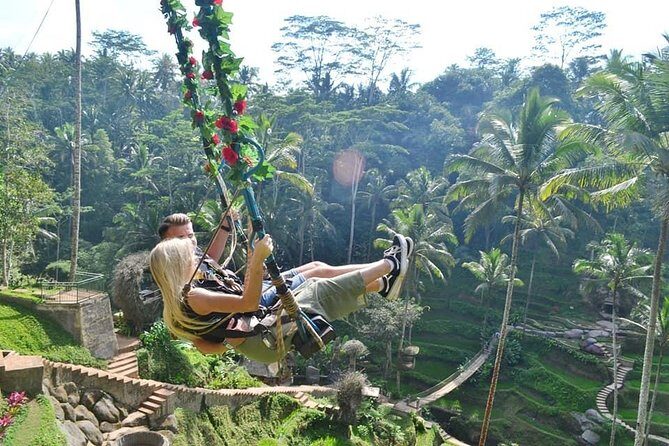
- Jungle swing in d’Alas for a classic Ubud photo moment
- Rice terraces plus subak context so you understand what you’re seeing
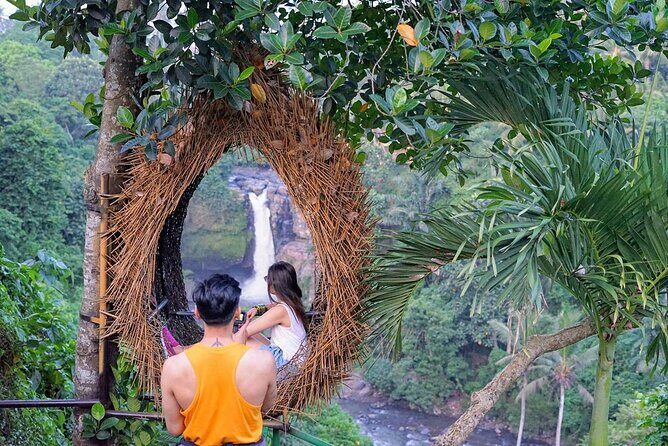
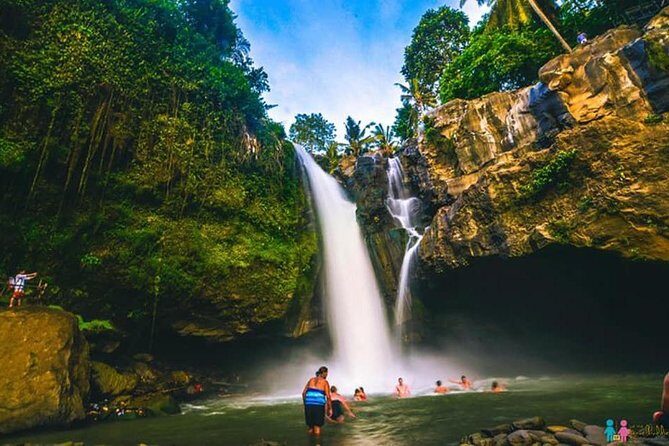
- Hidden-feeling Ulu Petanu waterfall near Tegalalang
Why This Best-Of Ubud Private Tour Works for First-Timers
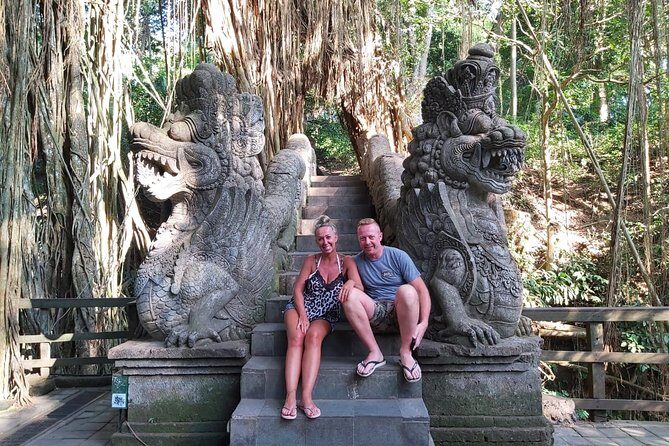
If you’re seeing Ubud for the first time, this kind of day tour makes life easier. You get a local driver/guide who knows the rhythm of the sites and can explain what you’re looking at—temple etiquette, Balinese customs, and why certain places matter.
What makes it feel “best of” in a useful way is the mix. You’ll cover spiritual sites, working landscapes like rice terraces, and active views like the jungle swing and waterfall. That combination helps you build a rounded mental picture of Ubud instead of collecting random photos.
And because it’s private, the pace can match you. You’re not stuck in a herd with constant regrouping, which matters when you’re jumping between places that have different rules and crowd levels.
Pickup and the Smooth Day Flow in an Air-Conditioned Vehicle
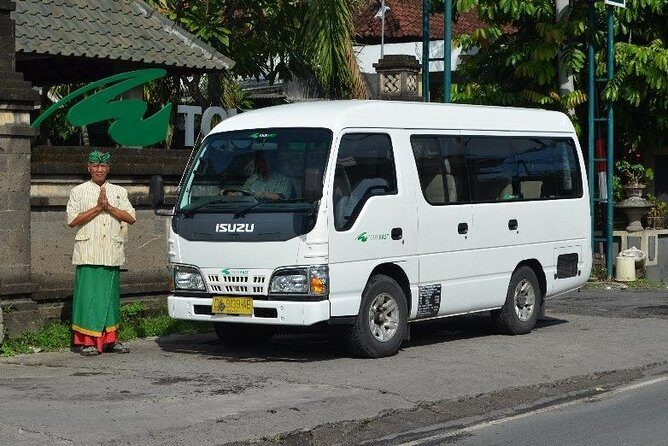
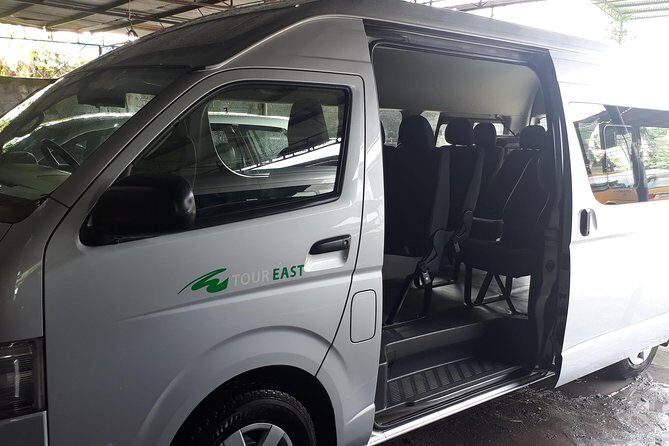
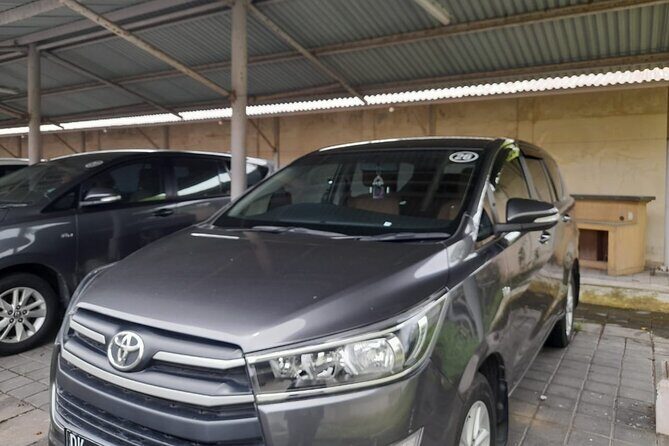
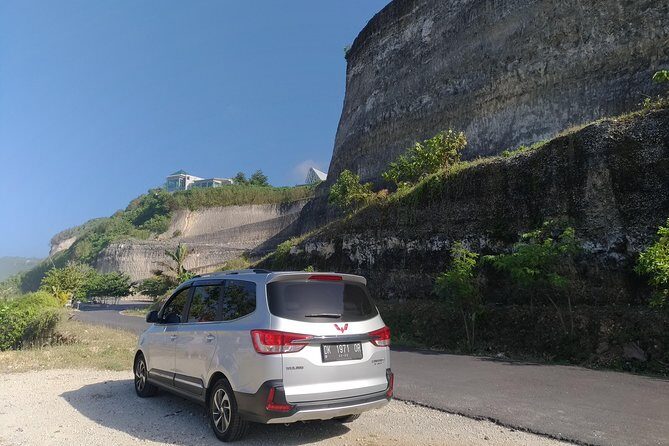
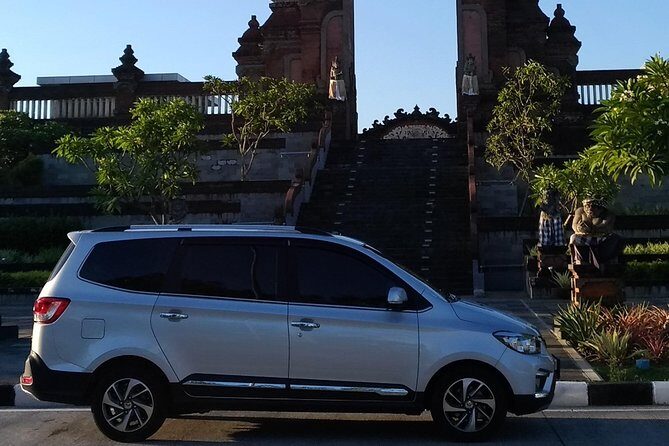
The day is built around convenience: hotel or port pickup and drop-off plus private transportation in an air-conditioned vehicle. In Ubud traffic and short-distance hopping, comfort isn’t a luxury—it helps you enjoy the stops more.
On a route like this, timing is everything. The stops are spaced so you’ll have a bit of breathing room: a traditional house visit (about 30 minutes), then longer blocks for temples and scenery. You’ll also have a lunch stop that gives you a clear point to rest before continuing on.
Since it’s 8 to 10 hours total, bring the mindset of a full day out. If you’re expecting a short, low-effort tour, you might feel it’s packed.
Bali Traditional House Gung Aji: Customs You Can Actually See
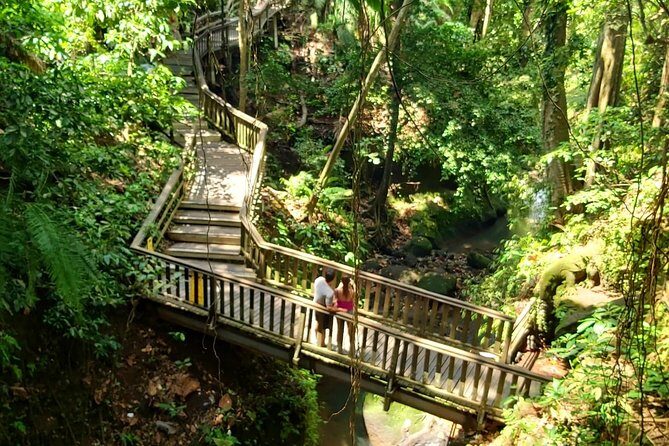
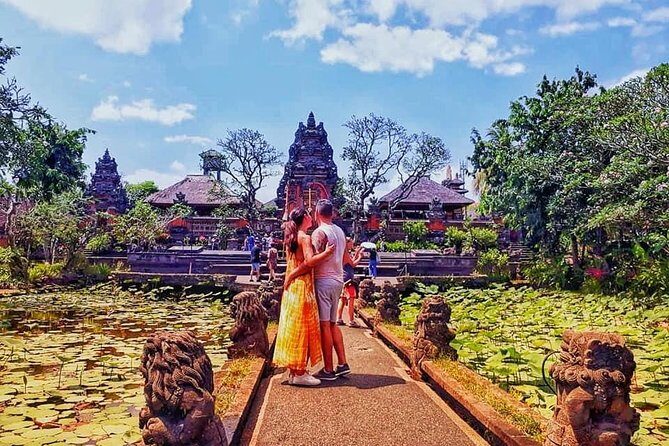
Your day starts at Bali Traditional House Gung Aji, and this is more than a quick photo stop. It’s presented as a reflection of Balinese custom and the Hindu values that shape daily life. Even in a short visit, you’ll get a framework for understanding why temples and family compounds look the way they do.
You’ll get about 30 minutes here, so the goal is orientation. Instead of “here’s a building,” it’s more like “here’s how Balinese life is organized around beliefs.” For first-timers, that context pays off later when you visit other sacred places.
Possible downside: because the time is short, you’ll want to ask questions early. If something catches your attention, speak up then rather than hoping you’ll remember later.
Sacred Monkey Forest Sanctuary: Spiritual Place Meets Real Animal Rules
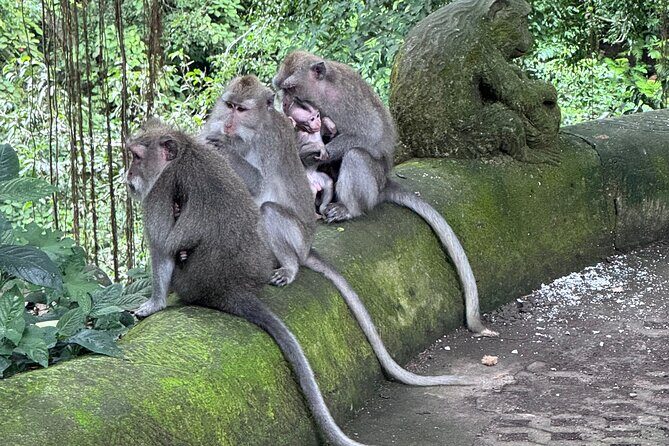
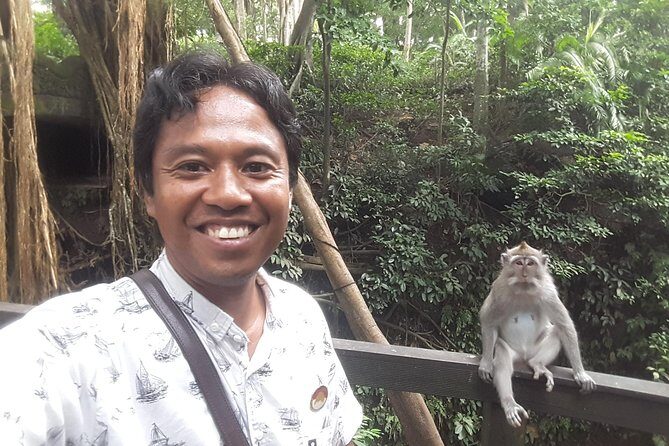
Next up is the Sacred Monkey Forest Sanctuary, owned by the village of Padang Tegal. What’s useful here is that it isn’t positioned as a random tourist zoo. It’s described as important for spiritual, economic, educational, and conservation roles in the community.
You’ll have about an hour, which is enough time to walk the grounds at a relaxed pace and notice how the place is woven into everyday life. The key is to follow the guide’s cues, because monkey behavior can change fast.
Practical reality check: come prepared to stay alert. The sanctuary experience is part nature walk and part living environment, so move calmly and keep your attention on what’s around you.
Tegalalang Rice Terrace and the Subak Irrigation System
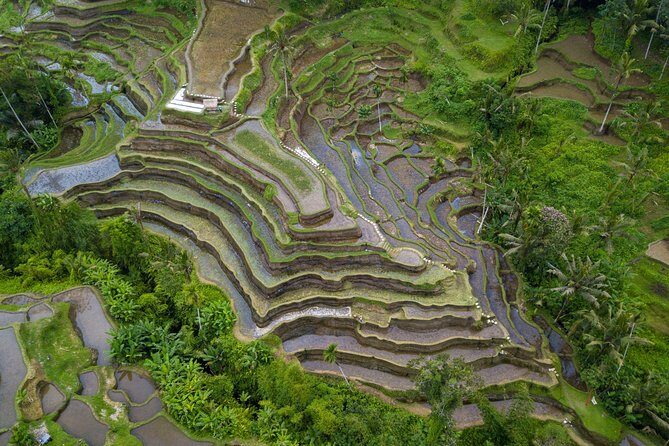
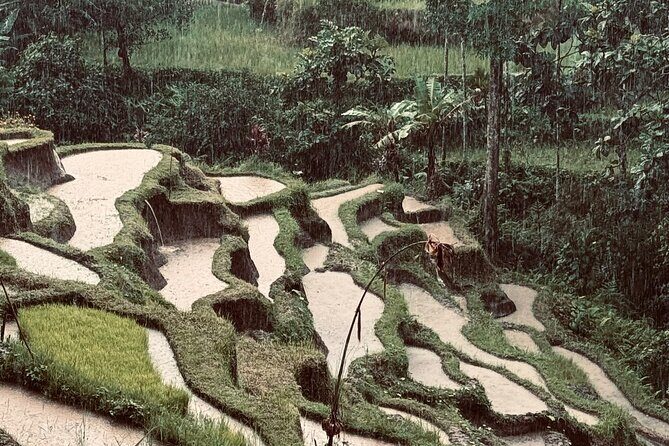
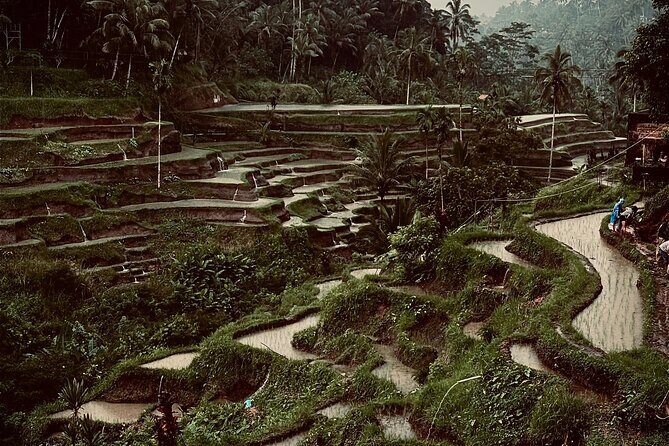
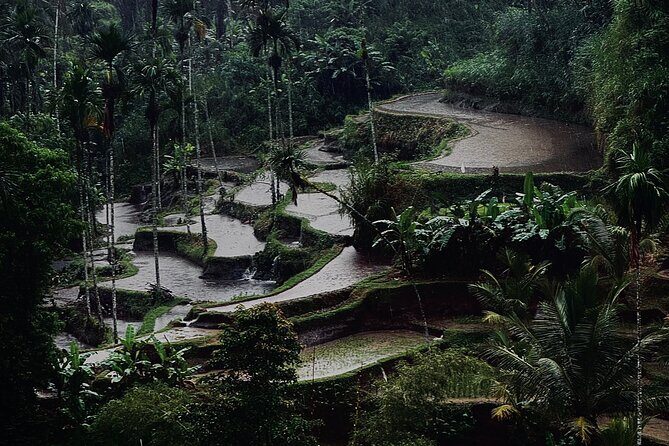
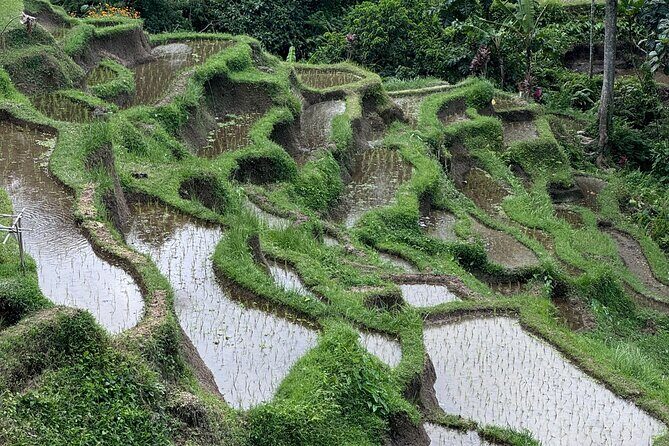
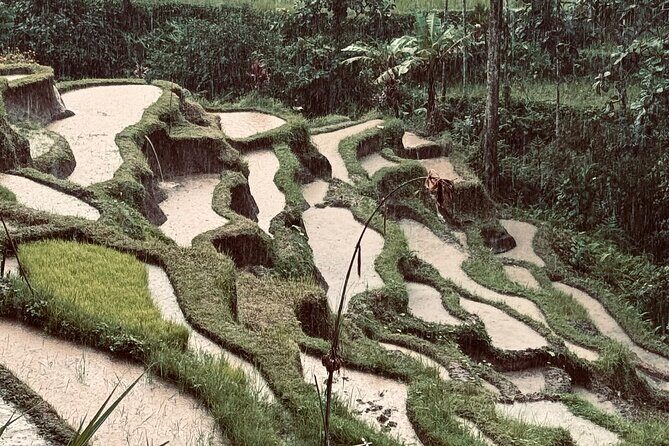
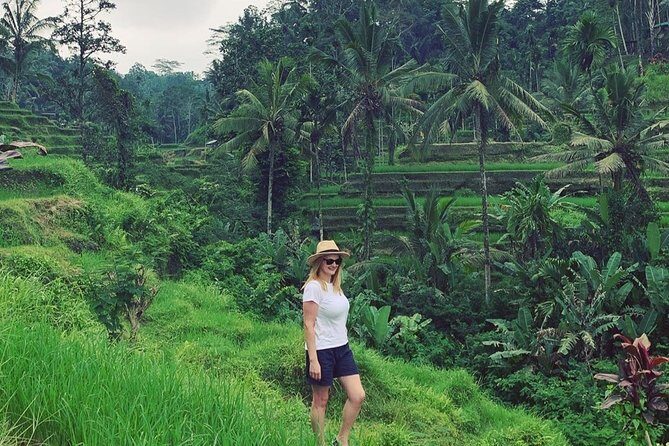
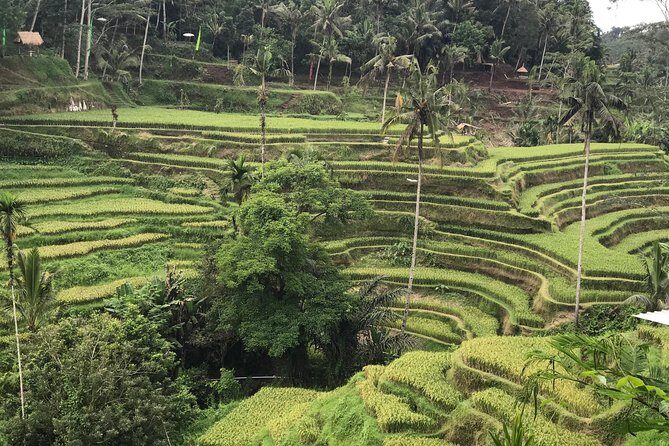
Tegalalang Rice Terrace is one of the big Ubud classics for a reason. It’s famous for those layered rice paddy scenes that photographers love—and it’s also presented with meaningful context.
This tour connects the view to subak, the traditional Balinese cooperative irrigation system. That matters because it shifts your experience from purely visual to understandable. You start seeing the terraces not just as scenery, but as a system shaped by water management and community cooperation.
You’ll spend about 45 minutes here. That’s a good length: long enough to get your bearings and take photos, but not so long that you feel stuck while the view repeats.
If it’s rainy or extremely humid, expect the paths to feel slick. Your guide will help you move safely, but it’s still an outdoor stop.
d’Alas Swing Jungle Time: Fun With a Real View
Then you get a more playful stop: d’Alas Swing, with about 45 minutes on-site. This is described as the best place for the jungle swing experience, and it’s clearly chosen for the view.
The main value here is the contrast. You’ve been in sacred and agricultural settings, and now you’re in “hands-up, photo-taking” mode. You’ll likely want to plan for the parts that take time—getting positioned, waiting your turn, and snapping the shots.
Admission ticket is included, so you’re not piecing together extra costs mid-day. Just remember this is still part of a full-day schedule, so don’t book any tight commitments right after.
Lunch at D’Alas Warung: Jungle Views and a Mental Reset
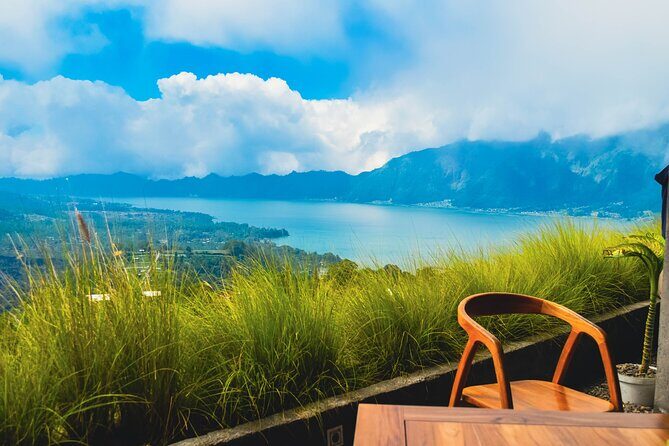
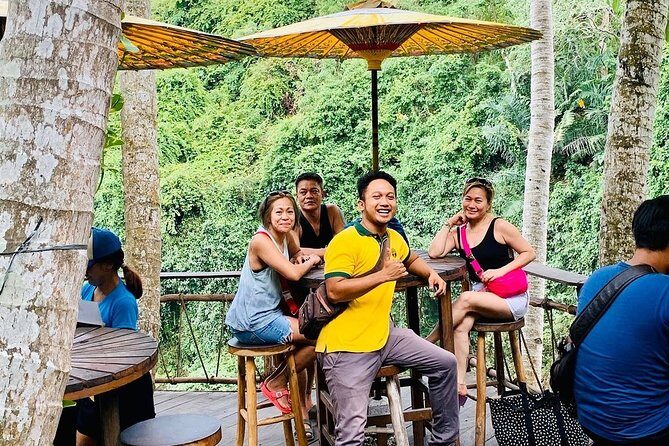
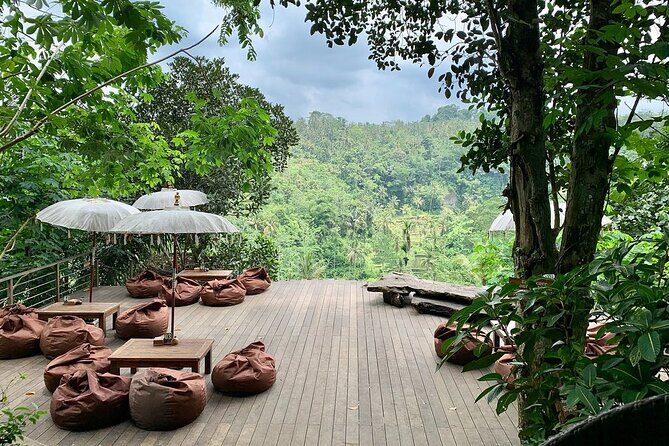
After several outdoor stops, the tour gives you a built-in lunch break at D’Alas Warung Restaurant for about an hour. The best part of this choice is that it’s described as a good place to eat with jungle view.
This kind of stop is valuable because it interrupts the “constant sightseeing” rhythm. Even if you’re not dining extravagantly, having a set lunch time keeps the day from turning into a stress-fueled scavenger hunt.
One note: the tour data doesn’t spell out that the meal itself is included. The time and stop are part of the tour, but you should expect to pay for what you order.
Gunung Kawi Sebatu Temple: Pools, Water, and Quiet Sacred Grounds
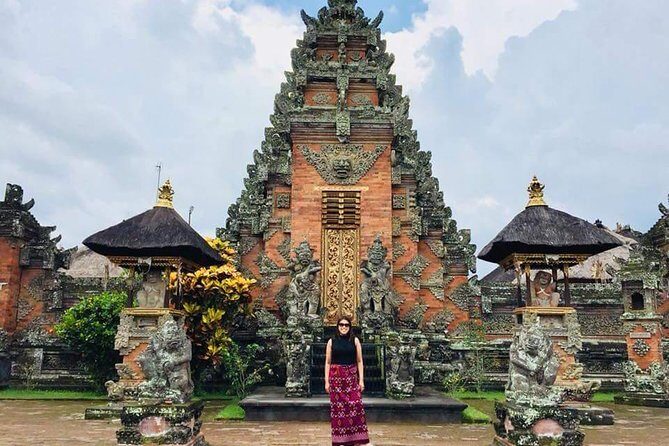
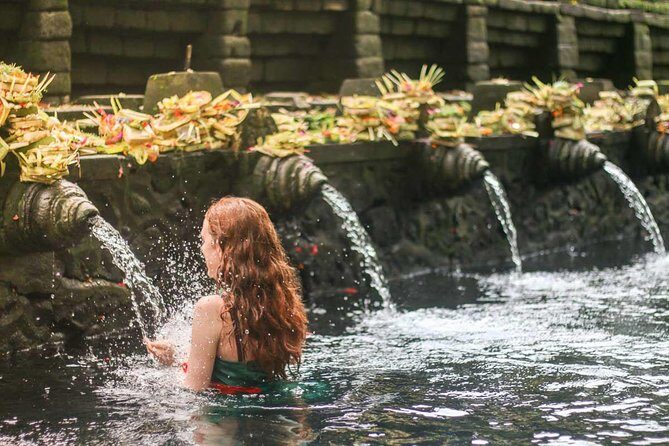
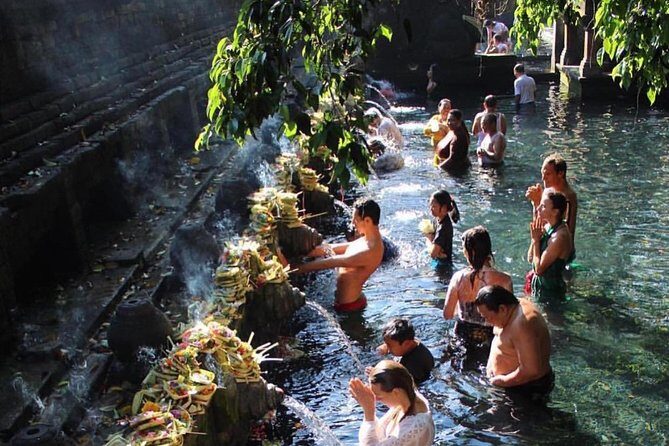
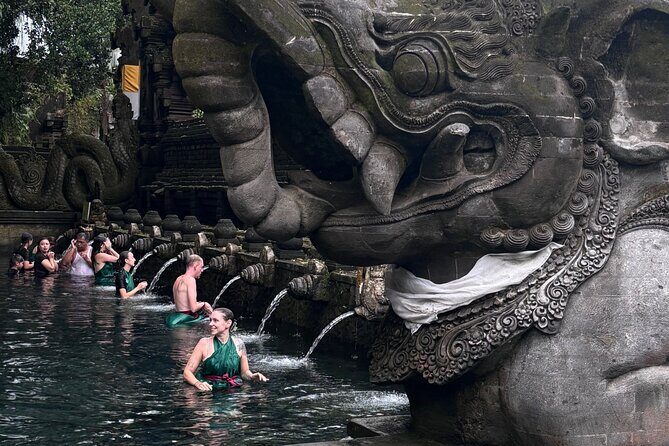
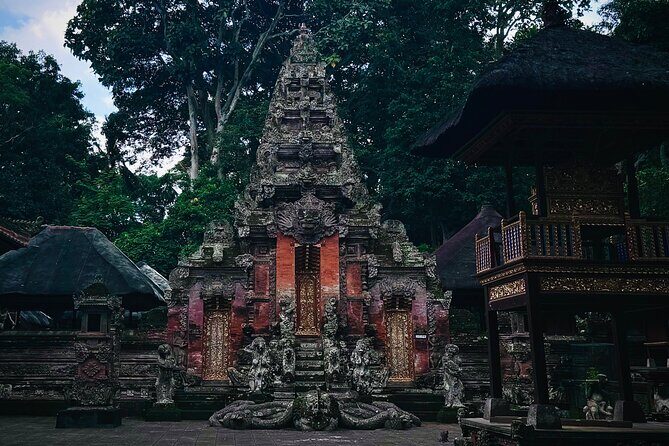
Gunung Kawi Sebatu Temple comes with about 45 minutes, and it’s presented as a historical Hindu temple complex dedicated to Dewa Wisnu. What you’ll notice right away is the setting: impressive green nature around the temple and pools with clear water.
For many people, this is the “calmer” stop. It’s less about action and more about stillness—walking through sacred grounds and letting the space sink in. The pools also give you that distinctive visual that feels different from the busier temple scenes.
Temple etiquette matters here, and the tour includes a practical edge: you’ll have a traditional Balinese sarong to use for entry. Your guide also explains how to be respectful at temples, which is huge in places where rules aren’t just cultural—they’re part of daily practice.
Ulu Petanu Waterfall: The Hidden Waterfall Feel
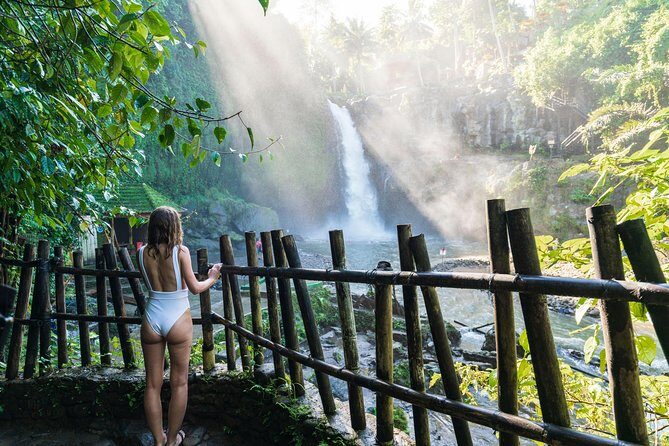
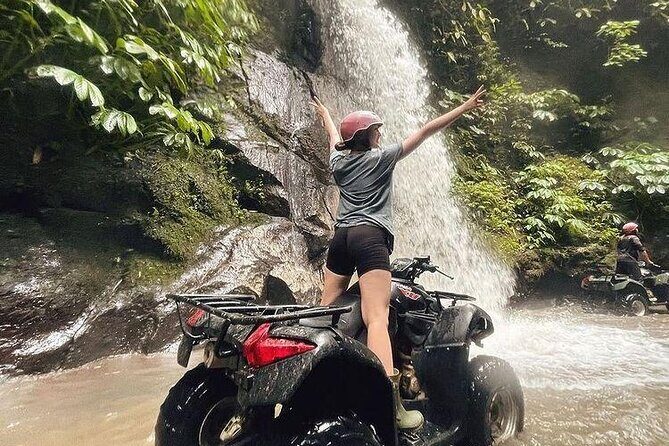
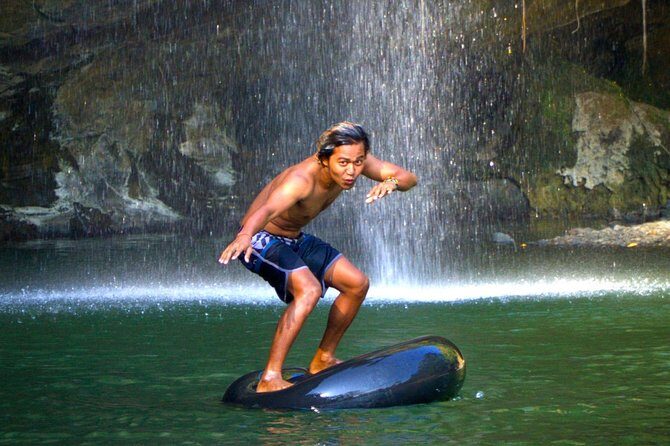
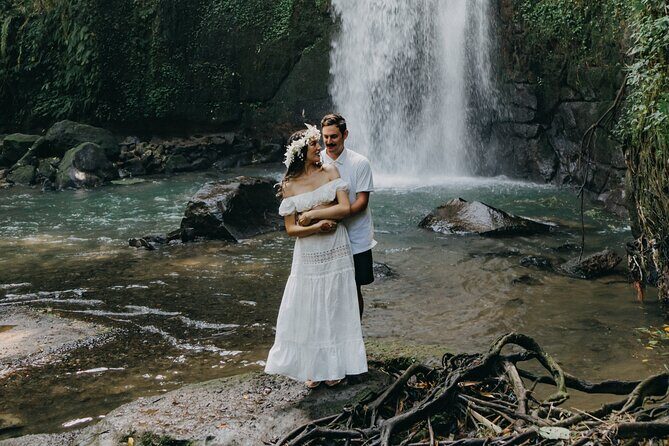
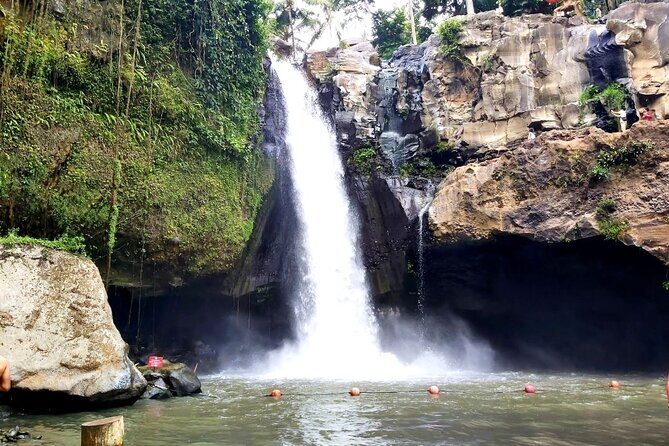
Finally, you head to Ulu Petanu Waterfall for about an hour. It’s described as a hidden waterfall located at Kedisan village, close to Tegalalang Rice Terrace.
That “hidden” positioning is the draw. Even if you’ve seen plenty of waterfalls in Bali, Ulu Petanu is picked here because it feels like a smaller, calmer payoff after all the sightseeing earlier in the day. The schedule places it after the rice terraces, so you get a theme-based finish: water and green scenery.
Weather matters a lot for waterfalls. If rain changes access or conditions, the experience provider may adjust plans because this tour requires good weather. If conditions are poor, you should expect flexibility rather than pushing forward no matter what.
Guide Quality Makes the Difference: Ketut’s Style, Respect, and Photos
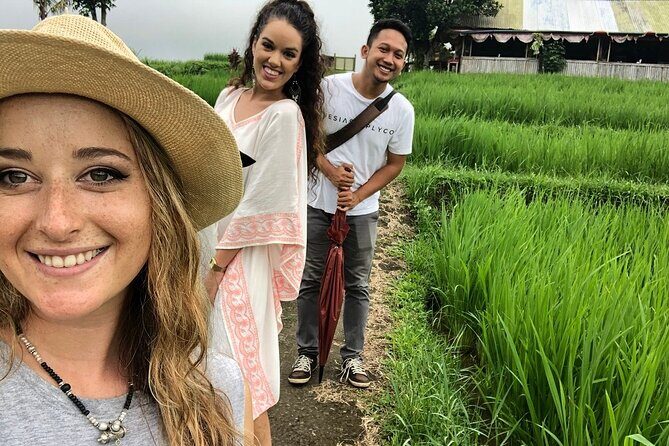
A big reason this tour earns a high satisfaction rate is the guide-driven experience. A name you’ll see in connection with this tour is Ketut Suwenda, who’s described as friendly and prompt, and who goes out of his way to make the day flow well.
Two practical guide skills show up again and again. First, they help you be respectful at temples, including the reality of entry requirements and how to behave on sacred grounds. Second, they’re useful with photography—especially on a day where you’ll want consistent framing across temples, terraces, and jungle views.
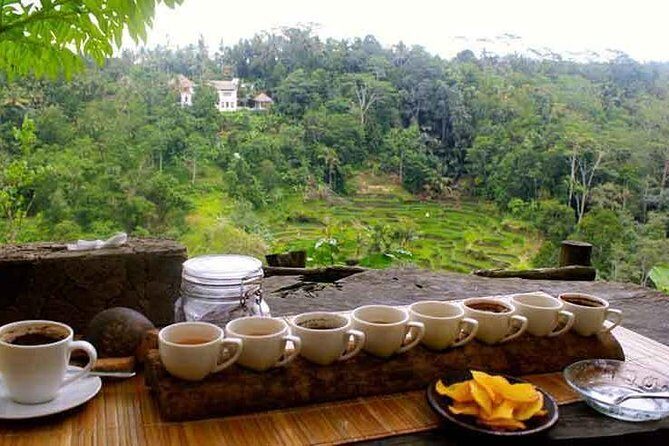
You might even get thoughtful add-ons if the day’s timing works. For example, one guide adjustment mentioned is an extra visit to Tirta Empul, and an unexpected coffee-style stop (cat-poo-chino). Since these extras aren’t guaranteed details, the safe way to treat it is this: ask your guide what’s possible once you’re on the ground.
Price and Value: What $31 Gets You in Ubud
At $31 per person, the value is in how much gets bundled. The tour includes private transportation, hotel pickup and drop-off, a professional English-speaking guide/driver, a bottle of water, and a sarong for temple entry. On top of that, admission tickets are included at each listed major stop.
This is the part I think you should measure: you’re paying to turn a messy “figure it out yourself” day into a managed experience with access handled for you. In Bali, ticketing, entry rules, and transit planning add up quickly—especially when you’re trying to hit multiple sites in one day.
Also, your trip is private, so you’re not paying the same as a small shared group where time gets lost in waiting. If you’re traveling as a pair or with a small group, that’s where the price starts to feel especially fair.
The only likely extra cost you’ll handle yourself is gratuities (optional) and anything you choose to buy at lunch or during add-ons.
Who Should Book This Tour (and Who Should Skip It)
This tour is ideal if you want a first-time Ubud “hits plus context” day. If you like learning what you’re seeing—how Balinese customs shape temples and how the rice system works—you’ll get more out of it than just sightseeing.
It’s also a good match if you prefer comfort and structure. Pickup and drop-off, air-conditioned transport, included admission tickets, and sarong support mean you can spend your energy on experiences instead of logistics.
Skip it or reconsider if you’re not comfortable with a longer day (8 to 10 hours), or if temple entry rules affect your group. The tour notes that women who are menstruating aren’t allowed to enter the temples, which is an important factor for planning.
Should You Book? A Practical Decision
Book this tour if you want a guided day that covers a wide slice of Ubud: culture (traditional house), sacred spaces (monkey forest and temples), landscape (Tegalalang and subak context), fun (d’Alas swing), and payoff views (Ulu Petanu waterfall). The guide quality and temple respect coaching are big strengths, and the included admission tickets reduce decision fatigue.
I’d book with a weather plan in mind. Since the experience requires good weather, you’ll get the best results when conditions are cooperative. If rain disrupts things, the provider offers a different date or a full refund, which makes the risk feel smaller.
If you’re traveling with limited time and want the most efficient way to get bearings in Ubud, this private best-of format makes a lot of sense.
FAQ
How long is the Best Of Ubud guided tour?
It runs about 8 to 10 hours.
Does the tour include hotel or port pickup and drop-off?
Yes, pickup and drop-off are included.
Are admission tickets included for the stops?
Yes, admission tickets are included for each listed stop.
Is this tour private or shared with other groups?
This is a private tour/activity, so only your group participates.
Do I need to bring a sarong for temple visits?
No, traditional Balinese sarongs are provided to use for temple entry.
Are there any restrictions for temple entry?
Women who are menstruating are not allowed to enter the temples.
Is lunch included?
There is a lunch stop at D’Alas Warung Restaurant, but the tour information provided does not specify that your meal cost is included.
What happens if the weather is bad?
The experience requires good weather. If it’s canceled due to poor weather, you’ll be offered a different date or a full refund.