North Bali Private Tour – All Inclusive

North Bali Private Tour - All Inclusive - Ulun Danu Bratan: Lake-Temple Views and Photo Time

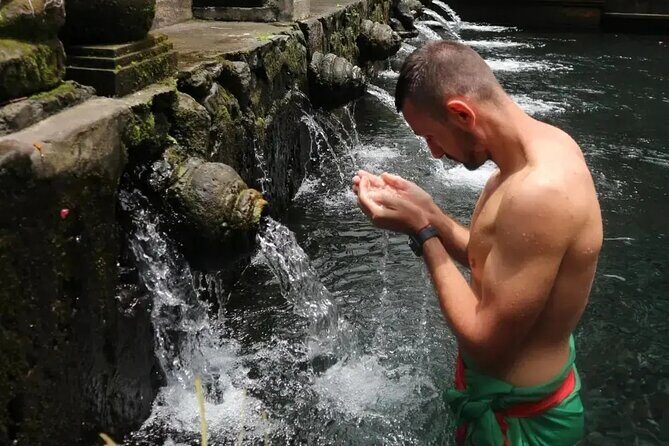
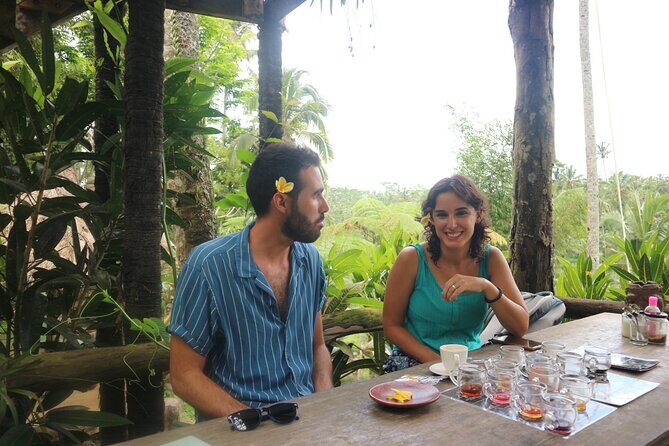
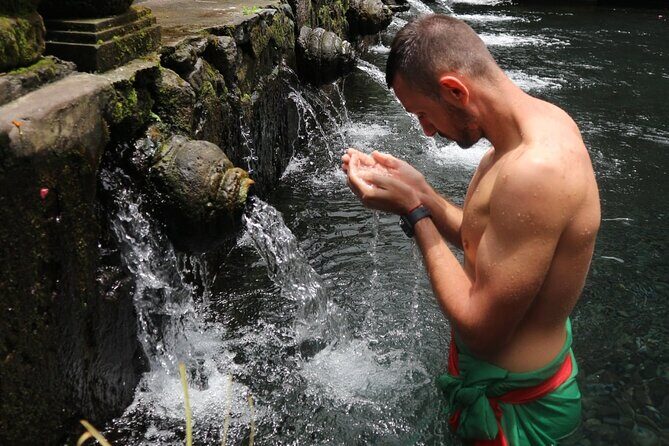
North Bali feels like a movie set. This private tour strings together Ulun Danu Bratan, Handara Gate, twin-lake viewpoints, Banyumala waterfalls, and Jatiluwih rice terraces, with your guide handling the driving and timing so you can focus on the scenery and photos.

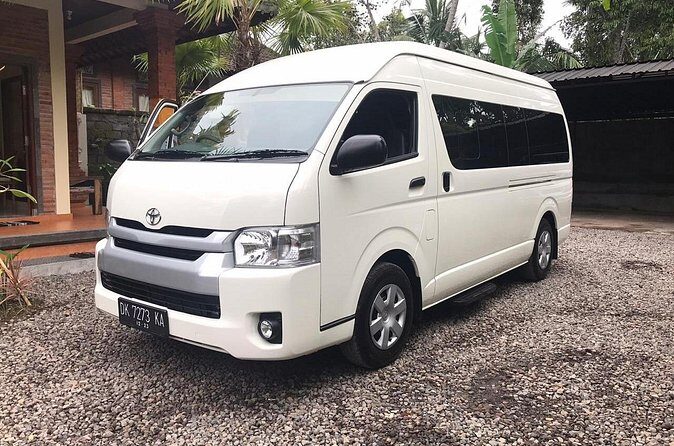
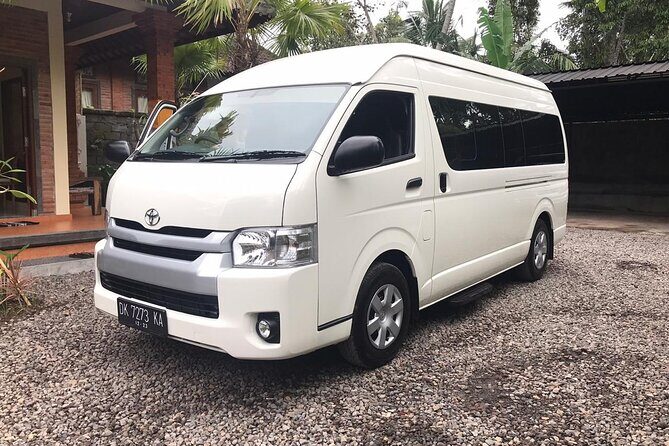
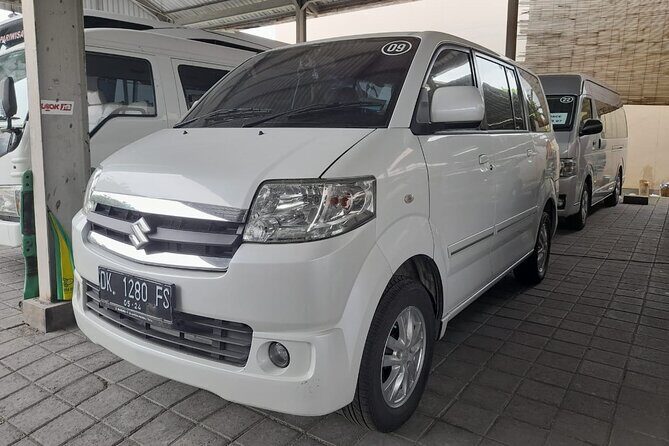
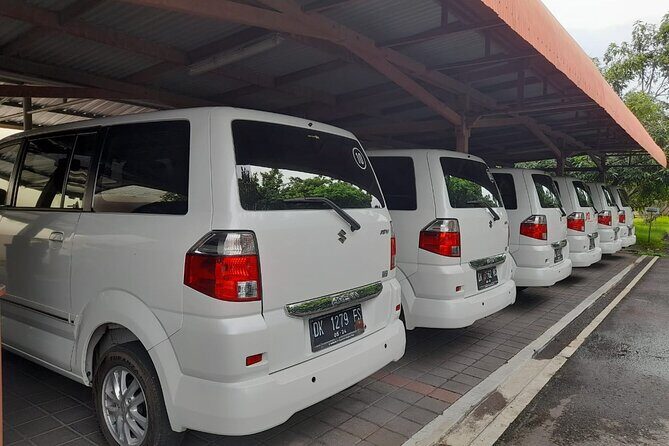
I love the air-conditioned car and the fact that you get hotel pickup and drop-off, which keeps the logistics painless and helps you start early to beat traffic. One consideration: you’ll be out most of the day (8 to 10 hours) and the waterfall stop calls for moderate physical fitness because there’s some walking on rocky paths.

Key things to know before you go
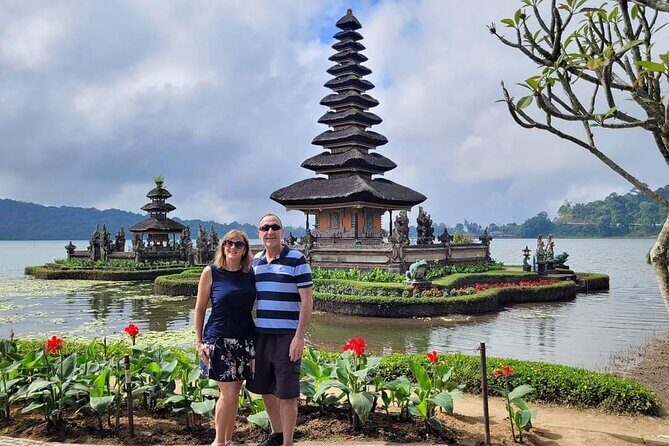
North Bali Private Tour - All Inclusive - Key things to know before you go

  • A true private day: only your group, with an English-speaking guide who runs the schedule
  • AC and water included: you’re not roasting in transit all day
  • Photo support is part of the plan: guides have mobile photography skills (stills and video)
  • Big scenery stops, not rushed shopping: temples, gates, waterfalls, and rice terraces in one route
  • Entrance fees covered: you pay once, then step in at each main stop
  • Weather matters: the tour is weather-dependent, with a different date or full refund if canceled

North Bali in One Day: How This Private Route Works

This is the kind of North Bali day that makes sense when you want a lot of variety without getting stuck in traffic or figuring out logistics. Your guide manages the flow, and that matters here because the stops are scattered across the Bedugul–Jatiluwih area.

The route is built around five main beats: a lakeside temple, the photo-famous Handara Gate, a twin-lake viewpoint, the hike/walk portion for Banyumala waterfalls, then the UNESCO-listed rice terraces at Jatiluwih. Each stop has a set time block (from 20 minutes for a quick viewpoint to about 2 hours for the waterfalls), so you get enough time to enjoy, but you’re not stuck forever at any single location.

Getting Started in Ubud: AC Comfort and Door-to-Door Pickup
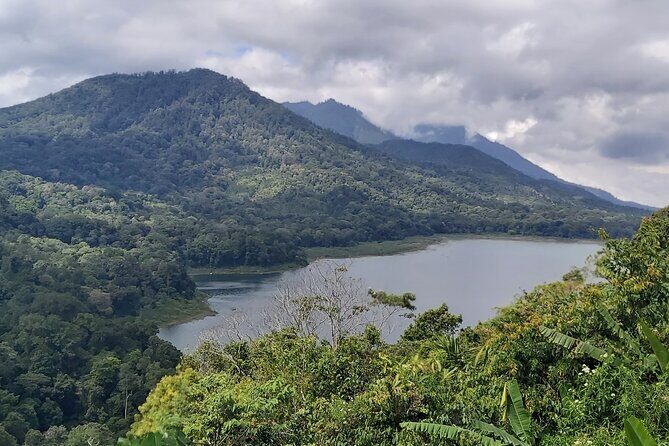
North Bali Private Tour - All Inclusive - Getting Started in Ubud: AC Comfort and Door-to-Door Pickup
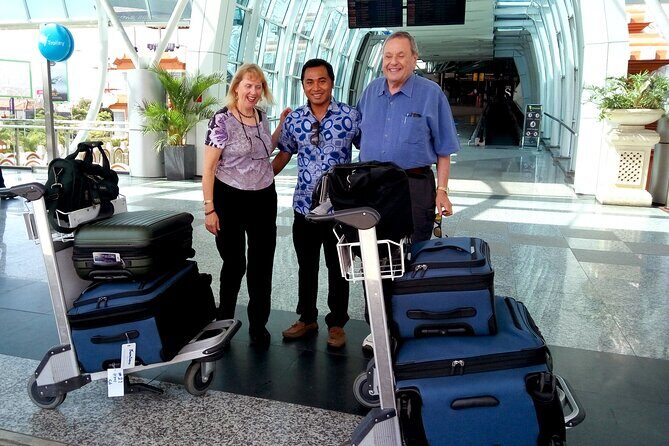
The best practical perk is private hotel pickup and drop-off. You don’t have to coordinate taxis, haggle with drivers, or waste time figuring out where to meet. It also makes early starts easier, and early starts are a real deal in Bali because traffic can mess with your daylight.

You’ll ride in an air-conditioned vehicle, plus you get a bottle of water. That sounds small, but on an 8 to 10 hour day it keeps you from spending your energy on basics instead of enjoying the scenery.

There’s also a “driver as guide” vibe to the experience. The driver/guide is there to handle the driving and guide you in English, plus they can help with photo angles and phone videos. That means you’re less likely to end up standing in the wrong place while the best view slips away.

Ulun Danu Bratan: Lake-Temple Views and Photo Time
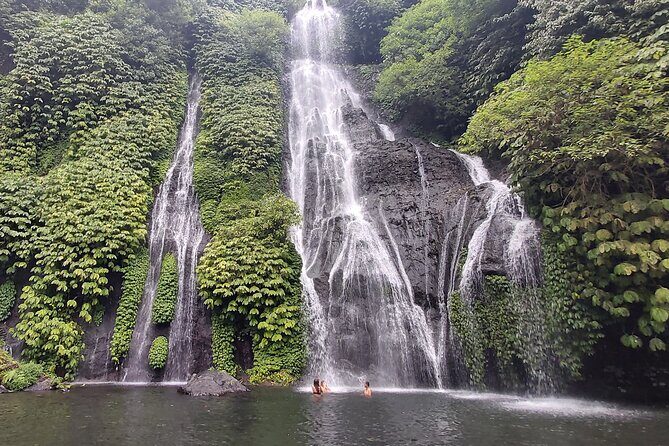
North Bali Private Tour - All Inclusive - Ulun Danu Bratan: Lake-Temple Views and Photo Time
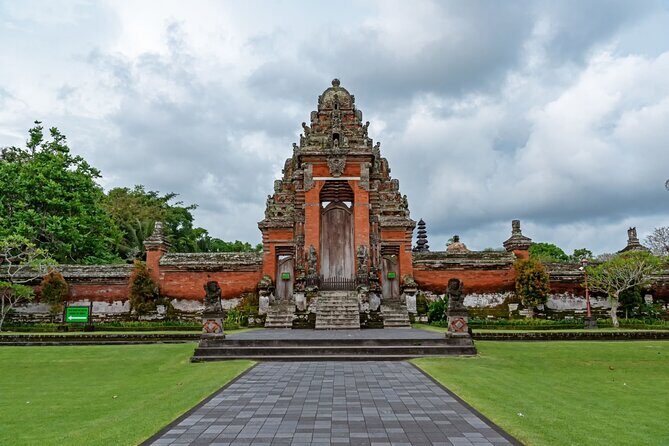
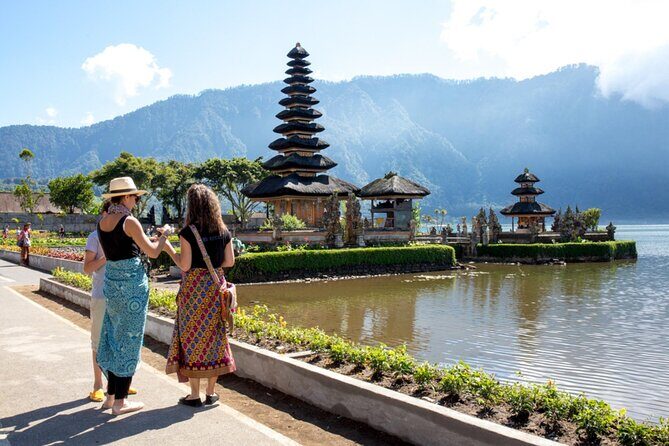
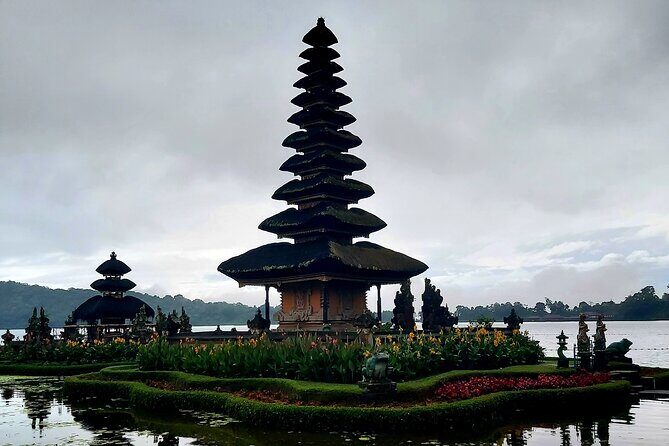
Your first major stop is Ulun Danu Bratan, a temple complex on the west side of Lake Bratan in Bedugul. You get about 45 minutes, with the entrance ticket included.

What makes this stop worth your time is the combination of setting and story. It’s both a famous photo spot and a meaningful temple site. The visuals are why people come, but the cultural explanation is what helps you understand why the place matters beyond the camera.

Time is tight here in the best way: 45 minutes lets you slow down for photos and a quick visit without turning it into a half-day event. If you care about getting shots, this is a good moment to ask your guide for helpful positioning so you don’t waste your best light or stand somewhere blocked.

Drawback to keep in mind: because this is a “must-see” temple stop, you should expect crowds and photo jockeying at the viewpoints. That’s normal for Bali’s most iconic places, and the private timing helps you move efficiently through it.

Handara Gate and Twin Lake Lookouts

North Bali Private Tour - All Inclusive - Handara Gate and Twin Lake Lookouts
After Ulun Danu Bratan, you head to the Handara Iconic Gate—another 45 minute stop, with admission included. This is the classic mountain-and-gate photo location, the kind of place where you instantly understand why it’s famous.

The practical upside of having a guide here is simple: you spend less time guessing where the angles are. You also get smoother pacing, because your guide can keep the day from turning into random detours that add travel time.

Next is the Twin Lake View, a 20 minute viewpoint for Lake Buyan and Lake Tamblingan. It’s shorter on purpose. Use it for quick photos and a moment to take in the big view without burning your whole afternoon.

A consideration here: 20 minutes is enough for photos if you’re flexible, but if you’re the type who likes long sitting time, you’ll want to lean into “one good viewpoint angle, then move on.” The value of the day is that you get multiple different scenery types, not one long stay everywhere.

Banyumala Twin Waterfalls: Walk Time and Shoe Tip
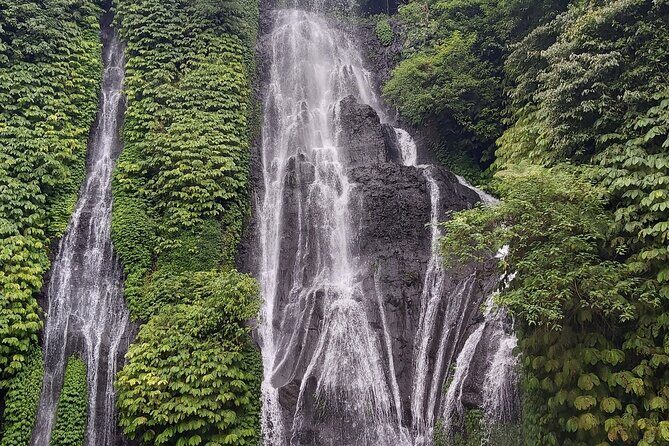
North Bali Private Tour - All Inclusive - Banyumala Twin Waterfalls: Walk Time and Shoe Tip
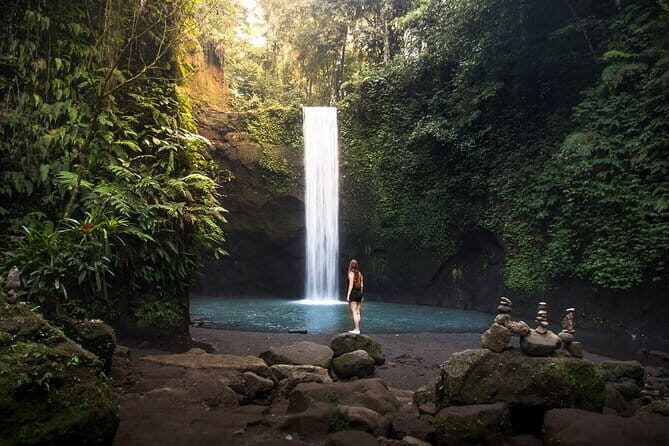
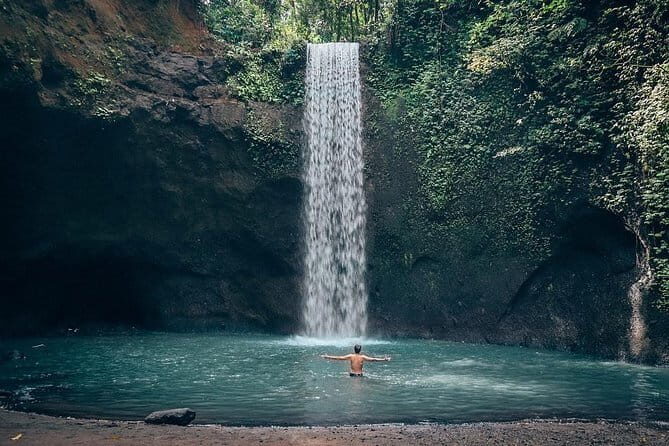
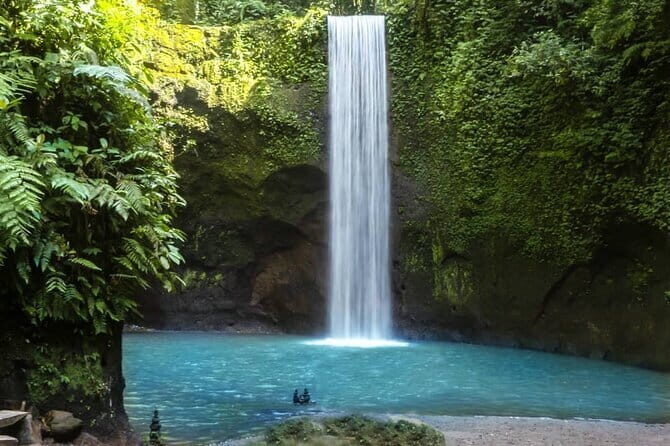
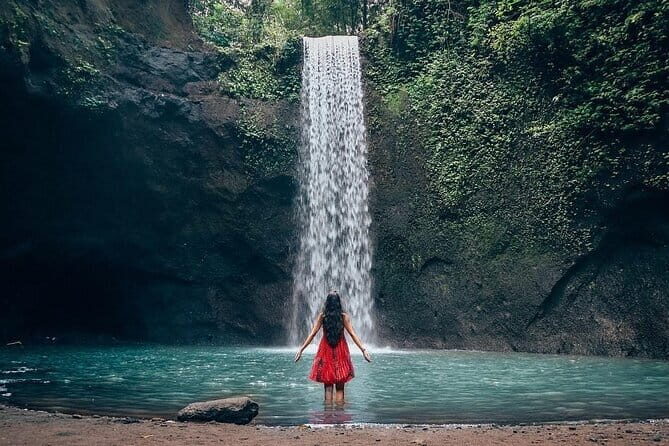
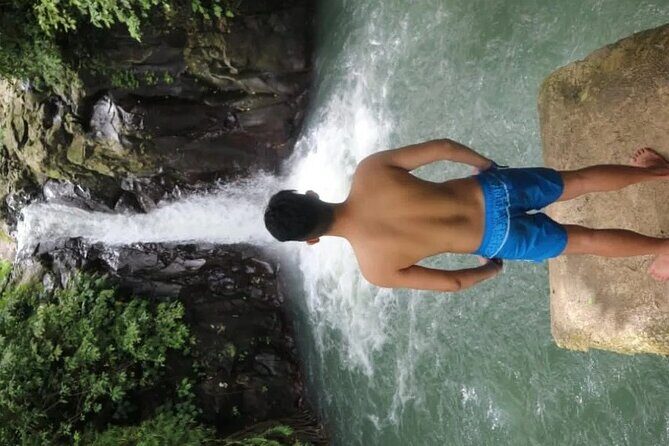
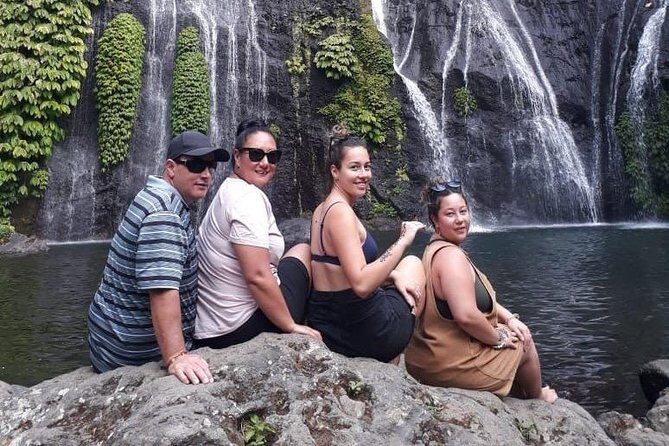
Now for the most active part: Banyumala Twin Waterfalls. You’ll spend about 2 hours here, with entrance included. The walk to the falls gives you those “you’re there” moments—spring-fed water, clear views, and a waterfall experience that feels more grounded than the temple photo spots.

The key detail: the path can be rocky. A strong tip from the experience style is to wear beach shoes or footwear with grip. Going barefoot can be tough on the ground when you’re stepping in and out of wet areas.

This stop also ties into the fitness note for the whole tour. The day is built for people with moderate physical fitness. You don’t need to be an athlete, but you should be comfortable with walking, uneven ground, and spending time outdoors.

What I like about this stop from a “tour value” angle: it balances effort and reward. Two hours is long enough to enjoy the falls without the day feeling like a hike marathon.

Jatiluwih Rice Terrace: UNESCO Views at Batukaru’s Foot

North Bali Private Tour - All Inclusive - Jatiluwih Rice Terrace: UNESCO Views at Batukaru’s Foot
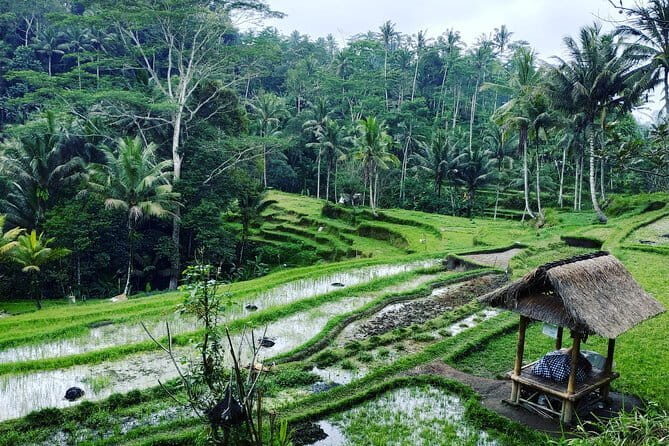
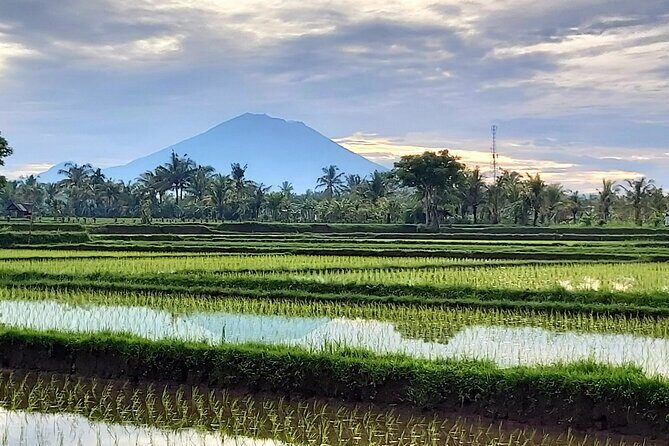
The final big scenery stop is Jatiluwih Green Land, the UNESCO-listed rice terraces in Bali. You’ll get about 1 hour here, with admission included.

A couple of useful specifics make this place easier to appreciate:

  • It covers over 700 hectares
  • It sits at the foot of Mount Batukaru
  • It’s around 700 meters in altitude

Those details explain the feel of the terraces. They’re not just a viewpoint platform; they’re a large farming landscape that stretches out in multiple directions, which is why your photos look more expansive than typical “single field” stops.

The best way to use your hour is to do it in stages: first, take the big panorama shots, then shift to closer views where you can see how the terraces are laid out. Your guide’s photo help is especially useful here because timing and positioning matter when the views are wide.

If you’re hoping to escape crowds entirely, you might not get that. But you will get a meaningful UNESCO site, not a quick photo stop in a parking lot.

Your Guide and the Photo Game
North Bali Private Tour - All Inclusive - Your Guide and the Photo Game
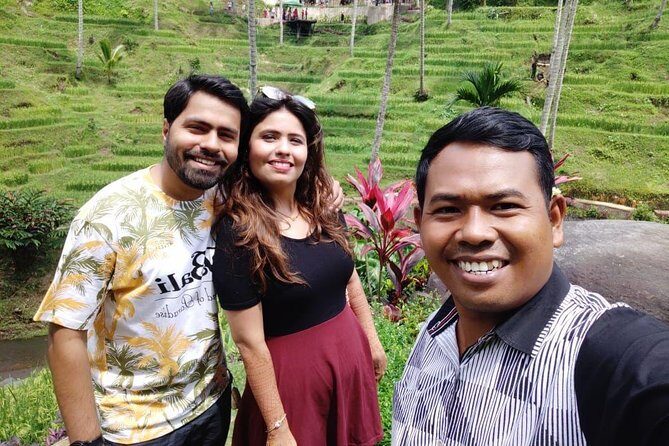
This tour’s secret weapon is the guide style. The people leading this route bring more than directions. They tend to mix practical help with cultural context, which keeps the day from feeling like a checklist.

In particular, many guides on this route are known for:

  • making time for explanations about what you’re seeing and why it matters
  • taking photos and helping you get better angles
  • sharing video and phone-focused photo tips, so you don’t just rely on selfies

You’ll see names come up often, like Osa, Agung, Ketut Suwenda, and Dewa. What ties them together is the same theme: friendly, respectful pacing and a focus on safe, smooth driving between stops.

One more value point: guides often stay flexible. That’s useful if you want to linger at one viewpoint a bit longer or skip something that isn’t your priority. Flexibility is the difference between a tour that feels strict and one that feels like it fits your day.

Price and What Is Included in the $71 Cost
North Bali Private Tour - All Inclusive - Price and What Is Included in the $71 Cost
At $71 per person, this sits in a sweet spot for a private North Bali day. Here’s the math you can do in your head:

What you get included:

  • Private hotel pickup and drop-off
  • Air-conditioned vehicle
  • English-speaking driver/guide
  • Bottle of water
  • Entrance fees

Not included:

  • Lunch
  • Gratuities (optional)

When entrance fees are included across multiple stops, the price becomes easier to justify. If you were to DIY a day like this—hiring drivers, paying for entry at several attractions, and dealing with route planning—you’d usually spend more and lose time.

The one “watch this” item is lunch. You’ll need to plan where you eat or bring snacks. If you don’t want decision stress, consider eating early before the tour and then planning a proper meal after you’re back in Ubud.

Also note: confirmation happens at booking time, and the tour depends on good weather. If conditions are poor, you’ll be offered a different date or a full refund.

Who Should Book This Tour

Book this if you want:

  • a private, guided day that’s heavy on sightseeing variety
  • AC comfort and door-to-door convenience from Ubud
  • a plan that includes both iconic sights and a more nature-focused stop at Banyumala
  • phone-photo help so you don’t waste time hunting for the right angle

You’ll get along well with the pacing if you’re okay with a full day out (8 to 10 hours) and you can handle some walking on rocky ground at the waterfalls.

This tour is especially good for couples, small groups, and first-timers who want North Bali highlights without turning your trip into a logistics puzzle.

Should You Book This North Bali Private Tour?

Yes, I’d book it if you want an organized North Bali day with minimal friction. The combination of included entrance fees, AC transport, and a guide who helps with photos makes the day feel genuinely efficient.

Pass or consider an alternative if you want a slow, unhurried itinerary with lots of downtime. This tour is designed for movement and multiple stops. It’s also best for people who are comfortable with moderate walking, especially at Banyumala.

If you’re trying to pick just one North Bali experience from Ubud, this is a strong candidate because it covers the big categories—temple, iconic gate, viewpoints, waterfalls, and rice terraces—without asking you to plan every step.

FAQ

How long is the North Bali Private Tour

The tour runs about 8 to 10 hours.

Is hotel pickup and drop-off included

Yes. You get private pickup from your hotel and drop-off back to your hotel.

What stops are included in the itinerary

You’ll visit Ulun Danu Bratan, Handara Iconic Gate, Twin Lake View (Lake Buyan and Lake Tamblingan), Banyumala Twin Waterfalls, and Jatiluwih Rice Terrace.

Are entrance fees included

Yes. Entrance fees are included for the stops listed.

Is lunch included

No. Lunch is not included.

Do I need a certain fitness level

The tour suggests travelers should have moderate physical fitness level, especially for the walk at the waterfall stop.

What if weather is bad or I need to cancel

The experience requires good weather. If it’s canceled due to poor weather, you’ll be offered a different date or a full refund. You can cancel up to 24 hours in advance for a full refund.


ARMA Museum Visit

ARMA Museum Visit - Why ARMA Museum in Ubud is more than a room of paintings

Art in Ubud feels hands-on.

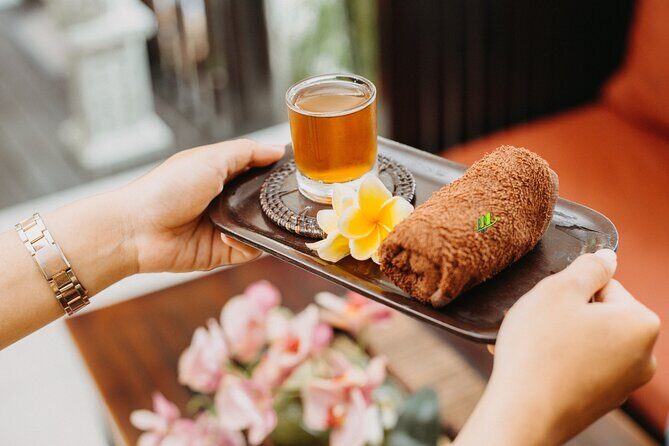
This ARMA Museum ticket is a simple way to lock in entry to one of Ubud’s well-known art centers, so you spend less time stuck in line and more time looking. I like the freedom to go at your own pace, and I also like that you get a free hot drink when you redeem your ticket.

What makes ARMA worth your time is that it’s not just “walk, look, leave.” It’s a center for visual and performing arts, so you can encounter a mix of exhibitions and cultural activity, plus practical extras like a bookshop and a library/reading room. The collection is described as ranging from traditional Batik paintings to contemporary works, which is a great spread if you like seeing how styles shift over time.

One thing to consider: this is admission plus a hot drink, not a full guided experience with a set tour route. If you need a step-by-step explanation for every room, you’ll want to plan for extra reading on the spot, or you may rely on whatever onsite activities are available when you arrive.

Key things to know before you buy your ARMA ticket

ARMA Museum Visit - Key things to know before you buy your ARMA ticket

  • Fast entry focus: you book admission in advance to reduce waiting.
  • Self-paced visit: you explore without a group schedule taking over your time.
  • Hot drink included: you redeem your ticket for coffee and/or tea.
  • ARMA is more than galleries: it also supports performances, workshops, and classes.
  • Worth it even on a short stop: the visit window is listed as about 30 minutes to 2 hours.
  • Limited group size: the experience has a maximum of 100 travelers.

Why ARMA Museum in Ubud is more than a room of paintings

ARMA Museum Visit - Why ARMA Museum in Ubud is more than a room of paintings
ARMA in Ubud has a broad arts identity. Yes, you’ll see art, but the place is described as a center for visual and performing arts, with cultural activities ranging from theatre performances and dance to music and painting classes. That matters because it changes the feel of your visit: you’re not only scanning frames—you’re watching culture in motion when the program is running.

I also like that ARMA positions itself around Balinese and Indonesian culture through both permanent works and special temporary exhibitions. If your goal in Ubud is to go beyond souvenir-style crafts and actually learn what local artists are doing, a museum like this gives you a stronger context.

Finally, there are “hang-out” options inside. The museum includes a bookshop and a library/reading room, which is perfect if you want a slow moment with a book after you’ve looked at art for a while.

Price and value: what $9.38 gets you (and what it doesn’t)

At $9.38 per person, the big value is that you’re paying for admission certainty plus a hot drink. In a place like Ubud—where popular stops can mean waiting—you’re not just buying access. You’re buying time.

The ticket includes coffee and/or tea, but it does not include lunch or other drinks. Alcoholic drinks are available to purchase, though. If you’re planning a longer outing, you’ll likely want to pair ARMA with a meal elsewhere (or plan on ARMA’s onsite options if you find you’re staying longer than you thought).

Also note the booking rhythm: it’s commonly booked about 24 days in advance. That’s a hint to treat this like a “reserve it, then relax” stop—especially if you’re visiting during busy travel weeks.

When you should plan for: 30 minutes to 2 hours in real life

The experience duration is listed as about 30 minutes to 2 hours. That range is useful because it fits different travel styles.

If you’re short on time, you can do a focused circuit: redeem your ticket, get your hot drink, then concentrate on the permanent collection range and any temporary exhibition you can quickly access. If you have the time, the longer end of that window gives you space to slow down, read descriptions, and use the library/reading room or bookshop as part of the experience rather than a postscript.

Because it’s self-paced, you don’t have to “keep up.” You can stop for a few minutes at pieces you like, then move on without worrying about catching a group’s pace.

Your visit flow: how to use the ticket once you arrive

Your visit starts with admission to Agung Rai Museum of Art (ARMA). The ticket is designed to reduce line time, and you’re meant to redeem it so entry is straightforward.

Right after redemption, you get your free hot drink—coffee and/or tea. This is a small detail, but it’s genuinely practical. It gives you a built-in break early in the visit, which helps if you’re arriving from Ubud heat or after walking between other stops.

Then comes the main event: wandering the collection and checking what’s on offer at the time. ARMA is described as having a permanent collection, special temporary exhibitions, and the possibility of cultural activities like theatre performances, dance, music, and painting classes. You don’t have to plan a complex route, but it helps to keep an eye out for what’s scheduled while you’re there.

What you’ll see: Batik to contemporary art in one place

ARMA’s collection is described as ranging from traditional Batik paintings to contemporary masterpieces. That’s a smart combination because Batik gives you cultural technique and regional identity, while contemporary works show you how artists are translating those roots into modern ideas.

If you’re the type who likes art history, you’ll probably enjoy how you can compare styles without feeling like you need to master a textbook first. If you’re less interested in technical labels, you can still enjoy it visually—you’re not stuck looking at one single style for your entire visit.

Temporary exhibitions can also shape what you take away. ARMA is known to show special temporary exhibitions on top of the permanent collection, so what you see can differ from another day or another season.

The hot drink stop: a tiny perk that improves the whole rhythm

The included coffee and/or tea might not sound dramatic, but I’d treat it as part of the plan. You’ll get a more comfortable visit when you can pause without paying extra for your first drink.

Also, because the ticket is meant to reduce waiting, you can often redeem and settle in without losing momentum. That matters when you’re trying to fit ARMA into a day that already includes temples, markets, and coffee stops.

ARMA’s “extra rooms”: bookshop, library, reading time, and workshops

One reason I’d pick ARMA over smaller one-room museum stops is the variety of spaces. Inside, ARMA is described as having a bookshop and a library/reading room. If you want souvenirs that aren’t mass-produced magnets, the bookshop can be a better choice—you leave with something you can read later, which makes the art stick in your memory.

ARMA is also described as offering cultural workshops, conferences, seminars, and training programs. You might not catch everything on a single visit, but knowing the museum has an education and events mindset helps you understand why it feels active even when you’re just walking through exhibitions.

If you enjoy watching the arts being practiced, it can be worth checking what’s happening during your visit window. The museum describes theatre performances, dance, music, and painting classes as part of the experience. Even if you only catch part of one activity, it can add context to what you see on the walls.

Where this fits in a Ubud day plan

This ticket is especially handy when ARMA is one of several stops in Ubud. The museum is described as close to other nice things to do, and the visit duration range makes it easy to slot in between other activities.

Here’s how I’d structure it for a smooth day:

  • Start with ARMA when you still have energy to look carefully.
  • Use the included coffee/tea as your mid-visit reset.
  • If you find you want more time, the library/reading room and bookshop help you stretch the visit without feeling like you’re forcing it.

Because the ticket lets you go at your own pace, it’s a good choice when your schedule is flexible—or when you just don’t want your day controlled by a group timing plan.

Who this ARMA ticket is best for (and who might skip it)

This works well for art lovers who want a solid museum visit without locking into a strict group itinerary. It’s also a good fit if you like self-directed travel—walk, look, decide, repeat.

You’ll probably appreciate it if you want a broad view of Southeast Asian art styles, especially the mix described from traditional Batik to contemporary works. And if you enjoy arts centers that also host cultural activity, ARMA’s blend of visual and performing arts fits that mindset.

Where it may not be ideal: if you want a highly guided, narrative walkthrough that explains every piece in depth, this ticket is more about admission and access than a guaranteed, full-service interpretation.

Should you book ARMA admission in advance?

If you want the simplest plan with good odds of smooth entry, I’d book. The ticket is designed for guaranteed entry by reserving admission ahead of time, and that removes a common travel hassle. At $9.38 plus a hot drink, it’s a low-risk add-on to your Ubud itinerary, especially if art is part of why you came.

I’d also lean toward booking if your schedule is tight. The visit window (about 30 minutes to 2 hours) is flexible, so you can treat ARMA as either a focused stop or a slower session, depending on the day.

On the other hand, if you’re in Ubud with very loose plans and you know you’ll be fine with waiting, you might still be okay without advance timing. But the whole point here is to protect your time—and for many visitors, that’s the best kind of value.

FAQ

How much does the ARMA Museum admission cost?

The price is $9.38 per person.

How long does the ARMA visit take?

It’s listed as approximately 30 minutes to 2 hours.

What’s included with the ticket?

Admission to ARMA Museum is included, along with coffee and/or tea.

Are meals included?

No. Lunch and other food and drinks are not included. Alcoholic drinks are available to purchase.

Can I explore on my own instead of joining a group?

Yes. The experience is designed for you to explore at your own pace without waiting for a group.

When should I book?

On average, this is booked about 24 days in advance.

What if I need to cancel?

You can cancel for a full refund if you cancel up to 24 hours in advance of the experience’s start time (based on local time).

Threads of Tradition Miniature Keliki Painting Workshops

Threads of Tradition Miniature Keliki Painting Workshops - The 3-Hour Flow: What You’ll Do Step by Step

Tiny paintings, big Balinese lessons.

In Ubud’s Keliki area, this 3-hour workshop teaches you traditional Balinese Keliki painting in a laid-back home-studio setting. You work with classic materials, learn the layered process, and pause for afternoon tea while you get to know the artists behind the style.

I especially love two things. First, you learn from Gusti and Kedek, and the pace is unhurried—no stress, no rushing, just step-by-step help. Second, you get hands-on practice with the multi-step layers using Chinese ink and acrylic paint, and that style clicks even if you’re not an artist.

One thing to consider: this is a studio-based art class, not a full-day sightseeing tour. If you’re expecting lots of stops and big photo moments, you’ll want to plan other activities around it.

Key things to know before you go

Threads of Tradition Miniature Keliki Painting Workshops - Key things to know before you go

  • Small-group feel (max 20) means you can ask questions and actually follow along
  • Two instructors, Gusti and Kedek guide your first Keliki-style attempts
  • Traditional materials and layered technique use Chinese ink plus acrylic paint
  • Afternoon tea included so you’re not just painting for three hours straight
  • Take-home artwork gives you a real souvenir you made yourself

Keliki Miniatures: What Makes This Balinese Painting Style Different

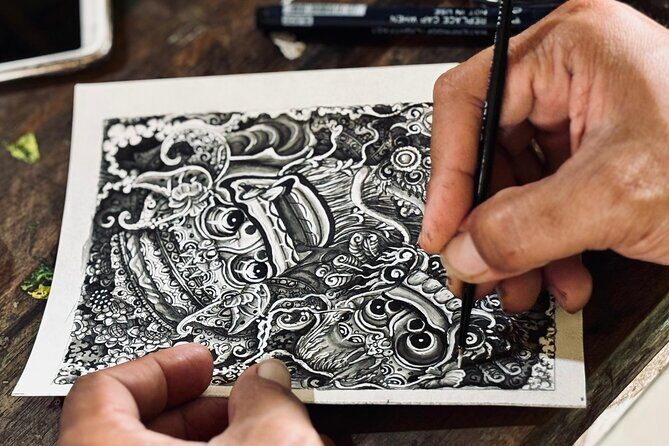
Keliki painting is a Balinese tradition that favors storytelling scenes—often village life and small, practical myths. The style is known for many careful steps, with details built gradually instead of one bold pass. That matters because the workshop isn’t just about drawing an image. It’s about learning the method behind the look.

You’ll also notice the focus on miniatures. The scale pushes you to slow down. Lines become deliberate. Shapes get placed with intent. If you’ve ever struggled with drawing because you want it perfect immediately, this format is oddly freeing—you learn how to build, correct, and keep going.

The workshop uses traditional materials, including Chinese ink and acrylic paint, and the process builds in layers. Even if you don’t master every nuance in three hours, the training gives you a clear workflow: outline, layer, refine, and finish.

Five Arts Studio in Keliki: Where the Class Happens

Threads of Tradition Miniature Keliki Painting Workshops - Five Arts Studio in Keliki: Where the Class Happens
The experience centers at Five Arts Studio on Jl. Raya Keliki, in the Tegallalang (Gianyar) area. It’s a traditional Balinese house compound, which changes the feel from a typical classroom. Instead of fluorescent lights and a table row, you’re working in a space that’s clearly part of local life.

That also affects pacing. You’re not herded. You’re invited into the process. When you’re working with ink and paint, that calmer rhythm helps. It gives your hand time to catch up to your eyes.

You’ll start and end back at the same meeting point. So you’re not trying to solve logistics mid-class. When the workshop ends, you’re already where you need to be.

The 3-Hour Flow: What You’ll Do Step by Step

Threads of Tradition Miniature Keliki Painting Workshops - The 3-Hour Flow: What You’ll Do Step by Step
The session is about three hours. In that time, the goal is practical learning: you should come away with a clear sense of how Keliki painting is put together, plus a finished piece you can take home.

You’ll learn by doing, not by watching from a distance. The structure typically follows a pattern common to traditional art classes:

  • you’re introduced to the style and key steps
  • you practice the technique with guidance
  • you build up layers, with the instructors checking your progress
  • you finish your miniature and prepare to leave with it

Because this is designed for all skill levels, the instruction stays grounded. No prior painting experience is required. If you can follow directions and keep your attention on one step at a time, you’re in the right place.

Gusti and Kedek: Two Instructors Who Keep It Friendly

Threads of Tradition Miniature Keliki Painting Workshops - Gusti and Kedek: Two Instructors Who Keep It Friendly
A big reason this workshop scores so well is the teaching style. Gusti and Kedek are personable and fun, and they explain in a way that makes you feel capable instead of overwhelmed.

The teaching also hits a sweet spot for beginners. You get enough structure to know what to do next, but you still have room to make choices—especially once you’re working on your own miniature.

The other subtle benefit of two instructors: you get faster feedback. When one person is explaining how a technique should look, the other can help adjust how you’re holding your tool or where you’re placing a detail. That’s the kind of attention that can make the difference between a confusing first attempt and a satisfying one.

Working With Ink and Acrylic Layers Without Getting Lost

Threads of Tradition Miniature Keliki Painting Workshops - Working With Ink and Acrylic Layers Without Getting Lost
Keliki’s look comes from layering. In this class, you’ll practice techniques using Chinese ink and acrylic paint, which is a classic pairing in many ink-based art traditions. Ink tends to set a crisp line. Acrylic helps you fill, deepen tones, and add color layers.

The multi-step approach means you’re not trying to do everything at once. You learn the logic of the layers: build detail in stages so each step can support the next. That’s also why the pace feels comfortable. You aren’t rushing through dry stages or skipping the steps that create depth.

Here’s what you can do to get the most out of the time:

  • Focus on getting the first lines right, not making everything perfect
  • Expect the middle stages to look unfinished at times
  • Ask questions when you’re unsure about what comes next in the layering process

You’ll leave knowing the difference between simply copying a scene and actually understanding the steps.

Afternoon Tea at a Balinese Home Studio (Why It Matters)

Threads of Tradition Miniature Keliki Painting Workshops - Afternoon Tea at a Balinese Home Studio (Why It Matters)
Yes, you’ll paint—but you’ll also get afternoon tea during your class. You’ll have snacks, coffee and/or tea, and mineral water included. That changes the whole experience from work-only to a social, human pace.

In a traditional house compound setting, tea time also gives you something underrated: conversation with local artists in an informal way. You’re not stuck in a scripted lecture. It feels like you’re visiting while still learning.

Tea breaks are practical here too. Ink and acrylic sessions can be tiring for your hands and eyes. A pause keeps you from pushing too hard and makes it easier to finish with a steadier outcome.

What You Create—and How to Turn It Into a Real Souvenir

Threads of Tradition Miniature Keliki Painting Workshops - What You Create—and How to Turn It Into a Real Souvenir
By the end, you’re set up to take home your artwork. That’s huge for value. A class that teaches you technique is great, but a class that results in something you can display later is even better.

Since this is a miniature Keliki-style workshop, your final piece is small enough to pack and show friends, but detailed enough to feel personal. The point isn’t just decoration—it’s evidence that you learned a real traditional method.

If you’re the type who likes “one good thing” from each trip, this will deliver. You’ll have an item that connects directly to a moment you did with your own hands, not just something you bought off a shelf.

Price and Value: Is $29 Worth It?

Threads of Tradition Miniature Keliki Painting Workshops - Price and Value: Is $29 Worth It?
At $29 per person, this workshop is priced for people who want real culture without paying the premium of a long private tour. You’re getting a three-hour practical art lesson, instruction from two local artists, traditional materials used during the class, plus snacks and drinks.

Value here comes from three areas:

  • Instruction quality: you’re not just handed paper and told to figure it out
  • Technique focus: layering ink and acrylic means you learn an actual process
  • Included refreshments: tea and snacks keep it comfortable and social

The class is also limited to a maximum of 20 travelers, which helps keep it from feeling too crowded. And it’s typically booked about 10 days in advance, so availability can tighten when dates are popular.

If you’re on a mid-budget trip and you want an experience that’s both useful and memorable, $29 for three hours with two artists is strong value.

Who Should Book This Keliki Painting Workshop

This workshop is a great fit if any of these sound like you:

  • you want a hands-on Balinese art experience in the Keliki area near Ubud
  • you’re curious about traditional painting techniques and how layering creates the look
  • you want an activity that works even if you’ve never painted before
  • you like small-group classes with friendly local instructors

It’s also ideal if you’re traveling with a partner or friend and want a shared creative project. The class structure supports both beginners and people who just want an easy, satisfying afternoon.

If you’re only interested in big temple tours or full-day excursions, you may feel the workshop is too focused. But if you like depth in one activity, you’ll probably leave happy.

Practical Tips to Make Your Afternoon Go Smoothly

A few details can help you have a smoother class:

Dress code is smart casual. You don’t need fancy clothes, but you should wear something you’re comfortable sitting and working in. If you’re worried about paint splatter, choose clothes you don’t mind getting a tiny bit of mess risk.

The workshop includes tea and snacks, and alcohol is not included (it’s available to purchase). So plan to hydrate and snack during class, but don’t count on a full meal afterward.

Lunch is not included. You can order local food if you want. Also, the start point is near public transportation, so you can likely fit it into your day without needing a complicated transfer plan.

Finally, because the class is unhurried and you work at your own pace, show up ready to slow down. The best results come when you focus on the next step, not when you try to finish faster than the paint and ink process allow.

Should You Book Threads of Tradition Miniature Keliki Painting?

If you want an authentic, hands-on Balinese art experience near Ubud, I’d book this. The best part isn’t just making something pretty—it’s learning a traditional Keliki technique with Gusti and Kedek in a calm setting. Add in tea, snacks, and the chance to take your piece home, and it feels like a satisfying afternoon with real substance.

You might skip it if you’re looking for a busy day of sightseeing or lots of different locations. This is intentionally focused. If you’re cool with that, it’s a great match for a thoughtful traveler.

FAQ

How long is the Keliki painting workshop?

It’s about 3 hours.

Where does the workshop start?

The meeting point is Five Arts Studio on Jl. Raya Keliki, Keliki, Kec. Tegallalang, Kabupaten Gianyar, Bali 80561, Indonesia.

What will I learn during the class?

You’ll learn the traditional Balinese Keliki painting style, including the techniques and process of drawing and painting in layers.

Do I need any prior art experience?

No. The workshop welcomes all levels, and no prior knowledge of painting is needed.

Is afternoon tea included?

Yes. Coffee and/or tea, snacks, and mineral water are included, and afternoon tea is part of the class.

What materials are used?

The class uses traditional materials, including Chinese ink and acrylic paint.

Is vegetarian food available?

A vegetarian option is available—advise the requirement at the time of booking.

What should I wear?

The dress code is smart casual.

Is alcohol included?

Alcohol is not included, though it’s available to purchase.

Can I take my artwork home?

Yes. Your finished artwork is intended to be taken home as a souvenir.

What is the cancellation window?

You can cancel up to 24 hours in advance for a full refund.

Private Arrival Transfer: Denpasar International Airport to Nusa Dua Area

Private Arrival Transfer: Denpasar International Airport to Nusa Dua Area - Group Size, Luggage, and the Real Capacity Question

Your Bali trip starts with one calm step.

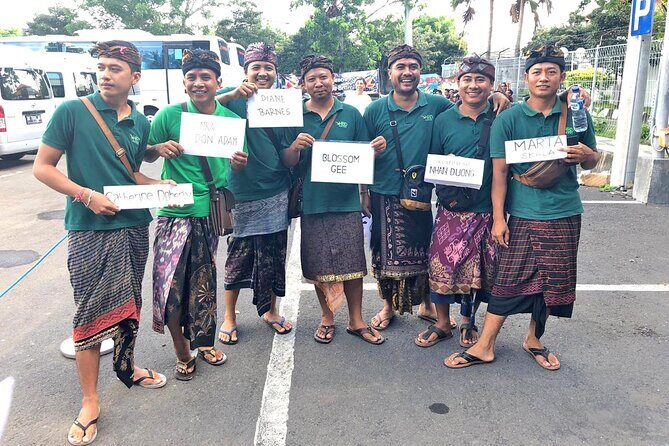
This private arrival transfer takes you from Denpasar International Airport to the Nusa Dua area with a driver waiting at the arrival gate. You’ll get a friendly face, a sign with your name, and help finding the right vehicle right after a long flight.

Two things I really like: the setup for easy matching (your driver is easy to spot, and you’ll get clear pre-arrival communication) and the comfort of an air-conditioned minivan with luggage space. One consideration: the vehicle capacity and pricing work best when your group is small, since it’s max 4 per booking and excess luggage charges may apply if you bring more than expected.

Key Points That Matter on Arrival

Private Arrival Transfer: Denpasar International Airport to Nusa Dua Area - Key Points That Matter on Arrival

  • Name sign at the arrival gate so you can skip the chaos fast
  • Air-conditioned private minivan to Nusa Dua (about 40 minutes)
  • Clear communication in advance, including pickup details
  • Bottled water included for that first stretch of Bali
  • Small-group pricing works especially well for 2–4 people per vehicle
  • Drivers have handled late flights without drama, when delays happen

Finding Your Driver at Denpasar: Fast, Clear, Low-Stress

Private Arrival Transfer: Denpasar International Airport to Nusa Dua Area - Finding Your Driver at Denpasar: Fast, Clear, Low-Stress
The best part of any airport transfer is not the drive. It’s the moment you land and need to figure out where your ride actually is.

For this service, your driver meets you right at Denpasar airport arrivals with a name sign. In the real world, that’s huge. A lot of Bali transfers get messy because you’re stuck scanning faces, waving arms, and trying to match a phone screenshot to a crowd. Here, the driver is positioned in a way that makes them easy to find, and they’ll help you get moving quickly from the arrivals area toward the parking area.

You’ll also get practical support right away. People have noted that drivers arrive with good communication (sometimes even sending a photo beforehand), and they’re ready with simple, clear guidance once you’re out of the main hall. One of the drivers mentioned in past rides is Joko, and the common theme with these drivers is straightforward professionalism: meet, verify who you are, load luggage, go.

If your flight is delayed, you’re not starting a new “where is my driver” puzzle from scratch. There’s at least one example of a driver waiting through a long delay until the early hours. That matters, because Bali arrival stress mostly comes from uncertainty, not time.

The Minivan Ride to Nusa Dua: Comfortable and Useful

Once you’re rolling, the transfer becomes the calm part of your first day.

You’ll travel in a private air-conditioned minivan that fits a small group and luggage. The transfer is described as roughly 40 minutes to the Nusa Dua area, depending on traffic and where your hotel or private residence is located.

This is not a sightseeing tour. It’s transport with enough service to keep things easy. Still, the best drivers in Bali are the ones who can make your ride feel like the start of a plan. Several drivers have been praised for being friendly and informative during the trip, with an overview of areas to visit around Nusa Dua. Peter and Gede are names that came up specifically for being helpful on the drive.

You’ll also get bottled water included. That’s such a small line item, but it’s one of those “why is this missing from other transfers” moments. After landing, you don’t want to negotiate for basic comfort. You want the ride to start feeling taken care of.

One nice extra that shows up in at least one ride: a cold face washer. That’s not listed as guaranteed, but it’s the kind of detail that makes the experience feel more human than corporate. Even if you only count what’s officially included, the bottled water alone helps.

Group Size, Luggage, and the Real Capacity Question

Private Arrival Transfer: Denpasar International Airport to Nusa Dua Area - Group Size, Luggage, and the Real Capacity Question
Small-group transfers are where this kind of service shines, but you should understand the limits up front.

Here’s what the info says in plain terms:

  • The service is private, so only your group rides.
  • Capacity is described as fitting a small number of people and luggage in an air-conditioned minivan.
  • The booking info also states a maximum of 4 people per booking.

So even if a minivan can seat more in theory, your best outcome is when your group size matches the booking setup. If you’re traveling with lots of bags, count your suitcases and check whether you might exceed normal luggage expectations. Excess luggage charges can apply (where applicable).

If you’re a couple with a couple of big suitcases, this is usually perfect. If you’re a family with bulky luggage, you may want to think twice about packing everything into one maxed-out setup. It’s not the service’s job to guess your luggage volume—you’ll get the smoothest transfer when the luggage fits comfortably.

Price and Value: Why $15 Per Person Can Make Sense

Private Arrival Transfer: Denpasar International Airport to Nusa Dua Area - Price and Value: Why $15 Per Person Can Make Sense
At $15 per person, this transfer is priced for people who want a private ride without paying premium taxi rates every time they land.

What makes the price feel fair is how it’s structured:

  • It’s per person, and the info notes pricing is based on 2 to 4 people per vehicle.
  • That means the more your group lines up with the minivan’s intended size, the better the value feels.
  • You also get things that usually cost time or money on your first day: easy driver matching, air-conditioning, and a included bottled water.

If you’ve ever tried to coordinate a taxi right after landing—especially when you’re tired, jet-lagged, and carrying bags—you know the real cost is mental energy. You might save a few dollars on paper, but you’ll pay it in confusion, walking, and waiting around. A private transfer like this is basically buying you time and certainty.

It’s also a solid choice for first-time Bali planners. Nusa Dua is a specific area, and getting there cleanly matters. The ride is straightforward, and you’re not doing a maze of taxi lines with a new phone in your hand.

One more value note: group discounts are offered. So if you’re traveling with friends and splitting the ride, the total stays attractive while still keeping it private.

The Little Service Details That Start Your Trip Right

Private Arrival Transfer: Denpasar International Airport to Nusa Dua Area - The Little Service Details That Start Your Trip Right
This transfer is at its best when you’re tired and just want the next step to be easy. The praise points in the real feedback center around exactly that.

The most repeated wins are:

  • Prompt pickup and drivers who are easy to find with the sign board
  • Friendly, good English communication
  • Clean transportation and comfortable ride quality
  • Smooth handling of luggage

People have also called out very practical communication before arrival—knowing where to meet the driver at the airport and getting confirmation messages. That kind of back-and-forth sounds boring, but it’s the difference between feeling set up and feeling stranded.

Some named drivers that have stood out in past rides include:

  • Joko, for straightforward confirmation and ease at the airport
  • Aron, for being punctual, safe, and pleasant even with delays
  • Yudi, for a personable approach and good arrival setup
  • Dekwi, for doing the job well and keeping things smooth
  • Gede, for comfort and friendly service on the ride
  • Peter, for helpful area overview while heading to Nusa Dua

You don’t choose your driver, but these names show the pattern you’re hoping for: people who take the handoff seriously.

There’s also evidence of drivers willing to handle small requests in a practical way. One example: a driver stopped near a mini market so a passenger could buy a beer (bintang) en route. That’s not something you should expect, but it shows you’re not stuck in a rigid script. If you need a quick practical stop, ask politely and see what’s possible.

Practical Tips for a Smooth Arrival to Nusa Dua

Private Arrival Transfer: Denpasar International Airport to Nusa Dua Area - Practical Tips for a Smooth Arrival to Nusa Dua
This service is simple, but a few moves will make it even smoother.

First: share your hotel or private residence details in Nusa Dua when you book. The transfer is designed to take you there, so the driver needs the exact endpoint to avoid zig-zagging at the end.

Second: confirm your pickup timing and be ready at the airport arrival area. Your driver meets you at the arrival gate with your name sign, but they can’t pull you out of the airline crowd if you’re still hunting for the right hallway.

Third: plan for flight realities. If your flight is delayed, the best thing you can do is communicate promptly. The service has examples of drivers waiting patiently through long delays, which is a big relief. But the smoother process always happens when you keep them in the loop.

Fourth: think about luggage limits. Since excess luggage charges may apply, avoid packing extra bulky items that don’t fit expected luggage space. If you’re unsure, reduce uncertainty by traveling light or bringing luggage you can comfortably load in one go.

Finally: keep in mind this is a one-way airport to Nusa Dua transfer. It’s not a tour with scheduled stops. You’re paying for a clean start, not a planned itinerary.

Should You Book This Nusa Dua Arrival Transfer?

Private Arrival Transfer: Denpasar International Airport to Nusa Dua Area - Should You Book This Nusa Dua Arrival Transfer?
Book it if you want a low-stress first hour in Bali. It’s especially worth it when:

  • You value a private ride over shared shuttles
  • You want a driver who’s easy to find with a name sign
  • Your group is a good match for the minivan setup (2 to 4 people works best)
  • You’d rather spend your energy enjoying Bali than figuring out taxi logistics

Skip it or at least compare options if:

  • You’re traveling with lots of oversized luggage and worry about excess charges
  • You’re okay with public transport or negotiating after you land

For most people heading to Nusa Dua for the first time, this is the kind of purchase that feels small but pays off immediately. The goal here is simple: get you from the airport to your hotel area quickly, comfortably, and without a stress spiral.

FAQ

Private Arrival Transfer: Denpasar International Airport to Nusa Dua Area - FAQ

How do I meet my driver at Denpasar airport?

Your driver meets you at the arrival gate with a sign board showing your name, and they’ll be easy to find there.

What vehicle will I ride in, and how many people can fit?

You ride in a private air-conditioned minivan. The service notes seating for a small group with luggage, with a maximum of 4 people per booking.

How long is the drive from Denpasar to the Nusa Dua area?

The transfer to Nusa Dua is approximately 40 minutes.

What’s included in the transfer?

Included are a one-way private transfer from Bali Airport to Nusa Dua, transport by a private air-conditioned minivan, and bottled water.

Are there any extra charges for luggage?

Excess luggage charges can apply, where applicable.

Can I cancel for free?

Yes. You can cancel up to 24 hours in advance for a full refund. If you cancel less than 24 hours before the start time, you won’t receive a refund.
Bali Charm: Full-Day Bedugul and Tanah Lot Tour (UNESCO) – All Inclusive Tickets

Bali Charm: Full-Day Bedugul and Tanah Lot Tour (UNESCO) - All Inclusive Tickets - Taman Ayun Temple: the royal water-garden hour

One-day Bali can feel like a whirlwind. This one works because it strings together temples with real purpose and Bali’s UNESCO rice scenery in a single loop. You get a private air-conditioned vehicle with an English-speaking driver/guide, plus admission fees and entry costs so you spend less time figuring things out and more time looking around.

I especially like the mix of sacred sites and landscapes. Taman Ayun feels like a royal garden retreat, and Tanah Lot delivers the classic sea-temple moment that’s pure photo fuel. My one heads-up: it’s a long day with plenty of driving, and north-and-west Bali roads can get slow, so you’ll want to start fresh and stay patient.

Key highlights worth caring about

Bali Charm: Full-Day Bedugul and Tanah Lot Tour (UNESCO) - All Inclusive Tickets - Key highlights worth caring about

  • Four main stops with tickets included: Taman Ayun, Ulun Danu Bratan, Jatiluwih, and Tanah Lot
  • UNESCO rice terraces at Jatiluwih: one hour built in for real looking and photos
  • Private driver/guide, English-speaking: you’re not stuck with a loud, impersonal group
  • Guides help with photos: stopping in the right spots and parking so you don’t waste time
  • Optional add-ons if time permits: waterfalls, gates, monkey sanctuary, hot springs, and more

Bedugul to Tanah Lot: temples and UNESCO rice in one loop

This full-day tour is built around three classic Bali “wow” categories: temples, water scenery, and rice terraces. The route starts with Taman Ayun near Mengwi, then heads toward Bedugul for Ulun Danu Beratan by the lake. After that you’ll go to Jatiluwih, the UNESCO-listed rice landscape, before finishing at Tanah Lot along the coast.

The big advantage for you is flow. The tour doesn’t just list sights; it schedules enough time at each stop (about an hour each) so you’re not constantly sprinting. And because it’s private, you can move at a pace that fits your group—quiet photos, slower walking, or just standing back to watch what’s happening at a temple.

Still, you should go in with realistic expectations. It’s roughly 10 hours, with significant travel time between northern and western Bali sights, and traffic can slow things down. If you hate car time, bring snacks for the ride and a good attitude. If you’re the type who likes the changing scenery on the way, this day becomes part of the fun.

Getting there from Ubud: pickup that saves your morning

Bali Charm: Full-Day Bedugul and Tanah Lot Tour (UNESCO) - All Inclusive Tickets - Getting there from Ubud: pickup that saves your morning
Pickup starts at 8:30 am, and the tour offers drop-off back in your area, including Ubud and a long list of south Bali locations. If you’re staying near the pickup zones, that’s a real time-saver. You don’t have to plan transport on your own, and you avoid the usual back-and-forth with local drivers.

A practical bonus: your guide also acts as the driver. In real life, that matters. Instead of repeating yourself 10 times, you can ask questions once and get answers while you’re on the road. It also tends to make photo stops easier, because the person who knows the route can park in a spot that actually matches where you need to walk.

One caution: you’ll be waiting in your hotel lobby for pickup, so plan your morning around that start time. If you’re traveling with kids, build in a little buffer so you don’t end up rushing right before departure.

Taman Ayun Temple: the royal water-garden hour

Bali Charm: Full-Day Bedugul and Tanah Lot Tour (UNESCO) - All Inclusive Tickets - Taman Ayun Temple: the royal water-garden hour
Taman Ayun Temple is the first stop, and it’s a good opener. You get a full hour in a temple-and-garden complex known for traditional Balinese architecture spread across courtyards and enclosures. The feel here is different from the more dramatic cliff and sea-temple locations later in the day. This one is calmer—more like walking through a planned garden space where people come to pray and observe temple life.

What I like for your experience: the site doesn’t feel like a quick photo wall. You can slow down. Notice how the layout shapes movement. If you enjoy architecture and garden design, this hour can be surprisingly satisfying even if you’re not a temple super-fan.

A small consideration: it’s still a place of worship, so you’ll want to dress respectfully and keep your voice down. Also, because you’re starting early, it’s a great time to get photos before crowds thicken at later stops.

Ulun Danu Beratan: Lake views with a water-temple focus

Bali Charm: Full-Day Bedugul and Tanah Lot Tour (UNESCO) - All Inclusive Tickets - Ulun Danu Beratan: Lake views with a water-temple focus
Next comes Ulun Danu Bratan Temple, a water temple by Lake Beratan. The setting is the headline: water, temple structures, and the sense that this place sits right at the edge of daily Balinese religious life. The temple is associated with worship meant to invoke fertility, prosperity, human well-being, and sustainability—in other words, it’s not just a pretty backdrop.

For you, the value is twofold. First, you’re not just seeing a temple; you’re learning what people believe this place represents. Second, the lake setting gives you a built-in reason to step back, look, and take your time. This is one of those stops where changing light can matter, so don’t rush every photo.

Possible drawback: lake-area views can mean cooler air and sometimes unpredictable weather. If you feel chilly early in the day, bring a light layer. A short, thoughtful stop beats a stressed, “we’re freezing” sprint.

Jatiluwih Green Land (UNESCO): rice terraces that feel endless

Bali Charm: Full-Day Bedugul and Tanah Lot Tour (UNESCO) - All Inclusive Tickets - Jatiluwih Green Land (UNESCO): rice terraces that feel endless
Then you reach Jatiluwih Green Land, the UNESCO rice terrace area and one of the biggest rice-terrace scenes in Bali. This stop is a full hour. That matters because the terraces take time to absorb. It’s not just one view; the terraces create layers, and each angle gives you a different sense of scale.

I love how this stop ties directly to what the rice terraces represent. This is Bali’s living system—people grow food in stepped landscapes, and the whole place is recognized for its UNESCO value. It’s the kind of stop where you can learn something real in a short time, without making it feel like a lecture.

What you’ll enjoy most: the walk-and-look rhythm. You’ll get chances for photos, but you also want to pause and watch how the terraces shape movement and farming. If you’re a photographer, you’ll probably take the same shot twice—once fast, once after you realize where the best lines are.

The one consideration: this is one of the places where you may notice humidity, uneven paths, and sometimes muddy ground depending on weather. Wear shoes you’re happy to get a bit dirty. Your feet will thank you.

Tanah Lot: the sea-temple photo stop and tide timing

Bali Charm: Full-Day Bedugul and Tanah Lot Tour (UNESCO) - All Inclusive Tickets - Tanah Lot: the sea-temple photo stop and tide timing
Finish at Tanah Lot Temple, the most visited and famous temple in Bali for sunset. It’s famous because it appears like a sea temple, sitting by the coast as if it’s floating when conditions line up.

The big tip I’d give you: for the best “floating” look, tide timing matters. You might catch it with the tide out for that extra dramatic scene. Even if you don’t, Tanah Lot still works because the setting is stunning and the temple is visually strong from multiple angles.

This is also where a good driver/guide helps. The difference between an okay photo and a great one is often about where you stand and how quickly you can get there. Guides like Rudy and Ardiyasa are described as especially helpful with getting photos and parking you at accessible points—exactly what you want when you only have about an hour.

Keep in mind: coast conditions can get windy. Bring a hat if you have one, and keep an eye on where you’re walking so you don’t end up on slick spots near the water.

Optional add-ons when the schedule has room

Bali Charm: Full-Day Bedugul and Tanah Lot Tour (UNESCO) - All Inclusive Tickets - Optional add-ons when the schedule has room
This tour can add extra stops if time permits. The exact choices depend on your day and how the route is paced, but the options listed include things like:

  • Gitgit Waterfall: a jungle-feeling hotspot in northern Bali
  • A large botanical garden: a cooler upland escape with rare tropical plants
  • Handara Gate: a big photo-worthy gate with mountain and rainforest backdrops
  • A second waterfall option in northern Bali: described as an iconic, beautiful waterfall
  • A surfer beach: a break from crowds, with strong swells and strong rips
  • Hot water springs: a therapeutic-style stop with sulphuric content
  • A traditional country town and arts area: tied to the Balinese royal family
  • A monkey sanctuary: a habitat with over 1,000 long-tailed monkeys
  • A lotus-pond temple in Ubud: a hidden-style temple with two ponds full of lotus
  • A cave Hindu temple: an 11th-century style site with holy fountains for purification
  • An upscale beach resort area: a mature, well-known Bali tourism zone
  • A sunrise beach: with eateries and cafés nearby
  • A local market walk: food options for dinner and low-cost traditional cuisine
  • A garden and quirky object area: creative structures, animals, and fauna
  • A purification-feeling temple and other cultural sites
  • A capital/commerce/education center viewpoint stop and a monument with Bali history photos

How to use these options wisely: pick one or two. When you add too many, you turn a beautiful day into “stop, walk, photo, repeat.” If you’re already getting temples and rice, I’d treat optional stops as a bonus flavor—waterfall, monkeys, or hot springs—something that changes the pace.

Also, if your group is sensitive to crowds, prioritize the calmer-feeling options. If you want big energy and photos, choose a waterfall or gate stop. If you want a cultural reset, choose a temple or market. Your guide can help you decide based on timing.

Private vehicle time: how to make the long drive feel shorter

Bali Charm: Full-Day Bedugul and Tanah Lot Tour (UNESCO) - All Inclusive Tickets - Private vehicle time: how to make the long drive feel shorter
This is the part that can make or break your day. You’re moving between Ubud, Bedugul, Jatiluwih, and the coastal west side. That’s far enough that you’ll spend real time in the car, and traffic can be slow.

My advice for you: treat the drive like your buffer. Bring a charged phone, download offline maps for peace of mind, and keep water handy. If you’re prone to motion sickness, consider sitting where you feel best and taking it easy before the bigger climbs.

The good news is that the guide can turn time in the car into learning time. Guides are often described as friendly and professional—people like Aris and Tegeg are mentioned as accommodating, with strong explanations of history, religion, and customs. When you’re watching Bali from the window anyway, it’s nice to understand what you’re seeing.

Price value: what $56.54 includes and why it adds up

At $56.54 per person, this tour looks like a solid deal once you factor in what’s included. You get:

  • a private air-conditioned vehicle
  • pickup and drop-off in multiple areas
  • an English-speaking guide (who also drives)
  • entry/admission fees
  • parking fees
  • gas/petrol
  • a mobile ticket
  • group discounts are listed as a feature

Food and drink are not included, and tips are optional. That’s normal, but it means you should budget for lunch/snacks as you go.

The real value is that admissions and logistics are wrapped in. When you compare to piecing together transport plus tickets plus parking, this kind of all-in approach often saves stress and time. You also get to avoid the usual hassle of trying to coordinate multiple independent services across a large loop.

If you’re traveling solo, a private tour can still feel worthwhile because you’re not sharing the experience with strangers. If you’re a couple, it can feel like a controlled, comfortable way to pack in north-and-west highlights without turning the day into chaos.

What kind of traveler should book this?

Book this if you want a full, classic Bali day with structure. It fits best for:

  • couples and small groups who like a private pace
  • people who want both temples and UNESCO rice terraces in one run
  • photographers who appreciate having a guide help with stopping and photo angles
  • anyone who likes explanations of Balinese religion and customs without getting trapped in a rigid script

It may not be ideal if you hate long drives or want a slow, zero-rush day centered on one tiny area. This tour moves, and it rewards patience.

Should you book Bali Charm: Full-Day Bedugul and Tanah Lot Tour?

Yes, if your goal is a well-paced day that hits the big north-and-west hits without making you juggle tickets and transport. The strongest reasons to book are the included admissions, the UNESCO Jatiluwih stop, and the practical private setup with an English-speaking guide/driver who can help with photos and timing.

If you’re deciding between this and a more relaxed plan, consider your travel style. If you want one memorable, photo-heavy loop with built-in learning and comfort, this is a good match. If you’d rather do fewer stops, pick a shorter temple-focused day instead.

Best of Ubud Tour with Jungle Swing Private and All Inclusive

Best of Ubud Tour with Jungle Swing Private and All Inclusive - Stop 1: Tegenungan Waterfall for Instant Nature Drama

This private Best of Ubud tour is a smart way to pack in the classics without playing logistics bingo. You get hotel pickup and drop-off plus an English-speaking driver, and the day includes the jungle swing ticket along with entrance fees—so you’re not doing surprise math between stops.

Two things I really like: you travel in an air-conditioned vehicle, and the stops are arranged for maximum sightseeing in one long day. The trip also feels personal thanks to a private setup, which matters when you want a little flexibility at busy sites.

One consideration: the day moves fast. Even Tirta Empul is listed as a very short stop, so if you want slow, meditative temple time, you may feel a bit rushed.

Key things to know before you go

Best of Ubud Tour with Jungle Swing Private and All Inclusive - Key things to know before you go

  • Entrance fees and the jungle swing ticket are included, which smooths out your budget.
  • Air-conditioned private transport makes the long day far more comfortable.
  • Tegenungan Waterfall, Sacred Monkey Forest, and Tegalalang Rice Terrace are the core “Ubud highlights” mix.
  • Your guide matters, and real examples include Komang and Alit stepping in to make the day feel organized and fun.
  • Swing photos may require extra dress rental, so expect that small add-on.

A One-Day Ubud Hit List, With a Jungle Swing in the Mix

Best of Ubud Tour with Jungle Swing Private and All Inclusive - A One-Day Ubud Hit List, With a Jungle Swing in the Mix
If you want Ubud in a single day, this tour is built for that exact goal. You’ll see the usual headline stops—waterfall, temple, monkeys, and rice terraces—then layer in the jungle swing at Alas Harum Bali Jungle Swing. It’s an efficient format, not a slow cultural retreat.

I like that it’s “best of” style without being chaotic. The structure is clear: you go site to site, you pay the key admissions once (they’re included), and you spend your time actually looking around. The private setup also helps. Even if you’re the only people in the car, you’re not stuck waiting behind someone else’s pace.

The included mineral water is a small touch, but it helps on a hot day. And because it’s all private, you’re less likely to feel like you’re being herded.

Pickup Zones and AC Comfort: Less Waiting, More Daylight

This tour includes round-trip transfers from a wide set of Bali areas: Ubud, Kuta, Seminyak, Nusa Dua, Sanur, Uluwatu, Jimbaran, Legian, and Canggu. That’s a big deal. A lot of “Ubud day trips” only pick up from Ubud or a couple nearby neighborhoods. Here, you can save time on the start and end of your day.

You’ll also ride in a super comfort air-conditioned vehicle with a driver who speaks English. In practice, that means fewer awkward moments and less time spent figuring things out on your own—especially when you’re trying to get from one attraction zone to another.

One practical tip: because pickup zones are spread out, your day can start earlier depending on where you’re staying. Build in patience for traffic on the way into Ubud.

Stop 1: Tegenungan Waterfall for Instant Nature Drama

Best of Ubud Tour with Jungle Swing Private and All Inclusive - Stop 1: Tegenungan Waterfall for Instant Nature Drama
Your day begins at Tegenungan Waterfall. It’s described as one of Bali’s most popular waterfalls that isn’t too far from the capital area, which is traveler-friendly in the sense that you’re not wasting the day on long-distance travel just to get to the first view.

This stop is listed as about 2 hours, and that’s a solid amount of time for getting photos, walking to viewpoints, and actually enjoying the scenery rather than sprinting through. Waterfalls in Bali tend to be a mix of nature and people, so having a couple hours helps you find your pace.

What to consider: you’ll likely be hot and possibly damp. Wear footwear you trust on uneven ground and bring something small to keep dry (or at least keep your phone safe). Also, keep expectations realistic: it’s a famous spot, so you’ll see other visitors.

Stop 2: Sacred Monkey Forest Sanctuary and the Temple-Plus-Animals Vibe

Best of Ubud Tour with Jungle Swing Private and All Inclusive - Stop 2: Sacred Monkey Forest Sanctuary and the Temple-Plus-Animals Vibe
Next up is Sacred Monkey Forest Sanctuary, where you’ll see gray macaques moving through a forest setting alongside Hindu temples. This is one of those places where the scenery is only half the story. The other half is the animal behavior, and how you handle it.

It’s listed for about 2 hours. That gives you time to explore temple areas, pause for photos, and still keep moving at a comfortable pace. The key here is respect. Don’t treat the macaques like props. Keep your belongings secured and follow site guidance so the animals stay animals, not troublemakers.

A useful “you’ll be glad you did it” habit: keep your camera and snacks handled carefully. Monkey encounters are often less about fear and more about preventing chaos.

Stop 3: Tegalalang Rice Terrace for Views That Actually Earn Their Time

Best of Ubud Tour with Jungle Swing Private and All Inclusive - Stop 3: Tegalalang Rice Terrace for Views That Actually Earn Their Time
Then you head to Tegalalang Rice Terrace, about 20 minutes from Ubud by drive. This is a classic Bali viewpoint—terraced fields, green slopes, and photo angles everywhere you turn.

This stop is also listed as about 2 hours, which is exactly enough time to do three things:

  • take photos from multiple viewpoints,
  • enjoy the surrounding walkways at a slow speed,
  • and not feel rushed when the light changes.

Why this stop works on a one-day tour: it gives you a different texture from waterfalls and temples. You’re shifting from water and stone into a landscape shaped by farming and time. Even if you’ve seen rice terraces before, Tegalalang is the kind of place where your brain finally says, okay, now I get it.

Stop 4: Tirta Empul Temple for a Quick Taste of a Water Temple

Best of Ubud Tour with Jungle Swing Private and All Inclusive - Stop 4: Tirta Empul Temple for a Quick Taste of a Water Temple
After the rice terraces, you’ll visit Tirta Empul Temple (Pura Tirta Empul), a Hindu water temple near Tampaksiring. The temple compound includes a bathing structure called a petirtaan, which is the heart of the site’s identity.

Here’s the one scheduling detail that can affect your enjoyment: it’s listed as 2 minutes. That doesn’t mean the temple is “bad”—it means the pacing is tight. If you love sacred sites and want longer time to watch rituals or read signage, you may wish you had more minutes here.

Still, even a very short visit can work if your goal is to check this icon off your list and get the overall feel of the place. If you’re sensitive to crowds, go in knowing it’s a stop that may feel more like a quick highlight than a full immersion.

The Extra Stops: Silver Craft, Batik Painting, and Time for Art

Best of Ubud Tour with Jungle Swing Private and All Inclusive - The Extra Stops: Silver Craft, Batik Painting, and Time for Art
Between the big-ticket nature and temple stops, the day also includes places described as the biggest silver crafting in Bali, plus stops for traditional batik painting and painting.

These stops are valuable for a simple reason: they give you a break from constant walking and sightseeing while showing you how craft culture works in Bali. Even if you don’t buy anything, it’s a chance to watch processes and see how art connects to daily life.

If you do want to shop, go in with a clear plan. Decide what you’re comfortable buying before you’re tired from a full day. Craft stops can be tempting when you’re standing right in front of the work.

Jungle Swing at Alas Harum Bali: Included Ticket, Photo Outfit Add-On

Best of Ubud Tour with Jungle Swing Private and All Inclusive - Jungle Swing at Alas Harum Bali: Included Ticket, Photo Outfit Add-On
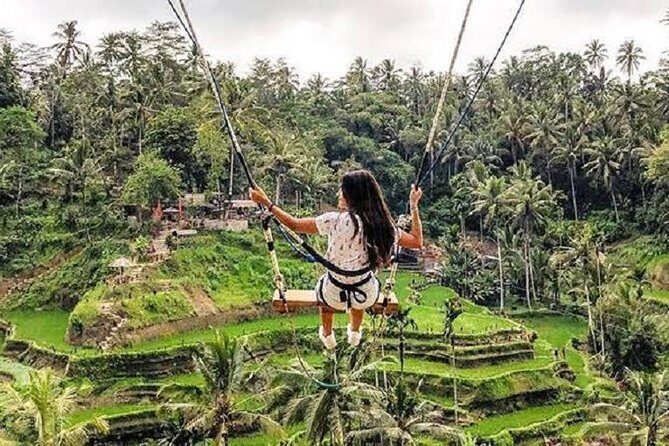
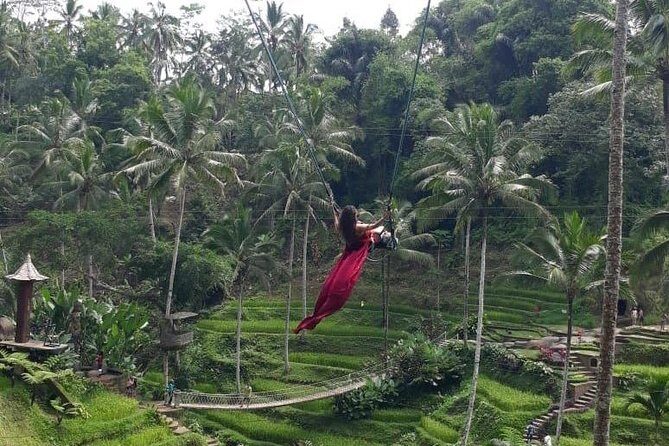
The headline fun piece is Alas Harum Bali Jungle Swing, and the jungle swing ticket is included. So the main attraction cost is already covered in the tour price.

Here’s the practical part. One review mentioned that you’ll need to pay for a dress rental for the pictures on the swing. It wasn’t described as expensive, but it’s an extra fee you should expect if you want the full set of photo options.

What I’d do in your shoes: bring confidence and a sense of humor. This is Bali—people take it seriously, but you don’t need to. The best swing moments usually come when you stop trying to look perfect and just enjoy the view and the ride.

Also, take a moment to look around before you swing. The setting in the rice fields is part of why it’s worth doing. If you only focus on the jump, you miss the scenery that makes the experience feel special.

Price and Value: Why $33 Works (If You Want a One-Day Stack)

At $33 per person, this tour feels like good value if your priority is coverage. You’re paying for:

  • private round-trip transfers from many areas,
  • an English-speaking driver,
  • entrance fees (included),
  • mineral water,
  • parking and petrol,
  • and the jungle swing ticket.

Individually, those categories add up fast on Bali day trips. What makes this price feel fair is that you’re not paying separately for the big-ticket elements (especially entrance fees and the swing ticket). That keeps your budget calmer, which is what most people want when they’re on vacation.

There are two ways the value can slip. If you decide you want long, slow temple time everywhere, this schedule may feel too compressed. And if you arrive wanting a sit-down lunch at a specific place, meals aren’t included, so you’ll need to cover that yourself.

Your Guides Make the Day: Komang, Aris, and Alit

A strong day is usually a mix of sights plus smooth handling. In this case, the guide quality shows up in real-world examples. Komang is described as helpful at every opportunity, Aris as organized, efficient, and knowledgeable, and Alit as fun, personable, and supportive (including a guide in training who made the experience extra enjoyable).

You should use the guide’s strengths. Ask simple questions as you travel, not when you’re already standing in the queue. If you want better photo angles, say so early. If you’re unsure about timing between sites, ask for a quick plan. In a private tour, these small conversations can improve the whole flow.

Who This Tour Is Best For (and Who Might Not Love It)

This tour is a good fit if you want:

  • a one-day highlight pack of Ubud without complex planning,
  • private comfort with pickup from many Bali areas,
  • and one big adrenaline-photo moment via the jungle swing.

It may not be the best fit if you:

  • want very slow temple and ritual time (the Tirta Empul stop is extremely short),
  • dislike shopping or craft stops (silver/batik/painting stops are part of the structure),
  • or hate crowds at famous viewpoints like the waterfall and monkey forest.

If you’re traveling with a flexible attitude, you’ll probably enjoy it even more. The day mixes nature and culture, but it doesn’t pretend to be endless.

Should You Book This Best of Ubud Tour?

Book it if you want to see a lot, stay comfortable, and keep your costs under control. The included entrance fees and included jungle swing ticket are the big wins, and the pickup range makes it practical from many parts of Bali.

Skip it or consider a slower option if you’re the type who wants to linger at each sacred site or you feel stressed by tight timing. This is a highlight-day design, not a slow retreat.

If you like your Bali days structured and action-packed, you’ll likely feel happy with how this tour stacks Ubud’s greatest hits in one go.

FAQ

FAQ

What’s included in the tour price?

The tour includes hotel pickup and drop-off (from several Bali areas), mineral water, an English-speaking driver, private tour, parking fee, petrol, air-conditioning, entrance fees, and the jungle swing ticket.

What are the main stops on the day?

You’ll visit Tegenungan Waterfall, Sacred Monkey Forest Sanctuary, Tegalalang Rice Terrace, Tirta Empul Temple, plus stops related to silver crafting, traditional batik painting, and painting.

How long is the tour?

It runs about 8 to 9 hours.

Do I need to pay entrance fees separately?

No. Entrance fees are included, along with the jungle swing ticket.

Are meals included?

No. Meal fees and any other personal or optional expenses are not included.

What happens if the weather is bad?

This experience requires good weather. If it’s canceled due to poor weather, you’ll be offered a different date or a full refund.

One-way Ticket Fast Boat from Sanur Bali or Nusa Lembongan

One-way Ticket Fast Boat from Sanur Bali or Nusa Lembongan - What Happens Before You Go: Check-In That Tries Not to Waste Your Time

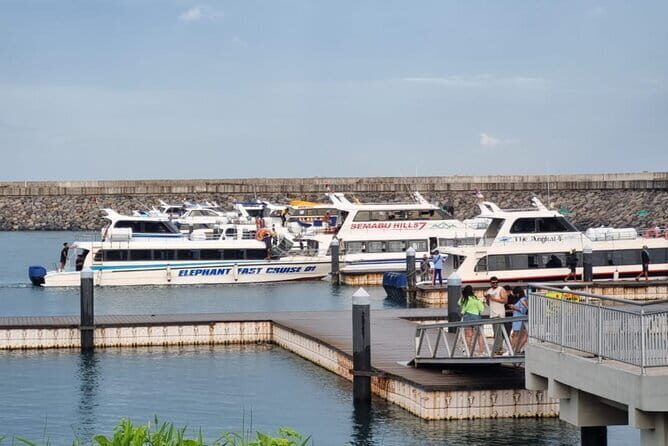
The water transfer you need in Bali is often short and a bit chaotic. This one stays simple: a 30-minute Sanur to Nusa Lembongan ride with departure options that help you time it around your day.

What makes it especially useful is the choice of port on Lembongan. Jungut Batu Port and Mushroom Bay Port can get you closer to where you’re staying, cutting down on island hopping once you arrive. The main drawback to plan for is that it depends on good weather, so a rough-day sea can mean schedule changes.

Key Highlights You’ll Care About

One-way Ticket Fast Boat from Sanur Bali or Nusa Lembongan - Key Highlights You’ll Care About

  • ~30 minutes at sea: quick enough to fit into a busy day without losing half your afternoon.
  • Two Lembongan ports: choose Jungut Batu or Mushroom Bay to reduce extra ground time.
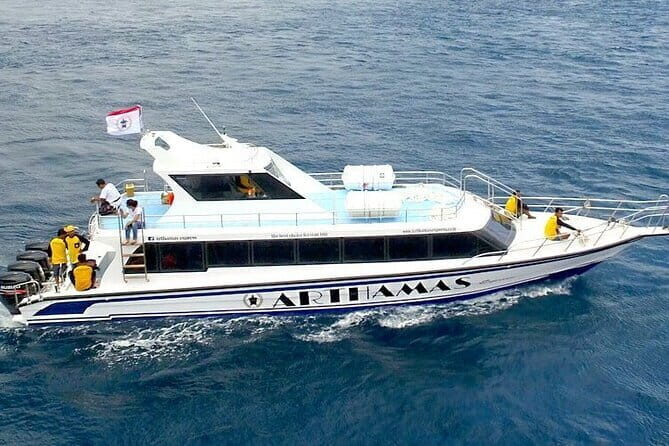
  • Multiple boat operators by route: D Camel & Arthamas Fast Boats go to Jungut Batu; Tanis Fast Cruise goes to Mushroom Bay.
  • Clear WhatsApp/email communication: messages used to confirm details and help you check in on time.
  • On-time, organized check-in and luggage help: people report bags handled smoothly at landing.
  • Free cancellation with a 24-hour cutoff: handy if your Bali plan shifts.

Sanur to Nusa Lembongan: Fast Enough to Feel Like a Shortcut

This is a straight one-way fast boat route: Sanur Harbor to Nusa Lembongan Harbor, with a crossing time of about 30 minutes. In plain terms, that’s the value here. You’re not committing to a long haul, and you’re less likely to lose precious time waiting around.

You also get flexible departure times. That matters because Lembongan days often fill up fast—by the time you factor in scooters, day trips, and beach plans, you’ll want to leave when it actually works for your schedule.

The price is listed at $12.22 per person one way, which is a big part of why this service gets picked so often. You’re paying for speed and convenience more than “a day out on the water,” and that’s exactly what you should expect.

Picking the Best Port in Nusa Lembongan (Jungut Batu vs Mushroom Bay)

One-way Ticket Fast Boat from Sanur Bali or Nusa Lembongan - Picking the Best Port in Nusa Lembongan (Jungut Batu vs Mushroom Bay)
Here’s the smartest part: you choose where you land on Lembongan. The service offers two ports:

  • Jungut Batu Port: used by D Camel & Arthamas Fast Boats.
  • Mushroom Bay Port: used by Tanis Fast Cruise.

Why this matters: Lembongan can take longer than you expect once you’re on the island. If you land closer to your accommodation, you save time and you avoid spending your first hour in Lembongan figuring out transport. Even a small reduction in ground time feels worth it after the crossing.

Jungut Batu is often the practical choice when you want an easier start to common areas on the island. People also mention the boat landing happens with soft sand, and staff help people get off safely and handle bags.

Mushroom Bay is for when you want to minimize the run after you arrive. One helpful detail from feedback: the landing area includes a pontoon-style setup, so you end up with sandy feet but not wet toes. If you’re traveling with electronics, cash, or anything you hate dunking in seawater, that’s a nice real-world advantage.

What Happens Before You Go: Check-In That Tries Not to Waste Your Time

One-way Ticket Fast Boat from Sanur Bali or Nusa Lembongan - What Happens Before You Go: Check-In That Tries Not to Waste Your Time
There’s no hotel transfer included, so you’ll handle your way to Sanur Harbor. The good news is that the departure is marked as near public transportation, which can reduce stress if you don’t want to arrange private pickup.

After booking, you should receive confirmation at the time of booking. Then you’ll get communication via WhatsApp and email. A few people noted that at first the messaging can feel a bit insistent, but the purpose is clear: they’re making sure you arrive on time and don’t miss the boat.

In practice, the check-in is reported as easy to find and straightforward. People describe no confusion at the office and smooth processing. If you’re someone who gets annoyed by last-minute rushing, this is the kind of system that helps.

Also pay attention to this detail from the information provided: the service has a maximum of 100 travelers. That doesn’t mean a tiny boat experience, but it does suggest you won’t be dealing with huge chaos at the counter and boarding area.

The Ride Itself: Quick, Clean, and Built for Getting There

One-way Ticket Fast Boat from Sanur Bali or Nusa Lembongan - The Ride Itself: Quick, Clean, and Built for Getting There
The whole point is speed. The crossing is about 30 minutes, and that time stays manageable even if you’re not a fan of long boat rides. Feedback consistently points to the boat being clean and well-run, and people say the ride feels safe.

Speed plus organization is a strong combo. When a boat leaves on time and the process around it is clear, you don’t spend your trip doing mental math—like What time is it? Where is the office? Did I show up too early or too late?

Landing also seems thoughtfully handled. People report staff taking care of luggage and helping you get off the boat safely, then supporting you once you’re at the shore. That’s the kind of practical service that matters on a fast transfer because there’s no time buffer if something goes wrong.

Luggage, Sand, and Small Details That Actually Matter

One-way Ticket Fast Boat from Sanur Bali or Nusa Lembongan - Luggage, Sand, and Small Details That Actually Matter
When you’re crossing water fast, the details around disembarkation can make or break the day.

At Mushroom Bay, people specifically mention the landing setup includes a pontoon. The result: you can walk off onto sand without getting soaked. That’s helpful if you plan to head out immediately for snorkeling or a scooter ride afterward.

At Jungut Batu, people describe landing on soft sand and getting help getting off safely, along with assistance with carrying bags. If you’ve ever watched someone wrestle luggage in uneven sand while trying not to trip, you’ll appreciate why this gets praised so much.

If you’re packing for Lembongan, think practical:

  • Keep valuables and chargers in a dry bag or waterproof pouch.
  • Bring something light for wet hands/feet, even though you’re not expected to get drenched.
  • Wear easy-to-remove footwear if you don’t love sand.

Price and Value: Why $12.22 One-Way Can Be a Smart Move

One-way Ticket Fast Boat from Sanur Bali or Nusa Lembongan - Price and Value: Why $12.22 One-Way Can Be a Smart Move
Let’s talk value in a real way. At $12.22 one way, you’re not paying for a premium “slow travel” experience. You’re paying for:

  • a short crossing that protects your schedule,
  • an organized transfer concept (ticket and service structure),
  • and two port choices that reduce extra ground time.

That last point is where the value can become bigger than the headline price. If you’ve ever landed on the “wrong side” of an island, you know how quickly time and scooter costs add up. Being able to choose Jungut Batu vs Mushroom Bay can quietly save you money and effort after you arrive.

One more value factor: the service reports being on time in both directions when used as a return trip too. That kind of reliability matters, because the fast boats lose less time and stress when the schedule holds.

Timing Tips: How to Choose the Departure That Fits Your Day

One-way Ticket Fast Boat from Sanur Bali or Nusa Lembongan - Timing Tips: How to Choose the Departure That Fits Your Day
The service offers flexible departure times, so use that. Here’s how I’d pick a time that won’t wreck your afternoon:

  • If you want an active day on Lembongan, choose an earlier departure so you’re not arriving when it’s already late in the day.
  • If you prefer a calmer pace, later departures can work—but keep in mind you’ll still want enough daylight for beach time and getting settled at your accommodation.
  • If weather is a concern in Bali during your dates, you’ll want some breathing room in your plan. Fast boats are weather-dependent, and conditions can change.

Also, don’t leave check-in to chance. Because the operation uses WhatsApp/email to reconfirm and guide you, follow that lead. It’s the best way to keep your ride on track.

Weather Isn’t a Footnote: It Can Change Your Day

One-way Ticket Fast Boat from Sanur Bali or Nusa Lembongan - Weather Isn’t a Footnote: It Can Change Your Day
This experience requires good weather. That means if conditions aren’t right, the operator can cancel the trip due to poor weather.

When that happens, the information provided says you’ll be offered a different date or a full refund. And there’s a free cancellation option up to 24 hours in advance for a full refund.

In real-life planning terms, I treat fast boats like this:

  • Build in one flexible element in your Lembongan day.
  • Don’t schedule something that absolutely can’t shift right next to your departure.
  • If you’re traveling during a wetter or windier stretch, plan to be patient and adaptable.

Who This Fast Boat Works Best For

This one-way fast boat is a strong fit if you want:

  • a quick transfer from Sanur to Lembongan,
  • the ability to land at the port that’s closer to your stay,
  • and a ride that’s organized enough to feel low-stress.

It’s also a good match if you like clear instructions and direct communication. People report attentive, friendly staff, plus helpful luggage handling at both the start and landing steps.

Who might find it less ideal? If you’re hoping for a slow sightseeing cruise or a longer, scenic “boat day,” this service is built for speed, not wandering. It’s a transport tool—an excellent one—rather than a full experience by itself.

Should You Book This Fast Boat From Sanur?

I’d book this if you’re choosing speed and convenience over fuss. The combination of:

  • about 30 minutes at sea,
  • two port options in Lembongan,
  • on-time, organized service with clear messages,
  • and helpful disembark details like luggage assistance and pontoon landing at Mushroom Bay

adds up to real value, especially for first-time Lembongan visitors who don’t want to waste time after arrival.

Skip it or rethink if you can’t be flexible with schedule changes due to weather, or if you prefer transfers that include hotel pickup and longer cushioning travel time.

If your main goal is: get to Lembongan fast, land near where you’re staying, and start your day without drama—this is the kind of simple plan that works.

FAQ

How long is the one-way fast boat ride?

The crossing time is about 30 minutes (approximately).

Where does the fast boat depart from?

It departs from Sanur Harbor in Bali.

Where does it arrive in Nusa Lembongan?

It arrives in Nusa Lembongan, with two possible docking options: Jungut Batu Port or Mushroom Bay Port.

Which boats dock at Jungut Batu Port and Mushroom Bay Port?

D Camel & Arthamas Fast Boats dock at Jungut Batu Port, and Tanis Fast Cruise docks at Mushroom Bay Port.

How much does it cost?

The listed price is $12.22 per person for a one-way ticket.

Are hotel transfers included?

No. Hotel transfer is not included.

What is included in the booking?

The booking includes a fast boat one-way ticket.

Do I get confirmation after booking?

Yes. You receive confirmation at the time of booking.

Is the schedule affected by weather?

Yes. The experience requires good weather, and if it’s canceled due to poor weather, you’ll be offered a different date or a full refund.

Can I cancel for free?

Yes, free cancellation is available up to 24 hours in advance for a full refund.

Bali: Best Eastern Waterfalls with Private Bali Tours

Bali: Best Eastern Waterfalls with Private Bali Tours - A Private Day That Hits Three Eastern Bali Waterfalls

Cave, jungle, and rock-step falls in one day. This private eastern Bali tour strings together three standout waterfalls—Tukad Cepung, Kanto Lampo, and Tibumana—then adds a coffee plantation stop for a Balinese coffee and tea tasting. You’ll go at a comfortable pace with a driver-guide, not a rushed bus lineup.

Two big wins for me are the hotel pickup across popular areas (Seminyak, Ubud, Kuta, Sanur, and more) and the all-day driver who stays with you through the route, including entry fees depending on your ticket option. One thing to keep in mind: it’s a long 8 to 9 hour outing, and waterfall access can shift with rain and timing.

The Best of Eastern Bali Waterfalls, Without the Headache

Bali: Best Eastern Waterfalls with Private Bali Tours - The Best of Eastern Bali Waterfalls, Without the Headache
The way this day is organized makes it easier to actually enjoy the places, not just pass them. You’ll get bottled water, an air-conditioned vehicle, and a smooth plan for each stop—about an hour at each waterfall—plus a coffee plantation break where you can see native plants and flowers and meet local farmers. If you’re hoping for a super light day, this might feel like a lot.

Key Points I Think You’ll Care About

Bali: Best Eastern Waterfalls with Private Bali Tours - Key Points I Think You’ll Care About

  • Three different styles of waterfalls: cave waterfall at Tukad Cepung, stacked-rock flow at Kanto Lampo, and jungle scenery at Tibumana
  • Private setup with an English-speaking driver-guide who travels with you all day
  • Hotel pickup is offered from many Bali bases, including Seminyak, Legian, Kuta, Jimbaran, Sanur, and Nusa Dua areas
  • Coffee plantation stop includes Balinese coffee and tea tasting plus time to explore plants and meet local farmers
  • Weather flexibility can happen if conditions close a site, your guide can reroute

A Private Day That Hits Three Eastern Bali Waterfalls

Bali: Best Eastern Waterfalls with Private Bali Tours - A Private Day That Hits Three Eastern Bali Waterfalls
Eastern Bali has fewer crowds than some of the more famous west-side spots, and that matters when you want time to breathe, take photos, and even swim where allowed. This tour keeps the focus simple: three waterfalls in one day, spaced so you’re not constantly scrambling.

The day starts at 8:00 am, which helps you beat the worst heat and gives you better light for photography. It runs about 8 to 9 hours total, so you’ll be out the door for most of the day, but you won’t feel like you’re wasting time. The route also includes a coffee plantation stop, which is a nice change of pace when you want a break from wet stairs and slippery rocks.

What I like most is the overall rhythm: arrival, time on site, then move to the next waterfall. This is much easier than building the same loop yourself, especially because one of the stops (Tukad Cepung) can feel confusing without local guidance.

Pickup in Seminyak, Ubud, and Beyond: Get Started Easy

If you’re staying in or near Seminyak, you’ll appreciate that pickup is offered from a wide set of areas. The tour lists pickup and drop-off in Ubud, Seminyak, Legian, Kuta, Jimbaran, Sanur, Tanjung Benoa, and Nusa Dua.

That matters because waterfall days often fall apart when you have to coordinate taxis across traffic and rural roads. Here, you get a comfortable air-conditioned vehicle, and your driver-guide handles the route and parking. You also get bottled water so you’re not hunting around once you’re out in the countryside.

One small practical note: because it’s a private tour, you won’t be sharing the vehicle with strangers. That usually means less waiting at hotel lobbies and a smoother start, especially if your pickup location is clear and easy to reach.

Tukad Cepung Waterfall: The Cave Waterfall Feel

Bali: Best Eastern Waterfalls with Private Bali Tours - Tukad Cepung Waterfall: The Cave Waterfall Feel
Tukad Cepung is one of those places people describe as magical, and the reason is simple: it’s a waterfall that sits inside a cave-like setting, so the whole experience feels more framed than “just a waterfall in a field.”

On this tour, you’ll head to Tukad Cepung first. You’ll spend about 1 hour there, with entry handled depending on the ticket option you choose. The description also calls it unique and magical, which lines up with what you’ll notice when you arrive: light, shadows, and a more enclosed atmosphere than the typical open-air waterfall view.

What you can plan for on your side:

  • Expect wet surfaces. Bring footwear you trust on uneven stone.
  • Give yourself time at different angles. Cave waterfalls often look better as the light changes.
  • If you’re planning to swim, follow what the site allows and be cautious with footing.

A key reason this stop works on a private day is that you’re not racing. You can pause for photos without feeling like you’re holding up a crowd. And if conditions ever change, your driver-guide can help adjust the plan—one guide example from the team is Santanu, who rerouted to keep the day on track after heavy rain closed one waterfall.

Kanto Lampo Waterfall: Stacked Rocks and Photo Time

Bali: Best Eastern Waterfalls with Private Bali Tours - Kanto Lampo Waterfall: Stacked Rocks and Photo Time
Next up is Kanto Lampo Waterfall, on Bali’s eastern side of Ubud. This one is different from Tukad Cepung. Instead of the cave feel, you get a picturesque water flow over what’s described as seemingly stacked rocks.

You’ll also get around 1 hour here, with admission listed as free for the waterfall stop. That hour is usually the sweet spot: enough time to find your view, take photos, and enjoy the scenery without feeling stuck.

For photos, Kanto Lampo tends to reward people who slow down. The rock structure shapes the way water falls, and angles matter. If you’re traveling with a friend or partner, you’ll likely do the classic split: one person holds the phone, the other watches where the best flow lines up, then you swap.

Practical caution: rock-step locations can get slick. If you’re taking photos close to the edge, keep your balance and keep your camera secure.

Tibumana Waterfall: Jungle Green and Stairs Down

Bali: Best Eastern Waterfalls with Private Bali Tours - Tibumana Waterfall: Jungle Green and Stairs Down
Tibumana is the third stop, and it’s the one that feels most like stepping into a lush green setting. It’s described as located deep inside the jungle, on the slopes, with a path that includes stairs down.

Plan on about 1 hour at Tibumana as well. The approach matters here: the waterfall isn’t just “see it from the road.” You’ll walk along the path and descend part of the way, which is exactly why people tend to remember it. There’s a sense of arrival because you’re moving through the greenery, not just viewing from above.

If you’re not a fan of stairs, don’t panic, just be realistic. This is still a manageable stop, but it’s not a flat stroll. Bring water, take it slow on the descent, and keep your footing when you’re near wet surfaces.

This is also the stop where the day’s pace often becomes obvious. After two waterfalls, Tibumana can either feel like the perfect finale—or like you need a moment to catch your breath. Either way, the private format helps because your driver-guide can time the transitions to keep you comfortable.

The Coffee Plantation Break: Balinese Coffee and Tea Tasting

Bali: Best Eastern Waterfalls with Private Bali Tours - The Coffee Plantation Break: Balinese Coffee and Tea Tasting
Between waterfalls, you get a coffee plantation stop, and it’s not just a quick bathroom break. The tour description says you can admire native plants and flowers, meet local farmers, and enjoy a coffee and tea tasting with traditional Balinese options.

This is a valuable part of the day for two reasons:

  1. It resets your senses. Your eyes have been focused on water, stone, and greenery for hours. Now you can slow down and focus on something else.
  2. It adds context. Even without going deep into the weeds, it’s a chance to understand how coffee and tea fit into local life and what people are actually drinking day-to-day.

You’ll likely want to pace yourself with tastings, especially if you’re still thinking about enjoying a bit of swimming time later. Coffee can sneak up on you when you’re already walking and sweating.

What You Actually Get Included (and What Depends on Your Ticket Option)

Bali: Best Eastern Waterfalls with Private Bali Tours - What You Actually Get Included (and What Depends on Your Ticket Option)
This tour is sold as a private experience, and the included basics are strong for the price.

Included in the tour:

  • Hotel pick-up and drop-off in listed Bali areas (Ubud, Seminyak, Legian, Kuta, Jimbaran, Sanur, Tanjung Benoa, Nusa Dua)
  • Comfortable air-conditioned vehicle
  • Private tour with an English-speaking driver-guide who stays with you all day
  • All parking fees as per the itinerary, plus local tax
  • Bottled water mineral water
  • A mobile ticket system is offered

Tickets and entry fee note:

  • There’s an option where Tukad Cepung, Tibumana, and Kanto Lampo entry tickets are included.
  • There’s also an option where those ticket fees are excluded, listed as IDR150,000 per person.

So when you compare prices, don’t just look at the number. Decide which ticket option you’re using. For many people, including entry tickets is simpler because it avoids surprise payments partway through the day.

Price and Value: Is $39 a Good Deal?

At $39 per person, this can be a very good value for Bali, mainly because you’re paying for:

  • private transportation and an air-conditioned car,
  • hotel pickup and drop-off,
  • an English-speaking driver-guide who stays with you all day,
  • and a full day that links three major waterfalls with a coffee plantation stop.

The real question for you is how you’ll compare it to your alternative. If you’d otherwise hire a driver for the day and still need to pay entry fees, this structured tour can end up looking fair fast. The private element is the key. Even if you’re traveling solo, you’re not dealing with strangers deciding the pace.

Just watch the time commitment. Eight to nine hours is a full day, so make sure it fits your trip schedule. If you only have one free day in the area, this tour can help you get a lot done without turning it into a chaotic DIY mission.

How to Plan for Waterfall Time Without Stress

Waterfall days look relaxed on Instagram. Real life is wet, slippery, and sometimes slow. Here’s how I’d plan so you don’t lose the day to small issues.

Wear and pack smart

  • Shoes with grip. Something you can trust on damp stairs.
  • A small bag you can keep dry for phone and camera.
  • Quick-dry towel if you plan to swim where allowed.
  • Sunscreen and a hat, because you’re often outside in the open parts between stops.

Timing and weather

Even with a private plan, heavy rain can change access. One guide example is Santanu, who rerouted after heavy rain closed a waterfall so you could still see three waterfalls. That’s the kind of flexibility you want. When rain hits, the ability to adapt matters more than perfect planning.

Who This Private Waterfall Day Is Best For

This tour fits best if you want an easy day with a clear route and minimal decision-making. It’s especially good for:

  • couples who want a relaxed pace and good photo time,
  • small groups who don’t want to squeeze into bigger tours,
  • first-time visitors to eastern Bali who want the highlights without map stress,
  • travelers who like a cultural stop (coffee plantation) mixed into nature time.

It may be less ideal if you dislike walking on uneven terrain or you need a very light schedule with minimal stair work. The Tibumana stop includes stairs down, so keep that in mind.

Should You Book This Eastern Bali Waterfall Tour?

I’d book it if you want a full day that feels organized: pickup handled, driver-guide with you, three distinct waterfalls, and a coffee tasting stop to break up the wet work. The value is strongest when you pick the option that includes entry tickets, because the day stays simpler and you can focus on the sites.

Book it with confidence if you’re staying in Seminyak or nearby and you want a straightforward way to see the best of eastern Bali without building your own route. If you’re sensitive to rain changes or you hate stairs, you might want to think twice about the Tibumana walk part.

If your main goal is photos plus time to relax at multiple waterfalls, this is a solid match.

FAQ

What time does the tour start?

It starts at 8:00 am.

How long is the tour?

The duration is about 8 to 9 hours.

Do you pick up from Seminyak and other popular areas?

Yes. Pickup and drop-off are offered in Ubud, Seminyak, Legian, Kuta, Jimbaran, Sanur, Tanjung Benoa, and Nusa Dua.

Is this a private tour?

Yes. It’s a private tour, and only your group participates.

Are waterfall entry tickets included?

It depends on the ticket option you choose. There’s an option where Tukad Cepung, Tibumana, and Kanto Lampo tickets are included, and another option that excludes them at IDR150,000 per person.

What is the cancellation policy?

You can cancel for a full refund if you cancel at least 24 hours before the experience start time. If you cancel less than 24 hours before, the amount paid is not refunded.

Private Arrival Transfer: Bali Airport to Hotel

Private Arrival Transfer: Bali Airport to Hotel - What Happens After Your Flight Lands (Step by Step)

Your first hour in Bali starts easy.

This private arrival transfer from Denpasar’s Ngurah Rai International Airport to your hotel or rental is built for people who don’t want to fight the taxi crowd. I like the meet-and-greet setup—your driver holds a sign with your name right outside the arrivals hall. I also like that the price includes the messy extras (airport fees, tolls, fuel surcharge, and even GST), so you’re not playing cost guesswork while you’re tired from your flight.

One thing to consider: the convenience costs more than a DIY taxi. A few people flagged that the transfer can feel pricey once they compare it to what they later paid for taxis on their own—so this is best when you value time, certainty, and door-to-door ease.

Key Things I’d Pay Attention To

Private Arrival Transfer: Bali Airport to Hotel - Key Things I’d Pay Attention To

  • Name-sign pickup outside arrivals that helps you skip the arrivals-hall scramble
  • Tolls, airport fees, and fuel surcharge included so the ride feels predictable
  • Covers long-distance routes from party zones like Seminyak up to places like Lovina and Candidasa
  • Baggage limits are real: one suitcase + one carry-on, with extra items charged locally
  • Standby time is capped at 2 hours after flight arrival, unless you’ve warned them about delays
  • Late-night flights cost extra (midnight surcharge window applies)

Why This Transfer Works When You Land Tired

Private Arrival Transfer: Bali Airport to Hotel - Why This Transfer Works When You Land Tired
Bali has a way of making your first day either smooth or chaotic—usually depending on how you handle that first airport moment. This service is designed to remove the hard parts: exiting customs, collecting luggage, and then trying to find the right person among dozens of drivers waving signs.

The big value is mental. You can focus on the basics: walking out, getting into an air-conditioned car, and heading straight to your accommodation. No detours. No negotiating. No standing around while your jet lag kicks in.

And the coverage is another reason I’d consider booking this. The service isn’t only for the usual Kuta–Seminyak corridor. It’s mapped for a wide range of destinations across the island, including Ubud, Uluwatu, Sanur, and even farther north and east like Lovina and Candidasa. That matters because not every transfer option makes sense once you’re beyond the most central tourist areas.

What Happens After Your Flight Lands (Step by Step)

Private Arrival Transfer: Bali Airport to Hotel - What Happens After Your Flight Lands (Step by Step)
Here’s the rhythm you should expect, in plain English:

  1. You clear immigration, collect luggage, and go through customs at Ngurah Rai International Airport (Denpasar).
  2. You then need to proceed to the exit to the arrival hall after you collect your bags—this is specifically called out as an important arrival step.
  3. Your driver waits outside the arrivals hall holding a sign with your name.

If you can’t find your name on the signboard, don’t panic and start wandering for 30 minutes. The instructions are clear: go to the flight information desk and wait there. An airport representative will meet you at the meeting point.

Once you’ve found the driver, you’ll move straight to the vehicle and head to your hotel or rental. The transfer is described as about 1 hour, but in Bali (like anywhere) traffic can stretch things out a bit—especially when you’re crossing busier hubs.

The Included Stuff That Actually Saves You Money (Not Just Comfort)

Private Arrival Transfer: Bali Airport to Hotel - The Included Stuff That Actually Saves You Money (Not Just Comfort)
Transfers can be one of those travel purchases that sound simple, but the real value shows up in the fine print. This one includes a lot of the line-items people usually get surprised by later.

You’re covered for:

  • Airport fees and charges
  • All road tolls
  • Fuel surcharge
  • GST (Goods and Services Tax)
  • Insurance
  • Bottled water
  • Porterage for 1 piece of standard sized baggage
  • Air-conditioned vehicle and private transportation
  • An English-speaking licensed guide service (practical, not just a credential)

For me, the standout is the “no surprise” feeling. When tolls and fees are already handled, the driver ride usually stays calm and straightforward—especially valuable when you’re arriving at an odd hour or you’re carrying more than your share of luggage.

Where This Transfer Will Take You Across Bali

Private Arrival Transfer: Bali Airport to Hotel - Where This Transfer Will Take You Across Bali
The service lists a broad set of areas, which is great if you’re not staying in the most obvious tourist blocks. It explicitly includes places like:

  • Kuta, Legian, Tuban
  • Seminyak, Jimbaran, Tanjung Benoa, Nusa Dua
  • Sanur, Uluwatu, Tanah Lot, Ubud
  • Far-reaching options like Lovina (and nearby Singaraja) and Candidasa

If your hotel is in one of these zones, you should find this is a straightforward way to start your trip. If you’re outside these named areas, your booking details/voucher should clarify the exact route and destination—so I’d treat your confirmation as the source of truth.

Taxi-Tout Reality Check: The One Rule That Protects You

Private Arrival Transfer: Bali Airport to Hotel - Taxi-Tout Reality Check: The One Rule That Protects You
Here’s a tip worth following exactly: do not accept any offer from local taxi drivers or any legal transport company around the arrival hall.

Why? Because the rules say if you accept an offer there will be no refund. That means even if your driver is delayed by a few minutes (it happens anywhere), stepping into a different car based on pressure from the curb can break the agreement.

So my advice is simple:

  • Find your sign or head to the flight information desk if you can’t.
  • Then get in your booked vehicle.
  • If someone tries to “help” you with an alternative ride, politely decline.

Baggage Rules: Keep It to One Suitcase (or Plan for Extra Fees)

Private Arrival Transfer: Bali Airport to Hotel - Baggage Rules: Keep It to One Suitcase (or Plan for Extra Fees)
The service allows each traveler a maximum of:

  • One suitcase and one carry-on bag

If you’re bringing oversized or extra items—things like surfboards or golf clubs—you must advise at the time of booking, and extra charges apply and are paid locally.

Also note: porterage is included for 1 piece of standard sized baggage. So if you’re traveling with multiple heavy bags, the transfer may be more helpful than a regular taxi for the “first bag,” but it won’t magically turn you into a baggage-carrying superhero.

If you’re trying to travel light, this transfer is a good match. If you’re bringing a lot of gear, you’ll want to confirm what counts as standard sized in their process and how they plan to handle additional weight.

Timing and Standby: What If Your Flight Is Late?

Private Arrival Transfer: Bali Airport to Hotel - Timing and Standby: What If Your Flight Is Late?
You’re given a standby window of 2 hours, starting from the flight arrival time (based on flight details). After that, the driver/guide leaves the area unless the guest informed them they might delay or take more time due to a particular reason.

This is the kind of rule that matters because Bali arrivals can include slowdowns:

  • longer-than-usual baggage claims
  • immigration lines
  • a mix-up in where you’re supposed to wait

So if your flight is delayed, I recommend you communicate that change as soon as you can. The faster you warn them, the less likely you’ll be chasing pickup logistics while you’re hungry and jet-lagged.

Price: When $32 Per Person Feels Worth It

Private Arrival Transfer: Bali Airport to Hotel - Price: When $32 Per Person Feels Worth It
At $32.00 per person (based on 3 to 6 adults per car/vehicle), the price is easy to dismiss—until you compare it to what it means in real time.

This is the value case:

  • You’re buying speed and certainty, not just transportation.
  • You get meet-and-greet support and baggage help for a standard suitcase.
  • You’re paying for a private car that takes you straight from the airport to your accommodation across many Bali zones.

Is it cheaper than a taxi you hail yourself? Often yes, it’s cheaper for the budget traveler. But cheap can come with a cost: stress, negotiation time, and extra walking around while you’re searching for the right ride.

My rule of thumb: book this when you arrive with your energy low, your itinerary is tight, or you’re staying outside the most common areas. Skip it when you’re traveling light, fully confident with the airport flow, and you’d enjoy the “go find your own ride” game.

Comfort Level: What You Can Expect From the Car

The transfer includes an air-conditioned vehicle and is positioned as private arrival. Some feedback suggests vehicles can vary in how close they match “luxury” expectations from the photo-style marketing. The safe way to think about it is: you should get a comfortable, air-conditioned ride, but the exact vehicle type may differ.

If you’re especially picky about car quality, I’d scan your voucher or message the provider ahead of time and ask what class of vehicle you’ll get for your route.

Late-Night and Special Routes: Extra Charges to Know

The transfer includes a midnight surcharge for transfers between 23:00 and 05:59 at USD 3 per person/way.

There’s also a special note about Padma Ubud under the Ubud area pricing: transfers in that window add 20% to/from Padma Ubud, and the pickup time is 3 hours prior.

Why you should care: if your flight lands late, you might arrive planning one total cost and end up with a higher final bill. Knowing the surcharge window in advance keeps things calm.

Who This Transfer Fits Best

This is a smart choice for:

  • First-time Bali visitors who want to avoid the arrivals-hall chaos
  • People traveling in a group (since pricing is based on 3 to 6 adults per vehicle)
  • Travelers staying in places like Ubud or across the island where taxis can be more of a headache
  • Anyone who values a smooth start more than squeezing every dollar

It may be less perfect if:

  • You’re cost-first and totally fine with figuring out taxis on arrival
  • You travel with multiple oversized bags and expect the transfer to be “all-in” for every item
  • You arrive during a time when delays are common for your flight and you might miss the standby window

Should You Book This Private Arrival Transfer?

If you want your Bali trip to start with one clear win—no arguing, no searching, no bargaining—then yes, I’d book it. The best part is the name-sign pickup and the fact that the ride is handled as a real service: fees, tolls, and key essentials are included.

I’d only hesitate if you’re traveling extremely budget-first and don’t mind taking your chances with taxis right outside the airport. In that case, you might spend less money, but you’ll also spend more energy.

Overall, this is the kind of Bali arrival upgrade that pays off fastest when you arrive tired, when your hotel is far from the airport’s busiest zones, or when you’d rather spend your first hour sightseeing—without the taxi tango.

FAQ

How much does the Bali airport to hotel private transfer cost?

It costs $32.00 per person.

How long does the transfer take?

The duration is listed as about 1 hour.

Where do I meet the driver at Bali airport?

The pickup starts at Bali Ngurah Rai Airport, Denpasar, Indonesia. Your driver meets you outside the arrivals hall after you collect luggage.

What time does pickup start?

The start time is listed as 6:00 am. There are also special rules and surcharges for late-night transfers (23:00–05:59).

How will the driver find me?

The driver holds a sign with your name outside the arrivals hall. If you can’t find your name on the signage, go to the flight information desk and wait for the airport representative.

What areas in Bali are covered?

The transfer covers many areas including Kuta, Legian, Tuban, Seminyak, Jimbaran, Tanjung Benoa, Nusa Dua, Sanur, Uluwatu, Tanah Lot, Ubud, plus Lovina/Singaraja and Candidasa.

How many travelers fit in one vehicle?

The price is per person based on 3 to 6 adults per car/vehicle.

What baggage is included or allowed?

Each traveler is allowed one suitcase and one carry-on bag. Porterage is included for 1 piece of standard sized baggage. Extra charges apply locally for excess luggage or oversized items (like surfboards or golf clubs), and you must advise at booking.

Are tolls, airport fees, and insurance included?

Yes. The transfer includes road tolls, airport fees and charges, fuel surcharge, GST, bottled water, insurance, and private transportation.

Can I cancel for free?

Yes. Free cancellation is available if you cancel at least 24 hours in advance for a full refund. If you cancel less than 24 hours before, the amount paid is not refunded.

Traditional Bali Massage Lulur & Spa Treatment 2 Hours

Traditional Bali Massage Lulur & Spa Treatment 2 Hours - Royal Orchid and Bali Orchid and Sekar Jepun: your spa stop may differ

If you want Bali relaxation without a whole day commitment, this 2-hour Traditional Bali Massage Lulur & Spa Treatment is a smart pick. You get a full body ritual that starts with a foot wash and moves into a classic Balinese flow: scrub, body polish, then massage, finished with moisturizer and a shower. It’s the kind of routine that helps you feel human again after heat, traffic, hikes, or a long flight.

What I like most is how complete it feels for the price, and how smoothly it runs when pickup is set up right. I also like that it’s designed for real downtime: you’re in one session, focused on comfort, with a welcome drink waiting for you. One thing to watch: your spa branch can vary (Royal Orchid, Bali Orchid, Sekar Jepun), and hotel pickup isn’t universal across Bali.

Quick take: what makes this Bali massage deal work

Traditional Bali Massage Lulur & Spa Treatment 2 Hours - Quick take: what makes this Bali massage deal work

  • Full-body lulur ritual: foot wash, scrub, body polish, traditional massage, moisturizer, and shower
  • Good value at about $26 for a structured 2-hour treatment with a welcome drink
  • Pickup and drop-off options with air-conditioned minivan, mainly covering Kuta and Nusa Dua
  • Multiple spa branches (Royal Orchid, Bali Orchid, Sekar Jepun) depending on where you’re picked up
  • Private to your group: it’s not a shared “mass seating” situation

The 2-hour Bali ritual: why it feels like a proper reset

This treatment is built around a rhythm. First, you slow down with the foot wash. Then you get scrubbed and polished, which matters because it’s not just about feeling better for the next hour—it’s also about skin comfort and that clean, smooth feel.

After the exfoliation, you move into the traditional massage segment. Balinese massage is typically a hands-on, full-body approach, and the goal here is simple: soothe tension and leave you feeling lighter. You’ll finish with moisturizer and a shower, which is practical if you’re planning to go back to dinner or an evening stroll afterward.

And yes, there’s a yogurt rub in the package. It sounds unusual until you experience it; it’s part of the “spa ritual” identity of this treatment and shows up right in what’s included.

What’s actually included (and what that means for your comfort)

Traditional Bali Massage Lulur & Spa Treatment 2 Hours - What’s actually included (and what that means for your comfort)
Here’s the core package you’re paying for: traditional massage plus the lulur-style body ritual. The included items are listed clearly as a single session that runs about 2 hours.

You can expect:

  • Welcome drink at the spa
  • Foot wash ritual
  • Body scrub (lulur concept)
  • Body polish
  • Yogurt moisturizer/rub as part of the ritual
  • Traditional full-body massage
  • Shower after your treatment

In practical terms, this is more than “just a massage.” Many deals in Bali sell massage time but leave you without the cleansing and finishing steps. Here, you get the whole arc: prep, scrub, massage, then reset with shower and moisturizer.

Royal Orchid and Bali Orchid and Sekar Jepun: your spa stop may differ

Traditional Bali Massage Lulur & Spa Treatment 2 Hours - Royal Orchid and Bali Orchid and Sekar Jepun: your spa stop may differ
Your session may happen at one of several spa locations. The pattern you’ll see is that the company uses different spa branches like Royal Orchid Spa, Bali Orchid Spa, Royal Orchid Spa Nusa Dua, and Sekar Jepun Spa.

The important part for you: the spa name might change based on your pickup hotel’s location. So don’t panic if the building you arrive at isn’t the exact one you pictured from the name alone. What you’re really booking is the treatment sequence and the ritual flow, not one single address.

A detail worth noting: some clients highlight that the experience can feel tranquil and private, including a private room feel. That’s a good sign for how the staff sets up the session, even if you’re not traveling with a big group.

The massage flow, step by step (what you’ll feel at each part)

Even though the exact timing can vary a bit, the package follows the same “order of operations.” This helps you know what’s coming and reduces that awkward moment of, okay… what now.

Start with the foot wash ritual

You’ll begin with a foot wash ritual. It’s not glamorous, but it’s useful. After Bali heat and walking, soaking and washing the feet sets the tone fast.

Move into lulur scrub and body polish

Next comes your body scrub and polish. This is where you’ll notice the “spa ritual” identity. Your skin gets the exfoliation, and you get that refreshed sensation that’s hard to get from a massage alone.

Yogurt rub and moisturizer finish

Then comes the yogurt component, followed by moisturizer. If you’re someone who likes a finished, cared-for feel (not just rubbed and left to fend for yourself), this part matters. It also means you’re less likely to feel sticky or dry after leaving.

Traditional massage and then shower

Finally, you’ll get the traditional full-body massage. Afterward, you’ll shower—so you can rinse off any residue from scrub/polish products. This is a big practical win if you’re heading out again afterward.

Pickup in Kuta and Nusa Dua: the part that can make or break your day

Traditional Bali Massage Lulur & Spa Treatment 2 Hours - Pickup in Kuta and Nusa Dua: the part that can make or break your day
This is where you should spend your attention. Pickup is offered by air-conditioned minivan, but coverage is not equal across the whole island.

What you can generally expect:

  • Pickup and drop-off are clearly included for Kuta and Nusa Dua
  • Pickup is also listed for areas that include Kuta, Legian, Jimbaran, Tanjung Benoa, and Nusa Dua
  • If your hotel is outside those areas, an additional fee applies (USD 20 per car, payable directly to the driver/upon arrival)
  • Pickup is not available for Ubud or Canggu

So, if you’re staying near Kuta or Nusa Dua, you’ll likely feel the benefit immediately: you go, you relax, and you don’t spend your day negotiating transport.

If you’re staying in places like Seminyak/Kerobokan or Sanur, there may be an extra cost. The listing also mentions USD 20 per booking for certain areas, so double-check what applies to your exact hotel.

One more practical note: you’re asked to specify your pickup time between 09:00 and 19:00. If the schedule shifts, you should re-confirm about 12 hours before your spa time.

Value check: is $26 fair for a 2-hour Bali spa?

At about $26 for roughly two hours, this price can feel like a steal—especially because the package includes more than massage time. You’re paying for a sequence: foot wash, scrub, body polish, yogurt rub, moisturizer, plus a shower and welcome drink.

In Bali, massage prices swing a lot depending on location, spa type, and what’s bundled. Here, the deal is strong because it’s not just “lie down and get rubbed.” You get the whole ritual arc and the finishing steps that make it feel complete.

Two value reminders:

  • You’re booking a private tour/activity, meaning only your group participates. That’s usually more comfortable than a place where you’re mixed with strangers.
  • Your experience depends on correct pickup setup. If you’re outside covered zones, the extra transport fee can change the math.

Who should book (and who should skip this massage day)

This treatment is for adults only. If you’re traveling as a couple or with a friend, it’s a great fit because the session is private to your group and designed around relaxation time.

It’s especially well-suited if:

  • You want a reset after lots of walking or being in the sun
  • You like spa routines that include scrub and finishing products
  • You want a structured 2-hour plan instead of an open-ended afternoon

It may not be a great fit if:

  • You have a new surgery (not recommended)
  • You have oil allergies and need to avoid oil-based massage products (not recommended for allergy oil massage)

If you fall into either of those categories, it’s worth thinking twice and choosing a safer wellness option.

Small details that add up: how to get the smoothest experience

A massage day is supposed to be stress-free. The smoothness here tends to come from two things: clear timing and staff communication.

From what I’ve seen in real experiences, the staff can be genuinely warm, and pickup drivers can make the whole process feel organized. Names like Ayu (therapist) and Yus (driver) show up in client comments, which hints at consistent, people-first service rather than a rushed assembly line.

Here are the practical things you can do to get the best version of the experience:

  • Confirm your pickup window and exact pickup details
  • Choose a time between 09:00 and 19:00 that works with your schedule
  • Wear something easy to change out of, since you’ll shower afterward
  • Plan your next stop with a little buffer, because you’ll want to enjoy the after-feel

Also, remember the spa branch can vary (Royal Orchid vs Bali Orchid vs Sekar Jepun). That’s not a bad thing, but it means you should focus on the treatment flow you’re there for.

Should you book Traditional Bali Massage Lulur & Spa Treatment 2 Hours?

Book it if you want a complete Balinese lulur-style ritual without spending half your day on transport and logistics. The value is strong because it includes the scrub, polish, yogurt component, massage, and shower, all in about two hours.

Skip or reconsider if you’re staying outside pickup coverage and you’d rather avoid added transport costs. Also think twice if you’re dealing with surgery recovery or oil allergies.

If you’re based in Kuta or Nusa Dua, this is the kind of spa booking that fits neatly into a Bali itinerary: go, relax, leave clean and calm, and still have time for the rest of your evening.

FAQ

How long is the Traditional Bali Massage Lulur & Spa Treatment

It’s approximately 2 hours, including the full ritual flow like the foot wash, scrub/polish steps, massage, and shower.

What’s included in the 2-hour spa treatment

The package includes a welcome drink, foot wash ritual, traditional full-body massage, body scrub, body polish, yogurt moisturizer, and a shower.

Do you get hotel pickup and drop-off

Yes, hotel pickup and drop-off are included for Kuta and Nusa Dua. Pickup is also available for other specific areas, and an extra fee may apply outside the listed zones.

Which areas have pickup available

Pickup is available for Kuta, Legian, Jimbaran, Tanjung Benoa, and Nusa Dua. There is strictly no Ubud or Canggu area pickup.

Is this tour private

Yes. It’s a private tour/activity, so only your group will participate.

Is it suitable for everyone

It’s for adults only. It’s not recommended for people with new surgery, and it’s not recommended for allergy oil massage.

Nusa Penida Snorkeling at Manta Bay and Land Tour (inclusive)

Nusa Penida Snorkeling at Manta Bay and Land Tour (inclusive) - The fastboat to Nusa Penida: what your timeline is really saying

Manta Bay looks best when your day begins on time. This Nusa Penida outing strings together famous viewpoints and time on the water with included snorkeling gear, lunch, and even free GoPro photos. I like the value because you’re not piecing together tickets, entrances, and equipment all day. One thing to watch: the schedule runs tight, and if you arrive late to Manta Bay, your odds of spotting anything special can drop.

I also appreciate the practical “get set, get back” structure: fastboat in the morning, sightseeing mid-day, and a rinse-off setup afterward. The day is long—roughly 12 hours—so bring patience for heat, waves, and ferry timing.

Key takeaways before you go

Nusa Penida Snorkeling at Manta Bay and Land Tour (inclusive) - Key takeaways before you go

  • Manta Bay snorkeling plus two other planned snorkeling spots, not just one quick stop
  • Sanur fastboat round-trip is built in, saving you the hassle of booking separately
  • Nusa Penida land highlights include Kelingking Beach, Angel Billabong, and Broken Beach
  • Lunch + entrance fees are included, so your budget stays calmer
  • GoPro underwater photo delivery is included, which is handy if you don’t want to bring your own housing

Sanur at 6:30: why the early pickup matters

Nusa Penida Snorkeling at Manta Bay and Land Tour (inclusive) - Sanur at 6:30: why the early pickup matters
This day kicks off fast. Pickup happens around 06.30 (depending on your hotel location), and then you’re routed toward Sanur Port for the speedboat to Nusa Penida. The upside is that you get to start your island day while the light is still good and the day feels less rushed.

The downside is obvious: you’ll want an early night and a simple breakfast plan if you’re hungry. Breakfast is not included, so eat something light before you’re collected. If you’re the type who hates waiting around, you’ll love how the plan moves—if you’re the type who needs time to wake up fully, you’ll want coffee before pickup.

Also, double-check your exact pickup zone. The tour includes transfers from Kuta, Ubud, Sanur, or Nusa Dua. If you’re staying in areas outside that (like Uluwatu/Pecatu/Kutuh/Balangan), the data lists an extra IDR100,000 per person for pickup.

The fastboat to Nusa Penida: what your timeline is really saying

Nusa Penida Snorkeling at Manta Bay and Land Tour (inclusive) - The fastboat to Nusa Penida: what your timeline is really saying
Once you reach Sanur Port, you take the fastboat to Nusa Penida. The schedule shows an arrival around 08.00 at Sanur Port, then you’re on the water and set up to start the sightseeing around 08.45.

Two practical things to keep in mind:

  1. Ferry timing drives everything. If the boat is delayed, your land stops and snorkeling windows shift.
  2. Weather is not a side note. This experience requires good weather. If it’s canceled due to poor conditions, you’ll be offered another date or a full refund. That’s important because snorkeling is sea-based, and ferry service is too.

You’ll also end up making the return trip after snorkeling, landing back in Sanur around 18.00, then getting to your hotel by about 19.00.

Nusa Penida land tour stops: Kelingking, Angel Billabong, Broken Beach

The “land tour” part of this day is the island’s big-name view circuit: Kelingking Beach, Angel Billabong, and Broken Beach. These are all on Nusa Penida’s rugged west/north-west side, so you’re not wandering gently on a flat promenade—you’re seeing geology up close.

Stop 1: Kelingking Beach

You’ll arrive for Kelingking around 09.30. This is the classic wow-stop: steep cliffs, dramatic drop-offs, and the kind of viewpoint that makes you stop talking and just stare. The tricky part is that you’ll be standing/walking in uneven terrain and often under sun. Wear sturdy footwear and keep water handy.

My advice: don’t treat this like a photo-only stop. Take 5 minutes to look from a couple angles; perspective changes fast on cliff viewpoints.

Stop 2: Angel Billabong

Next up is Angel Billabong at about 11.00. This site is known for its natural pool-like shape against the rocks (when conditions are right). Because the tour is time-boxed, you’ll want to be ready when you arrive—don’t linger too long at Kelingking if you want an unhurried Angel Billabong moment.

Practical note: the sea and tide can influence how it looks and how accessible areas feel. The tour timing can’t guarantee your favorite angle, but it does position you during daylight.

Stop 3: Broken Beach

You then hit Broken Beach around 11.30. This is another high-drama cliff-and-rock stop where the “frame” of the landform does a lot of the work for your photos. If the weather is clear, it can look striking. If it’s hazy, you’ll still get the shape, just with less contrast.

My advice: go slow here. It’s easy to move quickly through view stops and miss the geology.

Lunch at 12:30: fueled, rinsed, and ready for the water

Nusa Penida Snorkeling at Manta Bay and Land Tour (inclusive) - Lunch at 12:30: fueled, rinsed, and ready for the water
Lunch happens around 12.30, and you’ll finish by about 13.30. The lunch is Indonesian food, and it’s included.

This timing matters because snorkeling is the afternoon anchor. You’ll want enough food to feel steady, not so much that you feel heavy. If you’re sensitive to heat or boat motion, choose simple items at lunch and hydrate.

After lunch, the tour continues to the snorkeling section—so treat lunch like a reset. Dry off a bit, keep sunscreen ready, and be prepared to switch from cliff viewing mode to water mode.

Manta Bay snorkeling: how the gear and spots work

Nusa Penida Snorkeling at Manta Bay and Land Tour (inclusive) - Manta Bay snorkeling: how the gear and spots work
Snorkeling starts around 14.00. You’re set for Manta Bay, plus two more locations: Gamat Bay and Wall Point. The plan shows you wrapping snorkeling by 16.00.

What’s included in the water

This part is straightforward and budget-friendly because the basics come with the tour:

  • Snorkel and fins
  • Life jacket
  • Entrance fees for the planned spots
  • Towel and shower facilities
  • Free underwater photos (GoPro)

Having towels and shower facilities is a real quality-of-day detail. After snorkeling, you’re not just leaving with a wet swimsuit and salty hair. You get a chance to clean up before heading back to Sanur, which makes the evening feel less grim.

Manta Bay expectations: why timing and calm seas matter

This experience is marketed around Manta Bay, but you should go in with realistic expectations. Snorkeling depends on conditions. If the day runs behind schedule—especially from the early ferry—your time at Manta Bay can shrink. You might find that being on the water at the right window matters most for what you see.

My advice: treat the “manta” part as the big prize, but enjoy the other snorkel spots too. Even when animals are quiet, the rock formations and marine life you do see can still be worth the afternoon.

Rinse-off, fastboat back, and being done by 19:00

Nusa Penida Snorkeling at Manta Bay and Land Tour (inclusive) - Rinse-off, fastboat back, and being done by 19:00
After snorkeling, you head back to Nusa Penida port and take the fastboat to Sanur. The schedule lands you back at Sanur around 18.00, with hotel return about 19.00.

This is one of the underrated benefits of a managed day trip: the logistics are handled. You’re not trying to find a car in unfamiliar areas, haggle for a driver after a wet day, or figure out your return ferry from scratch.

Also note the tour ends back at the meeting point area in Sanur, even though you also get shared return transfers. In practice, that means you’re close to transportation and can transition to your hotel without extra planning.

The real value: $52.93 and what you don’t have to pay for

Nusa Penida Snorkeling at Manta Bay and Land Tour (inclusive) - The real value: $52.93 and what you don’t have to pay for
At $52.93 per person, this isn’t a “fine dining” day. It is a practical bundle, and the value comes from stacking costs that normally add up fast:

  • Return fastboat ticket
  • Entrance fees for each object/stop
  • Snorkeling gear + life jacket
  • Lunch
  • Underwater photos (GoPro)
  • Towel and shower facilities

If you tried to build this yourself, you’d likely end up paying separately for boat transfers, entrance fees, guide/driver coordination for the land stops, and rental gear. This package rolls those pieces together.

One more money-smart detail: you get time with a plan. A day trip that runs smoothly often costs less in the long run, because you’re not paying for last-minute replacements or extended waits.

Just be aware of the extra pickup costs listed for some areas, plus the fact that breakfast isn’t included.

Group size and attention: what to expect with a capped outing

Nusa Penida Snorkeling at Manta Bay and Land Tour (inclusive) - Group size and attention: what to expect with a capped outing
The data lists a maximum of 25 travelers for this activity. That’s large enough to feel social, but not so huge that you’re constantly invisible.

There’s also a safety-and-capacity detail in the wider package description that mentions smaller caps for ATV-style guiding with additional safety gear. The clean takeaway for you: your exact day setup depends on the booking option you choose, so confirm what’s included in your final confirmation message—especially if you expected an ATV ride as part of the land portion.

For the snorkeling side, what matters most is that you have the correct gear and life jacket, and that the tour follows a scheduled flow from viewpoint stops into water time.

Who this fits best (and who should look elsewhere)

This is a good match if you want:

  • A one-day Nusa Penida hit with multiple viewpoints
  • A guided structure so you don’t get stuck figuring out transport
  • Included snorkeling gear, lunch, and basic cleanup

It’s also a strong option for budget travelers who still want a “real day out,” not just a beach hop.

You might want a different plan if:

  • You hate early mornings and long sit-and-wait portions
  • You’re extremely sensitive to waves or sea conditions
  • You were hoping for a more flexible schedule rather than fixed stops

Should you book this Nusa Penida day?

I’d book it if you want a clean, cost-controlled way to do Nusa Penida viewpoints + snorkeling at Manta Bay in one day. The biggest reasons to say yes are the bundle value—fastboat, entrance fees, lunch, snorkel gear, and GoPro underwater photos—and the fact the day is paced so you’re not stuck doing one thing for hours.

Before you lock it in, do two quick checks:

  • Make sure your pickup zone is one of the included transfer areas, or budget for the listed extra pickup fees.
  • Confirm what the land portion includes for your exact booking, since the package notes and the day schedule can point to different kinds of “land tour” experiences.

If those match your expectations, this is the kind of day trip that leaves you feeling like you used your Bali time well.

FAQ

What time does the tour start?

Pickup starts at 6:30am, depending on your hotel location. The schedule then routes you toward Sanur Port.

How long is the tour?

It runs about 12 hours.

What’s the snorkeling part included?

You get snorkel, fins, and a life jacket, plus entrance fees for the snorkeling stops.

Do I need to bring a lunch?

No. Lunch (Indonesian food) is included.

Are hotel transfers included?

Yes, the tour includes share return hotel transfer from selected areas. The data lists extra pickup cost for places like Uluwatu, Pecatu, Kutuh, Balangan, and others.

Is breakfast included?

No, breakfast is not included.

How do I get to Nusa Penida?

You take a fastboat from Sanur Port, and a public fast boat return ticket is included.

Will I have a place to rinse off after snorkeling?

Yes. Towel and shower facilities are included.

Are underwater photos included?

Yes. You get free underwater photos (GoPro).

What happens if weather is bad?

This experience requires good weather. If it’s canceled due to poor weather, you’ll be offered another date or a full refund.

Bali Private tour

Bali Private tour - Pickup Areas and How a 12–14 Hour Day Plays Out

Six sights, one long day in Ubud.

This private Bali tour strings together temples, rice terraces, and two waterfalls in a way that feels efficient, not rushed. You’ll move from the monkey sanctuary and Tegalalang rice paddies to water-focused worship at Gunung Kawi Sebatu and Tirta Empul, then finish with waterfall time at Kanto Lampo and Tegenungan.

I especially like the onboard Wi‑Fi for staying in touch without paying for roaming. I also like the comfort of an air-conditioned vehicle for a 12–14 hour day, with bottled water and coffee/tea handed over along the way.

One consideration: entrance fees and lunch are not included, so your final budget will depend on what you choose to pay at each site.

Key Highlights at a Glance

Bali Private tour - Key Highlights at a Glance

  • Private group up to 4 for $55: A fair price when you split it, especially for long driving days.
  • Onboard Wi‑Fi in the vehicle: Useful for maps, messaging, and booking fixes if plans change.
  • Four temples focused on water and worship: Gunung Kawi Sebatu and Tirta Empul give you a strong spiritual theme.
  • Two waterfalls in one route: Kanto Lampo pairs nicely with Tegenungan so you get variety.
  • Pickup from multiple Bali areas: Ubud, Canggu, Seminyak, Legian, Kerobokan, and Kuta make it easier to fit your stay.

Why This Bali Private Tour Works: Temples, Water, and a Clean Route

Bali Private tour - Why This Bali Private Tour Works: Temples, Water, and a Clean Route
This is the kind of tour that helps you understand Bali’s Hindu culture because it keeps returning to the same big idea: water matters. You start with the Monkey Forest sanctuary, pivot to rice terraces, and then shift into temple sites where water is part of the spiritual experience. By the time you reach Tirta Empul and the waterfalls, the day feels connected instead of random checkboxes.

A big value here is pacing. Each major stop runs around an hour, except Tirta Empul and the time you’ll spend there (about two hours). That rhythm gives you time to walk around, take photos, and still keep the day from dragging too badly.

Price and Group Size: What $55 Buys in Seminyak and Beyond

The price is $55 per group, up to 4 people. That pricing structure matters because a lot of Bali day trips get expensive fast when you’re paying per person. Here, you’re paying for a private vehicle and the route planning that goes with it.

For many groups, the real comparison isn’t the sticker price. It’s what you’re getting bundled:

  • private transportation
  • fuel surcharge and parking fees
  • bottled water and coffee/tea
  • air-conditioning
  • onboard Wi‑Fi
  • a mobile ticket

Entrance fees still cost extra, and lunch is on you, but those are common add-ons. If you want a day that’s comfortable from pickup to drop-off, this format tends to feel like good value.

Pickup Areas and How a 12–14 Hour Day Plays Out

Bali Private tour - Pickup Areas and How a 12–14 Hour Day Plays Out
Expect a 12 to 14 hour day. With pickup offered from Ubud, Canggu, Seminyak, Legian, Kerobokan, and Kuta, the tour can be a convenient way to explore even if you’re not staying inside Ubud.

Here’s how you should think about timing:

  • You’ll have shorter site visits (around an hour each) for places like the Monkey Forest, Tegalalang rice terrace, Gunung Kawi Sebatu, Goa Gajah, and both waterfalls.
  • You’ll have a longer stretch at Tirta Empul (about two hours), which is usually the time you’ll want to slow down and really experience the water temple setting.
  • The rest is driving time between Ubud and the surrounding sights.

Because it’s a long day, it helps that the vehicle is air-conditioned and that you get bottled water plus coffee/tea.

Sacred Monkey Forest Sanctuary: Meet the Long-Tailed Macaques in Ubud

Bali Private tour - Sacred Monkey Forest Sanctuary: Meet the Long-Tailed Macaques in Ubud
Your first cultural jolt comes at Sacred Monkey Forest Sanctuary in Ubud, a nature reserve and temple complex. The sanctuary houses about 340 long-tailed macques (long-tailed macaques).

What I’d plan for here:

  • This is both a temple complex and a wildlife setting, so your attention will split between worship areas and the monkeys.
  • You’ll have about one hour at the site, which is enough to walk the main areas and understand the layout without feeling stuck in one corner.

A practical consideration: you’ll want to keep your stuff secure and behave calmly around the monkeys. This is a place built around wild animals living near human spaces, so expect interactions even if you’re not seeking them.

Tegalalang Rice Terrace: The Green Ridges Around Ubud

Bali Private tour - Tegalalang Rice Terrace: The Green Ridges Around Ubud
Next is Tegalalang Rice Terrace, one of the Ubud-area sights that’s famous for its view lines. Ubud is often described as the greenest part of Bali for good reason, and Tegalalang fits that reputation with its rice terrace scenery.

Your time here is about one hour. That duration is right-sized because you want enough time to:

  • enjoy the terraces from different viewpoints
  • take photos without rushing
  • get your bearings before moving on to the temples

The main drawback is also the reality of popular viewpoints: you may have to share space to get the angle you want. If photography matters to you, arriving at a steady pace (not speed-walking) makes it easier to pick a viewpoint and wait out the crowd flow.

Gunung Kawi Sebatu and Tirta Empul: Two Water Temples, One Spiritual Theme

Bali Private tour - Gunung Kawi Sebatu and Tirta Empul: Two Water Temples, One Spiritual Theme
This portion of the day is where the tour’s title theme becomes real. You visit two water-related temple experiences in Ubud’s orbit.

Gunung Kawi Sebatu Temple (About one hour)

Gunung Kawi Sebatu is a Hindu water temple dedicated to Vishnu, who is said to rule over water. The site sits in a dip in the land and is surrounded on three sides by stonewalls, with the fourth side being more open. It’s designed like a water-focused space rather than a wide-open plaza.

Why this works on a long day: it’s a quieter-feeling change from a wildlife or viewpoint stop. You can slow down and look at the way the temple’s design frames water and worship.

Tirta Empul Temple (About two hours)

Then comes Tirta Empul, described as one of the busiest water temples in Indonesia. It’s sacred to Balinese Hindu community and features several holy springs created by a god in the temple tradition. You’ll have about two hours here, which is longer than the other temple stops for a reason: it’s the kind of place where you’ll want time to watch the water rituals in context and understand the flow of the site.

Practical tip: plan your energy for Tirta Empul. It tends to be more absorbing because water rituals are visually detailed and emotionally significant to people who follow them. Give yourself time, not just presence.

Goa Gajah Elephant Cave: History Meets Temple Atmosphere

Bali Private tour - Goa Gajah Elephant Cave: History Meets Temple Atmosphere
After the water temples, you shift to an archaeological and temple setting at Goa Gajah, also known as Elephant Cave Temple. It’s historically significant and is one of Bali’s popular attractions.

You’ll have about one hour, which is enough to:

  • see the main cave area and surrounding temple setting
  • read the space as a historical site, not only a photo stop
  • get the sense of why it’s kept on many Bali temple routes

A small consideration: cave areas can feel cooler or darker than open-air sites, so keep your camera settings ready and be patient if you need a moment to adjust.

Kanto Lampo and Tegenungan Waterfalls: Two Stops, Different Feel

Bali Private tour - Kanto Lampo and Tegenungan Waterfalls: Two Stops, Different Feel
You finish with two waterfalls: Kanto Lampo and Tegenungan. Each one gets about one hour, so you’ll be able to enjoy them without turning your afternoon into a full hike day.

Kanto Lampo Waterfall (About one hour)

Kanto Lampo is described as an untouchable place in Gianyar regency since 2010, and then later news that access opened more and visitors increased. The waterfall is near Tegenungan, and the road to reach Kanto Lampo is part of the practical route planning.

What to know: this stop is often more about the viewpoint and the immediate experience than a long trek. Expect a quick rhythm—arrive, take in the falls, then move on.

Tegenungan Waterfall (About one hour)

Tegenungan is described as a beauty and hidden waterfall in the Ubud village area, located in Tegenungan Kemenuh town in Sukawati district, Gianyar. It’s listed as about 16 km from Denpasar city.

Why I like putting these two together: you get a waterfall-to-waterfall comparison without needing extra transport planning. Even if one viewpoint is busier, you’ll still have the other to balance your afternoon.

Included Perks That Matter: Wi‑Fi, Comfort, Bottled Water, and Tea

This tour doesn’t just list freebies—it includes practical ones.

  • Onboard Wi‑Fi: Helpful for grabbing directions, translating what you’re seeing, and coordinating photos or messages without buying roaming data.
  • Air-conditioned vehicle: After a day of walking and humidity, the drive break matters.
  • Bottled water + coffee/tea: You won’t have to hunt for refreshments in the middle of a tight schedule.
  • Parking fees and fuel surcharge included: You avoid the awkward moments of unexpected extra costs for the ride.

Also, you’ll get a mobile ticket. It’s a small detail, but it makes check-in easier when your day is moving fast.

What to Budget for: Entrance Fees and Lunch

Entrance fees are not included for the sites on your route, and lunch isn’t included either. So your real total cost depends on what you pay at each location and how you choose to eat.

The good news is you’re not guessing where money will go in a vague way. You’ll be paying site entrance where required, and then handling lunch separately. The tour’s schedule includes time that’s clearly dedicated to each stop, so it’s easier to plan where to eat rather than squeezing it into empty gaps.

Who This Tour Suits Best (and Who Should Skip It)

This fits best if:

  • you want a private group day and you like setting your own pace inside a structured schedule
  • you enjoy temple culture and want a stronger connection to the theme of water and worship
  • you want convenience with pickup from multiple areas (Ubud, Canggu, Seminyak, Legian, Kerobokan, Kuta)
  • you appreciate the comfort of air-conditioning and the ease of onboard Wi‑Fi

It might be less ideal if you:

  • dislike long days (this is 12–14 hours)
  • want all costs included (entrance fees and lunch are separate)
  • are sensitive to crowded wildlife or popular temple sites, since some stops are known for higher activity and foot traffic

Service Quality and Overall Value

The overall rating is strong, with 4.8 out of 5 and 96% recommended based on 47 ratings. People highlight the tour as smooth and the host as responsible and polite. That matters because a private day in Bali lives or dies by the relationship with the driver/host: punctual pickup, sensible timing, and calm problem-solving are where the real comfort comes from.

Should You Book This Bali Private Tour?

Book it if your ideal Bali day looks like temples, rice scenery, and a couple of waterfall moments—without having to manage transport between all those areas. The $55 per group price works especially well when you’re traveling with up to three other people.

Skip it if you need a short day, hate paying separate entrance fees, or want a fully planned lunch. Also, this experience requires good weather—if conditions are poor, you’ll be offered a different date or a full refund.

FAQ

Where does the tour pick up?

Pickup is offered from Ubud, Canggu, Seminyak, Legian, Kerobokan, and Kuta.

How long is the Bali private tour?

The duration is about 12 to 14 hours.

How much does it cost and how many people can join?

It costs $55.00 per group for up to 4 people.

What’s included in the price?

Included items are bottled water, coffee and/or tea, an air-conditioned vehicle, Wi‑Fi on board, private transportation, fuel surcharge, and parking fees.

Is lunch included?

No, lunch is not included.

Are entrance fees included for the temples and attractions?

No. Entrance fees are at your own expense.

What are the main stops on the day?

You visit the Sacred Monkey Forest Sanctuary, Tegalalang Rice Terrace, Gunung Kawi Sebatu Temple, Tirta Empul Temple, Goa Gajah (Elephant Cave), Kanto Lampo Waterfall, and Tegenungan Waterfall.

Is Wi‑Fi available during the tour?

Yes, there is Wi‑Fi on board.

What happens if weather is poor?

The experience requires good weather. If it’s canceled due to poor weather, you’ll be offered a different date or a full refund.

What is the cancellation policy?

You can cancel up to 24 hours in advance for a full refund. If you cancel less than 24 hours before the start time, the amount paid is not refunded.
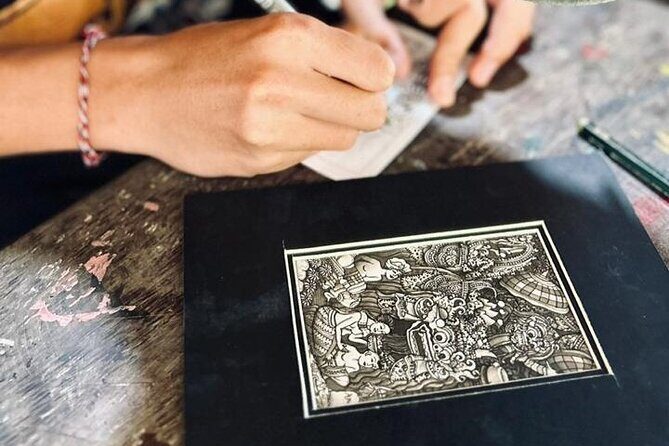
Mount Batur Trekking Sunrise Private Tour

Mount Batur Trekking Sunrise Private Tour - Breakfast with sunrise colors over Lake Batur and Mt. Rinjani

Early morning has a reason.

This sunrise trek on Mt. Batur is built around one big moment: a summit view over Lake Batur and Mount Rinjani right around 6am. You start in the dark (3:30am), hike up with flashlights, then come back down by late morning with time for breakfast and more crater scenery.

Two things I really like here. First, the trek is led by an experienced English-speaking mountain guide, and the included flashlights help you climb without guessing your footing. Second, breakfast is part of the sunrise payoff, with clear, high-up views over Lake Batur while the sky warms up.

One drawback to plan for: the climb is steep. It is doable for many people, but if you are not used to uphill steps, you’ll feel it—so wear proper shoes and expect a workout, not a stroll.

Key highlights you’ll actually feel

Mount Batur Trekking Sunrise Private Tour - Key highlights you’ll actually feel

  • 3:30am start, sunrise at ~6am: the timing makes the whole day feel worth it.
  • Flashlights included: helpful on a dark, steep ascent.
  • Breakfast on/near the crater rim: watch the color shift over Lake Batur and Mt. Rinjani.
  • Crater and lava walk after sunrise: an extra option to see ash cones and lava flows.
  • Small group setup: max 5 travelers, with one English-speaking guide for every group of 4.
  • Optional upgrades: 2-way hotel transfers and hot spring soaking for sore muscles.

Why Mt. Batur sunrise means you get the best light

This is the kind of tour where the hardest part starts before you’ve really had breakfast—because the pickup meets you at 3:30am. The starting point is Toya Bungkah Village in the Kintamani area, and you’ll meet your guide there before the climb begins.

That very-early schedule matters. You’ll reach the summit area after about 1.5 to 2 hours of hiking, then watch dawn open up right around 6am. Instead of seeing the volcano on a cloudy afternoon, you’re there when the horizon is clean and the first light hits the crater edges and the surrounding caldera.

If you’re basing yourself in or around Ubud, this trip is a great way to see another side of Bali—volcano country—without turning your day into a marathon of stops. You’re out, you’re up, and you’re back by early afternoon (around 1:30pm after the coffee plantation stop, if you choose it).

The climb: steep steps, flashlights, and a realistic pace

Mount Batur Trekking Sunrise Private Tour - The climb: steep steps, flashlights, and a realistic pace
The ascent to Mt. Batur’s summit (1717 meters) is described as steep. That is not a scare tactic; it’s just the honest setup. You’ll be hiking in the dark at first, so the included flashlights are a practical win. They reduce that awkward moment of everyone trying to hold a phone flashlight while moving uphill.

Your guide’s job isn’t just pointing the route. A good mountain guide keeps people moving safely in a steady rhythm—especially on uneven rock where footing matters more than speed. The reviews highlight guides like Jerry and Ari as friendly and confident, with a focus on getting everyone up safely and back down without stress.

Bring the right attitude, not just the right gear. If you pace yourself, you’ll be able to take in the sunrise rather than just survive the climb. Also, it’s early: plan on being a little cold at the start. A windbreaker helps.

One more tip from the tour’s own essentials list: bring sunglasses and sunscreen. Even though you start in the dark, the sun climbs fast after sunrise at altitude.

Breakfast with sunrise colors over Lake Batur and Mt. Rinjani

Mount Batur Trekking Sunrise Private Tour - Breakfast with sunrise colors over Lake Batur and Mt. Rinjani
The best part of the timing is what happens once you’re high enough. You arrive for sunrise at about 6am, and breakfast follows as the sky changes. The view is the main event: you’ll look out over Lake Batur (Danau Batur) and also take in the far-reaching presence of Mount Rinjani.

Breakfast here isn’t a side snack. It’s your chance to reset after the steep climb, and it puts you in position to actually enjoy the sunrise instead of rushing through it. You’ll be served hot tea or coffee with breakfast, which is a simple detail but a very smart one for a cold early start.

This is also where the small-group format helps. With fewer people, you’re less likely to feel like you’re in a line, and you can shift your view to get a better angle of the crater rim and the caldera. The tour description even emphasizes that you have a stunning view from every angle you see.

If you’re the type who takes photos, bring patience. Sunrise moments are short, and you’ll want a few shots without losing your place at breakfast. Sunglasses help with the glare once the light gets stronger.

After dawn: crater rim walk, lava flows, and ash cones

Mount Batur Trekking Sunrise Private Tour - After dawn: crater rim walk, lava flows, and ash cones
Once sunrise is done, you have a choice: head back down or add an extra walk around the crater and lava-sculpted ground. I like that option because it lets you match the hike to your energy level. If you feel good, you get more time on the volcano. If your legs are already voting for retreat, you can keep it simpler.

The added crater/lava portion is where the trip feels less like a checklist. The tour talks about visiting a raw, less-visited part of Mt. Batur, and learning how lava flows and ash cones shaped the area. That kind of explanation turns scenery into something you can understand, even if you’re not a geology person.

On the descent, there’s also a possibility of seeing monkeys. That’s not guaranteed, but it’s the sort of bonus that can make the return feel less repetitive.

Practical note: once you’ve finished the sunrise highlight, the ground can still be uneven. If you’re prone to slipping when tired, slow down on the way down. Your guide’s experience matters most during the descent, when attention tends to drop.

The rest of your day: back by 9am, then Satria Agrowisata coffee stop

Mount Batur Trekking Sunrise Private Tour - The rest of your day: back by 9am, then Satria Agrowisata coffee stop
You’ll be back at Toya Bungkah Village around 9am. That’s a key advantage of this tour: it gives you the morning pay-off and still leaves your afternoon open for normal travel stuff, not just more hiking.

After you return, the plan includes driving to a Balinese Coffee Plantation stop around 11:30am, with the itinerary naming Satria Agrowisata. This part is more about cultural flavor than it is about being a serious coffee class. You’ll have time to walk around, see how coffee is presented, and buy snacks or souvenirs if you want.

Then the day wraps with you arriving back at your accommodation around 1:30pm. That timeline is helpful if you’ve got another reservation later in Ubud, or if you want to rest after an early start without losing the entire day.

Price and value: what $120 covers, and what costs extra

Mount Batur Trekking Sunrise Private Tour - Price and value: what $120 covers, and what costs extra
At $120 per person, this is not a cheap casual outing—but it’s also not pretending to be a luxury day. The value comes from what’s included: an English-speaking guide, flashlights, all fees and taxes, and breakfast (hot tea or coffee).

Group size also affects value. The tour is capped at a maximum of 5 travelers, and it mentions one English-speaking guide per group of 4. In other words, you’re not blending into a huge crowd. That matters when you’re on steep volcanic ground and you need help with pace and safety.

What’s not included is straightforward:

  • Lunch is not included.
  • Souvenir photos can be purchased.

There are also upgrade paths. You can add 2-way hotel transfers, and you can upgrade to soak in natural hot springs after. Another upgrade can add a coffee plantation visit (even though coffee is listed in the itinerary, the overview frames it as an add-on). If you want the hot springs part, that’s often the difference between an intense sunrise trek and a trek that also helps your body recover.

My advice on deciding: if you already plan to arrange transport and don’t care about hot springs, you might keep it basic. If you’d rather reduce stress after the hike—especially the early morning transfer—then the hotel transfer upgrade can make the day feel smoother.

What to bring (and what can ruin your morning)

Mount Batur Trekking Sunrise Private Tour - What to bring (and what can ruin your morning)
You’ll get flashlights, but you still need to show up prepared. The tour’s packing list is solid, so take it seriously:

  • Proper walking shoes (non-negotiable for a steep, rocky climb)
  • A windbreaker (it’s cold early, especially at altitude)
  • Sunglasses and sunscreen (the sun hits fast after sunrise)
  • Tissue
  • Money for souvenirs or tip

The shoe choice is the biggest real-world difference between enjoying the crater rim and thinking about your ankles. Choose shoes with grip you trust on uneven surfaces.

Also, think about timing in your clothes. You’ll start early, hike in cool air, then warm up after sunrise. Layers help. If you come in wearing thick bulky stuff, you might sweat on the climb. If you come in too light, you’ll shiver during the dark portion.

Finally, this is an early start, but it is designed so you’re not stuck out all day. You’re back by late morning and home by early afternoon, which makes it easier to build the rest of your Bali schedule.

Who this Mount Batur sunrise trek is best for

Mount Batur Trekking Sunrise Private Tour - Who this Mount Batur sunrise trek is best for
This tour is a great fit if you want a volcano sunrise without a long, complicated day. Most travelers can participate, and the age range is 12 to 65.

It’s especially good for:

  • People who like early adventures and want that 6am moment
  • Anyone who wants a guide-led experience on steep ground
  • Hikers who can handle a tough uphill climb and a careful descent
  • Couples and small groups who prefer fewer people around them at sunrise (the group size is small)

It may feel less ideal if you hate steep climbs or you’re dealing with major mobility limits. The tour itself flags that the climb is quite steep, and some reviews describe it as difficult for inexperienced hikers. In that case, you may want to consider whether the additional crater/lava walk after sunrise is too much for your legs.

Should you book this Mt. Batur Sunrise Private Tour?

I think it’s worth booking if you want the classic Mount Batur sunrise experience with real guide support, included flashlights, and breakfast at altitude. The schedule is tight in a good way, and the small group setup helps you enjoy the views rather than fight for space.

If your top priority is comfort over effort, then plan for the steep part. Wear good shoes, bring a windbreaker, and accept that this is a workout that starts in the dark.

Before you book, ask yourself two questions: Do you enjoy early mornings? And can you handle a steep hike at altitude? If you answer yes, this is one of the more satisfying ways to spend a day from Ubud.

FAQ

FAQ

What time do I start the Mount Batur sunrise trek?

You’ll start at 3:30am, meeting at the starting point in Toya Bungkah Village.

How long does it take to reach the summit?

It takes about 1.5 to 2 hours to reach the Mt. Batur summit from the starting point.

When does sunrise happen on this tour?

The tour is timed so you’ll see sunrise at about 6am.

What’s included with breakfast?

Breakfast is included and comes with hot tea or coffee.

What’s included and not included in the tour price?

Included: an English-speaking guide per group of 4, flashlights, all fees and taxes, and breakfast (hot tea/coffee). Not included: lunch and souvenir photos.

Is the coffee plantation stop included?

The itinerary includes a stop at a Balinese Coffee Plantation around 11:30am (Satria Agrowisata). The overview also says coffee plantation visit may be added as an upgrade, so confirm what’s included with your selected option.

Can I add hotel transfers or hot springs?

Yes. You can upgrade to include 2-way hotel transfers and a soak in natural hot springs.

Snorkeling In Nusa Penida Island With Manta Ray From Bali

Snorkeling In Nusa Penida Island With Manta Ray From Bali - Nusa Penida morning snorkeling: Gamat Bay, Wall Point, Crystal Bay, and Manta Bay

Manta rays are the reason people do this day trip. The hook is simple: you leave Bali early, head to Nusa Penida, and spend the morning snorkeling across multiple bays with a shot at manta rays in the Manta Bay area. I like that the plan is built around real water time (you start snorkeling around 09:00 and wrap up around 11:00), and I also like the photo help—there’s underwater shooting with a GoPro so you’re not stuck fighting your camera. One thing to keep in mind: manta rays are wild, and conditions can affect both sightings and how comfortable the day feels.

From Seminyak, hotel pickup gets you moving fast, and the ride is organized around the Sanur speedboat schedule. In the best cases, the driver and the team stay on top of the day and work to find the best spots for rays, coral, and fish—plus you get lots of underwater photos. The possible downside is that if seas are rough or visibility drops, you may end up feeling like you spent a long time traveling for less time in the water.

If you go in with flexible expectations and pack like it’s an early-morning seaside mission, you’ll get a very fun, scenic day on Bali’s doorstep.

Key highlights to know before you go

Snorkeling In Nusa Penida Island With Manta Ray From Bali - Key highlights to know before you go

  • Early start, timed for the morning: pickup around 06:30 and snorkeling begins around 09:00.
  • Manta Bay included in the plan: the day is designed to try for mantas, not just generic snorkeling.
  • GoPro underwater shooting: the team helps capture your time underwater.
  • Multiple snorkeling stops: you hit more than one bay (Gamat Bay, Wall Point area, Crystal Bay area, plus Manta Bay).
  • Comfort items matter: you’ll want a towel and a change of clothes for the boat ride back.
  • Driver matters: the driver is often named Budi, and punctual pickup is a big deal for a day like this.

The pacing that makes this feel like more than a transfer

Snorkeling In Nusa Penida Island With Manta Ray From Bali - The pacing that makes this feel like more than a transfer
This is a long-ish day, but it’s not a slow bus tour. The rhythm is built around one thing: getting you to Nusa Penida in time for the best snorkeling window. You’re picked up from your hotel in the morning, then you’re scheduled to reach Sanur Port for check-in before the speedboat departs.

Once you land, you start snorkeling the same morning and finish by late morning. That timing is what makes this itinerary work for most people. If you’re trying to do Nusa Penida in a single day, you don’t want the day dragged out—so the schedule focuses on the water part, not endless waiting.

One practical note: the snorkeling is split across bays and happens on a sharing boat. That usually means you’re not changing locations constantly, but you also don’t control everything like you would on a private water-only charter. Still, it’s a strong value setup if your priority is seeing sea life, including a manta-ray attempt.

Getting from Seminyak to Sanur Port on time

If you’re staying in Seminyak, this tour’s first job is transportation, and it’s handled with hotel pickup and a private vehicle. Pickup is listed for about 06:30, and the target is to arrive at Sanur Port for ticket check-in around 07:15.

Then it’s onto the public speedboat at about 07:30. Speedboats can feel like a power drink: fast, loud, and over quickly. The benefit is clear—if you miss that departure window, the whole day’s snorkeling timing can shift.

A detail I’d take seriously: one negative experience in the mix involved a driver not meeting the guest at the harbor as expected. That’s not something you can fully predict, but you can protect yourself. Make sure your pickup instructions are crystal clear when you book, and have your driver contact method ready if your plan allows it. If you don’t have cell data, you’ll want to have the tour details saved offline.

Nusa Penida morning snorkeling: Gamat Bay, Wall Point, Crystal Bay, and Manta Bay

Snorkeling In Nusa Penida Island With Manta Ray From Bali - Nusa Penida morning snorkeling: Gamat Bay, Wall Point, Crystal Bay, and Manta Bay
This is the core of the experience. You start snorkeling around 09:00 and finish around 11:00—and that roughly two-hour snorkeling block is where you’ll judge the day.

The plan includes these areas:

  • Gamat Bay
  • Wall Point
  • Crystal Bay
  • Manta Bay (the manta-ray part of the plan)

Here’s how I’d think about each one, in practical terms:

Gamat Bay: a first chance to get comfortable

Your first stop is Gamat Bay, which usually makes sense as a warm-up. Even if you’re a confident snorkeler, you’re still adjusting to saltwater, fins, and getting your eyes to focus under moving surface conditions. A first bay stop lets you settle in before you go looking harder for mantas.

Wall Point: the “spot check” moment

Next is Wall Point. Points and wall areas tend to be where you can get more structure in the water—so the reef and fish activity often looks more interesting than open water. This is also the part of the day where the crew’s ability to position you well matters.

Crystal Bay: where fish and coral usually steal the show

Then comes Crystal Bay. If you’re hoping for color and fish activity, this is typically the stop that satisfies the non-manta seekers in your group too. Even when manta rays are quiet that day, bays with steady marine life can still be very rewarding.

Manta Bay: your big hope, but not a guarantee

Finally, the plan targets Manta Bay. This is the money stop, but you have to treat manta sightings like nature does them: you’re making an attempt, not buying a guaranteed encounter. Manta rays move, and sightings depend on where they are that morning and on water conditions.

One important lesson from the mixed experiences: when the day feels rushed or the sea state is rough, people can end up disappointed. That doesn’t mean the concept is wrong—it means your expectations should be tuned. If you want mantas, come for the attempt and be ready for the sea to run the show.

The GoPro underwater shooting: why this is a smarter photo setup

Snorkeling In Nusa Penida Island With Manta Ray From Bali - The GoPro underwater shooting: why this is a smarter photo setup
One of the most praised parts of the day is the underwater shooting with a GoPro. That’s not just a nice perk. It changes the way the day plays.

Instead of trying to hold a phone, aim it, and snorkel well at the same time, you get help capturing your underwater moments. In the strongest feedback, the team took lots of photos while you were in the water, which means you come home with more than one shaky snapshot.

So if your goal is “I want memories, not just vague views,” this feature is a big part of the value. Just keep in mind you still need to be comfortable using the gear and being in the water while the crew does their timing.

What to bring so you feel good between stops

Snorkeling In Nusa Penida Island With Manta Ray From Bali - What to bring so you feel good between stops
This tour includes snorkeling equipment and bottled water, which helps. But the day still includes boats, sun, and saltwater downtime between water sessions.

Here’s what I recommend based on how these days actually feel:

  • A change of clothes (seriously—your best comfort upgrade)
  • Towel
  • Sunscreen
  • Cash in IDR as a backup for places that may not take card (one tip suggested cash and IDR because card use can be inconsistent)
  • Your own water habit (you get bottled water, but if you sweat easily, you’ll want to stay hydrated)

Also, wear swimwear that dries fast. You’ll likely be switching between gear-on and gear-off quickly, and you don’t want to spend the afternoon in damp clothes.

The tour includes private hotel pickup and drop-back, but once you’re at the ports, you’re dealing with coastal logistics. Being prepared makes the whole day feel smoother.

Safety and sea conditions: the one variable you can’t fully control

Snorkeling In Nusa Penida Island With Manta Ray From Bali - Safety and sea conditions: the one variable you can’t fully control
Weather can decide the mood of a snorkeling trip. One account in the mix described rain and high seas, and said the boats should not have gone out given the conditions. Whether you personally ever feel seasickness or not, it’s smart to go in with a safety-first mindset.

If you see choppy conditions at the departure point, don’t pretend it’s fine. Ask how they’re assessing safety. Also, remember the time pressure: you’re traveling and snorkeling in a tight morning window. When seas get rough, the trip can lose water time and calm can disappear.

Here’s the practical takeaway: if you’re prone to motion sickness, bring the right remedy and plan for the boat ride. If you’re risk-averse about open-water conditions, consider whether you’re okay with a day that depends on the sea behaving.

Price and what makes $95 feel fair

Snorkeling In Nusa Penida Island With Manta Ray From Bali - Price and what makes $95 feel fair
At $95 per person, this tour can be a good value if you compare it to booking everything separately. Why? The price includes:

  • Hotel pick up and drop back
  • Private transportation to the departure area
  • Return speedboat ticket to Nusa Penida
  • Snorkeling equipment
  • Bottled water
  • GoPro underwater shooting
  • Parking tickets

What’s not included is also clear: lunch and alcoholic beverages.

So you’re not just paying for time in the water. You’re paying for the whole Bali-to-Nusa-Penida machine: getting you there early, getting you back, and giving you gear and photo capture. If you add up just speedboat costs plus equipment plus transport, the package starts to make sense for a one-day itinerary.

My value tip: plan to eat before you go and/or budget for lunch after. Don’t assume it’s handled for you.

Who should book this manta-ray snorkeling day

Snorkeling In Nusa Penida Island With Manta Ray From Bali - Who should book this manta-ray snorkeling day
This tour fits best if:

  • You want to try for manta rays and you’re okay with the reality that mantas are wild and sightings aren’t guaranteed.
  • You want a structured schedule that prioritizes the morning snorkeling window.
  • You care about underwater photos and prefer the team to help with capture via GoPro.
  • You’d rather do a planned day trip than piece together transport and gear on your own.

It may be a mismatch if:

  • You want lots of snorkeling hours no matter the weather. The plan is time-boxed, and rough conditions can reduce the feel of the day.
  • You’re very sensitive to boat movement.
  • You’re hoping for mantas as a certain outcome. The itinerary targets Manta Bay, but the sea is unpredictable.

One more fit detail: it’s listed as a private tour/activity (only your group participates). That’s a plus if you dislike the stress of being absorbed into a huge crowd. Still, snorkeling is on a sharing boat, so you’ll likely share the water area with others.

Should you book this Nusa Penida Manta Ray snorkeling with Bali View Tours?

I’d book if your main goal is a well-timed Nusa Penida snorkeling morning that includes manta-ray hunting and photo help. The strongest feedback patterns point to punctual pickup (including driver Budi), an informative captain/guide, and real effort to find good spots for rays, coral, and fish. With GoPro underwater shooting and a schedule that gets you in and out efficiently, the experience has a lot going for it.

I’d pause and choose carefully if you’re the type who needs long, guaranteed water time no matter what. The day can be affected by sea conditions, and at least one bad experience described unsafe-feeling conditions when boats went out in rough weather, plus disappointment about limited time in the water.

If you can handle a morning outdoors, you don’t need lunch included, and you treat manta rays as a chance rather than a promise, this is a strong “do it once” style trip.

FAQ

FAQ

How long is the snorkeling day trip?

The total duration is listed as about 6 hours.

Where does the tour start?

Pickup is from your hotel. The tour also includes arriving at Sanur Port for check-in.

What time does snorkeling start?

You start snorkeling around 09:00.

How many snorkeling areas do you visit?

You snorkel at multiple spots, including Gamat Bay, Wall Point, Crystal Bay, and Manta Bay.

Is pickup and drop-off included?

Yes. Hotel pick up and drop back are included.

What snorkeling gear is provided?

Snorkeling equipment is provided.

Do you get photos or underwater video?

Yes. The tour includes underwater shooting with a GoPro.

Is lunch included?

No. Lunch is not included.

What about drinks?

Alcoholic beverages are not included. Bottled water is included.

Can I cancel and get a refund?

Yes. Free cancellation is offered up to 24 hours in advance for a full refund.

Bali Private 3 Days Tour Package Highlight

Bali Private 3 Days Tour Package Highlight - Pickup, air-conditioning, and the value of not wrestling scooters

Want Bali without the taxi math? This private 3-day route out of Kuta is built for people who want variety fast: rice terraces, crafts, temples, waterfalls, and beaches, all in one organized loop. It’s especially photo-focused, with big-ticket stops like the Bali Swing and ocean-temple viewpoints.

What I like most is the way the day-to-day logistics feel handled. With a real guide-driver (names like Putu and Gede come up a lot), you get steady timing, pickup and drop-off, and explanations that make the places make sense beyond the postcard.

One thing to keep in mind: the schedule is packed. Each stop runs about an hour, so you’ll want a calm, flexible pace, not a slow wander. And if you’re traveling with kids, note that children under 7 can’t join the swing.

Key reasons this Kuta-based 3-day tour works well

Bali Private 3 Days Tour Package Highlight - Key reasons this Kuta-based 3-day tour works well

  • Bali Swing photo time over the rice fields, with extra props like the bird-nest style structure and a King Kong head nearby
  • Craft village stops close to the action: Tohpati for batik, Celuk for gold and silver handicrafts
  • Temple timing for sea views at Tanah Lot and the cliff setting at Uluwatu Temple
  • Day 3 water fun in the plan: Nusa Dua includes a 15-minute banana boat ride
  • Meals are part of the deal with 2 lunches and 1 dinner (Jimbaran Beach BBQ-style seafood dinner)
  • Air-conditioned comfort with private transport so you avoid the public-transport puzzle

A photo-friendly private loop from Kuta: what you’re really buying

Bali Private 3 Days Tour Package Highlight - A photo-friendly private loop from Kuta: what you’re really buying
This is not a one-beach-and-one-temple kind of trip. Over three days you cover multiple sides of Bali: central villages, north-coast scenery, then the south beaches and sunsets. If your main goal is to come home with a lot of strong images and memories, this format makes sense.

The big value is that you’re not piecing it all together yourself. You get a private tour with hotel pickup and drop-off and an air-conditioned vehicle, plus entrance tickets for the planned sights and the included activities. In practice, it means less time asking where to go next and more time actually being at the viewpoint when it looks best.

Pickup, air-conditioning, and the value of not wrestling scooters

Bali Private 3 Days Tour Package Highlight - Pickup, air-conditioning, and the value of not wrestling scooters
Your day starts with pickup at 8:00am from your hotel area in/near Kuta. The plan uses private transportation, which is a big deal in Bali traffic. You can relax in the vehicle, and the guide handles the flow between stops.

Another practical win: all fees and taxes are included for what’s on the itinerary. You still might spend extra for personal shopping or drinks, because those aren’t included, but you’re not constantly surprised by add-on charges for the planned visits.

Day 1 in central Bali: batik, silver, temples, rice terraces, and a waterfall day

Day 1 is about culture, then wow-factor scenery. Expect a full day with several stops that each run about 1 hour, which keeps momentum but doesn’t allow long, slow breaks.

Tohpati Village (Batik Center)

You start at Tohpati Village, about 12 kilometers from Kuta. The point here is batik, Bali’s traditional fabric painting. This is a good first stop because it sets a cultural baseline before you hit the more dramatic views.

Practical tip: if you like shopping, go with a simple target. The batik and crafts here can tempt you into browsing longer than you planned, and Day 1 already has several stops after this.

Celuk Village (gold and silver handicrafts)

Next up is Celuk Village, known for gold and silver handicrafts. It’s been called the silver village since 1976, and the idea is simple: this is where you see how the metal work becomes wearable art, not just generic souvenirs.

If you’re the type who likes meaningful gifts, this is one of the more satisfying stops. If you’re not, you’ll still get a quick look at traditional production and materials.

Puseh Batuan Temple

Then you head to Puseh Batuan Temple, part of the Tri Kahyangan temple concept. The description highlights classic Balinese architecture details like split gates and stone guardians. This is the kind of stop where a short visit becomes more interesting when your guide explains what you’re seeing.

A consideration: temples usually come with rules on dress and behavior. The good news is that a sarong is included, so you’re not scrambling at the last second.
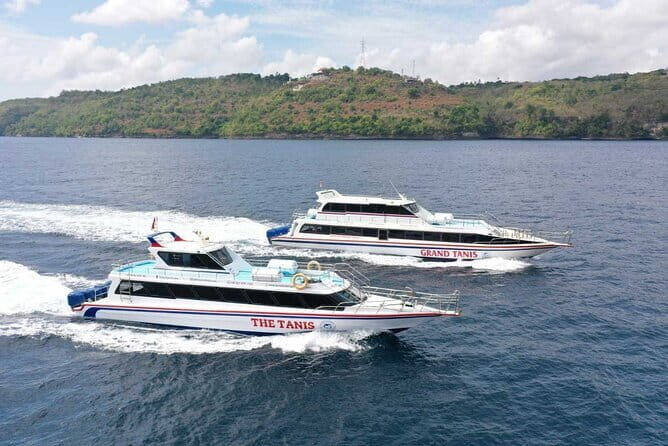
Tegalalang Rice Terrace and the Bali Swing

This is the day’s signature photo section at Tegalalang Rice Terrace. You get time at the rice fields and the big Bali Swing, plus nearby photo props like a bird-nest style setup and a King Kong head. The swing setup is over rice fields and a river, which is why the photos look like they do.
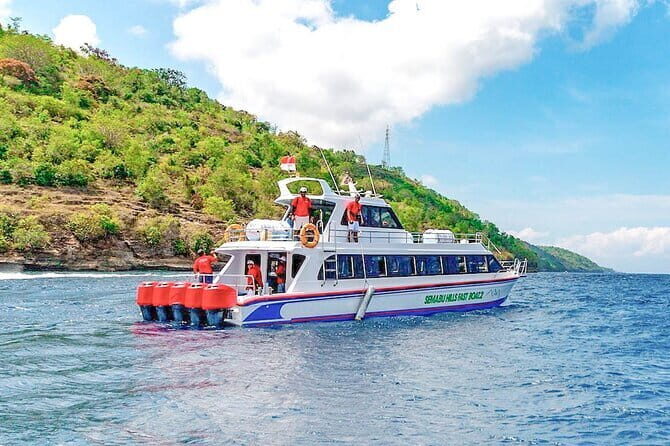

One key rule: children under 7 can’t join the swing. If that affects your group, you can still plan to enjoy the viewpoint time around the swing area while others ride.

Kintamani Highland (Mount Batur area)

After that visual feast, Day 1 shifts to the Kintamani Highland, centered around the volcanic caldera of ancient Mount Batur. The plan references the crater lake and the bubbling hot springs, so you’re getting the volcanic context behind Bali’s dramatic scenery.

This is a good stop if you want a break from purely water-and-temple photos. It adds a different kind of scale: volcano bowl views and highland atmosphere.

Tegenungan Waterfall

You wrap Day 1 at Tegenungan Waterfall. The drive is described as paved village roads lined with rice fields, so you’ll likely get some greenery along the way. The waterfall stop is classic Bali: short, scenic, and an easy “one more photo” kind of moment.

If you’re sensitive to crowds or standing water, plan for the practical side. Bring comfortable footwear and expect you’ll be moving through a popular attraction area.

Day 2 north-side temples and waterfalls: Tanah Lot to Bratan

Bali Private 3 Days Tour Package Highlight - Day 2 north-side temples and waterfalls: Tanah Lot to Bratan
Day 2 is about ocean views, then a move into the uplands and north-regency scenery. You’ll still keep the roughly 1-hour per stop structure.

Tanah Lot Temple at the sea

Day 2 starts with Tanah Lot Temple. It’s known for views over the ocean and sunset, and the description notes that the temple can appear surrounded by water when the tide comes in. That makes the timing of your visit matter.

If you care about getting the best sea-temple angle, pay attention to your guide’s timing at the viewpoints. This is also a place where being slightly patient helps, since the ocean and crowd flow change.

Wanagiri Hidden Hills: twin-lake views plus a smaller swing

Next is Wanagiri Hidden Hills, with views of Buyan Lake and Tamblingan (twin lake scenery). There’s also a small swing here and photo spots designed around the viewpoints.

This stop works well as a palate cleanser between big-ticket temples/waterfalls. You’re getting views plus a light activity, without needing to commit to a full ride-length experience.

Banyumala Twin Waterfalls

Then you go to Banyumala Twin Waterfalls in the northern part of Bali (Buleleng regency). The key idea is simple: you’re trading the ocean view for a waterfall scene with two falls.

Practical note: waterfalls can mean wet footing. I’d treat this stop like a comfort-and-safety moment, not just a photo sprint.

Ulun Danu Bratan Temple by the lake

Finally, you finish Day 2 at Ulun Danu Bratan Temple, a favorite photo site for its uplands setting and cooler atmosphere near the lake. It’s one of those “temple plus water setting” stops that tends to create strong images even without fancy angles.

Sarong again matters here because temples are involved. Since you already have one included, you’re set.
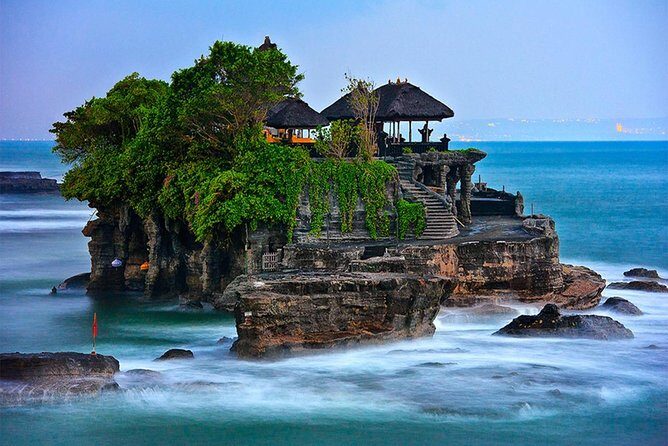
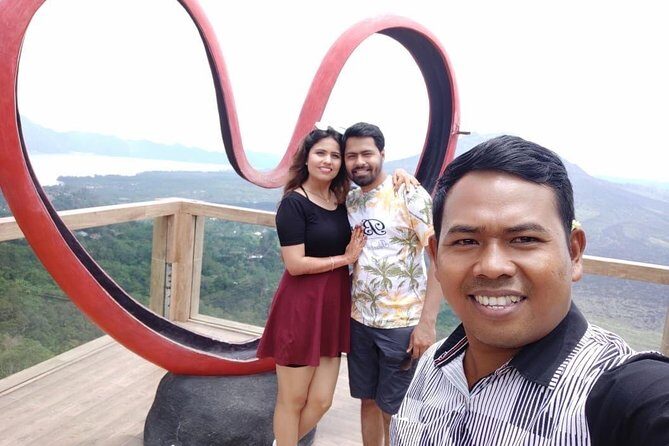
Day 3 beaches and Uluwatu cliff views: banana boat, Pandawa, and a seafood dinner

Bali Private 3 Days Tour Package Highlight - Day 3 beaches and Uluwatu cliff views: banana boat, Pandawa, and a seafood dinner
Day 3 turns the pace toward the south and the coast: beach time, a proper temple with cliff views, and a beach dinner.

Nusa Dua: beach time plus a 15-minute banana boat

You drive about 1 hour to Nusa Dua and get beach relax time plus a 15-minute banana boat ride. The banana boat ticket is listed as free in the plan, and watersport equipment is included as part of the overall package.

If you’re traveling with people who want action but not a full-day water sports commitment, this is a practical fit. It’s short, it’s included, and it breaks up the temple-and-car pattern from earlier days.

Pandawa Beach

Next is Pandawa Beach (Pantai Pandawa) in the Bukit Peninsula. It’s described as a one-of-a-kind beach in south Bali, and it’s framed as special compared to the usual beach pics.

This stop is a good chance to slow down. The day has moving parts, but Pandawa gives you a calmer, more flexible beach moment.

Uluwatu Temple: cliff setting and sunset vibes

Then comes Uluwatu Temple, set on a hilltop with crevasse formations on both sides. This temple is one of Bali’s most visited, and the cliff positioning is a big reason people come for it.

A practical consideration: cliff temples can mean steps and uneven walking. Wear shoes you trust, and don’t try to sprint for photos.

Jimbaran Beach: BBQ seafood dinner on the sand

You finish at Jimbaran Beach with a romantic BBQ-style seafood dinner on the beach. The plan includes dinner here, so you avoid the “where should we eat now” decision.

This is also the kind of ending that feels like Bali: salty air, casual beach atmosphere, and a meal that ties the south-coast section together.

Food and tickets: what’s included, and how it affects your budget

Bali Private 3 Days Tour Package Highlight - Food and tickets: what’s included, and how it affects your budget
The package includes two lunches and one dinner plus the big activity tickets like the Bali Swing and the banana boat. It also includes all fees and taxes for the listed inclusions, plus sarong and entrance tickets.

So when you look at the price, you’re not just paying for driving. You’re paying for:

  • entrance tickets for the itinerary sights
  • the swing and banana boat ride
  • 3 meals across the three days

That’s why the $70 per person price can feel fair if you’d otherwise pay for those items separately. If you’re the type who would shop for a swing ticket, then also pay for temples and meals, this bundle format saves hassle.

One more budget note: personal expenses and drinks are not included. Bring a plan for water, snacks, or any extra purchases, especially at craft villages.

Price check: is $70 per person worth it in real life?

Bali Private 3 Days Tour Package Highlight - Price check: is $70 per person worth it in real life?
At $70 per person, the value comes from stacking multiple included elements: private pickup/drop-off, air-conditioned transport, several paid admissions, plus the swing and banana boat activity. If you’re traveling as a pair or small group, the private transport and guide attention make the per-person cost feel more reasonable than doing it piece by piece.

The bigger question isn’t just price. It’s fit. This itinerary suits people who want a ready-made route and strong “I can post these photos” moments. If you hate schedules and want long, slow hangs at one beach, you might find the pace a bit intense.

For first-timers to Bali, though, it’s a practical way to see many signature areas without the stress of constant planning.

Who this private 3-day tour is best for

Bali Private 3 Days Tour Package Highlight - Who this private 3-day tour is best for
This tour is a great match if you:

  • want private comfort and not public-transport navigation
  • care about photo-worthy stops like the Bali Swing and sea temples
  • prefer a planned structure with meals included
  • appreciate a guide who can explain cultural details quickly while you move

It may be less ideal if you:

  • want unstructured time with no driving between areas
  • travel with someone who will want to do the swing but is under the 7-year limit
  • dislike days that run multiple attractions back to back

The guides matter: what punctual, safety-minded service looks like

The names Putu and Gede show up in the strongest recommendations, and that points to the style you should expect: punctual pickup, steady driving, and clear explanations tied to the sites. It’s the kind of service that helps when the itinerary moves quickly. You spend less time wondering what to do next, and more time showing up at each place ready.

If you value that structured attention, you’ll likely feel taken care of.

Should you book this Kuta-based Bali Private 3 Days Tour?

I’d book it if you want a 3-day highlight pack that mixes culture, temples, waterfalls, beaches, and included activities like the swing and banana boat. The inclusion of tickets and meals makes it simpler to budget, and the private air-conditioned transport reduces the hardest parts of Bali logistics.

I’d skip or reconsider if you hate a tight schedule or you’re traveling with kids who need the swing experience. In that case, you could still enjoy a lot of the sights, but the swing limitation changes the “main wow” moment.

If you want a smooth, photo-driven introduction to Bali with less planning effort, this package is built for that.

FAQ

FAQ

What time does the tour start?

The tour starts with pickup at 8:00am.

How long is the Bali Private 3 Days Tour?

It runs for about 3 days.

Is this tour private or shared with other groups?

It’s private. Only your group participates.

What’s the meeting/pickup arrangement?

You get hotel pickup and drop-off.

Is the Bali Swing included?

Yes. Entrance ticket for the Bali Swing is included, along with sarong.

Can children join the swing?

No. Children under 7 years can not join the swing.

Is the banana boat ride included?

Yes. The plan includes a 15-minute banana boat ride at Nusa Dua.

Are meals included?

Yes. You get two lunches and one dinner included.

What’s included in the watersport part?

Watersport equipment is included, and the itinerary includes the 15-minute banana boat ride.

What’s the price and cancellation rule?

The price is $70.00 per person, and you can cancel for a full refund up to 24 hours before the experience start time.