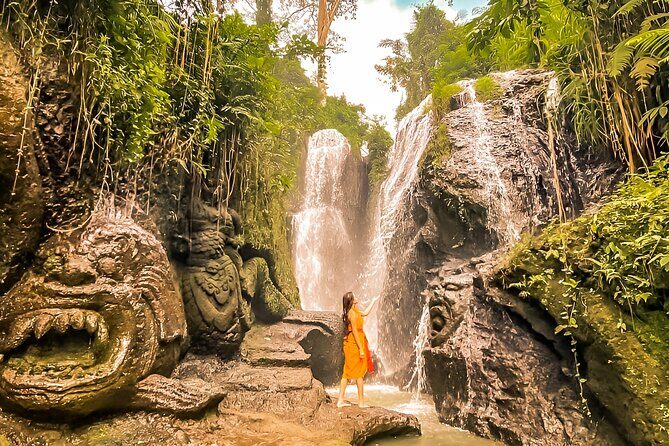
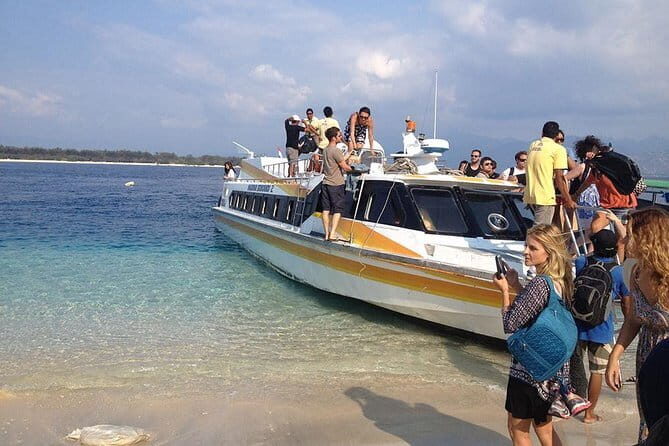
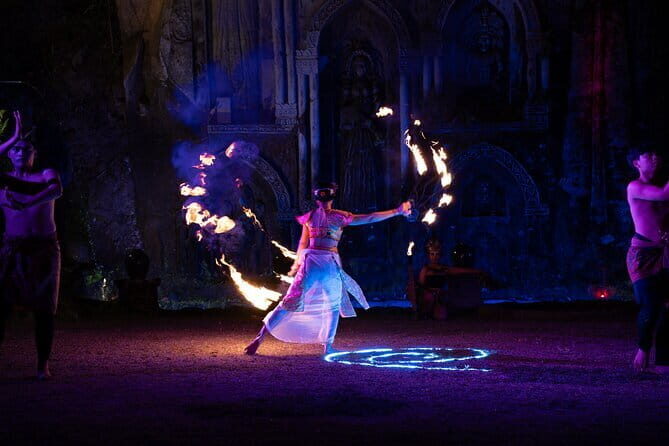
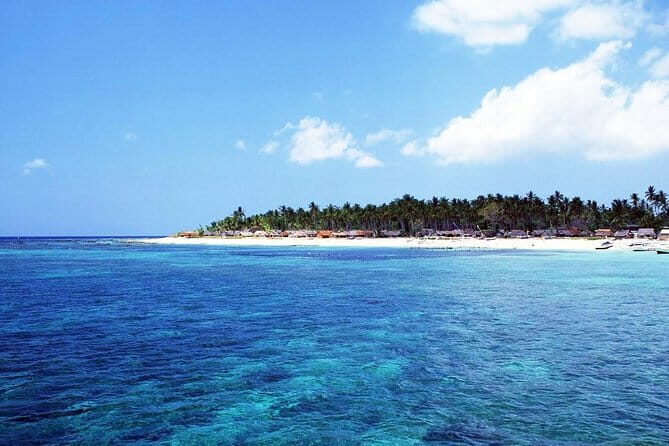
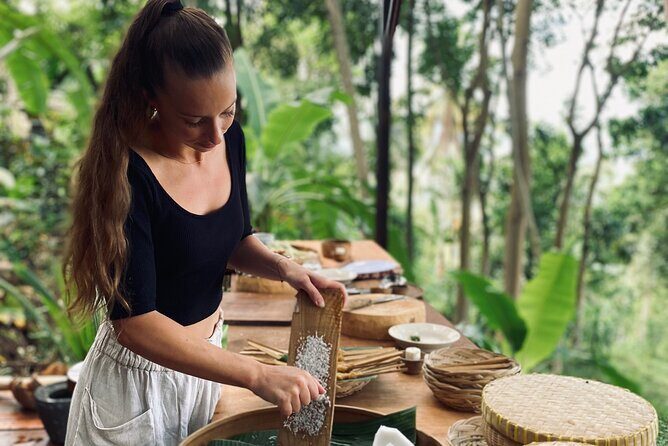
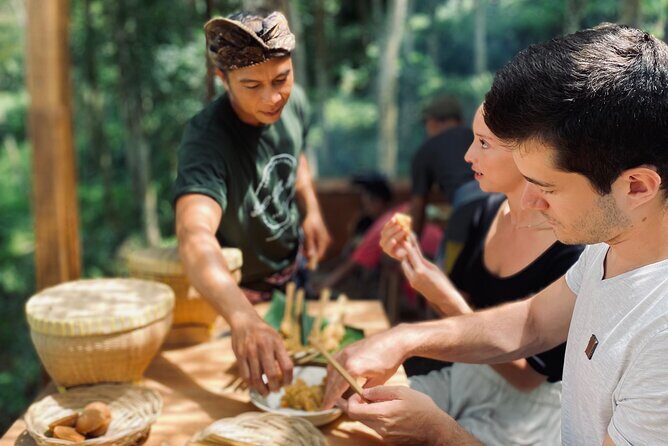
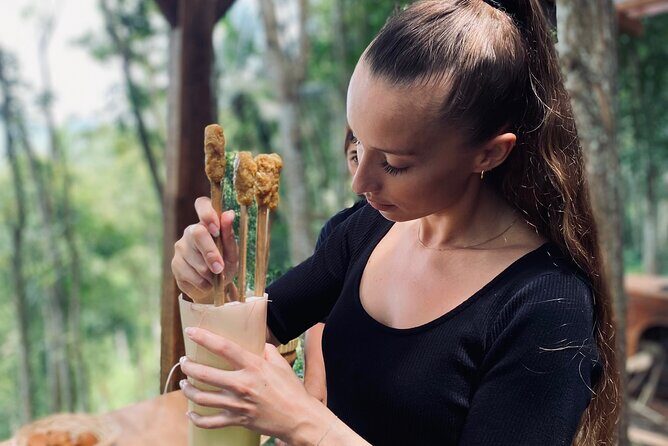
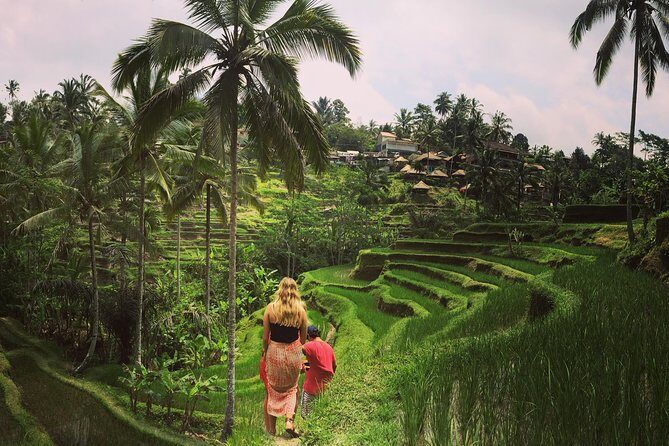
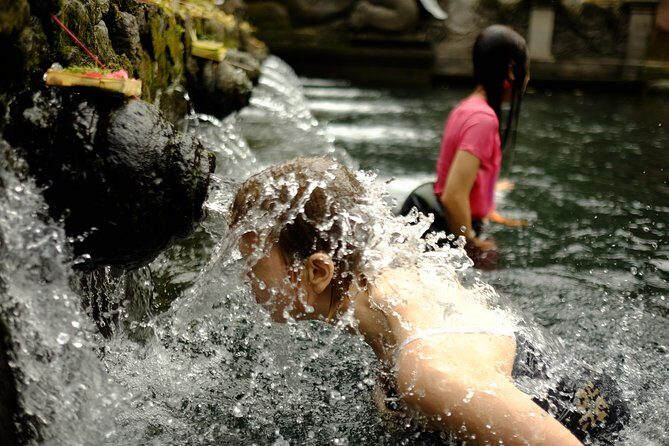
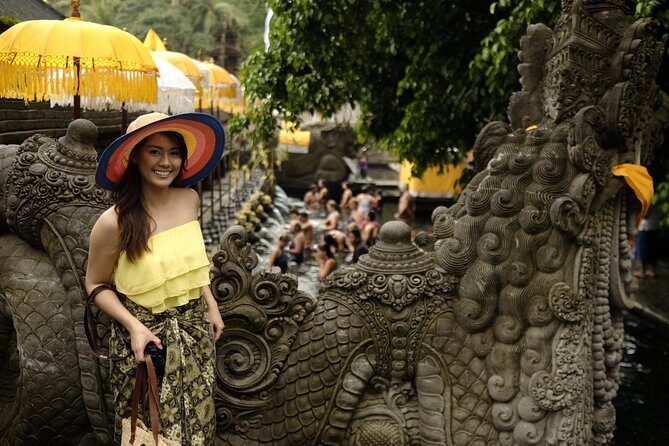
1 DAY Private Car Charter / English and Japanese Drivers / Customization OK / Have fun at your own pace wherever you want!

1 DAY Private Car Charter / English and Japanese Drivers / Customization OK / Have fun at your own pace wherever you want! - English or Japanese driver: the practical upgrade that changes the day

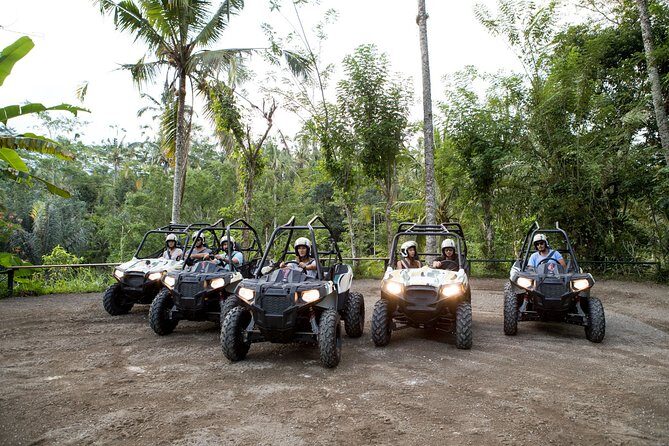
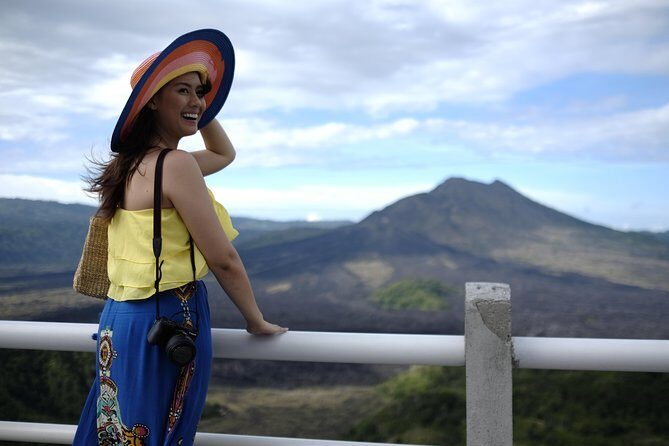
A flexible Bali day can feel surprisingly calm. This private car charter in Ubud is built for you to move at your own rhythm, not follow a fixed clock. You get pickup from your chosen spot (often your hotel), an air-conditioned vehicle, and a driver who can work in English or Japanese so you’re not stuck guessing.

I especially like two things: first, the plan is genuinely customizable—tell your needs (family, slower pace, must-sees) and you’ll get a route that fits. Second, you’re not trapped in a group flow; you can stop, wait, or adjust the order as the day develops. One consideration: some of the costs are on you, including temple entrance fees, parking/tolls, dance viewing fees, plus lunch and dinner.

Key highlights I’d plan around

1 DAY Private Car Charter / English and Japanese Drivers / Customization OK / Have fun at your own pace wherever you want! - Key highlights I’d plan around

  • Private pickup in Ubud lets you start where you actually are, not where a bus drops you
  • English or Japanese driver helps you communicate clearly about timing and stops
  • Custom route at your pace means fewer compromises if you’re traveling with family
  • Air-conditioned vehicle makes the ride part of the comfort, not the problem
  • Pay-as-you-go sights and meals keeps the core price simpler, but you’ll budget daily extras
  • Time limit matters: exceed it and you’ll pay an extra 1,000 yen per hour

A private car charter lets you set the rhythm in Ubud
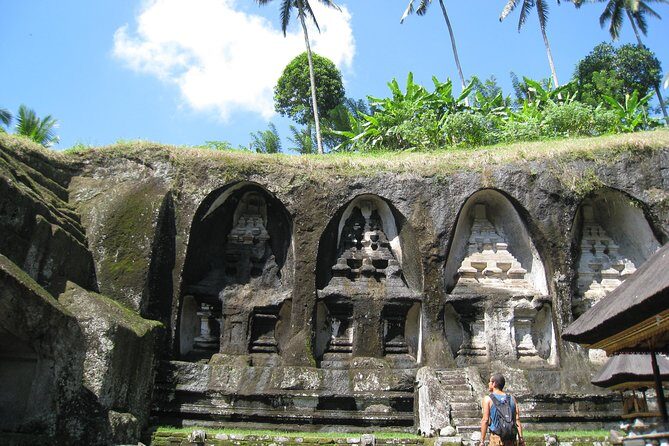
1 DAY Private Car Charter / English and Japanese Drivers / Customization OK / Have fun at your own pace wherever you want! - A private car charter lets you set the rhythm in Ubud
This is the kind of Bali day you can shape around your energy. Instead of choosing between a set itinerary and wasting time, you start with pickup from your desired location and then build the rest of the day around what you want to see. The tour is listed as 6 to 12 hours (about), and the sample structure shows an 8-hour day—so you can pick a length that matches how much effort you want to spend on sightseeing.

You’ll also appreciate the control built into the service. It’s private, meaning only your group participates. That matters when someone needs extra time, you want a slow photo break, or you’d rather skip one stop and extend another. The provider also notes that the tour content and order may shift due to local circumstances, which is realistic in Bali—this setup is better when you expect minor adjustments rather than demanding zero change.

English or Japanese driver: the practical upgrade that changes the day
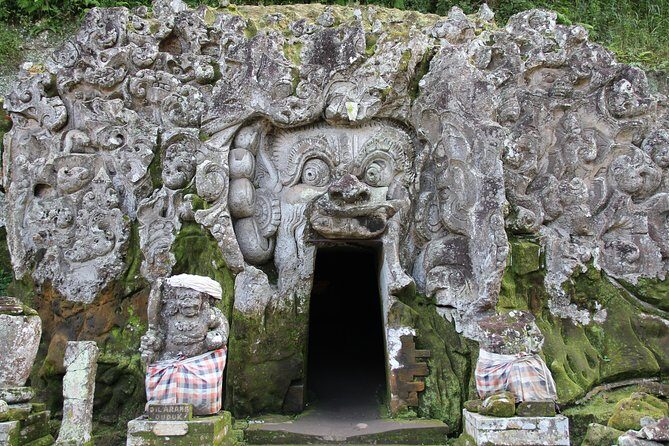
1 DAY Private Car Charter / English and Japanese Drivers / Customization OK / Have fun at your own pace wherever you want! - English or Japanese driver: the practical upgrade that changes the day
Language isn’t a luxury on a day like this; it’s time. With an English or Japanese driver, you can ask questions, confirm meeting points, and keep the schedule moving. Even when you’re not negotiating details, having a driver who can speak your language helps you understand what’s required at each stop—especially at religious sites.

The driver role also makes customization easier. The service promises they’ll listen to your individual requests and propose a plan that suits your needs. That’s valuable if your group includes kids, older adults, or anyone who prefers clear explanations over fast pacing. One review highlighted that the driver’s support and responsiveness stood out when people used the service multiple times during a Bali trip, including a day’s private car charter.

Building your own Bali day from hotel pickup

The itinerary is flexible by design. It’s essentially a Bali day built around your pickup and your chosen route, with the listing showing a Bali stop at around 8 hours and noting that an admission ticket is free for that stop. In practice, that means you should treat this as a “day routing” service: tell the driver what you want to fit in, and then let them suggest a logical order.

Here’s how I’d think about planning your route so the day feels like a win:

  • Pick your “anchor” stops first (the ones you’d be disappointed to miss).
  • Add one or two secondary stops that won’t stress the group if you lose time.
  • Leave room for breaks. This tour includes transfers round-trip to hotels etc., so you can build in rest without feeling like you’re falling behind.

Also, remember meals are not included. Lunch and dinner are on you, so plan your route around places where you’ll actually want to eat. The upside is freedom—you’re not forced into a specific meal stop.

Temple rules, stairs, and clothing: avoid common snags

Religious sites in Bali come with real rules, and this tour explicitly warns you about them. You should avoid revealing clothing at temples and similar places, since entry can be denied. That’s not a small detail; it can derail a carefully planned route if you show up under-dressed.

Another practical factor: some sightseeing spots have long stairs to climb. The tour notes that you should wear comfortable walking shoes. That’s the kind of advice you’ll be glad you followed once you’re at the bottom of steps and everyone is in flip-flops.

You’ll also want to keep expectations realistic about certain kinds of sightseeing. The provider states that the tour does not guarantee benefits from power spots. If you’re going for a spiritual reset, treat it as a personal experience, not a promise.

What’s included versus what you pay on your own

Here’s the clean way to think about value. You’re paying for a private, air-conditioned vehicle plus a driver, and the core trip costs are handled: gasoline, round-trip transfers to hotels (or similar pickup/drop points), and the driver language option.

What you should budget separately:

  • Temple entrance fees
  • Tolls and parking fees
  • Dance viewing fees
  • Souvenirs
  • Lunch and dinner (food and drinks you order)

So even though the starting price is listed at $64.39 per person, your day’s final total depends on which sights you choose and how long you stay. Group discounts are also mentioned, which can make this a stronger deal if you have multiple people sharing the booking.

One more time-cost detail to plan around: if you exceed the time limit, an additional fee of 1,000 yen per hour applies. That means choosing the right duration at the start is part of getting good value.

Practicalities that matter more than they seem
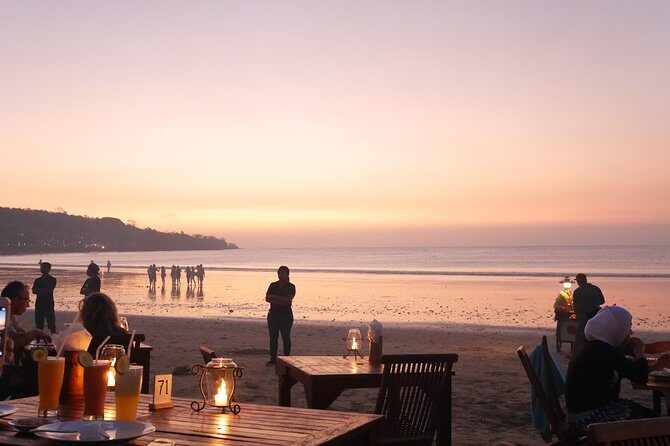
1 DAY Private Car Charter / English and Japanese Drivers / Customization OK / Have fun at your own pace wherever you want! - Practicalities that matter more than they seem
This charter is designed to be easy to use in real life, not just on paper.

  • Pickup is offered, so you can start from your hotel or another desired location.
  • You’ll get a mobile ticket and confirmation at booking time.
  • Service animals are allowed.
  • The tour says it’s near public transportation and that most travelers can participate.

Two small “heads up” notes are worth taking seriously:

  • The provider says they’re unable to accommodate requests on or around Nyepi (Balinese New Year). If your dates overlap, you’ll need alternate planning.
  • Local conditions can change the order of stops, so build a bit of flexibility into your day. The private format helps with that.

Who should book this Ubud private car day?

This is a good match for groups who don’t want to compromise. Think:

  • Families who need slower pacing
  • Older adults who benefit from fewer transfers
  • Couples who want quiet time and flexible stops
  • Anyone who prefers comfort (air-conditioned ride) while still seeing multiple sights

It’s also a strong choice if you’re the planner type. You can tell the driver what matters to you, rather than forcing your preferences to fit someone else’s agenda. One review in Japanese described using the service for different parts of a longer Bali trip, including an airport-to-Ubud transfer and a separate Kecak dance tour, then returning to the private car charter for an 8-hour day. The key takeaway isn’t those specific activities—it’s that this kind of service plays well with the rest of your trip schedule.

If you prefer a tightly guided, fixed plan where everything is included (meals, admissions, exact timing), this might feel less “hands-off” because temple fees and meals are on you. Still, the flexibility is often the reason people choose it in the first place.

Timing, traffic reality, and the extra-hour fee

Since this is private, the clock is your friend and your risk. You have a chosen duration (6 to 12 hours, approx.), and the tour warns that if you exceed the time limit, there’s an extra 1,000 yen fee per hour.

So here’s the smart way to handle timing:

  • Choose a duration that includes realistic buffer time for breaks and travel between stops.
  • Treat lunch and dinner as scheduled events, since you’ll be paying for them directly.
  • If you’re unsure about how much walking you’ll do at each spot, start longer rather than trying to squeeze everything into a short window.

Because the provider also notes that the order can change due to local circumstances, extra buffer time helps you keep the day enjoyable instead of rushed.

Should you book? My honest take

Book it if you want a custom Bali day starting from your hotel, with an English or Japanese driver, and you care more about your pace than about checking boxes on someone else’s timetable. It’s especially worth it if your group includes people who need flexibility—kids, older travelers, or anyone who gets tired quickly.

Skip or reconsider if your budget can’t handle add-ons. Temple entrances, tolls/parking, dance viewing fees, and meals are not included. Also think twice if your trip dates sit near Nyepi, since the provider says they can’t accommodate requests around that time.

If you want an easy, comfortable way to shape a Bali route in Ubud, this private car charter is a practical choice—and one you can tailor without turning your day into a stressed logistics project.

FAQ

How long is the private car charter?

The tour is listed as 6 to 12 hours (approx.). The sample structure shows an 8-hour day.

Where do you get picked up?

Pickup is offered from your desired location, such as your hotel.

Do I need to choose specific stops in advance?

You can request a plan that fits your needs. The driver will listen to your requests and propose a route.

What languages are the drivers?

The driver is available in English or Japanese.

Are admission tickets included?

The listing indicates an admission ticket is free for the Bali stop, but temple entrance fees and other fees like dance viewing fees are not included and must be paid by you.

What costs are not included?

Not included are temple entrance fees, tolls, parking fees, dance viewing fees, souvenirs, dinner, and lunch (food and drinks you order).

What if we go over the time limit?

If you exceed the time limit, an additional fee of 1,000 yen per hour will be charged.

Can we visit during Nyepi?

The provider says they are unable to accommodate requests on or around Nyepi (Balinese New Year).

Is this tour really private?

Yes. It’s a private tour/activity, and only your group participates.

Can I cancel?

You can cancel up to 24 hours in advance for a full refund. If you cancel less than 24 hours before the start time, the amount paid is not refunded.
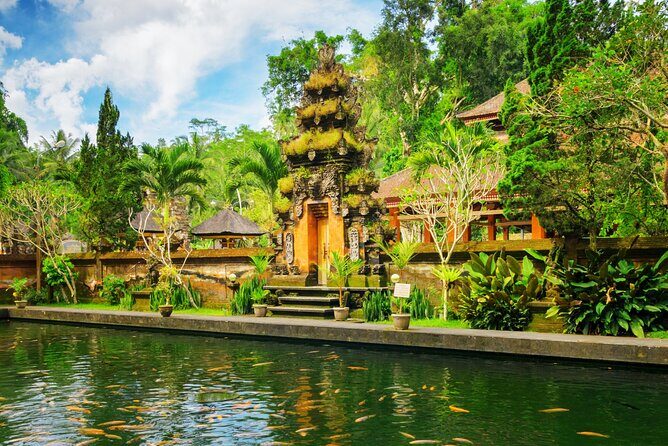

1-Day Ubud Tours All-Inclusive

1-Day Ubud Tours All-Inclusive - Tegalalang Rice Terraces: The View That Sets the Tone

Rice terraces and monkeys in one day. This all-inclusive Ubud tour strings together classic sights with a guide who can explain what you’re seeing in real time. I like the pickup and the way the tour builds in Q&A-style cultural context, with guides such as Wayan Surata getting specific praise for making the day feel easy and meaningful.

My second favorite part is the “not just photos” mix: you get a lunch with a rice terraces view plus a swing experience, and you finish with coffee and herbal tea tasting. The main drawback to consider is that it’s a long, active day and it needs good weather, so plan to be flexible if rain changes the plan.

Key Things I’d Watch for Before You Go

1-Day Ubud Tours All-Inclusive - Key Things I’d Watch for Before You Go

  • A full Ubud circuit in about 10 hours so you can see multiple highlights without juggling tickets or transport
  • Guides who focus on explanations, including names like Wayan Surata and Wayan from past groups
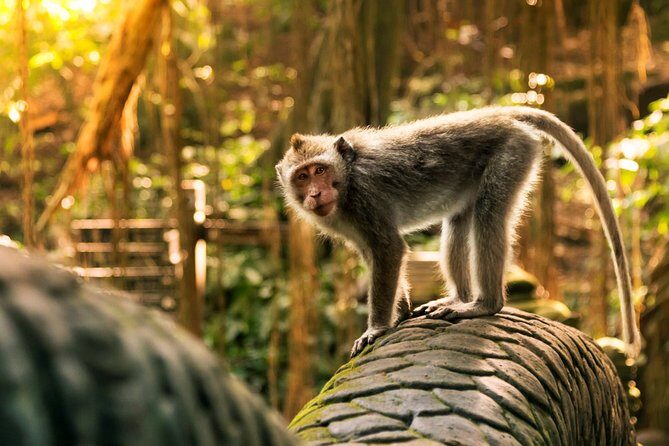
  • Monkey Forest + temples + waterfalls, meaning the day has spiritual, wild, and scenic moments
  • The swing and terrace lunch combo, giving you downtime and fun between viewpoint stops
  • Coffee farm tasting at the end, with traditional coffee and herbal teas on the menu
  • Weather matters, since the experience requires good conditions to run smoothly

The Rhythm of This Ubud Day: Terraces First, Then Temples and Water

1-Day Ubud Tours All-Inclusive - The Rhythm of This Ubud Day: Terraces First, Then Temples and Water
This tour is built like a well-timed loop through central Ubud. You start with the rice terraces, then move into cultural stops, and you end with waterfalls and a coffee plantation finish. At about 10 hours, it’s not a slow stroll day, but it’s paced well enough that you won’t feel stuck in traffic for hours without purpose.

I like that the itinerary covers different “moods.” Rice terraces are calm and photogenic. Temples add spiritual weight. Waterfalls bring drama, and the coffee stop gives you a quiet landing at the end.

Tegalalang Rice Terraces: The View That Sets the Tone

1-Day Ubud Tours All-Inclusive - Tegalalang Rice Terraces: The View That Sets the Tone
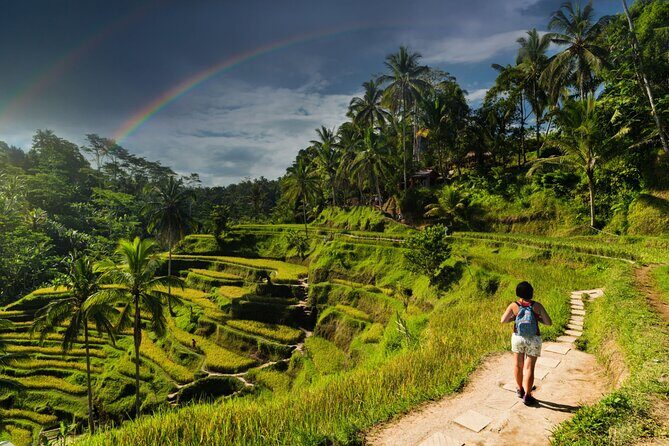
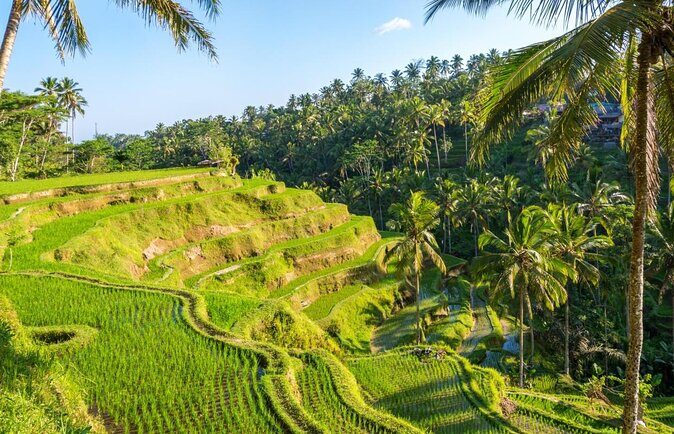
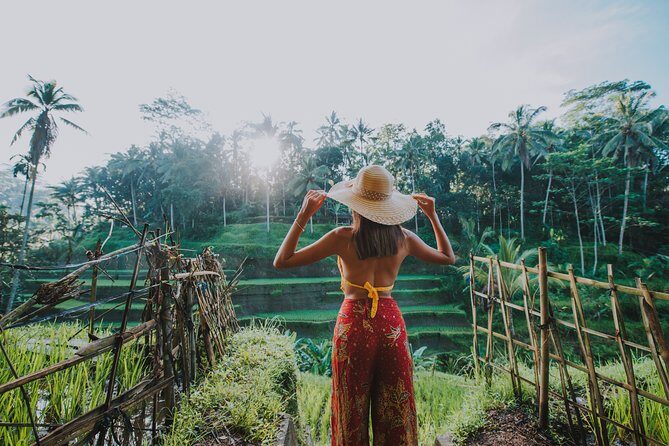
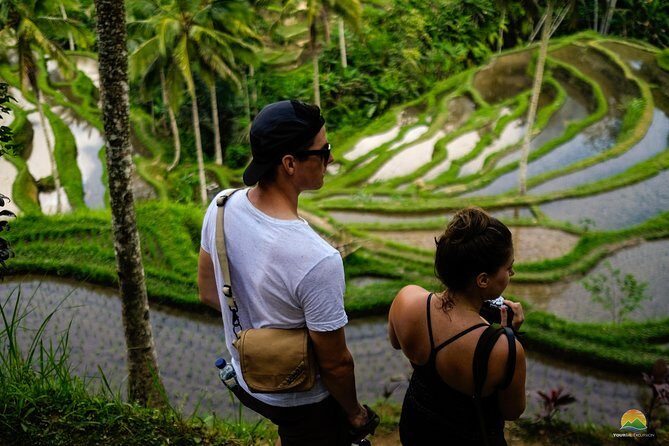
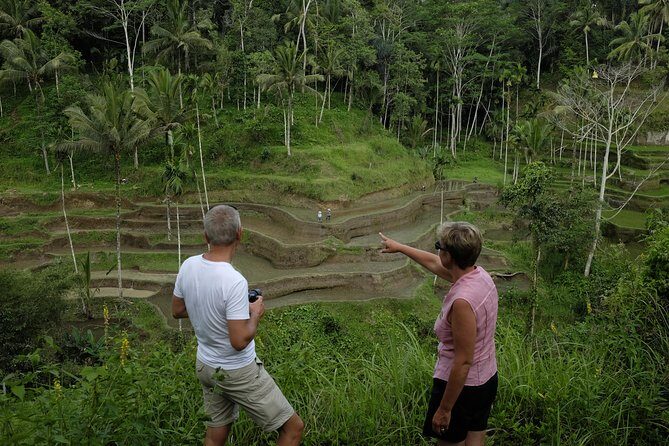
Tegalalang Rice Terrace is a strong first stop because it gives you context for why Ubud feels different from other parts of Bali. You’re looking at working farmland and layered greenery that changes depending on where you stand and how the light hits.

What you’ll likely enjoy most here is the sense of scale. The terraces stretch out in layers, and your guide can point out how the land is shaped for growing rice. Practical note: even if the day is mostly scheduled for viewpoints, you should still come ready for some standing, walking, and uneven footing around viewpoints.

If you’re the type who likes a clear “baseline” photo early, this is your moment. Once you’ve got the terraces in your camera roll, everything else feels easier to place.

Sacred Monkey Forest Sanctuary: Close Encounters, Best With Clear Rules

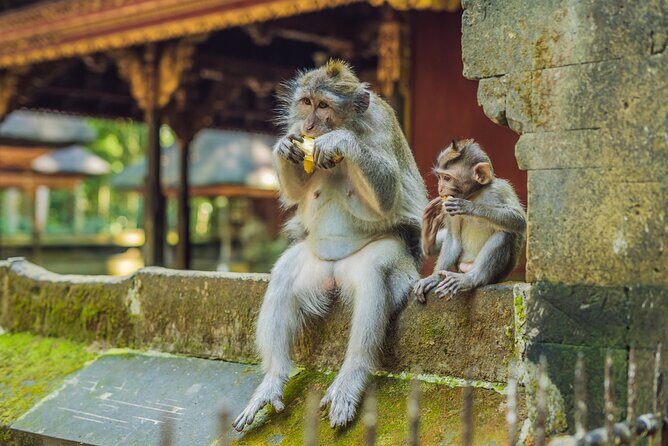
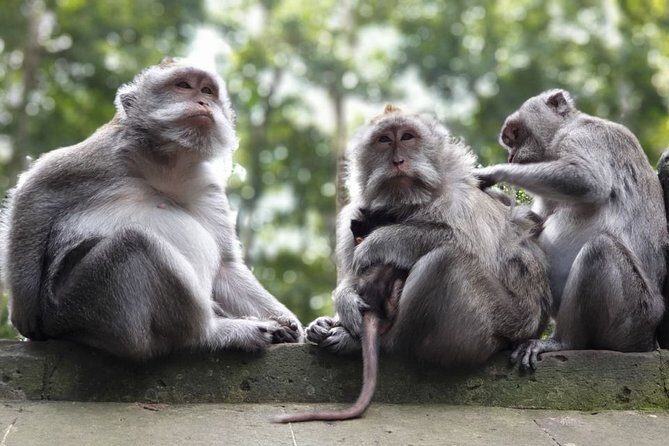
The Sacred Monkey Forest Sanctuary is exactly what it sounds like—playful monkeys in a real setting, not a theme park. The best part isn’t just seeing them. It’s seeing how they behave when they’re not performing for anyone.

This stop also works well with a guide because you’ll get context and cues on how to act around animals. In a place like this, small behavior changes matter: how you move, what you carry, and how you respond to the monkeys’ approach.

One thing I’d plan for mentally: you won’t have control over the monkeys’ timing. Sometimes they’re active and curious, sometimes they’re winding down. The trick is to stay relaxed, follow your guide’s suggestions, and treat it like watching wildlife—not like a guaranteed show.

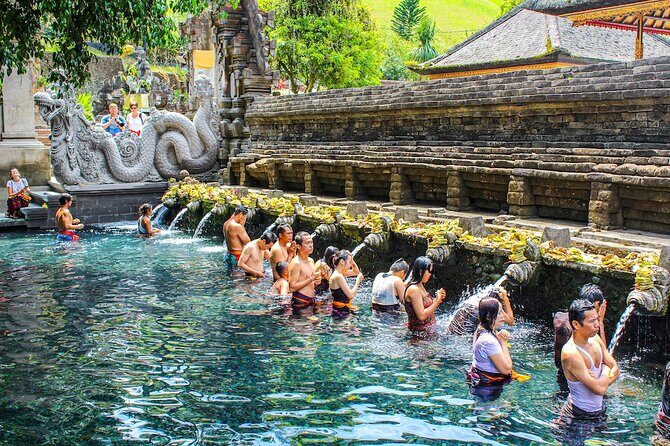
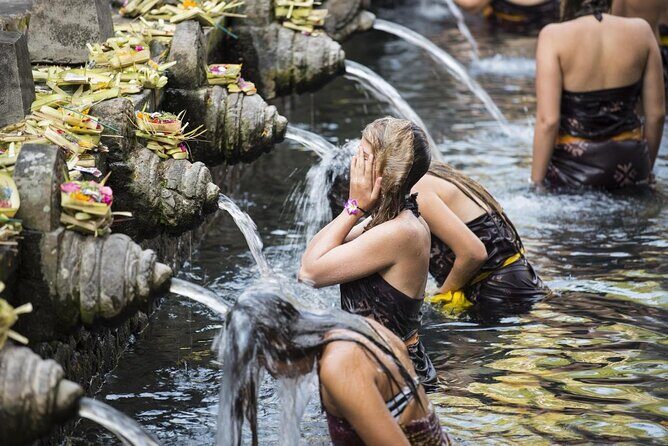
Tirta Empul Temple: Where the Tour Shifts From Scenic to Spiritual

1-Day Ubud Tours All-Inclusive - Tirta Empul Temple: Where the Tour Shifts From Scenic to Spiritual
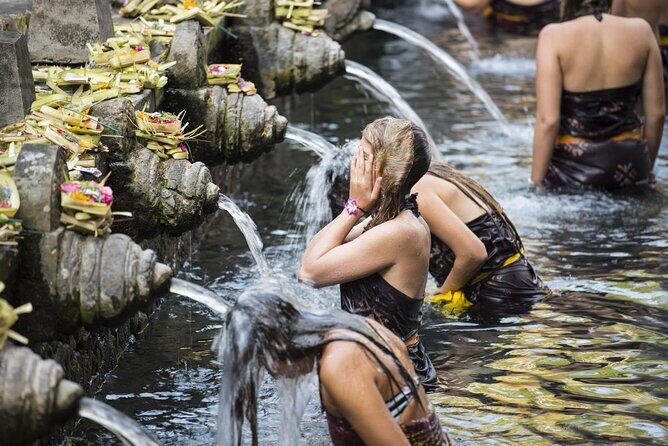
Tirta Empul Temple adds a different kind of value to the day. Instead of only chasing sights, you’re also getting insights into Balinese customs and what sacred spaces mean in daily life.

I like this stop because it keeps your day from feeling like a checklist. Rice terraces and waterfalls are visual hits. Tirta Empul is a reminder that Bali’s culture is lived, not staged, and that temples help explain the island’s worldview.

You’ll probably get more out of this portion if you ask questions. The tour’s guide is there to explain history and customs as you move between sites, and past experiences with guides like Wayan (and Wayan Surata specifically) have been praised for answering questions with patience and warmth.

Ulu Petanu Waterfall: The Stop People Hope Is Worth It

1-Day Ubud Tours All-Inclusive - Ulu Petanu Waterfall: The Stop People Hope Is Worth It
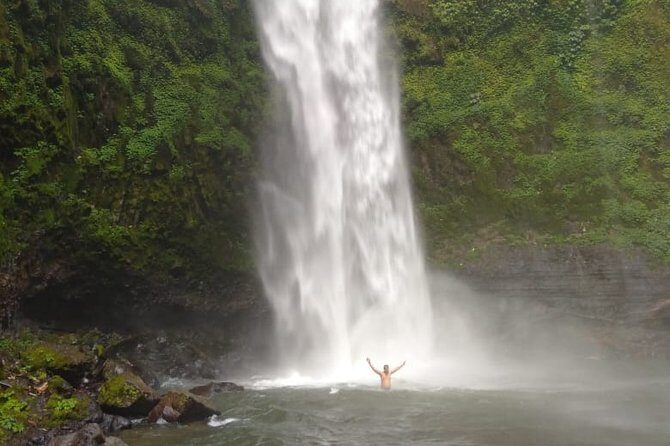
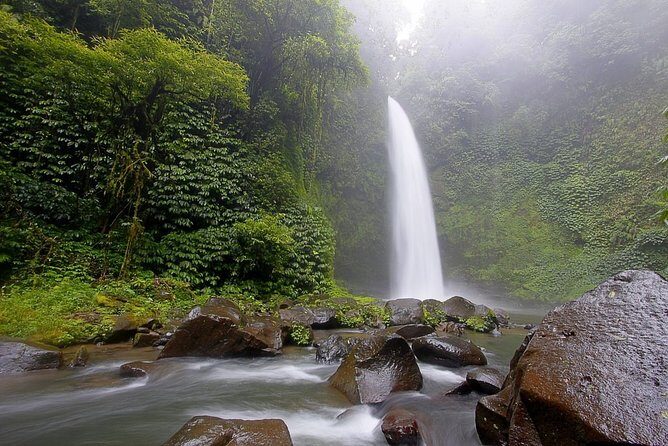
Waterfalls are often the make-or-break moment on a tour like this, and Ulu Petanu Waterfall is positioned as a highlight. In a day full of viewpoints, waterfalls add movement and sound—something your camera can struggle to capture, but your body gets immediately.

What makes this stop practical is that it breaks up the day visually. After terraces and a sanctuary, you’re ready for that fresh contrast: cooler air, misty views, and a sense of scale.

Do bring basic caution. Waterfall areas can be slippery, and the ground can be uneven near the falls. Comfortable shoes matter more than you think here, especially if you’re trying to get a good angle for photos.

Swing Experience and Lunch With a Terraces View: The Fun Break in the Middle

1-Day Ubud Tours All-Inclusive - Swing Experience and Lunch With a Terraces View: The Fun Break in the Middle
Between the big sights, the tour includes a swing experience and lunch with a rice terraces view. This is one of the smarter parts of the schedule because it gives you a mental reset. You shift from walking and observing to doing something playful, then you recharge with a sit-down meal.

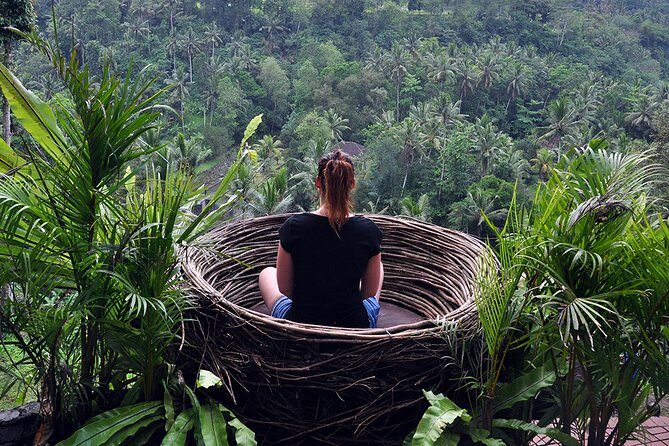
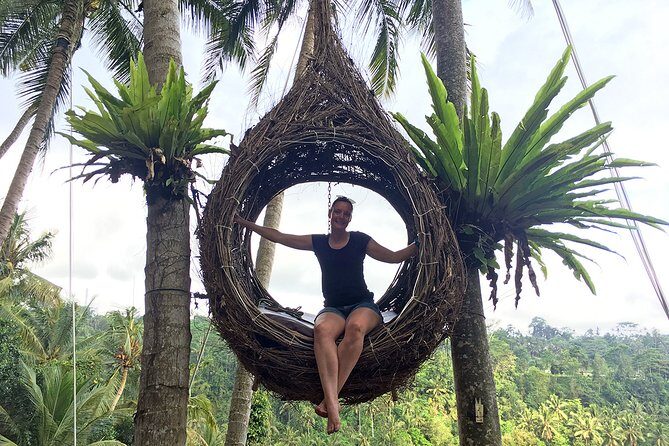
The swing portion is a great choice if you like easy adrenaline. It’s also a nice way to get a different angle on the scenery, since terraces and jungle textures look totally different from up high.

For lunch, having a terraces view is more than a nice bonus. It turns a meal into part of the experience, so you don’t just eat and rush out. If you tend to get hangry during tours, this stop can genuinely make the rest of the day smoother.

Coffee Plantation Tasting: A Calm Finish Instead of a Hard Stop

1-Day Ubud Tours All-Inclusive - Coffee Plantation Tasting: A Calm Finish Instead of a Hard Stop
The tour ends at a coffee plantation area for tasting Bali’s traditional coffee and herbal teas. This final stop is a smart move, because it’s usually quieter and more restful than another temple or an extra viewpoint.

I like it because it’s hands-on but not exhausting. You get to slow down, taste what’s on offer, and ask questions if your guide has them. If you’re curious about how Bali’s coffee culture works, this is the part of the day where that curiosity has a natural place to land.

Even if you’re not a big coffee drinker, herbal tea tasting gives you an alternative and keeps the experience from feeling too focused on just one product.

Price and Logistics: Does $39.77 Feel Like Good Value?

1-Day Ubud Tours All-Inclusive - Price and Logistics: Does $39.77 Feel Like Good Value?
At $39.77 per person, the value is mostly about what’s included for a full day. You’re paying for more than transportation. You’re getting a guided route through major sights, a provided lunch, a swing experience, and a coffee/tea tasting finish—plus pickup is offered.

Here’s how to judge value without getting tricked by the low price: look at the time and decisions you’re saving. Planning a full Ubud day across monkey forest, temples, terraces, waterfalls, lunch, and coffee tasting usually means hiring multiple pieces—driver time, ticket timing, and routing. This tour bundles that into one schedule.

That said, it’s still a full day at about 10 hours. If you prefer slow travel, long café breaks, or minimal driving, this may feel like a lot. If you want a structured day that hits the big highlights, this price can feel surprisingly reasonable.

Private-Group Feel: Only Your Group, With a Driver You Can Trust

This is listed as a private tour/activity, meaning only your group participates. That matters because it reduces waiting time and makes it easier to keep your pace without blending into a larger group.

Past feedback also highlights the quality of the driving experience. One praised driver, Gede Juni, was described as considerate and safe—exactly what you want on a day with multiple road segments and frequent stops.

If you’re traveling with friends or family and want the day tailored to your group (not to strangers), private tends to be worth it. Even if the stops are fixed, your comfort and timing often improve.

Who This Tour Is Best For in Ubud

This tour makes the most sense if you want a guided “Ubud highlights” day with minimal stress. It’s a good fit for:

  • First-time Ubud visitors who want the major sites in one go
  • People who like learning context while they move between attractions
  • Travelers who value having lunch and a coffee tasting included
  • Groups that prefer a private setup instead of a crowded group bus

It may be less ideal if you want a laid-back day with lots of free time, or if you strongly dislike active walking and quick transitions between stops.

When You Should Think Twice

Keep the weather factor in mind. The experience requires good weather, and if it can’t run due to poor conditions, you should expect a different date or a full refund.

Also, think about how you handle animal encounters. Monkey forest time is part of the draw, but you’ll want to stay alert and follow your guide’s instructions. If you’re uneasy around wildlife or close animal behavior, this could be stressful.

Should You Book This Ubud All-Inclusive Tour?

I’d book it if you want one well-run day that covers Ubud’s signature mix: rice terraces, monkey forest, temples, waterfalls, a swing, lunch, and coffee tasting. For the price, it’s doing a lot of heavy lifting for you—especially if you’d otherwise have to piece together transport and timing on your own.

I’d hesitate if you hate long days or you’re arriving during a weather-iffy week. In Ubud, conditions can shift fast, and this tour is designed for good weather to keep the stops comfortable and safe.

If you want a structured, culture-plus-nature day without overthinking logistics, this one is a solid choice.

FAQ

How long is the Ubud tour?

It runs for about 10 hours.

What are the main places you visit?

The tour includes Tegalalang Rice Terrace, Sacred Monkey Forest Sanctuary, Tirta Empul Temple, and Ulu Petanu Waterfall. It also includes a swing experience, lunch, and a coffee plantation stop with coffee and herbal tea tasting.

Is pickup included?

Yes, pickup is offered.

Is this tour private or shared?

This is a private tour/activity, so only your group participates.

How much does it cost?

The price is $39.77 per person.

Do I receive tickets on my phone?

Yes, the tour uses a mobile ticket, and you receive confirmation at the time of booking.

What if the weather is bad or I need to cancel?

The experience requires good weather. If it’s canceled due to poor weather, you’ll be offered a different date or a full refund. You can cancel for a full refund up to 24 hours in advance; changes within 24 hours aren’t accepted, and cancellations less than 24 hours before the start time aren’t refunded.

Ubud Private Tour: Monkey Forest – Tirta Empul Temple

Ubud Private Tour: Monkey Forest - Tirta Empul Temple - Monkey Forest Sanctuary: temple carvings and monkey-and-temple energy

A full Ubud day, tightly packed and easy. This private tour strings together Ubud’s most famous sights with comfortable hotel pickup and an air-conditioned car, so you spend less time figuring out roads and more time looking at carvings, water temples, and rice terraces. The day’s range is the point: from monkeys and temple ponds to a waterfall drop and a night market dinner.

I especially like the door-to-door convenience. When you start with pickup and end with drop-off, the schedule feels smoother, and your guide can keep the pace in a way that works for your group. I also love the service style—Gusti (a guide named in a standout review) was described as friendly, customer-focused, and patient, with no rushing when people wanted extra time.

One thing to consider: entry fees can add up, and the tour’s details separate what’s included (Price A) from what may be charged separately for specific stops. If you’re counting every dollar, double-check whether admission tickets are truly covered for Monkey Forest, Tegalalang Rice Terrace, Tirta Empul, Elephant Cave, and Tegenungan Waterfall.

Key things to know before you go

Ubud Private Tour: Monkey Forest - Tirta Empul Temple - Key things to know before you go

  • Private vehicle + hotel pickup: fewer logistics headaches and a calmer day.
  • Big-name Ubud mix in 8–10 hours: temple water, rice terraces, a waterfall, and a cave.
  • Gusti-style pacing: the best reviews highlight a patient, not-rushed approach.
  • Admission fees need a quick check: you may pay for some entries on the day.
  • Night market for food and low-stress dinner time: one hour for snacks, eats, and casual shopping.
  • All-inclusive option exists: if you want fewer money moments, choose that.

Private Day Tour Flow in Ubud: pickup, comfort, and pacing

Ubud Private Tour: Monkey Forest - Tirta Empul Temple - Private Day Tour Flow in Ubud: pickup, comfort, and pacing
This is built for one group at a time. That matters in Ubud, where travel between sites can eat up your day if you’re doing it solo or on buses with strict schedules. Your tour includes round-trip hotel transfers and travel in a private air-conditioned vehicle, plus bottled water.

Timing is also realistic. The tour runs about 8 to 10 hours, with time at each stop ranging from 30 minutes to around 1 hour. That doesn’t sound long on paper, but it’s the right length for a “greatest hits” day—enough to see what you came for without turning the trip into a full-day marathon.

And yes, the guide experience can make or break a day like this. One of the most positive reviews singled out Gusti, praising him for being customer focused, friendly, and patient, and for not rushing when the group wanted to linger. For you, that usually means: if you want a slower look at carvings or more time near a view, you’re not likely to be yanked onward every 5 minutes.

Monkey Forest Sanctuary: temple carvings and monkey-and-temple energy

Ubud Private Tour: Monkey Forest - Tirta Empul Temple - Monkey Forest Sanctuary: temple carvings and monkey-and-temple energy
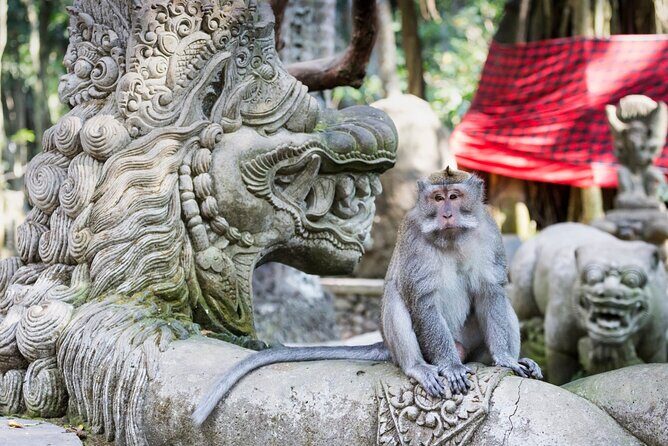
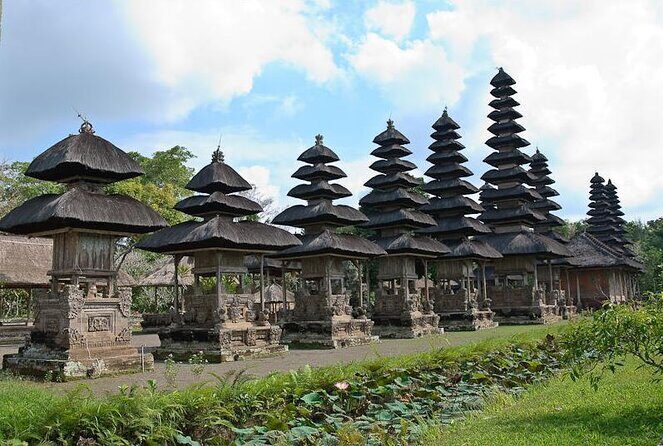
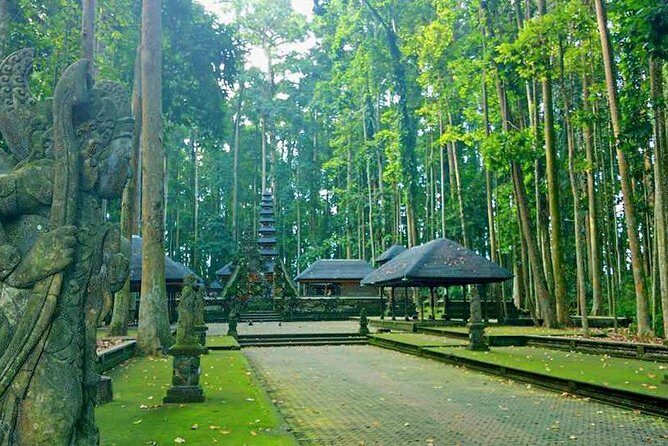
Your first major stop is the Sacred Monkey Forest Sanctuary. This isn’t just a “look at monkeys” detour. It’s tied to a temple setting, with carved artwork and sculptures woven into the sanctuary space. The monkeys are part of the show—free to move through the area, while you navigate your way around them.

What makes this stop worth planning for: you get culture plus spectacle in one place. The sanctuary setting gives you more context than a zoo-style encounter, and the temple elements help explain why this place matters locally.

Ticket note: entry is listed separately as IDR 80,000 (not included in the “not included” category). So if you don’t choose the all-inclusive style, expect to handle it on your own.

A practical consideration: this is a busy photo-and-snack stop, and it can feel chaotic if you arrive when crowds peak. Your guide’s job here is valuable—staying calm, guiding your route, and helping your group get the photos you came for without feeling like you’re constantly dodging people.

Tegalalang Rice Terrace: the Instagram-famous view that still earns time

Ubud Private Tour: Monkey Forest - Tirta Empul Temple - Tegalalang Rice Terrace: the Instagram-famous view that still earns time
Next comes Tegalalang Rice Terrace, the Ubud rice terrace you’ve probably seen in countless photos. It’s famous for a reason: the terraced fields are genuinely striking, and the viewpoints give you that stepped green pattern that reads instantly from any angle.

Yes, it’s touristy. But “touristy” doesn’t automatically mean “not worth it.” In this case, the terraces themselves are the star, and they still look impressive even with the crowd. Plan on using this time for what the place does best: walking to a couple viewpoints, grabbing your favorite framing, and letting the scene do the work.

Ticket note: entry is listed as IDR 10,000 (also not included in the not-included list). If your goal is to stay under budget, treat this as one more small fee to factor in—or choose the all-inclusive option to reduce on-the-spot payments.

Also, keep your expectations realistic. This is a working agricultural area with paths and viewpoints. If you want “quiet nature meditation time,” you might not get it here. If you want a top Ubud sight with easy photo access, it’s a solid use of time.

Tirta Empul Temple: holy spring water and ritual purification

Ubud Private Tour: Monkey Forest - Tirta Empul Temple - Tirta Empul Temple: holy spring water and ritual purification
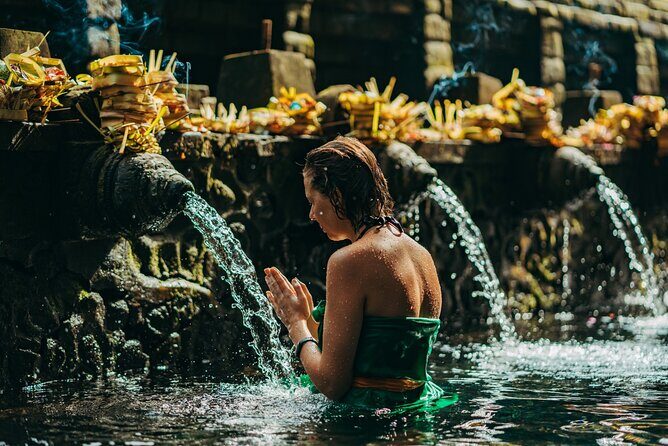
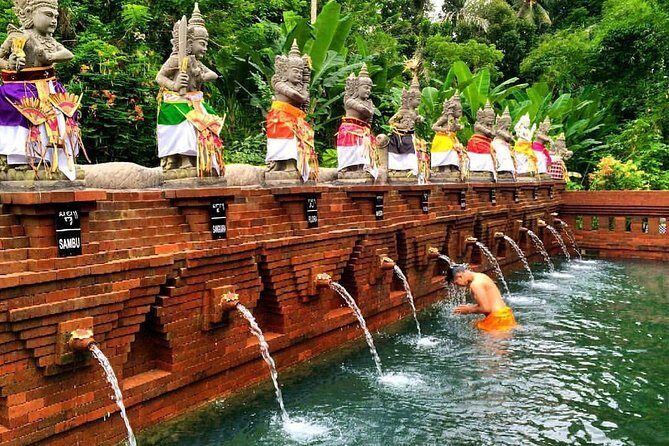
At Tirta Empul Temple—known locally as Pura Tirta Empul—you’re stepping into a water-focused place of meaning. The temple is in the Manukaya village area near Tampaksiring. The big idea is the holy spring: a spring that gives out fresh water regularly.

Locally, Balinese Hindus consider this water holy (described as amritha) and use it for ritual purification. That’s the key context. You’re not just looking at a pond—you’re seeing a site connected to daily and spiritual practice.

This stop can feel moving in a quiet way, especially if you slow down and watch how the water and temple spaces are arranged. The guided element helps too, because it’s easier to understand what you’re seeing when someone explains the purpose behind the scenes.

Ticket note: entry is listed as IDR 50,000 (not included in the not-included list).

A gentle consideration: you’ll likely be around people in different states of focus—some there for ritual steps, others there to view. Respect matters more than anything. Your best move is to follow your guide’s direction and keep your behavior steady and quiet.

Elephant Cave (Goa Gajah): cave relics, bathing pools, and gardens

Ubud Private Tour: Monkey Forest - Tirta Empul Temple - Elephant Cave (Goa Gajah): cave relics, bathing pools, and gardens
Then you head to Goa Gajah, commonly called the Elephant Cave because it’s associated with the nearby Elephant River. This stop is described as a mysterious cave setting with relics and ancient bathing pools, surrounded by green rice paddies and gardens.

What you’re looking at here is a mix of natural space and archaeological remnants. Even without a deep background, the setting gives you a sense of age and atmosphere. The ancient bathing pools are the standout detail—this isn’t only a dark cave walk. It’s a site where the water-and-structure concept is part of the story.

Ticket note: entry is listed as IDR 50,000 (not included in the not-included list). Plan for that cost unless your package includes admissions.

Practical reality: caves can mean uneven ground and cooler, dimmer interiors. If your feet are picky, wear shoes you trust. And if you want photos, aim for steady, calm timing—this place can be popular and moving slowly in a cave environment is easier than trying to rush.

Tegenungan Waterfall: a 20-meter drop and a second-level surprise

Ubud Private Tour: Monkey Forest - Tirta Empul Temple - Tegenungan Waterfall: a 20-meter drop and a second-level surprise
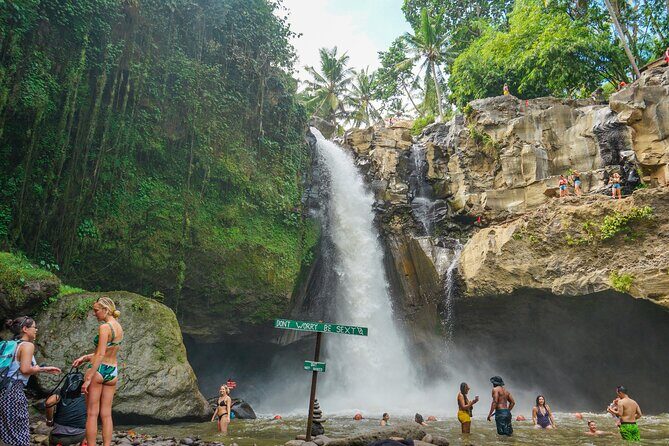
From temple and cave history to open-air nature: Tegenungan Waterfall. The description is vivid—white water foams down over black stone cliffs into a pool below. The height is given at around 20 meters (about 66 feet), which is plenty for impressive waterfall photos without needing Everest-level hiking.

What makes this stop more than a quick point-and-shoot: there’s more to see. The site includes climbable cliffs, a smaller “secret” waterfall, food stalls, and a grotto that houses a sacred spring.

Ticket note: entry is listed as IDR 20,000 (not included in the not-included list).

A consideration for your day planning: waterfalls can mean messy surfaces near the base. If you’re wearing light footwear or sandals, think twice. Even if you’re not planning to get wet, you’ll appreciate traction on slick areas. Your guide can help you find safer spots to look from.

Gianyar Street Night Market: your flexible food stop and casual shopping

Ubud Private Tour: Monkey Forest - Tirta Empul Temple - Gianyar Street Night Market: your flexible food stop and casual shopping
After dark (or as night starts to settle in), you’ll head to Gianyar Street Night Market. This is the “take a breath and eat” part of the day. The market’s hours are listed roughly between 4 or 5 pm and up to 12 am, depending on the season.

What you do here: snack, taste, and wander. The market has Balinese and Indonesian delicacies at reasonable prices, plus traditional clothing for sale. It’s also the kind of place where you can try a few items without committing to a full sit-down meal.

Tour pacing detail: your time here is about 1 hour. That’s enough to cover a few stalls, try some savory bites, and grab something sweet if that’s your style.

A practical suggestion: go in hungry. With only an hour, you’ll enjoy it more if you treat it like a tasting run, not a full shopping expedition. If you’re interested in clothing or gifts, set aside a little mental budget for that too—this stop is partly food, partly local shopping.

Price and tickets: how to judge the $35 value fairly

Ubud Private Tour: Monkey Forest - Tirta Empul Temple - Price and tickets: how to judge the $35 value fairly
The tour price is listed at $35 per person, and it’s typically booked about 26 days in advance. That pricing is where the real value question lives: you’re paying for private transport, a guide, and the structure to hit several Ubud highlights without sorting routes.

But entry fees matter. Here’s what’s explicitly listed for admissions (not included in the not-included category):

  • Monkey Forest: IDR 80,000
  • Tegalalang: IDR 10,000
  • Tirta Empul: IDR 50,000
  • Elephant Cave: IDR 50,000
  • Tegenungan Waterfall: IDR 20,000

Add those up and the total comes to IDR 210,000 in entry fees across the main paid stops (not counting the night market, which doesn’t list an admission fee). Your final out-of-pocket cost depends on whether your option includes Admission tickets (Price A) or you’re covering the rest separately.

So here’s the way I’d think about value:

  • If your package truly covers admissions, $35 looks like a strong deal for a full day of transport plus multiple sites.
  • If admissions are mostly on you, the tour still buys you the convenience of private driving and guidance, but your total day spend will jump once you add IDR 80k, 50k, 50k, and so on.

Also, you get bottled water and a private, air-conditioned vehicle. In Ubud heat, that alone can be worth the difference between “cheap transport” and “comfortable day.”

Who this tour fits best in Ubud

This one is a great match if you want a greatest-hits Ubud day with minimal planning. It’s especially good for:

  • Couples or small groups who want privacy and an easy rhythm
  • First-timers who want to see Monkey Forest, a water temple, a rice terrace, a cave, and a waterfall all in one hit
  • Travelers who’d rather pay for convenience than spend time coordinating multiple tickets and ride schedules

It may be less ideal if you:

  • Want long stays at each site (this day gives shorter “hits,” not slow wander days)
  • Need a fully flexible schedule with no fixed time windows (your time at each stop is structured)
  • Are extremely budget-sensitive and would rather skip higher entry-fee attractions

Should you book this Ubud private tour?

I’d book it if you want a smooth, efficient Ubud day with private comfort and a guide who won’t bulldoze your pace. The best indicator is service quality—Gusti was specifically praised for being friendly, patient, and flexible, with no rushing.

Before you pay, do one quick check: confirm whether your option includes the admissions for the paid stops (Monkey Forest, Tegalalang, Tirta Empul, Elephant Cave, Tegenungan). If you choose the all-inclusive style, you remove most of the money-and-ticket friction. If you don’t, budget for roughly IDR 210,000 across those main sites.

If your goal is a one-day sampler of Ubud’s major icons, this private format is the practical way to do it.

FAQ

How long is the Ubud private tour?

The tour duration is listed as about 8 to 10 hours.

Is hotel pickup and drop-off included?

Yes. Hotel pick up and return transfers are included.

Is the transportation air-conditioned?

Yes. The private transportation is described as an air-conditioned vehicle.

What attractions are included in the day?

The tour includes Sacred Monkey Forest Sanctuary, Tegalalang Rice Terrace, Tirta Empul Temple, Elephant Cave (Goa Gajah), Tegenungan Waterfall, and the Gianyar Street Night Market.

Are entrance tickets included?

Admission tickets are included as Admission tickets (Price A), but entrance fees for specific stops are listed under not included (Monkey Forest, Tegalalang Rice Terrace, Tirta Empul Temple, Elephant Cave, and Tegenungan Waterfall). Check which admission package you’re selecting.

Is bottled water provided?

Yes. Bottled water is included.

Is this tour private or shared?

It’s a private tour/activity, and only your group participates.

What’s the cancellation policy?

Free cancellation is offered. You can cancel up to 24 hours in advance for a full refund. The experience also requires good weather.

Matasidhi Sacred Love Blessing

Matasidhi Sacred Love Blessing - Price and timing: what you’re getting for $172 per person

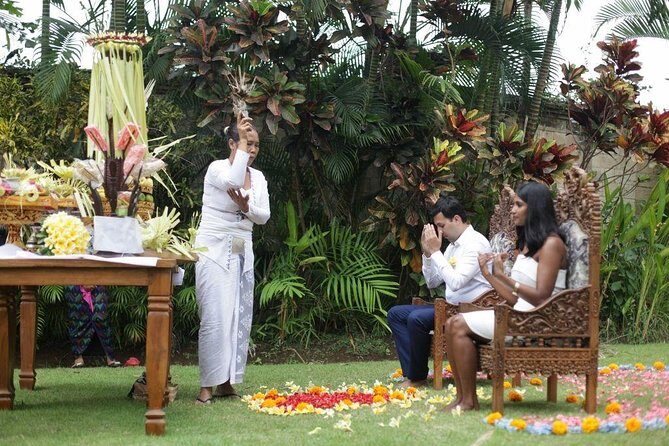
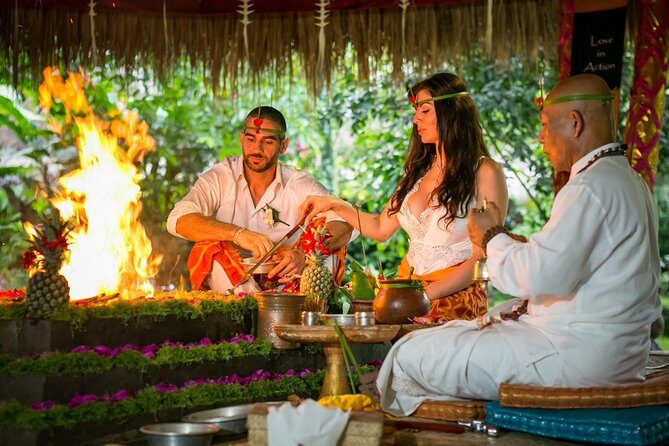
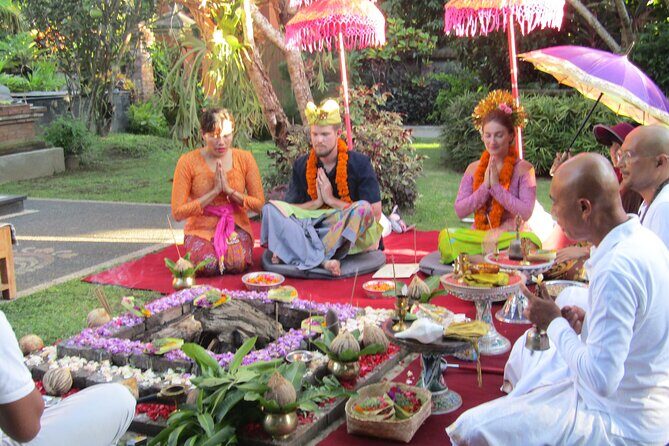
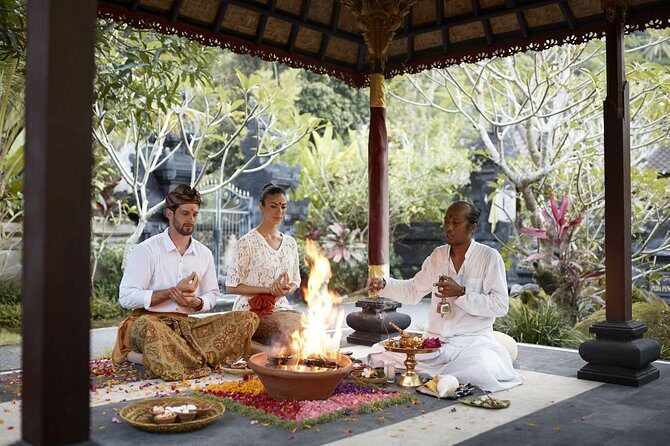
This is not the usual Bali dinner-and-a-temple stop. You’re stepping into a Balinese/Hindu-inspired Homa Yajna fire blessing and/or Bebayuh cleansing designed around love, letting go, and making fresh intentions as a couple.

I especially like that the ceremony isn’t just symbolic fluff. You also get a karmic reading by a Balinese shaman focused on your relationship path and advice. Another strong point: multiple couples noted the experience felt well organized, with clear explanations and a thoughtfully prepared ceremony look—dress and hair styling included.

One consideration: the vibe can be very emotional and spiritual. If you prefer light sightseeing only, or you feel uneasy about anything involving an animal release, this may not be your cup of calm.

Key highlights worth clocking before you go

Matasidhi Sacred Love Blessing - Key highlights worth clocking before you go

  • Homa Yajna fire ceremony: a sacred healing ritual drawn from ancient Vedic texts, used to let go and set new intentions
  • Bebayuh cleansing offering: designed to release negative energies and refresh your relationship promise
  • Couples karmic reading: a relationship-path read plus advice from a Balinese shaman
  • Animal release with good karma intent: a compassionate way to close the experience
  • Private, focused format: only your group participates, with pickup offered
  • Set up for the moment: couples reported the ceremony location and prepared look (outfit and hair) felt perfect

How this couples blessing works (and why it’s not just “a ritual”)

Matasidhi Sacred Love Blessing - How this couples blessing works (and why it’s not just “a ritual”)
In Ubud, love can be treated like something practical. This experience frames romance as a spiritual journey: you work on what’s in the way, you purify what’s heavy, and you set intentions for what you want next.

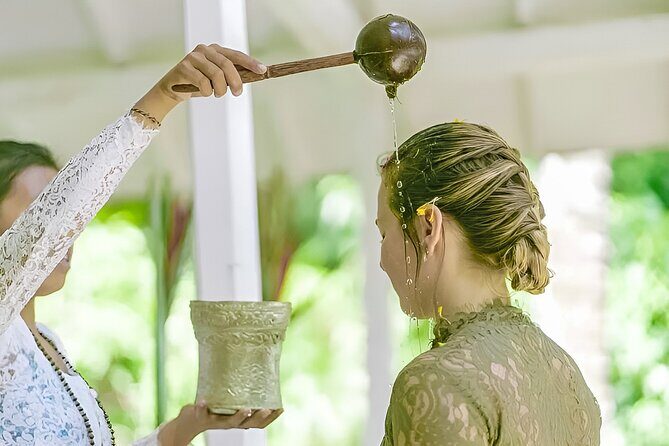
The main ceremony is either Homa Yajna or Bebayuh (or you may experience both, depending on how the blessing is set up for you). Homa Yajna uses a sacred healing fire tied back to ancient Vedic texts. The goal is to help you release unwanted aspects in life and bring in new intentions and a fresh start.

Bebayuh is the cleansing side. The name comes from the Balinese word Bayuh, meaning cleanse and purify negative energies. In a couples blessing, it’s also about renewing your promise together—less about grand speeches and more about resetting your emotional and spiritual “baseline.”

Price and timing: what you’re getting for $172 per person

Matasidhi Sacred Love Blessing - Price and timing: what you’re getting for $172 per person
At $172 per person for about 5 hours, this sits in the “more than an ordinary ticket, less than a multi-day retreat” category. The value comes from the combination: a private couples ceremony, pickup offered, and time with a Balinese shaman for a relationship-path karmic reading.

Also, plan ahead. The average booking window is about 42 days in advance, so if you’re traveling in a busy season, don’t wait until the last week. You’ll start at 2:00 pm and return to the meeting point by the end, which helps you keep the rest of your afternoon/evening organized.

One practical point: you’ll receive confirmation at booking, and the experience uses a mobile ticket. That’s helpful in Bali, where you’ll often be walking, waiting, and switching plans on the fly.

Meeting at Puri Ubud: getting ready for a ceremony moment

Matasidhi Sacred Love Blessing - Meeting at Puri Ubud: getting ready for a ceremony moment
You meet at Puri Ubud in Ubud, Gianyar Regency, Bali. The experience runs about five hours total and ends back at Puri Ubud.

What I like about starting at a clear meeting point is that you can arrive thinking like a guest, not like a logistics intern. You’ll be guided into the ceremony with enough structure that you know where to stand, what to do, and when.

One standout from the best feedback: couples described the whole lead-in as gentle and welcoming, with smiles and kind handling that made it easy to settle in. They also mentioned the ceremony look—dress and hair styling—and a special-feeling location.

That matters more than people expect. When you look and feel prepared, you stop overthinking and you can actually take part in the moment.

Homa Yajna fire healing: letting go and setting new love intentions

If your couples blessing includes Homa Yajna, you’ll be part of a sacred fire healing ceremony. This ritual is described as originating from ancient Vedic texts, and it’s used to help people release what they don’t want to carry anymore.

In a couples context, the meaning is straightforward. You’re not just doing something romantic-looking. You’re working with the idea that your relationship is affected by mental and emotional weight, plus the energy you bring into daily life.

During the ceremony, expect a guided flow that links the fire ritual with intention-setting. The theme is: release unwanted patterns, then call in new intentions and new life. It’s a very “clean slate” philosophy, even though the ceremony itself is rooted in deep tradition.

What to watch for

If you’re hoping for a quick photo op, this isn’t that. It’s built to be taken seriously. You’ll want a calm mindset and a willingness to sit with feelings that might show up.

If you’re expecting a Western-style “talk,” you’ll be surprised. This is a ritual experience. Understanding the symbolism comes from the explanations you’re given, plus the rhythm of the ceremony itself.

Bebayuh cleansing offering: purifying negative energies as a couple

Bebayuh is the cleansing offering side. It’s tied to the Balinese concept of Bayuh—cleansing and purifying negative energies—so positivity can come through and you can become a truer joyful, conscious version of yourselves.

For couples, Bebayuh is also about promise. The blessing renews your commitment to each other, but in a spiritual way: you’re aligning your bond with a more positive energy path.

What I find useful about this part is that it doesn’t treat conflict as a mystery. It treats it like something that can be purified. That framing can be comforting if you’re dealing with recurring tension, repeating cycles, or simply feeling emotionally “stuck.”

A note for sensitive souls

Because it’s a purification-style ritual, it can feel intense emotionally. Several couples described the experience as very emotional and profound, with a deep pull toward the heart of things. If you prefer a strictly light tone, you might still enjoy it, but you’ll have to adjust your expectations.

The karmic reading with a Balinese shaman: relationship-path advice

After Homa Yajna / Bebayuh, the experience shifts into a karmic reading session led by a Balinese shaman. This is specifically meant to read your relationship path and provide advice.

This is the part that turns the blessing from a shared moment into something you can use. Even if you don’t take everything literally, the practical value is in the guidance—especially if you want language for obstacles and luck patterns as a couple.

You’re aiming to understand:

  • your obstacles together
  • where your relationship luck might be coming from
  • what advice could help you move forward

And yes, it’s still spiritual. But it’s presented as relationship-focused, not generic self-help.

One of the praised aspects was that couples received all the explanations about the rite. That same kind of clarity tends to matter here too: you’ll want the reading to feel understandable, not like random fortune-telling.

How to get the most out of it

Go in with a specific intention, not just vague romance vibes. Think about what you want to improve, what you’re repeating, and what you want the next chapter of your relationship to feel like.

Animal release for good karma: compassionate closure

Matasidhi Sacred Love Blessing - Animal release for good karma: compassionate closure
The experience finishes with animal release, described as a compassionate act to sentient beings meant to bring good karma and fortune.

This part has a clear intention: you’re ending the blessing with an act of kindness, not just words. If the ceremony already feels heartfelt, this final action is built to land emotionally.

Consideration

If you’re very sensitive about animals or ethically uncomfortable with release-style practices, this is the one moment to think hard about. The only thing you can truly do is be honest with yourself before you go.

What the private format changes for couples

This is a private tour/activity. Only your group participates. That sounds like a small detail, but it changes everything about how a spiritual experience feels.

You’re less likely to feel rushed. You’re more likely to get time for questions. And you don’t have to manage a shared group’s energy while you’re trying to focus on your relationship.

Many couples also said they felt immediately comfortable thanks to how they were welcomed. In a private format, that kind of personal attention can feel easier to accept and harder to miss.

Who should book this (and who might not love it)

This experience is for couples in love or in a romantic relationship who want more than standard Bali sightseeing. If you’re celebrating a milestone, working through a rough patch, or just want a “we’re choosing each other again” ritual moment, it fits well.

You might also like it if:

  • you want a culturally grounded ceremony in Ubud
  • you enjoy spiritual practices as part of travel, not as an add-on
  • you appreciate being guided and explained what’s happening
  • you value emotional experiences over just taking photos

You might skip it if:

  • you want a light, casual afternoon
  • you get uncomfortable with very emotional settings
  • you’re uneasy about the animal release component

The best way to prepare: mindset beats outfits

You’ll likely be given or prepared with a ceremony look, including outfit and hair styling based on positive feedback from couples. Still, bring your own readiness.

Before you go:

  • arrive on time, because the start is 2:00 pm
  • keep your schedule open for the full 5 hours, since this is a process, not a quick ceremony
  • set a couple intention in plain language (something you can remember during emotional moments)

If you want the karmic reading to feel useful, come with the relationship topic you most want clarity on. That turns the advice into something actionable afterward.

Should you book Matasidhi Sacred Love Blessing in Ubud?

If you and your partner want a real couples ceremony—not just a temple visit—this is a strong choice. The combination of fire healing or cleansing, a relationship-focused karmic reading, and a heartfelt closing action is exactly the kind of structured spiritual experience that can feel meaningful for both of you.

I’d especially recommend it if you care about:

  • emotional depth
  • clear explanations
  • a well-managed, private couples setting

Skip it only if you want totally casual sightseeing or if the animal-release element would make you tense. If you can meet the day with an open mind and a steady heart, this one has a way of turning into a special memory fast.

FAQ

Where is the Sacred Love Blessing held?

The meeting point is Puri Ubud in Ubud, Gianyar Regency, Bali, Indonesia. The activity ends back at the meeting point.

What time does it start?

The start time is 2:00 pm.

How long does the experience take?

It runs for approximately 5 hours.

How much does it cost?

The price is $172.00 per person.

Is pickup offered?

Yes, pickup is offered.

Is it a private experience?

Yes. It is private, meaning only your group participates.

Do I need to bring a printed ticket?

You get a mobile ticket.

Is the ceremony for couples only?

Yes. It’s designed for couples who are in love or in a romantic relationship.

What happens during the ceremony?

You can expect a couple blessing based on either Homa Yajna (fire healing ceremony) or Bebayuh (cleansing offering). After that, there is a karmic reading by a Balinese shaman focused on the relationship path and advice, and then an animal release.

Is cancellation allowed?

Yes, free cancellation is available. You can cancel up to 24 hours in advance for a full refund.

Is this experience suitable for most people?

The information provided says most travelers can participate.

Mount Batur Trekking by 4wd Jeep

Mount Batur Trekking by 4wd Jeep - The 4WD Jeep Ride: Fast, Fun, and Worth Paying For

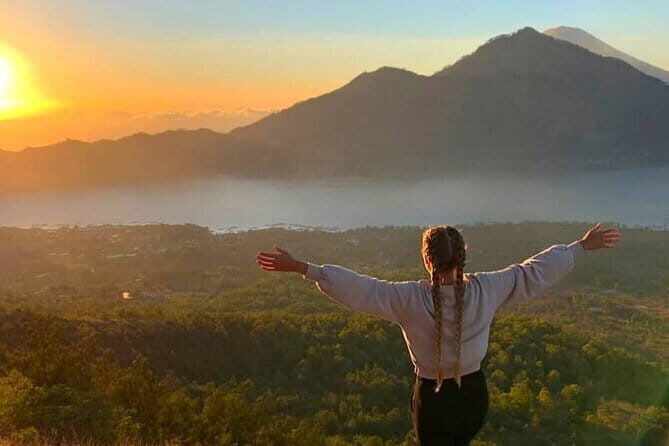
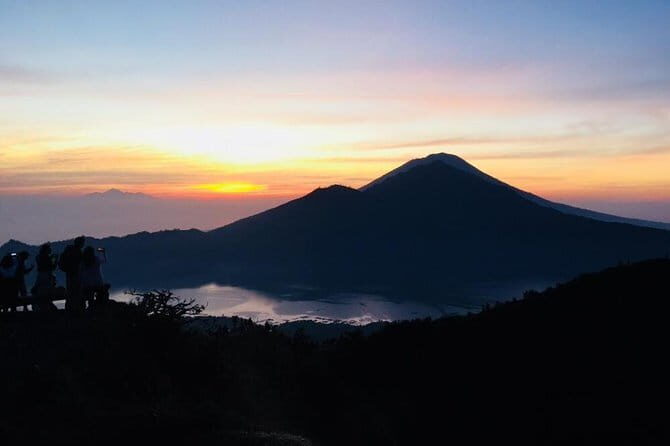
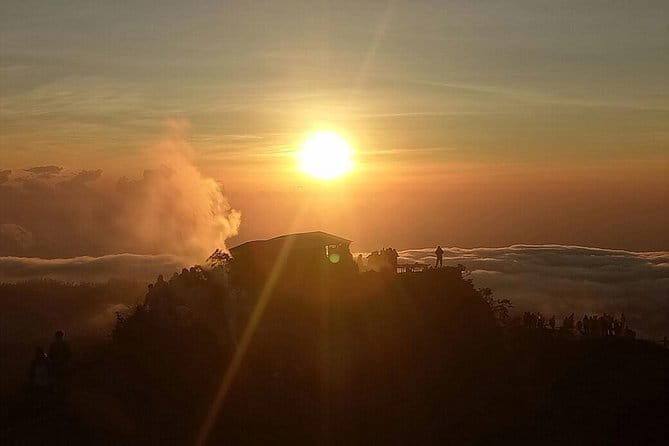
Mount Batur wakes up before you do. This private-style tour pairs a quick 4WD Jeep climb with an early summit hike, so you’re actually watching sunrise instead of just racing to a viewpoint. Then you move through the crater area, eat warm food cooked on volcanic steam, and end with a restorative soak at a natural hot spring.

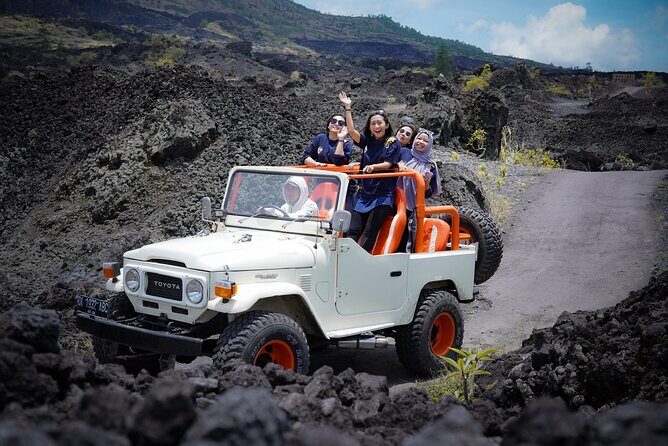
I love the way the Jeep cuts down the grind. You start with a short, bumpy ride (about 20 minutes) before switching to a 40-minute walk to the real summit, which makes the hike feel doable for a lot more people than a full uphill start.

I also really like the food timing and setting. Breakfast is served with volcanic-steam cooking (think banana sandwiches, plus hot tea, eggs, and bananas boiled on steam around sunrise time), then you keep trekking around the crater and finish with the natural hot spring soak.

One thing to consider: early mornings are real mornings here. If you’re sensitive to schedule changes, be aware that punctuality can vary with the vehicle part of the day, and you’ll want to keep your expectations flexible when darkness and pickup timing are involved.

Key highlights at a glance

  • 4WD Jeep + short summit hike: fast access, then a manageable climb (about 40 minutes)
  • Sunrise at the real summit: hot drinks and egg-and-banana breakfast timing included
  • Crater walking time: you continue around the whole crater area after sunrise
  • Natural hot spring stop: a long soak to reset your legs
  • Private guide and vehicle (max 4 per jeep): easier pacing and a more personal experience

Mount Batur Sunrise With a 4WD Jeep: What Makes This Day Work

Mount Batur Trekking by 4wd Jeep - Mount Batur Sunrise With a 4WD Jeep: What Makes This Day Work
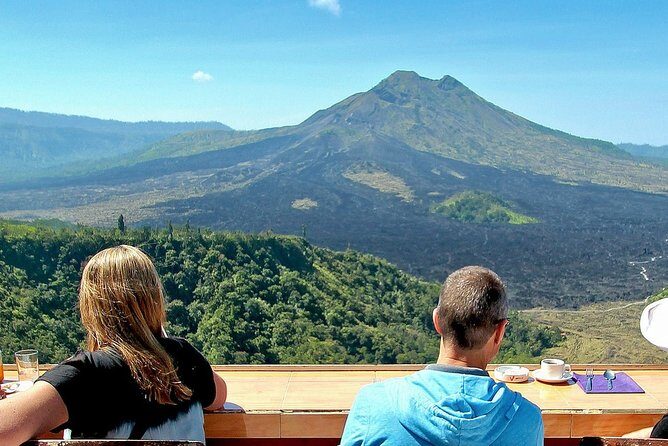
Mount Batur is one of those Bali experiences that’s mostly about timing. The sunrise window is short, the lighting is dramatic, and the path gets busy when the sun finally shows up. This tour is built around beating the clock without turning your morning into a full-on endurance test.

The big idea is simple: you use a 4WD Jeep to get most of the hard distance out of the way, then you walk the final stretch to the “real summit” at sunrise. From there, the day keeps moving—crater exploring, breakfast, and a relaxing hot spring—so you don’t just do one scenic photo moment and call it a day.

For me, the value is in how many different parts you get in about six hours. You’re not only paying for a sunrise view. You’re also paying for guide support, safety briefings, warm food at the right moment, and the hot spring payoff afterward.

Your Morning Schedule: The Exact Flow From Pickup to Return

Mount Batur Trekking by 4wd Jeep - Your Morning Schedule: The Exact Flow From Pickup to Return
This is a before-dawn tour, and the timeline matters because each stop depends on daylight.

Pickup starts around 02:30–03:30, depending on where you’re staying. You’ll arrive at the starting point for a quick intro and safety briefing with an English-speaking guide. Then you head up by Jeep for about 20 minutes until you reach the mid-volcano area.

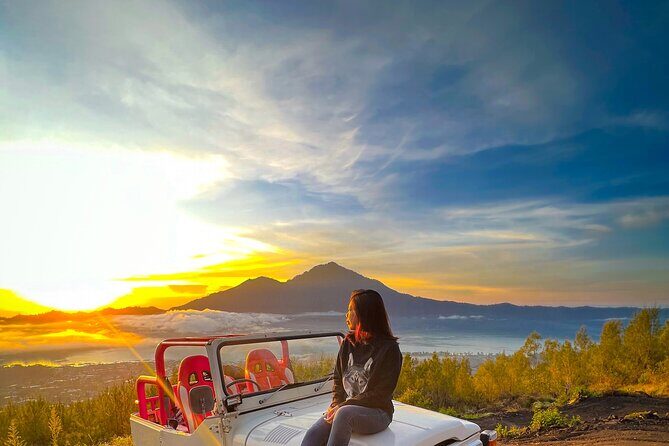
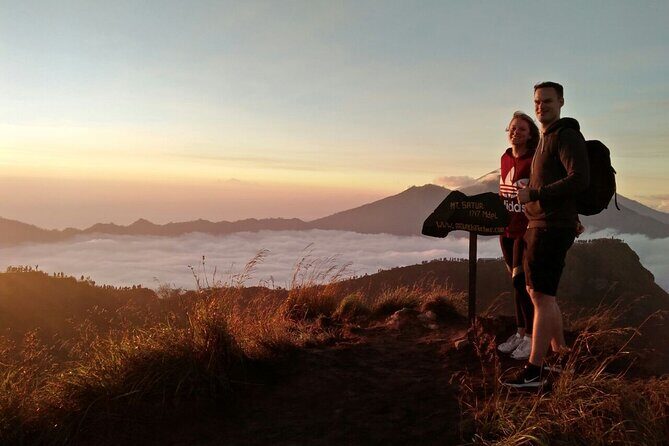
Next comes the walking portion. Plan on about 40 minutes up to the actual summit. When you reach the top around 06:15, the tour shifts into sunrise-mode: you get spectacular views, plus warm drinks and a breakfast setup timed to the sunrise.

After sunrise and breakfast, you continue trekking around the entire crater. The schedule brings you back to the finish point around 08:00, then you take time to relax at the Batur Natural Hot Spring (about a couple of hours in the plan). Later, there’s an optional coffee plantation stop around 10:30, and you return to your hotel between 11:30 and 12:30.

Two practical notes for you:

  • Dress like it’s cold at altitude. The summit hike is early, and you’ll be standing around for sunrise.
  • Build your day around warmth and hydration. You’ll get water and food, but your body still needs layers.

The 4WD Jeep Ride: Fast, Fun, and Worth Paying For

Mount Batur Trekking by 4wd Jeep - The 4WD Jeep Ride: Fast, Fun, and Worth Paying For
The Jeep segment is short on purpose: about 20 minutes. That matters because it’s not a long, slow “tour drive” before you even start hiking. It’s more like a quick transfer that reduces the total effort while still giving you that wild-volcano ride feeling.

You’ll be in a Jeep with a small group. The plan notes a maximum of 4 people per jeep, which tends to make things easier for your guide and helps with pacing and photo stops. The guide and driver are also part of the experience, since they’re coordinating the early movement and keeping you on track toward sunrise.

One caution: early pickup times can be tricky on Bali roads, and one past experience included a late driver and a period of radio silence before things were clarified. I’d treat that as a reminder to stay mentally flexible before dawn, especially if you’re the type who needs tight timing.

The Summit Hike: Short Time, Real Focus

Mount Batur Trekking by 4wd Jeep - The Summit Hike: Short Time, Real Focus
Once you’re off the Jeep, you’ll switch to walking up toward the summit. The plan lists about 40 minutes to the “real summit.” That’s a key selling point: the hike is short enough for many people with moderate fitness, but it’s still uphill, and it’s still at a time when your body is waking up.

You’ll want:

  • Long pants and something warm on top (the tour suggests a warm jacket)
  • Trekking or sport shoes with grip
  • A quick way to manage layers as your body heats up during the climb

The tour also frames this as a private experience, so your guide can usually guide your pacing. It’s not a “race to the top” vibe. It’s more like: find steady footing, stop for sunrise setup, and keep moving with enough energy for the crater walk later.

Sunrise Views + Steam-Cooked Breakfast: The Best Timing Trick

This is why the tour starts so early. Reaching the summit at sunrise isn’t just for photos—it changes the whole feel of the mountain.

At around 06:15, you’ll have the views, and the day becomes a warm reset point. You’ll get refreshments like hot tea and eggs, plus bananas boiled by volcanic steam. Breakfast includes banana sandwiches (often described as banana sandwiches/banana sandwiches cooking by steam), and the whole setup is meant to be eaten around the sunrise moment.

What I like about this arrangement is that it turns waiting into something productive. Instead of just standing in cold air holding a camera, you have a reason to pause, look around, and then eat something warm that’s tied to the volcano itself.

For your planning: bring your warm layer even if you feel fine at pickup. Your body will heat up on the climb, but the summit wait can feel chilly.

Crater Trekking: More Than a Quick Walk-Off Photo Stop

Mount Batur Trekking by 4wd Jeep - Crater Trekking: More Than a Quick Walk-Off Photo Stop
After sunrise breakfast, the tour continues. You don’t just hit the summit and leave. You trek around the entire crater next.

That crater time is where the experience stops being only “a view.” You get closer to the volcanic setting, you move through the terrain at walking speed, and the guide can explain what you’re seeing as you go.

This part can also be where you feel the day’s total effort. The schedule suggests you reach the finish point around 08:00, which means you’re stacking crater exploration after the summit climb. If you have stiff knees or you’re not great with uneven ground, you’ll appreciate having a private guide who can help with pacing and footing.

If you’re the kind of traveler who likes to actually walk through a place—not just look at it—this crater section is a major reason this tour gets repeated praise.

Natural Hot Spring Soak at Lake Batur Area

Mount Batur Trekking by 4wd Jeep - Natural Hot Spring Soak at Lake Batur Area
By the time you reach the Batur Natural Hot Spring, your legs will probably feel like they worked. That’s exactly the point. The day includes a “long soak” here, and it fits well after the crater walking.

This hot spring also comes with scenery context. The plan includes a chance to enjoy a photographic panorama of Lake Batur from a different angle when you’re at the village area (Toyabungkah). In other words, your relaxation isn’t trapped behind a single steaming pool wall.

What to expect practically:

  • Bring a change of clothes (it’s specifically suggested)
  • Expect time for a proper soak, not a quick rinse
  • If you’re sensitive to heat, go slow at first and take breaks

This is also where the tone of the tour shifts from sunrise-adventure to calmer Bali mountain time.

Coffee Plantation Stop: Optional, but a Nice Ending

Around 10:30, the tour includes a coffee plantation visit as an optional stop. If you like learning about how coffee is grown and processed in Bali, it’s a friendly add-on after the hot spring.

If you’re mainly in this for volcano views and hiking, you can mentally treat this as a bonus. The core experience is sunrise + summit + crater + hot spring, and the coffee stop is a secondary chapter.

Who This Tour Fits Best (And Who Might Want Something Else)

This works especially well if you want:

  • A shorter hike than many full-mountain routes
  • Sunrise timing without spending hours just getting to the summit
  • A private guide/driver setup so the pace stays comfortable
  • A full-day arc that ends with a soak, not another hard activity

It’s also a good choice if you’re traveling as a small group. The tour is designed for a maximum of 4 people per jeep, and the experience is private for your group.

Consider another option if:

  • You need a very rigid schedule and you get anxious when pickups run late in the dark
  • You’re looking for a “no walking at all” day (there is still a 40-minute climb and crater trekking)
  • You want a longer, more wilderness-style hike (this is intentionally structured to be time-efficient)

Price and Value: Is $78 Fair for What You Get?

At $78, this isn’t a budget throwaway, but it’s also not priced like a luxury expedition. The value comes from the bundle: Jeep transport, a private English-speaking trekking guide, breakfast cooked with volcanic steam elements, a lunch, mineral water, and hotel pickup/drop-off.

Here’s how I’d think about value for your money:

  • You’re paying for sunrise access and the coordination needed to reach the summit at the right time.
  • You’re paying for food that’s not just a snack stop—it’s timed to the sunrise moment.
  • You’re paying for crater exploring plus hot spring downtime, so you’re not only “buying a view.”

The one variable is reliability around early pickup timing. Most of the time, the tour is described as well organized and on time, but at least one experience showed a late driver and communication gaps before resolution. If you’re booking, keep your morning flexible and be ready to follow the guide’s updates.

Service Style: Private Guide, Small Group, Real Human Touch

The tour consistently leans on guide support. You get an English-speaking guide for the trek, and a driver who handles the Jeep portion.

Specific guide names show up in past experiences: Putu has been mentioned in a family-friendly context (including help for a young child climbing), and a guide called Kadek appears in a separate mountain-stay context. Another driver named Nata has been credited for being friendly, and Andy appears in the context of a well-organized day.

Names matter because they often signal the difference between a tour that runs on autopilot and one that has a person thinking about your experience. With this format, you’re more likely to get help with pacing, questions, and practical trekking advice.

What to Bring and Wear (This Is Where Most People Get It Wrong)

I’d treat your packing like part of the hike, because sunrise mountains in Bali do not run on vibes.

Bring:

  • A change of clothes (hot spring time)
  • Warm jacket and long pants
  • Camera and a small backpack
  • Sunglasses, hat, and sunscreen
  • Water and snacks aren’t listed as required beyond what’s provided, but staying hydrated is always smart

Wear:

  • Comfortable clothing plus a warm layer
  • Trekking shoes or sport shoes with grip

And physically: the tour calls for moderate fitness. That usually means you should be comfortable walking uphill for short stretches and stepping on uneven ground.

Quick Reality Check: Timing, Temperature, and Footing

Sunrise tours can feel like a magic trick. You set alarms, drive in darkness, climb on uneven paths, then suddenly it’s bright and beautiful. The trade-off is that you need to show up prepared for cold and for the physical effort of walking.

My practical take:

  • Your sunrise experience will be better if you’re dressed for temperature swings.
  • Your comfort on the crater walk will depend on shoe grip and steady footing.
  • Your day will feel smoother if you plan to relax at the hot spring without rushing.

Should You Book Mount Batur by 4WD Jeep?

If you want a sunrise Mount Batur day that’s organized, warm, and not dominated by hours of steep uphill walking, this is a strong match. The combination of Jeep access, summit timing, crater trekking, breakfast cooked around volcanic steam, and a natural hot spring soak is a full package for a reasonable price.

I’d book it if:

  • You’re excited about sunrise and want to be there when the light hits.
  • You prefer a shorter hike to the summit plus a guided crater walk.
  • You like having food and recovery built into the schedule.

I’d think twice if:

  • You’re extremely schedule-sensitive and hate any chance of early delays.
  • You’re expecting a fully effortless walk. There is still climbing and crater walking.

If you go, go prepared: warm layers, solid shoes, and a little flexibility before dawn. That’s the difference between a good volcano morning and a great one.

FAQ

What time is pickup for the Mount Batur tour?

Pickup typically starts between 02:30 and 03:30 from your hotel, depending on your location.

How long is the tour?

The tour is about 6 hours (approx.), with the day running from early morning through late morning.

Is this tour private?

Yes. It’s a private tour/activity, and your group will participate only with you. The Jeep is noted as maximum 4 people per jeep.

What does the tour include?

It includes hotel pickup and drop-off, a private English-speaking trekking guide and 4WD jeep driver, bottle mineral water, breakfast, and lunch.

Do you watch sunrise from the summit?

Yes. The schedule is built around reaching the summit so you can watch sunrise, with hot drinks and eggs and bananas prepared around that time.

What should I wear and bring for the early morning hike?

Bring warm clothing like a warm jacket and long pants, plus a change of clothes for the hot spring. Wear trekking or sport shoes, and consider sunglasses, a hat, and sunscreen.

Can I cancel for free?

Yes, you can cancel for a full refund up to 24 hours before the experience’s start time.

Melukat – The Purification Ceremony at Tirta Empul Temple

Melukat - The Purification Ceremony at Tirta Empul Temple - Stop 2: Tegalalang Rice Terrace for classic Bali views

That first step into Tirta Empul feels calm.

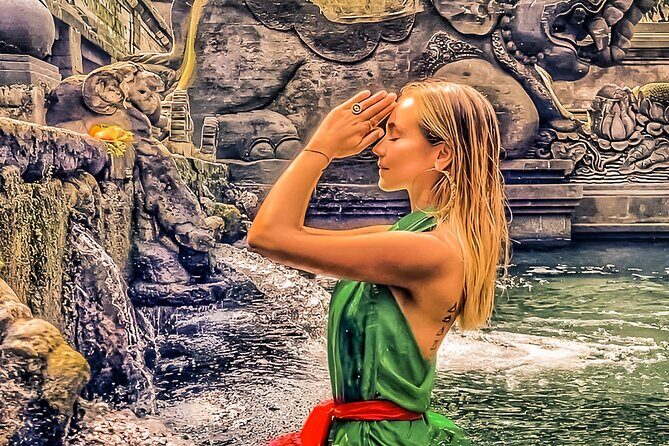
This day tour is built around the Melukat purification ceremony at Tirta Empul Temple, where you can slow down at the water pools, cool off, and take in the sound of running water. I like that the experience is paired with classic Ubud sights, so your day doesn’t feel like one long wait for one moment.

Two things I really appreciate: the private, air-conditioned ride keeps the logistics easy, and you get a full schedule of nature stops and temple time in one shot. One thing to keep in mind is the day can cost more than $35 once you add temple and attraction entrance fees.

Key highlights to know before you go

  • Melukat at Tirta Empul: purification ceremony time with the chance to meditate and take a refreshing dip
  • A full Ubud route: rice terraces, cultural cave stop, and multiple waterfalls in one organized day
  • English-speaking driver: helps with navigation, timing, and keeping your day flowing
  • Private tour for your group: you’re not stuck sharing the day with random strangers
  • Budget reality check: several site entrance fees may be added on top of the tour price
  • Weather matters: the itinerary depends on good conditions

Melukat at Tirta Empul: the water ritual you actually feel

Melukat - The Purification Ceremony at Tirta Empul Temple - Melukat at Tirta Empul: the water ritual you actually feel
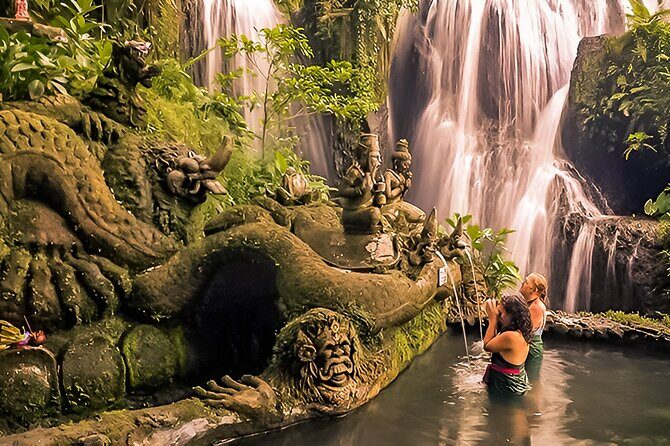
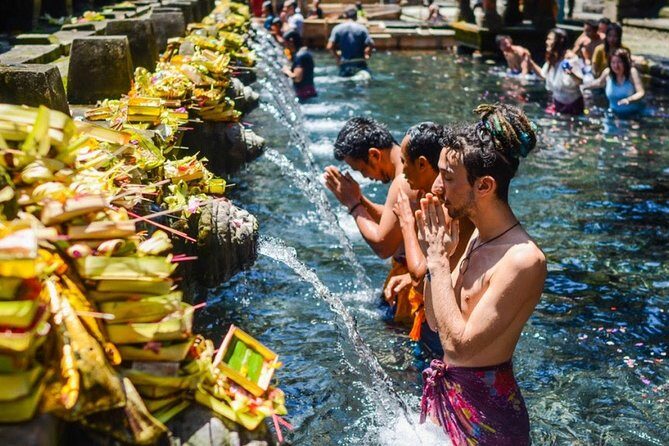
The Melukat purification ceremony at Tirta Empul is the reason this day exists. This isn’t just a photo stop. The whole point is water, ritual, and a calmer pace. In the ceremony area, you can sit quietly near the pools, take in the atmosphere, and use the water as a way to reset your body and mind. For many people, the sensory details do the work: cool mist, the steady sound of water, and that feeling that the site runs on its own rhythm.

What makes it special is how you can participate at your comfort level. You might choose to focus on watching the ritual flow, and you might also want to step in for a refreshing dip when appropriate. Either way, this stop tends to break the usual pattern of Bali tourism—less rush, more stillness for a few hours.

Tip: if you plan to do the water part, bring a steady mindset. This is not a quick splash-and-go. It’s a ceremony space, so follow the guidance you’re given and take your time.

How the full Ubud day works in real life (10 hours, pickup, and breathing room)

Melukat - The Purification Ceremony at Tirta Empul Temple - How the full Ubud day works in real life (10 hours, pickup, and breathing room)
This is a long day, about 10 hours, and it’s designed to move you between Ubud’s must-see sights without the hassle of driving. Pickup and return transfers are included, and you ride in a private vehicle with air conditioning. That matters more than it sounds—Ubud traffic and heat can drain you fast. Having transport handled helps you spend energy where it counts: at the sites.

The tour is also private in the sense that it’s just your group. That’s a big deal if you want a more relaxed pace or you’re traveling as a couple or family. Group discounts are available too, which can make it a smarter value if you’re traveling with friends.

One realistic drawback: because you’re stacking multiple stops—temples, rice terraces, and waterfalls—you’ll want comfortable shoes and a willingness to spend time outdoors. If you’re the type who gets cranky from long car rides, consider taking it slower another day and making this one your big highlights day.

Stop 1: Tukad Cepung Waterfall and the “cool down” factor

Tukad Cepung Waterfall kicks off the route, and it sets the tone. This kind of Bali waterfall stop is about relief: the air shifts, the sounds change, and the pace slows when you hear the water. You’ll follow paths that take you into a more natural setting, and once you’re there, you can focus on misty views and taking photos without needing to think too hard.

What I like about starting with a waterfall is the mood it creates. By the time you reach Tirta Empul later, you’re already in that nature-zone mindset, not still buzzing from travel.

Possible consideration: waterfall timing can be affected by conditions. The tour notes that it requires good weather, and that matters for the day overall. If rain changes the flow or access, you’ll want to stay flexible.

Stop 2: Tegalalang Rice Terrace for classic Bali views

Melukat - The Purification Ceremony at Tirta Empul Temple - Stop 2: Tegalalang Rice Terrace for classic Bali views
Next up is Tegalalang Rice Terrace. This is where Bali’s agriculture landscape takes center stage. Expect scenery you can enjoy slowly—wide views, layered greens, and plenty of photo opportunities.

A terrace stop is also a smart break between more active spots. It’s easier to pace yourself here than at a ceremony or in the middle of a waterfall area. You can wander, regroup, and reset before heading to a more structured temple experience later.

Value angle: if you’re only in Bali briefly, this is the kind of stop that gives you a lasting visual memory. The ride is part of the package, and the terrace helps your day feel like a genuine cross-section of Ubud, not just water and worship.

Stop 3: Elephant Cave (Goa Gajah) as a cultural breather

Melukat - The Purification Ceremony at Tirta Empul Temple - Stop 3: Elephant Cave (Goa Gajah) as a cultural breather
Elephant Cave, known as Goa Gajah, comes after the terrace. This is the culture-on-the-way stop: a change of scenery, a chance to shift from outdoor views to something more historic and temple-based.

One practical thing: the entrance fee is listed separately for this site, so check what your ticket type includes. Goa Gajah is listed at $4.00 per person if you’re paying additional admissions.

Why I think this stop works: it keeps the day balanced. After waterfalls and rice views, you get a different kind of Bali. And after Tirta Empul later, having a different cultural stop earlier can make the day feel less repetitive.

Stop 4: Tirta Empul Temple Melukat ceremony and pool time

This is the main event: Tirta Empul Temple and the Melukat purification ceremony. The vibe here is serene. You’ll be guided through the experience so you don’t have to figure out timing and flow on your own. You can follow the ritual atmosphere, pause to meditate by the pool area, and if you want to cool down, you may be able to take a refreshing dip in the water.

The ceremony focus is important. This isn’t a “stand here, get one picture, leave” site. The point is purification, and the water is the centerpiece. If you go in expecting a quiet reset rather than a spectacle, you’ll likely enjoy it more.

Costs to plan for: Tirta Empul has an additional entrance fee listed at $6.00 per person. Also, some visitors find it helpful to have guidance at the temple level, which can add to your day’s total. Your driver should help you understand what you need when you arrive.

Small advice: keep your expectations realistic. You’ll be in a temple environment with rules, crowds (at least at certain times), and a slower pace than a typical attraction.

Stop 5: Kanto Lampo Waterfall for photos and fresh air

After the ceremony, the day pivots back to nature with Kanto Lampo Waterfall. This is where the air feels more humid again and the day starts to feel like a continuous outdoor loop: water, sound, mist, and those satisfying moments when you stop thinking about schedules.

This stop is also good for a sensory balance. Tirta Empul is ritual-focused; waterfall time is more relaxed. You can focus on views, take pictures, and let the day feel more like travel than checklist mode.

Consideration: like other waterfall areas, access and enjoyment depend on weather and conditions. The tour explicitly notes it requires good weather, so don’t plan anything else right before or right after this day that you can’t reschedule.

Stop 6: Tibumana Waterfall to end on a mellow note

Melukat - The Purification Ceremony at Tirta Empul Temple - Stop 6: Tibumana Waterfall to end on a mellow note
The final stop is Tibumana Waterfall. By the time you reach the last site, your body usually knows the routine: ride, walk a bit, find a viewing spot, take photos, and enjoy the cool air.

This is a strong way to end a day anchored by water. You start with purification at Tirta Empul and finish with another reminder that Bali’s best moments often come from natural places, not crowds. Tibumana’s entrance fee is listed as $2.00 per person.

Best part: you’re less likely to feel rushed at the end of the day compared to trying to pack too many “quick hits.” If you’ve kept a calm mindset all day, Tibumana can feel like a decompression session.

Price and value: what $35 really means once you add entrance fees

At $35.00 per person, this tour is positioned as good-value Ubud sightseeing. You’re not just paying for driving—you’re paying for an organized, guided day with pickup, a private air-conditioned vehicle, bottled water, and an English-speaking driver.

But here’s the honest math piece. Entrance fees are listed separately for several stops:

  • Tirta Empul Temple: $6.00 per person
  • Tegalalang Rice Terrace: $2.00 per person
  • Goa Gajah (Elephant Cave): $4.00 per person
  • Tukad Cepung Waterfall: $3.00 per person
  • Tibumana Waterfall: $2.00 per person

That totals $17.00 per person in additional entrance fees if you’re paying all of them separately.

So your realistic all-in total is likely around $52.00 per person, depending on what your booking option includes. The included section also says admission tickets are included for Price A, which suggests not every ticket option works the same way. Before you go, confirm exactly what your chosen option covers, so you’re not surprised at the sites.

Why I still think it’s good value: without this setup, you’d still be paying for transport (and time), plus you’d be figuring out entrances and schedules on your own. For a 10-hour day with multiple major stops, $35 is a fair base price.

Guides, pacing, and the little things that make the day smoother

The biggest quality difference on tours like this usually isn’t the itinerary. It’s how your day is managed. This one includes an English-speaking driver, and the tone from recent feedback highlights that guides can make the experience easier and more meaningful by being kind, prepared, and attentive.

Two guide names come up repeatedly in the feedback: Widi and Agus. The common thread is not just friendliness—it’s practical local help, the kind that reduces confusion and helps you get comfortable with the flow of each site.

Also, bottled water and a/c transport are small but real comfort upgrades. In Ubud heat, it’s hard to enjoy ritual or waterfalls if you’re dehydrated or overheated.

Who should book this Melukat Tirta Empul day tour

This tour is a strong fit if you want:

  • A structured day that combines Tirta Empul’s Melukat ceremony with Ubud staples
  • Private group comfort and English-speaking support
  • Nature + culture without spending hours planning routes

You’ll likely enjoy it most if you’re traveling with limited time and you want the big highlights without renting a scooter or dealing with navigation.

It may not be ideal if:

  • You hate long outdoor days (it’s about 10 hours)
  • You’re trying to keep the budget extremely tight, since entrance fees can add up
  • You’re sensitive to weather changes, since it requires good conditions

Should you book the Melukat ceremony tour at Tirta Empul?

I’d book it if you want Tirta Empul to be the anchor of your Ubud visit, not a random add-on. The ceremony stop is meaningful, and the tour’s balance—rice terrace, cultural cave, and multiple waterfalls—helps the day feel like a full Bali experience rather than one museum-style visit.

Do one smart thing before you commit: confirm what admissions are included under your ticket type, because the price listing suggests at least some options include entry while the extra fees list shows others may not. Also, plan for good weather. If conditions are off, this kind of day can shift.

If you’re okay with a long but well-organized day, this is a solid way to experience Melukat purification at Tirta Empul and still leave Ubud feeling like you saw more than just one spot.

FAQ

What is the duration of the Melukat at Tirta Empul Temple tour?

It runs for approximately 10 hours.

Where does the tour take place?

It’s based in Ubud, Indonesia, and focuses on several Bali sites including Tirta Empul Temple.

How much does the tour cost?

The price is $35.00 per person.

Is hotel pickup and return transportation included?

Yes. Hotel pickup and return transfers are included, along with private transportation in an air-conditioned vehicle.

Is there an English-speaking guide or driver?

The tour includes an English-speaking driver.

Are admission fees included in the tour price?

The included details mention admission tickets for Price A only, but the additional fees list shows entrance fees for several sites. Confirm what your specific option includes before the day.

What extra admission fees should I budget for?

Listed entrance fees include $6.00 for Tirta Empul Temple, $2.00 for Tegalalang Rice Terrace, $4.00 for Goa Gajah, $2.00 for Tibumana Waterfall, and $3.00 for Tukad Cepung Waterfall.

Is this tour private?

Yes. It’s a private tour/activity, and only your group participates.

What happens if the weather is poor?

The experience requires good weather. If it’s canceled due to poor weather, you’ll be offered a different date or a full refund. Free cancellation is available if you cancel at least 24 hours in advance.

Fastboat to Gili Trawangan or Gili Air

Fastboat to Gili Trawangan or Gili Air - The Ride to Padang Bai Harbour: The Part You Can’t Skip

That first boat ride changes everything.

This one-way transfer gets you off Bali and onto the Gili Islands fast, with a hotel pickup by air-conditioned vehicle and a planned run through Padang Bai harbor. What I like most is the clear, timed flow—pick-up, check-in, crossing, then about 3 hours on the island—so you’re not stuck guessing all morning. I also like that it’s set up for real groups (up to 45) with a mobile ticket, not paper chaos. The main thing to consider is that seas can get rough, so if you’re sensitive to waves, factor that into your plans.

You’ll spend the day doing island stuff like snorkeling, cycling, swimming, and easy beach-time between reef spots. And yes, the crossing is quick, but it still feels like an active travel day, not a relaxed cruise.

Key Points Before You Go

Fastboat to Gili Trawangan or Gili Air - Key Points Before You Go

  • Hotel pickup with an air-conditioned vehicle helps you start without wrestling taxis or buses.
  • Mobile ticket makes the harbor side of things simpler once you check in.
  • One-way transfer means you’re committing to your own island timing for the rest of the day.
  • About 3 hours on the island is enough for a plan, but not enough for a slow, do-everything day.
  • Rough-sea conditions can happen, so pick your gear and mindset accordingly.
  • Maximum 45 travelers keeps it from feeling like a cattle-car situation.

One-Way Fastboat From Bali That Actually Gets You There

Fastboat to Gili Trawangan or Gili Air - One-Way Fastboat From Bali That Actually Gets You There
This is the kind of transfer you book when you want the Gili Islands without turning your day into a transportation project. The big promise is simple: you start in Bali (Ubud area pickup timing), then you’re dropped at Gili Trawangan, Gili Air, or even Lombok Island depending on your option. It’s designed as a one-way ticket, so the day’s “success” hinges on what you plan after arrival.

You’ll also want to know what this experience does well versus what it doesn’t. It’s not a full-day tour with guiding, meals, or a long sightseeing circuit. It’s a fastboat ride with a structured schedule and a chunk of time on the island. If you want freedom, that can be great. If you want everything organized end-to-end, you may need to pair it with your own island plans.

The best part for most people is the start-to-finish pacing. You don’t just arrive at a harbor and hope for the best. You go pickup → drive → check in → depart → arrive → island time.

Pickup From Ubud Area: How the Morning Timing Works

Your day starts with a set meeting time: 6:30 am. From there, pickup timing depends on where your hotel is, and you should expect either a 7:00 am pickup or a 10:30 am pickup.

That split matters more than it sounds. The early pickup gives you more usable daylight on the islands, while the later pickup is better if you prefer a slower start or your hotel is farther from the pickup route. Either way, your transfer begins in an air-conditioned vehicle, which is a real comfort win in Bali’s heat.

Practical advice: when you confirm, treat your pickup time as firm. Fastboat schedules don’t tolerate late starts. If your hotel has a front desk, ask them to write down the exact pickup window and driver details you’re given at confirmation.

The Ride to Padang Bai Harbour: The Part You Can’t Skip

Fastboat to Gili Trawangan or Gili Air - The Ride to Padang Bai Harbour: The Part You Can’t Skip
After pickup, you’re driven to Padang Bai harbor. This is the classic departure point for boat transfers in the region, and it’s where the schedule becomes “real.”

You’ll check in and get registered before departure. Once you’re checked in, you’re basically in harbor-mode: listen for your boat call, keep your eyes on the group flow, and have your mobile ticket ready. If you’re the type who likes to know where you’re going next, this is one of the calming parts of the whole experience—the process is structured.

Also, this activity is listed as near public transportation. That’s useful if you ever need a backup way to reach the harbor area, but the main plan here is clearly the hotel pickup.

The Fastboat Crossing: Quick to Board, Quick to Feel

Fastboat to Gili Trawangan or Gili Air - The Fastboat Crossing: Quick to Board, Quick to Feel
The crossing is short. The duration is listed as about 1 hour (approx.), and the typical travel time from Bali to Gili Trawangan is around 1.5 hours. In practice, you should treat it as roughly an hour to an hour and a half depending on conditions.

And yes, there’s a real note to take seriously: passengers may experience occasional rough sea conditions. That doesn’t mean it’ll be dramatic, but it does mean you shouldn’t plan your day like you’re on a smooth lake ride.

Here’s how to make that manageable:

  • Pick your mindset for movement, not stillness.
  • If you’re sensitive to motion, plan ahead for how you want to handle the ride.
  • Keep any fragile plans flexible during the crossing window.

Even if you’re not seasick, rougher water can make the first moments on the boat feel tiring. The good news is the whole point is speed. You’re not doing a half-day transit where discomfort keeps stacking up.

Landing on Gili: You Get About 3 Hours to Use Wisely

Fastboat to Gili Trawangan or Gili Air - Landing on Gili: You Get About 3 Hours to Use Wisely
Once you arrive on the island (Gili Trawangan, Gili Air, or Lombok Island option), you’ll spend about 3 hours on the ground. That time block is short enough that you should think in “chunks.”

The typical island activities tied to this transfer include snorkeling, cycling, swimming, and other day-on-the-beach options. With only three hours, you’re basically choosing one main activity and then using the rest for food, wandering, and a second swim moment if the timing works.

A solid way to use that time:

  • Pick one anchor activity: snorkeling OR a longer swim OR cycling.
  • Keep a quick buffer for getting situated (getting to the activity spot, gear, and return).
  • Don’t treat the entire coast like it’s a full-day route. It’s not. It’s a short island window.

This is also where the one-way nature becomes important. Your boat gets you there; then your day is your responsibility. If you try to cram too much in, the timing can feel tight fast.

One of the most important considerations from how people react to this kind of schedule is that you can’t assume you’ll be having a calm, effortless day if you treat it like a full holiday plan. It’s a transfer with island time, not an all-day resort day.

Which Island Choice Fits Your Day?

Fastboat to Gili Trawangan or Gili Air - Which Island Choice Fits Your Day?
Your departure choice can be Gili Trawangan or Gili Air. The practical effect is that your boat will dock and your three-hour “on island” window is built around where you land.

The shared theme across both islands is that they’re known for coral reefs, and that lines up with the snorkeling and swimming options. If your main goal is water time and reef views, either landing can support that. If you’re someone who needs less hustle and wants a simpler pace, you’ll still want to plan carefully because the transfer itself is timed and short.

My suggestion: choose based on what fits your own island plan, not based on vague internet hype. If you already have a snorkeling spot in mind, pick the island that makes that plan easiest within a 3-hour window.

Price and Value: What $39 Buys You (and What It Doesn’t)

Fastboat to Gili Trawangan or Gili Air - Price and Value: What $39 Buys You (and What It Doesn’t)
At $39.00 per person, this is priced like a focused transfer. You’re paying for the fastboat ride plus the structure around it.

What you get for the money:

  • Hotel pickup (air-conditioned vehicle)
  • Drive to Padang Bai harbor
  • Check-in and registration process
  • Fastboat ticket (one-way)
  • A set amount of time on the island (about 3 hours)
  • Group discounts (if your booking setup qualifies)
  • Mobile ticket convenience

What you should not expect at this price:

  • Full-day guided touring
  • Island activities already included
  • A built-in return ride (this is a one-way ticket)

So the value is strongest when you want to maximize time on the islands and minimize transit time. If your plan is to stay longer on the Gili Islands after arrival, this transfer can be a smart way to get started. If your plan is to pack the island time with everything, the schedule can feel like it’s squeezing you.

Also, it’s typically booked about 28 days in advance. That tells me demand is real, and the more popular travel days will likely sell faster than you expect.

Group Size and Mobile Ticket: Small Details That Prevent Chaos

Fastboat to Gili Trawangan or Gili Air - Group Size and Mobile Ticket: Small Details That Prevent Chaos
You’re dealing with a group, and the cap is 45 travelers. That’s important because it affects how smooth check-in feels. Smaller groups often move faster. Larger groups can get slow, especially at harbor check-in points.

The mobile ticket element helps too. Instead of hunting paper tickets or arguing about printed slips, you have a ticket format that should work well right at the harbor.

This is one of those situations where small operational items become big comfort items. If check-in is organized and people move as a group, you’re less likely to miss departure time.

And the staff and organization rating in one high-scoring write-up is basically what you want: friendly staff and a smooth, fast run onto the island.

Weather and Sea Conditions: The Part You Should Plan For

This experience requires good weather. That’s not “nice to have.” It’s a requirement. If conditions aren’t right, the plan can change.

If it’s canceled due to poor weather, you’ll be offered a different date or a full refund. That’s a straightforward safety net, and it’s exactly what you want for a boat-based transfer.

How to handle this on your end:

  • Keep your overall schedule flexible if you can.
  • Don’t lock in hard-to-change reservations for the exact arrival window.
  • Take rough-sea possibility seriously, because it’s explicitly mentioned as an occasional reality.

It’s smart to remember: the sea decides, not the schedule.

Who Should Book This Fastboat Transfer?

This is a good match if:

  • You want a one-way jump from Bali to the Gili Islands with minimal transit hassle.
  • You like having a set plan but still want to spend your time making your own choices on the island.
  • You’re okay with a short island window and can pick a top activity quickly.

It may be less ideal if:

  • You want a full day of guided sightseeing from start to finish.
  • You’re hoping for a calm, guaranteed smooth ride with no discomfort.
  • You’re planning to treat the trip like a full vacation day with zero spare time.

If you’re traveling as a couple, this can work well because the schedule is clear. If you’re in a group, group discounts can make the per-person cost even more appealing.

Should You Book the Bali to Gili Fastboat?

My take: book it if you want speed and simplicity, not if you want an all-day experience with everything handled for you.

You’ll probably be happy if your goal is reef time and beach time, and you can use the 3-hour island window to do one main activity plus some wandering. The hotel pickup and organized harbor flow are the big reasons this feels manageable. The ride is fast, the process is structured, and the mobile ticket helps.

Think twice if you’re the type who hates any uncertainty from sea conditions, or if your plan depends on a return ride on the same day. This transfer is one-way, and the schedule is built around a short arrival window.

If you’re deciding between booking this transfer and adding extra time on the islands, my advice is simple: give yourself more than one day on the Gili Islands if you want a calmer pace. Use this as your arrival plan, not your entire trip.

FAQ

Is this transfer one-way?

Yes. This is a one-way ticket from Bali to the Gili Islands (Gili Trawangan or Gili Air). The departure can also be to Lombok Island.

Where does the pickup happen?

Pickup is offered from your hotel in an air-conditioned vehicle.

What time does the tour start?

The meeting point start time is 6:30 am. Pickup times vary depending on where your hotel is.

What pickup times can I expect?

Pickup is scheduled for either 7:00 am or 10:30 am, depending on your hotel location.

How long is the fastboat ride?

The duration is about 1 hour (approx.). The typical travel time from Bali to Gili Trawangan is around 1.5 hours.

How much time do I get on the island?

After arrival, you’ll spend about 3 hours on the island.

How many people are in the group?

The maximum group size is 45 travelers.

Do I need a printed ticket?

No. A mobile ticket is provided.

Will the ride be rough?

Passengers may experience occasional rough sea conditions, so it’s good to plan for the possibility.

What happens if weather is poor?

This experience requires good weather. If it’s canceled due to poor weather, you’ll be offered a different date or a full refund. You can cancel for a full refund if you cancel up to 24 hours in advance.

Unique Cleansing Ceremony with Locals

Unique Cleansing Ceremony with Locals - Getting comfortable with the early start and private group pace

Purification can change your mood fast. This Ubud day pairs a cleansing ceremony with a string of classic sights—waterfall, a monkey forest sanctuary, two temple stops, and sacred water spaces where Balinese people look for balance.

I especially liked having a calm, structured pace from guide Dewa Alit. He’s friendly, pays attention to comfort, and keeps things understandable so the spiritual part feels meaningful rather than rushed.

One heads-up: entrance fees are not included, and the waterfall portion involves about 400 steps, so you’ll want to wear solid shoes and be ready for a physically active day.

Key highlights you’ll notice right away

Unique Cleansing Ceremony with Locals - Key highlights you’ll notice right away

  • Cleansing ceremony with locals’ spiritual focus on balance and clearing negativity
  • Dewa Alit as a guide who helps you feel at ease, including for solo visitors
  • Nungnung Waterfall’s long stair walk (about 400 steps) plus a swim option
  • Sangeh Monkey Forest sanctuary for grey long-tailed macaques
  • Taman Mumbul sacred water area with a pond/lake setting and bathing pools
  • Taman Ayun Temple in a garden park with ponds and trees for slow temple time

A purification ritual in Ubud, then straight into Bali’s landmarks

Unique Cleansing Ceremony with Locals - A purification ritual in Ubud, then straight into Bali’s landmarks
This isn’t a quick hit-and-run temple tour. You start your day moving through nature and Bali’s cultural spaces, and you end up with the part that feels personal: a cleansing ceremony meant to help you shake off negativity and return to balance and harmony. The spiritual theme also includes clarity—helping you feel more aligned with the direction you want in life.

What I liked is how the day has a natural rhythm. Water (waterfall and sacred bathing pools), sacred space (temples), and a living nature stop (monkeys in a sanctuary) all tie together through the idea of balance. Even if you’re not super religious, you can still appreciate the care behind the ritual and the way it’s woven into everyday Balinese culture.

The other reason this format works is that you’re not stuck on one kind of experience. If you’re the type who gets bored with only temples or only scenery, this mix keeps your day interesting and gives you multiple angles on Ubud: spiritual, scenic, and cultural.

Price and value: what $40.50 really buys for an 8–9 hour day

At $40.50 per person, this tour sits in the lower-middle range for a full-day pickup-and-driver experience. The value comes from the included basics that usually cost extra when you piece it together yourself: bottled water, an air-conditioned vehicle, fuel surcharge, and parking fees.

The big thing to understand is what’s not included: entrance fees at the sights. That’s normal for Bali day tours, but it matters for your budget. Expect to pay at gates or ticket counters depending on what’s required at each stop that day.

Timing also affects value. An 8 to 9 hour window is long enough to feel like a real day out, but short enough that you’re not exhausted by the evening. Plus, you can usually compare this with private half-days, and you’ll often find you’re paying similar money for fewer stops—especially if you end up hiring a driver separately.

Also worth noting: pickup is offered. Add in a mobile ticket and the fact that it’s described as a private activity (only your group), and the day feels efficient rather than chaotic.

Getting comfortable with the early start and private group pace

Unique Cleansing Ceremony with Locals - Getting comfortable with the early start and private group pace
The start time is 8:30 am, which is smart. Morning light is better for photos, and you’re less likely to hit peak crowds at the waterfall and temple areas.

Because it’s a private tour/activity for your group, you don’t have to match your pace to a big bus schedule. That’s especially useful when there’s a spiritual component involved—you can take a moment, ask questions, and move on when you’re ready. The day also tends to flow well because the stops are close enough to each other to keep the travel time reasonable.

If you like planning ahead, the average booking window is about 24 days in advance. That’s not a guarantee, but it’s a good reminder that popular Ubud experiences can sell out near busy seasons.

One practical tip from how this kind of day works: keep an eye on the time you’re spending at the water spots. It’s easy to lose 20 minutes while you’re drying off, switching outfits, or grabbing water. If you want the day to feel balanced, give yourself a little extra buffer at the bathing/refresh points.

Nungnung Waterfall: 400 steps, fresh water, and photo-ready spots

Unique Cleansing Ceremony with Locals - Nungnung Waterfall: 400 steps, fresh water, and photo-ready spots
Your first major stop is Nungnung Waterfall, described as one of Bali’s biggest waterfalls. You’ll walk down about 400 steps, which means this is not a “just stroll for five minutes” stop. It’s exercise, fresh air, and a proper waterfall viewpoint.

What makes it a strong start to the day is the combination of scenery and movement. You get a quiet natural feel, and the walk down acts like a warm-up for the rest of the day. If you want photos, this is one of those places where the viewpoints naturally change as you go—so you don’t have to force it.

Swimming is specifically recommended, and the fresh water is described as a good temperature. That’s a big plus in the Ubud heat, and it makes the waterfall feel more than just a photo stop. Still, treat it like water-country logistics: you’ll want shoes that handle wet steps on the way back up.

A realistic drawback: going down and back up can be tough if you’re dealing with knee issues, fatigue, or general mobility limits. The tour is designed to let most people participate, but the steps are the physical reality here.

Sangeh Monkey Forest: grey long-tailed macaques and a sanctuary vibe

Unique Cleansing Ceremony with Locals - Sangeh Monkey Forest: grey long-tailed macaques and a sanctuary vibe
Next comes Sangeh Monkey Forest, a sanctuary for grey long-tailed macaques in the village of the same name. It’s not just “monkeys in trees.” The fact that it’s described as a sanctuary matters because it frames the visit as a place where the monkeys are part of an established protected environment.

You’ll have about 45 minutes here, which is a sensible amount of time. It gives you a chance to look around, enjoy the green canopy and the natural setting, and still keep the rest of your day moving toward the sacred water and temples.

The key practical point: admission is not included, so budget for it if a ticket is required. Also, keep your time flexible. In animal areas, the pace can shift based on where the animals are active.

This stop works well if you like wildlife, but you don’t want the kind of day where you spend hours watching from a distance. Sangeh is short, scenic, and gives your brain a reset between waterfall and temple spaces.

Taman Mumbul water temple: where the cleansing part fits best

The heart of the spiritual theme shows up at Taman Mumbul, described as a sacred place sanctified by the Sangeh and surrounding communities. This is where the day’s “negativity out, balance in” goal makes extra sense because the setting is built around clear water and bathing pools.

You’ll find a big pond-like area with clear water, plus a water temple atmosphere. The description includes bathing pools and surrounding areas that support a calm, ceremonial feel. In other words: it’s not just a viewpoint stop. It’s a place that naturally supports a cleansing ritual.

Even if you’re not doing the ritual in a formal way, this stop still has value. Sacred water spaces often feel quietly powerful because they slow you down. You’re surrounded by temple geometry, water surfaces, and local spiritual purpose, not just scenery.

One practical consideration: because it’s a water temple and there are bathing pools, come prepared for the real possibility of getting a bit wet. At minimum, bring a plan for changing or protecting personal items.

Taman Ayun Temple’s garden park setting and pond views

After the water temple, you end at Taman Ayun Temple, which literally translates to Beautiful garden. It’s widely regarded as one of Bali’s most attractive temples, and the reason is obvious when you’re there: it’s set in a park-like area with trees and ponds.

This stop is about 45 minutes, and it’s a good length for temple viewing without dragging your entire day. You’re able to take in the atmosphere, notice the layout, and still stay fresh enough for the final stretch back.

The practical value here is context. The cleansing theme is one side of Balinese spirituality. The temple gardens are the other side: the everyday beauty and order that show up in public sacred space. It helps you understand how spirituality in Bali isn’t only about big ceremonies—it’s also about how people shape their surroundings.

Entrance fees aren’t included here either, so if you’re budgeting tightly, set aside a bit for ticket costs at the temple gate.

How Dewa Alit turns a spiritual day into a safe, understandable one

Unique Cleansing Ceremony with Locals - How Dewa Alit turns a spiritual day into a safe, understandable one
The experience is guided by Dewa Alit – Private Tours, and the standout theme from the feedback about him is comfort and clarity. The day can feel personal because it’s tied to a cleansing ceremony, and that’s exactly where a good guide makes a difference.

I like that the tour is described as private for your group. That means you’re not trying to hold a calm spiritual focus while sharing instructions with a crowd. With Dewa Alit, solo visitors have found the experience comfortable, with the guide helping them feel safe and at ease.

His role also matters because you’re visiting places that have cultural meaning, not just pretty views. When someone explains what you’re looking at and how the sacred water and temples connect to the idea of balance, the day stops being a checklist and becomes a story you can actually understand.

What to pack and how to plan for a full day of water and steps

This tour mixes walking, water, and temple time, so pack like it’s a day outdoors first, sightseeing second.

For Nungnung Waterfall, assume you’ll be on wet stairs and uneven steps. Wear shoes you trust, and keep your phone protected. For the water temple atmosphere at Taman Mumbul, think about getting a bit wet, especially if the bathing pools and cleansing portion are part of your participation level.

A small amount of planning goes a long way:

  • bring a change plan for damp clothes if you plan to swim
  • wear breathable clothing for the morning humidity
  • keep cash or payment method ready for entrance fees (since they’re not included)

And don’t forget water. Bottled water is included, which helps you skip the first impulse to buy drinks at stops where prices may be higher.

Who should book this Ubud cleansing ceremony day

This is a great fit if you want more than a standard Ubud sightseeing loop. You’ll like it if you enjoy:

  • spiritual experiences that have a clear cultural setting
  • nature stops with real movement (not just flat photo corners)
  • a guided day where you can ask questions without fighting a big-group pace

It’s also a good choice if you want a private, low-stress format. The tour is described as available for most travelers, and solo visitors can feel comfortable with the guide’s approach.

If you’re strictly avoiding stairs or water-related time, you’ll want to think carefully. The waterfall walking portion is the main physical challenge, and the water temple area is the main wet-and-sacred environment.

Should you book this tour? My honest take

Book it if you want a day that combines a cleansing ceremony with real Ubud variety: waterfall energy, a monkey sanctuary, and two temple stops—plus guided explanations from Dewa Alit. For $40.50, the included vehicle, water, and transport make it a solid value, especially when you prefer a private group feel.

Skip or reconsider if entrance fees and physical steps sound like a problem for you. Also, if you don’t enjoy water-based settings at all, the Taman Mumbul portion may be less appealing.

If you like the idea of starting with nature and ending in sacred water space, this is the kind of Ubud day that feels like it has a purpose.

FAQ

What time does the tour start in Ubud?

The tour starts at 8:30 am.

How long is the experience?

It runs about 8 to 9 hours.

How much does it cost?

The price is $40.50 per person.

Is pickup included?

Yes, pickup is offered.

What’s included in the price?

Included items are bottled water, an air-conditioned vehicle, private transportation, fuel surcharge, and parking fees.

Are entrance fees included?

No. Entrance fees for attractions are not included.

Is this tour private?

Yes. It’s a private activity, and only your group participates.

What is the cancellation policy?

You can cancel for a full refund up to 24 hours before the experience’s start time. If you cancel within 24 hours, the amount paid is not refunded.
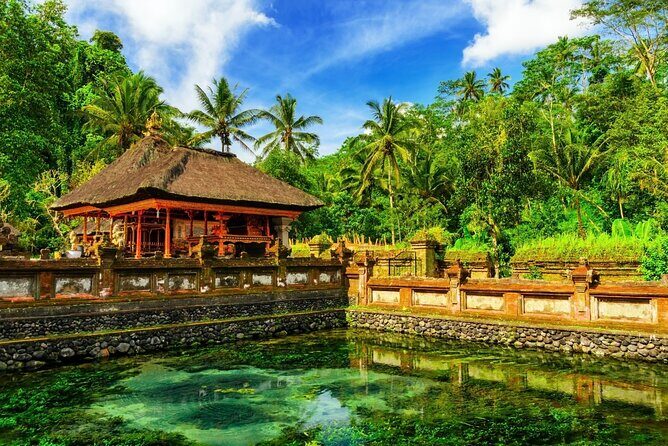
How far ahead should I book?

On average, this is booked about 24 days in advance.

Jungle Buggy Adventure and Ubud Tour

Jungle Buggy Adventure and Ubud Tour - The 10-hour flow from 8:00 am pickup

ATVs meet rice terraces and monkeys in one day. This private Ubud adventure mixes jungle buggy adrenaline with iconic stops like Sacred Monkey Forest, so you don’t waste your day hopping between places. I like that it’s built around real riding time, not just a quick photo stop.

What I really like is the setup for comfort and stress-free logistics: private transfers and an included lunch keep the day moving. Guides like Bagus, Agus, Peter, and Ardana come up repeatedly for being punctual, friendly, and good at making you feel safe on the track.

One consideration: the tour includes only two ATV laps, and your lap session timing can vary based on driving ability. If you want more track time, you’ll likely pay for extra laps.

Key points before you go

Jungle Buggy Adventure and Ubud Tour - Key points before you go

  • Full safety equipment is provided, and accident insurance is included.
  • Two laps are included on a purpose-built ATV track, with an option to buy more.
  • Hotel pickup and private transportation mean less hassle in busy Ubud traffic.
  • Lunch is included at no extra cost, so the day doesn’t turn into a food scramble.
  • Driver and rider age rules apply: drivers must be 18+ with a license; tandem passengers must be 12+.
  • Lap time depends on skill, so expect the track experience to be paced to you.

Jungle buggy ATV plus Ubud icons: why this day works

Jungle Buggy Adventure and Ubud Tour - Jungle buggy ATV plus Ubud icons: why this day works
This is the kind of day that feels designed for people who get restless sitting still. You start your morning with a real ride through the jungle on an ATV buggy, then you shift gears into slower, scenic Ubud sightseeing. The balance is what makes it satisfying: adrenaline first, then culture and viewpoints.

I also like that this isn’t a generic checklist tour. Your day is built around hands-on track time, and then you roll into Ubud’s famous areas like Tegalalang Rice Terrace and the Sacred Monkey Forest Sanctuary. That means you get variety without feeling rushed between far-flung attractions.

There’s a practical side too. Your group stays together with a private setup, and you get air-conditioned vehicle transport plus bottled water. For a full day, that matters more than people think when the weather and road conditions shift.

The 10-hour flow from 8:00 am pickup

Jungle Buggy Adventure and Ubud Tour - The 10-hour flow from 8:00 am pickup
The tour starts at 8:00 am, and the total time is about 10 hours. That early start is a big deal in Ubud, because you get daylight for the ride and you still have time for the outdoor stops without everything feeling like sunset.

You’ll be picked up for private transfers from your hotel, then transported in an air-conditioned vehicle. The private format also helps: it’s just your group doing the schedule, instead of sharing the day with strangers and getting yanked around by bigger crowds.

On top of the transport, the tour includes bottled water and a stop for lunch. That’s a simple comfort win because you’re spending hours outdoors, and you don’t want to burn time hunting for food between sightseeing points.

ATV track basics: two included laps and provided safety gear

Your ATV experience happens on a purpose-built track in the Ubud jungle. The route is described as challenging and varied, and it’s meant to feel like a mini rally—different surfaces and turns, not just straight-line driving. I like that the day is honest about it being skill-testing. It keeps expectations real.

You’re guaranteed two laps included, with the track running about 4.5 km per lap. In other words, it’s not a token drive around the corner. Your actual session length and pace can depend on driving ability and skill, so don’t assume you’ll get the same exact amount of time as the next person.

The operator provides full safety equipment. You don’t need to source gear yourself, and that lowers the stress factor before you even start. I still recommend you show up ready to follow instructions and adjust to how the track feels, because the best rides happen when you listen early and build confidence during lap one.

One more rule to keep in mind: if you want to drive, you must be 18+ and have a driver’s license. A tandem passenger must be 12+. If you’re traveling with teens, this is one of those tours where the age rules matter more than usual.

Who drives and who rides: making the rules work for your group

Jungle Buggy Adventure and Ubud Tour - Who drives and who rides: making the rules work for your group
This tour works well for mixed groups, but the roles have a clear structure. If you’re driving, you bring the license and follow the safety brief. If you’re riding tandem, you meet the 12+ requirement.

Drivers also need to be ready for how quickly confidence can change on a technical track. Lap session times depend on ability, so beginners might get a slightly different pace than experienced drivers. That’s not bad—it’s how you avoid feeling overwhelmed and keep the ride enjoyable.

If your group includes someone who is nervous about riding, I’d suggest letting them be the passenger first time around. Two laps included gives you a natural trial run. If they love it, you can decide later about purchasing more track time.

Also, plan for moderate physical fitness. This isn’t described as extreme, but you are on an ATV buggy, moving with the terrain. I’d treat it like an active day, not a sit-and-watch excursion.

Tegalalang Rice Terrace: photos are easy, time management matters

Tegalalang Rice Terrace is one of those places where the views do the talking. Expect wide scenes of terraced fields and strong photo opportunities, especially during the morning light. Even if you’re not a photographer, it’s a scenic break that helps reset after the intensity of the ATV track.

Why this stop is worth it: it gives you a cultural contrast to the jungle ride. You go from engine noise and dirt track turns to a slow-looking landscape where you can actually take in scale and detail.

The main consideration here is timing and comfort. You’ll be outdoors, so dress for the heat and bring closed footwear that you can walk in comfortably. The tour specifically recommends closed shoes for the buggy activity, and it’s a smart choice for terrace walks too.

Sacred Monkey Forest Sanctuary: classic Ubud, with your senses turned on

The Sacred Monkey Forest Sanctuary is a must-do if you want the real famous Ubud experience. This stop brings you into one of the island’s most recognizable nature-and-temple settings, where monkeys are part of the whole experience.

The practical approach: treat the area like a place where animals live, not a theme park. Keep an eye on your belongings and move with common sense. If you’re holding a phone or sunglasses, keep it secure and avoid sudden gestures near wild animals.

What I like about this kind of stop is that it slows your day down at the right moment. After driving an ATV through jungle terrain, you’re likely to feel mentally fried. The sanctuary gives you a calmer pace, and it makes the day feel complete instead of just adrenaline.

Chocolate factory and rice paddy stops: the small detours that add up

This tour is marketed as a combo day, and that’s where the value shows. Beyond the two big name stops, you also visit a chocolate factory and see a rice paddy along the route. These are short cultural and local-flavor breaks that keep the day from feeling like only one theme.

Chocolate factory stops tend to work best if you go in expecting a taste-and-learn experience, not a long museum visit. Even a brief stop can be a fun pause after ATV driving, because it’s a chance to cool down and reset.

The rice paddy element complements the later terrace stop. If you’re the type who wants to understand how the region produces food, these field views tie together nicely. If you’re only in Bali for a few days, this is a smart way to pack in agricultural scenery without adding extra transport days.

Lunch that actually fits the day

Jungle Buggy Adventure and Ubud Tour - Lunch that actually fits the day
Lunch is included at no extra cost, and you get it during the sightseeing portion of the tour. I like this because it keeps your schedule steady. You won’t spend the middle of the day trying to find something that’s quick, clean, and reasonably priced.

Because the tour includes bottled water, it’s easier to manage energy levels. After ATV driving and outdoor walking, hydration makes a real difference in how you feel during the rest of the day.

One note: alcoholic beverages are not included, so if you want a drink with lunch, you’ll need to plan for it separately. Also, don’t count on lunch to be your only meal—this tour is long enough that you may want to feel prepared for the full day even with lunch included.

Price and value: what $100 buys in a private day

At $100 per person, the value depends on what you care about: track time, comfort, and hassle-free scheduling.

Here’s what you’re getting bundled:

  • Two ATV laps on a track (about 4.5 km per lap)
  • Full safety equipment
  • Accident insurance
  • Private transportation in an air-conditioned vehicle
  • Private hotel pickup and transfers
  • Two major Ubud stops (Tegalalang Rice Terrace and Sacred Monkey Forest Sanctuary)
  • Lunch plus bottled water

In plain terms, this isn’t just a sightseeing day with a short ride. It’s a full-day format where the ATV portion is the centerpiece and the rest of the itinerary supports it.

The private setup matters too. You avoid sharing the schedule with a larger crowd that can stretch time at each stop. And in Ubud, time is money: fewer coordination issues often means more actual experience time.

The trade-off is that the included ATV time is capped at two laps. If you fall in love with the track after lap one, you may want to buy additional laps, and that will add cost.

Practical packing and readiness tips

This tour gives you safety gear, but you still need to show up ready to move. Closed footwear is recommended, especially for the buggy activity. I’d skip sandals or anything that feels like it might slip when you’re stepping around uneven ground.

If you plan to drive, bring your driver’s license and be ready for the 18+ rule. For tandem passengers, confirm the 12+ age requirement for each rider role.

Because the tour is about moderate physical fitness, choose clothing that’s comfortable for a full day outdoors and active riding. You’ll also want to keep your day bag simple so it’s easy to manage around the sanctuary stop.

If you’re sensitive to long travel days, this is a “whole day” commitment. Start fresh in the morning, and don’t plan another big evening activity right after.

Guides make or break it: the names you’ll want to hope for

The standout theme from experienced days is the guide quality. Names that come up include Bagus, Agus, Peter, and Ardana—and they’re praised for being friendly, knowledgeable, and good at creating a calm, safe feeling from the start.

I’d read that as a real signal: on an ATV track, having a driver who gives clear guidance is everything. It affects how quickly you build confidence and how smoothly the day flows when you’re switching from track riding to cultural stops.

Some guides also help with small customization, like adding an extra stop if timing works. That’s not guaranteed in every situation, but the pattern is there: the best experience usually comes when your guide understands what kind of day you want.

Who this tour suits best (and who might want to rethink it)

This is a strong match if you want:

  • A private day with pickup from your hotel
  • Real ATV track time (two laps included)
  • Classic Ubud scenery in one go: rice terraces and the Monkey Forest Sanctuary
  • A tour that includes the basics that people forget (like lunch and bottled water)

It might be less ideal if:

  • You’re only interested in long riding sessions. Two laps is the included amount, and extra laps cost extra.
  • You don’t want to follow rules about licenses and minimum ages for driving or tandem riding.
  • You prefer very relaxed sightseeing days. This is active, even with a private pace.

If you’re traveling as a couple, this can be a great way to split roles—one drives, the other rides—then both get time to enjoy the Ubud stops afterward.

Should you book Jungle Buggy Adventure and the Ubud Tour?

If you want an efficient Ubud day that blends jungle ATV fun with the big-name sights, I think this is an easy yes. The value is strong because you get private transfers, lunch, safety gear, insurance, and two meaningful track laps—not just a quick ride.

Book it if ATV riding is a priority and you’re comfortable doing about 10 hours outdoors with a moderate activity level. If you know you want more track time than two laps, plan for the extra cost ahead of time so it feels like an upgrade, not a surprise.

If you want a Ubud day that feels like you did something memorable, this is the kind of tour that delivers that without turning into a complicated mess.

Bali Secret Waterfalls: Banyumala & Leke Leke Waterfalls

Bali Secret Waterfalls: Banyumala & Leke Leke Waterfalls - Leke Leke Waterfall Trek: Steep Descent and Rice-Field Views

Two waterfall hikes, one great north Bali day.

This is a private outing from Ubud that mixes jungle trails, twin falls, and a temple viewpoint—plus craft stops and a luwak coffee taste. I like how the day isn’t just about one photo spot. It’s about walking through real Balinese backcountry—bananas, tropical plants, and forest shade—then cooling off at falls.

What I like most is the clean, no-surprise setup: all entrance fees are prepaid, so you’re not stuck negotiating at the gate. I also really value the human touch here. You’ll have an English-speaking local host/driver, and in past trips guides like Dodikr, Asta, and Dede were called out for friendliness and for helping with Instagram-style pictures without rushing you.

One thing to consider: this isn’t a flat stroll. Expect challenging stairs, a steep descent, and a stream crossing with stepping stones or by wading. If your knees or balance are iffy, take that seriously and pack smart.

Key highlights to know before you go

Bali Secret Waterfalls: Banyumala & Leke Leke Waterfalls - Key highlights to know before you go

  • Prepaid entrance fees so you can focus on the hikes, not the payments
  • Banyumala Twin Waterfalls with a forest path full of tropical plants and banana trees
  • Leke Leke Waterfall trek with a steep descent and caution on stairs
  • Clean, cold waterfall water that makes the effort feel worth it
  • Ulun Danu Bratan temple as a scenic culture break between nature stops
  • Craft villages and luwak coffee for context, not just scenery

Private North Bali Route: What Your Day Looks Like From Ubud

This tour runs about 8 hours and starts at 9:00 am. It’s a private vehicle with round-trip pickup from your hotel, which matters in Bali. North Bali locations aren’t close together, and a private car keeps the day smooth instead of bouncing between awkward meeting points.

The route is built around a simple rhythm: hike to waterfalls, slow down for temple views, then add hands-on culture (crafts and coffee). That mix is why this day trip works. You get the jungle and the wow factor, but you also get a reason behind the countryside stops—batik and woodcraft traditions, and a coffee tasting tied to civets.

One practical note: it’s booked with a minimum of 2 people per booking. So if you’re traveling solo, you’ll want to check whether it’s paired with other guests or if the operator requires a minimum group size on your date.

Banyumala Twin Waterfalls: Forest Steps and Cold Reward

Bali Secret Waterfalls: Banyumala & Leke Leke Waterfalls - Banyumala Twin Waterfalls: Forest Steps and Cold Reward
Your first waterfall stop is Banyumala Twin Waterfalls. The approach is part of the attraction. You walk a path through thick greenery with tropical flowers, plenty of banana trees, and general forest shade as you descend. This is the kind of hike that feels “earned,” because the setting changes as you move: bright outdoor moments fade into cooler, greener air.

In terms of effort, the day isn’t described as an easy wander. You’ll be going down into the forest, and you should expect stairs as you go. The good news is that the trail is described as especially beautiful itself, which makes the walk feel like more than just a means to reach the falls.

When you get to Banyumala, the payoff is the view and the water. The tour description emphasizes clean, cold water, which is the big reason people want to come to these Bali waterfall areas in the first place. Even if you don’t plan on getting in, that cold water feeling changes how the whole day lands. You’re not just looking—you’re also cooling off.

If you’re the type who likes good photos, the forest surroundings help. You’ll have natural backdrops without needing to stage anything. Just remember: your shoes and balance matter more than your camera settings here.

Leke Leke Waterfall Trek: Steep Descent and Rice-Field Views

Bali Secret Waterfalls: Banyumala & Leke Leke Waterfalls - Leke Leke Waterfall Trek: Steep Descent and Rice-Field Views
Next is Leke Leke Waterfall, reached after about a 30-minute hike. This is where the trip asks a bit more from you. The descent is described as steep, and some stairs are challenging. If you rush, you’ll feel it in your calves and your confidence.

Add in the stream crossing. You’ll cross on stepping stones or by wading through the water, depending on conditions. This is not the moment to wear flimsy sandals or anything that slips easily. Plan for wet surfaces and a careful pace.

Here’s what makes it memorable: during the trek, you’ll look out across a valley with terraced rice fields, plus clove and cocoa plants. That view is a nice break from the enclosed forest path. It gives you context for why this area feels so agricultural, not just scenic.

Once you reach the falls, the experience is again about the water itself. The description highlights the spectacular sight and that the water is very clean and cold. This is also the point in the day where you’ll appreciate having change clothes, because the combination of mist and wet feet can catch you off guard.

Ulun Danu Bratan Temple: A Calmer Pause at a Top Bali Spot

Bali Secret Waterfalls: Banyumala & Leke Leke Waterfalls - Ulun Danu Bratan Temple: A Calmer Pause at a Top Bali Spot
After the waterfalls, the tour adds Ulun Danu Bratan Temple. It’s framed as one of the best spots in Bali, and that makes sense. When you’ve spent time in humid forest trails, a temple stop gives your eyes a different kind of reward: wider views, calmer pacing, and a cultural anchor.

I like temple stops on hiking days because they reset your body. You’re not only resting your legs—you’re switching attention. From a practical perspective, it also breaks up the wet-and-stairs rhythm so you can regroup, take photos, and catch your breath.

Just keep your expectations realistic. You’re not going to “power through” this part. Plan to slow down, respect the space, and dress appropriately. The tour info doesn’t spell out dress rules, so you’ll want to follow the norms you see on site and bring something that covers as needed.

Craft Villages and Luwak Coffee Plantation: Culture Between Waterfalls

Bali Secret Waterfalls: Banyumala & Leke Leke Waterfalls - Craft Villages and Luwak Coffee Plantation: Culture Between Waterfalls
Even though the waterfall stops are the headline, the day also includes craft villages known for batik, engraving, and woodcarving. This matters because it turns your time in rural Bali into something more than scenery passing by. Crafts here aren’t a souvenir afterthought; they’re part of daily identity and local work.

Then there’s the coffee plantation focused on luwak coffee—made with beans that have been partially digested by civets. This is one of those Bali food-and-drink stops that people either love or want to understand more carefully. If you’re curious, you’ll get a guided explanation and tasting time as part of the day.

I also like how these stops fit the day’s energy. After steep stairs and slippery stream crossings, craft and coffee add variety without being physically demanding. You can sit for a bit, see the process, and buy something only if it genuinely feels right (and not just because the clock says you should).

The tour info also notes to bring money for souvenirs. That’s a real hint: plan ahead if you might want small crafts or coffee-related items.

Price and Value for $55: When Private Transport Makes Sense

Bali Secret Waterfalls: Banyumala & Leke Leke Waterfalls - Price and Value for $55: When Private Transport Makes Sense
The price is $55 per person, with no hidden expenses because all entrance fees are prepaid. For Bali, that matters. Entrance fees at popular natural sites can add up fast, especially when you’re moving across different areas in one day.

What makes $55 feel reasonable here is the full package: round-trip hotel pickup and drop-off, private transportation, and an English-speaking host/driver. When you’re doing a day that includes multiple distinct stops—two waterfall treks, a temple, plus crafts and coffee—private logistics often cost more than you expect. Here, the structure tries to keep things controlled.

One more value angle: the tour is designed as a single, guided day, so you’re less likely to lose time figuring out routes, transport timing, and parking. When you’re hiking, time lost is time your body feels later.

That said, value depends on fit. If you’re already comfortable hiring your own driver for the same route and you don’t care about a guide, you might find cheaper options. But if you want a smooth day with someone local handling the flow, this one sits in the fair-to-good category.

If you do book, you also get peace of mind with free cancellation up to 24 hours in advance (full refund). That lowers the risk if weather or health changes.

Footwear, Stairs, and a Waterproof Camera: How to Prepare

Bali Secret Waterfalls: Banyumala & Leke Leke Waterfalls - Footwear, Stairs, and a Waterproof Camera: How to Prepare
Read the fitness info and treat it as real. This experience is for ages 12 to 70 and needs moderate physical fitness. The key phrase is walking on challenging stairs.

My practical prep list for this day would look like this:

  • Sport shoes with grip. Wet stones and stairs are the enemy of smooth trips.
  • A change of clothes. The day includes steep descents and a stream crossing, so plan to feel cleaner afterward.
  • A plastic bag or waterproof pouch for valuables. You’ll likely be around water.
  • A waterproof camera if you want waterfall shots without stress.
  • Sunscreen. Even when you’re in forest shade, you can still burn.
  • Money for souvenirs. Crafts and coffee mean you might buy something.

One small tip: keep your pacing slow on the steep parts. The best photos come when you’re stable, not when you sprint for a viewpoint.

Also, the tour uses mobile ticket format. So make sure your phone battery is good before you head out—water days are not when you want a dead phone.

Who This Tour Fits Best (and Who Should Rethink It)

Bali Secret Waterfalls: Banyumala & Leke Leke Waterfalls - Who This Tour Fits Best (and Who Should Rethink It)
This is a strong choice for you if you want a private day in north Bali that’s mostly outdoors but still grounded in culture. You’ll likely enjoy it if you:

  • Like waterfall hikes more than lounging
  • Want an English-speaking local guide to handle timing and explanations
  • Value prepaid logistics so your day stays easy to manage

It might be a poor fit if you:

  • Have knee issues or balance problems and aren’t comfortable with steep descents and stairs
  • Don’t want to deal with wet conditions from the stream crossing

It’s also best for groups who prefer a custom day. Since it’s private, you’re not squeezed into a large crowd schedule. That flexibility matters when you’re navigating slippery areas.

Should You Book This Banyumala and Leke Leke Day Trip?

I’d book this tour if you want a well-paced north Bali day that balances hikes, culture, and cooling off at two waterfall sites. The combination of prepaid entrance fees, private transport, and an English-speaking local host keeps the day from feeling chaotic.

You should think twice only if the idea of challenging stairs and crossing a stream makes you nervous. If that’s you, either plan for slower pacing or look for a less hike-heavy option.

If you’re ready to put on grippy shoes and take your time, this is exactly the kind of Bali day trip that feels like you experienced the island—not just passed through it.

FAQ

What time does the tour start, and how long is it?

The tour starts at 9:00 am and runs about 8 hours (approx.).

Is hotel pickup and drop-off included?

Yes. The tour includes hotel/port pickup and drop-off, plus private transportation.

Are entrance fees included?

Yes. All fees and taxes are included, and the tour states that entrance fees are prepaid with no hidden expenses.

Is this a private tour?

Yes. It’s a private tour/activity, and only your group participates. A minimum of 2 people per booking is required.

How challenging is the walking?

You should expect a hike that involves challenging stairs, including a steep descent on the way to Leke Leke. There’s also a stream crossing on stepping stones or by wading.

What should I bring?

Bring change of clothes, a plastic bag or other way to keep valuables dry, a waterproof camera, sport shoes, sunscreen, and money for souvenirs.

Are food and drinks included?

Food and drinks are not included unless specified. Plan for you to buy what you need during the day.

Private Nusa Penida West Trip

Private Nusa Penida West Trip - Stop 1: Kelingking Beach and the View That Sets the Tone

Penida rewards early starts.

This private Nusa Penida West Trip packs the island’s famous cliff-and-cove scenery into one smooth day, starting at 6:00 am and timed so you can hit the viewpoints before they get too hectic. I like that the experience includes the basics that usually cost extra at the last minute: lunch, bottled water, an air-conditioned vehicle, and admission tickets for each stop.

What I also like is the human side. Guides such as Ran, Made/Bli Made, and Awan are described as photo-ready and safety-minded, including guidance around tricky spots and warnings about dangers on the island. One possible drawback: the itinerary moves fast enough that you’ll spend only about one hour per major stop, so if you want lots of time to linger (or do extra activities), you’ll need to manage your expectations.

Key Highlights at a Glance

Private Nusa Penida West Trip - Key Highlights at a Glance

  • Kelingking Beach first thing to maximize time at one of Penida’s most dramatic views
  • Admission tickets included at each of the four major stops
  • Air-conditioned vehicle + lunch so you’re not scrambling mid-day
  • Guides who handle photos and safety, including monkey-avoidance tips
  • Private group format, so your schedule stays more flexible than big buses

Why Nusa Penida West Works in One 9-Hour Day

Private Nusa Penida West Trip - Why Nusa Penida West Works in One 9-Hour Day
Nusa Penida is famous for views that feel bigger than you expect. The west side is especially good for a single-day “greatest hits” route because you can chain together cliff lookouts and coastal formations without driving yourself in circles. The trip is listed at about 9 hours total, which is long enough to see a lot but short enough that the day doesn’t drag.

The best part is the pacing. You’re given about an hour at each major stop, which keeps things moving while still letting you take photos, soak in the view, and get your bearings. And because it’s private (only your group), you’re not stuck waiting for slow walkers or dealing with a constant group reshuffle.

You’ll want to be ready for early mornings. A 6:00 am start means you’re getting the island before peak crowds. Even if you don’t obsess over light, leaving early helps the day feel more relaxed.

Getting From Ubud: Pickup, AC Comfort, and What to Expect

This tour runs from Ubud, Indonesia, and it includes an air-conditioned vehicle. That matters on Penida days because the road time can feel hot and long, even when the stops are the whole point.

Pickup is offered, but there’s a key note: pickup in Bali is not included. Translation: if you’re staying in Ubud or nearby, you’re likely covered by the standard pickup setup. If you’re farther out in Bali proper, confirm what area the pickup actually covers before you go.

The trip also includes drop-off back at the hotel setup in the real-world experience you’ll get with well-run operators. The timing tends to be tight, so plan to be ready when pickup comes—no wandering off for a last-minute coffee. Clean, comfortable transport plus on-time service makes a day like this feel worth it.

Stop 1: Kelingking Beach and the View That Sets the Tone

Private Nusa Penida West Trip - Stop 1: Kelingking Beach and the View That Sets the Tone
Kelingking Beach is where the day earns its reputation. It’s on the southwestern coast of Penida, near the village of Bunga Mekar, and it’s known for a breathtaking cliffside perspective over rugged hills and a narrow strip of white sand.

You get about one hour, and admission is included. That’s enough time to:

  • Stand at the main viewpoint for the big photo
  • Walk a bit to find a better angle (within safe viewing areas)
  • Take a breath and decide if you want to go further down or just stay up top

The practical consideration here is simple: this is not a flat, easy beach walk. Expect uneven ground and dramatic drop-offs near the viewpoints. The value of having a guide is that they can keep you from doing anything risky just to get a better shot.

Stop 2: Angel’s Billabong, Limestone Forms, and a Natural Rock Lagoon

Private Nusa Penida West Trip - Stop 2: Angel’s Billabong, Limestone Forms, and a Natural Rock Lagoon
Next up is Angel’s Billabong, a striking limestone rock formation on Penida’s southwestern cliffs. The highlight is a naturally formed rock lagoon where the ocean scenery frames the rocks like a living photo border.

You’ll have about one hour, and admission is included. The time window works well because Angel’s Billabong is a “look, frame, and react” stop. You’ll likely want to spend the first chunk just staring—those limestone shapes are the point, and the best angles tend to reveal themselves as you move slightly.

One thing I’d keep in mind: these coastal formations can be affected by conditions like tides and wave energy. Your guide’s job here isn’t just pointing—it’s helping you understand what’s safe and where to stand for photos. Based on real guide behavior (like warnings about island dangers), don’t treat this stop like a casual selfie stop.

Stop 3: Crystal Bay for Quiet Cove Views on Penida’s West Coast

Private Nusa Penida West Trip - Stop 3: Crystal Bay for Quiet Cove Views on Penida’s West Coast
Crystal Bay is described as a secluded cove with a 200-metre stretch of sand on the west coast. Despite the isolation, it’s accessible because roads are well-developed, which is a big deal for travelers who don’t want a stressful logistics problem at the halfway point of the day.

You’ll get about one hour and admission is included. Crystal Bay is more about the cove vibe than cliff drama. It’s a great place to reset your eyes after the earlier cliff viewpoints. If you’ve been shooting from above, the different perspective down at the water helps the whole day feel varied instead of repetitive.

A practical tip: because this stop is on the water side and the day is moving fast, keep your phone and camera handling simple. Don’t lose time fiddling. Get the shots you came for, then relax in the shade where you can.

Stop 4: Pasih Uug (Broken Beach) and the Arched Rock Landmark

Private Nusa Penida West Trip - Stop 4: Pasih Uug (Broken Beach) and the Arched Rock Landmark
The last major stop is Pasih Uug Beach, also known as Broken Beach. This spot is marked by a hilly, arch-like rock formation that becomes the obvious landmark as soon as you arrive.

You’ll have about one hour, and admission is included. Broken Beach is a “read the shape” stop: step back, look at how the arch frames the coastal area, then move around for angles where the rock structure is clearly visible. It’s dramatic, but it’s also about composition.

This is also where a skilled guide pays off. The island has uneven sections and areas where the rocks can be slick. A guide who warns you about dangers helps you enjoy the view without turning it into a safety gamble.

Lunch, Bottled Water, and the Reset You Actually Need

Private Nusa Penida West Trip - Lunch, Bottled Water, and the Reset You Actually Need
The tour includes lunch and bottled water, plus all fees and taxes. That’s not just convenience—it’s value. On island days, the hidden costs often come from small extras: a “quick bite” here, water there, and then entry fees that weren’t obvious at booking.

With lunch built in, you don’t have to guess where to stop or how long the food stop will take. And with bottled water provided, you can focus on the views instead of budgeting your hydration.

The schedule still feels like a full day, so treat lunch as your recharge moment. Eat, drink water, then prepare for the last stretch of viewpoint time.

Guides Are the Difference: Photos, Safety Notes, and Easy Adjustments

Private Nusa Penida West Trip - Guides Are the Difference: Photos, Safety Notes, and Easy Adjustments
If you care about great photos and not just seeing the sights, this is a strong match. The experience is consistently described as guided with care, including drivers and guides who are actively helpful with positioning for photos.

Some named guide examples from the experience include:

  • Ran, who took very good photos and warned people about dangers in the area
  • Bli Made (also referred to as Made), who was informative, responsive, and fun, and helped with video and photo spots
  • Awan, who stayed attentive and offered interesting facts during the day

One standout practical detail: a guide gave a demonstration on how to safely pass monkeys on the island. That’s the kind of “small but important” guidance that can prevent problems and help you feel confident when you’re out of your comfort zone.

There’s also flexibility. One account notes the guide allowed a tour adjustment to spend more time where the group wanted. That’s not something every operator can do, but it’s a big reason to choose a private format: your day can respond to what you’re actually enjoying.

Timing, Crowds, and How to Make the Morning Pay Off

The day is built around early movement. Starting at 6:00 am gives you a head start on crowds, and it can also help you stay ahead of the usual “everyone arrives at once” rhythm at famous viewpoints.

In the real-world flow of the day, going a bit faster at the stops can mean you hit quieter moments. One account describes how being quicker through places kept the group from feeling stuck in crowds. Even if your pace isn’t exactly the same, the structure still gives you the chance to avoid the most crowded edges.

Weather matters, too. Coastal viewpoints can change quickly as light shifts and conditions move. The smartest approach is to keep your camera ready and your plan flexible. If the guide suggests a slightly different angle for better conditions, take it.

Price and Value: Is $72 for Nusa Penida West a Fair Deal?

At $72.00 per person, the big question is what you get for your money. Here, the value is in the “real costs” being included rather than added later:

  • Lunch
  • Bottled water
  • Air-conditioned vehicle
  • All fees and taxes
  • Admission tickets included at each stop

You’re also getting a private setup, meaning your group isn’t mixed with strangers in a way that slows decisions down. Private doesn’t automatically mean better, but in a place with safety-sensitive viewpoints, having a guide who can manage your movement matters.

The trip lasts about 9 hours, so you’re paying for a full-day service that handles transportation, entries, and the route. If you were to piece this together yourself, it’s easy to end up spending time and money on parts that the tour already bundles.

One “cost” to consider that isn’t listed in dollars is effort. You’ll be doing a lot in one day—great if you want maximum seeing, less great if you want a slow beach day only.

Who This Private West Trip Suits Best

This tour is a good match for:

  • People who want Penida’s best-known west coast sights in one day
  • Travelers who care about photos and want a guide who helps with positioning
  • Groups who prefer a private schedule instead of a fixed big-tour timetable
  • Anyone who wants the day made easier with lunch and tickets handled

It may be less ideal if:

  • You have mobility limits or you know you get uncomfortable with uneven paths and cliff edges
  • You need long unstructured time at each spot. Your time per stop is about one hour

The tour is also marked as suitable for most travelers, which is reassuring. Still, always be honest with yourself about comfort level around coastal terrain.

Should You Book This Private Nusa Penida West Trip?

I’d book it if you want a day that feels organized, scenic, and photo-friendly without wasting time on logistics. The combination of admission tickets included, lunch, and an AC vehicle makes the pricing easier to justify. Add guides like Ran or Made/Bli Made who focus on safety and great photo angles, and the day becomes more than just sightseeing.

I’d pause before booking if you’re the type who wants to linger for hours at beaches or you’re worried about moving through viewpoint-heavy areas. Since the plan is built around four major stops, the experience is more “see a lot” than “slow down and disappear.”

If you’re aiming for a classic Nusa Penida west coast day with minimal hassle, this is a strong option.

FAQ

What time does the tour start?

The tour start time is 6:00 am.

How long is the Private Nusa Penida West Trip?

The duration is approximately 9 hours.

Where does the tour take place?

The tour is offered from Ubud, Indonesia, with stops on Nusa Penida island.

Is this tour private?

Yes. It is a private tour/activity, and only your group participates.

What beaches and attractions are included?

The tour visits Kelingking Beach, Angel’s Billabong, Crystal Bay, and Pasih Uug (Broken Beach).

Are admission tickets included?

Yes. Admission tickets are included for each of the listed stops.

What’s included in the price?

The price includes lunch, bottled water, an air-conditioned vehicle, and all fees and taxes.

Is pickup in Bali included?

Pickup in Bali is not included. Pickup is offered, but the tour notes that pickup in Bali specifically isn’t part of what’s included.

What ticket delivery method do I get?

You receive a mobile ticket.

What is the cancellation policy?

You can cancel for a full refund up to 24 hours before the experience starts. Canceling within 24 hours does not get a refund.

Bali Ubud and Volcano Day Tours

Bali Ubud and Volcano Day Tours - Tirta Empul: an active temple with a real ritual

Picture-postcard Bali in one day.

This Ubud and Volcano day tour is a smart mix of dramatic scenery and hands-on culture, without the stress of planning a whole route yourself. You’ll start with a stop at Lake Batur and Kintamani viewpoints, then move to Tirta Empul’s ritual spring, walk through the Sacred Monkey Forest Sanctuary, and end with the famous Tegalalang rice terraces plus a coffee plantation break.

Two highlights I really like: the lunch setup with a view tied to Mount Batur and the crater area, and how the tour is built around big photo moments (including getting help for great shots at the monkey stop). One thing to consider is the day is long and includes moderate walking—so it’s best if you’re comfortable with stairs and uneven ground for temple and terrace viewpoints.

Key points at a glance

Bali Ubud and Volcano Day Tours - Key points at a glance

  • Door-to-door private pickup and drop-off from your place in Ubud makes this easy
  • Lake Batur stop with admission included, with lunch and crater views in the same block
  • Tirta Empul’s active spring purification gives you a real look at daily religious practice
  • Sacred Monkey Forest Sanctuary is timed for photos and a calmer pacing through the area
  • Tegalalang rice terraces are worth seeing in daylight, even if you only have about an hour
  • Satria Agrowisata coffee plantation is a short, practical add-on where you can sample and buy

A Ubud day tour that runs like a private itinerary

If you’re visiting Bali for the first time, this kind of day tour can be a lifesaver. You get a single plan, timed stops, and transport handled door-to-door. The private format also means you’re not stuck waiting for other groups to finish up every photo stop.

I like that the pace feels built for photos, but not rushed. Your guide stays with you from pickup until you’re dropped back off at the end, so you’re not playing navigation chess between Ubud sights. It’s also clear the operator is aiming for a “no headaches” day: bottled water is included, and lunch is handled as a buffet.

Price-wise, at $51.29 per person for a roughly 10-hour private day, it can be good value if you’d otherwise pay for separate drivers, separate tickets, and multiple half-day arrangements. It’s not a luxury spa day. It’s a well-packed sightseeing day built around major Bali icons.

Stop 1: Lake Batur (Kintamani) and the view that sells the day

Bali Ubud and Volcano Day Tours - Stop 1: Lake Batur (Kintamani) and the view that sells the day
This is where the volcano scenery earns its keep. You’ll head to Lake Batur (Danau Batur) in the Kintamani area, which sits around 1,000 meters above sea level, and you’ll get a panoramic viewpoint over the lake and the volcano landscape.

Why it matters: this stop sets the mood for everything else. After Ubud’s lush greenery, you get open-air, wide views and a different kind of Bali drama. And because lunch is part of this same block, you’re not just looking—you’re pausing long enough to actually enjoy the view while you eat.

What you can do with your time there (practical tips):

  • Dress for changing conditions. Higher areas can feel cooler than central Ubud.
  • Bring sunglasses and something light for wind if you run cold easily.
  • Use the first minutes to pick a photo spot, then settle in for lunch so you’re not constantly moving.

A possible drawback: you’re spending about one hour here. That’s enough for the essentials and lunch, but if you love slow travel, you might want extra time at viewpoints. On a 10-hour day, this stop still has to share the calendar.

Tirta Empul: an active temple with a real ritual

Bali Ubud and Volcano Day Tours - Tirta Empul: an active temple with a real ritual
Next is Pura Tirta Empul, a temple built around a bubbling spring. This stop is especially compelling because it’s not just a scenic ruin. It’s an active place of devotion where Hindu devotees purify themselves as part of a ritual.

Even if you’re not participating, it’s a rare chance to see how people use sacred water in everyday practice. The setting also gives you a sense of rhythm: calm movement, people following steps, and the spring doing what springs do—keeping the attention on the water.

How to make the most of your hour:

  • Plan to watch first, then step back to look from a respectful distance.
  • Keep your phone put away when the area is crowded.
  • Wear comfortable footwear with grip, since temple areas can be slick around water.

One consideration: temple spaces can involve rules about clothing and behavior. The safest move is to come ready to cover up easily if you need to, and follow whatever guidance your guide gives you in the moment.

Sacred Monkey Forest Sanctuary: photos, but respect the setting

Bali Ubud and Volcano Day Tours - Sacred Monkey Forest Sanctuary: photos, but respect the setting
The Sacred Monkey Forest Sanctuary is a classic Ubud stop, and it comes with a built-in storyline. It’s located within the village of Padangtegal, and the community sees it as important on a spiritual level. That context helps you see the forest as more than a tourist backdrop.

You’ll spend about one hour here, and the tour is timed for the big moment: getting pictures with the macaques. In the experience I’m describing, the guide also helps with photos and makes sure you can get good shots, not just stand awkwardly at the edge of the crowd.

Practical monkey-photo advice (no drama, just smart habits):

  • Keep your hands and bags secure. Don’t leave items dangling.
  • Avoid sudden movements when macaques are close.
  • If you’re wearing anything you don’t want to get grabbed or smudged, keep it simple.

Possible drawback: you’re sharing the forest with animals, other visitors, and natural paths. That means you can’t fully control the flow. If you hate surprises, mentally prepare for a photo stop where the subject decides when it’s close.

Tegalalang rice terraces: why they work even on a tight schedule

Bali Ubud and Volcano Day Tours - Tegalalang rice terraces: why they work even on a tight schedule
After the monkey forest, you’ll head to Tegalalang rice terraces, one of Bali’s best-known scenes. You’ll have about one hour here, which is short—but it’s also enough to get the photos you came for and then enjoy the layered views without rushing every ten seconds.

Why this stop is a good use of time: rice terraces show how Bali’s agriculture shapes the visual texture of the island. You see the step-by-step pattern of cultivated land and the way viewpoints create depth, especially when light hits the terraces.

How to enjoy it in one hour:

  • Arrive ready to walk short distances between viewpoints.
  • Don’t treat it like a single photo spot. Scan for different angles—terraces look different as you move.
  • Bring a little patience. The best views usually involve waiting your turn at the view lines.

One consideration: terraces can be uneven and sometimes humid. Choose shoes with grip, and plan to take breaks if you feel off-balance.

Coffee plantation break at Satria Agrowisata

Bali Ubud and Volcano Day Tours - Coffee plantation break at Satria Agrowisata
You’ll end with Satria Agrowisata, a coffee plantation stop that lasts about 30 minutes. This part is straightforward: you can try and buy coffees, chocolates, and teas, and the plantation also sells luwak coffee.

This is a good “reset” stop after temples and terraces. It’s relatively short and more flexible than a temple schedule—think of it as a snack-and-souvenir moment rather than a full activity.

What to do if you’re deciding what to buy:

  • If you’re sensitive to caffeine, try small samples first.
  • Don’t feel pressured to buy right away. Use the tasting to pick what you actually like, not what sounds impressive.

A possible drawback: it’s only 30 minutes, so you won’t have time for a long, deep education session. But for most people, that’s exactly what they want at the end of a full day.

Lunch with volcano views: the smartest part of the route

Bali Ubud and Volcano Day Tours - Lunch with volcano views: the smartest part of the route
One of the reasons this tour works well is that lunch isn’t tacked on as an afterthought. You’ll have a buffet lunch while overlooking Mount Batur and the crater lake area.

This is one of those small design choices that makes the whole day feel easier. Instead of eating indoors while you think about the views you missed, you’re breaking at the best scenery stop. And because the lunch is included, you’re less likely to lose time hunting for food once you’re already tired.

Practical advice:

  • Eat something early in your lunch block if you’re prone to getting queasy in moving vehicles later.
  • If you like photos, try to finish the meal first, then go back for a calmer “no-hunger” viewing moment.

What’s included (and what you should plan for)

Bali Ubud and Volcano Day Tours - What’s included (and what you should plan for)
Included:

  • bottled water
  • lunch buffet
  • private tour
  • hotel pickup and drop-off
  • admission tickets for the listed stops (Lake Batur, Tirta Empul, Sacred Monkey Forest Sanctuary, Tegalalang rice terraces)
  • the coffee plantation stop’s admission is listed as free

Not included:

  • alcoholic drinks
  • personal expenses

The value idea: you’re paying for a bundled day—transport plus tickets plus lunch. For many visitors, that’s the sweet spot, because Bali days can get expensive when you stack multiple paid entries and hire separate drivers per segment.

Who should book this private Ubud and Volcano day

This tour is a strong fit if:

  • You’re visiting Ubud for the first time and want the major icons covered in one day
  • You want door-to-door pickup and a guide who stays with you from start to finish
  • You like structured sightseeing but still want the flexibility of a private format
  • You’re looking for a balanced day: nature views, temple practice, animal encounter, rice terraces, and a coffee stop

It may not be ideal if:

  • You want a slow, lingering rhythm. The day is packed, and each stop is about an hour or less
  • You dislike any moderate walking. The tour calls for moderate physical fitness, and temple/terrace ground can be uneven

Should you book Bali Hai Tours for Ubud and the Volcano day?

If you want a convenient, well-organized day that hits Bali’s most recognizable stops—while keeping transport and tickets handled—this is an easy yes. The combo of Lake Batur views with lunch, Tirta Empul’s active purification ritual, and the photo-focused Sacred Monkey Forest makes it feel like you’re getting variety, not repeating the same kind of scenery all day.

Book it if you value saved time, smooth flow, and a guide who can keep photo moments from becoming chaotic. Skip it (or consider a lighter version) if you need lots of downtime or you hate moving every hour. For most first-timers, this is the kind of day tour that turns Ubud into a complete story by evening.

FAQ

How much does this Bali Ubud and Volcano day tour cost?

It costs $51.29 per person.

How long is the tour?

The duration is about 10 hours.

What time does the tour start?

The start time is 9:30 am.

Is hotel pickup and drop-off included?

Yes. Pickup and drop-off are included as part of the private tour.

What’s included in the price?

The tour includes bottled water, a lunch buffet, hotel pickup and drop-off, and the tour itself (with admission tickets included for the listed stops).

Are entrance tickets included for all stops?

Admission tickets are included for Lake Batur, Tirta Empul Temple, Sacred Monkey Forest Sanctuary, and Tegalalang Rice Terrace. The coffee plantation stop lists admission as free.

Is this tour private or shared?

It’s a private tour/activity, and only your group will participate.

What is the cancellation policy?

Free cancellation is available. You must cancel up to 24 hours in advance of the experience start time for a full refund. Cancellations made less than 24 hours before the start time are not refunded.
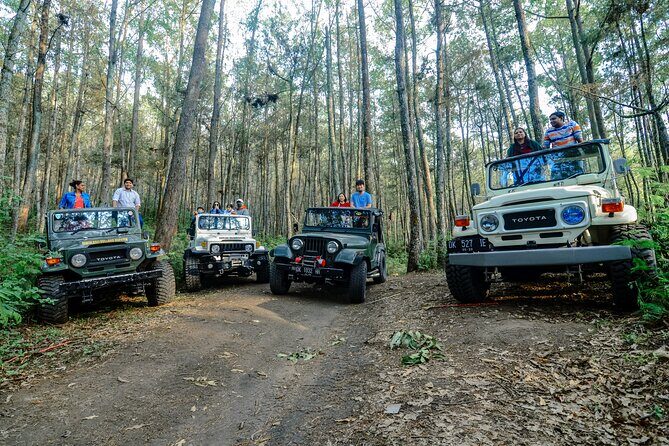
If you tell me your travel dates and where you’re staying in Ubud, I can also help you think through whether the 9:30 am start and the packed 10-hour schedule will feel comfortable for your group.

All Inclusive Bali Blue Lagoon and Tanjung Jepun Snorkeling

All Inclusive Bali Blue Lagoon and Tanjung Jepun Snorkeling - Ubud Pickup and the Padang Bai Drive

Watching fish never gets old. This all-inclusive snorkeling trip from Ubud strings together two reef spots—Tanjung Jepun and Blue Lagoon—so you get more variety than a one-stop swim. I like that you’re looked after with professional local guides and included gear, so you spend less time fussing and more time in the water. I also love the practical add-ons: shower and changing facilities make the end of the day feel normal, not chaotic. The main thing to plan for is crowds at Blue Lagoon, which can mean more people in the same area than you’d want.

If you’re picking this because you want an efficient day, this fits. You get a hotel private-car pickup, a scenic drive to Padang Bai, about two hours of snorkeling spread across two locations, and an Indonesian lunch back in the flow of the schedule. The only possible drawback is timing: it’s a full 6 hours from leaving your hotel until you’re back, even though snorkeling itself is about 2 hours.

Quick Highlights Before You Go

All Inclusive Bali Blue Lagoon and Tanjung Jepun Snorkeling - Quick Highlights Before You Go
Two spots, two different moods

All snorkeling equipment included (even if you wear glasses)

Boat transfer for the Tanjung Jepun stop

Shower + changing room so you don’t go back salty

Indonesian lunch + mineral water included

Blue Lagoon can get busy—go with your expectations

How This Bali Snorkeling Day Really Works

This trip is built for comfort and simplicity. You’re picked up from your hotel in a private car, then you head to Padang Bai on a roughly 1.5-hour drive. After that, the day shifts into a clear rhythm: gear up, two snorkeling sessions, lunch, then return to your hotel.

The total time on the clock is about 6 hours, including travel and lunch. That matters because snorkeling trips often advertise “2 hours on the water” while ignoring how much time you’ll spend getting there and back. Here, you actually get the full picture up front, which makes planning around it easier.

Because it’s private for your group, you won’t be crammed with strangers the whole time. At the same time, the ocean doesn’t care about your itinerary—if Blue Lagoon is busy, you’ll feel it once you’re there.

Price and Value: What You’re Paying For

All Inclusive Bali Blue Lagoon and Tanjung Jepun Snorkeling - Price and Value: What You’re Paying For
At $48 per person, this isn’t a luxury day, but it’s also not a bare-bones rental. You’re paying for the parts that usually add up: round-trip private transport from your hotel, snorkeling equipment, boat transfers to the snorkeling spots, and an included Indonesian lunch.

The best value piece is how “all-inclusive” it feels in practice. You don’t need to track down gear, arrange transportation, or figure out where you’ll eat afterward. You just show up, get fitted with equipment, and follow the guide plan.

Souvenir photos are the one clear extra cost: if you buy them later, they’re listed as around IDR 250,000 to IDR 500,000. So if you’re the type who loves photo souvenirs, budget for it. If not, you can treat photos as optional and focus on the real show—seeing fish and coral up close.

Ubud Pickup and the Padang Bai Drive

All Inclusive Bali Blue Lagoon and Tanjung Jepun Snorkeling - Ubud Pickup and the Padang Bai Drive
Start time depends on your pickup, but the shape of the morning is consistent. You’ll be collected from your hotel in a private car, then you’ll take the road to Padang Bai, home to the Blue Lagoon area.

I like that this drive is part of the plan instead of a random hassle. It’s long enough to feel like “getting out of Ubud,” but not so long that the day becomes a traffic seminar. If you’re prone to getting carsick, you’ll still want to take it easy with scrolling and keep some water handy.

One nice detail: you’re already set up for the day before you hit the water. With pickup handled, you’re not rushing to make it to a departure point with gear in a bag.

Tanjung Jepun: Your First Hour of Water Time

All Inclusive Bali Blue Lagoon and Tanjung Jepun Snorkeling - Tanjung Jepun: Your First Hour of Water Time
The first snorkeling stop is Tanjung Jepun. You go by boat for this segment, then you snorkel for about an hour in the area. This is a good opening stop because you’re still fresh, and your guide can help you get the rhythm quickly—mask position, breathing, and staying comfortable while you look around.

Tanjung Jepun’s appeal is in how it supports beginner-friendly exploration without feeling watered down. You can expect the kind of reef-life people come for—tropical fish such as angelfish, clownfish, and moray eels are mentioned as part of the experience’s typical sightings.

Practical reality check: you won’t control water conditions. But having guides and included gear helps you adapt fast. If you’ve never snorkeled before, your guide’s presence matters more than you think—confidence is half the battle.

Blue Lagoon: Beautiful Water, Possible Crowd Factor

All Inclusive Bali Blue Lagoon and Tanjung Jepun Snorkeling - Blue Lagoon: Beautiful Water, Possible Crowd Factor
After lunch (more on that in a second), your second stop is Blue Lagoon. But even before lunch, the day’s flow is designed so you snorkel two spots for about an hour each, with roughly 2 hours total of snorkeling across both locations.

Blue Lagoon is known for clear views and great photo opportunities, especially for close-up reef shots. If you like macro-style underwater photos, this is the kind of water where you can get nice detail without making the whole day about cameras.

The trade-off is crowds. One of the clearest themes from real-world experience is that Blue Lagoon can feel packed with other groups. That doesn’t ruin the snorkeling, but it does change how peacefully you can drift. If you’re sensitive to crowds, go in expecting more bodies around you than you might find elsewhere in Bali.

Gear, Guides, and the Small Things That Make It Easier

All Inclusive Bali Blue Lagoon and Tanjung Jepun Snorkeling - Gear, Guides, and the Small Things That Make It Easier
This is where the trip earns trust. You get all snorkeling equipment, and it’s set up so people can participate even if they wear glasses. That alone is worth noting, because many snorkeling outings make contact lenses the only realistic option.

Having professional local snorkeling guidance helps with safety and with the actual fun factor. A good guide doesn’t just point you toward fish. They keep things organized, help you manage equipment, and make sure you know where to go next.

And yes—your comfort counts. The trip includes mineral water, plus shower facilities and a changing room. That’s a big deal if you don’t want to spend the rest of your Bali day smelling like saltwater and sunscreen.

Lunch on a Snorkeling Schedule (and Why It Matters)

All Inclusive Bali Blue Lagoon and Tanjung Jepun Snorkeling - Lunch on a Snorkeling Schedule (and Why It Matters)
Lunch is included, and it’s an Indonesian lunch after the snorkeling time. This isn’t a “maybe you’ll eat later” situation. It’s part of the plan, which helps you avoid the common problem: feeling tired and hungry at the worst time.

Even if the meal isn’t going to win any awards, what you care about is timing and energy. Snorkeling is physical in a sneaky way—you use muscles and you get warm in the sun. A real meal helps your second stop feel less like a slog.

Also, because mineral water is included, you’re less likely to scramble for drinks before you’re back on the road.

What You’ll See: Fish, Reefs, and Photo Opportunities

All Inclusive Bali Blue Lagoon and Tanjung Jepun Snorkeling - What You’ll See: Fish, Reefs, and Photo Opportunities
This tour is positioned around two reef areas with colorful marine life. The experience description calls out fish like angelfish, clownfish, and moray eels. Of course, sightings are never guaranteed. Water clarity, tide, and reef conditions affect what you can spot.

Still, you’re set up with two chances instead of one. That matters for people who want more than a quick glance at coral and then out. The longer you can spend looking—without fighting equipment or worrying about logistics—the more rewarding the day becomes.

If you care about photography, this is a strong match. Blue Lagoon in particular is described as especially good for shots, including close-up reef and small-details imagery. Bring a waterproof case or whatever setup you already use. Then follow your guide’s pace so you don’t miss the best moments while fiddling.

Who This Snorkeling Trip Suits Best

This works well for a wide range of snorkeling comfort levels. The plan is friendly for beginners because you get equipment, guides, and clear structure. It’s also solid for experienced snorkelers who want an efficient day with two stops and no extra planning.

You’ll likely enjoy it most if you:

  • want two snorkeling locations without spending half the day organizing
  • value included convenience like transport, gear, and shower/changing space
  • like reef snorkeling and simple underwater photo time

You might think twice if:

  • you hate crowds and want maximum quiet at every stop (Blue Lagoon can get busy)
  • you want a very long time in the water (the total snorkeling time is about 2 hours)

The Bottom Line: Should You Book It?

I’d book this if you want an easy, well-supported snorkeling day from Ubud with the basics handled. The combination of private-car pickup, included gear, two reef spots, lunch, and shower/changing facilities is the kind of practical value that makes a half-day feel complete.

If your top priority is peace-and-quiet underwater, Blue Lagoon’s crowd potential is the one thing I’d weigh carefully. But if you can accept a busier scene for a strong reef experience, this is a smart use of time in Bali.

FAQ

What snorkeling spots are included?

You’ll snorkel at Tanjung Jepun first, then Blue Lagoon as the second stop.

How long is the total snorkeling time?

Snorkeling time is approximately 2 hours total, split across the two locations.

Does the tour include hotel pickup?

Yes. You’ll get hotel pickup in a private car.

Is lunch included?

Yes. An Indonesian lunch is included, along with mineral water.

Are snorkeling gear and equipment provided?

Yes. All snorkeling equipment is included.

Are there shower and changing facilities?

Yes. There are shower facilities and a changing room.

Are souvenir photos included?

No. Souvenir photos are not included and are available to purchase around IDR 250,000 to IDR 500,000.

Mystery Mountain Cooking Class Sidemen

Mystery Mountain Cooking Class Sidemen - The Balinese cooking context you’ll want to remember

A kitchen class with real scenery.

This open-air Balinese cooking class takes place on a 1-hectare property surrounded by woods, where ingredients come from a farm and the chef adds context on local techniques and food culture. I like that it’s built like a traditional experience from the 1920s, not a scripted demo, and that you get hands-on cooking as you go, not just watching from the sidelines. One name that keeps coming up is host Ketut, who sets a friendly, welcoming tone and keeps the class moving at a comfortable pace.

There is one catch to factor in: the menu isn’t disclosed, so you’re committing to a surprise-style experience. Also, private transportation isn’t included, so you’ll want to plan how you’ll get to Bird Hills Bali in Sidemen for the 8:00 am start.

Key highlights you’ll actually care about

Mystery Mountain Cooking Class Sidemen - Key highlights you’ll actually care about

  • Open-air, wood-surrounded kitchen on a 1-hectare property in Sidemen
  • Five Balinese dishes in ~4 hours, with step-by-step prep through cooking
  • Mise en place to plated, guided by an experienced local chef
  • Small group of up to 6, which means more real time at the stations
  • Lunch included, built from what you make
  • Vegan menu available by request, so you can adapt without missing the class

Where it happens: Sidemen, woods, and an old-school kitchen setup

Mystery Mountain Cooking Class Sidemen - Where it happens: Sidemen, woods, and an old-school kitchen setup
This class is listed under Ubud, but the action is in Sidemen, up in the hills. You start at Bird Hills Bali (Jl. Bukit Juuk Manis, Tangkup, Kec. Sidemen), and the experience ends back at the meeting point. The big idea is that you’re not cooking in a classroom. You’re cooking outdoors, in a traditional kitchen setting surrounded by trees.

The setting matters more than you might think. When you’re cooking with spice, fire, and fresh ingredients, it helps to have room to move and space to work. An open-air kitchen also changes the whole rhythm of the class: you’ll hear staff talking, smell what’s happening at each station, and feel like you’re part of the process instead of a timed activity in a closed room.

The heart of the experience: learning five dishes the practical way

The class runs for about 4 hours, starting at 8:00 am. During that time, you’ll cover five different Balinese dishes. The chef guides you through each one from mise en place (getting everything ready in the right order) to getting food cooked and served.

That “from prep to serving” detail is the best part for value. Lots of cooking classes teach a recipe list. This one teaches workflow. You learn how to set up, handle ingredients, and manage timing—skills you can reuse at home. And because you’re doing it in sequence, you get a feel for how Balinese flavors build, not just what goes into a single dish.

What you’ll do as the class goes on

Expect the chef to show techniques and cooking methods, then bring you back into the work. The goal is that you can cook your own food as the session finishes and take part in the full experience rather than hovering over a plate.

The pace is also something to like. The group size is capped at 6 travelers, which naturally keeps things from feeling rushed. With a small group, the chef and team can catch mistakes early, explain spice handling without talking over everyone, and help you adjust when something needs more time.

The Balinese cooking context you’ll want to remember

Mystery Mountain Cooking Class Sidemen - The Balinese cooking context you’ll want to remember
This isn’t only about food. The chef’s job includes insights into Balinese culture and cooking techniques. Even when you’re focused on the next step, you’ll pick up little context nuggets—why certain methods are used, how flavor layers are built, and how the ingredients fit together in a traditional kitchen workflow.

In a place like Bali, those details are how cooking becomes more than a hobby. If you love food travel, this is the sweet spot: you get a hands-on meal experience, plus understanding that lasts longer than the lunch on the table.

And if you’re the type who likes to cook later, this matters. When you understand the technique and the logic, you’re less likely to end up with an “I followed the recipe but it didn’t taste right” situation.

Lunch is included, and it’s part of the lesson

You’ll get lunch as part of the class. That means what you cook is what you eat. It’s simple, but it’s also a smart design choice: you see the process, you taste the result, and you get to compare what you did to what the chef intended.
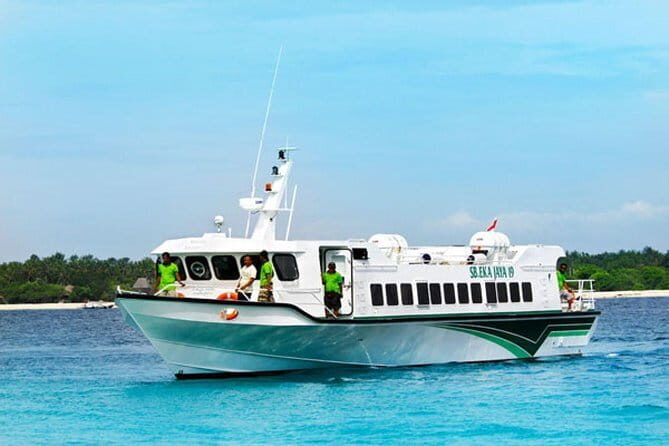
Also, because the lunch comes from your own work, you’re more likely to remember which dish used which technique. That’s how cooking classes become useful at home. You’ll leave with more than a full stomach—you’ll leave with mental hooks.

The menu surprise: great for curiosity, annoying for picky eaters

The class keeps the menu undisclosed ahead of time. That’s a marketing choice, and it does create some buzz: you show up and you’re surprised in the moment. From a practical standpoint, though, you should know what you’re agreeing to.

If you’re comfortable trying new food, this is a fun way to break your “I only eat what I know” habit. If you have strong preferences or allergy concerns, you’ll want to be upfront ahead of time. The data also says a vegan menu is available by request, which helps if your diet choices are clear and you can communicate them early.

Vegan option: how to make it work for your diet

Mystery Mountain Cooking Class Sidemen - Vegan option: how to make it work for your diet
If you need a vegan version, you can request it. The fact that it’s available matters because you still get the full hands-on Balinese cooking experience, not a separate, watered-down plate.

When you request vegan, aim to do it during booking or as soon as you can. That way the kitchen can plan substitutions while still keeping the class flow intact.

What it feels like in practice: small group, friendly host, lots of station time

You’ll likely get a more personal experience than the bigger, busier cooking programs. The group limit is maximum 6 travelers, and the way classes are set up around a kitchen means you’ll spend more time working with your hands and less time waiting.

One review detail that stands out: the team speaks good English, and the host brings a warm, welcoming vibe. That matters if you’re trying to learn techniques instead of just collecting photos. When explanations land clearly, you’ll remember what to do and why.

Another practical note: the environment is described as magical and scenic, with cooking over an open fire. Even if you’ve cooked over a flame before, an open-fire kitchen changes the feel of everything. It also makes it easier to taste what’s happening as you cook—smell, sizzle, and timing all become part of the learning.

Price and value: why $49 can make sense here

The class costs $49 per person for a 4-hour experience with lunch included and all cooking equipment provided. Private transportation is not included, but the core experience includes the ingredients and the tools you need to cook.
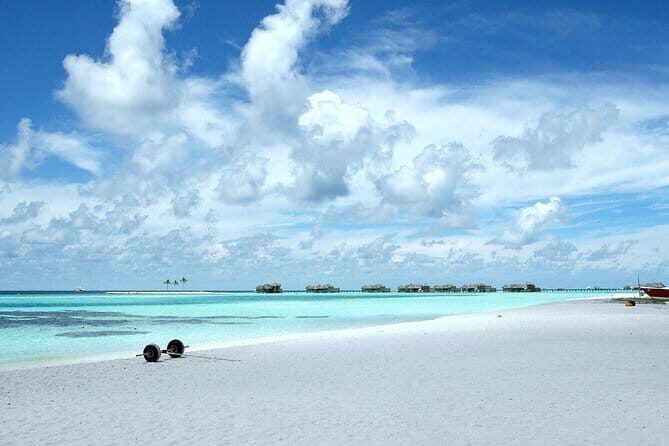
For me, the value comes from three things:

  • You’re getting five dishes, not just one recipe focus.
  • You’re learning the process in a small group setting, where instruction is more hands-on.
  • You’re not paying only for the meal. You’re paying for technique + context + a finished lunch you made yourself.

If you’re comparing this to the common “one-dish demo” classes in Bali, the five-dish structure is the difference-maker. You end up with more to remember, more to practice later, and a better sense of what Balinese cooking involves beyond one signature plate.

Timing and logistics that can trip you up

This starts at 8:00 am. That early start is ideal if you want cooler morning air and a calmer setup before the day heats up. It also means you’ll want to be ready and on time at the meeting point, Bird Hills Bali.

Duration is about 4 hours, and the class ends back at the meeting point. If you’re building a day plan around it, leave some buffer so you’re not rushing immediately afterward.

Also, since private transportation isn’t included, you should think about your ride in advance. Sidemen can be straightforward with the right transport, but you don’t want to gamble when the class start time is fixed.
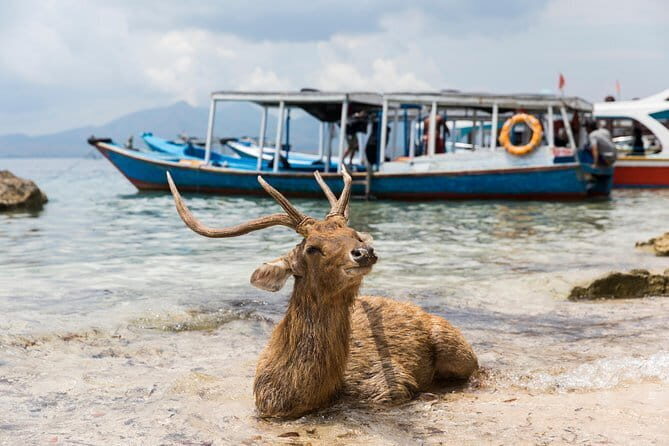
Who should book this cooking class

This is a good fit if you:

  • want a hands-on Balinese cooking lesson rather than a quick show
  • like learning technique and workflow, not only eating
  • enjoy nature settings and don’t mind a casual outdoor kitchen feel
  • travel with a group size that works well for instruction, since it caps at 6

If you’re the type who dislikes surprises, the menu not being disclosed could be a drawback. If your diet is vegan, you’ll be glad there’s a request option, but you should communicate it clearly.

Should you book Mystery Mountain Cooking Class in Sidemen?

If you want the kind of cooking class where you learn by doing, this is easy to recommend. The combination of open-air setting, five dishes, small group size, and lunch included makes it feel like a real experience with practical payoff. The only reason to hesitate is the surprise menu—so if you need strict control over what you’ll eat, plan accordingly.


If you’re coming to Bali for food culture and want something more memorable than a standard cooking demo, this one’s worth your morning time in Sidemen.

FAQ

How long is the Mystery Mountain Cooking Class in Sidemen?

The class lasts about 4 hours.

What does the $49 price include?

The price includes lunch and all cooking equipment.

Do I get to cook, or is it only a demonstration?

You’ll cook during the class. The chef shows the steps, and then you enjoy cooking your own food as the session finishes.

Is there a vegan menu option?

Yes. A vegan menu is available by request.

How many people are in the group?

The group size is capped at a maximum of 6 travelers.

Is transportation included from your hotel?

No. Private transportation is not included, so you’ll need to arrange how to get to the meeting point at Bird Hills Bali.

Private Tour: Balinese Culture and Scenery (visit ubud area)

Private Tour: Balinese Culture and Scenery (visit ubud area) - Mount Batur Viewpoint: The Volcano Moment Early

Eight hours, and Bali delivers.

This private full-day tour from Ubud strings together volcano views, temple rituals, rice-terrace viewpoints, and waterfall power, with hotel pickup and drop-off to keep your day stress-free. I especially like how the stops feel practical and close together, and the day stays flexible enough for real sightseeing time. One thing to consider: some sights charge entry, since admission tickets aren’t included.
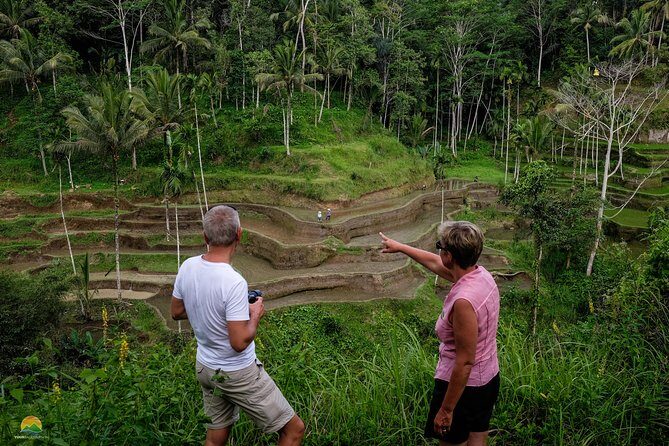
What I like most is the mix: Tirta Empul Temple lets you watch (and, if you want, join) the holy spring water purification, and the Tegalalang Rice Terraces stop gives you a quick walk plus photo time without turning the day into a grind. The guide work can make or break this kind of day, and names like Jerry and Made come up as examples of guides who explain Balinese practices in plain, useful ways.

The main drawback is simple: the itinerary includes multiple paid-entry moments and there’s no lunch included, so you may need to plan a bit for food and cash for tickets.

Key Things to Know Before You Go

Private Tour: Balinese Culture and Scenery (visit ubud area) - Key Things to Know Before You Go

  • Private transport + driver/guide means fewer logistics headaches and more time where it counts.
  • Mount Batur starts the day with a short, high-impact volcano viewpoint.
  • Tegalalang Rice Terraces includes a little walking and plenty of time for photos.
  • Tirta Empul holy spring water is the cultural anchor, with the option to swim and purify.
  • Waterfall choice among Tegenungan, Tibumana, or Tucked Cepung lets you pick the vibe.
  • Balinese arts stop covers woodcarving, silver work, painting, plus a coffee plantation mention.

How This Private Ubud Day Runs (8:00 Start, Up to 15)

Private Tour: Balinese Culture and Scenery (visit ubud area) - How This Private Ubud Day Runs (8:00 Start, Up to 15)
You start at 8:00am and the tour runs about 8 hours, built for a full day of contrasts: morning views, midday culture, and afternoon nature. It’s private in the sense that it’s your group only, and the tour maximum is 15 people per booking, with a minimum of 2 people required.

Hotel pickup and drop-off are included, but only for select hotels, so it’s worth double-checking that your place is covered. You’ll have a driver/guide and private transport, which matters more than it sounds. With Bali traffic and changing road conditions, having one team coordinating the day keeps you from losing half your day to indecision.

The vibe here is action-packed but not rushed in a sprint. Stops are timed in sensible chunks (30 to 60 minutes each), and you have room for a little walking and photos—especially at the rice terraces and viewpoints.

Mount Batur Viewpoint: The Volcano Moment Early

Private Tour: Balinese Culture and Scenery (visit ubud area) - Mount Batur Viewpoint: The Volcano Moment Early
The day begins at Mount Batur, with about 30 minutes for views of the volcano and the surrounding scenery. This is one of those stops where timing helps: you get your “big sky” moment early, then the rest of the day can flow into culture and waterfalls.

Keep expectations realistic. You’re not hiking for hours here. It’s a viewpoint stop—short and scenic—so it’s ideal if you want the drama of Batur without committing to a full trek. Admission tickets for this stop aren’t included, so you may pay separately depending on the access point your guide uses.

Photo tip: arrive ready with a charging phone/camera and set your shots before you get tempted by moving vehicles or crowded lookouts. With only half an hour, you’ll feel grateful you planned your angles fast.

Tegalalang Rice Terraces: Short Walk, Best-Value Photos

Next comes Tegalalang Rice Terrace, one of Bali’s most photographed scenes. You get about 1 hour, including a little walking and time to take pictures. This is a good balance: you can stroll for different viewpoints, but you’re not committing to a long trek that turns a sightseeing day into a leg workout.

Rice terraces here aren’t just scenery—they’re part of how land and water systems shape local life. In a guided format, you’ll usually get practical explanations about what you’re seeing and why the terraces look the way they do (irrigation and cultivation are typically part of the conversation). If you ask questions, a good guide will connect the visual details to real daily rhythms in the area.

Admission tickets aren’t included, so bring a little budget for entry. If you don’t love crowds, aim to move a bit away from the most obvious photo spots. You’ll often find calmer angles just by walking a few minutes.

Tirta Empul Temple: Holy Spring Water and Real Ritual

Private Tour: Balinese Culture and Scenery (visit ubud area) - Tirta Empul Temple: Holy Spring Water and Real Ritual
Tirta Empul Temple is the cultural anchor of the day, and it deserves the time. You’ll spend about 1 hour, focusing on the holy spring water temple and its unique procession-style atmosphere. This is also where the tour becomes more than sightseeing—there’s an actual ritual space and people take the purification aspect seriously.

The option to swim and do purification is part of what makes this stop memorable. If you want to participate, go in with a basic mindset of respect: keep your routine calm, follow your guide’s lead, and treat it like a living ceremony rather than a show.

Admission tickets aren’t included, so expect to pay separately. Also, if you plan to enter the water, have a plan for what you’ll carry—your phone and valuables need protection. (Your guide can usually advise what’s sensible, but you’ll still want to be practical.)

This stop is one reason the tour is worth the price even with separate tickets. When you hit the right headspace, you don’t just see a Hindu temple—you understand why holy water matters in daily spiritual life here.

Tegenungan Waterfall (Plus Alternatives): Pick Your Water Power

Private Tour: Balinese Culture and Scenery (visit ubud area) - Tegenungan Waterfall (Plus Alternatives): Pick Your Water Power
Afternoons in Ubud are for nature, and this tour gives you a choice. You’ll spend about 1 hour at a waterfall, and the options include Tegenungan, Tibumana, or Tucked Cepung.

Why this matters: not every waterfall feels the same. Some attract more casual crowds, some feel quieter, and the approach points can feel different too. Having options means your guide can adapt based on weather, road conditions, or what’s available that day. (Also, the tour notes that good weather is important, so you might need a backup plan.)

Tickets for the waterfall are not included, so plan for entry fees as needed. And because this is Bali, water conditions can change fast. If rain comes through, the waterfall may look stronger, but the path can get slick—wear footwear you don’t mind getting a little muddy.

If you’re aiming for photos, go early in the hour and don’t waste time at the first platform. In many waterfall spots, your best shot is a few steps later once you see where the light hits the falls.

Bali Arts and Daily Life: Woodcarving, Silver Work, Painting, and Coffee

Private Tour: Balinese Culture and Scenery (visit ubud area) - Bali Arts and Daily Life: Woodcarving, Silver Work, Painting, and Coffee
The last main stop is a mix of Balinese arts and a look at typical house compound life. You’ll spend about 1 hour here, with a focus on:

  • woodcarving
  • silver smith / jewelry production
  • painting
  • and how local family compounds function

This is where the tour often becomes surprisingly human. Watching craft-making isn’t just about objects for sale—it’s about patience, design, and the way culture gets passed down through hands and daily routine. A good guide can connect the dots so it doesn’t feel like a shopping stop.

The tour overview also mentions a coffee plantation experience, which usually pairs naturally with this kind of arts-and-life stop. If the coffee part is included on your exact route, expect it to be a sensory break: smells, tastings (if offered), and a slower pace compared with temples and waterfalls.

This section lists an admission ticket as free. Still, there may be purchases available—like souvenir photos or crafts—so decide in advance how you want to handle your budget.

Value and the Real Cost of $65

Private Tour: Balinese Culture and Scenery (visit ubud area) - Value and the Real Cost of $65
At $65 for a full day (about 8 hours) with private transport and a driver/guide, the value is strong—especially compared to days that feel like you’re paying mostly for rides. The big catch is that several stops don’t include admission, so the final cost depends on what you pay for entry at Mount Batur, Tegalalang Rice Terraces, Tirta Empul, and your chosen waterfall.

Also, lunch isn’t included, so you’ll likely need to budget for food. Bottled water is included, which is helpful in Ubud’s heat, but you’ll want a plan for meals.

Souvenir photos are available for purchase, so don’t be surprised if that option comes up during the day. The tour includes parking fees and pickup/drop-off (select hotels), which are the kinds of costs that quietly add up on your own.

My take: this price makes sense if you want a guided day with multiple highlights and you’re okay paying separate entry fees where required. If you’re trying to keep everything fully all-in, you’ll want to set aside extra for tickets and lunch.

Practical Tips That Make the Day Easier

Private Tour: Balinese Culture and Scenery (visit ubud area) - Practical Tips That Make the Day Easier

  • Bring cash for separate admission fees. Several key stops list admission as not included.
  • If you plan to join the Tirta Empul purification option, treat it as a ceremony. Follow your guide’s instructions closely.
  • For the waterfall hour, wear comfortable shoes that handle wet paths.
  • Expect an active day. The itinerary is built around short stops, so come ready to move.
  • Wear something you don’t mind getting a little warm. You’ll be outdoors through most of the day.

Good weather matters here too. The tour notes that it needs good weather, and if it’s canceled due to poor conditions, you’ll get a different date or a full refund.

Who This Tour Suits Best

This is a great fit if you want:

  • a first-time Ubud day that hits major cultural and nature highlights
  • guided explanations so you don’t just take photos—you understand what you’re seeing
  • a day built for people who like variety: temples, terraces, waterfalls, and craft culture

It’s also a solid choice if you prefer privacy over hopping between buses and groups. With a dedicated driver/guide, you can ask questions and keep the pace comfortable.

If you’re the type who wants a long hike or a slow museum-style day, you might find this tour a bit fast. But if you want a full, memorable day with minimal planning, it’s a strong match.

Should You Book This Private Balinese Culture and Scenery Tour?

I’d book it if you’re aiming for one efficient day in Bali: volcano views at the start, rice terraces for photos, Tirta Empul for meaningful cultural context, and a waterfall choice that gives you nature without overcommitting. The private transport and guide time feel like the real value behind the $65 cost.

I’d pause if you strongly prefer fully all-in pricing, since multiple admissions and lunch are not included. Also, if you’re traveling with a tight schedule and weather is a concern, keep in mind the tour requires good weather.

If your hotel is eligible for pickup and you want a guided day that balances culture and scenery, this one is worth putting on your short list.

FAQ

What time does the tour start?

The tour starts at 8:00am.

How long is the tour?

The duration is about 8 hours.

What is the price of the tour?

The price is $65.

Is hotel pickup and drop-off included?

Yes. Hotel pickup and drop-off are included for select hotels.

Is this a private tour?

Yes. It’s private, so only your group participates.

What is included in the tour price?

Included items are bottled water, parking fee, hotel pickup and drop-off (select hotels), private transport, and the driver/guide.

What is not included?

Lunch and souvenir photos (available to purchase) are not included. Admission tickets are also not included for listed stops.

Can I swim or do purification at Tirta Empul Temple?

The tour notes that you can swim and do purification in the holy spring water at Tirta Empul Temple.

Which waterfalls are available on the tour?

You can choose among Tegenungan, Tibumana, or Tucked Cepung.

What if the weather is bad?

The tour requires good weather. If it’s canceled due to poor weather, you’ll be offered a different date or a full refund.