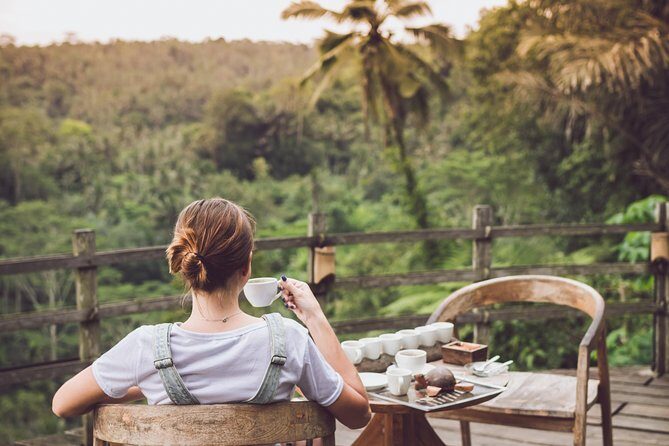
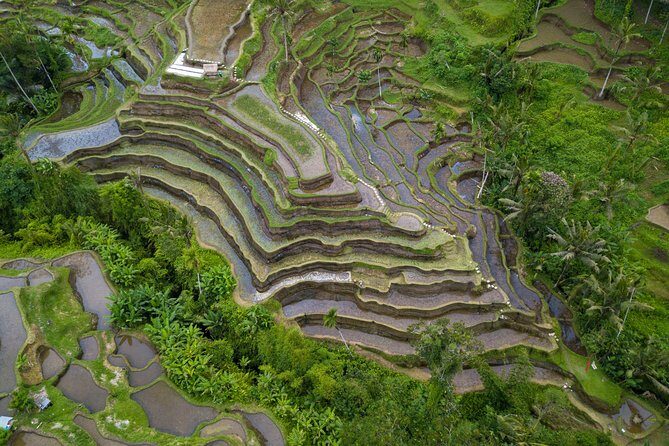
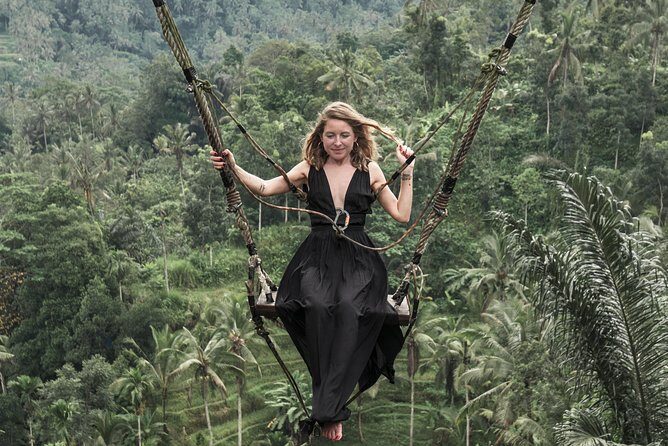
Mount Batur Jeep Sunrise (Private and Breakfast at Restaurant)

Mount Batur Jeep Sunrise (Private and Breakfast at Restaurant) - The 3:00 am Start in Ubud: What Your Morning Schedule Looks Like

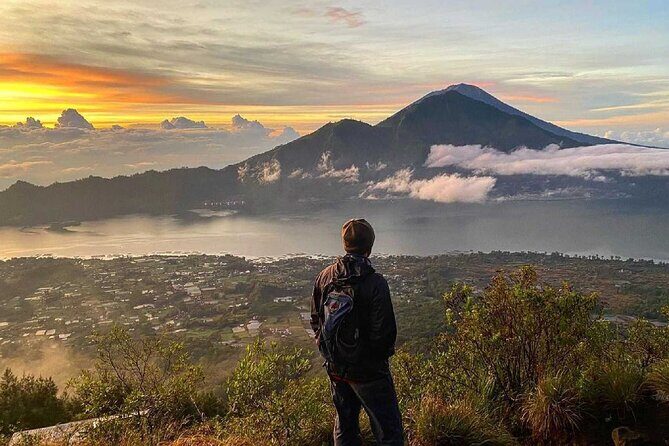
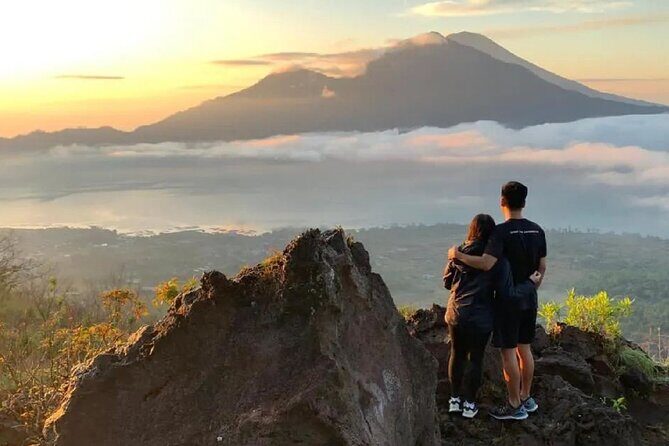
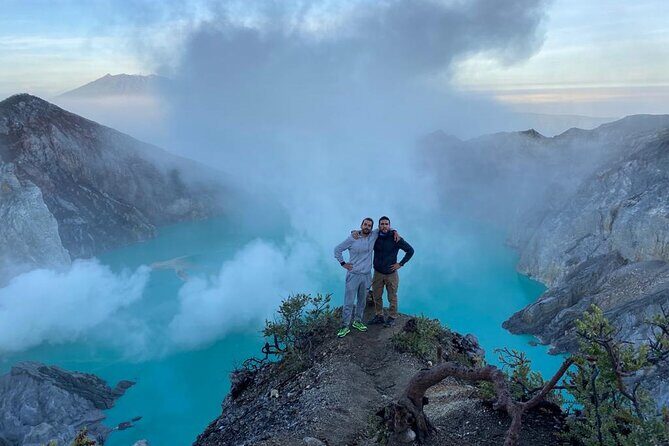
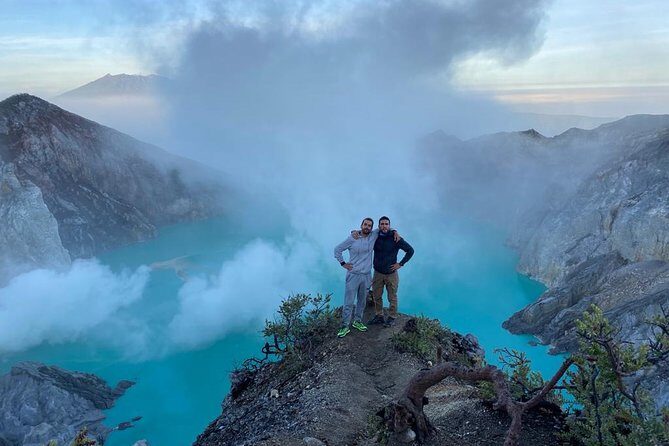
Waking up for sunrise can feel brutal. This private Mt. Batur jeep tour turns that early hour into an easy win, with views instead of a steep hike. I like that you get hotel pickup plus a jeep ascent, so you spend more energy seeing the volcano than earning it. I also like the simple add-ons that matter up there: a hot drink at the sunrise point and a restaurant breakfast with Lake and Mt. Batur views. One consideration: it starts at 3:00 am, so you’ll want to be ready for an early, long morning.

If you’re aiming for sunrise but your legs prefer a smoother plan, this fits well. The private setup keeps it calmer, with a jeep that holds up to three guests, and the itinerary builds in time to enjoy the volcanic scenery without committing to a full trekking day. A possible drawback is the pace: you’re moving through multiple scenic stops in one go, so it’s less about lingering slowly and more about hitting the highlights efficiently.

Key Things I’d Pay Attention To
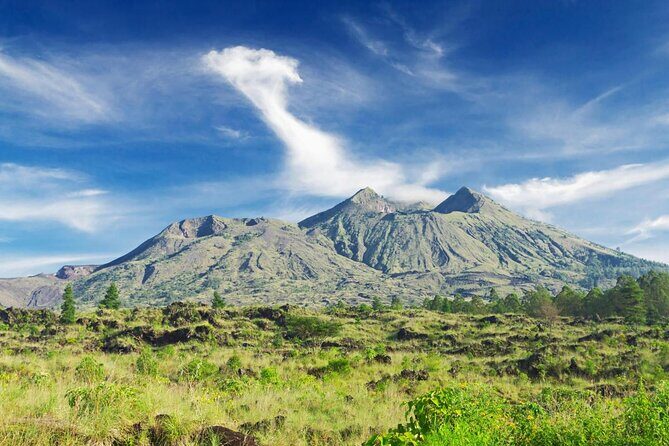
Mount Batur Jeep Sunrise (Private and Breakfast at Restaurant) - Key Things I’d Pay Attention To

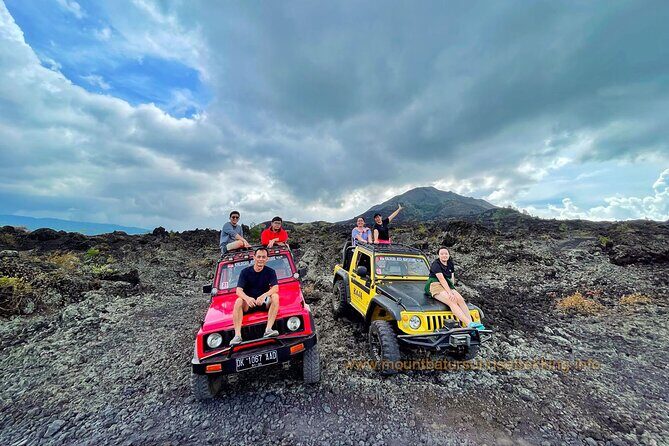
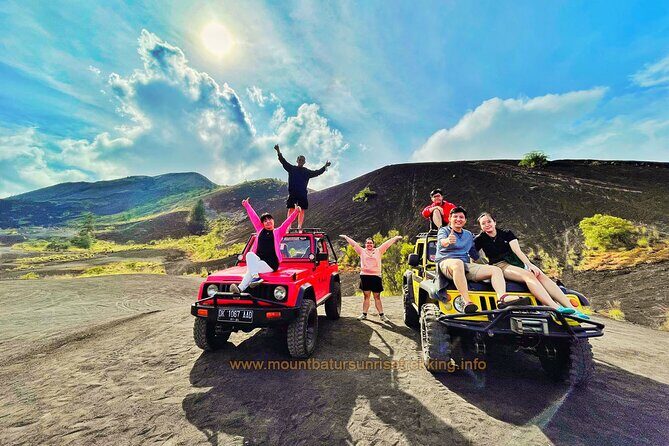
  • Private jeep ascent: you get sunrise views without hiking up.
  • Hot tea/coffee/chocolate at the sunrise point: helps with the early chill.
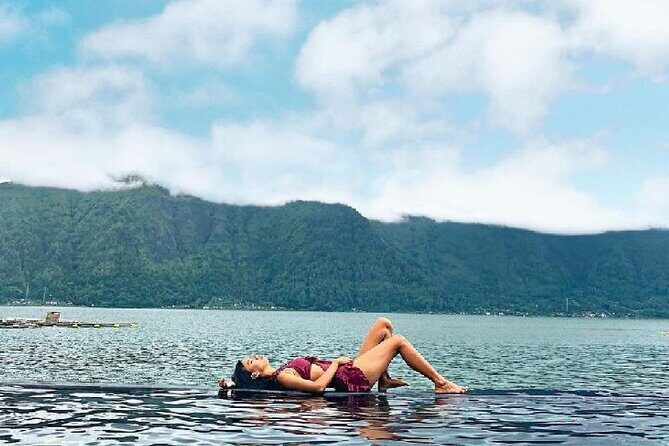
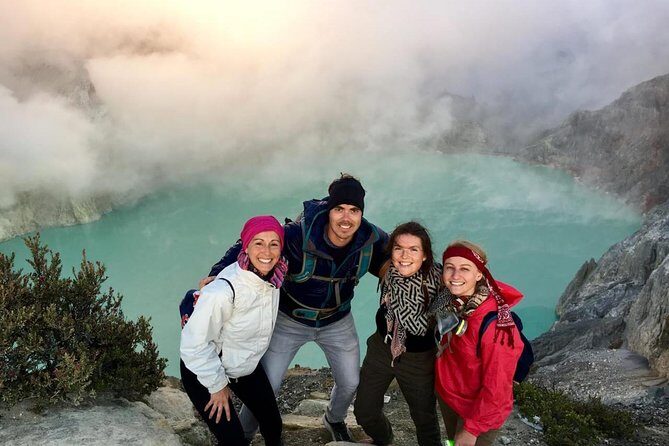
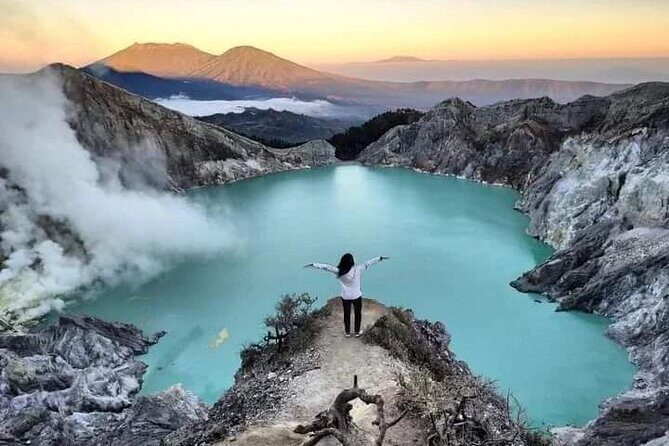
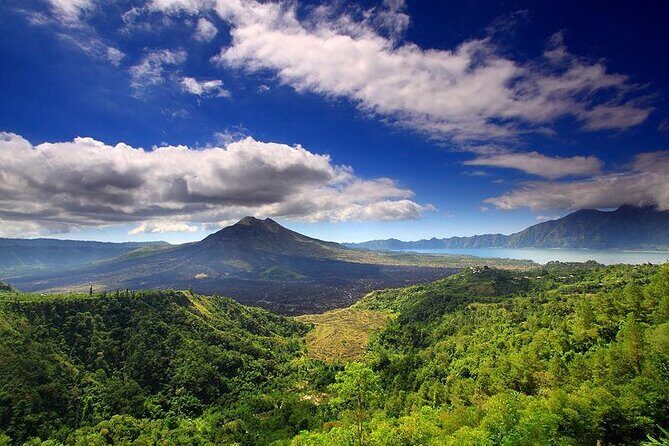
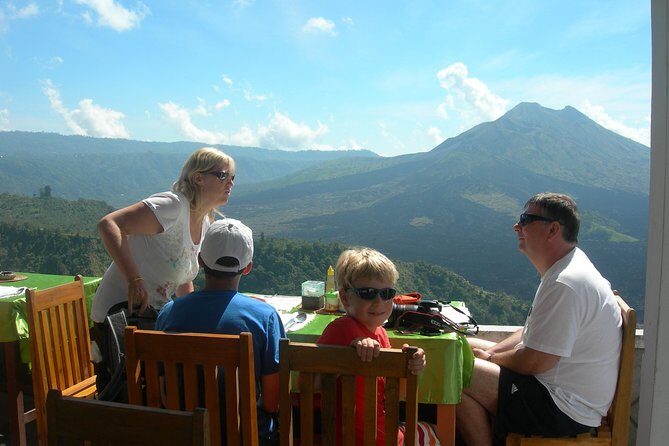
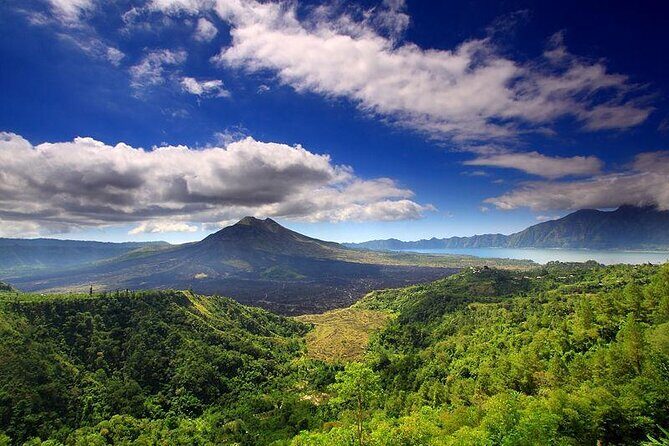
  • Breakfast with a view: you’re eating with Mt. Batur and Lake Batur in sight.
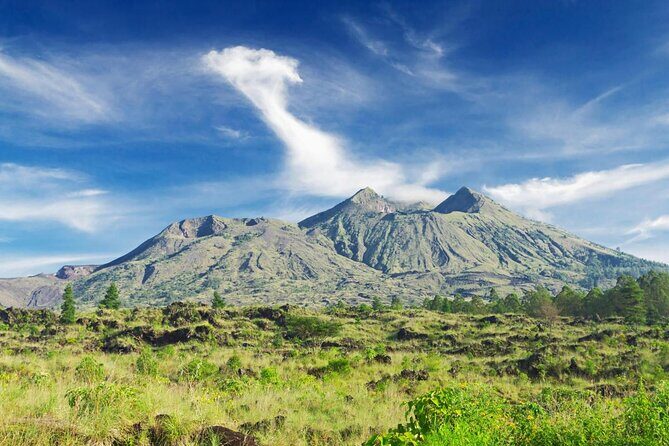
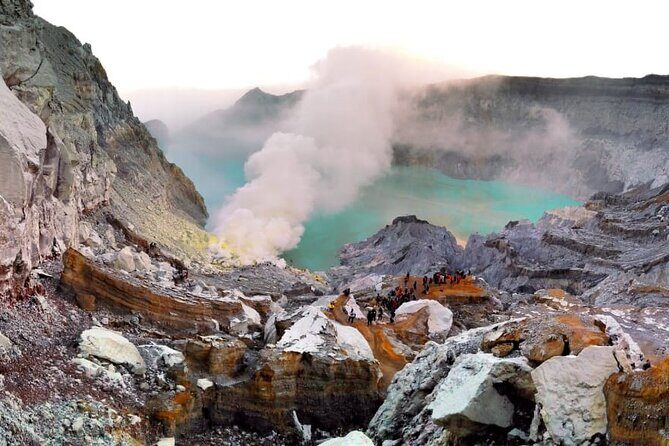
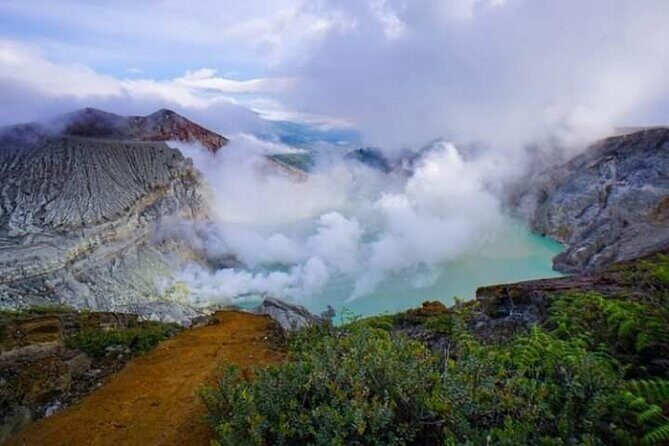
  • Short scenic time on-site: black sand, lava, and pine forest are part of the plan.
  • Coffee plantation visit after breakfast: a practical cultural add-on.
  • Up to 3 guests per jeep: more personal than a big group scramble.

Sunrise Without the Hike: How the Private Jeep Really Helps
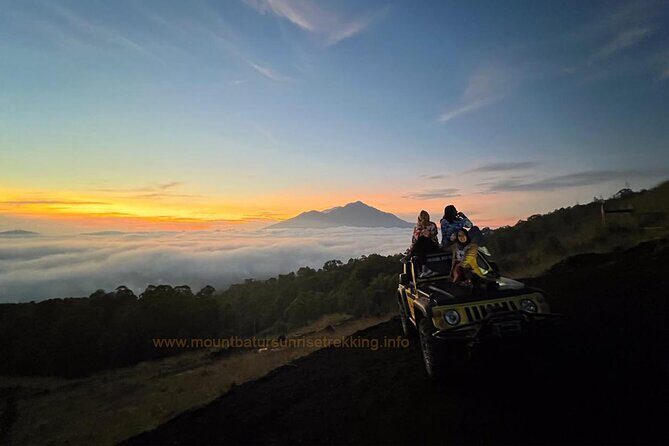
Mount Batur Jeep Sunrise (Private and Breakfast at Restaurant) - Sunrise Without the Hike: How the Private Jeep Really Helps

The core idea here is simple: you see Mt. Batur sunrise without climbing on foot. Instead of committing to a long, steep trek, you transfer from Ubud to the base area, then ride up in a private jeep to a sunrise viewing spot. It’s a big deal if you want the spectacle but don’t want the physical strain.

This format also tends to feel more relaxed. You’re not packed into a line trying to find your pace at the front of a group hike. With the private vehicle setup (max three guests per jeep), you can keep things calmer and more comfortable, especially if you’re traveling with a friend or a small family.

There’s also a timing advantage. Sunrise tours fail when you’re late or scrambling. By starting early and having transport handled, you’re much more likely to be in the right place when light hits the volcano and crater area.

The 3:00 am Start in Ubud: What Your Morning Schedule Looks Like
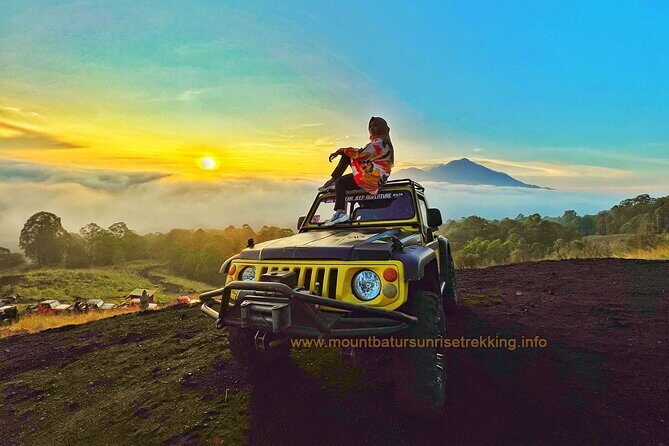
Mount Batur Jeep Sunrise (Private and Breakfast at Restaurant) - The 3:00 am Start in Ubud: What Your Morning Schedule Looks Like

Start time is 3:00 am, and the tour runs about 10 hours total. That’s a full day, even though the main “event” is sunrise. The reason it feels like a longer day is the travel time from Ubud plus the post-sunrise sightseeing and meal.

Pickup is offered, and the tour includes a private air-conditioned car for the transfer to the basecamp area. For me, air-con matters here more than you’d think. Early mornings can be cool, but the day later warms up, and comfort on the road helps you enjoy the stops instead of just surviving them.

If you hate waking up early, this is the one drawback you can’t dodge. But if you’re the type who can handle a quick alarm for a good view, this kind of schedule is exactly what makes sunrise possible.

Mount Batur Sunrise Point: Hot Drinks and Jeep Views From the Right Angle
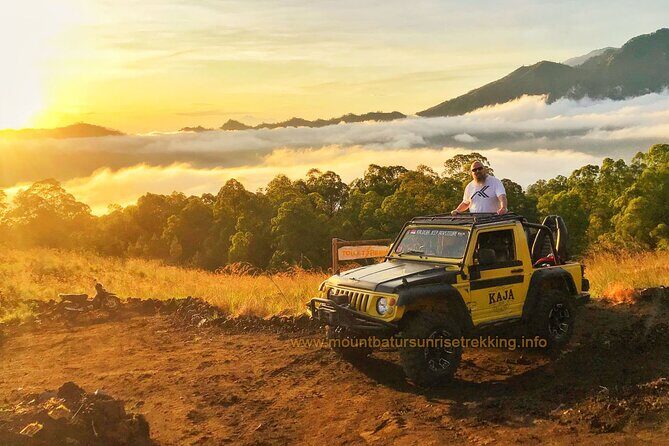
Mount Batur Jeep Sunrise (Private and Breakfast at Restaurant) - Mount Batur Sunrise Point: Hot Drinks and Jeep Views From the Right Angle

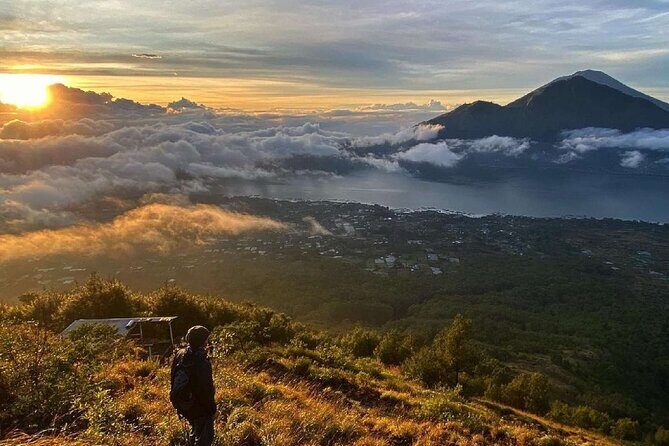
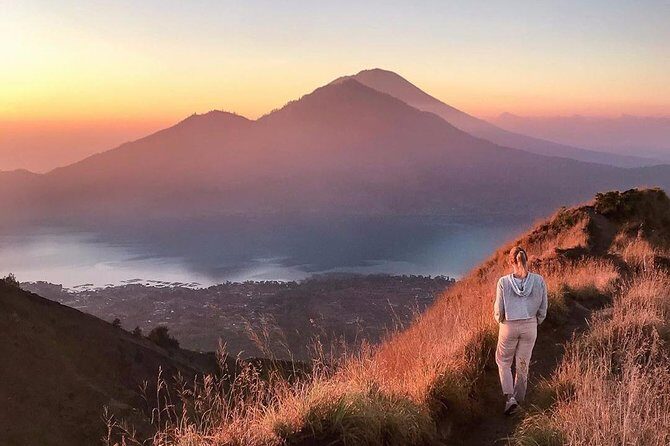
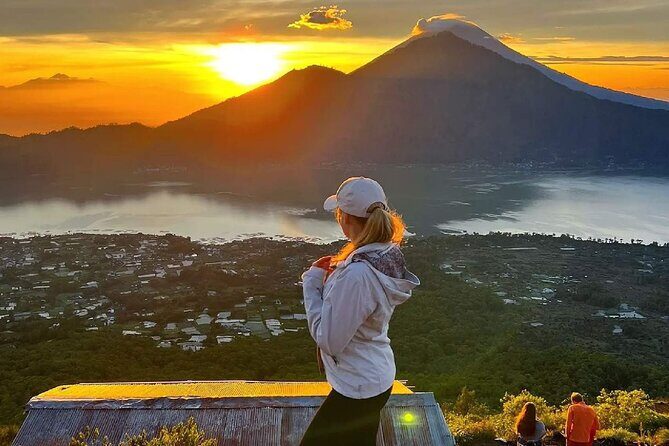
Once you head up, the tour is built around seeing sunrise from the mountain. The big win is that you can do it from the jeep park area rather than trekking the whole way. That changes the experience from “fitness challenge” to “scenery and timing.”

You’ll also get a hot drink at the sunrise point—hot tea, coffee, or chocolate. That’s not just a nice touch. In many volcano sunrise settings, the air can be chilly and your hands get numb fast. Having something warm reduces the chance you’ll spend sunrise focused on discomfort instead of clouds, light, and the shape of the caldera.

The tour description also emphasizes the view without hiking. Translation: you spend more of your energy looking outward—toward the crater landscape and the wider horizon—rather than watching where you step.

Volcanic Scenery After Sunrise: Black Sand, Lava, and Pine Forest

After sunrise, the tour doesn’t end at a single viewpoint. You also get time to explore the volcanic terrain, including black sand, lava areas, and a pine forest. This is a good middle ground if you want real nature textures, not just a photo stop.

This part of the day tends to work best if you think of it as short, guided wandering rather than a long hike. You’re there to see the terrain and experience the environment, then move on for breakfast. If you want hours of trails and slow pauses, you might feel like you’re on a schedule.

Still, it’s valuable because Mt. Batur isn’t only about the sunrise. It’s about the caldera setting—charcoal-colored volcanic ground under changing light, then greenery in the pine area that looks like it belongs in a different climate.

Lake Batur and Okuta Breakfast: Eating With the Volcano in View

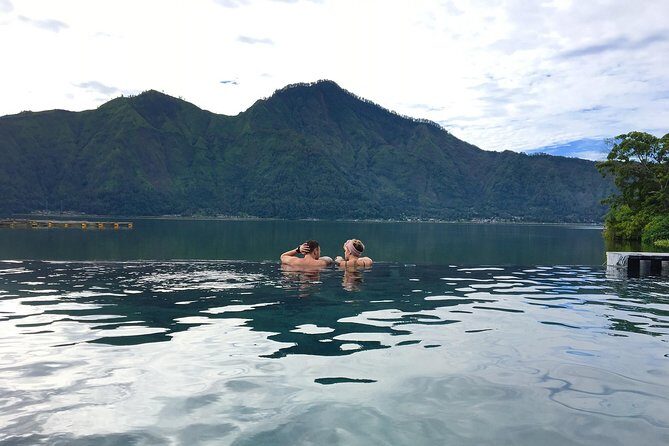
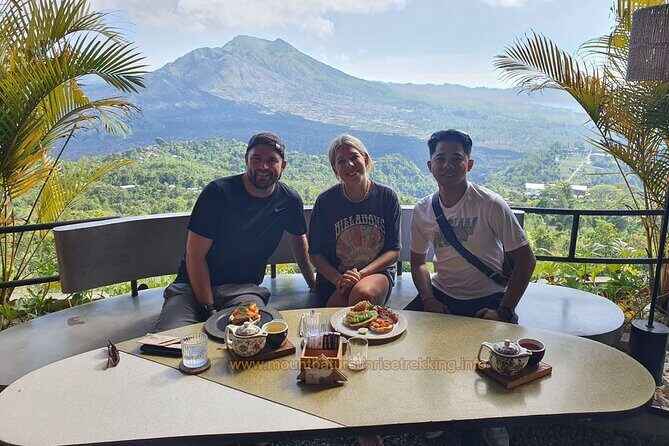
Breakfast comes after the jeep ride, at a restaurant overlooking Lake Batur and Mt. Batur. This stop is listed as about 30 minutes, so again, it’s not a long lunch. But it’s designed for one thing: fuel up while the scenery stays in front of you.

The breakfast value is more than food. A view like this can make a simple meal feel like part of the experience, and it’s a handy way to recover from an early start. If you’re traveling with someone who doesn’t love cold mornings, this is the moment that usually brings smiles.

The tour also includes mineral water here, which is a practical win. When you’re up early and walking around volcanic terrain, hydration matters even if you’re not doing an intense hike.

One thing to consider: because the stop is short, don’t count on a leisurely sit-down. Come hungry, keep your time efficient, and you’ll get the most out of the view and the meal.

Coffee Plantation Stop After Breakfast: A Small Cultural Add-On
Mount Batur Jeep Sunrise (Private and Breakfast at Restaurant) - Coffee Plantation Stop After Breakfast: A Small Cultural Add-On

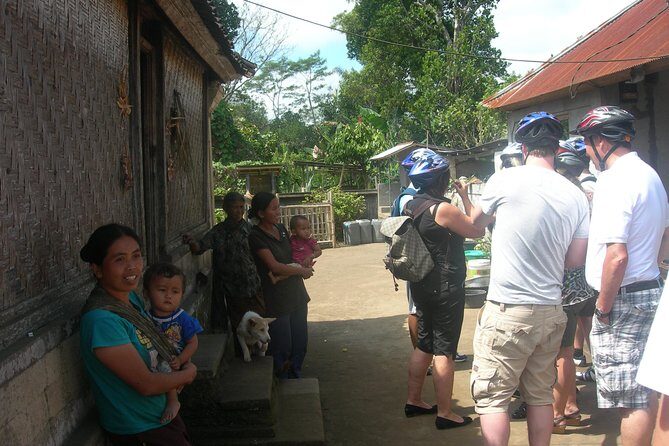
After breakfast, there’s a coffee plantation visit included. It’s a classic Bali add-on, but in this itinerary it works as a calm transition. You go from volcano textures to a calmer, plantation setting that’s easier to enjoy after the early morning pace.

This stop can also help you understand what you’re drinking later in the day. Even if you’re not a coffee expert, it’s a straightforward way to connect the dots between the hot drink you get at sunrise and the coffee culture you’ll run into around Bali.

Because the plan doesn’t list a long timeline for this visit, keep expectations realistic. This is likely a short experience tied to the broader tour flow, not an all-day coffee immersion.

Price and Value: What You Get for $98 per Person
Mount Batur Jeep Sunrise (Private and Breakfast at Restaurant) - Price and Value: What You Get for $98 per Person

At $98 per person, the value depends on what you compare against. If you’d otherwise pay for separate transport, a guide, and sunrise access, this package bundles a lot into one plan.

Here’s what you’re paying for, based on the included items:

  • Private air-conditioned car for pickup/transfer
  • A private jeep (max three guests)
  • Hot tea/coffee/chocolate at the sunrise point
  • Breakfast at a restaurant with Mt. Batur and Lake Batur views
  • Mineral water
  • Entry fee at Penelokan Kintamani
  • Coffee plantation visit after breakfast
  • A good English-speaking driver

That’s a lot of “moving parts” handled by the tour. For a sunrise trip, logistics often cost you time and energy. This structure makes it easier to show up early, stay on schedule, and focus on the scenery.

Also, private means you’re not stuck waiting on a big group schedule. Your ride feels more tailored to your group size, and that can be worth real money if you prefer less crowd energy.

The People Factor: Drivers, Safety, and Punctual Pickup
Mount Batur Jeep Sunrise (Private and Breakfast at Restaurant) - The People Factor: Drivers, Safety, and Punctual Pickup

The ride quality can make or break a sunrise tour. In the experiences shared, Gede Arya is described as very punctual, friendly, and careful about safety, with cultural background shared during the journey. You may also be paired with a skilled jeep driver like John, noted for both skill and safety on the mountain terrain.

You can’t guarantee names, of course. But it’s still a good sign that the tour is associated with drivers who take timing seriously and drive responsibly on steep, rougher mountain roads.

If you’re sensitive to early starts, safety matters even more. Feeling confident in the driver lets you sleep, then wake up and enjoy the view without anxiety.

What to Bring (Because Snacks and Extra Layers Aren’t Included)

The tour includes drinks and breakfast, but it explicitly doesn’t include a few comfort items:

  • extra layers
  • snacks
  • wipes
  • camera (not that you can’t bring yours, just that it’s not provided)

So pack smart. Bring extra layers, because early mornings plus mountain air can feel colder than you expect. A small towel or wipes are helpful after you’ve been walking around black sand and volcanic ground. And while breakfast is included, having a small snack can save you if you get hungry during the longer day.

Even if you’re not bringing a camera for the tour, you’ll want one for sunrise. The payoff is the light hitting the crater landscape and the wide view.

Who Should Book This Mt. Batur Jeep Sunrise Tour

I’d point you toward this tour if:

  • you want sunrise on Mt. Batur but don’t want to hike
  • you prefer a private pace over big group logistics
  • you’re traveling with up to three people per jeep and want a calmer experience
  • you like the idea of volcanic scenery plus breakfast and a coffee plantation stop

It also makes sense if you’re older, recovering from an injury, or traveling with someone who struggles with steep climbs. The tour is built around access and timing, not endurance.

On the other hand, it may feel limiting if you love long trail time. This is a “see it efficiently” format with scheduled stops, not an all-day independent hiking day.

Should You Book It?

If you want sunrise, pictures, and a solid meal without spending the morning hiking, I think this is a strong choice. For many people, the value isn’t just the view. It’s the convenience: pickup, private jeep, hot drink, breakfast with a view, and the coffee plantation stop all lined up in one plan.

Book it if you can handle the early 3:00 am start and you’re okay with a structured day that hits several highlights. Don’t book it if you’re dreaming of slow, deep time in the landscape. This one is efficient and scenic, not lingering.

FAQ

Is pickup included?

Pickup is offered, and the tour includes a private air-conditioned car for your transfer.

What time does the tour start?

The start time is 3:00 am.

How long is the tour?

The duration is about 10 hours (approx.).

What’s included in the price?

Included items are private air-conditioned car, English-speaking driver, private jeep (max 3 guests), mineral water, hot tea/coffee/chocolate at the sunrise point, breakfast with a view, entry fee at Penelokan Kintamani, and a coffee plantation visit after breakfast.

How big is the private jeep group?

The private jeep is maximum 3 guests in one vehicle.

Where does the breakfast take place?

Breakfast is at a restaurant after the jeep ride, with an overlooking view of Lake Batur and Mt. Batur.

Can I cancel for a refund?

Yes, you can cancel for free up to 24 hours in advance for a full refund. If you cancel less than 24 hours before the start time, the amount paid is not refunded.
Exclusive Authentic Balinese Cooking Class at Family home

Exclusive Authentic Balinese Cooking Class at Family home - Inside a Balinese Compound House Kitchen

Your hands learn Bali faster than your phone.

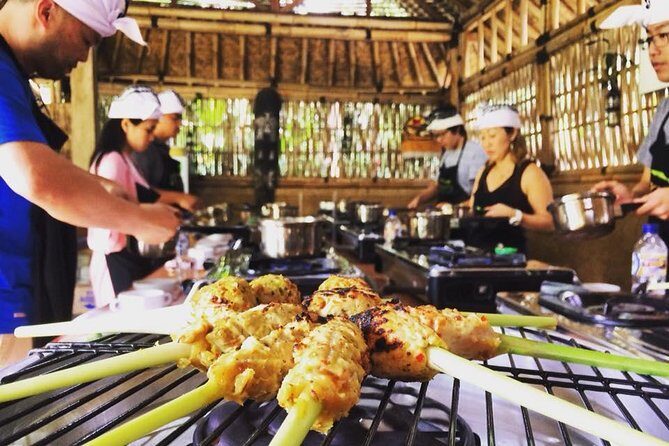
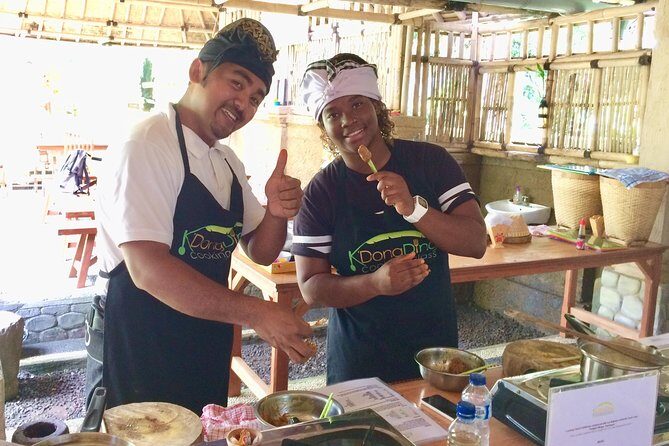
This private class near Ubud starts with a real trip to Payangan Market, then moves into a family open-kitchen setup where you’re not watching from the sidelines. You’ll test spices, prep using traditional methods, and end with a meal you made yourself.

I especially love two things. First, the cooking is truly hands-on: chopping, pounding, grinding, grilling, and making the sauces/pastes that give Balinese dishes their bite. Second, you’re hosted in a real family compound house atmosphere, with an instructor like Nyoman Mahendra who guides you while you do the work.

One thing to consider: it’s a 6-hour session, so come ready to focus. Also, like many outdoor experiences, it’s weather-dependent and can be rescheduled or refunded if conditions get poor.

Key highlights worth knowing before you go

Exclusive Authentic Balinese Cooking Class at Family home - Key highlights worth knowing before you go

  • Payangan Market first: you’ll see and taste ingredients before cooking starts
  • Family compound setting: tour the grounds and cook in an open-air kitchen
  • Traditional technique focus: stone mortar + wooden chopping block for paste and sauce prep
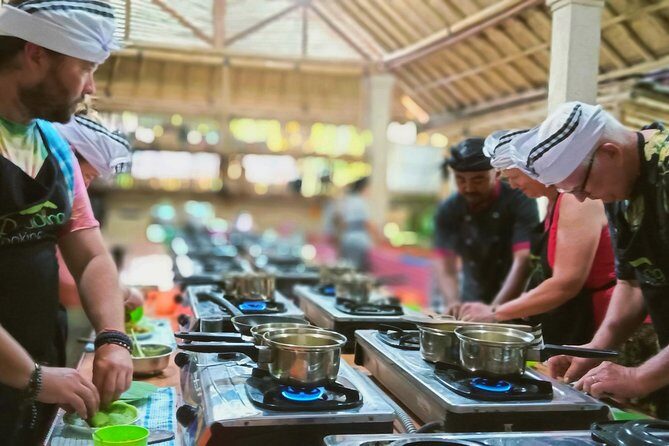
  • Private format, up to 12 people: each person has a station and gets to cook
  • You eat what you cook: lunch for morning classes, dinner for afternoon classes

Why Payangan Market Is the Real Start

Exclusive Authentic Balinese Cooking Class at Family home - Why Payangan Market Is the Real Start
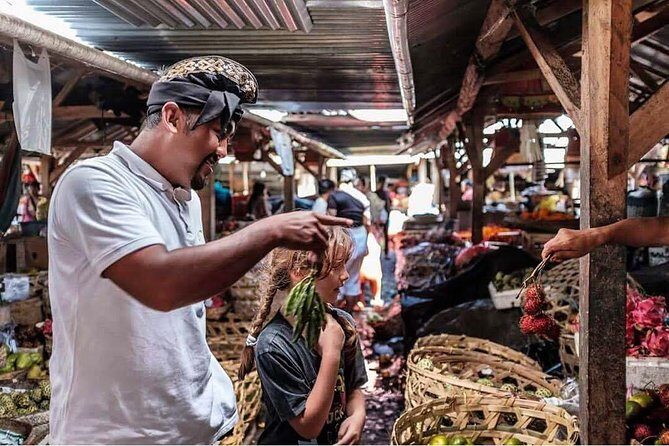
The best cooking classes don’t start with a stove. This one starts with food sourcing, at Payangan’s market area, so you understand what you’re buying before you’re cooking it. You get to see the kinds of produce, herbs, and spice ingredients that show up again and again in Balinese meals.

This first stop matters because it changes how you cook later. When you can point to the ingredients and understand their role, you stop treating recipes like a checklist and start treating them like local food science.

You’ll also learn what to look for—spices, vegetables, and the flavors people build into everyday dishes. Expect an energetic, practical guide-style explanation as you move through stalls and foods that you might never spot on a menu back home.

Inside a Balinese Compound House Kitchen

Exclusive Authentic Balinese Cooking Class at Family home - Inside a Balinese Compound House Kitchen
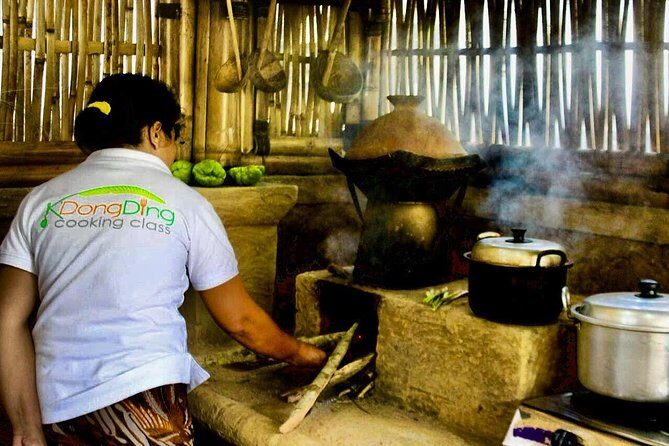
After the market, you head to a Balinese compound house where the vibe shifts from “buying ingredients” to “living like locals cook.” You’ll typically get a welcome drink—Bali coffee or tea—paired with Balinese cake, then transition into the kitchen space.

This is where the experience feels most authentic. The open kitchen format makes it clear how Balinese cooking works: lots of hands-on prep, shared workspace, and a rhythm built around paste-making and flavor layering. You also get time to tour parts of the property, and in some cases you might meet family-resident animals (one review mentioned a rescued monkey) and hear about bee honey kept on-site.

That family setting is not just charming—it’s useful. You’re more likely to ask questions and get straightforward answers about ingredients, flavor balance, and how dishes are traditionally prepared. It’s the kind of place where cooking isn’t a performance. It’s daily life.

The Hands-On Cooking: Stone Mortar, Wooden Blocks, and Sauce Work

Exclusive Authentic Balinese Cooking Class at Family home - The Hands-On Cooking: Stone Mortar, Wooden Blocks, and Sauce Work
Here’s what you’ll notice fast: this class treats paste and sauce preparation as the heart of Balinese cooking. You’ll test spice ingredients, then learn how Balinese spice preparations can be handled in two classic ways—chopped on a wooden chopping block or ground in a stone mortar—before they’re cooked into different pastes, sauces, and seasoning bases.

This is hands-on learning at its best. You’re not just mixing. You’re doing the physical steps that build texture and release flavor:

  • Chopping: controlled cuts, good for herbs and aromatics
  • Pounding/grinding: turning whole spices into a fragrant paste
  • Cooking sauces/pastes: building depth rather than just heat

Your instructor (often named Nyoman Mahendra in the experience stories) keeps things guided without taking over every step. The goal is that you do the work yourself. Several people specifically praised how the teaching stayed friendly and informative, even for those without cooking experience.

Also, you’ll have cooking tools and ingredients provided, and every participant gets a station. That matters in a class of up to 12 people—you’re not standing around waiting for the one cutting board or the one wok.

What You’ll Cook (and Why Those Dishes Make Sense)

The dish list focuses on classic Balinese flavors rather than generic “international cooking.” You’ll learn to prepare items such as Jukut Urab (vegetarian), Sate Lilit Ayam (and a tofu option), Calon Be Siap With Chayote Soup (vegetarian/tofu option), Tahu Mesanten (vegetarian), and Dadar Gulung (vegetarian) ala kdongding.

A practical tip: these dishes are great for taking home because they represent techniques more than just one recipe. Urab-style dishes help you understand herb and vegetable seasoning. Sate lilit shows you how Balinese grilling gets tied to a spice base rather than plain meat seasoning. Tahu mesanten teaches sauce richness and how coconut-based flavor fits in.

For the chayote soup, there’s also special nutrition messaging included in the experience description, noting chayote’s low calories and fibrous profile, and that it may support weight loss efforts and digestion. I’d treat that as friendly info rather than medicine, but it does give context for why local ingredients are valued beyond taste.

If you’re vegetarian, the class is designed to handle it. Just tell them in advance, because vegetarian preparation has to be planned in the menu. When you do, you’re more likely to get a full set of dishes you can actually cook and eat confidently.

Morning Market Class vs Afternoon Session (Lunch vs Dinner)

Exclusive Authentic Balinese Cooking Class at Family home - Morning Market Class vs Afternoon Session (Lunch vs Dinner)
Timing changes the whole feel of the day. You can choose a morning class that includes a lunch built from the dishes you make, or an afternoon class that ends with dinner.

Morning classes are great if you like active mornings and want your whole day to feel productive. Lunch also gives you a satisfying payoff: you cook, you sit down, and you eat the same meal while your skills are still fresh in your head.

Afternoon classes are a nice option if you’ve already packed in temples and rice terraces earlier. Dinner feels like a complete end point to your day in Ubud, and it’s easier to keep the energy up because the session still ends with a meal you helped create.

In both cases, you’ll get snacks during the workshop and you’ll be able to refill water at the class for free. They also ask you to bring your own bottle water to reduce single-use plastic, which is a small habit shift worth making.

Price and Logistics: Does $75 Add Up?

At about $75 for roughly 6 hours, the value depends on what you’re comparing it to. If you’re thinking “I could book a cheaper cooking tour,” sure, you could. But most budget options trade away one of the big three: real market time, genuine hands-on prep, or a family/home setting.

This experience stacks the basics you actually want:

  • Pickup and drop-off in the Ubud area (so you’re not stressing about transport)
  • A private setup with a cap of 12 participants
  • Station-by-station cooking, tools, and ingredients
  • A recipe book and a cooking workshop certificate

The price also feels more reasonable when you factor in meals. Morning classes include lunch you cook yourself; afternoon classes include dinner you cook yourself. So you’re not just paying for instruction—you’re paying for a full culinary experience and food you’d otherwise buy.

One logistics note: the class car can fit up to 6 passengers. If your group is larger than 6, there’s an extra cost for guests 7 to 12. It’s still private, but you should plan for that if you’re traveling as a bigger group.

If you’re staying outside Ubud, there are extra transfer charges for areas like Sanur, Seminyak, Kuta, Legian, Nusa Dua, and Jimbaran. If you’re based in Ubud or Payangan, you’ll likely find the transport simpler thanks to the free pickup in those areas.

What to Expect from the Teaching (Even If You’re Not a Chef)

Exclusive Authentic Balinese Cooking Class at Family home - What to Expect from the Teaching (Even If You’re Not a Chef)
One reason people rate this class so highly is the teaching style. You’re guided step-by-step, with the instructor focusing on the “why” behind technique—especially paste and sauce preparation. But the pace is still yours. The class structure supports learning through doing, not memorizing.

You’ll practice real cooking actions like chopping, pounding, pestling, grilling, and feasting. That’s not just a marketing line; it’s exactly the sort of skill transfer you’ll use later when you cook at home and want flavors that taste like you did something more than open a jar.

If you like asking questions, this setup works well. The teaching includes explanations you can build on, and at least one instructor-led cooking story highlighted how you can quiz the chef about origins and Balinese cultural context around the foods.

Also, the atmosphere feels friendly. You’re not trapped in a classroom. You’re cooking in a working family home setting where the day’s goal is good food and good guidance.

Who Should Book This Class Near Ubud

This class is a great match if:

  • You want a real Balinese cooking experience rather than a quick demo
  • You care about technique—especially spice pastes and sauces
  • You like market time and ingredient education
  • You’re traveling with a friend or family group that wants private, practical instruction

It also suits vegetarians, as long as you tell the team ahead of time so they can prep a vegetarian menu properly. Minimum age is 12, and children must be accompanied by an adult, so it’s usually better as a family activity for older kids and teens.

If you hate being hands-on, or if you only want to watch and taste, this might not feel as satisfying. The point here is that you do. Even the best chef can’t teach you the feel of grinding spices without you actually gripping the tools.

Should You Book This Balinese Cooking Class at a Family Home?

If you’re spending time in Ubud and you want one activity that’s both memorable and useful after the trip, I’d book it. This is value-forward because you get market learning, a family-home setting, and a full meal built from your own cooking effort—plus a recipe book and certificate to keep the memory tangible.

Skip it only if you’re short on time, dislike active cooking, or you’re not comfortable with the idea that the class runs like a real kitchen workflow (not a padded, hands-off show). If you can show up curious and ready to work, you’ll leave with new skills, not just photos.

In short: for hands-on Balinese flavor learning with real local sourcing, this one is easy to recommend.

FAQ

How long is the Balinese cooking class?

It runs for about 6 hours.

Do you offer hotel pickup and drop-off in the Ubud area?

Yes. Free pickup transport in Ubud and Payangan area is provided, with round-trip transport included from Ubud hotels.

Where does the experience start and end?

It starts at Payangan Market (Unnamed Road, Melinggih, Kec. Payangan, Kabupaten Gianyar, Bali 80572, Indonesia) and ends back at the meeting point.

Does the class include lunch or dinner?

Morning classes include lunch, and afternoon classes include dinner. In both cases, the menu is made by you and then you eat it.

Are vegetarian options available?

Vegetarian meal options are available, but you need to let them know in advance so they can prepare it.

How many people are in a booking?

It’s private for your group, with a minimum of 1 person and a maximum of 12 people. If your party is more than 12, you should contact the provider for solutions.

Is there an age limit?

The minimum age is 12 years, and children must be accompanied by an adult.

What should I bring?

They request that you bring your own bottled water to help reduce single-use plastic.

What happens if I cancel or the weather is poor?

The experience is non-refundable and cannot be changed for any reason. If it’s canceled due to poor weather, you’ll be offered a different date or a full refund. If the minimum number of travelers isn’t met, you’ll be offered a different date/experience or a full refund.

The Lost Art of Being Human

The Lost Art of Being Human - Where It Starts: Neka Art Museum Meeting Point and Timing Reality

Cold therapy in Bali is not for couch people.

This is a private session in Ubud built around yoga, breathwork, and cold exposure, including an ice bath, taught with a mix of meditation and science-y explanations of how the techniques are supposed to affect stress. What makes it interesting is the focus on mindset change alongside physical challenge, plus the idea of learning routines you can carry into daily life, not just surviving one hard moment.

Two things I really like here are the private tutor format (you get intensive, personalized tuition) and the way the session connects breath to real-life outcomes like stress response and better sleep. One thing to consider: the session flags a strong physical fitness level, and the cold work can be intimidating if you’re not comfortable with discomfort or you have health concerns.

Key Things That Make This Session Worth Your Time

The Lost Art of Being Human - Key Things That Make This Session Worth Your Time

  • Private coaching with intensive tuition so you’re not just copying what someone else does.
  • Breathwork + pranayama + meditation aimed at changing how you respond to stress.
  • A step-by-step cold progression, starting with cold exposure and moving toward a full ice bath.
  • Wim Hof techniques mixed into the approach, with practical tips you can reuse later.
  • Mat and a nutritious lunch included in the full-day package feel, even if the session runs about four hours.

What You’re Actually Signing Up For in Ubud

The Lost Art of Being Human - What You’re Actually Signing Up For in Ubud
Ubud is famous for yoga, meditation, and wellness. This experience goes one step more specific: it’s built to train your nervous system and your mindset through a structured blend of movement, breath control, and cold exposure.

The promise isn’t just physical fitness. The teaching language is about becoming more capable under stress—gaining control of your response, facing fears, and learning how to breathe in a way that changes how you feel. The session also includes the “Limitless” program elements such as meditation, projection, and intention, paired with pranayama breathing techniques.

If you’ve ever had stress hit you like a switch—fast breathing, tense shoulders, doom-thoughts—this kind of training is designed to give you an off switch you can practice. And if your yoga practice is mostly about stretching and relaxation, the cold part here is what makes the training feel more like a skill-building class than a spa.

Where It Starts: Neka Art Museum Meeting Point and Timing Reality

The Lost Art of Being Human - Where It Starts: Neka Art Museum Meeting Point and Timing Reality
You’ll meet at the Neka Art Museum area in Campuhan (Jalan Raya Sanggingan / Jalan Raya Campuhan area, near Campuhan, Kedewatan). Your activity ends back at the meeting point.

The duration is listed as about 4 hours, and the full-day package mentions lunch. In practice, that means you should assume this is a packed block of time—movement, breathing work, cold exposure, then lunch and close-out instructions. Plan your day around it. Don’t schedule something ambitious right after.

This is also set up as a private tour/activity, meaning it’s only your group. That matters. In breathwork and cold training, the ability to adjust intensity to your pace can be the difference between useful discomfort and a miserable experience.

The Private Tutor Factor: Why One-on-One Matters Here

The Lost Art of Being Human - The Private Tutor Factor: Why One-on-One Matters Here
This isn’t a big class with generic instructions. It’s a private session with intensive, personalized tuition from the tutor.

In the reviews, Alex is repeatedly described as creating a safe, supportive environment—people talk about feeling seen and cared for, and about the guidance being detailed, not vague. There’s also mention of Tom in a related workshop context, which hints that the teaching style may mix competence with a human tone (humor shows up in the stories, along with care).

What you should care about: breathwork and cold exposure are personal. The session structure suggests the tutor will coach your pacing, your breathing, and how you handle fear and discomfort. If you’re prone to panic when your body feels unusual, the private format can help because you can ask questions and adjust intensity.

Yoga + Meditation: The Warm-Up That Makes the Breath Work Click

The Lost Art of Being Human - Yoga + Meditation: The Warm-Up That Makes the Breath Work Click
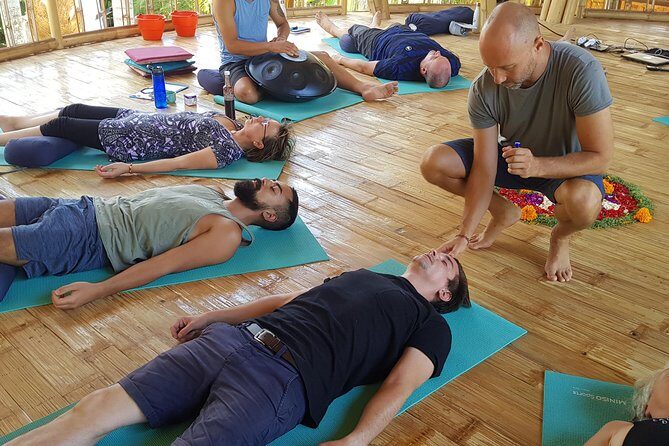
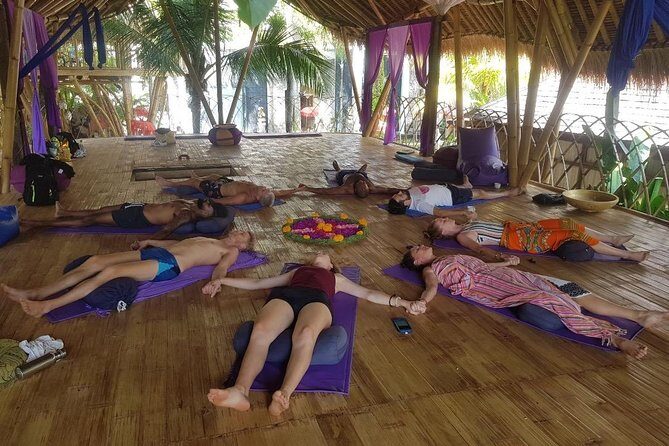
The session starts with yoga plus meditation. Even if you’re not the world’s most flexible person, the point here is to connect you with your body first—so breathwork isn’t random exercises, and cold exposure isn’t coming out of nowhere.

Yoga also helps with the practical side of breathing. When you’re tense, your breath can get shallow and stuck. A guided warm-up can help loosen the patterns so you can focus on pranayama techniques without fighting your own posture.

The meditation component is the mental training piece. The experience description talks about intention and connecting deeply with your body, and the practical takeaway is learning to notice what happens in your mind when discomfort arrives—then using breath to keep yourself steady.

Breathwork and Pranayama: Learning to Change Your Response

The Lost Art of Being Human - Breathwork and Pranayama: Learning to Change Your Response
Breathwork is the heart of this training. The session teaches practical ways to breathe better, manage stress, and create new routines that can ripple into mood and sleep.

The language in the description is very direct: it says you’ll learn to use breath to change your biochemistry and help control your immune system, and you’ll get tips for sleep. I can’t promise outcomes like sleep improvements for everyone, but the structure is clear: you practice the breathing techniques while you’re guided, so you can later reproduce them on your own.

Here’s how I’d think about it for planning your own expectations:

  • Breathwork isn’t only about taking big breaths. It’s about timing, rhythm, and staying present with sensation.
  • The real value is repetition. A tutor-led session should give you something concrete to practice after you leave.
  • If you’ve tried breathing exercises before and felt lightheaded or frustrated, a private tutor can help you tweak the method so it feels usable.

Also, because this session pairs breathwork with cold training later, the breath lessons are likely designed to give you a tool you can use when your body starts protesting.

Cold Exposure to Ice Bath: What You’ll Do and How It’s Taught

The Lost Art of Being Human - Cold Exposure to Ice Bath: What You’ll Do and How It’s Taught
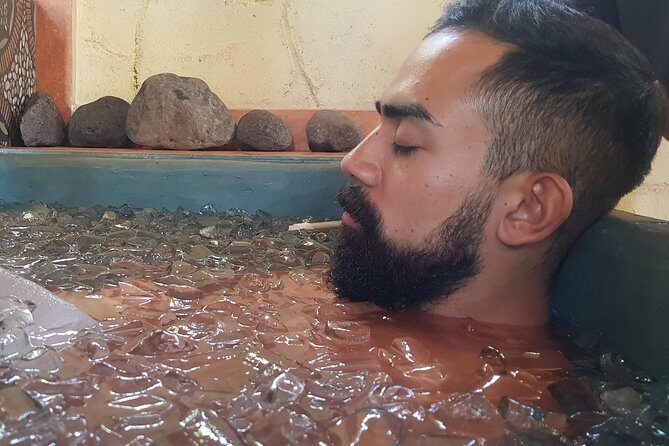
Cold exposure is included in two steps: an exposure phase where you play with extremities, followed by a full ice bath.

That progression matters. Cold therapy done abruptly can turn into a panic response. By starting with smaller, more controllable exposure, the tutor can help you build familiarity—then scale up. The experience also frames this as a way to face fear. That’s not just motivational talk; it’s how you train your brain to not treat discomfort as danger.

In the description, they reference Wim Hof techniques. Wim Hof-style cold training typically uses a combination of breathing and controlled cold exposure to help manage physiological and mental responses. In this session, the breathwork and meditation are likely set up to make the cold part more workable.

Practical reality check: ice baths are uncomfortable by definition. Your goal shouldn’t be to “tolerate” it silently. Your goal is to practice staying in control—breathing, staying present, and using the techniques you were taught.

If you’re new to cold work, you should be ready for shaking, numbness, or a strong urge to quit early. The tutor is the difference-maker here: you need guidance that helps you push just enough to learn, not so much that you suffer.

Lunch and the “Full-Day Package” Feel

The Lost Art of Being Human - Lunch and the “Full-Day Package” Feel
The full-day package includes a delicious and nutritious lunch, plus a mat and access to the ice bath portion as part of the training flow.

Even though the main duration is listed around four hours, the lunch inclusion is a big value add. In wellness sessions, people often forget logistics: you don’t want to go hungry or bounce between activities afterward. Having lunch planned means you can recover, refuel, and keep your blood sugar stable—important when you’ve been pushing your body with breath and cold.

What kind of lunch it is isn’t detailed here, so don’t expect fine dining or a specific dish. But a nutritious meal after cold work and breathing practice can be a relief and helps you keep the day from turning into a post-session crash.

Value for $26: Is It Actually a Good Deal?

The Lost Art of Being Human - Value for $26: Is It Actually a Good Deal?
At $26, this is priced in the range where you should immediately ask: what makes this worth it?

The answer is the combination of things that are usually more expensive when offered together:

  • A private tutor (one-on-one usually costs more than group classes)
  • A structured session including yoga, breathwork, meditation, and ice bath
  • Included items like a mat and a nutritious lunch for the full-day package

Is it still a bargain? For most people, yes—if the private format genuinely means you get coached the whole time, and not just a quick intro before you’re on your own. The review stories emphasize support and attention to detail, which is exactly what you want in a session like this.

The main trade-off is that this is not a soft, slow spa experience. It’s a therapeutic training style session. If you want comfort and relaxing only, you might find it too intense. If you want a toolset—breath control plus a way to handle discomfort—this could be a strong value.

Who This Is For (and Who Should Rethink)

This experience is described as requiring a strong physical fitness level. That’s a clear signal: you should be ready for physical effort and for cold exposure that can be quite demanding.

It’s a good fit if:

  • You’re already curious about yoga and breathwork, and want a next step.
  • Stress and sleep are your top concerns, and you like practical techniques.
  • You want private coaching, especially if you learn best with feedback and pacing.

It may not be the best fit if:

  • You’re not comfortable with cold exposure or you’re worried about intense physical sensations.
  • You have any health issues where cold water could be risky. (If that’s you, check with a medical professional before trying this kind of training.)

One more reality note: it’s in Bali, but the body still makes the rules. Fitness and mindset matter here more than location vibes.

What You’ll Take Home: Routines You Can Use After Ubud

A big theme is creating new routines, not just getting through the session. The description explicitly mentions practical tips for better sleep, controlling the immune system, and facing fears, plus setting a new morning routine with ripple effects across life.

In the review-style stories, people talk about getting empowerment and permission to be themselves, plus developing habits like meditating early. That matches the idea that the session isn’t only about the ice bath moment; it’s about what happens when you repeat the breathing and mindset work later.

If you want this to actually help you, I suggest thinking like this:

  • Take the breathing tool home. Practice it a few times before you expect sleep miracles.
  • Use the cold training as a mindset practice: noticing fear, regulating breath, and staying steady.
  • Give yourself a day or two after to recover, especially if it’s your first cold session.

A wellness class is only as useful as what you can repeat on a random Tuesday.

Booking Tips: How to Get the Most Out of a Private Cold-Breath Session

Because it’s private and intense, you’ll get more out of it if you show up prepared to communicate.

Go with questions like:

  • What pace should I use if I’m nervous?
  • How do I breathe during the cold phase?
  • What should I practice at home, and how often?

Also, because confirmation is received at booking and the activity is near public transportation, you’ll want to plan your ride early in Ubud. The meeting point is specific, and you don’t want to arrive stressed—stress is exactly what the session is training you to manage.

Should You Book This in Ubud?

Book it if you want a private, structured wellness session that goes beyond stretching: yoga, meditation, breathwork, Wim Hof-style cold exposure, and a real ice bath, all taught with coaching and emphasis on stress response and fear management.

Skip it if you’re looking for a relaxing, low-intensity experience or if you’re not comfortable with cold exposure and you don’t have a solid physical base. Also take the fitness requirement seriously—your safety and comfort matter.

If you’re the type who wants tools, not just feel-good moments, this could be a memorable Ubud session. It’s wellness training with teeth—and that’s exactly why it can change how you handle your body and your mind.

FAQ

Where is the tour meeting point?

It starts at Neka Art Museum in the Campuhan area of Ubud, Bali, and it ends back at the meeting point.

How long does the session last?

The duration is listed as about 4 hours.

What’s included in the full-day package?

The full-day package includes a nutritious lunch, a mat, an ice bath, and intensive private tuition.

What activities are part of the session?

You’ll do yoga, breathwork, meditation, and cold exposure that includes an ice bath. Wim Hof techniques are part of the approach.

Is it a private tour?

Yes. It’s described as a private tour/activity, so only your group participates.

How much does it cost?

The price is listed as $26.

Do I need strong physical fitness?

Yes. The information states travelers should have a strong physical fitness level.

What kind of ticket do I get?

You receive a mobile ticket.

What is the cancellation policy?

Free cancellation is available. You can cancel up to 24 hours in advance for a full refund, and changes within 24 hours are not accepted.

What happens if the minimum traveler requirement isn’t met?

If it’s canceled because the minimum isn’t met, you’ll be offered a different date/experience or a full refund.

Are service animals allowed?

Yes. Service animals are allowed.

Full Day ATV Quad Bike and River Tubing Experience in Bali

Full Day ATV Quad Bike and River Tubing Experience in Bali - Safety gear and briefings that actually make a difference

That first throttle moment hits fast. This full-day Ubud mix pairs an ATV quad bike ride with guided river tubing, so you get action on land and then a calmer, personal stretch on the water. The best part is how structured it feels: you get gear, a clear safety briefing, and practice time before anyone points you toward the trails.

I like two things a lot. First, the tour takes safety seriously with helmets and gloves for the ATV, plus life jackets for tubing—along with a proper briefing and guide-led riding. Second, it’s built as a full day with lunch (plus coffee or tea) and even a clean towel, so you’re not stuck hunting food right after you get wet.

One thing to consider: time can feel a bit “stop-and-go.” After the water portion, you may wait a little before the car is ready, and the total day is about 6 hours depending on the package and where you’re picked up.

Key things to know before you go

Full Day ATV Quad Bike and River Tubing Experience in Bali - Key things to know before you go

  • Full safety gear and briefing for both the quad bike and river tubing
  • Practice session on the ATV so you’re not guessing your first turns
  • Guided route variety: rice paddies, forests, traditional villages, and highland areas
  • Smaller-style tubing for a more personal feel than big raft setups (still guided)
  • Lunch, coffee/tea, and a clean towel included, which helps a lot on a wet day
  • Max 30 travelers, so you’re not lost in a crowd

A Ubud combo day: quad bike thrills plus river tubing on Bali

Full Day ATV Quad Bike and River Tubing Experience in Bali - A Ubud combo day: quad bike thrills plus river tubing on Bali
This is the kind of Bali day that breaks up naturally. You start with the ATV—hands, speed, and steering—and then switch to tubing, where your attention goes from engine noise to river rhythm. The tour is designed to give you both without making you plan connections yourself.

If you choose the version with pickup and drop-off, you’ll be handled door-to-door via an air-conditioned vehicle. And if you’re staying in Ubud (or south Bali), there are upgrade options that can save you time versus meeting at the activity spot.

The overall vibe is “active, guided, and controlled.” You’re not just thrown onto a machine and a river. There’s a rhythm: brief, fit gear, practice, ride, then repeat the same safety structure for the tubing.

Safety gear and briefings that actually make a difference

Full Day ATV Quad Bike and River Tubing Experience in Bali - Safety gear and briefings that actually make a difference
I’m picky about safety talks, because they’re often too vague. Here, you get specific handling instructions before the ATV starts—how to operate the quad bike, how to fit and use your helmet and gloves, and what the ride will be like. That’s huge for first-timers, especially if you haven’t ridden a quad before.

Before heading out, there’s also a short practice session. That matters because ATV riding is mostly about small corrections: throttle control, body position, and how you follow the guide when the ground changes. With practice built in, you’re less likely to feel panicky when the tracks start getting uneven.

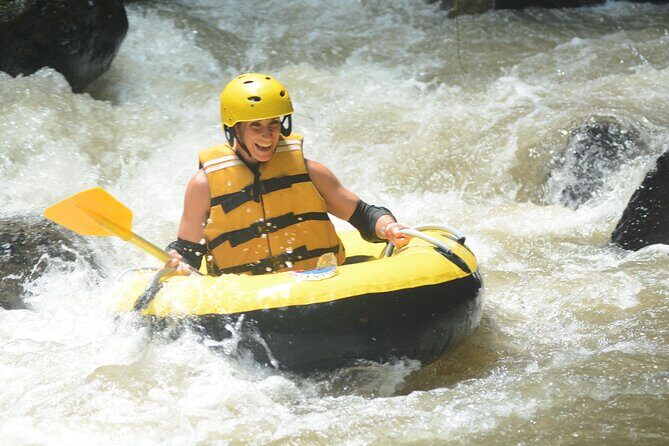
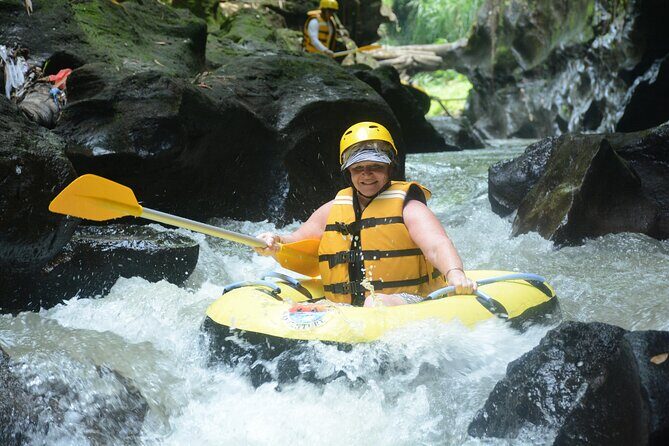
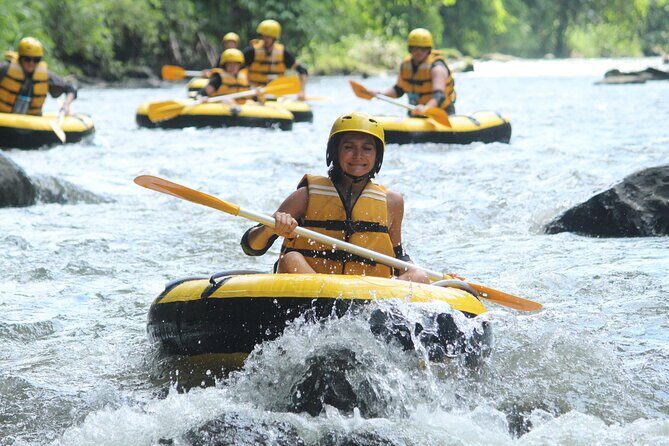
For tubing, you’ll go through another safety briefing and be fitted with a life jacket and helmet. The tour includes a paddle as part of the gear, which gives you something to do besides just float. Even if the river portion is calmer than the ATV, the guide and the gear help keep it from turning into a chaotic drift.

ATV ride route: rice paddies, forest tracks, and village scenery

Your ATV portion is guided through a mix of terrain. You’ll pass rice paddies, dense forest areas, traditional villages, and scenic highland zones. The ride is described as having both challenging tracks and smoother paths, which is exactly what you want in a single outing: enough variety to keep it interesting without being a constant grind.

The big practical win here is that you don’t have to navigate. The guide leads you, which helps you focus on riding rather than guessing where to go. You also get a faster “Bali nature overview” than you’d get if you tried to stitch together stops on your own.

What to expect on the ground: the ride style changes as the terrain changes. On smoother sections you’ll get a more flowing feel. On rougher parts you’ll slow down, keep your balance, and follow the group. If you’re there for adrenaline, this kind of mix delivers—without needing expert driving skills.

River tubing after ATV: a personal guided water break

Full Day ATV Quad Bike and River Tubing Experience in Bali - River tubing after ATV: a personal guided water break
After the ATV ride, you’ll be taken to the tubing location. Depending on your package, that may involve a short drive, so treat the day as a gentle sequence rather than one continuous ride.

Tubing is set up to feel more personal than big rafting experiences. You still get a guide’s expertise, but the overall format is smaller-style tubing, which usually means it feels less crowded and more like you’re working with the river instead of fighting through a mass group.

Your tubing gear is straightforward: life jacket, helmet, and paddle. The safety briefing repeats the essentials so you know what the water part expects from you. This is where you reset after the ATV—less strain on your wrists and shoulders, more attention on steering your pace and staying comfortable as the river moves you along.

Lunch, towels, and air-conditioned comfort you’ll be glad about

Full Day ATV Quad Bike and River Tubing Experience in Bali - Lunch, towels, and air-conditioned comfort you’ll be glad about
It’s the little “day-saver” items that keep this from feeling like a half-day adventure stretched into a full one. The package includes lunch, plus coffee or tea. That’s important because ATV + tubing can work up real appetite fast, and timing can be tight once you’re wet.

You also get a clean towel, which is a genuinely practical inclusion. After tubing, you don’t want to spend the rest of the day scrambling for something to dry off with. Having it included helps you get back into normal clothes faster.

And yes—air-conditioned vehicle transport is included as part of the experience. When your day starts in the hills and ends back at the meeting point, that AC ride can feel like a small reward.

Timing, group size, and where delays can happen

Full Day ATV Quad Bike and River Tubing Experience in Bali - Timing, group size, and where delays can happen
The whole experience runs about 6 hours. That’s long enough to feel like you did something real, but not so long you lose the day. It also means you should plan for getting a full shift of activity, not a quick afternoon detour.

Group size is capped at 30 travelers, which matters more than it sounds. Big groups can turn safety instructions into background noise. Smaller groups keep the guide’s attention more focused, and you typically move through gear fitting and briefings with less waiting.

One caution from real-world experience: after the water portion, the ride back can involve some waiting for the car to arrive. If you’re on a tight dinner schedule, give yourself a buffer. The tour ends back at the starting meeting point, so you’ll want enough time to get back, shower, and regroup.

Price and value: what $30.56 really buys you in Bali

Full Day ATV Quad Bike and River Tubing Experience in Bali - Price and value: what $30.56 really buys you in Bali
At about $30.56 per person, this is priced like an all-in action day rather than a DIY plan. The value comes from what’s included: safety equipment (ATV helmet/gloves and tubing life jacket/helmet plus paddle), lunch, coffee/tea, a clean towel, and vehicle transport via air-conditioned car.

Pickup and drop-off depends on the option you select. If you add private door-to-door transfers (upgrade option), you’re paying for time savings—especially helpful if you’re not near the meeting point in Ubud.

Also, this is one of those tours that books well ahead. On average it’s reserved about 49 days in advance, so if you’re traveling during peak periods, booking early helps you avoid the “sold out” scramble.

For context: if you were to pay separately for quad access, guiding, river safety gear, and a meal, the total cost would usually climb quickly. Here, the pricing bundles the essentials so you can focus on the experience instead of receipts.

Who should book this ATV and tubing combo?

Full Day ATV Quad Bike and River Tubing Experience in Bali - Who should book this ATV and tubing combo?
This works best if you want a full-day Bali nature-and-adventure experience and you like being guided. It’s also a good fit if you’re comfortable with a moderate fitness level, since riding and water time both require some basic movement and balance.

You’ll likely enjoy it most if:

  • You’re an ATV first-timer who appreciates a practice session
  • You want both action and a river reset in one day
  • You like meeting guides who manage the day, gear, and pace
  • You prefer a smaller group setting over big rafting chaos

From the guide names and service style shared by past participants, you may get hosts like Teja, Adi, Ketut, Dwi, Putu, or Santika. The common thread is friendly, communicative guidance—people who help you understand what’s next so you don’t waste time.

If you want a totally relaxing day with zero adrenaline and minimal physical effort, you might prefer a slower activity. This tour is active by design.

Weather, cancellations, and what to watch for

This experience requires good weather. If conditions are poor and the tour is canceled, you’ll be offered a different date or a full refund. That’s the kind of policy you want for an outdoor ATV-and-river day.

My practical advice: plan it early in your Bali schedule when possible. If weather shifts, having flexibility keeps the day from colliding with your departure plans or another booked tour.

Should you book this ATV quad bike and river tubing in Ubud?

I’d book it if you want a single, well-run day that mixes quad bike adrenaline with guided river tubing—and you value included safety gear, lunch, and actual organization. The pricing is strong for what you get, and the cap of 30 travelers keeps it from feeling like a cattle-call.

I’d think twice if you’re very sensitive to schedule changes or you have a hard time commitment right after the activity, since return timing can include a wait. Also, if you don’t handle moderate physical activity well, this might feel like too much.

If your goal is a memorable Bali adventure day without the planning headache, this is an easy “yes” for most people heading to Ubud.

FAQ

How long is the ATV and river tubing experience?

It’s about 6 hours.

Is lunch included?

Yes. Lunch is included, along with coffee and/or tea.

What safety gear do you provide?

You’ll receive safety equipment including a helmet and gloves for the ATV, and a life jacket and helmet for the river tubing. A paddle is also included.

Is pickup and drop-off available in Ubud?

Pickup and drop-off are available if you select the option. There are also upgrade options for door-to-door private round-trip transfers from Ubud or south Bali.

Where does the tour start?

The meeting point is at Wos River Tubing Adventure, Jl. Raya Singapadu No.10, Singapadu Kaler, Kec. Sukawati, Kabupaten Gianyar, Bali 80571, Indonesia.

Where does the tour end?

The activity ends back at the meeting point.

What’s the group size limit?

The experience has a maximum of 30 travelers.

What fitness level do I need?

Travelers should have a moderate physical fitness level.

Is there a mobile ticket?

Yes, the tour provides a mobile ticket.

What happens if the weather is bad?

The experience requires good weather. If it’s canceled due to poor weather, you’ll be offered a different date or a full refund. Cancellation is free, and you can cancel up to 24 hours in advance for a full refund.

Private Tour: Full-Day Tanah Lot and Uluwatu Temples with Kecak Fire Dance Show

Private Tour: Full-Day Tanah Lot and Uluwatu Temples with Kecak Fire Dance Show - Start in Mengwi at Taman Ayun Temple: royal calm and classic architecture

Three temples can feel like a whole lifetime.

This private full-day drive ties together Bali’s temple culture with the kind of evening spectacle you remember. I especially like the way the day is paced around big moments: Taman Ayun’s quiet royal feel, Tanah Lot’s ocean drama, and then the Kecak fire dance at Uluwatu with sunset lighting everything up.

What I like most is the driver-guide setup. You get picked up and dropped off from your hotel, and you’re traveling with your own person who can steer the day based on timing and comfort (guides like Dudy, Bagus, Ketut, Dika, and Gung Rai come up again and again in customer feedback). The other big win is that the itinerary isn’t random—it’s built to hit famous sights in a logical order, so you spend less time guessing and more time seeing.

One thing to consider: it’s a long day (about 10 hours), and Bali traffic can slow things down. Also, Tanah Lot is very tide-dependent, so the experience can shift between high and low tide. If you hate waiting for daylight moments, plan to stay patient.

Key things to know before you go

Private Tour: Full-Day Tanah Lot and Uluwatu Temples with Kecak Fire Dance Show - Key things to know before you go

  • Private driver-guide: You’re not squeezed into a bus schedule; your guide can take things at your pace.
  • Tide matters at Tanah Lot: Walk around when the tide is lower; at high tide the shrine sits more isolated in the water.
  • Movie-famous beach break: Padang Padang is linked to Eat Pray Love, so expect it to be popular—go in for the views, not the solitude.
  • Sunset timing at Uluwatu: The day is arranged so you can watch the sunset before the Kecak performance.
  • All entrance fees included: Tickets for the temples and the Kecak fire dance are part of the package.

A 10-hour Bali temple day with Uluwatu sunset and Kecak

Private Tour: Full-Day Tanah Lot and Uluwatu Temples with Kecak Fire Dance Show - A 10-hour Bali temple day with Uluwatu sunset and Kecak
This is the kind of Bali day that works best when you’re a first-timer—or when you want to tighten your itinerary without sacrificing the good stuff. You’ll start with morning pickup and spend roughly 10 hours moving through the west and south of the island, with a couple of breaks built in.

The value is in the “private” part. Instead of hopping between meet-up points and fighting for the best photo angle, you can ask your driver-guide questions as you go. That matters in Bali, where temples have real meaning and the details can get lost if you just rush through.

You also get practical inclusions that save money and hassle: hotel pickup and drop-off, lunch, temple entrance fees, and the Kecak fire dance ticket. Alcoholic drinks aren’t included, so if you like a beer with lunch, you’ll want to budget that separately.

Start in Mengwi at Taman Ayun Temple: royal calm and classic architecture

Private Tour: Full-Day Tanah Lot and Uluwatu Temples with Kecak Fire Dance Show - Start in Mengwi at Taman Ayun Temple: royal calm and classic architecture
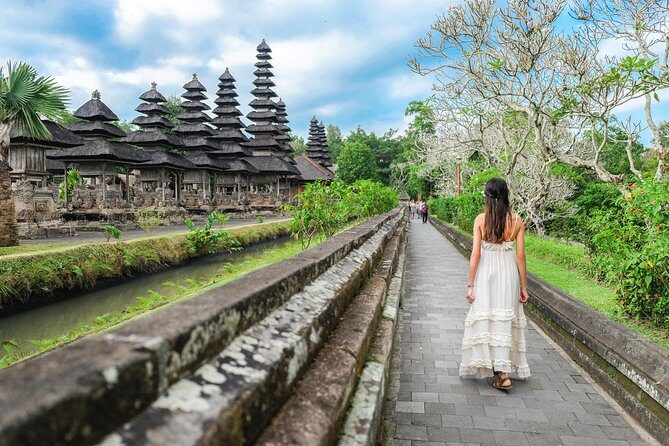
Your first stop is Taman Ayun Temple, tied to the Mengwi kingdom. The temple compound is known for its clean layout—multiple shrines in a traditional setting, plus a main gate with classic Balinese design. The whole place feels more like a composed compound than a frantic tourist stop.

Time-wise, you’ll spend about 35 minutes here. That’s enough to slow down, look at the architecture, and feel the mood without feeling rushed. One smart way to use the time: don’t treat it like a checklist. Take a minute at a few key views and notice how the space is organized.

If you enjoy learning while you walk, this is a good first stop. The day’s later hits are dramatic (ocean cliffs, beach, sunset), so starting with a temple that’s more about order and tradition sets a nice tone.

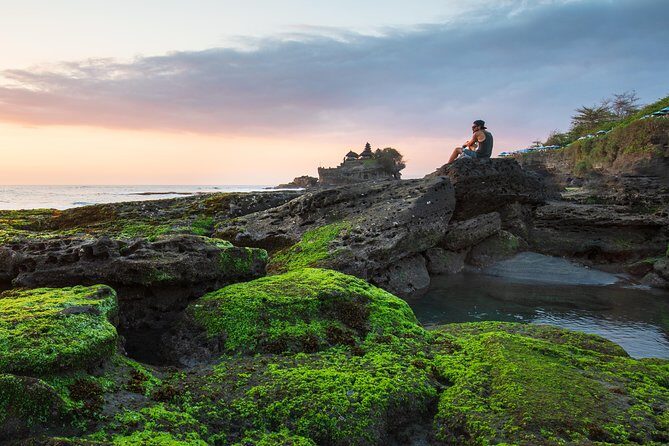
Tanah Lot Temple over the Indian Ocean: tide timing is the real trick

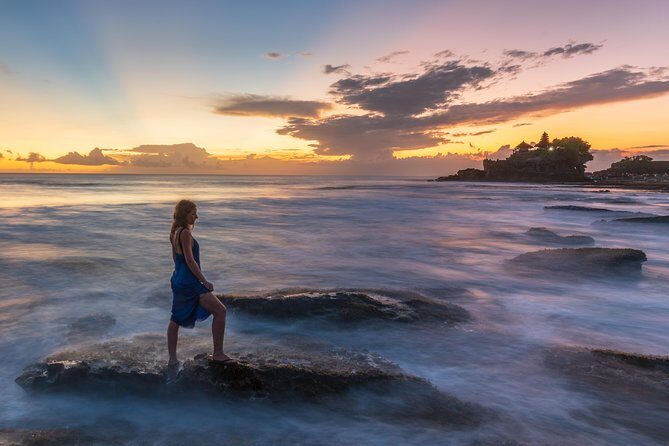
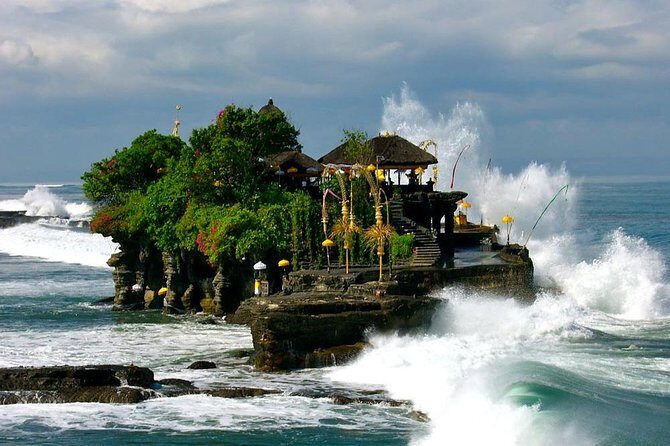
Next comes Tanah Lot Temple, one of Bali’s most important temple sites. The main shrine sits out in the sea area, and the ocean changes everything depending on the tide.

Here’s the practical part: at high tide, the shrine is more surrounded and feels set apart. At low tide, you can walk around and explore more freely. So if you’re the type who wants maximum wandering time, you’ll want good luck with timing—and a guide who understands the ebb and flow.

You’ll have about 1 hour for Tanah Lot. Use that hour to do two things: get your wide views first, then circle back for any lower-tide walking you’re able to do. Also, bring a calm attitude—ocean settings don’t ask permission from anyone, and waves can change how comfortable that walking feels.

In terms of value, this is where you really see why a private format helps. A tour with limited time can turn Tanah Lot into a quick photo sprint. With your own driver-guide, you can usually take a breath and let the sea views do their job.

Padang Padang Beach for a breather and ocean photos

Private Tour: Full-Day Tanah Lot and Uluwatu Temples with Kecak Fire Dance Show - Padang Padang Beach for a breather and ocean photos
After the temples, you get a short break at Padang Padang Beach. This is the beach many people recognize because of the movie Eat Pray Love, which helped put it on the travel map. The setting is pretty and photogenic, and it’s a nice reset after temple walking.

You’ll spend around 1 hour here. That’s enough time to stretch, grab a snack if you want, and enjoy the ocean without turning the day into a long beach detour. Swimming is mentioned as a possibility, but the best advice is simple: go only when conditions feel right for you.

Even if you’re not chasing movie trivia, the practical win is the pacing. This kind of break prevents the day from feeling like temple marathon #3 by the time you reach Uluwatu. You’ll feel ready for the evening show when the time comes.

Uluwatu Temple at sunset: how to enjoy the Kecak fire dance

Private Tour: Full-Day Tanah Lot and Uluwatu Temples with Kecak Fire Dance Show - Uluwatu Temple at sunset: how to enjoy the Kecak fire dance
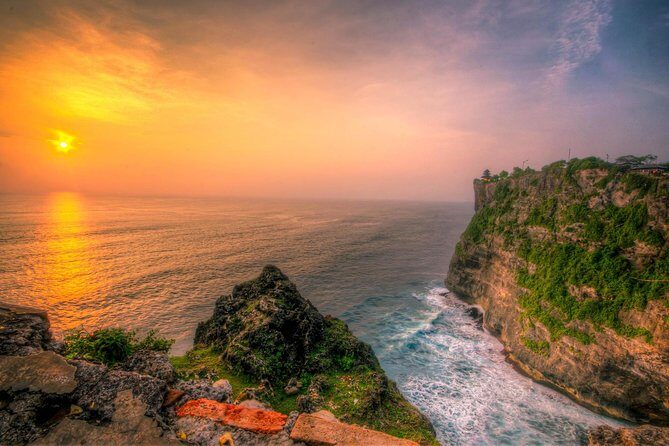
The final stretch is Uluwatu Temple, where the main highlight is the sunset setup and the Kecak fire dance performance. The temple is famous for the dramatic coastal views, and the show works best when you’re already settled and watching the sky shift.

You’ll spend about 1 hour 30 minutes at Uluwatu. That timing gives you a real chance to do the two key things in order: first, take in the sunset, then watch the Kecak performance as the light changes. If you try to do it the other way around, you lose the impact.

What to expect from the Kecak experience: it’s a sacred-style fire dance performance, and it’s the most “wow” moment on the route. The choreography and the setting come together fast once the show starts, so don’t plan to multitask during it.

This is also where your driver-guide matters most. One comment that keeps popping up in positive feedback is how well guides handle the day, including timing and driving. In a place like Uluwatu, even small delays can shift your view of the sunset. A solid guide is the difference between a good evening and a memorable one.

Lunch that keeps you moving (and what it costs you)

Private Tour: Full-Day Tanah Lot and Uluwatu Temples with Kecak Fire Dance Show - Lunch that keeps you moving (and what it costs you)
Lunch is included as simple local fare, and you’ll typically choose from options like nasi goreng or mi goreng. It’s not a luxury meal, and it doesn’t need to be. The goal here is fueling you for a packed day while you keep the day’s timing under control.

Because the package says lunch is included, you don’t have to hunt down food at each stop. That’s a real savings in energy, especially when you’re bouncing between temples and coastal viewpoints.

Alcoholic drinks aren’t included, and gratuity isn’t included. So if you like pairing lunch with a drink, that’s on you. My advice: budget for water and any extras you want, so you’re not making last-minute decisions when you’d rather be sightseeing.

Price and value: why $69 can feel fair in Bali

Private Tour: Full-Day Tanah Lot and Uluwatu Temples with Kecak Fire Dance Show - Price and value: why $69 can feel fair in Bali
At $69 per person, this private day trip can feel like good value—mostly because it bundles the expensive parts that add up quickly on your own. Entrance fees for the temples are included, and the Kecak fire dance ticket is included too. Those admission costs are exactly the kind of thing that can turn a cheap plan into an expensive one once you add them up.

The other value lever is time. A full-day private itinerary saves you the mental load of route planning and makes it easier to move through busy areas with fewer hiccups. You’re paying for convenience plus a driver-guide who can respond when the day gets slower than expected.

One review highlight that stands out is the focus on good driving and clear communication across long days. That’s not just comfort—it’s safety and stress reduction. When you’re in traffic, you want someone who knows how to get you where you’re going.

Who this tour suits best (and who should skip it)

Private Tour: Full-Day Tanah Lot and Uluwatu Temples with Kecak Fire Dance Show - Who this tour suits best (and who should skip it)
I think this is a great match for a few types of travelers.

You’ll likely love it if you want a temple-focused Bali day without renting a car or dealing with navigation. It also fits couples and small groups who prefer a private pace. And if you care about sunset and performance—not just daytime sightseeing—Uluwatu plus Kecak is the right kind of finale.

You might want to skip (or at least think twice) if you get cranky when plans run long. The tour is about 10 hours, and traffic can slow the whole island down. Also, if you dislike tide-dependent experiences, Tanah Lot may be a bit of a gamble on how much walking you’ll get.

How to make the most of the day (simple, practical tips)

A day like this is about rhythm. Temples, then ocean cliffs, then beach, then sunset and show. If you try to rush every stop, you’ll feel tired instead of satisfied.

Start with your mindset. Treat the morning as a serious sightseeing block. Use midday for lunch and the beach reset. Then save your energy for Uluwatu, where the timing matters most.

Bring practical stuff even if you travel light. You’ll be outdoors in sun and near the sea. Comfortable shoes help at Tanah Lot, especially if you’re able to walk around during lower tide. Also pack a plan for what to do if it’s warm—shade and water will matter more than you think.

Finally, take advantage of your driver-guide. Names like Dudy, Bagus, Ketut, Dika, and Gung Rai show up in feedback for good English and strong explanations. Ask questions while you drive, and you’ll get more out of what you see.

Should you book this private Tanah Lot and Uluwatu day?

If you want a single day that covers three major temple experiences plus a sunset show, I’d lean yes. The package includes key costs—entrance fees and the Kecak fire dance ticket—and the private format keeps the day from feeling like a factory line.

Book it if you value good guiding, hate route-planning, and want a well-timed finale at Uluwatu. If you’re sensitive to long travel days or you get stressed by traffic, consider that the itinerary depends on getting to the coast at the right moments.

One last decision tip: if you can, plan your day around an energy level you can sustain for about 10 hours. Do that, and this tour becomes a smooth, memorable sweep through Bali’s spiritual side and coastal drama.

FAQ

How long is the private tour?

The tour runs about 10 hours (approx.) from morning pickup to return after the sunset show.

Is hotel pickup and drop-off included?

Yes. The tour includes pickup from your hotel and drop-off back at your hotel.

Are temple and Kecak tickets included?

Yes. Entrance fees for the temples and the Kecak fire dance ticket are included.

What meals are included?

Lunch is included as a simple local meal, with options mentioned such as nasi goreng or mi goreng.

What is not included in the price?

Alcoholic drinks and gratuity are not included.

Does Tanah Lot allow walking around?

It depends on the tide. At low tide, you can walk around more, while at high tide the shrine is more surrounded by the sea.

UBUD Private Tour – Rice Terrace, Jungle Swing & Hidden Waterfall

UBUD Private Tour – Rice Terrace, Jungle Swing & Hidden Waterfall - Tibumana Waterfall: Peaceful Jungle Water Without the Big Hassle

Three waterfalls, one swing, and a lot of photos.

This private day in Ubud mixes jungle waterfalls, the famous Jungle Swing over Tegalalang rice terraces, and a guided tasting at a coffee plantation, with a cultural option that’s either Tirta Empul Temple or the Sacred Monkey Forest Sanctuary. You travel in a comfortable, air-conditioned vehicle with an English-speaking local driver-guide.

I really like that the day is built around short, focused stops: waterfall time (with chances for that refreshingly local dip) and then coffee tasting to slow down and make sense of what you’re seeing. Reviews also highlight a driver-guide like Nick for careful, safe driving and taking great photos for the moments you’ll want to remember.

One thing to consider: it’s an 8 to 10 hour day, so you’ll be walking on uneven paths and moving between sites for a long stretch. Bring good footwear and be ready for a full day even if the weather gets moody.

Key Highlights You’ll Actually Care About

UBUD Private Tour – Rice Terrace, Jungle Swing & Hidden Waterfall - Key Highlights You’ll Actually Care About

  • Private, air-conditioned vehicle with a driver-guide who speaks English and drives you door-to-door (Ubud and selected areas).
  • 3 waterfall stops spaced to keep the day varied: Kanto Lampo, Tibumana, and Taman Sari (each around 1 hour 30 minutes).
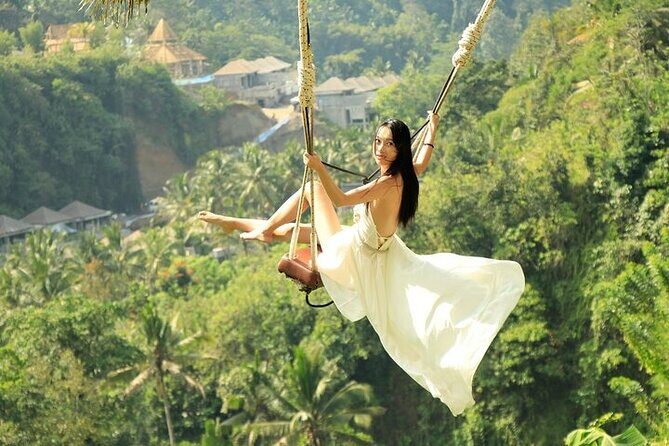
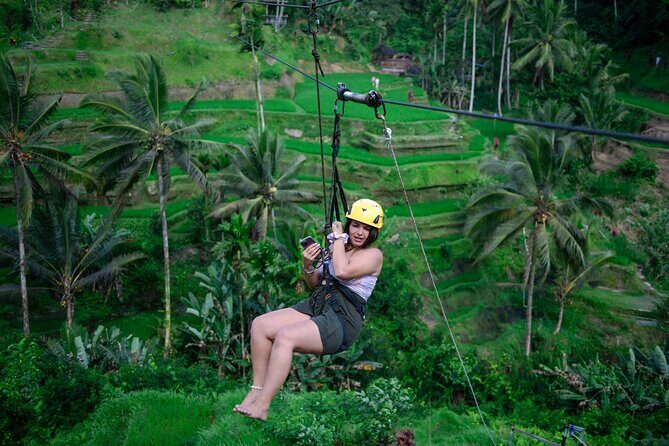
  • Tegalalang rice terraces time plus the option to ride the Jungle Swing (if you select it).
  • Coffee and herbal tasting at Pemulan Bali Coffee Plantation, including local blends and trying Luwak coffee.
  • Choose your cultural add-on: Tirta Empul Temple for the holy spring ritual or Monkey Forest Sanctuary for macaques.

Private Ubud Day: How This Tour Fits Together

UBUD Private Tour – Rice Terrace, Jungle Swing & Hidden Waterfall - Private Ubud Day: How This Tour Fits Together
This tour works because it’s not just a checklist. It’s a full Ubud day with a clear rhythm: cool jungle water, then iconic rice terrace views, then a calm stop with coffee and tea. The private format matters too. You’re not negotiating shared timing with strangers, and your driver-guide can keep the plan smooth.

The other big value is the way Ubud is usually experienced: lots of winding roads, short walks, and sudden photo moments. Having a driver-guide who handles the driving and navigation lets you focus on enjoying each stop instead of coordinating transport.

You can also choose how you want to handle tickets and meals. The All-Inclusive option covers entrance tickets and lunch. The Tour Only option gives you flexibility, but you’ll pay entrances and lunch yourself.

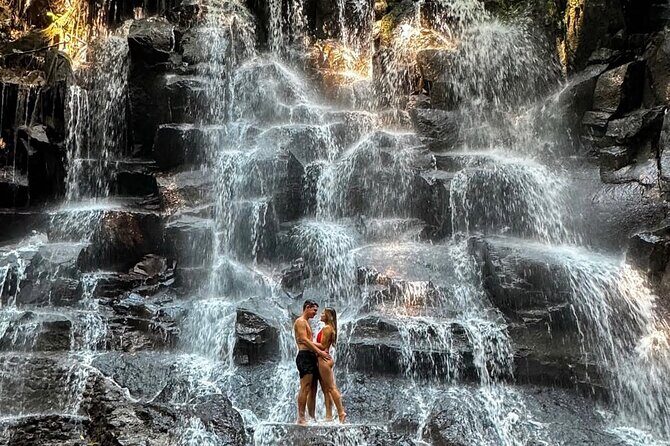
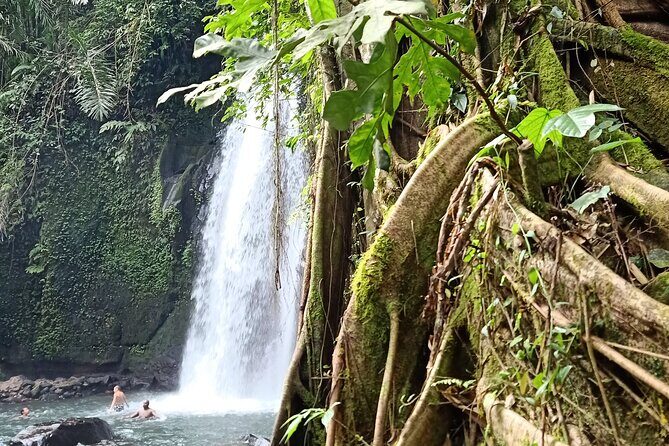
Kanto Lampo Waterfall: Photos Plus a Real Place to Cool Off

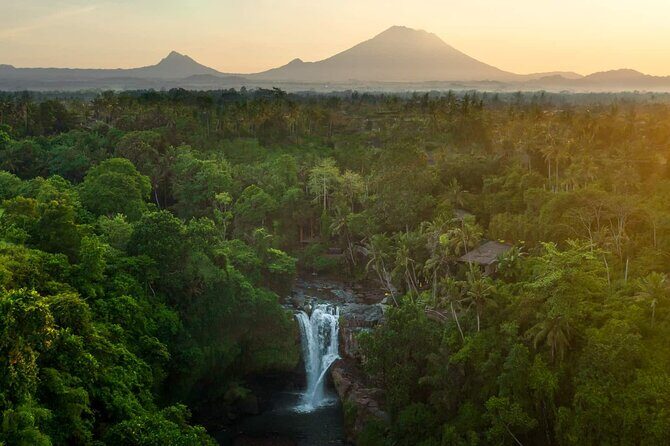
Kanto Lampo Waterfall is the kind of waterfall that rewards slow looking. It’s a cascading waterfall hidden in the jungle, and the setting is designed for photos. You also get time to enjoy it beyond pictures, since there’s a natural pool area where a refreshing dip is possible.

This stop is about 1 hour 30 minutes, which is a good length. It gives you time to:

  • get your photos without rushing
  • walk around the viewing spots
  • decide if you want to go for a swim-style pause in the natural water

What I’d plan for: wear water-friendly footwear or shoes with grip. The path can be slippery around waterfalls. If you want to dip, bring swimwear and keep a dry change set aside in your bag.

Tibumana Waterfall: Peaceful Jungle Water Without the Big Hassle

UBUD Private Tour – Rice Terrace, Jungle Swing & Hidden Waterfall - Tibumana Waterfall: Peaceful Jungle Water Without the Big Hassle
Tibumana Waterfall is the calmer sibling. The vibe here is serene and peaceful, surrounded by lush tropical greenery. This is the stop I’d pick when you want more quiet time with nature and less performance.

You get about 1 hour 30 minutes here too, so you’re not just dropping in for 10 minutes. You’ll have room to take photos, pause, and enjoy the sound of running water without the day feeling chopped up into tiny fragments.

Practical tip: bring a small towel or quick-dry option if you plan to linger. Waterfall mist is real, and it’s nicer to dry off than to keep damp sleeves and damp socks all day.

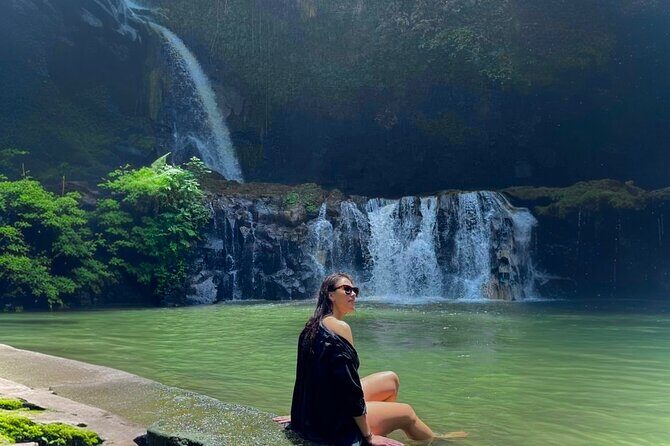
Taman Sari Waterfall and Natural Pool: The Less-Crowded Reset

UBUD Private Tour – Rice Terrace, Jungle Swing & Hidden Waterfall - Taman Sari Waterfall and Natural Pool: The Less-Crowded Reset
Taman Sari Waterfall and its natural pool are described as a peaceful escape surrounded by jungle and natural rock formations. The best part of this stop for your overall day is that it’s positioned to be less crowded and more relaxing than the big-name tourist zones.

Time is again about 1 hour 30 minutes. That’s long enough for a proper reset. You can take photos, then step back and just hang for a bit. In a day like this, that kind of pause is what makes the memory feel bigger than a photo gallery.

Bring patience, not hype: waterfalls can vary with weather and water levels. You’ll still enjoy the setting and the walk, but the exact look of water can shift.

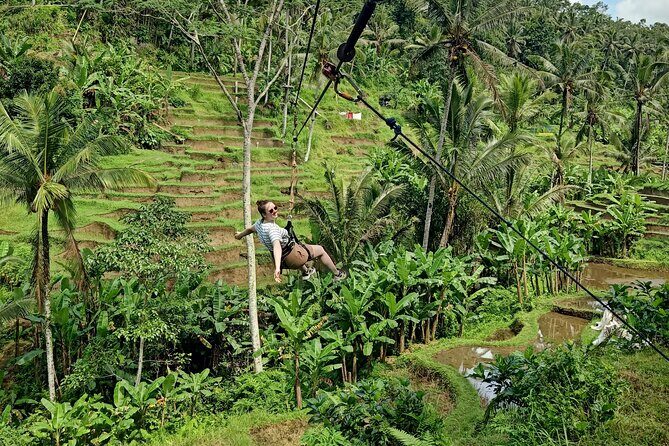
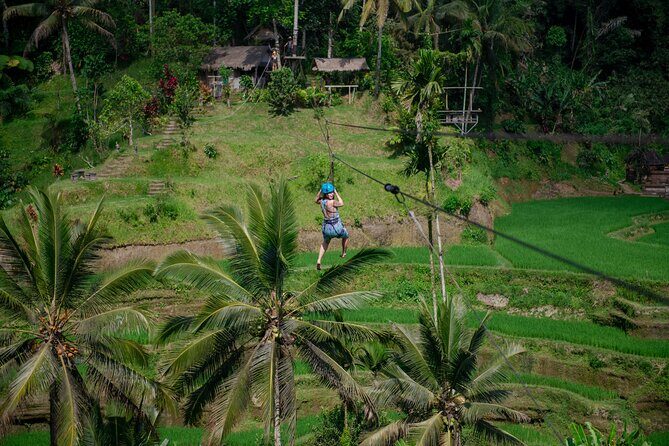
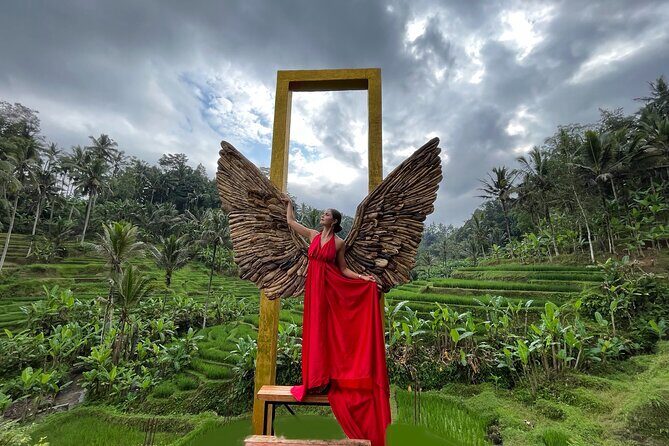
Tegalalang Rice Terraces and the Jungle Swing: The View Part People Talk About

UBUD Private Tour – Rice Terrace, Jungle Swing & Hidden Waterfall - Tegalalang Rice Terraces and the Jungle Swing: The View Part People Talk About
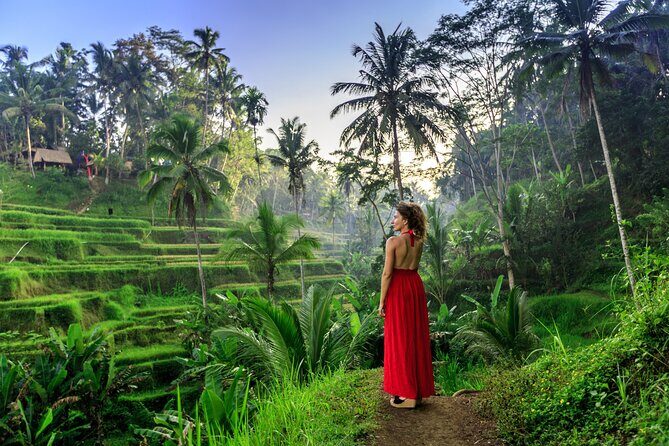
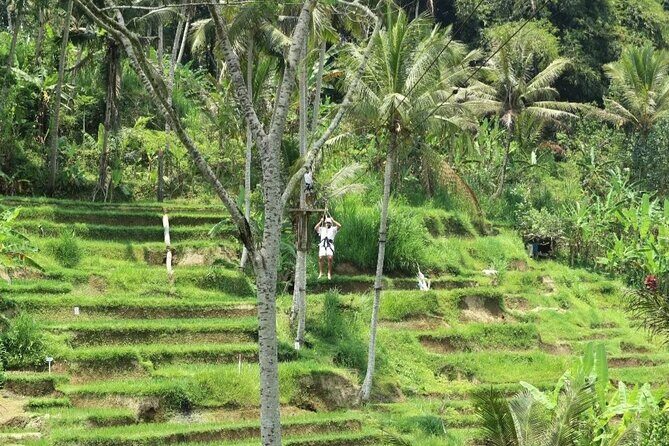
Tegalalang Rice Terrace is the headline view. It’s also a UNESCO-listed cultural site, which means the rice terraces aren’t just pretty scenery, they’re part of a living tradition that still shapes local life.

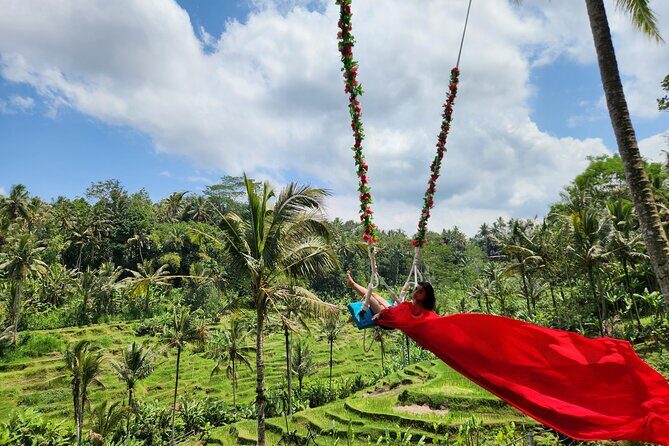
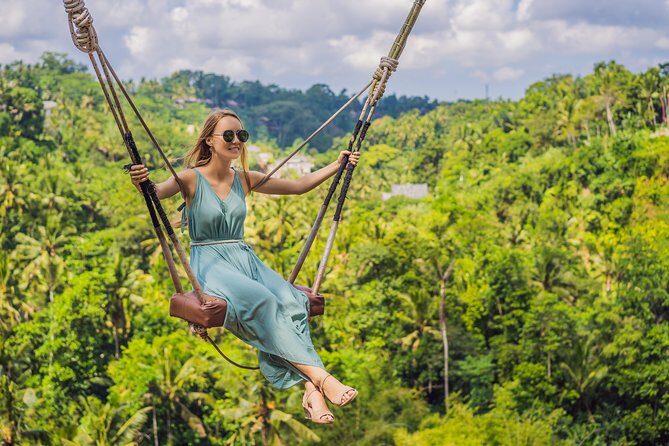
You get about 1 hour 30 minutes at Tegalalang. Within that window, you can take a short walk through the rice fields for photos and viewpoints. And if you selected it, this is where you do the famous Ubud Jungle Swing over the terraces.

Here’s how to think about the swing if you’re deciding whether it’s worth it:

  • It’s not just a ride. It’s a way to frame the terrace views from above.
  • It’s also a timing puzzle. You’ll want to be ready to wait a bit depending on conditions, because this is the main photo activity.

What I recommend: plan to arrive with a clear head. The swing is about experiences, not speed. And if you’re nervous, know that you’ll still get the terrace views even if you decide not to do the swing at the last moment.

Pemulan Bali Coffee Plantation: Tasting Coffee and Understanding the Story

UBUD Private Tour – Rice Terrace, Jungle Swing & Hidden Waterfall - Pemulan Bali Coffee Plantation: Tasting Coffee and Understanding the Story
After all the water and walking, coffee and tea can be a great pivot. At Pemulan Bali Coffee Plantation (Pemulan Bali Coffee Plantation), you’ll learn about traditional coffee-making processes and taste local coffee blends.

The tasting part is important. Instead of just being shown plants and then rushed out, you get a guided experience that includes trying the famous Luwak coffee, plus herbal tea options.

This stop is about 1 hour, so it fits neatly. It’s long enough to taste and ask questions, and short enough that you’re not stuck when the day still has cultural choices left.

Practical note: coffee tasting can be strong. If caffeine hits you hard, pace yourself. Herbal tea is a nice way to balance the day and keep you comfortable for the next leg.

Choosing Your Cultural Stop: Tirta Empul or Monkey Forest

UBUD Private Tour – Rice Terrace, Jungle Swing & Hidden Waterfall - Choosing Your Cultural Stop: Tirta Empul or Monkey Forest
This tour gives you a real choice, and that matters because Tirta Empul and the Monkey Forest Sanctuary feel nothing alike.

Tirta Empul Temple and the Holy Spring Ritual

If you choose Tirta Empul Temple, you’re heading to a place known for its holy spring ritual. This is the option for you if you like cultural context, sacred spaces, and understanding how ritual life is tied to place.

It’s also a meaningful contrast after waterfalls. Water is a theme in this day, but the temple makes it spiritual instead of recreational.

Sacred Monkey Forest Sanctuary and Playful Macaques

If you choose Monkey Forest Sanctuary, you’re visiting home to hundreds of playful macaques. This is a fun option if you want something lively and visually chaotic in the best way.

What to expect in real terms: you’ll want to be alert around monkeys, and you’ll appreciate having a guide to help you handle the situation politely and safely. The monkeys can be curious, and a calm approach is always better than trying to outsmart them.

Timing and Route: Making 8 to 10 Hours Feel Manageable

UBUD Private Tour – Rice Terrace, Jungle Swing & Hidden Waterfall - Timing and Route: Making 8 to 10 Hours Feel Manageable
The day runs about 8 to 10 hours, and it moves through five major time blocks: three waterfalls, Tegalalang rice terraces (including swing time if chosen), and the coffee plantation. Add your cultural stop, and you get a full day without feeling like you’re repeating the same thing.

A private driver-guide helps a lot with time management. Roads in Ubud can be slow, and moving from waterfall to terrace to plantation is smoother when your driver handles the sequencing.

One detail that really shows up in feedback: drivers like Nick are often praised for careful, safe driving, including for people concerned about motion sickness. In a long day, that makes a big difference because you’ll be spending meaningful time in the car.

Price and Value: Is $33.82 a Good Deal?

At $33.82 per person, this is positioned as an affordable private full-day tour. What you’re really paying for isn’t just the stops. You’re paying for:

  • private transport in an air-conditioned vehicle
  • an English-speaking driver-guide (the guide is also the driver)
  • entrance tickets and lunch if you pick the All-Inclusive option
  • a structured day that avoids the headache of figuring out route order and timing yourself

Also, the fact that it’s commonly booked about 50 days in advance suggests it’s popular enough that you don’t want to wait until the last minute if your dates are flexible only a little.

If you’re budget-minded, you can pick Tour Only and decide what entrances you want included. If you’d rather not think about ticket lines and lunch planning, the All-Inclusive option is the simpler value.

The Best Way to Get Great Photos (Without Burning Your Whole Day)

Photo opportunities are part of the appeal here, but you still want to enjoy the moments, not just farm images.

Here’s how to make your photos better:

  • Spend a little extra time at Kanto Lampo and Taman Sari. Those are the stops where the setting gives you multiple angles.
  • At Tegalalang, plan your swing timing early so you don’t feel rushed.
  • Wear clothes that can handle mist. Waterfall mist turns an easy walk into a damp experience.

From what I’ve seen in feedback, a good driver-guide makes the photo part easier. Guides like Nick are often noted for being patient and for helping get shots, not just dropping you off.

Comfort Tips for Waterfalls, Terraces, and a Long Day

You’ll be outdoors for a lot of the day. That’s the point. But it helps to pack like you mean it.

  • Shoes with grip for waterfall paths and natural pool areas
  • A light rain strategy if showers hit. The tour is flexible enough that you can still enjoy the day, especially with the car ride done right
  • A small dry bag or zip pouch for phones and electronics

If you’re traveling solo, this private setup is a comfort advantage. You can move at your pace and ask for timing adjustments without a group’s needs competing with yours.

Should You Book This Ubud Private Tour?

Book it if you want a full Ubud day that balances nature and culture without turning the trip into logistics work. It’s especially a strong fit if you like waterfalls, you want at least one iconic viewpoint like Tegalalang, and you’re interested in a guided coffee tasting that actually explains what you’re sampling.

Skip it or rethink if you want a slower, less active day. This is a full-day pace with multiple outdoor stops, and your feet will notice. Also, if you don’t like caffeine at all, consider how you want to handle the coffee tasting segment.

If your goal is a smooth private day with great driving, clear English guidance, and serious time at the places that make Ubud famous, this tour is a solid choice.

FAQ

What does the tour price include?

It includes a private tour with an English-speaking driver-guide (who also drives), bottled water, and entrance tickets and lunch if you select the All-Inclusive option. Bottled water is included either way.

Is the Jungle Swing included?

The Jungle Swing is included if you select the option that covers Ubud Jungle Swing. If you choose Tour Only, you’d need to handle the swing ticket separately.

Can I choose between Tirta Empul and Monkey Forest?

Yes. You choose one cultural stop: Tirta Empul Temple (holy spring ritual) or the Sacred Monkey Forest Sanctuary (hundreds of macaques).

How long is the tour?

It runs about 8 to 10 hours.

Does the tour include hotel pickup and drop-off?

Yes. Pickup and drop-off are included for Ubud and selected areas.

Can I cancel for a full refund?

Yes. You can cancel up to 24 hours in advance for a full refund. If you cancel less than 24 hours before the start time, the amount paid is not refunded.
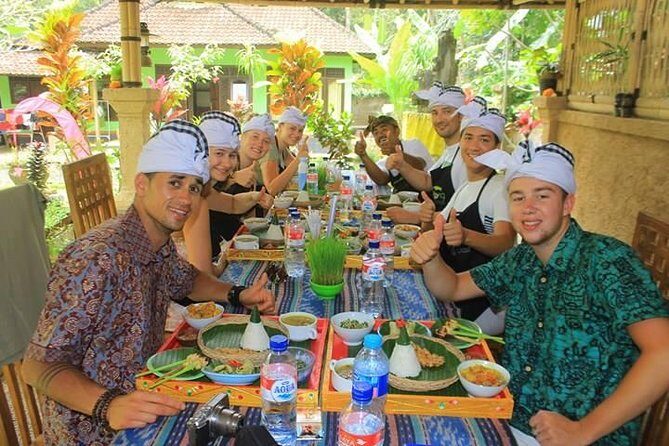
Mount Batur Sunrise Trekking & Natural Hot Spring – All Inclusive

Mount Batur Sunrise Trekking & Natural Hot Spring - All Inclusive - Sunrise and breakfast: your summit moment from 06:00–06:20

Sunrise on Mount Batur is a headlamp moment. This all-in-one experience blends a guided climb in the dark with a summit breakfast and then a soak in natural hot springs right after. I like that the tour keeps things practical for early mornings, with hotel pickup and the right trekking gear handled for you.

What really wins is the “fuel up, then chill out” flow. You’ll get breakfast with hot drinks at sunrise, followed by a hot-spring reset with a towel and locker so you’re not juggling your stuff. One consideration: the start is very early (pickup around 1:30–2:30 am), so if you’re not used to overnight starts or cold, you’ll want to prepare for that.

Key things I’d plan around

Mount Batur Sunrise Trekking & Natural Hot Spring - All Inclusive - Key things I’d plan around

  • Very early pickup means you’re hiking before daylight, with timing built around sunrise.
  • Flashlight and walking gear are included, which cuts down what you must pack.
  • Breakfast at sunrise is part of the summit moment, not an afterthought later.
  • Natural hot spring access includes towels and lockers for a cleaner, easier soak.
  • Small group size (max 15) helps the guide manage pacing on a steep early trail.
  • Tickets are included, covering Mt. Batur, the hot spring, and the Kintamani area.

The early start: why the 1:30–2:30 am pickup matters

This tour is built around sunrise, so the day starts before most people have finished dreaming. Pickup happens sometime between 1:30 and 2:30 am, then you ride to the hiking starting point. The goal is simple: arrive early enough to hike by flashlight and still make it to the top for the first light show.

In real terms, this schedule is the tradeoff for the payoff. You give up a normal night’s sleep and you’ll likely feel the cold more than you expect because you’ll be walking in the dark and waiting for light. If you’re prone to getting grumpy at early times, plan to go to bed early the night before and keep your expectations focused on the summit moment.

The drive is also part of the comfort equation. You ride in an air-conditioned vehicle, and you’re not stuck coordinating transport yourself at that hour. That’s a big deal when you’re leaving Ubud long before sunrise.

Hiking to Mt. Batur in the dark: gear, safety, and pacing

Mount Batur Sunrise Trekking & Natural Hot Spring - All Inclusive - Hiking to Mt. Batur in the dark: gear, safety, and pacing
Once you arrive (around 3:30 am), the guide explains safety and then you begin the climb alongside them by flashlight. You’ll have flashlight/torches and trekking support, including trekking poles (listed as walking stick as well) to help you keep balance on uneven ground.

I like that the tour doesn’t treat the hike like a free-for-all. A guide leads you in the dark when visibility is low and footing matters. It’s also why small groups work here: with a maximum of 15 travelers, the guide can manage the line, slow people down when needed, and keep things from turning into a chaotic sprint.

Pacing is worth mentioning because the sunrise hike isn’t just about speed. One thing that stands out from the way guides run this sort of climb is that they can adjust tempo with pauses. If you want a steady rhythm, you’ll do better asking for it early rather than powering through until you’re tired.

Practical advice for your body: keep your layers simple, wear shoes with traction, and expect the walk to feel longer than it sounds on paper. You’re climbing in the dark, then waiting for light, then doing the summit breakfast. That’s more time-on-feet than you might expect.

Sunrise and breakfast: your summit moment from 06:00–06:20

Mount Batur Sunrise Trekking & Natural Hot Spring - All Inclusive - Sunrise and breakfast: your summit moment from 06:00–06:20
The summit payoff is timed for 06:00 to 06:20 am. This is when you get to enjoy the sunrise view, and the tour builds in light breakfast served with hot drinks while you’re up there.

That’s a smart design. Instead of rushing through breakfast later, you fuel at the moment you came for. The breakfast menu is straightforward: fresh banana, hard-boiled eggs, banana sandwiches, a chocolate bar, plus fruit and coffee and/or tea. It’s not a fancy brunch spread, but it’s exactly what you want before a hike and while your body is warming up.

A quick reality check: sunrise depends on visibility and cloud cover. The tour can’t control the sky. But even when the light isn’t perfect, being on a summit in early morning light is still an experience you’ll remember.

If you’re sensitive to cold, it helps to know you’ll be standing around while you watch the horizon shift. Wear something warm enough for early-morning waiting, not just for walking.

After the hike: heading to the natural hot springs by late morning

Mount Batur Sunrise Trekking & Natural Hot Spring - All Inclusive - After the hike: heading to the natural hot springs by late morning
By around 09:30 am, the hike is finished. Then you drive directly to the natural hot spring area. The timing is good because your legs are already tired, and the soak gives you a clear “reset” before heading back to your hotel.

This is the moment where the tour earns its value. You’re not just paying for a sunrise climb and then hoping you’ll find a hot spring on your own. Your hot-spring stop is built in, with used towels provided and lockers available so you can stash your essentials before soaking.

Here’s what to think about when you arrive: hot springs can be slippery, and you’ll want to keep your balance while changing locations. If you’ve got limited mobility, move slowly and use the provided space tools like lockers rather than trying to carry everything while your body is tired.

Also, note what’s not included: soda/pop isn’t part of the package. If you want a specific drink beyond water, tea, or coffee, plan on purchasing it separately.

Value for $23.20: what’s really included and why it adds up

Mount Batur Sunrise Trekking & Natural Hot Spring - All Inclusive - Value for $23.20: what’s really included and why it adds up
At $23.20 per person, this is priced in the budget-friendly range. What makes it feel like a deal is how much is bundled:

  • Hotel pickup and AC vehicle
  • Flashlight/torches
  • Walking support (listed as walking stick/trekking pole style gear)
  • Breakfast at sunrise with coffee/tea
  • Bottled water (2 bottles per person)
  • Towel and lockers for the hot spring
  • Tickets covering Mt. Batur, the hot spring, and the Kintamani area

When you compare that to piecing everything together yourself, the math often flips quickly. Transport at odd hours is expensive in both time and money. Adding guide-led sunrise timing, entry/ticket coverage, and the hot-spring essentials is what makes the price feel fair.

So where does it leave you? You arrive with a plan and you don’t waste energy arranging the core steps: climbing + sunrise + soak. The only small extra item is keeping your own preferences in mind for things not listed, like soda/pop.

How the day flows: timing from pickup to return by around 12:00

Mount Batur Sunrise Trekking & Natural Hot Spring - All Inclusive - How the day flows: timing from pickup to return by around 12:00
The full experience is about 10 hours end to end. A typical flow looks like this:

  • 01:30–02:30 am: pickup from your hotel area and drive to the starting point
  • 03:30 am: arrival at the trail start; safety briefing
  • 06:00–06:20 am: sunrise view with light breakfast and hot drinks
  • 09:30 am: hike finished; drive to the natural hot spring
  • 12:00 pm: trip ends and drive back to your hotel

That last step matters. You’re not left hanging for the rest of the day wondering what to do. You return right around midday, which is ideal if you want to stay in Ubud for lunch plans or a relaxed afternoon.

The drawback is the same thing people often love about these tours: you’re committing to one big chunk of time. If your vacation schedule is fragile, this is a day to block off fully.

Who this tour suits best (and who should reconsider)

Mount Batur Sunrise Trekking & Natural Hot Spring - All Inclusive - Who this tour suits best (and who should reconsider)
This tour fits best if you want sunrise magic without the planning headaches. I’d point you toward it if you:

  • like guided experiences where the important logistics are handled
  • want both the sunrise hike and the hot-spring soak in one day
  • prefer a smaller group (up to 15) over large crowds
  • appreciate simple, fast breakfast options that work for active mornings

You might reconsider if you:

  • struggle with very early starts and cold conditions
  • hate hiking in the dark (even with flashlights)
  • expect a flexible schedule on the hour, because sunrise tours run on tight timing

Also, it’s a hike, so “most travelers can participate” is the key phrase to notice. If you have medical concerns, be honest with your limits. And if you’re deciding last minute, remember that changes can be restricted when you’re close to departure.

Booking basics to keep expectations realistic

Mount Batur Sunrise Trekking & Natural Hot Spring - All Inclusive - Booking basics to keep expectations realistic
You’ll get a confirmation at booking time, and the tour uses mobile tickets. Group discounts are mentioned too, which can be a plus if you’re traveling with friends.

Cancellation is free up to 24 hours before the experience starts for a full refund. That can give you peace of mind when you’re coordinating your Ubud schedule. Just keep in mind that changes made close to departure may not be accepted, so if your plans are shaky, handle them early.

Should you book this Mt. Batur sunrise + hot spring tour

I think you should book it if you want a straightforward, all-in-one sunrise outing with the hard parts handled: early transport, a guide-led climb with gear, summit breakfast, then a hot-spring soak with towels and lockers. The price is low enough that it doesn’t feel like a splurge, yet the package covers the main value drivers like pickup and entry/tickets.

I’d skip it only if early mornings are a deal-breaker for you, or if you need a highly flexible schedule. Sunrise tours are built to hit specific timing windows, and that commitment is part of what makes them work.

If you go, show up ready for the cold and keep your focus on the summit moment. This isn’t about rushing; it’s about earning that light on top, then washing the day off your legs in warm water.

FAQ

What time is hotel pickup?

Pickup runs between 01:30 and 02:30 am, depending on your hotel and the route.

What time do you start the hike?

You arrive at the starting point around 03:30 am, then the guide explains safety before you begin hiking.

When is sunrise and breakfast served?

Sunrise is timed for about 06:00 to 06:20 am, and you’ll enjoy light breakfast with hot drinks during that summit viewing window.

How long is the tour?

The experience runs about 10 hours.

How many people are in the group?

The tour has a maximum of 15 travelers.

Does the price include transportation?

Yes. Hotel pickup is included, and you travel by an air-conditioned vehicle.

What’s included in the breakfast?

Breakfast includes fresh banana, hard-boiled eggs, banana sandwiches, a chocolate bar, fruit selections, plus coffee and/or tea.

What’s included for the hot spring?

You get towels (provided as used towels are listed) and locker access.

What should I know about drinks?

Bottled water is included (2 bottles per person). Soda/pop is not included.

Can I cancel for a full refund?

Yes. You can cancel up to 24 hours in advance for a full refund, based on local time.

Bali Private Tour – Best of Ubud – All Inclusive

Bali Private Tour - Best of Ubud - All Inclusive - The All-Inclusive Checklist (So You Can Actually Plan)

One day can hit a lot.

This private “Best of Ubud” tour strings together the main sights plus a few artsy detours, so you’re not stuck guessing what to do next. I like that you get an air-conditioned vehicle and an English-speaking driver who can explain what you’re seeing, and I also like that several admissions are handled for you. The main drawback: lunch isn’t included, so you’ll want to plan for that on a long 8 to 10 hour day.

What makes this especially workable is the real-world “how do we move around?” focus. You’re picked up (pickup offered), you’re taken from Ubud into the countryside, and you’re not bargaining for taxi rides between every stop. One more thing to keep in mind: it requires good weather, so if conditions aren’t right, you may be offered a different date or a refund.

In practice, I’ve seen the difference a great driver makes. Guides such as Putu, Wayan, Juli, Mat, and Made Sutiawan have all been mentioned for delivering a smooth day and flexible pacing, especially for cruise schedules. If you want a plan that feels structured but still human, this tour style fits.

Key Points at a Glance

Bali Private Tour - Best of Ubud - All Inclusive - Key Points at a Glance

  • Private means just your group: no mixing with other groups for this full-day outing
  • All fees and taxes included: fewer surprises when you’re paying for entry and logistics
  • Comfort matters: air-conditioned transport through Ubud traffic and countryside roads
  • Admissions are bundled for the big stops like Monkey Forest, Tegalalang, Tirta Empul, and Tegenungan
  • Art stops are part of the day: batik painting, silver smith, and painting time
  • Weather-dependent day: the itinerary works best when conditions are good

Price and Value for a Full-Day Private Ubud Tour

Bali Private Tour - Best of Ubud - All Inclusive - Price and Value for a Full-Day Private Ubud Tour
At $69 per person, this isn’t priced like a “budget transfer” and it isn’t priced like a luxury charter either. It lands in that sweet spot for people who want a lot of Ubud in one day without turning the whole day into logistics.

Here’s why the value can make sense for you: the tour lists multiple inclusions that are the usual cost bumps on Bali tours. You get private transportation in an air-conditioned vehicle, an English-speaking driver, bottled water, fuel surcharge, and all fees and taxes. On top of that, admissions are included for the major stops (Monkey Forest Sanctuary, Tegalalang Rice Terrace, Tirta Empul Temple, and Tegenungan Waterfall). That means your money goes toward the day itself, not a pile of small add-ons you have to negotiate later.

The tradeoff is exactly what you’d expect from a busy “best of” schedule: it’s a long day. Expect 8 to 10 hours, and you’ll be hopping between distinct environments—temples, terraces, animals, and crafts—rather than slow wandering with hours of free time at one place.

The All-Inclusive Checklist (So You Can Actually Plan)

Bali Private Tour - Best of Ubud - All Inclusive - The All-Inclusive Checklist (So You Can Actually Plan)
If you like packing a day with fewer decisions, this is built for that mindset. Here’s what is included, based on the tour details:

  • All fees and taxes
  • Admission tickets for the listed key stops
  • Bottled water
  • Private transportation with an air-conditioned vehicle
  • English-speaking driver
  • Fuel surcharge
  • Mobile ticket

Lunch is the one item you’ll have to handle on your own. That’s not unusual in Ubud day tours, but it matters because it changes how you plan breaks. If you hate hunting for food in a tight schedule, you’ll probably want to tell your driver early what kind of lunch you want (local spot vs. something easy to find).

Also, the tour is private: only your group will participate. You still might meet plenty of people at major attractions—Monkey Forest and the terraces are popular—but you’re not sharing your vehicle or guide time with strangers.

Stop 1: Sacred Monkey Forest Sanctuary (How to Get Through It Smoothly)

The day often starts with Sacred Monkey Forest Sanctuary, and you’re given about 1 hour there. It’s right in the heart of Ubud, which is practical: you’re not losing your morning to a long drive before you even see something.

What I like about this stop for first-timers is that it gives you a quick, intense Bali wildlife-and-temple atmosphere in a compact timeframe. You’re walking through a small rain-forest sanctuary with monkeys and other tropical animals. It’s also set inside a temple-rich area, so it’s not just a zoo stop.

A realistic consideration: monkeys are monkeys. If you’re bringing glasses, hats, or dangling bags, keep them secure. If you’re sensitive to chaos, arrive with a calm plan—watch first, move second, and don’t try to outsmart the animals. Your driver can help you time your route and keep the experience from turning stressful.

Tip that helps: wear shoes you can move in. Even if you’re not doing a hard hike, the sanctuary paths and surfaces can be uneven.

Stop 2: Tegalalang Rice Terrace (Views, Craft, and Farmer Life)

Bali Private Tour - Best of Ubud - All Inclusive - Stop 2: Tegalalang Rice Terrace (Views, Craft, and Farmer Life)
Next comes Tegalalang Rice Terrace for about 1 hour, with admission included. This is the classic Ubud countryside view: terraced rice fields shaped along hillsides, with the feel that agriculture is still the main character here.

I like this stop because it’s a visual reset after the dense Monkey Forest. You shift from animals and shade to open viewpoints. It’s also a stop where you can slow down just enough to notice how the fields are organized and how farmers work around the slope.

What you should expect: you’ll be around viewpoints and paths where you can take photos and observe daily work. The tour description highlights Balinese farmers doing their rice field work in an oblique arrangement around the hills, which is a nice reminder that these terraces aren’t theme-park scenery. They’re working landscapes (even if you’re just watching from a viewpoint).

Possible drawback: terraces can get crowded and the sun can be bright. Bring water (you’ll have bottled water) and plan your photos in short bursts so you don’t overheat.

Stop 3: Tirta Empul Temple (A Water Ritual Place With a Story)

Bali Private Tour - Best of Ubud - All Inclusive - Stop 3: Tirta Empul Temple (A Water Ritual Place With a Story)
Then it’s Tirta Empul Temple for about 1 hour. This stop is different in tone. Instead of animals and farming views, you’re walking into a sacred setting tied to local spiritual life and a well-known origin story.

The tour description references a manuscript story connected to Maya Denawa, an arrogant king who didn’t believe in God. The narrative ends up tied to worship and belief, and it’s exactly the kind of tale your driver can help you connect to what you see on-site.

In practical terms, here’s what you’ll want to keep in mind:

  • Expect rules and respectful behavior around temple areas.
  • Be ready for a cooler, calmer atmosphere than the open terraced area.
  • Bring patience for the fact that this is a working place of worship, not a museum.

Dress code isn’t spelled out in the tour details you provided, so I won’t invent specifics. What I can say: follow your driver’s lead, and if you notice people covering shoulders or knees, mirror that. It’s the easiest way to stay comfortable and respectful.

Stop 4: Tegenungan Waterfall (A Short Stop That Still Delivers)

Bali Private Tour - Best of Ubud - All Inclusive - Stop 4: Tegenungan Waterfall (A Short Stop That Still Delivers)
After temples and terraces, you head to Tegenungan Waterfall for about 1 hour. The key detail: it’s described as one of the waterfalls not located in Bali’s highlands or mountains, and it’s approximately 15 meters high. It’s the kind of size where you can get a real sense of the waterfall without it feeling like a two-hour hiking project.

A big part of the appeal is that it’s visually dramatic without consuming the whole day. If your timing is good and the weather cooperates, you’ll get that classic “I’m actually here” waterfall moment that stands out on a packed schedule.

Practical note: waterfalls can be slippery and wet. Wear shoes you trust. If you’re curious about swimming or getting into the water, don’t assume it’s possible every day. The tour description hints at activity rules (it mentions jumping only after conditions), so follow any on-site guidance.

Art and Craft Stops: Batik, Silver Smith, and Painting Time

Bali Private Tour - Best of Ubud - All Inclusive - Art and Craft Stops: Batik, Silver Smith, and Painting Time
Your itinerary also includes a few cultural/art stops beyond the big sights:

  • Traditional batik painting
  • Silver smith
  • Painting

These stops are where the tour becomes more than checkboxes. Even if you only spend a short time at each, you’re getting a window into how Bali people make and design things, not just how they perform for visitors.

What you’ll likely experience at places like batik and silver smith workshops is some kind of demonstration or process explanation, plus time to browse. Whether you buy anything is totally up to you, but I recommend treating these stops like a learning break: slow down, ask questions, and notice materials and techniques.

For the painting stop, think of it as a chance to see local styles and maybe pick up a small takeaway. Just keep an eye on your time. With an 8 to 10 hour schedule, craft stops are usually meaningful but not endless.

Transportation, Timing, and Why 8–10 Hours Feels Like Enough

Bali Private Tour - Best of Ubud - All Inclusive - Transportation, Timing, and Why 8–10 Hours Feels Like Enough
This is a full-day circuit, and you’re in a vehicle for most of the “between places” time. That’s where the air-conditioned car matters. Ubud roads can be slow, and Bali’s humidity can sneak up on you. Having AC during transfers keeps the day from feeling like it turns into a sweaty endurance test.

The tour is designed for people who:

  • are short on time in Ubud,
  • want the highlights without haggling,
  • and still want out-of-town stops like Tirta Empul and the terraces.

One reason this format works well for tight schedules is that many private tour days end up customized around your energy level. Specific guide comments you provided point to flexibility when someone is tired, including adjusting the order or pace. If you’re on a cruise, that flexibility matters because you need to get back on time.

You can help by doing two simple things:

  • Start hydrated and bring something light to snack on if you tend to get hungry before lunch.
  • Tell your driver what you care about most (temples, photos, crafts, animals). That way they can guide your day without you feeling rushed.

Who This Private Tour Is Best For (And Who Might Want Something Else)

This tour fits you best if you want a structured day with real variety:

  • You’re visiting Ubud for the first time and want the top hits plus art stops.
  • You hate the hassle of arranging taxis and coordinating timing yourself.
  • You want your guide time to be one-on-one (it’s private) and explained in English.

It also makes sense for cruise shore excursions. The itinerary is built around major, recognizable Ubud-area highlights, and pickup helps reduce the stress of getting to each site.

Where it may not be ideal:

  • If you want a slow, no-rush day with long sits at fewer places, a “best of” route can feel tight.
  • If you strongly prefer lunch to be included, you’ll need to manage that extra decision yourself.

Should You Book This Bali Private Tour?

Yes, I’d book it if your goal is a high-value Ubud day with included admissions, private transport, and minimal hassle. The mix of Monkey Forest, rice terraces, Tirta Empul, and a waterfall gives you four very different Bali experiences, and the craft stops add cultural flavor beyond the usual photo spots.

I’d think twice if you know you’ll hate a packed schedule or you’re determined to have lunch handled for you. Also, since it requires good weather, plan a little flexibility into your overall Bali timing.

One last practical note: the tour is described as often booked about 24 days in advance on average. If you’re traveling during peak weeks or you’re on a cruise, locking it in earlier can reduce stress.

FAQ

How long is the Best of Ubud private tour?

The tour runs about 8 to 10 hours.

What’s included in the price?

It includes all fees and taxes, bottled water, private transportation in an air-conditioned vehicle, an English-speaking driver, fuel surcharge, and admission tickets for the listed stops.

Is lunch included?

No, lunch is not included.

Is this tour private or shared with other groups?

It’s private, so only your group participates.

Do you offer pickup in Ubud?

Yes, pickup is offered.

What happens if the weather is bad?

The experience requires good weather. If it’s canceled due to poor weather, you’ll be offered a different date or a full refund.

Nusa Penida & Gili Trawangan 3Days 2Night (Snorkeling)

Nusa Penida & Gili Trawangan 3Days 2Night (Snorkeling) - Nusa Penida stops: Atuh, Diamond Beach, Three House, Kelingking

Two islands, one clean schedule. This 3-day snorkeling trip links Nusa Penida viewpoints with Gili reef time, with Bali hotel pickup and fast-boat transfers that keep your day moving. I like that it’s a private tour, and the package includes snorkeling equipment and safety gear.

The main trade-off is pacing: you’ll be hopping between several Penida photo stops, and the time underwater on Gili can feel shorter than you might want (time in the water vs. packed stops).

Key points before you go

Nusa Penida & Gili Trawangan 3Days 2Night (Snorkeling) - Key points before you go

  • Private tour feel: it’s set up for just your group, not a big shared scramble.
  • Snorkeling gear + safety included: you don’t need to hunt for equipment on arrival.
  • Two nights in an ensuite bungalow: proper downtime is part of the plan.
  • Gili Meno snorkeling stops: coral reefs, colorful fish, and the Statue Ring Point.
  • Guides you’ll hear about by name: Konan on Penida and Nasri/Andy/Jun have shown up in past experiences.
  • Fast-boat travel built in: Sanur to Penida is about 40 to 47 minutes, which helps maximize beach time.

Where Nusa Penida meets Gili snorkeling in 3 days

This trip is built for travelers who want two of Indonesia’s best-known snorkeling areas, without spending your whole vacation on boats. You get the dramatic coast stops on Nusa Penida, then you shift to the calmer, smaller-island rhythm of Gili Trawangan with snorkeling focused around Gili Meno.

What makes it interesting is the mix of styles. You’re doing viewpoint sightseeing on Penida, then spending the day snorkeling and chilling on the Gilis. And because it’s private, the guide can usually move at a pace that fits your group.

The sweet spot is also clear in the inclusions. You’re not just buying “transport + a guide.” You’re getting two nights in an ensuite bungalow, meals (breakfast plus lunch), bottled water, and the snorkeling kit with safety equipment.

Bali hotel pickup and the fast-boat rhythm (7:00 am start)

Nusa Penida & Gili Trawangan 3Days 2Night (Snorkeling) - Bali hotel pickup and the fast-boat rhythm (7:00 am start)
Your day begins early: pickup starts at 7:00 am from your hotel in the Bali area. From there, you travel to Sanur for the fast boat to Nusa Penida.

That crossing is the kind of detail that matters. The Sanur to Nusa Penida ride typically runs 40 to 47 minutes, which is fast enough to avoid that whole day “lost to travel” feeling. The schedule also uses fast boats at the other handoffs: Penida to Gili Trawangan, and then Gili Trawangan back to Bali (drop-off in Denpasar).

If you get motion sick easily, I’d still plan like it’s a factor. Fast boats generally move more quickly than ferries, and the trip time can vary a bit depending on conditions. Bring what helps you feel steady.

Nusa Penida stops: Atuh, Diamond Beach, Three House, Kelingking

Nusa Penida & Gili Trawangan 3Days 2Night (Snorkeling) - Nusa Penida stops: Atuh, Diamond Beach, Three House, Kelingking
Nusa Penida is where you trade lounge time for big views and dramatic coastal angles. The tour’s Penida portion centers on several well-known areas, but the intent here is to keep you seeing multiple “must-see” shapes rather than only one beach.

Atuh Beach: the unspoiled-feeling start

Atuh Beach is presented as one of Penida’s calmer, quieter coastal spots. Expect a beach stop that’s more about atmosphere and views than rushing. This is the part of the day that works well if you like photos, but also just like standing still and watching the water.

The consideration: these Penida stops are usually short by design. You’ll want to treat this like a “see it, soak it briefly” segment, not a day-long beach hang.

Diamond Beach: responsible tourism matters here

Diamond Beach gets called out with a focus on sustainable tourism. That’s not just marketing language—this kind of area tends to attract more people over time, so the rules of the beach are about protecting what’s underneath and around it.

When you go to beaches like this, practice the simple stuff:

  • keep to the areas you’re allowed on
  • don’t touch marine life or coral
  • pack out what you bring in

Three House: serenity and big views

Three House is described as a tranquil spot with breathtaking views. It’s a classic “pause and look” stop—helpful when the day starts to feel fast. This is also where a good guide can help you understand what you’re seeing and where to stand for the best angles.

If you’re the type who doesn’t care about viewpoints, you might feel like Penida is more about geography than snorkeling here. But if you enjoy understanding the coast, this stop is the kind of break that makes the day worthwhile.

Kelingking Beach: the T-Rex shape stop

Kelingking Beach is described as Nusa Penida’s T-Rex Treasure. You’ll likely recognize the famous silhouette style that people come for, and the stop is built around that.

This is also one of the places where “moderate fitness” becomes real. Penida viewpoints usually involve uneven ground and some stairs or steps. You don’t need to be an athlete, but wear shoes you trust and take it slow.

Gili Meno snorkeling: coral reefs, colorful fish, and the statue

Nusa Penida & Gili Trawangan 3Days 2Night (Snorkeling) - Gili Meno snorkeling: coral reefs, colorful fish, and the statue
Once you shift to the Gili area, the tone changes fast. The tour specifically starts snorkeling at Gili Meno, which is a smart choice if you want calm water and a more protected-feeling experience compared to busier areas.

First snorkeling stop at Gili Meno

Snorkeling begins at the first Gili Meno spot. The focus is on seeing coral reefs and many colorful fish.

That combination matters. Coral and fish diversity are what make snorkeling feel rewarding even if you’re not chasing turtles. If you’ve never snorkeled before, this kind of setup is the right place to start: clear enough areas plus a guide who can help you stay oriented.

Lunch and beach time on the quiet side

Between snorkeling blocks, you get time to chill. The tour plan includes lunch and relax time on the beach. This is where you’ll appreciate the “not just snorkeling all day” design.

Practical note: hydration helps. You’ll have bottled water included, but in the sun, you’ll still want to pace yourself.

Statue Ring Point: the underwater statue moment

The last snorkeling stop is Gili Meno Statue Ring Point, highlighted as a key moment. The idea is to see a statue located under the sea.

Whether you’re a serious snorkeler or more of a casual watcher, an underwater landmark makes a big difference. It gives your brain something to focus on beyond fish spotting, and it can make the water time feel more memorable.

Also, this is where safety and guidance matter most. Even in calm snorkeling areas, currents and water depth can change. Since the tour includes safety equipment and gear, use it fully.

Gili Trawangan: jetty welcome, sunset beach time, and downtime

Nusa Penida & Gili Trawangan 3Days 2Night (Snorkeling) - Gili Trawangan: jetty welcome, sunset beach time, and downtime
After the Gili crossing, you’re welcomed by the team at the jetty on Gili Trawangan. The transfer portion is planned for about 1 hour 30 minutes, and an admission ticket for the jetty is included.

Then you get a specific stop for Gili Trawangan Sunset Beach. This is built for the payoff moment: open views where the sun can drop cleanly into the horizon. If you like photos, this is an easy win. If you don’t, it’s still a nice way to end a day without forcing an activity.

The tour also includes two nights in an ensuite bungalow, which is huge for recovery. You’re not spending the whole trip “on the move.” You get enough lodging time to shower, recharge, and go again.

One more practical detail: Gili Trawangan is where you’ll likely feel more of the island vibe—walkable areas, beach moods, and plenty of places to watch the evening unfold.

Price and value: what $343 gets you in real terms

Nusa Penida & Gili Trawangan 3Days 2Night (Snorkeling) - Price and value: what $343 gets you in real terms
At $343 per person, you’re paying for far more than a basic “see a beach” day. What stands out in the inclusions is that multiple big cost items are bundled:

  • Two nights in an ensuite bungalow
  • Fast boats: Bali to Nusa Penida, Penida to Gili Trawangan, and Gili Trawangan back to Bali (Denpasar drop-off)
  • Air-conditioned vehicle and transfers
  • Meals: lunch and breakfast included
  • Snorkeling equipment plus safety equipment

So the value comes from the logistics. Boats, lodging, and guided snorkeling gear are usually where DIY plans get expensive quickly—especially when you want everything scheduled tightly.

What’s not included is also important:

  • Entrance fee for Rumah Pohon: IDR 75,000 per person
  • Sepeda (bike)

If you care about strict budgeting, treat that Rumah Pohon entrance fee as a small add-on you should be ready for. If you don’t care about that particular stop, you can decide how much it impacts your overall plan.

Who should book this snorkeling combo (and who should skip it)

Nusa Penida & Gili Trawangan 3Days 2Night (Snorkeling) - Who should book this snorkeling combo (and who should skip it)
You’ll likely enjoy this tour if:

  • you have limited time and want both Penida viewpoints and Gili snorkeling
  • you prefer a private tour format with a guide handling the movement
  • you want snorkeling gear handled for you, including safety equipment
  • you want lodging included so the trip doesn’t sprawl into planning headaches

You might want to choose a different option if:

  • you’re the kind of snorkeler who wants long, repeated water sessions with minimal sightseeing stops
  • you dislike early mornings (pickup begins at 7:00 am)
  • you’re picky about “maximizing one activity.” Here, the goal is balance across two islands

Fitness-wise, it’s described as suitable for moderate fitness. Translation: you’ll handle viewpoint walking and beach steps, but this isn’t positioned as a hardcore hike.

A few smart tips before you go

Nusa Penida & Gili Trawangan 3Days 2Night (Snorkeling) - A few smart tips before you go
Based on how this trip is structured, here’s how to make it work better once you’re there.

  • Pack for sun and speed. You’ll be moving from Penida stops to water time to beach relaxation. Hat, sunscreen, and quick-dry wear go a long way.
  • Use your snorkeling time with intention. At Gili Meno, you’ll have set spots. Get comfortable early so you’re not fighting your gear once you’re in the water.
  • Ask your guide about the route pace. Since it’s private, you can often request a slower moment for photos or rest—especially on Penida’s viewpoint sections.
  • Be ready for guide support. Some groups mention guides by name (Konan on Penida; Nasri/Andy/Jun on Gili). If you get one of these styles, you’ll likely appreciate the straightforward help and on-the-ground guidance.

Should you book this Nusa Penida + Gili Trawangan 3D/2N tour?

Book it if you want a well-structured way to do Penida and Gili together, with snorkeling gear and safety included, plus two nights in an ensuite bungalow. The fast-boat schedule is the big reason to choose it, especially if you’re not trying to spend your days on transportation.

Skip it or reconsider if you know you want a full, long snorkeling day with minimal stops. This tour balances land views and water time, so you’ll need to be comfortable with sightseeing blocks on Penida before the Gili snorkeling payoff.

If you like the idea of organized transfers, clear meal planning, and reef time at Gili Meno—this is a strong match.

FAQ

What time does pickup start?

Pickup starts at 7:00 am from your hotel in the Bali area.

How long is the fast-boat ride from Sanur to Nusa Penida?

The fast-boat ride typically takes about 40 to 47 minutes.

Is this tour private or shared?

This is a private tour/activity, meaning only your group participates.

What snorkeling equipment is included?

You get use of snorkeling equipment, and the tour also includes safety equipment.

Where does snorkeling happen during the trip?

Snorkeling starts at Gili Meno, and the last spot is Gili Meno Statue Ring Point.

Are meals and accommodation included?

Yes. The package includes lunch, breakfast, and two nights accommodation in an ensuite bungalow.

What entrance fees are not included?

The entrance fee for Rumah Pohon is not included and is IDR 75,000 per person.

What happens if weather is bad?

This experience requires good weather. If it’s canceled due to poor weather, you’ll be offered a different date or a full refund.

Mount Ijen Crater Tour From Ubud Bali

Mount Ijen Crater Tour From Ubud Bali - Ferry to Java and the handoffs that keep you moving

Blue fire beats any postcard. This early-to-late night trip from Ubud brings you to Java for the crater trek, then times the return around dawn and sunrise glow. The big draw is the chance to see the crater’s famed blue fire flicker over the sulfur lake.

I like that the hotel pickup means you start with less stress and more rest before the long night drive. I also appreciate the hands-on feel of the local guide, plus the gear like a torch and gas mask.

The only real watch-out is stamina. The crater walk is steep and rocky, and you’re moving in the dark, so plan for a tiring night and pack warmth like a jumper/jacket.

Key things to know before you go

Mount Ijen Crater Tour From Ubud Bali - Key things to know before you go

  • Hotel pickup from Ubud keeps the journey organized, even if the drive takes hours.
  • Gas mask and torch are included, so you aren’t hunting gear in the dark.
  • Admission for the crater is included, which saves time at the start.
  • Breakfast is included, but lunch is not, so plan your calories.
  • A local guide focuses on safety on the descent, which matters on slippery sections.
  • You’re chasing a timed moment: blue fire after dark, then sunrise shortly after.

Why the Ubud-to-Ijen plan can be worth the money

At $135 per person, this isn’t a cheap throw-together day trip. But you’re paying for a lot of heavy lifting: round-trip transport from Ubud, a long night drive, cross-water logistics to Java, a local guide at Ijen, and the entry ticket plus crater equipment.

In practice, that adds up to fewer headaches for you. You don’t have to coordinate separate legs at midnight. You also get the protective basics (mask and torch) without trying to guess what’s available locally.

It’s best value if it’s just you and one friend or partner, since the tour requires a minimum of 2 people. If you’re solo, you may want to ask about the setup before you book, because some operations can get complicated on multi-part transport.

The long night start: pickup, chauffeur comfort, and what to expect

Mount Ijen Crater Tour From Ubud Bali - The long night start: pickup, chauffeur comfort, and what to expect
Your day begins in Ubud in the early evening, with pickup handled via an air-conditioned vehicle. This is a simple win: you travel seated, not scrambling around for transit after dark.

This tour is built for people who want to rest at least a little before the hike. Multiple parts of the day are timed around night visibility and dawn, so you’ll feel the “start late, finish mid-afternoon” rhythm.

Here’s the thing I’d plan for: the drive can be long. One review described about 4 hours around traffic conditions, plus additional legs for cross-water movement. Either way, your goal is to arrive on Java feeling as fresh as possible—because the crater portion is the physical part.

Ferry to Java and the handoffs that keep you moving

Mount Ijen Crater Tour From Ubud Bali - Ferry to Java and the handoffs that keep you moving
A big part of this experience is the logistics between Bali and Java. Expect a boat crossing with staff guidance, and then a driver in Java who continues you onward.

In one of the clearest accounts, the transfer went like this: a driver handled Bali-side transport, then there was an escort across on the ferry to make sure you arrived safely, followed by a Java driver. Another review also mentioned support at the ferry stage.

Why this matters: at midnight, you don’t want uncertainty. Even if you like independent travel, Ijen has a way of punishing slow-moving plans. Having set handoffs reduces the chance you’re standing around in the wrong place.

Getting to the crater: the trek starts before you see much

Mount Ijen Crater Tour From Ubud Bali - Getting to the crater: the trek starts before you see much
At Ijen, the crater hike is the main event, but it starts in darkness. You’ll be given a flashlight/torch and a gas mask. Those aren’t just “extras.” Sulfur gases can sting, and the ground gets tricky when you’re looking down with limited light.

A couple of people described the walk as challenging: steep sections, rocky footing, and slippery parts during the descent and return. One review also mentioned that the descent required patient, close help, with a guide literally supporting someone’s progress.

Translation for you: this is not an easy stroll. You should have moderate fitness. If you get winded climbing stairs, you’ll feel it here. If you don’t mind slow pacing and using hand support when offered, you’ll likely do fine.

Blue fire at Mount Ijen: the moment you came for

Mount Ijen Crater Tour From Ubud Bali - Blue fire at Mount Ijen: the moment you came for
The blue fire is the headline. It’s described as spectacular and is the reason people treat this crater like a bucket-list quest. You’ll spend about an hour at the Blue Fire Ijen Crater stop, with the admission ticket included.

What I’d set your expectations to: blue fire can be intense, but it’s also dependent on conditions. One review said they didn’t see as much blue flame as hoped. That doesn’t mean it’s a letdown. It means Ijen is natural, not a theme park. You show up for the best odds, then you react to what the night gives you.

For photos, this is where the torch and timing matter. You’re near dark crater viewpoints and the flame color only makes sense against the right lighting. If you’re the type who shoots lots of pictures, this is a rare “keep shooting while you stand still” scene.

Sunrise timing and the return hike: when the night turns into daylight

Mount Ijen Crater Tour From Ubud Bali - Sunrise timing and the return hike: when the night turns into daylight
Sunrise is part of the design. People reported seeing sunrise roughly between 6 and 7 a.m., after an early start to the crater area around about 2 a.m. That means you’ll be waiting in the cold-ish dark first, then the light improves quickly.

This is also when you’ll feel the day shift. Once dawn hits, the crater edges and trekking route look different. Some people even mentioned that they could spot other volcanoes in the distance during the return.

The return is physical, and it’s not just “walking back.” One review called it rocky and slippery in places. Another said the trek is tiring, mainly because of the long total schedule and the fact you’re doing it with little sleep.

A practical mindset helps: treat the descent and return as a careful trek, not a race. Guides on this tour are there for a reason, and you should use the support they offer.

Your guide makes a real difference on Ijen

This kind of hike doesn’t run on bravery alone. It runs on guidance. The tour includes an experience local guide, and the difference shows up in small moments: pacing, safe footing tips, and calm help when you feel off-balance.

Names came up in reviews. Guides included Zai and Safi, with descriptions of support, patience, and good English. One review also mentioned the guide taking photos of the group, which is a nice bonus when your hands are busy with trekking gear.

On the transportation side, chauffeur names also showed up, like Komang and Dhe. That matters because you’re relying on drivers during long hours and cross-water transfers. If your drivers are attentive, the trip feels less like logistics and more like a plan.

What’s included (and what you’ll need to handle yourself)

Mount Ijen Crater Tour From Ubud Bali - What’s included (and what you’ll need to handle yourself)
Included items in this experience:

  • Air-conditioned vehicle
  • Gas mask and torch
  • Breakfast
  • All fees and taxes
  • Round-trip transportation
  • Local guide
  • Admission ticket for the Ijen crater stop

Not included:

  • Lunch
  • Alcoholic beverages

So here’s my straightforward advice: eat smart on breakfast, and bring snacks for later. You’ll also want water, but the tour data only says a little snack is worth bringing, so use your own judgment about hydration.

Also, bring cash. The tour instructions specifically mention cash, and this kind of overnight route can involve small on-the-spot needs.

Documents and health checks: don’t show up empty-handed

This tour asks for paperwork. You need to bring a picture of your passport and a vaccine certificate.

There’s also a health requirement. Bring a healthy letter from your doctor or clinic. If you don’t have it, the instruction says you may pay about 50k IDR for a healthy check up in Java.

This part can feel bureaucratic, but it’s one of those “better to be ready” items. It’s easier to print, screenshot, or organize now than to figure it out at the start of a long night.

What to bring for a night hike and a cold-feeling dawn

You don’t want to underestimate temperature changes. Night walking plus early sunrise usually means you’ll feel cooler than you expect.

The tour suggests:

  • Jumper/jacket
  • Little snack
  • Cash

I’d add the simple logic behind that list. You’ll be on your feet in the dark. Your hands may be busy, so keep your comfort gear light but real. A warm layer you can wear over your hiking clothes is usually the best move.

Who this tour fits best (and who should think twice)

This trip fits best if you:

  • Want an organized, guided Ijen experience without coordinating each transport leg yourself
  • Like the idea of chasing a specific timed moment: blue fire after dark, sunrise in the morning
  • Have moderate physical fitness and can handle rocky, steep hiking in low light

It may not fit you as well if:

  • You’re nervous about stairs, steep slopes, or uneven rocky ground
  • You don’t handle little sleep or long, late-to-early schedules comfortably
  • You’re expecting a casual walk with minimal effort

Also, remember it requires good weather. If conditions are poor, your date can change or you may get a full refund, so build flexibility into your Bali schedule.

Should you book Mount Ijen from Ubud?

I think this is a smart booking for the right kind of traveler. If you want blue fire, a guided crater experience, and you value having chauffeurs and staff handle the big logistics, it’s a strong choice.

Book it if:

  • You can share the cost with at least one other person (minimum 2 applies)
  • You’re okay with a long day and a challenging trek
  • You’ll prepare documents and bring a warm layer

Skip or rethink if:

  • You’re looking for a relaxed, low-effort outing
  • You know steep, rocky, slippery walking is a problem for your body
  • You hate night starts and want a more normal daily rhythm

If you’re on the fence, ask yourself one question: do you want less stress at midnight, or do you want to manage it yourself? This tour leans hard toward the first option—and that’s why people rate it so highly.

FAQ

How long is the Mount Ijen tour from Ubud?

It’s listed as 1 day, with the overall experience running from early evening pickup in Ubud to returning mid-afternoon.

Where does the tour start and end?

The tour starts in Ubud, Gianyar Regency, Bali, Indonesia. It ends back at the meeting point.

What’s included in the price?

The price includes air-conditioned vehicle transport, all fees and taxes, a gas mask and torch, breakfast, a local guide, and the admission ticket for the Ijen crater stop.

Is pickup included?

Yes, hotel pickup is offered.

Is lunch included?

No. Lunch is not included.

Do I need to bring documents?

Yes. You need to bring a picture of your passport and your vaccine certificate.

What should I pack for the tour?

You should bring a jumper or jacket, a little snack, and cash.

Is this a private tour?

It’s described as a private tour/activity, with only your group participating. A minimum booking of 2 people is required.

Bali Rocky cycling tour

Bali Rocky cycling tour - Kintamani breakfast with Mt. Batur views: the start that makes the day

Your day starts with downhill joy.

This Bali Rocky cycling tour is a smart way to see central Bali without spending your vacation swearing at traffic or climbing in thick humidity. I like that it’s 25 km mostly downhill, so you still get the freedom of biking while keeping effort reasonable. I also like the way the day is packaged with breakfast views of Mt. Batur and a real buffet lunch, so you’re not hunting food after you ride. One drawback: the full outing lasts about 6 hours, and transfer time can make the bike portion feel a bit short if you’re expecting a long, saddle-all-day session.

What I like most is how the ride nudges you off the busiest routes and into everyday rural scenes. You pedal through narrow paths and rice-field paths, with villages and temples along the way, so you’re seeing Bali as it looks to locals—not just postcard stops. Still, it helps to plan for warm conditions and uneven terrain, since this is a real rural route, not a sealed bike path the whole way.

Key highlights before you pedal

Bali Rocky cycling tour - Key highlights before you pedal

  • Hotel pickup and door-to-door transfers so you don’t waste your morning figuring out timing
  • Mt. Batur and Lake Batur breakfast to start the day with views, not just coffee
  • A 25 km downhill route through rice terraces and village lanes
  • A light breakfast plus bottled water and buffet lunch, built in so you can focus on the ride
  • Small group size (max 30) for a more organized, less chaotic experience
  • Rain-ready attitude—a heavy downpour hasn’t derailed the spirit of the day

Why this Ubud-to-Kintamani downhill ride feels like real Bali

Bali Rocky cycling tour - Why this Ubud-to-Kintamani downhill ride feels like real Bali
Ubud is where Bali starts to feel busy, even when you’re trying to stay away from the loud parts. This tour gives you a clean escape route: you get into the central highlands area, then spend your time moving through countryside instead of waiting in cars. It’s also a great format if you want the outdoors without the “sporty day” vibe that can eat your energy.

The route leans rural and human-scale. You’re not just coasting past scenery from a bus window—you’re riding through narrow paths and rice-field routes where you’ll notice small details like how far apart homes sit, how fields are arranged, and how temples pop up like punctuation along the lanes. The whole thing is set up so you can enjoy those moments at a bike pace.

And there’s a bonus here for people who travel with different energy levels. Because the ride is designed as a downhill cycling experience, you don’t need to be a mountain-climb hero to have a good day. That doesn’t mean it’s a stroll—just that the plan makes sense for more people who want Bali’s views without the heavy uphill slog.

The downhills: 25 km you can enjoy, not just survive

The star of the day is the 25 km (16-mile) downhill cycling ride. “Downhill” is the key word: it’s what turns a hot, humid area into something you can actually enjoy on wheels. You’ll still feel the wind and the road texture, but the overall effort stays in a zone that works for most participants.

Because the ride is set up as a single downhill experience (rather than a series of steep climbs), you can focus on route sense: staying steady, keeping an eye on narrow sections, and enjoying the slow moments when you want photos. You’ll also get a chance to pause in villages along the way, which helps the ride feel like a journey instead of one long segment.

Practical note: “mostly downhill” doesn’t mean “no pedaling.” You’ll still spend time on the bike, and you’ll want comfortable shoes and basic sun protection. If you’re used to casual city walking, treat this as an outdoor activity, not a sightseeing tour that never breaks a sweat.

Kintamani breakfast with Mt. Batur views: the start that makes the day

Bali Rocky cycling tour - Kintamani breakfast with Mt. Batur views: the start that makes the day
Most cycling days start with a scramble. This one starts with breakfast, properly done. You begin in the Kintamani highlands area with a Balinese breakfast while you look toward Mount Batur and Lake Batur.

That matters more than it sounds. Starting with breakfast at the highlands sets the tone: you ease into the day and get the big view before you’re on a bike, so you’re not thinking only about logistics or timing. It also helps you fuel up for the downhill ride and the stops along the route.

The day includes bottled water too, which is a big quality-of-life detail in Bali’s heat. If you tend to get cranky when you’re thirsty, you’ll appreciate this is handled for you. The tour’s food plan also keeps the experience from turning into a scavenger hunt halfway through your ride.

Rice terraces, temples, and village lanes: how to notice what matters

The route is designed to get you off the tourist trail. You cycle through lush rural landscapes on narrow paths and rice-field routes, with village stops and views that feel grounded in real life. You’ll see rice terraces, sacred temples, and the everyday rhythm of rural communities as you move through the area.

Here’s how I suggest you approach it: don’t just shoot photos while moving. Take 20–30 seconds at each stop to look beyond the obvious view. Notice the irrigation lines, how farmers work around field edges, and how temples are positioned relative to the paths. When you do that, the ride turns into a kind of living map of the region.

This is also where the guide’s role matters. Since the tour is built around village encounters and cultural context, your guide is your shortcut to understanding what you’re seeing. Sometimes that can mean pointing out temple features, explaining how rice farming shapes the landscape, or describing the meaning behind what you pass.

If you want the most value from the experience, ask simple questions while you’re stopped: What is this crop? How do people use this route? What should I watch for in the next section? You’ll get more out of the day than just another set of pictures.

Lunch that actually refuels you: buffet + real break

Bali Rocky cycling tour - Lunch that actually refuels you: buffet + real break
After you’ve pedaled through the countryside and paused in villages, you’ll refuel with a buffet lunch. You also get bottled water, so you’re not trying to buy your way back to energy.

A buffet lunch works well here because the ride can make people hungry in different ways. Some will be ready for a heavier meal, while others just want to get calories in fast. The built-in buffet means you’re not stuck choosing between trying to eat and trying to digest the ride. It’s a clean reset before your drive back.

One practical tip: pace your eating. If you go too heavy right away, you might feel sluggish during the return portion. Aim for a balanced plate, drink water, and save room for the ride home.

Door-to-door pickup: the logistics win

Bali Rocky cycling tour - Door-to-door pickup: the logistics win
The tour includes door-to-door round-trip vehicle transfers, plus pickup is offered from your hotel area. For a downhill cycling day, this is a major part of the value. Getting to the start point and back can eat hours in Bali, especially if you’re trying to coordinate your own transportation.

This setup also keeps the day feeling “whole.” You don’t have to worry about missing the bike timing, finding the meeting spot, or guessing where you’ll be dropped after lunch. You simply show up, get fitted for the ride, and follow the flow.

Group size is capped at 30 travelers, which helps keep the experience from turning into a stampede. With a smaller group, you’re more likely to get timely help, clear instructions, and less wait time at stops.

If you’re trying to fit Bali into a tight schedule, this kind of packaged experience is one of the easiest ways to add something memorable without sacrificing your whole day.

Photo ops you’ll care about, with optional stops along the way

Bali is photo-friendly, but not every tour gives you chances for real angles. This one does. Between rice terraces, temple views, and rural lanes, you’ll have plenty of opportunities to stop and capture the day.

On some departures, riders also get extra moments on the way up—like a stop connected to Lewak coffee. Some people also choose to add activities in the area, such as Bali Swing, if it’s available and timing works. I’d treat these as optional add-ons, not the core promise of the ride.

The best way to use this: wear light layers, bring something that protects your phone or camera from dust, and be ready to move fast when the guide signals a good view. Also, check the weather and plan your photo priorities—open sky makes Mt. Batur shots more dramatic, but rural details look great even when the light turns softer.

Price and value: does $45 hold up for a 25 km day?

Bali Rocky cycling tour - Price and value: does $45 hold up for a 25 km day?
At $45 per person, this tour sits in the “easy decision” category for many Ubud stays. It’s not just a bike rental price. You’re paying for the ride plan, included food, and the transportation back and forth.

Here’s the value math: you get a full outing that includes hotel pickup and return transfers, breakfast with a view, bottled water, and a buffet lunch—plus a guided downhill ride through a scenic rural route. If you’ve ever tried to arrange those pieces yourself in Bali, you know how quickly costs and time add up.

Also, consider the structure: the tour is set up to be manageable. Many people want a Bali biking experience that doesn’t turn into a training session. This one leans that way, and the downhill format makes it easier for a wider range of fitness levels.

The one thing to watch is time expectation. A 25 km ride sounds big, but the day is still about 6 hours with pickups and stops. If you measure your vacation days by “time on the bike,” you might wish it was longer. If you measure it by “time in the good parts,” it’s a strong deal.

Who this downhill cycling tour is best for

I’d recommend this tour if you want countryside Bali with less stress. It’s a good pick for couples, solo travelers, and families who like outdoor activities but don’t want an intense climbing day. The tour notes that most travelers can participate, which fits the downhill concept.

It’s also a great match if you’re staying around Ubud and want an outing that feels different from typical temple-and-cafe loops. The combination of rural routes, village stops, and food at the highlands makes it a day with variety.

If you’re an expert cyclist chasing speed or long distances, you may find the ride length on the shorter side. And if you hate any kind of uneven rural paths, you’ll want to consider your comfort level. This is a real ride through countryside, not a perfectly paved path tour.

Weather, timing, and how to make the day smoother

This experience requires good weather. If weather is poor, you’ll be offered a different date or a full refund. That’s important in the Kintamani area, where conditions can change fast.

Timing is another key. You’re looking at roughly 6 hours total, so plan your day around it. Don’t stack tight reservations immediately after the tour. You’ll want buffer time for the drive back and the post-ride food hang.

If you’re sensitive to sun or heat, bring practical basics: sunscreen, sunglasses, and a hat. For rain, pack a simple rain layer and a small towel or wipes. Even when the weather turns, the goal is to keep the experience going so you still get the ride and the lunch.

Also, check whether you’ll want early photo moments. Mt. Batur views tend to be best when the air is clear. If the day starts with a view, pay attention right away—you’ll remember that start more than you think.

Should you book Bali Rocky downhill cycling from Ubud?

Book it if you want an easy-to-manage Bali biking day with real countryside routes, built-in meals, and transportation that doesn’t mess up your schedule. It’s especially worth it when you want views of Mt. Batur without turning the day into a logistics puzzle.

I’d think twice if you’re looking for a long, hard cycling workout or you dislike any uneven surfaces. Also, if your ideal vacation is maximum time on the bike and minimum time in transit, keep the 6-hour total in mind.

Overall, this tour is strong value for people who want a balanced day: good riding, rural moments that feel human, and food stops that keep you comfortable.

FAQ

How long is the Bali Rocky cycling tour?

It’s about 6 hours (approximately).

How far do you cycle?

The ride is around 25 kilometers (16 miles).

What’s included for meals and water?

You get a light breakfast, bottled water, and a buffet lunch.

Do they pick you up from your hotel?

Yes. Pickup is offered, and the tour includes door-to-door round-trip vehicle transfers.

What does it cost?

The price is $45.00 per person.

What’s the cancellation and weather policy?

You can cancel for free up to 24 hours in advance for a full refund. The experience requires good weather, and if it’s canceled due to poor weather, you’ll be offered a different date or a full refund.

Ubud Half Day Zipline and Jungle Swing

Ubud Half Day Zipline and Jungle Swing - Safety Tools, Real Instruction, and Why Your Guide Matters

Zipline and swing time in Ubud. It’s a fast, action-heavy half day that mixes adrenaline with classic Bali views: zipline over rice fields, a 13-meter jungle swing for dramatic photos, and a stop at Ulu Petanu Waterfall. Along the way, your guide covers basic safety, shares how the rice irrigation system works, and builds in photo moments like the fly-dress look.

I especially like the way this tour rolls from activity to activity with pickup in an AC vehicle and a guide who keeps things moving. And I love the photo-and-view combo: you get rice-terrace scenery during both the swing and the zipline, plus time to explore viewpoints and take your own shots with help.

One thing to plan for: the waterfall visit is stair-heavy. At Ulu Petanu, you’re looking at about 90 steps down and 90 back, so comfy shoes and a good head for stairs matter.

Key things to know before you go

Ubud Half Day Zipline and Jungle Swing - Key things to know before you go

  • 13-meter jungle swing for high, rice-terrace views and iconic photo angles
  • Short zipline runs that are fun even if you’re expecting a super-long course
  • Ulu Petanu Waterfall with swimming time, plus the 90 down and 90 up stair workout
  • Safety tools and instruction from your guide, before you fly or swing
  • Coffee and tea included to slow things down after the adrenaline
  • Private tour means only your group participates, with hotel pickup and drop-off

Entering Ubud’s Adventure Mode in About Six Hours

This is one of those half-day Ubud plans that feels like a good use of time. You’re not just going to one attraction and calling it a day. You’ll move between three different “wow” moments: a waterfall, two high-adrenaline experiences (swing and zipline), and a calmer finish with coffee and tea.

The whole thing runs about 6 hours with hotel pickup and drop-off in an AC vehicle. That matters in Bali, because travel time can be its own adventure—so starting and ending with transport saves your energy for the activities.

Also, it’s popular. The average booking window is about 34 days in advance, so if you’re traveling during a busy stretch, I’d lock it in early to get the slot you want.

Rice Terraces From Above: Swing Height, Zipline Energy, and Photo Spots

Ubud Half Day Zipline and Jungle Swing - Rice Terraces From Above: Swing Height, Zipline Energy, and Photo Spots
Let’s talk about the main event: the swing and the zipline. This is where the Ubud “stepped” rice-terrace scenery really shows off. You’re high enough to see the fields spread out, and close enough to feel the motion.

The jungle swing is built for that big, dramatic view. The height is 13 meters, so when you’re up there, you’re not just sitting on a chair pretending it’s exciting. It’s a real swing experience. It’s also a built-in photo moment. If you like getting shots that look like you’re flying over green terraces, you’ll use up most of your energy smiling and trying angles.

Then you shift to the zipline. The run is described as short but fun, which is honestly the right expectation to set. You’re not doing a 30-minute engineering ride. You’re doing a quick adrenaline burst with rice-field views. The fun comes from the moment-to-moment experience, not the length.

A nice detail: your guide explains the irrigation system behind the rice terraces. Even if you’re not a farming-nerd, it gives context to what you’re seeing from above—how water flow shapes the whole pattern. That’s how you go from pretty scenery to scenery with a story.

And yes, there’s the fly-dress photo moment. It’s part of the experience, but the optional dress itself is extra (around $20 USD). If you want the full “I’m flying” look, budget for it. If you’d rather spend that money on lunch or snacks, you can still enjoy the swing and zipline views without turning it into an entire wardrobe event.

Safety Tools, Real Instruction, and Why Your Guide Matters

Ubud Half Day Zipline and Jungle Swing - Safety Tools, Real Instruction, and Why Your Guide Matters
This tour includes safety tools and instruction before you swing or zip. That’s not just paperwork. When you’re dealing with height and motion, you want clear, practical guidance.

The good news is the guides here seem to be strong in the basics: friendly, patient, and good at keeping people organized. Names you’ll see praised include Gede, Teguh, Kamong, and Agus. People specifically call out good English, helping with getting your bands, and taking time with photos—so you’re not left figuring everything out on your own.

For you, that usually translates into two things:

  • You get the safety steps before you go (less guessing, more doing).
  • You have someone helping you get the shots without turning the day into chaos.

One more practical note: your guide also keeps you hydrated with a water bottle included. On a hot day in Ubud, that’s one of those small inclusions you’ll appreciate later.

Ulu Petanu Waterfall: Swimming Time With a Stair Workout

Ubud Half Day Zipline and Jungle Swing - Ulu Petanu Waterfall: Swimming Time With a Stair Workout
After the adrenaline, you’ll head to Ulu Petanu Waterfall. This stop is about cooling off and soaking in a different kind of Bali beauty—water, shade, and that waterfall-in-the-valley feeling.

The option to swim is part of the experience. If you plan to get in, bring the basics: towel, swimsuit, and a change of clothes. The day is active enough that you’ll likely want to rinse off and not carry wet clothes around afterward.

Now for the honest part: the waterfall involves a lot of steps. You’re looking at about 90 steps down and 90 back. That’s not a deal-breaker for most people, but it is a consideration if you have knee issues, stamina limits, or you just hate stair math.

My practical advice:

  • Wear shoes you trust on uneven stone.
  • Take it slow on the way down. You’ll feel the climb on the way back.

Coffee and Tea Finish: The Calm Reset After Motion

Ubud Half Day Zipline and Jungle Swing - Coffee and Tea Finish: The Calm Reset After Motion
Once you’ve done the swing, zip, and waterfall leg-work, you end with coffee and tea. It’s included, and it’s a good way to slow the pace down without adding another major stop.

This part works well because it changes the tone of the day. Instead of speed and heights, you get something quiet and simple. It’s also a chance to settle your body after the movement—especially if you swam at the waterfall.

If you like finishing tours with something low-effort and local-feeling, this coffee/tea stop earns its place.

Price and Value: What You’re Getting for About $69.80

Ubud Half Day Zipline and Jungle Swing - Price and Value: What You’re Getting for About $69.80
At $69.80 per person, this half-day package isn’t just a single activity. You’re paying for a bundled day that typically includes:

  • Hotel pickup and drop-off (AC vehicle)
  • Attraction fees
  • Safety tools
  • Water bottle
  • Coffee and tea
  • The main events: jungle swing + zipline, plus the waterfall stop

That value gets even clearer when you compare it to the cost of buying each piece separately (especially with transport and attraction fees already handled).

What’s extra? Lunch is not included, and the fly-dress outfit is optional (about $20 USD). If you want that dress look, factor it in up front so it doesn’t feel like a surprise at the moment you’re already hot and sweaty.

One more value tip: since it’s a private tour (only your group participates), you’ll likely feel less rushed and more “guided,” even though it’s still a half day.

Who This Ubud Zipline and Swing Trip Fits Best

Ubud Half Day Zipline and Jungle Swing - Who This Ubud Zipline and Swing Trip Fits Best
This tour is a great match if you want a mix of classic Ubud scenery and action without committing to a full day.

You’ll probably enjoy it most if:

  • You like photo opportunities and viewpoints (swing + zipline are built for that)
  • You want rice irrigation context while you’re looking at the terraces
  • You’re comfortable with a stair-heavy waterfall (90 down, 90 up)
  • You prefer a guided day with pickup and included tickets

If you’re not into adrenaline, you might still enjoy the waterfall and coffee/tea. But the core of the experience is very much about flying and swinging.

Weight and age notes (important)

Zipline weight range is 40kg to 100kg (88 lbs to 220 lbs). There’s also a note for kids 7 to 10 years old with a minimum 40kg (88 lbs). If your group is outside those ranges, check carefully before you book so you don’t show up expecting to participate in the zipline.

Should You Book This Ubud Zipline and Jungle Swing Combo?

Ubud Half Day Zipline and Jungle Swing - Should You Book This Ubud Zipline and Jungle Swing Combo?
If you want a half-day that hits multiple highlights—Ulu Petanu Waterfall, 13-meter jungle swing, zipline over rice terraces, and an ending with coffee and tea—this is a strong choice for the time. The big “yes” comes from the combination: views + motion + a calm finish.

Book it if:

  • You can handle the waterfall stairs
  • You want guided safety and a smooth schedule
  • You like getting high-view photos in Ubud’s signature green scenery

Skip it (or choose something else) if:

  • Stairs are a hard no for you
  • Your main goal is a long zipline course (this one is described as short, but fun)

Overall, this is a fun, practical way to get your Ubud adrenaline fix without burning an entire day.

FAQ

How long does the Ubud zipline and jungle swing tour take?

It runs for about 6 hours (approx.).

Do I get hotel pickup and drop-off?

Yes. Pickup and drop-off are included, with transport in an AC vehicle.

What’s included in the price?

The tour includes attraction fees, safety tools, a water bottle, coffee and tea, plus pickup/drop-off.

Is lunch included?

No. Lunch is not included.

Do I need to pay extra for the fly-dress?

Yes. A dress around $20 USD is not included.

Can I swim at Ulu Petanu Waterfall?

There is time to swim and refresh at Ulu Petanu Waterfall, and you should bring a towel, swimsuit, and a change of clothes.

Are there weight limits for the zipline?

Yes. The zipline has a minimum 40kg (88 lbs) and maximum 100kg (220 lbs) weight limit.

Is this a private tour?

Yes. It’s listed as a private tour/activity, meaning only your group participates.

Ubud: Zipline, Bali Swing, and Sky Bike in a Private Rice Terrace

Ubud: Zipline, Bali Swing, and Sky Bike in a Private Rice Terrace - Sky Bike: Pedaling Above the Paddies

Rice terraces plus adrenaline. At U Fun Field in Ubud, you mix Bali Swing rides, a zipline, and the sky bike with photo stops and a guided walk through the paddies. It’s one of those days where the scenery is doing half the work.

I especially loved how the place is built for great photos without turning into a rush-job. The Wings of Bali area and the swing setups are built for pose time, and my favorite part was getting guided directions so you know where to stand and how to get the shot.

One thing to keep in mind: if the weather turns rainy, you may end up doing fewer activities. I’d plan your day with that in mind and expect the schedule to flex.

Quick highlights

  • Wings of Bali and multiple swing/photo zones inside one rice-terrace complex
  • Hesham and the team help with posing and are patient if you want retakes
  • Zipline and sky bike give bird’s-eye views over the paddy fields
  • Guided Tegallalang-style rice fields walk with culture, bamboo crossings, and coffee
  • Safety-first setup with safety equipment and insurance included
  • Optional add-ons like long dress rental and a photographer for extra moments

U Fun Field: Where the Rice Terraces Meet Big Photo Energy

Ubud: Zipline, Bali Swing, and Sky Bike in a Private Rice Terrace - U Fun Field: Where the Rice Terraces Meet Big Photo Energy
Your experience starts at U Fun Field, an outdoor recreation park built right on a large plot of rice fields. The whole place is designed around three things at once: scenery, fun, and photo stops. Even if you’re not the type to chase instagram-style shots, the layout helps you get your bearings fast and enjoy the day instead of bouncing between random viewpoints.

Two photo anchors make this feel like more than a one-ride stop. The famous Wings of Bali is a set-piece that’s easy to find and easy to photograph, and the swing area includes the big dream catcher swing highlight. You’ll also see multiple “instagram worthy” spots around the grounds, so you’re not stuck waiting in line for just one angle.

A practical note: the itinerary includes travel time, and it’s a private tour, meaning only your group goes. That matters in Ubud, where roads can be slow. It also means the guide can pace you based on your group’s comfort level, especially if you’re splitting time between swings, zipline, and the sky bike.

Swing Choices: Picking the Right Thrill Level in Ubud

This part is the heart of the park. You can choose from a range of Bali jungle swing options, and the experience is set up so you’re not limited to one style of ride. The names given include the Dream Catcher Swing and an Extreme Swing, plus calmer rides like a Flower Swing and a Couple Swing.

Here’s how to think about it. If you want big movement and a stronger adrenaline kick, the extreme-style swings are what you’ll aim for. If your group includes kids, people who don’t love height, or anyone who just wants to enjoy the breeze and the view, the flower and couple options are usually the safer-feeling choice. The experience is described as family-friendly for ages 5 to 99, which tells you they expect a wide range of comfort levels.

Safety is built into the experience, not added on later. You get safety equipment and the tour includes insurance. That makes a difference when you’re doing rides in an outdoor setup where you want confidence that harnessing and procedures are handled properly.

The best advice I can give is to treat the swing portion like a small performance. Wear the right footwear, follow the guide’s stance instructions, and don’t be shy about asking for adjustments. One review specifically called out how Hesham (plus the photographer team) helped with posing for pictures and videos, and also handled retakes if you didn’t like a result. That turns a typical swing stop into a guided photo moment.

Zipline Over the Rice Fields: Short Ride, Big View

Ubud: Zipline, Bali Swing, and Sky Bike in a Private Rice Terrace - Zipline Over the Rice Fields: Short Ride, Big View
Next up is the zipline, where you glide across lush greenery for a bird’s-eye look at the rice terraces. This is the kind of activity that feels like it lasts longer in your memory than it does on the clock. The ride itself is quick, but you get a strong sense of height and direction while the rice fields stretch out beneath you.

Why it’s worth doing: the zipline gives you a different perspective than the swings. With the swing, you’re suspended and swinging in one place. With the zipline, you’re moving across the paddies, so the landscape feels like it’s unfolding.

The only caution is weather. Rain can cut momentum. One person noted they ended up doing fewer activities due to bad rain and skipped the zipline and sky bike. So if you see heavy showers in your planning, don’t assume you’ll get every element. Keep a flexible mindset, and consider timing this earlier in the day when conditions may be more stable.

Sky Bike: Pedaling Above the Paddies

Ubud: Zipline, Bali Swing, and Sky Bike in a Private Rice Terrace - Sky Bike: Pedaling Above the Paddies
If you want something that feels playful instead of purely adrenaline, the sky bike fits the bill. You pedal your way above the paddy fields for another bird’s-eye look. It’s a different sensation than the zipline because you’re actively controlling your pace and balance while riding overhead.

This is also a great option for mixed groups. People who might be nervous about a swing height sometimes feel more in control on a pedal-based activity. And for kids or adults who just want to say they did it, it’s a fun way to add variety without making the day feel like one long series of “extreme” moments.

One review mentioned the sky bike as a favorite runner-up right behind the zipline. That tracks with what this activity offers: you get the view and the thrill, but it doesn’t rely on the same suspension motion as swinging.

Again, rain can affect what’s practical. If conditions are slick or unsafe, you may not do everything. Plan as if you’ll get the main highlights, then accept that timing might shift.

The Rice Fields Hike and Culture Tour: Farmers, Bamboo, and Coffee

Ubud: Zipline, Bali Swing, and Sky Bike in a Private Rice Terrace - The Rice Fields Hike and Culture Tour: Farmers, Bamboo, and Coffee
After the adrenaline and photos, you’ll switch gears to the calmer part: a guided cultural hike through the rice fields. The experience is described as a hike in the famous Ubud rice fields area, guided by a cultural tour that includes interaction with farmers.

You’ll get to learn about Balinese traditions and see daily agriculture at work. The walk includes crossing a bamboo bridge over a waterfall, which adds a nature moment to the cultural story. There’s also a chance to join or assist with harvest activities, depending on what’s happening, and the tour includes a wood fire brewed cup of coffee.

This is the value piece that makes the day feel grounded. Without it, Bali swings and ziplines can start to feel like a theme park. With the cultural portion, you see why the paddies matter beyond the view. You’re not just collecting photos; you’re getting context for how people live and work in the landscape.
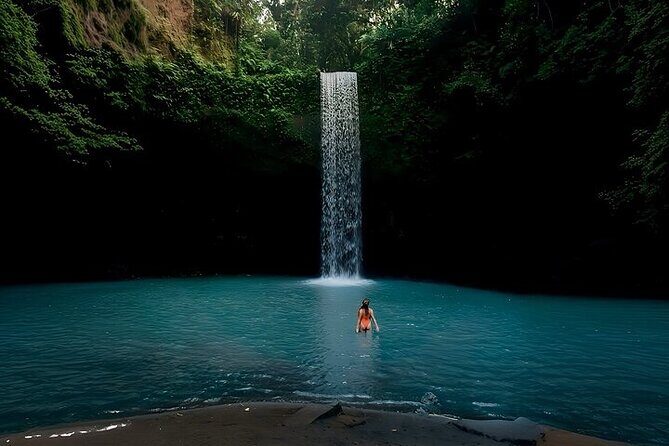
A small practical note: the itinerary mentions a 1-hour hike for this segment, so it isn’t an all-day trek. You’ll get variety, not exhaustion.

U Eat and the Wait-While-They-Reset Time

On days like this, you’ll have short waits between activities while equipment gets reset and photos get processed. One review highlighted that there’s a café on-site called U Eat, where you can grab coffee and take a breather while you wait.

That matters more than it sounds. In Bali heat, you want a simple place to cool down and keep your energy up. Even if you skip food, the ability to sit for a few minutes can make the difference between a day that feels smooth and a day that feels like a sprint.

Price and Value: Is $21 a Good Deal?

The price listed is $21.00 per person, and the experience includes more than just tickets to a single activity. Included items cover safety equipment, insurance, traditional outfit and accessories for pictures, and the core activities depending on your package: swings, zipline, and sky bike. It also includes a guided cultural tour as scheduled.

That’s the value math:

  • You’re paying for multiple activities in one protected area rather than piecing together separate tours.
  • The outfit/accessory piece is included for photos, which saves extra rental steps.
  • Having a guided cultural hike adds meaning, not just motion.

What costs extra:

  • Long dress rental for the 3m trail: USD15 per person
  • Photographer: USD15 per person
  • Lunch: not included

So should you add the extras? If you’re the type who wants maximum photo output, the photographer add-on can be worth it. But even without it, the park team can help with posing, and at least one review praised patience and retakes from the photo team. If you’re budget-conscious, focus on the included outfit and do the rides first; add the photographer only if you know you want edited, guaranteed shots.

Also check your transport plan. Pickup is offered, and private transport with a driver is included if you select that option. One review-style tip suggested taking Grab or taxi straight to the Fun Field if you’re not using the included driver, which is a useful backup if you hate waiting around.

Timing, Comfort, and Weather Reality in Ubud

This is a 1 to 3 hours experience, and travel time is included in the total duration. That time range is important because it explains why the tour feels flexible: weather and how long you spend on photos can shift the exact pacing.

The big weather wildcard is rain. One person reported very bad rain and ended up doing only two swings while skipping the zipline and sky bike. If your schedule is tight and you must see other sights later, you’ll want a plan B for the afternoon.

Comfort tips based on what’s actually provided:

  • Expect harness and safety gear moments, so keep your footwear secure.
  • The experience includes traditional outfits for pictures, which means you’ll be able to do at least one dress-style photo without paying extra.
  • If you want the long dress rental for the 3m trail, budget the extra USD15.

Also, accessibility is partial. Wheelchair access is possible for viewing, but you can’t participate in the activities. Service animals are allowed. That’s good to know before you get there so nobody has to manage disappointment on-site.

Who Should Book This Private Rice Terrace Adventure

Ubud: Zipline, Bali Swing, and Sky Bike in a Private Rice Terrace - Who Should Book This Private Rice Terrace Adventure
This tour works best if you want a packed Ubud day without planning three separate stops. It’s especially good for:

  • Families with mixed ages (it’s listed as family-friendly from 5 to 99)
  • Couples who want both adrenaline and calmer views
  • People who care about photos but still want a guided cultural component

It’s also a smart pick if you like the idea of doing rice terraces in two ways: from above (zipline and sky bike) and at ground level (the rice field hike with culture).

What might not be your best fit:

  • If you only want one activity and hate photo stops, this could feel like too much.
  • If you’re booking during rainy season or have a fixed single day outdoors with zero flexibility, you might not get every ride.

Should You Book This Ubud Rice Terrace Experience?

I’d book it if you want a fun, photo-friendly Ubud day that still includes culture and agriculture, not just thrill rides. The combination is the real selling point: swings plus zipline plus sky bike, then a guided hike with farmers, bamboo, and wood fire coffee.

I’d hesitate only if weather will be risky and you’d be unhappy if you ended up doing fewer activities. If you’re flexible and you’re going for the full mix, this private setup is a solid value at $21 per person, with extra photo options available if you want them.

FAQ

What does the $21 per person price include?

It includes safety equipment, insurance, traditional outfit and accessories for pictures, a guided cultural tour (based on appointment), and the swings/zipline/sky bike based on the package you select.

Are pickup and transportation included?

Pickup is offered. Private transportation with a driver is included if you choose that option, and travel time is included in the total tour duration.

Do I have to pay extra for the long dress or photographer?

Yes. The long dress rental for the 3m trail costs USD15 per person, and the photographer costs USD15 per person. Lunch is not included.
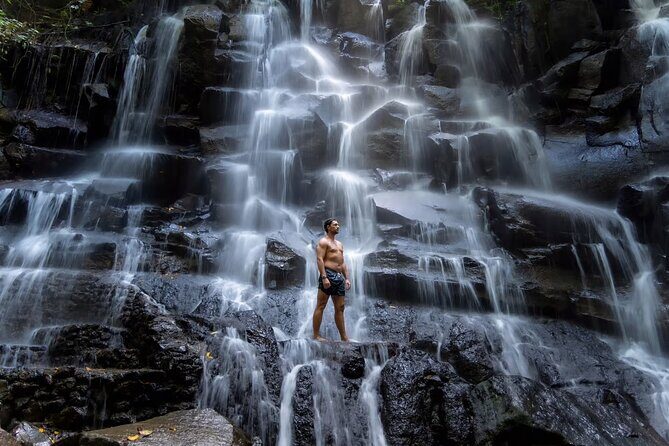
How long is the tour?

The duration is listed as 1 to 3 hours, and it includes travel time.

Can a wheelchair user participate in the activities?

Wheelchair access is available for viewing, but wheelchair users can’t participate in the activities. They can enjoy the view.

Is cancellation free?

Yes, free cancellation is offered up to 24 hours in advance for a full refund. Canceling less than 24 hours before start time does not refund the amount paid.

Bali Downhill Natural Cycling Tour & visit Volcano

Bali Downhill Natural Cycling Tour & visit Volcano - Price and logistics: what $50 really buys

If you like Bali away from the crowds, this fits. This Ubud cycling tour is built around quiet village roads, almost entirely downhill, plus real stops like a temple, a traditional Balinese home, rice paddies, and the big Mount Batur crater lake lookout. Small-group pacing keeps it relaxed, and guides like Kadek (and other friendly hosts) are big on culture and practical bike care.

I especially like the combination of easy riding and meaningful breaks: breakfast first, mountain views mid-morning, then a long stretch of downhill through everyday countryside. I also love that the meals are part of the experience, not an afterthought, with options that work for different diets. One consideration: the drive can be long depending on where you’re staying, and your day is only as good as the fit between your expectations and the route timing—so confirm the Mount Batur viewpoint is a priority for your departure.

Quick hits before you go

Bali Downhill Natural Cycling Tour & visit Volcano - Quick hits before you go

  • Mostly downhill riding on small village roads, so you spend more time seeing and less time grinding pedals
  • Mount Batur crater lake viewpoint in Kintamani, often described as the best view in Bali
  • Breakfast + lunch included, with vegetarian/vegan options and a dessert or fruit finish
  • Rice paddy walking time for photos, and sometimes you may catch farmers harvesting
  • Small group size capped at 15, plus pickup is offered and you get a mobile ticket
  • Guides like Kadek focus on safety and explain what you’re seeing as you ride

The downhill ride through real Bali starts in Ubud

Bali Downhill Natural Cycling Tour & visit Volcano - The downhill ride through real Bali starts in Ubud
This is a bike tour that doesn’t try to cram everything into your day with “look at this, then run.” The tone is slow and countryside-focused. You’ll ride through the Ubud area on narrow local roads, and the route is designed to keep things rolling—mostly downhill—so you can enjoy the scenery without feeling like you’re in training.
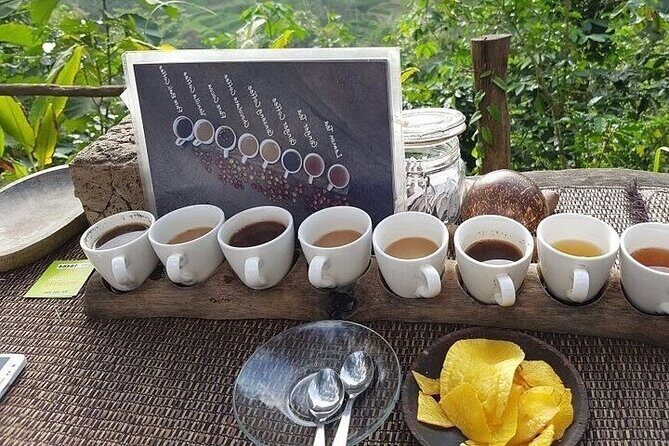
Ubud is the right base for this tour. The operator specifically suggests staying in Ubud because the destinations are relatively close, which matters when your day is around 8 hours and pickup is part of the plan. If you’re farther away, expect more time in the van and less time on the bike.

Price and logistics: what $50 really buys

Bali Downhill Natural Cycling Tour & visit Volcano - Price and logistics: what $50 really buys
At $50 per person, the value is strongest when you compare it to what you get bundled in. Breakfast and lunch are included, and the tour also includes admission tickets at several key moments of the day (breakfast stop and Mount Batur lookout are explicitly ticketed). You also get bike selection and a pre-ride setup, plus guided stops along the route.

There are also two “small” details that end up mattering: a mobile ticket and a maximum group size of 15. Mobile tickets reduce the start-day hassle. A small group size keeps the pace manageable, especially on quiet roads and during pauses for temple and home visits.

Warung Tepi Sari breakfast: fuel before the bikes

Your morning starts at Warung Tepi Sari, with a full, practical breakfast designed for an active day. You’ll be served pancakes or an omelet, plus juice, coffee, and tea. It’s a straightforward menu, but it’s exactly what you want before riding: something filling, not fancy, and easy to digest.

The timing is about an hour. That’s enough time to eat, chat with the group, and get the day into your body before you switch from “tourist mode” to “bike mode.” One nice bonus: because the tour is built around breaks, you won’t feel like you’re sprinting from meal to meal.

The Mount Batur crater lake stop in Kintamani

Bali Downhill Natural Cycling Tour & visit Volcano - The Mount Batur crater lake stop in Kintamani
The big headline moment is the Mount Batur viewpoint in Kintamani. The tour takes you out to see the crater lake of the active volcano Mount Batur, and many people rate it as the most stunning view in Bali.

This stop lasts about an hour. That’s a useful amount of time because volcano viewpoints can feel rushed if you’re only there long enough to take photos and move on. Here, you get time to settle your eyes, take in the scale, and enjoy the moment without constant motion pressure.

One practical note: since this viewpoint is a highlight, make sure it’s clearly part of your expectations for the day. The operator has acknowledged that communication and group decisions can affect what gets visited, so you’ll be happier if you confirm your priority is the Mount Batur crater lake lookout when you check in.

Balai Desa Pekraman Pukuh: bike setup and the ride briefing

Bali Downhill Natural Cycling Tour & visit Volcano - Balai Desa Pekraman Pukuh: bike setup and the ride briefing
The tour starts riding from Balai Desa Pekraman Pukuh, and before you roll out, you’ll choose a bicycle and test comfort. There’s a briefing on how the ride and bicycles work, led by the guide. This is one of those moments that can make or break your experience—fit and familiarity reduce stress when you’re on a downhill route.

Expect around 45 minutes here. It’s not just “pick a bike.” You’re getting ready for a road experience that still involves local traffic patterns and village pathways. And because the tour is mostly downhill, proper comfort is a big deal.

If you’re picky about bike condition or brakes, this is your moment to speak up. One guest mentioned bike issues like squeaky brakes in a less-than-perfect instance. To avoid a bad fit, check your handlebars and braking before you start rolling.

Manukaya and the long mostly-downhill village road section

Bali Downhill Natural Cycling Tour & visit Volcano - Manukaya and the long mostly-downhill village road section
After the setup, you’ll head into the riding portion, including Manukaya, where the tour spirit becomes obvious. The route travels mainly along small village roads and is almost entirely downhill. That combination is what makes this feel different from a typical “we drive to a view” outing.

This segment is about 2 hours. During that time, you’ll see rural Bali as it’s used day-to-day: homes, lanes, and everyday movement rather than staged attractions. The tour also builds in time for photos around lush rice paddies, including a short walk where you might see farmers harvesting if you’re lucky.

Why this matters: a downhill route doesn’t just make biking easier. It changes your attention. When you’re not fighting uphill effort, you notice details—faces, ceremonies, roadside work, and the rhythm of village life. That’s where the authenticity comes from.

Temple and traditional home visits: culture you can actually observe

Bali Downhill Natural Cycling Tour & visit Volcano - Temple and traditional home visits: culture you can actually observe
A key part of the tour is cultural access beyond the bike. You’ll stop at a large temple and also visit a traditional Balinese home. These stops give you context for what you’re seeing as you ride—because temples and homes aren’t “photo backdrops” here. They’re part of lived religion and family life.

Some people really value these moments because they break the day into segments. You ride, then you pause and see how culture is practiced. You’re not just consuming scenery; you’re learning how people relate to their environment and community spaces.
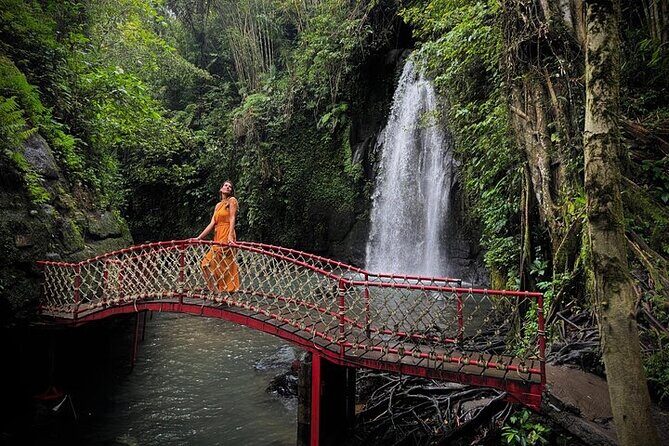

The exact temple/home experience can vary by what’s open on the day. If a site is closed during your time window, the main takeaway is that you should still treat this stop as an experience of observing community spaces, not a guaranteed “perfect view” for a single building.

Banjar Laplapan lunch: Balinese food with real choice

Bali Downhill Natural Cycling Tour & visit Volcano - Banjar Laplapan lunch: Balinese food with real choice
After the riding portion, you’ll arrive at Banjar Laplapan for lunch. This stop is about an hour and includes Balinese food plus mineral water. The tour explicitly mentions options for vegan, vegetarian, and meat lovers, and that’s a real comfort on a day that otherwise centers on schedule and movement.

Lunch also includes dessert—either ice cream or Balinese fruit. Small choices like that matter more than you’d think during an active day. It keeps the energy stable and gives you a satisfying finish before the afternoon fades out.

One tiny practical caution: if it rains, watch your footing at restaurant steps. A past guest flagged that wet surfaces can be slippery in that kind of setting. Bali weather can change fast, so good shoes and careful movement are always smart.

Guides like Kadek and Augus: friendly, safety-first, and proud of the area

This tour’s best ingredient is the people running it. Many guests highlight guides with a strong personality and a clear interest in sharing culture. Kadek is specifically praised for being friendly, informative, and watchful about safety. In another instance, Augus was mentioned as wonderful with kids and helpful in keeping the experience smooth for the family.

It’s not just “talk.” You feel the care in the pacing and in how the guide explains what to expect. One guest noted that the driver felt good too, and that helped overall confidence—especially on a day that includes both road riding and van transfers between areas.

With a max group size of 15, you’re more likely to get individual attention on comfort and safety. That’s valuable if you’re a bit nervous about riding, or if you’re traveling with family.

Transport time can make or break your day

The experience is in the Ubud area, but pickup is offered and that means van time is part of the deal. If you’re coming from farther out, the drive can become a major portion of the day. One guest who stayed in Nusa Dua described a very long drive, totaling over 3 hours each way and later returning after 5pm.

So here’s how I’d plan: if you can, base yourself in Ubud. The operator’s own advice is to stay in Ubud because the distance between destinations is not far. You’ll feel the benefit in energy and mood.

What to expect physically: moderate fitness, mostly easy riding

The tour says you should have moderate physical fitness, but the actual riding style is friendly: the route is almost entirely downhill. This means you’re not training for a mountain climb. Instead, your effort is more about staying balanced, steering comfortably, and enjoying the ride.

Some families have found it manageable, including people riding with children. Still, you should be honest with yourself. If biking makes you nervous, take comfort in the setup time and safety emphasis from the guide, and plan to go slow at first.

Who should book this tour from Ubud

I think this tour is a great match if you want:

  • A countryside Ubud experience that feels local rather than theme-park local
  • A day that combines biking with culture stops like a temple and a traditional Balinese home
  • A memorable viewpoint outing to Mount Batur crater lake
  • Included meals so you don’t have to hunt for food between active segments

It’s less ideal if you’re expecting a purely mechanical cycling experience with no cultural pauses. This is social and scenic, with stopping built into the rhythm. And if you’re very time-sensitive, remember that the van travel depends on where you’re staying.

Should you book this cycling tour and volcano visit?

If your heart says rural Bali plus a real volcano viewpoint, then yes—this is the kind of day that tends to land as a highlight. The value is strong for the money because you get breakfast, lunch, admission moments, and a mostly downhill ride that’s designed for enjoyment. With a small group and guides like Kadek leading the way, the experience tends to feel thoughtful rather than rushed.

Before you book, do one smart thing: confirm that Mount Batur crater lake is a top priority for your departure timing, especially if your travel party has strong preferences. Then choose Ubud as your base if you want the day to feel like a bike tour instead of a long transport day.

FAQ

How long is the Bali Downhill Natural Cycling Tour & visit Volcano?

It’s about 8 hours (approx.).

Is pickup included?

Pickup is offered.

What’s the activity difficulty?

You should have moderate physical fitness. The route is mostly downhill, but it’s still a bike ride on local roads.

What meals are included?

Breakfast is served at Warung Tepi Sari (pancake, omelet, juice, coffee, tea). Lunch at Banjar Laplapan includes Balinese food, mineral water, and dessert (ice cream or Balinese fruits). Vegan and vegetarian options are mentioned.

Where do you view Mount Batur?

You’re taken to Kintamani to see the crater lake of the active volcano Mount Batur.

How big is the group?

The tour has a maximum of 15 travelers.

Do you get tickets for the stops?

Admission tickets are included at certain parts of the day, including the breakfast stop and the Mount Batur viewpoint.

Can I cancel and get a full refund?

Yes. There is free cancellation up to 24 hours in advance for a full refund.

If you want, tell me your hotel area (or your approximate pickup location) and your group ages/fitness comfort, and I’ll help you decide if the timing will feel relaxed or travel-heavy for your day.

Ubud White Water Rafting, Rice Terrace and Jungle Swing

Ubud White Water Rafting, Rice Terrace and Jungle Swing - Price, Time, and the Real Value of $65

This is the kind of Ubud day that stays fun because you are not stuck behind a wheel. You get Ayung River rafting (grade I to III), then you’re out for the classic photo stop at the d’Alas jungle swing, with Tegalalang rice terrace and a buffet lunch in between.

I especially like how the day is built for momentum: hotel pickup and drop-off means you spend your energy on paddles and photos, not traffic. I also love that the rafting portion is handled with professional guidance and safety tools, plus there are shower and locker facilities after you get off the water.

One thing to keep in mind: even though the rapids are listed as grade I–III, you still need moderate physical fitness and a decent comfort level with being in and around moving water. If you hate getting wet or you’re worried about exertion, this is where you’ll want to think twice.

Key highlights worth planning for

Ubud White Water Rafting, Rice Terrace and Jungle Swing - Key highlights worth planning for

  • Ayung River grade I–III rapids: enough motion for excitement, not the extreme end of white water
  • Door-to-door round-trip transfers: less time commuting, more time doing
  • Buffet lunch near the river: a real meal reset between activities
  • Tegalalang rice terrace walk (about 45 minutes): short, scenic, and focused
  • d’Alas jungle swing (about 30 minutes): timed for views over jungle valley and rice fields
  • Locker, shower, and changing rooms: practical after rafting, before you move on

A Full Day of Ubud Action Without the Driving Chores

Ubud White Water Rafting, Rice Terrace and Jungle Swing - A Full Day of Ubud Action Without the Driving Chores
Ubud can feel like a highlight-stuffed machine: temples, viewpoints, coffee, waterfalls, spas. This trip keeps it simpler. You start with rafting, then you move through three picture-and-experience stops without you needing to figure out routes, parking, or a driver schedule.

The magic is in the pacing. You’re active for the water portion, fed and refreshed for the middle, then you finish with the swing and rice terrace sights. It’s built for people who want variety in one day, not a slow crawl of small stops.

Expect a total day that runs about 8 hours. The rafting itself takes about 2 hours, the rice terrace visit is about 45 minutes, and the swing time is about 30 minutes. Those time blocks matter because they keep the tour from feeling like you’re always waiting.

Price, Time, and the Real Value of $65

Ubud White Water Rafting, Rice Terrace and Jungle Swing - Price, Time, and the Real Value of $65
At $65 per person, the value is in what’s bundled. You’re not just paying for an attraction. You’re paying for a full chain: hotel pickup and drop-off, a professional rafting guide, buffet lunch near the river, safety gear, and entry tickets for the swing and rice terrace.

That bundling is especially valuable in Ubud. The distance between activities can add up, and arranging transport can eat time and money. Here, the cost is doing the boring work for you.

A couple other practical points: this is booked about 6 days in advance on average, so if you’re traveling soon, it’s smart to lock it in early. The tour also requires a minimum of 2 people per booking, and it’s listed as a private tour/activity where only your group participates. That can be a win if you want flexibility without other groups mixing into your schedule.

Ayung River Rafting: Grade I–III Adventure, With Safety Handrails

Ubud White Water Rafting, Rice Terrace and Jungle Swing - Ayung River Rafting: Grade I–III Adventure, With Safety Handrails
Your adrenaline comes first, on the Ayung River with grade I to III rapids. That range is a good sweet spot for many people: there’s enough challenge to feel like you are doing something, but it’s not pitched as the kind of white water that turns the day into a survival test.

The trip runs from a rafting meeting spot at Jl. Raya Kedewatan No.43. From there, you’re guided through the experience with a professional rafting guide, and the tour includes all safety tools. That coverage matters. You want the safety basics handled so you can focus on the river and not on improvising.

You should also know what’s included around the rafting logistics. After you get back, there’s access to shower, locker, and changing rooms. That’s a big quality-of-life detail, because it lets you transition from wet gear to normal clothes before you hop into the rest of Ubud.

If you do have moderate fitness, you’ll likely find the activity manageable. The tour itself is clear about the physical requirement and the minimum age (7 years old), so you can calibrate expectations ahead of time.

What you’ll feel on the water

Expect a mix of paddling work and river moments. Grade I–III typically means you’ll be doing team movement, then getting tossed around by rapids that are lively but not universally terrifying. The real fun is that you can enjoy the speed and spray while your guide handles technique and safety.

Practical tip: if you hate cramped, wet situations, plan to bring a dry change of clothes you actually like. Your tour includes the basics for changing and showering, but you still control what you wear after.

Buffet Lunch Near the River: The Reset Button You’ll Appreciate

Ubud White Water Rafting, Rice Terrace and Jungle Swing - Buffet Lunch Near the River: The Reset Button You’ll Appreciate
Between rafting and the next photo stop, you get buffet lunch near the Ayung River. This is one of those understated tour features that can make or break your day. White water rafting is physical. Even if you think you can snack your way through, a proper meal helps you keep energy for the rice terrace walk and the swing photos.

The included meal is also part of why this day runs smoothly. You’re not hunting for food while your muscles are recovering or waiting until you’re too hungry to enjoy the scenery.

If you’re the type who gets hangry after activity, this is where you’ll feel grateful the lunch is scheduled and included. It’s not just fuel. It’s time your body uses to calm down before you go up, out, and up again.
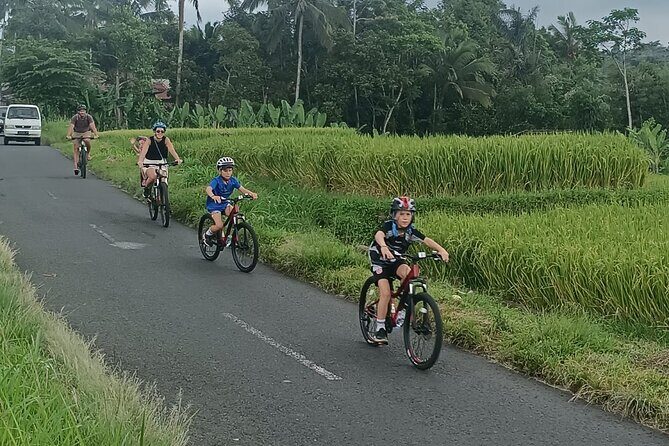
Tegalalang Rice Terrace: Farmer Views, Short Walk, Big Scenery

Ubud White Water Rafting, Rice Terrace and Jungle Swing - Tegalalang Rice Terrace: Farmer Views, Short Walk, Big Scenery
After lunch, you head to Tegalalang Rice Terrace. This stop is about 45 minutes and is designed as a manageable stroll among the rice fields. You’ll see the area’s traditional farming activity from the walking paths and viewpoints, and you get time for photos without turning it into a long hike day.

One thing to keep your expectations realistic: rice terrace timing changes with the farming cycle. The tour experience is still beautiful even when the rice is not at the exact planting phase some people imagine. The best mindset is to treat this as a look at living agriculture and the shape of the landscape, not as a guaranteed postcard at peak color.

This stop also works because it’s not trying to be a museum. It’s active but gentle. You can walk, pause for views, and breathe for a moment between the swing and the rafting adrenaline.

d’Alas Jungle Swing: How to Get the Photo Without Losing the Fun

Ubud White Water Rafting, Rice Terrace and Jungle Swing - d’Alas Jungle Swing: How to Get the Photo Without Losing the Fun
Next comes d’Alas Swing, where you’re in the air over a jungle valley and rice fields. Your time here is about 30 minutes, and it’s built for that classic overhead swing moment.

This is the stop that many people book for photos. But the best part is that it’s also a pure release valve. You’ve spent the morning with river motion; now you’re swapping that for a controlled kind of height and motion with a view.

Do plan for the practical side of a swing stop. You will likely get excited, then you’ll want the one shot that looks effortless. The tour includes the jungle swing ticket, but souvenir photos are not included. If you want professional extras, you may want to decide in advance whether you’ll purchase additional photo packages once you see what they capture.
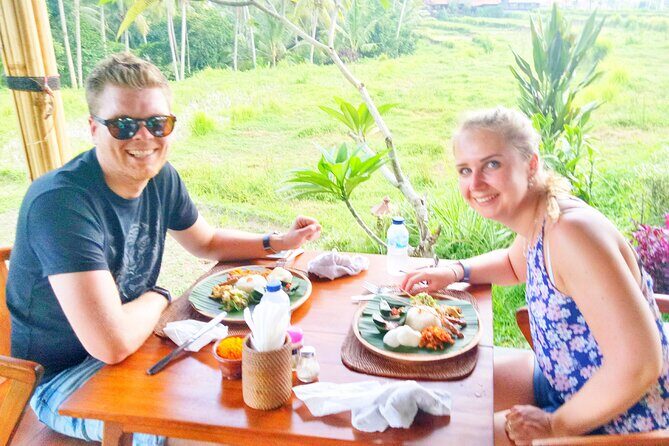
A simple way to enjoy it more

Don’t overthink the pose. Watch what the staff do, then focus on keeping your balance and enjoying the view while you’re up there. The view is part of the thrill, not just the background.
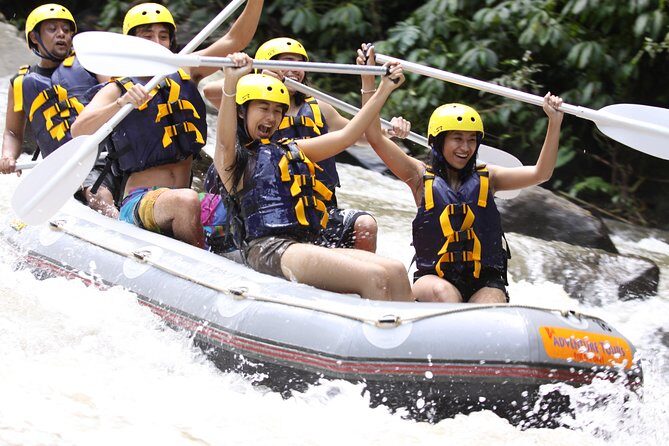
Transfers and How the Day Flows From Stop to Stop

Ubud White Water Rafting, Rice Terrace and Jungle Swing - Transfers and How the Day Flows From Stop to Stop
A tour is only as good as its transitions. This one includes door-to-door round-trip transfers, which means you’re not coordinating taxis between rafting, rice terrace, and swing.
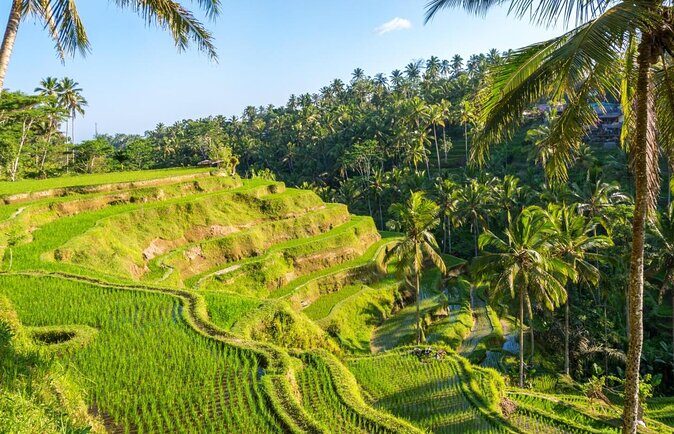
Because your pickup and drop-off are included, you can plan your day without doing the math on travel time. And because the activity durations are clearly set (2 hours rafting, 45 minutes rice, 30 minutes swing), your day feels structured even when the exact timing shifts slightly.

Also note: it’s offered as a private tour/activity only for your group, but there’s a minimum of 2 people per booking. That setup usually works well for couples, small families, and groups who want shared experiences without strangers.

The provider for this experience is Hire Bali Driver, and the tour includes a mobile ticket. That matters for convenience: less paperwork to manage while you’re moving around Ubud.

Who This Tour Fits Best (And Who Should Rethink It)

Ubud White Water Rafting, Rice Terrace and Jungle Swing - Who This Tour Fits Best (And Who Should Rethink It)
This is a strong match if you want an action-packed day with a clear structure and minimal logistical effort.

You’ll probably enjoy it most if you:

  • like variety in one day (rafting + swing + rice terrace)
  • want adrenaline without driving yourself
  • appreciate included basics like safety tools, locker/shower, and lunch
  • can handle moderate activity and being on the move for about 8 hours

You might reconsider if you:

  • are not comfortable with moving water or being wet
  • need a very low-activity day (this has a physical rafting start)
  • have trouble meeting the tour’s moderate physical fitness requirement

Age-wise, it’s set with a minimum age of 7, so it can work for families who are ready for rafting and the longer day.

Should You Book Ubud White Water Rafting, Rice Terrace and Jungle Swing?

If your idea of the perfect Ubud day is simple: get picked up, do three big activities, and be back without stress, then yes, I think this is a smart booking. The value comes from the package: rafting with safety gear, a buffered meal, and two major photo-and-view stops, all connected by door-to-door transfers.

The main reason to skip would be if you want a calmer, slower pace or you’re not comfortable with the physical reality of rafting. But if you’re in the mood for a day that hits water thrills and then rewards you with big views, this trip makes a lot of sense.

FAQ

How long is the tour?

The experience is approximately 8 hours.

What rapids do you raft on the Ayung River?

You raft the Ayung River’s grade I to III rapids.

How long is the rafting portion?

The rafting stop is listed as 2 hours.

Is lunch included?

Yes. You get a buffet lunch after rafting.

What is included besides lunch and entry tickets?

You get a professional rafting guide, hotel pickup and drop-off, all safety tools, and shower, locker, and changing room access. The jungle swing ticket is also included.

Is the rice terrace entry ticket included?

Yes. Admission ticket is included for Tegalalang Rice Terrace.

How long do you spend at the rice terrace?

The rice terrace stop is listed as 45 minutes.

How long do you spend at the jungle swing?

The swing time is listed as 30 minutes.

What’s not included in the price?

Personal expenses and souvenir photos (available to purchase) are not included.

What is the minimum age and physical fitness requirement?

The minimum age is 7, and travelers should have a moderate physical fitness level.

Is this tour private?

It is listed as a private tour/activity, with only your group participating.

What is the cancellation policy?

Free cancellation is allowed up to 24 hours in advance for a full refund. If you cancel less than 24 hours before the start time, the amount paid is not refunded.