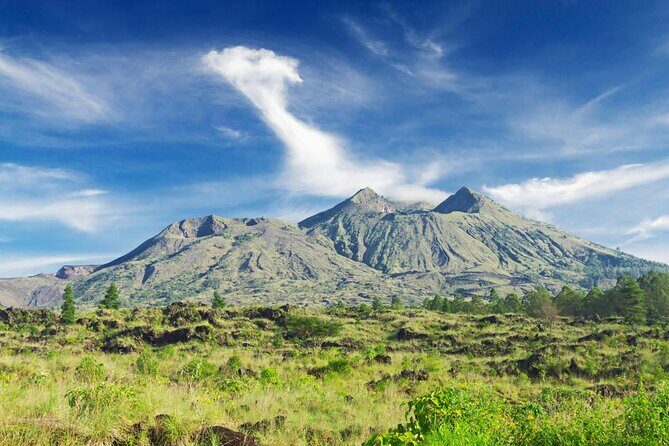
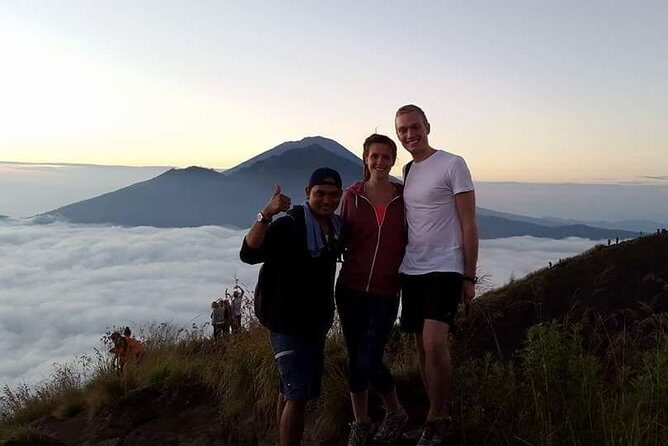
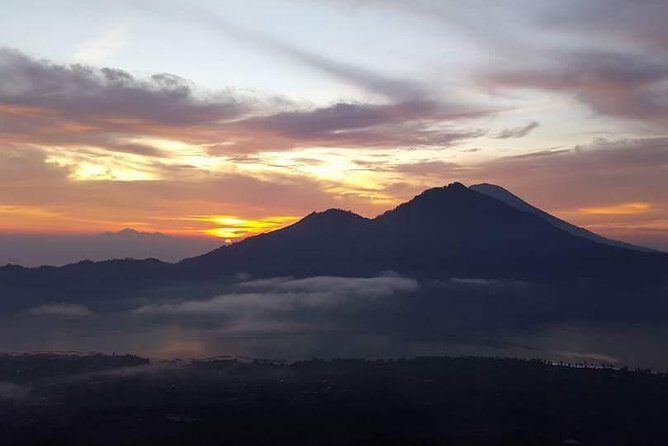
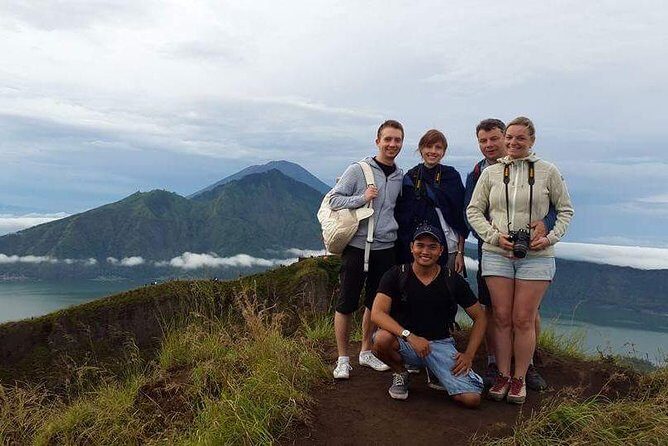
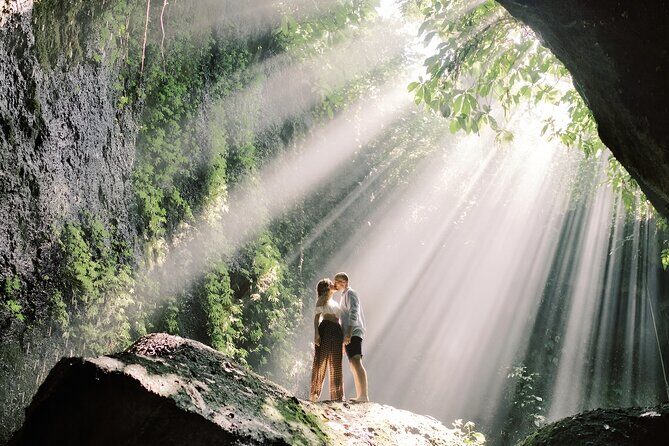
Mount Batur Sunset Trekking

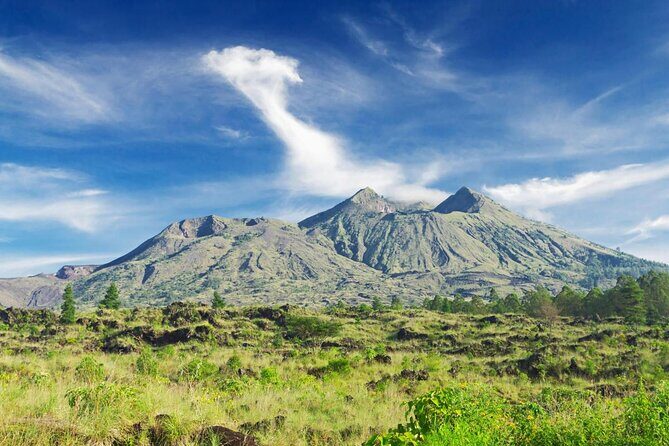
Mount Batur Sunset Trekking - The Hike: Setting Your Own Rhythm Up an Active Volcano

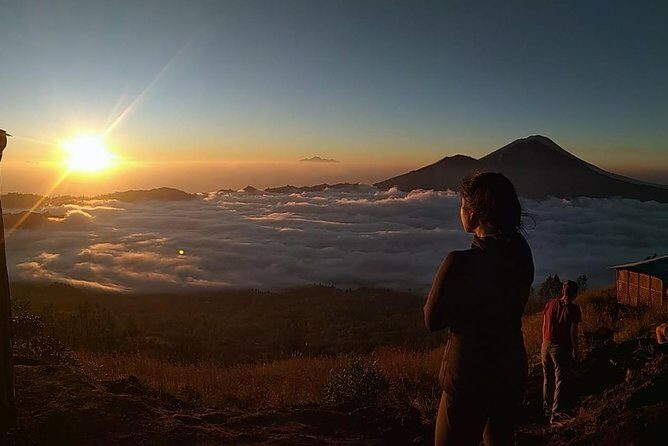
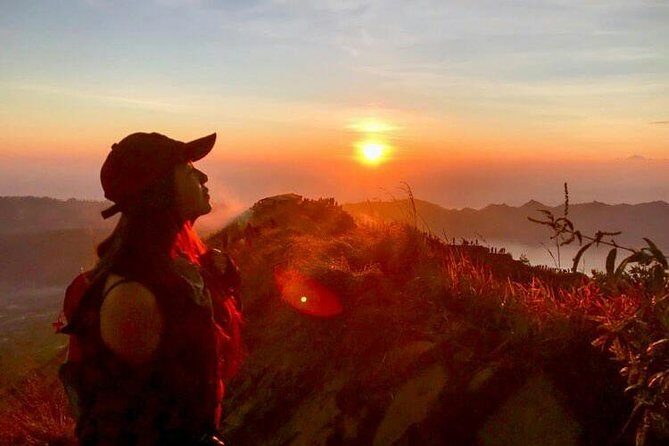
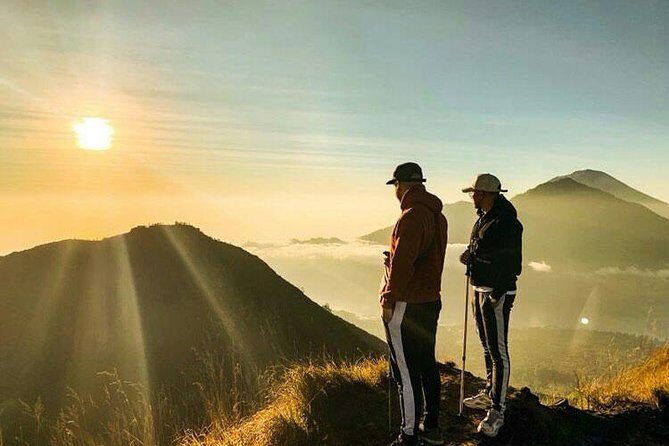
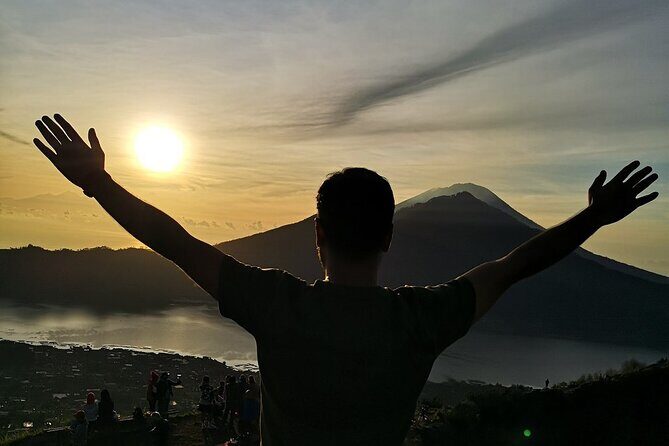
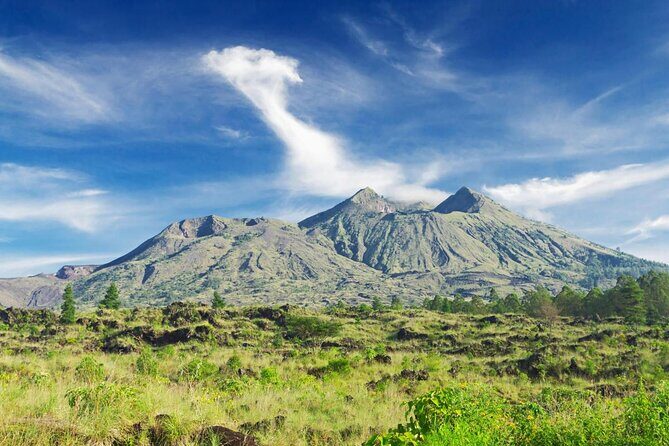
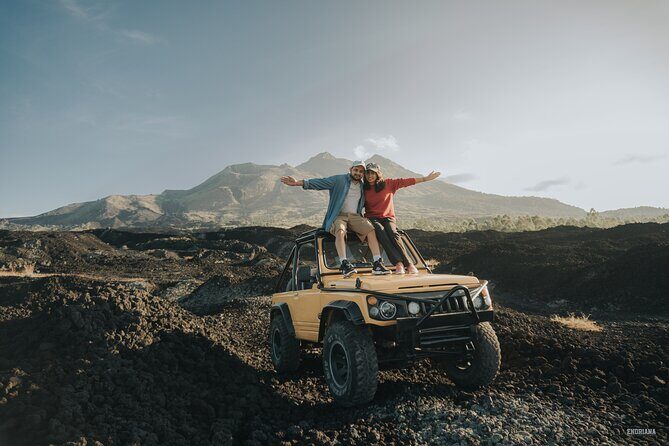
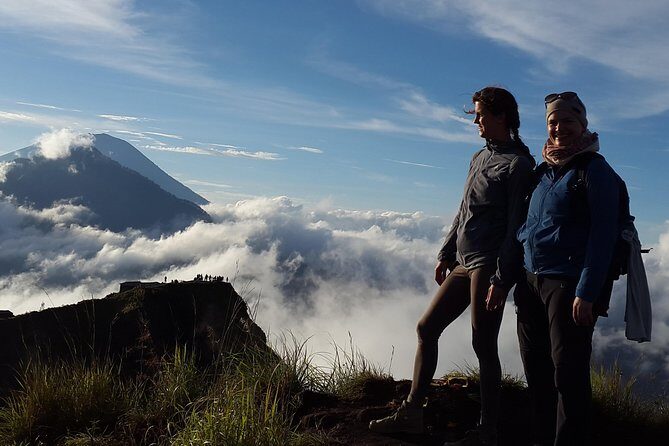
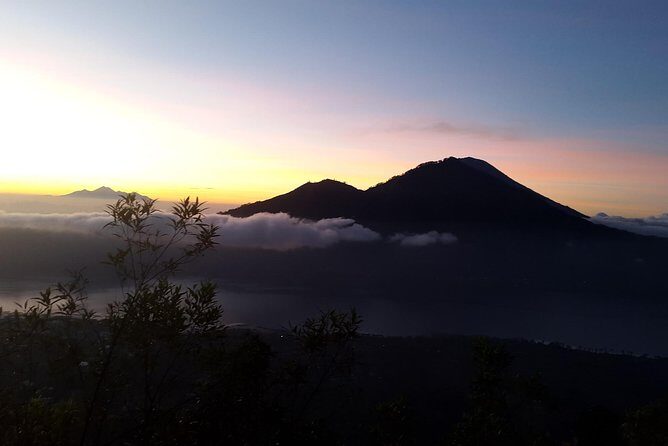
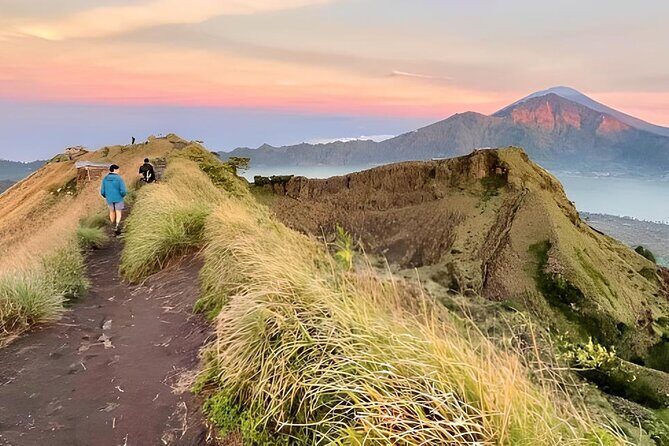
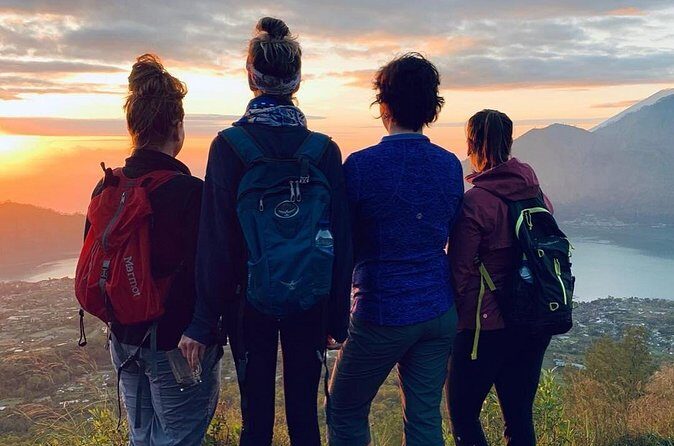
Sunset climbs on Bali feel personal. This Mount Batur sunset trekking outing trades the 2 a.m. scramble for a calmer late-afternoon start, with a private guide and real breathing room on the route. I love the private hotel transfers that keep things simple, and I love the volcano-steamed meal cooked by natural heat at the top.

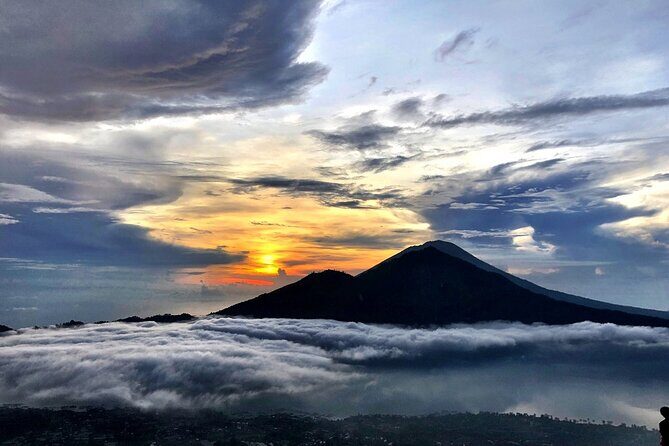
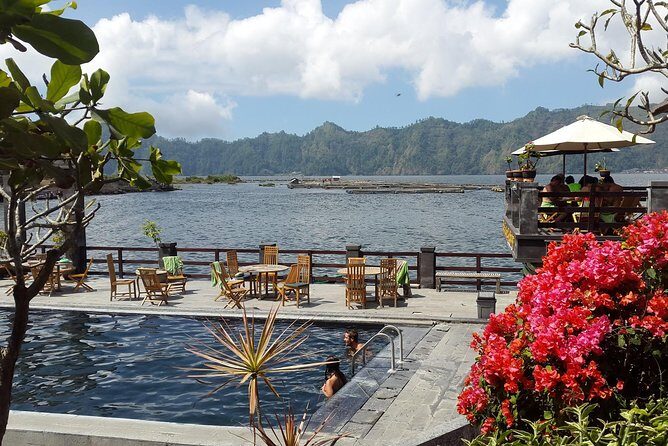
One key consideration: the hike can be steep and slippery in spots, and sunset depends on the weather. If clouds roll in, you may still get great summit views and the lake below, but the exact moment of the sun may change.

Key things I’d mark on your checklist
Mount Batur Sunset Trekking - Key things I’d mark on your checklist

  • Private guide + your group only: no big crowd push, and your pace stays yours
  • Hotel pickup and drop-off in the price: fewer logistics headaches from Ubud
  • Volcano-steamed meal at the summit: warm food cooked by natural heat, not just a snack
  • Head flashlight and trekking poles included: helpful for the dark descent
  • Certified English-speaking trek guide: clear safety notes and local context
  • Sunset view is weather-dependent: plan for clouds, not just a perfect orange sky

Why a late-afternoon Mount Batur trek feels calmer
Mount Batur Sunset Trekking - Why a late-afternoon Mount Batur trek feels calmer
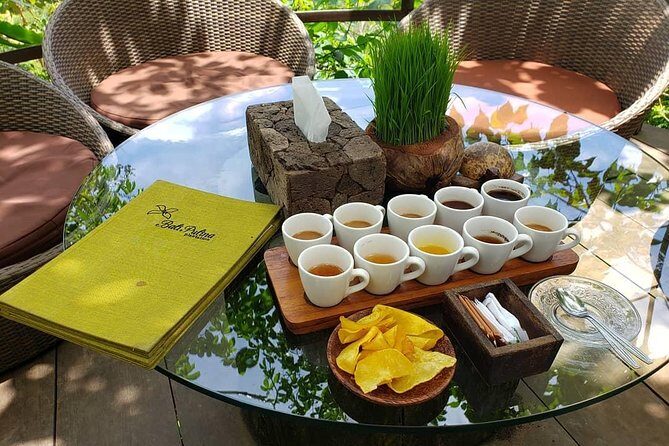
Mount Batur is one of those Bali sights that looks easy on photos and feels very real once you’re climbing. The late-day version is appealing because you don’t start when most people are still asleep. You’re hiking at a human hour, and the summit time tends to feel less frantic than the pre-dawn rush.

A big part of the calm comes from the format: private tour and only your group participates. Multiple guides in this experience’s reviews also mention that the summit can feel uncrowded, so you’re more likely to actually enjoy the moment instead of shoulder-to-shoulder picture taking. One review even notes they had practically the mountain to themselves, which is exactly what you want on a volcano climb.

Price and what you actually get for $45
Mount Batur Sunset Trekking - Price and what you actually get for $45
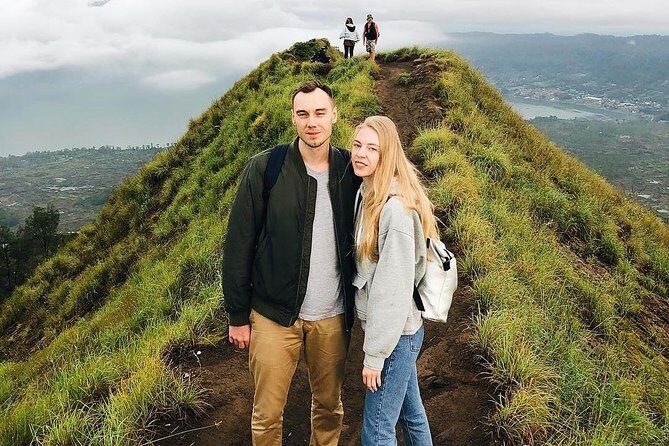
At $45 per person, this tour is priced like a budget adventure, but the inclusions are what make it feel like value. You’re not just buying a guide and a view. You’re getting private pickup and drop-off, a certified English-speaking trekking guide, trekking equipment (including a head flashlight and trekking pole), and a volcano-steamed meal cooked by natural heat.

Think about what that usually costs when you book pieces separately in Bali: transport, guide time, and any paid entrance fees. Here, those essentials are bundled. Even the smaller extras matter: photos for your memory and a water bottle help you show up less “tourist-gear loaded” and more “ready to climb.”

Pickup, transfers, and how the timing usually works

This tour runs about 7 to 8 hours total. The main climb is a 5 to 6 hour walking window for moderately fit hikers, and your summit time is built around sunset. The drive to the trail area is part of the day, too, so you’re not just stepping onto a mountain trail for a quick hour.

You’ll have private hotel pickup and drop-off, and the tour’s meeting point is listed near Volcano Side Bali (Banjar Songan A, Kintamani area). Your exact pickup depends on your hotel location, and the tour confirms after booking. You’ll also get access via mobile ticket.

One nice detail: some reviews describe quick stops on the way, like a coffee or tea plantation visit. Since it’s mentioned in multiple accounts, you should expect the drive to feel like a short sightseeing break, not just a straight transfer.

The hike up: steep steps, slippery rock, and smart breaks
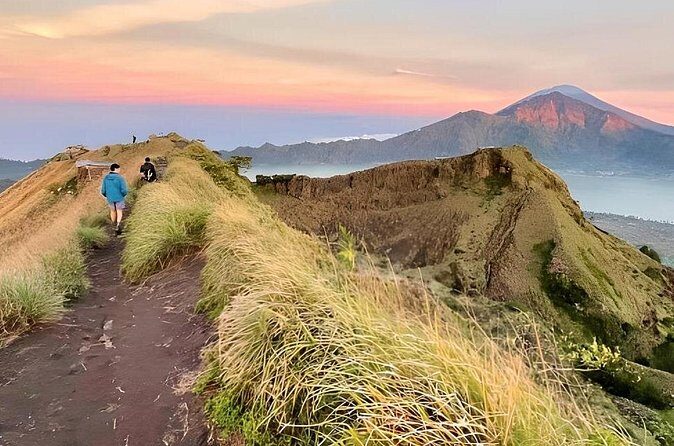
Mount Batur Sunset Trekking - The hike up: steep steps, slippery rock, and smart breaks
This is not a flat walk. Reviews are honest that it’s hard at points—steep uphill, loose shale, and sections that can feel close to climbing. One person described the first stretch as almost rock climbing, and another flagged the steepness and slipperiness clearly. If you hike regularly, great. If you do mostly casual walks, treat that as a clue to train a bit before your trip.

Still, the hike isn’t long in total distance terms. The issue is effort. You climb for hours, and the surface can challenge your footing. This is where the included equipment matters. Trekking poles help you keep balance, especially on uneven ground. And even though the head flashlight is mainly for later, you’ll quickly learn that being steady beats being fast.

The best move? Pace like an adult. Take the breaks your guide suggests, and don’t be afraid to slow down. Several reviews praise guides for keeping morale up and maintaining group unity even when people move at different speeds.

Summit time on Mount Batur: steam, views, and dinner from natural heat
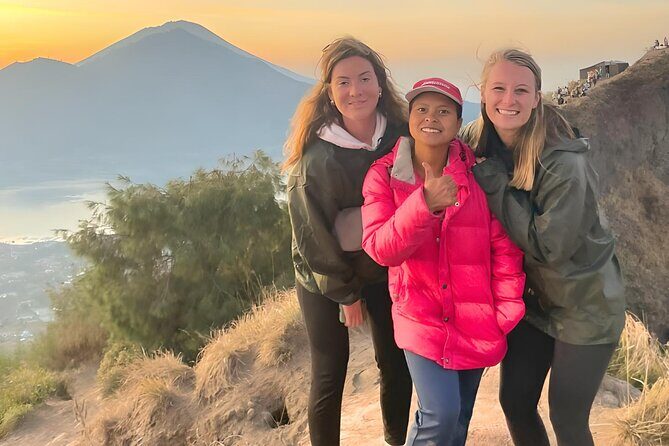
Mount Batur Sunset Trekking - Summit time on Mount Batur: steam, views, and dinner from natural heat
Once you reach the top area, the experience shifts from effort to reward. The summit isn’t only about sunset. You’re also rewarded with warm, volcanic activity right where you’re standing. Multiple reviews mention steam rising through rocks, and the vibe gets described like a natural hot sauna in certain sections.

Food is a highlight here. You get a volcano-steamed meal cooked by natural heat. That’s not just a clever marketing line. The whole idea is that your dinner experience happens because of the volcano itself, so it feels like part of the mountain rather than an optional add-on.

Meals vary by timing and setup, but one review mentions items like a fried banana sandwich along with fruit and hot drink at the top. So, expect warm, filling food rather than a tiny snack. Either way, it gives you a practical benefit: you’re not hungry while you wait for the light to shift at sunset.

Descent with head flashlights: staying safe after dark
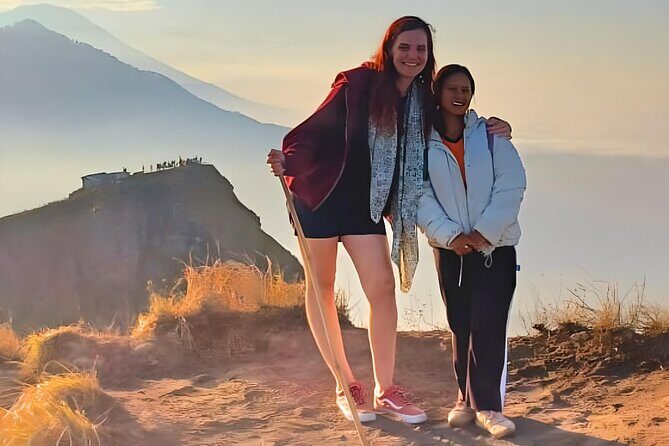
Mount Batur Sunset Trekking - Descent with head flashlights: staying safe after dark
The top of Mount Batur is only half the story. You’ll descend later, and the tour provides head flash-light and trekking poles for that reason. Descending in pitch dark changes everything—your sense of distance shrinks, and footing matters more than in daylight.

The descent is often described as easier than the climb, but that doesn’t mean it’s effortless. A guide’s job becomes safety management: helping you move carefully over tricky sections, alerting you before slippery areas, and keeping your group together. One review specifically credits a guide with alerting them about slippery spots before they happened, which is exactly the sort of thing you want.

If you’re the type who hates rushing, you’ll probably appreciate this part. With headlamps on and your poles planted, you can move steadily. The goal is control, not speed.

Guides you can trust: the names behind the best moments
Mount Batur Sunset Trekking - Guides you can trust: the names behind the best moments
On a volcano trek, the guide is your safety plan and your mood manager. This experience repeatedly gets top marks for guides who look after hikers well—supportive when things get hard, informative about Bali, and calm when conditions shift.

A few standout names mentioned in reviews include Jerome, Yus, Sari, Nic, Raka, and Donta. Jerome is praised for looking after the group and taking good care. Yus gets repeated praise for making the experience comfortable and for excellent photos. Sari is described as perfect for morale and supportive during tougher parts, including helping someone on the way down. Nic and Raka are credited with friendly help and great photo support.

There’s also a theme of guides explaining what you’re looking at. Even when the main draw is sunset, it’s valuable to understand the island around the climb—how Bali life works, what you’re seeing in the landscape, and why the volcano is such a big part of local culture.

Food, photos, and the little extras that actually matter
Mount Batur Sunset Trekking - Food, photos, and the little extras that actually matter
This isn’t just about reaching the top. The tour includes photos, which saves you from scrambling to take pictures while you’re adjusting poles, wiping sweat, and trying not to slip. It’s one of those small inclusions that feels expensive when you don’t have it.

You also get a water bottle. That helps you avoid the awkward moment of realizing you didn’t pack enough or didn’t plan for hours of effort. And the volcano-steamed meal handles the food question in a big way.

Some reviews mention music during the trek and describe the experience as fun, not just intense. That matters too, because motivation is a safety tool. If your guide keeps the mood steady and your group moving, the climb feels less like endurance torture and more like a shared adventure.

Weather reality check: when clouds steal the sunset

This tour requires good weather. That’s stated clearly, and you should treat it seriously. Even when you plan the timing well, clouds can block the exact sunset moment.

The silver lining is that weather isn’t all-or-nothing. One review notes that sunset didn’t happen due to cloud cover, yet the trip still felt worthwhile because of the views from the top and the overall experience. Another mentions a view of the lake from above as the payoff even when conditions weren’t perfect.

So when you book, don’t think of this as guaranteed fireworks. Think of it as a volcano climb with sunset as the goal. If the sky cooperates, great. If not, you can still enjoy the mountain and the whole climb-and-dinner story.

Who this Mount Batur sunset trek suits best

This is best for moderately fit travelers who can walk for 5–6 hours and handle steep terrain. If you’re used to hiking, you’ll likely find the challenge manageable with breaks and poles. If you’re more casual, be honest with yourself about stamina and balance.

It’s also great for late-risers and anyone who wants an alternative to the early morning climbs. The whole point is experiencing Mount Batur’s summit light without starting your day at pre-dawn hours.

If you hate crowds, this format helps. Private tour setup plus late timing can mean fewer people on the mountain than the sunrise wave. And because your group is smaller and more controlled, guides can spend time with you rather than herding a huge line.

Families can sometimes manage, too. One review talks about a guide being especially kind to a daughter on her first volcano climb. That doesn’t change the difficulty, but it shows that good guidance and patience can help first-timers attempt the experience.

Who should skip it

Skip this if you have mobility limitations that make steep, uneven descents difficult. Even with trekking poles, the trek involves slippery sections and darkness on the way down. Also skip if you’re the type who panics when the pace slows and the path gets technical.

Finally, if you’re only interested in the sunset itself, understand that weather can interfere. The tour is built around the summit experience, but clouds are beyond everyone’s control.

Should you book Mount Batur Sunset Trekking?

If you want a private, practical Mount Batur experience with hotel pickup, a real volcano-powered meal, and equipment for safety, I think this is a strong choice. The value comes from bundling the guide, transfers, and the summit meal into one clear price. You’re paying for more than a view.

Book it if:

  • you can handle a steep climb and a dark descent
  • you prefer a later start over sunrise crowds
  • you like the idea of dinner cooked by natural heat at the summit
  • you want photos without juggling a camera on uneven ground

Don’t book it if:

  • steep and slippery hiking sounds stressful
  • you’re counting on a guaranteed sunset with perfect skies

FAQ

How long does the Mount Batur sunset trek take?

The total experience is about 7 to 8 hours.

Is this tour private?

Yes. It’s a private tour/activity, so only your group will participate.

Do I get hotel pickup and drop-off?

Yes. Private hotel pickup and drop-off are included, based on your hotel location.

Is a guide provided?

Yes. You’ll have a personal English-speaking certified trekking guide.

Is the volcano-steamed meal included?

Yes. A volcano-steamed meal cooked by natural heat is included.

What trekking equipment is provided?

You get trekking equipment, including a head flashlight and trekking poles.

Is bottled water included?

Yes. A water bottle is included.

Will I be able to see the sunset?

It depends on weather. The experience requires good weather, and if it’s canceled due to poor weather, you’ll be offered a different date or a full refund.

Where does the tour start?

The listed start point is Volcano Side Bali (Banjar, Jl. Serongga / Jl. Bukit Catu No.Ds, Songan A, Kec. Kintamani, Kabupaten Bangli, Bali 80614, Indonesia). The tour ends back at the meeting point.

What’s the cancellation policy?

Free cancellation is available up to 24 hours in advance for a full refund. If you cancel less than 24 hours before the start time, the amount paid won’t be refunded.

Bali Quad Bike and White Water Rafting Inclusive Private Transfer

Two messy adventures in one day.

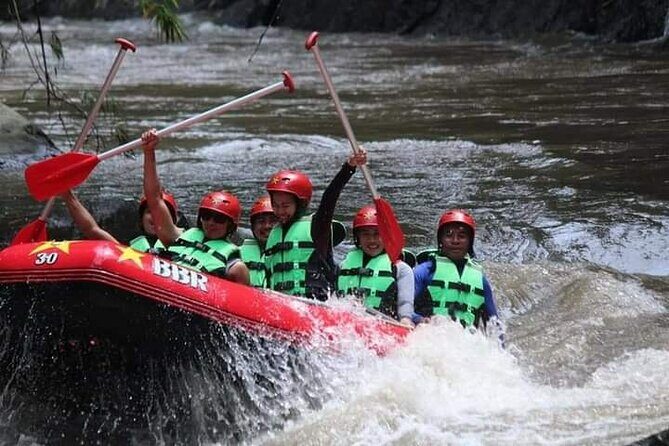
This Bali combo tour is built around ATV quad biking and Ayung River rafting with professional guides, so you’re not stuck self-driving muddy roads or figuring out river instructions on your own. I also like that the day runs as a single flow with private hotel pickup and drop, plus a filling Indonesian buffet lunch between the thrills. Some guides are especially mentioned by name for hype and good vibes, like Mo on the river and Wayan on the ATV.

I love the variety here: rice-field and jungle trail time on the quad, then classic white-water action with a guided river route that’s described as beginner-friendly while still feeling exciting. Your main consideration is the physical reality of it: the rafting access involves a lot of stairs, and you should expect to get wet and dirty even if you try to stay more cautious.

Key things to know before you go

  • Private transfers from your hotel keep you out of the self-drive hassle and reduce timing stress
  • Two guided adventures in one day: quad biking first, rafting afterward
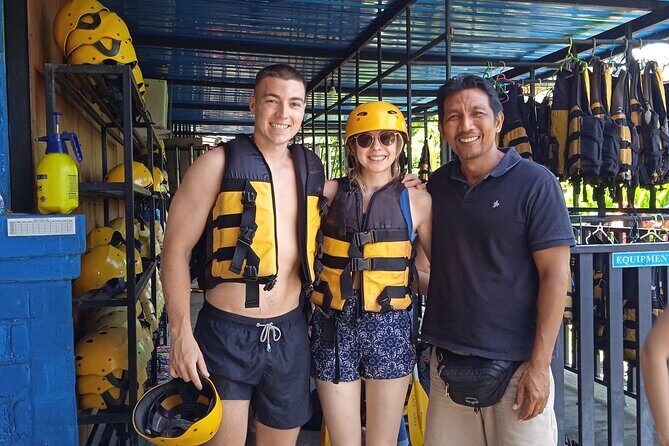
  • Rafting boats are small (around 5–6 people per boat), which usually makes the guide feel more hands-on
  • Plan for major stairs on the way down to (and back up from) the river
  • You’ll get messy on the ATV course, especially on muddy trails and riverbed sections
  • Tandem ATV option exists, but there’s a stated maximum weight for tandem riding

Why This ATV-Then-Raft Day Works So Well in Ubud

Bali Quad Bike and White Water Rafting Inclusive Private Transfer - Why This ATV-Then-Raft Day Works So Well in Ubud
This is the kind of Bali day I like: one morning that’s active, one afternoon that’s wet and wild, and a meal that’s actually meant to refuel you. The tour pairs two different styles of excitement. Quad biking is all about control, traction, and navigating muddy jungle and rice-terrace trails. Rafting is about teamwork with your guide and riding the Ayung River in a safe, structured way.

It also helps that it’s a combo with private hotel transfer. In Ubud, the roads can be slow, and you don’t want your fun to turn into a car day. Here, the schedule is designed to bundle both activities into one long outing (about 10 hours), so you’re not juggling multiple pickups and waiting around between providers.

Price and What Makes It Feel Like Value

Bali Quad Bike and White Water Rafting Inclusive Private Transfer - Price and What Makes It Feel Like Value
At $70 per person for a roughly 10-hour outing, the value comes from what’s bundled—not just the activities. You get two admissions included, safety equipment, insurance, a buffet lunch, and professional guides for both components. That matters because in Bali it’s easy to price-compare yourself into disappointment. A cheap listing can look good until you add transfers, lunch, equipment, and the “small” ticket fees.

This tour’s value is also in its private structure. You’re not joining a huge mixed group where you’re the last one to be dropped off. You’re moving as one unit between stops, with a driver handling the transfers.

One thing to watch: photos and video are not included. If you want a memory package, you’ll need to plan for that separately.

The Roughly 10-Hour Flow (and Why Timing Feels Like the Real Trip)

Bali Quad Bike and White Water Rafting Inclusive Private Transfer - The Roughly 10-Hour Flow (and Why Timing Feels Like the Real Trip)
The day is long on purpose. Quad biking and rafting each run for about two hours, but the clock stretches because you’re traveling between the sites, getting suited up, and moving through the activity areas.

You’ll also want to accept that the day can feel more intense than the word “adventure” usually sounds. Some riders describe waiting time or delays depending on how equipment and staffing line up at the ATV location. The good news is that when issues pop up, guides and staff are generally reported as capable—one guest specifically noted that ATV problems were handled quickly so the group could keep going.

If you hate schedule surprises, I’d go in with a flexible mindset. This is Bali. Traffic and timing can happen, even when the tour is run well.

Stop 1: Ayung Dewata Rafting on the Ayung River

Bali Quad Bike and White Water Rafting Inclusive Private Transfer - Stop 1: Ayung Dewata Rafting on the Ayung River
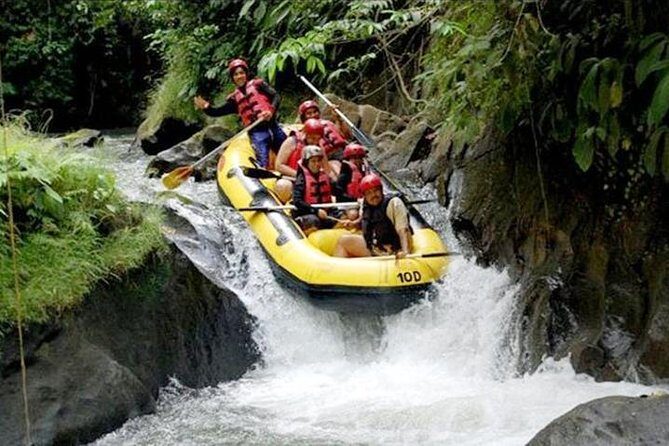
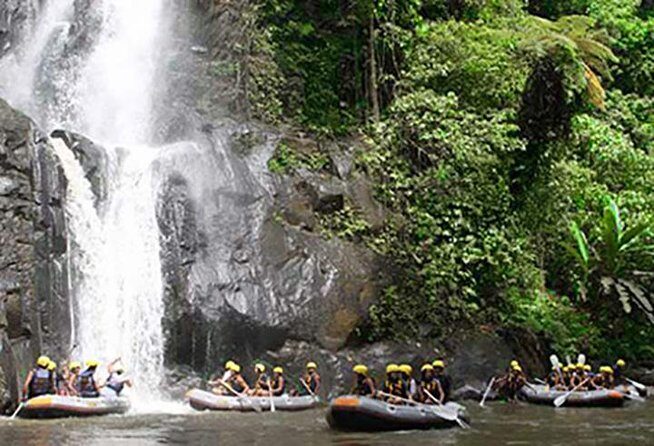
Your rafting starts at Ayung Dewata Rafting, with a guided trip down the Ayung River. The route is described as roughly two hours of river time, and the vibe is adventure-with-a-view: lush jungle, waterfall moments, and stone carvings along the river channel.

This is also where the guide quality shows up. Several people mention captains who keep the mood light and guide you through the technical bits with humor and good energy. Names that came up include Mo for river guidance, and Hari and Tono as excellent guides in other trips. The practical takeaway: you’re not just holding on and hoping for the best. You’ll get real instruction so you understand what to do when the raft hits the more active sections.

What to expect physically

Rafting here is not a gentle walk in the park. You should plan on a lot of stairs to reach the river and a lot of stairs to get back up afterward. Guests mention hundreds of steps, and one person counted close to 500 one way. If you have knee or back issues, treat that as a key decision point, not a side note.

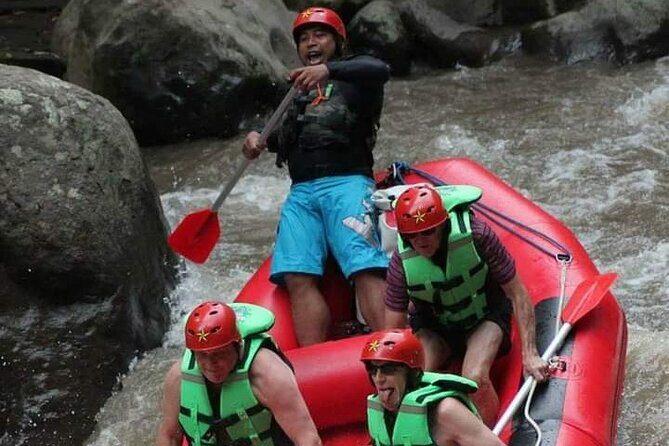
You’ll also likely get wet. You might be able to stay a bit drier if you take it easy, but this is white-water, and people who went in for the full fun got splashed and muddy.

Gear and recovery

Safety equipment is included, and you’ll also have a refreshing shower setup and towel use after rafting as part of the experience flow. One simple tip that keeps showing up: bring water shoes rather than flip-flops. Flip-flops plus stairs plus wet river ground is how you end up having a bad time.

Stop 2: Alas Harum Quad Bike Trails and the Gorilla Cave Track

Bali Quad Bike and White Water Rafting Inclusive Private Transfer - Stop 2: Alas Harum Quad Bike Trails and the Gorilla Cave Track
After lunch, you switch gears from river action to muddy trail riding at Alas Harum, under the Alasan Adventure experience. The quad biking portion is guided and described as about two hours of riding, including instruction on how to handle the ATV/quad bike.

This is where the scenery and the thrills combine. You’ll drive through jungle trails, muddy tracks, rice terraces, and bamboo-forest areas. The highlight is the Gorilla Cave track: a giant stone tunnel shaped like a gorilla, built for dramatic photos and pure thrill in the middle of the route.

The ride style: fun, but expect obstacles

You’re not on a neat, flat track. This is a course with friction and mud. People describe it as intense, like an obstacle course. That’s why it’s such a good day option if you’re bored of Bali’s more passive sightseeing.

It’s also why cleanliness is optional. One of the most repeated themes is you should expect to get filthy in a good way. If you’re the type who wants to stay camera-ready, you’ll need to adjust your expectations and wear something you don’t mind sacrificing.

Tandem ATV option (for couples who want to ride together)

If you choose the tandem ATV option, you ride as a pair. There’s a stated maximum weight of 150 kilograms for tandem riding, so it’s important to plan accordingly. For couples, tandem can be a big deal: you experience the same pace and it keeps the fun shared rather than split.

One more practical note: the ATV part is described as suitable for beginners and experienced riders, but that doesn’t mean it’s effortless. The controls can feel different at first, and you’ll want to listen carefully during the safety brief.

The Lunch Reset: Indonesian Buffet Food That Actually Holds You Up

Bali Quad Bike and White Water Rafting Inclusive Private Transfer - The Lunch Reset: Indonesian Buffet Food That Actually Holds You Up
Between rafting and the ATV (or near the end of the morning in the schedule flow), you’ll get a buffet lunch with Indonesian food. The lunch gets repeatedly praised as tasty, hearty, and helpful for getting your energy back before the ATV course.

This part matters more than it sounds. If you skip meals or eat something light, the combination of wet stairs and muddy quad biking can wear you down fast. A filling buffet lunch keeps you from turning “adventure day” into “hangry endurance test.”

Transfers, Group Size, and Why Private Feels Better Here

Bali Quad Bike and White Water Rafting Inclusive Private Transfer - Transfers, Group Size, and Why Private Feels Better Here
A big quality-of-life win is the private air-conditioned hotel transfer. In Bali, that’s not just comfort. It’s time. The tour is already about 10 hours, so you want the travel to be organized and not full of last-minute pickup gaps.

Rafting is also capped by boat size: one boat maximum is listed at 5–6 people. Smaller boat groups often mean your guide can manage the energy and instruction without stretching it thin across too many paddlers.

Even though the tour is a combo of two separate activity sites, the way it’s structured is private: only your group participates. That’s useful for couples who want the day to feel personal rather than like a conveyor belt.

Safety, Equipment, and Guide Energy (What You Should Look For)

Bali Quad Bike and White Water Rafting Inclusive Private Transfer - Safety, Equipment, and Guide Energy (What You Should Look For)
This tour includes safety equipment and insurance, and professional guides lead both activities. That setup is the foundation. The day still feels risky—because it’s supposed to—but you’re not doing it blind.

Where the experience gets its great reputation is guide personality and competence. Names that came up repeatedly across trips include Mo (rafting), Wayan (ATV), Soma and John (drivers), plus guides like Hari and Tono. Dicky was mentioned as a special guide for a family trip too. The common thread in those mentions is that guides explain things clearly, keep the mood fun, and help you stay confident.

From a practical standpoint, your best move is to listen closely during the initial safety brief at both sites. Quad biking courses can be slippery and dynamic, and rafting has commands you need to follow at the right moments.

The Real-World Drawbacks You Should Plan For

Bali Quad Bike and White Water Rafting Inclusive Private Transfer - The Real-World Drawbacks You Should Plan For
Let’s talk about what can make or break this trip for you.

First: stairs. Multiple guests mention a lot of stairs—hundreds. If you’re not comfortable with that level of walking and climbing, the rafting part can outweigh the joy of the river.

Second: mud and wet gear. This is not a “light adventure” tour. You’ll likely need to change your mindset about clean clothes and shoes.

Third: timing surprises can happen. A few people reported longer waits and car comfort issues on the transfer side. Most of the time people say the day is well organized, but it’s still wise to build the day around the expectation that Bali timing isn’t always stopwatch-perfect.

Who This Tour Is Best For

You’ll probably love this if you want a full-on day that mixes adrenaline with scenery and you don’t mind getting a little (or a lot) wet. It’s a strong choice for:

  • Adventure lovers who want two activities back-to-back
  • Couples who want the tandem ATV option
  • People who like guided experiences with safety briefings and strong instruction
  • Families who can handle stairs and still enjoy active outdoor time

You might want to skip it (or choose a gentler alternative) if stairs are a dealbreaker for your body, or if you strongly prefer to stay dry and clean.

Should You Book This Bali Quad Bike and White Water Rafting Tour?

If you’re the kind of traveler who likes a plan that’s active, structured, and fun, I’d book it. The biggest reasons are the combo value—two guided adventures, lunch, equipment, insurance, and private transfers—and the repeated emphasis on good guide energy, especially on the rafting side.

Just go in with the right expectations: expect stairs, expect mud, and wear proper water-capable footwear. If that sounds like your kind of Bali day, this is a near-perfect one-day “do it all” option.

If you tell me your travel dates, your hotel area (Ubud center or farther out), and whether you want tandem ATV, I can help you decide the best fit and what to wear so the day stays fun instead of frustrating.

FAQ

How long is the ATV and rafting experience?

The total duration is about 10 hours, including time for transfers and both activities.

Is pickup and drop-off included?

Yes. The tour includes two-way private hotel transfers (air-conditioned vehicle).

What is included in the quad bike portion?

You get about 2 hours of guided quad bike riding, safety equipment, a professional guide, and admission ticket inclusion. Insurance is also included.

What is included in the rafting portion?

You’ll do about 2 hours of guided rafting on the Ayung River (Ayung Dewata Rafting), with admission ticket inclusion, safety equipment, insurance, and a professional guide.

How big are the rafting groups?

One boat max is listed at 5–6 people.

Is lunch included?

Yes. You’ll have an Indonesian buffet lunch included.

Is the tour suitable for beginners?

The rafting is described as suitable for beginners, and the ATV portion is also described as suitable for both beginners and experienced riders with professional instruction.

Is there a tandem ATV option for couples?

Yes. A tandem ATV option is available, with a stated maximum weight of 150 kilograms for tandem riding.

What should I wear or bring?

Plan for getting wet and muddy. The experience requires stairs to reach the river, so water shoes are a safer idea than flip-flops.

Is the tour weather-dependent?

Yes. The experience requires good weather. If it’s canceled due to poor weather, you’ll be offered a different date or a full refund.

What’s not included?

Photo/video is not included.

Private Tour: Ubud Highlights

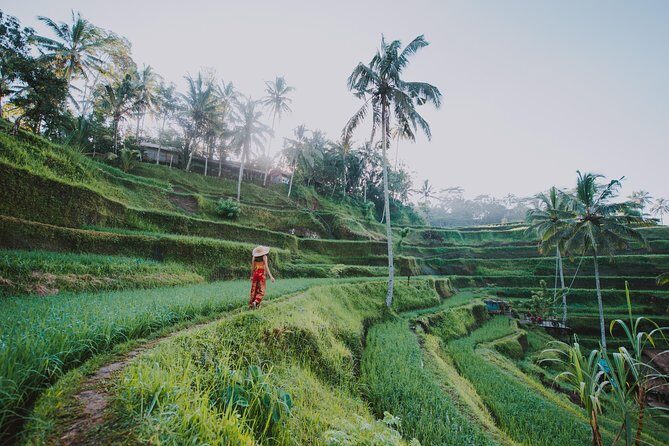
Private Tour: Ubud Highlights - Tegalalang rice terraces: the short trek that makes the view better

Ubud can feel like a lot. This private full-day loop keeps it focused and flexible. You’ll ride with a local guide through the big sights and the craft stops, then slow down when something catches your eye. It’s a private day with hotel pickup built in.

I love the mix of wildlife and rice-farming scenery on the same route. You start in the Sacred Monkey Forest, then later you’re hiking down into the green rice terraces at Tegalalang. I also love that lunch is included, plus bottled water, so you’re not budgeting every hour.

One thing to consider: it’s a long day with a lot of stops. Some portions are active (there’s a short trek at the rice terraces), and the waterfall can be busy depending on timing, so plan for a bit of heat and crowds.

Key highlights at a glance

Private Tour: Ubud Highlights - Key highlights at a glance

  • Sacred Monkey Forest Sanctuary: Home to more than 700 long-tailed macaques, set in a lush green forest.
  • Tegalalang rice terraces: A short walk down among the paddies with big postcard views.
  • Tirta Empul temple: A meaningful temple visit focused on local blessing rituals at crystal-clear fountains.
  • Tegenungan Waterfall: Swim if you want, or just hang out and cool off with the view.
  • Art and craft stops: Batik, silversmithing, and woodcarving in the Mas area are part of the day’s flow.
  • Flex time with your guide: Recent feedback highlights guides adjusting timing so you can move at your pace.

A private Ubud day with pickup and room to breathe

This is the kind of tour that helps you hit Ubud’s best without playing logistics roulette. With pickup and drop-off, you can roll out of your hotel already in motion, rather than wasting the morning figuring out transport.

It runs about 10 hours, with a maximum group size capped at 15 travelers. It’s described and experienced as a private day with your guide, and that matters because you can ask for timing tweaks. One review specifically calls out a guide working around what they felt like doing, especially at the waterfall, which is exactly where Ubud’s crowds can make or break your mood.

Your guide experience is also a real value point here. Names like Ma-de, Gede, and Risma show up in feedback, and the recurring theme is simple: safe, smooth driving and strong photo help. If you care about getting good angles without sprinting between stops, that kind of guidance is worth its weight in temple photographs.

Sacred Monkey Forest, Traditional Art Market, and Ubud Palace in one clean run

Private Tour: Ubud Highlights - Sacred Monkey Forest, Traditional Art Market, and Ubud Palace in one clean run
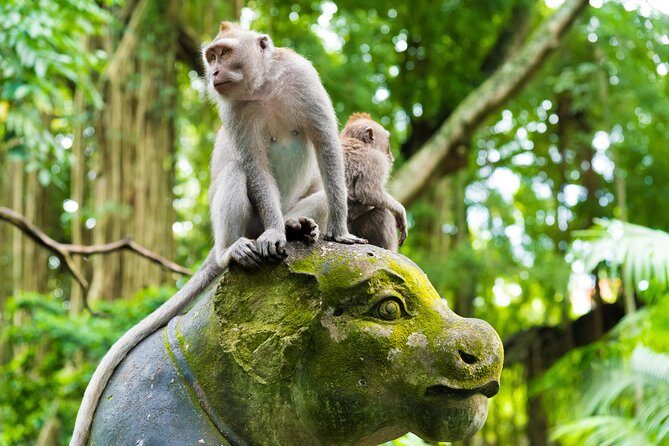
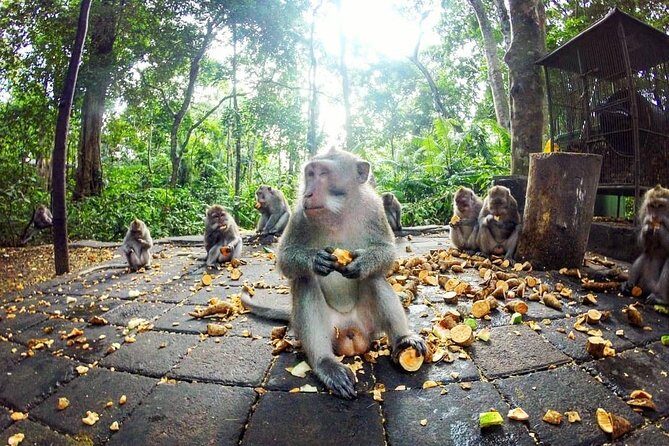
Your day kicks off at Sacred Ubud Monkey Forest Sanctuary, where you’re walking through a tropical forest with more than 700 long-tailed macaques. This is one of those places where the “watching” is the attraction. You’ll see macaques moving through the canopy and ground-level pathways, and it’s usually lively in the best way.

Practical tip: plan to keep your phone secure and your hands close. Monkeys are used to visitors, and this is a zoo-like environment. You’ll enjoy it more if you don’t act like you’re feeding or negotiating with them.

Next comes the Ubud Traditional Art Market. This stop is shorter, about 35 minutes, and it’s a good moment to slow down and browse. The market is built around stalls where you can pick up art and souvenirs, and it’s a nice contrast after the monkey forest’s greenery. Admission here is free, which makes it an easy win.

Then you step into Ubud Palace for about 20 minutes. Admission is free, and it’s the kind of place where even a quick walk helps you understand local architecture and how ceremonies might play out if you’re lucky enough to catch one. If you’re the sort of person who likes one quick cultural anchor before you head to nature, this is your stop.

What could feel like a downside? If you’re not into temples, markets, or palace-type sightseeing, you might wish for more time in the paddies or waterfalls. On the flip side, this early sequence helps you get the “Ubud feel” in place before the day turns more outdoorsy.

Tegalalang rice terraces: the short trek that makes the view better

Private Tour: Ubud Highlights - Tegalalang rice terraces: the short trek that makes the view better
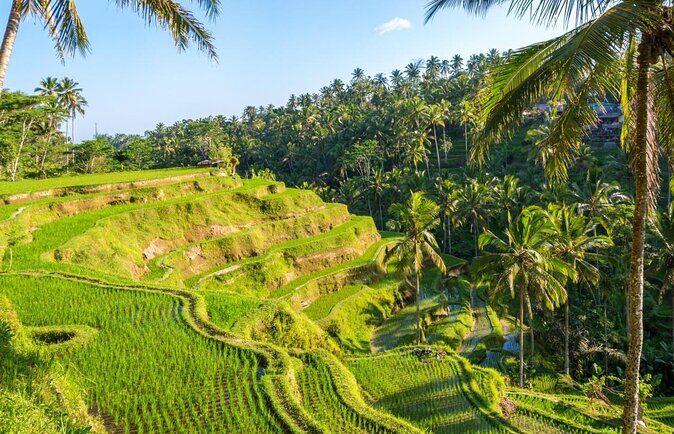
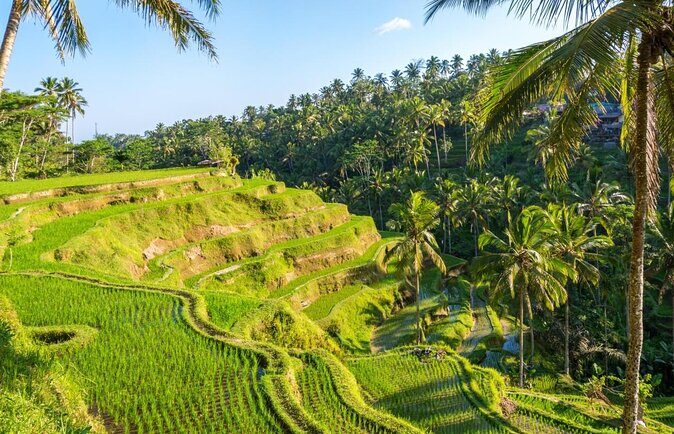
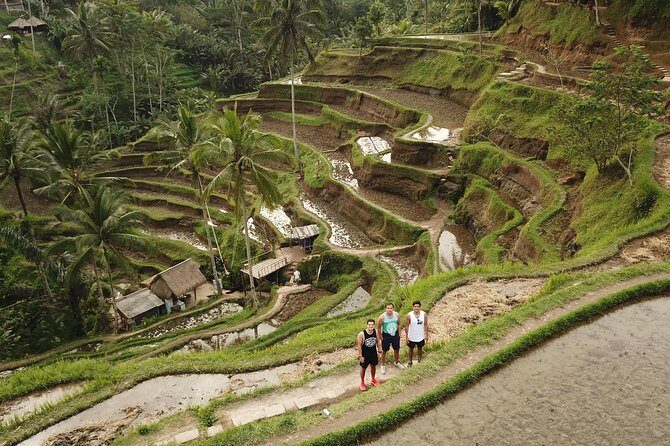
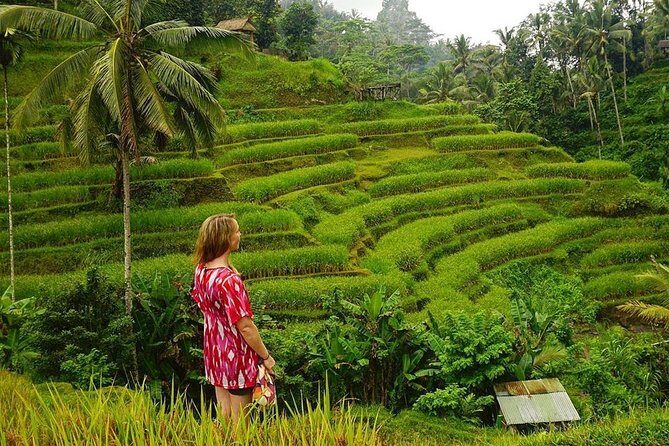
Tegalalang Rice Terrace is where the day shifts from town energy to countryside calm. Expect about 40 minutes, including time for photos and a short trek down among the rice paddies. That trek is small, but it changes everything. Looking from above is nice. Walking a bit lower puts you into the rhythm of the terraces.

Admission is included here. You’ll also get a chance to learn about Balinese agricultural techniques as part of the visit, which is a key reason this stop works better than a quick viewpoint-only photo.

If you’re traveling with someone who hates walking, keep expectations realistic: it’s not a long hike, but it’s not “no effort.” Comfortable shoes help more than you’d think, especially on uneven paths.

Handicraft stops that connect batik, silver, and woodcarving

Private Tour: Ubud Highlights - Handicraft stops that connect batik, silver, and woodcarving
Ubud’s craft culture isn’t just shopping. This day includes multiple artisan themes, and it’s one of the main reasons it feels more meaningful than a standard checklist tour.

You’ll spend time learning how artisans produce batik, and you’ll also meet skilled silversmiths at a handicraft center. Then the route includes Mas village, known for woodcarvers who create elaborate sculptures.

The big advantage for you: these moments turn “I saw a thing for sale” into “I understand how it’s made.” Even if you don’t buy, watching the process makes the sights stick in your head.

A quick reality check: you’re on a full-day schedule, so craft time may still feel time-limited. The upside is that your guide can help you decide where to linger based on your interests.

Tirta Empul temple fountains: a cultural pause that’s worth slowing down for

Private Tour: Ubud Highlights - Tirta Empul temple fountains: a cultural pause that’s worth slowing down for
Next is Tirta Empul Temple, one of Bali’s important spiritual sites. You’ll spend about 1 hour, and admission is included.

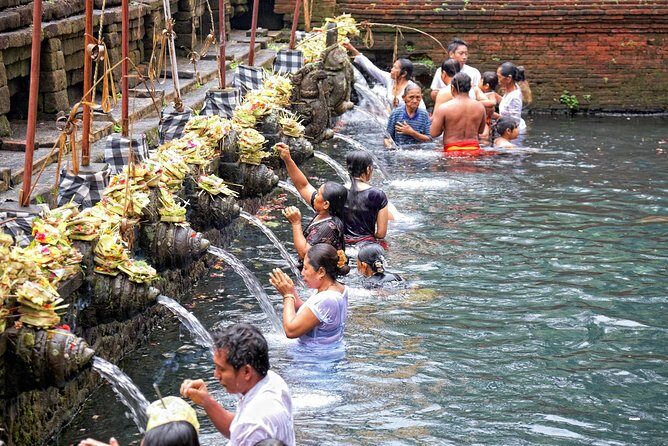
This stop centers on blessing rituals. You’ll be able to observe people using the crystal-clear fountains connected to the main temple, and it’s believed to bring positive energy for life. Even if you’re not into rituals, the setting has a “you can’t rush this” feel. It’s visually striking, and it’s calmer than the monkey forest pace.

One note for your expectations: this isn’t just a photo stop. If you treat it like a quick scenic viewpoint, you may miss why the place matters to locals. Give yourself a few minutes to watch quietly, then take photos when you’re ready.

Lunch at D Alas Warung: a jungle-valley break in the middle of the day

Private Tour: Ubud Highlights - Lunch at D Alas Warung: a jungle-valley break in the middle of the day
Some tours cram food into five minutes. This one builds in a proper meal stop at D Alas Warung Restaurant for about 1 hour. Admission is listed as free, and it’s described as a jungle restaurant with valley views.

This is where you’ll appreciate the pacing. After temples and crafts, you get a chance to sit, refuel, and enjoy the scenery from a more relaxed angle. The tour includes lunch, so you don’t have to keep hunting for a place that works with your schedule.

If you want a vegetarian meal, you can request a vegetarian option when you book. That’s a key detail because it removes uncertainty about what will be available when you arrive hungry.

Tegenungan Waterfall: cool-down time plus the crowd factor

Private Tour: Ubud Highlights - Tegenungan Waterfall: cool-down time plus the crowd factor
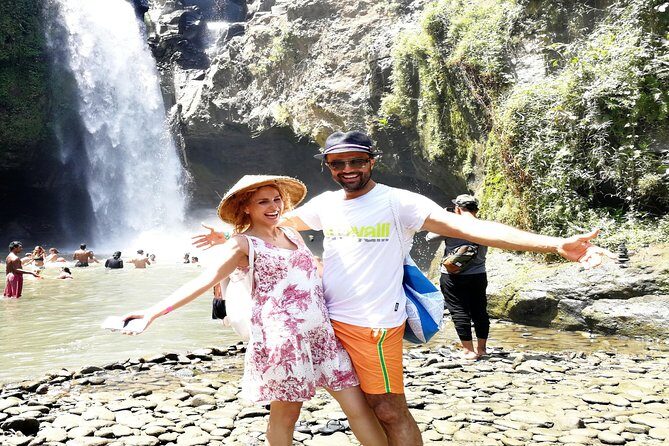
Your final big nature stop is Tegenungan Waterfall, also about 1 hour, with admission included.

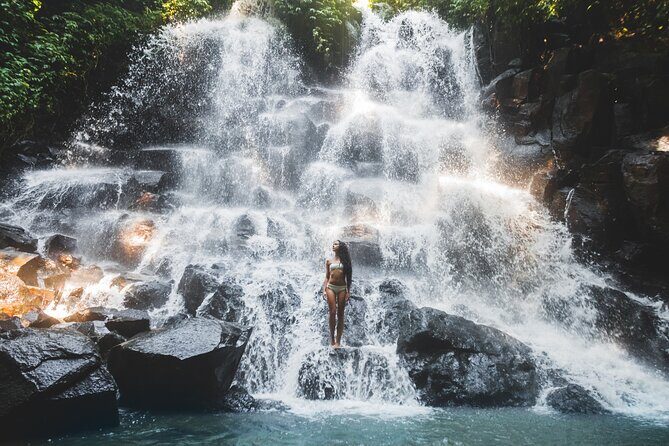
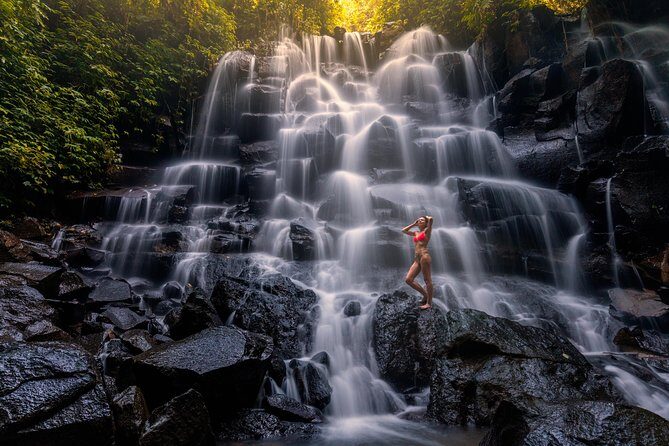
The setting gives you a choice: you can swim if you want, or you can simply enjoy the view. Either way, it’s a fun “Ubud day closes with a reward” moment. One review calls the waterfall amazing and mentions the monkey forest as especially funny, which matches the vibe here: the day has contrast, then ends with a real physical break from all the walking.

Now the consideration: this waterfall is popular and can get busy. It’s close to where people come from, so expect more activity at peak times. If you’re heat-sensitive or you hate crowds, try to go with your guide’s timing adjustments. One piece of feedback mentions a guide being willing to adapt the day, which can help you avoid the worst queues and choose a calmer moment to enjoy the water.

Bring sensible footwear if you plan to stay near wet areas. If swimming is on your list, pack something you’re comfortable getting damp in.

Price and value: what $56.42 really covers

Private Tour: Ubud Highlights - Price and value: what $56.42 really covers
At $56.42 per person, this tour has a lot going for it when you compare it to how quickly costs add up in Bali.

Here’s what’s included:

  • Private tour
  • Hotel pickup and drop-off
  • Lunch
  • Bottled water
  • All taxes, fees, and handling charges
  • Admission tickets for several major stops (including monkey forest, rice terraces, Tirta Empul, and the waterfall)

You’ll also enjoy the fact that some key cultural stops are free on this route, like the art market and Ubud Palace. That means your “money spent” goes where it’s most impactful: entrance fees tied to the headline experiences.

What’s not included:

  • Alcoholic drinks
  • Personal expenses

That’s normal, but the useful part for you is planning. If you’re the kind of person who buys drinks on the go, bring cash or keep your expectations. Water is covered, though, which helps you stay comfortable all day.

Finally, note the booking behavior: this tour is commonly booked about 29 days in advance. That suggests it’s a dependable option, especially for the private-day format and popular Ubud schedule.

Who this Ubud highlights tour fits best

This is a strong fit if you want a “greatest hits” day without constantly researching or bargaining for transport. It’s also a good match if you care about both nature and culture.

You’ll likely be happy if:

  • You want Ubud’s main sights in one organized day (monkeys, palace, rice terraces, temple, waterfall).
  • You like craft culture enough to watch demonstrations or learn how things are made (batik, silversmithing, woodcarving).
  • You value a guide who helps with photos and keeps the day moving safely. Feedback names Gede, Ma-de, and Risma, with praise for photo help and careful driving.

You might want to rethink it if:

  • You hate walking at all, since the rice terraces include a short trek.
  • You’re deeply photo-competitive and need long, uninterrupted time at every attraction. This route is balanced, but it’s still a full-day schedule.

Should you book this Ubud Highlights private tour?

Book it if you want an efficient, high-coverage Ubud day that still leaves room to adjust. The best part isn’t just seeing places. It’s how the day connects them: monkeys to rice farming, temples to artisan work, then down to a waterfall where you can cool off.

Skip it if your idea of a perfect day is slow and solitary, with fewer stops. This plan is active and packed by design.

If you do book, I’d suggest two smart moves: request a vegetarian option early if you need it, and come prepared for a long day of walking and sun at the outdoor stops. With the right expectations, this tour is exactly the kind of day that helps Ubud feel personal instead of random.

FAQ

How long is the Ubud Highlights private tour?

It runs for about 10 hours.

Do I get hotel pickup and drop-off?

Yes, hotel pickup and drop-off are included.

Is lunch included?

Yes, lunch is included, and a vegetarian option is available if you request it when booking.

Is the tour private?

Yes, it’s listed as a private tour.

What admission tickets are included?

Admission tickets are included for Sacred Monkey Forest Sanctuary, Tegalalang Rice Terrace, Tirta Empul Temple, and Tegenungan Waterfall. The Traditional Art Market and Ubud Palace stops are free.

How many people are on the tour?

The maximum is 15 travelers.

Is bottled water provided?

Yes, bottled water is included.

What is the cancellation policy?

You can cancel for a full refund up to 24 hours in advance. If you cancel less than 24 hours before the start time, the amount paid is not refunded.

Private Tour: Uluwatu Temple & Southern Bali Highlights

Private Tour: Uluwatu Temple & Southern Bali Highlights - The Uluwatu cliff temple stop: jaw-drop views with real monkey energy

Sunset at Uluwatu comes with drama.

This private southern Bali day strings together beach time and a cliff-temple sunset performance: Pandawa Beach, Labuan Sait Beach, Uluwatu Temple, and the Kecak fire dance, then dinner at Jimbaran Bay facing the ocean. You also visit locations used for filming scenes from the movie Eat, Pray, Love, which adds a fun pop of pop-culture to the day.

I especially like two things: you get your own guide and car for undivided attention, and the day is paced around the best light—swim and photos in daylight, then the show when the sky turns. If you want help avoiding the usual scramble, I’m a big fan of tours like this that let a driver focus on routes and timing.

One consideration: Uluwatu at sunset is popular, so you should expect crowds and heat. And yes, the monkeys are real—so keep your stuff zipped up and your head held high.

Key highlights to look forward to

Private Tour: Uluwatu Temple & Southern Bali Highlights - Key highlights to look forward to

  • Private guide and air-conditioned minivan: smooth door-to-door timing from South Denpasar.
  • Pandawa and Labuan Sait Beach swim time: soft sand, clear water, plus classic Bali cliff views.
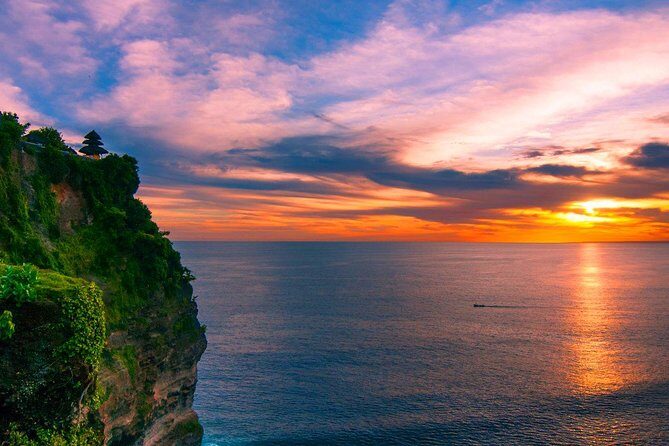
  • Uluwatu cliff temple at golden hour: ocean views from the temple edge.
  • Kecak fire dance with a dramatic setting: rhythmic chanting and fire against the temple backdrop.
  • Jimbaran Bay dinner on the sand: ocean-facing Indonesian meal after sunset.
  • Mobile ticket and included entry: helps you get through the day faster.

Southern Bali, done right: one private day plan that makes sense

If you’re short on time in Bali, this is the kind of itinerary that actually holds together. You’re not bouncing randomly across the island. Instead, you’re going south in a single loop: beaches first, then Uluwatu Temple for the sunset and the Kecak fire dance, and finally Jimbaran Bay for dinner.

The tour runs about 8 to 10 hours and typically starts in the afternoon (start time listed as 1:00 pm). That timing matters. It lets you enjoy the beaches in daylight and then be in position for sunset without feeling like you’re waking up at 4:30 a.m. to chase a clock.

A big part of the value is the private setup. You’re not negotiating with a group when you want a few extra minutes to swim, find the right photo angle, or catch your breath in the heat. The experience is designed to give you room to move at your pace while your guide handles the logistics.

Pandawa Beach and Labuan Sait: the swim-and-scenery block

Private Tour: Uluwatu Temple & Southern Bali Highlights - Pandawa Beach and Labuan Sait: the swim-and-scenery block
Your beach window is one of the best reasons to book this tour. Pandawa Beach is known for soft sand and that bright southern Bali water, where you can see the ocean from the cliff. The cliff itself has big statues carved into the wall area, so even if you only spend time walking before you swim, it still feels worth it.

Labuan Sait Beach is part of the same “southern coast” mood—clear water and a great chance to cool off. The tour format gives you enough time to actually relax here, not just stand and move on. You’ll also find that beach infrastructure can be simple, so plan to rent basics on-site if you want shade.

Two practical pointers for the beach segment:

  • Bring swim essentials you can handle easily. You don’t want to be fishing for a towel while the waves roll in.
  • If you’re serious about photos, aim to get a few shots early. Mid-day light is harsh. Then later, when you move toward Uluwatu, everything gets more cinematic fast.

If you’re not a surfer, don’t worry. You still get the classic Bali payoff: ocean views, a swim break, and the feeling of being off the grid compared to the busier areas.

The Uluwatu cliff temple stop: jaw-drop views with real monkey energy

Private Tour: Uluwatu Temple & Southern Bali Highlights - The Uluwatu cliff temple stop: jaw-drop views with real monkey energy
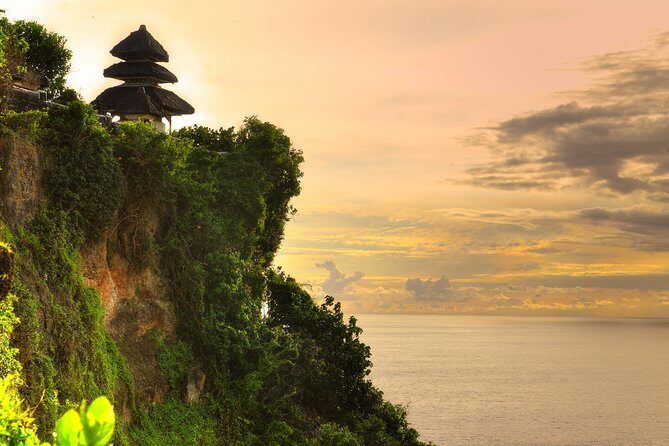
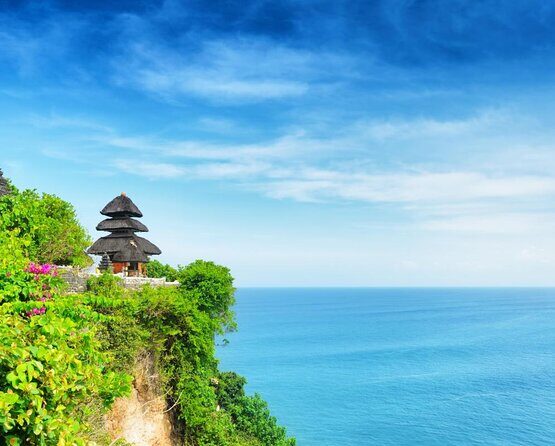
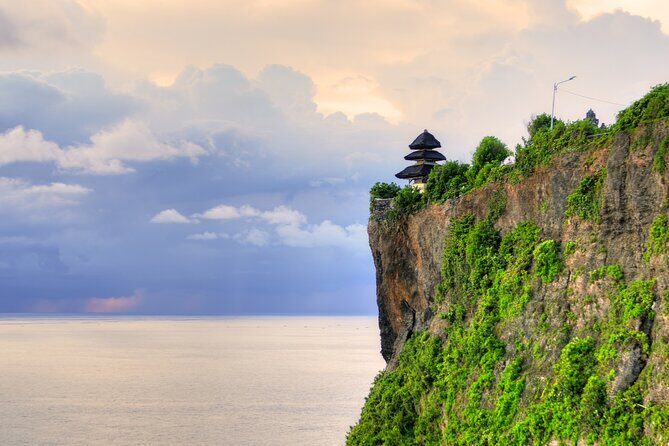
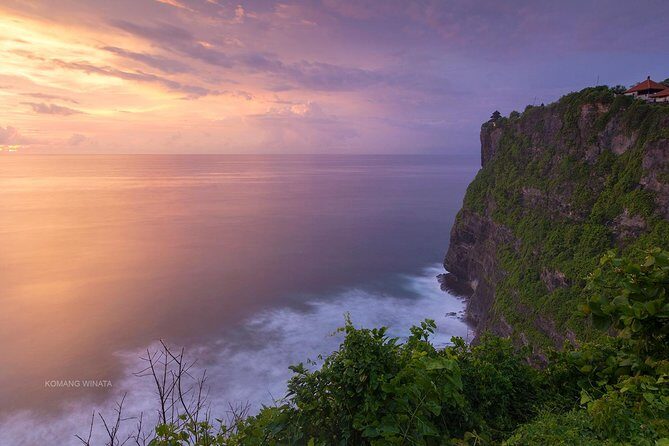
Uluwatu Temple is the showpiece. The temple sits on dramatic cliffs above the Indian Ocean, so the view is part of the worship space and part of the travel experience. You’ll feel it the moment you arrive: open-air stone terraces, ocean horizon, and that cliff-edge sense of scale.

Plan on about two hours here. That’s enough time to take in the main temple views, wander at a relaxed pace, and get yourself sorted for the dance later. But you also need to be realistic about crowds and weather. This is one of Bali’s top sunset targets, so it can be busy, especially around performance time.

And then there are the monkeys. Expect them. Keep sunglasses, hats, phones, and bags secured. One traveler described a monkey grabbing a man’s hat and the situation escalating quickly. Even if you don’t get that kind of action, it’s still smart to treat the area like your belongings are tempting snacks.

If you want a smooth experience, I’d treat monkey safety like a checklist:

  • keep items off your lap and close to your body
  • use a bag or pocket that zips or closes
  • don’t dangle food or accessories

The good news: your guide will generally help you move through the area in a way that keeps you safer and calmer. In real-life examples from this tour, guides have also been good at steering guests toward better viewing spots for the Kecak dance.

Kecak fire dance at Uluwatu: how to enjoy it without losing your mind

Private Tour: Uluwatu Temple & Southern Bali Highlights - Kecak fire dance at Uluwatu: how to enjoy it without losing your mind
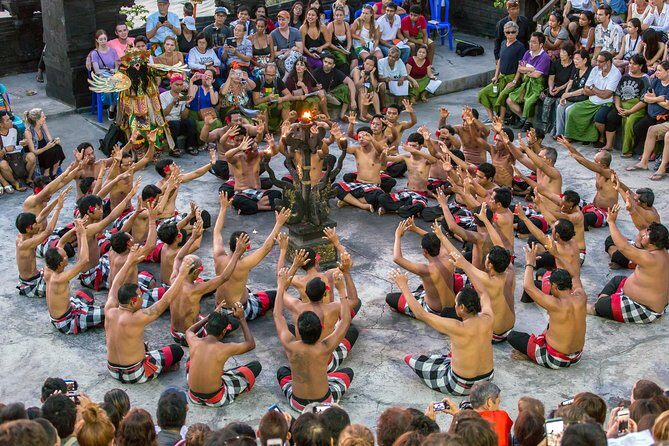
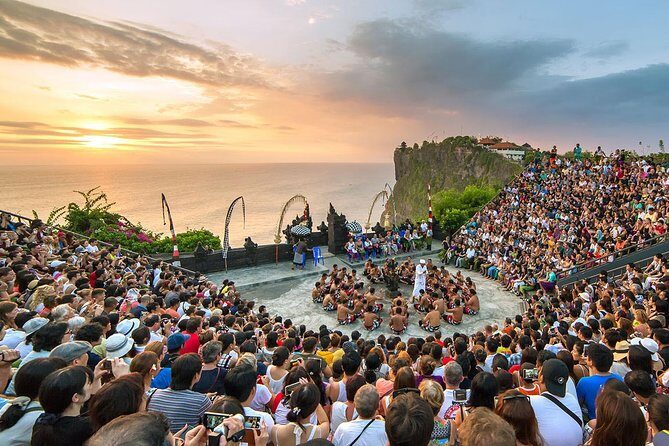
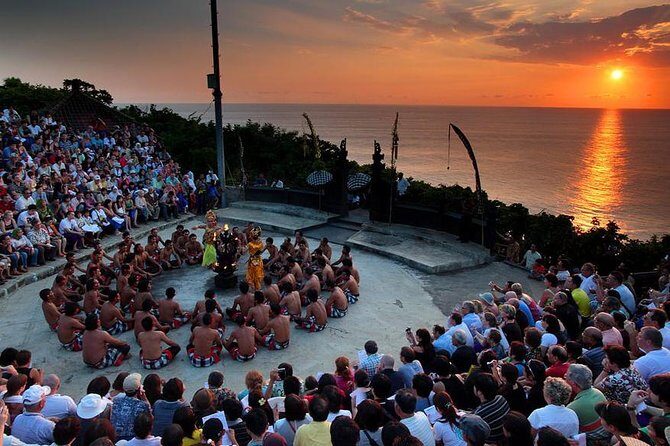
Kecak at Uluwatu is the kind of cultural performance you remember long after you leave Bali. It combines rhythmic chanting, traditional dance elements, and dramatic storytelling. The setting does half the work too—firelight, stone, and the temple backdrop with the sky shifting toward sunset.

The tour includes a ticket to the Kecak fire dance (timed for the evening segment). Expect around one hour for this part of the day. The experience is designed so you’re not just dropped at the temple with no plan.

Here’s the main tradeoff: this is popular. The amphitheater area can feel cramped at peak times, and it can get noisy around the edges. One traveler specifically noted how people sat in walkways and that crowd movement sometimes made it harder to enjoy the dance. That’s not something you can fully control, but you can control your choices.

My best advice for the Kecak dance:

  • Arrive with your patience already turned on. You’re dealing with a performance crowd, not a museum line.
  • Choose your viewing spot carefully. If your guide helps you find a good angle, take it.
  • Keep your phone use quick and respectful. The performance is the point, not constant filming.

If you like traditional Bali theater, this portion alone can justify the whole day. It’s also a great family-friendly moment, as long as kids are comfortable with crowds and heat.

Jimbaran Bay dinner on the sand: the classic finish

Private Tour: Uluwatu Temple & Southern Bali Highlights - Jimbaran Bay dinner on the sand: the classic finish
After the temple and dance, the day shifts to dinner at Jimbaran Bay. This is one of Bali’s most iconic coastal dining scenes, with tables set near the sand and the ocean view in front of you. If you select the dinner option, the tour includes a romantic dinner at Jimbaran Bay (with bottled water already covered).

The dinner stop is about one hour in the plan. Seafood is commonly the highlight here, and one review noted that the setting felt beautiful, even with the dim beach lighting you get as the night comes on.

Two practical things I’d plan for:

  • The timing can feel a bit late after the dance, so you might be hungry and tired by the time you arrive.
  • Beach dining can be darker than a restaurant. If you rely on your phone for menus or photos, keep it charged.

Even with crowds earlier in the day, Jimbaran often brings a calmer mood. Think ocean horizon, slow eating, and that last Bali sunset glow fading into night.

Transportation and timing: why the private car matters in southern Bali

Private Tour: Uluwatu Temple & Southern Bali Highlights - Transportation and timing: why the private car matters in southern Bali
In Bali, the roads are half the experience and half the headache. Traffic can be unpredictable, especially after big events like the Kecak dance. That’s why I like seeing this tour list private transport by an air-conditioned minivan and include round-trip transport from South Denpasar.

Private transport changes your day in real ways:

  • Your guide can adjust timing if you need extra minutes at a beach or you want to avoid the worst congestion.
  • You can keep moving between stops without managing transit legs yourself.
  • You can avoid the awkward moments of waiting around while your feet cook in the sun.

Multiple guides have been singled out for how well they drive and communicate. In different personal reports tied to this tour, people praised drivers for being prompt, smooth on the roads, and helpful with navigation. Some guides also used back roads to reduce traffic stress, which can make the difference between a relaxing ride home and a long, frustrating one.

Price and value: what you’re really paying for at $45 per person

Private Tour: Uluwatu Temple & Southern Bali Highlights - Price and value: what you’re really paying for at $45 per person
At $45 per person, this tour sits in the “good value” range for a private full-day experience in Bali—especially because several costs are bundled.

What you’re getting for your money:

  • private transport by air-conditioned minivan
  • bottled water
  • entrance tickets for key parts, including the Kecak dance
  • your guide’s time throughout the day
  • a structured plan with beach time, Uluwatu Temple, and Jimbaran Bay

Lunch is not included, which is normal for tours at this price point. Dinner at Jimbaran Bay is included only if you choose that option. That matters: if you hate decision-making, pick the dinner option. If you want a lighter meal, plan to eat lunch on your own before the tour gets rolling.

So is it worth it? For me, yes—if you want the combination of beach + sunset temple + Kecak + ocean dinner in one day. If you only care about Uluwatu and nothing else, you might find cheaper ways to slice the day. But if you’re building a first Bali experience that feels complete, this price often makes sense.

Who this tour fits best (and who should consider something else)

Private Tour: Uluwatu Temple & Southern Bali Highlights - Who this tour fits best (and who should consider something else)
This is a great fit if you:

  • want a single, organized afternoon-to-night plan that hits the highlights
  • like having a guide to handle timing and temple area navigation
  • want beach time without planning routes and entry on your own
  • enjoy cultural performances and want Kecak as a sunset anchor

It may be less ideal if:

  • you get overwhelmed by crowds (Uluwatu sunset is busy)
  • you hate uncertainty around weather and heat (you’re outside for parts of the day)
  • you want a super slow, wide-open itinerary with lots of downtime between stops

Also, the tour notes “moderate physical fitness” is recommended. That usually means you’ll be walking around temple areas and moving through uneven ground near cliffs and beaches. If you’re comfortable with some walking, you’ll be fine.

Smart tips to make your day run smoothly

A few small moves can save you stress:

  • Pack monkey-proof mindset: keep your belongings zipped and close.
  • Wear comfortable shoes. Temple paths and stairs can be slick and uneven.
  • Bring sun protection for the beach-to-temple stretch. You’re outside for multiple hours.
  • If you’re picky about seating for Kecak, communicate your preferences early. Good guides often help you find spots that work with the schedule.

One more practical note: this tour can include stops tied to filming scenes from Eat, Pray, Love. If you’re into that movie, you’ll likely enjoy spotting recognizable locations. If you’re not, don’t worry—the day still functions as a classic southern Bali highlight route.

Finally, if you need flexibility, it’s worth asking. Some people have reported asking for timing and pickup/drop-off changes and being accommodated. Confirm what’s possible for your exact dates and your starting hotel area.

Should you book this Uluwatu Temple and Southern Bali highlights tour?

Book it if you want a straightforward, private southern Bali day that balances beaches, a dramatic cliff temple, and the Kecak fire dance, then wraps with dinner at Jimbaran Bay. The private setup, included transport, and included Kecak entry usually make it feel like a fair deal.

Skip or compare if you’re highly crowd-averse, hate monkey situations, or only want one attraction. Uluwatu sunset is the main reason to come, so if you’d rather avoid peak-time atmosphere, you may want a different time slot or a different itinerary.

If you’re traveling with kids, this can still work well because the day includes relaxed beach time and a show that’s easy to understand. Just manage heat, sun, and crowd flow.

If you want a clean first crack at southern Bali, this is one of the safer bets for getting the highlights in the right order—without turning your day into a DIY transport puzzle.

FAQ

What is the duration of the private tour?

The tour runs about 8 to 10 hours, depending on traffic and timing.

Where does the tour start and what time does it begin?

Pickup is offered from South Denpasar, and the start time is listed as 1:00 pm.

Is this tour private?

Yes. It’s a private tour, meaning only your group participates.

What stops are included in the plan?

You’ll visit Pandawa Beach, Uluwatu Temple, the Kecak fire dance, and Jimbaran Bay. Labuan Sait Beach is part of the southern beach highlights.

What’s included in the price?

Included items include a private tour with an air-conditioned minivan, bottled water, all fees and taxes, and admission/tickets for the Kecak fire dance (and other listed entries). A mobile ticket is also mentioned.

Is lunch included?

Lunch is not included.

Is dinner at Jimbaran Bay included?

Dinner at Jimbaran Bay is included only if you select the romantic dinner option.

Are alcoholic drinks included?

Alcoholic drinks are not included.

Can I cancel for a refund?

Yes, free cancellation is available. You must cancel at least 24 hours before the experience start time for a full refund.

Balinese Farm Cooking Class by Pemulan Bali

Balinese Farm Cooking Class by Pemulan Bali - Organic farm visit: produce, spices, and real context

Five hours of farm-to-pan cooking.

In Ubud, this class links a market visit with an organic farm and then an open-air kitchen, so you learn where ingredients come from before you start cooking. It’s a practical way to taste Balinese flavors without feeling stuck in a restaurant routine.

Two things I especially like: you pick your own produce at the farm, and you leave with recipes plus coffee and tea to keep the food part going after the class. The main catch is time—expect to spend a solid chunk of the day on the whole experience, and some sessions can be more food-heavy than others.

Key highlights at a glance

Balinese Farm Cooking Class by Pemulan Bali - Key highlights at a glance

  • Market morning in Ubud with fresh fruit and local treats
  • Pick-your-own ingredients from the farm garden
  • Open-air cooking in a calm countryside setting
  • Six Balinese dishes (with some sessions running more food-focused)
  • Coffee, tea, and recipes to take home
  • Small group size (up to 20) for a more hands-on feel

Balinese farm-to-table cooking in Ubud

Balinese Farm Cooking Class by Pemulan Bali - Balinese farm-to-table cooking in Ubud
This is a hands-on cooking class built around the real flow of food in Bali: ingredients first, then preparation, then the meal. You start in central Ubud with pickup, then move through two different “ingredient zones”—a local market and a farm—before you cook in an open-air kitchen.

What makes it work for most people is that it doesn’t treat cooking like a performance. You’re guided step by step, and you get context for why the ingredients matter. In a place like Bali, where flavors rely on fresh aromatics and spice blends, that order is a big deal.

Also, the farm setting helps. Even if you usually avoid “nature walks,” this one has a clear job: it teaches you what grows there and how people use plants and spices in daily cooking.

Ubud market stop: picking ingredients like a local

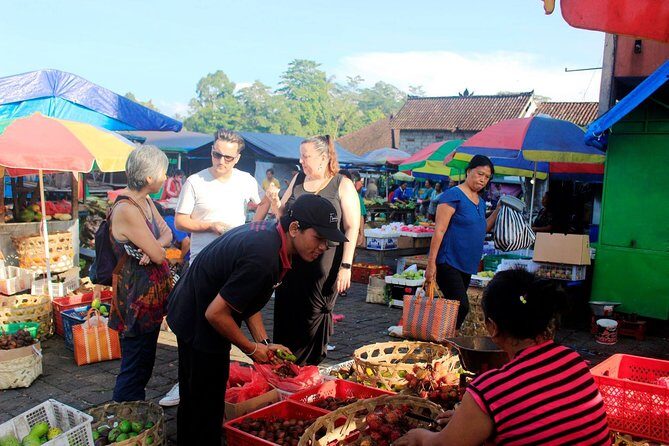
If you choose the morning class, the day begins with a trip to a traditional market in Ubud. You’re not just browsing—you’re shopping for ingredients you’ll actually cook with later. Along the way, you’ll get to sample fresh fruits and treats, which is a quick way to reset your taste buds before you start prep.

Here’s what you’ll likely find useful as a cook (even a nervous one). Markets are where you can see the ingredients in their natural forms: whole spices, fresh produce, and everyday items people rely on. That makes it easier to understand what you’re doing later in the kitchen, especially when a dish depends on aromatics like herbs, roots, or spice pastes.

If you’re short on time or prefer to be in the kitchen sooner, note that the morning market is specifically called out as part of morning classes. Evening and afternoon options may focus more on the cooking and farm portion, depending on the schedule you select.

Organic farm visit: produce, spices, and real context

Balinese Farm Cooking Class by Pemulan Bali - Organic farm visit: produce, spices, and real context
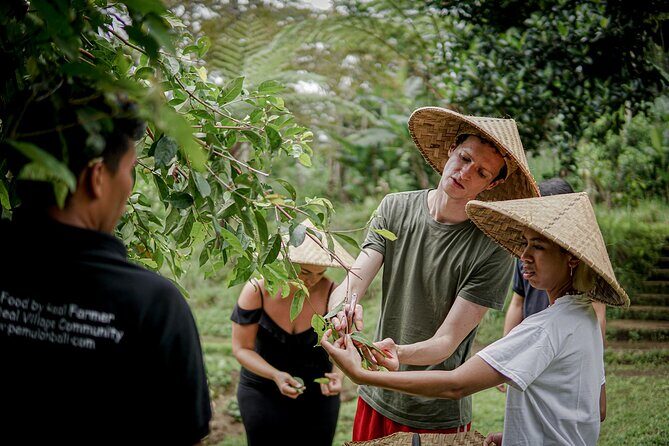
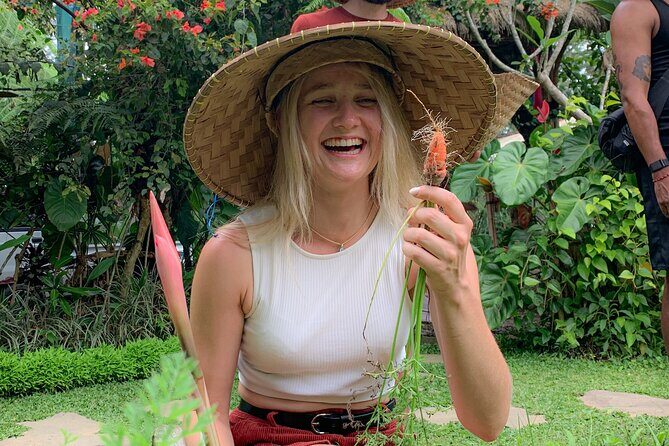
After the market, you go to the farm. The setting is described as an organic farm with a garden you can explore, plus the chance to hand-pick fresh ingredients.

This part matters more than it sounds. A market teaches you what to buy; the farm teaches you what to look for. And when you pick the produce yourself, it’s easier to remember things like:

  • which herbs smell the strongest when crushed
  • which plants are used for fresh flavor versus cooking deeper
  • how ingredient availability affects what dishes get made

You also learn about Balinese spice plants and other greenery used in daily life. The kitchen work later becomes less mysterious because you’ve already seen the raw material.

The farm is also open and scenic in a calm, countryside way. If you’re tired of Ubud crowds, this is a nice change of pace with a purpose.

Open-air kitchen time: cooking six Balinese dishes

Balinese Farm Cooking Class by Pemulan Bali - Open-air kitchen time: cooking six Balinese dishes
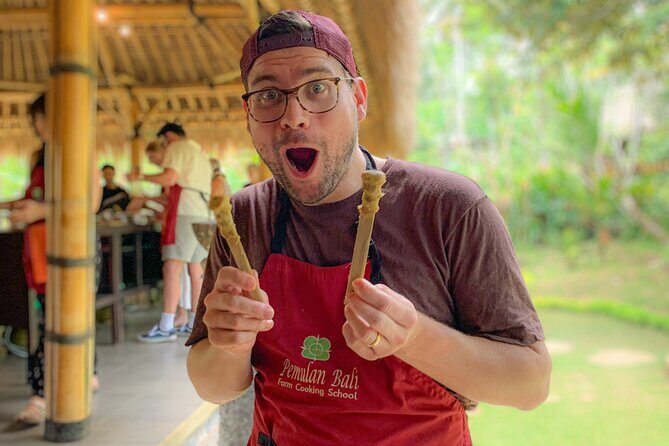
Next comes the open-air cooking session. You’ll work with chefs in a kitchen surrounded by countryside calm, and the goal is to prepare and enjoy six authentic Balinese dishes.

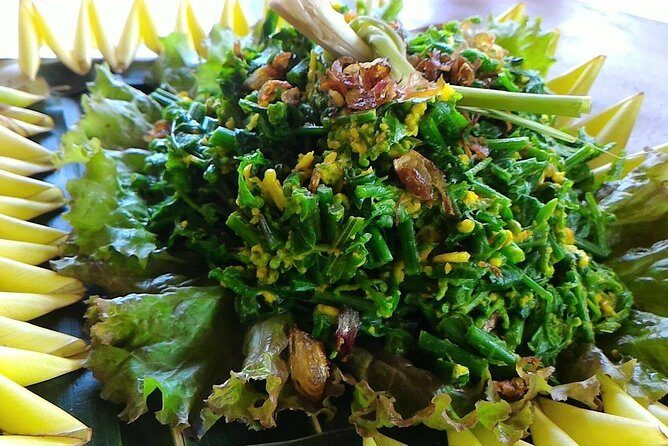
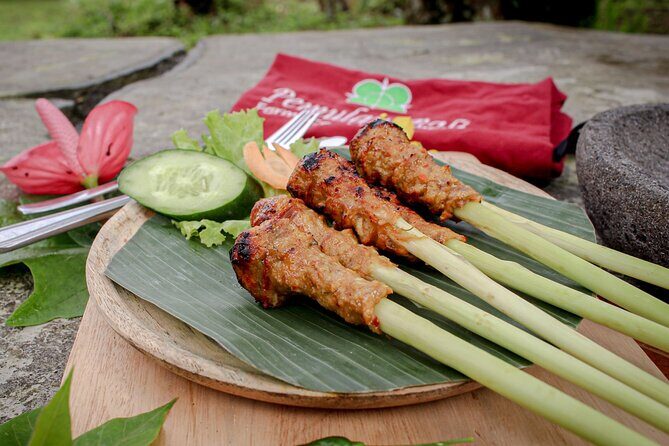
In practice, this usually means a mix of appetizers and mains, plus something sweet. One of the most satisfying details from the class experience is that you don’t just watch—you cook. That includes prep work, handling ingredients, and learning the reasoning behind technique choices.

Based on the pattern of what’s been cooked in the past, you can expect a variety—some savory plates, some heavier mains, and a dessert or sweet component. One participant described making 2 appetizers, 3 main dishes, and a community dessert, which matches the idea of a full meal rather than a single demo.

A small warning from the timing perspective: there can be different class levels. The experience you choose may affect how much food you’re making and how long you’ll be in the kitchen. Plan your day like this is the main event, not a quick add-on.

Coffee, tea, and take-home recipes (the part you’ll re-use)

Balinese Farm Cooking Class by Pemulan Bali - Coffee, tea, and take-home recipes (the part you’ll re-use)
When cooking is done, you eat what you made. Tea and coffee are included, and there are recipes to take home. That last part is huge for value, because it’s what turns “a fun meal” into “I can recreate this later.”

It’s also practical. Balinese dishes often rely on fresh ingredients and spice mixes. If you want to cook at home, having the recipe steps helps you figure out substitutions and get the flavor direction right.

One more plus: the shared meal format feels social without turning the day into a party. You’ll likely be in a group setting with up to 20 people, which gives the chefs enough room to guide you while still making it easy to talk with other participants.

And yes, the class has a friendly, human feel. People have specifically highlighted warm staff energy and even a chef with a great sense of humor—exactly what you want when you’re chopping, grinding, and learning by doing.

Is $39.71 worth it? Value, group size, and what’s included

Balinese Farm Cooking Class by Pemulan Bali - Is $39.71 worth it? Value, group size, and what’s included
At $39.71 per person, this is positioned as an all-in cooking experience rather than a cooking “taster.”

For your money, you get:

  • pickup from central Ubud
  • a market visit (on morning classes)
  • a farm visit with pick-your-own produce
  • a guided cooking session for six dishes
  • coffee and tea
  • recipes to take home
  • a group size limited to 20 travelers

That bundle is the key to the price. Many cooking classes charge similarly but skip either the market ingredient lesson or the hands-on farm step. Here, you get both. You also leave with recipes, which effectively extends the value beyond the day of cooking.

If you’re the type who likes to understand why food tastes the way it does—rather than only what it tastes like—this kind of ingredient-focused structure is a better deal than most.

Picking your time slot: 07:30, 12:30, or 16:00

Balinese Farm Cooking Class by Pemulan Bali - Picking your time slot: 07:30, 12:30, or 16:00
The schedule offers three options:

  • Morning class: 07:30 AM
  • Afternoon class: 12:30 PM
  • Evening class: 16:00 PM

Your best choice depends on what you want most.

  • Choose the 07:30 AM slot if you want the Ubud market stop with fruit and local treats before the farm and cooking.
  • Choose 12:30 PM if you want to get it done before evening plans, while still having decent daylight for the farm and open-air kitchen.
  • Choose 16:00 PM if mornings feel rushed and you prefer a later start—just remember the day is still a full activity, and cooking time is real.

One practical tip: treat it as a “centerpiece experience.” It’s not a quick two-hour workshop. Even if a guide says approximate duration, you’ll want to keep your schedule roomy so you don’t feel rushed when the day runs long.

Logistics that matter: pickup, meeting point, and how long it takes

Balinese Farm Cooking Class by Pemulan Bali - Logistics that matter: pickup, meeting point, and how long it takes
Pickup is included from central Ubud, and the activity starts at a specific meeting point: Pura Dalem Puri Peliatan (with the provided map pin in the listing) in the Tebesaya/Petulu area.
The class ends back at the meeting point, so you’re not scrambling for transport at the end.

On time: the duration is listed as about 5 hours, but plan for a longer block on the ground. One common expectation is that the whole experience can stretch to a 3–4+ hour commitment depending on how the class is paced and what session level you end up in. The safe move is to clear part of your day and go with the flow.

Weather also matters. The experience requires good weather, and if it gets canceled due to poor weather, you’ll be offered a different date or a full refund.

Who this class fits best (and when to skip)
This is a great fit if you want more than a recipe card. You’ll probably enjoy it most if you like:

  • fresh ingredients and spice variety
  • cooking with guidance
  • a farm-to-plate day that feels grounded in local life
  • eating what you make in a relaxed setting

It’s also a strong choice for people who don’t want to hunt down ingredients themselves. The market and farm stops do that work for you, and the chefs handle the technique.

When might you skip it? If you’re the type who hates any schedule uncertainty, note that different class levels can shift how much food you cook and how long it feels. Also, since it relies on good weather, don’t book it if you’ve got a tight plan that can’t flex.

Finally, it’s group-based and small (max 20). If you want total privacy or a one-on-one class, you might find this less suited to you—but for most people, that group size keeps things friendly and manageable.

Should you book Pemulan Bali Farm Cooking Class?

If you want an authentic Balinese cooking day that includes real ingredient learning, I think you should seriously consider booking. The value is strong for the money because you get market + farm + cooking + recipes, not just a basic cooking session.

Book it when:

  • you’re in Ubud and you want a structured, local-food experience
  • you like hands-on learning
  • you want to leave with recipes you can actually use

Pass or reconsider if:

  • you have a very strict timetable
  • bad weather would ruin your plans and you can’t reschedule
  • you’re expecting a quick snack-sized workshop rather than a meal-focused cooking day

If your goal is to go home knowing what makes Balinese flavor tick, this class does that—one ingredient and one dish at a time.

FAQ

What location is this cooking class in?

It’s in Ubud, Indonesia.

How much does the Balinese Farm Cooking Class cost?

The price is $39.71 per person.

How long is the experience?

The duration is listed as about 5 hours (approx.).

Does the class include a market visit?

Yes, the morning class includes a market visit in Ubud.

How many dishes will I cook?

You’ll prepare and enjoy six different authentic Balinese dishes.

Are pickup and recipes included?

Yes. It includes pickup from central Ubud and includes coffee and tea plus recipes.

What time options are available?

The schedule lists: 07:30 AM (morning), 12:30 PM (afternoon), and 16:00 PM (evening).

How big are the groups?

This activity has a maximum of 20 travelers.

Is there free cancellation?

Yes, free cancellation is available. You can cancel up to 24 hours in advance for a full refund.

Blue Lagoon Bali Snorkeling Experience

Blue Lagoon Bali Snorkeling Experience - Blue Lagoon Beach: instructions, gear, and reading the water

That blue water mood can happen fast. This Ubud-based snorkeling day is built around two different snorkel spots plus a proper beach lunch, so you’re not just hopping in and out.

I love the door-to-door private transportation feel and the way the day is paced. You get a guide, all snorkeling equipment, and boat transfers, then you can add on a cultural stop (Ubud), a temple day (Gate of Heaven), or a waterfall route.

One thing to keep in mind: conditions matter. Visibility can change with weather, and Blue Lagoon can have stronger current on some days, so it helps to be comfortable in the water and follow your guide’s instructions.

Key things I’d circle before you book

Blue Lagoon Bali Snorkeling Experience - Key things I’d circle before you book

  • Two snorkel locations so you’re not relying on one spot for fish and turtle sightings
  • 2 hours of snorkeling time paired with a beach Indonesian lunch
  • Boat transfers + included gear mean less hassle and more time in the water
  • Private tour setup: only your group, not a mixed crowd
  • Your upgrade choice changes the whole day (Gate of Heaven, Ubud, or waterfalls)
  • Weather and water visibility are real factors for snorkeling comfort

Two Bali snorkel spots: Blue Lagoon and Tanjung Jepun

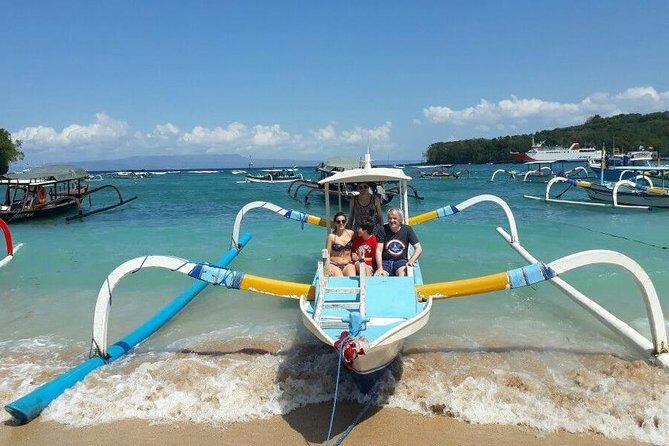
This experience is designed for people who want more than a single postcard stop. You snorkel at Blue Lagoon and Tanjung Jepun, typically with boat transfers between areas. The goal is simple: more chances at fish, turtles, and the small stuff you’d never see from the beach.

Blue Lagoon is usually the moment people remember: you arrive, get safety and snorkeling instructions, gear up, and then head out with your guide. Tanjung Jepun is the second stop, and it helps that the day is structured so you’re not stuck if one area is less clear than expected.

If you’re thinking in terms of value, this is what I like: you pay for a full day with real water time, not just a quick swim. And because it’s private, your guide can keep an eye on your comfort level rather than rushing everyone along.

Price and what you actually get for $45.45 per person

Blue Lagoon Bali Snorkeling Experience - Price and what you actually get for $45.45 per person
At $45.45 per person, the pricing makes sense because several “extras” are rolled in. Included are private transportation, snorkeling equipment, a guide, boat transfers, lunch, and shower/changing room access after. In Bali, those pieces can add up quickly if you piece them together yourself.

You’re also not paying for entrance tickets across the board. Some temples and attractions are package-dependent, and the day is clearly built as a choose-your-own-route: base snorkeling plus optional add-ons.

My practical take: if you want a guided snorkeling day with transport and food handled, this is the kind of deal that often feels fair. If you only want one short swim and plan to skip lunch and equipment, then you might find a cheaper option elsewhere—but you’ll likely give up the “everything set for you” convenience.

Blue Lagoon Beach: instructions, gear, and reading the water

Blue Lagoon Bali Snorkeling Experience - Blue Lagoon Beach: instructions, gear, and reading the water
At the first beach stop, expect the standard flow: you’ll receive snorkeling instructions from a local professional guide, then you’ll put on the provided safety gear and equipment. After that, you head into the water for your snorkeling session.

This setup matters more than it sounds. Good gear fit and clear guidance is what keeps the day enjoyable—especially for beginners. Some people do well with open-water snorkeling right away when the guide explains how to float, breathe, and move slowly.

Now, the big reality check: Blue Lagoon can be affected by current and water clarity. On some days, current can feel strong, and visibility may be less than perfect. That’s not the tour’s fault; it’s Bali ocean physics. The smartest move is to take your guide’s route and breathing cues seriously, and to speak up if the water feels off.

A nice detail: you’ll have a changing area and shower access afterward. That small comfort makes a long day much easier, especially if you’re adding temple or waterfall stops later.

The second snorkel stop: Tanjung Jepun and your best odds

Blue Lagoon Bali Snorkeling Experience - The second snorkel stop: Tanjung Jepun and your best odds
Snorkeling works best when you approach it with flexible expectations. Even with great guides, you’re dealing with moving water. That’s why having two snorkel sites is a real advantage: if one area is a bit murky, the other can still deliver.

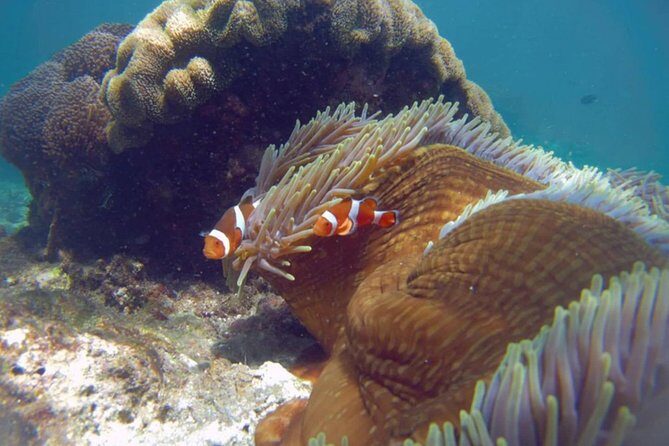
From what’s been shared by people who went, you can sometimes see a lot of fish close by, and turtles do happen. Eels and angelfish also come up, which suggests you’re not just looking at bare sand. You’ll also likely get that sense of “oh wow” once your mask is on and you stop thinking about the shore behind you.

To get the most out of the second stop:

  • Stay close to your guide’s path rather than drifting randomly
  • Move your hands slowly; quick movements scare fish
  • If visibility is limited, focus on small shapes and movement near the bottom, not only the surface

And yes, marine life can include surprises. If you’re sensitive to stings, be careful and follow instructions immediately if the guide signals you to adjust or exit the water.

Lunch on the beach: simple, practical, and timed right

Blue Lagoon Bali Snorkeling Experience - Lunch on the beach: simple, practical, and timed right
This tour includes an Indonesian lunch on the beach. It’s not just a filler between activities. Food is part of keeping energy up for snorkeling and sightseeing, especially when the day runs 7 to 12 hours depending on your pickup point and chosen package.

What I look for on a tour like this is not gourmet perfection—it’s timing and comfort. A lunch break right after your snorkeling makes it easier to cool down, dry off, and get back into sightseeing mode without feeling wrecked.

If you’re the type who cares a lot about portion size or flavor, it helps to know that lunch ratings can vary. Some people call it solid; others say it was bland or not quite enough. Your best bet is to go with “this is fuel, not a restaurant meal,” and you’ll leave happier.

Add-on day choices: Gate of Heaven, Ubud culture, or waterfalls

Blue Lagoon Bali Snorkeling Experience - Add-on day choices: Gate of Heaven, Ubud culture, or waterfalls
This is where the tour becomes really flexible. The base experience is snorkeling at two sites with lunch and included gear/transport. Then you choose the add-on that matches your mood.

Gate of Heaven: Lempuyang Temple and Tirta Gangga

If you pick the Snorkeling w/ Gate of Heaven option, your day expands into classic Bali photo territory. You snorkel, then you explore Lempuyang Temple, including the famous Gate of Heaven photo spot with Mount Agung in the background.

After that, you head to Tirta Gangga Park, the former royal palace area known for tiered fountains, gardens, and stone structures. It’s a nice contrast after time underwater: water that you can see and walk through, not just float next to.

Two practical notes:

  • Admission tickets for these temple/palace stops are listed as not included in the itinerary details
  • Your time at each site is shorter (based on the stop durations), so come with a photo plan and move with purpose

Ubud culture add-on: Tegalalang Rice Terrace and Monkey Forest

Choose the Snorkeling w/ Ubud tour package if you want a cultural and landscape-style day without fully giving up convenience. You’ll visit Tegalalang Rice Terrace, described as set on a cliff about 600 meters above sea levels. That height matters: you’ll get viewpoints and that terraced-water feeling people travel for.

Then you can add Sacred Monkey Forest Sanctuary, with the chance to see around 900 long-tail macaques in their natural habitat. The area also includes the well-known dragon bridge area.

If you go: keep your valuables secured and don’t treat the monkeys like cute mascots. They’re wild animals. Also, the schedule is tight, so be ready for short time windows and quick transitions.

Admission tickets for these stops are listed as not included in the itinerary details, so budget a little extra if you want to enter everything.

Waterfalls upgrade: Tibumana and Tegenungan

If you want water that’s more dramatic than snorkel water, the Snorkeling w/ Waterfalls Tour option fits well. You’ll add Tibumana Waterfall and Tegenungan Waterfall.

Both have their own style. Tibumana is described as serene and lesser-known compared to Bali’s biggest names. Tegenungan is described as one of the most popular and easy-access waterfalls near Kemenuh, and it’s a favorite for good reason.

In the itinerary, admission tickets for Tibumana and Tegenungan are listed as included, which is a nice bonus compared with some other add-ons.

Plan for wet surfaces. Even if you’re not hiking far, you’ll likely deal with slippery ground and humidity. Bring footwear you trust.

Transport, timing, and what makes this day manageable

Blue Lagoon Bali Snorkeling Experience - Transport, timing, and what makes this day manageable
The tour runs about 7 to 12 hours, with timing depending on your pickup point and which package you choose. That’s a wide range, but it’s common when you mix snorkeling with sightseeing.

You also get pickup and drop-off, which is the difference between “I guess I’ll figure it out” and a day that stays smooth. Because this is a private tour, it’s only your group, and you won’t be stuck waiting for unrelated strangers to finish photos.

For a day that includes both water and temple/terraces, packing smart helps:

  • Towels
  • Camera
  • Change of clothes

A shower and changing room are included, but you still want dry clothes ready for later stops.

One more tip: snorkeling visibility depends on weather conditions. Clear visibility isn’t guaranteed. If the day gets affected by conditions, the experience can be adjusted or offered with a different date or a refund (weather requirement is explicitly stated).

Marine life expectations: fish, turtles, and the days that aren’t perfect

Blue Lagoon Bali Snorkeling Experience - Marine life expectations: fish, turtles, and the days that aren’t perfect
The best days here feel like reward for patience. A lot of the satisfaction comes from seeing lots of fish and sometimes a turtle. In some moments, the water life feels close enough that you start enjoying the act of moving slowly, not just watching.

But let’s be honest: not every day is the same. When conditions shift, you might get:

  • murkier water
  • less fish activity
  • strong currents at Blue Lagoon
  • or less-than-stellar reef health

Some reports also describe boats getting close together in the same area. Even with careful guides, you’re in a shared natural environment. If crowded water ever bothers you, remember that part of the value here is guided instruction and pacing, not total control over ocean crowding.

If you want high odds of a good day:

  • Go when the weather cooperates
  • Follow your guide’s call on when to enter and exit
  • Don’t measure success by one thing only. If the turtle doesn’t show, fish and reef textures can still make it worthwhile

Who this private snorkeling day is best for

This tour is a good fit if you want:

  • guided snorkeling with gear handled
  • the convenience of private transport from Ubud
  • a full-day plan that can include either temples, Ubud culture, or waterfalls

It’s also suitable for people who are still getting comfortable with snorkeling. The experience notes that most travelers can participate, and there’s a minimum age of 6 years, so families can often plan around that.

Who might want to think twice? If you’re extremely sensitive to currents, sting risk, or crowded boat conditions, you’ll want to ask yourself how you handle changing sea conditions. This is nature, not a controlled swimming pool.

Should you book this Blue Lagoon snorkeling experience with Bali SUN Tours?

I’d book it if you want a one-stop, guided day where the hard parts are managed: transport, gear, boat transfers, lunch, and a second snorkeling site for backup. The mix of marine time plus an optional add-on (Gate of Heaven, Ubud, or waterfalls) makes it easy to match your day to your travel style.

I’d pause if you know you’re picky about water clarity or you’re worried about strong currents at Blue Lagoon on certain days. In that case, you might still book, but go in with a flexible mindset and trust your guide’s safety calls.

FAQ

FAQ

How long is the Blue Lagoon Bali snorkeling experience?

The duration is listed as about 7 to 12 hours, depending on your pickup point and the package you choose.

What snorkeling time is included?

The tour includes about 2 hours of snorkeling, with boat transfers and all snorkeling equipment provided.

Are hotel-style pickup and drop-off included?

Yes. Pickup and drop-off in the included areas are part of the experience.

Does the tour include lunch and shower facilities?

Lunch is included, and there is a shower and changing room available.

Are entrance tickets included?

It depends on the package. Some stops show admission tickets as included (for example Tibumana and Tegenungan), while others show admission tickets not included (for example Lempuyang Temple and Tirta Gangga Park).

What should I bring for the day?

Bring towels, a camera, and a change of clothes.

Ubud All-Inclusive Private Guide Tour

Swing, temples, and monkeys in one day. This all-inclusive Ubud private day packs the big sights into a smooth, driver-led route, with hotel pickup and drop-off plus enough time at each stop to actually enjoy it. I like that the itinerary isn’t just photo stops; Tirta Empul gives you a real look at a working purification ritual, not a museum-style performance. One caution: it’s a long day (about 8 to 10 hours), and you’ll be outside for most of it.

The best part is the balance: Monkey Forest, Tegalalang Rice Terrace, a sacred spring temple, and a waterfall all in one run. Add in lunch, bottled water, air-conditioned private transport, entrance fees, and Bali swing photo time, and it feels like you’re paying for convenience and access, not just scenery. The possible drawback is the nature of the swings and waterfall—rain or muddy conditions can change the experience, so wear shoes you can trust.

And because it’s private, you can move at your group’s pace. The guides named in the experience descriptions and standout feedback—like Agung, Legi, Dika, Adhi, Ari, Wayan, Juli, DK, and Dewa—are repeatedly praised for English, patience, and keeping the day relaxed rather than rushed. For families with young kids, that calm pace is a big deal.

Key things that make this Ubud private tour worth it

Ubud All-Inclusive Private Guide Tour - Key things that make this Ubud private tour worth it

  • A private driver and car for your group means less waiting around and more time at each stop
  • Entrance fees, lunch, and bottled water are included, so you’re not doing constant small payments
  • Tirta Empul’s purification ritual is more than a quick temple walk, especially with an English-speaking guide
  • Bali swing photo time is built in, and you get dress-up help for better shots
  • Monkey Forest is active and unpredictable, so having a guide who manages the experience helps
  • Tegenungan Waterfall fits different comfort levels, with options to view from above or go closer to the water

How this 8 to 10 hour private day actually flows

Ubud All-Inclusive Private Guide Tour - How this 8 to 10 hour private day actually flows
This is a full-day highlights tour centered on Ubud and the north/east side of the island. Your day typically starts with hotel pickup (from Ubud and much of south Bali), then a sequence of stops with a private, air-conditioned vehicle. You’ll get an English-speaking driver/guide, plus bottled water and a lunch break.

The schedule is built around roughly one hour per major site, with a longer feel because you’re not sprinting. In feedback, people kept pointing out that they weren’t rushed and that the guide gave context while still keeping the pace comfortable. That matters in Bali, where traffic and timing can wobble.

Also note: the experience requires good weather. If rain is heavy or the day is unsafe, you may be offered a different date or a refund. Practically, that means you should plan this on a day you can be flexible.

Monkey Forest Sanctuary: How to enjoy the long-tailed macaques safely

Ubud All-Inclusive Private Guide Tour - Monkey Forest Sanctuary: How to enjoy the long-tailed macaques safely
Monkey Forest Sanctuary is one of Ubud’s most famous stops for a reason. You’ll walk through about 12.5 hectares with roughly 700 Balinese long-tailed macaques roaming freely. Plan on a focused, guided walk rather than a slow wander—there are animals, rules, and photo opportunities all happening at once.

Here’s what I’d treat as your real checklist for this stop:

  • Keep small items secure (bags, glasses, phones).
  • Don’t reach out to monkeys, even if they look friendly.
  • Let your guide handle how close you get.

Some of the strongest feedback highlights that the monkeys can be bold—one person described the surprise of a monkey jumping up and putting itself right on them—while others say they stayed at a safe distance with help from the guide. Either way, you’ll want to keep a calm, watch-your-step mindset. The best photos come from stillness and smart positioning, not from chasing an animal.

If you have kids, go with a guide who is good at crowd control and timing. The private format helps here because you’re not forced into a big scrum.

Tegalalang Rice Terraces: A short walk that turns into real farming context

Ubud All-Inclusive Private Guide Tour - Tegalalang Rice Terraces: A short walk that turns into real farming context
Tegalalang Rice Terrace is the stop that makes Ubud feel like Ubud. You’ll drive north from town and then do a short walk among the rice fields, with time to take photos and watch everyday farming life from the pathways.

This is one of the places where your guide’s explanations change the experience. People liked hearing the background of what they were seeing instead of just being dropped at viewpoints. If you’re visiting as a first-time Bali traveler, this is also a good moment to get your bearings—what’s behind the greenery, why irrigation matters, and what people mean when they talk about balance.

Practical tip: wear shoes with grip. One piece of feedback specifically advised bringing good shoes for climbs and descents. Even with an easy walking route, the terrain can be slick after rain.

Tirta Empul Temple: Why the sacred springs feel different with an interpreter

Ubud All-Inclusive Private Guide Tour - Tirta Empul Temple: Why the sacred springs feel different with an interpreter
Tirta Empul is the temple stop I’d prioritize if you want something beyond the standard sightseeing loop. It’s a holy water temple tied to purification rituals, where the sacred springs are used for a spiritual cleansing linked with removing negative energies.

Most people don’t realize how hard it can be to understand a working temple if there isn’t much English signage. What makes this stop so effective in practice is having an English-speaking guide who can explain the ritual areas and what’s happening as locals participate. Multiple guides get praised for patience while people take part in the purification, and that’s the difference between viewing a ceremony and actually understanding it.

If you’re curious about participating in the purification ritual, ask your guide what’s appropriate for your situation and timing. One traveler said they chose to do the purification and found it genuinely meaningful. Even if you’re only watching, plan on a respectful visit: dress neatly, follow staff directions, and move quietly when people are at prayer or ritual steps.

Tegenungan Waterfall: Photos from above or closer to the water

Ubud All-Inclusive Private Guide Tour - Tegenungan Waterfall: Photos from above or closer to the water
Tegenungan Waterfall is your dramatic payoff after temples and terraces. The waterfall sits amid green jungle, and the key detail is that you can choose your comfort level: you can go down to the water or stay higher for views and photos.

That choice matters because conditions change fast. If it has rained, the paths can get muddy, and you might not want to rush down. One person called out that even when the waterfall area got muddy due to rain, it still added to the adventure—as long as you accept slower footing.

If swimming is part of your plan, bring it to this decision point, not as an afterthought. Feedback includes an example where the guide helped with bags while someone went in. So if you’re going to the water, make sure you’ve got a clear plan for what you’re wearing and where you’ll keep valuables.

Bali swing experiences: How to get the photos without making it miserable

Ubud All-Inclusive Private Guide Tour - Bali swing experiences: How to get the photos without making it miserable
This tour includes jungle swing experience time, plus a dedicated swing stop called Terrace River Pool Swing. If you like photos, this is the moment you’ll be glad you scheduled instead of trying to squeeze it into a half-day.

Two details make a big difference for first-timers:

  1. The swing setups are meant for dramatic framing, so you’ll spend real time getting posed and repositioned.
  2. You can get help with the look. Feedback mentions that females are given a dress for the swing photos, and that staff take many pictures for social media.

Not everyone loves swinging, and that’s fine. Even if you’re not an adrenaline person, it’s usually still worth the time because your guide can work the timing so you’re not stuck waiting forever.

What I’d do: treat the swing as a photo session with movement, not a short stop. Build in patience, hydrate, and wear something you can move in. In the feedback, people praised guides who took the time to get great results without rushing.

Lunch at D Alas Warung: A needed reset, but expect simple comfort food

Ubud All-Inclusive Private Guide Tour - Lunch at D Alas Warung: A needed reset, but expect simple comfort food
Lunch is included and served at D Alas Warung Restaurant for about 30 minutes. This break is important because it gives you food, water, and a chance to reset before the next round of sights.

Most people describe the lunch setting positively, including a scenic, quiet feel. Still, be realistic about style: at least one person said the flavors were mild and more European-style. That’s not a deal-breaker if you’re mainly hungry and want something easy, but if you’re picky about seasoning, you may want to treat this as functional fuel rather than a highlight meal.

If you’re sensitive to spice, this is generally good news. If you want big Balinese flavor hits, it’s smart to plan a more memorable local meal later in your trip.

Transport comfort and guides: Why the driver is the real itinerary

Ubud All-Inclusive Private Guide Tour - Transport comfort and guides: Why the driver is the real itinerary
This is a private experience, and it shows in how the day feels. You’re in an air-conditioned car, and you’re not fighting the daily chaos of finding parking, figuring out routes, or negotiating timing at each stop. One theme in the feedback is safe, smooth driving in clean SUVs, plus guides who keep checking in to see how the group is doing.

Guide quality is a standout factor. Names repeatedly praised include Agung (excellent English and helpfulness), Legi (accommodating with young children and a good photographer), Dika (professional, attentive, and knowledgeable), Adik/Adhi (patient explanations, especially at Tirta Empul), and Dewa/DK (strong driving and reliable handling of the full day). If you can request a guide, those are names worth asking for.

Also, the guide role isn’t just logistics. People liked that guides answered questions about Bali lifestyle and culture, not just what time to get on/off the car. When you get that context, temples and terraces stop feeling like a checklist and start feeling like a story you can follow.

Price and value: Why $28.50 can work out surprisingly well

At $28.50 per person, the value comes from what’s bundled. You’re not only paying for driving. You’re also getting:

  • Entrance fees included
  • Lunch included
  • Bottled water included
  • Private air-conditioned transportation
  • Jungle swing experience included
  • Hotel pickup and drop-off included

In practice, that matters because Ubud costs add up quickly when you’re paying entry tickets and arranging separate activities. Bundling makes the day more predictable, and it reduces the temptation to drop a stop because one line item feels too expensive.

The other value point is the private format. If you’re traveling as a family or a small group, splitting the cost often makes a big day feel less stressful. Even solo travelers can find it worth it if you want your schedule and don’t want to wait for other people.

Who should book this Ubud private highlights tour

This tour fits best if you want a high-coverage day without the planning stress. It’s a great match for:

  • Families who want a calmer pace and help with timing (feedback highlights taking care of small children)
  • First-time Bali visitors who want a focused sampler: monkeys, terraces, temples, waterfall, swing
  • Photo lovers who care about the swing setups and getting well-timed shots
  • Anyone who prefers a guided explanation at Tirta Empul rather than guessing at rituals

If you’re the type who hates long days and prefers quiet, unstructured wandering, you might prefer fewer stops and more free time. This one is built for momentum.

Should you book it? My practical take

Book it if you want a smooth, all-in-one Ubud day where costs, tickets, and transport are handled for you. The combination of Monkey Forest, Tirta Empul, Tegalalang, and Tegenungan covers a lot of what people come to Ubud for, and the swing adds a fun, photo-forward payoff.

Skip it or modify your expectations if you’re sensitive to weather changes or you strongly dislike crowded animal situations. Also, treat lunch as a reset, not a destination meal.

If you do book, do one smart thing: request a guide by name if that option is available, because guide quality is the difference between a good day and a great one.

FAQ

How long is the Ubud All-Inclusive Private Guide Tour?

The tour runs about 8 to 10 hours.

Does the tour include hotel pickup and drop-off?

Yes. Pickup and drop-off are included, with service from Ubud and much of south Bali.

What’s included in the price?

Entrance fees, lunch, bottled water, an English-speaking driver/guide, air-conditioned private transport, and the jungle swing experience are included.

Is this a private tour?

Yes. It’s private, so only your group participates.

What places will I visit during the day?

You’ll visit Sacred Monkey Forest Sanctuary, Tegalalang Rice Terrace, Tirta Empul Temple, Tegenungan Waterfall, and then a swing stop (Terrace River Pool Swing), with lunch at D Alas Warung.

Does weather affect the tour?

Yes. The experience requires good weather, and if it’s canceled due to poor weather you’ll be offered a different date or a full refund.

White Water Rafting Ubud Bali With Hotel Transfer

Ubud’s Ayung River rafting hits two moods fast. You get that short, punchy run through the rapids, then you float and breathe in the rainforest, rice paddies, and waterfalls before the day moves on. It’s a half-day plan built around easy logistics (pickup, gear, lunch) and a proper river guide who sets you up for safety and fun.

What I like most is that the experience is geared for newcomers but still feels like real rafting, not a theme-park splash. I also like that you’re not just dropped at the water: you get hotel pickup/drop-off, locker and changing-room basics, and an Indonesian buffet lunch after you get dry-ish again.

One thing to think about: this is often more “workout + wet stairs” than extreme adrenaline. If you’re chasing the steepest, wildest rapids, you may feel the ride is more fun than ferocious, and some parts can feel crowded later in the day.

Key highlights worth knowing

White Water Rafting Ubud Bali With Hotel Transfer - Key highlights worth knowing

  • Beginner-friendly rafting on the Ayung River, with gentle-to-moderate rapids and a professional guide
  • Private hotel transfer in an air-conditioned vehicle, door-to-door when possible
  • Locker, changing room, and toilet facilities, plus safety-approved rafting gear
  • Indonesian buffet lunch included after the rafting session
  • Boat size max 5–6 people, which keeps things organized and personal
  • Optional Kintamani upgrade for Mt. Batur and Lake Batur views, if clouds cooperate

Ayung River Rapids: What This Ubud Rafting Feels Like

White Water Rafting Ubud Bali With Hotel Transfer - Ayung River Rapids: What This Ubud Rafting Feels Like
This is Ayung River rafting in the Ubud area, and the vibe is a smart mix: you’ll paddle through gentle to moderate rapids, then you’ll spend time floating so you can look around. The river corridor is the point. Expect a lot of tropical scenery as you move past rainforest, rice fields, and waterfalls.

Most people come to Ubud expecting nature and a little thrill. This tour delivers both without requiring training for weeks. You’ll get clear guidance on how to hold your paddle, when to brace, and how to do the safe stunts your guide wants you to do (and those stunts are usually what get the biggest laughs).

If you want a rafting day that feels like a full experience rather than just a short ride to tick a box, this one works because it wraps the water part with everything around it: gear, changing, and food.

Hotel Transfer and the 6-Hour Rhythm of the Day

White Water Rafting Ubud Bali With Hotel Transfer - Hotel Transfer and the 6-Hour Rhythm of the Day
The tour runs about 6 hours total and is built around pickup and drop-off from your hotel in Bali. That matters more than you might think. In Ubud, traffic and meeting points can be a hassle. Here, the plan is to have a private transfer handled for you, so you’re not wrestling with scooters, confusing drop-off locations, or timing your day around a group bus.

A small reality check: one review noted a late pickup once, and the fix was to message via WhatsApp. I’d treat that as a gentle reminder to plan buffer time and stay reachable on your phone the morning of the trip.

Your day typically follows this rhythm:

  • Get collected and head to the rafting base
  • Walk down to the river area, suit up, and do the safety briefing
  • Spend around two hours on the water
  • Shower/change, then eat lunch
  • Return to your hotel

If you add the Kintamani upgrade, expect extra driving and shorter viewing time at the main stops.

Ayung Dewata Rafting: Rapids, Rainforest Stops, and a Real Guide

White Water Rafting Ubud Bali With Hotel Transfer - Ayung Dewata Rafting: Rapids, Rainforest Stops, and a Real Guide
The core of the day is rafting with a professional instructor/guide. Your “job” is to paddle with confidence and keep your balance while your boat maneuvers through the rapids. Your guide runs the show. That’s why this works for first-timers: you’re not guessing.

One interesting detail: the ride includes moments that feel like a contrast act. You’ll have paddling intensity when the water turns, and then calmer sections where you can actually enjoy the scenery. The tour also highlights carvings and Balinese cultural storytelling along the river route, which helps the outing feel tied to place, not just water chaos.

Boat size is capped at 5–6 people, so you don’t feel like you’re in a stadium crowd. That also makes it easier for guides to manage safety and get everyone paddling at the right time.

A note on adrenaline levels

Some riders love this because the rapids are thrilling but manageable. Others (especially more experienced rafters) may feel it’s not the most intense rafting around. If your goal is “big drops and big fear,” you might want to check whether your group wants more advanced rapids elsewhere.

The Stairs Factor: Wet Footing and How to Prepare

White Water Rafting Ubud Bali With Hotel Transfer - The Stairs Factor: Wet Footing and How to Prepare
Here’s the part people don’t always warn you about: reaching the water usually involves lots of stairs going down and back up. You’ll be walking on wet ground and dealing with slick surfaces. Even if you’re not nervous on water, stairs can get your attention.

So I strongly recommend you dress for grip and quick changes:

  • Bring shoes that handle wet conditions and won’t instantly become useless (water shoes or sandals with decent traction work well for many people)
  • Expect your lower half to get wet from early on
  • Pack a dry layer for the drive back and after the shower

Good news: the tour includes locker space, changing-room facilities, and toilets. In other words, you’re not left scrambling to find a place to dry off.

Also, insect repellent is not optional if you’re sensitive. One rider got bites after skipping it, so if you’re even slightly prone to reactions, cover up early and reapply.

Lunch After Rafting: What the Buffet Is Like (and What to Expect)

White Water Rafting Ubud Bali With Hotel Transfer - Lunch After Rafting: What the Buffet Is Like (and What to Expect)
Rafting is hungry work. After your ride, you get Indonesian buffet lunch included. In most accounts, the food is described as tasty and satisfying—simple, filling, and good enough to feel like a reward rather than a rushed meal.

That said, there are a couple of cautions worth putting on your radar:

  • The buffet can be basic in variety depending on the day and what’s available
  • One person mentioned the meat options were limited, and another called lunch inedible

So my advice is to set expectations like you’re eating hearty home-style Indonesian food, not gourmet dining. If you’re picky, consider looking up common Indonesian buffet staples beforehand so nothing surprises you.

If you add Kintamani, your food situation shifts slightly depending on timing. You’ll still have lunch included in the rafting package, but your “views stop” time may compete with other meals.

Upgrade to Kintamani and Mt. Batur Views: Worth It When Weather Cooperates

White Water Rafting Ubud Bali With Hotel Transfer - Upgrade to Kintamani and Mt. Batur Views: Worth It When Weather Cooperates
You can upgrade to visit the Kintamani highlands for views of Mt. Batur and Lake Batur. This is one of those add-ons that can turn a good half-day into a full memory-maker—especially if the sky is clear.

The catch is weather. One rider noted that Mt. Batur views and Lake Batur got clouded over by the afternoon, so the volcanic payoff wasn’t as visible as hoped. Another described a unique coffee experience in the clouds, which is basically Kintamani’s version of a surprise cultural bonus when the weather isn’t perfect for the classic panorama.

So decide based on your tolerance for uncertainty:

  • If you love volcanic scenery and you’re OK with “brief views” plus driving time, the upgrade is usually a win.
  • If you’re extremely detail-oriented about photos and need clear skies, you might prefer to skip the upgrade and enjoy the rafting day as the main event.

Safety, Gear, and How Guides Keep It Fun

White Water Rafting Ubud Bali With Hotel Transfer - Safety, Gear, and How Guides Keep It Fun
This tour includes safety-approved rafting equipment, an insurance coverage component, and a professional river guide. You also get a briefing before you start. That’s why the experience is marketed as no prior experience required, and why many families feel comfortable booking.

The best part is how guides balance safety with energy. In real life, you might be led by a guide known for humor and calm instructions. Names that came up include Gary, Son, Lele, and captain Iyan (and you’ll also see mentions of strong leadership from people like Usman). You can’t pick your guide in advance from the info here, but you can watch for a guide who gives repeatable instruction and doesn’t rush the group into the hard parts.

During breaks

There are stops along the route where you’ll get refreshments. One comment mentioned music being played loudly during a break, which might be annoying if you’re trying to hear waterfalls and nature. If that’s your style, use the moment to stretch, then refocus on the scenery when the water sections resume.

Price and Value: Why Around $30 Can Still Be a Good Deal

White Water Rafting Ubud Bali With Hotel Transfer - Price and Value: Why Around $30 Can Still Be a Good Deal
At about $30 per person, this can be strong value because so much is bundled:

  • Private hotel transfer (a big cost in Bali)
  • Safety-approved rafting gear
  • A professional guide
  • Locker, changing room, and toilet facilities
  • Indonesian buffet lunch
  • Insurance coverage

You’ll still pay extra for souvenir photos (if you choose them) and soft drinks. But the main headline is: you’re not paying separate rates for transport + activity + food.

Where value can feel different is in your expectations of the rapids. If you’re happy with “thrilling but manageable,” it’s a great spend. If you want the most extreme rafting available, you might feel like $30 buys you a calmer day than you expected.

Who This Rafting Tour Suits Best

This is a good fit if you want:

  • A first rafting experience with clear guidance
  • A day that’s active but not overly technical
  • Couples and small groups who like organized, private-feeling logistics
  • Families with kids (minimum age is 7 years)

It can be less ideal if:

  • You’re chasing maximum adrenaline and the steepest rapids
  • You strongly dislike stairs and wet footing (because the stairs are real)
  • You hate being outdoors in the rain of any kind (the river trip depends on good weather)

If you’re staying in Ubud or nearby and you want one standout nature-based activity without complex planning, this is an easy “yes.”

Should You Book White Water Rafting in Ubud With Hotel Transfer?

If you want a straightforward Bali adventure day, I’d book it. The biggest reasons are practical: door-to-door hotel transfer, included gear and safety setup, and lunch that keeps your day from turning into a snack hunt. Plus, the Ayung River is a great place to get that nature-meets-action feeling.

Book with extra awareness if your dream is extreme rapids, or if you’re worried about stairs. Bring the right footwear mindset, use repellent, and plan for a wet, active morning.

If you’re also considering the Kintamani upgrade, my rule is simple: go for it when you’re flexible about weather and you like the idea of volcanic scenery being the second act.

FAQ

How long is the rafting tour?

The experience runs for about 6 hours (approximately).

Is pickup and drop-off from my hotel included?

Yes. Private air-conditioned hotel transfer is included.

Do I need prior rafting experience?

No prior experience is necessary. The ride is guided by professional river instructors.

What age is the minimum for this tour?

The minimum age is 7 years.

What’s included in the price?

Included are safety-approved rafting equipment, a professional river guide, locker/changing room/toilet facilities, Indonesian buffet lunch, private hotel transfer, and insurance coverage.

How long is the time on the river?

The rafting part is about 2 hours, with the overall session structured around a longer half-day schedule.

How many people are in each boat?

Each boat has a maximum of 5–6 people.

Are there lockers and changing rooms?

Yes. There are locker, changing room, and toilet facilities.

Can I upgrade to see Mt. Batur?

Yes. You can upgrade to include the Kintamani highlands for views of Mt. Batur and Lake Batur.

What if weather is bad?

This experience requires good weather. If it’s canceled due to poor weather, you’ll be offered a different date or a full refund.

Private Tour : Mount Batur Sunrise Trekking With Private Guide

Private Tour : Mount Batur Sunrise Trekking With Private Guide - The Climb Itself: What the Early Trek Really Feels Like

Cold at 2am, worth it. A Mt. Batur sunrise hike is one of Bali’s most dramatic early-morning rituals, with the sky turning pink while you look out over Bali and Lombok from the volcano summit. On this private-guided version, you also get a simple breakfast right near where the sun breaks the horizon, then a planned coffee stop after the trek.

What I like most is how the morning is built for real comfort in a brutal schedule: you’re picked up from the Ubud area very early, and you’re not left figuring out timing or trail decisions in the dark. I also love the way your guide can tailor the pace—when I see names like Tri, Ketut, Kedut, Johnny, and Kadek pop up in guide feedback, it usually lines up with careful pacing and a steady, safety-first approach on loose rock.

One thing to think about: this is not a relaxed stroll. Even with a private guide, you’re climbing in cold, early hours over uneven volcanic ground, and sunrise is time-sensitive—if you’re slower or stop a lot, you may feel rushed by the schedule. Also, pickup can be from designated points rather than directly at your door, especially on narrow streets at 1:30–2:30am.

Key Highlights You Should Know

Private Tour : Mount Batur Sunrise Trekking With Private Guide - Key Highlights You Should Know

  • Sunrise view over Bali and Lombok from the summit area
  • Breakfast on the crater rim to keep you fueled before the descent
  • Private guide pacing so you’re not stuck moving at someone else’s speed
  • Early transfers from Ubud and south Bali to reduce the night-driving stress
  • Coffee plantation stop after the hike as a built-in cultural bonus

Why Mt. Batur Sunrise Still Feels Special

If you want a Bali moment that feels both scenic and a little physical, Mt. Batur is hard to beat. The basic formula is simple: you climb in the dark, reach a sunrise point just in time, then watch the light spill across the islands. Even when weather adds clouds, you’re still getting that volcano-at-dawn feeling—cold air, steam rising from the landscape, and that slow shift from blackness to orange glow.

The private-guided setup matters because the hike rhythm is everything. A sunrise trek has two competing forces: you want enough time to enjoy the view, but you also need to be at the right place at the right moment. With a private group, you can usually move at a pace that fits your fitness and comfort level, instead of getting pulled along by a faster crowd.

Ubud Pickup in the Dark: Plan for Tight Streets and Fast Starts

Private Tour : Mount Batur Sunrise Trekking With Private Guide - Ubud Pickup in the Dark: Plan for Tight Streets and Fast Starts
Most people underestimate the logistics of a sunrise climb. Your day starts extremely early. From the Ubud area, pickup typically falls between 1:30–2:30am, depending on where you’re staying. The mountain hike usually begins around 3:30am, so there’s not much slack time for delays.

One practical detail: pickup doesn’t always mean a right-at-the-door stop. The road network around Ubud includes narrow lanes, and at 2am the car you’re in may not be able to reach exactly where you are. In at least some cases, you may be asked to meet at a designated point instead of directly at your hotel entrance. If you want things smooth, confirm the pickup instructions clearly before the early morning.

Also bring the right mindset for these hours. You’re not just commuting—you’re prepping your body for a cold, dark hike. That’s why “simple and direct” transfers are the value here. You avoid the risk and stress of driving through the night yourself.

The Climb Itself: What the Early Trek Really Feels Like

Private Tour : Mount Batur Sunrise Trekking With Private Guide - The Climb Itself: What the Early Trek Really Feels Like
The climb is usually timed so you reach the sunrise area around 5:30am. The “not overly strenuous” wording you’ll see for this trek is true in the sense that it isn’t a technical rock climb—but it can still feel intense because volcanic terrain is loose and steep in stretches.

From the guidance and feedback around this experience, expect:

  • Continuous uphill sections for around the first part of the hike
  • Loose volcanic rock, especially noticeable during the descent later
  • Cold air at the top while you wait for the sun

Many guides are careful with pacing, and you’ll often hear praise for guides like Tri and Kedut for keeping everyone safe and supported. Some guides also help with practical things like photo moments and balance when the footing gets slippery. One helpful tip that shows up repeatedly: wear shoes with solid grip, not just “cute sneakers.”

Bring water. Bring a small backup snack if you tend to get shaky without food. The included breakfast is planned for after you reach the sunrise viewpoint, not before the hike starts.

Sunrise Timing: Why 5:30am Matters More Than You Think

Private Tour : Mount Batur Sunrise Trekking With Private Guide - Sunrise Timing: Why 5:30am Matters More Than You Think
Sunrise itself is the headline. But the real magic is the timing window—getting to your viewpoint before the light breaks so you can see the sky change. The plan is designed so you arrive with enough time to watch the first rays spread across Bali and Lombok.

What can affect the view is weather. Clouds happen. You might see less of the distant horizon on some mornings, and at other times you get crystal clarity. Either way, you still get the core payoff: being on an active volcano in near-darkness, then watching a sunrise turn the whole scene from dramatic to unforgettable.

Peak season can also mean crowds at summit points. If you’re going for that “quiet moment” feeling, the private guide can help you find a better spot to watch. One guide was noted for choosing a less crowded viewing area, which matters a lot when dozens of groups are trying to photograph the same line of sky.

Breakfast on the Crater Rim: Fuel for the Descent

Private Tour : Mount Batur Sunrise Trekking With Private Guide - Breakfast on the Crater Rim: Fuel for the Descent
Once you reach the sunrise point, you get a simple mountain breakfast: a banana sandwich with egg. It’s basic, but that’s exactly what you want at this hour. You’re cold, you’ve worked hard, and you need something easy to eat before heading back down.

This breakfast stop is also where the experience becomes more than a hike. It’s your moment to reset—warm your hands, refuel, and then start the descent with steadier energy. If you’re the type who gets shaky on the way down, eating here makes a real difference.

The summit can be cold while you wait. Pack warm layers. Even if it’s hot in Ubud the night before, temperatures up top can surprise you. At least some mornings include torches being provided and a chance to rent a blanket from locals at the top, which can help if you forgot your warm layer. That’s not something to rely on, though—bring your own jacket.

Also: toilets. There can be a fee (for example, a 5K toilet fee was mentioned), so keep a little cash on hand.

Going Down: Loose Rock, Slow Steps, and a Safer Pace

The descent is where good shoes and good guidance pay off. Loose gravel and steep steps can make your knees and ankles feel it. This is also where a private guide shines, because you don’t need to match the group in front of you.

Some guides even lend hiking sticks when needed, which is a smart option if your legs tend to fatigue. If you’re prone to slipping, take smaller steps and don’t rush just because other hikers are moving faster.

A simple rule: treat the descent as part of the workout, not a victory lap. You’ll finish faster if you stay steady instead of repeatedly stopping after a slip.

Coffee Plantation Stop After the Hike (and Optional Hot Springs)

Private Tour : Mount Batur Sunrise Trekking With Private Guide - Coffee Plantation Stop After the Hike (and Optional Hot Springs)
After the climb and descent, you head to a coffee plantation stop. This gives you a break from the volcano setting and adds a small local-culture layer to the morning. It’s the kind of stop that works well because you’ve already earned a sit-down break.

Hot springs are offered as an option on request and at your own expense. If you’re the type who wants to soak out the stiffness, ask when you book or ask your guide on the day. If you don’t want that extra stop, you can stick to the planned morning flow.

Private Guide vs Shared Group: What You Gain for the Money

This tour is sold as private with an upgrade option (minimum two people required). Even when it’s labeled private, remember the bigger truth: the mountain schedule is fixed. Sunrise doesn’t care about your travel style.

But private can still be a big upgrade because it changes how the hike feels:

  • You can move at a pace that fits your fitness and energy
  • Your guide can help you pause without feeling like you’re holding up the group
  • You can ask for more photo stops or fewer, depending on your mood

When you see guide names like Muli or Johnny highlighted in feedback, the common thread is patient, clear guidance—especially on communication and timing. For anyone worried about managing the climb, that’s the value.

Now about price: at $42.86 per person, you’re not paying “Bali luxury prices.” You’re paying for a tightly managed early morning plan: guide-led hike, entrance fees, breakfast, and air-conditioned vehicle transfers. The best value is when you’d otherwise struggle with timing or don’t want to drive yourself at 2am.

That said, money only works if you understand what you’re buying. You’re buying an organized dawn hike, not a full-day resort experience. If your expectations are for a relaxed trip with lots of extras built in, this may feel simple.

Weather, Clothing, and What to Pack (So You Don’t Freeze or Limp)

This is one of those tours where packing correctly makes the day better, fast. Based on the practical guidance around this experience, I’d plan like this:

Bring:

  • Warm clothes or a jacket for the summit waiting time
  • Sunscreen and sun protection (you’ll still get sun after sunrise)
  • Extra clothes (for after the cold hike)
  • Hiking shoes with good grip
  • Sun cream and a basic water plan

If you have a headlamp, bring it. Even if torches are provided in some cases, your own light makes you independent. If you don’t, follow your guide’s lead.

Also, don’t overpack with heavy items. You’ll feel it on steep sections. A small daypack is enough for layers, water, and a few essentials.

Crowds and Route Reality: What You Can Expect at Peak Times

Mt. Batur is popular, and it can get busy at the summit points. Even with a private tour, you still share the broader area with other groups. Peak tourist seasons mean it’s harder to find a perfectly empty horizon.

The upside is that a good guide can still make it feel personal. Some guides pick viewing areas that are less packed, and you’ll often get a better photo moment by listening to your guide and standing where they instruct you.

If you’re hoping for total silence, adjust your expectations. Sunrise hikes are social events, and the “energy” is part of the experience.

Is This Tour For You? A Quick Fit Check

You’ll likely love this if:

  • You want a classic Bali signature that mixes scenery and effort
  • You can handle an early wake-up and cold conditions
  • You want a plan that removes night-driving stress

You should think twice if:

  • You hate steep, rocky terrain
  • You’re not comfortable being on your feet for a solid stretch in the dark
  • You expect frequent stops and a slow stroll pace without any schedule pressure

One honest note from how this experience is described: it’s often intense enough that good fitness helps. Even when guides describe the hike as manageable, the terrain and the cold wait at the summit can make it feel harder than you expect.

Should You Book This Mt. Batur Sunrise Trek?

Book it if you want a well-structured, guide-led sunrise experience that gets you there safely and on time, without you managing complicated logistics. With private pacing, you can tailor the hike rhythm, and with the included crater-rim breakfast and coffee stop, the morning feels like more than just a workout.

Skip or reconsider if you’re looking for a laid-back day, or if you’re strongly sensitive to cold and early alarms. And if you’re worried about pickup accuracy, take a minute to confirm the exact meeting point and pickup process—especially for those ultra-early collection windows.

If you do book, do the boring stuff that pays off: warm layers, grippy shoes, and a steady pace. Sunrise on an active volcano is one of those rare travel experiences where preparation turns a hard morning into a lifelong memory.

FAQ

What time does pickup happen for the Mount Batur sunrise trek?

Pickup is typically between 1:30am and 2:30am for hikers departing from the Ubud area. If you’re taking a Jeep tour instead of hiking, pickup is more like 4am or thereabouts.

How long does the experience take?

The duration is listed at about 8 hours, and the full plan can run around 10 hours when transfers and the full morning flow are included.

When do we start climbing and where do we watch sunrise?

You typically start climbing around 3:30am, and you reach the sunrise point on the crater rim around 5:30am.

What’s included in the tour price?

Included are a local trekking guide, an air-conditioned vehicle, entrance fees (including Kintamani Village and the Mount Batur guide office), and breakfast (banana sandwich with egg). You also get the planned sunrise trek experience.

Is hot springs included?

No. Hot springs are not included, but they may be available on request at your own expense.

Is the coffee plantation stop included?

Yes, there is a coffee plantation stop after the trek as part of the morning plan.

Do I need a private tour upgrade to have a guide?

A guide is included with the trekking experience. The private tour upgrade is available so your group can set the pace, with the tour described as private for your group.

What should I bring for the sunrise hike?

Bring a jacket or warm clothes, sun cream, extra clothes, and hiking shoes. Cold conditions at the top are common.

Is there free cancellation?

Yes. Free cancellation is available if you cancel up to 24 hours in advance of the experience start time for a full refund.

Ubud White Water Rafting on the Ayung River with Pickup & Lunch

Ubud White Water Rafting on the Ayung River with Pickup & Lunch - Pickup and getting to the start: smooth for most, longer if you’re far

That first splash hits fast.

This Ubud Ayung River rafting trip is built for hands-on fun: you paddle about 7.5 miles (12 km) down a scenic stretch with waterfalls, rice paddies, and forest, guided in every boat. You’ll start with a safety briefing, get full gear, then rack up the adrenaline with rapids that feel exciting without turning it into a survival test.

What I like: the focus on safety. You get helmets, life jackets, paddles, and a professional guide who actually rides with you, plus insurance is included. What else I love: the way the day is closed out with a buffet lunch and shower/changing facilities, so you’re not stuck sweaty and soggy while everyone else is already eating.

One consideration: you should plan for wet conditions and some physical effort at the start. There’s a 10-minute descent with about 70 steps before you even hit the water, and you will get wet on the river, sometimes more if it’s rainy.

Key things I’d watch for before you go

Ubud White Water Rafting on the Ayung River with Pickup & Lunch - Key things I’d watch for before you go

  • 7.5 miles (12 km) on the Ayung River: long enough to feel like a real rafting day, not a quick photo stop
  • Gear and insurance included: helmet, life jacket, paddle, plus insurance for peace of mind
  • One boat max 5 people: smaller boat groups make it easier to learn and get coached
  • Guides in every boat: the pace feels safer because you’re not guessing on your own
  • Shower, changing, towel, then buffet lunch: you can reset after you get soaked
  • Pickup included, transfers available: convenient if you’re staying around Ubud or nearby areas

Ayung River rafting in Ubud: what you’re really paying for

Ubud White Water Rafting on the Ayung River with Pickup & Lunch - Ayung River rafting in Ubud: what you’re really paying for
This isn’t just a river ride. The big value is that you get a full guided outing on one of Ubud’s best-known rivers, with the kind of nature scenery that makes the paddling feel like more than a workout.

The Ayung River section you’ll cover is about 7.5 miles (12 km). That distance matters. Short rafting tours can feel like a tease. Here, you get enough time on the water to experience different moments, from calmer stretches to the rapids that make you grip the paddle a little tighter.

And the setting is the reason people keep booking. Along the way you’ll see small waterfalls, rice fields, and natural forest, plus rocky scenery with carved details near the river. It’s a good mix: you get movement and adrenaline, but you also get breaks where you can look up and enjoy the view between rapids.

Pickup and getting to the start: smooth for most, longer if you’re far

Ubud White Water Rafting on the Ayung River with Pickup & Lunch - Pickup and getting to the start: smooth for most, longer if you’re far
Most of the hassle is handled for you. Hotel pickup and drop-off are included, and you’ll also see an option for door-to-door 2-way hotel transfers if you’re staying in areas like Ubud, Seminyak, Kuta, Nusa Dua, Canggu, and Sanur. So if your hotel is on a typical Bali loop, logistics are usually easy.

Still, plan for real driving time. One review example mentioned the trip from Nusa Dua to the rafting center took about an hour through winding roads. That’s normal here: you’re not just doing a quick hop. If you’re staying far from Ubud, start your day a bit flexible.

The good news: once you’re picked up, everything happens in a tidy sequence. You’ll go to gear prep, change into rafting clothes, and head to the start point without you having to coordinate transportation on your own.

Safety gear, guides, and the small-boat setup

Ubud White Water Rafting on the Ayung River with Pickup & Lunch - Safety gear, guides, and the small-boat setup
White-water rafting feels intimidating right up until someone shows you what to do. Here, you’ll get full safety equipment (helmet, life jacket, paddle) and a professional guide. Even better, the guiding isn’t vague. You’ll have a guide in every boat.

Boat size is another detail I’m glad they cap. You’re told one boat max 5 people. Smaller groups mean easier communication and less chaos when it’s time to paddle, relax, or respond to the skipper’s calls.

In the real-world reviews, guide names come up a lot, which is a good sign that you’re not stuck with a random stand-in. People specifically mention guides and skippers such as Wayan, Lili, Mandy, Wari, and Witra. The common thread in those comments: they kept things fun while also reinforcing safety, and they were confident on the water.

Also, insurance is included, which is part of the value equation. You’re still doing a physical activity with water and rocks, but you’re not stepping in blind.

The pre-rafting stair descent and the first moment you’ll feel it

Ubud White Water Rafting on the Ayung River with Pickup & Lunch - The pre-rafting stair descent and the first moment you’ll feel it
Before you reach the water, the day starts with a real start-point walk. You’ll go down for around 10 minutes and there are about 70 steps involved.

If you’re someone who hates stairs or has knee issues, this is the moment to think about first. It’s not a marathon trail, but it’s enough that you’ll feel it in your legs. You can also treat it like your warm-up: slow pace, steady breathing, and shoes with grip help.

And don’t wait until you’re at the water to think about getting wet. Even if the sky looks okay, plan to be soaked. One review mentioned pouring rain and still calling it enjoyable, so the day can handle weather. The river doesn’t care what the forecast promised.

What happens on the river: paddling, rapids, and scenery breaks

Ubud White Water Rafting on the Ayung River with Pickup & Lunch - What happens on the river: paddling, rapids, and scenery breaks
Once you’re out there, you’ll be doing the core activity: guided paddling down the Ayung River for the 12 km stretch.

The tour format is designed so you’re not alone in the process. A guide/skipper is steering and coaching your boat, while you paddle as directed. That’s a big deal for first-timers. You’ll learn quickly because you’re doing it in the moment, not watching a theory session on land.

The river experience is also paced by scenery. You’ll pass places with small waterfalls, rocky sections, and sections that let you catch your breath. You may see rice paddies and forest close by, so the “look around” moments are real, not just a pause between rapids.

One extra detail to remember: the Ayung has natural features close to the water. Reviews mention carvings in the rocks near the river. That’s the kind of stop-and-look moment you don’t always get on other rafting rivers where it’s all rushing and nothing else.

Shower, towel, and buffet lunch: why this part matters

Ubud White Water Rafting on the Ayung River with Pickup & Lunch - Shower, towel, and buffet lunch: why this part matters
Here’s where this tour earns repeat bookings: it doesn’t end when the water ends.

You’ll get shower and changing facilities right after rafting, plus a towel (bathroom). People talk about changing rooms and lockers with keys in the experience description and reviews, which is exactly what you want after you’ve been soaked through. The goal is simple: get clean, change into dry clothes, and eat without feeling gross.

Then comes the buffet lunch. It’s included, and that changes how you plan the rest of your day. Instead of rushing to find food while you’re hungry and wet, you eat soon after your rafting run, which keeps the half-day feel intact.

Practical note: if you bring electronics or a phone, treat them like you would at a beach. Dry bag and careful storage is your friend, and changing facilities help, but you still want to protect your gear.

Price and value at about $27: what’s included and what to budget

Ubud White Water Rafting on the Ayung River with Pickup & Lunch - Price and value at about $27: what’s included and what to budget
For $27 per person, this package is priced like an easy yes for most people in Bali who want rafting without extra add-ons. You’re getting several things that usually cost more when booked separately:

  • Hotel pickup and drop-off
  • Professional guide
  • Safety gear (helmet, life jacket, paddle)
  • Shower and changing facilities
  • Buffet lunch
  • Insurance

What’s not included is also clear: personal expenses like photos, drinks, and souvenirs.

So the real value question is simple: are you staying somewhere pickup makes sense, and do you want lunch and showers handled? If yes, this tends to be a good deal. If you’re already in a spot with easy access and you hate using bundled services, you might find cheaper rafting-only options elsewhere. But you’d then be juggling transport and meals on your own.

The other “value” piece is how guided the experience is. The combination of a guide plus smaller boat groups helps reduce uncertainty. Less guessing often equals a better time.

Group size, pacing, and who this fits best

Ubud White Water Rafting on the Ayung River with Pickup & Lunch - Group size, pacing, and who this fits best
You should expect a guided activity with other people. The tour information states a maximum of 50 adults per booking, using three minibus/elf units, and that you’re rafting in small boat groups (max 5 per boat).

There’s also a note that this is a private tour/activity, meaning only your group participates. That’s helpful if you’re traveling as a family, couple, or small group that wants the experience without mixing with unrelated strangers.

Physically, this is labeled as moderate physical fitness. Translation: you should be comfortable with the stair descent and being active while paddling, but it’s not described as an extreme athletic event.

Best fit:

  • First-time rafters who want guidance and safety coaching
  • Families and mixed-age groups that still want adventure (reviews include a family setup and praise how organized it felt)
  • People staying in or near Ubud who want an active morning or half-day plan

Not ideal if:

  • Stairs are a big problem for you
  • You strongly dislike getting wet, even in rain

Should you book this Ayung River rafting with pickup and lunch?

If you want Ubud’s signature adrenaline without the hassle of sorting out transport, meals, and gear, I think this is a smart booking. The biggest reasons are practical: pickup, safety gear, a guide in every boat, plus lunch and shower all land in one package.

I’d especially book if:

  • You’re staying in or near Ubud and want an easy half-day that still feels like an adventure
  • You’re traveling with a group and care about smaller boat sizes (max 5)
  • You want to come back clean-ish and fed, not just tired and hungry

I’d pause if you:

  • Have trouble with stairs (70 steps before the water is a real detail)
  • Are sensitive to wet conditions and hate rain exposure

If your goal is to spend a few hours paddling the Ayung with strong guidance, then eat a buffet lunch and shower afterward, this tour checks the boxes that make rafting days enjoyable instead of chaotic.

FAQ

How long is the rafting experience?

The duration is about 3 hours.

How far do you raft on the Ayung River?

You’ll ride the Ayung River for about 7.5 miles (12 km).

Is hotel pickup and drop-off included?

Yes. Hotel pickup and drop-off are included, and there’s also an option to add round-trip transfers from several areas if needed.

What safety equipment is provided?

You’ll receive a helmet, life jacket, and paddle, plus safety guidance from your professional rafting guide.

Is lunch included, and is there a place to shower or change?

Yes. You get a buffet lunch, and the package includes shower and changing facilities, along with a towel.

How many people are in each boat?

The setup allows one boat max 5 people.

Do I need to bring anything?

You should bring sunscreen, a camera, rubber flip flops, and change of clothes.

Is this tour private?

It’s listed as a private tour/activity, meaning only your group will participate.

What is the cancellation policy?

You can cancel for a full refund up to 24 hours in advance of the experience start time.

Mount Batur Jeep Sunrise Tour

Mount Batur Jeep Sunrise Tour - Price and logistics: what $30 actually gets you

Sunrise on Mt. Batur is pure early-morning drama. This Mt. Batur Jeep Sunrise Tour turns a big volcano outing into an easy ride: you watch dawn from up top, with a simple breakfast and hot beverage waiting as you look out over the crater area. I also love that entrance tickets and taxes (GST) are already handled, so you don’t play budgeting games at the counter. One thing to consider: lunch isn’t included, so you’ll want a plan for afterward.

What makes this tour feel practical is the setup. You get early pickup from many places in south Bali and Ubud, then a 4WD jeep handles the climb while a local guide helps with viewpoints and photos. I especially like that it’s capped at 15 travelers, which keeps the morning from turning into a zoo.

By the time you move on from sunrise, you’re not just staring at one view. You’ll pass through Kintamani district scenery with Lake Batur and Mount Abang in sight, then continue to see Black Lava before the day wraps up around 8 hours later.

Key Things You’ll Care About

Mount Batur Jeep Sunrise Tour - Key Things You’ll Care About

  • Easy jeep sunrise: You get the big Mt. Batur view without making it a hike-fest.
  • Breakfast + hot drink on the mountain: Food is built into the sunrise timing.
  • Guide-led photo help: Your local guide will take photos for you at key moments.
  • Entrance fees and GST included: Less surprise cost, fewer stops for tickets.
  • Kintamani + Black Lava: You leave with more than one volcano photo.

Jeep Sunrise Value: Why This One Works

Mount Batur Jeep Sunrise Tour - Jeep Sunrise Value: Why This One Works
If you want Mt. Batur but don’t want to spend your morning hauling yourself uphill, this is the sweet spot. The tour is designed for early sunrise viewing from a jeep, so the effort stays reasonable and the reward stays huge.

You’re also getting a lot for the price when you look at what’s included. At $28 per person, you’re not just paying for a vehicle. You’re covering entrance tickets, breakfast, coffee or tea, bottled water, and the government taxes and GST.

The vibe is also straightforward. It’s an 8-hour experience with a small group size (maximum 15), plus pickup from common starting points in south Bali and Ubud. That means less logistical stress and more time spent on the actual views.

Getting Moving: Pickup from Ubud and South Bali

Mount Batur Jeep Sunrise Tour - Getting Moving: Pickup from Ubud and South Bali
This tour is built around an early start. Pickup is offered from most major cities in south Bali and Ubud, which matters because getting yourself to the right launch point for a volcano sunrise can be the hardest part for many visitors.

Once you’re collected, you’ll head into the climb in a 4WD jeep. The driver handles the winding route, and you get the comfortable part of volcano travel: looking out while the vehicle does the hard work.

A practical tip: since it runs as an early morning activity, plan to be ready when pickup happens. If you’re slow getting out the door, you’ll feel it fast because sunrise tours don’t wait.

Mount Batur at Dawn: The Sunrise Part Without the Grind

Mt. Batur is an active volcano near Kintamani, sitting at 1717 meters above sea level. Most people come for sunrise, with views over Crescent Lake Batur and the nearby Mount Abang.

Here’s the core payoff: you can experience sunrise from the top area without committing to a hike. Instead, you ride up, then watch dawn unfold in a way that feels like you’re being guided to the best chance for photos and sightlines.

The guide portion is more than just chatter. A local guide helps you get oriented and takes photos for you, which saves time and makes it easier if you’re traveling as a couple or solo. One review highlighted a driver named Made for showing great sunrise viewpoints, which is exactly the kind of value you want from someone local.

Potential drawback to keep in mind: sunrise quality depends on the conditions that morning. You can’t control clouds or visibility, but you can control whether you show up early, follow the guide’s directions, and stay ready to enjoy what you get.

Breakfast with a View: What’s Included on the Mountain

Mount Batur Jeep Sunrise Tour - Breakfast with a View: What’s Included on the Mountain
The sunrise moment is built around a simple, satisfying breakfast. After you watch the early light, the tour prepares food on top of Mt. Batur.

What you’ll actually get includes banana or egg sandwiches, hard-boiled eggs, a selection of fruit, plus a chocolate bar. You’ll also have hot coffee or tea included, along with bottled water.

This matters more than it sounds. A lot of sunrise tours stop at “we’re here” and then you scramble for food afterward. Here, the meal timing is part of the experience, so you’re not stuck hungry right after dawn.

If you’re the type who hates paying extra for snacks during a tour, this is a big plus. You’ll still want to hydrate and keep an eye on energy, but you’re not starting the day empty.

Kintamani District Views: Lake Batur and Mount Abang

Mount Batur Jeep Sunrise Tour - Kintamani District Views: Lake Batur and Mount Abang
After sunrise, the day shifts from volcano peak to volcano region. You’ll pass through Kintamani district, where the scenery lines up nicely: you can see Mount Batur, Lake Batur, and Mount Abang at the same time.

This is one of those moments where being “in the area” is the point. The jeep route puts you in position to enjoy broad views without needing to plan extra viewpoints on your own.

What I like about this stop is that it connects the volcano story. Mt. Batur isn’t just a single peak in the background. Kintamani helps you understand the wider volcanic basin and why so many visitors make a morning out of it.

Black Lava Stop: After Sunrise, What You’ll See

Mount Batur Jeep Sunrise Tour - Black Lava Stop: After Sunrise, What You’ll See
Following the sunrise and the Kintamani views, you continue to see Black Lava. It’s a direct visual reminder of the volcanic activity that shapes this region.

This portion is also a practical way to extend the experience after the peak sunrise session. Sunrise is a time window; the lava-field stop gives you something to experience during the rest of your tour time, so your morning doesn’t feel like you’re done as soon as the sky changes.

One consideration: the tour has an 8-hour total run time, so you won’t get hours and hours in one single spot. That’s not a problem if you want a well-paced highlights day, but it matters if you’re the type who wants to linger for half a day.

What You’re Paying For: Price, Entrance Fees, and GST

Mount Batur Jeep Sunrise Tour - What You’re Paying For: Price, Entrance Fees, and GST
Let’s talk value in real terms. The tour is $28 per person, and the package includes:

  • entrance tickets to Mt. Batur
  • entrance tickets to Kintamani
  • coffee or tea
  • bottled water
  • breakfast on top
  • private transportation
  • 21% government tax and service, plus GST

For a sunrise tour, those inclusions can be the difference between “sounds cheap” and “actually cheap.” When tickets and taxes get left out, you often get hit with extras right when you’re least able to compare prices. Here, taxes and entrance fees are wrapped into the upfront cost.

The only clear miss is lunch. The tour doesn’t include lunch, so if you’re out all morning, plan to eat afterward. You can keep it simple: grab something close to your return area or wherever you’re heading next after the tour ends.

Group Size, Photos, and the Guide Experience

Mount Batur Jeep Sunrise Tour - Group Size, Photos, and the Guide Experience
The experience is capped at a maximum of 15 travelers, which is a meaningful detail. Smaller groups usually mean less waiting, more attention during photo stops, and smoother movement during the sunrise window.

You also get a private local guide. That’s important because sunrise viewpoints are not just about arriving early. It’s about choosing a spot, positioning you, and helping you get photos without doing a frantic solo job.

One of the strongest signals from the feedback you shared is how well the team handles people. A five-star comment pointed out strong organization and accommodating service, with a driver named Made standing out for sunrise viewpoints. That combo matters: you want both smooth logistics and actual help once you’re up there.

So if you hate standing around while others lead you like sheep, this tour’s setup should feel more human.

Timing and Total Duration: What an 8-Hour Day Feels Like

The tour runs about 8 hours. That’s a full day, but it’s also a structured day. You’re doing sunrise viewing, eating, traveling through Kintamani, and then reaching the Black Lava stop.

Think of it as a morning-heavy experience. The emotional peak is sunrise, then the rest of the day keeps momentum with scenery and short stops rather than long, slow wandering.

If your Bali days are already packed, this can still work because pickup reduces hassle. You’ll spend less time figuring out transport and more time actually seeing the places you paid for.

Who This Tour Fits Best (and Who Should Skip)

This Mt. Batur Jeep Sunrise Tour is best for you if:

  • you want sunrise on Mt. Batur but prefer minimal walking
  • you like having entrance fees and taxes sorted upfront
  • you want breakfast included at the right time, not as an afterthought
  • you travel with someone who wants photos without doing the constant phone-toggling

It may not be your best match if:

  • you want a long, slow volcano hike session
  • you want lunch fully handled by the tour
  • you expect a truly private, in-the-corner experience (it’s capped, but not unlimited privacy)

Tips to Get the Best Morning Experience

These are simple, practical moves that help sunrise tours go smoothly:

  • Bring a good camera plan. The guide takes photos, but if you also want your own shots, have your settings ready before the sunrise moment.
  • Wear comfortable footwear. Even with “no big hike,” you’ll still be moving around at sunrise.
  • Bring or plan for a snack after. Since lunch isn’t included, you’ll likely want food later the same day.
  • Keep your schedule flexible. Sunrise tours are early and timing matters, so don’t stack something that depends on you arriving late.

Also, don’t forget bottled water. It’s included, and at altitude (even without a hike) you’ll likely appreciate the steady hydration.

Should You Book the Mt. Batur Jeep Sunrise Tour?

I’d book it if you want the Mt. Batur sunrise experience without turning it into a strenuous morning. The package hits the big needs: jeep access, sunrise viewing, breakfast and hot drink included, entrance tickets covered, and GST handled so you avoid surprise fees.

Skip it if you’re hoping for a lunch-included full-day food plan or you’re looking for a long, independent hiking style experience. This is a guided highlights tour, not a slow wander.

If you’re traveling from Ubud or south Bali and you want a smooth, small-group sunrise outing with photo help, this is a strong value pick.

FAQ

What’s the tour price per person?

The tour costs $28.00 per person.

How long is the Mt. Batur Jeep Sunrise Tour?

The duration is about 8 hours.

Where is the tour located?

It’s in Bali, with pickup in Ubud and most major cities in south Bali.

Is pickup included?

Yes, pickup is offered.

Do I need to hike to see sunrise?

No. The experience is designed for sunrise viewing without so much walking, using a jeep.

What’s included with the tour?

Included items are private transportation, entrance tickets to Mt. Batur and Kintamani, coffee or tea, bottled water, and breakfast on top of Mt. Batur.

Is lunch included?

No. Lunch isn’t included.

How many people are in the group?

The maximum group size is 15 travelers.

Is a guide included, and do they help with photos?

Yes. You get a private local guide who will also take photos.

Can I cancel for a full refund?

Yes. You can cancel up to 24 hours in advance for a full refund.

Mt Batur Sunrise, Breakfast & Natural Hot Springs

Mt Batur Sunrise, Breakfast & Natural Hot Springs - The 1–2am style start: how pickup and darkness shape your morning

One early hike, big payoff. Mt. Batur at sunrise is the kind of challenge where you earn the view, and this tour keeps it manageable with a small group and close guidance on the steep bits. I also love the steam-cooked breakfast waiting after the climb. The only catch: this is not a casual walk. It’s steep, the top can feel cold, and you’ll want proper shoes and a warm layer.

Pickup helps too. You roll out from Ubud areas before sunrise in an air-conditioned van, and they provide flashlights for the dark hike. Guides like Made and Maanwiss/Manwis are repeatedly praised for pacing and safety, especially when the route gets uneven.

After the descent, you can soak tired legs in natural hot springs (only if you choose that option). It’s a great way to end the morning, but sunrise is weather-dependent, so cloudy skies can change the look of the summit views.

Key highlights worth writing home about

Mt Batur Sunrise, Breakfast & Natural Hot Springs - Key highlights worth writing home about

  • Small-group pace (max 5): You’re not stuck with a herd. Guides can match your rhythm.
  • Steam-cooked breakfast: Hot eggs and snacks cooked over volcanic steam make the climb feel real, not just scenic.
  • Dark-hike support: Flashlights are included for the nighttime ascent.
  • Hot springs recovery: If the hot springs option is selected, your legs get a proper reset after the trek.
  • Guides focused on safety: Many comments single out patient, careful coaching on steep and tricky sections.

Mt. Batur sunrise: what makes this hike feel worth the effort

Mt Batur Sunrise, Breakfast & Natural Hot Springs - Mt. Batur sunrise: what makes this hike feel worth the effort
Mt. Batur sunrise is popular for a reason. It’s active-volcano terrain, it’s dark and early, and it’s steep enough that you’ll feel your lungs working. That combination is why the payoff lands. When the sky starts to lighten, the whole hike turns into a memory you’ll replay later.

This specific tour is built around two things that matter on volcano treks: control and comfort after. Control comes from the small group size (up to five), so you can keep a steady pace instead of rushing or stopping constantly. Comfort after comes from the optional hot springs soak, which turns sore legs into a relaxed ending rather than a hard stop.

If you’re the type who likes a goal with a start-and-finish plan, you’ll appreciate the structure. It’s not a long sightseeing day. It’s one mission: summit for sunrise, breakfast, then recovery.

The 1–2am style start: how pickup and darkness shape your morning

Mt Batur Sunrise, Breakfast & Natural Hot Springs - The 1–2am style start: how pickup and darkness shape your morning
Most people imagine sunrise hikes as “early morning.” This one is more like “sleep is optional.” You’ll be picked up early in an air-conditioned van, and then you’ll head toward the base area in the dark. Several guides and driver experiences in the feedback point to pickups around the 1:30am to 2:15am range, depending on where you’re staying.

What helps your nerves: flashlights are included. That’s a real difference on steep volcanic steps. You’ll still be moving carefully, but you’re not relying on a dim phone screen.

Practical tip: bring a warm layer even if you’re traveling in Bali heat. The summit can be cold. One traveler specifically recommended a good jumper, and another noted that even with cool temperatures, you’ll feel it at the top. If you show up without anything warm, there are jacket rentals mentioned in feedback (one person cited a 50K rental cost).

Also, the route back is often done with lights on. That matters because stepping down in darkness can feel scarier than stepping up. You’ll want a calm pace and good footing rather than speed.

The climb up Mt. Batur: steep, doable, and guided well

Let’s be clear: Mt. Batur is steep. Even when you’re mentally prepared, the first part can feel very vertical. The good news is that this trek is designed for people with moderate fitness. You don’t need to be a mountain athlete, but you do need to be comfortable with sustained uphill climbing.

Here’s what you’ll likely notice on the way:

  • The terrain is uneven and rocky in places, so you’re placing your feet with care.
  • The incline stays strong long enough that you can’t just “power through” casually.
  • Going downhill is its own workout. People often find the descent harder on knees and calves.

This is where the guide quality shows. Feedback repeatedly praises guides who keep a steady, safe pace and give support on trickier bits. Names that come up often include Made and Maanwiss/Manwis, plus others like Sary and Albi. The common thread is patience—especially with travelers who slow down on steep sections.

What to bring for the hike up and down:

  • Solid shoes or hiking boots with grip. Sneakers can work for some people, but better traction helps.
  • A warm top or jacket for the summit area.
  • A swim suit if you choose hot springs, since you’ll head straight from hiking into soaking.
  • If you’re the cautious type, a headlamp can be useful in addition to the included flashlight.

One more note that’s easy to miss: bathroom access is limited on the mountain. One traveler advised bringing your own toilet paper and being ready to pay for facilities on the climb.

Breakfast over volcanic steam: a simple meal that changes the vibe

Mt Batur Sunrise, Breakfast & Natural Hot Springs - Breakfast over volcanic steam: a simple meal that changes the vibe
Breakfast is not an afterthought here. It’s cooked over volcanic steam, and it’s part of why the morning doesn’t feel like pure suffering. The details in feedback include hot coffee or hot beverages, plus eggs and bananas. It’s basic food, but it’s hot, filling, and timed right after the climb.

Why it’s valuable for you: when you’re freezing at the summit, warm food and drinks feel like a reward, not a schedule item. It also gives you fuel before the descent, which can be longer and more tiring than you expect.

One practical mindset: don’t treat this as a buffet-style breakfast. It’s functional and focused on keeping you comfortable and moving.

Sunrise from the summit: the view you came for, plus the weather reality

Mt Batur Sunrise, Breakfast & Natural Hot Springs - Sunrise from the summit: the view you came for, plus the weather reality
Sunrise on Mt. Batur is the main event. When visibility is good, you’ll get the big panoramic payoff over Bali’s volcanic region. When it’s cloudy, you can still get a satisfying view—but the classic “sun popping through” moment may be muted.

That weather reality shows up in feedback: some people got clear sunrise colors, while others climbed in cloudier conditions and still found the whole experience rewarding. Even in overcast weather, the sense of having reached the top in time is the point.

Practical tip: you’ll likely be waiting at the summit in cool air. Move your body gently, sip a hot drink if offered, and keep your warm layer accessible. People mention the cold specifically because it sneaks up on you while you’re standing still for photos.

Also, if you care about photos, aim to be flexible. The hike is steep and the lighting changes quickly. A calm pacing strategy helps you enjoy the view without rushing.

Natural hot springs: best recovery move after steep steps

Mt Batur Sunrise, Breakfast & Natural Hot Springs - Natural hot springs: best recovery move after steep steps
If you select the hot springs option, you’ll transition from summit and descent into a soak. The tour encourages you to bring a swim suit because you’ll want to get into the water soon after the trek.

What makes this stop worth planning for:

  • It’s a real recovery break after a steep climb and a tough descent.
  • It can help your muscles feel less angry the rest of the day.

One detail from feedback: the company tries to arrive earlier to avoid peak crowds in the pools. That doesn’t guarantee quiet water, but the intent is solid, and it can make the experience more relaxing.

And because life happens: hot springs can be closed due to construction. One traveler reported that they received a refund offer when the hot springs were not available. Since this isn’t guaranteed in the tour description itself, I’d treat it as a possibility and double-check on the day if the option is critical for you.

The coffee plantation stop: interesting scenery, mixed feelings on shopping

Mt Batur Sunrise, Breakfast & Natural Hot Springs - The coffee plantation stop: interesting scenery, mixed feelings on shopping
Many versions of this morning route include a coffee plantation stop afterward. Some people genuinely enjoy the views and the facts shared there. Others feel it turns into a sales-heavy detour and complain about pricing, especially for Luwak coffee.

So what should you do? Have a simple rule:

  • If you want coffee, taste first and compare.
  • If you don’t want to shop, keep your expectations on information and scenery only.

You won’t be missing the core experience. The sunrise and the hot springs are the heart of this trip. The coffee part is more like a bonus, and you can manage it with a little common sense.

Price and value: $20 makes sense if you want the whole package

Mt Batur Sunrise, Breakfast & Natural Hot Springs - Price and value: $20 makes sense if you want the whole package
At $20 per person, you’re paying for a lot of basics that add up fast on Bali tours:

  • Licensed, local, English-speaking guide
  • Licensed English-speaking driver
  • Entrance ticket to the volcano
  • Breakfast cooked over volcanic steam
  • Flashlights for hiking
  • Air-conditioned van pickup and drop-off

Lunch is not included, so you’ll need to plan for what you eat after you’re done. That’s the main predictable extra cost.

Why this price can be good value: you’re not only buying a view. You’re paying for the guide’s work in a dark, steep environment, plus the volcano entry and breakfast. The small group (max five) also matters. In the usual crowded-tour world, that’s a quality-of-experience difference, not a luxury.

The tradeoff is your own effort. This is a hike with steep climbing. If you dislike heights, steep steps, or cold mornings, you may feel the value but still not enjoy it.

Who should book this Mt. Batur sunrise trek (and who might skip)

This tour fits best if you:

  • Enjoy early starts and steady uphill walking
  • Have at least moderate fitness
  • Want guided support on steep, dark sections
  • Like a structured morning with a clear reward (sunrise) and a recovery finish (hot springs)

You might think twice if:

  • Your knees are sensitive on steep descents. More than one comment hints that the descent can be tough even for people who manage the climb.
  • You hate cold mornings and don’t want to dress for it.
  • You want a completely relaxed outing with minimal physical challenge.

For families: there’s also a note that it can be a good family experience with older children, but the key word is older. The hike is demanding enough that kids will need stamina and patience.

Where you meet and how the day usually ends

The start is at QCF3+GX, North Batur, Kintamani, Bangli Regency, Bali, Indonesia. The activity ends back at the meeting point.

So, while hotel pickup is offered, you’re not getting a “drop you anywhere” style itinerary. Plan to keep your schedule open around a roughly 10-hour day.

Should you book Mt. Batur Sunrise, Breakfast & Natural Hot Springs?

If you want a true Bali bucket-list moment without gambling on random logistics, I think it’s a good bet. The main reason is the combination: a steep sunrise summit hike with proper support, plus steam-cooked breakfast, plus the option to soak in natural hot springs afterward. That package makes the early wake-up feel justified.

Book it if you can handle a steep climb, you’re willing to wear warm clothes at the summit, and you’ll appreciate the “one big morning” style. Bring sturdy shoes, a warm layer, and a swim suit if you choose the hot springs.

Skip it or adjust your expectations if your body doesn’t do well on steep descents, or if you’re sensitive to cold and early starts. Sunrise is also weather-dependent, so go for the experience and the challenge, not only the perfect photo.

FAQ

How long is the Mt. Batur sunrise trek day?

The experience runs about 10 hours (approx.).

What does the $20 per person price include?

It includes a licensed local English-speaking guide, a licensed English-speaking driver, entrance ticket to the volcano, breakfast cooked over volcanic steam, bottled water, flashlights for hiking, and air-conditioned van pickup and drop-off. Natural hot springs are included only if you select that option.

Do you offer pickup in Ubud?

Yes, pickup is offered, and it’s done by air-conditioned van.

Is this a small group tour?

Yes. The maximum group size is 5 travelers.

Is lunch included?

No. Lunch is not included.

Do I need to bring a swimsuit?

If you want the hot springs, the tour notes ask you to pack a swim suit for the natural hot springs stop right after the trek.

Will I be hiking in the dark?

Yes. The tour includes flashlights for the hike, since you’ll be starting before sunrise.

Is the climb hard?

It is described as requiring moderate physical fitness. Expect steep uphill and also a challenging descent.

Where does the tour start and end?

It starts at QCF3+GX, North Batur, Kintamani, Bangli Regency, Bali, Indonesia, and ends back at the same meeting point.

What is the cancellation window?

You can cancel for a full refund up to 24 hours before the experience starts. If you cancel less than 24 hours before, the amount paid is not refunded.

Ubud Top Attractions: Waterfalls, Temples and Rice Terraces

Ubud Top Attractions: Waterfalls, Temples and Rice Terraces - Door-to-Door Pickup and a Private Day With Your Own Driver

Ubud can feel like it has too much for one day. This tour strings together waterfalls, a temple, rice terraces, and a jungle swing into one smooth 8-hour circuit.

I especially like the door-to-door private transfer (less time in taxis, more time at viewpoints) and the fact that the stops are photo-friendly without being all posing, all day.

One thing to consider: it’s a long day with stairs and walking paths. At Tibumana, you go down steps to reach the falls, and at the swing you’ll want decent footing on slick jungle ground.

Key things that make this Ubud tour click

Ubud Top Attractions: Waterfalls, Temples and Rice Terraces - Key things that make this Ubud tour click

  • Door-to-door pickup in an air-conditioned vehicle means you start fast and waste less time getting organized
  • Two distinct waterfalls: Kanto Lampo for easy river access, Tibumana for stairs and swimming-fresh-water vibes
  • Gunung Kawi Sebatu focuses on stillness and clear reflecting pools, not just a quick photo stop
  • d’Alas Swing is built for big valley views, plus operators take photos/videos while you ride
  • Tegalalang Rice Terrace gives you a short walk through working farmland rhythms, not just a rim-view
  • D Alas Warung lunch sits in a jungle valley setting, so your break feels part of the day, not a pause

Why This Ubud Waterfalls-and-Temple Day Works

Ubud Top Attractions: Waterfalls, Temples and Rice Terraces - Why This Ubud Waterfalls-and-Temple Day Works
This is the kind of Ubud day tour that makes sense when you want variety, not a single theme. You get water (two waterfalls), culture (a temple with koi ponds), and scenery (Tegalalang rice terraces) plus one fun, action-style stop (the swing).

What makes the route feel practical is the mix of easy-and-stretch moments. Kanto Lampo is reachable with a short walk. Tibumana asks more of you with stairs. The temple is calmer and slower. Then the rice terraces bring you back to walking—just enough to feel the place without turning the day into a hike marathon.

Door-to-Door Pickup and a Private Day With Your Own Driver

Ubud Top Attractions: Waterfalls, Temples and Rice Terraces - Door-to-Door Pickup and a Private Day With Your Own Driver
The biggest value here is that you’re not playing public-transport Tetris. You’re picked up from your door and driven around in an air-conditioned vehicle. That matters in Ubud because driving time can eat your day, even when the sights themselves are close on a map.

This is also a private tour, meaning it’s only your group. In real life, that usually translates into:

  • less waiting around
  • a pace you can actually keep
  • more freedom to stop for photos without the whole schedule collapsing

From the guide stories I’ve seen, the experience often turns into more of a guided day than a transport service. People praise English communication, patience, and photo help. Names that came up again and again include Ardi, Agus, Jose (Wayan), Made, Ari, Putra, Bagus, Kemi, Vicky, Surya, Merte, and Kiut, and the common thread is that guides try to time the day to avoid crowds when possible.

Kanto Lampo Waterfall: Easy Access, Strong Instagram Angles

Ubud Top Attractions: Waterfalls, Temples and Rice Terraces - Kanto Lampo Waterfall: Easy Access, Strong Instagram Angles
Kanto Lampo Waterfall is the quick-hit waterfall stop. You take a short walk down to the river area and then you’re in front of the falls, surrounded by that Ubud green that looks good even in overcast light.

What I like about this stop is how it balances effort and payoff. You’re not doing a long trek. You’re getting a classic waterfall look with a bit of jungle framing, which is why it’s such a repeat pick for photographers and anyone chasing that “Bali waterfall” shot without spending half the day in the weeds.

Practical note: the ground near water can be slippery. Wear shoes you trust on wet stone, and keep your phone secured while you move toward the best angles.

Tibumana Waterfall: Stairs Down, Then Cooling-Fresh Water

Ubud Top Attractions: Waterfalls, Temples and Rice Terraces - Tibumana Waterfall: Stairs Down, Then Cooling-Fresh Water
Tibumana Waterfall sits at the north-east side of Ubud. The deal here is the approach: you walk down stairs and pathways to discover the waterfall. Once you’re there, you get a chance to swim in fresh water from the mountain.

That swim option is the difference-maker. If you want more than viewing—if you want to feel like you’ve truly reached the waterfall—this is the stop that delivers. You’ll still want the same slip-safe footing, but the reward is that refreshing break in the middle of a busy day.

One timing tip: build in extra minutes for Tibumana because getting down, taking photos, and enjoying the water all take a bit longer than you think—especially if you’re trying to be careful and not rush.

Gunung Kawi Sebatu Temple: Quiet Pools and Koi Watching

Ubud Top Attractions: Waterfalls, Temples and Rice Terraces - Gunung Kawi Sebatu Temple: Quiet Pools and Koi Watching
Gunung Kawi Sebatu Temple is not a loud, crowds-everywhere kind of stop. It’s described as a silent temple on the hill of the Sebatu village, with lush green surroundings and multiple clear reflecting pools where koi fish gather.

If you’re used to temples that are all about statues and gates, this one offers something different: calm water reflections. It’s a slower stop, built for people who like details—water edges, stillness, and that moment when the whole place goes quiet around you.

Time here is about the experience, not just the click. With a temple setting like this, I recommend you let yourself pause instead of turning it into a photo production line.

d’Alas Swing: The Jungle-Valley Ride That Actually Looks Like the Photos

Ubud Top Attractions: Waterfalls, Temples and Rice Terraces - d’Alas Swing: The Jungle-Valley Ride That Actually Looks Like the Photos
The d’Alas Swing stop is the fun punctuation mark of the day. You’re up high, looking over a thick jungle valley. It’s known for big views and strong photo results, which is exactly why it’s popular.

The swing itself is timed as a short session, so you don’t lose the entire day to one activity. Operators also take photos/videos using your phone—helpful if you don’t want to juggle your gear while trying to enjoy the ride.

Two reality checks:

  • You should feel comfortable on uneven ground and stairs getting to and from the swing area.
  • It’s a swing, not a stroll. If you’re sensitive to heights, you’ll want to be honest with yourself before you strap in.

Tegalalang Rice Terrace: Walking Through Working Farmland

Ubud Top Attractions: Waterfalls, Temples and Rice Terraces - Tegalalang Rice Terrace: Walking Through Working Farmland
Tegalalang Rice Terrace is where the tour slows into a proper wandering mode. You take a short trek and walk along the rice fields, so you’re not just standing in one spot watching someone else’s view. You’ll get a sense of Balinese farming life through the way the terraces run and how people move through the fields.

This stop is great if you want something calmer than waterfalls. You can take time pacing along the paths for photos, and you get that “I’m actually in the countryside” feeling without needing serious hiking gear.

If it’s rainy, the terraces can look different in a good way—darker greens, wetter textures. Just remember that walking paths may get slick, so keep your steps careful.

D Alas Warung Lunch: A Valley-View Break

Ubud Top Attractions: Waterfalls, Temples and Rice Terraces - D Alas Warung Lunch: A Valley-View Break
Lunch happens at D Alas Warung, a jungle restaurant set to overlook the valley view. The menu is described as a local Balinese lunch, and it’s often praised as tasty and enjoyable in a nice ambiance.

This part of the day matters because it’s not stuck between two rushing stops. With the view right there, lunch feels like part of the scenery instead of a fuel stop you tolerate.

If you choose options that include lunch, it’s one less thing to organize yourself, and you’ll likely find the day flows better overall.

Price Check: Is $39 Good Value for This Ubud Mix?

At $39 per person, this day tour can be a strong deal—especially if you choose the option that includes all entrance fees and lunch, and possibly the jungle swing ticket too. In Ubud, the little add-ons can sneak up fast: entrances, attraction tickets, and the cost of figuring out food stops.

Even if you don’t take every included component, the value still comes from the structure:

  • one driver handling logistics
  • multiple attractions in one loop
  • air-conditioned private transport
  • bottled water to keep the day comfortable

The big question isn’t just whether $39 is cheap. It’s whether the included items line up with what you actually want—waterfalls plus temple plus rice terraces plus the swing is a lot for one day.

What to Pack for a Waterfall and Rice-Terrace Day

This tour asks for moderate physical fitness, and it’s wise to plan like you’ll use your feet more than you’d use them on a museum day.

Bring:

  • Non-slip shoes (you’ll face stairs and wet spots)
  • Swimsuit and a quick-dry layer if you plan to swim at Tibumana
  • Rain protection (because Ubud weather can change)
  • A small towel or dry bag for water and changing

Also, keep your phone ready but protected. These stops are photo magnets, so you’ll want it handy, but waterfall areas and stair paths don’t forgive careless straps.

Guide Quality Is the Hidden Make-or-Break

A detail that keeps showing up in guide feedback: timing, English, and photo support. People mention guides who arrive on time, drive carefully, and share stories about Bali and the places you’re visiting.

Names that stood out include Ardi, Agus, Jose (Wayan), Made, Ari, Putra, and Bagus, with repeated praise for helping guests capture photos and not rushing. One even noted that the guide knew when to go to avoid the worst of the crowds.

A small caution: sometimes the day can shift if a guide suggests extra stops along the way. If your priority is keeping the day strictly focused on the named attractions, tell your driver what matters most early on.

Should You Book This Ubud Attractions Tour?

Book it if you want a single-day Ubud plan that covers the classic hits without feeling like you’re trapped on a bus all day. It’s a good match for first-timers, photographers, and anyone who likes a balance of culture and nature—water, temple pools, rice terraces, and one playful swing moment.

Skip it (or at least reconsider) if you hate stairs or you prefer slower days with fewer stops. This is designed to be active and efficient. You’ll walk. You’ll climb down. You’ll want to be comfortable in wet jungle environments.

FAQ

How long is the Ubud day tour?

It’s about 8 hours (approx.).

Is pickup from my hotel included?

Pickup is offered, and it’s described as private transfers direct from your door.

Is this tour private?

Yes. It’s a private tour/activity, and only your group participates.

Which attractions are included in the day?

You visit Kanto Lampo Waterfall, Tibumana Waterfall, Gunung Kawi Sebatu Temple, d’Alas Swing, Tegalalang Rice Terrace, and lunch at D Alas Warung.

Are entrance tickets included?

Entrance fees are included if you select the option that includes all entrance fees.

Is lunch included?

Lunch at D Alas Warung is included if you select the option that includes lunch.

Is the jungle swing ticket included?

The jungle swing ticket is included if you select the option that includes it.

Can I swim at Tibumana Waterfall?

You can swim in fresh water from the mountain at Tibumana Waterfall.

Are alcoholic drinks included?

No. Alcoholic beverages are not included.

What if I need to cancel?

You can cancel for free up to 24 hours in advance for a full refund. If you cancel less than 24 hours before the start time, the amount paid is not refunded.

Full-Day in Bali: Private Design-Your-Own Tour

Full-Day in Bali: Private Design-Your-Own Tour - The 8:30am start: how timing works when Bali traffic is real

A private Bali day can feel like magic, not math. This full-day design-your-own tour lets you choose the temples, markets, waterfalls, and rice terraces, while a driver/guide handles the driving (and the traffic). I especially like the door-to-door pickup and the fact that you’re not stuck with one rigid route.

Two standouts for me are the air-conditioned vehicle with bottled water and the human touch from guides who bring local context and real flexibility. The one drawback to plan around is that entrance tickets and some activities are not included, so your total spending will depend on what you choose to add.

Key things I’d book this for

Full-Day in Bali: Private Design-Your-Own Tour - Key things I’d book this for

  • Private, driver-led comfort: you stay in the AC while someone else navigates Bali roads and rush hours
  • Real customization: build your own route from temples, rice terraces, waterfalls, beaches, and viewpoints
  • A guide who can improve your visit: good English, pacing help, and practical stop-by-stop guidance
  • Photo-friendly stops: swings, terraces, and temples are easy to time for good moments
  • Pickup coverage: Sanur, Ubud, Kuta/Legian, Seminyak, Canggu, Jimbaran, Nusa Dua, Benoa, and Denpasar

Why this private “design-your-own” Bali day fits Ubud life

Ubud is amazing, but it’s also a traffic puzzle. A day tour like this works because it keeps you out of the driver seat while still giving you control over what the day becomes. Your guide meets you in your hotel lobby around 8:30am, then you and the driver map out the route around your interests.

What makes it feel different from a standard sightseeing circuit is that you’re not just checking boxes. You can group stops by theme and mood. Want sacred and quiet? Lean into temple time. Want photos and wow views? Stack rice terraces, a waterfall, and one or two scenic lookouts. Want to move at a slower pace? Choose fewer ticketed attractions and leave space for coffee and walking.

Price and what $35 per person is actually buying you

Full-Day in Bali: Private Design-Your-Own Tour - Price and what $35 per person is actually buying you
At $35 per person for about 10 hours, the value is mostly in logistics. You’re paying for a private air-conditioned vehicle, hotel pickup and drop-off (within a wide coverage area), bottled water, parking fees, and the fuel. That’s the stuff that gets expensive fast if you try to solve it yourself with taxis or multiple drivers.

Just know the trade-off: entrance fees are not included. Temples, sanctuaries, and other paid attractions will add cost once you choose your route. For most people, that still ends up being good value because you’re choosing only the stops that you truly want, not whatever is on a preset itinerary.

Also, this is a transport-only service in the sense that the tour is about getting you from place to place and coordinating visits. A strong driver/guide can make that smoother, but your exact experience depends on how you and your guide shape the day.

The 8:30am start: how timing works when Bali traffic is real

Full-Day in Bali: Private Design-Your-Own Tour - The 8:30am start: how timing works when Bali traffic is real
You start at 8:30am, and the day runs for around 10 hours. In Bali, that usually means you’re planning around two forces: early-bird crowding and afternoon traffic. Many of the guides in past experiences have clearly been used to handling the flow of Ubud and south Bali hotspots, and you’ll feel it in how they sequence stops.

A practical way to think about the schedule is this: the drive between stops is part of the day, and the length of each stop matters. Some stops are about 30 minutes, while others are around an hour. If you pack too many ticketed places back-to-back, you’ll spend more time arriving and waiting than actually enjoying.

If you want an easy, high-satisfaction day, I’d aim for fewer major ticket stops and a couple of flexible breaks. Guides in past experiences were also very good at handling meeting points and pacing so you’re not wandering in confusion.

How to build your own route without turning the day into a sprint

Full-Day in Bali: Private Design-Your-Own Tour - How to build your own route without turning the day into a sprint
Your route can be customized, and the tour lists a menu of possible stops. Some are optional on a customized itinerary, so you’re not locked into everything. The best day plans usually mix one or two “anchor” experiences with smaller stops that won’t drain your energy.

Here’s a simple strategy that works well in Ubud:

  • Pick one major nature wow (for example, a waterfall or a rice terrace).
  • Pick one major spiritual stop (temple and ceremony time).
  • Add one viewpoint or walk (short, scenic, and photogenic).
  • Keep the rest as optional extras based on how you feel at each stage.

If you want a cultural day, you can lean toward temple sites like Pura Puseh Desa Batuan and Tirta Empul Temple and then add a ridge walk. If you want a fun day, include Happy Swing Bali and a couple of terraces, then finish with one of the dramatic sea temples like Tanah Lot or Uluwatu.

Sacred Monkey Forest Sanctuary and Batuan: classic stops, with heat and crowds in mind

Full-Day in Bali: Private Design-Your-Own Tour - Sacred Monkey Forest Sanctuary and Batuan: classic stops, with heat and crowds in mind
Stop 1: Sacred Monkey Forest Sanctuary (optional, ~1 hour)

This is the one most people recognize by name, and it’s often fun because it’s an actual sanctuary experience, not just a photo spot. I’d plan it early if you can, since mornings feel more comfortable and the vibe is more manageable.

Tip for your day: wear shoes you don’t mind getting dusty and keep your day bag simple. Also, bring a little patience for the “people + monkeys” dynamic that’s typical at popular sanctuaries.

Stop 2: Pura Puseh Desa Batuan (~1 hour)

This one feels more local in spirit. It’s not the headline stop for everyone, but that’s part of why it can work: fewer tourist crowds often mean a calmer, more grounded temple moment. It’s a strong choice if you want something Balinese rather than just scenic.

One practical note: temple visits can involve dress rules. In one past experience, a guide arranged sarongs at a store for a temple stop, even though other temples can provide sarongs there. The safe mindset is to be ready with a sarong or cash for rental if your guide says you need it.

Tegenungan Waterfall and Tegalalang Rice Terrace: the photo stops that still feel real

Full-Day in Bali: Private Design-Your-Own Tour - Tegenungan Waterfall and Tegalalang Rice Terrace: the photo stops that still feel real
Stop 3: Tegenungan Waterfall (optional, ~1 hour)

A waterfall stop is a classic Bali move because it gives you that “I’m in the tropics” feeling fast. The trade-off is physical effort. Even when the route is manageable, plan for some steps and uneven ground.

If you choose Tegenungan, it helps to keep your next stop lighter or shorter. Don’t stack two energetic nature stops right after each other unless you’re traveling with good mobility and extra time.

Stop 4: Tegalalang Rice Terrace (~1 hour)

The rice terraces are iconic for a reason. Even without getting fancy, you get dramatic views, layered green fields, and walking paths that make it easy to find your own angles. If you like photos, you’ll also like how easy it is to spend time here without feeling rushed.

One realistic consideration: rice terrace areas can be busy and hot. Start with a clear idea of how you want to spend your time (short walk for photos vs. longer explore for viewpoints).

Tirta Empul Temple and Gunung Kawi Sebatu: where the guide adds real value

Full-Day in Bali: Private Design-Your-Own Tour - Tirta Empul Temple and Gunung Kawi Sebatu: where the guide adds real value
Stop 5: Tirta Empul Temple (~1 hour)

This temple is often chosen for more than sightseeing because purification rituals can be part of the experience. In one past day, a guide walked guests through the purification ceremony so it didn’t feel confusing or awkward. That kind of context is exactly why having an English-speaking local guide matters here.

If you’re curious about what you’re seeing, plan to ask questions. A guide can explain how the space works and what behavior shows respect.

Stop 9: Gunung Kawi Sebatu Temple (~30 minutes, optional)

This is a shorter temple stop, which can be a good move if you already did a longer temple earlier. In general, shorter temple visits are easier to fit without draining your day, especially when traffic is building.

Kintamani and Campuhan Ridge Walk: quick breaks that reset the day

Full-Day in Bali: Private Design-Your-Own Tour - Kintamani and Campuhan Ridge Walk: quick breaks that reset the day
Stop 6: Kintamani Highland (~30 minutes)

Short stops like Kintamani are ideal when you want a high-level view without turning it into a hiking day. You get a break from dense Ubud streets and a chance to look out toward the highland scenery.

If the weather is clear, this is one of the easiest places to feel impressed quickly. If not, it can still be worth it for the change of scenery and the photo attempt.

Stop 7: Campuhan Ridge Walk (free, ~30 minutes, optional)

A free walk is my kind of add-on. Campuhan is great for a reset because it breaks the pattern of temples and cars. It also fits nicely when you only have a half-hour slot available.

Just be honest with yourself: a short walk can still feel long in the sun. Keep water nearby, and don’t treat it as a workout. It’s a breather.

Elephant Cave and Happy Swing Bali: optional fun with a time budget

Stop 8: Elephant Cave (optional, ~30 minutes)

A cave stop is usually quick and curious rather than a long stay. It’s a nice “in-between” attraction that doesn’t eat your whole day. If you’re mixing nature, temples, and viewpoints, this can slot in well.

One note: cave environments can be cooler but also require careful footing. If you’re sensitive to uneven surfaces, tell your guide early so they can help pace it.

Stop 10: Happy Swing Bali (optional, ~30 minutes)

Swing attractions are popular because they’re instant fun and easy to photograph. The best part of doing this on a private tour is that you can time it around crowds and weather, rather than showing up wherever it fits on a bus schedule.

The drawback is that it’s still an attraction with a specific kind of energy. If you’re not into photo ops or hands-on activities, skip it and put that time toward something calmer like an extra terrace viewpoint or coffee break.

Ulun Danu Bratan and Jatiluwih: when “scenery” becomes the point

Stop 11: Ulun Danu Bratan (~30 minutes)

This is a temple stop linked to a lake setting. Short and scenic works here because you’re not trying to do an all-day exploration. You’re grabbing the key views and moving on.

Stop 12: Jatiluwih Green Land (~30 minutes)

Jatiluwih is a terrace region that’s often chosen for its wide open feel. With only a half hour, your goal should be focused: show up, find your best viewpoints quickly, take photos, and keep moving so you don’t feel rushed later in the day.

If you want Jatiluwih, I’d also think about where it lands in your route. Morning or late afternoon light can matter a lot for how terraces look in photos.

Tanah Lot, Taman Ayun, and Uluwatu: the south coast finale that needs planning

Stop 13: Tanah Lot (~30 minutes)

Tanah Lot is a sea temple, and it often works best as a late-day anchor. Even if you don’t chase a perfect sunset, you’ll get the dramatic coastline vibe and a sense of place.

Because travel times can grow in the afternoon, you’ll want your guide to be realistic about sequencing. A good guide will protect this stop by not stacking too much before it.

Stop 14: Taman Ayun Temple (~30 minutes)

A shorter temple stop like Taman Ayun is useful when your day is already full. It keeps your schedule from collapsing, while still giving you that temple atmosphere.

Stop 15: Uluwatu Temple (~30 minutes)

Uluwatu is the kind of stop you remember. It’s a cliff temple experience and it tends to be a favorite for dramatic views. In at least one past day, a limited-time itinerary still made Uluwatu worth it, even when the driver could only fit a couple of south coast stops.

Practical tip: plan footwear you can handle outdoors, and keep an eye on crowds. Private transport helps, but it doesn’t change the reality that these places can be popular.

Coffee plantations and the picture-taking bonus you might get

Your tour route can include coffee plantations because that’s one of the common interests people build into their day. In one full custom day, a guide took guests to the Cantik agriculture coffee farm and arranged coffee and Luwak coffee tasting. Even if you skip the tasting, the point is that coffee stops often become a calm social break in the middle of a sightseeing-heavy day.

Also, guides in positive experiences often went beyond directions by helping with photos and pacing. Names that came up for strong day-of service included Ardiyasa, Yasmika, Raka, Aris, Bastra, Sudi, Gede, Dastra, Mudana, Krisna, Rudi, Chris, Guna, and Krisna. Not every guide will be the same, but the pattern is consistent: the best days come from a driver who understands how to make stops run smoothly.

What to watch for: tickets, sarongs, and when flexibility can go sideways

This tour is designed for customization, but the experience depends on how your guide handles your choices. In one unhappy case, the guide repeatedly tried to change the plan and even handled temple dressing in a way that surprised the visitors. That doesn’t mean your tour will go that way, but it does highlight something important:

Be clear at the start about what you want and what you don’t. Share your must-sees and your soft preferences. If you want temples in the morning and terraces after lunch, say so early. A good guide will match your day to reality, not just their own script.

Also, since entrance fees are not included, you’ll want to keep a little budget set aside for tickets on the day. Some stops are listed with admission tickets not included, so confirm costs with your guide before you enter if you’re trying to control the budget.

Finally, temple etiquette matters. If you’re asked to wear a sarong, follow the request. If you don’t have one, ask what your options are at that specific location.

Who this tour is best for (and who should rethink it)

This is best for you if:

  • You want private comfort without the stress of driving and parking
  • You like building your own Bali day around your exact interests
  • You care about cultural context and explanations, not just photos
  • You’re staying in or near Ubud (plus the main south Bali pickup zones)

You might want to rethink it if:

  • You prefer a fully pre-planned schedule where nobody suggests changes
  • You want every entrance included in the price
  • You’re very time-crunched and can’t handle travel delays between scattered sights

Should you book this private Bali design-your-own day?

If you’re doing one full-day experience in Bali and want it to feel personal, I think this is a strong pick. The value comes from the combination of private AC transport, a guide who can shape the day, and a stop menu that covers both temples and nature. At $35 per person, you’re paying for the convenience and the ability to choose your highlights.

Book it if you’ll use the customization. The biggest win is telling your guide what matters to you and letting them help you sequence it so the day flows.

Don’t book it blindly if you hate surprises about entrance fees or if you want a rigid plan. This tour is flexible by design, and that means your day works best when you communicate clearly from the first pickup.

FAQ

What time does the tour start?

The tour start time is 8:30am.

How long is the Bali private design-your-own tour?

It runs for about 10 hours.

What is included in the price?

You get a private air-conditioned vehicle, pickup and drop-off from a listed set of areas, an English-speaking guide/driver, bottled water, parking fees, and gas/petrol.

Are entrance fees included?

No. Entrance fees to attractions are not included and you pay them on the day based on your chosen itinerary.

Where can the driver pick you up?

Pickup is offered for Sanur, Ubud, Kuta/Legian, Seminyak, Canggu, Jimbaran, Nusa Dua, Benoa, and Denpasar.

Is it a group tour?

No, it’s private. Only your group participates.

Ubud Tour with Monkey Forest Waterfalls Temples and More

Ubud Tour with Monkey Forest Waterfalls Temples and More - Stop 1: Sacred Monkey Forest Sanctuary and the rules of staying calm

One day in Ubud, done right. This private route is built for your pace, with a driver who gets you door-to-door to big hitters like Monkey Forest, Tirta Empul, rice terraces, a swing, and a waterfall—without the pressure of a giant group. I especially like the hotel pickup and drop-off, plus the UNESCO-style context behind what you’re seeing, including the subak irrigation system. One thing to consider: in the real world, the amount of on-the-ground explaining can vary by guide, so if you want lots of narration, make sure your group gets a true guide experience rather than just rides.

Ubud’s countryside makes a perfect full-day loop, and the stops are chosen for a reason. You’ll pass through sacred temple spaces like Tirta Empul’s holy springs, then shift gears to big-photo spots like Tegalalang and the thrill stop at Ubud Jungle Swing. And yes, guides like Made, Juli, Karyana, Dika, and Sutha are repeatedly named for being friendly, punctual, and helpful in English.

Key things I’d plan around

Ubud Tour with Monkey Forest Waterfalls Temples and More - Key things I’d plan around

  • Private pacing that feels less rushed: you can move between stops in an order that works for your day.
  • UNESCO-listed subak irrigation context: it helps you understand why Bali’s rice fields look the way they do.
  • Real cultural temple time at Tirta Empul: you can witness or join the water purification ritual at the holy springs.
  • Photo + thrill combo: Tegalalang for views, then the swing for adrenaline with a valley backdrop.
  • Waterfall finish with dip option: Tegenungan is a classic end-of-day stop, with time to cool off.
  • All-inclusive vs pay-as-you-go matters: lunch and the swing/entrance fees can be bundled in one option only.

Why this Ubud day feels less like a checklist

This tour is designed for people who like structure, but hate being herded. You get picked up and dropped off, and you ride in your own private vehicle, so you’re not waiting on strangers or squeezing in between other groups. At $30.50 per person, the big value is that you’re paying for time, transport, and entry costs in a way that usually costs more when you book each piece separately.

What makes it more interesting than a simple temple-and-photos run is the subak angle. Bali’s “subak” irrigation system is UNESCO World Heritage–listed, and that’s not just trivia. When you learn why irrigation is organized the way it is, the rice terraces stop being scenery and start being a living system tied to community life.

The main drawback is not the route. It’s the experience style. One experience can run more like a narrated cultural tour, while another can feel more like transportation between stops. If you want strong guidance, I’d treat this as a “private tour” in the real sense: ask for explanations and confirm who is leading you at each location.

Getting around Ubud: private vehicle, 8–10 hours, and why timing matters

Ubud Tour with Monkey Forest Waterfalls Temples and More - Getting around Ubud: private vehicle, 8–10 hours, and why timing matters
Ubud is walkable, but the star sights are out in the countryside. That’s why having a car matters here. With an 8 to 10 hour day, you’ll cover a spread of locations that would be tough to combine on your own with limited public transport.

This is also one of those tours where starting and ending on schedule makes the whole day easier. Pickup and drop-off reduce friction—less time spent figuring out directions, and more time in the places themselves.

A quick reality check: with stops like Monkey Forest and the rice terraces, you’ll spend a good chunk of time outdoors. That’s great for photos and atmosphere, but it also means you’ll want to be ready for a long day in the sun.

Stop 1: Sacred Monkey Forest Sanctuary and the rules of staying calm

Ubud Tour with Monkey Forest Waterfalls Temples and More - Stop 1: Sacred Monkey Forest Sanctuary and the rules of staying calm
Monkey Forest is the kind of place that’s either fun or chaotic, depending on how you handle it. You’ll visit Sacred Monkey Forest Sanctuary for about 1 hour, and you’ll see around 600 long-tailed macaques moving around ancient pathways near temples and tall trees.

Here’s what to expect: the monkeys aren’t just “in the background.” They’re active, curious, and they can approach people if you get too casual. The best way to enjoy this stop is to keep your attention on where you’re walking and on what’s happening around you, especially when you’re close to other visitors.

The upside is obvious: it’s one of Ubud’s most iconic experiences, and the setting feels timeless. The possible downside is crowd energy inside the forest on peak hours. Since this is private, you can often avoid the worst surges simply by moving with your group instead of waiting in lines.

Stop 2: Tegalalang Rice Terraces and the subak story behind the view

Ubud Tour with Monkey Forest Waterfalls Temples and More - Stop 2: Tegalalang Rice Terraces and the subak story behind the view
Tegalalang Rice Terraces are made for panoramic photos. Plan for 1 hour here, with admission included, and expect those classic stepped green layers you’ve probably seen in postcards—but up close they feel more textured and real.

What you might not realize until you learn it is that Bali’s rice terraces are not just “pretty hills.” They connect to the UNESCO World Heritage–listed subak irrigation system, a community-based approach to managing water for rice cultivation.

That context changes how you look at the terraces. Instead of seeing them as a static backdrop, you start noticing the logic of water and cultivation—why certain areas look the way they do, and how people coordinate to keep the system working.

One consideration: the most photogenic viewpoints can also be the most crowded. With a private plan, you can still get photos, but you’ll want to be flexible about which angle you choose first.

Stop 3: Tirta Empul Temple and the holy springs water ritual

Ubud Tour with Monkey Forest Waterfalls Temples and More - Stop 3: Tirta Empul Temple and the holy springs water ritual
Tirta Empul Temple is where the day turns from scenery into something more spiritual. You’ll spend about 1 hour here, with admission included, and you can either witness or participate in the traditional water purification ritual at the sacred holy springs.

Even if you don’t join in, it helps to slow down and watch carefully. The atmosphere is calm, and the water at the holy springs is the main event. This isn’t a “quick look and move on” stop unless you make it one.

The best part is that the ritual gives you a reason to be there beyond photos. The main possible drawback is that temple rules and behavior expectations can vary by site and time of day. Keep your actions respectful and follow what’s going on around you.

Stop 4: Ubud Jungle Swing—fun, famous, and not for everyone

Ubud Tour with Monkey Forest Waterfalls Temples and More - Stop 4: Ubud Jungle Swing—fun, famous, and not for everyone
Then you switch gears to Ubud Jungle Swing, a big thrill stop over the valley. You’ll get about 1 hour for this, and it’s listed with an included admission ticket in the itinerary.

Important detail: the swing itself is only included for the All Inclusive option. If you choose a different option, you may pay extra. I like the all-inclusive approach here because it removes guesswork mid-day—especially when you’re also paying for lunch and other entries.

Who should do the swing? If you enjoy heights and don’t mind a staged photo moment, this is a fun break in the middle of a busy day. If you’re not into thrill activities, you can still enjoy the views, but you may want to treat this as optional in your head.

Stop 5: Lunch at D Alas Warung—how the meal fits the day

Ubud Tour with Monkey Forest Waterfalls Temples and More - Stop 5: Lunch at D Alas Warung—how the meal fits the day
Lunch is built into the itinerary with D Alas Warung Restaurant and about 1 hour 30 minutes set aside. The catch is which tour option you choose. Lunch is free only for the All Inclusive option.

If you’re not on the all-inclusive version, lunch costs $10.00 per person. I’m fine with either approach, but I’d think about it this way: if you want fewer small payments and a smoother day, bundle it. If you’d rather control meal choices, then pay as you go and use that time for something else.

One practical benefit of a set lunch stop: your guide/driver can time the day so you’re not hunting for food between temples and waterfalls.

Stop 6: Tegenungan Waterfall for a cooling finish

Ubud Tour with Monkey Forest Waterfalls Temples and More - Stop 6: Tegenungan Waterfall for a cooling finish
End your loop at Tegenungan Waterfall, one of Bali’s most scenic waterfall spots. You’ll have about 1 hour here with admission included, and you’ll likely be able to take a refreshing dip or simply admire the waterfall.

This stop works well as a finale because it gives you a natural cooldown after a full day of walking. It’s also a high-emotion place for photos, especially when you want something that looks like Bali beyond rice terraces.

The only downside is the usual one with waterfalls: it can get slippery and crowded depending on time of day. Since your plan is private, you have a bit more flexibility to manage how long you stay in the most popular areas.

Price and what you’re really buying for $30.50

At $30.50 per person, this tour is priced like a budget-friendly way to stitch together several major Ubud sights. The value comes from a few included items that add up fast when booked separately: private transportation, tour insurance, bottled water, and fuel and parking fees.

Entrance fees and the swing are a key value lever. The big rule is:

  • All entrance fees & swing are included only for the All Inclusive option
  • Lunch is free only for the All Inclusive option
  • If not all-inclusive, lunch is $10.00 per person

So if you want maximum simplicity, pick the All Inclusive option and let the price cover most of the day’s costs. If you’re comfortable paying a la carte, the alternative can still work, but you’ll want to understand what’s bundled versus what’s extra.

Also note the format: this is private, so it’s only your group. That matters because you’re not splitting time with other people’s pace and bathroom breaks.

Who should book this Ubud route (and who should skip it)

This tour fits you if you want a high-impact day that covers the classics—Monkey Forest, a major temple ritual stop, rice terraces, a famous swing, and a waterfall—while still having control over pacing through private transport.

It’s also a good choice if you like cultural context alongside photos. The subak irrigation system mention isn’t just a label; it helps connect the rice terraces to how Bali organizes water and agriculture.

Skip or rethink it if you’re expecting a guaranteed, constant level of narration at every stop. With any private tour, your experience depends on your guide. If you want deep explanations on every location, treat that as a requirement when you book.

Should you book it?

Yes, if you want an efficient Ubud day that avoids the stress of coordinating transport and entry fees. The strongest reason to book is that it packages multiple top-tier stops—temples, terraces, a thrill activity, and a waterfall—into one private route with pickup and drop-off.

If you’re the kind of traveler who cares about the “story” behind places, this can be a great fit, especially with guides such as Made, Juli, Karyana, Dika, and Sutha mentioned as knowledgeable and helpful in English. Just make sure you’re clear about what kind of guiding you want during the day, so you don’t end up with a mostly driving-focused experience.

FAQ

How long is the Ubud tour?

The tour runs about 8 to 10 hours.

Is hotel pickup and drop-off included?

Yes. Hotel pickup and drop-off are offered for a more seamless experience.

Is this tour private or shared?

It’s private. Only your group participates.

Which stops are included?

The day includes Sacred Monkey Forest Sanctuary, Tegalalang Rice Terrace, Tirta Empul Temple, Ubud Jungle Swing, lunch at D Alas Warung Restaurant, and Tegenungan Waterfall.

Are entrance fees included?

Admission tickets are included for the listed stops. Also, all entrance fees and the swing are included only for the All Inclusive option.

Is lunch included?

Lunch is included only for the All Inclusive option. If not all-inclusive, lunch costs $10.00 per person.

Is the Bali swing included?

It’s included only for the All Inclusive option.

Can I cancel for a full refund?

Yes, free cancellation is available. You can cancel up to 24 hours in advance for a full refund.

Is the tour suitable for most people?

Most travelers can participate.