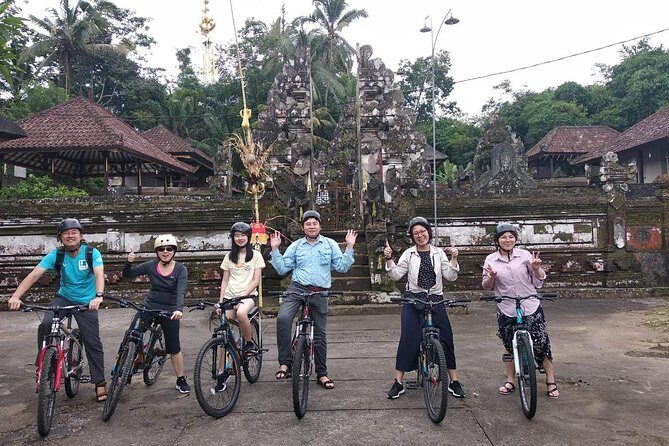
UNESCO Sites Cultural Walking Tour in Bali

UNESCO Sites Cultural Walking Tour in Bali - Temple Cloths and Respectful Holy Spring Steps

Two UNESCO temples in one morning-long walk.

This Ubud tour is interesting because it mixes spiritual practice with hands-on scenery and farming know-how, all with a guide who talks like a person, not a script. I love starting at Tirta Empul Temple for the sacred purification ritual, and I also really liked the way the day turns into a living lesson through the Subak irrigation system while you stroll rice paddies. One thing to keep in mind: the pace is active and the route is not ideal if you have back, heart, or pregnancy-related concerns.

You also get real “Bali day” comforts built in. Pickup from Ubud is included, and the day includes mineral water plus coconut water, a light breakfast and Balinese lunch, and temple cloths for the ritual. With a maximum of 20 travelers, it usually feels like a group you can actually ask questions in, not a cattle train.

Key Things You’ll Remember

UNESCO Sites Cultural Walking Tour in Bali - Key Things You’ll Remember

  • Purification ritual at Tirta Empul Temple with an escort and the right temple cloth setup
  • Light breakfast and Balinese lunch served during the middle stop, with views and a breather
  • Subak irrigation lesson while walking rice paddies, not just a lecture
  • Gunung Kawi Sebatu cave temple visit, with a slower, more atmospheric feel than typical ruins
  • Small group size (max 20), which helps your guide keep things personal
  • Solid value package at $58, since transport, guide time, temple access, and meals are bundled

Tirta Empul Purification Ritual: Start With Meaning
UNESCO Sites Cultural Walking Tour in Bali - Tirta Empul Purification Ritual: Start With Meaning
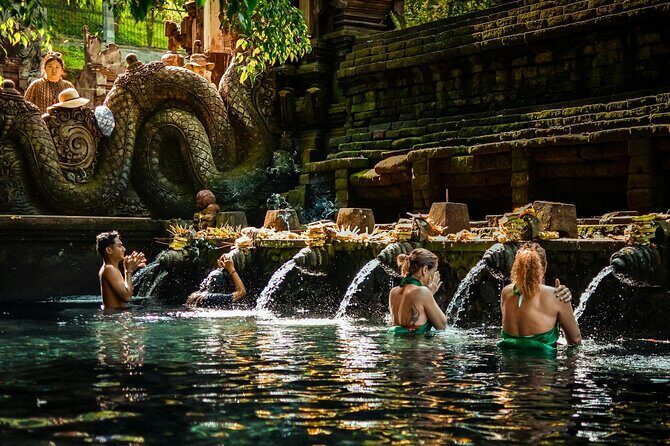
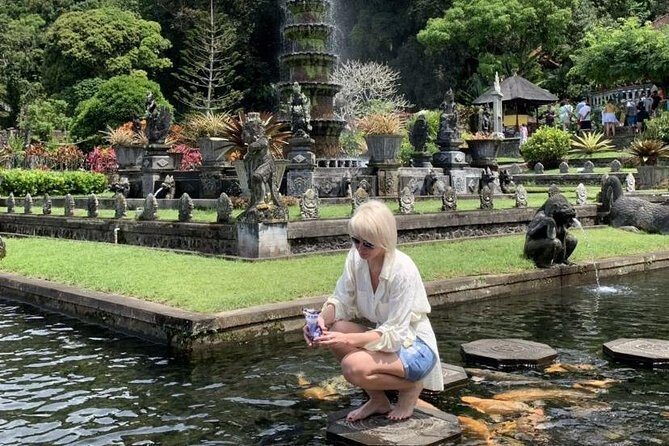
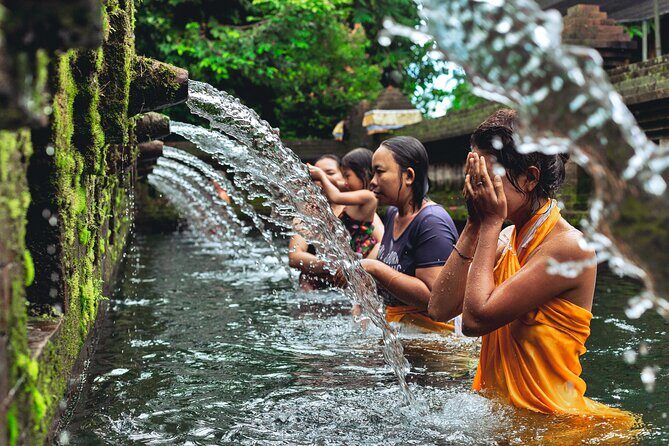
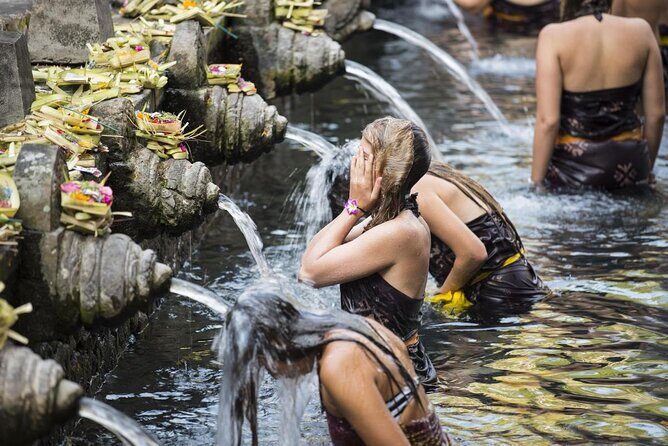
The day kicks off at Tirta Empul Temple, one of Bali’s most famous spiritual places. Your guide shares history and context first, then escorts you for the purification ritual at the holy spring. It’s scheduled for about two hours, and admission is included.

What makes this stop work so well is that you’re not just looking. You’re learning what the ritual is for and participating in a structured way with temple cloth provided for the visit and the holy spring portion. Even if you are not religious, the focus on intention and respectful conduct gives the whole experience a grounded feel.

Also, if you’ve been traveling and you’re tired of “photo, next, repeat,” this is a nice change. You’ll have time to slow down and follow the flow, and your guide helps you understand what you’re seeing before you’re asked to do anything.

Temple Cloths and Respectful Holy Spring Steps

UNESCO Sites Cultural Walking Tour in Bali - Temple Cloths and Respectful Holy Spring Steps
A small detail on this tour matters more than it sounds: you get the Balinese cloths for your temple visit and for the purification bath in the holy spring. That removes a common stress for visitors who worry about what to wear or how to do it right.

Use your guide as your safety net. You’ll be escorted, and the tour is set up so you don’t feel lost in the middle of a sacred space. Plan to go calmly, follow instructions, and keep your camera put away unless your guide signals it’s okay.

Here’s the practical consideration: because this includes a holy spring purification bath, it’s not a dry-and-tidy experience. If you know you’re sensitive to cold water or you just don’t like wet rituals, you might want to think twice about the portion of the ritual itself. Either way, your guide will explain what to expect before it happens.

Friends in Bali: Breakfast, Lunch, and a Breather From Walking
UNESCO Sites Cultural Walking Tour in Bali - Friends in Bali: Breakfast, Lunch, and a Breather From Walking
Between the two major temple/cave blocks, you get a midday reset at Friends in Bali. You’ll be served a light breakfast and then a Balinese lunch, and the stop is about one hour.

This is a smart structure for a walking day. Two hours at Tirta Empul can set your legs and your head spinning, and then you get real food instead of the usual rushed snack situation. It also gives your guide time to answer questions about daily life and customs—something that came up in the feedback about how guides like Wayan, Nyoman, and Dewa helped people understand Bali beyond surface stops.

One mild drawback: if you’d prefer to keep moving nonstop, the meal stop will feel like a pause. But for most people, it’s exactly what keeps the day enjoyable instead of exhausting.

Rice Paddies and Subak: Learning From the Water System

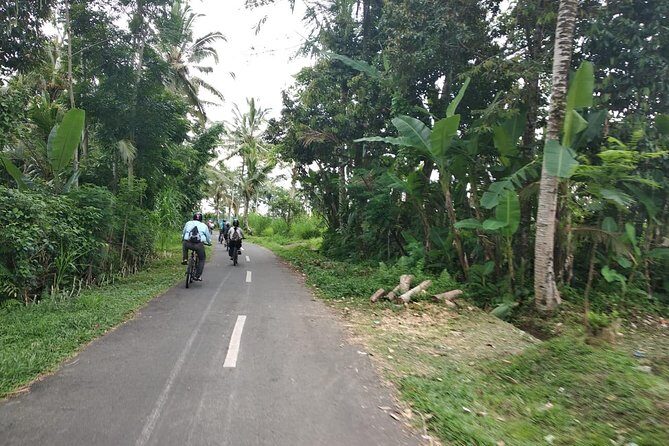
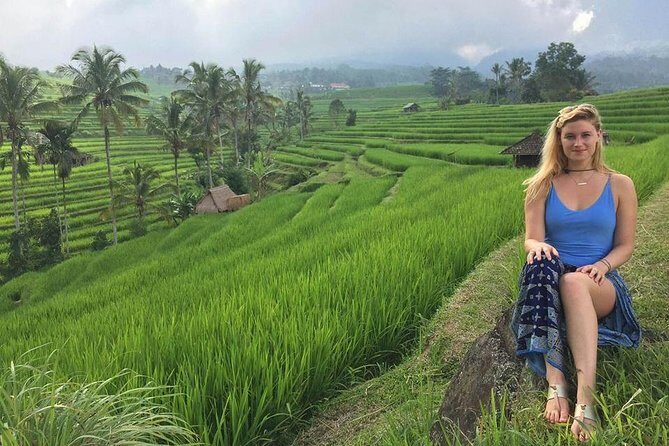
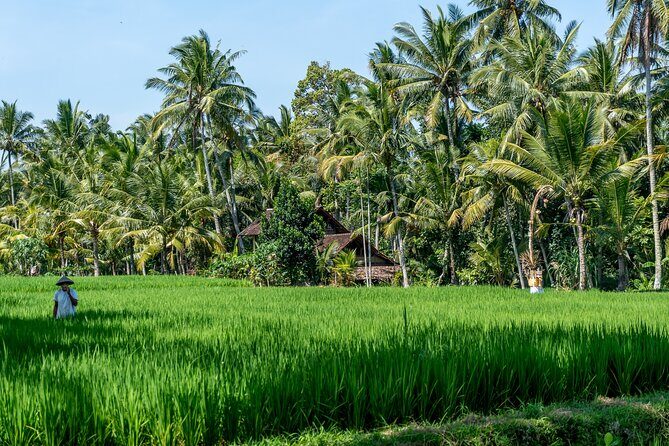
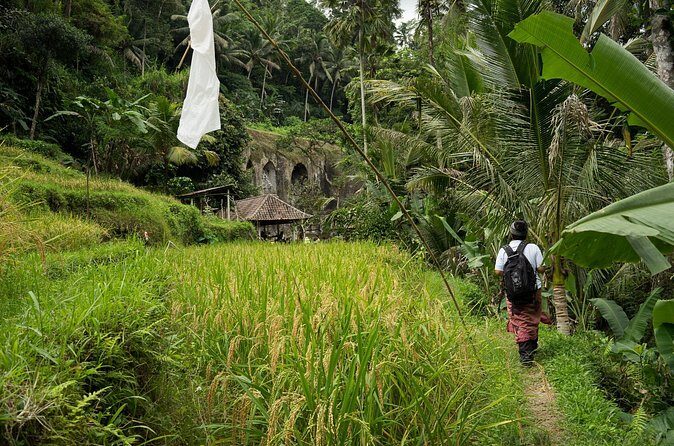
After the temple start, you spend time walking through rice paddies and learning about Subak, the traditional irrigation system. This part is about two hours and is paired with the Gunung Kawi Sebatu Temple visit.

Subak is not just an irrigation channel. It’s a way communities coordinate water use for rice farming, guided by local knowledge and traditional water-temple practices. The tour frames it as a living system, and the walking component matters because you can see how the landscape supports how the water is managed.

Why this feels worth your time: you’re seeing a working agricultural system while your guide explains the idea behind it. If you only read about Subak later, it’s easy to miss the practical logic. In person, it clicks faster because you can connect the explanation to what’s around you.

One practical note: you’ll want comfortable shoes. You’ll be walking through rice fields, and it’s simply not the time for anything fragile or overly slick.

Gunung Kawi Sebatu Cave Temple: Calm, Story-Filled, and Atmospheric

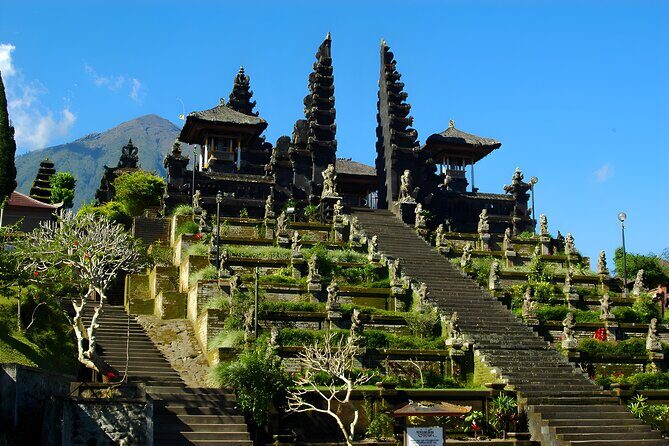
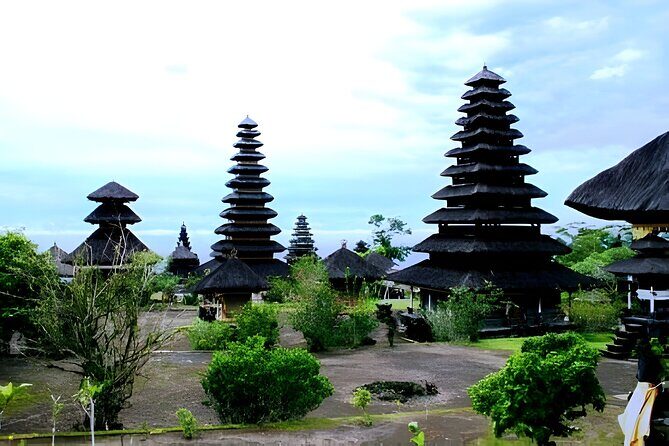
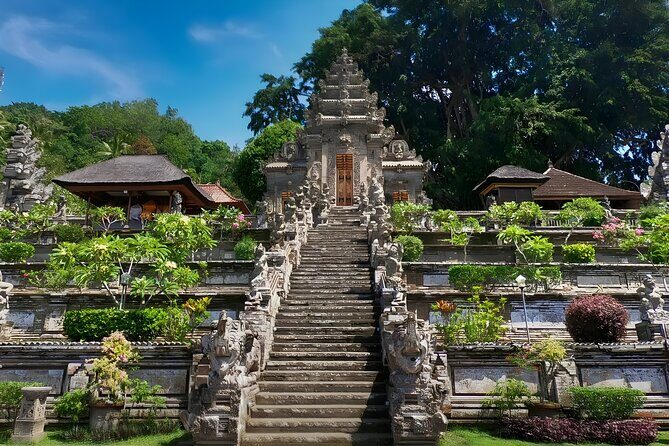
Gunung Kawi Sebatu Temple is the day’s second main highlight, with a cave temple setting that feels different from open-air sites. You’ll spend about two hours here, and admission is included.

The tour includes learning and exploration on-site, plus the walk through the rice paddies before you settle into the temple area. The cave environment tends to slow things down. It’s easy to feel the change in pace as you go from brighter farmland paths into a more shaded, still-feeling space.

A common way guides bring this place alive is through stories and context—how people understood sacred spaces, and why cave temples became important landmarks. If you like temples where you can pay attention to details instead of just rushing for the biggest viewpoint, this stop fits that style well.

Price and Value at $58: What You’re Actually Getting

At $58 per person for about six hours, the value here comes from the bundle. You’re getting:

  • hotel pickup and drop-off from Ubud
  • guiding fee plus a guide who escorts you through the ritual portion
  • admission included for Tirta Empul and Gunung Kawi Sebatu
  • a light breakfast, Balinese lunch, and mineral plus coconut water
  • Balinese cloths for the temple visit and the purification bath
  • a charity contribution to a local school

If you tried to assemble this yourself, the hardest parts to price are usually transport plus a guide who can explain what you’re doing. Temple admissions and meals add up fast, and the cloth setup means less worry on your side.

So yes, it’s not a bargain price, but it’s also not just a “walking tour” label. It’s a full cultural day with clear inclusions that make the $58 feel more like a package deal than a stripped-down tour.

How the Day Flows in Real Life (and Who It Suits)

The tour runs from 8:30 am and ends back at the meeting point in Ubud area. It moves at a moderate physical pace, and the guidance is pretty direct: you should have moderate fitness for this day.

It’s not recommended for participants with back problems, heart complaints, other serious medical conditions, or for pregnant women. That’s the one big “read this carefully” warning, because the route includes walking through rice paddies and visiting a cave temple setting.

Who I think enjoys it most:

  • people who like culture that includes practice, not just sightseeing
  • first-time visitors who want context and guidance through temple etiquette
  • travelers who prefer small-group energy (max 20) and conversation with a real Bali guide

If you want a laid-back, mostly seated day, you might find the walking segments too active.

Should You Book This UNESCO Walking Day?

If you care about doing fewer, better things with guidance, I’d book it. The strongest reasons are the purification ritual at Tirta Empul, the practical Subak learning while you walk, and the cave temple experience at Gunung Kawi Sebatu. Add in the included meals, temple cloths, and Ubud pickup, and this becomes a very workable way to spend your Bali day without juggling a pile of logistics.

I’d skip it only if the holy spring purification bath makes you uncomfortable, or if your health situation matches the tour’s non-recommended categories. If you’re in the “moderate fitness, respectful temple curiosity” camp, this is a solid value day in Ubud. And since free cancellation is offered up to 24 hours in advance, you can book with less pressure and keep your plans flexible.

FAQ

How long is the UNESCO Sites Cultural Walking Tour in Bali?

It lasts about 6 hours.

Where does the tour start and what time does it begin?

It starts in Ubud, and the start time is 8:30 am.

Is hotel pickup included?

Yes. Hotel pickup and drop-off from Ubud are included.

What’s included for temple visits and the purification ritual?

Balinese cloths are provided for the temple visit and for the purification bath in the holy spring.

Are meals included?

Yes. You’ll get a light breakfast and a Balinese lunch.

How many people are in the group?

The tour has a maximum of 20 travelers.

Bali Water Sports Activity and ATV Ride Adventure

Bali Water Sports Activity and ATV Ride Adventure - Lunch in the middle: where the day resets

A full day of action in Bali. This combo tour strings together Tanjung Benoa water sports and an ATV ride near Ubud, so you’re not just sitting around between transfers. I like the clean flow of the day—water first, then lunch, then the ATV—plus the fact that you get real time for photos and sightseeing on the ride. The one thing to watch is the sun: between sea spray and open-air ATV time, sunburn can sneak up fast.

I also appreciate how this works as a private outing for just your group, with pickup offered and a mobile ticket. In the best cases, your guide (often Oka) keeps things friendly and practical, including waiting a bit when the schedule runs long. If you’re the type who hates changing plans, just read your package details carefully before you choose your activities.

Key highlights you’ll feel right away

Bali Water Sports Activity and ATV Ride Adventure - Key highlights you’ll feel right away

  • Two major activities, one smooth schedule: water sports, lunch, then ATV without wasting the day.
  • Tanjung Benoa options with instructors on hand: banana boat, jet ski, and parasailing are part of the menu.
  • ATV time built for sightseeing: slower track pace, with stops for photos in the rice-field area.
  • Lunch included after the water sports: Indonesian food to refuel before you hit the trails.
  • Private-group setup: you won’t be mixed into a huge crowd.
  • Guide support that can reduce stress: Oka is repeatedly praised for being helpful and for sticking with you when timing slips.

How this Bali combo tour fits into your day

This is a 6 to 7 hour Bali day that starts at 9:00 am, built for people who want both sea time and countryside time. You’ll begin in the Tanjung Benoa area for your water sports, then move into the Ubud-side experience for the ATV ride. The pacing is meant to keep you busy, but not frantic: you get a solid block for water fun, then a lunch break, then about two hours on the ATV.

The private-group approach matters more than you might think. It usually means less waiting around for strangers and fewer awkward moment-by-moment negotiations about who’s ready. If you’ve done shared tours in Bali before, you’ll notice the difference in how the day feels when you’re not constantly re-orienting to other people’s timing.

Also, this is a good choice if you like activities with a clear structure. You’ll know what comes next—water sports first, then lunch, then the ride—so you can pack and prepare once, not scramble all day.

Tanjung Benoa water sports: what you can pick and what to expect

Bali Water Sports Activity and ATV Ride Adventure - Tanjung Benoa water sports: what you can pick and what to expect
Your first stop is Tanjung Benoa, one of the common bases for marine activities in Bali. Here, you’ll choose from options like banana boat, jet ski, and parasailing adventure. The tour includes access to ticketed activities as listed, and you’ll have professional instructors working with you during the water sports time.

What I like about this setup is that you’re not stuck with one thing. If you’re feeling playful, banana boat is a classic way to get an ocean splash without needing a lot of training. If you want speed and control, jet ski tends to feel more personal—though you still follow the instructor’s guidance. For a bigger thrill factor, parasailing gives you that look-down view of the water and coastline from above.

A practical note: water sports days can look simple on paper but feel intense in reality. Sun glare off the water is real, and salt can be drying. Bring a water bottle and plan to reapply sunscreen later, not just once in the morning. If you wear contact lenses, consider bringing your glasses as backup, since wind and salt can be annoying.

Timing is also part of the value. You’re given about 4 hours for this water sports block, which is long enough to actually do the activity and still have time for the transition to lunch.

Lunch in the middle: where the day resets

Bali Water Sports Activity and ATV Ride Adventure - Lunch in the middle: where the day resets
After the water sports, you’ll be escorted to a restaurant for Indonesian lunch. This break is not an afterthought—it’s the hinge that keeps the rest of the day enjoyable. Water sports can leave you tired, salty, and a bit drained. Lunch gives you time to cool down, sit, and reset before the ATV ride through trails and village areas.

The key here is to eat like you’ll ride after. You don’t need a huge meal, but you do want something that won’t leave you hungry while you’re on the ATV. Also, if you’re sensitive to spicy food, it helps to ask about options at the restaurant. Indonesian cuisine can be fantastic, but the heat level varies.

If you like good value, this is where the package makes sense. You’re paying for two different experiences plus a built-in meal stop, rather than trying to stitch together separate bookings and hoping lunch timing lines up.

The ATV ride near Ubud: rice fields, village life, and photo stops

Bali Water Sports Activity and ATV Ride Adventure - The ATV ride near Ubud: rice fields, village life, and photo stops
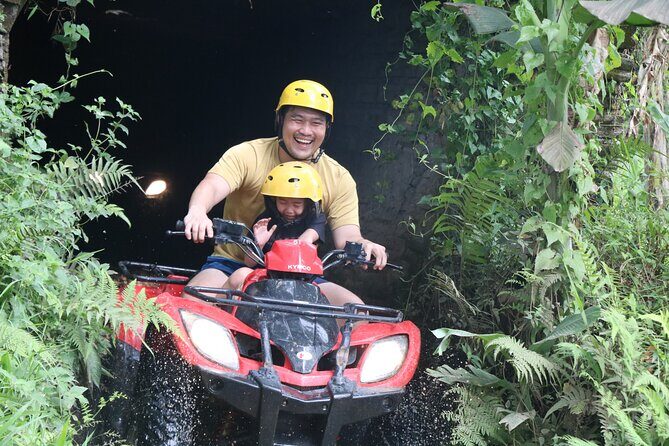
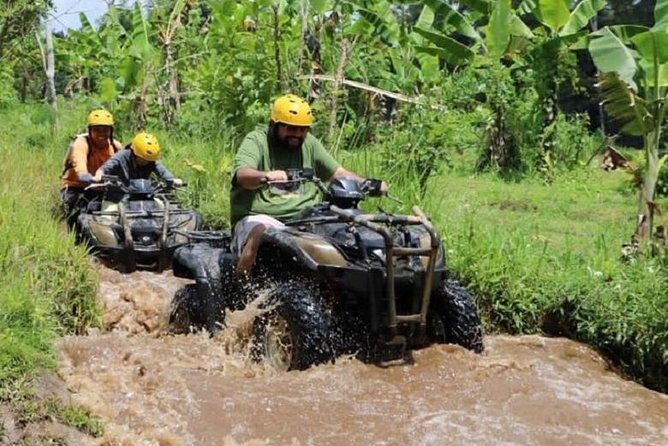
Next comes the Bali ATV ride adventure. This is where the tour shifts from sea action to land scenery, with a route that focuses on rice fields and riding through areas near local community villages. You’ll ride an ATV through tracks that are described as not speeding—more sightseeing and photo-friendly than racing.

The ride is about two hours, and you’ll get chances to stop for pictures as much as you want. That matters because ATV tracks can be dusty and bumpy. The photo stops let you slow down, stretch, and take in the views at a pace that feels human, not just “ride by and forget it.”

As you pass through village areas, expect a glimpse of daily routines—what people do in their day-to-day life around the farms and community spaces. This is one of the reasons this combo tour works better than a straight ATV excursion. You’re not only riding; you’re also being guided through a setting where life is happening right next to the trail.

One more consideration: ATVs can be physical, even if the day isn’t marketed as extreme. The tour notes a moderate physical fitness level is expected. That usually means you should be comfortable sitting for a while, getting on and off the bike, and handling minor uneven ground without major trouble.

Guide Oka and the feel of a private group day

Bali Water Sports Activity and ATV Ride Adventure - Guide Oka and the feel of a private group day
The strongest theme from the experience is how the day is supported by your guide—often Oka. People consistently call him hospitable and friendly, and they mention he’s willing to wait when plans take longer than expected. That kind of flexibility is not always guaranteed in tours, and it makes a difference when water activities run on slightly different timing.

This is also where the private-group setup helps. When the day is just your group, it’s easier for the guide to manage timing and keep you informed about what’s next. It’s not just about riding—it’s about feeling like someone is watching the flow of the day so you don’t feel lost.

There’s also a useful reminder tucked into the feedback: be aware of the package you’re signing up for. Since the water sports menu includes several activity types, confirm what’s included and what you’ll be doing during your time slot. This isn’t a scare tactic; it’s just smart. Your best day happens when the activity choices match what you actually want to spend your energy on.

Price and value: how $140 stacks up for two big blocks

Bali Water Sports Activity and ATV Ride Adventure - Price and value: how $140 stacks up for two big blocks
At $140 per person, you’re paying for a packed schedule: water sports in Tanjung Benoa, lunch, and an ATV ride near Ubud—all within a single organized day. The value isn’t only the dollar cost. It’s the time savings and the friction reduction.

Instead of booking a beach activity, lining up transport, finding lunch nearby, and then organizing an ATV ride separately, this tour handles the major moving parts. You also get a mobile ticket and pickup offered, which reduces the typical Bali hassle of “where do I meet again?”

Is it worth it? It’s worth it if you genuinely want both experiences, not just one. If your heart is mostly in the ocean, you might find the ATV piece feels like extra time rather than the main event. If you love land activities and trails, the water sports portion still adds fun variety, but you’ll want to ensure you can pick the activity you actually want (banana boat vs jet ski vs parasailing).

Where the value gets strongest is for people who like structured, guided days. You’re paying to have someone coordinate your day and keep the itinerary moving.

What to bring and how to avoid the sunburn problem

Bali Water Sports Activity and ATV Ride Adventure - What to bring and how to avoid the sunburn problem
If you do this tour, treat it like a full sun day. One of the most clear practical warnings is sunburn risk. Between the beach setting and outdoor ATV riding, you can get burned even if you think you’re just having fun.

Pack with the assumption you’ll be outside for hours:

  • Reef-safe sunscreen or regular sunscreen (apply before water time, then reapply later)
  • Sunglasses and a hat (or something that shades your face)
  • A change of clothes for after the ATV, if you can swing it
  • Sand-safe flip-flops or water-friendly footwear

Also, water sports days can leave your skin feeling extra sensitive. If you’re prone to burning, use a stronger SPF than you normally would. The goal is simple: finish the tour without paying for it later.

Who should book this Bali water + ATV combo

Bali Water Sports Activity and ATV Ride Adventure - Who should book this Bali water + ATV combo
This tour is a great match for you if:

  • You want two different Bali experiences in one day: sea thrills and countryside riding
  • You like guided structure more than DIY chaos
  • You want a private-group feeling rather than joining a giant mix

It may be less ideal if:

  • You’re looking for a relaxed, slow day with lots of downtime
  • You dislike sun exposure or don’t plan to protect your skin
  • You’re uncomfortable with moderate physical effort (ATVs can be bumpy and require getting on/off repeatedly)

If you’re traveling as a couple or small group, the private setup can be especially appealing. It’s also a strong choice for people who want a memorable day that still stays within a manageable time window.

Should you book this tour?

I’d say book it if your ideal Bali day includes water action plus a countryside ATV ride, and you’ll take sunscreen seriously. The combination is efficient, the schedule makes sense, and the support from guides like Oka can take the stress out of the day—especially when timing shifts.

I’d hesitate if you only care about one half of the adventure, or if you’re the kind of traveler who hates being outdoors for long stretches. Also, do check what’s included in your activity choices so you’re not surprised when you get to the water sports portion.

If you want a full, active Bali day without piecing together multiple bookings, this combo is a solid pick.

FAQ

Where does the tour start?

It starts at 9:00 am. Pickup is offered.

What water sports are included in the package?

The water sports selection includes banana boat, jet ski, and parasailing adventure.

How long is the water sports portion?

The water sports portion is about 4 hours.

How long is the ATV ride?

The ATV ride portion is about 2 hours.

What kind of fitness level is required?

You should have moderate physical fitness for the ATV ride.

Can I cancel for a full refund?

Yes. You can cancel up to 24 hours in advance for a full refund.

Discover East Bali: Snorkeling Blue lagoon & Instagramable Spots

Discover East Bali: Snorkeling Blue lagoon & Instagramable Spots - Getting ready for Lempuyang Temple: Gate of Heaven views and stairs

East Bali turns photos into souvenirs. This full-day outing strings together some of the region’s most camera-friendly highlights, from the dramatic Lempuyang Temple gate views to Tirta Gangga’s water-palace gardens. You also get practical perks like bottled water and a smooth, air-conditioned ride between stops, plus Wi‑Fi onboard so you can post while the day is still fresh.

I especially like how it’s built for photos without feeling rushed. You’ll spend real time at each place (and the pacing matches the vibe of an all-day shoot), and the driver acts as an English-speaking guide who can help connect what you’re seeing with the local story. One more plus: it feels like a small-group day, since it’s priced per car up to 6 people.

One consideration: lunch isn’t included, so you’ll want to plan for hunger between temple stops and the sea time. With sun and walking, that matters more than you think.

Key highlights you’ll actually feel during the day

Discover East Bali: Snorkeling Blue lagoon & Instagramable Spots - Key highlights you’ll actually feel during the day

  • Comfort-first pickup and transfers in an air-conditioned vehicle, with bottled water provided
  • Gate of Heaven at Lempuyang Temple with a hilltop feel and potential views toward Mount Agung
  • Tirta Gangga’s fountains and statues plus a strong sense of place from the 1948 water-palace story
  • A calmer reset at Maha Gangga Valley if timing allows, nearby Tirta Gangga
  • Blue Lagoon Amuk Bay snorkeling in clear, calm waters suited to beginners, with about 2 hours in the water

What this East Bali day tour gets right (and why it feels easy)

Discover East Bali: Snorkeling Blue lagoon & Instagramable Spots - What this East Bali day tour gets right (and why it feels easy)
This is the kind of day trip you book when you want big sights plus solid comfort. The route is East Bali focused, and it’s arranged around iconic backdrops people come for—Lempuyang Temple’s famous gate, Tirta Gangga’s water features, and then a proper beach break with snorkeling at Blue Lagoon Amuk Bay.

The tour’s “photo first” approach also helps your brain. Instead of bouncing randomly, you’re given clear targets. That reduces decision fatigue: you know what you’re going to see next, how long you’ll have, and what kind of shots you can chase.

I also like the small touches that keep it from turning into chaos. The ride includes Wi‑Fi onboard, so you’re not hunting for signal right when you want to upload. And you get bottled water (1 bottle per person), which is one less thing to juggle in your bag.

Getting ready for Lempuyang Temple: Gate of Heaven views and stairs

Discover East Bali: Snorkeling Blue lagoon & Instagramable Spots - Getting ready for Lempuyang Temple: Gate of Heaven views and stairs
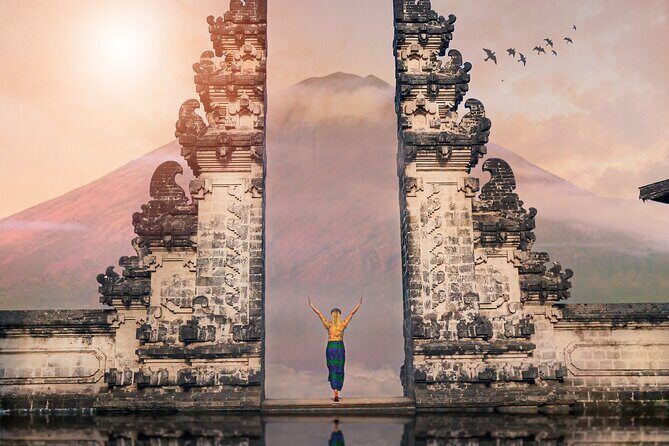
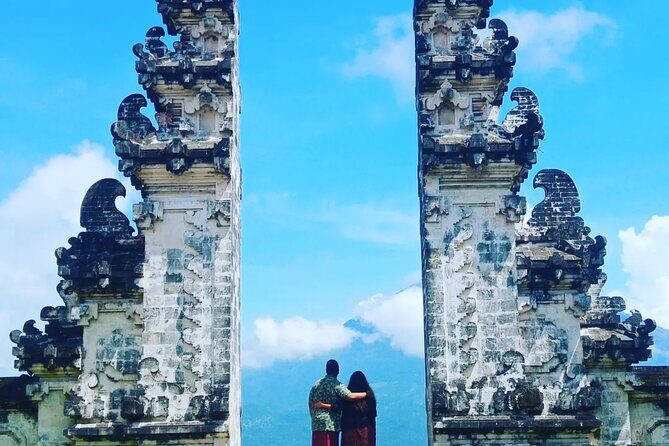
Lempuyang Temple is the first stop, and it’s a strong opener. This hilltop temple is known for its Gate of Heaven look—those dramatic entrance frames people travel for. It’s also one of the few places in Bali where you might catch views toward Mount Agung, depending on weather and sightlines.

You’ll have about 2 hours here, which is important. Lempuyang isn’t a “snap one photo and go” stop. You’ll be dealing with the real experience: walking, positioning, and waiting for that moment when the light and crowd flow line up. If you want the most satisfying photos, give yourself time to try a few angles instead of forcing the first one.

Practical tips that matter:

  • Wear shoes that handle uneven ground and stairs.
  • Put sunscreen on before you start climbing. The sun can feel fast at hilltop stops.
  • Bring a hat and keep your camera accessible—tripods and gear can slow you down if you’re constantly adjusting.

One special rule to know: women are prohibited during menstruation at this temple, so you’ll want to plan your trip accordingly. (It’s not a tour policy you can negotiate—temple rules are temple rules.)

Tirta Gangga Water Palace: fountains, gardens, and the 1948 story

Discover East Bali: Snorkeling Blue lagoon & Instagramable Spots - Tirta Gangga Water Palace: fountains, gardens, and the 1948 story
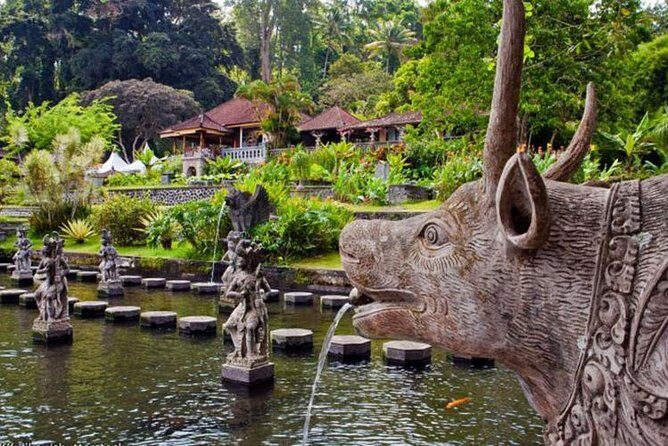
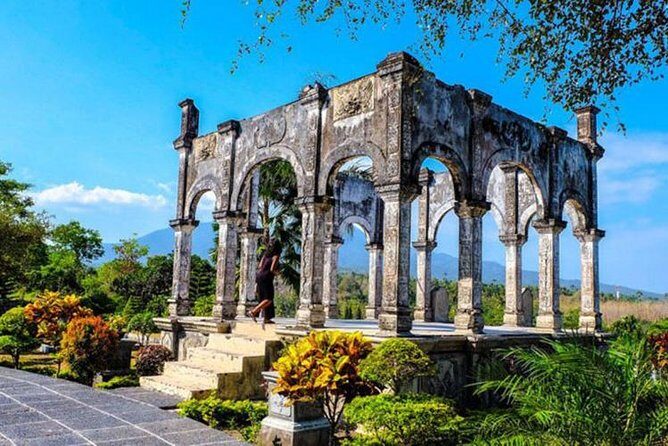
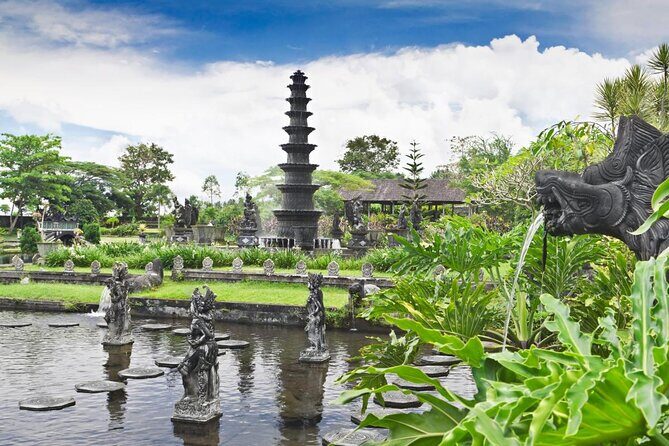
Next up is Tirta Gangga, and it’s a completely different mood from Lempuyang. Tirta Gangga is a water palace connected to the Gangga River area, and it’s tied to Hindu religious sanctification. The site is famous for its flowing fountains, lush gardens, and a sparkling pool setting that makes photos look naturally composed.

You get about 1 hour 30 minutes here, which is a good length. Long enough to walk around and find multiple photo corners, but not so long that you start to feel bored. The best shots tend to come from moving slowly—look for repeating lines, water patterns, and statue placements instead of just aiming at the biggest pool view.

A detail I really like from the site’s story: Tirta Gangga was built in 1948 by the King of Karangasem. That historical anchor gives the fountains and garden design more meaning when you’re standing there, not just checking off a landmark.

Potential drawback to keep in mind: it’s a water-and-garden environment. If it’s rainy or the ground is slick, you’ll want to watch your footing and plan your photo stops carefully.

If time permits: Maha Gangga Valley for a quieter feel near Tirta Gangga

Discover East Bali: Snorkeling Blue lagoon & Instagramable Spots - If time permits: Maha Gangga Valley for a quieter feel near Tirta Gangga
If the schedule allows, the tour adds Maha Gangga Valley. It’s described as a peaceful eco-tourism destination in Karangasem Regency, near Tirta Gangga. Think of this as a breather between major photo stops—less about one single famous structure and more about a calm place to slow down.

You’ll have about 1 hour here. That’s enough time to enjoy the scenery and take photos without turning the day into a long series of transitions. If you’re the type who likes variety—one temple landmark, one water palace, and then a calmer valley—this stop can be a nice balance.

Because it’s conditional on time, don’t count on it as your only “quiet” moment of the day. If you don’t get it, the core experience still works with Lempuyang, Tirta Gangga, and snorkeling.

Blue Lagoon Amuk Bay snorkeling: clear water, sun planning, and gear check

Discover East Bali: Snorkeling Blue lagoon & Instagramable Spots - Blue Lagoon Amuk Bay snorkeling: clear water, sun planning, and gear check
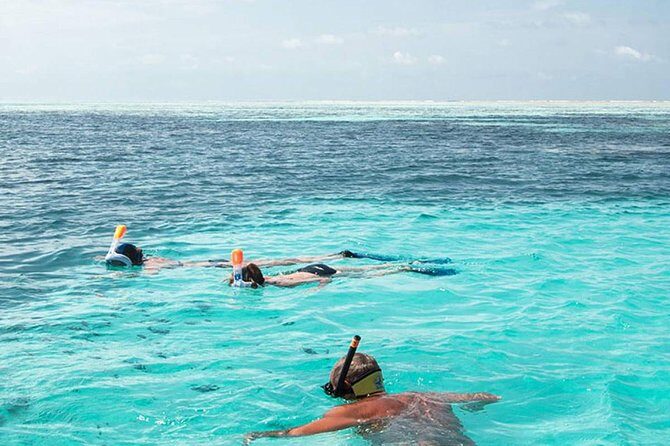
After temples and gardens, you switch to the water at Blue Lagoon Beach in the Amuk Bay area, near Padang Bai on Bali’s east coast. The big selling point is the snorkeling itself: calm, clear waters and vibrant marine life, which makes it more beginner-friendly than rougher surf zones.

You get around 2 hours here. That’s a realistic block for getting in the water, enjoying the swim, and coming back before the rest of the day gets too sunburn-heavy. The ocean time also changes the pace—your body moves less on dry land, but your attention shifts to water visibility and comfortable breathing.

What to bring (this part really affects your comfort):

  • Swimsuit and towel (you’re going in the water)
  • Sun cream and a hat (temples aren’t the only sun exposure—beach time hits hard)
  • Camera if you have a waterproof option, or at least keep it protected between swim breaks

A quick gear reality check: the tour data doesn’t list snorkeling equipment explicitly. So before you go, confirm whether fins/masks are provided as part of the snorkeling activity. If not, you’ll want your own mask set so you don’t spend beach time improvising.

Also, remember the tour requires good weather. If conditions are poor, the experience can be rescheduled or refunded (you’ll be offered another date or a full refund). For snorkeling-heavy days, that’s a normal risk—and it’s worth not overplanning the rest of your East Bali schedule.

Timing and how the day actually flows from start to finish

Discover East Bali: Snorkeling Blue lagoon & Instagramable Spots - Timing and how the day actually flows from start to finish
The whole experience runs about 7 to 8 hours. That’s a full-day format, and you’ll feel it—especially if you’re doing temple stairs and then snorkeling right after.

The itinerary is built around:

1) Lempuyang Temple

2) Tirta Gangga

3) Maha Gangga Valley (only if time permits)

4) Blue Lagoon Amuk Bay snorkeling

Pickup is offered from hotels/villas if you choose it. Your day may still end back at the meeting point area (the meeting point listed is at Blue Lagoon Beach). To avoid confusion on pickup/drop-off timing, provide your accommodation name at booking and double-check the return plan with the operator.

Small-group feel matters here. The price is for 1 car up to 6 people, so you’re not stuck with a huge group where everyone’s timing differs. That usually means fewer stops for waiting and smoother photo transitions.

Price and value: is $45 a good deal for this mix?

Discover East Bali: Snorkeling Blue lagoon & Instagramable Spots - Price and value: is $45 a good deal for this mix?
At $45, the main value comes from the combination. This isn’t only entry tickets—it’s also transport, bottled water, and an English-speaking driver-guide. Plus, you get multiple high-demand photo stops packed into one day.

Where value can vary for you:

  • If you choose an all-inclusive option, entrance tickets and activity payments are covered. If not, you might end up paying separate entry fees.
  • If you’re traveling with up to 6 people and you’re splitting the car cost, your per-person value improves.
  • If you’re the kind of traveler who likes pre-planned routes, this tour saves you time and logistics work—renting a car, mapping stops, and figuring out what order makes sense.

Big picture: for a one-day East Bali highlights plan, $45 is reasonable—especially if you want snorkeling without having to coordinate it on your own.

The service style: friendly guidance plus real flexibility

Discover East Bali: Snorkeling Blue lagoon & Instagramable Spots - The service style: friendly guidance plus real flexibility
What jumps out most from how this experience is described is the service tone. The driver-guide is English speaking and focused on making the day work smoothly—friendly, polite, and accommodating. That matters a lot on photo tours. If someone is pushing you through steps or not reading the pace you need, your photos suffer and the day feels stressful.

From the way the day is structured, the driver also has to juggle timing across different types of places: temples, gardens, and the sea. When that coordination clicks, you get a smooth arc instead of backtracking.

Also, the vibe is meant to be fun. You’re not going to one dull stop after another. The day is paced so you can laugh, move, and reset as the scenery changes—hilltop gate views, water palace gardens, then snorkeling.

Who should book this East Bali Instagram tour

This is a strong match if:

  • You want classic East Bali sights in one day with minimal logistics.
  • You care about photo opportunities at Lempuyang Temple and Tirta Gangga.
  • You’d like snorkeling at a calmer, beginner-friendly style beach (Blue Lagoon Amuk Bay).
  • You prefer a small-group car and a driver-guide instead of DIY.

You might skip it if:

  • You hate long days with sun exposure.
  • You need a relaxed schedule with a guaranteed lunch stop.
  • You want total downtime between stops. This is a structured, photo-focused day.

Should you book Discover East Bali: Snorkeling Blue Lagoon & Instagramable Spots?

If you’re planning East Bali and you want the famous gate-and-water-palace combo plus snorkeling, I think this is a smart booking. The biggest “yes” for me is the combination of transport comfort, photo-focused time blocks, and an English-speaking driver-guide who helps the day feel smooth instead of chaotic.

Just go in with two practical expectations: bring what you need for sun and swim time, and plan for lunch since it isn’t included. If you do that, you’ll come away with the kind of day that looks great in photos and still feels enjoyable in real life.

FAQ

How long is the East Bali tour?

It runs about 7 to 8 hours.

What does the tour include?

Pickup (if chosen), air-conditioned vehicle, bottled water (1 bottle per person), parking fees, private transportation, and entrance tickets/activity payments if you choose all-inclusive. The driver speaks English.

Is hotel pickup available?

Yes. You can be picked up from your hotel/villa if you choose pickup, and you’ll provide your accommodation name at booking.

Where does the tour start and end?

The meeting point is listed at Blue Lagoon Beach (Padangbai area). The activity ends back at the meeting point.

Does the tour include snorkeling?

Yes. You go snorkeling at Blue Lagoon Beach, Amuk Bay for about 2 hours.

What should I bring for the day?

Bring sun cream, a hat, swimsuit, towel, and your camera.

Is lunch included?

No, meal/lunch is not included.

Is this a private tour?

It’s listed as a private tour/activity, meaning only your group participates.

Is the tour weather-dependent?

Yes. It requires good weather. If canceled due to poor weather, you’ll be offered a different date or a full refund.

Are there any temple restrictions?

For Lempuyang Temple, the tour notes that ladies are prohibited during menstruation.

Is Wi-Fi available during the trip?

Yes, Wi-Fi is mentioned as available onboard for sharing your moments.

Bali Amazing Cycling Tour

Bali Amazing Cycling Tour - Pickup and timing that actually matters in Bali

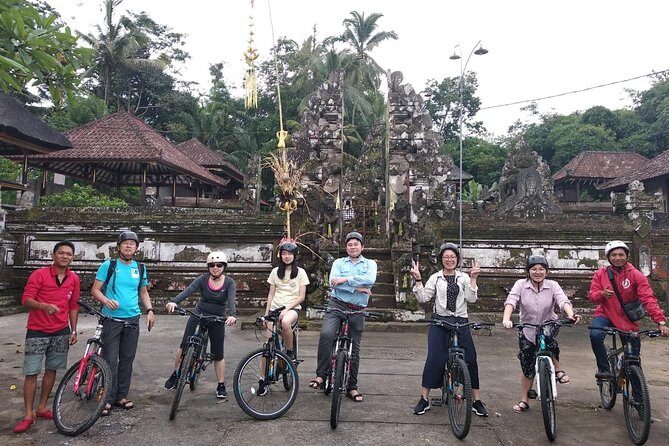
Bali has a way of making ordinary mornings feel special. This Ubud-to-Kintamani cycling tour is built for big countryside views plus hands-on stops with rice fields, farms, and Balinese daily life. I especially like the north-to-south downhill ride plan, because it lets you enjoy the scenery without turning the day into a grind.

Two things I’d put near the top: the guide’s friendly, clear explanations during the farm and rice-field moments, and the fact that breakfast and lunch are properly Balinese (with vegetarian options). One thing to think about first: this runs only with good weather, and pickup/drop is free only in the Ubud area—outside Ubud may cost extra.

Key things to know before you pedal

Bali Amazing Cycling Tour - Key things to know before you pedal

  • Downhill route: start from Kintamani, ride south toward Ubud, with scenic stops along the way
  • Mount Batur + Lake Batur viewpoints during the morning
  • Rice terraces and coffee stop early in the day, before the ride
  • Guide-led rice paddies walk to understand how planting and field work works
  • Two meals included (breakfast + lunch) with vegetarian availability
  • Smaller group feel: maximum of 45 people, plus a mobile ticket for ease

The Ubud-to-Kintamani plan: why the ride feels doable

Bali Amazing Cycling Tour - The Ubud-to-Kintamani plan: why the ride feels doable
This tour is designed around a simple idea: start in the cooler, higher Kintamani area and end in warmer Ubud. That means you’re moving with the land, not fighting it. The ride is described as starting downhill, so your energy goes toward enjoying the views and the stops, not just sheer effort.

Because it’s a 6-hour day, you’ll want a route that doesn’t waste time. This one uses the morning for sights and education, then saves the main cycling for the downhill portion. Even if you’re not a hardcore cyclist, it’s the kind of schedule that keeps you moving and keeps the scenery changing.

The vibe is also practical. You’re not just riding past things; you’re stopping where Balinese life happens—rice work, farms, and places tied to religion and daily routines.

Pickup and timing that actually matters in Bali

Bali Amazing Cycling Tour - Pickup and timing that actually matters in Bali
The morning starts with pickup at 8:30am. If you’re staying in Ubud, pickup and drop-off are free, and the tour is explicit that it’s only free within the Ubud area. The “free pick up ubud area” detail may sound small, but it really affects how smoothly your day runs.

In a place where traffic can swing wildly, I value a tour that sticks to its promised timing. The experience is praised for being right on schedule with pickup, which tells me the company’s operation is set up to respect your day.

You’ll also get a mobile ticket, and the meeting point is noted as being near public transportation. That’s helpful if you need a backup plan or if you prefer to meet at a central spot.

Rice terraces and coffee: your warm-up before the downhill ride

Bali Amazing Cycling Tour - Rice terraces and coffee: your warm-up before the downhill ride
Before the biking really begins, you get two classic Bali stops that help you understand what you’re about to ride through.

First up are the famous rice terraces. These aren’t just scenery. You’ll later walk through rice paddies and hear about planting processes, so the terraces early on act like a visual introduction—what the fields look like and why people build and maintain them the way they do.

Right after, you visit a coffee plantation and coffee processing area. This is a good breather before you start cycling because you’re not yet in motion. You can slow down, ask questions, and see how coffee becomes coffee, not just a jar on a supermarket shelf. If coffee is your thing, this stop makes the morning more than a scenic photo session.

Mount Batur and Lake Batur breakfast scenery

The day continues with a car ride uphill so you can reach the active volcano Mount Batur and Lake Batur area. This is where the tour’s timing makes sense: you want those views before clouds roll in and before the day heats up.

You’ll enjoy a breakfast setup in the area with the volcano and lake scenery in front of you. That’s a smart use of the morning because it turns “getting to the starting point” into part of the experience, not just transportation.

If you’re thinking of photos, I’d treat this as your priority shot moment. The volcano-and-lake combo is the kind of sight that makes people understand why Kintamani is so popular.

The ride downhill: rice paddies, farms, and daily Balinese work

Bali Amazing Cycling Tour - The ride downhill: rice paddies, farms, and daily Balinese work
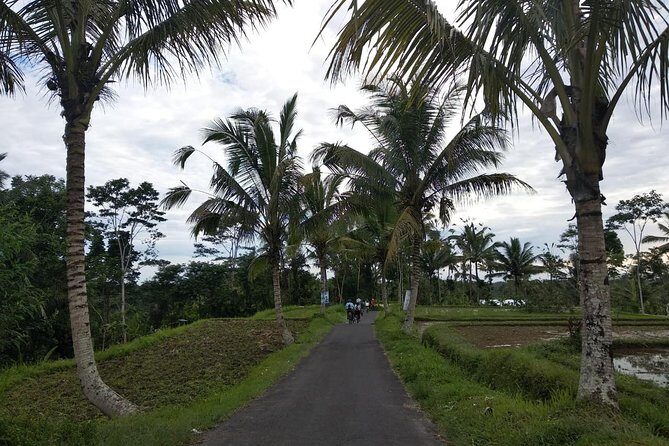
Now comes the cycling portion, starting around 10:30am. The route is described as from north to south—downhill—and that matters because it changes how you experience the ride. You’re not only watching the ground; you can look ahead at rice terraces, farms, and jungle-edge scenery as you go.

During this middle section you’ll also do a walk through rice paddies. This is where the guide’s explanation becomes the value. Instead of treating the fields like a backdrop, you learn about the process of planting rice—the rhythm of work and the logic behind the steps. It’s one of those moments that makes the countryside feel real, not just scenic.

The tour also mentions natural stops like orange farms and areas tied to traditional daily life. That mix is what makes this feel more “Bali on foot and bike” and less like just moving from viewpoint to viewpoint.

A quick practical note: since you’ll switch between riding and walking, you’ll want footwear that can handle both. Flip-flops might work for the walk, but comfortable shoes are safer for any uneven paths.

Traditional houses and lunch that tastes like place

When the cycling finishes around 1:00pm, lunch is served in a traditional Balinese family house. This is one of the strongest parts of the day for me, because it’s not abstract culture—it’s food in the setting where families live.

Lunch is included, and vegetarian options are available. That’s a big deal in Bali tours where vegetarian meals sometimes feel like an afterthought. Here, it’s stated clearly that both breakfast and lunch can be vegetarian, so you’re not stuck guessing.

You’ll also have a short recovery window before the return. The ride ends at about 1:45pm back to your hotel, which keeps the day from dragging. A full, satisfying meal plus a return that doesn’t eat your afternoon is a good balance.

What you should bring (so the day feels easy, not fussy)

The tour lists a simple packing set, and I agree with it. Bring what you need for photos and for comfort outdoors:

  • Camera (for terraces, volcano views, and the rural stops)
  • Some cash (useful for personal expenses; the tour notes alcohol isn’t included)
  • Sun cream (morning can still sunburn fast)
  • Shoes or flip-flops (plan for both biking and walking)
  • A small backpack (for essentials during the ride)

If you want one extra tip: keep your day bag light. You’ll feel it if you pack like it’s a full-day hike.

Price and value: why $40 covers more than you’d expect

At $40 per person, this tour can feel like a bargain if you look at what’s included. You’re getting:

  • Bicycle use
  • Breakfast (Balinese food, vegetarian available)
  • Lunch (Balinese food, vegetarian available)
  • Bottled water
  • All fees and taxes
  • Insurance
  • Pickup and drop-off (free only within Ubud)

That’s a lot of “you don’t have to figure this out” built into the price. Many day tours in Bali charge extra for bikes, meals, or transport. Here, those major pieces are bundled, and that’s why the price makes sense.

Not included: personal expenses and alcoholic drinks. That’s normal, but it helps you budget. If you want alcohol, plan to pay separately. For everything else, you can focus on enjoying the day instead of tracking costs.

Also note the tour info includes a maximum of 45 people and mentions group discounts. That usually signals the company expects group handling to stay organized—not just cram people in.

Who this biking day suits best

This works well if you like your Bali days to include real-life moments. You get rice terraces, coffee processing, and a walk where planting is explained. You’re also in luck if you’re not trying to prove anything physically, because the main cycling portion is described as downhill.

It’s also a good fit for people who want a guided day without complicated navigation. The schedule is timed, the stops are structured, and the guide handles the explanations.

If you’re staying outside Ubud, read the pickup note carefully. Free pickup/drop is only in Ubud area. The tour says you can arrange transport for other Bali areas with an extra cost. That means it can still work for you, but you’ll want to confirm details early so your morning doesn’t get stressful.

Should you book Bali Amazing Cycling Tour with Dejulius Tour?

If you want a balanced Bali morning—views, farming education, and two included meals—this is a strong choice. The biggest reasons I’d book are the smooth-feeling timing (pickup on schedule), the guide approach (friendly and informative), and the way the day connects the downhill ride to the rice fields and daily life you see along the way.

I’d pass or at least reconsider if you:

  • are outside Ubud and don’t want to deal with extra transport costs
  • prefer cycling days with no weather dependence (this one requires good weather)
  • want a long, hardcore training ride rather than a scenic, guided day

Overall, for the money and the structure, it’s the kind of tour that helps you see more than one side of Bali in a single half-day window—especially if you care about how people actually work their land, not just where to stand for a photo.

FAQ

What time does the tour start?

The start time is 8:30am, with morning pickup from your hotel (free pickup in the Ubud area).

How long is the Bali Amazing Cycling Tour?

It runs for about 6 hours.

Where does the cycling start and where does it end?

The ride starts from the Kintamani area and finishes in Ubud, described as moving from north to south with a downhill route.

Do you stop at rice terraces and coffee plantations?

Yes. You’ll visit rice terraces and a coffee plantation and coffee processing area early in the morning.

Is breakfast and lunch included, and can I get vegetarian food?

Yes. Breakfast and lunch are included, and both are available with vegetarian options.

Is pickup and drop-off included?

Pickup and drop-off are included as free service only within the Ubud area. If your hotel is outside Ubud, the tour notes that you can arrange transport for an extra cost.

What’s included in the price?

Included items are bicycle use, breakfast, lunch, bottled water, all fees and taxes, and insurance, plus free Ubud-area pickup/drop-off.

What should I bring for the tour?

Bring a camera, some cash, sun cream, shoes or flip-flops, and a small backpack.

What happens if weather isn’t good?

The experience requires good weather. If it’s canceled due to poor weather, you’ll be offered a different date or a full refund.

How many people are on the tour?

The tour has a maximum of 45 travelers.

Bali Quad Bike Adventure – Monkey Forest and Tegenungan Waterfall

Bali Quad Bike Adventure - Monkey Forest and Tegenungan Waterfall - Tegenungan Waterfall in about an hour: quick payoff, big scenery

Pairing quad biking with Tegenungan Waterfall and Ubud’s Monkey Forest is a rare mix: adrenaline first, then calmer nature and culture in the same day. It’s also built to keep you moving. You get picked up, ride for a solid chunk of time, stop at two major sights, and end with showers and towels so you can actually feel human for your next plan.

What I really like is how the day is structured around comfort and convenience. Private 2-way transfers from Ubud and much of south Bali mean you’re not hunting down taxis with wet hair and muddy boots. I also like that lunch and a shower are built in, not added later as an awkward scramble.

One consideration: the quad time can get seriously messy. You’re on an all-terrain vehicle, there can be steep drops, and you should plan on getting dirty. Bring a change of clothes and treat the experience like it’s going to leave a little mud on your shoes.

Key points to know before you ride

Bali Quad Bike Adventure - Monkey Forest and Tegenungan Waterfall - Key points to know before you ride

  • Private transfers from Ubud and many south Bali areas keep the day stress-free
  • Safety gear + a pro quad guide mean first-timers can feel supported
  • About 2 hours of riding inside a longer morning block that includes prep and instructions
  • Shower facilities and towels help you reset after the mess
  • Tegenungan Waterfall gives you a popular Bali nature break in about an hour
  • Monkey Forest Sanctuary is one hour of gray macaques roaming among Hindu temples

Quad Bike Prep at Bali Pertiwi Adventure: safety first, then full send

Your day starts at Bali Pertiwi Adventure, where the quad portion begins. Before anyone puts you on a machine, you get safety equipment and clear directions from the instructors and guide. That matters because quad biking isn’t just a joy ride. You’re learning how the vehicle handles, how to move as a group, and what to watch for on uneven track.

The riding itself is roughly 2 hours, though the overall quad block may feel longer because you’ll have time for briefing and getting ready. Expect a real off-road track, not a flat demo loop. One detail I’d take seriously from past riders is that there can be steep drops. If you’re the type who gets tense on heights or fast changes in terrain, tell your guide at the start. The whole point of having an instructor-led ride is so you’re guided based on your comfort level.

Here’s the best part: you’re not stuck with the mess. You get showers and towels included, and you’ll be able to rinse off after the ATV section. Still, showers don’t magically erase the need for a dry outfit. Plan your day like you’ll be swapping clothes after riding.

One more practical note: your quad-bike picture isn’t included. If you want photo extras, you’ll need to handle that separately.

Private hotel transfers from Ubud and south Bali: fewer headaches, more Bali time

Bali Quad Bike Adventure - Monkey Forest and Tegenungan Waterfall - Private hotel transfers from Ubud and south Bali: fewer headaches, more Bali time
This is set up as a private experience, meaning only your group participates. You’re also not just getting a transfer. You get a private driver covering pickup and drop-off in the Ubud and south Bali zones listed for the tour.

That list is helpful because it covers a lot of common bases: areas like Seminyak, Legian, Kuta, Tuban, Jimbaran, Sanur, Uluwatu, Canggu, Tanjung Benoa, and Nusa Dua are included along with Ubud. If you’re staying somewhere else in Bali, you’ll need to confirm your exact pickup spot when you book, but within those zones, this is straightforward.

The schedule begins at 8:00 am. Starting early pays off. It helps you beat some of the later-day heat and keeps the day from dragging. You’ll also get a welcome drink and bottled water, which sounds small until you’re actually halfway through a busy day.

If you care about how the day flows, look at the people element too. In past experiences, guides such as Komang, Aris, and Alit have been singled out for being friendly, helpful, and willing to explain Balinese culture while moving you smoothly through the day. You don’t need a lecture—but it’s nice when the day’s not just transportation between stops.

Tegenungan Waterfall in about an hour: quick payoff, big scenery

Bali Quad Bike Adventure - Monkey Forest and Tegenungan Waterfall - Tegenungan Waterfall in about an hour: quick payoff, big scenery
After the quad biking, your next stop is Tegenungan Waterfall. This is one of Bali’s most popular waterfalls, and it’s also relatively close to the capital area, which is part of why it works well in a day-trip format. You’ll have about 1 hour here, and it’s a perfect length for a waterfall stop: enough time to take photos, look around, and enjoy the sound and mist without losing the whole afternoon.

The practical upside is timing. One hour means you’re less likely to feel rushed, but you’re also not stuck waiting around for the next segment. The day stays active, which is exactly what you want when the first half of your tour is built around movement and adrenaline.

What to watch for: you’ll be switching environments again. Quad biking can leave you dirty; a waterfall stop can add damp air. If you’re wearing clothes you don’t mind roughing up, you’ll be happier. Since showers are part of the day anyway, you can focus more on enjoying the scenery rather than micromanaging your outfit.

Admission for the waterfall is included.

Sacred Monkey Forest Sanctuary: gray macaques, temple setting, and a real local feel

Bali Quad Bike Adventure - Monkey Forest and Tegenungan Waterfall - Sacred Monkey Forest Sanctuary: gray macaques, temple setting, and a real local feel
Next comes Sacred Monkey Forest Sanctuary, where you’ll see gray macaques moving through a setting that includes Hindu temples. This isn’t a museum stop. It’s a living forest environment where animals are part of the atmosphere.

You’ll have about 1 hour here. That’s a sweet spot for this kind of place: long enough to see the main areas and watch macaques in action, but not so long that you start feeling trapped in the heat or crowd flow. If you like mixing nature and culture in the same day, this stop does that well.

A good tip for your mindset: treat this like you’re visiting a sacred nature space, not a zoo. Your guide will be with you, and you’ll have the structure of a timed visit. If you’re the kind of person who enjoys watching animals behave naturally, you’ll likely have a great time.

Admission is included.

Lunch, towels, showers, and insurance: where the $65 actually goes

Bali Quad Bike Adventure - Monkey Forest and Tegenungan Waterfall - Lunch, towels, showers, and insurance: where the $65 actually goes
At $65 per person, it’s not just a “ride + tickets” price. It’s built around not making you pay extra for the stuff that usually adds up when you plan a day yourself.

Here’s what’s included that directly improves value:

  • A set menu lunch during the tour
  • Welcome drink and bottled water
  • Safety equipment and a professional quad tour guide
  • Set menu lunch (so you’re not hunting for food between stops)
  • Clean bath towels, plus shower facilities
  • Insurance covered
  • Admission tickets at the quad activity, waterfall, and Monkey Forest stops

This is also why I like the “shower and towels” part so much. When you do tours in Bali, it’s common to spend the second half of the day thinking about how you’ll wash off later. Here, it’s handled for you. After you get dusty and muddy from the ride, you can freshen up and keep enjoying your day.

One more small value detail: you’re not stuck on group logistics either. Since it’s private and designed for your pickup and route, you spend less time waiting around and more time actually doing the itinerary.

Ride options and age rules: single vs tandem, and who can participate

This experience includes ride choices. You can do a single ride or a tandem ride. The minimum age rules matter a lot here:

  • Minimum age is 12 for a single ride
  • Children age 9–11 must have an adult present/ tandem

There’s also a booking rule that’s easy to miss: the experience requires a minimum of 02 people per booking. And for tandem rides, bookings must be in even numbers (examples given include 2, 4, 6, 8, 10, 12, 14). If your group is odd-numbered and you’re hoping for tandem setups, you’ll want to plan accordingly when you book.

So who does this suit best?

  • People who want a full-day hit of adrenaline plus scenic nature
  • First-time quad riders who want clear instructions and a structured route
  • Groups that can line up their numbers for tandem riders if needed

If you’re traveling solo and want tandem, double-check your group count and ride format. The tour is private for your group, but it still has these operational requirements.

What to expect on the ground: timing, dirt, and how to feel comfortable

Start time is 8:00 am, and the full day is listed as about 8 hours. That total includes pickup, riding time, waterfall time, Monkey Forest time, lunch, and the time you’ll spend prepping before the quad track.

Here’s the realistic flow:

  1. Quad briefing and gear up
  2. Time on the track (around 2 hours)
  3. Shower and towel reset so you’re not carrying quad grime all day
  4. Waterfall stop for scenery and photos
  5. Monkey Forest for macaques and temple atmosphere
  6. Lunch during the tour

The biggest comfort variable is clothing. Quad biking can be muddy. One past rider made it very clear: you will get very dirty, and you’ll need a change of clothes. Take that seriously. Wear something you don’t mind roughing up, and plan to dress again after you shower.

Also think about photos. Your picture on the quad bike is not included, so if you want a memory beyond your own phone, you may need to arrange that separately.

Should you book this Ubud quad + Monkey Forest + Tegenungan day?

Book it if you want one efficient day that blends ATV action, waterfall scenery, and a cultural nature stop without the hassle of planning and navigating between locations. The included transfers, lunch, showers, safety gear, and admission tickets make it feel like a fair price rather than a piecemeal shopping list.

Don’t book it (or rethink it) if you strongly dislike rough terrain or the idea of steep drops on the track. The ride is a big part of the day, and it’s designed to be real all-terrain fun, not gentle cruising.

If your group fits the age and ride rules, and you’re okay getting muddy for a few hours, this is an easy yes for a memorable Ubud-area day.

FAQ

What time does the tour start?

It starts at 8:00 am.

How long is the experience?

The tour runs about 8 hours (approx.).

Is pickup and drop-off included?

Yes. Pickup and drop-off are included from Ubud and many south Bali areas such as Seminyak, Legian, Kuta, Tuban, Jimbaran, Sanur, Uluwatu, Canggu, Tanjung Benoa, and Nusa Dua.

Is lunch included?

Yes. You’ll get a set menu lunch during the tour.

Will I have showers and towels?

Yes. Clean bath towels and shower facilities are included.

What are the age requirements to ride?

Minimum age is 12 for a single ride. Children ages 9–11 must have an adult present and ride tandem.

Can I cancel and get a full refund?

Yes. Free cancellation is available, and you can cancel up to 24 hours in advance for a full refund.

Ubud Silver Class Making Your Own Silver with 7gr of Silver

Ubud Silver Class Making Your Own Silver with 7gr of Silver - From Welcome Drink to Shaping and Polishing: How the Class Runs

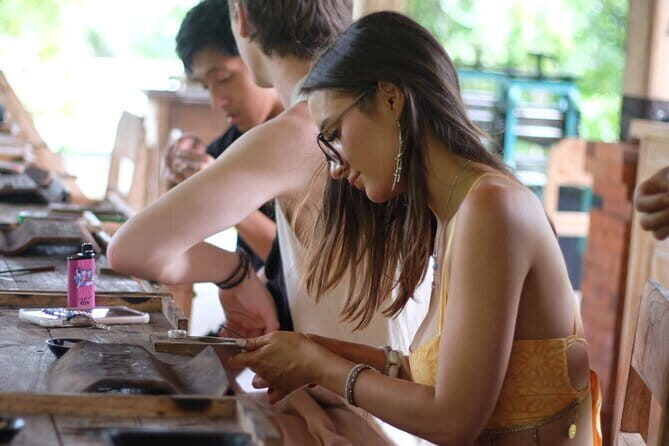
Silver heat, good laughs, and a real keepsake. This Ubud workshop near Ubud Palace lets you create jewelry with 7 grams of silver, step by step with a local artisan. You start with a welcome drink, then work through the process from metal shaping to polishing.

I especially liked the hands-on coaching from the workshop team. They stay friendly and close-by, guiding you while you actually do the work, not just watch it happen. I also like that the experience includes simple refreshment like water and fruit, so you are not stuck dragging yourself through a craft session on an empty stomach.

One thing to consider: this is real making, not just a demo. Be ready for the physical side of the process, including tending the work setup while you work the metal.

Key highlights you will care about

Ubud Silver Class Making Your Own Silver with 7gr of Silver - Key highlights you will care about

  • 7 grams of silver in your own project with the material included in the class
  • Small group size (max 10 travelers) for more attention while you work
  • Near Ubud Palace and the shopping street, easy to pair with other Ubud stops
  • Welcome drink plus water and light snacks during the workshop
  • A full practice loop from shaping through polishing, guided the whole way

A 3-Hour Silver Workshop Close to Ubud Palace

Ubud Silver Class Making Your Own Silver with 7gr of Silver - A 3-Hour Silver Workshop Close to Ubud Palace
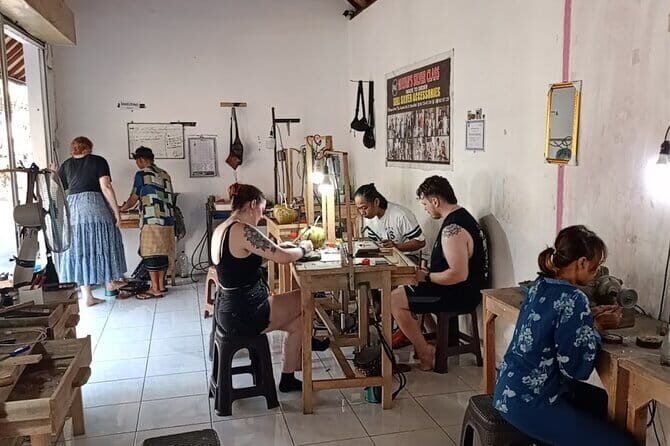
If you want a Ubud souvenir that is personal, this silver class does the job. You come to the workshop near Wayan Silver Class Ubud, and you leave with something you made using 7 grams of silver. The vibe is calm and focused, not a loud tourist line.

The timing is straightforward: plan on about 3 hours in total. That makes it an easy block to fit into a day that includes shopping, temples, or a relaxed lunch. And since it ends back at the meeting point, you are not scrambling for a transfer afterward.

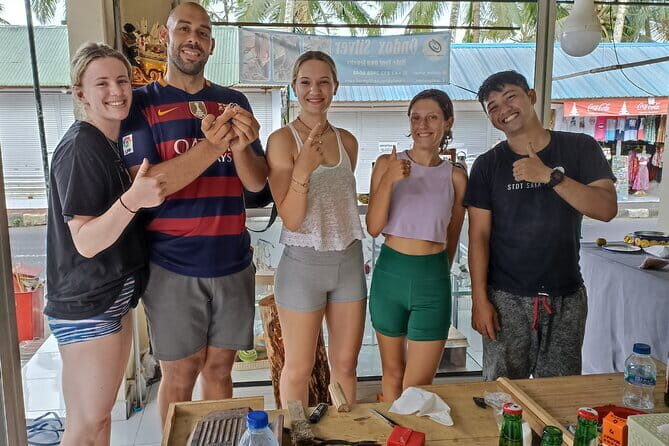
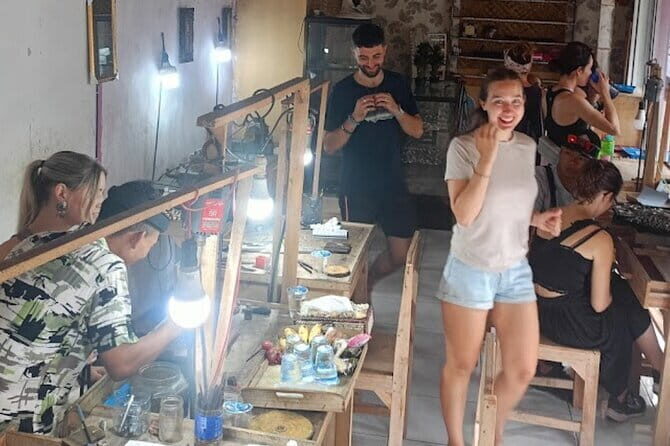
This is also set up for small groups, with a maximum of 10 travelers. In practice, that matters because jewelry making is detail work. When the team has time to check your progress and explain what to do next, you get more out of the class.
You’ll also use a mobile ticket, so you are not dealing with printed paperwork or lost tickets. Confirmation is handled at the time of booking, which keeps things smooth.

Your Jewelry Project: What 7 Grams of Silver Really Means

Let’s talk about the star ingredient: 7 grams of silver. That is enough metal for a small jewelry piece that you can actually wear and keep using, rather than a tiny charm you barely notice.

One review specifically mentions making a ring, and the workshop format is clearly geared toward creating something personal that fits in your daily life. Even if your final shape differs, the promise stays the same: you craft your own piece, using that fixed amount of silver.

You also get guidance on Balinese silver techniques, not just a generic craft. That matters because Balinese silversmithing has its own methods and finishing style. The point is not to turn you into a master metalworker in one afternoon, but to understand what you are doing and why the steps matter.

The biggest value is this: you’re not buying a finished trinket and hoping you like it later. You are making something that carries the story of your hands learning the process.

From Welcome Drink to Shaping and Polishing: How the Class Runs

Ubud Silver Class Making Your Own Silver with 7gr of Silver - From Welcome Drink to Shaping and Polishing: How the Class Runs
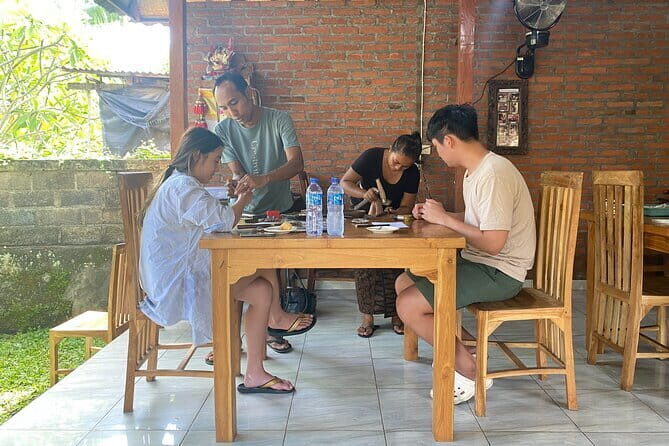
The class starts with a warm greeting and a welcome drink, which sets a friendly tone right away. From there, the workshop team shows you the process and then hands you the tools so you can work alongside them.

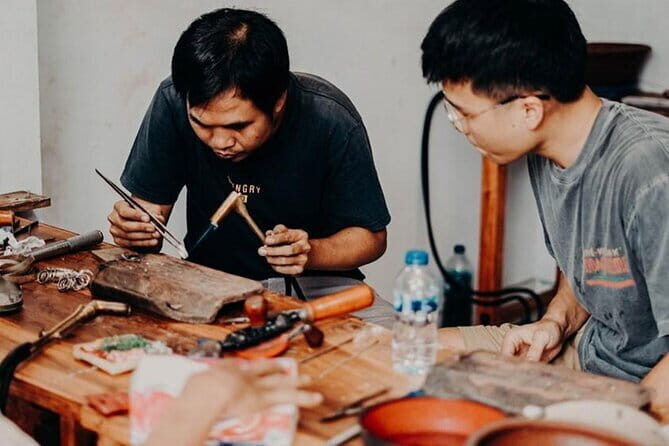
Expect a step-by-step flow. The experience is built around learning each stage, typically including shaping and then polishing at the end. Shaping is where you turn flat or raw metal into the form you want. Polishing is where you go from workable to wearable, because the shine is what makes your piece look finished instead of handmade-in-a-workshop.

Here is the practical part people do not always expect: there is heat involved. One review notes that you should be prepared to do some legwork in keeping the burner going. In plain terms, you are likely to help manage the heat source and tools during the metalworking steps, not just pose with a craft apron on.

That hands-on element is also why this class feels fun. You get immediate feedback because you can see the metal change as you work. And when the team corrects something small early, it saves you from frustration later.

During the session, they also provide water and fruit for a light snack. That small thing helps more than you might think. Crafting metal work can take focus, and staying hydrated keeps you sharper.

Even with the activity going on around you, the experience stays manageable because the class size is limited and the team is right there. You will not feel like you are getting lost in a group sprint.

Meeting at Wayan Silver Class Ubud: Easy to Plug Into Your Day

Ubud Silver Class Making Your Own Silver with 7gr of Silver - Meeting at Wayan Silver Class Ubud: Easy to Plug Into Your Day
Your meeting point is Wayan Silver Class Ubud, at Jl. Suweta No.31, Ubud, Kecamatan Ubud, Kabupaten Gianyar, Bali 80571, Indonesia. The activity ends back at the meeting point, so you can plan your next stop with less stress.

It is also described as being near public transportation, which is useful in Ubud where you might be mixing ride options. If you are walking between sights, the central location makes it easier to slot this in without building your whole day around it.

I like that it is close to Ubud shopping streets. That means you can do something practical before or after, like browse shops, pick up water, or grab a snack for later. In other words, this is not an isolated experience stuck behind a long commute.

Also, the class is listed as suitable for most travelers. If you are traveling solo, the small group format keeps it from feeling too awkward. If you are traveling as a pair, it is still intimate enough that you can get individual attention while you work.

Price and Value: What $33.75 Buys You (Besides a Bracelet That Lasts a Week)

Ubud Silver Class Making Your Own Silver with 7gr of Silver - Price and Value: What $33.75 Buys You (Besides a Bracelet That Lasts a Week)
At $33.75 per person, you are paying for more than a “do this, take that” craft moment. The big value is that the silver is part of the experience: you use 7 grams of silver while you make your piece. So you are not just paying for instruction time, you are also paying for the material used in your project.

You are also paying for guided technique. Silver jewelry making includes steps that look simple until you try them: correct shaping, steady handling, and finishing through polishing. In a workshop like this, the team’s role is to prevent waste and help you get a result you feel proud to wear.

Then there are the small inclusions that make it feel less like a barebones activity. You start with a welcome drink, and you have water plus fruit/light snack during the session. That keeps energy up and makes the 3-hour block feel lighter.

Is it worth it if you are only chasing the cheapest souvenir? Maybe not. If you do not care about making anything and you just want a quick trinket, you may find simpler options elsewhere.

But if you like hands-on experiences, this is one of those Ubud activities where the price lines up with what you actually get: materials, guidance, and a keepsake created by you.

Who This Ubud Silver Class Is Best For

Ubud Silver Class Making Your Own Silver with 7gr of Silver - Who This Ubud Silver Class Is Best For
This workshop is a strong fit if you want an authentic Ubud activity where you interact with local craft. The class format is also designed for regular visitors, since it says most travelers can participate.

It’s especially good for:

  • People who enjoy making things with their hands
  • Travelers who want a wearable souvenir, not just a photo stop
  • Anyone who likes small groups and direct guidance
  • Couples or friends who want a shared activity with a clear end result

It may be less ideal if:

  • You prefer sightseeing that stays hands-off the whole time
  • You dislike heat or the physical side of craft work
  • You want something extremely short and easy to squeeze between trains of activities

One practical note from the listing: service animals are allowed. If that matters for your planning, this activity is built with that in mind.

Also, because the group is capped at 10, you will likely get more interaction than you would in larger factory-style tours.

Little Details That Make the Difference

Ubud Silver Class Making Your Own Silver with 7gr of Silver - Little Details That Make the Difference
A few details from how the workshop is described and how people talk about it point to why this experience feels enjoyable.

First, the team is described as friendly and attentive. Reviews highlight owners and workers who guide the process and keep the mood comfortable. When you are doing fine motor tasks, that friendliness matters because it reduces the fear of messing up.

Second, the class structure supports learning. You are not just handed a finished example and sent off. You get instruction that tracks through the key steps, from shaping to polishing.

Third, the location helps your day flow. Because it’s near Ubud’s shopping areas and near public transportation, you can plan this workshop without turning your schedule into a puzzle.

Should You Book This 7-Gram Silver Class in Ubud?

Ubud Silver Class Making Your Own Silver with 7gr of Silver - Should You Book This 7-Gram Silver Class in Ubud?
I’d book it if you want a Ubud activity that leaves you with something real. Jewelry making is one of those crafts that feels instantly meaningful once you do it, because the result is literally tied to your effort.

It also works well for planning. The duration is about 3 hours, the group stays small at max 10, and you get clear inclusions like welcome drink plus water and fruit/light snack. For the price, you get instruction and 7 grams of silver in a guided workshop setting.

One final thing to watch: this is a working session with heat and tools. If you show up ready to participate, you’ll likely have a great time. If you show up hoping for a slow, purely observational experience, you might feel impatient.

If you are booking soon, it’s also noted that this is often reserved about 6 days in advance on average, so don’t wait until the last minute if you want your preferred time.

FAQ

How much does the Ubud Silver Class cost?

The price is $33.75 per person.

How long is the silver class?

The duration is about 3 hours.

How much silver will I use during the workshop?

You will create your piece using 7 grams of silver.

Where is the meeting point for the activity?

The meeting point is Wayan Silver Class Ubud, Jl. Suweta No.31, Ubud, Kecamatan Ubud, Kabupaten Gianyar, Bali 80571, Indonesia.

Is there a mobile ticket for this experience?

Yes, the experience uses a mobile ticket.

How many people are in the group?

The workshop has a maximum of 10 travelers.
When will I receive confirmation after booking?

Confirmation is received at the time of booking.

Can service animals attend?

Service animals are allowed.

Can I cancel for a full refund?

Yes. You can cancel up to 24 hours in advance for a full refund. If you cancel less than 24 hours before the start time, the amount you paid will not be refunded.

Ubud Highlight: Best of Ubud Private Day Tour with Local Guide

Ubud Highlight: Best of Ubud Private Day Tour with Local Guide - Sacred Monkey Forest Sanctuary: Macaques, Mossy Temples, and Morning Energy

Some days in Ubud feel like a movie set. This one strings together jungle, temple life, and iconic rice scenery in a single, efficient day with a real local voice.

Two things I really like: you get pickup/drop plus a comfortable, air-conditioned private car, and the stops are chosen for variety, not just checkboxes. I also enjoyed hearing how guides like Tumara and Adi explain the places in plain language, with stories that make the sights easier to understand.

The main drawback to consider is that it’s a full 8 hours with no lunch included, so you’ll want to plan for snacks or accept that food time will be on your own.

Key highlights worth knowing

Ubud Highlight: Best of Ubud Private Day Tour with Local Guide - Key highlights worth knowing

  • Private pacing: only your group, with a guide you can actually ask questions to
  • Monkey Forest first: gives you an easy start with dramatic jungle energy
  • Coffee tastings at Oka Agriculture Bali: including Luwak coffee, plus herbal teas
  • Tirta Empul includes sarong use: helpful for temple entry and ritual comfort
  • Kanto Lampo waterfall break: time to cool off and take photos in the jungle setting
  • Value-added inclusions: bottled water, parking fees, and hotel pickup/drop

A Full Ubud Day That Mixes Jungle, Temples, Rice Fields, and Coffee

Ubud Highlight: Best of Ubud Private Day Tour with Local Guide - A Full Ubud Day That Mixes Jungle, Temples, Rice Fields, and Coffee
This Best of Ubud private day tour is built around contrast. You start in a lush sanctuary with a chaotic (in a fun way) cast of long-tailed macaques, then shift to rice terrace viewpoints, then to temple purification, and end with a waterfall where you can cool down.

What makes it work is the flow. Instead of bouncing randomly, the day moves through recognizable Ubud-area stops that people travel for, but with enough structure that it doesn’t feel rushed the whole way.

And yes, there’s time for photos. Between the monkey forest greenery, the Tegalalang terraces, and Kanto Lampo’s waterfall cascade, you’ll leave with plenty of usable pictures, not just one quick snapshot per stop.

Pickup, Private Car Comfort, and a Local-Guide Pace

You’re picked up from your hotel and dropped back at the end of the day. The tour uses private transportation in an air-conditioned vehicle, which matters in Bali heat, especially when you’re moving between sites for hours.

A big practical plus: the driver is described as an English-speaking expert, and professional guides are available in Spanish, German, and others on request. That gives you options if you want a guide voice that matches your comfort level.

The “private” part isn’t small talk. Since it’s only your group, you can ask questions, adjust timing within reason, and keep your day from turning into a herd routine.

Sacred Monkey Forest Sanctuary: Macaques, Mossy Temples, and Morning Energy

Ubud Highlight: Best of Ubud Private Day Tour with Local Guide - Sacred Monkey Forest Sanctuary: Macaques, Mossy Temples, and Morning Energy
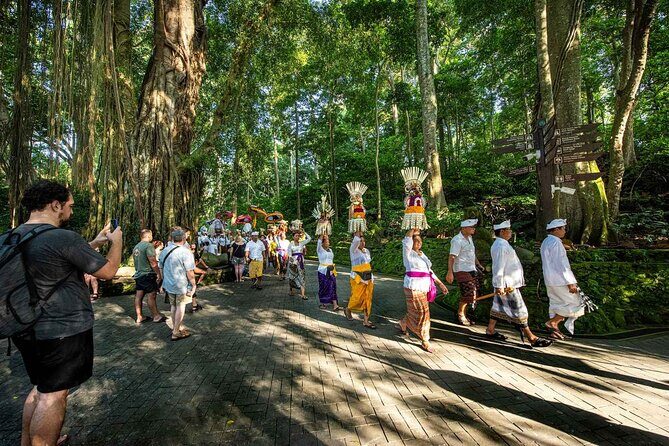
Your day starts at the Sacred Monkey Forest Sanctuary, where you’ll see over 1,000 long-tailed macaques. The setting is lush and jungle-like, with ancient trees and moss-covered temple areas that feel atmospheric right away.

This is a great first stop because it’s active and visual. You’re not waiting around; you’re walking, watching behavior, and taking photos in a setting that looks like Bali in the movies.

One caution: you’re walking through an environment shared with macaques. Keep an eye on personal belongings and stay alert so your day stays fun instead of stressful.

Tegalalang Rice Terrace Walk: Subak Views and Photo Time

Ubud Highlight: Best of Ubud Private Day Tour with Local Guide - Tegalalang Rice Terrace Walk: Subak Views and Photo Time
Next comes the Tegalalang Rice Terrace, famous for the stepped rice fields near Ubud. You’ll get around 40 minutes to stroll through the terraces and enjoy the look and feel of the place.

This stop is especially worthwhile if you like the details of how land is used. The area is tied to the traditional subak irrigation system, so it’s not only a viewpoint—it’s also a cultural model you can see.

The main consideration here is timing. You’ll want to come ready to walk a bit on uneven ground and to grab photos quickly when angles look best. The time window is short enough that you may need to choose between a slow stroll and a “photo first” approach.

Oka Agriculture Bali Coffee Plantation: Luwak Tastings and Herbal Teas

Ubud Highlight: Best of Ubud Private Day Tour with Local Guide - Oka Agriculture Bali Coffee Plantation: Luwak Tastings and Herbal Teas
After the terraces, the day shifts from outdoors to a plantation setting at OKA Agriculture Bali. You’ll spend about 1 hour learning about coffee and spice cultivation and watching the traditional process behind Bali’s famous drinks.

A highlight is the complimentary tastings, which include Luwak coffee plus herbal teas. If you’re curious about why this coffee is talked about so much, this stop gives you the background without turning it into a hard sell.

This is also a good “reset” stop in the middle of a hot day. It’s not just tasting; it’s an education break that breaks up the temple-and-jungle rhythm.

If coffee isn’t your thing, you can still enjoy the spices and the process part. Just know that the flavor theme is the whole point of this stop.

Tirta Empul Temple Water Purification: Sarong Included for a Sacred Stop

Ubud Highlight: Best of Ubud Private Day Tour with Local Guide - Tirta Empul Temple Water Purification: Sarong Included for a Sacred Stop
Then it’s off to Tirta Empul Temple, one of Bali’s most sacred water temples near Ubud. This is a spiritual place focused on a natural spring water source and traditional purification cleansing rituals for the mind and spirit.

You’ll spend about 1 hour here, and a sarong is provided for entry. That’s a practical inclusion because temple dress codes can be strict, and it takes pressure off you to manage it last minute.

This stop is meaningful, but it can also be visually intense because it’s active ritual space. You’ll get the chance to witness or participate according to what’s appropriate there, and you’ll come away with a better sense of what water rituals mean in Balinese culture.

A good approach is simple: keep your voice down, move respectfully, and give people space when rituals are happening.

Kanto Lampo Waterfall Time: A Jungle Dip and Photo Opportunities

Ubud Highlight: Best of Ubud Private Day Tour with Local Guide - Kanto Lampo Waterfall Time: A Jungle Dip and Photo Opportunities
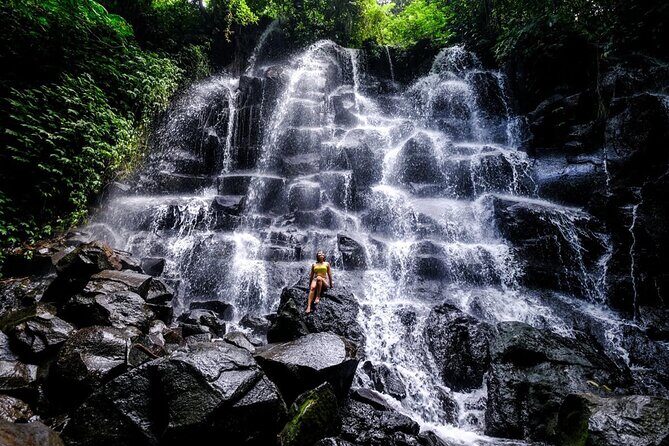
To close the day, you head to Kanto Lampo Waterfall. The setting is surrounded by lush jungle, with a stepped rock wall and a waterfall cascade that’s made for photos.

You’ll get around 1 hour at this stop, and the tour notes a refreshing dip is possible. That makes this a strong finale if you want your day to end with something physical and refreshing rather than only sightseeing.

This is also a stop where your comfort matters. Wear what you’re willing to get a bit damp in, and plan for the fact that you’re moving around a natural area where footing can be uneven.

Price and Value: What $25 Buys You for an 8-Hour Private Day

Ubud Highlight: Best of Ubud Private Day Tour with Local Guide - Price and Value: What $25 Buys You for an 8-Hour Private Day
At $25 per person, this tour can look like a steal—especially because it’s private. Your group gets hotel pickup and drop, a dedicated vehicle, and included touches like bottled water and parking fees.

Entrance tickets are a key detail. The tour includes admission tickets if you select the option. So before you pay, double-check whether entrances are included in your booking, since those costs can change the true value.

Lunch is not included, which is the one area where you’ll handle your own planning. The upside is that you’re not stuck eating a set meal you don’t want—you can choose what suits your tastes and energy level.

Overall, the value is strongest for people who want a full day with minimal coordination. You’re paying for someone to drive, guide, handle key logistics like tickets (when selected), and keep the day moving smoothly.

Who This Tour Fits Best (and Who Might Want Another Plan)

This is a great match if you want a single guided day that covers the big Ubud experiences in a structured way. It’s ideal for couples, small groups, and solo travelers who would rather spend energy looking at Bali than figuring out how to connect sights efficiently.

It’s also a good choice if you like variety. The day includes jungle wildlife, rice terrace walking, plantation learning with tastings, temple ritual time, and a waterfall finish. If that mix sounds like your style, you’ll likely enjoy how the day changes gears.

You might want to think twice if you hate scheduled stops or if you need long breaks. The day is about 8 hours, with roughly an hour per major site, so you won’t have a lot of “hang out all day” time between places.

The Guide Factor: Real Stories Make the Sights Click

One reason this tour stands out is the human element. In feedback for guides like Tumara and Adi, the tone is consistent: friendly, punctual, and willing to answer questions with stories that connect the dots.

Even the small practical things matter. A clean car, a smooth pickup, and a guide who can explain what you’re seeing make a day like this feel less like transportation and more like a guided experience.

If you care about context—why a temple matters, what makes rice irrigation special, why a coffee tasting is culturally important—this is built for you.

Should You Book This Best of Ubud Private Day Tour?

Book it if you want an efficient, private day that includes the “must-see” Ubud highlights with meaningful cultural stops. The mix of Sacred Monkey Forest, Tegalalang Rice Terrace, Oka coffee tastings, Tirta Empul, and Kanto Lampo gives you a complete snapshot of the region without the stress of planning every hop.

Skip or reconsider if you want more freedom with time, especially around meals. Also check whether entrance tickets are included in your chosen option, so there are no surprises when you arrive.

FAQ

What’s the duration of the Ubud private day tour?

It runs for about 8 hours.

Is pickup and drop-off included?

Yes. Pickup and drop hotel service is included, and you’re also dropped back after the tour.

Is this tour private or group-based?

It’s private. Only your group participates.

Are entrance tickets included?

Entrance tickets are included if you select the option. Otherwise, they may not be included.

What’s included besides transportation?

The tour includes an air-conditioned vehicle, bottled water, parking fees, and a sarong for temple entry. It also notes professional guides are available in Spanish, German, and other languages upon request.

Is lunch included?

No. Lunch is not included.

Can you swim at Kanto Lampo Waterfall?

The tour description says you can enjoy a refreshing dip there.

Bali Royal palaces (observe tour)

Bali Royal palaces (observe tour) - Seminyak pickup and how the day runs (without wasting your time)

Lempuyang’s stairs start this day with real effort. This tour strings together royal palaces, Hindu temples, and water gardens in East Bali, plus a fun chocolate stop to reset your brain. The pacing feels like a highlight reel, but it still gives you enough time to look up, walk around, and take in the details.

I especially like two things: the 1700-step climb to Lempuyang Temple (Gateway to Heaven vibes), and the contrast of palaces like Tirta Gangga and Ujung Water Palace, where water and gardens do the sightseeing work for you.

One drawback to plan for: it’s a long day (about 8 to 10 hours) with several quick stops. If you’re sensitive to stairs or you hate rushing, the schedule may feel tight.

Key takeaways before you go

Bali Royal palaces (observe tour) - Key takeaways before you go

  • Tickets for major stops are included, so you spend less time figuring things out and more time walking the sites
  • A dedicated trip to East Bali means you’re not just doing one temple and calling it a day
  • Lempuyang Temple takes time (and it’s 1700 stairs), so bring stamina for the climb
  • Tirta Gangga and Ujung Water Palace both focus on water and gardens, but one feels calmer and more spacious
  • Goa Lawah is short but memorable, especially if timing lines up with bats in the sky
  • Charlie’s Chocolate Factory breaks up temple time, with swings and chocolate treats

East Bali’s Royal-Palace Loop: what makes this route special

Bali Royal palaces (observe tour) - East Bali’s Royal-Palace Loop: what makes this route special
This tour is built around Bali’s East side, where you get a strong mix of Hindu sacred sites and palace-style gardens. The big hook is that you don’t just see one famous place. You stack several stops that each look and feel different: a temple reached by a massive staircase, then water palaces tied to the sacred Ganges idea, then a cave known for bats, and finally a playful chocolate stop.

The value here is practical. At $68, you’re not just paying for transportation. You’re also covering admission tickets across the day, plus the tour includes an air-conditioned vehicle and private transportation for your group. That matters in Bali, where time lost to logistics can turn a nice day into a stressful one.

Seminyak pickup and how the day runs (without wasting your time)

Bali Royal palaces (observe tour) - Seminyak pickup and how the day runs (without wasting your time)
The tour operates with an early departure window: 8:00 AM to 9:00 AM, daily. Pickup is offered, and you get a mobile ticket. It’s also listed as a private tour/activity, meaning it’s only your group.

What that means for you: you’re likely leaving before the day heats up, which is a big deal once you’re climbing stairs and moving between sites. It also helps you avoid the worst crowds, especially at the big-name stop of Lempuyang.

Duration is listed as 8 to 10 hours, and the route is packed. So set your expectations for a “see a lot” day, not a slow, sit-down day where you linger forever.

Lempuyang Temple and its 1700 stairs: Gateway to Heaven in real life

Stop 1 is Lempuyang Temple (Pura Lempuyang). This is the highlight that people talk about for a reason: it’s accessed by a climb of about 1700 stairs, and the temple is often described as the Gateway to Heaven.

The time budget is about 3 hours at this stop, and that’s important. You’re not only climbing. You’re also waiting for your turn to move through the areas, finding your spots for photos, and soaking in what’s around you once you get there. If you only plan for the walking time, you’ll feel rushed at the top.

The other factor is weather and sky conditions. The route description notes that East Bali can be different in the clouds, and that’s part of why this stop is so dramatic. Just remember: the tour also states it requires good weather. If conditions are poor, your date may change.

Possible drawback: the stairs. It’s a lot of step climbing for a half-day effort. If you have knee issues or you get winded easily, this is the part most likely to test you.

Tirta Gangga and Ujung Water Palace: the sacred Ganges idea, with palace drama

Bali Royal palaces (observe tour) - Tirta Gangga and Ujung Water Palace: the sacred Ganges idea, with palace drama
Next you move to the water-palace zone. You’ll visit Tirta Gangga (about 40 minutes) and Ujung Water Palace (about 40 minutes). Tirta Gangga is tied to the meaning of sacred Ganges river, and Ujung Water Palace is presented as part of the same royal garden-world.

Here’s what I think makes these stops worth your time: they’re designed for looking and lingering. Water features, fountains, lakes, and gardens pull your attention in a way that temples sometimes don’t. It’s also a calmer pace than the stair climb, which gives you a chance to reset.

One specific detail that stands out from prior experiences: at Tirta Gangga, a guide brought bread so people could feed the fish. That kind of small touch can make a water garden feel more alive and less like a quick photo stop.

About Ujung Water Palace: it’s described as surrounded by water and lush gardens, with a blend of Balinese and European-style architecture. One account notes it’s more peaceful and spacious compared to Tirta Gangga, which is a useful clue for how you might experience the two back-to-back. If your goal is calm time to look, Ujung can feel easier to take in.

Practical consideration: these stops are timed at roughly 40 minutes each. That’s enough for a good walk and photos, but not enough for a long, slow wander. If you love detailed garden photography, be ready to move with the group.

Goa Lawah: a short cave visit with bats in the sky

Bali Royal palaces (observe tour) - Goa Lawah: a short cave visit with bats in the sky
Stop 4 is Pura Goa Lawah, the cave of bats (also described as Goa Lava). The allotted time is about 30 minutes.

This is the kind of place where you’re walking through a different kind of Bali scene. The attraction is the cave and the bat activity, with the description specifically calling out that at sunset you can see thousands of bats in the sky. In real life, that depends on timing. Since the day is moving, you might or might not catch peak bat flying.

Still, it’s one of those stops that can feel different from the garden palaces. Even if you only get part of the bat show, the cave setting has its own mood, and 30 minutes is a reasonable amount of time so the day doesn’t drag.

Possible drawback: because it’s short, you don’t get a long chance to sit and watch. If you’re a serious bat-spotter, you’ll want to accept that this tour gives you a quick hit, not hours.

Charlie’s Chocolate Factory: swings and a sweet reset

Bali Royal palaces (observe tour) - Charlie’s Chocolate Factory: swings and a sweet reset
Stop 5 is Charlie’s Chocolate Factory for about 40 minutes. This is a fun break right when temple energy might start to wear off.

What to expect is playful and built around an easy-going atmosphere: elves house theming, swings among palm trees, and of course chocolate. For many people, this stop is less about culture depth and more about a well-timed pause. It also helps if you’ve been moving for hours and you need something light and straightforward.

One practical note: it’s listed as included with admission, but food and souvenirs aren’t included. So if you want a full chocolate tasting or extra purchases, you should budget for that separately.

Price and value: what $68 really covers

Bali Royal palaces (observe tour) - Price and value: what $68 really covers
At $68, the big value story is that the tour includes a lot beyond a driver.

Included items:

  • Private transportation and an air-conditioned vehicle
  • All fees and taxes
  • Insurance coverage up to 10,000,000 IDR per person
  • Admission tickets for the major stops (Lempuyang Temple, Tirta Gangga, Ujung Water Palace, Goa Lawah, and Charlie’s Chocolate)

Not included:

  • Food
  • Souvenirs

So what are you paying for, realistically? You’re paying for a full East Bali day where someone else does the route planning and handles the site entries. You’re also buying comfort with air-conditioning during the car time. In a place where traffic and distance can surprise you, that kind of “everything handled” structure can be worth the price.

The smartest way to judge value is to compare it to doing it solo. If you’d have to line up transport, entry fees, and route timing, you’d quickly spend more than $68 once your day gets complicated.

Comfort and pacing: when the day feels busy

Bali Royal palaces (observe tour) - Comfort and pacing: when the day feels busy
This tour is scheduled across 8 to 10 hours, and the stops are frequent. Lempuyang alone takes around 3 hours, and then you stack two palace stops, a cave stop, and a chocolate stop.

That pace can be a good thing if you like organized sightseeing. One account also notes the program is full and you can barely watch everything before sundown. That’s the trade-off. You’ll see a lot, but you won’t have unlimited time to linger at one place.

For you, this comes down to your travel style:

  • If you like structured days and you’re okay moving along, you’ll probably enjoy it.
  • If you hate rushing, you might feel the time pressure most at Lempuyang and during the transitions between stops.

Who this Bali Royal Palaces tour fits best

I’d put this tour in the “best for first-time East Bali” bucket. It works especially well for:

  • People who want temple + palace gardens in one day
  • Those who like water gardens and don’t mind quick walks at multiple sites
  • Travelers who want tickets included and less time dealing with logistics
  • Groups who want a private feel with private transportation

It may be a less ideal fit if:

  • You struggle with stairs or long uphill walking (Lempuyang’s 1700 steps is the obvious challenge)
  • You want a slow, unhurried schedule with lots of downtime
  • You’re very sensitive to weather, since the tour requires good weather

Should you book this tour?

Book it if you want an efficient East Bali sampler: Lempuyang for the big temple climb, Tirta Gangga and Ujung for the palace-water-garden experience, Goa Lawah for the cave/bat moment, and Charlie’s Chocolate Factory as a fun reset. The price looks fair because admission tickets and key logistics are wrapped into one day rate.

Skip it if your top priority is relaxing or if the 1700-stair climb is a deal-breaker. In that case, you’ll likely enjoy a smaller, calmer itinerary better.

If you do book, plan your day around stamina for the stairs and accept that the rest is a well-paced tour, not a long linger at each site.

FAQ

FAQ

How long is the Bali Royal palaces (observe tour)?

The duration is listed as approximately 8 to 10 hours.

What is the price of the tour?

The price is $68.

Is pickup from Seminyak included?

Pickup is offered, and the meeting point is set for an early start window. The tour is also described as using private transportation.

Are entrance tickets included?

Yes. Admission tickets are included for Lempuyang Temple, Tirta Gangga, Ujung Water Palace, Pura Goa Lawah, and Charlie’s Chocolate.

What stops are included in the route?

The tour visits Lempuyang Temple, Tirta Gangga, Ujung Water Palace, Pura Goa Lawah, and Charlie’s Chocolate Factory.

What time does the tour start?

The tour opening hours are listed as 8:00 AM to 9:00 AM, Monday through Sunday.

What happens if the weather is bad?

The experience requires good weather. If it’s canceled due to poor weather, you’ll be offered a different date or a full refund.

Is there a refund if I cancel last minute?

Free cancellation is available up to 24 hours in advance for a full refund. If you cancel less than 24 hours before the start time, the amount paid is not refunded.

Lempuyang Gate of Heaven, Tirta gangga & tukad cepung waterfall

Lempuyang Gate of Heaven, Tirta gangga & tukad cepung waterfall - Tukad Cepung Waterfall: cave waterfall views and swim-friendly fun

Bali’s photo-famous trio is all in one day. The draw here is the pairing of Lempuyang Gate of Heaven with a cave waterfall stop that feels worlds apart from the temple photos. You get a full-day loop aimed at the big-ticket sights, without you having to sort out routes, timing, and ticket lines.

I also like the private driver approach. It turns a long day of stops into something smoother, and it helps when you want better photos than the usual quick phone snap. The main drawback to plan for is time and weather: the sites run on a tight schedule, and the day can be affected by conditions, especially around Lempuyang.

The good news is you’re not arriving empty-handed. You’ll have your sarong for temple entry, bottled water, and admission tickets bundled for the major stops, plus a lunch stop at Lereng Agung Restaurant (not included). If your goal is famous East Bali with minimal stress, this is a solid way to do it.

Key things I’d zoom in on

Lempuyang Gate of Heaven, Tirta gangga & tukad cepung waterfall - Key things I’d zoom in on

  • Private group tour with pickup: it’s only your group, not a mixed scramble
  • Sarong included: you’re covered for temple etiquette
  • All entrance tickets included: you’re not paying again at each site
  • Tukad Cepung cave waterfall: a rare Bali photo setting, plus possible swim time
  • Lempuyang timing for sunset light: the Gate of Heaven is often best in late-day glow

A photo-first East Bali day that still feels human

Lempuyang Gate of Heaven, Tirta gangga & tukad cepung waterfall - A photo-first East Bali day that still feels human
This tour is built for the classic East Bali circuit, the one you’ve seen in a thousand photos. But the real value is how it’s packaged: you drive between the sights with an assigned driver, tickets are included, and your day stays organized from first stop to the last one.

You’re looking at three very different atmospheres. Tukad Cepung is about the cave setting and the drama of waterfall water inside a natural chamber. Tirta Gangga is quieter and more reflective, with water features and koi fish in a former royal water palace. Then Lempuyang shifts the mood back to iconic temple views, with the Gate of Heaven positioned for that late-day light people chase.

The day runs long by design (around 9 to 11 hours). That’s normal for Bali’s east-side sights from the Kuta area, and it’s also why having a driver matters. When you’re not doing the math on roads and parking, you can spend your energy where it counts: photos, walking the sites, and taking small breaks when you need them.

One more practical note: because the schedule depends on good weather, you should treat this as an outdoor-focused day. If conditions are poor, the operator can offer a different date or a refund, so it’s not a “lose money” situation.

Tukad Cepung Waterfall: cave waterfall views and swim-friendly fun

Lempuyang Gate of Heaven, Tirta gangga & tukad cepung waterfall - Tukad Cepung Waterfall: cave waterfall views and swim-friendly fun
Tukad Cepung is the kind of place that makes you stop saying Bali is just beaches. You enter a cave environment where the waterfall becomes the star of the frame, often with light from the cave opening creating a “this looks staged” effect even when it isn’t.

What I like about starting here is the tone it sets for the rest of the day. You begin with something that feels dramatic and unusual, not just another temple courtyard. It’s also a place where your camera habits change. Instead of photographing from one flat viewpoint, you look for angles that show the waterfall within the cave walls. You’ll probably move around a bit to find the shot that fits your style.

The tour info also notes swimming is part of the experience. If you want to swim, go in with a simple mindset: check what’s comfortable and safe when you arrive, and don’t treat it like a guaranteed pool day. Cave water can be slick, and footing matters. Even if you skip swimming, you can still enjoy the waterfall setting and the photo opportunities.

A small thing that matters: bring a plan for getting wet and staying practical. You’ll likely want footwear with grip, or at least something you’re okay with around water and rock. Also, keep in mind that cave entrances can feel cooler and dimmer than the outside, so your phone camera might need a second or two to adjust exposure.

This stop lasts about 2 hours, which is enough time to see the waterfall setting, take pictures, and still keep your energy for the next two major sights. If you rush it, you’ll miss the best photo moments. If you linger too long, you’ll feel it later in the day.

Tirta Gangga Water Palace: koi fish pools and photo-friendly layouts

Lempuyang Gate of Heaven, Tirta gangga & tukad cepung waterfall - Tirta Gangga Water Palace: koi fish pools and photo-friendly layouts
After the cave waterfall, Tirta Gangga feels like a reset button. This former royal palace is centered on water gardens, fountains, and the kind of pool layout that makes photos easy.

Here, I like that the focus shifts away from “one iconic view” to “lots of small scenes.” You can walk through areas designed for lingering. The koi fish pools add movement, and movement makes photos look alive. If you’re the type who enjoys selfies and short photo stops, this place fits that style well because there are many angles and water features to frame against.

The tour sets aside about 1 hour. That’s short enough to keep it efficient, but long enough to do a gentle walk, grab your favorite water-and-fish shots, and then move on. If you’re a slow walker or you like to shoot lots of variations, you may want to move carefully but not get stuck in one corner.

One consideration: Tirta Gangga can be visually “busy” in a good way, but that means it’s easier to over-shoot photos and forget to enjoy the place. Try picking a handful of “must get” frames first, then switch to just walking and soaking in the calm.

Since admission tickets are included, you can focus on being there rather than checking line times or paying entry fees on the spot. That’s one less decision in a day that already asks you to make a few timing calls.

Lempuyang Temple Gate of Heaven: sunset light and temple etiquette

Lempuyang Gate of Heaven, Tirta gangga & tukad cepung waterfall - Lempuyang Temple Gate of Heaven: sunset light and temple etiquette
Lempuyang Temple and the Gate of Heaven are the big reason people book this route. The gate view is famous for a reason: it has that dramatic, framed perspective that makes your photo look like it’s been waiting for you.

The key detail for your planning is the mention of sunset. The temple is described as a great spot to see sunset from the east Bali side. That matters because lighting changes how the whole scene looks. If your goal is a Gate of Heaven photo that matches what you’ve seen online, think of late-day light as part of the “ticket price” you’re paying for.

This is also where temple etiquette becomes practical. You’ll be provided a sarong for the visit, which saves you from the hassle of trying to find one in town last minute. Still, give yourself a little mental buffer for the flow of the site: you’ll likely spend time moving through temple areas before you reach the best viewpoint.

About timing and patience: Lempuyang is popular, and the access experience can take more time than you expect, especially if you’re aiming for a specific photo moment. That’s one reason a private driver helps. A good driver keeps the day moving and can help you manage when to go for shots versus when to take a breather.

The stop runs about 2 hours, which is enough to reach the viewpoint, take photos, and enjoy the moment without feeling trapped. If you’re visiting mainly for photos, you’ll love having that dedicated time block. If you want more quiet sightseeing, you may have to work around crowd rhythms and the need to queue for viewpoints.

Private driver value: how you get better pacing and photos

Lempuyang Gate of Heaven, Tirta gangga & tukad cepung waterfall - Private driver value: how you get better pacing and photos
A private tour isn’t just about comfort. It’s about control. You’re only with your group, with a driver and car handling the hard part: getting you from place to place and keeping you from spending half the day figuring out logistics.

From previous experiences with drivers named Gede and Putu, the vibe is consistent: they’re helpful, reliable, patient, and flexible. They also focus on helping with photos, including taking time to get you in good positions and snapping images that look more intentional than typical tourism shots. That matters because the Gate of Heaven and cave waterfall are both places where the background is powerful and the “right angle” makes or breaks the photo.

A driver can also help with explanation. One of the best parts of a guided day isn’t a lecture; it’s getting quick context that turns a photo into a memory. The experiences shared with these drivers include time spent explaining places and culture, and they’re often willing to help you plan around what will work best that day.

Your tour is priced at $65.25 per person, and what you’re getting at that level is fairly straightforward: private driver and car, admission tickets for the major stops, sarong for the temple, bottled water, and the time to do three sites in one go. The real question becomes whether you want to manage this on your own. If you don’t, this kind of bundled private day is value.

Lunch at Lereng Agung Restaurant: budget for it and plan what you want

Lunch is not included. Instead, you’ll do lunch at Lereng Agung Restaurant, and you’ll pay your own expenses.

That’s a fairly common setup in Bali day tours, but it changes how you should pack your day. Bring a simple plan: decide early if you want something light before Lempuyang or if you’ll save your energy and eat closer to that midpoint.

Because the tour runs 9 to 11 hours, you’ll likely want a meal that doesn’t slow you down. If you’re the kind of person who tends to feel sluggish after heavy rice dishes, consider ordering something lighter. If you’re fine with a bigger meal, just don’t go so heavy that you can’t enjoy the last temple stretch.

Also, you’ll have bottled water included, which helps. Still, keep an eye on hydration, especially if your day includes walking between viewpoints and cave areas.

Price and what you really get for $65.25

Lempuyang Gate of Heaven, Tirta gangga & tukad cepung waterfall - Price and what you really get for $65.25
Let’s talk value without pretending it’s magic.

At $65.25 per person for roughly 9 to 11 hours, you’re paying for three things most people struggle with:

  • Transport and driver time across east Bali from the Kuta area
  • Ticket costs included for the main stops
  • A smoother experience through a private, group-only setup

Most “cheap” options end up costing more in hidden ways: paying entry fees separately, paying for guide help (or losing time on your own), or wasting hours on delays that knock your schedule off. Here, the key entries and the sarong are part of the package.

The only cost you should expect is lunch and your personal spending. That’s it. So if you’re comfortable paying for lunch on your own and you want a structured day, this pricing model makes sense.

The best buyers are people who want the famous spots in one day and don’t want to assemble the plan themselves. If you’re traveling as a couple or as a small group, private tours tend to feel especially fair because you’re not splitting a large group experience.

Should you book this Lempuyang–Tirta Gangga–Tukad Cepung tour?

Book it if:

  • You want three iconic East Bali stops without planning the logistics yourself
  • You care about photos and would benefit from a driver who helps with timing and shot composition
  • You prefer a private group day with admission tickets and temple sarong included

Skip it or think twice if:

  • You hate long travel days (this is a full-day outing)
  • You’re very strict about specific timing for sunset and photo conditions
  • You’re the type who wants lots of free time at one site, because the schedule is designed for covering all three

My take: this is a strong choice for first-time Bali visitors who want the highlights with less friction. The cave waterfall and the royal water palace are a nice balance to the famous Gate of Heaven, and the included tickets make the day feel clean and predictable.

FAQ

How long is the Lempuyang Gate of Heaven, Tirta Gangga, and Tukad Cepung tour?

The tour runs about 9 to 11 hours.

Is pickup included?

Yes, pickup is offered.

Are entrance tickets included?

Yes. Admission tickets are included for the stops: Tukad Cepung Waterfall, Tirta Gangga Park, and Lempuyang Temple.

Do I need to bring a sarong for Lempuyang Temple?

No. A sarong for temple visits is included.

Is lunch included in the price?

Lunch is not included. The tour mentions lunch at Lereng Agung Restaurant, and you pay your own expenses.

What happens if weather is poor?

The experience requires good weather. If it’s canceled due to poor weather, you’ll be offered a different date or a full refund.

Private Tour Highlight of Bedugul and Jatiluwih Rice Terrace

Private Tour Highlight of Bedugul and Jatiluwih Rice Terrace - Getting Started: Pickup Zones and What “Private” Means Here

Rainy-day highland vibes, minus the stress. This private tour takes you from the south coast up into Bali’s cooler highlands for temple stops and one of the island’s most famous rice-terrace views at Jatiluwih. It’s built for first-timers who want a smooth route, fewer headaches, and more time looking out the window than at a map.

I especially like the hassle-free pickup and drop-off from popular areas around Ubud and beyond. I also like that you’re not just doing one Instagram stop—you get Taman Ayun Temple, Ulun Danu Bratan by Bedugul Lake, and time at the UNESCO-listed Jatiluwih Rice Terraces.

One thing to consider: admission fees are not included. You should budget about $6 per person on top of the tour price.

Quick Take: What Makes This Tour Worth Your Time

Private Tour Highlight of Bedugul and Jatiluwih Rice Terrace - Quick Take: What Makes This Tour Worth Your Time

  • Private air-conditioned vehicle with an English-speaking driver, so you’re not wrestling Bali traffic yourself
  • Temple plus terraces in one day, including Taman Ayun and Ulun Danu Bratan
  • Fewer crowds approach, because the tour focuses on lesser-visited parts of the island
  • Jatiluwih’s wide rice-terrace views with time to slow down and take photos
  • Guides who help you with photos—Aris, Widana, and Tut have been specifically praised for making the day fun

A Private Highland Day Without the Navigation Headache

Private Tour Highlight of Bedugul and Jatiluwih Rice Terrace - A Private Highland Day Without the Navigation Headache
This is a classic “good day, easy day” Bali plan. You’ll leave your hotel area and let someone else handle the driving, while you concentrate on scenery and stops. That matters more than you’d think—Bali’s roads can be twisty, slow, and unpredictable, especially once you get into the highlands.

The tour is also timed in a smart way for an 8-hour day. You get three main visits, each with about an hour on site, plus enough travel time to make it feel like a real outing instead of a rushed dash. And since it’s private, your schedule stays yours rather than tied to a bus timetable.

One more practical win: the itinerary includes an additional stop area via a Balinese coffee plantation en route to Bedugul (so you’re not just staring at the road the whole way). That gives the day a local flavor without adding extra complexity.

Getting Started: Pickup Zones and What “Private” Means Here

Private Tour Highlight of Bedugul and Jatiluwih Rice Terrace - Getting Started: Pickup Zones and What “Private” Means Here
The biggest day-to-day advantage is pickup. This tour includes hotel or port pickup and drop-off from a wide set of places, including Ubud, Denpasar, Canggu, Seminyak, Legian, Kuta, Tuban, Jimbaran, Sanur, Tanjung Benoa, and Nusa Dua. So if you’re staying outside Ubud, you still have a good chance of being covered.

“Private” here means only your group rides in the car. That gives you a little freedom—questions to the driver, bathroom breaks when needed, and a calmer rhythm at each stop. It’s also an advantage for photo timing, because you’re not stuck waiting for a large group to move.

You’ll travel in a fully air-conditioned vehicle, and you’ll have mineral water during the day. Those small comforts matter more in the hills where the air can feel different from the coast—especially if you’re sensitive to heat and humidity.

Taman Ayun Temple: Royal-Era Grounds with UNESCO Status

Your first major stop is Taman Ayun Temple, a site with a story that goes beyond the postcard. The temple was once described as a playground for the children of the Mengwi Kings. Today it’s used for worship connected to ancestors, and it carries UNESCO recognition.

What I like about starting here is the pace. You’re not immediately thrown into the busiest “big show” temple moment. Instead, you ease into Balinese temple culture with a setting that feels more grounded and less chaotic.

Expect around one hour here. Admission isn’t included, so plan to handle entry fees on the spot. Dress code is casual, which helps—just keep shoulders and clothing respectful, and you’ll be fine.

Why this stop is valuable: it sets a cultural tone for the rest of the day. After Taman Ayun, the next temple at Bedugul feels less like a random scenic stop and more like part of a pattern: temples tied to community, water, and landscape.

Ulun Danu Bratan: The Lake Temple for Photos and Quiet Moments

Private Tour Highlight of Bedugul and Jatiluwih Rice Terrace - Ulun Danu Bratan: The Lake Temple for Photos and Quiet Moments
Then you head up toward Ulun Danu Bratan, the famous temple located on (or in) the waterscape of Bedugul Lake. This is the one people often come for because it’s visually unique—especially for photos.

The practical detail: you’ll get about one hour at this stop. The experience is largely about timing and atmosphere. If the light is good and the wind isn’t too wild, you can get that classic lake-temple composition. If clouds roll in, it can still look dramatic—just different.

Admission again is not included. So you’ll want a little cash or whatever payment method your guide suggests for the entrance.

One watch-out: even if the tour aims for fewer crowds, Ulun Danu Bratan is iconic, so you may see other visitors. The advantage of a private tour is that you can still move with your driver’s sense of timing, rather than being trapped in a crowd flow.

Jatiluwih Rice Terraces: UNESCO Views That Stretch Farther Than You Expect

Private Tour Highlight of Bedugul and Jatiluwih Rice Terrace - Jatiluwih Rice Terraces: UNESCO Views That Stretch Farther Than You Expect
Next comes Jatiluwih Rice Terraces, a UNESCO World Heritage Site in Bali’s west highlands. The terrace system is known for its sweeping views—rice paddies unfurling from the mountains down toward the coastal side. It’s not just a single viewpoint; it’s an entire texture of farmland.

The tour gives you about one hour here, which is a good amount of time for strolling at a relaxed pace and getting photos from a couple of angles. The descriptions of the area also emphasize walking through padi fields, which is exactly what you should expect if you want that hands-on “I’m in it” feeling rather than just standing at the edge.

Admission fees are also not included, so again budget the entrance cost per person.

What to watch for: terrain. Even if you only do a light walk, terrace paths can be uneven and sometimes slick depending on weather. Comfortable shoes help a lot, and casual clothing is fine—but bring a layer if the highlands feel cool.

The Coffee Plantation Stop: A Little Local Color on the Way Up

The overview of this tour includes a stop via a Balinese coffee plantation on the way to Bedugul. You won’t spend hours here, but it can add context to what you’re passing through. It also gives you a stretch break before the day settles into temple-and-terraces rhythm.

Since the exact timing inside the coffee stop isn’t listed, treat it as a bonus layer rather than a “must-see equal to the temples” moment. If you like learning how products are made and packaged, you’ll probably enjoy the added context.

Price and Value: What $35 Really Buys You

The tour price is $35 per person, and you can see why it’s popular: it’s a full private day with pickup, an air-conditioned vehicle, an English-speaking driver, parking fees included, and mineral water. For Bali, that’s the kind of structure that keeps your day simpler.

Then there’s the part many people forget: admission fees are not included. You should plan to add about $6 per person for entrances. Lunch isn’t included either, so you’ll either eat on the go or plan for a meal separately.

So the real cost picture is: a low base price plus modest site fees. If you’re comparing to self-driving plus paid parking plus the hassle of figuring out schedules, this private format often starts to feel like the efficient choice. The “value” isn’t just money—it’s time and mental energy.

How the Day Flows: Timing, Pacing, and Photo Strategy

This is structured like a three-stop day: Taman Ayun Temple, Ulun Danu Bratan, and Jatiluwih Rice Terraces. Each stop is about an hour, and the day length is around 8 hours total. That means you’ll be in the car for a good chunk, but it won’t feel like a half-day only—more like a full “see the highlights of the highlands” outing.

For photos, I’d plan to use your hour at Jatiluwih for more than one viewpoint. Rice terraces look different from slightly different angles, and you’ll likely want at least one slow walk instead of only quick snaps. At Ulun Danu Bratan, go for your first big photo early in your visit, then use the remainder of the time to reposition when the light shifts or crowds thin.

The best advice for any Bali private tour: ask your driver where the best photo corners are for the direction you’re facing. Guides on this route have been praised for taking plenty of photos for guests, including Aris, Widana, and Tut—so don’t be shy about making photo requests.

Who This Tour Is Best For (and Who Should Skip It)

This works especially well if you’re:

  • A first-time visitor who wants the highlands without the stress
  • Someone who prefers a private car over joining larger groups
  • You want both temples and rice terraces in one day

It may be less ideal if you:

  • Want an ultra-long stay at one site (this is timed and efficient, not slow travel)
  • Hate paying entrance fees on top of the tour price
  • Plan to spend the whole day shopping or eating, since lunch isn’t included

Practical Tips That Make a Real Difference

A few small things can turn this from fine to smooth.

Wear comfortable shoes for Jatiluwih. Even a light stroll can mean uneven ground, and you don’t want to focus on balance instead of views. Keep your clothing casual, but respectful for temples.

Bring sun protection. Even in the highlands, brightness can hit fast once the clouds clear. And since you’re away from your hotel for most of the day, think about personal snacks or a plan for lunch—because lunch isn’t part of the included package.

If you’re traveling with kids, note that children must be accompanied by an adult, and kids 4-years and under are free when accompanied. That can make the overall family value better if your group includes little ones.

So, Should You Book It?

If you want a confident, low-stress day that mixes culture and countryside, I think this tour is easy to recommend. It’s a strong value at $35 because you’re paying for private transport, an English-speaking driver, and a route that hits Taman Ayun, Ulun Danu Bratan, and Jatiluwih without making you do logistics math.

Book it if you like structured days, want fewer crowds, and appreciate photo-friendly stops. Skip it if you’re the type who needs full autonomy to wander for hours at one place. This is a well-paced highlight day, not a long exploratory trek.

FAQ

What is the duration of the Private Tour Highlight of Bedugul and Jatiluwih Rice Terrace?

The tour lasts about 8 hours.

Is hotel pickup and drop-off included?

Yes. Pickup and drop-off are included for hotels or ports in the Ubud, Denpasar, Canggu, Seminyak, Legian, Kuta, Tuban, Jimbaran, Sanur, Tanjung Benoa, and Nusa Dua areas.

Is this tour private?

Yes. It’s a private tour/activity, and only your group participates.

What’s included in the price?

Included are private air-conditioned vehicle, an experienced English-speaking driver, parking fees, and mineral water.

What isn’t included?

You’ll need to pay admission fees (about $6 per person). Lunch and any other personal expenses are not included.

Which stops are on the itinerary?

The main stops are Taman Ayun Temple, Ulun Danu Bratan, and Jatiluwih Rice Terraces.

Can kids join?

Most travelers can participate. Children must be accompanied by an adult, and kids 4-years and under are free when accompanied.

Munduk: Tamblingan jungle trek, waterfall, Ulun Danu temple

Munduk: Tamblingan jungle trek, waterfall, Ulun Danu temple - Getting There and Staying On Schedule: Pickup, Timing, and Comfort

Rainforest mornings in Bali are a treat. This Munduk day tour strings together the big natural hits: a Tamblingan jungle trek, the Banyumala Twin Waterfalls, and the iconic Pura Ulun Danu Beratan temple by Lake Bratan, often wrapped in mist.

I really like two things here. First, the pacing fits people with moderate physical fitness needs, with clear time blocks for the hikes. Second, the human touch matters: a driver named OKA (reported as a top highlight) brings coffee-farmer knowledge and points out local plants and even the sort of flora-and-fauna details you usually miss on your own.

One possible drawback: the day is long. It runs about 8 hours starting at 8:00am, so plan for walking time on jungle paths (plus the early start).

Key Highlights You’ll Actually Feel

Munduk: Tamblingan jungle trek, waterfall, Ulun Danu temple - Key Highlights You’ll Actually Feel

  • Tamblingan trek among century-old, moss-covered trees in the highlands
  • Traditional pirogue ride across Buyan and Tamblingan lakes for a calmer contrast
  • Banyumala Twin Waterfalls walk through ferns and tropical plants
  • Pura Ulun Danu Beratan (Lake Bratan), a misty, postcard-temple stop
  • Lunch plus coffee/tea included, and you get a plantation tasting
  • Pickup + A/C vehicle, with entrance fees handled and tickets via mobile

Munduk’s Highlands Day Plan From Ubud: What You’re Really Buying

Munduk: Tamblingan jungle trek, waterfall, Ulun Danu temple - Munduk’s Highlands Day Plan From Ubud: What You’re Really Buying
Ubud is busy in a way the Munduk highlands aren’t. This tour is built for that contrast. You start the day up in the mountains, trade traffic noise for rainforest sounds, then end with a temple view over Lake Bratan. It’s a classic Bali combo: nature + culture + food.

At $102.37 per person, the value comes from how much is packed into one handoff. You’re not paying separately for guides, entrance fees, and the main transport leg. You also get lunch and coffee/tea included, which turns a “just sightseeing” day into something closer to a full outing. The tour is commonly booked about 21 days in advance, which usually means it’s popular for people who want an organized highland day without juggling tickets and stops.

One thing to watch: this is a “see a lot” day. If you hate schedules, this might feel like a checklist. If you like movement and variety, it’s a solid way to spend one day in Bali’s cooler interior.

Getting There and Staying On Schedule: Pickup, Timing, and Comfort

Munduk: Tamblingan jungle trek, waterfall, Ulun Danu temple - Getting There and Staying On Schedule: Pickup, Timing, and Comfort
The day starts at 8:00am from Coco Supermarket in Ubud, and the activity ends back at that meeting point. Pickup is offered, and transport is done in an air-conditioned vehicle, which is a big deal once you’re coming back from higher, cooler areas into warmer stretches of the island.

The itinerary is about 8 hours total, and the guide keeps the stops flowing:

  • a multi-hour trek at Tamblingan,
  • a waterfall hike,
  • then the temple visit,
  • plus lunch and a coffee plantation tasting squeezed in between.

Because you’re walking on natural paths, expect uneven ground. The tour notes you should have moderate physical fitness, so if you’re comfortable with a couple of jungle walks and you take it slow, you’ll be fine. Bring shoes with grip. Bring water if you usually drink a lot. And if you get cold easily, consider a light layer—highland mornings can feel cooler even in the tropics.

Tamblingan Lake: The Jungle Trek With Century-Old Trees

Stop 1 focuses on the Tamblingan Lake area with a trek through dense rainforest. The best part of this section is the setting: you’ll see century-old trees and the moss-covered look that makes the jungle feel older than the rest of the island. This is the kind of place where the air feels different under the canopy.

You also get a break from straight hiking thanks to the tour’s lake component. The day’s overview includes a traditional pirogue crossing across the calm waters of Buyan and Tamblingan. That matters, because it gives your legs time to recover while you still get scenery. Think of it as a “reset” inside a single day.

What I like about starting here:

  • you’re fresh early, so the forest trek feels manageable,
  • the boat portion adds variety instead of repeating the same kind of walking,
  • and the whole area is known for misty, atmospheric views, which can make even short temple glimpses feel cinematic.

Possible drawback: if you don’t enjoy guided walking through thick greenery, you may feel the trek is the main event of the day. It’s not just a quick photo stop.

Banyumala Twin Waterfalls: The Walk Through Ferns to the Payoff

Stop 2 is the Banyumala Twin Waterfalls section. The hike takes about 1 hour 30 minutes and follows a winding jungle path with ferns and tropical plants along the way. This is a good length: long enough to feel like you traveled somewhere, short enough that you won’t be totally cooked before the temple stop.

When you reach the falls, the big win is the contrast. After mossy forest and lake air, you get sound, cool mist, and that strong waterfall visual. It’s also a natural place for your guide to point out details in the plants and the way the area works.

My practical advice:

  • go slow on the trail. Wet jungle ground can be slippery,
  • plan to spend a little time at the viewpoints rather than rushing through,
  • and bring something to protect your phone/camera if you’re nervous about mist.

Entrance fees for this stop are included, so you won’t waste time figuring out tickets on the spot.

Coffee Plantation + Lunch: Where the Tour Starts Feeding You

One of the reasons this trip stands out is that it doesn’t treat food as an afterthought. Lunch is included, described as local specialties, which means you get something more meaningful than a quick snack between hikes.

Then there’s the coffee plantation stop. You’ll taste different coffee varieties, and coffee/tea are included. What makes this more than a tourist stop is the way the guide’s knowledge comes through. One of the strongest highlights from the experience is a driver named OKA, described as a legit coffee farmer who knows local flora and fauna and can explain agricultural details in a way that feels real, not scripted.

If coffee tasting is your thing, this will feel like a bonus. If coffee isn’t your obsession, the plantation stop still works because it breaks up the day after walking and before the temple.

Pura Ulun Danu Beratan: Temple Views Over Lake Bratan

Munduk: Tamblingan jungle trek, waterfall, Ulun Danu temple - Pura Ulun Danu Beratan: Temple Views Over Lake Bratan
Stop 3 is Ulun Danu Bratan Temple—Pura Ulun Danu Beratan—on the shores of Lake Bratan. This stop lasts about 1 hour, which is enough time to see the main areas, watch for the misty-weather vibe the temple is known for, and take photos without feeling rushed into the next activity.

Why this temple works well at the end of the day:

  • it’s a calmer rhythm after hikes,
  • the setting by the lake makes the scenery feel cooler and more atmospheric,
  • and the mist factor can dramatically change what you see from one moment to the next.

A quick consideration: if weather is extremely foggy, you may have reduced visibility. That doesn’t make the temple less interesting; it just changes how far your view goes.

Price and Value: Is $102.37 a Good Deal for This Schedule?

For $102.37 per person, you’re paying for organization plus multiple “included” cost items. Based on the tour details, your money covers:

  • an English-speaking guide,
  • entrance fees for the stops,
  • lunch and coffee/tea,
  • an air-conditioned vehicle (plus pickup option),
  • and a mobile ticket.

That’s a lot of small expenses bundled together. It’s not just the headline attractions; it’s also that you don’t have to plan access and timings between rainforest trek, waterfall hike, and temple visit.

The other value piece is the experience quality people highlight—especially the guidance. OKA is specifically mentioned as amazing, and the way he connects coffee farming with plants and local nature makes the day feel taught rather than simply transported.

One more value note: the tour is listed as a private tour/activity for your group only. Even though it’s “private,” it’s still offered as a group-discount style product, so if you’re traveling with others and can share the ride costs, you’ll likely feel the price even better.

Who This Tour Fits Best (and Who Should Skip It)

You’ll love this tour if you want a single day that mixes:

  • highland rainforest trekking (Tamblingan),
  • a proper waterfall destination (Banyumala Twin Waterfalls),
  • a signature Bali temple by water (Ulun Danu Beratan),
  • and stops that include food and coffee tasting.

It’s a great choice for first-timers to Bali’s interior who feel overwhelmed by planning. It also works for people who like an “active but guided” day. If you prefer museum-style pacing, or you get cranky when a schedule is tight, you may want a slower route.

It’s also worth noting the tour asks for moderate physical fitness. If you’re unsure, you can still go at a careful pace, but the nature parts are the core of the experience.

Should You Book Munduk: Tamblingan, Banyumala, and Ulun Danu Beratan?

I’d book it if you want one organized day to hit Bali’s cooler highland highlights without dealing with logistics. The combination is strong: rainforest + lakes + waterfall + temple, and you’re not leaving the day hungry or thirsty thanks to lunch and coffee/tea.

Skip it if you:

  • hate long travel days (it’s about 8 hours),
  • want zero walking,
  • or prefer only one major “big thing” instead of a full circuit.

If you do book, I’d aim to reserve ahead since it’s often booked around three weeks in advance. And if you’re picky about comfort, wear grippy shoes and dress in layers so you can handle the shift between jungle shade and open viewpoints.

FAQ

Where does this tour start in Ubud?

It starts at Coco Supermarket on Jalan Raya Pengosekan, Ubud, Bali.

What time does the tour start?

The start time is 8:00am.

How long is the tour?

The duration is approximately 8 hours.

Is pickup available?

Yes, pickup is offered.

What’s included in the price?

Lunch, an air-conditioned vehicle, entrance fees, an English-speaking guide, and coffee and/or tea are included.

What ticketing do I need?

A mobile ticket is provided.

Is this a private tour?

Yes. It’s listed as a private tour/activity, with only your group participating.

What fitness level is required?

The tour indicates you should have a moderate physical fitness level.

Can I cancel for a full refund?

Yes. You can cancel up to 24 hours in advance for a full refund. Any cancellation closer than that is not refunded, based on local time.

The Best 2-point Snorkeling in Padangbai: Blue lagoon and Tanjung jepun

The Best 2-point Snorkeling in Padangbai: Blue lagoon and Tanjung jepun - Lunch at 11:00am, plus a real break afterward

Two reef stops in one morning can work wonders. This Padangbai outing is built for coral-and-fish snorkeling with beginner-friendly pacing, then it adds a beach break at Bias Tugel and sightseeing later in the day. I like that the tour is private, so your timing stays smoother. I also like the included snorkeling gear plus pickup and drop-off, which cuts down on the usual hassle. One thing to consider: one of the snorkeling areas has been reported as messy, with floating rubbish and plastic, so your best underwater moments can depend on what the water brings that day.

You also get a thoughtful message in the tour style: don’t touch or damage coral, and treat the sea like it’s somebody’s living home. Then you finish with time to relax on a quieter shore before heading to Kerta Lampo and a coffee stop.

Before you book, note the practical trade-off: it’s a longish drive from Nusa Dua, so bring something for the ride and settle in for an early start.

Key Things You’ll Notice on This Tour

The Best 2-point Snorkeling in Padangbai: Blue lagoon and Tanjung jepun - Key Things You’ll Notice on This Tour

  • Tanjung Jepun first: a solid start for seeing fish and coral close up
  • Blue Lagoon second: great visibility in good conditions, but watch for waste reported in the water
  • A clear schedule: snorkeling at 9:00 and 10:00 gives you two chances, not just one
  • Bias Tugel beach time: you’re not only suited up—you get to swim and relax on sand
  • What’s included matters: gear, drinks, insurance, pickup/drop-off, and a coffee break reduce extra costs
  • Coral-friendly rules: you’ll be asked not to damage coral, which is the difference between a good reef day and a bad one

Tanjung Jepun at 9:00am: a calm start for coral and small fish

This tour begins with a 7:00am pickup, then you roll out toward Padangbai. The first snorkeling stop is Tanjung Jepun around 9:00am, which is a good setup because you’re fresh and the day is still moving at a steady pace. The company positions this as family-friendly and beginner-friendly, and that matters: you want a spot where you can float, breathe, and take your time without rushing.

What you’re really chasing here is the direct view of coral and lots of small fish. When water is clean and bright (the tour says normal conditions and sunny seasons), reefs like this tend to show better texture and clearer movement. That makes snorkeling feel less like a swim-by and more like a slow look—perfect if you want photos, or if you just enjoy watching fish do their fish jobs.

Practical tip for this kind of reef: keep your fins controlled and your hands off everything. Even a light brush can hurt coral. If you’re new, start by practicing in chest-deep water (or at the entry point) so you don’t spend your first minutes fighting gear.

Blue Lagoon at 10:00am: clearer water, but plan for possible plastic

The Best 2-point Snorkeling in Padangbai: Blue lagoon and Tanjung jepun - Blue Lagoon at 10:00am: clearer water, but plan for possible plastic
At about 10:00am, the day shifts to Blue Lagoon. This is the second reef stop, and it’s scheduled after lunch time isn’t directly next—meaning you’re still in snorkeling mode for a second round. In the best conditions described by the operator, you should get clear water and a straightforward view of reef life.

Here’s the honest trade-off. One of the most important takeaways from past participants is that Blue Lagoon has sometimes been reported with rubbish and plastic in the water. That doesn’t mean you’ll always see waste, and it doesn’t erase the fact that you can still spot fish and coral—but it’s enough of a caution that you should go in with realistic expectations.

If you’re sensitive about cleanliness, you can handle it in the moment:

  • Stay focused on where you can see fish and coral clearly, then move on if the surface feels messy.
  • Don’t assume the water will look perfect just because it’s a “lagoon.” It’s day-to-day.
  • Keep a close eye on where you kick—waste on the surface can also mean distractions underwater.

The good news: you’ve got two stops in the day. If the second spot isn’t at its best, the first stop can still deliver the core snorkeling experience.

Lunch at 11:00am, plus a real break afterward

The Best 2-point Snorkeling in Padangbai: Blue lagoon and Tanjung jepun - Lunch at 11:00am, plus a real break afterward
Lunch is on the schedule at 11:00am, but it’s not included in the tour price. Drinks (mineral water) are included, along with a coffee break, so you won’t leave yourself completely dry. Since you’re paying for lunch separately, it’s smart to plan for that budget rather than hoping lunch is bundled.

After lunch, the day relaxes. Around 12:00pm you visit Bias Tugel beach. This is where the trip shifts from reef viewing to getting your body back under control. You get time to enjoy the view of this quieter beach, with options to swim and simply unwind.

I like that this isn’t just a rushed stop for photos. Having a chunk of time at a beach helps you reset after the snorkel effort and gives you something that’s enjoyable even if you don’t stay in the water long.

If you’re traveling with kids or with beginners, this is also where everyone can feel like the day is still worth it, even if snorkeling takes some getting used to.

Kerta Lampo waterfalls and coffee plantation: what to expect late in the day

The last part of the experience includes Kerta Lampo waterfalls and a coffee plantation stop. The itinerary places these after Bias Tugel beach, so by the time you reach them you’ll likely feel the full rhythm of a Bali day: water, then beach, then nature sights.

What’s useful here is that it gives the trip more variety than a pure snorkeling tour. If your group wants a bit of scenery and a cultural stop (even if it’s more of a visitor experience), this helps justify the early start. The coffee plantation component is specifically called out, so expect at least a presentation and the chance to taste or buy coffee products—just don’t assume it’s free if purchases are offered.

One note: because Kerta Lampo can mean some stairs and slick areas depending on conditions, it helps to wear practical footwear at that stage of the day, not just sandals.

Pickup from Nusa Dua: comfort is decent, drive time is the trade

The Best 2-point Snorkeling in Padangbai: Blue lagoon and Tanjung jepun - Pickup from Nusa Dua: comfort is decent, drive time is the trade
The tour provider offers pickup and drop-off, and the start time is 7:00am. Since this is described as a private tour/activity, only your group participates, which usually leads to fewer awkward waits and more direct use of your day.

From the experience feedback you can use to set expectations: the cars are comfortable, and service is handled well. The flip side is the long drive from Nusa Dua that people noted. That’s not a deal-breaker, but it is a real factor. If you get cranky early, plan ahead:

  • Bring water (mineral water is included, but you’ll still appreciate extra).
  • Have sunglasses and a cap ready for the ride too.
  • Download something for the morning stretch, because you’ll likely spend a chunk of time on the road.

Value-wise, that comfortable pickup matters. If you were doing this alone, you’d be planning transport, timing, and snorkeling logistics yourself—often with more friction.

Equipment, insurance, and the coral-friendly mindset

Snorkeling equipment is included, along with drinks and an insurance component. That’s a key part of what you’re paying for. You don’t have to sort out gear quality or last-minute rentals, and insurance coverage gives extra peace of mind when you’re near water.

The operator also makes a point about not damaging coral and mentions support for coral preservation and marine rescue from waste. Even if you ignore the mission language, the real value for you is simple: you want the reef to stay healthy so it continues to look good on future days, and you want to behave in a way that keeps the snorkeling calm and respectful.

A few coral-safe basics that help you enjoy the water more:

  • Keep your hands to yourself. Watch coral with your eyes, not your fingers.
  • Move slowly when you’re near the reef. Fast kicking equals broken contact.
  • If you get tossed around, pause and re-balance before you swim on.

If you’re a first-timer, this tour style tends to suit you because the sites are presented as family and beginner friendly, meaning you’re not expected to handle advanced conditions.

Price and value: what $63.29 covers (and what it doesn’t)

At $63.29 per person, the price looks reasonable for a day that includes several moving parts. What’s included:

  • Pickup and drop-off
  • Snorkeling equipment
  • Drinks (mineral water)
  • Insurance
  • Coffee break

What’s not included:

  • Lunch

When you compare that, the value comes from bundling transport plus equipment plus insurance. Lunch being separate isn’t unusual for day tours, but you should budget for it. Also, “6 hours approx.” means you’re getting a full morning and early afternoon commitment, not a short half-day.

In plain terms: if you want two snorkeling chances plus a beach stop and waterfall/coffee add-ons, this price structure feels built for convenience, not luxury.

Who this tour is best for

This outing fits best if you:

  • Want a beginner-friendly snorkeling day with two reef stops
  • Like having a beach break after water time
  • Prefer a private format where your group isn’t mixed in with random pacing
  • Don’t want to coordinate transportation or gear rentals yourself

It may be less ideal if you:

  • Are extremely bothered by waste or floating plastic in the water (Blue Lagoon has been reported with rubbish before)
  • Hate early mornings and long road trips from Nusa Dua

Should You Book This Two-Point Snorkeling Day in Padangbai?

I’d book it if your main goal is a coral-and-fish snorkeling day with a good chance of seeing something on both reef stops—and you’ll enjoy Bias Tugel beach and the later sightseeing. The included gear, insurance, and pickup make it low-stress, and the service and comfortable transport help the early start feel less painful.

Skip it or reconsider if cleanliness in the water is a hard requirement for you. Since Blue Lagoon has been reported with plastic and rubbish, your underwater comfort may vary day to day.

If you’re flexible, go with a coral-respect attitude, and arrive ready to swim smart, this is the kind of day that can deliver real reef viewing without turning the morning into a logistics headache.

FAQ

What time does the tour start?

Pickup time is 7:00am, and the first snorkeling point starts around 9:00am.

How long is the tour?

It’s listed as approximately 6 hours.

How many snorkeling stops are included?

You visit two snorkeling locations in Padangbai: Tanjung Jepun first, then Blue Lagoon.

What snorkeling gear is provided?

The tour includes snorkeling equipment.

Is lunch included in the price?

No. Lunch is on the schedule at 11:00am, but it’s not included.

Are drinks included?

Yes. Mineral water is included, and there is also a coffee break.

Do I get pickup and drop-off?

Yes. Pickup and drop-off are included.

Is insurance included?

Yes, insurance is included.

Is this a private tour?

Yes. Only your group will participate.

What is the cancellation policy?

You can cancel for a full refund up to 24 hours before the experience’s start time.

Best of North Bali: Banyumala Waterfall, Handara Gate and Temple

Best of North Bali: Banyumala Waterfall, Handara Gate and Temple - Price and what you truly get for $48.90

Three photo stops, one North Bali day.

This tour strings together some of the most camera-friendly spots in the north: Handara Iconic Gate, the lakeside Ulun Danu Bratan Temple, and the Banyumala Twin Waterfalls (with an option to swim in fresh water). The biggest difference is the pacing and help you get from a driver-guide; guides like Putu Adi, Patu, and Suar are known for solid English, cultural context, and keeping things moving when you’re aiming for photos.

I love that entrance tickets are included, so you spend less time worrying about payment lines and more time at the viewpoints. I also love the AC private car with a driver/guide—it makes the long drive to Bedugul and north Bali feel manageable, even when the day runs 8 to 10 hours.

One thing to consider: popular photo sites can mean waiting for a clean shot, especially around Handara Gate and Ulun Danu Bratan. If you’re sensitive to crowds, you’ll want good timing (and a guide who knows how to work around it).

Key highlights you can plan around

Best of North Bali: Banyumala Waterfall, Handara Gate and Temple - Key highlights you can plan around

  • Handara Gate with smoky green hills in the background—built for iconic photos
  • Banyumala Twin Waterfalls on a more natural-feeling trail, plus a chance to cool off in fresh water
  • Ulun Danu Bratan Temple by Lake Beratan with big-picture views and excellent photo angles
  • All entrance tickets included so you can focus on the stops, not logistics
  • Private, AC transport to handle the long North Bali route comfortably

The Handara–Bratan–Banyumala photo triangle (and why it works)

Best of North Bali: Banyumala Waterfall, Handara Gate and Temple - The Handara–Bratan–Banyumala photo triangle (and why it works)
North Bali has that specific mix you want for a one-day trip: gate views for photos, a temple scene by the lake, and a waterfall you can actually hear before you see it. This route hits all three without feeling random, because each stop changes the vibe.

You start at Handara Iconic Gate with a quick photo window, then shift to Bedugul at Ulun Danu Bratan Temple for wide lake-and-temple views. After that, you head further north to Banyumala Twin Waterfalls for nature time, and the chance to swim or at least get close for photos.

The best part is how the day is designed for both photo people and non-photo people. If you just want to enjoy Bali’s landscapes and slower moments, you still get time to look around—not just run in, snap, and leave.

Price and what you truly get for $48.90

Best of North Bali: Banyumala Waterfall, Handara Gate and Temple - Price and what you truly get for $48.90
The tour is listed at $48.90 per person, and that price is more reasonable than it looks at first glance because several big-ticket items are included. You get all entrance tickets, bottled water, and an AC private car with petrol and parking fees covered.

You also get a driver or guide, which matters on a route like this. On the north side of Bali, places are spread out and roads take time. Having someone manage the driving and help with timing can save your energy for the viewpoints.

What’s not included is also clearly defined: lunch and personal expenses. That’s actually helpful—you can choose where to eat based on your schedule and taste instead of being forced into one option.

If you’re traveling as a couple or small group, the private-car setup is where the value really shows. You’re paying for comfort and access, not just transportation.

How the 8:30 start and 8–10 hour day feel in real life

Best of North Bali: Banyumala Waterfall, Handara Gate and Temple - How the 8:30 start and 8–10 hour day feel in real life
This day starts at 8:30 am and runs about 8 to 10 hours total. That early start is there for a reason: it helps you reach each stop with less stress, and it improves your odds of better light and fewer delays.

Since it’s a private tour with only your group, you’re not stuck waiting behind other people’s schedules in the same way you would on a bus tour. Still, timing can’t beat reality—Handara and Ulun Danu Bratan are popular photo stops, and there can be moments where everyone is waiting their turn for the same angle.

The good news is you’re not stuck guessing. A strong guide can help you reach the right spots at the right time, and that makes a big difference between a frustrating day and a smooth one.

Stop 1: Handara Iconic Gate and the photo-crowd reality

Time on site: 35 minutes (admission ticket included).

Handara Iconic Gate is famous for a reason: the gate framing plus the view of smoky green hills in the background gives you that instantly-recognizable Bali-photo look.

The area is often busy, and if you arrive during a peak moment, you may run into a bit of waiting for a clear photo. The practical move is to treat the 35 minutes like a photo session with a plan. Get your main shots first, then slow down for the less obvious angles.

What I like about this stop is that it’s short and focused. You don’t feel trapped there all day, and it sets you up emotionally for the next parts—temple views and then waterfall time.

Stop 2: Banyumala Twin Waterfalls—nature time with a swimming option

Time on site: about 1 hour (admission ticket included).

Banyumala Twin Waterfalls sits north of Lake Buyan, in north-central Bali. It’s described as a lesser-known waterfall, and that fits the experience: the trail feels more natural and less overrun than many of the more famous waterfall routes.

The walk is part of the payoff. You’re heading toward a water curtain effect, where trickles fall down a wall of lush rocks. It’s the kind of scene where you’ll want a few minutes just to watch the water movement, not only to photograph it.

The tour also mentions fresh-water swimming as an option. If you do swim, keep in mind that waterfall areas can change with the weather, and your footing matters. If swimming isn’t your thing, you’ll still get a full hour to enjoy the sound, take pictures, and relax without feeling rushed.

This stop is a nice reset after the gate and before the lake temple. It’s where the day shifts from “photo checklist” to “quiet nature break.”

Stop 3: Ulun Danu Bratan Temple by Lake Beratan

Best of North Bali: Banyumala Waterfall, Handara Gate and Temple - Stop 3: Ulun Danu Bratan Temple by Lake Beratan
Time on site: about 1 hour (admission ticket included).

Ulun Danu Bratan Temple—often associated with Bedugul—is both a picturesque landmark and an active temple complex. It sits on the western side of Beratan Lake in Bedugul, which is known as an upland weekend and holiday retreat for locals coming from Bali’s more urban southern areas.

That matters because it changes the atmosphere. This isn’t just a tourist viewpoint—it’s a place people connect with, including during weekend breaks. You’ll feel the difference in the way the area operates and how visitors move around.

For photos, the big draw is the temple’s relationship with the water and hills in the background. Plan for a few different angles: wide views for the full scene, then tighter compositions where the temple details show up more clearly.

As with Handara, crowd timing can affect your wait time for the best angles. A helpful guide can reduce that stress by steering you to the right spot when the light and foot traffic cooperate.

Who this tour suits best (and who might prefer something else)

This is ideal if you want a single day that covers three major North Bali sights without complicated planning. It’s especially good for people who care about photos and want a route that’s clearly built for the iconic shots at Handara Gate and Ulun Danu Bratan.

It also works for people who like a nature moment, because Banyumala gives you a real waterfall experience and not just a look from a distance. If you want a day that includes both culture and water, this balances well.

Who might not love it: if you dislike any waiting, even short waits, or if you need a super slow, unstructured day. This is a “see a lot” itinerary. It can feel tiring simply because the drive is long and there are timed windows at each stop.

Practical tips so your day goes smoothly

Best of North Bali: Banyumala Waterfall, Handara Gate and Temple - Practical tips so your day goes smoothly
A few small things can make this kind of North Bali day feel a lot easier:

  • Bring a light layer. Upland areas like Bedugul can feel cooler than the coast, especially early in the morning.
  • Keep your day flexible for the weather. The tour is marked as requiring good weather, and poor conditions can change the plan.
  • Plan for photos first, then wandering. With 35 minutes at Handara and about an hour at each later stop, you’ll get more satisfaction if you don’t wait until the last minutes to start shooting.
  • Have cash or cards ready for lunch. Lunch isn’t included, so you’ll want options that fit your taste and schedule.

If you’re assigned a driver-guide who knows how to adjust timing—like the guides known for flexibility and strong English—your day tends to feel smoother and more relaxed.

When to book and how to manage expectations

The tour is commonly booked about 19 days in advance, which is a good sign that people like this route. If you’re going during a busy period, booking early can help you secure the time you want.

Also, remember this is a weather-dependent day. If conditions aren’t right, the operator offers an alternative date or a full refund. That’s the right kind of policy for waterfall-and-lake sightseeing, where visibility and safety matter.

For most people, the tour is described as having broad participation. The car is AC, tickets are handled, and bottled water is provided—small comfort wins that matter on a long day.

Should you book Best of North Bali?

Book it if you want a focused one-day route that hits three iconic North Bali experiences: Handara Gate, Ulun Danu Bratan Temple, and Banyumala Twin Waterfalls—with entrance tickets included and AC private transport doing the heavy lifting.

Consider a different plan if you hate crowds and photo lines, or if you don’t like structured timing. This day is built around set stops and photo moments, so it won’t feel like a slow, free-roam vacation day.

My deciding advice: if you want culture plus nature plus photos, and you’re okay with a bit of waiting for peak angles, this is a strong fit.

FAQ

What are the main stops on this North Bali tour?

You’ll visit Handara Iconic Gate, Banyumala Twin Waterfalls, and Ulun Danu Bratan Temple by Lake Beratan, in that order.

How long is the tour and what time does it start?

It starts at 8:30 am and runs about 8 to 10 hours total, depending on timing and conditions.

Is pickup offered, and is the car private?

Yes. The tour includes pickup offered and uses an AC private car with a tour guide or driver.

What does the price include, and what’s not included?

The price includes all entrance tickets, bottled water, and the AC private car with petrol and parking fees, plus a guide/driver. Lunch and personal expenses are not included.

How much time do you get at each stop?

You get about 35 minutes at Handara Iconic Gate, about 1 hour at Banyumala Twin Waterfalls, and about 1 hour at Ulun Danu Bratan Temple.

Is this tour private or shared with other groups?

This is a private tour/activity, meaning only your group participates.

What if the weather is bad or I need to cancel?

There’s a free cancellation option if you cancel at least 24 hours before the experience starts. The tour also requires good weather, and if it’s canceled due to poor weather, you’ll be offered a different date or a full refund.

Besakih Temple Tour,Kehen Temple,Tirta Empul,Goa Gajah Temple

Besakih Temple Tour,Kehen Temple,Tirta Empul,Goa Gajah Temple - Kehen Temple: Royal Bangli Ruins in a 30-Minute Window

Bali can feel like one long road trip. This temple tour turns that travel time into a steady run of Hindu landmarks, from the Mother Temple complex to sacred spring purification. You also get a smooth rhythm: short stops at places like Kehen and Goa Gajah, then longer moments at Besakih and Tirta Empul.

What I like most is the private pickup and air-conditioned vehicle, so you’re not white-knuckling narrow roads with a car rental. I also like that you’ll see Tirta Empul’s spring ritual up close, and Besakih’s scale doesn’t need hype to make an impact.

One thing to think about: it’s a long day. Even with efficient driving, you’ll spend hours on the road, and some sites involve walking and stairs.

Key things to know before you go

Besakih Temple Tour,Kehen Temple,Tirta Empul,Goa Gajah Temple - Key things to know before you go

  • Private, English-speaking driver: you get explanations during the day, not just drop-offs.
  • Temple entry fees are extra: your price covers transport, not tickets.
  • A moderate fitness requirement: expect steps, especially near Gunung Kawi Sebatu.
  • Tirta Empul’s purification ritual: it’s active, so plan for respectful viewing time.
  • It’s a temple-heavy route: quick stops make sense, but you’ll feel “temple-fatigue” late in the day.

Temple Sprint with Private Driver: What the 10-Hour Day Really Feels Like

Besakih Temple Tour,Kehen Temple,Tirta Empul,Goa Gajah Temple - Temple Sprint with Private Driver: What the 10-Hour Day Really Feels Like
This is built for people who want real variety in one day. You’ll visit five major Hindu sites and two of them are the kind that make you slow down, because you’ll notice details. Still, the trade-off is time. The day runs about 10 hours, and a good chunk of that is driving between central and east Bali.

The upside of private transport is simple: you avoid the stress of figuring out timing on your own. Pickup is offered from Ubud and south Bali hotels, and you ride in an air-conditioned vehicle with bottled water. In at least one review, the driver’s timing and safety stood out, and the ride stayed comfortable and clean.

If you’re the type who hates rushing, you might feel pressure to keep moving. One reviewer even wished they cut the last two temples because the total day was long. That’s not a deal-breaker, but it’s a hint: if you love fewer stops with deeper pauses, consider a different pacing.

Kehen Temple: Royal Bangli Ruins in a 30-Minute Window

Besakih Temple Tour,Kehen Temple,Tirta Empul,Goa Gajah Temple - Kehen Temple: Royal Bangli Ruins in a 30-Minute Window
Kehen Temple is a great “warm-up stop.” You’ll only have about 30 minutes, which is ideal if you want something impressive without a full half-day commitment.

Kehen is known for its 11th-century roots and its connection to the Royal Kingdom of Bangli. Even in a short visit, the site’s layout gives you plenty to look at—layers, terraces, and ceremonial structures that feel built for processions. It’s also described as a popular tourist destination in Bali, so you can expect people around even when you’re not at peak hours.

Practical tip: because you’ll be moving on quickly, wear shoes you can trust on uneven stone. Kehen is not the kind of stop where you’ll want to stop mid-walk to hunt for your next step.

Besakih Temple: The Mother Temple on a Volcano Slope

Then you hit Besakih Temple, the island’s most important temple complex. Plan for about 45 minutes here, and expect it to take more mental energy than Kehen because it’s bigger and busier in meaning.

Besakih is located in the village of Besakih in the Rendang Karangasem area. The complex centers on Penataran Besakih and includes 18 assistant temples (pura). That matters because it helps you understand what you’re seeing: it’s not one single building. It’s a whole ceremonial landscape.

The story people connect to Besakih is that it’s the Mother Temple, described as sitting on slopes of a volcano. Whether you focus on the geography or the religious role, you’ll feel how central it is. And since this tour is private, you’re more likely to get a clearer explanation than if you were wandering alone.

Drawback: 45 minutes can feel short if you like photographing details or watching ceremonies longer. But it’s usually enough time to get your bearings, walk the main areas you’ll be able to access, and still stay on schedule for the next stops.

Tirta Empul: Watching Purification at the Sacred Springs

This is the star stop for many people, and it’s easy to see why. At Tirta Empul Temple, you’ll get about 45 minutes at a holy spring complex where worshippers purify themselves under the springs.

The site is in Manukaya, central Bali, and it’s tied to a traditional tale that contrasts good versus evil. Even if you don’t know the full story beforehand, the physical experience is clear: water ritual, movement through sacred basins, and people treating the process with real focus.

One practical advantage of having a driver: you can time your viewing so you’re not standing in the wrong place when people enter or exit ritual areas. Also, because it’s active, you’ll want to be respectful with your photos and your positioning.

What to watch for:

  • People moving through the spring basins in a calm flow
  • The way staff or participants keep order in the space
  • The sensory contrast with the earlier stops, which are more about temples and ruins

If you’re hoping to see more than just a “pretty place,” Tirta Empul is where the day turns meaningful.

Gunung Kawi Sebatu: Steps, Shrines, and Smart Footwear

After Tirta Empul, you’ll go to Gunung Kawi Sebatu (often described as Mt. Kawi’s rocky temple). This stop is shorter on paper, about 30 minutes, but it has a bigger physical punch.

To reach the archaeological area, you walk down into the valley on hundreds of steps. You’ll then spend time looking at the shrines and rock features. This is the part of the day where your shoes matter most. If you slip, the whole tour mood changes fast.

One review advice was spot-on: wear comfortable shoes and bring a sarong as required for entering Hindu temples. Even if you think you’ll be wearing casual clothes only, plan for a sarong moment. It’s also useful if you want something that helps you stay comfortable during longer temple viewing.

Timing note: because you’re walking down and then back up, the trip can eat more minutes than you expect. If you feel your legs getting heavy, pause, hydrate, and take it one step at a time.

Goa Gajah (Elephant Cave): Carvings, Archaeology, and a 30-Minute Reset

Besakih Temple Tour,Kehen Temple,Tirta Empul,Goa Gajah Temple - Goa Gajah (Elephant Cave): Carvings, Archaeology, and a 30-Minute Reset
The final temple stop is Goa Gajah, also called Elephant Cave. You’ll have about 30 minutes here.

Goa Gajah is an archaeological site with significant historical value. It’s located on the cool western edge of Bedulu Village, about six kilometers out of central Ubud. Even without a guide, that location detail helps: you get the sense you’re visiting something tucked into the area’s older layers, not just a staged tourist backdrop.

The cave is known for elaborate carvings, and the main experience is standing close enough to see the work and then taking in the whole site context. It’s a good counterbalance to the more active ritual you saw at Tirta Empul.

Because this is also a shorter stop, you’ll get the essentials. If you’re a slow walker, you may want to arrive ready to focus your attention quickly, like: carvings first, then overall layout.

Price and Value: What $51.29 Really Buys

Besakih Temple Tour,Kehen Temple,Tirta Empul,Goa Gajah Temple - Price and Value: What $51.29 Really Buys
At about $51.29 per person, this tour sits in the “good deal” range for Bali temple circuits—mainly because the price includes the parts people usually end up paying for separately: private transportation, an air-conditioned vehicle, bottled water, parking, and a professional English-speaking driver (plus petrol).

Here’s what’s not included: entrance fees, plus lunch and snacks. So your final daily cost depends on how much you pay for each site’s ticket and what you eat during breaks.

Still, the value is in logistics. Five temples in one day, without self-driving on crowded, narrow roads, is a lot easier when someone else handles the routing. For many people, that convenience is the real bargain.

Also, the tour includes a mobile ticket, and it’s private for your group. Group discounts can help too, especially if you’re traveling with friends who want the same plan.

How to Pack and Move Comfortably (Sarong, Shoes, Water)

You’ll enjoy this day more if you treat it like a walking day, not a sit-and-stare day.

Bring:

  • Comfortable shoes you can walk on for steps and uneven surfaces
  • A sarong, since temple entrance rules can require it (one review specifically called this out)
  • A light layer if you run cool in the air-conditioned car
  • Any personal snacks you like, because lunch isn’t included

During the day:

  • Use the provided bottled water and take quick sips between stops
  • Keep your phone battery ready. Many people want photos, and you’ll be moving fast enough that forgetting a charger can feel annoying

Small but important mindset shift: with a schedule like this, you’re not just collecting photos—you’re moving through different kinds of sacred spaces. When you dress and walk comfortably, you’ll actually notice the details.

The Guide Factor: Clear Explanations and a Driver You’ll Remember

The tour strength isn’t only the temples. It’s how the day is told.

One review highlighted a guide named Mr. Agus as helpful and fun to be with. Another review mentioned that temple history and significance were explained well, and that driver and site guides helped with pictures. That matters because temple visits can turn into a blur if you’re only looking at architecture without any context.

With an English-speaking driver, you’re more likely to understand what you’re seeing: why a place matters, what the layout implies, and what the rituals mean. You don’t need a degree in Hindu culture to appreciate it. Clear explanations make the experience feel more real and less like checking boxes.

Who This Temple Tour Suits Best (And Who Should Skip It)

This tour makes the most sense if you:

  • Want five major temple stops in one day
  • Prefer private pickup over self-driving
  • Like learning through explanations while you see landmarks
  • Can handle walking and stairs at a steady pace

You might not love it if you:

  • Want a slow, uncrowded day where you linger for hours
  • Have knee issues or find steep step-count routes difficult
  • Get tired after long driving days and don’t want to feel “on the move” late in the day

If you’re unsure, be honest with yourself about the step-heavy portion at Gunung Kawi Sebatu. That’s the part that can make or break comfort.

Also, weather matters. The experience requires good weather, and if it gets canceled due to poor conditions, you should expect either a different date or a full refund.

Should You Book This Temple-Packed Day?

Book it if you want value and convenience: private transport, English support, and a full sweep of Bali’s Hindu temple experiences in one organized day. At this price point, the included logistics do a lot of the heavy lifting.

Skip it or choose a different plan if you’re chasing deep pacing or you know you struggle with long walking days. The route is efficient, but it’s still a long day with temples stacked close together.

If you book, do two things: wear your best walking shoes and bring a sarong for temple entry. That’s the small prep that protects your energy and lets you enjoy each stop instead of worrying about basics.

FAQ

How long is the Besakih, Kehen, Tirta Empul, Gunung Kawi Sebatu, and Goa Gajah temple tour?

It runs about 10 hours.

What’s included in the tour price?

Included are bottled water, an air-conditioned vehicle, private transportation, a professional English-speaking driver, petrol, and parking fees. Mobile tickets are also used.

Are entrance fees included for the temples?

No. Entrance fees are not included.

Do I get hotel pickup and drop-off?

Pickup is offered, including transfers from Ubud and south Bali hotels, with private round-trip transportation.

Is lunch included?

No. Lunch and snacks are not included.

Which temples are visited during the day?

You’ll visit Kehen Temple, Besakih Temple, Tirta Empul Temple, Gunung Kawi Sebatu Temple, and Goa Gajah Temple (Elephant Cave).

Will I need to walk or climb stairs?

Yes. The tour requires moderate physical fitness, and one stop involves walking down hundreds of steps.

Do I need to bring a sarong?

A sarong may be required for temple entrance. One review specifically advised bringing a sarong.

Can I cancel for free?

Yes. Free cancellation is allowed up to 24 hours in advance for a full refund.

What happens if the tour is canceled due to weather?

The experience requires good weather. If it’s canceled due to poor weather, you’ll be offered a different date or a full refund.

Mount Batur sunrise trekking

Mount Batur Sunrise Trekking - Bayung Gede Village camp: breakfast and a plan before the climb

That pre-dawn climb has a buzz. Mount Batur sunrise trekking from Ubud is a classic Bali early-morning plan: a guide handles the route and timing, and you just show up ready to walk in the dark. I like the round-trip hotel pickup (less hassle, more sleep preserved), and I also like that you get a flashlight and a boxed breakfast so you’re not scrambling at the last minute. One drawback to keep in mind: the experience is often great, but the drive quality can vary with the driver, so you’ll want to take the road portion seriously.

This trip is built around one simple goal: reaching the top for sunrise on an active volcano. Mount Batur is sacred in Hindu belief, and the morning setting in Bali makes the whole thing feel more meaningful than just chasing a photo.

Key Highlights to Look For

Mount Batur sunrise trekking - Key Highlights to Look For

  • Hotel pickup and air-conditioned vehicle from Ubud for a smooth start
  • Flashlight and dawn timing so you can hike safely before sunrise
  • Breakfast box plus bottled water to keep energy steady on the climb
  • A guided ascent (with guides describing the volcano as you go)
  • Group format up to 31 people with support from your guide and group

Where Mount Batur Fits Into Bali (Beyond the Sunrise Photo)

Mount Batur sits in Bali’s Kintamani District, near Batur village, and it’s more than a scenic viewpoint. It’s an active volcano, and it’s treated as sacred in Hindu belief. That matters on this kind of sunrise trek because people aren’t just viewing a mountain; they’re stepping into a place with local meaning.

The trip also gives you altitude context right away: Mount Batur rises to a little over 1,717 meters above sea level. Even if you’ve hiked in other countries, this height plus a pre-dawn start means you’ll feel the cold more than you expect. Bring your warm layers plan (and read the packing notes below), because the climb is short but the timing is early.

If you’re doing Bali on a tight schedule, this is a strong choice. You’re getting the sunrise moment, a guided volcano intro, and a return to your hotel in roughly 9 hours total.

Ubud to Kintamani: The Drive That Sets Your Pace

Mount Batur sunrise trekking - Ubud to Kintamani: The Drive That Sets Your Pace
Your day starts with pickup from your hotel in the Ubud area, then an air-conditioned ride toward the trekking area. On the way, a guide typically fills you in on what you’ll be seeing and answers questions as the morning unfolds. I like this setup because it turns the long early drive into part of the experience, not just transportation.

The hike itself takes about 1.5 to 2 hours to reach the top, so the drive matters for your energy. If you arrive feeling rushed or hungry, you’ll feel it on the slope. With hotel pickup, you’re less likely to cut it too close and more likely to keep your pace steady.

One thing to note from real-world experience: the road portion seems to rely heavily on the driver. In at least one case, the driving was described as erratic on the nearly 2-hour drive to the destination. That doesn’t automatically mean your driver will be the same, but it is a fair reminder: the hiking may be the headline, yet the vehicle ride can influence how calm your morning feels.

The Climb to the Summit: Flashlight, Timing, and Your Own Rhythm

Mount Batur sunrise trekking - The Climb to the Summit: Flashlight, Timing, and Your Own Rhythm
Once you start hiking, the focus gets simple: keep moving, keep steady, and follow your guide. This is not a long multi-day trek. It’s an early climb designed to reach sunrise while the mountain is still quiet.

The included gear makes a practical difference. You get a flashlight for the dark stretch at dawn, which helps you see your footing. That’s important because even when the path is manageable, low light can make everything feel steeper than it is. The guide also keeps the group moving, and you’ll likely be walking in a cluster—partly for safety and partly so everyone hits the sunrise window.

Group trekking has one big advantage: you’re not alone trying to read the route. With a group up to 31 people, you’ll move at a pace that works for most people, and the guide can adjust as the line stretches out.

Here’s another detail I think you’ll appreciate: in some groups, there may be two guides, one toward the front and one toward the back. That style of setup helps slower hikers avoid getting left behind. It’s a comfort factor if you know you won’t be fast at altitude.

What to wear (and what not to count on)

The tour includes a flashlight, but it does not include a jacket. So don’t plan on borrowing warmth at the last second. For Bali, it’s tempting to travel light, but pre-sunrise temps at elevation can feel sharp.

A good rule: wear layers you can adjust, and bring something warm for the summit waiting time. The hike is relatively short, but sunrise viewing tends to involve standing still, and that’s when the temperature can bite.

Sunrise on an Active Volcano: What You’re Actually Waiting For

The whole event hinges on summit timing. You’ll trek up, reach the top, and then settle in for sunrise views. Mount Batur is active, so the mountain has that raw, dramatic energy you just don’t get from a regular viewpoint.

Also, because Mount Batur is sacred in Hindu belief, the morning can feel more intentional than a straight sightseeing stop. The early hour, the groups arriving quietly, and the shared focus on dawn all combine into something that feels culturally grounded, not only touristy.

When the sunrise hits, you’re not just looking at sky color. You’re seeing a volcano that’s still living and changing. That active-volcano context makes the views feel more powerful, and it’s also a good reason to treat the hike as guided and structured. This isn’t the time to wander off to chase a personal photo angle.

The Breakfast Box Moment (Yes, It Matters)

Mount Batur sunrise trekking - The Breakfast Box Moment (Yes, It Matters)
After the summit and sunrise viewing, the tour shifts into fuel and recovery. You’ll get a breakfast box, plus bottled water included in the package. This is one of those small inclusions that makes a big difference, because you’ll likely hike in the cold with energy low and then stand around for dawn.

One specific detail from a recent group: the breakfast included a banana sandwich. Even if yours differs, you can count on the “boxed breakfast” concept to be there, aimed at keeping you steady after the climb.

You may also notice that extra drinks can be available for purchase at the top. That lines up with how people sometimes extend the morning once they’re done hiking. But you shouldn’t rely on buying extras if the included water is already part of the plan.

Back Down and Back to Your Hotel: Finishing Smoothly

After you’ve completed the trek, your return is handled. The tour includes the drive back to your hotel, which is a huge practical win. With a morning this early, you don’t want to start figuring out transport while you’re half-awake and still processing sunrise.

Your full day is about 9 hours, which usually means you’re done before most people even start their vacation lunch plans. That makes it easier to fit this into a Ubud itinerary that also includes temples, cooking classes, or an afternoon spa.

Price and Value: What $55 Buys You in Bali

Mount Batur sunrise trekking - Price and Value: What $55 Buys You in Bali
At $55 per person, this isn’t the cheapest option on Bali, but it’s also not priced like a private tour. The value comes from what’s included, not from the headline cost.

You’re paying for:

  • Round-trip hotel transfers (so you’re not managing an early-morning ride)
  • A guide to keep timing tight and explain what you’re seeing
  • Flashlight for the dawn stretch
  • Breakfast box and bottled water
  • All fees and taxes
  • An air-conditioned vehicle

If you tried to DIY this, you’d likely spend time coordinating transport, and you’d still need a reliable way to hike safely in the dark. When you add up the cost of a guide, transport logistics, and basic supplies, the package starts to make sense.

The main “cost” isn’t money. It’s time and early wake-up energy. You’ll want to be okay with that.

Group Size and Group Experience: The Good and the Risk

This is a group tour with a maximum of 31 travelers. That size is big enough to feel social, but small enough that a guide can still manage the flow if everyone follows instructions.
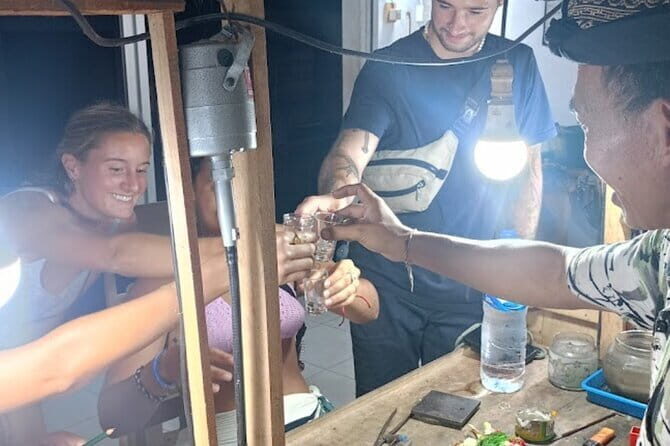
The best part of group format here is support: you get a structured climb, and in some departures you may even get two-guide coverage (front and back). That is especially helpful if you move slower or want to take photos without feeling like you’re falling behind.

The main risk isn’t the hike. It’s the vehicle experience. One review flagged an awful driver and erratic driving on the long approach drive. That suggests your comfort level may depend on the specific driver assigned. If you’re sensitive to rough driving, keep that in mind, and try to focus on the fact that the trek and summit can still be excellent even when the road ride isn’t.

Who Should Book This Mount Batur Sunrise Trek?

I’d book this if you want a sunrise activity that’s:

  • Simple to organize (pickup and guide handled)
  • Short but memorable (1.5–2 hour ascent, sunrise payoff)
  • Reasonably priced for what you get (transfers, guide, flashlight, breakfast)

It’s also a good fit if you like structured mornings. You won’t be stuck guessing route logistics or sunrise timing.

I’d think twice if you hate early mornings or if you know you’ll struggle in cold conditions without a jacket. Since a jacket isn’t included, you’ll need to bring your warmth.

Should You Book Mount Batur Sunrise Trekking?

Yes, you should book it if you want the classic Mount Batur sunrise experience with real structure: pickup from Ubud, a guided climb, flashlight support, and a breakfast box waiting for you after the hard part. The value at $55 is strongest when you compare it to DIY logistics.

Just go in with eyes open: the hiking can be amazing and the guides can be very good, but the drive experience can be uneven depending on the driver. If you show up prepared with warm layers and a calm attitude, this is the kind of Bali morning that pays off fast.

FAQ

How long is the Mount Batur sunrise trek?

The hike to the top takes about 1.5 to 2 hours, and the full tour runs for approximately 9 hours.

Is hotel pickup included from Ubud?

Yes. Round-trip transfers are provided from your hotel, and the tour includes an air-conditioned vehicle.
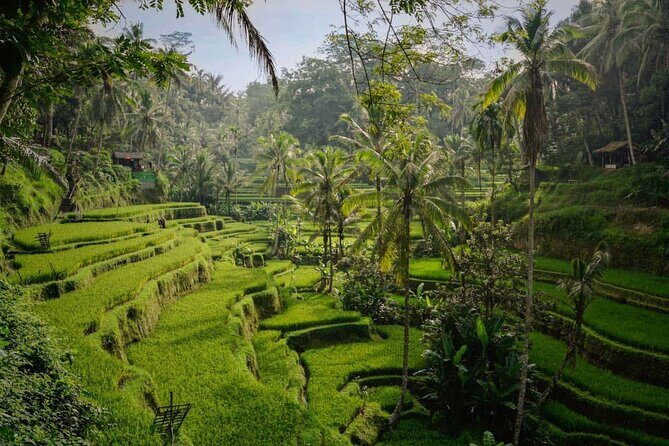

Do I get a flashlight for the early trek?

Yes. A flashlight is included to help you during the dawn portion of the hike.

Is breakfast included?

Yes. You receive a breakfast box, and it comes with bottled water included.

Is a jacket provided?

No. A jacket isn’t included, so you should bring warm outerwear for the early morning conditions.

What is the cancellation deadline?

You can cancel for a full refund up to 24 hours before the experience’s start time.