Magical Village Tour & Private Dinner with Fireflies in Bali

Magical Village Tour & Private Dinner with Fireflies in Bali - The Village Intro: Seeing Traditional Life After the Temple Crowds Leave

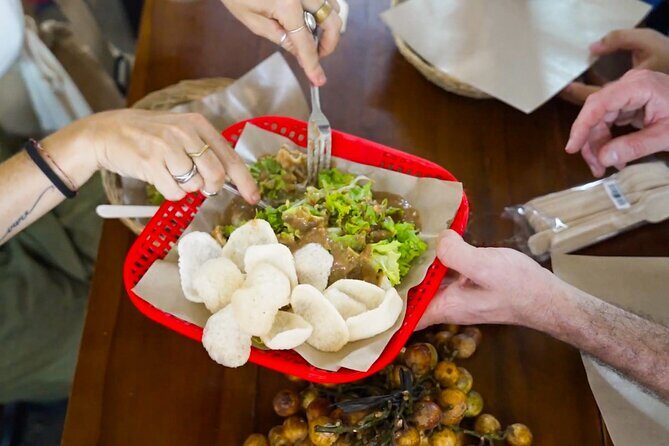
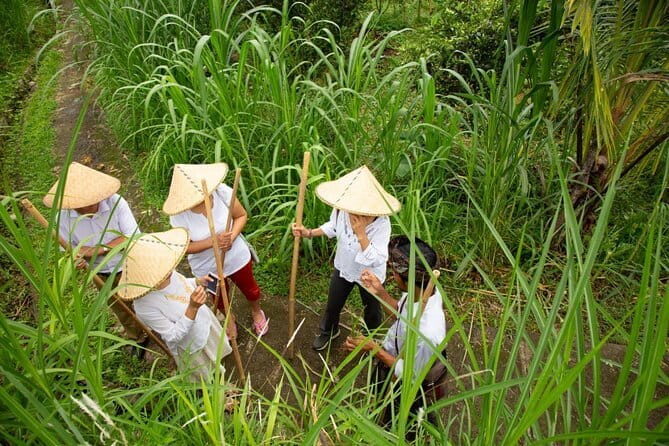
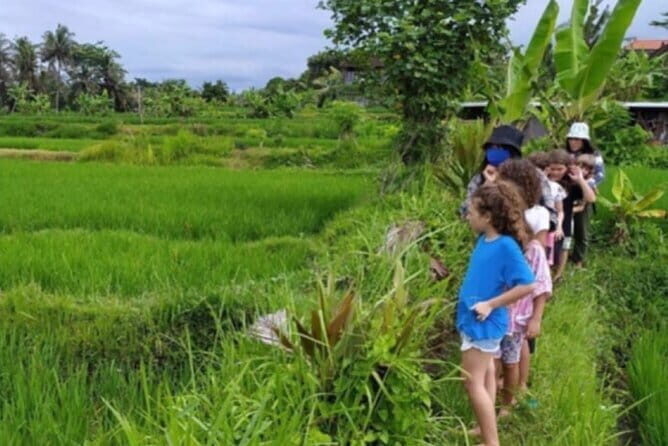
The night lights in Bali are real. In Taro Village near Ubud, you spend about two hours in the rice fields with a local guide, then warm up with a Balinese set-menu dinner. I love the fireflies at dusk and the local dinner with coffee or tea. You’ll also get a guided chat about village life, native night sounds, and why these night lights are so threatened.

The only catch is timing: it starts at 6:00 pm and firefly viewing can be weather-dependent, so you should expect some nights to be better than others. This is still an excellent way to see traditional Bali after dark, especially if you’re after culture plus nature rather than just photos.

Key Highlights Worth Planning For

Magical Village Tour & Private Dinner with Fireflies in Bali - Key Highlights Worth Planning For

  • Private group experience so you’re not mixed in with strangers during dinner and the walk to the rice fields
  • Fireflies in the rice fields paired with a short cultural talk about local tradition and preservation
  • Balinese set-menu dinner with your choice of Nasi Goreng or Mie Goreng
  • Built for night-time atmosphere with bottled water plus coffee and/or tea
  • Village-night soundscape like crickets, frogs, and geckos while you wait for the lights

Why Taro’s Night Timing Changes Everything
Magical Village Tour & Private Dinner with Fireflies in Bali - Why Taro’s Night Timing Changes Everything
This isn’t a quick “see-and-run” firefly outing. The tour is designed around evening village life, starting at 6:00 pm. That matters, because the whole experience is meant to feel like you’re arriving when the village switches gears: quieter lanes, nighttime wildlife sounds, and that slow sense of anticipation as people settle in for the Jewels of the Night.

You’re also getting more than the spectacle. The guide’s job here is to connect the fireflies to everyday Balinese culture and the local way of thinking about nature. The experience specifically positions fireflies as something you should understand, not just look at, because they’re described as almost extinct. That framing makes the walk feel more meaningful, especially if you’ve never thought much about conservation in practice.

And yes, it’s romantic. The dinner setting and the gentle pace in the countryside are the reason honeymooners tend to like this style of evening. It’s also family-friendly because the tour is short and structured, rather than a long hike where kids get cranky and parents get stressed.

Getting There: Delodsema (Tegallalang) Is Your Easy Anchor

The meeting point is Delodsema Traditional Village, Tegallalang, on Delodsema Road, Taro, Tegallalang, Gianyar Regency, Bali 80561. The activity ends back at the meeting point, so you’re not stuck figuring out transport after dark.

One practical detail I like: you get a specific address after booking, which usually means fewer hassles than guessing a pin on a map in Ubud-area traffic. Since it’s a private tour, the timing and pickup situation are handled for your group, not for a large public bus schedule.

Because the tour lasts about 2 hours, you’ll want to treat this as a “real plan” in your day. Don’t schedule a late dinner after this in a totally different part of Bali unless you like running around. Instead, think of it as the dinner plan with an unforgettable night walk attached.

The Village Intro: Seeing Traditional Life After the Temple Crowds Leave

Magical Village Tour & Private Dinner with Fireflies in Bali - The Village Intro: Seeing Traditional Life After the Temple Crowds Leave
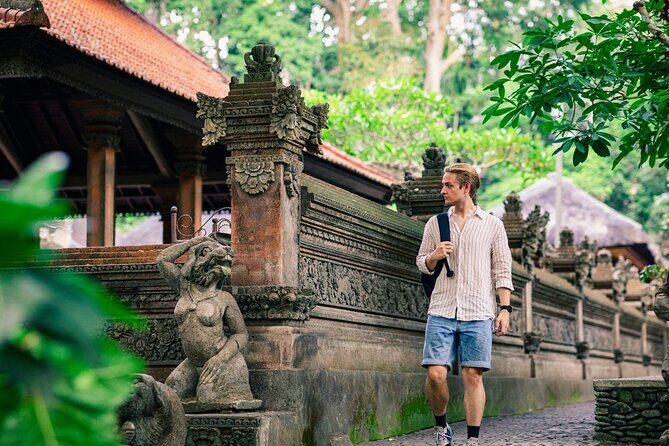
Before you ever get to the rice fields, you’re introduced to traditional Balinese life. The experience highlights “authentic traditional Balinese life” and includes time to explore the village setting as part of the night program.

In the field, that often means a quick orientation: what you’re seeing, why the area looks the way it does, and how local traditions shape daily routines. One of the best parts here is that the guide doesn’t just point at scenery. They talk through local customs and culture while you’re there, turning the walk into a story you can follow.

I also appreciate that the night isn’t treated like silent wilderness. You’re encouraged to listen for village sounds such as crickets, frogs, and geckos. That makes a difference because it keeps you engaged during the waiting time, even if you don’t immediately see lights.

Guides for this kind of evening tour can make or break the vibe. In past groups, guides like Tonik and Wayan stood out for being friendly and well educated, and for adding fun energy while still keeping the experience respectful and grounded.

Dinner in the Countryside: What’s Included and Why It Feels Like Part of the Show
Magical Village Tour & Private Dinner with Fireflies in Bali - Dinner in the Countryside: What’s Included and Why It Feels Like Part of the Show
This tour includes dinner as part of the experience, which is a big value boost. You’re not paying just for fireflies; you’re also getting food in a village setting.

Here’s what’s included:

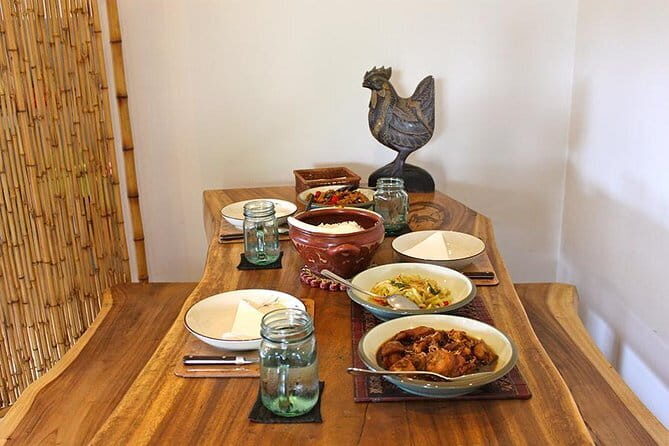
  • Local Balinese Indonesian set menu dinner
  • Your choice of Nasi Goreng (fried rice) or Mie Goreng (fried noodles)
  • Bottled water
  • Coffee and/or tea

The dinner is described as Indonesian delicious and organic, and in practice that translates to a warm, casual meal that fits the romantic night atmosphere. It also gives you a built-in break before the rice-field viewing.

One reason this matters: if you’ve been in Ubud all day, you’re often tired. Sitting down before the firefly walk means you arrive steadier and calmer. You’ll also be less likely to rush, because you’re fueled.

Dietary needs are also handled. The tour can accommodate dietary restrictions such as vegetarian, vegan, and gluten-free if you indicate your requirements at booking. That’s important in Bali, where “I’ll just eat later” isn’t always a practical backup once you’re committed to a night program.

Fireflies and the Rice Fields: The Moment You Came for
Magical Village Tour & Private Dinner with Fireflies in Bali - Fireflies and the Rice Fields: The Moment You Came for
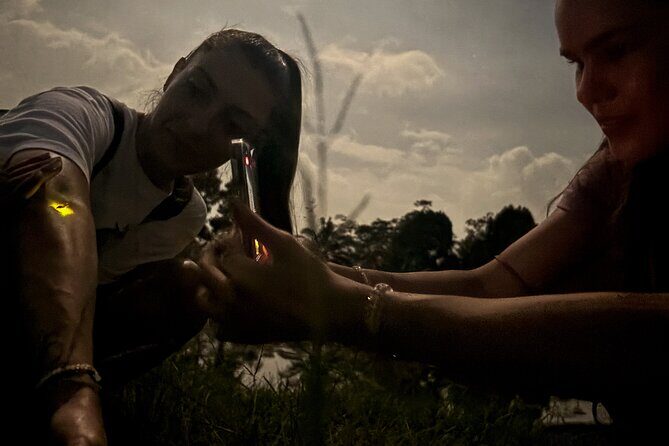
The highlight is the evening firefly tour in the rice fields. You’ll take a break in a small building in the middle of a rice field while watching for fireflies. During this stop, you’ll get a talk about local tradition and culture, plus guidance on what to notice in the night landscape.

This is where expectations should be realistic. The tour is designed to help you spot fireflies and understand them, but you’re not dealing with indoor lighting or guaranteed, staged results. The experience itself even frames fireflies as rare and endangered, and one review notes that recent heavy rain affected what people could see. So think of this as a night nature viewing experience with a strong chance of seeing lights, not a promise of perfect visibility every time.

What I like about the way it’s set up is the pause. You’re not just walking around in the dark for random minutes. You’re stopping, listening, and learning while waiting for the lights to appear. The quiet ritual helps you notice the small things: not just the glow, but the rhythm of the night.

And the fact that the guide ties the experience to preservation and tradition makes it more than a photo stop. You come away with context, plus a sense of why locals care enough to host visitors responsibly.

Price and Value: Why $28 Can Actually Make Sense

Magical Village Tour & Private Dinner with Fireflies in Bali - Price and Value: Why $28 Can Actually Make Sense
At $28 per person, this tour can be a strong value if you’re already planning to eat in Ubud or the Tegallalang/Taro area during the evening.

Why it adds up:

  • Dinner is included, with a real choice (Nasi Goreng or Mie Goreng), plus bottled water and coffee and/or tea.
  • It’s a private tour/activity, meaning your group gets the guide’s full attention rather than splitting time with a crowd.
  • You’re paying for a guided night experience that combines cultural storytelling with firefly viewing in rice fields.

What you should budget separately:

  • Tips and guide fee are not included. If you’ve ever had a guide explain local tradition in a thoughtful way and help you see wildlife responsibly, you probably already know it’s worth planning a tip.

Compared with paying separately for transport, dinner, and a wildlife activity, bundling this into a 2-hour evening plan often works out well. Especially if your schedule is tight and you don’t want to juggle timing across multiple reservations.

Who This Bali Firefly Dinner Tour Fits Best

Magical Village Tour & Private Dinner with Fireflies in Bali - Who This Bali Firefly Dinner Tour Fits Best
This experience is built for couples and families, and that comes through in how it’s described: it’s romantic, it’s gentle-paced, and it includes an educational introduction to fireflies that are described as nearly extinct.

You’ll especially enjoy it if:

  • You’re on a honeymoon or a special trip and want a planned romantic evening
  • You’re traveling with a child and want something structured that still feels magical
  • You want culture and nature together, not just one or the other
  • You like guides who talk through local traditions and how the area works at night

It’s also a good fit if you’re based around Ubud and want to spend a short chunk of time outside the busy day circuit. This tour gives you “Bali at night” without turning into a full-day commitment.

Practical Tips to Help Your Night Go Smoothly

Magical Village Tour & Private Dinner with Fireflies in Bali - Practical Tips to Help Your Night Go Smoothly
A couple of smart moves can make your firefly evening feel calmer and more rewarding:

  • Arrive on time for the 6:00 pm start. This tour is short, so late arrival cuts into the best parts.
  • Go into it expecting a mix of sounds, stories, and waiting—not just instant glowing lights. The best moments often arrive after you’ve settled.
  • Dress for a real evening outdoors situation. The tour involves time in rice-field areas and nighttime viewing, so comfort matters.
  • If you have dietary needs, handle them at booking. The tour can accommodate restrictions, but you need to specify them in advance.
  • If you’re chasing photos, remember the experience is about seeing and learning, not only shooting. Keep your focus on what the guide points out during the waiting time.

And one more thing: treat the rice-field portion with respect. You’re entering a working agricultural space after dark, and the experience is positioned around preservation of nature, so keep behavior calm and considerate.

Should You Book It?

I think you should book this Magical Village Tour & Private Dinner with Fireflies in Bali if you want an evening in Ubud that feels authentic and meaningful, not just another checklist activity. The combination of a included Balinese set-menu dinner, a cultural village intro, and firefly viewing in the rice fields is exactly the kind of Bali experience that pays off when you’re tired of daylight traffic and tourist noise.

Book it with confidence if you like:

  • short guided evenings
  • local food that’s actually part of the plan
  • nighttime wildlife viewing with context

Skip it only if you need guaranteed firefly sightings like a show. This is a night nature experience, and the tour clearly acknowledges that viewing can vary based on the night conditions.

If your priority is a romantic, kid-friendly, culture-plus-nature evening with a private guide and real included food, this one is a solid pick.

FAQ

Where is the meeting point for the tour?

The meeting point is Delodsema Traditional Village, Tegallalang, Delodsema Road, Taro, Tegallalang, Gianyar Regency, Bali 80561, Indonesia.

What time does the tour start?

The start time is 6:00 pm.

How long is the experience?

The duration is about 2 hours (approx.).

Is this a private tour?

Yes. It’s a private tour/activity, and only your group will participate.

What dinner is included, and do I have choices?

Dinner is included as a local Balinese Indonesian set menu. You can choose Nasi Goreng (fried rice) or Mie Goreng (fried noodles). Bottled water is also included, plus coffee and/or tea.

Can the tour accommodate dietary restrictions?

Yes. The experience can accommodate dietary restrictions such as vegetarian, vegan, gluten-free, etc., if you indicate your needs at the time of booking.

Are tips included in the price?

No. Tips and guide fee are not included.

Can I cancel for free?

Free cancellation is available. You can cancel up to 24 hours in advance for a full refund. If you cancel less than 24 hours before the start time, there is no refund.

Ubud Tour : Monkey forest, Rice terrace, Water temple, Waterfall & Jungle Swing

Ubud Tour : Monkey forest, Rice terrace, Water temple, Waterfall & Jungle Swing - Sacred Monkey Forest Sanctuary: what to do around the macaques

Ubud moves fast, and this tour keeps up. What makes it work is the mix of temples, nature, and viewpoints, all tied together with a flexible plan and an English-speaking driver-guide who can adjust to your pace. I like the AC hotel pickup and air-conditioned car setup, and I also appreciate the practical temple gear (sarong and scarf) so you’re not scrambling at the last minute. One catch: the big sights and the swing have entrance fees not included, so you’ll want some cash and patience for tickets on site.

This is also a tour where the explanation matters. In past outings, the driver named Agung was singled out for being very informative at each stop, which turns a checklist day into a clearer, more meaningful one. You’ll still be doing a good amount of walking and standing, so plan for moderate effort.

Key highlights to expect

Ubud Tour : Monkey forest, Rice terrace, Water temple, Waterfall & Jungle Swing - Key highlights to expect

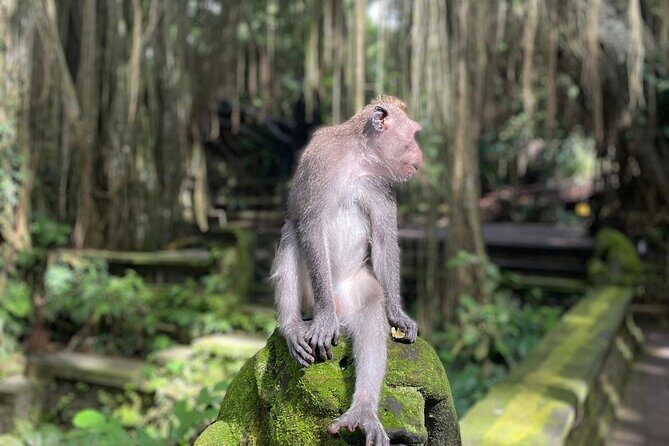
  • Monkey Forest in a real habitat with a lot of long-tailed macaques moving around naturally
  • Tegalalang rice terraces with classic views and a chance to add a jungle swing
  • Tirta Empul water purification at the temple’s fountains and blessing area
  • Tegenungan waterfall for a green-nature break from temples and viewpoints
  • Batuan family-temple visit (short, free entry) for a more everyday side of Bali life

How the hotel pickup and flexible pacing work for you

Ubud Tour : Monkey forest, Rice terrace, Water temple, Waterfall & Jungle Swing - How the hotel pickup and flexible pacing work for you
This is built as a car-and-guide day, not a rigid bus tour. You meet your driver-guide at the hotel lobby, then you go out to the main Ubud-area sites with enough flexibility to slow down or re-check your timing if the day is running behind.

That flexibility matters because Ubud can be a bit of a traffic and ticket maze if you do it alone. Having a comfortable car with AC, plus someone who handles the driving, helps you spend your energy on the sights instead of the logistics. And because entrance fees aren’t included, you’re free to decide what you want to pay for at each stop without being boxed into a fixed pricing bundle.

Sacred Monkey Forest Sanctuary: what to do around the macaques

Ubud Tour : Monkey forest, Rice terrace, Water temple, Waterfall & Jungle Swing - Sacred Monkey Forest Sanctuary: what to do around the macaques
The Sacred Monkey Forest Sanctuary is your first big nature-and-culture hit. You walk through a lush area where you’ll see close to 1,000 Bali long-tail macaques in their own living space—so yes, it’s impressive, and yes, it’s busy in the way wildlife locations can be busy.

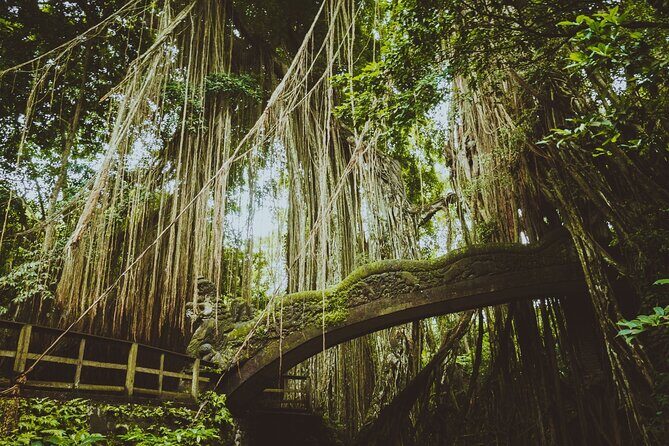
What I like about starting here is the variety right away. You get the river-canyon style scenery inside the forest, plus temple spaces like Pura Dalem Agung. That mix makes the walk feel more grounded than a simple animal show. The timing also gives you a chance to get your eyes used to the area before you move to the rice terraces and water temples.

A practical consideration: expect lots of standing and walking on paths that can be slippery or uneven depending on recent weather. Bring your patience for macaque moments—this is a real habitat, not a controlled zoo setting.

Tegalalang rice terraces plus jungle swing time

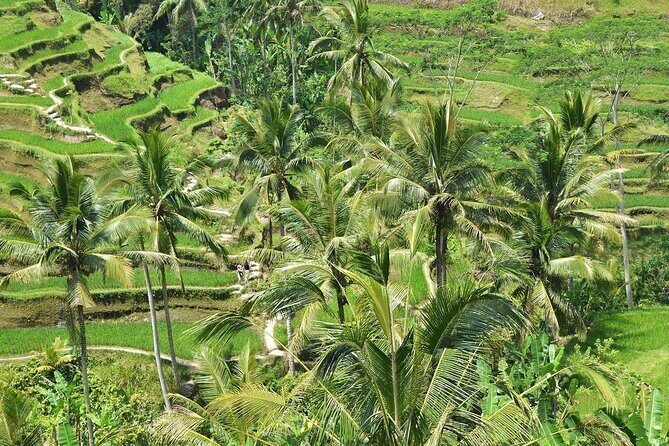
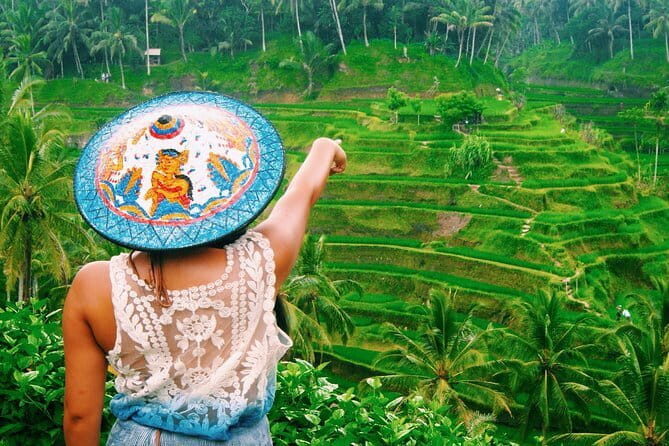
Tegalalang Rice Terrace is the postcard spot, but it’s more than a photo line if you slow down and notice the farming system. You’re looking at rice paddies shaped by traditional Balinese cooperative irrigation. That detail matters because it gives you a reason behind what you’re seeing, not just a pretty view.

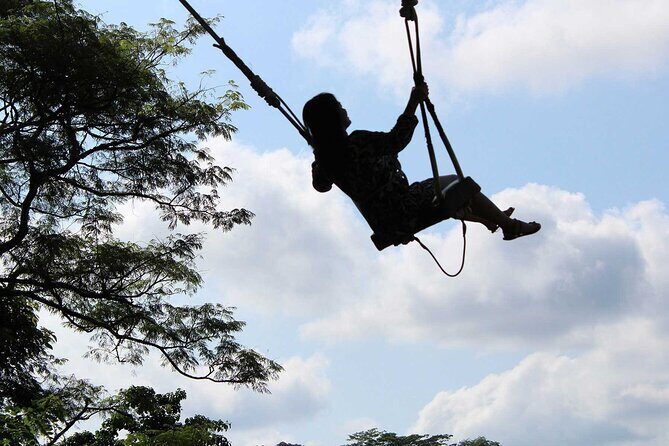
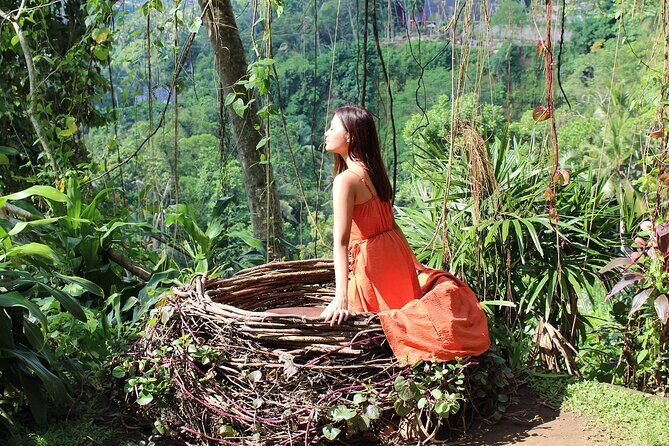
You’ll also have the option for the jungle swing with rice-terrace views. The swing fee isn’t included, so plan to pay at the site if you choose to do it. If you’re traveling with people who don’t want the swing, that’s fine—the terrace area still gives you plenty to do for the same general time window.

One more thing to think about: Tegalalang can be crowded and the paths may be busy. Give yourself an extra few minutes to find a comfortable viewing spot and to reposition if you want a different angle for photos.

Tirta Empul water temple: purification fountains and ritual space

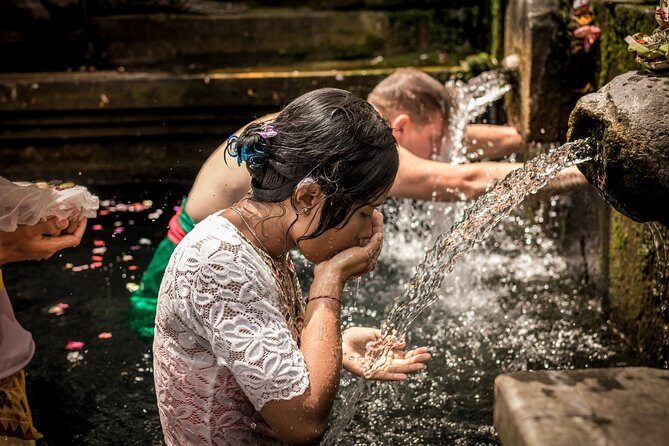
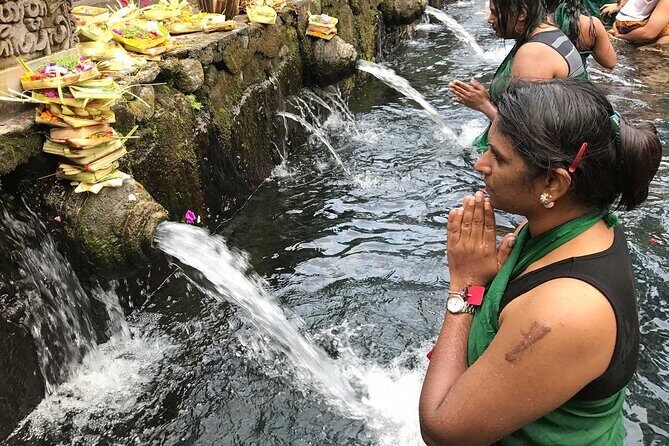
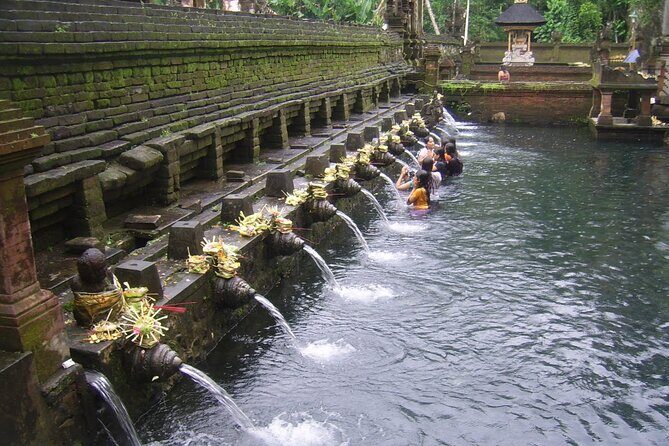
Tirta Empul (the water temple) is one of those places where the point is the ritual, not the view. It’s described as one of Bali’s oldest water temples, and its purpose is clear: purification and blessing using water channeled into multiple fountains inside the pond area.

You’re able to do a purification here, which is a great change of pace after monkey forest and rice terrace scenery. The experience is more about respectful participation than quick sightseeing. Also, temple dress matters, and the tour includes sarong and scarf use for going into temple areas.

What to watch out for: this is a temple setting. Go with a calm attitude and follow your guide’s pace. You’ll likely spend time standing around the ritual areas, and you should expect the environment to be active and communal.

Tegenungan waterfall: timing a green nature break

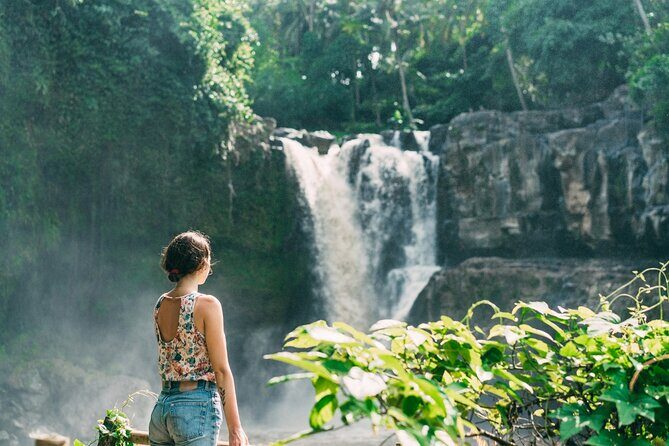
Tegenungan Waterfall is a classic Ubud-region stop when you want a break from temple and terrace walking. It’s located southeast of Ubud and surrounded by lush green scenery, with the waterfall area giving you a strong sense of nature intensity for the afternoon.

The value here is contrast. After earlier stops focused on animals, farming views, and ritual water, the waterfall gives you something more physical and sensory. You also get another chance to take in the area with fewer rules than temples, though you still need to be careful with footing and crowds.

Like the other exterior sites, this stop works best if you’re okay with moderate walking and standing. If the weather has been rough, conditions can change quickly, so you’ll want to follow your guide’s lead about where to stand and when to move.

Batuan short stop: a real local house and family temple

Ubud Tour : Monkey forest, Rice terrace, Water temple, Waterfall & Jungle Swing - Batuan short stop: a real local house and family temple
Batuan is the shorter, calmer section of the day. You’ll visit a traditional Balinese house and see how daily life ties into the family temple. The good news: the admission here is free, and the stop is about 30 minutes.

I like Batuan because it balances the more “tour-focused” stops. You’re not only seeing views; you’re getting a quick look at how a household organizes its sacred space. Even in a short visit, it adds context for why temples matter in everyday Balinese life, not just as attractions.

If you want the day to feel less rushed, Batuan can be your breathing point. Sit for a moment, look around, and ask questions when your guide gives you the space to do so.

Price and value: is $32 a fair deal?

At $32 per person, this tour can be good value if you factor in what’s handled for you. Your money goes toward a private car with AC, an English-speaking guide-driver, bottled water, and the basics like petrol, parking fees, and taxes. Plus, you’re provided sarong and scarf for temple entry, which saves time and hassle.

What’s not included is the part that often surprises people: entrance fees at multiple locations (and the jungle swing fee if you add it). The trade-off is that you get control. For example, you can treat the included stops as a roadmap and then decide how many add-on payments you want to make on the day.

Also, the duration is about 8 to 10 hours, so you’re paying for a full day of transport and guidance rather than a short half-day hit.

My practical advice: treat the $32 as the transport-and-guide base, then budget extra for site tickets as you go.

What to bring and how to handle the ticket fees

Ubud Tour : Monkey forest, Rice terrace, Water temple, Waterfall & Jungle Swing - What to bring and how to handle the ticket fees
Because entrance fees aren’t included, your day needs one simple system: carry some cash and keep your small bills handy. Tickets can be obtained at the sites, and each paid entry is its own moment in the schedule.

I’d also bring:

  • Comfortable shoes for walking and temple paths
  • A light layer if you’re out in cooler morning shade or near water areas
  • Cash for the sites that charge entry, including the jungle swing fee if you choose it

Don’t forget temple dress is provided (sarong and scarf), so you don’t need to buy anything just to meet dress rules. Bottled water is included, but you might still want to pace your drinking if you’re out in heat.

Who this Ubud day trip is best for

You’ll likely enjoy this tour if you want a well-paced “Ubud sampler” that covers wildlife, agriculture views, purification at a water temple, and a waterfall in one day. It’s also a good pick if you prefer private service over sorting buses, maps, and ticket lines.

It may not be ideal if you hate paying separate entrance fees at multiple stops. Since entrance fees aren’t part of the price, you’ll make several small cash payments during the day.

The good fit: couples, small groups, and families who want a clear plan but don’t want to babysit logistics. The tour notes a moderate physical fitness level, so I’d think of it as doable but active.

Should you book this Ubud tour?

If you want one day that covers the main Ubud highlights without the stress of driving, ticket logistics, and route planning, I’d say this is a solid option. The strongest reason to book is the blend of experiences: macaques and forest walking, Tegalalang rice terraces, Tirta Empul purification, Tegenungan waterfall, and a quick Batuan look at everyday temple life.

Skip it if you’re trying to keep costs ultra-predictable, since entrance fees add up across several stops and the jungle swing is extra. But if you’re okay with that and you like having an English-speaking driver-guide to explain what you’re seeing (and potentially get clear, informative narration like the driver Agung is known for), this is a comfortable, high-value way to see Ubud.

FAQ

Is this tour private or shared with other people?

This is a private tour/activity, so only your group will participate.

Does the tour include hotel pickup?

Yes, pickup is offered, and your driver meets you at the hotel lobby.

How long does the Ubud tour take?

The duration is about 8 to 10 hours.

What’s included in the price?

Included are an English-speaking tour guide/driver, a comfortable AC car, bottled water, sarong and scarf for temple visits, and petrol, parking fee, and tax.

Are entrance fees included?

No. Entrance fees are not included for the sites, including Sacred Monkey Forest Sanctuary, Tegalalang Rice Terrace, Tirta Empul Temple, and Tegenungan Waterfall. Batuan has free admission.

Is the jungle swing fee included?

No. The entrance fee for the jungle swing is not included.

Can I do purification at Tirta Empul?

Yes. You’re able to do a purification at Tirta Empul, where water runs to fountains inside the pond area.

Do you provide temple clothing?

Yes. Sarong and scarf are provided for going into temple areas.

What if the weather is bad?

This experience requires good weather. If it’s canceled due to poor weather, you’ll be offered a different date or a full refund.
Are there any baby-seat options?

Baby seats for children ages 1 to 4 years are available on request.

Private Javanese Cooking Class with Dotty in Tumbak Bayuh, Canggu

Private Javanese Cooking Class with Dotty in Tumbak Bayuh, Canggu - Meet Dotty: trilingual family stories and hands-on teaching

Cooking class in Bali, minus the crowds.

I like this experience because you cook a real Javanese lunch in a quiet home setting, not a staged kitchen, with Dotty’s grandmother recipes guiding each step. I also like the setting in leafy Tumbak Bayuh, where you’re surrounded by rice paddy scenery and get a calmer feel than the beach areas. It’s a private setup, so you can ask questions as you chop, grind, and sauté.

One thing to consider: there’s no hotel pickup, and getting to the meeting point is on you (though there’s optional round-trip transportation only from Canggu hotels). If you’re staying far from Canggu, you’ll want to plan how you’ll arrive and return.

Key highlights to know

Private Javanese Cooking Class with Dotty in Tumbak Bayuh, Canggu - Key highlights to know

  • Private, home-based class led by Dotty, born in Java and sharing family recipes
  • Trilingual teaching while you cook, so you can follow along without guessing
  • Seasonal menu choices like light corn fritters and soya chicken
  • Ingredient substitutes for Indonesian staples you may not find back home
  • Lunch plus non-alcoholic drinks included in the price

Private Javanese Cooking Near Tanah Lot: The setting that changes the whole vibe

This class works because it feels like visiting someone who actually cooks, not running through a pre-packaged demo. The location is Tumbak Bayuh, a lush, tranquil area in Bali known for rice paddies, and it’s close enough to make Tanah Lot an easy add-on.

I like that the day is built around a simple, human pace. You’re in Dotty’s kitchen, working alongside her, and you’re eating what you make as lunch rather than rushing from station to station.

Tumbak Bayuh in real life: 3 hours in a leafy neighborhood

Private Javanese Cooking Class with Dotty in Tumbak Bayuh, Canggu - Tumbak Bayuh in real life: 3 hours in a leafy neighborhood
The class runs about 3 hours. That’s a sweet spot: long enough to learn real technique and sit down to eat, but not so long that your whole day gets swallowed.

The meeting point is Jl. Griya Mas No.55, Tumbak Bayuh. From there, you stay local—this is not a “tour with a cooking stop,” it’s a cooking experience rooted in the neighborhood. If you’re also planning Tanah Lot, you’re in decent shape: Dotty’s home is about 20 minutes away from the temple, so you can pair the two without over-planning.

Meet Dotty: trilingual family stories and hands-on teaching

Private Javanese Cooking Class with Dotty in Tumbak Bayuh, Canggu - Meet Dotty: trilingual family stories and hands-on teaching
Dotty is the heart of the experience. She was born in Java, has lived in the US and Australia, and shares recipes passed down from her mother and grandmother. That family chain matters because it explains why the food tastes the way it does, and why the method is the point—not just the final dish.

She teaches in a trilingual way, which is a big deal if your Indonesian food vocabulary is still a work in progress. As you chop, grind, and sauté, she talks you through what you’re doing and why. You also get stories from her family, so the cooking has context, not just instructions.

What you’ll cook: corn fritters and soya chicken, plus seasonal swaps

Private Javanese Cooking Class with Dotty in Tumbak Bayuh, Canggu - What you’ll cook: corn fritters and soya chicken, plus seasonal swaps
Expect a simple Javanese meal with a menu that may change seasonally and based on what’s available. The two dishes mentioned are light, crispy corn fritters and soya chicken, cooked in soy sauce using traditional ingredients.

Here’s what that means for you in practical terms:

  • Corn fritters tend to teach frying and texture control—getting something crisp without making it heavy.
  • Soya chicken teaches flavor building with soy sauce and traditional aromatics, plus how to keep the end result satisfying rather than flat.

Because the menu is seasonal, don’t assume the exact plate will be identical every day. If you have strong food preferences, tell your host when booking so you can align with what’s possible.

Learning ingredient substitutes that actually help at home

Private Javanese Cooking Class with Dotty in Tumbak Bayuh, Canggu - Learning ingredient substitutes that actually help at home
One of the smartest parts of this class is Dotty’s focus on ingredient substitutions. Many Indonesian recipes rely on specific ingredients that can be hard to find depending on where you live, so you learn how to swap without ruining the spirit of the dish.

This is where you get more value than just a cookbook moment. Instead of writing down a recipe and then getting stuck at the grocery store, you’re learning the logic behind the taste. You leave with better instincts: what to look for, what a substitute should do for flavor or texture, and how to adjust when the ingredient list doesn’t match your kitchen.

This also helps if you cook for mixed-diet groups. The class offers a vegetarian option when you advise at booking, so you can still get a menu aligned with your needs.

The lunch part: eating what you made, in a real home-kitchen rhythm

Private Javanese Cooking Class with Dotty in Tumbak Bayuh, Canggu - The lunch part: eating what you made, in a real home-kitchen rhythm
You don’t just stand around watching. You prepare and then eat your Javanese lunch together with the group. Non-alcoholic beverages are included, which keeps the focus on the food rather than the bar scene.

This kind of meal format is especially useful if you want to understand Indonesian flavor layering. When you taste what you made right after learning it, the steps make more sense. And when the host is right there, you can ask quick questions while the flavors are still fresh in your mind.

How transportation affects your experience (and how to plan around it)

Private Javanese Cooking Class with Dotty in Tumbak Bayuh, Canggu - How transportation affects your experience (and how to plan around it)
The biggest logistics point is simple: there’s no hotel pickup and drop-off. You’ll meet at Dotty’s home address in Tumbak Bayuh, and the tour ends back at the meeting point.

There is an option for round-trip transportation, but it’s limited: Dotty can offer optional round trip transportation only from Canggu hotels. If you’re staying in Canggu, that option can reduce stress. If you’re staying elsewhere—Seminyak, Kuta, or even farther—you’ll likely need to arrange your own way to arrive on time.

Also note the geography: Dotty lives about 45 minutes to 1 hour from Kuta beach. That range can matter if you’re scheduling your class around temple visits, beach time, or dinner plans.

Price and value: what you get for $74 per person

Private Javanese Cooking Class with Dotty in Tumbak Bayuh, Canggu - Price and value: what you get for $74 per person
At $74 per person for about 3 hours, this class sits in the “worth it if you want real instruction” category. Here’s why the value works:

  • You’re paying for a private, home-based cooking lesson rather than a mass-market demo.
  • The price includes the cooking class and a homecooked Javanese meal, plus all taxes, fees, and handling charges.
  • Gratuities are included, so you’re not doing math mid-trip.
  • You’re learning technique and ingredient substitutions you can reuse at home, which is the part most cooking classes skip.

Two small trade-offs to weigh:

  • You’ll handle your own transportation unless you’re in Canggu and choose the optional transfers.
  • Since the menu is seasonal, you might not get the exact same dish lineup every time.

If you’re traveling with one or two people and want a calmer, more personal Bali moment, this is a strong use of time.

Who this class is best for

I’d put this class at the top of your list if you want:

  • A hands-on meal that ends with you eating what you cooked
  • A host who can explain ingredients and help you replace hard-to-find items
  • A break from the usual tourist food experience near Canggu or Seminyak

It’s also a good fit if you have dietary requirements. You can advise needs at booking, and there’s a vegetarian option. Since you’re working in a home kitchen, it’s easier to make adjustments than in a big group setting.

Should you book this Javanese cooking class?

Yes, if you want a genuinely personal food lesson and you like the idea of cooking in a calm neighborhood setting near rice paddies. The biggest reason to book is Dotty: her family-recipe approach plus her focus on substitutes gives you take-home value, not just a nice lunch.

Skip it or reconsider if you don’t want to plan transportation to a private meeting address, especially if you’re outside the Canggu hotel area and don’t want to figure out how you’ll get there and back.

FAQ

Where is the class meeting point?

The class starts at Jl. Griya Mas No.55, Tumbak Bayuh, Kec. Mengwi, Kabupaten Badung, Bali 80351, Indonesia. The activity ends back at the same meeting point.

How long is the cooking class?

It runs for about 3 hours.

Is the menu the same every time?

The menu might change as it is seasonal and subject to availability.

Do they offer a vegetarian option?

Yes. A vegetarian option is available if you advise at booking.

Is hotel pickup included?

No hotel pickup and drop-off is included. There is optional round-trip transportation only from Canggu hotels if you select that option when booking.

How far is Tanah Lot Temple from Dotty’s home?

Tanah Lot Temple is about 20 minutes away from Dotty’s home, making it a convenient side trip before or after the experience.

Ayung River Half-Day White Water Rafting Bali in Ubud

Ayung River Half-Day White Water Rafting Bali in Ubud - The rafting run: what Class IV potential and your guide ratio means

Your next adrenaline plan is one half-day away.

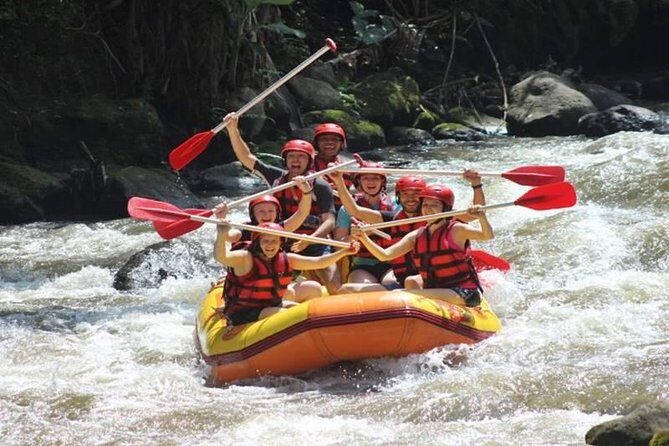
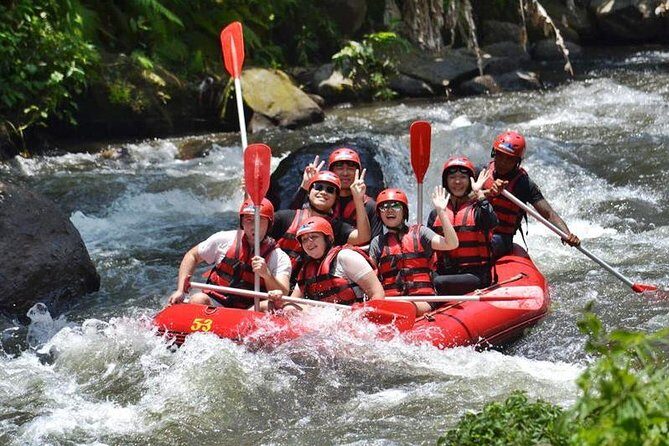
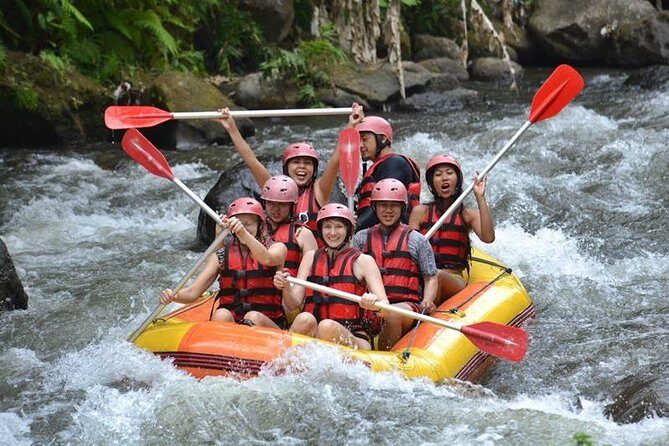
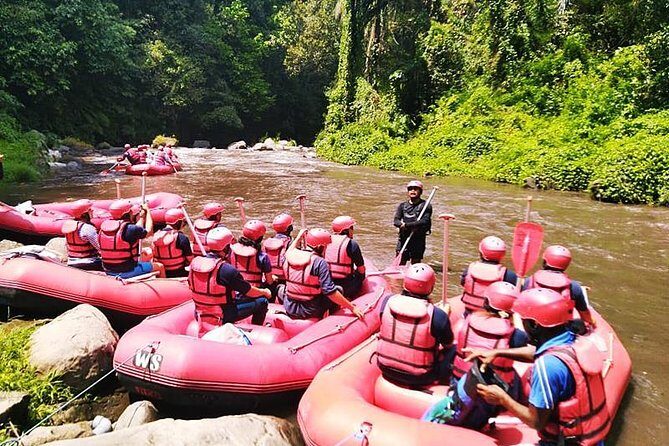
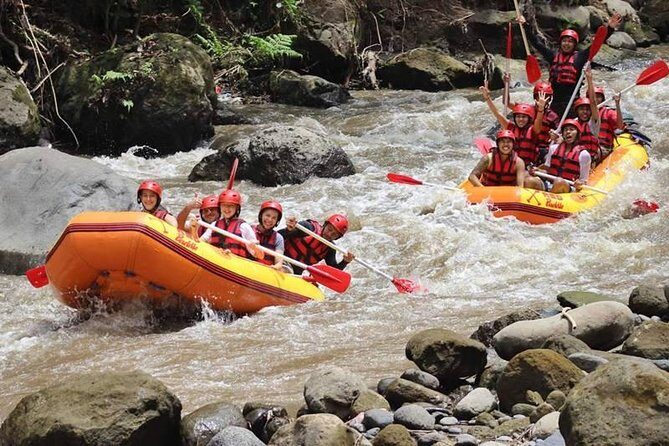
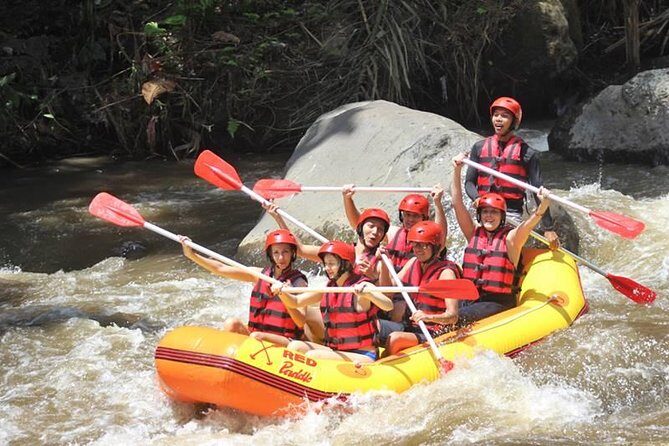
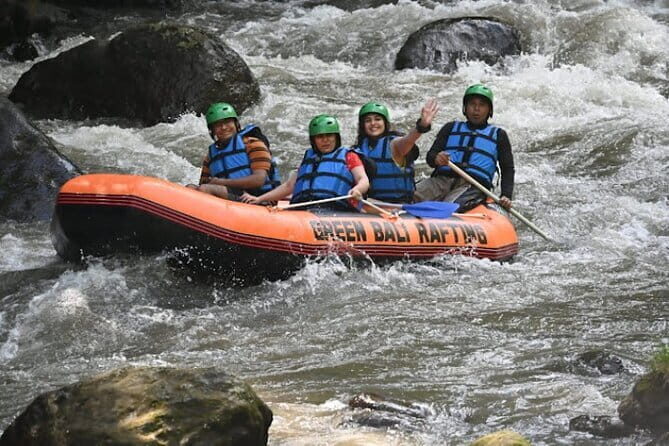
This Ayung River rafting run from Ubud is built for real first-timers and thrill seekers alike, with rapids that can reach Class IV in the rainy season. I like that the day is paced with a clear schedule (base camp, a defined rafting window, then lunch and showers). I also like the small-bloat reality of the boats: sharing raft trips with an instructor, so you get hands-on coaching without feeling lost. The main drawback to keep in mind is physical effort around the start/finish area, and getting down and back up the valley can feel tough if you’re not used to slopes.

Logistically, it’s smoother than many Bali adventures: hotel pickup starts around 07.45–08.00, and you’re back in the early afternoon. You’ll check in at Red Paddle Bali Adventures, get safety gear and a water-resistant bag, then paddle with a professional guide (the day can include instructors like Jean). On the road, having a driver who explains things makes the whole half-day feel like a story, not just transport, and names like Made Mudiana show up as examples of guides who keep the vibe friendly and informative.

Key highlights at a glance

Ayung River Half-Day White Water Rafting Bali in Ubud - Key highlights at a glance

  • Class IV potential on the Ayung River during the rainy season for a proper adrenaline hit
  • Instructor-in-boat support with boats designed for 4–6 rafters plus 1 guide
  • All equipment plus insurance included, including safety-approved rafting gear and a water-resistant bag
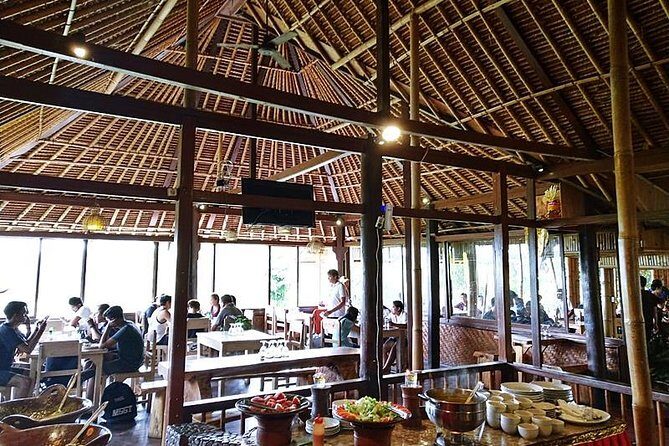
  • Buffet lunch and mineral water, plus changing rooms, toilets, showers, and towels
  • Hotel pickup and drop-off available (transfer time varies with traffic)
  • Small overall group size with a maximum of 60 travelers

A half-day Ayung rafting schedule from Ubud that actually fits your day

Ayung River Half-Day White Water Rafting Bali in Ubud - A half-day Ayung rafting schedule from Ubud that actually fits your day

This trip is listed as about 6–7 hours total, but the rafting time itself is a shorter, fun-focused block. You’ll usually be picked up from your hotel between 07.45 and 08.00 (exact timing depends on where your hotel is). The ride and arrival add the morning travel portion, then the day settles into a rhythm: check in, get ready, raft, shower/change, eat, and head back.

The rafting portion runs for about 1.5–2 hours. That matters because you’re not stuck out on the water all day. On Bali, half-days are often the sweet spot: you still get a real activity, and you keep your afternoon open for Ubud’s cafés, temples, or a second tour—without feeling like you’ve been “away” since sunrise.

Timing note: the schedule includes a bit of buffer built in. You’ll arrive at the rafting base around 09.30–09.45, start rafting around 10.15–10.30, and finish around 12.15–12.30. After that, lunch and getting dry and comfortable takes place before you return.

Where your Ayung day starts: Red Paddle Bali Adventures in Kedewatan

Your meeting point is Red Paddle Bali Adventures at Jl. Raya Kedewatan No.31, Kedewatan, Ubud area (Gianyar, Bali). Arriving there is part of the experience because it’s where the whole day gears up fast: welcome drinks, registration, and a quick transition from hotel brain to river brain.

This is also where the logistics of safety and gear matter. You’ll be outfitted with safety-approved rafting equipment and a water-resistant bag. That bag detail is more important than it sounds. The river water and the splash level can be intense, and you’ll want to keep phone and small valuables protected during the run.

At the base, you’ll also be using facilities that many people don’t expect to get on an adventure: changing rooms, toilets, showers, and towels. That’s a big comfort upgrade for a half-day tour. It means the end of the river doesn’t equal sweaty misery for the ride back.

The rafting run: what Class IV potential and your guide ratio means

Ayung River Half-Day White Water Rafting Bali in Ubud - The rafting run: what Class IV potential and your guide ratio means

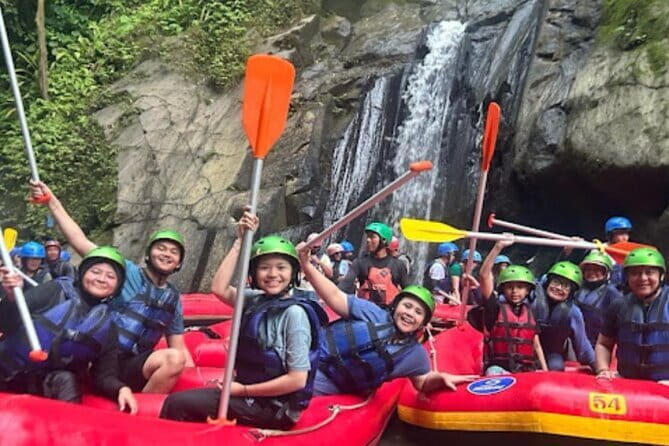
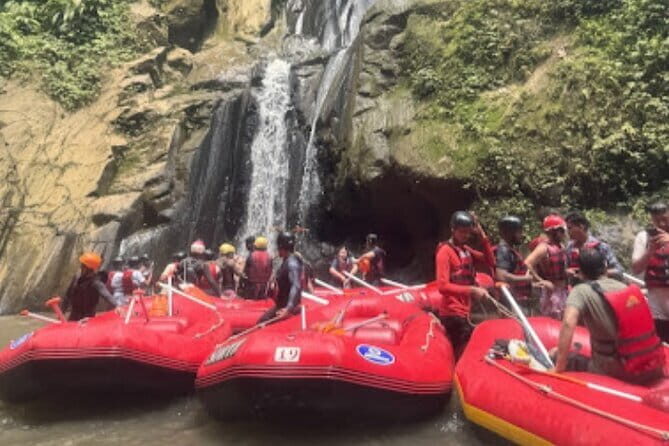
The Ayung River experience on this tour is designed to be approachable even if you have little or no rafting experience. The reason is simple: you’re not out there solo. You paddle in a sharing boat with 4–6 persons plus 1 instructor, which creates a working balance. You get enough people to make the raft move with energy, and you still have a guide who can coach and steer.

Now the thrill factor: during the rainy season, rapids can reach Class IV. That’s not just marketing language—it changes how you should think about the day. It means the ride can include stronger waves and more intense moments than a gentle training run. If you’re sensitive to rough conditions, arrive with the mindset that this is an adventure, not a calm river cruise.

The tour includes insurance and a professional river rafting guide, plus the equipment standards. In practice, that’s what you want when you’re facing a river with variable conditions. Even with a supportive guide, you’ll still want to listen during safety briefings and follow instructions closely—especially when the water turns chaotic.

Also, pay attention to how your group is managed. With a maximum of 60 travelers, it’s not a giant cattle-car situation. Smaller total numbers can mean smoother pacing at registration and a more controlled flow to the river. It doesn’t guarantee emptiness, but it helps.

What happens after you paddle: lunch, showers, and the return window

Ayung River Half-Day White Water Rafting Bali in Ubud - What happens after you paddle: lunch, showers, and the return window

Finishing the rafting happens around 12.15–12.30, and the tour builds in time to reset. You’ll reach the finish point, then move into showering and changing. This part is underrated in rafting days. On Bali, you’ll sweat, your gear will be damp, and if there’s no real rinse-and-change setup, the afternoon gets uncomfortable fast.

Here, you’re covered: towel, shower facilities, toilet, and changing rooms are included. That’s why the tour can run as a half-day without leaving you feeling wrecked.

Lunch comes right after you sort yourself out, around 12.15–12.30, and it’s described as a buffet lunch with mineral water. Lunch in the middle of the day is also a practical win: you’re fueled before the drive back and you don’t have to hunt for food immediately after a messy, wet activity.

Then you’re transferred back to your hotel around 13.30–14.00. Transfer timing is approximate and depends on traffic. The key is that the window is realistic. You’ll likely be home in time to continue your day without scrambling.

Pickup, drop-off, and that Ubud traffic variable

Ayung River Half-Day White Water Rafting Bali in Ubud - Pickup, drop-off, and that Ubud traffic variable

Hotel pickup is included as part of the package with transfers. Your departure is 07.45–08.00, and the ride ends with a drop-off for those taking the transfer option. The activity end is described as returning back to the meeting point area, so treat that as the baseline; if your package includes transfers, your driver will take you back to your hotel.

A quick reality check: transfer durations are approximate and traffic can shift the schedule. Ubud can get crowded, and rain can slow roads. This tour’s structure still works because it’s built around time blocks: base camp arrival, rafting start, and a finish time that still gives you room for showers and lunch.

What helps is the human factor. In real-world experiences, a driver who keeps things light and useful makes the ride feel shorter. Names like Made Mudiana come up as examples of drivers who point out sights and answer questions gently, which is a nice touch when you’re up early.

Value and price: is $28 for Ayung rafting in Ubud a good deal?

Ayung River Half-Day White Water Rafting Bali in Ubud - Value and price: is $28 for Ayung rafting in Ubud a good deal?

At $28 per person, the headline question is whether you’re paying mostly for the river—or for the full package. In this case, the pricing looks strong because the core “hidden” costs are included:

Included:

  • Sharing boat rafting with an instructor (4–6 persons + 1 instructor)
  • Insurance
  • Safety-approved rafting equipment
  • Water-resistant bag
  • Professional river rafting guide
  • Changing room, toilet, shower facilities, towel
  • Lunch and mineral water
  • Hotel pickup and drop-off for the transfer package

Not included:

  • Drinks
  • Souvenir photos (sold separately)

So the $28 covers the biggest expense categories: gear, guide, safety setup, and food. That’s the difference between a deal and a bait price. If you’re comparing, don’t just look at the raft fee; add what you’d pay for equipment rental, transportation, and meals on your own. With those items baked in, you’re mainly paying for the day’s service and safety organization.

One more value angle: group size and pacing. With up to 60 travelers, the tour won’t feel like a free-for-all if you prefer a less chaotic experience.

Who should choose this Ayung River half-day (and who should think twice)

Ayung River Half-Day White Water Rafting Bali in Ubud - Who should choose this Ayung River half-day (and who should think twice)

This tour lists a minimum age of 7 years, and children must be accompanied by an adult. That tells you it can work for families with kids old enough to follow directions, wear gear, and handle the excitement.

It also notes moderate physical fitness. That’s an important phrase because the river itself is one challenge, but getting to and from the river area is another. One practical consideration: the day can include some walking and slope work. If you know you’ll struggle with stairs, steep paths, or uneven ground, think about how you’ll manage the start/finish area.

On the upside, the tour is positioned as a good choice for thrill seekers and even people who have never rafted before. The instruction and in-boat ratio are meant to keep you supported through the key moments. If you can handle being wet, listening to safety guidance, and staying flexible about timing, you’ll likely have a great time.

This is also a great option if you want a true Ubud activity without burning your whole day. Half-day rafting fits neatly with the rest of Ubud’s rhythm: morning adventure, afternoon freedom.

Small details that make the day feel smoother

Ayung River Half-Day White Water Rafting Bali in Ubud - Small details that make the day feel smoother

A few practical items can make or break a rafting day, so it helps to know what’s covered:

  • Water-resistant bag included: you’ll have a safer way to keep small items protected during the run.
  • Shower and towel included: you won’t have to DIY cleanup before heading back.
  • Lunch is included: you’ll eat soon after finishing, so you’re less likely to feel drained on the drive.
  • Souvenir photos are extra: if you want them, budget for purchase.
  • Mobile ticket: it’s designed for easy access on the day.
  • Group discounts available: if you’re booking with friends, it can lower your per-person cost.

And if you’re planning your day around the rafting: leave room right after lunch. Even with showers and towel, you’ll be coming off a wet, active morning. Most people feel best if their immediate next plan is simple.

Should you book this Ayung River half-day rafting from Ubud?

Book it if you want a real white-water experience without a full-day commitment, and you appreciate a setup that includes gear, insurance, guided coaching, and lunch. The price-to-inclusions balance is strong, especially with hotel pickup and drop-off in the transfer package.

Skip it or think twice if you’re very concerned about moderate exertion around getting to and from the river area, or if you dislike the idea that the rapids can reach Class IV during the rainy season. This is meant to be exciting, not gentle.

If you’re the type who likes your adventures organized—clear timing, a real guide in the boat, and a place to shower and change—you’re exactly the target audience.

FAQ

How long does the Ayung River rafting take?

The tour is about 6 to 7 hours total, with rafting lasting about 1.5 to 2 hours.

Where does the tour meet in Ubud?

The meeting point is at Red Paddle Bali Adventures, Jl. Raya Kedewatan No.31, Kedewatan, Kecamatan Ubud, Kabupaten Gianyar, Bali 80571.

Is hotel pickup and drop-off included?

Yes, hotel pickup and drop-off are included for the package that includes transfers.

What rafting equipment and safety items are provided?

You get safety-approved rafting equipment plus a water-resistant bag. The tour also includes insurance and a professional river rafting guide.

Do I need experience to go rafting?

The tour is described as suitable even for people with little or no previous rafting experience, with instructor guidance.

How many people are on each raft?

It’s a sharing boat setup with 4–6 persons plus 1 instructor.

Is lunch included?

Yes. You’ll have a buffet lunch and mineral water after showering and changing.

Are drinks included?

Drinks are not included, though mineral water is part of what’s provided with lunch.

Is there free cancellation?

Yes. You can cancel up to 24 hours in advance for a full refund.
Denpasar Night Market Food Tour

Denpasar Night Market Food Tour - Stop 1: Denpasar market, the fruit opener, and fresh-cooked Balinese staples

Night eats in Denpasar can change your Bali. This Denpasar night market food tour is a 3-hour walk through local flavors and daily life, starting at 5:00 pm and ending with a relaxed riverside picnic as the lights come on. You’ll sample seasonal tropical fruit, classic Balinese street food, and homemade desserts, plus learn what people actually eat and why.

Two things I really like: first, the focus on exotic fruit you may never spot outside Bali, and second, the lineup of Balinese favorites like nasi goreng, nasi campur, and dadar gulung, made fresh by market vendors. You also get a knowledgeable local guide, and the vibe stays clearly local, not staged for tourists.

One consideration: there’s no private transportation included, and the tour starts and finishes back at the meeting point in Denpasar (not at your hotel), so you’ll want an easy way to get there on time.

Quick highlights

Denpasar Night Market Food Tour - Quick highlights

  • Exotic seasonal fruit at the start, before you overload on noodles and sweets
  • Balinese classics like nasi goreng, nasi campur, and dadar gulung, prepared fresh
  • Homemade Balinese desserts to finish the tasting strong
  • Riverside picnic at a popular local hangout where people unwind together
  • Small group size with a maximum of 10 people, plus a mobile ticket
  • A souvenir included, with each traveler getting a unique take-home gift

Denpasar night market food tour: what makes it worth your time

Denpasar Night Market Food Tour - Denpasar night market food tour: what makes it worth your time
If you come to Bali expecting mostly beach days, this kind of night market tour gives you a different angle fast. It’s built around eating your way through Denpasar market culture, with a local guide helping you connect the food to everyday life.

The pacing also works. You start at 5:00 pm with fruit and market snacks, then move through main dishes and desserts, and finish with a picnic by the river. That ending matters because you get a breather after a few hours of browsing stalls and watching food get cooked right in front of you.

The group stays small, with a maximum of 10 people. That size makes it easier to ask questions, keep up with the flow of vendors, and actually hear the guide’s explanations without the tour turning into a slow moving line.

In the stories from real participants, a guide named Ayu stands out for being friendly and upbeat, and for explaining how Balinese food traditions fit into daily routines. That’s exactly what you want from a food tour: not just samples, but context.

Getting there at 5:00 pm: meeting point and logistics that matter

This tour runs about 3 hours and starts at 5:00 pm. The meeting point is KAFE JAGO, Jl. Gajah Mada No. 63, Pemecutan Kaja, Kec. Denpasar Utara, Kota Denpasar, Bali 80119, Indonesia, and the tour ends back at the meeting point.

Because private transportation isn’t included, you’ll need to arrange your own ride to Denpasar (especially if you’re staying in Seminyak). If you’re counting on a hotel pickup, plan ahead and keep some buffer time so you’re not sprinting in at 4:59 pm.

The tour also uses a mobile ticket, which is convenient if you like to travel light and keep everything on your phone. Still, I’d keep your phone charged—night tours tend to drain batteries faster than daylight plans.

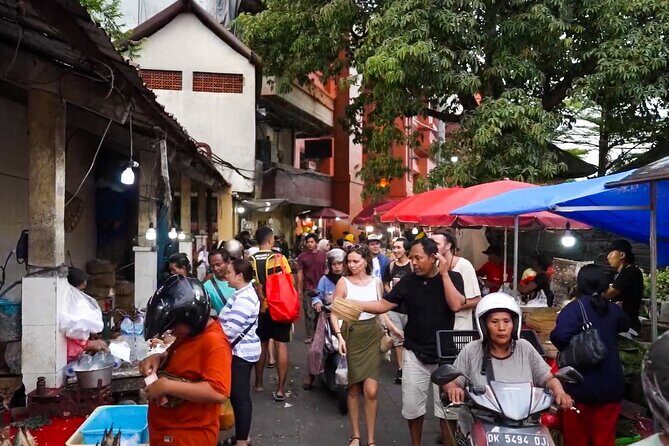
One more practical point: markets are active by nature, and this one is described as busy and running 24/7. Expect a lively crowd and lots of movement between food stops, so wear something comfortable for standing and walking.

Stop 1: Denpasar market, the fruit opener, and fresh-cooked Balinese staples

Denpasar Night Market Food Tour - Stop 1: Denpasar market, the fruit opener, and fresh-cooked Balinese staples
The tour’s first real phase is the market itself. Your guide meets you at KAFE JAGO, then you head into the market where you start tasting right away.

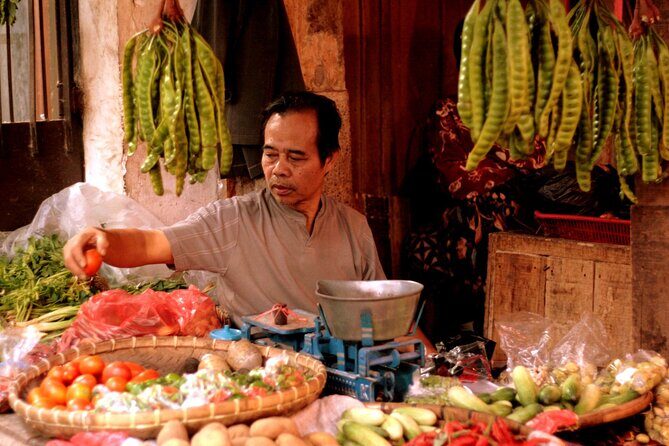
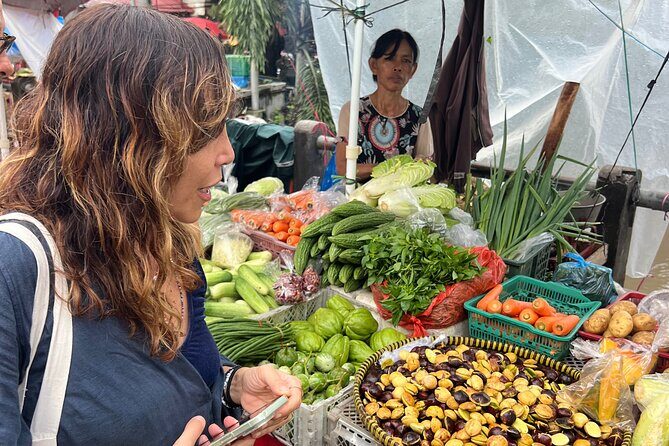
The first big win is the fruit. You’ll sample seasonal tropical fruits, including some you may have never seen before. That matters because fruit is often the easiest way to start a night market tour without getting overwhelmed. It also gives you a feel for local ingredients and flavors before the heavier dishes arrive.

Next comes the savory lineup. You’ll try local favorites such as:

  • nasi goreng
  • nasi campur
  • dadar gulung

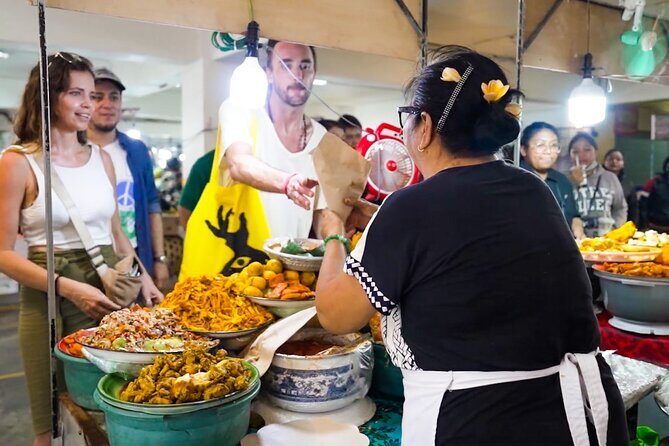
These are all familiar names to many visitors, but what you’re really paying for here is access and order. Market vendors cook constantly, and a guide helps you navigate what’s best to try, what’s being made fresh that day, and how each dish fits Balinese eating habits.

You also get freshly prepared desserts as part of the tasting flow. The key difference with this type of tour is that food is coming from the rhythm of the market, not from a single restaurant menu. You see the production, you smell what’s cooking, and you taste what’s popular and current.

Finally, the tour isn’t just about eating. You’ll learn about Balinese food traditions and get stories about daily life. That kind of context can turn a plate of food into something you remember longer—because you understand what you’re looking at.

The dessert portion: homemade sweets that close the tasting loop

Denpasar Night Market Food Tour - The dessert portion: homemade sweets that close the tasting loop
Dessert might sound like an afterthought, but here it’s part of the design. After the savory dishes, the tour includes traditional homemade Balinese desserts, prepared daily by local vendors.

I like this structure because it keeps your energy in check. You’re not saving everything for the end only to find you’re too full—or too tired—to appreciate the last bites. By building dessert into the tasting plan, you get a proper finish.

And because the guide is talking through Balinese food traditions, you’ll likely understand what the desserts are made from and why they show up at certain times. That sort of explanation helps you taste more intentionally instead of just chasing the next sweet.

Dietary needs are worth mentioning here. One participant highlighted that the tour can be inclusive for people who avoid animal products, including plant-forward options. If you have vegan needs, don’t wait until the last minute—message the operator ahead of time so they can plan the tasting sequence around you.

The riverside picnic: the calm ending you’ll actually remember

Denpasar Night Market Food Tour - The riverside picnic: the calm ending you’ll actually remember
After the market tasting, the tour concludes with a relaxing picnic by the river. The river area is described as a beloved local hangout spot where people gather to unwind and share stories.

This is one of those travel details that sounds simple until you’re there. After walking through a busy market, you don’t just want more standing and eating. You want a pause—somewhere you can sit, breathe, and actually digest what you just ate.

Participants have described the riverside setting as especially pretty when lights are overhead, with the feeling of ending the night in a place locals genuinely use. That’s a big part of why this tour works: it doesn’t end at a loud meeting point with everyone splitting up still buzzing.

There’s also a practical benefit. The picnic format makes it easier for the group to finish together, compare notes, and let the guide wrap up explanations at a calmer pace.

And yes, there’s a takeaway. Each traveler receives a unique souvenir to take home. That turns the tour into more than just a meal—it gives you a physical memory that’s harder to lose than photos.

Price and value: is $39 for dinner and a guide a fair deal?

Denpasar Night Market Food Tour - Price and value: is $39 for dinner and a guide a fair deal?
At $39 per person, this is priced like a straightforward food tour, not a full-day tour with private transport. The value comes from what’s included and what’s not.

Included: Dinner. In practice, that means you’re not just getting a snack here and there. You’re getting a sequence of market tastings that covers fruit, mains like nasi goreng and nasi campur, plus homemade desserts, and then the riverside picnic finish.

Also important: market admission is free (so there’s no separate entrance fee stacked on top). And because the group is capped at 10 people, you’re likely paying for real guide attention rather than a big herd experience.

Not included: private transportation. That’s the one place where you should compare your own costs. If you need taxis anyway, just factor that in. If you’re staying nearby or can get to Denpasar easily, the price feels more like a bargain for a guided, multi-stop dinner.

One more value angle: the tour includes education. A good food guide saves you time and confusion, especially in a market where it’s easy to miss what’s being made fresh. When the guide can also connect food to daily life, your meal becomes a learning experience you can use on future trips.

Given how many people book ahead (on average, about 24 days in advance), it’s clearly a popular way to spend an evening without overplanning. If you want the best chance at your preferred date and group availability, don’t leave it to the last minute.

Who this tour suits best (and who may want another option)

Denpasar Night Market Food Tour - Who this tour suits best (and who may want another option)
This tour is a strong match if you:

  • want Balinese street food without figuring out vendors on your own
  • like tasting seasonal fruit and not just the same “standard” dishes
  • enjoy learning how food connects to daily life and food traditions
  • prefer small groups where you can ask questions
  • need a dinner plan that ends with a sit-down moment at the river

It’s also a great fit for people who want to go beyond the most obvious tourist lanes. The tour is built around Denpasar market life, which is exactly the kind of experience that makes Bali feel like it’s more than a postcard.

It may not be the best match if:

  • you strongly prefer hotel pickup and door-to-door convenience (because transportation is not included)
  • you’re short on time and can’t comfortably make a 5:00 pm start
  • you don’t enjoy markets and prefer quieter, controlled settings

Also, be realistic about a food tour in a market environment. You’re going to be on your feet, walking between vendors, and eating a lot. If you prefer slow sightseeing with fewer tastings, you might want something else.

Should you book this Denpasar Night Market Food Tour?

Denpasar Night Market Food Tour - Should you book this Denpasar Night Market Food Tour?
Book it if you want an evening that’s clearly about food, culture, and local rhythm, with a guide who helps you make sense of what you’re eating. The fruit start, the Balinese classics, the dessert finish, and the riverside picnic ending make a complete meal arc, not just a quick taste-and-go.

Skip it or pick a different plan if you don’t want to handle getting to the Denpasar meeting point yourself or you dislike busy market settings. And if you have dietary restrictions, contact the operator before you go so the tasting sequence can truly work for you.

If your idea of a great night in Bali includes street food, stories, and finally sitting by the river to unwind, this one is a solid bet.

FAQ

What time does the tour start?

The tour starts at 5:00 pm.

How long is the Denpasar night market food tour?

It lasts about 3 hours.

What does the tour cost?

The price is $39.00 per person.

Where do I meet the guide?

Meet at KAFE JAGO, Jl. Gajah Mada No. 63, Pemecutan Kaja, Kec. Denpasar Utara, Kota Denpasar, Bali 80119, Indonesia.

Is dinner included?

Yes. Dinner is included as part of the food tasting.

Do I get private transportation to the market?

No. Private transportation is not included, and the tour returns to the meeting point.

Can I cancel for free?

Yes, you can cancel for free up to 24 hours before the experience starts for a full refund.
Amazing Tanah Lot and Uluwatu Sunset Tour

Amazing Tanah Lot and Uluwatu Sunset Tour - Taman Ayun Temple: start with tiered calm and water-garden vibes

You’ll see Bali’s best-known sea-and-cliff temples without fighting traffic. This is a full-day, private tour that strings together Taman Ayun Temple, Tanah Lot, Padang Padang Beach, Uluwatu Temple, and a classic Kecak & Fire Dance sunset on the cliffs—then finishes with grilled seafood on Jimbaran Beach. It’s built for people who want the highlights, but also want a smoother ride.

I especially like two things: the pickup-and-dropoff convenience (your driver handles the driving, so you avoid the stressful South Bali grind), and the included experience value—entrance tickets plus Kecak seating, with lunch and Jimbaran dinner added depending on your selected option.

The main drawback to plan for is time. The day runs about 11 to 12 hours, and it’s a lot of moving around—so bring patience for crowds and heat, and use your sunscreen.

Key things that make this tour feel worth it

Amazing Tanah Lot and Uluwatu Sunset Tour - Key things that make this tour feel worth it

  • Private 2-way transfers from Ubud through south Bali areas, including Seminyak, Kuta/Legian, Canggu/Kerobokan, and Jimbaran
  • Kecak sunset with a 50-strong male choir at Uluwatu, plus the fire dance component
  • Tanah Lot’s offshore setting for those iconic sea-sprayed temple photos at golden hour
  • Taman Ayun’s tiered water-temple complex before you hit the more famous cliff temples
  • Jimbaran seafood on the sand, with a set menu lunch and set-menu dinner option
  • Smart English-speaking guidance from your driver, with praise for being friendly, informative, and attentive to details

Why this 11–12 hour Tanah Lot + Uluwatu route works

Amazing Tanah Lot and Uluwatu Sunset Tour - Why this 11–12 hour Tanah Lot + Uluwatu route works
This tour is designed around a simple idea: you can’t control Bali traffic, but you can control your time. In South Bali, roads and schedules can get messy. The value here is that your driver does the hard part—navigation, timing between stops, and getting you in and out without you worrying about routes or parking.

It also helps that the stops are the kind of “one-and-done” Bali landmarks you’ll feel if you do them in the same day. Taman Ayun starts you with temple architecture that looks calm and formal. Tanah Lot then hits you with the offshore drama. Uluwatu is another level of cliffs and sunset timing. And Jimbaran gives you a payoff dinner right where the day’s story ends: on the beach.

The tour runs roughly 11 to 12 hours, so treat it like an all-day pass, not a casual afternoon stroll. You’ll be moving from one cultural site to the next, with just enough time at each for photos, walking the main areas, and settling into the vibe.

Private pickup in A/C: the real stress-saver

The headline feature is private transport, but the real benefit is mental. You’re not splitting the day with other schedules or waiting around for a group to finish. You’re also not spending your trip trying to figure out where to park or how to get through busy areas.

Your vehicle is air-conditioned, which matters in Bali. Temple days can mean a lot of sun, dust, and stop-and-go walking. Having A/C between sights gives you a reset. And since the tour includes fuel and parking fees, you’re less likely to get hit with surprise costs just to keep moving.

If you’re staying in the Seminyak/Canggu belt, this is especially useful. That region can be close to the action on a map, but it can still take longer in real life. The tour explicitly offers pickup across many Bali bases—Ubud, Seminyak, Kuta/Legian, Canggu/Kerobokan, and down to Jimbaran—so you can choose the most convenient option for your hotel location.

Taman Ayun Temple: start with tiered calm and water-garden vibes

Amazing Tanah Lot and Uluwatu Sunset Tour - Taman Ayun Temple: start with tiered calm and water-garden vibes
Your day begins at Taman Ayun Temple, a temple complex famous for its towering tiers and its role as a gesture of reverence to deified noble ancestors. This is one of those places where you notice the layout right away: repeated layers, strong symmetry, and the “water garden” feel that keeps the area from feeling purely monumental.

Why it’s a good first stop: you get culture and architecture before you hit the crowds and cliff-time rush. It’s also a relief to start before the day gets hotter. You’ll have about 1 hour here, which is usually enough to walk the core areas, take photos without rushing, and get your bearings for the rest of the route.

Practical tip: dress with temple respect in mind. The tour requests smart casual dress code. Even if you’re not sure what that means in practice, think modest and comfortable—light layers and something you can manage while you walk.

Tanah Lot: the offshore shrine that turns into a sunset target

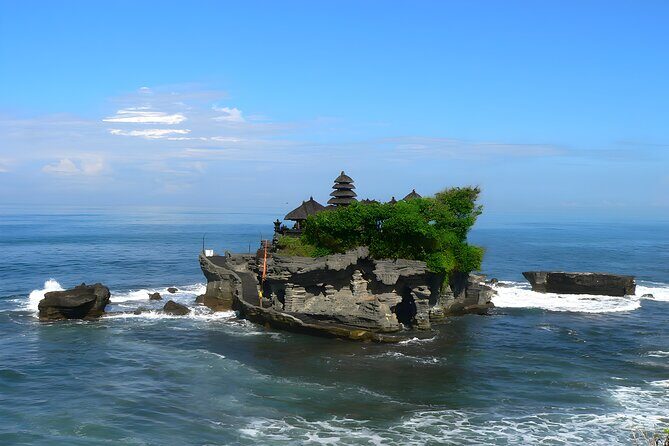
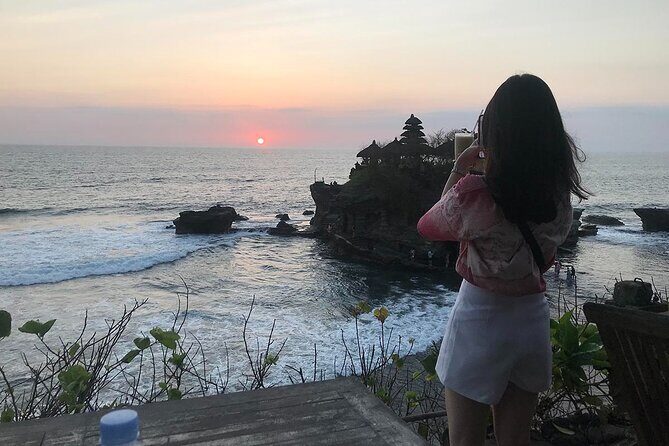
Next up is Tanah Lot Temple, one of Bali’s most important landmarks. The big draw is its unique offshore setting: the shrine sits on a rock outcrop surrounded by constantly crashing wave action. This is the type of temple that looks dramatic from almost every angle—and it gets even better near late-day light.

You’ll get about 1 hour at Tanah Lot. That timeframe works best because it lets you:

  • walk around for angles,
  • take photos before it gets too crowded near the most iconic spots, and
  • keep the energy for the later, more timing-sensitive stop at Uluwatu.

One consideration: this is a place many people chase for sunset backdrops. If you want the widest range of photo angles, show up ready to move quickly and not linger too long in just one spot. Also, bring your camera but keep it secure. Coastal wind and sand aren’t exactly gentle.

Padang Padang Beach: a surf spot break, not a full beach day

After temples, the schedule gives you a break at Padang Padang Beach—a popular surf point with a stretch of white sand and surf waves. The timing is about 1 hour, which tells you what this stop is: not a long lounge, but a short reset and a chance to stretch your legs.

This is a smart inclusion because it breaks the tempo. If you went straight from Tanah Lot to Uluwatu, you’d spend the whole day in “temple walking mode.” Here, you get sea air, a different horizon, and a moment to shake out the legs.

If you want to do anything beyond photos—like dip your feet—plan for quick changes. Nothing about the schedule suggests you’ll have time for a full beach swap, so keep it simple: sunscreen, water, camera, and a couple of quick walks for views.

Uluwatu Temple: cliff-top spirituality with 70 meters of drama

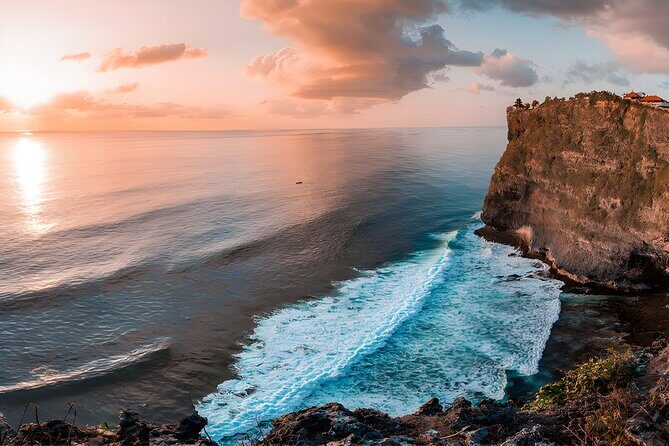
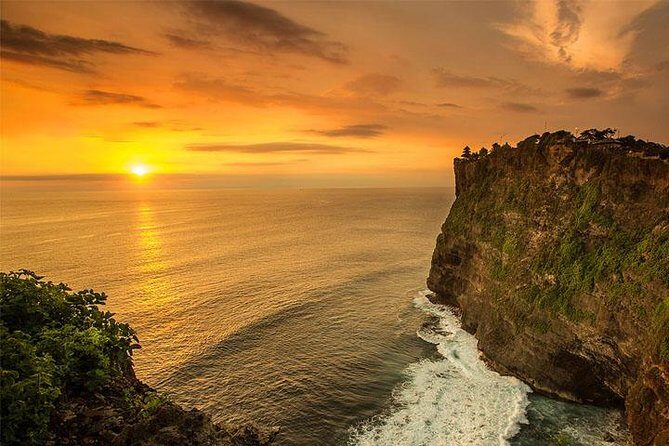
Uluwatu Temple (Pura Luhur Uluwatu) is renowned for its location, perched on a steep cliff about 70 meters above sea level. Think of it as a spiritual pillar in Bali’s temple map, visited for both its religious meaning and the sheer effect of where it sits.

You’ll have about 1 hour at Uluwatu before the show. That’s enough time to get the setting and take in the architecture and views without turning the stop into a marathon. The key here is that Uluwatu is more about atmosphere than checking off every corner. Give yourself time to look out at the ocean and feel the scale of the cliff.

Practical consideration: cliff locations can mean strong breezes and quick temperature changes. Bring something light for wind, or at least be ready for it with your layer choice.

Kecak & Fire Dance at sunset: how to plan for the best viewing

Amazing Tanah Lot and Uluwatu Sunset Tour - Kecak & Fire Dance at sunset: how to plan for the best viewing
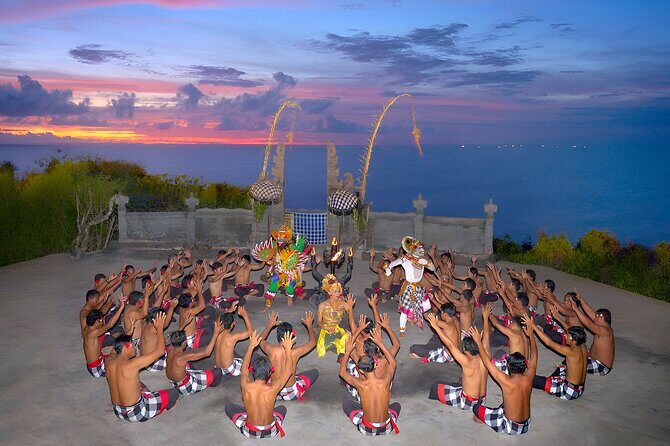
The centerpiece of the evening is the Kecak and Fire Dance at Uluwatu. This performance features a 50-strong male choir doing the kecak, paired with the fire dance element. The setting matters here—the story and staging come alive because you’re watching it on the cliffs as the day turns.

Your schedule includes about 1 hour for the show, and this is the part of the day where timing becomes the most important. You’ll want to arrive as instructed and be ready to settle in early enough to find a comfortable viewing spot. Even without guessing the exact seating format, the practical move is simple: don’t treat this like a show you can stroll into late. Sunset shows reward early positioning.

If you’re new to Balinese performance, this is an ideal way to start. The kecak style has a distinct rhythm, and the fire dance adds a visual intensity that stays with you after you leave. It’s also a good cultural contrast to the temple stops: you’re seeing a living tradition, not just architecture.

Jimbaran Bay seafood dinner: where the day ends on the sand

Amazing Tanah Lot and Uluwatu Sunset Tour - Jimbaran Bay seafood dinner: where the day ends on the sand
After the show, you head to Jimbaran Bay for grilled seafood dinner on the beach. The description is clear about the vibe: fresh grilled local seafood with a beautiful ocean-panorama sunset atmosphere.

This is about 2 hours on the sand. The tour includes a set-menu seafood dinner option (and it notes a vegetarian option is available if you advise at booking). That’s helpful because you aren’t stuck making decision after decision while you’re tired. You can just eat, relax, and watch the light change.

What to expect from the experience value: Jimbaran is one of the easiest ways to turn a long temple day into something satisfying and sensory. You get salty air, warm plates, and the kind of “Bali at night” mood that you don’t get in a restaurant back inland.

Quick thought: seafood dinners often involve being a bit messier than you expect. If you’re taking photos while you eat, keep your camera protected, and don’t wear your fanciest outfit.

Lunch, tickets, and what the price really covers

At $100 per person, the biggest value is that this isn’t just sightseeing. It includes:

  • A/C private transportation
  • a professional English-speaking driver who acts as your guide
  • all entrance tickets plus Kecak dance ticket
  • set menu lunch and set menu seafood dinner (if you choose that dinner option)
  • petrol, parking fees, plus tax and services

When you compare that to the cost of piecing things together on your own—tickets, separate transport, and trying to coordinate sunset timing—it starts to look like a fair deal for an 11–12 hour day.

The one thing to watch is that included meals depend on your selected option. The tour data states a set menu lunch and a set menu seafood dinner if option selected. If you have vegetarian needs or you want a non-seafood dinner, you should state it at booking so the meal plan matches what you want.

Also, you’ll want to budget for personal expenses since those aren’t included.

Who this tour suits best (and who should reconsider)

This tour is a strong match if you:

  • want the major temple hits—Taman Ayun, Tanah Lot, Uluwatu—in one day,
  • care about sunset timing enough to prefer an organized route,
  • dislike the idea of negotiating traffic, parking, or schedules yourself,
  • want a private setup with no other participants in the vehicle.

It’s also a good pick if you enjoy cultural performance as more than a quick photo stop. The Kecak & Fire Dance is the kind of thing you remember later because it feels like a full show, not background entertainment.

I’d be cautious if you:

  • prefer slower travel with fewer stops,
  • get exhausted by long days in heat,
  • don’t handle crowds well. Tanah Lot and sunset shows can draw lots of people, even with a private vehicle.

Finally, weather matters. The tour notes it requires good weather, and if it’s canceled due to poor weather, you’ll be offered a different date or a full refund.
Should you book this Tanah Lot and Uluwatu sunset tour?

Yes—if your goal is a high-impact Bali day without the logistics stress. The mix of temples + cliff sunset + Kecak performance + Jimbaran beach dinner is exactly the kind of itinerary that works best when someone else handles the timing and driving.

If you’re the kind of traveler who likes authentic moments but also wants to hit the big icons, this is a practical way to do it. And if you’re nervous about riding around South Bali, the private A/C transfers are the comfort factor that makes the whole day easier to enjoy.

If you tell me your hotel area (Seminyak, Ubud, Canggu, Jimbaran, etc.) and whether you want seafood or vegetarian, I can help you sanity-check whether the route fits your pace and meal preferences.

FAQ

How long is the Tanah Lot and Uluwatu sunset tour?

It runs about 11 to 12 hours.

Is this a private tour or will I share the vehicle with others?

It’s private, meaning there’s no other participant in the vehicle besides your group.

Where does pickup and drop-off happen?

Pickup and drop-off are offered from hotels and villas in areas including Ubud and south Bali, such as Seminyak, Kuta/Legian, Canggu/Kerobokan, Denpasar, Sanur, Tanjung Benoa, Nusa Dua, Uluwatu, and Jimbaran, plus Tuban.

Are temple and Kecak tickets included?

Yes. Entrance tickets and the Kecak dance ticket are included.

Are lunch and dinner included?

The tour includes set menu lunch and set menu seafood dinner if that dinner option is selected.

Can I request a vegetarian meal?

Yes, a vegetarian option is available if you advise at booking.

Is there a non-seafood dinner option?

Yes, a non-seafood dinner option is available if you advise at booking.

What should I wear?

The dress code is smart casual. You should also bring sunscreen and a camera.

Is the tour dependent on weather?

Yes, it requires good weather. If it’s canceled due to poor weather, you’ll be offered a different date or a full refund.
What’s the cancellation window for a full refund?

You can cancel up to 24 hours in advance for a full refund.
Private Uluwatu Temple Full-day Tour & Visit Padang-Padang Beach and Single Fin

Private Uluwatu Temple Full-day Tour & Visit Padang-Padang Beach and Single Fin - How the Private Uluwatu Day Fits Together (10 hours, multiple wow-stops)

Sunset energy at Uluwatu starts early. This private, full-day Bali plan strings together ocean-facing temple views with cliffside beach time, then finishes with the voice-powered Kecak and Fire Dance.

I also like the comfort of a private A/C car pickup from the Ubud area, so you spend less energy worrying about transport and more energy enjoying the day’s stops. The one thing to plan for is that this route includes stair-heavy beach access and a temple area with lots of monkeys—you’ll want to stay alert and follow your guide’s lead.
Key Highlights You’ll Care About

  • Private door-to-door style transport with an A/C vehicle and a professional driver
  • Padang-Padang descent down cliff stairs for that dramatic beach entrance
  • Uluwatu Temple with hundreds of monkeys and an ocean-facing sunset viewpoint area
  • Kecak and Fire Dance performed with human-voice chanting in concentric circles
  • Guide support that saves time, including practical shortcut planning (with Komang noted for clear English and photo help)

How the Private Uluwatu Day Fits Together (10 hours, multiple wow-stops)

Private Uluwatu Temple Full-day Tour & Visit Padang-Padang Beach and Single Fin - How the Private Uluwatu Day Fits Together (10 hours, multiple wow-stops)
Think of this as a “southern Bali best-of” day with a clear goal: get you to Uluwatu at the right time, without turning the day into a transportation puzzle. The full tour runs about 10 hours, and it’s designed as a single connected route: cultural park, two beach stops, then the temple and performance.
Because it’s private, the pacing feels smoother than a crowded group bus day. Vehicle size matters too. You can be in a mini bus/elf (up to 15 adults) or a smaller car (up to 5 adults). If you’re the type who hates waiting around, the smaller group option will feel better.

For value, the big win is what’s included: a private car with air-conditioning, fuel support, and water for the day. Food and entrance tickets are on you, but at least you’re not double-paying for transport convenience.

Garuda Wisnu Kencana Cultural Park: Big Grounds, Easy First Stop

Garuda Wisnu Kencana Cultural Park (GWK) is a solid first move in a full-day itinerary like this. It covers 240 hectares, and that scale is the point: you’re not just passing through a single monument. You get space to walk, look around, and reset before the beach and temple portions.

One specific detail that helps your expectations: there’s a lotus pond in the park, which makes the area feel more like a landscaped cultural site than a quick photo stop. Admission isn’t included, so plan to pay your ticket separately.

The main drawback at this stop is also the simplest: you’re already on a full schedule. If you’re the kind of person who likes long, slow wandering, GWK may feel time-limited. But if you enjoy seeing one major cultural park without turning the day into a marathon, it’s a good fit.

Padang-Padang and Single Fin: Cliff Stairs, Then Instant Scenery

Padang-Padang is the kind of place that works because of contrast. You descend stairs cut into the cliffs, and for a stretch it can feel like you’re walking through a darker passage before the beach suddenly opens up in light. That moment—when the sunlight hits after the descent—is part of why Padang-Padang draws people in.

Once you’re down, the beach setting feels dramatic and compact, with lots of visual focus on the ocean and the rock formations around it. Your hour here is best used for two things: get your bearings fast, and take photos early before you drift into a slower pace.

Single Fin beach is included as part of the day. Even if you don’t spend long enough for a full beach day, it adds variety to the coast segment—so you’re not doing the same kind of coastline view twice.

Practical note: the stair access is real. Wear shoes that grip. And if you’re traveling with anyone who dislikes steps, keep that in mind when you arrive.

Uluwatu Temple: Ocean Views Plus Monkey-Dense Paths

Uluwatu Temple is the centerpiece for a reason: it’s set up for that cliffside, ocean-facing atmosphere. The main experience is touring the temple area with the sense that you’re in a small coastal forest environment.

Here’s what you should know before you go: the paths near the temple have hundreds of monkeys roaming around. There’s also a small forest area in front where the monkeys are part of the scenery. For photos and for comfort, this changes how you move. You’ll want to keep your belongings secure and follow your guide’s pace.

If you like nature-meets-culture settings, this works. If you hate surprises and want a controlled, quiet visit, it may feel stressful. The good news is that because this is a guided private day, you’re not left guessing where to stand or when to move.

The big payoff is the timing. This tour is built to end with sunset-facing views at Uluwatu, so you’re not just checking the temple off a list—you’re experiencing it in the light it’s famous for.

Kecak and Fire Dance: Human-Voice Soundtrack to the Story

After the temple, the day turns theatrical with Kecak and Fire Dance. What’s distinctive here is how the performance is created: the accompanying music is provided by human voice, with a choir-style arrangement—sitting in concentric circles and building the rhythm as the story develops.

You can expect more than background chanting. The performers’ movements build energy: they sway, stand up, and change position as the storyline progresses. Then the fire element adds a dramatic end to the performance that fits the Uluwatu setting well.

Admission isn’t included, so treat this as an extra ticket cost on top of the tour price. Still, it’s a highly memorable way to spend your evening hours in southern Bali, especially after you’ve already been walking through the temple and coastal views.

Price and Logistics: Why $134 Can Still Feel Worth It

At $134 per person, this tour isn’t trying to be a budget bus deal. You’re paying for a private vehicle, a professional driver, and a day that strings together several major stops without you doing the logistics math.

What’s included:

  • Private A/C car + professional driver
  • Fuel surcharge
  • Mineral water / bottled water

What’s not included:

  • Food and drinks
  • Entrance fees for all sites

That’s the tradeoff. If you’re the kind of traveler who already plans to buy your own snacks and you’re okay paying site admissions directly, the price can feel fair. If you prefer a fully all-in bundle where you never pull out a card, you may need to budget extra for tickets and meals.

Another subtle value point: the tour is booked on average 36 days in advance, which usually means these exact stops at the right timing are in demand. If you wait too long, you risk losing preferred slots.

Your Guide Matters: Time-Saving Shortcuts and Photo Help

One of the strongest signals from the experience is how much the guide influences your day. With Komang mentioned for this kind of tour, the emphasis is on practical flow: helpful planning, clear English, and smart shortcut guidance so you don’t waste time trying to figure things out on the fly.

That matters more than people think. On a day like this—GWK, a cliff beach descent, a temple area with monkeys, and then a performance—small timing slips can turn into frustration. A guide who knows the rhythm helps you keep momentum and actually enjoy each stop rather than rushing.

Komang is also described as a good photographer. Even if you’re traveling with friends who usually take your pics, having someone who can help with angles and timing at scenic spots can save you a lot of effort.

Tips to Make the Most of Each Stop (Without Overthinking It)

A few simple choices will make this day easier.

First, since food isn’t included, plan for at least one meal purchase during the day. I’d rather you carry a light snack than end up making rushed decisions when you’re already tired.

Second, bring a mindset for the Uluwatu monkey zones. The key is awareness and keeping your stuff controlled. Don’t treat the monkeys like pets or photo props.

Third, remember the physical mix. You’re doing cliffside stair descent at Padang-Padang, plus walking through temple grounds. Comfortable, grippy shoes are the difference between a fun day and a sore-foot day.

Lastly, if sunset views are your priority, trust the pacing. This tour is structured so you’re not stuck late at the wrong stop while the light changes at Uluwatu.

Who This Tour Suits Best (And Who Might Prefer Something Else)

This tour is a great match if you want:

  • a private day with smooth transport
  • multiple signature southern Bali experiences in one go
  • a guide who helps you move efficiently (including shortcut tips)
  • a sunset-focused Uluwatu visit plus a cultural performance

It’s also ideal for couples, small groups, and anyone who values convenience. If you’re traveling with older kids or adults who can handle stairs, the beach stops feel worth it.

If you have mobility limits or you strongly dislike crowds and animal encounters, you might want to reconsider or ask for a version with less walking. The data says most travelers can participate, but your comfort level with stairs and monkeys is still your call.

Should You Book This Uluwatu Temple Full-Day Tour?

Yes, I’d book it if your priority is a well-structured day: GWK for a cultural start, Padang-Padang for dramatic cliff beach energy, Uluwatu for the ocean-facing sunset mood, and Kecak and Fire Dance for a performance that’s different from typical stage shows.

I’d skip—or at least reconsider—if you want an all-in price with no extra ticket decisions, or if you’re sensitive to stairs and monkey-rich environments. Also, if you hate paying entrances separately, this one will feel a bit like a “base tour price plus site tickets.”

FAQ

How long is the Uluwatu Temple full-day tour?

It’s about 10 hours (approx.).

Is pickup included?

Pickup is offered.

What’s included in the tour price?

A private car with air-conditioning, a professional driver, fuel surcharge, and mineral/bottled water are included.

Are entrance fees included?

No. Entrance fees to all sites are not included.

Which locations will I visit?

You’ll visit Garuda Wisnu Kencana Cultural Park, Padang-Padang Beach, Uluwatu Temple, and you’ll also go to Single Fin beach. The day also includes Kecak and Fire Dance.

Is the tour private?

Yes. It’s a private tour/activity, and only your group participates.

How many people can be on the tour at once?

Maximum group size depends on vehicle: up to 15 adults on a mini bus/elf, or up to 5 adults on a small car.

Is there a mobile ticket?

Yes, mobile ticket is included.

What is the cancellation policy?

You can cancel for free up to 24 hours in advance for a full refund. If you cancel within 24 hours of the start time, the amount paid isn’t refunded.

30 Minutes Ocean Walking in Nusa Dua, Bali

30 Minutes Ocean Walking in Nusa Dua, Bali - Getting There in Comfort: Private Car and a Max of 15 People

Walking on the ocean floor sounds unreal. And this sea-walk at Tanjung Benoa Beach is built for it: you stay in a waterproof helmet with an air hose, so your hair stays dry while you watch coral and colorful fish up close. Two things I really like are how you can enjoy the reef without swimming skills, and the chance to get that close-range fish-and-coral view for an easy 30 minutes. One drawback to plan for: it’s not a long session, and you’ll need some balance since there’s a bit of push from the sea while you walk.

I also like that the experience comes with practical comfort on land. You get return transfer by private car, plus access to changing rooms, a toilet, and a shower, so you’re not stuck in wet clothes after. People also speak highly of the operator’s help on the ground—names like Krish show up for good driving and a genuinely kind, flexible vibe, which makes the day feel smoother.

Before you book, make sure it fits your body and schedule. This isn’t suitable for kids under 8, adults over 60 aren’t recommended, and you should have at least a moderate fitness level. If you have a flight soon, plan ahead too: the activity is not recommended if you’ll fly within 24 hours.

Key Points Before You Go

30 Minutes Ocean Walking in Nusa Dua, Bali - Key Points Before You Go

  • Helmet-and-hose setup keeps you hair-dry while you walk
  • You don’t need swimming skills, just comfort in shallow water
  • A holding pole helps you manage the sea’s push during the walk
  • 30 minutes is the main event, so go in ready to focus
  • Small group size (max 15) helps it feel organized and calmer
  • Photo/video is extra, so decide in advance if it’s worth it

Where You Go: Tanjung Benoa Beach and the Sea-Walk Idea

30 Minutes Ocean Walking in Nusa Dua, Bali - Where You Go: Tanjung Benoa Beach and the Sea-Walk Idea
This ocean walking experience takes place at Tanjung Benoa Beach in Nusa Dua. It’s one of those Bali shore spots where the water lets you do an underwater walk without needing the confidence of a swim. The pitch is simple: you get a view of the underwater world—coral reef and small fish—while staying mostly “above” the water thanks to the helmet.

What makes the location work is the atmosphere around Tanjung Benoa: it’s known for white sand beaches, and this activity is a standard watersports-style option there. You’re not far into anything technical. You’re basically learning how to move safely on a walk path underwater, then enjoying the scenery during that set time.

Getting There in Comfort: Private Car and a Max of 15 People

30 Minutes Ocean Walking in Nusa Dua, Bali - Getting There in Comfort: Private Car and a Max of 15 People
Your package includes a return transfer with a private car, which is a big deal in Bali when traffic can be unpredictable. You won’t be doing a long public-transit shuffle to get to the beach activity. It’s also designed for a group, but not a giant one: the experience has a maximum of 15 travelers.

That matters because for a helmet-and-air-hose activity, calm and organization are everything. Smaller groups usually mean the briefing and equipment setup can happen without feeling rushed. You can also take your time after the walk with the included changing and shower facilities.

What Happens Before You Walk: Helmet Fitting and Safety Basics

30 Minutes Ocean Walking in Nusa Dua, Bali - What Happens Before You Walk: Helmet Fitting and Safety Basics
The core of the sea-walk is the waterproof helmet and air hose. The helmet seals around your head, and the air is circulated through the hose so you can breathe normally while you’re under the water. You don’t need fancy gear or prior experience, but you do need to listen during the short briefing.

You’ll also be shown how to use the path features—especially the iron pole you can hold while walking. The sea can push a bit, and the water movement can make your footing feel different than on land. That pole is there for stability, and using it is part of doing this comfortably.

During this phase, keep your expectations realistic. You’re not trying to “swim around.” You’re learning to walk steadily, watch the reef, and let the equipment do its job.

The 30 Minutes Underwater: Coral Reef, Colorful Fish, and a Calm Rhythm

30 Minutes Ocean Walking in Nusa Dua, Bali - The 30 Minutes Underwater: Coral Reef, Colorful Fish, and a Calm Rhythm
Once you’re in place, the main event is the walk itself: 30 minutes on the underwater path. The point is to enjoy the underwater views without getting your hair wet, while you observe the coral reef and lots of small colorful fish.

Here’s what I think you’ll notice first: the helmet changes your sense of the water. You’ll still feel like you’re in the ocean environment, but the air-and-helmet setup keeps you feeling more “enclosed” than open-water snorkeling does. That tends to make first-timers feel more comfortable.

I also like that this experience is designed for people who don’t have swimming skills. You’re moving slowly, holding the pole if you need it, and focusing on the view rather than on technique.

And yes, there’s a fun element: the experience includes the possibility to feed the fish you can see during the walk. When it’s allowed and guided, it turns the reef viewing into an interactive moment, not just a passive stare.

One more reality check: 30 minutes goes fast because you’ll want to look around the whole time. If you’re someone who normally reads every sign twice, you may want to mentally “save” your attention for the coral and fish moments once you’re actually walking.

Gear and Comfort Details: Helmet, Facilities, and Feeling Human After

30 Minutes Ocean Walking in Nusa Dua, Bali - Gear and Comfort Details: Helmet, Facilities, and Feeling Human After
This tour isn’t just “go underwater and hope for the best.” It includes practical support and comfort features. Onshore, you’ll have access to a changing room, toilet, and shower. That’s useful in Bali, where getting the salt and wet feeling off quickly makes the rest of your day more enjoyable.

On the gear side, the helmet and oxygen hose setup is central. The helmet is waterproof, and that’s the whole trick for the hair-dry promise. The iron pole is another practical piece—think of it as your safety handrail for balancing with the sea’s push.

Also included is insurance coverage, which matters for activities like this where you’re working with breathing equipment and moving underwater. It’s included in your package, not something you have to add later.

The Driver/Guide Touch: Why Help on the Ground Can Matter

30 Minutes Ocean Walking in Nusa Dua, Bali - The Driver/Guide Touch: Why Help on the Ground Can Matter
The experience itself is short, but the day around it still matters. What stands out in prior trips is the kindness and competence of the team—especially the name Krish, mentioned for being an honest, helpful driver with good driving skills. People also credit this kind of flexibility and support, including small comforts like sharing snacks during the day.

Now, I can’t promise which person will drive you on your day. But I can say this: when an operator has a reputation for friendly, practical help, you feel it. You arrive less tense, you understand what to do faster, and you’re more likely to enjoy the sea-walk instead of worrying about logistics.

Price and Value: Is $55 for 30 Minutes Reasonable?

30 Minutes Ocean Walking in Nusa Dua, Bali - Price and Value: Is $55 for 30 Minutes Reasonable?
The price is $55 per person, and it’s booked about 23 days in advance on average. That’s a useful signal: it’s popular enough that you shouldn’t wait until the last minute if your dates are fixed.

The best value part isn’t the “30 minutes” by itself. It’s what’s bundled with it:

  • return transfer by private car
  • 30 minutes ocean walking
  • helmet equipment
  • changing room, toilet, and shower
  • insurance coverage

Photo and video are not included, and they cost about USD 30 per person if you want them. If you’re the type who likes hard proof of a once-in-a-while activity, that add-on might be worth it. If you’d rather save money, plan to rely on your own phone camera from shore or skip it.

For $55, I see this as a good match for people who want an easy “try it once” underwater experience without the stress of learning swimming skills or dealing with complicated gear. If you already love swimming and snorkeling, you might ask whether you’d get more time for the money elsewhere—but if your goal is a guided, helmet-based ocean walk with comfort on land, it’s a fair deal.

Who Should Book This Sea-Walk (and Who Should Skip It)

30 Minutes Ocean Walking in Nusa Dua, Bali - Who Should Book This Sea-Walk (and Who Should Skip It)
This is a good fit if you want a guided, structured underwater experience and you’re okay with shallow-water movement. The requirements are clear: you should have a moderate physical fitness level.

It’s not suitable for:

  • children below 8 years
  • adults older than 60 years (not recommended)

If any of those apply, I’d steer you toward a different activity that matches your limits.

Also, timing matters. If your trip schedule includes flying, the activity is not recommended if you’ll take a flight within 24 hours. That’s one of those “better safe than sorry” rules that can affect what you can pack into your last day in Bali.

Tips That Actually Help You Enjoy the Walk

Here’s what I’d do to make the experience easier and more enjoyable:

  • Arrive with a calm mindset. This is about steady walking, not speed.
  • Listen closely to how to handle the pole. It’s there because the sea can push a bit.
  • Wear comfortable clothes before the changing room. You’ll likely want to change quickly afterward.
  • Decide ahead of time if you want the photo/video add-on. If you get it, it’s about USD 30 per person.
  • Plan your day so you’re not rushing afterward. The included shower and facilities are there for a reason.

If you’re worried about whether it will feel too hard, think about this: the tour is designed so you don’t need swimming skills. Still, balance and comfort with being in moving water matter.

Should You Book Bali Ocean Walker at Tanjung Benoa?

I’d book this if you want a short, guided underwater experience that keeps your hair dry and gives you coral-and-fish views without swimming practice. The value comes from the bundle: private transfer, helmet equipment, insurance, and solid comfort back on shore with changing, toilet, and shower access.

I wouldn’t book it if you fall under the age limits, you’re not comfortable with moderate physical effort, or you’re trying to squeeze it in right before a flight. And if you dislike short “try-it” activities, you might wish the time were longer than 30 minutes.

If your goal is a simple, memorable sea-walk in Bali, this one has the right balance of ease and scenery.

FAQ

How long is the ocean walker experience?

It’s approximately 30 minutes underwater.

Do I need swimming skills to do the ocean walk?

No. You don’t need swimming skills to participate.

What’s included in the tour price?

Your package includes return transfer by private car, the 30-minute ocean walker, helmet equipment, changing room access, toilet and shower facilities, and insurance coverage.

What is not included?

Photo and video services are not included and cost about USD 30 per person.

What age limits should I know about?

Children below 8 years are not suitable. Adults older than 60 years are not recommended.

Do I need a certain fitness level?

You should have a moderate physical fitness level.

How big is the group?

The activity has a maximum of 15 travelers.

Can I cancel and get a full refund?

Yes, you can cancel for a full refund if you cancel up to 24 hours in advance of the experience start time. Canceling less than 24 hours before the start time is not refundable.

If you tell me your dates and your age range, I can help you decide whether this fits well with the rest of your Bali plan.

Bali Airport Arrival Transfer and Private Car Charter Combo

Bali Airport Arrival Transfer and Private Car Charter Combo - Private Car Charter Rules: Timing, Areas, and Luggage

Your Bali day can start calm.

This combo is useful because it stitches together an airport pick-up and then gives you a private car charter right away, with an English-speaking driver you can use to build your own plan. The meeting setup is straightforward (a driver holding a sign at the meeting point), and you’re not stuck trying to figure out traffic with jet lag. I also like that the car is air-conditioned and the package covers the essentials like fuel and parking. One thing to keep in mind: service is limited to certain hotel areas for pickup/drop-off, and the car charter doesn’t cover all of Bali.

If you hate rigid schedules, this is the kind of freedom that actually helps. You can use the 5-hour or 10-hour option the next day (or on another day during your stay) and steer the day toward cultural stops, scenic viewpoints, or markets—your driver handles navigation and timing. The trade-off is that your day depends on how you plan it, and the driving time will swing with traffic and your exact hotel location.

Key Points Worth Noticing

Bali Airport Arrival Transfer and Private Car Charter Combo - Key Points Worth Noticing

  • Sign-holder airport pickup: Your driver meets you at the designated meeting point with a personalized sign for easy identification.
  • Flexible private charter: Use a 5-hour or 10-hour car hire with an English-speaking driver, timed around your interests.
  • Clear coverage zones: Pickup/drop-off is limited to selected areas like Seminyak, Canggu, Denpasar, Ubud, and more.
  • Car charter limits by region: The charter covers most of Bali but excludes Lempuyang, Amed, Lovina, and West Bali.
  • What’s actually included: Fuel surcharge, air-conditioned transport, parking fees, and hotel pickup/drop-off (selected area only).

Airport Arrival Transfer: Getting Started Without Stress

Bali Airport Arrival Transfer and Private Car Charter Combo - Airport Arrival Transfer: Getting Started Without Stress
The best part of an arrival transfer is the first 60 minutes. This one starts with an easy handoff at Ngurah Rai International Airport (Denpasar). When you land, your personal driver waits at the designated meeting point and holds a sign so you can find them quickly. That small detail matters in Bali, where you want your first interaction to feel controlled—not chaotic.

From there, you go straight to your South Bali hotel in an air-conditioned minivan. You’re not negotiating with rideshares, asking strangers for directions, or hunting for the right pickup spot while you’re tired. The transfer time is approximate and depends on your hotel location and traffic, but the value is that you’re not guessing or improvising.

One more practical note: pickup/drop-off is valid only for hotels/villas in specific areas. If your place is inside the listed zones—Kuta, Seminyak, Kerobokan, Canggu, Denpasar, Tuban, Jimbaran, Nusa Dua, Sanur, or Ubud—you’re set. If it’s outside those zones, you’ll want to double-check before booking.

Private Car Charter Rules: Timing, Areas, and Luggage

Bali Airport Arrival Transfer and Private Car Charter Combo - Private Car Charter Rules: Timing, Areas, and Luggage
This package isn’t just a taxi. It’s a private transport charter designed to give you control of your itinerary. You get the option of either a 5-hour or 10-hour car hire with an English-speaking driver. You can use it the following day, or any day during your stay (so you can match it to a realistic sightseeing plan instead of day-one urgency).

Where the driver can take you

The charter covers all Bali areas except Lempuyang, Amed, Lovina, and West Bali. That matters if you’ve built your wish list around one of those regions. If one of those is a must, this package may not be the right fit for that day.

Hotel pickup/drop-off zone limits

Even if the car charter can roam broadly (within the exclusions), the hotel transfer portion is more limited. Hotel pickup/drop-off is only for selected areas. Think of this as the package being built for South Bali and nearby hubs, not for every corner of the island.

Luggage limit (don’t ignore this)

You’re allowed a maximum of 1 suitcase and 1 carry-on bag per traveler. Oversized or excessive luggage—like surfboards, golf clubs, or bikes—may face restrictions. If you’re traveling with something bulky, ask the operator ahead of time so you don’t end up stuck at the curb.

What an English-Speaking Driver Really Gives You

Bali Airport Arrival Transfer and Private Car Charter Combo - What an English-Speaking Driver Really Gives You
A private driver isn’t only about comfort. It’s about reducing friction so you can spend your energy on Bali, not logistics.

First, the driver is English-speaking. That helps with basic communication like where you’re going, what you want to see, and how long you might need at each stop. Second, the driver handles navigation and the road reality—traffic patterns, turns, and the general flow you’ll feel as soon as you’re on the road.

The best kind of driver service feels confident and calm. In the feedback for this service, names like Gus, I Ketut Agus Wihantara, and Rian show up with praise for being professional and for helping people feel safe and welcomed. The common thread is that the driving isn’t chaotic, and the English is solid enough to make the day feel smooth.

You’ll still want to do a bit of thinking. The charter is flexible, but it won’t magically fix a plan that’s too packed. If you can, inform your itinerary in advance. It’s explicitly recommended, and even a rough outline can help the driver manage timing.

Planning a 5-Hour vs 10-Hour Sightseeing Day

Bali Airport Arrival Transfer and Private Car Charter Combo - Planning a 5-Hour vs 10-Hour Sightseeing Day
This is where your itinerary skills (or lack of them) matter. The package doesn’t force a set route. Instead, it gives you the freedom to design a day around what you care about: cultural landmarks, scenic vistas, or vibrant markets.

Here’s how I’d think about using the time:

If you choose 5 hours

Use 5 hours for a tight loop near each other. In practice, this tends to work best for fewer stops where you don’t feel rushed:

  • One cultural stop
  • One market or shopping time
  • One scenic viewpoint for photos

In 5 hours, travel time eats the clock fast, so grouping nearby areas is the key.

If you choose 10 hours

A 10-hour day is more forgiving. You can do two or three stops without feeling like you’re constantly sprinting to the next thing. It’s a good option if you want a mix like:

  • One or two cultural landmarks
  • A longer market session
  • A scenic spot for late-afternoon light (if timing works)

Also, because the driver is with you the whole time, you can adjust. If a place is unexpectedly busy or you want more time to browse, you can shift without the stress of a fixed tour schedule.

One more reminder: the duration is approximate and depends on hotel location and traffic. Your driver will manage it, but plan your day with some slack.

Comfort Details That Make the Day Feel Easier

Bali Airport Arrival Transfer and Private Car Charter Combo - Comfort Details That Make the Day Feel Easier
You’re dealing with Bali heat and road conditions, so the small comfort choices matter.

This transport uses an air-conditioned minivan, which is a big quality-of-life upgrade when you’re switching between temple visits, markets, and walking around outside. You’ll also appreciate that parking fees are included—those little charges can add up and can slow things down when they’re handled in an unpredictable way.

What you should pack matters too. The practical advice here is clear:

  • Light, comfortable clothing
  • Sunscreen and sunglasses (seriously)
  • A hat or cap
  • A water bottle
  • Snacks
  • A swimsuit if you want flexibility
  • Camera
  • A change of clothes
  • Petty cash for small purchases

Also, wear comfortable shoes. Even if your plan is mostly car time, you’ll likely step out for viewing points or short walks.

Included vs Not Included: Avoiding Surprise Costs

Bali Airport Arrival Transfer and Private Car Charter Combo - Included vs Not Included: Avoiding Surprise Costs
This package includes several things that usually create surprise add-ons when you book transport on your own.

Included:

  • Fuel surcharge
  • English-speaking driver
  • Hotel pickup and drop-off (selected area only)
  • Transport by air-conditioned minivan
  • Parking fees

Not included:

  • Food and drink
  • Personal expenses

So think of it like this: you’re paying for reliable private transport and the driver time, but you’re still responsible for meals and your own shopping. I like that the included list covers the operational costs that tend to be annoying to track.

Price and Value: Is $48.64 per Person Worth It?

Bali Airport Arrival Transfer and Private Car Charter Combo - Price and Value: Is $48.64 per Person Worth It?
At $48.64 per person (for this combo experience), the real value depends on how you’re using it.

If you’re arriving and just want the first day to feel painless—this price can be a win because you’re buying time and avoiding decision fatigue. Airport transfers are where people lose patience fast, and this setup aims to reduce that. Then you get the private charter option for 5 or 10 hours, which can be a cost-effective way to avoid piecing together multiple trips or arguing with directions.

Also, there’s group discount availability. If you’re traveling with friends or family, the per-person price can become even easier to swallow because you’re sharing the same private car and driver time.

One consideration: if you end up doing only a very small amount of sightseeing, you might feel like you paid for time you didn’t fully use. The fix is simple—plan your 5-hour or 10-hour day with at least a few meaningful stops, then let the driver help you keep it moving.

Who This Bali Transfer + Charter Suits Best

Bali Airport Arrival Transfer and Private Car Charter Combo - Who This Bali Transfer + Charter Suits Best
This is a strong match if you:

  • Want a stress-free airport start with meet-and-go pickup
  • Prefer flexibility over a fixed sightseeing schedule
  • Like the idea of having an English-speaking driver who can handle navigation
  • Are staying in (or near) South Bali areas like Seminyak, Canggu, Denpasar, Jimbaran, Sanur, or Ubud

It’s also ideal if you’re the kind of traveler who doesn’t want to spend vacation time doing logistics homework. In the feedback, there’s a clear vibe of people booking this to avoid planning, then feeling looked after by drivers like Gus and Rian.

If you’re hoping for day trips that land in the excluded regions (Lempuyang, Amed, Lovina, West Bali), this charter may not cover your ideal route. In that case, you might need a different plan.

Should You Book This Airport Arrival Transfer + Private Charter?

Book it if you want the easiest start possible and you’re planning a flexible sightseeing day. The biggest strengths here are the airport pickup setup, the English-speaking driver, and the fact that parking and fuel costs are handled inside the package. That combination usually means fewer headaches and more time enjoying Bali.

Don’t book it if your hotel is outside the listed pickup/drop-off areas or if your must-see list includes the excluded regions. Also, if you’re the type who won’t plan at least a rough outline for your stops, you might feel the day doesn’t flow as well as it could.

If you’re on the fence, think in terms of what you’d pay in time and stress to get from the airport and coordinate your own driving. For many people heading to Seminyak and nearby areas, this offers a practical balance: private comfort, flexible hours, and clear limits so you can plan without surprises.

FAQ

How does the airport pickup work at Ngurah Rai International Airport?

Your driver meets you at the designated meeting point at Ngurah Rai International Airport and holds a personalized sign to make identification easy. Then you’re transferred to your South Bali hotel.

Which areas in Bali are eligible for hotel pickup and drop-off?

Pickup and drop-off are valid for hotels/villas in Kuta, Seminyak, Kerobokan, Canggu, Denpasar, Tuban, Jimbaran, Nusa Dua, Sanur, and Ubud area.

Can I choose between a 5-hour and 10-hour car charter?

Yes. The experience offers a choice of a 5-hour or 10-hour private car hire with an English-speaking driver.

Are there parts of Bali the private car charter doesn’t cover?

Yes. The car charter is valid for all Bali areas except Lempuyang, Amed, Lovina, and West Bali.

What’s included in the price, and what’s not?

Included are fuel surcharge, an English-speaking driver, hotel pickup/drop-off (selected area only), air-conditioned transport, and parking fees. Food and drink, plus personal expenses, are not included.

Is there a luggage limit?

Yes. Each traveler can bring up to 1 suitcase and 1 carry-on bag. Oversized or excessive items (like surfboards, golf clubs, or bikes) may have restrictions—ask the operator in advance if you have something bulky.

Is there free cancellation?

Yes. You can cancel for a full refund up to 24 hours before the experience’s start time. Cancel less than 24 hours before, and the amount paid isn’t refunded.

Mount Batur Sunrise Jeep Tour with Optional Activities

Mount Batur Sunrise Jeep Tour with Optional Activities - Once the sun lifts: what the black lava fields are like

Sunrise at Mount Batur is worth the early wake-up. This tour is built around a 4WD Jeep ride to the best early viewing spots, with a guide who keeps the day moving and the photos coming out better than you’d expect. I also like that you get a real sense of the volcano area fast, without needing to plan trails or transfers yourself.

I love the simple, well-timed breakfast stop: coffee or tea plus a banana sandwich while the light is changing over Lake Batur and the volcanic peaks. One consideration: the day runs about 8 hours, so it’s best for people who want one focused “big activity” morning instead of a relaxed schedule.

Key things to know before you go

Mount Batur Sunrise Jeep Tour with Optional Activities - Key things to know before you go

  • 4WD jeep up to the sunrise viewpoints in Kintamani for early panoramic views
  • Coffee or tea with a banana sandwich served as part of the morning
  • Black lava fields at the base of Mount Batur for dramatic rock formations and photos
  • Professional guide and driver plus bottled water included
  • Optional add-ons like ATV, rafting, hot spring, or jungle swing if you want more action
  • Private tour for your group (not mixed with strangers)

Why a Mount Batur Sunrise Jeep Tour Beats a DIY Morning

Mount Batur Sunrise Jeep Tour with Optional Activities - Why a Mount Batur Sunrise Jeep Tour Beats a DIY Morning
If you’re short on time or you just don’t want to guess your way through a mountain sunrise, this style of tour is smart. A jeep gets you to viewpoints efficiently, and your guide helps you time the moments when the sky is opening and the view is at its best. In practical terms, you spend less energy on planning and more energy on the main event: sunrise over the volcano country.

What makes it especially appealing is the pacing. You’re not only chasing a single view. You get a morning “wow” moment, then you’re taken to the black lava fields afterward—so the day feels like it has two distinct chapters: the sunrise panorama, then the geology that created it.

It’s also a good fit for people who want adventure without going full hike-mode. The tour description centers on comfort during the jeep ride, and the itinerary includes time at the main areas so you’re not just passing through for a quick photo and a sprint back to the vehicle.

Getting There From the Ubud Area: Pickup and the Real Starting Point

Mount Batur Sunrise Jeep Tour with Optional Activities - Getting There From the Ubud Area: Pickup and the Real Starting Point
This experience is offered in the Mount Batur area near Kintamani, and it can include pickup and drop-off if you select that option. The tour start point is at Pulestis Glamping, Jl. Bukit Mekar Sari, Songan A, Kec. Kintamani, Kabupaten Bangli, Bali 80652, Indonesia, and it ends back at the same meeting point.

That matters because timing in the mountains is everything. If you’re getting pickup, the driver helps you get moving early so you don’t lose time on the road. If you’re meeting at the glamping location, you can treat it like a straightforward start: arrive on time, get set, and your guide takes it from there.

Also, the tour uses a mobile ticket, so you don’t have to hunt for paper confirmations. It’s a small detail, but on early mornings, small conveniences add up.

Stop 1: The Sunrise View Over Lake Batur and Mount Agung

Mount Batur Sunrise Jeep Tour with Optional Activities - Stop 1: The Sunrise View Over Lake Batur and Mount Agung
Your first main stop is Mount Batur, specifically for the sunrise experience in Kintamani. You’ll ride by jeep to the best viewing spots, then spend time admiring the panoramic scene. From this area, the view is built around the volcanic bowl of the region—Lake Batur and Mount Agung are key parts of what you’ll be looking over.

This is where the tour’s value shows. Sunrise viewing spots around volcanoes can be hard to “pick” correctly if you’re winging it. With a guide and driver who know how to get you to the right spot and keep the day organized, you’re more likely to get those early light moments without rushing.

I also like the photo-friendly setup. The day is scheduled around viewpoints, not random roadside stops, so you can focus on getting shots of the horizon, the lake, and the volcano shapes—especially when the sky shifts from dark to bright.

Breakfast Timing: Coffee or Tea Plus a Banana Sandwich

Mount Batur Sunrise Jeep Tour with Optional Activities - Breakfast Timing: Coffee or Tea Plus a Banana Sandwich
Right as the sunrise moment is happening, you get a light breakfast: coffee or tea and a banana sandwich. It’s not a fancy meal, and it’s not meant to be. It’s practical fuel while you’re standing around waiting for the sky to change.

This works well for a few reasons. First, you avoid the stomach-sit-there feeling you can get when you eat too heavy before sunrise. Second, the food is simple enough that it doesn’t slow you down. Third, it puts the “tasting” part of the morning right where you want it—while the viewpoint is doing its thing.

A bonus from past days: drivers have gone the extra step to help make guests comfortable. One example from earlier trips includes Alit helping get blankets up on Mount Batur. I can’t promise blankets will be part of your specific morning, but it’s a signal that your driver’s job isn’t just driving—they’re trying to make the sunrise experience easier to enjoy.

Stop 2: Exploring the Black Lava Fields at Mount Batur’s Base

Mount Batur Sunrise Jeep Tour with Optional Activities - Stop 2: Exploring the Black Lava Fields at Mount Batur’s Base
After sunrise viewing, the tour continues to the base area for the black lava fields. This is the part of the day that feels like a different world. These dark rock formations come from ancient volcanic eruptions, and they create a dramatic surface for walking, looking, and photographing.

If you’re the type who enjoys the “why” behind what you see, this stop gives you that. The sunrise is the atmosphere; the lava fields are the evidence. And because the area is visual even when the light changes, you can keep taking pictures without needing the perfect sky.

Two hours is a generous window for this stop, which helps. You’re not trapped in a quick loop. You can slow down, find angles in the rocks, and get your bearings before you’re back on the jeep.

Practical note: wear shoes with grip. Lava rock areas can be uneven. Nothing fancy needed—just shoes that won’t make you think about your footing every five minutes.

Optional Add-Ons: ATV, Rafting, Hot Springs, or Jungle Swing

Mount Batur Sunrise Jeep Tour with Optional Activities - Optional Add-Ons: ATV, Rafting, Hot Springs, or Jungle Swing
If you want to turn your day from scenic to action-packed, the tour offers optional add-ons such as ATV, rafting, hot spring, or jungle swing. The appeal here is that you can keep your Mount Batur day as a “base plan,” then layer extra activities depending on your energy level and what kind of photos you want.

The trade-off is time. Since the main tour is about 8 hours, choosing add-ons can affect the flow of your day. If you’re deciding between one extra activity or multiple, I’d pick based on what you’d actually enjoy more in practice: do you want adrenaline on land (ATV), water thrills (rafting), relaxation (hot spring), or a fun photo moment (jungle swing)?

Also, optional activities may require extra coordination, so it’s worth confirming details in advance so you’re not scrambling at the start of the day.

What’s Included (and How the Value Really Works)

Mount Batur Sunrise Jeep Tour with Optional Activities - What’s Included (and How the Value Really Works)
This tour is priced at about $25.24 per person, and that’s where the value logic makes sense. You’re paying for more than a ride. You’re paying for transport by jeep, a professional guide and driver, included entrance fees, and the early-morning logistics that are hard to DIY.

Included items are:

  • Breakfast (coffee/tea and banana sandwich)
  • Entrance fee(s)
  • Hotel pickup and drop-off if you select that option
  • Professional guide & driver
  • Bottled water

Not included:

  • Tips for guide or driver

That “entrance fees included” piece matters a lot at sunrise destinations. When you add those costs up separately, tours can start to look like they’re priced fairly. And bottled water + breakfast reduces the small-but-annoying expenses that pile up on early mornings.

Past guides are also described as punctual and helpful, which is exactly what you want when you’ve set an alarm at some unholy hour. For example, Yoga has been credited with excellent driving and introducing multiple local spots, while Edi has been praised for friendliness and help with taking pictures.

Jeep Drivers and Local Guidance: What You Can Expect

Mount Batur Sunrise Jeep Tour with Optional Activities - Jeep Drivers and Local Guidance: What You Can Expect
A Mount Batur sunrise tour rises or falls on the people behind the wheel. The good news is that the tour’s guide-and-driver model is strongly supported by real-world feedback.

In earlier experiences, drivers were described as:

  • Punctual and communicative (Tana was noted for being timely and flexible if time needed adjusting)
  • Friendly and professional (Alit was praised for being punctual and helping with blankets)
  • Skilled at driving and sharing local context (Yoga and Sentana were praised for their driving and insights)
  • Helpful with photos (Edi was specifically mentioned for assisting guests with getting nice shots)

You should still know what to do: ask questions. If something on the way back interests you, say so. One example includes a coffee plantation detour on the way back for a tour and tea/coffee sampling. I can’t promise every driver will stop, but if you enjoy local stops, it’s totally worth asking what’s possible based on the day’s timing.

Who This Tour Suits Best (And Who Should Rethink It)

This experience is a strong match if you want:

  • A sunrise moment without a long hike plan
  • Volcano scenery with both atmosphere and geology (sunrise + lava fields)
  • Comfort-focused transportation in a 4WD jeep
  • A guided day that includes breakfast and practical timing

It may not be your best fit if you hate early starts or you’re trying to keep your schedule super light. The day is about 8 hours, and sunrise tours require that momentum.

It also works well for couples, friends, and small groups since the tour is described as private for your group. That typically means you’re not dealing with the stop-and-go chaos of larger mixed groups.

Should You Book This Mount Batur Sunrise Jeep Tour?

Yes, if you want a well-paced Mount Batur morning that hits the big sights and doesn’t force you into heavy planning. The combination of sunrise viewpoint time, included breakfast, and then the black lava fields makes it more than a one-stop photo dash. At around $25.24, you’re also getting a lot of operational heavy lifting handled for you.

I’d book it if your priority is: see Mount Batur at sunrise, get strong views over Lake Batur and Mount Agung, then enjoy the volcanic rock scenery before you head back.

If you’re the type who already loves DIY logistics and you have a flexible schedule, you might find other ways to do it. But for most people, the structure here is exactly what makes sunrise trips enjoyable instead of stressful.

FAQ

How long is the Mount Batur sunrise jeep tour?

It runs about 8 hours (approx.).

Does the tour include hotel pickup and drop-off?

Pickup & drop-off are included if you select that option. If not, the tour starts and ends back at the meeting point.

Where does the tour start and end?

It starts at Pulestis Glamping on Jl. Bukit Mekar Sari, Songan A, Kec. Kintamani, Kabupaten Bangli, Bali 80652, Indonesia, and it ends back at the same meeting point.

What’s included in breakfast?

Breakfast includes coffee or tea and a banana sandwich.

Are entrance fees included?

Yes, the entrance fee is included.

What should I budget for tips?

Tips for the guide or driver are not included.

Are there optional activities?

Yes. Optional add-ons can include ATV, rafting, hot spring, or jungle swing.

Is this a private tour?

Yes. It’s described as private, with only your group participating.

What’s the cancellation policy?

You can cancel for a full refund if you cancel at least 24 hours before the experience’s start time. Free cancellation applies under that condition.

Bali Exciting Thriling Adventure: River Rafting, ATV Ride, Swing

Bali Exciting Thriling Adventure: River Rafting, ATV Ride, Swing - The timing: plan for a half-day to full-day

Three thrills in one Ubud day.

This tour is interesting because it strings together Ayung River rafting, a muddy-but-fun ATV ride, and a finale at Tegalalang rice terraces for a swing-stop. You’ll get the kind of day where adrenaline comes in waves, not all at once, with breaks built in.

I like the way the rafting part balances excitement with scenery on the Ayung River, plus you’re not left guessing—there’s an instructor and the right safety gear. You also get practical comforts that make the day feel organized, like lockers/changing rooms and lunch.

One thing to think about: the day is listed as 2 to 10 hours, and it asks for moderate physical fitness. There’s also a walk down to the river that one person said was worth it, but it’s still a factor if you’re not feeling steady on your feet.

Key highlights worth your time

Bali Exciting Thriling Adventure: River Rafting, ATV Ride, Swing - Key highlights worth your time

  • Ayung River rafting from Kedewatan: a classic Ubud pick for scenery and rapids.
  • ATV time in and around Beji River Adventure Bali: off-road routes that reach places cars can’t.
  • An ancient scary tunnel moment: reported as part of the ATV route, adding a real edge to the ride.
  • Tegalalang rice terrace swing option: you can swing or just spend time admiring the view.
  • Real value extras: coffee or tea on arrival, lunch, safety equipment, locker/changing rooms, and insurance coverage.
  • Smallish group size: a max of 50 travelers means it usually feels more controlled than huge bus tours.

Why this Ubud combo works (rafting + ATV + swing)

Bali Exciting Thriling Adventure: River Rafting, ATV Ride, Swing - Why this Ubud combo works (rafting + ATV + swing)
If you’re in Ubud and you keep thinking you want more than one activity, this combo makes sense. You get a full “active day” rhythm: water thrills first, then land thrills, then a photo-ready finish over the rice terraces.

What I like about this kind of plan is the way each piece does a different job. Rafting gives you motion and teamwork, ATV gives you control and wild off-road moments, and Tegalalang gives you a calmer, scenic payoff at the end.

Also, this isn’t just three random stops. The day is built around Ayung River rafting in Kedewatan, an ATV ride around the Beji River Adventure Bali area, then a Tegallalang visit tied to the swing experience.

The timing: plan for a half-day to full-day

Bali Exciting Thriling Adventure: River Rafting, ATV Ride, Swing - The timing: plan for a half-day to full-day
The duration is listed as 2 to 10 hours, and that range is real enough to affect how you plan the rest of your day. You’ll likely spend the bulk of your time on the main activities, but add time for pickup (if selected), transfers, changing, and lunch.

From the schedule details, you can expect roughly:

  • ~2.5 hours on the Ayung River rafting (including time around the activity)
  • ~1.5 hours for the ATV ride
  • ~1 hour at Tegalalang for swing or just viewpoint time

So even if you don’t hit the full 10 hours, treat this as a day where you’ll want an easy evening after.

Stop 1 in Kedewatan: Ayung River rafting with real views

Bali Exciting Thriling Adventure: River Rafting, ATV Ride, Swing - Stop 1 in Kedewatan: Ayung River rafting with real views
Your day starts with rafting on the Ayung River from the Kedewatan area. This is one of those Bali activities that’s popular for a reason: you get moving water action while still seeing the river corridor and jungle scenery.

What you can expect day-of is a structured flow: you’ll be kitted up with safety equipment, you’ll have a guide/instructor, and you’ll have a chance to follow directions rather than just hope for the best. The tour includes locker and changing-room facilities, which matters because you don’t want to spend the day stressed about wet stuff.

One practical touch from real experience: there’s a mid-ride stop to replenish water. That small break can make a big difference, especially if it’s warm and you’ve been splashed already.

Possible drawback? Rafting starts with getting to the river area, and at least one person specifically noted a walk down to the river. If you’re carrying aches or you’re nervous on uneven steps, factor that into your comfort level. The tour also asks for moderate physical fitness, so don’t assume you can treat this as purely seated entertainment.

Stop 2 at Beji River Adventure Bali: ATV ride through rice paddies and tunnels

Bali Exciting Thriling Adventure: River Rafting, ATV Ride, Swing - Stop 2 at Beji River Adventure Bali: ATV ride through rice paddies and tunnels
After the water part, you switch gears to the ATV experience with 1.5 hours on the trails. This is where the day gets more hands-on. An ATV ride is not just sightseeing—you’ll steer, accelerate, and handle uneven ground, which makes it feel more like an activity than a tour.

The route is described as taking you through jungle and trail areas, plus outskirt villages and the river bank. That’s part of why the ride feels different from a straight-up road trip: you’re moving through areas cars can’t easily reach.

Then there’s the detail that adds tension: the ride includes passage through an ancient scary tunnel (spelled that way in the tour description). Even if you’re not a thrill-chaser, that kind of moment breaks up the ride and gives you a story to tell later.

You’ll also have options for the ATV ride: single or tandem. If you’re newer to quad biking, going tandem can reduce pressure because you share control responsibilities. If you want more freedom, single is the obvious choice.

One more practical point: the tour includes an instructor/guide and safety equipment for this part too. That doesn’t remove the need for caution, but it does mean you’re not walking into the dirt blind.

Stop 3 in Tegallalang: the rice terrace swing stop (or just the view)

Bali Exciting Thriling Adventure: River Rafting, ATV Ride, Swing - Stop 3 in Tegallalang: the rice terrace swing stop (or just the view)
The final stop is Tegallalang, known for its rice terraces. This is the “pause and look” part of the day, even if you choose the swing.

The swing itself is an add-on option, not a guaranteed must-do in every package version: the tour description says you can visit Tegallalang to get the swing if that option is selected, or just enjoy the afternoon time if not. Either way, you’ll be in the right place for that iconic terrace view.

What I recommend: if you like photos and you’re comfortable doing one activity that’s more about height and scenery, take the swing option. If you’re tired after rafting and ATV, it’s still a great terrace break to stretch your legs and slow your breathing.

What’s included (and why it’s good value at this price)

Bali Exciting Thriling Adventure: River Rafting, ATV Ride, Swing - What’s included (and why it’s good value at this price)
The stated price is about $20.02 per person, which is extremely low for a day that includes multiple big activities. The value comes from what’s bundled in, not just the activities themselves.

Here’s what’s included:

  • Roundtrip transportation by air-conditioned vehicle as selected
  • Coffee or tea on arrival
  • Rafting time (~2 hours) with instructor/guide and safety equipment
  • ATV time (~1.5 hours) with instructor/guide and safety equipment
  • Locker, toilets, and changing rooms
  • Lunch
  • Activity coverage with insurance
  • Tegallalang visit, with the swing option if you select it

This is the kind of package where you don’t have to chase basic logistics like finding toilets, organizing a lunch plan, or budgeting for safety gear. Those pieces quietly add up in Bali, and they’re the difference between a “fun outing” and a smooth day.

One more money note: professional photos/videos are available on the spot for IDR 260,000 per booking. That’s not included, so if photos matter, decide ahead of time if you’re willing to pay extra for a set.

Logistics that can make or break your day

Bali Exciting Thriling Adventure: River Rafting, ATV Ride, Swing - Logistics that can make or break your day
Pickup is offered, and the tour can also be done by going to the meeting point if you don’t want transport. If you’re sensitive to timing, I’d choose pickup because it reduces the mental load—especially in Ubud where traffic and short distances can still shuffle your schedule.

The vehicle is described as air-conditioned (if selected). In Bali heat, that little comfort is not a luxury; it’s part of feeling okay after you’ve been wet on a river and dusty from ATV trails.

Also, the group size has a stated maximum of 50 travelers. That doesn’t mean it will be private, but it usually helps keep things moving and keeps you from waiting in a long chaos line.

One fun detail from a real trip: a driver named Mr. April was mentioned as having a great voice and singing songs during the drive. That doesn’t mean every driver will do the same, but it’s a good reminder that the ride to and from activities can be part of the fun when the team is friendly.

Who this tour fits best (and who should rethink it)

Bali Exciting Thriling Adventure: River Rafting, ATV Ride, Swing - Who this tour fits best (and who should rethink it)
This is ideal if you want:

  • a one-day Ubud adventure combo without overthinking transfers
  • mixed thrills: rafting for teamwork and speed, ATV for off-road control
  • a finale that turns into a scenic reward at Tegallalang

It’s also a solid choice if you don’t want to plan three separate bookings. Since the day includes lunch, lockers, and insurance coverage, it’s built to handle the practical messiness that comes with wet and muddy activities.

You might rethink it if:

  • you don’t like active days and you want something mostly seated
  • you have mobility concerns, since the rafting start can involve walking down to the river and the tour calls for moderate fitness
  • you strongly dislike long, variable schedules (the duration range is wide)

What to do before you go (simple, practical prep)

Because the tour includes rafting and ATV, pack like you’ll get wet and dusty. Wear swim-ready clothing or quick-dry clothes if you have them, and plan to change at the facilities.

Bring cash/cards for optional purchases like professional photos (IDR 260,000). And if you’re choosing the swing, wear something you’ll feel good about while secured safely for the ride.

If you’re doing the ATV portion, listen carefully during the safety instructions. ATV riding is fun, but it’s not the place for stubborn pride. Do what your guide says so you stay in control and avoid unnecessary strain.

Should you book this Bali adventure combo?

I’d book it if you want a true “active day” in Ubud with Ayung River rafting, a genuine ATV trail experience, and a Tegallalang stop that can end with a swing view. The included lunch, insurance coverage, lockers/changing rooms, and safety gear make the low price feel believable—not sketchy.

I wouldn’t book it if your ideal Bali day is slow, quiet, and flexible. The schedule is not framed as a relaxed afternoon, and it expects a moderate fitness level with at least some walking and physical effort.

If you want the best decision help: ask yourself whether you’re okay with getting wet on the river, getting dusty on the ATV, and then swapping to terrace sightseeing at the end. If yes, this combo is a strong value way to see more of Ubud in one go.

FAQ

How long is this Ubud river rafting, ATV, and swing tour?

The duration is listed as 2 to 10 hours, depending on the selected options and timing of the day.

Is roundtrip transportation included?

Roundtrip transportation in an air-conditioned vehicle is included as an option you select. You can also go directly to the meeting point.

What activities are included in the tour?

Included activities are river rafting on the Ayung River, an ATV ride, and a visit to Tegallalang rice terrace with the swing option if selected.

Is lunch included?

Yes, lunch is included.

Is professional photo or video included?

No. Photo or video by professional photography is available on the spot for IDR 260,000 per booking.

What fitness level do you need?

The tour states travelers should have moderate physical fitness.

Is the booking refundable if I cancel or change my mind?

The experience is non-refundable and cannot be changed for any reason, and the amount paid will not be refunded.

If you tell me the month you’re going and whether you prefer single or tandem on the ATV, I can help you decide what option combo usually feels best for your energy level.

Purification Ceremony in sacred Jungle Temple Bali

A quiet river-temple moment in Bali. This tour mixes a hands-on purification ceremony with real village rhythm in Balikaru, near Mount Batukaru, plus a calm jungle walk through spice and herb gardens. You’ll learn the meaning behind each ritual from the priest (a Mangku) and take part in blessings meant to refresh body and mind.

Two things I really like: the day stays personal because the group is capped at 6 travelers, and you get guided cultural context, not just photos. The main drawback to consider is that the purification/blessing has restrictions: it’s not permitted during female menstruation and for pregnant women.

6 key moments that make this tour special

Purification Ceremony in sacred Jungle Temple Bali - 6 key moments that make this tour special

  • Small-group format (max 6) for a calmer, more personal ceremony
  • Rindik lesson before you step into the temple rituals
  • Mangku-led blessing at a sacred temple beside a secluded river
  • Temple clothes + offerings provided so you can participate respectfully
  • Warung Balikaru homemade lunch (nasi campur tumpeng)
  • Belulang Hot Springs stop to unwind in natural sulfur water

A Jungle Temple Blessing That Feels Personal

Purification Ceremony in sacred Jungle Temple Bali - A Jungle Temple Blessing That Feels Personal
This is one of those Bali experiences that doesn’t try to be loud or theatrical. It’s spiritual, yes, but it’s also practical: you get dressed, you follow the flow, and you understand what you’re doing while the setting does its job. You start in the mountains at the foot of Mount Batukaru and spend the morning and early afternoon with Balinese traditions that are part of everyday village life.

The value is in how the day is structured. First, you warm up your senses with nature: a walk through a spice and herb garden, then music training with Rindik (a traditional bamboo instrument). After that, the experience shifts into the temple space where the Mangku guides the blessing and purification. That transition matters because it sets the mood without rushing you.

I also like that the focus is on feeling and meaning, not performance. You’re given the chance to step into a local spiritual day—while the tour team emphasizes minimal impact on nature and village life. In other words, this isn’t about taking over the place. It’s about participating in a way that respects the community.

One last note: this is a group tour, but it’s small. You’re not stuck in a big crowd, so questions feel easier and the pace stays human.

Where It Happens: Balikaru at the Foot of Mount Batukaru

Purification Ceremony in sacred Jungle Temple Bali - Where It Happens: Balikaru at the Foot of Mount Batukaru
Your day is centered around Balikaru Village in the Mengesta area (near Penebel) in Tabanan. The setting is mountain-country Bali. That matters because the tour isn’t marketed like a beach-day sightseeing circuit. You’re moving through cooler, greener scenery tied to farming and local belief.

You begin at Warung Balikaru (9:00 am start). From there, you’re guided through the day’s stops: spice and herb garden, the temple ceremony at a sacred site near a secluded river, a homemade lunch back at the village warung, then a rice-field and farm visit, and finally Belulang Hot Springs.

If you’re hoping for a fast checklist of temples, this might feel slower than you expect. But if you want a grounded cultural experience—where religion, agriculture, and daily routine connect—this area fits that goal. The day’s design keeps pulling you back to the same theme: spirituality is woven into ordinary life here.

Morning Setup: Spice and Herb Gardens, Then Rindik Music

Purification Ceremony in sacred Jungle Temple Bali - Morning Setup: Spice and Herb Gardens, Then Rindik Music
Before the purification ceremony, you get a gentle on-ramp. You start with a guided walk through a spice and herb garden. This isn’t just pretty plants for photos. You’ll explore tropical plants, spices, and herbs, and the pacing helps you settle into the surroundings.

From there, you learn Rindik. This is a traditional Balinese bamboo instrument, and you’re not just watching it being played—you’ll be helped to learn. That’s a smart move because it does two things at once: it gives you a hands-on cultural moment, and it keeps your energy steady for what comes next.

I like that the tour team times this part well. Music comes right before the temple ritual. It helps you shift from “tour mode” into “participant mode.” It also gives you something memorable that’s not just about the temple itself. When you later hear the sound of sacred bells, it lands differently because your ears and body have already been guided through the day’s rhythm.

Practical thought: plan for humidity and walking on uneven ground. The garden stop and village paths are part of the experience, so comfortable footwear helps.

Meeting the Mangku at the Sacred River Temple

Purification Ceremony in sacred Jungle Temple Bali - Meeting the Mangku at the Sacred River Temple
The centerpiece is the Balinese purification and blessing ceremony, led by the Mangku, the local temple priest. You’ll be taken to a sacred temple located at a magical spot next to a secluded river.

This is where the day becomes deeply “Bali,” but in a real, day-to-day way rather than a museum version. The guide shares the meaning behind each ritual, so you’re not left guessing what’s happening. You’ll listen to the sound of sacred bells during the ceremony, and you’ll experience the blessing and purification as more than a spectacle.

You’ll also dress for the temple. The tour includes offerings and temple clothes rental, and the team helps you get dressed. That’s an important detail because it removes friction. Instead of scrambling for the right clothing or trying to guess etiquette, you follow the flow with support.

What you take away depends on your mindset. If you’re open, you’ll likely feel the day slow down. If you’re rushing or treating it like an activity badge, the impact won’t be the same. The ceremony is meant to make space—body and mind—so you can reorient and feel ready for new experiences afterward.

Also worth noting: this tour emphasizes respectful, minimal impact on nature and local life. That’s a better fit for travelers who want their spirituality to come with care.

How the Purification Works (and Who Should Skip It)

Purification Ceremony in sacred Jungle Temple Bali - How the Purification Works (and Who Should Skip It)
At its core, this is a guided blessing and purification ceremony. You participate with the Mangku at the temple, using included offerings and rented temple clothes. The guide explains the meaning behind the rituals, and you’re surrounded by the sounds and atmosphere that typically accompany ceremonies like this.

The biggest consideration is eligibility. The purification/blessing is not permitted during female menstruation and for pregnant women. If either applies to you, it’s better to skip this particular ceremony to avoid causing issues on the day. If you’re unsure, check with the provider when booking.

There’s also the practical side of being in a temple setting: you’ll be asked to follow ritual instructions. You don’t need to be religious to participate, but you do need to be respectful and ready to listen.

You should also understand that the experience is designed for reflection. It’s not timed like a performance where you get to move to the next station. It’s a ritual with meaning, so build in patience.

If you want a spiritual day that doesn’t feel fake, this is one of the stronger options in Bali. You get guidance, you get context, and you’re not just dropped at a temple entrance.

Lunch at Warung Balikaru: Nasi Campur Tumpeng in the Village

Purification Ceremony in sacred Jungle Temple Bali - Lunch at Warung Balikaru: Nasi Campur Tumpeng in the Village
After the ceremony, you eat. And in Bali, that matters because lunch can either be a tourist trap or a genuine part of the day.

Here, you get a homemade Balinese lunch at an authentic village warung. The meal included is nasi campur tumpeng. This is the kind of food that helps you feel the local rhythm again after the quieter temple time.

I also like that the tour makes space for dietary needs. Vegetarian options are accommodated if you indicate it in special requirements when booking. So you’re not forced into eating something random just to keep the schedule moving.

This lunch stop is more than calories. It’s part of how you connect with the village setting: you eat where you spend time, not somewhere designed to look like it’s “in the jungle.” It adds warmth and normalcy after a sacred morning.

Rice Fields, Balikaru Farm, and Stingless Trigona Bees

Purification Ceremony in sacred Jungle Temple Bali - Rice Fields, Balikaru Farm, and Stingless Trigona Bees
The afternoon continues with village life in action. You join a farmer in the rice fields, meet animals at Balikaru farm, and even chat with villagers. The day also includes stingless Trigona bees, which is a fun detail because it adds a living-nature angle to a spiritual schedule.

The rice field portion is valuable because it connects the dots. In Balinese village life, farming and ceremonies are not separate worlds. Seeing agriculture up close helps you understand why spirituality is interwoven with daily work here.

Animal encounters and the bee stop add a lighter tone after the temple seriousness. It’s still the same place and people, but the experience shifts from ritual to everyday stewardship.

A good strategy: ask your guide questions. Since the experience includes an English-speaking guide, you can usually get clear explanations. And with a small group, those conversations are more likely to happen naturally.

Belulang Hot Springs: Natural Sulfur Water to Reset

Purification Ceremony in sacred Jungle Temple Bali - Belulang Hot Springs: Natural Sulfur Water to Reset
You end the day at Belulang Hot Springs. Locals bathe in natural sulfur water, and it’s meant to be the perfect wind-down after the ceremony and village tour.

Even if you’re not a hot-spring person, this stop can help you complete the “body and mind refreshed” theme of the purification ceremony. Sulfur water often feels like a reset button—warm, soothing, and simple.

Just treat it as what it is: a natural bathing area. Plan to spend time there, not just pass through. And bring practical thinking like being ready for wet conditions and changing temperatures, since you’ve spent time walking in the morning and in outdoor areas earlier.

The tour’s schedule returns you to the meeting point at the end, so you’re not stuck trying to figure out transportation afterward.

Price and Logistics: Is $89 Worth This Half-Day?

At $89 per person, this tour isn’t the cheapest thing you can book in Bali—but it also isn’t priced like a mass-market attraction. The value comes from the package being built around a ritual and a village experience rather than just sightseeing.

Here’s what you’re paying for:

  • A Mangku-led purification and blessing ceremony with translation and ritual explanation
  • Temple clothes rental and offerings included
  • A guided spice and herb garden walk
  • Rindik instruction
  • Lunch at a village warung (nasi campur tumpeng)
  • A farm/rice-field segment with animals and Trigona bees
  • A farewell gift and a personal photo sent by email

The group size max is 6 travelers, which usually means more attention from the guide and a calmer pace. That tends to matter most on ceremonies, where etiquette and timing are important.

The duration is listed at about 3 hours 30 minutes. That’s the only part where you might feel surprised given the number of stops. In practice, it usually means the day is efficient: you see a lot, but you don’t linger long at each point.

If you like experiences with meaning, this price can feel fair because you’re not just paying for entry tickets. You’re paying for access, guidance, and a structured cultural day.

Tips to Get More From the Ceremony and Village Day

You’ll get the best experience if you treat this as a respectful cultural appointment, not a casual walk-through.

  • Be ready to follow instructions closely at the temple. The day includes dressing in temple clothes and participating in the ritual flow.
  • Ask questions during the garden, farm, and lunch segments. The guide is English-speaking, so you can usually get direct explanations of what you’re seeing.
  • Wear footwear that can handle uneven outdoor ground. You’ll be walking in gardens and rice-field areas.
  • Plan for heat and humidity. The experience is outdoors much of the day, and the schedule starts at 9:00 am.
  • If you need dietary adjustments, state them at booking. Vegetarian needs are accommodated if you indicate requirements in advance.
  • Consider eligibility restrictions before you commit. Purification/blessing isn’t permitted during female menstruation and for pregnant women, so confirm your fit early.

Also, check your expectations. This is not a party day. The value is in calm attention and understanding what you’re doing.

Should You Book This Purification Ceremony Tour?

Book it if you want a Bali spiritual experience that’s structured, guided, and connected to real village life at the foot of Mount Batukaru. You’ll likely enjoy it most if you appreciate rituals with explanation, hands-on cultural moments like learning Rindik, and a schedule that includes lunch, farming, and natural hot springs for a full-body reset.

Skip it (or at least reconsider) if the purification ceremony restrictions apply to you, or if you only want big-famous attractions with minimal rules and minimal waiting. This day asks you to be present.

If you’re the type who likes meaningful travel—where nature, community, and faith aren’t separated—this is a strong choice for a half-day in Bali.

FAQ

What is the duration of the purification ceremony experience?

The tour lasts about 3 hours 30 minutes.

Where is the meeting point?

You meet at Warung.Balikaru, J47M+5CG Belulang Village, Mengesta, Kec. Penebel, Kabupaten Tabanan, Bali, Indonesia.

What time does the tour start?

The start time is 9:00 am.

What’s included in the experience?

It includes an English-speaking guide, a welcome drink, learning to play Rindik, the purification and blessing ceremony with a Balinese temple priest (Mangku), offerings and temple clothes rental, a homemade lunch (nasi campur tumpeng) at Warung Balikaru, a guided spice and herb garden tour, a farm visit (including animals and stingless Trigona bees), a farewell gift, and a personal photo by email.

Are vegetarian or other dietary needs possible?

Yes. Vegetarian is available, and dietary needs can be accommodated if you indicate your requirements at the time of booking.

Who cannot participate in the purification/blessing ceremony?

Purification/blessing is not permitted during the female menstruation period and for pregnant women.

What happens if the weather is bad?

The experience requires good weather. If it’s canceled due to poor weather, you’ll be offered a different date or a full refund.

The Amora Bali Kintamani Resto with Mount Batur View

The Amora Bali Kintamani Resto with Mount Batur View - The meal setup: what the all-you-can-eat buffet really feels like

Lunch with volcano views is hard to beat.

At Amora Bali Kintamani Resto, you eat on a terrace looking toward Mount Batur and Lake Batur. Two things I really like: the calm dining vibe and the fact that the menu can work for vegetarians and also includes Indian-style options that many local spots skip.

One thing to consider: the food quality looks a bit hit-or-miss. Some plates come out praised, while other diners report cold food and less-than-great items like spring rolls, so set expectations for a casual, canteen-style lunch rather than a strict fine-dining experience.

Key things that make Amora Bali Kintamani Resto worth your time

The Amora Bali Kintamani Resto with Mount Batur View - Key things that make Amora Bali Kintamani Resto worth your time

  • Mount Batur and Lake Batur terrace views while you eat
  • All-you-can-eat style setup with multiple courses like appetizers, soup, mains, sambal, and dessert
  • Vegetarian and Indian-leaning options that don’t feel like an afterthought
  • Warm staff service shows up again and again in the feedback
  • Food can vary by dish, so it helps to pace yourself and start with the items that get the best chatter
  • Pisang goreng is specifically called out as worth ordering if it’s on offer

Where you’ll be eating: Ubud-to-Kintamani vibes without the hassle

The Amora Bali Kintamani Resto with Mount Batur View - Where you’ll be eating: Ubud-to-Kintamani vibes without the hassle
Even if you’re basing yourself in Ubud, this meal takes you into north Bali territory. Your dining spot is in Kintamani (Batur Tengah area), at Jl. Raya Penelokan No.999, Batur Tengah, Kec. Kintamani, Kabupaten Bangli, Bali 80652. The rest of your day stays flexible because the main activity is simply the meal itself.

The venue is described as a private tour/activity, meaning it’s only your group at the activity. That’s a small but meaningful difference from the typical big group lunch stop. You’ll also get a mobile ticket, and confirmation usually comes within 48 hours of booking (as long as there’s availability).

If you’re the kind of traveler who likes to plan around food and views, this is a clean fit. You’re not signing up for a long day of stops. You’re signing up for a good hour or two with food and a volcano backdrop.

The terrace view: Mount Batur and Lake Batur from your table

The terrace setting is the star of the show. You’re eating with a direct visual line toward Mount Batur and Lake Batur, which changes the mood of lunch instantly. North Bali can feel dramatic even on a regular day, and having it right there, without a scenic hike, is a big value.

Here’s the practical part: because it’s a terrace, you’ll want to treat lunch like a “stay a while” meal, not a quick bite. Take your time. Order (or pick) in a way that matches the pace of your table. When your main entertainment is the view, rushing tends to feel wasted.

And yes, the view is the kind of detail that keeps showing up in feedback—people mention the volcano view repeatedly, and that makes sense. Even if the food is average, the terrace can still deliver a satisfying break.

The meal setup: what the all-you-can-eat buffet really feels like

The Amora Bali Kintamani Resto with Mount Batur View - The meal setup: what the all-you-can-eat buffet really feels like
This isn’t billed as a plated, chef-driven course tasting. It’s described as an all-you-can-eat buffet, and the vibe is more like a self-service canteen with seating on the terrace.

That matters, because it changes your expectations:

  • You should expect a variety of dishes in different stations or bowls.
  • You’ll probably move at least a little, even if you’re not constantly serving yourself.
  • Some dishes will be stronger than others, since different items cook/hold differently.

In the feedback, the restaurant is described as a self-service setup with great views. That matches what I’d tell you to plan for: treat this as a comfortable lunch break where you can sample, not a strict “one perfect dish” kind of experience.

One more note: the menu is said to be dictated by local farmers. That usually means you can’t predict every exact dish every single day. What you can expect is the overall structure: appetizers, soup, main courses, sambal, and dessert as part of the experience flow.

Food options you’ll actually care about: veg, Indian-style, and sambal

This is one of the better points of the meal. At least in the feedback, people specifically call out that there are options for vegetarians and Indians—including food that matches Indian taste preferences better than you might expect from non-Indian restaurants.

For you, that means less stress. If your group includes picky eaters, veg eaters, or people who want familiar flavors, you’re less likely to end up with only plain rice and a side salad.

Also, sambal is part of the included menu structure. Even if you don’t go hot-and-spicy, sambal often adds freshness and depth, so it’s worth checking out early. If you like flavor experiments, try a bit with your first main course, then adjust for round two.

Dessert is included too, which is a small but real quality-of-life detail. After a buffet meal, dessert helps make lunch feel complete instead of like a stop on the way to something else.

About quality: why it can swing from great to disappointing

Here’s the honest balance. You’ll find strong compliments for the overall dining ambience and the service, but there are also complaints about food that came out practically cold and items described as nearly rancid—spring rolls in one case. Another note says the place needs more variety and that some dishes are better than others.

So how do you handle this as a smart diner?

  • Start with one or two dishes you feel confident about (if there’s pisang goreng available, that one gets a clear recommendation).
  • If you notice a dish sitting a long time and it feels lukewarm, pivot to something fresher at another station.
  • Keep your plate manageable. Buffet regret is real, especially when quality varies by item.

This isn’t a deal-breaker if you go in with flexible expectations. It just means you shouldn’t treat it like a guarantee of perfect food every time.

Service and ambience: warm staff, not stuffy dining

The Amora Bali Kintamani Resto with Mount Batur View - Service and ambience: warm staff, not stuffy dining
The staff come up as a consistent bright spot. Multiple notes mention warm service and that the team is friendly and helpful. Even when the food isn’t great, the staff don’t get criticized in the same way, which says something about the overall experience.

The atmosphere also gets praise. People talk about a perfect ambience for lunch—again, tied closely to the view. The room/terrace setup makes it feel like an easy break, not a rushed stop.

If you’re traveling with family or you want a straightforward lunch where everyone can relax, this kind of service style tends to work well. You’re not stuck with a formal script. You’re just there to eat, look at the volcano, and reset your day.

Location fit: a north Bali lunch stop without the long itinerary

This experience is built around the meal. There aren’t multiple sightseeing segments described here, and that’s actually an advantage if you’re short on time or tired from driving.

Because it’s near public transportation, you’re not completely dependent on private logistics. Still, the transport service itself is listed as not included, so you’ll need to handle getting there in whatever way makes sense for your base in Bali.

For planning, treat it like:

  • a mid-day reset stop in your north Bali plan, or
  • a structured lunch when you want the scenery without committing to a full tour route.

Price and value: how $12 compares to what you get

The Amora Bali Kintamani Resto with Mount Batur View - Price and value: how $12 compares to what you get
At $12.00 per person, the biggest value driver isn’t just the food. It’s the combination of:

  • terrace dining with Mount Batur and Lake Batur views
  • an included set-menu buffet style (appetizers, soup, mains, sambal, dessert)
  • tax and service charges included

Food prices in Bali can swing a lot, especially when views and “tourist-friendly” setups are involved. This pricing suggests you’re paying for a simple, plentiful meal with a scenic payoff rather than high-end ingredients or premium service theater.

If your goal is to get full, enjoy the view, and keep costs controlled, $12 can feel like a good deal. If your goal is consistently high restaurant-level food quality, you’ll want to go in with the awareness that some dishes may not hit the mark.

Who should book this lunch (and who might skip it)

This fits best for:

  • groups who want an affordable north Bali lunch
  • people who care a lot about views while eating
  • vegetarians or groups needing vegetarian and Indian-style options
  • travelers who like buffet variety and don’t mind choosing from a self-service setup

You might skip or rethink if:

  • you’re extremely sensitive to food temperature and buffet holding times
  • your group is “only one or two dishes” picky, because variety can vary
  • you’re expecting fine dining. This is more canteen-friendly and view-forward than fancy.

Should you book Amora Bali Kintamani Resto?

If your main priority is a satisfying lunch with a Mount Batur view at a sensible price, I’d say it’s worth booking—especially for mixed groups where veg options help. The terrace ambience and warm staff seem to be the reliable core of the experience.

Just go smart: pick dishes carefully, start with items that look freshly prepared, and don’t assume every dish will be perfect. If you can handle that buffet reality, you’ll likely leave happy with both the meal and the scenery.

FAQ

How long does the experience last?

It’s listed as approximately 2 hours.

Is this experience a buffet or a set meal?

It’s described as an all-you-can-eat buffet with a menu that includes appetizers, soup, main course, sambal, and dessert.

What’s included in the price?

The included items are a selected set menu and tax and service charges.

What costs are not included?

Tipping and personal drinks or additional orders (like beer, other beverages, or water) are not included.

Is transport provided?

No. Transport service is not included.

Is this activity private for my group?

Yes. It’s described as private, meaning only your group participates.

Best of Ubud Sightseeing Private All Inclusive Tour

Best of Ubud Sightseeing Private All Inclusive Tour - Sacred Monkey Forest, Tegalalang, Tegenungan: the nature trio

Monkeys, temples, and rice terraces in one day. This private all-inclusive route ties together Ubud’s top sights with an English-speaking guide, air-conditioned transport, and admissions handled for you. I also like how the day moves in logical chunks—forest, viewpoints, then crafts—so you’re not stuck bouncing around with dead time.

I especially love that you don’t have to micromanage details: entrance fees and a traditional local lunch are included, plus mineral water keeps you going. In the operator’s orbit, you may even meet guides like Wayan or Made Kepo, and they’re known for being friendly and helpful with the pacing.

One possible drawback: this itinerary includes several arts-and-crafts stops (silver, painting, batik, wood carving). If you dislike shopping pressure, treat these as watch-and-ask sessions first, and only buy what you truly want—your time is still limited, after all.

Key things that stand out

Best of Ubud Sightseeing Private All Inclusive Tour - Key things that stand out

  • Private guide + hotel pickup so your day starts without guesswork
  • All entrance fees included for Monkey Forest, Tegalalang, Tegenungan, and more
  • Nature-heavy early hours with Monkey Forest, rice terraces, and the waterfall
  • Craft workshops built in (silver, painting, batik, and wood carving)
  • Lunch, water, and shower facilities that make the heat and waterfall part more comfortable

A practical Ubud “greatest hits” day plan

Best of Ubud Sightseeing Private All Inclusive Tour - A practical Ubud “greatest hits” day plan
This tour is for your one-day, “show me the icons” Bali mood. You’ll hit a classic set of Ubud-area highlights: Sacred Monkey Forest Sanctuary, Tegalalang Rice Terrace, Tegenungan Waterfall, and Batuan Temple—then round it out with hands-on craft stops in the surrounding villages. It’s the kind of route that helps you feel like you actually understand the region, not just pass through it.

What makes it work for most people is the structure. The first half leans scenic and outdoorsy. The middle shifts into spiritual architecture and local culture. The back half becomes workshop time, where you can watch artisans and learn what these crafts really involve. It’s a full day, but it’s not random.

Timing is a key point. The experience is listed around 10 hours overall, while the schedule details point to about 7 hours at destinations plus travel time. Either way, plan your day around a long, but well-packed outing, not an easy half-day stroll.

Pickup from Kuta to Ubud: comfort matters when it’s a long day

Starting in Kuta means you should expect a travel stretch before you even hit the first sights. The good news: the tour includes private, air-conditioned transport from and to your hotel. That’s not a small detail. With Bali traffic and heat, having A/C during the ride helps your whole day feel less tiring.

You’ll also have a guide in the mix. That’s important in Bali, where routes can shift and where asking the right questions (about what you’re seeing and what to respect) saves time. A private setup means your guide can steer you through the day’s flow—especially helpful when you’re going from a crowded monkey sanctuary to photo-heavy terraces to a waterfall.

One more practical touch: the tour uses a mobile ticket, so you’re not scrambling for paper tickets once you’re out in the day’s heat and humidity.

Sacred Monkey Forest, Tegalalang, Tegenungan: the nature trio

Best of Ubud Sightseeing Private All Inclusive Tour - Sacred Monkey Forest, Tegalalang, Tegenungan: the nature trio
This itinerary gets the biggest outdoor hits early. That’s smart. These are the stops where you’ll want your energy, good light, and willingness to walk.

Stop 1: Sacred Monkey Forest Sanctuary

You’ll spend about 1 hour at Sacred Monkey Forest Sanctuary, a lush tropical forest home to over 600 long-tailed macaques. This isn’t a zoo setting—you’re walking through their habitat, so expect close contact and follow the guide’s rules. The experience is more about observation than “petting.” Still, it’s playful, fast-moving wildlife right in your path.

Tip for your comfort: wear something you’re okay with getting a bit dusty or damp. And keep valuables secure—when you’re surrounded by monkeys, they treat curiosity like a sport.

Potential drawback: the monkeys can be distracting if your focus is purely photography. If you want quiet, controlled viewing, you might find the energy a bit chaotic.

Stop 2: Tegalalang Rice Terrace

Next is Tegalalang Rice Terrace for about 1 hour. You’ll get time to walk through the famous paddies and learn about the traditional Subak irrigation system. Subak is more than a farming detail; it’s a window into how communities manage water and work together, which is a big part of Bali’s living culture.

This is also a stop where you’ll likely want a good attitude about steps and uneven ground. Rice terraces are beautiful, but they’re not built for roller-skate mobility.

What I like about this stop in the itinerary: it’s not just a viewpoint. You get time to actually move through the paddies and understand the system behind the scenery.

Stop 3: Tegenungan Waterfall

Then you’ll head to Tegenungan Waterfall for about 1 hour. This is the “cool down” stop. You’ll experience misty air, a natural pool area (you can swim if you want), and the kind of waterfall scenery that makes the long day feel worth it.

The tour includes shower facilities and changing rooms, which is a huge practical win. It means you can rinse off after getting wet and still look decent for the rest of the itinerary. You also get mineral water during the tour, which helps because this is exactly the part of Bali days that can sneak up on you.

Possible drawback: waterfall time is always weather-dependent in real life. You’ll still go, but if conditions aren’t ideal, your swim plans might change.

Batuan Temple: where the day slows down

Best of Ubud Sightseeing Private All Inclusive Tour - Batuan Temple: where the day slows down
After the water-and-views portion, you’ll visit Batuan Temple for about 45 minutes. This temple complex is known for traditional Balinese architecture and carvings, and it offers a quieter contrast to the more energetic monkey and waterfall areas.

This stop matters because it connects the scenery back to culture. Bali’s religious spaces aren’t just backdrops—they’re part of everyday life. At Batuan, you’re seeing craft and devotion in stone and design, which makes the later craft workshops feel more meaningful instead of random.

Practical note: keep an eye on dress expectations at temples. Even if you’ve been to Bali before, it’s worth being ready with clothing that respects shrine rules.

Celuk, Ubud art galleries, Batik, and Mas wood carving

Best of Ubud Sightseeing Private All Inclusive Tour - Celuk, Ubud art galleries, Batik, and Mas wood carving
The second half of the tour is all about Bali’s making-stuff culture. There are multiple workshop-and-gallery stops, each about 45 minutes. That’s short enough to keep your day moving, but long enough to watch processes and ask questions.

Stop 5: SUNSRI House of Jewelry (Celuk Village)

You’ll spend about 45 minutes at SUNSRI House of Jewelry in Celuk Village, where artisans craft intricate silver jewelry. This is one of those places where the value is in seeing the work, not only the final product.

If you buy, treat it like a negotiation with yourself: are you getting something you’ll actually wear or gift? If you’re not in the buying mood, you can still enjoy the craftsmanship by watching how pieces are shaped and finished.

Stop 6: Ngurah Painting Galery

Next is Ngurah Painting Galery for 45 minutes. Ubud is famous for art, and this stop gives you a chance to browse traditional and contemporary paintings in a gallery setting. You’ll get the feeling of Ubud as a creative center—this is the side of Bali that people fall for after seeing the temples and terraces.

Stop 7: Batik workshop (Mammoth Art Gallery and Wood Carving)

This stop is labeled with Mammoth Art Gallery and Wood Carving, but it also includes batik making, with time to observe the careful pattern process. Batik involves fabric and dye work, where small choices create the final look.

If you want a hands-on souvenir, this is the kind of stop where you might find a design process that feels personal, because you can try your hand at designing a piece.

Stop 8: Bali Bidadari Batik (Mas Village wood carving)

Finally, you’ll head to Mas Village for wood carving—with Bali Bidadari Batik also listed for this stage. Mas is known for wood artisans who create small carvings up through larger statues. This pairs nicely with the batik stop: both are about pattern-making and skill, but in totally different materials.

How to enjoy these stops without getting tired: keep your questions simple. Ask what tools they use, how long a typical piece takes, and what styles are most in demand. That keeps you learning without turning the day into a sales pitch marathon.

Lunch, water, and shower facilities: the “small stuff” that counts

Best of Ubud Sightseeing Private All Inclusive Tour - Lunch, water, and shower facilities: the “small stuff” that counts
The tour includes a traditional local lunch at a restaurant, plus mineral water during the day. When a day is packed with outdoor sights, food stops can otherwise become chaos—either too expensive or too random in quality. Having lunch handled helps your schedule and your energy.

The other standout inclusion is shower facilities and changing rooms, especially for the waterfall. This is the difference between feeling refreshed for the rest of the day versus spending the afternoon sticky and uncomfortable. It’s not glamorous, but it’s real travel comfort.

You’ll also have admission tickets included for the listed attractions. That means less time waiting in lines and fewer moments where you’re trying to figure out what’s included versus what’s a separate fee.

Price and value: is $46 a good deal?

Best of Ubud Sightseeing Private All Inclusive Tour - Price and value: is $46 a good deal?
At $46 per person, this tour feels like a budget-friendly way to cover a lot of distance and multiple paid entries. The value comes from the combo:

  • Private hotel pickup and drop-off with A/C transport
  • English-speaking guide
  • All entrance fees for the specific stops
  • Lunch + mineral water
  • Waterfall shower/changing support

In many Bali situations, cheap tours end up charging you for entry fees or leaving lunch and transport details vague. Here, you can see the structure clearly: you’re paying for a full day plan with the major costs folded in. That’s what you’re really buying—less hassle.

Also, it’s a private tour/activity, meaning it’s only your group. For families or friend groups, that usually makes the price feel even smarter because you’re not sharing the day with a large random group.

Who should book this Best of Ubud tour?

Best of Ubud Sightseeing Private All Inclusive Tour - Who should book this Best of Ubud tour?
This is a great fit if you want:

  • A one-day overview of Ubud’s main icons
  • A route with multiple paid attractions already covered
  • Comfort for a long day, with A/C transport and lunch handled
  • A mix of outdoors sights and culture craft workshops

It might be less ideal if:

  • You want mostly quiet nature time with minimal crowds and minimal stops
  • You dislike craft workshops or shopping-heavy environments (you can still watch and skip buying, but the stops are built in)

Should you book this day around Ubud?

If you like a structured day and want to check off Ubud’s headline experiences—Monkey Forest, Tegalalang, Tegenungan, and Batuan Temple—this tour is a solid bet. The strongest reason to book is the way it removes the usual Bali friction: entrance fees and lunch are included, the vehicle is comfortable, and the guide helps keep the day moving.

Book it if you want value and clarity more than freedom to wander. Skip it only if you’d rather spend a slower day with fewer stops, or if you strongly prefer to avoid any arts-and-crafts workshop atmosphere.

FAQ

Is hotel pickup and drop-off included?

Yes. The tour includes private transportation with air-conditioned vehicle from and back to your hotel.

Are entrance fees included?

Yes. All entrance fees to the listed attractions are included.

Is lunch included?

Yes. A traditional local lunch at a local restaurant is included.

How long is the tour?

It’s listed at about 10 hours. The additional schedule details indicate about 7 hours at destinations, with 1 hour used for travel between each location.

Is this a private tour?

Yes. It’s a private tour/activity, so only your group participates.

Can I cancel for free?

Yes. Free cancellation is available up to 24 hours in advance for a full refund (based on the experience’s local time).

Snorkeling Tour at Blue Lagoon with Private Hotel Transfer

Snorkeling Tour at Blue Lagoon with Private Hotel Transfer - The private hotel transfer: where the comfort really shows

Reef time in Bali can be simple. This Blue Lagoon and Tanjung Jepun outing is built for easy water time from Padang Bai, with snorkeling gear included and private hotel transfers that keep the day organized. Add a traditional boat ride and lunch on the return, and you get a reef trip that feels efficient without feeling rushed.

One thing to plan before you go: glasses aren’t allowed during the snorkeling. You’ll need either your own prescription snorkeling mask or contact lenses. Also, if you’re prone to seasickness, pack medication—sea conditions and boat movement can make the full 5–6 hour day feel longer.

Key things I’d plan around

Snorkeling Tour at Blue Lagoon with Private Hotel Transfer - Key things I’d plan around

  • Two reef stops in one trip: Blue Lagoon and Tanjung Jepun from Padang Bai
  • No gear hassle: you use provided snorkeling equipment
  • A real lunch break: fried rice or fried noodles plus a cold bottle of water
  • Private door-to-door transfer: pickup and drop-off from hotels in Ubud and south Bali
  • Life vest rules: if you’re not a confident swimmer, you’ll wear one the whole time
  • Glasses not permitted: bring a prescription snorkel mask or use contacts

Why Padang Bai’s Blue Lagoon and Tanjung Jepun are such a smart pairing

Snorkeling Tour at Blue Lagoon with Private Hotel Transfer - Why Padang Bai’s Blue Lagoon and Tanjung Jepun are such a smart pairing
Padang Bai is one of those Bali bases that makes reef snorkeling feel reachable. Instead of spending half your day chasing roads and schedules, this tour funnels you toward the two snorkeling areas that people keep coming back for: Blue Lagoon and Tanjung Jepun.

The big win for you is that the day is structured around two popular sites. That increases your odds of a good water experience. If one spot is slightly calmer or more crowded than the other, you’ve got a second chance right after. You’re not locked into one long stretch of uncertainty.

This is also a practical choice if you want variety without over-complicating your plans. Blue Lagoon and Tanjung Jepun are both known for reef life you can see close to the surface, so you get fish action without needing advanced technique. You’ll also be on a traditional-style boat, which helps the trip feel local and less like a generic day tour machine.

The private hotel transfer: where the comfort really shows

Snorkeling Tour at Blue Lagoon with Private Hotel Transfer - The private hotel transfer: where the comfort really shows
The tour includes private two-way pickup and drop-off from hotels in Ubud and much of south Bali. That matters because it changes the tone of the whole day. You’re not coordinating with strangers, waiting for multiple stops, or watching the clock while someone else’s hotel mix-up turns into a 45-minute delay.

In real terms, expect a total time of about 5–6 hours from pickup to drop-off. The exact timing can shift based on where your hotel is and local traffic. That’s normal in Bali, but with private transfer, at least the process is smoother than a shared shuttle.

If you’re traveling as a family, this kind of door-to-door convenience is extra valuable. It’s easier to keep kids on schedule and easier to get a change of clothes ready for the ride back. Even as an adult, you’ll appreciate not having to figure out transport to a harbor on your own.

On the water: what the 2 hours of snorkeling feels like

Your snorkeling window is about 2 hours at the main spot, with the overall experience paced so you’re not rushing in and out. You’ll board a boat and snorkel with provided gear, so you can focus on breathing, staying comfortable, and watching the reef.

Equipment is included, which means you don’t need to pack or buy your own mask, snorkel, or fins. It’s a small thing, but it saves time and reduces the chance you’ll show up with gear that doesn’t fit right.

You also get a clear safety note: if you’re not a confident swimmer or you don’t know how to swim, life vests are provided and you must wear them the whole time. This isn’t just a polite recommendation. It’s part of the experience rules for your safety on the water.

A note about glasses and photos

Glasses aren’t permitted during the activity. If you rely on prescription lenses, plan ahead:

  • Bring a prescription snorkeling mask, or
  • Use contact lenses

Also, there’s a strong chance your guide/crew will help you get memorable shots. The vibe from past experiences is that the captain and guide try to make sure you get good moments, not just swim around and hope for the best.

If you get seasick

If you’re prone to seasickness, take medication before you go. The trip is short, but the boat ride plus open water movement can still hit some people.

What you’ll actually see: clownfish, angelfish, and reef critters

Snorkeling Tour at Blue Lagoon with Private Hotel Transfer - What you’ll actually see: clownfish, angelfish, and reef critters
This tour is centered on reef snorkeling near Padang Bai, where you can often spot colorful fish close to the surface. You’ll be in the right place for the kind of sightings people dream about—clownfish and angelfish are specifically mentioned.

You should also expect the fun, weird side of snorkeling: lots of small reef creatures and other critters that make the water feel like a living TV screen. The best part is that this isn’t about going deep or chasing advanced maneuvers. It’s about calm, close-to-you observing—especially during that focused 2-hour snorkeling window.

Here’s how to make your viewing better:

  • Keep your movements smooth and slow
  • Pause often to watch instead of swimming constantly
  • If the captain/guide points out something, give it a minute and follow their pace

Clear water helps, and in good conditions the experience can feel effortless, with fish behaving like they’ve seen plenty of snorkelers before.

The lunch stop: fried rice or fried noodles, plus the basics

After snorkeling, you’ll get a light Indonesian lunch: fried rice or fried noodles. You’ll also receive a cold bottle of water.

This matters more than it sounds. Snorkeling makes you hungry and a bit tired. Having food already handled keeps you from hunting for a meal while you’re wet, sunburn-prone, and a little dehydrated. The lunch option is simple, but it’s practical—exactly what you want after two hours on the water.

If you’re the type who gets snacky later, I’d still pack a small extra snack of your own. The tour includes lunch, but you might want something between lunch and the long ride back, depending on timing.

The bat temple visit: ocean day, wildlife detour

The experience also includes a temple stop with hundreds of wild bats inside the temple. This is a striking contrast to the reef portion of the day: you go from fish and waves to a place where wildlife is part of the scene.

A few practical tips so you don’t feel blindsided:

  • Wear light clothing you can move in, since you’ll likely walk around the temple area
  • Bring sunscreen and sunglasses for the time between stops
  • Keep your camera handy, because wildlife visits can change quickly

This bat temple segment also adds meaning to the day beyond snorkeling. You get a peek at Bali’s religious-life setting where nature is literally part of the environment.

Just remember: the exact timing and pace of this stop can vary since the full day depends on pickup location and local traffic.

Gear and packing checklist that saves you hassle

Since snorkeling equipment is provided, your packing load can stay reasonable. Still, you’ll want the right extras so you’re comfortable both on the boat and after.

Bring:

  • Swimsuit
  • Sunscreen (you’ll want this before you get in the water and after)
  • Sunglasses and a cap or hat
  • A change of clothes (you’ll be wet and you’ll be happier if you’re not stuck in damp clothes on the ride back)
  • Water bottle
  • Snacks (small optional extras)
  • A camera
  • Petty cash for any personal purchases
  • Light, comfortable clothing (dry-fit style is recommended)

If you wear prescription lenses, don’t forget the glasses rule. Plan for the mask or contacts before you arrive in Bali.

Who this tour suits best (and who should think twice)

This is a strong choice if you want a private snorkeling day without the stress of planning equipment, transport, or timing. It’s also a good fit for families because the structure is simple: pickup, a focused snorkeling block, lunch, then the bat temple stop.

It can work even if you’re not a confident swimmer, because life vests are provided and you wear them the whole time. That said, it’s still snorkeling—so you’ll want to be comfortable with water time and following crew guidance.

You should think twice if:

  • You need to wear glasses during water time and you don’t want to bring contacts or a prescription snorkel mask
  • You don’t tolerate boats well and didn’t plan for seasickness medication

Price and value: why $45.70 can make sense here

At $45.70 per person, this trip is priced like a midrange day outing. What makes the value work is the combination:

  • Snorkeling gear included
  • Lunch included (fried rice or fried noodles) plus cold water
  • Private hotel pickup and drop-off
  • Parking fees included
  • A structured day that covers two reef areas plus a bat temple stop

If you tried to DIY this—transport, equipment, entry items, and a guide—it can quickly add up in time and cost. Here, you’re paying for convenience and for a plan that’s already stitched together.

Also, the tour lists group discounts. Even though it’s private (only your group participates), if you’re traveling with friends or family and booking multiple seats, it’s worth checking whether the discount applies to your group size.

Should you book this Blue Lagoon and Tanjung Jepun tour?

Book it if you want a straightforward Bali reef day with door-to-door convenience, gear taken care of, and a lunch that keeps you fueled. I especially like this kind of plan for first-timers or families, because it’s focused: two snorkeling spots, then a memorable temple wildlife stop.

Skip it or modify your plan if glasses are a dealbreaker for you during snorkeling, or if you know you get seasick and you’re not willing to take medication. Those are the two practical snags that can make or break the experience.

If your goal is simple: see fish, snorkel with less hassle, and still add something distinct on land, this tour is a solid match.

FAQ

What snorkeling locations are included?

You’ll snorkel Blue Lagoon and Tanjung Jepun from Padang Bai.

Is snorkeling equipment included?

Yes. Snorkeling equipment is provided, so you don’t need to bring your own.

What’s included in lunch?

Lunch is included and you can choose fried rice or fried noodles. A cold bottle of water is also provided.

What if I’m not a confident swimmer?

Life vests are provided if you’re not a confident swimmer or you don’t know how to swim, and you have to wear the vest all the time.

Can I wear glasses during snorkeling?

No. Glasses aren’t permitted during the activity. You’ll need a prescription snorkeling mask or contact lenses instead.

What happens if weather is poor or I need to cancel?

The experience requires good weather. If it’s canceled due to poor weather, you’ll be offered a different date or a full refund. You can cancel for a full refund up to 24 hours before the experience starts.