Ubud ATV Quad Bike Gorilla Cave and Cretya Infinity pool

Ubud ATV Quad Bike Gorilla Cave and Cretya Infinity pool - The Gorilla Cave ride: adrenaline with a guided rhythm

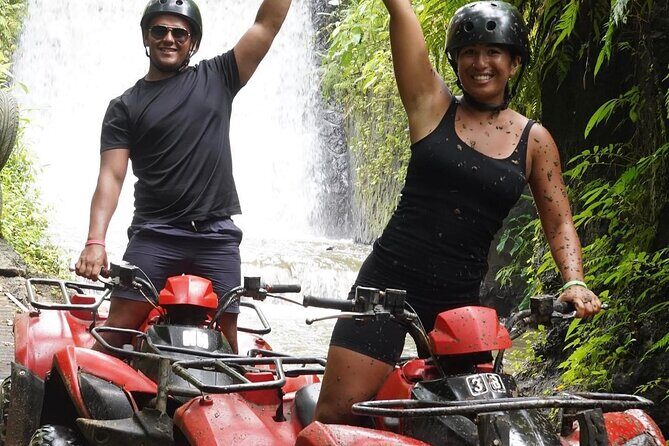
A day of jungle grit, then a pool with big views. This Ubud combo packs ATV adventure plus a proper nature-and-scenery route, finished with time to unwind at Cretya Sunset Infinity Pool. You also get a real guided experience, with coaching from the first moment you touch the bike.

I especially like that the route is built for mixed riders, from beginners to more experienced folks, and that there’s lunch + shower/change time after the ride instead of sending you off in the wet. One thing to consider: you’ll be dealing with outdoor, track-style conditions (including rivers/waterfalls), so plan on getting dirty and wearing footwear that can handle it.

Key things to know before you go
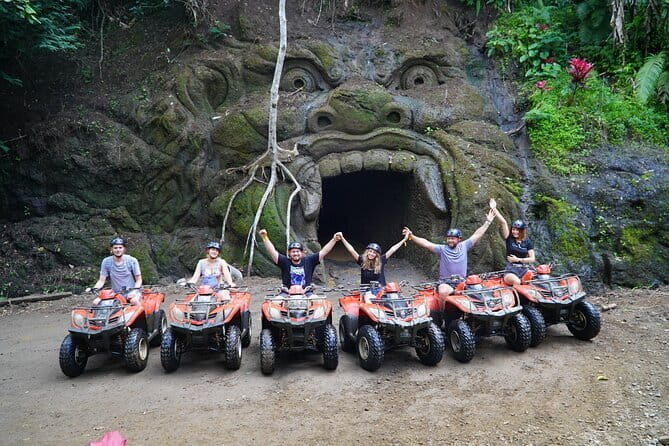
Ubud ATV Quad Bike Gorilla Cave and Cretya Infinity pool - Key things to know before you go

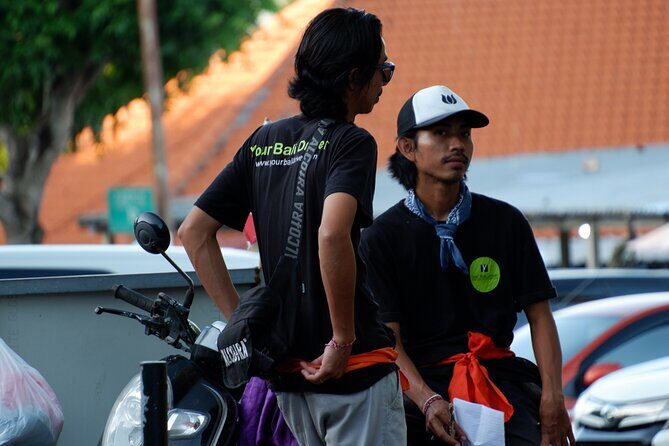
  • Professional guide coaching from start to finish so you understand how to ride before the fun starts
  • ATV quality checks + helmet/boots guidance to keep the day safer and more comfortable
  • A full route, not just a loop: Gorilla Cave, rice terraces, jungles, rivers, and waterfalls
  • Lunch included after the ride, with vegetarian options, plus bottled water
  • Cretya Sunset Infinity Pool ticket included, but double-check which Cretya pool you’re visiting

Ubud ATV, Gorilla Cave, and Cretya Sunset in one $35 day

For $35, this is one of those Bali days that feels like it should cost more—because you’re not just paying for a ride. You’re getting the ATV quad experience, a creature-feature nature route (Gorilla Cave is part of it), lunch afterward, and paid entry to Cretya Sunset Infinity Pool.

The value also comes from the way the day is organized. You ride, then you cool down—there’s a shower, towels, and a changing room provided before lunch and before you head to the pool area. That matters in Ubud, where a “quick stop” can turn into feeling sticky and tired for the rest of the day.

The main trade-off is that it’s an action day. If you prefer a sit-down tour with minimal movement, this will feel like too much. If you want a guided adventure that ends with a calm view, it’s a strong fit.

Getting rolling: guide coaching, helmet, and beginner-friendly control
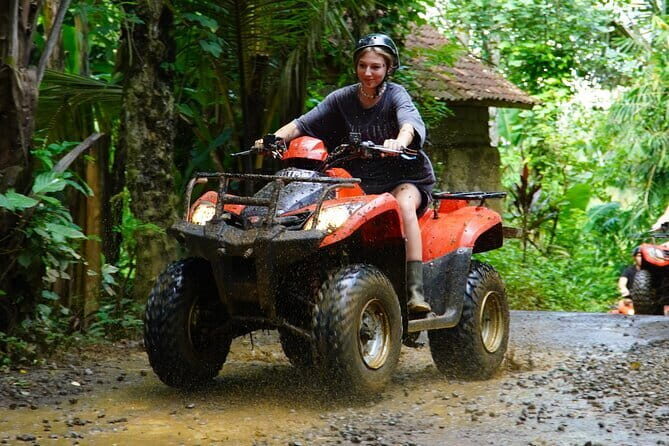
Ubud ATV Quad Bike Gorilla Cave and Cretya Infinity pool - Getting rolling: guide coaching, helmet, and beginner-friendly control
The biggest quality signal here is the guide approach. The ride isn’t just “here’s a bike, good luck.” You’ll have a professional guide who explains how to drive from start to finish, and they’re there to assist you through the tracks.

That’s exactly what you want if you’re nervous about controlling an ATV on uneven paths. Even if you’re experienced, it keeps the day smoother—less fumbling, more riding.

How the ATV is set up for safety and confidence

  • The ATV is described as being checked for quality before you go.
  • You’re advised to use boots and a helmet while driving.
  • The tour is structured for beginners and professionals, which usually means the guide manages pace and comfort.

You might also encounter guides like Rai, Yoga, or Ade (names that show up in past guests’ experiences). Don’t expect identical styles, but you can reasonably expect friendliness and clear instruction if those guides are involved.

The Gorilla Cave ride: adrenaline with a guided rhythm
Ubud ATV Quad Bike Gorilla Cave and Cretya Infinity pool - The Gorilla Cave ride: adrenaline with a guided rhythm
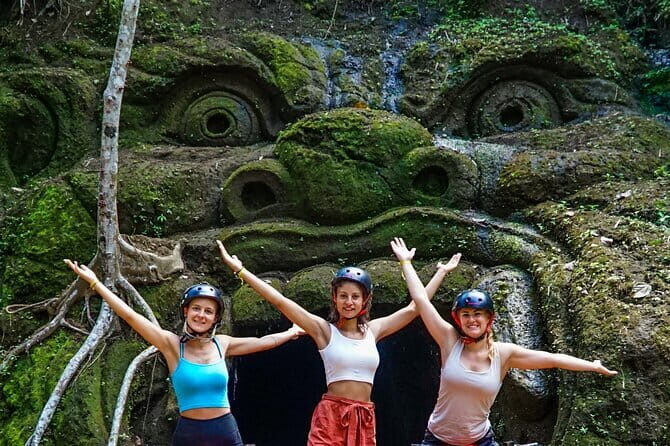
Gorilla Cave is one of those stops that changes the mood of the day. Instead of purely open scenery, you get into a more “trail” feeling experience—tracks that can be tighter, more uneven, and more immersive than a simple countryside drive.

The tour is set up so the ride is challenging and adventurous, but not described as out of reach. That’s important: you want a guide who keeps things fun and manageable, especially if you’re newer to ATV riding.

What to expect in this section

  • You’ll ride through jungle-style terrain on guided tracks.
  • The stop is part of a longer route, so the cave portion isn’t the whole day—it’s a key highlight inside a bigger loop of scenery.
  • Since rivers and waterfalls are also on the route, this isn’t a dry, dust-only experience.

If you’re worried about comfort, the included shower/towel/changing room afterward is a practical safety net. Bring your best “mud strategy”: footwear that grips, and clothes you don’t mind getting wet.

Rice terraces and jungle paths: the views you actually ride through

Ubud ATV Quad Bike Gorilla Cave and Cretya Infinity pool - Rice terraces and jungle paths: the views you actually ride through
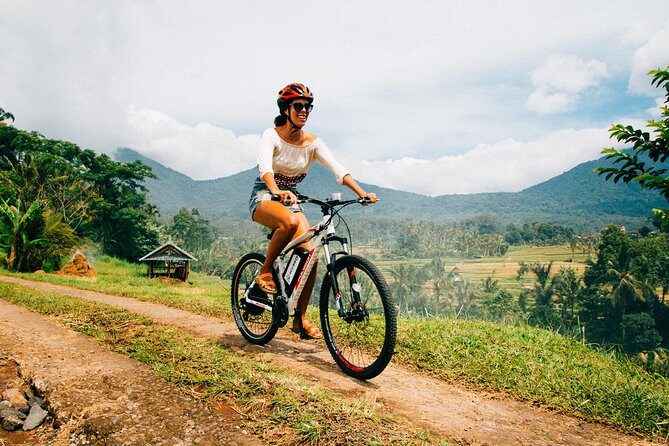
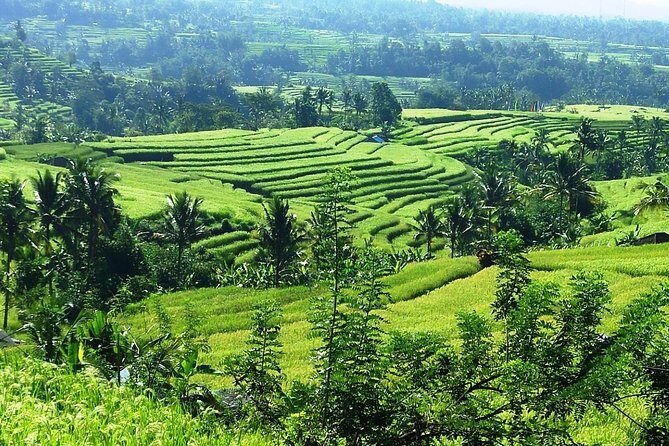
One reason this tour works so well in Ubud is the combination of action and scenery. You don’t just look at rice terraces from a viewpoint sign—you ride through areas connected to rice terrace country, plus jungles and rivers along the way.

From the ride setup, you’ll get the mountain-and-terrace feel that makes Ubud such a common destination for artists, photographers, and nature lovers. In other words: you’re paying for movement, but you’re also getting a steady stream of real-world green views.

A past guest with guide Rai specifically highlighted mountainous rice fields during the ride and called out the lunch as delicious. That fits the structure here: the route is long enough that the scenery isn’t a single quick photo moment.

A practical tip

If you’re bringing a phone, expect dirt and splash risk because rivers and waterfalls are part of the experience. You’ll have a towel and shower later, so focus less on “staying clean” and more on “staying safe and steady while riding.”

Waterfalls and rivers: plan for wet moments and tired calves
Ubud ATV Quad Bike Gorilla Cave and Cretya Infinity pool - Waterfalls and rivers: plan for wet moments and tired calves
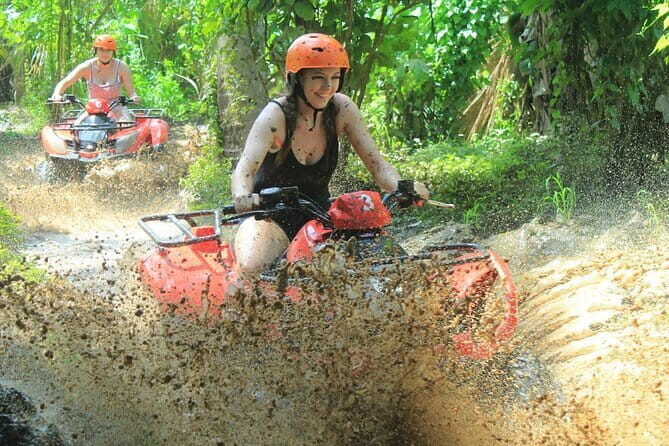
This isn’t a “polite trail walk.” The tour includes rivers and waterfalls, which usually means you’ll get splashes or occasional wetter terrain even if it’s not a full-on swimming moment.

So wear what works on wet ground. The tour guidance already points you toward boots and a helmet, and those are your best starting points. If you show up in flip-flops or slippery shoes, you’ll feel it fast—either from reduced grip or from constantly adjusting your footing.

Why this matters to your comfort

When you’re riding an ATV, your legs and core get involved. After you add wet terrain, you’ll likely use more effort to stay balanced. The good news is this tour builds in recovery time: shower, towels, and changing room after the ATV segment.

Lunch after the ride: nasi goreng or mie goreng, plus a real break

Ubud ATV Quad Bike Gorilla Cave and Cretya Infinity pool - Lunch after the ride: nasi goreng or mie goreng, plus a real break
After you finish the ATV portion, lunch is included, and it’s described as a local dish like Nasi Goreng or Mie Goreng. There’s also a vegetarian option, and bottled water is included.

This is where the value shows again. Many ATV tours either:

  • rush you into lunch with no time to cool down, or
  • make lunch “optional” so the total cost climbs.

Here, you’re not guessing. You know you’ll have food after the ride, and you’ll have a place to freshen up first.

What I’d eat if you’re hungry after the ride

If you tend to get snacky on active days, stick with the included hot meal—fried rice or noodles hits the spot after adrenaline. And since water is provided, you can avoid the “forgot to buy water” panic that ruins post-ride energy.

Cretya Sunset Infinity Pool: a calm ending with a view

Ubud ATV Quad Bike Gorilla Cave and Cretya Infinity pool - Cretya Sunset Infinity Pool: a calm ending with a view
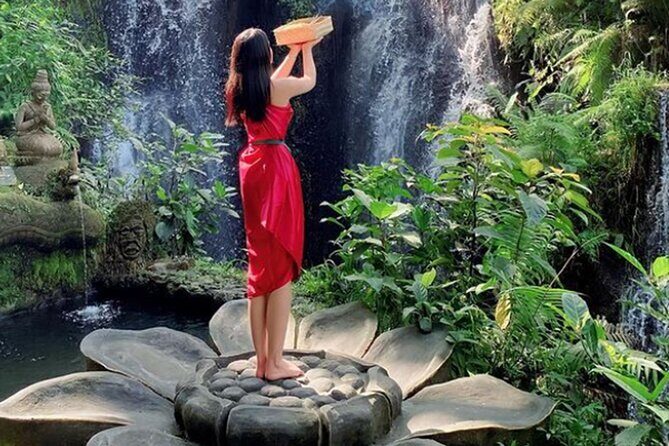
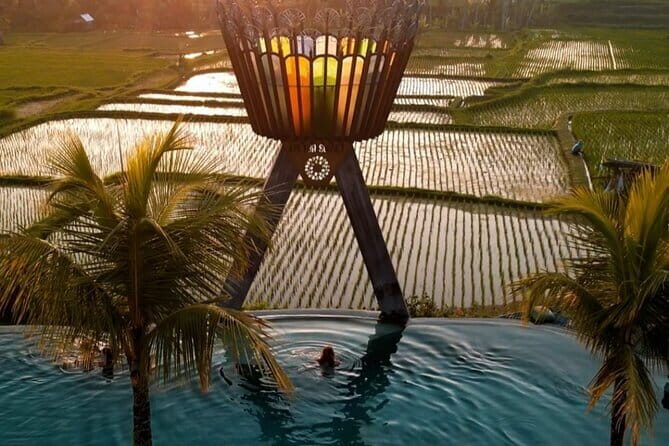
The last chapter of the day is Cretya Sunset Infinity Pool, and the ticket entrance is included. This is the reset moment: you swap ATV dust for a slower, scenic scene.

The tour describes the pool views as coming from the rice terrace area. That makes sense in Ubud—these places usually look their best near golden hour, even if you don’t obsess over sunset photos.

One small but important caution: which Cretya pool?

One past guest advised clarifying which Cretya you visit, saying the tour does not go to the main one. That’s exactly the kind of detail you should handle before you’re on the road.

If the booking description has multiple options or names, ask the operator what the exact destination is. You’ll thank yourself when you arrive.

Transfers and timing: how to plan the day without stress
Ubud ATV Quad Bike Gorilla Cave and Cretya Infinity pool - Transfers and timing: how to plan the day without stress
This experience runs about 8 hours and has a maximum group size of 15 travelers. That cap matters. Smaller groups tend to feel less chaotic when you’re lining up bikes, getting briefed, and waiting your turn on trail segments.

You have two ways to do logistics:

  • With hotel transfer: a driver picks you up from your hotel and brings you to the ATV start point, then lunch, then Cretya Sunset Infinity Pool.
  • With meeting points: you go to the ATV start directly, and the tour includes lunch and then ends back at the meeting point.

The ATV start meeting point is listed as Alasan Adventures – ATVTaro, Tegallalang, Gianyar Regency, Bali 80572, Indonesia.

What this means for you

If you’re staying outside central Ubud or you hate early-direction hunting, choose the hotel transfer option. If you already know how to get to Tegallalang, meeting point is simpler and often faster.

Either way, you’re near public transportation, so the day isn’t locked to only one neighborhood.

What’s included—and what you’ll likely pay for anyway

This tour bundles the essentials:

  • Quality ATV quad bike
  • Lunch after activities (vegetarian option available)
  • Bottle water
  • Cretya Sunset ticket entrance
  • Shower, towels, and changing room (after ATV)
  • Pickup transfer if you select it
  • Tandem setup: two people in one bike (per the tour details)
  • Mobile ticket

Not included:

  • Personal needs
  • Professional photographer

So come prepared for “personal needs” like any extra drinks, snacks, or small items you like to keep handy. If you care about photos, you’ll want to rely on your own camera/phone or bring a plan for your own shots at Cretya.

Who should book this Ubud ATV and Cretya Sunset combo?

This is ideal if you want:

  • Adrenaline with guidance (so you’re not guessing how to ride)
  • a route that includes the Ubud nature hits: Gorilla Cave, rice terraces, jungles, rivers, waterfalls
  • a full-day structure that ends with relaxation, not chaos

You should also consider it if you’re traveling with someone because the tour mentions tandem (two people in one bike). Sharing the bike setup can make the day feel more social and less “solo gear stress.”

Age reality check

The tour info lists minimum age for a single ATV is 17 years old. If you’re booking for younger riders, don’t assume they can ride—confirm the option you’re getting and how it matches that minimum age rule.

Should you book the Ubud ATV Quad Bike Gorilla Cave and Cretya Infinity Pool tour?

Book it if you want a fun, guided day that mixes action with nature scenery and then gives you a smooth landing at a sunset pool. The combination of ATV guidance, included lunch, and the included Cretya Sunset ticket makes the $35 price feel more “all-in” than many ATV deals.

Skip it only if you’re mainly craving a relaxed, mostly seated sightseeing day. This is a ride-and-recover itinerary, and the trail elements (especially rivers/waterfalls) mean you should expect some mess.

If you do book, send one quick message before pickup and confirm which Cretya infinity pool you’re going to. It’s a small detail, but it protects your expectations—and that’s what a great travel day depends on.

FAQ

How long is the ATV and Cretya Sunset Infinity Pool experience?

It runs for about 8 hours.

Do I need experience to ride the ATV?

The tour is described as good for both beginners and professionals, with a professional guide explaining how to drive from start to finish.

Is hotel pickup included?

Hotel pickup is available if you choose the ATV with hotel transfer option. If you choose meeting points, you go directly to the start point.

Where is the meeting point for the tour?

The listed start meeting point is Alasan Adventures – ATVTaro, Tegallalang, Gianyar Regency, Bali 80572, Indonesia.

Is lunch included, and can I get vegetarian food?

Yes. Lunch is included after the activities, and vegetarian options are available.

What is the minimum age to ride?

The minimum age listed is 17 years old for a single ATV.

What’s the cancellation policy?

You can cancel for a full refund up to 24 hours before the experience starts. If you cancel less than 24 hours in advance, the amount paid isn’t refunded.
Bali Volcano & Ubud Day Tour – Temples, Rice Terraces & Lunch

Bali Volcano & Ubud Day Tour – Temples, Rice Terraces & Lunch - Celuk Village, Mas, and Batuan art villages: silver, wood carving, painting

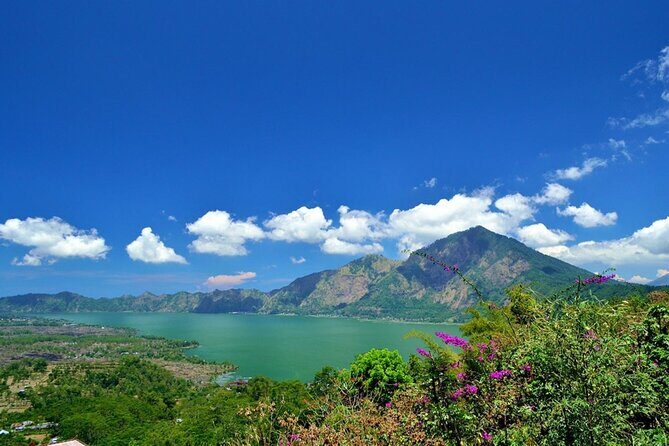
If you like your Bali day to mix temples, crafts, and nature, this tour hits the sweet spots. The big magnet is lunch near Kintamani, where you get a buffet meal with Mount Batur views plus a stop in the rice terraces area for the classic green-and-gold Bali photos.

I also like how the day is structured like a smooth circuit: art villages in the morning, a rice-terrace break mid-day, then highland panoramas and temple time, ending with a waterfall cooldown. One more plus: it is a private setup, so you are not stuck waiting on a big group shuffle.

The main consideration is simple: it is a long day, about 8 to 10 hours, starting around 8:00 am. If you hate car time or want a slower pace, this schedule may feel like a lot.

What makes this tour work so well for most people

Bali Volcano & Ubud Day Tour – Temples, Rice Terraces & Lunch - What makes this tour work so well for most people
I love the culture stops because they are not random. You start with Celuk, then you move through other nearby art villages like Mas and Batuan, so the craft theme stays coherent. And at least on the guides side, the tone is friendly and practical; Dewa, for example, is praised for being open to suggestions, explaining the culture clearly, and making sure you get great photos at each stop.

If you are someone who wants both wow views and meaningful stops (not just shopping), the mix here makes sense. You will also get an included lunch at a restaurant overlooking the volcano and lake, which is a good way to spend your midday without hunting for a place to eat.

One possible drawback to keep in mind: the day includes multiple stops with timed windows, so there is not a ton of extra wandering time if you want to linger somewhere longer than planned.

Key highlights at a glance

Bali Volcano & Ubud Day Tour – Temples, Rice Terraces & Lunch - Key highlights at a glance

  • Mount Batur lunch viewpoint at Kintamani, with a buffet meal and lake-and-volcano scenery
  • Art villages near Ubud: Celuk for silver, Mas for wood carving, Batuan for painting
  • Tegallalang Rice Terraces with time to enjoy the views or try the jungle swing option there
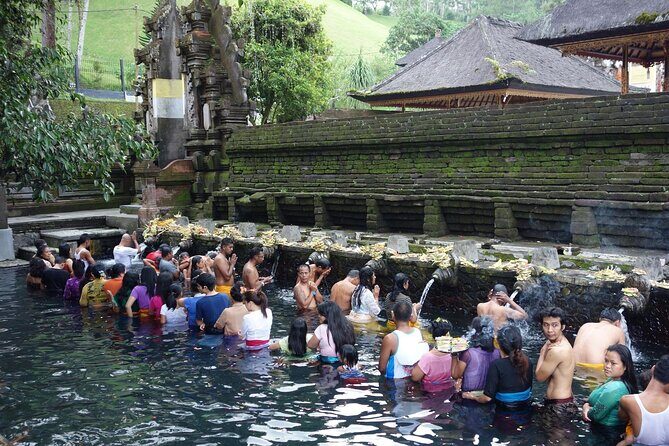
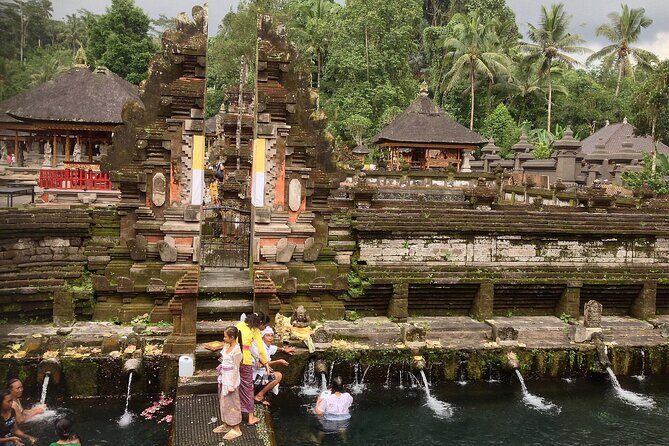
  • Tirta Empul Temple and a look at holy water purification rituals
  • Tegenungan or Ulun petanu Waterfall for a late-day nature break and cooling off
  • Hotel pickup and drop-off plus an air-conditioned private vehicle and bottled water

How this Ubud-to-Batur loop works (and why timing matters)

This is a full-day private tour based out of Ubud (with pickup also offered from areas like Sanur, Kuta, Seminyak, Legian, Canggu, Nusa Dua, and Jimbaran). You start with hotel pickup around 08:00, then the itinerary moves in a logical order: you head from Ubud toward the craft villages, then to the rice terraces, and onward to Kintamani for the Mount Batur and Lake Batur views.

The key timing point is that the schedule stacks the big scenery moments earlier than you might expect. That matters because Bali traffic and weather can change your plans. When your lunch is at the right viewpoint area, you get to enjoy the scenery without rushing around to find food or gamble on where the best views are.

The tour includes a private air-conditioned vehicle, an English-speaking driver/guide, entrance fees for the stops listed as ticketed, and bottled water. That means you can spend your energy on the places, not on logistics.

Celuk Village, Mas, and Batuan art villages: silver, wood carving, painting

Bali Volcano & Ubud Day Tour – Temples, Rice Terraces & Lunch - Celuk Village, Mas, and Batuan art villages: silver, wood carving, painting
Your morning begins with a creative stretch in the region of Celuk Village, with a 45-minute window centered on the art craft theme. Here is the useful breakdown:

  • Celuk is known for silver
  • Mas focuses on wood carving
  • Batuan is associated with painting

The value of bundling these together is that you are not zig-zagging across Bali to find craft at random. You get to see multiple forms of traditional art production in one go, and your guide can connect what you are seeing to Balinese culture and daily life.

A small practical note: 45 minutes is enough to look, ask questions, and browse. It is not enough to master any craft workshop. So if you want hands-on learning, keep expectations realistic and treat this as a viewing and conversation stop.

Tegallalang Rice Terraces: views first, swing option second

Bali Volcano & Ubud Day Tour – Temples, Rice Terraces & Lunch - Tegallalang Rice Terraces: views first, swing option second
After the art villages, the tour heads to Tegallalang Rice Terraces around 10:00. You get another 45-minute block, and the idea here is simple: slow down and enjoy the layered rice terraces and the valley views.

This stop is also where the tour offers the chance to try the jungle swing option that is commonly found in the area. The itinerary does not spell out whether that swing is included or an extra purchase, so treat it as an optional add-on if you decide to do it once you are there.

What I like about this segment is that it is time-boxed. Rice terraces are beautiful, but they can eat up your morning if you let them. This schedule gives you a chance to see them well, take photos, and move on before you feel rushed or exhausted.

Admission is included for this stop, so you are not juggling ticket costs on arrival.

Kintamani Highlands: Mount Batur and Lake Batur at the right moment

Bali Volcano & Ubud Day Tour – Temples, Rice Terraces & Lunch - Kintamani Highlands: Mount Batur and Lake Batur at the right moment
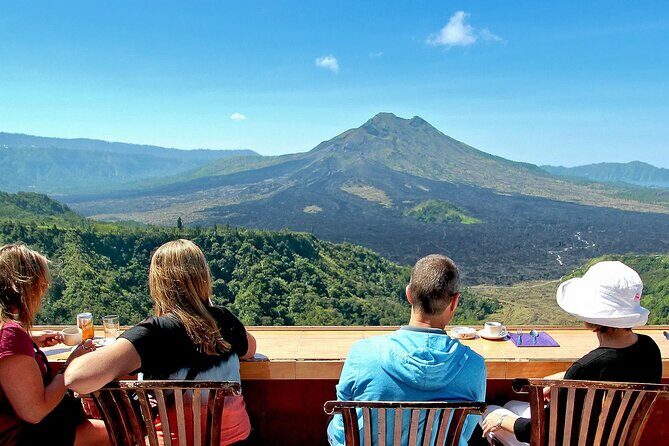
Next is Kintamani, arriving around 11:30. This is the “pause and look up” part of the day: panoramic views of Mount Batur and Lake Batur, with a full hour of time.

Here is why this stop matters. The Kintamani viewpoint area is a big reason people plan a day like this in the first place. If the rest of the itinerary feels like a string of culturally rich stops, Kintamani is where the natural scale lands. It turns the day from sightseeing into something you actually remember.

The itinerary lists admission for this part as free. That is a nice little bonus because it keeps your costs predictable while still delivering a star attraction.

Penelokan buffet lunch with volcano and lake views

Bali Volcano & Ubud Day Tour – Temples, Rice Terraces & Lunch - Penelokan buffet lunch with volcano and lake views
Lunch happens at Penelokan Main Road around 12:00. You get a buffet lunch for about an hour, and the standout detail is that the restaurant overlooks the volcano and lake.

This is one of the most praised parts of the experience, and with good reason. Eating while you look at Mount Batur (rather than eating in a plain restaurant setup) makes the meal feel like part of the day, not a pause between attractions. It also removes a common Bali headache: trying to find a place with decent food and a view at the exact moment you are hungry.

Vegetarian options are available, and you should request it when booking. That is especially helpful on a day packed with temples and viewpoints where last-minute meal changes can be annoying.

For practical comfort, use this lunch window to reset: hydrate, use the restroom, and give your feet a break. Then you are ready for the last two cultural/nature stops.

Tirta Empul Temple: holy water purification rituals

Bali Volcano & Ubud Day Tour – Temples, Rice Terraces & Lunch - Tirta Empul Temple: holy water purification rituals
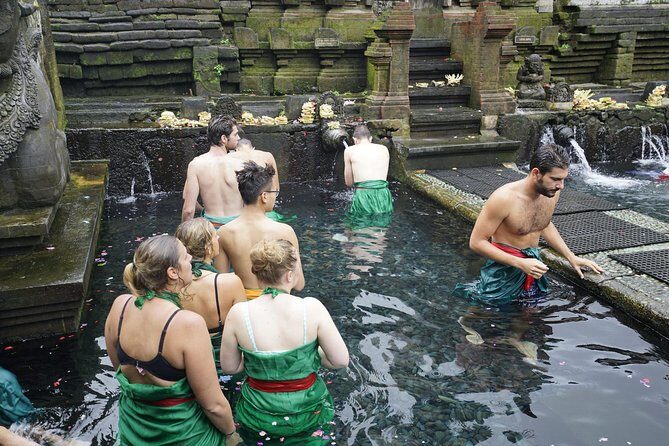
Around 14:00, the tour goes to Tirta Empul Temple. You get about an hour, and the focus is learning about holy water purification rituals.

This is not a stop designed just for photos. It is a culture-and-customs visit. Even if you do not know much about Balinese ritual traditions before you arrive, your guide should help connect what you are seeing to the meaning behind the ceremony.

What to plan for: temple spaces can be active with worshippers and visitors, and there may be rules about behavior. Wear something comfortable and respectful, and keep your pace steady so you do not feel rushed.

The itinerary lists admission tickets as included for this stop, which is great because it helps keep the tour’s “what you pay for” part clean.

Tegenungan or Ulun petanu waterfall: late-day nature and a cooldown

Bali Volcano & Ubud Day Tour – Temples, Rice Terraces & Lunch - Tegenungan or Ulun petanu waterfall: late-day nature and a cooldown
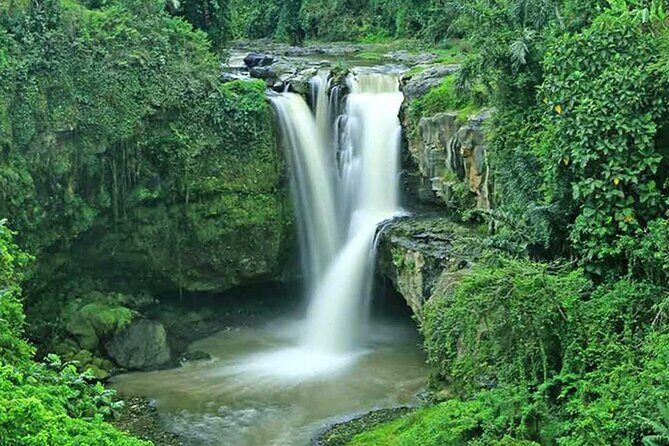
The final nature stop arrives at about 15:00, with Tegenungan Waterfall or Ulun petanu Waterfall listed as options. You get roughly 45 minutes.

This is a smart ending choice because waterfalls give you something different after a day of viewpoints and temple time. And since the tour is private, your guide can usually help you time the best moments for views and photos within the allotted window.

The itinerary also describes these as scenic areas surrounded by lush jungle and mentions them as hidden gems. You should think of this as a nature break that fits the pace of the full day. Pack light expectations: 45 minutes means you will admire, cool off if you want, and then move on.

If you are sensitive to slippery paths, wear footwear you trust. The day is packed, and you want your legs to feel safe for the last transfer back to your hotel.

Your guide and photo help: Dewa-style touring makes a difference

One reason this tour earns such a strong rating is the human factor. In the feedback I saw, guides are described as friendly, patient, and very willing to explain culture in a way that actually sticks.

Dewa is named directly in one review for being open to suggestions while still keeping the day well planned. He is also praised for taking fantastic photos so you can remember each location once the tour ends. That matters more than you might think. In Bali, the best angles often require positioning, timing, and a quick guide who understands where the light and sightlines are.

A practical tip: if you have photo requests (family pictures, solo shots, specific angles), bring them up early in the day. Since the tour is private, you are not limited to one rigid shot list.

Cost and value: what $80 buys you on a private Bali day

At $80 per person, this tour is not the cheapest option in Bali. But the price looks more reasonable when you break down what is included:

  • Private air-conditioned vehicle
  • Hotel pickup and drop-off
  • English-speaking driver/guide
  • Entrance fees for listed ticketed stops
  • Local lunch with a volcano view
  • Bottled water

That “package” effect is the real value. You are paying for a plan that strings together multiple attractions across a full day without you having to figure out transport between each one or negotiate entrance fees while you are on the go.

There are also mentions of group discounts, and the tour is frequently booked about 48 days in advance on average, which suggests people plan this as a key experience rather than a last-minute filler.

If you were to do these stops independently, you would likely spend time coordinating rides, paying multiple entrance fees, and dealing with meal decisions on the fly. Paying for the structure is what you are buying here.

Who this tour suits best in Bali

This tour is a strong match if you:

  • Want culture + nature in one day
  • Care about views, especially the Mount Batur and Lake Batur scenery
  • Like craft-focused stops such as silver, wood carving, and painting villages
  • Prefer a private guide over joining a larger group

It may be less ideal if you:

  • Want a slow, open-ended itinerary with long time at one place
  • Get tired from lots of quick transitions
  • Are hoping for a strictly off-the-beaten-path route with minimal mainstream stops (this itinerary is popular for a reason)

Book it or skip it: my decision guide

Book this tour if your ideal Bali day looks like a clean route from Ubud into the Kintamani area, with a lunch that actually feels special. The included buffet lunch with volcano-and-lake views, plus the craft and temple stops, are the core strengths here, and the guide quality seems to be a major factor in the best experiences people have.

Skip it if you want a lighter schedule or if long driving time will annoy you. At roughly 8 to 10 hours, this is built for people who want to see a lot and return to their hotel with memories made, not just vibes collected.

If you want my simplest advice: this is a yes for most first-timers or anyone who wants a well-run highlight day from Ubud, especially when you can request a vegetarian meal and you value a guide who helps with photos and context.

FAQ

What time does the tour start?

It starts with hotel pickup around 08:00 am.

How long is the tour?

The duration is about 8 to 10 hours.

Is hotel pickup and drop-off included?

Yes. Pickup and drop-off are included, and you’ll be taken back to your hotel area.

Is this a private tour?

Yes. It is private, and only your group participates.

What stops are included in the itinerary?

You’ll visit Celuk Village (art villages), Tegallalang Rice Terraces, Kintamani Highlands, a Penelokan lunch stop with volcano view, Tirta Empul Temple, and either Tegenungan Waterfall or Ulun petanu Waterfall.

Are entrance tickets included?

Entrance fees are included for all attractions listed as ticketed in the itinerary. Kintamani Highlands and Penelokan lunch stop list admission as free.

What meals are included?

You get an included local buffet lunch with a volcano and lake view.

Is there a vegetarian option?

Yes. A vegetarian option is available if you advise in advance.

What language support is provided?

The driver/guide is English-speaking.

Is cancellation free if plans change?

Free cancellation is available up to 24 hours in advance for a full refund.

Amazing Bali White Water Rafting and Quad Bike Experience

Amazing Bali White Water Rafting and Quad Bike Experience - Rafting on the Ayung River: medium rapids and waterfall views

Two big hits in one day is the idea here. Ayung River rafting followed by a guided quad bike ride around rice fields and villages gives you both adrenaline and scenery.

I especially like how the schedule is built for momentum: a morning rafting run (about 2 hours) on medium rapids, then lunch, then another guided activity (about 2 hours) that keeps you outside until you’re happily tired. I also like the care details baked in, like hotel pickup, included safety gear, lockers, towels, and even a place to shower and change after you get wet.

One consideration: the ATV part can feel very bumpy. If your crew hates jolts, pick your comfort level up front with the instructor and go easy on rough sections.

Quick take: Ayung rafting plus ATV near Ubud

Amazing Bali White Water Rafting and Quad Bike Experience - Quick take: Ayung rafting plus ATV near Ubud

  • Medium-rapid rafting with a waterfall finish keeps it exciting without being a total fear test.
  • All the wet-day basics included: helmets, life jackets, boot shoes, lockers, towels, and shower/changing room.
  • A guided ATV route through rice paddies, jungle, rivers, and colorful villages means you’re not just driving in circles.
  • Driver flexibility shows up in real life, like extra stop requests handled for a group.
  • Putu gets name-checked for being friendly and trustworthy, plus he shared Bali info and kept people comfortable.
  • Kids over five can join, with clear rules for tandem ATV rides.

A full day that actually feels like a plan

Amazing Bali White Water Rafting and Quad Bike Experience - A full day that actually feels like a plan
This is a classic Bali combo: one activity on water, one on land. The value comes from not having to coordinate separate tickets, guides, and timing yourself. You start around 8:00 AM with pickup from your hotel or villa, then you’re off to the Ayung River area for rafting and later into the countryside for the ATV.

The whole day is about balance. You get a real workout from rafting paddling and the ATV ride, but you’re not just racing from one selfie spot to another. A local lunch break breaks up the wet-and-wild energy.

Because it’s private (your group only), you’re also more likely to get a smoother flow if someone in your party needs a pause, a slower pace, or an easier route discussion.

From pickup in Seminyak to the Ayung River

Even though the tour is marketed from Seminyak, the action happens around Ubud and the Ayung River. That’s a good sign, because it usually means you’ll trade beach traffic for inland jungle and river scenery.

What matters for you: the transportation is handled in a fully air-conditioned car, with pickup and drop-off included. That sounds minor until you’ve done a few tours in Bali and realized how quickly “short transfers” turn into heat-soaked waiting. Here, you’re protected from that, plus you avoid figuring out rideshare timing for a full-day schedule.

The day runs long enough that you’ll want to arrive mentally ready for a mix of dry and wet time. Bring sunscreen and keep a change of clothes handy, because you will need it.

Rafting on the Ayung River: medium rapids and waterfall views

Amazing Bali White Water Rafting and Quad Bike Experience - Rafting on the Ayung River: medium rapids and waterfall views
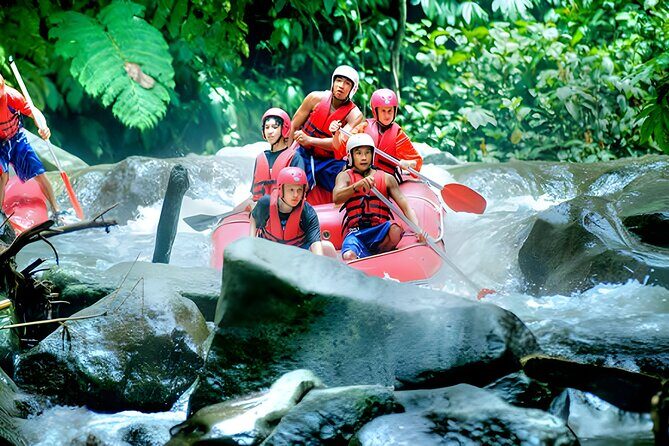
Your rafting run is set for about 2 hours of paddling on medium-level rapids. The rapids are described as medium, which is a sweet spot for many first-timers: you get adrenaline and splash, but it’s not positioned as extreme white-water.

You’ll also get a natural payoff at the end, with a trip that reaches a magnificent waterfall area. That matters because the best rafting days don’t just churn water; they end with a visible reward, not just a mud-drenched boat ride.

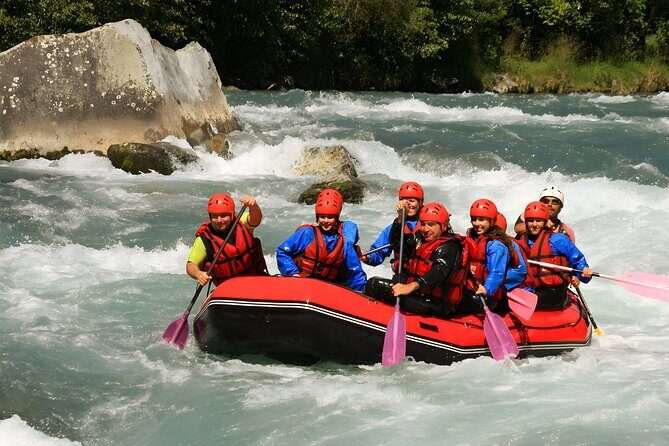
Safety is handled in a practical way. You’re provided helmet, life jacket, and boot shoes, and you’ll go with a professional river rafting guide. You’re not expected to “figure it out.” This helps most when water gets loud and your brain just wants instructions that make sense.

One note to file away from experience reports: one group described the rafting as beautiful but calm. That doesn’t mean it’s boring—more like it’s accessible for kids and people who don’t want to get totally thrashed. If you want maximum chaos, you should ask your guide about what conditions look like that day.

The calm-to-wet transition: lockers, towels, shower, and lunch

Between activities is where many combo tours fall apart. Here, they’ve at least thought about the wet-day logistics. You get lockers, towels, and a shower and changing room, so you can reset instead of spending the ATV portion soaking wet.

After rafting, you’ll have buffet lunch at a local restaurant. If you’re eating vegetarian, that’s supported too—just let them know at booking. This is one of those small inclusions that makes the day feel organized, not improvised.

Timing-wise, expect lunch to act like your landing gear: it brings you back to dry feet and normal breathing before you head into a bumpy outdoor ride again.

The ATV ride: guided quad biking through rice, jungle, rivers, and villages

Amazing Bali White Water Rafting and Quad Bike Experience - The ATV ride: guided quad biking through rice, jungle, rivers, and villages
The second act is a guided ATV ride for about 2 hours. The route is described as moving through rice paddies, jungle, rivers, and colorful villages. Translation: you’re not just riding in a training area. You’re out seeing how the countryside actually looks when you’re not standing behind a ticket counter.

This is also where comfort matters. One group called the ATV ride very, very bumpy. That’s not a deal-breaker for everyone—many people come to Bali specifically for the rough-and-rolling fun—but it’s a real factor if you’re sensitive to vibration or you’re traveling with young kids.

So here’s what you can do to reduce the risk of a miserable ride:

  • Go into it expecting bumps, not smooth pavement.
  • Ask the instructor how they adapt the pace based on driver experience.
  • If you’re riding with kids, confirm the tandem setup rules match your family.

Even with bumps, you’ll still get the best part: riding with a guide so you don’t lose the thread. One driver, Putu, was praised for being friendly and trustworthy and for sharing information about Bali while keeping people comfortable.

Family fit: ages, tandem rules, and what you can expect for kids

This tour is built to be flexible for families, and it sets a clear baseline: the minimum age is 5 and the maximum age is 60.

For the ATV portion, the rules are stricter:

  • Minimum age for an ATV single ride is 12.
  • Children age 5–11 must be accompanied by an adult for an ATV tandem ride.
  • Tandem rides need to be booked in multiples of 2. For example: 2, 4, 6, 8, 10, 12, 14 travelers.

If you’re traveling with mixed ages, this is where planning beats stress. The rafting part is positioned as doable for most, including younger kids, especially since one report described the rafting as calm enough for children. The ATV is the part where age and comfort matter most.

Also remember the dress code is smart casual, but for activities like this you’ll want practical clothing you don’t mind getting dusty. The good news is they provide boot shoes, so you don’t have to source proper gear yourself.

Price and value: why $90 feels fair for a full-day combo

At $90 per person, you’re buying a lot of moving parts:

  • Private transport with AC for pickup and drop-off
  • Professional rafting guide and ATV instructor
  • Safety equipment for rafting (helmet, life jacket, boot shoes)
  • Lockers, towels, shower, and changing room
  • Buffet lunch
  • Insurance coverage
  • Taxes and service are included

What you don’t get is the extras, like photo or video souvenirs. Those are optional add-ons you can skip if you prefer to save your money.

I see this as strong value because the included items remove the most common hidden costs: equipment sourcing, extra transfers, and the time sink of figuring out where to go next. Even without comparing to other tours, the structure here is the kind that keeps you from paying twice for the same day.

What to bring (and what to wear) so the day stays fun

The day mixes wet rafting and a dusty bumpy ride. To keep it smooth, I recommend you pack for that reality:

  • Sunscreen (you’ll be outside during both segments)
  • Camera (some people also bring a phone lanyard or dry bag if they have one)
  • Change of clothes for after rafting
  • Smart-casual basics you can move in

You’ll handle the safety gear for rafting, but clothes still matter. If you’re bringing kids, extra clothing is not just “nice”—it’s the difference between a manageable end to the day and a cranky ride back.

Guides and service quality: what stands out in real experience

Service is often where adventure tours either work or turn into chaos. Here, the reviews you have point to two strengths: helpful staff and a driver who takes care of the whole group.

One group specifically praised the trip as perfect and noted the staff were very helpful. Another highlighted Putu as friendly and trustworthy, plus he shared interesting Bali info and made sure everyone felt prepared.

You’ll also want to appreciate the small detail that one driver accommodated additional stop-offs for a group. That kind of flexibility can matter if someone needs a snack, a restroom break, or simply wants a quick photo stop along the way.

When weather changes the plan

This experience depends on good weather. If conditions aren’t right and the activity can’t run as planned, you’ll be offered a different date or a full refund. That’s the right setup for an outdoor day.

If you’re booking this near the start or end of your Bali trip, I’d time it so you still have at least one backup day. That way, a weather adjustment doesn’t ruin your schedule.

Should you book this Bali rafting and quad bike combo?

I’d book it if you want a real active day that combines Ayung River rafting and an ATV ride without the hassle of coordinating multiple providers. It’s a strong choice for:

  • first-timers who want medium rapids (not extreme danger)
  • families with kids old enough for the ATV rules
  • people who like guides who talk, explain, and keep the group comfortable (especially if you get Putu)

I’d hesitate if:

  • you or someone in your group is sensitive to vibration or rough rides (the ATV can be very bumpy)
  • you’re chasing the most extreme rafting you can find (some rafting runs described as calm)

If you’re doing Bali and you want one day that feels like you actually did something—wet, muddy, and happily tired—this combo hits the mark.

FAQ

What time does the rafting and ATV day start?

The experience starts at 8:00 AM.

How long is the total tour?

The full day is about 8 hours.

Are hotel pickup and drop-off included?

Yes. You get hotel/villa pickup and drop-off by a fully air-conditioned vehicle.

How long is the rafting and what level are the rapids?

The rafting portion is about 2 hours, on medium-level rapids on the Ayung River.

Who can ride the ATV, and what are the age rules?

The minimum age for this adventure is 5 and the maximum is 60. For the ATV specifically, the minimum age for a single ride is 12. Children 5–11 must do tandem rides with an adult, and tandem rides must be booked in multiples of 2.

What’s included with the rafting equipment?

You’ll be provided helmet, life jacket, and boot shoes, plus lockers, towels, shower, and changing room.

Is lunch included, and is there a vegetarian option?

Yes, you get buffet lunch. A vegetarian option is available—request it at booking.

What happens if weather is poor?

If the experience is canceled due to poor weather, you’ll be offered a different date or a full refund.

Ubud : Rice Terrace, water Temple and Waterfalls Private tour

Ubud : Rice Terrace, water Temple and Waterfalls Private tour - Pickup, Drop-Off, and the Real Cost of Time

Ubud feels like Bali’s backyard. This private 7.5-hour route strings together Tegalalang Rice Terrace, Tirta Empul’s holy springs, and two waterfall stops with time to breathe, not just rush. I like the mix of nature and culture, plus the way it stays doable for a day trip. Two things I particularly love are the UNESCO rice fields at Tegalalang and the fact that lunch at Warung Tepi Sari comes with options. One possible drawback: waterfall time means wet footing and some walking, so bring shoes you trust.

The tour works best if you want a full day that still feels human. You get a friendly local driver/guide in English, plus bottled water and snacks, and you’re not stuck with the usual herd. The schedule can include a bit of driving between sites, so you’ll get the most out of it if you’re staying in or near Ubud.

Key Highlights You’ll Actually Care About

Ubud : Rice Terrace, water Temple and Waterfalls Private tour - Key Highlights You’ll Actually Care About

  • UNESCO Tegalalang Rice Terrace with real time to wander and take photos
  • Tirta Empul holy springs at a Hindu water temple, with meaningful cultural context
  • Two waterfalls in one day: Kanto Lampo’s jungle vibe and Tibumana’s iconic look
  • Cantik Agriculture plantation for tropical fruit samples and local drink tastings
  • Warung Tepi Sari lunch with Balinese food and multiple dietary options

Why This Ubud Rice Terrace and Water Temple Day Works

Ubud : Rice Terrace, water Temple and Waterfalls Private tour - Why This Ubud Rice Terrace and Water Temple Day Works
This isn’t a checklist tour. It’s a tight loop through three of Ubud’s strongest themes: rice terraces, Balinese water spirituality, and rainforest waterfalls. If you’ve been warned that Bali days can feel like a blur, this one tries to keep breathing room between stops.

You’ll also get a solid balance of guided story and self-paced exploring. The rice terraces and temple are easier to take in slowly. The waterfalls add movement, but they’re still built into a schedule that targets a comfortable day, not a marathon.

Pickup, Drop-Off, and the Real Cost of Time

Ubud : Rice Terrace, water Temple and Waterfalls Private tour - Pickup, Drop-Off, and the Real Cost of Time
Pickup and drop-off are included for areas they serve around Ubud and nearby. The details in their description point mainly to Ubud area and Gianyar district, but they also mention service from several Bali locations like Nusa Dua, Sanur, Kuta, Legian, Seminyak, and more. The practical takeaway: confirm your exact pickup spot before you book, especially if you’re outside Ubud.

Timing depends on traffic, and drop-off is to the same place you were picked up. If you want the cleanest experience with the least sitting in traffic, stay in Ubud. The route is easier when the driving distances stay short.

Tegalalang Rice Terrace: UNESCO Views Without the Panic

Ubud : Rice Terrace, water Temple and Waterfalls Private tour - Tegalalang Rice Terrace: UNESCO Views Without the Panic
Your first big stop is Tegallalang Rice Terrace, a UNESCO World Heritage site. Expect photo-friendly viewpoints, narrow paths, and those layered green fields that make you pause even when you’re not trying to be poetic about it.

This stop is about an hour, which is usually the sweet spot. Long enough to walk around a bit, short enough that you don’t feel trapped in the same angle over and over. You’ll get a chance to explore on foot and enjoy the view without turning it into a sprint.

Practical tip: bring water you can sip during the walk and wear non-slip footwear. The ground can be uneven, and the terrace paths don’t feel like city sidewalks.

Cantik Agriculture Plantation: Fruits, Drinks, and Plant Stories

Next you’ll head to Cantik Agriculture, a Balinese plantation stop designed for learning and tasting. This is where the day shifts from scenery to senses.

You get time to learn about traditional and present-day uses of flora, then sample tropical fruits you may not have seen at home. There are also locally produced beverages included in the experience approach, plus snacks and treats as part of the stop’s overall offering.

This is a good moment to slow down. It’s indoor-outdoor friendly, and you can ask questions through the guide about what you’re tasting and why it’s used. Even if you’re not a plant nerd, you’ll leave with names and flavors you can remember.

Tirta Empul Water Temple: Holy Springs and Clear Etiquette

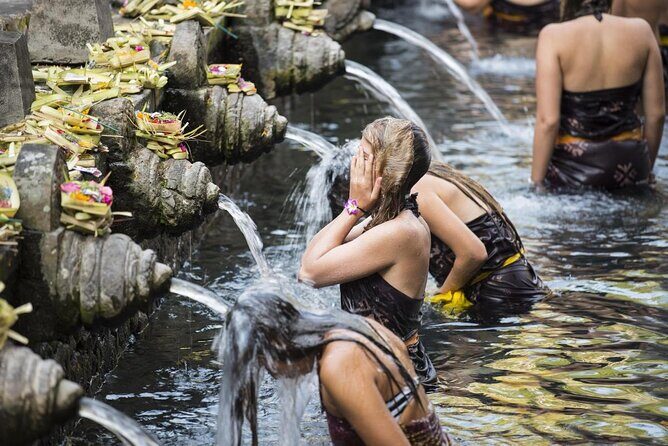
Tirta Empul is the spiritual anchor of the day. You’ll spend around two hours at this Hindu Balinese water temple, where visitors focus on the holy springs.

What makes this stop special is the setting. These are sacred springs, so expect a more reverent pace than at the rice terraces. You’ll be there long enough to admire the temple space and understand how the water fits into the temple’s meaning.

Practical etiquette matters here. Keep your clothing and behavior respectful. If you plan to participate in any ritual or water practice, follow your guide’s direction and watch what others are doing. The guide is there for a reason: to help you avoid the awkward mistakes.

Kanto Lampo Waterfall: Jungle Vines and a Quick Swim Mood

Ubud : Rice Terrace, water Temple and Waterfalls Private tour - Kanto Lampo Waterfall: Jungle Vines and a Quick Swim Mood
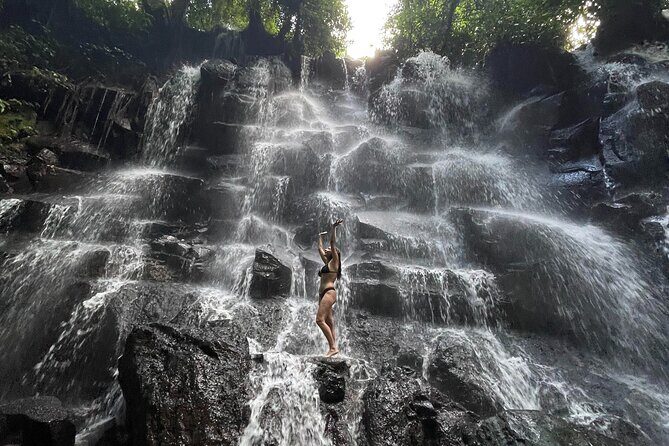
Kanto Lampo is the waterfall with that movie-set feeling. You’ll head into a jungle setting with overhanging vines and trees, and you’ll get about an hour here.

The experience includes time to soak in the water. If you want to cool down, this is one of the places where a dip makes sense, though your comfort will depend on how busy it is and what the water conditions feel like on the day.

This stop also tends to reward people who like simple nature moments. You don’t need to be a hiking champion. But you do need basic comfort with wet steps and slippery spots.

Tibumana Waterfall: Iconic Falls and the Most Footwork

Ubud : Rice Terrace, water Temple and Waterfalls Private tour - Tibumana Waterfall: Iconic Falls and the Most Footwork
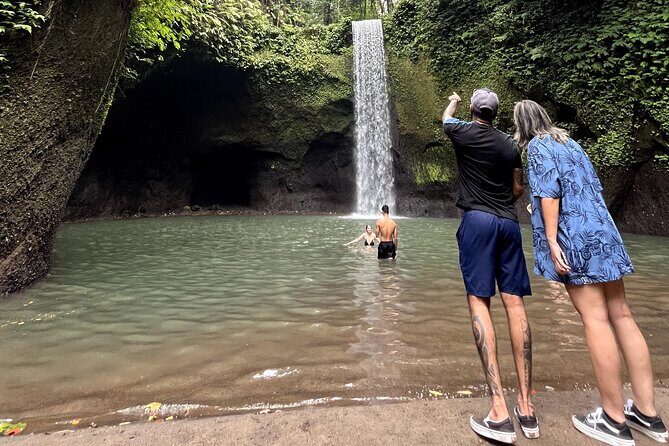
Tibumana Waterfall is described as one of Bali’s more iconic waterfalls, and the day gives you around an hour to enjoy it. You can swim if you want to cool down.

Compared with the first waterfall, Tibumana often feels more like a place you earn a bit. Even when you’re just taking photos, you’ll likely walk along paths to find good angles. The tour is labeled as suitable for moderate physical fitness, which usually means you should expect uneven terrain and some climbing.

My advice: plan to go slow at Tibumana. Don’t rush your photos. Give your body time to adjust to the humidity and footing.

Warung Tepi Sari Lunch: Balinese Food with Real Options

Lunch is at Warung Tepi Sari. You’ll get about an hour, and the food is Balinese style with mineral water included.

The menu approach is practical: there are options for vegan and vegetarian diners, and meat lovers are catered for too. For dessert, you’ll get either ice cream or Balinese fruits. The tour also lists bottled mineral water and snacks/cake, so you’re not arriving at lunch starving.

One thing to note: alcohol isn’t included. If you want a beer or a cocktail with lunch, you’ll need to handle that separately.

Guides and the Private-Tour Feel: Kadek, Edi, and Wayan

This is a private tour, meaning only your group participates. That matters. It means the pace can follow your comfort level, and you’re not stuck waiting for a slow-moving crowd.

The most praised part of the experience in the stories you can find is the human side of guiding. Names like Kadek, Edi, and Wayan come up for being friendly, patient, and good at explaining Bali beyond surface-level facts. People also highlight that guides take photos and give you time to enjoy stops without constant rushing.

If you like asking questions, this tour fits that style. You can get background on Balinese culture, and you’ll likely learn things while you’re driving as well, not just in the middle of a viewpoint crowd.

Price and Value: What $50 Buys You in Ubud

At $50 per person, the value here isn’t just the fact that it’s affordable. It’s what’s packed in.

Admission tickets are included, along with bottled mineral water, snacks, and Balinese cake. Lunch is included as well, at a specific warung, with dietary options. That’s a big deal because Bali days can get expensive once you start adding temple fees, waterfall entries, and paid meals.

Also, pickup and drop-off are included for the areas they serve. Transportation costs are usually where half-day tours start feeling like a bargain that disappears later. Here, transportation is part of the package, which keeps budgeting straightforward.

Group discounts are mentioned too, so if you’re traveling with friends or family, you may get extra value by coordinating.

Timing, Pace, and Who This Tour Fits Best

The tour runs about 7 hours 30 minutes. In practice, that means you’ll feel busy, but not frantic—especially if you’re starting from Ubud.

It fits best if you:

  • Want a full day combining rice terraces, temple, and waterfalls
  • Like guided context but still want free time at key stops
  • Prefer private group attention over a crowded day trip

It may be less ideal if you:

  • Hate wet footing and don’t do well with uneven terrain
  • Want a super slow day with zero walking

Moderate physical fitness is recommended, mainly because waterfalls and temple areas can involve steps and uneven paths.

Should You Book This Private Ubud Tour?

I’d book it if your ideal Bali day includes both meaning and scenery. The rice terraces at Tegalalang and the holy springs at Tirta Empul give you culture you can feel, while Kanto Lampo and Tibumana add the kind of rainforest beauty that looks good in every photo and feels better in person.

Skip it only if you’re very sensitive to slippery ground or you need a totally relaxed, low-walking day. Otherwise, for a day that stays structured yet flexible, this is strong value for Ubud.

FAQ

How long is the Ubud Rice Terrace, Water Temple and Waterfalls private tour?

It’s about 7 hours 30 minutes.

Is pickup and drop-off included?

Yes. Pickup and drop-off are included for areas they serve, and drop-off is at the same place you were picked up.

What locations are included in the tour?

The tour includes Tegalalang Rice Terrace, Cantik Agriculture, Tirta Empul Temple, Kanto Lampo Waterfall, Tibumana Waterfall, and lunch at Warung Tepi Sari.

Are entrance tickets included?

Yes. Entry tickets and admission fees are included.

What is included for lunch?

Lunch at Warung Tepi Sari includes Balinese food and mineral water, with options for vegan, vegetarian, and meat lovers. Dessert is ice cream or Balinese fruits.

Is alcohol included?

No. Alcoholic beverages are not included.

What else is included besides lunch and tickets?

Bottled mineral water, snacks, and Balinese cake are included.

What is the cancellation policy?

You can cancel for a full refund up to 24 hours before the experience starts. If you cancel less than 24 hours before, it isn’t refunded.
Tenganan Village Rice Field Trekking Tour

Tenganan Village Rice Field Trekking Tour - The rice-terrace walk: bamboo bridges, Mount Agung, and subak

Rice fields meet a real village day.

This trip threads together Kastala rice terraces, the traditional village of Tenganan, and a cool-down at Virgin Beach. You’ll walk for hours through terraced paddies, stop for local explanations, cross a bamboo natural bridge, and even get to see the base area linked to Mount Agung.

I really like two parts: the included comforts that keep you going (bottled water, a cool towel, and round-trip hotel transport), and the guide-led focus on how farmers manage water via subak. When you’re lucky with the guide and driver, it can also feel like you’re getting extra context for what you see, including Hinduism and Bali life.

One thing to consider: this is a moderate hike. It can feel reasonably hard depending on conditions, and you’ll want proper shoes and pants, not flip-flops and good intentions.

Key highlights you’ll care about

Tenganan Village Rice Field Trekking Tour - Key highlights you’ll care about

  • Kastala to Tenganan rice terraces: a proper East Bali walking route, not just a photo stop
  • Subak water management lessons: you learn how irrigation and farming tie to community life
  • Bamboo natural bridge + Mount Agung area: two memorable stops that add variety to the trek
  • Virgin Beach swim break: time to cool off after the hike
  • Max 10 people: small group energy for a day that can be long but not chaotic
  • Guides with strong English: name-checked guides like Arya, Toto, and Kota get praise for clarity and safety

Kastala to Tenganan: Why this East Bali hike feels different

Tenganan Village Rice Field Trekking Tour - Kastala to Tenganan: Why this East Bali hike feels different
This isn’t a hike where you spend most of the day walking through the same view. The route is built around shifting scenery and small moments that make East Bali agriculture feel human, not staged.

You start from Kastala Village and walk toward Tenganan Village, one of the oldest traditional villages in the region. Along the way, you’ll cross terraced rice paddies that look sculpted, then pause for cultural and practical context. That mix matters. When you know what you’re seeing—like why water is shared and scheduled—you’ll notice details that you would normally miss, like how irrigation lines and fields are arranged.

The trek also includes natural highlights that break up the rhythm: a bamboo natural bridge and a stop near the Mount Agung area (you’ll visit the bottom area as described). These add real “walk factor,” so the day doesn’t feel like endless steps between two points.

I also like that the tour doesn’t treat village life as a drive-by. You get time at Tenganan, plus a post-trek reset with water and a cool towel before moving on to the beach.

Hotel pickup, drivers, and the small-group pace

This day trip is built around an air-conditioned car pickup from Candidasa or South Bali hotels. That’s a big deal in Bali, where midday heat can drain you before the walking even starts.

The group size is capped at 10 people. That keeps the experience easier to manage with a guide on a trail path—especially when you need safety guidance or a quick rest stop. It also helps you actually hear the explanations. With larger buses, you end up guessing what someone meant when they pointed.

You may get different guide-driver combinations, but the strongest praise in the experience comes from the way guides communicate. Arya is specifically praised for very good English and safe driving, plus informative explanations about Hinduism and Bali life. Kota is praised for showing vegetation along the route and helping with safe movement. Toto also gets credit for making the walk feel like a mix of culture, views, and nature, with the pacing described as not too strenuous in the dry season.

Also, the tour covers entrance fees and government taxes, and it includes bottled water. That’s practical. It means you’re less likely to get hit with surprise costs mid-day, while you’re already focused on walking and photos.

The rice-terrace walk: bamboo bridges, Mount Agung, and subak

Tenganan Village Rice Field Trekking Tour - The rice-terrace walk: bamboo bridges, Mount Agung, and subak
The heart of this tour is the trek from Kastala to Tenganan, described as about a 4-hour hike through East Bali’s terraced rice fields. In the best conditions, this is the kind of route where your camera stays busy, but your legs stay busy too—in a satisfying way.

Here’s what stands out along the way:

Bamboo natural bridge

You’ll cross a natural bridge made of bamboo. It’s not just a thrill photo. It’s a change of scenery and a clear waypoint that marks progress along the hike.

Mount Agung area stop

You’ll visit the bottom of the famous volcano Mount Agung. Even if you don’t get a dramatic summit view from every angle, the stop adds context and variety. It also helps the walk feel purposeful rather than purely scenic.

Subak and water management

You’ll learn about traditional farming methods, including subak, which is an important system of water management. This is one of those terms that can stay abstract if nobody explains it. In practice, it’s about how farmers share and control water for rice fields, and how that connects to community organization. Once you hear the idea, you’ll start spotting the water logic behind the terraces.

Rest stops and cultural pauses

There are rest stops along the route, and you may sip local palm wine during one of the breaks. The palm wine part isn’t for everyone, but it’s a classic Bali touch—small, local, and tied to the stop itself, not dropped randomly in the middle of the walk.

Practical reality check: the path can be uneven. Even when the hike is described as reasonably hard rather than brutal, you’ll want grip and ankle support. Comfortable hiking shoes matter more than you’d think.

Village rhythm: Tenganan time, donations, and why the guide matters

Getting to Tenganan is one of the emotional payoff moments of the day. After hours of walking through terraces, you arrive at a place where village life is part of the landscape of the experience.

Once you reach your destination, you get a bottle of water and a cool towel. Then there’s time to freshen up before you transition toward Virgin Beach. That buffer time is genuinely helpful. A lot of day trips rush you from one stop to the next. Here, you get a breather.

One detail that’s worth noting: a review mentions a donation requested at the start and end of the walk. The tour information says entrance fees and government taxes are covered, so you may still be responsible only for that separate donation element. If you see a spot to give a small amount, treat it as part of respectful village etiquette.

This is where having a good guide matters. People praised Kota and Arya for explaining what you’re seeing and helping with safety. If you’re the type who likes to understand rather than just photograph, you’ll appreciate the way the guide points out vegetation and connects farming life to Bali’s broader cultural framework.

Also, Tenganan is not just a walking stop. It’s a traditional village, so you’ll want to move at a respectful pace and follow any guidance from your guide. Modesty in clothing helps too, especially as you transition from hiking gear to village spaces.

Virgin Beach swim break: how the day cools down

After the trek and village time, you’ll walk to Virgin Beach for free time. This is the payoff for tired legs, the kind of break where you stop thinking about steps and start thinking about cooling off.

The tour explicitly includes time to swim, plus you can relax on a sun bed. That’s a rare win on a hike day trip. Many rice-terrace tours end with more driving and less recovery. Here, you get a chance to rinse off and reset.

Timing-wise, this works because you’ve already done the hardest part of your day. The day starts with the A/C pickup, transitions into the 4-hour hike, then comes the village arrival and refreshments, and finally the beach window. It’s a smart rhythm: effort first, reward after.

If you’re going in the dry season, one review says the walk felt not too strenuous. Even then, humidity and sun add up. Virgin Beach time gives you a real chance to recover, not just take a quick photo.

What’s included (and what’s not) for about $41

The price listed is $41.03 per person for an 8-hour day (approx.). For Bali, that can be good value if you care about the full package: transport, guided trekking, and the key comforts that prevent the day from turning into a suffer-fest.

What you get:

  • Hotel pickup and drop-off via air-conditioned car (from Candidasa or South Bali hotels)
  • Driver/guide and a local guide
  • Bottled water
  • Fresh cool towel
  • All government tax
  • Entrance fees included (as stated)
  • Drinking water and walking stick provided during the hike (as described)

What’s not included:

  • Lunch

That last point changes how you plan your budget. Bring a little cash or plan to buy food near the beach, because your day trip doesn’t include lunch. If you’re prone to getting grumpy when you’re hungry, eat something light before pickup or budget for a meal after the beach.

Also, group discounts are mentioned, and the tour is limited to 10 people. That’s another reason the price can make sense: you’re not paying a private-car price for a full day, and you’re not stuck in a giant group either.

Who should book this rice terrace trek, and who should skip it

This tour suits you if you want:

  • Real walking through East Bali rice fields, not just a short viewpoint stop
  • Cultural context tied to what you see, especially around farming and subak
  • A day that includes both inland scenery and a beach reset

It may not be ideal if:

  • You dislike uneven trails. The hike is described as moderate physical fitness, and at least one review calls the walk reasonably hard.
  • You need a guaranteed relaxed pace. It’s a full day and includes a trek plus a village stop plus beach time.
  • You won’t handle heat well. You’ll have A/C transport, but you’re still outdoors for parts of the trek and beach.

Kids can come, but children must be accompanied by an adult, and the hike still needs comfort on uneven ground. If you’re bringing young kids, plan around the fact that the walk is described as moderate-to-challenging for some people.

If you care most about beaches and want zero hiking, pick something else. But if you like the idea of combining terraces, village life, and a swim break, this tour fits well.

Should you book this Tenganan rice field tour?

Book it if you want a straightforward, guided day with strong value: pickup, a real rice-terrace hike, village time, and Virgin Beach cooling off, all in about 8 hours. The small group size and the praise for guides like Arya, Toto, and Kota point to an experience where communication and safety get attention.

Skip it if your idea of Bali is mostly “sit, sip, and stay cool.” The tour includes a hike that can feel hard for some, and lunch isn’t covered—so you’ll need to plan food.

If you’re ready for a meaningful walk with cultural context and a beach payoff, this is an easy yes.

FAQ

How long does the tour take?

The tour is approximately 8 hours. The guided rice field hike is about 4 hours.

Where do you get picked up?

Pickup is available from hotels in Candidasa or South Bali in an air-conditioned car.

What is the main hike route?

You’ll hike through East Bali rice terraces from Kastala Village to Tenganan Village.

Is lunch included?

No. Lunch is not included, so you’ll need to plan for food separately.

What’s included in the price?

The tour includes bottled water, a driver/guide and local guide, hotel pickup and drop-off, a fresh cool towel, and all government tax.

How many people are in the group?

The tour has a maximum of 10 travelers.

What should I bring for the trek?

Wear comfortable hiking shoes and pants, and bring a camera. You’ll also have a walking stick provided.

Is the hike suitable for kids?

Children must be accompanied by an adult, and the tour is described as having a moderate physical fitness level.

What if the weather isn’t good?

This experience requires good weather. If it’s canceled due to poor weather, you’ll be offered a different date or a full refund.

Do I get time to swim?

Yes. You’ll have free time at Virgin Beach to swim or relax on a sun bed.

Is it possible I’ll be asked for a donation?

One review notes a donation was required at the start and end of the walk. If that comes up during the visit, follow your guide’s direction.

Denpasar City Food Tour (Day Tour)

Denpasar City Food Tour (Day Tour) - Meeting at Bhineka Djaja (Kopi Bali): the coffee start that sets the tone

Denpasar can taste like real Bali. This 3-hour Denpasar City Food Tour trades the usual beachfront route for local neighborhoods, classic eateries, and heritage sites tied to how people actually live and eat in the city. I love that it’s built around 10 Indonesian and Balinese dishes (not tourist-style duplicates), with stories behind what you’re trying.

Two things I especially like are the focus on traditional places with history (not franchise meals) and how the route includes both food and city context like Puputan Badung Park and Pura Jagatnatha. One consideration: you’ll be walking in a non-touristy area, and if you’re picky about being near crowds or landmarks designed for visitors, this route might feel less polished than the popular Bali circuits.

Key things that make this food tour work

Denpasar City Food Tour (Day Tour) - Key things that make this food tour work

  • Denpasar-first focus: you spend time in the city people actually use for food, not a choreographed tourist strip
  • 10 tastings: from market curry and snacks to a final nasi campur or babi guling-style meal option
  • Halal-aware swaps: pork can be replaced with goat satay and goat curry, and there’s a halal nasi campur option
  • Heritage stops, not just meals: Puputan Square and Pura Jagatnatha add context between bites
  • Small group size: capped at 10 travelers, which keeps the pacing friendlier
  • Coffee at Bhineka Djaja (Kopi Bali): a strong start with Balinese coffee culture built into the tour

Denpasar City Food Tour: why the city feels different

Denpasar City Food Tour (Day Tour) - Denpasar City Food Tour: why the city feels different
Most people land in Bali and assume they are already in Denpasar. They’re not. Denpasar is the capital, about 10 km from the airport, and the city doesn’t try to look like a postcard the way other parts of Bali do.

That matters because Denpasar has long-established local food choices. You’re not just eating, you’re sampling how Balinese and Indonesian food fits into everyday life, from markets to long-running shops.

I also like that the tour leans into the relaxed-versus-hustle rhythm of the city. It’s not a rushed sprint through Instagram spots. It’s more like a guided stroll where your next plate is always connected to a place and a reason.

The real shape of the 3-hour walk (and how to prepare)

This is a walking food tour, and it’s designed around feeding you enough that you don’t need a separate lunch plan afterward. The tour starts at 10:00 am and runs about 3 hours back to the meeting point.

Here’s the biggest prep tip: don’t eat breakfast. The tour includes a full sequence of tastings and drinks, plus water, so arriving hungry is what makes the stops feel satisfying instead of stuffed and rushed.

Comfort matters too. You’ll be moving between central Denpasar food stops and heritage areas, so wear shoes you can walk in for a solid stretch. If you get heat easily, plan to slow your pace when the group pauses for ordering and tasting.

Meeting at Bhineka Djaja (Kopi Bali): the coffee start that sets the tone

Denpasar City Food Tour (Day Tour) - Meeting at Bhineka Djaja (Kopi Bali): the coffee start that sets the tone
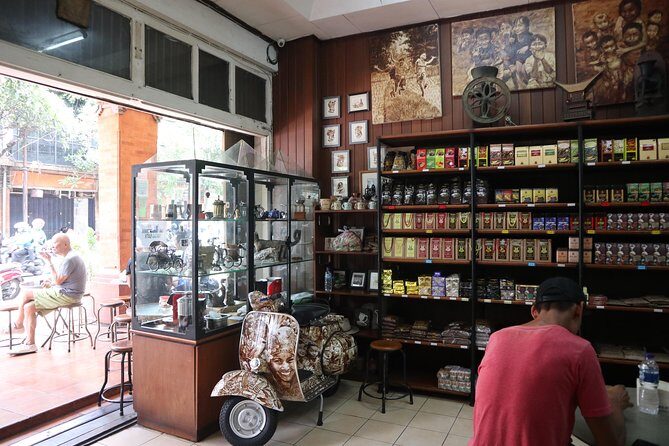
The meeting point is Bhineka Djaja (Kopi Bali) on Jl. Gajah Mada No. 80 in Denpasar North. You start right here at 10:00 am, so you can ease in before you start the food sprint.

This stop isn’t just a caffeine refill. The tour calls it the first coffee shop in Bali, which gives the coffee tasting a bit of cultural grounding. You’re learning the why, not only the taste.

If you’re a coffee person, you’ll probably appreciate how they fit coffee into the route rather than treating it as an add-on. It’s also a good moment to get your bearings, especially if you’re new to Denpasar neighborhoods.

Pasar Badung: market energy plus curry and East Bali salad

Denpasar City Food Tour (Day Tour) - Pasar Badung: market energy plus curry and East Bali salad
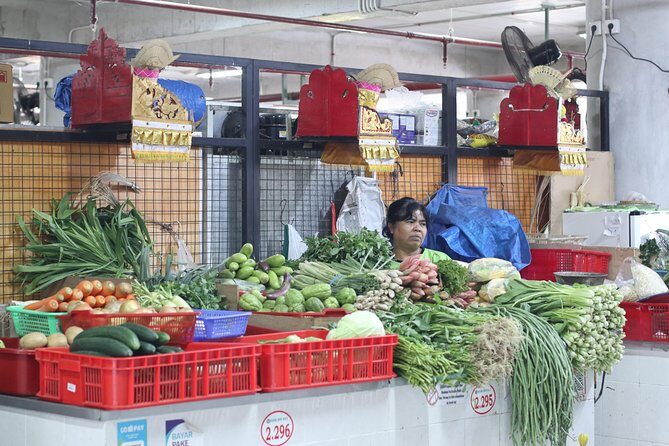
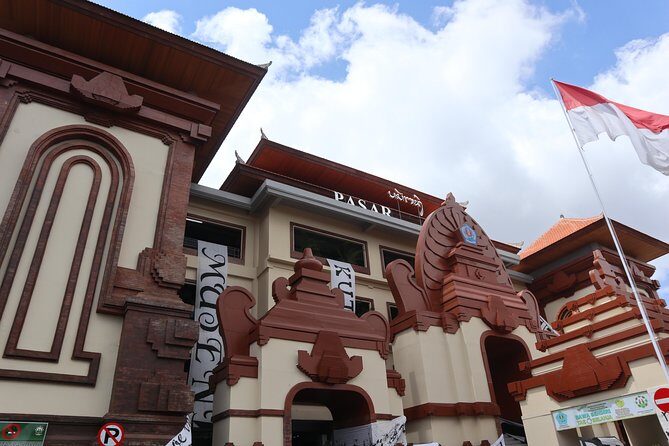
Your first major food stop is Pasar Badung, Denpasar’s traditional market area. This is where the tour really earns its local-city identity because markets are where you see cooking habits that predate today’s tourist food trends.

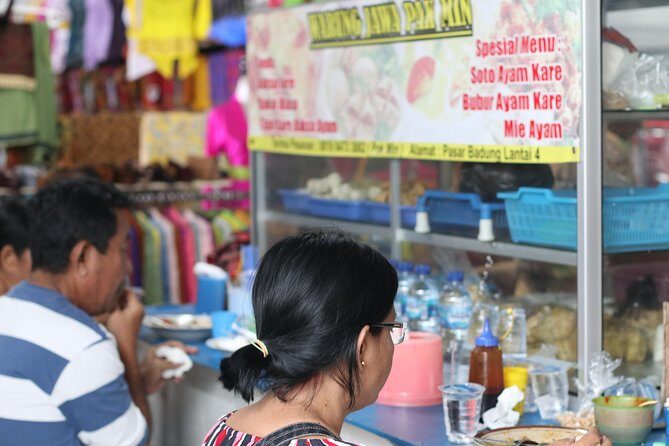
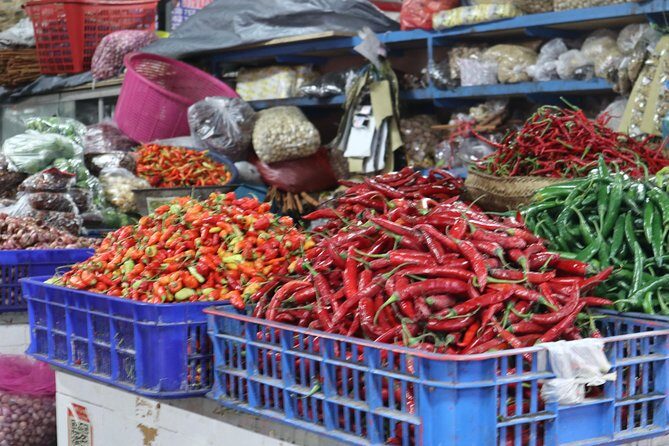
Expect familiar and less-familiar flavors. The tour highlights trying famous curry at the market and also east Bali salad. You also get Balinese traditional snack and drink options here, which tends to be the part of the tour where people realize they can enjoy food without it being “street snack chaos.”

A practical note: market stops can be busy and visually intense. The upside is that you taste what people actually buy and eat. The only drawback is that the setting can feel noisy, so keep your order open-minded.

Puputan Square and Puputan Badung Park: snacks with context

Denpasar City Food Tour (Day Tour) - Puputan Square and Puputan Badung Park: snacks with context
After the market, you walk toward Puputan Square and the Puputan Badung Park area. The tour is clear that you’re not just passing by landmarks—you get a little history context while you’re there.

This stop is paired with two famous snacks local people like when they visit the park. That pairing is smart. You’re not sitting through a lecture with no payoff. You get story, then you get food.

If you like understanding the setting before you eat, this is one of the best sections of the tour. It also helps break up the day so you don’t feel like it’s non-stop eating with no pauses to reset.

Pura Jagatnatha: a spiritual pause between plates

Denpasar City Food Tour (Day Tour) - Pura Jagatnatha: a spiritual pause between plates
The tour also includes Pura Jagatnatha. This is a meaningful cultural stop that gives your Denpasar experience a broader sense of place.

I like adding a religious or heritage stop when the tour already includes multiple food tastings, because it keeps the day from feeling like a food crawl only. It also helps you notice how daily life and food culture exist alongside Balinese worship and community spaces.

You should also be ready for the rules and expectations that come with temple visits. The tour data doesn’t spell out dress requirements, so I’d treat this as a standard Bali temple stop: cover appropriately, keep your movement respectful, and follow whatever guidance your guide gives you.

Satay and soup: the fork in the road for halal options

Denpasar City Food Tour (Day Tour) - Satay and soup: the fork in the road for halal options
One of the most satisfying segments is the satay-and-soup moment, where the tour offers two possible paths.

If you eat pork, you’ll try famous pork satay and then beef soup. If you’re halal, the tour offers a substitute path with goat satay and goat curry.

I appreciate this setup because it makes the tour feel designed for real dietary needs, not “we’ll just figure it out.” Still, it’s smart to confirm your preference at booking so you don’t end up waiting on substitutions mid-walk.

This is also where your appetite really shows. Satay and soup-style dishes can be filling, so by now you’ll want to pace your tastings instead of rushing everything at maximum speed.

Oldest Toko Kue and the Indonesian sweets stop

Denpasar City Food Tour (Day Tour) - Oldest Toko Kue and the Indonesian sweets stop
Later in the walk, you visit the oldest Traditional Toko Kue (Cake Shop). This is where the tour brings Indonesian dessert and snack culture into the mix, not just savory plates.

The stop includes Indonesian delicacies, and for many people this becomes a highlight because it shifts the flavor profile after all the savory market and satay dishes. It’s also an easy time to slow down and taste thoughtfully.

If you have a sweet tooth, plan to enjoy this rather than trying to beat the clock. With small-group pacing, you’ll usually have enough time to try what’s offered and ask about the differences in textures and flavors.

The finale: nasi campur (halal) or babi guling-style ending

The last stop is the big finish: nasi campur as the halal option, or babi guling / suckling pig as the non-halal ending. This matters because it’s the kind of “known famous” Balinese meal that many visitors want, but the tour delivers it through a local food context rather than a tourist show.

I like the way they frame it as a final tasting rather than a generic restaurant stop. By the end of the walk, you’re not just eating a meal—you’re comparing flavors and food styles you’ve been encountering all day.

If you’re eating halal, nasi campur can still feel like a satisfying closing plate because you’ll be able to compare how the tour handled substitutions across the route. And if you’re not halal, this final dish is likely to land as the most memorable single “this is Bali” moment.

Price and value: does $100 make sense for this route?

The price is $100 for an about 3-hour small-group tour (up to 10 travelers). For that cost, you get lunch all the foods and non-alcohol drinks, coffee/tea, snacks, and bottled water.

That value is strongest if you’re the type of traveler who wants local food guidance rather than wandering and guessing. Denpasar isn’t designed mainly for food tourism, so having someone connect you to places with history and story can save you time and prevent the usual beginner mistakes.

One more practical value point: alcohol isn’t included, but it’s available for purchase where served. Since your drink inclusions are non-alcohol, you can still do the tour without budgeting for beer or cocktails.

The only value caution: at least one past customer report raised a concern about guide attendance and ticket confusion. I can’t predict how your experience will go, but it’s a smart move to message the day before, confirm the meeting point, and keep your mobile ticket details ready.

Who this tour suits best (and who should think twice)

This tour fits you well if you want authentic local eating in Denpasar and you like tours that explain the “why” behind food choices. The mix of market, heritage areas, and classic dishes makes it work for food lovers and curious cultural travelers.

You might think twice if you:

  • Need a heavily tourist-oriented environment with lots of English signage and easy navigation
  • Can’t do much walking or standing around busy market areas
  • Want a fully hands-off experience where everything feels strictly controlled like a resort excursion

It’s also best for people who can commit to the preparation rule: skip breakfast and save your appetite for the tastings.

Practical tips to get the most out of your day

Start with timing. The tour begins at 10:00 am, so get to Bhineka Djaja (Kopi Bali) a few minutes early. The meeting point is specific, and starting on time is how a tight 3-hour route stays enjoyable instead of stressful.

Choose your dietary path early. The tour offers halal swaps (goat satay/goat curry and halal nasi campur), but you should clearly communicate what you eat before you’re standing at the food counter.

Bring an open mind about portions and pacing. The tour includes 10 different food types, so your best strategy is steady bites and water between stops rather than going all-in on every dish at once.

Finally, keep your expectations aligned. This isn’t a polished resort meal experience. It’s local Denpasar, and the reward is that the food doesn’t feel like it was made for tourists.

Should you book the Denpasar City Food Tour?

I’d book it if you want an excellent shot at understanding Denpasar through food—especially if you’re traveling outside the typical Bali tourist circuits. The strongest reasons are the 10 tastings, the mix of market + heritage stops, and the halal options that don’t feel like an afterthought.

I’d be cautious if you’re the type who needs flawless logistics every time, because there has been at least one report about ticket/guide communication issues. If you book, I’d confirm your meeting details and keep your mobile ticket ready so you can protect your start time.

If you like guided local eating that goes beyond “order and leave,” this is the kind of tour that turns a simple lunch into a real Denpasar memory.

FAQ

What’s included in the Denpasar City Food Tour?

The tour includes lunch with all foods and non-alcohol drinks, plus coffee and/or tea, snacks, and bottled water. Alcoholic beverages are not included but may be available for purchase at some stops.

How many food items do I try?

You’ll try a total of 10 types of Indonesian and Balinese local food and drinks during the tour.

Is there a halal option?

Yes. For halal choices, the tour can include goat satay and goat curry instead of pork options, and it offers halal nasi campur instead of babi guling/suckling pig.

What time does the tour start and how long is it?

It starts at 10:00 am and lasts about 3 hours. The tour ends back at the meeting point.

Where do I meet the guide?

The meeting point is Bhineka Djaja (Kopi Bali), Jl. Gajah Mada No. 80, Dauh Puri Kaja, Kec. Denpasar Utara, Kota Denpasar, Bali 80111, Indonesia.

Is this tour a small group?

Yes. The maximum group size is 10 travelers.

Jumping Sliding at Aling- aling Waterfall – Wanagiri Hidden Hill – Handara Gate

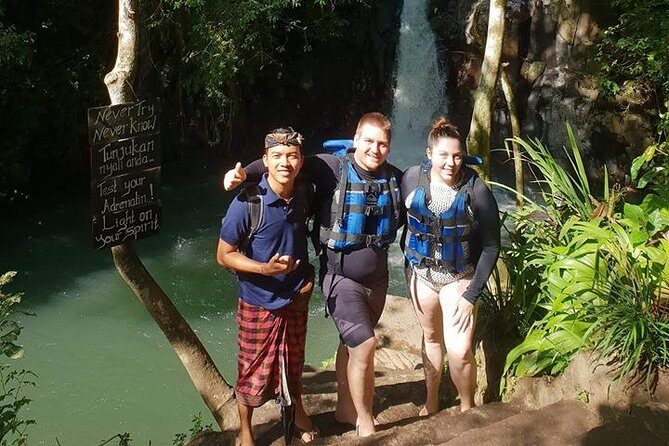
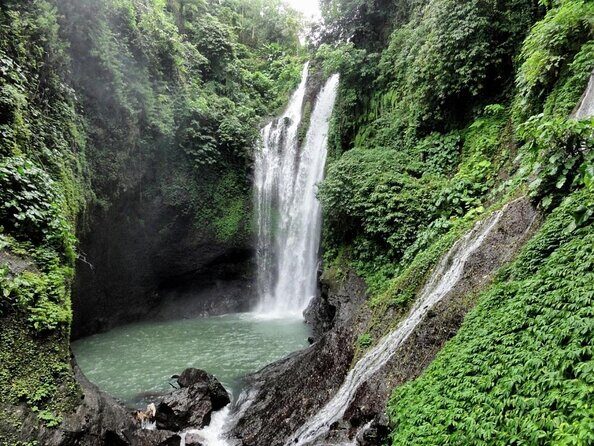
Jumping Sliding at Aling- aling Waterfall - Wanagiri Hidden Hill - Handara Gate - Jumping and sliding at Aling-Aling: what the Kroya slide really means

North Bali water fun starts early

This door-to-door day trip strings together three of North Bali’s most photo-friendly spots, with the real thrill at Aling-Aling / Kroya Waterfall. I like how the day is built around time-efficient stops: you’re out of your hotel early, you get guided safety for the water activity, and you still make time for classic viewpoints at Wanagiri Hidden Hills and Handara Gate.

What I like most is the adrenaline option is made safer and more straightforward by a local guide, with included entrance for the jumping and sliding part. I also love the transport value: an air-conditioned private car with hotel pickup and drop-off means you’re not spending your whole day wrestling long roads and finding meeting points.

The one thing to plan around is the timing and conditions. This trip needs good weather, and the water portion is physically demanding—so if you’re not into heights, fast water movement, or getting wet, you’ll probably feel it more than you’d like.

Key highlights worth getting excited about

Jumping Sliding at Aling- aling Waterfall - Wanagiri Hidden Hill - Handara Gate - Key highlights worth getting excited about

  • Kroya’s 12-meter natural slide: a big, real waterfall slide built into the water itself
  • Local guide for jumping and sliding: safety support plus the right cues to move confidently
  • Handara Gate + Wanagiri Hidden Hills photo stops: two separate iconic views in one day
  • Private, hotel-to-hotel service: less stress on the road, more time at the stops
  • Coffee-making at a plantation: a quick cultural add-on beyond just viewpoints
  • Mobile ticket: simple to use once you’re on the move

The “hidden” value in this North Bali day: less driving stress

Jumping Sliding at Aling- aling Waterfall - Wanagiri Hidden Hill - Handara Gate - The “hidden” value in this North Bali day: less driving stress
North Bali is gorgeous, but it’s also a long, challenging drive from many parts of the island. What makes this tour feel like good value is that it handles the tough part for you: pickup and drop-off direct from your hotel, in a private air-conditioned car. That matters because a day like this lives or dies by timing—hit traffic and your waterfall window can shrink fast.

You’re also starting early (around 7:30 am), which is smart for two reasons. First, it gets you to the waterfalls before the day gets too hot and crowded. Second, it leaves room later for the viewpoint stops—Wanagiri Hidden Hills and Handara Gate—so you can actually enjoy the scenery instead of rushing through it.

If you hate being “toured” but still want structure, this is the kind of itinerary that works well. You’re not bouncing through five dozen stops. You’re doing a focused set of places that match the time and geography.

Jumping and sliding at Aling-Aling: what the Kroya slide really means

Jumping Sliding at Aling- aling Waterfall - Wanagiri Hidden Hill - Handara Gate - Jumping and sliding at Aling-Aling: what the Kroya slide really means
The main event here is the waterfall slide experience at Kroya Waterfall, described as a 40-foot (12-meter) natural slide. That’s not a tiny stunt. It’s the kind of slide where your body reacts before your brain finishes explaining what’s happening—especially if you’ve never done waterfall slides in Bali.

This is one of the clearest reasons to book with a local guide included. The tour includes a local guide for jumping and sliding, plus entrance ticket for jumping sliding. In practical terms, that means you’re not trying to figure out the safest way to enter, jump, or move around the waterfall area on your own. It also helps you understand what to do so you can focus on the experience rather than the logistics.

Also note how the itinerary treats Aling-Aling as part of the same waterfall area. Aling-Aling is one of the best waterfall zones in North Bali, and it’s close to Kroya, which is where the real thrill is. You’re not trying to do completely separate locations under one umbrella of confusion—you’re using the geography properly.

Who the water activity suits

This is best if you:

  • like adrenaline activities and don’t mind getting wet
  • are comfortable following instructions in a natural, slippery setting
  • want your day to include more than photos, with an actual physical highlight

And it’s worth being honest with yourself if you:

  • dislike heights or sudden movement
  • have concerns about jumping from natural spots (even with a guide)
  • prefer sightseeing over physical thrills

Stop 1: Aling-Aling Waterfall and the short stop that still works

You’ll spend about 2 hours at Aling-Aling Waterfall (with the activity entrance included). Aling-Aling is a cluster—there are actually multiple waterfalls in the same overall spot—so even if you’re not spending all day there, it doesn’t feel like you’re looking at just one narrow view.

The key point: you’re going there for the bigger adventure, but Aling-Aling gives you the setting and the scenery. It’s also close to Kroya, so you can treat it like the “waterfall zone warm-up” and still get your main action time where it counts.

The practical win is that the day doesn’t overstay here. You do need energy for the slide portion, and waterfall days can drain you quickly from sun, humidity, and wet cold. A longer stop isn’t always better; often, the best plan is to do the waterfall activity and then shift attention to the photo stops while the day is still moving smoothly.

Stop 2: Wanagiri Hidden Hills for the classic lake-and-hill look

Jumping Sliding at Aling- aling Waterfall - Wanagiri Hidden Hill - Handara Gate - Stop 2: Wanagiri Hidden Hills for the classic lake-and-hill look
Next up is Wanagiri Hidden Hills, about 30 minutes. This stop is known for views that look great in photos—especially the kind of shot where you can frame the landscape with the lake in the background.

I like this stop because it adds variety. After the wet, physical waterfall portion, Wanagiri feels calmer: you’re walking at a slower pace, looking out over the scenery, and getting those “I’m really in Bali” views that are harder to recreate elsewhere.

Just remember: 30 minutes is short. That’s not a complaint; it’s how the itinerary protects the overall schedule. If you want time for a lot of angles or slow wandering, you’ll need to be decisive about where you stand and when you shoot. The upside is that the tour structure keeps you from burning the whole day chasing one viewpoint.

Stop 3: Handara Iconic Gate—why the photo spot is worth it

Jumping Sliding at Aling- aling Waterfall - Wanagiri Hidden Hill - Handara Gate - Stop 3: Handara Iconic Gate—why the photo spot is worth it
Then you move to Handara Iconic Gate (also about 30 minutes). This is one of Bali’s most recognizable photo backdrops: a gate with Balinese-style architecture and an amazing view behind it.

I like that this stop is included right after Wanagiri because the scenery vibe stays consistent: hills, viewpoints, and big backdrops. You’re not switching from waterfall to something completely different. You’re still in North Bali mode.

One practical note: gate photos can attract lines depending on time of day. The tour start time helps with that. But even if it’s not crowded, this is still a “show up, shoot, and move” stop. If you treat it like a quick photo mission, it feels rewarding. If you try to linger too long, it can start to feel rushed.

The plantation coffee stop: a small culture layer

The overall plan also includes seeing coffee being made at a plantation. It’s not the main headline, but it’s a useful pause between water and viewpoint time.

I like small stops like this because they give context to what you’re seeing around Bali. Even a brief look at coffee prep can make your day feel less like a checklist. You’re getting something grounded in everyday local production, not just landscapes and adrenaline.

Just keep expectations realistic: the tour doesn’t position this as a long educational workshop, so treat it as a short taste of the process rather than a full deep-dive session.

What’s included (and what that means for your day)

Jumping Sliding at Aling- aling Waterfall - Wanagiri Hidden Hill - Handara Gate - What’s included (and what that means for your day)
This tour is priced at $61 per person and includes several items that usually cost extra or cause hassle on your own:

  • hotel pickup and return drop-off in a private car with good AC
  • English-speaking driver/guide
  • local guide specifically for the jumping and sliding activity
  • entrance ticket for jumping and sliding
  • mineral water
  • mobile ticket
  • group discounts

From a value standpoint, the private door-to-door transport is the big lever. North Bali is far enough that paying for rideshare taxis or arranging separate drivers can quickly eat the savings. Here, the structure is built around getting you to three distinct places without spending your energy planning the route all day.

Meals are not included, so you’ll want to have a simple plan for food. If you’re the type who likes a full meal right after the waterfalls, you’ll likely need to budget for that once you’re back or between stops.

Weather matters more than you think

This experience requires good weather. If conditions are poor, the tour can be canceled and you’ll be offered a different date or a full refund. That’s not just legal fine print—water activity is weather-dependent, and the viewpoint stops are also affected by visibility.

My advice: if you’re planning around a tight schedule, keep this day a little flexible. If rain hits hard, you could lose your best window for the waterfall part, and that’s the core of the itinerary.

How long it really feels: 8 to 10 hours, mostly full

The duration is listed as 8 to 10 hours. In practice, waterfall days don’t feel like eight hours sitting. Between travel time from Nusa Dua to North Bali, changing conditions in the water area, and photo stops that move quickly, it feels like a true day-trip sprint.

That’s why I’d treat this tour as your main outing, not a light add-on. Wear practical shoes and plan for wet conditions at the start. Even if you only do the slide part briefly, the whole day is designed to keep you active and moving.

Should you book it? My honest take

Book this tour if you want a day that mixes adrenaline and iconic North Bali photos without you coordinating transport. The included guide for the jumping and sliding part is the kind of safety upgrade that’s hard to recreate if you DIY it. Also, the hotel pickup and return drop-off is a real quality-of-life feature when you’re going far from central Bali.

Skip it (or choose a different format) if you’re not excited about the physical waterfall activity. The itinerary is built around the 12-meter Kroya slide as the centerpiece. If that’s not your thing, you may feel the day is too structured around water.

If you’re somewhere in the middle—curious but cautious—this is still a good option because the guide is included. Just go in with the mindset that you’re doing a real water adventure, not a casual stroll.

FAQ

What time does the tour start?

The start time is 7:30 am.

How long is the day trip?

It runs about 8 to 10 hours.

Does the price include entrance for the jumping and sliding?

Yes. The tour includes the entrance ticket for jumping sliding.

Is pickup and drop-off included?

Yes. You get pickup from your hotel and return drop-off.

Is this tour private?

Yes. It’s a private tour/activity, so only your group participates.

What happens if the weather is poor?

This experience requires good weather. If it’s canceled due to poor weather, you’ll be offered a different date or a full refund.

Best of Ubud Full Day Tour with All Inclusive

Best of Ubud Full Day Tour with All Inclusive - Getting There: Pickup, AC, and Staying on Schedule

Morning in Ubud moves fast. This full-day tour strings together Bali’s big contrasts in about 8 hours: terraced rice views, a real jungle home for monkeys, a 15-meter waterfall break, then temples plus hands-on art at batik and woodcarving stops.

I especially like the mix of nature and culture without wasting the day driving between totally unrelated places. And I also like that you’re not doing this with a random shuffle of people; it’s a private car with an English-speaking driver and round-trip transfers from many areas.

One consideration: most of the standout sites have admission tickets you pay on site (the temple stop is free), so you’ll want a little cash/card set aside beyond the $30 price.

Key Highlights at a Glance

Best of Ubud Full Day Tour with All Inclusive - Key Highlights at a Glance

  • AC private transportation with hotel round-trip transfers from Nusa Dua, Canggu, Ubud, Jimbaran, Kuta, Seminyak, and Sanur
  • A tight 8-hour schedule that hits rice, monkeys, waterfall, temple, batik, and woodcarving
  • Sacred Monkey Forest Sanctuary with long-tailed monkeys living freely in the forest
  • Tohpati Village batik work using hot wax and dye techniques you can see up close
  • Mas woodcarving center tied to the artists and sculptors who live and work there
  • Kadek is often mentioned by name for friendly, safe, on-time guiding and good English

Entering the Ubud Day Loop (And Why It Works)

Best of Ubud Full Day Tour with All Inclusive - Entering the Ubud Day Loop (And Why It Works)
This tour is built for people who want a lot of Ubud in one day, but still want the comfort of not figuring out transport. You’ll spend roughly an hour at each main stop, so you get enough time to enjoy the place and take photos without feeling like you’re rushing through everything in 15 minutes.

What makes it work is the variety. You start with the iconic Tegallalang Rice Terrace for classic layered paddies. Then you move into a totally different feel at the Monkey Forest, where it’s about the animals and the forest setting. After that, the day cools down with Tegenungan Waterfall. From there, you shift into cultural stops: Puseh Batuan Temple, Tohpati batik, and Mas woodcarving. It’s the kind of route that explains Bali beyond one photo theme.

And yes, a big reason to book this instead of DIY is simple: the driver handles the routing and timing. One review specifically calls out Kadek as on time, friendly, and easy to work with, and that matters when your day is scheduled to the minute.

Getting There: Pickup, AC, and Staying on Schedule

Best of Ubud Full Day Tour with All Inclusive - Getting There: Pickup, AC, and Staying on Schedule
The tour includes round-trip hotel transfers for a long list of areas: Nusa Dua, Canggu, Ubud, Jimbaran, Kuta, Seminyak, and Sanur. That’s a nice range if you’re not staying in central Ubud. It also reduces the stress of finding a meeting point or negotiating rides in traffic.

Transportation is private and air-conditioned with parking fees and petrol included. In practice, that means you can start the day more relaxed—especially important in Bali when the heat and road conditions can wear you down before you even reach the first sight.

Also, the tour is described as private, meaning only your group participates. That usually makes timing smoother, since the driver isn’t stopping for other pickup locations.

Stop 1: Tegallalang Rice Terrace for Classic Ubud Views

Your day starts north of Ubud at about 20 minutes away with the Tegallalang Rice Terrace. This is one of Bali’s most recognizable rice-field scenes, known for the layered paddies that follow the natural curves of the hills. Even if you’ve seen rice terraces in photos, being there in person hits differently because you can see the depth and the stepped geometry.

What you’ll likely love here is the fact that you’re not just looking at greenery—you’re looking at a working pattern. Rice terraces are built to manage water and farming slopes, so there’s a logic to the design that photographs well and feels grounded when you walk the paths.

Two practical notes. First, admission isn’t included, so plan for a small on-site ticket cost. Second, because this is a famous stop, you may want to bring sunscreen and water; it’s outdoors, and the day can get warm fast.

Stop 2: Sacred Monkey Forest Sanctuary and Its Long-Tailed Residents

Best of Ubud Full Day Tour with All Inclusive - Stop 2: Sacred Monkey Forest Sanctuary and Its Long-Tailed Residents
Next is the Sacred Monkey Forest Sanctuary. This is a natural forest area filled with over 1,000 long-tailed monkeys that live freely. That’s the key detail: you’re not visiting a zoo setup. You’re walking in a forest where monkeys are part of the environment.

Expect it to feel lively and unpredictable in the best way, like you’ve entered a real habitat. You’ll get about an hour here, which is usually enough time to watch the monkeys, take photos, and still keep moving on schedule.

Admission is not included, so again, budget for on-site tickets. Also, because monkeys are living there, it helps to act like you’re in their space: keep your belongings secured and follow any signage or guidance from the driver. You’ll enjoy it more when you treat it as a shared environment, not a photo set.

Stop 3: Tegenungan Waterfall for a 15-Meter Cool-Down

Best of Ubud Full Day Tour with All Inclusive - Stop 3: Tegenungan Waterfall for a 15-Meter Cool-Down
After the forest, the route changes pace with Tegenungan Waterfall. The big headline is scale: the waterfall drops over 15 meters into a lush gorge. In the middle of a warm day, that “cool water” promise matters because it gives you a real break from walking in heat.

This stop is also about 1 hour. That’s a comfortable chunk of time: long enough to get to viewing spots, take in the water and vegetation, and decide whether you want to hang around for longer or move on.

Just remember: admission isn’t included. And because it’s a waterfall, plan for damp or slippery areas around viewpoints. Wear shoes you don’t mind getting wet or muddy.

Stop 4: Puseh Batuan Temple and Its Black Palm Roof

Best of Ubud Full Day Tour with All Inclusive - Stop 4: Puseh Batuan Temple and Its Black Palm Roof
Then you slow down for Puseh Batuan Temple, described as a Hindu temple where you can learn spiritual significance and see unique architecture—including a black palm roof. This is the one temple stop on the list where admission is free.

I like this part of the day because it shifts you from “seeing attractions” to understanding what the spaces mean. A temple stop works best when you go in expecting a place of practice, not just a photo backdrop. With an English-speaking driver, you’ll have someone to help you make sense of what you’re looking at.

It’s also a relief to have at least one major site where you don’t have to add a ticket fee. You get a cultural highlight without extra cost, and that helps the overall value.

Stop 5: Tohpati Village for Batik That Uses Hot Wax and Dye

Best of Ubud Full Day Tour with All Inclusive - Stop 5: Tohpati Village for Batik That Uses Hot Wax and Dye
Next you head to Tohpati Village, known as the center of batik making on the island. Batik is a traditional technique where patterns are made on fabric using hot wax and dye.

You’ll spend about 1 hour here, which is the right length for watching the process and understanding what you’re seeing. This isn’t just about buying something pretty. Batik is a skill set: wax placement creates boundaries for dye, and the final pattern comes from controlling how color takes to fabric.

Admission isn’t included, so add that to your mental budget. The upside is that you’re getting a cultural craft experience, not just a storefront stop. If you like textiles, patterns, or making sense of how traditions become products, this is one of the best-value parts of the route.

Stop 6: Mas Carving Center for Wood Sculpture in a Real Working Village

Best of Ubud Full Day Tour with All Inclusive - Stop 6: Mas Carving Center for Wood Sculpture in a Real Working Village
Your last major culture stop is Mas Village, famous as Bali’s woodcarving center. Here, many of the island’s wood artists and sculptors live and work, and you can see how the craft shows up in real output.

Like the rest, you’ll have about an hour. That’s enough time to watch techniques if they’re demonstrated, compare styles, and ask questions through your driver.

Admission isn’t included at this stop either. But even without a ticket, this can be worth it because it’s focused on craft. One review called out a guide’s passion for local art and making sure the day stays smooth and on time—exactly what you want at a stop like this, where questions can pop up fast.

Time for Ubud Center Stops and Food You Can Actually Choose

Even with a structured route, you’ll have some breathing room. One review notes that there’s time built in for shopping and eating in central Ubud. That’s a smart choice because food and browsing are where you’ll want to make decisions based on your tastes.

Practical advice: use that free time to pick a meal that matches your energy level. You’ll likely be walking in sun and moving between sites, so don’t plan a “big sit-down dinner” right before you still need to visit later stops. Instead, treat it like a fuel break.

Price and Value: What $30 Buys (And What It Doesn’t)

At $30 per person, this tour is priced as a budget-friendly way to get a lot of Bali variety in one day. The big value is in what’s included:

  • Private transportation in an air-conditioned car
  • English-speaking driver
  • Round-trip hotel transfers from many Bali areas
  • Parking fees and petrol
  • Private tour for only your group

That’s a solid package for the money, especially if you don’t want to spend your day negotiating rides or piecing together separate tickets for each stop.

What’s not included is where your extra spending will show up: admission tickets for most stops (rice terrace, monkey forest, waterfall, batik, and woodcarving). The temple stop at Puseh Batuan is free, which helps offset some of those costs.

Also, personal expenses are not included. So if you plan to shop or snack between stops, budget for that separately.

Who This Tour Suits Best (And Who Might Feel Rushed)

This is a great fit if you want:

  • A classic Ubud hit list in one day
  • Comfortable, private transport with an English-speaking guide/driver
  • A schedule that’s structured enough to keep you from oversleeping the day away

It may not be the best fit if you:

  • Prefer a slower pace with long free time at one site (this is mostly about 1 hour per stop)
  • Don’t want to handle multiple on-site admission tickets
  • Want to do lots of independent wandering outside the planned route

Should You Book This Best of Ubud Tour?

If you’re trying to make the most of limited time, I’d say yes. The combination of rice terraces, monkeys, a waterfall, a temple, batik, and woodcarving in one pass is exactly the kind of “most important things, in the right order” plan that keeps your day from turning into random driving.

Book it if value and convenience matter to you—especially with included AC private transport and hotel pickup from your area. Skip it only if you hate paying separate admissions or you want a slow, one-neighborhood-at-a-time trip.

FAQ

How long is the Best of Ubud full day tour?

It runs about 8 hours.

Is hotel pickup and drop-off included, and from where?

Yes. Round-trip transfers are included for Nusa Dua, Canggu, Ubud, Jimbaran, Kuta, Seminyak, and Sanur.

Is the tour private?

Yes. Only your group participates.

Do I need to pay entrance tickets at the stops?

Most stops list admission as not included, including the rice terrace, monkey forest, and waterfall. The Puseh Batuan Temple stop is listed as free.

Is transportation included in the price?

Yes. You get private air-conditioned transportation, parking fees, and petrol included, with round-trip transfers.

Do I get an English-speaking driver?

Yes. The tour includes an English-speaking driver.

What’s the cancellation policy?

You can cancel free of charge up to 24 hours in advance for a full refund.

When will I receive confirmation after booking?

Confirmation is received at the time of booking.

What payment is covered versus not covered?

Included costs cover transportation-related items and driver service. Personal expenses are not included.

Discover Balinese fortune telling with convenient on-call service

Discover Balinese fortune telling with convenient on-call service - What to expect from palmistry, family readings, and counseling

Palm lines in Ubud can change your mood fast. This experience is built around on-call Balinese fortune telling options—private solo palmistry, a family fortune session, or counseling—so you can pick the vibe you want in the moment. You also get a local guide who frames it less like Hollywood prediction and more like life guidance.

I especially like the personal feel: it’s designed for a small group (and it’s private for your group only). Plus, you get free hotel pickup and drop-off, which matters in Bali when you’d rather spend the day seeing things than timing taxis.

One thing to consider: if you’re chasing blunt, step-by-step future predictions, you might feel like it’s more about spiritual insight and conversation than strict fortune telling. In other words, bring curiosity, not a stopwatch.

Quick takes: Ubud fortune telling plus Tirta Empul

Discover Balinese fortune telling with convenient on-call service - Quick takes: Ubud fortune telling plus Tirta Empul

  • On-call session types include private solo palmistry, family fortune telling, and counseling.
  • A local Balinese Guru style that leans toward spiritual knowledge and practical guidance.
  • Free pickup and drop-off keeps the day smooth, especially with temple timing and traffic.
  • Pura Tirta Empul sacred spring water gives the trip a deeply Balinese, ritual-focused center.
  • Coffee plantation tasting adds a casual, bite-size stop that fits nicely after the spiritual part.

How the on-call palmistry sessions work in Ubud

Discover Balinese fortune telling with convenient on-call service - How the on-call palmistry sessions work in Ubud
This isn’t a one-size-fits-all performance. The experience is set up as an on-call service in Ubud, which means your “fortune telling” time is flexible around what you choose: private solo palmistry, family fortune telling, or counseling.

Here’s what that can mean for you in real life. If you’re traveling solo, palmistry gives you a focused, 45-minute to 1-hour block where you can ask questions and talk through what you’re feeling. If you’re with family, the family fortune telling format is built for shared conversation—less about one person getting the spotlight, more about how people connect through the same moment in life.

And if you’re going through something heavier—choices, worries, life transitions—counseling is offered as an option too. The tone of the sessions, based on the way people describe the experience, tends to be thoughtful and spiritual rather than dramatic.

So think of it as a guided dialogue with a local practitioner, not a magic trick.

What to expect from palmistry, family readings, and counseling

Discover Balinese fortune telling with convenient on-call service - What to expect from palmistry, family readings, and counseling
Palmistry here is described as a private solo session where the practitioner looks at your palm lines and discusses past, present, and future. That’s a common structure, but the key is how it’s delivered: people end up talking more about meaning than making firm predictions.

For family fortune telling, the session is framed as a generational experience. That sounds abstract until you realize what you’re really doing: you’re taking a shared situation and letting it be reflected back through a cultural lens, together.

Counseling sessions are the third option, guided by compassionate professionals. This is the part to choose if your goal is emotional processing and clarity rather than curiosity about future events.

A practical note: your session is only about 45 minutes to 1 hour, so if there’s one big question you want answered, keep it in mind before you start. You’ll get more out of it that way than trying to cover ten topics.

Your guide’s role: friendly, professional, and very human

One of the strongest strengths of this experience is the guide setup. The highlights promise an informative, friendly, professional guide, and that fits with how the experience is described by people who value the conversation with the local Balinese Guru.

I like this approach because it prevents the session from feeling like a script. When the guide is there to translate the meaning and context, you can ask better questions. And when the tone is respectful, you’re more likely to leave with insight you can actually use, not just a funny story.

Also, since the experience includes other stops afterward, having a capable guide helps you connect the dots—ritual meaning, everyday culture, and why certain places matter to Balinese Hindus.

Pura Tirta Empul: the holy spring water stop that gives it weight

After your Ubud session, the day shifts to something more physical and ritual-focused: Pura Tirta Empul, a water temple of major importance to the Balinese people.

The big idea of Tirta Empul is the sacred spring water. The overview describes soaking in the pools and learning about Hindu purification and bathing rituals. This stop is valuable for two reasons.

First, it anchors the day. Fortune telling can stay heady—thoughts, symbols, and interpretation. Tirta Empul brings you back to the body and to ritual practice, which is how a lot of belief systems make sense to people.

Second, you’ll have a guide to explain what you’re seeing. Without that, it can feel like you’re just walking around a pretty temple complex. With the context, it becomes a living tradition, not a photo opportunity.

A realistic consideration: sacred water rituals can mean you’ll need to follow local guidance and handle wet conditions. Even if you’re not doing every step, you’ll likely be near the bathing areas, so plan for dampness and time.

Coffee plantation tasting: a relaxed palate cleanser

After Tirta Empul, the tour includes a stop at a coffee plantation for a tasting. This is the part of the day that tends to feel lighter and more social—sort of a friendly reset after something spiritual and structured.

Why I like this combo: it gives your brain a break. You go from ritual context to everyday sensory experience. And you get a chance to try coffee as a local product, not just as a commodity.

Keep your expectations reasonable here. A plantation tasting is usually a short, guided sample. If you’re hoping for a full deep-detailed coffee course, you might be left wanting more. But as a half-day rhythm, it works.

Time, movement, and how the half-day format feels

The experience is described as a half-day tour with hotel pickup and drop-off included. That’s a big deal in Ubud, where travel time can stretch when you’re at the mercy of traffic and changing schedules.

The fortune telling portion itself runs about 45 minutes to 1 hour, so the total outing is likely a mix of session time plus the temple and plantation stops. The payoff is that you still get a complete, satisfying day arc: conversation in the morning or early afternoon, then a meaningful ritual stop, then a casual tasting before you’re sent back to your hotel.

Because it’s set up for small groups and is private for your group only, you avoid that awkward feeling of trying to fit your questions around someone else’s agenda.

Price and value: $80 for what you’re actually buying

Discover Balinese fortune telling with convenient on-call service - Price and value: $80 for what you’re actually buying
At $80 per person, this isn’t a bargain-basement activity, but it also isn’t priced like a luxury show. You’re paying for several value elements that add up:

  • A guided, practitioner-led session (private solo, family, or counseling) running 45 minutes to 1 hour
  • Translation and context through an informative guide
  • Free hotel pickup and drop-off
  • Temple experience tied to Tirta Empul and learning about purification rituals
  • A coffee plantation tasting afterward
  • All fees and taxes included (so you’re not guessing what else is added at checkout)

What’s not included is tipping, and that’s normal in Indonesia. If you’re the type who tips based on effort and warmth, you’ll have a fair moment to decide how much feels right after your session and guide explanations.

My honest take on value: this works best if you want the whole day package—fortune telling plus a real Balinese ritual stop—rather than treating it like a standalone “read my palm and I’m done” event.

Who this experience fits best (and who should think twice)

This tour is a great fit if you:

  • Want a local style reading with conversation and context
  • Like spiritual ideas explained in a respectful, grounded way
  • Prefer a day that mixes meaning (Tirta Empul) with something approachable (coffee tasting)
  • Would rather have your day shaped by a guide than by guesswork

It may not fit as well if you:

  • Want purely entertaining fortune telling with flashy predictions
  • Are allergic to spiritual framing and prefer no explanation or cultural context
  • Hope for a long, multi-hour palmistry deep session (your time window is about 45 minutes to 1 hour)

If you’re unsure, pick your session type carefully. Counseling is usually the best match if your goal is clarity and reassurance. Family fortune telling can be a great choice if you want shared reflection instead of one person’s spotlight.

Practical tips to get the most out of your session

A few things will help your session feel worthwhile.

1) Come with one main question.

With only 45–60 minutes, you’ll get more value by focusing rather than bouncing around.

2) Be open about the style.

Based on how the session is described, it can feel like spiritual knowledge sharing as much as fortune telling. That’s not a problem—just adjust your mindset.

3) Wear or bring something you can move in.

You’ll visit Tirta Empul, where you’ll likely be around bathing areas. Even if you’re not fully participating, you may end up near water zones.

4) Plan for tipping.

Tipping isn’t included, so set aside a little cash so you’re not scrambling later.

5) Use the mobile ticket.

Having the mobile ticket ready helps keep check-in painless and keeps your day on schedule.

Should you book this Ubud fortune telling + Tirta Empul tour?

If you want more than a quick gimmick, I’d say yes. The best part of this experience is the combination: a local conversation-led reading plus a visit to Pura Tirta Empul where the rituals aren’t theoretical. You’re not just hearing spiritual ideas—you’re seeing and learning how they connect to real practice.

Book it if you value:

  • On-call flexibility for solo, family, or counseling
  • A small-group feel and the convenience of free hotel pickup and drop-off
  • A guide who helps you understand what you’re participating in

Skip it if you only want hard predictions and zero spiritual framing. In that case, you may leave feeling like the session is more thoughtful talk than fortune fireworks.

FAQ

FAQ

How much is the tour?

The price is $80.00 per person.

How long does the experience take?

It runs about 45 minutes to 1 hour (approx.).

Where does the tour start and end?

It starts in Ubud, Gianyar Regency, Bali, Indonesia, and ends back at the meeting point.

Is hotel pickup and drop-off included?

Yes, free hotel pickup and drop-off are included.

Is this a private tour?

This is a private tour/activity, and only your group participates.

What’s included in the price, and what isn’t?

All fees and taxes are included. Tip is not included.

If I need to cancel, do I get a refund?

No. This experience is non-refundable and cannot be changed for any reason. If you cancel or ask for an amendment, the amount you paid will not be refunded.

All-Inclusive Nusa Penida Tour

All-Inclusive Nusa Penida Tour - Pasih Uug (Broken Beach): photo time with ocean drama

Penida feels like a postcard you can walk on. This all-in-one day trip from Seminyak strings together the island’s headline views with an included fastboat and hotel transfers, plus time at Kelingking Beach, Angel’s Billabong, and Crystal Bay.

I especially like the English-speaking driver approach and the fact that the price covers the big admission stops and lunch, so you’re not chasing extra tickets mid-day. One thing to watch: if your hotel pickup point falls outside the operator’s limits, you might be asked to pay an extra fee on the spot—so confirm your exact pick-up location before you go.

Key things I’d plan around

  • Fastboat + entry fees included: you’re paying once, not nickel-and-diming tickets later.
  • A tight route of classic Penida stops: Broken Beach, Angel’s Billabong, Kelingking, Crystal Bay.
  • Private driver on Penida: easier navigation to viewpoints than trying to self-drive.
  • Lunch and bottled water included: small, practical “day-trip armor.”
  • Kelingking photos take time: you’ll want both viewpoint time and optional hike-down energy.

From Seminyak to Sanur Harbour: the day’s big setup

All-Inclusive Nusa Penida Tour - From Seminyak to Sanur Harbour: the day’s big setup
Most Penida days start with a hotel pickup, then a transfer to Sanur Beach/Harbour to get checked in. Expect the whole outing to run about 10 to 12 hours—long enough that pacing matters, but not so long that it feels like a full vacation day.

Sanur Beach is where you’ll wait for departure and handle the initial check-in (with Sanur Harbour entry included). If you arrive early, you can grab breakfast nearby from a local spot, but it’s not part of the package—so plan to eat before the boat if you’re hungry.

Why this matters: Penida is weather-dependent. Getting staged at Sanur early helps you avoid that “we’re running late” stress, and it gives you a buffer if the schedule shifts.

Fastboat timing and the all-inclusive value check

All-Inclusive Nusa Penida Tour - Fastboat timing and the all-inclusive value check
The tour includes a fastboat ticket, which is the key piece of value here. You’re basically buying your way past the hardest part of this day: transport across water and the logistics of getting to the right coastal stops.

You’ll also get private hotel pickup and drop-off, plus a driver service once you’re on Penida. That combo matters because Penida roads and viewpoints are not the kind of thing you want to figure out while tired and sunburn-prone.

At $82.65 per person, the value comes from the bundle:

  • Fastboat + major site admissions
  • Lunch
  • Bottled water
  • Private transfers and driver

If you tried to stitch this together yourself, you’d likely spend time managing tickets and scheduling, and you could still end up paying for transport complexity. Here, the price is meant to be predictable.

One more practical note: the tour uses a mobile ticket, which keeps things easy at check-in—less paper, fewer surprises.

Sanur Beach check-in: where the waiting game starts

Stop one is Sanur Beach, about 45 minutes. This is check-in time plus waiting. During this window, you’ll typically just get your bearings, maybe eat a quick breakfast nearby (not included), and make sure you’re ready for the crossing.

What I like about this structure is that it avoids the chaotic “jump on the boat right now” feel. You have time to get water, use the restroom, and settle your brain before Penida starts throwing breathtaking views at you.

If you’re prone to motion sickness, it’s smart to plan for it before the boat ride—because once you’re headed out, there’s no “quick pit stop” to reset.

Pasih Uug (Broken Beach): photo time with ocean drama

All-Inclusive Nusa Penida Tour - Pasih Uug (Broken Beach): photo time with ocean drama
Your next major stop is Pasih Uug Beach, commonly known as Broken Beach. You’ll have about 1 hour 30 minutes, with the entrance/admission included.

This is one of those places where the view does half your work. The rock arch and ocean framing create strong “postcard” angles from multiple spots, so you can take photos without feeling like you need the perfect single angle. It’s also a nice reset after the boat, because you’re on land and can stretch your legs.

How to make the most of it:

  • Give yourself time to walk to a couple of angles.
  • Don’t rush right to the first viewpoint—this stop rewards looking around.

A possible drawback: coastal sites can be windy and bright. If you’re sensitive to sun, you’ll want to be ready with eyewear and sun protection.

Angel’s Billabong: a natural infinity pool moment

All-Inclusive Nusa Penida Tour - Angel’s Billabong: a natural infinity pool moment
Then you go to Angel’s Billabong, another stop with about 1 hour 30 minutes and admission included. This place is famous for the natural pool effect—basically ocean water meets a rock basin near the edge.

The big draw is that you can touch the clear water and you may even be able to swim, depending on conditions. Either way, it’s a relaxed stop compared to the cliff intensity ahead.

I like this stop because it breaks up the day with something different: calmer water, unique rock shapes, and photos that feel more “slow travel” than “grab-and-go.” It also makes a good “I need 20 minutes to breathe” moment before Kelingking.

Kelingking Beach: the T-Rex cliff and your energy choice

All-Inclusive Nusa Penida Tour - Kelingking Beach: the T-Rex cliff and your energy choice
Next is Kelingking Beach, with about 1 hour 30 minutes and admission included. This is the iconic one, known for the cliff shape that’s often compared to a T-Rex.

You’ll get panoramic views from the top. And if you feel up to it, you can hike down toward the beach for a closer look at the sands and turquoise water.

Here’s the key consideration: this stop is where your energy level becomes the itinerary. If you just want the viewpoint, you can keep it lighter. If you want the hike-down experience, you’ll need to be realistic about time and how quickly you’ll want to return back up.

Practical tip: treat this like the main event. Eat lunch either before or after based on your comfort, but don’t burn all your energy right before you still have Crystal Bay left on the schedule.

Crystal Bay: swimming or just beach time

All-Inclusive Nusa Penida Tour - Crystal Bay: swimming or just beach time
After Kelingking, you head to Crystal Bay, again around 1 hour 30 minutes with admission included. Crystal Bay is known for clear water and marine life, making it an easy choice for swimming or snorkeling, or simply relaxing on the beach.

This is one of the best places to decide how active you want to be today:

  • If you want water time, this is the slot.
  • If you’re worn out from Kelingking, you can slow down and enjoy the coast without forcing an extra activity.

Since the tour includes lunch and water earlier, Crystal Bay feels like a good payoff. You’ve earned it: cliff views, natural pools, and now a chance to cool off.

Lunch and the small comforts that prevent a bad day

All-Inclusive Nusa Penida Tour - Lunch and the small comforts that prevent a bad day
Lunch is included, and bottled water is included too. That sounds basic, but in a long day with multiple stops, these are the details that keep people happy.

The lunch part is especially important because it helps you stay fueled for the Kelingking decision. If you skip meals early, you’ll feel it later in the day—either in energy levels for the hike-down or in how quickly you get cranky in the sun.

If you have dietary restrictions, the tour data doesn’t specify options. So it’s wise to plan for the possibility that you’ll get a standard lunch.

Return to Sanur: wrapping up on Penida’s last stretch

All-Inclusive Nusa Penida Tour - Return to Sanur: wrapping up on Penida’s last stretch
The final stop is listed as Pulau Nusa Penida with about 45 minutes, which is basically your buffer to get ready for the return process to Bali. Your driver is set to wait at Sanur for your drop-off back to your hotel.

This end-of-day structure is helpful because it reduces uncertainty. Instead of scrambling for your next transport step after a full day of viewpoints, you know your driver is already lined up.

And since the tour depends on good weather, the return timing can be affected by sea conditions. If weather causes changes, the tour is set up to offer another date or a full refund.

Price, pickup limits, and what you should double-check

Let’s talk value, because this tour isn’t cheap, and it shouldn’t be a mystery.

At $82.65 per person, you’re paying for:

  • Private hotel pickup and drop-off
  • Fastboat ticket
  • Private driver on Penida
  • English-speaking driver
  • Admissions for the major sites
  • Lunch + bottled water

That’s the good news. The less-good news is the one drawback that can hit your wallet: pickup limits. There’s a real possibility of an extra fee if your resort is outside the operator’s pick-up range.

So I’d do this before you pay:

  • Send a message with your exact hotel name and pickup pin.
  • Ask whether your pickup location is inside their limits.
  • Confirm if any extra charges apply.

That one step can protect you from surprises.

Also, bookings are on a schedule—this is commonly booked about 26 days in advance. If you’re traveling during busy periods, booking earlier can help you lock in the dates you want.

Who this Nusa Penida tour is best for

This works well if you want:

  • The main Penida highlights in one day (Broken Beach, Angel’s Billabong, Kelingking, Crystal Bay)
  • A setup with private transfers and an English-speaking driver
  • A plan that includes the painful logistics (boat + admissions + lunch)

It’s not ideal if you want lots of free time to roam, because the day is structured around set stops. It’s also less of a match if you personally dislike long days of sun and walking.

And if you’re mainly chasing marine life instead of cliff viewpoints, there’s an alternative package focused on snorkeling in Manta Bay to swim with manta rays. That option is built for people who want water time first, not cliff hopping.

Should you book this all-inclusive Nusa Penida day trip?

If you want a smooth, one-day hit list with transport and admissions handled, I think this is a strong booking. The biggest strengths are the driver setup and the fact that the price includes the key costs that usually create friction on Penida days: fastboat, entry fees, and lunch.

I’d book it if:

  • You want the classic Penida names without planning transport yourself
  • You’d rather spend your energy on viewpoints than ticket logistics
  • You’re okay with a full 10 to 12 hour day

I’d hesitate if:

  • Your hotel is in an area that might fall outside pickup limits (confirm first)
  • You want a slow pace with lots of downtime

Do a quick pickup-location check, then go. Penida’s views are exactly the kind that make the day feel worth it.

FAQ

How long does the Nusa Penida all-inclusive tour take?

The total experience time is about 10 to 12 hours.

What are the main stops during the day?

You’ll visit Sanur Beach, Pasih Uug (Broken Beach), Angel’s Billabong, Kelingking Beach, Crystal Bay, and then return via Pulau Nusa Penida back to Sanur.

Is the fastboat ticket included?

Yes. The package includes the fastboat ticket.

Are admission tickets included?

Yes. Admission is included for Sanur Harbour, Broken Beach (Pasih Uug), Kelingking Beach, Angel’s Billabong, and Crystal Bay.

Is lunch included?

Yes. Lunch is included, along with bottled water.

Do I need to pay for breakfast?

Breakfast is not included. You have the option to eat at local spots near Sanur Beach while you wait.

What happens if weather is poor?

This experience requires good weather. If it’s canceled due to poor weather, you’ll be offered a different date or a full refund.

Can I choose manta ray snorkeling instead?

Yes. There’s an alternative package that includes Nusa Penida snorkeling in Manta Bay, with manta rays and marine life.

Bali Water Sports and Spa Packages with Dinner in Jimbaran

Bali Water Sports and Spa Packages with Dinner in Jimbaran - Seminyak pickup and the value of a private driver

One afternoon, three Bali wins.

This package strings together jet ski action, a 2-hour massage at Bali Orchid Spa, and a sunset-style seafood dinner in Jimbaran, all in one run. It starts at 12:00 pm, so you skip the early-morning shuffle and still end the day with a proper beach meal.

What I like most is the comfort factor: a private, air-conditioned car and an English-speaking driver make the transitions painless. I also like how the spa isn’t just a room with oils; it’s described as a Balinese-style setup inside an open tropical garden with a soothing waterfall effect.

One thing to consider: the jet ski part is instructor-guided, so if you’re expecting to ride completely on your own (based on promo-style images), set your expectations before you go.

Key highlights you can plan around

Bali Water Sports and Spa Packages with Dinner in Jimbaran - Key highlights you can plan around

  • Private air-conditioned vehicle for your party, so you’re not crammed with strangers during transfers
  • Jet Ski, Parasailing, and Banana Boat packed into a single water-sports stop
  • Jet ski is instructor-guided (no extra charge for the instructor)
  • Life jackets provided for all water sport activities
  • Bali Orchid Spa includes a 2-hour massage session, with an open garden + waterfall atmosphere
  • Jimbaran dinner is a set menu, with vegetarian and non-seafood options available

A Bali day that goes from splash to slow-down

Bali Water Sports and Spa Packages with Dinner in Jimbaran - A Bali day that goes from splash to slow-down
If you want Bali in one long block, this schedule makes it easy. You get a high-energy water sports window first, then you switch gears to massage time, then you finish with grilled seafood at Jimbaran as the evening takes over.

The starting time matters. A 12:00 pm departure is later than many tours, which can be a plus if you’re recovering from beach time in Seminyak or you like a relaxed morning. It’s also helpful if your day is already stacked with temple visits or a late brunch, since you’re not forced into an early pickup.

The other big reason this package works is pacing. Instead of doing only activities, you get a built-in decompression break with the spa. And instead of a random snack stop for dinner, you end with a proper set meal designed for the Jimbaran beach setup.

Seminyak pickup and the value of a private driver

Bali Water Sports and Spa Packages with Dinner in Jimbaran - Seminyak pickup and the value of a private driver
You’re not stuck waiting for shared shuttles. The transport is set up as a private tour vehicle, which means it’s just you and your party inside the car (no other participants in the vehicle). It’s air-conditioned, and you’ll have a professional English-speaking driver as a tour guide.

This is one of those “small” inclusions that turns into real savings on your sanity. Bali traffic can be unpredictable, and having a driver who knows how to move your day along helps keep the water sports and spa portions from turning into a rushed scramble.

If you’re staying in Seminyak (or anywhere in the pickup list like Kuta, Canggu, Kerobokan, Sanur, Ubud area hotels, Denpasar, Uluwatu, Nusa Dua, Tanjung Benoa, Jimbaran, Tuban, or Legian), you’ll get pickup and drop-off arranged to your exact hotel/villa.

Practical tip: wear smart casual for the car ride, but plan to move into swim-friendly mode for the water. If you can, bring a light layer or cover-up for between stops so you’re not freezing in AC on the ride back with wet hair.

Water Sports at the Bali Dolphin Shop: expect a real action block

Bali Water Sports and Spa Packages with Dinner in Jimbaran - Water Sports at the Bali Dolphin Shop: expect a real action block
Your first main stop is the Bali Dolphin Shop area for Bali Water Sports, in the Tanjung Benoa / Nusa Dua zone. The ticket is included, and it’s listed as a 2-hour water-sports block, so you’ll have enough time to get through the included activities without feeling like you’re standing around all day.

Included water sports are:

  • Jet Ski
  • Parasailing
  • Banana Boat

You also get water-sports insurance included in the package, plus services and taxes. And yes, you’ll get life jackets for all water sport activities, which is the kind of detail that matters when you’re booking a bundle.

Jet Ski: instructor-guided, not fully solo

Here’s the part where the details can make or break your expectations. The jet ski activity must be guided by an instructor, and the listing says the instructor comes with no extra cost.

One review reaction in the feedback points out a mismatch between jet ski images and what actually happens on-site. A sensible takeaway for you: don’t treat the marketing photo as a promise of a completely independent, solo ride. Instead, treat it as guided riding designed to keep things safe and organized.

Who can join and how intense it feels

There’s a clear age range: minimum 9 years old and maximum 60 years old. That helps you plan for families and also for friends group trips where everyone wants in but you still need age limits respected.

Intensity-wise, this part is the obvious adrenaline component. You’ll be in open water activities (jet ski and parasailing especially), so it’s best suited for people who are comfortable with active movement and basic water-activity safety rules.

Also, bring sunscreen and a camera, but think about how you’ll protect your phone. You don’t want your best sunset photo ruined by saltwater.

Bali Orchid Spa: the “reset” part of the day

After the water, you switch to Bali Orchid Spa for a 2-hour spa and massage treatment. The tone here is Balinese holistic care, with a described setup that mixes comfort and nature: a Balinese-style spa room plus an exotic open tropical garden and the relaxing effect of a waterfall.

That sounds simple, but it’s a big part of why this package feels balanced. Water sports burn energy fast, and a scheduled massage later gives your body a chance to cool down while you’re still in “Bali vacation mode.”

One detail I really like from the feedback: a reviewer said their couples massage was wonderful. If you’re traveling as a pair, this is a good sign that the experience is set up in a way where couples can enjoy the treatment together rather than feeling like an afterthought.

What I’d do with smart casual

Because you’re moving between water and spa, you’ll get the most comfort if you arrive at the spa ready to shed the day’s salt and sweat. Keep your smart casual outfit easy to remove and easy to re-wear, and bring a small towel if you have one handy.

The listing doesn’t mention changing rooms or towel service, so I’d treat this like a “bring your own basics” situation: sunscreen on, then protect yourself from sunburn early, because you’ll be outside before the spa.

Jimbaran Beach dinner: set-menu simplicity, with options

Your day ends at Jimbaran Beach for a seafood dinner experience that lasts about 1 hour. This is a set menu, so you won’t be stuck making choices while you’re hungry and tired.

The dinner is described as grilled seafood serving a Balinese menu, with traditionally prepared and locally caught seafood, plus French Mediterranean dishes. That mix matters if you’re eating with different tastes in your group.

Important for your planning: there are clearly stated alternatives. Vegetarian option is available if you ask at booking. And if seafood isn’t your thing, there’s a non-seafood grilled chicken set menu dinner.

What this dinner is best for

Jimbaran-style dinners are all about evening atmosphere and “food that feels like a reward.” Because it’s timed right after the spa, you’re more likely to enjoy the meal instead of eating through the day on empty batteries.

If you’re the kind of person who likes one “anchor meal” while traveling, this is that anchor. You get a known set menu and you’re done. No hunting for a restaurant after a long day.

Price and value: what $130 per person is really buying

At $130.00 per person, the price looks like it could be either a steal or a rip-off, depending on what’s truly included. In this case, it’s not just one activity.

You’re paying for:

  • Private air-conditioned car with English-speaking driver guide
  • Water-sports activities: Jet Ski, Parasailing, Banana Boat
  • 2-hour spa and massage at Bali Orchid Spa
  • Set menu Jimbaran seafood dinner
  • Water sports insurance, plus tax and services

That bundle is the value. If you tried to piece it together yourself, you’d usually pay separately for transport, tickets, and the spa treatment. Here, they’re stacked into one schedule so your day runs like a plan, not a scavenger hunt.

One extra detail that hints at demand: it’s listed as being booked about 220 days in advance on average, which suggests the operator sells this package consistently enough that they’ve worked out the workflow.

The one value trap to watch

The only “trap” risk is expectation mismatch on the jet ski. Since it’s instructor-guided, treat the experience as guided riding, not a guaranteed solo thrill ride. If you go in expecting guidance (and you want photos either way), you’re much less likely to feel disappointed.

Who this Bali package fits best

This tour is ideal if you want an all-in-one day where you can check “active fun” and “relaxing recovery” off your list in the same trip window. It’s also a good match for couples, since the spa portion can be enjoyed together, and the dinner is built around a shared evening meal.

It’s also a solid option for families who fit the age limits. With ages 9 to 60 accepted, you can bring kids old enough to join the activities and still keep everyone in the same tour rhythm.

Where it might not fit:

  • If you want a fully independent jet ski experience without an instructor involved, this package is not designed for that
  • If you hate later starts and prefer to hit Bali early, the 12:00 pm schedule might feel late

Tips to make the day run smoother

Bali Water Sports and Spa Packages with Dinner in Jimbaran - Tips to make the day run smoother
A few practical moves can turn a good day into a great one.

  • Bring sunscreen and a camera (listed), and protect your gear from splashes. Saltwater loves to ruin electronics.
  • Plan your outfit as smart casual for the car, then switch to water-ready clothing quickly.
  • If you’re sensitive to motion or height, ask your guide how parasailing works on the day you go. It’s included, but you should still know what to expect.
  • If you want vegetarian or non-seafood dinner, confirm it at booking so your evening meal matches your needs.

Should you book Bali Water Sports and Spa with Jimbaran dinner?

I’d say book this if you want a structured full day with built-in recovery and a classic Bali dinner ending. The private transport, the 2-hour Bali Orchid Spa reset, and the organized finish at Jimbaran are the big reasons to choose it, especially if you’re staying around Seminyak and don’t want to spend energy planning logistics.

I’d hesitate only if jet ski expectations are ultra-specific for you. Since the jet ski is instructor-guided, go in understanding that the experience is managed for safety and flow, even if the promo-style images make it look more solo than it feels on-site.

If you like your Bali days simple, active, and capped off with a real meal, this is a strong choice.

FAQ

What time does the tour start?

The start time is 12:00 pm.

How long is the experience?

It runs about 8 to 9 hours.

Is the tour private?

Yes. It’s a private tour/activity, and the vehicle is private for your group only.

What water sports are included?

Jet Ski, Parasailing, and Banana Boat are included.

Are life jackets provided?

Yes. Life jackets are provided for all water sport activities.

Does the jet ski ride have an instructor?

Yes. Jet ski is guided by an instructor, and the instructor is included with no extra cost.

What are the age limits?

The minimum age allowed is 9 years old, and the maximum age allowed is 60 years old.

What does the spa include?

You get 2 hours at Bali Orchid Spa for a spa and massage treatment.

What dinner options are available?

A set-menu Jimbaran seafood dinner is included, and a vegetarian option is available. If you prefer non-seafood, there is also a grilled chicken set menu dinner.

Does weather affect the tour, and what if I need to cancel?

Good weather is required. If it’s canceled due to poor weather, you’ll be offered a different date or a full refund. You can cancel up to 24 hours in advance for a full refund.

Tanah Lot Uluwatu Kecak and Fire Dance Private Tour

Bali’s southwest is all about timing.

This private day is built around classic cliff-and-coast stops and ends with the Uluwatu sunset show. You’ll see Tanah Lot’s dramatic shoreline temple views and finish at Uluwatu for the Kecak-style performance at the cliff.

I like the comfort and simplicity of the private AC car with hotel pickup and drop-off, because it keeps a long day from feeling exhausting. I also really enjoy the way the night show takes center stage, with the Kecak and fire dance moment timed for sunset.

One thing to plan for: it’s a long day (around 10 hours) and it depends on good weather for the best sunset experience. Add in the monkey factor at Uluwatu, and you’ll want to keep a close grip on anything you don’t want stolen.

Key moments I’d highlight before you book

Tanah Lot Uluwatu Kecak and Fire Dance Private Tour - Key moments I’d highlight before you book

  • Hotel pickup and drop-off in an air-conditioned private vehicle
  • Tanah Lot + Uluwatu on the same day without stressful logistics
  • Braban coffee stop with tea and coffee tasting included in the experience flow
  • Padang Padang photo time at a famous surf beach (great wave energy)
  • Warung Bejana lunch with halal and vegetarian options
  • Kecak performance at Uluwatu for sunset, including the show energy and fire-dance highlight

A full-day private route that keeps you moving (without feeling rushed)

Tanah Lot Uluwatu Kecak and Fire Dance Private Tour - A full-day private route that keeps you moving (without feeling rushed)
This tour is designed as one continuous Bali day in the Kuta–southwest zone, usually running about 10 hours from pickup to drop-off. The biggest value here is that you’re not stitching together rides and ticket lines. You get a private driver/guide in an AC car, plus the convenience of being picked up from your hotel area and dropped back where you started.

The price is listed at $24 per person, which is very reasonable for a full day of transportation plus entrance fees handled in the package. Keep one eye on the fine print around tickets: the stops are shown with admission ticket handling as included (some listed as free), but there’s also a note that you may need to purchase entrance tickets on the day at around $18 per person. If you’re the kind of person who likes certainty, message the operator before you go and ask how entrance tickets are handled for your exact booking.

Also worth noting: this is a private tour, meaning it’s only your group—no mixing in random strangers mid-day. That matters if you care about photo pacing, bathroom breaks, or keeping things calm around the temples.

Finally, since the schedule ends with sunset, the operator mentions the tour needs good weather. If clouds or rain block the view, they’ll offer a different date or a full refund. That’s the right approach for a sunset-based day.

Tanah Lot Temple: shoreline drama and the best kind of photos

Tanah Lot Uluwatu Kecak and Fire Dance Private Tour - Tanah Lot Temple: shoreline drama and the best kind of photos
Tanah Lot is one of those Bali stops that looks good no matter what. The temple sits along the coast, so the views change as the light shifts and the water moves. Your guide brings you in with the right context so you’re not just photographing a landmark—you’re also understanding why the setting matters.

What I like about a stop like this on a structured tour: you arrive at the temple area with less guesswork. Instead of trying to time traffic and parking yourself, you can focus on the scenery and get your pictures done at a comfortable pace.

Practical note: Tanah Lot can get busy, and the ground near coastal viewpoints can be slick. Wear shoes you trust and keep your phone secure. It’s not a dangerous situation, just the usual “Balinese coast meets photo cravings” reality.

Braban coffee plantation stop: a tasting break you can actually enjoy

Tanah Lot Uluwatu Kecak and Fire Dance Private Tour - Braban coffee plantation stop: a tasting break you can actually enjoy
The Braban Coffee stop isn’t just a quick stop. In the tour flow, you get time for tea and coffee tasting, which adds something more interesting than another roadside photo break. It also gives your day a pause point—useful when you’ve got temples and a sunset show later.

Coffee and tea tasting tours in Bali often include explanations about roasting and local flavor preferences. Here, the advantage is that it’s positioned in the middle of the day, when you’ll appreciate a break from long drives and standing in sun.

If you’re trying to keep the day balanced, this stop is a good one. You can sample, learn a little, and then move on without feeling like the day has become only “temple, temple, temple.”

Padang Padang Beach: famous surf energy and a quick reset

Tanah Lot Uluwatu Kecak and Fire Dance Private Tour - Padang Padang Beach: famous surf energy and a quick reset
Padang Padang is famous with surfers, and it’s known for wave conditions that fit a surfboard. Even if you’re not surfing, it’s a great place to stretch your legs, look out over the coast, and reset your brain between temple stops.

This part of the tour is treated like a photo and scenery moment rather than a long beach day. That’s actually a smart approach if you want to reach Uluwatu with enough time for the performance and sunset.

Tip: if you want clean photos without crowds in them, be ready to shift your position quickly and take a few test frames. Coastal light moves fast, and the best “surf-zone” views tend to appear when the waves line up with your angle.

Warung Bejana lunch: simple, filling, and easier to plan around

Tanah Lot Uluwatu Kecak and Fire Dance Private Tour - Warung Bejana lunch: simple, filling, and easier to plan around
Lunch is at Warung Bejana Uluwatu, and one of the best things about this stop is the clear availability of halal and vegetarian food. That matters because it removes the usual Bali lunch uncertainty when you have dietary preferences.

Warungs are often at their best when you eat what’s local and keep your expectations grounded. This is the kind of lunch stop that helps you keep energy for the rest of the day. You’re not spending half your afternoon searching for a place that can handle your needs.

A practical reality check: Uluwatu is on a clifftop route later, so you’ll want lunch that sits well. If spicy food is your thing, great. If it isn’t, ask for something milder when ordering.

Uluwatu Temple: cliff views, sarongs, and the monkey reality

Tanah Lot Uluwatu Kecak and Fire Dance Private Tour - Uluwatu Temple: cliff views, sarongs, and the monkey reality
Uluwatu Temple is the moment when your Bali day starts feeling more cinematic. The temple sits above the Indian Ocean, and the setting gives you dramatic cliff views. Even with a crowd around, the ocean and cliffs keep reminding you why this area is so famous.

There’s also the temple area with monkeys, and this is where you should listen carefully to what the guide emphasizes. Based on real feedback from the experience, the monkeys can be mischievous. They’ll zero in on easy-to-grab items, especially sunglasses, hats, and phones.

My advice: treat your belongings like you’re securing them for a short airport walk. Keep valuables inside a zipped pocket or a bag you can close. If you’re taking photos, pause, take the shot, and put your phone away right after. Don’t leave anything sitting unattended, even for a few seconds.

You’ll also be given a sarong (Balinese traditional cloth) to wear during your visit. That’s helpful because it saves you from hunting for one last-minute. Still, bring the mindset that temples have rules—wearing and covering properly will help your visit feel respectful and smooth.

Kecak at sunset: the show, the fire dance energy, and why it’s timed

Tanah Lot Uluwatu Kecak and Fire Dance Private Tour - Kecak at sunset: the show, the fire dance energy, and why it’s timed
The tour ends at Uluwatu for the Kecak performance, built around sunset. The experience is described as a world-famous Balinese performance heritage called Kecak, and the show uses a group of 20+ men creating the signature rhythmic “cak” style sound in a circle formation.

Why that matters to you: Kecak works as a living, loud, collective performance. It’s not background music. It’s also visual—faces, movement, and the circular sound create a strong sense of momentum as the sky changes.

This is also where the fire dance highlight comes in. Even if you’re not a hardcore performance fan, it tends to land because it’s dramatic and it fits the dusk atmosphere.

Two practical tips for the best experience:

  • Plan to stay settled for the show window. You’re not doing much “wandering” once you’ve reached the performance area.
  • Watch the light and don’t wait until the last minute for photos. Sunset changes quickly, and the people closest to the best angles are usually early.

If you care about the show being a true payoff at the end of a long day, this is exactly why the tour route is structured this way: you get the temples earlier, then you save energy for the performance moment.

Price and value: what you’re really paying for

Tanah Lot Uluwatu Kecak and Fire Dance Private Tour - Price and value: what you’re really paying for
At $24 per person, the headline price is attractive, especially because the day includes:

  • Private transportation in an AC vehicle
  • Pickup and drop-off
  • English-speaking guide/driver
  • Mineral water
  • Insurance
  • Entrance ticket handling described as part of the premium package

But the real value is the “less stress” math. This route has multiple sites in different directions from each other. With a private driver, you’re paying for convenience and time. And with a sunset show, arriving with a plan beats guessing.

One more value point: the operator mentions mobile tickets, which reduces the need to handle paper tickets in multiple stops. It’s a small detail, but on a long day, small details add up.

Finally, note that the tour is commonly booked in advance (about 20 days on average). If you have a specific date in mind, booking earlier is smart—sunset and popular coastal temples fill up.

Small logistics that make a big difference

A day like this is only “easy” if you’re ready for the basics. Here’s what I think makes the biggest difference in your comfort and your pictures:

  • Bring water and keep it handy. You’re given mineral water, but you’ll still want easy access, especially in sun between stops.
  • Protect your phone and sunglasses. Uluwatu monkeys are the main risk point. Use a closed bag or secure pocket.
  • Wear shoes you can walk in. Temple paths and coastal areas can be uneven and sometimes slippery.
  • Plan for a sarong-covered visit. You’ll receive one for the temple stop, but you’ll still want breathable, comfortable clothing for the rest of the day.
  • Expect long sitting periods. The Kecak show is a dedicated event. Build your comfort around that.

And if you’re trying to maximize your photo results: give yourself permission to take fewer, stronger shots rather than rushing everything. You’ll get better results when you’re calm, especially at Tanah Lot and Padang Padang.

Who should book this tour, and who should pass

This is a strong fit if you:

  • Want a private day with hotel pickup and drop-off
  • Like classic Bali “west-and-south” highlights without having to plan transport between them
  • Care about a real performance payoff at Uluwatu rather than a random stop at the end of the day
  • Need halal or vegetarian lunch options

This might not be ideal if you:

  • Hate long days. It’s about 10 hours
  • Only travel in clear weather. The sunset experience depends on conditions, and the operator says they may reschedule if weather is poor
  • Don’t want to manage monkey behavior. You can handle it, but you do have to pay attention

Should you book this specific Tanah Lot–Uluwatu Kecak and Fire Dance private tour?

Yes, I think it’s worth booking if you want a well-timed, single-day package that hits the major southwest hits—Tanah Lot, Padang Padang, Uluwatu Temple, and then the Kecak sunset show with fire dance energy. The private AC car and hotel pickup are the practical “make it easy” benefits, and the lunch stop with halal/vegetarian options helps keep the day comfortable.

My one caution is the entrance-ticket wording. Since the details suggest tickets may be handled in the premium package but also mention a possible additional around $18 per person, confirm before you go so you don’t get surprised.

If you’re the kind of person who likes a plan but still wants a guide to keep things human—especially around the performance timing and temple rules—this tour fits that style nicely. And if you luck out with good weather, the sunset at Uluwatu is the kind of ending that makes the whole day feel connected.

FAQ

How long is the Tanah Lot Uluwatu Kecak and Fire Dance private tour?

It runs for about 10 hours (approximately).

How much does the tour cost?

The price is listed as $24.00 per person.

Does the tour include hotel pickup and drop-off?

Yes. Pickup is offered from hotels in the surrounding start area, and you’ll be dropped back at your origin hotel or next accommodation as needed.

Are entrance tickets included?

The premium package is described as including entrance tickets, and several stops list admission ticket as free. There is also a note that entrance tickets may need to be purchased on the travel date at around $18 per person, so it’s worth confirming how it applies to your booking.

Is this a private tour?

Yes. It’s a private tour/activity, and only your group participates.

Does the tour include a guide?

Yes. You get an English-speaking guide/driver.

What is lunch like, and are there dietary options?

Lunch is at Warung Bejana Uluwatu, and halal and vegetarian options are available.

What happens if the weather is bad?

The experience requires good weather. If it’s canceled due to poor weather, you’ll be offered a different date or a full refund.

What is the cancellation policy?

You can cancel up to 24 hours in advance for a full refund. If you cancel less than 24 hours before the start time, the amount paid is not refunded.
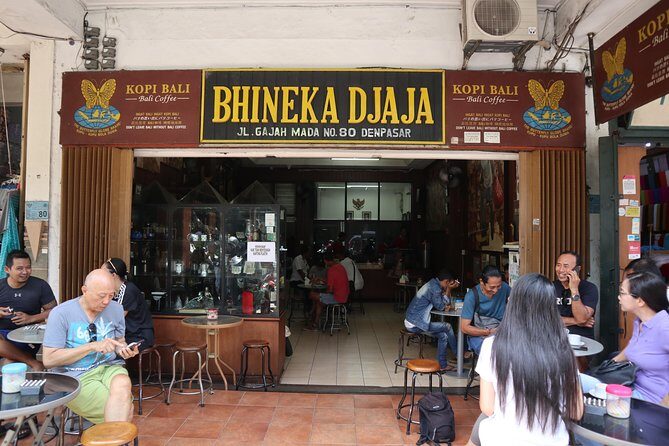
Jatiluwih in detail (1 h. e-bike tour in the rice terraces)

Jatiluwih in detail (1 h. e-bike tour in the rice terraces) - Your 1-hour ride through the valley of four extinct volcanoes

Quiet paddies in motion.

That’s the feel of this 1-hour Jatiluwih e-bike tour: you roll through Bali’s UNESCO-listed rice terraces in the valley of four extinct volcanoes, with an electric mountain bike doing most of the climbing work. I love the way the bike helps you see more of the paddies than you’d get on foot, without turning it into a workout contest.

Two things I also really like: the guides are local to the area, and they can point out what you’re actually looking at—farm work, daily life, and the rhythm of the terraces. Safety is handled well too, with a helmet and insurance included—but one consideration is the time: at about an hour, it’s a tight tour, so go in ready to ride and notice, not linger for long stops.

Key points worth knowing before you go

Jatiluwih in detail (1 h. e-bike tour in the rice terraces) - Key points worth knowing before you go

  • UNESCO Jatiluwih rice terraces on an electric mountain bike
  • Local guides from the area, ready for your questions
  • Helmet and insurance included for peace of mind
  • Bamboo forest, jungle pockets, and small rivers/streams along the route
  • Max 10 travelers, so you get more personal attention than big group tours
  • Bottled water included, but food isn’t, so plan accordingly

The Jatiluwih e-bike vibe: less hiking, more real farm views

Jatiluwih is famous for a reason: terraces that stretch across valleys, with colors and textures that change as the plants grow. What makes this tour special is the approach. You’re not just walking a neat viewpoint loop—you’re cycling through the working farming area, where traditional methods are still part of the scene.

The electric bike matters more than you might think. Even if you’re an average rider, you’ll feel the benefit on Bali’s uneven paths and terrace edges. You can spend your energy on steering carefully and taking in what’s around you, instead of getting tired halfway through and rushing the rest.

Where you start: Green Bikes Bali Jatiluwih meeting point

Jatiluwih in detail (1 h. e-bike tour in the rice terraces) - Where you start: Green Bikes Bali Jatiluwih meeting point
You meet at GREEN BIKES BALI JATILUWIH (e-bike tours) on Jl. Batu Luwih Kawan, Senganan, Kec. Penebel, Kabupaten Tabanan, Bali 82152, Indonesia. The ride ends back at the same meeting point, so you won’t need to solve any last-mile logistics.

Plan to show up ready to ride right away. The tour notes comfort basics—wear comfortable clothes and comfortable shoes—because you’ll be on the bike for the duration, not just at short photo stops. Also, bring a little sun protection since the route is outdoors and sunblock is advised.

Your 1-hour ride through the valley of four extinct volcanoes

Jatiluwih in detail (1 h. e-bike tour in the rice terraces) - Your 1-hour ride through the valley of four extinct volcanoes
This tour keeps things simple: one main cycling experience through Jatiluwih rice terraces. You’ll start your e-bike ride from the area around Jatiluwih Bali, then follow a route designed to take you through the valley’s dramatic terrace views.

The setting is part of what makes the route feel like more than “pretty fields.” You’re cycling through a landscape that includes bamboo forest, lush jungle pockets, and small rivers and streams, and those changes in scenery help break up the trip visually. It also means you’ll likely experience a mix of light and shade, which is a nice break from bright, exposed sun.

What the electric mountain bike lets you do

Electric mountain bikes are provided. That’s a big deal for the day, because the terraces don’t always feel like they were built for casual strollers. With electric assist, you can maintain a steady pace even on short climbs and uneven stretches, which makes it easier to stay relaxed and enjoy the ride instead of grinding gears.

What you’ll see up close: farmers, animals, and working traditions

The heart of this experience is watching farming happen. As you cycle, you’ll see farmers tending rice using traditional farming practices and you may also spot people caring for animals as part of everyday Balinese life.

I like this focus because it shifts the tour from scenery-only to story-and-context. UNESCO status here is tied to farming traditions and the rice terraces system, and you get a front-row view of the human side of that system. You’re not just looking at terraces—you’re seeing how people use the land.

And yes, there’s the chance to spot small moments that don’t look curated: a work routine, a roadside exchange, or a temple sightline that appears as the route curves. The tour doesn’t promise one single photo moment, but the area’s mix of farm work, greenery, and small religious landmarks tends to make the ride feel lived-in.

Small group attention and safety that feels real

This is capped at a maximum of 10 travelers, which keeps the tour from feeling crowded or rushed. With smaller groups, you can ask questions and get answers without shouting over a dozen other people. It also makes it easier for the guide to check that everyone is handling the e-bike comfortably.

Safety is handled upfront. You get a helmet and insurance is included, and that matters when you’re biking on uneven ground near terrace edges and narrow paths. Bottled water is included too, which is a simple but welcome detail for a 1-hour ride in the sun.

Logistics that actually affect your day

A few practical points can make or break your experience.

  • No hotel pickup: you’ll need to get yourself to the Green Bikes Bali Jatiluwih meeting point.
  • Food isn’t included: water is included, but you should plan on grabbing a snack or meal before or after.
  • Admission ticket note: the tour information says admission isn’t included, so if any entry fee is requested on the ground, you may need to pay it separately.
  • Mobile ticket: you’ll receive a mobile ticket, so keep your phone charged and accessible.

Timing tip: the tour is about 1 hour (approx.), so treat it like a focused “ride session.” If you try to stack it right after a long day with zero buffer, you’ll feel rushed. This is also the kind of activity that gets booked ahead—on average it’s reserved about 22 days in advance—so if your schedule is tight, booking early is smart.

Price and value: is $24 for 1 hour a good deal?

Jatiluwih in detail (1 h. e-bike tour in the rice terraces) - Price and value: is $24 for 1 hour a good deal?
At $24 per person, this tour prices itself as an affordable way to see UNESCO-listed terraces without paying for a full-day excursion. The value comes from what’s bundled: e-bike use, helmet, insurance, bottled water, and a local guide.

You’re not paying extra for basic equipment, which usually saves you hassle on arrival. The only likely extra costs are any admission fees that may apply on-site and your own food/drinks, since those aren’t included.

Is 1 hour enough? If you want a relaxing taste of Jatiluwih and you like biking, yes. If you’re the type who wants to spend long minutes at every viewpoint, you may feel you’re moving quickly. But for many people, this length hits the sweet spot: enough time to ride and see real farm life, without turning your day into a half-marathon.

Who should book this e-bike tour

This is a great fit if you:

  • want Jatiluwih UNESCO terraces without a sweaty hike
  • enjoy seeing working farms instead of only staged viewpoints
  • like riding with a small group and asking questions
  • want a short activity that’s easy to slot into a Ubud area itinerary

It might not be ideal if you’re expecting:

  • a long wandering experience or lots of stop-and-stay photo time
  • pickup convenience from your hotel (since it’s not included)

Also, the minimum age is 14, so it’s not designed for younger kids.

Should you book the Jatiluwih 1-hour e-bike tour?

I’d book it if you want an efficient, guided way to see UNESCO-listed terraces on an electric bike, with safety gear and a local guide included. The biggest selling point for me is the combination of motion and authenticity: you’re biking through the farming area, seeing traditions at work, not just passing by a few camera angles.

If you’re on the fence, choose it when you’re craving a calm nature-and-farm experience and you can handle a short time window. Skip it only if you need long stops, hotel pickup, or you’re mainly after a relaxed stroll where you can stop every few minutes.

FAQ

FAQ

How long is the Jatiluwih e-bike tour?

It runs for about 1 hour (approx.).

How much does the tour cost?

The price is $24.00 per person.

Where is the meeting point?

You start at GREEN BIKES BALI JATILUWIH (e-bike tours), Jl. Batu Luwih Kawan, Senganan, Kec. Penebel, Kabupaten Tabanan, Bali 82152, Indonesia.

Is hotel pickup or drop-off included?

No, hotel pickup and drop-off are not included. The tour ends back at the meeting point.

What’s included in the price?

Included are bottled water, a local guide, use of the e-bike, use of a helmet, and insurance.

Are helmets provided?

Yes, helmets are included.

What is the maximum group size?

The tour is limited to a maximum of 10 travelers.

What is the minimum age?

The minimum age is 14 years.

Is food included?

No. Food and drinks are not included.

Can I cancel for a full refund?

Yes. You can cancel up to 24 hours in advance for a full refund.

Uluwatu Kecak and Jimbaran Bay

Uluwatu Kecak and Jimbaran Bay - Ubud Palace and the Traditional Art Market: Culture Without the Hard Sell

Sunset watching from Bali’s cliffs has a special rhythm. This private day stitches together Ubud temple and rice-terrace scenery, then shifts gears to the dramatic coast for Uluwatu Temple and an early Kecak and Fire Dance show, with Jimbaran Bay to round out the night. It’s also timed so you’re not stuck just sitting in traffic all day.

I especially like two parts: the way this tour builds in real stop time for Ubud highlights like Batuan Temple and Tegalalang Rice Terrace, and the practical comfort of hotel pickup with an air-conditioned ride and bottled water. I also like that entrance tickets are handled for the included sights, so you’re not hunting around for payments while your day is slipping away.

One drawback to consider: the late-day show is scheduled in the 6 to 7pm window, so plan your day around timing and expect some walking on temple paths and uneven ground.

Key things to know before you go

Uluwatu Kecak and Jimbaran Bay - Key things to know before you go

  • Private hotel pickup across Kuta, Sanur, Jimbaran, Nusa Dua, and Ubud, with your own English-speaking driver
  • Uluwatu Temple included (admission ticket) plus a dedicated block of time there
  • Kecak and Fire Dance in the 6–7pm window, so you’re watching while the light changes
  • Jimbaran Bay stroll time for photos and atmosphere; dinner is your call
  • Entrance fees included for the scheduled stops, while tips and dinner cost extra
  • Mobile ticket delivery so you’re not scrambling on arrival

How This Ubud to Uluwatu Coast Day Stays on Track

Uluwatu Kecak and Jimbaran Bay - How This Ubud to Uluwatu Coast Day Stays on Track
This is built like a one-day route: you start in the Ubud side of Bali for cultural and scenic highlights, then head toward the coast for the late-afternoon to evening payoff. The total time is about 6 hours, and you’ll be in a private, air-conditioned vehicle the whole way with hotel pickup and drop-off.

The schedule also matters. The Kecak show runs early, 6 to 7pm, which is smart because it saves you from later-night fatigue. You’ll then have time to enjoy the coast at a slower pace afterward, instead of sprinting through everything at full speed.

If you like days that mix culture with a clear scenic finale, this one fits. If you hate any walking at all, you may find temple areas and waterfall paths a bit more active than you want, even though the tour says most people can participate.

Ubud’s Stops: Carvings, Waterfalls, and Rice Terraces That Actually Make Sense

Ubud is where this day starts to feel “Bali, not just Bali airport-to-hotel.” You’ll hit Batuan Temple for its carving details, then move through two of the area’s most famous nature sights: Tegenungan Waterfall and Tegalalang Rice Terrace.

Batuan Temple is the best kind of stop for people who like texture and craftsmanship. The draw here is beautiful carvings, and the payoff is that it feels less like a quick photo wall and more like you’re reading the temple through its details.

Then you switch from stone to water and views. Tegenungan Waterfall is loud and energetic, so expect the area to feel busy when you’re there. Tegalalang Rice Terrace is a different mood: it’s slower, view-focused, and a strong choice for pictures—especially when the light starts to angle toward evening.

A small practical note: bring comfy shoes. Even when paths aren’t long, they can be uneven, and temples and viewpoints tend to turn a “quick stop” into a mini climb.

Ubud Palace and the Traditional Art Market: Culture Without the Hard Sell

Uluwatu Kecak and Jimbaran Bay - Ubud Palace and the Traditional Art Market: Culture Without the Hard Sell
After the scenic stops, you’ll have time around Ubud’s cultural center—Ubud Palace and the Traditional Art Market. This is where the day shifts from “places to see” into “place to watch,” which is often the more fun part if you like local rhythms.

Ubud Palace gives you context for daily life and royal-era influence in the area. The Traditional Art Market is the spot to browse, compare, and get a feel for what’s made locally. Since personal shopping isn’t included, you can treat it like window shopping if you’d rather not spend.

This is also where your driver/guide can be useful beyond driving. In past experiences with this provider’s team, guides have gone the extra mile—like helping with small practical tasks (one guide even assisted with getting a SIM card) and taking photos for people who want better angles than their own phone can manage.

Uluwatu Temple: The Cliff-Edge Setting That Makes Time Feel Short

Uluwatu Kecak and Jimbaran Bay - Uluwatu Temple: The Cliff-Edge Setting That Makes Time Feel Short
When you reach the Uluwatu area, the vibe changes fast. Uluwatu Temple comes with a longer visit block—about 1 hour 30 minutes—so you’re not just doing a drive-by.

This is one of those Bali places that feels built for watching. The ocean-air setting and the dramatic viewpoint take over your attention. It’s also a temple area, so you’ll spend time moving around to get the best angles and to see how the site sits relative to the sea.

Practical tip: bring a layer if you get chilly near the coast. Even when the day is warm, temple areas on cliffs can feel cooler once the sun drops. Also, plan to keep your bag close—temple zones can mean you’re sharing space with curious wildlife.

Kecak and Fire Dance (6–7pm): Why the Timing Matters

Uluwatu Kecak and Jimbaran Bay - Kecak and Fire Dance (6–7pm): Why the Timing Matters
The Kecak and Fire Dance stop is one of the day’s anchors. It’s scheduled for an early show in the 6 to 7pm window, and the visit time is about 1 hour, including show attendance.

This timing is the point. You’re watching as the light changes, and the performance style uses that shift well. The fire element also means it’s not just visual; it feels like the whole audience is part of the moment.

The other win is your guide’s role. In the best versions of this experience, your English-speaking driver doesn’t just say where to go. People have praised guides like Edi and Gede Susila for explaining the meaning behind the dance and the Hindu context around temples. That kind of narration turns the show from entertainment into understanding—without making it feel like homework.

If you’re sensitive to crowds, get there with enough buffer to find a spot that works for you. The show is popular, and your best move is arriving calm and organized rather than rushing at the last minute.

Jimbaran Bay: A Coast Stroll With a Flexible Dinner Plan

Uluwatu Kecak and Jimbaran Bay - Jimbaran Bay: A Coast Stroll With a Flexible Dinner Plan
After the show, you’ll head to Jimbaran Bay. This stop includes about 1 hour 30 minutes for walking around and taking in the atmosphere. No admission ticket is required here because it’s just a coastal area to explore.

Jimbaran Bay works well as a wind-down. You can stretch your legs, grab photos, and take the evening at a relaxed pace. It’s also where the tour gives you freedom: dinner is not included, and you pay directly at your chosen restaurant.

That matters for value. You’re not locked into a set meal price that might not match your taste. If you want something simple, you can keep it low-key. If you want a proper sit-down dinner, you can do that too—just budget for it since it’s not part of the tour cost.

Price and Inclusions: What You Really Get for $61.60

Uluwatu Kecak and Jimbaran Bay - Price and Inclusions: What You Really Get for $61.60
At $61.60 per person, this tour can feel like a decent deal—mainly because the day includes private transportation plus entrance fees for the scheduled sites. You also get bottled water and fuel surcharge coverage, and you’ll ride in an air-conditioned vehicle, which is a quality-of-life upgrade in Bali heat.

Here’s what’s included, in plain terms:

  • Private transportation and air-conditioned vehicle
  • Bottled water and fuel surcharge
  • Entrance fees for the included stops (with admission tickets included where listed)
  • A private English-speaking driver

And what’s not included:

  • Tips and gratuities
  • Personal shopping
  • Dinner cost, paid directly at a restaurant

So the true cost depends on what you do at the end. If you keep shopping light and handle dinner reasonably, the tour stays good value. If you plan to buy lots of crafts and add a full dinner, expect that add-on to matter.

One more detail: the tour mentions group discounts and a private format. If you’re traveling with friends or family, it’s worth asking how pricing changes with group size so you’re not paying more than you need.

Pickup, Timing, and Comfort: The Logistics That Make It Worth It

Uluwatu Kecak and Jimbaran Bay - Pickup, Timing, and Comfort: The Logistics That Make It Worth It
This is a private tour, meaning it’s just your group. That’s huge in Bali, where shared tours can mean awkward timing and the constant question of who’s doing what next.

Pickup is offered from hotels in Kuta, Sanur, Jimbaran, Nusa Dua, and Ubud, so you shouldn’t need to add extra transfers to make the day work. You’ll also have a mobile ticket, which helps on arrival.

As for comfort, the air-conditioned vehicle and bottled water are real benefits, not fluff. When you’re moving between temple and coast, you’ll appreciate not cooking in a hot car for hours.

Finally, dress and shoes should be practical. You’ll be walking around temple and waterfall areas, plus you’ll want stable footwear for uneven ground. Keep your daypack light and plan to carry your essentials without fuss.

Who This Tour Suits Best (and Who Should Rethink It)

This tour is a strong match if you want:

  • A single day that covers Ubud culture + coastal Bali drama
  • Clear, scheduled highlights like Uluwatu Temple and the 6–7pm Kecak show
  • The convenience of pickup and transport without juggling multiple taxis
  • A guide who explains more than just directions, like Edi, Gede Susila, and other team members praised for helpful service and photo support

It might not be ideal if you hate being on a fixed timeline. The Kecak show window means your evening has a planned structure, and the temple areas mean walking and standing.

Also consider your expectations about dinner. Since dinner isn’t included, you’ll need to decide where and what you want at Jimbaran Bay.

Should You Book This Uluwatu Kecak and Jimbaran Bay Day?

I think this one is worth booking if you want a day that feels balanced: you get Ubud’s major hits, then a proper cliffside and performance finale. The best part is that a private guide and English explanations can turn the Kecak show and temple stops into something you understand, not just something you watch.

Book it if you value included entrance fees, a comfortable ride, and a timeline that protects your energy. Skip it—or at least ask questions first—if you’d rather wander slowly without a set show time, or if you’d rather skip evening performances entirely.

If you do book, message your operator with your hotel pickup point and ask your guide to share photo spots during Uluwatu and Jimbaran. The team has a track record for photo help, and it makes the day feel smoother.

FAQ

How long is the Uluwatu Kecak and Jimbaran Bay experience?

It runs for about 6 hours (approx.).

Where does the tour pick you up?

Pickup is offered from Kuta, Sanur, Jimbaran, Nusa Dua, and Ubud hotels.

Is this tour private?

Yes. It’s a private tour/activity, and only your group participates.

What’s included in the price?

The tour includes private transportation in an air-conditioned vehicle, bottled water, fuel surcharge, entrance fees, and a private English-speaking driver.

Is dinner included?

No. Dinner cost is not included, and you pay directly at a restaurant.

What time is the Kecak and Fire Dance?

The early show runs from 6 to 7pm.

Do I need to buy admission tickets for Jimbaran Bay?

No admission ticket is included for Jimbaran Bay, since it’s a walking stop.

What if I need to cancel?

You can cancel for a full refund if you cancel at least 24 hours before the experience starts. If you cancel less than 24 hours before, the amount you paid is not refunded.
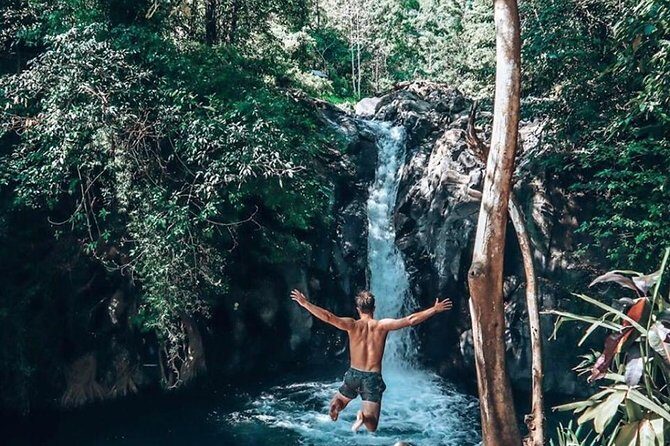
Taman Beji Griya Waterfall Tranquil Purification Ceremony

Taman Beji Griya Waterfall Tranquil Purification Ceremony - The purification ceremony under the waterfall: what actually happens

Water and prayer, all in one place.

This Taman Beji Griya Waterfall experience pairs a real Balinese purification ceremony with the kind of natural quiet you can feel as soon as you arrive. I especially love two things: the careful ritual setup (offerings, incense, and the sarong/shawl) and the chance to slow down near the waterfall pool, where you can actually breathe for a while. One thing to keep in mind: this is spiritual and ceremonial, so you’ll want to follow staff cues closely instead of treating it like a quick photo stop.

The vibe is serene, but not complicated.

It runs for about 2 hours, and you’re in a private group with pickup by air-conditioned vehicle. If you’re short on time in Ubud, the main trade-off is that you’ll spend your window focused on this one site rather than hopping around multiple attractions.

Key highlights you’ll feel right away

Taman Beji Griya Waterfall Tranquil Purification Ceremony - Key highlights you’ll feel right away

  • Balinese purification ceremony with prayers, offerings, and incense under the waterfall’s sacred water
  • Sarong and shawl included so you can dress appropriately without scrambling
  • Young coconut (yellow & green) plus coffee or tea to keep things comfortable
  • Towel provided for after any time near the pool
  • Private group experience so your timing stays your own
  • Ngurah Radi and staff help with the flow and photos so you’re not stuck figuring it out alone

Getting to Taman Beji Griya Waterfall from Ubud (without the hassle)

Taman Beji Griya Waterfall Tranquil Purification Ceremony - Getting to Taman Beji Griya Waterfall from Ubud (without the hassle)

Ubud traffic can be unpredictable, so I like how this experience starts with pickup by air-conditioned vehicle. You don’t have to plan transport or worry about parking. You’ll also have the basics covered—parking fees are included—so the trip stays smooth from start to finish.

This is set up as a private tour/activity, meaning only your group participates. That matters more than it sounds. In a place that’s both sacred and scenic, you don’t want the schedule feeling rushed or crowded. With a private setup, you can move at the pace the ceremony asks for.
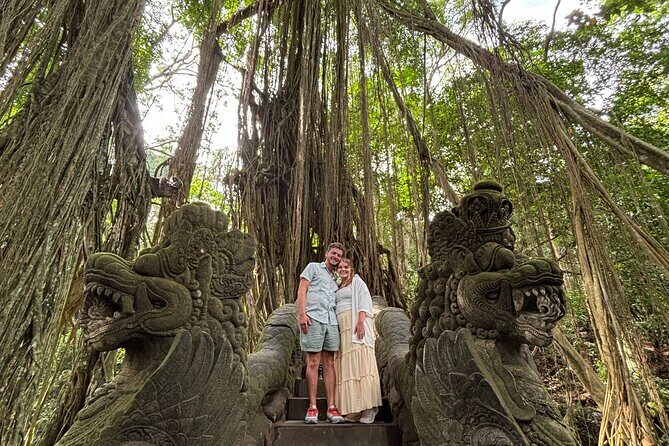
Also note the timing reality: the experience is commonly booked about 9 days in advance. If your dates are fixed, plan ahead rather than gambling on last-minute availability.

The purification ceremony under the waterfall: what actually happens

Taman Beji Griya Waterfall Tranquil Purification Ceremony - The purification ceremony under the waterfall: what actually happens

This isn’t just a symbolic photo moment. The core of the experience is a Balinese purification ceremony held in the waterfall area. In simple terms, you’re participating in a spiritual practice that locals view as cleansing—physically, mentally, and emotionally.

What you can expect during the ritual:

  • Prayers and offerings led as part of the ceremony
  • Canang offering provided (the little decorated offering used widely in Bali)
  • Incense as part of the ritual atmosphere
  • Symbolic purification actions connected to the waterfall’s sacred setting
  • Staff guidance so you know when to stand, offer, and follow the flow

You’ll be given what you need right there: sarong and shawl, plus an offering set that includes the canang and incense. That’s a practical win, because Bali rituals often require respectful dress. You won’t be hunting around for clothing at the last minute.

Why it matters to you: purification ceremonies are about intention as much as water. Even if you’re not “religious,” treating it with attention changes the experience. The sound of the waterfall plus the quiet of the ritual setting helps you shift gears—away from planning mode and into “show up and be present” mode.

Sarong, incense, and canang: the small details that make it respectful

People underestimate how much comfort affects your ability to participate well. Here, the included items do that work for you.

You’ll get:

  • Sarong and shawl for appropriate temple-style dress
  • Incense and canang offering as part of the ceremony setup
  • Towel for after time near the pool or any water contact

This combination is why the ceremony feels cared for instead of improvised. You’re not trying to translate instructions while adjusting a wrap in front of the group. You can focus on the ritual and on staying calm in the moment.
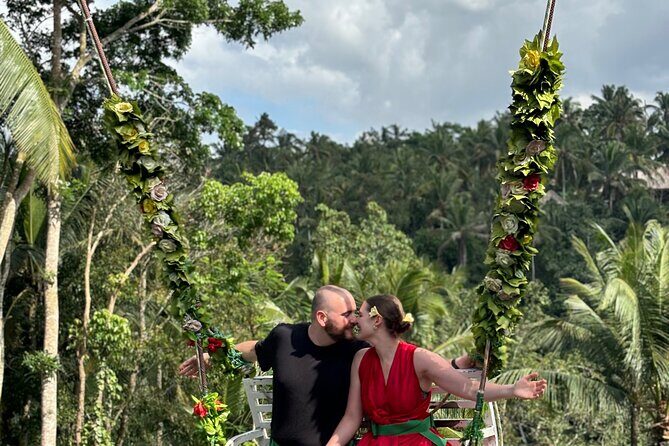
One more practical point: the ceremony takes place in a wet environment. Even if you choose not to go into the pool, you’ll likely be close to the waterfall area. A towel and proper covering are not “extras.” They’re the difference between leaving feeling refreshed versus a bit miserable.

Waterfall time: viewing platforms, pathways, and that pool moment

Taman Beji Griya Waterfall Tranquil Purification Ceremony - Waterfall time: viewing platforms, pathways, and that pool moment

After or alongside the ceremony (depending on the flow), you get time in the waterfall area itself. This is where the experience turns from spiritual to sensory.

Here’s what stands out about Taman Beji Griya Waterfall as a place:

  • Well-maintained pathways and viewing platforms make it easy to explore without getting lost
  • A pristine pool at the base invites a refreshing dip in crystal-clear water
  • The waterfall setting feels calm and meditative, helped by the surrounding tropical greenery

You don’t need to be a hardcore photographer to appreciate it. The waterfall’s sound and the natural light near the platforms make it feel “alive,” even when everything else is quiet.

If you’re the type who likes control, you’ll also appreciate that you’re not stuck with one exact angle. The viewing points give you options for how close you want to be and how much water you want in the frame.

Coffee, tea, and young coconut: simple comfort between prayer and photos

Taman Beji Griya Waterfall Tranquil Purification Ceremony - Coffee, tea, and young coconut: simple comfort between prayer and photos

The experience includes a few refreshment basics that make the 2-hour window feel smoother.

You’ll get:

  • Coffee and/or tea
  • Two types of young coconut: yellow and green

I like this because it solves the timing problem. In Bali, you can get hungry or thirsty fast, especially around sacred sites where you’re lingering. Having coconut and a hot or cool drink available helps you stay comfortable while you’re in the ritual area and then moving through the rest of your time there.

It also adds a little authenticity. Young coconut is not just a random beverage—it’s part of everyday Bali life and a pleasant way to settle after ceremony focus.

Staff support (including Ngurah Radi) and what that means for you

Taman Beji Griya Waterfall Tranquil Purification Ceremony - Staff support (including Ngurah Radi) and what that means for you

Two things in the experience feedback are consistently positive: the staff at Taman Beji Griya Waterfall and the guidance that helps you get through the day smoothly.

One name that comes up is Ngurah Radi. He’s described as guiding the day and helping with beautiful photos. Even if you’re not planning to do anything fancy, having someone who knows the best moments and how to position you matters. In a ceremonial setting, it’s also helpful because you won’t be wandering when you should be focused.

You’ll also see praise for the waterfall staff themselves—making this feel less like a drop-off and more like a supported experience.
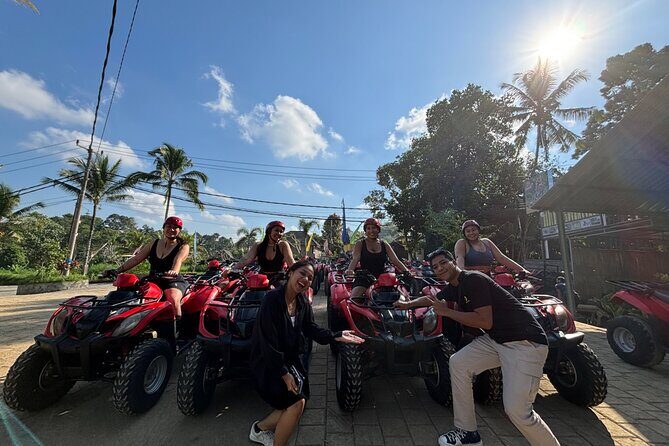
Price and value: is $58.35 per person worth it?

Taman Beji Griya Waterfall Tranquil Purification Ceremony - Price and value: is $58.35 per person worth it?

At $58.35 per person, you’re not paying for a long tour with multiple stops. You’re paying for a short, focused experience that includes transport, ceremony essentials, and comfort items.

Here’s what you’re getting for your money:

  • A/C private transportation and pickup
  • Parking fees included
  • Coffee/tea
  • Canang and incense offering
  • Sarong and shawl
  • Towel
  • Young coconut (yellow & green)
  • A ceremony experience that’s genuinely cultural and guided

When value feels “real,” it’s usually because the tour removes friction: no dress scrambling, no unclear ritual logistics, no transport headaches. This setup does that. If you’ve ever visited Bali and spent part of your day solving small problems instead of enjoying the moment, you’ll appreciate what this package handles for you.

Possible value mismatch: if you already know how you’ll get there, don’t care about any guided ceremony support, and you only want waterfall photos, then the price might feel high compared to DIY. But if you want the spiritual structure and convenience, the cost starts to make sense fast.

Who this private purification ceremony suits best

Taman Beji Griya Waterfall Tranquil Purification Ceremony - Who this private purification ceremony suits best

This works especially well if:

  • You want a single, meaningful experience rather than a rushed checklist day
  • You appreciate guided cultural rituals and want to participate respectfully
  • You’re traveling with people who enjoy calm, scenic pauses
  • You’d rather have a private group than compete for attention in a larger crowd

It may be a good fit for most people, since it’s described as suitable for most travelers and doesn’t require advanced skills—just willingness to participate in the ceremony and follow staff cues.

If your vacation style is strict “thrills only,” you may find the pace slower than expected. But if you want a grounded Bali moment, this is the kind of stop you’ll remember.

Practical tips before you go (so the ritual feels easy)

These are the practical things I’d plan for, based on what’s included and what the setting suggests.

  • Dress with respect in mind. You’ll get a sarong and shawl, but you’ll still want comfortable clothes for changing and moving around.
  • Plan for water conditions. The waterfall pool is part of the experience environment, so expect dampness and keep your footwear logic simple.
  • Keep your phone ready, not frantic. With photo help described in the experience feedback, it’s smart to let your guide/staff handle positioning.
  • Go with a calm mindset. This ceremony is about intention. Even if you’re skeptical at first, paying attention to the flow is what turns it from “activity” into “memory.”

Also, this experience is booked ahead often. If your dates are tight, locking it in early helps.

Should you book the Taman Beji Griya purification ceremony?

Book it if you want a short, well-supported Bali experience that mixes a real Balinese purification ceremony with an easy waterfall setting—complete with the basics you need (sarong, incense/canang offerings, towel, coconut, and transport). It’s priced like a focused guided ritual day, not a multi-stop tour, so it fits best when you want quality time in one meaningful place.

Skip it only if you’re mainly after waterfall views and you don’t care about the ceremony structure or guided preparation. In that case, you might prefer a DIY visit and spend your budget on other parts of your trip.

If you’re aiming for calm, cultural, and conveniently handled, this one is a strong match.

FAQ

Where is the Taman Beji Griya Waterfall purification ceremony located?

It takes place in Ubud, Indonesia.

How much does the experience cost?

The price is $58.35 per person.

How long does the experience take?

The duration is about 2 hours.

Is pickup included?

Yes. Pickup is offered, and the experience includes air-conditioned vehicle and private transportation.

Is this a private tour or a group tour?

It’s a private tour/activity, so only your group will participate.

What’s included besides the ceremony?

Included items are coffee and/or tea, offering of canang and incense, two types of young coconut (yellow & green), sarong and shawl, and a towel. Parking fees are also included.

Do I get help with appropriate clothing?

Yes. You’ll receive sarong and shawl as part of what’s included.

Will I have a mobile ticket?

Yes. The experience offers a mobile ticket.

What is the cancellation policy?

There is free cancellation. You can cancel up to 24 hours in advance for a full refund.

When do I get confirmation after booking?

You’ll receive confirmation at the time of booking.