Bali Full-Day Hidden Hills, Twin Waterfalls and Hot Spring Tour

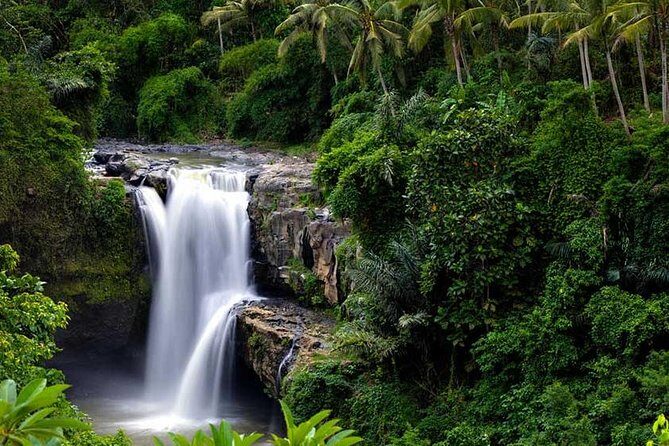
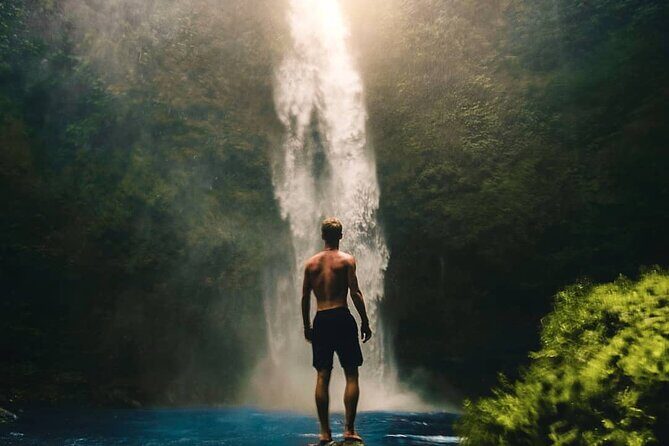
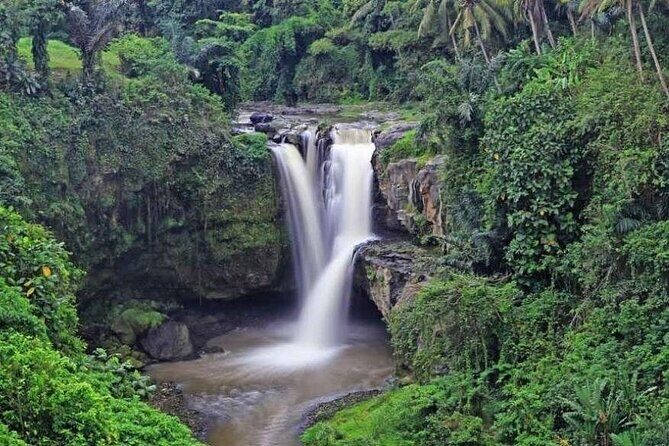
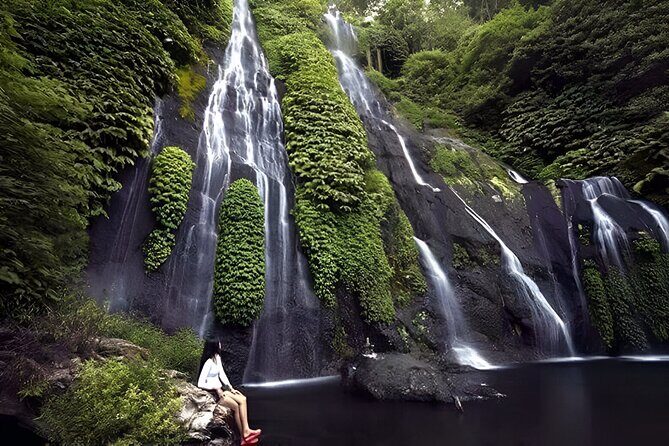
Bali Full-Day Hidden Hills, Twin Waterfalls and Hot Spring Tour - Banyumala Twin Waterfalls: the good kind of hike-and-splash

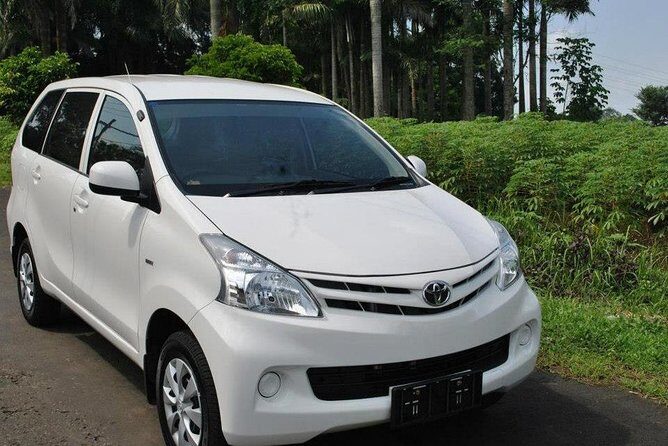
A day that mixes views, waterfalls, and a soak really works in Bali. This private full-day route strings together Wanagiri Hidden Hills, the twin waterfalls at Banyumala, two mountain lakes, a major Buddhist temple, then Banjar Hot Spring—so you get photo time, nature time, and recovery time all in one loop. I love that you ride in an air-conditioned vehicle with hotel pickup, and you set your pace without feeling rushed. I also love the contrast: crisp hilltop overlooks, cool upland lakes, and warm spring pools at the end.

One thing to keep in mind: Hidden Hills can be crowded, and the day is long (about 9 to 10 hours). If you’re hoping for a slow, quiet visit everywhere, plan to use the early timing for the busiest spot—and accept that the lakes/temple stops are more “see it well” than “linger forever.”

Key things to know before you go
Bali Full-Day Hidden Hills, Twin Waterfalls and Hot Spring Tour - Key things to know before you go

  • Wanagiri Hidden Hills early matters if you want easier photos instead of a crowd.
  • Banyumala Twin Waterfalls give you that North Bali “less overrun” feel compared to the most famous names.
  • Mountain air at Tamblingan can feel cooler at elevation—bring a light layer even if Seminyak is hot.
  • Brahma Vihara Arama is big and specific: built in 1970, consecrated in 1972, and recognized as Bali’s largest Buddhist temple.
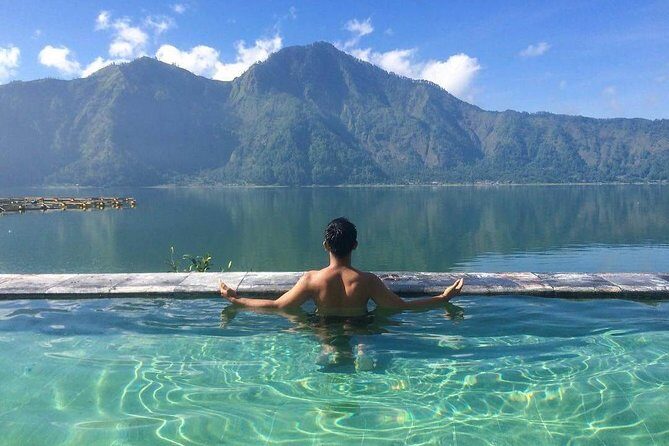
  • Banjar Hot Springs finishes the day with both public and private pool options—bring a towel and a change of clothes.

Why this tour’s route is a smart Bali day plan

This is a classic North Bali circuit, but what makes it practical is the order. You start with viewpoints (easy photos, clear sight lines), move into waterfall country, then head higher into lake territory, and only then slow down at a hot spring. That sequencing helps your body too: you’re warmed up for the day by the time you reach Banjar, and you’re not trying to soak right before a long drive.

You’ll also notice the private format changes the whole vibe. A car with an experienced English-speaking driver as your guide means you’re not herded with strangers. When you have questions—about what you’re seeing, where to stand, how long you can realistically spend—the pace can be adjusted.

The best part is that the route balances “must-see” scale with “still worth it even if you skip the hype.” Wanagiri is popular, sure, but Banyumala and the lakes feel more like a real local-day outing than a theme park stop.

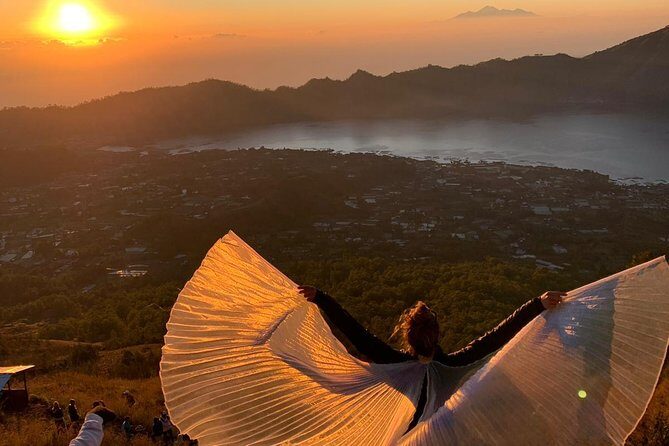
Wanagiri Hidden Hills: photos first, crowds later
Bali Full-Day Hidden Hills, Twin Waterfalls and Hot Spring Tour - Wanagiri Hidden Hills: photos first, crowds later
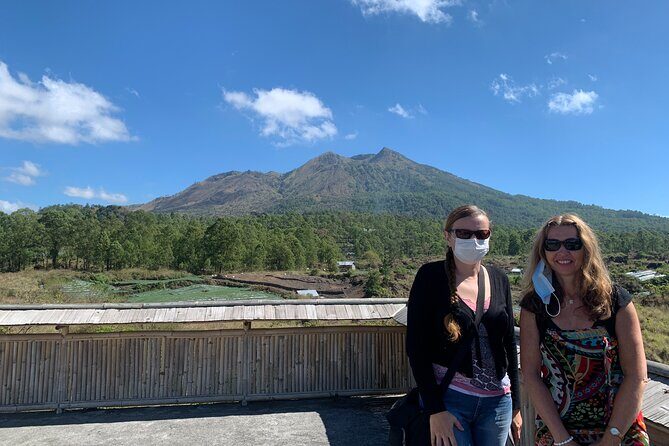
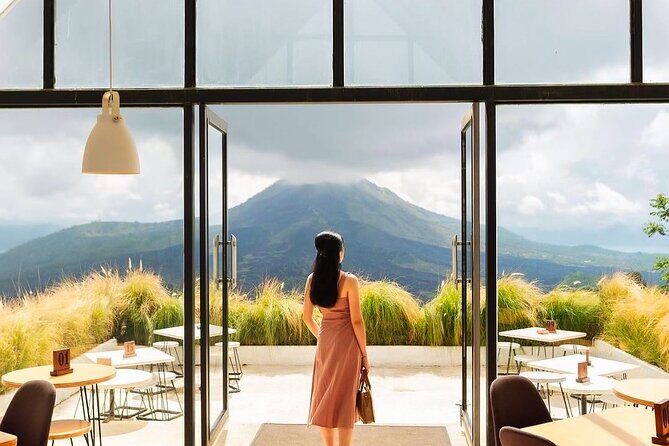
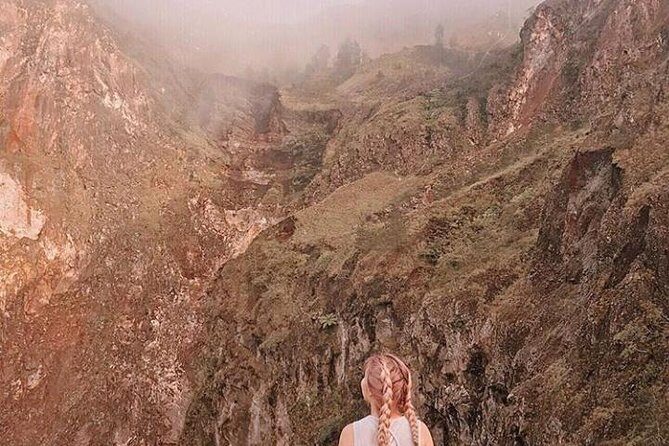
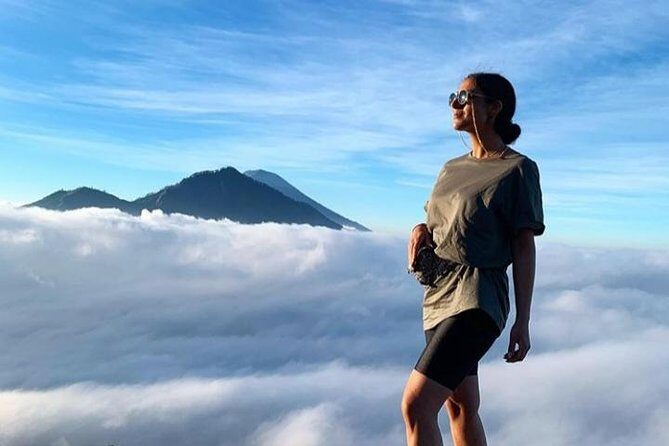
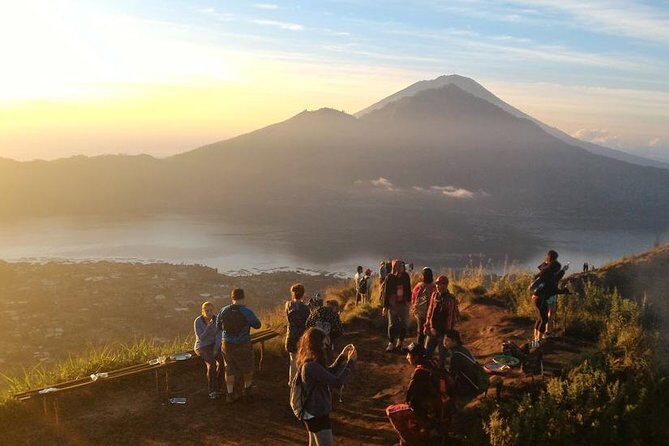
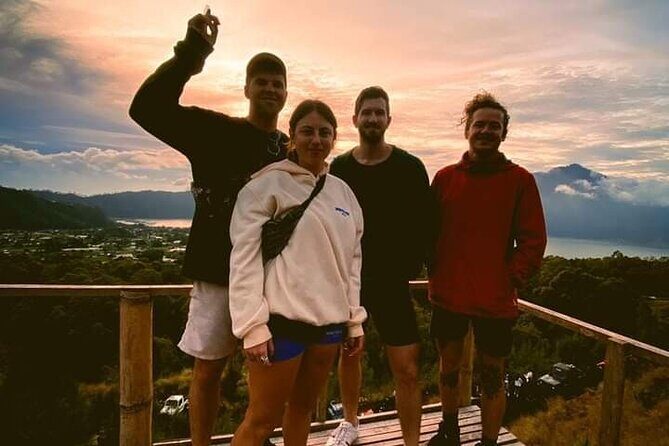
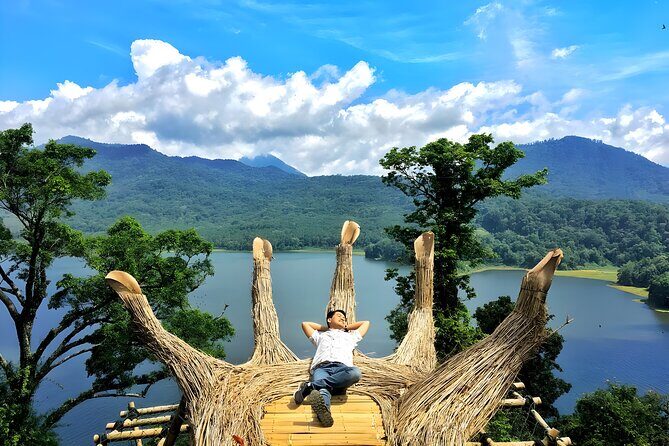
Wanagiri Hidden Hills is the kind of place that pulls people in fast because it’s made for cameras—wide viewpoints, dramatic angles, and those iconic Insta-style photo spots. The catch is also simple: it’s popular, so it’s often crowded.

Here’s the practical trick: you’ll get the best experience if you’re there early. The tour notes that the best time is always earlier, and I agree. Early means fewer people crossing your frame, better light, and less time playing photo traffic-jam.

Plan on about an hour. That’s enough time to walk around, get your bearings, and take a set of photos without turning it into a half-day project. Wear shoes you don’t mind getting dusty or walking on uneven ground. And if your goal is photos, bring your sunscreen and keep moving—if you stop too long in the wrong spot, you’ll lose your photo lane.

Banyumala Twin Waterfalls: the good kind of hike-and-splash
Bali Full-Day Hidden Hills, Twin Waterfalls and Hot Spring Tour - Banyumala Twin Waterfalls: the good kind of hike-and-splash
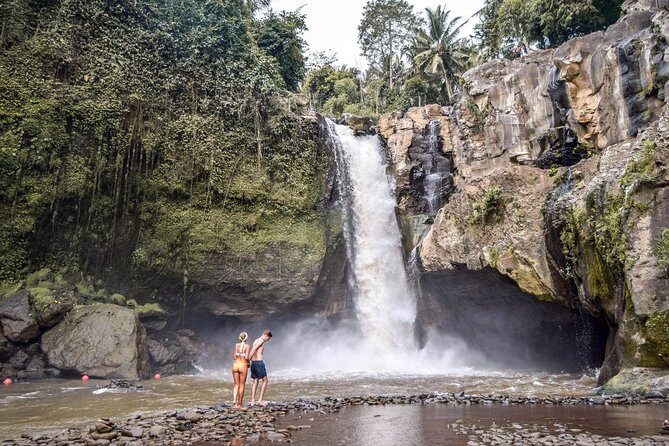
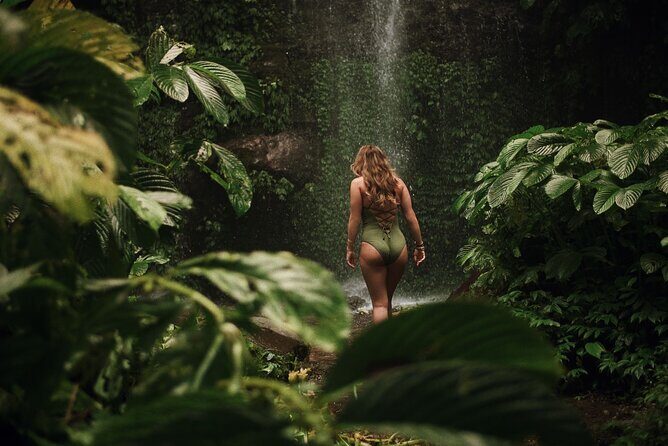
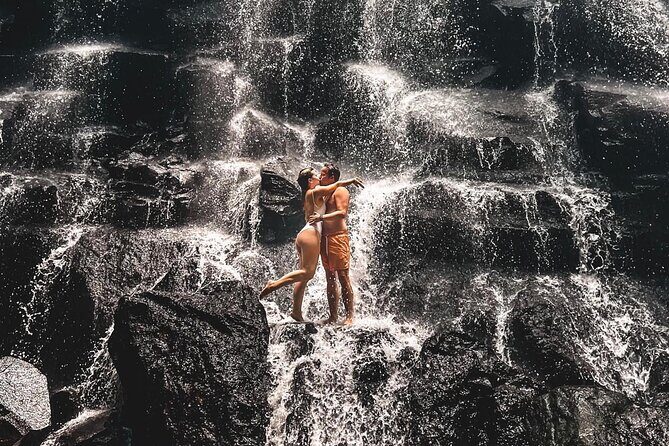
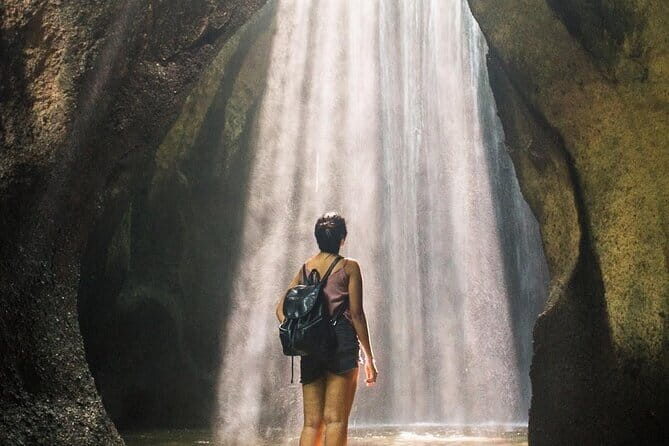
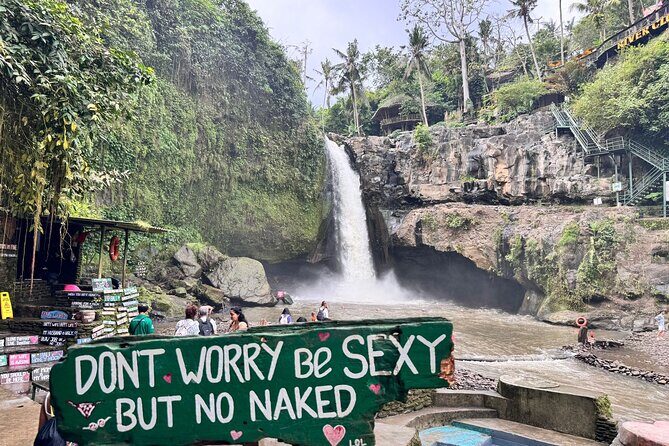
Banyumala Twin Waterfalls sit high in Bali’s mountainous north area. They’re becoming a hit in the region, and that’s exactly why this stop can feel rewarding on a private tour: you’re not forced to wait behind a mass crowd all at once.

Expect about an hour here, plus time for the actual waterfall approach. One of the standout points from real experience is that the waterfall visit can involve a short hike and careful footing around the stream area. A driver named Tengah was specifically praised for safety—helping the group cross a water stream safely. That’s the right mindset for this kind of stop: follow the driver’s instructions, keep an eye on slippery spots, and don’t rush it for a perfect photo.

If you want the most value from your hour, do two things:

  • Take a moment to locate where the water splits into the twin flows.
  • Time your photos around your own comfort, not around passing people.

Also, pack with the assumption that you could get splashed. Bring a towel (you’ll want it later too), and consider changing into dry clothes before the hot spring if you can. It makes the last stop feel much better.

Tamblingan and Buyan lakes: cooler air and calmer pacing
Bali Full-Day Hidden Hills, Twin Waterfalls and Hot Spring Tour - Tamblingan and Buyan lakes: cooler air and calmer pacing
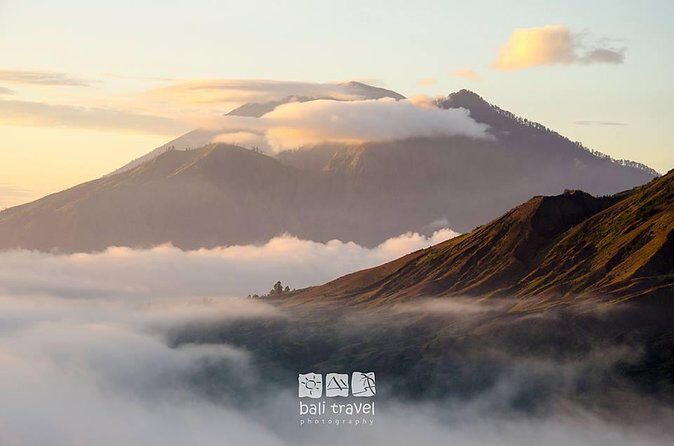
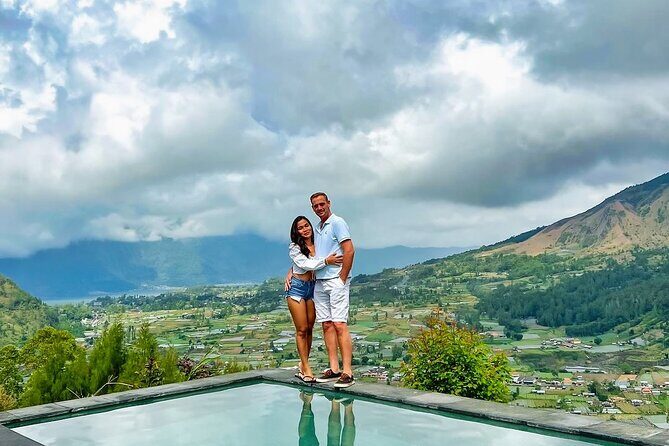
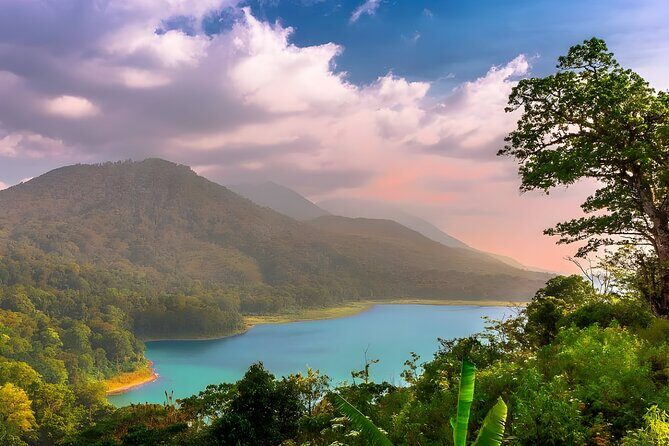
After the waterfalls, the tour shifts into plateau and lake territory with Lake Tamblingan and Lake Buyan. Tamblingan is described as being in Munduk and sitting in a higher mountainous region. That matters because the air can feel colder as the elevation rises, even on a sunny Bali day.

The schedule calls out a very short stop time at Tamblingan (listed as 1 minute). I’d treat that as a quick look-and-photo moment rather than a slow walk. Still, it can be worth it. The value here is the view and the contrast: you go from waterfall spray to lake stillness and open mountain air.

You also get a sense that these lakes feel less staged than some big-name stops. The tour notes that the area is still untouched and maintained by locals. That doesn’t mean it’s empty, but it tends to feel more grounded: fewer “shopping detour” vibes, more “look around and breathe” time.

If you get cold easily, bring a light layer. And if you get bored easily, use the drive time as part of the experience. This area is exactly where watching the changing scenery from the vehicle feels worth it.

Brahma Vihara Arama Buddhist Monastery: big scale with real place-respect

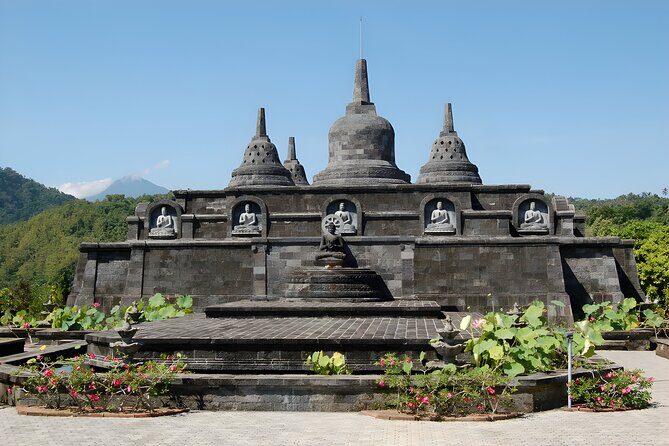
Then you move to Brahma Vihara Arama Buddhist Monastery, also known as the Bali Buddhist monastery. This is one of the most popular religious places on the island, and there’s a reason: scale, design, and a clear sense of purpose.

The tour information includes concrete history. It was built in 1970 by locals with Indonesian involvement and assistance from the Thailand government, and it was consecrated in 1972. It’s also described as the largest Buddhist temple in Bali. That combination—story plus physical size—makes it more than a quick photo-stop.

You’ll have about an hour, and that’s a good amount of time. Enough time to see the main areas, take photos respectfully, and still keep your day moving. Use your smart casual dress code here. Cover up appropriately and avoid walking into active areas with the wrong mindset—this place is for worship, not just sightseeing.

If you like architecture and symbolism, this stop is a helpful reset between nature-heavy moments. It’s quieter, more deliberate. Even if you don’t read religious details, you’ll feel the structure of the space.

Banjar Hot Springs: end the day warm, not worn out
Bali Full-Day Hidden Hills, Twin Waterfalls and Hot Spring Tour - Banjar Hot Springs: end the day warm, not worn out
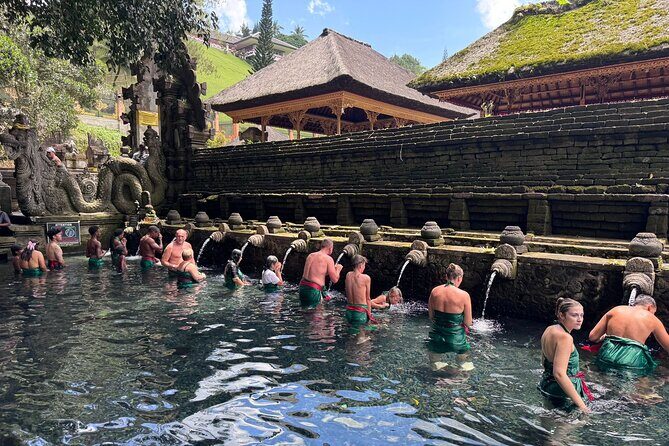
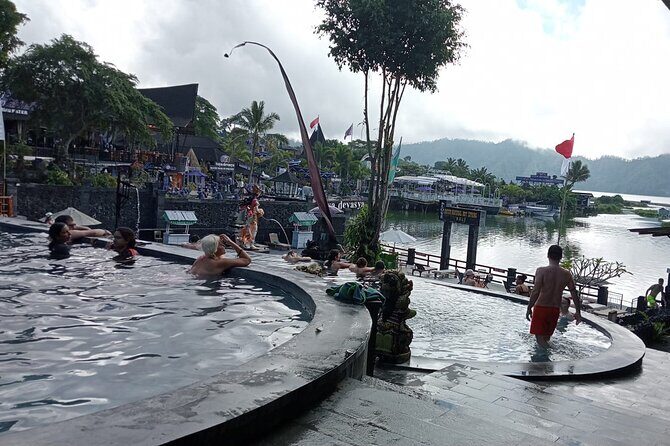
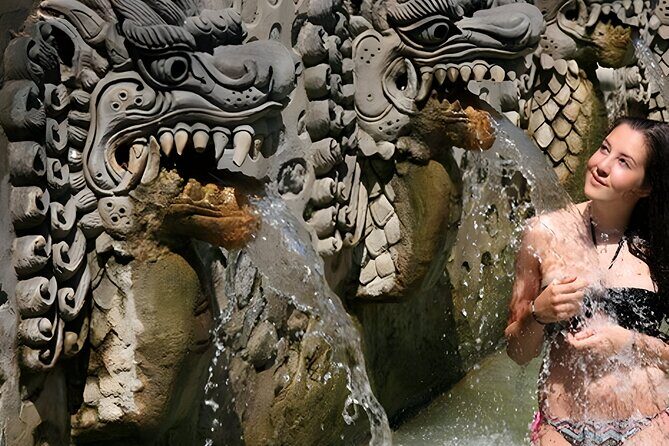
The last major stop is Banjar Hot Spring. The tour frames it as a serene oasis in tropical jungle surroundings, with both public and private pools. You’ll typically have about an hour to relax.

This is where bringing the right basics pays off:

  • Towel (you will want it here)
  • Changing clothes (for after the soak)
  • Sunscreen and water (hot spring time can still mean sun exposure before or after)

Your best strategy is to pace yourself. Don’t jump straight into the hottest area if you’re already tired. Start comfortable, let your body adjust, and then spend your time enjoying the warm pools instead of chasing maximum heat.

Also, remember this is a full-day itinerary. One hour here is perfect for a reset, not a spa fantasy. If you’ve had a long walk at the waterfalls, Banjar is a great payoff because it closes the loop: active morning and afternoon, then recovery.

How the private air-conditioned vehicle changes everything

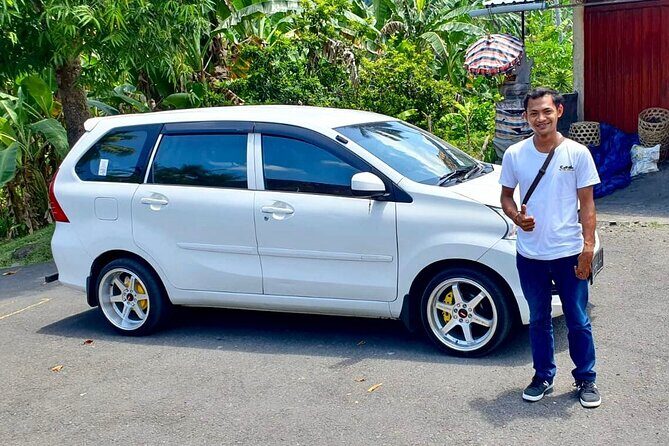
Most Bali days are “sit in traffic, hurry in and out, repeat.” This tour works better because it’s private and organized around stops that don’t require constant self-navigation. You get pickup and drop-off from your hotel or villa in the area, and you ride in an air-conditioned vehicle with a professional English-speaking driver.

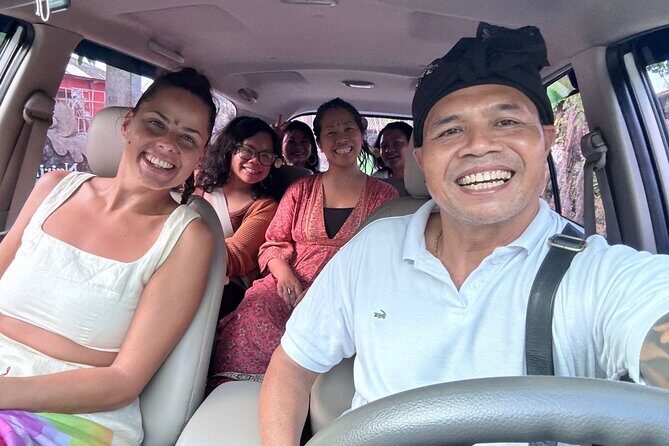
In the reviews, drivers are a big part of the value. People mention names like Gusti and Ari for being friendly and helpful. Kuduk was praised for being super knowledgeable and for the smooth flow of the day. Tengah was praised for friendly safety support at the waterfall crossing. Even when the day is set, the driver is doing real work behind the scenes: managing timing, finding good viewpoints, and keeping you comfortable.

A practical bonus: fruit and side-stop recommendations. One review noted the driver suggested fruit places. Another said the guide even took them toward areas not strictly in the package. So if you want one extra local detour—within reason—ask your driver. They’re already managing your day, and small adjustments can turn this into a more personal Bali experience.

Lunch reality check: tasty set menu, but plan for drinks

You’ll stop for lunch at a local restaurant, with an Indonesian set menu included if you select the option. Vegetarian is listed as available if you advise at booking.

Here’s the careful part: a review mentioned lunch didn’t include any drinks to wash the meal down. So even though the set menu is included, assume you may need to pay for beverages separately.

My advice: bring a little extra cash or card for drinks. You’ll thank yourself later, especially after sun and waterfall time. Also, don’t plan to snack too heavily before lunch if you know you’ll want energy for the temple and hot spring.

Price and value: what $70 is really buying you

At $70 per person, this tour is priced like a “do a lot, but don’t complicate it” day. The biggest value is not any single attraction—it’s the combination plus the private logistics.

You’re getting:

  • hotel or villa pickup and drop-off
  • air-conditioned private vehicle
  • an English-speaking driver guiding the day
  • entrance tickets included
  • a full itinerary that covers multiple regions and activity types
  • an included lunch option (Indonesian set menu, if selected)

If you were to hire a car with driver on your own, you’d still be paying for transport time, entrance fees might add up, and you’d be coordinating the stops yourself. This tour bundles that work. It’s often a good fit when you want North Bali without the stress.

The possible drawback on value is time: a 9 to 10 hour day can feel long, especially if you’re sensitive to driving time. But you get a lot of variety for that duration. The question is whether you want variety or you’d rather spend fewer stops with more time at each.

Smart packing and dress code for a day like this

The tour suggests smart casual dress code, and it also asks you to bring sunscreen, a towel, changing clothes, and a camera. Keep that simple list. For this itinerary, it’s exactly right.

I’d add only a couple practical ideas based on the stops:

  • Bring a light layer for the higher lake area; elevation can cool you down.
  • Wear footwear you can trust near waterfall areas. Stream crossings and wet rock are not the time for slippery sandals.
  • Bring a small bag to keep your phone and camera dry if you’re worried about splashes.

If you want to enjoy the hot spring more, plan your day so you can dry off a bit before Banjar. Even a quick towel wipe can make the rest of the soak time more comfortable.

Should you book this Bali hidden hills, twin waterfalls, and hot spring tour?

I’d book it if you want a private, well-paced day that mixes big viewpoints, two major nature stops, a major Buddhist temple, and a hot spring payoff. It’s especially worth it if you’re traveling with a group that benefits from your own schedule. Families and couples often like the “one vehicle, no stress” setup.

Skip or reconsider if:

  • You hate long drive days and prefer fewer stops.
  • You’re very photo-goal dependent and can’t handle crowds at Wanagiri. You can improve the odds by requesting an early timing, but it’s still a popular site.
  • You’re expecting a full spa experience at Banjar. The tour gives about an hour, which is great for relaxation, but it’s not a half-day wellness package.

If your goal is a true North Bali sampler—views, waterfalls, cool lakes, temple culture, and warm springs—this is a strong, practical value choice.

FAQ

Is this tour private?

Yes. It’s listed as a private tour, meaning only your group participates in the vehicle.

Where does pickup and drop-off happen?

Hotel or villa pickup and drop-off service is provided in the Seminyak area where the tour runs.

How long is the tour?

The duration is listed as about 9 to 10 hours.

What stops are included?

The tour includes Wanagiri Hidden Hills, Banyumala Twin Waterfalls, Lake Tamblingan and Lake Buyan, Brahma Vihara Arama Buddhist Monastery, and Banjar Hot Springs.

Are entrance fees included?

Yes. All entrance tickets are included.

Is lunch included, and can I choose vegetarian?

Lunch is included if you select the Indonesian set menu option. A vegetarian option is available if you advise at booking.

What should I bring?

Bring sunscreen, a towel, changing clothes, and a camera.

What is the dress code?

The suggested dress code is smart casual.

What if the weather is bad?

This experience requires good weather. If it’s canceled due to poor weather, you’ll be offered a different date or a full refund.

Can I cancel for a full refund?

Free cancellation is available up to 24 hours before the experience start time for a full refund. If you cancel less than 24 hours before, the amount paid will not be refunded.
Private Tour: Batuan Temple, Tegenungan Waterfall, Elepahant Cave Free transport

Private Tour: Batuan Temple, Tegenungan Waterfall, Elepahant Cave Free transport - Stop 1: Puseh Batuan Temple and the Candi Bentar entrance detail

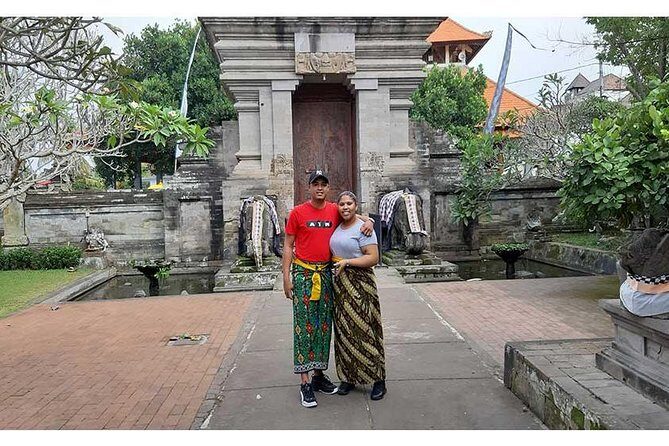
One day, three different Bali moods. This tour strings together a local Balinese Hindu temple, a well-kept waterfall, and the archaeological Goa Gajah site—then it rolls into classic Ubud stops like Tegalalang rice fields and the Ubud Palace area. I especially like the temple details, like the Candi Bentar entrance gate dividing sacred zones and a Dwarapala figure shown standing (not holding a weapon).

I love how much is handled for you with hotel pickup and drop-off plus a private AC car. I also love that the big money headache—admission—is covered with entrance tickets included for each attraction, so you’re not wasting time figuring out where to pay on the go.

One possible drawback: it’s a full 8 to 10 hour day with multiple sites and time blocks that move quickly. If you hate rushed transitions, plan to keep your pace steady and skip the long souvenir browsing unless you see something you truly want.

Key things that make this tour work

Private Tour: Batuan Temple, Tegenungan Waterfall, Elepahant Cave Free transport - Key things that make this tour work

  • Private, AC transport with an English-speaking driver-guide, so you’re not stuck piecing together connections
  • Candi Bentar and the unusual Dwarapala style at Puseh Batuan Temple for a temple stop that feels specific, not generic
  • Tegenungan Waterfall as a well-maintained nature break that fits easily between cultural sites
  • Goa Gajah Elephant Cave as an archaeological stop on the Bedulu area outskirts, close to Ubud sightseeing
  • Ubud add-ons that balance temples with culture, including the Palace, Traditional Art Market, and Mas wood carving area
  • Value for the day since admission tickets for each stop are included in the price

Why this itinerary feels smarter than a basic Bali loop

This isn’t just a checklist of big names. It mixes three kinds of Bali experience in one go: sacred architecture (Batuan), outdoor refresh (Tegenungan Waterfall), and heritage archaeology (Goa Gajah), then rounds out with Ubud cultural stops. That mix matters because Bali can otherwise blur together after the second temple or third viewpoint.

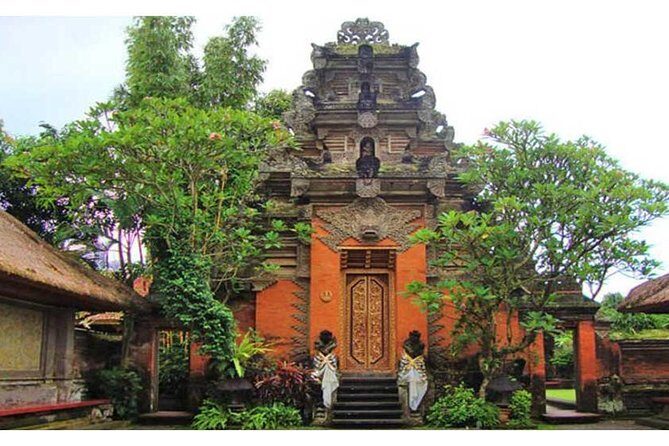
The temple portion is a good example. Puseh Batuan Temple is looked after by local residents in Batuan countryside, and you’ll notice the ornament density—floral motifs and curving temple details on the red-brick gate. The entrance gate, the Candi Bentar, is also explained in a way that helps you understand the layout: it’s a divider between sacred zones known as Nista Mandala (outer) and Madya Mandala (central). That kind of context turns photos into something you actually remember.

And the driving setup helps too. You’re picked up from your hotel and returned at the end, using a private car with good air-conditioning. That means you spend less time coordinating, and more time enjoying the sites while your energy is still good.

What you’re really paying for: $29, tickets included, and less hassle

Private Tour: Batuan Temple, Tegenungan Waterfall, Elepahant Cave Free transport - What you’re really paying for: $29, tickets included, and less hassle
At around $29 for a full day (8 to 10 hours), the headline value is that entrance tickets for each attraction are included. For Bali, that’s a big deal. A day can get expensive fast when every stop has its own fee and you’re constantly checking what’s included.

You also get:

  • Pickup from your hotel and return transport
  • A private car with good AC
  • A driver-guide who can speak English

So the price isn’t just about getting from A to B. It’s about removing the friction. You’re not standing around asking directions. You’re also not stuck at the entrance wondering if you’ve got the right payment or if something is timed.

One thing to keep in mind: meals are not included. If you want a smoother day, bring snacks or plan to pay for food yourself at natural breaks. And guide tipping is not included, so decide in advance what you’d like to offer if the driver-guide does a good job.

Stop 1: Puseh Batuan Temple and the Candi Bentar entrance detail

Private Tour: Batuan Temple, Tegenungan Waterfall, Elepahant Cave Free transport - Stop 1: Puseh Batuan Temple and the Candi Bentar entrance detail
Puseh Batuan Temple is a working, local-feeling place. You’re not just visiting a museum-like attraction—you’re stepping into a temple environment looked after by residents in the Batuan countryside. That changes the vibe in a good way.

Here’s what’s especially worth your attention:

  • The Candi Bentar entrance gate made of red bricks, decorated with floral ornaments and curls of typical temple design
  • The way the gate functions as a barrier between sacred areas—outer and central zones
  • The Dwarapala gate guard figure, which is described as standing and not carrying a weapon

That last detail is the kind of thing that makes you feel like you’re learning, not just sightseeing. When temple features get explained, even briefly, you understand why the design matters. Also, the roof temple building uses a fiber material mentioned in the tour info, which hints at how these structures connect to local building traditions.

Time on this stop is about 40 minutes. That’s enough to walk in, look closely at the gate and ornamentation, and catch the key architectural features without feeling like you’re trapped for hours.

Dress note: temples typically mean you should dress respectfully. The tour doesn’t specify rules, so you’ll want to use your common sense—cover shoulders and wear something that’s comfortable for walking around.

Stop 2: Tegenungan Waterfall for a nature break with good upkeep

Then you switch gears to Tegenungan Waterfall, a nature-focused stop that’s especially convenient if you’re already doing Ubud-area sightseeing. The location is described as halfway between Ubud and Bali’s provincial capital of Denpasar, which is useful because it explains why it fits well into day routing.

What I like about this stop is the practical angle: it’s described as well maintained and safe. That means you can enjoy the waterfall without feeling like you need to solve a safety puzzle first. It’s also a full stop for about 1 hour, so it’s not a token photo stop.

What to do during that hour:

  • Give yourself time to watch how people approach the viewing areas
  • Take in the calm parts, not just the loudest spots for photos
  • If you’re traveling with kids or anyone who’s easily tired, this is often a good pacing break compared to multiple walking-heavy heritage sites

One caution: it’s a waterfall. Expect mist and slippery patches in certain areas. Wear shoes you’re comfortable getting a bit wet in.

Stop 3: Goa Gajah (Elephant Cave) archaeology and the “don’t judge by the name” lesson

Next up is Goa Gajah, also called Elephant Cave. The key fact I’d remember is that it’s an archaeological site on the cool western borders of Bedulu Village, about 6 km out of central Ubud. It’s close enough to Ubud sightseeing that it naturally belongs on this kind of day plan.

The tour info also warns that the name can be misleading—people assume it’s something giant and dramatic, when the reality is more about the site’s archaeological meaning. That matters because it changes how you experience it: you’re not just looking for an elephant-themed photo moment, you’re looking at the heritage setting and the way the place is interpreted.

Time here is about 1 hour. That works well because it gives you enough time to walk the grounds, read the context where it’s provided, and still keep the day from dragging.

If you’re sensitive to enclosed spaces, plan your expectations accordingly. The tour doesn’t spell out the exact walking conditions, so just treat this stop like a heritage site you’ll explore at your own comfort level.

Stop 4: Tegalalang Rice Terrace as the Bali “breather” between heritage stops

Private Tour: Batuan Temple, Tegenungan Waterfall, Elepahant Cave Free transport - Stop 4: Tegalalang Rice Terrace as the Bali “breather” between heritage stops
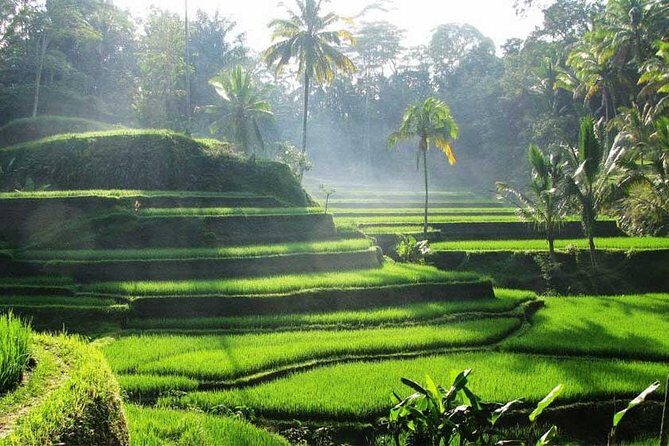
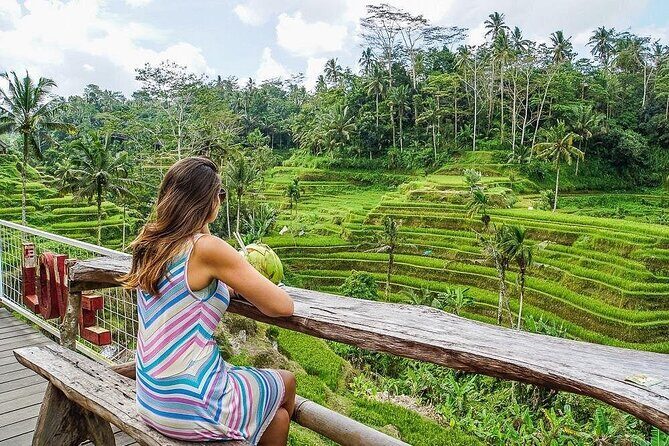
After caves and temples, a rice terrace stop is a smart reset. Tegalalang Rice Terrace is presented as one of the island’s gorgeous rice terraces, and the pitch is direct: you see rice fields everywhere on Bali drives, but if you want the big, famous version, this is the one.

Expect about 1 hour here. That length is good because you can:

  • Enjoy the view and the pattern of the fields
  • Walk a bit and find angles that match your walking comfort
  • Shop for small snacks or simple souvenirs if that’s your style (the area commonly attracts that kind of browsing, even if the tour doesn’t frame it as shopping only)

This stop also helps your day pacing. You go from symbolic sacred spaces to a working agricultural scene. It’s a different kind of appreciation, and it breaks the pattern so the whole tour doesn’t feel repetitive.

Stop 5: Ubud Palace and why Puri Saren Agung matters

Private Tour: Batuan Temple, Tegenungan Waterfall, Elepahant Cave Free transport - Stop 5: Ubud Palace and why Puri Saren Agung matters
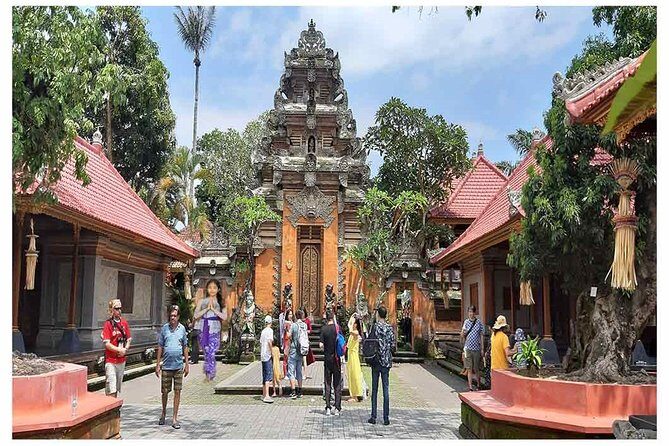
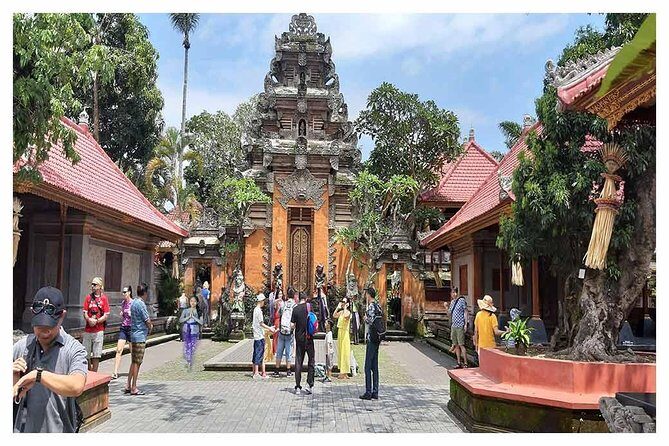
Ubud Palace, specifically Puri Saren Agung, is the palace of the Ubud royal family. The tour info frames it as a prominent landmark that also serves as a cultural repository of arts, dance, and literature.

What I like about including this stop is that it turns Ubud from scenery into culture you can point to. Instead of only seeing places as pretty backgrounds, you see the setting where art and performance traditions are connected. The palace’s stage and meeting halls host international events, which gives the site a modern layer even though the setting is deeply tied to tradition.

Time here is about 1 hour. For a palace stop, that’s a reasonable window: enough to absorb the architecture and atmosphere, not so long that it becomes a standstill.

If you’re the type who wants photos plus context, this is a stop where a driver-guide who speaks English can add value by explaining what’s relevant to your questions.

Stop 6 and 7: Ubud art market and Mas wood carving center

Private Tour: Batuan Temple, Tegenungan Waterfall, Elepahant Cave Free transport - Stop 6 and 7: Ubud art market and Mas wood carving center
The tour then shifts into hands-on culture browsing: the Ubud Traditional Art Market and the Mas Carving Center (Mas Village), known for wood carving.

The market is described as unique compared to other countries and regions, with both foreign tourists and domestic tourists drawn to it. That makes it a good stop if you want to feel the day-to-day energy of Ubud commerce and creativity—not just watch it from afar.

Then Mas Village is presented as a traditional area focused on wood carving. It’s famous as Bali’s wood carving center, and the stop is basically an invitation to see the craft side up close.

Here’s the key practical thought: both stops are cultural, but they can also be where souvenirs start to tempt you. Decide your budget before you arrive, and don’t feel pressured to buy just because you’re already there.

If you enjoy conversation, these are also great places to ask about materials or process. The tour includes an English-speaking driver-guide, and that can help you get past the simple exchange and understand what you’re looking at.

Timing and comfort: how to survive an 8 to 10 hour day

This day is long enough that small choices matter. You start at 8:00 am, and the stops are spread across roughly 8 to 10 hours. Some stops are 40 minutes, others are 1 hour each, and you’ll also have driving time between sites.

To make this work, I’d do three things:

  • Wear comfortable shoes. You’ll be walking through temple areas, waterfall zones, and heritage sites all in one day.
  • Bring a water plan. The tour info doesn’t include meals, and you’ll want to stay hydrated during the outdoor and walking parts.
  • Keep your expectations flexible. This is a full circuit, so you won’t be able to linger forever at any one stop.

One more comfort win: the transport is private and air-conditioned. In Bali heat, that can make the difference between finishing the day energized or wiped out.

And if you’re lucky, you’ll get a driver-guide who makes the drive part of the experience. The names Nyoman and Ketut come up in the feedback as friendly and entertaining, with English fluency and attentive guidance. That matters because it can turn transit time into mini lessons about what you’re about to see.

Who this tour suits best

This tour fits best if you want:

  • A single-day plan that covers temple, waterfall, and Ubud culture without logistics headaches
  • A private car experience with an English-speaking driver-guide
  • Value-minded sightseeing where admission tickets are included

It’s also a strong fit for couples and small families who don’t want to run around town to match tickets and opening times. If you’re the type who likes your day structured but still personal (private car, private group), you’ll likely enjoy the flow.

If you’re a slow traveler who hates moving constantly, then this might feel like too much. The schedule is packed, and meals are on you.

Should you book this Batuan Temple, Tegenungan Waterfall, and Goa Gajah day tour?

Yes, if you want an efficient, high-value day that mixes sacred architecture, nature, and Ubud culture—and you like the idea of AC transport plus entrance tickets included.

I’d pass or reconsider only if you:

  • Want a very relaxed pace with long stays at fewer sites
  • Need meals included in the price and don’t want to plan around that

Otherwise, this is the kind of tour that makes your Bali day feel complete without turning it into a travel admin project.

FAQ

What is the duration of the tour?

It runs about 8 to 10 hours.

Where does the tour start?

The start time is 8:00 am.

How much does the tour cost?

The price is listed at $29.

Does the tour include hotel pickup and drop-off?

Yes. Pickup from your hotel and return to your hotel are included.

Is the transport private and air-conditioned?

Yes. You’ll have a private car with good AC.

What attractions are included?

The tour includes Puseh Batuan Temple, Tegenungan Waterfall, Goa Gajah (Elephant Cave), Tegalalang Rice Terrace, Ubud Palace, Ubud Traditional Art Market, and Mas Carving Center.

Are entrance tickets included?

Yes. Entrance tickets for each attraction are included.

Are meals included in the price?

No. Meals are not included, and you’ll need to pay for food and other personal expenses.

Is tipping included?

Guide tipping is not included.

What is the cancellation policy?

Free cancellation is available up to 24 hours in advance of the experience’s start time for a full refund.

Gianyar Market Visit & Cooking Class in Ubud with Kadek & Putu

Gianyar Market Visit & Cooking Class in Ubud with Kadek & Putu - A quick garden stop that makes the ingredients feel real

A kitchen lesson in Bali starts at the market.

This 4-hour experience with Kadek & Putu turns Balinese cooking into something you can repeat at home: you’ll shop with your hosts in Gianyar for the fruits, vegetables, and herbs that show up in traditional dishes, then cook together in a family compound and eat what you make.

I especially like the hands-on pace. You’re not just watching—people highlight that you chop and cook step by step, with ingredient breakdowns that make the flavors easier to recreate later. The second win is the meal itself. You’ll sit down to an authentic spread that can include satay, stir-fried vegetables, steamed fish, rice, and a dessert like black sticky rice pudding with fresh coconut cream or fried banana with coconut and palm sugar.

One thing to consider: the menu can shift with the season, so if you’re hoping for a specific dish every time, you’ll want to ask when you book. Also, pickup and drop-off are only included for Ubud hotels (outside Ubud may cost extra).

Key points worth knowing

Gianyar Market Visit & Cooking Class in Ubud with Kadek & Putu - Key points worth knowing

  • Gianyar Market sourcing first: you’ll hunt down seasonal ingredients used in Balinese cooking
  • Putu’s hands-on teaching style: people mention ingredient-by-ingredient explanations as you cook
  • Family compound cooking: you’ll make dishes from scratch, then eat them right away
  • Seasonal fruit juice stop (optional): Kadek can show a small garden and offer fresh juice from picked fruit
  • Vegetarian choice available: you can request vegetarian options when booking
  • Round-trip transport within Ubud: pickup and drop-off are part of the package

From Ubud pickup to the Gianyar market start

Gianyar Market Visit & Cooking Class in Ubud with Kadek & Putu - From Ubud pickup to the Gianyar market start
The day flows in a simple, no-drama way. Kadek picks you up from your Ubud hotel, then you head to Gianyar for the market portion. The whole experience is designed around one idea: if you understand what you’re buying and why it matters, the cooking makes more sense—and your results at home feel less like a guess.

This is also set up as a private, personalized experience. Your group is the only group participating, which matters in a hands-on cooking class. You can ask questions, move at a comfortable rhythm, and get more out of the ingredient talk.

A practical note: the tour includes round-trip transport only within Ubud. If your hotel is outside the included area, budget an extra charge and confirm the pickup point in advance.

Gianyar Market: fruits, veg, and herbs you’ll recognize in your dishes

The market visit isn’t just a stroll. It’s structured around Balinese flavors and what those flavors actually come from. Kadek shows you regional fruits, vegetables, and herbs used in everyday cooking. If you’ve ever tasted a dish here and thought, I want to recreate that, this part is your shortcut.

In the class setup, Putu joins the market time as well, and people mention that you don’t just look—you try different foods along the way. That tasting piece is valuable because it links smell and taste to the cooking steps you’ll do later.

You’ll also get seasonal fruit context. Kadek can show local fruit and vegetables growing at his place (a few doors down from his sister’s home), then offer a fresh juice made from just-picked seasonal fruits like mulberry, passion fruit, papaya, mango, or jackfruit. That matters because Balinese sweets and savory dishes often lean on fruit for aroma and sweetness balance.

One gentle caution: markets move fast and stalls can get crowded. Wear comfortable shoes, keep your phone secured, and treat it like a working market—not a showroom.

A quick garden stop that makes the ingredients feel real

Gianyar Market Visit & Cooking Class in Ubud with Kadek & Putu - A quick garden stop that makes the ingredients feel real
That optional garden stop is one of the smartest touches in this whole experience. Even if you only spend a short time there, it changes how you see the ingredients. Instead of buying herbs and produce as supermarket items, you learn how seasonal growth translates to what’s available on a given day.

You’re also not stuck waiting. Kadek offers juice while you walk through what’s growing, and that gives you a feel for the seasonal side of the menu. Since the cooking menu can vary depending on the season, this is the background that helps the meal feel coherent.

If you’re the type who likes food and gardening, you’ll probably love this add-on. If you’re not, it still serves a purpose: you come away with ingredient reasoning, not just ingredient names.

Cooking with Kadek and Putu: from chopping to the finished dish

Back in the family compound, the class turns fully hands-on. You’ll cook traditional Balinese dishes from scratch with Kadek’s sister, Putu, and members of their family. This is the part that makes the class worth doing instead of just eating.

Here’s what I think is the key: people describe the teaching as step-by-step, including a breakdown of ingredients as you cook. That ingredient logic is what you want if you plan to make these dishes again later. When you know what a spice, herb, or base ingredient is doing in the dish, you’re less likely to get stuck when you substitute something at home.

You can also expect a cozy, practical rhythm. You’ll move from prep to cooking, then return to the same table to eat. And yes, you’ll likely work up an appetite because the class involves real kitchen time—not only instructions.

Typical dishes you may make

Menus can shift with the season, but the cooking examples include dishes like piquant chicken satay, stir-fried vegetables, and steamed fish, plus rice. For dessert, the class often includes either black sticky rice pudding with fresh coconut cream or fried banana with grated fresh coconut and palm sugar.

One review detail worth noting: someone noted they cooked five dishes, so plan on a fuller session rather than a single demo.

The Balinese meal: satay, vegetables, fish, and dessert you made yourself

Gianyar Market Visit & Cooking Class in Ubud with Kadek & Putu - The Balinese meal: satay, vegetables, fish, and dessert you made yourself
After cooking, you eat a true home-cooked Balinese meal. This is where the experience clicks. You’re not standing in a line and hoping the dish matches your memory—you’re sitting down with the flavors you just helped create.

The meal can include a range of comforting favorites: satay with a spicy kick, vegetable dishes (stir-fried), rice, and sometimes steamed fish. Then dessert arrives, often with either the chewy-sweet feel of black sticky rice pudding and coconut cream or the warm crunch-soft contrast of fried banana with coconut and palm sugar.

Dessert is part of the point here. Balinese sweets aren’t just sweet; they’re flavored with textures and aromas that depend on local ingredients. Recreating that at home is exactly what makes this style of class useful.

And one nice bonus: alcoholic beverages are included. If you drink, you won’t have to track down a separate bill.

Price and logistics: is $80 good value in Bali?

At $80 per person, you’re paying for more than a cooking session. You’re getting:

  • Market time in Gianyar with your hosts
  • Cooking from scratch in a family compound
  • A homecooked meal (not just “snacks”)
  • Alcoholic beverages
  • Pickup and drop-off for Ubud hotels only

In Bali, lots of cooking experiences focus on the cooking part and treat the shopping as an optional add-on. Here, the ingredient sourcing is built in. That’s where your money starts working for you: you learn what you buy and how you choose it, not only how you stir it.

Also, the private setup matters. If you’re traveling as a couple or a small group, you’ll likely feel the value more than you would with a large group class. You can ask questions and get practical help without a teacher juggling multiple tables.

If your hotel is outside Ubud, confirm the extra transport cost ahead of time. That’s the main variable that can change the real value of the price.

Vegetarian and dietary needs: what you can control when booking

If you eat vegetarian or avoid certain foods, this class is designed to handle it. A vegetarian option is available—just advise at booking. People also mention you can choose between vegan/vegetarian and meat dishes, depending on what you want.

That flexibility matters because some Balinese menus can be built around fish paste or meat-based seasoning. The class doesn’t force you into a one-size-fits-all menu. It’s better to message your needs early so the hosts can plan the ingredients and steps.

For allergies and restrictions, the instruction is clear: let the provider know when booking. Since the menu may vary seasonally, don’t wait until you arrive to raise dietary concerns.

Who should book this Ubud market-to-kitchen class?

This is a good fit if you want:

  • Hands-on cooking with real ingredient explanations
  • A market visit that makes the cooking make sense
  • A family-run Bali experience where the food is the center of the day
  • A dessert and meal setup that feels complete, not chopped up

It’s also ideal if you’re coming to Bali mainly for food. The whole structure—market shopping, optional garden context, then cooking—turns the day into one story. You’ll taste and learn in a tight loop.

If you’re short on time, remember the session is about 4 hours. That’s not a full-day excursion, so it works well with other Ubud plans. If you hate markets, this one might still work because it’s practical and focused on cooking ingredients, but you’ll still be walking through Gianyar’s stalls.

Should you book Gianyar Market Visit & Cooking Class with Kadek & Putu?

I’d book it if you care about repeating Balinese dishes at home and you like a class that teaches the ingredients, not just the steps. The biggest strengths are the market-first approach and the hands-on cooking style with ingredient breakdowns led by Putu and Kadek. Add in the home-cooked meal, plus optional fresh fruit juice from seasonal picks, and you get a full food day without feeling like you’re on a factory tour.

Skip it (or at least ask more questions before booking) if you need a very specific menu every time or you’re sensitive to market crowds and walking. Because the menu can vary with the season, it’s best to be flexible and treat the class as a real local snapshot.

If you want Bali food you can actually cook yourself later, this is one of the more practical ways to spend your time in Ubud.

FAQ

Can I get pickup and drop-off from my hotel in Ubud?

Yes. Pickup and drop-off are included for Ubud hotels only. If your hotel is outside Ubud, there may be an additional charge.

How long is the cooking class in total?

The experience runs about 4 hours.

What do we do in the Gianyar Market?

You’ll explore the market with Kadek and/or Putu to look for local fruits, vegetables, and herbs used in Balinese cooking.

Do we cook the food from scratch?

Yes. You’ll make traditional Balinese dishes from scratch, then sit down to eat the meal you cooked.

What kinds of dishes and desserts are included?

Dishes can include items like chicken satay, stir-fried vegetables, steamed fish, and rice. Dessert examples include black sticky rice pudding with coconut cream or fried banana with grated fresh coconut and palm sugar, depending on the season.

Are there vegetarian options?

Yes. Vegetarian options are available, but you should advise the provider at booking.

Can I request vegan or vegetarian versus meat dishes?

The experience can accommodate vegan/vegetarian versus meat choices if you note your preference when booking.

Are alcoholic beverages included?

Alcoholic beverages are included with the meal.

What should I do if I have allergies or dietary restrictions?

Let the provider know at booking so they can adjust for allergies, restrictions, or cooking preferences. The menu may vary by season.

Is cancellation free?

Yes. Free cancellation is allowed up to 24 hours before the experience start time for a full refund.

Hotel to Hotel:Bali Private Transfer (Daytime)

Hotel to Hotel:Bali Private Transfer (Daytime) - Seminyak to Canggu: The Short Hop That Still Saves Time

Bali traffic is real, so plan smart. This private daytime transfer cuts out the usual taxi hassle with a flat fee and a driver ready to take you door-to-door. I like the simplicity: pickup at your hotel lobby and clear expectations about timing. I also like the value logic here: you’re paying for a dedicated ride (not a meter and guesswork). One thing to think about is that the service quality depends heavily on the driver and the traffic window, so late pickups can happen on long routes.

Here’s the good part: you get a calm, private ride during daylight hours, with a clear time range for service and a normal luggage allowance. The main drawback is practical—this is still Bali, so drive times swing with congestion, and you should plan around that, especially if you’re heading far like toward Lovina.

Key takeaways

Hotel to Hotel:Bali Private Transfer (Daytime) - Key takeaways

  • Hotel-lobby pickup: you’ll meet your driver in the lobby for an easier handoff.
  • Fixed flat-fee pricing: no meters, no surprise charges at the curb.
  • Route-based time estimates: shorter Seminyak/Canggu hops vs longer Ubud/Tanah Lot and Lovina runs.
  • A real waiting window: you’ll typically get 15–20 minutes from the agreed pickup time.
  • Luggage limits are stated: 1–2 suitcases plus 1 carry-on, with extra/oversize requiring a check.
  • Daytime service window: transfers run from 06:00 AM to 9:59 PM.

Why This Bali Private Transfer Works Better Than Taxis

Hotel to Hotel:Bali Private Transfer (Daytime) - Why This Bali Private Transfer Works Better Than Taxis
This transfer is built for one goal: getting you from point A to point B without the usual Bali stress. If you’ve ever tried to coordinate transport while juggling bags, a tight check-out time, and someone trying to negotiate in the middle of it, you’ll instantly see why this format feels easier. You book a ride, you get a dedicated vehicle, and you show up at your hotel lobby.

The flat fee matters more than it sounds. When you’re traveling in a place where pricing can feel inconsistent, a fixed rate helps you plan your day with less mental load. You also avoid the awkward dance of bargaining for a price that might change halfway through.

The door-to-door setup is the other big win. In practical terms, that means you’re not searching for a pickup spot, not trekking to a roadside, and not trying to explain your exact destination in broken English while you’re already tired. It’s a small thing that saves time and, honestly, saves energy.

One more detail worth noting: this is described as a private activity, so it’s just your group in the vehicle. If you’re traveling with family, a friend, or a small group, that privacy can feel like a little upgrade compared with shared shuttles.

Seminyak to Ubud or Tanah Lot: Expect the Longer, Bumpier Drive

When your transfer goes from the Kuta/Tuban/Seminyak/Jimbaran/Nusa Dua/Sanur zone to Ubud, Tanah Lot, or Tabanan, the drive time is about 1 hour 30 minutes (roughly 30–35 km). That’s the kind of trip where traffic matters, and daylight conditions don’t always mean fast roads.

What this means for you: treat this as a planned ride, not a sprint. Leave yourself cushion for the handoff at the lobby, and keep in mind that the duration is approximate and can change with time of day and road conditions. If you’re heading to Ubud for a scheduled activity, I’d avoid booking something that starts immediately after the pickup time. Instead, build in a buffer so you’re not rushing your arrival.

A long private drive also gives you something taxis often don’t: a steadier ride pace. You’re not waiting for the next pickup stop, and you’re not trapped in “who’s getting out where” confusion. The vehicle and driver are focused on your route.

Seminyak to Canggu: The Short Hop That Still Saves Time

Hotel to Hotel:Bali Private Transfer (Daytime) - Seminyak to Canggu: The Short Hop That Still Saves Time
Not every transfer needs a long sit in the car. If you’re traveling from Kuta/Tuban/Seminyak/Jimbaran/Nusa Dua/Sanur to Canggu, it’s about 10–15 km and usually takes around 30 minutes.

This is where the private transfer format feels especially smart. A short hop is the classic moment when taxis can turn annoying fast: you spend time finding the right driver, confirming the address, and waiting for the ride to actually get moving. With hotel-lobby pickup and a flat fee, you skip a lot of those friction points.

You’ll also appreciate the convenience if you’re carrying beach gear or shopping bags. The service includes normal luggage limits (more on that below), and it’s easier to manage your things in a private vehicle than juggling them on and off in busy pickup zones.

Sanur, Jimbaran, and Nusa Dua to Lovina: Plan for a Real Travel Block

If your route stretches from Jimbaran, Nusa Dua, or Sanur toward Candidasa or Lovina, you’re looking at about 65 km and roughly 1 to 2 hours. That’s a larger travel block where small delays can add up.

For you, the best mindset is: settle in. Bring a bottle of water if you need it (food and drinks aren’t included), and assume traffic can swing the timing. The duration being approximate is important here—longer trips are where “about” becomes “not exactly.”

This is also where the driver quality matters most. One of the biggest complaints tied to this kind of service is late arrival on longer routes. In other words, if you’re on a schedule that’s hard to move, you’ll want extra buffer time. If you’re flexible, this private setup can still be a comfort win because you’re not managing multiple stops or shared coordination.

Meeting Your Driver: Hotel Lobby Pickup and the Waiting Window

The pickup method is one of the most practical parts of this service. The meeting point is your selected Bali hotel lobby, and the instruction is simple: look for your driver at the hotel lobby.

Then there’s the waiting rule: you get a maximum waiting time of 15–20 minutes from the agreed pickup time. That’s a helpful safety net, but you should still act like you’re on a strict schedule. If you’re checking out or finishing a last-minute task, set an internal alarm so you’re not running late and burning the buffer.

If you’re trying to reduce confusion, use the comment field for the local supplier with:

  • Hotel Name
  • Hotel Address
  • Pick up Time

This small step helps the operator avoid back-and-forth messages, especially if your hotel has multiple entrances or if the area is busy.

Also, the service operates between 06:00 AM and 9:59 PM. If your plans fall outside that window, you’ll need a different arrangement.

Luggage Rules: What Fits, What Might Need Extra Permission

Hotel to Hotel:Bali Private Transfer (Daytime) - Luggage Rules: What Fits, What Might Need Extra Permission
This transfer includes a stated luggage limit: 1 or 2 suitcases per traveler plus 1 carry-on bag. The luggage is considered normal with a size of about 70 x 50.

Where you need to be careful is oversized items. Surfboards, golf clubs, or bikes may face restrictions, so you should inquire with the operator before you travel. If you’re packing anything bulky, don’t assume it will fit smoothly—ask.

A small but useful detail: littering and smoking are prohibited inside the vehicle. That’s not just a rule; it usually means the ride stays clean and pleasant, which matters more on a longer drive like to Lovina.

Private Car Comfort: What to Expect Inside the Ride

Because this is a private transfer, the vehicle is meant to feel like your space for the trip. That shows up in the way drivers are praised: when things go well, you’ll see attention to safe driving, courtesy, and a vehicle that’s clean and comfortable.

In recent firsthand-style examples tied to this service, drivers like Donni have been described as safe, on time, and courteous. Another example involved Zacky, with praise for a clean, spacious, comfortable car. In that same story, the driver also stopped at a local Batik shop along the way from Seminyak to Ubud, which is the kind of flexible bonus you don’t always get with a strict shuttle.

Not every experience is perfect. One account flagged serious lateness on two transfers and said the service wasn’t worth the money due to being late. The takeaway for you is simple: if your timing is critical, add buffer time and stay ready to communicate.

Price and Value: How $27.09 Per Person Makes Sense (and When It Doesn’t)

The posted price is $27.09 per person, with a stated duration of about 1 to 1.5 hours depending on route and traffic.

Here’s how to judge value. You’re paying for:

  • a dedicated private vehicle
  • door-to-door handling
  • all taxes/fees/handling charges included
  • a flat fee with no meter surprises

That can be worth it if you’re arriving tired, have kids or lots of bags, or you want to avoid the uncertainty of taxi negotiations. It’s also a strong deal if you split the ride among multiple people, since private transport gets more economical as group size grows.

When it might not feel worth it is if your pickup is late and you’re paying to protect your schedule. The one low-score experience included big delays, which is exactly the scenario where the price starts feeling unfair. So: treat the transfer like a planning tool. It’s usually smooth, but you still should protect yourself with time buffers on longer routes.

Which Travelers Should Book This Transfer?

This is a great match if you:

  • are tired of negotiating taxi prices
  • want a predictable, low-stress handoff at your hotel lobby
  • travel in a small group and want privacy
  • prefer daytime travel between 06:00 AM and 9:59 PM
  • have luggage that’s easier handled in one vehicle

It’s also a smart choice for route planning from Seminyak into the inland and coastal areas listed: Kuta, Tuban, Seminyak, Legian, Ubud, Tanah Lot, Tabanan, Jimbaran, Nusa Dua, Sanur, Candidasa, Lovina, and Canggu.

If you’re the kind of traveler who enjoys maximizing every minute and already has a tight itinerary with timed tickets, I’d still book the transfer—but schedule your next activity with a buffer. Bali traffic can be unpredictable, and this service gives you a private car, not guaranteed empty roads.

Should You Book This Bali Transfer?

I’d book this transfer if you want simple, private, door-to-door transportation with a flat fee and clear pickup rules. It’s especially useful for short trips like Seminyak to Canggu, where the biggest win is avoiding roadside hassle. For longer routes toward Ubud, Tanah Lot, Candidasa, or Lovina, it can still be a comfort upgrade, as long as you build in time.

Skip it or plan carefully if:

  • your schedule is so tight that even moderate traffic could ruin your day
  • you’re traveling with oversize gear and haven’t checked luggage restrictions
  • you can’t reliably meet the driver at the lobby within the 15–20 minute window

If you can flex your timing even a little, this service tends to do exactly what it promises: get you from hotel to hotel with less friction.

If you have free cancellation coverage for your plans, that lowers the risk. Just make sure you double-check your pickup time and include your hotel details in the comment field.

FAQ

How long is the Bali hotel-to-hotel transfer?

The transfer duration is approximate and depends on route and traffic. Typical estimates range from about 1 hour to 1 hour 30 minutes, with specific route times listed for different areas.

Where do I meet the driver?

You meet at your selected Bali hotel lobby. The best advice is to look for your driver at the hotel lobby.

What are the operating hours for pickups?

Hotel-to-hotel transfers are available from 06:00 AM to 9:59 PM.

How long can the driver wait for me?

The maximum waiting time is 15–20 minutes from the agreed pickup time.

Is there a luggage limit?

Yes. Each traveler is allowed a maximum of 1 or 2 suitcases plus 1 carry-on. Normal luggage size is about 70 x 50. Oversized items like surfboards, golf clubs, or bikes may have restrictions, so you should inquire.

Can I cancel for a full refund?

Yes. You can cancel up to 24 hours in advance of the experience’s start time for a full refund.

Private Bali Day Tour – Tegalalang – Kintamani and Temple Tour

Private Bali Day Tour - Tegalalang - Kintamani and Temple Tour - Getting Picked Up in Jimbaran and Staying on Schedule

Mount Batur views without the early wakeup. This private day tour keeps things relaxed by driving up to the Mount Batur slope after breakfast, so you still get the drama of black lava views without a sunrise climb. You also roll straight into Ubud Monkey Forest, which makes the day feel full from the first stop.

I especially love the photo-and-stops rhythm. You move from Ubud to Kintamani, then to Tegalalang rice terraces in the afternoon, and finish at Kantolampo waterfall before heading back to Jimbaran. It’s a great mix of Bali icons, without spending half the day stuck on the road.

One drawback to plan for: lunch and admission tickets aren’t included, so you’ll want a budget for meals (and any entry fees where applicable).

Key highlights to notice before you go

Private Bali Day Tour - Tegalalang - Kintamani and Temple Tour - Key highlights to notice before you go

  • Private door-to-door pickup from Jimbaran, plus a mobile ticket for the day
  • Drive-to-the-slope Mt Batur access so you don’t have to climb
  • Ubud Monkey Forest stop timed early enough to break up the drive
  • Kintamani lunch viewpoint with Mt Batur and black lava scenery
  • Tegalalang + Kantolampo in one loop, with a satisfying end-of-day payoff
  • Clear what’s included (bottled water, coffee/tea, fuel/fees) and what you’ll pay for (lunch, drinks, admission)

Why This Private Bali Tour Works Without a Sunrise Climb

Private Bali Day Tour - Tegalalang - Kintamani and Temple Tour - Why This Private Bali Tour Works Without a Sunrise Climb
Most Bali volcano experiences come with a harsh start time. This one is different. You’re not aiming for pre-dawn light or a long uphill scramble. Instead, you’re picked up in the morning, then you’re taken to the slope of Mt Batur where you can see the black lava and the top of the mountain.

That change matters. You still get the big wow factor, but you’re spending less energy and more time actually enjoying the day. If you’re the kind of traveler who likes views but doesn’t want a sore-knees situation, this format fits well.

You also get a smoother pacing between stops. You’re not doing one intense activity after another. The day has natural breaks: monkey forest first, then the volcano viewpoint, then lunch, then terraces and waterfall.

Getting Picked Up in Jimbaran and Staying on Schedule

Private Bali Day Tour - Tegalalang - Kintamani and Temple Tour - Getting Picked Up in Jimbaran and Staying on Schedule
This is a private tour, meaning only your group is doing the itinerary with your guide/driver. That matters for comfort and timing because you can move at a pace that suits you, instead of being stuck with a big bus schedule.

Pickup is offered around 8:00–8:15. From there, the tour runs roughly 8 to 10 hours total. Expect a day that starts actively in the morning and ends mid-afternoon to early evening, with the drive back to your hotel around 16:00.

You’ll also have a mobile ticket, which is handy if you’re trying to keep paperwork minimal while you’re bouncing around Bali. And the package covers fuel surcharge and landing/facility fees, which helps keep the “what else do I have to pay?” feeling under control.

A small practical tip: because the day includes several timed stops, you’ll want to be ready when pickup happens. The more efficient you are on the start time, the less stressful the rest of the route feels.

Ubud Monkey Forest: A Morning Stop That Sets the Tone

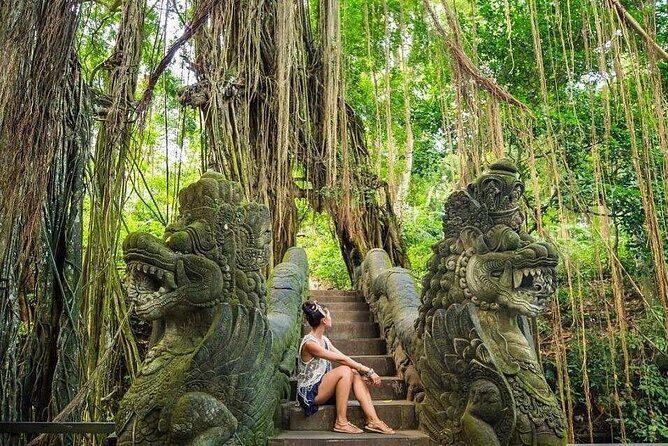
The tour’s first major scenic break is Ubud Monkey Forest. You arrive around 9:00–9:30 and typically stay until about 10:00–10:30, depending on routing and traffic.

This is a smart early placement. It breaks up the morning and gives you a Bali moment right away—before the day shifts into volcano views, terraces, and waterfall time. It also sets the tone: even if you’re not there for long walks, you’ll get a sense of the area’s vibe and energy.

One consideration: rain can change the feel of outdoor stops. On past tours with this operator, weather made parts a little more challenging, so if forecasts look wet, plan for slippery surfaces and shorter, more careful strolling time.

If you care about photos, you’ll also appreciate that guides in this network have been praised for being strong with pictures and timing. Putu Erik Resa Putra, for example, came up in reviews as an amazing photographer—so it’s worth asking your guide to help with angles and timing when you arrive.

Kintamani and Mt Batur Slope: Black Lava Views Without the Trek

This is the heart of the day. Around 11:15–11:30, you arrive at the slope of Mt Batur. The big promise here is straightforward: you don’t need to climb the mountain. Your guide and driver drive you to the best point for views, including black lava and a look toward the summit.

That’s a major value point. Volcano tours can turn into a fitness test. Here, the day is designed for seeing—by car and viewpoint access—rather than earning the view by hiking.

Right after the viewpoint stretch, you’ll head into Kintamani for lunch. Lunch timing is roughly 11:45–12:15, and the meal is at a spot overlooking Mt Batur with scenery tied to the black sand and lava area.

Important budget note: lunch itself is not included. So you’ll pay for your meal at the restaurant. The good news is you can use the viewpoint factor to justify the expense—this is not a generic lunch stop. It’s part of the core experience.

Depending on the day, clouds can soften views, so don’t expect the mountain to always look razor-sharp. But you’ll still be in the right place for the iconic textures and dramatic volcanic feel.

Tegalalang Rice Terraces: Afternoon Light for a Classic Ubud Icon

After lunch, you’ll leave Kintamani around 13:15–13:30 and head to Tegalalang rice terraces. Arrival is around 14:00–14:15, with time to explore until about 14:30–14:45.

This timing can work in your favor. The terraces are one of Bali’s signature scenes, and the afternoon arrival often gives you a different feel than the early-morning crowds. You’ll be able to slow down, take photos, and enjoy the views from the viewpoint spots along the terraces.

Practical reality: terraces mean walking and steps. If your legs get tired quickly, wear shoes with good grip. And if you’re coming straight from lunch, take a few minutes to loosen up before you start climbing down and back up viewpoints.

This stop is short on purpose. It keeps the day moving so you still get your waterfall in, instead of turning your schedule into a marathon.

Kantolampo Waterfall: The End-of-Day Payoff Near Ubud

Private Bali Day Tour - Tegalalang - Kintamani and Temple Tour - Kantolampo Waterfall: The End-of-Day Payoff Near Ubud
Your final sightseeing anchor is Kantolampo waterfall. You typically arrive around 15:00–15:15 and wrap up by roughly 16:00 when you start the drive back to your hotel.

This is a nice way to close the loop. After terraces and volcano scenery, the waterfall offers a different sensory payoff: moving water and a change from dry textures to something wetter and cooler.

Because it’s outdoors, the rain factor matters again. If conditions are wet, expect surfaces near the waterfall area to be less forgiving. Keep your pace steady, and don’t rush photos. It’s better to take fewer safer pictures than to slip into an unplanned emergency snack run.

Price and What’s Included in This $50 Private Day Tour

At $50, the value comes from what you’re buying: a private, full-day routing across multiple famous areas, including pickup, fuel surcharge, and several helpful add-ons.

Here’s what’s included:

  • Bottled water
  • Coffee and/or tea
  • Fuel surcharge
  • Landing and facility fees

What’s not included:

  • Lunch
  • Drinks
  • Food and drinks
  • Excess luggage charges (where applicable)

One extra caution: the schedule notes that admission tickets aren’t included. That means you should expect to pay for any entry fees that apply at your stops. The total cost can vary depending on how ticketing is handled that day.

So how do you judge value? You’re paying for time, transportation, and local navigation across Ubud, Kintamani, and the waterfall area. If you were trying to do this on your own, you’d spend more time planning routes and sorting out transport—plus you’d likely still need to pay for entrances and a driver’s help at some point.

In other words: the $50 makes the day doable, but you still need to budget for meals and any entry fees.

Your Guide Experience: From Erik to Bello to Komang

The itinerary is the skeleton, but the guide is the part that makes it feel easy. In reviews tied to this Bali Vacation Driver network, names like Putu Erik Resa Putra, Bello, and Komang Yudana show up with consistent praise.

What stands out in those comments:

  • Punctual pickup and smooth safety: Bello was described as never late and keeping the ride safe.
  • Culture explanations: Erik was praised for educating guests about Indonesian culture while staying friendly.
  • Photo help: Erik was also called out as an amazing photographer—useful if you want better shots without fiddling for ages.
  • Support on tougher alternatives: Komang (in a different volcano context) was noted for being supportive during a climb that can be tough. The key takeaway for you: guides here tend to take helping seriously.

You can’t guarantee which guide you’ll get. But you can request what matters to you. If photography is a priority, tell your guide you’d like help with timing and angles at the viewpoint and terraces.

Who This Tour Suits (and Who Might Want to Rethink It)

This tour is listed as suitable for most travelers, and it’s private, so it works well for couples, small groups, and families who want a fixed plan without coordinating multiple rides.

It also includes guidance that children must be accompanied by an adult, so bring that adult support if you’re traveling with kids.

Who might rethink it:

  • If you hate being on the go for 8 to 10 hours, this is still an active day with several stops.
  • If you strongly prefer fully included meals and all admission fees being handled in advance, you may feel the missing items (lunch, drinks, admission tickets) more than you’d like.

On the flip side, if you want a classic Bali route—Ubud highlights plus a volcano viewpoint without a grueling climb—this hits a sweet spot.

Should You Book This Private Bali Day Tour?

I’d book it if you want a day that feels like Bali hits several big checkboxes: Ubud Monkey Forest, Kintamani/Mt Batur slope views, Tegalalang rice terraces, and Kantolampo waterfall—all in one smooth private loop.

I’d also lean yes if your priority is the volcano experience but your body isn’t excited about a steep sunrise climb. The drive-to-slope approach is the deciding factor.

Book it with your eyes open on cost: lunch, drinks, and admission tickets aren’t included, so bring a plan to pay for those. If you do that, the $50 private format can feel like a very workable way to get the best of the region without turning your day into a logistics puzzle.

If you tell me how many people are in your group and what time of year you’re going, I can help you decide whether the afternoon terrace timing and waterfall finish will suit your travel style.

FAQ

How long is the Private Bali Day Tour – Tegalalang – Kintamani and Temple Tour?

The tour runs about 8 to 10 hours.

What time is pickup, and where does it start?

Pickup is offered, typically around 8:00–8:15, in Jimbaran, Indonesia.

Is this tour private?

Yes. It’s a private tour/activity, and only your group will participate.

Do I need to climb Mount Batur?

No. This tour is designed so you don’t need to climb. You drive to the slope of Mt Batur for views.

Which places are included in the itinerary?

You’ll visit Ubud Monkey Forest, the slope of Mt Batur (Kintamani area), Tegalalang rice terraces, and Kantolampo waterfall.

Is lunch included?

No. Lunch is not included.

What is included in the price?

Included items are bottled water, coffee and/or tea, fuel surcharge, and landing and facility fees.

Are admission tickets included?

Admission tickets are noted as not included.

Are children allowed?

Children must be accompanied by an adult.

Can I cancel for a full refund?

Yes, free cancellation is available up to 24 hours in advance of the experience start time for a full refund.

If you want, I can also rewrite this review for a specific audience angle (couples, families, senior-friendly pacing) based on your needs.

2 hour Private Bali Surf Lesson in Seminyak

2 hour Private Bali Surf Lesson in Seminyak - Meet at La Plancha and Get Your Safety Game Plan

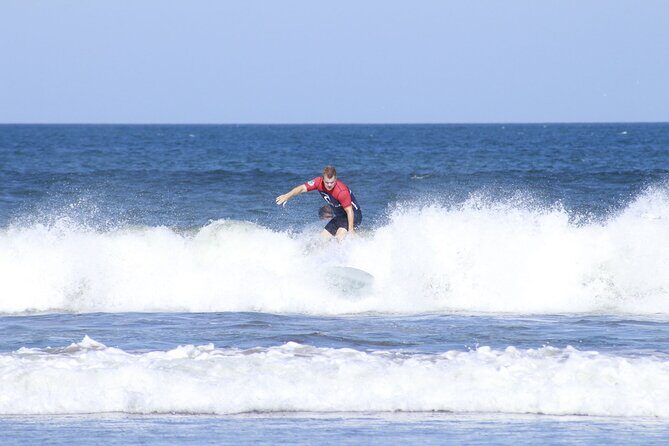
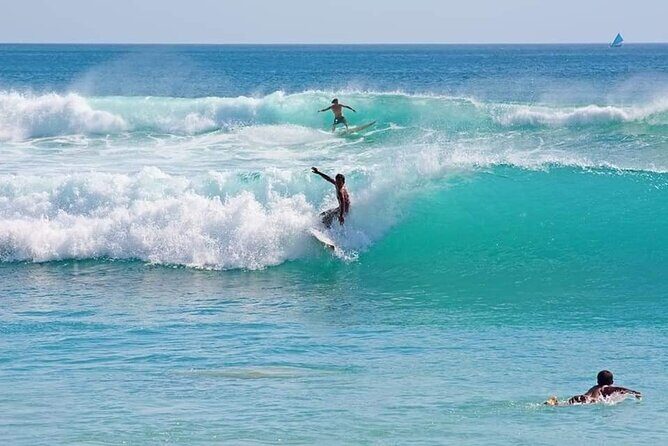
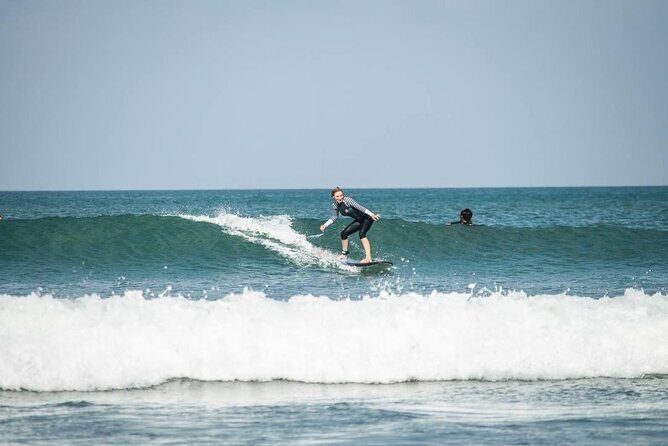
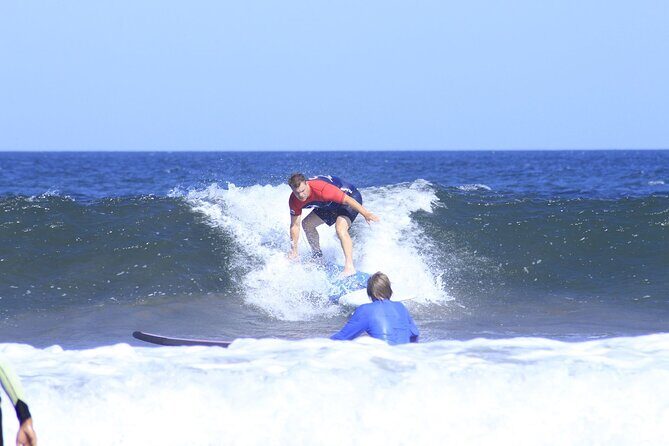
Seminyak waves make learning fast. This 2-hour private lesson is a practical way to get on the board with full instructor attention and included equipment. You’re not guessing. You get a safety briefing and coaching built around Seminyak Beach’s beginner- and intermediate-friendly conditions.

I especially like that it’s truly private for your group. You’re meeting at La Plancha on Double Six Street, so it’s simple to find, and class times run often enough to match real vacation schedules. One guide called out by name in a recent write-up is Lucky luke, praised for helping everyone have a great moment.

One drawback to plan for: you only get 2 hours on the water. That’s great for a first real try, but advanced technique takes more sessions than a single class.

Key highlights at a glance

2 hour Private Bali Surf Lesson in Seminyak - Key highlights at a glance

  • Private coaching for your group so you’re not competing for the instructor’s time
  • Safety briefing first, before you head into the waves
  • Seminyak Beach for beginner to intermediate surfers, with waves that are generally friendlier for learning
  • Equipment included, so you don’t waste vacation time hunting gear
  • Meet at La Plancha on Double Six, then finish back at the same spot
  • Round-trip transfers + light refreshments help keep the session smooth

Seminyak Surf Basics: Why This 2-Hour Private Lesson Works

2 hour Private Bali Surf Lesson in Seminyak - Seminyak Surf Basics: Why This 2-Hour Private Lesson Works
If you’ve ever watched someone surf and thought, That looks way harder than it should be, welcome to the club. Surfing is all timing, balance, and confidence. This lesson in Seminyak is built for the moment when you need coaching fast—before your brain starts inventing excuses like slippery boards and bad luck.

The big win is the private format. A solo traveler or a couple can get the same attention that people usually only get in very small group classes. The second win is the structure: you meet at a clear spot, do a safety briefing, then start your 2-hour session with an experienced instructor.

Is it perfect for everyone? It’s best for people who want to learn the fundamentals or tighten up basics without turning the whole day into a surf-school marathon.

Meet at La Plancha and Get Your Safety Game Plan

2 hour Private Bali Surf Lesson in Seminyak - Meet at La Plancha and Get Your Safety Game Plan
Your lesson starts at La Plancha, right on Seminyak Beach at Jalan Double Six. You’ll meet there, get a safety briefing, and then you’ll begin the surf lesson proper.

That safety briefing matters more than most people think. In surf classes, the fastest progress usually comes from understanding the rules: how to handle the wave in Seminyak, where to position yourself, and how to think about safety in the lineup. You’re not just being told to stand up. You’re learning how to share the water and avoid the common mistakes that lead to wipeouts.

Practical note: arrive a few minutes early. La Plancha is a busy meeting point on a lively street, and you’ll want a clean start so your 2 hours feel like 2 hours instead of 1 hour and 40 minutes.

Private Coaching: How Instructor Attention Speeds Learning

Private surf lessons earn their price when the instructor can watch you closely and adjust right away. That’s what you’re paying for here: full attention in a session designed to move you from theory to action.

One small but telling detail from a high-rated experience: a group of six got three instructors and everyone managed to get out of the water and succeed. That’s the kind of ratio that can turn nervous energy into real progress. Even if you’re only a party of two, the point stays the same—your instructor isn’t split across a crowd.

Also, the coaching is focused on surf rules and how to handle the wave at Seminyak Beach. If you’ve tried before and got stuck—maybe you can paddle but can’t time the pop-up—this style tends to be more useful than a generic pep talk.

Seminyak Beach Waves for Beginners and Intermediates

Seminyak Beach is known for being a doable place to learn. The lesson is specifically aimed at surfers who are beginners or intermediate, which is exactly what you want if your goal is to spend time practicing, not mostly watching from shore.

You’ll be taught how to handle the wave in Seminyak. That doesn’t mean you’ll surf in any conditions you want. It means your instructor will focus on the kind of wave behavior you’ll actually meet there during your session and how to react without panicking.

Here’s the helpful mindset to bring: you’re learning to read small, repeatable moments. That’s how you build confidence quickly. If you show up thinking you’ll become a longboard wizard in two hours, you’ll probably feel frustrated. If you show up ready to improve one step at a time, you’ll feel proud fast.

What the 2 Hours Look Like on the Water

The schedule is simple on paper, and that’s good news. You meet at La Plancha, get your safety briefing, and then you enjoy the lesson for about 2 hours. The experience ends back at the meeting point.

Within that time window, expect the session to follow a basic learning flow:

  • Start with the key surf rules and safety concepts so you understand what to do once you’re in the water
  • Work on technique and wave-handling basics based on what you’re seeing in Seminyak’s conditions
  • Keep practicing and catching opportunities as the session continues

Because you’re with a private instructor, you’ll get more correction and more tries. That’s the part you feel most immediately. Instead of waiting your turn, you’re responding, adjusting, and going again.

One more perk: the lesson comes with all necessary equipment. That removes a whole layer of hassle. No last-minute gear rental. No decision fatigue. You can focus on learning.

Equipment, Transfers, and Light Refreshments: The Practical Stuff

Surf lessons can be surprisingly logistical. This one tries to take the stress off your plate.

Here’s what’s included:

  • Equipment for the session
  • Round-trip transfers (the overview mentions transfers from the Kuta area)
  • Light refreshments

That combination is real value on a Bali trip. You’re paying not only for instruction, but for a smoother day: pick-up and return so you’re not figuring out transport on a tight schedule, plus refreshments so you don’t burn through energy right before you’re asked to paddle and balance.

Transfers also make sense for Seminyak. Traffic and route choices can shift quickly, especially when you’re trying to time a beach activity. When the lesson provider handles transportation, you avoid the most annoying vacation problem: showing up late and losing water time.

Price and Value: Is $39.99 Worth It in Seminyak?

2 hour Private Bali Surf Lesson in Seminyak - Price and Value: Is $39.99 Worth It in Seminyak?
$39.99 per person sounds like a bargain for private coaching—until you ask the obvious question: what are you getting for that price?

From the details you’ll see here, you’re getting:

  • a private experience for your group
  • an experienced instructor
  • a safety briefing before you go into the water
  • all equipment included
  • round-trip transfers (noted from the Kuta area)
  • light refreshments

So what’s the real value? You’re buying time. Two hours with a coach who’s watching you can prevent a lot of wasted attempts. If you tried surfing on your own before, you already know the cost of trial and error—energy, embarrassment, and time you can’t get back.

Also, this lesson runs multiple class times daily. That flexibility can save you money too, because you’re less likely to reorganize the rest of your trip around one stubborn availability window.

One small note: booking is popular. On average, this gets booked about 19 days in advance. If your dates are fixed, don’t wait until you’re in Bali and hoping the ocean gods cooperate.

Schedule Flexibility: Numerous Class Times Daily

Vacation schedules are messy. Tides, heat, hangovers (gentle joke), and dinner plans all get a vote. This lesson helps because it offers numerous class times daily, so you can usually fit it into your day.

What I’d do: pick a time when you’re not rushing from something else. Surfing rewards calm focus. If you schedule it right before a major plan, you might feel squeezed by timing.

Private format also makes scheduling more controllable. You’re not stuck with the same “everyone arrives at once” vibe that can happen in bigger groups.

Who This Lesson Fits Best (and Who Might Want More)

This private Seminyak lesson fits best if you:

  • want faster learning with focused coaching
  • are a beginner or intermediate who benefits from surf rules and wave-handling guidance
  • prefer simple logistics (clear meeting point, included gear, transfers, light refreshments)

It’s also a strong option if you’re traveling with a small group who wants everyone to progress at the same time. The private setup keeps the session centered on your group, not a classroom of strangers.

Who might want something more? If you’re already comfortable catching waves and riding confidently, you may want a longer session or a more advanced coaching plan. Two hours is a great start, but it won’t replace multiple practice days if you’re chasing higher-performance technique.

Tips to Get Better Results on Your First Day

You’ll get more from the lesson if you show up ready to learn, not just to have a fun photo moment. Here are practical things that help most people:

  • Wear what you can move in, and keep it simple
  • Listen hard during the safety briefing—that’s where the biggest early wins usually are
  • Be patient with your progress. Surf improvement is often step-by-step, not instant

Also, if you get a coach like Lucky luke mentioned by name in a top review, lean into the feedback. In a private lesson, the instructor’s guidance is the main tool. Your job is to try the next correction instead of thinking too far ahead.

Should You Book This Seminyak Private Surf Lesson?

Yes—if your goal is practical progress in a short, well-supported session.

Book it if you value private time with an instructor, want included equipment, and like the idea of a safety-first approach at a beach designed for beginners and intermediate surfers. The $39.99 price only feels fair when you consider what’s packaged in: instruction, equipment, transfers (from the Kuta area), and light refreshments.

Think twice if you’re already surfing comfortably and want advanced skill development. This is a fundamentals and improvement session, not a full-blown surf training camp.

If you’re deciding today, my advice is simple: lock in your spot early, show up a little rested, and treat the 2 hours like coaching time—not a random beach hang. You’ll get the most out of your money that way.

FAQ

Where is the meeting point for the lesson?

You’ll meet at La Plancha on Jalan Double Six, Seminyak, Kec. Kuta, Kabupaten Badung, Bali 80361, Indonesia.

How long is the private surf lesson?

The experience lasts about 2 hours.

Is this a private tour or shared class?

This is a private tour/activity. Only your group will participate.

What’s included with the surf lesson?

The lesson includes a safety briefing, all necessary surf equipment, and light refreshments. Round-trip transfers are also included (the overview notes transfers from the Kuta area).

How much does it cost?

The price is $39.99 per person.

What is the cancellation policy?

You can cancel for a full refund up to 24 hours in advance of the experience’s start time. If you cancel less than 24 hours before, the amount you paid is not refunded.
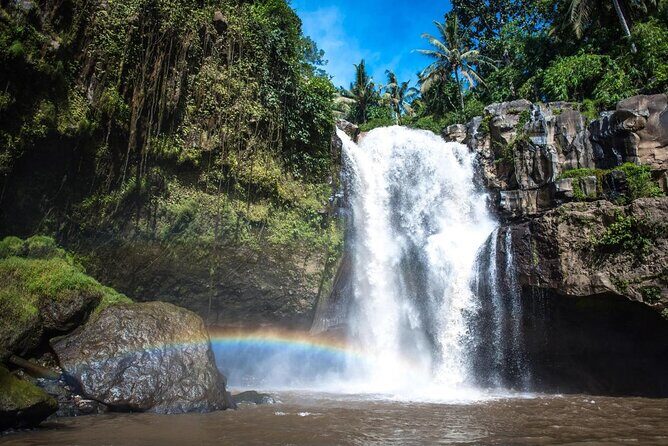
Best Ubud Waterfalls Tour with Lunch and Mount Batur views

Best Ubud Waterfalls Tour with Lunch and Mount Batur views - Why This Ubud Waterfalls Day Works So Well

Three waterfalls plus Mount Batur views is a great combo, because you get both water time and volcano time. This full-day Ubud trip starts in the woods at Tibumana, then moves to Kanto Lampo, followed by a Kintamani lunch looking out over Mount Batur and the lake. You finish at Ulu Petanu, a calmer stop designed for relaxing in lush surroundings.

What I like most is the variety: you start with a smooth, curtain-like waterfall where a shallow pool makes it easy to cool off, then you hit Kanto Lampo’s tiered rock look for more dramatic photos.

The second thing I really appreciate is the way lunch is built into the day. In Kintamani, you can eat while watching Mount Batur’s volcanic terrain and the peaceful water below, instead of stuffing food in a car between stops. One thing to consider: the waterfalls are spread out, so the driving can feel long on a full schedule, and the comfort of the ride matters.

Key Highlights You’ll Actually Care About

  • Tibumana Waterfall’s swim-friendly pool near a curtain-like 20-meter drop
  • Kanto Lampo’s tiered rock cascades for photos and cooling off in shallow water
  • Kintamani lunch with Mount Batur views plus a slower, restaurant-style recharge
  • Ulu Petanu’s quieter vibe with lush vegetation and a calmer finish
  • Private tour with pickup options so your day runs as one coordinated plan

Why This Ubud Waterfalls Day Works So Well

Best Ubud Waterfalls Tour with Lunch and Mount Batur views - Why This Ubud Waterfalls Day Works So Well
If you come to Bali to feel nature more than crowds, this route makes sense. You’re not chasing one giant waterfall and calling it a day. Instead, you do three distinct spots with different water styles and different atmospheres—so the day stays interesting even when you’re waiting between stops.

I also like the pacing implied by the schedule: about two hours at each main place. That’s enough time to take your photos, walk around, and actually spend time at the water without rushing through everything like it’s a checklist.

Finally, this trip gives you a real “Batur pause.” Many waterfall plans treat lunch like an afterthought. Here, the lunch setting is part of the payoff—Mount Batur and the lake are the view you get while you recharge.

Tibumana Waterfall: The Quiet Start in the Woods

Tibumana Waterfall is where the whole day slows down. It sits around Apuan in Bali’s Bangli regency, tucked in dense greenery so it feels like you’ve stepped into a calmer pocket of the island. The waterfall is about 20 meters high, falling over a rocky cliff with a smooth, curtain-like flow.

At the base, the water feeds into a shallow pool. That detail matters. You can actually wade and swim instead of just standing back to admire from a viewing point. It’s the kind of place where you can take a minute, let the mist hit your face, and stop thinking about your next stop.

Practical note: the whole area will be wet. Plan for slick stones and take your time on any footing near the water. If you’re the type who wants photos, you’ll likely want to spend a little extra time before you leave, because the light changes how the curtain flow looks.

Kanto Lampo Waterfall: Tiered Canyons and Photo-Ready Cascades

After the quiet start, Kanto Lampo brings more shape. This waterfall sits in the Gianyar region and is known for its tiered rock formations and cascades. It’s about 15 meters high—smaller than some of Bali’s big-name falls, but visually interesting in a different way.

What makes Kanto Lampo a favorite stop is the combination of tiers plus accessibility at water level. You can cool down in the shallow stream area and get those classic cascade photos without having to rely only on one distant angle.

Two hours here is a good amount of time. You’re not just taking quick snaps; you can walk around the edges, find a spot where the water flow frames nicely, and then spend time letting the cold water reset you after the drive.

If you’re sensitive to crowds, this stop may feel busier than Tibumana’s tucked-away vibe, simply because it’s a popular photography-style waterfall. Still, it’s the kind of place where the real experience is being close to the water, not hovering far away.

Kintamani Lunch With Mount Batur Views (Yes, It’s Part of the Point)

This is where the trip earns its name: Mount Batur and a peaceful lake view while you eat. You’ll drive to Kintamani, and you can enjoy a traditional Balinese lunch while looking out at Mount Batur’s volcanic terrain and the calm water below.

The best part is that it gives you a mental break from waterfall hopping. After two waterfall stops, lunch becomes more than food—it’s time to sit, slow your breathing, and reset your energy for the final leg. The restaurant atmosphere is described as calm and peaceful, which is exactly what you want mid-day when you’ve been on the move.

If you’re thinking like a traveler who wants value, this is one of the smart inclusions. The view isn’t just scenery pasted onto the day. It’s a reason to stop and enjoy the moment instead of rushing through lunch like it’s fuel.

Ulu Petanu Waterfall: A Calmer Finish Away From the Noise

Ulu Petanu is the last stop, and it’s a different mood on purpose. This waterfall is in the Ubud area and is often described as less well-known, surrounded by lush vegetation. You’re there to relax, listen to nature, and enjoy a quieter setting after the earlier highlights.

The water drops into a pool that’s a good place to spend time—again with that practical “you can actually get close and cool off” advantage. It’s also considered easy to get to and not too crowded, which helps you end the day without feeling like you’re fighting for space.

Two hours at Ulu Petanu is exactly enough time to do the slow version: a little exploring, a calm sit, and maybe a final swim if you still feel like it. By now, the misty air and wet rocks won’t be surprising, so you can focus on the experience instead of the logistics.

Price and What You Get for Around $46

At about $46.17 per person, the big value story here is what’s bundled into the day. You’re getting a full-day route with pickup offered, a private experience setup (only your group), and a schedule that includes admission tickets for Tibumana, Kanto Lampo, and Ulu Petanu. Lunch in Kintamani is also part of the plan, described as a traditional Balinese meal.

That combination matters because it removes a lot of decision fatigue. You don’t have to figure out where to buy tickets, how to string the stops together, or how to make lunch line up with the best views. You just show up, follow the plan, and enjoy the stops you came for.

Also, this tour tends to be booked ahead (about 37 days on average). That’s usually a sign of practical demand: people like the structure, the waterfall mix, and the Mount Batur payoff.

And yes, the schedule is long—8 to 10 hours. That’s not a short outing. But for many people, it’s the right length to actually enjoy multiple waterfalls without turning the day into a 3-hour sprint.

Driving Time, Comfort, and Weather Reality Checks

Let’s be honest: the waterfalls are spread out. The upside is you avoid doing the same type of scenery over and over. The downside is you’ll spend time in the car between stops.

This is where comfort becomes a real factor. One past experience noted a longer-than-ideal drive and an issue with the car’s air-conditioning. I’d take that as a reminder to ask how the vehicle will feel in warm conditions and to pack small essentials: water, a light layer, and something to protect from mist.

Weather is the other reality check. This experience requires good weather. If conditions are poor, you’ll be offered a different date or a full refund. So don’t book this as a “must-do no matter what” day. Instead, treat it like a plan that works when Bali gives you good sky.

What You Should Bring for This Waterfall Circuit

You’ll enjoy this trip more if you pack like you’re doing a wet-and-jungle day, not a dry sightseeing day. Here’s what I’d bring based on the way these waterfalls are described—shallow pools, close access to water, and mist in the air.

  • Water shoes or sandals with grip (wet stones are common at waterfall edges)
  • A small towel or quick-dry cloth
  • Sunscreen and sunglasses (you’ll still be outside in between misty moments)
  • A dry bag or zip pouch for phone and valuables
  • Refillable water bottle

If you want better photos, plan to wipe your lens or camera quickly. Mist and spray can sneak in when you’re close.

Who This Tour Is Best For (And Who Might Skip It)

This tour is a strong match if you want:

  • Multiple waterfalls in one day, each with a distinct vibe
  • A swim-and-wade style experience at the water level
  • Nature time plus a meaningful view during lunch

It’s also a good fit if you’re the kind of traveler who likes “quiet pockets” within a busy island. Ulu Petanu is specifically positioned as a calmer end to the day, and Tibumana starts in the woods with a more peaceful feel.

If you hate long drives or you’re very sensitive to time spent in the car, this might feel like too much. It’s an 8 to 10 hour day, and the route includes transfer time between areas.

Should You Book This Ubud Waterfalls Tour With Mount Batur Views?

I’d book it if your ideal Bali day includes: water, short jungle breaks, and a lunch moment where you actually look at the volcano and lake instead of eating on the run. The strongest part is how the day is structured—quiet Tibumana, photo-friendly Kanto Lampo, and a calmer closing stop at Ulu Petanu.

I would pause before booking if you’re uncomfortable with wet conditions, slippery footing, or long drives. And if air-conditioning comfort matters to you, it’s smart to be mindful when you head out, since ride comfort can vary.

Overall, for the price, you’re getting a well-rounded day: admission included for key waterfall stops, a traditional Balinese lunch with Mount Batur views, and a private setup with pickup offered. That’s a lot of real experiences packed into one plan—exactly what a great tour day should do.

FAQ

Is pickup offered on this Ubud waterfalls tour?

Yes. Pickup is offered, so you can start the day without having to arrange transport on your own.

How long is the tour?

The duration is listed as 8 to 10 hours (approx.).

What waterfalls are included?

The tour visits Tibumana Waterfall, Kanto Lampo Waterfall, and Ulu Petanu Waterfall.

Is lunch included, and what does it include?

Yes. Lunch is included in Kintamani and is described as a traditional Balinese lunch with views of Mount Batur and the lake.

Are admission tickets included for the waterfalls?

Yes. Admission tickets are included for Tibumana Waterfall, Kanto Lampo Waterfall, and Ulu Petanu Waterfall.

Is this tour private?

Yes. It is described as a private tour/activity, meaning only your group will participate.

Do I need good weather for this tour?

Yes. The experience requires good weather. If it’s canceled due to poor weather, you’ll be offered a different date or a full refund.

Can I get a mobile ticket?

Yes. The tour includes a mobile ticket.

What is the cancellation policy?

Free cancellation is available. You can cancel up to 24 hours in advance of the experience for a full refund.

When will I get confirmation after booking?

You’ll receive confirmation at the time of booking.

Private Diving Experience in Nusa Dua with Hotel Pick Up

Private Diving Experience in Nusa Dua with Hotel Pick Up - What happens before you ever get wet

Two hours, and you’re back on land grinning. This private underwater scuba experience in Nusa Dua pairs an easy schedule with hotel pickup for nearby areas, so you spend less time figuring out transport and more time enjoying the sea. It’s built for beginner to intermediate participants and keeps things safety-led with experienced guidance.

I especially like the option to choose your pace: one short water session for a quick taste, or two sessions if you want more time under clear conditions. One drawback to plan for: hotel pickup and drop-off only covers the Nusa Dua and Jimbaran surroundings, and you’ll need to confirm timing ahead of your start time.

Key things that make this experience work in Nusa Dua

Private Diving Experience in Nusa Dua with Hotel Pick Up - Key things that make this experience work in Nusa Dua

  • Hotel pickup included for Nusa Dua and Jimbaran area hotels (not Ubud/Canggu)
  • Beginner to intermediate friendly water sites, not aimed at professional-level participants
  • Choice of 1 or 2 water sessions, with a break if you go twice
  • Gear + boat transfer included, so you don’t have to chase logistics
  • Shower, bathroom, lockers, and refreshments included for a smoother after-hours
  • Private setup: only your group participates

Nusa Dua underwater time with true hotel pickup

If you’re staying around Nusa Dua or Jimbaran, this is the kind of tour that feels practical from the start. You’re not lining up a transfer with other people or trying to coordinate taxis while you’re already thinking about the ocean. The big win here is that pickup and drop-off are included for the Nusa Dua and Jimbaran surroundings (with a minimum of two people for this service).

The schedule is also built to fit into a typical Bali day. Expect about 2 hours total for the whole experience, including transport and your time in the water. One note: the overall experience length can stretch a bit depending on your exact pickup and session option, but it’s still designed to be short and manageable.

Price-wise, $59 per person looks “entry” compared with full-day packages. What you’re paying for is convenience plus structure: equipment, boat transfer, and the staff setup that keeps the day moving. If you were to piece together a similar experience with your own gear rental and transport, this often starts to look like decent value—especially when hotel pickup is included where it matters.

Your real choice: one water session or two

Private Diving Experience in Nusa Dua with Hotel Pick Up - Your real choice: one water session or two
This experience gives you an actual decision, not just a fixed plan.

  • One water session (1X): about 20–30 minutes in the water
  • Two water sessions (2X): around 1 hour total in the water, with a break between

Why that matters: if you’re nervous, the shorter option lets you focus on comfort and basics without feeling rushed. If you’re feeling confident, the two-session option is the better value for your time because you get more underwater moments instead of just a quick taste.

Also, the experience is meant for beginners and intermediate participants, so the guidance is part of the package. You’ll be led by instructors who are described as reliable, which matters most when you’re learning how to stay relaxed, breathe calmly, and follow safety cues.

What happens before you ever get wet

Private Diving Experience in Nusa Dua with Hotel Pick Up - What happens before you ever get wet
Your day starts with the on-land routine that can make or break a short tour. Here, you’ll get:

  • Use of diving/scuba equipment (included)
  • Locker, shower, and bathroom access (included)
  • Mineral bottle water and coffee/tea (included)
  • Boat diving transfer (included)

A short, well-run setup like this is what you want in Bali. In many places, the “adventure” starts only after you’ve waited around for gear and paperwork. Here, the included facilities help you get through the awkward parts quickly—especially lockers and a place to rinse off.

One practical tip based on experience with how these tours run: ask for your pickup timing in advance and don’t assume it will be perfect on the morning of. One review noted it was tricky unless they confirmed the pickup time the day before, which is exactly the kind of avoidable stress you can prevent by getting the timing in writing.

Stop: Nusa Dua water sites that stay beginner-friendly

Nusa Dua is known for underwater conditions that work well for a first or second scuba experience, and this tour leans into that. Your underwater spot is determined based on participant skill level, which is important because shore access and depth influence how comfortable you’ll feel.

Here’s what this typically means in real life:

  • You’ll be in areas that are close to shore
  • You should expect limited depth compared to advanced sites
  • You’re guided for safety and comfort, not for advanced performance

One review highlighted that because the sites are close to shore, you won’t be going very deep. That’s actually a plus for most beginners and many intermediates. You get time to focus on breathing, buoyancy basics, and noticing sea life without the mental strain of deeper water.

A second detail that can affect your expectations: because the sites are relatively near shore, there may be some sand stirred up. That can reduce clarity a bit. You shouldn’t treat this as a deal-breaker—just a reminder that water near shore can be less glassy than offshore spots.

Stop: Tanjung Benoa and the rhythm of the day

Private Diving Experience in Nusa Dua with Hotel Pick Up - Stop: Tanjung Benoa and the rhythm of the day
If you choose the two-session option, your day works like a rhythm. You’ll typically get a first water time, then a break, and then another chance to get back in. That structure is useful because it gives you a moment to reset—especially if you’re still learning how your body reacts underwater.

The itinerary includes Tanjung Benoa along with Nusa Dua, so part of your day is spent in that wider area. Practically, it means you’re not trapped in one location all day. You can expect the staff to coordinate transfers and timing so your second session stays realistic, not just “whenever the boat is ready.”

A small planning note: the tour is described as suitable for beginners and intermediates and not recommended for professional-level participants. If you’re experienced and want deep, advanced conditions, this likely won’t match what you’re used to. But if your goal is a guided, safety-first underwater experience, it fits nicely.

What’s included (and the stuff you’ll pay for separately)

Let’s translate the inclusions into what you actually get at the beach.

Included:

  • Scuba equipment
  • Boat transfer
  • Locker, shower, and bathroom
  • Mineral water + coffee/tea
  • Hotel pickup and drop-off for Nusa Dua and Jimbaran surroundings
  • Mobile ticket (helpful for quick check-ins)

Not included:

  • Underwater photos on request (so if photos matter to you, plan that this cost may be extra)

Why the inclusions are meaningful: in Bali, the “cheap” tours can quickly become expensive once you add gear rental, transport, and basic amenities. Here, you’re already covered for gear and the practical facilities you need to feel human afterward—plus refreshments to keep the short day from feeling like you skipped lunch.

Safety, age range, and who should skip this

This is a guided, beginner-to-intermediate experience, and the safety guidance is part of that.

The info you should take seriously:

  • You should have moderate physical fitness
  • Recommended age range is 13 to 48 years old
  • Not recommended if you have heart attack history, asthma, or epilepsy

If any of those apply to you, don’t rely on a friendly pitch. Ask your doctor first or skip the experience. Scuba-related activities can bring stress to the body, even when the sites are close to shore.

Also, the tour notes that underwater conditions in the Nusa Dua marine area aren’t for professionals. That’s a clue: this is designed for comfort, learning, and safe enjoyment—not for advanced dives.

Price and value check: is $59 fair?

For $59 per person, the best way to judge value is to compare what’s bundled.

You’re getting:

  • Equipment
  • Boat transfer
  • Facilities (locker, shower, bathroom)
  • Refreshments
  • Pickup and drop-off for the right hotel zones

The value improves if you’re in the Nusa Dua/Jimbaran pickup zone. If you’re outside that area, the inclusion doesn’t apply, and you’d need extra transport, which changes the math fast.

There’s also a small logistics detail: pickup/drop-off requires a minimum of two people. If you’re traveling solo, you may need to confirm how pickup works for your exact group situation.

One more “value” consideration: this is short. That’s good if your time is limited. It’s not a full-day underwater quest, so if you’re craving hours on hours underwater, you may feel like you spent more time traveling than exploring.

A note on billing: double charge can happen

One issue that came up was a double charge on two separate dates. That doesn’t mean it’s common, but it’s a smart reminder: before you show up, double-check that your booking confirmation matches what your card (or payment method) was charged. If you see a duplicate charge, contact the provider right away and include your booking details.

This is the kind of problem that’s easy to fix early and a headache later, especially on a trip where you’re busy.

Should you book this Nusa Dua private underwater experience?

Book it if:

  • You want hotel pickup and a straightforward schedule in Nusa Dua or Jimbaran
  • You’re a beginner or intermediate participant and want guided safety
  • You’d rather pay for a packaged day than coordinate gear and transport
  • You like the idea of choosing 1 or 2 short water sessions

Skip it (or think twice) if:

  • You need pickup outside Nusa Dua/Jimbaran (Ubud and Canggu pickups aren’t provided)
  • You’re experienced and want advanced underwater conditions
  • You’re outside the 13–48 recommended age range
  • You have any conditions listed like heart attack history, asthma, or epilepsy
  • You’re counting on perfect clarity; near-shore sites can stir sand and lower visibility

If you fall into the first group, this is a solid way to spend a compact slice of your Bali trip on the water—without turning it into a logistics puzzle.

FAQ

Where does hotel pickup and drop-off work?

Pickup and drop-off are included only for the Nusa Dua and Jimbaran surroundings. It does not provide pickup for Ubud or Canggu.

How long is the experience?

The experience lasts about 2 hours (approx.), including pickup and the underwater sessions.

What are the two underwater session options?

You can choose one water session (20–30 minutes) or two water sessions (about 1 hour total) with a break in between.

Is this suitable for beginners?

Yes. The experience is described as suitable for beginner and intermediate participants.

Is it recommended for professional divers?

No. It says the Nusa Dua marine area is for beginner and intermediate levels and is not recommended for professional divers.

What’s included in the price?

Included are scuba equipment, boat transfer, locker/shower/bathroom, and mineral bottle water/coffee/tea, plus hotel pickup/drop-off in the eligible zones.

What’s not included?

Underwater photo requests are not included.
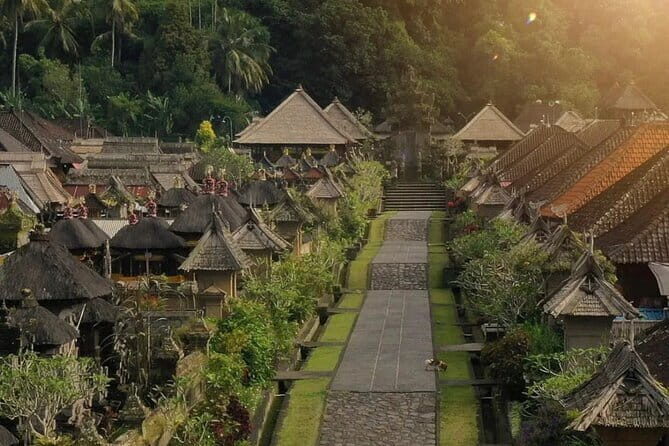
What’s the recommended age range?

The recommended age range is 13 to 48 years old.

Who should not participate?

It’s not recommended for travelers with heart attack history, asthma, or epilepsy.

What if the weather is bad?

The experience requires good weather. If it’s canceled due to poor weather, you’ll be offered a different date or a full refund.

How much time do most people book in advance?

On average, this is booked about 26 days in advance.

Best Ubud Tour with Instagrammable Jungle Swing all inclusive

Best Ubud Tour with Instagrammable Jungle Swing all inclusive - Pickup, driver, and how the private format helps

A jungle swing day, minus the stress. This private guided tour strings together Tegenungan Waterfall, Mount Batur caldera views in Kintamani, a natural hot spring soak, Sacred Monkey Forest, and the Bongkasa jungle swing so you spend less time figuring things out. I love the private guided tour pacing because I can slow down where I want, and I love that the jungle swing ticket and lunch are already part of the day. One drawback: it’s a long one, and the full day of driving can feel like a lot if you prefer smaller hops.

The payoff is simple: door-to-door pickup and return transfers, an English-speaking driver, and air-conditioned comfort with bottled water. Your group stays together, you skip the self-drive headaches, and you can keep moving without the usual group-delay chaos.

Key highlights worth planning for

Best Ubud Tour with Instagrammable Jungle Swing all inclusive - Key highlights worth planning for

  • All entrance fees and the jungle swing ticket are included
  • Door-to-door pickup with an English-speaking driver
  • Kintamani’s Mount Batur and Lake Batur viewpoints in one day
  • Fun Volcanic Hot Spring: a natural soak with big views
  • Sacred Monkey Forest Sanctuary with temples and lots of macaques
  • Bongkasa jungle swing with panoramic valley scenery

Ubud in one day: what makes this route work

If you want Ubud highlights without turning your trip into a map-reading contest, this kind of private day tour makes a lot of sense. You’re ticking off several top sights in a single plan—waterfall, volcano highlands, hot springs, monkey forest, and a jungle swing—so you’re not spending half your day traveling between “maybe” and “must-see.”

What I like is the structure. You get a steady rhythm: travel, stop, time to look, then move on. That means you can actually enjoy each place instead of standing around waiting for other logistics to catch up.

Price and value: what $65 really covers

Best Ubud Tour with Instagrammable Jungle Swing all inclusive - Price and value: what $65 really covers
At $65 per person, the real value here is that the day isn’t just transportation. The package includes hotel pickup and return transfers, a driver, air-conditioned private transport, bottled water, lunch, and entrance fees at the attractions—plus the jungle swing ticket.

That matters because Ubud sightseeing can add up fast once you start paying for entry on your own, buying bottles, and handling lunch. Here, you know what you’re getting upfront, and you can focus on the fun parts instead of tallying costs at every stop.

Two small things to plan for: you’ll still have personal spending (snacks, souvenirs, extra drinks), and tips are optional but typical.

Pickup, driver, and how the private format helps

Best Ubud Tour with Instagrammable Jungle Swing all inclusive - Pickup, driver, and how the private format helps
This is private, meaning it’s only your group in the vehicle. That’s a big deal for two reasons: you can set a sensible pace, and you’re not stuck with a schedule that doesn’t match your group’s energy.

The driver is English-speaking, and the best part is using their local know-how. In real-world terms, that means they can recommend a lunch spot and help you decide the order of stops so you don’t get stuck in the wrong flow of traffic or crowds. If you’re lucky enough to get drivers like Mr. Widi, Dedek, or Ketut, you’ll probably get that calm, thoughtful guidance people love about this tour style.

Tip: if you have one “must do” (like hot springs or the swing), tell the driver early. It’s easier to adjust the day when everyone starts aligned.
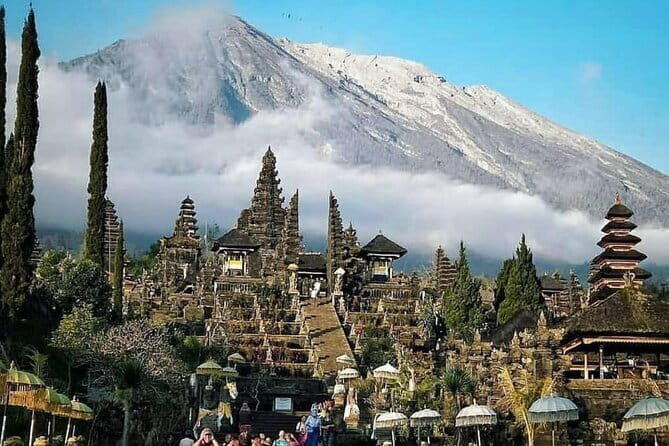
Tegenungan Waterfall: views first, then decide how much time you want

Best Ubud Tour with Instagrammable Jungle Swing all inclusive - Tegenungan Waterfall: views first, then decide how much time you want
Your first major nature stop is Tegenungan Waterfall. Expect a classic Bali waterfall scene: green surroundings, a good photo viewpoint, and a popular setting where timing really matters.

One practical consideration: you’ll likely want comfortable shoes. The waterfall area can be slippery in spots, and you don’t want to spend your time being careful instead of taking in the view.

Also, ask your driver what order they recommend for your specific day. One piece of advice that comes up often is to be flexible about early stops. If the first stop in your day feels more like a sales stop (jewelry/workshop type of place), you can usually adjust so you spend more time where the photos and views actually are—like the waterfall.

Kintamani Highland: Mount Batur and Lake Batur views, with a cooler feel

Best Ubud Tour with Instagrammable Jungle Swing all inclusive - Kintamani Highland: Mount Batur and Lake Batur views, with a cooler feel
Next up is Kintamani, a highland area known for big views over Mount Batur and Lake Batur. It’s the kind of place where you get that “wow” moment simply by stepping onto the right viewpoint and looking out.

The tour plan gives you time in Kintamani twice, which usually helps in practice. You can catch the views, enjoy the slower mountain atmosphere, and then return later if you want another angle or a more comfortable moment to relax. Kintamani is also where coffee plantations and roadside cafés often show up in the experience, so you may get a chance for a coffee break if you’re interested.
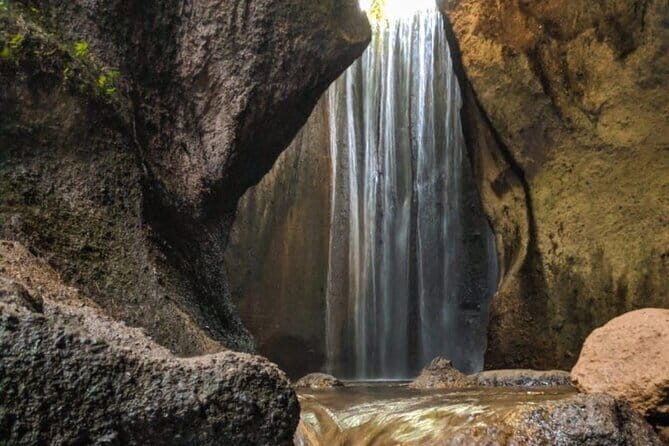
Real talk: mountain weather can change. If the day is cloudy, your best move is patience and good light later. If it’s clear, you’ll likely spend more time just looking out.
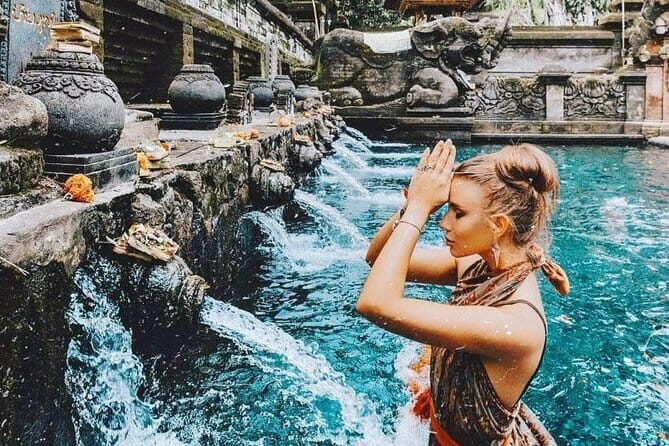
Fun Volcanic Hot Spring: why this stop feels like a reset button

Best Ubud Tour with Instagrammable Jungle Swing all inclusive - Fun Volcanic Hot Spring: why this stop feels like a reset button
The tour includes Batur Natural Hot Spring at Fun Volcanic Hot Spring. This is not a tiny soak. Think of it as a natural hot spring/water park setup with the bonus of panoramic views toward Lake Batur and Abang Hills.

It’s a great middle-of-the-day reset for a reason: after viewpoints and walking, soaking helps your body stop feeling like it’s “in transit mode.” In at least one example from real guide behavior, people even chose to spend extra time at the hot springs when they had the option—so if you love this kind of stop, you can ask about extending your time.

Practical tip: bring swimwear or plan to change into it. You’ll have a much better experience if you’re ready to actually get in, not just watch.

Sacred Monkey Forest Sanctuary: temples, macaques, and simple etiquette

Best Ubud Tour with Instagrammable Jungle Swing all inclusive - Sacred Monkey Forest Sanctuary: temples, macaques, and simple etiquette
At Sacred Monkey Forest Sanctuary you’ll see jungle paths, old temples, and lots of long-tailed macaques. It’s a fun stop because it’s not only animals—it also has the spiritual atmosphere of an active sanctuary.

Here’s the part that really helps: follow simple monkey safety etiquette.

  • Keep food hidden and don’t dangle items.
  • Keep your phone secured while walking.
  • If a macaque approaches, don’t panic—just let it pass and keep moving calmly.

You’ll probably want about an hour here to get photos without rushing. The mix of wildlife and temples makes it feel like a real place, not just a photo backdrop.

Bongkasa jungle swing: the photo moment and the practical side

Best Ubud Tour with Instagrammable Jungle Swing all inclusive - Bongkasa jungle swing: the photo moment and the practical side
Now for the Instagram moment: the Bongkasa jungle swing. The setting is described as lush valleys with tropical trees and panoramic views, and that matches what makes this stop work. You’re not just swinging—you’re swinging with a backdrop that makes the whole trip feel worthwhile.

A key detail: the jungle swing ticket is included. That removes one common pain point—running around for tickets or waiting while someone else buys them.

What to expect practically: plan for sun, heat, and a bit of standing around. If you want the best photos, arrive ready to take your time adjusting positions and angles. Also, if you’re wearing something you don’t want to get dusty, keep that in mind. The swing area is outdoors and active.

Lunch and pacing: how the day avoids feeling rushed

Lunch is included, and it’s also one of the best places to slow down. If you’re doing a lot of outdoor stops—waterfalls, viewpoints, and a hot spring—food becomes part of your energy plan, not a side quest.

One practical point: having an experienced driver helps you choose a lunch moment that makes sense for the rest of the day. In examples from guides, people have been guided toward a good lunch spot and an order of sights that avoids unnecessary backtracking.

The tour runs about 10 hours total, so you’re doing a lot. But the stop durations are built into the plan, which helps you avoid the “we’re here, but we’re not really enjoying it” feeling.

Tips to get more out of the whole day

If you want this tour to feel smooth, here are the small moves that help most:

  • Wear comfy shoes for the waterfall and monkey forest areas.
  • Bring sunscreen and water habits for the hotter outdoor stops (bottled water is included).
  • If you care most about hot springs or the swing, tell your driver at pickup.
  • If you want more time at a stop, you can extend for $5 per extra hour within the service areas.

Also, if you have specific places you’d like to add, you can list up to five places in your remarks—as long as they fit along one route so the itinerary can be prepared properly.

Who should book this tour?

This is a great fit if you want a one-day hit list of Ubud highlights with minimal stress. It’s especially good for:

  • Couples or small groups who want private pacing
  • First-time visitors who don’t want to self-drive
  • People who want both nature (waterfall, hot spring) and wildlife/culture (Monkey Forest)
  • Anyone chasing the swing photos but still wanting a full day of real sights

You might reconsider if:

  • You prefer a slower, fewer-stops itinerary
  • You get very tired from long drives
  • You only care about one or two places and the rest feels like filler

Should you book this Ubud jungle swing tour?

If you’re the kind of traveler who likes a clear plan and hates logistical headaches, I’d book it. The value is strong because lunch, entrance fees, transport, and the jungle swing ticket are bundled together, and the private format keeps the day from feeling chaotic.

Choose it especially if you want the full Ubud mix: waterfall + volcano views + hot springs + Monkey Forest + Bongkasa swing. If you’re worried about the length, just plan your mindset like a marathon day: good shoes, sunscreen, and tell your driver what matters most.

FAQ

FAQ

Is this tour private or shared?

It’s private, so only your group participates.

Do you get hotel pickup and return transfers?

Yes. Hotel pickup and return transfers are included.

How long is the tour?

The duration is about 10 hours (approximately 10 hours 1 minute).

What’s included in the tour price?

The package includes an English-speaking driver, private air-conditioned transportation, bottled water, entrance fees at the attractions, the jungle swing ticket, and lunch.

Do I need to bring money for entrance fees?

Entrance fees at the attractions are included in the tour package, so you typically won’t need to pay at each stop.

Is lunch included?

Yes, lunch is included.

Can I request extra places to visit?

You can list up to five places in the remarks section. The stops need to be along one route so the itinerary can be prepared smoothly.

What if the weather is bad or I need to cancel?

You can cancel for a full refund up to 24 hours in advance. The tour also depends on good weather; if it’s canceled due to poor weather, you’ll be offered a different date or a full refund.

Eastern Bali and Besakih Temple Tour

Eastern Bali and Besakih Temple Tour - The day starts in Penglipuran: ordered village life and easy cultural context

Besakih and the bamboo walk are a strong combo. This full-day Eastern Bali tour strings together Penglipuran Village, a 7-hectare all-bamboo forest area, and Pura Besakih on Mount Agung’s slopes, then ends at Tukad Cepung waterfall. I love the private, air-conditioned ride and the English-speaking guide who helps you understand what you’re seeing.

The only real catch is the extra cost: entrance fees and lunch aren’t included, with a temple entrance ticket listed at USD 20 per person. Budget for those add-ons and you’ll enjoy a smooth, story-rich day instead of doing math mid-trip.

Key highlights worth your time

Eastern Bali and Besakih Temple Tour - Key highlights worth your time

  • Penglipuran Village first: a traditional Balinese village stop with a clear cultural focus before you hop into nature.
  • 7-hectare bamboo forest: an all-bamboo area right near Penglipuran (great for photos and an easy stretch).
  • Pura Besakih’s temple complex: Bali’s most important pilgrimage site, set high on the slopes of Mount Agung.
  • A local lunch in Karangasem: a stop designed around authentic Balinese food, not a generic roadside meal.
  • Tukad Cepung waterfall inside a cave: a dramatic setting that feels a little Indiana-Jones, minus the whip.

Price and logistics: what your $80 really buys

Eastern Bali and Besakih Temple Tour - Price and logistics: what your $80 really buys
At $80 per person for an 8 to 10 hour day, this tour is priced for people who want structure. You get hotel pickup and drop-off, a private air-conditioned vehicle, and an English-speaking guide. You also have mobile ticket use, which helps keep things simple once you’re out the door.

Here’s the value math: the listed entrance ticket for the experience is USD 20 per person, and lunch isn’t included. So your day is more like a two-part budget—tour price plus on-site costs. Still, you’re paying to avoid the hassle of figuring out routes and timing on your own.

You’ll also feel the “private and exclusive” setup. It’s only your group in the vehicle, which usually makes it easier for your guide to adjust the pace. In the reviews, guides are praised for staying helpful and respectful, and one guide even adjusted the timing based on weather so the day stayed workable.

The day starts in Penglipuran: ordered village life and easy cultural context

Eastern Bali and Besakih Temple Tour - The day starts in Penglipuran: ordered village life and easy cultural context
Your pickup is set for 9:00 am, so you’re not wasting the morning. First stop is Penglipuran Village, where the focus is tradition and everyday Balinese village life.

What I like about starting here is how it sets your frame of reference before temples and waterfalls. You’ll learn how local culture is organized and why visitors keep using the word traditional—because Penglipuran is intentionally maintained to look and function like a village, not a theme park.

A practical note: you’ll have about 2 hours here. That’s enough time to walk around without feeling rushed, but you’ll still want to wear comfortable shoes. This is the kind of stop where you’ll get more out of it if you’re curious and ask your guide questions as you go.

Bamboo forest near Penglipuran: the 7-hectare all-bamboo walk

From Penglipuran, you’ll move to the bamboo forest area. It’s described as being about 5 meters from the traditional village, and the bamboo forest covers around 7 hectares—with bamboo as the only plant type in that area.

That detail matters. A mixed garden can feel random. A single-type bamboo grove feels purposeful. You’ll get a repeating rhythm of tall poles and shadows, and it’s a nice change of pace from village streets.

You’ll have around 2 hours at this stop, and admission is listed as free. This is one of the best parts of the itinerary for people who want photos without paying extra entry fees.

If you go in warm weather, bring water (you’ll get bottled water from the tour) and take short breaks. Bamboo areas can be sunny, and you’ll probably do at least some walking between viewpoints.

Pura Besakih: why Bali’s most important temple is worth the climb

Eastern Bali and Besakih Temple Tour - Pura Besakih: why Bali’s most important temple is worth the climb
Next up is Pura Besakih, Bali’s most important pilgrimage center. The temple complex includes 22 temples, spread across the slopes of Mount Agung.

This is the heart of the tour, and your guide’s explanations will make or break it. The best part of the reviews isn’t just the setting—it’s the storytelling. Several guides are highlighted for giving clear insight into Balinese traditions and lifestyle, not just pointing at buildings.

The admission ticket here is not included. The information you’re given lists a temple entrance ticket of USD 20 per person, so plan for it up front. Also, expect that temple areas can be busy and active. Even if you’re not there for religious study, you’ll still feel the spiritual energy in the way people move through the compound.

You’ll have about 2 hours at Besakih. That’s usually a good window: long enough to see multiple viewpoints and major areas, but not so long that you lose the thread of what you’re looking at.

Karangasem and Rendang: a lunch stop that aims for local flavor

Eastern Bali and Besakih Temple Tour - Karangasem and Rendang: a lunch stop that aims for local flavor
After the temples, you’ll head to the Karangasem region and stop around Rendang, described as a tiny village with stunning views where you eat at locals’ favorite spots.

The itinerary doesn’t list a specific restaurant, and lunch isn’t included, so you’ll likely pay at the meal stop. That said, the purpose of this break is clear: it’s built around authentic Balinese cuisine, and reviews mention the lunch part with a view as a standout moment.

This is where the private guide format helps. One guide can keep you from getting stuck in a touristy, fast-food trap. Another might steer you toward a simpler menu that fits the day’s pacing.

You’ll have about 1 hour 30 minutes here. Use that time to refuel, and if you’re getting photos after Besakih, this is a good place to slow down and breathe for a minute.

Tukad Cepung waterfall: a cave-water scene that rewards timing

Eastern Bali and Besakih Temple Tour - Tukad Cepung waterfall: a cave-water scene that rewards timing
You’ll wrap the day with Tukad Cepung Waterfall, described as hidden inside a cave in the Bangli region. It’s a “find it in the jungle” kind of place—different from many waterfalls you’ve likely seen, because the dramatic setting is the point.

This stop is about 1 hour 30 minutes, and admission isn’t included. In other words, you’re paying for access once you arrive, so don’t assume it’s included in the tour price.

Here’s the practical reality: cave waterfalls can look very different depending on light and crowds. That’s exactly why the weather/timing flexibility mentioned in reviews matters. One guide is specifically praised for adjusting the timeline to the weather, which can be the difference between a good photo and a frustrating one.

Wear shoes you don’t mind getting dusty. Waterfall paths can be slick. You don’t want to be thinking about foot grip while you’re trying to enjoy the setting.

Guides that make the difference: more than directions

Eastern Bali and Besakih Temple Tour - Guides that make the difference: more than directions
The itinerary is solid on paper, but the day really improves when your guide turns each stop into a story. In the reviews, names show up again and again: Esa, Wayan Birawyan, Nyoman Victor, and Komang Alu.

What stands out isn’t just friendliness. It’s how guides connect the dots:

  • explaining Balinese traditions in a way that’s easy to follow,
  • adjusting the plan based on weather,
  • and helping you get better photos by knowing where to pause.

One review also mentions a coffee factory stop suggested by the guide that wasn’t on the program. That’s a good sign: it implies your guide may add small, optional touches if time allows and the schedule holds. Just keep your expectations flexible—extra stops depend on timing and group pace.

If you want to feel like you’re traveling with a local teacher for the day, this tour has the right ingredient: an English-speaking guide who pays attention to the flow of your day, not just the checklist.

How to think about the itinerary: villages, temples, then caves

Eastern Bali and Besakih Temple Tour - How to think about the itinerary: villages, temples, then caves
This route makes sense if you like variety in one day:

1) Penglipuran gives you cultural grounding.

2) Bamboo forest adds nature and a clear, photogenic walk.

3) Besakih delivers the spiritual centerpiece.

4) Karangasem/Rendang gives you a food break and a view stop.

5) Tukad Cepung closes with a dramatic setting inside a cave.

The best part is the pacing. You’re not stacking three exhausting hikes back-to-back. You do have walking and heat exposure, but you also get change of scenery and downtime between major stops.

That said, it’s still a full day. If you hate long days or you want a slower, no-stress schedule, this might feel like a lot—because it’s designed to cover multiple “must-see” moments efficiently.

Who should book this tour (and who might skip it)

This tour is a good fit if you:

  • want a private day plan with a guide who can explain what you’re seeing,
  • are staying in Ubud and don’t want to figure out Eastern Bali logistics on your own,
  • like mixing culture (village + temples) with nature (bamboo + waterfall).

You might consider skipping if you:

  • are very price-sensitive once you add entrance tickets and your own lunch,
  • dislike early starts or long drives,
  • or plan to spend a lot of time on your own at just one site rather than several.

Should you book the Eastern Bali and Besakih Temple Tour?

I think this is a strong booking for most first-time visitors to Bali’s east side—especially because it’s structured around both culture and scenery. The combination of Penglipuran Village, the bamboo forest, and Pura Besakih is exactly the sort of arc that helps the places feel connected instead of random stops.

Book it if you’re comfortable paying the USD 20 per person entrance and you’re fine handling lunch on your own. The day becomes worth it when your guide is doing the job you hired them for: giving context, managing the timeline, and helping you get good moments at each stop.

Skip it if you want a relaxed, single-location day. This tour is about movement, and it’s best when you’re in “see a lot, learn a lot” mode.

FAQ

FAQ

What time does the tour pickup start?

Pickup is arranged for 9:00 am from your hotel.

How long is the Eastern Bali and Besakih Temple Tour?

The tour runs about 8 to 10 hours.

How much does the tour cost?

The price is $80.00 per person.

What is included in the $80 price?

It includes hotel pickup and drop-off, transport by a private air-conditioned vehicle, an English-speaking guide, a private/exclusive tour, and bottled water. The tour also uses a mobile ticket.

Are entrance tickets included for the sites?

No. Entrance ticket fees are not included, and the temple entrance is listed as USD 20 per person.

Is lunch included?

No. Lunch is not included.

Is the bamboo forest admission free?

Yes. The bamboo forest stop lists admission as free.

Is this tour private or shared with others?

This is private. Only your group participates.

Can I cancel and get a refund?

Yes. Free cancellation is available if you cancel up to 24 hours before the experience’s start time.

How far in advance should I book?

On average, this tour is booked about 7 days in advance, and confirmation is received at time of booking.

Hidden Ubud: Waterfalls & Sacred Temples

Hidden Ubud: Waterfalls & Sacred Temples - Tirta Empul Temple: Holy Spring Water and Balinese Rituals

Ubud, minus the chaos. This private full-day outing strings together sacred springs, UNESCO-listed rice terraces, and jungle waterfall time, with an easy pace guided by a personal driver-guide. You’ll also get a scenic look at Bali’s countryside as you move between Ubud’s most memorable sights.

What I like most is how much is included for the price: entrance tickets and bottled water are covered, so you’re not constantly digging for wallets. Second, I love the “human” feel of a private driver-guide—your day can breathe, and you’re not stuck watching a bus unload the same photo pose every 10 minutes.

One thing to consider is that it’s a long day—expect roughly 8 to 10 hours. If you’re the type who hates early starts or quick transitions, you may want to keep your evenings light afterward and pack smart for heat and humidity.

Key things to know before you go

  • Tirta Empul focuses on Balinese holy spring-water rituals, and the tour can swap in Goa Gajah (Elephant Cave) if you’d prefer that vibe
  • Tegallalang Rice Terraces is your big UNESCO moment, with enough time to walk and take photos without sprinting
  • Your waterfall stop is built around cooling off at Tegenungan or Ulun Petanu (your guide chooses based on conditions)
  • The Sacred Monkey Forest Sanctuary is optional, so you can skip it if you’d rather avoid close-up macaque chaos
  • You’ll visit an art village experience covering wood carving, painting, and a traditional silver workshop
  • Lunch is on your own dime at a local spot (the day still keeps a comfortable rhythm)

How This Private Ubud Day Balances Temples, Rice, and Waterfalls

Hidden Ubud: Waterfalls & Sacred Temples - How This Private Ubud Day Balances Temples, Rice, and Waterfalls
This tour works because it balances three different sides of Ubud: spirituality, farming, and nature. One moment you’re at a temple connected to holy water; the next you’re on the ridgeline paths of the Tegallalang Rice Terraces; then you’re cooling off in the green shade of a waterfall.

I also like that the day doesn’t feel like a checklist. You’ll get time to actually look, walk a bit, and regroup between stops. That matters in Bali, where the heat can make “one more stop” feel like “five more stops” if your schedule is too tight.

Your personal driver-guide is the glue. In the small details—when you stop, how long you stay, and how you move through crowded areas—this kind of private setup keeps the day feeling calmer.

Pickup and Getting Around: Air-Conditioned Comfort From Seminyak

Hidden Ubud: Waterfalls & Sacred Temples - Pickup and Getting Around: Air-Conditioned Comfort From Seminyak
The day starts with hotel pickup around 8:30 AM, with pickup and drop-off offered in the Ubud, Kuta, Seminyak, Sanur, and Nusa Dua areas. You’ll travel in a private air-conditioned vehicle, with a driver-guide who speaks English.

This is one of those practical Bali upgrades that’s easy to overlook. When you’re crisscrossing inland roads, an AC car and a driver who knows where to go can turn “we’ll see” into “we’ll actually get there.” Plus, the tour includes parking fees & fuel, so there are fewer surprise add-ons.

If you care about timing (most people do), the reviews are a good clue: Dewa has been praised for being on time, driving safely, and getting everything done in a reasonable amount of time without rushing. That’s exactly what you want on a day with multiple stops.

Tirta Empul Temple: Holy Spring Water and Balinese Rituals

Hidden Ubud: Waterfalls & Sacred Temples - Tirta Empul Temple: Holy Spring Water and Balinese Rituals
Tirta Empul is famous for its holy spring water, and it’s the kind of place that makes Bali feel spiritual, not just scenic. Even if you don’t plan to do every ritual practice, the atmosphere is the point: you’ll see how daily life and belief overlap in a temple setting.

The tour gives you about 1 hour here, plus your entrance ticket is included. That timing is realistic. You want enough minutes to look around, understand what’s going on, and take photos respectfully without feeling like you’re being herded.

There’s also a swap option: your guide can take you to Goa Gajah (Elephant Cave) instead. That’s useful if you’re more into ancient stone sites than water temples, or if you’d like a quieter feel depending on the day.

Practical notes you’ll thank yourself for

  • Wear something you can move in, since temple areas often involve stairs and uneven ground
  • Bring a light layer or scarf for respectful coverage
  • If you’re sensitive to crowds, ask your guide how they plan the timing

Tegallalang Rice Terraces: UNESCO Views You Can Walk

Hidden Ubud: Waterfalls & Sacred Temples - Tegallalang Rice Terraces: UNESCO Views You Can Walk
Tegallalang Rice Terraces are one of those Bali stops where the photos are only half the story. Yes, the view is classic—emerald terraces stepping across hills—but the real value is being able to walk the paths and see how the irrigation works in person.

You’ll have around 1 hour at the terraces, and the entrance ticket is included. That’s enough time to get a few good angles, stroll through the viewpoints, and still feel like you’re not rushing through a museum.

I also appreciate that this stop is practical for travelers. If you’re coming from beach areas like Seminyak or Sanur, it’s the perfect inland contrast: cooler air, more shade, and the sound of water channels instead of traffic.

One more good thing: because you’re on a private schedule, you can move at a human pace rather than waiting for a group to finish their turn.

Waterfall Time at Tegenungan or Ulun Petanu

Hidden Ubud: Waterfalls & Sacred Temples - Waterfall Time at Tegenungan or Ulun Petanu
The day’s “reset” stop is your waterfall break—Tegenungan or Ulun Petanu (your guide chooses). You get about 1 hour, which is ideal for cooling off, taking photos, and stretching your legs after temple and rice terrace walking.

This is also one of those stops where your guide’s judgment helps. Water levels, crowd flow, and even visibility can change, so having a choice between waterfalls is a smart design. Either way, you’re going for the same goal: a jungle setting where you can cool down and feel the rain-forrest mood.

What I’d plan for: bring something quick-dry if you think you’ll get close enough to feel mist, and wear shoes that can handle slick paths. Even if you don’t go into the water, surfaces near waterfalls can be slippery.

If you want photos

In the reviews, your guides are praised for being helpful with photos and videos, especially for solo travelers. So if you’re particular about shots—portraits, rice-terrace angles, or waterfall action—tell your guide your preferences early. It saves time and frustration.

Optional Sacred Monkey Forest Sanctuary: Choose Your Comfort Level

Hidden Ubud: Waterfalls & Sacred Temples - Optional Sacred Monkey Forest Sanctuary: Choose Your Comfort Level
The Sacred Monkey Forest Sanctuary is optional, and I’m glad it’s treated that way. This is a place that can be amazing if you enjoy nature and animals—but it can also feel stressful if you don’t like monkeys close to you.

You’ll have about 1 hour if you choose to go, with an entrance ticket included. Think of it as a mixed bag: temples in a green forest, plus long-tailed macaques that are curious and quick.

My advice: if you bring snacks or anything tempting, keep it secured. Even if you’re not worried, it helps your day feel calm rather than watchful.

If you prefer a steadier, less animal-focused day, skip it and use that time for more temple or longer waterfall breathing room.

D Alas Warung Restaurant Lunch and the Value of a Real Village Drive

Hidden Ubud: Waterfalls & Sacred Temples - D Alas Warung Restaurant Lunch and the Value of a Real Village Drive
Lunch is built into the flow, but it’s not included in the tour price. You stop at D Alas Warung Restaurant for a scenic countryside drive and local lunch time, and you’ll pay for your meal yourself. Budget it like a normal Bali lunch stop.

The value here isn’t just food. It’s the ride through villages and rice fields that lets the day feel like more than three tourist hotspots. You’ll notice how people build around water and agriculture, and you’ll get a better sense of what “everyday Bali” looks like outside the beach zones.

If you’re sensitive to hunger timing, this structure works well because lunch is placed after the big temple-and-rice blocks. It breaks up the mental load of sightseeing.

Ubud Art Village Stops: Wood Carving, Painting, and Silver Workshops

Hidden Ubud: Waterfalls & Sacred Temples - Ubud Art Village Stops: Wood Carving, Painting, and Silver Workshops
One of the smartest parts of this tour is the art time. It’s not random shopping. You’ll observe traditional wood carving techniques by skilled artisans, visit a Balinese painting community, and see a traditional silver workshop.

This is exactly the kind of stop that can help you understand what you’re seeing back home. Even if you don’t buy anything, you learn how the process works—tools, steps, and the patience behind the finished pieces.

You’ll get a total of about 1 hour in this area (the schedule shows multiple art-focused components), and it’s all part of the day’s culture-to-nature balance. For many people, this is the part that feels most “Ubud,” because it’s practical and human: people making things with their hands.

Shopping tip that keeps your day easy

If you plan to buy art or jewelry, set a small budget before you arrive. Workshops make it easy to get pulled into the story of the craft, and it’s nice to decide calmly instead of rushing at the end.

Price and What You’re Actually Getting for $60

Hidden Ubud: Waterfalls & Sacred Temples - Price and What You’re Actually Getting for $60
At $60 per person, this tour is one of those deals that adds up when you look at what’s included. You’re paying for:

  • A private air-conditioned vehicle
  • A professional English-speaking driver-guide
  • Hotel pickup and drop-off
  • Bottled water
  • Entrance tickets
  • Parking fees & fuel

The two big value multipliers are the private vehicle and entrance tickets. In Bali, entrance fees can add up fast, and transportation costs rise quickly when you’re moving from temple to rice terraces to inland waterfalls. Here, those costs are handled up front.

Lunch is the one clear extra. Meals and drinks are not included, so plan for that. But overall, you’re paying for a full-day structure that avoids the constant “how much is this again?” stress.

And because it’s private, you get to keep your time. That’s often where the best value shows up—less wasted waiting, less crowd frustration, fewer schedule clashes.

Who This Tour Suits Best (and Who Might Skip It)

This tour is a strong fit if you want an easy, structured day in Ubud with a mix of culture and nature. It’s especially good for:

  • Couples who want a calm private day instead of a crowded group circuit
  • Families who like predictable timing and driver help moving between sites
  • Small groups who want privacy but still want the “greatest hits” of inland Bali

It may not be perfect if you’re the kind of traveler who wants total free-form time. Since the day has set stops and scheduled time windows, it’s less suitable for people who want to wander with zero structure.

Also, if monkeys make you uneasy, treat the Monkey Forest as an optional choice rather than a must-do.

Should You Book Hidden Ubud: Waterfalls & Sacred Temples?

If you’re staying in Seminyak (or nearby beach areas) and you want one smart full day that covers temples, rice terraces, and waterfall time without stress, I’d book it. The mix is good, the pacing is realistic, and the included entrance tickets make it feel complete.

I’d book it even more confidently if you value a private driver-guide who can keep things on track. The reviews strongly suggest guides like Dewa (and sometimes others such as Made Gama) focus on being on time, driving safely, and getting the day done without rushing you through the sights.

Choose this tour if you want a “done-for-you” Ubud day with breathing room to enjoy each place. Skip it only if you want a fully independent itinerary or you’re not into longer temple-and-nature travel days.

FAQ

What time does the tour start?

The tour starts at about 8:30 AM with hotel pickup.

How long is the Hidden Ubud tour?

It runs approximately 8 to 10 hours.

Where is hotel pickup available?

Hotel pickup is available in the Ubud, Kuta, Seminyak, Sanur, and Nusa Dua area.

Are entrance tickets included?

Yes. Entrance tickets are included for the tour stops.

Is lunch included in the price?

Meals are not included. Lunch is available at D Alas Warung Restaurant, but it’s an own-expense stop.

Can I cancel if my plans change?

Yes, you can cancel for a full refund if you cancel at least 24 hours before the experience’s start time.

If you tell me your travel dates and where you’re staying (Seminyak, Kuta, Ubud, etc.), I can help you sanity-check the day plan and what to prioritize based on your interests (temples vs. photos vs. waterfalls).

All Include: Mount Batur Sunrise Trekking Natural Hot Springs

All Include: Mount Batur Sunrise Trekking Natural Hot Springs - Hotel pickup at 2:00 AM: the part that makes or breaks your day

Mount Batur at dawn is special in a way that’s hard to fake. This tour strings together the classic Bali sunrise hike with a few smart extras: volcanic heat cooking for your breakfast, a coffee plantation stop, and a soak at Toya Devasya Hot Spring Waterpark after the climb.

Two things I’d strongly highlight: the early-morning guide support (names like Sanjaya and Ketut Adi show up in recent experiences as friendly, informative, and photo-ready), and the chance to cook eggs and bananas using the heat of the volcano. One trade-off is real: this is an early wake-up and the hike can be hard on the legs, especially if you’re not used to steep, dark trails.

Key things to know before you go

All Include: Mount Batur Sunrise Trekking Natural Hot Springs - Key things to know before you go

  • Door-to-door pickup from areas including Seminyak, Kuta, Legian, Nusa Dua, Sanur, and Ubud (start time around 2:00 AM)
  • Eggs and bananas cooked in volcanic heat, not just a scenic stop
  • English-speaking trekking guides who help with pace and explanations on the way up
  • Toya Devasya natural hot springs right after the descent to recover fast
  • Coffee plantation visit later in the morning, so you get both sunrise and local flavor

How this Mount Batur package turns a sunrise into a full morning

All Include: Mount Batur Sunrise Trekking Natural Hot Springs - How this Mount Batur package turns a sunrise into a full morning
Mount Batur sunrise is the headline. The other pieces are what make this tour feel worth the effort. Instead of only sprinting to a summit view and back, you get a planned flow that keeps you moving toward something: trek, summit, descent, soak, then coffee.

The timing is also built for the experience. You’re picked up in the pre-dawn window (around 2:00–3:00 AM depending on hotel location), start trekking at about 4:00 AM, and reach the summit area around 6:15 AM. That’s the sweet spot when the sky can shift from dark to glowing without the day already fully cooking you.

Also, it’s structured like a “one company handles it all” day: hotel pickup and drop, entrance tickets, mineral water, and an English-speaking mountain guide. The only big missing piece is lunch, so you’ll want to plan around that.

Hotel pickup at 2:00 AM: the part that makes or breaks your day

All Include: Mount Batur Sunrise Trekking Natural Hot Springs - Hotel pickup at 2:00 AM: the part that makes or breaks your day
This tour’s day really begins before most of Bali is awake. Expect pickup in the range of 2:00–3:00 AM, then you’re on the road toward the mountain. The exact pickup time depends on where your hotel is.

In recent experiences, drivers have been punctual and welcoming. People describe being met by drivers who are chatty, friendly, and efficient—so you start the day feeling taken care of instead of stressed about transport. In at least one case, a 4×4 jeep was used for part of the journey, which can make the rougher road feel more manageable.

Practical tip: treat this like a night hike, not a breakfast trip. Bring a warm layer. Even if Bali is hot later, the pre-sunrise start can feel cold once you’re walking in the dark.

Trekking at 4:00 AM: steep effort, good guidance

All Include: Mount Batur Sunrise Trekking Natural Hot Springs - Trekking at 4:00 AM: steep effort, good guidance
You begin trekking around 4:00 AM. That means the first part of your climb is mostly about rhythm: your feet finding the trail, you adjusting to the altitude, and your guide keeping the group moving at a pace that makes sense.

This isn’t a flat stroll. The route is steep enough that your legs will notice fast. The good news is that you’re not doing it alone. The tour includes an experienced Mount trekking guide who speaks English and helps with what to expect as you go.

If it rains, don’t assume the day automatically falls apart. One recent experience mentioned heavy rain, with the team still handling the situation well. Still, use common sense: pack for wet conditions and slow down where the trail is slippery.

What I like about this kind of guided sunrise trek is that you don’t have to invent your own plan at 5 AM. Your guide handles the timing and the route flow, and you can focus on not rushing too hard too early.

Summit crater and sunrise at 6:15 AM: the payoff moment

Around 6:15 AM, you arrive at the summit crater area for the view and sunrise. This is the main event, and it’s also why the whole day is scheduled so early.

What makes this moment work is contrast. You’re moving from dark and cool air into a sky that changes fast, with volcanic terrain in front of you. Even if you’ve seen sunrise photos before, there’s something about watching it unfold while you’re standing there that photos can’t fully capture.

This is also where your guide’s experience matters. People have highlighted guides who are informative and help you get great photos. If you want pictures, this is the time to ask your guide to help you position and time them.

The volcanic-sand breakfast: eggs and bananas you actually cook

A big reason people enjoy this tour is the breakfast format. You’re not just handed food. You get a chance to cook your own eggs and bananas in hot volcanic sand.

It’s a simple idea, but it’s memorable. You watch your food cook using geothermal heat, and you get a real sense of the volcano’s power beyond just scenery. It’s also energy you earn. After climbing into the sunrise, hot, freshly cooked food feels like fuel instead of a snack.

One thing to keep in mind: you might not finish breakfast instantly. The morning schedule is stacked—summit, then descent timing, then the soak and coffee stop—so eat when your food is ready rather than waiting to explore too long.

Descent to Toya Bungkah Village by 8:00 AM: when your legs start bargaining

All Include: Mount Batur Sunrise Trekking Natural Hot Springs - Descent to Toya Bungkah Village by 8:00 AM: when your legs start bargaining
After the summit experience, you begin your descent around 8:00 AM and aim for Toya Bungkah Village by about 9:00 AM. For many people, this is the hardest part physically—not because it’s as steep as the climb, but because going down uses different muscles and can feel tough on knees.

If you’re sensitive on the way down, wear shoes with decent grip and take your time on uneven steps. Your guide can also help with pacing. The goal here is not speed. It’s arriving with enough energy to enjoy the next stop.

Toya Devasya hot springs at 9:10 AM: recovery with geothermal heat

Here’s where the tour earns points. About 9:10 AM, you relax with a bath at Toya Devasya Natural Hot Spring Waterpark. The soak is timed well: you’ve already done the hike, you’ve cooled off enough to feel comfortable, and your body is ready for warmth.

Hot springs after a steep morning is a practical kind of joy. You’re not just relaxing—you’re trying to recover so your afternoon doesn’t feel wrecked. Even if you’re not a spa person, the heat can make a noticeable difference in how your legs feel.

This stop also helps the day feel balanced. Sunrise treks can feel dramatic and intense. The hot springs turn the volume down.

The 11:30 AM coffee plantation stop: local flavor with a calmer pace

Around 11:30 AM, you stop at a Balinese coffee plantation. This is the “slower” segment of the morning, so it fits nicely after both the hike and the soak.

I like this order. After sunrise and hot springs, you’re ready to walk a bit, look around, and learn without feeling like you’re sprinting between activities. Your guide and the plantation visit give you context for how coffee fits into daily life and local agriculture.

If you’re a coffee person, you’ll probably enjoy spending this time tasting and learning at a relaxed pace. If you’re not, it’s still a nice cultural counterpoint to the volcano focus.

Transfers back by 2:00 PM: a full-day workout that still ends at a reasonable hour

You return to your hotel with an estimated arrival around 2:00 PM. That’s important. A lot of sunrise tours expand into an all-day marathon. This one is roughly 10 hours, which is long, yes, but not unreasonable.

The drop-off is part of the package, so you’re not stuck figuring out how to get home while tired. You’ll likely feel the early start, but the schedule is tight enough that you don’t waste the day waiting around.

Price and value: why $30 can work if you want the whole package

The price is listed at $30.00 per person, and that’s a big part of what makes this tour attractive. At that level, you’re paying for a full chain of value: hotel pickup/drop, an English-speaking guide, mineral water, entrance tickets, breakfast, the hot springs entry, and the coffee plantation stop.

The trade-off is what’s not included: lunch. You’ll need to budget for that on your own. Also, you should treat this as a “do-your-part” day: wear the right shoes, keep warm early, and accept that the hike is physically challenging.

So is it worth it? If you want the Mount Batur sunrise, plus the hot springs payoff, plus breakfast and coffee in one organized morning, then yes, the math tends to work. If you only care about sunrise views and you’re already planning separate transport, it might feel like extra.

What to bring (and the small cash details that save headaches)

This kind of sunrise day is all about gear that makes the morning easier.

I’d bring:

  • A warm layer for the early start, plus something you can adjust as you heat up
  • Good grip shoes for rocky steps
  • A flashlight or headlamp (you’ll be walking in pre-dawn darkness)
  • Basic rain protection (if weather turns)

One practical tip from recent experiences: bring some cash for small purchases like toilets, which were mentioned as costing around 5,000. The same tip also noted that if you want a blanket and tea, having cash helps.

Even if you’re not sure you’ll use those extras, having a bit of cash is a low-effort insurance policy.

Who this fits best (and who should think twice)

This tour is for people who want a classic Bali sunrise experience with the rest of the morning built in. You’ll likely enjoy it most if you:

  • like early starts when the payoff is scenic
  • want a guided trek rather than self-planning
  • care about recovery, thanks to the hot springs stop
  • want breakfast included, especially the hands-on volcanic cooking

The main consideration is the hike. The package notes that most people can participate, but the mountain sunrise trek is still hard on the legs. If you have mobility limits or knee problems, consider your comfort level carefully.

Weather matters too. The experience requires good weather, and if it’s canceled due to poor conditions, you should expect a different date or your money back.

Should you book this Mount Batur sunrise with hot springs?

If you want sunrise at Mount Batur plus the fun extras—volcanic eggs and bananas, a coffee plantation visit, and hot springs recovery—this is a strong deal at the listed price. The schedule is tight, the team setup is built around pickup and timing, and the hot springs stop is the right kind of reward after effort.

I’d book if you’re ready for an early start and you’ll take the hike seriously (good shoes, warm layers, slow pace on the descent). I’d think twice only if you know steep hiking will be a struggle for you, or if you can’t do very early pickup and a mostly standing, walking day.

FAQ

What time does the tour start?

The start time is 2:00 AM, with hotel pickup usually in the 2:00–3:00 AM range depending on where you’re staying.

How long is the Mount Batur Sunrise Trek and hot springs day?

It’s about 10 hours (approx.), with return to your hotel around 2:00 PM.

What’s included in the breakfast?

Breakfast is included, with an option where you cook eggs and bananas in hot volcanic conditions.

What hot springs do we visit?

After the descent, you relax at Toya Devasya Natural Hot Spring Waterpark. This happens around 9:10 AM.

Do they pick you up from Seminyak hotels?

Yes. Pickup and drop-off are offered from hotels in Ubud, Kuta, Legian, Seminyak, Nusa Dua, and Sanur.

Is lunch included?

No. Lunch is not included.

What if the weather is bad?

This experience requires good weather. If it’s canceled due to poor weather, you’ll be offered a different date or a full refund.

Do I need cash for anything?

It’s a good idea to bring some cash. One tip from recent experiences: toilets were around 5,000, and people who wanted a blanket and tea found it helpful to have cash on hand.

Bali ATV Bike Cave and waterfall with hotel Pick Up And Lunch

Bali ATV Bike Cave and waterfall with hotel Pick Up And Lunch - Rice Paddies, Jungle, and Bamboo: The Scenery That Makes the Ride Worth It

ATVs, rice terraces, and secret caves in Ubud. This Bali ride mixes adrenaline with scenery, taking you from rice paddies to cave country. It’s the kind of day where the journey feels like part of the payoff, not just a transfer between stops.

My favorite part is the pacing: you’re not stuck on one long track. You get built-in breaks for a waterfall moment and an easy lunch buffet to reset. The one caution is the terrain: expect rugged, muddy trails, and plan on a moderate fitness level since this isn’t a flat, sit-and-spin route.

Key highlights

Bali ATV Bike Cave and waterfall with hotel Pick Up And Lunch - Key highlights

  • 4 hours in Ubud with a small group cap of 20 travelers
  • Rice paddies + jungle and bamboo for the classic Ubud look
  • Cave exploration that adds mystery to the ride
  • Hidden waterfall stop for cooling off and photos
  • Helmet, towel, and shower equipment included after the ride
  • Lunch buffet included with clean food to keep energy up

Why This Bali ATV Day Feels Like Real Ubud

Bali ATV Bike Cave and waterfall with hotel Pick Up And Lunch - Why This Bali ATV Day Feels Like Real Ubud
This isn’t just a quick ATV photo line. It’s a 4-hour run designed to move through what makes Ubud famous: farming views, tropical greenery, and that sense of “wait, where does this trail go?” Even with the adrenaline element, the route keeps giving you visual payoff.

I also like that it’s practical. You’re provided the essentials that matter when you get muddy: helmet, towel, and shower equipment. That means you can actually leave feeling more human than grime-covered.

One more reason this works: the day includes hidden caves and a waterfall stop along the way. Those aren’t just scenic extras. They break up the ride so the experience feels varied, not repetitive.

Rice Paddies, Jungle, and Bamboo: The Scenery That Makes the Ride Worth It

Bali ATV Bike Cave and waterfall with hotel Pick Up And Lunch - Rice Paddies, Jungle, and Bamboo: The Scenery That Makes the Ride Worth It
The ride starts with the iconic Ubud setting: terraced rice paddies. You’ll be on trails where you can still spot the traditional farming look that locals keep alive, including the terraced structure that makes the whole area so photogenic. It’s a good way to see Ubud from ground level, not just from a viewpoint.

Then the route shifts into dense tropical jungle and bamboo forests. This is where the ride changes character. The air feels cooler under trees, and the path can feel more “out there,” even when you’re still near popular Ubud areas.

If you care about variety, this mix is the winning formula. Rice paddies are open and bright; jungle sections feel enclosed. Caves and water add a third mood. You don’t just get the same track for four hours.

Caves and Waterfalls: What to Expect When the Route Gets Wild

Bali ATV Bike Cave and waterfall with hotel Pick Up And Lunch - Caves and Waterfalls: What to Expect When the Route Gets Wild
The cave part is the most “adventure” piece of the day. You’ll explore hidden caves that come with a local folklore and history vibe, which is part of why this activity feels more than mechanical fun. Caves also mean you’ll be moving in cooler, dimmer conditions, so you’ll want to take it slow and steady.

Then there’s the waterfall stop. This is your chance to cool off after the rougher sections and to take photos with real sound and mist in the air. The waterfall break matters because it’s not just a look-see. It’s a reset button for your body when the day starts to get humid and hot.

Keep expectations grounded: rugged terrain and muddy trails are part of the plan. You should plan for splashes, slippery ground, and that “everything is a bit messy” feeling. If you’re hoping for a clean, polished outing, this one may not match your style.

Included Lunch, Helmet, Towel, and Shower Setup: The Comfort You’ll Appreciate

Bali ATV Bike Cave and waterfall with hotel Pick Up And Lunch - Included Lunch, Helmet, Towel, and Shower Setup: The Comfort You’ll Appreciate
A lot of cheap ATV ads leave out the part that matters after the ride. Here, you get the basics so you can actually move on with your day. Helmet is included, and you also receive towel and shower equipment at the activity area.

The lunch buffet is also included, and the key detail is that it’s described as clean food. That matters in Bali because eating well during a fast-moving tour helps you avoid getting sluggish mid-route. In a 4-hour window, you don’t want to be hunting for food while everyone else is already on the next leg.

What I’d do in your shoes: treat the lunch like a fuel-up, not a leisurely meal. You’ll enjoy it more if you eat with the mindset that the ride still has muddy segments coming.

How the Day Flows From Ubud Pickup (and What to Bring)

Bali ATV Bike Cave and waterfall with hotel Pick Up And Lunch - How the Day Flows From Ubud Pickup (and What to Bring)
Your day is set up around Ubud. You get pickup offered and private transportation included, and the group size stays small (max 20). After pickup, you’ll follow the activity flow: brief setup, then you’re off for the ATV route through rice paddies, jungle, caves, and the waterfall stop.

A small but useful detail: you can use a mobile ticket, and you’ll receive confirmation at booking time. That cuts down on last-minute stress when you’re trying to coordinate with pickup.

What you should bring is simple and practical:

  • A change of clothes in a waterproof bag (you will likely get wet)
  • Closed-toe footwear you’re okay with getting muddy
  • Anything you need to protect from the sun (the day involves outdoor riding)

Because a moderate physical fitness level is required, you’ll enjoy the tour more if you’re comfortable with uneven ground and getting on and off the ATV repeatedly during short breaks.

Price and Extras: What $34 Really Covers in Bali

Bali ATV Bike Cave and waterfall with hotel Pick Up And Lunch - Price and Extras: What $34 Really Covers in Bali
The price is listed at $34, and that’s the main reason this tour is attractive. For four hours, you’re not just paying for the ATV ride. You’re also getting:

  • Lunch buffet
  • All fees and taxes
  • Private transportation
  • Helmet
  • Shower equipment and towel

Also, it’s listed as not included: nothing. In other words, there aren’t surprise add-ons listed as mandatory for this activity.

Now, the extra fees you should understand:

  • Solo travelers add 300k.
  • Pickup and drop to your hotel outside Ubud area adds 350k.

Those additions can change value depending on where your hotel is. If you’re already staying inside the Ubud area and you’re traveling with at least one other person, you may feel like you’re getting the full experience for the base price.

Your Guide: Why Putu Ricky’s Style Matters on This Route

Bali ATV Bike Cave and waterfall with hotel Pick Up And Lunch - Your Guide: Why Putu Ricky’s Style Matters on This Route
This tour is led by Putu Ricky. The standout from the provided experience notes is that the guide’s approach can shape how the day feels.

Putu is described as punctual and friendly, with excellent English. Even more important, the day can be tailored depending on what you care about, which matters on a route like this where pacing affects how much you enjoy each environment. Putu’s style also includes cultural context and recommendations, including mentions of rice terraces, a peaceful temple stop, and time around a local market with fresh tropical fruits. Some days include a chance to relax more than just riding and racing.

If you love local stories and small authentic touches, Putu’s guidance is a big part of the value. If you’re mainly there for the ATV action, you’ll still get that—but the guide’s role can help you make the stops more meaningful.

Who This ATV and Waterfall Tour Fits Best (and Who Might Want Another Option)

Bali ATV Bike Cave and waterfall with hotel Pick Up And Lunch - Who This ATV and Waterfall Tour Fits Best (and Who Might Want Another Option)
This is a solid match if you want a mix of adrenaline and scenery in one half-day. You’ll like it if rice paddies, jungle trails, caves, and a waterfall stop are exactly the type of variety you enjoy.

It’s also a good fit if you’re traveling with people who want a plan that’s easy on logistics. Private transportation and an included lunch mean you’re not juggling timing or hunting for meals.

The main mismatch is physical comfort and expectations. The route includes rugged, muddy sections, and the requirement is moderate physical fitness. If you hate getting dirty or you’re not comfortable with uneven ground, you may want a less rugged option instead.

Should You Book This Ubud ATV Bike Cave and Waterfall Tour?

Book it if you want a four-hour Ubud experience that hits multiple “I can’t believe this is near my hotel” moments: terraced rice views, cave exploration, and a waterfall break, all with the comfort support of helmet, towel, and shower equipment, plus lunch.

I’d also book it if you like the idea of a guide who can explain what you’re seeing and adjust pacing so the day doesn’t feel rushed.

If you’re deciding last-minute, one practical note: plans change. You can cancel for a full refund up to 24 hours in advance, which gives you wiggle room.

If your top priority is a super-clean, gentle outing, then consider something else. But if you’re excited to get a little muddy and still leave with a full Ubud story, this one is a strong pick.

FAQ

Is hotel pickup included?

Yes. Pickup is offered, and private transportation is included. If your hotel is outside the Ubud area, there’s an extra 350k charge for pickup and drop-off.

How long is the ATV and waterfall tour?

It runs about 4 hours.

What’s included with the ticket?

You get a lunch buffet, all fees and taxes, private transportation, and activity equipment such as a helmet. You also get shower equipment and a towel.

Do I need to bring anything for the muddy trails?

You should be ready for muddy conditions and getting wet. Pack a change of clothes and wear shoes that can handle uneven, wet ground.

Is lunch included?

Yes. A lunch buffet is included, and it’s described as clean food.

Is there an extra fee for solo travelers?

Yes. Solo travelers add 300k.

Discover Ubud: 2 Days Ubud Private Tour

Discover Ubud: 2 Days Ubud Private Tour - Day 2: Waterfalls, Kintamani volcano views, and a temple ritual

Two days, one well-paced Ubud loop. This private tour pulls you from Seminyak into Ubud’s most famous culture spots, then swings you into waterfalls and volcano views. You get an air-conditioned vehicle, bottled water, and a mobile ticket, so the day feels organized rather than chaotic.

I especially like the way the itinerary balances living Balinese culture with outdoor time: Barong and Keris dance at Batubulan, macaques at Sacred Monkey Forest, and the terraced scene at Tegalalang. Another highlight for me is ending the tour with a real spiritual moment at Tirta Empul, centered on the holy spring water and purification ritual.

One consideration: it’s paced and outdoors-heavy. You’ll do walks around temples and waterfalls, so wear solid shoes and keep your expectations realistic about heat and humidity.

Key points at a glance

  • Private, air-conditioned transport with pickup from your hotel area
  • Batubulan Barong and Keris dance for a classic good-versus-evil story
  • Monkey Forest plus Tegalalang rice terraces in one clean day flow
  • Kanto Lampo and Tukad Cepung waterfalls for that splashy, photogenic canyon feel
  • Tirta Empul purification ritual tied to Tirta Empul’s holy spring water

Price and what you actually get for $130

Discover Ubud: 2 Days Ubud Private Tour - Price and what you actually get for $130
At $130 per person for a private 2-day plan, the value mostly comes from two things: you’re paying for smooth logistics and fewer decision headaches. This isn’t just a “see a place” checklist. It’s a route that stitches together culture, nature, and spirituality across two packed days, with meals handled.

The basics included help your budget: all fees and taxes, lunch (2), bottled water, and an air-conditioned vehicle. Alcoholic drinks are not included, so if that’s part of your usual vacation rhythm, plan to cover it separately.

Private tours also matter here because Bali’s roads take time. A driver who keeps the rhythm helps you spend your energy on the stops, not the back-and-forth.

Getting from Seminyak without losing your whole day

You’ll start with hotel pickup (from the Seminyak area), then transfer by vehicle to your first sights. The first leg runs about one hour to Batubulan, which is a typical reality check for Bali: you’re often “commuting through scenery,” not hopping between places.

The tour is private, so only your group participates. That’s a practical win if you want a bit more flexibility with pacing at sites like Monkey Forest or the rice terraces, where people tend to linger.

You’ll also have a mobile ticket, which is handy in the real world. Less paper juggling, more time not thinking about what ticket goes where.

Day 1: Batubulan to Monkey Forest to Tegalalang

Discover Ubud: 2 Days Ubud Private Tour - Day 1: Batubulan to Monkey Forest to Tegalalang

Batubulan Barong and Keris dance: culture you can follow

Your first stop is Batubulan, where you watch the Barong and Keris dance. This performance is a classic Balinese story built around the eternal theme of good versus evil. Even if you don’t read the cultural background ahead of time, the rhythm and roles make the meaning easy to track.

Admission here is listed as free, so you’re not hit with extra onsite costs at the very first major cultural stop. Plan to keep your phone ready, but also take in the performance without turning it into a pure recording marathon.

Sacred Monkey Forest Sanctuary: beautiful, chaotic, and close-up

Next comes Sacred Monkey Forest Sanctuary, a 27-acre nature reserve in the middle of Ubud. It’s home to hundreds of long-tailed macaques, so you’re not just watching monkeys from a distance. You’re walking through their living environment.

This stop includes admission, and it’s a good place to slow down for a bit. The forest feel adds shade and texture after travel, and you’ll get plenty of chances for photos and people-watching.

A practical consideration: monkeys are curious. Keep bags secure and avoid dangling snacks or anything tempting. If you’re going in expecting a calm zoo visit, you’ll be disappointed. If you’re going in expecting wild behavior, you’ll have a better time.

Tegalalang Rice Terrace: classic Ubud views, best enjoyed calmly

Then you head to Tegalalang Rice Terrace, one of Bali’s most iconic terraced rice paddies. You’ll have about an hour here, enough time to walk a few viewpoints and take in how the irrigation and farming shape the whole hillside.

Admission is included, which keeps this day moving. The only drawback is timing: places this famous can feel busy, and the view can be the real reason you’re there. My advice is to pick a couple of viewpoints instead of trying to check every angle.

Lunch at D Alas Warung: jungle swing with a real meal view

Lunch happens at D Alas Warung Restaurant, and the setting is the point: it overlooks the jungle and rice terraces. You also get a chance to experience the jungle swing there.

Lunch is included, and you’ll get about two hours at this stop. That extra breathing room matters after a forest and a terrace walk. It gives you time to eat, cool off, and take a slower rhythm before the next temple stop.

If you want to do the swing, wear something comfortable and be ready for a quick exchange of airflow and suspense. It’s not the main attraction of the day, but it fits the Ubud “nature plus fun” mood.

Gunung Kawi Sebatu Temple: older-feeling shrines and bathing pools

Later in the day you visit Gunung Kawi Sebatu Temple, a lesser-known temple complex near Tegallalang with bathing pools and ancient shrines in a jungle setting. It’s the kind of place that feels quieter than the headline attractions, even though it’s still part of a guided day.

Admission is included, and you’ll have about an hour. That’s enough time to look around respectfully without rushing through. If you’re looking for a spiritual counterpoint to the busy rice terraces, this is it.

One practical note: temple sites often mean uneven ground and rules about attire and behavior. Bring your “respect first” mindset, and you’ll get more out of the stop.

Day 2: Waterfalls, Kintamani volcano views, and a temple ritual

Discover Ubud: 2 Days Ubud Private Tour - Day 2: Waterfalls, Kintamani volcano views, and a temple ritual

Kanto Lampo Waterfall: splashy photo time

Day 2 begins with Kanto Lampo Waterfall, described as a strong photo spot because of the water splash. You get about an hour here.

Admission is included, and that timing is smart: you’re not stuck for half a day in one wet place. This is the kind of stop where the photos are good, but it’s also about hearing the water and feeling how quickly the air cools once you’re close.

Wear shoes that can handle damp paths. And if you’re bringing a camera, keep a plan for water droplets.

Tukad Cepung Waterfall: where the light effect is the whole show

Next is Tukad Cepung Waterfall, known for its hidden-gorge setting and the way sunlight can filter through. You’ll have about an hour, with admission included.

This one is worth it if you like places with atmosphere. A waterfall in a gorge creates a different feel than a wide-open fall, and the “light through openings” effect is why people come. The practical reality: conditions can change the look of the light, so aim to be flexible and don’t expect the same photo every time.

Kintamani highland: Mount Batur views and the lake backdrop

After the waterfalls, you head to Kintamani Highland, with views of Mount Batur and Lake Batur. You’ll have about two and a half hours here, and admission is included.

This stop is valuable because it expands your Ubud experience beyond forest and village life. You get the big-picture feeling of Bali’s volcanic geography, plus a classic vantage point for photos and just staring for a while.

If you’re someone who loves scenery but hates rushing, this time window helps. You can wander a bit, take breaks, and let the views land.

Tirta Empul Temple: purification ritual and holy spring water

The day ends at Tirta Empul Temple, famous for its holy spring water believed to have purifying and healing properties. You’ll spend about one and a half hours, with admission included.

This isn’t just sightseeing. The core activity is a purification ritual at the temple’s spring water. If you’ve never seen a ritual like this before, approach it with quiet attention. Don’t treat it like a show to interrupt.

A good mindset helps you here: you’re stepping into someone else’s spiritual space. Watch first, then follow the guide’s cues on how to participate respectfully.

The guide factor: why Kiut’s driving style matters

One thing that comes through clearly in the local experience is the quality of the driving and guidance. Driver Kiut is called out as excellent, and that makes sense. On a two-day route like this, the driver’s role isn’t just transport. It’s pacing, timing, and keeping you from feeling lost between very different environments.

Having a calm, capable driver also helps when you’re moving from waterfalls to a highland viewpoint to a temple ritual. Each area has its own “mood,” and smooth transitions make the whole trip feel connected rather than random.

Who this tour suits best (and who might want a different pace)

Discover Ubud: 2 Days Ubud Private Tour - Who this tour suits best (and who might want a different pace)
This private 2-day plan fits best if you want a structured Ubud experience without doing logistics on your own. It works nicely for people who like both sides of Bali: cultural performances and hands-on nature stops, plus a spiritual finale.

If you’re traveling with moderate fitness, you’re in the right zone. The tour notes a moderate physical fitness level, which fits the mix of temple walking and waterfall paths.

It may be less ideal if you want a slow, hang-around vacation with long meal stops and no schedule pressure. This itinerary is active, and the day-to-day flow is built to keep you moving.

Should you book Discover Ubud: 2 Days Ubud Private Tour?

Discover Ubud: 2 Days Ubud Private Tour - Should you book Discover Ubud: 2 Days Ubud Private Tour?
Book it if you want a single private plan that hits Ubud’s must-see cultural highlights and pairs them with two very different waterfall experiences, plus Kintamani and Tirta Empul. The included lunches and admission coverage also make it easier to budget.

Skip it or consider a lighter version if you dislike busy photo spots, don’t want to walk around temples and natural sites, or you’d rather spend more time in one place instead of ticking through many.

Overall, this is a strong choice for value because you’re buying time and order. You’re not just visiting Ubud. You’re getting a guided story arc from dance and forest to terraces, then waterfalls, volcano views, and purification at Tirta Empul.

FAQ

Is pickup included?

Yes. Pickup is offered, starting from your hotel.

How long is the tour?

It’s a 2-day tour, with timing listed as approximately 2 days.

Is this tour private?

Yes. It’s private, and only your group will participate.

What meals are included?

Lunch is included for both days (2 lunches total). Alcoholic drinks are not included.

Are tickets included for the attractions?

Admission tickets are included for multiple stops, including Sacred Monkey Forest Sanctuary, Tegalalang Rice Terrace, Gunung Kawi Sebatu, Kanto Lampo Waterfall, Tukad Cepung Waterfall, Kintamani Highland, and Tirta Empul Temple. The Barong and Keris dance at Batubulan is listed as free.

What’s included in the price besides tickets?

The price includes all fees and taxes, bottled water, and an air-conditioned vehicle.

What about fitness level?

The tour notes a moderate physical fitness level. You should be comfortable with walking around outdoor sites and temples.

Can I cancel for a full refund?

Yes. Free cancellation is allowed up to 24 hours in advance for a full refund.

Do I get a mobile ticket?

Yes. Mobile tickets are included.

Batur Volcano Day Jeep And Hot Spring All Inclusive Private Tour

Batur Volcano Day Jeep And Hot Spring All Inclusive Private Tour - Batur Natural Hot Spring: The Best Way to Come Down

Sunrise on Mount Batur feels unreal. This all-inclusive private day strings together a 4WD volcano sunrise with Balinese culture stops and a final soak in the natural hot spring by the lake. I love the included breakfast box (boiled eggs, banana, bread) plus a hot drink at the start, and I also like that the Batur hot spring has real day-use extras like locker, change room, towel, and a welcome drink. One thing to consider: it’s an early-morning plan, and you should double-check the meeting point between your hotel transfer and the 4×4 drivers so you don’t end up waiting somewhere you’d rather not.

I also appreciate the way the ride is paced. You get a view stop before rolling farther in the jeep over the 1964 lava field, and your guide shares the eruption story as you go. With a guide like Kadek (good English, smooth handling) the day tends to feel organized even if the route needs small adjustments.

Key Things To Know Before Your Mount Batur Sunrise Jeep Day

  • Breakfast + hot drink start: boiled eggs, banana, bread, and tea so you’re not heading out empty-stomached.
  • Two-part jeep route up Mount Batur: a drop-area viewpoint, then a second ride through the 1964 lava flow.
  • Guide-led eruption storytelling: you’re not just riding; you get context about what you’re seeing.
  • Batur Natural Hot Spring with facilities: locker, change room, towel, and a welcome drink included.
  • Cultural stops beyond the volcano: Tirta Empul sacred water temple, plus Tegenungan Waterfall and a flower garden village.
  • Private group format: only your group participates, with hotel pickup and private transport.

Sunrise 4WD Up Mount Batur: The Real Point of This Tour

Batur Volcano Day Jeep And Hot Spring All Inclusive Private Tour - Sunrise 4WD Up Mount Batur: The Real Point of This Tour
This tour is built around one simple idea: see Mount Batur at sunrise without doing an ultra-early trek on foot. Instead, you’ll do a bouncing 4WD adventure that gets you close enough for great views while still feeling like a genuine off-road experience.

The best part is how the day unfolds. You’re not rushing directly from your hotel into a one-size-fits-all scramble. There’s time set aside for a morning start at the volcano, a hot drink, and a practical breakfast before the big moving part begins. That makes the sunrise feel less like a chore and more like a payoff.

Also, since you have a guide, you’re not left guessing what you’re looking at. The route includes a stop where you can take in the volcano and lake views, then the jeep continues across the 1964 lava field with the eruption explained along the way.

Breakfast Box and Early Timing: Fueling the Sunrise Without Fuss

Early mornings in Bali can feel rough if you show up hungry and cold. This tour gives you an easy answer before the main ride: a hot drink and tea at arrival, plus a breakfast box with boiled eggs, banana, and bread.

That matters more than it sounds. You’ll likely be outside, and sunrise viewing usually means you’re not staying in one place for long. Having calories in you helps you focus on the view instead of the growl in your stomach. And because breakfast is included, you don’t need to hunt down food before pickup.

A practical tip: eat the breakfast, but don’t overdo it. You want enough energy for the moving part, and something light enough that the bumpy ride doesn’t make you feel queasy.

The Two-Stage Jeep Ride: Viewpoint First, Then the Lava Fields

Batur Volcano Day Jeep And Hot Spring All Inclusive Private Tour - The Two-Stage Jeep Ride: Viewpoint First, Then the Lava Fields
Mount Batur here is handled in a smart sequence. After you’re picked up from your hotel, you’ll meet your guide driver at the Batur Volcano jeep start point. From there, you’ll get some basic route briefing and then the adventure begins.

The ride is described as having two main parts:

  1. A viewpoint drop area where you can see the volcano and lake.
  2. A second jeep trek that continues through the lava field from the 1964 flow.

Why this setup is worth your time: it gives you a moment to orient yourself and enjoy what’s coming, then it ramps up again once you’re ready for the off-road portion. The lava-field portion is where the tour earns its “day jeep” label. You’ll be bouncing over terrain formed by an older eruption, and the guide keeps tying the scenery back to the volcanic story.

And yes, there’s also a human element during the morning: you may witness local farmers at work, which adds real-life texture to the landscape.

What Your Guide Adds: Stories That Make the Rocks Make Sense

A sunrise on a volcano is impressive on its own, but the difference here is that your guide doesn’t treat it like a photo stop only. The route includes an explanation of the 1964 lava flow and the eruption story as you travel through it.

This kind of guided context changes how you remember the experience. Instead of thinking, “Lava rocks, cool,” you start connecting what you see to how it formed and why it matters. It also helps you feel more confident moving along the route, since you understand what you’re approaching and why.

If you’re picky about English, pay attention to that point: one guide name that comes up in this circuit is Kadek, noted for clear English and keeping things smooth. Even when the route has minor changes, a guide who communicates well makes the day feel calm.

Batur Natural Hot Spring: The Best Way to Come Down

Batur Volcano Day Jeep And Hot Spring All Inclusive Private Tour - Batur Natural Hot Spring: The Best Way to Come Down
After the sunrise jeep portion, the tour shifts to recovery mode: Batur Natural Hot Spring. This is the lake-side hot spring stop, and it’s structured to be relaxing, not just “get in and out.”

Here’s what you can expect:

  • You can swim in the relaxing pool.
  • It’s positioned as good for skin relaxation.
  • Facilities are included: locker, change room, towel.
  • You’ll also get a fresh welcome drink after you settle in.

This stop is valuable because it gives your body a break after the early morning and the bumpy ride. It also works as a mental reset. One moment you’re chasing sunrise light over volcanic terrain; the next you’re floating in warm water with basic comforts handled for you.

Practical tip: bring sandals you can walk in comfortably, and don’t forget to manage your towel and dry bag so you’re not juggling wet stuff while changing.

Tirta Empul Sacred Water Temple: Spiritual Culture Without the Long Detour

Batur Volcano Day Jeep And Hot Spring All Inclusive Private Tour - Tirta Empul Sacred Water Temple: Spiritual Culture Without the Long Detour
The volcano is only part of the story. The tour also includes a visit to Tirta Empul, a sacred water temple near Ubud, guided as part of your Balinese history and culture focus.

What’s important here is not forcing yourself to “figure it all out” on the spot. With a guide, you get a clearer sense of what makes the temple meaningful and how water is treated in that sacred context. Even if you’ve seen photos of this type of place before, being there with guidance is usually the difference between passing through and actually understanding what you’re witnessing.

A realistic note: temple visits are typically less about big scenery and more about observation and respect. Dress and behavior matter, and you’ll likely spend some time watching and learning rather than walking at speed.

Tegenungan Waterfall and the Flower Garden Village: Two Quick Culture/Scenery Hits

Batur Volcano Day Jeep And Hot Spring All Inclusive Private Tour - Tegenungan Waterfall and the Flower Garden Village: Two Quick Culture/Scenery Hits
To balance the early volcanic section and the hot spring soak, the tour adds two more sightseeing components:

  • Tegenungan Waterfall
  • A tropical flower garden village (often described as a flower garden village detour)

Tegenungan is included as a waterfall stop, which gives you a change of setting from lava and steam to rushing water and greenery. It’s a good palate cleanser. And the flower garden village adds an easy, friendly side of Bali that isn’t only temples and rice terraces.

One thing I like about this combo: it keeps the day from feeling like a single-issue outing. You start with sunrise and volcanic geology, then you move into sacred water culture, then you end with a relaxing soak. That rhythm makes the full 6 hours feel coherent.

Price and Value: Is $90 Worth a Private All-Inclusive Day?

Batur Volcano Day Jeep And Hot Spring All Inclusive Private Tour - Price and Value: Is $90 Worth a Private All-Inclusive Day?
At $90 per person for a roughly 6-hour private-style day, the price makes sense because multiple costs are bundled.

You’re not just paying for transport. The tour also includes:

  • hotel pickup,
  • private transport,
  • a guide,
  • entry fees,
  • breakfast box,
  • hot drink and tea at the start point,
  • hot spring admission plus facilities.

Here’s how that turns into value for you. Sunrise jeep tours can be expensive once you add in entrance fees, guide time, and the extra logistics of getting to the volcano, then back again to Ubud area attractions. Having those parts packed together usually means fewer separate payments and less coordination work on your end.

Is it a “cheap” day? No. But it’s also not paying for a buffet of random stops. This is a tight route: volcano sunrise, hot spring, and culturally meaningful Ubud-area sights. If that matches your priorities, it reads like solid value.

Logistics and Pace: What You Should Plan For

This is a fast-moving, early-day format, and the timing matters.

  • Mount Batur portion is about 2 hours.
  • Hot spring portion is about 2 hours.
  • The remaining time needs to cover Tirta Empul, Tegenungan Waterfall, and the flower garden village, plus driving time.

That means you shouldn’t expect a slow, lingering day where you wander freely for hours at each stop. You’ll see a lot, and you’ll likely move on once you’ve gotten the main experience.

Also, the tour requires good weather. If conditions are poor, it can be canceled and you’ll be offered another date or a full refund. For sunrise plans, that policy is important because volcano mornings can go sideways quickly when cloud cover or weather doesn’t cooperate.

And about pickup: there’s one practical lesson worth taking seriously. A mix-up between the hotel transfer driver and the 4×4 meeting point is a real risk on early starts. The solution is simple: confirm the exact meetup point and timing with your provider the day before (or as soon as you receive your confirmation). That small step can save you stress.

Who This Tour Fits Best

This is a strong match if you:

  • want sunrise views but don’t want a very early on-foot hike,
  • like having a guide explain what you’re seeing, not just drive-by photos,
  • want a final relax stop with the hot spring handled properly,
  • prefer a private group format where your time isn’t shared with strangers.

It may be less ideal if you:

  • hate early mornings and don’t handle sudden schedule shifts well,
  • need long, unstructured time at each attraction,
  • are very sensitive to bumpy road conditions (the jeep rides through lava terrain).

Should You Book This Mount Batur Jeep + Hot Spring Tour?

Yes, I’d book it if your priority is a volcano sunrise with real scenery and you want the rest of the day to feel thoughtfully connected. The tour earns its “all inclusive” label because breakfast, entry fees, guide time, and hot spring facilities are part of the package, not add-ons you have to manage.

If you book, do one small thing to protect your morning: verify the meeting point between your hotel pickup and the jeep start point. It’s the easiest way to avoid the one annoyance that can crop up in any sunrise-and-transfer setup.

FAQ

How long is the Mount Batur Jeep and hot spring tour?

It runs for about 6 hours (approximately), including time for the Mount Batur sunrise jeep ride and the Batur Natural Hot Spring, plus the other cultural stops.

What’s included in the tour price?

The tour includes hotel pickup, private transport, a guide, entry fees, and breakfast. You’ll also get complimentary hot drinks and tea at the start point, and admission and facilities at the hot spring.

What stops are included besides Mount Batur?

Besides Mount Batur for sunrise, the tour includes Batur Natural Hot Spring, Tirta Empul (a sacred water temple near Ubud), Tegenungan Waterfall, and a tropical flower garden village.

Does the tour include hot spring facilities and food?

Yes. The hot spring stop includes locker, change room, towel, and a fresh welcome drink. Breakfast at the start point is also included.

Is the tour private?

Yes. It’s described as a private tour/activity, meaning only your group will participate.

What happens if weather is bad?

The experience requires good weather. If it’s canceled due to poor weather, you’ll be offered a different date or a full refund.