Bali Leather Craft Workshop – 6 hours ( canggu / seminyak)

Bali Leather Craft Workshop - 6 hours ( canggu / seminyak) - Cutting patterns and choosing leather that suits your style

Hands-on leather beats another photo stop.

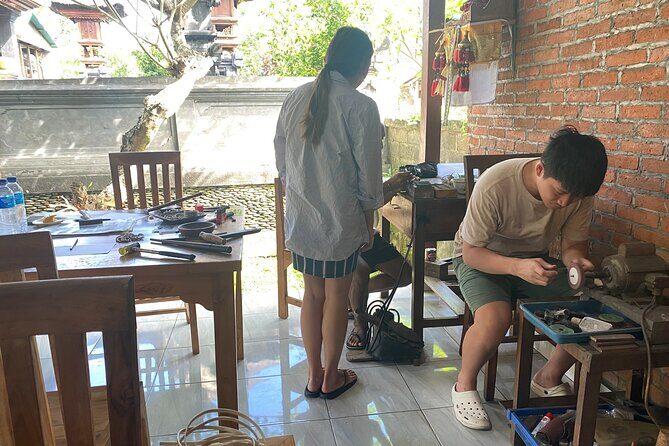
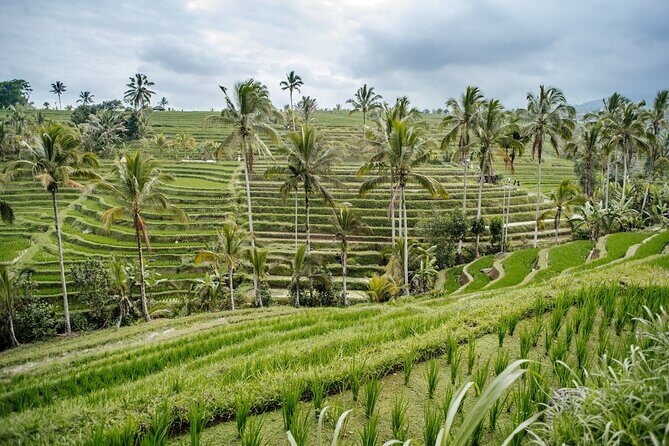
This 6-hour leather workshop near Seminyak turns a quiet slice of Bali (rice fields and a calm studio vibe) into something useful: you create a real item you can use daily. I like that the class is step-by-step, from pattern cutting to final hardware, so you’re not just watching—you’re actively making.

What I really like is the patient, encouraging teaching from instructors like Abenk and Opik, and the freedom to personalize things like leather texture and thread color. One thing to plan for: it’s a long, warm day, so you’ll be glad you bring your own snacks or lunch and water, and you may need to watch for signage when you arrive.

Key things that make this workshop worth your time
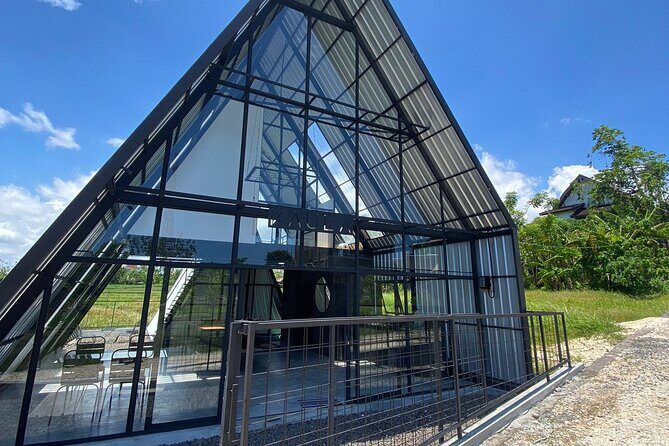
Bali Leather Craft Workshop - 6 hours ( canggu / seminyak) - Key things that make this workshop worth your time

  • Rice-field setting that keeps the day calm, not chaotic.
  • Private class setup where only your group participates.
  • True hands-on process from cutting to stitching to edge finishing.
  • Color and thread choices so your item looks like you, not like a cookie-cutter souvenir.
  • Final varnish and hardware (like snaps or buttons) for a polished result.
  • Helpful pacing from instructors including Abenk and Opik, suited to your level.

Leather crafting in Bali rice fields, close to Seminyak

Bali is great at setting the scene, but this class nails something more practical: it gives you a finished leather item without the usual “tour-bus craft” feel. Instead of rushing through a demo, you work your way through each stage of leather making. That matters because leathercraft is one of those skills where the small steps create the quality you can actually feel later.

The workshop is based in Seminyak/Canggu area, but the day’s mood is quiet. The workshop setting is described as peaceful, with the kind of view you’d normally only get when you’re taking a scenic detour. That’s a real value for a vacation day: you get a “doing” activity, not just a “standing and looking” activity.

The class is also product-focused. You leave with something tangible you made yourself—examples include a wallet, purse, belt, or jewelry set. That’s a different kind of souvenir. It’s also a nice fix if you’re tired of buying items that feel mass-produced.

Getting to Kaula Bali and settling into the 10:00 start

Bali Leather Craft Workshop - 6 hours ( canggu / seminyak) - Getting to Kaula Bali and settling into the 10:00 start
The workshop starts at 10:00 am and returns back to the same meeting point at the end. The meeting location is Kaula Bali – Leather Workshop on Gg. Yogya, Kerobokan Kaja, Kec. Kuta Utara, Kabupaten Badung, Bali 80361. Since it’s “near public transportation,” you don’t need a private driver to make this work, though you still may want a taxi/ride-hail for comfort.

A practical tip: plan to arrive a few minutes early. One issue that can slow people down is that signage may not be super obvious from the main street. If you’re relying on your map app, do a quick check of the final turn before you’re right there—this kind of workshop is easiest when you’re not rushing your way in during a busy Bali day.

Also, it’s a private activity, meaning only your group participates. That usually translates into fewer waiting gaps and more direct help with tasks like aligning pieces for stitching or getting dye results consistent.

Cutting patterns and choosing leather that suits your style
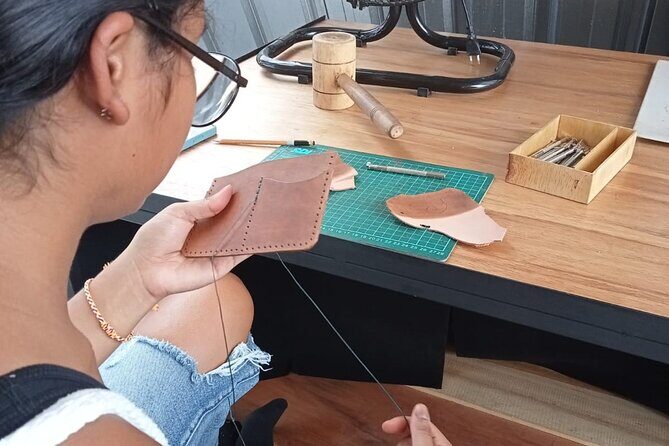
Bali Leather Craft Workshop - 6 hours ( canggu / seminyak) - Cutting patterns and choosing leather that suits your style
Leathercraft starts with layout and measurements. In this workshop, you learn the steps to create the shape you want, beginning with cutting the pattern to size. This isn’t just busywork. Pattern cutting affects everything that follows—how neatly edges meet, how comfortable a wallet feels in your hand, and whether seams sit flat.

Then you move into selecting your leather finish. You’ll add color using dyes and finishes from options provided during the class. This is where personalization becomes real. In real leathercraft, a “color choice” isn’t just aesthetic—it affects the final look of edges, how contrast shows up in stitching, and how the item ages.

Two details I’d pay attention to:

  • Choose thread color thoughtfully. It’s small, but it controls whether the item looks subtle or intentionally bold.
  • Ask questions before you cut. Once leather is cut, changing your mind gets expensive fast—time-wise and material-wise.

The biggest advantage of learning this in a guided setting is that you don’t need prior skill to understand what matters. The instructor helps you get unstuck, and the class structure keeps the pace moving.

Dyeing and preparing leather for stitching

Bali Leather Craft Workshop - 6 hours ( canggu / seminyak) - Dyeing and preparing leather for stitching
After pattern and color work, you’ll move into prepping leather for stitching. This is the part that makes the rest of the build feel smooth instead of stressful. In leathercraft, prep is where you avoid later problems—like uneven seams, pieces that don’t align correctly, or edges that don’t finish cleanly.

You learn how to prepare the leather for sewing, including the steps needed to make stitching precise. The goal is a strong, durable hold, not just an item that looks fine from a distance.

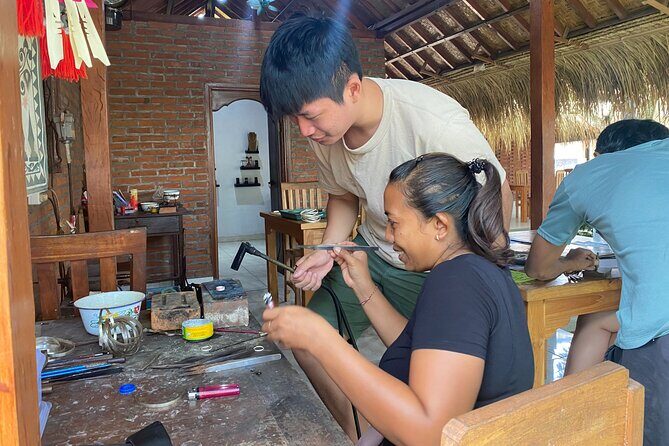
Then comes the actual hand stitching with needle and thread. You’ll sew the leather pieces together by hand, building the structure of your item. Hand stitching also gives you control. If you’ve ever sewn fabric but with leather thickness, you know it’s different. Leather resists in a good way—but you still need the right approach. Having an instructor show the technique matters here.

This part is also where the patient teaching really shows. With instructors like Abenk and Opik, the instruction is paced to your level, so you’re not stuck copying someone else’s rhythm.

Hand stitching: where your wallet or purse really takes shape

Bali Leather Craft Workshop - 6 hours ( canggu / seminyak) - Hand stitching: where your wallet or purse really takes shape
Once stitching begins, you’ll feel the project shift from materials into an object. This is the “I can see it now” stage: seams take form, shapes start holding their lines, and your item becomes something you can picture using later.

You’re learning the method of sewing leather pieces together so the final product is both strong and functional. That’s important because a leather wallet isn’t only about looks. A good wallet should handle regular handling without seams loosening, and it should lie flat in a way that feels right.

If you’re worried about your skill level, don’t. The format is set up so you can participate. Most people can join, and the teaching approach is designed to meet your pace rather than demand expertise.

A small practical consideration: hand stitching can be a little tiring when you’re learning a new motion. Don’t worry—this is normal. Take breaks when offered, keep your posture comfortable, and keep your attention on alignment. The more careful you are at seam alignment early, the better the result at the end.

Edge polishing, varnish, and the final hardware details
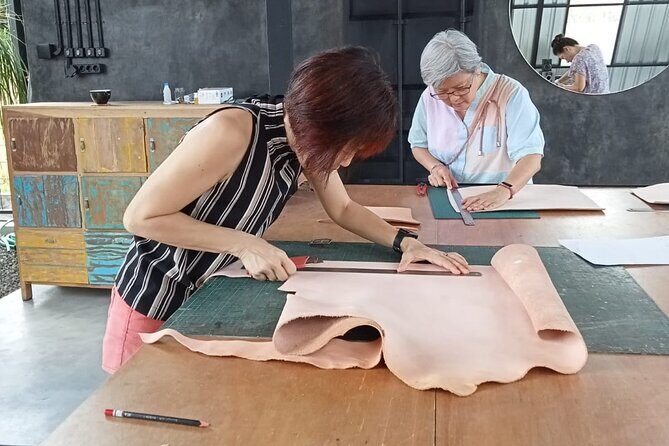
Bali Leather Craft Workshop - 6 hours ( canggu / seminyak) - Edge polishing, varnish, and the final hardware details
After stitching, you’ll polish the edges and apply a high-quality varnish. This step is the difference between “I made something” and “this looks finished.” Edge polishing improves how the seam and cut edges look and feel, and varnish helps protect the surface so your item looks better over time.

Then you add finishing touches such as snaps, buttons, or other accessories, depending on what you’re making. Hardware selection is another place where the project becomes yours. A clasp type can change the way a wallet closes or how secure a bag feels when you carry it.

This is also where you’ll appreciate that the workshop is structured from start to finish. Many craft experiences stop right after the big work. Here, you get the last steps that make the item feel professional.

By the time you wrap up, you should have a small leather item you created with handmade techniques—often something like a card wallet, small purse, belt, or jewelry set.

What you’ll make, and how to choose the right project
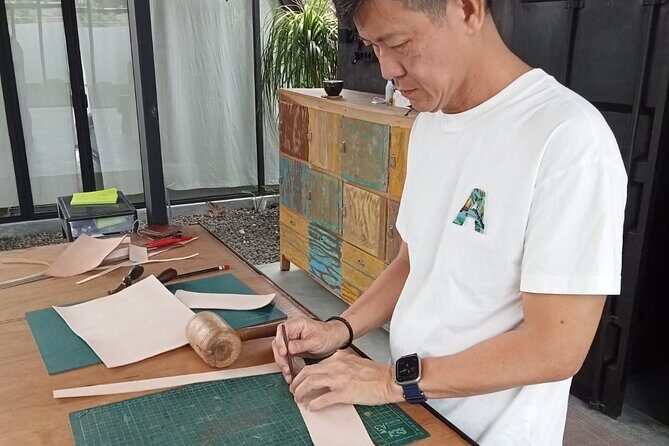
Bali Leather Craft Workshop - 6 hours ( canggu / seminyak) - What you’ll make, and how to choose the right project
The workshop offers examples of what you can leave with: a wallet, a purse, a belt, or a set of jewelry. Reviews also mention card wallets and taking home multiple finished pieces, so you might be able to plan for an outcome that feels more substantial than one small token.

How to choose what to make:

  • Pick something you’ll use soon after returning home. A wallet or card holder is easiest to justify because it gets daily use.
  • Match your design choices to your color preferences. The dye options and thread colors you decide on can steer the whole vibe of the finished piece.
  • If you want a gift, think about what will actually fit the recipient’s style. A small leather item usually lands better than something too large or too trendy.

If you’re traveling with someone, the private setup is a nice advantage. You can each make your own design without feeling rushed or crowded.

Price and value: is $46 a good deal for 6 hours?

Bali Leather Craft Workshop - 6 hours ( canggu / seminyak) - Price and value: is $46 a good deal for 6 hours?
At $46 for about 6 hours, this workshop can be strong value—especially compared with buying a pre-made leather item as a souvenir. The price buys you instructor guidance, the workflow (cutting, dyeing, stitching, finishing), and the chance to produce something you’ll likely use.

Where the value really comes from is learning. You’re not just consuming a lesson; you’re using hands-on craft steps that normally take practice over time. Even if you don’t become a leatherworker that day, you’ll leave with the satisfaction of knowing what each step does.

That said, the best value depends on how you show up:

  • If you want a relaxing, guided activity with a tangible outcome, this fits well.
  • If you mainly want a quick photo stop, you may not get the same payoff.

Given the calm setting, private group feel, and the finished product quality steps (polish, varnish, hardware), $46 doesn’t feel like a gimmick. It feels like paying for the real work—your time, plus expert help.

Who this workshop is best for (and who might want to skip)

This workshop is a great match for:

  • People who like practical activities where you leave with an object.
  • Anyone who enjoys customizing—color, thread, and texture choices make a real difference.
  • Families or pairs who want a shared day activity in a quieter setting.

It’s also a solid choice if you don’t have leathercraft experience. The format is described as suitable for most participants, and the instructors are patient about pacing and technique.

Consider skipping or adjusting expectations if:

  • You hate warm environments and won’t bring water or shade breaks.
  • You need everything to be super easy to find on arrival. With potential signage issues, you’ll want to rely on your map and give yourself extra minutes.
  • You’re looking for a high-speed “see and leave” activity. This is a making-focused class, not a quick demo.

Should you book this Bali leather workshop?

Book it if you want a calm Bali day with a real payoff: you’ll learn the steps to create a leather item and take home something you genuinely helped build. The combination of rice-field tranquility and hands-on craft is exactly the kind of experience that feels like vacation energy with a practical result.

I’d especially recommend booking if you like personalization—color and thread choices—and if you’re someone who enjoys careful work. If you’re the type who likes to learn a skill for the experience, not just the outcome, you’ll likely feel satisfied at the end of the day.

Before you go, do two simple things: bring a plan for snacks or lunch and get to the meeting point a bit early. That’s how you make the day feel smooth.

FAQ

How long is the Bali Leather Craft Workshop?

It runs for approximately 6 hours.

Where does the workshop start and end?

It starts at Kaula Bali – Leather Workshop (Gg. Yogya, Kerobokan Kaja, Kec. Kuta Utara, Kabupaten Badung, Bali 80361) and ends back at the same meeting point.

What does the workshop cost?

The price is $46.

What can I make in the workshop?

You can create a small leather item such as a wallet, purse, belt, or a set of jewelry. Examples from the workshop process include wallets and purses.

Is this a private activity?

Yes. It’s a private tour/activity, and only your group participates.

Can I get a refund if I change my mind?

Yes, you can cancel for a full refund up to 24 hours before the experience starts. If you cancel less than 24 hours before, the amount paid is not refunded.
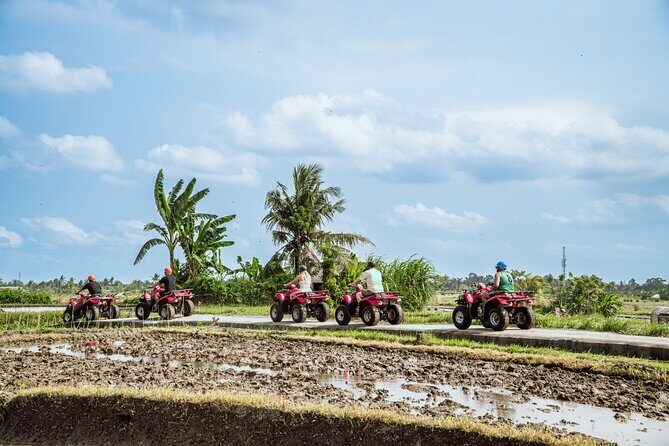
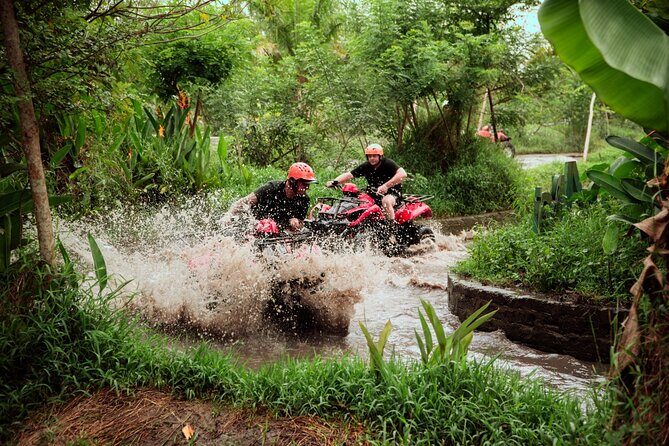
Ubud ATV Quad Bike with Infinity Pool Access All Inclusive

Ubud ATV Quad Bike with Infinity Pool Access All Inclusive - Safety briefing, instructor guidance, and the gear you actually get

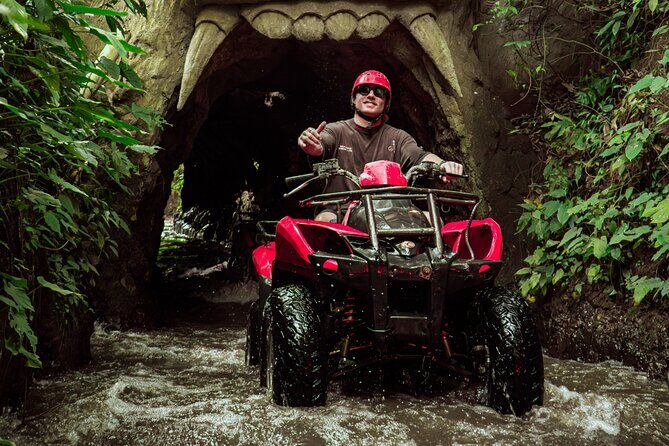
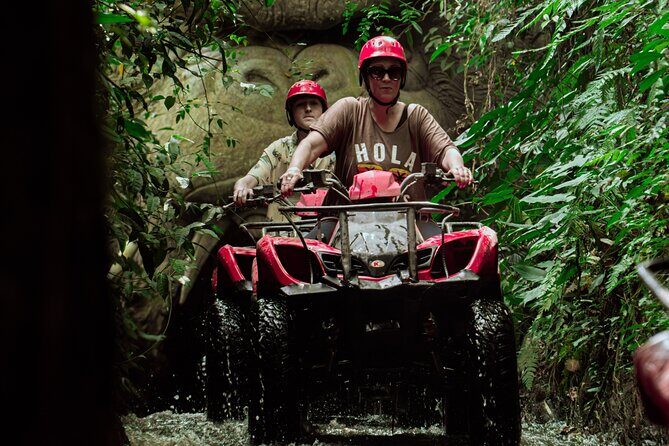
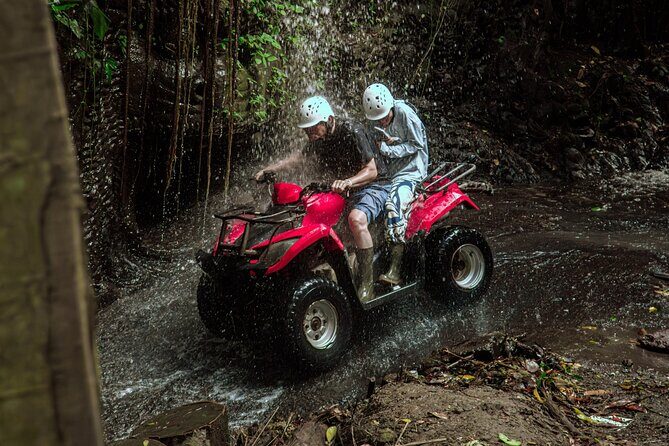
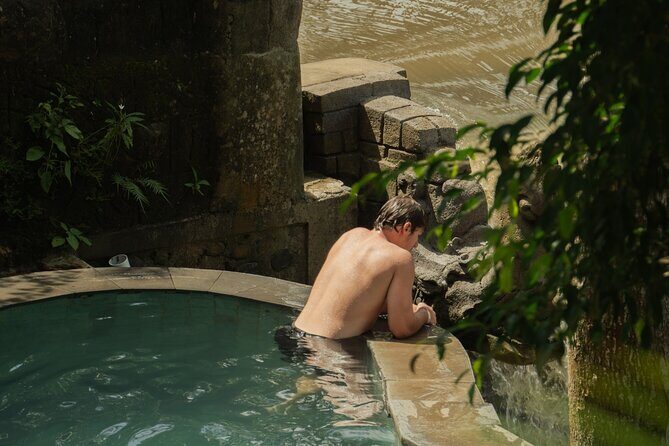
Two hours of mud and views in Ubud. The big hook here is the mix of guided quad riding through rice fields, jungle tracks, riverside paths, and a natural tunnel cave—then you cool down at an included infinity pool with panoramic vistas. I also like that the day is set up as an all-in-one package: gear, instructor-led guidance, changing facilities, and lunch are included, so you’re not scrambling mid-adventure. One consideration: this is an outdoor ride, and the route involves muddy trails and small rivers, so plan for splashes and a very real need to change afterward.

Here’s what makes it feel like more than just a quick ATV stop: the itinerary is built around terrain variety—jungle and rice terraces, traditional Balinese villages, plus scenic photo moments like small waterfalls and forest paths. You get a short safety briefing and helmet fitting, then hop on fully automatic quad bikes, which helps keep the focus on steering and enjoying the ride. If you’re expecting a dry, relaxed nature stroll, you may find it a bit more physical and messy than you planned.

At the start and end, the setup is practical. You can include private pickup and drop-off depending on your package selection, plus a welcome drink at base camp, and you’ll have lockers and toilets to get organized. You’ll also have insurance coverage and a professional ATV instructor for the ride. Bonus from the reviews: people repeatedly praise smooth transfers and friendly help from drivers and crew, including names like Oka, Putu, Dwi, Wayan, Adi, and Santika, which usually means fewer hiccups when you’re moving between pickup, base camp, and the activity.

Key things I’d watch for before you go

Ubud ATV Quad Bike with Infinity Pool Access All Inclusive - Key things I’d watch for before you go

  • Automatic quad bikes make the ride easier to learn quickly, especially if it’s your first time.
  • Tunnel cave riding adds a real adrenaline-and-atmosphere moment beyond flat trails.
  • Base camp comfort matters: changing room, toilets, lockers, and a towel after the ride.
  • All-in-one fueling: lunch is included after the ATV portion, plus a welcome drink to start.
  • The infinity pool is part of the experience, not an optional extra you have to hunt down.
  • Private group time: only your group participates, which usually keeps the pace calmer.

Quad trails around Ubud: rice fields, jungle, rivers, and a tunnel cave

Ubud ATV Quad Bike with Infinity Pool Access All Inclusive - Quad trails around Ubud: rice fields, jungle, rivers, and a tunnel cave
Ubud’s ATV reputation is mostly about scenery, but the route details are what sell this one. You’re guided through rice field areas, dense jungle tracks, and riverside paths, so the ride keeps changing instead of feeling like one long dirt loop. You also pass traditional Balinese villages, which adds a more local rhythm to the scenery you’re tearing through.

The standout moment is the natural tunnel cave. It’s the kind of feature that changes the whole vibe of the ride—less about open views and more about enclosed atmosphere and that sudden shift in pace. If you like photos, this is also a great segment for picture opportunities, because the light and terrain are different from the outside tracks.

The route includes muddy trails and small rivers. That means you’re likely to get wet and dirty even with boots and a towel, so think of it as a hands-on outing. The payoff is that the scenery feels lived-in, not just “view from a platform” tourism.

Safety briefing, instructor guidance, and the gear you actually get

Ubud ATV Quad Bike with Infinity Pool Access All Inclusive - Safety briefing, instructor guidance, and the gear you actually get
This experience starts the right way: a short safety briefing and helmet fitting before you ride. That matters more than it sounds, because quad biking isn’t just about speed—it’s about control, spacing, and knowing how to handle uneven ground.

You’ll be riding fully automatic quad bikes, which takes away one common beginner stressor (manual shifting). If you’re nervous about learning quickly, this is the part I’d lean on hardest: you spend less time figuring out the machine and more time focusing on the trail.

Included safety gear is more than just a helmet. You get boots, a helmet, and a towel. In other words, you’re not showing up and hoping you brought the right stuff for mud and splashes. There’s also insurance coverage, so you’re not only relying on luck.

What the all-inclusive package covers (and what you still pay for)

Ubud ATV Quad Bike with Infinity Pool Access All Inclusive - What the all-inclusive package covers (and what you still pay for)
The price you pay is designed to feel like one clean bundle. Included items cover the parts that can quietly inflate the cost of similar activities: pickup/drop-off options, welcome drink, the guided 2-hour ATV ride with an instructor, and base camp facilities like changing room, toilets, and lockers.

You also get lunch after the adventure. That’s a big deal on a day like this. Quad biking takes energy, and showing up hungry can quickly ruin the fun. With lunch included, you can keep the day moving instead of searching for food right when you’re muddy, tired, and hungry.

Infinity pool access is also included. That turns the end of the tour into an actual recovery moment, not just a place to hang around briefly. One thing to remember: personal expenses aren’t included, so any snacks, drinks, or extras you want beyond what’s provided will be on you.

How the 3-hour schedule typically feels in practice

Ubud ATV Quad Bike with Infinity Pool Access All Inclusive - How the 3-hour schedule typically feels in practice
The listed duration is about 3 hours, with around 2 hours tied to the ATV experience. In real life, that usually means some time for helmet fitting, getting briefed, and then riding in a guided route that varies in pace based on the terrain and group.

I’d plan for a schedule that feels like: arrive, get geared up, ride, refuel, rinse down, and then head to the pool to cool off. The tempo is fast enough to feel like an adventure day, but it’s short enough that you won’t burn an entire chunk of your Ubud schedule.

Pickup and drop-off can be included depending on the package you select. If you choose it, you’ll likely save yourself time and hassle, especially in Ubud where roads and traffic can shift depending on the day. The good news from the reviews is that transfers often run smoothly, with people praising how quick and organized it feels from hotel to venue and back.

Infinity pool access after the ride: cooling off with panoramic views

Ubud ATV Quad Bike with Infinity Pool Access All Inclusive - Infinity pool access after the ride: cooling off with panoramic views
After the quad riding, you unwind at an infinity pool with panoramic vistas of Bali’s natural beauty. This is where the day’s contrast kicks in: high-energy muddy trails, then a calm, scenic reset.

It also changes how the experience ends. Many ATV activities stop at “ride and leave.” Here, the pool turns the finish into a buffer so you can breathe, take a few photos, and feel human again before you head back.

Practical tip: if you care about photos, you’ll want to time your pool session around the moment the light looks best for the views. The tour doesn’t guarantee a specific pool time window in the details you provided, so build in a little flexibility and don’t assume you’ll have unlimited hours.

Price in context: is $36.39 good value in Ubud?

Ubud ATV Quad Bike with Infinity Pool Access All Inclusive - Price in context: is $36.39 good value in Ubud?
At $36.39 per person, this sits in the value zone for an all-in-one experience that includes gear, instruction, lunch, and infinity pool access. The key isn’t just the price—it’s what gets bundled so you avoid common add-on creep.

You’re getting:

  • Guided ATV ride time (listed as about 2 hours)
  • Safety gear (boots, helmet, towel)
  • Lunch afterward
  • Welcome drink
  • Changing room, lockers, and toilets
  • Insurance coverage
  • Infinity pool access

Compare that to the usual pattern in some adventure tours where you pay for the ride, then separately pay for basics like meals or access to a nicer facility afterward. Here, those “smaller” items are built in.

Another value signal: the booking pattern. This is typically booked about 70 days in advance on average, which often indicates it’s popular and not something you should ignore if your dates are tight. Also, the review snapshot is strong: a 5/5 rating based on 20 reviews, with 100% recommended—always read that as directional, not perfect proof, but it does suggest the package lands well for most people.

Who this Ubud ATV adventure fits best

Ubud ATV Quad Bike with Infinity Pool Access All Inclusive - Who this Ubud ATV adventure fits best
This is described as a fun option for most travelers, and it’s positioned for families, couples, and friends groups. The “automatic quad” setup and instructor-led guidance make it approachable for people who don’t want to spend the whole day struggling with technique.

It’s a great fit if you want:

  • Real off-road variety (jungle tracks, muddy trails, small rivers)
  • A memorable feature like a natural tunnel cave
  • A scenic finish that isn’t just sitting in a parking lot

It’s not ideal if you prefer dry, slow, low-effort sightseeing. The route includes mud and water, so you should be comfortable with getting splashed and changing afterward.

The small details that can make or break your day

Ubud ATV Quad Bike with Infinity Pool Access All Inclusive - The small details that can make or break your day
These are the parts I’d pay attention to before you go, because they affect comfort and stress level more than most people expect.

  • Changing room, toilets, and lockers: this helps you manage gear and clothes after the ride. You’re less likely to feel rushed.
  • Towel included: tiny item, big morale boost once you’ve come back wet.
  • Welcome drink: good for getting oriented and settling in before you gear up.
  • Insurance coverage: peace of mind is underrated on adventure activities.
  • Private tour/activity: only your group participates, which usually means the pace feels more controlled.

And based on the repeated praise in reviews, the human side matters too. People specifically complimented drivers and crew for being helpful, attentive, and easy to work with, including Putu and Oka for smooth coordination and safety-minded care. When a tour includes gear, transfers, and an active ride, that support reduces friction.

Should you book Keep All Bali ATV Adventure with infinity pool access?

If you want an ATV outing in Ubud that feels complete—ride, lunch, and a real place to cool down—this is a strong match. The combination of automatic bikes, guided terrain variety, and the infinity pool makes it feel like you’re buying an experience, not just renting a machine for a short loop.

I’d book it if:

  • You’re okay with mud and splashes
  • You like scenic routes with photo stops (waterfalls, forest paths, rice terraces)
  • You want included basics so your day stays simple

I’d think twice if you’re looking for a clean, gentle activity or you hate getting messy. In that case, you might prefer a gentler sightseeing plan around Ubud where the pace is slower and the clothing stays dry.

If you’re booking soon, note that it’s often reserved about 70 days ahead on average. If your plans could change, the experience also allows free cancellation up to 24 hours in advance for a full refund, which makes it easier to hold without stress.

FAQ

How long is the ATV quad biking experience?

The tour is about 3 hours total, including an ATV ride of approximately 2 hours.

Is hotel pickup and drop-off included?

Private hotel pickup and drop-off are available depending on the package you select.

Do I get safety gear and a helmet?

Yes. Safety gear is included, including boots, a helmet, and a towel.

Is lunch provided?

Yes. Lunch is included after the adventure.

Do I get access to the infinity pool?

Yes. Infinity pool access is included after the ATV ride for you to relax with panoramic views.

Is the tour private?

Yes. Only your group will participate.

What is included besides the ATV ride?

Included items include a welcome drink, changing room, toilets, lockers, professional ATV instruction, lunch, infinity pool access, and insurance coverage.

What if I need to cancel?

You can cancel for a full refund up to 24 hours in advance of the experience start time. Cancellation within 24 hours of the start time is not refundable.

Silver Making Jewelry Class in Ubud with Transfers

Silver Making Jewelry Class in Ubud with Transfers - Getting there: transfers, comfort, and where the class starts

Silver in your hands beats photos.

This Ubud workshop is interesting because you get to work with pure silver and leave with a piece you actually made, with an optional hotel pickup to keep the day easy. It’s not a demo you watch from the sidelines. You’re at the bench, shaping and finishing your own jewelry with local help.

I like two things most. First, it’s genuinely hands-on—you choose what you want to make (earrings, a ring, or a pendant) and work through the process yourself. Second, the instruction is supported by a team that’s patient and easy to follow, including clear guidance in English.

One consideration: your experience depends on your choices. The listing includes silver quantity limits (5 grams included, with extra fees if you use more), and gemstones or extra pieces can add cost. Also, while it’s sold as around 3 hours total, the actual time at the workbench can feel shorter if you’re aiming for multiple designs.

Key highlights to know before you go

Silver Making Jewelry Class in Ubud with Transfers - Key highlights to know before you go

  • Hands-on silver jewelry making (earrings, ring, or pendant) from start to finish
  • 5 grams of silver included, with extra fees if you use more than that
  • Air-conditioned transfer option plus pickup and drop-off if selected
  • Clear instruction and patient hosts, often described as a family-run workshop vibe
  • Snack and drink included, so you’re not stuck hungry in the studio

A real silver workshop in Ubud, not a sit-and-watch show

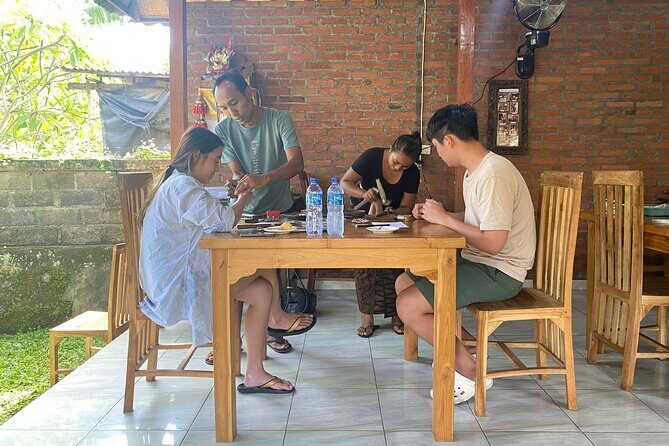
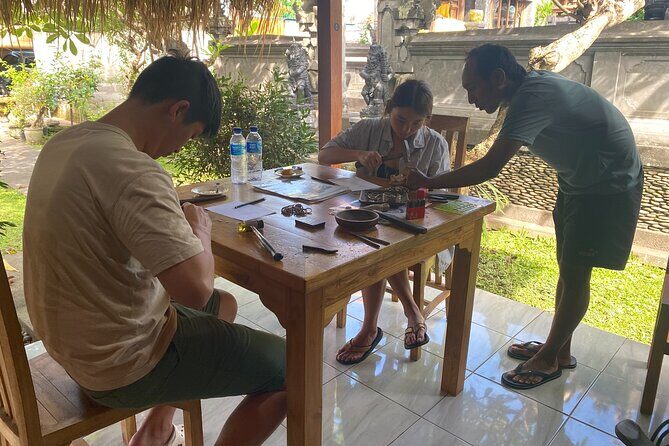
This class is built around one core idea: you make your jewelry yourself. In Ubud, that means you’ll meet a local silversmith at the studio, get guidance on how to handle the metal, and then create a wearable souvenir—something you can’t buy off a shelf because it’s tied to your design choices.

The studio setup feels practical. People note it as clean and well-run, and that matters because working with metal takes focus. You’ll be able to concentrate on shaping and finishing without the chaos that can happen in some big tourist workshops.

You’ll also appreciate the small-group feel. The class caps at 20 travelers, so it’s less like a factory line and more like everyone gets time with the instructor when they hit a question or a sticky step.

Price and value: what $39.75 really covers

Silver Making Jewelry Class in Ubud with Transfers - Price and value: what $39.75 really covers
At $39.75 per person, this is priced as a straightforward craft activity. The best value detail is what’s included: you get a set amount of silver and guided time to turn it into jewelry you can take home.

Here’s the honest accounting based on the info you’re given:

  • Silver included: listed as 5 grams
  • Extra silver cost: if you use more than 5 grams, there’s an additional fee of IDR 20,000 per gram
  • Gemstones: additional fees may apply if you want to add them
  • Food: drinks and snacks are included, but lunch is not

One more thing to flag: the overview language says 10 grams of pure silver, while the included details and the extra-silver pricing point to 5 grams being what you actually start with. Before you go, confirm how much silver is allocated in your exact booking. It’s not a deal-breaker, but you’ll feel better if your expectations match the metal you’ll be working with.

In plain terms: if you pick one solid design (like a pair of earrings or a single ring) and stay within the included silver, you’re getting a real craft session with materials. If you start planning multiple pieces, gemstones, or lots of extra metal, your final spend can climb.

Getting there: transfers, comfort, and where the class starts

Silver Making Jewelry Class in Ubud with Transfers - Getting there: transfers, comfort, and where the class starts
The day can be low-stress if you choose the pickup upgrade. The experience offers pickup and drop-off if selected, and it includes travel in a comfortable, air-conditioned car. That’s a big deal in Bali where road time can vary. The nice part is you’re not trying to coordinate transport while also thinking about a timing window for the workshop.

Your starting point is at Jawan Silver in Batuan, Ubud area (Jawan SilverBr. Lantang idung Batuan ubud, Batuan, Kec. Sukawati, Kabupaten Gianyar, Bali 80582, Indonesia). The activity ends back at that same meeting point.

So you have two good options:

  • If you want flexibility and are staying close, you can meet at the studio.
  • If you’d rather not juggle taxis and traffic, pick the transfer option so the day feels like a scheduled activity.

You’ll also get a mobile ticket, which makes it easy to show up without paperwork hunting.

What you’ll make: earrings, rings, or a pendant (your choice)

The core creative part is simple and motivating: you’ll use the provided silver to create your own jewelry. The class is set up so you can make earrings, a ring, or a pendant.

From the way the workshop is described, you’re not limited to a single pre-made option. You can design your piece, and you’ll work from their materials and guidance. People also mention having design options and being shown possibilities, so even if you’re unsure when you arrive, you’ll have something to reference while you decide.

What you can expect during the making process:

  • You’ll get steps and coaching from the silversmith or instructor.
  • You’ll handle the shaping and assembling parts yourself.
  • You’ll work toward a finished result you can bring home.

This is also why the class works well as a souvenir. It’s not just a small charm; it’s something you shaped, and that makes it feel personal in a way mass-market souvenirs don’t.

Timing: 3 hours total, but plan for your bench time

Silver Making Jewelry Class in Ubud with Transfers - Timing: 3 hours total, but plan for your bench time
The tour is listed as about 3 hours total. The class itself is 2 to 3 hours, so you’ll have a bit of buffer for pickup, arrival, and wrap-up.

Here’s the part to plan for: your final time depends on what you choose to make and how complex you go. There’s at least one cautionary note that a shorter hands-on time can happen depending on your design pace and how many pieces you aim for. Another practical note: extra pieces can come with extra cost.

My advice: treat it like a workshop where you trade speed for control. If you want a great final result, pick one main piece. If you finish early and want a second item, you can consider it, but go in knowing it may add cost.

The instructor factor: clear English and hands-on help

A craft class can be hit or miss if communication is rough. This one stands out for instruction quality. People specifically mention excellent English from the instructor and a supportive teaching style.

That matters because silver work isn’t just about following steps. You need real-time feedback when a piece doesn’t sit right, when you want a cleaner finish, or when your design needs small adjustments.

The workshop also feels more personal than you might expect. Hosts are described as kind, patient, and willing to help you through each stage. Some people even mention learning about family traditions connected to how the business started. That kind of context doesn’t change the jewelry technically, but it makes the experience feel human and grounded, not like a scripted tourist show.

Extra fees to watch: more silver, gemstones, and extra pieces

This is where you’ll want to keep your expectations practical.

  1. Extra silver

The workshop states you can’t share silver with other participants. You’re allocated what’s included, and if you want more, it’s IDR 20,000 per gram once you’re above the included amount (listed as 5 grams).

  1. Gemstones

If you want to add gemstones, there are additional fees. The listing doesn’t give a price range, so assume the cost varies by what you pick.

  1. More than one item

You may be able to make multiple pieces if your time and design plan allow. One practical warning is that extra pieces can mean extra cost, even if the class feels like you have time to do more.

My simple approach:

  • Decide on one main piece first.
  • If you’re confident and finish early, ask what adding a second item would cost before you start.
  • If gemstones interest you, ask upfront what options are available and what they add to the price.

Drinks, snacks, and the small comfort that helps you focus

You get drinks and snacks included, such as bottled water plus coffee or tea. Lunch is not included.

This sounds minor, but it’s actually helpful. Metalwork is detail work. Feeling slightly hungry or dehydrated can mess with your patience and fine-motor control. So the snack-and-drink setup is a smart inclusion for a short class.

If you’re sensitive to meal timing, plan a light meal before you go. That way you’re not stuck deciding between eating fast or concentrating on your piece.

Studio experience: family-run feel, clean setup, and creativity with structure

A lot of Bali workshops fall into two categories: either they’re hands-on but chaotic, or they’re polished but you don’t really do the work. This one seems to sit in the middle—creativity with structure.

People describe:

  • a clean, tasteful studio
  • hosts who explain first, then let you work
  • support so you’re not stuck guessing at every step

That “explain then make” rhythm is ideal for first-timers. You don’t need prior jewelry skills. You just need the confidence to try, ask questions, and accept that your first draft might need adjustments.

If you’re traveling with kids or you want something slower and more creative than another sightseeing circuit, this kind of studio format can be a refreshing change. The workshop isn’t about racing to check boxes.

Who should book this silver class (and who might want something else)

This is a great fit if you:

  • want a hands-on Bali experience with a real product at the end
  • like making gifts or personal items, not just photos
  • enjoy doing something creative for a few hours without needing special skills
  • prefer smaller-group energy (max 20)

You might consider another option if you:

  • want a very deep technical explanation of every stage, like detailed metal melting demonstrations, and you expect that to be the centerpiece
  • are extremely time-sensitive and can’t risk your bench time feeling shorter depending on your design pace
  • plan to add multiple complex upgrades without checking costs for extra silver and gemstones

Should you book? My practical take

Yes, you should book this silver jewelry class if you want a straightforward, guided workshop where you can confidently make a piece you’ll actually wear or gift. The best sign is the combination of patient instruction, a hands-on process, and a studio setup people describe as clean and well-run.

Before you go, do two quick things to avoid disappointment:

  • Confirm the silver quantity tied to your price (the details mention 5 grams included, while the overview mentions 10 grams).
  • Pick your design strategy: one main piece first, and only add extras after you know the cost for extra silver or gemstones.

If you like the idea of turning raw metal into something personal—earrings, a ring, or a pendant—this is a strong value way to spend an afternoon in Ubud.

Tanah Lot Temple – Half Day Tour – All Inclusive

Tanah Lot Temple - Half Day Tour - All Inclusive - Taman Ayun Temple: the beautiful-garden approach to Bali worship

Two temples, one easy afternoon.

This private half-day outing links the calm, garden-temple feel of Taman Ayun with the ocean-sunset drama of Tanah Lot, all on a smooth schedule. You start around 1:30 pm, ride in comfort, and finish with views over the water from a famous offshore shrine.

I especially like two things: first, the setup is genuinely low-stress, with hotel pickup and return transfers from many Bali areas and a private ride with Wi‑Fi onboard. Second, the tour is designed for convenience, with an all-inclusive option that includes admission fees, plus bottled water. You can focus on temples and photos, not ticket lines.

One consideration: this experience depends on weather. If conditions are poor, your tour may be switched to another date or refunded, and sunset plans can’t be forced.

Key things to know before you go

  • Private transport with Wi‑Fi onboard keeps the ride comfortable even if traffic is slow.
  • 1:30 pm start lines you up for a Tanah Lot sunset visit instead of a random late-afternoon stop.
  • Two temples, one pace: about 1 hour at Taman Ayun and about 2 hours at Tanah Lot.
  • All-inclusive option for entrance fees makes budgeting simpler (and you can also travel with tickets included).
  • Good-weather requirement matters for the ocean-sunset timing and overall experience.
  • Flexibility for extra time or areas: add USD 5 per extra hour, or pay USD 30 per area to reach specific regions.

Why this Tanah Lot and Taman Ayun combo works for a half day

Tanah Lot Temple - Half Day Tour - All Inclusive - Why this Tanah Lot and Taman Ayun combo works for a half day
If you only have a few hours in Bali, this is a smart pairing. Taman Ayun gives you the grounded, garden-temple side of Balinese Hindu worship: the name Taman Ayun translates as beautiful garden, and the temple sits in a park-like setting with trees and ponds. It is one of Bali’s most attractive temples, so it’s a strong first stop if you want beauty plus meaning.

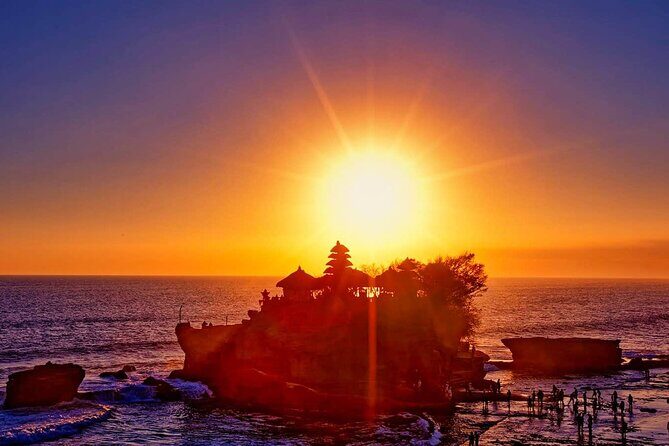
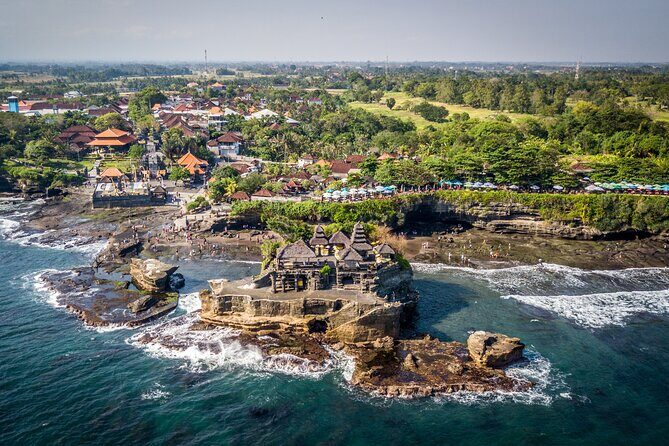
Then you switch gears. Tanah Lot is one of Bali’s best-known landmarks, famous for its offshore setting and sunset backdrops. The shrine is perched on an outcropping, and it sits in the kind of dramatic coast views you only get in this part of the island. Put simply: Taman Ayun is where you slow down; Tanah Lot is where you look outward and watch the ocean light change.

This tour is also built for people who don’t want to fight logistics. You’re not cobbling together rides or guessing schedules. Hotel pickup, a private air-conditioned vehicle, and the temple timing are all designed around a half-day window.

Private car comfort, Wi‑Fi, and real guide value

Tanah Lot Temple - Half Day Tour - All Inclusive - Private car comfort, Wi‑Fi, and real guide value
A private half-day tour sounds fancy, but the practical benefit is simple: you control the flow. You ride in comfort in a private air-conditioned vehicle with Wi‑Fi onboard, and you get bottled water included. That matters because Bali driving can vary a lot by day, and a comfortable car keeps the energy up between stops.

The guide piece is where this experience often feels better than a self-guided outing. Names that come up as standout guides include Nata, Agung, Putu, Ketut, and Iman. Nata is praised for extensive knowledge of Balinese history and culture, which can turn temple viewing from just pretty scenery into a clearer story. Agung is highlighted for sharing interesting information about the temples and Balinese culture, including for families. Putu is described as having excellent conversation plus great views, and one guide even stopped for Luwak coffee, which is a nice add-on if you like trying local things without planning ahead.

What I like about that pattern: it suggests the tour is not just transport. A good guide helps you read what you’re seeing—why places look the way they do and what to pay attention to as the sun drops.

One more important detail: it’s a private tour/activity, and only your group participates. That’s not small print. If you’re the type who wants a quieter experience with more direct attention, private is the way to go.

Timing: how a 1:30 pm start shapes your day

The start time is 1:30 pm, and the tour runs about 4 to 6 hours. That timing is a big part of why this works for sunset at Tanah Lot. You are not rushing through the first temple. You’re also not arriving at Tanah Lot too late to enjoy the change in light.

You’ll do two major stops:

  • Taman Ayun Temple for about 1 hour
  • Tanah Lot Temple for about 2 hours, with time positioned for sunset over the ocean

Because it’s planned around sunset, you should also build your mental schedule around the fact that the day ends later rather than earlier. If you’re planning dinner reservations, aim for something that won’t require you to rush the moment you return.

And again, weather is key. This experience requires good weather, and if it’s canceled due to poor conditions, you’ll be offered a different date or a full refund. In other words, don’t book this as your only sunset plan without some flexibility.

Taman Ayun Temple: the beautiful-garden approach to Bali worship

Tanah Lot Temple - Half Day Tour - All Inclusive - Taman Ayun Temple: the beautiful-garden approach to Bali worship
Taman Ayun is the kind of temple stop that can make you appreciate Bali even more if you’re new to the island’s Hindu culture. The site is known for being set in a beautiful park with trees and ponds, and that setting does real work for your experience. It gives the temple a slower pace, so even if you’re on a tight half-day schedule, you’re not trapped in a quick photo sprint.

The name matters here. Taman Ayun literally means beautiful garden. That’s not just poetic labeling. It signals what you’ll feel while you’re there: more nature and water than you might expect, plus a calmer atmosphere than many more fortress-like temple settings.

You typically get about 1 hour at Taman Ayun. That’s enough time to take in the grounds and shrines without turning this into a marathon. For a half-day tour, it’s also a good balance: you’ll leave wanting more, but you won’t feel like you missed the main feel of the place.

One practical tip based on how this kind of stop runs: treat this as your brain-warmup temple. If you want to understand the iconography and layout, this is where you’ll get the most out of it before you jump to the dramatic coastline views of Tanah Lot.

Tanah Lot Temple: ocean-sunset viewing without the guesswork

Tanah Lot is the headline. It’s one of Bali’s most important landmarks, known for an offshore setting and strong sunset backdrops. The shrine is an ancient Hindu temple perched on an outcrop, surrounded by waves that crash constantly—exactly the kind of setting that makes the sunset feel cinematic.

You’ll spend about 2 hours here, which is the right amount of time for a sunset-focused stop. You have room to walk around the main viewpoints, settle in for the light shift, and not feel like you have to speed through at the last second.

Because the temple is tied to the ocean and sunset timing, there’s a clear expectation you should plan around: good weather helps everything. If skies are poor, the sunset atmosphere won’t deliver the same punch, which is why the tour flags the good-weather requirement.

There’s also an emotional rhythm to Tanah Lot. Even if you’re not deeply religious, the offshore setting and coastline drama change your perspective fast. After the garden calm of Taman Ayun, Tanah Lot asks you to look outward and slow down again, but in a different way—by watching the sky rather than the gardens.

If you’re picky about timing, arrive ready to just be there for a bit. The best moment is often a little after the first orange light shows up.

Price and value: what USD 43 buys you in real life

Tanah Lot Temple - Half Day Tour - All Inclusive - Price and value: what USD 43 buys you in real life
The price is USD 43 per person, and it’s commonly booked about 35 days in advance, which usually signals solid demand (especially around popular sunset slots). The bigger question isn’t the number—it’s what’s included, and how that changes your day.

Here’s what you’re paying for that you would otherwise have to arrange:

  • Hotel pickup and return transfers
  • A private air-conditioned vehicle with Wi‑Fi onboard
  • Bottled water
  • Admission tickets (the tour is also offered as an all-inclusive option for entrance fees)

That combination is what makes this feel like value instead of just a transfer between attractions. When you add up the costs and time of getting yourself there, the private convenience matters. Also, having tickets handled reduces friction. You arrive, you go in, and you spend your time where it counts.

Not included is straightforward: other personal expenses. So plan for snacks, drinks beyond the bottled water provided, and any optional add-ons.

There are also two ways to adjust if your Bali plan is flexible:

  • You can extend travel time within listed service areas for USD 5 per extra hour
  • Travel to Gilimanuk, Lovina, or Amed Karangasem regency is possible with a USD 30 surcharge per area

If you’re thinking, I only want these two temples but I might want a little buffer, that USD 5 per extra hour option is the kind of practical flexibility that can save your schedule.

Don’t miss the private-group details (and how guides shape the day)

A small but crucial factor: it’s a private tour, and only your group participates. That means the experience is built around your timing and questions. It also helps explain why certain guide styles get praise. When a guide has the time to talk, your temple visit can feel like a real conversation instead of a checklist.

The guides named in the experience details and feedback include:

  • Nata, noted for extensive knowledge of Balinese history and culture
  • Agung, highlighted for interesting information about the temples and Balinese culture, and for handling family time well
  • Putu, praised for fantastic service, conversation, and great views, plus an optional stop for Luwak coffee
  • Ketut, mentioned as friendly and informative
  • Iman, credited with making a first introduction to Balinese Hindu culture feel meaningful

That range matters. Some visitors want deep explanations. Others want a friendly driver who can point out what matters. This tour format supports both, as long as your guide is good—and the names above suggest they often are.

One more practical caution: since it’s private, make sure your expectations match. If you were hoping for a mixed-group format, you may end up disappointed. The service you’re booking is specifically built for your group only.

Who should book this half-day sunset temple tour

This is a good fit if:

  • You’re in Ubud and want an organized trip to two of Bali’s standout temples without spending a full day driving
  • You want a first-time-friendly introduction to Balinese Hindu temple culture
  • You care about comfort (air-conditioned private vehicle) and simple logistics (hotel pickup and return)
  • You want to see Tanah Lot specifically for its sunset-over-the-ocean atmosphere

It may not be the best fit if:

  • Sunset timing is your one and only rigid plan, because the experience requires good weather
  • You want more than two temple stops or a long, multi-area itinerary (this is built as a half-day, not an all-day circuit)
  • You strongly prefer a shared-group style (this one is private by design)

Should you book it: my practical recommendation

Tanah Lot Temple - Half Day Tour - All Inclusive - Should you book it: my practical recommendation
If you want a clean, comfortable way to hit Taman Ayun and Tanah Lot in one half day, I’d book this. The value is in the combination: private transport, Wi‑Fi, hotel pickup, and tickets wrapped into a schedule that ends with sunset views.

Before you confirm, I’d do two quick checks:

  • Make sure you’re comfortable with the 1:30 pm start and the fact that the day ends later
  • Confirm that the all-inclusive option you choose covers entrance fees the way you expect

If your travel dates include a weather-rollercoaster, build in some flexibility. The tour is designed to handle that by offering an alternate date or refund if canceled due to poor weather.

FAQ

How long is the Tanah Lot Temple half-day tour?

The tour runs about 4 to 6 hours.

What time does the tour start?

The start time is 1:30 pm.

Is this tour private or shared with other groups?

This is a private tour/activity, and only your group will participate.

Does the tour include pickup and drop-off?

Yes. Hotel pick up and return transfers are included, with pickup available from many areas in Bali.

Are entrance fees included?

The tour offers an all-inclusive option to include entrance fees, and admission tickets are listed as included.

What if weather is bad for the sunset?

This experience requires good weather. If it’s canceled due to poor weather, you’ll be offered a different date or a full refund.

Ubud Day Tour with Private Car & Local Driver

Ubud Day Tour with Private Car & Local Driver - Seminyak to Ubud: transportation, pacing, and what to expect for 8–10 hours

Four sights, one calm day. This private Ubud highlights route is built for people who want the big-name spots without the big-group chaos. You’ll see the rice fields, temples, and cliffside jungle scenery in and around Ubud, moving at a pace that actually feels livable in Bali’s heat.

I really like the air-conditioned comfort plus bottled water in the car—small things that matter when you’re bouncing between sites for hours. I also like how the day is handled by a private driver-guide, with smart timing and practical recommendations from guides such as Suama, Adi, Wayan Suama, and Putu in past trips.

One thing to plan for: entrance tickets aren’t included, and you’ll also need to budget for lunch. Each stop runs about 30 minutes, so if you like long lingering visits, you might wish you had more time at the places that grab you.

Key things I’d notice right away

Ubud Day Tour with Private Car & Local Driver - Key things I’d notice right away

  • Hotel pickup and drop-off in Seminyak keeps your day from turning into a puzzle.
  • AC car + bottled water helps you handle the tropical heat between stops.
  • Private group up to 4 means no waiting around for strangers.
  • You visit major cultural sites plus classic scenery: Goa Gajah, Tirta Empul, and Tegalalang.
  • Tickets and lunch are extra, so factor that into the real budget.

Why this private Ubud highlights day works (even if you only have one day)

Ubud Day Tour with Private Car & Local Driver - Why this private Ubud highlights day works (even if you only have one day)
Ubud is gorgeous, but it’s spread out. That’s the core reason a private day tour feels so much easier than trying to stitch together rides yourself. With a driver handling the driving, you can focus on the sites, the views, and what you want to photograph.

This route also avoids the typical “see everything, feel rushed” problem. Because it’s private, your timing is more flexible. There’s built-in time for the obvious highlights, but the rest of the day is just time in transit—so you’re not wasting precious hours waiting for buses or coordinating with strangers.

The sweet spot here is comfort plus access. You don’t have to choose between a clean ride and a cultural day. You get both, and the car being air-conditioned is genuinely useful, not just a checkbox.

Seminyak to Ubud: transportation, pacing, and what to expect for 8–10 hours

Ubud Day Tour with Private Car & Local Driver - Seminyak to Ubud: transportation, pacing, and what to expect for 8–10 hours
This day runs about 8 to 10 hours. That wide range is normal in Bali, where traffic and travel time can swing based on the day. The good part is that the experience is structured: you have hotel pickup and drop-off, plus the rest of the schedule is allocated to the stops and transport.

You’ll travel in a private, air-conditioned vehicle with bottled water provided. Parking fees and fuel surcharge are included, so you’re not constantly paying small extras during the day. You’ll also receive a mobile ticket, which is handy and keeps things simple.

Here’s the practical expectation: each of the main stops is about 30 minutes. That’s long enough to get oriented, take photos, and see the key areas, but it isn’t meant for a slow, hour-long wandering day. Think of this as a highlights loop where your driver can help you decide what to prioritize in the time you have.

Tegenungan Waterfall: an easy-to-reach jungle stop with powerful views

Ubud Day Tour with Private Car & Local Driver - Tegenungan Waterfall: an easy-to-reach jungle stop with powerful views
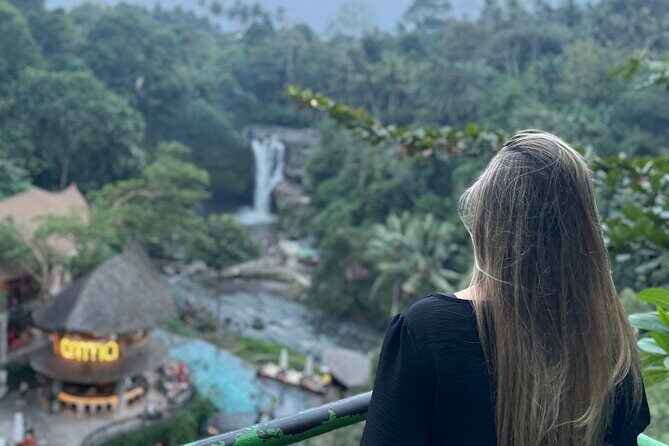
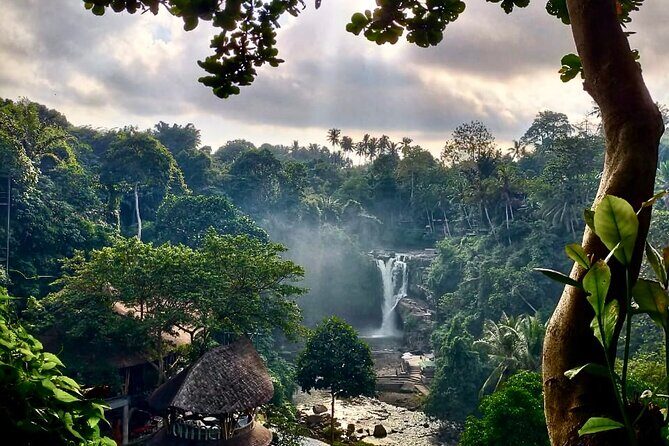
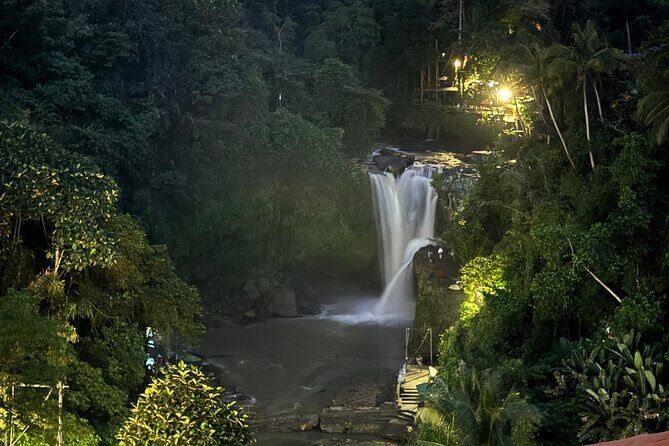
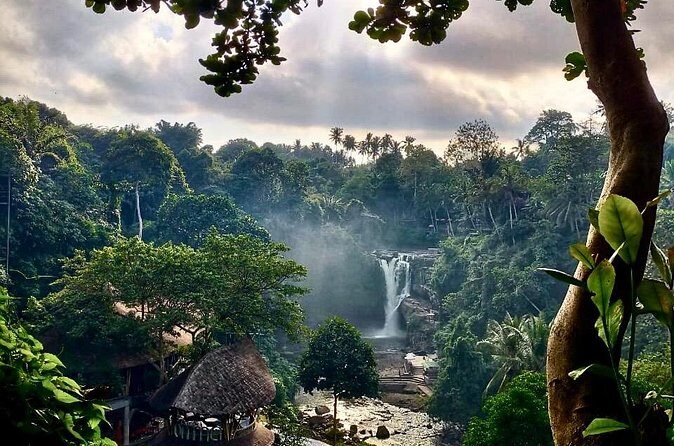
Your day starts with Tegenungan Waterfall. It’s known for strong water flow and lush surroundings, and it’s close enough to be an early win—about 15 minutes south of Ubud.

This is one of those stops where the payoff is visual right away. You’re not just reading signs or hunting for a specific angle. The waterfall is the point, and the surrounding greenery helps it feel like a real escape from traffic and scooters.

Practical note: the admission ticket for this stop isn’t included, so you’ll pay on site. The time allocation is also about 30 minutes, so if you want a lot of photos or a slower stroll, you’ll want to move efficiently once you’re there.

Goa Gajah (Elephant Cave): a 9th-century cultural site with a built-in mystery

Ubud Day Tour with Private Car & Local Driver - Goa Gajah (Elephant Cave): a 9th-century cultural site with a built-in mystery
Next up is Goa Gajah, also known as the Elephant Cave. This site matters historically—it dates back to the 9th century, so it’s not just a pretty stop. It’s a place with spiritual and cultural weight, and you’ll feel that more as you move through the area.

The way this stop is structured makes sense for a one-day itinerary. You get a focused chunk of time to see the key features and understand what you’re looking at. If you’re the type who likes context while walking, a strong driver-guide helps. Past guests have singled out guides like Wayan Suama and Adi for being thoughtful and informative, and that kind of guidance usually makes cultural stops easier to appreciate.

As with the other sites, entrance fees aren’t included. Plan to pay for tickets per person at the attractions.

Tirta Empul Temple: sacred spring-water grounds near Ubud

Ubud Day Tour with Private Car & Local Driver - Tirta Empul Temple: sacred spring-water grounds near Ubud
Then it’s off to Tirta Empul Temple, in Tampaksiring near Ubud. This is one of Bali’s most sacred Hindu temples, famous for its holy spring water. The temple’s origins are connected with 960 AD, and it’s dedicated to Vishnu.

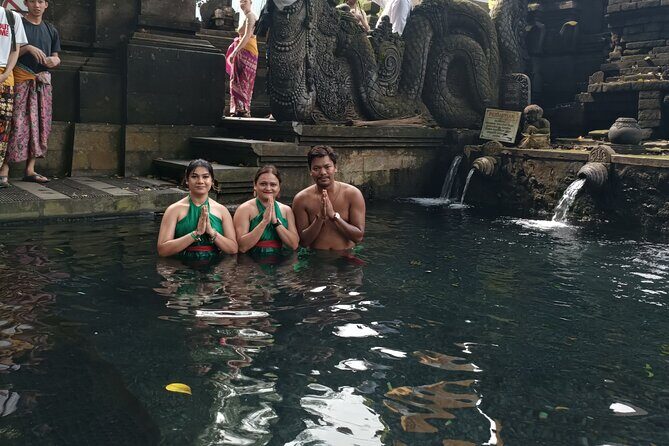
What makes this stop especially interesting is that it’s not only about architecture. It’s also about a living spiritual setting—people go there for the spring-water rituals associated with cleansing. Even if you’re not participating, you’ll likely notice how the space is used and how visitors are expected to behave.

You’ll have about 30 minutes here, which is just enough to see the main areas and take in the atmosphere. If you want more time—especially to watch respectfully—you may find the schedule a bit tight. But as a one-day highlights tour, it does its job.

Tegalalang Rice Terrace: classic Ubud scenery and the photo angles you’ll want

Ubud Day Tour with Private Car & Local Driver - Tegalalang Rice Terrace: classic Ubud scenery and the photo angles you’ll want
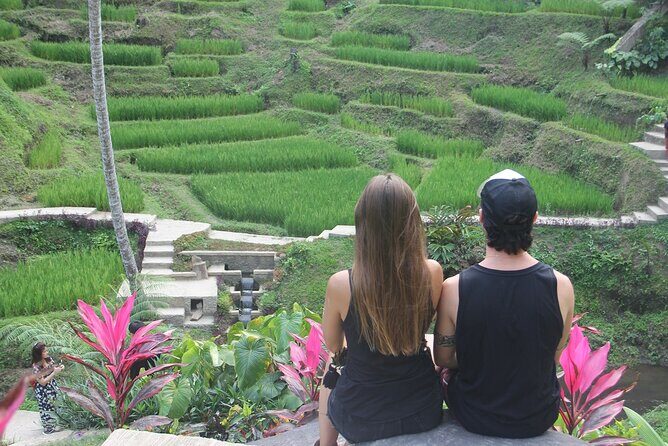
No Ubud highlights day is complete without Tegalalang Rice Terrace. This is one of the most popular rice-terrace viewpoints in the area, with green paddies spread across hillside terraces.

This is a strong final or late-day stop because the scenery is rewarding even with limited time. You can walk around a bit, find angles, and soak in the classic Bali rural look. It also works well if you’re balancing temple time with something purely scenic.

Again, entrance tickets aren’t included, so you’ll pay per person at the site. With only about 30 minutes, I’d treat this like a “get your photos, then enjoy” stop. If you wait too long, you’ll feel like you’re racing the clock.

Tickets and the real budget: what’s included vs what you’ll pay on top

Ubud Day Tour with Private Car & Local Driver - Tickets and the real budget: what’s included vs what you’ll pay on top
The tour price is $64.43 per group, up to 4 people. That group pricing is where the value usually comes from—private driving without a per-person private-tour surge.

What’s included:

  • Private transportation
  • Parking fees
  • Fuel surcharge
  • Air-conditioned vehicle
  • Bottled water
  • Pickup and drop-off (hotel transfer)

What’s not included:

  • Lunch
  • Entrance fees at each tourist stop

The provided estimate for admission is IDR 210,000 (about USD 13.56) per person. That number helps you plan, but keep in mind the exact amount can vary by site rules and timing, so treat it as a useful guideline rather than a guarantee.

My take on value: if you’re traveling as a couple or small group, this is a strong deal compared to piecing together multiple rides yourself. You’re paying for the convenience of a driver, the AC car, and the fact that all the major highlights are looped into one day.

Your driver matters: the difference between driving and guiding

Ubud Day Tour with Private Car & Local Driver - Your driver matters: the difference between driving and guiding
This isn’t just a taxi situation. It’s a private tour/activity, meaning only your group is in the car. That turns the driver into part of the experience, especially when you want context and smart choices.

In the past, guides have been praised for traits that directly improve your day:

  • Punctual, professional driving (smooth and safe)
  • Friendly conversation and good recommendations
  • Photography help for getting better shots
  • Knowledge about what you’re seeing and why it matters

Names that came up include Suama, Adi, Wayan Suama, Putu, Wayan (as a standout), and Suri. Even when you don’t need a full lecture, having a driver who can explain the basics makes each stop feel less like a checklist.

One more thing: a good driver helps you manage the day’s real constraint, which is time. When you have short stop windows, being efficient without feeling rushed is the difference between a day that feels great and a day that feels frantic.

Shopping time: adding local shopping without derailing your day

There’s time set aside for shopping. The big practical win with a private tour is that you can shop at the pace that works for you—quick browsing, or a little more time if something catches your eye.

The downside is also simple: shopping time can steal minutes from your most interesting stop if you’re not careful. If temples or scenery is your priority, tell your driver early. A good guide will help you manage the balance so you don’t feel like you traded photos for souvenirs.

Also, since lunch isn’t included, this is a good opportunity to plan how you want to handle food. You can decide whether to eat before you’re stuffed by traffic or after you’ve hit the final viewpoint.

Who this tour suits best

This tour fits best if you:

  • Want major Ubud highlights without dealing with navigation and ride planning
  • Prefer a small group setup (up to 4) over a larger shared tour
  • Value comfort during travel (AC car and bottled water)
  • Like a clear plan but still want flexibility from a private driver

It may not be ideal if you:

  • Want long, slow visits at each site (you only get about 30 minutes at the main stops)
  • Don’t want to pay on-site entrance tickets and prefer a fully packaged price
  • Are extremely budget-sensitive and would rather manage your own transportation

Should you book this Ubud private highlights tour?

If you’re doing Ubud for the first time and you want the best mix of temples, a major cave site, waterfall scenery, and rice terraces, I think booking makes sense—especially for couples or small groups. The biggest reason is practical: with hotel pickup, AC comfort, and a private driver, you gain time and energy for what matters.

Just go in with the right expectations. Bring a plan for entrance fees and lunch, and keep in mind each stop is designed for a focused look, not an all-day linger. If that matches your style, you’ll get a smooth, high-value day that hits the classics without the stress.

FAQ

Is pickup offered, and where does the tour start?

Hotel pickup and drop-off are included, with the tour listed for Seminyak, Indonesia.

How long is the tour?

The duration is about 8 to 10 hours.

What’s included in the price?

Included are private transportation, air-conditioned vehicle, bottled water, parking fees, and fuel surcharge.

Are entrance tickets included?

No. Entrance fees are not included for the tourist stops.

How much should I budget for entrance fees?

An estimated admission is IDR 210,000 (about USD 13.56) per person.

Is lunch included?

No. Lunch is not included.

Is this tour private or shared?

It’s a private tour/activity. Only your group participates, with capacity up to 4.

What happens if the weather is bad?

The experience requires good weather. If canceled due to poor weather, you’ll be offered a different date or a full refund.

#1 Paon Bali Cooking Class with Shuttle Ubud Only

#1 Paon Bali Cooking Class with Shuttle Ubud Only - The Kitchen Session: Learning by Doing (Not Just Watching)

Balinese cooking starts with shopping.

This class is built for learning, not just photos: you begin with a trip to a traditional Ubud-area market where you practice choosing ingredients and even get a little bargaining education. I especially like the Ubud market stop because it explains what makes Balinese flavors work in the first place, and I also like that the teaching is structured so you get individual attention even in a group. One thing to consider is that it’s weather-dependent, so you’ll want flexible plans in case you get a reschedule.

You’ll cook what you learn, then eat it.

The day moves from market knowledge into an active kitchen session where you help prepare classic dishes like chicken in coconut curry and Balinese steamed fish in banana leaf, plus a sweet finish like boiled banana with palm sugar syrup. The group is capped at 24 travelers, which helps keep the vibe friendly and hands-on. The only drawback is the shuttle coverage: the included hotel transfer is for Ubud center only, and other areas cost extra.

This is a solid use of an afternoon.

At $39, you’re paying for more than a meal—you’re buying a repeatable skill set: how to select ingredients, how the flavors are built, and how to cook dishes you can recreate later. Just keep your expectations practical. This isn’t a glossy food tour where everything happens around you; you’re the one doing the work.

Key Highlights You’ll Actually Feel

#1 Paon Bali Cooking Class with Shuttle Ubud Only - Key Highlights You’ll Actually Feel

  • Market-to-kitchen flow: you learn ingredient choices in the morning, then cook using that knowledge.
  • Structured, small-group teaching with individual attention (max 24 people).
  • Classic Balinese dishes you help make, then eat at the end.
  • Vegetarian option available alongside non-vegetarian dishes.
  • Ubud center pickup included for a smoother start.
  • Good last-day-of-travel option when you want something memorable that isn’t sightseeing.

Why This Cooking Class Works in Ubud (Market First, Not After)

Ubud is great for cultural stops, but sometimes you want something that doesn’t feel like another checklist. This class is a smart alternative because it’s built around the one thing everyone in Bali takes seriously: food. You start with shopping habits, then you apply them in the kitchen. It’s learning with your hands, not just watching.

The market portion matters more than you might expect. In a place like Bali, where ingredients and methods are tied to everyday life, you get a real window into how locals approach cooking—what they pick, what they reject, and what they’re trying to achieve in flavor. That’s the difference between eating a dish and understanding how it’s made.

And yes, the kitchen portion is the fun part. You’re not stuck standing on the edge of the room. You cook, taste, and eat what you make. Several people describe the experience as hands-on and involving everyone, which matches how these sessions are usually designed when the goal is skill-building.

The Morning Market Tour: How You Learn to Choose Ingredients

#1 Paon Bali Cooking Class with Shuttle Ubud Only - The Morning Market Tour: How You Learn to Choose Ingredients
The class begins in the morning with a trip to a traditional Ubud Traditional Art Market. It’s an outdoor market stop designed to teach you how people shop and what “good ingredients” look like. Markets in Bali open early, and the early start is part of why the stop feels authentic instead of rushed.

What you’ll be listening for is not just the ingredients, but the reasoning behind them. The chef explains Balinese tastes and customs, including how local meat, fish, and produce fit into common dishes. You also get tips on bargaining while shopping—practical stuff you’ll actually notice in Bali anyway.

Here’s the payoff: you’re learning a framework you can use outside the class. When you see an ingredient later (in a restaurant or at another market), you’ll have a better sense of how it’s likely used and why it’s chosen.

What to expect at the market (and what to watch for)

You’ll walk through stalls and see lots of daily cooking inputs—produce, spices, and proteins that show up in Balinese meals. You’ll spend enough time there to feel like you’re getting context, not just taking a quick photo lap.

Wear shoes you don’t mind getting slightly market-dusty. Also, bring a small water bottle if you’re the type who gets thirsty while walking—your comfort matters because the class can start early.

The Kitchen Session: Learning by Doing (Not Just Watching)

#1 Paon Bali Cooking Class with Shuttle Ubud Only - The Kitchen Session: Learning by Doing (Not Just Watching)
After the market, the class shifts to cooking at the host location. This part is where the experience earns its high marks: it’s structured so that people stay actively involved. You get help from the teacher and an assistant, and the format is set up so everybody can get attention.

This is one of those experiences where the teaching style matters. If you’re worried you’ll just cook one tiny step and then wait, don’t. The class is designed for participation—people help prepare the dishes, then eat what they make at the end.

You’ll also get the cooking basics you normally miss on your own. That includes the way Balinese dishes balance heat, aromatics, and savory-sweet elements. Even if you’re a confident home cook, you’re likely to learn at least a few moves—especially around how banana leaf is used for steaming and how coconut-based sauces behave.

What You’ll Cook and Taste (Balinese Classics With Practical Method)

The dishes offered are the heart of the class. Based on what’s described for the experience, you can expect you’ll cook and taste multiple local favorites, including:

  • Chicken in coconut curry: creamy sauce with warm spices, designed for big flavor without complicated steps.
  • Balinese steamed fish in banana leaf: gentle steaming with aroma and moisture trapped in the leaf—excellent if you like fish but want a method that feels different from Western cooking.
  • Boiled banana in palm sugar syrup: a sweet finish that shows how Bali uses fruit and sugar in a way that feels balanced, not candy-like.

And there’s more beyond those examples, since the class is described as including additional local dishes. The key point for your expectations: you’re not just tasting random bites. You’re cooking core dishes that represent how Balinese meals are built.

Non-vegetarian and vegetarian options

You can choose a non-vegetarian or vegetarian option. That means you’re not forced into a one-size-fits-all menu. If you’re traveling with mixed preferences, it’s a relief to know the class is set up to handle both.

Value and Price: Why $39 Can Be a Better Deal Than It Looks

At $39 per person, this class isn’t trying to be the cheapest activity in Ubud. But it can still be great value because you’re getting several things that add up fast when you travel.

First, you’re paying for ingredients and cooking ware included in the experience. That’s not always true for cooking classes, and it matters because ingredients are the real cost behind “hands-on food fun.” Second, you’re paying for teaching time—chef-led explanations plus an assistant to help keep things moving and keep questions answered.

Third, you’re paying for the market piece. A market tour isn’t just a walk-through. It’s the learning that makes the rest of the cooking session click. You’ll come away with a better understanding of how Balinese flavors connect to local buying choices.

In practical terms: if you’ve got limited time in Ubud, this is a good way to “buy” a memorable experience that also teaches you something you can reuse later.

Pickup, Timing, and Where You Start in Ubud

#1 Paon Bali Cooking Class with Shuttle Ubud Only - Pickup, Timing, and Where You Start in Ubud
This experience offers shuttle-style pickup, but with one important limitation: it’s included for Ubud center only. If you’re staying outside that area, there’s an extra charge of USD 35 per car, paid in cash on the day.

You can treat that like a simple math question. If you’re in central Ubud, you’ll likely appreciate the convenience. If you’re farther out, you should budget for the taxi-like add-on, or consider meeting at the start point.

Your meeting point

If you’re not using the pickup or you need to coordinate, the start point is Jl. Suweta No.18, Ubud, Kecamatan Ubud, Kabupaten Gianyar, Bali 80571, Indonesia. The tour ends back at the meeting point.

Duration

Plan for about 3 hours 30 minutes. That’s a sweet spot: long enough to do the market learning and full cooking session, but short enough that you can still have the rest of your day free.

Who Should Book Paon Bali Cooking Class

I think this is ideal for a few types of travelers:

  • You want a hands-on activity that feels local, not “tourist performance.”
  • You like learning by doing and you’re curious about how Balinese flavors are built.
  • You’re traveling as a couple or small group and want something that’s social but not chaotic.
  • You’re also looking for a practical “in-between time” plan—especially if your schedule is tight around flights or other sightseeing.

Because the class has a maximum of 24 travelers, it’s not so big that you’ll feel lost. And since the format emphasizes individual attention, even beginners should feel comfortable jumping in.

If you’re the type who hates getting your hands dirty or you want a mostly sit-and-watch experience, this might feel too active. But if you’re okay with cooking work and tasting as you go, it’s a great match.

The Weather Factor: Plan With Flexibility

This class depends on good weather. If it’s canceled due to poor weather, you’ll be offered another date or a full refund. That’s one of the few real uncertainties, and it’s worth keeping in mind when you plan your Ubud days.

If you’re the kind of traveler who schedules every hour like a flight timetable, this might not be ideal. But if you’re okay with one flexible window, you’ll be fine.

Final Thoughts: Should You Book This Cooking Class?

If you want a Ubud experience that’s both fun and genuinely useful, I’d book this. The standout strength is the market-to-kitchen structure, which turns a cooking class into a real food education. Plus, the format is set up for participation, so you’re not just an audience member.

Before you hit confirm, check two things: whether your accommodation is within Ubud center for the included transfer, and whether your schedule can handle a weather-related reschedule. If those fit, this is an easy yes.

FAQ

How much does the Paon Bali cooking class cost?

It costs $39.00 per person.

How long is the cooking class?

The duration is about 3 hours 30 minutes.

Is hotel pickup included?

Yes, pickup is included for Ubud center accommodations.

What if my hotel is outside Ubud center?

Pickup is not included for other areas. There is an extra charge of USD 35 per car, paid in cash on the day, for places like Nusa Dua, Jimbaran, Canggu, Kuta, and Sanur.

Does the class offer vegetarian food?

Yes, you can choose a non-vegetarian or vegetarian option.

Do you visit a market during the class?

Yes. There is a traditional market tour in the morning.

What dishes will I cook?

The class includes dishes such as chicken in coconut curry, Balinese steamed fish in banana leaf, and boiled banana in palm sugar syrup, plus additional items.

What is the maximum group size?

The maximum group size is 24 travelers.

What happens if I cancel or if the class can’t run?

The experience is non-refundable and can’t be changed for any reason. If it’s canceled due to poor weather, you’ll be offered a different date or a full refund. If the minimum number of travelers isn’t met, you’ll be offered a different date/experience or a full refund.

Where does the tour start?

The start point is Ubud Central Parking, Jl. Suweta No.18, Ubud, Kecamatan Ubud, Kabupaten Gianyar, Bali 80571, Indonesia.

Hire Car in Bali

Hire Car in Bali - Ubud and East Bali: Temples and Water-Play Stops

Bali traffic can ruin a day fast. This private hire car in Bali setup helps you move on your time, with a driver handling navigation, parking, and route choices. I like the custom itinerary feel, and I really value the air-conditioned comfort during the heat. The main catch: your plan has to stay inside one Bali region, and if you overrun the 10-hour limit, there are extra charges.

This is built for small groups—minimum 2 people, up to 5—with pickup from places like Ubud, Sanur, Seminyak, Canggu, Kuta, Jimbaran, Uluwatu, and Nusa Dua/Benoa. A team member contacts you a day before to talk through your interests, then the driver takes it from there with suggestions.

At $45.00 per person, it’s one of the more sensible ways to see Bali without the stress of driving yourself—especially if you’re splitting cost among a couple or a tight group. Just plan to pay for lunch/dinner and any entrance fees separately, since they’re not included.

Key Highlights You’ll Feel Immediately

Hire Car in Bali - Key Highlights You’ll Feel Immediately

  • Private, dedicated driver who takes care of navigation and parking
  • Air-conditioned vehicle so the day stays comfortable, not sweaty
  • Custom itinerary within one region (you set the pace)
  • Flexible departure times to match your body clock
  • Bottled water, parking fees, and fuel surcharge included

Why This Private Car Day Beats Sticking With Big Tours

Hire Car in Bali - Why This Private Car Day Beats Sticking With Big Tours
A big group tour is built on averages. The pickup time is strict. The stops are fixed. The pace assumes everyone wants to shop, queue, and photograph at the same speed. This option flips that. You choose what you want to cover, then the driver builds the route around it inside the allowed region.

The best part is mental relief. Bali roads can be slow, and getting through them without adding stress is half the win. Your driver also handles the practical stuff that usually derails independent travel—finding parking, coping with route changes, and steering you away from time-wasters when possible.

Two details I appreciate for real-world comfort: bottled water is included, and you’re not stuck overheated in a non-stop vehicle shuffle. Even if the sights you pick are ambitious, you’ll still have a calm base to return to.

One Region Rule: The Simple System Behind a Smooth Day

Here’s how the system works: you pick the pickup area and the Bali region you want to explore, and your tour stays inside that region. The listed regions include:

  • Ubud Tour area
  • East Bali: Lempuyang temple, Tirta, Gangga, Ujung palace, Candi Dasa
  • City area: Denpasar, Kuta, Legian, Canggu, Seminyak
  • West Bali: Tanah Lot, Jati Luwih, Beratan (lake temple), Bedugul
  • Kintamani: Tukad Cepung waterfall, Panglipuran village
  • South Bali: Uluwatu, Benoa, Nusa Dua, Pecatu

This one-region rule matters because it protects your time. If you try to stitch together far-apart areas, you spend more hours in transit than in the places you actually booked for. The driver can only do so much when traffic and distances pile up, so staying focused is the smart move.

If you want to go outside the listed coverage areas, there’s an extra $20–$40 USD per car fee depending on distance. Also, the minimum booking is 2 people (max 5 with no luggage). If your group is larger or carrying lots of gear, you may need to rethink the plan.

Ubud and East Bali: Temples and Water-Play Stops

Hire Car in Bali - Ubud and East Bali: Temples and Water-Play Stops
If you’re basing yourself in Ubud, this tour design makes it easy to plan a satisfying day without turning it into a logistics project. For Ubud Tour area, you’ll set your own itinerary (or ask the driver for ideas), and you stay within the Ubud zone. Since specific Ubud sights aren’t pre-labeled here, treat this as a flexibility play: you can choose what matches your energy that day.

Then there’s East Bali, a great region when you want a change of scenery from Ubud-style routes. The listed highlights are:

  • Lempuyang temple
  • Tirta Gangga
  • Ujung palace
  • Candi Dasa

What’s “special” about this region in a practical way is the mix. You’re not doing the same type of stop over and over. You get religious sites (temple), then palace gardens-style sightseeing, and the Candi Dasa side of the coast area. It’s also a solid pick if you’d rather have a driver take care of the back-and-forth between sites, especially when roads and timing can get messy.

One consideration: with a 10-hour window, East Bali can fill up fast. If you want calm pacing, you’ll likely want fewer stops with more time per stop, instead of trying to hit every listed name and racing the clock.

Denpasar, Kuta, Legian, Canggu, and Seminyak Without the Hassle

Hire Car in Bali - Denpasar, Kuta, Legian, Canggu, and Seminyak Without the Hassle
The City area option is for when you want Bali’s built-up energy, but you still don’t want the chore of navigating and parking. This region covers Denpasar, Kuta, Legian, Canggu, and Seminyak.

Because the listed stops aren’t tied to specific attractions, you’ll use the day more like a guided self-made route. You can plan around shopping areas, cafés, beach-adjacent time, or just moving between neighborhoods efficiently. The driver’s value is in traffic logic: getting you where you intend to go, and not wasting time fighting street flow.

A small drawback to know: if your route includes popular hubs at peak hours, Bali traffic can get stubborn. One review-style lesson I’d repeat is simple: build in extra time. If you schedule a tight midday booking, give yourself a cushion. You’ll thank yourself later.

West Bali Around Tanah Lot, Jati Luwih, and Bedugul

Hire Car in Bali - West Bali Around Tanah Lot, Jati Luwih, and Bedugul
West Bali is a strong choice when you want classic-name stops without driving yourself. This region includes:

  • Tanah Lot
  • Jati Luwih
  • Beratan (lake temple), Bedugul

Even without getting fancy on an itinerary, this cluster tends to work well because it’s naturally varied: coastal landmark time (Tanah Lot), then scenic-field style sightseeing (Jati Luwih), then the Bedugul/lake temple area (Beratan). You get a day that shifts settings rather than repeating one kind of view.

The downside is distance and timing inside West Bali. Within a 10-hour service, your driver can only fit so many stops. If you really care about taking your time at each name on the list, plan fewer targets and let the day breathe.

Also, entrances are not included. So if one or more stops require tickets, you’ll want to budget entrance fees in advance or be ready to pay on the day.

Kintamani With Tukad Cepung Waterfall and Panglipuran Village

Hire Car in Bali - Kintamani With Tukad Cepung Waterfall and Panglipuran Village
The Kintamani region is built around two named highlights:

  • Tukad Cepung waterfall
  • Panglipuran village

This is a nice pairing if you like a day that mixes “nature moment” and “local community time.” The waterfall stop gives you something dramatic, and the village stop gives you a look at daily life and layout.

In a 10-hour car day, waterfall timing matters. If you’re going for the best chance of favorable conditions (weather can affect what you’ll see), give yourself time buffers and don’t schedule a stressful “must be there at X” plan. You’ll get a more relaxed experience if your day has room for changing conditions.

For shopping or snacks, remember lunch/dinner aren’t included. Bottled water is covered, but you’ll need to plan meals separately.

South Bali: Uluwatu, Benoa, Nusa Dua, and Pecatu

Hire Car in Bali - South Bali: Uluwatu, Benoa, Nusa Dua, and Pecatu
South Bali is the region for coastal-and-southern Bali planning. Your listed stops are:

  • Uluwatu
  • Benoa
  • Nusa Dua
  • Pecatu

This set is useful because it clusters the area most people associate with “south Bali” convenience. You can choose a route that fits your interests—more time around Uluwatu or Pecatu, or more time shifting toward the Benoa/Nusa Dua side.

Keep in mind: entrance fees are not included, so if any of these stops have paid entry, that’s on your budget. Also, South Bali can be popular, and that can affect travel time between points. Again: don’t run the day like a timed exam.

The Real Value: Letting the Driver Handle Bali’s Daily Complexity

Hire Car in Bali - The Real Value: Letting the Driver Handle Bali’s Daily Complexity
The best part of hiring a car in Bali is not the car. It’s what you’re avoiding. You’re avoiding route planning, parking stress, and the constant mental workload of trying to decode traffic patterns and signage.

In the feedback I’ve heard shared in a common way, the driver experience is usually what makes or breaks the day. One guide named Wika was described as accommodating, fun, and helpful, and he helped create an itinerary centered on Bali arts and culture. That matters because you’re not just moving between named places—you’re learning how to connect them into a coherent day.

One more practical lesson from that same kind of experience: traffic can be terrible. Even with a good driver, you need to leave plenty of time to get back to any midday booking you’ve lined up. The smart approach is to treat your schedule like this: drive time estimates are only a starting point.

Price and What $45 Per Person Actually Buys

$45.00 per person for a 10-hour service sounds straightforward, and it can be strong value depending on how you split it. A few points that affect value:

  • It’s private transportation with a dedicated driver, so you’re not bargaining your way through shared vans.
  • Parking fees and fuel surcharge are included, which cuts down on surprise add-ons.
  • Bottled water is included, which helps on long hot days.
  • You’re limited to the listed one-region plan, so you’re paying for focused time rather than long-distance hopping.

But don’t forget what’s not included: lunch, dinner, and entrance fees. If you pick multiple ticketed attractions, your total day cost can rise. Still, this is typical across Bali tours, and it’s easier to budget once you know your style: temple-heavy day vs. mostly free-to-enter stops.

If your 10-hour service goes long, there’s also a 10% hourly overtime fee if the limit is exceeded. And if you’re traveling to areas outside the listed coverage, expect that $20–$40 USD per car additional fee.

Who Should Book This Private Hire Car in Bali?

This is a good fit if you want:

  • A custom day instead of a set shopping-and-sightseeing script
  • Comfort in an air-conditioned vehicle
  • A small group plan (up to 5, minimum 2)
  • Someone local handling the driving and route logic
  • Flexibility: pick your pickup spot, then design your route within one region

It’s especially practical for couples, friends, or families who want the freedom of independent travel but don’t want to manage traffic, parking, or navigation. If you’re traveling with lots of luggage, this exact setup may not match well since the cap is max 5 people with no luggage.

Should You Book This Bali Hire Car Charter?

I’d book this if your priority is a stress-light Bali day with good comfort and a driver who keeps you moving without the daily grind of driving yourself. The $45 per person price can work well when you split cost, and the included essentials (water, fuel surcharge, parking fees, air-conditioning) help keep the day predictable.

Skip it—or at least rethink your plan—if you want to jump across multiple distant regions in one day. The one-region rule is there for a reason: it keeps the schedule realistic. Also, if you’re building a very tight schedule with fixed times, keep a big time cushion for traffic.

If your ideal Bali day is: choose a region, pick your stops, and let the driver manage the mess—then this private car hire is a smart, value-minded way to do it.

FAQ

How long is the private car service?

It’s a 10-hour hire service.

Where can the driver pick you up in Bali?

Pickup is available from areas including Ubud, Sanur, Seminyak, Canggu, Legian, Kuta, Jimbaran, Uluwatu, Nusa Dua, and Benoa (plus airport/hotel or special request locations).

Can I mix stops from multiple Bali regions in one booking?

No. The tour must be in one region only. You choose the region, then build your itinerary within that area.

What sights are included in the East Bali option?

East Bali includes Lempuyang temple, Tirta Gangga, Ujung palace, and Candi Dasa.

What’s included in the price?

Included items are bottled water, private transportation, parking fees, fuel surcharge, and an air-conditioned vehicle.

What’s not included?

Lunch, dinner, and entrance fees are not included.

Is there an extra fee for going outside the listed coverage areas?

Yes. For areas outside the listed zones, an additional $20–$40 USD per car fee applies depending on distance.

What happens if we go beyond 10 hours?

If the 10-hour limit is exceeded, a 10% hourly overtime fee is added.

Is the booking refundable if weather is bad?

The experience requires good weather. If it’s canceled due to poor weather, you’ll be offered a different date or a full refund.

Ayung River – White Water Rafting Bali

Ayung River - White Water Rafting Bali - Getting On the Water: What the First Minutes Typically Feel Like

Ayung River rafting is a clean Bali thrill. I like that this day gives you real white-water time on the Ayung River and that the package already covers the stuff that usually adds up, like lunch, safety gear, towels, and a waterproof bag. It’s the kind of activity where you can focus on the ride, not the logistics.

One thing to keep in mind: you do stairs. You’ll walk down roughly 10 floors to reach the raft and then climb back up around 5–6 floors afterward, so it’s not a great match if you have mobility issues.

Key Things I’d Watch For Before You Go

Ayung River - White Water Rafting Bali - Key Things I’d Watch For Before You Go

  • Grade II–III rapids: enough excitement without feeling like total survival mode
  • Small-group limit of 6: you won’t get lost in a crowd
  • Pro guide on every raft: safety brief plus coaching as you go
  • About 2 hours on the river inside a ~6-hour full day
  • Shower + towels after rafting: you’ll actually feel human again

Ayung River: Why This Ubud-Day Rafting Feels Right

The Ayung River outside Ubud is one of the most practical choices in Bali for rafting. You get a mix of energy—Grade II–III rapids—plus calmer stretches where you can breathe, look around, and take in the river scenery. This balance matters. It means you can have fun even if you’re not chasing the most extreme rapids on the island.

I also like that the setting isn’t just “water and trees.” During the run, you pass features that feel distinctly Bali, including a cliff with Ramayana carvings and sights like waterfalls along the route. Those are the moments that make it more than a workout.

And yes, weather changes the vibe. If there’s been rain, the river can run fuller and livelier, which tends to make the ride feel more active. If the water is lower and slower, it can be a friendlier day—useful if you’re bringing a kid or you just don’t want the raft to be constantly on adrenaline.

Pickup, Registration, Gear Fitting, and Those Stairs

Ayung River - White Water Rafting Bali - Pickup, Registration, Gear Fitting, and Those Stairs
Most rafting days in Bali start with a transfer, and this one follows the same smart pattern. You’ll get morning or afternoon pickup from your accommodation in Ubud and much of south Bali. Then you drive to the rafting center for registration and equipment fitting.

This is where the experience pays off: the tour includes training plus safety gear, and you’re not dropped in with vague instructions. The guide is part of the experience from the moment you get on the water, and that matters for confidence, especially if it’s your first time.

One practical note you should plan for: getting to the raft involves a fairly steep walk down stairs. One review puts it at about 10 floors down to the river level, and then about 5–6 floors back up when you’re done. If you’re traveling with someone who tires easily, bring a little patience for this part. It’s short, but it’s real.

Getting On the Water: What the First Minutes Typically Feel Like

Ayung River - White Water Rafting Bali - Getting On the Water: What the First Minutes Typically Feel Like
After the equipment fitting, you walk down to the river and meet your guide at the raft. The tour is built around a professional guide coaching you through the run, and you’ll spend roughly 2 hours on the river.

The early part is a quick adjustment: settle into your raft position, get your bearings, and learn the basics of how the paddling works. Don’t overthink it. The goal is to follow the guide’s lead and focus on staying together as the raft moves through the rapids and calmer sections.

If you get nervous about white-water, this is still the right place to start. The Ayung River run is designed to give you noticeable thrills without pushing into the most technical zone.

The Rafting Run: Grade II–III Thrills and Real Bali Views

Ayung River - White Water Rafting Bali - The Rafting Run: Grade II–III Thrills and Real Bali Views
Your day centers on the rafting itself, and the tour gives you a good chunk of time to enjoy it: about 2 hours on the river. During those two hours, you’ll hit Grade II–III rapids interspersed with mellower water.

Here’s what that feels like in plain terms:

  • Grade II sections usually mean quick, fun pushes of moving water and you can still enjoy the scenery.
  • Grade III sections bring more action—more force, more splashes, more reason to hold on and listen to the guide.

What I like most is that the rapids don’t completely erase the environment around you. You’re still looking at the river corridor, not just reacting to the next bump. You’ll pass a natural stretch with cliff views and features like the Ramayana carvings and waterfalls. Those are the kind of details you remember later, when you’re back in your hotel and thinking about that day.

And if it’s been raining, the river may run “fuller and bustling,” which can turn a normal ride into a louder, more energetic one. That can be a great thing for people who want more movement and less “relaxed drift.”

After the Rapids: Shower, Towels, and a Proper Lunch

When you finish, the tour doesn’t leave you stuck in wet gear for the rest of the day. You can take a shower after rafting, and the experience includes a towel. Then you change out of wet clothes before lunch.

That shower + towel detail is small on paper but big in real life. It’s the difference between a fun morning and a damp, uncomfortable afternoon. Especially in Bali’s heat, feeling clean and dry makes it easier to enjoy the rest of your day.

Then you sit down for a local meal at the restaurant included in the package. Lunch is part of the “don’t think about it” value here. You’re not hunting for food after you’re already tired from the river and stairs.

Price and Value: Why $30 Can Actually Make Sense

At about $30 per person, this rafting day is priced in the sweet spot for Bali. The key isn’t just the ticket price—it’s what’s bundled. You’re typically paying extra in other activities for the basics you need to be comfortable and safe.

What’s included here:

  • Pickup and drop-off from Ubud and much of south Bali
  • Safety gear, training, and a professional guide on board each raft
  • A waterproof bag so you can keep essentials safer
  • Towels and a shower after rafting
  • Lunch after the run

Also, the group size is capped at 6 travelers, which usually means more attention from the staff and less waiting around. You might find some rafting tours that feel crowded and rushed. This one is set up to keep it small.

One more value angle: the tour is popular enough that it’s commonly booked in advance (on average, about 76 days ahead). That’s often a sign the experience is consistent. If you wait until the last minute, you can miss the time slot that matches your day.

Who This Rafting Day Best Fits (And Who Should Skip)

Ayung River - White Water Rafting Bali - Who This Rafting Day Best Fits (And Who Should Skip)
This is a solid choice if you want an adventure day without needing advanced fitness or experience. The tour calls for moderate physical fitness, which usually means you can handle a decent activity level plus the stair walk to and from the raft.

This can work really well for families, too. One review described a 6-year-old who loved the experience, especially when conditions meant the river was running low and slower. That’s a helpful reminder: the day’s intensity can vary with water levels.

But I’d be careful if anyone in your group has mobility limitations. The steep stair walk (roughly 10 floors down and 5–6 floors up) is the kind of detail that can turn a fun day into a stressful one.

Quick Tips to Make Your Day Smoother

These are the small things that help you enjoy the run instead of managing problems.

  • Wear clothes you’re fine with getting wet. Bring something dry for afterward.
  • Use the waterproof bag as intended. Pack items you need to keep dry.
  • Plan for the stairs before you leave your accommodation. If you can, wear shoes with good grip.
  • If you’re choosing between morning and afternoon, pick the time that matches your energy. The tour offers both, and it matters once you’re dealing with driving time, fitting gear, and the return transfer.
  • If the weather has been rainy, expect a livelier river. That can be more fun, but it can also mean more splash.

Should You Book This Ayung River Rafting Tour?

I’d book it if you want a classic Ayung River rafting day with pro guidance, included comfort items, and a small-group feel. The combination of Grade II–III rapids, included lunch, shower, and a waterproof bag makes it feel like a complete day, not a bare-bones excursion.

Based on the consistently high satisfaction rating—4.9 out of 5 from 20 reviews, with 100% recommending it—this isn’t a “maybe it’s fine” activity. It’s the kind of day where the staff details matter: guide coaching, gear, and keeping you comfortable after you’re done.

Skip it (or at least be cautious) if stairs are a deal-breaker for you. The walk down and up is significant, and that’s not something you want to gamble on.

If your goal is straightforward fun on one of Bali’s most popular rafting rivers, this tour is a strong pick.

FAQ

Where is this Ayung River rafting tour based?

The tour is in Ubud, Indonesia, and it runs on the Ayung River outside Ubud.

How much does the tour cost?

The price is $30.00 per person.

How long is the experience?

The tour lasts about 6 hours (approx.) total, with about 2 hours on the river.

Do you get hotel pickup and drop-off?

Yes. Pickup is offered, and the tour includes no-hassle 2-way transfers from addresses in Ubud and much of south Bali.

What’s included in the package?

It includes safety gear, training, a waterproof bag, towels, a shower after rafting, and lunch.

Are there different tour times?

Yes. You can choose either a morning or afternoon tour.

What level of rapids will I experience?

The Ayung River run includes Grade II–III rapids, with mellower patches in between.

Is it a large group?

No. The tour has a maximum of 6 travelers, which helps keep it more personal.

What if I need to cancel?

Free cancellation is available up to 24 hours in advance for a full refund. If you cancel less than 24 hours before the start time, the amount you paid is not refunded.

Bali Breathtaking Waterfall Tour (Private & All-Inclusive)

Bali Breathtaking Waterfall Tour (Private & All-Inclusive) - Pickup, the driving route, and why timing matters in Bali

Bali’s waterfall circuit is a full-day photo mission. This private, all-inclusive tour is built around three stops with different vibes, plus a Mt. Batur lunch view so the day doesn’t feel like nonstop sprinting. You’re also given onboard Wi‑Fi, so you can share as you go, and keep your phone out of roaming-cost trouble.

What I love most is the mix: Tegenungan is the classic clear-water hit, while Kuning is quieter and demands a bit more effort (in a good way). I also like that you’re not wrangling logistics—your guide handles the driving and timing, and guides I’ve seen praised (like Gusde, Mang Dut, Buddy, Jay, and Aprio) tend to adjust the day to what works for the group.

The main drawback to plan for is driving time and crowd pressure. Bali roads can take longer than you expect, and at peak times you may deal with lines at the popular falls—especially during busy festival periods.

Key things to know before you go

Bali Breathtaking Waterfall Tour (Private & All-Inclusive) - Key things to know before you go

  • Three waterfall styles: clear-water fun at Tegenungan, flower-and-jungle cove vibes at Tibumana, and a hike-and-dip payoff at Kuning
  • Mt. Batur break with lunch: you get a scenic pause (and yes, it’s part of the scheduled timing)
  • Onboard Wi‑Fi included: easier sharing without roaming anxiety
  • Private group setup: only your group participates, so you’re not stuck in a big mixed crowd
  • Access depends on conditions: if access changes (like after landslides), your guide may route to alternatives
  • Two-hour hike time window: Kuning is the active stop, so bring the right shoes and expectations

A private waterfall day from Seminyak that keeps the schedule sane

This is the kind of day trip that makes sense on Bali because it’s structured. You start with hotel pickup and go to the Ubud area, where the waterfalls tend to cluster. That matters, because waterfall days here can turn into a car marathon if you try to DIY.

Your driver/guide is the buffer between you and the chaos. You’ll spend the day jumping between sites, but the big steering work is handled for you. Several guides connected to this tour (like Mang Dut, Buddy, Jay, and Suarnaya) have been praised for being helpful and safe on the road, plus for keeping the day comfortable even when traffic adds stress.

You also get onboard Wi‑Fi. It’s a small thing until you’re standing at a waterfall with the perfect shot and your phone battery is dying while you hunt for service. Here, you can share as you go without the roaming headache.

Price and what you actually get for $114 per person

Bali Breathtaking Waterfall Tour (Private & All-Inclusive) - Price and what you actually get for $114 per person
At $114 per person, this tour is priced like a true package: you’re covering entrance tickets, a local buffet lunch, round-trip transfers from select hotels, and onboard Wi‑Fi. The duration (about 7 to 9 hours) also signals this isn’t just a quick drive-by.

Here’s the practical value math: if you were to book transport, pay separate entrance fees, and find lunch near Mt. Batur with enough time to enjoy it, the cost can creep up fast. Even more important, you’d be doing it while dealing with Bali’s traffic rhythms. The whole point is you spend your energy on the waterfalls, not on figuring out the route.

Is it “cheap”? No. But it’s fair for an all-in day that includes both active hiking time and a proper lunch stop with Mt. Batur views.

Pickup, the driving route, and why timing matters in Bali

Bali Breathtaking Waterfall Tour (Private & All-Inclusive) - Pickup, the driving route, and why timing matters in Bali
This tour includes 2-way transfers from select Ubud and south Bali hotels. If you’re staying in Seminyak, Canggu, Jimbaran, or Uluwatu, you’ll pass by key areas on the way out and back (including Monkey Forest, Ubud Market, a famous rice terrace, and a temple). These are described as pass-by moments, not fixed sightseeing stops.

That matters because your day is built around specific waterfall time windows, not a long list of extra stops. You’ll likely see those landmarks from the road, get the vibe, and move on.

One tip: if you hate being stuck in traffic, pick a pickup time that avoids the worst congestion you can. A guide (Jay) was noted as patient when later pickup led to heavier traffic, but patience won’t fix the drive time. Just plan to expect some road time and keep your schedule flexible.

Stop 1: Tegenungan Waterfall for clean-water photos and easy play

Bali Breathtaking Waterfall Tour (Private & All-Inclusive) - Stop 1: Tegenungan Waterfall for clean-water photos and easy play
Your day kicks off at Tegenungan Waterfall with about 1 hour on site, and entrance is included.
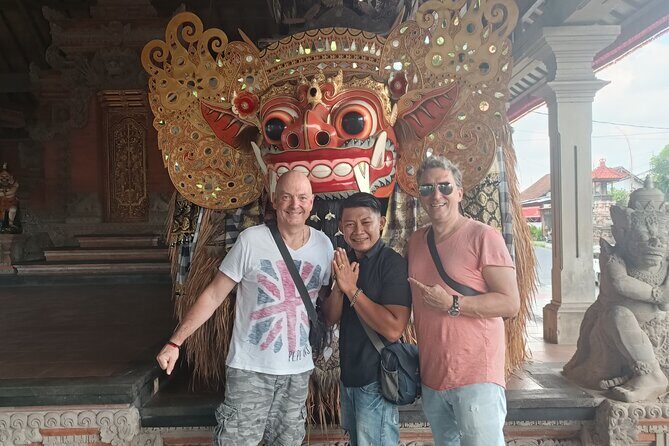
This is the “arrive and start smiling” stop. Tegenungan is described as having clean, clear water and being a spot where you can wash up or just play around in the water. That makes it great for families and for anyone who wants the waterfall experience without a steep, technical approach.

Photo-wise, Tegenungan is often the most straightforward of the three. You don’t have to work as hard for the shot—you can spend more time framing, shooting, and relaxing instead of just focusing on footing.

One thing to consider: Tegenungan can be busy. In peak periods, you might face lines and waiting. If that would stress you out, treat the arrival timing as part of the adventure. Go with a slower mindset at the start of the day.

Stop 2: Tibumana Waterfall in a flower-and-jungle cove

Bali Breathtaking Waterfall Tour (Private & All-Inclusive) - Stop 2: Tibumana Waterfall in a flower-and-jungle cove
Next up is Tibumana Waterfall, also with around 1 hour, entrance included.
Tibumana is close enough to feel efficient, but it still has a “wow” factor. It’s described as being in a beautiful cove surrounded by flowers and jungle, and it won’t disappoint. That cove setting tends to create photos that look more shaded and atmospheric than the bright open falls.

What I like about this stop is the contrast. After the clear-water fun at Tegenungan, Tibumana feels more intimate and “hidden in plain sight.” You still get a strong waterfall scene, but the framing and mood are different—less crowd energy, more quiet-cove feel.

The trade-off? You’ll be moving on soon. With only about an hour, you should come ready to enjoy the moment and not expect a long, slow soak.

Mt. Batur viewpoints: the scheduled pause that makes the day feel worth it

Bali Breathtaking Waterfall Tour (Private & All-Inclusive) - Mt. Batur viewpoints: the scheduled pause that makes the day feel worth it
At Mount Batur, you get about 1 hour of viewing time. Admission is marked as free for this stop.

This is your break from waterfall action. You’ll see the Kintamani region with Mt. Batur and its cone views, and it’s also where your day’s pacing shifts from dips and hikes to photos of a bigger scene. If you only did waterfalls all day, it can get repetitive. This viewpoint resets your eyes.

It also sets up the most important practical piece of the day: lunch later with Mt. Batur views. Even if you’re not a big volcano person, that lunch timing is what makes the schedule feel balanced.
Stop 4: Kuning Waterfall for the quieter hike-and-dip experience

Bali Breathtaking Waterfall Tour (Private & All-Inclusive) - Stop 4: Kuning Waterfall for the quieter hike-and-dip experience
Then comes Kuning Waterfall (Air Terjun Kuning), where you’ll spend about 2 hours and entrance is included.
This is the “less visited” stop, and that’s exactly why I think it’s worth the extra effort. Instead of being only a simple viewpoint, Kuning involves an exhilarating hike to the top, then you get stunning water views and the option of a refreshing dip in the river.

Because it’s a hike, it’s also where your physical fitness level matters. The tour specifically calls for moderate physical fitness. If you’re comfortable walking on uneven ground for a couple hours, you’ll likely enjoy this more than the easier falls.

Practical advice: wear shoes you don’t mind getting wet and that grip. Your main goal here is not speed. You’ll enjoy Kuning more if you take your time on the hike, especially in humid conditions.

Also, crowd levels are usually lower than the most famous Bali falls. You still may encounter other people, but Kuning is described as visited by only a few tourists, which changes the feel of the visit.

Lunch at Mt. Batur: buffet comfort with the best seat in the house

Bali Breathtaking Waterfall Tour (Private & All-Inclusive) - Lunch at Mt. Batur: buffet comfort with the best seat in the house
After the viewpoint and before you settle into the final leg of the day, you’ll have lunch at a restaurant with beautiful Mt. Batur views. Lunch is timed at about 1 hour and is included.
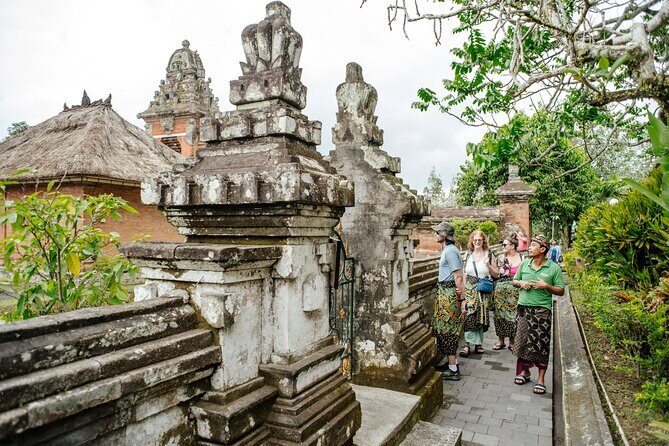
This is not just “food to fuel the next stop.” It’s the built-in recovery moment. After two waterfall stops and the activity of the Kuning hike, a set lunch hour helps you avoid that end-of-day crankiness when everyone’s hungry but no one wants to negotiate dinner.

The lunch is a local buffet. You’ll get enough choice to find something that agrees with you, and you can eat while enjoying the volcano scenery.

If you’re the type who plans snacks for days like this, still keep them light. With a scheduled buffet, you’ll likely be better off saving your energy for the hike and waterfall time.

Guides, flexibility, and the photo help you might score

A huge part of this tour’s reputation comes from the guides. Names that show up in past experiences include Gusde, Mang Dut, Buddy, Jay, Suarnaya, Aprio, Ravy, and Gandi. I can’t promise your guide will be any one of them, but the consistent theme is support: they manage the day, keep it safe, and help you get the most out of the time.

Here are examples of what that support can look like, based on real outcomes:

  • When conditions changed due to landslides, a guide (Ravy) made a perfect alternative route with other beautiful waterfalls and even used extra time for a coffee plantation stop.
  • One guide (Gusde) helped connect a guest with an outstanding photographer, turning the day into something closer to a magazine shoot.

That kind of flexibility matters on Bali, because access can shift. If something is temporarily not available, you’ll want a guide who can pivot quickly while still protecting your experience.

What to expect from the full day flow (7 to 9 hours)

A day like this works because it balances intensity with resets:

  • Morning starts at Tegenungan for an easier entry and clear-water fun
  • Tibumana gives you the cove and jungle mood
  • Mt. Batur adds scale and a view break
  • Kuning asks for more effort with the hike, then time to dip
  • Lunch finishes the day with fuel and scenery

Your total time is about 7 to 9 hours. The exact timing can shift with traffic and conditions, so keep a little buffer in your plans for the rest of your day.

Also, since you’re in a private setup (only your group participates), the pacing can be adjusted to your pace. If you want more time for photos, you’ll usually have that flexibility compared to rigid group tours.

Who should book this waterfall tour (and who should think twice)

This tour fits best if you:

  • Want to see three different waterfalls in one day instead of just one or two
  • Appreciate all-inclusive convenience (entrance fees, buffet lunch, Wi‑Fi, transfers)
  • Are comfortable with moderate walking and a two-hour active stop at Kuning
  • Like a mix of photo time and actual recovery moments (like the Mt. Batur lunch view)

Think twice if you:

  • Get stressed by traffic. Even with a private driver, the drive time is real.
  • Want a fully low-effort day. Kuning involves a hike, and that’s the point of the payoff.

If you’re traveling as a couple or small group and you want a single organized day that still feels personal, this is a strong option.

Should you book Bali Breathtaking Waterfall Tour?

If you want a structured private day that covers Tegenungan, Tibumana, and Kuning, plus Mt. Batur views and lunch, I’d book it. The value is in the mix of convenience and included costs—entrance fees, lunch, Wi‑Fi, and transfers—so you’re not constantly adding fees and making logistics calls while you’re tired.
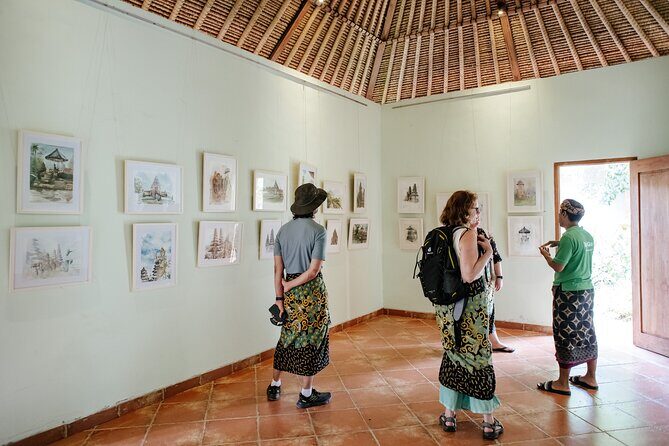
If you hate crowded hotspots, just go in with the right expectations. Tegenungan can be busy at peak times, and Bali timing can shift based on road conditions and access.

My final take: this is a great choice for anyone who wants a photo-heavy waterfall day but doesn’t want to pay for it in exhaustion.

FAQ

What waterfalls are included on this tour?

You’ll visit Tegenungan Waterfall, Tibumana Waterfall, and Kuning Waterfall. You’ll also have time for Mount Batur viewpoints and lunch with Mt. Batur views.

How long is the Bali Breathtaking Waterfall Tour?

The tour runs about 7 to 9 hours.

Do you include hotel pickup and drop-off?

Yes. The tour offers 2-way transfers from select Ubud and south Bali hotels.

Is the tour truly private?

Yes. It’s a private tour/activity, and only your group participates.

Is lunch included?

Yes. You’ll enjoy a local buffet lunch (with a view of Mt. Batur) and lunch is included in the tour.

Are entrance fees included?

Admission tickets are included for Tegenungan, Tibumana, and Kuning. Mount Batur viewing is listed as free for that stop.

Is onboard Wi‑Fi included?

Yes. The tour includes onboard Wi‑Fi, so you can share as you go.

How physically demanding is the hike to Kuning Waterfall?

The tour advises moderate physical fitness. Kuning includes an exhilarating hike to the top and you’ll have about 2 hours there.

What is the cancellation policy?

Cancellation is free up to 24 hours in advance of the experience start time for a full refund. Changes within 24 hours aren’t accepted, and refunds won’t be given if you cancel less than 24 hours before the start time.

Do I get a ticket and confirmation when booking?

Yes. You’ll receive confirmation at the time of booking, and the tour includes a mobile ticket.

Nusa Penida. 2 Days Tour. Pick up from Bali.

Nusa Penida. 2 Days Tour. Pick up from Bali. - Getting from Seminyak/Bali to Penida: pickup and fastboat rhythm

Penida hits different after Bali. This 2-day trip mixes cliffside beaches with real snorkeling time, so you’re not just driving past viewpoints—you’re out there in the water and on the edges of the island. I really like the stress-free organization (pickup, fastboat, hotel, entrance fees) and the manta ray snorkeling chances built into the day. One thing to plan for: you’ll face steep slopes, stairs, and strong-water snorkeling conditions.

What makes it work for most people is the pacing plus the support. You get a private air-conditioned car with a driver for the land portion, and the stops are timed so you’re not racing between “photo-only” locations. Past guests also mention drivers who were punctual and helped with photos, plus a night stay split between two different hotels: Semabu Hills (4-star) and Coconut Hill Cottage (2-star).

A quick heads-up: the experience needs good weather. If conditions are bad enough, you’ll be offered another date or a full refund. And if you’re not a confident swimmer, the snorkeling part can feel sketchy because of currents and waves.

Key highlights worth getting excited about

Nusa Penida. 2 Days Tour. Pick up from Bali. - Key highlights worth getting excited about

  • Easy end-to-end logistics: hotel pickup and return to Bali plus roundtrip fastboat
  • Cliff views all day: beaches like Atuh, Kelingking, and spots shaped like famous dinosaurs
  • Snorkeling with real wildlife potential: manta rays mentioned in snorkeling experiences; mola mola possible at times
  • Photo-friendly stops with famous shapes: Tree House panoramas, Teletubbies Hill, and Angel’s Billabong
  • One night on Penida: you sleep on the island instead of doing it as a long, exhausting day trip
  • Driver help on the ground: punctual, practical, and willing to assist with photos

Why Nusa Penida, not just another Bali side trip

Nusa Penida. 2 Days Tour. Pick up from Bali. - Why Nusa Penida, not just another Bali side trip
Nusa Penida is the kind of place where the scenery makes you stop talking for a second. The island’s cliffs feel dramatic in a way that flat beaches can’t copy. This tour leans into that: you’ll spend Day 1 on sculpted cliff viewpoints and Day 2 on more famous “edge of the world” swim-and-look locations.

I like that it’s not just a sightseeing checklist. You also get snorkeling through a boat safari, which is where Penida earns its reputation. The snorkeling waters around Crystal Bay are known for clear visibility and colorful fish, and the wildlife angle is part of the fun—manta rays have been spotted on the snorkeling stops on past trips, and a rare mola mola shows up from time to time.

If you want one simple reason to choose this format: you’re seeing Penida at a human pace, with one hotel night, plus transportation handled for you. That matters because Penida’s roads are twisty and stop-to-stop times add up fast when you’re doing it on your own.

The only catch is physical effort. Several stops involve stairs and walking up and down slopes, so comfortable shoes and a steady pace help a lot. Think of it as sightseeing with a workout bonus.

Getting from Seminyak/Bali to Penida: pickup and fastboat rhythm

Nusa Penida. 2 Days Tour. Pick up from Bali. - Getting from Seminyak/Bali to Penida: pickup and fastboat rhythm
This tour is built around the Sanur-to-Penida fastboat plan. Your day typically starts from the fastboat meeting point at Semabu Hills Fast Boat, Jl. Matahari Terbit, Sanur Kaja. From there, you’re moving across water and then switching to land transport in Penida.

On the Bali side, you get hotel pickup and return transfer, so you’re not trying to coordinate a taxi and a timeline while you’re jet-lagged or hungry. That’s a big deal on a 2-day itinerary because the window for each stop is tight.

For land, you’re in an air-conditioned private car with a driver. Private car is valuable on Penida because it lets you move quickly between cliffs without crowding, plus it keeps the group comfortable when you’re bouncing between viewpoints and beach entrances. One practical note: snorkeling is not private. You join a snorkeling safari boat with other tourists, which is normal for wildlife cruises and helps keep the price sensible.

You also get a mobile ticket, and confirmation happens at booking time. In plain terms: you should be able to show your ticket on your phone and get moving without extra errands.

Day 1 on Penida: Atuh Beach, Diamond Beach, Tree House, Teletubbies Hill

Day 1 is all about cliffside drama and “how is this real?” views.

Atuh Beach (about 1 hour)

Atuh Beach is protected by calm bay water and cliff walls, which is why it feels more serene than some other Penida spots. It’s known for wild white sand and that dramatic sense of being tucked into the coastline. The time here is short but sweet—enough for photos, a walk, and a breather.

Just don’t underestimate the access. Atuh involves descending stairs, and if it’s hot or you’re tired, it can feel like more effort than you expect. Bring water and take it slow on the way down.

Pantai Diamond / Diamond Beach (about 1 hour)

Diamond Beach is a newer-access kind of stop that turned into a Penida hot spot quickly. You’ll see bright white sand and the coconut palm vibe that makes photos look like a postcard.

There’s also a bonus cost option at Diamond Beach: a swing fee (IDR 200,000 per person) isn’t included. If you want the photo with the wind and the view, budget for it. If you don’t care, you can simply enjoy the beach and cliff views without spending extra.

Rumah Pohon Tree House (about 1 hour)

This is the panoramic cliffside Tree House area—often associated with social-media-friendly views. You can climb up stairs to the treehouse viewpoint and look out across islands and channels.

I like this stop because it breaks up the beach-and-walk rhythm with a higher perspective. It’s also a good place to catch your breath before the next viewpoint because you’re more stationary once you’re up.

Teletubbies Hill (about 40 minutes)

This hill has the playful, bulbous shape people associate with the Teletubbies theme. It’s not a long stop, but it works well for a quick burst of fun and photos.

Because it’s shorter, you can treat it like the “make it memorable” segment of the day—something you’ll remember even if you don’t remember every detail of the itinerary.

Day 2 on Penida: Crystal Bay to Kelingking Cliff (the best cliffs day)

Day 2 is where the tour leans hard into Penida’s signature wow factor. You’ll start with snorkeling, then hit several of the island’s most famous coastal formations.

Crystal Bay (about 1 hour)

Crystal Bay is known for very clear water and it’s a popular snorkeling and diving area. You’re likely to see coral and lots of small fish. Wildlife chances include the mola mola, sometimes.

This is where you should decide how you feel about the water conditions. Clear water is great, but currents and waves can be real. One piece of advice that comes up in experience feedback: if you’re not a confident swimmer, you’ll want to be cautious. The snorkeling portion is typically not “pool calm,” even if the visibility looks inviting.

Pasih Uug Beach / Broken Bay (about 40 minutes)

This bay feels like a giant natural pool, surrounded by tall, hard-to-reach rocks. It’s a dramatic framing effect. You’ll also see a natural stone bridge over the water.

The bridge is for the daring. If you want the iconic angle and you’re steady on your feet, you’ll enjoy it. If heights make you nervous, just stay where you feel safe and focus on the wider bay views.

Angel’s Billabong (about 40 minutes)

Angel’s Billabong is often described as an infinity-pool look. The view is gorgeous, but the name comes with an important caution: it can hide danger. Rocks and water movement make it not a playground.

Practical move: watch your footing, follow local guidance, and treat this as a view-and-photo stop first. The best photos are usually the ones you take from a safe spot, not the ones you force by getting too close.

Kelingking Cliff / Kelingking Beach (about 1 hour)

Kelingking is a favorite among Penida cliffs. It’s famous for its T-Rex-like shape, and you’ll see a beach far below—an angle that makes you understand why Penida became a must-do for cliff lovers.

This is also one of the spots where you’ll appreciate having a driver to get you to the right viewpoints without wasting time. You’ll spend long enough to get your bearings and take photos without feeling rushed, which matters here because the scenery is intense.

Snorkeling safari reality check: currents, clarity, and what wildlife might show up

Nusa Penida. 2 Days Tour. Pick up from Bali. - Snorkeling safari reality check: currents, clarity, and what wildlife might show up
Snorkeling is the star add-on on this tour, and it’s the part you should think through before you go.

You’ll join a snorkeling safari boat with other tourists, then hop into the water at stops tied to the route. Crystal Bay is the main snorkeling anchor on Day 2, and it’s chosen for clear visibility and the underwater life you can spot close to the surface.

Wildlife details you can bank on based on past experiences:

  • Manta rays have been spotted during snorkeling stops on this kind of tour route.
  • Mola mola are possible at times around the Crystal Bay snorkeling area.

Now the important part: conditions. Even when visibility looks great, Penida snorkeling can involve strong currents and waves. If you’re not a strong swimmer, it’s smart to talk to your team and stay cautious. You can still enjoy the experience without forcing risky water time.

My practical tip: wear gear you trust, don’t rush the entry, and keep a safe distance from the group if you feel overwhelmed. If you’re prone to panic in water, this is not the place to test that.

Hotels on Penida: Semabu Hills vs Coconut Hill Cottage

This tour includes one night of accommodation with breakfast included, but it uses two different hotel options.

  • Hotel Semabu Hills (4-star), breakfast included
  • Hotel Coconut Hill Cottage (2-star), breakfast included

From a value perspective, the key is that you’re staying on Penida for the night, which changes the experience. You’re less stressed, and you’re not trying to cram everything into one single long day that wipes you out.

Past feedback also highlighted that the stay was clean and comfortable, with a good location for finding restaurants and a supermarket. Even if your hotel rating differs, the point is the same: you get a real break between two packed days of viewing.

Price and value: what $119.26 covers (and what it doesn’t)

At $119.26 per person for roughly 2 days, this sits in the “good value for the work it saves you” category.

Here’s what you’re paying for in practical terms:

  • Roundtrip fastboat from Bali to Nusa Penida
  • Pickup and return transfer from Bali hotels
  • Private air-conditioned car with a driver on Penida
  • Entrance tickets and retribution fees for the listed stops
  • A snorkeling safari tour
  • 1 night hotel on Penida + breakfast at your included property type

What’s not included:

  • Lunch
  • Souvenir photos (around $5)
  • Swing fee at Diamond Beach (IDR 200,000 per person)

There’s also a small timing detail worth knowing: this is often booked about 107 days in advance, which tells me it’s popular and can fill up. If you have firm travel dates, book early to avoid getting stuck with less ideal options.

If you’re comparing against DIY plans, the biggest savings aren’t just money—they’re time and stress. Penida logistics are the kind that can turn a great day into constant problem-solving. This tour covers a lot of that headache for you.

Who this tour suits best (and who should think twice)

This is a strong fit if:

  • You want two days on Penida instead of a long day trip
  • You like cliff viewpoints and want a route that hits the famous formations
  • You want snorkeling time, especially if you’ve heard manta ray stories
  • You prefer a driver and schedule that handles the driving

It may be less ideal if:

  • You’re sensitive to steep stairs and slopes. Several stops involve walking up and down uneven terrain.
  • You’re a non-swimmer or you panic in open water. Snorkeling conditions can include strong currents and waves.

One neat flexibility point: the schedule can be customized depending on needs, and some starts can be very early—one example included a sunrise-style start around 4:45. That’s not guaranteed for every departure, but it shows the operator is thinking about timing, not just rushing.

Also, you can order a guide who speaks your language for an extra fee. If language support matters for you at beach stops and during snorkeling briefings, ask ahead.

Should you book this Nusa Penida 2-Day Tour?

Yes—if your goal is a realistic, well-run Penida visit that mixes cliff stops with snorkeling and includes the key logistics (fastboat, driver, entrance fees, and one-night lodging).

I’d especially recommend it if you:

  • Want stress-free transportation from Bali
  • Like photo-heavy viewpoints but also want real water time
  • Appreciate having a punctual driver who helps with timing and photos

Skip it or approach carefully if:

  • You’re worried about snorkeling safety due to swimming ability
  • You don’t handle stairs or steep ground well
  • You hate the idea of weather dependence (it needs good conditions to run smoothly)

If you book, pack practical stuff: water, sunscreen, comfortable shoes, and a calm plan for snorkeling. Penida rewards patience. You’ll see it in the cliffs—and in the clear-water moments you came for.

FAQ

What is the duration of the Nusa Penida 2 Days Tour?

It’s listed as approximately 2 days.

How much does the tour cost?

The price is $119.26 per person.

Where do I meet for pickup and the fastboat?

The meeting point is Semabu Hills Fast Boat, Jl. Matahari Terbit, Sanur Kaja, Denpasar, Bali.

Does the tour include roundtrip fastboat tickets?

Yes. It includes ticket fastboat roundtrip (Bali – Nusa Penida).

Is hotel accommodation included?

Yes. You stay one night with breakfast included at Hotel Semabu Hills (4-star) or Hotel Coconut Hill Cottage (2-star).

Are entrance fees included?

Yes. Entrance ticket for each attraction and retribution fee are included.

Is lunch included?

No. Lunch is not included.

What extra costs should I expect on the itinerary?

Souvenir photos are around $5, and the swing fee at Diamond Beach is IDR 200,000 per person.

Is snorkeling included, and is it safe for beginners?

Snorkeling safari tour is included. However, strong currents and waves can make it dangerous if you are not a good swimmer, so be cautious and only get in if you feel comfortable.

Full-Day Private Cultural Bali Tour + Balinese Driver

Full-Day Private Cultural Bali Tour + Balinese Driver - The day’s pacing: how you actually experience 8 hours

Temple-to-coast, all in one day.

This private Bali cultural tour strings together iconic sacred sites and nature stops with a Balinese driver and an air-conditioned vehicle, starting with pickup and designed around roughly one hour per place. It’s a lot of ground, but the pacing is built for people who want highlights without doing route-planning all day.

I like the balance of worship sites and outdoor scenery. I also like that you’re not stuck figuring out logistics, because the tour includes things like WiFi on board and bottled water while you hop between spots. One consideration: admissions and lunch are not included, and with so many stops in a single day, ticket lines and short visits can make the schedule feel tight.

Key takeaways before you go

Full-Day Private Cultural Bali Tour + Balinese Driver - Key takeaways before you go

  • Private car comfort for a full circuit: AC vehicle, bottled water, parking fees, and fuel surcharge are included.
  • A photo-and-culture route: rice terraces, gates, temples, cliff views, and water gardens all show up in the plan.
  • Admission costs are extra: most stops list tickets as not included, so budget for entry fees.
  • Plan for steps and uneven ground: waterfalls and temples often mean stairs and curbs.
  • Kecak timing is built around sunset: at Uluwatu, the daily outdoor dance is tied to the evening vibe.
  • Guides matter on a packed day: the experience is more enjoyable when your driver explains what you’re seeing, like guides such as Sutu and Putu.

Why this Ubud private circuit feels like a smart value

Full-Day Private Cultural Bali Tour + Balinese Driver - Why this Ubud private circuit feels like a smart value
For $32, the appeal is simple: you get private transportation plus an all-day route that hits a lot of different Bali experiences. The included basics help too—bottled water and WiFi on board aren’t huge, but they make the long day more comfortable.

What you should watch is the word private. This is a tour for just your group, so the cost usually makes most sense when you split with friends or family. If you’re traveling solo, it can still be worth it if you want zero hassle and a driver who can adapt the pace when roads get slow.

The day’s pacing: how you actually experience 8 hours

Full-Day Private Cultural Bali Tour + Balinese Driver - The day’s pacing: how you actually experience 8 hours
The itinerary is built as a chain of about one-hour stops, with pickup offered and a mobile ticket. That structure is good if your goal is breadth—temples, terraces, waterfalls, beaches, and major viewpoints—without spending hours researching each location.

Still, you’ll feel the “one hour” part. Short visits mean you should come ready: comfortable shoes, a hat for sun, and a plan for getting photos quickly. If you love lingering in one place, this tour may feel like you’re speed-walking your own itinerary.

Monkey Forest and Tegalalang rice terraces: icons with real-world rules

You start at Sacred Monkey Forest Sanctuary for about an hour. This is one of those Bali must-sees, but it also means you should treat monkeys with respect. Keep your belongings secure, and avoid anything that looks like food or dangling accessories.

Next is Tegalalang Rice Terrace, where the main draw is the views over the green fields and the famous swing experience you can use for that Instagram-style overhead shot. The terrace itself is stunning, and the swing adds a fun twist for people who want something more playful than just standing and staring.

Tip: Wear footwear you trust on uneven paths. At Tegalalang, you’ll be moving across lookouts and viewpoints, not strolling on perfect sidewalks.

Tirta Empul: holy spring purification in a temple bathing complex

Full-Day Private Cultural Bali Tour + Balinese Driver - Tirta Empul: holy spring purification in a temple bathing complex
Tirta Empul Temple (the Holy Spring) is the cultural reset button in this day. The compound centers on a petirtaan—a bathing structure fed by holy spring water—used by Balinese Hindus for ritual purification.

Even with a short stop, it helps to slow down a little and watch how people move through the space. This isn’t just a photo stop; it’s a working spiritual site. If you’re there at a respectful pace, you’ll get more out of it than a quick walkthrough.

Consideration: Dress codes can be strict at sacred sites. Bring something that covers appropriately so you don’t spend your whole hour searching for an instant outfit fix.

Waterfalls and ocean drama: Tegenungan and Water Blow

Full-Day Private Cultural Bali Tour + Balinese Driver - Waterfalls and ocean drama: Tegenungan and Water Blow
At Tegenungan Waterfall, you’re looking at a multi-level waterfall with stairs involved. The attraction includes different drops, and you can climb down to reach the falls area, plus there’s a viewing point at the entrance area.

Then you shift from fresh water to salt water at Water Blow, located in Nusa Dua. This spot is all about the Indian Ocean: waves repeatedly crash against jagged limestone edges where the coastline narrows below the cliff face.

This pairing works well because it changes your “Bali mood.” After temples and rice terraces, the falls let you feel the place physically, and Water Blow gives you the dramatic, coastal version of nature.

Tip: If it’s windy, bring a light layer. Coastal air can cool you down even when the sun is strong.

GWK Cultural Park to Padang Padang: big statues and a film-famous beach

Full-Day Private Cultural Bali Tour + Balinese Driver - GWK Cultural Park to Padang Padang: big statues and a film-famous beach
Garuda Wisnu Kencana Cultural Park (GWK) is built around Hindu symbolism—Vishnu, Garuda, and that famous giant statue. The Vishnu figure riding Garuda is described as a massive landmark at about 120 meters, and the park is set up so you’ll feel it even from a distance.

From there, you head to Padang Padang Beach, a beach that became widely known after the film Eat Pray Love. It’s also popular with surf culture because it has long, quality waves and is tied to Rip Curl events.

This is a good stretch if you like variety. GWK is monumental and more structured, while Padang Padang is raw and relaxed with that ocean-at-your-feet feeling.

Uluwatu Temple, Kecak at 6pm, and Jimbaran sunset seafood

Full-Day Private Cultural Bali Tour + Balinese Driver - Uluwatu Temple, Kecak at 6pm, and Jimbaran sunset seafood
At Uluwatu Temple, you’re dealing with dramatic cliffs. The pura sits at the edge of a roughly 70-meter rock projecting into the sea. It’s the kind of place where the view is half the experience, and the architecture is the other half.

Then you get the evening cultural show: Kecak and Fire Dance. The performance is based on the Ramayana and is held daily at Uluwatu Temple around 6pm, with the outdoor stage set against the cliffs—plus the sunset backdrop if the timing lines up with clear weather.

After the dance, Jimbaran Bay is a classic way to cap the day: beachside cafes with grilled seafood and sunset views. This pairing is practical because the area is made for evening downtime, not just quick sightseeing.

Tip: For Kecak, show up with enough margin to find a decent spot. Outdoors performances can mean you’ll arrive with people trying to beat the crowd.

Tanah Lot, Jatiluwih, and Lake Beratan: mythology and UNESCO rice country

Full-Day Private Cultural Bali Tour + Balinese Driver - Tanah Lot, Jatiluwih, and Lake Beratan: mythology and UNESCO rice country
Tanah Lot Temple lives up to its meaning: land in the sea. The temple sits on an offshore rock shaped over time by ocean tide, and it’s tied to Balinese mythology for centuries. Even if you only have an hour, it’s one of those “stand and look” locations where the ocean keeps changing the scene.

Next is Jatiluwih Green Land, which is part of UNESCO World Cultural Heritage. The focus here is the terraces following the land contours, with big mountain backdrops including Mount Batukaru and Mount Agung. If you like wide-open scenic views where the farming pattern is the star, this is a strong stop.

Lake Beratan follows with scenic panorama time. It’s simpler than some of the other attractions in the day, which is good when you want a calmer moment between high-energy viewpoints.

Consideration: Scenic stops often depend on visibility and weather. If clouds roll in, you might still enjoy the views, but the mountain drama can be muted.

Handara gate, Wanagiri swings, and Lempuyang heaven gate

Bali’s gate-and-view circuit hits hard here—in a fun way if you plan for it.

At Handara Iconic Gate, you’re there for the famous photo angle with the traditional Balinese gate and green surroundings behind it. It’s a straightforward stop, but it’s popular because it works as a backdrop from multiple angles.

Then Wanagiri Hidden Hills brings the “viewpoint playground” feel. It’s noted as one of Bali’s best viewpoints, with swings over the lake and even bird nest-style features that make photos feel more playful than formal.

Finally, Lempuyang Temple is known for the heaven gate, with views toward Mount Agung over clouds when conditions allow. This stop is more spiritual than it looks in photos, but you’ll still want to take your time lining up viewpoints—because the framing is the whole point.

Tip: Bring patience. Iconic gate photos can mean waiting or sharing space with other people holding similar angles.

Tirta Gangga and Ujung Water Palace: water gardens for a quieter ending

You finish with water-focused heritage at Tirta Gangga. The name references water from the Ganges, and the site is reverent in Balinese Hindu tradition. It’s described as a water palace built in 1948 by the Raja of Karangasem, Anak Agung Anglurah Ketut Karangasem, and the layout is a maze of pools and water features.

Then there’s Ujung Water Palace, also known as Ujung Park. It’s a former palace with three large pools, with a main building located in the middle pool. This stop feels more like a calm stroll than a big spectacle, which is exactly what you want after a day of cliff views, crowds, and steps.

Consideration: Water palace gardens can involve walking on garden paths that may be uneven. Wear grippy shoes and take it slow.

Why the guide experience matters on a packed day

The route is busy, so your guide can turn it from just sightseeing into real understanding. In one highlighted experience, the guide Sutu was praised for making sure the day felt enjoyable and for explaining Balinese culture in a way that connected the stops. Another guide noted in the provider’s reply is Putu, showing how much attention goes into the human part of the tour.

So when you book, don’t just treat the driver as a taxi. Ask quick questions while you’re on the road: what to watch for at the temple, why a place is sacred, and what the best viewpoint angles are. A good driver can also help you manage time so you don’t feel rushed at every single stop.

Price and logistics: what $32 covers and what you still budget

Here’s the practical math. Your tour price includes private transportation, an air-conditioned vehicle, fuel surcharge, parking fees, bottled water, and WiFi on board. Those are real savings if you’d otherwise pay for car rental, parking, and basic road comfort.

But lunch is not included, and the itinerary lists admissions as not included for most stops. That means your real total cost depends on how many paid entries you choose to do and whether any attractions you visit charge separate fees.

At this price, I’d see it as value for the planning and driving. Your best move is to set aside extra cash or a payment option for tickets and meals. Otherwise, you’ll feel surprised mid-day instead of relaxed.

Should you book this tour?

Book it if you want a first-timer-friendly Bali day that covers big-name culture and nature without you handling routing. It’s also a good match if you like photos and viewpoints—rice terraces, gates, beaches, and cliff temples all show up in the plan.

Skip it (or think twice) if you need a slower pace, hate crowds at popular photo spots, or get tired on steps. This route includes waterfall stairs and temple walking, so comfort and stamina matter.

If you’re traveling in a group, this tour can be especially good value because it stays private while sharing the transport cost. If you’re solo, it can still work if you’re okay paying for convenience and structure.

FAQ

Is pickup included?

Yes. Pickup is offered, and the tour runs as a private experience for just your group.

What’s included in the price?

The tour includes bottled water, WiFi on board, fuel surcharge, an air-conditioned vehicle, private transportation, and parking fees.

Is lunch included?

No. Lunch is not included.

Are admission tickets included?

No. Admission tickets are not included for the listed stops.

How long is the tour?

It’s about 8 hours.

Can I cancel and get a full refund?

Yes, you can cancel for a full refund if you cancel at least 24 hours in advance of the experience start time. Free cancellation is available up to 24 hours before start.

Sharing Batur Volcano Sunrise Trekking and Breakfast

Sharing Batur Volcano Sunrise Trekking and Breakfast - Getting there is part of the value: pickup, a private driver, and less stress

Seeing sunrise from an active volcano changes how you picture Bali. This trek times the climb so you can watch the sky brighten while Mount Batur is still very much alive below you. Then you get a provided breakfast up top and the chance to cool off afterward with free hot springs admission.

I especially like how the package handles the hard parts for you: hotel pickup and drop-off plus all-inclusive transport means you’re not juggling schedules in the dark. I also like the summit plan, because you’re not just hiking and leaving—there’s breakfast and snacks where you can slow down and actually take it in.

One thing to consider: this is an 8-hour sunrise hike, so you’ll need to be comfortable with early mornings and an uphill climb to the top of Mt. Batur. The good news is you’ll have a professional guide and a flashlight for the darker portion.

Key points that make this trek click

Sharing Batur Volcano Sunrise Trekking and Breakfast - Key points that make this trek click

  • Sunrise timing on an active volcano gives you that classic Mt. Batur view when the sky is still quiet
  • Breakfast at the summit means you eat with the best timing, not after the best moment is gone
  • Hot springs with free admission turns the hike payoff into real recovery time
  • Pickup + private driver keeps logistics simple, so you can focus on the climb
  • Flashlight included helps you walk safely during early hours when visibility is low
  • Small, private group format means only your group joins the experience

Why a Mt. Batur sunrise hike feels like Bali at its most real

Sharing Batur Volcano Sunrise Trekking and Breakfast - Why a Mt. Batur sunrise hike feels like Bali at its most real
Mt. Batur sits in a part of Bali that feels rugged and awake. Sunrise here isn’t a neat photo background from a roadside viewpoint. You’re earning it with your steps—then you get to watch the island wake up from the top of an active volcano.

The tour is built around that payoff. You’ll hike up to catch the Balinese sunrise, then you’ll photograph the sun as it appears. It’s a rare combo in Bali: physical effort up front, then a calm, warm moment at the summit with breakfast.

And because this is an organized experience, you’re not doing guesswork. You get a professional guide, flashlight, bottled water, and a clear plan that includes both the climb and the unwind afterward. That mix is exactly why this one is rated so well.

Getting there is part of the value: pickup, a private driver, and less stress

Sharing Batur Volcano Sunrise Trekking and Breakfast - Getting there is part of the value: pickup, a private driver, and less stress
Starting early sounds fun in theory. In real life, it can be chaos—especially if you’re trying to coordinate transport before dawn. This tour solves that with hotel pickup and drop-off and a private driver.

You’re picked up in Ubud, you travel comfortably during the early morning drive, and you don’t have to figure out where to meet people or how to return after soaking in the hot springs. That matters more than it sounds. When you’re climbing a volcano in the dark, time and logistics feel bigger than normal.

This is also a private tour/activity, meaning only your group participates. If you’re someone who likes predictable timing and not sharing the day with a rotating crowd, that’s a big plus. The tour is also set up with a mobile ticket, so you’re not stuck with paper on your phone battery dying.

The hike to the summit: what the guide support really changes

You’re not just buying the view. You’re buying the help that gets you to the view. This experience includes a professional guide and a flashlight, and that’s the practical heart of the trek.

The guides mentioned in prior experiences come across as both encouraging and very focused on footing. One example you’ll hear about is Katut/Ketut-type guidance: people credit them with keeping everyone steady during the ascent and attentive once you reach the top. Whether your guide’s name is different or not, the job is the same—pace the group, help with safe footing, and make sure you’re in position when the sunrise starts.

The other thing I love is how the trek is framed by the destination. You climb to see Mount Batur sunrise from the top. That gives the hike a purpose beyond the effort. Instead of walking for walking’s sake, you’re walking toward a moment.

If you’re considering it as a first “big” hike in Bali, this one can be a good choice because it’s structured. You’re not navigating yourself. You’re also not getting dropped into a half-plan and told good luck.

Summit breakfast and snacks: energy for the climb and time for photos

Sharing Batur Volcano Sunrise Trekking and Breakfast - Summit breakfast and snacks: energy for the climb and time for photos
Breakfast is included, along with snacks, and it’s served at the summit. That detail changes the whole rhythm of the morning.

Instead of grabbing something quickly on the way and then racing to the top, you’re meant to linger. You’ll eat up there, then photograph the sun as it wakes up the island. That order is smart. By the time you’re at the peak, you’re ready for a pause—so you can enjoy the view instead of thinking only about energy.

This also helps if you’re the type who gets distracted by hunger during early morning activities. You’ll have breakfast and bottled water included, so you can keep your body fueled without stopping or hunting for food later.

One more practical note: because sunrise photography is part of the plan, you’ll likely be in position and moving at short intervals. Breakfast at the right time keeps you from feeling drained right when the best light arrives.

After the descent: the free hot springs payoff

Sharing Batur Volcano Sunrise Trekking and Breakfast - After the descent: the free hot springs payoff
After the sunrise and the hike, you’ll descend and then get free admission to the natural hot springs. I like this part because it’s not just a random add-on. It turns the morning into a full experience: effort up, calm down.

A hot springs stop is also ideal for a sunrise trek because the schedule can be intense. You’ve been moving for hours. Then you get a place to relax, soak, and reset. Your pickup drop-off is included too, so you’re not trying to coordinate transport after you’re feeling pleasantly tired.

The tour doesn’t market this as a spa day with a dozen extras—it’s a straightforward hot springs visit with admission covered. For value-minded travelers, that’s a win. You get the key comfort piece without paying extra for a lot of fluff.

Price and value: why $39 can work when most of the logistics are included

Sharing Batur Volcano Sunrise Trekking and Breakfast - Price and value: why $39 can work when most of the logistics are included
At $39 for about 8 hours, the best way to judge value is to break down what’s included. This is not just a guide and a hike. You also get:

  • Hotel pickup and drop-off
  • Private driver and transportation
  • Professional guide
  • Breakfast and snacks
  • Flashlight
  • Bottled water
  • Free admission to the natural hot springs
  • Fuel surcharge

That’s a lot of “real costs” bundled into one price. Early morning transport is often where budgets get hit. Hot springs admission can also add up once you start paying for each activity separately. Here, those components are already folded into the cost.

The main things that aren’t included are also clear: alcoholic drinks are available to purchase, and lunch is not included. If you need lunch to be part of your day plan, you’ll want to budget for it or eat on your own after the tour.

One more small but meaningful point: this experience is rated 4.8 with 95% recommendation, based on 20 reviews. That doesn’t mean every morning is perfect, but it does suggest the operation runs smoothly enough that people feel it was worth their time and money.

Who should book this Mt. Batur sunrise trek, and who should think twice

Sharing Batur Volcano Sunrise Trekking and Breakfast - Who should book this Mt. Batur sunrise trek, and who should think twice
This tour says most people can participate, and that’s helpful if you’re wondering whether it’s out of reach. The fact that the climb is guided is also a plus. You’re not out there alone trying to figure it out.

It’s a great fit if you:

  • Want a Bali experience tied to a specific sunrise moment, not just a general sightseeing day
  • Appreciate when pickup and transport are handled for you
  • Like the idea of a structured hike followed by a proper unwind (hot springs)
  • Are traveling with a small group and prefer a private tour setup

It may be a harder fit if you:

  • Don’t like early starts or uphill effort
  • Have mobility limits that make stair-like or uneven paths difficult (you’ll want to think carefully before committing)

If you’re traveling with kids, keep in mind the rule: children must be accompanied by an adult. Service animals are allowed as well, which can matter for some travelers.

Your practical game plan for a smoother sunrise morning

Sharing Batur Volcano Sunrise Trekking and Breakfast - Your practical game plan for a smoother sunrise morning
Even with pickup and guidance, you’ll enjoy the day more if you show up ready. Here’s how I’d set yourself up, using what this tour provides and what sunrise treks usually demand.

  • Use the flashlight when you’re told to. Don’t try to freestyle it. Early paths are part dark, and the included flashlight is there for a reason.
  • Plan for a long day. The total time is about 8 hours. You’ll finish with hot springs, then return. Save your heavy commitments for later.
  • Expect summit time and camera time. The plan includes photographing sunrise, so moving at the right pace matters.
  • Bring a water-ready mindset. Bottled water is included, but you still want to sip during the hike when you can.
  • Eat before or after lunch planning. Breakfast is covered up top, but lunch isn’t included. If you’re hungry after soaking, having an idea for what you’ll do next keeps things easy.

Also, note the tour uses a confirmation at booking. If you like knowing the basics ahead of time, that’s reassuring.

Should you book this Mount Batur sunrise trekking and breakfast?

I think you should book it if you want a sunrise experience that feels complete: hike up, breakfast at the summit, then hot springs afterward—all with the logistics handled. The price makes sense when you compare what’s included, especially the pickup, guide, breakfast, flashlight, and hot springs admission.

I’d pass or at least think twice if you’re sensitive to early mornings or you know you won’t enjoy sustained uphill walking. This is timed for sunrise, not late start comfort.

If you’re ready for an active-volcano morning with a real payoff, this one hits the right notes. The ratings suggest the experience is consistently delivered, and the day has enough structure that you can relax into it instead of constantly figuring out what’s next.

FAQ

How long is the Mt. Batur sunrise trekking tour?

The tour runs for about 8 hours.

Do you get hotel pickup and drop-off?

Yes. Hotel pickup and drop-off are included.

Is breakfast included, and when do you eat?

Breakfast is included, and it’s provided during the experience at the summit, along with snacks.

Is admission to the natural hot springs included?

Yes. You get free admission to the natural hot springs.

What’s included besides the hike and guide?

The tour includes fuel surcharge, hotel pickup/drop-off, breakfast, private driver, professional guide, flashlight, and bottled water.

What is not included in the price?

Alcoholic drinks are not included (they’re available to purchase), and lunch is not included.

Is this tour private?

Yes. It’s a private tour/activity, so only your group participates.

Bali Spa Packages and Uluwatu Sunset Trip with Dinner

Bali Spa Packages and Uluwatu Sunset Trip with Dinner - Padang Padang Beach: white sand, surf energy, and quick beach time

South Bali feels like a greatest-hits sampler.

This private day pairs a full Bali Orchid Spa experience with major icons—Uluwatu Temple at sunset, the Garuda statue views, and the classic Kecak and fire dance—plus lunch and a Jimbaran Bay seafood dinner. I like how the day mixes your body and your eyes: a proper 2-hour massage comes before cliffside temple time. I also like the practical setup: door-to-door private transfers with an English-speaking driver guide. The main catch is simple: it’s a long day (11 to 12 hours) and Bali traffic can eat into time at each stop.

Here’s what you’re really buying for $130 per person: comfort, saved decision-making, and a schedule that tries to hit the best moments—especially for Uluwatu’s sunset vibe—without you juggling transport across the island.

Key highlights at a glance

Bali Spa Packages and Uluwatu Sunset Trip with Dinner - Key highlights at a glance

  • 2-hour massage at Bali Orchid Spa so you’re not sightseeing at your lowest-energy moment
  • Garuda Wisnu Kencana Cultural Park with the 126-meter Garuda statue and wide Jimbaran views
  • Padang Padang Beach for white sand and a popular surf spot break
  • Uluwatu Temple + sunset timing with a one-hour visit at one of Bali’s most crowded cliff temples
  • Kecak and fire dance ticketed show included, so your schedule stays smooth
  • Jimbaran Bay set-menu seafood dinner with the sunset-panorama style dinner setting

Bali Orchid Spa: the 2-hour break that makes the day work

Bali Spa Packages and Uluwatu Sunset Trip with Dinner - Bali Orchid Spa: the 2-hour break that makes the day work
Your day starts at Bali Orchid Spa, and that timing matters more than you’d think. A 2-hour massage and spa treatment is long enough to actually loosen your shoulders and reset your energy before the rest of the route gets busy. The spa is set up as Balinese-style rooms, which helps the first stop feel like a real pause rather than a quick pit stop.

I like that the package keeps things simple: your spa block is included, along with everything you need to get in and out without hassle. If you’ve had days in Bali where the “culture” eats up your whole energy, this gives your body a scheduled recovery.

One practical consideration: this is a full-day program. Even with a relaxing first stop, you should plan to feel “on the go” later—especially around Uluwatu and the dinner.

Garuda Wisnu Kencana: the 126-meter statue and Jimbaran Bay viewpoints

After the spa, you head to Garuda Wisnu Kencana Cultural Park, built on a limestone plateau high on the Bukit Peninsula. The big draw is the famous Garuda statue—about 126 meters / 413 feet—and the sweeping outlook over Jimbaran Bay and Kuta to the west.

The one-hour visit is enough to get photos, walk through the park area, and take in the views without turning it into a slow crawl. If you’re someone who likes iconic architecture and panoramic stops, this slot works well in the middle of the day.

A small thing to keep in mind: high viewpoints mean sun can be strong, and you’re doing a lot of outdoor time across the day. Bring what you need to stay comfortable (water and sun protection are smart bets).

Padang Padang Beach: white sand, surf energy, and quick beach time

Bali Spa Packages and Uluwatu Sunset Trip with Dinner - Padang Padang Beach: white sand, surf energy, and quick beach time
Next up is Padang Padang Beach, a well-known surf point with white sand. It’s described as a stretch of about 100 meters from north to south, with the surfing scene that comes with it.

This stop is designed to be a reset. You’re not spending an entire afternoon here, but the hour gives you a taste of Bali’s beach mood between temple-and-show moments. It’s a good break if you’re doing the rest of south Bali in one day and want at least a little sand-and-sea time.

The only consideration is crowd rhythm. Padang Padang is popular, so the “best” beach feeling can depend on timing. Since you’re on a fixed tour schedule, you’re mostly working with the day’s flow rather than picking your perfect hour.

Uluwatu Temple at sunset: cliff views, crowds, and timing that matters

Bali Spa Packages and Uluwatu Sunset Trip with Dinner - Uluwatu Temple at sunset: cliff views, crowds, and timing that matters
Then comes Uluwatu Temple (Pura Luhur Uluwatu), one of Bali’s classic sunset destinations. The temple sits in a dramatic cliff setting, and the experience is very much about that late-day atmosphere. You get about one hour, which is enough to see the main temple areas, take in the views, and still keep the rest of the evening plan on track.

As a practical note, Uluwatu is crowded. That’s not a reason to skip it—it’s just something to plan for. Wear smart casual, move calmly, and expect more people than you’d find at quieter temples.

If you’re trying to get the “sunset moment,” arrive with your expectations set: you may be sharing viewpoints. The tour structure helps because it’s built to get you there for the sunset window, rather than having you time it yourself across traffic.

Kecak and Fire Dance: your ticketed cultural moment

Bali Spa Packages and Uluwatu Sunset Trip with Dinner - Kecak and Fire Dance: your ticketed cultural moment
After Uluwatu, you’ll catch the Kecak and fire dance performance, with ticket access included. The Kecak tradition is described as having roots connected to village performing arts, and the show you’re going to has that unmistakable mix of chanting and dramatic fire elements.

This is the part of the day where you slow down a little and let the performance pace set the rhythm. With about one hour for the show, it’s a reasonable block that won’t drag the entire evening.

What I’d do to enjoy it fully: treat it like the main event, not a quick photo stop. Sit where you can see faces and the staging clearly, then give yourself permission to watch first. Fire-and-motion shows are hard to photograph well, but they’re easy to enjoy when you’re actually paying attention.

Jimbaran Bay dinner: seafood by the water, without the planning headache

Bali Spa Packages and Uluwatu Sunset Trip with Dinner - Jimbaran Bay dinner: seafood by the water, without the planning headache
You wrap with a set-menu seafood dinner at Jimbaran Bay, designed for that grilled-seafood-and-sunset panorama vibe. Jimbaran is known for having fresh grilled seafood options with views tied to the Indian Ocean feel, and the tour builds your timing so dinner lands after your temple and performance.

You get about 1 hour 30 minutes here, which is enough to eat without rushing through dessert-less disappointment. It’s also structured: you’re not hunting a restaurant, comparing menus, or negotiating with the moment.

Two useful options are noted: there’s a vegetarian option (request it during booking), and there’s also a non-seafood dinner option if you’d rather not do seafood that night.

Price and logistics: what $130 buys (and where time can slip)

Bali Spa Packages and Uluwatu Sunset Trip with Dinner - Price and logistics: what $130 buys (and where time can slip)
At $130 per person, this feels like a “pay for convenience” value, especially if you’re staying outside the most central south Bali area. The package includes:

  • private door-to-door pickup and drop-off by air-conditioned vehicle
  • a professional English-speaking driver who also guides
  • ticketed entry where listed (spa, cultural park, temple, and show)
  • lunch and a seafood set-menu dinner

The big value isn’t just the attractions. It’s the friction removed. You’re not coordinating transport between Seminyak, south Bali temples, a beach break, a performance, and a dinner setting. A private vehicle helps you keep the day humane, even when the island is busy.

Here’s the drawback to plan for: this route can be time-consuming. You’re moving across multiple areas and Bali traffic can slow things down. That can reduce how long you linger at each stop, even though the listed times are solid. The tour is set up to keep the sequence efficient, but you still need to accept a long day.

One more practical benefit: you get a mobile ticket, which is handy for a day when you’re bouncing from place to place.

Who this south Bali spa-and-sunset day is perfect for

Bali Spa Packages and Uluwatu Sunset Trip with Dinner - Who this south Bali spa-and-sunset day is perfect for
This tour fits best if you want:

  • a private day without the stress of navigating multiple stops
  • a spa experience that’s not a half-hour add-on
  • a classic south Bali arc: beach, temple, cultural show, then dinner

It’s especially good for couples and small groups who want a bit of romance (Uluwatu + dinner) and a bit of comfort (private transfers + massage).

If you dislike long days or you’re someone who needs lots of independent wandering time, you might find the schedule tight. But if you’d rather spend your energy enjoying stops instead of arranging them, this is a strong match.

Should you book this Bali Sky Tour day?

I’d book it if your top priority is a smooth, ticketed south Bali day that blends massage, temples, and a sunset dinner without you building the plan from scratch. The standout value is the structure: spa first, then the big sights, then the cultural performance, and finally Jimbaran dinner.

Skip it—or at least adjust expectations—if you’re very sensitive to long hours and unpredictable traffic. Uluwatu is crowded by nature, and this is still a full-day circuit.

If you’re flexible, go with comfortable shoes, request vegetarian or non-seafood if needed upfront, and treat the massage as your reset button. You’ll get more out of the sunset energy that follows.

FAQ

How long is the Bali Spa Packages and Uluwatu Sunset Trip with Dinner?

It runs about 11 to 12 hours total.

Is this tour private?

Yes. It’s a private tour, meaning only your group participates and you have a private vehicle.

Where do you pick up and drop off?

Pickup and drop-off are offered from areas including Tanjung Benoa, Nusa Dua, Legian, Jimbaran, Sanur, Canggu, Seminyak, Kuta, Ubud, and Denpasar.

What’s included in the spa stop?

You get 2 hours of spa and massage at Bali Orchid Spa, with the spa time included in the package.

Are entrance tickets included for the sites and show?

Yes. All entrance tickets and the Kecak dance ticket are included.

What meals are included?

You’ll have lunch (set menu) and a seafood dinner (set menu) at Jimbaran Bay. Vegetarian option and non-seafood dinner option are available if you request them when booking.

What should I wear?

The dress code is smart casual.

What if the weather is bad?

The experience requires good weather. If it’s canceled due to poor weather, you’ll be offered a different date or a full refund.

Is there an age requirement for children?

Children must be accompanied by an adult.

Nusa Penida Tembeling Natural Pool Tour (Private & All-Inclusive)

Nusa Penida Tembeling Natural Pool Tour (Private & All-Inclusive) - Diamond Beach: the early highlight that feels like a reward

Penida wakes up early, and this tour does too. You start with door-to-door pickup from the Seminyak area, then head to Nusa Penida by speedboat from Sanur. Once you land, you’ll hit standout sights with a guide, including Diamond Beach and the Goa Giri Putri cave temple.

Two things I like a lot here: first, the mix of major stops and the less-frequented Penida side (Atuh, Thousand Islands viewpoint, and Tembeling). Second, the package feels practical because lunch and admission tickets are built in, so you’re not hunting around mid-day.

One thing to consider: this is a full, active day on uneven steps and cliffs. If you’re not great with stairs, the Tembeling area can be a workout, and the schedule can feel tight depending on how the day moves.

Key things to know before you go

Nusa Penida Tembeling Natural Pool Tour (Private & All-Inclusive) - Key things to know before you go

  • Door-to-door pickup from Seminyak (and nearby areas) saves you from extra taxi juggling
  • Sanur Port speedboat gets you to Penida without spending your whole day in transit
  • Admission tickets included for multiple stops means less time waiting and paying
  • Tembeling stairs are real; comfortable shoes matter more than you think
  • Goa Giri Putri cave temple adds culture to the coast-and-cliff rhythm
  • In-vehicle Wi‑Fi and a mobile ticket reduce last-minute stress

From Seminyak to Sanur: the transport part that makes or breaks Penida days

Nusa Penida Tembeling Natural Pool Tour (Private & All-Inclusive) - From Seminyak to Sanur: the transport part that makes or breaks Penida days
The biggest reason Penida tours get exhausting is logistics. Here, the plan is to solve that first: you get pickup from your hotel or villa in the Seminyak area (and also nearby areas like Canggu, Uluwatu, Jimbaran, Kuta, and even Central Ubud). Starting at 6:00 am means you’re moving early, before the heat and before the worst crowd waves.

You’ll ride in an air-conditioned vehicle with in-vehicle Wi‑Fi, which is a surprisingly big deal on a day that starts early. It’s also one of those small comforts that helps you stay calm when the day feels packed.

Speedboat time: shared ride, private-guided island day

To reach Penida, you go to Sanur Port for a speedboat transfer. That part is shared (not a private boat), but it’s organized as part of the round-trip plan, so you’re not scrambling for tickets or timing.

The schedule includes a stop at Sanur Beach/Port before the boat portion, then you’re back on the road on Penida. Because this is a private tour/activity for your group, your guide stays with you for the itinerary, so the day doesn’t turn into a group herding exercise.

Practical tip: keep your day bag simple. You’ll likely be moving between viewpoint areas and beach paths, and you’ll want both phone access and easy access to water and sun protection.

Diamond Beach: the early highlight that feels like a reward

Nusa Penida Tembeling Natural Pool Tour (Private & All-Inclusive) - Diamond Beach: the early highlight that feels like a reward
Your first beach stop is Pantai Diamond (Diamond Beach) on the eastern tip of Nusa Penida. It’s known for white sand and silky blue water in a dramatic bay setting, and it’s recently opened to public access compared to Penida’s older “untouched” areas.

You’ll get around 2 hours here, which matters. Diamond Beach is the kind of spot where the light changes quickly, and a shorter stop can turn into mostly walking and posing. With time, you can find a more comfortable angle away from the busiest pockets.

What to watch: this is a beach, so the ground can be slippery. I’d treat it like a footwear day. Bring footwear with grip and be careful where you step near the waterline.

Atuh Beach and the cliffs: photo-worthy, but also worth slowing down

Nusa Penida Tembeling Natural Pool Tour (Private & All-Inclusive) - Atuh Beach and the cliffs: photo-worthy, but also worth slowing down
Next comes Atuh Beach, a white-sand beach framed by huge cliffs and rock formations. There’s also an arch visible from the shoreline, plus small islets in the distance. You’re here for about 30 minutes, so the best way to enjoy it is to plan on a calm stroll and a few photos rather than trying to see every angle.

This stop is one of those Penida moments where the scenery looks intense in every direction. If you’re the type who likes to move quickly to hit every viewpoint, 30 minutes may feel fine. If you like to linger, set your expectations that Atuh is more of a quick hit than a long sit.

Thousand Islands viewpoint: the calm pause between harder steps

Nusa Penida Tembeling Natural Pool Tour (Private & All-Inclusive) - Thousand Islands viewpoint: the calm pause between harder steps
Then you’re at Atuh King Five / Thousand Islands Viewpoint, a spot known for warm ocean air and the feeling that you’re staring straight into open water. It’s typically treated as a viewpoint “reset,” and you only need about 30 minutes to get the photos and take a few slow breaths.

Why it’s worth it: Penida’s best views aren’t only about beaches. This viewpoint gives you the bigger picture—where the cliffs drop, where the water opens, and where the islands sit offshore.

Tip: bring a hat and sunglasses. Viewpoint stops can be bright and windy, and you’ll be glad you didn’t rely on “whatever you brought” in the morning.

Tembeling Beach and Natural Pool: stairs, sea views, and a real workout

Nusa Penida Tembeling Natural Pool Tour (Private & All-Inclusive) - Tembeling Beach and Natural Pool: stairs, sea views, and a real workout
Now for the stop that sets the activity level: Tembeling Beach and Forest, often tied to the Tembeling waterfall/natural pool area. The route includes steep blue stairs, and your legs will feel it. The good news is that after you work your way up and down, you’re rewarded with the cliff-and-coast views Penida is famous for.

You’ll have around 2 hours here, which is long enough for most people to do the full walk at a comfortable pace. Still, there’s a practical consideration: the day is packed, and if timing slips, this is often the kind of stop that can feel shorter than you want. If you’re planning based on photos, you may want to arrive mentally ready for “some walking, some viewing, then move on.”

If stairs are an issue for you, this is the point to be honest with yourself. The tour description says most people can join, but the stair work is what changes the experience from easy to moderate.

Goa Giri Putri cave temple: culture inside the rock

Nusa Penida Tembeling Natural Pool Tour (Private & All-Inclusive) - Goa Giri Putri cave temple: culture inside the rock
Between beach stops, you also get a cultural anchor: Goa Giri Putri Temple. It’s one of Penida’s major cultural attractions, located in the village of Suana on the north-eastern part of the island.

The standout here is the cave setting itself. A cave temple changes the feel instantly—cooler air, darker interiors, and the sense that you’ve shifted from pure sightseeing to a place with local meaning. The shrine and a priests’ praying shelter guard the area, making it clear this isn’t only a scenic stop.

Practical note: cave temples are often more about respectful behavior than speed. Dress modestly and keep your pace steady.

Lunch and the pace of the day: good value, but don’t expect a food tour

Nusa Penida Tembeling Natural Pool Tour (Private & All-Inclusive) - Lunch and the pace of the day: good value, but don’t expect a food tour
Lunch is included, which is a big part of the value. You won’t spend the middle of your day deciding where to eat or waiting for a table—important on Penida where schedules can get tight.

That said, expect lunch to be functional, not a food destination. You’re on a sightseeing itinerary built around beaches, viewpoints, and one cave temple. If you love stopping for long meals, you’ll probably want to save your big food splurge for Bali after you’re back.

As for pace: the order of stops keeps you moving through Penida’s variety—beach bay, cliffs, viewpoints, stairs, then temple. The tradeoff is that the day won’t feel leisurely. It feels like a well-run hit list: lots of seeing, some hiking, and steady forward motion.

Price and value: what $133 buys you (and what it doesn’t)

At $133 per person, this tour prices at the “midrange value” end for Penida days. Here’s what you’re really paying for:

  • Door-to-door private transfers from your Bali pickup area, which saves time and reduces hassle
  • Private guiding across multiple major and less-frequented Penida stops
  • Speedboat transfers from Sanur Port
  • Admission tickets included for the listed sights
  • Lunch included
  • In-vehicle Wi‑Fi to keep the long morning more comfortable
  • A mobile ticket, so you’re not scrambling with paper confirmations

What you’re not buying with this price: a fully private boat and endless leisure time. The speedboat portion is shared, and the day is designed to fit multiple stops into about 12 hours.

Still, if you compare this to piecing together transport plus entrance fees plus a guide, it can be a smart way to buy your time back.

Guides and the human factor: when service changes the experience

One reason this tour earns a high rating is how smoothly the day runs with the guide. In past experiences, guides like Dodot have been described as great when you want a slower pace, and also attentive to someone struggling with heat. Another guide named Gede was credited for making the day enjoyable and for communication that helped everything feel more seamless.

Even if your guide isn’t named Dodot or Gede, the takeaway for you is simple: you’re in good hands when the guide keeps the group on schedule and also watches comfort levels, not just the clock.

What you should bring for a smooth day on Penida steps

This tour mixes beaches, viewpoints, and cave areas. That means your kit matters more than usual.

Bring:

  • Good grip shoes for stairs and rocky edges near viewpoints
  • Water and sun protection (the day starts early, but the sun still hits hard)
  • A hat and sunglasses
  • A lightweight layer for the morning air near the water and boat ride

If you’re carrying a phone, plan your charging habits too. Wi‑Fi helps on the drive, but the boat and walking parts won’t magically keep your battery alive.

Who this tour is best for (and who should pick something else)

Best match:

  • You want a full-day Penida overview without managing transport and ticket logistics yourself
  • You’re okay with some hiking and stairs, especially at Tembeling
  • You like variety: beaches plus viewpoints plus a cave temple

Maybe not ideal if:

  • You hate stairs or have limited mobility. The Tembeling section is the main friction point.
  • You want a super relaxed day with long meal breaks. This is built to cover several key sites.

Should you book the Nusa Penida Tembeling Natural Pool Tour?

If you want the most efficient path to Penida highlights—Diamond Beach, Atuh, Thousand Islands viewpoint, Tembeling, and Goa Giri Putri—this tour is a strong option. It’s priced to cover the stuff that usually eats your time: pickups, boat transfers, guiding, lunch, and entrance fees.

Book it if you’re comfortable with a “see a lot” day and you’re ready for stairs at Tembeling. Skip it or choose a gentler alternative if stairs would be a problem, because that stop drives the activity level more than anything else.

FAQ

What time does the tour start from the meeting point?

The tour start time is 6:00 am.

Where do we take the speedboat to Nusa Penida?

You go to Sanur Port for the speedboat to Nusa Penida, and you return there as well.

Is lunch included?

Yes, lunch is included in the tour package.

Are entrance tickets included for the stops?

Admission tickets are included for the listed stops such as Diamond Beach, Atuh Beach, Thousand Islands Viewpoint, and Tembeling.

Does the tour include hotel pickup?

Yes. Pickup is offered from hotels and villas in the Seminyak area (and several other nearby areas are also listed).

Is this a private tour?

Yes. It’s a private tour/activity, meaning only your group participates.

Tanah Lot & UNESCO Heritage Small Group Tour

Tanah Lot & UNESCO Heritage Small Group Tour - Pura Taman Ayun: The Royal Water Temple You’ll Want to Look Up At

Bali in one long, scenic day. This small-group route packs Pura Taman Ayun, the Lake Bratan water temple, UNESCO-listed Jatiluwih rice terraces, and the famous Tanah Lot sea temple into about 10 hours. I also like the included hotel pickup/drop-off and the steady rhythm of stops that makes it feel efficient without rushing every detail.

There are a couple of things to watch. Entrance fees aren’t included by default, and some temple sites enforce a strict dress code—so bring a sarong/scarf/sweater to cover up when asked.

Key highlights to know before you go

Tanah Lot & UNESCO Heritage Small Group Tour - Key highlights to know before you go

  • Max 10 travelers keeps the day personal and easier to manage when you’re moving between sites
  • English-speaking guide plus practical commentary to help you understand what you’re seeing
  • Royal Water Temple of Pura Taman Ayun is a standout architectural stop for a reason
  • Lake Bratan views at Pura Ulun Danu Bratan give you that classic crater-lake feeling
  • Jatiluwih rice terraces show how communities farm and sustain the stepped fields
  • Tanah Lot at sunset is the payoff, with the sea temple framed by the horizon

A One-Day Bali Sweep: Why This Route Works

Tanah Lot & UNESCO Heritage Small Group Tour - A One-Day Bali Sweep: Why This Route Works
If you’re short on time in Bali, this is the kind of day trip that actually helps. Instead of doing only beaches or only markets, you get a focused mix of religious sites and working countryside—temples first, then terraced farming, then the big coastal finale.

I like that the pacing is built around variety. You start with a major temple, switch to lake-and-crater scenery, then move to the wide open terraces where you can slow down and look longer. The last stop is Tanah Lot for sunset, which naturally turns the day into a visual story: land, water, farmland, and sea.

One more practical win: your transport is sorted. You travel in an air-conditioned vehicle with drinking water, plus insurance is included. That matters on a long day when the heat and traffic can otherwise wear you down.

Pura Taman Ayun: The Royal Water Temple You’ll Want to Look Up At

Tanah Lot & UNESCO Heritage Small Group Tour - Pura Taman Ayun: The Royal Water Temple You’ll Want to Look Up At
The first major stop is Pura Taman Ayun, the 18th-century Royal Water Temple. This is the kind of place where the details reward patience: layered temple gates, carefully arranged spaces, and the overall sense that this shrine is designed to be seen from different angles.

It’s also a good “warm-up temple.” If you’re new to Balinese temple visits, this lets you get your bearings before you move on to the more dramatic scenery stops later. Plan on time to slow down here rather than just passing through for photos.

A practical note: temple etiquette can be strict. Even when you’re not asked to do anything elaborate, you should expect boundaries for where you can stand and when you need to keep movement respectful. Also, the dress rules can apply at multiple sites, so having a scarf/sarong ready helps you avoid that awkward last-minute problem-solving.

Lake Bratan and Pura Ulun Danu Bratan: The Crater-Lake Pause

Tanah Lot & UNESCO Heritage Small Group Tour - Lake Bratan and Pura Ulun Danu Bratan: The Crater-Lake Pause
Next you head to Pura Ulun Danu Bratan, a water temple on the edge of Lake Bratan. The big draw is the view: you’re standing near a crater lake, and the temple sits in a way that makes the water feel like part of the worship space.

This is a great stop if you like scenery that looks intentional, not just scenic. The setting creates a natural pause in the day—perfect after the temple atmosphere of Taman Ayun and before the terraces.

Timing matters here. You’ll want to take a few minutes to watch how the light shifts over the water and temple area. Even if it’s cloudy, the mood stays strong. You’re going for atmosphere and perspective, not just golden hour photos.

And since this tour is designed as a smooth day circuit, you typically won’t be stuck waiting around for long. The guide helps keep the day moving at a pace that feels realistic for about 10 hours total.

Jatiluwih Rice Terraces: Where Farming Shapes the View

Tanah Lot & UNESCO Heritage Small Group Tour - Jatiluwih Rice Terraces: Where Farming Shapes the View
Then comes Jatiluwih, one of Bali’s best-known terraced rice landscapes. This is not a “look, point, move on” stop. The point here is to see how the terraces work and how local communities keep them going.

I like that this stop is about living agriculture, not only scenery. You can stand at viewpoints and realize the terraces aren’t random. They’re built step-by-step to manage water and cultivate rice, generation after generation. It’s one of the best ways to understand Bali beyond temples.

You’ll also notice that the terraces encourage a slower pace. Even with a guide and a schedule, you can usually find time to walk a bit, take in the layered pattern, and let the view settle in.

If you get motion-sick easily, you’ll still be fine, but bring water and take breaks when you can. The day is long, and the terraces are outdoors—so plan for sun and simple dehydration prevention.

Tanah Lot at Sunset: The Sea Temple Finale

Tanah Lot & UNESCO Heritage Small Group Tour - Tanah Lot at Sunset: The Sea Temple Finale
The last stop is Tanah Lot Temple, where the setting is as important as the architecture. The name roughly points to the idea of land in the sea, and you really feel that here.

This is your sunset payoff. The temple sits in a dramatic coastal position, and the sea frames the scene. If you’re the type who likes to “hold one spot and watch it change,” this stop is for you. You’ll get that slow shift from late-day brightness to warmer colors, with the horizon line doing most of the work.

One practical tip: arrive with enough time to settle. Sunset viewing turns into a choreography—people stepping aside for photos, wave sound filling the air, and everyone waiting for the light. If you’re trying to get the perfect shot, you’ll still want a second plan: step back, breathe, look around, and then return for photos.

And yes, this is a popular Bali moment. That’s exactly why it’s included as the final stop: it closes the day with a payoff that feels worth the early start.

Value and Logistics: What You’re Actually Paying For

Tanah Lot & UNESCO Heritage Small Group Tour - Value and Logistics: What You’re Actually Paying For
At $20 per person, this tour price is a bargain on paper. The catch is the common one: entrance fees aren’t included unless you choose an inclusive option. That means your true cost depends on what you end up paying at each site.

Still, even with that consideration, you get a lot in this package:

  • Hotel pickup and drop-off
  • English-speaking guide
  • Air-conditioned vehicle
  • Drinking water
  • Insurance
  • Mobile ticket

That combination is why the price works for many people. If you were to arrange separate transport and find a guide on your own for a day covering multiple locations, you’d likely pay more and still have a stressful day.

One more logistics point that matters: the group is kept to a maximum of 10 travelers. In practice, that makes it easier for a guide to manage the flow, and it tends to feel less like you’re getting herded.

Pickup Success: Lessons from Real-World Guide Styles

Tanah Lot & UNESCO Heritage Small Group Tour - Pickup Success: Lessons from Real-World Guide Styles
The reviews I saw point to one pattern: the experience really depends on the guide and the pickup accuracy.

I’ve seen solid examples of guides going the extra step for guests. For instance, Alit is praised for being super flexible and for arriving to pick someone up at their actual hotel location even when it wasn’t exactly listed in the pickup points. I also saw Agus Sudiatmika mentioned for being friendly and helpful, and Lam for being fun and sharp on explanations.

At the same time, there’s one hard lesson: if pickup goes wrong, it can kill the whole day. One review described a driver arriving at the wrong hotel and the trip not proceeding, and the traveler said they didn’t get a refund through the platform.

My advice to you: before the day starts, send a clear message with your exact hotel name and address, and include any useful landmarks. If the pickup details aren’t perfect, don’t assume it will fix itself.

Also, keep your phone reachable. This tour uses a mobile ticket, so staying available helps you catch last-minute updates.

Dress Code and Entrance Fees: Two Common Day-Plan Saboteurs

Tanah Lot & UNESCO Heritage Small Group Tour - Dress Code and Entrance Fees: Two Common Day-Plan Saboteurs
This tour includes multiple temples, which means you should treat dress code as a real part of the plan, not a side note. Some sites on this route enforce rules about covering shoulders, underarms, back, and knees. Enforcement can be strict, so plan to cover up.

Bring one of these:

  • a sarong
  • a scarf
  • a light sweater

It’s an easy pack item and saves time when you reach the entrance. It also helps you feel relaxed instead of scrambling at the last second.

For fees: entrance tickets are not included unless you select the inclusive option. That means you should expect to pay on-site. Since the tour runs about 10 hours, you don’t want to spend that time arguing, so having cash or a card ready is smart.

If you’re trying to budget carefully, think of this as a “guided route with transport,” with temple entries as an extra line item.

How the Small Group Feels (Max 10)

A group up to 10 is the difference between a calm day and a chaotic one. Even on a busy island like Bali, a smaller group helps with:

  • getting questions answered
  • moving at a pace that makes sense for viewing
  • adjusting if someone needs a quick pause

I like that the tour encourages you to travel with like-minded people, but the real benefit is practical: your guide can actually keep track of everyone. When that happens, the day feels structured without feeling robotic.

There’s also a hint of contingency handling in the reviews. One person said a car accident occurred after the first site and the tour continued with another car. That doesn’t mean you should expect problems, but it does suggest the operator can keep things moving if the day gets messy.

What to Expect Timing-Wise (About 10 Hours)

This is a full, long day. Roughly 10 hours total means:

  • you’ll likely start early enough to reach each site with daylight
  • you’ll spend time inside temples and at viewpoints
  • you’ll want some cushion for traffic

A long-day tour is not the time to bring a fragile schedule of dinner plans. Build in buffer time for late-afternoon energy recovery back near your hotel.

The good news: the day is arranged to reduce backtracking. You’re traveling through a geographic loop: temple to lake temple to terraces to coastal sunset.

That’s exactly why it works for first-time visitors. It’s not trying to make you see everything. It picks the big names and pairs them with the right “why this place matters” moments.

Who This Tour Is Best For

This is a strong fit if you:

  • want a first taste of Bali without planning multiple separate trips
  • like mixing temple culture with scenery you can understand
  • prefer a smaller group over big bus tours
  • value English guidance and hotel pickup

It’s also helpful if you don’t want to think about transport between dispersed sites.

If you’re the type who hates schedules and wants total freedom, then you might find the day long. But for most people, the structure is exactly what makes it feel like a good deal.

Should You Book This Tanah Lot and UNESCO Heritage Tour?

I’d book it if you’re optimizing for value, convenience, and a “great hits” introduction to Bali. The included pickup, English guide, air-conditioned ride, and the fact that the day ends at Tanah Lot at sunset make it hard to beat for $20—especially for first-time visitors.

Just go in with two smart expectations:

  • entrance fees are likely extra
  • dress code matters at temples, so pack a cover-up

Also, double-check your pickup details. That’s the main place things can go sideways. If you confirm your exact hotel info ahead of time, you’ll set yourself up for an easy, memorable day.

FAQ

FAQ

Is hotel pickup and drop-off included?

Yes. Hotel pick-up and drop-off are included as part of the tour.

How long is the tour?

The duration is approximately 10 hours.

What’s included in the price?

Included items are hotel pick-up and drop-off, an English-speaking tour guide, an air-conditioned vehicle, drinking water, and insurance.

Are entrance fees included?

Entrance fees are not included unless you select an inclusive option. Meals and personal expenses are also not included.

Is it a small group?

Yes. The tour has a maximum of 10 travelers.

What kind of tickets do you receive?

A mobile ticket is provided.

What’s the dress code for temples?

You need to avoid clothes that reveal shoulders, underarms, back, and knees at some sites. You should bring a sarong/scarf/sweater or wear clothing that covers these areas.

Where does the tour take place?

This tour is in Bali, with the locations listed around Kuta and including stops such as Taman Ayun, Lake Bratan, Jatiluwih, and Tanah Lot.

Can I cancel for a full refund?

Yes. You can cancel up to 24 hours in advance for a full refund.

Is the tour suitable for most travelers?

Most travelers can participate. The tour is also near public transportation.