
Want a hands-on Bali souvenir? This small-group Ubud jewelry making class sends you to Celuk, the heart of Bali’s silversmithing village, where you learn real metalwork steps and leave with a piece you helped design. I like that the class is capped at four people, so you’re not stuck watching from the sidelines. One watch-out: your final look may depend on the options the workshop offers, and truly custom requests can cost extra.
What I especially like is how the instruction mixes practical tool skills with the techniques you actually need to finish silver work, including sawing, stamping, hammering, soldering, plus sanding and polishing. I also like that you get more than just making time: the program includes a museum and workshop tour, plus an e-certificate and photos sent by email. A possible drawback is that if you’re hoping for a totally free-form, one-off design, you may find the starting point is guided by a catalogue or preset choices.
Key points
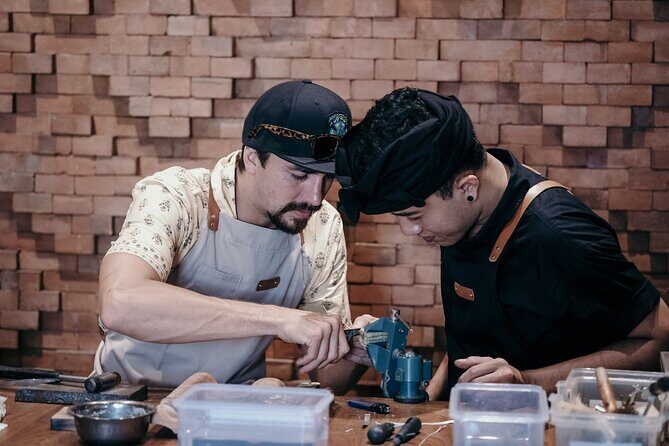
- Ultra-small class size keeps attention on you, not a crowd
- Core silver techniques include sawing, stamping, hammering, and soldering
- 5g of silver included in the 3-hour class, enough for a ring, pendant, or earrings
- Museum and workshop visits add context for what you just learned
- Welcome drink, bottled water, and e-certificate come with the experience
- SUNSRI shopping voucher (IDR 50,000 per person) helps if you want to add to your haul
Celuk silverwork: how the class fits into real Bali craft life
Celuk is one of those places where “local craft” isn’t a slogan. You’re in the silversmithing area near Ubud, and the workshop experience is built around the idea that jewelry making is a process—tools, heat, patience, and finishing.
You start at SUNSRI House of Jewelry at Jl. Raya Celuk, Celuk (near Sukawati/Gianyar). From there, the day flows like a guided workshop session: learn, make, finish, and then see how other artisans approach their work. The format works well if you want something more meaningful than a generic shopping stop.
Also, the class being small matters. With only a few people per session, you’re more likely to get direct corrections when you’re shaping, soldering, or sanding. That reduces the “wait your turn and hope” feeling that can happen in bigger craft classes.
3 hours of silverwork: what you’ll actually learn and make
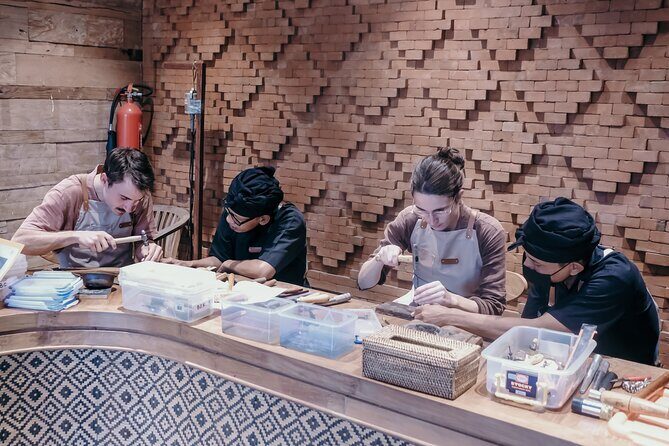
This is the half-day option (about 3 hours). The experience is designed around getting you through the key steps of basic silver jewelry work without dragging it into an all-day commitment.
The skills you’ll practice
You’ll learn and use fundamental techniques such as tool usage plus:
- Sawing
- Stamping
- Hammering
- Soldering
You’ll also work through the finishing steps: sanding and polishing. That finishing phase is where a lot of “wow” comes from, because silver can look rough if polishing is skipped or rushed.
How the design decision works
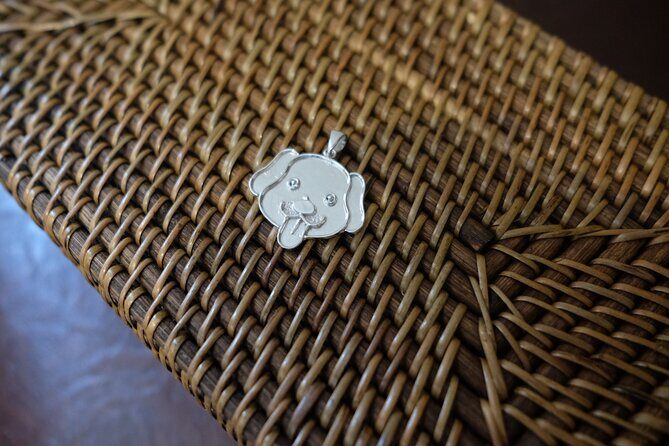
At the end, you’ll have the choice of crafting a ring, earring, or pendant, and you’ll get to take your handmade piece home right after.
In practice, your design freedom may feel a bit structured. Some people will be shown options and guided toward what you can realistically complete in the time. If you’re aiming for a specific, detailed concept, you might need to align your idea with what the workshop can support during a 3-hour class.
Extra silver: why it can matter
You get a set amount of silver included, and that sets the limit on what you can make comfortably. The program lists pricing tiers by silver amount and class length. For the 3-hour class, the inclusion is 5 grams of silver.
If you want a bigger piece—or a second piece—you can add more silver for IDR 50,000 per gram. That’s a good deal to know early, especially if you’re making something for a gift, like a pair of earrings to match your ring.
SUNSRI House of Jewelry: your making class plus a tour that adds meaning

This experience isn’t only about the workbench. After you complete the class, you’re invited to join a guided tour that explores local museums and workshops connected to jewelry making.
That post-class tour is one of the most practical parts. Once you’ve tried sawing and soldering, you can actually “read” what artisans are doing when you see them in action. You’re not just looking at finished items; you’re seeing the workshop reality behind the shine.
You also get built-in comforts for a longish workshop session: a welcome drink and mineral water. It sounds small, but it helps when you’re focused on careful steps.
And you’ll come away with proof of the experience, not just a souvenir: an e-certificate and documentation (photos) sent by email.
Teacher attention in a workshop: why it feels different with small groups
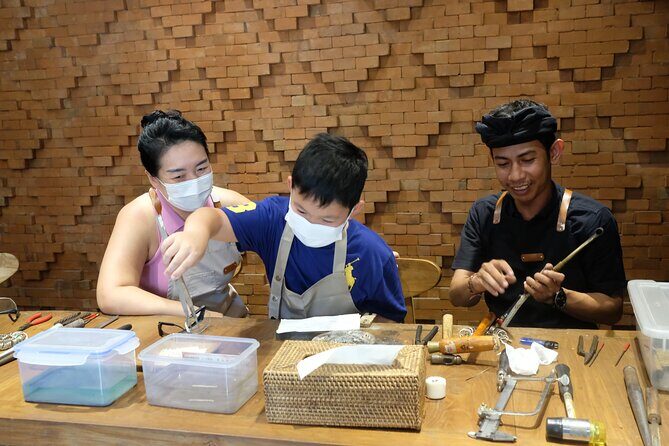
The most consistently praised feature here is the instruction quality. The class is limited to four people, which changes the vibe immediately: you get hands-on help while you work.
One review highlighted being welcomed by a host named Mirah, who didn’t just introduce the session. She stayed with the group and helped interpret what was happening during the work, which matters when you’re learning technical steps. Even if you have no metalworking background, having someone actively explain the why behind each step can save you from rushing and then wondering what went wrong.
You can also see the value in organization. Reviews describe the process as smooth and well run, with experienced craftsmen leading the session. When you’re working with tools like saws and a soldering setup, clear steps reduce mistakes and frustration.
Price and value: where the $40 fits (and where it can grow)
At $40 per person, you’re paying for more than a ticket to a studio. In the 3-hour class you’re getting:
- Instruction in core silver jewelry techniques
- 5 grams of silver included
- Welcome drink and mineral water
- Museum and factory-style tours
- e-certificate plus photo documentation
- Shopping voucher worth IDR 50,000 per person for the SUNSRI gallery
So the money covers both the making and the context. If you’ve ever bought a tourist souvenir and later wished you understood how it was made, this structure helps avoid that regret.
Where the cost can grow is optional add-ons:
- If your design ambition goes beyond what 5 grams supports, extra silver is IDR 50,000 per gram.
- The class format may guide you toward certain designs or options rather than total freedom, so very specific custom ideas may require adjustments.
Transportation isn’t included. That part is straightforward: you’ll want to factor in a driver or rideshare depending on where you’re staying around Ubud.
What to expect on the day: timing, pacing, and what to bring

Plan on a workshop pace, not a quick sightseeing sprint. The session is about 3 hours, and you’ll spend time learning steps, creating your piece, then polishing enough to take it home.
The activity uses a mobile ticket, and you meet at SUNSRI House of Jewelry. The session ends back at the meeting point.
What should you bring? The program doesn’t spell out a dress code, so I’d treat it like any hands-on metalwork class:
- Wear clothes you don’t mind getting dusty.
- Bring flip-flops or easy-to-remove footwear if you’re the kind of person who likes to change shoes.
- If you’re wearing rings or a delicate watch, consider taking them off to avoid damage.
If you’re coming from central Ubud, add some buffer for traffic. Celuk isn’t far, but Balinese roads can be unpredictable.
Also note the age rule: children under 13 must be accompanied by an adult.
Who this class is best for in Bali
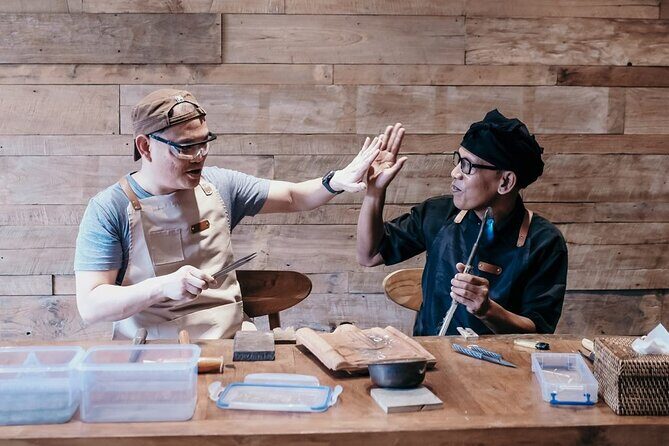
This is a strong fit if you want a hands-on activity that still feels “Bali-local,” not like a generic craft stop. You’ll enjoy it most if you’re:
- A beginner who wants to learn by doing
- A couple looking for a meaningful shared project (matching rings are a popular use case)
- Someone who likes taking home an item with a story
- A future maker who wants a taste of how tools and finishing steps fit together
It’s also a good choice if you’re curious about how jewelry is made beyond the finished product. The museum and workshop tour helps you connect your new skills to what artisans do every day.
If you’re looking for more advanced technique practice, the program suggests the full-day option. The half-day is positioned for people who want their own design within the time limit, while longer sessions are recommended for deeper and more advanced understanding.
Should you book this Ubud jewelry class?

Book it if you want a structured, small-group silver jewelry experience with real technique instruction and a chance to take home something you made. The value improves when you consider what’s included: silver, tools-guided learning, tours, photos, and an e-certificate.
Don’t book it if you need total freedom for a highly specific, complex design. A 3-hour session works best when you’re okay making something that matches the workshop’s realistic options. If you’ve got your heart set on something bigger or more detailed, consider budgeting for extra silver or choosing a longer class.
FAQ
FAQ
How long is the class for the 3-hour option?
The half-day class runs for approximately 3 hours.
What’s included in the 3-hour class?
You get 5 grams of silver, a welcome drink, mineral water, an e-certificate, documentation/photos sent by email, and museum & factory tours. You also receive a shopping voucher for the SUNSRI gallery.
Can I choose what jewelry item I make?
Yes. After the class, you’ll have the choice of making a ring, earring, or pendant.
Is the class group size limited?
Yes. The class is limited to a maximum of four people for personalized attention. The overall activity has a maximum of 17 people.
Do I pay extra if I want more silver?
If you want additional silver, there’s an extra charge of IDR 50,000 per gram.
Is transportation included?
No. Transportation is not included.





































.jpg)
.jpg)
.jpg)
.jpg)
.jpg)
.jpg)
.jpg)
.jpg)


















































.jpg)
.jpg)
.jpg)
.jpg)
.jpg)
.jpg)
.jpg)
.jpg)