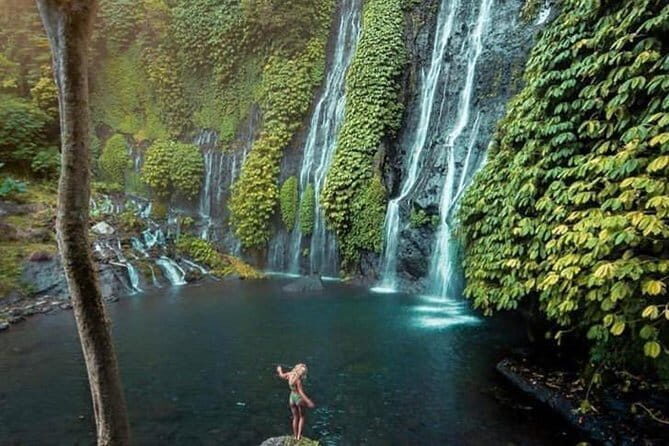
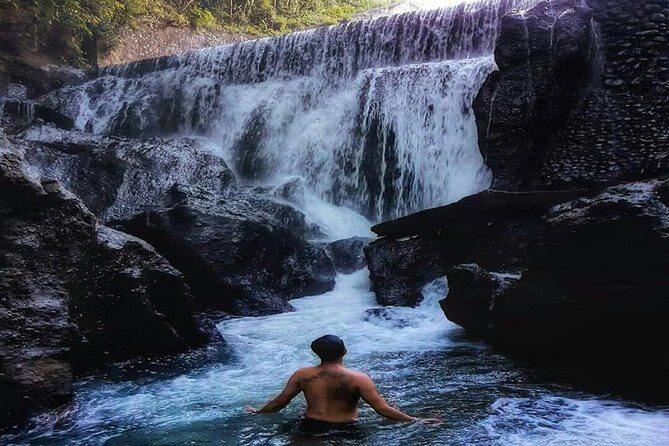
Kuta Seminyak Scooter Lessons

Kuta Seminyak Scooter Lessons - Where You Meet in Seminyak (and What That Means)

Two hours, and you start riding smart. This scooter lesson in Seminyak works because it uses a bike-to-scooter progression instead of throwing you into traffic. I also like the hands-on coaching style, including tips meant to help you understand local street behavior and avoid common trouble. The main drawback to consider is that the session requires good weather, and you’ll need to be ready to practice on roads that get progressively busier.

This is set up as a private lesson for just your group, so you’re not watching someone else learn while you wait your turn. It’s a practical “keep you mobile in Bali” skill too: if you plan to ride during a longer stay, this kind of training can save you time and transport stress fast.

Key Things I’d Focus On
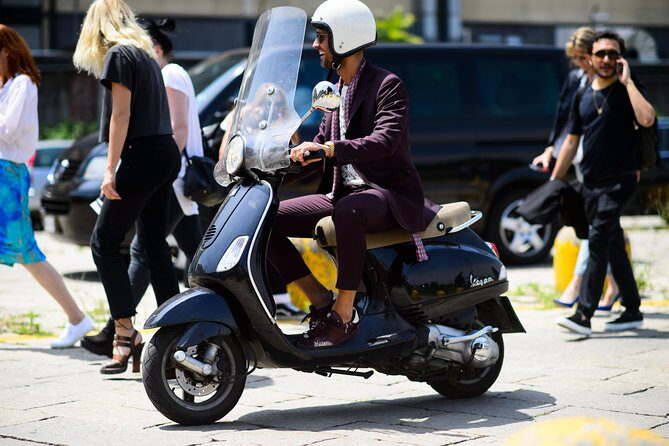
Kuta Seminyak Scooter Lessons - Key Things I’d Focus On

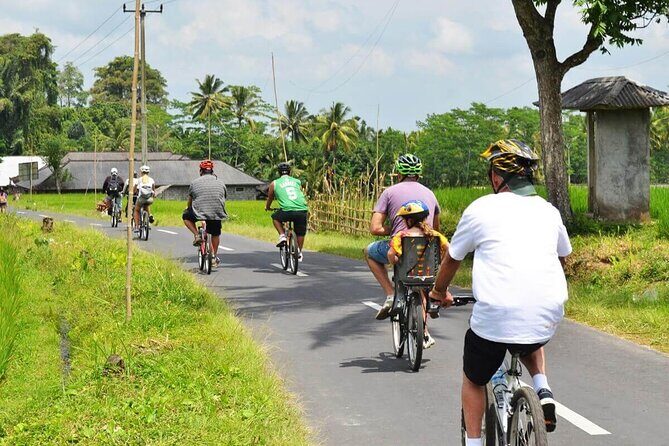
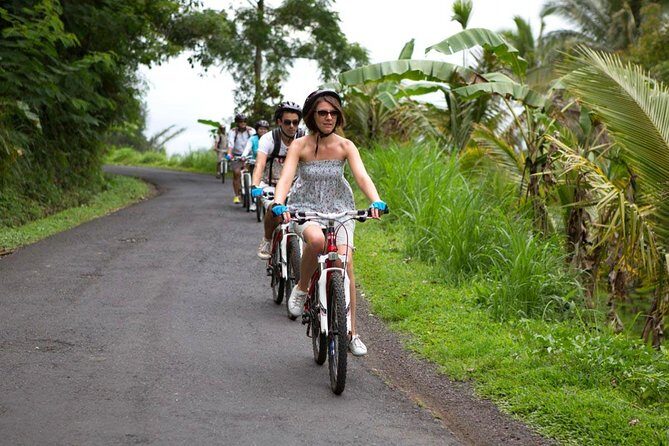
  • Bike first, scooter second: you build control on a powered bicycle before moving to the scooter
  • Quiet practice, then real roads: you start calmer and gradually add complexity
  • Local rules taught directly: street behavior and how to avoid police problems
  • Helmets and gear are included: scooter and helmet are provided for the lesson
  • Private group time: only your group participates, so learning stays personal

Scooters in Bali: Why a 2-Hour Lesson Changes Your Trip

If you’re spending serious time in Bali, a scooter often becomes part of daily life. The catch is that “just rent and go” can turn into a stressful scramble. A short lesson like this is valuable because it focuses on the basics you actually need: control, balance, and what to do around traffic.

This course is built for real beginners. You start with something that feels familiar, like riding a powered bike. Once you can handle that, you move onto the scooter. That step-by-step approach matters because scooter mistakes usually happen in two places: getting going smoothly and managing steering/spacing while moving.

And yes, it’s practical beyond the lesson. After you learn how to ride, you’re more likely to explore around Seminyak, Canggu, and beyond without burning money on constant rides. You also gain confidence for longer trips through Indonesia where scooters are common.

Price, Gear, and What You’re Getting for $52

For $52, you get a focused 2-hour session (approx.) plus the equipment you need to practice. The included items are straightforward: use of a bicycle, use of the scooter, and a helmet.

That’s the core value. You’re not paying for a fancy route or a long sightseeing day. You’re paying to trade uncertainty for skill. In places like Bali, that often beats spending more later on multiple taxis, on advice from random sources, or on repairs and wasted rental days.

A few things are not included, and they’re worth planning for:

  • breakfast and water aren’t included
  • private transportation isn’t included

Those omissions don’t make the lesson a bad deal. They just mean you should arrive ready to practice without assuming someone will provide snacks or logistics.

Where You Meet in Seminyak (and What That Means)
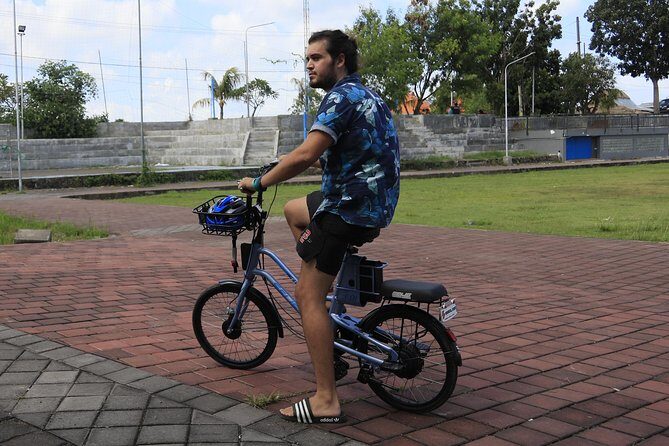
Kuta Seminyak Scooter Lessons - Where You Meet in Seminyak (and What That Means)
You’ll meet at Jalan Raya Canggu in Tibubeneng, Kuta Utara, Kabupaten Badung, Bali. The activity ends back at the meeting point, so you’re not stuck figuring out your return.

The location choice is practical: Canggu and Seminyak are scooter hubs, but that also means traffic habits are real. For a beginner lesson, the sweet spot is starting near areas where you can practice control, then gradually move into busier road situations with your instructor nearby.

You’ll also see it’s set close to public transportation. Even if you’re arriving by scooter taxi or rideshare, it helps to know you won’t be stranded with no options if you have a late start or need to re-route.

How the Lesson Flows: From Powered Bike to Scooter Confidence

The session follows a clear teaching arc, and that’s one of the best parts.

First phase: the powered bike foundation

You begin by riding a bike-powered setup that shares core basics with scooters. This part is about learning how to:

  • start and stop without drama
  • keep your balance while moving
  • coordinate steering with throttle control

It’s not about going fast. It’s about building muscle memory in a way that feels less intimidating than jumping onto a scooter right away.

Second phase: switching to the scooter

Once you can handle the bike-style riding basics, you transfer those habits to the scooter itself. This is where you’ll need to pay attention to spacing, how you look ahead, and how you respond when traffic flow changes.

What makes this worthwhile is not just riding. It’s learning while someone is watching you, correcting you, and making sure you’re ready before you move into more complex road conditions.

Quiet Roads, Then Busier Streets: The Coaching That Matters

A good beginner lesson doesn’t simply say, ride here and hope for the best. It controls the difficulty.

In practice, you start on a quieter road segment to get your bearings. Then, you build confidence by going onto a busier road with your instructor positioned so you feel supported. This progression is important because Bali riding is not only about balance. It’s about reading movement around you—other scooters, cars, and gaps that open and close quickly.

Instructors like Raffi are described as very patient and focused on getting the basics stable before hitting the road. Another instructor, Dio, is praised for staying calm and breaking instructions into easy steps. I like that approach because beginners don’t need more fear. They need better feedback.

If you’re nervous about traffic, this style helps you stay calm long enough to learn. The goal is not bravery. The goal is control.

Local Street Rules and Police Avoidance Tips

One part of this lesson that people underestimate is the local rules piece. It’s not “legal lectures.” It’s street behavior and practical guidance for how to avoid common problems.

The course explicitly includes local rule teaching, including street rules and how to avoid issues with police. That matters because in Bali, the situation can change fast, and misunderstandings can cost you time or money even if you’re a decent rider.

If you only learn the mechanics—how to start, steer, and stop—you may still struggle with what other drivers expect from you. This lesson is designed to cover both: how your scooter works and how the road works.

What Included Helmet Time Really Helps With

You might think a helmet is just a safety checkbox. In a lesson, it becomes part of how you practice.

Because the scooter and helmet are provided, you don’t need to chase rentals or guess sizing. You show up and start. That saves time and reduces stress on day one, which is huge for first-timers.

Also, when an instructor is watching your posture and balance, a helmet and consistent gear help keep things predictable. You’re less likely to fidget with loose straps or awkward fit while you’re learning.

What’s the Real Trade-Off? Weather and Your Comfort Level

Two factors can shape how well the lesson goes.

Good weather is required

The experience requires good weather. If it’s canceled due to poor weather, you’ll be offered a different date or a full refund. That’s a normal travel reality in Bali, but it does mean you shouldn’t schedule this as your last-ditch activity before a tight departure day.

You still must be willing to practice

This lesson can help you learn, but it can’t remove the need for practice. If you freeze when roads get busier, the lesson may feel intense. The upside is that the training is designed to progress step-by-step, so you’re not forced into sudden chaos.

Who This Scooter Lesson Is For (and Who Might Skip It)

This is a great match if:

  • you’re planning a long stay and want independence on Bali roads
  • you’re a true beginner or close to it
  • you want clear instructions before you rent a scooter on your own
  • you’re nervous about traffic and want coached confidence

It might be less ideal if:

  • you don’t want any on-road training at all
  • you have no flexibility around weather-dependent activities
  • you expect a sightseeing-heavy experience rather than skill-building

The course is private for your group, which also makes it a good choice if you’re learning with a friend or partner and you want your time to stay focused.

Practical Tips Before You Go (So You Learn Faster)

Even with instruction, you’ll learn quicker if you arrive prepared. From what’s included, here’s what you should plan for:

  • eat something beforehand since breakfast isn’t included
  • bring water or plan to get it nearby because water isn’t included
  • wear comfortable clothes you can move in
  • be ready to spend the full session practicing, not just observing

Also, mental preparation helps. If you’re new, expect a few shaky moments. That’s normal. The benefit of this lesson is that an instructor can correct you early, before small errors become bad habits.

After the Lesson: How to Turn Coaching Into Real Riding

A lesson like this is a starting point. To keep improving, you’ll want to practice what you learned:

  • smooth starts and controlled stops
  • staying relaxed when traffic thickens
  • looking ahead instead of staring at the scooter in front of you
  • using the street rules guidance you were taught, not random guesses

If you’re planning to ride across Bali, start slowly even after the lesson. Build up your confidence over days, not minutes. Your first solo rides should feel like the second half of your lesson: calm progression, not sudden leaps.

Should You Book This Kuta Seminyak Scooter Lesson?

You should book if you want a skill that pays off every day you’re in Bali. The price is reasonable for what’s included—scooter, helmet, and guided practice—and the teaching method is built for beginners using a clear progression from powered bike to scooter.

The biggest reason to hesitate is weather. If you’re on a tight schedule and can’t flex dates, it may be risky. The second reason is your own comfort: if you’re extremely anxious about roads, you’ll still need courage to practice, even with patient instructors supporting you.

If you’re willing to practice and you want to ride with better judgment from the start, this lesson is a smart first step.

FAQ

Where does the scooter lesson start and end?

It starts at Jalan Raya Canggu in Tibubeneng, Kuta Utara, Kabupaten Badung, Bali, Indonesia. It also ends back at the same meeting point.

How long is the experience?

The duration is approximately 2 hours.

What does the $52 price include?

It includes use of a bicycle, use of a scooter, and a helmet.

What is not included?

Breakfast and water are not included, and private transportation is not included.

What will I learn during the lesson?

You’ll learn the basics of riding a scooter, starting with the same fundamentals as a bicycle on a powered bike. You’ll also be taught local street rules and how to avoid problems with police.

Is it a private tour?

Yes. It’s a private activity, so only your group will participate.

Do I need to bring my own scooter or helmet?

No. The scooter and helmet are provided as part of the lesson.

When will I receive confirmation after booking?

Confirmation is received at the time of booking.

What happens if the weather is bad?

The experience requires good weather. If it’s canceled due to poor weather, you’ll be offered a different date or a full refund.

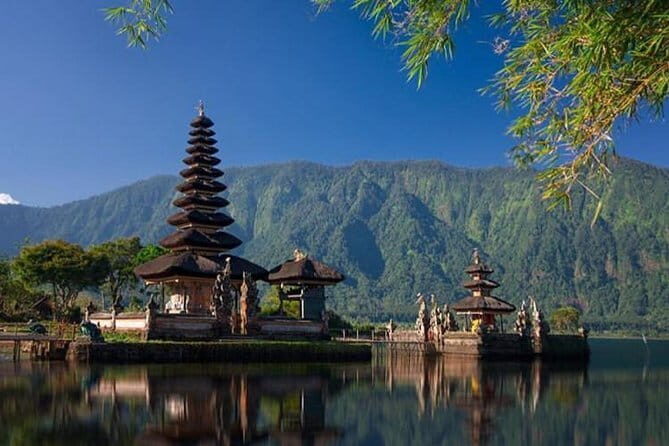
Bali: Bedugul Temple, Banyumala Waterfall, UNESCO Rice Terrace

Bali: Bedugul Temple, Banyumala Waterfall, UNESCO Rice Terrace - Ulun Danu Bratan Temple: lake views, dramatic setting, and how to enjoy it

A cool-mountain Bali day beats beach time. This private countryside loop brings you to lake-and-temple views, misty waterfalls, and UNESCO rice terraces without you worrying about maps or traffic. The route is built to feel calmer than the typical big-tour circuit, so you can linger when something catches your eye.

I really like the hotel pickup and drop-off. You start around 8:00 am and get an air-conditioned ride with a driver who stays with you all day, plus bottled water to keep the day comfortable.

One thing to plan for: entrance fees aren’t included (listed as about IDR 180k per person), and Banyumala is a swim-friendly stop but you’ll want to bring a towel/extra cloth since those aren’t provided.

Key highlights to know before you go

Bali: Bedugul Temple, Banyumala Waterfall, UNESCO Rice Terrace - Key highlights to know before you go

  • Private, not shared: your group rides together with a guide who stays with you all day
  • Pickup across Bali’s south: Seminyak, Ubud, Legian, Kuta, Jimbaran, Sanur, Tanjung Benoa, Nusa Dua
  • Ulun Danu Bratan first: a 45-minute temple visit timed early in the day
  • Banyumala twin waterfalls + stroll: about 50 minutes with time to walk and (if you want) swim
  • Jatiluwih rice terraces stop: around 50 minutes at the UNESCO-listed viewpoint area
  • Driver-guided experience: an English-speaking driver accompanies you, not just shuttles you

A private Seminyak-to-highlands day: routing and timing that reduce stress

Bali: Bedugul Temple, Banyumala Waterfall, UNESCO Rice Terrace - A private Seminyak-to-highlands day: routing and timing that reduce stress
This tour is designed for people who want the “classic Bali checklist,” but don’t want the headache of figuring out where to go next. You’re picked up and dropped off in comfort, then you spend the day letting someone else handle the roads, timing, and parking.

The schedule has a smart rhythm: one temple on a mountain plateau by a lake, one rainforest waterfall walk, then rice terraces for the grand finale. It’s the kind of mix that keeps the day from feeling repetitive. You’re not just looking at statues—you’re moving through very different Bali environments in one shot.

Your day runs about eight hours, with a start time around 8:00 am. That early start matters. In Bali, the highlands can feel cool and drizzly, and beating the bigger crowds can make the experience feel more personal—less waiting, more time watching.

Ulun Danu Bratan Temple: lake views, dramatic setting, and how to enjoy it

Bali: Bedugul Temple, Banyumala Waterfall, UNESCO Rice Terrace - Ulun Danu Bratan Temple: lake views, dramatic setting, and how to enjoy it
The first stop is Ulun Danu Bratan Temple, a scenic drive up into the mountains and highlands. The temple sits on a plateau next to a lake, so the views tend to feel instantly atmospheric—especially when the morning air is cool.

You get about 45 minutes at the temple. That’s long enough to walk the main areas, take photos, and settle in without feeling rushed. It’s also short enough that the day still keeps momentum for the next two stops.

A practical tip for enjoying Ulun Danu Bratan: don’t treat it like a quick photo stop. The whole point is the way the temple and the lake setting work together. If the weather is moody, that can actually be a plus for pictures—soft light often brings out details in the stonework and temple structures.

Admission isn’t included, so you’ll want to budget for entrance fees at the start of the day. The listing puts total entry fees at about IDR 180k per person, so it’s best to keep that in mind for the whole route rather than only thinking about one location.

Banyumala Twin Waterfalls: rainforest walking, muddy shoes, and swim-ready fun

After the temple, you head to Banyumala Twin Waterfalls in a lush rainforest area. This is where the day turns more physical. Expect a pleasant stroll through greenery, then time at the waterfalls themselves.

The visit is about 50 minutes. That’s a good chunk of time because it’s not just about standing and taking photos. You’ll have space to slow down, enjoy the sound of water, and decide if you want to get closer.

This is also the stop where you should think about comfort and packing. The tour notes that you can swim at Banyumala and that towel and extra cloth aren’t included. Translation: wear footwear that can handle wet conditions, and bring a way to dry off after. If you hate the idea of changing after a waterfall, consider skipping the swim and just enjoy the walk and views.

The best time to see waterfalls looking their best is often after rain. The day’s description hints at this: Banyumala is a “twin” waterfall, and conditions after rainfall can make the water volume and flow more impressive. Even if it’s not raining, rain can make the rainforest path feel more alive—just plan for damp ground.

Jatiluwih rice terraces: UNESCO scenery and the joy of moving slower

Bali: Bedugul Temple, Banyumala Waterfall, UNESCO Rice Terrace - Jatiluwih rice terraces: UNESCO scenery and the joy of moving slower
The final major stop is Jatiluwih Green Land, part of the UNESCO rice terrace area. This is where the scenery shifts from stone and rainforest moisture to open views of terraced farming.

You’ll have about 50 minutes here. That’s enough time to walk to viewpoints, take in the pattern of the terraces, and appreciate the scale. Jatiluwih also has a view of Mount Batukaru in the background, which can add a strong sense of place to your photos.

The terraced fields work best when you don’t rush them. Instead of treating it like a single photo spot, think of it as an easy walking break. If the weather is clear, you’ll notice the terraces’ geometry more. If it’s overcast, you may find the light makes the green tones more even and calming.

One caution: rice terrace viewpoints can involve uneven paths and small steps. Nothing extreme is described, but you’ll still want stable shoes. If you went to Banyumala earlier and your feet are already tired, keep your pace relaxed for Jatiluwih.

Again, entrance fees aren’t included, so your IDR 180k budget should cover the temple and the terrace-related admissions on the route.

Price and value: what $39 includes, and what costs extra

Bali: Bedugul Temple, Banyumala Waterfall, UNESCO Rice Terrace - Price and value: what $39 includes, and what costs extra
At $39 per person, this tour is one of those deals that feels fair when you look at what’s included. You get private pickup and drop-off from multiple areas in Bali’s south, an air-conditioned vehicle, a driver who stays with you all day, bottled mineral water, and parking fees plus local tax.

That’s the big value: you’re paying for transportation and guidance, not just sightseeing. If you’ve ever tried to self-drive between highland sites in Bali, you know the time cost is real. You also avoid the stress of coordinating timing between stops—here, the schedule is already set up.

What costs extra:

  • Entrance/admission fees (listed as about IDR 180k per person)
  • Food and drink (you can buy along the way)
  • Towel and extra cloth if you want to swim at Banyumala

So the total cost isn’t only the $39, but it’s still good value because the main “bulk” of the trip—vehicle, driver, and pickup—comes with the price. If you’re traveling as a couple or small group, a private day like this often ends up costing less than trying to piece together separate drivers or tours for each stop.

My practical advice: bring a little extra cash for entrance fees and keep your day bag ready. The tour moves from one type of site to another quickly, so you don’t want to scramble for items halfway through.

Your guide and the pace: why a private driver changes everything

Bali: Bedugul Temple, Banyumala Waterfall, UNESCO Rice Terrace - Your guide and the pace: why a private driver changes everything
This is a private tour, so you’re not dealing with waiting around for a large group schedule. The tone of the experience is clearly “you decide the pace,” and that flexibility matters when weather or your mood changes during the day.

The guide-driver experience is also a strong point. The name Santanu shows up repeatedly in positive feedback, praised for sharing cultural information and keeping the day fun, not just instructional. Another theme is that the driver accompanies you through each visit, rather than dropping you off and disappearing.

That single detail—staying with you—helps in two ways:

1) You get context so the sites feel more meaningful, not just like checkboxes.

2) You don’t waste time figuring out where to go next.

Time at each stop is set (45 minutes for the temple, about 50 minutes for each of the other two), but a private setup usually makes those blocks feel more humane. If you want extra moments for photos at Jatiluwih, you’re not stuck watching the clock while a busload of people lines up behind you.

Who should book this, and who might want a different plan

Bali: Bedugul Temple, Banyumala Waterfall, UNESCO Rice Terrace - Who should book this, and who might want a different plan
This tour fits best if you want a highlands day with a mix of culture and nature, and you’d rather spend your energy admiring than navigating.

You’ll especially like it if:

  • you’re based around Seminyak or the nearby south-coast areas and want easy pickup
  • you want three standout stops in one day: temple, waterfall, terraces
  • you prefer a private feel with an English-speaking driver
  • you like learning small cultural context while you walk

You might want a different plan if:

  • you hate the idea of additional costs for admissions
  • you don’t want to deal with wet, slippery conditions at a waterfall stop
  • you’re the type who wants a full-day of one place only (this day is intentionally balanced)

The route makes sense for many first-time visitors to Bali, but it also works as a repeat-visitor day when you want something beyond beaches and shopping.

Should you book this Bali countryside day trip?

Bali: Bedugul Temple, Banyumala Waterfall, UNESCO Rice Terrace - Should you book this Bali countryside day trip?
Yes, if your goal is a stress-light day that hits Ulun Danu Bratan, Banyumala Twin Waterfalls, and Jatiluwih without the hassle of self-driving between them. The biggest wins are the private format, the all-day driver support, and the way the itinerary changes scenery three times in one outing.

If you’re booking, I’d plan for entrance fees in advance and bring the simple essentials for Banyumala: footwear that can get wet and a way to stay comfortable after. Do that, and this becomes a very satisfying “Bali in one day” sampler—cool temple views, rainforest water sounds, and rice terrace panoramas with Mount Batukaru in the backdrop.

FAQ

FAQ

What time does the tour start?

The start time is listed as 8:00 am.

How long is the tour?

It runs about 8 hours (approximately).

Is this a private tour or shared group?

This is a private tour/activity, and only your group participates.

What are the main stops on the route?

The tour includes Ulun Danu Bratan Temple, Banyumala Twin Waterfalls, and Jatiluwih Green Land (rice terraces).

Are entrance fees included in the price?

No. Entrance/admission fees are not included, and the total is listed as IDR 180k per person.

Is food included?

Food and drink are not included. You can purchase them during the day.

Is swimming possible at Banyumala?

The tour mentions towel and extra cloth are not included, which suggests swimming is possible at Banyumala, so you should come prepared if you want to get in the water.

Can I cancel and get a full refund?

Free cancellation is available. You can cancel up to 24 hours in advance for a full refund.

Where do you get picked up from?

Pickup is offered in areas including Ubud, Seminyak, Legian, Kuta, Jimbaran, Sanur, Tanjung Benoa, and Nusa Dua.

Bali Inclusive Tour: Best Waterfalls Around Ubud Area

Bali Inclusive Tour: Best Waterfalls Around Ubud Area - Kanto Lampo: Jungle Views and Cliff-Ledge Photo Time

One day, many waterfall photo moments. This Bali outing is built for easy waterfall variety around Ubud, with a driver handling routes and parking plus entrance included for the first three sights. You hop from spot to spot without the usual time-wasters of figuring out roads and figuring out where to park.

I especially like the photo-friendly planning: Tukad Cepung, Kanto Lampo, and Tegenungan are famous for a reason, and you get about an hour at each so you can actually frame shots instead of rushing. A second big win is the flexibility the driver/guide style brings, with guides such as Wayan, Okta, and Nyoman described as flexible and informative. One consideration: at least one waterfall option involves lots of stairs (down and back up), so bring your best walking shoes and be realistic about your comfort level.

You’ll start at 8:30 am and spend roughly 6 to 8 hours on the road and on trails, riding in an AC private car with bottled water. Bring extra clothes and a towel, and remember lunch and any extra waterfall entrance beyond the first three are on you.

Key things I’d plan around

Bali Inclusive Tour: Best Waterfalls Around Ubud Area - Key things I’d plan around

  • Entrance tickets for 3 waterfalls included: Tukad Cepung, Kanto Lampo, Tegenungan.
  • Door-to-door pickup around Ubud and much of south Bali, so you can start fresh.
  • Up to about an hour per stop (often with more time when your guide can work it in).
  • Optional extras like Suwat, Sumampan, Goa Giri Campuhan, Yellow/Kuning, and the newly formed Bandung Waterfall.
  • A private setup with only your group.
  • Stair reality check: at least one stop is physically demanding.

Door-to-Door Waterfall Hopping From Ubud

This tour works because it removes the two headaches that can make a waterfall day stressful: navigation and logistics. The route-finding and parking are handled by your driver, and that alone can save you a lot of wasted time, especially when you’re bouncing between trailheads.

You’ll ride in an AC private car (petrol and parking are covered) and you’ll have bottled water during the outing. It’s a useful setup if you’re traveling with jet lag, if you’re trying to fit in multiple stops without exhausting yourself, or if you just want your day to feel smooth and predictable.

It’s also private, meaning you’re not getting pulled into a big mixed group rhythm. That matters on a waterfall day because your pace changes depending on photo time, stair time, and how long you want to linger in the shade.

Two more practical notes to keep in mind:

  • Entrance is included for the first three waterfalls, but any additional stops typically require you to pay their tickets yourself.
  • The schedule depends on good weather, since waterfalls and paths are a lot different after rain.

Tukad Cepung: Sun Rays Through the Cave Waterfall

Bali Inclusive Tour: Best Waterfalls Around Ubud Area - Tukad Cepung: Sun Rays Through the Cave Waterfall
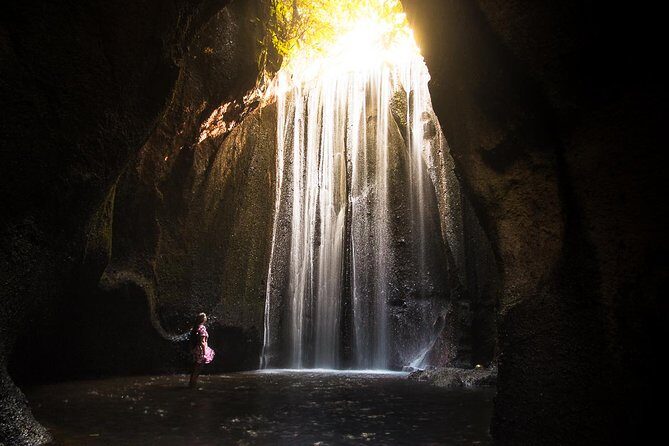
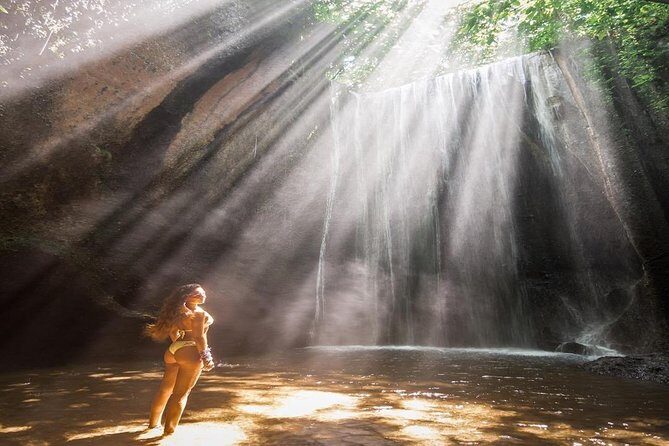
Tukad Cepung is the kind of waterfall that makes people stop and stare for a minute before they even think about photos. The big draw is its unique setting: sun rays beam through the falls, creating that dramatic light effect you’ve probably seen online.

What makes this stop worth your time is that the payoff comes when you arrive and take the effort seriously. The viewpoint area is well-guarded by cliffs, which means you’re not just looking at water in the open—you’re entering a more enclosed, cave-like atmosphere where the light can do its thing.

You’ll have about an hour here, which is enough time to:

  • walk down and settle into the spot you want,
  • take photos without feeling like a timer is ticking down,
  • and enjoy the cooler, shaded feel that often comes with these canyon-style viewpoints.

A small planning tip: bring a towel and extra clothes even if you don’t plan to swim. Mist and wet ground can happen, and drying off quickly keeps the rest of the day comfortable.

Kanto Lampo: Jungle Views and Cliff-Ledge Photo Time

Bali Inclusive Tour: Best Waterfalls Around Ubud Area - Kanto Lampo: Jungle Views and Cliff-Ledge Photo Time
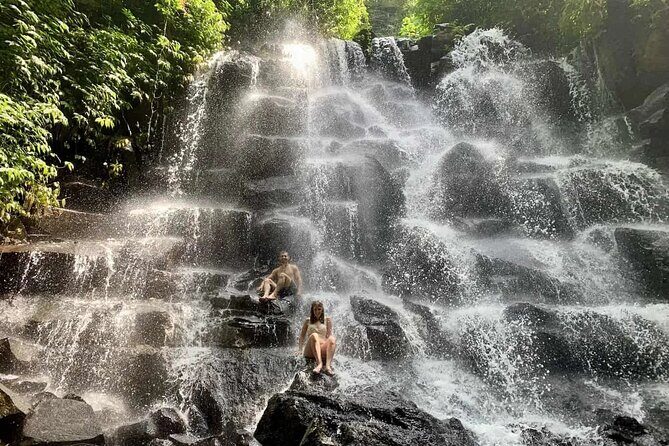
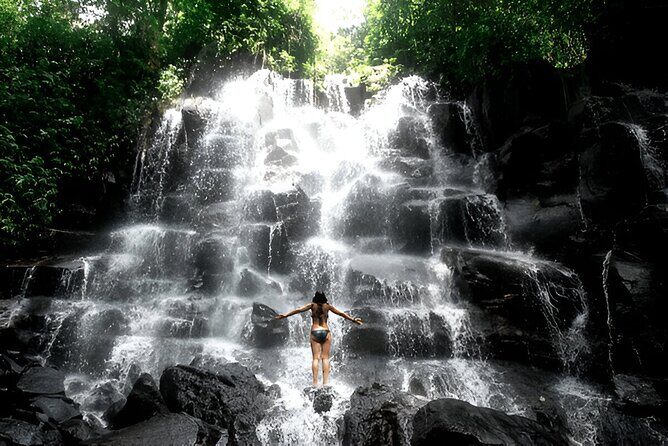
Kanto Lampo is a great follow-up stop because it feels like a different Bali mood. It’s tucked into the jungle with a green, scenic setting, and it’s often seen as an emerging highlight—popular enough to be easy to find, but still with that sense of being in nature rather than in a theme park.

The setting gives you a good mix of options for photos: the waterfall area and its surroundings let you frame the scene with different angles. The water itself is the star, but the jungle context matters too. That’s where the “green scenery” description really earns its keep.

You’ll get about an hour, and that’s a sweet spot for this kind of stop. You can take your time moving between angles, and you can also adjust if you’re waiting for better light.

If you’re picky about photos, this is one of the stops where patience helps. Even when the waterfall looks the same from one second to the next, your best shot can depend on where people stand, how the light hits, and whether you choose a wider “whole scene” framing or a tighter “water texture” framing.

Tegenungan: The Closest Big Waterfall for a Fast Ubud Day

Bali Inclusive Tour: Best Waterfalls Around Ubud Area - Tegenungan: The Closest Big Waterfall for a Fast Ubud Day
Tegenungan is popular because it’s practical. It’s close to Ubud, and you can get there without turning the whole day into a long travel marathon.

What you’ll notice first is how accessible it is compared to some of the more out-of-the-way falls. It’s only several minutes’ walk down the trail beyond the shops, and the payoff is the green valley panorama. Even if you’ve seen other waterfalls in Bali, Tegenungan often feels like the one that gives you the classic wide view: water, valley, and that “wow, there’s so much nature here” feeling.

You’ll have about an hour. For many people, that’s exactly right: enough time to enjoy the view and take photos, without forcing you into a full-day commitment at a single site.

The tradeoff? Convenience can bring more people to the area. If you’re sensitive to crowds, go with a calmer mindset and treat it like a scenic rest break inside a bigger day plan—because the tour’s strength is that you’re not stuck here all day.

Choosing Your Optional Stops Without Burning Time

Bali Inclusive Tour: Best Waterfalls Around Ubud Area - Choosing Your Optional Stops Without Burning Time
The tour’s real charm is that you’re not locked into only three locations. The included plan starts with the first three waterfall entrances, and then you can opt into additional stops depending on what you feel like doing.

Some of the optional options include:

  • Suwat Waterfall
  • Sumampan Waterfall
  • Goa Giri Campuhan Waterfall, described as less visited
  • Yellow (Kuning) Waterfall
  • Bandung Waterfall, newly formed

Here’s how I’d think about these choices: pick the extra stops based on your personal “waterfall personality.” If you like iconic photo setups, stick close to the included trio. If you want variety and are open to a little rougher trail energy, add one optional stop to keep the day from feeling repetitive.

Also, remember the money detail: entrances for the next waterfall stops after the first three are typically your responsibility. That doesn’t make it a bad deal—just plan your budget so you aren’t surprised mid-day.

If you want a smoother schedule, you can also aim for fewer extras and give more time to the stops that matter most for your camera. The benefit of having a private driver is that you can often fine-tune your day when conditions and your energy level change.

Stair-Smart Tips and What to Pack for Getting Wet

Bali Inclusive Tour: Best Waterfalls Around Ubud Area - Stair-Smart Tips and What to Pack for Getting Wet
Bring the right gear and you’ll enjoy this tour more. The essentials are simple: extra clothes and a towel. That’s not just good advice—it’s the difference between a comfortable day and an uncomfortable ride back to your hotel.

One key detail: at least one waterfall stop involves extensive walking down and up stairs. If stairs are hard for you, plan carefully. The good news is the day can still work—you just want to choose your comfort level and be ready with the right mindset, not “try to power through” in the middle of the day.

I’d pack like this:

  • A towel you don’t mind getting damp
  • An extra shirt (and shorts/leggings if you wear those)
  • A swimsuit or quick-dry clothes if you want to cool off
  • Water shoes or shoes with grip for wet steps
  • A small dry bag for your phone/camera (if you have one)

Also, treat waterfalls as partly wet experiences, even when you’re not planning to swim. Wet ground, spray, and muddy steps are normal here. If you keep your clothes changes ready, the last hours of the tour feel a lot less miserable.

How the Timing Works: 6 to 8 Hours With Room to Breathe

Bali Inclusive Tour: Best Waterfalls Around Ubud Area - How the Timing Works: 6 to 8 Hours With Room to Breathe
The day starts at 8:30 am and generally runs 6 to 8 hours. That’s a smart chunk of time because waterfalls need two types of time: the walking/time-on-trail and the calm photo time.

While the plan gives about an hour per main stop, the better part is that your guide/driver can adjust the pacing. In practice, you may be able to spend up to around two hours at a stop if it fits the flow of your day and your energy level. That flexibility matters more than people expect—especially at the first big “wow” location where you’ll want time to get photos and just watch the waterfall.

A practical approach for you:

  • Start with a relaxed attitude. You’re not trying to hit every photo angle perfectly.
  • Spend the most time where the scenery feels most special to you (often Tukad Cepung for the light effect).
  • If you’re adding optional stops, decide early which one is worth the effort, so you don’t end the day feeling rushed.

Because the tour is private, the pacing often feels more like a guided day out than a strict factory schedule. Still, the “good weather required” note is real—rain can change how easy trails and viewpoints feel.

Price and What You Actually Get for $41

Bali Inclusive Tour: Best Waterfalls Around Ubud Area - Price and What You Actually Get for $41
At $41 per person, this is a budget-friendly way to see multiple waterfalls without buying separate transportation and without doing the logistics yourself. But the real value comes from how the inclusions stack up.

Here’s what your money is paying for:

  • AC private car with petrol and parking handled
  • a guide or tour driver
  • bottled water
  • entrance tickets for the first three waterfalls

Then there’s what you should budget separately:

  • lunch
  • personal expenses
  • and any entrance fees for additional waterfall stops beyond the first three

So the value equation is pretty clear: if you stick to the included trio, you’re getting a lot for a low price—especially considering that entrance tickets can add up and you’re also getting door-to-door movement.

If you add extra waterfalls, the total day cost rises, but you’re still not paying for another vehicle or juggling different local tickets on your own. It’s still usually a smarter way to do it than trying to self-drive between trailheads.

As a practical rule: if you’re the kind of traveler who likes to take photos seriously, having the guide handle the driving and parking makes the day feel like money well spent.

Should You Book This Ubud Waterfall Tour?

Book it if you want an efficient, low-stress waterfall day around Ubud. It’s especially worth it when you:

  • want door-to-door pickup and a driver handling routes,
  • care about hitting the top waterfall photo spots (Tukad Cepung, Kanto Lampo, Tegenungan),
  • and like having options for extra stops like Goa Giri Campuhan, Yellow (Kuning), or Bandung.

Skip or think twice if you know stairs are a real problem for you. One of the waterfall options can involve extensive stair walking, and that can turn an otherwise fun day into a painful one. If you’re mobile and you pack for wet conditions, you’ll be set.

If you’re trying to plan one great day without overthinking the details, this tour is a straightforward choice. It’s built around good timing, useful inclusions, and the kind of waterfall variety that keeps the day interesting from start to finish.

FAQ

FAQ

What time does the tour start?

The tour starts at 8:30 am.

How long is the Bali waterfall day?

It runs about 6 to 8 hours.

What’s the price per person?

The price is $41.00 per person.

Does the tour include hotel pickup?

Yes. Pickup is offered, with two-way hotel transfers from Ubud and much of south Bali.

Are entrance tickets included?

Entrance tickets are included for the first three waterfalls (Tukad Cepung, Kanto Lampo, Tegenungan). Entrance for any additional waterfall stops is at your own cost.

Is lunch included?

No. Lunch is not included.

What should I bring?

Bring extra clothes and a towel. If you plan to get wet, having a swimsuit or quick-dry clothes can help.

What if the weather is bad?

This experience requires good weather. If it’s canceled due to poor weather, you’ll be offered a different date or a full refund.
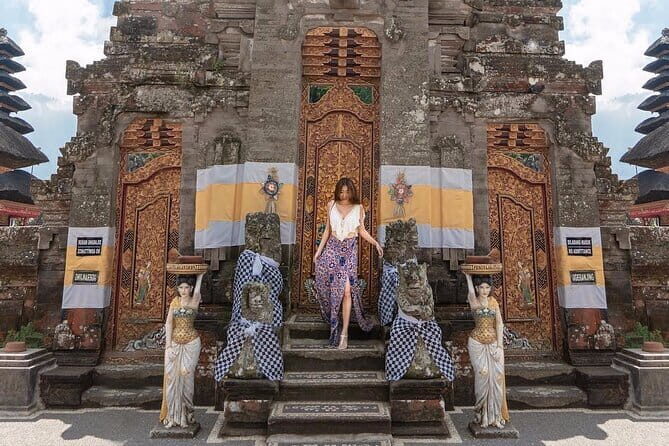
Private Ubud Instagrammable Tour – All Inclusive

Private Ubud Instagrammable Tour - All Inclusive - Getting Oriented: How the Day Flows

A day with perfect photo stops is harder than it sounds.

This private Ubud Instagrammable tour is built around four big nature-and-culture hits: Kanto Lampo, Tibumana, Cantik Agriculture, Sari Timbul, and Tegallalang Rice Terrace. You get a personal guide and driver, plus the comfort of air-conditioned transport and hotel pickup, so you spend less time figuring out logistics and more time getting the shot at each location.

Two things I like a lot: the pacing feels practical for a full day, and the tour includes a photographer by phone, which is handy when you’re trying to frame waterfalls or terrace viewpoints without fuss. One thing to consider: entrance fees are only included if you choose the option that covers them, so double-check what’s in your package before you go.

Key Highlights You’ll Care About

Private Ubud Instagrammable Tour - All Inclusive - Key Highlights You’ll Care About

  • Private guide and driver: You control the pace, and you’re not stuck with the usual shuffle of a big group.
  • Hotel pickup with air-conditioned vehicle: A real comfort boost for a 7–8 hour day in Ubud.
  • Waterfall variety: Cascading Kanto Lampo and the quieter single-stream Tibumana give you different looks and moods.
  • Cantik Agriculture coffee stop: You’ll get a coffee-focused cultural break, including Luwak coffee.
  • Sari Timbul by Kubu Bali photo spots: Blown glass, gardens, and swings designed for scenic shots.
  • Tegallalang Rice Terrace views: The classic layered fields are the grand finale for most people.

Why This Ubud Photo Tour Works (Even If You’re Not a Pro)

Private Ubud Instagrammable Tour - All Inclusive - Why This Ubud Photo Tour Works (Even If You’re Not a Pro)
This isn’t just a checklist of famous Ubud stops. What makes it work is that it mixes easy-to-photograph scenery with calmer pauses, then ties everything together with private transport. You’re not constantly switching vehicles, waiting on strangers, or losing time to “where do we meet?” moments.

The practical win is that you get a guide and driver for the whole day, which means you can ask on the spot about timing, angles, and where to stand without slowing the group. And because you’re given flexibility to explore at your own pace, you can linger when the scene is good or move on when the lighting or crowd energy isn’t.

I also like that the tour includes the small stuff that can quietly ruin a day: bottled water, insurance, and parking fees. Those details matter more than they sound when you’re doing multiple stops back-to-back.

Getting Oriented: How the Day Flows

Private Ubud Instagrammable Tour - All Inclusive - Getting Oriented: How the Day Flows
Expect roughly 7 to 8 hours total. The order is designed to move from two waterfalls into coffee and art/garden-style photo scenes, then end at the iconic rice terraces.

Each main stop has its own time window, so you’re not rushing through everything at once. That’s especially important for waterfalls, where photos take time: you’ll be deciding where the best view is, how to position yourself without slipping on wet ground, and when to step aside for the next wave of people.

Also note the tour is described as private, meaning only your group participates. If you’re traveling with friends or family, that privacy is one of the big reasons this price can still feel like good value.

Stop 1: Kanto Lampo Waterfall for That Cascading Rock Backdrop

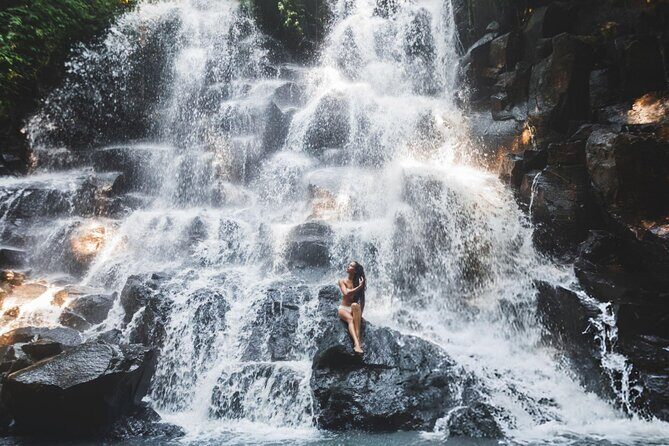
Kanto Lampo is the kind of waterfall where the setting does half the work for you. Instead of a tall drop, it’s known for cascading water flowing over rock formations. That matters for your photos because you don’t just get one dramatic angle—you get multiple “layers” of water texture against the forest background.

Time on site is listed at about 1 hour, which is a good amount. Waterfalls are never one-and-done; you’ll want a few tries for composition, and you might find yourself waiting for the best moment when water movement looks clean in your camera.

A small practical tip: wear footwear you trust. Wet surfaces can look solid until you step on them. If you’re aiming for Instagram-style framing, you’ll likely be walking slightly off the main path for a better view—do it slowly.

Stop 2: Tibumana Waterfall for a Quieter, Single-Stream Look

Private Ubud Instagrammable Tour - All Inclusive - Stop 2: Tibumana Waterfall for a Quieter, Single-Stream Look
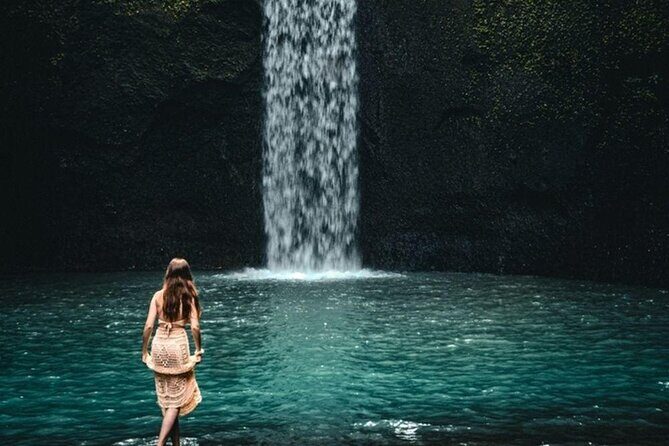
Next is Tibumana Waterfall, described as a peaceful jungle spot with a single stream dropping into a refreshing pool. This is a useful contrast to Kanto Lampo. Kanto gives you texture and rocks; Tibumana gives you a calmer composition with that vertical line of water.

You’ll have about 1 hour here as well. I like Tibumana for when you want photos that feel more “still” and less busy. Even if you’re not trying to go for a dramatic waterfall shot, the framing options tend to feel simple: the water draws your eye, and the jungle creates a consistent backdrop.

Real talk: the pool area and surrounding ground can be slick. Keep your balance and move with purpose, especially if you’re getting lower for shots. If you’re bringing a partner, take turns with the phone camera and use the tour’s photographer by phone support to speed things up.

Stop 3: Cantik Agriculture for Coffee Culture and Luwak Coffee

Private Ubud Instagrammable Tour - All Inclusive - Stop 3: Cantik Agriculture for Coffee Culture and Luwak Coffee
After the waterfalls, the tone shifts to a coffee and agriculture experience at Cantik Agriculture. This stop is about tradition as much as it is about tasting and photos.

What stands out from the description is the emphasis on coffee as a revered tradition, and the mention of Luwak coffee. If coffee is your thing, this can be a nice mental reset after damp jungle scenery. You’re moving from wet nature textures into a more structured setting where you can breathe, cool down, and focus on learning something specific.

You’ll have about 1 hour 20 minutes here, which is long enough for a real look around, plus time to take pictures without feeling rushed. If you’re not a coffee person, you can still enjoy it as a cultural stop, since the attraction is also how people explain and present the process.

Stop 4: Sari Timbul by Kubu Bali for Blown Glass, Gardens, and Swings

Private Ubud Instagrammable Tour - All Inclusive - Stop 4: Sari Timbul by Kubu Bali for Blown Glass, Gardens, and Swings
Sari Timbul by Kubu Bali is one of those places where the visuals are the point. The description highlights blown glass creations, scenic photo spots, peaceful gardens, and even swings.

This is a big value add for anyone who wants “different than waterfalls” photos. Waterfalls are natural chaos; Sari Timbul gives you designed scenes where it’s easier to control your shot. If you like getting photos that look thoughtful and styled—without having to plan a separate art-and-craft stop—this fits.

Time here is about 1 hour 30 minutes, and that seems right. You’ll likely spend extra moments trying different angles, especially if you’re using the phone camera and want the shot to look intentional.

Practical note: swings and garden areas can mean more walking on paths. If it’s hot and humid (it often is in Bali), pace yourself and keep water handy. You’ll be covered with bottled water, but your energy can still run out if you sprint from spot to spot.

Stop 5: Tegallalang Rice Terrace for the Classic Ubud Ending

Private Ubud Instagrammable Tour - All Inclusive - Stop 5: Tegallalang Rice Terrace for the Classic Ubud Ending
The final stop is Tegallalang Rice Terrace, the famous layered green fields view that many people come to Ubud for in the first place. This is where your day turns from “pretty stops” into a full, recognizable Bali scene.

Time on site is about 1 hour. I think that’s enough because you’re not just taking one photo—you’re walking along the terrace viewpoints, finding a safe edge, and trying a few frames with the layers of fields.

Also, the terraces are more than just photos. The description points out that the views are tied to traditional farming beauty. Even if your camera is the priority, the setting gives you a sense of how the landscape is actively used, not just displayed.

If you’re sensitive to crowds, consider your strategy: go for a couple of key shots first, then relax and wander slightly once you’ve got the “must-have” view. The private nature of the tour makes it easier to shift your plan on the fly.

What’s Included (And What You Should Double-Check)

Private Ubud Instagrammable Tour - All Inclusive - What’s Included (And What You Should Double-Check)
The tour includes: bottled water, air-conditioned vehicle, private transportation, parking fees, insurance, and photographer by phone. Entrance fees are described as included only if you select the option that covers them, and lunch is included only if you choose the lunch option.

That “if option selected” detail is important for value. At $30 per person, it’s already a low price for a private day with multiple stops. But your real cost-to-value depends on whether you’re paying entrance fees separately or not.

Here’s how I’d think about it:

  • If you pick the option that includes entrances, the total day cost stays pleasantly predictable.
  • If entrances aren’t covered, you’ll want to budget for the four main sites listed under the not-included section.

Either way, you’ll be paying for convenience: hotel pickup, a driver, and someone coordinating timing so you don’t waste your energy on transportation gaps.

Private Tour Logistics That Make the Day Feel Easier

Hotel pickup is offered, and the tour uses an air-conditioned vehicle. That matters because Ubud can feel travel-heavy when you’re doing several stops. The car time isn’t just time—it’s the difference between showing up fresh for photos and showing up sweaty and distracted.

This is also a tour with only your group. Even if you’re solo, you still get the private setup rather than merging into a large group where you’re always waiting at the same pace.

One more practical item: you get a mobile ticket, and confirmation happens at booking. If you like clean, simple logistics, this keeps things straightforward.

Best for Who? Who Will Love This Day Most

This tour fits best if you want:

  • a photo-focused day without spending time researching each location
  • a mix of waterfalls, coffee/agriculture culture, and designed scenic spots
  • privacy and flexible pacing rather than a strict group agenda

It’s also a good match for couples, friend groups, and people who feel overwhelmed by multi-stop travel planning. If you’re traveling with anyone who wants different vibes—nature photos plus more curated scenic spots—this itinerary has something for both.

If you’re the type who hates crowds and hates walking, you can still enjoy it, but you’ll want to be mindful of ground conditions at the waterfall stops and plan your terrace viewing time smartly.

A Few Real-World Tips to Get Better Photos Without Wasting Time

Use your guide’s local knowledge as a time-saver. Ask where to stand first, then shoot your main frames. After that, you can slow down for playful angles and phone-video moments.

Wear something you’re comfortable moving in. Waterfall areas can require careful footing, and you’ll be on paths at the coffee and garden stops too.

If you’re building a photo set, prioritize sequence:

1) lock in your waterfall “main” shot

2) move to coffee/garden scenes for variety

3) finish at Tegallalang with your wide-view frames

That keeps the day from becoming random wandering, even with the option to go at your own pace.

Should You Book This Ubud Instagrammable Tour?

If you want a private, photo-first day in Ubud with waterfalls plus coffee and scenic garden/art stops, this is a strong buy. The value looks especially good because you’re getting air-conditioned transport, hotel pickup, bottled water, insurance, and photographer by phone support in one package.

I’d book it if you’re short on time, dislike planning between multiple locations, or you simply want a smooth day where you can focus on enjoying the scenery and taking photos.

I would hesitate only if you’re very budget-tight and plan to skip the entrance-fee option, because then you’ll need to manage extra site costs on top of the base price. Also, if you strongly prefer to travel with zero walking and zero uneven ground, you’ll want to plan footwear carefully for the waterfall portion.

If those are acceptable, this tour is the kind of day that makes Ubud feel easy: you’ll see the big hits, enjoy calmer contrast stops, and end with the rice terraces view that ties the whole trip together.

FAQ

How long is the Ubud private Instagrammable tour?

It’s approximately 7 to 8 hours.

Where does the tour take place?

The tour is in Ubud, Indonesia.

Is hotel pickup included?

Yes, pickup is offered.

Is this tour private?

Yes. It’s private, so only your group participates.

What stops are included on the itinerary?

You’ll visit Kanto Lampo Waterfall, Tibumana Waterfall, Cantik Agriculture, Sari Timbul By Kubu Bali, and Tegalalang Rice Terrace.

Are entrance fees included?

Entrance fees are included only if you select the option that covers them. Otherwise, they are listed as not included.

Is lunch included?

Lunch is included only if you choose the option that includes it.

What’s included besides transportation?

Bottled water, insurance, air-conditioned vehicle, parking fees, and a photographer by phone are included.

How does the tour handle tickets?

You’ll get a mobile ticket.

What is the cancellation policy?

Free cancellation is available up to 24 hours before the experience starts for a full refund.

Benoa Port Private Chauffeur – Customized Full Day Ubud Bali Tour

Benoa Port Private Chauffeur - Customized Full Day Ubud Bali Tour - Price and what you should budget before you go

A great Bali day runs on timing. This private Benoa Port chauffeur tour is built for that, with a full-day schedule in the Ubud area and room to shape the day around what you care about most. You can choose up to five destinations, and you get picked up right where cruise travelers want it, at Benoa Harbor.

I especially like the private, English-speaking driver setup. It feels calmer than big group shuttles, and in real use cases, drivers like Dedek and Martin stayed on top of routes and traffic so your time didn’t evaporate in gridlock. I also like the customization with a clear boundary: you can request up to five places, but they need to fit along one route so the day stays smooth.

The one thing to watch is your budget for entry fees. The tour includes transport, water, and the driver, but several stops have admission fees not included, so your total can climb depending on what you add.

Key things that make this tour worth your time

  • Benoa Harbor pickup with return transfer, made for cruise days
  • Private group only with an air-conditioned car
  • Up to 5 destinations tailored to your pace and interests
  • English-speaking drivers who help with routing and on-the-ground decisions
  • Big-photo stops like Picheaven Bali Swing and the Tegallalang rice-terrace area
  • Clear extras: listed entrance fees plus optional added time

From Benoa Harbor to Ubud: What makes the timing easier

If you’re starting at Benoa Port, getting to Ubud usually means dealing with logistics first. This tour keeps it simple: pickup at Benoa Harbor or your hotel, then a full day built around Ubud and nearby areas.

The duration is listed at about 8 to 10 hours, which is a sweet spot when you want temples, views, and at least one fun activity without feeling like you’re rushing every five minutes. It’s also explicitly private, so it’s only your group in the car.

One more practical point: Bali driving can be slow, especially during busier times. The value here is that a good local driver can keep you moving and choose routes that make sense for your schedule, not a fixed bus timeline.

Price and what you should budget before you go

Benoa Port Private Chauffeur - Customized Full Day Ubud Bali Tour - Price and what you should budget before you go
The headline price is $28.00 per person, and for a private day with a car plus an English-speaking driver, that’s a strong starting point. What makes it feel fair is what’s included: round-trip hotel pickup, private air-conditioned transportation, and bottled water.

Here’s the part you should plan for: several admissions are not included. The tour lists specific entrance fees for some popular add-ons:

  • Lempuyang Temple: $8.00 per person
  • Tirta Gangga Water Palace: $5.00 per person
  • Besakih Temple: $8.00 per person
  • Tegalalang Rice Terrace: $2.00 per person

And in the main stop list, admission is also noted as not included for the Sahadewa Barong & Fire Dance, Mount Batur stop, Toya Devasya Hot Spring, and Picheaven Bali Swing.

So the real value equation is: you’re paying for the convenience and flexibility up front, and you pay entrance fees only where you choose to enter. If you want a day focused on views and photos with minimal ticketing, you can usually keep costs lower by selecting fewer paid sites.

If your day is moving faster than you expected, there’s also an option to extend. You can add time within the service areas for $5 per extra hour.

The private driver factor: English, comfort, and calm decision-making

In my experience, a private Bali day lives or dies by the driver. Here, you get an English-speaking driver and a private, air-conditioned vehicle, which matters in the heat and when you’re bouncing between areas.

The most useful detail from real-world feedback is how the drivers handled two things: routing and flexibility. Drivers such as Dedek were praised for English ability and navigating heavy traffic, while Martin was described as attentive to what people actually wanted to see. Agung was noted as knowledgeable and friendly, and even went out of the way to return when something was forgotten in the vehicle.

That’s not just nice service. It means fewer moments where you’re stuck asking what’s next, where to park, or how to handle a sudden change. You’re in a car with someone who can read the day and adjust.

Sahadewa Barong Dance & Fire Dance: A cultural stop that moves fast

This stop runs about 1 hour, and the vibe is intense. You’re there to experience Balinese performance culture through the Sahadewa Barong & Kecak Fire Dance.

What I like about it for a full-day plan is the timing. It’s long enough to feel like you truly saw something, but short enough that you’re not losing the rest of your day to a slow schedule. The listing also makes it clear the admission ticket is not included, so budget for that entrance when you confirm your final itinerary.

A practical consideration: if your day already includes a hot spring later, plan your clothing and comfort level accordingly. Fire dance performances can be dramatic, but you still have a drive afterward. Keep the day balanced.

Mount Batur and Kintamani: Volcano views without committing to a hike

Your Mount Batur stop is about 1 hour, with lunch time around Kintamani. The payoff here is visual: the listing points to caldera views and a look toward the lake, plus a cooler climate compared to lower areas.

This is a good choice if you want the volcanic scenery without needing a strenuous plan. You’re not being asked to add a major hike to your itinerary, just to enjoy the viewpoint and the atmosphere for a set amount of time.

One word of realism: volcanic areas can have weather changes quickly. Since you’re on a private schedule, your driver can often help you decide what’s worth photographing at that moment.

Toya Devasya Hot Spring: The 2-hour reset point

Next up is Toya Devasya Natural Hot Spring, with about 2 hours allocated. This is your slow-down stop, the one that breaks up the sightseeing rhythm and gives you time to relax.

The tour notes it as a hot spring experience with admission not included, so treat it like a ticketed activity. The best strategy is to use the full time rather than rushing. Your day will feel less “checklist” and more like a trip.

Also, hot springs can be a lifesaver for cruise visitors. When you’ve been on your ship or in transit all week, two hours of a warm break makes the whole day feel more like Bali than just a long drive.

Picheaven Bali Swing and the Tegallalang rice area

This is your photo moment stop: Picheaven Bali Swing in the Tegallalang area, listed for about 1 hour. The description highlights rice paddies views and agriculture-style activities around the swing area.

Here’s why this works in a customized day. You can’t always predict what the light will do, but you can control when you go. A one-hour block gives you time for photos without derailing the rest of your itinerary.

Keep in mind: admission is noted as not included, and swing areas can involve extra time if lines or photo setups are busy. If you want a smoother experience, make sure your driver understands how important this stop is compared with others like temples or water palaces.

How to customize up to five stops without chaos

The tour is built for customization, but with one important guardrail: you can list up to 5 places in the remarks, and stops must be along one route so the team can prepare your itinerary smoothly.

That rule matters more than it sounds. Bali traffic and travel time can stretch quickly. Staying along one route keeps your day from turning into constant backtracking.

If you want temple variety, the tour lists entrance fees for:

  • Lempuyang Temple ($8 per person)
  • Besakih Temple ($8 per person)

If you want water-themed views, it lists:

  • Tirta Gangga Water Palace ($5 per person)

If your dream day includes the iconic rice terraces, it lists:

  • Tegalalang Rice Terrace ($2 per person)

If you’re choosing between them, here’s how I’d think: temples often give you cultural context and big architecture moments. Rice terraces give you scenery and photos. Hot springs give you rest. Swing time gives you fun and a quick dopamine hit. Mix at least one “active” stop with one “slow” stop and your day stays enjoyable.

If you need more time after 8 to 10 hours, you can extend within the service areas for $5 per extra hour.

Service areas that keep your route realistic

This operator states service coverage across Ubud, Gianyar, Denpasar, South Badung, Bangli, and Tabanan. For cruise travelers, that’s useful because it keeps most realistic day-trip combinations within striking distance.

It also means your driver can usually plan efficiently without guessing whether an area is out of bounds. You’re not paying for a private car just to discover the destination is too far for the day.

Who this tour suits best

This is a great fit if you:

  • Are on a cruise and want a full Ubud day without a complicated transfer plan
  • Prefer private pacing over joining larger groups
  • Want cultural performance time (Barong & Fire Dance) plus at least one scenic or activity stop
  • Like the idea of a driver who helps you navigate traffic and decisions

It also fits families and mixed-age groups, because you can structure the day around what everyone can handle. You’re not locked into one rigid route.

If you’re the type who wants only one big ticket attraction and the rest free roaming, you’ll need to communicate that early. The tour can be customized, but you’ll get the best day when your priorities are clear.

A practical game plan for getting the most out of the day

To make this day feel effortless, I’d do three things:

First, pick your five stops with a balance in mind. Include one culture stop, one view stop, one relaxation stop, and one photo or fun stop. The default-style blocks in the itinerary already follow that logic.

Second, decide what you want most: photos or temples. The rice terrace swing area gives you photos quickly, while temples take a slower vibe with entrances and time on-site.

Third, be ready for weather and timing. The tour requires good weather, and hot spring plans and outdoor photo stops can be affected if conditions aren’t right. If the day changes, a private driver can help you swap priorities while protecting your time.

Should you book this Benoa Port Private Chauffeur tour?

If you want a private full day from Benoa Port with an English-speaking driver, a comfortable car, and real flexibility, this is a strong choice. The starting price is low for the type of service you get, and the ability to build an itinerary with up to five destinations makes it easy to shape around your interests.

I’d only hesitate if you hate paying entrance fees on top of the tour price. The tour is clear about what’s not included, and those tickets can add up if you choose several paid sites like Lempuyang Temple, Besakih Temple, and water palaces.

In short: book it if you want comfort, clear guidance, and a Bali day that feels like your schedule. Skip it only if you want zero-ticket sightseeing or you prefer a fixed, group-style itinerary.

FAQ

Where does the tour pick me up?

Pickup is available from Benoa Harbor or your hotel. The service area also includes Ubud, Gianyar, Denpasar, South Badung, Bangli, and Tabanan.

How long is the private tour?

The tour runs about 8 to 10 hours.

Is this tour private or shared?

It’s private. Only your group participates.

What’s included in the price?

Included items are hotel pickup and return transfers, private transportation in an air-conditioned vehicle, bottled water, and an English-speaking driver.

What admission fees are not included?

Admission fees are not included for listed options such as Lempuyang Temple ($8 per person), Tirta Gangga Water Palace ($5 per person), Besakih Temple ($8 per person), and Tegalalang Rice Terrace ($2 per person). Admission tickets are also noted as not included for the listed stops in the itinerary (Sahadewa Barong & Fire Dance, Mount Batur stop, Toya Devasya Hot Spring, and Picheaven Bali Swing).

Can I customize my itinerary?

Yes. You can list up to 5 places in the remarks. All stops need to be along one route so the itinerary can be prepared smoothly.

Can I extend the tour time?

Yes. You can extend your travel time within the listed service areas for USD 5 per extra hour.

Sunset at Tanah Lot Temple and Spa Tour

Sunset at Tanah Lot Temple and Spa Tour - Getting to Tanah Lot from Nusa Dua: pickup and the real schedule

Salt air and sacred rocks at sunset.

This private tour in Nusa Dua pairs the iconic sea temple of Tanah Lot with a proper 2-hour Balinese spa session, so you get scenery and then you get relief. I love the convenience of free hotel pickup and drop-off, and I like that temple admission is handled for you. I also appreciate the human touch: guides like Dedy and Wawan bring the place to life with clear English and lots of context beyond just pointing at the view.

One possible drawback: the schedule can be tight, so you may need to leave Tanah Lot before the exact sunset to make your spa appointment on time. And Bali weather is not guaranteed—clouds and big crowds can change how perfect the sunset feels, even if the temple itself is still stunning.

If you like your Bali day with equal parts culture and downtime, this is a strong way to do it.

Key highlights before you go

Sunset at Tanah Lot Temple and Spa Tour - Key highlights before you go

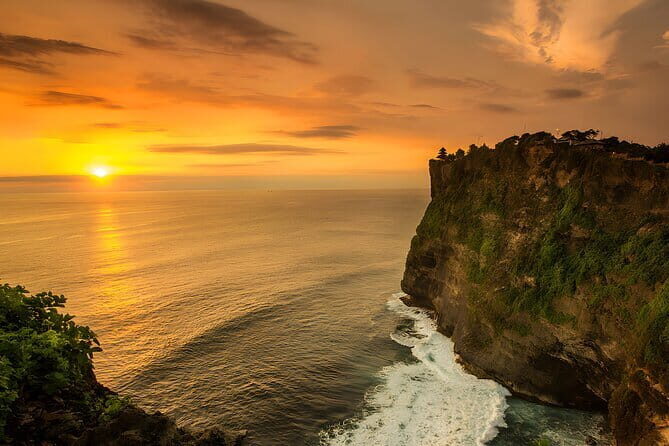
  • Tanah Lot’s sea-temple setting: a rock temple that looks like it’s floating at high tide, but is easiest to explore when the tide is low
  • Private, hotel-based transport: free pickup and drop-off with an English-speaking driver/guide who knows the timing
  • Short, focused temple visit: about 2 hours with entry included, timed for sunset
  • Spa reset after the temple: a 2-hour pampering sequence with lulur traditional massage as part of the package B option
  • Photo reality check: crowds and unpredictable weather can affect sunset photos, but the site remains worthwhile

Why Tanah Lot at sunset is worth the timing

Sunset at Tanah Lot Temple and Spa Tour - Why Tanah Lot at sunset is worth the timing
Tanah Lot Temple is one of Bali’s most recognizable sea temples, built on a dramatic rock out in the Indian Ocean. The magic is that the temple’s shoreline “floating” look changes with the tide—at high tide it can seem like it hovers, while at low tide you can get around it more easily.

This tour is designed around that sunset window, so your timing matters. If the sky cooperates, you’ll get that cinematic sea-and-temple view. Even when the sunset disappoints (clouds happen), Tanah Lot still has a strong pull: it’s atmospheric, spiritual, and genuinely different from the usual inland temples.

The biggest trick is accepting that sunset is a bonus, not a guarantee. One person noted the sunset was blocked, yet the day still felt worthwhile because the temple visit stayed meaningful and the spa did its job.

Getting to Tanah Lot from Nusa Dua: pickup and the real schedule

Sunset at Tanah Lot Temple and Spa Tour - Getting to Tanah Lot from Nusa Dua: pickup and the real schedule
This is built as a private tour with only your group, and the pickup and drop-off are included. That matters in Bali, where hopping between sights on your own can eat time fast—especially around popular places.

A few guides and drivers have stood out for how they handle the chaos of the road. One guest specifically praised Edy for navigating traffic and driving well, and another credited Dedi with both great conversation and solid driving. That kind of local control is exactly what you’re paying for with a private tour.

In practice, you should expect an afternoon start. One person mentioned a start around 15:00, which fits the goal: get to Tanah Lot, see the sea temple, then move on to the spa before it runs out of daylight.

Net effect: you spend less time figuring out transport and more time actually enjoying the two main moments—temple and massage.

Tanah Lot visit: what you get (and what might limit your exact sunset)

Your Tanah Lot stop is about 2 hours, and entry/admission is included. You’ll have time to walk around and see the temple perched on the coast. If the weather is clear, you have a real shot at a memorable sunset view.

Here’s the practical catch: some people found the timing required them to leave about 45 minutes before sunset to stay on schedule for the spa appointment. So if you’re the type who wants to linger until the last second, this setup may feel a little controlled.

There’s also the crowd factor. Tanah Lot is popular, and more than one person pointed out the crowds can be significant. That doesn’t ruin it, but it changes the experience. You’ll be sharing the paths and viewpoints, and you may need patience if you’re trying to photograph without people in frame.

If you want extra explanation, you can request a licensed professional guide for an additional $10 per person. One practical reason to do this: the temple’s tide behavior and the temple’s role feel much clearer when someone explains what you’re looking at while you’re still there.

The spa at Bali Orchid Spa: 2 hours of lulur and massage

Sunset at Tanah Lot Temple and Spa Tour - The spa at Bali Orchid Spa: 2 hours of lulur and massage
The second act is where the day relaxes. After Tanah Lot, you head to Bali Orchid Spa for a 2-hour program (listed as a full package with 2 hours Lulur Traditional Massage).

Depending on the package you selected, the spa experience can include a sequence like a flower bath, body scrub, aromatic foot wash, and Balinese massage. That’s not just a massage-and-go setup; it’s a full reset routine designed to make the whole visit feel like a switch from sightseeing mode to recovery mode.

People didn’t just say the spa was good—they called out professionalism and the overall setting. One couple described the spa as the highlight and specifically mentioned a couples massage. Another person said the spa treatments were unbelievable and praised the overall feel.

One note to keep in mind: the spa is timed to finish you in time, which is why you may need to wrap up the temple earlier than you expected. In return, you get a focused 2-hour slot instead of an open-ended waiting game.

If you like Bali days that end with your shoulders feeling lighter and your feet tired in a good way, this part is doing heavy lifting for the value.

Price and value: why $55.85 can make sense

Sunset at Tanah Lot Temple and Spa Tour - Price and value: why $55.85 can make sense
At $55.85 per person for a roughly 5-hour private experience, this is typically priced as a bundle: transport + guide + temple admission + (for the right package) the spa session.

That’s the value angle. Booking the temple entrance, hiring your own driver, and arranging a spa session separately can end up costing similar money or more, and you’d still have to manage timing. Here, the flow is handled: you move from Tanah Lot to the spa without coordinating buses or back-and-forth taxis.

Also included are helpful extras like a mineral bottle of water, and you get an experienced English-speaking driver/guide. The private format matters too: your group stays together, and you’re not competing with strangers for time and attention.

What’s not included is important: no meal/dinner is part of the package. If you’re hungry after the spa, plan to eat on your own. Personal expenses are also on you, like souvenirs or anything you add to the spa experience.

My take: if you want one planned day that covers both the “Bali icon” temple stop and a real massage session, this is solid value for the money.

Crowds, clouds, and tide: how to manage expectations

Sunset at Tanah Lot Temple and Spa Tour - Crowds, clouds, and tide: how to manage expectations
This tour hits a high-demand temple at a peak time. That means you should expect crowds, especially around viewpoints and the main walking areas. One person said it was the busiest tourist place they had experienced, which is a fair warning.

Then there’s weather. Bali sunset is famous, but the sky can turn on you. One guest had a bad sunset and also noted that clouds can ruin the dream, but still felt the spa made the day worthwhile. In other words: the day is not a one-trick pony.

Finally, tide timing affects how the temple looks. The temple can seem like it floats at high tide, but it’s easier to explore when the tide is low. Since this is a sunset-focused schedule, you may not always get the exact “floating at high tide” look you were hoping for. If that sea-rock illusion is your top priority, you’ll want to pay attention to tide conditions and let your guide explain what you’re seeing in real time.

The good news: even when the sunset isn’t perfect and the crowds are real, the experience still delivers because the temple is visually distinct and the spa is genuinely restorative.

Who this works best for (and who should think twice)

Sunset at Tanah Lot Temple and Spa Tour - Who this works best for (and who should think twice)
This tour fits best if you want:

  • a private, low-stress plan from Nusa Dua
  • one standout temple stop with about 2 hours on-site
  • a 2-hour spa follow-up instead of a long sightseeing day

It’s also a nice choice if you like conversations while you travel. People have praised guides like Dedy and Dedi for being friendly, well-informed, and talkative about Bali beyond just “here’s the temple.” That kind of guidance can make the site feel more connected to everyday life and culture.

Think twice if:

  • you’re a strict sunset purist who wants to stay until the last moment at the temple (the schedule may push you out early)
  • you hate crowds and want a calmer, less popular route
  • you’re not interested in spa time at all, because the spa is a major part of the value

Should you book this Tanah Lot and spa tour?

Sunset at Tanah Lot Temple and Spa Tour - Should you book this Tanah Lot and spa tour?
Book it if you want a smart, private day that gives you Tanah Lot’s iconic sea-temple vibe and then rewards you with a real spa reset. The price makes sense when you factor in transport, temple entry, an English-speaking guide/driver, and the spa package that’s included for package B.

Skip it or adjust expectations if you’re chasing the perfect sunset at all costs. Clouds can happen, crowds can be heavy, and the schedule may require you to leave before the exact sunset so you don’t miss the massage window.

If you go in with a flexible mindset—sunset as a bonus, spa as the payoff—you’ll likely come away happy with the balance of culture and comfort.

FAQ

How long is the Sunset at Tanah Lot Temple and Spa Tour?

The tour is listed at about 5 hours.

Is hotel pickup and drop-off included?

Yes. Free hotel pickup and drop-off are included.

How much time do I spend at Tanah Lot Temple?

You get about 2 hours at Tanah Lot Temple, and admission is included.

Does the tour include spa treatment and massage?

The spa treatment and massage for 2 hours are included for Package B. The spa is part of the overall sunset tour experience.

What spa treatments are included?

The spa upgrade can include a flower bath, body scrub, aromatic foot wash, and Balinese massage. The program is listed as 2 hours Lulur Traditional Massage.

Is dinner included in the price?

No. Meal or dinner is not included.

Is this a group tour or private?

It’s private. Only your group participates.

Do I need a guide who is licensed?

You can request a professional guide with a license for an additional $10 USD per person.

What happens if the weather is bad?

This experience requires good weather. If it’s canceled due to poor weather, you’ll be offered a different date or a full refund.
Ayung Rafting Ubud (Include Lunch & Return Transportation)

Ayung Rafting Ubud (Include Lunch & Return Transportation) - Pickup and how the day flows from Ubud and south Bali

Ayung River rafting is the kind of Bali activity you remember. This small-group run on the Ayung River (Grade II–III) pairs the adrenaline with real convenience: a guided raft, included gear, and round-trip transportation from Ubud and nearby areas.

I especially like two things: the rafting is kept manageable with a guided small group (up to 15 people), and you get the comfort upgrades afterward—buffet lunch plus a hot shower with a towel. That means you finish the fun part and then move on with your day, not with a soggy mess.

One thing to consider: the rafting day isn’t just “sit back and float.” You’ll handle steps to reach the river, and the rapids are “exciting” rather than extreme, so build around that moderate effort level.

Key highlights at a glance

Ayung Rafting Ubud (Include Lunch & Return Transportation) - Key highlights at a glance

  • Small group size (max 15): easier logistics and a more personal feel on the water
  • Grade II–III rapids on the Ayung: enough thrill to feel like white water without going hardcore
  • Included gear: helmet, life jacket, paddle, and a waterproof bag
  • Hot shower + changing room: the post-raft reset is part of the value
  • Buffet lunch after rafting: food is planned for you, not an afterthought
  • Pickup from multiple Bali areas: Ubud, Keramas, and much of south Bali via A/C car

Ayung River Rafting: why this run works so well in Ubud

Ayung Rafting Ubud (Include Lunch & Return Transportation) - Ayung River Rafting: why this run works so well in Ubud
The Ayung River is one of Bali’s most popular rafting routes for a reason. It gives you that classic “Bali on the move” feeling—tropical river views, moments of action, and a guide who keeps things organized on busy water.

The best part is the balance. This is Grade II–III, which usually means you get waves and bumps that feel like white water, but you also get plenty of time where the guide can coach you, point out the river, and make sure everyone’s comfortable. The overall setup makes it feel like a real tour experience instead of a chaotic grab-bag adventure.

Also, the timing fits well if you want to keep the rest of your day free. The activity is roughly 2 hours on the schedule, with the rafting itself running around that “almost 2 hours” mark.

Pickup and how the day flows from Ubud and south Bali

Ayung Rafting Ubud (Include Lunch & Return Transportation) - Pickup and how the day flows from Ubud and south Bali
This package is built around one big convenience: round-trip air-conditioned car transfer. Start time is 8:00 am, so you’re off early enough to beat some of the heat and crowds.

From the Ubud area, the rafting start point is about 49 km from Ngurah Rai International Airport (roughly 1 hour 30 minutes by car, depending on traffic). You’ll ride to the starting base near Br. Begawan, Desa Melinggih Kelod, Payangan (Gianyar).

Once you finish, you end at Red Paddle Bali Adventures, and then you head straight into the included buffet lunch and shower setup. That flow matters because it reduces the awkward in-between time—no standing around with wet hair guessing what’s next.

One detail I like from real-world experience: transfers are often the make-or-break part of a rafting day. People have specifically praised drivers like Gede and Putu for being on time and accommodating, and that’s exactly what you want when you’re starting at 8:00.

The rapids you’ll actually ride: Grade II–III, about 12 km

Ayung Rafting Ubud (Include Lunch & Return Transportation) - The rapids you’ll actually ride: Grade II–III, about 12 km
Let’s talk about what you’re signing up for. The Ayung route here is about 12 km long. The rafting segment is close to 2 hours, with Class 2–3 rapids along the way.

If you’ve never rafted, this range is usually the sweet spot: you get the “whoa” moments without it turning into a nonstop fight for your life jacket. If you’ve rafted before, you still get action—just know it’s not the kind of extreme river where you’ll spend every minute bracing.

A couple of helpful context points from the vibe people report: the rapids can feel tamer at certain times of year, and you’ll often feel more like you’re riding through scenic sections punctuated by faster drops. Guides also play a big role in energy and confidence—people have mentioned rafting guides like Nana and Rico being funny and keeping the group moving smoothly.

What the guide does for you (and why names matter)

A good rafting guide turns a wet ride into a safe, satisfying experience. Here, you’re paired with a guide who provides instruction, manages your group, and runs the raft through the river’s rhythm.

In practice, that means you’ll get essential coaching and equipment fit before you hit the water. People have talked about guides keeping things fun while still making sure everyone feels secure—especially important if you’re rafting with kids or you just don’t want surprises.

You’ll also see how guide personality affects the whole day. For example, some guests have mentioned Nana taking the ride to a higher level and Rico keeping the mood light and the group feeling in safe hands. That lines up with what you want: confidence without boredom.

Gear and safety basics: helmet, life jacket, waterproof bag

Ayung Rafting Ubud (Include Lunch & Return Transportation) - Gear and safety basics: helmet, life jacket, waterproof bag
This tour includes the core safety and comfort gear:

  • Helmet
  • Life jacket
  • Paddle
  • Waterproof bag

That waterproof bag is a big deal. It helps you avoid turning your phone, camera, or dry clothes into river souvenirs. It also helps keep your head in the right place—less worrying about your stuff, more enjoying the ride.

The tour is also supported by insurance, with an age range of 7 to 60 years old. That doesn’t mean every participant will have the exact same comfort level, but it gives you a clearer boundary for who the experience is designed for.

Most importantly: your guide’s job is to manage safety on moving water. Even with a “moderate” river, you’re still on a river, so pay attention during the pre-brief and follow the guide’s cues.

Lunch + hot shower: the underrated part of rafting

Ayung Rafting Ubud (Include Lunch & Return Transportation) - Lunch + hot shower: the underrated part of rafting
Some rafting days stop right after the water. This one doesn’t. After you finish at Red Paddle Bali Adventures, you get a buffet lunch and then a hot shower with towel included, plus access to changing facilities.

I love this because it turns the day from a mess into an actual itinerary. You’ll be wet, sweaty, and possibly muddy (depends on your raft position and water level), and having a planned place to rinse off keeps the rest of your Bali plans realistic.

The buffet lunch is also a practical win. You’re not rushing to find food immediately after rafting while everyone’s hungry and tired. One review noted the buffet was surprisingly good, with lunch described as strong and satisfying.

One small cost consideration: drinks at the lunch/rest area are not included. So if you like iced drinks, plan to buy them on-site rather than assume they’re part of the package.

Logistics you’ll feel on the ground: steps, changing, and what to bring

Ayung Rafting Ubud (Include Lunch & Return Transportation) - Logistics you’ll feel on the ground: steps, changing, and what to bring
Even when rapids are “manageable,” getting to the water often means stairs and uneven ground. Reviews mention a moderate fitness requirement for going down and then up stairs to reach the river. That’s not a deal-breaker, but it’s something I’d factor in if you have mobility limits.

Here’s what I recommend you bring (based on what consistently matters in rafting days):

  • Dry clothes for after rafting (you will want them)
  • A spare pair of footwear or sandals you can rinse off
  • Sunscreen before pickup (you’ll be outside before and during the river ride)
  • A simple way to protect valuables until you’re issued your waterproof bag

If you’re the type who likes being over-prepared, this is where you’ll win. Once you’re wet, you don’t want to improvise.

Price and value: what $75 really includes

Ayung Rafting Ubud (Include Lunch & Return Transportation) - Price and value: what $75 really includes
At $75, this package is trying to solve the annoying parts of Bali adventure travel: transport, gear, and post-activity comfort.

What you get for the money:

  • Round-trip A/C car from pickup areas (Ubud, Keramas, and much of south Bali)
  • Rafting equipment (helmet, life jacket, paddle, waterproof bag)
  • Rafting guide
  • Buffet lunch
  • Hot shower + towel + changing room
  • Insurance with the 7–60 age limit

What’s not included:

  • Drinks at the lunch/rest area
  • Photograph CD (so if photos matter, you may need to buy separately)

When you compare rafting deals, don’t just compare the “raft price.” Many cheaper options quietly charge extra for transfers or leave out the shower/lunch piece. Here, the value is in the end-of-day payoff: you don’t just finish wet, you finish reset.

Still, I’ll add one practical caution: if anything about the total price seems unclear, confirm the exact what’s included vs extra costs before you pay. Some people have run into confusion with pricing elsewhere in Bali, and it’s usually avoidable by double-checking the final total and inclusions.

Who should book Ayung Rafting Ubud (and who might skip it)

This tour is a strong fit if you want:

  • a classic Bali adventure with real rapids
  • easy logistics from Ubud and south Bali
  • an experience that includes food and a hot shower (so you can actually keep enjoying the day)

It’s also a good option for families and mixed groups because it’s guided and designed for a broad age range (insurance age 7–60). People have mentioned kids getting in on the fun, as long as you handle the stairs safely.

You might think twice if:

  • you don’t like stairs or you have mobility concerns
  • you expect nonstop intense white-water all the way down (this is Class 2–3, not extreme rafting)

Booking decision: should you book this Ayung River rafting package?

If your goal is a well-run Ayung River rafting day from Ubud—with gear, lunch, and a hot shower included—then yes, this is the kind of package I’d feel good about booking. The price-to-inclusions ratio is where the value lives, especially the post-raft cleanup.

If you’d rather raft on your own schedule or you’re chasing a fully extreme river, you’ll probably want a different style of rafting trip. But for most people looking for a fun, scenic, guided day on the water, this one hits the right notes.

FAQ

What time does Ayung River Rafting start?

The experience start time is 8:00 am.

How long is the rafting experience?

The duration is listed as about 2 hours.

Where does the rafting start and where do you finish?

The start point is near Br. Begawan, Desa Melinggih Kelod, Payangan (Gianyar), and the finish point is at Red Paddle Bali Adventures.

Do you get pickup and return transportation?

Yes. You get round-trip air-conditioned car pickup and drop-off from Ubud, Keramas, and much of south Bali.

Is lunch included?

Yes. You get a buffet lunch after rafting.

Are showers and towels included?

Yes. You have access to a hot shower, with a towel included, plus changing room facilities.

What rafting difficulty is it?

It’s Grade II–III rapids on the Ayung River.

What equipment is included?

All rafting equipment is included: helmet, life jacket, paddle, and a waterproof bag.

What age range is allowed?

The insurance coverage lists an age limit of 7 to 60 years old.

Are drinks included with lunch?

No. Drinks at the lunch and rest area are not included.

What’s the cancellation policy?

You can cancel for free up to 24 hours before the experience start time for a full refund.

Private Bali Tour: The Most Scenic Places

Private Bali Tour: The Most Scenic Places - Pura Ulun Danu Bratan: temple-on-the-lake atmosphere with green hills

Eight hours can feel like a film shoot.

This private Bali tour strings together hill views, lake-side temple scenery, and Bali’s iconic rice-terrace farming so you’re not just driving between dots on a map. You get door-to-door flexibility, plus a driver who handles the usual headaches like parking while you focus on getting your shots.

I particularly love the built-in rhythm of the day: short, high-impact photo time at places like Handara Gate, then longer stretches where you can actually breathe at Jatiluwih rice terraces. And I love that lunch isn’t an afterthought; you’ll eat a buffet with rice-field views, not a sad roadside plate.

One thing to consider is the pace. With five major scenic stops across 8 to 10 hours, you’ll want comfortable shoes and a realistic mindset: you’re here to see a lot, not to wander slowly in one place for half a day.

Key highlights you’ll feel the moment you start

Private Bali Tour: The Most Scenic Places - Key highlights you’ll feel the moment you start

  • Door-to-door pickup and drop-off so you can start fresh at 8:00 am instead of hunting for transport
  • All entrance fees included at each stop, which keeps the day simple and predictable
  • A driver who helps with photos, and in some cases even takes them for you so you’re not always juggling your phone
  • Jatiluwih rice terraces plus Subak context, giving the scenery meaning beyond Instagram
  • Lake Bratan temple views that combine misty hills, green surroundings, and a temple setting
  • Private-only group so you can stop when you want and avoid getting dragged by someone else’s timing

Handara Gate: smoky hills and a fast, iconic photo window

Private Bali Tour: The Most Scenic Places - Handara Gate: smoky hills and a fast, iconic photo window
Handara Iconic Gate is the opening act for a reason. It’s a super recognizable entrance, framed by smoky hills in the background. You’ll get about 30 minutes here, which is just enough time to try for a clean shot, adjust your angle, and still get back in the car without feeling rushed.

Two practical tips for this stop:

  • Arrive ready to shoot. Don’t spend your first five minutes figuring out settings.
  • Plan for the light and crowds. Even with a private setup, this is a popular spot, so you’ll get better results if you treat the time like a mini session: shoot, check, repeat.

The upside of a private tour is that you don’t have to ask strangers to step aside or wait for a group photo line to thin out. You’re in control of your own pace.

Wanagiri Hidden Hills: bird nests, swings, and lake perspectives

From the gate, the route shifts into playful viewpoint territory at Wanagiri Hidden Hills. This is where you’ll find the classic photo props—like the bird nest and swing viewpoints—plus open angles toward the lake.

You’ll have around 1 hour, which is a sweet spot. Long enough to move between spots, short enough that you don’t feel stuck waiting on the perfect moment.

What I’d watch for here:

  • The best photos come from exploring the small transitions. You don’t just pick one spot and stay.
  • Think of it as a photo choreography problem. Try one wide shot, then move closer for a more dramatic angle with the lake behind you.

Also, because this is a private format, you can stop longer at the exact spots you like without the day falling apart. That flexibility matters when you’re chasing a specific image.

Pura Ulun Danu Bratan: temple-on-the-lake atmosphere with green hills

Private Bali Tour: The Most Scenic Places - Pura Ulun Danu Bratan: temple-on-the-lake atmosphere with green hills
Next up is Ulun Danu Bratan Temple, a lakeside temple setup that feels almost layered: water in the foreground, the temple setting, and green smoky hills in the background. This is one of those scenes where small changes in angle make a big difference.

You’ll get about 1 hour at Pura Ulun Danu Bratan, which is enough to:

  • Take a few steady wide shots,
  • Walk to different angles for variations,
  • Then slow down and actually look at the setting instead of only aiming your camera.

If you get a driver who adds context, this stop gets even better. In past experiences with this kind of route, drivers like Wayan Suyasa (and other guides such as Sakha) have helped guests by explaining cultural and religious meaning along the way, not just pointing at scenery. Even if you don’t go deep into details, those little bits make the temple feel less like a backdrop.

Jatiluwih rice terraces: UNESCO scenery with Subak context

Private Bali Tour: The Most Scenic Places - Jatiluwih rice terraces: UNESCO scenery with Subak context
If you want the most satisfying stop of the day, make it Jatiluwih Green Land (Jatiluwih rice terraces). You’ll spend about 2 hours here, and that extra time is what turns a “beautiful place” into a place you remember.

Jatiluwih is known for having the widest rice terraces in Bali and it’s tied to UNESCO recognition for the local irrigation system called Subak. That matters because it explains what you’re seeing. You’re not just looking at pretty steps in the hills; you’re seeing a working system that’s been maintained over time.

You’ll also enjoy a buffet lunch overlooking the rice fields. This is a big deal for value and comfort. Instead of eating on the move or hunting for a restaurant, you get a built-in break with scenery that stays in front of you while you eat.

A couple of notes to make this stop work well:

  • Bring something you can handle in the weather. Morning can be fine, but Bali’s conditions can shift.
  • Wear shoes that won’t hate you if you step on uneven paths around viewpoints.

This is the stop where the private format really pays off. A group tour can feel like a constant shuffle. Here, you can slow down and take your time.

Luhur Batukaru Temple: a slower, hill-side temple stop under Mt. Batukaru

Private Bali Tour: The Most Scenic Places - Luhur Batukaru Temple: a slower, hill-side temple stop under Mt. Batukaru
After rice terraces, you’ll head toward Luhur Batukaru Temple, set on the foothills of Mount Batukaru. This volcano is described as the second highest in Bali, which helps explain why the drive feels so green and layered as you approach.

You’ll spend about 1 hour at the temple. It was built in the 11th century and is dedicated to the ancestors (the exact tradition is handled by local guides on-site). Even if you don’t go into the religious specifics, you can feel the difference between a busy “photo gate” and a temple that’s part of everyday spiritual life.

The best way to enjoy this stop is to give it a slightly slower pace than Handara or Wanagiri. Yes, take photos, but also take a moment to look around without framing everything through your lens.

Price and what you actually get for $65 per person

Private Bali Tour: The Most Scenic Places - Price and what you actually get for $65 per person
At $65 per person for a private tour, the big question is value: does it feel like you’re buying convenience and fewer headaches, or just paying for a taxi?

Here’s what makes the price feel more reasonable:

  • All entrance fees included at the stops (not just “some”)
  • Lunch buffet included, plus bottled water
  • Hotel pickup and drop-off so you’re not solving logistics mid-day
  • Transport by air-conditioned minivan, which is a real comfort upgrade on Bali roads
  • A truly private tour setup, meaning it’s just your group

You also have a flexible element: you can stop when and where you want within the day structure, and your driver takes care of practical issues like parking.

One more small value point: you’ll be sent something as simple as a mobile ticket, which removes the “where is that paper” stress.

If you compare this kind of day to piecing together drivers and separate ticket purchases, the savings often comes from time and clarity. You’re not constantly bargaining, repeating yourself, or trying to figure out entry lines for five different sights.

The comfort factors: pickup time, transport, and pacing

Private Bali Tour: The Most Scenic Places - The comfort factors: pickup time, transport, and pacing
The tour starts at 8:00 am and runs roughly 8 to 10 hours. That matters because Bali days can turn into traffic time if you start late. An early start helps you get into the sights while the day is still moving.

Because it’s a private air-conditioned minivan, you can expect a cleaner ride than grabbing multiple transfers. That’s especially helpful after stops where you’ll be walking a little and taking photos a lot.

In terms of pacing, the day is built like a photo circuit:

  • Quick iconic gate stop,
  • Viewpoint stop with interactive photo spots,
  • Temple-on-the-lake with photo angles,
  • A longer rice-terrace session with lunch,
  • A final temple stop with scenic hill-drive vibes.

You’ll love it if you’re the type who likes a structured day with room to breathe, rather than an all-day free-for-all.

Who this tour suits best (and who might want something else)

Private Bali Tour: The Most Scenic Places - Who this tour suits best (and who might want something else)
This is a strong fit if you:

  • Want Instagram-ready views without planning every detail,
  • Prefer private door-to-door service,
  • Care about having time for both photos and breaks,
  • Like when drivers explain what you’re seeing, not just drive.

It’s also ideal for families and mixed-age groups because you can manage stops based on your own comfort level. In prior experiences with drivers on this style of route, guests have praised not being rushed and getting helpful information at each stop.

Who might hesitate? If you hate the idea of a packed day, you might prefer a slower itinerary focused on fewer sights. Here, you’re trading depth-in-one-place for breadth across Bali’s most scenic highlights.

Should you book this scenic Bali private day?

If your goal is a best-of Bali scenery day—temple views, rice terraces, and multiple photogenic viewpoints—then this tour is a very solid choice. The price feels fair because entrances and lunch are included, and the private setup makes the day less stressful than building it yourself.

Book it if you:

  • Want an efficient scenic route in one day,
  • Value a driver who can help with photos and context,
  • Like the idea of starting at 8:00 am and returning after a full, organized loop.

Skip it if you:

  • Want a slow, minimal-stop day with long wandering time in one area,
  • Prefer to plan all ticket purchases and stops on your own.

FAQ

FAQ

What time does the tour start?

It starts at 8:00 am.

How long is the tour?

It lasts about 8 to 10 hours.

Is this a private tour?

Yes. It’s private, so only your group participates.

Do you get hotel pickup and drop-off?

Yes, hotel pickup and drop-off are included.

Are entrance tickets included?

Yes. Entrance fees are included for each stop.

What locations are visited?

The day includes Handara Iconic Gate, Wanagiri Hidden Hills, Ulun Danu Bratan Temple, Jatiluwih rice terraces, and Luhur Batukaru Temple.

Is lunch included?

Yes. A buffet lunch is included, and it’s served with rice-field views.

What about drinks?

Bottled water is included. Alcoholic drinks are not included and are available to purchase.

Do I get bottled water?

Yes, bottled water is included.

Is cancellation free?

Yes, free cancellation is available. You can cancel up to 24 hours in advance for a full refund.

Private Tour Mount Batur sunrise Trekking

Sunrise on Mount Batur feels like a secret you can actually reach. This private sunrise trekking experience aims to keep things calmer than the typical big-group rush, with early pickup from your Seminyak area and a guide who’ll set the pace. You’ll climb in the dark, then enjoy breakfast up high as the sky starts to change.

What I like most is the practical support before you even start walking. You get trekking poles and a headlamp, plus a water bottle and summit breakfast with hot tea/coffee, so you’re not scrambling for gear at the last minute. One drawback to consider: the climb is rocky and steep, and cold is real. Also, sunrise depends on weather—clouds can cover the view even when you do everything right.

Key highlights to know before you go

Private Tour Mount Batur sunrise Trekking - Key highlights to know before you go

  • A true private group: it’s only your group, not a shared scramble with strangers.
  • Gear that matters: headlamp, trekking pole, and water bottle included for the night climb.
  • Summit fuel: breakfast plus hot tea or coffee so the hard part is followed by a proper treat.
  • Expect a workout: even the “shortest” option is tough; wear proper shoes.
  • Guides make the difference: named guides like Ketut, Wayan, Gede, Putu, and Komang are repeatedly praised for help and mood.
  • Weather can change the show: clouds may hide the sunrise, but you still get the mountain experience.

Getting Up Early From Seminyak Without the Usual Crowd Fight

Private Tour Mount Batur sunrise Trekking - Getting Up Early From Seminyak Without the Usual Crowd Fight
If you’ve ever tried to do sunrise tours in Bali, you know the drill: lines, loud meeting points, and people arriving just to stand in the same spot. This one works differently. You start from Seminyak with round-trip private transfers, and your guide focuses on your group, not herding a herd.

The whole point is a more personal sunrise hike on Mount Batur, with that quiet, early-morning feel. You’ll head up while it’s still dark, then wait at the top for the light. It’s a simple formula, but the “private” part changes the vibe a lot.

Price and What You’re Actually Buying for About $46

Private Tour Mount Batur sunrise Trekking - Price and What You’re Actually Buying for About $46
At about $45.82 per person, you’re paying for a full early-day package, not just the view. The basics are covered: private transfers to and from your accommodation, a personal local trekking guide, the admission fee, and the core “comfort” items for climbing (headlamp, trekking pole, water bottle).

Value check: you’re also getting breakfast and hot tea/coffee at the summit. That matters because a sunrise hike is usually when you’re most tired and most tempted to spend extra money on random snacks. Here, you’re fed at the place you’ve worked to reach.

There’s also a mention of group discounts, so if you’re traveling with friends or family, it’s worth checking how the pricing adjusts for your group size. You’ll often get a better deal when you bring along a couple more people.

Transfers From Your Hotel: Why It Sets the Pace

Private Tour Mount Batur sunrise Trekking - Transfers From Your Hotel: Why It Sets the Pace
This tour includes round-trip private transfers, so you don’t need to figure out timing on your own. Pickup is offered from your accommodation, and the day runs about 8 to 9 hours total with the hiking portion taking roughly 5 hours.

Why this matters: sunrise hikes live and die by timing. If you’re delayed, you miss the best chance for clear light, and the climb becomes more stressful. Multiple experiences are praised for drivers who arrive on time and handle the drive smoothly, which takes pressure off you before the first step of the trek.

The Pre-Dawn Climb on Mount Batur: Rocky, Steep, and Manageable With the Right Gear

Private Tour Mount Batur sunrise Trekking - The Pre-Dawn Climb on Mount Batur: Rocky, Steep, and Manageable With the Right Gear
The ascent is not a stroll. Expect rocky sections and steep inclines, especially as you climb in the dark. In the best cases, your guide helps you find footing and keeps you moving safely, with plenty of encouragement when your legs start negotiating.

You’ll be given trekking poles and a headlamp, which is a big deal on a volcano trail. Poles reduce strain on your knees and help on uneven ground. A headlamp keeps you from guessing where to place your foot—less slipping, more steady progress.

Bring the basics:

  • Hiking boots (not just sneakers)
  • Long pants
  • A warm jacket

Cold shows up at this altitude, and it can feel extra sharp right before sunrise.

Summit Time: Breakfast, Hot Coffee, and the Volcanic Reality

Private Tour Mount Batur sunrise Trekking - Summit Time: Breakfast, Hot Coffee, and the Volcanic Reality
Once you reach the top, it’s not just about the horizon. The summit experience includes breakfast plus hot tea or coffee, which turns the hard climb into something you actually get to enjoy.

One of the coolest surprises people talk about is the geothermal side of Mount Batur. You might spot steam from the geothermal activity around the summit area while you wait for light. It adds drama to the waiting period, even if you don’t get perfect visibility at the first moments of sunrise.

Photo note: guides often help with video and photo angles, and multiple guides are singled out for exactly that. If you’re the type who likes shots with less fuss, you’ll likely appreciate a guide who knows where to stand as the light changes.

If Clouds Show Up: How to Make the Morning Still Worth It

Private Tour Mount Batur sunrise Trekking - If Clouds Show Up: How to Make the Morning Still Worth It
Sunrise on a volcano is weather-dependent. Clouds can block the view, and you’ll still be climbing in the dark for that moment that may not fully appear.

Here’s the good news: even when sunrise is muted, the morning can still feel like a win. You still get the climb, the summit break, the volcanic atmosphere, and the satisfaction of doing something real before the rest of Bali wakes up.

If you get cloudy conditions, I’d shift your goal from catching a single perfect sunrise frame to enjoying:

  • The summit vibe
  • The geothermal steam
  • The guided pacing and group experience

And yes—some people still describe the day as fun and unforgettable even without a clear “sunburst” moment.

Guides and Drivers: The Human Part That Makes It Feel Worth It

Private Tour Mount Batur sunrise Trekking - Guides and Drivers: The Human Part That Makes It Feel Worth It
The guide is a major piece of this experience. Names that come up with strong praise include Ketut, Wayan, Gede, Putu, Komang, Andika, Kadek, Arsana, and Arnawa. What’s consistent across them is help on tricky parts of the trail and a supportive tone when the climb gets demanding.

A good guide also makes waiting easier. That summit time can feel long when you’re shivering, and it helps when your guide keeps things moving—safely—until you get light. If you care about photos, some guides are described as especially strong at capturing video and images.

Drivers matter too. People call out smooth pickup timing and comfortable rides. One driver story even includes add-on stops like hot springs or a coffee plantation, but those details aren’t guaranteed in the core description. Still, it’s a sign that your driver may suggest a few “extra” ways to round out the day if you’re interested.

Trekking Tips That Actually Help (Not Just Cute Advice)

Private Tour Mount Batur sunrise Trekking - Trekking Tips That Actually Help (Not Just Cute Advice)
You’ll hear plenty of generic tips online. The ones that come up with the most practical value for this specific hike are simple:

  • Wear hiking boots. Rocky footing is the reason. Sneakers can work, but boots reduce slipping.
  • Pack a warm layer. Long pants and a warm jacket are strongly recommended because it’s cold in the dark and at the summit.
  • Be ready for effort. Even if you choose what sounds like a shorter approach, the trail can still be challenging due to steep sections.
  • Use the included gear. Poles and headlamps aren’t optional extras here—they’re part of why the climb feels manageable.
  • Expect some insects in the Kintamani area. Flies can be present around parts of the broader area, so don’t act surprised if you see them at the wrong moment.

One more idea you might consider if you’re trying to balance fitness and time: some experienced riders can arrange an uphill motorbike option for a one-way fee mentioned as IDR 350,000. That’s not part of the included package, but it’s an option to discuss if you want to reduce climbing effort.

Who This Private Mount Batur Sunrise Trek Is For

This tour fits best if you want a quieter, more personal climb than the standard group experience. It’s also a good match if you value guidance over trial-and-error. You’ll want a guide who can help with footing in the dark, and you’ll like having a plan that ends with breakfast up high.

You should also choose this if you’re the type who appreciates practical structure: pickup, gear, timing, and a clear “do the work, then enjoy it” payoff.

If you’re hiking-chairing yourself through fitness right now, this one may be tough. It’s described as not easy, and steep rocky terrain is part of the deal. That said, the fact that the experience says most travelers can participate suggests it’s not limited to elite athletes—it’s just not effortless.

Should You Book This Private Mount Batur Sunrise Trek?

Book it if you want:

  • Private, crowd-free feeling with only your group
  • A guided volcano sunrise experience with real support
  • Summit breakfast and hot coffee/tea included
  • Convenience from Seminyak with round-trip private transfers

Skip it (or consider another style of tour) if:

  • You’re sensitive to cold and steep, rocky hiking
  • You need guaranteed sunrise visibility—weather can change the show
  • You want something easy and flat

For most people, though, the mix of private transfers, included climbing gear, and the summit meal makes it feel like good value. You’re paying for less stress, more guidance, and a sunrise morning that feels organized without feeling like a cattle line.

Ubud Tour – Highlights of Ubud

Ubud Tour - Highlights of Ubud - Tirta Empul Temple and Holy Springs Purification

Ubud is best when you skip the hassle. This Ubud Highlights tour strings together the places people actually come for, with a private driver/guide handling logistics and an air-conditioned car doing the legwork. I like the strong photo-and-experience combo: you hit famous viewpoints like Tegenungan Waterfall and Tegalalang Rice Terrace, and you do it without bouncing between rides and schedules. One watch-out: it’s an all-day loop (about 8 to 10 hours), so you’ll want realistic expectations about how much time you get at each stop—especially at popular sites.

Two things I especially like about this day: first, the pickup and drop-off are designed for comfort, with service to most south Bali hotels so you start and end with less stress. Second, the guide experience can be a big upgrade; multiple past guests praised guides like Gede and Eka not just for local context, but for helping with photos and taking great shots from good angles. The only drawback to keep in mind is the entry-fee wording is a little inconsistent in the info you’ll see—some stops clearly list admission as included, but the overview notes entrance fees may be at your expense, so it’s worth confirming what’s covered before you go.

The Value of a Private Ubud Day With a Driver/Guide

Ubud Tour - Highlights of Ubud - The Value of a Private Ubud Day With a Driver/Guide
This tour is built around a simple idea: Ubud hits are spread out, and driving yourself in Bali can turn into a stressful guessing game. The tour’s pitch is practical—swap self-driving risk and navigation headaches for a private driver/guide who takes you from spot to spot in one organized day.

At $100 per person for an approximately 8 to 10 hour outing, you’re paying for more than just transportation. The included items listed here matter: an air-conditioned car, private guide/driver, parking, mineral water, lunch, and admission fees for multiple stops. When you’re comparing the “cost of doing it yourself,” it usually isn’t only fuel and entry tickets. It’s also time, fatigue, and the time you lose solving traffic and route puzzles.

You also get a format that’s easy to manage: this is a private tour for just your group, not a big shared bus with strangers. And if you like having a human partner for the day, past guests repeatedly called out guide quality—especially Gede, who showed up in the reviews as friendly, knowledgeable, and helpful with photography. Eka also appears in the feedback with the same theme: punctual pickup and strong local knowledge, plus photo support.

Pickup, Comfort, and How the Schedule Really Feels

Ubud Tour - Highlights of Ubud - Pickup, Comfort, and How the Schedule Really Feels
Most of the benefit shows up at the start of the day. Pickup is offered, and the tour aims to drop you at your hotel afterward—particularly for many south Bali locations. That means you’re not burning daylight figuring out where to meet a vehicle or how to get back when you’re tired.

The car is air-conditioned, and the itinerary is paced with relatively short, structured visits. Think of it as a greatest-hits tour: you’ll get enough time to see each main attraction, take photos, and still have a real lunch stop in the middle. If you’re the type who wants to linger for hours at one place, you might find the tempo a bit fast. If you want variety—waterfall, temple purification, rice terraces, monkeys—this format fits well.

You’ll also want to know it’s weather-dependent. The tour notes good weather is required, and if it’s canceled for poor weather you’ll be offered a different date or a full refund. That’s especially relevant for a waterfall day, where rain can change what’s enjoyable and what’s safe.

Tegenungan Waterfall: Easy Access and Big Photo Energy

Stop one is Tegenungan Waterfall, one of Bali’s best-known cascades. What matters for your day is that it’s described as not set up on a mountain, which translates to a more straightforward visit. The pathway is said to be well maintained and safe, and the walk is short enough that you can focus on the view instead of the climb.

This is typically where the “wow” factor arrives fast. You’ll have about one hour here, and admission is listed as included for this stop. That hour is usually enough for a few different angles—wide shots, close-ups, and those classic waterfall-with-riverbank compositions that look great in daylight.

The only consideration: since this is one of Bali’s more accessible waterfalls, you should expect it to be popular. If you’re chasing total quiet, this might not be your best match. If you want a memorable waterfall that’s easy to reach and photo-friendly, it’s a strong start.

Tirta Empul Temple and Holy Springs Purification

Ubud Tour - Highlights of Ubud - Tirta Empul Temple and Holy Springs Purification
Next comes one of Ubud’s most meaningful stops: Tirta Empul Temple. Tirta Empul literally means holy spring, and the focus here is the temple’s bathing structure and sacred water used for ritual purification by Balinese Hindus.

You’ll spend about one hour in the temple area, with admission listed as included. The value for you isn’t just the architecture—it’s the chance to witness a living tradition. The setting is designed around the purification process, so you’re not only sightseeing. You’re watching something that still matters to people who practice their faith here.

Practical note: this is the kind of place where behavior and respectful viewing matter. Even if you’re just there to look and photograph, keep your pace calm and your attention on what’s happening at the spring points.

Kumulilir Coffee Plantation: A Short Tasting Break

Ubud Tour - Highlights of Ubud - Kumulilir Coffee Plantation: A Short Tasting Break
After temples and waterfalls, you get a breather at Kumulilir, a coffee plantation stop. This is one of those “short and sweet” moments that helps break up the pace of an active day.

You’re scheduled for about 30 minutes, and admission is listed as free. The tour includes a chance to see traditional coffee production and participate in free tasting of the products. The setting is described as having greenery views, which makes it a nice pause before you shift back into scenic photography at the rice terraces.

If you’re a coffee person, this is a good stop because it’s not just a drive-by view. You’ll get to taste what’s being produced. If you don’t care about coffee much, treat it as a rest point with a pleasant setting.

Tegalalang Rice Terrace: Views, Texture, and Swing Shots

Ubud Tour - Highlights of Ubud - Tegalalang Rice Terrace: Views, Texture, and Swing Shots
Then the scenery goes wide at Tegalalang Rice Terrace, one of the Ubud-region sights most people recognize. You’ll have about 40 minutes here, and admission is listed as included.

What makes Tegalalang worth your time is the way it’s arranged—terraces carved into rolling slopes, with strong color contrast and layered depth. The tour info also mentions a scenic swing, which is part of what makes this stop so popular for photos.

This is also where you’ll feel the benefit of the private guide. You can move from viewpoint to viewpoint without constantly asking where to go next. And based on the reviews, some guides are particularly good at helping you get photos that look like you knew exactly where to stand.

A practical consideration: rice terraces can mean steps and uneven ground. You’ll likely want comfy footwear for walking around. Nothing about this stop is described as extreme, but it’s not a sit-and-watch attraction.

Lunch at D Alas Warung: A Real Bali Meal Pause

Ubud Tour - Highlights of Ubud - Lunch at D Alas Warung: A Real Bali Meal Pause
Between rice terraces and monkeys, you’ll stop at D Alas Warung Restaurant for lunch. This is scheduled for about one hour and 30 minutes, and lunch is listed as included.

The setting is described as having greenery, jungle views, and rice terrace views, which is exactly what you hope for after time outside. More importantly, the food options reflect local staples, with choices like:

  • Nasi Campur
  • Nasi Bakar
  • Bebek (duck), grilled, steamed, or fried
  • Ayam (chicken), with multiple preparation options

If you want to eat something that feels Balinese rather than “generic tourist meal,” this kind of lunch stop usually pays off. It’s also long enough to reset—use the time to cool down, hydrate, and take a breather from the photo grind.

If you have strong dietary needs, you’ll want to check menu options ahead of time. The tour information lists several dishes, but it doesn’t mention vegetarian-only or allergy-specific options.

Sacred Monkey Forest Sanctuary: Classic Ubud, In a Protected Space

Ubud Tour - Highlights of Ubud - Sacred Monkey Forest Sanctuary: Classic Ubud, In a Protected Space
Your final major stop is Sacred Monkey Forest Sanctuary, where you’ll spend about one hour. The tour describes it as a sanctuary where monkeys are well cared for and fed, and you can observe them in their natural habitat.

This stop is typically a mix of fun and unpredictability—in other words, exactly what you expect from a place centered on wild animals. The upside here is that it’s a protected sanctuary environment, not a random roadside monkey encounter.

The main thing I’d plan for is simply attention. Monkeys move quickly, and the most interesting moments happen fast. If photography is a priority, this is where having a guide who helps with angles and timing can really matter. Multiple past guests praised Gede (and others) for being helpful with photos and capturing great moments without you having to fuss.

Price and What’s Included in the $100 Ubud Day

Ubud Tour - Highlights of Ubud - Price and What’s Included in the $100 Ubud Day
Let’s talk value in plain terms.

The tour price is $100 per person for about 8 to 10 hours. Included items listed include:

  • Comfortable air-conditioned car
  • Private driver/guide
  • Parking fee
  • Private transportation
  • Mineral water
  • Lunch
  • Entrance fee(s) (listed as included overall, and specifically noted as included for several stops)

Not included: other personal expenses.

Here’s the small but important detail to double-check: the overview text mentions entrance fees at your expense, while the itinerary details and included list show admissions as included for multiple stops. That mismatch isn’t unusual in travel descriptions, but it is something you should verify directly with the operator or in your booking confirmation.

Even with that caveat, the structure is usually a good value if you want a “one day, hit the main highlights” experience without hiring separate taxis, buying multiple tickets one by one, and losing time in transit.

Also worth noting: this tour is booked with decent lead time (it averages 27 days in advance). If you’re traveling in a busy season or on a tight schedule, booking earlier helps.

Guides Like Gede and Eka Make the Day Better

The best part of this tour, for many people, is the guide.

In the feedback, Gede comes up again and again: described as amazing, knowledgeable, friendly, and able to explain what you’re seeing. He’s also repeatedly praised as a strong photo/video taker, with guests highlighting that he can capture shots from great angles and help with photos during the day.

Eka also appears in reviews as punctual and informative, with helpful photo support.

What does that mean for you? It means your day can feel less like checking boxes and more like understanding why places matter. A guide who can point out details and help you with photos makes the time you spend at each stop more satisfying, even when the schedule is tight.

If you’re the type who worries about asking questions at each site, a good guide handles that for you.

Tips for Getting the Most From This One-Day Highlights Plan

You can make this tour smoother with a few smart moves.

First, think of it as a highlights sampler, not a slow travel day. With stops that range from about 30 minutes at the coffee plantation to about one hour at the temples and monkeys (and 1.5 hours for lunch), you’ll get variety. Plan your energy accordingly.

Second, if photography is important, wear clothing that makes sense for both bright daylight and shaded temple/forest moments. The itinerary includes waterfall views, rice terraces for wide shots, and monkey forest for quick action.

Third, confirm what’s included for admissions based on your booking confirmation. Since the info contains mixed wording about entrance fees, your confirmation details are the source of truth.

Finally, since the tour requires good weather, be ready to be flexible. If rain changes the plan, you should have the option to reschedule or get a refund as described.

Should You Book the Ubud Highlights Tour?

I’d book this tour if you want a structured, low-stress Ubud day that hits the major sights without driving yourself. It’s a great match for first-timers, families who don’t want to coordinate transport, and anyone who wants a day with a mix of nature, culture, and photos.

I would think twice if you’re the kind of traveler who wants long, quiet time at one place or you’re sensitive to crowds. Places like waterfalls and monkey forests tend to be busy, and this itinerary doesn’t aim for solitude.

If your top priorities are easy logistics, a comfortable ride, and a guide who can help with photos, this is a strong value at $100—especially because lunch and multiple admissions are listed as included for major stops. Just do that one smart step: verify the entrance-fee coverage in your booking details so there are no surprises.

FAQ

How long is the Ubud Highlights tour?

It runs about 8 to 10 hours.

Does the tour include hotel pickup and drop-off?

Pickup is offered, and the tour notes it can pick up and drop off at most south Bali hotels.

Is this tour private?

Yes. It’s private, and only your group participates.

What are the main stops on the itinerary?

You’ll visit Tegenungan Waterfall, Tirta Empul Temple, Kumulilir coffee plantation, Tegalalang Rice Terrace, D Alas Warung for lunch, and Sacred Monkey Forest Sanctuary.

Is lunch included?

Yes. Lunch is included.

Are admission tickets included?

The included details list entrance fees as included, and several stops list admission ticket included. However, the overview also mentions entrance fees at your expense, so confirm what’s covered in your booking.

Is coffee tasting included?

Yes. The coffee plantation stop includes free tasting.

Is mineral water included?

Yes. Mineral water is included.

What’s the cancellation policy?

Free cancellation is available up to 24 hours in advance for a full refund.

Does the tour run in bad weather?

The tour requires good weather. If it’s canceled due to poor weather, you’ll be offered a different date or a full refund.
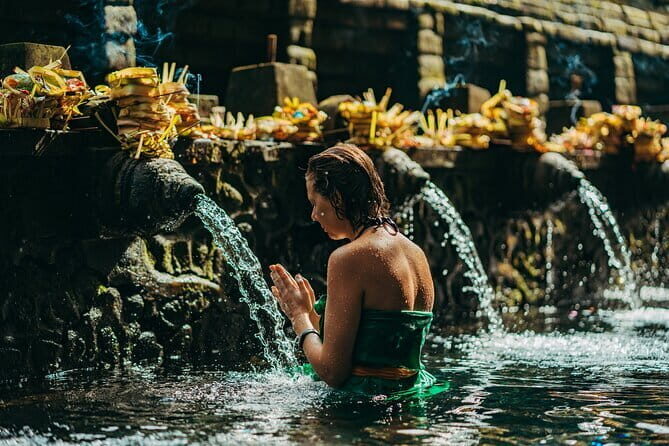
Ubud Tanah Lot Tour: Rice Terrace – Waterfall – Batuan Temple

Sea-cliff temples and rice terraces in one day. I like how this tour strings together Tegenungan Waterfall and the dramatic Tanah Lot Temple without you having to bounce between tickets, rides, and timing. One caution: the schedule is full, and heavy rain can throw off outdoor stops.

You’ll get an air-conditioned private car with an English-speaking driver-guide, plus bottled water and free Wi‑Fi. There’s also an upgrade option so you can use prepaid entry tickets more easily when you arrive.

Best of all, you’re not just doing viewpoints. You’ll also pass through Ubud’s art market, a Hindu site in Batuan, and the coffee fields at Teba Sari Bali Agrotourism, which makes the day feel more like Bali than a photo scavenger hunt.

Key things I’d circle before you book

  • Tegenungan Waterfall gives you a big, close-up nature moment with time to enjoy the falls
  • Tanah Lot can look completely different with the tide, including a walk that appears and disappears
  • Private transport means less waiting around and more control of your day
  • Ubud Art Market + coffee agrotourism add culture and breaks, not just temples and views
  • Entrance tickets are optional, with an upgrade for prepaid entry ticket convenience

The practical flow: how this 8–10 hour Bali day trip fits together

Ubud Tanah Lot Tour: Rice Terrace - Waterfall - Batuan Temple - The practical flow: how this 8–10 hour Bali day trip fits together
This is a classic Bali mix: water, rice, craft shopping, a Hindu temple stop, coffee fields, then a sea temple. The stops are paced at around 30 minutes to 2 hours each, so you’re not rushing nonstop, but you also won’t have hours to linger at any one place.

The day usually starts with Tegenungan Waterfall, then moves into Ubud for rice terraces and the traditional art market. After that, you swing over to Batuan for the temple, then head to Teba Sari Bali Agrotourism before finishing at Tanah Lot.

What makes this tour feel like good value is the structure. You pay once, ride once, and your driver-guide handles the order and timing between key landmarks. Since lunch isn’t included, you’ll want a plan for food (snacks during the day work well, and you can aim for lunch near Ubud or grab something on the way back).

Tegenungan Waterfall: the close-up nature stop that sets the tone

Ubud Tanah Lot Tour: Rice Terrace - Waterfall - Batuan Temple - Tegenungan Waterfall: the close-up nature stop that sets the tone
Tegenungan Waterfall is the kind of place where you hear the water before you see it. It’s in Gianyar Bali, and you get about 1 hour there, which is enough time to take photos, watch people swim and play in the area, and enjoy the damp, fresh air.

A big plus: this stop is built for feeling the place, not just staring from afar. The tour info notes you can even soak in the water, so if you’re the type who enjoys getting a little wet on purpose, this is your moment.

The practical drawback is weather. Rain can hit Bali fast, and waterfalls don’t care. If it’s pouring, expect slippery paths and less comfort for hanging around. Bring a light rain layer and wear shoes you trust on wet ground.

Tegalalang Rice Terrace: photo time with real texture

Ubud Tanah Lot Tour: Rice Terrace - Waterfall - Batuan Temple - Tegalalang Rice Terrace: photo time with real texture
Next up is the Tegalalang Rice Terrace, one of the most photographed rice-field areas in Bali. You’ll get about 1 hour, which is just right for walking the viewpoints, getting your best shots, and then stepping back when you’ve had enough of the crowd energy.

What I like about this stop is the pace. You’re not stuck for an hour of standing still. The terraces have depth, so even small angles make a difference in how the scene looks on camera—and in person you can appreciate how the fields run and curve.

The main consideration is comfort. Rice terrace areas often involve uneven ground and short, repeated walking. Wear shoes with grip and keep water handy. Also, if the weather is clear, go earlier in the day when the light tends to look flatter and more forgiving for photos.

Ubud Traditional Art Market: souvenirs, local craft, and a sanity check break

Ubud Tanah Lot Tour: Rice Terrace - Waterfall - Batuan Temple - Ubud Traditional Art Market: souvenirs, local craft, and a sanity check break
After the rice fields, you move into Ubud Art Market with about 1 hour. This is the stop that turns the day from scenery into stuff you can take home—think traditional Balinese craftsmanship and simple accessories you can buy as souvenirs.

Why it works on this itinerary: it’s a structured break from the outdoors. Even if you’re not shopping hard, it gives you something to do that doesn’t involve hiking or climbing stairs. You can also use it to reset your day if you’ve been in the sun and want a slower tempo.

One practical tip: set a small budget before you arrive. Markets can tempt you, and once you’ve been walking all morning, impulse buys are more likely. Keep it simple: buy one or two items you’ll actually use, and skip anything that feels more like a hassle than a treasure.

Puseh Batuan Temple: sacred space with open public access

Ubud Tanah Lot Tour: Rice Terrace - Waterfall - Batuan Temple - Puseh Batuan Temple: sacred space with open public access
Then comes Puseh Batuan Temple (a Batuan-area Hindu temple). The tour gives you about 30 minutes, which is enough time to enjoy the views and take in the scene without feeling like you’re rushing.

This is a holy place for Hindu Indonesians, but it’s open for the public, so you’re not looking at a temple from behind rails. You can also simply enjoy the landscape and atmosphere around the site during your short window.

A useful mindset here: treat it like a working religious space, not just a viewpoint. The good news is that the tour duration is short, so you can be respectful without spending your whole day on a single stop.

Teba Sari Bali Agrotourism: coffee fields with built-in downtime

Ubud Tanah Lot Tour: Rice Terrace - Waterfall - Batuan Temple - Teba Sari Bali Agrotourism: coffee fields with built-in downtime
Next is Teba Sari Bali Agrotourism with about 1 hour. This is the coffee stop, and it’s not just a store front. The area includes coffee fields and a setup that also connects to a resto, bar, and lounge, so you can slow down and enjoy the break.

The value of this stop is timing. After temples and terraces, you get a more relaxed environment where you can sit, sip, and reset. The tour description also points out you can enjoy a wide variety of Indonesian coffee, which makes it easy to go from sightseeing mode to real comfort.

If you’re sensitive to caffeine, plan accordingly. If you’re a coffee person, this is a solid place to try something new before you head into the final sea-cliff temple segment at Tanah Lot.

Tanah Lot Temple: sea-cliff drama and the tide-trick walk

Ubud Tanah Lot Tour: Rice Terrace - Waterfall - Batuan Temple - Tanah Lot Temple: sea-cliff drama and the tide-trick walk
Tanah Lot is the big finish, with around 2 hours here. If you like ocean views, you’ll feel like this stop was made for you. Tanah Lot is described as having both sea views and sea cliffs, plus the temple itself built on a rocky setting that changes how the site looks depending on the water level.

One of the most memorable parts is the tide. When the sea level is low, a path can be exposed, so people can walk toward the temple rock and take pictures close up. When the sea level rises again, that same path can get covered, which makes the location feel alive and a little dramatic.

Night timing can change the feel. One review highlight noted the experience of seeing the native Indonesians’ politeness and religion while enjoying the way the water eventually covers the path. In plain terms: this isn’t a static monument. It behaves like a living coastal site.

Practical advice: wear shoes you trust on rock and watch your footing. Also, because it’s a sea temple, you’ll likely want some buffer time for changing light and crowds, since Tanah Lot can be busy.

Price and logistics: why $22 can still be a smart deal

Ubud Tanah Lot Tour: Rice Terrace - Waterfall - Batuan Temple - Price and logistics: why $22 can still be a smart deal
The price is listed at $22 per person. For that, you’re getting a private comfortable air-conditioned car, an English-speaking driver as your guide, bottled mineral water, and free Wi‑Fi, plus insurance coverage.

What’s optional (and matters): entrance tickets. The tour includes entrance tickets as optional, and there’s also an upgrade for prepaid entry ticket convenience. That upgrade can save time and reduce stress when you arrive, especially on a schedule-heavy day.

What’s not included: lunch. That’s the main extra cost you should expect. If you plan snacks between stops, you can keep the day comfortable even without a full sit-down lunch.

Also note the balance between private and group economics: it’s a private tour/activity with only your group, but there’s a mention of group discounts. If you’re traveling with friends or family, this can become even better value because your vehicle cost doesn’t balloon.

Who this tour is for (and who should skip it)

Ubud Tanah Lot Tour: Rice Terrace - Waterfall - Batuan Temple - Who this tour is for (and who should skip it)
This tour fits you if you want a packed-but-manageable Bali day covering several top-name experiences: Tegenungan Waterfall, Tegalalang Rice Terrace, Ubud’s art market, the sacred feel of Batuan Temple, coffee at Teba Sari, and finally the sea-cliff spectacle of Tanah Lot.

It’s also a good choice if you’d rather not coordinate rides, ticket upgrades, and daily timing yourself. The driver-guide approach is a big part of the appeal, and it’s especially helpful if you’re staying in Seminyak or want pickup from Ubud and much of south Bali.

Skip it (or at least think twice) if you hate tight schedules or you’re hoping for long free time at just one place. This is a “see a lot” day. Rain is another factor. One experience summary specifically mentioned heavy rain interrupting part of the tour—so go in with a flexible mindset and pack for wet conditions.

Should you book the Ubud Tanah Lot Tour?

If you want the classic Bali checklist—waterfall, rice terrace, temple, coffee, and a sea-cliff finish—this is a strong value at $22 with private air-conditioned transport and an English-speaking driver-guide. The biggest reason to book is the order: you get nature early, culture in the middle, and the most visually dramatic coastal stop at Tanah Lot.

Book it if you’re okay with a full day and you want a driver to handle the moving parts. Don’t book it if you’re looking for slow travel or if bad weather would ruin your mood completely. Either way, plan for rain, keep shoes grippy, and treat each stop as a short chapter—not the whole story.

FAQ

How long is the Ubud Tanah Lot Tour?

It runs about 8 to 10 hours.

Where does pickup happen for this tour?

Pickup is offered from hotels in Ubud and much of south Bali.

What are the main stops on the tour?

The tour includes Tegenungan Waterfall, Tegalalang Rice Terrace, Ubud Traditional Art Market, Puseh Batuan Temple, Teba Sari Bali Agrotourism, and Tanah Lot Temple.

Does the tour include entrance tickets?

Entrance tickets are optional, and you can upgrade for the convenience of prepaid entry tickets.

Is lunch included?

No, lunch is not included.

What’s included in the price besides transportation?

You get a private air-conditioned car, an English-speaking driver-guide, bottled mineral water, free Wi‑Fi, and insurance.

Is this a private tour?

Yes. It’s listed as a private tour/activity, so only your group participates.

Ubud: Barong Dance and Keris Cultural Dance Show Tickets

Ubud: Barong Dance and Keris Cultural Dance Show Tickets - Batubulan Village Timing: 9:30 Showtimes and Real-World Check-In

Barong and Rangda is Bali in motion. The story of good versus evil comes alive with mask-heavy characters and the steady power of gamelan music. I like that it works even if you do not follow every word of the narration. One thing to keep in mind: the show timing and on-site check-in can be a little chaotic, so give yourself extra buffer time.

At Batubulan Village, this is a daily performance with a clear myth at its heart: Barong as protection and Rangda as the witch queen of chaos. I also like how family-friendly it feels, with strong acting, striking costumes, and an energy that keeps kids and adults watching.

The potential drawback is comfort and clarity. Seats can be uncomfortable, and the story can be tricky to follow if your English is limited or the explanations are brief. Still, for around $6, the value is hard to beat if you show up ready to enjoy the spectacle.

Key Things to Know Before You Go

Ubud: Barong Dance and Keris Cultural Dance Show Tickets - Key Things to Know Before You Go

  • Batubulan Village is the stage for the Barong Dance show, performed daily.
  • Barong means good, Rangda means evil in a legend you’ll recognize fast.
  • Gamelan musicians set the emotional pace, and they play right alongside the action.
  • Bring comfy shoes because you’ll likely stand or sit for stretches.
  • Transfer timing matters: pickup can be 8:30am if you pick that option, and check-in rules vary by show time.
  • You might see extra segments, like a puppet-style section, depending on the run.

Why This Barong and Keris Cultural Dance Ticket Is Worth Your Time

Ubud: Barong Dance and Keris Cultural Dance Show Tickets - Why This Barong and Keris Cultural Dance Ticket Is Worth Your Time
If you want one Bali experience that feels unmistakably local, this is it. The Barong and Rangda dance is built on a Balinese worldview: forces of good and forces of evil are always moving, clashing, and resetting. The performance uses that idea like a map. You can get the story even without perfect understanding of the dialogue or explanation.

What makes this ticket especially appealing is the combination of craft and atmosphere. The dancers wear elaborate costumes and big masks, and their movement is bold and theatrical. Then the gamelan music keeps you pulled forward with steady rhythm and dramatic shifts. One review called out how the musicians and dancers worked together nonstop, which is exactly what you’re aiming for when you book a traditional live show.

The marketing mentions Keris as well. The information you’ll get about the program focuses mainly on the Barong & Rangda story, but many Bali dance shows weave in other cultural segments. Expect a full cultural evening or matinee-style event rather than a short dance reel.

For value, the price is the headline: about $6 per person for a live performance in Bali. That kind of ticket cost is usually reserved for budget transport, so paying that much for real stagecraft and live music is a win—if you’re okay with basic seating and show explanations that may not be detailed.

Batubulan Village Timing: 9:30 Showtimes and Real-World Check-In

Ubud: Barong Dance and Keris Cultural Dance Show Tickets - Batubulan Village Timing: 9:30 Showtimes and Real-World Check-In
This show happens at Batubulan Village. The Barong show start time is listed as 9:30, and the overall activity duration is flexible (listed as 1 to 5 hours) depending on the starting times available. Here’s the practical part: even if 9:30 is the common start, your exact schedule can vary by booking slot.

If you choose the no transfer option, plan to exchange your e-voucher and collect your ticket at the venue. Do not treat it as a quick drop-and-go. On-site staff may not always know every detail right away, so it helps to arrive early enough to get sorted without rushing.

If you choose the transfer option, pickup is typically 8:30am. The provider notes that you can bring your food in the car. That’s a small detail, but it can matter in Bali, where eating plans can get squeezed by transport timing. It also tells you the driver may handle a longer route than you expect.

One travel lesson: do not build your day around a single exact minute. Instead, aim to be at the venue with breathing room. If your confirmation lists a check-in window, follow it. If it does not, still show up early and stay calm if you’re waiting while someone figures out your ticket.

The Story You’re Seeing: Barong vs Rangda (Good vs Evil)

Ubud: Barong Dance and Keris Cultural Dance Show Tickets - The Story You’re Seeing: Barong vs Rangda (Good vs Evil)
The Barong Dance is basically a myth you can follow with your eyes. The central characters are Barong, a mythical lion-like creature representing benevolence and protection, and Rangda, the queen of witches representing evil and chaos.

The conflict is the point. The performance is built around the eternal struggle between positive and negative forces, shown through fierce battles between Barong’s side and Rangda’s army. Even if the narration is limited, the dancers communicate the emotion: protection feels steady and powerful, while Rangda’s side feels frantic and threatening.

As the story progresses, you’ll see shifts between intense conflict and moments that land like triumph or celebration. Those emotional swings are why the show works for families. Kids might not catch the full plot, but they usually understand the character roles quickly: who’s strong, who’s scary, and who’s winning at any given moment.

That said, there is a warning worth respecting. Some viewers say the story can be hard to follow. If you want to understand it better, focus on the roles on stage. Watch who is moving together as a group, and watch how Rangda’s presence changes the energy. You’ll grasp the arc faster than you’d think.

Also, there may be extra theatrical beats. One review mentioned a puppet-show segment that ran a bit long for them, though their kids loved it. That tells you the show can have variety in formats, not just nonstop dance.

Costumes, Masks, and the Gamelan Soundtrack

Ubud: Barong Dance and Keris Cultural Dance Show Tickets - Costumes, Masks, and the Gamelan Soundtrack
This is where the show earns its ticket price. The costumes are elaborate, and the masks are the kind that make you look twice. When Barong appears, it’s not subtle. It’s an iconic image, built for distance and for impact.

The movement style is also worth your attention. The dancers do not just pose; they perform like the story is physical. Their choreography includes dramatic expressions, strong gestures, and clear character changes. One review suggested that parts of the dance felt too simple, so you might see variation in complexity depending on the segment and the day’s staging.

Then there’s the gamelan. This is traditional Indonesian ensemble music, and it acts like the show’s engine. The rhythmic beats guide your eye to what matters next. More than one person mentioned how the musicians were fantastic and worked in sync with the dancers. That coordination is a huge part of why this kind of performance survives for generations: it’s not just dancing, it’s dancing with a living soundtrack.

Practical tip: if you plan to film, know that lighting and sight lines can be tricky in seated venues. A camera is listed as something to bring. Just keep expectations realistic and protect your battery and storage.

Seating, Comfort, and What to Wear

Ubud: Barong Dance and Keris Cultural Dance Show Tickets - Seating, Comfort, and What to Wear
You’ll want to show up dressed for the reality of watching a performance, not for Instagram photos. The guidance is simple: wear comfortable clothes and comfortable shoes, and bring your camera if you want to capture the costumes and masks.

Why the shoes matter: you may need to walk a bit around the venue before you settle, and you could be standing in short gaps while people check in. Also, seating can be basic.

One review flagged uncomfortable chairs. That’s not unusual for traditional venue setups. So if you’re sensitive to sitting for long periods, bring a light mindset adjustment: this is worth it, but plan your body for it.

Also, think about ear comfort. Gamelan can be loud in a small viewing area. If you’re bringing kids, they may enjoy it, but keep an eye on noise tolerance.

Finally, behavior rules are clear: no alcohol or drugs, no littering, and no making fire. So keep it clean, keep it simple, and you’ll fit right into the respectful vibe.

Tickets, Pickup, and the $6 Value Math

Ubud: Barong Dance and Keris Cultural Dance Show Tickets - Tickets, Pickup, and the $6 Value Math
The ticket price is listed around $6 per person, and that’s a strong indicator you’re paying for a cultural experience, not a big polished tourist package. Here’s how to judge the value like a smart buyer:

You get:

  • entry to the show
  • pickup and drop-off if you select that option
  • Silver Class if you select it

The tricky part isn’t the price. The tricky part is logistics. One booking experience described delays around confirmation and ticket availability, along with staff confusion at the venue. The show still went on, but the process wasn’t smooth.

So how do you reduce risk? Use a simple checklist:

  • After booking, confirm you have your e-voucher ready on your phone.
  • If you selected transfer, follow the pickup time closely.
  • If you did not select transfer, plan time to exchange the e-voucher and collect your ticket.
  • Arrive early enough that if someone at check-in needs a moment, you’re not stressed.

Pickup coverage is also spelled out. The private round transfer option covers Ubud, Denpasar, and Sanur. For Kuta, Seminyak, and Nusa Dua, there’s an additional 100,000 IDR cash charge. That means you should bring some cash just in case. This matters because it turns a simple ticket into a small budget decision.

If you’re traveling with a group and you hate late-day transport hassles, transfer can be worth the cost. If you’re already near Ubud or comfortable using local transport, the no-transfer option can keep things simpler and cheaper.

Who Should Book This Show (And Who Might Skip It)

Ubud: Barong Dance and Keris Cultural Dance Show Tickets - Who Should Book This Show (And Who Might Skip It)
This show is a great fit if you want:

  • a clear cultural performance with story characters
  • big costumes and masks
  • live gamelan music
  • something families can enjoy together

It also sounds like a solid choice for mixed ages. The show is described as captivating and suitable for all age groups, and a review specifically mentioned their kids loving the performance.

You might consider a different plan if:

  • you need detailed English explanations and worry about them being inadequate
  • you are sensitive to intense or crude/crass moments, since one review mentioned cruder parts of the performance
  • you want only complex, high-speed choreography throughout

Also, note the age rule: it is not suitable for babies under 1 year.

If you’re traveling with teenagers who are into performing arts, the costumes, masks, and music will likely land. If you’re traveling with small kids, the action and strong character roles may keep attention better than you’d expect—especially if the show includes additional segments like puppet-style storytelling.

Final Call: Should You Book the Barong Dance and Keris Cultural Show?

Ubud: Barong Dance and Keris Cultural Dance Show Tickets - Final Call: Should You Book the Barong Dance and Keris Cultural Show?
I think you should book this if you want a classic Bali performance with live music and memorable visuals for a very low ticket price. The core value is the Barong vs Rangda myth—easy to understand because the characters are so clearly defined—and the gamelan-driven pacing that makes the stage feel alive.

I would book it with a practical mindset:

  • plan for basic seating
  • arrive early for ticket collection or check-in
  • treat show start times as slot-based, even if 9:30 is common
  • keep your expectations flexible about explanations in English

If you’re chasing a perfectly scheduled, zero-hassle tourist experience, you might find the process slightly messy. But if you’re there for the performance, the odds are high you’ll leave feeling like you saw something genuinely Balinese.

FAQ

Ubud: Barong Dance and Keris Cultural Dance Show Tickets - FAQ

Where does the Barong Dance performance take place?

It’s performed at Batubulan Village in Bali.

What time does the Barong show start?

The info provided states the Barong show starts at 9:30, and you should check availability for the exact starting times shown for your booking.

How long is the experience?

The duration is listed as 1 to 5 hours, depending on the starting time and schedule.

Is pickup available, or is there only self-arrival?

Pickup is optional. If you select transfer, it’s a private round transfer for Ubud, Denpasar, and Sanur. For Kuta, Seminyak, and Nusa Dua, there is an additional 100,000 IDR cash charge.

What’s included with the ticket price?

Your ticket includes the entry ticket. If you choose options, it can also include pick-up and drop-off and Silver Class.

What should I bring to the show?

Bring comfortable shoes, camera, and comfortable clothes.

Are there any rules about what’s allowed during the event?

Yes. Alcohol and drugs are not allowed, and you should also not litter or make fire.

Can babies attend?

The show is not suitable for babies under 1 year.

Mount Batur Jeep Sunset – All Inclusive Tour

Mount Batur Jeep Sunset - All Inclusive Tour - Getting from Ubud to Kintamani: the easy part

Sunset on an active volcano is the point here. This Mount Batur Jeep sunset tour saves your legs with a 4WD Jeep ride instead of a hike, and it throws in black lava views plus a string of photo stops. The one watch-out: the mountain area can have a lot of flies, so come ready.

I like that you’re not stuck doing one thing. You get the drive scenery (including Lake Batur and volcano views), a visit to the black lava fields tied to the 1963 eruption, then the payoff moment at Mount Batur.

If you’re hoping for a quiet, solo-style experience, you’ll want to know the group stays small but it’s still a group. The upside is that it runs with pickup and a local guide, and in the small group setting you’ll usually feel looked after.

Key highlights that make this tour worth your time

Mount Batur Jeep Sunset - All Inclusive Tour - Key highlights that make this tour worth your time

  • Hotel pickup included so you don’t waste vacation time finding transport
  • 4WD Jeep adventure that gets you up without a climb
  • Black lava field stop connected to the 1963 Mount Batur eruption
  • Photo-friendly route with views of Lake Batur and multiple volcanoes
  • Complimentary snacks and bottled water for the slow moments
  • Small groups (max 15) for a calmer sunset experience

Why this Jeep sunset beats the usual volcano routine

Mount Batur Jeep Sunset - All Inclusive Tour - Why this Jeep sunset beats the usual volcano routine
Mount Batur is one of Bali’s big volcano names. Most people think of sunrise hikes, which means crowds and early starts. This tour flips the plan into a sunset drive-and-ride day, and that matters because the experience feels more relaxed.

The core idea is simple: you trade the hike for a Jeep ride, then you spend your energy on seeing and photographing. That’s a great deal if your day is already packed with temples and beach time, or if you just don’t want to spend hours climbing in the dark.

I also like the focus on viewpoints instead of logistics. You’re guided to the right stops, you’re given snack support, and you’re not left figuring out where to stand for the golden hour.

One more plus: the tour is built for the Kintamani area, so you pass through the classic sights that make this region special—Lake Batur and volcano silhouettes in the distance—before you reach the main Mount Batur moment.

Getting from Ubud to Kintamani: the easy part

Mount Batur Jeep Sunset - All Inclusive Tour - Getting from Ubud to Kintamani: the easy part
The day starts with round-trip hotel pickup, which is a big deal in Bali. It means you can show up, meet your guide, and stop worrying about scooters, parking, or navigating at the wrong time of day.

The drive is part of the experience, not just a transfer. You’ll travel through the Kintamani district area and the stops you make en route are chosen for views, not for filling time. With a small group (maximum 15), the pace feels manageable.

You should also expect this to be a full-day outing in practice. The tour is listed at about 8 hours total, so it’s best to treat it as your planned activity block rather than something to squeeze in between meals and temple hopping.

If you’re staying in Ubud, this is also a practical option because you don’t need to arrange separate transport to the volcano region. You’re paying for the simplicity: private transportation is included, and your tour ticket covers entrance and Jeep adventure fees as well.

The drive stops: Lake Batur and volcano views on the way

Before you reach Mount Batur for sunset, the route builds in scenic checkpoints. You get chances to see and photograph Mount Abang, Lake Batur, and Mount Agung Batur from the road.

This is where your camera time pays off. The Kintamani rim views can change quickly as the light shifts, and the tour schedule is basically designed to get you into the right light windows without you chasing them.

A smart tip: use the drive stops for establishing shots. If you take a few wider photos early, you’ll know what angle the later Mount Batur viewpoint will give you. Then you can switch to closer compositions when you’re higher and the air is a little different.

Also, keep an eye on your group. At photo stops, people naturally spread out, and with a maximum of 15, it’s easier to keep together than with huge day tours.

The black lava field stop and why the 1963 eruption matters

Mount Batur Jeep Sunset - All Inclusive Tour - The black lava field stop and why the 1963 eruption matters
One of the most interesting segments is the visit to the black lava fields tied to the 1963 eruption on Mount Batur. You’re not just driving past a dramatic color—you’re learning what happened and why the area looks the way it does now.

This part tends to work well even if you’re not a geology person. The visual is strong: dark ground, stark textures, and a setting that makes the eruption story feel real. Then your local guide adds the explanation behind the scenery, so it doesn’t turn into a quick photo and move on.

I like that this stop happens before you head up for the sunset view. It gives you a narrative break in the middle of the day. You’re reminded that you’re visiting an active volcanic system, not a theme park viewpoint.

Practical note: that black volcanic ground can attract attention from bugs too. The flies comment comes up in the feedback, and the lesson is simple—bring insect repellent and keep snacks sealed until you’re ready to eat.

The 4WD Jeep ride: comfort without the full hike

Mount Batur Jeep Sunset - All Inclusive Tour - The 4WD Jeep ride: comfort without the full hike
The headline promise is saving your energy. Instead of a sunrise-style trek, you use a 4WD Jeep to reach the mountain areas where views open up. That gives you a more accessible way to experience Mount Batur than a long uphill day.

The tour includes a 4WD Jeep adventure fee, so you aren’t paying extra on top once you’re there. It’s built into the package alongside entrance tickets to Mount Batur, which is part of why the price feels fair for what you get.

Also, the tour setting is small-group. With up to 15 people, you usually spend less time waiting around for the whole bus to return to the exact pickup spot. It keeps things flowing while still staying social enough that you’re not sitting alone with your thoughts for hours.

If you’re the type who likes motion and photo stops, this is your sweet spot. If you hate bumps, plan to hold on and keep your phone secured. Jeep rides can be bouncy, but that’s also part of the fun.

Sunset at Mount Batur: the payoff moment

The main event is the sunset view from Mount Batur. This is where the tour earns its name, and it’s also why you’ll want clear skies.

The schedule is designed so you’re in the right area for golden hour. That matters because Bali sunsets can shift fast, and wind or cloud can cut the color. The tour also states it requires good weather, so your guide is thinking about visibility as you time the final viewpoint moment.

Bring the usual photo basics: a charged phone or camera, a lens wipe, and sunglasses if glare hits. Then add one practical comfort item: something to layer. Even without knowing exact temperatures, mountain air can feel cooler than Ubud in the late day.

Here’s another thing I’d do: use the final viewpoint time for slow looking, not constant shooting. The views aren’t just pretty; they’re wide and layered—Lake Batur in the distance and volcano shapes around you—so taking a minute to actually watch helps your photos look better too.

Snacks, bottled water, and what to plan for instead of lunch

Mount Batur Jeep Sunset - All Inclusive Tour - Snacks, bottled water, and what to plan for instead of lunch
The tour includes bottled water and complimentary snacks. That helps because the day is long enough that you’ll want something small during the drive and between stops.

What’s not included is lunch. So you’ll need to plan ahead. If you’re sensitive to hunger, eat a good breakfast before pickup, then treat snacks as the bridge until your next meal back in Ubud.

The other included value is the entrance ticket and the Jeep adventure fees. In practice, it means the day feels closed-loop: you don’t keep pulling out your wallet for separate add-ons once you’re in the volcano region.

One more detail that can affect your comfort: flies. A comment in the feedback calls it out directly, and it fits what you’d expect near outdoor snack areas. Keep food covered until you eat, don’t leave wrappers hanging around, and have repellent handy.

Price and value: why $23.20 can work (if you want this kind of day)

Mount Batur Jeep Sunset - All Inclusive Tour - Price and value: why $23.20 can work (if you want this kind of day)
At $23.20 per person, this is one of the more budget-friendly ways to do Mount Batur with a Jeep rather than a hike. What makes it feel like real value is what’s included: round-trip hotel pickup, private transportation, entrance tickets to Mount Batur, and the 4WD Jeep adventure fees.

Also included are bottled water, complimentary snacks, and the 21% government tax and service. That reduces the usual surprise costs that can happen on tours where taxes or entry fees are added later.

The trade-off is you’re not getting a long guided hike experience where you stop for every trail view. Instead, you get a faster route to multiple viewpoints and the sunset payoff. If that sounds like your style—photos, scenic stops, and less physical effort—then the price makes sense.

If you want a strict, structured itinerary with lots of downtime or a gourmet lunch break, you might feel the day is a bit more active than you want. Lunch isn’t provided, so you’re filling that part yourself.

Who should book this Mount Batur Jeep sunset tour

This is a great match if you want Mount Batur without the hike. It also works well on a last day in Bali when you still want a signature volcano view but you don’t want to ruin your schedule with an all-morning climb.

It’s also ideal if you like photo stops and explanations. The day includes scenic checkpoints on the drive, a stop at the black lava fields with context about the 1963 eruption, and a guided sunset viewing moment.

If you’re traveling with mixed fitness levels, the Jeep approach helps keep everyone together. The tour says most travelers can participate, which fits the “save energy” theme.

The main reason to skip is if you hate outdoor insects. Since flies can be present in the area, bring repellent and plan for it. Another reason to skip: if you need a guaranteed private experience, remember the group caps at 15, so you will share the viewpoint area with others.

Should you book this tour or look elsewhere?

Book it if you want the Mount Batur experience with less effort and more viewpoint time. The included hotel pickup, entrance ticket, and 4WD adventure fees make it a clean deal, and the sunset focus is a nice alternative to the classic sunrise rush.

Consider a different option if you’re looking for lunch included, a long guided walk, or a fully private setup. Also, if insects are a big issue for you, plan your comfort gear carefully.

If you do book, do this: pack insect repellent, eat before pickup, and treat the drive stops as part of the show—not just transit. You’ll get more from the day, and you’ll end with the exact kind of sunset that makes Mount Batur famous.

FAQ

How much does the Mount Batur Jeep Sunset tour cost?

The price is $23.20 per person. The tour includes 21% government tax and service.

How long is the tour?

It runs for about 8 hours.

Does the tour include hotel pickup in Ubud?

Yes. Handy round-trip hotel pickup is included, and private transportation is part of the package.

Is lunch included?

No. Lunch is not included.

What group size should I expect?

The tour has a maximum of 15 travelers.

What is included besides the Jeep ride?

You get bottled water and complimentary snacks, entrance tickets to Mount Batur, and the 4WD Jeep adventure fees. The day also includes access to the Mount Batur sunset experience and the included stops.

What happens if weather is poor?

This experience requires good weather. If it’s canceled due to poor weather, you’ll be offered a different date or a full refund.

Try Diving in Manta Point – Nusa Penida

Try Diving in Manta Point - Nusa Penida - How the day flows: theory, pool work, then Nusa Penida sites

Manta rays are the main event here. This is a beginner-friendly Discover Scuba day trip from Bali to Nusa Penida, built around proper training before you head out for the big marine moments. If you’ve dreamed about floating with manta rays, this is one of the most direct ways to do it without needing prior certification.

I like that you get a private instructor per person, so first-timers aren’t left to figure things out on their own. I also love the structure: theory, equipment checks, and pool training before you ever splash in open water. One consideration: the experience still depends on weather and ocean conditions, and there’s a separate conservation fee (not included in the price).

Key highlights you’ll feel on day one

Try Diving in Manta Point - Nusa Penida - Key highlights you’ll feel on day one

  • Private instructor per person for comfort and safety on your first underwater day
  • Training pool + theory first, not guesswork once you reach Nusa Penida
  • Manta Point focus plus other top sites (Crystal Bay and a north drift current session)
  • Well-fed day with lunch, snacks, bottled water, and homemade donuts back at the shop
  • Seasickness support: sea sick pills were handed out on past trips

Discover Scuba in Sanur: training that makes beginners feel safe

Try Diving in Manta Point - Nusa Penida - Discover Scuba in Sanur: training that makes beginners feel safe
This outing is built for people who are new to scuba. You start with a straightforward introduction, then move into the basics: how your gear works, how breathing should feel, and how to stay in control underwater. For me, the best part is that they don’t rush you straight into open water chaos.

Neptune also runs the day with a mix of classroom-style theory and hands-on practice. You’ll do an equipment check and pool training first. Past divers picked up on the fact that the facility includes a very visible, modern training pool, so you can get comfortable fast before the sea takes over.

You don’t need scuba certification to join. The minimum age is 10, and there’s no requirement to show dive credentials. That’s a big deal if you’re coming with friends who are curious but nervous about “real dive” training.

How the day flows: theory, pool work, then Nusa Penida sites

Try Diving in Manta Point - Nusa Penida - How the day flows: theory, pool work, then Nusa Penida sites
The schedule is paced so you’re not stressed the whole day. After pickup and a morning coffee, there’s a clear setup: introductions, theory, equipment check, and a pool session. You’ll get a briefing that maps out what’s next and what to practice so you know what to expect when you’re in open water.

Around 9AM, you head out toward Nusa Penida. The trip is timed for multiple ocean sessions. Depending on the package you choose, you’ll do 2 or 3 ocean sessions across famous sites: Manta Point, Crystal Bay, and a north drift current session (one of the north options).

Then you return to the dive center around 4PM. This is where the fun touch lands: they’re known for homemade donuts back at the shop. It’s simple, but after a long saltwater day, it feels like a reward that’s actually earned.

Manta Point and Crystal Bay: what you’re really paying for

The whole pitch is straightforward: you’re going for manta rays and big marine life. Manta Point is the centerpiece, and it’s famous for that reason. If you’ve never been close to manta rays, the first time you see them glide past is the kind of moment that can reset how you think about the ocean.

Crystal Bay is another major stop on the route. Even if you’re brand new to scuba, the site selection matters because it increases your chances of seeing varied sea life and staying engaged during the day. You should still expect some downtime between sessions, but that’s normal. The payoff is what’s happening during your underwater time.

The north drift current session adds a different style of movement. Drift-style profiles generally mean you cover water with the current rather than pushing constantly with your fins. That can be great for sightseeing, but it also makes buoyancy and calm control more important. If you’re nervous, this is exactly where the private instruction matters most.

The private instructor setup: gear fit, comfort, and calm coaching

Try Diving in Manta Point - Nusa Penida - The private instructor setup: gear fit, comfort, and calm coaching
This experience is private, meaning it’s only your group. More importantly, you get a professional PADI instructor, and the training is tailored to you rather than “everyone follows along.” That matters because first-timers tend to need more time with basic skills: breathing rhythm, equalizing, and staying level.

You’ll also do setup with real attention to fit. The operator requires your height, weight, and shoe size at booking so they can assemble and adjust your gear properly. That’s not a trivia detail—it affects comfort and how stable you feel in the water.

If you’re worried about seasickness, you’ll be glad to know sea sick pills were provided on at least one past trip. That small comfort tip can mean the difference between enjoying the ride and feeling miserable before you even reach the sites.

What’s included in the $220.52 price (and what can cost extra)

At $220.52 per person, you’re not just buying the boat and hoping for the best. The price covers a lot of the expensive, annoying parts of scuba logistics.

Included highlights:

  • Hotel pickup and drop-off in select areas
  • Lunch, snacks, and bottled water
  • Professional PADI instructor
  • Scuba equipment and private pool training
  • Scuba diving insurance
  • Taxes and handling charges
  • Mobile ticket

Not included items you should plan for:

  • Conservation fee for Manta Point in Nusa Penida: IDR100,000 per person
  • Extra add-ons like GoPro rental, additional wetsuit options, hoodie vests, and similar gear choices

From a value angle, this pricing makes sense because the experience bundles the training layer (the pool + instruction) into the day. If you tried to piece that together yourself, you’d likely end up paying more in separate bookings and time.

One more practical note: the conservation fee is separate, so don’t let it surprise you at the end of the day when you’re tired. Budget a little extra.

Transportation and timing: the “9AM to 4PM” reality

This outing runs about 6 hours, with an approximate departure of 9AM and return around 4PM back to the center. Transfers are approximate and can stretch with traffic and departure timing.

Your meeting point is Neptune’s center in Sanur (Jl. Suka Merta, Sanur Kauh, Denpasar Selatan). Opening hours are listed from 7:00 AM to 3:30 PM, which lines up with early starts. If you’re arriving by your own transport, you’ll want to show up early enough to handle gear setup without feeling rushed.

Weather matters. The experience requires good weather, and if it’s canceled due to poor conditions, you’ll be offered another date or a full refund. This is normal in the Bali-to-Penida ocean world, and it’s better to plan for flexibility than to treat the day like a fixed appointment.

Who should book this (and who should think twice)

This is a great fit if:

  • You’re a beginner with no certification
  • You want structured training with a one-on-one feel
  • You care most about manta rays and seeing serious marine life without prior experience
  • You like the idea of a private group where instructors can focus on your pace

It’s also practical if you’re not traveling with tons of “dive day” gear, because scuba equipment is included and they handle the setup.

Considerations:

  • It’s not recommended for active asthma. If that applies to you, talk to a medical professional before booking.
  • The experience is focused on getting you comfortable and capable. If you already know scuba well, you might find some parts slower than an advanced plan would be. That said, a confident instructor can still make the day enjoyable.

Support for diets and needs is built in: vegetarian options are available if you tell them ahead of time, and service animals are allowed.

Safety, service, and the small touches that make it feel professional

Try Diving in Manta Point - Nusa Penida - Safety, service, and the small touches that make it feel professional
A lot of the positive energy in this experience comes from how the day is run. Past divers noted proactive communication around pickup and drop-off, plus the way the team handles first-timers with calm coaching.

I also like that training is not just technical. It’s friendly, and it’s clear they want you to succeed. One named contact in the booking process was Julian, who was described as answering questions thoroughly and responding promptly. Once on the water, instructors and buddies named Noe and Robert were singled out for being helpful and attentive, always keeping an eye on people.

There’s also a sign of consistency in their approach to comfort: sea sick pills for motion discomfort, plus a pace that doesn’t leave people feeling lost.

Finally, there’s mention of a sustainable approach in feedback. The specifics weren’t detailed in the information you provided, but it’s a good signal that the operator thinks about impact, not just spectacle.

Should you book Try Scuba in Manta Point area?

If your goal is manta rays plus a guided, beginner-safe path, I’d book it. The value isn’t just the sites—it’s the combination of proper basics, private instruction, and a day plan that’s designed to get you into the water feeling ready.

I’d hold off (or ask extra questions first) if you have active asthma, hate the idea of weather-based changes, or expect a fully hands-off experience. This is beginner-focused, which means you’ll be learning as you go—most people find that empowering, but it’s still active training.

If you want a memorable first scuba day without certification stress, this one has the right ingredients: structured training, strong site selection, and a team that seems to take comfort and coordination seriously.

FAQ

Do I need scuba certification to do this?

No. This is designed for beginners and uncertified participants. You don’t need evidence of dive certification to take part.

What underwater locations will I visit?

You’ll visit Manta Point, Crystal Bay, and one of the north drift sites. You’ll do 2 or 3 ocean sessions depending on the package you select.

Is pickup and drop-off included?

Yes, hotel pickup and drop-off are included in select areas. The exact availability depends on where you’re staying.

What are the age requirements?

The minimum age for Discover Scuba Diving is 10 years old.

What does the price include, and is there an extra fee?

The price includes equipment, instructor-led training (including private pool training), lunch, snacks, bottled water, and scuba insurance. A conservation fee for Manta Point in Nusa Penida (IDR100,000 per person) is not included.

What if weather is bad?

This experience requires good weather. If it’s canceled due to poor weather, you’ll be offered a different date or a full refund.
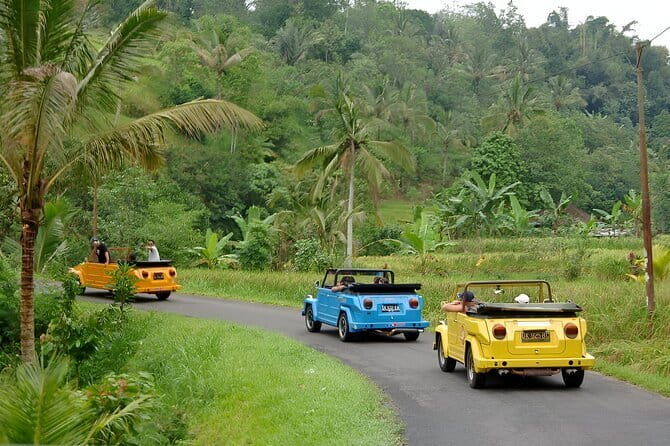
Half-Day Ubud Rice Field and Village Cycling Tour

Half-Day Ubud Rice Field and Village Cycling Tour - Starting near Mount Batur: timing, effort, and route reality

Pedal past rice and villages, minus the bus crush. This half-day ride takes you from the Kintamani area under Mount Batur back toward Ubud, with stops tied to everyday village life and working rice fields. I like that bikes plus safety gear are handled for you, and guides such as Sujaya bring the story to life.

I also love the hotel pickup and air-conditioned minivan that gets you to the starting point without wrestling scooter traffic. The pace stays friendly, but you’ll want moderate fitness, and some rice-field tracks can feel narrow, so a bit of balance helps.

Key things I’d circle before booking

Half-Day Ubud Rice Field and Village Cycling Tour - Key things I’d circle before booking

  • All safety gear provided so you can ride without hunting down a helmet and gloves
  • Small group size up to 15 for a calmer pace and easier guide attention
  • Guides with real stories (names like Bagus, Eddie, Sujaya, and Arak come up often)
  • Downhill-heavy riding with a few climbs depending on the route your group follows
  • Balinese lunch included right after you ride, not later when you’re hangry

Why cycling Ubud countryside beats a long bus day

Half-Day Ubud Rice Field and Village Cycling Tour - Why cycling Ubud countryside beats a long bus day
This tour is built for people who want Bali’s “in-between” places: rice terraces, village lanes, plantations, and the quiet stretches between them. The big win is that you’re not spending hours stuck in hot seats while the scenery flashes by outside the window. You’re moving at bike speed, where you can actually notice things: the texture of rice paddies, the smell of fruit trees, and the rhythm of village life.

I also like that it feels practical. You get a guide who explains what you’re seeing instead of just pointing. And since the ride is set up around shorter stops, you’re less likely to feel like you’re rushing from photo spot to photo spot.

If you’re the type who wants views but also wants context, this fits well. You’re not just collecting pictures, you’re learning how the countryside works and why it’s shaped the way it is.

Starting near Mount Batur: timing, effort, and route reality

Half-Day Ubud Rice Field and Village Cycling Tour - Starting near Mount Batur: timing, effort, and route reality
The day starts early near the Kintamani area, under Mount Batur. That matters more than it sounds. Morning light makes rice terraces pop, and the air is usually more comfortable for riding than mid-day heat.

Expect a mix of terrain. One consistent theme in the route feedback: you’ll ride through rice terraces and village backroads, with the majority feeling downhill and a few uphill sections to keep you honest. There’s also flexibility in how your group rides. Some riders get routes that better match their ability level, which helps if you’re comfortable on a bike but not trying to prove something.

One consideration: narrow sections can show up, especially when you’re near rice fields. If you aren’t confident with balance, take your time in the tight bits. The guide should help set expectations and pace.

A good rule for yourself: if you’re able to do moderate cycling for several hours without stopping constantly, you’re in the right zone.

Pickup, minivan comfort, and the small-group setup

The logistics are smoother than you might expect. You get hotel pickup and drop-off, and the transfer uses an air-conditioned minivan. That sounds like a minor detail, but it changes your day. You don’t start sweaty. You arrive with your gear, water, and headspace.

The group size is capped at 15 travelers, and many departures run small. In the smaller-group rhythm, the ride can feel more personal. Your guide can actually help with fit and comfort, and you can ask questions without hearing everyone else’s audio bouncing off helmets.

Also included: bottled water, plus safety tools like a helmet and gloves. That’s the difference between riding and “trying to ride,” especially if you’ve never biked in a place with uneven road edges and farm lanes.

The Ubud-area cycling route: what you’ll likely see

Half-Day Ubud Rice Field and Village Cycling Tour - The Ubud-area cycling route: what you’ll likely see
This is a countryside route built around real-world places, not just scenic lookouts.

Village lanes and rice terraces

You’ll cycle through areas around Ubud and between working landscapes. This is where the tour earns its name. Rice terraces aren’t a single view—they’re a system. As you ride, you notice how paths thread between paddies, how irrigation shapes the fields, and how villages sit beside the agricultural work.

One standout from guides: they don’t just say “this is rice.” They explain what you’re looking at—trees, fruit, and farm details—so the scenery becomes meaningful instead of just pretty.

A traditional Balinese house compound stop

A key part of the experience is a stop at a traditional Balinese house compound. This is where you get a glimpse into country life beyond the tourist highlights. Expect explanation tied to everyday culture and how households live alongside land and agriculture.
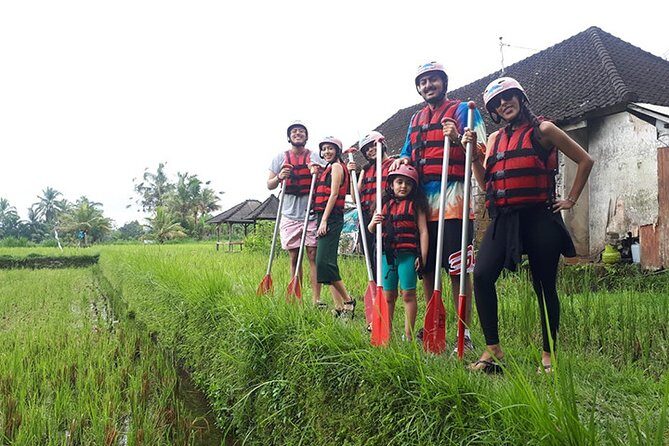
This stop is also a nice reset. After a stretch of cycling, you can stretch your legs, listen, and understand what you’re seeing instead of just moving through it.

Coffee plantation and hillside quiet (often part of the early route)

Some rides include a stop at a coffee plantation at the start, and at least one route described a walk through a bamboo forest to reach a quieter viewpoint in the hills. Even if your day’s exact stops vary, the pattern is clear: you’re not only riding through fields—you’re also getting a taste (sometimes literally in the broader sense of coffee culture) of plantation life.

Wood carving and local crafts (when the route includes it)

Another included-feeling stop that shows up in route descriptions: a visit connected to wood carving, with notes about generations of craft. If it’s on your day, it’s a good way to connect what you’re seeing in villages to what people build with their hands.

Temple and religion context

You may also hear explanations tied to religion and daily life, with guides sharing how spiritual practice shows up in the countryside. This is where guide personality matters. People highlight guides who answer questions clearly and keep the vibe light.

Lunch after the pedals: how the Balinese meal fits the day

Half-Day Ubud Rice Field and Village Cycling Tour - Lunch after the pedals: how the Balinese meal fits the day
After you ride, you refuel with a traditional Balinese meal at a nearby restaurant. Since lunch is included, you’re not stuck hunting for food while everyone’s hungry. That alone makes the tour feel well timed.
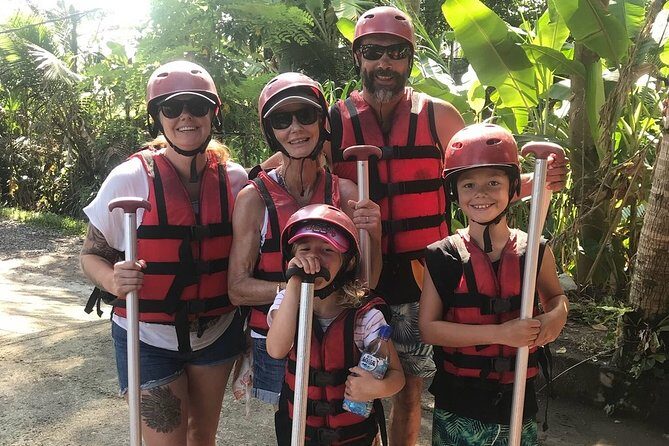
A practical tip: since it’s “meal after riding,” go into lunch ready to eat. You’ll likely have worked up an appetite from cycling plus sun.
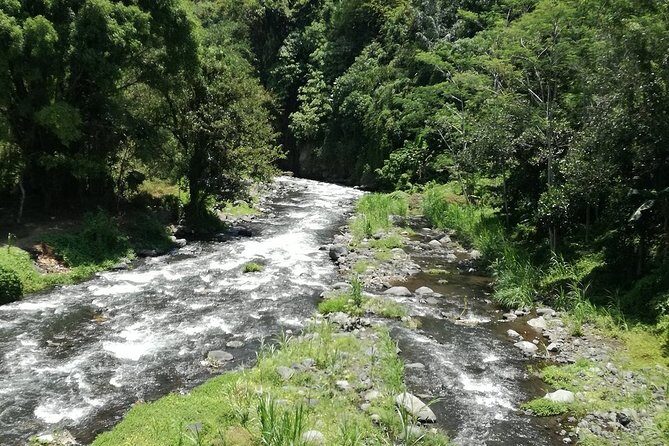
Alcoholic drinks aren’t included, so if you want beer or something stronger, plan on paying separately.

Also, the lunch timing helps the pacing. You don’t end the ride in a fog of fatigue and then have to keep sightseeing. You finish, eat, and decompress.

Guide style matters: humor, safety, and real explanations

Half-Day Ubud Rice Field and Village Cycling Tour - Guide style matters: humor, safety, and real explanations
This tour has a repeat theme in feedback: the ride quality comes down to the guide. Names you’ll see often include Bagus, Sujaya, Eddie, and Arak.

What stands out in the best days:

  • Clear safety checks before you start (gear fit and working equipment)
  • A guide who keeps the group together on narrow sections
  • Explanations that connect what you see to how Balinese people live

Some guides are also described as funny, which is not fluff. Humor is a real tool on a bike day. It reduces the “I’m scared of falling” vibe and replaces it with “I can handle this.” That matters when you’re cycling through farm lanes and rice-field edges.

Price and value: is about $41 a smart deal

Half-Day Ubud Rice Field and Village Cycling Tour - Price and value: is about $41 a smart deal
At around $41.03 per person, this isn’t an ultra-budget activity, but it’s also not overpriced for what you get.

Here’s where the value comes from:

  • Pickup and drop-off with an air-conditioned minivan
  • Bicycle and safety gear included (helmet and gloves)
  • A local cycling guide who explains what you’re seeing
  • Lunch included afterward
  • Bottled water for the ride

That package would cost more if you pieced it together yourself. Even if you already have some gear, you still need transport, a guide, and the ride planning to stitch together rice terraces, villages, and cultural stops in a smooth half day.

Also consider the time savings. If you’d otherwise hire a driver for a half-day countryside loop, you’re probably looking at more than $41 once you add stops and transportation costs.

Who this tour is best for (and who should rethink it)

Half-Day Ubud Rice Field and Village Cycling Tour - Who this tour is best for (and who should rethink it)
This fits best if you want:

  • A calmer Bali day than a bus tour
  • Countryside scenes with context, not just photos
  • A guided ride where safety and comfort are part of the setup

You’ll likely enjoy it most if you can handle moderate activity for 6 to 7 hours. The cycling isn’t described as extreme, but you do need to be comfortable spending several hours moving and stopping.

Reconsider if:

  • You feel uneasy balancing on narrow farm paths
  • You expect an easy, flat ride the whole time
  • You don’t like riding in changing light and terrain (some sections can be uneven)

Should you book this Half-Day Ubud Rice Field and Village Cycling Tour?

If you want a Bali experience that feels like you’re moving through real life, this is a strong choice. I’d book it if you like rice terraces, village lanes, and cultural explanations—and you’d rather cycle than stare out the window of a hot van.

Before you hit reserve, check your comfort level with moderate cycling and narrow sections. If you’re a careful rider, it should feel rewarding rather than stressful. And if you’re traveling with a small group, the “up to 15 people” cap usually keeps the day from turning chaotic.

In short: this is a practical, guided countryside day with included gear and lunch. For many visitors, that’s exactly the sweet spot.

FAQ

How long is the Half-Day Ubud Rice Field and Village Cycling Tour?

The tour runs about 6 to 7 hours.

What’s included in the price?

It includes hotel pickup and drop-off, an air-conditioned minivan transfer, a local cycling guide, bicycle plus safety equipment like a helmet and gloves, bottled water, and lunch.

Do I need to bring a bicycle helmet or gloves?

No. Safety tools such as a helmet and gloves are provided.

Is pickup included from my hotel?

Yes, hotel pickup and drop-off are included.

Is lunch included, and are drinks included?

Lunch is included. Alcoholic drinks are not included.

What kind of fitness level do I need?

You should have a moderate physical fitness level.

What is the cancellation window for a full refund?

You can cancel up to 24 hours in advance for a full refund.