
Gates of Heaven is a photo mission. And it’s worth it.
This private full-day tour from Kuta focuses on Bali’s big-name sights without the self-driving stress, with a driver who handles the tricky timing and traffic. I like that you can land on classic temples and scenery (often Lempuyang/Gates of Heaven, plus rice terraces and waterfalls), and you also get real cultural stops in Ubud like the Monkey Forest, art market, and a woodcarving gallery. If you’re doing this for a set-and-straight schedule, plan for a long day and some route shifting based on crowds, weather, and where you start.
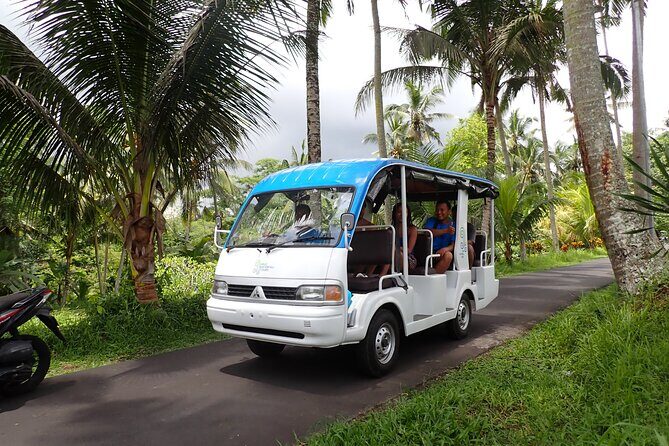
What I really like is the door-to-door private transport in an air-conditioned vehicle, plus practical add-ons like bottled water and parking fees handled for you. The second thing I appreciate is the way the itinerary mixes “wow views” with “learn something” stops—like purification at Tirta Empul Temple, and the crafts you can actually see at Gallery Ada Garuda. You’ll also get time-friendly photo stops (not just quick drive-bys), as long as you follow the timing advice.
The main drawback: the best-known shot spots take patience. Gates of Heaven can involve long waits, and if your timing is late, you may miss part of the plan or feel rushed.
Key things to know before you go
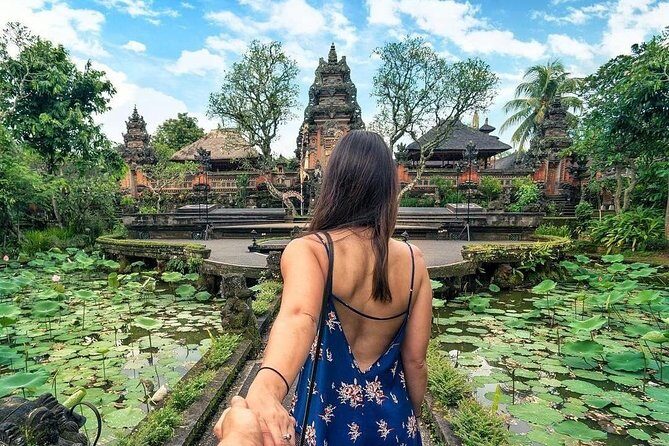
- Private driver + hotel pickup: You’re not coordinating buses or rental stress.
- Big photo stop planning: Gates of Heaven is popular, so early starts matter.
- Waterfalls + cave waterfall: Tukad Cepung is inside a cave, not an easy walk-by.
- Rice terrace time: Tegalalang is famous for a reason, but it’s still a “go early” scene.
- Ubud culture stops: Monkey Forest, art market, and a woodcarving gallery.
- Itinerary varies: Your exact sequence depends on your booked route and conditions like rain and traffic.
The value: what $44.50 buys on a private Bali day
At about $44.50 per person for an 8 to 10 hour private day, the value comes from what’s included versus what you’d pay trying to DIY. You’re getting hotel pickup and drop-off, private transportation in an air-conditioned vehicle, bottled water, parking fees, and fuel surcharge. Entrance tickets are also listed as included, which matters a lot on a day packed with temples and major viewpoints.
One thing to keep your expectations realistic: “private” here means your group is the only group in the car, but it’s still a shared-world day out. Popular spots like Lempuyang and rice terraces have lines, and waterfalls have crowds too. Your driver’s job is to reduce friction—queue timing, route choices, and photo opportunities.
Picking the right route: Ubud-focused or East Bali + swing
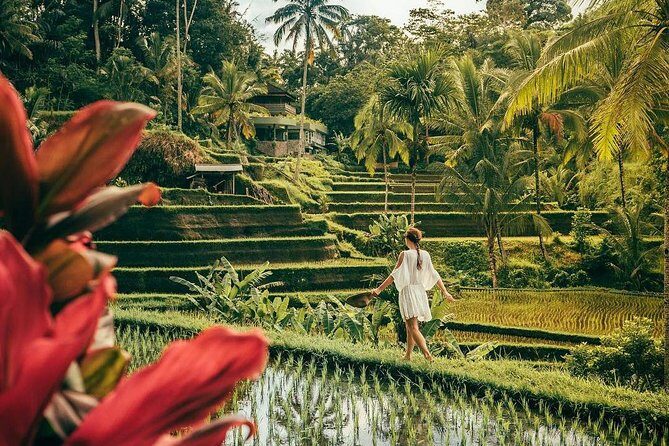
This tour’s heart is a “highlights of Bali” day, but the exact mix depends on the version you booked. One common flow centers on Ubud scenery and culture (rice terraces, a waterfall, art gallery, art market, and the Ubud Palace area). Another version swaps in a more focused East Bali start that includes Lempuyang/Gates of Heaven, plus options like a jungle swing add-on.
The itinerary notes you may see extra stops depending on where you’re staying—places can shift for Kuta, Legian, Seminyak, Canggu, Jimbaran, Nusa Dua, and other south Bali areas. In plain terms: you might call it the same tour, but your road plan can still look different based on timing and distance.
A smart move before you set expectations: ask your driver (early in the day) what they’re prioritizing and what’s most realistic given queues. Some guides tailor the day in response to what you care about—one standout theme in the feedback is how certain drivers adjusted on the fly.
Lempuyang Temple and Gates of Heaven: the early-start strategy that saves the day
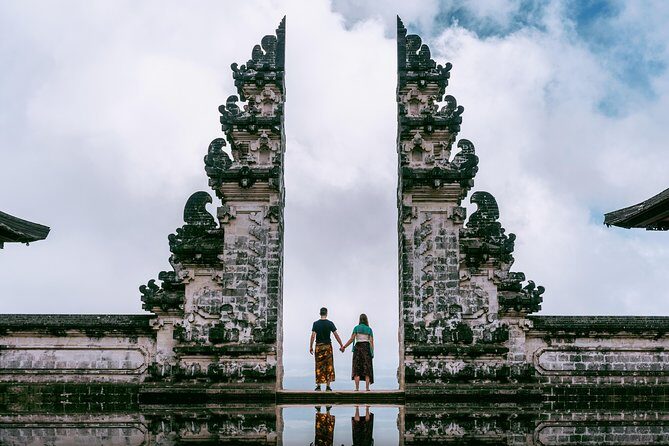
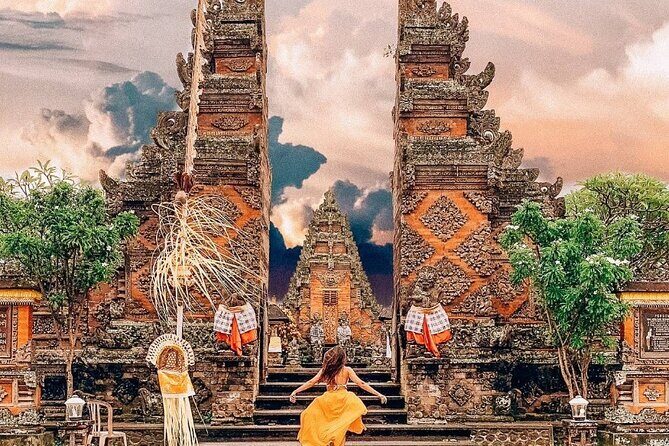
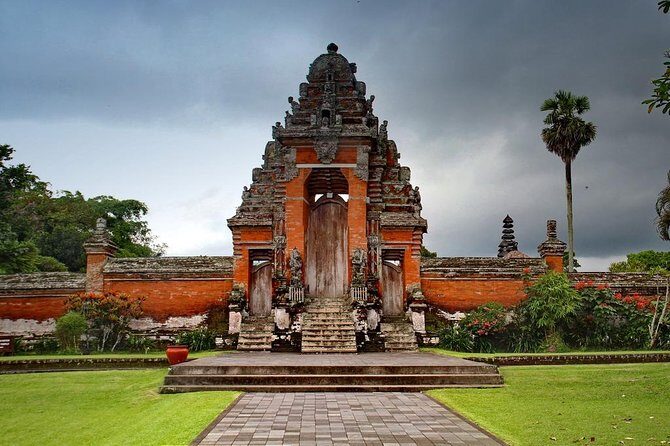
If you only remember one logistical point, make it this: leave early for Gates of Heaven. The reason is simple—this is one of Bali’s most photographed temple experiences, and your “photo time” depends on how quickly you arrive and how long your turn takes.
In feedback, I saw an example of what “early” means in practice: leaving around 5:00 am from Nusa Dua took roughly 2.5 hours to reach Lempuyang, and then there was another long stretch waiting for the chance to get pictures. That timing is a reminder that the gate is not a quick stop. It’s a queue + patience + backdrop situation.
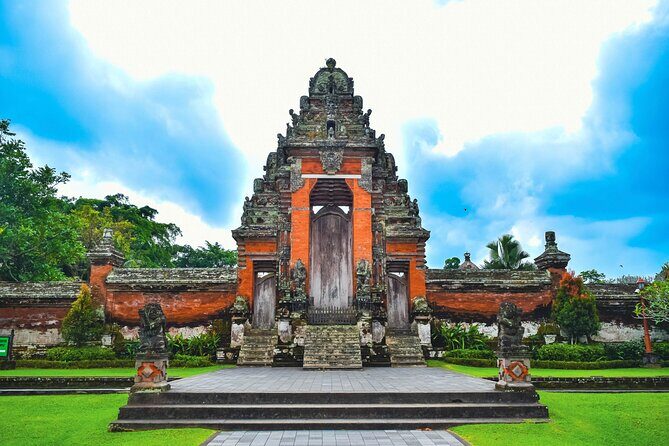
What makes Lempuyang special is the view and setting. The temple is on a mountain slope and the scenery includes a strong view toward Mount Agung, often with dramatic clouds. When you’re finally in the right place, the famous gate photo makes sense—this is why you see it everywhere.
Practical tip: wear shoes you can handle on uneven paths, and keep your phone/camera gear ready. You’ll likely spend more time waiting than you expect, so pack something small for comfort (water you can sip, a light layer, and something to keep sun off).
Tirta Gangga Water Palace: the calm stop between the chaos
After the big temple effort, it’s a relief to hit a place that feels more relaxed. Tirta Gangga is a Hindu site with water features and a water-palace layout built in 1948. It’s reverence and architecture, not just a pretty pond.
The best use of this stop is “slow mode.” Take photos, look around, and give yourself a moment to cool off. You’ll appreciate the pacing more if the morning was spent in traffic and lines.
Also, since this is a proper temple-water setting, you’ll want to behave like it’s a sacred place: keep your voice down and follow local guidance.
Cave waterfall time: Tukad Cepung’s one-of-a-kind framing
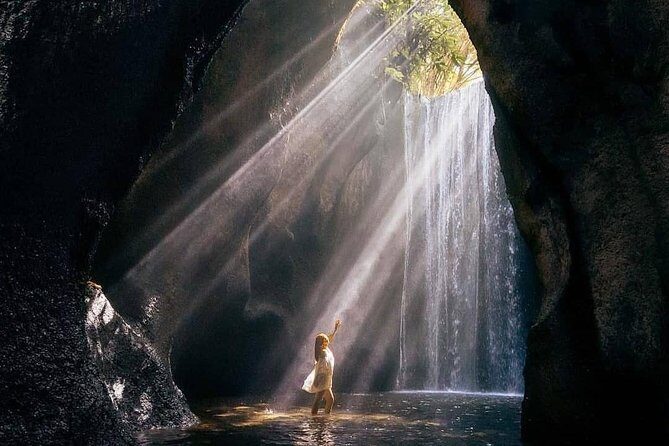
Then comes one of Bali’s most memorable waterfall formats: Tukad Cepung Waterfall, where the falls are inside a cave. The effect is different from the classic open-air waterfall look—circular cliffs and the way light falls can make it feel cinematic.
This is one of the stops where time matters. If you arrive when the crowds are thick, you’ll be standing around longer and fighting for the best viewing angles. The good news: this is the kind of location where even waiting feels justified, because the scenery changes with position and light.
Wear grippy shoes and be ready for slippery surfaces. If you’re someone who hates wet rock, treat it as a “watch and photograph” stop rather than a “climb and wade” stop.
Rice terraces in Tegalalang: stroll, don’t rush the paddies
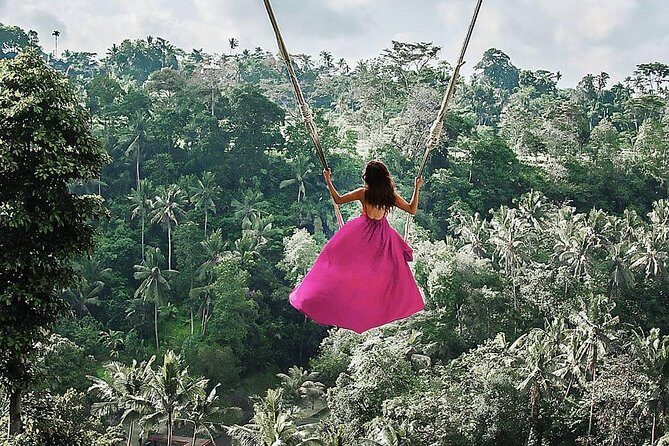
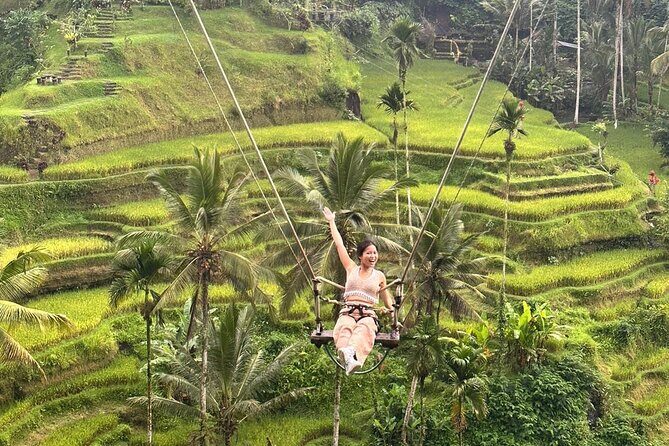
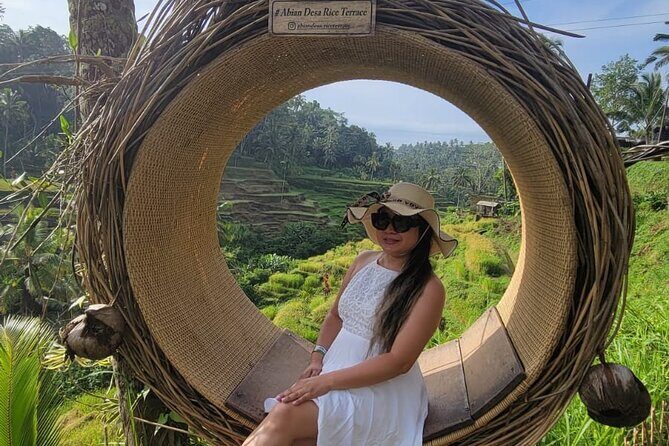
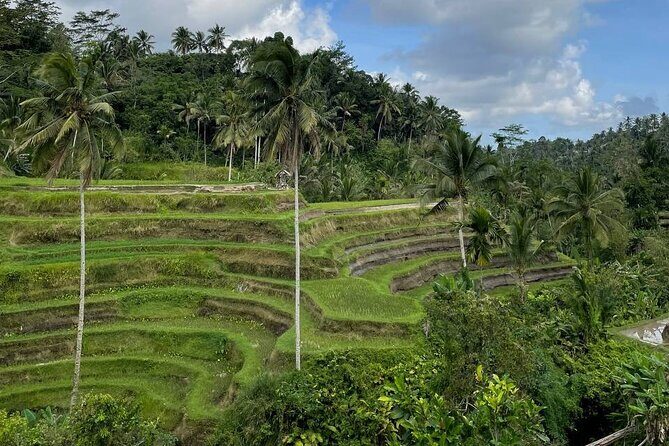
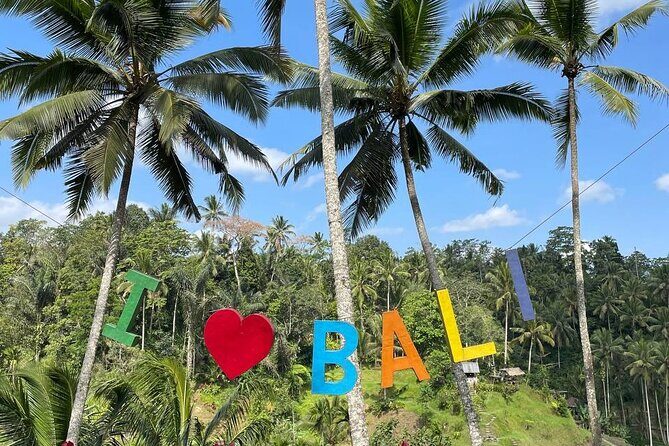
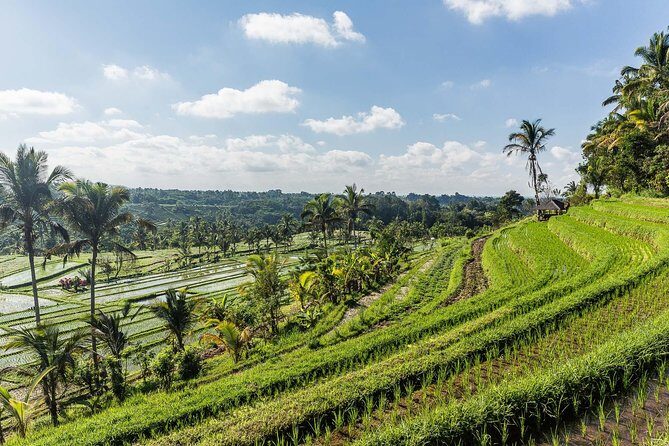
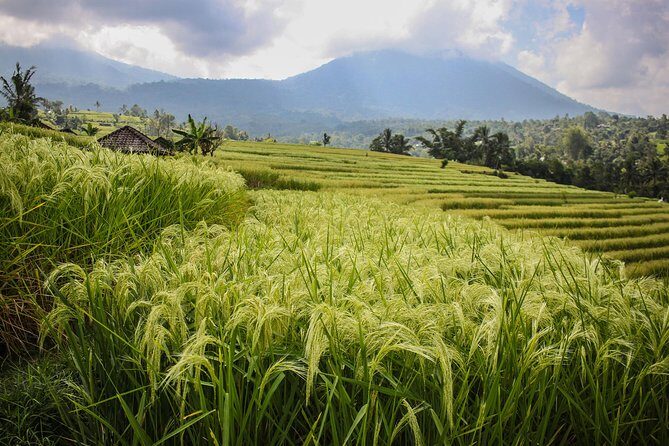
Tegalalang Rice Terrace is famous for green paddies and that layered “Bali postcard” look. This is where you can actually walk and appreciate how farmers work the landscape—so it’s more than a viewpoint.
The value here is that your driver can help you time the walk so you’re not stuck in the worst crowd crush. The best photos usually come when you’re there early enough to enjoy the terraces without rushing.
If you’re doing the swing option, you’ll likely see why people love the setting: the terraced landscape gives your pictures depth. Just note that the swing piece may be tied to the route you booked and how your day is timed.
Tegenungan Waterfall: choose your level of adventure
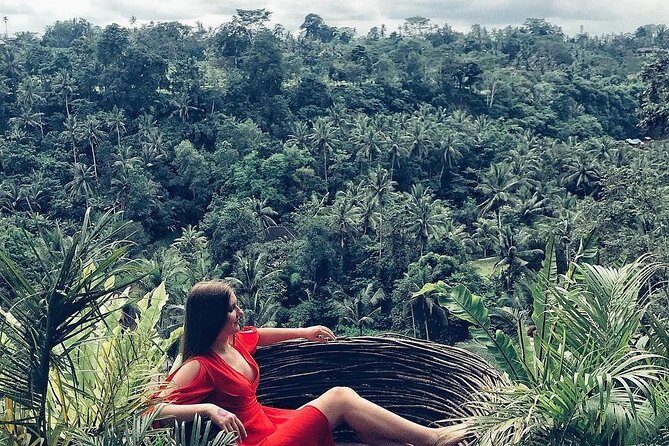
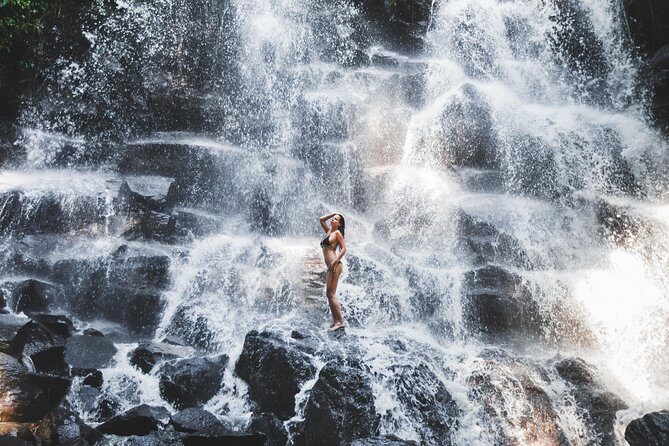
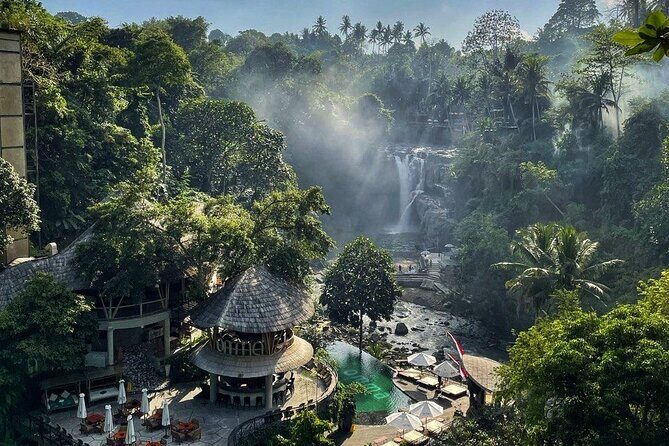
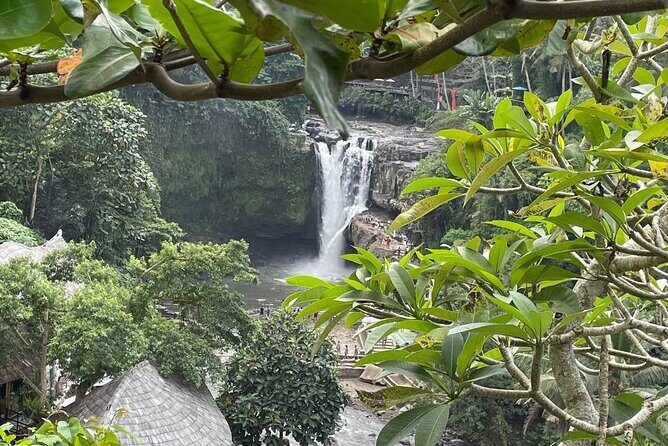
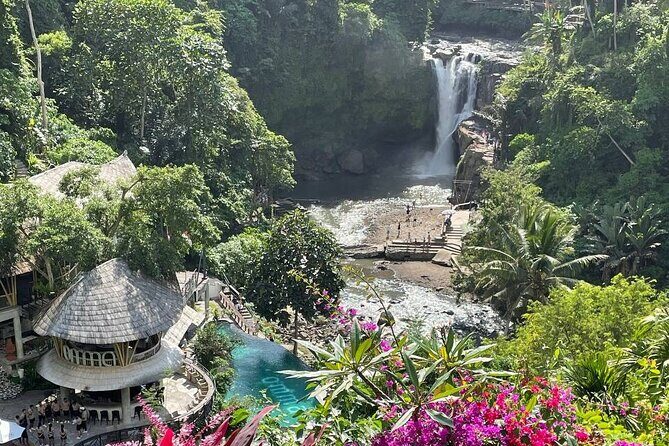
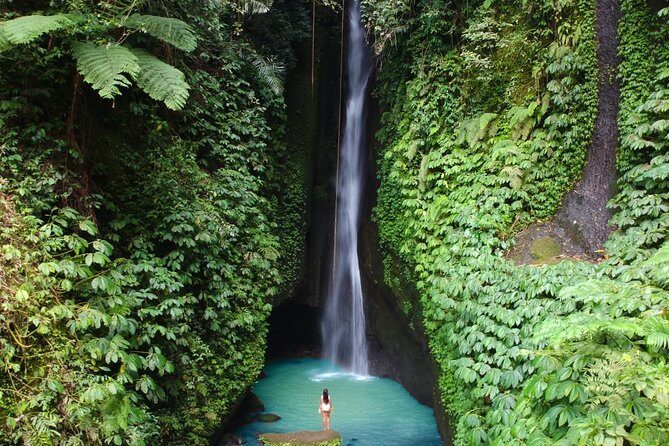
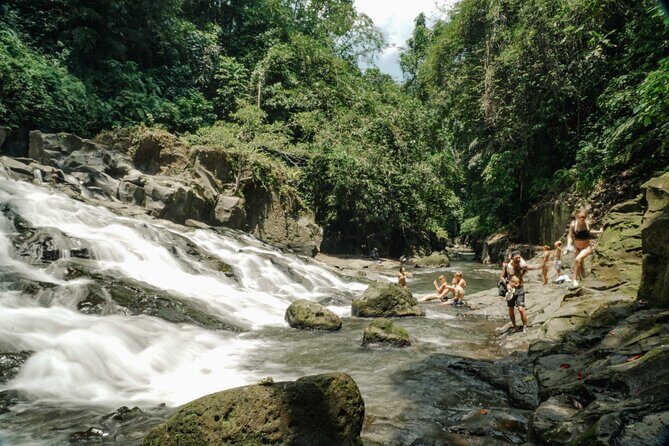
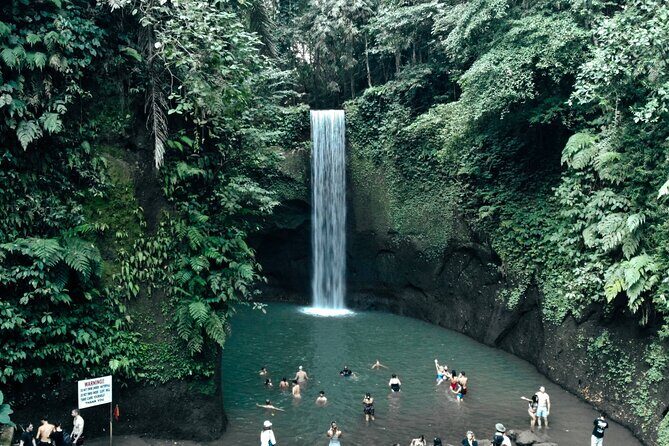
Tegenungan Waterfall is surrounded by lush jungle and tropical greenery, and it’s set up so you can enjoy the view from a platform. Depending on your comfort, you might also be able to get closer to the water—there’s the option to head down toward the area near the falls.
The tradeoff: more access usually means more wet, slippery moments and more crowd friction. If you’re traveling with older parents or want an easier day, treat it as mostly a viewing and photo stop.
Either way, this break from temples is what keeps the day from feeling like a checklist.
Tirta Empul Temple: purification, spring water, and a quieter kind of awe
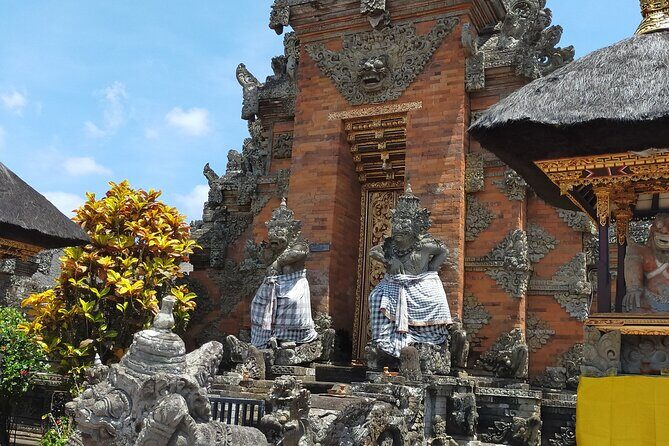
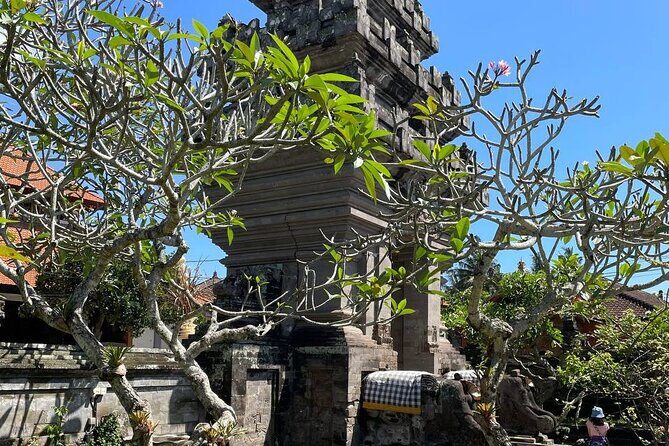
Tirta Empul Temple is a very different vibe from the photo-heavy spots. The compound includes a bathing structure (petirtaan) and holy spring water used for ritual purification. In other words, this is a working spiritual site, not just a viewpoint.
You don’t need to understand every ritual detail to respect the space. What matters is that you keep it calm and follow flow and guidance. In my view, this is one of the best “learn by watching” stops on the route because it puts Bali’s daily religious life in front of you.
It also helps balance the day. After gates and big scenic stops, Tirta Empul slows everything down in a good way.
Sacred Monkey Forest Sanctuary: up close with temples and wildlife
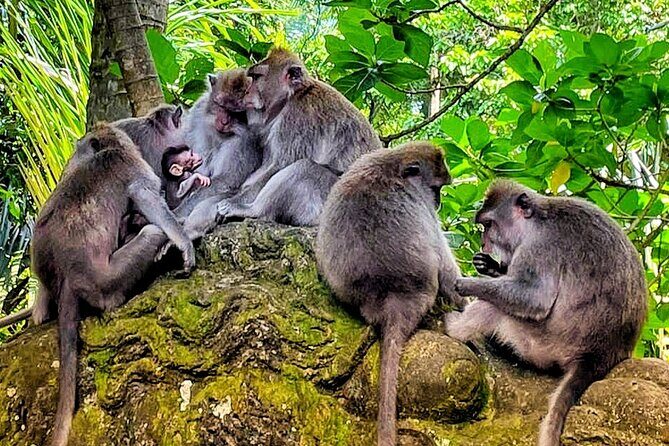
Sacred Monkey Forest Sanctuary is a tropical rain-forest setting with tall trees and a group of monkeys that you’ll see up close. There are three temples within the forest, which helps justify spending time here rather than treating it as a quick photo stop.
This is also where you should be extra mindful. The monkeys are part of the attraction, but they’re still wild animals with opinions. Keep personal items secure and don’t tease or provoke. A private driver helps because you can move at a pace that feels safe and comfortable for your group.
Art and crafts in Ubud: Gallery Ada Garuda and the traditional art market
Ubud isn’t just scenery—it’s also where you see Bali’s art economy at work. Two stops make that clear:
- Gallery Ada Garuda, focused on woodcarving. You’ll see sculptures ranging from huge pieces down to smaller sizes, which makes it easier to understand how artisans work across scales.
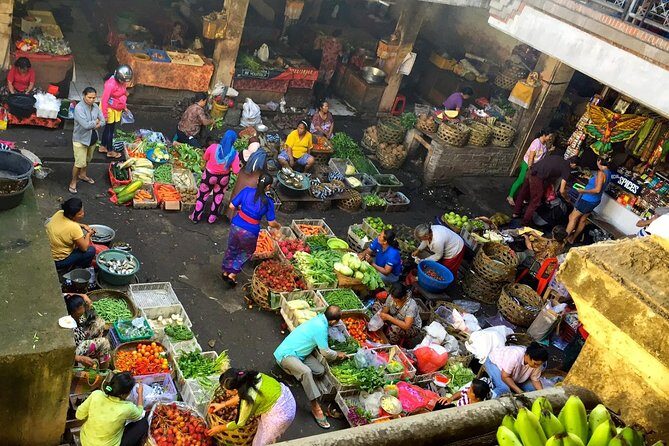
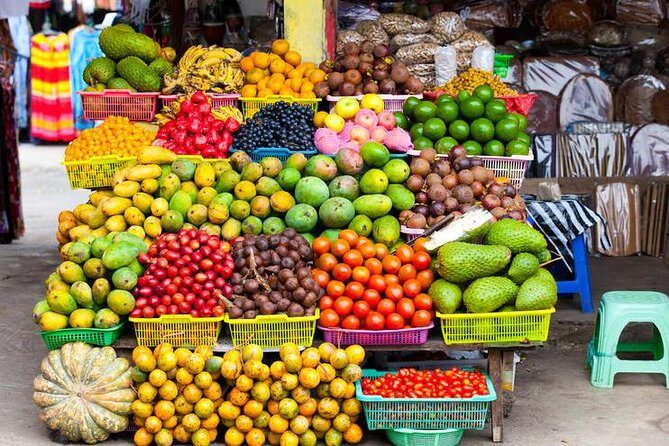
- Ubud Traditional Art Market, right across from Ubud Palace. Here you can browse and potentially buy paintings, silk scarves, lightweight shirts, handmade bags, wood carvings, and other crafts.
This is the part of the day that many people enjoy most because you can spend time with your eyes, not only your legs. If you’re shopping, it helps to compare small items first so you get a sense of value before you decide on something larger.
Ubud Palace area and the Ubud culture rhythm
Even when your day is packed with “must see” sights, Ubud slows the rhythm down. The cultural stops—temples, markets, and the art scene—give you a more complete sense of where the famous photos come from.
A practical note: Ubud can be busy. A private driver’s job is partly to help you avoid wasted time between stops. You’ll feel it most when you’re not stuck in a traffic jam thinking you’re losing the day.
The optional add-ons: Handara Gate, Ulun Danu Beratan, Jatiluwih, Tanah Lot
Depending on your route and your accommodation area, you might also include other signature Bali stops mentioned as options, such as:
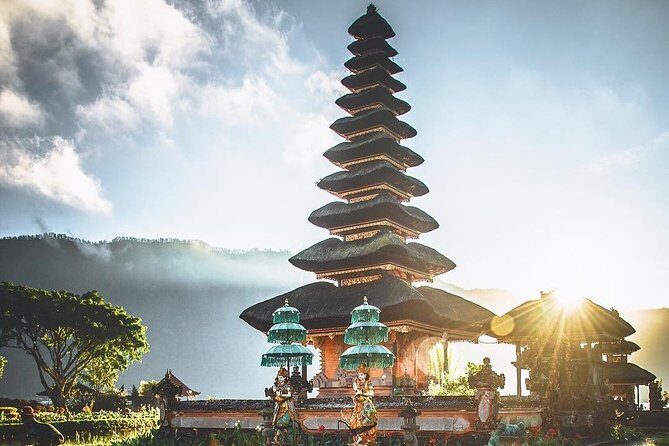
- Ulun Danu Beratan Temple by Lake Beratan (higher elevation, dramatic setting).
- Handara Gate, famous for the giant traditional gate framing the green scenery.
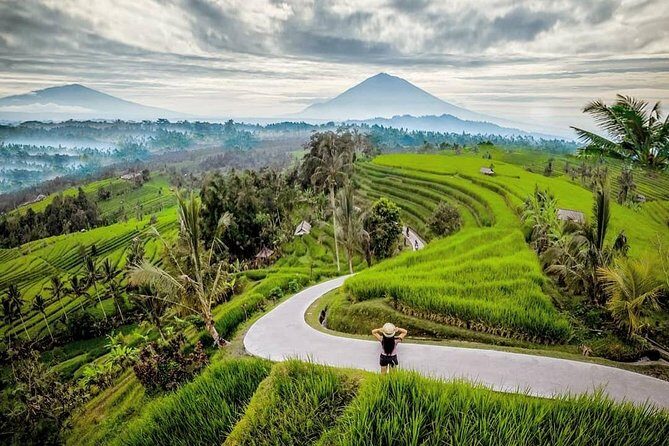
- Jatiluwih village with terraced paddies against the backdrop of mountains like Batukaru and Agung, noted as part of UNESCO cultural heritage.
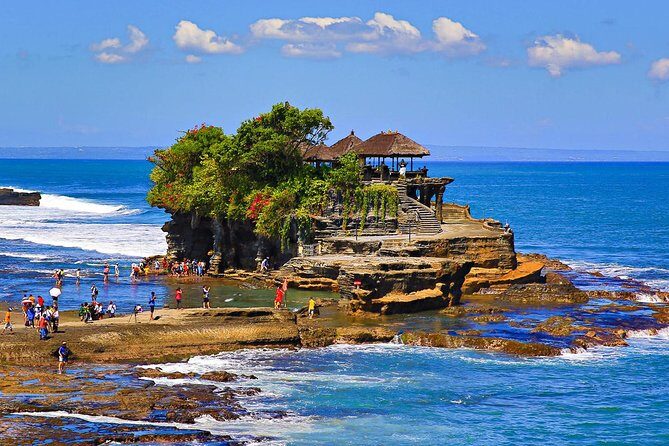
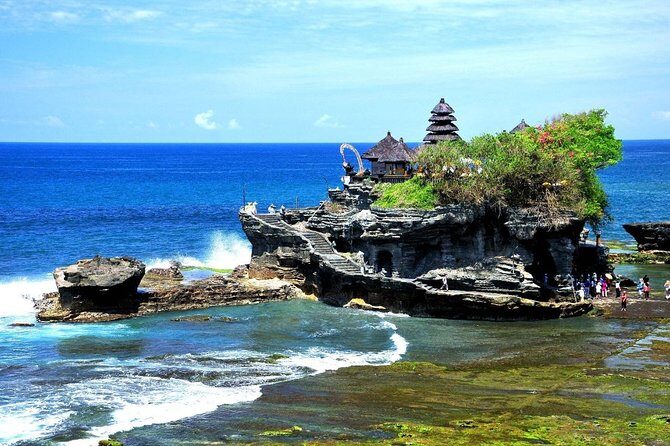
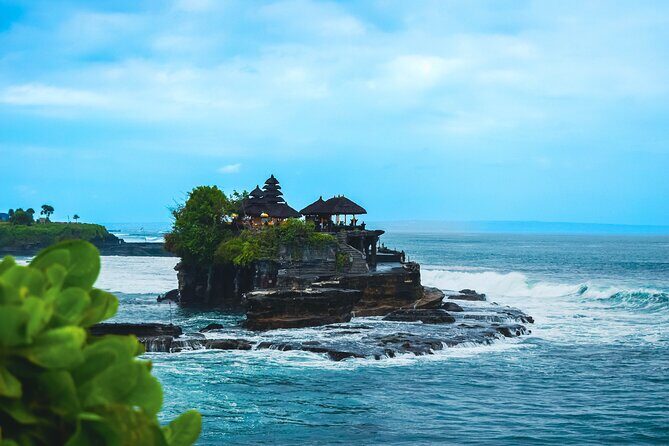
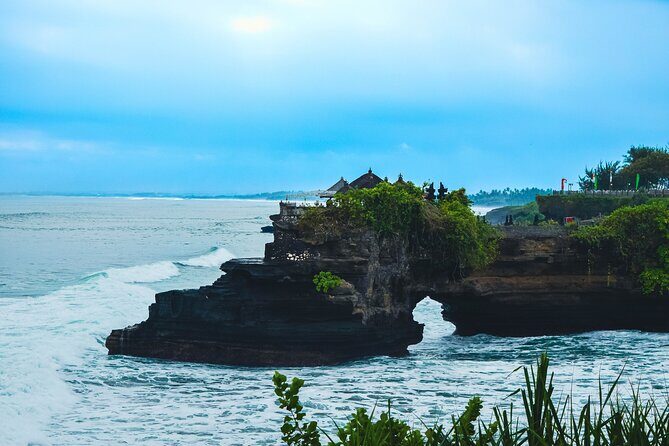
- Tanah Lot Temple, meaning Land in the Sea, on an offshore rock shaped by tides.
These add-ons can be worth it if you have the energy for scenic variety. But remember: each extra stop adds time pressure. If your day is already heavy on queues, the best strategy is to choose the add-on that best matches what you came for—water views versus temple views versus mountain views.
Timing, pacing, and what to pack for an 8–10 hour day
This tour is long enough that your comfort affects your photos. You’ll likely spend hours in a car moving through Bali’s traffic, then hours walking at stops. The private driver helps with the logistics, but it won’t magically remove crowds.
From the feedback patterns, the top “success factor” is leaving early. People who started around 5:00 am did best with shorter wait times and a smoother photo experience. If you start later, you’re more likely to feel the day compress—less time at each stop, more pressure at the big iconic locations.
What to bring:
- Sunscreen and a light layer (mornings can still feel cool; midday can feel hot)
- Grippy shoes
- Your phone/camera gear ready before you reach a queue
- A small amount of cash as a backup
- A mask if required on your travel date (the tour data specifies masks/PPE expectations)
About cash: even with entrance tickets listed as included, I’d follow the practical advice to carry some money and ask the driver what (if anything) might be needed at specific moments.
What the guides get praised for: more than just driving
A big reason this tour earns strong ratings is the human factor. Names that show up in the feedback include guides like Wayan, Kadek, Komang, Awan, Putu, and Ketut. The common praise themes are safety, helpful English, and photo assistance—plus flexibility when weather or timing changes.
One tip you should take seriously: if you’re waiting for the Gates of Heaven shot, some guides will suggest ways to pass time and plan your turns. That sounds small, but when you’re standing around for photos, it helps your mood.
Also, if you want a swing stop, don’t assume it’s automatic unless it’s clearly part of your booked plan. Some guests noted confusion about exactly where the swing fit, so confirm timing and location with your driver early.
The tradeoffs: where people feel disappointed
This tour can be excellent, but it’s not magic. Here are the realistic sticking points I’d watch for:
- Waiting at Gates of Heaven can be long. If your goal is just quick photos, you’ll need the right timing.
- Route flexibility is real. If traffic or conditions make some stops hard, the day may adjust and you might not hit everything exactly as expected.
- Weather changes happen. Rain can shift what’s enjoyable or possible; umbrellas are noted as provided.
- Information quality varies by guide. One feedback item mentioned a guide who wasn’t well and didn’t give much background. Most feedback is positive, but it’s a reminder that your experience can depend on the specific guide assigned.
If you’re planning around one big priority (Gates of Heaven, a specific waterfall, or a swing), treat everything else as “bonus unless confirmed.”
Should you book this private Bali full-day tour?
Book it if you want a stress-free private day with door-to-door pickup, a serious mix of temples + waterfalls + rice terraces + Ubud culture, and you’d rather spend your energy taking photos than plotting routes.
Skip it (or downshift expectations) if you want a strict timed itinerary with no waiting, because the headline sights require patience and some schedule realism. Also, if your trip is short and you only care about one area, you may get more satisfaction with a tighter route.
If you do book: start early, ask your driver what’s realistic for your exact day, and confirm whether your swing and optional stops are part of what you’re getting. That’s how you turn a long day into a best-of-Bali day.
FAQ
How long is the private tour?
The tour is listed as 8 to 10 hours.
Do I get hotel pickup and drop-off?
Yes. Hotel pick-up and drop-off is included, and the tour notes private transfers from hotels and villas in Ubud and most of south Bali.
Are entrance tickets included?
Yes. The tour includes entrance tickets, and the stops listed show admission tickets as free in the itinerary notes.
Is this a private tour?
Yes. It’s described as private, meaning only your group participates.
What are the main places I’ll visit?
The itinerary includes stops such as Lempuyang Temple (Gates of Heaven), Tirta Gangga, Tukad Cepung Waterfall, Tegalalang Rice Terrace, Tegenungan Waterfall, Tirta Empul Temple, Gallery Ada Garuda, Sacred Monkey Forest, and the Ubud Traditional Art Market. Other scenic additions may depend on your booked route and conditions.
Do I need to pay anything during the day?
Entrance tickets are included, but tips are optional. The feedback also suggests carrying some cash as a backup and asking the driver what you might need to cover.
Are there any health or mask requirements?
The tour data states personal protective equipment (masks) are required, and the guide will wear masks as well, with social distancing observed.















.jpg)
.jpg)
.jpg)
.jpg)
.jpg)
.jpg)
.jpg)
.jpg)