Balinese Ubud cooking school (9 Dish Cooking and Market Tour)

Balinese Ubud cooking school (9 Dish Cooking and Market Tour) - Meeting at Ubud Palace and the real flow of the 5-hour experience

A great day starts with food. This Ubud cooking class takes you from a guided market stop to cooking nine Balinese classics, then eating everything you make. It is a smart way to learn flavor, not just recipes.

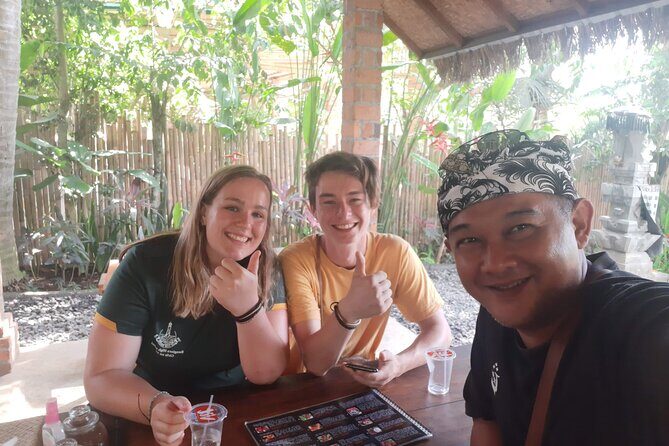
Two things I like a lot: you’re not stuck making one or two dishes. You cook a full set, and you leave with a take-home recipe copy. Also, the team is friendly and the vibe is relaxed, and you might cook with instructors known for step-by-step teaching like Chef Yogi.

One consideration: pickup is best if you are already in Ubud. If you’re farther out, you may need to pay extra transport, and it can mean more driving than you expect.

Key highlights you’ll feel right away

Balinese Ubud cooking school (9 Dish Cooking and Market Tour) - Key highlights you’ll feel right away

  • Cook 9 dishes, not a quick demo: soup, mains, sambal, spices paste, and dessert
  • Guided morning market tour: taste fruit and sweets, learn how ingredients are sold
  • Rice paddies visit: see how rice is grown before you eat with white rice on the side
  • Up to 14 people max: small enough for questions while cooking at your own station
  • Regular or vegetarian menu options: the same structure, swapped ingredients

Why an Ubud market-to-kitchen class beats a basic cooking tour

Balinese Ubud cooking school (9 Dish Cooking and Market Tour) - Why an Ubud market-to-kitchen class beats a basic cooking tour
If you’ve done a cooking class before, you might know the pattern: watch a demo, cook one dish, take a photo, go home hungry for the rest of the meal. This one is different because it’s built around Balinese cooking as a full system.

You start by learning how ingredients are chosen and used. That market time matters because Balinese dishes rely on fresh produce, spice blends, and specific textures. Then the kitchen time helps you connect the dots by making nine dishes yourself—so when you try cooking later, you understand what each element is doing.

The other win is pace. With a group that stays under 14 travelers, you’re not just standing around. You get hands-on help, and the staff and guide keep things moving without turning it into a factory line.

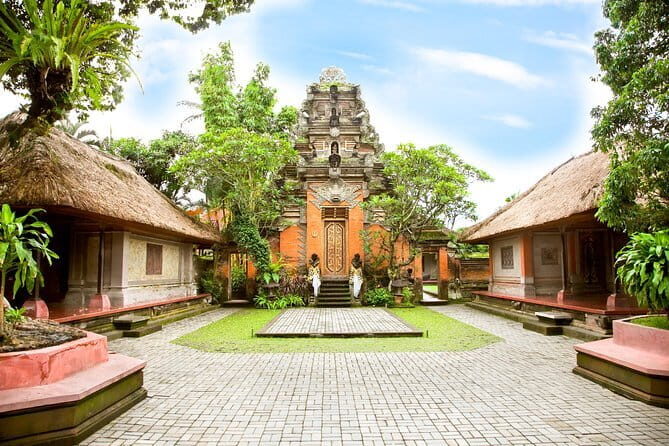
Meeting at Ubud Palace and the real flow of the 5-hour experience

Balinese Ubud cooking school (9 Dish Cooking and Market Tour) - Meeting at Ubud Palace and the real flow of the 5-hour experience
Most people meet near Ubud Palace and the activity ends back there. From there, the day is built to feel like a mini food outing, not a long bus ride and a short kitchen session.

Plan for about 5 hours total. Within that time, you’ll do:

  • pickup or group meet-up in the Ubud area (depending on your booking)
  • a market visit (morning option)
  • a rice paddies stop
  • time at a local cooking school where you prepare and cook nine recipes
  • tasting along the way, then eating your finished lunch or dinner buffet

Also, you will want to bring a camera. The stops are visual, and the market is colorful in a way that reads like a real day-to-day place, not a staged attraction.

Morning Market Tour: fruit, spices, and how Balinese shopping works

Balinese Ubud cooking school (9 Dish Cooking and Market Tour) - Morning Market Tour: fruit, spices, and how Balinese shopping works
Choose the morning slot and you get the market experience as part of the program, not just a quick photo stop. You’ll go with a local guide who shows you what people buy and why certain items matter in Balinese cooking.

Here’s what that adds to your class:

  • You learn what ingredients look like when they’re fresh.
  • You pick up names and uses for common items you’ll see again in the kitchen.
  • You get the chance to sample foods so your brain starts mapping flavors before you cook.

It also helps you understand that Balinese cuisine isn’t only about heat. It’s about layering. You’ll see how one ingredient can play multiple roles—base, aroma, acidity, crunch, or sweetness.

If you are the type who likes to know where your food comes from, the market visit is the foundation. If you just want to eat, it’s still worth it because it sets you up to recognize the flavors you’ll be cooking later.

Rice paddies and the local house stop: why it changes how you cook

Balinese Ubud cooking school (9 Dish Cooking and Market Tour) - Rice paddies and the local house stop: why it changes how you cook
After the market, you’ll head to a rice paddies visit and a local Balinese house as part of the experience. This is not random sightseeing. It’s there to give you the context behind the meal.

Rice is the everyday partner for so many dishes in Bali, and seeing the fields helps you understand why rice shows up again and again—especially with the classic sides like white rice included with the main courses you cook.

The Balinese house stop also matters because it nudges you to view food through culture and daily life: offerings, cooking rhythms, and household roles. Even if you don’t consider yourself a culture traveler, it makes the recipes feel grounded instead of imported.

One practical note: the paddies and house visits are outdoors and can be hot. Bring water, and plan to go at a comfortable pace when the group slows down for photos.

The cooking stations: nine recipes, step-by-step help, and real hands-on work

Balinese Ubud cooking school (9 Dish Cooking and Market Tour) - The cooking stations: nine recipes, step-by-step help, and real hands-on work
This is the heart of the tour. You’ll cook with a Balinese chef step by step, working through at least 9 Balinese recipes. You’ll have equipment and ingredients provided, including things you might not find easily at home.

A key detail: the teaching style is practical. The goal is that you can recreate the dishes later, not just survive the class meal. You also get copy recipes to take away, which is the difference between having a good day and having a reason to cook again.

The Regular menu dishes (what you cook)

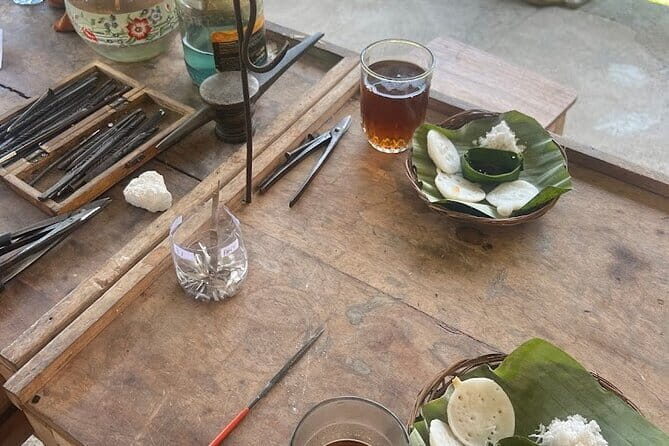
You’ll prepare this set, with the main courses served with white rice:

  • Sayur Bali (Balinese vegetable soup)
  • Ayam santan bumbu Bali (fried chicken with coconut milk)
  • Tempe manis (sweet fried tempe)
  • Sate lilit Bali (chicken satay)
  • Pepes Ayam (grilled/steamed chicken in banana leaf)
  • Lawar Bali (mix vegetable with Balinese spices)
  • Sambal Matah (raw spices with coconut oil)
  • Base Gede (basic spices paste)
  • Klepon cake (sweet sticky flour dessert)

Vegetarian menu swaps (same structure)

If you choose vegetarian, you’ll still follow the same recipe arc, with plant-based versions:

  • Sayur Bali (Balinese vegetable soup)
  • Tofu bumbu Bali (fried tofu with basic sauce)
  • Tempe manis (sweet fried tempe)
  • Sate tempeh (Balinese soybean cake skewers) with peanut sauce
  • Pepes Tofu (grilled or steamed tofu in banana leaf)
  • Lawar Bali (vegetable mix with Balinese spices)
  • Sambal Matah
  • Base Gede
  • Klepon cake

Plus main courses served with white rice.

If you love cooking, you’ll appreciate that the set covers multiple techniques: frying, pounding or combining spice bases, handling sambal, working with banana leaf, and making dessert. This is why the class feels like more than one lesson.

Lunch or dinner buffet: tasting as you go, then eating the finished plates

Balinese Ubud cooking school (9 Dish Cooking and Market Tour) - Lunch or dinner buffet: tasting as you go, then eating the finished plates
You’ll do food tasting during the process, then you eat a buffet lunch or dinner made from what you cooked.

That matters because you’re not guessing if the recipe worked. You get immediate feedback. You can also see how the different dishes relate on the plate—soup with fried items, sambal as the punch, spiced bases tying everything together, and rice as the neutral partner.

There’s also often food left over, and you can usually take it with you (pack-up is commonly requested by guests). That’s a nice bonus when you’re full but still want tomorrow’s snack.

One tip: go a little hungry. The market samples and the kitchen tasting can add up fast. If you show up with a big breakfast, you may end up fighting your way through the buffet.

What makes the staff style feel different

Balinese Ubud cooking school (9 Dish Cooking and Market Tour) - What makes the staff style feel different
The team approach is part of the value here. People consistently talk about a friendly, welcoming atmosphere and an instructor who keeps things clear and fun. You may meet instructors and guides such as Wayan, Tata, Yogi, Putu, or Gus—not every name will apply to every day, but they reflect the kind of team culture the school is known for.

Practically, that means:

  • you can ask questions without feeling rushed
  • you get explanations in plain English
  • the workstations feel organized enough to keep you cooking

Even better, this is designed for couples and families as well as solo travelers. You’ll be at your own station, so it’s not a lecture with props.

Price and logistics: is $58 a fair value for what you get?

Balinese Ubud cooking school (9 Dish Cooking and Market Tour) - Price and logistics: is $58 a fair value for what you get?
At about $58, you’re paying for a lot of real time: market visit, paddies stop, cooking practice for nine dishes, tasting, and the meal itself. You’re also getting recipe copies and kitchen equipment.

If you price it like this, the value looks solid:

  • You pay for a guided food experience with multiple stops
  • You get multiple cooking lessons in one day
  • You eat what you cook, with a buffet included
  • You leave with recipes, not just memories

Where it can cost you extra is transportation. Pickup is included only for the Ubud area. If you’re staying outside Ubud, additional charges can apply, and the team asks that you bring cash for extra transport. If you’re planning a longer day trip from farther away, factor that into your budget and time.

Tips for booking and doing better than average in class

A few small choices can make your experience smoother.

  • Pick your menu option early: choose regular or vegetarian when booking so the kitchen can prep your set.
  • Bring a camera and expect photos at multiple stages: market, flower offerings in the broader local rhythm, and rice paddies viewpoints.
  • Use the market stop to learn names: don’t just taste. Ask how ingredients are used in the dishes you’ll cook later.
  • If you want a calmer experience, arrive rested: the class is active, and you’ll be cooking continuously through multiple recipes.
  • Wear normal, comfortable clothes suited for a hot day and kitchen work. You’ll be told you need a normal uniform; it’s usually practical, not fancy.

Should you book the Balinese Ubud 9-Dish Cooking and Market Tour?

Book it if you want a real Balinese cooking day where you do the cooking, not just watch it. The combination of market + rice paddies + nine dishes is a strong fit for food lovers who like to understand ingredients before the stove.

Skip it or choose a different option if you are very sensitive to long transfers or if you’re staying far outside Ubud and don’t want extra transport costs. Also, if you expect to start completely from scratch with zero prep for ingredients, this style may feel more guided than you want—most classes like this prioritize getting you to the finished meal safely and on schedule.

If you can be flexible about timing and you come ready to cook, this one is easy to recommend.

FAQ

How long is the Ubud cooking class with 9 dishes and market tour?

It runs about 5 hours (approximately).

Where does the tour start and end?

It starts at Ubud Palace and ends back at the meeting point.

Is pickup offered?

Pickup and drop-off are included only for the Ubud area. If you stay outside Ubud, additional charges may apply.

What is the price?

The price is $58.

How many dishes will I cook?

You will prepare at least 9 Balinese recipes.

Does this experience include a market visit?

Yes. The morning option includes a local market visit with a guide.

Do I have a choice of menu?

Yes. You can choose regular or vegetarian.

What kinds of dishes are on the menu?

The regular menu includes items like Sayur Bali, Ayam santan bumbu Bali, Sate lilit Bali, Lawar Bali, Sambal Matah, and Klepon cake. The vegetarian menu swaps in tofu and tempeh versions while keeping the same overall structure.

What’s included in the price?

Included: pick up/drop off in Ubud, mineral water, kitchen equipment, recipe copy, food tasting, lunch or dinner buffet, local guide/host, market visit (morning), and rice paddies visit.

What should I bring?

Bring your booking reservation (shown on arrival), a camera, and cash for any extra transport costs if you stay outside Ubud.

Blue Lagoon Snorkeling – Lunch – Kantolampo – Tibumana Waterfall

Blue Lagoon Snorkeling - Lunch - Kantolampo - Tibumana Waterfall - Tibumana Waterfall: A 20-Metre Drop and a Clear Pool Pause

A reef-meets-waterfalls day in Bali.

This is a private Blue Lagoon snorkeling outing plus two waterfall stops, timed for a full day of sea life, rice-and-water scenery, and photo moments. I like that it includes round-trip hotel pickup and handles the equipment and safety briefing, so beginners can focus on floating, not logistics. I also like how the plan strings together calmer ocean time with quick, scenic breaks on land.

What I like even more is the built-in pacing. You get 2 hours snorkeling with a professional snorkeling instructor and all snorkeling gear, then you switch gears to Kanto Lampo and Tibumana with tickets included and lunch in the middle. One potential drawback: sea and crowd factors can affect how long you spend in the water and how relaxed waterfall photos feel, especially when wind picks up.

Key things that make this tour work

  • 2 hours snorkeling at Blue Lagoon Beach with safety procedures and all equipment provided
  • Professional snorkeling instructor plus a driver who keeps the day running smoothly
  • Kanto Lampo: a waterfall that’s heavy on scenery and easy-to-enjoy stops
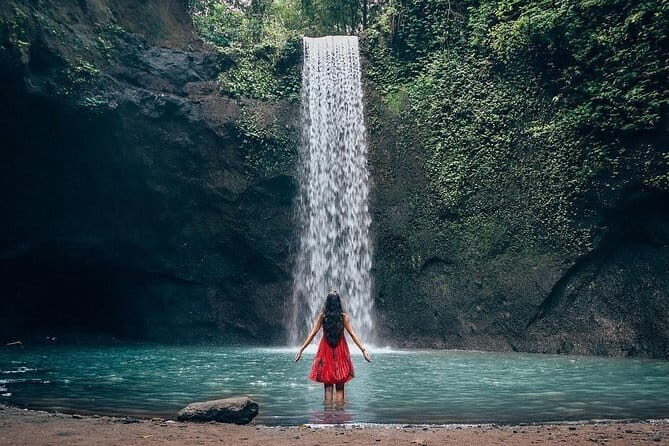
  • Tibumana: 20-metre waterfall with a clear, shallow pool area
  • Lunch, mineral water, and A/C transport so you’re not guessing mid-day
  • Private group setup so your schedule stays calmer and more flexible than big tours

A Full-Day Flow From Ubud (Without the Headache)

Blue Lagoon Snorkeling - Lunch - Kantolampo - Tibumana Waterfall - A Full-Day Flow From Ubud (Without the Headache)
This tour is built for a simple rhythm: get picked up, do the water activity first, then split time between two different waterfall vibes. The total duration is about 10 hours, which is long enough to feel like a real day out, but not so long that you’re exhausted before dinner.

Pickup is one of the big wins. You’ll get hotel pickup and dropoff from a long list of Bali areas, including Ubud, plus places around Sanur, Seminyak, Canggu, Benoa, Nusa Dua, Denpasar, Kuta, and more, depending on your hotel location. It’s also a big plus if you hate waiting around with a map and a scooter battery.

You’ll ride in an air-conditioned car with mineral water, and you’ll use a mobile ticket for your day. That means fewer paper hassles and less time spent trying to find the right office. It also matters in Bali traffic, where a delay can snowball quickly if the start is messy.

Blue Lagoon Beach Snorkeling: Calm Water Setups and Real Wildlife Odds

Blue Lagoon Snorkeling - Lunch - Kantolampo - Tibumana Waterfall - Blue Lagoon Beach Snorkeling: Calm Water Setups and Real Wildlife Odds
Blue Lagoon Beach is the sea stop that kicks everything off, near Padangbai. Before you get in, you’ll meet your snorkeling guide, get all snorkeling equipment, and go over safety procedures. That’s where this tour earns its “beginner-friendly” label: you’re not thrown in without guidance.

Most of the value here is what you get during the swim window. You’re scheduled for about two hours in the water, and you’re not doing it alone. The tour includes a professional snorkeling instructor, and that’s the difference between “we floated around” and actually seeing the reef.

From the wildlife perspective, the odds are genuinely fun. The experience description highlights fish like angelfish and moray eels, and the feedback you’ll see tends to include sightings such as turtles, sea snakes, and sting rays. Not every day guarantees bigger animals, but your chances are better when the guide is actively looking and leading you to good coral areas.

One neat technique that came up in feedback: guides may use bread crumbs to attract fish so you can watch them gather closer to your snorkel zone. If you love that “wait, something moved closer” feeling, this is the kind of detail that makes the water time feel more alive.

When the ocean changes the plan

Here’s the honest consideration: snorkeling conditions can shift. One set of feedback mentions wind picking up and making the water choppier, which can cut into snorkeling time. If you’re not a confident swimmer, I’d plan for the fact that Blue Lagoon can be calm, but it isn’t always calm.

Practical tip from what people reported: go early when you can, because wind tends to build later in the day. Also, bring sunscreen and plan to reapply if you’re in the sun before and after your swim window, since sunburn is real here.

Kanto Lampo Waterfall: Instagram Scenery With a Fun Adventure Feel

After the water time, you head to Kanto (Katolampo) Lampo Waterfall. This stop is described as a “secret waterfall” that mixes adventure with strong photo potential. In plain terms, it’s the type of waterfall that makes you glad you brought a phone with a decent camera, because the viewpoint angles tend to look dramatic fast.

This is also where the tour keeps your energy from crashing. The stop is about one hour, which gives you time for photos and a relaxed look without turning the day into a long hike slog. Waterfall time in Bali often comes with stairs and uneven footing, so aim for steady shoes and a calm pace, especially if it rained earlier.

Crowds can happen here. One piece of feedback called out that Kanto Lampo can feel too crowded on certain days. If that sounds like your personal nightmare, your best defense is to keep expectations realistic and take your best shots early in the visit window.

Tibumana Waterfall: A 20-Metre Drop and a Clear Pool Pause

Blue Lagoon Snorkeling - Lunch - Kantolampo - Tibumana Waterfall - Tibumana Waterfall: A 20-Metre Drop and a Clear Pool Pause
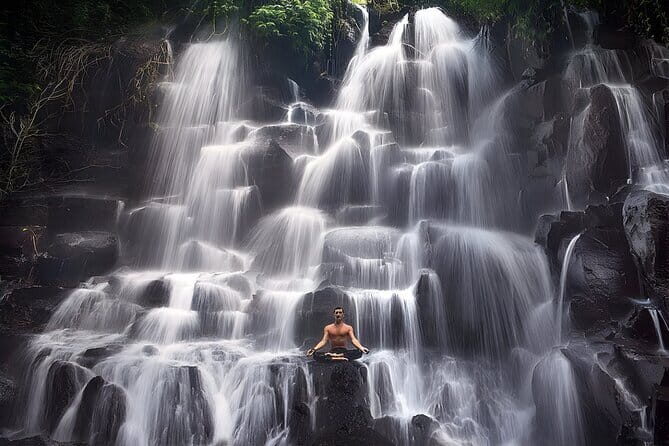
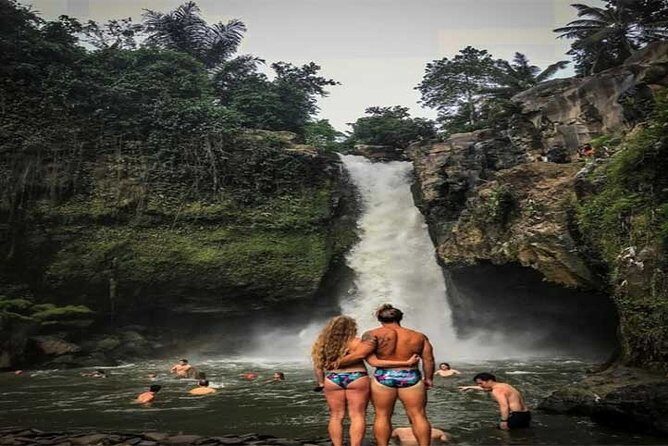
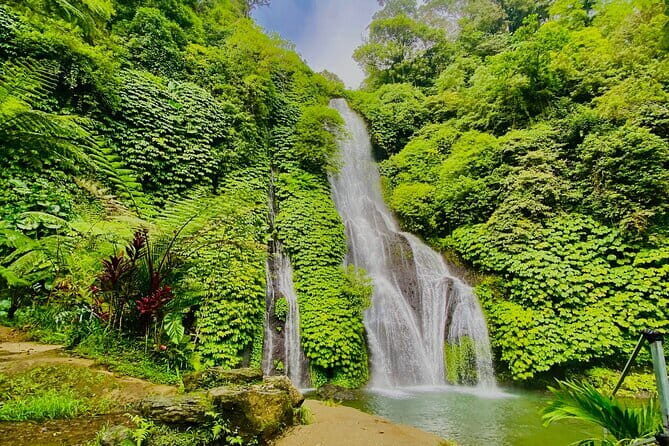
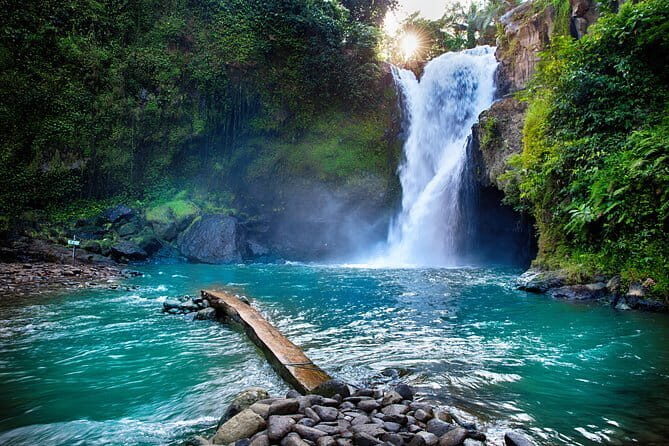
Next up is Tibumana Waterfall, another crowd-friendly highlight with a different mood than Kanto Lampo. It’s listed at around 20 metres, and the setting includes a shallow clear pool area where you can appreciate the waterfall and the water around it.

There’s also a cultural layer to this stop. Locals believe the entrance is a kind of secret gateway connected with the path to Raja Besakih Temple, one of Bali’s Hindu gods. You don’t need to be a mythology expert to enjoy that context. It just adds meaning beyond the photo.

The practical value of this stop is that it’s a chance to cool down after snorkeling without packing up wet gear and rushing again. Expect about one hour here, which fits the day’s rhythm: swim, waterfall photos, waterfall views, then lunch and the ride home.

The “secret gateway” mindset

I like that Tibumana feels less like a theme park stop and more like a sacred-feeling nature break, even though it’s still a tourist destination. It’s the kind of place where you can slow your pace, take a breath, and let your brain switch from fish spotting to waterfall watching.

Lunch and the Ride: Why the Driver Can Make or Break the Day

Blue Lagoon Snorkeling - Lunch - Kantolampo - Tibumana Waterfall - Lunch and the Ride: Why the Driver Can Make or Break the Day
Between sea and waterfalls, you’ll get lunch and a calmer break from the sun. Lunch is included, but the exact restaurant setup can vary. One report mentioned lunch at a spot where you can shower and change, which is a big quality-of-life upgrade if you hate going back to your hotel still smelling like sea water and sunscreen.

Your transport time also matters, because Bali road trips can eat your patience. What stood out in feedback is that the best days were often linked to the driver’s attitude. Names that came up with strong praise include Adi, Made, Esa, Maha, Putu, Pande, and Denia. The pattern isn’t “they were talkative,” it’s more practical: they were on time, they handled traffic, and they helped the day feel smooth.

Also remember the roles. The snorkeling instructor leads the water and safety side. The driver is there for driving and keeping your schedule on track. If you’re hoping for a full-time guide who narrates every building you pass, you might be disappointed depending on who you get. But if you want a friendly, English-speaking driver and a true pro in the water, this setup fits well.

A small but real advantage: several reviews mentioned drivers helping with photos and even taking extra care to get the shot right. That matters when you’re trying to capture turtles underwater or waterfall angles without waving your hands for strangers to photograph you.

Price and Value: What You’re Really Paying For

Blue Lagoon Snorkeling - Lunch - Kantolampo - Tibumana Waterfall - Price and Value: What You’re Really Paying For
At $39.60 per person, this is priced like a “do three major things” day, not like a la carte snacks. You’re paying for a bundle that includes:

  • Hotel pickup and dropoff
  • A/C car and mineral water
  • 2 hours snorkeling with all equipment
  • A professional snorkeling instructor
  • Lunch
  • Waterfall admission tickets
  • English-speaking driver

What makes that value click is the cost of replacing even one of those pieces on your own. If you try to piece this together (transport + instructor + equipment + tickets + a day plan), the price can climb fast. Here, the thinking is: pay once, show up, and let the team handle the timing.

One thing not included: towel. It sounds minor, but it’s one of those details that becomes annoying fast if you didn’t pack one. If you’re doing multiple water moments in a day, bring it.

Also, expect the day to be active. You’re snorkeling and then walking around waterfalls. If you’re traveling with kids, this tour is often praised as a family-friendly option, especially because the snorkeling setup is meant to work for beginners. Just be honest with yourself about water comfort.

Who Should Book This Snorkeling + Waterfalls Day

Blue Lagoon Snorkeling - Lunch - Kantolampo - Tibumana Waterfall - Who Should Book This Snorkeling + Waterfalls Day
This tour is a great fit if you want one organized day that covers:

  • Blue Lagoon snorkeling with gear and instruction
  • Kanto Lampo for dramatic waterfall photos
  • Tibumana for a classic scenic break with a clear pool area
  • Lunch and pickup so you don’t spend your Bali time “working” your itinerary

You’ll likely enjoy it most if you’re traveling with families or beginners who want a guided experience with calm-water planning in mind. It’s also a solid choice if you like variety: fish one part of the day, waterfall scenery the next.

Consider skipping or adjusting if…

If you strongly dislike crowds at viewpoints, know that waterfall stops can get busy. If you’re sensitive to sun, plan to manage it well—one review specifically noted sunburn and the need for sunscreen. If you’re not comfortable with choppy water, remember wind can change sea conditions.

Should You Book This Tour?

Blue Lagoon Snorkeling - Lunch - Kantolampo - Tibumana Waterfall - Should You Book This Tour?
I think this is worth booking if you want a straightforward day where snorkeling, lunch, and two waterfalls are handled in one smooth plan. The included snorkeling time with a professional instructor is the core value, and the waterfall stops give your day a strong “Bali variety” finish.

If your top priority is maximum time in the water no matter what the sea looks like, be aware that weather and wind can affect conditions. If your goal is a balanced, guided day with real chances at wildlife sightings and great photo stops, this hits the right notes.

FAQ

Blue Lagoon Snorkeling - Lunch - Kantolampo - Tibumana Waterfall - FAQ

FAQ

Where is the snorkeling location?

The snorkeling happens at Blue Lagoon Beach, near Padangbai.

How long do I snorkel?

You get about 2 hours of snorkeling.

Is hotel pickup included?

Yes. Pickup and dropoff are included from hotels around multiple Bali areas, including Ubud and nearby zones listed for pickup.

Is lunch included?

Yes. Lunch is included in the tour.

Do I need to buy waterfall tickets?

No. Tickets to visit the waterfalls are included.

What snorkeling gear is provided?

The tour includes all snorkeling equipment and a professional snorkeling instructor.

Is this tour private?

Yes. It’s listed as private, meaning only your group participates.

What should I bring?

A towel is not included. Sunscreen is also a good idea based on feedback about sunburn.

What’s the total time commitment?

The duration is listed as about 10 hours.

What if weather affects snorkeling?

In at least one case, the guide offered alternative options when snorkeling couldn’t be done due to weather, such as other sightseeing stops.

Can I cancel and get a full refund?

Yes, it’s free cancellation up to 24 hours in advance for a full refund.

Half Day Bali Tour

Half Day Bali Tour - Tegenungan Waterfall: photos first, stairs second

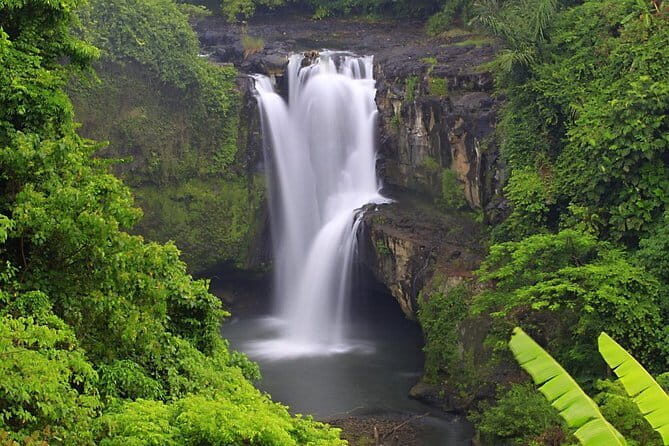
A half day can still feel full in Bali. This Ubud-focused tour strings together three classic sights in a tight 4 to 5 hour window, with hotel pickup, a local guide, and entry tickets handled. You get waterfalls, temple history, and big rice-terrace views without spending your whole day in a car.

I like how the pacing is built for practicality: early pickup helps you beat crowds and heat, and the stops are spaced so you can actually look around. I also love that the tour includes the basics that often get awkward to plan on your own, like admission tickets and bottled water. One thing to consider: traffic can be rough, so if roads slow down, you may get less time at each stop.

Key things to know before you go

Half Day Bali Tour - Key things to know before you go

  • Early 8:00 am pickup from your hotel helps reduce time lost to crowds and midday heat.
  • Three well-chosen stops: Tegenungan Waterfall, Goa Gajah (Elephant Cave), and Tegalalang Rice Terrace.
  • Tickets and bottled water are included, so you can focus on seeing, not collecting paperwork.
  • Private for your group, with a local guide and private transport.
  • Optional time for lunch on your own while you enjoy the rice-terrace views.
  • Weather matters for the experience, especially for the waterfall.

Seminyak to Ubud in half a day: why this route works

Half Day Bali Tour - Seminyak to Ubud in half a day: why this route works
This tour is priced at $40 per person for a reason: you are paying for a compact highlight circuit plus logistics that can waste your time. At $40, you are not just buying sightseeing. You are buying transportation, a guide, and the entry tickets that would add up if you stitched it together yourself.

The biggest “value move” here is the start time. Pickup is scheduled at 8:00 am, which matters in Bali. Ubud-area roads get jammed later, and the heat climbs fast. Starting early also increases your odds of seeing the waterfall and rice terrace without feeling like you are fighting a crowd.

You also get private transportation and a private setup for your group. That changes the feel. You are not waiting around for a bunch of strangers to find their flip-flops. You can ask questions, pause for photos, and keep moving at a pace that matches your energy.

Do plan for one possible snag: traffic can be horrendous, especially if you are starting from farther away. One guest noted they had to skip the waterfall when congestion ate up time. That is the trade-off for a half-day plan: you get a tight itinerary, but you are more exposed to delays.

Tegenungan Waterfall: photos first, stairs second

Half Day Bali Tour - Tegenungan Waterfall: photos first, stairs second
Tegenungan Waterfall is the kind of stop that looks great in every season, but it is not a simple “walk up and enjoy” moment. You will head over, spend time there, and you can decide how close you want to get.

What I like about this stop in a half-day tour is that it gives you a real Bali nature hit without dragging on for hours. You get the sound, the scenery, and the mist in a manageable time block. The admission ticket is included, and your guide can help you choose the best viewpoints based on how the day is going.

Here is the consideration: the waterfall area involves steps. One guest described it as a big stair climb down and back up, estimating about 320 steps round-trip. If you are traveling with limited mobility, plan to view from a distance rather than treating it like a hike.

Weather is another practical factor. The tour description says it requires good weather, and rain can change what you can do comfortably. Still, one guest reported rain at the waterfall did not ruin the view, it just made things different. Translation for you: bring a light rain layer and keep your plan flexible.

Goa Gajah (Elephant Cave): 9th-century temple energy

After the waterfall, you head to Goa Gajah, often called the Elephant Cave. This is where your half day gets more interesting than postcard scenery. It is an archaeological site and a Hindu temple complex, described as being predicted built in the 9th century.

This stop works well with the rest of the itinerary because it balances the day. Water is one vibe. A carved, historical temple space is another. Goa Gajah gives you texture: stonework, a sense of place, and a better understanding of how religion and daily life shaped Bali’s towns.

The time here is set at about one hour, and the goal is to see the key elements without rushing you into a checklist. You will also learn enough context to connect it with what you are seeing around you in Ubud, not just what the site looks like.

One more practical note: cave and temple areas often involve steps and uneven ground. Your guide can usually help you decide what level of exploration makes sense for your group.

Tegalalang Rice Terrace: the views are the point

Half Day Bali Tour - Tegalalang Rice Terrace: the views are the point
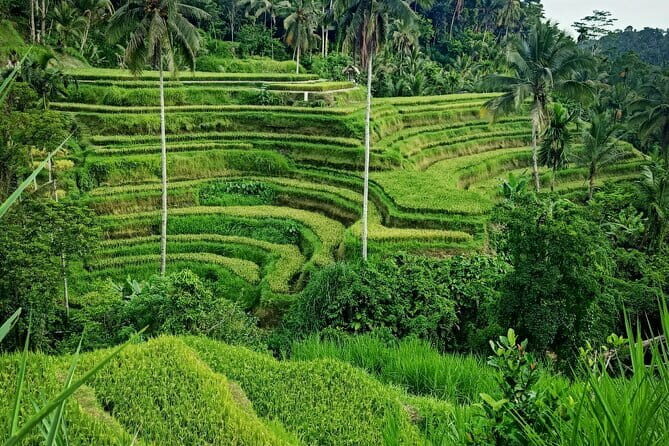
Then comes Tegalalang Rice Terrace, one of the most famous rice areas near Ubud. This is the stop most people remember, and for a good reason. The terraces are dramatic, the jungle edges make the scene feel layered, and it is the kind of place where you slow down without realizing it.

Your tour gives you about one hour here. You can use that time to walk viewpoints, take photos, and enjoy lunch if you want it, since lunch is on your own cost. I like this approach because rice-terrace lunch is a personal choice. Some people want a quick bite to keep exploring. Others want to linger. You get room to do what fits you.

In practical terms, this is also where timing matters most. One guest said they went early enough that morning locations were not overly crowded, and weather was gentle enough to feel comfortable. If you want the best chance for a calm photo moment, that early schedule is your friend.

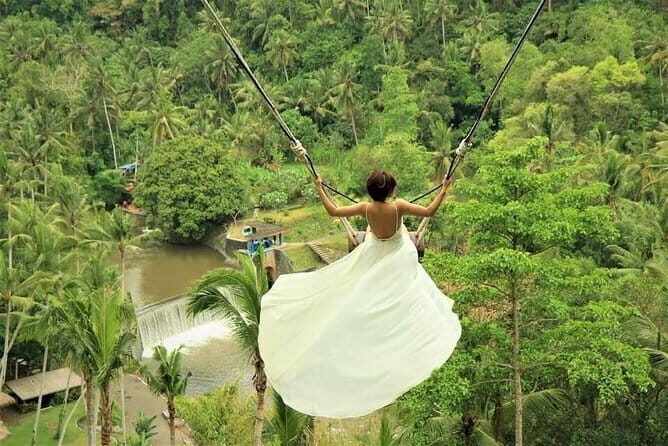
You might also run into extra add-ons around the terrace area. A couple of people mentioned options like a swing and even other activities like a zip line or bike option. The tour itself is about the terrace and the views, so treat those as optional and decide based on your comfort, time, and budget.

Your guide can make or break a half day

Half Day Bali Tour - Your guide can make or break a half day
In Bali, the guide quality matters even more when your itinerary is short. You need someone who can explain what you are seeing, keep you on track, and manage the chaos of roads, crowds, and weather.

From the names that show up again and again, I can tell you what to look for. Guides like Ketut Ajus and Wira are praised for being friendly, informative, and for going the extra mile to make the day feel personal. Several people also highlighted that the driver part of the job was handled well—smooth navigation, clean air-conditioned cars, and no frantic rushing.

Two helpful ways to use this information for your own trip:

  • If your guide likes to share cultural context, lean in. One guest credited their guide with explaining how Balinese life connects to what you see at temples and landscapes.
  • If you have a family member who moves slower, say so up front. One review specifically mentioned a guide managing an elderly traveler carefully and offering flexible options.

Also, photos. More than one guest mentioned their guide took good photos and helped with that awkward angle problem at temples and terraces. When you are only here for a few hours, having someone help with photos can be the difference between blurry memories and usable shots.

Value and what is actually included in the $40 price

Half Day Bali Tour - Value and what is actually included in the $40 price
Let’s talk value in plain numbers and in plain logic.

What you get included:

  • Entrance tickets for the stops
  • A local guide
  • Parking fees
  • Private transportation
  • A bottle of mineral water

What you do not get included:

  • Lunch
  • Personal expenses

At $40 per person for roughly half a day, this is the kind of tour that makes sense if you would otherwise pay for tickets plus scramble for transport and a guide. Tickets and transport in Bali can add up quickly, and even if you do it on your own, you will spend time figuring out where to go and how long it takes.

Another value angle: time. Half-day tours live and die by time management. You are paying someone to collapse travel friction. That is why early pickup and private transport matter so much.

Still, there is one “value trap” to watch: some optional stops that appear in similar half-day circuits (coffee samples, craft demos like batik, or small shopping stops) can take time and can feel more retail than educational. One guest felt a coffee stop was mostly a retail tasting area rather than an actual plantation, and another mentioned batik showroom time ran out. That does not mean you will get those stops here, but it does mean you should ask your guide what the plan is during the day and how much time each optional stop will take.

Timing, traffic, and how to protect your day

Half Day Bali Tour - Timing, traffic, and how to protect your day
If you book this tour, you are choosing speed and highlights over deep slow exploring. That can be a great trade if you go in with the right expectations.

Here’s how I would protect your experience:

  • Be ready at pickup time. The tour is set up around the 8:00 am start, and missing that window can create delays that affect all three stops.
  • Wear shoes you trust on stairs. Waterfall and cave areas both involve steps.
  • Have a flexible mindset about the itinerary. If traffic slows, your guide may adjust. A guest specifically reported having to skip the waterfall because roads cut into time.

One more thing: weather. The experience requires good weather, and if it gets canceled due to poor conditions, you should be offered another date or a full refund. Even if it is not canceled, light rain can change the feel at the waterfall and the terrace. Bring a small rain layer and plan to stay calm.

Who should book this half-day Ubud highlight tour

Half Day Bali Tour - Who should book this half-day Ubud highlight tour
This tour is a strong fit if you:

  • Want Ubud highlights but only have 4 to 5 hours
  • Prefer a private setup with a guide who can explain what you are seeing
  • Like a structured route: waterfall, cave temple, rice terrace, then back to your hotel
  • Are staying in or near Seminyak and want a practical way to get inland without planning everything

It is also a smart option for families and mixed-age groups, as long as you communicate mobility needs early. Several guides were praised for keeping things stress-free and not rushing.

If you are the type who wants to linger at one site for half the morning and another for the afternoon, you might feel slightly squeezed. The half-day format means there is no long winding walk or unplanned detours unless the schedule gives room.

FAQ

FAQ

How long is the Half Day Bali Tour?

It runs about 4 to 5 hours.

What stops do you visit on this tour?

You visit Tegenungan Waterfall, Goa Gajah (Elephant Cave), and Tegalalang Rice Terrace.

Is hotel pickup included?

Yes. The tour includes pickup from your hotel. The schedule shows pickup at 8:00 am.

Are the attraction entry tickets included?

Yes. Entrance tickets are included, along with local guide service and parking fees.

Is lunch included?

Lunch is not included. You can have lunch on your own around the rice terrace stop.

Is this tour private or shared?

This is private for your group. Only your group participates.

What if the weather is bad?

The experience requires good weather. If it is canceled because of poor weather, you will be offered a different date or a full refund.

Should you book this Ubud half-day tour?

If your goal is to see Tegenungan Waterfall, Goa Gajah, and Tegalalang Rice Terrace without losing a day to planning, this tour is a solid choice. The early pickup, included tickets, guide, and water make it feel efficient, and the variety is well matched for a short time in Bali.

I would book it if:

  • You want a clear itinerary and you like getting the main sights done.
  • You value a local guide who can explain temple and cultural context.
  • You are okay with stairs and quick stop times.

I would hesitate if:

  • Your schedule is fragile and you cannot handle delays from traffic.
  • Your group needs long breaks or very slow pacing, since the route is designed to fit three big stops into one half day.

Bottom line: for a first trip, or for a repeat Bali visit when you want the best hits quickly, this is a practical, good-value way to experience Ubud inland from Seminyak.

Bali Blue Lagoon Snorkeling – Lunch and Transport All Inclusive

Bali Blue Lagoon Snorkeling - Lunch and Transport All Inclusive - Blue Lagoon Beach and Tanjung Jepun snorkeling with a pro guide

Some days in Bali feel made for photos.

This one strings together Blue Lagoon snorkeling and a temple morning at Lempuyang in a way that feels efficient, not rushed. You also get a guide in the water and a land stop for coffee, all wrapped into door-to-door pickup and drop-off around Seminyak and much of south and central Bali.

What I like most is how practical it is: you get snorkeling equipment plus a professional snorkeling instructor, so you’re not figuring things out on the fly. I also like the pacing that mixes sea time with cultural time, and keeps it private for your group (I’ve seen guides like Esa, Agus, Made, Denia, Ketut, and Adi praised for staying attentive and handling the day smoothly).

The main thing to plan for is the day can involve a lot of riding, and at Lempuyang Temple you may need a separate shuttle up to the temple area with an extra fee (one review cited 45,000 IDR per person). If you’re short on time or easily carsick, tell your driver to keep your schedule realistic.

Key takeaways before you go

Bali Blue Lagoon Snorkeling - Lunch and Transport All Inclusive - Key takeaways before you go

  • Private, instructor-led snorkeling means better comfort and clearer guidance in the water
  • Two snorkeling spots (Blue Lagoon Beach and Tanjung Jepun) spread the fun across different reef areas
  • Morning Lempuyang Temple timing helps you get great views without needing to fight the day’s heat and crowds
  • Lunch is included after snorkeling, so you’re not hunting for food while everyone’s hungry
  • Coffee plantation stop adds a tasty, local-food angle to the day beyond just sightseeing
  • Weather matters: if visibility or sea conditions are poor, the experience may be moved or refunded

Why this Bali Blue Lagoon plus Lempuyang day trip works

This tour is built around a simple idea: do the best-looking temple part in the morning, then spend the middle of your day in the water. That flow matters because Bali’s heat and traffic can turn a “half day” into a long one fast. Here, you get structure.

You’re also not stuck doing sea time with no plan. The day includes a professional snorkeling instructor and all snorkeling equipment. That shifts the focus from equipment problems to actually enjoying coral, reef fish, and the chance of seeing bigger sea life. In multiple guide stories from this tour, the instructor and driver are praised for staying organized and making people feel safe, not just shepherded along.

I also like that it’s private. Even when there are other groups nearby at the temple or beach, your time on the schedule is yours. That usually means fewer waiting gaps and more flexibility if you’re tired, want slower photo time, or need a bathroom stop.

Seminyak pickup and transport: comfort is part of the value

Bali Blue Lagoon Snorkeling - Lunch and Transport All Inclusive - Seminyak pickup and transport: comfort is part of the value
Pickup and drop-off are offered for a lot of Bali locations, including areas around Seminyak, Denpasar, Ubud, Sanur, Kuta, Nusa Dua, and even spots like Canggu and Tegalalang. You’re also covered with hotel pickup/drop-off from places around Batu Bolong Beach and other listed areas, which is rare for cheaper tours.

The tour uses private air-conditioned transportation, with an English-speaking driver. For a 6-hour day, that’s a big deal. It means fewer “meet at X” situations, and you’re not dragging snorkeling gear through multiple transfers.

One practical point: expect a full day rhythm. If you’re sensitive to motion, eat lightly before pickup and bring a small plastic bag for sea-spray. Some guides have been proactive about helping with motion discomfort, but you’ll feel more in control if you arrive prepared.

Blue Lagoon Beach and Tanjung Jepun snorkeling with a pro guide

Bali Blue Lagoon Snorkeling - Lunch and Transport All Inclusive - Blue Lagoon Beach and Tanjung Jepun snorkeling with a pro guide
You’ll spend about one hour at Blue Lagoon Beach snorkeling, then about one hour at Tanjung Jepun. The tour isn’t just “go swim and hope.” It’s instructor-led, with the full set of equipment included.

This matters for a few reasons:

  • You’ll get a clearer sense of how to handle buoyancy and stay oriented in one spot.
  • You’re more likely to spot fish and coral because the guide can point out what to watch for.
  • Safety and pacing are usually better when someone’s managing the group from the start.

Clarity is also part of enjoyment. In multiple firsthand accounts, guides were described as friendly, attentive, and good at explaining what was happening. That’s the difference between snapping photos and actually understanding what you’re seeing.

A small tip that shows up in the pattern of advice: if you want your energy to go farther, consider doing the snorkeling first. One review specifically suggested doing the water part before the temple so you don’t arrive at the temple tired and rush your photos.

What to bring for better water time

You might not need much, but you’ll feel happier with:

  • A change of clothes for lunch afterward
  • Sunscreen and a hat (reef time doesn’t mean you’re immune from sun)
  • Water shoes if you have them (even when the tour provides gear, you control foot comfort)
  • A waterproof phone pouch or a way to keep your phone dry

Lempuyang Temple morning: the photos, the shuttle, and the schedule reality

Bali Blue Lagoon Snorkeling - Lunch and Transport All Inclusive - Lempuyang Temple morning: the photos, the shuttle, and the schedule reality
The day targets Lempuyang Temple early, timed for photos of the famous Gates of Heaven view. Morning timing is smart here. You get better light, and the day hasn’t fully warmed up the entire island yet.

The temple is worth it for the viewpoint and the setting. But there’s also logistics you should respect. One key consideration: access to the temple area may require a shuttle bus. In one account connected to this exact experience, the shuttle fee was 45,000 IDR per person and wasn’t listed as included. Plan for extra cash so you don’t get hit with a surprise right when you arrive.

Also, because the day mixes water and heights, you’ll want to pace your steps. If you feel winded, take breaks. Your driver and guide can typically help with timing and photos, but your body still has to do the walking.

A useful way to think about the temple stop: treat it as your morning “anchor.” It’s the cultural set piece that makes the day feel more than just snorkeling.

Coffee plantation stop: what you’re really paying for

Bali Blue Lagoon Snorkeling - Lunch and Transport All Inclusive - Coffee plantation stop: what you’re really paying for
After the snorkel and lunch, you’ll visit a coffee plantation to learn how Balinese coffee is made. This part is included, and it turns the day from beach-only into a more rounded Bali flavor.

In guide stories tied to this tour, coffee stops weren’t just a quick taste. You may get a larger tasting platter and a short walk-through of how plants and drinks connect. People also mentioned teas and coffees grown and prepared on site, plus guides who were happy to answer questions on the spot.

Even if you don’t become a coffee expert, this stop is valuable because it gives you context. You’ll understand what you’re drinking and why it’s part of local life. It’s also a calmer break after salt air and sun, which helps you enjoy the rest of the day.

One note on flexibility: some guide reviews describe small custom changes to the land portion (like swapping in another cultural site). That doesn’t mean every tour will be altered, but it suggests that a good guide will try to match your interests and energy level.

Lunch after snorkeling: included, and plan for comfort

Bali Blue Lagoon Snorkeling - Lunch and Transport All Inclusive - Lunch after snorkeling: included, and plan for comfort
Lunch is included, listed as an Indonesian a la carte lunch. The practical win is that you don’t have to guess where to eat while your hair and swim gear are still wet.

From accounts tied to this experience, the post-snorkel meal is typically served at a seaside spot with facilities that help you reset. People mention showers and changing areas, which is exactly what you want after snorkeling.

Also plan to eat like a grown-up: water, carbs, and something you can handle after time in the sun. You’ll feel much better walking around the temple afterward.

If you’re sensitive to spices, let your guide know. A la carte usually gives you options, but you still want your plate to match your stomach.

Guides and drivers: why this tour’s service rate matters

Bali Blue Lagoon Snorkeling - Lunch and Transport All Inclusive - Guides and drivers: why this tour’s service rate matters
This tour’s rating is strong for a reason: the human layer is consistent. Multiple guides tied to the experience are praised for being on time, friendly, and attentive. Names that come up include Esa, Agus, Made, Denia, Ketut, Jordy, Putu, and Adi.

What I think you should look for in a tour like this is not just friendliness. It’s the guide’s ability to manage:

  • how the group moves between stops
  • how people handle timing (especially with photos and tired legs)
  • how the snorkeling experience stays safe and fun
  • how to adjust when weather or sea visibility isn’t ideal

One repeat theme: guides took the effort to help with comfort issues like motion discomfort and gave helpful tips for when to do which part of the day. Another theme: guides handled photo moments without making you feel like you’re being rushed.

If you book, consider asking your driver or instructor early: What’s the best sequence for my comfort and photo goals? A good guide will answer fast.

Weather and sea conditions: the one factor you can’t out-plan

Bali Blue Lagoon Snorkeling - Lunch and Transport All Inclusive - Weather and sea conditions: the one factor you can’t out-plan
This experience needs good weather. If it’s canceled due to poor weather, you’ll be offered a different date or a full refund.

What this means for you: the sea can change. Visibility can be better on one day than the next. Even when snorkeling is guided, you’ll still get more pleasure from clear water and calm conditions.

So I’d treat this tour like a “best when conditions cooperate” experience, not a guaranteed aquarium show every time. When water is clear, people describe it as exceptional and full of colorful fish and reef life.

How good is the price at about $39?

At $39 per person, the value is mainly in what’s bundled. You’re getting:

  • hotel pickup and drop-off in many Bali areas
  • private air-conditioned transport
  • an English-speaking driver
  • snorkeling equipment
  • a professional snorkeling instructor
  • bottled water
  • an Indonesian a la carte lunch

That’s a lot to include for one fixed price. The other costs that could pop up are mostly personal spending, and possibly the temple shuttle fee noted earlier.

So here’s how I’d judge it: if you were booking snorkeling gear plus a guide plus transport separately, the combined cost would usually be higher. This is a “pay once, show up” kind of deal, which is exactly what you want for a day that already has two major destinations.

Who should book this tour (and who should reconsider)

This is a good match if you:

  • want a day that blends sea + culture without planning every detail
  • like the idea of private door-to-door service
  • are a snorkeling beginner or intermediate and appreciate instruction
  • want a full 6-hour experience that stays structured

You might reconsider if you:

  • hate long drive days and want mostly “one place only” time
  • get carsick easily (bring what you need)
  • don’t want to pay any extra fees at the temple (possible shuttle access fee)

If you’re traveling with a group inside your own party, the private format is especially appealing. It keeps the day from feeling like a shared conveyor belt.

Should you book Bali Blue Lagoon Snorkeling with lunch and transport?

I’d book it if you want a smooth, all-in-one Bali day that doesn’t force you to coordinate gear, transport, and instruction separately. The strongest reason is the combination: two snorkeling periods with a pro instructor, plus a Lempuyang Temple morning and a coffee plantation stop, all with pickup and lunch included.

If you’re price sensitive, this is the kind of tour where value comes from bundles that add up fast. If you’re schedule sensitive, just plan for a real full-day pace and keep cash for potential temple shuttle access.

One last practical move: message or tell your guide what you care about most—best photos, more water time, or a slower temple walk. This tour tends to run well when the guide understands your priorities early.

FAQ

How long is the Bali Blue Lagoon snorkeling and transport all-inclusive tour?

The experience runs about 6 hours (approximately).

Is hotel pickup included, and where does it work?

Yes. Pickup and drop-off are available for many Bali areas, including Denpasar, Ubud, Sanur, Kuta, Nusa Dua, Canggu, and Tegalalang (among other listed pickup zones). Pickup from hotels around Batu Bolong Beach and other specified locations is also included.

Do I get snorkeling equipment and an instructor?

Yes. The tour includes all snorkeling equipment and a professional snorkeling instructor.

Is lunch included?

Yes. Lunch is included as an Indonesian a la carte lunch.

Is this a private tour or a shared group activity?

This is a private tour. Only your group participates.

What happens if the weather is bad?

The experience requires good weather. If it’s canceled due to poor weather, you’ll be offered a different date or a full refund.

One Day Nusa Penida Island West with Snorkeling

Mantas and cliffs in one long day. This West Nusa Penida tour mixes three snorkeling bays with a full west-side drive to the famous viewpoints, so you’re not just hopping between spots—you get the story of the coast in one timeline. I like the practical setup: hotel pickup in South Bali (when you choose it) plus a local driver who helps you time stops for photos.

The main thing to think about is sea conditions. Currents are strong at one of the snorkeling bays, and even when the manta-rays plan is in motion, conditions can change what you actually get in the water.

Key points before you commit

One Day Nusa Penida Island West with Snorkeling - Key points before you commit

  • Three snorkeling stops: Manta Bay, Crystal Bay, and Gamat Bay for a full reef-and-life experience
  • West Penida road loop: Broken Beach, Angel’s Billabong, and Kelingking Beach in one day
  • Private-car touring with a local driver on Nusa Penida so the timing feels smoother
  • Shared or private snorkeling boat options, depending on what you pick
  • Add-ons can appear: extra manta snorkeling at Manta Point and drone/documentation upgrades cost more

West Nusa Penida in one day: what you’re actually buying

One Day Nusa Penida Island West with Snorkeling - West Nusa Penida in one day: what you’re actually buying
You’re buying a full day that starts on Bali’s “busy side,” then trades it for Penida’s dramatic west coast. The structure is simple: fast boat + snorkeling in the morning + sightseeing by car in the afternoon. That matters because Nusa Penida isn’t a place you want to figure out on your own for just a day.

What makes this tour feel like good value is that it bundles the big pieces together: the public fast-boat ticket, Nusa Penida transfers by air-conditioned private car, a local guide/driver, and snorkeling gear. The price point is low compared to how fast everything else can add up once you’re already on the island.

Your trade-off is time. You’ll see several iconic spots, but each stop is timed. If you want to linger for an hour-plus at one viewpoint, this is probably not your style.

Morning run: Sanur to Banjar Nyuh and meeting your driver

One Day Nusa Penida Island West with Snorkeling - Morning run: Sanur to Banjar Nyuh and meeting your driver
The day starts early. If you selected the option that includes transfers, you’ll be picked up from your south Bali hotel. Otherwise, the meeting point is Sanur Harbour on Jl. Matahari Terbit (Sanur Kaja, Denpasar Selatan), with a stated meet time around 7:00 AM.

From there, you head to the port for the 07:30 AM fast-boat crossing from Sanur port (Bali) to Banjar Nyuh port (Nusa Penida). When you arrive, you’re met by the driver holding a paper with your name. That little detail helps more than people think—it reduces the usual “where do I go” stress right after the boat.

The ride itself can be choppy. If you’re prone to motion sickness, bring your preferred fix. This is one of those “your stomach will remember the sea” moments, so don’t assume you’ll be fine just because you’ve been fine on calm ferries before.

Snorkeling strategy: Manta Bay, Crystal Bay, and Gamat Bay

One Day Nusa Penida Island West with Snorkeling - Snorkeling strategy: Manta Bay, Crystal Bay, and Gamat Bay
This tour gives you three separate snorkeling windows, which is a smart way to handle the “nature is nature” problem. Manta sightings aren’t guaranteed. Reef conditions can vary. Water temperature and visibility can shift. Hitting multiple bays spreads your odds.

Manta Bay (southwest Penida)

This is the one people book for. Manta Bay is described as a favorite spot because manta fish (manta rays) are commonly around. You get a 30-minute stop for snorkeling here, and the snorkeling plan is that you might spot them while swimming along the coast.

One reality check: even with good planning, the ocean can change the schedule. If the sea state is rough or tides don’t cooperate, you may snorkel but not get the manta highlight in the way you hoped.

Crystal Bay (reef-focused snorkeling)

Crystal Bay is known for snorkeling and coral reefs, and it’s also described as being managed well by locals. You’ll have another 30-minute session, which is long enough to enjoy the reef without feeling like you rushed in and out.

If you care about colorful fish and healthy-looking coral edges, Crystal Bay is a strong “plan B” when manta conditions aren’t perfect.

Gamat Bay (strong current warning)

Gamat Bay is another favorite spot for marine life, but the description flags that the current can be strong. That’s important for your decision-making: you should feel comfortable snorkeling with moving water and you should take your time in the entry.

You get about 30 minutes here as well. In rougher water, your focus should be calm breathing, staying aware of the current, and listening closely if the boat team gives guidance.

Lunch and the west-coast switch: Pasih Uug, Angel’s Billabong, Kelingking

One Day Nusa Penida Island West with Snorkeling - Lunch and the west-coast switch: Pasih Uug, Angel’s Billabong, Kelingking
After snorkeling, you pivot to cliff-and-coast views. Lunch happens on Penida at a local restaurant, with about 40 minutes. Lunch is not included—you pay yourself.

Then the route moves through the iconic west stops. Expect driving time between them, and expect the roads to be uneven. Penida is still building and repairing infrastructure, so the “how bumpy is this” part matters more than on Bali’s smoother stretches.

Pasih Uug Beach: the sea-hole tunnel view

Pasih Uug is known for a dramatic cliff-and-ocean feature: a big hole between hills, where waves force seawater into the opening. From the top, you look down at the tunnel effect rather than walking along a gentle shoreline.

This is one of the stops where footwear helps. Even if the walk isn’t long, it can be uneven getting to the best angle.

Angel’s Billabong: natural sea pool between cliffs

Angel’s Billabong is a natural sea-water pool between cliffs. The description highlights the unique colors you can see from underwater—green, blue, and yellow effects from the water conditions.

People also come here for photos, but this is also a “watch the water” stop. If the ocean is pushing harder that day, the safest choice is often to stay in viewing mode.

Kelingking Beach (T-Rex Beach): the cliff viewpoint is the whole point

Kelingking Beach, nicknamed T-Rex Beach, is one of Penida’s most famous sights. The tour focuses on the viewpoint above the cliffs; access from the beach level isn’t the easy, stroll-down style people imagine. You’ll spend about 40 minutes at this stop.

This is also where you should plan for a physical effort. The viewing area approach can involve rough walking and uneven steps. If you’re juggling mobility limits, you’ll want to think through that before you commit.

Boat, gear, and photos: shared vs private snorkeling plus add-ons

One Day Nusa Penida Island West with Snorkeling - Boat, gear, and photos: shared vs private snorkeling plus add-ons
Snorkeling gear is included: mask, fins, life jacket, plus an underwater camera is listed as part of the equipment. That’s a nice touch because it means you’re not stuck using your phone in salt spray.

The snorkeling boat may be shared or private depending on which option you selected. Some experiences include a clear “team” setup on the boat: one person managing the boat while others help with getting set up and guided in the water. That kind of structure is what keeps snorkeling from feeling random.

The add-on that can boost your manta odds

There’s an extra charge option tied to snorkeling at Manta Point:

  • private boat: USD 67–91 per boat
  • shared boat: USD 12 per person

If manta rays are your number one goal, this is the kind of add-on you should evaluate carefully. It’s not listed as included by default, so if it matters to you, choose based on your comfort with extra costs.

Documentation upgrades

Drone documentation is mentioned as a paid add-on: USD 94 per group. There’s also a note about exclusive drone charge and private boat charter being much more expensive (USD 375 per boat), so most people will just stick with the included underwater camera and any simple photo/video support provided by the team.

One small practical tip: if you’re picky about hygiene, check your snorkeling mask before you use it. Some people have reported equipment quality issues on past trips, and it’s an easy fix to ask for a clean replacement if something looks off.

Price and value for $29: where it shines and where it can surprise you

One Day Nusa Penida Island West with Snorkeling - Price and value for $29: where it shines and where it can surprise you
At $29 per person, this tour is priced like a “budget-friendly way” to get both transport and experiences on Penida. The best value part is that it doesn’t treat Penida as an extra-cost add-on. It includes:

  • public fast-boat Bali ↔ Penida (option starting from Bali)
  • air-conditioned private car on Penida
  • local driver/guide
  • snorkeling boat option (shared or private)
  • snorkeling equipment
  • retribution fee
  • mineral water

What’s not included:

  • breakfast
  • lunch (you pay at the local restaurant)
  • tipping

Then there are the “maybe” charges:

  • extra transfer fee if your Bali hotel is outside the specified areas (listed roughly USD 6–20 per group)
  • extra snorkel at Manta Point
  • drone documentation

So here’s the clean way to think about it: if you’re already going to pay for the fast boat, a car driver, and snorkeling equipment somewhere else, this price makes sense. If you end up adding multiple extras (Manta Point + drone + upgrades), the “deal” narrows fast.

Also, if you’re starting from Nusa Penida instead of Bali, there’s a note about a cash refund, but for most Bali-based starts you won’t deal with that.

Who this tour fits best (and who should reconsider)

One Day Nusa Penida Island West with Snorkeling - Who this tour fits best (and who should reconsider)
This one-day mix works best if you want:

  • a time-efficient Penida intro (snorkeling + west viewpoints)
  • a chance at manta rays without building a complicated plan
  • photo stops guided by a local driver who knows the west route
  • an experience that feels organized from pickup to return

It’s also a good match for people who like variety: reefs in the morning, then cliffs and sea formations after lunch.

You might reconsider if:

  • you get sick easily on choppy boats
  • you dislike bumpy rides on narrow roads
  • you need lots of long stops at one place (this itinerary is paced)

Should you book this West Penida tour?

One Day Nusa Penida Island West with Snorkeling - Should you book this West Penida tour?
If your goal is one day that hits the big west icons plus multiple snorkeling bays, I think it’s worth booking. The included fast-boat, private-car touring, and snorkeling equipment are the kind of bundling that keeps costs under control while still giving you a full itinerary.

Before you commit, decide two things:

  1. How much you care about manta rays specifically. Conditions can change your results, and the manta highlight depends on the day’s ocean mood.
  2. How you feel about a tight schedule and uneven walking at Kelingking.

If you’re comfortable with those trade-offs, this is a strong way to spend your daylight on Nusa Penida’s west side.

FAQ

How long is the One Day Nusa Penida Island West with Snorkeling tour?

The duration is listed as approximately 9 hours.

Where do you depart and return from?

From Sanur port (Bali) to Banjar Nyuh port (Nusa Penida) on the morning fast boat, then back from Banjar Nyuh to Sanur in the afternoon.

What time does the fast boat leave from Bali?

The departure time from Bali is listed as 07:30 AM.

What snorkeling sites are included?

The itinerary lists snorkeling stops at Manta Bay, Crystal Bay, and Gamat Bay.

Is breakfast or lunch included?

Breakfast is not included. Lunch is not included; you stop at a local restaurant and pay yourself.

What snorkeling equipment is provided?

Snorkeling equipment included is mask, fins, life jacket, and an underwater camera is listed as part of the equipment.

Are entrance tickets included for the viewpoints?

The itinerary lists admission ticket free at the stops, and a retribution fee is included.

Do I get hotel pickup?

You can choose an option with hotel/villa transfer services. If you choose not to include transfer, the meeting point is Sanur Harbour.

Is manta-ray snorkeling guaranteed?

Manta rays are the goal at the manta-focused stop, but the tour is dependent on conditions, and the experience requires good weather.

FAQ

What happens if weather is bad?

This experience requires good weather. If it’s canceled due to poor weather, you’ll be offered a different date or a full refund.

Are there extra charges for manta snorkeling or drone documentation?

Yes. Extra snorkeling at Manta Point has listed add-on prices, and drone documentation is listed as USD 94 per group.

Uluwatu Sunset Tour: Kecak and Fire Dance with Jimbaran Dinner

Uluwatu Sunset Tour: Kecak and Fire Dance with Jimbaran Dinner - Kecak and Fire Dance: getting the most from a crowded one-hour show

Sunset at Uluwatu has real drama. This private coastal drive strings together Uluwatu Temple, the Kecak and Fire Dance, and an end-of-day meal in Jimbaran so you get sightseeing, culture, and dinner without the hassle of juggling tickets and timing.

I especially like two things: the private hotel pickup/drop-off in an air-conditioned vehicle, and the chance to capture photos with the ocean and cliff views before the show starts. It also feels easier than doing this on your own because the rhythm of the afternoon is handled for you.

One thing to consider: the temple and dance area is popular, so seating can be tight and you will likely spend time waiting in heat. If rain rolls in, the sunset moments can get disrupted too, so go in with flexible expectations.

Key things to know before you go

  • Cliffside Uluwatu Temple at golden hour: stunning ocean views, plus the real Uluwatu timing chaos (in a good way)
  • Kecak and Fire Dance is a timed, crowded one-hour show: plan for long lines and simple seating
  • Jimbaran dinner is a set menu: good value when included, less flexible if you want to customize heavily
  • Private transport only for your group: you control the pace, and the day stays organized
  • Monkeys are part of the experience: secure your phone and sunglasses like your life depends on it
  • You may see a coffee or tea stop on the way: it can be optional, but expect sales talk

Uluwatu sunset: why this part of Bali hits so hard

Uluwatu Sunset Tour: Kecak and Fire Dance with Jimbaran Dinner - Uluwatu sunset: why this part of Bali hits so hard
This tour works because it lines up a few emotional hits in the right order. You start at Uluwatu Temple as daylight fades, then you move into a performance that Bali does in a big, theatrical way: chanting, clapping, and fire choreography. After that, you end with grilled seafood in Jimbaran, still smelling like the ocean and sunset air.

The Uluwatu setting is the main reason people fall for this. The temple sits on the edge of cliffs over the Indian Ocean, and the lighting at sunset is the best kind of free upgrade for photos. You do not need to be a serious photographer either. Point your camera toward the horizon and the scene does the rest.

Just remember: Uluwatu is famous, which means crowds. That is not a flaw in the tour. It is the reality of doing a top sunset ritual on a coast that draws both locals and visitors.

Private pickup and timing: how the 3 pm start really plays out

Your day usually kicks off around 3:00 pm with pickup from your hotel or villa, depending on where you’re staying. The tour lists pickup/drop-off coverage across Seminyak, Canggu, Kuta, Denpasar, Sanur, Ubud, Nusa Dua, Jimbaran, Legian, and Tanjung Benoa—so you should be able to start close to your base.

The big value here is the transport format. You travel in an air-conditioned vehicle with a driver who also acts as your guide, and the tour is private, meaning only your group is in the vehicle. That reduces stress a lot, especially on Bali traffic-heavy afternoons when you would otherwise be coordinating multiple rides.

Timing is where you should stay flexible. The experience is listed as about 6 to 7 hours, and there can be delays from traffic heading into Uluwatu. In busy season, that can affect how relaxed you feel once you arrive at the temple and how early you get into the dance seating area.

My practical advice: treat pickup time as a target, not a promise. Pack water, wear comfortable shoes, and do not build a rigid plan for what time you will be eating dinner back on the map.

Uluwatu Temple: views, rules, and the monkey factor

Uluwatu Sunset Tour: Kecak and Fire Dance with Jimbaran Dinner - Uluwatu Temple: views, rules, and the monkey factor
Pura Luhur Uluwatu is the temple stop, and sunset is exactly when it becomes special. Yes, it is crowded. That is part of why the views feel so electric—people are gathering for the same moment you’re watching.

You also need to think about temple attire. The tour says a smart casual dress code, but in practice you should be ready to cover shoulders and legs for temple areas. Sarongs are also offered, which helps if you arrive in shorts and a tank top.

Then comes the monkey situation. Uluwatu’s monkey forest is not a cute side quest. Monkeys can snatch small items fast, and guides often position themselves to help you manage that risk. Still, you should bring your own game: keep valuables zipped away, store your phone in a secure pocket, and avoid dangling bags.

If you want photos during temple time, plan for two photo types:

  • wide shots toward the ocean and cliff
  • quick portraits where you can control your belongings

The temple walk itself can feel rushed if you’re trying to beat sunset and show schedules. If you prefer a slow museum-style pace, focus on the view points you can reach without scrambling.

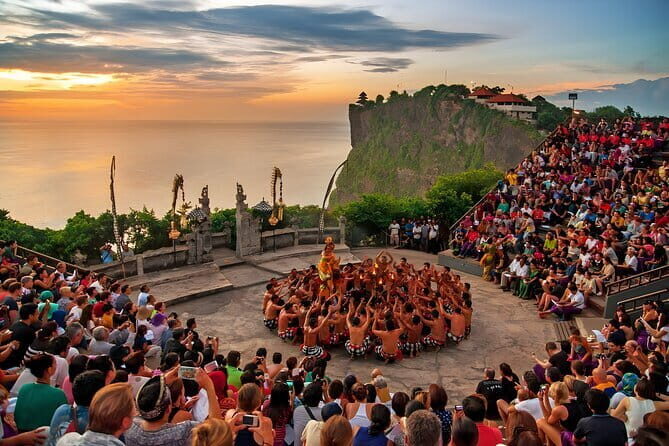
Kecak and Fire Dance: getting the most from a crowded one-hour show

Uluwatu Sunset Tour: Kecak and Fire Dance with Jimbaran Dinner - Kecak and Fire Dance: getting the most from a crowded one-hour show
The Kecak and Fire Dance stop is where the tour becomes unforgettable for many people. This is performed right at/near the Uluwatu temple complex, and it lasts about 1 hour. It is easy to understand why it gets booked repeatedly: the chanting circle plus fire elements create a strong rhythm that builds quickly.

One useful detail: the show runs in two daily sessions, around 6:00 pm and 7:00 pm. That matters because your arrival time can affect which session you catch and how long you sit in the waiting area.

Now for the part you should plan around: seating. The area is popular and can feel chaotic. Some people mention first-come first-served dynamics, while others note seating comfort issues like sitting on hard surfaces. Translation: bring a mindset for basic seating, not stadium plush.

Here are smart ways to improve your odds:

  • Arrive early enough to get into the better seating area if your schedule allows
  • Bring a small towel or something to sit on, since concrete seating can feel rough
  • If you tend to bake in the sun, carry an umbrella or a small fan for the waiting time
  • If you rely on phone cameras, charge it before you go (power outlets are not guaranteed)

Also, the show can be harder to enjoy if you’re frustrated waiting. Go in knowing the waiting is normal. The payoff is in the performance itself, especially the coordinated chanting and the transition into fire elements.

Jimbaran Beach dinner: what the seafood set menu includes

After the show, you head to Jimbaran Beach for dinner. This is one of the most famous “watch the ocean while you eat” setups in Bali, and it’s a classic way to close out a sunset tour.

Your dinner is a set menu seafood meal, listed as about 2 hours. One description of the set menu includes Balinese soup, snapper, squid, clams, prawns, steamed rice, vegetables, four kinds of sauce, mineral water, and mixed fruit for dessert. That is a solid range, and it is exactly what you want when you are tired and do not want decision fatigue.

Vegetarian and non-seafood options are available if you request them at booking. If you have dietary needs, do not wait until you arrive. Send the preference when you book, so the restaurant can prepare the right version.

A realistic expectation: Jimbaran dinner is popular and can be crowded. Service quality can vary by restaurant moment and how busy the shoreline is that night. If you’re the type who gets annoyed when staff takes a while to notice you, plan to keep your orders simple and your patience higher than usual.

Also, a note on feeling rushed: the overall day runs long enough that dinner can sometimes feel like the last step in a relay. If you want dinner to feel like a lingering date night, consider skipping extra add-ons and focusing on eating slowly after the show’s adrenaline.

Little stops and roadside views: the stuff between the big moments

Uluwatu Sunset Tour: Kecak and Fire Dance with Jimbaran Dinner - Little stops and roadside views: the stuff between the big moments
Your route passes well-known coastal sights. The tour description also mentions passing a famous cultural park and famous beaches on the way to Uluwatu and Jimbaran. You mostly experience these as quick, view-through-the-window moments unless the driver adds a short stop.

Some guides may suggest a coffee or tea tasting stop during the drive. In a few experiences, it’s positioned as optional, but there can be active selling once you arrive. If you like trying local drinks, it can be a fun break. If you do not want a sales pitch, politely decline and keep your energy for the temple and show.

This is where the private driver role matters. A good driver keeps you from wasting time and helps you manage the flow between stops. If you have a strong preference like avoiding extra stops, tell your driver early so the afternoon stays focused.

Comfort and comfort hacks: what to pack for this specific sunset plan

Uluwatu Sunset Tour: Kecak and Fire Dance with Jimbaran Dinner - Comfort and comfort hacks: what to pack for this specific sunset plan
This tour is a sun-and-seating challenge as much as it is a cultural one. You will spend time outside at Uluwatu, plus you may sit for a while before the dance show starts.

Pack like this:

  • Sunscreen and water
  • A camera with charged batteries
  • Something light for humidity
  • A small fan or portable umbrella for waiting time
  • Secure storage for your phone and glasses so monkeys cannot target them

If you wear lens clothes or jewelry you cannot remove easily, keep them secure too. In monkey areas, small items that look like snacks or toys can disappear faster than you think.

For the dance seating comfort issue, I recommend you prepare for hard surfaces. Even a thin cushion or a small sarong-style layer can save your hips. Older travelers or anyone with back issues should plan for discomfort during the waiting and seating parts.

Weather is the other wild card. The experience requires good weather, and if conditions are poor, you may be offered a different date or a full refund. If rain shows up on the day, the sunset itself can get muted, and you might feel the schedule tighter.

Price and value: why $65 can work (or not) for you

Uluwatu Sunset Tour: Kecak and Fire Dance with Jimbaran Dinner - Price and value: why $65 can work (or not) for you
At $65 per person, the value depends on how much you would otherwise pay to solve the logistics. Here, your money goes toward:

  • private AC transport with hotel pickup/drop-off
  • entrance tickets for the temple
  • the Kecak dance ticket
  • dinner included as a set seafood menu
  • petrol, parking fees, and taxes/services

This matters because the expensive part of Bali sunset outings is often not the attractions. It is the transport time, timing coordination, and ticket handling. If you were to do this independently, you would still need a driver, and you’d still face the seating and timing pressure.

Where value can feel weaker is if you strongly dislike crowds or if you require comfortable seating and fast dinner service. Some people come away thinking the dance seating and dinner timing could be better. If that type of friction is your biggest pet peeve, this tour might not match your style.

Overall, for most people, the “included tickets + included dinner + private transport” math is why it prices fairly. You are paying for convenience, and convenience is what you feel throughout the afternoon.

Who should book this Uluwatu sunset tour

Book it if you want a full evening with minimal planning:

  • couples who want a romantic sunset plan with a cultural show
  • first-time Bali visitors who want the classic coastal triangle: temple, dance, Jimbaran
  • anyone who likes being guided so they do not wrestle with logistics
  • people who are comfortable with crowds and are willing to wait for the show

Skip it or rethink it if you:

  • hate crowded venues or hard seating
  • need very customized dining
  • want an unhurried temple experience with lots of empty space
  • have mobility limitations and prefer to avoid long outdoor waiting periods

This is also a good match for people who appreciate photos, because the cliffs and sunset light make your effort worth it.

Should you book it? My straight answer

Yes, I would book this if you want a high-success sunset itinerary that handles transport, tickets, and dinner in one package. The private pickup alone is a big quality-of-life upgrade, and the Kecak and Fire Dance is the main event that makes the evening feel special.

I would hesitate if you’re very sensitive to seating comfort, dislike crowds, or have strict expectations about dinner service and meal flexibility. In that case, the tour may feel like a lot of waiting for your comfort level.

If you do book, go in prepared: secure your belongings for the monkeys, bring sun protection for the waiting, and aim to arrive early for the best seats. Do that, and you’ll get the best version of Uluwatu.

FAQ

What time does the tour start?

The start time is 3:00 pm.

How long is the Uluwatu Sunset Tour?

It runs about 6 to 7 hours.

Where does pickup happen?

Pickup and drop-off are offered from hotel or villa locations including Tanjung Benoa, Nusa Dua, Legian, Jimbaran, Sanur, Canggu, Seminyak, Kuta, Ubud, and Denpasar.

Is this tour private?

Yes. It is private, and only your group participates in the vehicle.

What is included in the price?

Included items cover private AC transport, an English-speaking driver as a tour guide, entrance tickets and the Kecak dance ticket, and a seafood set-menu dinner. Petrol, parking, taxes, and services are also included.

Is dinner seafood only?

No. A vegetarian option is available, and a non-seafood dinner option is available. You should request the option at booking.

What should I wear to Uluwatu Temple?

The dress code is smart casual. For temple areas, you should plan for clothing that covers legs and shoulders, and sarongs or sashes may be provided.

What should I bring?

Bring sunscreen and a camera.

When is the Kecak and Fire Dance held?

The show is described as running twice daily, around 6:00 pm and 7:00 pm.

What if the weather is bad?

The experience requires good weather. If it is canceled due to poor weather, you’ll be offered a different date or a full refund.

Mount Batur Sunrise Trekking (Private Tour and Breakfast at Restaurant)

Mount Batur Sunrise Trekking (Private Tour and Breakfast at Restaurant) - Trekking Mount Batur at sunrise: what you need and what they provide

Mount Batur sunrise is a Bali must-do. The best part is how this package turns a scary-sounding night climb into a guided, well-fed morning with door-to-door transport and a private guide. You’ll be up in the dark, but you won’t be guessing your way through it.

What I like most is the way the team handles the setup that usually slows people down: flashlights and ponchos are included, and jackets or walking poles are available on request. The other big win is the reward at the top—eggs cooked in volcanic steam plus hot tea or coffee, then breakfast with volcano-and-lake views.

One consideration: the hike is still genuinely hard and can feel cold at the viewpoint. Even with gear help, you’ll want to dress for chilly early mornings and bring proper shoes (those aren’t included).

Key takeaways before you go

Mount Batur Sunrise Trekking (Private Tour and Breakfast at Restaurant) - Key takeaways before you go

  • Private pickup in an A/C car saves you from driving at night and keeps the timing smooth.
  • Flashlight + poncho support means you don’t have to scramble for basic hike gear last minute.
  • Volcanic-steam eggs and hot drinks make the sunrise stop feel like more than just a photo break.
  • Breakfast with Lake Batur views gives you a real finish to the effort, not just a quick snack.
  • English-speaking guide and driver helps you move at a safe pace and understand what you’re seeing.
  • Cold-weather factor is real; plan for layers even if Ubud feels warm.

Door-to-door private transfers: the real value of this setup

Mount Batur Sunrise Trekking (Private Tour and Breakfast at Restaurant) - Door-to-door private transfers: the real value of this setup
This tour is built around the idea that the climb should feel like an adventure, not a logistics problem. You get a private, air-conditioned car plus an English-speaking driver, so you’re not huddled in traffic planning route turns in the dark. Door-to-door round-trip private transfers also help if you want a calmer start from Ubud without stress.

That private setup matters for sunrise trekking because timing is everything. Mount Batur is active and the experience hinges on getting to the viewpoint early. If your group has to coordinate multiple taxis or a shared van, you lose time and energy before you even start climbing.

Also, being private means your group controls the pace. You don’t have to match the speed of people who are there for a casual stroll, or worry about keeping up with very fast hikers. The guide can work around your comfort level.

Trekking Mount Batur at sunrise: what you need and what they provide

Mount Batur Sunrise Trekking (Private Tour and Breakfast at Restaurant) - Trekking Mount Batur at sunrise: what you need and what they provide
You’ll be hiking in early morning darkness, and that changes what you pack. The good news here is that the basics are covered: flashlights are provided for free, plus simple ponchos just in case. Jackets and walking poles are available on request, which is especially helpful if you travel light.

What’s not included is the stuff you’ll feel most in your legs and lungs: running or hiking shoes, and warm clothing/windbreakers. In practical terms, bring footwear with grip for uneven volcanic paths. You’ll also want layers you can actually move in—morning temps can be chilly up high even when Ubud feels warm.

One detail worth noting from the experience notes: some people end up wanting extra warmth at the top. A blanket can sometimes be available for purchase near the viewpoint (one review mentioned a price in NZD), but don’t count on that. If you run cold, pack your own warm layer so you’re not bargaining with weather.

The climb experience: difficult sections, but guided pacing makes it manageable

Mount Batur trekking is not a flat walk. It’s a climb with darker footing and steeper moments, and the effort ramps up as you move toward the sunrise area. The tour description is honest about this: it’s doable for first-timers, but parts are challenging and tricky without guidance.

The guides make a noticeable difference in how the hike feels. Different guides lead different groups, and the names that show up with standout feedback include Ketut, Gede, Wankie, Made, and Jro (also listed as Jero in another note). You’re not just getting directions; you’re getting coaching for pacing—especially valuable if you’re not super fit.

You can also expect the guide to help you make the hike safer and smoother at night. One review praised how the guide paced the group so people didn’t get stuck behind crowds. Another highlighted patience and encouragement when the hiker was pushing physical limits. That style of guiding is what helps the experience feel like a team sport instead of a struggle.

A small practical tip: if you’re someone who likes to stop and breathe, do it early rather than waiting until you feel wiped. A good guide will help you time breaks so you still arrive with enough energy for the sunrise moment.

Volcanic-steam eggs and hot drinks: the sunrise stop is the reward

Once you reach the viewpoint, the tour shifts from effort to comfort. You’ll get eggs cooked in volcanic steam, plus hot tea or coffee. This isn’t just a cute add-on; it’s fuel at exactly the right time. Cold hands and tired legs need something warm, and hot drinks help you reset fast after the climb.

There’s also a strong focus on where you sit for sunrise. One review called out the guide knowing the best place to sit, which matters because the crowd and viewpoint space can get tight. A good location choice improves the whole experience, even if the clouds or wind aren’t perfect.

Then there’s the little moment of learning. A couple of notes mention guides sharing information and having conversation for people who like to understand what they’re seeing. On Mount Batur, that can turn the sunrise from a bucket-list check into a story you remember.

If sunrise is your main reason for coming, keep your expectations flexible. You’re climbing an active volcano in real weather. Even so, reaching the viewpoint on time and getting warm food and drinks makes the morning feel complete.

Okuta breakfast after the hike: Lake Batur views and a proper finish

After the top, your energy needs a second wave, and the tour handles that with breakfast at a restaurant overlooking the area. The breakfast stop is quick (about 30 minutes), but it’s timed like a finishing line: you’ve worked hard, you’re cold and hungry, and you get food with a view.

The view component is part of the value here. You’re not just eating somewhere nearby—you’re eating with Lake Batur and the volcano in sight. That makes breakfast feel like part of the experience, not a refund for your energy.

One more thing: this is all in the context of a longer day (around 10 hours total). Having breakfast included in that plan helps you avoid the common problem of trekking leaving you starving with nothing organized.

If you’re traveling with people who don’t love long hikes, this breakfast timing can still bring them around. It gives everyone something to look forward to, not only the climb.

How long is the day, and what to expect from the full schedule

The whole outing runs about 10 hours. The Mount Batur segment is listed at around 4 hours, and the breakfast/viewing stop is around 30 minutes, with the rest of the day taken up by pickup, transfer time, the climb rhythm, and getting back.

Plan to be ready for an early wake-up and a long morning-to-midday stretch. Sunrise trekking often feels like two trips in one: the first is the physical effort in the dark, and the second is the reward period where you warm up, eat, and breathe.

Because it’s a private tour, your timing is built around your group. If your pace is slower, the guide can shape the experience so you don’t feel rushed. If your group is comfortable, you may move efficiently with guide-led pacing.

Guide quality: English-speaking leadership and “patient pacing” matters

Mount Batur Sunrise Trekking (Private Tour and Breakfast at Restaurant) - Guide quality: English-speaking leadership and “patient pacing” matters
This is one of those tours where the guide makes the difference between exhausting and memorable. The tour includes a private trekking guide with good English, plus an English-speaking driver. That helps for safety and for context.

In the standout feedback, people specifically mention guides being helpful, friendly, and encouraging. One note calls out a guide being an angel-like support during a night trek that pushed physical limits. Another praises the guide for helpfulness and making sure people knew where to sit for the best views.

It’s easy to treat a sunrise climb like a simple hike. But when the ground is dark and uneven, leadership matters. A guide who knows the route, chooses good spots, and keeps your group moving at a manageable rhythm is what turns a hard climb into a shared win.

Price and value: is $39 per person actually a good deal?

At $39 per person, the price looks low for what’s included. You’re paying for a lot: private transport in an air-conditioned car, a private guide, flashlights and ponchos, bottled water, volcanic-steam eggs, hot tea or coffee, plus breakfast with views.

The value gets even clearer when you compare what you’d otherwise have to arrange. If you tried to do this on your own, you’d likely spend money on transport, hire a guide separately, and then still need to buy gear like flashlights or scramble for warm layers. This package bundles a lot of that friction into one price.

One more value point: this tour is booked about 29 days in advance on average. That suggests solid demand, which can help when you’re picking reliable operators for a sunrise activity where last-minute planning is risky.

Who should book this Mount Batur private sunrise trek?

This works best if you want the sunrise experience but don’t want to handle planning and navigation yourself. The private format is also a plus if you travel as a couple, family, or small group and prefer calm pacing.

It’s a strong fit for:

  • First-timers who want help with timing and footing in the dark
  • People who like structured experiences with a real payoff meal included
  • Anyone who runs cold and wants guided support plus warming food and drinks

If you’re the type who hates any exertion, this might feel too challenging. Even with guidance, it’s a climb and you should expect physical effort.

Practical packing list for a cold, early start

Since shoes and warm layers aren’t included, your packing is the biggest variable in how comfortable you feel. Based on what’s provided and what isn’t, I’d pack for warmth and footing.

Bring:

  • Hiking or running shoes with grip
  • Warm layers you can move in (a hat helps if you get cold easily)
  • Something wind-resistant
  • A small backpack if you like to carry water or a spare layer

You can rely on:

  • Flashlight support
  • Ponchos if the weather shifts

If you plan to request jackets or walking poles, do it early so your group isn’t waiting at pickup.

Frequently Asked Questions

FAQ

Is this a private tour or shared group?

It’s a private tour/activity, so only your group will participate.

How long does the tour take?

It runs about 10 hours on average.

What does the tour include for food and drinks?

You’ll get eggs cooked in volcanic steam and hot tea or coffee at the top, plus breakfast after the hike at a restaurant with volcano and lake views. Bottled water is included during the trip.

Do I get help with hike gear like a flashlight?

Yes. Flashlights are included for free, and simple ponchos are provided. Jackets and walking poles are available on request.

What about transportation—do they pick you up?

Yes. You get a private air-conditioned car and door-to-door round-trip private transfers, starting and ending back at the meeting point.

Where does the tour start?

The meeting point is Pura Jati Batur, Jl. Pendakian Gn. Batur, Batur Tengah, Kec. Kintamani, Kabupaten Bangli, Bali 80652, Indonesia.

Is the hike suitable for first-timers?

Most travelers can participate. The climb is described as doable for first-timers, but some sections are challenging and tricky, so the guide matters.

What should I bring that is not included?

Running or hiking shoes are not included, and warm cloth/jacket/windbreakers are also not included. Camera, wipes, and snacks are not listed as included either.

What is the cancellation policy?

Free cancellation is available up to 24 hours in advance for a full refund. If you cancel less than 24 hours before the start time, the amount paid is not refunded.

Should you book Mount Batur sunrise with breakfast and private transport?

If you want sunrise on Bali’s most famous volcano hike without handling the hard parts yourself—night timing, route stress, gear scrambling—this is a smart choice. The big reason to book is the combination of private guide + door-to-door transport + included warm food that makes the early start feel organized and worth it.

Book it if your group values comfort and structure, and especially if you’re not sure you want to climb in the dark on your own. Skip it only if you know you hate cold mornings and uphill hiking effort.

Bali ATV Quad Bike Through Tunnel, Waterfall, White Water Rafting

Bali ATV Quad Bike Through Tunnel, Waterfall, White Water Rafting - Ayung River whitewater: safety, stairs, and when you get soaked

Adventure comes in two flavors here. This combo day in Ubud mixes Bali whitewater rafting with a quad bike ride through countryside sights you rarely see on foot. It’s built for convenience: hotel pickup, safety gear, and time for showers and changing so you don’t end your day smelling like river mud.

Two things I really like: you get a proper guide setup for both activities, and the route on the ATV includes the dramatic bits—tunnels, waterfalls, and muddy track sections. A lot of the day’s success depends on the guide vibe, and I’ve seen names like Rico and Donking associated with this kind of rafting day, plus ATV captains such as Genting and Made. (So yes, humor and “you’re safe, keep going” energy are often part of the package.)

One drawback to plan around: there’s real physical effort. The rafting includes steep stairs down and back up, and the ATV course can be challenging on steep, rocky segments—so you’ll want reasonable comfort with uneven ground.

Key Things to Know Before You Go

Bali ATV Quad Bike Through Tunnel, Waterfall, White Water Rafting - Key Things to Know Before You Go

  • ATV route hits the big visual stops: rice fields, jungle, river crossings, canyon sections, tunnels, and a waterfall segment
  • Ayung River rafting = a workout in and out of the water: plan for steep stairs and a muddy climb back up
  • Pickup + gear + showers make the day easier: lockers, towels, changing rooms, and shower facilities are included
  • Meals are timed for after the messy parts: buffet lunch after rafting, then sandwich and fries after ATV
  • Tandem ATV has rules: two riders share one bike, and it must be booked in multiples of 2
  • Size limits matter: age/solo-tandem rules and a max weight limit of 150 kg per tandem/single

From Ubud Pickup to Ayung River: how the day actually moves

Bali ATV Quad Bike Through Tunnel, Waterfall, White Water Rafting - From Ubud Pickup to Ayung River: how the day actually moves
This tour is designed as one long adventure loop. You’ll either be picked up from your hotel lobby (if you book pickup) or meet at the Ayung Dewata Rafting location on Jalan Raya Kedewatan in Kedewatan, Ubud. Either way, the schedule revolves around getting you to the river first, then moving you to the ATV track.

Once you arrive at the rafting company, you’ll register, change clothes, and get a short instruction and safety briefing. Then you’ll be fitted with the rafting setup and shuttle to the river starting point. The group size is capped at 15, which helps keep things from turning into a chaotic line shuffle.

After the rafting, you’re not left hanging. You’ll typically have a clear break, then a buffet lunch, and then transportation to the ATV spot (ATV and rafting are at different places). This “two bases, two activities” layout is pretty common in Ubud, but the nice part here is the handoff is built into the plan.

Timing tip: the day is about 6 hours total. That’s long enough that you should treat it like a full outing, not a quick half-day. Bring cash for small extras (and remember the photos/video aren’t included).

Ayung River whitewater: safety, stairs, and when you get soaked

Bali ATV Quad Bike Through Tunnel, Waterfall, White Water Rafting - Ayung River whitewater: safety, stairs, and when you get soaked
The rafting part runs on the Ayung River, and the ride itself is listed at about 2 hours. Some days can run closer to 2–3 hours depending on river conditions and group timing, so I’d plan your hydration and stamina like it’s a longer session.

What makes the Ayung experience feel “real” is how much effort happens before you even hit the water. From the way the day is described, you’ll get down to the river and then climb back out afterward. The stairs are steep, and there may not be railings the whole time, so you’ll want shoes with real grip and stable footing.

What you can expect on the water

You’ll paddle with a guide, in a fresh-water river setting with jungle scenery and waterfalls along the route. You won’t be alone—guides help the boat stay together and they also decide where the more playful moments happen.

If you care about safety and confidence, this is where the guide quality matters most. I’ve seen names like Rico and Donking tied to rafting guides who keep things fun without losing control of the boat. In practice, that means you’ll get clear calls for paddling and more “do this next” guidance than vague instructions.

How wet you’ll get

Expect to get wet. The river rafting is the messier half of the day, and you’ll likely want to keep your valuables sealed and dry during the water portion. If you have any choice in order (some guides ask preferences), do ATV first so you’re already ready to get muddy before rafting turns you into a wet backpack. If not, just plan to enjoy the soak and then use the shower and changing facilities afterward.

ATV quad biking near Ubud: tunnels, waterfall fun, and real driving practice

Bali ATV Quad Bike Through Tunnel, Waterfall, White Water Rafting - ATV quad biking near Ubud: tunnels, waterfall fun, and real driving practice
After lunch, you’ll head to the ATV area for about 90 minutes of riding time. This is where the day shifts gears: from paddling to throttle control.

You’ll get a briefing and you’ll ride with an ATV guide escort. The track is described as taking you through rice fields, jungle sections, river and canyon areas, tunnels, waterfall segments, and muddy “wet rack fun attraction” style parts. It’s not just flat countryside driving. The course has variety, and that variety is the whole point.

Tandem vs solo: choose what fits your comfort

ATVs here can be tandem (2 people on one bike). That’s a fun way to share the experience, especially for families. But the rules matter:

  • Tandem must be booked in multiples of 2
  • The listed age guidance for tandem is ages 6–12 if riding with a parent
  • Solo is listed for ages 13–65

There’s also a max weight limit of 150 kg per tandem/single. If you’re near the limit, you should double-check before booking.

One practical consideration I’d flag: some riders prefer solo for control and comfort. Tandem can mean tighter seating and less freedom to shift weight. If you’re sensitive about comfort, solo may feel better.

What to do if you’re a beginner

Don’t panic if you’ve never driven a quad before. The day is set up with a guide, and the course has a mix of slower and more challenging sections. That said, you should come in with respect for the terrain: there can be steep descents and rocky bits. A little caution early on helps you build confidence fast.

Also, think about clothing. You’ll get muddy. Your job is to arrive ready to get dirty and then enjoy the fact you’ll get showers and clean clothes afterward.

Lunch, lockers, showers, and how to pack for this kind of Bali day

Bali ATV Quad Bike Through Tunnel, Waterfall, White Water Rafting - Lunch, lockers, showers, and how to pack for this kind of Bali day
This tour is one of those rare adventure combos that actually plans for the aftermath. Included are locker storage, towels, changing rooms, and shower facilities. That means you’re not stuck improvising at a parking lot after rafting and ATV.

Meals: what’s included and when

You’ll have:

  • Buffet lunch after rafting
  • Sandwich and fries after the ATV ride

There’s no claim here that it’s a fancy chef menu, but it’s a real food break in the middle of an active day. If you’re vegetarian, you should have options available since meals are described as buffet-style and included.

Deposit you need to plan for

There’s an IDR 100,000 deposit per person for using the locker and towel. You’ll want to have cash or a way to pay that deposit when you arrive. If you forget, it can slow you down, even when everything else is smooth.

What to bring (simple checklist)

Bring:

  • Some cash (for deposits and any optional photos/video)
  • Changing clothes for after the activities
  • Sunblock
  • Casual dress

For footwear, it’s especially practical:

  • For rafting: river sandals or sport shoes (something you can trust on wet, uneven ground)
  • For ATV: you’ll get boots, so focus on secure footwear that works while you walk from place to place

If you want the day to feel easy, bring a small bag for your phone and anything you must keep dry. Even with provided gear, water and mud have a way of finding your pockets.

Value at $26.10: what you really get for the money

Bali ATV Quad Bike Through Tunnel, Waterfall, White Water Rafting - Value at $26.10: what you really get for the money
At $26.10 per person, the appeal is the combo. You’re not paying for two separate stand-alone activities that each require a lot of extra logistics. Here, the value comes from:

  • One pickup/drop-off plan tied to the day
  • Safety equipment included for rafting and an ATV guide system for the ride
  • Two distinct adventure experiences in one outing
  • Included meals, plus showers and changing facilities

Of course, it’s still an adventure day, not a luxury spa. You should expect physical effort, dirt, and water. But if you want maximum thrill for minimum fuss, this is the type of pricing that makes sense.

If you care about photos and videos, remember they’re not included. That can be a separate cost you decide on afterward.

Group size, stress level, and guide impact

Bali ATV Quad Bike Through Tunnel, Waterfall, White Water Rafting - Group size, stress level, and guide impact
This tour runs with a maximum of 15 people, and you’ll be split by activity flow. The biggest difference you’ll notice is whether you get held up at transitions. The way this day is structured—pickup, registration, briefing, then shuttle—aims to minimize waiting.

Guide quality can make or break both halves:

  • On the river, humor and clarity matter because paddling calls have to be understood fast.
  • On the ATV, patience matters because new riders often get stuck in mud or need help with technique.

I’ve seen rafting guides named Rico, Malot, Usman, Jerry, and Donking tied to memorable days. ATV guides show up too—names like Genting, Made, Justin, and captains such as Pawah and Ola are mentioned in connection with the ride. Even without knowing your exact guide ahead of time, the recurring pattern is consistent: you’ll get help with lockers, pictures, and getting sorted.

Who should book this, and who should skip it

Bali ATV Quad Bike Through Tunnel, Waterfall, White Water Rafting - Who should book this, and who should skip it
This combo is a good match for:

  • People who want a full day of action without planning two separate tours
  • Families with active kids (the ATV rules allow tandem setups for children riding with a parent)
  • Riders who like scenic variety: rice fields, jungle, tunnels, and waterfall moments

You should think twice if:

  • You have mobility limits. The rafting includes steep stairs down and up.
  • You’re pregnant, because pregnancy is not allowed for this activity.
  • You dislike uneven terrain and rocky roads. The ATV route includes steeper, rougher segments.
  • You want a calm, dry experience. This day is meant to get you wet and muddy.

If you’re unsure about tandem comfort, consider solo riding when possible. Some riders prefer solo because tandems can feel cramped on a bike built primarily for one.

Final call: should you book this Bali ATV + rafting combo?

Bali ATV Quad Bike Through Tunnel, Waterfall, White Water Rafting - Final call: should you book this Bali ATV + rafting combo?
I’d book it if you want one ticket that delivers two different kinds of adrenaline in Ubud, with pickup, safety gear, and real facilities for washing and changing. The value is strong at $26.10, and the day’s structure is practical: get briefed, get active, eat, ride, then recover.

I wouldn’t book it if you’re expecting an easy, scenic stroll. The stairs and terrain are part of the deal. Also, if you’re sensitive about tandem comfort, plan to ride solo if you can, or at least go into tandem with the expectation that it’s more about sharing the experience than maximum space.

One last decision tip: if your guide asks about order, choose ATV first. You’ll still get wet on the rafting day, but you’ll be less annoyed when your rafting clothes turn into river souvenirs.

Free cancellation is offered up to 24 hours in advance, so you can book now and adjust if weather or timing changes your plans.

FAQ

How long is the full tour?

It runs about 6 hours total, with about 2 hours on the Ayung River rafting and around 90 minutes on the ATV ride.

Is hotel pickup included?

Pickup is offered if you book with pickup. If not, the meeting point is at Ayung Dewata Rafting in Ubud, and the activity ends back at the meeting point.

What’s included with the activities?

You get a tour guide, insurance cover, lockers and changing facilities (including showers), and safety equipment. Rafting includes boots and helmet, and meals are included: buffet lunch after rafting and sandwich and fries after the ATV ride.

Can children ride the ATV?

For tandem ATV, children ages 6–12 can ride with a parent. Solo riding is listed for ages 13–65.

Are pregnant travelers allowed?

No. Pregnant travelers are not allowed for this activity.

What should I bring, and is there a deposit?

Bring some cash, changing clothes, and sunblock. For locker and towel use, there’s a deposit of IDR 100,000 per person.

Waterbom Bali Tickets – Single Day Pass

Waterbom Bali Tickets - Single Day Pass - The slide lineup: The Climax, extreme rides, and plenty for different courage levels

Waterbom Bali turns a hot Bali day into a full-on water adventure. This park is known for The Climax, the world’s longest waterslide, plus the option to slow down on the Lazy River and float through landscaped gardens. You get a full day of swimming and sliding at an award-winning, safety-focused park in central Kuta, with access anytime during opening hours.

One thing to plan for: the park runs on a cashless wristband system, and entry can involve a quick stop at the front to get your band and load it up. It’s not hard, just a small time hit before the fun starts.

Key things to know before you go

Waterbom Bali Tickets - Single Day Pass - Key things to know before you go

  • The Climax is the headline slide, and it’s built for serious thrill-seekers
  • Lazy River time is the easy counterbalance when you need a break
  • Cashless wristband payment means no carrying money into wet areas
  • Funtastic kid zone brings water cannons and games for younger ages
  • Same-day reentry lets you come and go during park hours
  • Peak season capacity in June to August can affect preferred entry dates

Entering Waterbom Bali at Jalan Kartika Plaza: quick setup, clear rules

Waterbom Bali sits in Kuta at Jalan Kartika Plaza, and it’s one of those places that feels easy to reach even if your Bali plans are all over the map. It’s close to Ngurah Rai International Airport and also not far from Seminyak and Legian. You can enter any time during opening hours, typically 9:00 AM to 6:00 PM, which helps you line it up with your hotel rhythm.

Your big first task is the wristband. The park is cashless, so you’ll get a band at the front and load it with credit before you start buying food or drinks. One useful detail: if you have money left at the end of the day, the park refunds what remains on the wristband. That keeps you from feeling like you need to spend every last cent just to be fair.

Before you arrive at the slides, take the dress code seriously. The park asks you not to wear swimsuits or shorts with metal decorations, and to avoid loose clothing that could snag. This is one of those rules that feels annoying right up until you’re watching a ride operator stop someone’s momentum to keep things safe. You’ll also want to keep your clothes simple, fast-drying, and slide-safe.

How long should you plan for? 3 to 7 hours (and why that matters)

Waterbom Bali Tickets - Single Day Pass - How long should you plan for? 3 to 7 hours (and why that matters)
Your single-day pass gives you entry to the whole park for the selected arrival date. Realistically, you’ll probably spend three to seven hours, depending on how many rides you chase, how often you take breaks, and how much time you spend in the Lazy River. If your group has mixed ages, plan for a longer window so you don’t feel like you’re herding cats.

The park’s reentry policy is a big time saver. Your ticket allows same-day reentry, so you can leave the swim zone, grab food, cool off in the shade, and then go back without starting over. That flexibility is handy if you’re managing kids’ energy or if you’re rotating between thrill rides and slower attractions.

Timing can also change your experience a lot. If you’re trying to ride the most popular slides with less waiting, arriving earlier helps. Even so, don’t assume that prepaid tickets erase every line. Plan to spend a few minutes at the start getting your wristband sorted and figuring out the flow of the park.

The slide lineup: The Climax, extreme rides, and plenty for different courage levels

Waterbom Bali Tickets - Single Day Pass - The slide lineup: The Climax, extreme rides, and plenty for different courage levels
Waterbom Bali’s reputation comes from its top-tier waterslides, including The Climax, billed as the world’s longest waterslide. If you want one signature moment that makes the day feel worth it, this is the one. It’s the kind of ride that turns a family day into a memory you’ll replay later, because even people who claim they hate heights usually end up trying it.

Beyond The Climax, the park includes a mix of high-speed rides like body slides, half pipes, swooshing slides, and circular tubes. The overview also points to one of Asia’s steepest slides, so you’re not just getting a couple of tame options. This matters because the thrill rides are built for different styles of excitement—some feel like speed rockets, others feel like big water gymnastics.

There’s also a practical advantage to having many slide types in one place: you can match rides to your group’s mood. Want adrenaline? Choose the steep, high-speed ones. Want a breather after a run? Go for tubes or less intense slides. The park layout supports that pacing, which is exactly what you want when everyone in your group isn’t chasing the same thing.

One more heads-up about photos: photo services are not included with the ticket, so if you want ride photos, that’s an add-on. If you bring a GoPro, you should know there’s a rule limiting GoPro use to only four slides. That can affect which rides you choose if filming is part of the plan.

Lazy River and garden lounging: where the day turns from chaos to calm

The Lazy River is your reset button. After you’ve hit a couple of big slides, you’ll probably crave that slower pace—and Waterbom Bali gives it to you. The Lazy River option is built around relaxing in the water, floating along without the stress of steep drops or fast turns.

There’s also a premium way to do the same idea: you can hire a private gazebo tucked in the garden areas. It’s not included with the single-day pass, but it’s a smart upgrade if your group wants a dedicated base to recover between rides. Even without the gazebo, the park’s gardens and shaded spots give you plenty of places to dry off, regroup, and keep your energy up.

This calm section is why Waterbom Bali works for more than just thrill junkies. It’s the difference between spending the day exhausted and actually enjoying your whole time there. If you’re with kids, it gives you somewhere comfortable to wait while they ride. If you’re with adults, it gives you a way to cool down without losing the group.

Kid-friendly fun in the Funtastic area: families can actually split up and reunite

Waterbom Bali Tickets - Single Day Pass - Kid-friendly fun in the Funtastic area: families can actually split up and reunite
If you’re traveling with children, the Funtastic area is the part of the park designed for them. It includes water cannons and games, which helps kids stay entertained without needing to ride the big thrill slides. This matters because it keeps the day fun even for younger kids who aren’t ready for steep, fast rides.

There’s also a clear adult supervision rule you should plan around. Children under 11 years old must be accompanied by an adult. So if your group includes kids, you’ll want to pair responsibilities early and decide where everyone meets afterward.

The best way to use a waterpark like this with kids is to treat it as a rotation schedule, not a sprint. Let kids do their Funtastic activities in blocks, then pull them toward rides that match their comfort level. You’ll likely get more smiles per hour—and fewer cranky moments—if you build in breaks around shade and food.

The Wantilan Food Trail: where your day gets real (and how to budget)

Food is available throughout the park, and it’s organized through the Wantilan Food Trail plus multiple dining outlets. The park offers a range of cuisines, including Italian, French, Balinese, Indonesian, and American options. That variety helps if you’ve got picky eaters or if you don’t want the same burger-and-fries loop all day.

What I like about this setup for practical travelers is that you’re not stuck planning every meal outside. You can ride, build up an appetite, then grab something without losing too much time. The park also supports snacks like burgers, hot dogs, ice cream, and drinks at kiosks.

Now for budgeting reality: food and beverages are not included in the ticket price. Several people also note that food and drink can run higher than they expected once you add up multiple purchases. If you’re coming from Bali beaches where you’re used to cheaper meals, this is the one expense area that can surprise you. My advice: pick one sit-down or main meal during the day and treat snack buying as a limited add-on, especially for big groups.

Safety standards and water quality: why the rules exist

Waterbom Bali is described as meeting strict international safety standards, and that shows up in how the park is set up for ride operations and maintenance. This is one of those places where the rules feel less like “red tape” and more like a system that keeps things running smoothly for everyone.

Another detail that helps your comfort level is water purification. The park uses salt chlorination sanitization to keep the water clean, with an aim to protect both the environment and your skin. You’ll still want to rinse and reapply sunscreen if you’re out in the sun, but the overall approach is designed to make the park feel like it’s taking water hygiene seriously.

Ride rules also come from real-world friction points. That metal-decor clothing warning is there because loose items can snag or interfere with safe slide use. GoPro limits exist for reasons that likely relate to safety, ride rules, and equipment handling. Follow the staff instructions early and you’ll spend less time worrying about whether you’re doing something wrong.

Getting around once you’re inside: reentry, queues, and smart timing

The pass is flexible: you can enter any time within park hours, and you can reenter the same day. That gives you control over your day, which matters because a waterpark isn’t just about riding. It’s also about hydrating, taking breaks, and staying comfortable between waves of excitement.

Queues can depend on when you arrive and when you hit the most popular rides. One common theme is that even with a prepaid voucher, you may still wait for wristband setup at the front. The good news is that the process is usually quick once it’s your turn, and then you can head straight into the ride flow.

Peak season is a special consideration. During June to August, entry on a preferred date may not be available if the park reaches maximum capacity. If you’re traveling in those months, consider booking earlier and being ready to adjust if your first-choice timing hits capacity.

If you want the best chance at a smoother day, think like this:

  • Go for the big slides earlier in your window.
  • Use the Lazy River mid-day to recover.
  • Save some lower-intensity rides for later when the heat and energy level shift.

Price and value: what $33.54 buys you, and what you’ll likely add

At about $33.54 per person, this single-day pass can be strong value if you use it like a full-day plan. What you’re really paying for is access to the whole park—slides, pools, and the main attractions—without having to buy individual ride tickets.

The key value question is what’s not included. Your pass does include one day access to the entire park and all slides, but it does not include:

  • Food and beverages
  • Gazebo rental
  • FlowRider
  • Spa services
  • Photo services
  • Towel and locker rental

So the final cost depends on your spending style. If your group brings snacks from home, you’ll be out of luck because outside food and drinks can’t be brought into the park. If you need lockers and towels, that’s also extra.

This is why I think of the ticket as a base, not the whole budget. If you show up with a realistic spending plan for food, a locker if you need one, and any photo options, the math usually works out well. If you’re hoping the ticket covers every expense, you may feel squeezed after a few purchases.

Who should buy this pass?

This is ideal if you want a classic waterpark day with a mix of thrills and downtime. If your group includes different ages, it works especially well because there are big slides for adults and older kids, and the Funtastic kid area for younger children. The Lazy River also makes it easier for adults to enjoy the day without riding every single extreme slide.

You’ll also enjoy this pass if you like your activities flexible. Enter whenever you want during opening hours, use same-day reentry, and keep the day on your schedule. That freedom is valuable when Bali travel days get unpredictable.

On the flip side, this may not be your best choice if you’re visiting Bali for a very short time and want something more cultural than water-based. It’s also less ideal if your group is strongly water-shy or if you prefer paid rides and guided experiences rather than a choose-your-own-adventure park day.

Should you book this single-day Waterbom Bali pass?

Yes, you should book it if you want one ticket that gives you access to the full slide experience in a safety-minded, well-maintained waterpark setting in central Kuta. The headline slide, the Lazy River option, and the kid zone mean the whole group can have fun without splitting up forever. The cashless wristband system also makes day-to-day spending easier once you’re inside.

I’d book with extra care if you’re traveling in June to August, because maximum capacity can affect entry on your preferred date. And if you’re trying to keep costs tight, plan for food and any rentals that aren’t included, like towels and lockers.

FAQ

What does the single-day pass include?

Your ticket includes one day access to the entire park and all slides. It’s valid only on the selected arrival date.

What time is Waterbom Bali open?

During the listed dates, opening hours are Monday to Sunday from 9:00 AM to 6:00 PM.

Can I re-enter the park the same day?

Yes. Your ticket grants same-day reentry, so you can come and go during operating hours.

Is food and drink included with the ticket?

No. Food and beverages are not included, and there are multiple places to buy meals and snacks inside the park.

Can I bring outside food and drinks into Waterbom Bali?

No. Outside food and drinks cannot be brought into the park.

Do I need to rent a locker or towel?

Locker and towel rental are not included with your ticket, so if you want them, you’ll need to pay separately.

Are gazebos included?

No. Gazebo rental is not included with this ticket.

Are there rules about clothing or swimsuits?

Yes. Avoid swimsuits or shorts with metal decorations and avoid loose clothing that could snag. Pets are also not allowed.

What’s the cancellation policy?

Free cancellation is available up to 24 hours in advance for a full refund. If you cancel less than 24 hours before the start time, you won’t get a refund. Tickets can’t be rescheduled.

Private Mount Batur Sunrise Trekking Tour

Private Mount Batur Sunrise Trekking Tour - Summit Views That Make the Cold Morning Worth It

Mount Batur’s sunrise is a early-morning power move. You’ll climb in the dark up an active volcano, then watch Bali wake up from the summit with views over the caldera, Lake Batur, rice terraces, jungle, and villages down to the coast. I also like that the experience is built around a small group (max 15) and a volcano-vent breakfast that feels like real payoff, not a random tour snack. One thing to consider: sunrise depends on conditions up top, so you may need to be flexible if clouds roll in.

The pickup options make this trek much easier to fit into your Bali days, and you’re not just hiking—you get a crater-area window and a proper morning rhythm before heading back. My other favorite: the tour is positioned as private for your group, so the pace can feel more personal even in a small-group format. The possible drawback is that not everything at the top is included—tea or coffee at the summit isn’t part of the package—so plan for a few extra purchases if you want hot drinks beyond what’s served with breakfast.

Key things to know before you go

Private Mount Batur Sunrise Trekking Tour - Key things to know before you go

  • Sunrise over the caldera: you’re climbing for the payoff—Lake Batur, crater areas, and views stretching toward the coast.
  • Breakfast cooked with volcanic steam: it’s part of the fun, and it gives you a warm reason to slow down after the climb.
  • Small-group cap (max 15): easier pacing and a more human feel on a popular trail.
  • Private for your group: you won’t be lumped in with strangers beyond the small-group structure.
  • Pickup from multiple Bali bases: Ubud, Sanur, Canggu, Kuta, Nusa Dua, Jimbaran, or Seminyak.
  • Moderate fitness needed: expect walking and some uphill effort, especially in the early hours.

Entering Mount Batur Sunrise Mode From Ubud and Beyond

This tour works because it’s built for a specific moment: the light rising over Bali. Mount Batur is an active volcano near Kintamani, and the summit area is famous for sunrise views over the caldera and surrounding mountain ranges. Even if you’ve seen Bali photos before, there’s something different about seeing it from above the volcanic basin—your brain takes a second to process how many layers of green and water are stacked across the island.

The logistics are also thoughtfully simple. You get air-conditioned vehicle transport as part of the deal, and pickup is offered from several popular areas: Ubud, Sanur, Canggu, Kuta, Nusa Dua, Jimbaran, or Seminyak. That matters because the early start is the hard part; you don’t want to spend the morning navigating traffic or hunting down a meeting point in the dark.

Duration is listed as about 8 hours, and the main hike time is around 4 hours. That’s a realistic half-day commitment. You’re still able to enjoy the rest of the day after you return for a well-earned rest—one of the smartest ways to structure Bali if you like nature without losing the whole schedule to it.

The 4-Hour Summit Hike: What the Climb Really Means

Private Mount Batur Sunrise Trekking Tour - The 4-Hour Summit Hike: What the Climb Really Means
The trek is described as moderate, and you should plan accordingly. You’ll be walking as you make your way up toward the summit in the early morning, before sunrise. If you’re generally comfortable walking uphill, you’ll probably manage fine. If stairs and sloped terrain drain you quickly at home, prepare for slower progress here.

What makes or breaks your hike is pacing and support. Guides are a big deal on this trail. Several named guides show up in the experience: Ricky, Gunawan, Dyangu, and Adi. The consistent theme is that the guides help you keep your footing, take breaks when you need them, and share context about the volcano and surrounding peaks. If you care about turning a physical activity into something you understand, you’ll likely love that extra layer.

What you should bring into your mental game:

  • You’ll likely start out before it’s fully light, so your world is going to be headlamp/torch-and-breathing focus.
  • The trail is uphill and can feel tricky on uneven sections.
  • Your goal is steady progress, not a sprint. The sunrise is the real finish line.

Summit Views That Make the Cold Morning Worth It

Private Mount Batur Sunrise Trekking Tour - Summit Views That Make the Cold Morning Worth It
Once you reach the top, this is where the tour earns its reputation. The summit is the viewing platform for the whole caldera scene: Lake Batur, the volcano’s crater area, and panoramic views over Bali’s mix of jungle, rice terraces, villages, and coastal directions. It’s a wide, layered view, and it tends to look better the longer you let your eyes adjust.

You’ll typically spend time watching the sunrise and taking in the scenery. One small reality check: weather can affect visibility. If clouds move in, you might not get the full wow-factor you planned for. That doesn’t mean the day is a loss—volcanic mornings still have drama—but it’s the main reason your results can vary.

A practical tip: plan to take photos, but also give yourself a few minutes with no camera. The light changes fast at sunrise, and you’ll get more out of the moment if you let your eyes do the first pass.

Volcano Steam Breakfast: Warm Food With a Story

After the climb, you’re rewarded with breakfast cooked using the volcano’s steam. That’s not just marketing flavor. On Mount Batur, the heat is part of the experience, so your breakfast feels linked to the place in a tangible way.

Breakfast is included, and bottled water is part of the package. You’ll eat at the top area (or around the summit zone timing), and it’s the kind of warm meal that helps your body recover after a chilly hike in the dark. The tour also mentions you’ll have a delicious breakfast before heading back to your hotel for rest.

One note for your budget brain: tea or coffee at the summit isn’t included. So if you’re the type who wants a hot drink while you’re waiting for the light, keep a little extra money aside for that, or come prepared to stick with whatever is included with the meal.

The Car Pickup Reality: Easy Start, Smart Schedule

Private Mount Batur Sunrise Trekking Tour - The Car Pickup Reality: Easy Start, Smart Schedule
Because pickup is offered from many areas, this tour is built to reduce friction. If you’re based around Ubud, it’s especially convenient. Ubud is a hub for Bali activities, but getting to Kintamani early can be a headache if you’re self-driving or relying on uncertain transport times. With air-conditioned vehicle pickup, you avoid that scramble.

That said, there’s one practical road consideration you should know about. Some past experiences have mentioned bumpy conditions on the way due to construction, so don’t be surprised if the ride isn’t perfectly smooth. It’s not a deal-breaker for most people, but if you’re sensitive to motion sickness, it’s worth planning ahead.

Also pay attention to the “end” point. The activity ends back at the meeting point. Depending on your pickup arrangement and where you started, you may want to confirm whether you’re returned directly to your hotel or dropped at/near the meeting location for your area.

Private-For-Your-Group Feel With a Max of 15

Private Mount Batur Sunrise Trekking Tour - Private-For-Your-Group Feel With a Max of 15
The tour is described as a private tour/activity, meaning only your group participates. At the same time, it’s also positioned as a guaranteed small-group tour with a maximum of 15 travelers. In real life, that usually translates to a less crowded trail experience and a more manageable pace than the huge-budget, huge-group options.

Why that matters on a sunrise hike:

  • You’ll have a better chance of moving at a pace that feels right for you.
  • It’s easier for your guide to help you find your rhythm when the footing is uneven.
  • You’re more likely to get time for questions rather than just “go, go, go.”

If you’re traveling as a couple, this kind of structure often feels ideal. You get the togetherness of a private experience, plus the safety net of a guide and a reasonable group size.

What You’ll Learn Along the Way (Even If You’re Not a Volcano Nerd)

You don’t need to be a geology buff to appreciate Mount Batur. But a good guide can make the volcano feel real, not abstract. Guides on this tour have a track record of pointing out things along the hike—other mountain peaks, volcano history, and what eruptions have meant for the region.

That kind of explanation changes how you experience the view. Instead of looking at a pretty sunrise, you start noticing patterns: ridges and slopes, the volcanic basin shape, and how Lake Batur fits into the story of the landscape.

And yes, personality matters on a dark, early trek. Named guides like Gunawan and Adi are described as funny and supportive, and that matters because morale can dip when you’re cold and climbing in the dark. A good guide keeps it practical and keeps you moving without rushing you.

Price and Value: Why This Often Feels Like a Deal

Private Mount Batur Sunrise Trekking Tour - Price and Value: Why This Often Feels Like a Deal
The price listed is $39 per person. That’s unusually competitive for a sunrise trek that includes pickup, air-conditioned transport, breakfast, bottled water, and all fees and taxes. Where you get real value is in the full bundle: transport + early timing + summit experience + breakfast with volcanic steam.

One honest caution: some people feel pricing is too high when they compare against other options. You may also see different totals depending on add-ons or what’s included at checkout. Still, based on what’s included here, the base package has a strong value story if you want convenience and a guided sunrise experience rather than piecing things together yourself.

Also, don’t confuse price with quality. Guides can make the difference between a tired slog and a memorable morning. If you’re booking with the right expectations—good shoes, moderate fitness, willingness to rise early—you’ll usually get a lot for your money.

Should You Book This Mount Batur Sunrise Trek?

I think you should book it if you want one morning in Bali that’s active, scenic, and structured around a payoff you can’t fake. This is a great choice for couples, small groups, and anyone who likes early starts when the reward is views over a volcanic caldera and a warm breakfast cooked with volcanic steam.

You might skip it if:

  • You’re not comfortable with moderate walking and uphill effort.
  • You strongly depend on perfect weather to enjoy a trip. Sunrise outcomes can vary with cloud cover.
  • You’re looking for lots of included drinks beyond breakfast. Tea or coffee at the summit isn’t included.

If you book, do yourself a favor: treat the sunrise trek like the main event of your day. Give yourself time to enjoy the climb and the view. The people who love this tour tend to be the ones who show up ready for the early-morning rhythm and trust the guide to set a steady pace.

FAQ

Where are the pickup locations for this tour?

Pickup is offered from Ubud, Sanur, Canggu, Kuta, Nusa Dua, Jimbaran, or Seminyak.

How long is the Mount Batur sunrise trekking tour?

The tour runs for about 8 hours. The hike portion is listed at around 4 hours.

How strenuous is the trek?

The experience calls for a moderate level of physical fitness, since there will be some walking and uphill effort.

Is this a private tour?

Yes. It’s described as a private tour/activity, and only your group will participate.

What’s included in the price?

Included items are air-conditioned vehicle transport, breakfast, bottled water, and all fees and taxes.

Is tea or coffee included at the summit?

No. Tea or coffee at the summit is not included.

Where does the tour start and end?

It starts at Jalan Bukit Catu (Jl. Bukit Catu, Songan A, Kec. Kintamani, Kabupaten Bangli, Bali) and ends back at the meeting point.

What is the cancellation policy for a full refund?

You can cancel for a full refund if you cancel at least 24 hours before the experience’s start time. If you cancel less than 24 hours before, the amount paid isn’t refunded.

Bali Instagram Tour: The Most Scenic Spots

Bali Instagram Tour: The Most Scenic Spots - Hotel pickup and road reality: the schedule you’ll actually experience

Bali in one photo-heavy day is a blast. This Bali Instagram Tour strings together some of the island’s most camera-friendly stops, with built-in time to pose and a driver who handles the practical stuff so you can focus on the views. You get a smooth hotel pickup/drop-off from Seminyak and enough breathing room at each location to actually get the shot.

Two things I really like about this tour: the focus on photo time at every stop (not a rush-through sprint), and the fact that entrance tickets are included so you’re not hunting for payments on-site. Guides can make a big difference too; names that come up often include Komang, Margot, Arya, Budi, and Supri.

One drawback to consider: this day can run long, especially when traffic stacks up and popular spots create long photo queues. The famous example is the Gates of Heaven photo line, which can mean serious waiting even when the views are worth it.

Key highlights that matter in real life

Bali Instagram Tour: The Most Scenic Spots - Key highlights that matter in real life

  • Photo time is built in, so you’re not stuck taking one rushed picture and moving on
  • Gates of Heaven + Mount Ayung views are the headline payoff, but queues are part of the deal
  • Tirta Gangga Water Palace is a short stop that still feels special and scenic
  • Tukad Cepung Waterfall in a cave is dramatic, and timing matters for the best conditions
  • Rice terrace photo options include swings and marsupilami cage style options at Tegalalang
  • Pickup and drop-off included makes this much easier than organizing spots yourself

How this Bali Instagram day works from Seminyak

Bali Instagram Tour: The Most Scenic Spots - How this Bali Instagram day works from Seminyak
This is a 9-hour-style scenic loop that starts with pickup, then moves through four major photo stops across East Bali and back. The tour is set up for people who want variety: temple views, water visuals, a cave waterfall, and rice-terrace shots in one day.

The biggest practical difference versus a “normal sightseeing day” is pacing. You’re given time to pose, and you’re not only there to look. That’s great if you like photos, but it also means you should expect queues, especially at the most famous viewpoints.

And yes, it’s private in the sense that only your group participates. That usually helps with timing and the ability to move together without getting tangled in other groups.

Hotel pickup and road reality: the schedule you’ll actually experience

Bali Instagram Tour: The Most Scenic Spots - Hotel pickup and road reality: the schedule you’ll actually experience
Pickup is offered from your Bali hotel, and you’ll travel in a vehicle that’s air-conditioned with bottled water included. That matters on a hot island day when you’re hopping between viewpoints with limited shade.

Here’s what to keep in mind: the itinerary is fixed around big sights, but road traffic and photo lines are not. Multiple guides have been praised for navigating timing well, including Arya for planning sequences to reduce wasted time, and Margot for keeping things organized without feeling rushed. Still, the day can stretch if queues grow.

So your best move is mindset. If you arrive expecting a quick checklist tour, you’ll get annoyed. If you arrive ready for a long photo day, you’ll probably feel like it’s working.

Lempuyang Temple and the Gates of Heaven: where the waiting turns into payoff

This is the star stop: Lempuyang Temple’s Gate of Heaven. You’ll get that iconic viewpoint framing Mount Ayung, and there’s time set aside (about an hour on the stop itself) to stand, pose, and take multiple angles.

The biggest “real talk” item is the photo line. Even with careful routing, the Gates of Heaven can create long waits because lots of people want the same spot and the same framing. In that case, the wait doesn’t feel like wasted time if you treat it like part of the experience: bring patience, keep hydrated, and use the wait for quick outfit tweaks and re-angles.

What makes this stop worth it for many people is not just the gate. It’s the whole scene: the temple setting, the stair-and-view setup, and the way the mountain view becomes the background for your photos. Just understand that this is where your day can slow down the most.

One more money detail: there’s mention of a photographer shot fee at the Gate of Heaven only. So if you want the extra service, plan for that additional cost. If you’re taking your own photos or using your phone tripod, you can usually skip it.

Tirta Gangga Water Palace: the quick stop that adds real variety

Bali Instagram Tour: The Most Scenic Spots - Tirta Gangga Water Palace: the quick stop that adds real variety
Next up is Tirta Gangga, the water palace associated with the Karangasem kingdom. The stop is shorter (around 30 minutes), but it’s a good break from temples-and-terraces because it gives you water, reflections, and that classic palace layout.

This is a “time efficiency” stop. You won’t spend all morning here, but you’ll have enough time to get a few key shots—especially if you come prepared with a couple of pose ideas so you don’t stand there scrolling your camera roll.

Tirta Gangga also tends to be visually forgiving. Even if the light isn’t perfect, the water and stone structure still read well in photos. It’s an easy win when you want variety without sacrificing too much of the day.

Tukad Cepung Waterfall inside the cave: dramatic photos need patience

Bali Instagram Tour: The Most Scenic Spots - Tukad Cepung Waterfall inside the cave: dramatic photos need patience
Tukad Cepung Waterfall is one of the most memorable visuals on this kind of itinerary because it’s not an open-air waterfall. It’s inside a cave setting, so you’re dealing with enclosed space, shade, and the way water lights up through openings.

The stop is listed at about an hour. In practice, you’ll want to arrive ready to walk carefully on uneven surfaces, and you’ll likely spend time waiting for the right moment for photos. Cave waterfalls are all about timing—light coming through can change the look from minute to minute.

Also, because it’s a waterfall in a cave, you should expect damp areas and slippery spots. Wear footwear you trust. If you’re thinking of “I’ll just grab photos in sandals,” consider saving your toes for later.

A practical note from the overall tour style: this is a photo-focused day, so you’ll be there to take pictures, not to lounge. If you’re someone who likes a quick, high-impact stop (rather than a long “hang out” break), you’ll probably enjoy it.

Tegalalang Rice Terrace: swings and classic terrace framing

Bali Instagram Tour: The Most Scenic Spots - Tegalalang Rice Terrace: swings and classic terrace framing
The final photo hit is Tegalalang Rice Terrace, widely loved for picture-ready views. The big reason people come here is the variety of photo setups—there are swings, and also marsupilami cage style options people use for a fun, “floating over the greenery” look.

The stop is short (about 30 minutes), which is exactly why you’ll want to be decisive. If you want the swing shots, commit to your timing quickly. If you’re only after terrace views, you can spend your time on viewpoints and backgrounds instead.

Also, rice terraces look best when you’re aware of light and crowd patterns. If the area is busy, move with purpose: pick your angle, take your photos, then relocate. The benefit of this tour format is that you’re not doing all this logistics yourself.

The tradeoff is you might not do a slow, wandering hike. This is a “get the iconic frames” kind of stop, not an all-day trek.

Transport, timing, and the difference between a good guide and a great one

Bali Instagram Tour: The Most Scenic Spots - Transport, timing, and the difference between a good guide and a great one
This tour lives or dies by execution. The schedule is tightly tied to popular locations, so a strong driver/guide can make the difference between a smooth photo day and one full of frustration.

From what shows up consistently in guide feedback, the best experiences tend to include:

  • Drivers who plan routes to reduce wasted time (including Arya’s route planning)
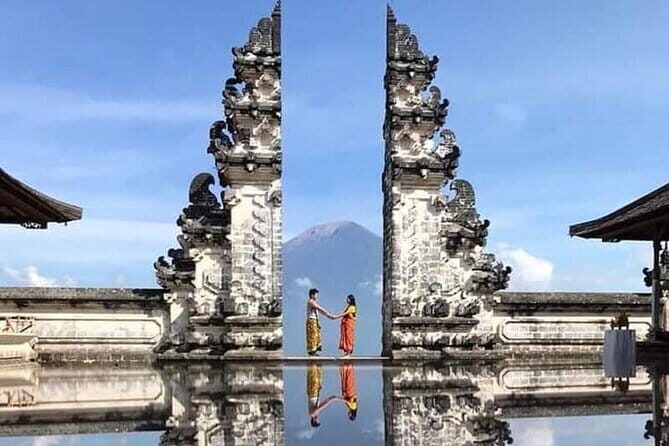
  • Guides who help with posing and shot setup, so you don’t stand there guessing
  • Patient handling of queues, so you don’t lose your mood while waiting

People also mention that guides like Margot and Budi were the kind who effectively doubled as photographer-and-driver: helping line up shots and keeping everything moving. Even when the day runs longer than expected, that kind of support can keep it feeling worthwhile.

Your takeaway: if you care about photos, don’t just care about the itinerary. Care about how your guide manages time and your camera moments.

Value check: is $68 per person worth it for four big sights?

Bali Instagram Tour: The Most Scenic Spots - Value check: is $68 per person worth it for four big sights?
At $68 per person, you’re paying for convenience and packaging. You’re not just visiting places—you’re getting:

  • Hotel pickup and drop-off
  • Bottled water
  • A driver/guide
  • Entrance tickets for all stops listed as expensive entrances

The value gets real because entrance fees and transport time add up fast if you organize on your own, especially when you factor in traffic and the hassle of moving between four separate “must-see” locations.

What can change the value is your spending choices. Lunch is not included, and there can be extra costs like the Gate of Heaven photographer shot fee if you want that service. The tour also can run long due to queues, and longer days can affect how you plan meals and energy.

Still, if you’re the type who wants the main Bali photo set without coordinating transport and tickets yourself, this price often feels like a fair deal.

What to bring so your photos don’t turn into a headache

This is a day of walking, waiting, and taking photos in varied environments: temple grounds, a palace, a cave waterfall, and a rice terrace. To keep things easy, I’d plan around comfort and quick changes.

Bring:

  • Non-slip footwear for the cave waterfall area
  • A small water bottle mindset (water is included, but you might want extra comfort)

  • Light layers, since temples and shaded cave areas can feel cooler than the road
  • Your phone charger or portable battery for all those queue-time photos

Clothing tips: pick something you can move in. At Gates of Heaven and rice terraces, posing often means standing still for a while. On waterfall routes, damp and slippery spots can force slower movement—so don’t wear anything you’ll regret when it gets wet.

If you’re worried about queues, think of a plan for your time: quick grooming, simple pose variations, and a couple of outfits you’ll rotate depending on the wait.

Who should book this Bali Instagram Tour, and who should skip it

Book it if:

  • You want four major scenic areas in one day without doing logistics
  • You care about getting photos at iconic spots, not just “seeing” them
  • You like the idea of temple + water + waterfall + rice terrace in one loop
  • You’re okay with queues at the top attractions

Skip it if:

  • You hate waiting with a passion and want zero lines
  • You prefer long, slow exploration instead of timed photo stops
  • You need a fully fixed schedule down to the minute, because traffic and crowds can stretch the day

Solo travelers often do well because the private-group format still gives you a guided plan. Couples who love photos also tend to like the pose-focused timing.

Should you book this Bali Instagram Tour?

I’d say book it if your priority is maximum iconic-photo payoff in one day and you value convenience. The strongest reason to choose it is the pairing of included entrances + hotel pickup + built-in photo time. For $68, it’s usually a solid package when you want the “greatest hits” without planning each stop.

But book with eyes open: the day can stretch because the most famous photo spot may involve waiting. If you can handle a long, scenic photo day, you’ll likely come away happy. If you need strict timing and minimal crowds, you may want a more relaxed itinerary instead.

FAQ

What sites are included on the Bali Instagram Tour?

The tour includes Lempuyang Temple (Gate of Heaven), Tirta Gangga, Tukad Cepung Waterfall, and Tegalalang Rice Terrace.

How long is the tour?

It’s listed at about 9 hours.

Is hotel pickup and drop-off included?

Yes. Pickup and drop-off from your Bali hotel (including port pickup if needed) is included.

Are entrance tickets included?

Yes. Entrance tickets for the stops are included.

Is lunch included?

No. Lunch is not included.

Is a photographer included?

The tour includes your driver/guide, and a photographer shot fee is mentioned as being at the Gate of Heaven only.

What about water during the tour?

Bottled water is included.

Is it private or shared?

It’s described as private for your group, meaning only your group participates.

FAQ

What’s included in the price besides admission tickets?

The price includes fuel surcharge, bottled water, driver/guide, and hotel pickup/drop-off.

What’s the cancellation timeline?

Free cancellation is available up to 24 hours in advance for a full refund. If you cancel less than 24 hours before the experience starts, the amount paid is not refunded.

Bali Quad Bike Pass by Waterfall Gorilla Cave Private Transfer

Bali is best when you leave the main roads, and this quad bike pass does that fast. You’ll ride an ATV with a guide through Bali’s countryside, with route highlights that include forests, rivers, and waterfalls plus a cave stop known for a gorilla face.

Two things I really like here are the private hotel transfers (no self-drive stress) and the setup after the ride: towels, changing space, and showers. The day also ends with an Indonesian lunch that’s included, which matters after you’ve spent time getting muddy.

One consideration: this style of ATV outing can involve waiting and stop-start moments depending on how groups are managed, and there are strict age limits (with a max age of 60). If lines make you grumpy, plan for that possibility.

Key highlights to know before you book

Bali Quad Bike Pass by Waterfall Gorilla Cave Private Transfer - Key highlights to know before you book

  • Private return transfer from Seminyak so you’re not figuring out roads, parking, or meet-up chaos
  • Guided ATV riding with safety gear and an instructor—no self-drive hassles
  • Shower and changing facilities on site, plus towels ready after you’re covered in mud
  • Included Indonesian lunch after the ride, so you’re not hunting for food afterward
  • Route includes waterfall and the Gorilla Cave stop for a more varied outing than a simple loop

Entering the Bali ATV zone from Seminyak

Bali Quad Bike Pass by Waterfall Gorilla Cave Private Transfer - Entering the Bali ATV zone from Seminyak
This is a Bali ATV tour built around one idea: get you off the scooter lanes and into real countryside. From Seminyak, you’re picked up and driven to Alasan Adventures – ATV, where the action starts. You’re not just riding; you’re also getting a guided route that’s designed to feel like you’re moving through multiple “worlds” in one day—muddy tracks, river crossings, and those waterfall moments.

The tour is sold as a quad bike pass by waterfall and gorilla cave, and that gives it more story than the typical “ride, turn around, repeat” format. The same ride also aims to be beginner-friendly, because the ATVs are described as easy to master once you get the basics from the team.

The ride day setup: private transfers and real timing

Bali Quad Bike Pass by Waterfall Gorilla Cave Private Transfer - The ride day setup: private transfers and real timing
Overall, you’re looking at about 6 hours total. The ride itself is shorter—about 1.5 to 2 hours—with the rest of the time going to travel, safety briefing, shower prep, and lunch. That ratio is pretty practical for most people. You get the adrenaline chunk without turning the whole day into “just driving around.”

The biggest value in your schedule is the private hotel transfer. It saves you from the usual ATV-tour headaches: confusing pick-up points, navigation problems, and the stress of showing up late. In reviews, guides like Mr Merry, Yoga, Septa, and Harry are repeatedly praised for being on time and easy to work with, which matters when you’re paying for convenience.

At Alasan Adventures: safety gear and how instruction works

Bali Quad Bike Pass by Waterfall Gorilla Cave Private Transfer - At Alasan Adventures: safety gear and how instruction works
Before anyone heads out, you’ll get safety equipment and a briefing. The tour notes that you’ll use safety gear such as protective help and boots, plus directives from experienced instructors. That may sound generic, but it’s the difference between a fun ride and a scary one.

This is also where you’ll learn the rhythm of the route: how to start, stop, and handle uneven ground. The ATVs are described as easy to master, and that lines up with the idea that the tour is set up for a wide range of riders. Still, the tour asks for strong physical fitness, so if you expect a very gentle “sit and cruise” experience, you may feel the bumps.

Riding the countryside: rivers, mud, and the Gorilla Cave stop

Bali Quad Bike Pass by Waterfall Gorilla Cave Private Transfer - Riding the countryside: rivers, mud, and the Gorilla Cave stop
The core experience is the guided ATV track through Bali’s countryside. Expect a mix of surfaces: dirt, mud, and rougher sections that make you feel like you’re actually traveling, not just staying on a smooth path. Route highlights are specifically described as including forests, rivers, waterfalls, and even a cave with a gorilla face.

This is where the tour earns its keep. Many ATV outings give you one kind of terrain. Here, the promise is variety: you’re meant to see different textures and views, plus those “wait, we’re really going there” moments like the cave stop.

Also, you’ll want to respect the conditions. In wet-season style riding (which the area is known for), tracks can turn into a full-on mud mission. The featured review advice is straightforward: come ready to get muddy, and bring a change of clothes and socks. The tour also provides shower facilities afterward, which is essential because the mud doesn’t just stay on your shoes.

Stop-start reality: mechanical issues and group pacing

Bali Quad Bike Pass by Waterfall Gorilla Cave Private Transfer - Stop-start reality: mechanical issues and group pacing
Even with good planning, this kind of adventure day has moving parts. Some rides can include minor delays or stop-start moments, and occasionally you’ll hear about ATV break-downs that slow the rhythm of the day.

Here’s the practical takeaway for your expectations: if your priority is constant, uninterrupted riding, this may not be a perfect match. If you can handle short waits and focus on the scenery, the guiding, and the overall vibe, you’ll likely still consider it a highlight.

One more pacing factor is the group size. The tour is described as private for your group, but ATV operations sometimes still run multiple riders in a shared environment. If you’re sensitive to waiting, I’d treat that as a real possibility and keep your phone battery and patience topped up.

Changing, showering, and that included Indonesian lunch

Bali Quad Bike Pass by Waterfall Gorilla Cave Private Transfer - Changing, showering, and that included Indonesian lunch
The “after” part is a big deal on this tour, and the tour is set up for it. You get towels, shower facilities, and changing rooms after your ride. That means you can show up looking presentable again instead of dragging muddy clothes all over Bali.

Then comes lunch. The tour includes a set-menu Indonesian lunch, which is a smart move. After an ATV session, finding a good meal on your own can be annoying—especially if you’re tired, muddy, and wet. In reviews, lunch quality gets positive marks, and you’ll also find mention of poolside time at places like Cretya Sunset after the main activity. That kind of extra time might not be guaranteed, but the included lunch itself is clearly part of the plan.

Single ride vs tandem: what changes for you

Bali Quad Bike Pass by Waterfall Gorilla Cave Private Transfer - Single ride vs tandem: what changes for you
This tour offers options, and it matters because the “rules of the day” are different.

  • Single ride: minimum age is 16; you’ll drive your own ATV
  • Tandem ride: minimum age is 5, and you ride with a partner
  • Weight limit for tandem: maximum 150 kilograms
  • Max age for both: 60 years

If you’re traveling with kids, tandem can be the way to make the trip work. Reviews mention families doing this with children around 8 and 10 years old, which suggests the tandem option is actively used by families.

If you’re older yourself, double-check your eligibility before you get your heart set on riding. One important consideration: there’s a clear max age rule (60), and if you’re above that, you may be turned away when you arrive.

Price and value: what $51 buys beyond the ride

Bali Quad Bike Pass by Waterfall Gorilla Cave Private Transfer - Price and value: what $51 buys beyond the ride
At about $51 per person, you’re paying for more than just ATV time. The value is in the package:

  • Private air-conditioned return transfer from your hotel
  • Professional ride instructor and safety tools
  • Insurance coverage
  • Towels, showers, and changing facilities
  • Included Indonesian lunch

When you compare that to the cost of a self-arranged ATV day (driver, transport, entrance fees, and then the meal), the package makes sense—especially if you’re staying around Seminyak and want to avoid extra logistics. Also, the tour mentions group discounts, which can reduce the per-person cost if you’re traveling with others.

The practical downside is that some riders report disorganization or long waits if the operation handles too many people at once. That doesn’t automatically mean a bad day, but it does mean you should treat “$51 for an all-smooth experience” as unrealistic. You’re buying an adventure with a few real-world edges.

Picking the right guide vibe and making the most of the track

A lot of the success of a day like this comes down to the guide. In the feedback you’ll see names like Octa, Ari, Agung, Yoga, Harry, Septa, and Mr Merry showing up again and again. The pattern is consistent: when the guide is friendly, focused on safety, and good at keeping you engaged, the ride feels like more than a muddy activity. It turns into an experience.

What you can do to get that better outcome: ask for clarity at the start and listen carefully during the briefing. If direction is vague, your confidence can drop fast on uneven terrain. If you want a more scenic and story-rich experience, paying attention to the guide’s route explanations helps—even if you’re not expecting a full lecture at every stop.

Photos and souvenirs: budget for the add-ons

Souvenir photos are not included. The tour says souvenir photos are available to purchase. A number of reviews suggest that purchasing the private photographer can be worth the extra cost for the best shots, especially if you want action images rather than awkward phone selfies.

My practical advice: decide before you go. If you’re the kind of person who wants clean, well-timed shots of your ride, plan for it. If you’re happy with a few casual videos, skip the add-ons and save your money for the next meal or beach day.

Who should book this ATV waterfall gorilla cave tour

This tour is a strong fit if you want:

  • an adrenaline-style countryside ride instead of a slow sightseeing day
  • private pickup from Seminyak and a supported experience with showers and lunch included
  • variety on the route, including waterfall moments and the Gorilla Cave stop

It may not be your best choice if:

  • you’re very sensitive to delays or stop-start pacing
  • you want a calm, fully explained nature walk (this is mainly action time)
  • you’re out of the age limits (max age 60 is strict, and tandem has its own minimum age)

Quick practical tips so you don’t regret anything

Here’s how to set yourself up for a smoother day:

  • Bring a change of clothes and plan on using it
  • Bring socks (mud finds socks fast)
  • Wear gear you don’t mind getting wrecked—ATVs and Bali mud are a chaotic team
  • Use the safety briefing time seriously; it directly affects how fun the ride feels
  • If you hate waiting, mentally allow for it and stay flexible about the pacing

Should you book this Bali quad bike pass?

If you’re staying near Seminyak and you want a guided ATV adventure with private transfers, real clean-up facilities, and an included meal, I’d say this is an easy yes. The high satisfaction rating (4.9) and the repeated praise for guides, safety care, and the shower-and-lunch setup point to a day that’s built to be enjoyable, not just chaotic.

Skip it—or at least think hard—if you’re outside the age limits, hate any chance of mechanical delays, or you want a calm, explanation-heavy tour. This one is for people who come ready to ride, get muddy, and laugh about it afterward.

PRIVATE Authentic Balinese Cooking Class in Ubud at Putu’s Home

PRIVATE Authentic Balinese Cooking Class in Ubud at Putu's Home - Price and Logistics: Is $75 Worth It?

Smelling spices is one of the fastest ways to start Bali. In Ubud, you cook in Putu’s family home with her husband, grandparents, and children, not in a classroom. You’ll grind spices, chop on simple boards, and learn why certain ingredients matter before you sit down to eat everything you made.

I especially love the farm-to-table feeling. Many of the ingredients come from Putu’s own gardens and the rice her grandparents grow, so the food tastes like it has a story attached. One small consideration: the kitchen setting is basic and mostly outdoor, and the drive from central Ubud can add time, so plan your day with that buffer.

If you choose lunch or dinner, the experience still runs at an unhurried home rhythm. You’ll finish with a Balinese feast, plus a little local alcohol, and you’ll leave with recipes to try back home. It’s a private setup, so you can ask questions and adjust spice levels as you go.

Key points to know before you go

PRIVATE Authentic Balinese Cooking Class in Ubud at Putu's Home - Key points to know before you go

  • Private and hands-on, not a show: You cook alongside Putu and her family, with guidance at each step.
  • Five dishes, built from scratch: Expect spice work, chopping, grilling/steaming, and assembly like banana-leaf parcels.
  • Farm ingredients and family rice: You’ll taste produce and rice grown by Putu’s household.
  • Culture mixed into cooking: You learn about Balinese Hindu household life, including temple areas, in plain language.
  • Food comes with leftovers: People often leave with extra food packed to take away.
  • Transport is included only from Ubud: Pickup and drop-off are included from Ubud hotels; outside Ubud costs extra.

Why Putu’s Ancestral Compound Feels More Like Family Than Tour Time

PRIVATE Authentic Balinese Cooking Class in Ubud at Putu's Home - Why Putu’s Ancestral Compound Feels More Like Family Than Tour Time
The setting is the first big win. You’re invited into a traditional Balinese compound home, where different spaces have meaning. Putu walks you through the layout—especially the family temple areas—and explains what you’re seeing in everyday terms. It’s not a museum talk. It’s the logic of how people actually live.

This is also a multigenerational household. You’ll meet Putu, her grandparents, her husband, and their children. That matters because the cooking isn’t treated like a performance. It’s treated like daily life—passed down, practiced, corrected, and shared.

In a lot of Bali cooking classes, you learn recipes. Here, you learn context. Putu shares stories behind the food, including the spice choices her family makes and the role of traditional Balinese ingredients. Some of what you hear goes beyond flavor into traditional uses—like the healing properties of certain ingredients—paired with where they come from.

The vibe is warm and funny. Several people mention Putu’s patient, encouraging teaching, which helps a lot if your cooking skills are only average. Also, it’s private—so if you want to go slower, ask questions, or take notes, you can.

Price and Logistics: Is $75 Worth It?

PRIVATE Authentic Balinese Cooking Class in Ubud at Putu's Home - Price and Logistics: Is $75 Worth It?
At $75 per person, the value comes from three places: privacy, instruction, and what’s included with the meal.

You get a private cooking lesson (not a big group classroom), plus a homecooked meal built from the dishes you prepare. You also get:

  • Round-trip transport from your Ubud hotel
  • Local alcohol (typically 1–2 glasses)
  • Non-alcoholic drinks
  • Taxes and fees included
  • Gratuities included
  • A mobile ticket system

That combination is what keeps it from feeling like you’re paying mostly for access. You’re paying for time with Putu’s family kitchen and their food culture.

The one pricing catch is geography. If you’re staying outside Ubud, transport costs extra. If you’re deep in the countryside, make sure you’re comfortable adding that extra ride time and expense.

The other “logistics value” point: you’re not driving yourself through traffic or hunting for a meeting point. Door-to-door pickup and drop-off is included for Ubud hotels, and that alone can make the whole day feel easier.

Timing Reality: Around 3 Hours Total, Not a Long Day

The total block is about 3 hours, but the actual cooking time is roughly 1.5 hours. That’s a good setup for two reasons.

First, you can fit it into your trip without feeling like you lost half a day. Second, the remaining time is what you need: the welcome, the farm/compound walk, and the meal at the end.

A few practical notes from people’s experiences:

  • The class works for both lunch and dinner schedules.
  • If you’re booking at night, the cooking area can be well-lit, so you’re not stuck guessing what you’re doing.
  • The kitchen process includes traditional methods like steaming rice and using hands-on spice prep, so the pace is more “methodical” than “rushed.”

Plan your day with a buffer for driving. One review notes the cooking location is about 40 minutes from central Ubud. That’s not a deal-breaker, but it matters if you booked another reservation right after.

What You’ll Cook: Five Balinese Dishes Built Around Spices

You’ll cook five authentic dishes, and the exact menu can vary by season. That means you should treat it like a rotating menu based on what’s freshest—not a fixed checklist.

Still, you can expect dishes in the range of:

  • Grilled fish
  • Banana leaf parcels
  • Curry-style preparations

What makes the cooking feel real is the process. Putu doesn’t just hand you ingredients. You’ll do the work:

  • Chopping on wood blocks with small cleavers
  • Grinding spices by hand (you may even work it into satay-style prep)
  • Cooking over simple equipment like a basic cooktop, and traditional steaming methods for rice

One of the best moments is when the kitchen starts smelling like the dish you’re making. The spice work is front and center, and Putu explains how she expects flavors to combine. Several people mention she lets you adjust spice level, which is handy if you’re not trying to “eat fire for fun.”

Vegetarian and vegan options

Vegetarian and vegan options are available. If dietary restrictions are important to you, tell Putu at booking. The class isn’t presented as a one-size-fits-all menu.

Allergies and preferences

If someone in your group has allergies or strong preferences, you should advise at booking. This is especially important for spice mixes and ingredients that may vary with the day’s produce.

The Feast: Rice, Garden Produce, and a Small Pour of Local Alcohol

PRIVATE Authentic Balinese Cooking Class in Ubud at Putu's Home - The Feast: Rice, Garden Produce, and a Small Pour of Local Alcohol
After cooking comes the part most people remember: sitting down to a Balinese feast with everything you made.

You’ll eat their homegrown rice, cultivated by Putu’s grandparents. That detail matters because it frames the meal as family agriculture, not just food styling. People also mention tasting fruits from the garden, with one example being mangosteen, which gives you a sense of the orchard life behind the cooking.

The meal is paired with drinks:

  • Local alcohol, typically 1–2 glasses
  • Non-alcoholic beverages

This isn’t a “party” vibe. It’s a simple pairing. Think of it as a small cultural touch—one more reason the meal feels lived-in rather than staged for tourists.

One practical bonus: people often mention there’s enough food for leftovers, and it may be packed to take away. If you’re the type who likes having a tasty breakfast the next day, this can be a nice payoff.

Cultural Lessons You’ll Actually Use in Conversation

PRIVATE Authentic Balinese Cooking Class in Ubud at Putu's Home - Cultural Lessons You’ll Actually Use in Conversation
This is where the class quietly becomes more than cooking.

Putu shares what different spaces in a traditional Balinese home mean, especially around the temple areas. You’ll learn the basic household logic—why certain parts exist and how they’re used—without getting lost in academic terms.

You also hear about the ingredients beyond “this tastes good.” Putu explains:

  • what spices she uses and why
  • traditional Balinese ingredients and their healing properties
  • how much of the food supply comes from the family farm

That kind of explanation sticks because you taste what it’s saying. It’s not just a lecture. You’re building the dish, then you understand why that ingredient was chosen in the first place.

And yes, there’s humor. Multiple reviews highlight Putu’s personality and teaching style—friendly, patient, and relaxed—so the cultural part doesn’t feel heavy.

Comfort, Cleanliness, and the Real Kitchen Setup

Don’t expect a glossy demo kitchen. You’ll likely be working with a simple setup—sometimes outdoor, sometimes in a garden area. People mention the kitchen can be outdoor and clean, with ingredients laid out and ready.

Two practical comfort points show up repeatedly:

  1. The workspace is organized, so you’re not fighting for counter space.
  2. The process is taught clearly enough that even people with moderate cooking skills can keep up.

Also, communication is practical. One review notes Putu uses WhatsApp to communicate, so having it installed helps you coordinate smoothly.

If you get cold easily, bring a light layer. If you hate insects, bring basic repellant. The class is tied to a rural home setting, so you’re stepping into nature more than into a hotel.

Who This Cooking Class Suits Best

This experience fits best if you want real home cooking and a personal connection to Bali beyond souvenir shops.

It’s a strong match for:

  • Food lovers who like learning techniques, not just recipes
  • People who enjoy farm-to-table stories
  • Anyone curious about Balinese Hindu household life
  • Families or mixed-age groups, since the cooking is handled with patience and everyone can participate

It may be less ideal if you’re looking for:

  • A polished “chef show” with quick plating and zero mess
  • A fully indoor, modern kitchen experience
  • A super fast, factory-style workshop

Given the private format, you get more flexibility than most group classes. But it’s still hands-on cooking in a real home setting.

Should You Book Putu’s Private Balinese Cooking Class in Ubud?

Yes, if you want a private lesson that feels like you were invited in, not like you bought a ticket and sat in the back. The mix of five hands-on dishes, farm-grown ingredients, and temple/culture context is the reason this class gets consistently high ratings.

Book it especially if you care about value: private transport from Ubud, meal included, local alcohol included, and recipes to take home. At $75, it’s not just “cheap,” it’s balanced against what you’re actually getting.

Think twice only if you’re staying well outside Ubud and the extra transport charge will make it feel too pricey. Also, if you’re trying to pack every minute of your day, remember that driving time can be around 40 minutes each way from central Ubud.

If you want one meal in Bali that you can explain to people back home, this is it.

FAQ

Where does the cooking class take place?

It’s held at Putu’s home in Ubud, in her traditional compound home and garden area.

How long is the experience?

The class cooking portion is about 1.5 hours, and the overall experience is around 3 hours.

How many dishes will we cook?

You’ll prepare five authentic Balinese dishes.

Is this experience private?

Yes. It’s a private, personalized experience, and only your group participates.

Does the price include transportation?

Transport round-trip from your Ubud hotel is included. If you’re outside Ubud, there’s an extra charge for transportation.

Is lunch or dinner offered?

Yes. You can choose between lunch or dinner based on your schedule.

Are vegetarian or vegan options available?

Yes. Vegetarian and vegan options are available if you advise at the time of booking.

Is local alcohol included?

Local alcohol is included, typically 1–2 glasses, along with non-alcoholic beverages.

Do I get recipes to take home?

Yes. You’ll take home the recipes from the class.

Can I cancel for a full refund?

Free cancellation is offered. You can cancel up to 24 hours in advance of the experience for a full refund.

Bali Secret Waterfall Tour – Private and All-Inclusive

Bali Secret Waterfall Tour - Private and All-Inclusive - How the “culture and viewpoints” stops fit into a waterfall-heavy day

Jungle steps lead to serious waterfall payoff. This private Bali Secret Waterfall Tour is built for a full day of cascading jungle scenery, with a guide who can shape the pace to your group. I especially like the included admission tickets for the main waterfall stops and the chance to actually cool off in natural pools. The main catch is physical: you should plan for steep stairs and rocky, slippery trails.

The route usually starts in the north-central highlands and then works its way back toward calmer stops like Ubud and the Monkey Forest, depending on the day and where you’re staying. You may be led by guides such as Turah, Winsu, Sutha, or Sugara, and they tend to focus on safe footing, smart timing, and getting good photos.

Key highlights to look for

  • Hotel pickup and round-trip transfers from select Seminyak-area hotels, so you avoid DIY logistics
  • Private pacing with only your group, plus flexibility if conditions change
  • Four signature waterfall stops (Munduk, Banyumala Twin, Leke Leke, and Banyu Wana Amertha) with entry included
  • Trail time that feels like a workout, not a quick drive-by photo stop
  • Lunch at a local restaurant, often described as a satisfying break during a long day
  • Route add-ons that can include Ulun Danu Beratan, Jatiluwih rice terraces, Ubud, and Monkey Forest

Why a private waterfall day from Seminyak feels different

Bali Secret Waterfall Tour - Private and All-Inclusive - Why a private waterfall day from Seminyak feels different
If you’ve only done Bali’s “temple plus beach” days, this is the opposite. You’re trading traffic-heavy sightseeing for forest paths, waterfall spray, and moments when the only soundtrack is birds and water. The private format matters here because waterfalls aren’t all the same: one stop might be more stairs, another might be better for swimming, and timing can change fast.

This tour also leans into “less crowded” potential. Some groups have gotten the first stops with very few people around, which makes a big difference when you want photos without fighting for angles.

One more practical thing: the itinerary is spread out. You’ll be in the car for much of the day, but you’re using that time to reach waterfalls that are far more scenic than the easy-access ones near the coast.

The waterfall circuit: Munduk to Banyu Wana Amertha

This is the core of the day, and it’s what you’re paying for.

Stop 1: Munduk Waterfall (and nearby falls time)

Munduk is in Bali’s central-northern highland region, in lush forest country. Expect a real walk to reach it, with time set aside so you’re not rushing through the moment.

What I like about this start is the way it sets expectations. You’re not pretending it’s effortless. You’re warming up for a day of stairs and jungle paths, then getting a payoff that feels worth the effort.

Stop 2: Banyumala Twin Waterfalls (pool time)

Banyumala Twin Waterfalls are known for their beauty and for that naturally formed pool area under the falls. This stop can be the one where you plan to cool off, if water conditions allow.

From a value standpoint, this is smart: it’s one thing to see water from above, and another to feel it at pool level.

Stop 3: Leke Leke Waterfall (the quiet-jungle style)

Leke Leke is described as a jungle-hidden waterfall that often stays less known than the headline names. Translation: you may get more space around the falls, which helps with photos and just enjoying the sound of water.

This stop is also where you’ll feel the “secret waterfall” promise most. Not because it’s magically perfect, but because the setting is quieter.

Stop 4: Banyu Wana Amertha Waterfall (a newer attraction)

Banyu Wana Amertha is relatively newer as a tourist attraction, and the approach includes a trail from the parking area. Expect a walk (including a paved section with stones/logs mentioned) before you reach the falls.

The upside: this stop tends to deliver strong scenery and a sense of reward at the end of the trail.

What the hiking really means (stairs, slip risk, and swim-ready planning)

Bali Secret Waterfall Tour - Private and All-Inclusive - What the hiking really means (stairs, slip risk, and swim-ready planning)
The tour calls for moderate physical fitness, and you should take that seriously. Multiple guides in the feedback stressed steep climbing, and some people mentioned stair counts and slippery terrain.

Here’s what you should plan for:

  • You’ll likely face steep stairs and uneven ground.
  • Some approaches can be slippery, especially after rain.
  • The waterfalls can be rocky, and footing matters.

Water shoes are a common practical tip for stops where swimming is possible but the rocks are unforgiving. If you’re unsure about your balance after a long day, you’ll feel it here. I’d treat this like a hiking day with scenery, not a casual stroll.

Also, consider your strategy for rain. One group skipped a later waterfall due to wet conditions and switched to a more relaxed stop on the route back. That’s the kind of flexibility a good guide can offer.

How the “culture and viewpoints” stops fit into a waterfall-heavy day

Bali Secret Waterfall Tour - Private and All-Inclusive - How the “culture and viewpoints” stops fit into a waterfall-heavy day
Not every part of the day is a waterfall, and that’s a good thing. These stops help you reset between hikes and give your day more variety.

Ulun Danu Beratan temple stop (temple on the route)

The itinerary includes a stop at Ulun Danu Beratan. This is a classic Bali contrast: you go from jungle waterfalls to a scenic temple setting, and it helps break up the physical load.

Jatiluwih rice terraces (big-view breathing room)

Jatiluwih Rice Terraces appear on the plan as a stop. Even if you’re not the type to study terrace agriculture, it’s a nice change from wet stone and stairs.

Drive through Ubud plus market/shop time

Ubud shows up as a drive-through area where there are shops and spas. Depending on your timing, you might see it as a quick pulse through town rather than a full deep-city day. If you want a calmer vibe after hiking, Ubud can hit that sweet spot.

Monkey Forest stop (when the day needs a softer landing)

Monkey Forest is listed as a stop on the way back. People describe it as entertaining, with opportunities to feed monkeys like peanuts and bananas (the monkeys take it carefully, but the young ones can get excited).

This is also one of the better “weather backup” ideas. When rain makes hiking feel sketchy, a forest path with monkeys can be a good swap.

Lunch that stops the day from feeling like only suffering

Bali Secret Waterfall Tour - Private and All-Inclusive - Lunch that stops the day from feeling like only suffering
A big part of value here is that lunch is included as a typical Balinese meal at a local restaurant. You’re not guessing where to eat after the falls. You get a scheduled break.

Several experiences mention lunch with a beautiful view, including a lakeside setting. That matters more than it sounds. When you’ve been walking for hours, a good meal and a place to sit changes the whole mood of the day.

If you’re the type who forgets to drink water while you’re busy taking photos, this is the point where the day catches up with you. Use lunch time to hydrate and reset your legs.

Photos and guide support that can make or break the day

Bali Secret Waterfall Tour - Private and All-Inclusive - Photos and guide support that can make or break the day
A good guide here isn’t just about knowing where the falls are. It’s about managing the day so you get the best moments without feeling rushed.

In the feedback, guides like Turah, Winsu, and Sugara came up for pacing and for taking time to help with photos. Some people also hired an optional photographer add-on for extra picture power.

My advice: if you care about photos, ask your guide how they like to handle picture timing. In waterfall situations, the best shots often come from positioning and timing at the right moment, not just waving a camera around.

Pickup routes: how Seminyak-area logistics affect your experience

Bali Secret Waterfall Tour - Private and All-Inclusive - Pickup routes: how Seminyak-area logistics affect your experience
This tour offers round-trip transfers from select area hotels and includes a mobile ticket. If you’re based around Seminyak, you’ll likely have an easier start than people staying far outside the pickup zones.

But keep expectations realistic: Bali traffic and long drives are part of the deal. One reason the private format works is that you’re not stuck sharing a vehicle with strangers plus group timing. You can move at a pace that makes sense for your stamina.

Also, your route can include drive-bys depending on your hotel area. The plan notes possible passing points like Canggu Beach in the morning (if you’re in that direction), Beachwalk Shopping Center if your hotel is in Kuta, and the Seminyak or Jimbaran corridors on the way to the waterfalls. You might also pass Bali Swing on the way.

These are mostly “see it from the car” moments unless timing allows you to stop.

Price and value: what $109 per person really covers

Bali Secret Waterfall Tour - Private and All-Inclusive - Price and value: what $109 per person really covers
At $109 per person, this tour can feel like good value when you look at what’s actually included versus what you’d pay on your own.

Here’s the value math from the details you’re given:

  • Private tour format (only your group)
  • Pickup and round-trip transfers from select hotels
  • Admission tickets included for Munduk, Banyumala Twin, Leke Leke, and Banyu Wana Amertha
  • Lunch included as a typical Balinese meal

What you should not assume: that every extra viewpoint or attraction listed on the route comes with included entry. Some items are described as pass-by stops, which usually means no entry fee.

So if you’re comparing costs, treat this as a package that covers transport + key admissions + lunch, with hiking-based waterfall time as the centerpiece.

Who should book this tour (and who should pick something easier)

Bali Secret Waterfall Tour - Private and All-Inclusive - Who should book this tour (and who should pick something easier)
This is a strong fit if:

  • You want a true waterfall day, not a quick sightseeing checklist
  • You’re okay with stairs and a bit of steep, uneven terrain
  • You like having a guide who can keep the pacing and help with photos

It’s probably not a great fit if:

  • You want mostly flat, easy walking
  • You get nervous on slippery rocks after rain
  • You’re hoping for a relaxed, low-effort day with long lounge time

Pairs and small groups often love the private pacing. If you’re traveling solo, private is also great if you want your day to move on your schedule instead of a fixed group rhythm.

Should you book the Bali Secret Waterfall Tour from Seminyak?

I’d book it if you want Bali that feels active and real: jungle paths, cooling off at waterfalls, and a lunch break that actually resets you. The included admissions for multiple waterfall stops make it easier to justify the price than doing this day on your own.

Skip it or choose a lighter version if stairs and rocky footing would worry you. This tour earns its beauty with effort, and that physical part is not optional.

If you’re the kind of traveler who likes getting off the main roads for scenery, this is a very solid pick.

FAQ

How much does the Bali Secret Waterfall Tour cost?

The tour is priced at $109.00 per person.

How long is the tour?

Plan on about 8 to 10 hours.

Is this a private tour?

Yes. It’s a private tour/activity, meaning only your group participates.

What is included for the waterfall stops?

Admission tickets are included for the main waterfall stops listed in the itinerary (Munduk Waterfall, Banyumala Twin Waterfalls, Leke Leke Waterfall, and Banyu Wana Amertha Waterfall).

Do you get hotel pickup and drop-off?

Pickup is offered, with round-trip transfers from select area hotels.

Is lunch included?

Yes. You get a typical Balinese lunch at a local restaurant as part of the experience.

What cancellation terms are offered?

You can cancel for a full refund up to 24 hours in advance of the experience start time. If you cancel less than 24 hours before, the amount paid is not refunded.

Ubud Hot Springs and Waterfall Private Guided Tour

Ubud Hot Springs and Waterfall Private Guided Tour - Toya Devasya Hot Springs: The Relaxation Anchor of the Day

A long day, packed with Bali flavor. This private tour strings together volcanic hot springs with classic Ubud scenery, plus a waterfall finale, all with door-to-door pickup so you skip the stress of self-driving. It’s also built around big viewpoints: lunch overlooks Mount Batur, and the hot spring route gives you those wide, lake-and-volcano views. I especially like the way the day is run by guides such as Ketut, Adi, and Moyo, who tend to explain what you’re looking at and help keep the pace moving.

Two things I really like: first, the hot springs stop is the main event, not a quick dip—people come away feeling calm and recharged. Second, the Ubud portion mixes animals and nature in a way that feels practical for a first time in the area, from the Sacred Monkey Forest Sanctuary to the Tegalalang rice terrace. One consideration: the itinerary is ambitious, and even with a private vehicle, Bali traffic can make the day feel longer and tighter at the edges.

Key Things to Know Before You Go

Ubud Hot Springs and Waterfall Private Guided Tour - Key Things to Know Before You Go

  • Toya Devasya Resort & Spa hot springs with a volcano-and-view setting, built for relaxing rather than rushing
  • Mount Batur buffet lunch with multiple Indonesian favorites and a lake-and-volcano viewpoint
  • Sacred Monkey Forest + Ubud highlights in one day, so you don’t waste time picking stops
  • Tegalalang rice terrace and Happy Swing Bali for classic photos plus some light walking
  • Tirta Empul purification temple for a more spiritual pause between water-and-nature stops
  • Tegenungan Waterfall as a memorable finish, but expect stairs and bring footwear for wet rock

Door-to-Door Private Transport From Seminyak (and Why It Matters)

Ubud Hot Springs and Waterfall Private Guided Tour - Door-to-Door Private Transport From Seminyak (and Why It Matters)
The biggest practical win here is simple: you’re picked up at your hotel and returned to it, with air-conditioned MPV/minibus transport. That matters in Bali because the time cost of driving yourself adds up fast—parking, wrong turns, and scooter detours get old quickly. With this setup, you can focus on the sights instead of the navigation.

This is also listed as a private tour, meaning only your group rides together. That tends to make a difference at the busy stops. You can move at your group’s pace, and your guide can usually answer questions without the whole “herd management” feeling that comes with bigger bus tours.

The day is about 10 hours approx. (and in real life, traffic can stretch that). So while it’s framed as a relaxing day tour, think of it as relaxing inside a packed schedule. In other words: enjoy the calm at the hot springs, but don’t expect leisurely free time at every single stop.

Toya Devasya Hot Springs: The Relaxation Anchor of the Day

Ubud Hot Springs and Waterfall Private Guided Tour - Toya Devasya Hot Springs: The Relaxation Anchor of the Day
This tour’s heart is the hot springs at Toya Devasya Resort & Spa, and that’s not just marketing speak. The main idea is soaking in volcanic hot springs with a volcano view, which is exactly the kind of Bali contrast I like: you spend the morning among temples and terraces, then you land in warm water with sweeping scenery.

At this stop, you’re looking for a few things:

  • Time to settle in: this isn’t the type of stop where you just dip, take a photo, and leave.
  • Comfort for water time: wear your swimwear under your clothes or plan to change easily.
  • Photo opportunities: the views are part of the experience, not an add-on.

One tip I’d follow based on what people point out: bring a towel if you can. Hot springs may provide one, but the waterfall later often doesn’t. If you only pack the basics, you’ll feel it when you’re drying off at the end of the day.

Buffet Lunch at Mount Batur: How to Eat Well on a Long Route

Lunch is set with a buffered buffet-style meal overlooking Mount Batur and its lake. The food list in the details reads like a practical best-of menu: spring roll, nasi goreng, mie goreng, chicken dishes, and more. The vibe here is less about fine dining and more about refueling with a view.

Here’s my value-minded advice: if you’re trying to keep energy up for a waterfall and a temple later, don’t skip the basics. Even if you’re not super hungry, grab something easy—rice/noodles, a protein, and a drink—so you don’t run out of steam.

Also, in a day like this, lunch timing can affect later stops. If you choose to eat lightly or take long pauses, your guide may have to adjust how much time you get at other places. That’s not necessarily bad, but it is something to be aware of.

Sacred Monkey Forest Sanctuary: Fun, Fast, and Realistic About Macaques

Ubud Hot Springs and Waterfall Private Guided Tour - Sacred Monkey Forest Sanctuary: Fun, Fast, and Realistic About Macaques
The Sacred Monkey Forest Sanctuary is the classic Ubud “wow, we’re really in it” stop. You go in for about an hour (per the schedule), and you’ll see macaques in their natural-ish setting. It’s labeled as free admission in the provided plan, which helps your budget—more money stays for the paid attractions.

My advice for this stop is straightforward:

  • Keep your hands and pockets secure. Don’t treat it like a petting zoo.
  • Expect some chaos energy. Monkeys move fast and can be bold.
  • Put aside time for photos, but don’t spend so long that you’ll feel rushed later.

One nice thing about doing this with a private guide is context. A good guide helps you understand what you’re seeing, and it turns the stop from just “monkeys on demand” into something you can actually watch.

Tegalalang Rice Terrace + Happy Swing Bali: Iconic Views With Stairs

Ubud Hot Springs and Waterfall Private Guided Tour - Tegalalang Rice Terrace + Happy Swing Bali: Iconic Views With Stairs
The tour’s Ubud nature section centers on Tegalalang rice terrace, with a stop that’s paired with Happy Swing Bali. This area is described as a UNESCO-listed heritage-recognized site in the tour notes, which explains why you’ll see so many photo setups here.

Expect two kinds of time:

  • Walking / light trekking around the terrace edges (the plan mentions a simple trekking route)
  • Photo-focused time at the swings

Here’s the practical part: this whole area can be uneven. You’ll want shoes that grip well, especially if the weather’s humid or rainy.

The Happy Swing Bali stop is often the most “look at me” moment of the day—perfect for photos—but it can also steal time if your group gets caught in a long line or you’re very focused on perfect angles. If you want to protect your day, set expectations early with your guide: you’ll do the swing, but you’ll also save time for walking the terrace for real views.

Tampaksiring and Village Scenery: The Pause Between Big Attractions

Ubud Hot Springs and Waterfall Private Guided Tour - Tampaksiring and Village Scenery: The Pause Between Big Attractions
After the terrace area, you head toward Tampaksiring, described as an authentic Bali village with farming views. The plan frames it as photo stops and decent views down the volcano, with about 30 minutes here.

This is where I like to think of the tour as getting you out of pure “attraction mode” and into “Bali living” mode. You’re not spending all day at one location; instead, you get these quick, calmer scenic moments that make the day feel less like a checklist.

A note from the way the day is organized: the schedule is tight enough that these 30-minute stops don’t leave room for long detours. So treat them as a chance to take a few photos, ask a question or two, and keep moving.

Tirta Empul Temple: Purification Temple Energy (and What to Respect)

Ubud Hot Springs and Waterfall Private Guided Tour - Tirta Empul Temple: Purification Temple Energy (and What to Respect)
Then comes Tirta Empul, a sacred purification temple in the north-east Ubud area. The tour describes arriving at the gate with strong energy and notes the presence of a holy spring inside the temple.

This is one of the stops where the guide’s role really matters. In a private setting, you’re more likely to understand:

  • why the spring matters
  • what the purification process is about
  • what behavior is appropriate in a sacred space

Plan to keep your tone respectful and your body language calm. Even if you’re not participating in every ritual, you’ll still want to observe thoughtfully.

You may also see the day include a coffee plantation stop near this temple area. One review highlights a coffee plantation experience around the same part of the route, so it seems common enough that you should expect it as a possibility if it’s offered during your day.

Elephant Cave Temple Pass-By: Quick Sight, No Big Time Sink

Ubud Hot Springs and Waterfall Private Guided Tour - Elephant Cave Temple Pass-By: Quick Sight, No Big Time Sink
The schedule includes a pass by the Elephant Cave Temple in east Ubud. It’s described as featuring ancient statues tied to the Trinity of Brahma, Vishnu, and Shiva.

Because it’s a pass-by, you shouldn’t expect deep exploration time. If you’re the kind of traveler who loves architecture and would want to go inside, this is a place where you could ask your guide whether there’s any flexibility. With a packed route, though, guides may stick closely to the planned stops.

Batur Natural Hot Spring + Views Over Lake Batur: More Water Time

After Mount Batur lunch, the plan adds another hot spring experience: Batur Natural Hot Spring. This stop is described as a natural healing and water park with panoramic views of Lake Batur and Abang Hills, plus facilities that feel more swim-friendly (it even mentions an Olympic-size swimming scale).

This is a good reason the hot springs portion is a highlight: it’s not just one short soak. You get the “soak with a view” feeling twice, with different atmospheres. If you’re the type who likes water-based relaxation, this is where the day really pays off.

Practical tip: if you’re also planning to do Tegenungan Waterfall later, keep your towel situation under control. Wet days can turn annoying fast if you’re scrambling at the end for something dry.

Tegenungan Waterfall: The Final Wow (With Stairs and Wet Rock)

The day ends at Tegenungan Waterfall, one of Bali’s most famous waterfall stops. You’ll have about an hour for this part. The tour notes mention a green, dramatic view of the falls and the idea of getting a selfie on a stage-like spot.

Here’s my realistic take: Tegenungan is worth it, but it’s not a flat, stroll-through attraction. Expect stairs and uneven ground. Reviews specifically call out the need for solid waterproof shoes because you’ll be hiking on rocks, and doing it in basic sandals can be rough.

If it’s rainy season or the ground is wet, wear shoes you trust. Also pack a spare layer if you’re likely to get cold or wet. The tour recommends spare clothing, and for this kind of finish, it’s a good call.

Price and Value Check: What You Pay vs What You Actually Use

The listed price is $18.12 per person, which is the first eye-catcher. But Bali tours are usually priced on two layers: transport and guide service on the one hand, and attraction admissions on the other.

In your case, the details say:

  • Admissions may cost extra, listed as around $18 USD for all attractions (described as special private guided purchase ticket entrance).
  • Lunch may be extra, around $4 per person at a local restaurant.
  • The included side covers pickup/drop-off across South/Middle/East Bali, insurance, mineral water, and AC transport.

So how do you judge value?

  • If you want a full day that includes hot springs + major Ubud stops without driving, the value can still be strong even with entry fees.
  • If your group already plans to self-drive and only wants one or two stops, this may feel like paying for more structure than you need.

My advice: budget for admissions and be mentally ready for a long day. That way, you’ll judge the tour on how smoothly it runs, not on how close the extras match your hopes.

When the Day Feels Packed: Traffic, Timing, and Extra Flexibility

Even when a tour is private, you still fight two things: traffic and distance. This route moves through Ubud and back toward Seminyak, so delays can pile up. Some feedback also points to the itinerary feeling tight when the day slips later than expected.

There’s also a practical reality: hot springs, temples, and terraces don’t all take the same amount of time. Monkey Forest can run long if you stop for photos. Swing time can expand. Waterfall time depends on footing and how quickly you’re ready to go.

In at least one reported instance, a vehicle issue (a radiator problem near Mount Batur) created a delay. And in other cases, guides had trouble keeping to the exact timing, leading to missed stops or schedule changes. None of that means you shouldn’t book. It just means you should treat this like a day-trip with an active plan, not a slow, flexible roam.

How you can protect your experience:

  • Ask your guide early how the timing is set for each stop.
  • Decide ahead of time what you’d be sad to miss (for most people here, it’s the hot springs and/or the waterfall).
  • Wear realistic footwear and pack a small “wet day kit” (sunscreen, a spare top, and a plan for towel/drying).

Who This Tour Suits Best (and Who Should Rethink)

This tour is a strong fit if you want:

  • Door-to-door convenience from Seminyak
  • A day that covers multiple classic Ubud sights without planning a route yourself
  • A relaxing anchor in the volcanic hot springs, plus a scenic finale at Tegenungan Waterfall

It’s less ideal if you:

  • Hate long days and prefer slow travel
  • Want lots of free time at just one place
  • Are extremely sensitive to schedule shifts from traffic

If you’re traveling as a couple, solo traveler, or small group, this private format often hits the sweet spot. You get structure without the big-tour feel.

Should You Book This Ubud Hot Springs and Waterfall Private Tour?

I’d book it if your dream Bali day includes warm volcanic water, classic Ubud scenery, and at least one major waterfall. The combination is the main draw: you don’t just “see Ubud,” you experience a few sides of it—nature, culture, and pure soaking.

I’d pause and consider a different format if you’re the kind of traveler who wants unhurried time everywhere. This is one of those days where you’ll enjoy the best moments—especially the hot springs and Mount Batur lunch views—but you should expect it to feel like a marathon if traffic runs hot.

If you do book, go in prepared: bring swimwear, realistic shoes, and plan for extra admissions. Do that, and you’ll likely feel like the day delivered what it promised: a full slice of Bali, wrapped in private comfort.

FAQ

What’s included in the tour price?

Pickup and drop-off, an AC private vehicle, a friendly guide/driver, mineral water, insurance, and a mobile ticket are included. The tour also describes an included entrance-ticket element, but attraction admissions may still be purchased separately depending on the site.

Are entrance fees included?

Some attraction entrances appear to be covered on the premium all-inclusive side, but the tour details also note a separate entrance ticket cost on the day for attractions (about $18 USD for all attractions).

Is lunch included?

Lunch is listed as additional, at about $4 per person at a local restaurant. The day does include a buffet lunch stop overlooking Mount Batur in the itinerary description, but the provided pricing notes suggest you should expect lunch as an extra charge.

How long is the tour?

It’s listed at about 10 hours. In practice, traffic and timing at each stop can make the day run longer.

What should I wear and bring for this day?

Bring swimming clothes, sunscreen, a camera, sandals, and spare clothing. For the waterfall part, sturdy shoes are a smart idea because you’ll be on wet, rocky stairs.

Is this a private tour or a group tour?

It’s private. Only your group participates.

Can I cancel for free?

Yes. Free cancellation is available up to 24 hours in advance for a full refund.