Waterfall Tour: North Bali Best Waterfalls

Waterfall Tour: North Bali Best Waterfalls - Beji Griya Waterfall: A Jungle Fall With No Crowd Noise

Few things beat a quiet Bali waterfall.

This private North Bali outing is built for exactly that: less-visited cascades plus door-to-door comfort. You’ll visit jungle waterfalls that don’t come with souvenir shops or concrete crowds, then pause for lunch with views over Bali’s highland lakes.

What I like most is the focus on three different waterfall styles in one day. You’re not just chasing one “main event”; you get Nungnung-area jungle falls vibes, twin pools at Banyumala, and Leke Leke’s photo-friendly jungle scene. The day is also structured like a real outing, with set time at each stop and transport filling the rest.

One consideration: you should be ready for forest terrain and walking at the waterfalls. If you want totally flat, stroller-friendly sightseeing, this isn’t that kind of day.

Key things you’ll notice on this tour

Waterfall Tour: North Bali Best Waterfalls - Key things you’ll notice on this tour

  • Hidden waterfall time at Beji Griya with no nearby shops or buildings
  • Twin falls at Banyumala plus a natural pool where swimming is possible
  • Leke Leke for photos and drone video in a quieter jungle setting
  • Lunch at Wanagiri Coffee with a view over Lake Buyan and Lake Tamblingan
  • Private door-to-door transfers so you’re not riding around with strangers

North Bali’s Waterfalls: Why This Route Feels Different

North Bali waterfalls can be a mixed bag. Some days, you spend most of your time in line, in parking lots, or in crowded viewpoint loops. This tour avoids that pattern by aiming at waterfalls that stay tucked into the forest and stay out of the most obvious tourist circuits.

The big value here is variety. You’ll see a hidden jungle waterfall, then twin waterfalls with a swimable pool, then a newer-feeling jungle cascade that still feels more “real” than staged. And because it’s private, your guide can pace the day to your comfort level instead of pushing you through a fixed crowd timetable.

For photography, the payoff is clear. You’re aiming for scenes where the setting looks like Bali actually looks—green, steep, wet, and alive—with fewer distractions around the falls.

Private Door-to-Door Logistics from Seminyak (and beyond)

Waterfall Tour: North Bali Best Waterfalls - Private Door-to-Door Logistics from Seminyak (and beyond)
This is a full private tour with pickup offered, and it’s set up as a door-to-door experience. You’re not left figuring out scooters, directions, or timing between different regions. Instead, you’re picked up, driven between stops, and dropped back after a 7 to 8 hour day.

A few practical points matter:

  • Admission tickets are included for each listed waterfall stop, so you’re not hunting for payment booths.
  • The itinerary is built around about 1 hour 30 minutes per stop, with the rest of the time spent on transportation.
  • You’ll use a mobile ticket, which tends to be easier than printing something in a hurry.

Dress code is smart casual. That doesn’t mean you need to go fancy—it means wear something comfortable enough for uneven ground. And because the schedule depends on weather (more on that later), you’ll want to plan for a wet day reality even if the forecast looks decent.

If you’re staying in Seminyak, this is also a useful “one-day plan” option. You get a North Bali-focused day without having to reorganize your whole trip around a complex transport strategy.

Beji Griya Waterfall: A Jungle Fall With No Crowd Noise

Waterfall Tour: North Bali Best Waterfalls - Beji Griya Waterfall: A Jungle Fall With No Crowd Noise
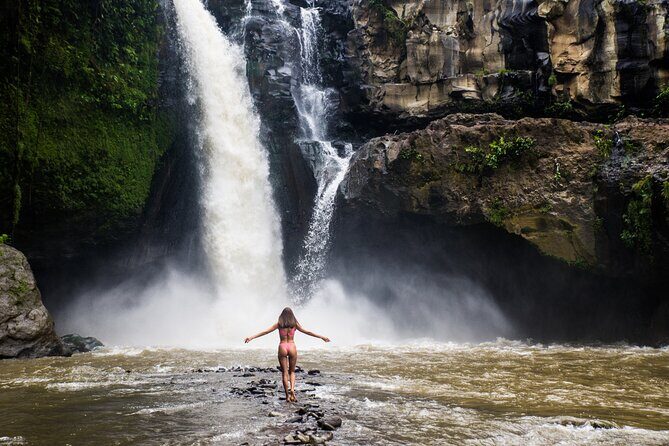
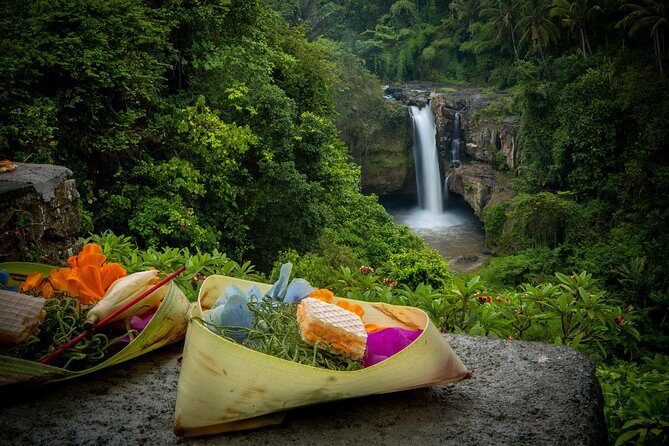
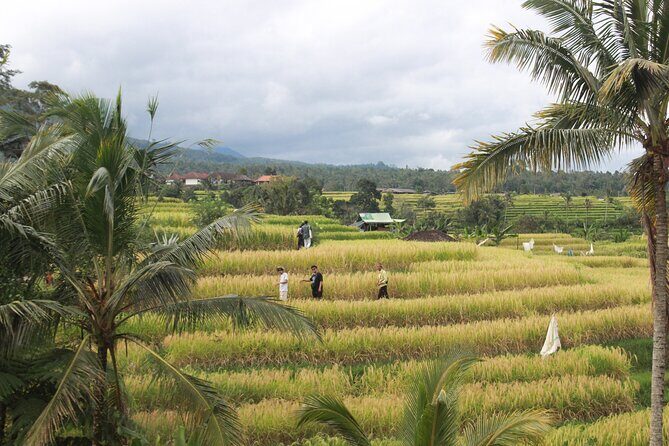
Stop one is Beji Griya Waterfall, described as one of Bali’s best-hidden waterfalls. The setting is the point: it’s in the middle of the jungle with lush greenery all around, and there’s no shop and no building nearby. That matters because it keeps the area feeling natural rather than like an attraction with background distractions.

This stop is about 1 hour 30 minutes, which is just enough time to:

  • enjoy the views and take photos in calmer conditions,
  • wander slowly within the allowed areas,
  • and let the sound of the falls do its job.

The “distance” is part of why it stays quieter. That also means the approach can feel more effort than more famous falls. If you like the idea of trading convenience for authenticity, this is the start that sets the tone for the whole day.

Photography tip that fits this stop: look for angles where you’re not just shooting the water. With a more natural surrounding, you can frame the waterfall with leaves and misty greenery to make your photos feel like a place, not a postcard.

Banyumala Twin Waterfalls: Swimable Pools and Short Forest Links

Waterfall Tour: North Bali Best Waterfalls - Banyumala Twin Waterfalls: Swimable Pools and Short Forest Links
Next up: Banyumala Twin Waterfalls. This one earns attention because it’s a twin setup—two falls that feed a natural pool environment. It’s also the only stop in your day that explicitly calls out swimming, which changes the vibe completely.

Your time here is also about 1 hour 30 minutes. In that window, you’ll likely spend some of the time just watching the flow and then deciding how much adventure you want to add. The tour notes that Banyumala is very suitable for swimming in the natural pool, so if that’s on your must-do list, this is the moment to plan for it.

Two other details make Banyumala more than just a single photo spot:

  • There are another two waterfalls nearby you can access by walking.
  • The whole area stays very authentic—again, with no concrete buildings or shops nearby.

Consider this a “choose your pace” stop. If you want an easy photo stop, you can keep it simple. If you want the full experience—close-up views, walking to nearby falls, and possibly swimming—you can do that too.

One practical consideration: conditions around pools and wet stone can be slippery. Wear shoes that handle wet terrain, and keep your movements slow. You’re there to enjoy the water, not negotiate a fall.

Leke Leke Waterfall: A Newer Jungle Scene for Photos (and Drones)

Waterfall Tour: North Bali Best Waterfalls - Leke Leke Waterfall: A Newer Jungle Scene for Photos (and Drones)
Stop three is Leke Leke Waterfall, described as hidden in the jungle and still in the phase where people are just beginning to explore it. That “newer to many visitors” factor is why it can feel more natural and less crowded than the big-name waterfall circuit.

This stop is also 1 hour 30 minutes, and it’s especially strong for visual payoff. The tour specifically calls it one of the best for photo or drone video. If you’re serious about getting images that feel cinematic—water, green depth, and jungle texture—Leke Leke is a smart target.

A couple things to keep expectations realistic:

  • “Natural and people friendly” is part of the appeal, but jungle spaces can still feel busy at times depending on the day.
  • If you bring a drone, keep your expectations tied to local permissions and safety. The listing doesn’t cover rules, so treat them as a must-check before launch.

This stop is perfect if you want the final chapter of your day to feel less commercial. You’ll likely end the tour feeling like you saw Bali in a more off-the-radar way than the standard waterfall itinerary.

Lunch at Wanagiri Coffee: Lake Views That Actually Match the Region

Waterfall Tour: North Bali Best Waterfalls - Lunch at Wanagiri Coffee: Lake Views That Actually Match the Region
Your lunch break comes at Wanagiri Coffee, included as part of the itinerary. The key detail is the view: lunch pairs with scenery over Bali’s highland twin lakes—Lake Buyan and Lake Tamblingan.

What makes this stop valuable isn’t just the food; it’s the pacing and perspective. After waterfall time (wet, green, humid, active), a lakeside-style lunch gives you:

  • a reset for your legs,
  • a chance to cool down,
  • and a change of visual scene from close-up jungle water to open highland views.

The restaurant offers many options, including Balinese, Indonesian, Asian, and Western dishes. That’s useful if your group doesn’t all want the same flavor, and it also matters for dietary needs. The tour can accommodate dietary requests like vegetarian, vegan, and gluten-free.

Dress for lunch is smart casual, and you’ll likely appreciate something you can move in after time on uneven paths. If you’ve been taking photos, this is also the moment to take a breath before heading to the final transport stretch.

The 7 to 8 Hour Timing: How the Day Feels on the Ground

Waterfall Tour: North Bali Best Waterfalls - The 7 to 8 Hour Timing: How the Day Feels on the Ground
This is a 7 to 8 hour day. The itinerary gives about 1.5 hours at each of the three waterfall stops, plus lunch at Wanagiri Coffee (also listed as 1 hour 30 minutes). That’s about 6 hours of scheduled activities, with the rest taken up by transport.

Here’s why that timing works for many people:

  • You’re not rushed through each waterfall.
  • You get enough time to enjoy the setting, not just grab one standing photo and move on.
  • You’re back on a predictable schedule with private pickup and drop-off.

You’ll still want a “waterfall day mindset.” This isn’t a museum run. Weather can change quickly, surfaces can be slick, and you’ll probably walk more than you expect at least once during the day—especially at Banyumala and if you choose to walk to nearby falls.

Also, note that the experience requires good weather. If conditions aren’t right, the tour may be rescheduled or refunded (you’ll see this in the FAQ below). Even with private comfort, nature sets the rules.

Price and Value: What $79.99 Really Covers

Waterfall Tour: North Bali Best Waterfalls - Price and Value: What $79.99 Really Covers
At $79.99 per person, this is priced for a full private day focused on specific waterfalls—three separate stops, guided by your group’s guide, with admission tickets included and hotel transfers included.

Here’s what you should consider when judging value:

  • You’re paying for convenience and time savings: door-to-door pickup, transport between sites, and admission handling.
  • You’re not paying separately for tickets at each waterfall stop (tickets are included).
  • The itinerary is dense but not chaotic: each stop gets a defined time block.

If you’re traveling as a small group, private transport often becomes more reasonable than you’d expect, especially when you add up the cost of figuring out transit and entry fees on your own.

If you’re traveling solo, this may feel pricier than a bus tour. But it’s also the kind of day where private access often matters most: getting photos with fewer interruptions, moving at your pace, and having your guide help you pick the best spots within each waterfall setting.

Who This Tour Is Best For (and Who Should Skip It)

This experience fits best if you want authentic, less-crowded Bali waterfall scenery and a day that’s more about quality than quantity.

You’ll likely love it if you:

  • want to see multiple waterfall “styles” in one trip (hidden jungle, twin falls with pool, and newer jungle cascade),
  • like photos and video that show the setting, not just the water,
  • prefer private pacing instead of crowd management,
  • and want lunch with actual views over Lake Buyan and Lake Tamblingan.

You might skip it if you:

  • need fully flat walking with minimal uneven ground,
  • hate the idea of being flexible due to weather (the tour depends on good conditions),
  • or are looking for a purely relaxation-focused day.

Most people can participate, and dietary needs can be accommodated (vegetarian, vegan, gluten-free, and more). That makes it a practical pick for mixed groups where not everyone eats the same way.

Should You Book North Bali Best Waterfalls?

I’d book this tour if you care about seeing waterfalls that feel less like a theme park. The big wins are the sequence of three different jungle waterfall settings plus the lake-view lunch at Wanagiri Coffee. And because it’s private door-to-door, you get a smoother day that’s built for capturing photos without spending half your time navigating.

I’d think twice if you’re very sensitive to walking on wet, uneven terrain. Plan for effort, bring footwear that handles damp ground, and be ready for weather to matter.

If your Bali trip already includes temples and beach time, this is a strong change of pace. It’s nature with a plan.

FAQ

Is pickup included, and where does the tour operate?

Pickup is offered, with private round-trip hotel transfers from Ubud, south Bali, and beyond. The tour starts from your accommodation area and returns you back at the end.

How long is the tour?

The experience runs about 7 to 8 hours. The schedule includes waterfall and lunch time, and the remaining hours are for transportation.

What waterfalls do we visit?

You visit Beji Griya Waterfall, Banyumala Twin Waterfalls, and Leke Leke Waterfall, plus a lunch stop at Wanagiri Coffee.

Are admission tickets included?

Yes. Admission tickets are included for the waterfall stops listed in the itinerary.

What should I know about food and dietary needs?

Lunch is provided at Wanagiri Coffee, offering Balinese, Indonesian, Asian, and Western options. The tour can accommodate dietary needs such as vegetarian, vegan, and gluten-free.

What if weather is bad?

This experience requires good weather. If it’s canceled due to poor weather, you’ll be offered a different date or a full refund. You can also cancel for free up to 24 hours in advance for a full refund.

4×4 Volcano Explorer Private Tour

4x4 Volcano Explorer Private Tour - Stop 1 in Kintamani: frozen black lava, a lava air-pocket cave, and 360° views

Frozen lava and serious care.

What makes this 4×4 Volcano Explorer interesting is the focus on getting you to the key sights around Kintamani and Mount Batur with a purpose-built vehicle, even when the weather is rude. I especially like the weather-ready 4×4 setup and the way the guides explain what you’re seeing at each stop, like Mr Sadi and Mr Agus at Mount Batur, with Mr Santi handling hotel pickup. One thing to keep in mind: views can change with cloud cover, so distant sights like Rinjani are only mentioned as clearly visible on non-cloudy days.

If you want big volcano scenery without the hassle of a long, public-group scramble, this private format fits well. You’re paying about $25.17 per person, and you still get private transportation, bottled volcanic spring water, and even a small gift (designer sunglasses). The trade-off is simple: this is a short outing (about 2 to 5 hours), so you’ll want to show up ready for a focused ride and a few key photo moments, not a slow wander.

Quick highlights to know before you go

4x4 Volcano Explorer Private Tour - Quick highlights to know before you go

  • Custom 4×4 built for Kintamani weather: purpose-built vehicle and weather protection so you can go rain or shine.
  • Australian-level safety details on board: small fire extinguishers in the seating area, grip tape on steps, and a medical kit.
  • 360° frozen lava viewing from Kintamani: black lava fields and a cave formed by a lava air pocket.
  • Caldera Point that pulls multiple islands into one view: on a clear day you can see places like Mount Agung, Lake Batur, and even Lombok (Rinjani in the distance).
  • Bats that don’t live in a cave: you can watch them flying around, and later see them close-up from a cliff.
  • Private, only-your-group experience: pickup offered, mobile ticket, and group discounts if you’re traveling in a bigger set.

Why this Kintamani 4×4 feels different from a basic tour ride

Kintamani and Mount Batur aren’t the kind of places where you want to worry about whether your vehicle is up to the terrain or whether the day will get shut down. This tour leans hard into the idea that the ride itself matters. The vehicle is described as custom built for tours in Kintamani, and that tells you they’re aiming for comfort and traction on rough ground, not a generic “we’ll figure it out” approach.

I also like the way the experience is framed as educational. The guides aren’t just chauffeurs. The setup is designed around specific points of interest: black frozen lava fields, black sands, a lava air-pocket cave, panoramic caldera viewpoints, and bats. When your route is built around real stops (and not just driving past them), you get a better sense of the volcano’s shape and history—at least the parts you can actually see up close.

The other practical win is the private format. Even though the experience is not described as huge or multi-day, it’s only your group. That’s a big deal when the day’s timing matters (sun direction, clouds moving in, and the bats’ active flight patterns).

The vehicle and safety details you should care about

4x4 Volcano Explorer Private Tour - The vehicle and safety details you should care about
A lot of volcano tours sell excitement. This one spends real effort on safety tech and maintenance details. They point out small fire extinguishers placed inside the seating area, grip tape on the steps, a medical kit onboard, and vehicle servicing at about half the recommended intervals. There’s also a stated leadership background: the CEO is described as an ex Safety Manager for an Australian mining company.

If you’re traveling with kids, older relatives, or anyone who gets nervous on uneven roads, these details matter. You don’t need a dramatic speech to feel reassured. You want the mundane stuff handled: secure footing, basic emergency supplies, and a vehicle that’s maintained often enough to handle the route.

And there’s the weather angle. The tour is designed for Kintamani conditions “no matter what the weather,” with weather protection so the group and crew stay safe. They also mention guaranteed departures rain or shine. That doesn’t mean visibility is guaranteed (clouds happen), but it does suggest you’re less likely to get a surprise cancellation the moment the sky looks moody.

Stop 1 in Kintamani: frozen black lava, a lava air-pocket cave, and 360° views

4x4 Volcano Explorer Private Tour - Stop 1 in Kintamani: frozen black lava, a lava air-pocket cave, and 360° views
This is where the day starts to look and feel like a volcano documentary, just with a seat belt. The Kintamani portion is set around the black frozen lava fields of Mount Batur, reached by 4×4 with unobstructed 360° views and a private guide.

You’ll see several distinct features rather than one big overlook. There’s a cave formed by a lava air pocket, which is a cool visual reminder that lava isn’t only about solid rock—it can also trap air pockets as it moves and cools. You’ll also visit lava fields from different eruptions across centuries. That variety is the whole point: you’re not looking at one single layer of time.

The Back Sands area is another named stop. If you’ve seen volcano photos online, you’ve probably noticed how different the ground can look: rock, sand, black tones, pale tones. This tour is clearly aiming to show those shifts, not just one texture.

Caldera Point gets you the big geography

Time permitting, you may head to Caldera Point for wide-ranging views. The viewpoint is described as showing Mount Batur, Mount Abang, Mount Agung, Lake Batur, and the Indian Ocean—all from one perspective. On a clear day, Mount Rinjani on neighboring Lombok can also be visible, which is a major reason people chase a good weather window.

This is also where the tour becomes more than just a scenic drive. When you can see multiple volcanoes and the lake in the same sweep, the caldera stops feeling like a vague concept. You start to understand how the valley structure frames the volcano activity and why the region’s viewpoints are so dramatic.

The bats approach is different here

At this stage, the tour mentions bats connected to Kintamani, with a key detail: these bats don’t live in a cave like you might expect. You can see them flying around, which means you’re not stuck peering into darkness. The day’s tempo likely matters here—you’ll want to stay alert and follow your guide’s timing, since bat activity can shift with light and weather.

The Mount Batur leg: frozen lava, black sands, and the volcano in sight

The Mount Batur portion is built around staying visually connected to the volcano. The description emphasizes that the volcano is in sight the whole time as you cross frozen black lava. That matters because it changes how you experience the terrain. Instead of a viewpoint-and-drive loop, you’re watching the volcano dominate the scene while you move across it.

From there, you go through the black sands area. Black sands are one of those details that look unreal in photos, so seeing them in person is usually the moment when people stop and stare. You’ll also cross back toward Caldera Point again for the wide view, including Mount Batur, Mount Abang, Mount Agung, Lake Batur, the Indian Ocean, and across toward Lombok.

Rinjani depends on clouds

One practical consideration: Mount Rinjani is only noted as visible on a non-cloudy day. That’s your biggest “don’t get your hopes stuck on one outcome” warning. The good news is that even on less-than-perfect days, you still get the core experience: lava terrain, caldera viewpoints, and bats later in the route.

Kintamani bats on a cliff: close-up flying, not cave-dwelling

This is the part that most people remember after the car leaves them behind. After Caldera Point, the route takes you to Kintamani bats on a cliff.

Here’s the specific detail that makes it different from the usual bat-in-a-cave story: these bats don’t hide in a cave, even though caves are close by. The result is better viewing, with the ability to see the bats close up. The tour describes them as literally millions of them, and that kind of scale can feel surreal once you’re watching them move as a living cloud.

If you’re the type who likes wildlife without turning it into a circus, you’ll probably appreciate the focus: you’re not told to chase a show. You go to a vantage, you observe, you follow timing, and you let it happen.

What’s included (and what to plan for lunch-wise)

4x4 Volcano Explorer Private Tour - What’s included (and what to plan for lunch-wise)
Included in the tour price is bottled water described as pure volcanic spring water, all fees and taxes, and private transportation. There’s also a unique gift: EBT designer sunglasses. It’s a small touch, but it signals they’re thinking about comfort and practical “thank you” extras, not just ticket sales.

Admission is also handled in the route itself. One part notes admission ticket free, and the other notes admission ticket included. So you’re not constantly reaching into your wallet at different stops.

Lunch is the one area where you need to decide in advance. A Desa Oculus Lunch & Swim Package can be purchased separately for 400,000 IDR per person. If you like the idea of a longer break and possibly a swim option, it can be a nice add-on. If you’re okay with snacking and moving on, you can keep it simple and skip it.

Price and value: what $25.17 gets you in real-world terms

At $25.17 per person, this tour lands in the “good value” zone for what it combines: private 4×4 transportation, a guide, multiple named stops, and a bat experience that’s specifically framed as close-up viewing.

But value in Bali isn’t just about the sticker price. It’s about whether the time feels used well. Here, the itinerary is built around distinct visuals: lava fields, a lava air-pocket cave, black sands, Caldera Point geometry, and bats on a cliff. That separation is what makes the short duration feel worth it.

The other value factor is the safety and maintenance story. You may not notice a grip-tape step in your photos, but you feel it when you’re stepping off the vehicle. And those onboard supplies aren’t just marketing fluff; they’re the kind of details that can turn a tense moment into a manageable one.

Finally, if you’re traveling with a group, the tour notes group discounts. That’s not always offered on private tours, so it’s worth asking when you book.

Who this private volcano tour suits best

4x4 Volcano Explorer Private Tour - Who this private volcano tour suits best
This one fits best if you want a volcano day with structure, not randomness. You’ll like it if you enjoy:

  • Short, focused trips rather than all-day marathons
  • Big views from named viewpoints like Caldera Point
  • Clear guide explanations of what you’re seeing on the ground

It also works well for families, because the emphasis on safety and weather-ready vehicle design is part of the pitch. The tour notes that most travelers can participate, and service animals are allowed.

Where it may not fit as well is if you want total flexibility to wander on your own or spend hours hiking. This is a ride-and-stop experience. You’ll get variety, but it won’t turn into a free-form nature expedition.

Booking and timing tips that actually help

The tour runs with morning and afternoon options daily. Your best “photos and viewpoints” plan depends on the lighting and cloud movement that day. If you care most about distant views like Rinjani, you should treat the weather forecast and cloud timing as part of your strategy, since visibility is explicitly tied to non-cloudy conditions.

It’s also helpful to think about your personal comfort with driving. A 4×4 across lava terrain and black sands is more active than a smooth city transfer. If you’re prone to motion sickness, bring what helps you (and sit where you feel best).

Lastly, the experience is noted as booked on average 60 days in advance. That doesn’t mean you must book two months out, but it does suggest this route is popular. If you have tight dates in Ubud, earlier booking usually reduces stress.

Should you book the 4×4 Volcano Explorer from Ubud?

I’d book it if you want a volcano day that’s built around real stops, smart viewing (including bats), and a vehicle and safety approach that takes the terrain seriously. The private format is a big plus, and the combination of frozen lava, black sands, and cliff bats is hard to replicate in a simpler half-day plan.

I would pause before booking only if you’re very sensitive to cloud-dependent views. The tour can go rain or shine, but seeing distant peaks like Rinjani depends on non-cloudy conditions. If you’re okay trading perfect distance shots for strong core experiences, you’ll likely be happy.

FAQ

How long is the 4×4 Volcano Explorer tour?

The duration is listed as about 2 to 5 hours, depending on timing and how the day works out.

Do you pick up from Ubud hotels?

Pickup is offered.

Is this a private tour?

Yes. It’s a private tour/activity, and only your group participates.

What’s included in the price?

Included are private transportation, bottled water (pure volcanic spring water), all fees and taxes, and a unique gift: EBT designer sunglasses.

Is lunch included?

A Desa Oculus Lunch & Swim Package is not included. It can be purchased separately for 400,000 IDR per person.

Are entrance fees included?

One part of the route lists admission ticket free, and the other part lists admission ticket included.

Will the tour run in rain?

Departures are described as guaranteed rain or shine, with weather protection designed for safety.

What’s the cancellation policy?

Free cancellation is available. You can cancel up to 24 hours in advance for a full refund.

If you want, tell me your travel month and whether you care most about bats or the far-distance views, and I’ll suggest which departure (morning vs afternoon) is the better fit based on that.

Bali Private Shopping Tour

Bali Private Shopping Tour - Price and logistics: why $55 can make sense

Canggu to Kuta in one focused day.

This private shopping tour is built for people who actually want to buy Bali-style homewares—linen, furniture, lighting, rattan, ceramics, wall art—and do it with an English-speaking guide who helps you shop and sort out orders. You’ll move through four different shopping zones across the south, with enough time to compare quality and price instead of sprinting through stalls.

I love two things most: first, the chance to see more design-focused stores, including places you might not stumble into on your own, in areas like Canggu and Kerobokan. Second, I like the practical edge of the guide support for ready stock purchases or pre-order items, plus help with shipping.

One consideration: this is a long retail day (about 8 hours) and lunch isn’t included, so you’ll want to plan snacks and pace yourself so you don’t end up too tired to decide.

Key highlights you’ll feel immediately

Bali Private Shopping Tour - Key highlights you’ll feel immediately

  • Design-first shopping: homewares, interiors, and furniture, not just generic souvenirs.
  • Four districts, timed well: Canggu (1h), Kerobokan (2h), Seminyak (1h), Kuta (1h).
  • Kerobokan time is the flex: that extra 2 hours is where furniture shoppers can really compare.
  • Ordering options: buy ready stock or arrange pre-orders for items you want.
  • Shopping + shipping support: an English-speaking guide helps you with the process.
  • A/C comfort and included extras: bottled water and snacks, plus private transportation.

Bali Private Shopping Tour: the real idea

Bali Private Shopping Tour - Bali Private Shopping Tour: the real idea
If you like the look of Bali interiors—soft throws, textured cushions, teak or rattan-style furniture, warm-toned ceramics—this is a smarter way to shop than wandering on your own. The tour is organized around homewares and interiors, so you spend your time in the right kinds of stores instead of filtering everything yourself.

What makes it work is the guide-led flow. You’re not just driven from one random stop to the next. You get a shopping-focused route, and you can also tell the team what you’re looking for so they can tailor the day to your priorities.

And yes, it’s private. It’s just your group in the vehicle, not a big shared bus situation.

Price and logistics: why $55 can make sense

Bali Private Shopping Tour - Price and logistics: why $55 can make sense
At $55 for a day of private, A/C transportation plus a guide focused on shopping, this can be good value—especially if you’ll buy more than one or two items. The big win isn’t just transport. It’s the ability to compare stores efficiently and get assistance with ordering and shipping.

The day runs about 8 hours total, starting at 9:00 am. That total includes travel time, so you’re not guessing how much “real shopping” you’ll lose. Pickup is offered, and the tour is centered around Seminyak.

You’ll get bottled water and snacks, which matters in a warm climate when you’re walking into and out of showrooms. Lunch is not included, so you should plan on either grabbing something near your route or using the included snacks to hold you over.

You’ll also get a mobile ticket. That sounds minor, but it’s one less thing to manage while you’re busy making decisions on linens, lighting, or furniture.

How ordering works: ready stock vs pre-orders

This tour isn’t limited to what’s on display right now. You can buy ready stocks, or place pre-order items if you’re chasing a specific style, size, or material. That’s a big deal if you’re furnishing a whole space, or if you’re traveling home with fewer “carry it yourself” limits.

The guide support is the practical piece here. The tour description is clear that the English-speaking, professional guide helps you with buying and shipping. That means you’re not left trying to figure out logistics with broken phrases and a hand-drawn sketch.

So my advice is simple: before your day starts, make a short list of what you want and what matters most (fabric feel, size, color family, whether you need indoor or outdoor pieces). If you can, mention it in advance so the team can tailor the itinerary to optimize your time.

Stop 1: Canggu design stores and resort-style homeware

Bali Private Shopping Tour - Stop 1: Canggu design stores and resort-style homeware
Canggu is known for a design-forward vibe, and that’s exactly what you’re using this stop for: finding homewares that look styled and modern, with Bali textures rather than generic tourist décor. You’ll spend about 1 hour here, and the goal is to hit a strong first set of options before you move deeper into the other shopping zones.

This is the stop where you may want to focus on the items that are easier to choose on sight. Think linens, cushions, throws, and smaller décor pieces like ceramics or wall hangings. In a shorter time window, you’ll make better decisions if you start with things you can see clearly and compare quickly.

Potential drawback: since Canggu time is only an hour, you may feel pressure to choose fast. If you’re the type who needs to “walk it twice,” decide in advance what you’re prioritizing and stick to that plan.

Stop 2: Kerobokan furniture heaven off the main tourist stream

Kerobokan is where the tour slows down. You get about 2 hours here, and that extra time is intentional. This is the stop positioned as off the beaten track—where you’re more likely to find furniture and homeware shopping that feels more supplier-driven than showroom-only.

This is also the zone where you’ll benefit most from the guide’s supplier knowledge. One of the strongest themes from a standout shopping day is the way the guide can connect you to sources and options that aren’t obvious unless someone local is steering the day. If you’re trying to find furniture, rattan pieces, or materials for a project, this is the time to focus.

My practical suggestion: treat Kerobokan like your “compare and decide” block. Look at multiple options in the same category (for example: lighting style, rattan construction feel, cushion fabrics). Since you’ve got more time here than the other stops, you can do real comparison instead of making a rushed pick.

Also, if you’re traveling for a business trip or furnishing a rental, this is where ordering support matters most. Pre-order items and shipping help can turn Kerobokan finds into something you can actually bring home with less hassle.

Stop 3: Seminyak interiors with quality soft furnishings

Seminyak is a classic for interior shopping, and you’ll get about 1 hour there. The theme is “well known gems” in the interior shopping world, with a focus on quality and well-priced homeware, soft furnishings, and furniture.

If you’re hunting for throw pillows, linen pieces, lighting accents, or that final layer that makes a room look finished, this stop is your best bet. It’s a good place to refine your choices from the earlier stops. For example, you might find a cushion style in Canggu, then match colors or sizes in Seminyak.

Since the stop is one hour, you’ll want to move efficiently. Look at the price and quality together—don’t just grab the first thing that looks pretty under store lighting. Ask yourself: is this fabric or finish something you’ll still love when it’s back in your home’s actual daylight?

If you’re picky about sizing, use the guide time to confirm what you’re buying and what can be ordered if something is close but not exact.

Stop 4: Kuta market energy for art, lighting, and outdoor pieces

Kuta is where shopping gets more market-like, with art shops and stall energy. You’ll have about 1 hour here, and depending on what you’re after, you might spot cheaper options alongside pieces in categories like lighting and outdoor furniture.

This is the stop for browsing with purpose. If you want brass-style décor, ceramics, art, or you’re hunting for a specific lighting look, Kuta can be a good place to check. It’s also a good last-stop strategy: by now you know your style, so you can better judge what’s worth buying versus what’s just “cool in the moment.”

Possible drawback: market areas can be a lot of sensory input in a short time. If you’re tired by the end of the day, Kuta can feel harder to evaluate. I recommend saving your most flexible budget decisions for Kuta—smaller items, add-ons, or decor you can pack more easily.

Your guide is the difference (and you’ll notice it fast)

The value of this tour often comes down to the guide. One clear theme from a well-regarded experience is how Krisna stood out as helpful, with strong knowledge of local suppliers and what they provide.

That’s not just a nice-to-have. When you’re shopping for furniture or decor that needs to be shipped or pre-ordered, supplier knowledge saves you time. It reduces dead ends, helps you understand ordering options, and gets you pointed toward items that match the look you want.

This is also why I like the tour’s approach of letting you mention specific shop requests or categories you’re hunting. You get to shape the day instead of being dragged along a fixed circuit.

And don’t underestimate the support aspect. A professional team helping from start through order delivery can mean fewer headaches once you’re back home.

What you can buy: the categories to plan for

The tour is designed around homewares and interiors, and the categories you’ll likely see include:

  • Linen, cushions, throws
  • Lighting and décor
  • Rattan home pieces
  • Furniture
  • Bags and leather tailor items
  • Wall hangings and art
  • Ceramics and brass-style décor

Even if you’re not sure yet, walk in with a few “must-have” categories. It’s easier to say yes to the right things when you know what you came for.

If you’re going to pre-order items, think ahead about what’s practical for shipping. Size, fragility, and material all matter. The guide assistance is there to help you sort out how to proceed.

Who this tour is best for (and who it might not be)

This is a great fit if you:

  • Want a structured way to shop for homewares and furniture in Bali
  • Plan to buy multiple items (not just one small souvenir)
  • Care about quality and prefer comparing options in different shopping areas
  • Appreciate an English-speaking guide to help with shopping and shipping
  • Want to pre-order items instead of only buying what’s immediately in stock

It may be less ideal if you:

  • Only want a quick browse or one cheap souvenir
  • Don’t plan to purchase anything that needs more than casual attention
  • Are short on energy for an 8-hour day with limited lunch time

If your goal is a relaxed, wandering afternoon, you might prefer a lighter shopping plan. But if you’re serious about décor, this tour is built for that mindset.

A practical way to get better results on day-of

Here’s what I’d do to maximize your day without feeling frantic:

  1. Start with a mini wish list. Even 5 items helps the guide tailor the route.
  2. Decide what you’ll carry vs ship. Treat ready stock purchases and pre-orders as separate tracks.
  3. Use Kerobokan for comparisons. Furniture decisions need time and real side-by-side viewing.
  4. Keep Kuta for add-ons. Use it to fill gaps, not to solve big problems at the last minute.
  5. Wear comfortable shoes. You’ll be stepping in and out of shops for hours, even with A/C transport between stops.

Also, follow the tour’s on-the-day guidance like bringing your own mask and hand sanitizer. It’s listed as part of the experience expectations, and it’s easy enough to pack.

Should you book the Bali Private Shopping Tour?

I’d book it if you want a guided, design-focused shopping day in Bali with real help for ordering and shipping. For the price, it makes sense when you’re likely to buy more than a couple of pieces and you’d rather get efficient route help than spend your vacation comparing stores one by one.

I’d skip it if you want a casual stroll, or if you’re not planning to purchase items that match the tour’s homewares and interiors theme. The tour is about shopping with purpose, and it’s best when your expectations match that.

If you’re heading to Bali to furnish, refresh, or upgrade your home or rental space, this is one of those rare tours that can actually pay off in the real world—because the help doesn’t stop at the checkout counter.

FAQ

What’s the price and duration of the Bali Private Shopping Tour?

The tour costs $55 and runs for about 8 hours total, including travel time.

Where does the tour take place?

It’s based in Seminyak, Indonesia, with shopping stops around the south Bali area.

What time does the tour start?

The start time is 9:00 am.

Is pickup included?

Yes, pickup is offered.

What’s included in the tour price?

Included items are an air-conditioned vehicle, private transportation, bottled water, and snacks.

Is lunch included?

No, lunch is not included.

Can I buy ready stock or pre-order items?

Yes. You can buy ready stocks during the tour or place pre-order items if needed.

What items can I expect to shop for?

You can look for homewares and interiors like linen, cushions, throws, lighting, rattan items, furniture, bags, leather tailor items, wall hangings, art, ceramics, and brass pieces.

What happens if weather is poor?

The experience requires good weather. If it’s canceled due to poor weather, you’ll be offered a different date or a full refund.

All Inclusive Bali Snorkeling Blue Lagoon tour experience

All Inclusive Bali Snorkeling Blue Lagoon tour experience - Tanjung Jepun snorkel at 10:45: your first underwater “wow”

Fish watching gets serious in Bali. This all-in tour pairs two Padangbai snorkeling stops with an easy schedule, plus a beach break and a coffee plantation visit. I especially like the private-boat setup for calmer, simpler snorkeling logistics and the focus on marine life at both Tanjung Jepun and Blue Lagoon. The main thing to consider is weather—if it’s windy, the second snorkeling location may not feel as perfect, even with careful captain adjustments.

What makes it work well for real trips is the door-to-door flow. You get pickup from hotels in Ubud and major south Bali destinations, then everything is handled: boat, gear hire, lunch, and bottled water—so you spend less time figuring things out and more time enjoying the water. You’ll also get time at Bias Tugel Beach and a coffee plantation stop later in the day, which breaks up the schedule nicely.

One more practical note: this is listed as moderate physical fitness. That usually means you should be comfortable with getting on and off boats and into the water without drama. Also, it’s private, so it’s just your group—no mixing with strangers.

Key highlights worth planning around

All Inclusive Bali Snorkeling Blue Lagoon tour experience - Key highlights worth planning around

  • Two snorkeling sites in one trip: Tanjung Jepun first, then Blue Lagoon around midday
  • Captain support that can boost fish spotting: the captain may swim with you and feed fish
  • Bias Tugel Beach for recovery time: a real pause to soak up sun after snorkeling
  • Lunch and bottled water included: no hunting for food after you’ve worked up an appetite
  • Coffee plantation visit late afternoon: a gentle switch from sea time to land time
  • Hotel pickup from Ubud and south Bali: helps you keep the day on schedule

Padangbai snorkeling: why this area feels different

Padangbai, on Bali’s east coast, has a reputation for snorkeling that feels more like watching life in motion than looking through glass. The reef is colorful, and the whole point is variety—fish activity, underwater scenery, and that slightly unpredictable sense of discovery that makes snorkeling fun even when you’re not a hardcore diver.

This tour leans into that idea by scheduling two sites instead of only one. You start at Tanjung Jepun, then move to Blue Lagoon. That matters because marine life and visibility can vary minute to minute. When one area isn’t as calm or clear as you hoped, the second stop gives you another shot to enjoy the reef.

And if you’re the type who loves weird nature surprises, you might even spot something unusual in the water—there’s mention of the possibility of seeing a submarine if you’re very lucky. Even if that doesn’t happen, Padangbai is still a strong choice for anyone who likes fish more than aquarium viewing.

Door-to-door pickup and the real meaning of “organized”

All Inclusive Bali Snorkeling Blue Lagoon tour experience - Door-to-door pickup and the real meaning of “organized”
The pickup time is listed for 09:00 AM, and the tour runs about 6 hours total. The day is built around getting you to Padangbai without the stress of coordinating rides, bargaining with boat operators, or juggling multiple apps while you’re trying to look like a person who knows where they’re going.

You’ll get transfers from hotels in Ubud and major south Bali destinations, which is a big deal if you’re basing yourself outside the east coast. It also helps with timing. You arrive at 10:30 AM, which gives you a short buffer before snorkeling starts.

Also, this is a private tour/activity. That usually means your group stays together, you follow one clear schedule, and you’re not stuck waiting on other people’s decisions. If you’re traveling with family or friends and you like a predictable rhythm, this structure is a plus.

Tanjung Jepun snorkel at 10:45: your first underwater “wow”

All Inclusive Bali Snorkeling Blue Lagoon tour experience - Tanjung Jepun snorkel at 10:45: your first underwater “wow”
The first water time is at 10:45 AM at Tanjung Jepun. Starting here is smart because it sets the tone for the day. You’re fresh, you’ve got your gear on, and you can ease into the experience before the main stop.

Gear hire is included, so you don’t have to track down masks and fins right before you leave. That reduces the usual snorkeling headache: bad-fitting equipment, missing snorkels, or last-minute rental runs.

You should also treat this part as a skills-and-comfort checkpoint. Since the tour calls for moderate physical fitness, think about how you’ll handle:

  • stepping into the water and moving with the boat crew,
  • staying steady if the sea has some chop,
  • and wearing the gear comfortably for a decent stretch.

What I’d watch for here is how active the fish are. One of the most praised elements of this experience is that the captain may swim with you and feed the fish. That kind of hands-on guidance can turn a normal snorkel into a more interactive experience—especially if you enjoy seeing fish come closer instead of only watching from a distance.

Blue Lagoon at around noon: the main event

All Inclusive Bali Snorkeling Blue Lagoon tour experience - Blue Lagoon at around noon: the main event
Next up is Blue Lagoon, scheduled at about 12:00. This is the headline stop, so expectations are naturally higher here. The payoff is that you’re typically snorkeling in the most famous-feeling area of the day, with reef life as the focus.

There’s also a realistic side to this. Snorkeling depends on weather and sea conditions, and the experience explicitly requires good weather. In one of the best practical notes from prior participants, windy weather made the second location less than perfect, even though the captain tried to compensate with anticipated boat movements.

So here’s the best way to think about Blue Lagoon: it’s a great target, but it’s also the most likely part of the day to feel the weather. If you’re the type who gets frustrated when conditions change, keep your expectations flexible. If you’re good at rolling with “plan A with Plan B energy,” this stop can still be a highlight.

Lunch at 14:00 and why it’s part of the value

You get lunch around 14:00 plus bottled water. This isn’t just a nice-to-have. It’s one of the reasons the tour feels genuinely all-inclusive.

Snorkeling mornings can be deceptively tiring. Your brain is focused on looking, balancing, and staying aware, and then suddenly it’s early afternoon and you’re hungry. Including lunch means you’re not improvising food with a dwindling schedule, and you’re less likely to end up eating something that doesn’t sit well when you still have more activity ahead.

A practical tip: after snorkeling, your body is often dry and sun-warmed even if you didn’t notice it underwater. Before you eat, take a couple minutes to rinse/brush off saltwater if you can, drink water, and recheck sun protection before you head to Bias Tugel Beach.

Bias Tugel Beach at 15:00: where you breathe and reset

At 15:00, you head to Bias Tugel Beach. This is a smart scheduling choice because it gives you time to recover. Snorkeling is physical in a quiet way, and a beach break lets you dry off, refocus, and enjoy the coastline without the gear or boat timing.

This stop is also valuable because it adds variety. You’re not only spending the day on the reef. You’re getting sun time on land, a different kind of scenery, and a calmer pace before the coffee plantation visit later in the afternoon.

If your group is split between water lovers and people who just want to enjoy the day, Bias Tugel is the kind of compromise stop that keeps everyone happy.

Coffee plantation at 16:30: a calmer finish to the day

All Inclusive Bali Snorkeling Blue Lagoon tour experience - Coffee plantation at 16:30: a calmer finish to the day
The itinerary lists a coffee plantation visit at 16:30. Without assuming what you’ll see in detail, the main value here is the pacing: you go from sea to beach to land, which feels more balanced than doing nonstop snorkeling and then calling it a day.

This timing also helps because you’re still in “day trip mode,” not rushing into an evening plan. It can be a nice cultural add-on if you like learning about everyday island life and local crops, or if you just want a change of setting after time in the water.

If you care about photo stops, expect you’ll have opportunities at the plantation itself, but the exact focus—tasting, processing, or walking through fields—isn’t specified in the details you provided. So keep it flexible.

Weather reality, sea conditions, and how to travel smarter

This experience is explicitly dependent on good weather. That’s not a warning sign; it’s just the snorkeling truth. Wind can change visibility and make boat rides rougher, which is exactly what showed up in the windy-weather account shared in the review notes.

Here’s what that means for you:

  • If the day is windy, the second snorkeling stop might feel less smooth or less optimal.
  • A careful captain can still help—there’s mention of anticipating boat movements and adjusting to the conditions.
  • If weather is poor enough, the tour can be canceled, and you’ll be offered a different date or a full refund.

What I’d pack (practical, not fancy): swimwear under clothes, a dry shirt for later, sun protection, and a simple way to keep your phone and valuables from getting damp.

Also remember you’re doing multiple activities in one day—two snorkels, lunch, beach time, and a plantation visit. You’ll feel the total sun exposure even if you spend some time in shade on a boat.

Price and value: is $70 per person fair?

At $70.00 per person, the value depends on what you’d otherwise pay for the same ingredients yourself. In this package, you’re not just buying a snorkel slot. You’re paying for:

  • a private tour structure,
  • two-way transfers/pickup from hotels in Ubud and major south Bali destinations,
  • boat time,
  • gear hire,
  • lunch plus bottled water,
  • and included time at Bias Tugel Beach and the coffee plantation stop.

Even if you don’t break down exact costs, the mental math is clear: transfers + boat + gear + lunch are usually where “DIY snorkeling days” quietly get expensive.

So if you’re the type who hates negotiating or assembling a plan one WhatsApp message at a time, $70 can feel like a relief rather than a splurge—especially for a 6-hour day with a full schedule.

One more note: group discounts are mentioned. If you can travel with friends or you’re already a group of multiple people, it may become even better value.

Who should book this Blue Lagoon day tour?

This tour fits best if you want a structured Bali water day that still includes land time.

I think it’s a good match for:

  • couples or friend groups who want snorkeling without app juggling,
  • travelers staying in Ubud or south Bali who don’t want to spend half a day commuting and coordinating,
  • anyone who likes the idea of snorkeling at two different spots instead of one long wait,
  • people who enjoy a mix of reef time, beach time, and a simple plantation visit.

It may be less ideal for:

  • anyone who doesn’t handle boats well when conditions are windy,
  • travelers who want a slow, unstructured day with no set schedule,
  • people who struggle with moderate physical demands of getting in and out of the water and managing snorkeling gear.

Should you book the All Inclusive Bali Snorkeling Blue Lagoon tour?

If your goal is fish time with minimal hassle—and you also want beach and a coffee plantation stop to fill out the day—this is an easy yes. The private setup, the included gear, and the included lunch and water are exactly the kind of “small removals of stress” that make day trips feel worth it.

I’d book it if you:

  • want snorkeling at Tanjung Jepun and Blue Lagoon in one go,
  • like the idea of a captain who may help with fish-spotting,
  • and appreciate door-to-door pickup from Ubud or south Bali.

I’d hesitate if your schedule is tight and you can’t shift plans if weather cancels or changes the day. With snorkeling, flexibility is your friend.

FAQ

Where is this Bali snorkeling tour based?

It takes place in Padangbai, Nusa Dua, Indonesia, with snorkeling at Tanjung Jepun and Blue Lagoon, plus time at Bias Tugel Beach and a coffee plantation visit.

What’s included in the all inclusive package?

The tour includes pickup/transport, a boat, gear hire, local lunch, and bottled water.

How long does the tour last?

The duration is listed as about 6 hours.

Is it a private tour?

Yes. It’s described as a private tour/activity, so only your group participates.

Do they pick you up from hotels?

Yes. Two-way transfers are offered from hotels in Ubud and major south Bali destinations.

What level of fitness is required?

The tour asks for a moderate physical fitness level.

What happens if weather is bad?

The experience requires good weather. If it’s canceled due to poor weather, you’ll be offered a different date or a full refund. You can also cancel for free up to 24 hours before the start time for a full refund.

Bali Dolphin Lovina tour and Ulundanu Beratan

Bali Dolphin Lovina tour and Ulundanu Beratan - Lovina Beach Dolphin Watching on a Traditional Boat

Dolphins before breakfast is a real Bali thing. This tour pairs a Lovina dolphin boat in the early morning with Ulun Danu Beratan later on, so you get both sea excitement and a classic temple-on-the-lake photo stop. The plan is simple, with pickup and drop-off so you can focus on the fun, not logistics.

I especially like the timing. Leaving Kuta at 3:30 am gives you that best chance for calm water and active dolphins, and it turns the start of your day into a memorable moment. I also like that you’re not doing it alone: you get an English-speaking driver, plus time at Beratan that’s clearly built around photography.

The main drawback is the early start. You’ll be up before sunrise, and dolphin sightings depend on conditions, since this experience requires good weather to run smoothly.

Key Things to Know Before You Go

Bali Dolphin Lovina tour and Ulundanu Beratan - Key Things to Know Before You Go

  • 3:30 am pickup means real sleep-in time is gone, but sunrise dolphin watching is the point.
  • Traditional boat for the dolphin portion keeps the experience more local than a big-party setup.
  • Ulun Danu Beratan at 10:30 am gives you steady daylight for photos at the lake temple.
  • Lunch is not included, even though there’s a lunch break in the flow of the day.
  • Private tour: only your group participates, which usually feels calmer and more personal.
  • English-speaking driver is included, and guide names like Ronald, De De, and Anton show up in positive experiences.

Why Lovina Dolphins + Ulun Danu Beratan Works So Well

Bali is famous for temples, but Lovina is different. It’s one of those places where the day starts with nature, not stone. The big idea here is matching two worlds: a morning trip out at sea to watch dolphins, then a later stop to see Ulun Danu Beratan, the lake temple that’s one of Bali’s most photographed sights.

For me, that combo is smart because it stops the trip from feeling like a one-note excursion. You’re doing something active early. Then you switch to a more scenic, slower pace by the lake—time for photos, walking around, and just enjoying the cool morning-to-midday shift.

And you get real convenience. Pickup is offered, the driver speaks English, and you’re dropped back after about 10 hours. That matters in Bali, because early starts and getting across town can be exhausting if you’re doing it yourself.

The 3:30 am Pickup: The Moment You Commit

Bali Dolphin Lovina tour and Ulundanu Beratan - The 3:30 am Pickup: The Moment You Commit
Let’s talk straight: a start time of 3:30 am is not optional. Your day begins with a hotel pickup, and the early hour is what makes the dolphins possible in the first place.

Here’s the practical side of that early departure. You’ll want to be packed the night before. If you’re the kind of person who needs a calm morning, this tour will feel intense, but it also turns your trip into a sunrise story you’ll remember.

Also, note the pacing. The plan is built to move fast. You’ll be on the road early, arrive at Lovina Beach shortly before the boat portion, and then keep going to the temple after the morning activity.

If you hate being rushed, you might not love this. If you’re excited by sunrise plans and can handle early wake-ups, you’ll likely feel like the schedule is doing you a favor.

Lovina Beach Dolphin Watching on a Traditional Boat

Bali Dolphin Lovina tour and Ulundanu Beratan - Lovina Beach Dolphin Watching on a Traditional Boat
The key moment is the boat ride out from Lovina. You arrive at Lovina Beach around 5:50 am, and then the dolphin boat portion starts about 6:00 am.

The best thing about choosing this type of early dolphin experience is that it’s timed for morning activity. Dolphins are more likely to show up when the sea is calmer and visibility is better. You’re also going out before the day gets crowded with other sightseeing plans.

What you’re getting (from a value perspective) is not just a ride. The price covers the dolphin boat and the entrance ticket for Dolphin Lovina, so the activity is fully part of the package. That means fewer add-ons and fewer surprises when you get there.

What to expect on the water

You’ll be on a traditional boat. Translation: it’s a real local experience, not a luxury yacht situation. That’s part of the charm. It also means you should dress with the idea that mornings can feel cooler than you expect, especially when you’re moving over water in early light.

A realistic consideration

Dolphin sightings are never guaranteed. Even with good planning, this experience depends on weather and sea conditions, and the tour notes that it requires good weather to run.

So if you’re booking with the expectation of absolute certainty, you might feel disappointed. If you’re booking to try for an unforgettable morning (and you’re flexible), the odds are usually in your favor.

Ulun Danu Beratan Temple: Your Lake Temple Photo Stop

Bali Dolphin Lovina tour and Ulundanu Beratan - Ulun Danu Beratan Temple: Your Lake Temple Photo Stop
After the morning at sea, the day shifts to a classic Bali icon. You head to Ulun Danu Beratan Temple and arrive around 10:30 am.

This stop matters because it’s not just a quick photo break. The temple at Beratan sits by the lake, and it’s known as a star attraction for good reason. The scenery gives you that classic Balinese combination: temple structures plus water plus sky, all in one frame.

You’ll also have a driver who helps you keep the timing smooth. One detail I like here is that the tour is described as a chance to create your best photos with a professional driver. Translation: you’re not trying to solve timing yourself while chasing the right shot.

What makes this temple stop feel worthwhile

At 10:30 am, you’re not dealing with the absolute earliest crowds. You’re also past the super-dark morning hours where photos can be tricky. The lighting tends to be friendly for walking shots and lake views.

Also, this stop gives you contrast. After a chilly early start on the water, Beratan is your reset. You can take a slower rhythm, enjoy the lake atmosphere, and focus on photos and the temple surroundings.

A small trade-off

This part of Bali can be busy on popular days. The tour is scheduled for about mid-morning, which helps, but you should still expect a lively tourist environment around a top temple site.

The Full Day Flow: From Sea to Temple to Back Home

The tour runs for about 10 hours, and it’s built like a straight line.

  • 3:30 am: hotel pickup
  • 5:50 am: arrive at Lovina Beach
  • 6:00 am: dolphin boat
  • 10:30 am: Ulun Danu Beratan Temple
  • 11:30 am: lunch time
  • 12:30 pm: lunch ends and you head back
  • 2:00 pm: arrive back at your hotel

This flow is efficient. It also means there’s not much room for “let’s just wander and see what happens.” If that sounds good to you, you’ll love it. If you prefer slow travel with lots of breaks, you might feel the schedule is tight.

One practical note: lunch is not included. The day includes a lunch slot around 11:30 am, but you’ll be paying for your meal separately. The upside is you can choose what fits you—something simple, local flavors, or whatever you can tolerate at that point in the morning.

Transportation and Drivers: Where the Experience Gets Lifted

Hotel pickup and drop-off are included, and you get an English-speaking driver. That’s a big deal on tours that start at impossible hours. You don’t want to negotiate a ride at 3:30 am, and you definitely don’t want to stress about directions at dawn.

The driver quality also shows up in the reviews with names like Ronald, De De, and Anton. The common thread in the praise is punctual timing and local knowledge—exactly what you want when you’re trying to catch dolphins on schedule.
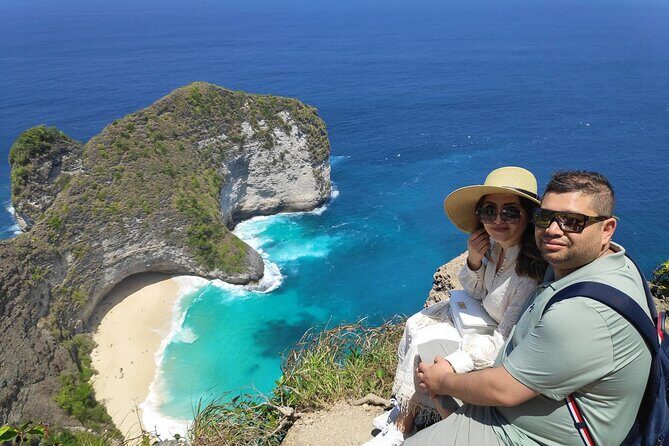
Because this is a private tour (only your group participates), you’re also more likely to get a smoother experience. There’s less waiting around for other people, and the day feels more like your plan instead of a group checklist.

Price Check: Is $75 Good Value Here?

At $75 per person, you’re paying for a package that includes:

  • Dolphin Lovina entrance ticket
  • Ulun Danu Beratan entrance ticket
  • Boat for dolphin viewing
  • English-speaking driver
  • Hotel pickup and drop-off
  • Mobile ticket

The big value is that the price covers the hardest parts to organize: early pickup and the dolphin boat entry. If you had to book these separately, you’d likely spend time comparing options and coordinating timing—exactly what this tour removes.

The main thing not included is lunch. That’s the one budget gap to plan for. If you’re the type who eats lunch anywhere around $8–$15 (or whatever matches your style), this tour still often feels reasonable for the amount you pack into the day.

Bottom line: the price feels fair if you want a no-stress morning dolphin try plus a major temple stop, all with transport included.

Who Should Book This Tour (and Who Might Skip It)

This is a good match if:

  • You can handle waking up at 3:30 am
  • You want a structured day that still includes nature (not just temples)
  • You like photography at major sights like Beratan
  • You prefer a private experience instead of a shared scramble

This may not be your best choice if:

  • You hate early mornings and struggle with fatigue
  • You want lots of free time for wandering and slow pacing
  • You’re booking expecting guaranteed dolphin sightings regardless of conditions

If you’re flexible and excited by sunrise experiences, you’re the target audience. If not, you might feel like the effort was bigger than the payoff.

Should You Book Bali Dolphin Lovina + Ulun Danu Beratan?

Yes—if you want a classic Bali contrast: dolphins early, then a lake temple later, with pickup and tickets handled. The schedule is tight, but that’s the point: you’re paying for a morning that most people only see if they’re organized.

I’d book it if you’re the type who thinks, I can handle one early start if it buys me a once-in-a-trip moment. The dolphin portion is the headline, and the Beratan stop is the visual payoff. Just go in knowing the weather matters and dolphins aren’t 100% guaranteed.

If you want your Bali trip to feel efficient, photogenic, and genuinely different from temple-only days, this one makes sense.

FAQ

What time does hotel pickup start?

Pickup starts at 3:30 am.

What is included in the $75 per person price?

The price includes dolphin entrance ticket (Dolphin Lovina), Ulun Danu Beratan entrance ticket, boat for dolphin viewing, an English-speaking driver, and hotel pickup and drop-off. Lunch is not included.

Is lunch included?

No. Lunch is not included, even though there is a lunch break scheduled during the day.

Is this tour private?

Yes. This is a private tour/activity, and only your group will participate.

What happens if weather is bad?

This experience requires good weather. If it’s canceled due to poor weather, you’ll be offered a different date or a full refund.

Can I cancel and get a full refund?

Yes. You can cancel up to 24 hours in advance for a full refund. If you cancel less than 24 hours before the start time, the amount paid is not refunded.

South Bali Tour: Watersport, GWK, Uluwatu Sunset, and Kecak Dance

South Bali Tour: Watersport, GWK, Uluwatu Sunset, and Kecak Dance - Pickup, timing, and how the day actually feels

A full day in South Bali can feel packed. This one mixes Tanjung Benoa watersports with the Uluwatu cliff sunset vibe, so you’re not stuck doing one kind of activity all day. I like that it moves through headline stops without losing the fun factor, and you get both active time in the water and proper Balinese culture on land.

Two things especially click: the hands-on watersports package at Tanjung Benoa, and the evening cultural finish with Uluwatu Temple plus the Kecak and Fire Dance. The one thing to keep in mind is that the tour includes specific activities, but other water options are available for your own expense—so your day can get pricier if you add extras.

Key highlights

South Bali Tour: Watersport, GWK, Uluwatu Sunset, and Kecak Dance - Key highlights

  • Tanjung Benoa water time with jet ski, banana boat, and parasailing included
  • GWK’s huge Garuda Wisnu Kencana statue plus a cultural park setting
  • Uluwatu Temple on dramatic cliffs about 70 meters above the ocean
  • Kecak and Fire Dance open-air performance with the Cak call and no gamelan
  • Hotel pickup and a private group so the schedule feels smoother
  • Good driver energy like Darma/Durma’s commentary and Bli Jacky’s flexibility

The best-of South Bali mix, minus the boring gaps

South Bali Tour: Watersport, GWK, Uluwatu Sunset, and Kecak Dance - The best-of South Bali mix, minus the boring gaps
This tour is designed like a greatest-hits day. You start with adrenaline, then shift into iconic Bali sights, and end with a show you’ll actually remember—because it’s loud, theatrical, and very different from the usual dance-and-dinner routine.

You’ll spend about 10 hours total, and it’s built around four main stops: Tanjung Benoa watersports, GWK (Garuda Wisnu Kencana), Uluwatu Temple, and Kecak and Fire Dance. The pacing is long enough to feel like you did a lot, but the stops aren’t so rushed that you’re always sprinting.

If your Bali style is part action, part culture, this works. If you hate early starts or you want a slow, one-temple-per-day pace, you might find it a bit much.

Pickup, timing, and how the day actually feels

South Bali Tour: Watersport, GWK, Uluwatu Sunset, and Kecak Dance - Pickup, timing, and how the day actually feels
The day starts at 9:00 am with pickup offered from your hotel. That matters more than people think, because Bali traffic can turn a “quick hop” into a headache. When pickup is included, you lose less time to logistics and more time to what you booked for.

The tour is described as a private tour/activity, meaning it’s just your group. That’s a nice quality-of-life upgrade on a full-day schedule. You’ll also see details like a mobile ticket, so you’re not stuck hunting down paper vouchers later.

One practical note: this is a full-day run, so plan on wearing things that travel well. Think sun protection, quick-dry clothes for the beach activities, and shoes you don’t mind getting wet or sandy.

Tanjung Benoa watersports: jet ski, banana boat, parasailing

South Bali Tour: Watersport, GWK, Uluwatu Sunset, and Kecak Dance - Tanjung Benoa watersports: jet ski, banana boat, parasailing
Your first big stop is Tanjung Benoa Beach—one of the most popular places in Bali for marine activities. The package includes jet ski, banana boat, and parasailing, and the setup is meant to be comfortable and safe, with high-quality safety equipment and medical insurance included.

Here’s why this portion feels like real value: you’re not just watching the ocean. You’re using it. Jet ski is hands-on and fast. Banana boat is rowdy and group-friendly. Parasailing adds a totally different angle, because you get to look down over the water instead of just through it.

You should also know what’s not included. This beach has other options that you can add using your own budget—examples listed include snorkeling, water ski, wake board, glass bottom boat, fly fish, dolphin watching tours, and more marine sport packages. If you’re the type who always wants one extra activity, set a rough spending limit before you arrive so you don’t lose control of the budget mid-morning.

What to do before you get wet

Since the day starts at 9:00 am, bring sun protection early. Sunscreen helps, sunglasses help more, and a hat is worth its weight in gold at Tanjung Benoa. Also, keep in mind that “try everything” can turn into “do nothing comfortably” if you don’t plan clothing and timing.

GWK: Garuda Wisnu Kencana and why the statue is the point

South Bali Tour: Watersport, GWK, Uluwatu Sunset, and Kecak Dance - GWK: Garuda Wisnu Kencana and why the statue is the point
Next up is Garuda Wisnu Kencana Cultural Park (GWK), with about 1 hour 30 minutes at the site. GWK is built around the Garuda Wisnu Kencana Statue, and the description compares its size to the Statue of Liberty, which gives you a sense of how dramatic it is in person.

Even if you’re not a statue person, this stop works because the park is clearly a cultural space, not just a “stand here for a photo” stop. The statue is designed with thick Balinese carvings, so the details are part of the experience, not an afterthought.

One good way to enjoy GWK is to take it in layers. First, look at the scale. Then, when you’re closer, slow down for the carving details. If you only do the wide-angle view, you’ll miss the craft that makes the place feel unmistakably Balinese.

Uluwatu Temple: cliffs, ocean views, and that sunset feeling

South Bali Tour: Watersport, GWK, Uluwatu Sunset, and Kecak Dance - Uluwatu Temple: cliffs, ocean views, and that sunset feeling
Then it’s off to Uluwatu Temple (Pura Luhur Uluwatu) for about 1 hour, with the timing geared toward sunset. Uluwatu is famous because it sits on a steep cliff roughly 70 meters above the ocean below.

This is one of those spots where the scenery is doing half the work. The temple setting makes the cliffs feel bigger, the ocean feel louder, and the light feel more dramatic than a flat viewpoint ever would.

Practical temple tips you’ll thank yourself for

Temple visits in Bali typically come with dress expectations, but the tour info here doesn’t spell out the exact rules. Still, you’ll be smart to dress modestly and bring something easy to cover up with if you need it on-site. Also, consider how windy clifftops can be around sunset, especially when you’re taking photos and waiting for the show.

Kecak and Fire Dance: the open-air Ramayana show without instruments

South Bali Tour: Watersport, GWK, Uluwatu Sunset, and Kecak Dance - Kecak and Fire Dance: the open-air Ramayana show without instruments
Your final stop is Kecak and Fire Dance, about 1 hour. This performance is described as a regular daily dance drama, performed in an open-air stage at Uluwatu Temple.

What makes it memorable is how it’s built. Kecak is tied to the Ramayana stories, but it doesn’t use the usual gamelan instrument setup. Instead of relying on musical instruments, the performance is driven by the distinctive Cak, Cak, Cak vocal calls from the accompanying group.

Then the fire element adds the visual punch. Fire Dance performances are inherently intense, and when you pair that with the temple location and sunset mood, it can feel like a full sensory event rather than just a performance you watch and move on from.

If you’re deciding whether to attend: this is the kind of cultural stop that gives you something you can’t easily recreate later from a photo.

Price and value: why $95 can be fair here

South Bali Tour: Watersport, GWK, Uluwatu Sunset, and Kecak Dance - Price and value: why $95 can be fair here
At $95 per person for an approximately 10-hour day, the value hinges on what’s genuinely included. In this case, the tour includes admission tickets for Tanjung Benoa watersports, GWK, Uluwatu Temple, and Kecak and Fire Dance. On top of that, the watersports package includes jet ski, banana boat, and parasailing.

That combination is what makes the price feel more “bundled” and less like a travel stress tax. If you were trying to book those items separately—especially the water activities plus the temple and show tickets—you’d likely spend more time coordinating and more money on transportation between them.

The main budget risk is the same one for many Bali activity days: add-ons. At Tanjung Benoa, other options are available at your own expense. If you plan to stick to what’s included, this can feel like a clean deal. If you love extras, build in extra funds early.

Also note the tour is described as being booked about 5 days in advance on average, so if you want your preferred schedule or smooth confirmation, don’t wait until the last minute.

The driver and guide factor: where the day gets better than expected

South Bali Tour: Watersport, GWK, Uluwatu Sunset, and Kecak Dance - The driver and guide factor: where the day gets better than expected
A big quality signal here is the role of the driver. Some guides/drivers have a habit of making the ride itself worthwhile. Names you may see include Darma or Durma, who are described as giving detailed commentary about Balinese history as you go from stop to stop.

That matters because South Bali is more than just the photos at the end. Good commentary helps you connect what you’re seeing—statues, temples, dance stories—to the place they come from. You don’t need a lecture, but you do benefit from a few clear ideas while the scenery passes by.

Another name that comes up is Bli Jacky, described as professional, courteous, and kind, with flexibility to adjust the day trip as needed. Flexibility is gold on a busy island, because timing can change with traffic, weather, or just the day’s flow.

Who this tour suits best (and who should skip it)

This tour fits you if you want a single day that checks multiple boxes: active watersports, a major landmark like GWK, a dramatic sunset temple, and a cultural performance that feels interactive.

It’s also a good choice for couples or small groups who want privacy but still like a set schedule. Since it’s private for your group, you’re not stuck with strangers steering the pace.

You might want to skip or think twice if you:

  • Prefer a slower pace with fewer stops
  • Don’t like long day logistics (about 10 hours total)
  • Want only culture or only beach time, with no in-between

Should you book this South Bali tour?

I’d book it if you’re the type who likes to keep the day moving and you care about getting a complete South Bali snapshot. The included mix—jet ski, banana boat, and parasailing, plus GWK, Uluwatu, and Kecak and Fire Dance—is the core reason it works. You’re paying for a packaged flow, not just a drive to separate locations.

I’d pass if your ideal Bali day is quiet and slow. The schedule is full, and Tanjung Benoa adds a physical, sun-heavy start to the day. But for most people who want value and variety, this one is a strong match.

FAQ

What time does the tour start?

The tour starts at 9:00 am.

How long is the tour?

It runs for about 10 hours.

Does the tour include hotel pickup?

Yes, pickup is offered.

Where does the watersports part of the tour take place?

Watersports are at Tanjung Benoa Beach.

Which watersports are included in the package?

The package includes Jetski, Banana Boat, and Parasailing.

Are admission tickets included for GWK and the temple and dance?

Yes. Admission tickets are included for Tanjung Benoa Beach, Garuda Wisnu Kencana (GWK), Uluwatu Temple, and Kecak and Fire Dance.

What is the cancellation policy?

You can cancel for free up to 24 hours before the experience’s start time for a full refund.

Half-Day Ubud Heritage Food Tour

Half-Day Ubud Heritage Food Tour - Countryside farming: seeing why ingredients taste the way they do

Balinese food has a story in every bite. This half-day Ubud tour follows that idea step-by-step, from a local market where spices are traded to the countryside where ingredients grow. I especially liked the 7–8 food tastings in a tight 5-hour window and the small-group pace (max 8 people), which keeps questions coming. One thing to consider: the tour is active and food-focused, so you’ll want to come hungry—and note the schedule says the 5 hours may not include any pickup time.

You start at Ubud Palace around 8:00am, which makes the whole day feel less rushed than a full-day food crawl. The guiding style is practical: you don’t just taste, you learn how Balinese Hindus connect daily cooking to tradition and offerings. If you’re hoping for a relaxed sit-down lunch with long pauses, this isn’t that kind of tour.

Key things you’ll notice fast

Half-Day Ubud Heritage Food Tour - Key things you’ll notice fast

  • Market-first learning: see how ingredients and spice flavors are discussed before they hit your plate.
  • Max 8 people: small group means more interaction with your foodie guide.
  • 7–8 tastings + meals: you should leave full, not snacky.
  • Countryside ingredient origins: the route links what you eat to where it comes from.
  • Vegan/vegetarian options: tell the team about your needs ahead of time.
  • No alcohol included: drinks are available to purchase.

From Ubud Palace meeting point to a full morning of flavor

The experience kicks off near Ubud Palace on Jl. Raya Ubud No. 8 with a start time of 8:00am. The good part of meeting here is simple: you’re starting in Ubud, not somewhere out of town that eats your morning. You’ll also end back at the same meeting point, so you don’t have to plan the last-mile logistics.

The tour runs about 5 hours total, but the timing information notes that the duration excludes pickup and drop-off time. In other words, your day may feel like it starts earlier than you expect if pickup is arranged. Also, the details you’ll see include hotel pickup/drop-off in the tour highlights, while another note lists hotel pickup/drop-off as not included—so I recommend you check your booking confirmation and follow what it says for your exact pickup arrangement.

This is a true morning food tour. It’s designed around breakfast-time energy, then moves you through the parts of Ubud where food culture is built: the market, the cooking knowledge, and the farming connection.

The market stop: where Balinese spices start making sense

Half-Day Ubud Heritage Food Tour - The market stop: where Balinese spices start making sense
The heart of the tour is learning by tasting. You’ll head to a local market, where spices and ingredients are described in the way they’re meant to be used. This matters because Balinese cooking often relies on the link between flavor, preparation, and daily tradition—so the guide helps you understand why a dish tastes the way it does, not just what it is.

In the market, expect tastings tied to traditional dishes and the flavor logic behind them. The tour highlights mention sampling items like traditional cakes and satay, plus savory flavors such as shredded chicken and stir-fried noodles later in the morning. Even if your exact lineup shifts a bit day to day, the pattern stays the same: you’ll learn what’s traded, how it’s prepared, and why it shows up on plates in Balinese kitchens.

What I like about this approach is that the market isn’t treated like a photo stop. It’s treated like a classroom with edible examples. When you later taste something made from those ingredients, you can connect the dots—spice to preparation to plate.

A quick practical note: markets can be warm and busy, even in the morning. Wear comfortable clothes, and plan for a walking-and-standing rhythm rather than a slow stroll.

Countryside farming: seeing why ingredients taste the way they do

Half-Day Ubud Heritage Food Tour - Countryside farming: seeing why ingredients taste the way they do
After the market, you continue toward the countryside, where you get a look at local farming and the ingredient origins behind what you’re eating. The tour also hints at panoramic views like rice paddies, which helps you understand why Ubud’s food culture feels so tied to the land.

This part works best if you pay attention to the idea, not just the scenery. Once you’ve been taught how spices and cooking methods create flavor, seeing how ingredients are grown gives you context for what you’re tasting. It turns food from a list of dishes into a system—how people farm, process, and cook with what they have.

If you’re a food lover who gets annoyed by tours that only hand you bites with no explanation, this countryside segment is a real value add. It gives your tastings a reason to exist.

That said, this is still a half-day tour. You won’t get a long farm workshop. You’ll get a look and some guidance, then you’ll move on to more food.

The food tastings: 7–8 bites that can actually satisfy

The tour includes all food tastings, with 7–8 types of foods covered in about 5 hours. It’s not a “try two things and call it a day” situation. You’ll be sampling enough that the tour description says you should leave feeling satisfied.

Because the tasting variety is part of the design, it’s smart to come ready to eat. The lineup you’ll likely encounter includes Balinese classics referenced in the tour details—savory shredded chicken, stir-fried noodles, traditional cakes, and satay. The point isn’t just variety; it’s that each dish connects back to ingredients and spice combinations you heard about earlier.

Also keep your expectations realistic: you’re moving between stops, tasting in portions, and learning as you go. You won’t be ordering a full meal at one restaurant, even if meals are included. Instead, think of it as a guided sampling route that adds up to a proper food experience.

If you follow a vegetarian or vegan diet, there is a vegan & vegetarian option available. Just make sure you inform the team about your food restrictions so the tasting plan can match your needs.

Your guide and group size: how the tour keeps it personal

This is built as a small-group tour capped at eight people or fewer. That limit is a big deal. With fewer people, your guide can answer questions as you taste, and it’s easier to adjust pacing if someone needs a slower moment.

The tour includes a local foodie guide, and the descriptions emphasize the idea that the guide explains the connections between spice ingredients, preparation, and how Balinese dishes are served. One of the strongest things coming through from people’s experiences is that they leave knowing the stories behind the food, not just the flavors.

Good group size also makes the logistics easier: you’re on shared transportation to visit one eating spot and another, so you’re not dealing with a complicated route across town by yourself. Still, shared transport means you’ll go when the group goes. If you hate waiting, this might test your patience, but the morning structure helps.

Price and value: what you’re really paying for at $69.75

At $69.75 per person, the value comes from what’s included, not just the headline number. For this price, you get:

  • a local foodie guide
  • enough food tastings (7–8 types) to feel like a real meal
  • meals included as part of the tasting plan
  • a guided market-to-countryside route in a small group
  • shared transportation between stops

What’s not included is also worth noting. Alcoholic drinks are not included and are available to purchase, and other expenses like shopping or additional meals are on you. There’s also a mention that hotel pickup/drop-off can be unclear between the included and not-included notes, so check your confirmation.

So is it good value? For me, the best sign is the “all food tastings included” piece combined with the small group size. You’re paying for guidance and education, plus multiple tastings that reduce your need to plan food stops on your own.

If you’re on a tight itinerary and you want to get serious about Balinese food without piecing together a market plan and restaurant route, this price is easier to justify.

Who should book this Ubud Heritage Food Tour

Half-Day Ubud Heritage Food Tour - Who should book this Ubud Heritage Food Tour
You’ll likely enjoy this if you:

  • want Balinese food with context, not just samples
  • prefer small groups and conversation with a guide
  • are in Ubud for a short time and want a focused morning activity
  • want to try multiple dishes like savory chicken, noodles, cakes, and satay

It’s also a good fit for people who are comfortable with walking and sampling in warm weather. You’ll be out for about half a day, and you’ll want comfortable clothing.

If you’re traveling with children, the information says children must be accompanied by an adult, and the tour notes that most travelers can participate. If you have strong dietary needs, use the “inform us for any food restriction” request before you go.

Should you book the Half-Day Ubud Heritage Food Tour?

I’d book it if your main goal is Balinese food understanding plus a satisfying amount of tasting. The combination of market learning, countryside ingredient context, and a small max 8 group makes it feel less like a generic food walk and more like a guided food lesson you can eat.

I’d think twice if you’re looking for a slow, sit-down experience or if you strongly rely on guaranteed hotel pickup. The schedule notes that the duration may exclude pickup/drop-off time, and the inclusion details conflict in the information you might see—so confirm that piece before you commit.

If you’re hungry at 8:00am and you want your Ubud morning to make sense, this tour is an excellent use of time.

FAQ

What time does the tour start?

The tour start time is 8:00am, with a meeting point near Ubud Palace.

How long is the Half-Day Ubud Heritage Food Tour?

It’s listed as about 5 hours. The duration excludes pick up and drop off time.

How big is the group?

The tour is limited to a maximum of 8 people per booking.

Is hotel pickup and drop-off included?

The tour highlights mention hotel pickup and drop-off, but the notes also list it under not included. Check your booking confirmation so you know what applies to your specific pickup arrangement.

What food is included?

The tour includes meals and 7–8 types of foods in about 5 hours, with all food tastings included. Vegan and vegetarian options are available if you inform the provider of your restrictions.

Are alcoholic drinks included?

No. Alcoholic drinks are not included, but they may be available to purchase.

Is cancellation free?

Yes, you can cancel for a full refund with free cancellation up to 24 hours before the experience’s start time.

Ubud Tours and Cretya Day Club Pool

Ubud Tours and Cretya Day Club Pool - Stop 1: Tegenungan Waterfall for the short walk and big photo angles

Tegenungan to Cretya in one smooth day is a smart combo. What makes this tour fun is that it strings together classic Bali photo stops with hands-on craft time, then ends at a day club-style infinity pool. I especially like the stop order because it mixes nature, local art, and city-friendly comfort with door-to-door private transport that keeps you from wasting hours on transfers.

My favorite parts are the photo-friendly momentum at Tegenungan Waterfall (including a short walk) and the big-city energy at Cretya Ubud, where the infinity pool views match the hype. One thing to think about: Cretya is partly a nightlife venue, and you may face extra costs at the venue or for special events, so it’s worth budgeting beyond the tour price.
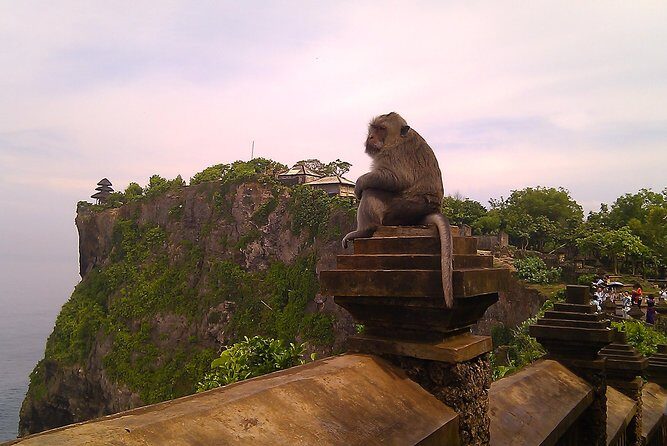
Key highlights to know before you go

Ubud Tours and Cretya Day Club Pool - Key highlights to know before you go

  • Private, door-to-door transport from Seminyak to keep the day moving
  • Tegenungan Waterfall with a short walk for great photo angles
  • Mas Village craft focus through wood carving at an art gallery stop
  • Cretya Ubud infinity pool with daily DJ vibes and rice terrace views
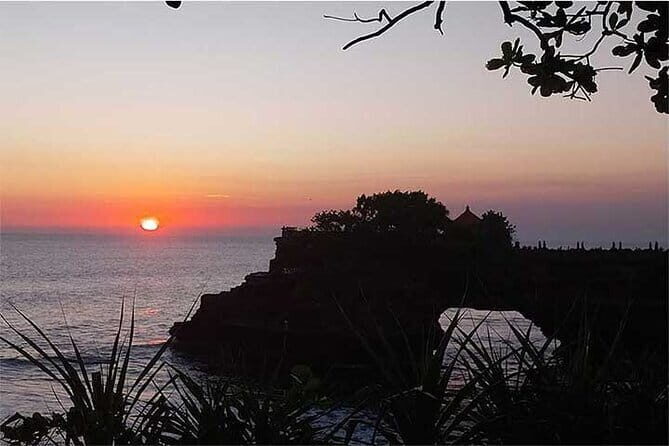
  • Celuk Village jewelry-making for a closer look at silver and gold work
  • Tickets for major stops included, but Cretya extras may still apply

A private Bali day packed with waterfall photos and craft time

This is the kind of Bali schedule that makes sense if you want variety without running your legs into the ground. You get a single driver, a private-group setup, and a plan that moves from nature to village crafts to a modern day club pool.

I like that the tour doesn’t just point you at one thing. You start with a waterfall that rewards you for a short walk. Then you shift to art and carving in a village setting. After that, you cool off (or at least pose) at a big infinity pool with rice terrace scenery. The last stop gets practical and hands-on, focusing on how jewelry is made in Celuk Village.

And yes, there’s a little reality check built in: you’re going to multiple places in one day. That means sun exposure, some walking, and a need to stay flexible if the weather changes.

Seminyak pickup and private door-to-door: the real time-saver

Ubud Tours and Cretya Day Club Pool - Seminyak pickup and private door-to-door: the real time-saver
Starting in Seminyak is helpful because you’re not hunting for meeting points all over Bali. With private transportation, your day runs off your schedule more than the group schedule.

It also changes how you experience the stops. Instead of rushing to catch a bus, you can arrive, get your bearings fast, and then focus on what you came for—photos at the waterfall, craft viewing at the villages, and pool time at Cretya.

One detail I really value: the driver is English-speaking. In the guides named in past experiences, I’ve seen names like Katut and Ketut called out for being fluent and for guiding you to what you want. That matters because Bali stops can be confusing if you’re on your own—especially when you’re trying to fit in multiple locations.

Stop 1: Tegenungan Waterfall for the short walk and big photo angles

Ubud Tours and Cretya Day Club Pool - Stop 1: Tegenungan Waterfall for the short walk and big photo angles
Your first major stop is Tegenungan Waterfall. The experience here is built around seeing a dramatic waterfall with rock views and getting to the best viewpoints.
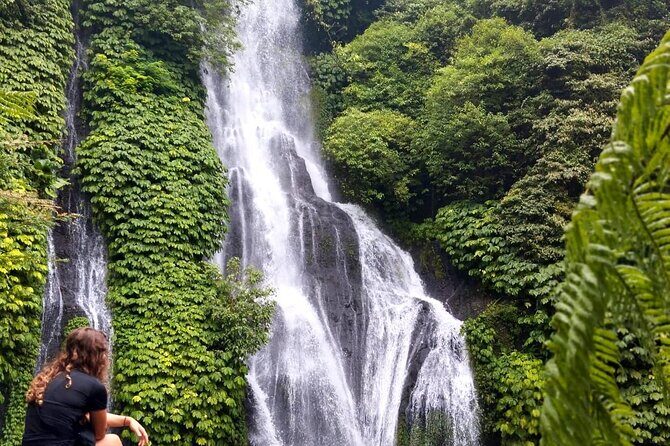
Plan for a walk of about 10 minutes. That’s not far, but it’s long enough that you’ll want shoes with grip. Also, waterfalls tend to be humid. The smart play is to bring a light towel or plan to dry off later.
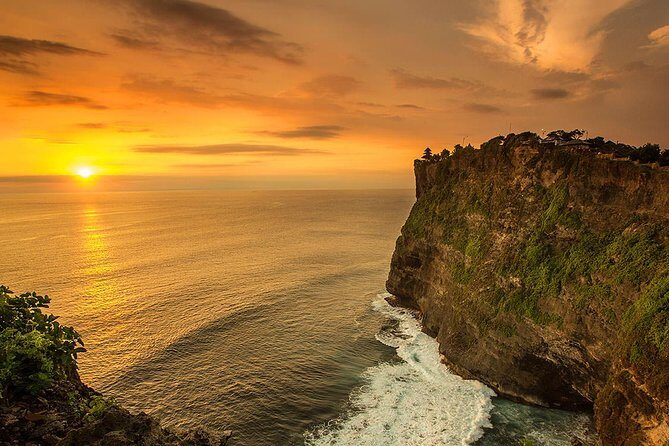
What makes Tegenungan worth it is the variety of photo corners. You’ll find plenty of angles with the waterfall background, plus spots associated with popular photo setups like swings and bird-nest style viewpoints. Even if you’re not chasing every single shot, you’ll still have enough choices to make it feel like more than a quick pass-through.

Timing-wise, you get about 30 minutes here. That’s a good window if you want photos without turning the day into a hike. If you’re someone who likes to linger, you’ll need to balance your time between viewpoint hunting and moving on.

Stop 2: Mas Village wood carving at a traditional art stop

Next comes Mas Village, a traditional area known for artistic work, especially wood carving. This is where the tour slows down just enough for you to see how craft culture works in a real village setting.

You’ll visit an art and carving stop at Mammoth Art Gallery and Wood Carving. The key value here isn’t buying something expensive. It’s watching how wood carving is turned into finished art. Even if you don’t speak the language, you’ll understand the skill through the process and the tools.

You get about 30 minutes at this stop. That’s short, but it fits the pace of the whole day. If you’re a collector and you want to shop, you may need to spend extra time browsing. Since the tour notes that additional shopping costs may happen, treat this as a viewing-and-understanding stop first, then decide if you want to buy.

A practical tip: if you plan to purchase anything, protect it from the rest of the day. Multiple stops mean you’ll have your hands full—so plan how you’ll carry bags back to your transport.

Stop 3: Cretya Ubud day club infinity pool and rice terrace views

This is the headline stop for many people: Cretya Ubud, a popular day club built around a large infinity pool, a bar, and an atmosphere that comes with daily DJ sessions.

You’re scheduled for about 1 hour here. That hour can feel short if you want to do everything—swim, get photos from multiple angles, grab a drink, and explore the rice terrace view lines. Still, it’s a solid time box if you treat Cretya as your main pool-and-photo session rather than a full day hangout.

What makes it special is the combination of water and scenery. The infinity pool layout is designed for views over rice terraces. Even if you’re not a pool person, the pool deck and the framing are built for photos.

Two important cost notes:

  • The tour includes the Cretya ticket and entrance ticket for this stop.
  • You may still have additional costs at the pool and restaurant, and there’s also mention of a special event fee of IDR 200,000 per person if a special event is running.

That means Cretya can be either a relaxed swim-and-snap experience or a slightly pricier day depending on what’s happening there on your visit. If you’re going with a clear budget, consider planning your spending at Cretya before you arrive—so the day club vibe doesn’t catch you off guard.

Stop 4: Celuk Village for silver and gold jewelry making

Ubud Tours and Cretya Day Club Pool - Stop 4: Celuk Village for silver and gold jewelry making
The final craft stop is Celuk Village, Bali’s jewelry-making center. This is where the tour gets more educational than photo-focused.

You’ll focus on silver and gold jewelry making, including how the materials are processed through traditional methods. You’re there for about 30 minutes, which is enough time to understand the idea and watch the work, but not enough to become a master artisan in a single afternoon.

This stop is valuable because it shows a different side of Bali than the resort-and-temple rhythm. It’s more industry and craft than scenery. If you’ve been seeing jewelry in shops all week, this is the moment you connect the product to the process.

As with the Mas Village stop, shopping could happen and would be extra. If you’re not buying, you can still enjoy this as a cultural watch-and-learn moment.

Timing, comfort, and how to survive a hot Bali day

Ubud Tours and Cretya Day Club Pool - Timing, comfort, and how to survive a hot Bali day
A 10-hour day across multiple locations means you need to think about comfort, not just sightseeing.

Here’s the practical approach I’d use:

  • Wear shoes that handle slick or uneven paths at nature stops. Toenails don’t enjoy waterfall humidity.
  • Bring sun protection, because you’ll likely be outside for portions of the day.
  • Plan your photo strategy at each stop. At Tegenungan and Cretya, you can lose time chasing angles. One or two strong photo viewpoints per stop will keep you relaxed.
  • Hydrate. Bali heat can drain energy faster than you expect.

Since lunch isn’t included, you’ll want to decide in advance whether you’ll eat on the go near one of the stops or bring a plan to grab food where you can. Waiting until you’re tired and hungry can turn a good day sour.

Also, Cretya is a day club environment. If you prefer quiet sightseeing, you might treat it as a pool-and-view stop, not a linger-and-party stop. The daily DJ factor means noise is part of the setting.

Price and value: what $47 covers and what it doesn’t

At $47 for about 10 hours, this tour aims to deliver value through three big levers: private transport, multiple entrance tickets, and structured time at popular stops.

Included items that push the price toward good value:

  • Private transportation
  • Cretya ticket
  • All entrance tickets for the listed stops
  • English-speaking driver

That’s the main reason this package can be cheaper than stitching everything together yourself. If you’re paying separately for transport and entry fees across several locations, the total tends to climb.

What isn’t included (and can affect your final spend):

  • Lunch
  • Additional shopping and ticket costs (including possible add-ons like swings)
  • Additional costs at Cretya at the pool and restaurant
  • A potential special event cost at Cretya of IDR 200,000 per person

So the real question isn’t only Is $47 cheap? It’s Is the day you want worth the extras you’re likely to spend? If you’ll buy snacks, drinks, and maybe a souvenir or two, you should factor that into your budget. If you’re mostly there for photos and sights, you may stay close to the base price.

Who should book this tour (and who might skip it)

This tour is a great fit if you want:

  • A private-group Bali day with a driver who can explain and guide in English
  • A mix of waterfall viewing, village crafts, and a modern infinity pool experience
  • A schedule that hits several highlights without forcing you to plan transport between them

It may be less ideal if:

  • You want a quiet, slow, temple-only style day.
  • You hate day club noise or you’re not comfortable with a nightlife atmosphere during the pool session.
  • You’re very sensitive to extra venue spending. Cretya can add costs depending on restaurant use or special events.

If you’re the kind of traveler who likes checking off different Bali styles in one itinerary—nature, artistry, and pool glamour—this one matches your rhythm.

Should you book Ubud Tours and Cretya Day Club Pool?

I’d book it if you want a well-paced highlights day and you value having everything lined up: tickets, driver, and door-to-door transport. It’s also a strong pick when you’re staying in or near Seminyak and want to avoid day-trip hassles.

Skip or reconsider if your idea of Bali is low-key and silent, because Cretya Ubud’s daily DJ changes the vibe. Also, read your budget expectations carefully. With lunch and possible Cretya extras not included, you’ll likely spend a little more than the headline price if you plan to eat and drink on-site.

If your goal is a day that looks good on camera, feels varied, and stays organized, this tour earns a yes.

FAQ

FAQ

How long is the Ubud Tours and Cretya Day Club Pool experience?

It’s about 10 hours (approx.).

Where does this tour start from?

It’s in Seminyak, Indonesia, and pickup is offered.

Is this a private tour?

Yes. It’s listed as a private tour/activity, meaning only your group participates.

What’s included in the tour price?

You get private transportation, Cretya ticket, all entrance tickets, and an English-speaking driver.

Is lunch included?

No. Lunch is not included.

Are there extra costs at Cretya Ubud?

Possibly. The tour notes additional cost at Cretya pool and restaurant, and there may be a special event fee of IDR 200,000 per person.

What does the Tegenungan Waterfall stop involve?

You’ll visit Tegenungan Waterfall and walk about 10 minutes to reach viewpoints. Admission ticket is included.

Is there a weather backup plan?

The experience requires good weather. If it’s canceled due to poor weather, you’ll be offered a different date or a full refund.

Gate Heaven of LEMPUYANG TEMPLE & East Bali Tours

Gate Heaven of LEMPUYANG TEMPLE & East Bali Tours - Tirta Gangga Water Palace and Lunch: A Sacred Water Garden Pause

East Bali can feel like a long drive—but this route gives it purpose. I like the way it hits five major stops with a private English-speaking driver/guide, so you get context instead of just being dropped off and rushed. The highlight is the Gate of Heaven at Lempuyang Temple, set against Mount Agung, then you move on to Karangasem’s famous water gardens and end with a white-sand beach break.

Two things I really like: first, the door-to-door pickup and drop-off from most Ubud and south Bali hotels, which makes the trek across the island feel easier. Second, the trip includes admission tickets at every stop plus lunch, so you don’t end up counting cash while you’re trying to enjoy the day.

One possible drawback to plan for: this is an East Bali day, and the drive can be slow depending on traffic and weather. If you’re on a tight schedule (like a ship or hard appointment), build in extra buffer and expect that not every photo moment will happen exactly on time.

Key Highlights to Know Before You Go

Gate Heaven of LEMPUYANG TEMPLE & East Bali Tours - Key Highlights to Know Before You Go

  • Private, full AC transport with an English-speaking driver/guide, not just a car and a map
  • All entrance fees included, plus lunch at Tirta Gangga
  • Lempuyang Temple Gate of Heaven with Mount Agung views in the background
  • Both Karangasem water gardens in one day: Tirta Gangga and Ujung Water Palace
  • Asah Hill (Bukit Asah) for a quick uphill ocean view stop
  • Pantai Pasir Putih for a relaxed hour on turquoise water and soft sand

East Bali in One Day: What the 8–9 Hours Feels Like

Gate Heaven of LEMPUYANG TEMPLE & East Bali Tours - East Bali in One Day: What the 8–9 Hours Feels Like
This tour runs about 8 to 9 hours, and it’s built for one big goal: squeeze several East Bali landmarks into one stress-free day. The big value is the private setup. You’re not waiting around for other groups, and your driver/guide can manage pacing based on how long lines and photo moments take.

The trade-off is distance. East Bali is a long trip from the south, so you’ll spend real time in the car. That’s not a complaint—just the reality. You’ll feel it more if you’re traveling with kids, if you hate sitting in traffic, or if you’re visiting during heavy rain. Bring a little patience, and you’ll likely enjoy how the day builds from temple to gardens to beach.

Also note the rhythm: this isn’t a slow wandering day. Stops range from 45 minutes (Ujung) to a quick 15 minutes (Asah Hill), with 1 hour at Lempuyang and the beach, plus 1 hour at Tirta Gangga. That means you’ll get a strong overview, but you won’t have hours for one single site.

Lempuyang Temple’s Gate of Heaven: Where Photos Meet Temple Rules

Your first stop is Lempuyang Temple, home of the famous Gate of Heaven near Mount Lempuyang. This place is known for Mount Agung scenic views as a backdrop, and the temple sits on higher ground, so even the arrival feels like you’re moving toward something big.

Here’s what’s worth knowing before you go: temple photography comes with rules. You should expect to follow the local photo rules on-site, especially during shooting. If you try to ignore boundaries, your photo session can get interrupted fast. I’d treat it like a sacred site first, a photo location second.

Time is set at about 1 hour. That’s enough to get oriented, see the key areas, and take photos—but not so long that you can stroll and lose track. If you’re chasing the exact Gate of Heaven framing, plan to move quickly when you’re called to a spot and keep your camera ready.

What you’ll likely feel here: the gate is iconic, but it’s also the viewing angle that makes it. Even a short visit can feel worthwhile if the sky cooperates and you catch Mount Agung in the background.

Tirta Gangga Water Palace and Lunch: A Sacred Water Garden Pause

Gate Heaven of LEMPUYANG TEMPLE & East Bali Tours - Tirta Gangga Water Palace and Lunch: A Sacred Water Garden Pause
Next you head to Tirta Gangga, a Balinese water palace built for the royal family of Karangasem. This stop works because it’s not just scenery—it’s a functioning part of cultural tradition. You’ll see flowing fountains, lush gardens, and shimmering pools, all arranged in a way that reflects the site’s spiritual role and day-to-day meaning in Balinese practice.

The tour includes about 1 hour here, and lunch is served at Tirta Gangga. That’s a smart move. You don’t have to hunt for food after sightseeing, and you stay in the same calm setting. The lunch is described as Indonesia standard food, so it’s practical rather than fancy.

A key advantage of having an English-speaking driver/guide is that you’re not just photographing water and plants. You get help understanding why these places matter and what you’re looking at. If you like travel that teaches you something without slowing you down too much, this is a strong stop.

Potential drawback: because the day is scheduled tightly, you’ll want to manage your time in the gardens. If you spend too long with camera angles, you might feel a bit rushed before lunch ends.

Ujung Water Palace: Peaceful Pools Over Roughly 10 Hectares

After Tirta Gangga, you move to Ujung Water Palace, also tied to Karangasem royalty. This garden is described as around 10 hectares, filled with large pools and green, planted areas. There’s a sense of space here that feels different from Tirta Gangga—less like a single photo moment, more like a long series of viewpoints.

Expect about 45 minutes at Ujung. That timing is right for seeing the main garden layout without eating your whole day. If you’re into gardens, reflections, and slow-looking details, you’ll appreciate the pace. If you’re someone who needs constant action, this stop may feel quieter—though the reflecting pools and layout are made for relaxing.

One practical tip: wear comfortable footwear. Even if your time here is limited, garden paths can be uneven, and you’ll likely want to move for better views and angles. And if it’s wet from rain earlier in the day, slow down on footing.

Asah Hill (Bukit Asah): Short Stop, Real Ocean Views

Gate Heaven of LEMPUYANG TEMPLE & East Bali Tours - Asah Hill (Bukit Asah): Short Stop, Real Ocean Views
Bukit Asah, located in the village of Bugbug, is a newer East Bali sightseeing stop. The big draw is the uphill viewpoint where you can see blue ocean from higher ground.

You only get about 15 minutes here. That’s the clearest sign of how this tour is designed: a quick hit of a specific view, then back onto the route. If you’re the type who likes to walk around, hang out, and take dozens of photos, 15 minutes can feel tight. But if you’re happy getting the view, taking a few pictures, and moving on, it works well as a breath of fresh air between garden sites and the beach.

If weather is cloudy, you may lose some of the ocean view impact. In that case, I’d still show up—just be mentally ready for a different vibe than the bright-day photos.

Pantai Pasir Putih (White Sand Beach): Where the Day Ends Soft

Gate Heaven of LEMPUYANG TEMPLE & East Bali Tours - Pantai Pasir Putih (White Sand Beach): Where the Day Ends Soft
The final stop is Pantai Pasir Putih, described as a white-sand beach with turquoise clear water and soft sand. You’ll also get a view from uphill when you drive down, and there’s mention of a small island called Pulau Paus that you may be able to see from the beach.

You’ll have about 1 hour here. That’s the right length to unwind without feeling like you’ve forgotten the rest of the day. This is where the tour’s pacing finally pays off: earlier stops are structured and scenic in a more cultural way; the beach is where you can reset.

If you’re hoping for photos, aim to use your time early, because sun angle and crowd levels can shift quickly. Also bring a bit of sun protection—hat and sunscreen are specifically listed as what to bring.

If it’s raining, beach time can still be worth it for the scenery, but your enjoyment will depend on how quickly the weather passes. East Bali days can swing, so keep expectations flexible.

Price and Value: Why $80 Can Make Sense (or Not)

At $80 per person, this tour sits in a practical mid-range for a private East Bali day. The value comes from what’s included, not just the driving.

You get:

  • Hotel pickup and drop-off (from most Ubud and south Bali hotels)
  • Private full AC transport
  • English-speaking driver/guide
  • All entrance fees and ticket for each scheduled stop
  • Lunch (served at Tirta Gangga)
  • Mineral water
  • A mobile ticket
  • Local taxes

For a long-distance East Bali route, the big cost driver is transport and admissions. When those are bundled, you can focus on the experience instead of planning payments at each site. If you were to piece this together yourself—especially with admissions—it often costs more in time and hassle than in cash.

When the price may feel less worth it: if you’re visiting on a day with heavy rain or strong traffic delays, the schedule can feel less efficient. Since stops are time-boxed, lost minutes can mean fewer photo chances at the most important spots.

Also consider that it’s private, meaning no other participants join you. That’s great for flexibility and comfort, but it also means you’re paying for that exclusivity. If you’re traveling as a pair or small group, it usually feels better.

Timing, Traffic, and Weather: The Real-World Planning Part

This tour can be affected by the same variables that affect any East Bali plan: traffic congestion and weather. If your day depends on a strict return time—especially if you’re trying to be back for a cruise or a time-specific commitment—treat this as a best-effort schedule and ask for timing guidance before you confirm.

I’d also do two small things that help:

  • Confirm your guide pickup details clearly before you head out, so you’re not stuck guessing at the meeting point.
  • Dress for rain and sun. The tour requires modest clothing, but you should still think about weather layers. Wet days can make temple visits feel slower, and beach time may not feel as relaxing.

One more reality check: because the route hits many sites, you’ll feel the schedule. When traffic is slow, your experience becomes more about the main priorities—Gate of Heaven, Tirta Gangga, and the beach—than about lingering at every corner.

What to Bring and How to Dress for an Easier Day

You’ll want to come prepared for a cultural site day plus a beach finish. The tour lists:

  • Modest cloth
  • Hat
  • Camera
  • Money
  • Sun scream (sunscreen)

Modest dress matters most at the temple. Bring something comfortable you can wear for walking. Since you’ll be moving between stops, comfort beats style.

For the beach, you’ll appreciate the hat and sunscreen right away. If you plan to swim, the data doesn’t explicitly promise swimming time, but one hour at the beach gives you the chance to cool off if conditions look good.

Who This Tour Fits Best

This tour is a strong match if you want:

  • A private driver/guide and clear guidance at each stop
  • A day that covers multiple East Bali highlights without you doing route planning
  • Cultural sightseeing plus nature breaks, ending with beach time
  • Admissions and lunch handled in advance

It’s less ideal if you want lots of free time to wander slowly at one location, or if you’re very sensitive to long drives and potential delays.

It can work well for most travelers, and there’s mention of service animals allowed and near public transportation—useful details if you’re comparing options.

Should You Book Gate Heaven of Lempuyang Temple & East Bali Tours?

I’d book it if you’re the kind of traveler who wants one organized day to see the best-known East Bali sights—Lempuyang Temple, Tirta Gangga, Ujung, Asah Hill, and Pantai Pasir Putih—with admission fees and lunch included. For couples or a small group, the private setup and full AC transport make it feel comfortable even when the drive takes time.

I’d think twice if your schedule is extremely tight or your priority is slow, unhurried exploration. With time-boxed stops and an East Bali drive, traffic and rain can squeeze the day.

If you like structure, practical guidance, and a good payoff at the end with a beach hour, this tour is a solid choice for your East Bali day.

FAQ

How long is the tour?

It runs about 8 to 9 hours.

What is included in the price?

Pickup and drop-off, private full AC transport, an English-speaking driver/guide, lunch (served at Tirta Gangga), mineral water, local taxes, mobile ticket, and admission tickets at all scheduled stops are included.

Do I need to buy entrance tickets?

No. Entrance fees and tickets at each stop are included.

Is the tour private?

Yes. It’s private, with no other participants—just your group (you and your companion).

Where does pickup happen?

Hotel pickup and drop-off are offered from most Ubud and south Bali hotels.

What should I bring?

Bring modest clothing, a hat, a camera, money, and sunscreen.

UNESCO Jatiluwih Rice Terrace and Tanah Lot Sunset Tour

UNESCO Jatiluwih Rice Terrace and Tanah Lot Sunset Tour - Private Pickup From Seminyak: A Day That Starts Easy

Bali in one full swing can be a lot. This tour strings together UNESCO Jatiluwih views and a real Tanah Lot sunset icon in a single day. You start with classic temple time, then roll through photo spots, a lake temple, rice terraces, a hot-spring break, and end with the coast pounding the rocks.

I love two things most. First, it’s a private setup, so you’re not sharing your ride with strangers—your English-speaking driver also acts as your guide, and that matters when you’re bouncing between stops. Second, the day is built around the stuff that’s genuinely worth paying for: entrance tickets and an Indonesian buffet lunch are included, so you spend less time figuring things out and more time looking.

One thing to keep in mind: it’s a long day, about 9 to 10 hours, and a chunk of it is outdoors. If the weather is rough, sunset timing at Tanah Lot can get affected, since the experience depends on good conditions.

Key Highlights You’ll Feel (Not Just See)

UNESCO Jatiluwih Rice Terrace and Tanah Lot Sunset Tour - Key Highlights You’ll Feel (Not Just See)

  • Private hotel pickup and drop-off from Seminyak and many nearby areas, so you don’t fight traffic twice
  • Professional English-speaking driver as guide, with time for photos and practical site context
  • UNESCO Jatiluwih Rice Terrace on a large, well-maintained hillside system, not just a quick stop
  • Penatahan Hot Springs with a central main pool next to a flowing river for an easy reset
  • Tanah Lot Temple perched over ocean waves, the kind of place where sunset makes sense
  • Handara Iconic Gate for that signature Bali photo moment, with a set short window (not all day)

Why This Jatiluwih + Tanah Lot Combo Works So Well

UNESCO Jatiluwih Rice Terrace and Tanah Lot Sunset Tour - Why This Jatiluwih + Tanah Lot Combo Works So Well

If you’ve only got one day in Bali, this pairing is smart. You get rural-countryside Bali at Jatiluwih and then swap to dramatic coast energy at Tanah Lot. It’s the contrast that makes the day memorable.

Also, the order helps. You start inland with temple and photo stops, move into cooler Bedugul lake territory, then head back toward the coast. That pacing reduces the feeling that you’re constantly backtracking.

The big value move here is not just the sights—it’s the time management. The stops are long enough to actually see things, but short enough that you don’t get stuck in one place too long.

Private Pickup From Seminyak: A Day That Starts Easy

UNESCO Jatiluwih Rice Terrace and Tanah Lot Sunset Tour - Private Pickup From Seminyak: A Day That Starts Easy

Your tour kicks off with hotel or villa pickup in Seminyak, plus drop-off at the end. The operator also services a long list of areas like Tanjung Benoa, Nusa Dua, Legian, Jimbaran, Sanur, Canggu, Kuta, Ubud, and Denpasar, which is handy if you’re not staying exactly in Seminyak.

You’re in an air-conditioned vehicle, and it’s a private ride for your group—no mixing with other parties. That sounds like a small detail, but it changes the feel of the day. You can stay relaxed, adjust photo plans, and you’re not waiting around for other people’s schedules.

The driver is listed as a professional English-speaking guide. In practice, you’ll get more than directions—you’ll get context for why each stop matters, plus helpful photo pacing. In the real-world feedback, guides like Nyoman and Dwi were specifically praised for taking good care and sharing useful information.

Stop 1: Taman Ayun Temple and the Calm Start You’ll Appreciate

UNESCO Jatiluwih Rice Terrace and Tanah Lot Sunset Tour - Stop 1: Taman Ayun Temple and the Calm Start You’ll Appreciate

Taman Ayun Temple is a great first stop because it sets a tone. This is where you see Balinese religious architecture in a more peaceful setting, linked to the Mengwi people who didn’t need to travel far for worship.

You get about one hour here, and admission tickets are included. That’s enough time to look around without rushing, which matters because temples are the kind of place where small details—layout, gates, surrounding ponds—reward slow attention.

Practical tip: dress smart casual, as requested. You’ll be moving through a few sites in one day, so you don’t want outfit changes. Also bring a camera, since you’ll likely want a mix of wide shots and slower, closer views.

Stop 2: Handara Iconic Gate for the Signature Bali Photo

UNESCO Jatiluwih Rice Terrace and Tanah Lot Sunset Tour - Stop 2: Handara Iconic Gate for the Signature Bali Photo

Handara Gate is one of those spots you recognize instantly once you see it. It’s become a major Instagrammable landmark in Bali, known for the iconic Balinese gate look and the “this is Bali” photo energy.

You’ll spend about 30 minutes here. That short window is good—it keeps the day moving and reduces the chance you’ll feel trapped waiting for the perfect angle for too long.

If you’re trying to get photos without stress, think like this: aim for a couple quick group shots, then one or two more with different poses/angles. Then keep moving. The value of the tour is that it stacks great stops, and you’ll want your energy for the next ones too.

Stop 3: Ulun Danu Bratan Temple and Lunch in Bedugul

UNESCO Jatiluwih Rice Terrace and Tanah Lot Sunset Tour - Stop 3: Ulun Danu Bratan Temple and Lunch in Bedugul

Next up is Ulun Danu Bratan Temple, often called the lake temple. The setting is the whole point: a temple complex on the western side of Beratan Lake in Bedugul, with views shaped by water and hills.

You’ll get about one hour here, plus lunch served near the temple area. Having lunch included is a real convenience win. You don’t have to hunt for food while your schedule is ticking.

What to watch for: lake-temple weather. Conditions can shift fast around Bedugul. If clouds move in, light changes quickly for photos. If it’s sunny, expect brighter contrast. Either way, come ready for different visuals without feeling disappointed.

Stop 4: Jatiluwih Rice Terrace UNESCO Views Without the Tourist Rush Feeling

UNESCO Jatiluwih Rice Terrace and Tanah Lot Sunset Tour - Stop 4: Jatiluwih Rice Terrace UNESCO Views Without the Tourist Rush Feeling

Now for the star of the UNESCO side of the day: Jatiluwih Rice Terrace. This isn’t just a single viewpoint. You’re looking at over 600 hectares of rice fields that follow the flowing hillside topography near the Batukaru mountain range.

You’ll spend about one hour here. That might sound short, but Jatiluwih works best with a focused walk and a few key viewpoints rather than trying to cover everything. The terraces are well maintained through traditional farming, and the wider hillside patterns are what make the whole area special.

Here’s the practical mindset I recommend: pick one “main view” spot for wide shots, then do a slow scan for depth—terrace lines, small paths, and how the slopes step down. If you only do close-up photos, you miss the big picture that UNESCO is pointing you toward.

If you’re the type who likes to hike more, this tour may feel time-limited. Still, for most people, one guided-style stop here hits the sweet spot: impressive sights without turning the day into a grueling workout.

Stop 5: Penatahan Hot Springs Kaja for a Reset

UNESCO Jatiluwih Rice Terrace and Tanah Lot Sunset Tour - Stop 5: Penatahan Hot Springs Kaja for a Reset

Between rice terraces and the coast, you get a break: Penatahan Hot Springs. The complex features a central main pool positioned at the lowest level, adjacent to a flowing river. That design makes the place feel built around relaxation rather than just a quick photo stop.

You’ll have around one hour. This is ideal for cooling down your feet and taking a breather after walking on uneven terrain at the terraces.

Smart move: bring sunscreen and take breaks from sun exposure. You’ll likely work up heat during the earlier stops. Even if you don’t plan to soak for long, a hot-spring pause helps you finish the day without feeling fried.

Stop 6: Tanah Lot Sunset Energy on the Rocks

UNESCO Jatiluwih Rice Terrace and Tanah Lot Sunset Tour - Stop 6: Tanah Lot Sunset Energy on the Rocks

Finally, you end with Tanah Lot Temple, one of Bali’s best-known coastal icons. The shrine sits on an outcrop surrounded by constantly crashing waves, which is exactly why sunset matters here. The sky can change fast, and the ocean gives the background motion even when you’re standing still.

You’ll have about one hour at Tanah Lot, including admission. That’s usually enough for a mix of wide views and temple-area shots, plus time to watch how the light shifts as the sun lowers.

A practical note: keep an eye on footing. Coastal areas can get slippery near the waves. Wear footwear that feels stable, and don’t rush toward the edge for that last perfect angle.

Passing the Fruit Market and Waterspring on the Way

On the drive, you’ll pass a famous fruit market and also a waterspring. The tour doesn’t describe these as long stops, so treat them as “extra sights from the road,” not guaranteed time to explore.

Still, this is a nice detail because it breaks up the driving time with glimpses of how Bali feels day to day. You’re not just bouncing from temple to temple in a bubble.

Duration and Pacing: What Your 9 to 10 Hours Look Like

This tour runs about 9 to 10 hours. That range is common in Bali because road conditions and traffic can swing. Your schedule is built with set time blocks—like one hour at Taman Ayun and Ulun Danu Bratan, 30 minutes at Handara, one hour at Jatiluwih and the hot springs, then one hour at Tanah Lot.

So, the day will feel packed, but not completely frantic. You’ll get meaningful time at major sites, with short stops at the photo landmark. That balance is why the tour works for first-timers who want big highlights.

Bring energy for a full day. Use the car time to rest. And don’t plan anything major immediately after, especially if you’re coming from a hotel further from the center.

Price: Is $80 Good Value for This Much Included?

At $80 per person, the price can feel like a lot—or like a bargain—depending on what you’d otherwise pay on your own.

Here’s what’s included: private air-conditioned transport, a professional English-speaking driver/guide, all entrance tickets, Indonesian buffet lunch, petrol and parking fees, taxes and services, plus pickup and drop-off. That’s a full package. If you were to DIY, the cost would likely spike once you add admissions, lunch, and a private car with a driver for this route length.

The other value angle: private comfort. The tour description says private means it’s just you and your party in the vehicle. That matters when you’re moving across multiple regions and want control over timing, photo pacing, and breaks.

If you’re a solo traveler, $80 might still be fair because it covers a lot that you can’t easily replicate with cheap transport. If you’re a couple or small group, private pricing often becomes even better value.

Dress Code, What to Bring, and Tiny Comfort Wins

The dress code is smart casual. For a day of temples plus outdoor stops, think modest and comfortable. You’ll be in photos, walking short distances, and spending time under sun and possibly changing light.

Bring sunscreen and a camera. Those are explicitly recommended, and I agree. You’ll hit photo-heavy locations like Handara Gate and Tanah Lot, and you’ll also want wide shots at Jatiluwih.

One more tip: wear practical footwear. You may walk on uneven ground at terraces, and you’ll be near ocean surfaces at Tanah Lot.

Who This Tour Fits Best (and Who Might Want a Different Plan)

This is a good fit if you want Bali highlights in a single day and you don’t want to organize tickets, transfers, and routing yourself. It’s also a good choice if you like clear structure and set time at each place.

It’s less ideal if you want a slow, wandering pace with lots of hiking. The rice terrace and hot springs are both set around one-hour windows, so it’s not a long trekking day.

If you’re sensitive to long rides, you’ll want to plan the day around that reality. The payoff is the variety: temple, gate photos, lake temple and lunch, UNESCO terraces, hot springs, then ocean sunset.

In real-world guidance, people have mentioned their drivers helping them use less busy roads and taking extra care during the day. One guide named Ketut Sanur was noted for facilitating hiking and route choices, which is a great sign if you want the day to feel smoother.

Should You Book This UNESCO Jatiluwih Rice Terrace and Tanah Lot Sunset Tour?

Yes, I’d book it if you want a compact “greatest hits” day that’s actually organized. The value comes from the included entrance fees, lunch, and private transport, plus the fact that you cover Jatiluwih and Tanah Lot—two of Bali’s most recognizable experiences.

I’d pass or look for a different option if you hate long days or you’re counting on a super-specific sunset moment regardless of weather. Since the experience depends on good conditions, build a little flexibility into your trip plan.

If your idea of a perfect Bali day is temples, terraces, one proper hot-spring reset, and an iconic coastal finish, this one makes sense.

FAQ

How long is the UNESCO Jatiluwih Rice Terrace and Tanah Lot Sunset Tour?

It runs about 9 to 10 hours.

Do you pick up and drop off from my hotel in Seminyak?

Yes. Pickup and drop-off are offered from hotels or villas, including Seminyak and other nearby areas like Nusa Dua, Legian, Jimbaran, Sanur, Canggu, Kuta, Ubud, and Denpasar.

What’s included in the tour price?

The tour includes a private air-conditioned vehicle, a professional English-speaking driver/guide, all entrance tickets, an Indonesian buffet lunch, petrol and parking fees, taxes and services, and hotel pickup and drop-off.

Is this a private tour?

Yes. The tour is private, meaning you and your party are the only people in the vehicle.

What should I wear and bring?

Dress in smart casual. Bring sunscreen and a camera.

What happens if the weather is poor?

This experience requires good weather. If it’s canceled due to poor weather, you’ll be offered a different date or a full refund.

Nusa Penida Tour

Nusa Penida Tour - Kelingking Beach: the dinosaur head view comes with a steep reality check

Nusa Penida gets wild fast. This private day trip is built to take the hassle out of Ubud-to-penida logistics, so you can focus on the west-coast photo stops that made the island famous. You’ll hit Kelingking Beach, Broken Beach (Pasih Uug), Angel’s Billabong, and Crystal Bay in one organized swing.

I especially like that hotel pickup and return transfers are included, because the usual DIY plan means juggling ports, times, and finding people. I also like that the trip includes a packed lunch and bottled water, which matters on a long 6:00 am start.

One thing to plan for: even on private tours, the viewpoints can be busy, and the schedule still moves you along. Also, the Kelingking Beach “dinosaur” view is best from the top, while the hike down is described as a very steep path and not very safe.

Key things that make this Nusa Penida tour work

Nusa Penida Tour - Key things that make this Nusa Penida tour work

  • Private 2-way transfers from your Ubud hotel to the port, without extra group stops
  • Fast go-and-return boat tickets so you’re not stuck waiting around
  • Kelingking Beach first, when timing can help you avoid peak scramble at the viewpoint
  • Admission tickets included for all four stops, so you’re not paying on the spot
  • Packed lunch + bottled water built into the day to keep your energy steady
  • Only your group participates, with a driver/guide on Nusa Penida

Why the private Ubud-to-Nusa Penida plan feels less stressful

Doing Nusa Penida as a day trip from Ubud can turn into a logistics puzzle. Boats mean fixed times. Ports mean transfers. And then there’s the island driving. This private package is designed to remove most of that stress by bundling everything into one plan.

What you gain is more mental space. You’re not constantly checking times, chasing tickets, or trying to coordinate with different people. You just show up, scan the mobile ticket, and follow your driver’s lead.

You’ll also appreciate that this is a private setup. That means you’re not waiting for other travelers at pickup points or during transitions. Penida is beautiful, but the day is long—so fewer slowdowns matter.

Getting started: 6:00 am, private transport, and mobile tickets

Nusa Penida Tour - Getting started: 6:00 am, private transport, and mobile tickets
The tour starts at 6:00 am, which is early, but it’s the kind of early that helps you stay ahead of the day. Expect a structured flow: you’re collected from your hotel area in Ubud, then transported to the port for the round-trip boat.

The itinerary is a full-day commitment—about 10 hours total—so the morning timing is a big part of the value. If you’ve tried DIY Penida before, you know the pain point isn’t only the boat. It’s the time in between.

Good to know: the tour uses a mobile ticket. Confirmation comes at booking, and the provider is Sindu Bali Driver, with a driver/guide on the island to keep things moving.

Kelingking Beach: the dinosaur head view comes with a steep reality check

Nusa Penida Tour - Kelingking Beach: the dinosaur head view comes with a steep reality check
Stop one is Kelingking Beach, and it’s easy to see why it’s considered the showstopper. You get that classic “dinosaur head” land shape, plus white sand and a view that looks unreal from above.

The tour gives you about 1 hour here, including entry. That’s enough time to walk to viewpoints, take photos, and decide how much effort you want to put into getting closer to the water.

Here’s the key consideration: if you want to hike down, plan for a 45-minute incredibly steep path that’s also described as not very safe. That doesn’t mean you can’t do it. It means you should treat it like a serious choice, not a casual stroll.

My practical advice: if your goal is the iconic photo, staying at the top viewpoints may be the better move. If you do go down, wear shoes with grip and be honest about your comfort on steep, uneven paths.

Pasih Uug (Broken Beach): a short stop that’s all about framing the cove

Nusa Penida Tour - Pasih Uug (Broken Beach): a short stop that’s all about framing the cove
Next up is Pasih Uug Beach, also known as Broken Beach. This is one of those places where the photo explains the name. The bay features an archway that wraps around the cove, allowing ocean water to flow in and out.

You’ll have about 40 minutes here, including admission. That’s brief, but it fits the spot’s “photo-and-look” vibe. Broken Beach works best when you keep your expectations tight: see the shape, find a good angle, then move on.

A balanced way to enjoy this stop is to slow down just for the viewpoint where the archway and water movement line up. Once you’ve got it, don’t waste energy chasing more shots from every angle—your next stops are longer.

Angel’s Billabong: tide-pool drama with a built-in linger time

Nusa Penida Tour - Angel’s Billabong: tide-pool drama with a built-in linger time
Stop three is Angel’s Billabong, one of those natural features that feels like it belongs in a film. You’re looking at a crystal clear tide pool that cascades into the ocean.

This is the first longer “sit and stare” stop on the route, with about 2 hours plus admission. That extra time helps because this spot rewards patient viewing. Water movement changes the look, and the best photos often come from trying a few angles rather than racing through.

If you’re the type who likes to take in the scene before you shoot, this stop is a good match. And if you’re traveling for photos, that 2-hour window gives you breathing room if timing is off or crowds are thick.

Crystal Bay: clear water, and the snorkeling/scuba crowd factor

Nusa Penida Tour - Crystal Bay: clear water, and the snorkeling/scuba crowd factor
The final attraction is Crystal Bay, known for very clear sea water. It’s also widely used by tourists as a choice for snorkeling and scuba diving, which tells you the water clarity is a big deal here.

You get about 2 hours at this stop, including admission. That’s enough time to relax, watch the water, and decide whether you want to plan around water activities—just remember the tour itself doesn’t list snorkeling gear or instruction, so you’ll want to handle any gear needs separately.

Crystal Bay’s “name match” is real: the clarity is the main reason people call it Crystal Bay. Expect strong visual payoff if the sea is calm and visibility is good.

Small realism check: if you’re coming when conditions aren’t ideal, the water can still be pretty, but the “crystal clear” effect may be less dramatic. That’s one reason the operator flags that the experience requires good weather.

Lunch, water, and the hidden value of being kept on schedule

Nusa Penida Tour - Lunch, water, and the hidden value of being kept on schedule
This tour includes a package lunch and bottled water. On paper, that sounds like a basic add-on. On a 6:00 am start with multiple transfers and four major stops, it’s actually a big comfort upgrade.

It means you’re not wasting time figuring out where to eat between scenic highlights. It also reduces the chance you’ll make a rushed food decision right when you want energy for photos and walking.

A full day like this can drain you fast. Having fuel ready helps you stay patient at viewpoints—especially at places that look best when you take your time finding the right perspective.

One note: alcoholic beverages aren’t included. So if you plan to bring anything for after stops, you’ll need to handle that as an extra.

Private guide time: how Sindu Bali Driver can shape your day

Nusa Penida Tour - Private guide time: how Sindu Bali Driver can shape your day
This is a private tour with a driver/guide on Nusa Penida, run by Sindu Bali Driver. In a perfect world, private means you can move at your pace and avoid pointless waiting.

In reality, Penida’s top sights draw a lot of attention. Even with a private setup, the island’s famous viewpoints can get crowded. One past experience feedback that stands out is that guests can feel rushed—like the day becomes mostly photo capture followed by quick exits.

You can fix a lot of that with one simple tactic: communicate early about your pace. Tell your guide if you want extra time at Kelingking viewpoints, or if you prefer to spend the Crystal Bay hours looking rather than racing from spot to spot.

Also, for your own comfort, come prepared for a schedule that stays efficient. The tour is built around set stop times, and your best results come when you accept that structure.

Price and value: is $77 a smart deal for this route?

At $77.00 per person, the value depends on what you’d otherwise pay to build the day yourself. This package includes a lot that DIY travelers often underestimate:

  • All fees and taxes
  • Boat ticket go and return
  • Private transportation and 2-way hotel transfers
  • Driver/guide on Nusa Penida
  • Package lunch and bottled water
  • Admission tickets included for all stops

That’s the real story: you’re paying for coordination, time savings, and predictable access to the sights. When you price out tickets, transport, and admissions separately, the math can get messy quickly—especially with a 6:00 am start and multiple transfers.

The cost doesn’t cover alcoholic beverages or other personal expenses. But for many people, those are optional add-ons rather than necessities.

Who gets the best value: couples, small groups, and anyone who wants Penida highlights without spending the day running a checklist.

Who this Nusa Penida west-coast tour fits best

This tour makes the most sense if you want the classic west-coast highlights without DIY stress. You’ll enjoy it more if you like structured sightseeing and photo-driven stops.

It’s also a good choice if you appreciate early starts. Penida is one of those places where the day’s rhythm can matter. Starting at 6:00 am helps you use the hours wisely.

It may be less ideal if you want a super slow, wander-at-will style. The itinerary has clear stop durations, and even with private service, popular viewpoints move people along.

And if you’re cautious about steep hiking, take the Kelingking information seriously. The hike down is described as incredibly steep and not very safe. Choosing the viewpoint experience over the descent is totally reasonable.

Should you book this Nusa Penida tour?

If your priority is seeing the big-name places—Kelingking, Broken Beach, Angel’s Billabong, and Crystal Bay—with hotel-to-port transfers, a fast boat, a private guide, and lunch, then this $77 private plan is a strong deal. It’s built for people who want the highlights but don’t want the logistical stress.

If you hate crowds and dislike time pressure, be honest with yourself: the island is famous, and the viewpoints can get busy. In that case, you’ll get the most from this tour by setting expectations upfront—take the view seriously, plan for movement, and ask your guide to help you spend your time where you care most.

FAQ

What time does the Nusa Penida tour start?

The start time is 6:00 am.

How long is the tour?

The duration is about 10 hours.

Does this tour include pickup from my hotel in Ubud?

Yes. Pickup is offered and the tour includes two-way transfers from your hotel to the port.

Are the boat tickets included?

Yes. The price includes boat ticket go and return.

Is lunch included?

Yes. A package lunch and bottled water are included.

Which places are included in the itinerary?

The tour includes Kelingking Beach, Pasih Uug Beach (Broken Beach), Angel’s Billabong, and Crystal Bay.

What if weather is bad on the day?

The experience requires good weather. If it’s canceled due to poor weather, you’ll be offered a different date or a full refund.

Bali Full Day Holy Water Tour

Bali Full Day Holy Water Tour - Stop 1: Tegenungan Waterfall and Its Swim-Friendly Timing

Tirta Empul and Tegenungan Waterfall in one full day is a smart mix: spiritual renewal in the morning, then you cool off and play in real nature. I like that the tour is built like a flow—ritual purification, big photo stops, and a volcano-view lunch—so you don’t feel like you’re wasting hours sitting in traffic.

I also like the way this day includes more than the usual sights. You’ll visit Bali’s craft-world in Celuk Village and at a traditional batik workshop, which helps the trip feel less like a checklist and more like an actual understanding of how people live and make things.

One thing to consider: this tour depends on good weather. If conditions are poor, you’ll be offered a different date or a full refund, but you’ll want flexibility in your Bali plan.

Key highlights worth getting excited about

Bali Full Day Holy Water Tour - Key highlights worth getting excited about

  • Tirta Empul purification ritual with holy spring water at a temple used for Balinese Hindu cleansing
  • Tegenungan Waterfall where you can watch from above or head down to get wet
  • Tegalalang rice terraces with the option of adding a swing for extra cost
  • Celuk silver and gold craft village to see jewelers working in person
  • Batik weaving at Sari Amerta plus time to shop if you want
  • Kintamani lunch stop with views of Mount Batur

A One-Day Mix of Purification, Waterfalls, and Real Bali

Bali Full Day Holy Water Tour - A One-Day Mix of Purification, Waterfalls, and Real Bali
This is the kind of Bali day that works when you want variety without booking three separate tours. One moment you’re at Tirta Empul, where people come for purification using the temple’s holy spring water. The next moment you’re at Tegenungan Waterfall, walking steps down toward the water and feeling the heat drop off.

What makes it interesting is the balance. It’s not only temples and views; you also get hands-on context at craft stops—silver and gold in Celuk and fabric art at Sari Amerta. Even the timing is designed to keep momentum: the day moves through six main stops over about 10 hours, with short, focused time blocks.

The tour also fits the reality of Bali: you’ll deal with the fact that different places have different rules for entry, dress, and how long you’ll want to stay once you’re there. This itinerary gives you just enough time to participate where you want, then move on before the day gets sluggish.

Getting From Kuta Without Losing the Day

You start in Kuta, and you’re picked up with an air-conditioned van and a professional driver. That matters because Bali’s traffic can turn a “simple day trip” into a long headache. The tour keeps the schedule structured, so you’re not spending half your day figuring out rides between scattered points.

This is also a private tour in the sense that only your group participates. That tends to make the pace feel more comfortable than a big bus-and-cattle-call situation. You’ll still be joining the general flow at public attractions, but your driver and schedule can stay aligned with your group.

Another practical win: the tour uses a mobile ticket. In places where connections can be unreliable, having digital access makes check-in easier. And yes, group discounts are mentioned—so if you’re traveling with friends or family, it’s worth asking if your group size qualifies.

If you’re sensitive to long days, plan your energy for 10 hours. This isn’t a slow “see one thing deeply” style of tour. It’s more like a well-run highlights tour with enough cultural weight to feel meaningful.

Stop 1: Tegenungan Waterfall and Its Swim-Friendly Timing

Bali Full Day Holy Water Tour - Stop 1: Tegenungan Waterfall and Its Swim-Friendly Timing
Tegenungan Waterfall is your first major nature hit, and it’s set up for different comfort levels. You can view from the top, or go down the steps to reach the base and get wet. That flexibility is good. If you want photos and a dry moment, stay up top. If you want to actually cool off, the lower area is where the fun lives.

Plan for water shoes if you have them. The steps can be slick, and you’ll be happier moving around when you’re not balancing in sandals. Also bring a small bag or dry pouch for your phone if you plan to go near the water.

The best advantage of this stop is that it’s early in the day. In one account of this tour, the timing meant swimming was possible with far fewer people around. You can’t bank on crowd levels, but arriving early generally makes a waterfall feel more like yours.

Worth doing: go down at least once, even if you don’t spend the full hour at the base. Getting that “I’m actually here” moment makes the photos make more sense later.

Possible drawback: if you’re expecting a calm stroll, this is more active. You’ll be walking stairs, dealing with humidity, and choosing between viewpoints quickly.

Stop 2: Tirta Empul Temple Holy Spring Purification

Bali Full Day Holy Water Tour - Stop 2: Tirta Empul Temple Holy Spring Purification
Then you shift from water outside to water that’s sacred. Tirta Empul Temple is famous for its holy spring water, and it’s where Balinese Hindus go for purification rituals. The tour invites you to join in and experience your own purification.

Even if you’re not there as a religious participant, you can still experience the setting and meaning. What I find valuable about this stop is that it’s not just a spectacle. People come here with intention. That changes the feel of the place, and it’s a reminder that Bali’s spiritual world isn’t an “attraction category.” It’s lived.

A practical note: dress and behavior matter in temples. You’ll want to follow local guidance on what’s appropriate. If you’re unsure, watch others for a few minutes before stepping into the ritual areas. You don’t need to fake anything—show respect, move carefully, and keep your focus on the space.

What you’ll likely notice: the sensation of being surrounded by ritual, sound, and moving water. It’s one of those places where even a short visit feels longer because you’re paying attention.

Potential consideration: if you’re uncomfortable with being wet, crowded, or participating in a ritual environment, you may want to view first and join only if it feels right. The tour gives you about an hour at this stop, so you can take a cautious approach.

Stop 3: Tegalalang Rice Terraces and Optional Swing

Bali Full Day Holy Water Tour - Stop 3: Tegalalang Rice Terraces and Optional Swing
After purification, the tour turns toward Bali’s iconic food-and-farm scenery: Tegalalang Rice Terrace. These terraces are known for their cliffside setting, and the view is the reason most people come. It’s not subtle. You’ll get wide-angle views and classic terrace angles that look great even from the first viewpoint.

This stop also offers a choice: you can simply walk and photograph the terraces, or add a swing for extra cost if you want a more playful action shot. If you’re worried about time, plan the swing early. It can add waiting time depending on how busy it is.

I like that the tour keeps the time here to about an hour. You get enough time to roam and take photos without turning it into a half-day project. If you’re prone to over-photographing, set a rough plan: pick one main viewpoint, take your shots, then stroll a bit and move on.

Good to know: terraced areas involve uneven ground and steps. Wear something stable. The photos will be worth it, but your feet will make the difference.

Possible drawback: it’s a popular area, so expect activity. The tour helps by giving you structured time so you’re not wandering endlessly.

Stop 4 and 5: Celuk Silver Craft and Sari Amerta Batik

Bali Full Day Holy Water Tour - Stop 4 and 5: Celuk Silver Craft and Sari Amerta Batik
The middle of the day shifts from nature to making things. First up is Celuk Village, known for traditional silver and gold jewelry craft. The value here is seeing the process in real time. Not just the finished product, but the labor and skill behind it.

Then you move to Sari Amerta Batik Collection, where you’ll watch traditional batik weaving. You’ll have the chance to shop if you want, which can be fun if you like textiles, or useful if you want a practical souvenir that actually reflects a craft.

These stops are often where tours either feel great or feel salesy. With this schedule, you get an hour at each place—long enough to understand what you’re looking at without being forced into a rushed shopping frenzy. Still, have a budget in mind before you arrive, especially if you like shiny things. Jewelry can get expensive fast.

A small strategy: if you’re shopping, spend your first 10–15 minutes watching and comparing, not buying. Even at craft-focused stops, pricing can vary based on quality and how the item is made.

What I like: these stops add texture to the day. After waterfalls and temples, it’s satisfying to see human hands at work.

Possible drawback: if you’re not interested in crafts or shopping, you may feel like you’re spending time watching demonstrations. It’s still worthwhile if you treat it as a cultural intermission rather than a shopping mission.

Stop 6: Kintamani Lunch With Mount Batur Views

Bali Full Day Holy Water Tour - Stop 6: Kintamani Lunch With Mount Batur Views
Your last major stop is Kintamani, with lunch time and views of Mount Batur. The itinerary notes Mt. Batur as the second biggest volcano in Bali, and that scale shows in the scenery.

This is a good place to reset. By this point, you’ve done water, ritual, terraces, and craft stops. Having a view-heavy break helps your brain stop sprinting. You’ll get that “big Bali” feeling—volcano geography with a calm pause.

Since the schedule includes a one-hour block here, don’t expect this to be a long sit-down meal experience. It’s more like: arrive, eat, take in the scenery, then head back out.

What to do: use the view as your mental reward for making it through the busy parts of the day. If you want photos, this is one of the best times—your camera will thank you.

Price and Logistics: Is $59 a Fair Deal for 10 Hours?

Bali Full Day Holy Water Tour - Price and Logistics: Is $59 a Fair Deal for 10 Hours?
At $59 per person for about 10 hours, this tour is priced like a solid mid-range day trip. Here’s why it can feel like value rather than just a ticket price.

You’re getting:

  • A full-day route with six main stops
  • An air-conditioned van and professional driver
  • Admission tickets included for the first five stops (Tegenungan, Tirta Empul, Tegalalang, Celuk, and Sari Amerta)
  • A planned lunch-view stop at Kintamani

The biggest cost drivers on Bali day tours are usually transport time and entrance fees. By bundling admissions for most stops, you avoid the “nickel and dime” problem where your day costs more once you add entry tickets.

Also, being private for your group (not mixed with random strangers in your vehicle) can improve the experience, especially if you don’t like big-group pacing. The tour isn’t “exclusive luxury,” but it is structured enough to feel organized.

Where you might feel it’s not worth it: if you’re only in Bali for one day and you truly hate craft shopping stops, you may feel you’re paying for portions you won’t enjoy. If you love temples, waterfalls, and seeing how locals make things, this price is easier to justify.

Who This Tour Suits Best (and Who Might Prefer Something Else)

I think this tour fits travelers who want a full, varied day and like structure. You get nature, ritual, farmscapes, and craft culture in one trip without needing to piece together transportation yourself.

It’s also a good choice if:

  • You want a spiritual moment at Tirta Empul without doing complex planning
  • You like waterfalls but also want cultural stops, not only scenery
  • You enjoy small craft demonstrations like jewelry making and batik

You might skip (or choose another format) if:

  • You prefer slower sightseeing with fewer stops
  • You hate being wet, walking stairs, and moving between locations quickly
  • You want only beach time or only one theme for the whole day

Should You Book Joe’s Bali Tours Holy Water Day?

If your ideal Bali day includes Tirta Empul purification, you want at least one real nature highlight, and you don’t mind craft stops, I’d book this. The route feels intentionally balanced: sacred water, then cooling water, then views, then human craft, and finally a volcano-view finish.

It’s also reassuring that a guide named Pakis is specifically praised for keeping the experience flowing and making the waterfall time enjoyable early enough for comfortable swimming. Good guidance matters on a long day, and this tour clearly tries to deliver that.

My final advice: go into it expecting a full 10-hour rhythm. Pack for water at the waterfall, keep a loose plan for shopping at crafts, and bring a mindset of respect for temple spaces. Do that, and this becomes one of the more memorable “one-day” tours you can choose in Bali.

FAQ

How long is the Bali Full Day Holy Water Tour?

The duration is about 10 hours.

What stops are included on the tour?

The tour includes Tegenungan Waterfall, Tirta Empul Temple, Tegalalang Rice Terrace, Celuk Village, Sari Amerta Batik Collection, and Kintamani.

Is pickup included in the tour price?

Pickup is offered.

Are admission tickets included?

Admission tickets are included for the first five stops listed in the itinerary.

Is there a lunch break?

Yes, the itinerary includes time for lunch at Kintamani, with views of Mount Batur.

Is this tour private?

Yes, it’s listed as private, meaning only your group will participate.

What happens if the weather is bad?

The experience requires good weather. If it’s canceled due to poor weather, you’ll be offered a different date or a full refund.

What is the cancellation policy?

Free cancellation is available up to 24 hours in advance for a full refund.

Private Tour Bali: Lempuyang Temple / Gate of Heaven, tirtagangga, waterfall.

Private Tour Bali: Lempuyang Temple / Gate of Heaven, tirtagangga, waterfall. - The rice terrace time: photos, tradition, and an easy culture rhythm

This route is built like a perfect order: temple for sunset, then water places and a real waterfall. You’ll see Bali’s spiritual side at Lempuyang and Tirta Gangga, then step into a more secret-feeling nature stop at Tukad Cepung. It’s not just photo stops either—you get small moments of local life along the way, like the rice terrace area and the plantation time.

I especially like the pacing. You start with pickup in Seminyak, hit the rice terrace area in the late morning, then work your way toward the afternoon water stops, finishing with the Gate of Heaven sunset plan. Second, I love that it’s truly private transportation in an air-conditioned vehicle, so you’re not playing schedule-jenga with other groups.

One thing to consider: most “big ticket” sites here require separate entrance tickets, and lunch isn’t included. Plan for extra costs and budget time for walking at temples and viewpoints—especially at the sunset part.

Key highlights (what I’d watch for)

Private Tour Bali: Lempuyang Temple / Gate of Heaven, tirtagangga, waterfall. - Key highlights (what I’d watch for)

  • Sunset timing at Lempuyang / Gate of Heaven to catch the dramatic views when the light turns flattering
  • Tirta Gangga water palace visit with time to enjoy the holy-water vibe and photo areas
  • Tukad Cepung Waterfall with that hidden-location feel and clear-water look
  • Rice terrace + plantation stop gives you more than just temples and water
  • Sarong provided for temple entry needs, plus bottled water during the day

Why this Lempuyang, Tirta Gangga, and waterfall day feels different

This is one of those Bali itineraries that works because it keeps stacking “visual payoff” without turning the day into a sprint. You’re traveling from Seminyak to some of the island’s most recognizable experiences, but you’re not doing it in a chaotic bus herd. With a private setup, your driver/guide can keep the day flowing and adjust stops a bit if the road or crowd mood changes.

The biggest win is how the day is arranged around light and atmosphere. The Gate of Heaven area at Lempuyang is designed for sunset. That means you’re not rushing there in the harshest sun, and you can aim for the calmer late-afternoon feel. Then, when you’re done with temple viewing, the earlier stops have already given you the water-and-green context that makes the temple views more satisfying.

Also, the included basics matter: air-conditioning for the ride, bottled water, and a sarong. On Bali temple days, those details can save you stress. If you’ve ever shown up under-dressed and had to scramble, you already get why that’s a big deal.

Pickup from Seminyak and the morning plan that avoids misery

Private Tour Bali: Lempuyang Temple / Gate of Heaven, tirtagangga, waterfall. - Pickup from Seminyak and the morning plan that avoids misery
You start with pickup around 10:00 AM from your hotel area in Seminyak. The schedule is built to get you to the rice terrace area by about 11:00 AM. That’s a smart start: it’s late enough to avoid the ultra-early wake-up crowd, but early enough that you’re still in good daylight for photos.

From there, you’ll have time for lunch around 12:00 PM. Lunch isn’t included, so think of it as your freedom slot: eat what you like, based on your hunger level and how the day feels. If you want a predictable meal, plan to ask your driver/guide for a spot nearby during the lunch window.

One practical note: because this is a full-day loop (about 10 hours), you’ll feel the time in transit. Private does help. You’re not stopping and starting repeatedly for other tours. Still, bring a mindset that this is an all-in day.

The rice terrace time: photos, tradition, and an easy culture rhythm

Private Tour Bali: Lempuyang Temple / Gate of Heaven, tirtagangga, waterfall. - The rice terrace time: photos, tradition, and an easy culture rhythm
Your first on-the-ground experience is the rice terrace area. You’ll explore the terraces and look at the rice fields laid out in a tidy, orderly way. If you’re lucky, you may see farmers working in the traditional style, which is exactly the kind of small “human” detail that turns a generic scenery stop into something more real.

Why I like this part of the day: it’s a break between travel and heavier temple viewing. Rice terraces are easier on the legs than some stone-temple climbs, and you get time to slow down and look. You’re also building a visual theme—Bali’s relationship with water—before you head to the holy water palace and waterfall.

A small tip: if your guide is good at timing and knows where to stand, ask for a quick photo plan early. You’ll likely be taking multiple photos all day, and setting your angle and lighting strategy at the start helps later stops feel smoother.

Lempuyang Temple and the Gate of Heaven sunset plan

Private Tour Bali: Lempuyang Temple / Gate of Heaven, tirtagangga, waterfall. - Lempuyang Temple and the Gate of Heaven sunset plan
This is the emotional anchor of the itinerary. You’ll reach Lempuyang Temple for the Gate of Heaven sunset slot around 5:00 PM. Lempuyang is known as one of Bali’s oldest temples, and the fame mostly comes from that iconic ancient gate framing big views. The temple setting also has a spiritual energy that’s hard to fake with just good camera settings.

What makes the timing matter: sunset conditions change everything. Even if you’ve seen photos before, the light and contrast at sunset make the scene feel more dramatic and less flat. The gate view tends to look better when the sun is lower and the sky has some color.

Practical consideration: entrance tickets aren’t included. You’ll want to be ready to pay separately. Also, temple viewing often means stairs and uneven surfaces. If you have any walking limits, tell your guide early. One review highlighted how a guide became concerned due to a guest’s walking difficulty, which tells you they’re paying attention to comfort when it’s needed.

If you’re photographing, arrive ready to wait a little. Sunset views are about timing, not rushing.

Tirta Gangga: the water palace that makes the day feel cooler

After the morning and early-afternoon stops, Tirta Gangga Magical Water Palace becomes your “water theme” highlight. The name points to holy water, and the site’s mood matches it—you’re walking through an area built around water features and calm, reflective spaces.

This stop also has a spiritual angle. In one review, the guest called out an unforgettable ceremony at the water temple. Even if ceremonies aren’t always in full view, the site’s purpose is clear: it’s not just a pretty pond area. It’s designed for reverence and the feeling of something sacred tied to water.

The value here is balance. You’ve been moving through terraces and a waterfall approach, then you get a structured cultural space. It’s also a strong photo stop because the water lines, reflections, and palace-style layout give your images a “Bali postcard” feel without needing fancy effects.

Admission tickets aren’t included for this stop either, so budget for it.

Tukad Cepung Waterfall: the hidden-location feel is the point

Next comes Tukad Cepung Waterfall, where the appeal is the “hidden location” vibe. You’ll have a little adventure on the way, then arrive at a waterfall with clear water and a sense of being tucked into a distinct spot. This is one of those places people remember because it feels different from an open, roadside waterfall.

Expect about 1 hour at the waterfall area. That time is usually enough to experience it, take photos, and enjoy the cool air without turning your day into a long hike.

The main consideration is that waterfalls can come with changing conditions: slippery surfaces, humid air, and crowds depending on the day. You’ll want sturdy footwear and a calm pace. One review also showed how caring the guide can be about your walking comfort, which is reassuring if you’re not moving like you’re on a race schedule.

Admission tickets aren’t included here either.

Coffee plantation + rice terrace overlap: a relaxed, flexible afternoon slot

Private Tour Bali: Lempuyang Temple / Gate of Heaven, tirtagangga, waterfall. - Coffee plantation + rice terrace overlap: a relaxed, flexible afternoon slot
The afternoon includes the Luwak Coffee Bali Plantation area (listed as a coffee plantation stop). The description also mentions rice terrace exploration and watching farmers cultivate rice traditionally. That overlap makes sense: many plantation stops in Bali sit near agricultural areas, so you often get a bit of both—coffee-themed learning or viewing alongside rice-field context.

You’ll spend about 1 hour here. This is a good spot to slow down after the waterfall. It’s not as time-pressure heavy as sunset temple viewing. And it’s a chance to ask questions about farming and local routines—something a strong guide can turn into a meaningful conversation instead of just a quick walk-by.

One review praised a guide’s local knowledge and ability to tailor the tour to needs. In your case, that can mean adjusting the plantation time if you’re more interested in photos, less interested in explanations, or you need a shorter stop because the day is running long.

What you get for $75: private comfort with extra site costs

At $75 per person for a private day (about 10 hours), you’re paying mainly for the logistics: air-conditioned vehicle, private transportation, bottled water, and sarong. You’re also getting a guide/driver who can manage the route and take care of timing between stops.

Where the value gets real is in reducing stress. This is a full route across multiple areas of Bali. Doing it on your own would mean planning rides, tracking entry costs, and managing the sunset timing yourself. Here, that work is handled.

Your main extra expense is predictable: entrance tickets at the sites, plus lunch. Since those aren’t included, you should treat the $75 as the transportation + guided time portion, and then add tickets on top.

If you want to keep your total spend predictable, I suggest you estimate entry fees for each stop you care about most: Lempuyang, Tirta Gangga, and Tukad Cepung. Then add lunch. Once you do that, the private format usually feels like a good deal versus paying for separate transfers and trying to coordinate everything.

The tour is also set up with a mobile ticket, which can make the day smoother.

The small details that make the day actually work

There are a few “tiny” parts of this tour that can make or break your experience:

  • Weather matters. The experience requires good weather. If it’s canceled due to poor conditions, you’ll be offered a different date or a full refund.
  • Walking varies by stop. Temple and waterfall areas can involve steps and uneven ground. If you’ve got difficulty walking, let your guide know at the start of the day. One guest specifically mentioned their guide’s concern about walking comfort.
  • Sarong is included. You won’t need to track one down last minute for temple entry.
  • Your guide can help with photos. A review mentioned the guide took pictures for the guest, which is a nice bonus when you don’t want to keep hunting for a stranger with a phone.
  • Lunch is your call. Since lunch isn’t included, you can match your food choices to your comfort level and energy.

Also, planning helps. This experience is often booked around 70 days in advance on average, so if you’re aiming for a particular time window, earlier booking gives you more chances to lock it in.

Who this Bali private route is best for

This tour fits best if you want a no-drama day that still feels like you’re getting the real Bali hits: Lempuyang for Gate of Heaven sunset, Tirta Gangga for water palace vibes, and Tukad Cepung for that hidden-feel waterfall moment.

It’s especially good for:

  • Couples or small groups who want private pacing
  • First-time Bali visitors who want major sights without cramming random stops
  • People who value a guide’s local knowledge and flexibility

It may be less ideal if you want a totally carefree day with no ticket costs and no temple/water roughness. You’ll pay separate entrance fees, and your legs will feel it by the end—mostly because of the sunset temple timing.

Should you book this private Bali tour?

If your goal is to see the iconic temples and water scenery in one smart day, I’d book this. The private transportation plus sarong and bottled water make it smoother than DIY, and the sunset plan at Lempuyang is the kind of timing you don’t want to gamble on.

But do it with eyes open: add entrance tickets and lunch to your budget, wear shoes that handle steps and damp surfaces, and tell your guide about any walking concerns early. If you do those three things, this route is a strong value for your time in Bali.

FAQ

What’s the total duration of the tour?

The tour runs about 10 hours (approx.).

What pickup area does this tour offer in Bali?

It offers pickup from your hotel in Seminyak.

Which stops are included during the day?

You’ll visit Lempuyang Temple (Gate of Heaven sunset), Tirta Gangga Magical Water Palace, Tukad Cepung Waterfall, plus stops for the rice terrace area and the Luwak coffee plantation area.

Are entrance tickets and lunch included in the price?

No. Entrance tickets and lunch are not included.

What’s included in the tour price besides transportation?

The tour includes an air-conditioned vehicle, private transportation, sarong, and bottled water.

Is this tour private or shared?

It’s private. Only your group participates.

What happens if weather is poor?

The experience requires good weather. If it’s canceled due to poor weather, you’ll be offered a different date or a full refund.

Ubud Countryside Sightseeing Tour by ATV Ride

Ubud Countryside Sightseeing Tour by ATV Ride - Starting at Jalan Raya Kengetan: briefing, helmets, and booth shoes

This ATV ride is built for real countryside time, not just a quick photo stop. I like that you get private, group-focused attention with an off-road guide, plus all the safety gear handled before you move. You’ll cross farmland and rugged ground with hills and rivers in the mix, so it feels like you’re actually seeing Bali.

Two big reasons this works so well: the tour includes ATV safety equipment and the 250cc quad bike (plus fuel and taxes), and it runs with a structured start so you can get your bearings fast. A guide-led briefing also means you’re not guessing how to ride in slippery, uneven terrain.

One consideration: it can get dusty and dirty, and the ride comes with health and age limits. If you have a history of epilepsy or a heart attack, this is not recommended, and riders need to be at least 12 years old.

Key things that make this ATV tour worth your time

Ubud Countryside Sightseeing Tour by ATV Ride - Key things that make this ATV tour worth your time

  • Private track designed for ATVs, so you’re not sharing the route with random car traffic
  • 90 minutes of riding inside a total ~2-hour experience window
  • Safety briefing plus helmet and booth shoes before you start
  • Showers, changing rooms, and lockers so you can clean up afterward
  • Local off-road guide who helps you ride confidently through hills and river-crossing terrain
  • Price includes fuel, taxes, and the quad rental, so you’re not surprised at the end

Why this Ubud countryside ATV ride works so well

Ubud Countryside Sightseeing Tour by ATV Ride - Why this Ubud countryside ATV ride works so well
Bali ATVs can range from slick and staged to properly rough and muddy. This one is set up as an off-road adventure through a rural part of the island, with green countryside and farmland you can actually feel as you move. It’s also paced to fit real itineraries: the full experience is about two hours, with around 90 minutes of time on the ATV.

The best part is how guided it is. You’re not just handed a helmet and pointed at a track. There’s a briefing first, and a guide rides with you in a way that helps you handle the ups and downs without feeling lost. If you’ve ever tried to follow a shaky set of directions while everyone else knows where they’re going, you’ll appreciate this structure right away.

You’ll also like the practical touches. Locker space, showers, and changing rooms mean you’re not stuck in sweaty clothes after the ride. And you get a mineral bottle water or welcome drink, which matters more than it sounds once you’re working the throttle through uneven ground.

Starting at Jalan Raya Kengetan: briefing, helmets, and booth shoes

Ubud Countryside Sightseeing Tour by ATV Ride - Starting at Jalan Raya Kengetan: briefing, helmets, and booth shoes
Your time starts at the meeting point on Jalan Raya Kengetan. Before anyone rides, everyone gathers for a track briefing led by a local instructor. This is where you learn the basics you need for control—especially important when the terrain isn’t flat.

Then you get equipped. Expect helmets and what they call booth shoes, designed for traction while you’re on the quad. It’s not just comfort; it’s confidence. Proper footwear matters when the bike tilts on hills or you’re riding over rough patches.

After you’re set, you head out to the ATV area for the countryside route. In a well-run setup, this “gear and briefing” step reduces the stress. You’ll spend less time worrying about how it works, and more time actually enjoying the ride.

The private track part: safe riding with an ATV-first route

Ubud Countryside Sightseeing Tour by ATV Ride - The private track part: safe riding with an ATV-first route
One of the smartest details in this tour is the private track created especially for ATV adventures. That means your route is designed for these bikes and riders, not for mixed traffic where you have to constantly watch for cars.

This matters because off-road terrain is already demanding. You’re negotiating uneven ground, turns, and possible water crossings. When the track environment is controlled for ATVs, you can focus on riding smoothly instead of scanning for hazards that don’t belong on your course.

You also get a clear structure to the route. It’s not just “go until you’re tired.” There’s a progression from briefing to riding through the countryside area, so the experience feels like a proper course rather than a random loop.

90 minutes of riding: farmland, hills, and river terrain

Ubud Countryside Sightseeing Tour by ATV Ride - 90 minutes of riding: farmland, hills, and river terrain
The heart of the tour is around 90 minutes of ATV riding through the countryside. Expect rugged terrain with changes in elevation, including hills and stretches alongside rivers. You’ll ride through farmland and green rural areas, which is the point: you see the real surroundings outside the obvious tourist zones.

This kind of route is physical in a good way. You use your body to brace on climbs and manage the bike through bumps and turns. If you like active sightseeing—where you’re moving through the scenery rather than just driving past—it hits the sweet spot.

The ride is also designed to be shared with a group, but you’ll still feel like you have your moment on the course. The tour is described as private for your group, meaning only your group participates in the ATV activity itself. That’s a nice balance: group energy, without the feeling of being swallowed by a huge crowd.

And yes, you should plan on getting dirty. The countryside route and off-road track are part of the fun, not a flaw. Bring a mindset of dust and mud, then enjoy it more.

Ubud countryside without the “just drive by” feeling

Ubud Countryside Sightseeing Tour by ATV Ride - Ubud countryside without the “just drive by” feeling
Even though the region gets described as Ubud countryside, the ride takes you through a rural area in the middle of Bali that’s still green, with a strong artistic culture and natural beauty. The value here is that you’re seeing that mix in motion.

Art culture in Bali is often woven into everyday life—small details in how areas are used, how landscapes are maintained, and what daily surroundings look like. You won’t get a lecture-heavy museum-style approach. Instead, you get a sensory view of rural life while you ride through it.

This is also why the private track matters. When your route is designed for ATVs, you can spend more time absorbing the scenery and less time dealing with traffic interruptions.

Riding guides and the vibe on the course

Ubud Countryside Sightseeing Tour by ATV Ride - Riding guides and the vibe on the course
A tour is only as good as the people running it. The included off-road guide makes a difference here, because confident riding on uneven terrain is not something you learn by luck. The guide helps you handle the course and also keeps the group moving smoothly.

One example from a past guest experience: a driver named Yus was praised for being great fun and for sharing useful info while driving around. That kind of guide energy can turn the ride from only technical into genuinely enjoyable. It’s not just safety talk—it’s that extra layer of context that makes you feel like you’re in the hands of locals.

Even if you’re a confident rider, having a guide watching your progress is still a comfort. If you’re less experienced, it’s even more important.

What’s included: gear, bike, fuel, taxes, and the clean-up setup

Ubud Countryside Sightseeing Tour by ATV Ride - What’s included: gear, bike, fuel, taxes, and the clean-up setup
This tour is good value partly because it’s bundled. Included in your price:

  • Quad bike 250cc (with fuel and taxes covered)
  • All required safety equipment (helmet and booth shoes)
  • Local experienced off-road tour guide
  • Mineral bottle water or welcome drink
  • Facilities: locker, changing room, shower, and waiting area

That list is practical. You’re not paying extra for the core stuff that makes an ATV tour feel complete. It also helps you plan: you can focus on what you’ll wear and how you’ll handle dirt, rather than hunting for what else you need.

Not included:

  • Gratuity
  • Hotel pickup and drop-off unless you select the transport option

Pickup and group setup: private activity, shared transport if needed

Ubud Countryside Sightseeing Tour by ATV Ride - Pickup and group setup: private activity, shared transport if needed
The ATV activity itself is private for your group, meaning only your group participates in the ride. That’s a comfort factor if you want an experience that feels controlled and centered on you rather than a big, mixed group.

Pickup can work differently. If you choose transport, it will be shared with other passengers with the same pickup location. The tour also mentions a minimum of two people required per booking for the transport rate.

So the decision point for you is simple:

  • Want a smooth, door-to-atv ride? Select the transport option.
  • Prefer to handle your own logistics? Plan to meet at the listed meeting point and keep your schedule tighter.

Price check: is $52 per person good value

$52 for a roughly two-hour experience with about 90 minutes of riding sounds fair, and the bundle makes it more credible. You’re paying for:

  • the ATV quad rental (250cc),
  • fuel and taxes,
  • safety equipment,
  • and a local off-road guide,

plus the key facilities for cleanup afterward.

What you’re not getting at that price: gratuity and any hotel pickup unless you opt in. That’s normal, but it’s still worth checking so your total matches what you planned.

If you’re comparing to ATV tours that charge extra for gear, fuel, or guide time, this one’s structure looks built to reduce add-ons. For many people, that’s the real value: you keep the budget simple.

Who this Bali ATV countryside tour is best for

This is a great fit if you:

  • want active sightseeing through farmland and rivers,
  • like the idea of a guided ride with safety gear provided,
  • want countryside views without the “drive past it and forget it” feeling,
  • care about having showers and changing rooms ready after the ride.

It’s also a decent option for families, with the caveat that child riders (ages 5–11) are passengers in tandem with an adult. Riders must be at least 12 years old for the adult category.

If you want a calm, laid-back nature walk with minimal physical effort, an ATV ride may feel like too much. On the other hand, if you want some action mixed with real scenery, you’ll likely enjoy the pace.

Quick practical tips before you go

  • Wear clothes you don’t mind getting dusty or muddy.
  • Plan for the fact that you’ll be on a real off-road course with hills and rough ground.
  • Use the included lockers and showers; it’ll make the rest of your day feel normal again.
  • If you’re booking with a group, remember the activity is private for your group, but transport may be shared depending on pickup.

Should you book this Ubud countryside ATV ride?

If you want a guided, active countryside experience with the core costs included (bike, safety gear, fuel, taxes) and you care about being able to clean up afterward, I’d lean yes. The route through green rural areas with hills and rivers is the kind of scenery you remember, especially because you’re moving through it instead of just stopping for photos.

Skip it if you have health concerns like epilepsy or a history of heart attack, or if you’re sensitive to getting dirty. Also consider whether you’re comfortable riding in uneven terrain for about 90 minutes.

FAQ

How long is the ATV countryside tour?

It runs for about 2 hours in total, with around 90 minutes of riding time.

What age is required to ride the ATV?

The minimum age to ride as the ATV rider is 12 years old. Children ages 5–11 ride as passengers in tandem with an adult.

What safety gear is provided?

You’ll receive all required safety equipment, including a helmet and booth shoes.

Is hotel pickup included?

Hotel pickup and drop-off are not included unless you select the transport option.

Does the tour include lockers and showers?

Yes. Facilities include lockers, changing rooms, showers, and a waiting area.

Is this a private tour?

The ATV activity is private for your group, so only your group participates. Transport, if selected, may be shared with others from the same pickup location.

What’s included in the price?

The price includes the quad bike (250cc), fuel, taxes, the local off-road tour guide, safety equipment, and water/welcome drink.

What’s not included?

Gratuity is not included.

FAQ

What happens if I cancel?

Free cancellation is available up to 24 hours before the experience start time for a full refund.

Is the track shared with normal cars?

The track is described as a private route made especially for ATV adventures, designed to be safe from other car drivers.

Best of Ubud Tour: Monkey Forest, Rice Terraces & Waterfall

Best of Ubud Tour: Monkey Forest, Rice Terraces & Waterfall - Monkey Forest Sanctuary: temple bridges and the reality of jungle monkeys

Monkeys, temples, and rice terraces in one day. This full-day Ubud tour strings together the big hits: Sacred Monkey Forest jungle temples, classic Tegalalang rice terraces, the holy-water ritual at Tirta Empul, and a jungle waterfall stop. You start around 9:30am and the pace is paced enough to enjoy the sights instead of just sprinting between them.

I like that you’re not doing this solo. You get private transport with an English-speaking local guide, plus bottled water and a sarong for the temple stops. I also like how the day mixes nature and culture in a real sequence: monkeys and jungle first, then the rice irrigation system, then water purification, and finally a place to cool off.

One thing to plan for: temple and attraction entry fees aren’t included, and the stops involve walking and time outdoors. If you’re sensitive to crowds at Monkey Forest, or you’re not a fan of humid conditions, it helps to go in with your expectations set.

Key things that make this Ubud day tour work

Best of Ubud Tour: Monkey Forest, Rice Terraces & Waterfall - Key things that make this Ubud day tour work

  • Private pickup and drop-off from Ubud (Sanur pickup may cost extra), so you’re not stuck on a shared van circuit
  • English-speaking local guide who can explain what you’re looking at, not just point and drive
  • Sarong included for temple visits, plus clear temple dress guidance (shoulders and knees covered)
  • Tirta Empul water ritual context, including the option to take part in Melukat
  • Real viewpoint time at Tegalalang rice terraces, not just a quick photo stop
  • A short waterfall cooldown at Ulu Petanu (about 40 minutes in the area)

How the day works: 9:30am start, private car, and a sensible 8–10 hour rhythm

Best of Ubud Tour: Monkey Forest, Rice Terraces & Waterfall - How the day works: 9:30am start, private car, and a sensible 8–10 hour rhythm
This tour is built for first-time Ubud visitors who want the highlights without overplanning. You begin at 9:30am, and the full day runs about 8 to 10 hours, depending on traffic and your pacing.

You’re traveling by private transportation, meaning you and your group stay together, and you’re not juggling other people’s hotel locations. That also matters for timing at the temples—if one stop is busier than expected, your guide can keep the rest of your day from feeling rushed.

Even better, it includes parking fees and bottled water. That sounds basic, but in Bali heat it adds up fast. I’d still bring sunscreen and keep a hat handy, since most of the day is outdoors.

Monkey Forest Sanctuary: temple bridges and the reality of jungle monkeys

Best of Ubud Tour: Monkey Forest, Rice Terraces & Waterfall - Monkey Forest Sanctuary: temple bridges and the reality of jungle monkeys
Sacred Monkey Forest Sanctuary is one of those places where “nature” and “temple” are basically the same thing. You’ll walk through a leafy sanctuary with jungle paths, and you’ll see the classic features like the dragon bridge, the temple complex, and the canyon-like river area.

The key experience here is observing how people live alongside the monkeys. The setting is beautiful, but you’ll want to be practical: keep your phone and snacks secure, avoid sudden movements, and follow your guide’s advice on how close to get. These monkeys can be bold, and the best way to enjoy it is calm attention, not surprise.

How long is enough? The plan gives about 1 hour at the sanctuary. For many people, that’s the sweet spot: long enough to walk the main loop and take photos, but short enough to avoid turning into a sweaty shuffle.

One consideration: the sanctuary is popular, so expect crowds during peak hours. If you’re traveling with kids, or if you’d rather skip the monkey behavior factor, you might want to keep your expectations grounded and focus on the temple details and jungle atmosphere.

Tegalalang Rice Terraces: looking past the postcard

Then you head to Tegalalang Rice Terraces, one of Bali’s best-known terrace views. The big draw is the view over rice fields and the layers of greenery stacked down the valley.

What makes this stop more than a photo break is the explanation of the traditional irrigation system called subak. In plain terms, this is a community-based way of managing water for growing rice. When you understand that, you start seeing more than “pretty green steps.” You notice how the slopes and water channels fit together, and why the terraces look the way they do.

Time-wise, you get about 1 hour here. That’s enough to hit a few viewpoints and walk around without feeling trapped. Still, bring comfy shoes. The terrace paths can be uneven, and you don’t want to be fighting your footwear while you’re trying to take in the views.

Admission isn’t included, so plan to pay entry on-site. I’d budget a little extra cash so you’re not scrambling right when you arrive.

Tirta Empul Temple: holy spring water and the optional Melukat ritual

Best of Ubud Tour: Monkey Forest, Rice Terraces & Waterfall - Tirta Empul Temple: holy spring water and the optional Melukat ritual
Next up is Tirta Empul Temple, a national cultural heritage site with a long background dating back to around 960 AD (Waramadewa Dynasty period). The name basically points you to the point: it’s connected to a holy water spring.

This is where the day shifts from scenery to spirituality. You’ll spend about 1 hour at the temple complex, with your guide helping you understand the meaning behind the Balinese purification ritual linked to the holy water.

There’s also an optional participation element: Melukat. If you’re curious, this is the part where you learn what the ritual is for and whether it feels like the right choice for you. If you’re not sure, you can also simply observe respectfully—temple spaces are about listening as much as looking.

Dress code matters here. The tour provides a sarong, but you still need shoulders and knees covered. If you forget, you may be turned away from certain sacred areas.

Important rule to know: women can’t enter the sacred grounds of the Pura during their menstrual period. If that applies to you, you’ll want to plan your day accordingly so you don’t lose time at the gate.

Also, bring modesty and patience. Holy sites have their own flow. The best experience comes when you move with the space, not against it.

Ulu Petanu Waterfall: a jungle cool-down you can actually enjoy

After the temple stops, the tour slows into something more physical: Ulu Petanu Waterfall. This is described as a waterfall about 15 meters high, and it’s roughly 30 minutes north of Ubud.

You’ll have about 40 minutes in the waterfall area. That’s usually enough for the main viewpoint, a short walk, and if conditions allow, some time near the plunge area. The plan notes you can go down toward the pebbly base and enjoy a dip in the plunge pool.

This is a great contrast stop. Tirta Empul is about water as ritual; the waterfall is water as relief. If the day has felt hot and long, this is the moment you feel the weather shift.

Entry tickets aren’t included, so remember that’s another on-site payment. And bring what helps you enjoy the water safely: a towel and slippers are listed for a reason. Comfortable shoes matter too, since you’ll likely walk on uneven ground.

Optional add-ons: coffee plantation, swing, and artisan villages

The tour gives you flexibility with added experiences. Depending on what you choose, you may include a coffee plantation, a swing stop, or an artisan village.

One artisan option shown in the route is Celuk Village, known for craftsmanship. Your stop there is short (around 30 minutes), and the admission ticket is listed as free. That makes it a low-stress add-on if you want a quick taste of the creative side without losing your main highlights.

Coffee and swing are also common add-ons for this style of Ubud day. If your priority is photos and local flavor, these can be worth it. If your priority is pure culture and slower walking, you may want to treat add-ons as optional extras instead of must-do items.

My practical advice: pick only one extra “activity” if you’re also doing Monkey Forest + terraces + Tirta Empul + waterfall. Packing too much usually makes the day feel like a checklist. One nice bonus is the sweet spot.

Price and value: what $25 gets you (and what it doesn’t)

Best of Ubud Tour: Monkey Forest, Rice Terraces & Waterfall - Price and value: what $25 gets you (and what it doesn’t)
At $25 per person, this is priced like a budget-friendly way to cover a full day of major Ubud sights. The value isn’t just the places—it’s the included logistics.

You’re getting private transportation with hotel pickup and drop-off, an English-speaking local guide, bottled water, sarong for temple visits, and parking fees. Those items add up, especially when you consider that you’re also covering several separated destinations in one day.

What’s not included is also clear: personal expenses and gratuities, plus entry tickets for the attractions listed in the plan (Monkey Forest, rice terraces, Tirta Empul, and the waterfall). So the final total depends on how you handle admissions.

For most people, this still works out as good value because the heavy lift—driving, routing, and guide interpretation—is already handled. Just don’t assume the $25 equals a fully all-in day. Keep a small cash buffer for on-site entry and any snacks you want outside the optional lunch.

There’s also an option for an optional local lunch stop. If you get offered lunch, treat it as convenience. If you’d rather control your meal plan, you can always skip it, as long as you’re okay with fewer choices later in the day.

What to bring and how to dress so the day goes smoothly

This is an outdoor-heavy day with temple rules and a possible water moment. Here’s what the tour asks you to bring, and what I’d treat as non-negotiable.

You’ll want:

  • Cash (for on-site entry fees and small purchases)
  • Comfortable attire with shoulders and knees covered for temples
  • Sunscreen and a hat
  • Camera or smartphone (good lighting helps at terraces)
  • Towel and slippers if you plan to get near the plunge area
  • Extra clothes if you swim or get splashed

Shoes matter. Wear walking shoes you can handle on uneven paths, especially at the terraces and around the waterfall approach.

Who should book this Best of Ubud Highlights Tour

This tour is best for you if:

  • You’re visiting Ubud for the first time and want the main highlights in one day
  • You like a guide who explains the meaning behind what you’re seeing, not just the timing
  • You want a balanced day: jungle temples + irrigation views + a purification ritual + a cooling waterfall

It might be less ideal if:

  • You hate crowds and you’re very monkey-sensitive
  • You want a relaxed, slow day with long downtime between stops
  • You’re looking for everything to be fully included price-wise (entry fees are separate)

If you’re a couple, a small group of friends, or solo traveler who wants easy coordination without going full DIY, this private format is a strong fit.

Should you book it?

If your goal is a well-paced “Ubud highlights” day with private pickup and a guide who can connect the dots between jungle, water, and culture, I think it’s a smart buy. The $25 rate becomes compelling because you’re not paying separately for transport, interpretation, and the temple prep item (sarong).

Just go in ready for two realities: you’ll pay entry tickets on-site, and it’s an active day in humid outdoor conditions. If that doesn’t bother you, this is one of the easier ways to get a meaningful overview of Ubud without spending your day in transit planning.

FAQ

Do I get hotel pickup and drop-off?

Yes. Pickup and drop-off are included. Pickup is available from Ubud, and pickup from Sanur may involve an additional charge.

Is the tour price fully all-in?

No. The price includes private transportation, an English-speaking local guide, bottled water, sarong for temple visits, parking fees, and an optional lunch stop. Entry tickets for the sights are not included.

Can I take part in the water purification ritual at Tirta Empul?

Yes, Melukat is listed as optional. You’ll also be given context for the ritual and the holy water spring during your visit.

What’s the dress code for the temple stops?

You should dress modestly with shoulders and knees covered. A sarong is provided for the temple visit.

Are women allowed to enter the sacred grounds at Tirta Empul during menstruation?

No. Entry to the sacred grounds of the Pura is not allowed for women during their menstrual period.

How long is the tour and when does it start?

The tour runs about 8 to 10 hours and starts around 9:30am.