Ubud in one day can feel like a blur. This private tour keeps it focused: craft villages, temples, and iconic Ubud sights, with you getting picked up and dropped back from your place.
I especially like how the day is built around places you can see and understand—Tohpati, Celuk, and Batuan are real craft zones, not just photo stops. I also like the balance of culture and nature, with a stop at Gunung Kawi Sebatu’s spring holy water setting and time at the Sacred Monkey Forest Sanctuary.
One drawback to plan for: you will be on the move most of the day. With no lunch included, you’ll want to manage energy and hydration so the later sights still feel fun, not rushed.
Key highlights (the stuff that makes this worth it)

- Tohpati, Celuk, and Batuan craft villages: batik, gold/silver work, and painting tied to everyday life
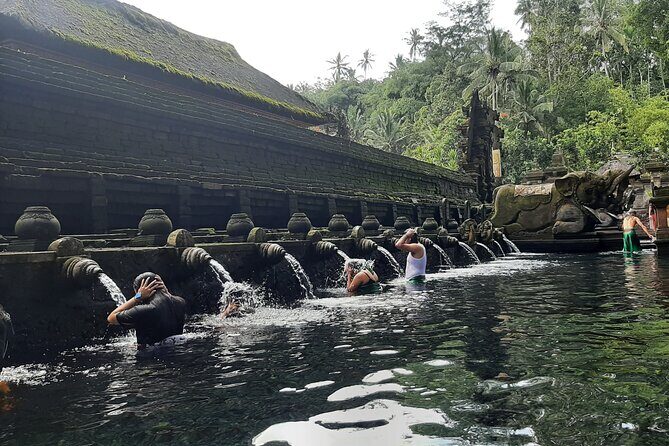
- Gunung Kawi Sebatu holy water temple: crystal-clear spring pools and ancient shrines
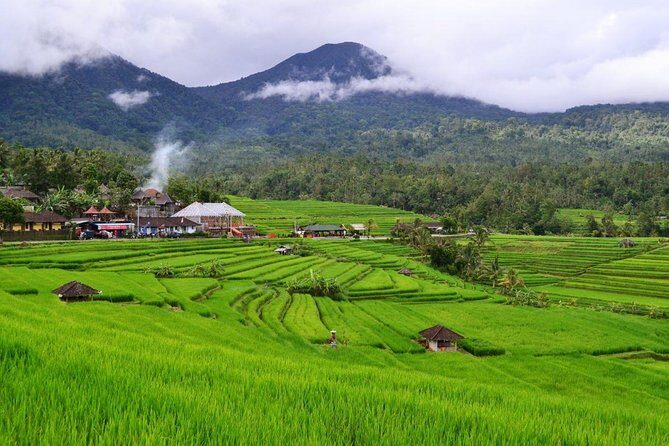
- Tegalalang rice terraces with irrigation context: Ceking/Tegalalang views plus how the water system works

- Ubud Palace + Sacred Monkey Forest Sanctuary: big-name Ubud moments, handled with a guide
- Private pacing and undivided attention: you’re not stuck waiting for a large group
- Good value coverage: hotel pickup/drop-off, air-conditioned transport, and several tickets/parking handled
How the day is paced (and why it feels efficient)

This is a private full-day sightseeing tour with pickup from your Ubud accommodation and a 6 to 7 hour schedule. Start time is listed as 8:00 am, and the flow on the ground often begins around the late morning window depending on where you’re staying—either way, it’s early enough to get some breathing room before Ubud gets heavy.
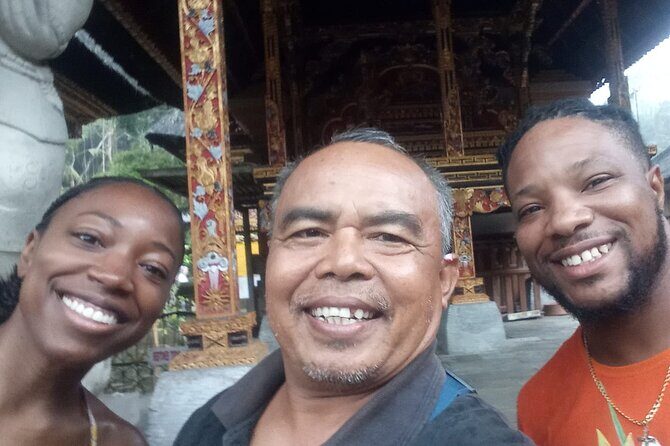
What you’re really buying is time and attention. You get private transport in an air-conditioned vehicle and a driver/guide, which matters because Ubud sites are spread out and traffic can be unpredictable. Your guide’s job is to stitch the day together with commentary, so you’re not just hopping from landmark to landmark hoping it makes sense.
The tour also includes practical extras that often get overlooked in cheaper options: parking fees and Public Liability Insurance (PLI) are included, and you receive a mobile ticket for the day.
Craft villages around Ubud: Tohpati, Celuk, and Batuan in real life

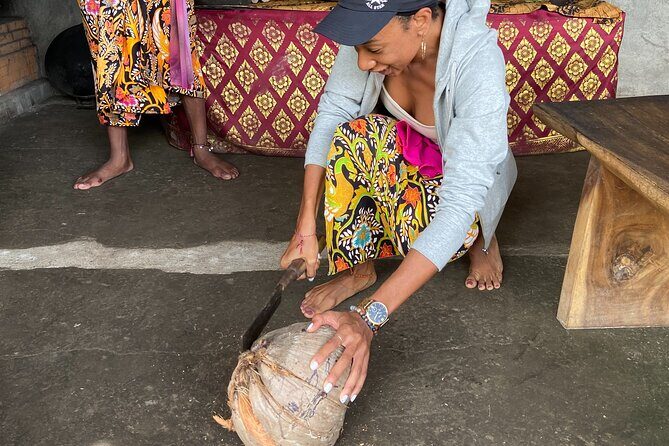
The first part of the day is all about craft culture, starting with the art village route.
Celuk Village for gold and silver (with the wider craft context)
You begin at Celuk Village time-wise, but the day’s early structure is built around multiple nearby creative neighborhoods. Tohpati is part of the plan for batik art, while Celuk focuses on gold and silver art. Batuan joins later for painting and a deeper look at Balinese home and temple life.
Why this is valuable: in Ubud, crafts can be turned into souvenirs fast. In a craft village circuit, you get a better sense of how the work sits in daily routine. That makes the art market later on feel less random—you’ll know what you’re actually looking at.
What to watch for: you’ll be in and around working areas. It helps to keep your shopping mindset flexible. If you go in expecting fixed prices and standard displays, you might get frustrated. If you go in ready to observe and compare, you’ll have a better day.
Puseh Batuan and the Balinese house compound experience
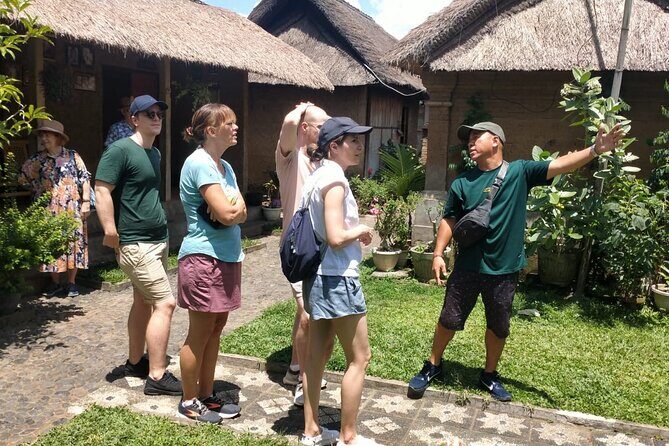
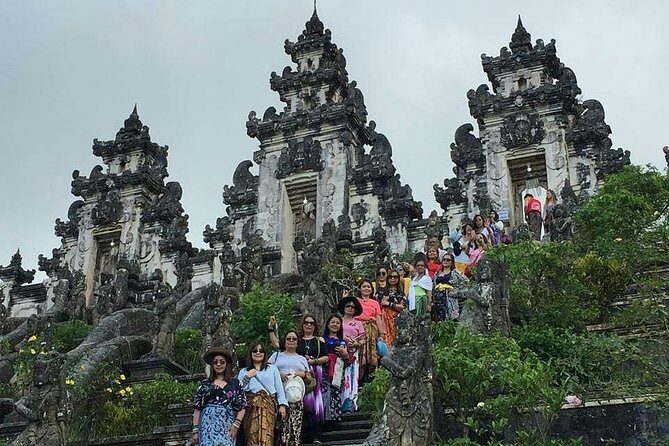
After Celuk, you head to Batuan Village for a stop at a traditional Balinese house compound, then on to Pura Desa Adat Batuan (Puseh Batuan Temple). This part is designed to explain daily activities of local life and how the temple and community rhythm connect.
This is one of the stronger segments for people who like context, because it’s not just architecture or a checklist. It gives you a way to read what you’re seeing—Balinese religious spaces aren’t isolated buildings; they’re part of family and community life.
Practical note: temple and compound visits usually mean more guidelines about clothing and behavior. Keep your shoulders and legs covered, and follow your guide’s lead on where to stand and what not to touch.
The rice terraces at Tegalalang and the irrigation system lesson

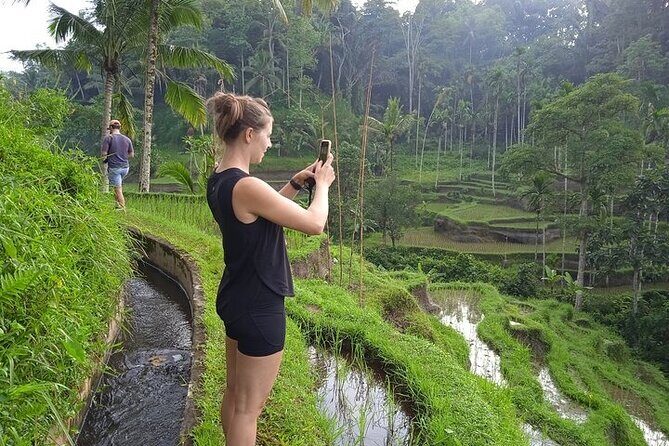
After the art villages, you move toward the Tegalalang Rice Terrace viewpoint area, described as a chance to see Ceking/Tegalalang views and learn about Bali’s irrigation system. The terrace stop is about 1 hour, and admission is listed as included.
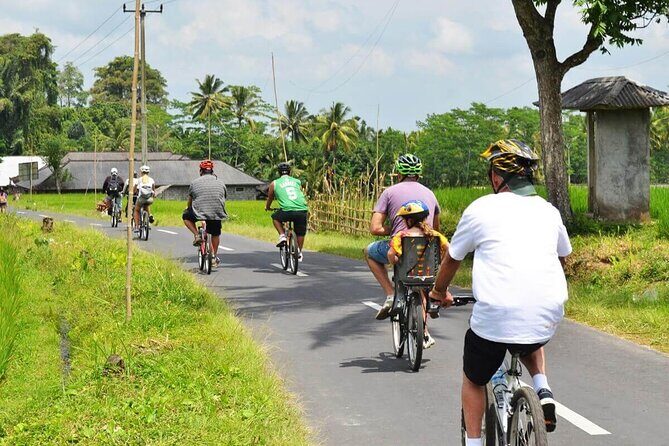
This stop works best if you treat it like more than a photo moment. Terraces are dramatic, yes. But understanding irrigation—how water management sustains rice fields—makes the view click. You’ll also notice how the layout follows terrain, which helps explain why Bali’s agriculture looks so engineered yet still natural.
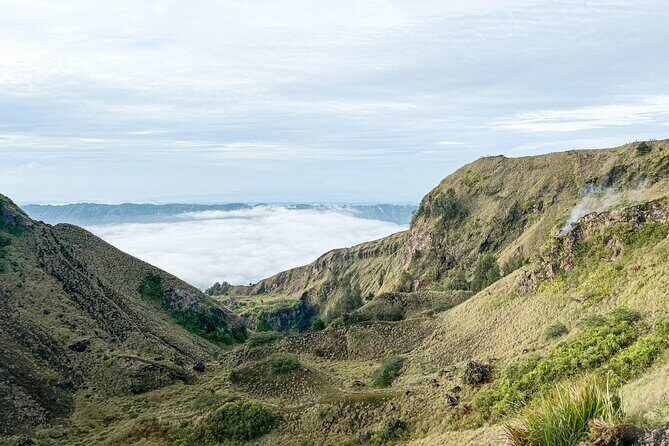

What you’ll like: the vantage points can be scenic and rewarding, especially with a guide positioning the timing.
What you’ll need: comfortable shoes. Terrace paths can be uneven and a bit slick, depending on recent weather.
Gunung Kawi Sebatu: holy water pools and ancient shrines

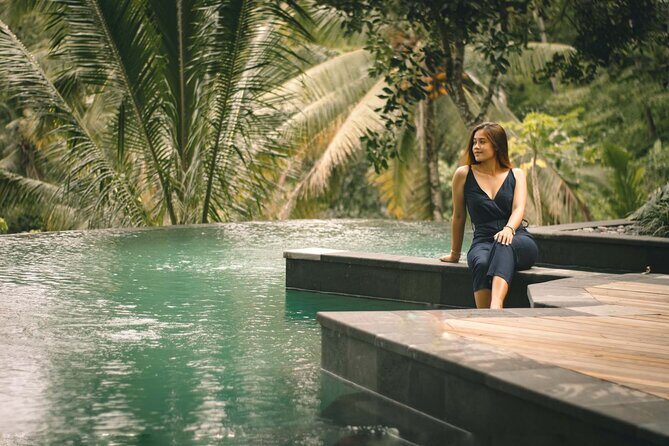
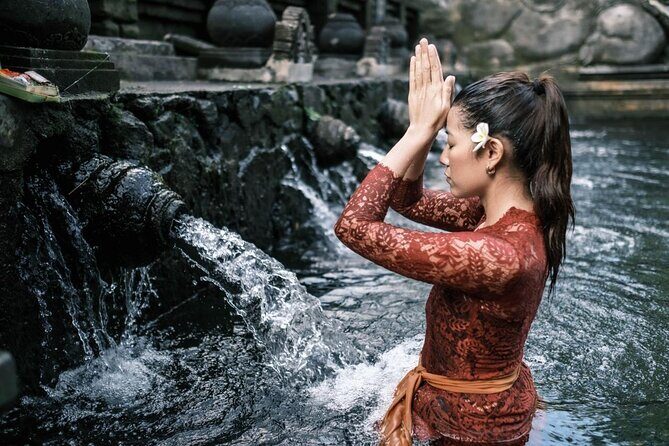
Next is Gunung Kawi Sebatu in Sebatu Village, a spring holy water temple with ancient shrines surrounded by crystal-clear pools fed by natural springs. Admission is included, and the stop runs about 1 hour.
This is the calm contrast to the art villages. It’s also the kind of place where a guide’s commentary helps, because the spiritual setting can otherwise feel like just another temple with good water views. In this case, the spring-water setup is the star: you’re not just looking at stone and carvings; you’re seeing a functional water landscape tied to worship.
A consideration: temple sites are often popular. Keep your expectations realistic about crowd flow and photo angles. If you’re prone to getting impatient, plan to slow your pace here and let your guide manage the timing.
Ubud Palace and the Sacred Monkey Forest Sanctuary: big icons, handled well

The overview includes two of Ubud’s most famous stops: Ubud Palace and the Sacred Monkey Forest Sanctuary.
Ubud Palace
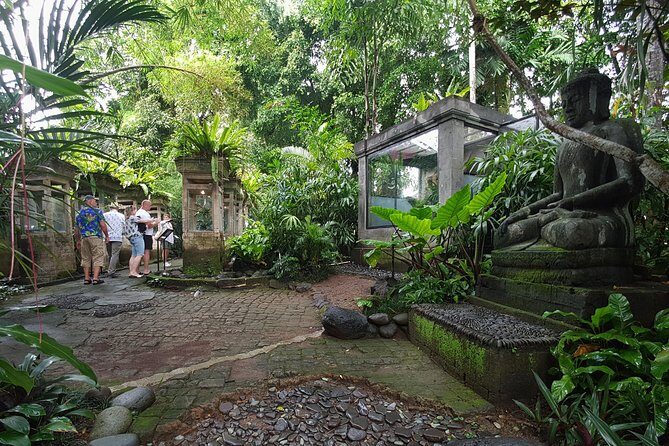
Ubud Palace is the kind of landmark that can be hit or missed depending on how you experience it. In a private setting, you’re more likely to get the details that make it meaningful—what it represents, and why it matters in Ubud’s cultural center.
Because your guide is with you, you’ll also avoid the common problem of arriving, taking a few quick photos, and leaving with no sense of what you just saw.
Sacred Monkey Forest Sanctuary
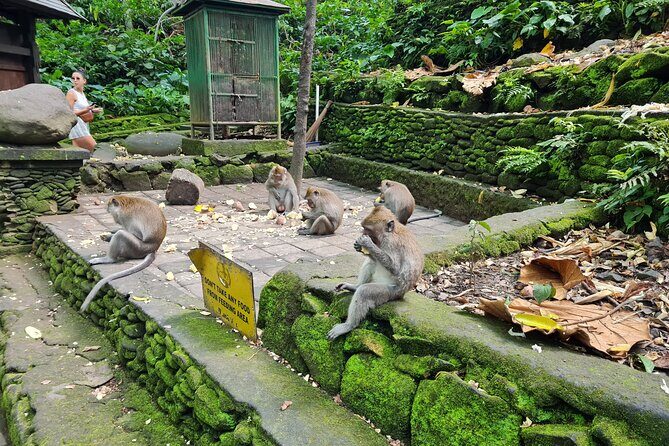
Then comes the Sacred Monkey Forest Sanctuary, described as a place to see playful macaques in their natural environment. This is a highlight for people who enjoy animals but still want to travel with some structure.
Important practical thought: expect active macaques around walkways and viewpoints. Keep your belongings secure, avoid sudden movements, and follow your guide’s instructions. If you’re uncomfortable around animals, you may want to plan your time here carefully and rely on your guide for safe pacing.
Ubud Traditional Art Market: what to do with your shopping time

Toward the later part of the day, you’ll stop at the Ubud Traditional Art Market. This segment is about 2 hours, and it’s listed as free admission.
This market stop is useful because it closes the loop. After seeing craft zones earlier—batik, gold and silver work, painting—you can buy with more confidence. You’ll know what style or technique you’re actually looking for, rather than picking something purely because it’s pretty.
What I’d do with 2 hours:
- Scan first, then decide. You’ll spot price differences and quality differences once you’ve seen multiple stalls.
- Ask questions when you see the craft connection (what it’s made of, what the process is). Your guide can help with general context.
- Stick to items you can transport easily. Temples and terraces already come with enough walking.
Price and value: is $55 a fair deal for a private Ubud day?

At $55 per person, this is positioned as a budget-friendly private Ubud tour. The key isn’t only the headline price—it’s what you get inside that price.
Included items:
- Driver/guide
- Hotel pickup and drop-off
- Private transport in an air-conditioned vehicle
- Tickets plus parking fees
- Public Liability Insurance (PLI)
- Mobile ticket
Not included:
- Lunch
- Meals and drinks
- Souvenirs (of course)
So how does this value shake out?
- If you were to arrange transport, entry fees, and a guide separately, the total typically climbs fast.
- This itinerary uses time efficiently: multiple stops are bundled into the day so you’re not paying for repeated transfers.
- You get a private experience, which also makes the day easier if you care about pacing and not waiting around.
The one thing you should budget for is food. Since lunch isn’t included, you’ll want to either eat on your own or plan snacks. With a 6 to 7 hour day, hunger can quietly ruin a great itinerary.
Also, timing helps. This tour is booked on average about 49 days in advance, which is a good sign it fills up in advance. If your dates are fixed, don’t wait too long.
Who this tour suits best (and who should consider other options)

This tour fits you if:
- You want a private guide and a structured day without planning every stop
- You like culture in a practical way—craft villages, temple settings, and Ubud’s central icons
- You prefer a “see it, understand it, move on” itinerary rather than slow wandering all day
It may not fit you as well if:
- You only want one or two major highlights and prefer a lighter pace
- You hate being outside most of the day without long meal breaks
- You’re sensitive to macaques (though the sanctuary is part of the plan)
Booking checklist and small things that make the day smoother
A few practical tips, based on the kind of stops included:
- Wear comfortable shoes for terraces and temple grounds
- Bring water, since meals and drinks aren’t included
- Have a plan for temple-appropriate clothing
- Keep some cash or card ready for the art market, since souvenirs are not included
- If your schedule is tight, remember the tour runs about 6–7 hours and includes multiple stops
Should you book this Ubud private tour?
I’d book it if you want an efficient, culturally focused Ubud day with the right mix of craft villages, temple time, and major Ubud landmarks—all without doing the logistics yourself. The strongest selling points are private pacing, the craft village route tied to real skills, and the inclusion of several ticketed/temple-related elements that save hassle.
If you’re the type who likes to understand what you’re seeing—batik, silver work, Batuan’s temple-community connection—this format gives you that thread. And if you want a guide you can rely on, the tour’s reputation and high ratings point to one big theme: people feel the day is handled well and the value is there.
FAQ
What does the tour include?
It includes a driver/guide, hotel pickup and drop-off, private air-conditioned transport, tickets, parking fees, and Public Liability Insurance (PLI). Meals and drinks, lunch, and souvenirs are not included.
Where does pickup happen?
Pickup is from your Ubud accommodation.
How long is the tour?
The duration is about 6 to 7 hours.
Is this a private tour?
Yes. It’s a private tour/activity, so only your group participates.
Are entrance tickets included?
Some admission is included (such as Tegalalang/Ceking rice terrace and Gunung Kawi Sebatu temple), while other stops are listed as free.
What time does the tour start?
The listed start time is 8:00 am.
How many people are needed to book?
A minimum of 2 people is required per booking.