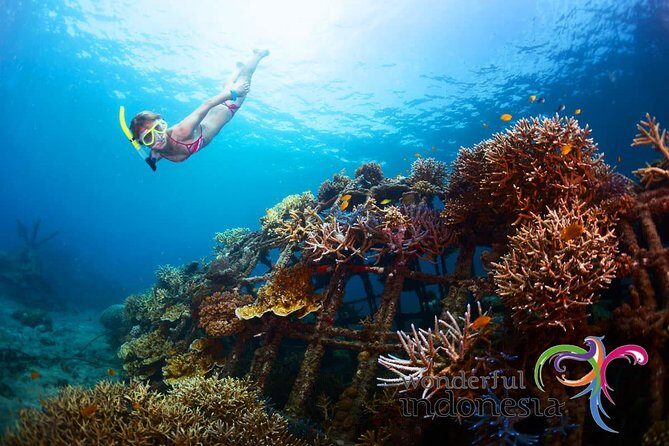
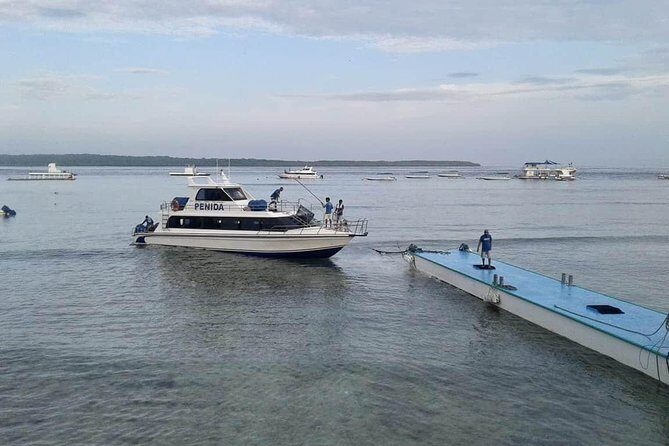
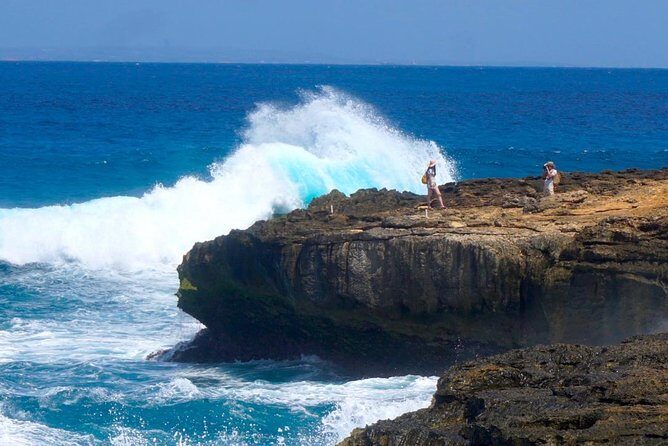
coconut wine and coffee safary tour

coconut wine and coffee safary tour - Bresela in the rice fields: how Bali coconut wine (tuak) is made

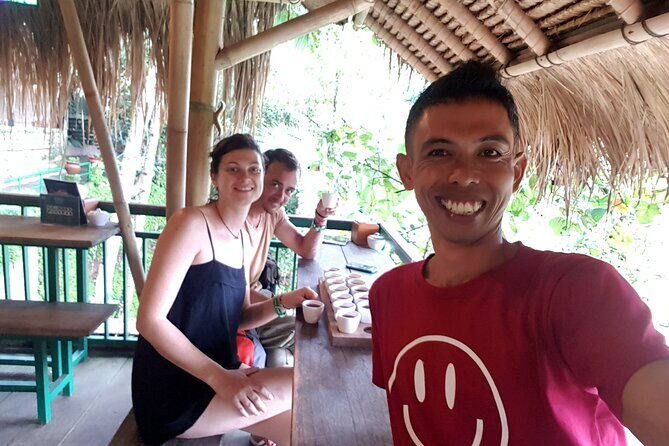
Sweet, smoky, and a little weird—in a good way. This Ubud coffee safari mixes hand-processed Balinese coffee and teas with a rice-field walk to sample tuak (coconut wine). I love the private guide touch and the hotel pickup/drop-off that keeps your afternoon simple. The one real heads-up: the coconut-wine portion can involve walking on soft, waterlogged ground, so pack for mud.

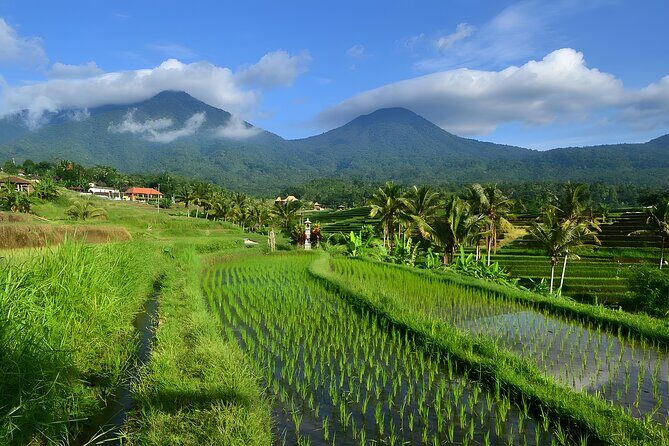
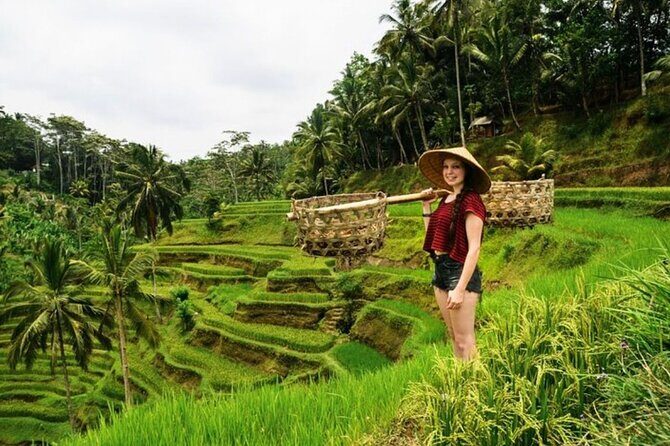
You start at Uma Pakel Agro Tourism to watch traditional coffee processing up close, then you move on to Bresela, a local spot in the rice fields where you’ll learn how coconut wine is made and taste samples in a real farming setting.

Key highlights worth your afternoon
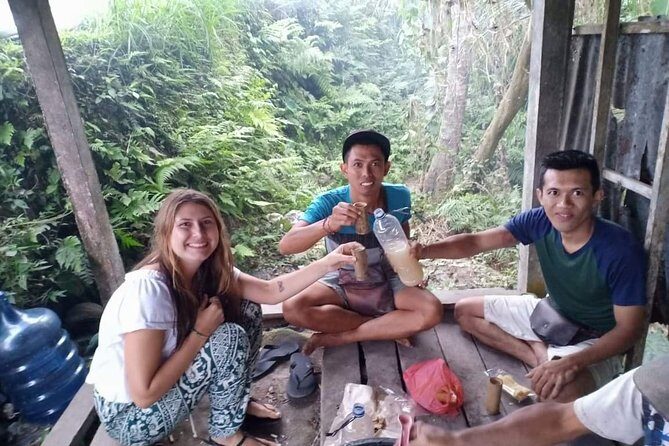
coconut wine and coffee safary tour - Key highlights worth your afternoon

  • Hands-on coffee processing at Uma Pakel Agro Tourism, done the traditional way by hand
  • A private guide who can translate the why behind the taste, not just the facts
  • Tuak in the rice fields at Bresela, with coconut tapping shown from up in the trees
  • Coffee and tea samples included, with options to buy more if you fall in love
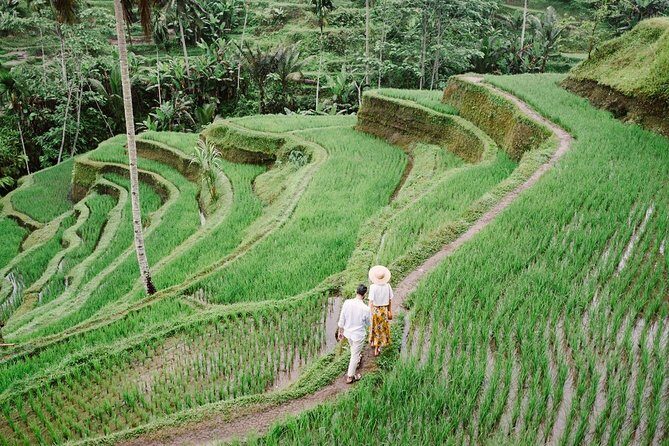
  • A short, scenic walk through rice country that feels local, not staged

How this Ubud coffee safari fits when time is tight
coconut wine and coffee safary tour - How this Ubud coffee safari fits when time is tight
This is a smart choice for an afternoon in Ubud because it’s short, structured, and not overly complicated. You get a full sensory loop—coffee roasting/processing on one side, coconut wine (tuak) on the other—without needing to plan multiple stops on your own.

Starting at 3:00 pm also makes sense in Bali. You’ll be in the field area when the light is nicer and the day is cooling down. It won’t feel like you’re rushing through a checklist before sunset.

And the biggest practical win: hotel pickup and drop-off. You don’t have to find a meeting point, figure out which turnoff is correct, or negotiate transport mid-tour. That matters in Ubud, where traffic and “nearby” can be… creatively defined.

Uma Pakel Agro Tourism: traditional coffee processing in the jungle

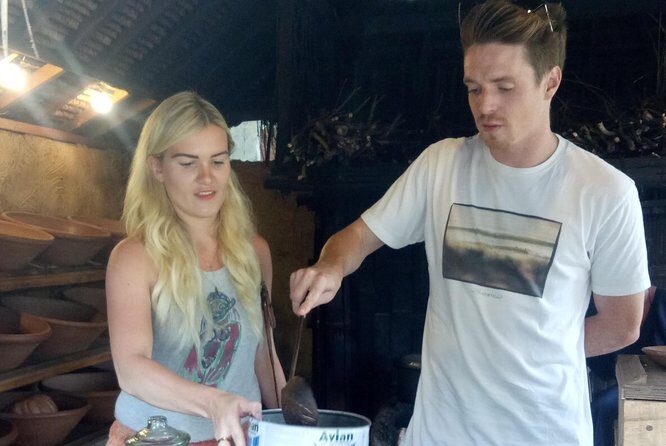
Your first stop is Uma Pakel Agro Tourism, where the emphasis is on how coffee is processed by hand in a traditional way. You’re not just looking at coffee plants and taking photos. You’ll see the steps that turn the cherries into the beans people pay real money for—slow, careful work instead of factory speed.

The setting is lush and green, with the whole operation feeling grounded in local routine rather than “museum coffee.” This stop also works for beginners. Even if coffee is just a caffeine habit for you, you’ll come away with a clearer sense of why coffee in Bali can taste different from what you’re used to.

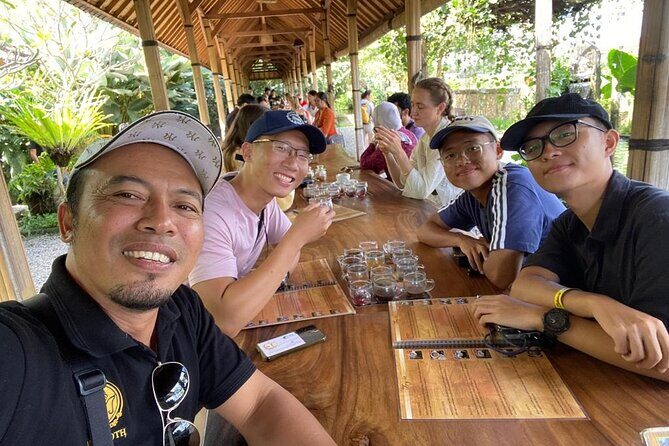
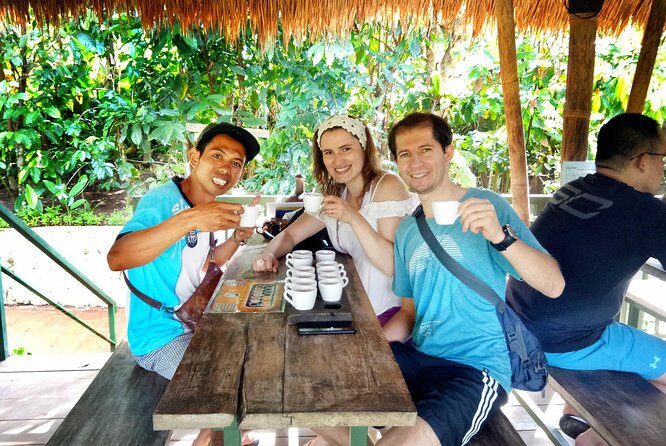
Then comes the fun part: sampling. You’ll taste coffees and teas surrounded by jungle greenery, with the tour including multiple free samples. One detail that makes this stop extra practical is that you typically get three free coffees to try, plus the option to purchase more if you want to bring something back with you.

If you’re the kind of person who likes learning with your mouth, this is your half of the tour.

Bresela in the rice fields: how Bali coconut wine (tuak) is made
coconut wine and coffee safary tour - Bresela in the rice fields: how Bali coconut wine (tuak) is made
The second stop is Bresela, described as a local bar in the middle of rice fields. This is where the tour changes vibe from coffee-plantation calm to rice-farm community energy.

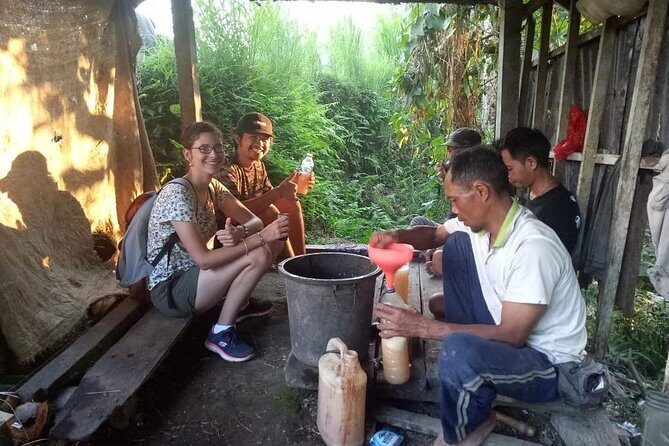
Here’s what makes it special: you get to see how Bali coconut wine is made by an expert farmer who does the tapping from high up in the coconut tree. It’s one of those moments that feels simple in concept but impressive in execution—because someone has to get up there, do the work, and keep the process consistent enough for it to become drinkable.

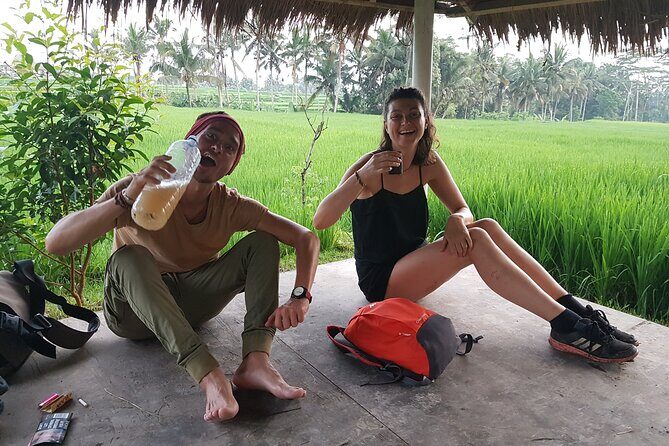
After that, you’ll have time to share the experience and taste the coconut wine samples. The setting matters. You’re not sipping tuak in a tasting room with a view that looks fake. You’re in rice country, with farmers and daily life close by.

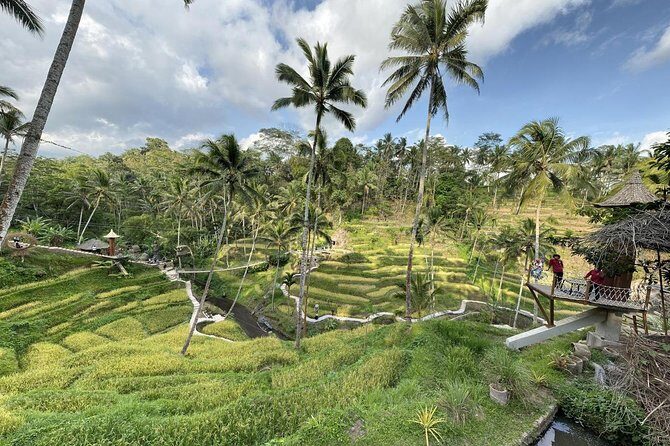
There’s also a short hike or walk involved to reach the rice-terrace and field area. From the way the walk is described, it can mean soft, waterlogged ground—so it’s not an “easy stroll in clean shoes” situation. Think practical: wear footwear you don’t mind getting dirty.

The tasting experience: what you’ll actually try
coconut wine and coffee safary tour - The tasting experience: what you’ll actually try
This tour isn’t just a walk-and-watch situation. It’s built around samples, and you’ll leave with a stronger sense of what you like, not just what you sampled once.

On the coffee side, you’ll be tasting coffee and tea options at Uma Pakel Agro Tourism. Expect variety within what they serve there, and don’t be shy about asking questions. You’ll often get plain explanations of how traditional methods affect taste. And if you get a guide like Oka (mentioned as fun, professional, and clear about culture and the area), you’ll likely understand what you’re tasting and why.

On the coconut side, you’ll taste tuak made from local coconut harvesting. The big point is that it’s a cultural beverage, not just a novelty shot. You’ll get context for the process and then enough sampling time to decide how you feel about the flavor.

A quick reality check, though: coconut wine and coffee don’t taste the same to everyone. Coffee people often love the coffee stop immediately. Coconut wine fans usually decide based on the first sip plus the vibe of being out there in the rice fields.

Private guide energy: what that means day-to-day

coconut wine and coffee safary tour - Private guide energy: what that means day-to-day
“Private tour” sounds like a marketing label until you experience what it changes.

With a private guide, you get more direct attention during the tastings. You can ask why something is done a certain way, and you don’t have to keep up with a group that’s five minutes ahead. That’s useful when you’re learning a process by hand and there are details you might otherwise miss.

It also helps with pacing. For example, you might take a few extra minutes to compare coffees, or spend longer watching the coconut tapping approach. A good guide makes this painless.

You also get real people as guides in this tour style. Names that show up include Oka and Wayan, both described as enthusiastic and helpful, and Keris (with his brother) is mentioned as communicative and flexible with pickup plans. While you can’t guarantee which guide you’ll get, the consistency here is that the guides try to make the experience feel human and understandable.

Logistics that matter: pickup, timing, and the rice-field walk
coconut wine and coffee safary tour - Logistics that matter: pickup, timing, and the rice-field walk
Let’s talk about the parts that can make or break your afternoon.

Pickup and timing

The tour includes hotel pickup and drop-off, so your start doesn’t depend on you finding the right location at the right time. Start time is listed as 3:00 pm, and the tour runs about 3 hours 30 minutes.

You’ll also get a mobile ticket, and confirmation comes through at booking time. That’s the kind of “boring detail” that saves stress when you’re already balancing temple visits, meals, and transport.

Footwear and mobility

The coconut wine stop involves walking into the rice-field area. The ground can be soft and waterlogged, which means it’s easy to slip or sink a little if you’re in the wrong shoes. If you want the experience but you’re not steady on uneven ground, plan accordingly.

The good news is that the tour says most people can participate. The more honest news is that you may want a little agility for that portion. You don’t need to be a trail runner, but you do need to be comfortable walking on muddy, uneven surfaces.

And bring insect repellent. One helpful tip that pops up is to use plenty of bug spray for this rice-field part.

Price and value: is $69 a fair deal?
coconut wine and coffee safary tour - Price and value: is $69 a fair deal?
At $69 for roughly 3.5 hours, this tour lands in the “solid value” category for Ubud, mainly because of two things you get for that price: pickup/drop-off and two distinct tasting experiences.

If you were to do this yourself, you’d likely spend time arranging transport and pay separate entry fees for different stops. Here, you’re bundling:

  • Coffee processing and tastings (with admission ticket included)
  • Tuak learning and tasting in the rice fields (with admission ticket listed as free for that stop)
  • A private guide to connect the dots and keep you from getting lost

Also, the sampling amount matters. Getting multiple coffees and teas included (with three free coffee samples called out) makes the coffee side feel substantial, not symbolic.

Could you drink coconut wine elsewhere for less money? Sure, but this tour gives you the why and the where—the process and the rice-farm setting—without you doing the planning.

Who should book this coconut wine and coffee safari
coconut wine and coffee safary tour - Who should book this coconut wine and coffee safari
Book it if you:

  • Like learning by watching real processes, not just buying a souvenir drink
  • Want a short Ubud activity that still feels local
  • Enjoy food-and-drink experiences in the outdoors
  • Are okay with a walk through rice fields and want the full tuak story

Skip or reconsider if you:

  • Have mobility limits that make muddy, soft ground hard
  • Hate strong “farm smells” and outdoor insects (even with repellent, you’re outside)
  • Prefer totally low-effort experiences with no walking at all

If you’re traveling solo, it’s still a good setup because private guiding reduces stress. If you’re with a partner or small group, it’s also a nice way to share tastings and keep questions flowing.

Should you book it?

I’d book this if your Ubud plan needs one memorable, food-focused afternoon that isn’t overly long. The mix of traditional coffee processing and tuak in the rice fields makes it feel like two experiences in one, and the pickup/drop-off is a big quality-of-life win.

Just go in with realistic expectations: bring insect repellent, wear shoes for mud, and plan to spend a chunk of time outside. If you’re set on that, you’ll get a genuinely fun Ubud moment—coffee in one hand, coconut wine in the other, standing in rice country where the process actually happens.

FAQ

How long is the coconut wine and coffee safari tour?

It runs about 3 hours 30 minutes.

What time does the tour start in Ubud?

The start time is 3:00 pm.

Is hotel pickup and drop-off included?

Yes. Pickup and drop-off are offered, so you don’t need to find a meeting point.

Is this a private tour?

Yes. It’s private, so only your group participates.

What happens at Uma Pakel Agro Tourism?

You’ll see how the coffee is processed in a traditional hand-made way, then you’ll taste coffees and teas in the jungle setting. Admission ticket is included.

What happens during the coconut wine part at Bresela?

You’ll visit Bresela, a local bar in the middle of rice fields. You’ll see how Bali coconut wine (tuak) is made by a local farmer harvesting from the top of a coconut tree, and you’ll share the experience with the local community. Admission ticket is free for this stop.

How many coffee samples are included?

At the coffee plantation, you’re typically given three free coffees to try, with an option to purchase more.

Do I need to walk through the rice fields?

You should be prepared for a walk into the rice field area. The tour notes most travelers can participate, but the ground can be soft and waterlogged, so some agility helps.

What if the weather is bad, or I need to cancel?

The experience requires good weather. If it’s canceled due to poor weather, you’ll be offered a different date or a full refund. You can cancel for free up to 24 hours in advance for a full refund.
Private Half-Day Tour : Ubud Waterfall Tour Packages

Private Half-Day Tour : Ubud Waterfall Tour Packages - Seminyak to Ubud: Door-to-Door Pickup That Saves Real Time

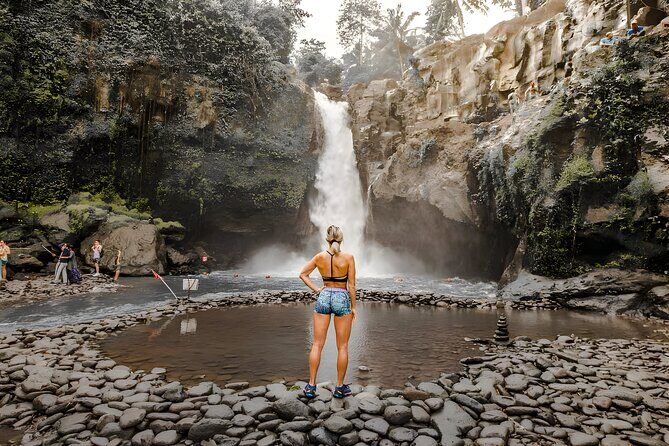
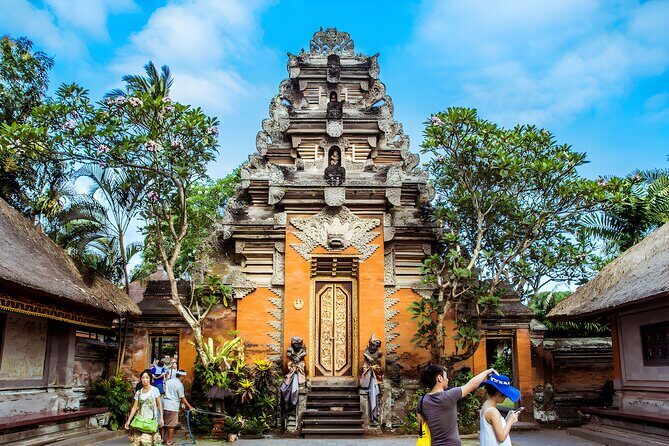
Want Ubud highlights without the hassle? This private half-day tour strings together the big-name photo stops in Ubud, starting with Tegenungan Waterfall and the view-famous Tegalalang Rice Terrace, then rolling into royal and temple sights like Ubud Palace (Puri Saren Agung). It’s the kind of plan that keeps you moving at a good pace without feeling like you’re juggling maps all morning.

I also like the simple value of door-to-door transfers across a wide chunk of Bali, from Seminyak and nearby areas to Ubud and south Bali. One watch-out: the day is still about 6 to 7 hours, so it’s not for people who want a slow, low-effort outing. And as with any waterfall plan, weather can matter; in one 5/5 experience, the English-speaking guide (Kadek) made a big difference, especially when the schedule and stops need to flow smoothly.

Key Points That Make This Ubud Tour a Solid Pick

Private Half-Day Tour : Ubud Waterfall Tour Packages - Key Points That Make This Ubud Tour a Solid Pick

  • Private vehicle + just your group, so you’re not stuck waiting on other people.
  • Classic photos at Tegenungan Waterfall and Tegalalang Rice Terrace, timed as a morning route.
  • Entrance tickets and an included set-menu lunch option take planning stress off your plate.
  • Ubud Palace (Puri Saren Agung) and Batuan Temple give you culture beyond just nature shots.
  • English-speaking driver-guide helps you understand what you’re seeing, not just pass it.
  • Pickup and drop-off across many areas, including Seminyak, Ubud, and much of south Bali.

Entering The Right Mindset: What You’re Really Booking

Private Half-Day Tour : Ubud Waterfall Tour Packages - Entering The Right Mindset: What You’re Really Booking
This is a private “highlights” day, not a random drive-by of Bali. The structure matters: you start with Tegenungan Waterfall, then move to Tegalalang Rice Terrace, and later fit in Ubud’s cultural stops. That rhythm is practical. Waterfalls and rice terraces are weather- and timing-sensitive, so hitting them earlier usually makes the experience easier and more photo-friendly.

Also, the tour is built around fewer decisions for you. Entrance tickets are included, and a lunch is offered if you pick the lunch option. Add in an air-conditioned vehicle, and the day feels more controlled than DIY touring—especially if you’re basing yourself around Seminyak or other south Bali areas.

Seminyak to Ubud: Door-to-Door Pickup That Saves Real Time

Private Half-Day Tour : Ubud Waterfall Tour Packages - Seminyak to Ubud: Door-to-Door Pickup That Saves Real Time
Pickup is one of this tour’s strongest selling points. The service advertises hotel/villa pickup and drop-off from a long list of areas, including Seminyak, Legian, Kuta, Kerobokan, Canggu, Sanur, Denpasar, Nusa Dua, Uluwatu, Tanjung Benoa, Tuban, Jimbaran, and of course Ubud.

Why that matters:

  • You don’t have to negotiate scooters, routes, or parking.
  • You’re less likely to lose time to “Wait, where is the ticket booth?” moments.
  • You can actually start the day ready to walk and shoot, not travel-stressed.

It’s also listed as private, so you’re not sharing the car with strangers. That means you can keep your own pace for photo breaks and slow walking—perfect when stops have uneven paths.

Morning Stop: Tegenungan Waterfall and Classic Photo Time

Private Half-Day Tour : Ubud Waterfall Tour Packages - Morning Stop: Tegenungan Waterfall and Classic Photo Time
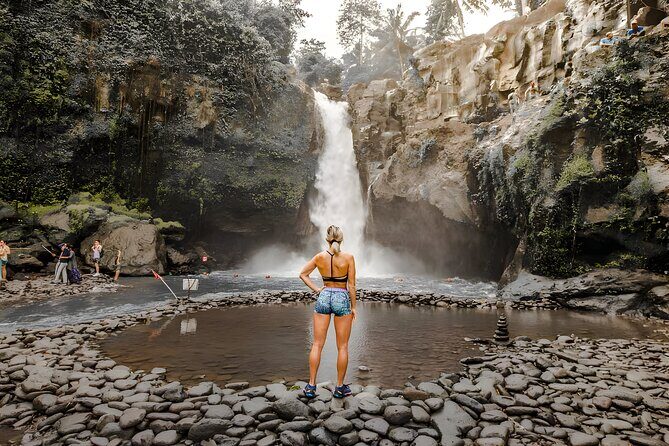
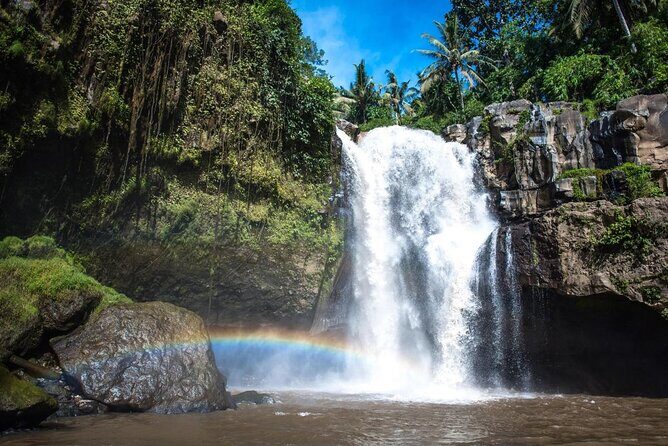
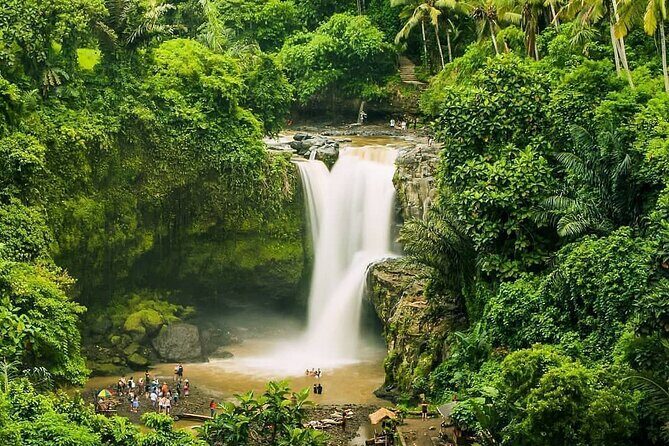
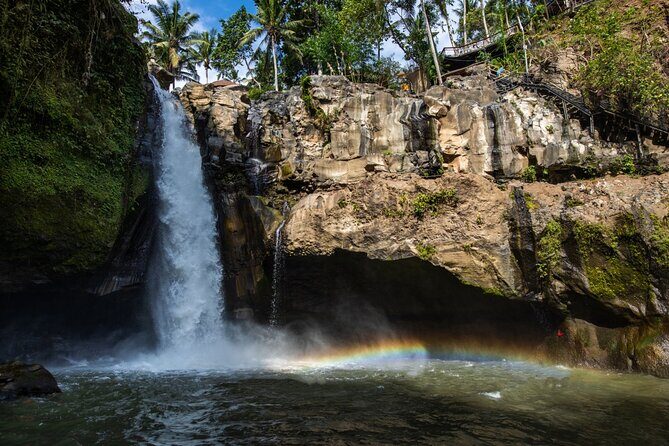
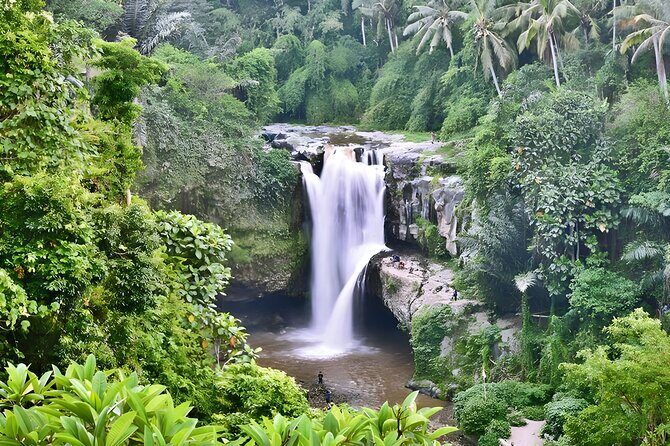
Tegenungan Waterfall is one of Bali’s famous visits, and this stop is built around that reality. You get about an hour there, with admission included. That hour is a useful length: long enough to take photos from different angles and enjoy the atmosphere, but not so long you feel stuck if you’re not that into waterfalls.

What to expect in practice:

  • Expect a busy, high-visibility tourist site. Famous places usually mean lots of people and lots of viewpoints.
  • You’ll want sunscreen and a camera, because this is a daytime outdoors plan.
  • Comfortable, smart casual clothes help (that’s the listed dress code), but don’t overthink it.

Potential drawback? If the weather is poor, the experience may need to be rescheduled. The listing notes the tour depends on good weather, and if it’s canceled due to bad conditions, you’ll be offered another date or a full refund.

Tegalalang Rice Terrace: Views, Timing, and One-Hour Structure

Private Half-Day Tour : Ubud Waterfall Tour Packages - Tegalalang Rice Terrace: Views, Timing, and One-Hour Structure
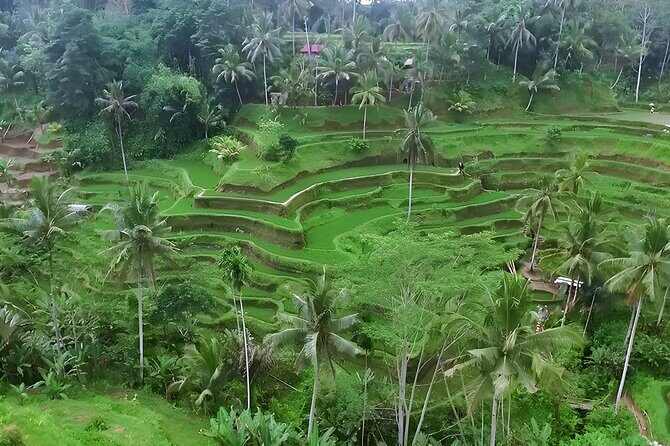
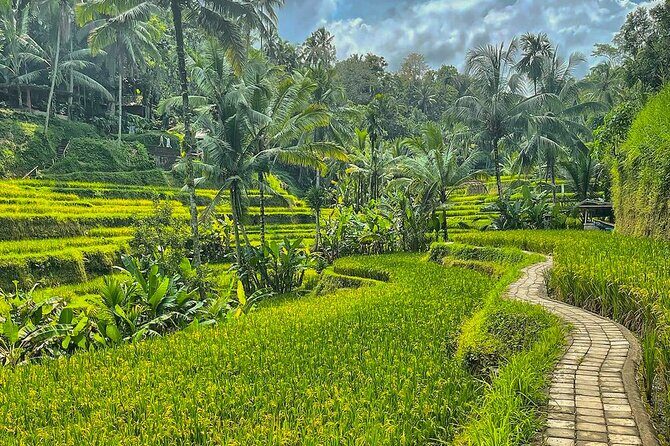
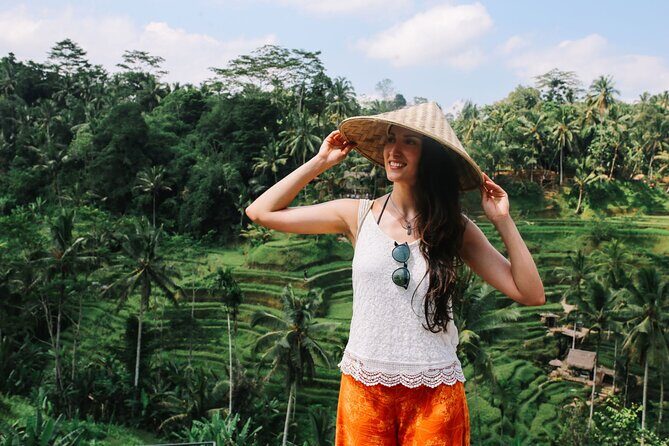
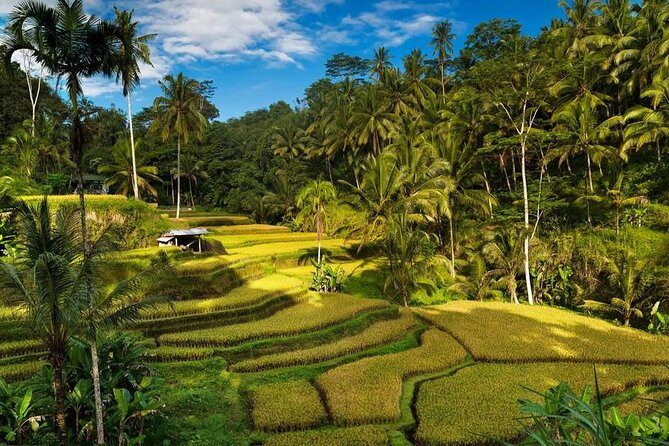
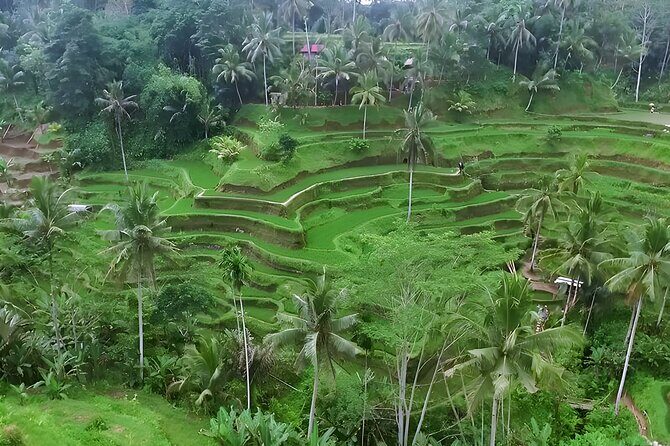
Next up is Tegalalang Rice Terrace, also admission-included and scheduled for about an hour. This is Bali at its most postcard-friendly: terraced rice fields that look great from viewpoints, and an easy place to understand how the landscape supports daily life.

A couple of practical notes:

  • Plan for walking and looking. Terraces can mean stairs and uneven ground in spots.
  • This stop pairs nicely after Tegenungan because your eyes get a different kind of “wow”—water power versus farming views.

The tour framing gives you a built-in narrative. The terrace is described with a historical link to a revered holy man (Rsi Markandeya) in the eighth century, which helps you move beyond just scenery. You’ll get a sense that this isn’t only about photos; it’s also about how communities have shaped land over time.

Ubud Palace (Puri Saren Agung): Royal History Without the Lecture

Private Half-Day Tour : Ubud Waterfall Tour Packages - Ubud Palace (Puri Saren Agung): Royal History Without the Lecture
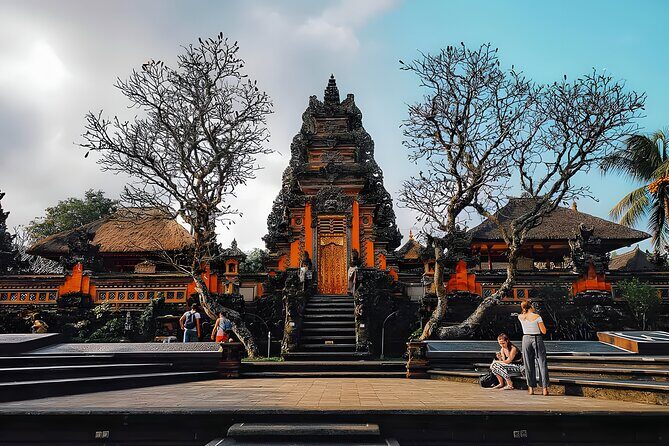
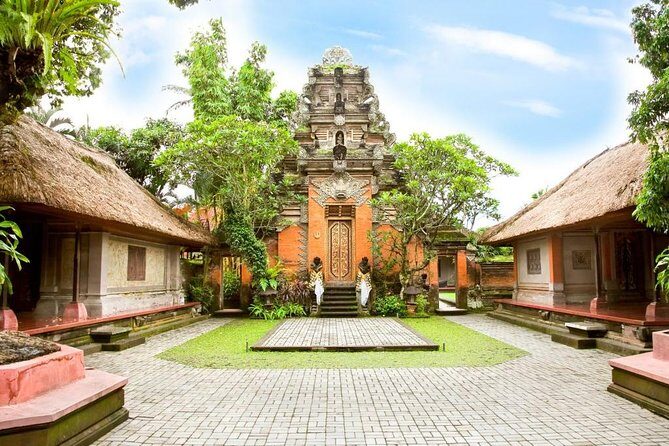
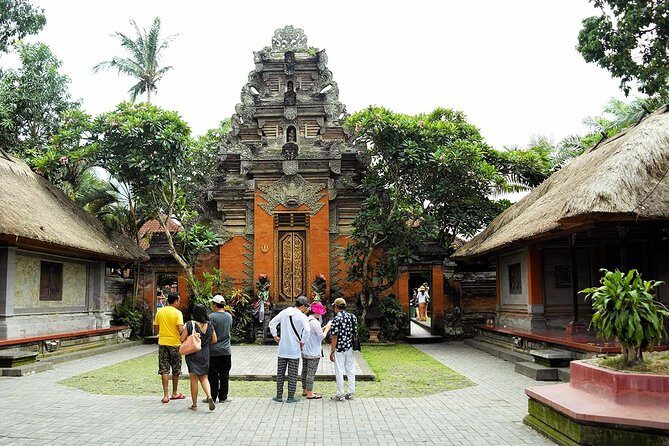
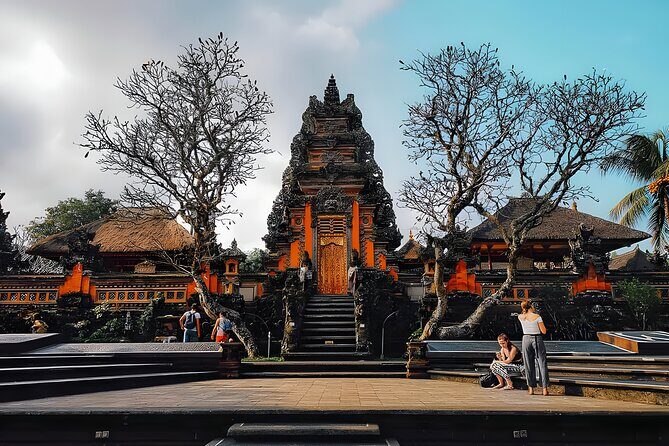
After lunch, the tour shifts gears into Ubud’s downtown cultural stops. The highlight here is Ubud Palace, also called Puri Saren Agung. It’s right on the main Jalan Raya Ubud road and intersection, which makes it a convenient stop—less time lost to getting there, more time soaking in what makes it feel like a real center of town.

This isn’t a “museum only” type of stop. It’s a place to read the vibe of Ubud’s heritage through the architecture and the site’s role as a landmark. You get about an hour, and that length is just right for photos, a slow walk around, and a few context pieces from your English-speaking driver-guide.

One thing I appreciate about stops like this on a half-day plan: they break up the nature-heavy morning. If you’re mostly coming for waterfalls and rice fields, this palace stop keeps your day from feeling one-note.

Batuan Temple and the Temples You Pass By

Private Half-Day Tour : Ubud Waterfall Tour Packages - Batuan Temple and the Temples You Pass By
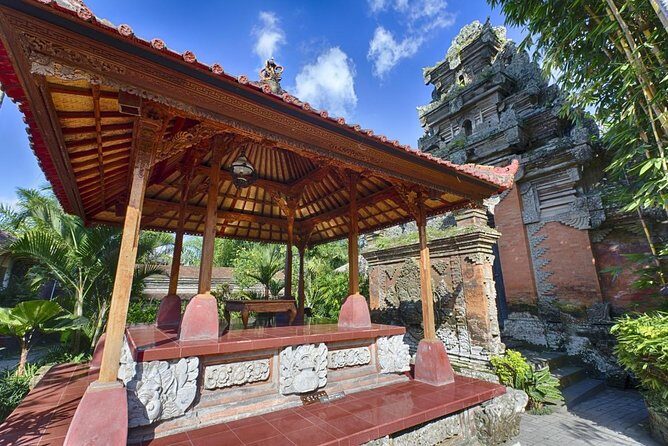
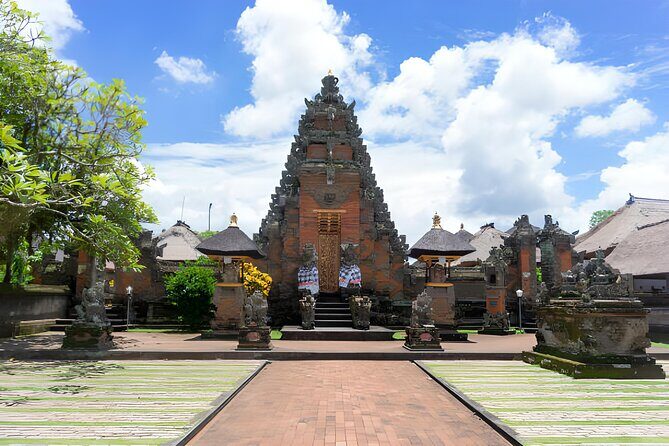
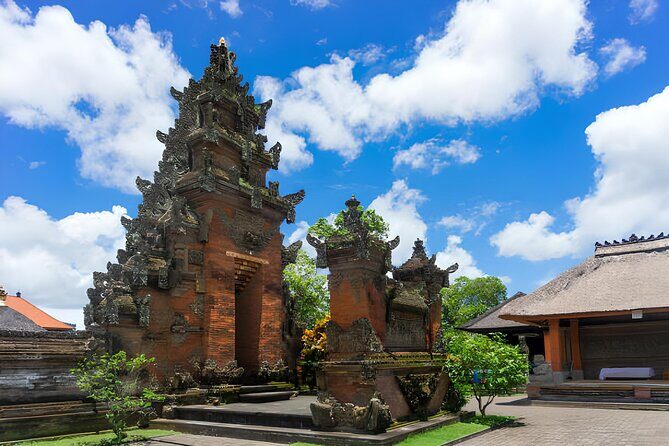
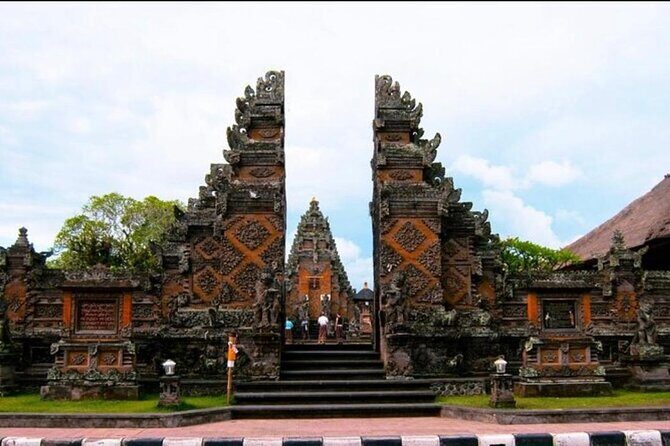
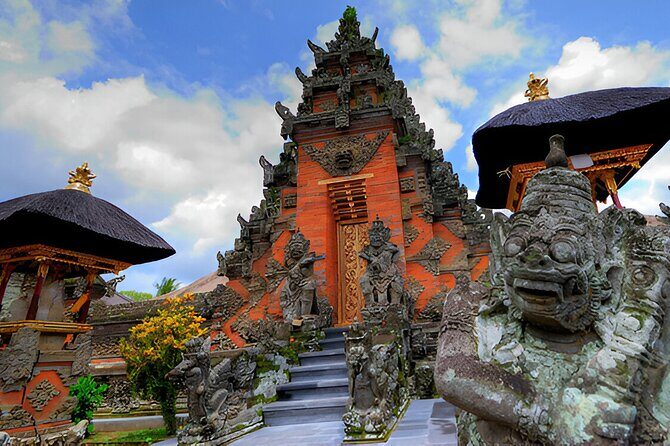
The itinerary includes Batuan Temple, described as a popular Bali Hindu temple looked after by local residents in the Batuan countryside, with Balinese ornamentation. You also get an hour at this stop with entrance included.

The listing also hints at other famous stops you pass on the way, including:

  • A very famous monkey forest
  • A wood carving village
  • Another temple you pass during the route

That wording matters. Passing by is not the same as a full timed visit, so don’t expect a long, guaranteed detour into those locations. Still, it adds color to the ride through Bali’s cultural corridors, and it can help you spot where you might want to return later for a deeper look.

Lunch Break: Indonesian Set Menu and Why It Feels Worth It

Private Half-Day Tour : Ubud Waterfall Tour Packages - Lunch Break: Indonesian Set Menu and Why It Feels Worth It
You’ll have lunch after the terrace. The tour offers an Indonesian set-menu lunch option, and entrance fees are bundled, so lunch becomes your main “you can exhale” moment.

In one of the top reviews, the lunch stood out for value—especially satay skewers cooked in front of people. That kind of live cooking adds a lot to the meal experience without extra planning on your part.

If you have dietary needs, a vegetarian option is available if you advise at booking. That’s a key detail for a private half-day tour—because you don’t want to spend precious time negotiating when the day is already packed with scheduled stops.

About Guides: The English-Speaking Difference (Kadek Is a Good Example)

Private Half-Day Tour : Ubud Waterfall Tour Packages - About Guides: The English-Speaking Difference (Kadek Is a Good Example)
This is listed with a professional English-speaking driver as a tour guide. In practice, this can change your day from sightseeing to understanding.

One 5/5 review specifically called out Kadek for being helpful and kind, and for making the day feel truly personalized. Even if you don’t get the same guide, the point is the same: when your guide can explain what you’re looking at, you spend less time guessing and more time enjoying.

Price and Value: Is $55 a Smart Deal?

At $55 per person, this tour can feel like a bargain if you compare it to piecing together:

  • separate entrance tickets,
  • taxi costs or private transport,
  • and the time lost moving between scattered stops.

Because it’s private, you also avoid the “pay for a group tour but still wait” problem. You’re paying for control: your own transport, your own vehicle, and a route designed to cover key highlights in one go.

What you should consider:

  • It’s about 6 to 7 hours, even though it’s marketed as half-day. That’s normal in Bali driving time, but it does mean you should plan a lighter evening after.
  • Lunch is included only if you select the lunch option. If you’re price-comparing, factor that in.

Overall, it’s strong value if you want a structured Ubud day that’s easy to manage from Seminyak or south Bali.

Timing and Pacing: When This Tour Feels Perfect

This works best when you:

  • want to see the famous Ubud stops without spending hours planning,
  • prefer a driver-guide over DIY navigation,
  • like having a schedule that’s flexible enough for photos, but not so loose it turns chaotic.

It might be less ideal if you:

  • want only one major stop (instead of a multi-stop day),
  • hate crowds at famous sites like Tegenungan,
  • or plan to pack in something equally demanding right after lunch.

Dress code is smart casual, and it’s smart to bring sunscreen and a camera. If you’re sensitive to heat, plan to use shade when it’s offered and keep water in mind—even though personal expenses aren’t included.

Should You Book This Ubud Waterfall Tour?

Book it if you want an efficient, private way to hit Ubud’s most recognizable moments—Tegenungan Waterfall, Tegalalang Rice Terrace, Ubud Palace (Puri Saren Agung), and Batuan Temple—with entrance fees handled and transport taken care of.

Don’t book it if your ideal Bali day is slow and minimal, with only one or two stops. Also, if weather is unreliable during your dates, be ready for the possibility of rescheduling, since the tour depends on good weather.

If you want a well-run day that feels thoughtfully paced rather than rushed, this is the kind of plan that earns its value fast.

FAQ

How long is the tour?

The tour duration is listed as approximately 6 to 7 hours.

Is this tour really private?

Yes. It’s a private tour, meaning only your group participates in the vehicle.

What are the main stops?

The scheduled stops include Tegenungan Waterfall, Tegalalang Rice Terrace, Ubud Palace (Puri Saren Agung), and Batuan Temple.

Are entrance tickets included?

Yes. All entrance tickets are included.

Is lunch included?

An Indonesian set-menu lunch is included if you select the lunch option.

Do you offer vegetarian meals?

Yes. A vegetarian option is available if you advise at the time of booking.

Do you pick up from my hotel?

Pickup and drop-off are offered from hotels/villas in many areas, including Seminyak and Ubud, plus several places across south Bali.

What should I wear and bring?

Dress code is smart casual. Bring sunscreen and a camera.

Is the driver a guide?

The tour includes a professional English-speaking driver as a tour guide.

What happens if the weather is bad?

The tour requires good weather. If canceled due to poor weather, you’ll be offered a different date or a full refund.

Private Half-Day Tour: Ubud Tour Packages

Private Half-Day Tour: Ubud Tour Packages - How the route flows: from Monkey Forest to rice terraces

Ubud in half a day can feel like magic. This private tour strings together the most common must-sees, then adds enough local detours to keep it from feeling like a checklist. You’ll go from Ubud Monkey Forest to Tegenungan Waterfall without wrestling parking or traffic.

I really like that it’s private door-to-door. You get an air-conditioned car, a professional English-speaking driver who also acts like a guide, and entrance tickets handled for you.

One thing to keep in mind: the schedule depends on weather and road conditions. Ubud roads can get slow, and the waterfall stops are the first thing that can shift if rain rolls in.

Key highlights at a glance

Private Half-Day Tour: Ubud Tour Packages - Key highlights at a glance

  • Private car, just your party: no sharing the ride or sitting through someone else’s pace
  • All entrance tickets included: you pay once and just show up at each stop
  • Ubud plus Tegenungan Waterfall: culture stops first, then a classic Bali water view
  • Lunch included if you choose it: Indonesian set menu at a local restaurant
  • Flexible timing by request: your guide can adjust the day inside the half-day window
  • Many pickup zones: Seminyak and most nearby areas are covered for pickup/drop-off

Why this Ubud half-day works so well

Private Half-Day Tour: Ubud Tour Packages - Why this Ubud half-day works so well
If you’re staying on the south side of Bali (Seminyak and friends), getting to Ubud can eat your day fast. This tour is designed to beat that trap: you get a tight route, a realistic pace, and a driver who can move through Ubud efficiently when traffic gets thick.

You’ll also get a good variety of Bali life in one go. The mix matters. Monkeys at the sanctuary give you that green, jungle-feeling contrast. The palace and rice terraces bring in the cultural and scenic side. Then Tegenungan Waterfall closes the loop with something that feels big and open.

Two details I particularly like are the included entrance tickets and the lunch option. When those are handled, your “half-day” stays a half-day. You’re not stuck bargaining at ticket counters or losing time hunting a place to eat that fits your schedule.

The main consideration is weather. This experience requires good weather, and rain can affect what’s comfortable and what’s visible. The good news: you’re not stuck with just one rigid plan.

The door-to-door pickup that saves your sanity

Ubud has a reputation for clogged roads and limited parking. That’s exactly why I’d choose a private car here, even if you’re comfortable driving in Bali. With a tight itinerary, every unnecessary turn matters. A private transfer keeps your day from turning into a long commute.

This tour includes hotel or villa pickup and drop-off from a long list of areas, including Seminyak (plus Kuta, Legian, Canggu, Denpasar, Sanur, Jimbaran, Nusa Dua, and Uluwatu among others). So you don’t have to solve logistics first and sightseeing second.

You’ll ride in an air-conditioned vehicle, and your driver is also an English-speaking guide. That’s a big deal for Ubud, where the stops are close but the meaning isn’t always obvious. Even when you’re just waiting between photo points, your guide can explain what you’re looking at.

In the guide department, the names that show up often in this tour’s orbit are Ayu, Yuda, Raj, Kadek, Agus, Tyson, Gusti Eka, and Agung. The common thread in the way they’re described is simple: they pay attention and they talk, including context and practical tips. That’s what turns a standard route into a smoother day.

How the route flows: from Monkey Forest to rice terraces

Private Half-Day Tour: Ubud Tour Packages - How the route flows: from Monkey Forest to rice terraces
This is built as a classic Ubud loop with one major add-on: Tegenungan Waterfall. Expect roughly 6 to 7 hours total, depending on the day and timing you choose.

You have a choice of morning or afternoon private tour. Picking the right slot can help you avoid the most crowded feeling times, and it gives you a chance to line up with your broader Bali schedule (beach time, sunset plans, or a separate temple visit).

Here’s what the tour looks like stop by stop, and what each one is really good for.

Sacred Monkey Forest Sanctuary: your first hit of jungle energy

Your first stop is Sacred Monkey Forest Sanctuary, with about 1 hour on site and admission included. It’s described as a small rain forest in the heart of Ubud Village, and that location is the point: you’re not in a distant nature reserve. You’re right in the middle of town, surrounded by tropical greenery.

Practical tip: go in with the assumption that the monkeys own the place. Keep your belongings secured, watch your pockets and bags, and treat it like you’re a visitor in a wild setting, not a zoo. Camera out is fine, but be mindful where you stand and what you carry.

This stop sets the tone for the day. After this, the route feels less like driving and more like moving through different chapters of Ubud.

Ubud Palace (Puri Saren Ubud): the royal-world centerpiece

Next up is Ubud Palace, also about 1 hour, with admission included. The palace is on the main Jalan Raya Ubud road and intersection, which means it’s easy to reach and hard to miss.

This stop is especially valuable if you want more than photos of a doorway or gate. The palace area is a good place to understand how Ubud is arranged and why certain buildings are considered focal points. Dress smart casual is the standard here, so plan for clothing that won’t feel too casual around a formal site.

One more reason this stop works inside a half-day: you don’t need a long attention span. You get context, you see the main features, and then you’re off to the wider open scenery.

Tegalalang Rice Terrace: the view people travel for

Then you move to Tegalalang Rice Terrace for about 1 hour, again with admission included. This terraced area is linked to tradition going back to the 8th century through the holy figure Rsi Markandeya, according to the tour description.

You’ll also hear a familiar pop-culture connection here: the terraces have been filmed before, including the time Julia Roberts shot there. Whether you care about that detail or not, the terrace itself is the real reason to come.

The value for your day is the contrast. After dense-feeling jungle and a palace courtyard, rice terraces give you wide views and a different pace. Bring your camera and look for angles where you can see the tiered pattern instead of only the nearest plants.

The scenic pass-through stops: temples and craft villages en route

Between the big attractions, the tour notes that you pass several famous stops on the way, including a very famous temple, a wood carving village, and the gold and silversmith village. These are not long “sit-down” museum moments, but they add flavor.

I like these pass-throughs because they remind you Bali is made of daily craft and ritual, not just major photo points. Even a short glimpse helps you feel the region rather than just ticking boxes.

Tegenungan Waterfall: the payoff stop and the weather wildcard

Private Half-Day Tour: Ubud Tour Packages - Tegenungan Waterfall: the payoff stop and the weather wildcard
The final featured sight is Tegenungan Waterfall, about 1 hour, with admission included. It’s one of the most popular Bali attractions, and the description also points out that local people visit it too, not just tour buses.

This stop is the classic payoff. Rice terraces and palace architecture are beautiful, but a waterfall gives you that instantly satisfying sense of scale and freshness. It’s the kind of place where your brain goes quiet for a minute because there’s so much motion and sound.

Now, the key consideration: rain and timing. One guide—Tyson—is described as offering an alternative waterfall when it was raining and traffic in Ubud was heavy. That’s exactly the kind of flexibility you want to hear about.

If the sky looks iffy, don’t assume you’ll still get the exact same experience. You’re on a schedule, and waterfall areas can change quickly. Plan to bring sunscreen and a camera, but also expect the guide might adjust the route if conditions aren’t right.

Lunch at a local restaurant (and how vegetarian fits)

Private Half-Day Tour: Ubud Tour Packages - Lunch at a local restaurant (and how vegetarian fits)
This tour includes an Indonesian set menu lunch if you select the lunch option. It’s a simple inclusion, but it matters because it protects your time. You’re not hunting for a restaurant that matches your preferences and still works with the next pickup window.

The big practical point: you can arrange a vegetarian option. If that matters to you, advise at booking so the lunch doesn’t become a last-minute scramble.

What I’d do as a traveler: treat lunch as a reset. Eat, rehydrate, and take a short break before the waterfall portion. You’ll likely want energy and comfort for walking around the sights.

Value check: what $55 really buys you

Private Half-Day Tour: Ubud Tour Packages - Value check: what $55 really buys you
The price is $55.00 per person, and this tour is typically booked around 10 days in advance. For a private half-day-style route, that’s a reasonable level of value—especially because the tour covers a lot of the annoyances that usually add up.

Here’s what’s included:

  • Private tour (your group only in the vehicle)
  • Air-conditioned vehicle
  • Professional English-speaking driver as tour guide
  • All entrance tickets
  • Lunch (Indonesian set menu) if selected
  • Petrol and parking fees
  • Tax and services
  • Hotel/villa pickup and drop-off

What’s not included:

  • Personal expenses

The value logic is simple: in Bali, time and hassle are often more expensive than tickets. When entrance fees, transport costs, and parking are already covered, you just focus on enjoying the stops. For Ubud specifically, where roads and parking can slow you down, a private car with a good driver is often the difference between a relaxed afternoon and a “why are we still driving” afternoon.

Also, because this is a private tour, you’re not stuck with a stranger’s pace. That’s huge on a route with multiple outdoor stops.

Timing, pace, and what to expect day-of

Private Half-Day Tour: Ubud Tour Packages - Timing, pace, and what to expect day-of
Most people can participate, and the dress code is smart casual. Bring sunscreen and a camera—you’ll want both for rice terraces and the waterfall.

The tour is described as having flexible time arrangement based on your request. In practice, that usually means you can ask your guide to slightly adjust the order or timing inside the half-day window. Don’t expect radical changes, but do expect your guide to work with what the day gives you—traffic, rain, and crowd levels.

A good day should feel like this:

  • A structured start with three major cultural/scenic anchors
  • A lunch stop that keeps you fed without losing the day
  • A waterfall finish that feels like a reward, not a rushed dash

Who should book this private Ubud route

Private Half-Day Tour: Ubud Tour Packages - Who should book this private Ubud route
This tour is a strong fit if:

  • You want the big Ubud highlights without the stress of self-driving
  • You’re short on time but still want a mix of culture and scenery
  • You care about door-to-door convenience and included tickets
  • You prefer a private car so your day doesn’t get slowed down by other schedules

It’s also a good choice if you’re traveling as a couple or small group and want to share the cost of a private vehicle. The tour features note group discounts, so it can make even more sense if you’re splitting the fare with friends.

If you hate rushing and want a slower Ubud experience with longer hangs at each stop, you might still enjoy the tour—but you may feel the half-day structure as a boundary. This is built to see a lot, not to linger for hours in one place.

Should you book this Ubud Tour Packages half-day private tour?

I’d book it if you’re trying to make Ubud fit cleanly into a Bali itinerary. The route is sensible, the inclusions are strong, and the private format protects your time. You’re getting a real Ubud sampler—Monkey Forest, Ubud Palace, Tegalalang Rice Terrace—plus the waterfall payoff at Tegenungan.

I’d think twice only if weather risk would ruin your day. The tour requires good weather, and rain can lead to changes—like the alternative waterfall adjustment that one guide (Tyson) is noted for. If you’re flexible and you trust your guide to adapt, that becomes a feature, not a problem.

If you’re ready for a smooth, time-respecting Ubud hit, this one checks the boxes.

FAQ

Is pickup and drop-off included?

Yes. The tour provides hotel/villa pickup and drop-off service, including pickup areas such as Seminyak and many nearby south Bali locations.

Does the tour include entrance tickets and lunch?

Entrance tickets are included. Lunch is an Indonesian set menu and is included only if you select the lunch option.

How long is the private tour?

The duration is listed as approximately 6 to 7 hours.

Can I choose a morning or afternoon tour?

Yes. You can choose either a morning or afternoon private tour option.

Is a vegetarian lunch option available?

Yes. A vegetarian option is available if you advise during booking.

What happens if the weather is bad?

This experience requires good weather. If it’s canceled due to poor weather, you’ll be offered a different date or a full refund.

PADI Open Water Course

PADI Open Water Course - Kuta on the booking page, but Sanur starts the day: logistics that matter

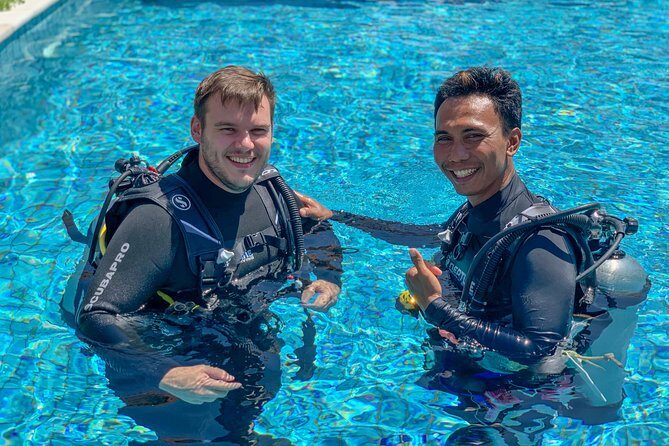
Three days, one big step toward certified scuba. I like that this PADI Open Water Course targets 18m certification and teaches the skills you’ll need for safe, independent scuba in open water. I also like the small group size (max 3) and the hotel pickup that keeps things organized in busy Bali. One thing to consider: you’ll need a clear health check, and flying close to your first day isn’t recommended.

You’ll do the full course rhythm over three days: knowledge development, pool training, then four open-water sessions split between Padang Bai and Tulamben. Instructors can make or break the experience, and Neptune’s team has a strong reputation for patient teaching, including names like Gede Ariawan, Muli, Julian, Sia, and guide Agus, with extra support for skills like buoyancy control.

This is also a comfort-and-logistics win: included lunch, snacks, coffee/tea, bottled water, and air-conditioned minivan transport. Still, souvenir photos cost extra, so if you want a full photo set, plan to purchase them separately.

Key things that make this PADI Open Water Course work

PADI Open Water Course - Key things that make this PADI Open Water Course work

  • Max 3 travelers keeps the training feeling personal
  • Hotel pickup and air-conditioned transport reduces Bali hassle
  • Four open-water sessions give you real confidence, not just a certificate
  • Padang Bai + Tulamben means you train in more than one setting
  • Instructor support for buoyancy control shows up in real feedback
  • Inclusions cover the day-to-day basics (meals, water, transport)

Why this certification feels like a real foundation, not just paperwork

The PADI Open Water Course is the “starter kit” that many divers rely on for their entire scuba life. The goal here is straightforward: once you’re certified, you’re trained and assessed to dive safely to a maximum depth of 18m. That matters because the course isn’t just about getting through checklists. It’s about learning how to manage yourself underwater with safe habits you can carry forward.

I like how the structure matches that promise. You don’t jump straight into open water without preparation. You build the background first, then you practice in a controlled environment, and only after that you move to open water with guided supervision. If you’re a nervous starter, that step-by-step flow is the difference between feeling rushed and feeling ready.

Also, the course is set up for normal people, not only strong swimmers. The minimum age is 10, and the course notes say most travelers can participate. That doesn’t mean it’s casual, but it does suggest you’ll get support appropriate to beginners who are learning the basics from scratch.

Kuta on the booking page, but Sanur starts the day: logistics that matter

PADI Open Water Course - Kuta on the booking page, but Sanur starts the day: logistics that matter
The course is listed with Kuta, Indonesia as the location. In practice, the meeting point is at Neptune Scuba Diving Bali, located in Sanur Kauh (Denpasar Selatan). So even if you’re staying closer to Kuta, your day usually begins with pickup and then transport by air-conditioned minivan.

This is worth paying attention to because Bali traffic can be the real boss of your schedule. When a tour includes pickup and drop-off, you lose less time wrangling taxis and trying to match unclear arrival times. In plain terms: you get fewer moving parts on your first training day.

Neptune also runs during a wide daily window (7:00 AM to 6:00 PM). That’s helpful if your plans are flexible or you need to coordinate with travel days. And the activity ends back at the meeting point, which makes your last-day timing easier to plan.

One more practical detail: the tour mentions it’s near public transportation. That’s a small safety net if you ever need to adjust your timing.

Three days, three phases: what each part is really doing

This course uses three main phases over three days: knowledge development, pool training, then open-water sessions. If you’ve never seen a certification course like this, it helps to understand what each phase accomplishes for you.

Phase 1: Knowledge development

This part is where you learn the information you’ll need for the rest of the course. The practical value is simple: it gives you the why behind what you’ll do later. When you understand the concepts, skills training makes more sense. Without it, you’re just memorizing steps.

For many first-timers, this is also where online preparation can help. One reviewer mentioned doing theory online in advance using the PADI website. If you can do that before you arrive, you often save time and reduce stress once you’re in Bali.

Phase 2: Pool training

Pool training is where your brain stops working only from book knowledge and starts working from muscle memory. It’s also where instructors can spot issues early. One review specifically mentions help with buoyancy control, which is exactly the kind of skill that benefits from guided correction in a calmer setting.

Pool work is also usually where you build comfort: breathing rhythm, how equipment feels, and how you move with less panic. If you’re worried about being too slow or too awkward, this is where you’ll get the coaching to catch up at a pace that makes sense.

Phase 3: Four open-water sessions in two areas

After the classroom and pool phases, you move to open water. The course includes four open-water sessions across Padang Bai and Tulamben. Splitting the training across locations can help you feel less like you’re “performing” in only one environment. You learn to adapt your control to changing conditions, while staying within your training boundaries and under professional guidance.

Even if you’re eager to get to the fun part, the open-water phase is the one that will stick with you most. It’s where you learn to translate what you practiced into real water, with real variables.

Padang Bai and Tulamben: how changing locations can build confidence

The course uses Padang Bai and Tulamben for the four open-water sessions. I like this approach because it reduces the feeling that your certification depends on one single day, one single spot, or one single set of conditions.

Padang Bai is often chosen for training because it’s connected to established diving routines. Tulamben is also a common training area, and the key benefit for you as a student is consistency in what you’re doing, even while the setting changes.

What this means for you: you’ll practice staying calm and controlled while the environment shifts. That’s the real reason people feel more confident after training across more than one place.

The Neptune team: patient coaching and attention to details

A certification course is basically a skills course with a lot of nerves. What you want is instruction that’s calm, clear, and willing to repeat things without making you feel small.

Neptune’s feedback highlights patient, professional coaching from instructors and guides. Specific names that show up include:

  • Gede Ariawan as an instructor
  • Muli as an instructor who helped with buoyancy control
  • Julian as an instructor during an Open Water Course
  • Sia as part of the instructor team
  • Agus as a guide

The common thread in the reviews is the support style. People describe instructors as kind, personal, passionate, and very patient—especially for students who were new to scuba or who weren’t confident swimmers. That matters because the first underwater experience can feel like a lot: you’re managing equipment, breathing, and staying oriented.

Also, this course has a maximum of 3 travelers. That small group size is more than a number. It usually means you get more direct attention during the steps where mistakes happen. If you’ve ever tried to learn something technical in a big group, you already know what that can feel like.

Price in context: is $530 good value here?

At $530.00 per person, this course is positioned as a full, packaged PADI Open Water training experience. Here’s what that price covers based on what’s included:

  • all taxes, fees, and handling charges
  • bottled water
  • lunch
  • coffee and/or tea
  • snacks
  • driver/guide and a professional guide
  • hotel pickup and drop-off
  • transport by air-conditioned minivan
  • a mobile ticket

What’s not included: souvenir photos (available to purchase).

So how do you judge value? By looking at what you’re avoiding. Without a package, you’d be paying separately for transport, meals, guides, and probably dealing with more scheduling friction. This course price bundles those everyday costs so your main variable becomes your training schedule and your own health readiness.

Also, it’s being booked about 11 days in advance on average. That’s a sign the course fills up or is popular among short-stay divers. If you’re traveling in high season or you want specific days, booking earlier tends to be the smarter move.

What to know before you go: health, timing, and real-world constraints

This course comes with standard safety notes, and you should read them seriously.

You’ll be required to complete a health questionnaire prior to diving. Some pre-existing medical conditions may prevent you from participating, including asthma and heart conditions. The course also notes that respiratory and circulatory systems must be in good health, and all body air spaces must be normal and healthy.

The course also lists situations to avoid: a current cold or congestion, epilepsy, severe medical problems, or being under the influence of alcohol or drugs. If any of these apply to you, talk to your doctor before you book. When it says consult your doctor, that’s not just legal language. It can save you from a disappointing situation.

Timing matters too. Diving within 18 hours of flying is not recommended. If you’re coming from far away, plan a cushion day if you can. If not, at least understand that the course may not fit right after a long flight.

Where you meet, and when you should plan to arrive

You’ll start at Neptune Scuba Diving Bali at Jl. Suka Merta, Sanur Kauh, Denpasar Selatan, Kota Denpasar, Bali 80228. The activity ends back at the meeting point.

Opening hours are 7:00 AM to 6:00 PM. So even if your day runs a bit differently depending on training flow, there’s a wide operating window.

Confirmation happens at booking time, and you’ll receive confirmation details then. Since it’s a small-group course (max 3 travelers), arriving on time matters more than with larger tours.

Should you book this PADI Open Water Course in Bali?

Yes, if you want a structured certification with real training time, a small group, and an operation that emphasizes patient instruction. The four open-water sessions in Padang Bai and Tulamben plus pool training is a strong setup if you’re new or if you want confidence building rather than rushing.

Think twice if:

  • you’re unsure about your health clearance and you don’t have time for a doctor’s consult
  • you’re flying in and out with tight timing and you can’t follow the 18-hour guidance
  • you’re expecting the full photo package included (souvenir photos cost extra)

If you’re the kind of person who likes clear steps—learn, practice, then apply—you’ll probably like this course format. And if you appreciate hands-on feedback like buoyancy control coaching, this one has the kind of instructor support that helps you move from anxious to competent.

In Bali, the Open Water Course is a lot of effort for a short trip. This one is priced and organized in a way that tries to remove friction. If you’re going to do it, do it with a team that runs it smoothly.

FAQ

How long is the PADI Open Water Course in Bali?

It runs for 3 days (approx.) and includes knowledge development, pool training, and four open-water sessions.

What depth will I be certified to?

The course is designed for certification to a maximum depth of 18m.

Where does the course start?

The meeting point is Neptune Scuba Diving Bali, Jl. Suka Merta, Sanur Kauh, Denpasar Selatan, Kota Denpasar, Bali 80228, Indonesia.

Is pickup and drop-off included?

Yes. Hotel pickup and drop-off are included.

What’s included in the $530 price?

The price includes taxes and fees, bottled water, lunch, coffee and/or tea, snacks, a driver/guide and professional guide, and air-conditioned minivan transport, plus a mobile ticket.

What is not included?

Souvenir photos are not included, but they are available to purchase.

Is there a minimum age requirement?

Yes. The minimum age is 10 years.

Do I need a health questionnaire?

Yes. All participants must complete a health questionnaire prior to diving. Some medical conditions (such as asthma or heart conditions) and situations like current cold or congestion may prevent you from participating.

Can I cancel for free?

Yes. You can cancel for free up to 24 hours in advance for a full refund. If you cancel less than 24 hours before the start time, the amount paid will not be refunded.
Full-day Private Cultural Tour of Ubud in Bali

Full-day Private Cultural Tour of Ubud in Bali - Craft Villages: Batik, Silver Work, and Wood Carving Processes

Bali culture, packed into one day. This private Ubud outing mixes hands-on craft work with major spiritual and scenic stops. I especially like the art villages where you can see batik, silver work, and wood carving up close, and I also like how the day includes Tirta Empul rather than only photo stops. The only real drawback is that it’s a long day with some walking at temples and viewpoints.

You start at 8:30am with pickup and an English-speaking driver who can explain what you’re seeing as you go. If you’re lucky, you’ll get a guide like Jun, who’s known for patiently answering questions instead of rushing you through. During lunch, the driver waits while you choose a restaurant, so you’re not stuck eating cafeteria-style.

At $58, what makes this feel like a good deal is the amount you fit in for a private schedule: transport, bottled water, and entrance fees are included. Still, one thing to keep in mind is that, on rare occasions, a no-show issue has been reported, so it’s smart to have the operator’s contact details ready and double-check close to departure.

Key highlights

Full-day Private Cultural Tour of Ubud in Bali - Key highlights

  • Craft village time to watch batik, silver/gold work, and wood carving processes
  • Tirta Empul at Tampak Siring for the holy spring-water temple experience
  • Tegenungan Waterfall viewpoint time with good photo angles
  • Tegalalang (Ceking) rice terrace views in the middle of the countryside drive
  • Coffee, cocoa, and fruit garden visit with complimentary tastings of coffee and tea

A Private Ubud Day With Pickup and an English-Speaking Driver

Full-day Private Cultural Tour of Ubud in Bali - A Private Ubud Day With Pickup and an English-Speaking Driver
This is the kind of tour that helps you get your bearings fast, especially if it’s your first day in Bali. The schedule is built around a full arc of Ubud-area sights, but the pace is controlled by your private driver and your group.

You’ll start around 8:30am from your hotel (Ubud or south Bali options) and meet the driver for a straightforward handoff. The tour runs about 8 hours and typically ends between 6:00pm and 7:00pm, back at your pickup area. That timing matters: it gives you a proper day of culture without burning your evening.

One practical plus is the English-speaking driver. You’re not just chauffeured from A to B; the driver can provide explanations on temple culture and history as you pass sites. That turns the day from a sightseeing checklist into something you can actually understand while you’re there. Add bottled water to the mix, and you’re not immediately worrying about what to drink.

Craft Villages: Batik, Silver Work, and Wood Carving Processes

Full-day Private Cultural Tour of Ubud in Bali - Craft Villages: Batik, Silver Work, and Wood Carving Processes
The day’s first big payoff is the artisan village block, where you see how Bali crafts are made rather than only buying the finished products. Expect a series of craft-focused stops, including batik painting, silver and gold work, and wood carving. You may also see other painting processes, depending on what’s running that day.

Watching these crafts in action is where a private tour can beat the typical “photo-and-go” approach. Batik in particular is easy to take for granted if you only see patterns on a shop rack. Seeing the process helps you understand why certain designs take time and why handmade pieces vary a bit from item to item.

Silver and gold work also becomes more meaningful when you see tools and processes up close. Same with wood carving. It’s one thing to think of a sculpture as décor. It’s another thing to realize it’s built through repeated shaping steps and careful finishing.

What to do with this time

If you want the most out of the workshops, ask short questions while you’re watching. Things like what the materials are, how long a piece takes, and whether designs have special meanings. Guides who take the time with questions, like Jun is noted for doing, can turn this section into the best part of the day.

A small reality check

Craft workshops can feel a bit sales-heavy at times because you’re close to the production-to-shop chain. You don’t have to buy anything. Just use the time to observe, ask, and learn.

Tegenungan Waterfall: What You’ll See and How to Prepare

After the crafts, you head to Tegenungan Waterfall. This stop is all about a classic Bali nature moment: lush surroundings, a roaring drop, and plenty of chances for photos from different angles.

In practical terms, plan for wet conditions. Even if you don’t get in the water, mist and damp ground are common around waterfalls. Wear shoes you don’t mind getting dirty, and keep your day bag handled in a way that protects your phone and camera.

This is also a good stop for a mid-morning reset. You’ll have spent the earlier hours indoors or workshop-adjacent. Waterfall time lets you stretch your legs and switch from “how it’s made” to “what nature looks like here.”

The viewpoint trade-off

Like many waterfall areas, the best angles can mean uneven footing and short climbs. Your tour info flags a moderate physical fitness level, which fits the reality: it’s not a hike marathon, but you should be ready for steps and uneven surfaces.

Tegalalang and Ceking Rice Terraces: The Views, the Timing, and the Walk

Next up is Tegalalang village to see the rice terraces, often described around the Ceking area. The terraces are a signature Bali look, and when you see them from the right viewpoints, you understand why this area is so photographed.

What I like about putting the rice terrace stop after the waterfall is that it breaks the day into distinct chapters. Waterfall gives you the dramatic drop. Rice terraces give you the pattern: fields, pathways, and that iconic stepped farming geometry.

How to handle the walk

The terraces can involve short walks on uneven ground and paths that may be muddy depending on recent weather. If you’re carrying a heavy camera setup, keep it simple. Small changes in footing matter more than you think.

This stop is also a great moment to slow down. Take time to look across layers of terraces rather than rushing to the closest view platform. The longer you stare, the more you notice how the fields sit and how water channels run through the system.

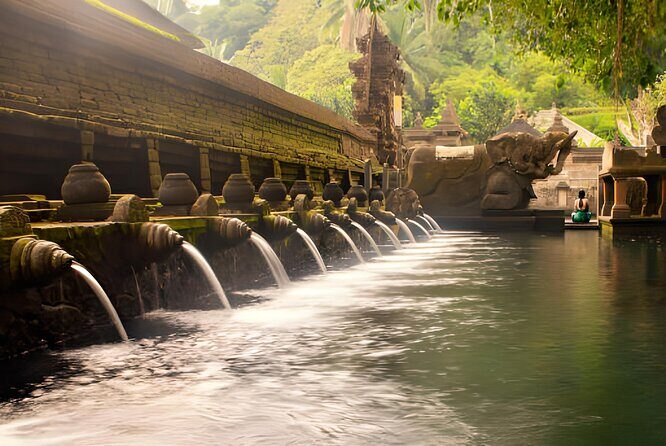
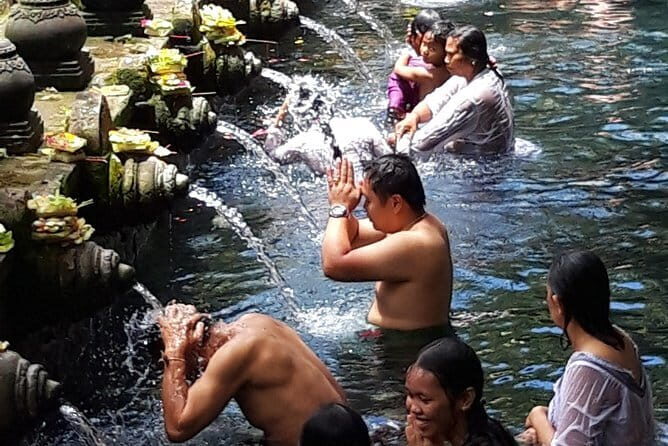
Tirta Empul at Tampak Siring: Sacred Spring Water and Temple Etiquette

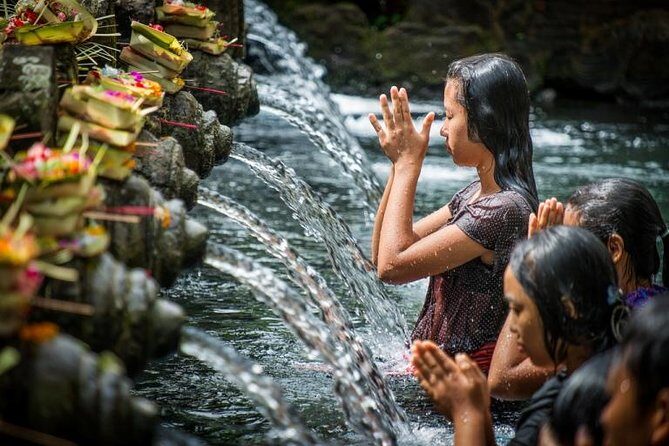
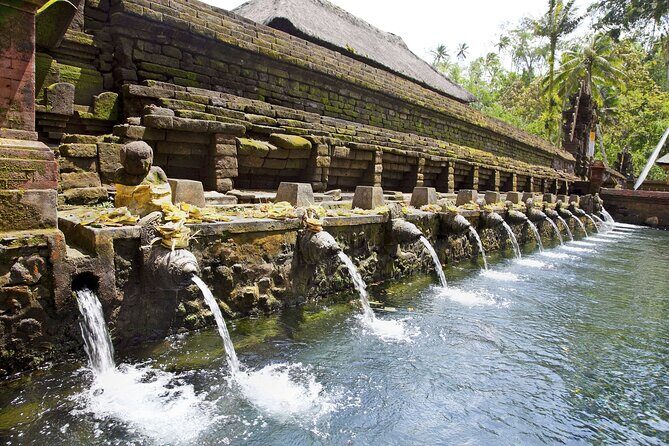
The spiritual highlight is Tampak Siring, where you visit Tirta Empul, the holy spring-water temple. This is the kind of site where your behavior matters, because it’s not just a backdrop. People go there for worship and ritual, and you’re joining a space that has rules.

Expect a temple environment with strong religious meaning. The tour format helps here because your driver can provide context on temple culture and history while you’re there. That matters because it’s easy to treat a temple like a museum if nobody explains what you’re seeing.

What to watch for

You’ll likely see devotees participating in water-related rituals. Even if you don’t join, watching with respect adds depth to the visit. Keep your phone use moderate, and dress in smart casual clothing as recommended. If the area requires additional coverage, you might be asked to adjust on site—so be ready to follow instructions.

A practical note on timing and pace

Temple visits tend to work best when you take your time and don’t try to rush through every corner. The private nature of this tour helps because you can move at a reasonable speed without feeling like a bus schedule is chasing you.

Coffee, Cocoa, and Tropical Fruit: Tastings You Can Actually Use

The final stop is a coffee garden area with cocoa, plus tropical fruit views. This is where you swap temples and terraces for something more relaxed and sensory.

What’s especially useful is the included complimentary tastings of coffee and tea. That turns the visit into more than a sales pitch. You can compare tastes and decide what kind of coffee you might actually enjoy back home. If you’re the type who buys souvenirs based on flavor rather than branding, this part tends to feel worth your time.

What you can look for

Watch how coffee processing is explained during the visit. You’ll also see cocoa-related context and fruit variety. Even if you don’t go deep into science, you’ll leave with a basic understanding of what turns a bean into a drink, and why Bali coffees often get described in different ways.

Don’t rush the tasting

If the group is moving quickly, you can still slow down. Sip, smell, and decide what you like. Coffee stops are often where people either enjoy themselves or feel stuck. You want the enjoyable one.

Price and Value at $58 for a Full-Day Private Tour

Let’s talk about what $58 buys here, because value is the real question. You’re paying for a private setup with round-trip transport, hotel pickup and drop-off, entrance fees, fuel surcharge, bottled water, and an English-speaking driver.

For a full day, that can be good value if you would otherwise pay separate admission fees and scramble for transport between distant Ubud-area stops. The itinerary also packs in multiple categories: crafts, waterfall nature, rice terraces countryside scenery, a major temple, and a coffee/cocoa tasting.

Where the deal can shift is if you’re the type who doesn’t like schedules. Even though this is private, it still follows a structured set of locations. And because it’s a long day, you’ll need the energy for multiple stops and some walking.

One caution to respect

Most outings go smoothly, but there has been at least one reported no-show situation. I can’t promise how often that happens, but I can tell you what to do: confirm pickup timing the day before and keep the operator contact info in your phone. If you’re traveling with a tight plan, this extra step is just plain smart.

Who This Tour Suits Best in Ubud (and Who Should Rethink It)

This tour is a strong match if you want a high-structure day without feeling trapped. You get private transport, a driver who explains culture, and a route that hits the big Ubud area themes in one go.

It’s also ideal if you like hands-on craft learning. Watching batik, silver work, and wood carving processes is a more personal way to understand Bali than just shopping around. If you want your day to include both spirituality and nature, this route gives you that balance.

It might be less ideal if you hate crowds and would rather go slower with fewer stops. The route includes well-known places like Tirta Empul and Tegalalang, which can feel busy at peak times. And since you’re out for about 8 hours, it’s not designed for a super laid-back, nap-in-the-hotel day.

One more factor: the tour mentions a moderate physical fitness level. That’s a good sign that it’s manageable for many people, but it still includes walking on temple grounds and around viewpoints.

Should You Book This Private Ubud Cultural Tour?

If you want a one-day framework for Ubud—crafts, temple, waterfall, terraces, and tastings—this is the kind of tour that makes your first Bali days easier. I’d especially recommend it if you appreciate learning why things are made, not just seeing what looks good in a photo.

Book it if:

  • you want private pickup and transport with entrance fees included
  • you’re interested in batik, silver, and wood carving processes
  • you want both Tirta Empul and major scenic stops in one day

Hold off or consider alternatives if:

  • you’re sensitive to the idea of a full schedule
  • you prefer fewer stops and more downtime between them
  • you’re traveling with a hard timing dependency and you can’t afford a pickup problem (in that case, keep contact details handy)

Overall, for the mix of culture plus nature and the included transport value, this private day can be a practical and satisfying way to experience Ubud beyond the surface.

FAQ

What time does the tour start, and when does it end?

The tour starts at 8:30am and usually ends between 6:00pm and 7:00pm, with drop-off back at your starting meeting point.

Is hotel pickup and drop-off included?

Yes. You get hotel (or port) pickup and drop-off, depending on where you’re staying. It also includes fuel surcharge and bottled water.

What are the main places visited during the day?

You’ll see artisan craft processes in the Ubud area, then visit Tegenungan Waterfall, the Tegalalang (Ceking) rice terraces, Tirta Empul at Tampak Siring, and a coffee/cocoa garden with tastings.

Are entrance fees included?

Yes, entrance fees are included in the tour price.

What food and drinks are included?

Lunch is not included, but the driver waits while you choose the restaurant of your choice. Bottled water is included, and coffee and tea tastings are complimentary. Alcoholic drinks are not included.

Is this tour private or shared?

It’s private. Only your group participates.

What should I wear?

The dress code is smart casual.

Can I cancel for a full refund?

Yes. You can cancel up to 24 hours in advance for a full refund.
Fun Dive Nusa Penida Bali – For Certified Divers

Fun Dive Nusa Penida Bali - For Certified Divers - The three sites: Manta Point, Crystal Bay, and SD (Sekolar Dasar)

Penida water can be serious, in the best way. This 9-hour outing is built for certified scuba divers who want three different underwater sites, with an emphasis on safety and local expertise. I like the way the operator plans around conditions, including possible swaps if Manta Point is too rough.

Two things that stand out right away: you get a focused plan for three underwater sessions, and the staff attention sounds consistently top-notch from guide to captain. The one thing to consider: strong currents are part of the deal here, so the minimum requirements aren’t “nice to have,” they’re the whole point.

Key trip considerations before you commit

If you’re motion-sickness prone, the Manta Point part can be an issue. It can involve swell, and they may not be able to go there at all, so you should be ready for that reality and plan accordingly.

Key Points at a Glance

Fun Dive Nusa Penida Bali - For Certified Divers - Key Points at a Glance

  • Three underwater sessions in one day, usually including Manta Point, Crystal Bay, and SD (Sekolar Dasar)
  • Small group size up to 10 travelers, which usually means more hands-on attention
  • Current and experience requirements: 30+ logged dives, Advanced Open Water, and recent diving within 6 months
  • Manta Point can be weather/swell dependent, with an on-the-day alternative site if conditions are unsafe
  • Crystal Bay is often a standout, especially around mola mola season

A 9-hour Penida plan that actually fits real diving conditions

Fun Dive Nusa Penida Bali - For Certified Divers - A 9-hour Penida plan that actually fits real diving conditions
This trip is scheduled for a long, full morning—pickup around 6:30–7:00 AM, then back to the Sanur base around 3:00 PM. The timing matters on Penida, where sea conditions can change fast, and where most of the good sites are out on the right coastlines.

What I like is that this is not sold as a casual “see what happens” day. It’s framed as an experienced outing, with clear expectations about currents, drift conditions, and recent training.

The price is $278.28 per person, and you’re not just paying for boat time. You’re paying for a whole package: pickup + transport, lunch, towels, bottled water, welcome drinks, and the equipment use—plus insurance coverage.

Getting from Sanur to the first site: the clock and the commute

You’ll start with pickup around 6:30–7:00 AM. From there, it’s a short ~5-minute ride to the boat boarding area, then a ~45-minute high-speed boat ride to the first site.

That commute is a big part of why the day feels organized. You’re not stuck wondering when you’ll leave or where you’ll end up—everything runs on a schedule so you can actually fit three underwater sessions into the daylight.

Also, the operator notes a comfortable setup on the boat: you’ll find it easier to prep gear and stay out of the sun when you need a quick reset between water entries.

The three sites: Manta Point, Crystal Bay, and SD (Sekolar Dasar)

Fun Dive Nusa Penida Bali - For Certified Divers - The three sites: Manta Point, Crystal Bay, and SD (Sekolar Dasar)
This is where the day earns its reputation. Penida has lots of variety, and the itinerary leans into that with three different styles of underwater experience.

Manta Point: high odds, plus swell reality

Manta Point is famous for mantas, and the plan aims at giving you a very high chance of seeing them. If you’re lucky, you might also spot reef octopus on the limestone rocks, and bamboo sharks cruising the edges.

But the operator is upfront: Manta Point can experience swell, and it’s not always possible depending on surface conditions. If conditions are unsafe, they’ll choose an alternative site the day-of, and no refunds are offered if Manta Point isn’t included.

Practical tip: if you get seasick easily, bring what you need before you ever reach the boat. Waiting to feel it mid-ride can wreck your whole morning.

Crystal Bay: clear water and mola mola season

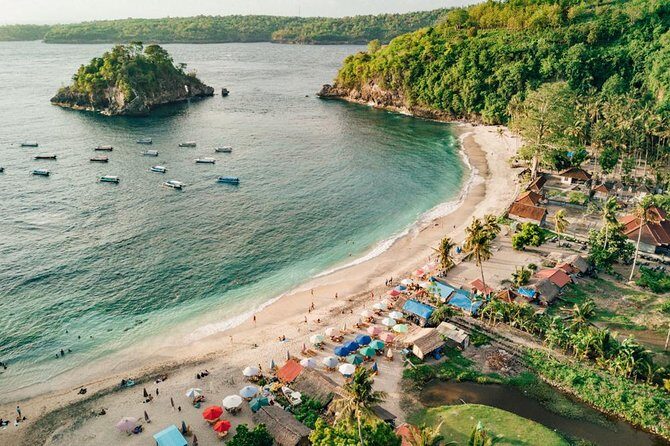
Crystal Bay is known for superb corals and clear water, which is exactly what you want when visibility cooperates. It’s described as a favorite all year, with extra promise during mola mola season.

Even if you don’t see mola mola, this kind of site is often rewarding for the “everyday magic” underwater divers love—steady terrain, coral detail, and a vibe that tends to feel less chaotic than some drift-heavy areas.

SD (Sekolar Dasar): a drift-style route along Penida’s north coast

SD is short for Sekolar Dasar, named after a village school on the coast. It’s described as one of the most popular drift-style routes on Penida’s northern side, with a reef path that runs along the coastline.

Drift-style sites can be amazing, but they also explain the strict experience rules. You’ll want to be comfortable with current, buoyancy, and reading the pace of the swim rather than trying to force an approach.

Currents are why the requirements exist (and why you’ll be glad they’re strict)

Nusa Penida can experience strong currents, and this operator requires a minimum experience level for everyone. That’s not gatekeeping for fun—it’s risk control.

Here’s what they require:

  • At least 30 logged dives
  • Minimum Advanced Open Water certification
  • Experience in deep and drift conditions
  • You must have dived within the last 6 months

If you match this, the trip should feel challenging in a good way—like you’re actually using your training. If you don’t match it, you’ll likely find the day stressful even if you’re physically fit.

One more subtle point: drift and current tolerance aren’t just about staying calm underwater. They’re also about gear confidence, team communication, and knowing how to manage yourself at different depths without getting rushed.

Manta Point vs. your stomach: what to expect when swell shows up

Fun Dive Nusa Penida Bali - For Certified Divers - Manta Point vs. your stomach: what to expect when swell shows up
Manta Point can be rougher at the surface. The operator specifically notes that small children and people sensitive to motion sickness may experience seasickness at this site.

The other reality check is timing: due to surface conditions, it’s not always possible to visit Manta Point. If it’s unsafe, you’ll do an alternative site instead.

If you care about mantas a lot, this matters. You can’t plan your whole trip around a guarantee. The smart move is to treat Manta Point as the top target, with Crystal Bay and SD as the consistent backbone of the day.

What you get for $278.28: value beyond the boat ride

Fun Dive Nusa Penida Bali - For Certified Divers - What you get for $278.28: value beyond the boat ride
For this price, you’re getting more than a ticket to Penida. The included items are practical and day-of friendly:

  • Insurance coverage
  • Towels
  • Air-conditioned vehicle and bottled water
  • Coffee and/or tea plus a welcome drink at the dive base
  • Lunch
  • Scuba equipment use

What’s not included is also clearly stated: private guide and private transportation.

So the value question becomes: are you paying for overhead and logistics, or only for a quick service? In this case, the package covers a lot of the “things that quietly make a day smoother,” especially transport comfort and meal timing.

Also, the group cap matters. A maximum of 10 travelers tends to reduce waiting and makes it easier for guides to keep track of everyone as conditions shift.

Boat comfort, lunch timing, and why the schedule feels disciplined

Fun Dive Nusa Penida Bali - For Certified Divers - Boat comfort, lunch timing, and why the schedule feels disciplined
Lunch happens between the underwater sessions, and you’ll return to the Sanur base around 3:00 PM. That matters because it keeps energy steady and reduces the common problem of “hangry + underfed” divers by the last site.

The trip includes a short transport hop to the boat and a relatively quick run to the first location. That usually means less idle time sitting around in the heat and more time focused on briefing, gear checks, and water entry.

One review detail I’d treat as a good sign: people described a comfortable boat with shade and a solid setup for dive gear. That’s not glamorous, but it helps. When you’re doing three water sessions in one day, comfort between entries is part of the safety plan.

The human factor: staff attention and guides who set you up for safety

Fun Dive Nusa Penida Bali - For Certified Divers - The human factor: staff attention and guides who set you up for safety
The best trips are run by people who keep the day calm. Reviews for this operator’s staff emphasize professionalism and attentiveness, plus real patience—especially when someone is returning after time away.

You might meet guides like David or Guna, and you could also see names such as Pierre, Wayan, Dayat, Brandy, or Rendi in the mix. I’m not saying which exact guide you’ll get, but the pattern is clear: the team is invested in instruction, safety, and keeping divers comfortable.

That “small-group support” shows up in one example where the day involved a guide and a boat captain in a smaller setup, which tends to improve the quality of briefings and the speed of adjustments if conditions change.

If you’re the type who wants clear communication and checklists, this style should suit you.

Underwater photography is supported, not treated as an afterthought

If you like taking photos, this trip can work well for you. One review specifically highlighted that the team supported underwater photography and kept the experience organized enough for people to focus on capturing what they came for.

Practical expectation: a drift-style route can be tough for cameras if you try to shoot while moving too fast. The real win is having a guide mindset—clear cues, calm pacing, and safety-first positioning—so you can shoot without turning the day into a chaotic scramble.

If you’re serious about photos, use the briefings to plan your approach before you’re in the water.

Who should book this Penida trip—and who should skip it

This is best for:

  • Certified divers who match the experience requirements
  • People comfortable with deep and drift conditions
  • Divers who want three different site styles in one long day
  • Anyone excited about mantas, corals, and the chance to see big pelagics during season

It’s not the right fit if:

  • You’re new to drift or current-heavy sites
  • You’re out of practice diving within the last 6 months
  • Motion sickness could ruin your day, especially if Manta Point becomes part of the plan
  • You’re hoping for a totally flexible, no-rules outing

Should you book Fun-style Penida 3-session scuba outing with Blue Season Bali?

If you’re an experienced diver and you want a well-run day that prioritizes safety, I think this is a smart booking. The combination of three planned sites, the small cap of 10, and the operator’s focus on experienced conditions makes it feel built for people who actually want to get good underwater time.

Book it if you want a clear structure and you can handle currents without drama. Don’t book it if you don’t meet the logged-dive and recent-practice standards—or if seasickness is a big risk for you and you’re especially fixated on doing Manta Point no matter what.

FAQ

What time do you get picked up, and how long does the trip last?

Pickup is typically around 6:30–7:00 AM, and the full day runs about 9 hours. You’ll return to the Sanur dive school around 3:00 PM.

How many underwater sessions are included?

The trip includes three underwater sessions at Nusa Penida.

Which sites do you visit?

The usual targets include Manta Point, Crystal Bay, and SD (Sekolar Dasar). If conditions are unsafe, the operator may choose an alternative site on the day.

What are the experience and certification requirements?

You need at least 30 logged dives, Advanced Open Water certification (minimum), experience in deep and drift conditions, and you must have dived within the last 6 months.

Is Manta Point guaranteed?

No. Manta Point can involve swell, and it may not be possible depending on surface conditions. If it can’t be done safely, an alternative site will be selected, and no refunds are given for trips that do not include Manta Point.

Can this trip make people seasick?

It can. The operator notes that Manta Point may experience swell, and small children and people sensitive to motion sickness may experience seasickness.

What’s included in the price?

Included items are scuba equipment use, towels, bottled water, lunch, coffee and/or tea with a welcome drink at the dive center, and insurance coverage. You also get air-conditioned vehicle transport.

What’s the cancellation policy if the weather changes?

You can cancel up to 24 hours in advance for a full refund. If the trip is canceled due to poor weather, you’ll be offered a different date or a full refund.
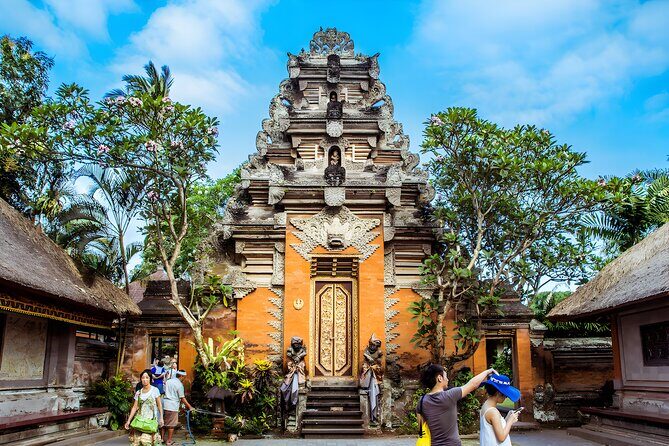
Ubud Bali: Rice Terrace, Waterfall and Tirta empul Day Tour

Ubud Bali: Rice Terrace, Waterfall and Tirta empul Day Tour - From Seminyak pickup to Ubud-area stops: how the 8–10 hours usually feels

If you want Bali with a purpose, this is it. This tour strings together temples, water, and farming in one day, so you’re not just collecting photos—you’re learning the why behind what you’re seeing. I especially liked the Tirta Empul stop, because the water purification ritual is the kind of cultural moment that makes everything else feel more connected. I also liked the mix of nature with a plan: Kanto Lampo for that misty waterfall feel, then Tegalalang for the rice-terrace views. One thing to consider: it’s an 8 to 10 hour day, so you’ll want decent stamina (and shoes) for walking on uneven paths.

You get hotel pickup and drop-off, plus tickets and key extras handled for you, which keeps the day calm and efficient. The tour is set up as a private experience for your group, so you’re not stuck matching someone else’s pace. If you prefer a super-relaxed day with long breaks at every stop, this may feel a bit scheduled—though the time at each location is built in.

Key highlights at a glance

Ubud Bali: Rice Terrace, Waterfall and Tirta empul Day Tour - Key highlights at a glance

  • Tirta Empul’s melukat purification experience uses a sarong and includes a locker at the temple.
  • Goa Gajah (Elephant Cave) mixes Hindu and Buddhist influence and has UNESCO heritage recognition.
  • Kanto Lampo Waterfall is timed for views and that refreshing sprayer-water atmosphere.
  • Cantik Agriculture is a local coffee, spice, and chocolate plantation stop with an English-speaking driver.
  • Tegalalang Rice Terrace gives you a classic Ubud slow-look moment after the more active stops.

Price and what you avoid spending on during the day tour

Ubud Bali: Rice Terrace, Waterfall and Tirta empul Day Tour - Price and what you avoid spending on during the day tour
This tour lists at $35.32 per person, which is a big reason to pay attention to what’s actually included. You’re not only booking transport—you’re also getting entrance tickets for the destinations, parking fees, bottled water, and even a special sarong for the Tirta Empul blessing ceremony. That means fewer small cash transactions during the day, and fewer chances of getting stalled at gates or ticket counters.

And because it’s private transportation with an English-speaking driver, the value isn’t just convenience. It’s practical: you can spend the day looking around instead of figuring out routes, timing, and where to stand. For a busy part of Bali like Ubud-area sights, that time saved adds up fast.

Your only clear extra costs are tipping the driver (not included) and personal expenses. That’s straightforward and easy to plan.

From Seminyak pickup to Ubud-area stops: how the 8–10 hours usually feels

Ubud Bali: Rice Terrace, Waterfall and Tirta empul Day Tour - From Seminyak pickup to Ubud-area stops: how the 8–10 hours usually feels
The tour is designed as a one-day circuit. Expect 8 to 10 hours, with driving between each highlight. The pacing is built around short-to-medium visits—think about 1–2 hours per major stop—so you’ll see a lot without being there all day at one site.

Hotel pickup and drop-off matters here. Seminyak is not right next door to the Ubud sights, so the transport setup keeps the day from turning into a half-day on scooters or buses. Also, since you’re not juggling tickets, you can flow from one place to the next with fewer interruptions.

Plan to dress for a day that includes temple visits and wet-feeling nature. Even if the waterfall doesn’t soak you, mist is part of the experience at Kanto Lampo, and temple visits usually mean you’ll be more comfortable with clothing that covers and looks respectful.

Goa Gajah Elephant Cave: Hindu-Buddhist history with a UNESCO link

Ubud Bali: Rice Terrace, Waterfall and Tirta empul Day Tour - Goa Gajah Elephant Cave: Hindu-Buddhist history with a UNESCO link
Goa Gajah—often called Elephant Cave—is your first stop and a strong way to start. You’ll spend about 1 hour here, and it’s not just a cave entrance. The site blends Hindu and Buddhist culture, which is a big theme in Bali: different influences living side by side in one sacred space.

The other reason this stop works is the sense of age. The temple has a UNESCO historical heritage certificate, so you’re not only looking at something scenic—you’re stepping into a place that has official recognition for its importance. That background gives meaning to the details you’ll see once you’re inside and looking around.

Practical note: because you’re starting the day, use the time here to get your footing and your expectations straight. This is a cultural site first—don’t treat it like a quick selfie wall. Give it your full hour.

Kanto Lampo Waterfall: stone views, mist, and that Instagram-style spray

Ubud Bali: Rice Terrace, Waterfall and Tirta empul Day Tour - Kanto Lampo Waterfall: stone views, mist, and that Instagram-style spray
Next up is Kanto Lampo Waterfall, with about 2 hours allocated. This is the stop that gets people to smile fast. It’s known for being photo-friendly, and the defining feel is the sprayer water—that misty burst that hits you when you’re close.

What I like about this kind of stop on a day tour is contrast. After a temple start, the waterfall gives you open-air breathing room and a different tempo. You’re also not rushed through a single viewpoint. The timing gives you space to move around for angles and to simply stand and watch the water do its thing.

What to watch for: waterfalls can make paths slippery or wet. Bring footwear you trust, and avoid the urge to step onto anything that looks like it’s meant for photographers only. If you keep your balance, you’ll enjoy the mist without the worry.

Cantik Agriculture plantation: coffee, spices, and chocolate with local management

Ubud Bali: Rice Terrace, Waterfall and Tirta empul Day Tour - Cantik Agriculture plantation: coffee, spices, and chocolate with local management
Then you switch back to culture, but in a different format: Cantik Agriculture. You’ll have about 1 hour here, focused on a plantation-style visit that highlights coffee and spices, plus chocolate.

A key detail is that it’s managed by local Balinese people. That matters because you’re not just buying souvenirs—you’re seeing the working side of how these flavors are grown and used. It’s the kind of stop that’s easy to underestimate until you’re standing among the plants and hearing how they’re connected to what ends up in your cup.

You can expect variety: multiple types of coffee, tea, spices, and chocolate. Even if you don’t want to purchase anything, you’ll likely enjoy the tasting or at least the learning moment. It’s a calmer stop between active sightseeing—good for resetting before the temple ritual.

Tirta Empul Temple and the melukat purification ritual

Ubud Bali: Rice Terrace, Waterfall and Tirta empul Day Tour - Tirta Empul Temple and the melukat purification ritual
This is the cultural heart of the day. Tirta Empul Temple is a holy spring temple, and you’ll spend about 1 hour here.

The featured experience is the Balinese melukat purification ritual. The tour framing is very direct: this is where you learn about a blessing and purification process meant to clean your body and soul. Whether you fully participate or simply observe closely, the takeaway tends to be the same—this is Bali with spiritual intent, not just aesthetics.

Two practical inclusions make this stop easier than it might be on your own:

  • You get a special sarong for the blessing ceremony.
  • You also have a locker provided at Tirta Empul.

Those details aren’t minor. They remove two common hassle points: what to wear and where to stash items safely while you’re around the ritual spaces. Since the tour handles those pieces, you can focus on the meaning and the flow.

Respect matters here. Keep your posture and volume calm. If you’re unsure how to move around sacred areas, follow the guidance of your English-speaking driver and the temple flow.

Tegalalang Rice Terrace: slow views after the spiritual stop

Ubud Bali: Rice Terrace, Waterfall and Tirta empul Day Tour - Tegalalang Rice Terrace: slow views after the spiritual stop
Last major sight is Tegalalang Rice Terrace, with about 2 hours. If Bali has a postcard face, this is one of the most recognizable ones. It’s known for scenic views of rice terraces on the side of Ubud, and the timing gives you room to enjoy it without treating it like a quick in-and-out.

What I like about ending with the rice terraces is pacing. After water rituals and waterfall energy, you get a visual pause. It’s also the kind of place where you can keep returning to the same view from different spots, watching light and motion change.

Practical tip: wear comfortable shoes and keep your eyes on uneven ground. Rice terraces often have paths that feel informal, even when they’re well-trodden. If you’re careful, you can enjoy the walking without turning it into a chore.

Who this private tour suits best

Ubud Bali: Rice Terrace, Waterfall and Tirta empul Day Tour - Who this private tour suits best
This tour fits you if you want a day that balances spiritual culture and nature and doesn’t require you to coordinate everything yourself.

You’ll likely enjoy it if:

  • You like a packed-but-not-chaotic schedule (short visits at each stop).
  • You care about understanding what you’re seeing, especially at Tirta Empul.
  • You want to move between Ubud-area highlights with pickup, tickets, and transport handled.

It may not be the best match if you prefer:

  • A slow, lingering day where you can spend half your time at just one viewpoint.
  • Less driving and fewer stops.
  • A tour style that’s more about downtime than structured sightseeing.

The private setup helps. It keeps you from feeling dragged along with strangers, and it makes the day feel more like a customized circuit, even though the stops are fixed.

Should you book the Ubud Bali Rice Terrace, Waterfall, and Tirta Empul day tour?

I’d book it if you want a value-focused private day where your money goes to real experiences: cave temple history, a waterfall you can actually feel, a plantation tasting stop, and the melukat purification ritual at Tirta Empul—then finishing with the classic Tegalalang terrace views.

Before you decide, think about your energy level. This is a full 8–10 hour route with multiple active elements, including wetter ground near the waterfall. If you’re ready for that and you like mixing culture and nature in one sweep, it’s a strong choice.

And if you don’t want to handle logistics—tickets, parking, and key ceremonial items—this setup is made for you.

FAQ

How long is the Ubud Bali Rice Terrace, Waterfall and Tirta Empul day tour?

The tour lasts about 8 to 10 hours.

Is hotel pickup and drop-off included?

Yes. The tour offers hotel pickup and drop-off for a smoother day.

Is this tour private or shared with other people?

It’s private. Only your group participates.

What’s included in the price?

The package includes private transportation, bottled water, an English-speaking driver, parking fee, entrance tickets for all destinations, a special sarong for the Tirta Empul blessing ceremony, and a locker at Tirta Empul.

Do I need to bring cash for tickets?

No. The package includes entrance tickets and related expenses, so you don’t need to carry cash for that part.

Can most travelers participate?

Most travelers can participate. Tips for the driver and personal expenses are not included.

Bali Tour: The Best Way to Explore The Highlight of Bali

Bali Tour: The Best Way to Explore The Highlight of Bali - Tamblingan Lake and the cooler heart of Bali (plus Lake Buyan)

This day trip is a smooth way to pack Bali in. It mixes classic photo stops with a real chill break at Penatahan Hot Springs, plus the whole thing runs in a private vehicle (no shoulder-to-shoulder crowd). Two things I really like: you skip ticket lines because entries are handled ahead of time, and the pace still leaves room to enjoy each stop instead of just snapping and sprinting. One consideration: with a 9 to 10 hour schedule, you’ll spend plenty of the day riding, so it helps to be comfortable with travel time.

I also like the value setup. For about $80 per person, you get hotel pickup/drop-off around Seminyak, an air-conditioned car, a driver who guides in English, and entrance tickets for the main sights. The only potential downside is that the plan depends on weather, since the tour is marked as requiring good conditions.

Key highlights worth getting excited about

Bali Tour: The Best Way to Explore The Highlight of Bali - Key highlights worth getting excited about

  • Private transport with a dedicated driver so you’re not stuck behind a slow bus group
  • Tickets pre-arranged for smoother entry and less time in lines
  • Penatahan Hot Springs included for a proper soak, not just a quick photo stop
  • Bedugul-area temples and lakes at cooler altitudes with big views
  • Tanah Lot timing for coastal drama with waves crashing near the shrine
  • Mobile ticket + hotel pickup zones make the day feel organized from start to finish

Private car, not a crowded bus: what this trip really gets right

If you want the main Bali highlights without the chaos, this format makes sense. You move around the island in a private, air-conditioned vehicle with just your group in the car. That matters more than it sounds, especially when stops involve stairs, crowds, and long entry lines.

The tour also handles the behind-the-scenes work: entrance tickets and fees are arranged ahead of time, and you get a mobile ticket. Translation: less time standing around at booths, more time actually looking up at the sights.

Your guide/driver is there for navigation and explanations in English, which helps a lot at places where there’s a lot going on visually and culturally. One guide name you might meet is Kadek—praised for being helpful with great English—so if you’re lucky, you’ll get someone who keeps the day moving and clear.

Still, be realistic. This is a highlight circuit. It’s not a slow “wander and linger” day. If you want quiet beaches and no schedule pressure, pick a different day. If you want to tick off Bali’s most memorable landmarks with minimal hassle, this one works.

Pickup around Seminyak and the value of the one-price setup

Bali Tour: The Best Way to Explore The Highlight of Bali - Pickup around Seminyak and the value of the one-price setup
The tour includes hotel/villa pickup and drop-off across many areas, including Seminyak (and also Canggu, Kuta, Legian, Denpasar, and more). So you shouldn’t have to arrange taxis or figure out where to meet.

That one-price structure is a big part of the value. You typically pay separately for: transport, entrances, and sometimes lunch. Here, most essentials are included:

  • air-conditioned vehicle
  • professional English-speaking driver
  • all entrance tickets
  • petrol and parking
  • taxes and services
  • Indonesian buffet lunch if you choose the lunch option

Price matters, and $80 per person can feel like a deal once you add up how many places you visit in one day. The catch is that you still want to manage your expectations: you’re getting a lot packed in, not a deeply unhurried experience at each stop.

Practical tip: confirm whether you’re selecting the lunch option when booking, especially if you’re traveling with kids. Vegetarian option is available, but you’ll need to ask in advance.

Tamblingan Lake and the cooler heart of Bali (plus Lake Buyan)

Bali Tour: The Best Way to Explore The Highlight of Bali - Tamblingan Lake and the cooler heart of Bali (plus Lake Buyan)
Most days start with the high-altitude scenery. You’ll visit Tamblingan Lake (and the area around Lake Buyan). This is where Bali’s farming life shows up—coffee plantations, vegetable fields, and traditional rice paddies are part of the view.

Why it’s a great first stop: the air tends to feel cooler at this elevation, and the scenery shifts from coastal tourist energy to countryside calm. Instead of a single “look at this temple” moment, you get a wider sense of how people live on the island.

What to expect:

  • a lakeside, photo-friendly stop
  • a sense of Bali’s agricultural slopes in the background
  • time to breathe before the more intense crowd areas later

Watch-outs:

  • If weather is cloudy or rainy, lake views can be less dramatic—still worth it, but don’t expect perfect postcard clarity every time.
  • Bring sunscreen anyway. High altitude and sun can still hit hard.

Handara Iconic Gate: camera time inside a landmark area

Bali Tour: The Best Way to Explore The Highlight of Bali - Handara Iconic Gate: camera time inside a landmark area
Next up is the Handara Iconic Gate. This is the famous entrance gate linked with the Handara Golf and Resort area, and it’s known for making it easy to get Instagram-style shots.

The advantage here is straightforward: you’re not just driving past landmarks—you’re getting a dedicated stop. And because the tour is organized, you’re not guessing where to go or waiting around to figure out logistics.

What I’d do here if you like photos:

  • take a couple quick wide shots first
  • then slow down for angles and shadows (this gate often looks different as the light changes)
  • be ready for people around you, even if it’s not the same kind of crush as the most famous temples

Possible drawback: if you’re not into photo stops, you may feel this one is more about the gate itself than a longer cultural visit. That’s the tradeoff with highlight routes.

Ulun Danu Bratan Temple at Lake Beratan: the “wow” moment with context

Bali Tour: The Best Way to Explore The Highlight of Bali - Ulun Danu Bratan Temple at Lake Beratan: the “wow” moment with context
Ulun Danu Bratan Temple sits near Lake Beratan in the Bedugul area, on Bali’s western side. This temple complex is famous for its picturesque setting—water, trees, and temple structures in one frame.

This stop is valuable for two reasons:

  1. It’s a classic Bali temple view that looks great from multiple angles.
  2. The setting helps you understand how temples relate to landscape and water in Balinese culture.

Practical expectations:

  • You’ll want comfortable shoes because temple areas can involve steps and uneven surfaces.
  • Aim for steady pacing. It’s easy to rush here and miss the smaller details around the complex.

Weather note: Bedugul can be moody. Clouds can make the colors softer, but sometimes that actually helps photos by reducing harsh glare.

Jatiluwih Green Land rice terraces: dramatic steps, big walking payoff

Bali Tour: The Best Way to Explore The Highlight of Bali - Jatiluwih Green Land rice terraces: dramatic steps, big walking payoff
Then you head to Jatiluwih Rice Terraces, one of the most recognized rice-terrace regions in Bali. The area is named for the upland village nearby, and the terraces are known for being both dramatic and unusually “exotic” in appearance.

Why I like this stop (and why it works on a day tour):

  • It gives you a different kind of Bali beauty than temples alone.
  • You can spend your time looking slowly across layers of terraces, not just posing at a single viewpoint.

What to keep in mind:

  • The “best” experience is in walking and taking your time, but you’re on a schedule, so expect a timed stop.
  • Bring water. Not listed as included, so it’s on you as a personal expense.

If you’re the kind of traveler who enjoys views with breathing room, this is the one stop on the route where that mindset pays off.

Penatahan Hot Springs Kaja: the therapeutic break that makes the day feel balanced

Bali Tour: The Best Way to Explore The Highlight of Bali - Penatahan Hot Springs Kaja: the therapeutic break that makes the day feel balanced
After temples and terraces, you get the part many people remember most: Penatahan Hot Springs. The description here is specific: the complex has a central main pool at the lowest level, and it’s adjacent to a flowing river. That’s the kind of setup that makes a soak feel more natural than a plain pool at a facility.

I like this stop for one main reason: it balances the day. After hours of driving and sightseeing, your body starts asking for a break. A hot pool gives you that reset.

What to expect:

  • a relaxing soak time
  • natural surroundings near the river
  • a chance to cool down afterward and refocus before the coast

A small practical note: hot springs often mean slippery paths. Wear sandals or footwear that won’t betray you on wet ground.

Tanah Lot at the coast: waves, shrine, and sunset-style vibes

Bali Tour: The Best Way to Explore The Highlight of Bali - Tanah Lot at the coast: waves, shrine, and sunset-style vibes
The day ends with Tanah Lot Temple, one of Bali’s best-known landmarks. It’s famed for an ancient Hindu shrine perched on an outcrop in the sea, surrounded by waves that crash constantly.

Why this stop is worth the drive:

  • You get a strong coastal mood, different from inland lakes and terraces.
  • The outcrop makes the shrine feel dramatic even for short visits.
  • The area is typically built for photography, so expect plenty of camera time.

Timing matters here. If the schedule lines up well, it can lean into that sunset backdrop feeling. Even if you’re not there exactly at golden hour, the ocean energy still makes it memorable.

Timing, photo strategy, and how to enjoy a 9 to 10 hour day

This kind of “see a lot” Bali day trip works best when you travel light and move smart.

Here’s what I suggest:

  • Charge your camera and phone before pickup. You’re doing multiple stops in one day.
  • Pack sunscreen and have it easy to reach. The sun can surprise you between scenic areas.
  • Wear smart casual. That’s the stated dress code. Comfortable shoes matter more than fancy clothes.
  • Bring patience for driving time. Island roads take longer than map apps suggest.

Also, ask your driver about flexible timing. The tour info says time can be adjusted based on your request. If you care most about photos, you can often prioritize time at a viewpoint over a quick pass somewhere else.

Since this is private, you can usually ask questions along the way too. That’s where a good driver adds real value.

Who should book this private Bali highlight route?

This is a great fit if:

  • you want a private vehicle and minimal hassle
  • you like seeing multiple big-name Bali sights in one day
  • you prefer clear logistics (pickup, tickets, entrances handled)
  • you’re traveling with kids and can use the discount for children aged 12 and under

It’s less ideal if:

  • you hate long drives or dislike structured schedules
  • you want a slow, deep-dive exploration with lots of downtime
  • you’re very sensitive to weather changes (the tour requires good weather)

Should you book this Bali Highlights Private Day Trip?

If your goal is to see the classic Bali hits—lakes, temples, rice terraces, hot springs, and the coast—without the friction of crowds and ticket lines, this is a strong option. The $80 per person price feels especially fair because it bundles a private car, English-speaking driver guidance, multiple entrance fees, and optional lunch.

I’d book it if you want an efficient, organized day and you’re okay spending most of the day in motion. I wouldn’t book it if your ideal Bali day is mostly low-key and you’re counting on perfect weather for every photo.

FAQ

How long is the tour?

It runs about 9 to 10 hours (approx.).

Is pickup and drop-off included, and where?

Yes. Hotel/villa pickup and drop-off is offered from Seminyak and many other areas like Ubud, Sanur, Denpasar, Nusa Dua, Uluwatu, Jimbaran, Kuta, Legian, Tuban, and Canggu.

Is this a private tour?

Yes. It’s described as private, meaning only your group participates and only you’re in the vehicle.

Are entrance fees included?

Yes. All entrance tickets/fees are included, and tickets are pre-arranged to help you skip the lines at ticket booths.

Is lunch included?

Indonesian buffet lunch is included if you select the lunch option. Vegetarian option is also available if you request it at booking.

What’s the price?

The price is listed as $80.00 per person.

What should I wear or bring?

The dress code is smart casual. Bring sunscreen and a camera (and plan for comfortable shoes since you’ll be walking around stops).

What if the weather is bad or I need to cancel?

The experience requires good weather. If canceled due to poor weather, you’ll be offered a different date or a full refund. Free cancellation is allowed up to 24 hours in advance for a full refund.
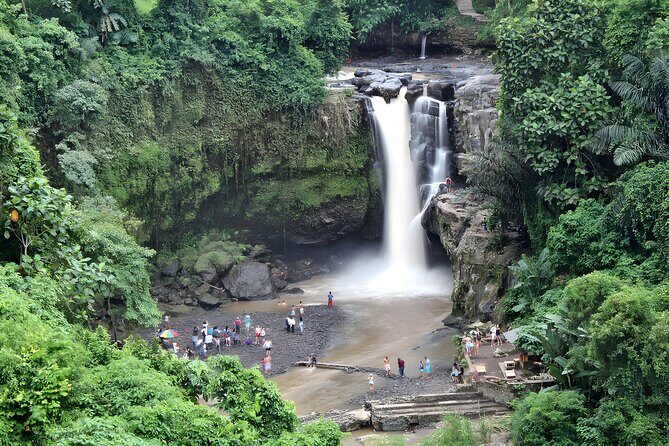
Best of The Gate of Heaven and East Bali Tour

Best of The Gate of Heaven and East Bali Tour - Lempuyang Temple and the Gate of Heaven: plan for steps, photo patience, and smart timing

That East Bali route is a lot of fun. This private tour strings together iconic temples, water-palace gardens, and a quiet beach in one long day, with hotel pickup and an air-conditioned ride to keep you sane. You get a full-value schedule with all entrance tickets built in, plus a professional English-speaking driver who can help the day feel organized instead of chaotic.

I especially like how much variety you get for one price. You’re not only chasing the famous photo spot at Lempuyang Temple—you also spend time at Tirta Gangga’s water gardens, then later move through Taman Ujung Sukasada’s European-and-Balinese style ponds and bridges. And I like that you finish with real downtime at Virgin Beach and a visit to Tenganan Ancient Village, where you see Bali Aga traditions up close.

One thing to think about before you book: this is a 9 to 10 hour day, so the driving time matters, and you may lose time at the busiest photo moments near the Gate of Heaven. If you’re not into long days (or long lines for the perfect shot), you’ll want to plan for flexibility.

Key things to know before you go

Best of The Gate of Heaven and East Bali Tour - Key things to know before you go

  • Private, just your group: no strangers in your vehicle, and you still get a guide-style driver.
  • All entrance tickets included: you can budget once and enjoy the stops without surprise fees.
  • Two water-garden stops: Tirta Gangga plus Taman Ujung Sukasada, each with a different architectural vibe.
  • Virgin Beach is the breather: a quieter white-sand break built into the schedule.
  • Tenganan Ancient Village adds culture: Bali Aga traditions in a place that still feels old-school.
  • Weather and timing can shift: the tour needs good conditions, and the Gate of Heaven photo window can take longer than expected.

A private East Bali day that mixes temples, water-palace gardens, beach time, and village culture

Best of The Gate of Heaven and East Bali Tour - A private East Bali day that mixes temples, water-palace gardens, beach time, and village culture
This tour works because it behaves like a greatest-hits playlist. You start with Lempuyang Temple, known for the Gate of Heaven vibe, then you move into water-garden territory with Tirta Gangga. After that, the day keeps going with Taman Ujung Sukasada, a park scene that feels like someone planned gardens with both European and Balinese influences in mind.

Then you switch gears: you get a beach stop at Virgin Beach, described as white sand and less crowded, which is exactly what your legs want after temple steps and walking paths. Finally, the tour ends in Tenganan Ancient Village, where the focus shifts from scenery to tradition—ritual dances and local customs are part of what you’ll see.

If you like your Bali days with variety (and you’re okay with a long one), this format is a smart way to cover a lot without constantly changing hotels or solving transport puzzles.

From Seminyak to East Bali: why the long drive shapes the whole day

This is a pickup-and-ride tour running about 9 to 10 hours, and East Bali from Seminyak is not a quick hop. The practical takeaway: treat the whole day as a road trip plus stops, not as a tight sequence of short activities.

An air-conditioned vehicle helps a lot, especially for the transfer time between areas. You’ll also appreciate that the driver is more than just a driver—several people mention guides and drivers who were thoughtful and flexible. In one example, a driver named Aditya was punctual and even helped add an extra coffee-plantation stop, which shows the day can adjust when timing allows.

The downside is simple: if you get delayed at one major stop, it can ripple. The Gate of Heaven can be the main culprit when photo lines are heavy, and that can eat into the planned pace.

Lempuyang Temple and the Gate of Heaven: plan for steps, photo patience, and smart timing

Best of The Gate of Heaven and East Bali Tour - Lempuyang Temple and the Gate of Heaven: plan for steps, photo patience, and smart timing
Lempuyang Temple is the headline act, and it’s famous for the Gate of Heaven setting. The tour also builds in time for the full temple experience—there’s about 2 hours here, plus you’ll be near viewpoints with strong mountain backdrops.

Here’s the practical part: plan for steps and crowd flow. Lempuyang is known for an ascent up toward the iconic views. If you’re not into climbing, you can still enjoy the temple setting without treating it like a race. But if you want the best angles and photos, you’ll be standing, waiting, and moving at the pace of other visitors.

Timing can be the real variable. One traveler noted that the wait for a Gate of Heaven photo stretched long enough to affect the rest of the day. So my advice is to mentally budget some extra patience at this stop. If you’re the type who gets stressed by lines, bring that calm with you—or be ready to scale your expectations.

One more detail: temple rules matter. The tour notes that women on periods are forbidden to enter temples in Bali. If this applies to you, you should factor it in before you go so you’re not stuck deciding on-site.

Tirta Gangga Water Garden: Balinese and Chinese influences in a calm, photogenic setting

Tirta Gangga Water Garden is one of those places where you slow down without meaning to. It’s a water palace area designed with ponds and multiple complexes, and the mix of Balinese and Chinese architectural influence is part of what makes it feel distinct.

You’ll have about 1 hour at this stop. That length is ideal for walking the main grounds, taking photos, and enjoying the calmer pace that comes after the crowds and steps of a big temple.

Practical notes:

  • Bring sunscreen, because open garden areas can feel exposed.
  • Take your time with the water features; the appeal here is the design and symmetry, not just one dramatic structure.
  • If you’re short on time, you can still get value by focusing on the ponds and bridges first, then doing a second pass for angles.

Taman Ujung Sukasada (Ujung Water Palace): European-and-Balinese style ponds and bridges

Next up is Taman Ujung Sukasada, often called Ujung Water Palace. What you’re looking for here is layout. This place is arranged around three large ponds, connected by long bridges and pathways, with both Balinese and European architectural elements showing up along the way.

You’ll get about 1 hour in the park. That’s enough time to walk through the connected areas, take photos from multiple viewpoints, and catch the “palace garden” mood without turning the stop into a long endurance hike.

One reason I like pairing Tirta Gangga and Ujung on the same day is that they don’t feel like carbon copies. Both are water-garden experiences, but the style differs—so you leave with variety instead of repeating the same visual idea twice.

Virgin Beach: the quieter white-sand pause you’ll feel later

After temple and gardens, you’ll hit Virgin Beach for about 1 hour. The description here matters: it’s presented as white sand and less crowded, with a “hidden from the public” feel.

This stop is valuable for your whole day, not just your photos. It’s where you reset. One hour is enough to relax on the sand, sip coconut water, and let your body recover before the final culture stop.

What to expect:

  • This is a beach break, not a structured activity.
  • You’ll likely spend time lying down and taking in the waves, then getting ready for the next drive.
  • Wear sunscreen early. You’ll be tempted to “wait until later,” and that’s how the sun wins.

If you’re traveling with a mixed group—someone who wants photos, someone who just wants a rest—this stop tends to keep everyone happy.

Tenganan Ancient Village: Bali Aga traditions and ritual dances in an older setting

Best of The Gate of Heaven and East Bali Tour - Tenganan Ancient Village: Bali Aga traditions and ritual dances in an older setting
The final cultural stop is Tenganan Ancient Village, about 1 hour. This is one of Bali’s ancient villages, tied to the Bali Aga culture. The most helpful way to think about this stop is: you’re not just viewing buildings; you’re seeing living tradition.

The tour notes that Tenganan has traditional festivals and ritual dances. It even references a gladiator-like battle ritual between local youths. That means the place can feel more energetic than a typical “photo village” stop.

Practical advice for this kind of visit:

  • Dress respectfully (the tour says smart casual).
  • Watch first, then participate only if it’s clearly encouraged.
  • Keep your camera ready, but don’t treat people like scenery.

This is also a nice emotional close to the day. After temples and gardens, the village gives you something grounded—daily life and rituals that feel much closer to the island’s roots.

What $80 per person really buys: private comfort, tickets, and less decision fatigue

Best of The Gate of Heaven and East Bali Tour - What $80 per person really buys: private comfort, tickets, and less decision fatigue
At $80 per person, the biggest question is value. Here’s how I see it: you’re paying for a complete route with a private vehicle and all entrance tickets included. That matters because temples and attractions can add up quickly if you’re buying one-by-one.

The tour also includes:

  • Hotel/Villa pickup and drop-off
  • Air-conditioned vehicle
  • Professional English-speaking driver (who can act as a guide)
  • Petrol and parking
  • Tax and services
  • A mobile ticket

Lunch is a choose-your-option part. An Indonesian set menu lunch is included if you select that option. If you don’t, you’ll need to handle lunch yourself. Either way, the tour gives you the option to ask the driver to take you to a restaurant.

One more value angle: because it’s private, the driver can usually manage your pace. In real life, that flexibility is often what turns a “checklist day” into a smoother day.

Temple rules and smart packing: the stuff that prevents day-one frustration

This tour is pretty straightforward, but Bali temples come with rules. The tour specifically calls out that women on periods are forbidden to enter temples in Bali. If that affects you, plan ahead so you’re not making decisions on-site.

Dress code is smart casual, which is helpful because it’s not overly strict, but it also means you should skip beach-only outfits. You’ll also want:

  • Sunscreen
  • A camera

And here’s my small, practical tip: pack light and keep your essentials easy to reach. A day like this has multiple stops, and you’ll be happier if you can grab water, sunscreen, and your camera fast without digging through bags.

Also remember: the tour notes flexible time arrangement based on your request. That doesn’t mean the whole day becomes optional, but it’s a useful safety valve if something runs late or if you want one small adjustment.

Who should book this tour, and who might be happier with a slower plan

This tour fits best if:

  • You want a one-day East Bali highlight route without extra planning.
  • You like mixing scenes: temple views, water gardens, a beach pause, and village culture.
  • You’re comfortable with a long day and some walking.

You might want a different style of day if:

  • You hate waiting in lines or standing around for photos.
  • You’re sensitive to long drives and would rather split East Bali into two shorter outings.
  • Your group wants lots of free time at each stop with no “go-go” rhythm.

For solo travelers, the private vehicle and English-speaking driver can make the day feel easier to manage than joining a bigger group. For couples and small families, it’s also a good value since the tour covers a lot and doesn’t require you to constantly coordinate.

Should you book the Best of The Gate of Heaven and East Bali Tour?

If your goal is a packed but well-rounded East Bali day, I think this is a strong choice. The best reason to book is simple: entrance tickets and a private air-conditioned ride are built in, so you’re not doing math or searching for ticket counters all day.

Book it if you can handle a longer travel day and you’re okay with some unpredictability around the Gate of Heaven photo moments. Don’t book it if your ideal Bali day is slow, quiet, and line-free. For that, you’ll want fewer stops and more breathing room.

FAQ

FAQ

Is this tour private?

Yes. It’s a private tour, meaning only your group participates and you use a private vehicle.

How long is the tour?

The duration is about 9 to 10 hours.

Where does pickup and drop-off happen?

Hotel or villa pickup and drop-off are included.

What are the main places visited on this tour?

You’ll visit Lempuyang Temple, Tirta Gangga Water Garden, Taman Ujung Sukasada, Virgin Beach, and Tenganan Ancient Village.

Are entrance tickets included?

Yes. Admission tickets for the stops are included.

Is lunch included?

An Indonesian set menu lunch is included if you select the lunch option. Otherwise, lunch is up to you.

What should I wear?

The dress code is smart casual.

What should I bring?

Bring sunscreen and a camera.

Are there temple entry restrictions for women?

Yes. Women on periods are forbidden to enter temples in Bali, according to the tour information.

What if the weather is bad?

This tour requires good weather. If it’s canceled due to poor weather, you’ll be offered a different date or a full refund.

CRETYA UBUD Infinity Pool+ ATV RIDE with Gorilla Cave +lunch.

CRETYA UBUD Infinity Pool+ ATV RIDE with Gorilla Cave +lunch. - Cretya Ubud infinity pool: the calm reward after the mud

Muddy ATVs and a calm infinity pool.

This Cretya Ubud day mixes adrenaline with a proper decompression stop, so you’re not just rushing from one photo spot to the next. I like that you ride a 350cc ATV on a serious off-road track, and I also love the follow-up at Cretya with an infinity pool view over rice terraces, plus a free drink and coffee tasting.

One thing to plan around: there are age limits for the Cretya pool and for ATV riding, so check eligibility before you book.

The day plan in plain terms

CRETYA UBUD Infinity Pool+ ATV RIDE with Gorilla Cave +lunch. - The day plan in plain terms
You’ll start around 8:00am with hotel pickup and head out in an air-conditioned vehicle. The timing is built for good daylight and a smooth flow: a quick coffee stop, a main ATV session that’s described as challenging, and then time at Cretya to cool down, shower, and settle in by the pool.

The whole experience is designed as a private group day (your party only), and it runs about 7–8 hours. If you want a Ubud day that feels active but not chaotic, this is a strong match.

Key things to know before you go

CRETYA UBUD Infinity Pool+ ATV RIDE with Gorilla Cave +lunch. - Key things to know before you go

  • 350cc ATV ride: Expect a real off-road route, not a slow, around-the-block cruise.
  • Cretya time includes pool + extras: Infinity pool access, one drink, and a Balinese coffee tasting.
  • Main ride is not casual: The route is described as challenging, with rain-forest sections, tunnels, waterfalls, and muddy tracks.
  • Lunch + shower facilities: You’re set up to rinse off and keep the day comfortable after the ride.
  • Coffee stop is short but included: Uma Pakel Agro Tourism gives you a free local coffee and herbal tea tasting (30 minutes).

The ATV track: 350cc power and practical safety

This tour centers on a serious ATV outing: you ride a 350cc machine and spend roughly 1.5–2 hours on the trail (the main riding block is listed at about 2 hours). The route is sold as the best ATV track in Ubud, and the description makes it clear why: you go through jungle trails and rice-field areas, cross rivers, pass tunnels and villages, and work through muddy terrain.

What that means for you is simple: you should expect to get dirty and wet. Even if the day stays mostly clear, Ubud’s terrain can mean puddles, slick sections, and splash zones. If you hate damp clothes, I’d treat this like a “ride day,” not a “clean day.”

Safety equipment and a professional guide are included, and this is one of those tours where the guide quality matters a lot. In the feedback I’ve seen connected to this provider, guides such as Yan, Yan Mudita, Komang Budiana, and Ketut are repeatedly described as friendly and reliable, with clear guidance and helpful storytelling. The best part of that for you: you’ll spend less time guessing and more time enjoying the ride.

Your riding comfort checklist

Bring:

  • Closed-toe shoes you don’t mind getting ruined
  • A change of clothes for after the ride (you’ll have showers/changing facilities, but you’ll still want something fresh)
  • Sunscreen and sunglasses you can tolerate in muddy conditions

If you’re the kind of rider who wants a gentle pace, you might feel the route’s challenge level. But if you want a legit ATV day, this tour’s structure matches that goal.

Cretya Ubud infinity pool: the calm reward after the mud

CRETYA UBUD Infinity Pool+ ATV RIDE with Gorilla Cave +lunch. - Cretya Ubud infinity pool: the calm reward after the mud
After the ATV, the vibe shifts. Cretya Ubud is where you cash in the effort: free infinity pool access with a rice-terrace view, plus one complimentary drink and a free Balinese coffee tasting.

The pool time is listed at about 2 hours, which is a sweet spot. Long enough to relax and take photos, but not so long that the day drags. One practical detail I like: you get lunch and the pool stop includes shower and changing facilities, so you can realistically go from muddy to comfortable instead of just drying off however you can.

The Cretya rules you should not ignore

This is where you need to pay attention. The info provided states:

  • Under 19 years old might not swim at Cretya’s infinity pool.
  • Under 18 years old is not allowed to enter Cretya Ubud, though it notes they might still be able to enter Alas Harum Bali to explore around.

So if you’re traveling with teens or kids, don’t assume everyone can do the pool part. Plan for alternate activities for anyone who can’t swim.

Not included add-ons at Cretya

Cretya also has other paid activities such as an extreme Bali swing, zip line, and sky bike. Those are not included in this package, so if you’re tempted, you’ll need to budget separately.

Uma Pakel Agro Tourism: coffee and herbal tea, quick and friendly

CRETYA UBUD Infinity Pool+ ATV RIDE with Gorilla Cave +lunch. - Uma Pakel Agro Tourism: coffee and herbal tea, quick and friendly
Sandwiched into the day is a short cultural stop at Uma Pakel Agro Tourism. It’s about 30 minutes, and the highlight is simple: a free tasting of local coffee and herbal tea.

This stop matters because it gives you a break from the intense parts of the day. You go from ATV effort to a slower pace where you can sit, sample, and reset your energy. If you like knowing what you’re drinking, this kind of stop usually also comes with some basic context, even if you keep your expectations modest for time.

Don’t over-plan your schedule here. Since it’s only 30 minutes, treat it as a tasting session rather than a full museum-style visit.

Pertiwi Adventure: rainforest, tunnels, waterfall, and mud

CRETYA UBUD Infinity Pool+ ATV RIDE with Gorilla Cave +lunch. - Pertiwi Adventure: rainforest, tunnels, waterfall, and mud
The main ride portion is described as quite challenging at Pertiwi Adventure. You’ll pass through:

  • Rainforest areas
  • A tunnel section
  • A waterfall
  • Muddy tracks
  • Local family/village areas
  • Rice fields

That list is basically a recipe for the kind of ATV day people remember. The tunnel and waterfall segments add drama and variety. The muddy tracks are where the adrenaline meets reality: this is not just about speed. It’s about control, balance, and staying calm while your tires find traction in rougher conditions.

What you can expect on a rough track

If you’ve never ridden an ATV on wet terrain, your first instinct might be to tense up. The best approach is to stay relaxed and let the bike work. A good guide and safety setup help a lot here, and the tour includes both.

If your group includes mixed experience levels, a private format helps. You’re not stuck with a crowd that wants a different pace than your group.

Lunch, bottled water, showers: where comfort beats bravado

CRETYA UBUD Infinity Pool+ ATV RIDE with Gorilla Cave +lunch. - Lunch, bottled water, showers: where comfort beats bravado
After you ride, you’ll get lunch and bottled water included. You’ll also have shower and changing facilities so you can actually feel human again.

This part sounds boring, but it’s the difference between a great day and a miserable one. ATV tours can leave you sweaty, dusty, and cold if you hit a splash zone followed by a breeze. Shower access means you can shift from active to relaxed without ending the day feeling grimy.

If you’re sensitive to heavy scents, consider bringing a small hair tie or cap. You might get splashed, and you’ll be glad you planned for it.

Price and value: what $95 really buys you

CRETYA UBUD Infinity Pool+ ATV RIDE with Gorilla Cave +lunch. - Price and value: what $95 really buys you
At $95 per person, this is positioned as a full-day package rather than a basic ATV rental. Here’s where the value shows up:

You’re paying for:

  • A guided 350cc ATV ride on an off-road track
  • All tickets and the ATV ride included
  • Hotel pickup and drop-off
  • Lunch and bottled water
  • Cretya infinity pool access plus one complimentary drink
  • Free Balinese coffee tasting
  • Access to showers/changing facilities
  • A short coffee/tea tasting stop at Uma Pakel Agro Tourism

That’s a lot bundled in. The other side of value is knowing what costs extra. Food and drinks at Cretya beyond the included drink aren’t included, and the paid activities (swing, zip line, sky bike) are extra. If you choose extra activities, your day can go above the base price.

There’s also an extra note for solo travelers: an IDR 350,000 extra charge for a solo participant, and the minimum booking is 2 persons. So if you’re traveling solo, price comparisons should include that surcharge.

Who gets the best deal

If you and a friend can book together and you want both the ride and a real relaxation stop, this is the sweet spot. It’s less ideal if you only want the ATV and none of the Cretya time, since the pool portion is a major part of the package.

Who should book this ATV + Cretya day

CRETYA UBUD Infinity Pool+ ATV RIDE with Gorilla Cave +lunch. - Who should book this ATV + Cretya day
This is a good fit if:

  • You want a Ubud day that blends action and downtime
  • You’re comfortable with muddy, wet terrain
  • You like having the schedule handled, including pickup and drop-off
  • You enjoy guides who talk and explain local context (names like Yan and Yan Mudita come up often for being friendly and helpful)

It’s less ideal if:

  • You dislike getting dirty and wet
  • Your group includes minors who may be restricted from Cretya pool access
  • You’re looking for a gentle, sightseeing-only day

Age notes are the key filter. Under 16 and under 12 riders require adult accompaniment for the ATV part, and pool access is restricted by age as noted above. Check the limits before you commit.

A few smart planning tips for a smooth day

  • Wear gear you can ruin: ATV days turn clothes into wet souvenirs.
  • Budget time for photos at Cretya: the plan gives you a block of pool time, and getting there earlier in the day usually helps your photos stay calmer.
  • Bring a dry layer: even with a warm Ubud day, you may feel cooler after the ride depending on how wet you get.
  • Ask your guide about pace: if your group has different comfort levels, a good guide can adjust how you handle the trickier sections.

Also note the tour requires good weather. If conditions are poor, it can be canceled and you’ll be offered a different date or a full refund.

Should you book it?

I’d book this if you want a Ubud day that feels like two experiences in one: a legit ATV adventure followed by a relaxing infinity pool stop with lunch, a drink, and coffee tasting. It’s structured well for a day that doesn’t feel rushed, and the included shower/changing facilities make it practical instead of just exciting.

I wouldn’t book it if your group can’t handle muddy riding or if age restrictions at Cretya affect your plans. For families, teens, or anyone close to the pool limits, verify eligibility first so nobody shows up expecting a pool swim that won’t happen.

If you match the vibe, this is one of those day trips that leaves you with more than memories. You’ll have a story.

FAQ

How long is the Cretya Ubud ATV + infinity pool experience?

It runs about 7 to 8 hours total, starting at 8:00am.

Do I get hotel pickup and drop-off?

Yes. Pickup and drop-off at your hotel are included.

What’s included in the price?

Included are the ATV ride and tickets, lunch, bottled water, a free drink at Cretya, free Balinese coffee tasting, and shower/changing facilities. Mobile ticket is provided.

Is lunch included?

Yes, lunch is included.

Are there age restrictions for the ATV or the infinity pool?

Yes. Under 19 years old might not swim at Cretya’s infinity pool. Under 18 years old is not allowed to enter Cretya Ubud (with a note about possibly exploring Alas Harum Bali instead). For the ATV ride, under 16 must be accompanied by an adult, and there’s also a note that under 12 must be accompanied by an adult.

What if I need to cancel?

Free cancellation is available if you cancel up to 24 hours in advance for a full refund. If it’s canceled due to poor weather, you’ll be offered a different date or a full refund.

Full Day Private Guided Tour in Bali

Full Day Private Guided Tour in Bali - Comfort and Timing From Kuta

A full Ubud day, neatly guided.

This private experience links Bali’s culture and nature in one long circuit, with an English-speaking guide in an air-conditioned vehicle and hotel pickup/drop-off from Kuta. You’ll hit major Ubud-area landmarks like Batuan Temple, Tegenungan Waterfall, the Sacred Monkey Forest Sanctuary, and Tegalalang Rice Terrace, plus a traditional performance.

I particularly like the craft stop at Yanyan Gold & Silver Smith, because it’s hands-on and grounded in real village making—not just a quick photo stop. I also like the way the day keeps moving between viewpoints and meaning, from the Barong story to the quiet temple details at Batuan.

One thing to plan for: several attractions have separate entrance fees, so your final cost can be higher than the base price. The schedule also involves standing and walking through uneven temple and outdoor areas, so moderate fitness helps.

Key things I’d plan around

Full Day Private Guided Tour in Bali - Key things I’d plan around

  • Private car and driver/guide for a focused day with just your group
  • Barong dance & fire dance to understand Bali’s good-versus-evil storyline
  • Batuan Temple for classic Balinese architecture and Tri Kahyangan connections
  • Tegenungan Waterfall + Tegalalang Rice Terrace back-to-back for maximum scenery time
  • Sacred Monkey Forest as a true sanctuary setting with long-tailed macaques
  • Luwak coffee and herbal blends at Lumbung Sari, with a free-for-visit stop

Why This Private Ubud Day Tour Works So Well

This is the kind of Bali day you can appreciate even if you’re not trying to “check boxes.” The route is built to give you a strong sense of Ubud’s creative culture (gold and temple crafts) and its famous outdoors (waterfall and rice terraces) without forcing you to organize transport yourself.

Because it’s private, you can keep a steady pace that fits your group. If you want more time at photos or a quieter moment in the temple areas, you have that option with your guide and driver rather than getting rushed with a big bus schedule.

You also get a nice balance of indoor and outdoor stops. That matters in Bali when heat and weather can change fast. The day includes both shaded temple time and open-air nature viewpoints, so it feels varied rather than one long outdoor slog.

Price and Logistics: The Real Cost You’ll Budget

Full Day Private Guided Tour in Bali - Price and Logistics: The Real Cost You’ll Budget
The tour price is listed at $37, and it includes private transportation in an air-conditioned vehicle plus a private driver/guide. That’s a solid start because you’re essentially buying a full-day car and a guide, not just sightseeing tickets.

But most key sites have entrance fees not included. Based on the listed costs, plan on paying:

  • Barong Dance & Fire Dance: 150,000 IDR per person
  • Batuan Temple: 30,000 IDR per person
  • Tegenungan Waterfall: 20,000 IDR per person
  • Sacred Monkey Forest Sanctuary: 100,000 IDR per person
  • Tegalalang Rice Terrace: 25,000 IDR per person

That totals 325,000 IDR in entrance fees (per person) for the paid stops listed above. The coffee stop at Lumbung Sari is marked free for visit, and you’ll have the chance to try luwak coffee and Balinese herbal blends there.

Lunch isn’t included. That means you should either eat at your own pace during the day or bring a plan for when hunger hits, especially because the day runs about 8 to 10 hours.

Comfort and Timing From Kuta

Full Day Private Guided Tour in Bali - Comfort and Timing From Kuta
You’re starting from Kuta, and the day is long, so transport quality matters. This tour includes hotel pickup and drop-off, plus an air-conditioned vehicle—big comfort points when you’re moving between Ubud-area spots for hours.

Most stops are timed in the itinerary in the range of 45 minutes to 1 hour, which is typical for a “best-of” style day. The advantage of private guiding is that the guide can often adjust when you need extra minutes at a viewpoint or when you want to slow down for photos.

Two practical notes:

  • The tour’s outdoor stops mean you’ll likely walk on paths that are not flat and polished like city sidewalks.
  • You’ll want a moderate fitness level, as the day includes temple grounds and nature areas with some standing and movement.

Barong Dance & Fire Dance: Good vs Evil, in Real Performance Form

The day often kicks off with a traditional Barong Dance & Fire Dance performance. Barong is a spirit character in Balinese mythology, described here as the leader of spirits’ hosts, and the performance story centers on a clash between good and evil.

I like this start because it sets the tone for the rest of the day. When you later see temples and craft villages, the cultural context feels less random. Even if dance performances aren’t your usual thing, this one is built around story, not just “movement for movement’s sake.”

It also has a clear trade-off: you’ll need the separate admission ticket (listed at 150,000 IDR per person). If you’re budget-tight, treat this as the primary add-on you can’t skip if you want the cultural punch.

Yanyan Gold & Silver Smith: Art Village Craft, Not Souvenir Rush

Full Day Private Guided Tour in Bali - Yanyan Gold & Silver Smith: Art Village Craft, Not Souvenir Rush
Next is Yanyan Gold & Silver Smith, a stop focused on artisanal metalwork. This is the kind of place where you can see how skill and repetition create beauty over time—rather than watching a factory-like process.

I’d suggest approaching this stop with curiosity. Even if you don’t plan to buy anything, watching the work and asking questions through your guide can turn it from “a shop” into an understanding of how Balinese craft traditions live inside everyday life.

This stop is also a good break from constant outdoor heat. It gives you a more indoor-feeling pacing in the middle of a long day.

Batuan Temple: Tri Kahyangan Architecture Up Close

Full Day Private Guided Tour in Bali - Batuan Temple: Tri Kahyangan Architecture Up Close
Batuan Temple is one of the standout cultural stops on this route. It’s described as a traditional Hindu temple in classical Balinese style, connected to Tri Kahyangan within its village structure, and known for elaborate carvings and architecture details.

What I like about Batuan is the clarity of what you’re looking at. The temple is built with split gates, stone guardians, and thatched shrines—features that help you read the place even if you’re not fully versed in Balinese temple design.

The itinerary schedules this stop at about 45 minutes, and that’s about right. Temples can expand slowly in your mind: you start with the big structure, then you notice carvings, guardians, and smaller features. Too little time and you miss the “layers,” too much and you lose the day’s energy.

There’s also a listed entrance fee (30,000 IDR per person). So if you’re hoping to keep costs down, this is one of the paid cultural anchors worth budgeting for.

Tegenungan Waterfall: Scenic Time With a Possible Dip

Then you head to Tegenungan Waterfall, located about a half-hour drive from Ubud. The pitch here is simple and effective: lush green surroundings and foaming water, with a strong photo opportunity.

The itinerary suggests about 1 hour at the waterfall. That’s usually enough for pictures, a calm moment, and—if conditions are good—for a swim. The overview notes that when conditions allow, you can take a dip.

A practical caution: waterfalls can mean slippery footing and quick weather changes. Bring footwear that feels secure on damp ground, and keep your day bag light.

Tegenungan has a listed entrance fee of 20,000 IDR per person. If you’re comparing time-value, this stop is one of your best scenery hits, because it delivers big views without requiring hours of hiking.

Sacred Monkey Forest Sanctuary: Protected Reserve and a Busy Animal World

Full Day Private Guided Tour in Bali - Sacred Monkey Forest Sanctuary: Protected Reserve and a Busy Animal World
Next comes the Sacred Monkey Forest Sanctuary, described as a protected reserve with over 1,200 monkeys. It’s not just a zoo stop; it’s framed as a sanctuary setting where you walk alongside the monkeys in a peaceful forest ambiance.

Expect temple elements here too—there’s a temple complex in the sanctuary area that shelters hundreds of long-tailed Balinese macaques. Your time is listed at about 1 hour, which is enough for getting your bearings, spotting animal activity, and seeing the temple surroundings.

This stop also has the highest entrance cost on the route besides itself: 100,000 IDR per person. So I’d treat it as a must if you’re excited by wildlife and don’t want to gamble on “finding monkeys” randomly on your own.

As you plan your mindset: you’re in a reserve where wild animals live. Keep your belongings close, stay alert, and don’t try to force interactions. You’ll enjoy it more when you treat it like nature viewing, not a petting experience.

Tegalalang Rice Terrace: UNESCO Views and a Photo-Friendly Hour

Tegalalang Rice Terrace is one of Bali’s most photographed places, and the itinerary positions it as a UNESCO-listed stop. You’ll get that iconic terraced paddies look—steps of green rising across the hillside—usually in a way that makes for easy, satisfying photos from multiple angles.

Your time here is about 1 hour, and that’s ideal. Rice terraces are visual, not technical. Once you’ve walked the main photo areas and found a vantage point you like, you can feel confident moving on.

The entrance fee is listed as 25,000 IDR per person. It’s also one of the better value fees on the route because you’ll likely spend time here even if you’re not a “temples person” or a “waterfall person.”

Lumbung Sari Coffee House: Luwak Coffee and Herbal Blends

At Lumbung Sari House of Coffee, the focus is tasting and explanation. The stop is described as free for visit, and it’s where you can try luwak coffee (often described as one of the more unusual coffees in the world), along with Balinese blends of herbal teas and coffees.

I like this kind of final stop because it turns the day into something you can take home—at least as a memory of flavors and the story that goes with them. Even if you’re not a coffee drinker, you can often find a tea or blend option.

A good move here is to pace your tasting. You’ve already walked through heat and water areas. End with something warm or smooth, then relax before you head back to Kuta.

How the Private Guide Experience Feels in Real Life

This tour uses a private driver/guide model, and that’s where the day becomes more than a collection of stops. In past experiences with this provider (and with guide Yoga / Pak Yoga), the common themes are friendliness, smooth communication, and flexibility about timing.

Flexibility matters because Bali weather can change. One of the biggest headaches on tours is being stuck in a rigid plan when clouds roll in or skies open up. Here, you’re set up to adjust the route when needed, so your day doesn’t feel broken the moment conditions change.

Also, because it’s private, you can ask quick questions on the go. At temples and craft stops, those questions help you see what you’re looking at, instead of just snapping pictures and hoping it all makes sense later.

Who This Tour Fits Best

This day tour is a strong fit if you want:

  • A first-time Bali day that covers major Ubud highlights in one shot
  • Cultural stops paired with scenery, so your day isn’t only temples or only nature
  • A private guide so you can keep your pace and ask questions
  • A comfortable transport setup from Kuta in an air-conditioned vehicle

It’s also a good choice for couples and small groups who don’t want the compromises that come with big-group buses. And if you’re the type who likes a plan but still wants breathing room for photos, this format works well.

What to Pack for an 8–10 Hour Day

Because you’ll be moving between temples, forests, terraces, and a waterfall, pack for mixed conditions:

  • Comfortable shoes for uneven, possibly damp paths
  • A light layer for air-conditioned car time
  • Sunscreen and a hat for the open-air stops
  • A small towel or quick-dry option if you plan to swim at Tegenungan when conditions allow
  • Cash for entrance fees listed per person, plus a plan for lunch since it’s not included

If you want to make the monkey forest stop smoother, keep your hands and bags manageable. That’s not just about comfort—it helps you enjoy the reserve instead of wrestling with your stuff while animals are active nearby.

Should You Book This Private Ubud Full-Day Tour?

I’d book it if your ideal Bali day looks like this: one guided car, a clear route through Ubud’s top culture and outdoor sights, and the freedom to move at your group’s pace. The base price is a good deal for the private vehicle and guide, and the itinerary hits the big-name Ubud experiences people come for.

I’d pause before booking if you’re trying to keep costs extremely low, because the main cultural and nature stops all carry separate entrance fees that add up. Also, if you dislike animal settings or don’t enjoy performances, you may feel the day is slightly more “crowd-and-watching” than you want.

If you’re flexible, enjoy a mix of story, craft, and views, and don’t mind budgeting for entrances, this is a solid way to spend a full day in Bali without planning every turn yourself.

FAQ

Is this a private tour or a group tour?

It’s a private tour/activity, meaning only your group participates. You get a private driver/guide and your own transportation.

How long is the full-day tour?

The duration is approximately 8 to 10 hours, including transfer time from pick-up until drop-off.

What does the $37 price include?

The price includes private transportation in an air-conditioned vehicle and a private driver/guide. Hotel pickup and drop-off are also offered.

Are entrance fees included for all stops?

No. Admission tickets are not included for several stops, including Barong Dance & Fire Dance, Batuan Temple, Tegenungan Waterfall, Sacred Monkey Forest Sanctuary, and Tegalalang Rice Terrace.

Is lunch included?

No, lunch is not included.

Can I take a dip at Tegenungan Waterfall?

You can take a dip when conditions are good. The tour stop includes time to enjoy the waterfall, and swimming depends on conditions.

What kind of guide will I have?

The tour includes an English-speaking guide.

Is the coffee tasting stop included?

The Lumbung Sari House of Coffee stop is listed as free for visit, and you can try luwak coffee and Balinese blends of herbal teas and coffees.

What if the weather is bad?

The experience requires good weather. If it’s canceled due to poor weather, you’ll be offered a different date or a full refund.

Can I cancel for a full refund?

Yes. Free cancellation is available if you cancel up to 24 hours in advance of the experience’s start time for a full refund.

Private Customize Ubud Day Tour With Experienced Driver

Private Customize Ubud Day Tour With Experienced Driver - Sacred Monkey Forest Sanctuary: Jungle Temples and Long-Tailed Macaques

Your Ubud day can be your plan.

This private tour in Ubud gives you a flexible, custom itinerary with help from an English-speaking local driver, so you can aim for temples, rice terraces, waterfalls, markets, and art museums without the stop-and-wait feeling of group tours. I especially like the comfort angle: you’re riding in a private, air-conditioned car with parking and fuel handled, plus insurance included. A simple consideration: entrance fees and lunch aren’t included, so you’ll want a little extra cash or card ready.

What makes it work is the pacing. You get a full ~10-hour day and can shape it around what you care about most, from sacred purification at Tirta Empul to walking the Campuhan Ridge. If you get a driver like John (praised for being friendly and professional), you’ll feel more confident jumping between sites and timing your day. One drawback to plan around: this kind of day can be physically tiring because it mixes short visits with walking.

Key Points You’ll Care About

Private Customize Ubud Day Tour With Experienced Driver - Key Points You’ll Care About

  • A truly private setup: only your group rides together, so your schedule is yours
  • English-speaking guidance: a driver who can steer the day and help you organize priorities
  • Comfort included: air-conditioned car, parking, and fuel surcharge are part of the package
  • Big variety in one day: temples, markets, rice terraces, waterfalls, ridge walks, and major museums
  • Entrance fees are separate: you’ll pay sites directly on the day
  • Mobile ticket: easier access when you’re on the move

A Flexible Ubud Day That Doesn’t Feel Like a Factory Line

Ubud is the kind of place where you can spend a week and still feel like you’re only skimming the surface. The smart move is choosing a theme for the day, then letting the rest fall into place. That’s exactly what this tour offers: you start with a menu of iconic Ubud experiences, and you decide what your “must-sees” are.

I like that you’re not forced into one fixed route. You can lean culture-heavy (temples and art museums), nature-heavy (rice terraces, ridge walk, waterfalls), or go mixed. And because you’re in a private car, you’re not stuck waiting while other people bargain, wander, or take longer than expected.

There’s also a practical benefit: you can adjust on the fly. If you want more time at a market or prefer a slower museum stop, you can do that. That flexibility is why people love this format for Ubud.

How the Private Car and English-Speaking Driver Makes Ubud Easier

Private Customize Ubud Day Tour With Experienced Driver - How the Private Car and English-Speaking Driver Makes Ubud Easier
This isn’t just about being driven around. The driver helps you make sense of a day packed with different zones of Ubud.

You’re picked up (pickup is offered), then you ride in a comfortable air-conditioned car. That matters in Bali. Heat builds fast, and your day feels better when you can cool down between stops. You also get insurance and parking covered, which reduces the little friction points that add up.

One of the biggest wins from the driver side is confidence. With an English-speaking guide, you can ask for what you need in plain terms: what comes next, how long to plan, and how to keep your day moving. A driver named John is specifically called out for being friendly and professional, going above and beyond from pickup onward.

Sacred Monkey Forest Sanctuary: Jungle Temples and Long-Tailed Macaques

Private Customize Ubud Day Tour With Experienced Driver - Sacred Monkey Forest Sanctuary: Jungle Temples and Long-Tailed Macaques
Start strong with the Sacred Monkey Forest Sanctuary. This is a lush jungle setting with ancient temples and towering trees, home to over a thousand long-tailed macaques.

Why it’s worth a visit: it feels like a real place, not a staged viewpoint. You’re walking through temple grounds in a dense, green area that makes Ubud’s “spiritual jungle” reputation feel real.

What to consider: animal-focused places can be unpredictable. Keep your phone secured, move calmly, and be prepared to pause if the area is busy. Also, plan for time here to avoid rushing. The sanctuary isn’t just a photo stop, it’s an actual walk-through.

Ubud Palace and Ubud Traditional Art Market: History Meets Shopping

Private Customize Ubud Day Tour With Experienced Driver - Ubud Palace and Ubud Traditional Art Market: History Meets Shopping
From the sanctuary, Ubud becomes more human-scale. The Ubud Palace (Puri Saren Agung) is right in the heart of town, and it’s the historic royal residence of Ubud’s royal family. It’s also known for hosting nightly cultural dance, so depending on your timing, it can add a cultural angle to your day.

Across the area is the Ubud Traditional Art Market, located near the Ubud Palace. This is where you can browse locally made crafts and souvenirs. If you like shopping, I’d rather do it with purpose than wandering aimlessly. A market like this is ideal because you can focus on handmade items, small gifts, and things you’ll actually use.

Possible drawback: markets can pull you into “just one more stall” mode. If you want the rest of your day to stay smooth, set a quick goal like buying a few items, then moving on.

Tegalalang Rice Terrace: UNESCO-Recognized Steps of Green

Private Customize Ubud Day Tour With Experienced Driver - Tegalalang Rice Terrace: UNESCO-Recognized Steps of Green
Next up is Tegalalang Rice Terrace, just north of Ubud. It’s one of Bali’s most photographed scenes, with layered rice paddies cascading down the hillside, and it’s UNESCO-recognized.

This stop works well in a private tour because you can spend your time where you personally prefer. Some people want photo time; others want a slower stroll to take in the terraces from different angles. With your own driver, you’re not stuck with a group schedule.

What to think about: terraces attract crowds, especially during peak daylight. If your goal is calmer walking and easier photos, you’ll likely want to time it with care. Even without perfect timing, it’s still a standout Ubud classic.

Tirta Empul Temple and Saraswati Temple: Spiritual Stops With Contrast

Private Customize Ubud Day Tour With Experienced Driver - Tirta Empul Temple and Saraswati Temple: Spiritual Stops With Contrast
Ubud’s spiritual side shows up clearly in two different temple experiences: Tirta Empul Temple and Saraswati Temple (Pura Taman Saraswati).

At Tirta Empul, you’re in the village of Manukaya near Ubud at one of Bali’s most sacred Hindu temples. It’s known for holy spring water where locals and visitors come for spiritual purification rituals. This is not a quick “look and leave” moment if you respect the setting. Even from the edges, it gives you a feel for living practice, not just architecture.

Then there’s Saraswati Temple, a water temple dedicated to Goddess Saraswati, the Hindu goddess of knowledge, arts, music, and wisdom. It’s especially elegant, with a calm, reflective vibe compared with the intensity of a purification-focused site.

Possible consideration: temple visits can require a little patience and modesty. The good news is your private driver can keep your movement smoother, reducing how long you wait around between locations.

Tegenungan Waterfall: A Short Drive With Big Nature Payoff

Private Customize Ubud Day Tour With Experienced Driver - Tegenungan Waterfall: A Short Drive With Big Nature Payoff
For a change of pace, go to Tegenungan Waterfall, one of the most accessible waterfalls near Ubud. The area is surrounded by lush greenery and tropical jungle, and the waterfall drops dramatically into the clearing below.

This is the stop that often feels like a reward after temple and museum time. You get air, movement, and that “Bali outside the city” feeling.

What to plan: you’ll want comfortable shoes and enough time to enjoy the view without rushing. Waterfall stops can also be slippery depending on conditions, so take it slow.

Campuhan Ridge Walk: The Calm Reset Between Big Sights

Private Customize Ubud Day Tour With Experienced Driver - Campuhan Ridge Walk: The Calm Reset Between Big Sights
If your day starts feeling heavy, schedule the Campuhan Ridge Walk. This is one of Ubud’s most peaceful walking trails, winding along a green ridge with sweeping views and a slower rhythm than most attractions.

I love this kind of stop because it balances the day. Museums and markets are about looking and choosing. The ridge walk is about moving your body a bit and letting your eyes rest on distance.

Possible drawback: it’s still a walk, so if you pack too many long visits back-to-back, you can feel it. Keep your energy in mind and treat it like your recovery segment.

Goa Gajah (Elephant Cave): An 11th-Century Archaeological Moment

Next is Goa Gajah, also known as Elephant Cave. The name can be confusing because, as described, the cave has no connection to actual elephants. What it does have is age: the site dates back to the 11th century, making it an archaeological stop with real historical weight.

Why I think it’s a smart add: it adds a different flavor than temples and art. It’s also a great change of scenery, since it’s a more site-specific experience rather than a modern museum or market.

What to consider: if you dislike enclosed areas or damp environments, this might feel different than open-air stops. Still, for many people it’s the kind of place that makes Ubud feel layered and older than it looks at first glance.

Ubud’s Art Museums: Neka, Museum Puri Lukisan, and Don Antonio Blanco

Ubud has a real art ecosystem, and this tour hits several key locations so you can compare styles and eras.

  • Neka Art Museum: One of Ubud’s most important museums, featuring traditional and contemporary Balinese paintings plus works by international artists inspired by Bali. If you like variety in the same building, this gives you more range.
  • Museum Puri Lukisan: The oldest art museum in Bali, with a refined collection of traditional Balinese paintings and wood carvings. This stop is a good choice if you want a more classic, “how art developed here” feel.
  • Don Antonio Blanco Museum: A hilltop gallery and former home of the Filipino-Spanish artist known as the Dali of Bali. The museum’s setting in Campuhan adds to the experience because you’re not just walking through rooms, you’re in an artist space in a landscape-like setting.

Why art stops work especially well with a private tour: you can control your tempo. If you want to slow down and actually look, you can. If you’d rather move quickly to keep the rest of the day lighter, you can do that too.

Possible drawback: museum time can stack up. If your plan includes waterfall plus ridge walk plus multiple museums, you might want to pick one or two art stops rather than trying to see everything in detail.

Ubud Palace and Nightly Cultural Dance: Timing Is Everything

Because the Ubud Palace is associated with nightly cultural dance, your day timing matters. If you’re aiming for a cultural show, you’ll want your schedule to leave room so you’re not sprinting from one stop to the next.

Even if you’re not seeing the dance, the palace area still helps anchor the day in Ubud’s identity: it’s where the town’s heritage is easy to spot in the architecture and setting.

Practical note: cultural dance schedules can shift, so treat it as a flexible idea. Your driver can help you plan around your day length.

Value Check: What You Pay vs. What You’ll Still Need

At $17 per person for a private, ~10-hour day, the value is mostly in what’s included: an English-speaking driver, a private air-conditioned car, insurance, parking, and fuel surcharge. That can save you time and hassle compared with piecing together separate transport.

But you should plan for the costs you don’t get in the price:

  • Entrance fees are not included.
  • Lunch is not included.

That’s normal for tours like this, but it matters for budgeting. If you’re doing several paid entries (monkey sanctuary, temples, art museums), entrance fees add up faster than you expect. To keep your day comfortable, I’d set aside a separate budget for entry and a simple lunch plan between stops.

Also consider the pacing of a “10-hour day.” It can feel like a lot even when you’re in comfort, so choose the stops that match your mood that day.

Should You Book This Private Customize Ubud Day Tour?

I think this is a strong choice if you want a custom day in Ubud and you value comfort and organization. It’s especially good for couples, small groups, or anyone who hates the group-tour schedule and wants the freedom to mix temples, nature, and art.

Book it if:

  • you like controlling your own priorities
  • you want an English-speaking driver to help you move smoothly
  • you’re planning a full Ubud day and want lots of major highlights in one go

Skip or adjust if:

  • you hate paying separate entrance fees and want everything bundled
  • you’re worried about walking time and prefer a slower pace with fewer stops

If you go in with a clear idea of what you want most—culture, nature, art, or a mix—you’ll get a day that feels personal, not packaged. And if you’re lucky enough to get a driver like John, the day feels easier from the first pickup onward.

FAQ

What is the duration of the Ubud private tour?

It runs for about 10 hours.

Where does the tour take place?

The tour is in Ubud, Indonesia.

How much does it cost?

The price is $17.00 per person.

Is pickup included?

Yes, pickup is offered.

Can I customize the itinerary?

Yes, the tour is designed so you can tailor your day to the places you want to see.

What’s included in the price?

An English-speaking driver, a private comfortable air-conditioned car, insurance, parking fee, and fuel surcharge are included.

What’s not included?

Entrance fees and lunch are not included.

Is this tour private?

Yes. It is a private tour/activity, and only your group participates.

Are mobile tickets provided?

Yes, the tour includes a mobile ticket.

What is the cancellation window?

You can cancel for a full refund up to 24 hours in advance of the experience start time.

Bali All-Inclusive: Ubud Tour with Entrance Ticket and Lunch Included

Bali All-Inclusive: Ubud Tour with Entrance Ticket and Lunch Included - The morning flow: an 8:30 start and a full highlight circuit

Ubud can feel spread out, so a well-planned day matters. This all-in-one Ubud highlight tour strings together the big sights—waterfall, temples, monkeys, and rice terraces—plus entrance tickets and lunch so you can keep moving without surprise expenses.

I like that you get a private air-conditioned vehicle just for your group, driven by an English-speaking guide. I also like the crowd-smart flexibility built into the day, especially when your guide is someone like Krisna, who was noted for navigating stops and even helping with photos.

One thing to consider: it’s a lot packed into about 9 hours, so you’ll want to be ready for a fast rhythm (and bring sun protection), even though your stops are thoughtfully spaced.

Key things that make this tour worth your time

Bali All-Inclusive: Ubud Tour with Entrance Ticket and Lunch Included - Key things that make this tour worth your time

  • Private vehicle for your group in an area where driving can be slow and confusing
  • Hotel pickup and drop-off from many popular bases around Ubud and southern Bali
  • Skip-the-line admission at key stops, so you lose less time to ticket queues
  • Lunch plus bottled water included, with lunch at Tegalalang and tickets handled for you
  • A guide who speaks English and drives, making the day simpler than coordinating yourself
  • Mobile ticket included, plus bottled water and parking/gas handled

Price and logistics: what you’re really paying for

Bali All-Inclusive: Ubud Tour with Entrance Ticket and Lunch Included - Price and logistics: what you’re really paying for
At $66.97 per person for an ~9-hour day with hotel pickup, a private vehicle, entrance tickets, lunch, and water, the value is mostly about time and friction. You’re not just buying attractions. You’re buying a driver-guide who can get you between far-flung sights without you worrying about routes, parking hassles, or finding the right entrance at each stop.

A classic problem in Ubud is that the map looks close, but real driving time adds up. The tour tackles that with a private air-conditioned vehicle and pickup/drop-off from a long list of areas: Sanur, Ubud, Kuta/Legian, Seminyak, Canggu, Jimbaran, Nusa Dua, Benoa, and Denpasar. If you’re staying outside Ubud center, that coverage can be the difference between a comfortable day and a stressful one.

You’ll also notice the package says skip-the-line for entries and that tickets, lunch, and water are included. That matters because it turns the day into a set plan rather than a series of “let’s figure it out here.”

The morning flow: an 8:30 start and a full highlight circuit

Bali All-Inclusive: Ubud Tour with Entrance Ticket and Lunch Included - The morning flow: an 8:30 start and a full highlight circuit
The day kicks off at 8:30 am. That early start is one of the smartest parts of the plan, because many of Ubud’s top places get busier later in the day. Even with a guide handling logistics, the schedule still moves through several distinct areas—waterfall first, then monkeys, then rice terraces, then lunch at Tegalalang, and finally Tirta Empul Temple.

Here’s the practical takeaway: you should treat this like a curated highlights day, not a slow wandering session. You’ll likely spend about:

  • 1 hour at Tegenungan Waterfall
  • 1 hour at the Monkey Forest
  • 45 minutes at Tegalalang Rice Terrace
  • 1 hour 30 minutes for lunch in the Tegalalang area
  • 1 hour at Tirta Empul

That adds up to the ~9-hour total with driving in between. If you’re the type who hates rushing, plan on being happiest with shorter photo stops and clear priorities.

Private air-conditioned transport around Ubud (and why it’s a big deal)

Bali All-Inclusive: Ubud Tour with Entrance Ticket and Lunch Included - Private air-conditioned transport around Ubud (and why it’s a big deal)
Ubud’s main sights are spread across a wide area. That’s why the tour’s biggest selling point—your own private vehicle—feels practical, not fancy.

With a driver-guide who speaks English, you get three things you’d otherwise piece together yourself:

  • A calm way to move between locations
  • Clear guidance on what you’re looking at
  • No debate about which lane to take, where to park, or how long things really take

Also, the tour explicitly includes parking fees and gas/petrol, so you’re not stuck paying random “small extras” throughout the day. Add in bottled water, and it’s one less item to remember before you head out.

Tegenungan Waterfall: scenic power in your first hour

Your first stop is Tegenungan Waterfall, billed as a favorite among nature lovers for its beauty and peaceful vibe. You’ll have about 1 hour there, and the admission ticket is included.

What makes this waterfall start work well: it sets the tone fast. You get water, green surroundings, and big views early, before the day becomes more about temples and browsing. It’s also a good “reset” stop—hit it when you’re still fresh, then move on to the next sight with energy.

Practical tip: wear shoes you’re comfortable walking in, and bring something to protect yourself from sun. The tour includes tickets, but it can’t control the weather.

Monkey Forest sanctuary: temples, trees, and the long-tailed locals

Bali All-Inclusive: Ubud Tour with Entrance Ticket and Lunch Included - Monkey Forest sanctuary: temples, trees, and the long-tailed locals
Next up is the Sacred Monkey Forest Sanctuary. This is home to Balinese long-tailed monkeys and several ancient Hindu temples. You’ll have about 1 hour here with admission included.

This stop is all about contrasts:

  • Monkey activity gives it movement and quick moments for photos
  • Temple areas give it structure and cultural context
  • The forest setting keeps it shaded compared to more open sites

The tour description highlights monkeys eating, playing, and grooming. So expect motion, not just still sightseeing. If you’re bringing snacks or drinks, keep them secured and close—these animals are part of the environment, and you’ll want your things to stay yours.

Tegalalang rice terraces (Ceking): the subak irrigation story you’ll actually see

Then you head to Tegalalang Rice Terrace in the hilly village of Ceking. You’ll spend about 45 minutes with admission included.

The standout detail here is the reference to the traditional subak irrigation system. You’re not just looking at terraces as “pretty steps.” The view is tied to how rice farming has been managed in the region for a long time. The terraces are also described as being dotted with coconut trees, which helps explain why the scene looks so postcard-like from many angles.

You’ll want to pace yourself at this stop. It’s short on paper, but it’s the kind of place where you naturally slow down for photos and for perspective shots—especially if you want to capture terraces from a few different viewpoints.

Lunch at Tegalalang: choose your meal, then keep the view time

Bali All-Inclusive: Ubud Tour with Entrance Ticket and Lunch Included - Lunch at Tegalalang: choose your meal, then keep the view time
Lunch happens in the Tegalalang area. Your schedule gives you about 1 hour 30 minutes, and lunch is included.

Here’s what’s important: you’re told you can choose from available package menu options, and your lunch comes with an incredible view and a green view setting. That means the day doesn’t treat lunch as a rushed fuel stop. It’s built as part of the rhythm of the rice terrace area.

If you’re sensitive to timing, this is the part to look forward to. It’s the longest single “rest moment” on the plan. Eat, refuel, then head to the last major stop feeling human again.

Tirta Empul Temple: purifying spring pools from 962

Your final planned activity is Tirta Empul Temple, a complex built around a sacred natural spring in Tampaksiring. The temple dates from 962, and it’s centered on bathing pools where Hindunese worshippers come to purify themselves.

You’ll have about 1 hour here, with admission included.

This stop is quieter than the Monkey Forest and more grounded than a waterfall viewpoint. You’re looking at ritual space and sacred water practices rather than scenery alone. It’s a strong closing chapter for the day because it connects the natural elements (water) with religious meaning.

Practical note: temple etiquette matters. Dress with respect, and follow any guidance from the site or your guide.

Skip-the-line tickets, bottled water, and the “no surprise cost” feel

A big part of why this tour feels easy is what it covers. In addition to your private vehicle and English-speaking driver-guide, the package includes:

  • Entrance/admission tickets
  • Lunch (with menu choices)
  • Bottled water
  • Parking fees
  • Gas/petrol
  • Mobile ticket
  • Skip-the-line entry/admission fees

That list may not sound glamorous, but it’s exactly how you avoid the classic day-tour frustration: paying twice, hunting down ticket offices, or squeezing in lunch because you’ve spent too long on logistics.

Also, the tour mentions group discounts. You’ll see the benefit when you travel with more people. If you’re planning a small group, that discount can help keep the day in reach while still staying private.

How long is the day really, and is it too packed?

The duration is listed as 9 hours (approx.), and the itinerary runs multiple major stops back-to-back. That means it’s “efficient” in the way you want from a highlights day, but it’s not a slow travel day.

A good fit if:

  • You want Ubud’s biggest hits without renting a scooter or dealing with navigation
  • You care more about seeing the key places than about lingering everywhere
  • You like having a guide make the day flow

A questionable fit if:

  • You want long time at just one site
  • You hate rushing photo moments
  • You prefer totally flexible pacing

If you fall into the last group, you might still book, but go in with the right mindset. This is a highlight route.

Who should book this Ubud all-inclusive tour

This tour works especially well for:

  • Couples and small groups who want private transport
  • People staying in any of the listed pickup zones and who don’t want to self-drive
  • First-timers who want a classic Ubud set of stops in one day
  • Anyone who values included entrance tickets and lunch so the day stays predictable

It also helps if you like photos. With an English-speaking guide who drives, you’re not fighting your own camera settings while trying to find the right viewpoint. And yes, the standout note about Krisna being helpful with crowd timing and acting as a photographer makes this feel like more than just transportation.

Should you book this Bali all-inclusive Ubud tour?

If your goal is a smooth, high-impact day with waterfall + monkeys + rice terraces + a major temple, and you don’t want to handle tickets, lunch, or driving, then this is a solid yes.

I’d book it if you’re thinking: I want the highlights, I want convenience, and I’m okay with a schedule that moves. I wouldn’t book it if you want a laid-back day with lots of unplanned stops and long lingering at a single place.

FAQ

FAQ

What’s the start time for this Ubud tour?

The tour starts at 8:30 am, and you should be ready in your hotel lobby for pickup at your scheduled time.

How long does the tour last?

The duration is listed as about 9 hours.

What’s included in the price?

The package includes a private air-conditioned vehicle, hotel pickup and drop-off, an English-speaking guide, entrance/admission tickets, skip-the-line entry, lunch, bottled water, parking fees, and gas/petrol.

Which areas have pickup and drop-off?

Pickup and drop-off are offered from Sanur, Ubud, Kuta/Legian, Seminyak, Canggu, Jimbaran, Nusa Dua, Benoa, and Denpasar.

Is this a private tour?

Yes. It’s described as a private tour/activity, so only your group participates.

What lunch is provided?

Lunch is included and you can choose from available options from the package menu. Lunch is scheduled in the Tegalalang area with a view.

Can I cancel for a full refund?

Yes. Free cancellation is available, and you can cancel up to 24 hours in advance of the experience for a full refund. If you cancel less than 24 hours before the start time, the amount paid isn’t refunded.

Ubud City Tour II: Monkey Forest, Palace, Art Market, and Rice Terrace

Ubud City Tour II: Monkey Forest, Palace, Art Market, and Rice Terrace - Sacred Monkey Forest Sanctuary: temple air plus about 340 macaques

Monkeys and rice terraces, all in one half day. This tour strings together classic Ubud highlights, with Sacred Monkey Forest for close-up macaques and Tegalalang Rice Terrace for postcard views and an optional hike. I like the mix because it gives you wildlife plus Balinese temple culture, then ends on those famous rice-field vistas with real time to look around.

One thing to consider: the Palace stop is brief, so if you want a deep dive into royal history, you may feel a little rushed. Also, there are no meals included, and if you do any trekking at the rice terrace, you’ll be expected to cover a donation to the farmer.

Key things that make this Ubud City Tour II work

Ubud City Tour II: Monkey Forest, Palace, Art Market, and Rice Terrace - Key things that make this Ubud City Tour II work

  • Hotel pickup and drop-off from Ubud and many south Bali addresses, keeping the day simple
  • Sacred Monkey Forest Sanctuary with about 340 crab-eating macaques, plus temple setting
  • A short Ubud Palace visit (15 minutes) right in central Ubud Village
  • Ubud Traditional Art Market with stalls for silver jewelry, batiks, wood carvings, and more
  • Happy Swing Bali as a hands-on photo stop that can take up a full chunk of your day
  • Tegalalang Rice Terrace with scenic roadside viewpoints and optional trekking (farmer donation at your expense)

What you’re buying: a focused half-day of Ubud essentials

Ubud City Tour II: Monkey Forest, Palace, Art Market, and Rice Terrace - What you’re buying: a focused half-day of Ubud essentials
For $65 per person, this is a pretty straightforward way to get a lot of Ubud into one schedule. You’re not paying extra for the big-ticket items like entrance tickets at the stops listed, and you’re getting an English-speaking driver plus hotel pickup/drop-off. It’s also framed as private—your group only—so you’re not trying to herd people through temple queues and photo lines.

This is the kind of tour that suits you when you want momentum. You’ll start at 9:00 am and the whole loop runs about 8 hours on paper, but it often lands in the half-day rhythm people expect from a highlight tour in Ubud.

One more detail I appreciate: this includes service and government tax, so what you pay up front is closer to what you’ll actually spend during the day—save for meals and that farmer donation if you trek.

The 9:00 am pickup rhythm and how to plan your day

Ubud mornings move fast, and this tour is built around that reality. You’ll be picked up at 9:00 am, then you’ll bounce between temple-and-market stops and the countryside views of Tegalalang.

Because the schedule is tight (Monkey Forest first, then Palace, market, Happy Swing Bali, and rice terrace), it’s smart to plan your day around it. If you’re the type who likes to linger for hours, you might feel the pace. If you want to check boxes and still enjoy the rest of your Bali time afterward, this route makes a lot of sense.

Also, the included transfers matter. Rather than spending your morning negotiating rides and waiting for connections, you’re already in motion toward the first big stop.

Sacred Monkey Forest Sanctuary: temple air plus about 340 macaques

Ubud City Tour II: Monkey Forest, Palace, Art Market, and Rice Terrace - Sacred Monkey Forest Sanctuary: temple air plus about 340 macaques
The day starts at Sacred Monkey Forest Sanctuary, which is both a nature reserve and a religious temple complex. That combination is what makes this stop more than just a photo zoo. You’re not only looking at animals; you’re seeing how seriously the local community treats the space.

You’ll meet roughly 340 crab-eating macaques, and the visit is allotted about 1 hour, with entrance included. The time feels right because you can watch behavior, take photos, and still stay aware that this is a temple site, not a playground.

A practical note: Monkey Forest can make you feel like you’re in a movie set because the greenery and temple structures create that classic Indiana Jones-style backdrop people love. The photos are the obvious draw, but the bigger value is the atmosphere—temple space with real wildlife living right in it.

Ubud Palace: quick stop in Puri Saren’s backyard

Ubud City Tour II: Monkey Forest, Palace, Art Market, and Rice Terrace - Ubud Palace: quick stop in Puri Saren’s backyard
Next is Ubud Palace, located in central Ubud Village and associated with Puri Saren. The time here is about 15 minutes, and entrance tickets are included.

Why go at all? Because even a short visit helps you get your bearings. The Palace gives you context for Ubud’s cultural center—where ceremonies and tradition have historically been tied to the royal compounds.

Why you might feel lukewarm: it’s short. If you’re hoping for a long explanation of history, architecture, and how Balinese court tradition connects to modern daily life, this stop won’t fully satisfy you. Think of it as a glance that helps you connect the dots before you head to the more hands-on market and the outdoors.

Ubud Traditional Art Market: souvenirs, textiles, and crafts in one hour

Ubud City Tour II: Monkey Forest, Palace, Art Market, and Rice Terrace - Ubud Traditional Art Market: souvenirs, textiles, and crafts in one hour
After the Palace, you’ll head to Ubud Traditional Art Market for about 1 hour. This is the shop-and-browse portion of the day, with entrance included.

What I like about this stop is the range. The market is packed with options like silver jewelry, precious stones, batiks, T-shirts, beach sarongs, wood carvings, and cane work bags. In other words, you can find both “small and easy” gifts and the kind of craft items that look better than a generic souvenir.

Since you only have one hour, go in with a plan:

  • decide what kind of item you actually want (jewelry vs. textiles vs. carvings)
  • set a rough spending limit before you start comparing

This is also a good time to slow down your brain. After Monkey Forest and the Palace, you’ll likely enjoy the sensory change—color, textures, and the constant hum of bargaining energy (even if you’re not buying anything).

Happy Swing Bali: adrenaline and a cliffside photo moment

Ubud City Tour II: Monkey Forest, Palace, Art Market, and Rice Terrace - Happy Swing Bali: adrenaline and a cliffside photo moment
One of the more action-oriented stops is Happy Swing Bali, which runs about 1.5 hours and includes admission.

The basic idea is swinging from a cliff with wide outdoor views. It’s one of those “you’ll either love it or feel it’s not your thing” stops. The value is in the fun and the photos—especially if you like that mix of nature scenery plus a big, playful activity.

If you’re traveling with limited time and you want a memorable moment besides temples and shopping, this is that moment. If you’d rather spend your time purely on cultural sights and rice terraces, you should know this is a full stop, not a quick look.

Tegalalang Rice Terrace: views, optional trekking, and the farmer donation

Ubud City Tour II: Monkey Forest, Palace, Art Market, and Rice Terrace - Tegalalang Rice Terrace: views, optional trekking, and the farmer donation
The tour finishes with Tegalalang Rice Terrace, one of the most recognizable rice-growing areas near Ubud. You’ll spend about 1 hour here, with entrance included.

What makes it special is the way the terraces roll downhill into the valley, creating that long scenic spread you can keep photographing. The roadside viewpoint tends to feel cool and breezy, which is a welcome break from the thicker jungle humidity you can hit around Ubud.

You’ll have a choice in how you experience it:

  • snap photos from the viewing areas
  • or do trekking for more up-close views

If you trek, budget for a donation to the farmer at your own expense. That’s important because it keeps the experience connected to the people who maintain the rice fields. Even if you don’t hike, this stop is still worth it for the iconic panorama and the chance to linger for a bit.

How the driver can change the whole vibe

Ubud City Tour II: Monkey Forest, Palace, Art Market, and Rice Terrace - How the driver can change the whole vibe
This tour is built around an English-speaking driver, and that role can be more than just driving. When the driver shares details while you move between stops, you start to understand why the places matter instead of just ticking them off.

In particular, I’ve seen this kind of experience get stronger when drivers like Mera, Wena, or Irwan add context during the ride. Sometimes the stories are quick, sometimes they’re longer, but either way it turns transit into part of the tour.

That said, not every driver will act like a full-time guide with formal narration. If you’re the type who wants deep cultural explanations at every stop, you might want to choose a tour marketed more explicitly as guided or tailor-made.

Who this Ubud City Tour II is best for

I think this tour fits best if you:

  • are short on time and want a balanced mix of animals, art shopping, and countryside scenery
  • want a simple day with pickup/drop-off and tickets included
  • enjoy photo moments but still like having real context (Monkey Forest and the Palace help with that)

It’s also a good option if you don’t want the stress of planning a route between several separate attractions. The schedule keeps you moving, but it doesn’t try to cram in too much beyond the five listed stops.

Who might want to skip parts of this route

This is the honest part. If you mainly care about rice terraces and would rather spend more time there, the 1-hour allocation can feel tight. And because Ubud Palace is only 15 minutes, that stop can feel like filler if you’re expecting something more substantial.

Also, the tour includes Happy Swing Bali. If you’re not into swings or you’d prefer a quieter day, that’s the element most likely to create mismatch.

Should you book this Ubud City Tour II?

I’d book it if you want a smooth half-day overview of Ubud with Monkey Forest and Tegalalang Rice Terrace as the core wins. The included entrance tickets, hotel pickup/drop-off, and private setup for your group make it good value for $65—especially when you factor in how much easier the route is than doing each stop separately.

I’d hesitate if you’re hoping for a Palace-heavy cultural visit, or if you want a rice terrace hike that goes long. In that case, this schedule may feel too tight, and you’ll likely wish the day spent more time outdoors with less time on the swing-and-market parts.

If you’re traveling during a busy period, plan ahead. This is a tour people book well in advance, and popular half-day Ubud routes can disappear when you leave everything to the last minute.

FAQ

What time does the tour start and how long is it?

It starts at 9:00 am and runs for about 8 hours (approx.).

Is this tour private?

Yes. It’s described as a private tour/activity, and only your group participates.

What’s included in the $65 price?

Hotel pick-up and drop-off, a private tour service, an English-speaking driver, all listed entrance tickets, and service/government tax are included.

Are meals included?

No. Meals are not included.

Do I need to pay anything at the rice terrace?

If you do trekking at the Tegalalang Rice Terrace, there’s a donation to the farmer that’s at your own expense.

Can I cancel for free?

Yes. There’s free cancellation, and you can cancel up to 24 hours in advance for a full refund.
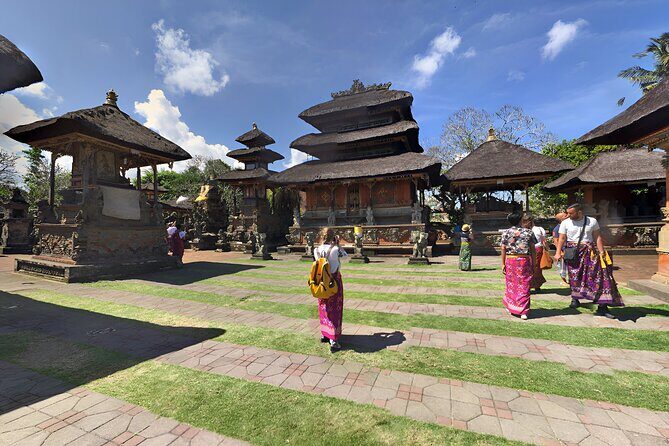
Have fun 1 day in Nusa Penida: snorkeling, kelingking & broken beach incl lunch

Have fun 1 day in Nusa Penida: snorkeling, kelingking & broken beach incl lunch - Broken Beach and Coral Beach: two cliff moods, one morning window

Kelingking first, snorkeling later, in one day.

This is a tight, well-paced Nusa Penida day that strings together the island’s top cliff views at Kelingking Beach and Broken Beach, with a snorkeling session built in. It’s designed for people who want the postcard moments without the hassle of planning boats, tickets, and timing.

Two things I’d happily sign up for: the door-to-door pickup from a bunch of South Bali bases, and how much is bundled so you’re not juggling extras all day. You’ll also get snorkeling support with gear included and the required admissions handled for you.

One consideration: this depends on schedule and conditions. The day runs on a fast boat and shared timing, so if you’re sensitive to boats or crowds, you’ll want to plan carefully (and bring swim and sun essentials).

Key takeaways before you go

Have fun 1 day in Nusa Penida: snorkeling, kelingking & broken beach incl lunch - Key takeaways before you go

  • Small-group cap of 15 helps keep the day from feeling like a cattle call.
  • South Bali hotel pickup + fast boat means less self-planning for you.
  • Kelingking Beach + Broken Beach + Coral Beach hits the island’s biggest “wow” stops in one go.
  • Snorkeling with equipment included cuts down on rental hassle.
  • Lunch stop at Funtasea Restaurant gives you a proper sit-down break.
  • Weather-dependent day means the sea can set the pace, so be flexible.

South Bali to Nusa Penida: the morning rhythm that matters

Have fun 1 day in Nusa Penida: snorkeling, kelingking & broken beach incl lunch - South Bali to Nusa Penida: the morning rhythm that matters
Most people underestimate how much of a day trip is really travel logistics. Here, you start with hotel pickup from areas like Kuta, Legian, Nusa Dua, Benoa, Jimbaran, Sanur, and Seminyak. Pickup time depends on where your hotel is—so don’t plan anything tight right before the morning call.

Then you roll into Mertasari Harbour for boarding and check-in around 8:00. After that, it’s the fast boat crossing to Nusa Penida, arriving roughly 9:30–9:45. The value of this setup is simple: you’re not trying to coordinate separate taxis, tickets, and schedules while you’re already hungry and jet-lagged from your own travel day.

You’ll want to treat the morning like a “staging period.” Wear slip-on shoes, keep your essentials in a day bag, and think about what you’ll need immediately once you’re on the island (sun protection, water, and something you can change into).

Kelingking Beach: the cliff-view payoff (and the reality check)

Kelingking Beach is the reason most people come to Nusa Penida in the first place. You’ll get a block of time in the morning for Kelingking along with other nearby stops, which is helpful because it keeps the route efficient instead of bouncing you back and forth across the island.

What you’ll like here is the sheer shape of it: a dramatic promontory holding a curved strip of sand far below. Even if you’ve seen the photos, seeing it in person hits different, because you can read the scale and the sheer drop with your own eyes.

What to consider: Kelingking is a viewpoint-focused stop. That usually means uneven ground, steep edges near viewpoints, and lots of time spent walking or positioning for photos. Bring grippy footwear. If you’re traveling with mobility limitations, it’s worth thinking through whether you’ll be comfortable with the terrain around the viewing areas.

A small practical tip: go early in the day if the sun hits hard where you’re standing. Morning light tends to give you better contrast on the cliffs and the sand arc.

Broken Beach and Coral Beach: two cliff moods, one morning window

Have fun 1 day in Nusa Penida: snorkeling, kelingking & broken beach incl lunch - Broken Beach and Coral Beach: two cliff moods, one morning window
After Kelingking, the route continues to Broken Beach and Coral Beach. Broken Beach is famous for its ring-like cliff formation and the sense of a natural cut-out framing the ocean. It’s the kind of place that looks almost staged, except the “set” is the tide and the rock.

The best part of squeezing both Broken Beach and Coral Beach into the same morning is timing. You don’t have to spend hours relocating. You also get to compare the coastlines back-to-back—one stop gives you that iconic circular frame feeling, and the other expands the sense of how sculpted this island coast really is.

The downside of a busy schedule: you may feel “photo-rushed” if you’re the type who wants to linger for perfect light, or if you’re traveling with someone who needs extra time at viewpoints. This is still a day trip, so the pace is purposeful.

I’d go in with a mindset of short, satisfying checks: one walk to find your angle, a couple photos, then back on schedule. That approach keeps the day fun instead of stressful.

Lunch at Funtasea Restaurant: fuel before snorkeling

Have fun 1 day in Nusa Penida: snorkeling, kelingking & broken beach incl lunch - Lunch at Funtasea Restaurant: fuel before snorkeling
Between the cliff stops and the water time, you’ll take lunch around 12:00–13:00 at Funtasea Restaurant. The tour description also frames it as an alfresco-style break, which is exactly what you want on a hot island day—sit down, cool off a bit, and let your brain stop tracking timetables for a minute.

Now the one confusing point to confirm when you book: the details provided here include a lunch stop, but the “included” section also notes lunch is not included. So in practice, you should expect to eat during the lunch window, but you may need to pay for the meal depending on your exact booking option.

Either way, treat lunch as part of your strategy for snorkeling. Don’t go too heavy or too spicy. A comfortable meal helps you keep your energy steady when you’re changing locations and getting into the water later.

Snorkeling time (gear included): what the afternoon really feels like

You’ll head into snorkeling (or an alternative) around 13:10–14:45, and the gear is included along with all equipment. That’s a big deal because snorkeling days can get messy when people show up without proper gear or when rentals add extra steps.

This is the afternoon block where you’ll likely feel the most “island reality.” You’ll be in the sun, you’ll be moving around more than you expect, and your comfort depends on small things: how you manage sun exposure, whether you rinse off, and whether you pack things you can use again later.

Here’s what I’d do to make snorkeling smoother:

  • Wear a rash-guard or swim top if you have one (sunburn is the true souvenir you don’t want).
  • Bring a small towel or at least a way to dry off for the ride.
  • Use reef-safe sunscreen if you have it; if not, just plan to moisturize after, because sun + salt can be rough.

Also, remember you’re on a schedule. Even though snorkeling time is included, don’t expect a long free-form day underwater. The goal is a satisfying session that fits into the overall tour flow.

The coffee break and the return boat: how to stay comfortable

Around 14:45–15:00, you get an afternoon coffee or tea break. That’s not just a nice-to-have; it’s a practical reset. You’ll likely be tired from sun and walking by then, and a warm drink (or just a chance to sit) can make the return feel less like a grind.

Departure from Nusa Penida is about 15:00–15:30, with arrival back at Mertasari Harbour around 16:00–16:30. Then it’s back to your hotel, with drop-off typically between 17:00 and 18:00.

Two practical notes. First: pack light but plan for the full day. Second: if you get motion sickness on boats, consider taking something before you board. The day includes a fast boat return, and shared boats can feel lively when everyone is trying to hold their balance and their phone at the same time.

Price and value: what $87 buys you (and what to double-check)

At $87 per person, this is a structured day that includes a lot of the “hidden costs” that blow up budgeting on islands. You get hotel pickup and drop-off, a private air-conditioned car, fast boat return transfer, admission tickets, and insurance. You also get snorkeling equipment and the activities tied to the main beach stops.

The real value here is not just the sites—it’s the coordination. You’re not buying separate tickets, trying to find transport on the fly, and wondering whether you’ve missed the boat time. For many people staying in South Bali, that convenience is the whole point.

What to double-check before you go:

  • Lunch payment: the day includes a lunch stop at Funtasea, but the “included” details shown here say lunch is not included. Confirm what’s covered in your exact price.
  • Weather dependence: since the experience requires good weather, have a plan for schedule changes if the sea is rough.

If you’re the type who hates paperwork and last-minute searching, this price can feel fair for what it bundles.

Who this tour suits best (and who should rethink it)

This tour is a good match if you:

  • Want a one-day Nusa Penida highlights route without solo planning.
  • Prefer pickup from South Bali instead of arranging transport to the harbor.
  • Like the idea of combining major cliff viewpoints with snorkeling in the same day.
  • Appreciate a group that’s capped at 15, which usually means more room to move and less chaos at stops.

It may be less ideal if you:

  • Are very sensitive to boat travel or hate the feeling of a shared fast boat.
  • Need a super slow pace with lots of downtime between viewpoints.
  • Assume lunch is automatically included without confirming your booking option.

Also, note that the day runs long enough that “early start” isn’t optional. If you don’t do well with mornings, you’ll feel it by late afternoon.

Should you book this 1-day Kelingking + Broken Beach + snorkeling?

Based on what’s built into the day—hotel pickup from major South Bali areas, fast boat return, capped group size, included admissions, and snorkeling gear—this is a solid choice for first-timers who want the big-name Nusa Penida sights and a water stop without extra hassle.

I’d book if you:

  • Want structure and included gear.
  • Are comfortable with a packed schedule and viewpoint walking.
  • Check your lunch inclusion at booking and come prepared for sun and sea.

I’d skip or choose a different style if you:

  • Have strong seasickness concerns and want private boat space.
  • Want lots of unstructured time at each location.
  • Don’t want weather-linked schedule changes.

One last thing: it’s rated 4.3/5 across 17 ratings, and the tour is commonly booked about 26 days in advance. If you want a spot during a busy window, don’t wait for the last minute—especially with weather-dependent island timing.

FAQ

What’s the pickup area for this Nusa Penida day trip?

Hotel pickup is offered from Kuta, Legian, Nusa Dua, Benoa, Jimbaran, Sanur, and Seminyak.

What time do you check in at Mertasari Harbour?

Boarding time at Mertasari Harbour is listed as 8:00 for check-in.

How long is the whole tour day?

The duration is about 9 hours, with hotel drop-off typically between 17:00 and 18:00.

Which beaches are included?

You’ll visit Kelingking Beach, Broken Beach, and Coral Beach.

Is snorkeling included, and do you get equipment?

Yes. Snorkeling is included, with snorkeling gear and all equipment provided.

Where is lunch during the day?

Lunch is at Funtasea Restaurant, in the 12:00–13:00 window. Confirm whether your specific booking includes lunch since the included details here list lunch as not included.

Is the group size small?

Yes. The tour caps the group at a maximum of 15 travelers.

Do you get round-trip transfers?

Yes. You’ll get hotel pickup and drop-off, plus a fast boat return transfer.

Does weather affect the trip?

Yes. The experience requires good weather. If it’s canceled due to poor weather, you’ll be offered a different date or a full refund.
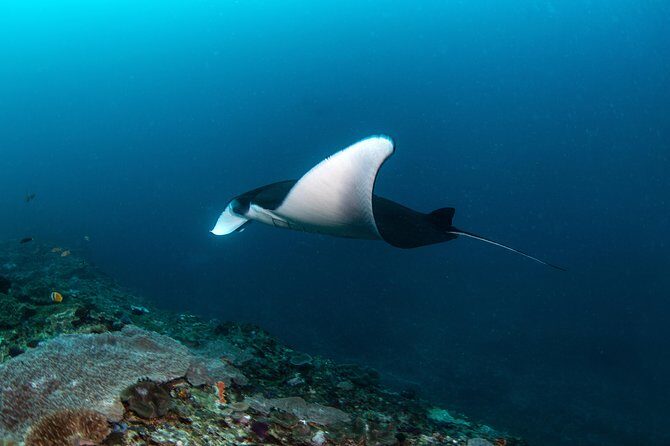
Is cancellation free?

Free cancellation is available. You can cancel up to 24 hours in advance for a full refund.