This day has drone fuel and temple time. The included drone service turns your Bali stops into aerial photos and edited video highlights, and the private car keeps you off the bus-rush track. One catch: you’re stacking a lot of sights into 8–10 hours, and entrance fees aren’t included.
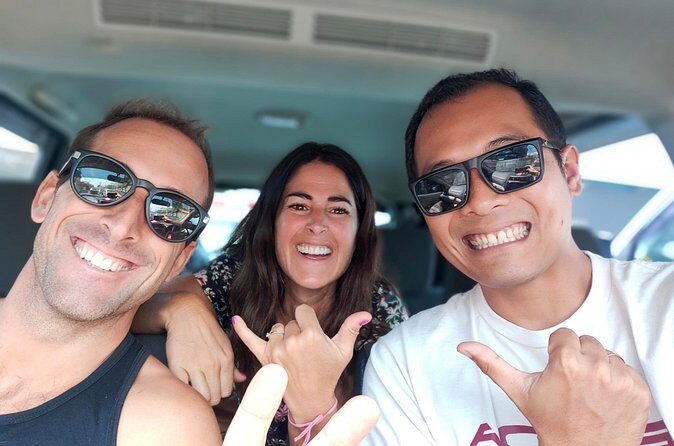
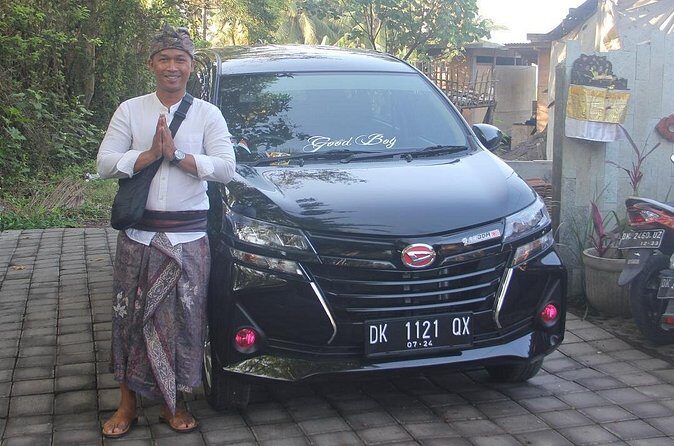
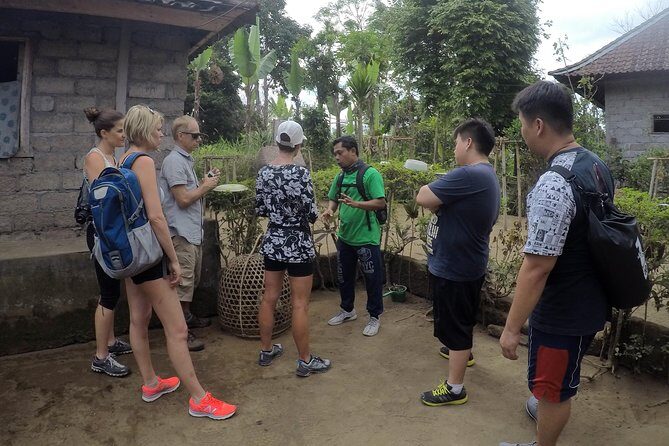
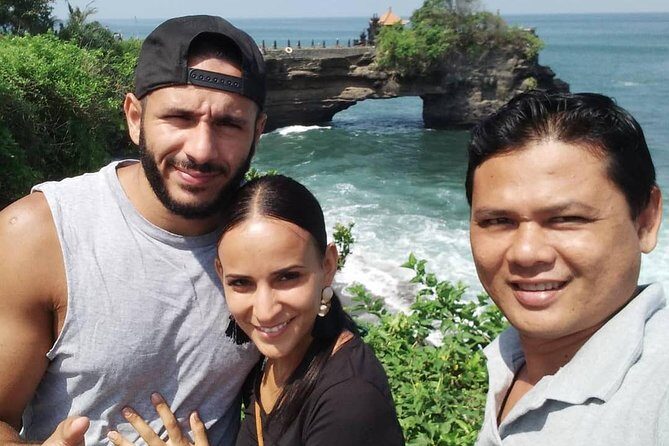
I really like that this tour is genuinely customizable with a private English-speaking driver/guide (Agus Adi comes up again and again). In the reviews, Agus is praised for being on time, walking you through what to do, and adjusting the plan when your energy—or weather—changes.
Here’s the tradeoff: it’s a full-day “see a lot” route. If you want long, slow wandering at one place, you may find the short stop times feel rushed.
Key things that make this Bali private tour worth it
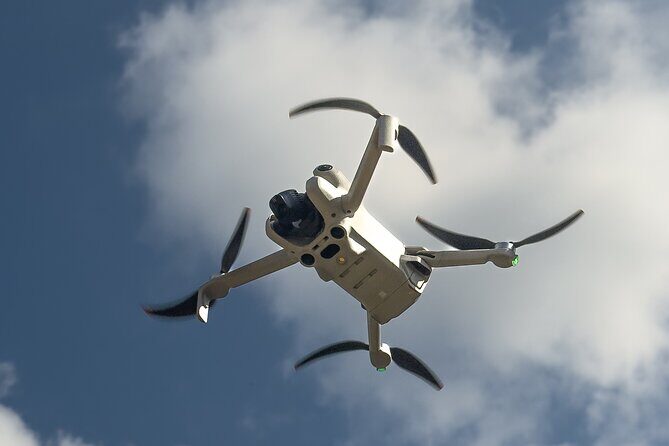
- Professional drone service with edited highlights so you don’t just get random clips, you get a usable story of the day
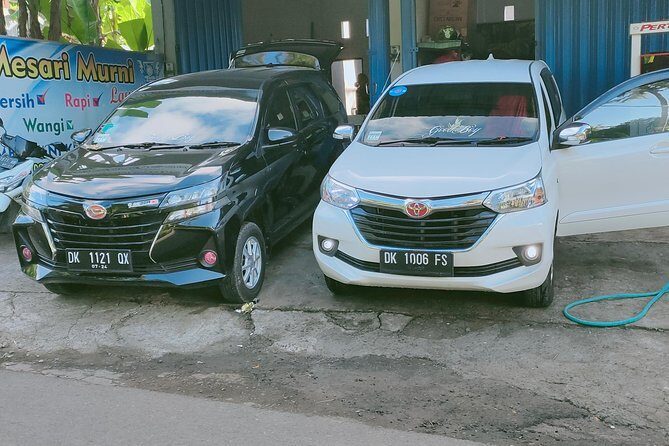
- Private air-conditioned transport with a driver who manages the flow of stops
- A flexible itinerary tailored to your interests and pace, not a fixed script
- Big sights in a short format (most stops are about 30 minutes, with one longer highlight)
- Clear value math at $33 per person when you count the car + driver time + drone service together
- Entrance fees are separate for temples and attractions, so budget a bit extra
A full day in Bali from Nusa Dua: how this route actually works
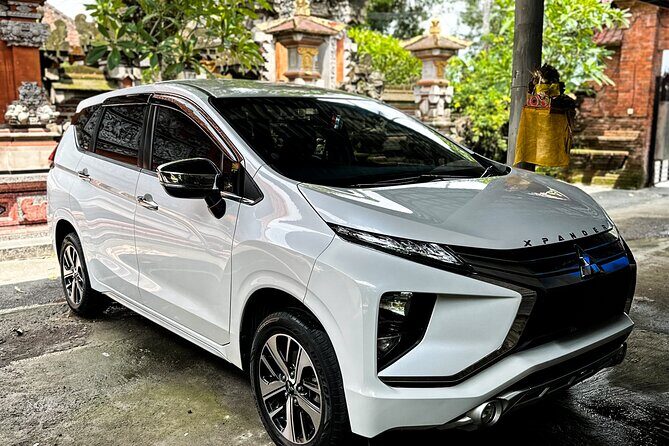
This tour is built for people who want a lot of Bali in one go—Ubud culture, volcano views, rice terraces, cliff temples, and then down to the coast. You get your own private vehicle (air-conditioned) and a driver/guide who can shift the order a bit based on what you care about most.
Most stops are timed around 30 minutes, so you’re not stuck for hours at one place. That’s ideal for first-time visitors who want highlights, and also for photographers who know you need quick windows for the best angles.
The biggest thing to understand is pacing. With an 8–10 hour day and many stops, your “free time” is mostly the time between sights. If that sounds fun—great. If you prefer to go deep and slow, you might want fewer stops on a custom day.
The drone service: aerial photos and edited video highlights included
The headline feature is the professional drone service, with drone photos and drone video of your journey. The tour includes edited highlights (not just raw files), which matters because editing is where most of the work usually sits.
What that means for you: you’ll still experience Bali the normal way—walking viewpoints, temple moments, waterfall views. But you’ll also get the aerial version that makes those scenes feel cinematic later on. It’s the kind of souvenir you can share with friends without turning your camera roll into a chore.
Practical note: the drone part adds small “photo pause” moments through the day. So wear something comfortable for quick stops and be ready to step into position when your guide cues you.
Ubud morning essentials: Sacred Monkey Forest, Ubud Palace, Tirta Empul
Your day kicks off in Ubud, which is the center of Bali’s leafy, spiritual, and photo-friendly side.
Sacred Monkey Forest Sanctuary
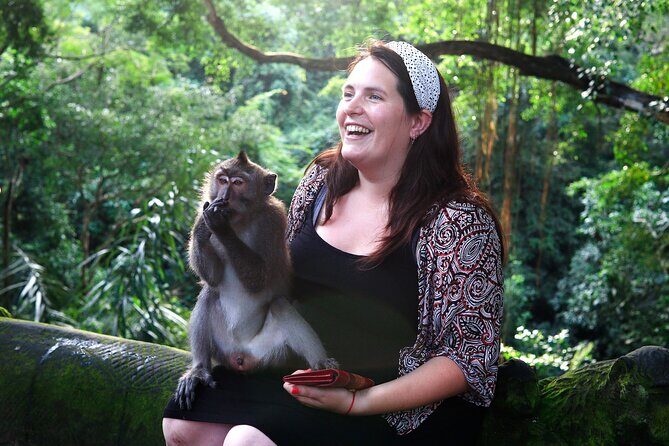
This is a jungle reserve with over 1,200 long-tailed macaques. You’re going to see monkeys up close in a green, temple-adjacent setting. Admission isn’t included, so plan to pay that extra cost when you arrive.
The main consideration here is keeping your stuff secure. In a place like this, you don’t want your phone or bag swinging around where a curious monkey can grab it.
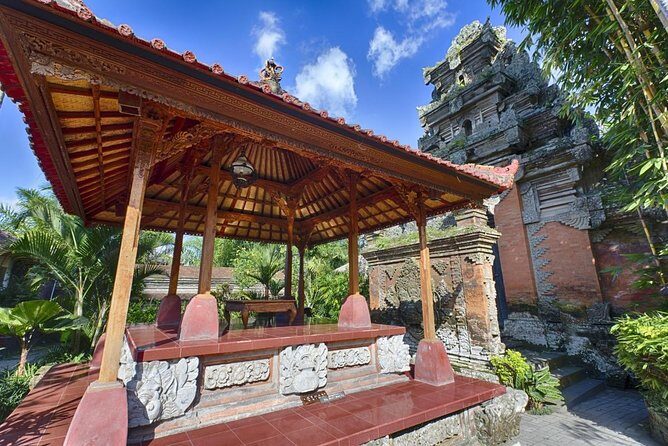
Ubud Palace (Puri Saren Agung)
Ubud Palace is a historical royal residence dating to the early 19th century. Even with a short visit time, you get a sense of how the area’s power and traditions have shaped what you see today. Entrance isn’t included.
This stop works well if you enjoy cultural context rather than just scenery. It’s also a good “reset” from the chaos of jungle photography.
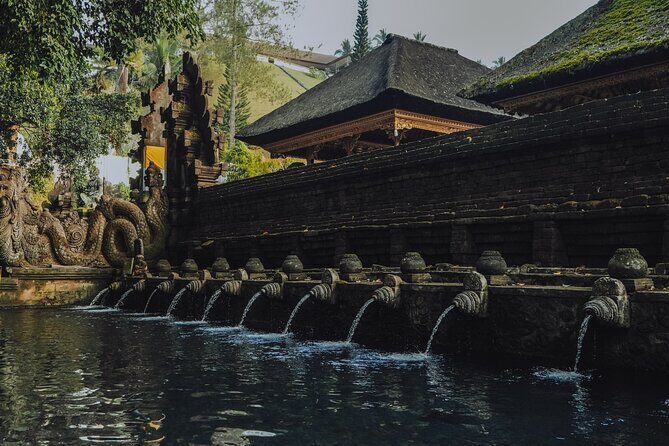
Tirta Empul Temple
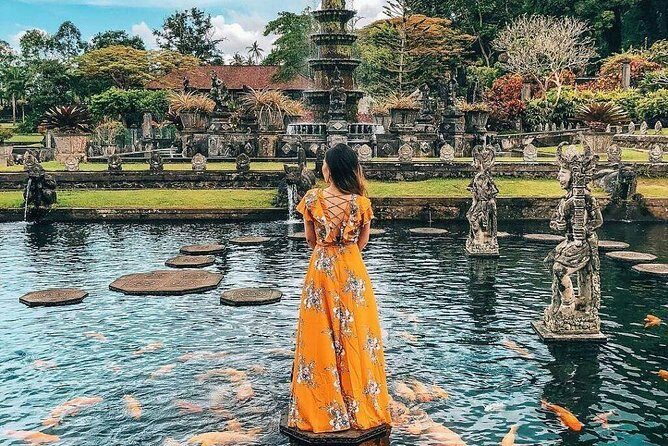
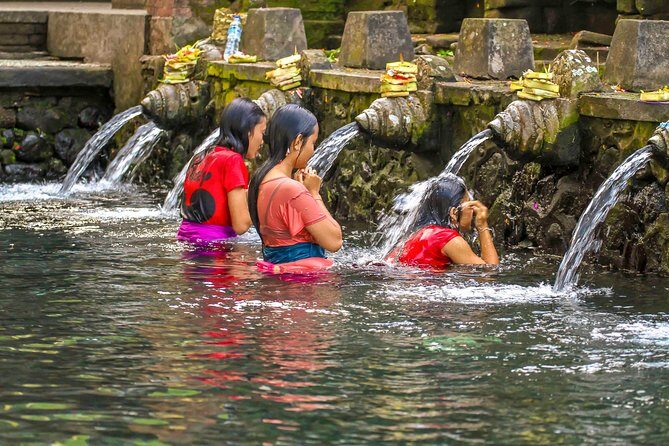
Tirta Empul is a sacred Hindu water temple near Ubud, founded in 962 AD. The holy spring water is the core draw, and it’s associated with purification rituals.
This is a respectful stop. You’ll want to follow basic temple etiquette and dress appropriately. It also pays to bring patience for the slightly slower pace of a spiritual site.
Aloha Ubud Swing and Kintamani: when photos meet volcano views
After temples and jungle, the day shifts into “wow” terrain—views, height, and photo set-ups.
Aloha Ubud Swing
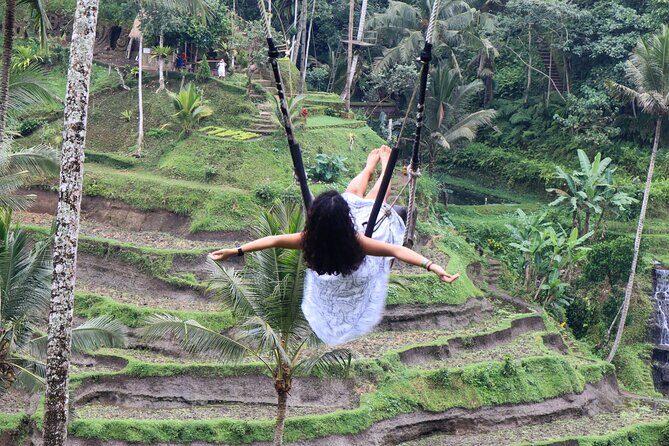
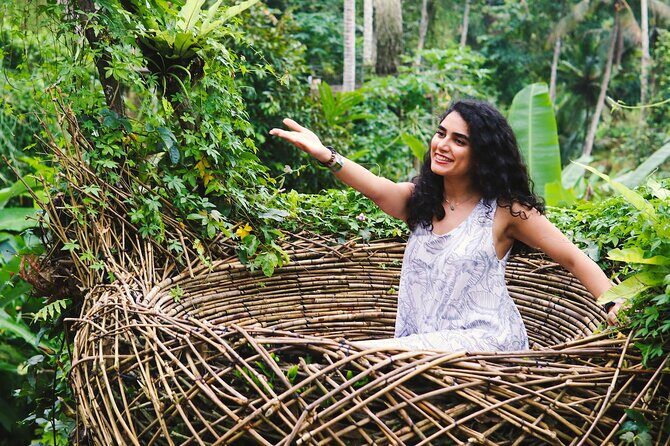
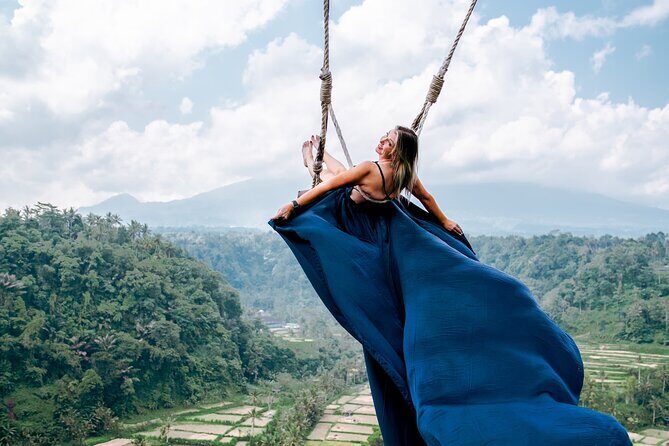
Aloha Ubud Swing is a popular swing experience near rice fields and tropical valleys. The ticket isn’t included, so treat this as an add-on if you want the classic swing photo.
Why it’s worth it: it gives you a different angle than temple courtyards and jungle paths. The drawback is simple—you’ll spend some time waiting for your turn, so don’t plan on sprinting to other stops right after.
Kintamani Highland
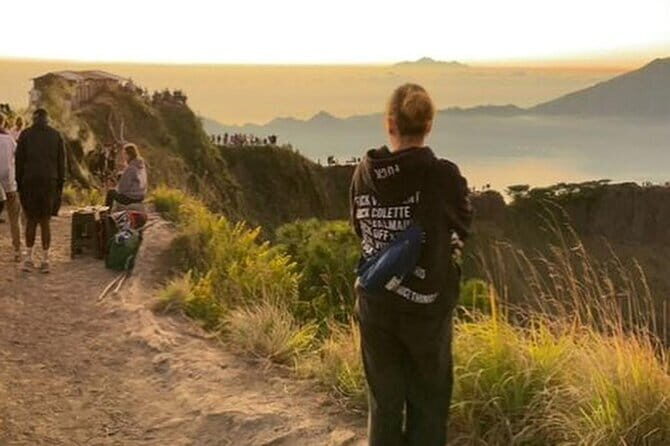
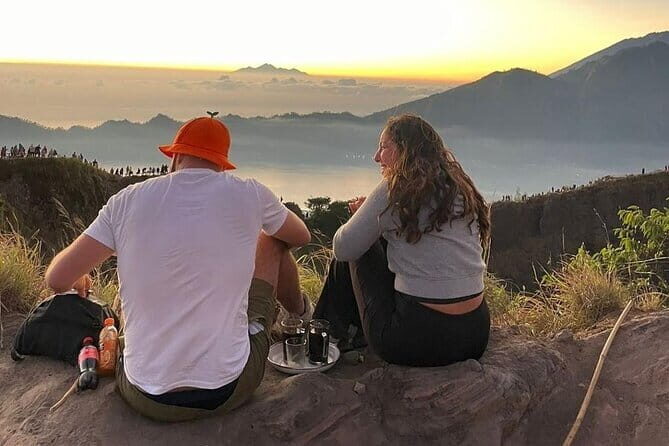
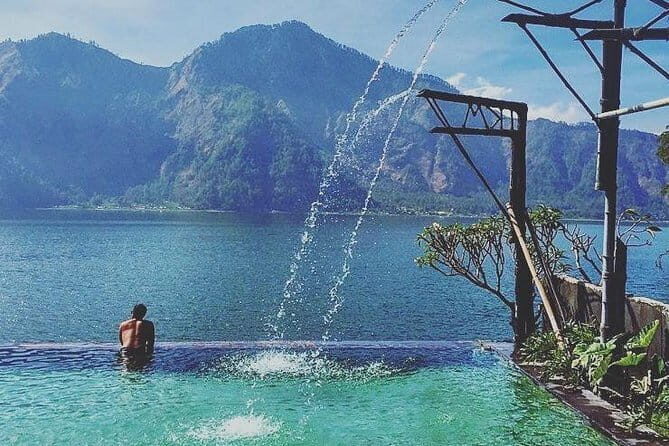
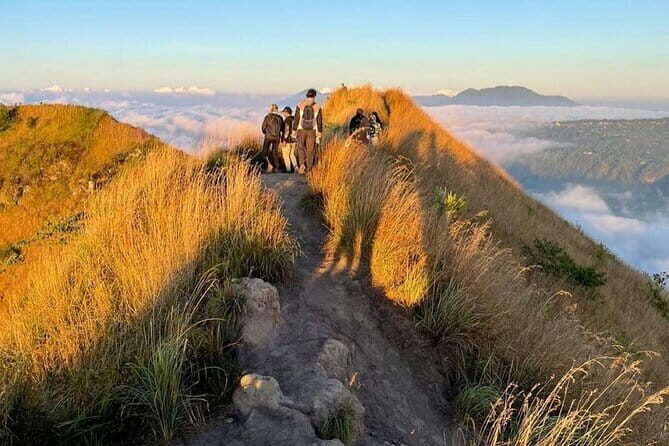
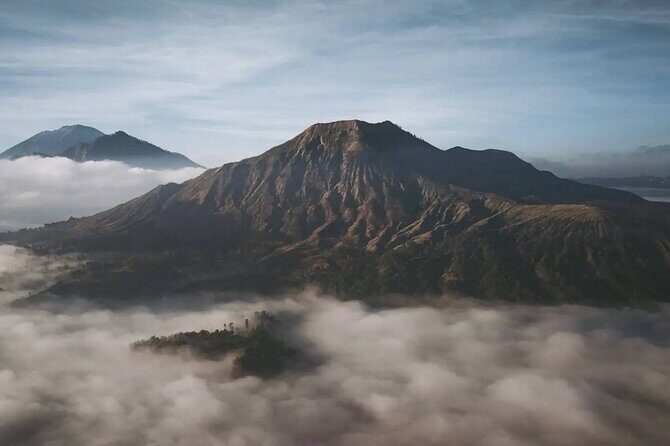
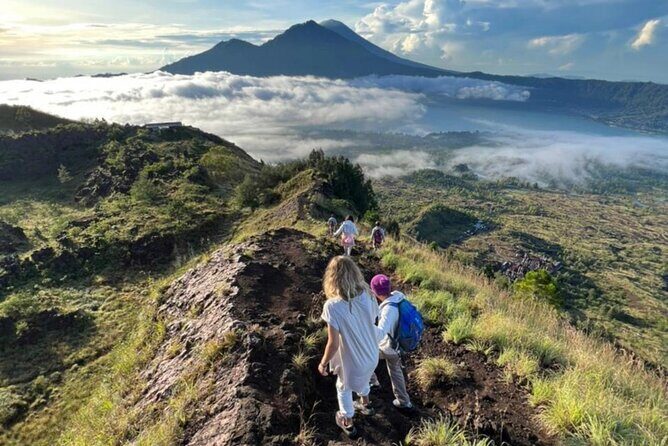
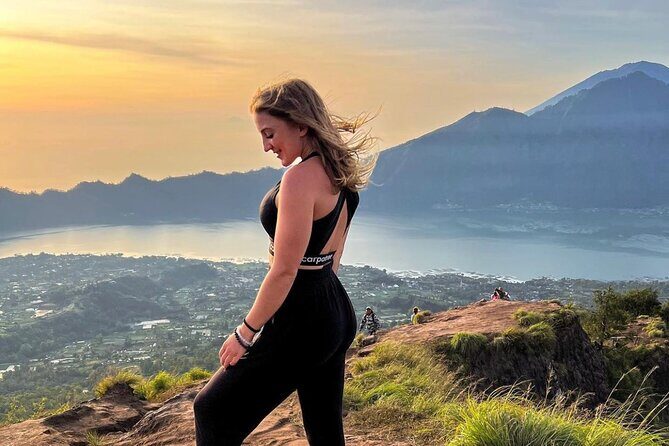
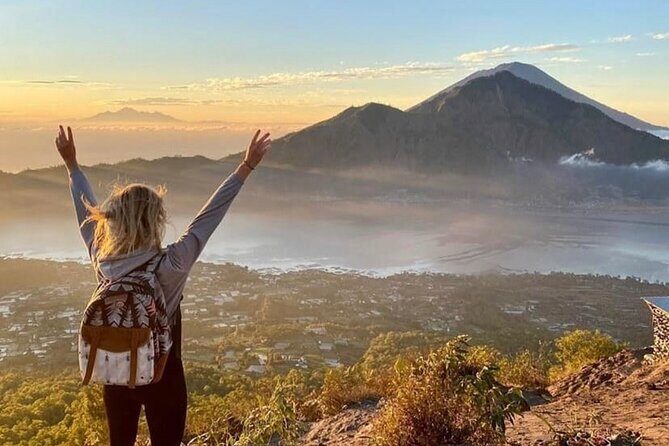
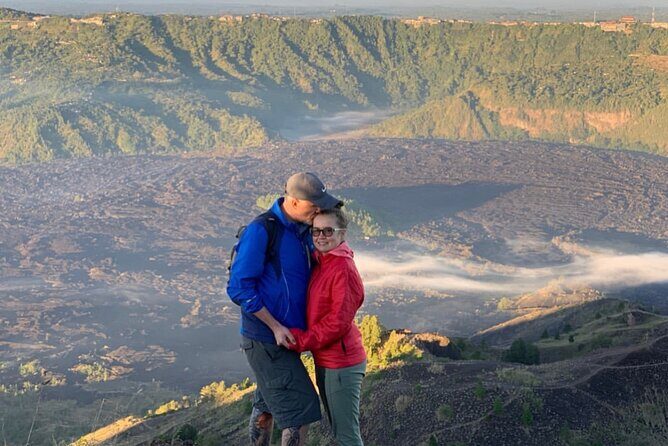
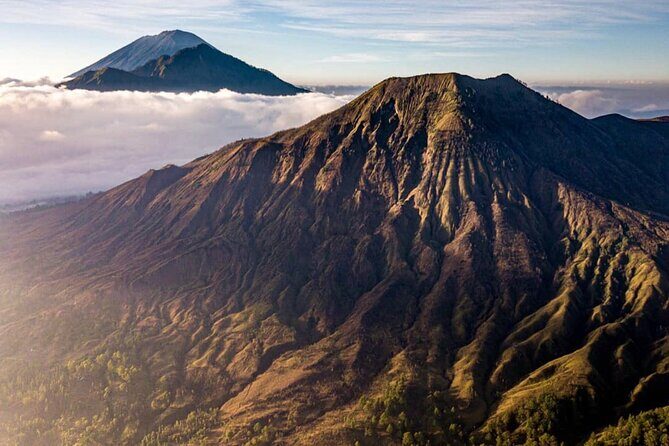
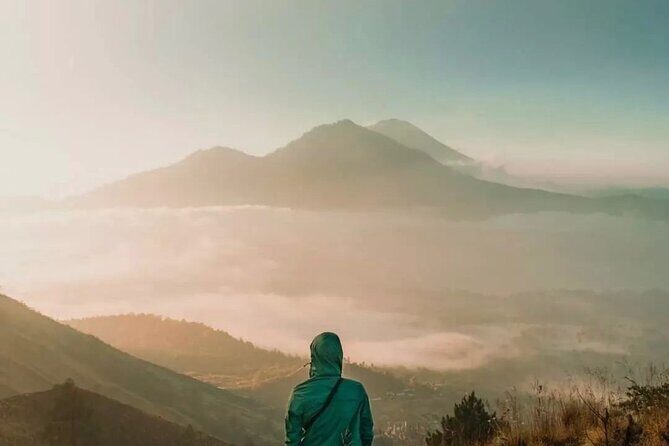
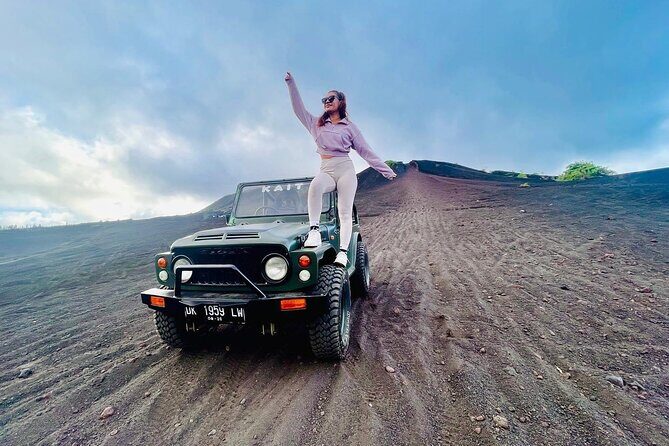
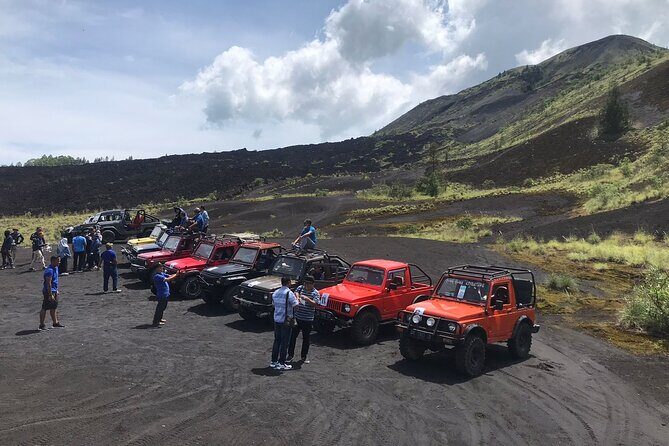
Then you head to Kintamani Highland, famous for views of Mount Batur (an active volcano) and Lake Batur below. You’ll be up around 1,500 meters above sea level, so you might feel cooler than in coastal Bali.
This stop is strong if you like dramatic scenery without hiking. It’s also where your drone footage can really pop—big sky, big geography, big contrast.
Penglipuran Village and Tegenungan Waterfall: village order and quick nature
This part of the day has a nice rhythm: a calm village, then a quick hit of water and jungle.
Penglipuran Village
Penglipuran is a traditional Balinese village in the highlands of Bangli, known for cleanliness and an orderly layout. It’s famous for uniform architecture and tidy lanes, which makes it great for walking photos.
This stop is usually short, so you’ll want to keep it simple: stroll, look for photo angles, and don’t over-plan your “museum pace.” Entrance isn’t included, so check your budget.
Tegenungan Waterfall
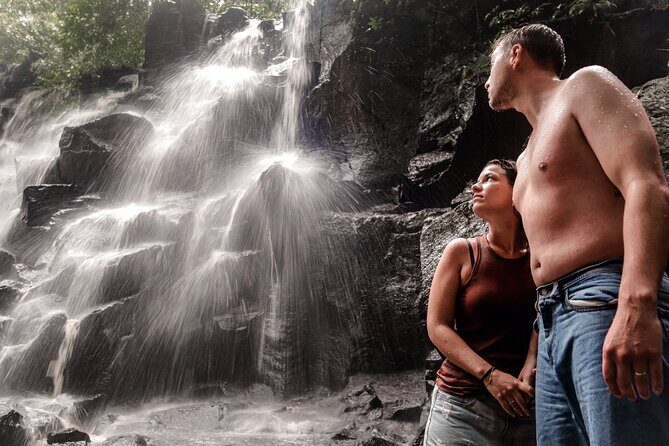
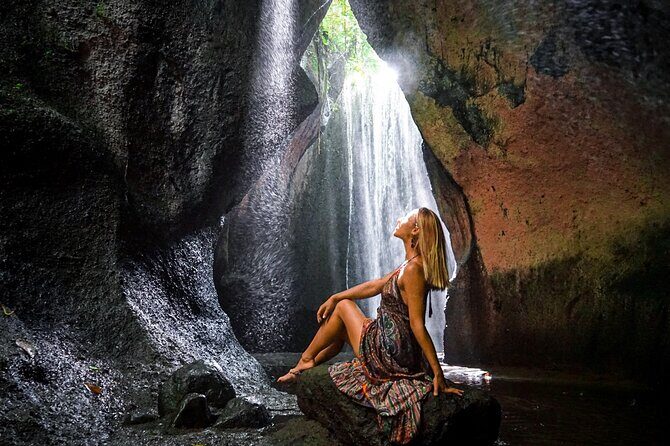
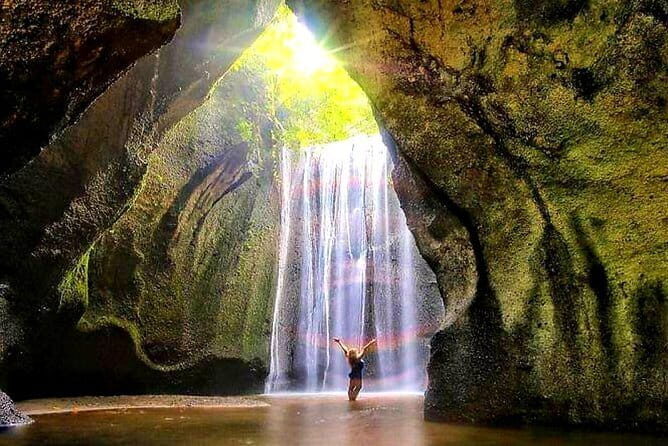
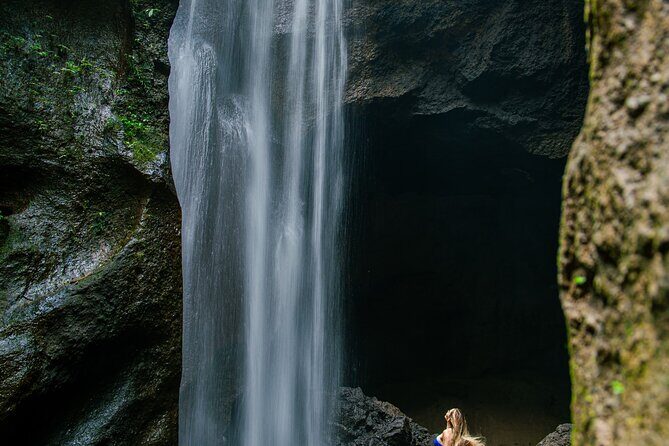
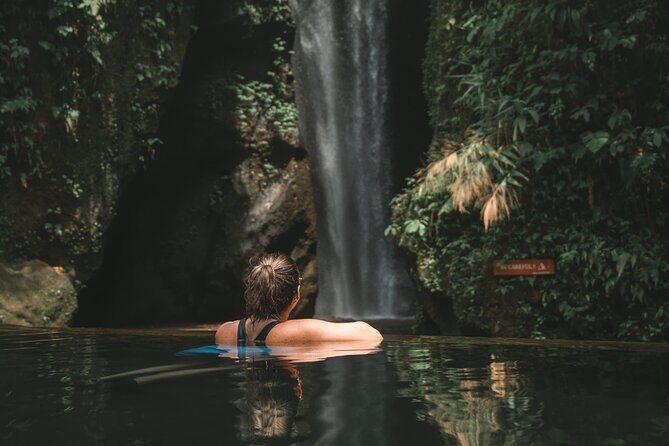
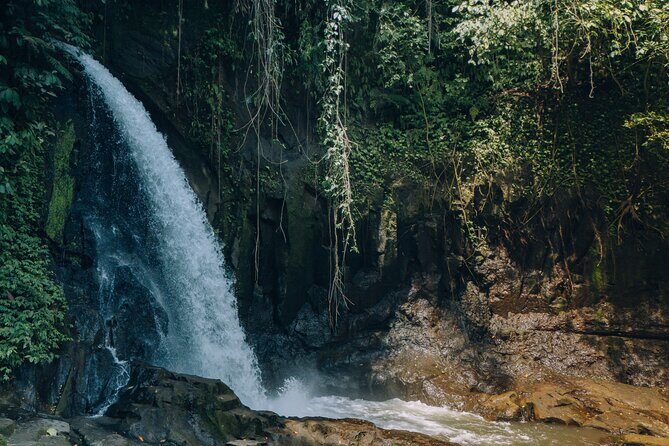
Tegenungan Waterfall is near Kemenuh and is known as one of the more easily accessible waterfalls in the area. It’s surrounded by lush greenery, and it’s a good stop when you want a natural payoff without a day-long trek.
The consideration here is wet ground and crowds at peak times (waterfalls can attract people). Either way, it’s still a classic Bali moment, and it’s one of the best places to bring your best light-focused patience.
Uluwatu Temple on a 70-meter cliff: sea views in a single stop
Uluwatu Temple (Pura Luhur Uluwatu) sits on a 70-meter-high cliff overlooking the Indian Ocean. It’s dedicated to the sea gods and is one of Bali’s most iconic temple viewpoints.
You’re not visiting a flat, easy temple. You’re visiting a cliff-top. That means your time is best spent looking out over the ocean and capturing both the temple and the coastline from angles your camera can’t easily recreate later.
Entrance isn’t included here, so factor that in. The cliff setting also means wind can be a factor—bring a light layer if you get chilly easily.
Tegalalang Rice Terraces and Taman Ayun: two classic Bali photo types
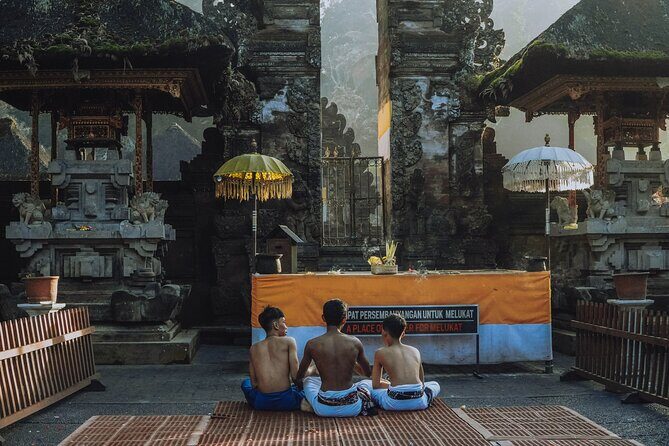
This is where Bali’s beauty shifts from sea drama to agriculture and royal temple gardens.
Tegalalang Rice Terrace
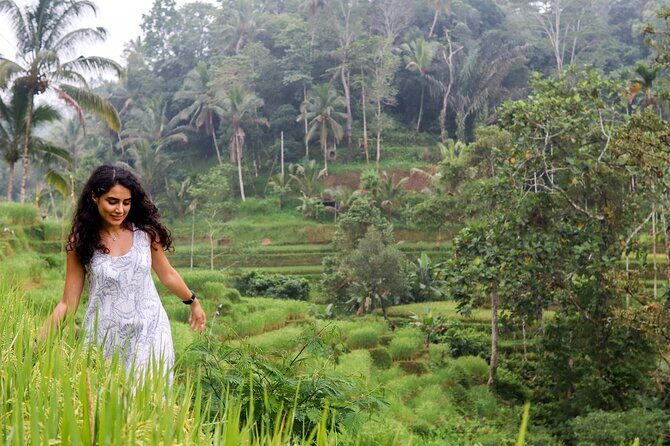
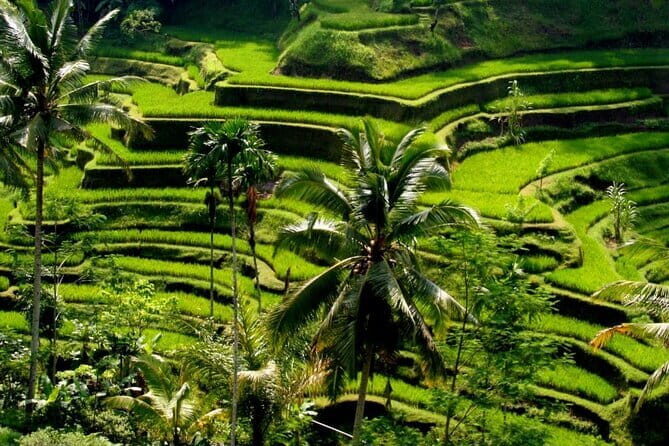
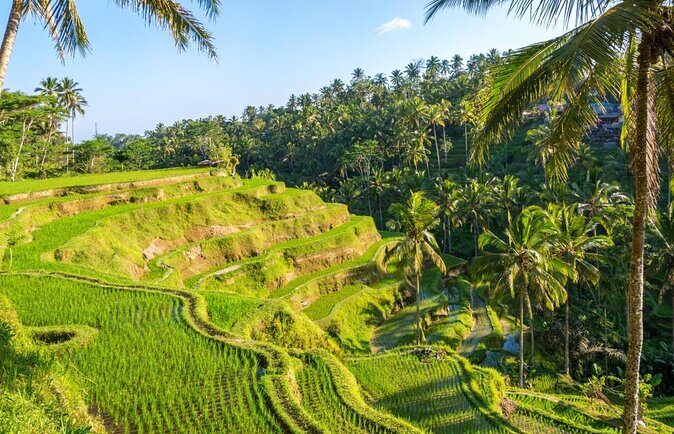
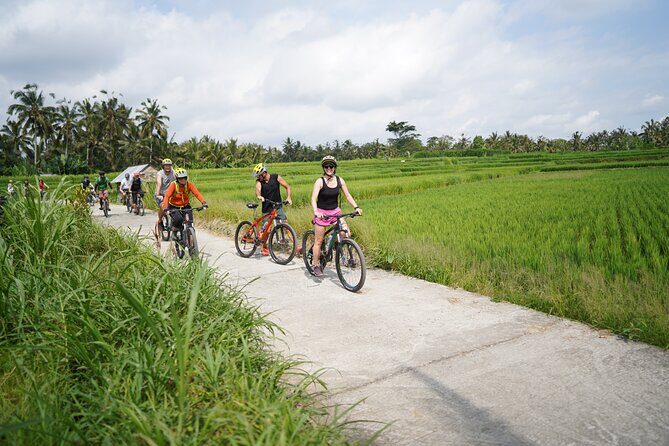
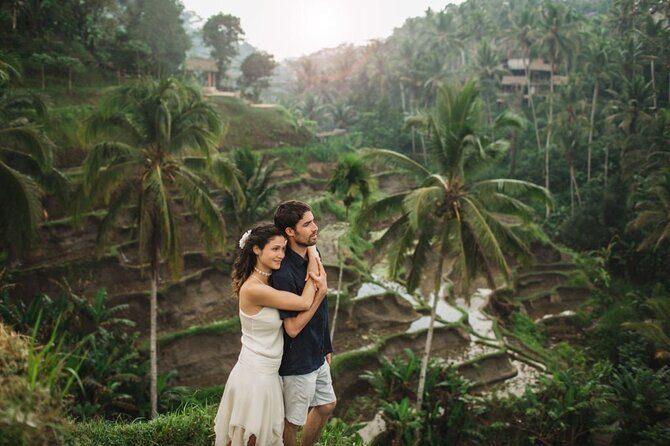
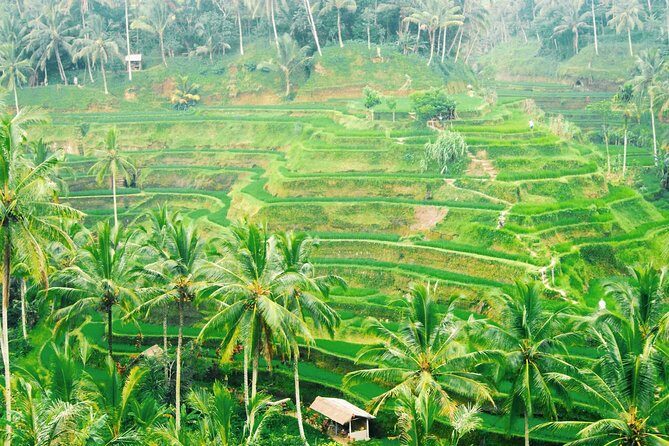
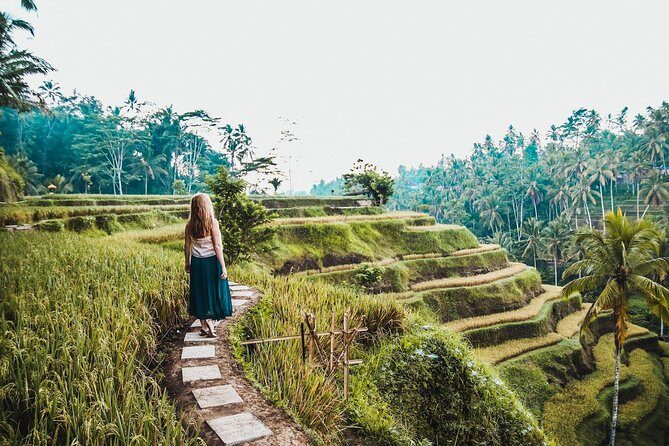
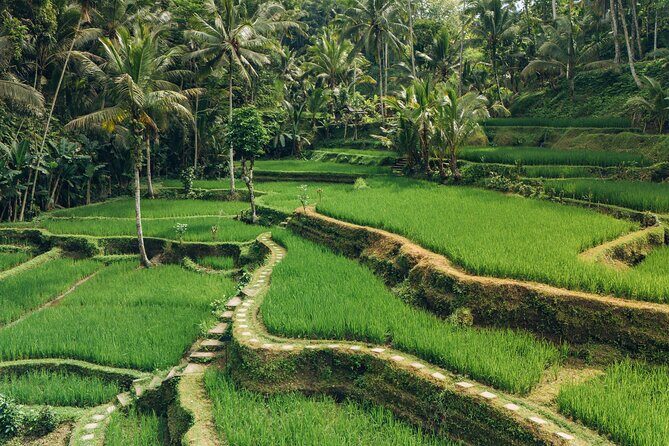
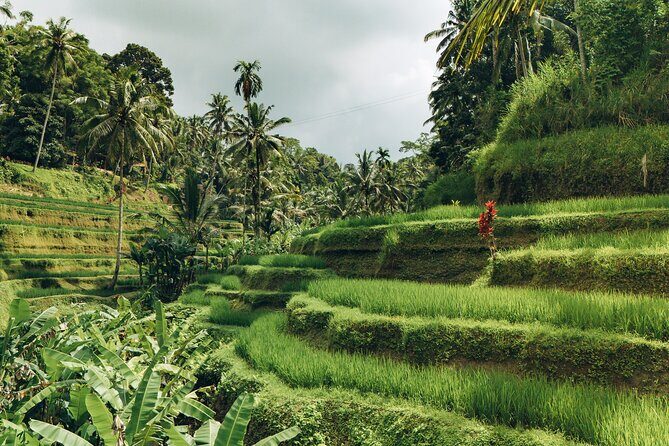
Tegalalang Rice Terrace is the iconic emerald-green terraced paddies north of Ubud. The view is what you came for, and the terraces also look great in drone shots because you get the geometry from above.
Because your stop time is short, treat it like a photo session as much as a walk. Have a rough plan for where you want your viewpoints, and be ready to move when your guide suggests the next angle.
Taman Ayun Temple
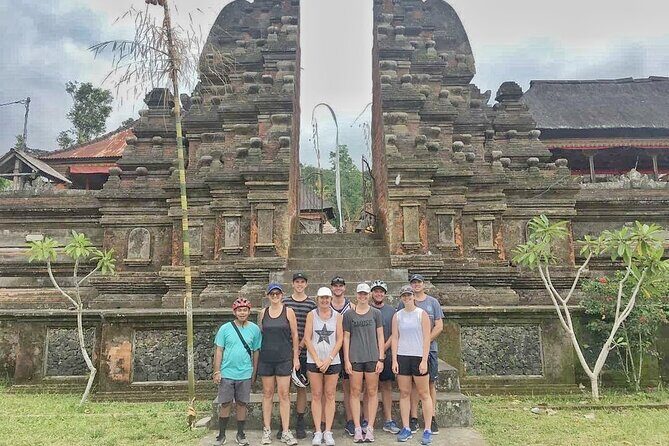
Taman Ayun is a royal temple from the 17th century, surrounded by a moat and lush gardens. The name means Beautiful Garden, and that’s a fair description once you’re inside the grounds.
This stop is a nice contrast to the rice terraces—more structured, calmer, and more about architecture. Entrance isn’t included, so it’s another budget line.
Jatiluwih UNESCO and Ulun Danu Beratan: big views and a water-goddess temple
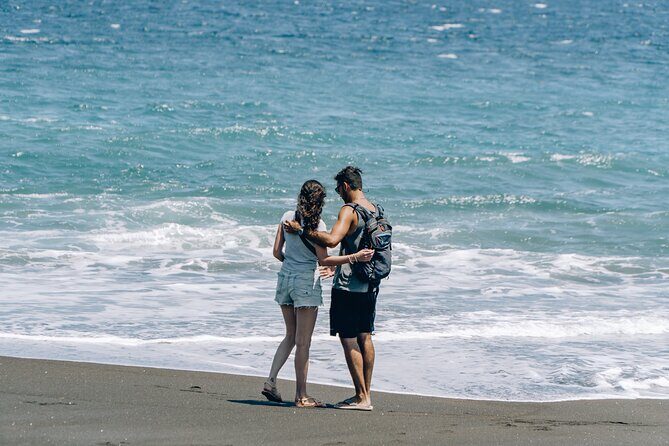
Now you get two “Bali famous” stops that feel like they belong on postcards.
Jatiluwih Green Land (UNESCO)
Jatiluwih is a UNESCO World Heritage site known for rice terraces shaped by the traditional subak irrigation system. The area spans more than 600 hectares, so your one-hour stop helps—you can actually walk to viewpoints instead of just snapping and leaving.
This is one of the best places on the route to slow down for a moment. Even with limited time, it feels less like a quick stop and more like a real look at how the island works.
Ulun Danu Beratan Temple
Ulun Danu Beratan sits on the shores of Lake Beratan and is dedicated to Dewi Danu, the goddess of water. Built in the 17th century, it’s one of the prettiest temple settings because the lake becomes part of the scene.
Entrance isn’t included. For photo timing, you’ll want to keep an eye on changing light around the lake—your guide can help you position when it looks best.
Handara Gate and Jimbaran Bay: iconic photos, then seafood on the sand
This stretch mixes famous landmarks with the best kind of reward: food.
Handara Iconic Gate
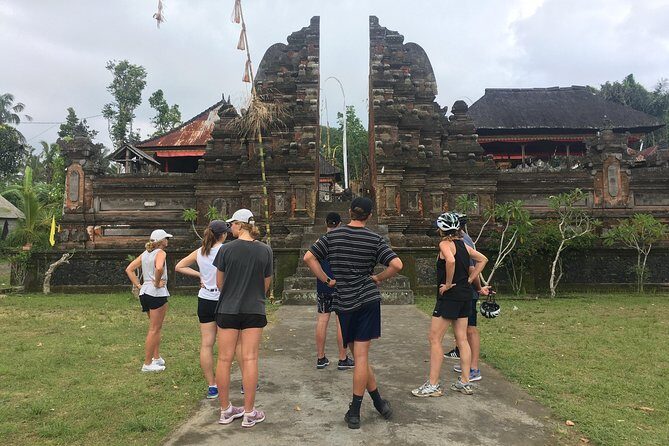
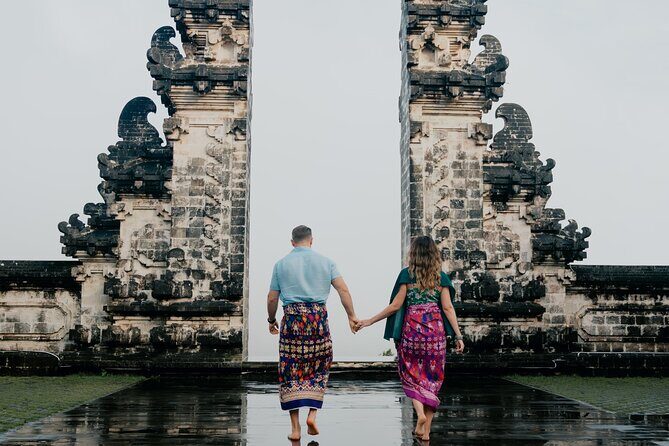
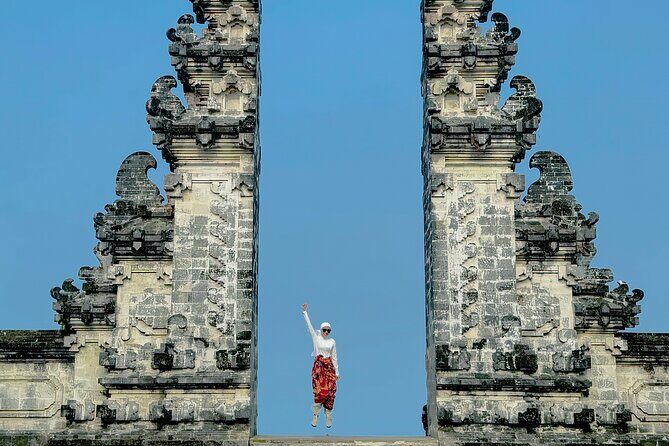
Handara Gate is known for its split traditional gate (candi bentar). It’s located in the mountainous Bedugul region and serves as an entrance landmark to the Handara Golf & Resort.
This is mostly a photography stop. It can be quick, but it’s one of the clearest “Bali landmark” moments on the route, especially for drone and wide-angle shots.
Jimbaran Bay Seafood (JBS)
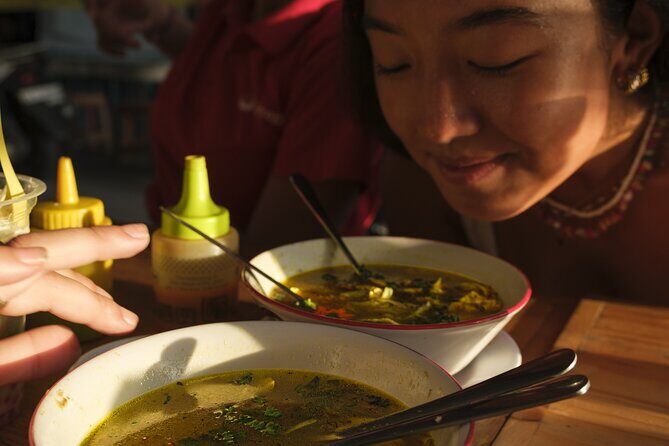
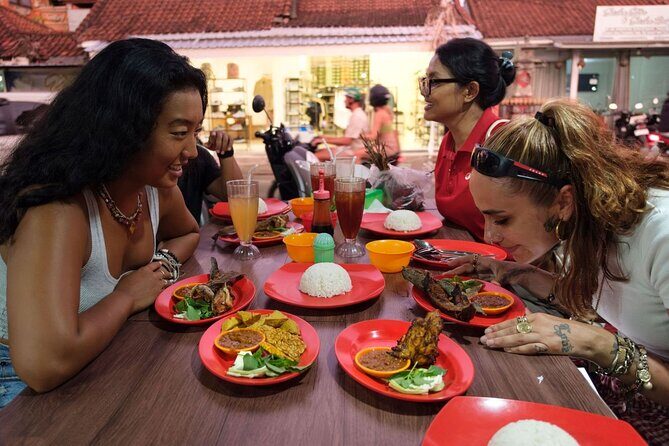
Jimbaran Bay is famous for beachfront seafood dining, with fresh grilled seafood served right on the sand and ocean views nearby. Meals aren’t included, so you’ll pay for your dinner.
This is a smart way to end the day: you go from temples and terraces to a relaxed coast moment. Even if you’re not a seafood super-fan, the location and the setting make it worth considering.
Batuan Temple, Goa Gajah, and Sukawati: history plus shopping that won’t drain you
After the coast, the route turns back toward culture and small local stops.
Pura Puseh Desa Batuan
Puseh Batuan Temple is a historic Hindu temple in the traditional village of Batuan. It dates back to the 11th century and is part of the Tri Kahyangan temples.
This is a good “deep breath” after the more crowded-feeling photo stops. Entrance isn’t included, but the payoff is a calmer look at temple life.
Goa Gajah (Elephant Cave Temple)
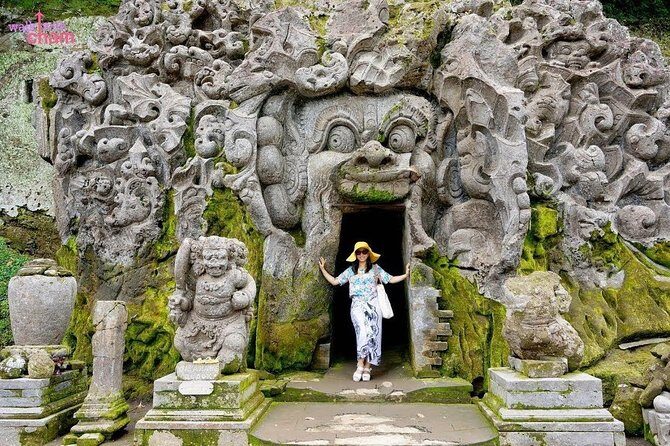
Goa Gajah, also known as the Elephant Cave Temple, is a historical sanctuary near Ubud dating back to the 11th century. It’s described as a meditation sanctuary, which changes the mood from typical sightseeing.
Entrance isn’t included. This stop suits you if you like slower, more reflective moments. It also makes a strong drone contrast: cave temple and stone textures vs open terraces.
Sukawati Art Market
Sukawati Art Market is known for a wide variety of affordable Balinese art. This is one of the better places on the route to pick up small souvenirs without spending your whole afternoon hunting.
You have a short window, so go in with a target: what you want (postcards, small art pieces, gifts) and a rough budget.
Satria Agrowisata: coffee cultivation learning, and a chance to exhale
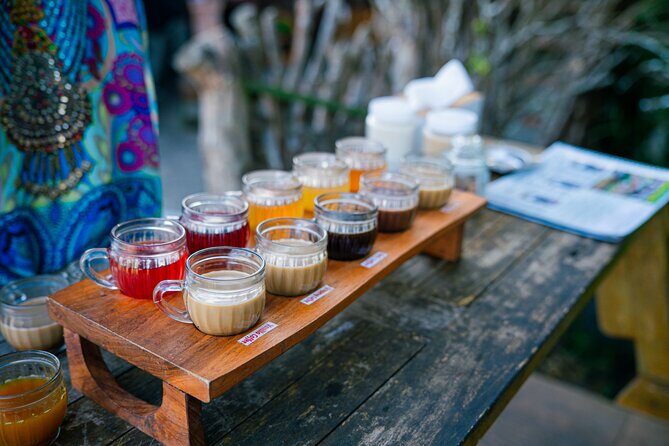
Your final stop is Satria Agrowisata in Tampaksiring, an agro-tourism destination focused on coffee cultivation, processing, and roasting. It includes the famous kopi luwak story across the coffee journey stages.
Admission for this stop is listed as free. That makes it a nice final add-on—something educational that doesn’t feel like another paid ticket trap.
You’ll likely spend the time learning, looking around, and maybe deciding if any tastings or products are worth it for you. Either way, it’s a lighter ending than temples and cliff views.
Budget and value: is $33 per person a smart deal?
At $33 per person, the value comes from stacking three things that normally cost extra in Bali: private air-conditioned transport, a driver/guide, and drone service with edited highlights. For a full-day route with many stops, that pricing can feel fair—especially if you’re more interested in getting the whole day organized than building your own itinerary.
What’s not included matters. Entrance fees for most stops aren’t included, meals aren’t included, and bottled water isn’t included. Goods and service tax is also not included, so you might see a small extra cost depending on how totals are shown to you.
Quick practical tip: plan on paying for tickets and dinner on your own. The tour is the framework; your spending fills in the on-site parts.
Who this tour is best for (and who should skip it)
This works best for you if:
- you want a private car with an English-speaking guide
- you care about drone footage with edited highlights
- you like seeing a lot of Bali icons in one day without stressful navigation
It may not be the best fit if:
- you hate tight schedules and prefer long time buffers
- you want one place at a time with minimal driving
- you’re trying to keep every cost strictly inside the base price (since entrance fees and meals are separate)
If you’re a couple on a honeymoon or a solo traveler who wants one person to handle the plan, this kind of day route tends to feel especially efficient. Agus Adi’s style—on time, flexible, and helpful step-by-step—is a big part of why the tour gets strong praise.
Should you book this Bali Private Car Full Day tour with drone service?
Yes, if you want a fast, well-organized sampler of Bali with a big upgrade: professional drone footage with edited highlights. The private transport and customizable pacing make it easier to enjoy the sights instead of worrying about logistics.
Think twice only if you want a slow, relaxed day with fewer stops. This is a “do the highlights” itinerary, and it’s busiest around the places you’ll want photos most.
If you’re ready to trade a bit of free time for a lot of memorable scenery—and you value having aerial content you can actually use—this is a strong pick.
FAQ
What is included in the Bali private full-day tour?
It includes an air-conditioned vehicle, private transportation, a private English-speaking driver/guide, gasoline and parking fees, up to 10 hours of touring, and a drone service. Drone photo and video service with edited highlights is included.
Is the drone service included, and do I receive edited footage?
Yes. The tour includes professional drone photo and video service with edited highlights.
Are entrance fees included for the stops?
No. Admission tickets/entrance fees are not included for the places listed on the itinerary.
Does the tour offer pickup?
Yes, pickup is offered.
How long is the tour?
The tour is scheduled for about 8 to 10 hours.
Are meals or bottled water included?
No. Meals and bottled water are not included.
Can I customize the itinerary?
Yes. The itinerary is flexible and customizable based on your interests and pace.
What is the cancellation policy?
You can cancel for free up to 24 hours in advance for a full refund. If you cancel less than 24 hours before the start time, the amount paid is not refunded.