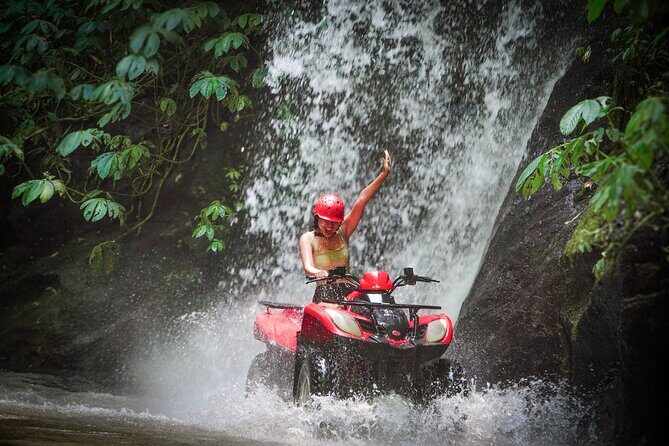
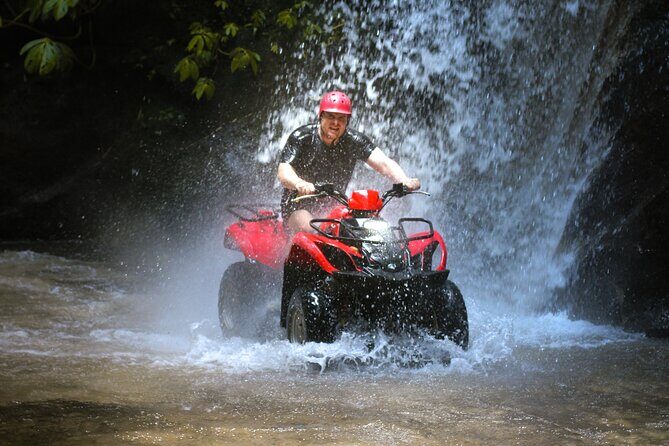
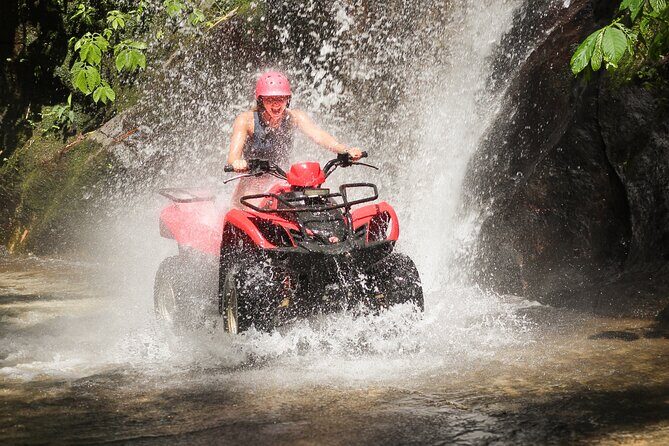
Bali Tirta Empul Tours Experience with Spiritual Cleansing

Bali Tirta Empul Tours Experience with Spiritual Cleansing - Ulu Petanu Waterfall: A Short Jungle Walk With Breather-Mode Time

Purification in Bali is more than a photo stop. This full-day tour links Tirta Empul sacred springs with a waterfall walk and a classic rice-terrace stroll. The rhythm is simple: ceremony first, fresh air second, and then those famous emerald paddies to wrap up the day.

I like the mix of guided spirituality and real-world scenery. You get a local priest at Tirta Empul for the melukat purification ritual, plus an organized flow between stops. One thing to weigh: it’s a 7–8 hour day that runs in a good-weather window, so if rain moves in, outdoor parts like the waterfall may get changed.

Key Highlights You’ll Care About
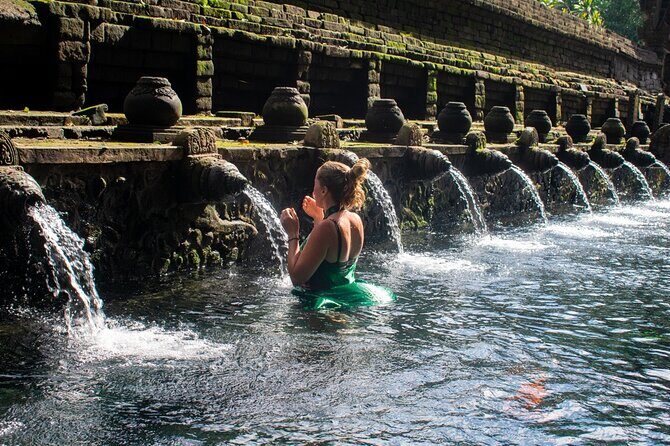
Bali Tirta Empul Tours Experience with Spiritual Cleansing - Key Highlights You’ll Care About

  • Priest-guided melukat at Tirta Empul, including a sarong and entrance
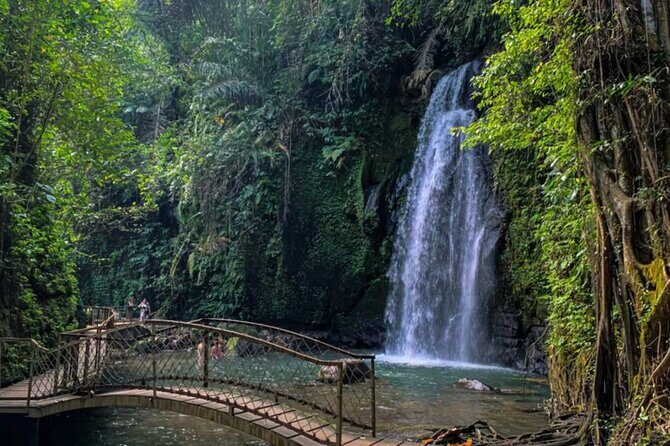
  • Ulu Petanu waterfall with a short jungle walk and time to relax or swim
  • Tegalalang rice terraces plus an explanation of the subak irrigation system
  • Private-group feel with an air-conditioned ride and bottled water included
  • Clear time blocks at each stop (about an hour each) so the day doesn’t drag

Tirta Empul Melukat: The Spiritual Part That Actually Has Structure
Bali Tirta Empul Tours Experience with Spiritual Cleansing - Tirta Empul Melukat: The Spiritual Part That Actually Has Structure
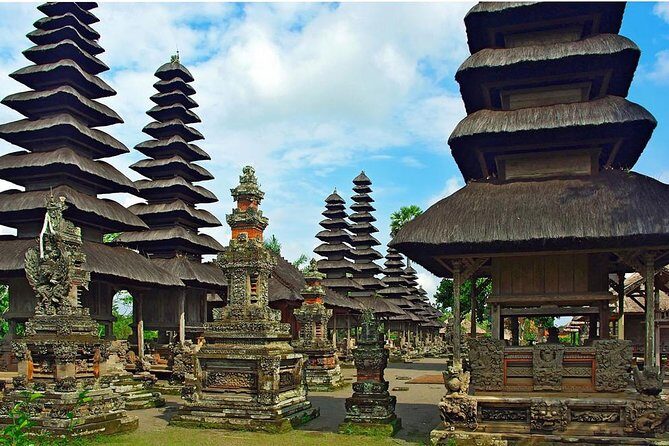
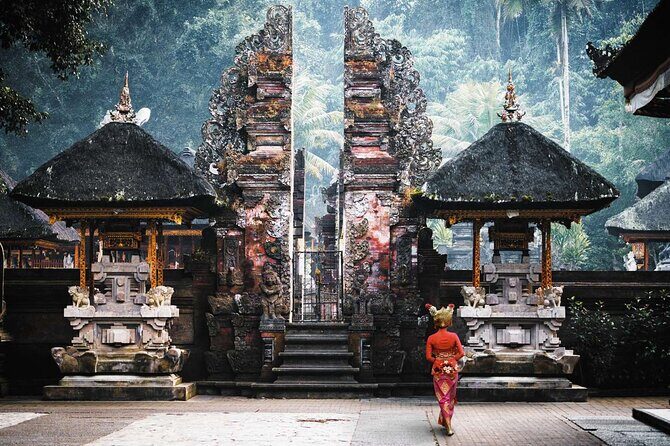
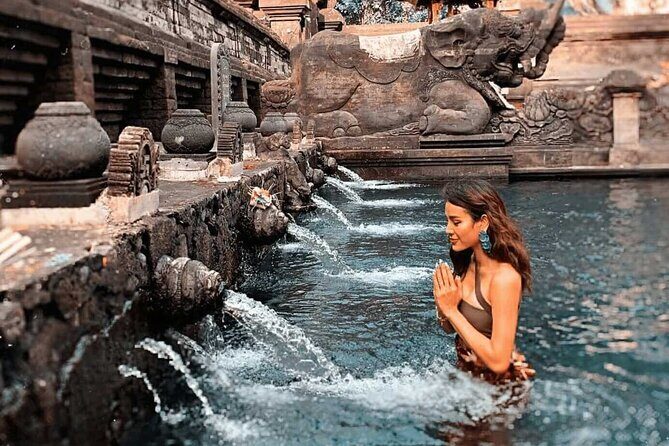
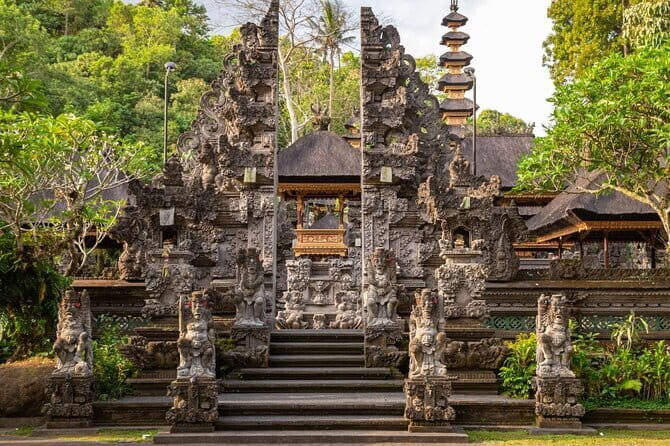
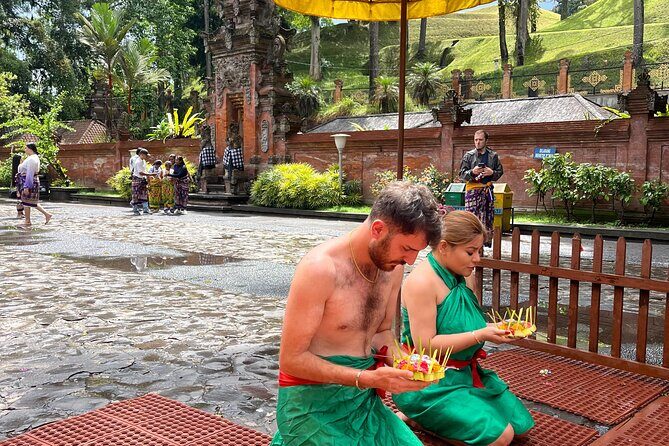
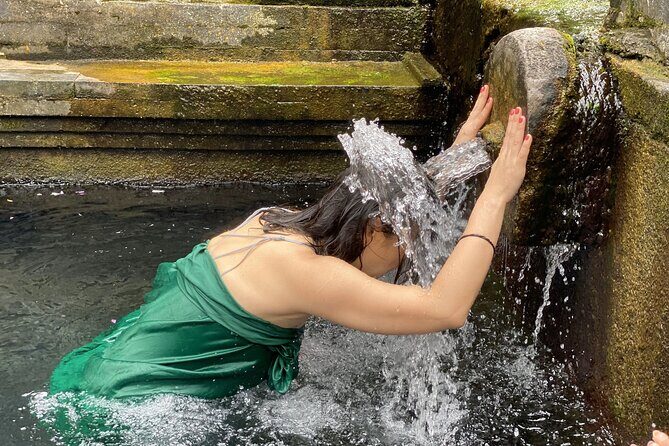
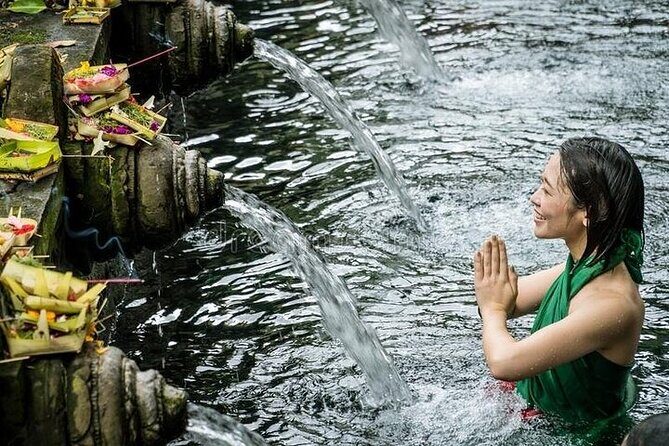
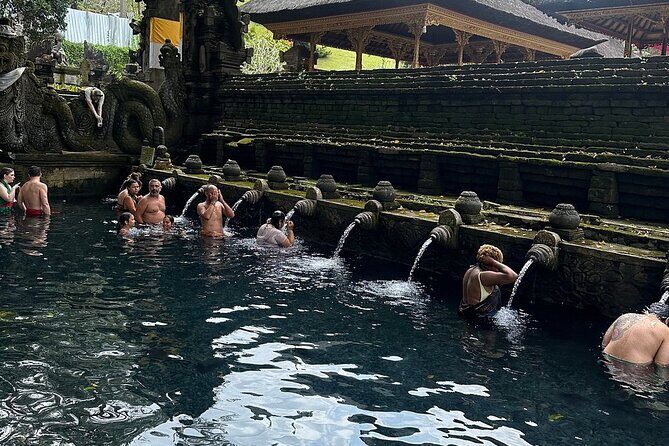
Tirta Empul Temple is the heart of this day, and the experience starts in a respectful, step-by-step way. You’ll join a traditional melukat purification ceremony in the holy springs, guided by a local priest who explains what you’re doing and why. That guidance matters. If you’re unsure of the order or what’s expected, it can feel awkward fast. Here, the tour is built around making the ritual understandable, not just visible.

This is also where the tour’s cultural value shows. A lot of Bali experiences throw you into a ceremony without context. In this case, you get a real explanation for each part of the cleansing process in the holy water. You’re not expected to perform perfectly; you’re guided through the meaning and the flow.

Practical note: the tour includes a Balinese sarong. That helps you show up appropriately without scrambling for one last minute. It’s a small inclusion, but it makes a big difference when you’re trying to keep the day smooth and respectful.

What to expect at Tirta Empul

  • A 1-hour stop focused on the purification ritual
  • Entrance included for Tirta Empul
  • A priest guide to walk you through the steps in the holy springs

Ulu Petanu Waterfall: A Short Jungle Walk With Breather-Mode Time
Bali Tirta Empul Tours Experience with Spiritual Cleansing - Ulu Petanu Waterfall: A Short Jungle Walk With Breather-Mode Time
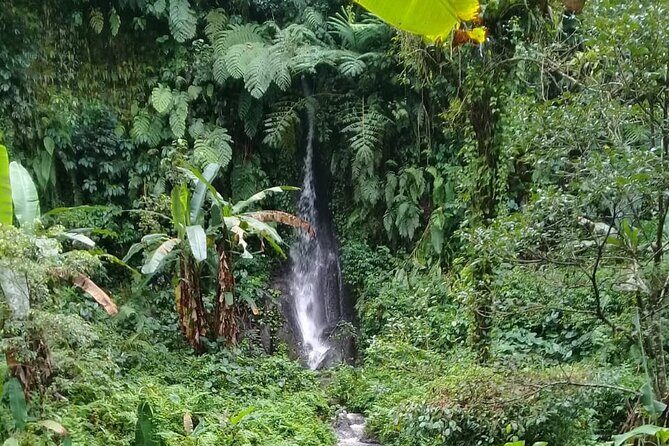
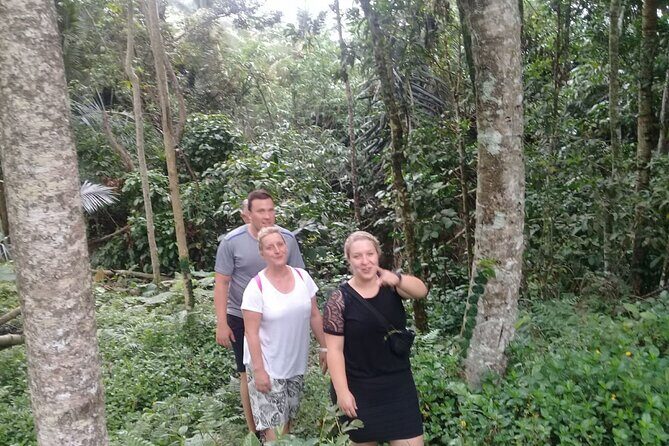
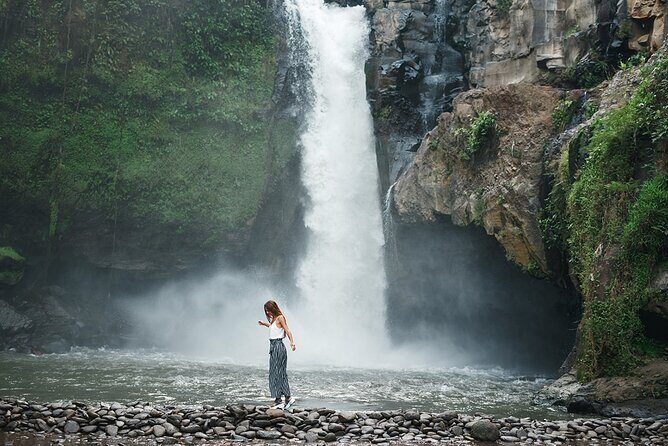
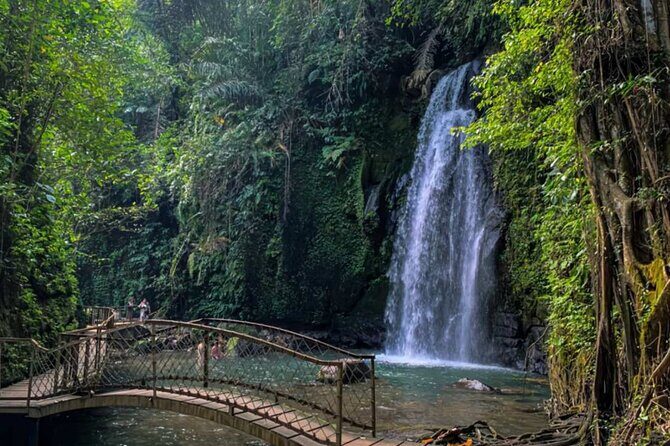
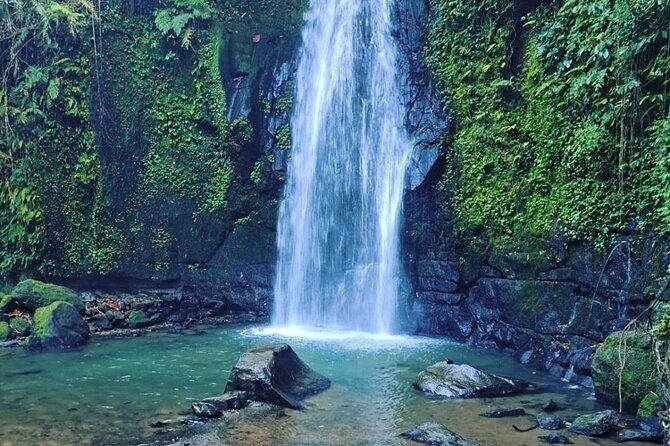
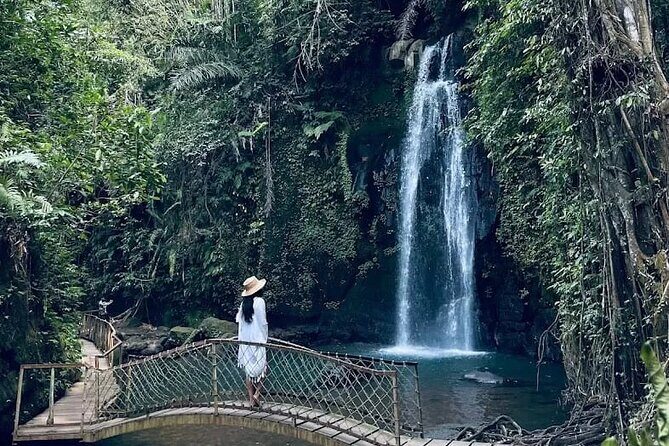
After the ceremony, the tour shifts gears—still meaningful, but more about cooling down and resetting. The next stop is Ulu Petanu Waterfall. You take a short jungle walk to reach the falls, and then you have time to relax on the rocks or swim in the pool beneath the cascades if you want.

This is the kind of stop I appreciate for balance. Tirta Empul can be intense in a quiet way. Ulu Petanu gives you a different pace: water sounds, green surroundings, and the chance to breathe without a schedule full of explanations. Even if you don’t swim, it’s a place to linger because it doesn’t feel like a quick photo-and-go corridor.

The tour keeps this stop to about an hour, which is a smart design choice. Long waterfall stops can turn into logistics headaches—changing clothes, refilling water, and managing energy levels. With a controlled time block, you get the payoff without losing the rest of your day.

The best way to enjoy Ulu Petanu

  • Treat it as your decompression stop after the ritual
  • Plan to spend your hour mostly around the waterfall area, not constant wandering
  • If you swim, give yourself time to dry off and get back comfortable before the next ride segment

Tegalalang Rice Terraces: Subak Lessons That Make the Photos Mean More

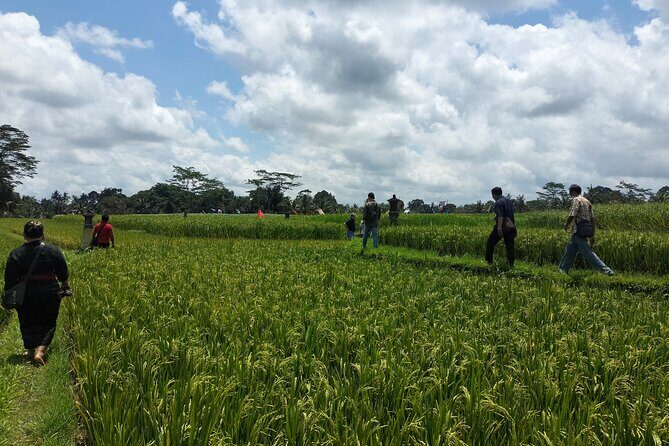
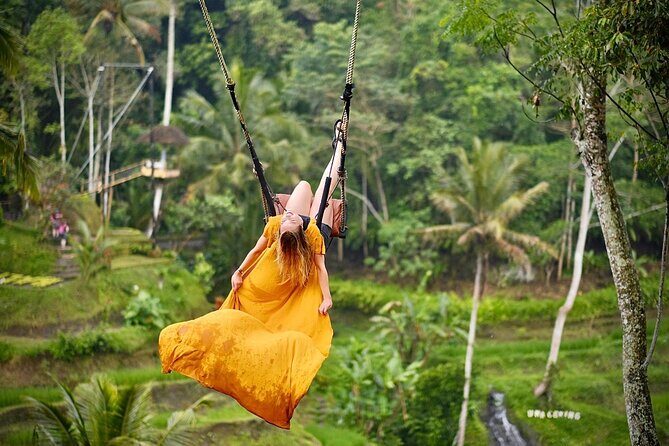
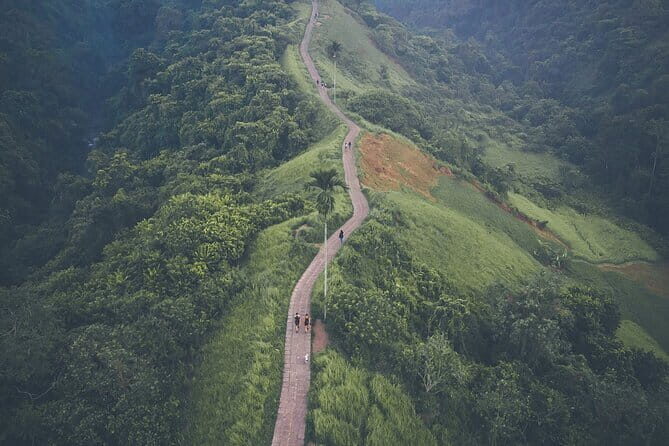
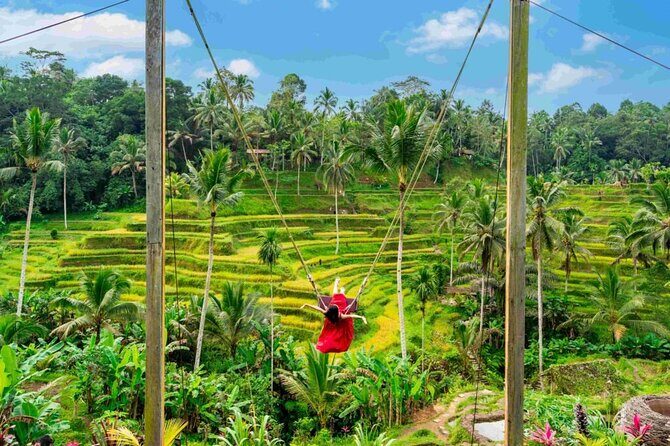
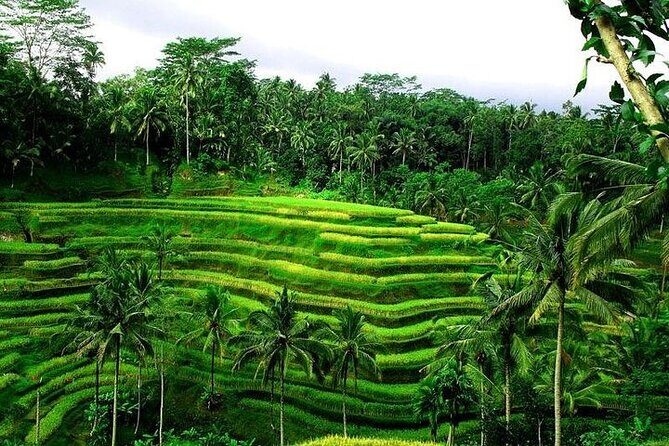
Then you move into the classic Bali scene: Tegalalang Rice Terraces. It’s famous for a reason—the emerald terraces are a feast for the eyes. But the value here isn’t just the view. The tour includes a stroll through the paddies with learning about the subak irrigation system.

Subak is one of those topics that turns a pretty landscape into something you can understand. It’s tied to how farmers coordinate water and manage rice cultivation over time. When you know that the terraced layout isn’t random—it’s functional—you start seeing the terraces as a working system instead of only an Instagram backdrop.

The stop is about an hour, which keeps it efficient. You’ll get time to walk, look, and take photos without feeling like you’re stuck in a one-hour traffic jam around a single viewpoint. Also, this is where the tour’s “organized but not rushed” approach shows up. In the experience notes, the drivers are described as never hurrying people at the stops, which makes a big difference when you want to actually enjoy Tegalalang instead of just passing through.

Photo tip that’s actually useful

For Tegalalang, your best photos come when you pause and look for the direction of the water and the layering of terraces. Spend a few extra minutes there, and your pictures will look less like everyone else’s quick snap.

The Ride, Timing, and Why the Day Feels Easy
Bali Tirta Empul Tours Experience with Spiritual Cleansing - The Ride, Timing, and Why the Day Feels Easy
The tour is built around getting you from place to place without turning the day into a transportation puzzle. You’ll use private transportation in an air-conditioned vehicle, and entrance fees are included at each stop. Bottled water is also part of the package, which you’ll appreciate in Bali’s heat.

You’ll be picked up (the tour offers pickup), and the total day runs about 7 to 8 hours. That’s long enough to feel like a real experience, but not so long that you’re ruined by mid-afternoon. The itinerary is paced with roughly an hour at each major stop, which helps your brain settle into a pattern: ritual, nature break, terrace walk.

One of the most praised parts from the experience feedback is the professionalism and calm pace. Drivers like Gusti and Adi were highlighted for making the day easy—on time, kind, and attentive, and importantly, not rushing people at any stop. That’s not a small detail. In Bali, where driving time can vary, a considerate driver helps you keep your stress level low.

Group and privacy feel

The tour is described as private for your group, meaning you won’t be mixing with random strangers in the same vehicle. If you like a day that feels more personal—especially for a ritual like melukat—this format tends to feel better.

Price and Value: Is $57 Worth It?
Bali Tirta Empul Tours Experience with Spiritual Cleansing - Price and Value: Is $57 Worth It?
At $57 per person, the price looks reasonable when you break down what’s included. You’re paying for transportation plus entrance fees at three sites, and that usually adds up quickly on your own. This tour also includes a sarong, bottled water, and insurance, which can save you from last-minute costs and worries.

Here’s what you avoid by booking this:

  • Paying separate entrance tickets across multiple stops
  • Coordinating transport between the temple, waterfall, and rice terraces
  • Managing basic items like a sarong at the ceremony point

What you still handle yourself is mainly personal expenses—food, snacks, and any shopping. The tour supplies water, but you’ll likely want a plan for lunch depending on timing and your preferences.

The biggest value factor is the mix of experiences. It’s not only a temple day, and it’s not only a photo day. You get a guided purification ritual, a nature stop with time to unwind, and then a cultural explanation at Tegalalang. If that combination matches what you want, $57 doesn’t feel like you’re paying extra for nothing.

Who Should Book This Tour (and Who Might Think Twice)
Bali Tirta Empul Tours Experience with Spiritual Cleansing - Who Should Book This Tour (and Who Might Think Twice)
I think this tour fits best if you want a full Ubud day that doesn’t force you to choose between spirituality and nature. If you’re the type who likes to understand what you’re seeing—like the meaning behind melukat and the purpose of subak—this day will feel satisfying.

It also works well for people who prefer an organized pace. The stop timings are clear, and the included entrances reduce decision fatigue. The ride comfort matters too; you’re in an air-conditioned vehicle for the travel segments.

Possible reason to think twice: the tour relies on good weather. Outdoor time at the waterfall depends on conditions. The experience notes say you’ll be offered a different date or a full refund if canceled due to poor weather. So if you’re in Bali only for a tight window, it’s worth keeping one flexible day on your calendar.

Best match

  • Couples, families, and small groups who want a planned, private feel
  • People interested in a melukat purification ceremony with guidance
  • Visitors who want Tegalalang with subak context, not just a quick stroll

Quick Etiquette and Comfort Notes for a Smoother Day
Bali Tirta Empul Tours Experience with Spiritual Cleansing - Quick Etiquette and Comfort Notes for a Smoother Day
This tour includes a spiritual cleansing ritual, so showing up with the right mindset helps. Be prepared to follow the priest’s direction, and treat the ceremony as the main event. A calm, respectful attitude makes the whole experience feel easier.

For Ulu Petanu, plan for a swim option, since the tour gives you time to swim or relax at the pool beneath the cascades. That means it’s wise to treat the waterfall stop as wet-weather friendly—even if the sky looks fine in the morning. If you don’t swim, you’ll still want comfortable footing for the short jungle walk.

For Tegalalang, wear something comfortable for walking. This stop is a stroll through terraces and an explanation of irrigation systems, so you’ll get more from it if you can move at an easy pace.

Should You Book Bali Tirta Empul Tours?

Bali Tirta Empul Tours Experience with Spiritual Cleansing - Should You Book Bali Tirta Empul Tours?
If you want one day in Ubud that gives you ceremony, nature time, and a cultural walking stop with an actual lesson, I’d say this is a strong choice. The value is solid because transportation, entrances, a sarong, and water are included, and you’re not left to coordinate the day yourself.

Also, the most consistent positive theme is how easy the day feels thanks to attentive drivers like Gusti and Adi, who don’t rush stops and keep things organized. That matters when you’re doing something as meaningful as purification.

The only real reason not to book is timing. Because the tour requires good weather and includes outdoor time at the waterfall, you’ll want a weather buffer during your stay.

If you can be flexible and you’re curious about Tirta Empul’s cleansing ritual, Ulu Petanu’s waterfall break, and Tegalalang’s subak story, this is the kind of day that tends to stick with people.

FAQ

What does the Bali Tirta Empul tour cost?

It’s priced at $57.00 per person.

How long is the tour?

The tour runs about 7 to 8 hours.

Where does the tour take place?

The experience is based in Ubud, Indonesia, and visits Tirta Empul Temple, Ulu Petanu Waterfall, and Tegalalang Rice Terrace.

Is pickup included?

Pickup is offered, and the tour includes private transportation in an air-conditioned vehicle.

What’s included in the price?

Included items are private transportation, air-conditioned vehicle, entrance fees for Tirta Empul, Ulu Petanu Waterfall, and Tegalalang Rice Terrace, a Balinese sarong, bottled water, and insurance.

Is the tour private?

Yes. It’s listed as a private tour/activity, meaning only your group participates.

Can I get a full refund if I cancel?

You can cancel up to 24 hours in advance for a full refund.

Is good weather required?

Yes. The experience requires good weather, and if it’s canceled due to poor weather, you’ll be offered a different date or a full refund.

Are service animals allowed?

Yes, service animals are allowed.

Bali airport transfer check in or check out Legian area

Bali airport transfer check in or check out Legian area - Private AC comfort for up to 4: what you’re really buying

One smooth pickup, and Bali feels easy. This private transfer from Bali Airport to Legian-area hotels (or the reverse) is built around quick, clear meeting points and air-conditioned comfort, so you spend less time hunting and more time settling in. I especially like the name sign at the arrival hall and the private vehicle just for your group.

What really helps on Bali is the timing cushion. You get free waiting time of 120 minutes from when your flight lands, plus a driver who stays put and a service desk you can reach if plans get messy. On the way out, there is also a 15-minute hotel lobby wait, which is short enough that you’ll want to be ready on time.

The main drawback is also the simplest: private transfers rely on correct timing and finding each other quickly. In one published incident, the driver had the wrong pickup and the passenger waited before switching to a taxi; the operator later stated they issued a refund. So keep your flight details handy, confirm your pickup time, and be reachable by phone/WhatsApp if needed.
Key things to know before you book

Bali airport transfer check in or check out Legian area - Key things to know before you book

  • Name-sign airport pickup at the arrival hall makes meeting the driver much easier.
  • 120 minutes free waiting at the airport gives you space for immigration, baggage, and finding your way.
  • Private AC transport for up to 4 keeps the trip calm and direct.
  • Mobile ticket included, so you don’t need to print anything.
  • Hotel lobby waiting is only 15 minutes, so plan to be ready early.
  • Parking fees are covered, helping avoid small surprise charges on arrival.

Entering the Legian zone: where your driver is actually waiting

Bali airport transfer check in or check out Legian area - Entering the Legian zone: where your driver is actually waiting
This transfer is set up for people staying around Legian, Kuta, and the surrounding Badung Regency area (including the Seminyak side, where many travelers base themselves). That matters because it puts you near the action without forcing you into a long scramble after a flight.

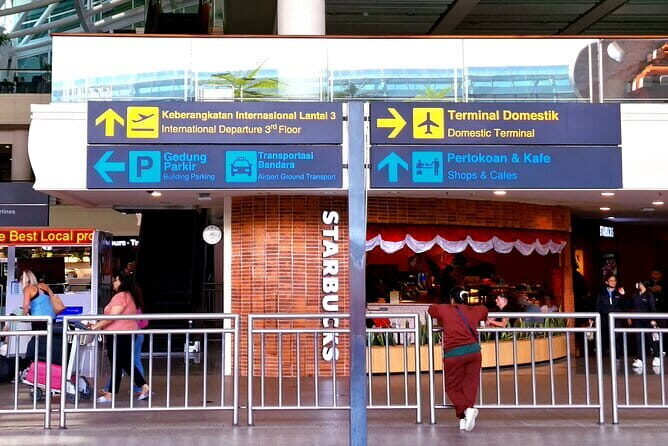
For airport pick up, your driver waits at Bali Airport arrival hall holding a name sign. That’s a big deal in Bali airports, where you’re juggling jet lag, luggage, and a crowd full of people trying to do the same thing. The name sign is meant to cut through that confusion fast.

For drop off to the airport, your driver meets you at your hotel lobby. Again, that sounds basic, but it’s the difference between finding a driver on the street versus walking out with your bags and getting into the car.

Era Bali Tours runs this service during 7:00 AM to 11:55 PM, seven days a week. They’ll only accept airport pickup requests where your flight arrival time falls within operating hours, and the same rule applies in reverse for your hotel-to-airport departure time.

Private AC comfort for up to 4: what you’re really buying

Bali airport transfer check in or check out Legian area - Private AC comfort for up to 4: what you’re really buying
At $14 per group (up to 4 people), you’re not paying for a fancy tour. You’re paying for the kind of reliability that makes the first and last day of a trip feel simpler.

Here’s what you get that’s actually useful:

  • An air-conditioned vehicle for a door-to-door ride.
  • Private transportation, meaning it’s not shared with other groups.
  • Parking fees included, so you aren’t doing math or getting billed for little stops.

The ride itself is listed as 30 minutes to 1 hour. That wide range is normal in Bali because traffic can swing quickly. The practical value is that you’re not depending on public transport schedules after a flight. You’re also avoiding the stress of bargaining for a ride after you’ve been traveling.

Because it’s private and small-group, this transfer fits well if you’re traveling with:

  • a couple who wants quiet and direct transfer,
  • a family of up to four,
  • anyone arriving late and wanting less decision-making.

Timing is the whole game: airport waiting vs hotel waiting

Bali airport transfer check in or check out Legian area - Timing is the whole game: airport waiting vs hotel waiting
This service gives you clear waiting rules, and that’s what helps you plan.

Airport pick up: 120 minutes of free waiting

After your flight lands, the clock starts for up to 120 minutes free waiting time. In real life, this is what you’ll thank your transfer for. Immigration, baggage claim, and walking out of the airport can easily eat up time—especially if your flight is one of many landing around the same time.

Also, Bali Airport provides free Wi-Fi, so if you do need to message or check details while you wait, you’re not stuck without data.

Drop off: 15 minutes at the hotel lobby

On the way back, free waiting at your accommodation is 15 minutes from your requested pickup time. That’s not long, and that’s the point. It encourages you to set your schedule realistically, not optimistically.

If you’re booking for an early departure, do two things:

  • ask your hotel staff what time you should leave to avoid being rushed,
  • set your pickup time earlier than your personal comfort level.

Short hotel waiting is common across the region, and it keeps drivers from losing too much schedule time.

Airport pickup flow: what happens once you land

Bali airport transfer check in or check out Legian area - Airport pickup flow: what happens once you land
Here’s the clean version of how your arrival should feel.

After booking, you receive confirmation at the time of booking. Your driver is expected to be in the arrival hall holding your name sign. If anything goes off track—delays happen, signage gets missed in crowds—you can contact the service through phone or WhatsApp.

If you’re thinking about your own habits (and you should), this is where your prep matters most:

  • Have your flight details ready on your phone.
  • Know whether you’re arriving in the morning or near the end of the day, since service hours run until 11:55 PM.
  • If you’re traveling with multiple bags, be ready to move quickly after pickup.

Once you’re in the car, the listed trip time is about 30 minutes to 1 hour, depending on traffic and where exactly your hotel sits within the Legian/Kuta zone.

Airport drop-off flow: leaving Bali without last-minute stress

Bali airport transfer check in or check out Legian area - Airport drop-off flow: leaving Bali without last-minute stress
The drop-off side is designed for one goal: getting you to the airport without guessing.

You’ll be picked up at your hotel lobby. Your driver will wait 15 minutes from your requested pickup time. Then it’s time to go, and you’ll head to the airport for your departure within the operator’s operating window (again, based on the time of your scheduled departure).

What I like about this setup is that it respects the reality of airport mornings:

  • you don’t need to find transport at the last second,
  • you’re not negotiating with drivers while tired,
  • and you’ll have an air-conditioned ride while you manage your luggage.

The downside is also obvious: if you’re late, you can miss the driver. If you’re the kind of person who takes a long time to get ready, set an earlier pickup time than you think you need.
Price and value for a group of up to 4

Bali airport transfer check in or check out Legian area - Price and value for a group of up to 4
Let’s do the real-world value check.
This transfer costs $14 per group (up to 4). That means:

  • If you’re traveling solo, it’s still inexpensive for a private car.
  • If you’re traveling as a duo or small family, your per-person cost drops fast.
  • You’re paying mostly for door-to-door time savings and stress reduction.

Also notice what’s included: parking fees and private transport. Many transfers look cheap until you add small “extras.” Here, the basics that usually cause friction are covered.

What’s not included matters too. There are possible add-ons for excess luggage, child seats, and wheelchair needs. If you’re within standard luggage limits for your group, you’re likely fine. But if you’re traveling with lots of bags, it’s worth planning for potential excess luggage charges.

Small extras that can change the final cost

Bali airport transfer check in or check out Legian area - Small extras that can change the final cost
This isn’t a “everything free forever” deal. It’s a straightforward transfer, and a few categories can add cost:

  • Excess luggage charges (where applicable) are not included.
  • Child seats cost extra.
  • Wheelchair assistance is extra, and the vehicle setup isn’t guaranteed under the base price.

If you fall into any of those categories, confirm what you need before you arrive. It’s not about being difficult; it’s about avoiding an awkward moment at pickup when you’re holding bags and time is short.

The one risk to plan for: driver mismatch or heavy traffic

Bali airport transfer check in or check out Legian area - The one risk to plan for: driver mismatch or heavy traffic
Most airport transfers are about simple execution. When execution slips, you feel it immediately, because time at the airport isn’t flexible.

In one documented situation, a driver didn’t show up for the passenger’s pickup, and after waiting (and not getting the pickup they expected), the passenger used a taxi and requested a refund. The operator responded that the issue was related to bad traffic during a long weekend and that they refunded the booking.

You can’t eliminate all risk. But you can reduce it:

  • double-check your pickup time and location when you book,
  • make sure your phone/WhatsApp is working before you land,
  • keep a reasonable buffer for your first day and your last day.

If you want a backup mindset, it helps to know you can always take a taxi if something goes wrong. It’s not the plan. It’s just peace of mind.

Who this transfer suits best

I’d point you toward this service if you want:

  • simple door-to-door airport transportation,
  • an easy meet-up (name sign + airport arrival hall),
  • private comfort without paying for a bigger tour package,
  • a small group setup (up to 4) at a solid group price.

It’s also a good fit for people staying in the Legian/Kuta/Seminyak orbit who don’t want to spend their first hours figuring out the local transport system.

If you love improvising and don’t mind the airport shuffle, you might choose other options. But if you want your arrival and departure to feel controlled, this does that job.

Should you book this Bali airport transfer to Legian?

If your priority is a stress-reduced first and last day, this is an easy yes. The name-sign pickup, air-conditioned private car, and 120-minute airport waiting are exactly the kinds of details that make transfers actually work in the real world.

I’d book it if:

  • you’re staying in the Legian/Kuta/Seminyak area,
  • your flight timing falls within the service hours,
  • and you can be at your hotel lobby on time for the 15-minute pickup window.

I’d be more cautious if:

  • you’re traveling with unusual luggage needs,
  • you require a child seat or wheelchair accommodation,
  • or your schedule is extremely tight and you hate any chance of missing a pick up.

If you line up your timing and stay reachable by phone/WhatsApp, this is a good value private transfer for Bali.

FAQ

Where is the pickup or drop-off area?

The service starts around Legian, Kuta, and Badung Regency in Bali.

Is it private transportation?

Yes. It’s private, so only your group participates.

How long do you wait at the airport?

Free waiting time is 120 minutes from the flight landing time.

How long do you wait at the hotel for drop-off?

Free waiting at your accommodation is 15 minutes from your requested pickup time.

What are the operating hours?

Service is listed as 7:00 AM to 11:55 PM, Monday through Sunday.

Do you provide a name sign at the airport?

Yes. The driver holds your name sign at the Bali Airport arrival hall.

What’s included in the price?

Included are an air-conditioned vehicle, parking fees, and private transportation. A mobile ticket is provided.

Are child seats or wheelchair access included?

No. Child seats are an additional cost, and wheelchair support is also additional. Excess luggage charges may apply where applicable.

Bali Half Day Tour – Taman Ayun temple, Alas Kedaton,Tanah lot sunset Dinner

Bali Half Day Tour - Taman Ayun temple, Alas Kedaton,Tanah lot sunset Dinner - Taman Ayun Temple: Moat Views and Mengwi-Era Context

Time your Bali sunset right.

This half-day afternoon plan strings together three big hits—Taman Ayun Temple, Alas Kedaton Monkey Forest, and Tanah Lot—then lands you at sunset with dinner included. Starting at 2:30 pm means you’re not stuck in the harshest daytime hours, and you get a smooth route in a fully air-conditioned vehicle.

I especially liked the personal touch from the guide—Mr Made comes up fast for being communicative and fun, and he explains what you’re seeing at Taman Ayun in a way that actually sticks. I also like that dinner is part of the experience, not an afterthought, so your Tanah Lot moment feels complete. One possible drawback: the stops are each about an hour, so this is best if you want “see a lot, learn a bit,” not if you’re hoping to linger for hours at one place.

Key Highlights You’ll Feel on This Tour

Bali Half Day Tour - Taman Ayun temple, Alas Kedaton,Tanah lot sunset Dinner - Key Highlights You’ll Feel on This Tour

  • Private, small-group energy: only your group joins, so questions are easy and pacing is calmer.
  • Air-conditioned comfort: you stay comfortable traveling between sites.
  • Taman Ayun’s moat-and-gardens feel: a temple setting that’s more scenic than you expect.
  • Alas Kedaton’s tame, free-roaming monkeys: a proper monkey-forest visit, not a quick photo stop.
  • Tanah Lot sunset with included Indonesian dinner: the best kind of payoff—view first, then food.
  • Mr Made-style guidance: cheerful, attentive, and big on context for what you’re looking at.

Why This 2:30 pm Half-Day Plan Works for Bali

Bali is at its best when you time things well. This tour starts at 2:30 pm, which is a smart move because you’re catching the late-day light while still having enough daylight to enjoy temple and scenery without rushing through everything in the midday heat.

You’ll also like the flow. Instead of doing one long block at a single site, you get a sequence: temple + monkey forest + coastal sunset. That variety matters. Taman Ayun gives you a cultural anchor, Alas Kedaton brings an animal encounter, and Tanah Lot gives you the big “postcard moment” in the evening.

And because it’s a private setup, you’re not stuck watching over other people’s schedules. Your guide can help keep you moving at a pace that feels right for your group—fast enough to hit the highlights, slow enough to enjoy the views when the light turns good.

Getting Picked Up and Traveling in Air-Conditioned Comfort

Bali Half Day Tour - Taman Ayun temple, Alas Kedaton,Tanah lot sunset Dinner - Getting Picked Up and Traveling in Air-Conditioned Comfort
Pickup is offered, and you’ll ride in a fully air-conditioned car. That might sound like a small perk, but it adds up in Bali, where travel between sights can take longer than you think. After a day already on the go, having A/C means you arrive fresher and more relaxed for the sunset part.

You’ll also get a mobile ticket, which is helpful if you don’t want to juggle printouts. And since this is a private tour, the vehicle and guide time are focused on your group only. That matters most when you have questions—like what you’re looking at in a temple garden, or how to handle the monkey forest part without stressing over it.

One more practical point: the total time is listed at about 7 hours, even though each stop is around an hour. Translation: expect travel time between locations, plus time to enjoy sunset and eat. If your day is tight, this still fits well because it’s built around the evening payoff.

Taman Ayun Temple: Moat Views and Mengwi-Era Context

Bali Half Day Tour - Taman Ayun temple, Alas Kedaton,Tanah lot sunset Dinner - Taman Ayun Temple: Moat Views and Mengwi-Era Context
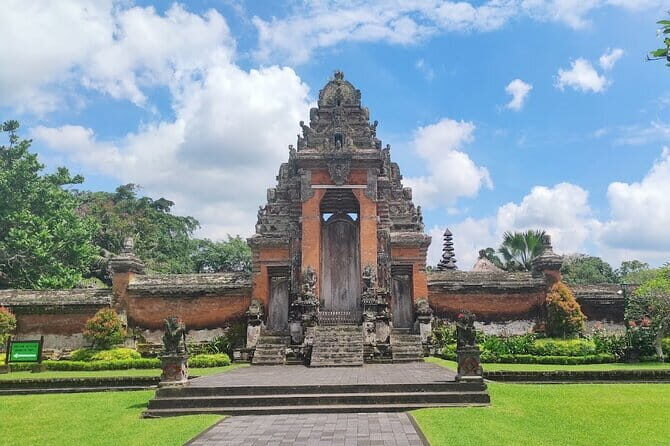
Taman Ayun Temple is a strong opener, and it’s not just because it’s famous. The temple is beautifully arranged, and it has its own surrounding moat, which gives the whole scene a calm, self-contained feel. Even if you’re only there for about one hour, the setting makes it worth your time.

This is also where your guide’s storytelling really helps. Mr Made’s approach—clear, friendly, and big on explanation—shows in the way you’ll understand what you’re seeing rather than just walking through a pretty courtyard. You’ll learn context tied to the temple’s background and why this site matters in Balinese cultural life.

What to watch for during your visit:

  • The way the temple layout is framed by water, which changes how the site “reads” as you move around.
  • The visual rhythm of the grounds—paths, structures, and the way everything feels planned rather than random.
  • Your guide’s history notes, especially the parts that connect the temple to regional identity.

A consideration: because the stop is about an hour, you won’t have time to study every corner like you would on a slow, self-guided day. If you’re the type who wants to take 200 photos and read every sign, you might feel slightly rushed. If you like learning the big picture and moving on to the next highlight, this timing works.

Alas Kedaton Monkey Forest: Free-Roaming Natives, Tamable Vibes

Bali Half Day Tour - Taman Ayun temple, Alas Kedaton,Tanah lot sunset Dinner - Alas Kedaton Monkey Forest: Free-Roaming Natives, Tamable Vibes
Alas Kedaton is described as a monkey forest and sanctuary, and the key detail is that the monkeys are tame and free-roaming. That combination makes it more fun than strict “zoo-style” setups. You’re not just watching from a distance—you’re sharing the space in a controlled, guided way.

This is one of the reasons the tour feels different from a simple temple day. It gives you a living, playful change of pace. For many people, this is the stop that turns a “cultural tour” into an adventure.

Practical things to keep in mind:

  • Your hands and your bag matter. If you carry anything tempting—snacks, open cups, or loose items—you might want to secure them.
  • Let your guide handle the rhythm of the group. In a place like this, the safest experience is usually the one where you move with the flow instead of doing your own route.
  • Expect that monkeys may approach out of curiosity. That’s the point of the forest.

The stop is around one hour, so it’s enough to enjoy the atmosphere without making the monkey part feel like a marathon. If you love animals, it’s a highlight. If you’re nervous about close encounters, go in knowing you’ll be guided through the area and that the monkeys are described as tame.

Tanah Lot Sunset and Your Included Indonesian Dinner

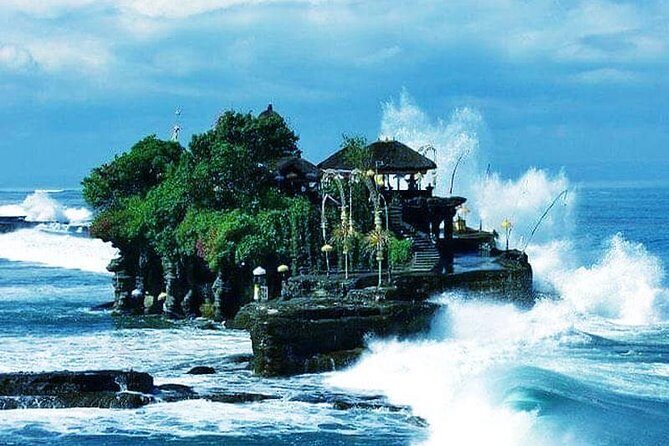
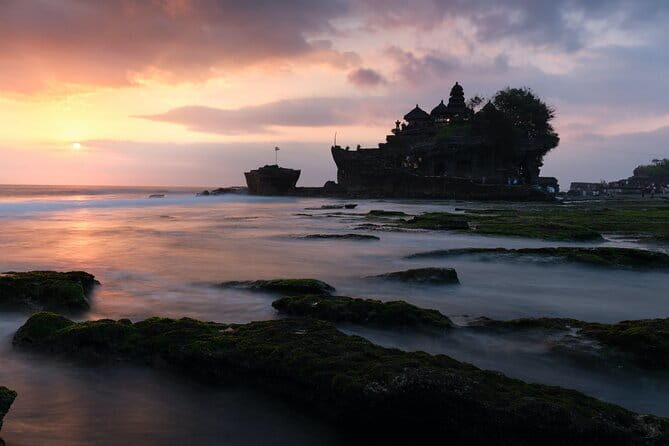
Tanah Lot is the dramatic finale. The temple sits on a rocky isle, which is exactly why it’s such a sunset magnet. Even if you don’t know anything about Balinese temple culture, the location does the work: waves, rock, and temple silhouette all line up for that late-day glow.

Your guide will also share meaning around the name. Tanah Lot is linked to the idea of Tengah Lot, described as meaning peace of land. That kind of language detail adds another layer, because you start to see this not just as a viewpoint, but as a place with cultural weight.

Then comes the payoff: sunset with dinner included. You’ll enjoy a sunset dinner of Indonesian foods at a nearby restaurant. That’s a smart inclusion because it saves you from hunting for food right when the light is fading. You get to focus on the moment first, then eat without turning the evening into a scramble.

What I’d aim for:

  • Stay present at the sunset part instead of treating it like a quick photo checkpoint. Tanah Lot is one of those places where the atmosphere changes fast.
  • After dinner, don’t rush. If you have time, lingering for a few minutes after eating can be a nice way to let the sunset shift settle in.

One consideration: sunset timing means everything else feels a bit “schedule-driven.” That’s not bad—this tour is built for late-day success—but it does mean you shouldn’t expect total flexibility at the end.

How Much Time You’ll Really Have at Each Stop

The tour is listed at about 7 hours, with each main stop taking about one hour. That structure is intentional: it gives you a complete afternoon arc without running late into the night.

Here’s what that feels like on the ground:

  • Taman Ayun: you get to see the temple setting and get the context, then move on.
  • Alas Kedaton: you get the monkey forest experience with enough time to observe behavior and atmosphere.
  • Tanah Lot: you spend enough time for sunset impact, then dinner at the nearby spot.

So this is not a slow museum day. It’s a “best hits” plan with enough explanation to make it meaningful. If your ideal Bali day is half the time wandering and half the time learning, you’ll like this. If you want to deeply explore one site for hours, you might prefer a full-day option.

Price and Value: What $72 Includes (and Why It Matters)

At $72 per person, the value comes from what’s bundled, not just the number. You’re paying for a guided afternoon across multiple famous sites, with comfort, admissions, and food handled.

You get:

  • Pickup offered and roundabout travel in a fully air-conditioned vehicle
  • A private tour experience, meaning you’re not sharing guide time with strangers
  • Admission tickets included for each of the three stops
  • Sunset dinner with Indonesian food included

That’s the key equation: when admissions and dinner are already included, your real cost becomes less about the base price and more about “did I buy convenience and guidance?” In this case, the answer is yes, especially because the tour includes both the cultural sites and the sunset-and-dinner payoff.

Also, the pricing feels more fair if you’re going as a couple or a small group, since you benefit from private attention without paying for a full-day itinerary.

Who This Tour Suits Best (and Who Might Skip It)

This is a great fit if you want:

  • A late-day Bali experience that finishes with sunset and dinner
  • A guide who pays attention and explains what you’re seeing
  • A balanced mix of temple culture + monkey forest + iconic sunset

It’s especially worth it if you’re someone who gets overwhelmed with too many options. This gives you a clear route and a friendly plan that stays on track.

You might skip this tour if:

  • You want long, slow visits and don’t like feeling time-boxed
  • You’re strongly uncomfortable with monkeys and close curiosity (even though the monkeys are described as tame)

If you’re in the “I’d like to see the classics without ruining my whole day” category, this should click.

Should You Book This Bali Half-Day Tour?

Yes—if your main goal is a smart late-day route with real guidance and an included dinner payoff. The biggest reason to book is the combination: Taman Ayun for temple atmosphere, Alas Kedaton for an animal-filled change of pace, and Tanah Lot at sunset when the setting becomes unforgettable. Add in a helpful guide like Mr Made—cheerful, attentive, and communicative—and the experience feels like it flows.

If you hate schedules or want to linger forever, then choose a slower option. But for most people trying Bali for the first time (or squeezing in something between beach time and dinner plans), this is a tidy, high-reward half day.

FAQ

What time does the Bali Half Day Tour start?

The tour starts at 2:30 pm.

How long does the tour take?

The total duration is about 7 hours.

Is this tour private?

Yes. It’s listed as a private tour/activity, meaning only your group participates.

Do I get pickup, and is there air-conditioned transport?

Pickup is offered, and you travel in a fully air-conditioned vehicle.

Are entrance tickets included?

Yes. Admission tickets are included for each stop.

What’s included with Tanah Lot?

You’ll enjoy a sunset dinner with Indonesian foods at a nearby restaurant.

What animals will I see at Alas Kedaton?

Alas Kedaton is a monkey forest and sanctuary, with tame, free-roaming monkeys.

Can I cancel and get a full refund?

Yes. You can cancel up to 24 hours in advance for a full refund. Canceling within 24 hours doesn’t refund the payment.

Vegetarian Ubud Cooking Class Bali

Vegetarian Ubud Cooking Class Bali - Where you start: meeting point and what it means for your day

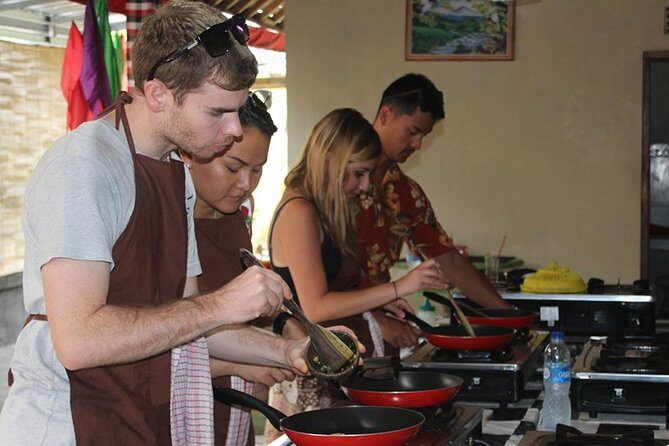
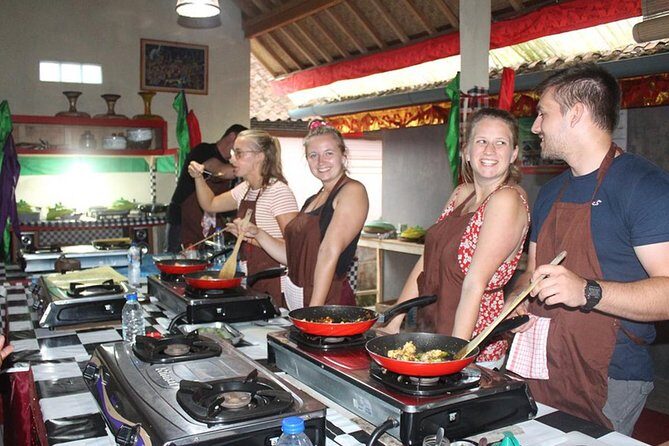
Spice paste meets plant-based Balinese comfort. This vegetarian Ubud cooking class takes you from a market stop to traditional ulekan grinding, then into making nine separate dishes with tofu, tempe, and fresh vegetables. You’ll leave with a copy of 9 recipes, so the class isn’t just a one-day show.

I love the hands-on rhythm of the cooking (spice work is the real heart of Balinese flavor), and I also like that the food stays genuinely vegetarian—built around tofu and tempe rather than last-minute substitutions. One thing to consider: pickup seems like the make-or-break detail, and a small number of past guests reported trouble getting collected, so be ready to confirm timing the day before.

Key highlights worth circling

Vegetarian Ubud Cooking Class Bali - Key highlights worth circling

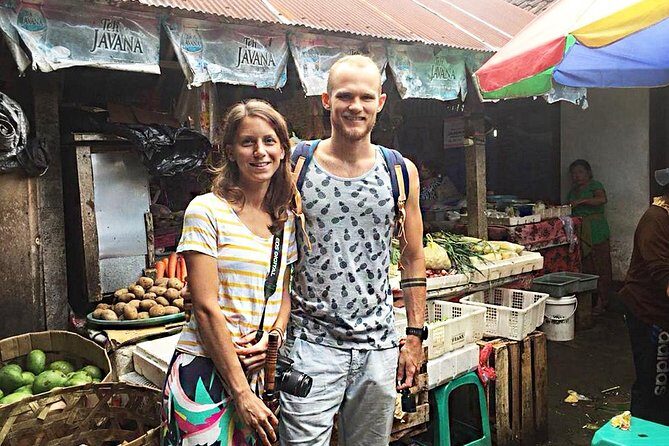
  • Market shopping with real ingredients, not just a quick photo stop
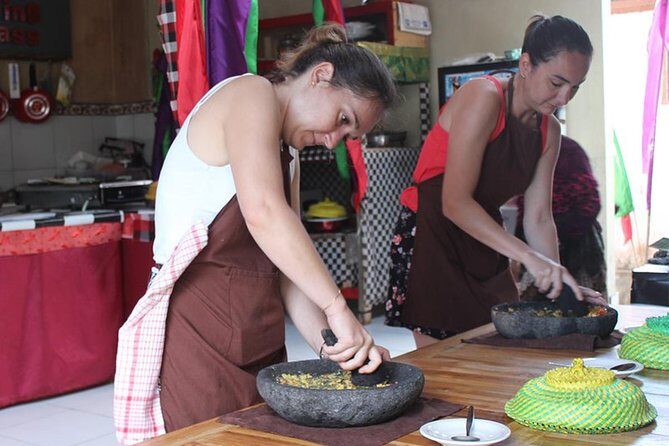
  • Ulekan spice grinding for that classic Balinese paste texture
  • Nine dishes made in one ~4-hour session, vegetarian-focused
  • Morning or afternoon choice, with lunch or dinner included
  • Central Ubud hotel transfers to keep things stress-free
  • Take-home recipe copy so you can recreate the meals later

Vegetarian Ubud cooking class: what makes it special

Ubud is great for food. But this class is different because it starts before you cook. You’re not just handed a station and a recipe card. You’ll shop for ingredients, then learn why Balinese cooking tastes the way it does.

Balinese flavor often begins with spice pastes—ground, stirred, adjusted. Here, you use the traditional ulekan, the stone mortar-and-pestle style setup that crushes spices into a thick, fragrant base. Even if you’re not a “spice person,” this part is usually the most memorable. It’s tactile. You can smell what’s happening. And you see how paste becomes sauce.

And because the class is tailored for vegetarians, you’ll build dishes around tofu and tempe, plus fresh vegetables. That matters. If you’ve ever taken a “vegetarian” cooking class that secretly leans on fish sauce or meat flavor bombs, you know how disappointing that can be. This one is planned to stay vegetarian from start to finish.

Price and value: why $39 can be a fair deal

Vegetarian Ubud Cooking Class Bali - Price and value: why $39 can be a fair deal
At $39 per person for about 4 hours, the big value isn’t just the cooking. It’s the package.

You get:

  • A professional English-speaking local chef
  • Welcome drink and bottled water (and lunch or dinner depending on session)
  • Cooking equipment
  • A recipe copy covering 9 Balinese dishes
  • Two-way transfers from central Ubud hotels (pickup + drop-off)

That transfer detail is a quiet money-saver. Ubud traffic and short-distance taxi pricing can add up fast, especially if you’re staying in the center but the cooking venue is outside town. The tour also runs with a small group cap (max 15 travelers), which usually means you spend more time cooking and asking questions.

Could it still be overpriced if you only want “watch and eat” style entertainment? Sure. But if you like learning technique, especially spice work, this price can make sense.

Where you start: meeting point and what it means for your day

Vegetarian Ubud Cooking Class Bali - Where you start: meeting point and what it means for your day
The meeting point is at Subak cooking class in Tampaksiring, with the address listed on site: Jl. Werkudara, Tampaksiring, Kec. Tampaksiring, Kabupaten Gianyar, Bali 80552.

In practice, that tells you something important: the cooking class isn’t necessarily right in the middle of Ubud. The good news is that the tour includes pickup and drop-off from central Ubud hotels only. If you’re staying outside that area, you may need to meet directly at the venue instead of relying on pickup.

Also, the activity notes say it’s near public transportation and uses a mobile ticket. So even if you’re solo and prefer to handle your own timing, you likely have options.

Your 4-hour rhythm: morning vs afternoon sessions

You choose your experience: morning or afternoon.

Morning session

Expect lunch and bottled water included. The pacing is set around a daytime cooking workflow: market stop first, then spice preparation, then cooking and eating your dishes as you go.

Afternoon session

Expect dinner and bottled water included. The structure should feel similar, but you’ll finish in the evening window. If you hate rushing in hot midday sun, the afternoon choice can feel more comfortable.

No matter which session you pick, the tour is designed around producing nine separate vegetarian dishes. That’s ambitious in four hours, so the class uses a practical pace: you learn key steps, then you actively cook.

Market time: shopping ingredients like a local

One of the most praised parts is the market visit. This isn’t just a scenic walk. It’s where you learn what “Balinese vegetarian” actually depends on.

Here’s what the experience emphasizes based on what you’ll do:

  • You’ll pick ingredients you’ll use later in your dishes
  • You’ll get a sense of how spices and produce work together
  • You’ll likely get guidance from the chef on what to focus on

This is where you get leverage for cooking later at home. Instead of memorizing one recipe, you learn what ingredient categories matter—fresh aromatics, spice paste components, and the way vegetables are handled so they don’t turn flat or watery.

If you love food markets, you’ll probably enjoy this more than the cooking-only option.

Rice fields and context: why the explanation matters

Another standout is the rice field explanation. Even if you’re not a “the land” traveler, this kind of context helps you understand why Balinese ingredients and cooking habits make sense.

In plain terms: rice fields connect to how people think about food in daily life. When you get that explanation before cooking, the vegetables and staples you’re working with feel less random. You’re not just following steps. You’re cooking with a sense of place.

It’s also a nice break before the pace picks up in the kitchen.

The ulekan moment: grinding spice paste the traditional way

Let’s talk technique: the class includes grinding spice pastes using a traditional ulekan.

If you’ve ever cooked with pre-made spice paste, you know it’s convenient—but it can taste one-note. Grinding yourself forces attention. You’ll see how changing the grind changes texture. You’ll smell the shift from whole spice to paste.

This also helps you later when you recreate recipes. Even if your kitchen doesn’t have an ulekan, you’ll understand what you’re aiming for: a thick paste you can stir into sauces, not a watery mix.

It’s hands-on, and it’s the part you can’t really fake with a quick tutorial.

Cooking nine vegetarian dishes: what you’ll actually make

Vegetarian Ubud Cooking Class Bali - Cooking nine vegetarian dishes: what you’ll actually make
You’ll prepare nine separate dishes. The class is vegetarian-focused, with ingredients like tofu, tempe, and fresh veggies.

Even though the exact dish list isn’t spelled out here, the important takeaway is the variety of dishes you’ll tackle. Nine dishes means you’ll practice multiple techniques—something many cooking classes skip.

Expect a mix of:

  • Using spice paste as a base
  • Cooking proteins like tofu and tempe in Balinese style
  • Handling vegetables so they keep flavor and texture
  • Building several sauces or components within the same session

And you’ll get a copy file of 9 recipes, so you won’t go home with only memories and blurry phone photos.

Meals included: what lunch or dinner feels like

The class includes lunch (morning) or dinner (afternoon), plus bottled water. You also get a welcome drink.

That sounds simple, but it’s part of the value. You’re eating what you make, which makes feedback easier. If a dish turns out too spicy, too mild, or too thick, you’ll notice in the moment. Then you can adjust for the next dish.

Other beverages are for purchase, so keep in mind you might spend a little extra if you want something beyond the included drink and water.

Transfers and group size: the comfort factor

Transfers are included only for central Ubud hotels. If your lodging is in the core area, this is a big win. You don’t have to negotiate scooters in traffic or worry about being late to a kitchen class that runs on a tight schedule.

The group size is capped at 15 travelers. That generally means:

  • Less waiting around
  • More chances to ask questions
  • Better chef attention

That’s especially helpful for vegetarian cooking, where technique matters. If a sauce needs adjusting or if a vegetable needs different heat time, small-group classes tend to catch those details.

A balanced look at the one risk: pickup issues

Most of the experience sounds smooth: pickup included, small group, and you can meet at the venue if needed. But there’s a real caution flag.

One past guest reported that pickup didn’t happen and communication didn’t get responses while waiting. They then faced a refund situation. This doesn’t mean it will happen to you—but it does mean you should take pickup timing seriously.

Practical tip: confirm pickup details by message the day before. Keep your phone ready. If you don’t get a clear arrival window, plan an alternative so you’re not stuck waiting.

Who this cooking class is best for

This is a strong fit if you:

  • Want Balinese vegetarian cooking that includes tofu and tempe
  • Like hands-on technique, especially spice paste grinding
  • Prefer a small group class with a professional chef
  • Want a market visit plus a food-focused explanation, not just cooking

It’s also great if you’re traveling with a mixed group—vegetarian and non-vegetarian. The class is built around vegetarian cooking, but the food-learning angle still tends to satisfy anyone who cares about flavor.

If you’re the type who needs tons of English-level translation time or very detailed dish breakdowns, it can still be good—but you’ll get the most out of it if you enjoy learning by doing.

Should you book Vegetarian Ubud Cooking Class Bali?

If you want a practical, plant-based way to learn Balinese food—and you care about technique over just eating—this $39 vegetarian Ubud cooking class looks like a solid deal. The combination of market time, ulekan spice grinding, nine dishes, and take-home recipes is exactly what makes classes worth your time.

I’d book it if you’re staying in central Ubud and you’re comfortable confirming pickup details. I’d be cautious if pickup reliability would stress you out—especially if you hate the idea of waiting at a lobby.

If you do book, do one thing that improves your odds: message ahead, double-check pickup timing, and arrive ready to cook.

FAQ

What is the duration of the cooking class?

The class runs for about 4 hours.

Does the tour include pickup from Ubud hotels?

Yes. It includes pick up & drop off transport service in central Ubud only.

Can I choose between a morning and afternoon session?

Yes. You can pick either the morning or afternoon experience.

What meals and drinks are included?

You’ll get a welcome drink and bottled water. The morning session includes lunch, while the afternoon session includes dinner. Other beverages can be purchased.

What will I cook during the class?

You’ll prepare nine separate dishes designed for vegetarians, including ingredients like tofu, tempe, and fresh vegetables.

Is there a recipe copy included to take home?

Yes. You get a copy file of 9 recipes.

How many people are in the group?

The class has a maximum group size of 15 travelers.

Is this experience refundable if I cancel?

No. It is non-refundable and cannot be changed for any reason, and you won’t receive a refund if you cancel or amend.

Where is the meeting point?

The listed meeting point is Subak cooking class & Cooking class in ubud, Jl. Werkudara, Tampaksiring, Kec. Tampaksiring, Kabupaten Gianyar, Bali 80552, Indonesia.

Uluwatu tour & Balinese kecak dance

Uluwatu tour & Balinese kecak dance - Morning Start: Nusa Dua and Optional Water Sports Time

A day in southern Bali moves fast. This Uluwatu tour is a high-value way to string together classic beaches plus serious temple-and-dance atmosphere. I like that it keeps the pace realistic for an 8 to 10 hour day, with bottled water and pickup so you can focus on the views, not logistics.

Two things I’d pick this for: the south-coast beach time (white sand and clear water at stops like Pandawa and Melasti) and the evening performance energy at Uluwatu. One consideration: entrance tickets for temples and the show are not included, so plan a bit of extra spending for admission.

Key Highlights You’ll Feel Right Away

Uluwatu tour & Balinese kecak dance - Key Highlights You’ll Feel Right Away

  • Private tour for up to 5 travelers, with pickup offered
  • South Bali beach run with time to swim and relax at multiple stops
  • Garuda Wisnu Kencana Cultural Park with Hindu myth connection and major sights
  • Uluwatu Temple scheduled for sunset-facing views over the Indian Ocean
  • Kecak and Fire Dance with the iconic circle chant and fire element
  • Bottled water and parking fees included, keeping your day simpler

A South Bali Day Plan That Mixes Beaches and Big-Stage Culture

Uluwatu tour & Balinese kecak dance - A South Bali Day Plan That Mixes Beaches and Big-Stage Culture
This is the kind of tour that works well if you want a full day in south Bali without trying to stitch together a half-dozen rides yourself. You start from the Nusa Dua or Tanjung Benoa area, then work your way through cultural stops and beach time before ending with the performance crowd-pleaser: Kecak and Fire Dance at Uluwatu.

What makes it especially appealing is the rhythm. You get sun and sea earlier, then you shift into Balinese Hindu sacred-space and performance mode as the day cools down. Even if you’re not deep into temples or dance, the tour’s sequencing helps you experience the coast first and the spectacle later.

One extra plus: the day is built for groups only from your party, not a shared bus with strangers. In a place like Bali, that small difference can be the difference between a calm day and a stressful one.

Morning Start: Nusa Dua and Optional Water Sports Time

Uluwatu tour & Balinese kecak dance - Morning Start: Nusa Dua and Optional Water Sports Time
The day begins at Nusa Dua Beach / Tanjung Benoa, a coastal area known for water activities. In the tour flow, you get about 2 hours here, and water sports are optional. That’s a good fit if you want to stay flexible—some people want to relax, others want to try something active.

You’ll like this stop if:

  • you want an easy early start before the temples and crowds
  • you enjoy swimming or want a first taste of the clear water vibe
  • you’d rather choose your level of activity rather than commit to a fixed activity

A practical note: because optional activities may cost extra and are not included, you’ll want to keep a little cash or card ready just in case you decide to join.

Garuda Wisnu Kencana: Hindu Myth Meets Iconic Statues

Uluwatu tour & Balinese kecak dance - Garuda Wisnu Kencana: Hindu Myth Meets Iconic Statues
Next up is Garuda Wisnu Kencana Cultural Park. This stop is less about quick photos and more about understanding what you’re looking at. The tour framing connects the site to Hindu mythology: Garuda as the divine bird and the mount of Lord Vishnu, revered for strength and speed, plus the idea of divine scale and transformation in the legends.

It’s a smart inclusion because it breaks the day up. After beach time, you shift to something cultural and larger-scale. You also get about 1 hour here, which is enough for a calm wander and a few meaningful views without making your whole day feel rushed.

What to watch for: some cultural sites can involve heat and sun exposure. Wear breathable clothing and keep a water bottle handy—this tour includes bottled water, which is a real help for comfort on hot afternoons.

Two Classic Southern Beaches: Pandawa and Melasti

After the cultural park, the tour turns back toward the coast with two beach stops. First is Pandawa Beach for about 1 hour. Then you head to Pantai Melasti Ungasan for another 1 hour of sunbathing and swimming.

These stops are simple, but that’s the point. You’re not trying to cover every possible viewpoint in Bali. You’re getting time to actually be on the beach: lie down, swim if conditions feel safe, and enjoy that south-coast water clarity people come for.

Why I like this structure for you:

  • You get two chances to enjoy the sea instead of one long stop that might not hit exactly right.
  • Each beach window is short enough that you won’t feel stuck in one place all day.
  • You get variety: different shoreline feel, different light angles, and different photo opportunities.

A drawback to keep in mind: both stops are about 60 minutes each. If you’re the type who wants half-day beach lounging, you may wish the time were longer. But as part of a full-day itinerary that also includes temple and dance, the pacing is pretty sensible.

Uluwatu Temple at Sunset Viewpoints

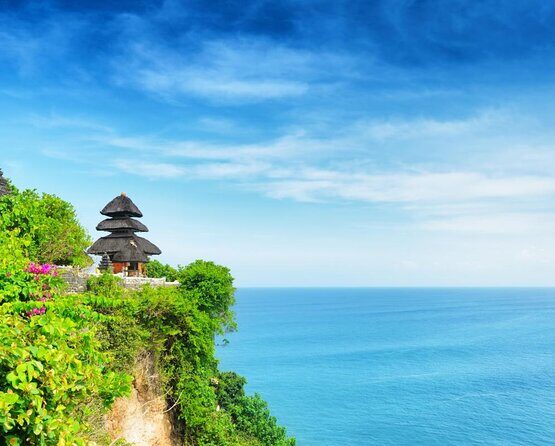
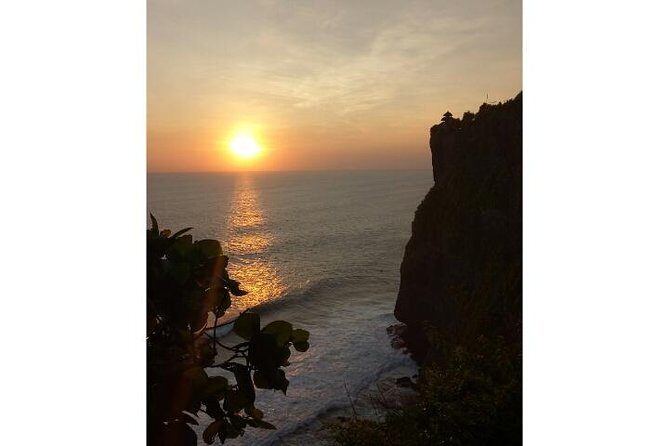
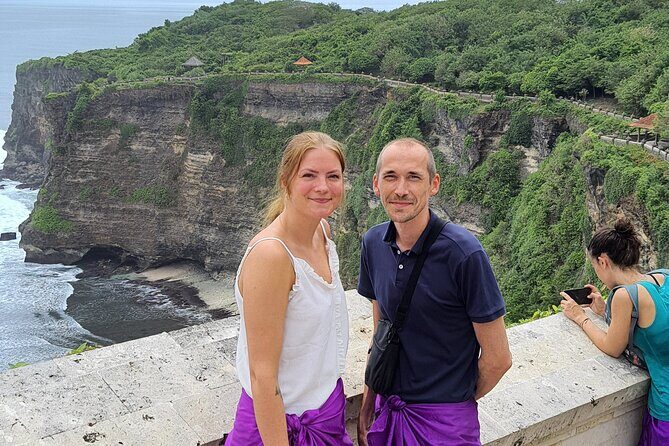
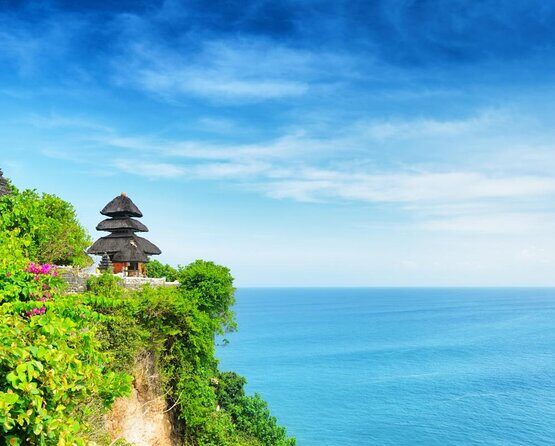
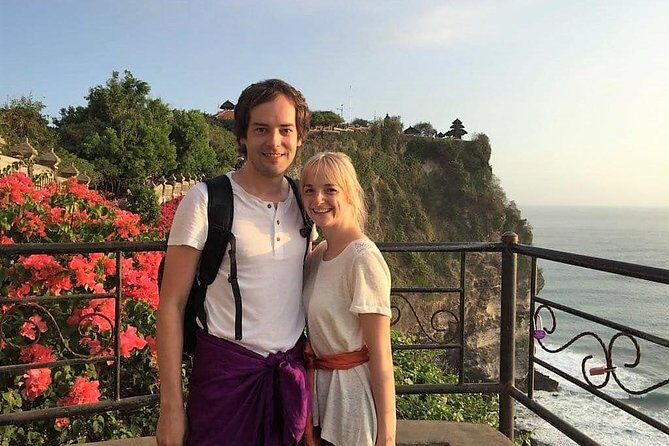
Then comes the reason many people book this route: Uluwatu Temple, a Balinese Hindu sea temple known as Pura Segara. The temple is dedicated to Sang Hyang Widhi Wasa, and it’s considered one of the sad kahyangan. Most importantly, it’s positioned for dramatic views over the Indian Ocean.

You get about 1 hour here, and the tour is planned around the sunset. That timing matters. At this hour, the light turns more forgiving for photos and the temperature usually feels better for walking around.

Also, sea temples mean you’ll likely be near cliff edges and ocean winds. Wear grippy footwear. Bring something for sun protection too, because even if the air feels calmer near sunset, the sun can still be strong earlier in the visit.

One consideration: Uluwatu Temple is a sacred site, and it’s smart to dress respectfully. If your plan is to wear beach clothes all day, consider bringing a lightweight cover-up so you feel comfortable when you arrive.

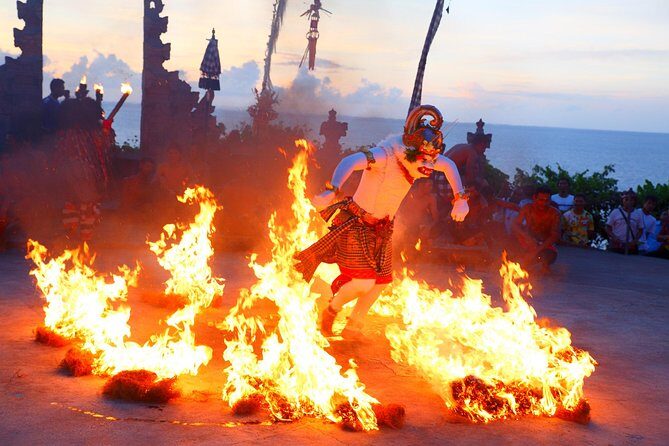
Kecak and Fire Dance: The Chant, the Circle, the Heat

The finale is Kecak and Fire Dance, also known as the Ramayana monkey chant. This is where the energy shifts from sightseeing mode into performance mode.

The show is described as being performed by a large circle of performers—up to around 150—wearing checked cloths around their waists. The key sound is the chant, the percussive “chak,” paired with coordinated hand movements. You’ll see the famous visual of a circle of performers, and you’ll feel how the chant builds rhythm.

What makes this a standout experience is how it uses atmosphere. Even if you’ve never seen Kecak before, the combination of voices in sync, the ocean-side setting, and the fire element tends to make people pay attention fast. This isn’t a quiet museum stop. It’s a full sensory event.

One practical reality: the show’s admission ticket isn’t included, so you’ll want to budget for it. If you’re a first-time visitor, arriving earlier (within whatever timing the tour provides) can help you settle without rushing.

Cost, What You Get, and What You’ll Pay Extra

Uluwatu tour & Balinese kecak dance - Cost, What You Get, and What You’ll Pay Extra
The price is $50 per group for up to 5 people. For an 8 to 10 hour day with pickup and a private format, that can be excellent value—especially if you’re traveling with friends or a small family unit and want to split the cost.

Here’s the important money distinction:

  • Included: bottled water and parking fees
  • Not included: entrance tickets for sights, the show ticket and any activities, plus lunch and dinner

So yes, you should expect additional spending. But you can still make this economical because you’re paying once for the transport and guiding flow, then you pay only the admissions you choose or that the stops require. If you’re the type who doesn’t want water sports, you can skip those optional costs and still get the full cultural and dance payoff.

If you’re comparing options, this one tends to win when:

  • you want multiple locations in a single day
  • you care about the sequence ending at Uluwatu
  • you prefer private group pacing

If you prefer a very low total budget and you’re not interested in paid admissions, you might want to plan your own transport and pay only for the sites you truly want. But for many visitors, the time savings and organized flow are worth the extra ticket spend.

Why the Guide Really Matters on This Route

Uluwatu tour & Balinese kecak dance - Why the Guide Really Matters on This Route
On a day like this, a good guide is more than a driver with a map. You want someone who keeps you on time for sunset timing, helps you navigate what’s worth your energy, and handles the rhythm of multiple stops without turning your day into a scramble.

One review highlighted Kadek as a fantastic guide, and that kind of feedback lines up with how these itineraries work in real life. If the timing at Uluwatu slips, the sunset payoff can shrink. If the pacing at the beaches feels chaotic, you lose the point of those swim breaks.

Since this is private for your group, a guide’s way of managing your pace can make your day feel either smooth or stressful. This route seems well set up for the smooth version.

Who This Tour Fits Best (and Who Might Skip It)

This experience fits best if you:

  • want a south Bali checklist day without renting a scooter
  • like beaches but also want culture and a major performance
  • travel with up to 4 friends or family members and want private convenience
  • care about ending at Uluwatu when the light and show atmosphere are usually strongest

It may not be the best match if you:

  • want a long beach-only day and hate short time windows
  • dislike paying separate admissions for temples and shows
  • are hoping for fully included meals (lunch and dinner aren’t included)

The sweet spot is travelers who want organized movement, a bit of beach time, and a clear, memorable finale.

Tips to Make Your Day Feel Easy

I’d plan for a day that’s mostly outdoors. That means sun, stairs, and ocean air are part of the experience.

Here are practical things you’ll thank yourself for:

  • Wear comfy shoes with good grip for temple areas and uneven ground.
  • Bring a small sun kit: sunscreen, hat, and something for reapplying.
  • Pack a change item if you plan to swim at Pandawa or Melasti.
  • Have cash or a card ready for entrance and show tickets.
  • Keep your schedule mental for sunset: Uluwatu timing matters, so try to stay ready when you move.

Also, if you’re considering optional water sports at Nusa Dua, treat it as a bonus, not the center of the day. The rest of the itinerary is strong even if you skip that add-on.

Should You Book This Uluwatu and Kecak Tour?

If your goal is a smooth, well-paced south Bali day that mixes beaches, Uluwatu Temple sunset views, and Kecak fire dance, I’d book it—especially if you’re splitting the cost in a small group. The private setup, pickup option, included bottled water, and the way the day builds toward the performance make it feel like a smart use of limited time.

Book it when you’re okay with extra ticket costs and you’re willing to dress respectfully for temple time. Skip or rethink if you want all-inclusive meals and a single long beach block.

In short: this is a solid choice for visitors who want the classic south Bali moments without the stress of planning them one by one.

FAQ

What’s the price for the Uluwatu tour and Kecak dance?

It’s $50 per group, for up to 5 people.

How long is the tour?

The tour typically lasts about 8 to 10 hours.

Is pickup included?

Pickup is offered.

What’s included in the tour price?

Bottled water and parking fees are included.

What’s not included?

Entrance tickets, the show and activities, and personal purchases are not included, and lunch and dinner are also not included.

Is this a private tour?

Yes. It’s a private tour/activity, and only your group participates.

Where does the tour go?

The day includes Nusa Dua Beach (Tanjung Benoa), Garuda Wisnu Kencana Cultural Park, Pandawa Beach, Pantai Melasti Ungasan, Uluwatu Temple, and the Kecak and Fire Dance.

What happens if weather is bad?

The experience requires good weather. If it’s canceled due to poor weather, you’ll be offered a different date or a full refund.

Is there free cancellation?

Yes. You can cancel up to 24 hours in advance for a full refund. Cancellation within 24 hours doesn’t receive a refund.

3 Days PADI Open Water Course in Pemuteran

3 Days PADI Open Water Course in Pemuteran - The 3-Day Flow: How You Go From Theory to Open Water Skills

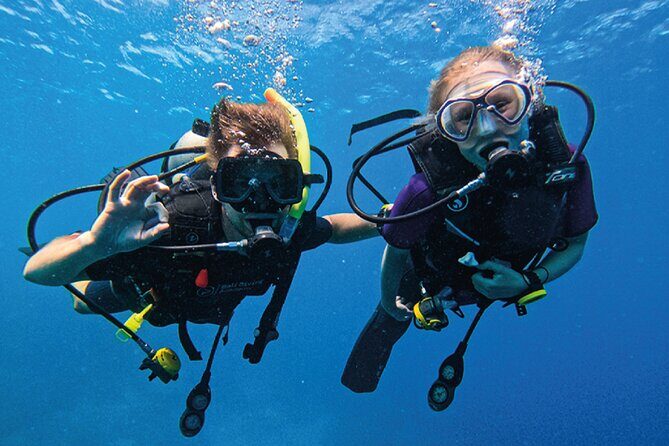
If you want to learn scuba the right way, start here. This 3-day PADI Open Water course in Pemuteran turns theory into real skills in a calm, guided pace. You’ll do online study with an instructor check-in, then move through pool practice and open-water sessions that build confidence step by step.

I really like the way this program is set up around safety and small groups—maximum 4 travelers means you’re not just a number. The instructors are certified and insured, and names from the team that came up strongly include Edi Sumantara, plus instructors Karin and Putu. One possible drawback: the schedule depends on weather, and if conditions don’t cooperate, you may be moved to a different date (or refunded).

Key Highlights Worth Your Time

3 Days PADI Open Water Course in Pemuteran - Key Highlights Worth Your Time

  • Max 4 travelers for more hands-on coaching and less waiting around
  • Online PADI e-learning you can complete before or during the course
  • Pool session first, so open-water skills aren’t learned on the fly
  • Open-water sessions 1–4 to practice what you learned in the real ocean
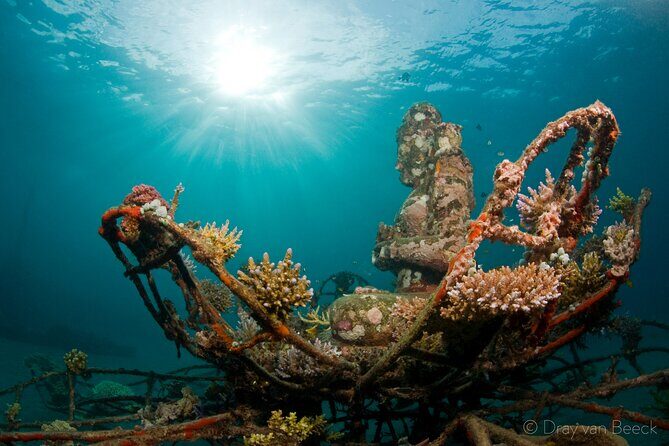
  • Menjangan Island outing is often a highlight, with turtles and even sharks reported

Why Pemuteran Works So Well for Open Water Training

3 Days PADI Open Water Course in Pemuteran - Why Pemuteran Works So Well for Open Water Training
Pemuteran is a smart choice for learning because it’s set up for sea-life viewing and calm training conditions. The course focuses on the foundations: how scuba equipment works, how to breathe underwater, how buoyancy feels, and how to handle real-life moments without panic.

You’ll also benefit from the local expertise behind the scenes. This academy trains with guides who are familiar with reefs and reef habitats, and they run small-group sessions with a professional who’s certified and insured. That matters to you because Open Water is the first step—getting good habits early makes everything that comes after easier.

The 3-Day Flow: How You Go From Theory to Open Water Skills

3 Days PADI Open Water Course in Pemuteran - The 3-Day Flow: How You Go From Theory to Open Water Skills
This Open Water course runs about 3 days, starting at 8:00 am and ending back at the meeting point. The rhythm is simple: study first, then skills in controlled water, then practice in open ocean.

Here’s the structure you should expect:

  • Online theory via PADI e-learning, reviewed with your instructor
  • Day 1: confined water practice (pool session)
  • Days 2–3: open-water sessions 1 to 4, where you apply the skills for real

The big value is that you don’t jump straight into the ocean without preparation. You’ll build muscle memory in the pool first, then take those exact skills outside where conditions can be less predictable.

Online Theory (PADI e-learning) and Why It’s Not Just Paperwork

3 Days PADI Open Water Course in Pemuteran - Online Theory (PADI e-learning) and Why It’s Not Just Paperwork
The theory component is delivered through PADI’s e-learning platform. You can do it before your start date or during the 3-day window, and your instructor reviews what you cover.

I like this setup because it keeps the “class time” from eating up all your daylight underwater. If you arrive with some theory done, you can spend more of the course practicing the actual skills—finning control, buoyancy, and clear communication.

Also, Open Water theory isn’t only about passing a standard test. It’s about understanding why scuba behaves the way it does—so when something feels different underwater, you can interpret it instead of guessing. That’s where confidence comes from.

Day 1: Pool Skills You’ll Thank Yourself For

Your first day is a confined water session in a pool. This is where you learn the basic scuba diving skills in a controlled, predictable environment.

In plain terms, this day is for learning the equipment and the body skills. You’ll practice what to do with your breathing, how to keep your buoyancy from running away, and how to manage your gear while staying calm. A good pool day means your open-water sessions feel like an extension, not a jump.

From the feedback I’ve seen, instructors here take their time and really focus on getting you comfortable. That’s the kind of coaching you want for your first scuba training block—especially if you’re nervous about the gear or buoyancy.

Days 2–3: Open-Water Sessions 1 to 4 (Where It Clicks)

3 Days PADI Open Water Course in Pemuteran - Days 2–3: Open-Water Sessions 1 to 4 (Where It Clicks)
After the pool, you move into the ocean for open-water sessions 1 to 4. This is where the course becomes real: you apply the techniques with natural light, real visibility conditions, and changing water movement.

These sessions matter because Open Water isn’t just learning to swim with tanks. It’s learning to control yourself underwater so you can enjoy the experience and stay safe. By the time you reach the later sessions, your skills should feel less like a checklist and more like a normal routine.

What you’ll likely practice in open water

The course is designed to take you through foundational skills and techniques, built on the theory you studied online. Even without going into every exercise, you can expect the instructor-led progression to cover core control and safety behaviors—things you can reuse forever once certified.

Group size helps a lot

Because the course runs with a maximum of 4 travelers, instructors can correct issues faster. You’re less likely to spend long stretches waiting your turn, and more likely to get direct feedback on the things that matter most for comfort.

Menjangan Island Option: Wildlife Encounters on a Classic Route

3 Days PADI Open Water Course in Pemuteran - Menjangan Island Option: Wildlife Encounters on a Classic Route
One of the standout moments tied to this experience is an outing to Menjangan Island. The reports I saw describe it as insanely beautiful, with turtles and even sharks spotted.

That kind of wildlife encounter is exactly what you want after you’ve learned the basics. It turns your training into a memory that feels bigger than a certification stamp. And because your course is already structured around skill-building, you’re not just sightseeing—you’re actually practicing staying relaxed while you watch what’s around you.

Even if wildlife shows up only sometimes, Menjangan is known for underwater life, and the structure of this course gives you a chance to experience it while you’re still in training mode.

Instructors Matter: Edi Sumantara, Karin, and Putu

3 Days PADI Open Water Course in Pemuteran - Instructors Matter: Edi Sumantara, Karin, and Putu
For a beginner course, instructor quality is everything. This academy emphasizes that every participant is guided by a professional who’s certified and insured, with reef and habitat familiarity built into the instruction.

Names that came through clearly in feedback include:

  • Edi Sumantara (recognized for being professional, focused, and safety-first)
  • Karin (praised alongside the rest of the team)
  • Putu (praised for great support and help)

When instructors take time with you, it usually means two good things: you get more repetitions, and your nerves get a chance to settle. That’s the difference between “I survived it” and “I actually learned.”

Equipment and Comfort: A Big Part of Learning Fast

3 Days PADI Open Water Course in Pemuteran - Equipment and Comfort: A Big Part of Learning Fast
Equipment quality can make or break your first days underwater. The feedback I saw was positive on the equipment—and for you, that’s practical: better functioning gear reduces troubleshooting and helps you focus on buoyancy and controlled breathing.

You’ll still need to learn how to handle your gear, but with solid equipment and patient coaching, that learning curve feels manageable instead of stressful.

Safety, Safety, Safety (And Why It’s More Than a Slogan)

This program claims a 100% safety track record, and it’s not just a marketing line. It’s backed by how the training is structured: pool first, then open water, with certified instructors guiding you throughout.

You should also notice what the program emphasizes: small-group safety, reef familiarity, and insured professional guidance. For your Open Water course, safety is the foundation that lets you experiment and learn without fear taking over.

And if you’re someone who likes clear process, you may appreciate the tight control of how the academy runs things. One review response hinted at strong procedural discipline, and that usually translates to smoother days—less confusion, more time doing the right exercises.

Price and Value: Is $425 Reasonable for 3 Days?

At $425 per person for a ~3-day PADI Open Water course, the main question is what you’re paying for besides the license itself.

You’re paying for:

  • Professional, certified instruction throughout
  • Pool skills practice before open water
  • Multiple open-water sessions (1–4)
  • A small group size capped at 4
  • Local site knowledge and guided ocean training in Pemuteran
  • A Menjangan Island outing component tied to the course experience

When you put it that way, the value looks more solid. You’re not just booking “time in the water.” You’re buying coaching, safety management, equipment use, and the step-by-step sequence that reduces mistakes early.

Plus, the academy offers group discounts (so if you’re traveling with a friend, it’s worth asking about how that affects your total cost).

What You’ll Be Like After This Course

By the end, you’ll earn the PADI Open Water certification, recognized worldwide. The certificate allows you to dive safely up to 18 meters (in typical conditions aligned with the training and certification scope).

More important than the number is how you’ll feel doing basic underwater tasks. If your pool day goes well and your open-water sessions are paced correctly, you should come away with:

  • Better awareness of breathing and buoyancy
  • Clear habits for staying calm underwater
  • A new baseline skill set you can build on for future trips

That’s where the course pays you back. Certification is the ticket; the real value is learning how to use it confidently.

Practical Tips Before You Go (So You Enjoy It More)

Because you’re starting from zero (or near zero) in scuba basics, your job is to show up ready to learn, not to rush.

Here are practical ways to make the days easier:

  • Bring a calm mindset for day 1 pool practice. It’s normal to feel awkward at first.
  • If you can, do some of the online PADI e-learning before the start day so your instructor time is spent on skills.
  • Plan for a moderate physical fitness level, since this is an active training program.
  • Pack for early mornings. It starts at 8:00 am, and you’ll want to be ready without stress.

Also, if you like good food after training, there’s a useful local suggestion. One review strongly recommended The Sage for a post-course meal in Pemuteran, which makes sense: after training days, you’ll want something simple and satisfying.

Who Should Book This Course in Pemuteran?

This Open Water course is a great fit if:

  • You want small-group attention instead of a crowded class
  • You value safety-first instruction and a structured progression
  • You want to end up with a real certification recognized worldwide
  • You’re excited about the chance to see Menjangan Island wildlife like turtles, and possibly sharks

If you’re the type who learns best when you practice in the water rather than just reading, this format should feel like the right blend of theory and coaching.

Should You Book Bali Diving Academy in Pemuteran?

If you’re considering your first scuba certification, I’d say yes—especially if you care about safety, instructor attention, and a course that starts in a pool before it goes into the ocean. The combination of small group size, trained professionals (including Edi Sumantara, Karin, and Putu), and the potential Menjangan Island wildlife payoff makes this more than a box-checking course.

The only real caution is weather dependency. Because the experience requires good weather, you should expect the schedule to flex if conditions aren’t right. If that won’t ruin your trip plans, you’ll likely find this course a strong value for your first certification step.

FAQ

How long is the PADI Open Water course in Pemuteran?

The course runs for 3 days approximately.

Where does the course start and end?

It starts at Bali Diving Academy Pemuteran at Dusun, Pemuteran, Kec. Gerokgak, Kabupaten Buleleng, Bali 81155, Indonesia, and it ends back at the meeting point.

What is the course schedule like on the water side?

You’ll do confined water (pool) practice on the first day, then open-water sessions 1 to 4 on the following two days.

Is the theory online?

Yes. The theory is done online via the PADI e-learning platform and is reviewed with your certified instructor. You can complete it before the course or during the 3 days.

What group size should I expect?

The experience has a maximum of 4 travelers.

What level of certification will I get?

It’s the PADI Open Water course, which is recognized worldwide and allows you to dive to 18 meters.

What if weather is bad or the minimum number of travelers isn’t met?

The experience requires good weather. If it’s canceled due to poor weather, you’ll be offered a different date or a full refund. If it’s canceled because the minimum traveler number isn’t met, you’ll be offered a different date/experience or a full refund.

Keliki Village Tour And Rice Field Walk Including Lunch Or Dinner

Keliki Village Tour And Rice Field Walk Including Lunch Or Dinner - The half-day pacing: how the 3 to 4 hours typically feel

Quiet footpaths in Bali beat the main road. This half-day Keliki village trek shifts from Ubud into quiet forest paths and open rice fields, with a private guide helping you spot small details most people miss. You’ll feel the slower rhythm of village life, and learn why the traditional irrigation system is the backbone of farming here.

I especially love that the walk gives you a real sense of everyday Balinese work. You’ll see farmers working in the rice area and catch views of plants along the way—like cocoa, coffee, and tamarind—plus your guide explains what you’re looking at. I also like that your meal is handled: lunch or dinner is included along with coffee/tea and mineral water, so you can stop thinking about food and just enjoy the day.

The main drawback to plan around is physical comfort and weather. This is moderate walking in outdoor conditions, and the experience requires good weather, so you’ll want shoes you trust and a flexible mindset if conditions change.

Key moments you’ll remember

Keliki Village Tour And Rice Field Walk Including Lunch Or Dinner - Key moments you’ll remember

  • A quieter Keliki route that mixes jungle footpaths with working rice fields
  • Private guide focus on what you’re seeing—plants, farming, and daily life
  • Traditional irrigation views tied to how rice farming actually works
  • Rice field + temple time guided so you know what matters
  • Lunch or dinner included with coffee/tea and mineral water
  • Small group size (up to 10 people) for a less chaotic feel

Why this Keliki walk feels different from typical Ubud tours

Keliki Village Tour And Rice Field Walk Including Lunch Or Dinner - Why this Keliki walk feels different from typical Ubud tours
Ubud can be busy. This tour turns that volume down quickly. Instead of racing between landmarks, you follow footpaths that lead to quieter pockets of forest and rice country, guided at a human pace.

The big difference is that the point is not just photos. It’s understanding the place while you’re walking through it. With a private guide, the route turns into a conversation: what plants are growing, how farmers move through the fields, and why the irrigation system is more than scenery.

You’ll also notice how the experience is built around connection. The emphasis is on being there with Balinese people, not just passing through. When the guide points out how water is managed and where farmers are working, it stops being a generic nature walk and becomes a real look at daily life in this part of Bali.

Price and value: what $41 really buys you

For around $41 and about 3 to 4 hours, you’re paying for a guided half-day that includes a real meal. That matters. Many tours in this area cover a route, then add costs for food, drinks, and extra stops. Here, lunch or dinner is included, along with coffee/tea and mineral water.

You’re also paying for time with a guide rather than just transportation. Since the experience is built around walking sections—jungle paths, rice fields, and a temple visit—the guide’s role is central. You’re not just getting a map; you’re getting interpretation as you move.

One thing to keep in mind: an air-conditioned vehicle is not listed as included. Pickup is offered, but if you’re sensitive to heat, be ready for open-air or non-AC transfer time depending on how pickup works that day. The walking itself is the main event anyway, so plan your comfort accordingly.

The half-day pacing: how the 3 to 4 hours typically feel

Keliki Village Tour And Rice Field Walk Including Lunch Or Dinner - The half-day pacing: how the 3 to 4 hours typically feel
Think of the day as a steady walking block with one main concentration: Keliki and the rice field area. It’s not a “check a box” tour. You take your time to reach the quieter spots at the end of paths, then you slow down again when you’re in the rice and temple segment.

The total time works well if you want something active but not all-day. It’s also a good option if you’ve already seen a few popular sites and want a different kind of Bali: less traffic, more footpaths, and more agriculture.

A small group cap (up to 10 people) helps the pace stay calm. In practice, that means fewer interruptions for questions and more room for the guide to point things out as you walk.

Stop in Keliki: jungle footpaths, rice fields, and the irrigation story

Keliki Village Tour And Rice Field Walk Including Lunch Or Dinner - Stop in Keliki: jungle footpaths, rice fields, and the irrigation story
The heart of the experience is your move from the Ubud area into Keliki, where the tour blends jungle path walking with rice-field scenery. You’ll be outdoors the whole time, so the mood shifts as the surroundings change—forest first, then open rice country.

As you go, your guide helps you notice details instead of just enjoying views. You might pass cocoa and coffee plants, and you’ll also hear about other local crops and trees, like tamarind. The benefit of this is simple: when you know the name of what you’re seeing, the whole walk feels more connected to the place.

Then you reach the working rice area and the tour turns practical. You’ll see farmers working, and you’ll get insight into Balinese traditional irrigation. This is one of the tour’s best “aha” moments, because irrigation isn’t just a nice canal system—it’s a system that shapes planting, water timing, and how fields stay productive.

Also, there’s a temple element added through the guide’s route. That gives the walk a cultural anchor, so you’re not only surrounded by plants and water. You’re seeing how village life, farming, and spiritual space sit side by side in this landscape of everyday routines.

What makes the Keliki portion special

  • You walk into a working area, not a show-only park
  • The irrigation explanation gives context you won’t get from a photo alone
  • Farmers are part of the scene, so it feels lived-in rather than staged

A realistic consideration

Because you’re walking and outdoors, you’ll want a moderate level of physical fitness. The route includes footpaths through jungle and fields, so if your legs tire quickly, you may find the pace a bit demanding. It’s still a half-day, but it’s not a slow stroller-style stroll.

The plants you’ll actually notice (and why naming them helps)

One of the tour’s nicest touches is how much time it spends on what grows around you. You’re not just told there are “nice plants.” You’re shown specific types your guide points out, including cocoa and coffee. The tour also mentions tamarind and other plants you may spot along the route.

Here’s why this part is more useful than it sounds. When you can name what you’re looking at, you start reading the place. You notice which trees sit near water, which plants thrive in shade versus open areas, and how the farming zone looks different from deeper jungle.

It’s a small skill you carry with you. Even after the tour ends, you’ll be better at spotting agricultural cues when you drive or walk around Ubud.

Rice farming in motion: watching farmers at work

The rice field segment isn’t only about viewing. It’s about observing human activity in an active agricultural setting. You may see Balinese farmers working, which shifts the feel from nature viewing into something more human and grounded.

That matters for value. If you’re paying for a guided experience, you want more than scenic repetition. Seeing daily work gives the walk a purpose. Your guide also connects the dots so you understand what irrigation does and why it’s central to rice cultivation.

This portion also tends to be the most calming. Once you’re in the rice area, your attention naturally slows. The pace of farm life is measured. It’s not silent—just not frantic.

The temple stop: adding meaning to the walk

A temple stop is included as part of how the guide brings you through the rice field area. The main advantage of a guided temple moment is that you’re not left guessing. You’re there with someone who helps you understand what you’re seeing and why it’s placed where it is.

Even if you’re not a deep religious-history person, this works because it’s practical and tied to the day. It’s also a good reset from the purely outdoor focus. You move from viewing plants and water to experiencing the spiritual and cultural layers that shape how communities live here.

Lunch or dinner included: what to do after you’re done walking

A major “yes” for this tour is that you eat with it. Your lunch or dinner is included, plus coffee/tea and mineral water. That turns the experience into a complete half-day plan instead of a part-time outing you have to stitch together with meal hunting.

One review described finishing with a delicious Indonesian meal served in an art-related setting connected to artists. Even if your exact serving spot varies by day, the takeaway stays the same: you’re not rushed out right after the walk. You get time to sit, recover a bit, and enjoy food after being on your feet.

Practical tip: since you’re provided water and drinks, you can keep your day lighter. Still, I recommend bringing a small personal snack if you’re the type who gets hungry fast. The tour includes a meal, but extra insurance is handy on humid days.

Pickup, meeting point, and small-group feel that actually matters

Pickup is offered, and the experience ends back where you started. The listed meeting point is Bintang Supermarket Ubud, on Jl. Raya Sanggingan No.45 in Sayan, Kecamatan Ubud, Kabupaten Gianyar, Bali.

Even with pickup, I like knowing the exact meeting point ahead of time. It reduces stress. If you arrive early, you can use the supermarket area as a clear reference point.

The group size is limited to a maximum of 10 people. That cap matters more than you’d think. In a small group, the guide can keep track of pace, make it easier to ask questions, and keep the walk from feeling like a conga line.

Getting ready: how to plan for heat, humidity, and walking time

This experience requires moderate physical fitness, so plan for a real walk. You’re not climbing mountains, but you are moving through jungle paths and rice-field areas.

What you should prepare for:

  • Comfortable shoes with grip, since outdoor paths can be uneven
  • Light layers you don’t mind getting warm
  • A small towel or something to wipe sweat if you run hot

Also, remember it’s weather-dependent. The tour requires good weather. If rain hits, the experience can be rescheduled or refunded. I treat that as a normal part of Bali planning and build flexibility into my schedule.

Who should book this (and who might want a different option)

This tour is a strong match if you want:

  • A private-guide style experience without the heavy tourist feel
  • A half-day walking plan in the Ubud area that focuses on farming, irrigation, and village life
  • A meal included so your day stays simple

It may not be the best fit if:

  • You need an all-vehicle comfort experience with lots of air-conditioning. AC isn’t listed as included.
  • You have mobility limits that make walking paths hard. Moderate fitness is required.

If you like learning by seeing—watching how people work and understanding why—this one tends to click fast.

Should you book Keliki Village Tour and Rice Field Walk? My call

I’d book it if you’re in Ubud and craving a more grounded Bali experience. For the $41 price, you get a guided half-day with a focus on rice fields, traditional irrigation, and a temple stop, plus lunch or dinner with coffee/tea and mineral water. That’s real value, especially compared to tours that charge extra for food and interpretation.

Skip it if you want a low-walking, indoors-heavy day, or if your schedule can’t handle a possible weather change. Also, be honest about fitness. The tour is outdoors and built around movement.

If your goal is to see Bali beyond the main drag—quiet paths, working fields, and a guide who helps you notice what’s actually around you—this is a smart, practical choice.

FAQ

How long is the Keliki Village Tour and Rice Field Walk?

It runs about 3 to 4 hours, depending on the day and the pace of the walk.

Is lunch or dinner included in the price?

Yes. Lunch or dinner is included, along with coffee/tea and mineral water.

Is pickup available, and where is the meeting point?

Pickup is offered. The meeting point listed is Bintang Supermarket Ubud, Jl. Raya Sanggingan No.45, Sayan, Kecamatan Ubud, Kabupaten Gianyar, Bali 80515. The tour ends back at the meeting point.

Do I need to buy an admission ticket?

The experience information shows admission ticket free for the main stop.

What physical fitness level is required?

You should have a moderate physical fitness level, since the activity involves walking on footpaths and through the natural areas.

What happens if weather is poor or I need to cancel?

The experience requires good weather. If it’s canceled due to poor weather, you’ll be offered a different date or a full refund. Cancellation is free up to 24 hours in advance for a full refund.

Nusa Penida Tour

Nusa Penida Tour - Kelingking Beach: the dinosaur head view comes with a steep reality check

Penida’s best views start at 6am. This is a focused west-side day on Nusa Penida built around the island’s most famous photo stops, with an air-conditioned private vehicle and fast boat time built into the plan. You’re not meant to “wander.” You’re meant to see the key sights and get back with daylight to spare.

I love the private vehicle just for your group—it keeps the day moving and saves you from awkward logistics. I also like that the guides/drivers are described as helpful and professional, which matters when roads are tight and schedules are early. The main thing to consider is the early start and the full-day timing (about 10 hours), so plan on a long, active day rather than a slow brunch kind of outing.

Key Points Before You Go

Nusa Penida Tour - Key Points Before You Go

  • West Nusa Penida, in one day: You hit Kelingking Beach, Broken Beach (Pasih Uug Beach), Angel’s Billabong, and Crystal Bay without overthinking routes.
  • Private transport on Penida: An air-conditioned vehicle is arranged for your group, which is a big deal on narrow, winding roads.
  • Lunch and bottled water included: You won’t have to hunt for food between viewpoints.
  • Photo-focused stops: Each major stop is set up for memorable views and easy sightseeing.
  • Small-group feel: While it’s private for your group, there’s also a minimum of 2 travelers for the tour to run.

Why West Nusa Penida Fits a 10-Hour Day So Well

Nusa Penida Tour - Why West Nusa Penida Fits a 10-Hour Day So Well
West Nusa Penida is where the dramatic coast views tend to concentrate, and this tour is built to match that reality. The plan is to keep your day tight and visual: fast boat round-trip, a private vehicle on the island, and stops that are already known for standout photos.

The big value here is simplicity. You get driven from one signature viewpoint to the next, without trying to translate island road conditions on your own. That matters because Penida’s roads can be challenging, and you’ll spend a lot more energy planning than enjoying if you go independent.

Price and Value: What $85 Really Buys You

Nusa Penida Tour - Price and Value: What $85 Really Buys You
At $85 per person, this isn’t a budget “just hop in a van and hope” setup. You’re paying for a package that includes round-trip fast boat tickets, private air-conditioned transportation, and a lunch with bottled water. Those inclusions add up fast in Bali, especially when you start factoring in private transfers and admission ticket coverage.

It also helps that the tour runs as a private experience for your group. That means fewer waiting moments and less time spent negotiating where to stand or when to move on. If you’re splitting the cost across at least two people, it can feel like a comfortable way to buy stress-free logistics.

One note: alcohol isn’t included with lunch. So if you want drinks beyond water, you’ll need to budget separately.

Your Morning Game Plan for a 6:00 AM Start

Nusa Penida Tour - Your Morning Game Plan for a 6:00 AM Start
The start time is 6:00 am, which is early even by Bali standards. You’ll want to treat this like an adventure day, not a sleep-in day—because timing is part of the tour’s value.

Here’s how I’d handle it. Eat a small breakfast before you go (or at the pickup if that’s an option for you), then use the included lunch later to avoid getting stuck hungry during the photo stops. And pack a light layer if you tend to get chilly in vehicles early in the morning.

Also, the tour is designed around a full-day rhythm (about 10 hours). That means you should expect some waiting and transit time—not endless hiking marathons, just the normal “get there, look, move on” rhythm of a west-coast sightseeing day.

Getting to Penida Without the Stress: Fast Boat + Private Vehicle

This tour covers the parts that can turn into a headache if you DIY it. You get return fast boat tickets plus organized transfers from addresses in Ubud and much of south Bali. Once you’re in Penida mode, your day switches to your own air-conditioned private transport.

There’s a reason this combination is so practical. Fast boats handle the water crossing efficiently, while private vehicle transport handles the reality of Penida’s narrow roads. You can focus on the views instead of spending your energy coordinating timing, meeting points, and road navigation.

The tour info also states that confirmation is received at booking time, and the day uses a mobile ticket. That’s one more small thing you can feel good about: you’re not scrambling for paper tickets in the morning chaos.

Stop-by-Stop: Kelingking Beach, Broken Beach, Angel’s Billabong, Crystal Bay

Nusa Penida Tour - Stop-by-Stop: Kelingking Beach, Broken Beach, Angel’s Billabong, Crystal Bay
This tour is built as a signature route on Penida’s west side. The stop order is designed to move you between the island’s most photographed lookouts, without turning your day into a map-reading contest.

Kelingking Beach: The Big-View Photo Anchor

Kelingking Beach is one of the main “epic photo” stops on the day. If you’re coming to Penida for iconic viewpoints, this is the kind of location you plan around—meaning you’ll want to arrive ready to look, shoot, and then move when it’s time.

The advantage of doing it inside a tour is pacing. Your driver manages the “get to the next spot” part, so you can focus on getting your angles and not losing time trying to coordinate with other parts of your day.

Broken Beach (Pasih Uug Beach): Stunning Views Built for Photos

Broken Beach is another highlight specifically called out for its stunning scenery. This is one of those stops where the viewpoint is the whole point, and the tour setup keeps that simple.

A practical tip: since this is a shared day with scheduled transit time, don’t treat each stop like you have all day. Take your shots, enjoy the view, then be ready for the move to the next location.

Angel’s Billabong: A Classic Penida Signature

Angel’s Billabong is included for epic photos, and that’s exactly what you should plan for. The tour keeps it in the core list of west-side signatures, so you’re not hunting for a place that might be worth it “if you have time.”

The value of having it on a planned route is time efficiency. If you’re short on Penida hours, a structured day like this helps you hit the best-known stops without overextending your schedule.

Crystal Bay: Finish the West-Side Session Strong

Crystal Bay rounds out the west-side experience with another signature coastal viewpoint. This stop matters because it gives the day a strong visual ending, rather than letting your day fade out with the least interesting option.

If you’re the type who likes to take a few different angles at each stop, this is a good place to slow down slightly—then let the tour’s transport handle the rest. You’ve got lunch and water included, so you can stay comfortable until the day ends.

Lunch, Bottled Water, and the Comfort Stuff That Actually Helps

This tour includes lunch and bottled water, which is more valuable than it sounds on Penida. When you’re bouncing between viewpoints, hunger can get distracting fast, and dehydration is a real thing in tropical heat.

Also, the vehicle is air-conditioned. That’s a simple line item on paper, but it changes the feeling of the day. It turns the ride time from “ugh” into a brief reset between stops.

One small detail: alcoholic beverages aren’t included. If that matters to your day, plan to keep it to water and skip alcohol—or budget separately.

Who This Tour Is Best For (and Who Might Want to Skip It)

Nusa Penida Tour - Who This Tour Is Best For (and Who Might Want to Skip It)
This is a great match for you if you want west Nusa Penida in a single, organized day and you’d rather pay for logistics than solve them. It’s also a good fit if you care about photo-driven stops like Kelingking Beach, Broken Beach, Angel’s Billabong, and Crystal Bay.

You might want to think twice if you dislike early starts or if you’re looking for something slow and unstructured. This one is to-the-point, and the full-day timing (about 10 hours) means you’ll be on the move.

It’s also a decent option for groups of 2+ because the tour includes a minimum number of travelers to operate. If your group is smaller, check that the day will run as planned.

Practical Notes That Can Save Your Day

Because the tour is private for your group, you’ll generally have more control over how long you spend at a viewpoint. Still, Penida is Penida, and time passes quickly when there’s a lot to see.

Here are a few practical ways to get more from the day:

  • Bring a few essentials for photo time (things like sun protection and a way to keep your phone charged).
  • Set expectations for narrow roads: you’re not stuck, but you should assume slower travel in spots.
  • Use the included lunch and bottled water to keep your energy steady between stops.

And a small but important mindset shift: treat it like a planned sightseeing day, not a free-for-all. That’s what makes it work.

Should You Book This West Nusa Penida Tour?

If your goal is to see the west-side Penida highlights without the hassle, I’d lean yes. The combination of fast boat round-trip, private air-conditioned transport, and lunch plus bottled water is strong value for $85, especially when roads can be tricky and you don’t want to spend your vacation managing transport.

Book it if you want an organized route, recognizable viewpoints, and a day that stays focused. Skip it (or consider another style of tour) if you hate early wake-ups or you’d rather roam slowly at your own pace instead of moving from stop to stop.

If you want a stress-light way to get those iconic west Nusa Penida photos, this plan is built for you.

FAQ

What’s the tour price per person?

The price is $85.00 per person.

What’s the duration of the Nusa Penida tour?

It’s about 10 hours (approx.).

What time does the tour start?

The start time is 6:00 am.

What are the main places you visit on Nusa Penida?

You’ll visit Kelingking Beach, Broken Beach (Pasih Uug Beach), Angel’s Billabong, and Crystal Bay.

Is pickup included, and where is pickup available?

Pickup is offered, including from addresses in Ubud and much of south Bali. A driver pickup is also referenced from the Denpasar area for the Penida portion.

What’s included in the price?

Lunch, bottled water, an air-conditioned vehicle, private transportation, and an admission ticket are included. Round-trip fast boat tickets are also included.

Is the tour private or shared?

This is a private tour/activity. Only your group participates.

Is a mobile ticket provided?

Yes, the tour uses a mobile ticket.

Is alcohol included with lunch?

No, alcoholic beverages are not included.

Mount Batur sunrise hike & white water rafting

Mount Batur sunrise hike & white water rafting - Mt. Batur at first light: what the hike and rim breakfast really mean

First light on Mt. Batur is a special kind of early. This day combines an active-volcano sunrise hike with a white-water run on Bali’s Ayung River. You get a small-group setup, plus breakfast, lunch, and bottled water, so you’re not constantly digging into logistics while you’re tired and cold.

What I like most is the pickup and drop-off. For an experience that starts before the sun, that matters. Second, the guides are a real part of the value: you get close attention on both parts of the day, and the photos taken by the team can be a nice bonus after all that effort.

The main thing to consider is the physical load. You’re climbing for sunrise and then rafting right after, so if you have asthma, respiratory issues, or spinal or leg problems, you should think hard before booking and ask a medical professional if needed.

Key things to know before you go

Mount Batur sunrise hike & white water rafting - Key things to know before you go

  • Small group (max 15): Easier communication and closer attention during the hike and rafting.
  • Pickup from The Stones Hotel area: Less stress with an early start in Kuta/Legian.
  • Breakfast on the crater rim: You eat at altitude after the climb, not just somewhere convenient.
  • Ayung River rafting after sunrise: Expect an energy crash, then adrenaline, then another crash.
  • Most food and water are included: Bottled water plus breakfast and lunch, though breakfast may feel basic to some people.
  • Weather can change plans: If it’s canceled due to poor weather, you’ll get a different date or a full refund.

Why this Mt. Batur + Ayung River day feels like the real Bali

This tour is built for momentum. You start the morning with the kind of volcano sunrise that makes Bali feel like more than beaches and cocktails. Then you move straight into white-water rafting for a totally different rhythm—hands working, eyes forward, and a lot less time thinking about your next selfie spot.

The reason this combo works so well is simple: the day is structured around two iconic experiences that naturally go together. Mt. Batur gives you a sunrise moment and a local-guide-driven hike. Ayung River gives you action outside Ubud with a dedicated rafting guide. Pair that with pickup and a packed meal plan and you spend less time coordinating.

Also, the small group size matters. With a maximum of 15 travelers, you’re less likely to feel like a number. When you’re cold at altitude or negotiating river safety, it’s nice to have people actually keeping an eye on you.

Getting there the easy way: pickup from The Stones Hotel (Legian)

Starting point is The Stones Hotel – Legian Bali, Autograph Collection in Legian (Jl. Raya Pantai Kuta, Banjar Legian Kelod, Legian 80361). Pickup is included, and that saves you from the common early-morning scramble.

Here’s the practical value: if your day begins for sunrise, you don’t want to be figuring out where to meet or how to get there while you’re half-awake. Pickup also reduces parking and traffic stress, which can be a quiet time-killer around Kuta and Legian.

One more detail that helps planning: the tour uses a mobile ticket, so you can keep everything on your phone instead of hunting for paper.

Mt. Batur at first light: what the hike and rim breakfast really mean

Mount Batur sunrise hike & white water rafting - Mt. Batur at first light: what the hike and rim breakfast really mean
Mt. Batur sunrise hiking is all about timing and effort. You’re climbing early enough to catch the sunrise, and that means you’ll feel it in your legs. The good part is that the payoff is built in: the climb is the setup for the crater-rim breakfast and the views right after.

The plan is straightforward:

  • You hike up Mount Batur with a local guide.
  • You reach the top in time to watch sunrise.
  • You eat breakfast on the crater rim.

What makes the rim breakfast a big deal is that it turns the hike into more than just walking. Food at altitude also helps you recover before the next transfer. In most sunrise tours, you either suffer first and eat later. Here, the meal is timed for after the hard part, when you can actually enjoy it.

That said, manage expectations about breakfast quality. One piece of feedback you should take seriously: the included breakfast can feel a bit basic. I’d treat it as fuel rather than a food highlight. If you’re picky, bring a small personal snack for backup so you’re not stuck wishing you had.

Cold up top is real

Bring layers. A jacket matters, especially near the summit before sunrise warms up. Expect it to be cold up top, even if Kuta feels hot when you start the day.

The handoff moment: from volcano climb to Ayung River rafting

After you eat and get your bearings, you move on to rafting on the Ayung River, outside Ubud. This is not just a scenic change—it’s a total body shift.

Mt. Batur uses your legs and stamina. The Ayung River uses your arms, balance, and attention. The best part of doing this in one day is that the adrenaline from rafting can counter the fatigue you’re already carrying from the hike. The risk is that you’ll be physically tired, so you need to be honest about your limits.

The rafting portion is led by a dedicated rafting guide. The value here is guidance and safety: river days go better when the instructions are clear, and when the team is focused on keeping the group moving correctly through the rapids.

What you should plan for after the climb

Even if you’re fit, this is a day that asks for recovery time afterward. One review described leg recovery for a few days, and that matches the general reality of a sunrise climb followed by active rafting. If you have another big day planned right after, consider scheduling something lighter or adding rest the next morning.

Food, water, and what to pack to avoid day-two regret

You get breakfast, lunch, and bottled water as part of the package. That is real value because it reduces the number of stops you need to make during a long day.

Lunch is especially important here. You’re doing two physical activities, and many people underestimate how hungry they get after sunrise efforts. Having lunch included helps you keep energy up and prevents the “I’ll eat later” spiral that often happens when you’re tired and traveling.

Still, don’t ignore the practical takeaways from feedback:

  • Breakfast may be a bit plain—think fuel.
  • Pack a jacket/layers for the top.
  • Consider bringing extra small snacks if you know your appetite runs strong.

For water, bottled water is included, which is great. But if you like drinking frequently while walking or waiting, bring a small extra water strategy (like a lightweight personal bottle) if that fits your style. The tour provides bottled water, so you’re covered; this is just for comfort.

Price and value: how $23 can work (and when it doesn’t)

At $23, this tour looks like a steal for a full day. It’s also a good reminder that price in Bali can be wildly different depending on what’s included and how small the group is.

Here, the value comes from the blend:

  • Two big activities in one day (volcano sunrise hike + rafting)
  • Pickup and drop-off included
  • Meals included (breakfast + lunch) plus bottled water
  • Small group limit (up to 15)
  • Mobile ticket convenience

Where you have to be realistic: sunrise hikes and rafting are naturally weather-dependent, and guide time is labor-intensive. When things are priced low, what you’re usually not getting is luxury comfort. That matches the feedback about breakfast being underwhelming.

So I’d treat the $23 as a value play if you care about experiences over comforts. If you need a very soft pace, fancy facilities, or premium food quality, you might find this style more budget-focused.

Who should book Mt. Batur sunrise + Ayung rafting

This is best for adventure-minded people who don’t mind a physically demanding day and early hours.

You’ll probably love it if you…

  • Want a sunrise view that feels like a real adventure, not a late brunch with a view.
  • Enjoy adrenaline that isn’t just motorbikes and scooters.
  • Like being guided closely—especially for rafting, where instructions matter.
  • Prefer a small group over long lines and big crowds.

Think twice if…

  • You have asthma, respiratory issues, spinal issues, or leg issues. One review specifically warns against those conditions, and I agree with the caution. Sunrise climbing plus an active river day is not the place to push through a health limitation.
  • You’re not comfortable with cold conditions at altitude. The jacket tip shows that temperature can surprise people.

If you’re unsure, ask yourself a plain question: can you hike uphill for a while at an early hour, then do rafting without your body panicking? If the answer is no, skip this one and choose a gentler day.

Guides and photos: why the human touch matters on tough days

One of the most praised parts is the guidance. The hike and rafting both rely on people who can manage pace, safety, and confidence. When that’s done well, you feel calmer, and you move more efficiently.

There’s also a small but important perk: the guides take great pics. That can save you time and effort with camera handling during cold mornings and active rafting moments. On a day like this, you want your hands free when they matter, and photos ready afterward.

Weather reality: when sunrise plans depend on the sky

This experience requires good weather. If it’s canceled due to poor conditions, you’ll be offered a different date or receive a full refund. That’s the honest part of Bali adventure travel: sunrise hiking can’t always happen if visibility or conditions are unsafe.

A smart move is to keep your schedule flexible around it. If your trip includes only one day that can fit the hike, you’re taking on a bit more risk. If you have another workable date later in your stay, your odds of catching it improve.

Is it worth booking? My quick decision guide

I’d book this tour if you want one day that hits two of Bali’s most memorable adventure styles—sunrise volcano effort plus Ayung River rafting—without you managing every detail.

I’d skip or replace it if:

  • Your health limits you from climbing and rafting.
  • You want a relaxed, low-effort day.
  • You’re sensitive to cold mornings and don’t want to layer up.

If you do book, come ready for a full-body day. Wear layers, bring a jacket for the top, and treat included breakfast as fuel, not a gourmet meal.

FAQ

Where does the tour start?

The start point is The Stones Hotel – Legian Bali, Autograph Collection, Jl. Raya Pantai Kuta Banjar Legian Kelod, Legian 80361, Indonesia.

How long is the Mount Batur sunrise hike and Ayung rafting day?

The duration is about 10 to 12 hours.

Is pickup included?

Yes. Pickup and drop-off are offered, which helps you avoid stress during the early start.

What’s included in the package?

The package includes breakfast, lunch, and bottled water, plus the Mt. Batur sunrise hike and Ayung River white-water rafting with guided support.

How big is the group?

The tour has a maximum of 15 travelers.

Is a mobile ticket used?

Yes, the tour includes a mobile ticket.

What should I bring for the sunrise hike?

Expect it to be cold near the top before sunrise. A jacket and warm layers are a good idea.

What happens if weather is bad?

If the experience is canceled due to poor weather, you’ll be offered another date or a full refund.

What are the cancellation rules?

You can cancel for a full refund if you cancel at least 24 hours before the experience’s start time (local time).

Bali Private Car Hire with English-Speaking Driver

Bali Private Car Hire with English-Speaking Driver - What $52.05 per person buys you (and where it can feel like a bargain)

A calm day in Bali starts with not driving. This private car hire gives you the freedom to tour south Bali and Ubud without white-knuckle navigation on narrow roads. You get a private vehicle plus an English-speaking driver, so you can relax while your route (more or less) writes itself.

Two things I really like are the peace-and-comfort setup and the way the day stays flexible. You’ll ride in an air-conditioned car or minivan, and you can still keep your day moving instead of waiting for connections or second-guessing directions.

One thing to consider: not every stop’s admission is covered. Tegalalang Rice Terrace is listed as admission not included, so budget a little extra if that’s a must-stop for you.

Key highlights to look for

Bali Private Car Hire with English-Speaking Driver - Key highlights to look for

  • English-speaking private driver: Friendly, punctual service that makes the day feel easy.
  • Onboard Wi-Fi: Share photos and moments without worrying about data roaming.
  • Hotel pickup and drop-off: Less time “getting organized,” more time seeing Bali.
  • Included parking and fuel: You avoid the messy surprise costs that pop up with ad hoc plans.
  • Smart stop mix: A water temple, a forest with monkeys, a Ubud waterfall, and rice terraces.

Bali private car hire: the real value is stress-free routing

Bali Private Car Hire with English-Speaking Driver - Bali private car hire: the real value is stress-free routing
Bali is stunning, but driving can turn stressful fast. Traffic can feel constant, and some roads are both narrow and curvy. This is exactly why a private driver matters: it turns your “I want to see more” plan into an actually enjoyable day.

I like that the tour is built around a full-day pace—about 6 to 10 hours—so you can do the big sights without feeling like you’re constantly switching plans. And because it’s private, you’re not stuck with a group tempo that doesn’t match your energy level.

You also get the small-but-important comfort details handled. The vehicle is air-conditioned, and you have hotel pickup and drop-off, which is one of the best ways to keep your schedule from getting messy.

What $52.05 per person buys you (and where it can feel like a bargain)

Bali Private Car Hire with English-Speaking Driver - What $52.05 per person buys you (and where it can feel like a bargain)
At $52.05 per person, the value comes from what’s bundled—not just the car ride. Your cost includes:

  • a private vehicle (car or minivan),
  • an English-speaking driver,
  • parking fees and a fuel surcharge,
  • and onboard Wi-Fi for sharing while you travel.

On paper, “private driver” can sound like an expensive add-on. In Bali, it often isn’t, because one day of taxis plus parking plus time lost can quickly add up. Here, you get a full day’s logistics handled up front.

Then you have the admissions situation. Some stops include entry (Tirta Empul, Sacred Monkey Forest Sanctuary, and Tegenungan Waterfall). One stop doesn’t: Tegalalang Rice Terrace. That mix can still be good value, because it keeps some entry fees off your plate while still covering the main anchor experiences.

Designing your day: how pickup, time, and flexibility work in practice

You’re touring south Bali and Ubud, and you can design the day around where you want to go. Practically, that means you’re not locked into only one rigid route with zero wiggle room. The itinerary provided gives you a solid sequence, but the tour concept is freedom with guardrails.

Expect hotel pickup and drop-off, which helps you start and end on time without playing navigation games in busy areas. The experience also uses a mobile ticket, so you’re not hunting for paper while you’re already late (or hot, or both).

A small planning note: this type of booking is typically reserved well ahead of time (it’s averaged around 52 days in advance). If your travel dates are fixed, booking early usually helps you avoid last-minute scrambling.

Stop by stop in Ubud and beyond

Bali Private Car Hire with English-Speaking Driver - Stop by stop in Ubud and beyond
The itinerary is nicely paced: four major stops, each listed as about 1 hour. That’s enough time to see, wander, and get your photos without turning the day into a sprint.

Tirta Empul Temple: the water temple you can feel in your bones

Your first stop is Tirta Empul Temple, described as one of the busiest water temples in Indonesia. It’s sacred to Balinese Hindu community members, and the focus is on the holy springs.

This stop is interesting because it’s not just a pretty building. It’s a working religious site with a strong cultural purpose. The “busiest” part also matters: you can expect crowds and a lively atmosphere, so keep your expectations realistic and your pace calm.

Admission is included here. If you want to make the most of it, plan to stay present rather than treating it like a photo-only stop. The meaning of the place is the point.

Potential consideration: being a busy temple, it can feel more crowded than some Bali attractions. If you’re sensitive to crowds, you may want to bring a patient attitude.

Sacred Monkey Forest Sanctuary: temples and macaques in the same breath

Next is the Sacred Monkey Forest Sanctuary. The key detail is that you’ll see sacred gray macaques roaming among Hindu temples in a forest setting.

This is one of those experiences where you’re seeing animals in a religious context, not just watching wildlife. It can be fascinating—and sometimes a bit chaotic—because macaques are curious by nature and move around.

Admission is included, and the stop is set for about 1 hour. That time is usually enough to explore the paths, look at the temple structures, and observe the animals without turning it into a long slog.

Potential consideration: this is a wildlife-style stop. If you don’t enjoy close-up animal energy, keep your distance and focus on the temples and surroundings rather than trying to interact.

Tegenungan Waterfall: a Ubud waterfall with the option to swim

Then you head to Tegenungan Waterfall, located in Ubud. The itinerary notes a green view, and it also says you could swim into the waterfall area.

This is the kind of stop that changes the mood of a day. Temples and forests get your mind in cultural mode; a waterfall puts you in body-and-breath mode. The “swim into” detail is the big draw. If you’re even thinking about swimming, wear something you can get wet and be ready for the reality that waterfall conditions can change what feels comfortable.

Admission is included, and the time is also about 1 hour, so you’ll get a solid visit without losing half your day.

Potential consideration: because it’s a swimming-capable waterfall, you may find it more active and physically involved than a viewpoint stop. Go at a pace that feels safe for you.

Tegalalang Rice Terrace: the classic Ubud views, with an extra ticket

Finally, it’s Tegalalang Rice Terrace in Ubud. The highlight is simple: the rice terraces and their layered views.

This is often the stop people remember later, because it looks like Bali from postcards and from memory. The itinerary gives about 1 hour, which is enough time to find a viewpoint, walk a loop, and enjoy the rice paddies without rushing.

One big note: admission is not included. So factor that into your budget if you’re planning to do this stop as part of your day.

Potential consideration: this area can be popular, so expect more foot traffic than you might see at smaller village spots.

Onboard Wi-Fi: useful for sharing, not for planning your whole day

Bali Private Car Hire with English-Speaking Driver - Onboard Wi-Fi: useful for sharing, not for planning your whole day
This tour includes onboard Wi-Fi, which sounds small until you’re actually trying to upload a photo or message friends without worrying about data costs. The idea here is that you can share travel moments as they happen without using your own mobile data roaming.

It also makes the day feel more modern. Waiting in traffic or riding between stops becomes less of a dead zone, and you can keep your plans tidy while you travel.

Just remember: Wi-Fi is helpful, but it doesn’t replace your offline maps. I treat it as a bonus for sharing, not as a dependency.

The driver experience: why Kadek Made keeps showing up in good reviews

Bali Private Car Hire with English-Speaking Driver - The driver experience: why Kadek Made keeps showing up in good reviews
In one of the standout comments, the guide name Kadek Made appears. The review describes him as super friendly and kind, making the experience comfortable from the first meeting. It also highlights that he knows a lot about Bali’s history, culture, and all those spots you might not find on your own.

That’s the real driver value: not just translating English, but shaping the day so you don’t feel like you’re ticking boxes. A great driver can help you move between places in a way that feels logical, and they can nudge you toward what makes each stop worth your time.

Other feedback also points to drivers being punctual and professional, with a relaxed, easygoing vibe. That matters in Bali because the day can feel complicated even when it shouldn’t.

Who should book this private car hire?

Bali Private Car Hire with English-Speaking Driver - Who should book this private car hire?
This is a great match if you want:

  • a stress-free day with a driver handling roads and timing,
  • easy access to a mix of temples, forest, waterfall, and rice terraces,
  • the ability to keep things flexible instead of rushing from one stop to the next,
  • a private setup where your group sets the tone (only your group participates).

It’s especially good for first-timers in Bali who want Ubud highlights without trying to drive themselves. It also makes sense for anyone traveling with limited time who still wants more than one or two stops.

If you’re the type who loves DIY planning and enjoys navigating on your own, you may feel like this is extra structure. But if you’d rather spend that energy enjoying the sights, the private format makes the day feel smoother.

Quick practical tips to get more out of the day

Bali Private Car Hire with English-Speaking Driver - Quick practical tips to get more out of the day

  • Wear clothes that work for temple visits and a waterfall day. You’ll hit both in one outing.
  • Plan for at least one stop to be crowded (Tirta Empul is listed as busy).
  • Bring money for Tegalalang Rice Terrace, since admission isn’t included.
  • If you’re thinking about swimming at Tegenungan, treat it as a “maybe outfit” day, not a formal wear day.
  • Keep an easygoing mindset about timing. The tour is set up for a calm full day, not a strict minute-by-minute sprint.

Should you book this Bali private car hire?

I’d book it if you want a day that feels comfortable, paced, and well organized, without the strain of driving. The included basics—air-conditioned private transport, hotel pickup/drop-off, English-speaking driver, and parking + fuel—are the kind of things that stop small hassles from turning into big frustrations.

It’s also a good call if you care about a balanced set of stops. You get religious sites (Tirta Empul and the forest sanctuary), a classic Ubud natural moment (Tegenungan Waterfall), and the rice terrace views at Tegalalang.

Skip it only if you’re highly price-sensitive to the point where you’d rather handle admissions and local logistics alone, or if you dislike crowded temple experiences.

If you want one practical day that cuts through Bali friction and still hits the sights, this is a strong option.

FAQ

How long is the private car hire?

It runs for approximately 6 to 10 hours.

Where does the tour start?

It’s based in Seminyak, and hotel pickup and drop-off are offered.

Is the driver English-speaking?

Yes. You’ll have a private English-speaking driver.

Is Wi-Fi included?

Yes, there is onboard Wi-Fi.

What’s included in the price?

The tour includes the air-conditioned car or minivan, private English-speaking driver, parking fees, and fuel surcharge.

Are temple and attraction tickets included?

Admission is included for Tirta Empul Temple, Sacred Monkey Forest Sanctuary, and Tegenungan Waterfall. Admission for Tegalalang Rice Terrace is not included.

How many people are in the group?

This is private, so only your group participates.

Is a pickup time confirmed after booking?

Confirmation is received at the time of booking.

What vehicle do I ride in?

You’ll ride in a comfortable air-conditioned car or minivan.

What is the cancellation policy?

Free cancellation is available up to 24 hours in advance for a full refund. If you cancel less than 24 hours before the start time, the amount paid is not refunded.

Bali Swing Packages and Tanah Lot Temple Sunset Tour

Bali Swing Packages and Tanah Lot Temple Sunset Tour - Stop 1: Real Bali Swing and Its Pioneer Active Swing Mix

Swings, temples, and sea-gold sunset can fit into one day. This tour strings together Bali Swing photo time, two classic temple stops (including Tanah Lot), and a relaxed lunch, all with private transport from Ubud. I like the mix of swing styles (so you’re not just doing one pose) and the fact that entrance fees and a full car ride are handled for you. One thing to plan for: the day is physical and long, and Bali Swing add-ons like dress rental or a hired photographer can raise the final cost.

What makes the route feel smart is pacing. After the jungle adventure, you move into gardens and coastal temples, so you’re not only jumping from one busy attraction to another—you’re also switching scenery and vibe. You’ll get a UNESCO-listed temple garden at Taman Ayun plus two ocean-side viewpoints, with bottled water included to help keep the day comfortable.

Key Highlights You’ll Actually Care About

Bali Swing Packages and Tanah Lot Temple Sunset Tour - Key Highlights You’ll Actually Care About

  • 7 different swing styles at Bali Swing, including single, romantic, bed swing, sky bed, and both chicken and bird nest setups
  • Taman Ayun Temple is built for strolling, with Bali-style architecture and a famous garden layout
  • Batu Bolong is about the rock feature, a cliff temple with a hole where seawater can enter
  • Tanah Lot sunset timing is the main event, with the iconic sea-edge view that can look like the temple is floating
  • Private car + English-speaking driver means less waiting and fewer “figure it out” moments
  • Lunch and entrance fees are included, so you can budget without surprise ticket lines

Entering the Flow: How the 8-Hour Day Stays Manageable

Bali Swing Packages and Tanah Lot Temple Sunset Tour - Entering the Flow: How the 8-Hour Day Stays Manageable
This is an approx 8-hour private day that starts at 9:00am. You’ll be in the car more than you might expect, but the itinerary is built so the travel connects big visual payoffs: jungle swings, a temple garden, and ocean temples.

The “private” part matters. You’re not rotating through a packed group schedule. Instead, you have your own car with good A/C and an English-speaking driver, which helps when you want bathroom breaks, a quick pause for photos, or a moment to cool down.

Stop 1: Real Bali Swing and Its Pioneer Active Swing Mix

Bali Swing Packages and Tanah Lot Temple Sunset Tour - Stop 1: Real Bali Swing and Its Pioneer Active Swing Mix
Bali Swing is the headline because it’s not one ride—it’s a whole set. This tour includes the Bali Swing Pioneer active package with 2 single swings, 1 romantic swing, 1 bed swing, 1 sky bed, plus 1 chicken nest and 1 bird nest. That range is a big deal for your photos, because each swing style creates a different angle and background.

What you’ll like most is the variety of “photo silhouettes.” Single swings are classic, romantic swings are more couple-friendly, and the bed and sky bed options tend to give dramatic framing. The chicken nest and bird nest swings are the playful, most memorable ones—great if you want that fun, slightly crazy Bali energy rather than only elegant poses.

A practical note: Bali Swing isn’t a gentle activity. You should have moderate physical fitness, and the tour isn’t suitable for kids under 7. If you’re a bit unsure about heights or getting onto platforms, you’ll want to pace yourself and pick the swings you feel most comfortable with.

Costs that can pop up at Bali Swing

Two optional add-ons are mentioned for Bali Swing: renting a dress (approx USD 25/person) and hiring a photographer at Bali Swing (approx USD 25/person). If you want a fully styled look or you’d rather not rely on your own phone shots, budget for at least one of these.

Lunch Break: Indonesian Food Without the Guesswork

After the swings, you go to a restaurant for Indonesian food lunch. Lunch is included, and you also get one bottle of mineral water per person, which matters on a long day when you’re moving from heat to shade and back again.

Because the meal is part of the package, you don’t have to choose a restaurant on the fly while you’re tired and sun-kissed. You also avoid the common Bali problem of spending your one free hour searching for food.

If you’re the type who likes to keep the day moving, you’ll probably appreciate that the tour doesn’t try to turn lunch into a half-day detour.

Stop 2: Taman Ayun Temple Gardens (UNESCO) and What to Expect

Bali Swing Packages and Tanah Lot Temple Sunset Tour - Stop 2: Taman Ayun Temple Gardens (UNESCO) and What to Expect
Next comes Taman Ayun Temple, located in the Mengwi District. This temple is known for its garden setting and Bali architecture, and it’s described as a UNESCO heritage site—so you’re not just visiting a single courtyard, you’re walking through a designed landscape.

You’ll be there for about 1 hour, which is enough time to see the main layout and take photos without feeling rushed to the next stop. The “garden” element is key: it gives you a calmer moment after the action of Bali Swing. If you’re taking photos, this stop usually helps because lighting and pathways can feel less chaotic than the coastal crowds.

Temple etiquette is worth keeping in mind in Bali, and that means dressing appropriately and moving respectfully. Your driver can help you with basic expectations if you’re unsure, but it’s still smart to bring a simple plan: covered shoulders and a respectful look go a long way.

Stop 3: Batu Bolong Temple on the Rock With a Seawater Hole

Bali Swing Packages and Tanah Lot Temple Sunset Tour - Stop 3: Batu Bolong Temple on the Rock With a Seawater Hole
Then you head to Pura Batu Bolong. The key feature here is the cliff temple setting with a hole in the rock where seawater can enter. That’s what makes Batu Bolong feel “specific,” not generic.

It’s scheduled for about 1 hour. That timing works because you’ll likely spend some of that time just standing and watching the ocean rhythm. Depending on conditions, the rock-water effect can be more dramatic when water movement is stronger.

One drawback to consider: nature controls the final look. Coastal temples can shift with tide and weather, and you shouldn’t expect one single consistent photo moment. The upside is that it’s a place you’ll enjoy even if the ocean doesn’t cooperate perfectly.

Stop 4: Tanah Lot Sunset—Where Timing Really Matters

Bali Swing Packages and Tanah Lot Temple Sunset Tour - Stop 4: Tanah Lot Sunset—Where Timing Really Matters
Finally, you reach Tanah Lot Temple, one of Bali’s best-known coastal sights. The temple is described as being on a rock on the edge of the sea. When sea water is high, it can look like the temple is floating in the ocean, which is exactly the effect people come for.

You’ll spend about 2 hours here, which is the right window. Sunsets need time. Even if you arrive with the sun already moving, you still get a chance to settle in, take photos, and watch the light change across the water and rock.

What I like about ending the day here is that it shifts your focus from activity to atmosphere. You go from platforms and poses to quiet viewing, and the whole experience feels like it’s closing in a meaningful way.

A realistic expectation

Sunset is “guaranteed” only in the sense that the sun will keep moving. The “floating temple” look depends on sea water height, so if that exact effect is your number one goal, bring flexible expectations. You’ll still get one of Bali’s most photogenic coastal temple scenes.

Price and Value: Is $115 Per Person a Good Deal?

Bali Swing Packages and Tanah Lot Temple Sunset Tour - Price and Value: Is $115 Per Person a Good Deal?
At $115 per person, this tour sits in the mid-range category for Ubud day trips that combine multiple major stops. What helps the value is what’s included:

  • Private car with good A/C
  • English-speaking driver
  • Petrol and parking
  • Entrance fees
  • Bali Swing Pioneer package (all the swing styles listed)
  • Lunch (Indonesian food)
  • Mineral water (1 bottle/person)
  • Insurance coverage during swing

That’s a lot of “common add-ons” handled in advance. Many Bali tours advertise transport but push entrance fees and swing tickets onto you later. Here, the big ticket items are explicitly covered.

Where the cost can rise is also clear: dress rental and photographer hire at Bali Swing are optional (both approx USD 25/person). If you want both, you might be paying roughly another $50 on top. If you’re fine shooting on your phone or letting the driver help when possible, you can keep the price closer to the advertised figure.

Also, it’s private, meaning you’re paying for your own day flow. If you’re traveling as a pair or small group and you’d rather avoid group chaos, that privacy tends to feel like real value.

Driver and Support: What the English-Speaking Part Does for You

Bali Swing Packages and Tanah Lot Temple Sunset Tour - Driver and Support: What the English-Speaking Part Does for You
A smooth driver can turn a stressful day into an easy one. This package includes an English-speaking driver, plus petrol, parking, and a car with good A/C. That matters because Bali travel can be unpredictable, and you don’t want to spend your time negotiating routes and delays.

There’s also evidence that this company’s staff can be effective with communication. Past guests have thanked staff by name—like Nayan, Arsa, and Anya—for friendly guidance and strong English. I wouldn’t assume any specific person will be your driver, but it’s a good sign that the service focus includes clarity and helpful attitudes.

Who Should Book This Tour (and Who Might Want a Different Plan)

This is a great fit if you want:

  • One day in Ubud that mixes adventure + classic temples
  • A photo-friendly swing package with multiple swing types
  • A relaxed temple sequence afterward, capped with a Tanah Lot sunset view

You might consider a different option if:

  • You dislike physical activities or don’t want platform climbing and harnessed swing moments
  • You’re traveling with very young kids (the tour is not suitable for children under 7)
  • You’re trying to keep total costs absolutely minimal, since Bali Swing dress and photographer add-ons can increase spending

If you’re the type who plans around photo goals, this itinerary makes sense because it gives you dedicated time blocks: swing time first, then temples, then sunset.

Practical Tips So Your Day Feels Easy

A few simple choices will make the day smoother.

Wear shoes you’re comfortable walking in. You’ll be moving through temple areas and paths, and the swing location likely involves uneven ground.

Bring a plan for sun and sweat: you’ll be outside for long stretches. Even with water included, you’ll still want to stay comfortable.

If you care about photos, decide early whether you want the Bali Swing photographer or just your own shots. The optional photographer hire is approx USD 25/person, and it can save you from timing shots yourself while you’re handling swings.

If you rent a dress, remember that it can add time. Also, confirm how comfortable you feel in the outfit before you go for the biggest swing positions.

Finally, be flexible about the “floating temple” effect at Tanah Lot. Sea water height changes the view, so arrive ready to enjoy the sunset even if the ocean isn’t at its peak height.

Should You Book This Bali Swing and Tanah Lot Sunset Tour?

I’d book it if you want a high-impact day that doesn’t leave gaps: swings are covered with a full package, meals and entrance fees are included, and the ending is built around a real scenic payoff at Tanah Lot.

I’d pause before booking if you’re sensitive to height or physical effort, or if you dislike add-on costs—because dress rental and photographer hire at Bali Swing can add up. The good news is you can control those choices, while the core inclusions already do most of the budgeting work for you.

If your ideal Bali day is part fun action, part peaceful temples, and part sunset viewing, this one lines up the pieces well.

FAQ

Where does this tour start, and what time does it begin?

The tour starts at 9:00am and is based in Ubud, Indonesia.

How long is the tour?

The duration is about 8 hours (approx.).

Is pickup included?

Pickup is offered, and the tour includes a private car with good A/C.

Is this tour private or shared with others?

It is a private tour/activity. Only your group will participate.

What is included in the Bali Swing package?

The included Bali Swing package is Bali Swing Pioneer active, with 2 single swings, 1 romantic swing, 1 bed swing, 1 sky bed, 1 chicken nest, and 1 bird nest.

What about lunch—what’s included?

Lunch includes Indonesian food, and you also receive mineral water (1 bottle/person).

Are entrance fees included for the temples?

Yes. Entrance fee is included.

Can I rent a dress or hire a photographer at Bali Swing?

Yes, but it’s not included in the base price. Dress rental is approx USD 25/person, and photographer hire is approx USD 25/person.

Who should avoid this tour?

The tour recommends moderate physical fitness and is not suitable for child below 7 years.

Thing to do – ATV Quad Bike, River Tubing and Tlaga Singha

Thing to do – ATV Quad Bike, River Tubing and Tlaga Singha - Quad bike ATV trails in Singapadu Kaler: automatic, beginner-friendly, and muddy

Bali can be a lot in one day. This combo tour mixes river tubing, quad-bike ATV trails, and a relaxing stop at Tlaga Singha, then rolls into major countryside sights. I like that the ATV is fully automatic and designed for beginners, and I also like how the day includes proper scenery breaks instead of only adrenaline.

Here’s the main thing to keep in mind: the tubing and ATV time can feel shorter than you’d wish, and quality can vary. One past rider noted the quad track is mostly mud with no water-wall style features, and tubing conditions weren’t as clean as expected. The lunch also drew a complaint for value.

If you want a full, practical day out of Kuta with a mix of active fun and landmark sightseeing, this is a strong candidate—especially if you’re okay with a schedule that moves along at an 8 to 9 hour pace.

Key highlights worth knowing before you go

Thing to do – ATV Quad Bike, River Tubing and Tlaga Singha - Key highlights worth knowing before you go

  • Automatic ATV setup with a safety briefing and practice time, so you can ride even without experience
  • Tubing at Tampaksiring as a nature break that still has some adrenaline
  • Singapadu ATV trails that run through ricefields, villages, farms, rivers, jungle, and plantation areas, plus a tunnel feature
  • Tlaga Singha pool time (about two hours) with infinity-style pools and a swim-up pool bar
  • Classic Bali stops woven into the day: Batukaru Temple, Jatiluwih rice terraces, Bedugul lakes, and Tanah Lot
  • Private tour feel since only your group participates

From Kuta pickup to countryside calm in 8–9 hours

Thing to do – ATV Quad Bike, River Tubing and Tlaga Singha - From Kuta pickup to countryside calm in 8–9 hours
This is a long-day tour designed for momentum. You start out around Kuta, and the plan runs roughly 8 to 9 hours total, which is about right for three distinct blocks: tubing, ATV time, and Tlaga Singha, plus scenic temple and viewpoint stops.

I like that pickup is offered, so you’re not spending your morning figuring out transport or meeting points. You also get a mobile ticket, which makes it easier to keep things simple on the day.

A “private tour/activity” format usually means less waiting around for strangers and more flexibility for your group. Still, keep expectations realistic: it’s a packed itinerary, so you’ll want to be ready to move quickly between stops, not linger for hours at each viewpoint.

River Tubing at Tampaksiring: what you get (and what to plan for)

Tampaksiring is your river tubing start. The vibe is nature-focused: it’s meant to help you unwind from city noise, with about two hours set aside for the tubing itself. The booking info also lists the admission ticket as free, so the cost is basically wrapped into the day’s package.

From a rider’s point of view, tubing is the kind of activity where you’ll enjoy it most if you’re flexible about water conditions. In one account, the tubing was described as okay, but the river wasn’t clean, which can really affect how comfortable you feel during the float.

Here’s how you can make the best of it:

  • Wear quick-dry clothes you don’t mind getting messy
  • Bring footwear that works in wet areas (sandals with a secure strap are often easiest)
  • Expect cooler, damp conditions even if the air is hot

If you’re hoping for a pristine, swim-in-the-pool vibe, adjust your mindset. This is river tubing—meaning nature, water movement, and the reality that cleanliness can be inconsistent.

Quad bike ATV trails in Singapadu Kaler: automatic, beginner-friendly, and muddy

Thing to do – ATV Quad Bike, River Tubing and Tlaga Singha - Quad bike ATV trails in Singapadu Kaler: automatic, beginner-friendly, and muddy
The ATV stop is Singapadu Kaler, and this is the adrenaline piece most people remember. You get about 1.5 to 2 hours of riding time, with a track that includes ricefields and village scenery, plus farms, rivers, jungle, plantation areas, and a tunnel described as part of the local war-era history connected to the Netherlands.

One of the biggest pluses is that the ATVs are fully automatic and safe/easy to operate. You don’t need prior riding experience. You’ll get a safety briefing and an orientation, then do practice first. After that, you’re sent out on the track supervised by professional staff and guides.

Value-wise, the ATV time is where you’re paying for effort and terrain, not just a quick photo stop. It’s also a relief that the bikes are automatic—manual clutch lessons aren’t on your agenda.

Now the caution from past experience: one rider said the mud track was fun, but there weren’t water-wall elements, and the riding time didn’t feel as long as hoped. So if you’re imagining a theme-park style obstacle course, scale that picture down.

If you love hands-on riding—steering, bouncing over uneven ground, and getting through real countryside terrain—this stop is likely to hit the sweet spot.

Tlaga Singha in Singapadu: two hours to cool off in a pool club setting

After the dirt and wet gear, Tlaga Singha Bali is your reset. It’s described as a tropical river pool club, and you’ll have about two hours here.

What you can expect is a more upscale leisure break compared with the active stops. The property is set up with infinity two swimming pools and a swim-up pool bar overlooking riverside views. It also mentions spa treatments and love rituals, plus meeting spaces if you’re traveling with a group event vibe.

One thing that matters for your enjoyment: Tlaga Singha is likely the part of the day where you’ll be happiest if you plan for downtime. Bring sun protection. Hydrate. Think of this as your chance to rinse off (if possible on-site) and get your energy back before the temple and photo drive portion.

If you’re traveling with someone who doesn’t want more dirt-on-shoes activities, this stop can be the “okay, this is still worth it” moment. It’s less physically demanding and more about scenery and comfort.

Classic Bali adds: Batukaru Temple, Jatiluwih rice terraces, Bedugul lakes, and Tanah Lot

Thing to do – ATV Quad Bike, River Tubing and Tlaga Singha - Classic Bali adds: Batukaru Temple, Jatiluwih rice terraces, Bedugul lakes, and Tanah Lot
This tour also uses the countryside drive to hit big landmark names, which is a smart way to turn a day of activities into an actual “Bali highlights” outing.

The day starts with an old temple on the slopes of Mount Batukaru, surrounded by rainforest: Batukaru Temple. Even if you’re not the type who reads every inscription, the setting matters here—temple architecture plus forest atmosphere tends to feel calmer than the coastal rush.

Next, you head toward Jatiluwih village, where you’ll see the largest rice terrace. Jatiluwih is one of those places where your photos will look good, but your eyes will like the experience even more. Rice terraces work best when you take a few minutes to study how the fields step down the slopes.

Then comes Bedugul, described as a mountain retreat with mist-filled Lake Bratan and Pura Ulun Danu Bratan, dedicated to Dewi Danu, the water goddess. You also get views of the twin lakes: Tamblingan and Buyan, at Gobleg village.

Finally, the itinerary ends with Tanah Lot Temple, a temple perched on a huge rock near the shore. It’s a site tied to Balinese mythological history for centuries, and it’s usually one of the best “finish strong” sights on a packed day because it feels dramatic and different from the inland rice-and-lake scenery.

Keep your expectations practical: with an 8–9 hour schedule, stops can’t be marathon-long. Your best strategy is to arrive ready to do a quick, focused circuit—look first, then photos, then move on.

Food and value: where the day can feel fair—or not

Lunch is served at a local restaurant. That’s a common approach on Bali day tours, and it can be great if you’re lucky with the spot and the timing.

Here’s the tricky part: one past review complained that the lunch wasn’t good value for the price, which matters because lunch can become the emotional “this day was worth it / not worth it” checkpoint.

My advice: treat lunch as a bonus, not the main reason to book. If you’re picky about food, plan to eat light before the day, then make your lunch decision when you see what’s on offer. If the menu choices look limited or average, you’ll feel less disappointed if you’ve already lowered expectations.

The upside is that you’re paying for a bundle: active time (tubing and ATV), plus pool-club relaxation, plus countryside highlights and temple access. That’s why this price can work well—if you genuinely want both adventure and sightseeing in one go.

Who this day tour fits best (and who should reconsider)

This tour suits you if:

  • You want one organized day covering active fun and famous Bali sights
  • You’re okay with a schedule that doesn’t linger long at each location
  • You like experiences where you can get a bit messy and still feel like you had value
  • You want a beginner-friendly automatic ATV setup without learning gear

You might rethink it if:

  • You’re extremely picky about water cleanliness for river tubing
  • You expect obstacle-course ATV features like water walls
  • You care most about long, slow museum-style sightseeing stops

Also, the private format can be a big plus if you don’t want to feel like part of a factory tour. Your group gets the day, not a shuffle of random people.

If your idea of a perfect day is quiet beaches and long lunches, this isn’t that. If your idea is more like: dirt, pools, temples, and views all in one sweep—then you’ll probably enjoy the pacing.

Should you book this ATV, tubing, and Tlaga Singha day?

I’d book it if you want a high-energy, mixed-experience Bali day that checks off both adventure and countryside icons. The strongest reasons are the automatic ATV riding for non-riders and the chance to cool down at Tlaga Singha with real pool time and a swim-up bar-style setup.

I would hesitate if clean water and long adventure time are dealbreakers for you. Based on past feedback, tubing cleanliness can be inconsistent, and the ATV experience may feel shorter than some people imagine—so you need to go in with the right mindset.

Best move: look at this as an 8–9 hour “variety day” rather than one single deep activity. If that fits your travel style, you’ll likely feel it was money well spent.

FAQ

Where is this tour based?

The experience is listed in Kuta, Indonesia.

How long does the tour last?

It runs about 8 to 9 hours.

What is the price per person?

The price is $129.00 per person.

Does the tour offer pickup?

Yes, pickup is offered.

Do I need experience to ride the ATV?

No. The ATV bikes are fully automatic and designed to be safe and easy to operate, with safety briefing, orientation, and practice before you ride.

How long is the river tubing and ATV time?

River tubing is about 2 hours. The ATV ride is about 1.5 to 2 hours.

What is included in the Tlaga Singha stop?

Tlaga Singha Bali is a tropical river pool club with infinity-style pools and a swim-up pool bar, and your visit is about 2 hours.

Is this a private tour?

Yes. It’s private, so only your group participates.

Can I cancel for a full refund?

You can cancel up to 24 hours in advance for a full refund.

Ubud Private Chasing Waterfall and Water Temple Tour

Ubud Private Chasing Waterfall and Water Temple Tour - Price and value: where your $57.77 actually goes

A good Bali day needs mix and flow. This private Ubud tour layers famous waterfalls, a major water temple, and rice-terrace views into one efficient 10-hour loop. I like that you get admission tickets included for each stop, so you spend less time queuing and more time looking around.

Two other strong points: the schedule is tight enough to feel full, but not so rushed that every place is a blur, and the guide coordination makes the day smoother. One thing to plan for up front: lunch isn’t included, so you’ll want to budget time and money for food along the way or grab something simple when there’s a chance.

Key highlights at a glance

Ubud Private Chasing Waterfall and Water Temple Tour - Key highlights at a glance

  • Private driver and comfortable AC van for the whole day, plus bottled water
  • Tegenungan Waterfall with time to cool off beneath the falls
  • Tirta Empul Temple and its holy water purification context
  • Ulu Petanu Waterfall for photos, with temple elements and a natural pool
  • Coffee Luwak agrotourism stop for a taste of Bali’s famous roast
  • Tegalalang Rice Terraces timed for great viewing and photos

Why this Ubud waterfall-and-temple day works so well

Ubud Private Chasing Waterfall and Water Temple Tour - Why this Ubud waterfall-and-temple day works so well
This tour is built for people who want Bali’s greatest hits without the chaos of piecing everything together. You start in Ubud and stay focused on one compact area: waterfalls close to town, a temple that’s central to local spiritual life, then rice terraces for the classic postcard finish.

The value is in the structure. For $57.77 per person, you’re not just paying for transport. You also get a guide (English and Malay-speaking), entry tickets for every listed stop, bottled water, and a private car with fuel and parking covered. That combination matters in Bali, because separate tickets and random meeting points add time and small headaches.

The other quiet win is pace. Each main stop has a clear time window (for example, about 45 minutes at Tegenungan and about an hour at Tirta Empul). That means you can enjoy the sights and still have enough daylight time left for the later photo spots around Ubud.

Price and value: where your $57.77 actually goes

Ubud Private Chasing Waterfall and Water Temple Tour - Price and value: where your $57.77 actually goes
Let’s break down what you get. The tour includes:

  • private driver
  • English and Malay-speaking guide
  • comfortable air-conditioned van
  • bottled water
  • fuel and parking fees
  • admission entry tickets
  • private tour setup for your group

What’s not included is simple: lunch and personal expenses. That’s it. In practice, that means your budget stays predictable. If you’ve ever done Bali tours where tickets, parking, and little add-ons sneak up on you, this one is refreshingly straightforward.

Also, the tour notes a mobile ticket. In real life, that often means less hassle at the ticket counter and fewer moments of confusion at each gate—especially when your guide is handling the entry passes.

Starting in Ubud Art Market: transport and timing that keeps you comfortable

The meeting point is Ubud Art Market, on Jl. Raya Ubud No. 35. The activity ends back at the same place, so you’re not forced into a different pickup or a complicated return.

Pickup is offered, and the tour uses a private air-conditioned van, which is a big deal in Bali heat and traffic. A “private car” day also helps with flow: your driver can position you for the quickest route between stops, so you don’t burn your energy stuck in transfers.

One small practical note: the day runs about 10 hours, so you’ll want to treat this as a full sightseeing day rather than a slow wander. The schedule is designed to keep momentum, which is great—just plan your hydration and snack strategy since lunch isn’t included.

Tegenungan Waterfall: a classic swim-and-photo stop

Ubud Private Chasing Waterfall and Water Temple Tour - Tegenungan Waterfall: a classic swim-and-photo stop
Your first major stop is Tegenungan Waterfall. It’s one of Bali’s most visited waterfalls, and the appeal is easy to understand: you get a real view of the falls, and you have time to cool off with a swim beneath them.

You’ll get about 45 minutes here. That’s enough time to:

  • walk to the viewpoint area
  • take photos from a couple of angles
  • decide whether you want to get in the water

Because this is a waterfall with swimming possible, conditions matter. The ground can be slick and the steps down can be uneven. If you’re not keen on wet surfaces, you can still enjoy the scenery without the swim. If you do want to swim, bring practical footwear and a towel plan—small preparation makes a big difference in comfort.

Tirta Empul Temple: holy water purification and what to expect

Ubud Private Chasing Waterfall and Water Temple Tour - Tirta Empul Temple: holy water purification and what to expect
Next is Tirta Empul Temple, a holy water temple tied to a purification ritual. The key idea here is that each spring at the temple carries meaning connected to cleaning away bad spirit energy.

This is the most “spiritual context” stop of the day. You’re not only looking at a pretty site—you’re stepping into a place where the water is part of an ongoing practice. The tour gives about an hour, which helps because you need time to:

  • observe the ritual setup
  • understand the flow of the springs
  • experience the space at a respectful pace

A good guide really matters at Tirta Empul, because rules and etiquette can make the difference between feeling awkward and feeling grounded. The tour includes a guide who speaks English and Malay, and that helps you follow what’s happening without guessing.

If you’re sensitive to crowds or sound, think of this as a temple experience with people moving through. It’s not a quiet private shrine moment. Still, it’s deeply meaningful, and it adds something you don’t get from a simple viewpoint tour.

Ulu Petanu Waterfall: temple atmosphere plus a photo-friendly pool

Ubud Private Chasing Waterfall and Water Temple Tour - Ulu Petanu Waterfall: temple atmosphere plus a photo-friendly pool
After Tirta Empul, you’ll head to Ulu Petanu, described as one of the greatest waterfalls near the Ubud area. The hook here is visual: it’s a waterfall area with a skeleton-like temple element and a natural underwaterfall pool.

You’ll have about 45 minutes. That time window is well matched to a place where photos are the main activity. You want enough time to:

  • find the best viewpoint angle
  • take a few photos without rushing
  • watch the water and decide where you’ll stand

What I like about this stop is the combination of nature plus temple setting. Many Bali waterfalls are just scenery, but Ulu Petanu gives you built structure and a watery pool effect that creates variety in your photos.

One practical consideration: like most waterfall areas, it can be slippery and damp. Even if you don’t swim, wear shoes with grip and keep an eye on your footing.

Coffee Luwak agrotourism: tastings without the full performance

Ubud Private Chasing Waterfall and Water Temple Tour - Coffee Luwak agrotourism: tastings without the full performance
Then comes the Ubud Sari Coffee Luwak agrotourism stop. The focus is on tasting Bali’s famous local coffee roast—Coffe Luwak (coffee luwak). You get about 45 minutes.

This can be either fun or annoying depending on how you handle food and animal-related attractions. Here’s what’s fair to say based on the tour description: it’s positioned as an agrotourism visit where you taste the coffee.

What’s useful for you to know is that this stop usually works best if you approach it as a cultural tasting rather than a pure coffee worship experience. If you enjoy learning what locals value and how they prepare products, you’ll probably have a good time in the 45-minute window. If you don’t like tasting events, treat it as a break from water and temples and use that time to reset your energy.

Tegalalang Rice Terraces: turning the day toward views

Ubud Private Chasing Waterfall and Water Temple Tour - Tegalalang Rice Terraces: turning the day toward views
To close the sightseeing loop, you visit Tegalalang Rice Terrace. You’ll have about 46 minutes.

This is the classic Ubud scene, and it’s popular for a reason: the terraces give you layers of green and a lot of composition options for photos. You can walk to different viewpoints and capture images that look good even if you’re not chasing a specific angle.

The best part of scheduling this near the end is simple: you’re transitioning from wetter spots (waterfalls) into a calmer walking landscape. It’s a good way to end the day with visuals that feel lighter and more open.

Just remember: rice terrace areas can get crowded and the paths can be uneven. Keep your pace steady and take breaks as needed. Your tour has enough time here to enjoy the scenery without feeling trapped.

The guide and driver factor: why coordination makes or breaks a day

What makes this tour feel smooth is the human side. The guide named Koko has a strong track record: warm guidance, excellent service, and careful planning. In practice, that shows up as handling entry passes and scheduling things so the day flows.

Koko is also described as friendly, with good conversation, and respectful of your time—without rushing you from one spot to the next. That matters because on a private tour, you’re not stuck waiting behind a big bus group. A good guide helps you avoid the most common time-wasters: unclear entrances, missed lines, and confusion about where to stand or what to do.

If you like your days with clear structure but still room to ask questions, this guide style fits well. And if you prefer minimal stress, it helps that entries are taken care of so you can focus on the sights.

Who this tour suits best (and who might want a different plan)

This private tour is a good match if you want:

  • a full day of major Ubud highlights
  • a private setup for your group
  • included admission tickets so budgeting is easier
  • a balanced mix of nature, temple, and views

It may not be ideal if you want a long beachy break, a slow unstructured day, or a plan centered purely on quiet photography. The schedule is active and timed. You’ll be moving between spots, and the day is meant to be productive.

It also suits “most travelers” based on the tour’s note, but you should still think about comfort with stairs and wet areas at waterfalls. If you’re sensitive to slippery surfaces, go in with the mindset that you can enjoy the views even if you skip any water contact.

Practical tips so you have a better day

These are small things that pay off fast on an Ubud day like this:

  • Bring light, breathable clothes that can get damp. Waterfall areas aren’t dry.
  • Consider water-friendly footwear for the waterfall stops.
  • Bring a dry bag or zip pouch for phone and wallet if you plan to get close to the water.
  • Carry a small snack for the gap created by the lack of included lunch. (Even a simple bite keeps energy steady.)
  • Use the rice terrace time for photos early if crowds build. You’ll still have plenty of viewing time.

If you communicate what you care about—more photos, more explanation at the temple, less walking—the guide can adjust the balance within the time limits.

Should you book this Ubud Private Chasing Waterfall and Water Temple Tour?

I’d book it if you want one organized day that hits Tegenungan, Tirta Empul, Ulu Petanu, coffee tasting, and Tegalalang without spending your brainpower on tickets and timing. The included admissions, bottled water, guide support, and private transport make it a strong value for a full 10-hour hit list day.

I’d hesitate if your main goal is a relaxed, slow day or if you strongly dislike structured tasting stops like coffee agrotourism. Also, because lunch isn’t included, you’ll want to plan your eating so the day doesn’t drag in the afternoon.

If you like your Bali with a plan, and you want the convenience of a coordinated guide named Koko, this tour is the kind of setup that makes the day feel easier than it looks on paper.

FAQ

What is the tour duration?

The tour lasts about 10 hours.

Where does the tour start and end?

It starts at Ubud Art Market on Jl. Raya Ubud No.35 in Ubud and ends back at the same meeting point.

Is pickup included?

Pickup is offered.

What stops are included in the tour?

The tour visits Tegenungan Waterfall, Tirta Empul Temple, Ulu Petanu Waterfall, Ubud Sari Coffee Luwak Agrotourism, and Tegalalang Rice Terrace.

How long do you spend at each stop?

Approximate times are: 45 minutes at Tegenungan, 1 hour at Tirta Empul, 45 minutes at Ulu Petanu, 45 minutes at the coffee stop, and 46 minutes at Tegalalang Rice Terrace.

What’s included in the price?

A private driver, bottled water, admission tickets, an English and Malay-speaking guide, and private air-conditioned car transport with fuel and parking fees are included.

What isn’t included?

Lunch and private expenses aren’t included.

Is this a private tour?

Yes. It’s a private tour/activity with only your group.

What ticket method do I need?

The tour uses a mobile ticket.

What is the cancellation policy?

You can cancel for a full refund up to 24 hours in advance of the experience start time.

Uluwatu Temple And Fire Dance Tour

Uluwatu Temple And Fire Dance Tour - Uluwatu Temple on a cliff: old-world spirituality and big energy

Clifftop culture starts with a 2 pm pickup. This Uluwatu Temple and Fire Dance tour strings together Padang Padang Beach, a cliffside temple, and the loud, hypnotic Kecak performance, then finishes at Jimbaran Bay where seafood dinner is optional. Two things I really like: it’s a true private tour with an English-speaking driver in a fully AC car, and you get timed access to the temple area that’s famous for sunset.

One thing to plan around: the Uluwatu Temple area has an aggressive monkey colony, so you’ll want to manage your belongings and stay alert near the temple grounds.

Key highlights at a glance

Uluwatu Temple And Fire Dance Tour - Key highlights at a glance

  • Padang Padang Beach stop with admission included and a short, scenic window of time
  • Uluwatu Temple cliff views at a site perched about 100 meters above the sea
  • Kecak and Fire Dance for about an hour, with chanting, circles, and Ramayana storytelling
  • Jimbaran Bay seafood option where food is priced by weight and there’s live local music
  • Private, AC transport with an English-speaking driver, plus tickets and parking covered
  • Mobile ticket for the booked activities so you can travel light

A 2 pm start that sets you up for Uluwatu sunset views

This tour begins at 2:00 pm, and that timing matters. Uluwatu Temple sits on the south western tip of the island on a cliff roughly 100 meters high, and it’s one of the best places on Bali for sunset views. Starting in the early afternoon gives you enough time to move through Padang Padang and Uluwatu before the light turns dramatic.

You’ll be on the go for much of the day—think of it as an “8 hours approx.” experience rather than a quick half-hour hop between stops. The good news is that the tour is structured so you’re not rushing through the big moments. You get set amounts of time at Padang Padang and Uluwatu, then a full hour for the Kecak and Fire Dance.

Because the schedule includes performance time, you’ll also feel the benefit of a driver handling the driving and parking while you focus on where to stand and when to move. That’s especially helpful at a place like Uluwatu, where crowds can build and the viewing areas are part of the experience.

Padang Padang Beach: a short stop with real wow-factor

Uluwatu Temple And Fire Dance Tour - Padang Padang Beach: a short stop with real wow-factor
Your first major photo moment is Padang Padang Beach, a popular spot near Uluwatu. The beach is described as being carved out of lush greenery, and the approach is part of the show: you walk down a steep stone cliff to reach the sand and the glowing green-blue water below.

Even in a short 30 minutes window, Padang Padang delivers a classic “Bali postcard” feeling. You’ll notice the beach’s local rhythm too—Australian surfers hang out there, and Balinese women sell coconuts to beach-goers. That blend of surf culture, local vendors, and holiday visitors is exactly what makes this stop feel alive rather than staged.

Is it perfect for everyone? If you’re the type who wants beach time to stretch and relax, 30 minutes might feel brief. But if you’re balancing beach scenery with temples and a major performance, this stop hits the right note: you get the view, a chance to walk, and you’re not stuck there all afternoon.

Uluwatu Temple on a cliff: old-world spirituality and big energy

Uluwatu Temple And Fire Dance Tour - Uluwatu Temple on a cliff: old-world spirituality and big energy
Then you roll to Uluwatu Temple, one of Bali’s standout cultural stops. This is where the tour earns its name. Ulu in Balinese means top, and watu means stone—an easy way to remember you’re visiting a temple literally perched above the sea.

The temple’s roots are tied to the 11th century, built by the Javanese priest Empu Kuturan, also known as Empu Raja Kerta. Later, in the 16th century, another Javanese priest, Danghyang Nirartha, visited and added more buildings. The story goes that he returned here for his final life and achieved moksha, which is freedom.

You’ll have about 30 minutes at the temple area, and that’s a workable amount of time for seeing the key spaces without turning it into a walking marathon. The location is also a major reason to come. It’s described as a spot from which you can get some of the best sunset views—so even if you’re not a “temple person,” the setting itself is worth it.

The one major caution is the aggressive monkey colony. This isn’t a minor detail; it’s part of what you’re walking into. Keep a close hold on bags and anything snack-like, and don’t assume the monkeys will behave like a cute zoo display. With a driver and your group focused, you’ll be able to enjoy the temple without turning it into a stress test.

Kecak and Fire Dance: why the chanting hits harder than it looks

Uluwatu Temple And Fire Dance Tour - Kecak and Fire Dance: why the chanting hits harder than it looks
Next comes the performance: the Kecak and Fire Dance at Uluwatu Temple. The style is simple, but it’s powerful. The men’s chorus chants cak ke-cak ke-cak in rhythm over and over again, which is why it’s called Kecak.

The staging is memorable. The performance uses about fifty men wearing loin-cloths, with their upper bodies bare. They form rows of circles around a coconut oil lamp, and the story presented is taken from the Ramayana epic.

What I like about this show—at least in terms of how you experience it—is that it doesn’t rely on fancy set pieces to hold your attention. Your eyes go to the circles, your ears get trained by the repeating chant, and the performance builds tension as it goes. You’ll have about an hour, which is long enough to feel the rhythm and still keep the evening moving toward sunset and dinner options.

One practical note: because this is a fire dance tied to the same temple area, the atmosphere is part of the appeal. It’s not a sterile theater. It’s a cultural performance in a cliffside temple setting, and that context makes the whole thing feel more “of Bali” than just entertainment.

Jimbaran Bay at the end: optional seafood, live music, and sunset vibes

Uluwatu Temple And Fire Dance Tour - Jimbaran Bay at the end: optional seafood, live music, and sunset vibes
The final stop is Jimbaran Bay, located south of the airport with white sand. This area started as a fishing village with a fish market, and you can still feel that history even though it’s also become a luxury destination. Resorts you’ll see mentioned include Bali Intercontinental, Four Seasons Resort, and Ayana.

Your time here is about 1 hour 30 minutes, and the big draw is the beachside dining scene. Jimbaran Bay is known for seafood restaurants where you can watch the sunset while eating grilled fish. Restaurants offer cold drinks, and there’s live group music by a local singer, including international songs you can request.

The key budgeting detail: seafood is priced by weight. For example, snapper is cited around USD 12–15 per KG. That doesn’t mean you’ll pay that exact rate for everything, but it does give you a sense of how the menu adds up if you order a heavier fish or share plates.

Is dinner included? No. Dinner is optional, and it’s not part of the tour price. This is a good thing, actually—because it means you can keep it simple. If you’re not hungry, you can just enjoy the water views and live music for a bit without getting locked into a fixed meal.

Price and value: what $46 really covers

Uluwatu Temple And Fire Dance Tour - Price and value: what $46 really covers
At $46 per person, the value is mostly in the “done-for-you” parts. You’re not just buying tickets—you’re paying for a coordinated route through four different experiences with a private setup.

What’s included:

  • Entrance tickets for the Padang Padang Beach stop, Uluwatu Temple, and the Kecak and Fire Dance
  • A private fully AC car
  • Gasoline and parking fees
  • An English-speaking driver
  • Mobile ticket

What’s not included:

  • Personal expenses
  • Dinner and alcoholic beverage

If you were to DIY this, you’d need to manage transport between locations, figure out ticket access, and handle parking. Here, you get one driver and a plan. That’s a big deal if you want to enjoy the sunset timing rather than play “where do we go next” in the afternoon traffic.

One more value point: the tour is private, meaning it’s only your group. That matters for pacing. You can move at a human speed, stop for what you care about, and not feel swept along by a larger group schedule.

Guides and drivers: local info makes the temple stops better

Uluwatu Temple And Fire Dance Tour - Guides and drivers: local info makes the temple stops better
The quality of the driver matters on this route, and the reviews you’ll find for this tour type back that up. Names that come up include Bagus, and also Komang Gunawan and Katut.

One review praised Bagus as a top-level guide, and another described getting a driver quickly after a last-minute request—picked up on time at 2 pm after contacting Nyoman. That’s a good sign for responsiveness when schedules change.

I also liked what one group specifically said about handling a multi-generational party, including a father-in-law who was unstable on his feet and a family with three kids. That tells you the driver attention isn’t just “point and shoot.” It’s about keeping the day workable for different needs, which is exactly what you want when you’re mixing beaches, a cliffside temple area, and a performance.

Translation into what you should do: if you care about pacing, tell your driver at the start what matters to you—quick views vs. extra time at a stop vs. keeping the energy low after the dance.

Timing that keeps you from feeling rushed

Uluwatu Temple And Fire Dance Tour - Timing that keeps you from feeling rushed
This tour gives you fairly clear time blocks:

  • Padang Padang Beach: 30 minutes
  • Uluwatu Temple: 30 minutes
  • Kecak and Fire Dance: 1 hour
  • Jimbaran Bay: 1 hour 30 minutes

The “extra time” between those blocks is where your day is either pleasant or stressful. Since you’re moving from Seminyak and bouncing between coastal areas, traffic and performance start times can affect how the afternoon feels.

That’s why I like that Uluwatu is the temple-and-sunset centerpiece. You don’t have to guess where the day is heading. You know the best views are at the temple cliff area, and the performance is connected to the same site.

If you want the best overall experience, treat the first stop (Padang Padang) as your warm-up. Then focus your attention on Uluwatu and the Kecak show. Jimbaran is for winding down, even if you plan to eat.

What kind of traveler should book this?

This tour is a strong match if you:

  • Want a culture + sunset + performance day, not just a beach day
  • Like the idea of seeing Padang Padang, then moving straight to one of Bali’s most famous temple areas
  • Plan to watch the Kecak chanting performance rather than skip straight to dinner
  • Prefer a private AC car and English-speaking help

It might be less ideal if you:

  • Hate dealing with monkeys in a temple area (Uluwatu has an aggressive monkey colony)
  • Want a long sit-down beach session instead of a short beach stop
  • Are hoping dinner is included (it’s not)

It’s also a good fit for families of mixed ages because the driver experience shows up as a practical strength. You’ll still want to manage your own comfort level, but the tour structure is designed to keep the big moments in a sensible order.

Should you book the Uluwatu Temple and Fire Dance Tour?

I’d book it if you want a well-paced day that covers Bali’s “greatest hits” with enough cultural context to feel meaningful. Uluwatu Temple plus the Kecak and Fire Dance is the core reason, and the sunset-ready cliff setting is the payoff.

I’d think twice if monkeys would ruin your day or if you’re someone who needs flexible timing on the fly. Also, this experience is weather dependent. If poor weather cancels the plan, you’ll be offered a different date or a full refund, so don’t book it as your single ironclad plan on a fixed calendar day.

Overall, at $46 with tickets and private AC transport included, this is one of those tours that saves you time and stress while still delivering the moments that matter.

FAQ

What time does the tour start?

The tour starts at 2:00 pm.

Where does the tour take place?

It runs from Seminyak, Indonesia, visiting Padang Padang Beach, Uluwatu Temple, and Jimbaran Bay.

How long is the tour?

It’s about 8 hours.

Is pickup included?

Pickup is offered, and the tour includes a private fully AC car and an English-speaking driver.

Are entrance tickets included?

Yes. Admission tickets are included for Padang Padang Beach, Uluwatu Temple, and the Kecak and Fire Dance.

How long do you spend at each stop?

Padang Padang Beach is 30 minutes, Uluwatu Temple is 30 minutes, the Kecak and Fire Dance is 1 hour, and Jimbaran Bay is 1 hour 30 minutes.

Is the Kecak and Fire Dance included in the price?

Yes. The Kecak and Fire Dance has its admission ticket included.

Is dinner included at Jimbaran Bay?

No. Dinner is optional, and the cost depends on what you order.

How is the seafood priced in Jimbaran?

Seafood is priced by weight. Snapper is listed as around USD 12–15 per KG as an example.

What happens if the weather is bad?

This experience requires good weather. If it’s canceled due to poor weather, you’ll be offered a different date or a full refund.

ATV Quad Bike Kuber Through Waterfall, Tunnel And Rice Field

ATV Quad Bike Kuber Through Waterfall, Tunnel And Rice Field - Meeting at Kuber Bali Adventure in Payangan: How the Start Sets the Tone

One short ride can feel like three different places. This ATV quad bike tour in Payangan strings together waterfall views, tunnel segments, and rice-field tracks, plus traditional village scenery, so the whole 1.5 hours stays visually interesting. I especially like that you get a professional English-speaking guide (people rave about Wayan’s safety-first, prompt, respectful style) and that the package includes real recovery comfort: lunch, lockers, and a shower. The one thing to think about is the ride can get wet and bumpy, so moderate fitness helps and you’ll want to follow the guide’s safety cues.

This is a private setup with pickup offered and you return to the same meeting point, which keeps the day simple and focused. If you like hands-on sightseeing—getting muddy, getting close to the scenery, and moving at your own pace—this hits the sweet spot. Just be ready for a no-nonsense adventure format: you’re here to ride, not to do long, slow stops.

Key Highlights (What Makes This ATV Tour Work)

ATV Quad Bike Kuber Through Waterfall, Tunnel And Rice Field - Key Highlights (What Makes This ATV Tour Work)

  • Waterfall + tunnel + rice fields in one loop for variety without wasting hours traveling
  • Wayan and his team get strong praise for safety, reliability, and respecting your pace
  • English-speaking guide helps you understand what you’re seeing and how to ride confidently
  • Lunch, locker, and shower make it easier to enjoy the rest of your Bali day after getting dirty
  • Private tour format means less waiting around and more control over your experience
  • Payangan area is a smart base for countryside riding with real village-adjacent scenery

ATV Quad Bike Through Waterfall, Tunnel And Rice Field: What You’re Really Signing Up For

This isn’t a sit-and-watch Bali tour. You’re on an ATV quad bike moving through rural terrain—waterfall scenery, darker tunnel sections, and rice-field paths—while a guide keeps the ride safe and readable. The value here is the mix: you get multiple scene types in a short session, which is handy if you’re trying to fit adventure into a busy itinerary.

I like tours like this because they reward active travelers. You’ll feel the change in ground under your wheels. You’ll also notice how fast a route can shift from open views to shaded sections, especially when the trail dips toward water and then transitions to enclosed tunnel passages.

The other big practical win is the included services. A locker and shower facility aren’t glamorous, but they matter once your clothes are damp and you want to move on with your day. Add lunch, and you’re not hunting for food afterward while still feeling grimey.

Your Route: Waterfall Views, Tunnel Passages, and Rice-Field Tracks

ATV Quad Bike Kuber Through Waterfall, Tunnel And Rice Field - Your Route: Waterfall Views, Tunnel Passages, and Rice-Field Tracks
The route is built around three main scene types, and each one changes how the ride feels.

Waterfall areas

Expect wet conditions or at least the kind of mist and damp trail that can make footing more slippery. Even if you’re not directly splashing, plan on water-resistant gear and accept that your ATV ride can get messy fast. The payoff is those close-up waterfall moments—hard to replicate from a roadside viewpoint.

Tunnel segments

Tunnel sections are a different kind of fun. They tend to be cooler and darker than open areas, and visibility changes when you enter and exit. Ride slower through these parts, follow the guide’s spacing, and you’ll enjoy it more. If you’re the type who likes photos, you’ll also get contrast shots—bright daylight outside, dim tunnel interior.

Rice fields and surrounding farms

Rice-field tracks are usually flatter than steep jungle paths, and that’s a nice rhythm change after wetter, more unpredictable ground. You’ll often pass through areas that feel lived-in—farm work, water management, and village-adjacent life. This is the part that makes the whole ride feel like travel through real Bali countryside instead of just a scenic detour.

Meeting at Kuber Bali Adventure in Payangan: How the Start Sets the Tone

ATV Quad Bike Kuber Through Waterfall, Tunnel And Rice Field - Meeting at Kuber Bali Adventure in Payangan: How the Start Sets the Tone
Your tour begins at Kuber BALI ADVENTUREBr Bayad, Melinggih Kelod, Kec. Payangan, Kabupaten Gianyar, Bali 80572, Indonesia. It ends back at the meeting point, so you’re not ending up across the island with a long taxi ride afterward.

Starting and ending at the same place keeps the experience contained, which is part of why 1 hour 30 minutes works so well. You’re not constantly waiting for transfers, and the day stays predictable.

Pickup is offered, which is a relief if you’re based nearby but don’t want to manage directions. And since the tour is private, the pickup experience tends to feel more direct—less shuffling with other parties.

The ATV Ride Experience: 90 Minutes of Hands-On Bali

ATV Quad Bike Kuber Through Waterfall, Tunnel And Rice Field - The ATV Ride Experience: 90 Minutes of Hands-On Bali
The duration is about 1 hour 30 minutes, so think of this as a focused ATV session with scenery integrated along the way. You’re not booking a full-day off-road expedition. You’re booking a tight route that gives you action, variety, and a few standout photo moments.

This is where the guide really changes the experience. In the feedback for this operator, Wayan is repeatedly praised for being safe and reliable, and for staying prompt and respectful. On an ATV, that matters because you want clear instructions and confident pacing, not chaos.

Here’s how to get the most out of the ride:

  • Listen for the guide’s speed cues, especially near wet patches and tunnel entries
  • Keep your eyes up when you exit tunnels or crest sections—ruts and changes in trail texture can show up suddenly
  • Don’t overthink your photos mid-ride. Take them when the guide gives you a safe moment, not while rushing through tricky ground

Also, the tour lists a moderate physical fitness level requirement. That doesn’t mean you need to be an athlete, but you should expect some bouncing, steering adjustments, and the basic physical effort of being on a moving vehicle in uneven terrain.

Safety, Confidence, and the English-Speaking Guide Factor (Wayan’s Role)

ATV Quad Bike Kuber Through Waterfall, Tunnel And Rice Field - Safety, Confidence, and the English-Speaking Guide Factor (Wayan’s Role)
ATV riding can feel intimidating if you’ve never done it. What calms that down here is the emphasis on safe guidance and professionalism, especially through Wayan and his team.

From the praise given for Wayan, you can take away a practical expectation: you’ll likely get clear directions and a calm lead when you’re on the bike. That reduces stress for first-timers and helps everyone ride more smoothly. The reviews also highlight him as polite and respectful, which matters because you’ll be following instructions closely during the ride.

Since the guide is English-speaking, you’re not stuck guessing what the trail is about. You’re more likely to understand when to slow down, what to expect around water, and how to handle tunnel sections.

Lunch, Locker, and Shower: The Unseen Value of Getting Clean

ATV Quad Bike Kuber Through Waterfall, Tunnel And Rice Field - Lunch, Locker, and Shower: The Unseen Value of Getting Clean
This tour includes lunch, a locker, and a shower facility. Those inclusions are more meaningful than they sound.

  • Lunch: You’re on the move and you’ll burn energy. Having food included keeps your day from turning into a scramble later.
  • Locker: It lets you store your valuables and reduces the stress of what to carry during a wet ride.
  • Shower facility: This is the big one for day-after-comfort. Even if you plan to keep exploring after the tour, you won’t feel as stuck with damp clothes.

I also find this kind of package a better value than it looks on paper. If you’ve ever tried to piece together an ATV + separate food + separate washing situation, you know how quickly it adds time and hassle. Here, those practical needs are already handled.

Pickup, Mobile Ticket, and a Private Tour That Avoids Waiting

ATV Quad Bike Kuber Through Waterfall, Tunnel And Rice Field - Pickup, Mobile Ticket, and a Private Tour That Avoids Waiting
The experience offers pickup and uses a mobile ticket. For you, the benefit is simple: fewer steps to manage on the day, and a smoother start.

This is also a private tour/activity, meaning only your group participates. That’s not just about exclusivity. It helps with pacing. If you want slightly slower rides for better photos or calmer sections when the trail gets wet, a private format gives the guide flexibility.

It also cuts down on time lost to group logistics. In a short 1.5-hour adventure, that matters.

Price and Value: Is $48 Worth It?

ATV Quad Bike Kuber Through Waterfall, Tunnel And Rice Field - Price and Value: Is $48 Worth It?
The price is $48.00 per person for about 1 hour 30 minutes. That’s a reasonable rate for an ATV experience that includes more than just the bike.

Here’s what makes the value clearer:

  • You get a well-maintained ATV unit, which reduces frustration and keeps the ride feeling controlled
  • You get a guide who speaks English
  • You get lunch, locker storage, and a shower facility
  • You’re doing a route with multiple scene types: waterfall, tunnel, and rice fields

If you tried to build these pieces separately—driver time, food, and washing—costs and inconvenience usually creep up. The included comfort items are a quiet value booster, especially in Bali where you may want to keep moving after your adventure.

Also, the tour is often booked about 24 days in advance on average. That usually signals demand for this kind of short, high-impact riding day—especially for people staying in the Gianyar/Payangan area.

Who Should Book This ATV Tour and Who Might Skip It

This tour fits best if you want active sightseeing. You’ll enjoy it if:

  • You like riding through rural areas and seeing scenery up close
  • You want variety in a compact time window
  • You appreciate included comfort like lunch and a shower

Skip it or adjust expectations if:

  • You hate wet or muddy conditions (waterfall areas can mean damp trails)
  • You don’t feel comfortable with moderate physical effort
  • You want a very long, slow, museum-style day

Because it’s private with a professional English-speaking guide, it’s also a great option for couples or small groups who want a more controlled pace and fewer interruptions.

Should You Book This ATV Quad Bike Tour? My Straight Answer

Book it if you want a short Bali adventure that mixes waterfall scenery, tunnel segments, and rice-field riding without turning your day into a complicated planning puzzle. The biggest reason I’d feel good about this choice is the strong reputation for safety and reliability, especially linked to Wayan and his team.

Don’t book it if you’re looking for a totally dry, easy stroll. This is meant to be ridden. If you go in expecting hands-on off-road fun and you follow the guide’s instructions, you’ll likely leave with more than photos—you’ll leave with that I did it feeling.

FAQ

How long is the ATV quad bike tour?

The tour duration is approximately 1 hour 30 minutes.

Is pickup offered?

Yes, pickup is offered.

What is included in the price?

The tour includes a well-maintained ATV unit, a professional English-speaking guide, lunch, a locker, and a shower facility.

Is this a private tour?

Yes. It is a private tour/activity, and only your group participates.

What fitness level do I need?

The tour notes that travelers should have a moderate physical fitness level.

Can I cancel for free?

You can cancel for free up to 24 hours in advance of the experience start time for a full refund.

Where does the tour start and end?

It starts at Kuber BALI ADVENTUREBr Bayad, Melinggih Kelod, Kec. Payangan, Kabupaten Gianyar, Bali 80572, Indonesia and ends back at the meeting point.