Canggu Motorbike Lessons

Canggu Motorbike Lessons - Getting There: The Quiet Start in Canggu

Manual bikes can feel intimidating fast.

That’s why these Canggu motorbike lessons are built around a calm, step-by-step progression, starting on a quiet village street and moving to real riding only after you handle the essentials. It’s a practical way to turn the idea of riding in Bali into something you can actually manage.

Two things I really like: you get structured manual motorcycle basics (clutch, gears, hill starts, emergency braking), not random “watch and copy” advice. And you’re not sent out unprotected—helmet plus knee and elbow protectors are included, along with bottled water during the 2-hour session. The coaching style also shows up clearly in instructor feedback: people mention instructors like Rico, Dino, and Gede calming nerves and teaching slowly enough to sink it in.

One consideration before you book: this is not a scooter lesson. You’re expected to already have scooter riding experience, and you’ll need a valid license. If either of those is a no, you may spend the lesson stuck on basics you weren’t ready to start with.

Key Things I’d Focus On Before You Go

Canggu Motorbike Lessons - Key Things I’d Focus On Before You Go

  • Manual motorcycle training, not scooter practice (clutch and gears matter here)
  • Theory first, so you understand what each control is doing
  • You only ride on the street after confidence, not before
  • Hill starts and emergency braking are part of the plan
  • Included safety gear: helmet plus knee and elbow protectors
  • Private setup so your group gets the attention they need

Why Manual Training Matters More Than You Think
Canggu Motorbike Lessons - Why Manual Training Matters More Than You Think
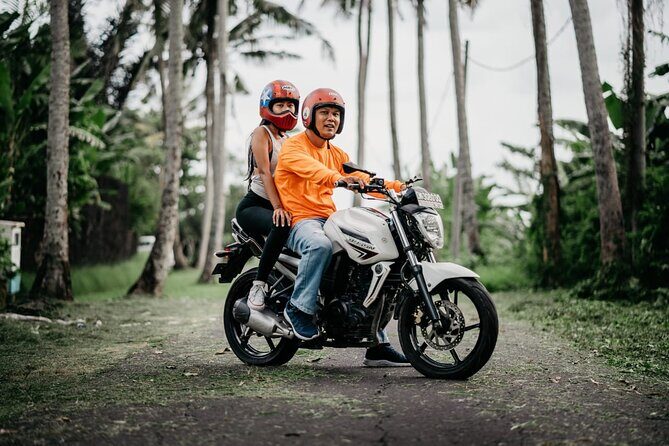
If your mental picture of Bali riding comes from scooters only, you’re going to feel the difference immediately. A manual motorcycle changes the game. The clutch isn’t optional. Gears aren’t a “maybe later” detail. And hill starts can turn a fun day out into a stressful one if you haven’t practiced them under guidance.

That’s what makes these lessons useful. They’re designed for skill-building that you can reuse quickly once you’re back on your own bike. You’re not just learning to move forward—you’re learning how to control the bike when conditions get tricky, like slowing down fast, dealing with starts on slopes, or stopping safely with emergency braking.

Another smart part is the pacing. The lesson is structured so the instructor doesn’t move you to street riding until you’re confident with the fundamentals. In a place where traffic flow can feel chaotic, confidence isn’t fluff—it’s your ability to react instead of freeze.

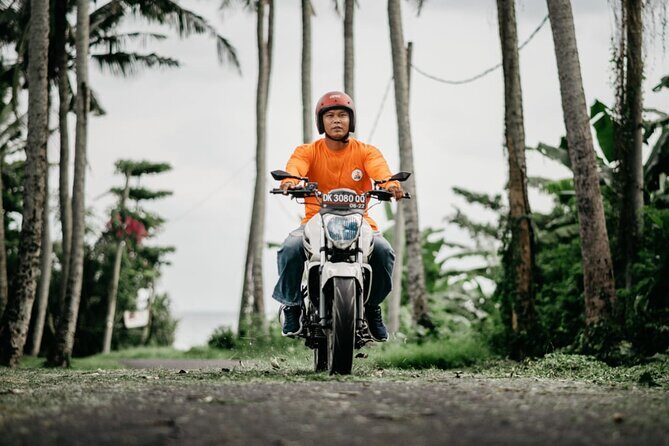
Getting There: The Quiet Start in Canggu
Canggu Motorbike Lessons - Getting There: The Quiet Start in Canggu
The meeting point is in the Canggu area (listed as 94GX+FX7, Canggu, Kuta Utara, Badung Regency, Bali 80351, Indonesia). It’s described as a quiet village street, which is exactly what you want for day-one practice.

Why it matters: the first minutes of learning are where people usually panic. A calmer starting area gives you space to get comfortable with bike position, the feel of the controls, and what “stalling” means in real life. You’ll start at 9:00 am, and the activity ends back at the meeting point, so you’re not dealing with the added stress of getting somewhere else after you’ve learned.

You can also show up knowing it’s a private activity. That means it’s just your group, not a mixed crowd of strangers. In skills training, that difference is huge. You get more time with the instructor and fewer distractions.

What Happens in the First Phase: Theory Without the Headache

Before any riding, you’ll get a theory session. The goal here is simple: you learn how the bike works and what the controls do. It’s not about turning you into a mechanic. It’s about preventing the most common beginner mistake—randomly touching levers while hoping it works out.

You’ll cover how everything connects:

  • how the clutch relates to starting and moving
  • how gears change how the bike responds
  • how braking should feel when you need to stop quickly

This theory part matters because it shortens the learning curve. If you understand what you’re doing, the bike stops being a mystery. It becomes a set of inputs and outputs. That mindset makes the rest of the lesson easier to absorb.

Also, the lessons allow breaks if you need them. That’s practical, not motivational. If you’re tense, your hands and feet get clumsy. A quick reset helps you keep learning without building frustration.

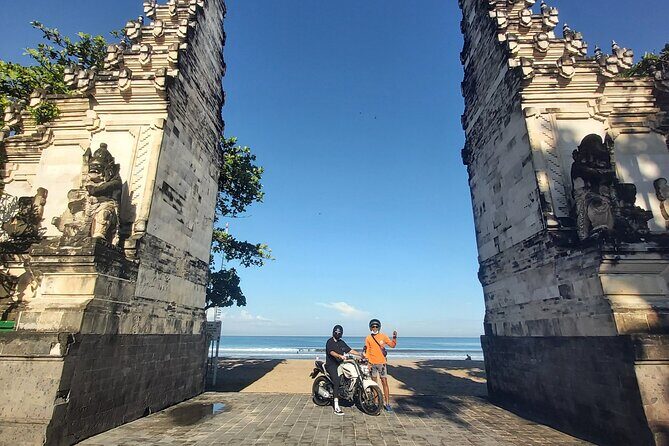
Clutch, Gears, and Hill Starts: The Core Skill Section
Canggu Motorbike Lessons - Clutch, Gears, and Hill Starts: The Core Skill Section
This is where the training earns its keep. You’ll practice the “small stuff” that makes “real riding” possible:

  • using the clutch properly
  • shifting through gears
  • hill starts
  • emergency braking
  • and other core basics the instructor chooses based on your comfort

Hill starts deserve special attention. In Bali, slopes are common, and traffic doesn’t stop for your learning curve. Practicing starts on an incline with an instructor means you learn the bike’s rhythm—how to time clutch release and throttle without rolling backward or stalling.

Emergency braking is another must-have. Beginners often focus on accelerating and forget how to stop. If you can’t stop smoothly and confidently, you’ll ride defensively in your head even when you want to feel relaxed. Practicing the emergency stop plan during training gives you a script for what to do if something changes quickly.

What I like about this approach is it’s not overly dramatic. You’re doing specific drills. That makes it easier to judge your progress. You’ll know what you’ve mastered and what still feels shaky.

Street Riding Only After You’re Ready

Once you’re confident, you move to a street. The lesson is explicit about the progression: street practice comes after you handle the basics well enough.

This is the difference between learning and suffering. In many places, people rush to get you “on the road” so you can say you tried. Here, the structure tries to keep you in a learning zone where you’re building the skill that actually matters—control under normal riding conditions.

You’ll practice until you feel stable enough to continue. If you’re still gaining comfort, you take breaks. If you’re progressing well, you can keep moving forward. That flexible pacing is valuable because beginners don’t all learn at the same speed.

And if fear is part of the story for you, you’ll want to know that several instructors are praised for reassurance and slow instruction. People specifically mention Rico helping them feel comfortable and safe on Bali roads. Others highlight Dino for rebuilding confidence after an accident. Gede is repeatedly credited for helping riders overcome fear while teaching at a pace that’s easy to understand.

Gear and Small Safety Details That Matter

This lesson includes helmet, knee protectors, and elbow protectors, plus bottled water. That might sound basic, but it’s the right kind of basic.

Why it helps:

  • A helmet reduces the impact of mistakes while you’re learning.
  • Knee and elbow protection reduce the cost of small falls that happen when balance and clutch timing aren’t consistent yet.
  • Water helps because stress + heat can make your coordination worse.

Also, the training is built for a manual bike. That means your movements may feel more “coordinated” on the bike and less floaty than scooter-only riding. Protectors give you a little safety buffer while your body adapts.

Price and Value: $35 for a Skill You’ll Actually Use

At $35 per person for about 2 hours, this sits in the “serious bargain” zone for motorcycle training—especially with safety gear included. The value isn’t just the lesson time. It’s what the lesson prevents: bad decisions made by first-timers who underestimate clutch-and-gear control.

A fair way to think about it:

  • You’re paying for instruction that helps you practice the basics safely.
  • You’re paying to avoid the trial-and-error phase that can lead to awkward stalls, rushed stops, or worse.
  • You’re paying for confidence that carries over to your everyday riding plans.

Because it’s private, the instructor focus is more likely to stay on you (or your group) instead of being spread thin. That increases the odds you’ll get meaningful corrections while you’re still learning the controls.

Who This Fits Best (and Who Should Consider Another Option)

This class is a good match if:

  • you want manual motorcycle skill, not just scooter experience
  • you already ride a scooter and can handle balance at low speed
  • you have a valid license
  • you’re willing to learn by drills and repetition

It’s also a good option if you’re worried about safety or fear. The coaching feedback around Dino, Rico, and Gede suggests instructors take reassurance seriously. Gede in particular is praised for making lessons feel simple and easy to understand, with instruction that goes slowly enough to keep up.

It might not be the best match if:

  • you have no scooter riding experience (the lesson notes this requirement clearly)
  • you don’t have a valid license
  • you’re not ready for clutch-and-gear coordination yet

One more note: the lesson asks for a moderate physical fitness level. That doesn’t mean athletes only. It just means you’ll be practicing body control—feet, hands, balance, and quick stops—so you’ll want to feel comfortable moving.

How to Prepare So You Learn Faster

You can’t control traffic out there, but you can control how prepared you are when you arrive.

Here’s what I’d do before the lesson:

  • Arrive with your license ready, since it’s required.
  • Wear comfortable clothes and shoes suitable for foot control and standing stability.
  • Mentally plan for repetition. The lesson is about mastering a set of skills, not a one-time try.
  • If you feel nervous, treat it as normal. The instruction style is built for easing into control.

And remember: this is a manual motorbike lesson. If you’re used to automatic scooter habits, give yourself permission to slow down at first. The clutch timing is the learning curve. Once it clicks, everything becomes easier.

Booking Reality: Weather and a Calm Start

This experience requires good weather. If it’s canceled due to poor weather, you’ll be offered a different date or a full refund. For riders, that matters because dry conditions make it easier to practice clutch control and braking safely.

Also, you’ll receive confirmation at booking time, and you get a mobile ticket. That keeps things simple: no complicated paperwork marathon before you start learning.

Because the session is time-bound (2 hours approx.) and starts at 9:00 am, try to plan your morning so you’re not rushing. You learn better when you’re not breathing like you just ran to catch a bus.

Should You Book Canggu Motorbike Lessons?

Yes—if you want a structured path to manual motorcycle control and you already have scooter experience. This is the kind of training that can save you from the most common beginner traps: incorrect clutch use, awkward gear timing, shaky hill starts, and panic during emergency braking.

I’d especially recommend booking if you’ve ever felt nervous about riding in Bali traffic. The coaching feedback around instructors like Rico, Dino, and Gede points to calm, patient teaching that focuses on comfort and safe handling. That’s exactly what you want when you’re learning something physical and coordination-heavy.

I’d hold off if you don’t have scooter experience or a valid license. In that case, you’ll be starting with gaps that the lesson is designed to assume you already have.

If you’re ready to practice step-by-step and you want to get onto the road with less fear, these Canggu motorbike lessons are a strong value for the money.

FAQ

Where is the meeting point for the Canggu motorbike lessons?

The start meeting point is listed at 94GX+FX7, Canggu, Kuta Utara, Badung Regency, Bali 80351, Indonesia. The activity ends back at this meeting point.

How long does the motorbike lesson last?

The duration is about 2 hours.

What time does the lesson start?

The start time is 9:00 am.

Is this lesson for scooters or manual motorcycles?

It’s a manual motorbike lesson, not a scooter lesson.

Do I need experience riding a scooter?

Yes. The lesson requires that you have experience riding a scooter.

What is included in the lesson price?

Included items are the motorbike and helmet, bottled water, and knee and elbow protectors.

Do I need a license to join?

Yes. Travelers should have a valid license.

Is this a private tour or shared group?

It’s private. Only your group participates.

What if the weather is bad?

This experience requires good weather. If it’s canceled due to poor weather, you’ll be offered a different date or a full refund.
Bali Seawalker

Bali Seawalker - Safety Briefing and Ear Equalizing: The Part You Should Pay Attention To

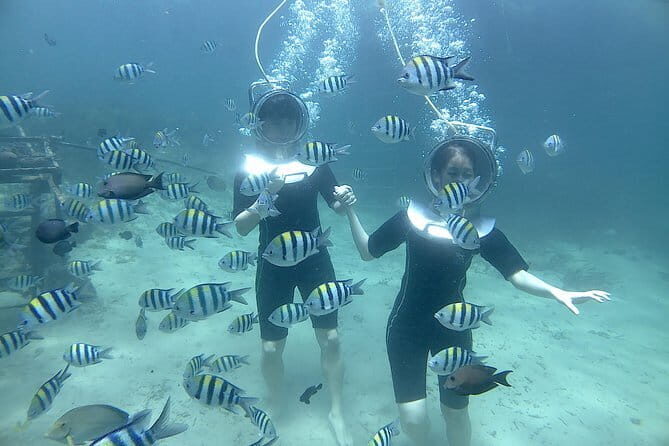
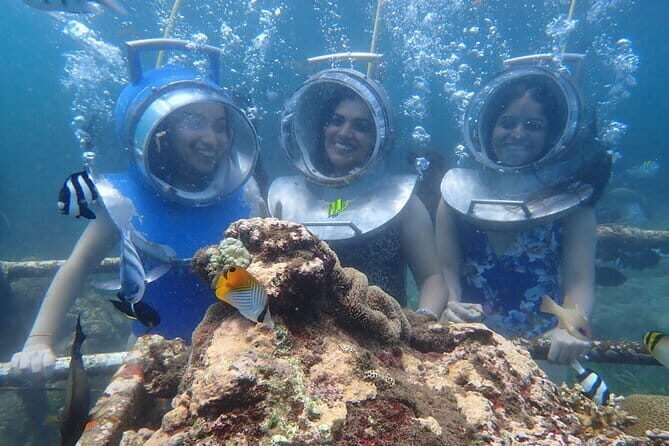
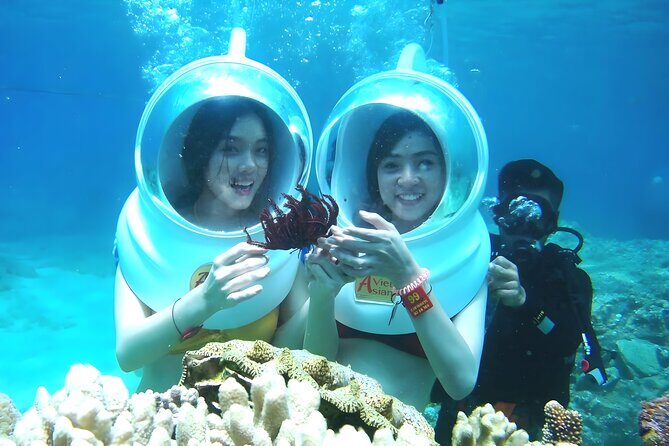
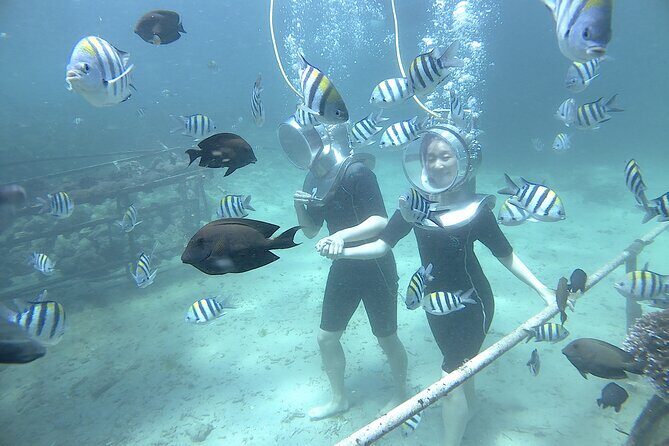
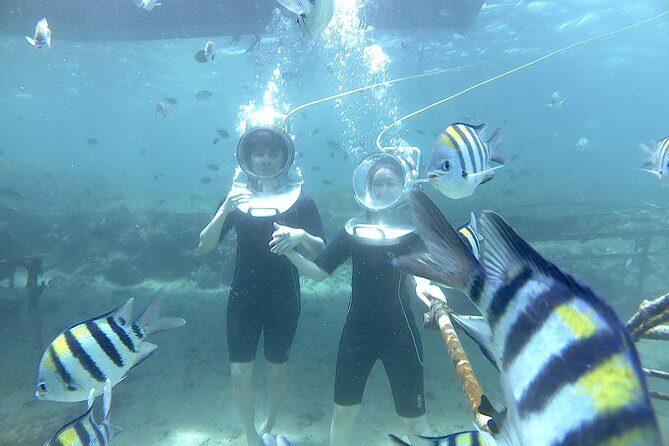
Stepping into the ocean without scuba is the whole point. Seawalker in Nusa Dua lets you walk over a coral reef around Tanjung Benoa while breathing through an air-fed clear shield helmet. I like that it’s built for first-timers (no certification required) and that the crew focuses on safety with a detailed briefing and hand signals. One thing to weigh: you’ll need to manage ear equalizing, and the equipment/experience can feel more basic than a high-end water sports setup.

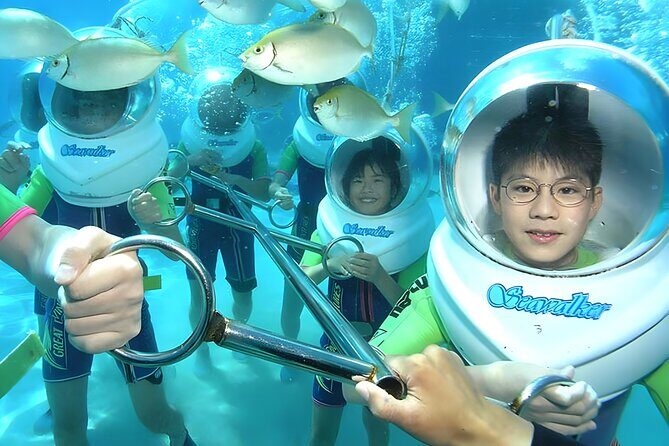
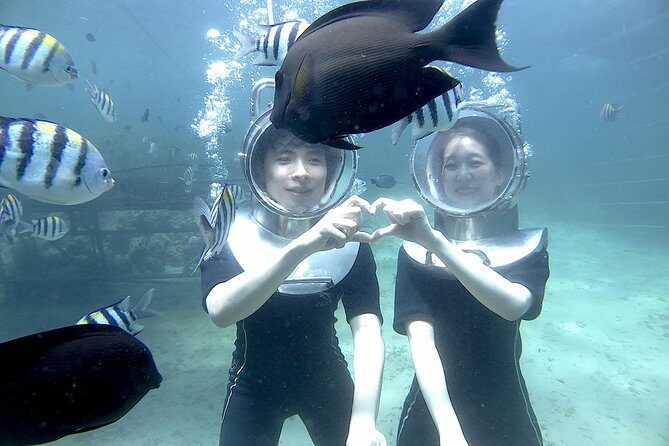
What makes this feel special is how close the underwater action is. You can expect about 20 minutes underwater at roughly 7–8 meters, with lots of fish near the shoreline like angelfish, butterfly fish, parrot fish, and lion fish. The coral reef is right there, so you’re not looking for wildlife far out. The other consideration is that Seawalker is not for everyone medically, and the activity limits age to 12+ and up to 70.

If you’re in south Bali and want something active that’s still low-pressure, Seawalker is a smart pick. I especially like the value of hotel pickup/drop-off from key south Bali areas and the included gear like the helmet and lockers. Just go in knowing you’ll spend part of the time preparing on the surface—then the ocean part is the payoff.

Seawalker at a Glance

Bali Seawalker - Seawalker at a Glance

  • No scuba certification required, just a safety briefing and guidance
  • Clear stainless-steel helmet (about 32 kg) with air pumped from the surface
  • About 20 minutes underwater at 7–8 meters, with coral close to shore
  • Wetsuit and boots required for protection from sea life like jellyfish
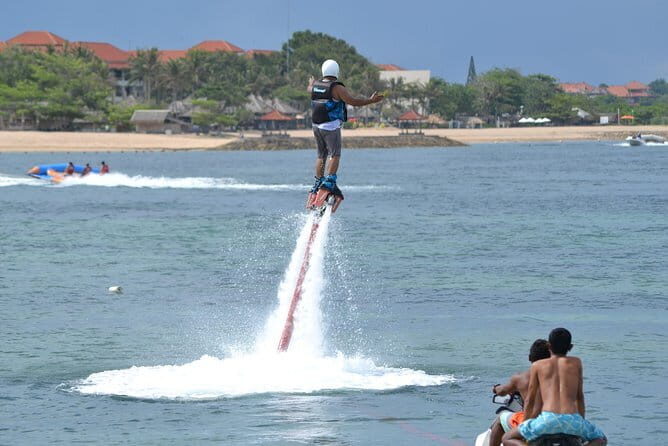
  • Optional upgrades to parasailing or a Jet Ski ride
  • Max 65 travelers with a professional guide and safety procedures

How the Seawalker Experience Works in Real Life

Seawalker is basically a controlled, guided walk over the sea floor using a full clear shield helmet. The helmet is stainless steel and about 32 kg, which is heavy enough that you’ll feel sturdy and contained once it’s on. Air comes from the surface and feeds into the helmet, so you’re not holding your breath and you don’t need scuba gear.

Before you go in, you’ll wear a special wetsuit and boots. That’s not just for comfort. It’s there because you’re moving over the reef and seabed, and you’ll want protection in case your movement disturbs ocean life like jellyfish or other small organisms.

Once you’re fitted and briefed, you’ll follow the guide’s instructions and use hand signals. The briefing covers how to handle ear equalizing and the safety steps if anything changes. You should expect a calm, instructional setup rather than a freestyle swim.

The Underwater Session: 20 Minutes of Coral and Color

Bali Seawalker - The Underwater Session: 20 Minutes of Coral and Color
Your time underwater is roughly 20 minutes. Depth is typically around 7–8 meters, which is shallow enough for the experience to feel accessible, but deep enough to make the fish and coral look like they belong to your world, not a distant reef on a boat ride.

This matters for your expectations. If you’re hoping for a long ocean immersion, Seawalker is shorter than scuba. But if your goal is “see fish close up” without complicated training, those 20 minutes are the sweet spot. You’ll be walking and observing rather than hovering and finning.

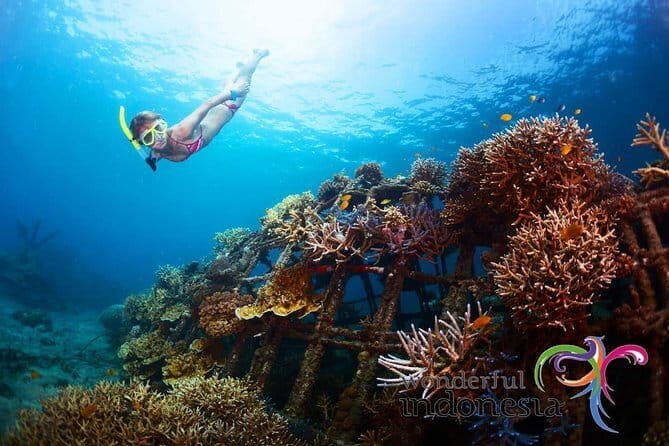
The area around Tanjung Benoa is known for easy viewing from near shore. That means you’re more likely to see tropical fish like angelfish, butterfly fish, parrot fish, and lion fish while you’re still getting your bearings inside the helmet. Also, coral is close to where you enter and move around, so you get that reef texture and color without needing to travel far.

Safety Briefing and Ear Equalizing: The Part You Should Pay Attention To

Bali Seawalker - Safety Briefing and Ear Equalizing: The Part You Should Pay Attention To
The safety briefing is not fluff. You’ll fill out a safety information form first, then the instructor explains how to use hand signals, how to equalize your ears, and what to do in an emergency.

If you’ve had issues with ear pressure on planes, elevators, or snorkel sessions, this is where you’ll want to take it seriously. Ear equalizing is part of how you stay comfortable and safe while you move at that depth. The helmet also affects sound and sensation, so it helps to know what cues the crew will use before you enter.

The setup is guided, so you should expect a careful approach. The goal is not to rush you underwater, and the crew should be watching you while you’re learning the helmet and the movement.

What Happens Before You Enter the Water (Smart Bali Tour Stop)

Bali Seawalker - What Happens Before You Enter the Water (Smart Bali Tour Stop)
Your day is built around one main starting point: Smart Bali Tour. This is where you’ll check in, handle the required forms, and get organized before the activity.

From there, it’s gear up time:

  • You’ll get fitted with the helmet and you’ll need to wear the wetsuit and boots.
  • You’ll likely use lockers for your belongings.
  • You’ll have time for the instructor to explain the procedure and signals.

This matters because the “real” ocean part only lasts about 20 minutes. The rest is what makes those 20 minutes enjoyable instead of confusing. If you hate paperwork or prefer to be hands-off, this might feel like more prep than you expected—but it’s also what keeps the experience accessible.

Getting There: Pickup, Transportation, and Timing

Bali Seawalker - Getting There: Pickup, Transportation, and Timing
Seawalker includes round-trip hotel transportation from key south Bali locations. You’ll be picked up by an air-conditioned vehicle, then returned after the session.

The full experience runs about 1 hour 30 minutes (approx.). Dive times are approximate and can shift due to weather conditions, so don’t plan anything too tight right after. If you’re building a busy schedule, give yourself a cushion.

Also, weather can affect the exact underwater timing. That doesn’t mean your day is wasted—it just means the operator may adjust to keep conditions safe.

Who Can Do It (And Who Might Want to Skip)

Bali Seawalker - Who Can Do It (And Who Might Want to Skip)
There are clear age limits: children must be at least 12, and adults are allowed up to 70. That range covers a lot of ages, but it still means you’ll see families and couples rather than a mixed crowd of all ages.

There’s also a health screen. You’ll complete a health questionnaire before diving, and pre-existing conditions (like asthma or heart conditions) may prevent you from participating. If you have anything medical going on, it’s smart to talk with your doctor before you commit.

One more practical note: diving within 48 hours of flying is not recommended. If your travel plan includes a flight, try to schedule this activity a bit later so your body has time to settle.

Gear, Photos, and What You’ll Want to Bring

Bali Seawalker - Gear, Photos, and What You’ll Want to Bring
Gear included is solid: helmet, plus lockers and the main transport. What you don’t get automatically is the photo package. Souvenir photos are available for purchase, and the standard extras like this can add cost later.

Alcoholic drinks are also available to purchase, but they aren’t included. If you’re the type who likes to keep your schedule calm and your body comfortable, plan to skip alcohol before the activity.

Also, at least one traveler recommendation you’ll hear about this kind of experience is to plan for camera costs. A helmet walk creates some great visuals, and the ability to capture them can mean extra spending depending on what package options are available.

Optional Upgrades: Parasailing or Jet Ski

Bali Seawalker - Optional Upgrades: Parasailing or Jet Ski
Seawalker can be expanded with an upgrade:

  • Parasailing
  • Or a Jet Ski ride

These are not included in the base price. If you like combining activities and you’ve got the energy for it, the upgrade can turn one short underwater session into a fuller water-sports outing.

There’s also a rule for Jet Ski: riders under 17 need to go with an instructor. So if you’re traveling with teens, check this when you book.

If you’re unsure, think about your risk tolerance. Parasailing and Jet Ski are more “sporty” and weather-dependent too, so adding them only makes sense if you’re comfortable with a higher-action day.

Price and Value: What You Really Get for $55

At $55 per person, Seawalker sits in the “try it without breaking the bank” category. For that price, you’re not just paying for access—you’re paying for the system that makes it possible:

  • No scuba certification
  • Helmed, air-fed equipment
  • Safety briefing and guided signals
  • Hotel pickup and drop-off
  • Helmet use, lockers, and an air-conditioned ride

What you’ll likely pay extra for:

  • Souvenir photos
  • Alcoholic drinks (if you choose them)
  • Upgrades like parasailing or Jet Ski
  • Any additional camera options

So I’d judge value based on your goal. If you want fish and coral up close without lessons, this is a cost-effective way to do it. If you already scuba regularly and want a longer time underwater, you’ll probably find this short. But if you want a one-session experience that’s approachable, it’s good value for Bali.

The Main Drawbacks to Expect (So You Can Plan Around Them)

This experience has a couple of trade-offs.

Ear equalizing can be uncomfortable. Even with instructions, your ears may feel pressure during setup or while you’re adjusting depth. It’s usually manageable, but you shouldn’t ignore it.

Equipment age can affect comfort. One note that came up is that parts of the setup can feel older or more worn than you’d expect from a premium brand. That doesn’t automatically mean unsafe. But if you’re sensitive to comfort details, be mentally prepared.

Finally, the experience duration is compact. The underwater portion is about 20 minutes, so don’t book it expecting a long, slow reef exploration.

What to Know About Group Size and How You’ll Feel in the Water

With a maximum of 65 travelers, it’s not a tiny private thing. But it also doesn’t have to feel chaotic. Your experience should still feel controlled because the activity is equipment-based and safety-centered.

The more important point is how guidance is delivered. The operation is built around a professional guide and the use of hand signals, so you aren’t thrown into the helmet and told good luck. When you’re learning how to breathe through the system and how to move, that guidance is everything.

Best Reasons to Book Seawalker

This is the kind of tour that makes sense if you want the thrill of being underwater without scuba complexity.

You’ll probably enjoy it most if:

  • You want a clear, guided introduction to underwater viewing
  • You’re traveling with people who don’t want to scuba
  • You want coral and fish near shore (rather than a far-off boat dive plan)
  • You like the idea of a structured, safety-first activity

It might not be your best choice if:

  • You’re very concerned about ear pressure
  • You want lots of time underwater
  • You expect a luxury, brand-new equipment feel

Should You Book Seawalker in Nusa Dua?

If your main goal is close-up fish and coral without scuba certification, I think Seawalker is a strong yes. The included pickup, the helmet-and-air system, and the guided safety briefing make it a smooth “do it once, get the story” activity.

If you’re on the fence, pick your priority: convenience and a short underwater viewing session, or longer time and more advanced underwater freedom. Seawalker is clearly built for the first option.

FAQ

FAQ

Do I need a scuba certification to do Seawalker?

No. You can walk the sea floor without scuba certification, using a helmet system with air pumped from the surface and guidance from a professional instructor.

How deep does Seawalker take you?

The helmet setup is designed for exploring at about 7 to 8 meters.

How long am I in the water?

You’ll spend about 20 minutes underwater.

Is hotel pickup and drop-off included?

Yes. Round-trip pickup and drop-off are included from key south Bali locations, using an air-conditioned vehicle.

What age is allowed?

Children must be at least 12 years old, and adults up to 70 years old can participate.

What do I need to wear?

You’ll need to wear a special wetsuit and boots for the activity. Those are part of the preparation before entering the water.

Are there any health or medical restrictions?

Yes. You’ll complete a health questionnaire, and some conditions such as asthma or heart conditions may prevent you from diving. If you have a medical concern, consult your doctor.

Can I upgrade to parasailing or a Jet Ski?

Yes, upgrades are available. Jet Ski riders under 17 ride with an instructor.

What’s not included in the price?

Souvenir photos are not included, and alcoholic drinks are available to purchase. Optional upgrades are also extra.

What if I need to cancel?

You can cancel for a full refund up to 24 hours in advance of the experience’s start time.

Purification Ceremony, Kehen Temple and Goa Raja Waterfall Tour

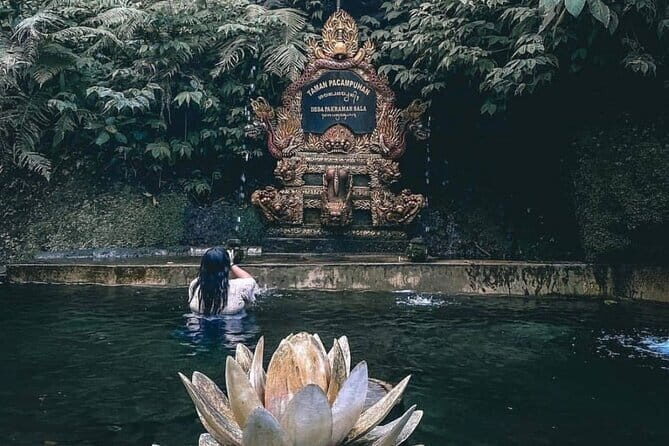
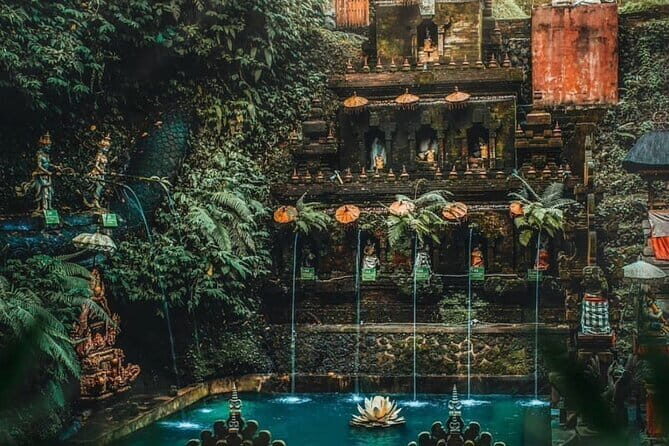
Purification Ceremony, Kehen Temple and Goa Raja Waterfall Tour - Taman Pecampuhan Sala Melukat Ceremony: Sacred Water and Real-World Etiquette

A day of sacred water and cool jungle stops.

This tour is built around three very different pieces of Bali spirituality and nature: a Melukat purification ceremony at Taman Pecampuhan Sala, the climb-and-stairs vibe at Kehen Temple, and then time at Goa Raja Waterfall for a swim in natural rock pools. I especially like how the trip is organized around respect and comfort at the same time: you get the sarong and locker setup, plus an offering for purification.

The only real catch is cultural: women who are on their period/menstruation are not allowed to join. Plan your dates with that in mind, and you’ll have a smooth, meaningful day.

Key Highlights

Purification Ceremony, Kehen Temple and Goa Raja Waterfall Tour - Key Highlights

  • A true Melukat purification stop at Taman Pecampuhan Sala, with offering included and you in the right ritual gear
  • Kehen Temple on the Bukit Bangli slope, with the famous stairway look and a calmer feel than the biggest tourist circuits
  • Goa Raja waterfall time with swim-in-the-pools options, plus jungle scenery that makes it worth the detour
  • Private, fully air-conditioned car with an English-speaking driver/guide so the schedule stays simple
  • Guides like Tony and Gusti get praise for clearly explaining what you’re seeing and helping you prepare

What This Ubud Day Covers: Purification, Kehen Temple Steps, and Goa Raja Pools

Purification Ceremony, Kehen Temple and Goa Raja Waterfall Tour - What This Ubud Day Covers: Purification, Kehen Temple Steps, and Goa Raja Pools
You’re getting one of those Bali combinations that doesn’t just check boxes. You’ll start with a temple purification ritual, shift to a classic Hindu temple site, then end with a waterfall where you can cool off in rock pools and take in the surrounding jungle.

The pace is built to fit inside about six hours total, and the tour uses the time between places for travel from pick-up to drop-off. That matters because Bali can be traffic-variable. A private car helps you stay on track, and having an English-speaking guide means you aren’t stuck guessing what to do next at each stop.

What also makes this feel worthwhile is the balance between structured and flexible. The ceremony has clear ritual steps and included items. The temples give you time to look and take photos. And the waterfall gives you that change of setting—water, shade, and a place to linger a bit if conditions are right.

Taman Pecampuhan Sala Melukat Ceremony: Sacred Water and Real-World Etiquette

Purification Ceremony, Kehen Temple and Goa Raja Waterfall Tour - Taman Pecampuhan Sala Melukat Ceremony: Sacred Water and Real-World Etiquette
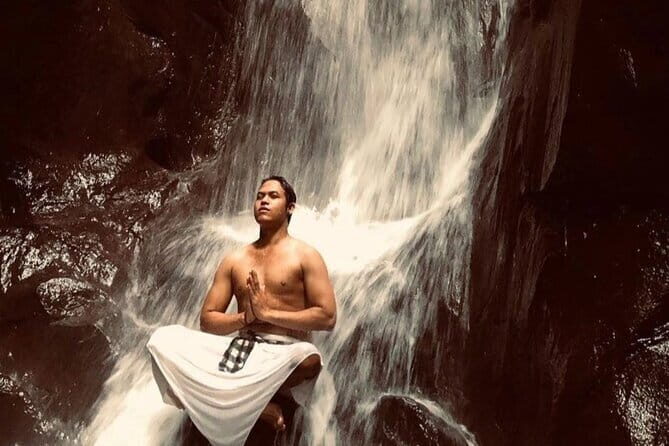
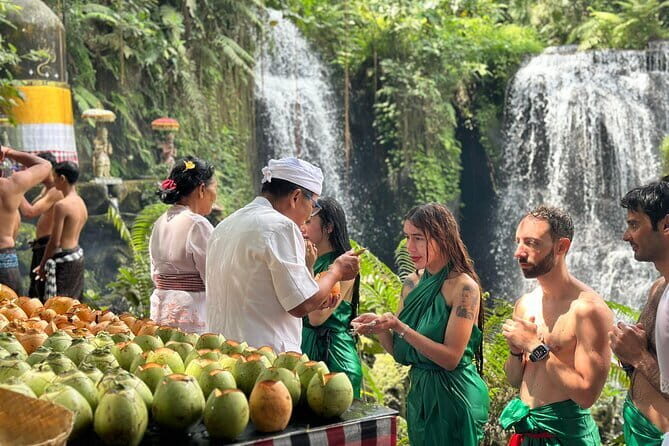
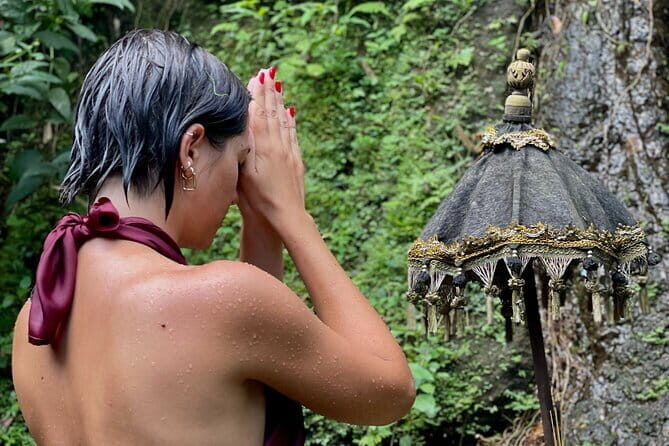
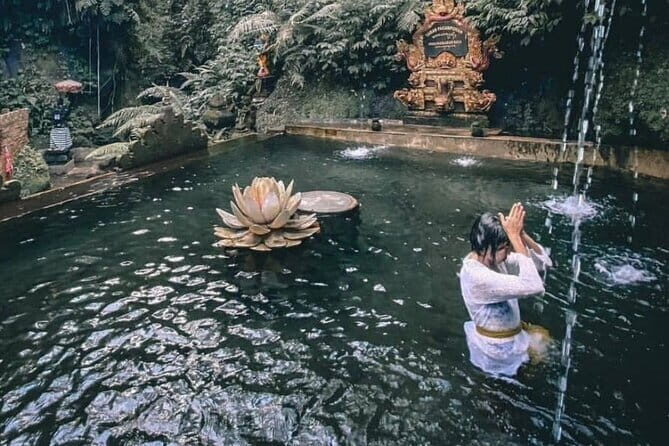
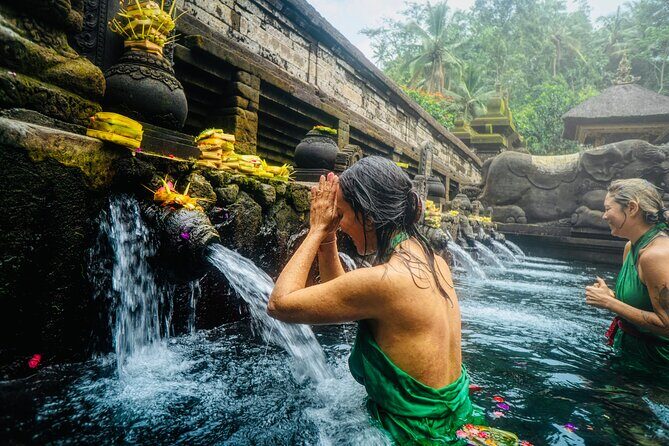
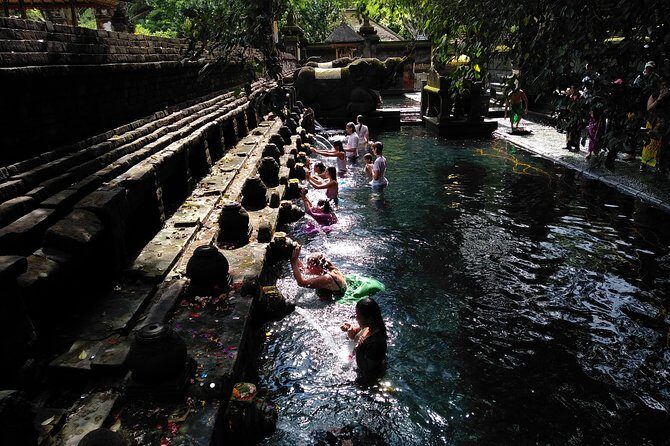
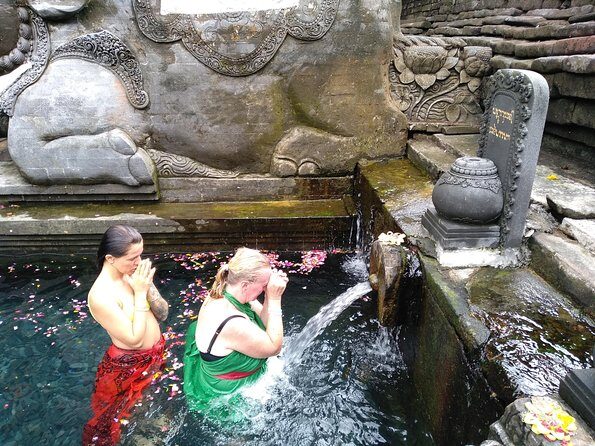
Your first stop is Taman Pecampuhan Sala Temple, where you’ll join the Melukat purification ceremony. This is the emotional anchor of the day—the part focused on cleansing your mind and soul, not just sightseeing. The ceremony runs about two hours, which is long enough to do it properly without feeling like you’re being rushed.

A few practical things help you avoid stress here:

  • You get a sarong for temple use, so you aren’t scrambling for one at the last minute.
  • You also get a locker, which is ideal if you’ll be carrying things around but want them kept secure during the ritual parts and water-related moments.
  • An offering for purification is included, so you don’t have to figure out what the ritual kit is supposed to include.

How to approach it: keep your head in the moment and follow your guide’s cues. Purification ceremonies are not the place to freestyle. Expect instructions about where to stand, what to wear, and how to move through the space. I like tours like this because the guide acts like your interpreter for the etiquette—so you can focus on the experience, not on figuring out rules.

The review feedback gives a consistent theme: guides like Tony and Gusti are praised for explaining things well and preparing you before key moments. That kind of prep makes a difference. When you understand what’s happening, the ceremony feels more intentional and less like you’re just watching from the sidelines.

One more note: this is offered as a “most travelers can participate” type of experience—but the tour does have a specific restriction for women on their period/menstruation. That’s not a small detail, so double-check your timing before you book.

Kehen Temple on Bukit Bangli: Steps, Views, and How to Keep It Respectful

After the ceremony, you head to Kehen Temple, a significant Hindu temple in Bali. It’s located on the slope of Bukit Bangli, which is believed to be the mother temple of Bangli. You’ll spend about an hour here, and that time is enough to take in the architecture and those dramatic stairway views without turning it into a marathon.

What I like about Kehen in this itinerary is that it’s not just “look, photos, go.” The steps-and-structure layout creates natural viewing points, and you’ll likely find yourself pausing more often than you do at temples that feel too spread out.

Here’s how to make your one-hour visit work:

  • Give the stairs a slower look than you think you need. The design guides your eyes upward, and it’s part of why the temple looks so striking.
  • Bring your patience. Temples are active spiritual sites, and you’ll want to move with the flow rather than against it.
  • Dress and behave respectfully. Even with sarong support earlier, you’ll still want to keep things appropriate for temple grounds.

This stop is also where the guide’s role gets extra important. A good driver/guide doesn’t just translate words—they help you understand why the place is laid out the way it is, and what you’re meant to notice.

If you like temple design, stairways, and viewpoints from higher angles, Kehen is a strong mid-day anchor. And because you’re traveling privately from Ubud, the experience doesn’t feel like you’re being pulled by a crowd.

Goa Raja Waterfall: Jungle Scenery and Time to Swim in Rock Pools

Purification Ceremony, Kehen Temple and Goa Raja Waterfall Tour - Goa Raja Waterfall: Jungle Scenery and Time to Swim in Rock Pools
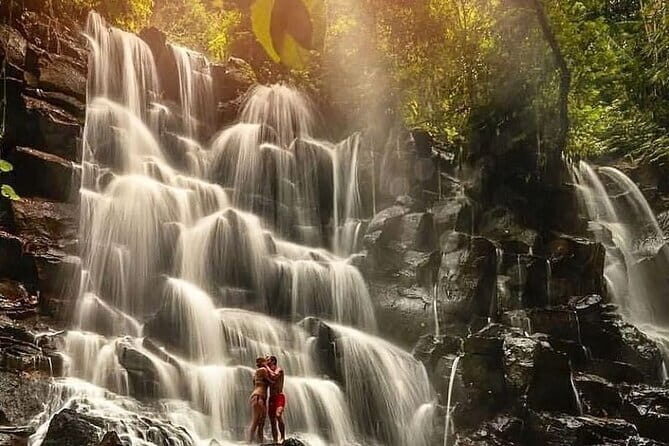
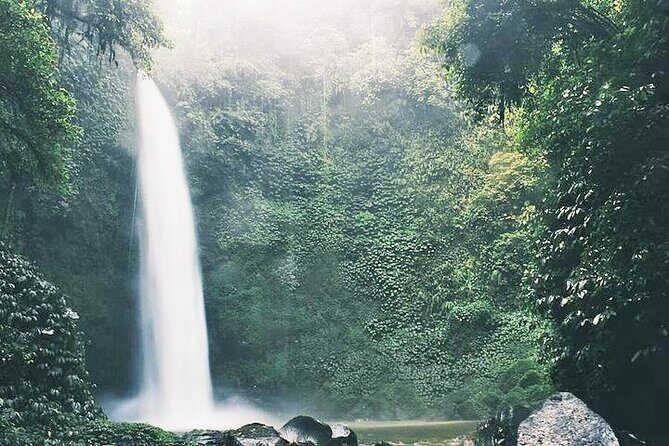
Goa Raja Waterfall is your third stop, and it’s where the day shifts into nature mode. You’ll have about an hour here, with admission included. The key highlight is the chance to swim in natural rock pools and enjoy views of the surrounding jungle.

This is the part of the day where you should think practically:

  • Bring what you’ll need for water time (and plan your clothes accordingly). The tour includes sarong and locker use earlier in the day, but the waterfall itself will require you to handle wet conditions.
  • Pay attention to the conditions on site. Rock pools and water access can depend on weather and water levels.

The payoff is worth it if you’re the type who likes a real break from temples: cool water, natural surroundings, and photo angles that feel more lived-in than staged. It’s also the right kind of contrast after the ceremony and temple stop.

One more reason this ending works: you’re not just “near a waterfall.” You’re given time to actually enjoy it. An hour isn’t huge, but it’s enough to swim, take photos, and still get back before the day turns into a rush.

Transportation and Timing: How the 6-Hour Plan Stays Manageable

Purification Ceremony, Kehen Temple and Goa Raja Waterfall Tour - Transportation and Timing: How the 6-Hour Plan Stays Manageable
This tour runs about six hours total, including pick-up travel time and the time at each location. The remaining hours get used for transport from pick-up to drop-off, which is exactly what you want to see in a day like this. It means the stated stop times aren’t totally unrealistic.

You also get:

  • A fully air-conditioned private car
  • An English-speaking driver/guide
  • Pickup offered
  • A mobile ticket

That combo makes the schedule feel calm. In Ubud, the difference between shared transport and a private vehicle is huge. With private transport, you can keep your focus on the day instead of watching other people’s timing.

My practical advice: start the day with comfortable shoes you can walk in at temples and around the waterfall areas. Also, think about where you’ll keep your essentials. The locker included earlier helps, but you still want a simple plan for what you carry between stops.

Because it’s a private tour, only your group participates. That matters when a purification ceremony is involved; you get more personal space for questions, instructions, and getting ready.

Price and Value at $55: What You’re Really Getting

Purification Ceremony, Kehen Temple and Goa Raja Waterfall Tour - Price and Value at $55: What You’re Really Getting
At $55 per person, this is priced like a mid-range Ubud day tour. The value comes from how much is bundled in.

Included:

  • Fully air-conditioned private car
  • English-speaking driver/guide
  • All entrance tickets
  • Sarong and locker use
  • Offering for purification

Not included:

  • Lunch
  • Personal expenses

So you’re not paying extra for the “essentials” you’d otherwise be figuring out one by one—tickets, temple gear, and the ceremony offering. For many travelers, that’s where tours either become good value or become annoying value. This one leans in the good-value direction.

Two more value thoughts:

  • You’re paying for time at three different experiences, not just a single location.
  • The guide factor matters here. When someone helps interpret what you’re seeing—especially during a ritual—your day feels richer, and you’re not stuck wondering what’s important.

If you’re the type who hates adding up small costs during a day trip, this setup is friendly. Just budget for lunch separately so you’re not hunting last-minute.

Who Should Book This Tour (and Who Should Skip It)

Purification Ceremony, Kehen Temple and Goa Raja Waterfall Tour - Who Should Book This Tour (and Who Should Skip It)
This tour fits you best if you want a spiritual-meets-nature day that stays organized. The purification ceremony is the center. The temple stop adds context and structure. The waterfall gives you a reset.

You’ll likely enjoy it if:

  • You’re respectful and open-minded about participating in a ritual experience.
  • You like temple architecture and want enough time to actually look.
  • You want water time at Goa Raja, not just a viewpoint stop.

You should skip (or at least re-check) if:

  • You’re a woman who would be on your period/menstruation during the tour date. The tour states this restriction clearly.
  • You expect a casual, pick-where-you-want walking day. This isn’t that. It’s guided, planned, and rules matter at temple sites.

Also, keep your weather mindset. The experience requires good weather. If weather is poor and the tour can’t run as planned, the provider can offer a different date or a refund.

Should You Book This Purification, Kehen Temple and Goa Raja Waterfall Tour?

Purification Ceremony, Kehen Temple and Goa Raja Waterfall Tour - Should You Book This Purification, Kehen Temple and Goa Raja Waterfall Tour?
If you’re deciding between a standard Ubud temple loop and something more meaningful, I’d lean you toward booking this one. The reason is simple: the day is structured around participation, not just viewing. You get the purification ceremony setup, Kehen Temple time, and then real nature payoff at Goa Raja.

Book it if you want:

  • A calm private day with clear stops
  • Included ceremony essentials (sarong, locker, offering, tickets)
  • A guided experience that helps you understand what you’re seeing

Don’t book it if the menstruation restriction affects your dates, or if you only want sightseeing without any ritual involvement.

If you’re open to a spiritual start and a cooling-water finish, this is a solid choice for a memorable Ubud day.

FAQ

What are the main stops on this tour?

The tour includes Taman Pecampuhan Sala Temple for a Melukat purification ceremony, Kehen Temple, and Goa Raja Waterfall. The first stop lasts about 2 hours, Kehen Temple about 1 hour, and the waterfall about 1 hour.

How long does the tour take?

The duration is about 6 hours. The rest of the time covers travel from pick-up to drop-off.

Is pickup from Ubud included?

Yes, pickup is offered.

Is this a private tour?

Yes. It’s a private tour/activity, and only your group will participate.

What does the $55 price include?

The price includes a fully air-conditioned private car, an English-speaking driver/guide, all entrance tickets, use of sarong and a locker, and an offering for the purification ceremony.

Is lunch included?

No, lunch is not included.

Are women allowed to join if they’re on their period?

No. Women on their period/menstruation are not allowed to join the tour.

What if the weather is bad?

The experience requires good weather. If it’s canceled due to poor weather, you’ll be offered a different date or a full refund.
Tanah Lot and Uluwatu Temple – Stunning Ocean View with Sunset

Tanah Lot and Uluwatu Temple - Stunning Ocean View with Sunset - How the Day Flows From Hotel Pickup to Sunset Finale

Sunset-ready temples really set the tone. This full-day route strings together iconic ocean-facing sights plus a real beach reset, with an English-speaking driver keeping the day easy and on track. You’ll move from rock-temple drama to cultural park sights, then switch gears to sun and sand before finishing with Uluwatu’s clifftop views and a Jimbaran seafood dinner at the shore.

Two things I genuinely like: the English-speaking driver/guide stays with you the whole time, so questions don’t die in the air. And the ride is air-conditioned with pickup and drop-off, with bottled water and parking fees handled so you’re not scrambling for small payments all day.

One watch-out: entrance tickets are not included. So yes, you’ll see a lot, but you’ll need to budget extra for temple and attraction entry once you’re there.

Key Highlights You Should Know

Tanah Lot and Uluwatu Temple - Stunning Ocean View with Sunset - Key Highlights You Should Know

  • Hotel pickup and drop-off from Seminyak means you start relaxed, not stressed.
  • English-speaking guide with you all day, so you get context without guessing.
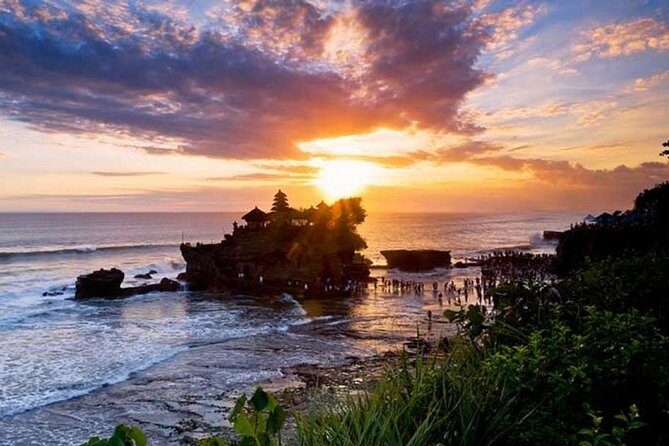
  • Tanah Lot sunset views from a temple sitting right out on the coast.
  • Uluwatu Temple clifftop experience, famous for the Kecak and fire dance tradition.
  • Padang Padang Beach break, with time to swim, snorkel, or just slow down.
  • Jimbaran Beach seafood time, with the option to eat on the sand near the sunset.

Ocean-View Temples Plus a Real Beach Break

Tanah Lot and Uluwatu Temple - Stunning Ocean View with Sunset - Ocean-View Temples Plus a Real Beach Break
This is the kind of Bali day you want when it’s your first time, or when you’ve realized you’d rather see fewer places with better timing than bounce around half-asleep. You get ocean temples first, then a cultural stop, then a beach window for actual downtime. The whole point is balance: worship views in dramatic settings, followed by a few hours where you can cool off and breathe.

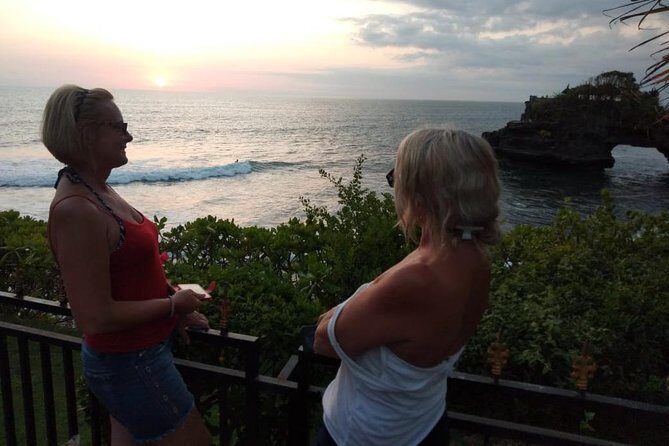
I especially like that the tour is built around the timing of sunset at the coasts. Tanah Lot and Uluwatu are both famous for the look of the coastline at dusk—so you’re not just checking boxes. You’re aiming for the moment when the scenery turns photogenic fast.

And because the day mixes temples and beaches, you’re less likely to feel like you’re stuck in a single mood all day. One hour you’re watching waves and rock formations; the next you’re at a sandy horizon with warungs (small local eateries) nearby.

How the Day Flows From Hotel Pickup to Sunset Finale

Tanah Lot and Uluwatu Temple - Stunning Ocean View with Sunset - How the Day Flows From Hotel Pickup to Sunset Finale
The day starts at 9:00 am and typically runs about 8 to 12 hours. That time range matters. It’s long enough to see multiple major stops, but it’s still realistic if you plan for heat, walking shoes that work on uneven areas, and breaks when you can.

You don’t have to meet somewhere. The pickup and drop-off are set up from your hotel, and you travel in an air-conditioned vehicle with bottled water. That’s a big deal in Bali traffic. It also keeps your mental energy for the sights, not for the logistics.

The day’s rhythm looks like this:

  • Tanah Lot for the ocean temple and sunset views
  • Garuda Wisnu Kencana Cultural Park for culture + exhibits + a panoramic stop
  • Padang Padang Beach for relaxing and water time
  • Uluwatu Temple for the clifftop views (and the Kecak/fire dance tradition)
  • Jimbaran Beach for seafood on the shore with leftover time

You’ll also notice a theme: coastal locations. Even the cultural park stop is designed so you can take in big-scale Bali sights, then go back to sea views again later.

Tanah Lot: The Rock Temple That Makes Sunset Feel Close

Tanah Lot and Uluwatu Temple - Stunning Ocean View with Sunset - Tanah Lot: The Rock Temple That Makes Sunset Feel Close
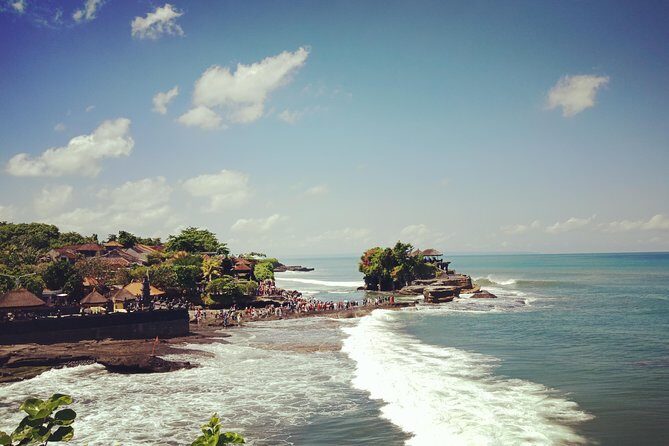
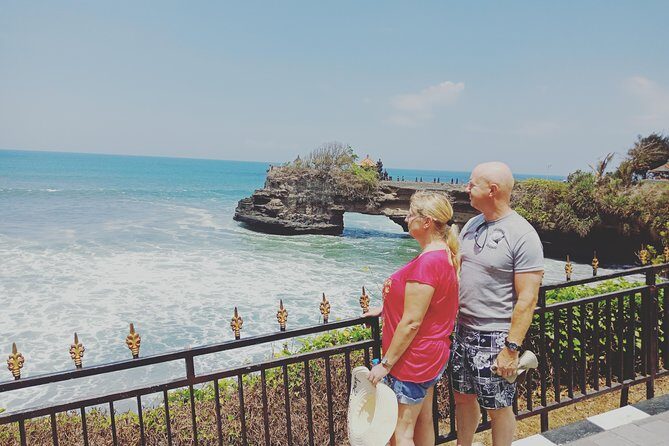
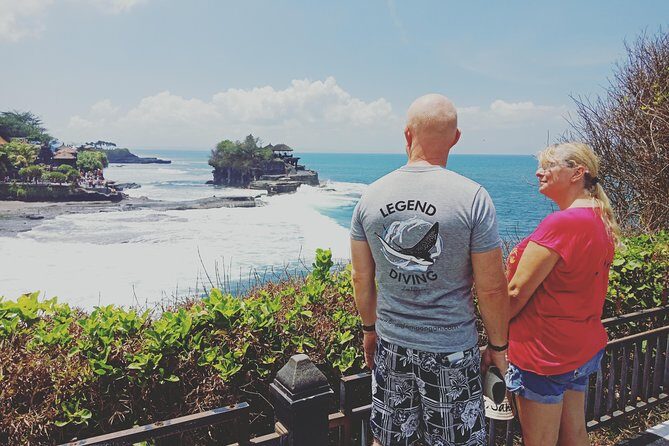
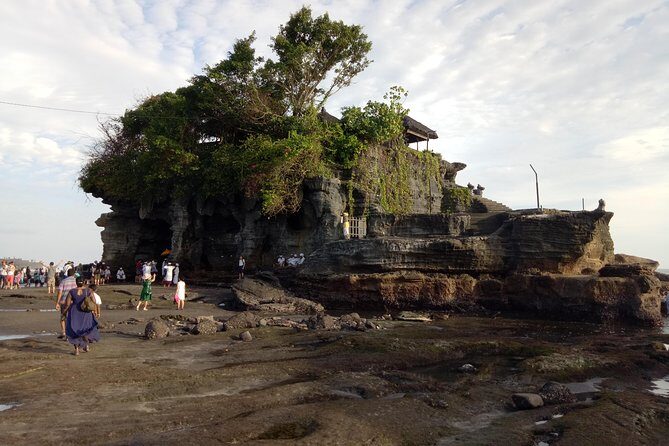
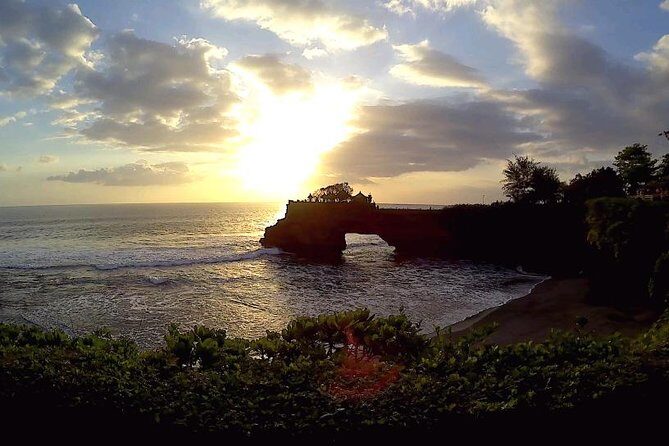
Tanah Lot is the opener for a reason. It’s instantly recognizable, because it sits on rocks out near the coastline, giving you that classic Bali feeling of water working right up against sacred space. If you like dramatic photos, this is where the day starts delivering.

What to expect when you’re there:

  • A view that’s all about the coast line and the rocks around the temple area
  • Plenty of people—because Tanah Lot is one of Bali’s most visited spots
  • A strong sunset atmosphere, so it helps to be ready to linger for the light to change

A practical tip: bring a hat and sunscreen and apply early. The morning can be bright, and by the time you’re waiting for sunset, the sun has usually already done its work. If you’re wearing sandals, make sure they’re comfortable for uneven ground around coastal temple approaches.

Also, I like that the stop is about an hour. In Bali, one hour can still feel fast, but for a place like Tanah Lot, it’s enough time to see the key views and take photos without turning your whole day into one long waiting game.

Garuda Wisnu Kencana Cultural Park: Big Sights in One Place

Tanah Lot and Uluwatu Temple - Stunning Ocean View with Sunset - Garuda Wisnu Kencana Cultural Park: Big Sights in One Place
This is your cultural switch. Garuda Wisnu Kencana Cultural Park packs multiple attractions into one area, so you don’t have to keep driving just to add context to your Bali day.

Here’s what you can look for inside the park:

  • Street Theater
  • Amphitheater
  • Lotus Pond
  • Festival Park
  • Exhibition Hall
  • Jendela Bali, a panoramic resto and souvenir shop area

Even if you don’t spend the full hour on every single spot, the park is useful because it gives you a sense of scale. Bali has more than just temples sitting in fields; it also has performance spaces and curated exhibits tied to local culture.

Admission tickets aren’t included, so you’ll want to expect an extra payment on site for this stop. If you’re trying to keep costs controlled, ask your driver/guide what area is most worth your time based on what you like—performances, ponds, exhibits, or scenic viewpoints.

Padang Padang Beach: A Simple Stop That Feels Like a Reset

Tanah Lot and Uluwatu Temple - Stunning Ocean View with Sunset - Padang Padang Beach: A Simple Stop That Feels Like a Reset
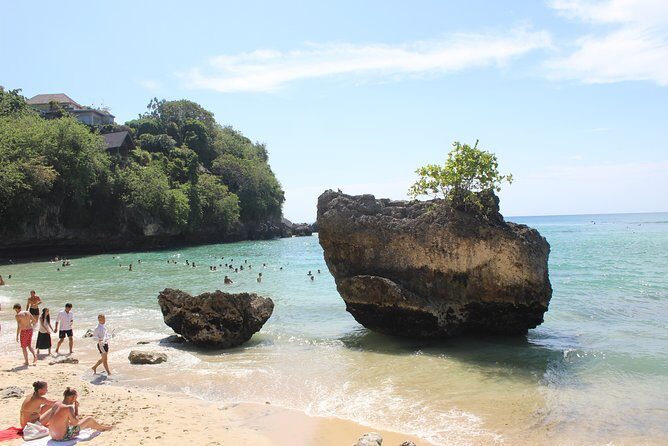
Then you get the break you’re probably craving: Padang Padang Beach. This is one of those Bali beach spots where the appeal is straightforward—white sands, a horizon you can stare at, and time to relax.

What makes it useful in the middle of a busy temple day:

  • It gives you a chance to cool down after walking around religious sites
  • You can grab food and drinks at nearby warungs
  • If you’re interested, there’s mention of snorkeling and swimming options

It also helps that the stop is about an hour. You’re not being forced into an all-day beach plan, which can be a trap in Bali heat. Instead, it’s a reset that keeps your energy up for the next clifftop stop.

If you’re bringing your own towel or extra clothes, change before Uluwatu if you’ve been in the water. You’ll feel better once you’re back in the temple setting, where you might want to look and move comfortably.

Uluwatu Temple: Clifftop Views and a Monkey Reality Check

Tanah Lot and Uluwatu Temple - Stunning Ocean View with Sunset - Uluwatu Temple: Clifftop Views and a Monkey Reality Check
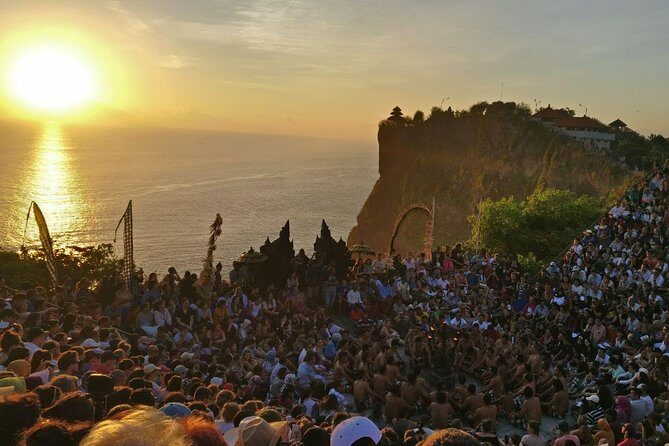
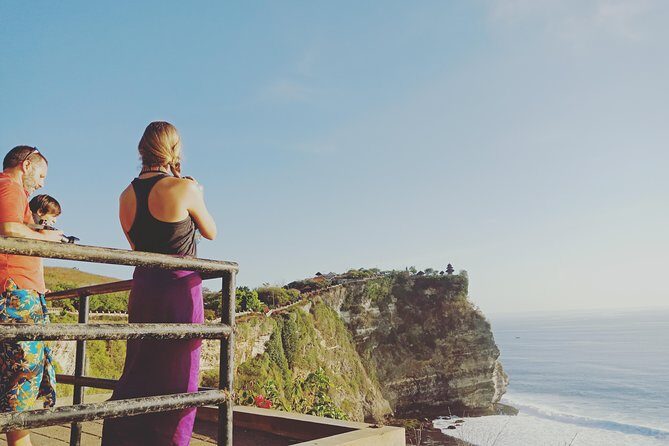
Uluwatu Temple is the payoff for the late-day ocean vibe. It’s famous for those dramatic clifftop views and for the tradition of Kecak and fire dance performances. Even if you’re not laser-focused on the show itself, the location does the work—ocean stretching out below, temple buildings perched above, and a sunset feel that’s hard to beat.

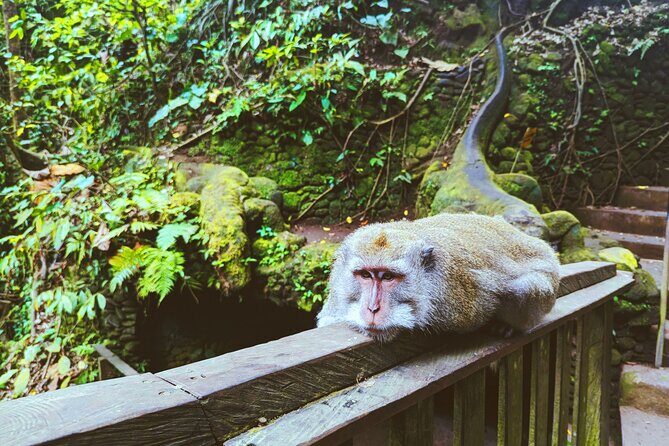
One important practical note: monkeys. Uluwatu is known for them, so keep your items tight. Sunglasses are an easy target, and loose bags can become a problem fast. If you’re carrying a phone, keep it secured and avoid dangling accessories where monkeys can reach.

Also, wear shoes or sandals that won’t slip if you’re walking close to uneven stone and edges. The ocean air looks breezy, but the ground can still be hot and rough.

This stop is about an hour, which means you should be ready to manage your time on the fly. If you want the best combination of views and the performance tradition, arrive with a plan: first secure your view points, then decide if you want to wait for the show moment.

Jimbaran Beach Seafood: The Sunset Dinner Moment

Tanah Lot and Uluwatu Temple - Stunning Ocean View with Sunset - Jimbaran Beach Seafood: The Sunset Dinner Moment
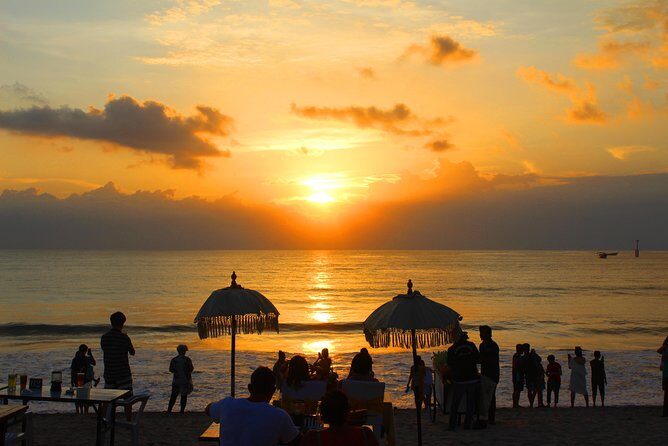
Finish in Jimbaran and you get the Bali dinner many people plan around: seafood on the sand near the water. The setting is part of the appeal, but the main point is that Jimbaran is known for seafood you can choose and cook the way you like.

Here’s what you’ll typically find at Jimbaran:

  • A fish market atmosphere
  • Cooks who handle the seafood with confidence
  • The option to eat right by the beach

This is also where your tour schedule helps you. There’s time left over for dinner, which is great because it means you’re not forced to eat on a timer in a random place. You can choose your fish/seafood options and enjoy the coastal sunset mood.

The tour price does not include dinner, so treat seafood here as a budget line. If you’re watching spending, decide in advance what you want to eat and stick to it. If you’re not watching spending, Jimbaran is one of the easiest places to feel like you properly did your Bali “ocean dinner” thing.

Price and Logistics: Is $60 Good Value?

Tanah Lot and Uluwatu Temple - Stunning Ocean View with Sunset - Price and Logistics: Is $60 Good Value?
For $60, the value is in what’s included. You’re paying for a full-day plan with:

  • Pickup and drop-off
  • An English-speaking guide/driver
  • An air-conditioned car
  • Bottled water
  • Parking fees
  • Fuel costs (so no surprise stops for payments)

That’s a lot of “invisible” costs that add up when you plan a day yourself. In Bali, paying a driver alone can be the easy part. The tricky part is coordinating everything while traffic and timing matter. This tour reduces that headache.

Where you’ll likely spend extra:

  • Entrance tickets at stops like Tanah Lot, the cultural park, Padang Padang, Uluwatu, and Jimbaran-related access where applicable
  • Lunch and dinner (not included)

My take: this price is most fair for people who want a structured day with minimal stress. If you’re the type who loves building your own route and doesn’t mind figuring out entrances and timing, you could do it cheaper. But if you want your energy for photos, temples, and beach time, $60 can feel like a bargain.

Also, you’re not joining a huge unknown group. This is a private tour/activity, meaning it’s only your group.

Practical Tips: Heat, Monkeys, and What to Pack

You can make this day much more comfortable with a few basics.

Bring:

  • Sunscreen
  • A hat
  • Sandals and a towel
  • Change of clothes (useful if you swim)
  • Water awareness: bottled water is included, but you should still sip often

Wear:

  • Something you can walk in on uneven temple areas
  • Clothes you don’t mind getting dusty or sandy at the beach

Then do the two “Bali survival” things:

  • Keep valuables secured at Uluwatu. Monkeys have hands and opinions.
  • Use shade when you get it. The day can move quickly between stops, and sun exposure sneaks up on you.

One more thing: a driver/guide can shape the whole day. People have talked about drivers like Siung (friendly, discreet, professional) and Putu Adi (safe driving and careful pacing), and about drivers traveling with charming family help like Popi in at least one case. Regardless of who’s driving you, the real value comes from someone who doesn’t rush you and can adjust timing if you want more photo time or a quick extra stop.

Who Should Book This Tour (and Who Might Skip It)

This is a strong fit if you:

  • Want an efficient first Bali day that mixes temple + beach
  • Like having an English-speaking guide to explain what you’re seeing
  • Prefer comfort with hotel pickup and A/C instead of DIY heat-and-traffic stress
  • Want sunset at multiple coastal points, not just one

You might skip it if:

  • You hate long days. Even at 8 hours, it’s still a full commitment.
  • You’re extremely cost-sensitive and don’t want to add entrance fees for each stop.
  • You want a deep dive at one place and don’t care about seeing several major sights in one day.

Book It or Pass: My Decision Guide

Book it if you want a day that feels balanced: ocean temples, a cultural park stop, a beach reset, and a sunset seafood finish—without you managing transfers and timing yourself. The inclusion of pickup/drop-off, an A/C vehicle, and an English-speaking driver makes the $60 feel more like convenience than just a ride.

Pass (or consider a different style of tour) if you’re planning to spend your time mostly on beaches or mostly inside one museum-style attraction. This one is built for people who want to see the highlights and keep moving.

FAQ

What time does the tour start?

The tour starts at 9:00 am.

How long is the tour?

It runs about 8 to 12 hours.

Where does the tour pick up and drop off?

You’ll be picked up and dropped off from your hotel in the Seminyak area.

Is the guide English-speaking?

Yes. You’ll have an English-speaking driver/guide throughout the tour.

Is transportation air-conditioned?

Yes. You travel in an air-conditioned vehicle.

Are entrance fees included?

No. Entrance fees are not included, and admission tickets are listed as not included for the main stops.

Is lunch or dinner included?

No. Lunch and dinner are not included.

What’s included in the price?

Included items are pickup and drop-off, an English-speaking guide, the air-conditioned car, petrol, bottled water, and parking fees.

What should I bring?

Bring sunscreen, a hat, change of clothes, sandals & a towel.

Is there free cancellation?

Yes. You can cancel for a full refund up to 24 hours in advance of the experience’s start time.

Kintamani Vulcano Tour

Kintamani Vulcano Tour - The morning start: a traditional produce market vibe

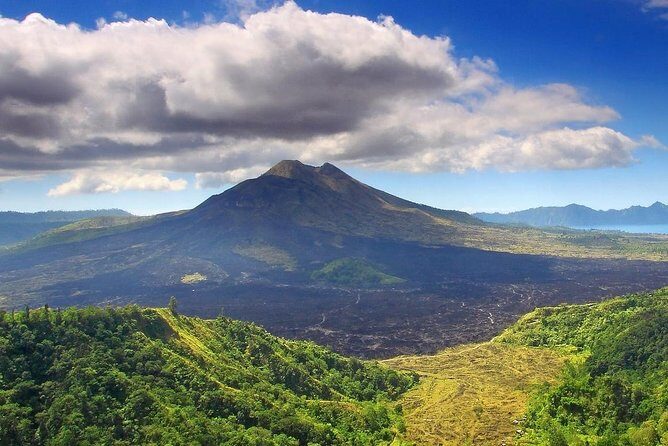
A volcano day with temple stops. This north-Bali route from Ubud strings together carved heritage, a real sacred-water moment at Tirta Empul, and big scenery around Lake and Mount Batur. I love the cliff-carved drama of Gunung Kawi, especially with rice terraces nearby, and I love the wide-open Mount Batur viewpoint feeling in Kintamani.

One consideration: you’re moving on and off the road for much of the day, and lunch isn’t included, so it helps to plan for food so you’re not stuck making do later.

Key highlights you’ll actually feel

Kintamani Vulcano Tour - Key highlights you’ll actually feel

  • Gunung Kawi cliff carvings in a rice-terrace setting
  • Tirta Empul’s sacred spring and the Melukat purifying bath procession
  • Kintamani Highlands scenery around Lake and Mount Batur
  • Tegalalang Rice Terrace views tied to Bali’s traditional subak irrigation system
  • Temple-ready support: sarong provided for the visits
  • A/C vehicle plus bottled water for a long 9-hour day

Why the Kintamani Volcano Tour from Ubud makes sense

Kintamani Vulcano Tour - Why the Kintamani Volcano Tour from Ubud makes sense
This tour is the kind of day trip that works when you want variety without adding travel stress. You’ll start in Ubud area, then head north toward some of Bali’s most recognizable cultural sites and one of its most dramatic scenery zones: the Kintamani highlands near Mount Batur.

What I like about this format is the pacing logic. It’s not just “see one thing, go home.” Instead, you get a sequence: market into temples into highland viewpoints into rice terraces. Each stop has a different mood, so the day doesn’t feel repetitive.

Also, the logistics are handled in a practical way. You’re given an A/C vehicle, bottled water, and admission tickets are included at the listed stops. That matters on Bali days when heat and time can quietly steal your energy.

The morning start: a traditional produce market vibe

Kintamani Vulcano Tour - The morning start: a traditional produce market vibe
Before the temple circuit, the day begins with a traditional produce market that serves local villages. Even if you’re not hunting souvenirs, markets like this are a fast way to get your bearings.

You’ll see how locals shop, what’s fresh, and the everyday rhythm of Bali outside the main tourism strips. It’s also one of those moments that makes the rest of the day feel more grounded—temples and highlands start to feel connected to real local life, not just photo stops.

Practical tip: if you’re into food, you’ll probably notice smells and textures more than you expected. Plan to take a few slow laps, then move on so you don’t miss the next stop’s timing.

Gunung Kawi: carved cliffs, ancient temple feel, and rice-terrace surroundings

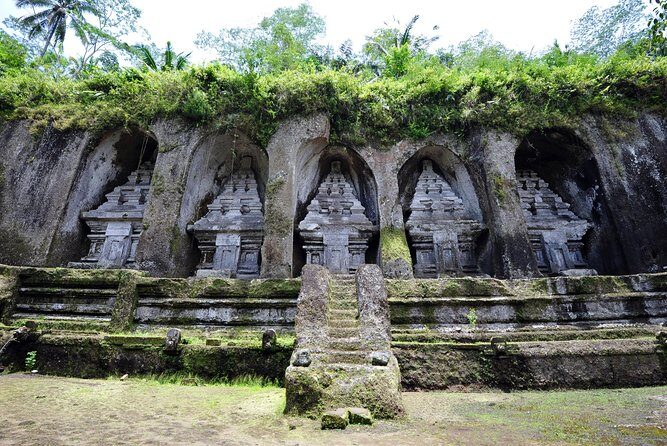
Gunung Kawi is a temple stop with visual drama. The big draw here is the old carvings cut into the cliffs, placed in a landscape that includes rice terraces nearby. It’s the late-11th-century kind of site where you can sense age without needing a lecture.

You’ll spend about an hour here. That’s usually enough time to understand the layout, see the rock-carved details, and take photos without feeling like you’re rushing through a museum. And because it’s positioned with scenic rice views around it, you get more than architecture—you get a setting.

Possible drawback: cliff-carved sites can mean uneven walking. Even though the tour is designed for most travelers, you’ll want to wear shoes you’re comfortable in if the ground is slick or crowded.

Tirta Empul: sacred spring water and the Melukat purifying bath

Kintamani Vulcano Tour - Tirta Empul: sacred spring water and the Melukat purifying bath
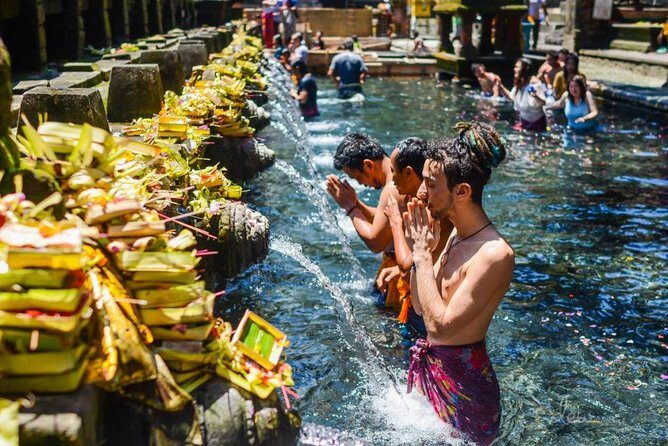
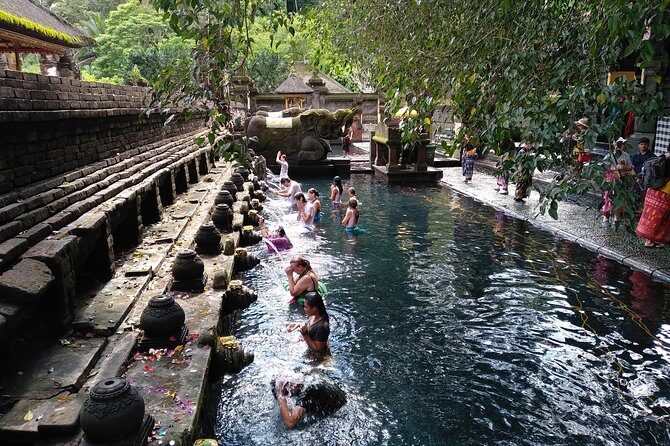
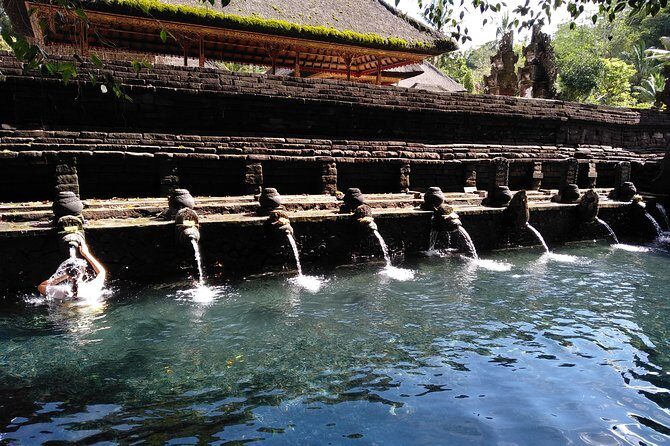
After Gunung Kawi, you go to Tirta Empul Temple, built around a sacred spring at Tampak Siring. The spring bubbles up in the inner courtyard, and it’s believed to have curative power—so this isn’t just a pretty temple visit.

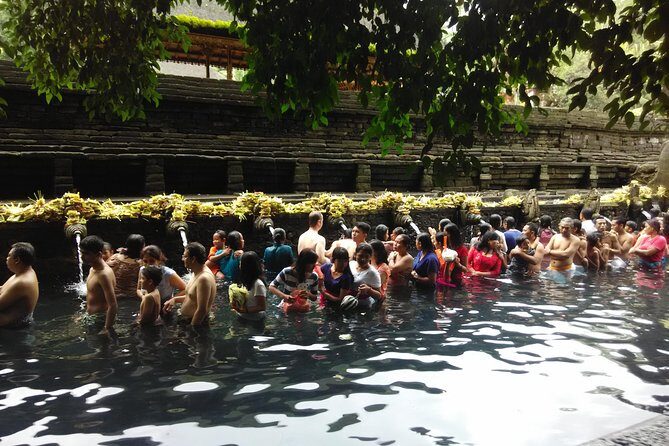
What makes Tirta Empul special on this tour is the chance to watch the Hindu Melukat procession, which involves a purifying bath. Seeing a ritual like that in motion changes the way you experience the place. Instead of passive sightseeing, you get a real cultural moment.

You’ll have about an hour here, and admission is included. Also, sarongs are provided for temple visits, which helps a lot. In practice, it means you don’t have to hunt down the right clothing before you arrive.

Practical tip: keep your camera ready but not dominant. Watch first, then take photos when the moment makes sense. Ritual spaces usually don’t love constant filming, and you’ll enjoy the experience more if you give the people present a little room.

North to Kintamani: Lake and Mount Batur views that feel open and calm

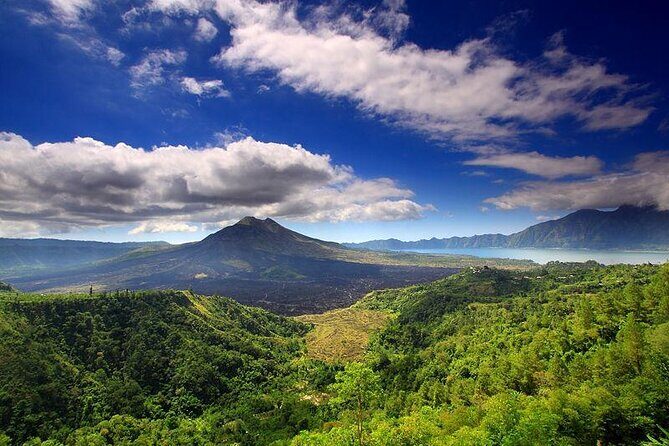
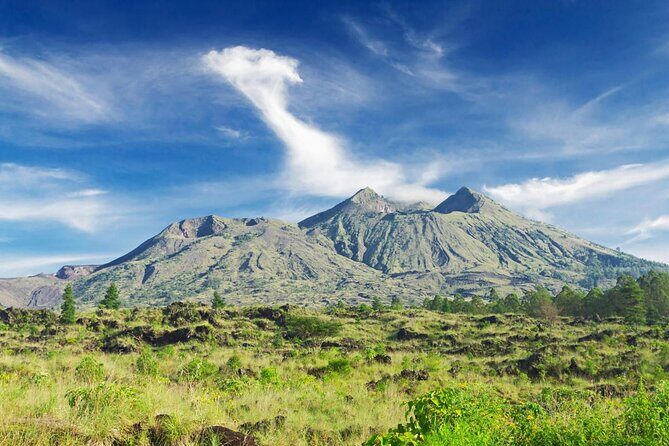
Once you head north, the vibe changes from temple details to horizon views. The Kintamani highland area sits around the Mount Batur caldera and includes places like Penelokan, Toya Bungkah, Batur, Kedisan, Abung, Songan, and Kintamani villages. The tour focuses on the big scenery moment: beautiful views around Lake and Mount Batur.

You’ll spend about an hour in this zone. One hour is a sweet spot: enough time to find a viewpoint angle, take photos, and just breathe without feeling trapped by a long stop. The scenery here can be impressive even when you’re not a “volcano person.”

How to get the most value from the Kintamani portion: bring patience and expect weather changes. Mountain views can look sharp or hazy depending on the day. If visibility shifts, you still get a good experience from the overall calm, open feeling.

A note from real-world experience: this kind of route can include a practical learning detour along the drive. In one case, a polite and informative driver (Kadek) took the group to a coffee plantation where they learned a lot. If your guide offers something similar and it fits your pace, it can be a nice bonus—just don’t let it steal time from viewpoints.

Tegalalang Rice Terrace: what you’re seeing beyond the photos

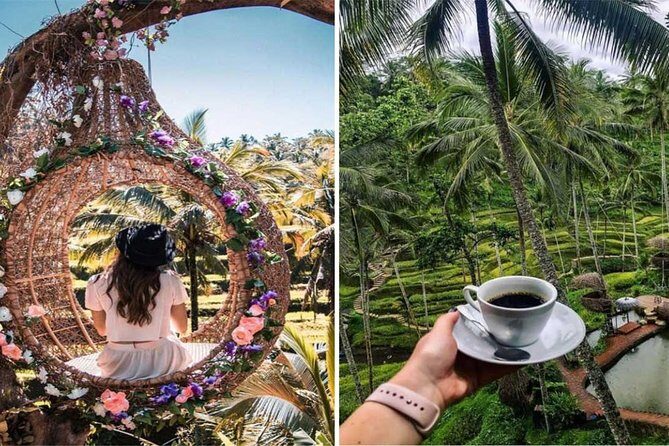
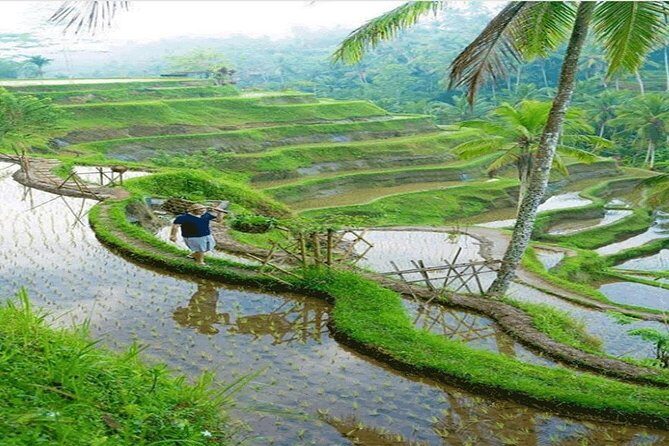
At the end of the day, you enter the village of Tegalalang, known for its rice terraces. This is one of Bali’s most photographed places, but it’s still worth it when you know what you’re looking at.

The terraces connect to the subak irrigation system, a traditional Balinese cooperative approach that organizes water use. The tour information notes that this system was passed down by a revered figure in Bali’s tradition. Whether you’re learning the full story or just seeing the results, you’ll notice the logic in the farming layout.

You’ll spend about an hour at Tegalalang. That’s enough to walk a segment, look at terrace layers, and catch the best viewpoints without turning it into a full hike day.

Practical tip: terraces can be crowded during peak daylight. If you can, keep moving with purpose and take photos from a couple angles rather than staying in one spot too long.

Transport and timing: how a 9-hour day stays comfortable

This is an around-9-hours experience, starting at 9:00 am. That start time matters. It’s early enough to make temple stops and highland scenery work before late-day crowds, but it also means you’ll want to be ready to go rather than slowly waking up.

The tour includes an A/C vehicle and bottled water. That’s a quality-of-life detail you’ll appreciate once you’re out of Ubud and into a longer, more scenic drive. Private transportation also helps keep your day from getting tangled up with other groups.

The tour is listed as private, meaning only your group participates. In real life, that usually means less waiting and more flexibility with small timing issues. If something runs behind schedule, a good guide can often adjust the order or pacing within reason.

Who to ask for guidance: if your guide is communicative—like Dewa, who was described as fantastic and right on time—you’ll get extra context. A driver/guide who explains what you’re seeing can turn each stop from a photo target into a cultural read.

What $52.62 gets you (and where the value is really hiding)

At $52.62 per person for an approximately 9-hour day, the value mostly comes from what’s included. You’re not just paying for a vehicle; you’re paying for a full set of guided stops with admissions covered at each listed temple/attraction, plus temple gear support.

Included items:

  • Bottled water
  • Air-conditioned vehicle
  • Private transportation
  • All fees and taxes
  • Sarong for temple visits

Not included:

  • Lunch
  • Personal expenses

Here’s how I’d think about value. If you were to piece this together yourself—entry fees, getting to multiple north-Bali sites, and dealing with transport—you’d likely end up spending similar money, and you’d still have to manage the flow. This tour removes the stress of stitching it all together and gives you a clear day plan.

The one clear gap is lunch. That’s not a dealbreaker, but it is a planning point. If you’re prone to getting cranky when hungry, pick up a snack earlier or decide ahead of time what kind of lunch you want when the tour ends or between stops (the specific lunch spot isn’t stated, so you’ll want to stay flexible).

Temple etiquette essentials: sarong, respectful viewing, and comfort

Because you visit temples, sarong use matters. This tour supplies a sarong for temple visits, which is a simple but meaningful convenience. It also nudges you toward correct behavior without extra effort from you.

For the Tirta Empul Melukat procession, your best approach is calm observation. You’re seeing purification and a religious ritual, so act like you’re visiting someone’s spiritual moment, not just watching a show.

Comfort tips that help you enjoy the day:

  • Wear closed-toe shoes that handle uneven ground
  • Bring something light for sun (you’ll be outdoors for viewpoints and terraces)
  • Keep your phone battery charged—this day has multiple photo-worthy stops

Who this tour suits best, and who might want a different day plan

This is a great match if you want:

  • A north Bali day with both culture and scenery
  • Temple visits that go beyond quick picture-taking
  • Mount Batur area viewpoints without extra planning
  • A private-feeling experience with A/C comfort and water

It may be less ideal if you:

  • Need a slow, unstructured day with minimal driving
  • Hate early starts (9:00 am is part of the deal)
  • Want lunch included automatically

If your priority is only beaches or only one major site, this might feel like too many stops. But if you like variety, this route is built for you.

Should you book the Kintamani Volcano Tour?

If you want a balanced north-Bali taste—Gunung Kawi cliff carvings, Tirta Empul sacred spring ritual time, Kintamani’s Lake and Mount Batur views, and Tegalalang’s rice terraces—this tour is a strong, practical choice.

Book it if:

  • You value cultural context and want the trip stitched together cleanly
  • You’re okay with a full day and a separate lunch plan
  • You want included entry tickets and sarong support, so you’re not scrambling on the ground

Skip or consider alternatives if:

  • You’re sensitive to long drives and early start times
  • You want a day with fewer stops and more free time per location

My final advice: treat this as a “see the region” day. If you go in expecting a structured route and you show up ready for temples and viewpoints, you’ll get a lot of real Bali in one day without turning it into a stressful itinerary marathon.


FAQ

What is the price of the Kintamani Volcano Tour?

The tour costs $52.62 per person.

How long is the tour?

The duration is approximately 9 hours.

Where does the tour start and what time does it begin?

It starts in Ubud, with a start time of 9:00 am.

Is pickup available?

Yes, pickup is offered.

Is this a private tour?

Yes. It’s a private tour/activity, and only your group participates.

What’s included in the tour price?

Included items are bottled water, an air-conditioned vehicle, private transportation, all fees and taxes, admission tickets for the included stops, and a sarong for temple visits.

What is not included?

Lunch and personal expenses are not included.

Do I get a mobile ticket?

Yes, mobile ticket is listed as part of the experience.

Can I cancel for a full refund?

Yes. You can cancel up to 24 hours in advance for a full refund.

Who can participate?

Most travelers can participate.

Private surf lesson

Private surf lesson - Timing, Breaks, and When Sunset Might Happen

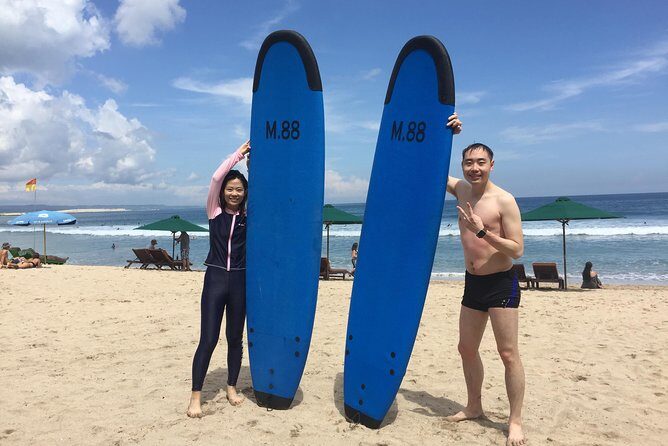
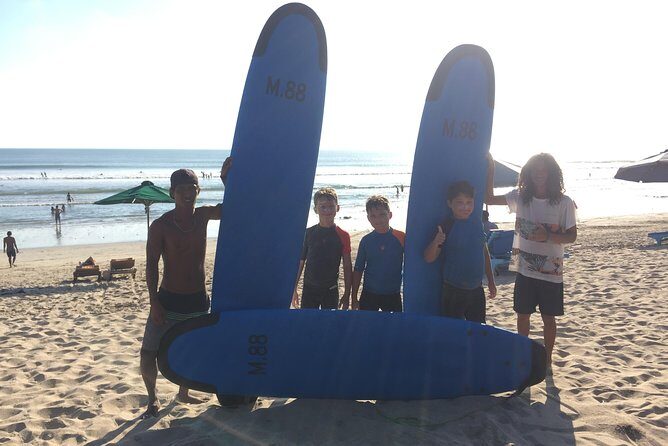
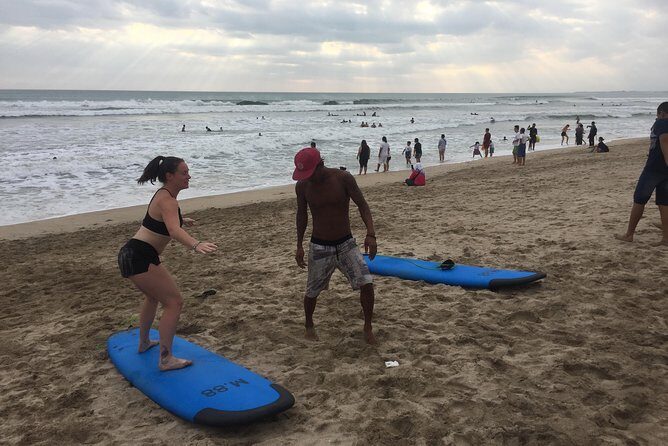
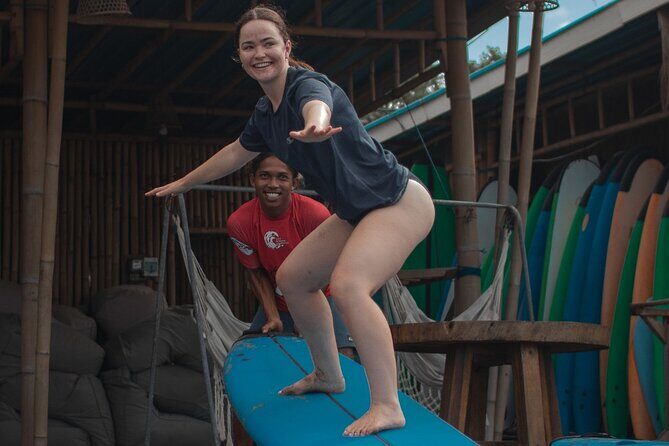
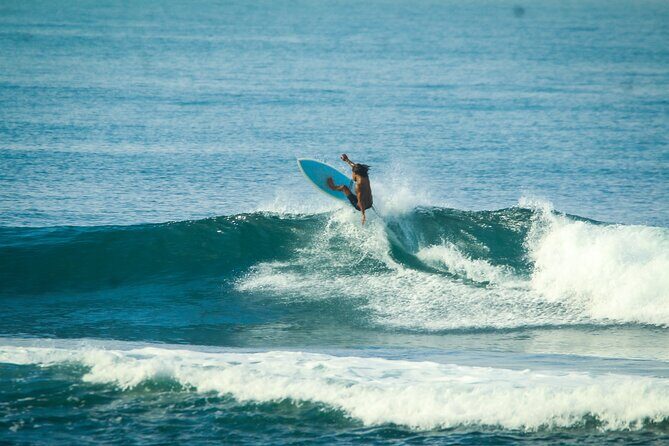
Waves in two hours is the plan. This private surf lesson in Kuta, Bali is built for real progress, not just hanging around the beach. I like that you get hotel pickup and drop-off so you spend less time figuring out transport and more time learning.

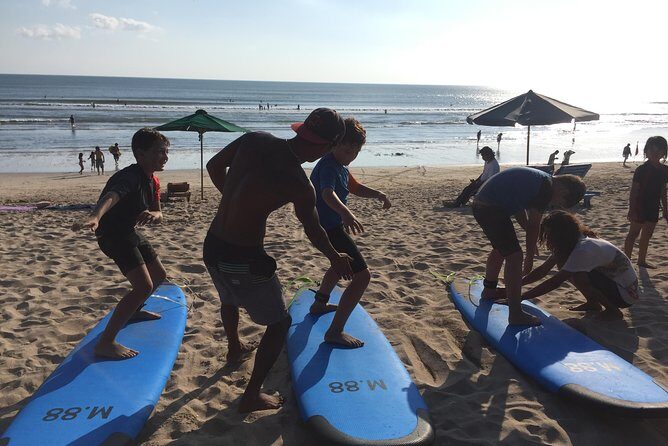
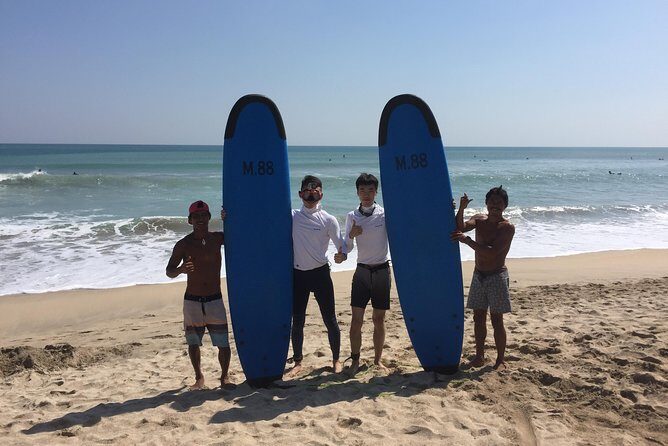
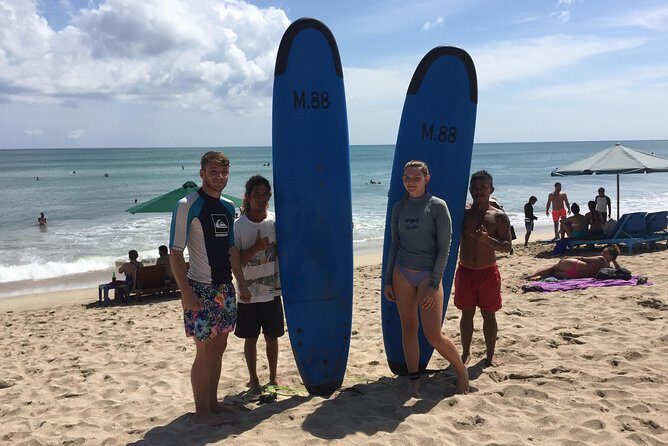
The other thing I really like is the one-on-one attention. You’ll get an instructor who introduces the board and the basics, gives theory, helps with corrections, and then puts you back into the water with clear feedback. One-on-one also means you’re not stuck waiting your turn.

One consideration: food and drink aren’t included, and the lesson depends on good weather, so plan your day around that.

Key things to know before you go

  • Hotel pickup and drop-off included: less hassle, more wave time.
  • Private, one-on-one coaching: corrections come fast because it’s just you (and your group).
  • About two hours: board basics, theory, practice, break, then waves.
  • Weather matters: expect it to run only when conditions are suitable.
  • Sunset might happen: timing can work out for you to catch the light on the water.
  • No food or drink: bring your own water plans for before and after.

Kuta Surf Lesson With Pickup That Saves Your Time

Private surf lesson - Kuta Surf Lesson With Pickup That Saves Your Time
Kuta is easy to reach, but it’s also easy to waste time once you’re hungry, tired, and still hunting for where you’re supposed to go. This is why I’m a fan of the included private transportation. You get picked up and returned to the meeting point, which keeps your day simple.

The lesson starts at M88surfschool75J9+PG2, Jl. Pantai Kuta, Kuta, Kec. Kuta, Kabupaten Badung, Bali 80361, Indonesia. The activity ends back at the same meeting point, so there’s no awkward scramble afterward. There’s also a mobile ticket, and you receive confirmation when you book.

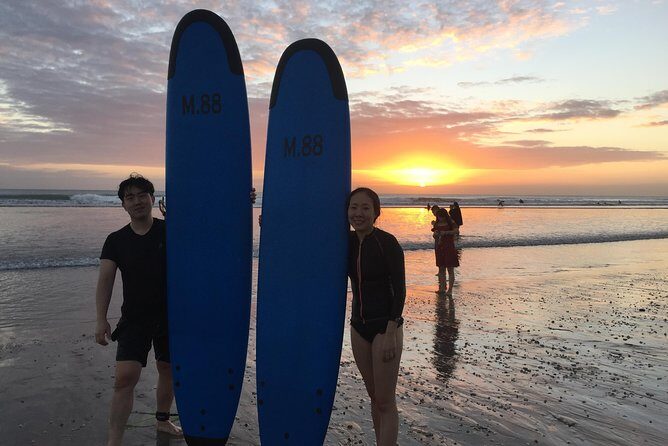
Timing-wise, the lesson is set up for about 2 hours. Opening hours are listed as 7:00 AM to 6:00 PM (Mon–Wed), which gives you a decent window to fit it into a beach day. If you want the vibe of later light, you might get a shot at a sunset view while you’re on the waves, depending on when your instructor starts and how conditions run.

Practical tip: if you’re staying somewhere in Kuta, you’ll probably feel the value immediately. No taxi negotiations, no last-minute map spirals. Just show up, suit up, learn, and surf.

What Happens During the 2-Hour Lesson (Step by Step)

Private surf lesson - What Happens During the 2-Hour Lesson (Step by Step)
This isn’t a vague “go have fun” session. The structure is clear, and that’s a big part of why beginners tend to do well.

Here’s the flow you should expect, with your instructor guiding each stage:

First, you’ll do board introduction and setup. That means learning how the surfboard works for you, how to handle it safely, and how to think about your body position before you go out. Even before you catch a wave, you’re training the fundamentals so you’re not fighting the board from the first minute.

Next comes theory and technique. This is where the instructor explains what you’re trying to do and why. You’ll get coaching on things like how to move on the board, what to watch for in the water, and how to respond when conditions change. In a private setting, the lesson can adjust in real time. If you don’t understand something, you get the correction right away instead of waiting for a group to move on.

Then you’ll get into the activity portion. This is where you practice what you learned in a more controlled way. You’ll likely get a break during the session, which matters more than people think. Surfing is tiring, especially when you’re learning how to pop up and balance. A break keeps your learning from turning into pure exhaustion.

After that, the instructor brings you into the waves. This part is the payoff. You’ll be introduced to the wave section that fits your level and then you practice again with corrections. The goal is to get you into a rhythm where you can start catching something reliably—or at least feel yourself understanding what to do next.

Finally, depending on your timing, you might get to see the sunset while you’re still out there. Even if you don’t, you’ll end with the instructor walking you back through what you did well and what to work on next time.

Learning to Stand and Catch Waves: The Coaching That Makes It Click

Surf lessons can be frustrating when you’re doing the wrong thing for too long. The best sessions fix that quickly, and this one is set up to do exactly that with private attention.

What you’ll feel in the water is a mix of encouragement and direct instruction. The instructor introduces the board, then gives you technique cues you can actually use. In a few surf-school sessions in this area, people often start standing fast—but the real win is the coaching that helps you keep balance and react correctly when the wave changes.

In the feedback you can rely on, first-time surfers talked about being able to stand on the board quickly, sometimes within minutes. That doesn’t mean you’re instantly shredding. It means the basics are being taught in a way that sticks: foot placement, body position, and how to prepare before the wave arrives.

A big plus is how the instructor responds to fear. If you’re nervous about being in the ocean, you don’t just get thrown into it. The teaching approach is patient and focused on getting you comfortable with the water and the process step by step. That’s huge in a place like Kuta, where the ocean is real and waves don’t care about your first-day nerves.

You should also expect hands-on help like pushing or encouraging you at key moments. When the instructor gives a quick nudge to help you get the feeling of board control, it can reduce that moment of panic where you think you’ve got it and then immediately lose balance. This is where private lessons can feel worth every dollar.

Timing, Breaks, and When Sunset Might Happen

Private surf lesson - Timing, Breaks, and When Sunset Might Happen
You’re given about two hours, and within that time, the session is paced on purpose. You’ll get a break during the lesson. That break isn’t just a nice-to-have. It helps your body reset between:

  • initial practice on the board,
  • the theory-and-technique stage,
  • and then the more intense wave portion.

Surfing burns energy fast—especially for beginners who are paddling hard and trying to pop up with good form. If you skip the rest, your technique usually falls apart. With the built-in break, you can still learn instead of only surviving.

About sunset: your start time matters. The session sometimes lines up so you’re still in the water near sunset, and that can make the whole experience feel extra memorable. If that’s your goal, ask the school when the best time slot is for light and conditions. If you can’t get sunset, no stress. The real value is the coaching and getting real wave practice in the same session.

Also keep this in mind: the experience “requires good weather.” That means your day could shift if conditions aren’t right. It’s a normal part of surf learning in Bali, not a sign that anything is off.

Value for Money: Why $50 Can Make Sense Here

Private surf lesson - Value for Money: Why $50 Can Make Sense Here
$50 isn’t a huge amount, but surf lessons often swing wildly in price depending on group size, equipment quality, and how much time you actually spend in the water. Here, your value comes from two things you can feel immediately:

1) Private, one-on-one time

You’re not competing with a crowd for the instructor’s attention. Corrections happen while they’re still relevant, not after your session is already over. That accelerates learning and reduces wasted practice.

2) Pickup/drop-off included

In Kuta, that can quietly save you more money than you’d expect. Transport is often what makes short activities annoying. This package removes that friction, so you can commit to the two hours without extra hassle.

What’s not included matters too. Food and drink aren’t part of the package, so you should plan your own water and snacks before or after. If you show up dehydrated or hungry, it can hurt your performance. I’d rather see you show up with a bottle of water and something light than rely on buying stuff at the last second.

If you’re comparing options, think in terms of time-on-learning. A cheap group lesson that leaves you waiting can feel expensive once your progress stalls. A focused private session that gets you into the waves with corrections often feels like better value, even if the upfront number is the same as a cheaper option.

Where to Meet and How to Plan Your Beach Day

Private surf lesson - Where to Meet and How to Plan Your Beach Day
Meeting is at the surf school location by Jl. Pantai Kuta. Since the lesson includes pickup and drop-off, you’ll want to be ready on time. If you’re late, you’re not just delaying yourself—you can disrupt the session flow for everyone.

Because the lesson is about two hours, plan a clean block in your schedule. Keep your next plan flexible. Even if you return to the meeting point quickly, surf sessions can leave you tired and slightly salty in more than one way.

Also plan your clothes:

  • Wear something you can move in.
  • Bring a towel if you have one.
  • Consider water shoes or footwear that works for sand and wet ground, since your feet will be on and off the board area.
  • Bring sunscreen and keep reapplying as needed. Kuta sun can be sneaky fast.

And again: bring your own food and drinks before or after, since they’re not included. If you want the session to feel smooth, eat a light meal beforehand and drink water. Then after surfing, grab something proper and hydrate again.

Who Should Book This Private Surf Lesson in Kuta?

Private surf lesson - Who Should Book This Private Surf Lesson in Kuta?
This lesson is a strong fit if you’re:

  • a first-timer who wants instruction that doesn’t leave you guessing,
  • someone who’s already surfed before and wants skill correction,
  • a nervous beginner who needs patient guidance,
  • anyone who wants private, individual attention rather than crowd coaching.

Most travelers can participate, which is helpful. The private format tends to work well for different skill levels because the instructor can adjust what you do based on how you respond.

It’s also a good pick if you want a quick but serious surf session. You’re not signing up for a half-day expedition. You’re signing up for a focused learning block in Kuta.

FAQ

Private surf lesson - FAQ

FAQ

How long is the private surf lesson in Kuta?

It’s about 2 hours.

Is hotel pickup and drop-off included?

Yes. Private transportation with pickup and drop-off back to the meeting point is included.

What will I do during the lesson?

You’ll get board and surf introduction, theory, practice activities (including a break), then technique corrections and wave practice. Depending on timing, you might also see the sunset.

Does the price include food or drinks?

No. Food and drink are not included in this package—only the surf lesson activity.

Where is the meeting point?

The start meeting point is M88surfschool75J9+PG2, Jl. Pantai Kuta, Kuta, Kec. Kuta, Kabupaten Badung, Bali 80361, Indonesia.

What happens if the weather is bad?

The experience requires good weather. If it’s canceled due to poor weather, you’ll be offered a different date or a full refund.

Should You Book This Private Surf Lesson in Kuta?

Yes, if you want a short, focused session with real attention from an instructor. The combo of pickup/drop-off, one-on-one coaching, and a structured two-hour flow (practice, break, then waves) makes this a practical choice for both nervous beginners and repeat surfers who want corrections.

I’d skip it only if you’re hoping the package handles everything food-wise, or if you’re trying to pack in other activities right at the lesson end. Surf takes energy, and since no food or drink is included, you’ll be happier if you plan a simple meal and water before and after.

If you’re in Kuta and you want your first (or next) surf steps to feel guided instead of random, this private lesson is a solid way to spend your time.

Lempuyang Luhur Temple Gate Of Heaven Tour Car Charter

Lempuyang Luhur Temple Gate Of Heaven Tour Car Charter - Lempuyang Temple and the Gate of Heaven: the main event, paced for real photos

A 5:00 am start makes this trip feel like a win. This private route takes you to Bali’s famous Lempuyang Gate of Heaven setting, then keeps rolling through classic East Bali spots like Tirta Gangga and Taman Ujung, before easing off at Virgin Beach with views toward Lombok. It’s one of those days where you’re balancing big-name photos with real daily-temple and water-palace atmosphere.

What I like most is that the day is built around time for pictures at the Gate of Heaven, not just a rushed stop. I also like that your driver is English-speaking and tends to be flexible with pacing, which matters when temple steps, queues, and photo angles all take longer than expected. If you’re picky about timing (or want a calm photo break instead of sprinting), this format is a good fit.

One consideration: entrance tickets are not included, and the total adds up on top of the tour price. Also, this runs early and requires good weather, so you’ll want to plan for a long day and a morning that starts before your coffee kicks in.

Key highlights worth your time

Lempuyang Luhur Temple Gate Of Heaven Tour Car Charter - Key highlights worth your time

  • Gate of Heaven photo time with a built-in 2-hour window for photos and temple views
  • A simple East Bali loop that bundles Lempuyang, Tirta Gangga, Taman Ujung, and Virgin Beach in one day
  • Private, air-conditioned comfort plus an English-speaking driver who can handle timing and traffic
  • Fish-feeding and water-park vibes at Tirta Gangga, then quieter palace scenery at Taman Ujung
  • Virgin Beach as the cool-down with a laid-back walk and Lombok in the distance

Entering East Bali from Seminyak: why the 10–11 hours matters

Lempuyang Luhur Temple Gate Of Heaven Tour Car Charter - Entering East Bali from Seminyak: why the 10–11 hours matters
This tour is priced like a half-day experience, but it behaves like a full day, roughly 10 to 11 hours. That matters because the sights are spread out along East Bali, and you’re leaving Seminyak early at 5:00 am. The early start helps you get to Lempuyang at a reasonable hour for photos and temple time, and it can also reduce the chaos that builds later in the morning.

You’ll ride in an air-conditioned vehicle with a private driver, so you’re not waiting around for other groups to arrive. That’s a real value boost. When you’re doing temples plus water palaces plus a beach, the only thing that makes it stressful is wasted time. A private car helps you spend your energy on the stops instead of on logistics.

And because it’s private, you can usually shape the day around your pace. In the driver profiles I saw—names like Putu, Janu, Junu, and Mangde come up—you’ll notice a pattern: calm behavior, politeness, and an approach that lets you decide how long to linger.

Lempuyang Temple and the Gate of Heaven: the main event, paced for real photos

Lempuyang Luhur Temple Gate Of Heaven Tour Car Charter - Lempuyang Temple and the Gate of Heaven: the main event, paced for real photos
Lempuyang Temple is the reason most people sign up. You start with the drive (about 2 hours from Seminyak), then you get around 2 hours on-site specifically for photos at the Gate of Heaven and for soaking up the temple surroundings.

This is not a small “quick look” kind of stop. The Gate of Heaven setup is visually dramatic, and you’ll want time for multiple angles—plus time to reset if the line, lighting, or crowd flow changes. The tour’s structure—arrive, then spend real time photographing—tends to work better than itineraries that treat Lempuyang as a checkbox.

Practical tip: wear something comfortable for steps and uneven ground. Even if you’re not hiking, temple areas in Bali can involve climbing and careful footing. I’d also plan to bring a way to protect your phone/camera from humidity and dust, just in case you’re shooting a lot.

Possible drawback: the entrance ticket to Lempuyang Temple isn’t included (listed at 100k IDR). So your tour budget isn’t just the tour price. If you hate surprise totals, set aside the ticket amount early and you’ll feel better all day.

Tirta Gangga: where the pace gets lighter and the fish do the talking

Lempuyang Luhur Temple Gate Of Heaven Tour Car Charter - Tirta Gangga: where the pace gets lighter and the fish do the talking
From Lempuyang Temple, the drive to Tirta Gangga is short—about 30 minutes. Then you get about 1 hour at the water palace area.

This is one of those stops where you feel the difference between a temple-photo mission and a more playful visit. Tirta Gangga is known for its pools and the chance to interact with the space, including feeding fish and taking photos in a setting that feels more relaxed than the temple gate area.

That 1-hour block is a good length for this kind of place. You can wander, take pictures, and still have enough time to keep the whole day from dragging. If you’re traveling with people who get tired of temples quickly, this stop often resets the mood.

Practical tip: if you plan to feed fish, keep your hands clean and be mindful of slippery edges near water. It’s not about fear, it’s about not turning your fun moment into an injury moment.

Again, there’s an extra cost: Tirta Gangga entrance is listed at 50k IDR, and it’s not included in the tour price. The good news is that the activity is tangible—you’ll see and do enough here that the ticket cost feels more justified.

Taman Ujung (Ujung Water Palace): a quieter palace stop with strong photo angles

Next up is Taman Ujung, also called the Ujung Water Palace. You’ll drive from Tirta Gangga in about 30 minutes, then have around 1 hour on-site.

What makes Taman Ujung appealing is the contrast. After Gate of Heaven and then the fish-and-pond vibe of Tirta Gangga, Taman Ujung lands in a calmer lane: palace architecture and water features that feel more like scenery you slow down for. It’s an easy stop to enjoy even if you’re less into the “feed fish, snap pictures” style of attractions.

One smart part of this itinerary: the pacing keeps you from feeling like you’re only rushing from one landmark to another. The day has momentum, but it also gives you time to settle.

Cost note: Taman Ujung entrance is listed at 75k IDR, not included. If you want to keep your spending predictable, set aside all the entry fees before you leave the hotel.

Virgin Beach: the cool-down with Lombok on the horizon

After Taman Ujung, you head to Virgin Beach, about 30 minutes away. The tour sets aside about 1 hour to enjoy the beach and take a break—this is described as a relaxing stroll with a view toward Lombok.

This is the perfect ending stop for a day like this. You’ve been doing temples and water-palace scenes earlier, and now you get open air, room to breathe, and a different kind of “photo moment.” Looking across toward Lombok turns it from just another beach stop into a sense of place.

Practical tip: bring sunscreen and something light to cover your shoulders. Even if you start early, Bali sun can build later. Also, comfortable sandals matter here—beach sand plus temple steps equals a lot for footwear.

Entrance cost: Virgin Beach entrance is listed at 10k IDR, not included. It’s small, but it’s still something to budget for.

Price and value: what $50 covers (and what you still need to pay)

Lempuyang Luhur Temple Gate Of Heaven Tour Car Charter - Price and value: what $50 covers (and what you still need to pay)
The tour price is listed at $50, and it includes a lot of the cost that usually makes day trips expensive in Bali: private transportation, an air-conditioned vehicle, an English-speaking driver, and car parking fees.

Where your day gets extra costs is entrance tickets. Based on the listed amounts, you’re looking at:

  • Lempuyang Temple: 100k IDR
  • Tirta Gangga: 50k IDR
  • Taman Ujung (Taman Ujung Water Palace): 75k IDR
  • Virgin Beach: 10k IDR

So the day’s ticket total is 235k IDR, not including personal expenses. If you compare this with tours that bundle everything (including tickets), this one is more of a “transport + driver package” rather than an all-in ticket day. For many people, that’s still good value because private AC transport and driver time are the expensive pieces.

The best way to think about it: you’re paying for comfort and time management so you can hit multiple East Bali highlights without a complicated self-drive plan. If you don’t want to coordinate taxis, parking, route planning, and timing, the value makes sense.

Your driver experience: flexible pacing and fast, calm problem-solving

Lempuyang Luhur Temple Gate Of Heaven Tour Car Charter - Your driver experience: flexible pacing and fast, calm problem-solving
This tour is private, which means your driver is your schedule. In the driver stories tied to this tour, a few names keep showing up: Putu, Janu/Junu, and Mangde. Across those profiles, the traits people talk about are practical: calm, accommodating, and not pushy—plus a willingness to answer questions about local culture and what to do at each stop.

One especially useful detail is that some drivers are described as helping you adjust time at the spots. That can be the difference between spending 20 minutes wishing you had more time at the Gate of Heaven versus having a relaxed photo session and still making it to Tirta Gangga.

You’ll also want a driver who can handle early-morning traffic. In one account, the driver was noted for negotiating Bali traffic to get everyone safely to each destination. That’s not glamorous, but it’s the kind of skill that keeps a long day from feeling exhausting.

Bottom line: pick this when you want the “no stress” version of East Bali.

Timing reality check: the early start, the photo windows, and the long day

Lempuyang Luhur Temple Gate Of Heaven Tour Car Charter - Timing reality check: the early start, the photo windows, and the long day
Even with a solid itinerary structure, this is a schedule-heavy day. Your day begins at 5:00 am, then you’ll stack stops with brief drives and moderate on-site times. You should expect:

  • Temple time that includes walking and photo setup
  • Water palace time that includes wandering and interacting
  • Beach time that functions as your recovery window

The good news is that the tour intentionally includes dedicated time for the most photo-driven stop (Lempuyang). That helps you avoid the all-too-common situation where the “main attraction” happens while you’re still trying to find the right angle or just arrived with everyone else.

Also, remember that the tour notes that good weather is required. If rain hits, plans can change.

Who should book this tour (and who might not)

This tour is a strong match if you:

  • want a private, air-conditioned day without self-driving
  • care about getting photos at Lempuyang’s Gate of Heaven and want real time there
  • like pairing famous sites with East Bali water-palace scenery
  • want an ending stop that feels calmer, not just more temples

You might skip it if you:

  • hate early mornings and don’t handle long days well
  • expect tickets to be included in the price (they’re not)
  • plan to travel when weather is uncertain and you can’t be flexible

Should you book this Lempuyang Luhur and East Bali day trip?

If your main goal is Lempuyang’s Gate of Heaven plus a smart set of East Bali add-ons—Tirta Gangga, Taman Ujung, and Virgin Beach—this is a practical way to do it. The private car, English-speaking driver, and built-in time at the Gate of Heaven are the big reasons it works.

My recommendation hinges on two things: your tolerance for a long, early day and your willingness to budget for entrance tickets on top of the tour price. If you’re good with that, you’ll end the day with a spread of scenery: dramatic temple framing, playful water-palace moments, and a breezy beach horizon toward Lombok.

FAQ

Is hotel pickup included?

Yes. Pickup is offered, and the tour includes private transportation in an air-conditioned vehicle.

What time does the tour start?

The start time is 5:00 am.

How long is the day trip?

It runs about 10 to 11 hours.

Are entrance tickets included in the $50 price?

No. Entrance tickets are not included for Lempuyang Temple (100k IDR), Tirta Gangga (50k IDR), Taman Ujung (75k IDR), and Virgin Beach (10k IDR).

What does the tour include besides transport?

The tour includes an English speaking driver and car parking fees. It’s also listed as having group discounts and mobile ticket.

Is this a private tour or shared group?

It’s private. Only your group participates.

Do I need good weather for this tour?

Yes. The experience requires good weather.

What happens if weather is poor?

If it’s canceled due to poor weather, you’ll be offered a different date or a full refund.

Can I cancel for a full refund?

Yes. Free cancellation is available. You can cancel up to 24 hours in advance for a full refund. If you cancel less than 24 hours before the start time, the amount paid is not refunded.

Ubud Jungle Adventure: Tirta Empul & Bali Swing

Ubud Jungle Adventure: Tirta Empul & Bali Swing - Stop 1: Sacred Monkey Forest Sanctuary and your 1-hour monkey strategy

Ubud swings, monkeys, and holy water in one day. This tour works because it bounces between three very different Ubud moods: wildlife chaos at Sacred Monkey Forest Sanctuary, adrenaline at the Real Bali Swing, and calm, spiritual energy at Tirta Empul. You also get a smooth ride in an air-conditioned vehicle, plus admission tickets are included for each stop.

I especially like how the timing keeps things doable: 1 hour for Monkey Forest, 2 hours for the swing, then two more 1-hour cultural stops. The one watch-out is that lunch is not included, so plan for snacks and water if you don’t want to get hangry in the middle of the day.

Key highlights worth knowing

Ubud Jungle Adventure: Tirta Empul & Bali Swing - Key highlights worth knowing

  • Monkey Forest time-boxed at 1 hour so you can see plenty without burning your whole morning.
  • Real Bali Swing includes admission and gives you a serious height-and-view payoff over the valley.
  • Tegalalang Rice Terrace gets a focused 1-hour look at the classic layered view.
  • Tirta Empul Temple centers on purification at the Holy Spring, a meaningful ritual space in Ubud.
  • Private-group feel: you won’t be mixed into a random crowd on the same van.

A $64 Ubud day that mixes adrenaline and temple time

Ubud Jungle Adventure: Tirta Empul & Bali Swing - A $64 Ubud day that mixes adrenaline and temple time
At $64 per person, this is a value play if you want a lot of Ubud in one shot. You’re not just paying for transport; admission tickets are included across the main stops, which adds up fast in Bali.

What I like about the pacing is that it respects your energy. You get action (swing), iconic views (Tegalalang), and a real spiritual site (Tirta Empul) without turning the day into a marathon of “one more place.”

If you hate tight schedules, keep that in mind. This is an all-in-one itinerary built for momentum, and it runs about 8 hours total.

Pickup, private-group comfort, and how the day holds together

This is designed around convenience. Pickup is offered, and you ride in an air-conditioned vehicle, which matters in Ubud heat. You also get a mobile ticket, and confirmation comes at booking.

The trip is listed as private—meaning only your group participates. That’s a real quality-of-life upgrade compared to squeezing in with strangers, especially at busy places like temples and popular swing locations.

Because the itinerary includes multiple timed stops, you’ll want to treat it like a day plan, not a flexible wander day. If you want to linger for photos or slow-walk through rice terraces, you’ll need to manage expectations.

Stop 1: Sacred Monkey Forest Sanctuary and your 1-hour monkey strategy

Ubud Jungle Adventure: Tirta Empul & Bali Swing - Stop 1: Sacred Monkey Forest Sanctuary and your 1-hour monkey strategy
The Sacred Monkey Forest Sanctuary is the kind of place that can either be fun or stressful—mostly depending on your habits. The main feature is right there: long-tailed macaques roaming near temple ruins.

In a 1-hour block, you’ll likely catch the highlights: monkeys moving through the paths, temples tucked into the greenery, and plenty of close-up chaos. Go in with a calm plan—keep your phone secured, don’t dangle food, and give the animals space rather than chasing a perfect photo angle.

One practical note: this stop can feel busy fast. A guided day helps because you’re not just guessing where to walk or what’s worth attention.

Stop 2: Real Bali Swing for height, photos, and a safety-first ride

Ubud Jungle Adventure: Tirta Empul & Bali Swing - Stop 2: Real Bali Swing for height, photos, and a safety-first ride
The Real Bali Swing is the headline adrenaline moment. The setup is straightforward: you soar above the jungle on a swing with views over the lush valley below.

You’re scheduled for about 2 hours, which is a good length for the swing experience plus the time it takes to get oriented and handle photos. If you’re sensitive to heights, take it slow with your breathing and listen closely during the safety briefing. The good news is that the experience is built around a controlled run, not a free-for-all.

Also, this is a place where you should treat your body like a “photo prop” for a short time. Wear something comfortable that won’t fight you, and keep an eye on what’s in your hands during the ride.

Stop 3: Tegalalang Rice Terrace in about an hour

Ubud Jungle Adventure: Tirta Empul & Bali Swing - Stop 3: Tegalalang Rice Terrace in about an hour
Then you shift from adrenaline to postcard views at Tegalalang Rice Terrace. This is Bali’s iconic layered ricefield look—those step-like patterns you see on posters, screens, and travel memories.

You get around 1 hour, so think of it as a focused viewing window. You can walk a bit, pause for the big angles, and still make it to the next temple without rushing like you’re sprinting through a museum.

The smartest move here is to pick your viewpoint early. Once you find the best “stacked terraces” angle, stay there for photos and move only if the light or viewpoint improves.

Stop 4: Tirta Empul Temple and what purification rituals mean

Ubud Jungle Adventure: Tirta Empul & Bali Swing - Stop 4: Tirta Empul Temple and what purification rituals mean
The day ends at Tirta Empul Temple, also known as the Holy Spring Temple. Here, the theme is spiritual cleansing in the sacred spring, where locals and visitors seek purification.

You’re allocated about 1 hour, which is long enough to understand what’s happening and take in the water features without feeling like you have to rush. Watch for signs of how people participate—this is a ritual space, not a theme park.

Practical advice: if you plan to get close to the spring areas, wear clothes and footwear that can handle water contact. If you’d rather stay dry, you can still enjoy the temple atmosphere and architecture—just be respectful about where people are entering and moving through the ritual zones.

Guide help that makes the whole day feel smoother

Ubud Jungle Adventure: Tirta Empul & Bali Swing - Guide help that makes the whole day feel smoother
A good day in Ubud often comes down to how well someone handles timing and driving. In past experiences associated with this kind of service, Bagus stands out as a recurring name—known for being punctual, speaking good English, and keeping the day organized.

That matters because this itinerary includes places that can be crowded, and roads that can slow you down. A guide who’s good at communication helps you understand what to expect at each stop, and it reduces the “where do we go now?” stress that can ruin photos and patience.

Another helpful quality: the driver-guide format usually means you’re not stuck just following a script. You can ask for small adjustments to match your pace, and you’re more likely to get smarter local recommendations along the way.

Price and value: what you’re really paying for at $64

Ubud Jungle Adventure: Tirta Empul & Bali Swing - Price and value: what you’re really paying for at $64
Let’s break down value in human terms.

You’re paying for:

  • Admission tickets included across the main stops
  • Air-conditioned vehicle
  • Pickup offered
  • A private-group structure

And you’re not paying for:

  • Lunch

That’s why $64 can make sense. If you were to pay separately for entry fees and try to stitch together transport yourself, the total usually climbs quickly. The included tickets are the big part of the bargain.

If you’re someone who prefers to plan every detail independently, this might feel structured. But if you want a guided day that hits several top Ubud anchors without the headache, the price-to-effort ratio is solid.

What to bring so the day doesn’t get annoying

This itinerary is partly wildlife, partly outdoor views, and partly temple. That mix means you’ll want practical gear more than fancy gear.

Bring:

  • Water and light snacks (since lunch isn’t included)
  • A small dry bag or secure pouch for your phone
  • Comfortable walking shoes for rice terrace paths

Consider:

  • Bringing a change of clothes or planning for water contact at Tirta Empul
  • Light sun protection for Monkey Forest and the terrace walk

Skip:

  • Anything you can’t keep track of around monkeys

Small planning moves like these save you from wasted time and cranky moods later.

Who this tour suits best

This fits best if you want an efficient Ubud day with variety. It’s especially good for people who like a mix of:

  • Cultural sites (Tirta Empul)
  • Iconic Ubud scenery (Tegalalang rice terraces)
  • A real activity moment (the Bali swing)

It also makes sense for expats and travelers who want an easier, guided format without feeling trapped in a very rigid museum-style tour.

If you’re traveling with limited patience for animals or you hate rushing, you’ll want to slow down your mindset. The Monkey Forest and swing are highlight stops, so you should expect to be moving.

Should you book Ubud Jungle Adventure: Tirta Empul & Bali Swing?

Book it if you want a full-value day that mixes adrenaline and spirituality, with admission tickets included and A/C pickup. It’s a strong option when you only have one day in Ubud and you want the key highlights done well.

Don’t book it if you’re traveling for a slow, unstructured day with lots of wandering and café time. This itinerary is paced on purpose, and the lack of included lunch means you’ll need to think about food before you get hungry.

If you’re the type who likes photos, clean planning, and a guide who can keep things organized, this is the kind of day that delivers.

FAQ

What is the duration of the Ubud Jungle Adventure tour?

The tour lasts about 8 hours.

How much does the tour cost?

The price is $64.00 per person.

Are pickup and transportation included?

Pickup is offered, and the tour includes an air-conditioned vehicle.

Are entrance fees included?

Yes. Admission tickets are included for each stop on the itinerary.

Is lunch included in the price?

No, lunch is not included.

How long do you spend at each stop?

Monkey Forest Sanctuary is about 1 hour, Real Bali Swing about 2 hours, Tegalalang Rice Terrace about 1 hour, and Tirta Empul Temple about 1 hour.

Is this a private tour?

Yes. It’s listed as private/activity where only your group participates.

What are the operating hours?

The tour runs daily from 9:00 AM to 5:00 PM during the listed dates (07/08/2025 – 02/02/2027).

Will I get confirmation after booking?

Yes. Confirmation is received at the time of booking.

What is the cancellation policy?

Free cancellation is available up to 24 hours in advance for a full refund. If you cancel less than 24 hours before the start time, the amount paid is not refunded.

Hidden Nungnung Waterfall and Tanah Lot sunset Private Tour

Hidden Nungnung Waterfall and Tanah Lot sunset Private Tour - Nungnung Waterfall Hike: Shady Forest Walk With Real Steps

The day runs on your schedule, not on a tour bus. This private tour strings together Taman Ayun, Nungnung Waterfall, and Tanah Lot sunset with door-to-door comfort and included tickets. You’ll love the mix of temple gardens, a forest walk with real waterfall payoff, and that ocean-view sunset moment at Tanah Lot.

Two things I like a lot: the convenience of an AC private car with an English-speaking driver, and the way the day feels more personal since it’s just you and your group. One thing to consider: Nungnung involves a hike with steps, so bring a moderate fitness level if you want to enjoy it without rushing.

Key things to know before you go

  • Door-to-door pickup from Ubud, Gianyar, and most of south Bali means less hassle from the start.
  • Included admission tickets at each stop keep your day smooth and predictable.
  • Nungnung Waterfall walk is worth it, but plan for steps and a forest trail.
  • Tanah Lot sunset timing is built in, so you’re not sprinting at the last second.
  • English-speaking driver who can guide the pace and help your day flow.
  • Private format keeps the experience intimate, not crowded or rushed.

A Private Day Around Ubud: What You’re Really Buying

Hidden Nungnung Waterfall and Tanah Lot sunset Private Tour - A Private Day Around Ubud: What You’re Really Buying
This is the kind of Bali day that feels simple on paper and satisfying in real life: temples in the morning and late afternoon, then a waterfall in the middle. You’re not trying to squeeze everything in with self-drive stress. Instead, you get a personal chauffeur who takes you from stop to stop, with an air-conditioned car and included bottled water.

The private part matters more than you might think. When it’s just you and your group, you can move at a comfortable pace, ask quick questions, and avoid the awkward “everyone wait” moments that happen on group tours. The driver also helps keep transitions realistic, which is key when you’re working around sunset.

At $49.24 per person for an 8 to 10-hour private day, it’s also a value-minded choice compared to doing these sites separately. You’re paying for transportation, parking, and a driver experience that keeps the day coherent.

Pickup From Ubud and South Bali: Starting at 9:30am

Hidden Nungnung Waterfall and Tanah Lot sunset Private Tour - Pickup From Ubud and South Bali: Starting at 9:30am
The tour starts at 9:30am, which is a good time window for hitting Taman Ayun and getting the waterfall hike done while the day is still comfortable. If you’re staying in Ubud or anywhere around Gianyar and most of south Bali, pickup is part of the deal.

I like this structure because it reduces decision fatigue. You don’t have to map routes, interpret signs, or worry about how long drives will take. Instead, you submit your hotel or accommodation details (name, address, phone number), and the driver handles the door-to-door logistics.

One practical note: private cars usually mean you can be ready when pickup arrives and not lose time hunting for a meeting point. That little bit of calm helps a lot on a day that includes walking and stairs.

Taman Ayun Temple: Garden Calm in About 45 Minutes

Your first stop is Taman Ayun Temple, typically around 45 minutes with an admission ticket included. This is one of Bali’s well-known temple garden layouts, and the experience is less about speed-running photo spots and more about strolling through a composed setting with sculptures and water-garden style surroundings.

What I like here is the rhythm. Starting your day with a calmer site makes the rest of the itinerary feel earned. Also, temples in Bali tend to reward a slower approach. If you come in thinking of this as a quick stop, you’ll miss a lot of the beauty in the details and surroundings.

A mild drawback is that 45 minutes can feel short if you like lingering. Still, it’s a fair time allotment because the day is built around a waterfall hike and a sunset temple afterward.

Nungnung Waterfall Hike: Shady Forest Walk With Real Steps

Hidden Nungnung Waterfall and Tanah Lot sunset Private Tour - Nungnung Waterfall Hike: Shady Forest Walk With Real Steps
Next comes the main nature break: Nungnung Waterfall. You’ll spend about 1 hour at the waterfall area, and the walk to reach it takes roughly 20 minutes. The trail is described as green and forested, which is ideal in Bali’s heat when you’re trying to stay comfortable.

Here’s the practical part: Nungnung has lots of steps. That’s not a scare tactic; it’s just useful honesty. If you have knee issues or you don’t usually walk uphill on uneven paths, you’ll want to go slowly and plan for stops.

Why this stop is worth it: the payoff is immediate once you reach the viewing area. You’re not just watching from afar. You’re walking through the environment to earn the moment, and that makes the waterfall feel more real than a roadside snapshot.

What to watch for during the hike:

  • Wear shoes you trust on steps.
  • Pace yourself so you don’t burn out before sunset.
  • Bring a calm mindset. The best part is the journey through the shady forest, not just the final view.

This stop also adds a welcome temperature change. After temple time, the waterfall area feels like a reset—cooler air, green scenery, and a chance to slow your brain down.

Tanah Lot Sunset: The Ocean-Temple Moment You Can Plan For

Hidden Nungnung Waterfall and Tanah Lot sunset Private Tour - Tanah Lot Sunset: The Ocean-Temple Moment You Can Plan For
The last major stop is Tanah Lot Temple, where the schedule targets sunset. You get about 1 hour here, and an admission ticket is included. Tanah Lot is famous for a reason: the temple sits in a dramatic coastal setting, with views tied to the ocean, not just the buildings.

One of the strongest benefits of having Tanah Lot at the end is the way the lighting changes the scene. At day it’s beautiful, but sunset is where the location really becomes cinematic. If you care about getting the best look without rushing, the tour’s timing is a big help.

Plan for a simple approach:

  • Arrive with time to find your footing and perspective.
  • Stay aware of the shoreline and crowds as the light shifts.
  • Keep your expectations realistic. This is a popular site, so movement can feel slower as sunset approaches.

Even with a private tour, the setting is still a public destination. The advantage you get is that you’re not figuring it all out on your own. Your driver keeps you on track so you can focus on enjoying the view.

Why the Private Driver Makes This Day Easier (and Better)

An English-speaking driver can do more than just drive. They help you keep the day flowing between sites, and they can adjust the pace when conditions change. You also get included petrol, parking, and an air-conditioned private car, which adds up in comfort.

One highlight from the experience you should know about: the driver Wayan reportedly added a visit to a Monkey Forest even though it wasn’t on the original plan. That’s the kind of flexible add-on that can turn a good tour into a memorable day, as long as it fits your interests and timing.

Even if you don’t ask for extra stops, the driver’s presence gives you confidence. You can ask quick questions about what to see at each temple, what to watch for, and how to time your walk so you don’t miss the best light at Tanah Lot.

Price and Value: Is $49.24 a Smart Use of Your Bali Day?

Hidden Nungnung Waterfall and Tanah Lot sunset Private Tour - Price and Value: Is $49.24 a Smart Use of Your Bali Day?
Let’s talk value in a grounded way. At $49.24 per person, you’re paying for:

  • private air-conditioned transportation with petrol and parking covered
  • an English-speaking driver
  • bottled water
  • admission tickets included for Taman Ayun, Nungnung Waterfall, and Tanah Lot

What you’re not paying for is lunch and personal expenses. So budget for that part yourself. But when three admission tickets and private transport are bundled, it helps keep your spending predictable.

This price can feel especially fair if you’re a couple or small group. Private transport costs more when you do it separately, and the time saved is real. The alternative is self-drive, which means renting, dealing with routes, and absorbing the stress of finding parking and timing. This tour trades that stress for a single, straightforward plan.

If you love a day that’s structured but not rigid, this format is a strong match.

Timing, Energy, and Who Should Book

Hidden Nungnung Waterfall and Tanah Lot sunset Private Tour - Timing, Energy, and Who Should Book
This day runs roughly 8 to 10 hours. That’s enough time to do everything without feeling like you’re only passing through. But it’s also long enough that your energy matters.

You’ll want moderate physical fitness because of the waterfall steps. The minimum age is 7 years old, and adult pricing applies to all participants.

Who this tour is best for:

  • Couples and small groups who want a calm, personal pace
  • People who dislike self-driving but still want real walking time
  • Anyone who wants classic west/central Bali highlights in one day without complicated planning

Who might hesitate:

  • People with limited mobility or difficulty with steps at Nungnung
  • Anyone who wants a fully relaxing day with minimal walking

If you fall into the “I can handle steps but I hate rushing” category, you’re exactly the target.

What to Expect From the Flow of the Day

The itinerary has a clear logic:

  • Taman Ayun first, so you start with a temple garden and an easy win
  • Nungnung Waterfall in the middle, when you’re fully awake and the hike is manageable
  • Tanah Lot last, so sunset is the final highlight and not a last-minute gamble

This sequencing helps you build momentum. You’re not arriving at Tanah Lot tired, and you’re not stuck hiking while the light is changing. It’s a smart order for people who care about both views and comfort.

Also, the tour includes bottled water, so you’re not constantly thinking about sourcing drinks during transitions.

Should You Book the Hidden Nungnung and Tanah Lot Sunset Private Tour?

Book this tour if you want a private Bali day that actually feels organized: hotel pickup, a driver who handles the moving parts, included tickets, temple time, a forest waterfall hike, and a sunset finish at Tanah Lot.

Don’t book if Nungnung’s steps would be a problem for you, or if you’re looking for a low-walking, low-stairs itinerary.

If you do book, I’d go in with one mindset: enjoy the pace. This is the kind of day where small moments add up—garden sculptures at Taman Ayun, shady steps to the waterfall, and that coastal sunset glow at Tanah Lot.

FAQ

What is the starting time for the tour?

The tour starts at 9:30am.

Where does this tour take place?

It’s based in Ubud, Indonesia, and covers west and central Bali highlights.

How much does the tour cost?

The price is $49.24 per person.

How long is the tour?

It runs about 8 to 10 hours.

Is this a private tour?

Yes. It’s private, and only your group participates.

What stops are included?

You’ll visit Taman Ayun Temple, Nungnung Waterfall, and Tanah Lot Temple for sunset.

Are admission tickets included?

Yes. Admission tickets are included for all three stops.

What does the tour include?

It includes bottled water, an AC private car, petrol, parking fees, and an English-speaking driver.

Is lunch included?

No. Lunch and personal expenses are not included.

What cancellation options are available?

Free cancellation is available. You can cancel up to 24 hours in advance for a full refund. If you cancel less than 24 hours before the start time, the amount paid is not refunded.

ALL INCLUSIVE – Bali Gate Of Heaven Tour

ALL INCLUSIVE - Bali Gate Of Heaven Tour - The 8 to 10 hour pacing: pickup times, transitions, and how not to burn out

Those sunrise gates are worth the alarm.

This Bali Gate of Heaven tour strings together three very different stops: Lempuyang Temple with Mount Agung in the background, Tirta Gangga with spring-fed ponds, and the tucked-away Tukad Cepung waterfall. It’s built for people who want big views without managing driving and tickets on their own.

I like the way this day is handled end-to-end. Hotel pickup and return means you don’t waste time figuring out routes, and you’ll have an English-speaking driver who can also help with photos and timing. In real-world examples, drivers like Nawe (who serenades the ride), Dewa (friendly and patient), and Putu (helpful with the pace) make the trip feel smoother.

The main thing to consider is the day is long and photo-focused in the best and worst ways. Expect 8 to 10 hours of moving, and the Lempuyang area can involve serious stair effort—one review even calls out roughly 200 steps down and back up if you go for the lower photo route.

Key things I’d plan for

ALL INCLUSIVE - Bali Gate Of Heaven Tour - Key things I’d plan for

  • Private group with pickup and return, so the schedule stays focused on your party
  • Lempuyang Temple timing that often means an early start to catch the best light at the Gate of Heaven
  • Tirta Gangga ponds fed by springs, where you can see ornamental fish and the pond bottoms more clearly
  • Tukad Cepung waterfall in a rock-cliff setting, accessed through a narrow, cave-like approach
  • A traditional coffee stop built into the later part of the day
  • Lunch not included, so you’ll want to budget for it on your own

Ubud-to-Lempuyang: why the Gate of Heaven part starts so early

ALL INCLUSIVE - Bali Gate Of Heaven Tour - Ubud-to-Lempuyang: why the Gate of Heaven part starts so early
The Gate of Heaven at Lempuyang Temple is a Bali classic because of one simple thing: the shot lines up with Mount Agung in the distance. But the real experience is bigger than a single photo. When the light is right, the temple steps, the gates, and the long view feel almost choreographed—like the landscape is making space for your camera.

Here’s the practical truth: this place draws crowds. The upside is energy and people-watching (in a good way). The downside is you may spend extra time waiting for a clean angle, and you’ll likely see a lot of people rushing through the moment. I’d handle it like this: take your required photos, then slow down for a few minutes. Look around at the temple grounds, the stonework, and the sheer scale of the climb you just did.

Plan for effort. Even if the day is not sold as a hike, Lempuyang is stair-country. One review notes around 200 steps down and back up if you choose the tougher route for a lower viewpoint. If you have knee issues or you tire easily, you’ll want to pace yourself early and ask your driver what will be easiest for your group.

The 8 to 10 hour pacing: pickup times, transitions, and how not to burn out

ALL INCLUSIVE - Bali Gate Of Heaven Tour - The 8 to 10 hour pacing: pickup times, transitions, and how not to burn out
This is a long day. That’s not a flaw—just a reality. You’ll be picked up from your hotel area, then you’ll move through three major sights plus lunch and a coffee-making stop before heading back.

A couple timing notes matter:

First, pickup depends on where your hotel is. Even when the schedule points to a morning departure, you should be ready for an early start in practice. One review describes leaving around 3:30 to catch sunrise lighting and reduce waiting time. If your tour plan allows an earlier pickup, it can be worth it for both photos and sanity.

Second, you should expect a lot of “in-between” time. Driving, stepping out, queuing for the best viewpoint, changing from one kind of scenery to another—those add up. The good news is you’re not doing it alone. With your driver (and a private setup for your group), you can usually move at a pace that fits your comfort level and photo goals.

If you want the day to feel fun instead of frantic, build a simple plan: hydrate on the ride, keep your camera gear minimal, and set a realistic expectation that at Lempuyang you may wait. One review even mentions waiting about three hours for photo time at the temple area. That’s the type of variation you can’t ignore.

Tirta Gangga: clear spring ponds and a water-temple atmosphere

After Lempuyang, the day shifts into something calmer and more visual. Tirta Gangga is known for expansive water ponds and temple structures, with ornamental fish you can often see clearly thanks to very clear water. The key detail here is where that water comes from. It’s fed by springs, not processed water, and that tends to show in the clarity and coolness.

I like Tirta Gangga because it breaks the “stairs and crowds” rhythm. You get more time to wander slowly, look down into the ponds, and take in the composition—water reflecting structures, fish moving below, and the feeling that you’ve stepped into a real water palace setting instead of just another stop on a checklist.

What could be a drawback? It’s still a popular attraction, so busy times can happen. Also, water features mean you should watch your footing and wear shoes you trust. You don’t want your best pond moment to be interrupted by a slip on slick steps.

If you’re traveling as a photo-focused group, Tirta Gangga is also a great chance to take pictures that don’t require stair acrobatics. Think of it as your reset: calm water, easy wandering, and a different kind of Bali beauty.

Tukad Cepung waterfall: the cliff-cave approach and why it feels special

ALL INCLUSIVE - Bali Gate Of Heaven Tour - Tukad Cepung waterfall: the cliff-cave approach and why it feels special
Then you reach Tukad Cepung, and this stop feels different fast. The waterfall is in a hidden location, surrounded by rock cliffs. The access is a little difficult, and the path is described like sneaking between cliffs that almost resemble a cave before you reach the falls.

That “almost cave” setting is the reason this place gets attention. Water drops in a rock corridor, and your perspective changes the moment you’re inside. Instead of a wide-open waterfall view, you get a framed look—like nature put the waterfall in a window and the rock walls are the curtains.

Practical advice: because you’re moving between tight rock spaces, go slowly and keep an eye on where your feet land. You might also get damp. Plan for humidity, and keep your camera secured so you’re not juggling gear at the exact wrong moment.

This is also a great stop if your group likes contrast. You’ve already done gates and ponds; now you’re in a rock-and-water world. The payoff tends to be worth it, especially if you manage your expectations about the approach being part of the experience.

Traditional coffee making: the cultural stop at the end of a full day

ALL INCLUSIVE - Bali Gate Of Heaven Tour - Traditional coffee making: the cultural stop at the end of a full day
Later in the day, you’ll see the process of making coffee traditionally. It’s placed after the waterfall, which means it usually works as a wind-down moment—time to sit, look, and learn something simple while the energy of the day settles.

I’m not going to pretend coffee is the main reason people book this tour. The headline sites are the temples and waterfalls. But the coffee stop adds value in one practical way: it gives you an extra activity that’s not another long photo queue. It also helps fill the day so you’re not stuck only waiting for access at the previous stops.

One more reality check: even with a tour that includes entrance tickets, coffee experiences often involve chances to buy. The tour data doesn’t list pricing for coffee purchases, so treat it like a tasting or viewing moment rather than a guarantee of free product. If you want to stay in control of your budget, decide in advance if you’ll buy anything beyond what’s required.

Price and value: what $75 gets you, and what it doesn’t

ALL INCLUSIVE - Bali Gate Of Heaven Tour - Price and value: what $75 gets you, and what it doesn’t
At $75 per person, this tour can be a good value if you like the convenience of a driver and you don’t want to juggle tickets and timing between multiple attractions.

From what’s included, you typically get:

  • Entry/admission for Lempuyang Temple
  • All entrance tickets for the stops included on the route
  • Pickup and return to your hotel
  • An English-speaking driver

That bundle matters. In Bali, entrance fees add up, and the real cost is time. A paid driver saves you from trying to coordinate rides across temple zones, water attractions, and a waterfall with a more complicated approach.

But here’s the catch: lunch is not included. So when you evaluate total value, plan for at least one meal on your own. This is especially important on a long day that runs roughly 8 to 10 hours. Bring a little cash or plan a card-friendly lunch spot with your driver’s help.

Also, the tour is described as private—only your group participates. That’s valuable if you want a calmer schedule than a crowded shared shuttle.

If you’re traveling as a couple or small group, this price can feel like a fair trade: you pay for structure, then you get to spend your energy on sights instead of navigation.

Who should book this Gate of Heaven day trip (and who should skip)

ALL INCLUSIVE - Bali Gate Of Heaven Tour - Who should book this Gate of Heaven day trip (and who should skip)
This tour is best for you if you’re:

  • An early-starter who wants the best light at Lempuyang
  • A nature-and-views person who enjoys both temples and water scenes
  • A group that would rather have one driver-led plan than DIY across Ubud-area sites
  • Someone who values photo help and patience from the driver, especially if you’re working around crowds

It may be less ideal if:

  • You struggle with stairs or long walks. Even if most people can participate, the Lempuyang area can include heavy stair effort.
  • You hate waiting. At Lempuyang, photo time and access can create long pauses, including the kind of long wait some groups report.
  • You want a slow, uncrowded day. This route is popular, and it moves through high-demand sites.

If you’re unsure, think of the day like this: it’s a packed highlights circuit. The beauty is real. The schedule is tight. Go in with eyes open and it’s usually a winner.

Tips to make photos smoother and the day easier

ALL INCLUSIVE - Bali Gate Of Heaven Tour - Tips to make photos smoother and the day easier
A few things make a big difference on this kind of tour:

First, plan your footwear. You’ll be dealing with stairs at Lempuyang and then uneven footing around a waterfall access route. Wear shoes with grip, not just style.

Second, treat your camera strategy like a mission. In one review, the Gate of Heaven experience is described as a bit sad when it becomes all about the Instagram shot. You can avoid that mood by setting a quick photo plan: get the main angle, then switch to slower observations.

Third, use your driver’s role. In past experiences, drivers like Dewa have helped by staying ready while you explore and returning when you’re done. If you want space—especially for photos—ask for that explicitly while you’re there.

Fourth, consider starting earlier if your schedule allows. One review suggests leaving around 3:30 rather than a later morning start to reduce waiting and to catch sunrise lighting. Even if you don’t go that early, an earlier departure often means a more relaxed flow.

Finally, bring water and a small snack mindset. Lunch isn’t included, and you may not want to gamble on finding the exact right meal at the exact right time when the schedule is packed.

FAQ

How long is the Bali Gate of Heaven tour?

It runs about 8 to 10 hours.

What does the tour include, and is lunch included?

The tour includes pickup and return, Lempuyang Temple entry, all entrance tickets, and an English-speaking driver. Lunch is not included.

Is this tour private?

Yes. It’s listed as a private tour/activity, meaning only your group participates.

What stops are included besides Lempuyang Temple?

You also visit Tirta Gangga and Tukad Cepung waterfall, plus you’ll see the process of making coffee traditionally.

What if the weather is bad?

The experience requires good weather. If it’s canceled due to poor weather, you’ll be offered a different date or a full refund.
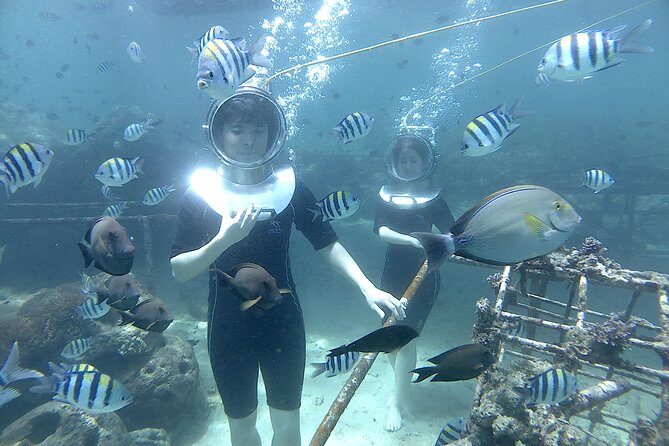
Is it physically challenging?

Most travelers can participate, but there can be a lot of stair climbing at the Lempuyang area. One review specifically mentions a difficult option involving about 200 steps down and 200 up.

Should you book this Bali Gate of Heaven tour?

I’d book it if you want a structured day of highlights—Lempuyang’s iconic gate views, Tirta Gangga’s spring-fed water clarity, and Tukad Cepung’s cave-like waterfall feel—without driving or ticket planning. The $75 price makes sense when you factor in hotel pickup, English-speaking driver help, and entrance coverage, even though you’ll need to handle lunch on your own.

I’d skip or adjust if you dislike early mornings, hate waiting in peak photo spots, or you’re not comfortable with lots of stairs. If those are your issues, you’ll still see the beauty, but the day may feel more stressful than it needs to.

If you go in ready for a long, active day—and you lean on your driver when timing gets tricky—this tour tends to land as a very satisfying Bali day.

Surf Canggu: Unforgettable Lessons for Beginners & Pros in Bali!

Surf Canggu: Unforgettable Lessons for Beginners & Pros in Bali! - What happens in your safety briefing (and why you’ll feel less panicky)

Two hours can change how you see the ocean. This private surf lesson at Batu Bolong Beach is built around getting you comfortable fast, with a safety talk, a warm-up, then plenty of time actually practicing instead of standing around. I especially like the 1-on-1 coaching feel, and the schedule that sends you into the water for about 1 hour and 30 minutes. One consideration: you’ll want to plan for the fact that the activity requires good weather, and towel/sunscreen are not included.

For many people, Bali surfing starts with nerves. Here, you get a clear setup first: a roughly 30-minute session covering surf conditions plus how to paddle and stand up, then stretches to get your body ready. You’re also not stuck hunting for gear, because the lesson includes the surfboard and rash guard, which makes it easy to show up and focus on learning.

Key things to know before you paddle

Surf Canggu: Unforgettable Lessons for Beginners & Pros in Bali! - Key things to know before you paddle

  • Private, one-on-one focus so your instructor can tailor tips to what you’re doing wrong and right
  • Time in the water is the point with about 1h30 of practice after a 30-minute intro
  • Gear is included: surfboard and rash guard, plus bottled water
  • Bigger boards help early if you’re tempted to go too small too fast
  • Batu Bolong Beach coaching aims at learning fundamentals first, then building confidence
  • Small overall group size (max 15 travelers), even though the lesson is personally guided

Batu Bolong Beach is a smart classroom for first-timers

Surf Canggu: Unforgettable Lessons for Beginners & Pros in Bali! - Batu Bolong Beach is a smart classroom for first-timers
Batu Bolong Beach sits in Canggu’s surf zone, where the vibe is relaxed but the water is still real. For a beginner, that matters. You’re learning with a spot that’s close to where people actually surf, so the basics you practice (paddling, positioning, standing up) feel transferable right away.

What I like about this lesson’s setup is how it treats the ocean like a place you can read, not a mystery you have to fear. Before you get in, you’ll get a safety briefing and talk about surf conditions, plus specific technique guidance for how to paddle and stand up. That’s the difference between a lesson that just throws you in and one that helps you understand what you’re doing while you’re doing it.

The 2-hour lesson plan that squeezes real practice in

This is a short lesson by design, around 2 hours total. The timing is simple and practical:

  • 30 minutes: explanation, safety briefing, surf conditions, and technique basics (paddle + stand up). You also stretch so your body is warm and ready.
  • 1 hour 30 minutes: you’re in the water practicing while your instructor is with you the whole time.

That split is valuable because surfing skill is mostly repetition. You need time to try, fail, adjust, and try again before your session ends. If you’re newer, the intro period helps you avoid common panic moves—like rushing your pop-up or paddling at the wrong angle. If you already surf, that structure still works because your coach can focus on one or two fixes rather than trying to cover everything at once.

What happens in your safety briefing (and why you’ll feel less panicky)

Surf Canggu: Unforgettable Lessons for Beginners & Pros in Bali! - What happens in your safety briefing (and why you’ll feel less panicky)
You’ll start with a safety talk that covers surf conditions and the key techniques for paddling and standing up. It’s not just rules for rules’ sake. The goal is to help you understand how to handle yourself in the water—especially if waves and currents feel intimidating at first.

From the way the instructors teach, it’s clear they prioritize comfort and clarity. In particular, the coaching style described by past students emphasizes feeling safe and respected, even when you’re scared or not confident yet. That matters because if you’re mentally tense, your paddling gets sloppy and your pop-up timing falls apart.

Stretching first: the small step that helps your pop-up

Surf Canggu: Unforgettable Lessons for Beginners & Pros in Bali! - Stretching first: the small step that helps your pop-up
The warm-up stretch is easy to overlook, but it’s the kind of detail that pays off. Surfing uses your shoulders, core, and legs in quick bursts—paddle, lift, pop-up, balance. A brief stretch session helps you move better once you’re out there, instead of trying to learn technique with cold, stiff muscles.

You don’t need a fitness routine here. You just need your body to be ready for the stop-and-go effort.

In the water: reps, feedback, and learning how to read waves

Surf Canggu: Unforgettable Lessons for Beginners & Pros in Bali! - In the water: reps, feedback, and learning how to read waves
Once you’re out, the lesson shifts from talking to doing. You get plenty of practice time, with the instructor present the entire session. That’s where the improvements tend to happen quickly, because your coach can correct you in real time.

A helpful detail for beginners: you’ll be learning fundamentals in a way that builds confidence. If you can’t paddle yet, or you’re struggling to stand, you’ll still get worked through in a step-by-step way. The teaching approach described by students focuses on both what’s wrong and what’s correct, sometimes even with demonstration. That kind of “show it, then adjust it” method usually sticks faster than verbal tips alone.

Board choice: why bigger boards make learning easier

Surf Canggu: Unforgettable Lessons for Beginners & Pros in Bali! - Board choice: why bigger boards make learning easier
Here’s one beginner surfing tip that’s worth taking seriously: bigger boards are cool too. Many people jump to a smaller board as soon as possible. The problem is that smaller, shorter boards can feel harder to control at the exact time you need stability to learn timing.

A larger board helps you:

  • Develop balance while you learn the pop-up sequence
  • Get more opportunities to catch waves early
  • Feel less frustrated when you’re still mastering paddling and positioning

If you’re learning for the first time, your priority is catching more waves and building muscle memory. You’ll thank yourself later when you move to something smaller with more control.

Equipment included: a smooth start without last-minute shopping

Surf Canggu: Unforgettable Lessons for Beginners & Pros in Bali! - Equipment included: a smooth start without last-minute shopping
This lesson takes the friction out of getting on the water. Included items are:

  • Surfboard
  • Rash guard
  • Bottled water

What’s not included:

  • Towel
  • Sunscreen

So plan to bring a towel and your own sunscreen if you use it. Also, think about swimwear and how you’ll dry off after. The best sessions feel simple: show up, get geared up, and focus on learning.

The meet-up spot in Canggu: easy to find, close to transit

Surf Canggu: Unforgettable Lessons for Beginners & Pros in Bali! - The meet-up spot in Canggu: easy to find, close to transit
You’ll start at Arie SurfCanggu in Kuta Utara (Canggu area): Arie SurfCanggu, Kuta Utara, Badung Regency, Bali 80362, Indonesia. The activity ends back at the meeting point.

It’s also listed as being near public transportation, which is useful if you don’t want to rely entirely on rides each time you head to the beach.

Is a private lesson worth $25.50? (When it works for your learning)

At $25.50 per person, the value comes from a few practical things that matter on a short session:

  • Your instructor is focused on you, not a crowd
  • You get about 1.5 hours of direct practice time in the water
  • Gear is provided, so you don’t add rental or shopping costs
  • The coaching targets fundamentals first, which tends to speed up progress for beginners and helps intermediates correct common issues

You’re not buying hours of theory. You’re paying for time where you can actually try surfing skills and get feedback immediately. That’s a smart use of money if your goal is progress, not just a beach activity.

Who this lesson fits best (and who might want a different format)

This one works well if you:

  • Are a true beginner who needs safe, clear guidance
  • Want individualized correction and encouragement in the water
  • Already surf and want help sharpening basics like paddling and standing timing

A small note for expectations: because you’re working on fundamentals in a compact time window, you probably won’t leave with advanced tricks. That’s not the point. The lesson is designed to get you confident, moving, and catching waves sooner.

Weather and water conditions: plan for the reality of Bali days

This experience requires good weather. If weather causes cancellation, you’ll be offered a different date or a full refund. That’s exactly what you want for a surf lesson—no pretending the ocean will cooperate.

Also, treat the day like a short window. Surf windows can change, and the water is the boss. Build in a little flexibility so you can reschedule if needed.

A quick note on confidence: coaching style matters

Some surf lessons teach technique. This one also aims to teach comfort. Past students highlighted that their instructor made them feel safe and respected their wishes, even when they were scared of the ocean and waves. That kind of supportive coaching is especially important for first-time surfers.

If you’re the type who freezes when water feels unpredictable, you’ll likely appreciate a teaching style that gives you clear next steps. If you’re already surfing, you may still benefit from that calm, structured approach—because confidence often improves paddling decisions and pop-up timing.

Should you book this surf lesson at Arie SurfCanggu?

Book it if you want a short, structured lesson where you spend most of your time practicing with hands-on guidance. The combination of 1-on-1 coaching, gear included, and a schedule that gets you into the water for about 1 hour and 30 minutes makes this a strong value, especially for beginners.

Skip it (or consider a different option) if you’re looking for a long, exploratory surf day focused on advanced maneuvers. This lesson is about fundamentals, safety, and getting you to your feet with better odds.

FAQ

How long is the surf lesson?

The surf lesson is approximately 2 hours total.

Where does the lesson take place?

The lesson happens at Batu Bolong Beach in Bali.

What is included in the price?

It includes bottled water, a surfboard, and a rash guard.

What is not included?

A towel and sunscreen are not included.

Is this a private lesson?

Yes. It’s a private one-on-one surf lesson.

How much time do I spend practicing in the water?

After an initial about 30-minute safety and technique session, you’ll have about 1 hour and 30 minutes to practice in the water.

Do I need to bring my own surf gear?

No. The surfboard and rash guard are provided. You should bring a towel and sunscreen.

Where is the meeting point?

The start point is Arie SurfCanggu, Kuta Utara, Badung Regency, Bali 80362, Indonesia, and you return to the meeting point at the end.

What if the weather is bad?

The experience requires good weather. If canceled due to poor weather, you’ll be offered a different date or a full refund.

Can I cancel after booking?

You can cancel for free up to 24 hours in advance for a full refund. If you cancel less than 24 hours before the start time, the amount paid is not refunded.

Bali Purification Ritual

Bali Purification Ritual - Your 5-hour window: how the timing really plays out

A temple ritual you can feel in your skin.

The Bali Purification Ritual at Tirta Empul is one of the most direct ways to experience Balinese Hindu ceremony: you dress for the temple, make offerings, pray for permission, then follow a step-by-step cleansing in the holy springs. It’s not a museum moment. It’s physical, guided, and quietly intense.

I especially like the temple dress setup because it removes the guesswork. You don’t have to figure out what to wear or how to behave. I also like that the whole experience is built around doing things in the right order, with time for both the before-ritual praying and the after-ritual thanks.

One consideration: the purification ceremony isn’t possible for women during menstruation, since Bali temple rules don’t allow entry for that period. Also plan to bring a change of clothes and a towel, because you’ll end up wet.

Key things to know before you go

Bali Purification Ritual - Key things to know before you go

  • Guided purification in the holy springs for about 1 to 1.5 hours, with step-by-step instructions
  • Traditional dress plus sarong provided, so you can follow temple expectations fast
  • Door-to-door pickup and drop-off with an air-conditioned vehicle, typically returning by about 1:00 pm if you start at 8:00 am
  • Lunch is included, so you don’t have to hunt for food right after you’re done getting cleansed
  • Good weather matters, since the experience requires it

The point of purification at Tirta Empul

Bali Purification Ritual - The point of purification at Tirta Empul
Tirta Empul is famous for its sacred springs, and the ritual isn’t just about taking a quick dip. The idea is to wash away negativity and reset your mindset through prayer, offerings, and a carefully guided sequence in the water. Even if you don’t know the language or the deeper meanings, the rhythm helps you participate with respect instead of just watching.

What makes this feel meaningful is that you’re not left to figure it out alone. You pray to ask permission first. Then you follow steps in the water. Then you do thanks-giving after. That structure matters because it turns a “cool photo stop” into an actual ceremony.

And yes, it can be intense. The emotions tend to show up when you’re standing in the sacred area doing exactly what you’re told, quietly paying attention, and feeling the water and water-washed ritual focus hit your body and attention at the same time.

Your 5-hour window: how the timing really plays out

Bali Purification Ritual - Your 5-hour window: how the timing really plays out
This is an about 5-hour experience, and the schedule is designed around a hotel pickup and a calm return. Pickup is typically 8:00 am (other pickup times can be arranged like 9am, 11am, 1pm, 5pm, etc.), and you’ll generally be back at your hotel around 1:00 pm if you start at 8:00 am.

That timing is practical for a Bali day. You get a whole ritual plus lunch without losing your afternoon. It also means you can plan the rest of your day around a clear block rather than a vague “morning activity.”

One small pro tip: if you choose a later pickup time, think about light and comfort. The ritual requires good weather, and you’ll be in and around water, so you want enough daylight and time to change and dry off after.

Dressing for the ceremony: sarong, Hindu costume, and temple rules

Bali Purification Ritual - Dressing for the ceremony: sarong, Hindu costume, and temple rules
Before anything happens in the water, you’ll change into authentic Balinese Hindu costume, with a sarong prepared for you. This is not a casual “dress-up” moment. Temple rules in Bali are serious, and the dress helps you participate properly and respectfully.

Here’s what I’d plan for: you should wear something easy to remove and put back on. Since you’ll likely end up wet, you’ll want to think like a practical swimmer, not like a museum visitor.

The tour also asks you to bring changing clothes and a towel. Do not skip this. After purification, you change your wet dress, so having dry clothes ready makes everything smoother and less stressful.

One more important rule: women cannot participate during menstruation because entry to the temple isn’t allowed during that time.

The before-ritual moment: offerings and praying for permission

Bali Purification Ritual - The before-ritual moment: offerings and praying for permission
A big reason this tour works is that it starts with the “why,” not just the “when.” Before the purification, you pray to ask permission and blessing, and the guide prepares ritual offerings for you. You’ll also be shown what to do before you enter the springs, so you’re not left improvising.

This portion can feel a little formal at first. That’s normal. In Balinese Hindu ceremonies, doing the correct steps signals respect. The guide’s job is to keep you on the right path and make sure you follow the ritual process step by step.

If you’re the kind of person who worries about messing up, this is a relief. You’re given what you need—offerings prepared for you, and guidance on what happens next—so you can focus on being present rather than “performance.”

Inside the holy springs: what the 1 to 1.5 hours is like

Bali Purification Ritual - Inside the holy springs: what the 1 to 1.5 hours is like
The purification processing runs about 1 to 1.5 hours. You enter the holy water, and you’ll be explained about the ritual process so you can follow step by step. The water is the centerpiece, but the ceremony doesn’t treat it as a random soak. It’s part of a sequence with a spiritual purpose.

What you’ll likely notice right away is how your body pays attention. Water changes temperature, movement, and breathing. That physical awareness tends to make the experience stick. And because you’re following instructions instead of guessing, you can keep your mind from drifting into distraction.

Also, you’re not just getting a “cleansing moment.” You’re doing an ordered ceremony. That matters because the tour is structured so the purification is followed by thanks-giving afterward, not ended abruptly.

If you’re sensitive to cold water, prepare mentally. Bring warm layers for after, and get your towel ready. Even if the water doesn’t feel freezing, you’ll still want to dry off quickly once you’re finished.

The after-ritual thanks and taking holy water home

When the purification is finished, you change your wet dress again, then you do another prayer: a thanks-giving because the gods blessed you. The guide may also offer the possibility of taking holy water to your place or home.

This part is quietly powerful because it completes the loop. You don’t just “do a ritual and leave.” You acknowledge the blessing and treat the ceremony as a relationship, not a transaction.

If you plan to bring holy water back, be mindful of container safety and handling. Keep it sealed and protected so you don’t end up with a travel mess. The goal is to carry the meaning home in a respectful, practical way.

Lunch and why it’s included right after the ritual

Lunch comes after the ritual and before you head back to your hotel. That’s a smart design choice. When people do ceremonies and then immediately scramble to find food, the whole day gets shaky. Here, you get a built-in meal so you can reset without pressure.

The lunch is described as Indonesian lunch, and bottled water is included. I like this because it keeps the pacing steady: you cleanse, you dry off and change, you pray thanks, and then you eat. It turns a spiritual experience into a complete half-day, rather than an interrupted one.

If you have dietary needs, you might want to check in with the provider when you book, since no detailed menu information is provided here.

Price and value: why $65 can make sense

At $65 per person, this isn’t a budget “grab-and-go” add-on. But it also isn’t just paying for a driver and a temple ticket. You’re paying for a bundle of things that usually cost time and stress on your own.

You get:

  • hotel pickup and drop-off in an air-conditioned vehicle
  • lunch
  • bottled water
  • sarong for temple and purification
  • ritual offerings
  • all fees and taxes

For many people, the value isn’t the math—it’s the smoothness. The guide handles the flow so you’re not standing there wondering what comes next. That matters in ceremonies, where doing things out of order can feel awkward.

Also, the group size caps at 25 travelers, so you’re not packed into a chaotic herd. Smaller groups can make instruction easier and help you feel like a participant, not a number.

Finally, the tour tends to be booked about 78 days in advance on average, which suggests demand. If you want a specific pickup time, booking early is a smart move.

Who should book this purification ritual

This tour is a great fit if you want a true Balinese Hindu ritual experience and you like structured guidance. It’s especially good for:

  • first-time visitors who feel unsure about temple etiquette
  • people who want the ceremony explained and timed correctly
  • anyone spending their Bali days around Ubud and wants a meaningful half-day
  • travelers who appreciate being given supplies (sarong, offerings) instead of bringing guesswork

It’s not a fit if you’re looking for a casual sightseeing walk with no rules. Temple purification is deliberate. You’ll follow steps, pray, and participate in the holy spring area.

And it’s not available for women during menstruation due to temple restrictions.

Should you book the Bali Purification Ritual at Tirta Empul?

Book it if you want an experience that feels like participation, not sightseeing. The best part is the guided step-by-step ritual, especially the way the ceremony includes both permission praying and thanks-giving, not just water time. Add the included lunch and door-to-door pickup, and it becomes a clean half-day with minimal logistical hassle.

Skip it if you’re uncomfortable with ritual structure, cold/wet conditions, or you need total flexibility around temple rules. Also, if your schedule makes it hard to bring a change of clothes and towel, plan better before you go.

If you’re curious about Balinese Hindu purification and want to do it respectfully, this is one of those tours that makes the culture feel real fast—because you’re not just looking. You’re doing.

FAQ

How long is the Bali Purification Ritual at Tirta Empul?

The experience runs about 5 hours (approximately), including pickup, the purification ceremony (about 1 to 1.5 hours), lunch, and the return transfer.

What time does hotel pickup happen?

Pickup typically starts at 8:00 am. Other pickup times are available, including 9am, 11am, 1pm, and 5pm, depending on what you choose when booking.

Is lunch included?

Yes. Lunch is included and is described as an Indonesian lunch. Bottled water is also included.

What should I bring with me to the temple?

Bring changing clothes and a towel. You will get wet during the purification and will change after.

Do I have to dress in temple costume?

You will change into a Balinese Hindu costume for the ritual, and sarongs are prepared for the temple and purification.

Can women participate during menstruation?

No. The tour states that it is not possible for women during menstruation because entry to the temple isn’t allowed in Bali during that time.

What’s the group size?

The tour/activity has a maximum of 25 travelers.

Is pickup and drop-off provided from hotels?

Yes. You get door-to-door round-trip hotel transfers, using an air-conditioned vehicle.

What if the weather is bad or I need to cancel?

The experience requires good weather. If it’s canceled due to poor weather, you’ll be offered a different date or a full refund. Cancellation is free up to 24 hours in advance for a full refund.
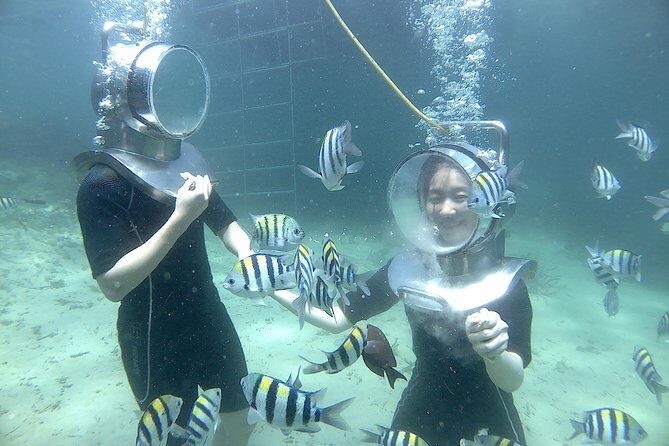
Fly Board Experience in Bali

Fly Board Experience in Bali - Hotel Pickup From Kuta to Nusa Dua: The Part You’ll Appreciate

Walking on water is closer than you think. Flyboarding in Bali has you on rocket boots hovering up to 45 feet (14 meters) above the water, with an instructor right there so you’re not guessing. I like that the experience is built around guidance, not just a quick splash-and-go stunt.

My other big win: the experience includes hotel pickup and drop-off from many popular areas in south Bali. You’ll spend less time sorting rides and more time getting set up where the action is.

One thing to keep in mind: the session is about 20 minutes, and it can feel harder than the smooth videos make it look—so show up ready to work, and don’t be surprised if you want more practice time after your ride.

Key highlights

  • Hover up to 45 feet (14 meters) above Nusa Dua’s water with an instructor on hand
  • Certified coaching to help you feel secure while you learn
  • Hotel transfers included from key south Bali areas like Kuta, Seminyak, Sanur, Jimbaran, and Nusa Dua
  • Optional upgrades: Jet Ski, parasailing, or Seawalker helmet diving
  • Private vibe within a small booking limit (max 2 people per booking)
  • Weather-dependent experience to keep it safe and enjoyable

Rocket Boots Over Nusa Dua: What You’re Really Doing

Fly Board Experience in Bali - Rocket Boots Over Nusa Dua: What You’re Really Doing
Flyboarding is simple to describe and tricky to master in real life: you jet up out of the water and try to stay balanced as you “fly” behind the scenes on a setup that uses water power. The height goal here is impressive—hovering up to 45 feet (14 meters)—but the point is the feeling of control while your instructor keeps you oriented.

Nusa Dua is a smart base for this kind of activity. It’s known for organized beachfront areas and that clean, resort-style stretch where the water view is the main event. The experience also calls out being in the “five-star hotel area,” which matters because you’ll get an easier handoff from hotel pickup to the beach setup.

If you’re thinking, I want adrenaline, this delivers. If you’re thinking, I want to try it safely, the coaching focus is the reason this feels less intimidating than it looks.

Price and Value: Is $70 Worth Your Time?

Fly Board Experience in Bali - Price and Value: Is $70 Worth Your Time?
The cost is $70.00 per person for the main flyboarding session, roughly 20 minutes on the water. That price point is easier to justify when you compare what’s included: taxes/fees, certified instructor time, and two-way hotel transfers from a wide set of south Bali areas.

A lot of “adventure” activities in Bali can get expensive once you add transport, and that’s exactly where this one helps you. You’re not paying separately for a taxi to and from the activity area, and you’re not trying to coordinate last-minute ride timing right after you’re wet and a bit windblown.

You can also improve value by traveling with others. The experience offers group discounts, but keep in mind the booking is limited to a maximum of 2 people per booking, and it’s described as a private tour/activity for your group. So the “group discount” is more about how your booking can be bundled than about a big public crowd.

Worth noting: the experience has a 4.5 rating from 6 reviews. That’s not a massive sample size, but it does suggest people generally leave feeling the thrill was worth the effort.

Hotel Pickup From Kuta to Nusa Dua: The Part You’ll Appreciate

Fly Board Experience in Bali - Hotel Pickup From Kuta to Nusa Dua: The Part You’ll Appreciate
The ride-to-the-water experience is where this tour quietly wins.

You’ll be picked up from your lobby hotel within a defined coverage area: Kuta, Legian, Seminyak, Nusa Dua, Jimbaran, and Sanur. That’s a big slice of where most people stay in south Bali, especially if you’re near the action but don’t want to hustle for transportation.

It’s also helpful that the experience mentions “times are subject to change due to local traffic conditions.” In Bali, traffic can be unpredictable, so having that expectation upfront saves you stress. When you’re dealing with a short activity window, smoother timing matters.

Practical tip for you: plan to be a little flexible with your day. If you’re pairing this with other tours, I’d avoid stacking back-to-back bookings right after your pickup time.

Nusa Dua Beach Stop: Where the Setup Matters

Fly Board Experience in Bali - Nusa Dua Beach Stop: Where the Setup Matters
Your itinerary centers on one main stop: Nusa Dua Beach. That means everything funnels into a focused experience rather than a long day of moving around.

Why this matters: flyboarding is physical and equipment-driven. A short, direct schedule keeps you from waiting around too long before your turn. It also helps you get time on the water before fatigue or weather shifts become an issue.

The experience also points to choosing the best spot in Nusa Dua with a blue-ocean view and the nearby five-star hotel area. Even if you don’t obsess over the view, being at a well-set area can make a difference in how smoothly the process runs—especially when you’re stepping into unfamiliar gear and trying to listen to instructions.

The 20-Minute Session: Your Real Flight Time

Fly Board Experience in Bali - The 20-Minute Session: Your Real Flight Time
You’re looking at 20 minutes (approx.) total for flyboarding. Approx. is important here—on-the-ground timing can shift based on conditions and how quickly the instructor can coach.

Also, the experience states a key safety/fit limit: maximum weight 75kg. If you’re near that limit, confirm before booking so you don’t show up and find out late that the session won’t run.

Expect two things during those minutes:

  • You’ll be concentrating on balance and stance more than you think.
  • You’ll rely on the certified instructor to help you feel secure.

That sounds obvious, but in practice it changes everything. The videos make it look effortless. In real life, your brain is learning new body positions while the water power does its thing. Even with coaching, it can feel more demanding than expected—then suddenly you’re grinning because it’s working.

Coaching and Safety: How You Learn Fast (Without Panic)

Fly Board Experience in Bali - Coaching and Safety: How You Learn Fast (Without Panic)
The standout promise here is coaching “during your flight,” and that’s exactly what you want. Flyboarding is not like a sit-on scooter where you figure it out by instinct. You need a steady feedback loop: where to stand, how to shift your weight, and how to stay calm when something feels different than you planned.

The experience is also described as having you supported throughout, so you’re not left alone with gear and a prayer. That’s especially valuable if you’re trying it for the first time and you’re worried about feeling unsafe.

One more realistic note from my perspective as a planner: this is an activity that rewards mindset. Go in thinking, I’m here to learn balance, and you’ll enjoy it more than if you go in demanding that you master everything immediately.

Optional Upgrades: Jet Ski, Parasailing, or Seawalker Helmet Diving

Fly Board Experience in Bali - Optional Upgrades: Jet Ski, Parasailing, or Seawalker Helmet Diving
If you want to stretch the fun beyond the flyboard session, you can upgrade your experience with:

  • Jet Ski ride
  • Parasailing adventure
  • Seawalker helmet diving

This is a smart option if you’re in Bali for a short time and you’d rather bundle thrill activities while you’re already at the water. It also reduces the hassle of figuring out separate bookings and transport later.

What to consider: upgrades add time and planning, and you’ll be limited by weather and water conditions. If you’re booking multiple activities in one day, check your schedule so you don’t feel rushed between them.

If you’re unsure which upgrade fits your comfort level, use this quick guide:

  • Want speed and control: Jet Ski
  • Want a “view from above” moment: parasailing
  • Want a helmet-based underwater experience: Seawalker diving

Who Should Book Flyboarding in Bali (and Who Might Rethink It)

Fly Board Experience in Bali - Who Should Book Flyboarding in Bali (and Who Might Rethink It)
This experience is a good match for you if:

  • You want a high-impact water thrill in one focused session
  • You like the idea of a certified instructor coaching you
  • You’re staying in south Bali and want hotel transfers that remove friction
  • You’re comfortable meeting a clear weight limit (75kg max)

It may not be the best fit if:

  • You get frustrated quickly when skills feel physical and demanding at first
  • You’re traveling with anyone who doesn’t handle weather changes well (the experience requires good weather)

Also, the booking is described as a private tour/activity and max 2 people per booking. That makes it feel more personal than the big group format. If you like your adventures to be geared toward your group, you’ll probably like this structure.

Weather and Expectation Check: Plan for Real Bali Conditions

Fly Board Experience in Bali - Weather and Expectation Check: Plan for Real Bali Conditions
The experience specifically notes that good weather is required. If weather conditions don’t work, you’ll be offered a different date or a full refund.

That doesn’t mean your plans are doomed—it means you should schedule this with breathing room. If you’re trying to fit flyboarding into the only day you have free, you’re taking on more risk.

Your best approach:

  • Treat this as a priority activity for the day, not a filler slot.
  • If you’re doing other water activities, group them on days when conditions are likely to be best.

And for expectations: flyboarding can be harder than it looks. Once you accept that you’ll need balance and coaching, the fun starts arriving faster.

Should You Book Smart Bali Tour for Flyboarding in Nusa Dua?

I’d book it if you want a thrill that’s structured around coaching and easy transport. The combination of a certified instructor, hotel pickup/drop-off, and a clear flyboarding session length makes this feel like a “do it right now” Bali activity—not a complicated project.

I’d skip it (or at least rethink timing) if:

  • You’re tight on schedule and can’t move your day if weather changes
  • You’re near the 75kg max and you’re not sure you’ll qualify
  • You’re only chasing a short, effortless photo moment

If your goal is to learn how to hover and feel the water-power adrenaline with support, this one is a strong choice for Nusa Dua.

FAQ

Where does the flyboarding take place?

It’s located in Nusa Dua, Indonesia, with the activity centered at Nusa Dua Beach.

How long is the flyboarding experience?

The duration is about 20 minutes.

How much does flyboarding cost?

The price is $70.00 per person.

Does the price include hotel pickup and drop-off?

Yes. Hotel pickup and drop-off are included, along with all taxes, fees, and handling charges.

What areas in Bali are pickup locations?

Pickup is offered from the covered areas: Kuta, Legian, Seminyak, Nusa Dua, Jimbaran, and Sanur.

Is a certified instructor included?

Yes. A certified instructor is included, and coaching is provided during your flight.

How high do you fly?

You can hover up to 45 feet (14 meters) above the water.

Can everyone participate?

Most travelers can participate, but there is a maximum weight limit of 75kg.

Can I upgrade the experience?

Yes. You can upgrade to add a Jet Ski ride, parasailing, or Seawalker helmet diving.

What if the weather is bad?

The experience requires good weather. If it’s canceled due to poor weather, you’ll be offered a different date or a full refund.
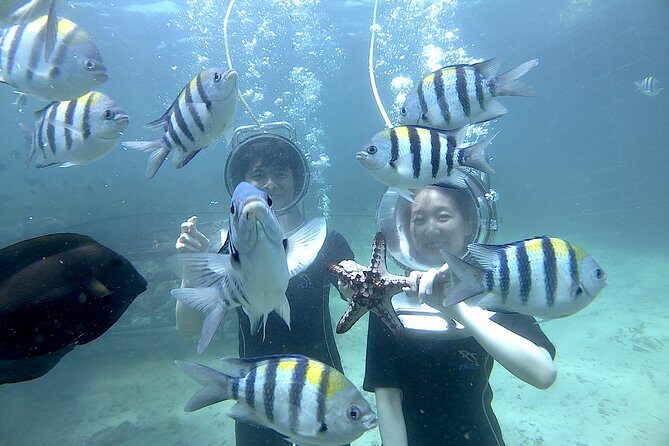
What is the cancellation window?

You can cancel for a full refund up to 24 hours in advance. If you cancel less than 24 hours before the start time, the amount paid is not refunded.

Bali Activity: Bali Sea Walking in Nusa Dua Ocean

Bali Activity: Bali Sea Walking in Nusa Dua Ocean - Safety and Equipment: Why This Works for Non-Divers

This is underwater sightseeing without the panic. Bali Sea Walking in Nusa Dua Ocean lets you breathe through a full-face helmet while you walk on the seafloor, looking at tropical fish and corals without getting your hair wet. I also like that the whole day is handled for you: lunch, lockers, towels, and shower/changing facilities are included, with an instructor watching closely.

Here’s the tradeoff to think about: the overall experience is short and time can vary. Some people felt the in-water time ran briefer than they expected, so I’d go in with the right mindset and confirm what “10 minutes sea walking” means on the day.

Key things to know before you go

Bali Activity: Bali Sea Walking in Nusa Dua Ocean - Key things to know before you go

  • No swimming required: you walk on the bottom and watch life through the helmet window
  • Max depth is 15 feet (4.5 meters): low-stress, guided water time for most ages
  • Full package on your schedule: pickup, safety briefing, lockers, towels, shower, changing, and lunch
  • Insurance included: built-in coverage with taxes and services included in the price
  • Photo/video is extra: you’ll want to budget for add-ons if you plan to buy them

What You’re Really Doing: Walking the Seafloor in a Helmet

Bali Activity: Bali Sea Walking in Nusa Dua Ocean - What You’re Really Doing: Walking the Seafloor in a Helmet
Sea walking sounds like scuba’s cooler cousin, but it’s simpler. You strap into safety-approved equipment and wear a full-face helmet with a window. Then you breathe normally through the helmet as you step down and walk on the ocean bottom. No swimming. No face-plunging. No frantic head-up/head-down guessing.

The point is comfort plus access. You’re able to look at the underwater world—tropical fish and coral—while staying dry on the important parts (like your hair and face). If you’re not a confident swimmer or you don’t want the feeling of being “at the mercy” of the water, this style of underwater activity can feel much more controllable.

Depth matters here. The max depth is 15 feet (4.5 meters), and your instructor stays close. That’s not just a number on paper. It usually means you’re not fighting big currents or dealing with overly technical conditions. Still, you should treat it like a real water activity: follow instructions, keep your movements calm, and listen closely during the safety talk.

The 4-Hour Day Plan: From Pickup to Lunch After You Change

The whole tour runs about 4 hours from pickup to back on your way. Sea walking itself is listed as 10 minutes, but your day includes the stuff that makes the experience smooth: transfer time, safety briefing, getting suited up, and then settling back into dry clothes.

In practical terms, you’ll start with hotel pickup (the experience offers pickup), then head to the seaside operation. You’ll get safety instruction and help with equipment. After that comes the helmet walk: a short window to experience the underwater view.

Then you move into the part people often forget to plan for—getting dry and fed. You’ll have lockers, towels, and a shower/changing room, so you can actually feel human again before lunch. Lunch is included as a set menu, and the tour also includes insurance coverage, tax, and services, so you’re not juggling a bunch of separate bills.

A good expectation to set: this is not a half-day of nonstop action. It’s a short underwater segment plus comfort-first logistics. If you like that kind of pacing, you’ll enjoy it. If you’re expecting a long, athletic “sea adventure,” you might feel it’s a quick hit.

Safety and Equipment: Why This Works for Non-Divers

Bali Activity: Bali Sea Walking in Nusa Dua Ocean - Safety and Equipment: Why This Works for Non-Divers
Sea walking is built around guided simplicity. You don’t need certification listed for this activity, and the setup is designed for first-timers. The maximum depth is low enough for many beginners, and your instructor is there throughout.

The equipment package is also part of why it feels approachable. You get safety-approved gear, plus you’ll use the provided lockers, towels, and shower/changing facilities. That matters because comfort affects your ability to enjoy the moment. If you’re worried about your gear, getting changed, or keeping yourself tidy afterward, your brain steals attention from the ocean.

Also, the helmet design is the core feature. You view the sea life through a full-face window, which helps you focus on the visual experience rather than on breathing anxiety. Still, you’ll want to pay attention during the safety instruction at the start. Helmet diving-style activities rely on you doing the basics right—calm steps, staying close, and following the instructor’s cues.

One more thing: the allowed age range is minimum 9 years and maximum 60 years. That suggests the tour aims for a wide range of ages, but it also means you should think about your group’s comfort with enclosed gear and following instructions.

The Underwater Experience: Corals and Fish You Can Actually Enjoy

Bali Activity: Bali Sea Walking in Nusa Dua Ocean - The Underwater Experience: Corals and Fish You Can Actually Enjoy
The underwater part is all about close-up watching. The experience is described as walking to observe underwater corals and fish, with the helmet giving you a clear view. You’re looking at tropical marine life while standing on the seafloor.

Because you’re not swimming, you’re not burning energy. That’s a big deal for people who get tired easily or who don’t want to worry about distance. Instead, you can slow down and really look. Coral and fish tend to be the kind of subject where calm observation beats speed.

You also get the bonus of not having to manage your hair, makeup, or face. If you’ve ever tried snorkeling and spent the rest of the day trying to rinse saltwater out of everything, you’ll appreciate the simplicity here.

In terms of pacing, it’s short. Ten minutes in the activity is what’s listed, so go in ready to soak up the view quickly. If you’re the type who needs a long time to warm up, try to treat the first moments as your “getting used to it” phase. Then you’ll have the best shot at enjoying what’s right in front of you.

Lunch, Towels, and Changing Rooms: The Hidden Value

This is one of the most practical inclusions in the whole package. A lot of water activities say they’re “complete,” then you’re still stuck with awkward changing logistics and expensive food afterward. Here, you get the real support stuff.

Included are lockers, towels, shower, and changing rooms, plus lunch (set menu). That means you don’t have to plan an escape back to your hotel in wet clothes or worry about finding a place to eat immediately after.

The lunch is specifically included, and it’s described as a set menu at a nice restaurant. When reviews mention organization and a lovely lunch, that lines up with what matters to you in the real world: a smooth end to the experience, not a chaotic scramble.

If you’re traveling with family or you just hate wasting vacation time in administrative chaos, these “boring” inclusions are the difference between an enjoyable day and a day you remember for the logistics.

Price and Value: Is $85 Worth It?

The price is $85 per person, and the package includes more than just the helmet walk. You’re also paying for air-conditioned transport, an English-speaking driver, safety instruction, instructor support, equipment, and the full set of on-site facilities.

It also includes insurance coverage, tax, and services, which is another form of value. Many tours advertise a low “activity price,” then stack fees for transport, equipment, and coverage. Here, it’s bundled.

What’s not included is your photo/video souvenir. If you want images of the experience, plan on extra spending. One piece of mixed feedback also tied to photo costs, so I’d treat photos as an optional add-on, not something you assume is included.

The other value angle is private tour format. It’s described as private, with only your group participating. That usually means you’re not fighting the pace of a large mixed group. And for a short activity, that matters. A smooth handoff from pickup to briefing to water time is a real quality-of-experience factor.

My take: if you want a beginner-friendly underwater look without swimming and you’ll actually use the included lunch and facilities, $85 can feel fair. If you’re hoping for a long underwater session or you’re photo-dependent, your final spend might climb.

Who This Fits Best (and Who Might Want to Skip)

This activity fits best if you want underwater views but don’t want the effort or discomfort that can come with snorkeling or scuba.

You’ll likely enjoy it if:

  • You want a guided underwater experience with an instructor staying close
  • You’re not into swimming but still want to see marine life
  • You value included comfort: shower, lockers, towels, and a set lunch
  • You’re traveling with kids within the age range (9 to 60) and want something that feels structured

It might not be the best match if:

  • You’re expecting a long, epic water adventure (the sea walking time is 10 minutes)
  • You dislike the idea of wearing enclosed gear, especially a full-face helmet
  • Your group is hoping for lots of optional extras included (photos/video cost extra)

Also, dress code is smart casual. That helps, because you’re not trying to look like a diver on your way to the beach.

How to Prepare: Simple Things That Make It Better

You can’t fix ocean conditions, but you can control your readiness.

Bring:

  • Sunscreen (don’t skip it; you’re outside before and after)
  • A camera if you want to capture your moment
  • Change of clothes for after the shower/changing room

You’ll also want to think about skin and comfort. Even if your hair stays dry during the walk, you’ll be out in tropical sun and sea air before the activity starts.

Dress code is smart casual. Practical is better than fancy. Think comfortable clothing you won’t mind sweating in while you wait for your turn.

If you have dietary needs, there’s a vegetarian option available—just advise at booking.

Small Issues to Watch: Timing and Staff Service

The overall experience is described as safe and organized, and many people highlight smooth logistics, a beautiful location, and a good lunch. That’s encouraging.

But there are two points to consider before you commit:

  1. Time expectations: the sea walking activity is listed as 10 minutes, and some feedback mentioned the in-water time felt shorter than expected. If time matters to you, ask your operator what the on-water portion looks like on the day and whether any delays compress the schedule.
  2. Add-on photo/video costs: photos and video are not included. Another complaint tied to expensive photo packages for related activities, so if images are a big part of your plan, review the pricing before you buy anything.

These aren’t dealbreakers for everyone. They’re just the kind of practical things that keep your expectations aligned.

Should You Book Bali Sea Walking in Nusa Dua Ocean?

Book it if you want an easy, guided underwater look in shallow water (max 15 feet) without swimming and without getting your face or hair wet. The included facilities—lockers, towels, shower, changing room—and lunch make it feel like a complete outing, not just a “drop you off at the beach” gimmick. At $85, it’s especially good value if you’ll actually use those included comforts.

Skip it if you’re chasing a long underwater session or you’re photo-add-on heavy. This is a short experience with an optional souvenir photo/video element, and you’ll want to be mentally ready for that.

If you go in relaxed, follow the instructor’s cues, and treat it as a quick window into Bali’s marine world, it can be a genuinely fun break from the usual beach routine.

FAQ

How deep do you go during Bali Sea Walking in Nusa Dua?

The maximum depth is listed as 15 feet (4.5 meters).

Do I need a diving certification to do sea walking?

No certification is required for this activity.

Do I have to swim during the sea walking?

No. There is no swimming involved. You walk on the seafloor while wearing a full-face helmet.

How long is the sea walking activity?

The sea walking activity is listed as about 10 minutes.

How long is the full tour day?

The total duration is approximately 4 hours.

Is hotel pickup included, and where does it pick up from?

Pickup is offered, and two-way private transfers are mentioned for hotels and villas in Ubud and south Bali.

What’s included in the price?

Included items are air-conditioned vehicle transport, an English-speaking driver, safety instruction, support by a professional sea walking instructor, safety-approved equipment, lockers, towels, shower and changing room, set menu lunch, and insurance coverage with taxes and services.

Is lunch vegetarian available?

Yes, a vegetarian option is available if you advise at booking.

What should I bring with me?

Bring sunscreen, a camera, and change of clothes.

Is photo or video included?

No. Souvenir photo or video is available for purchase, but it is not included.

What if the weather is bad?

The experience requires good weather. If it’s canceled due to poor weather, you’ll be offered a different date or a full refund.

Mount Batur Jeep Tour

Mount Batur Jeep Tour - Ubud hotel pickup and a smooth start in an air-conditioned vehicle

3:00 a.m. sounds wrong, then it turns perfect. This Mount Batur sunrise Jeep tour gets you to altitude fast (about 1,360 meters) and keeps the night driving doable without turning it into a full hike. I like the way the day is built around one big payoff: sunrise, served with breakfast at the right time, not on a random schedule. I also like the human part of it—an English-speaking driver with local guides guiding you through what you’re seeing, including the practical rhythm of getting there and staying warm.

The main thing to think about is timing and comfort. You start at 3:00 am, so you’ll want to be ready for cold air and limited sleep, and you still need at least moderate physical fitness even if it’s not a long climb.

Key highlights worth your attention

  • 4WD Jeep access to the Mount Batur sunrise area without doing the night hike
  • Breakfast at sunrise point, plus tea or coffee to take the edge off the early start
  • Black sand and black lava viewpoints as the morning continues
  • Optional hot springs at Batur Natural Hotspring, with entrance fees paid on your own
  • Private experience: only your group participates, with pickup offered around Bali (surcharges may apply)

Why a Mount Batur Jeep Sunrise Beats a Night Hike

Mount Batur Jeep Tour - Why a Mount Batur Jeep Sunrise Beats a Night Hike
Mount Batur is one of Bali’s most famous volcano experiences for a reason: the view from the slopes can be cinematic when the sky finally cooperates. The tradeoff is the timing. Sunrise means you leave in the dark, and walking uphill in cold air is not how most people want to spend a vacation.

This is where the Jeep format makes sense. You’re using a 4-wheel drive classic Jeep to reach the sunrise point at about 1,360 meters above sea level, guided to the right spots without requiring a long, steep uphill slog in the dark. If you’re hesitant about hiking at night (or you just want the mountain without the suffering), the Jeep tour keeps the focus on the payoff: seeing the sun come up over the volcano region.

I also like that the morning isn’t just one moment. After sunrise and breakfast, the plan continues so you’re not stuck waiting around. You go on to see black sand and black lava—the kind of volcanic scenery that makes Mount Batur feel different from the usual Bali postcard views.

The 3:00 a.m. Start: Pickup, Comfort, and Getting Ready

Mount Batur Jeep Tour - The 3:00 a.m. Start: Pickup, Comfort, and Getting Ready
The tour starts at 3:00 am. That’s early enough that you should treat it like a small mission, not a casual morning outing. Your hotel pickup is offered around Bali, but the info specifically notes that a surcharge may apply, so it’s worth confirming your pickup area ahead of time.

In practice, this kind of schedule matters because it affects how you pack and how you pace yourself the night before. You’ll want warm layers that you can actually move in. Sunrise trips are often cold, even when Bali daytime temperatures feel warm. Also, bring something simple you can eat quickly—then remember breakfast is included once you reach the sunrise point.

One more practical detail: this is a private tour, meaning only your group participates. That can make a big difference at a sunrise site where paths are narrow and timing matters. You’re not stuck merging with a large crowd’s pace.

Sunrise on Mount Batur: 1,360 Meters, Breakfast, and Best-View Timing

Mount Batur Jeep Tour - Sunrise on Mount Batur: 1,360 Meters, Breakfast, and Best-View Timing
The heart of the experience is sunrise from Mount Batur. The tour reaches the sunrise point at 1,360 meters and then you’ll have breakfast while the sky changes. That breakfast detail is more than a perk. It’s a smart way to manage a cold start: you’re not just standing around waiting for light, you have something warm (tea/coffee) and food to settle your nerves.

The volcano morning also benefits from having a guide in the mix. In the dark, it helps to have someone pointing out what matters and keeping the group on track. People who’ve done this tour describe guides who were patient and hands-on with the people in their group, which matters when you’re operating on limited sleep and uneven ground near viewpoints.

When you’re planning your photos, remember this is about timing, not fancy gear. Your best shots depend on getting your position right as the light breaks. You don’t need to run a marathon—just be ready, follow the guide’s direction, and let the sky do the work.

Black Sand and Black Lava Roads: What You See After Breakfast

After breakfast, the tour continues your Mount Batur adventure to explore the black sand and black lava areas. This is where the Jeep format really earns its keep. Volcanic terrain can be rugged, and the vehicle gets you to viewpoints where you can appreciate the scale of the landscape without spending hours on your feet.

This portion is also a nice mental shift. Sunrise is emotional and quick. The black sand and lava segments are more about observation. You’re looking at the results of volcanic activity up close—textures, colors, and the stark contrast between dark volcanic material and lighter sky.

If you’re the type who likes to understand what you’re seeing, this part pairs well with having a guide along. Even when you don’t have a geology degree, an explanation helps you notice details you’d otherwise miss. And since this is a private tour, you can ask questions at your own pace.

Batur Natural Hotspring: Optional Soak and Extra Entrance Fees

Mount Batur Jeep Tour - Batur Natural Hotspring: Optional Soak and Extra Entrance Fees
One of the included stops is Batur Natural Hotspring. But here’s the important part: the information says hot spring access comes with entrance fees you pay on your own.

That means two things for planning. First, budget a little extra cash for the soak. Second, don’t assume the tour price fully covers the hot spring experience. It’s still a good add-on because it’s a classic way to recover after a very early morning. Even better: you get the contrast—cool sunrise air, then warm mineral water later.

Also, keep your timing in mind. If you’re trying to squeeze this into your Bali itinerary with other daytime plans, hot spring time can take longer than expected. You’ll want to stay relaxed rather than watch the clock.

Price and Value: What $55 Covers and What Costs Extra

Mount Batur Jeep Tour - Price and Value: What $55 Covers and What Costs Extra
At $55 per person, this tour isn’t trying to be the cheapest thing you can do at 3:00 am. It’s paying for a specific kind of day: private guiding, early pickup, a 4WD Jeep ride to a volcano sunrise area, and breakfast plus tea or coffee and bottled water.

What you actually get included:

  • Private experienced English-speaking driver
  • Local trekking guides and mineral water
  • Breakfast
  • Bottled water
  • Tea or Coffee

What costs extra:

  • Personal expenses
  • Hot spring entrance fees at Batur Natural Hotspring

To judge value, think about what you would otherwise need to cobble together. Sunrise tours are hard to organize because of timing. A reliable vehicle that can handle night driving, plus local guidance once you’re there, is a big part of what you’re paying for. If you want the volcano experience but don’t want the headache, this pricing looks fair.

One more value note: group discounts are listed. If you’re traveling with friends or family, a multi-person booking can help lower the effective cost. Just confirm pickup and vehicle logistics for your exact group size.

Tour Staff and Safety: What the Best Morning Drivers Do

Mount Batur Jeep Tour - Tour Staff and Safety: What the Best Morning Drivers Do
A sunrise Jeep trip lives or dies by driver calm. You’re traveling in the dark early morning, through small roads, and you’re handing off to a Jeep setup at a meeting area where timing matters.

In the experiences shared by people on this route, the drivers and guides are praised for doing the practical things that help everyone relax: arriving on time, driving safely, and keeping passengers comfortable on cold early starts. Names like Wayan Se, Agus, Jack, Sentana, and Chaplin show up in the stories for good reason: people remember how steady the ride felt at that hour. Guide names like Mangku and Dennis are also mentioned for being patient, explaining sites, and helping people physically manage the morning better.

Even if your group is strong and confident, this kind of support is what makes the difference between a stressful start and a smooth one. The best staff help you get your bearings fast and then you can spend your energy on the view.

What to Bring and How to Time Your Morning

Mount Batur Jeep Tour - What to Bring and How to Time Your Morning
Because the tour starts at 3:00 am, pack for a night-to-morning temperature shift. The data doesn’t list specific clothing rules, but the schedule implies you’ll be out before sunrise. Bring layers you can remove later when the sun climbs.

Practical items that usually help on volcanic sunrise trips:

  • Warm jacket or layers you can wear in low light
  • Comfortable shoes for uneven paths around viewpoint areas
  • Water is included, but you might want a small snack for later
  • Small cash or payment method for the hot spring entrance fee

Also consider your day plan. Since the tour is about 8 hours (approx.), you’ll still have plenty of afternoon time for other Bali activities, as long as you don’t schedule something too far away right after pickup. Sunrise tours tend to leave you needing recovery time, even if the pace feels manageable.

Who Should Book This Jeep Tour From Ubud

Mount Batur Jeep Tour - Who Should Book This Jeep Tour From Ubud
This Mount Batur sunrise experience makes the most sense if you want:

  • Sunrise on Mount Batur without doing a difficult night hike
  • A tour that includes breakfast and keeps things organized from pickup to the mountain
  • A mix of viewpoints: sunrise, then black sand and black lava scenery
  • Optional recovery time at Batur Natural Hotspring

It’s also a practical fit for groups that might not all want the same level of hiking. The info notes it can be a good alternative for people who feel hesitant to hike at night, including children and parents. That doesn’t mean there’s zero walking involved, but it’s designed for a broader range of comfort levels than a full climb plan.

If you love volcanoes, but your ideal day is less about physical effort and more about timing and photos, this is built for you.

Should You Book Mount Batur by Jeep? My decision guide

Book it if sunrise is the priority and you want an organized, early-morning way to reach the viewpoint. The big win here is the combination of 4WD access, breakfast, and a morning plan that doesn’t end after one photo moment. The optional hot spring is a nice bonus too, as long as you remember the entrance fee is extra.

Skip it (or reconsider) if you really hate early starts. 3:00 am is non-negotiable here, and the tour also asks for moderate physical fitness, so you shouldn’t expect a totally effortless experience from start to finish.

If you’re balancing comfort with a must-do Bali highlight, this Jeep sunrise tour is a sensible choice.

FAQ

What time does the Mount Batur Jeep sunrise tour start?

The tour start time is 3:00 am.

How long is the tour?

The duration is about 8 hours.

Where does the tour run from?

The tour is based in Ubud, Indonesia, and pickup is offered around Bali (surcharge may apply).

Is this a private tour?

Yes. It’s listed as a private tour/activity, meaning only your group participates.

What’s included in the price?

Included items are an experienced English-speaking driver, local trekking guides, breakfast, bottled water, and tea or coffee.

Does the tour include the hot spring?

The plan includes a visit to Batur Natural Hotspring, but entrance fees are not included and you pay them yourself.

What else do I see besides sunrise?

After breakfast, the tour continues to explore black sand and black lava.

Do I need to be physically fit?

The info says travelers should have moderate physical fitness.

What is the cancellation policy?

Cancellation is free if you cancel up to 24 hours in advance for a full refund. After that window, the amount paid is not refunded.
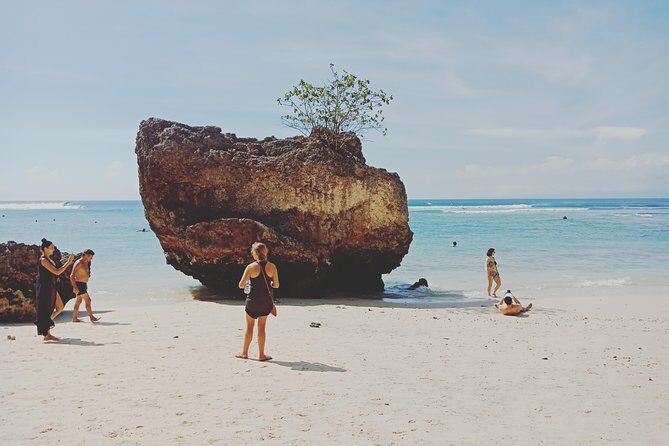
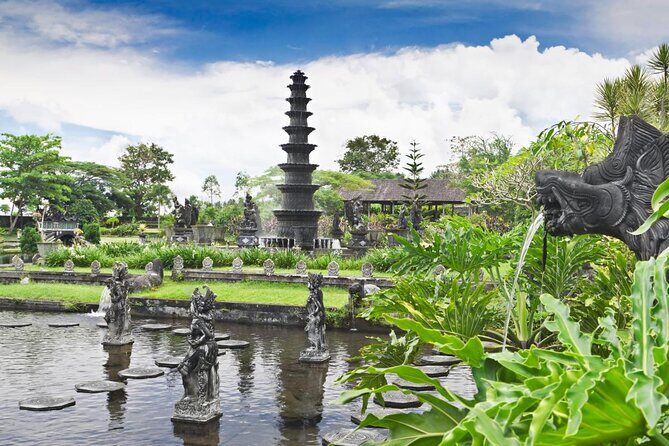
If you tell me your travel dates and where you’re staying around Ubud, I can help you think through how to schedule this morning so you’re not rushing the rest of your day.