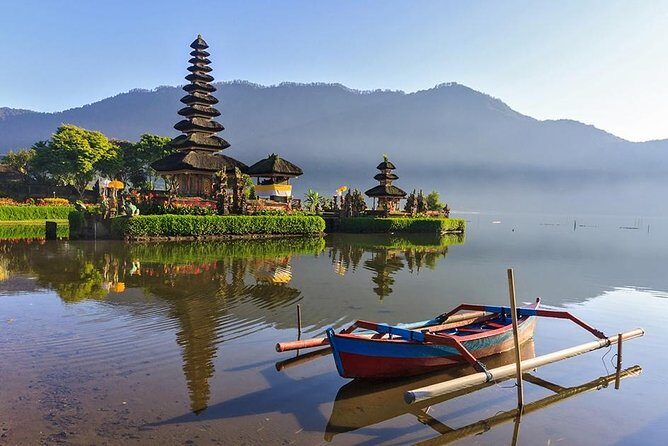
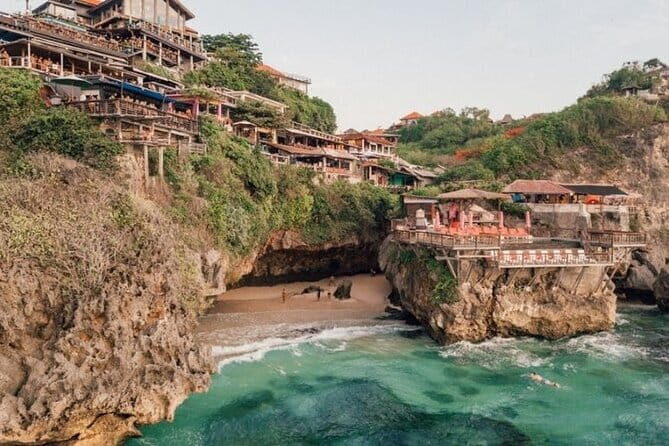
Mount Batur Jeep Sunrise & Hot Spring – All Inclusive Tour

Mount Batur Jeep Sunrise & Hot Spring - All Inclusive Tour - Black Lava Fields From the 1963 Eruption: The Volcanic Reality Check

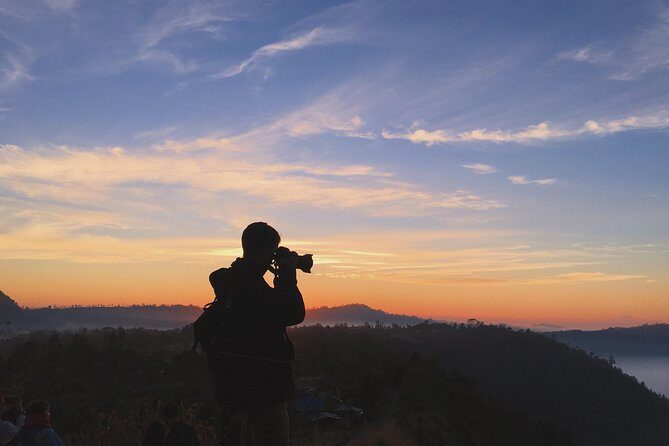
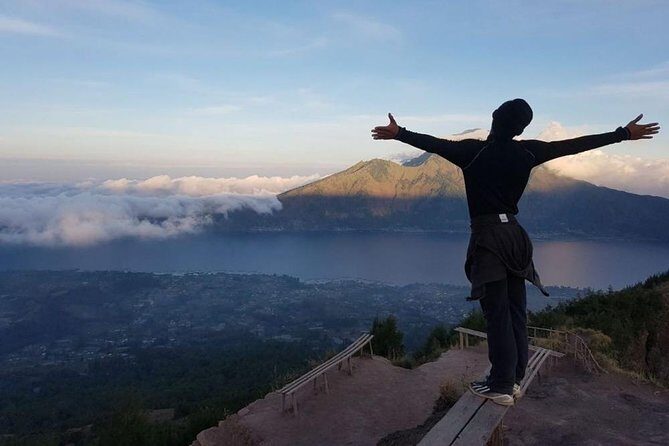
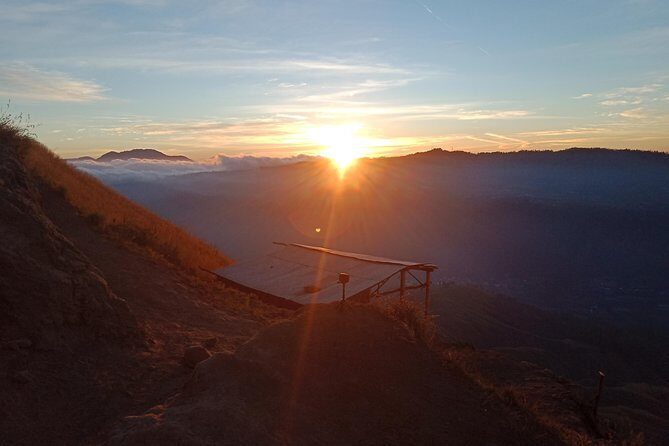
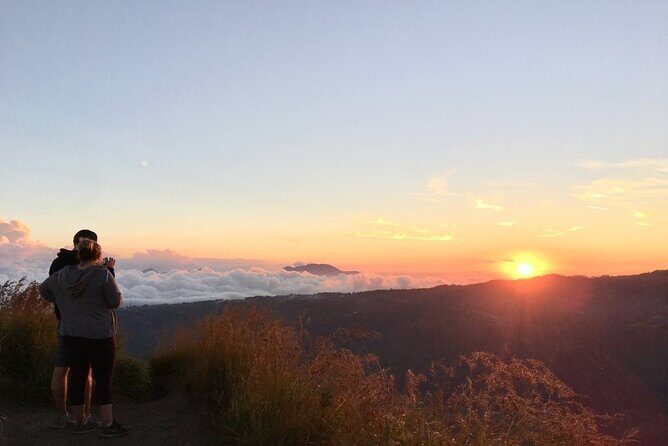
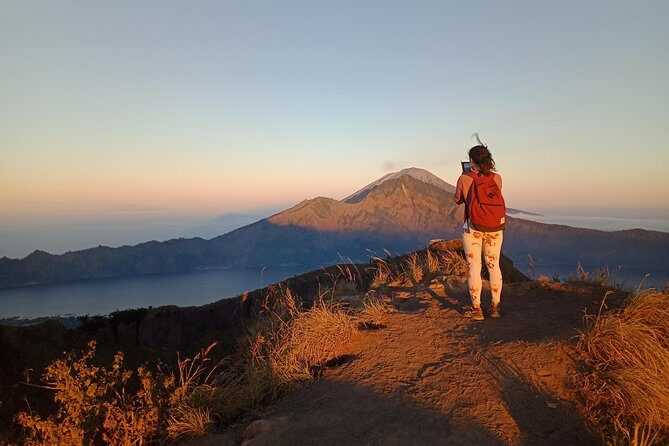
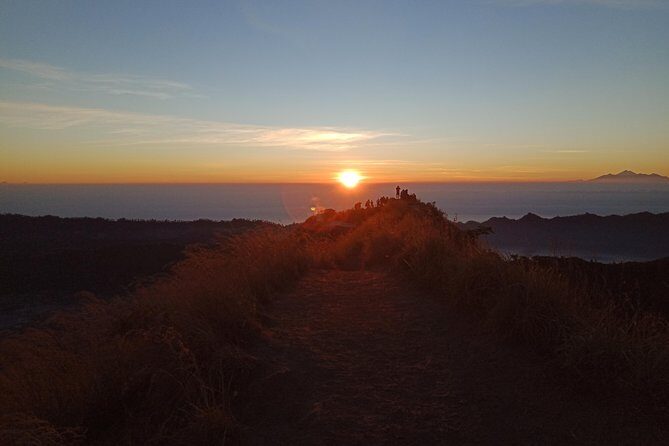
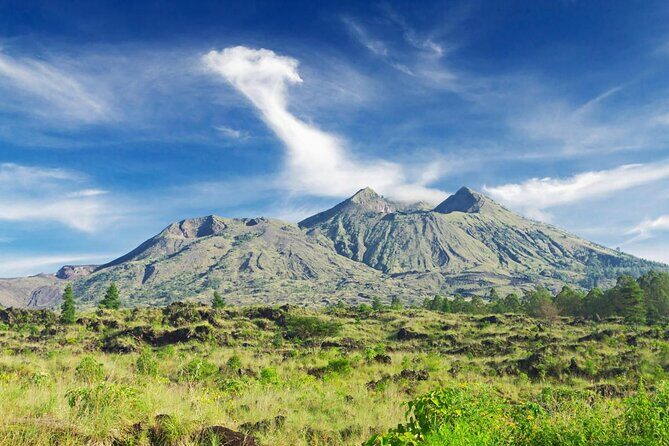
Sunrise on Mt. Batur is a real show. This all-in-one Jeep Sunrise & Hot Spring day in Ubud gets you there early for wide views over Lake Batur and Mount Abang, without doing the hiking. I loved two things most: the chance to get a great sunrise view from the jeep (fun, not a grind), and the way guides like Doling and Joss really helped you nail the moment as photographers. One thing to consider: your hot spring time can run shorter than the planned 2 hours if the day has to keep moving.

For the money, this tour feels unusually practical. You get pickup from major areas around south Bali and Ubud, breakfast plus hot drinks, entrance fees included, and a natural hot spring soak to close the loop. Just remember lunch is not included, so you’ll want a plan for afterwards.

Key Highlights at a Glance

  • Private Jeep sunrise to Mt. Batur, focused on views over effort
  • Breakfast and hot beverages at the top before you continue the route
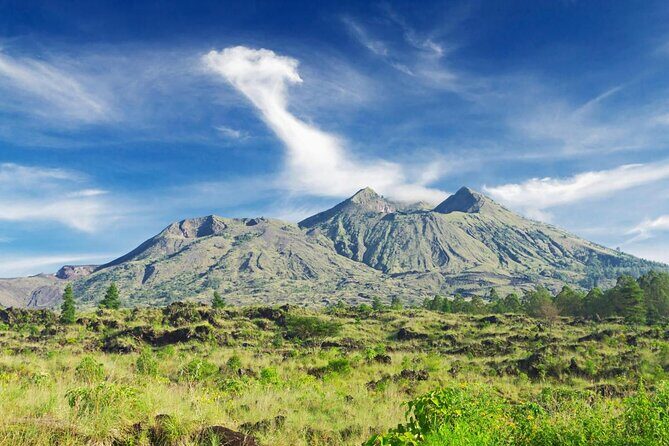
  • Black lava fields tied to the 1963 eruption, with time to see the terrain
  • Batur Natural Hot Spring with admission included
  • Attentive guides who help with timing and photography (Doling, Joss, Wayan, Ben)
  • Low-cost, all-inclusive basics for a long morning out of Ubud

Mt. Batur Sunrise by Jeep: What You’re Really Buying

This is not just a transfer to a viewpoint. What you’re paying for is a complete morning arc: you ride up to Mt. Batur, watch sunrise from the 4WD jeep experience, then keep going to see volcanic leftovers, and finally soak your body in a natural hot spring.

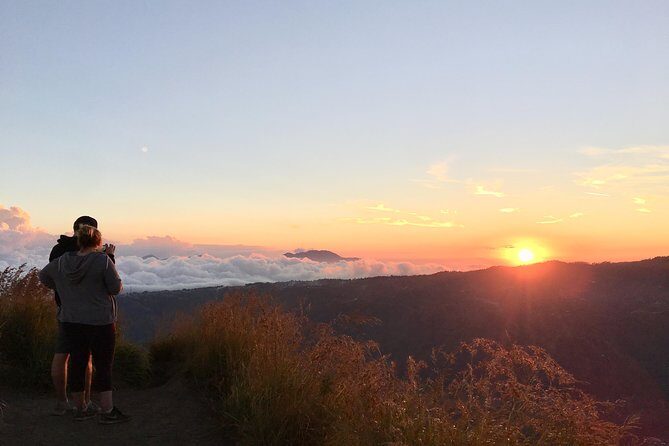
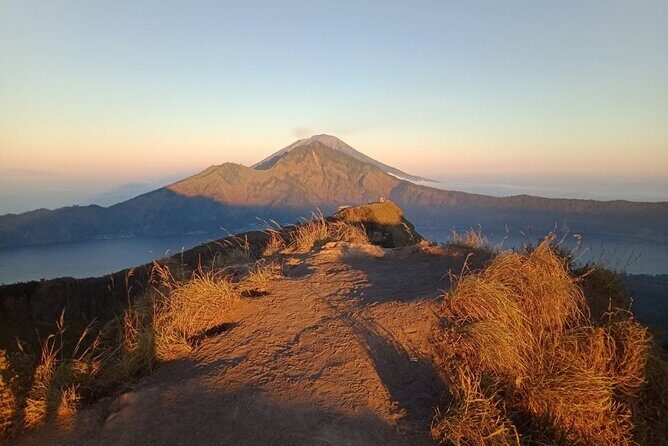
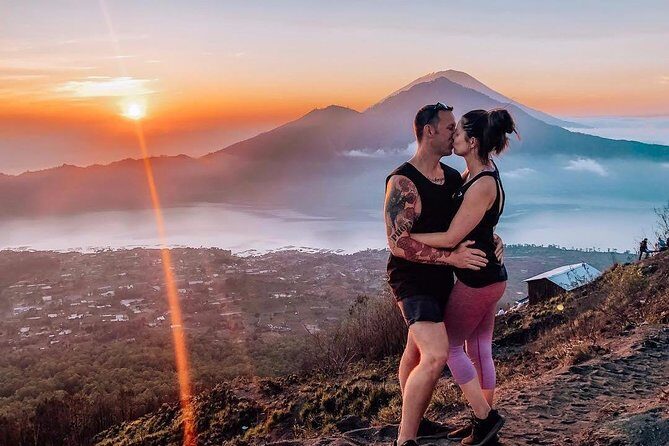
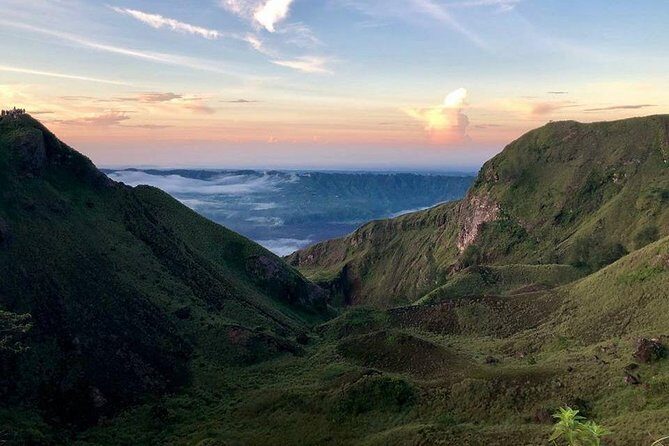
The biggest value is that you avoid the tired, steep start that many sunrise options require. Instead, you get the payoff: the crescent outline of Lake Batur and the silhouette of Mount Abang as the sky brightens. It’s a classic Bali volcanic-rim moment, and it’s built into your schedule rather than left to luck.

Another underrated win is the guide-led flow. In real life, sunrise spots can get crowded and timing matters. When guides like Doling and Joss are paying attention to the details and helping with photography, you end up feeling like you got more than just a ride—you got a guided experience.

One more practical note: the day runs early and moves fast. That’s part of the charm, but it also means you should be ready to stay flexible, especially later at the hot springs.

Pickup and the Private-Group Advantage Around Ubud

Pickup is included from major areas in south Bali and Ubud, and the tour is private for your group. That matters because sunrise timing is tight, and being on your own schedule with your driver/guide can reduce stress.

You’ll also get a full set of included basics that make the early start easier: bottled water and hot beverages, plus breakfast. That’s helpful because sunrise tours often tempt you into spending extra on small food stops you didn’t plan on.

The tour is listed as about 10 hours. In practice, that long day means you won’t be lingering everywhere. You’ll get your key moments—sunrise, breakfast time up top, lava field viewing, then hot spring relaxation—then you’ll head back.

Breakfast Above the Clouds: Fuel Before the Lava Stop

Mount Batur Jeep Sunrise & Hot Spring - All Inclusive Tour - Breakfast Above the Clouds: Fuel Before the Lava Stop
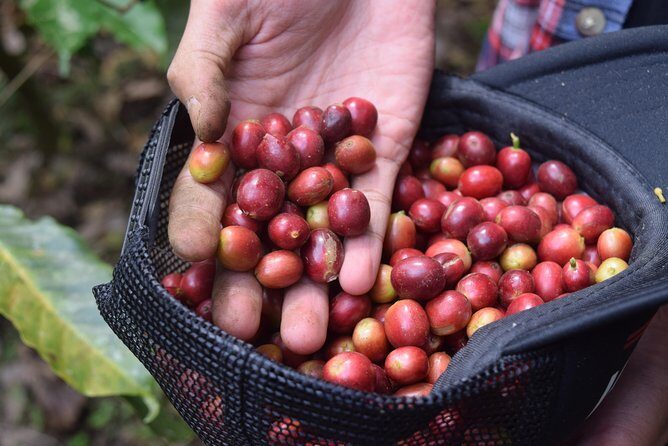
Food may sound like a small detail, but it changes how the morning feels. Here, breakfast is included and served with options like banana or eggs sandwiches, hard-boiled eggs, a selection of fruit, and even a chocolate bar. Add hot coffee or tea on top of Mt. Batur, and you’ve got comfort plus energy.

I like this setup because it solves two problems at once:

1) You can focus on sunrise instead of hunting for breakfast.

2) You’re not stuck feeling lightheaded halfway through the volcanic terrain stop.

The breakfast is also a smart buffer for a long day. After sunrise, you’ll keep traveling to the black lava field, and then you’ll finish with a soak. Having food taken care of means you can relax into each stop rather than counting minutes until lunch.

Mount Batur Sunrise and the View Over Lake Batur
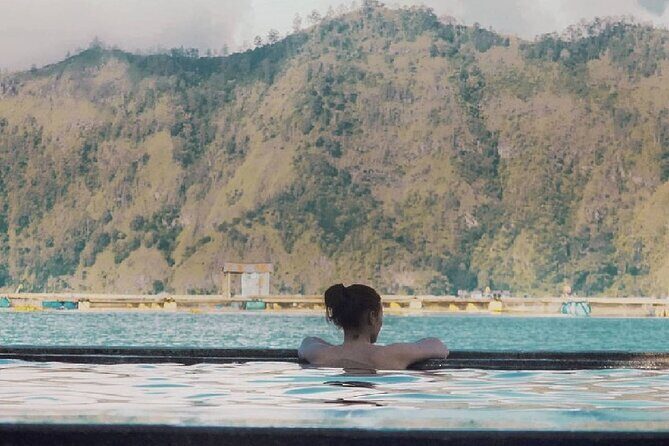
Mount Batur Jeep Sunrise & Hot Spring - All Inclusive Tour - Mount Batur Sunrise and the View Over Lake Batur
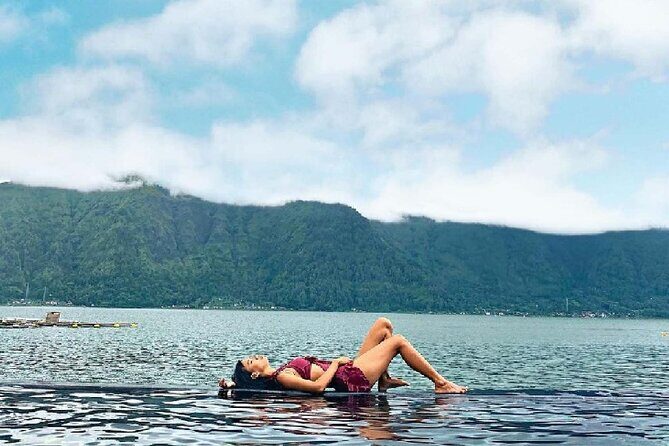
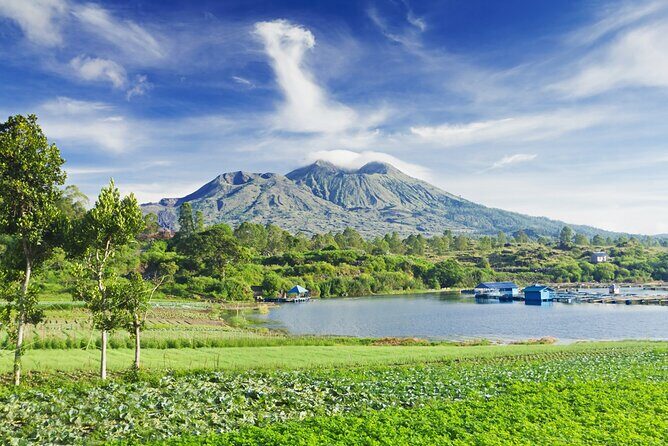
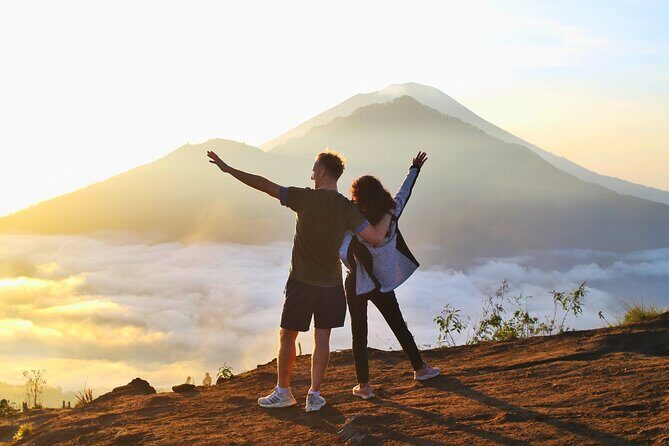
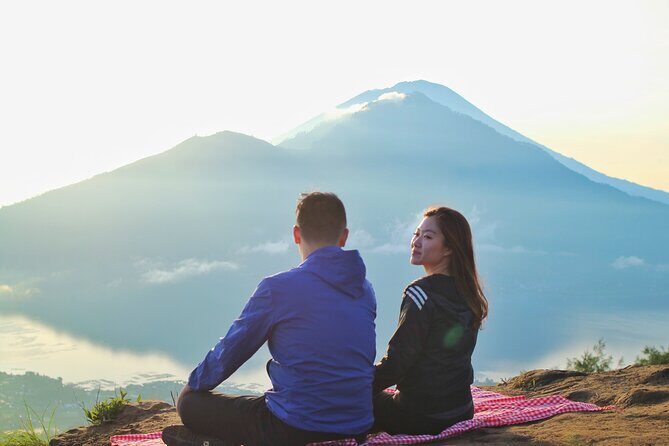
Your first stop is Mount Batur, where you get a 4WD jeep sunrise experience. The payoff is the view: Lake Batur’s crescent shape and Mount Abang coming into focus as daylight breaks.

This is the core reason to book. Even if you’ve seen sunrise pictures before, watching it unfold with the scale of the volcano and lake in front of you feels different. The jeep format also keeps things fun while you wait for the exact moment the sky turns.

If you’re the type who cares about photos, you’ll likely enjoy the way guides step in. Multiple guides were praised for being excellent photographers and attentive to details. That can mean practical things like pointing out the best angles and helping you time your shots as the light changes.

Just note this is a moving schedule. The tour doesn’t wait around for a slow day. If you prefer long, quiet viewing from one fixed spot, you may find the day’s pace a bit more active than you’d like.

Black Lava Fields From the 1963 Eruption: The Volcanic Reality Check

Mount Batur Jeep Sunrise & Hot Spring - All Inclusive Tour - Black Lava Fields From the 1963 Eruption: The Volcanic Reality Check
After sunrise, you continue to the black lava field, described as the eruption from 1963. This part is where the tour shifts from view-taking to seeing the evidence of the volcano up close.

Why I like this stop: it turns the sunrise from a postcard moment into something you can understand. You get to stand on volcanic terrain and connect the visuals to the geology that created it. Instead of just looking up, you look around and see how the landscape changed.

Practical advice: wear shoes you’re comfortable with for uneven volcanic surfaces. The tour includes admission ticket(s) for the Mount Batur portion, so once you’re there, you’re not juggling extra entry lines or surprise costs.

One potential drawback is that the day is time-boxed. You’ll get enough time to walk around and see the lava field, but you shouldn’t expect a long research outing. If you want a slow, deep geology session, you’d need a different style of tour.

Batur Natural Hot Spring: Relaxation With a Time Budget

Mount Batur Jeep Sunrise & Hot Spring - All Inclusive Tour - Batur Natural Hot Spring: Relaxation With a Time Budget
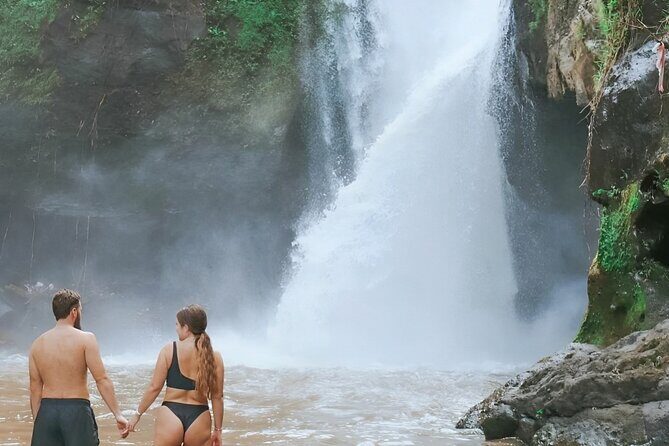
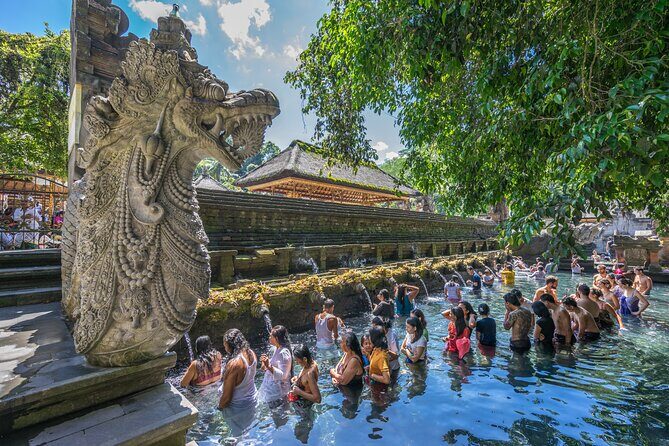
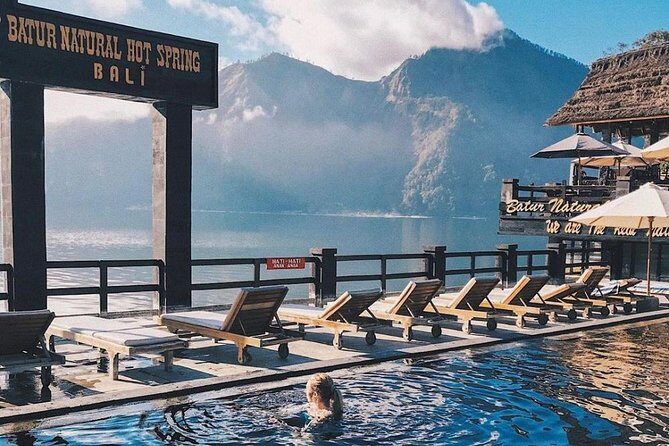
Your second main stop is Batur Natural Hot Spring. Admission is included, and the plan is around 2 hours of soaking.

This is the best kind of “tour recovery.” Sunrise is early, there’s a lot of sitting and riding, and your body wants to downshift after the lava field. A natural hot spring soak is a simple reward that fits the day’s effort level.

Here’s the reality check: hot spring time may be shorter than you expect. One guide experience described being limited to about 1 hour due to the need to drive back to the hotel. So while the schedule includes 2 hours, plan your expectations around the day’s return timing.

What to do with that information? If you care about the hot springs most of all, keep your mindset flexible. You can still enjoy the soak even with less time, but you’ll get better results if you treat it as a reset rather than a timed spa package.

Guides Who Actually Help: Doling, Joss, Wayan, and Ben

Mount Batur Jeep Sunrise & Hot Spring - All Inclusive Tour - Guides Who Actually Help: Doling, Joss, Wayan, and Ben
A sunrise jeep tour lives and dies by the guide. And in this experience, the guide support is repeatedly highlighted in a very specific way: being attentive to details and helping with photography.

You’ll see names come up like Doling, who was praised for being attentive and an excellent photographer. Joss was also mentioned as great support, and the sunrise was described as beautiful with the jeeps themselves being fun. Other guides like Wayan and Ben were praised for being super helpful and doing more than the minimum.

That kind of guide energy matters because the difference between a decent sunrise and a great one is often small timing choices:

  • where you position,
  • when you take the shot,
  • how quickly you adapt as light shifts.

Even if you’re not chasing perfect photos, a guide who keeps the day smooth helps you feel calm. You’re not stuck figuring out where to go next at 5 a.m. You just follow the plan and enjoy it.

Jeeps, Smell, and Comfort: The Honest Tradeoffs

Mount Batur Jeep Sunrise & Hot Spring - All Inclusive Tour - Jeeps, Smell, and Comfort: The Honest Tradeoffs
Most people come for the view and the volcanic experience, but it’s fair to mention the comfort realities. One review mentioned a fumes smell from the jeep, described as unavoidable.

That doesn’t mean you’ll be uncomfortable the whole time, but it’s good to know what you might notice during the ride. If you’re sensitive to vehicle exhaust smells, you may want to mentally prepare for that possibility.

What I liked, balancing that, is that the jeep experience itself was described as cool and fun. So you get the fun part and the tradeoff. It’s a small price to pay for a sunrise ride that feels like an adventure.

Value and What’s Included in This All-Inclusive Day
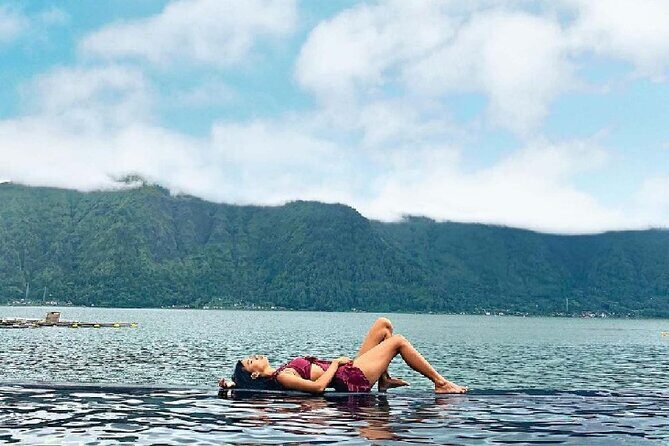
Mount Batur Jeep Sunrise & Hot Spring - All Inclusive Tour - Value and What’s Included in This All-Inclusive Day
At $24 per person, this tour has a strong value angle—especially because it includes more than just transport.

Included highlights:

  • Private transportation
  • Coffee and/or tea
  • Bottled water
  • Breakfast with multiple food options (sandwiches, hard-boiled eggs, fruit, and more)
  • Entrance tickets to Mount Batur
  • Entrance tickets to Batur Natural Hot Spring
  • Mount Batur jeep sunrise experience tied to the schedule

Not included:

  • Lunch

This is why I think the price works. You’re getting a bundle of items that are often extra on other tours: entrance fees plus breakfast plus hot drinks. Even though lunch isn’t included, it’s easy to plan around: eat after you return.

Also, the listing mentions pickup from major areas and mobile ticket use, which usually means fewer hassles on the day itself.

Who This Tour Fits Best in Ubud and Who Might Skip It

This tour is a great match if you want:

  • sunrise on Mt. Batur but you’d rather not hike,
  • a guided experience that handles the timing,
  • a full day arc that ends with a real soak.

I’d especially recommend it to couples, small groups, and anyone staying in Ubud who wants a worthwhile volcano morning without getting bogged down in planning.

If you’re chasing a super slow, restful day with lots of free time, this may not feel relaxed. The schedule is structured: sunrise, then lava fields, then hot spring, then back. That’s not a bad thing—it just sets the expectation.

Should You Book Mount Batur Jeep Sunrise & Hot Spring?

If you want the Mt. Batur sunrise experience with the easiest route to the viewpoint, I’d say yes. The combination of jeep sunrise views, included breakfast and drinks, and natural hot spring admission is a smart way to turn an early morning into a complete day.

Book it if:

  • you value convenience and clear pacing,
  • you like having guides who help with photography and details,
  • you’re okay with the hot spring time being schedule-dependent.

Skip or consider another option if:

  • you’re very sensitive to vehicle exhaust smells,
  • you’re expecting a long, spa-style hot spring session guaranteed at the full planned duration,
  • you want lots of downtime between stops.

Bottom line: for the price, this is one of the more practical “all-in” volcano mornings around Ubud—sunrise first, volcanic reality next, and a warm soak to end the day.

FAQ

How long is the Mt. Batur Jeep Sunrise & Hot Spring tour?

It’s listed at about 10 hours.

Is hotel pickup included?

Yes. Pickup is offered from major areas in south Bali and Ubud.

What’s included in the tour price?

You get private transportation, coffee and/or tea, bottled water, breakfast, entrance tickets for Mount Batur, and entrance tickets for Batur Natural Hot Spring.

Is lunch included?

No, lunch is not included.

How long do you spend at the hot spring?

The plan includes about 2 hours at Batur Natural Hot Spring, but timing can be affected by the need to return to your hotel.

Do you hike for the sunrise?

No. This tour is designed so you can enjoy the sunrise from a 4WD jeep without hiking.

Are the tour tickets and entrances covered?

Yes. Entrance tickets to Mount Batur and Batur Natural Hot Spring are included.

Is it private or shared?

It’s private. Only your group will participate.

What is the cancellation window?

Free cancellation is available up to 24 hours in advance for a full refund.
Mt batur Sunrise Trekking and Natural Spring Tour

Mt batur Sunrise Trekking and Natural Spring Tour - Pickup from Seminyak (and other Bali areas) makes the morning easier

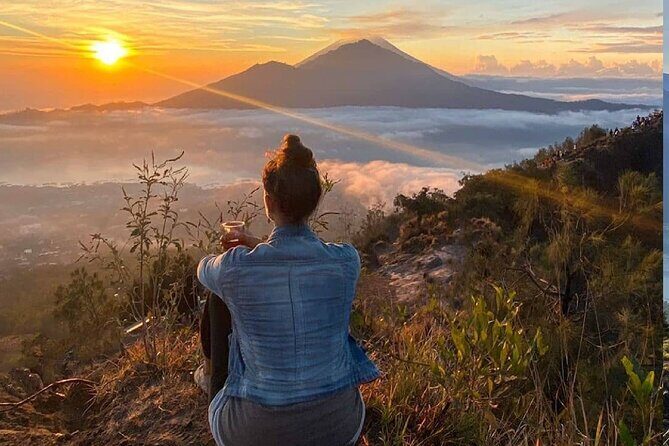
Sunrise on an active volcano is serious. This Mt. Batur hike is set up as a private door-to-door trip, with a guide who helps you manage the early start using flashlights and trekking poles. I love that the guide doesn’t rush you, checks in often, and is ready to steady you at the tougher parts.

After the climb, you soak sore legs in Batur’s natural hot springs with a lake view. I also like the practical perks that keep the morning from feeling stressful, including breakfast at the crater and a hot drink before you head back down. The main drawback is the timing: you’re out early (around a 3:30 am hike start) and the descent can be steep and sandy, so you’ll want to take it slow.

Key things I’d focus on before you go

Mt batur Sunrise Trekking and Natural Spring Tour - Key things I’d focus on before you go

  • Private trekking guide pacing: Your guide manages breaks and helps on challenging spots.
  • 3:30 am departure rhythm: You start in the dark, with torches/flashlights provided.
  • Summit sunrise plus views: Expect a crater-area breakfast, then sunrise; clear skies may show Rinjani.
  • Hot spring reset with a lake view: The soak is the payoff after a workout climb and descent.
  • Real gear and tickets included: Walking sticks/poles, entrance tickets, water, and a set breakfast are part of the deal.

Mt. Batur sunrise is the kind of early you’ll remember

Mt batur Sunrise Trekking and Natural Spring Tour - Mt. Batur sunrise is the kind of early you’ll remember
Mt. Batur sunrise has a reputation for a reason. You’re hiking on an active volcano in the pre-dawn dark, then stepping into a slow reveal of light over the caldera. It’s not just about the photo at the top. It’s the whole rhythm: darkness, starlight, a steady climb, breakfast near the crater, and then the moment the sky changes.

I like that the tour is designed as a combo: volcano sunrise up top and natural hot springs after. That pairing matters because the climb works your legs, and the hot springs give you a place to recover without having to plan a second activity on your own.

Pickup from Seminyak (and other Bali areas) makes the morning easier

Mt batur Sunrise Trekking and Natural Spring Tour - Pickup from Seminyak (and other Bali areas) makes the morning easier
This runs as a private tour with pickup offered from a long list of Bali bases, including Seminyak, Legian, Kuta, Sanur, Ubud, Jimbaran, Nusa Dua, or Benoa. That’s a big deal when your start time is around 3:30 am. You don’t want to figure out transport that early, and you don’t want to show up to the trail half-asleep and scrambling for gear.

You’ll also get a clear kit for the climb: flashlight/torches and hiking poles/walking sticks are included. Those are the kind of details that make the whole trek feel more controlled, especially because you’re walking in low light.

The climb starts in the dark: torches, poles, and a patient guide

The hike kicks off around 03:30 am with a professional hiking guide. Early starts can be brutal, but the tour’s structure helps. You aren’t left to guess where to step, and you aren’t doing it solo with no support.

What I’d call the tour’s biggest strength is the guide style. In real experiences, guides like Made (including guides listed as Made Winarti and similar spellings) are described as attentive and careful. They keep checking in, ask if you want breaks or photo stops, and help you through tricky areas so you don’t feel outmatched.

Even the descent gets support. People found the way down challenging due to steep, sandy terrain, but the guide was positioned to help each time the footing got awkward. That’s exactly the kind of guidance that turns a scary walk into a manageable one.

Stop 1: Mount Batur crater hike and summit behavior tips

Mt batur Sunrise Trekking and Natural Spring Tour - Stop 1: Mount Batur crater hike and summit behavior tips
At the top, you’re not just collecting views. The plan is to reach the crater area, get breakfast there, then move back down. That crater timing is a smart choice. It means you’re fueled before sunrise breaks fully into the sky.

From the descriptions, you’ll also learn as you go. Your guide can share stories and context about mountains, volcanoes, and the culture of people living around Mt. Batur. That turns the hike from exercise into something that feels grounded in place.

One more practical thing: some guides and hikers report monkeys near the summit. If that happens on your morning, keep food secured and avoid dangling snacks. It’s not about being paranoid. It’s about keeping your morning calm and not bargaining with wildlife at sunrise.

The sunrise moment: Mt. Abang, possible Rinjani views, and starry skies

Mt batur Sunrise Trekking and Natural Spring Tour - The sunrise moment: Mt. Abang, possible Rinjani views, and starry skies
Once you’re up, you’re set for sunrise from the east of Mt. Abang. Clear conditions matter here. When the sky is cooperating, you may also be able to spot Mount Rinjani in Lombok.

There’s also a poetic element built into the early departure: the sky can be full of stars before the light show starts. Guides often point out what you’re seeing and connect it back to local stories. It helps you enjoy the waiting instead of just counting minutes until the sun crests.

This is also where your early wake-up starts to feel worth it. The climb is work, but sunrise is a payoff with real atmosphere. You’ll likely find yourself holding still, not just taking pictures, because the scene changes faster than you expect once the horizon lights up.

Breakfast and hot drink: fueling you for the crater-to-descend part

Mt batur Sunrise Trekking and Natural Spring Tour - Breakfast and hot drink: fueling you for the crater-to-descend part
Breakfast is included at the crater area. The menu is spelled out: you may get banana or egg sandwiches, hard boiled eggs, a chocolate bar, and a fruit selection. There’s also a coffee and/or tea plus bottled water and a hot drink.

That’s practical for two reasons. First, you’ll need energy after a dark hike before the sunrise crowd energy fully kicks in. Second, it’s one less thing to worry about on a tight schedule. You’re not hunting for food in the middle of a timed experience.

If you’re the kind of person who hates getting hungry mid-activity, this matters. Breakfast at the crater helps you stay steady through the summit moment and the walk back down.

Stop 2: Batur natural hot springs for recovery with a lake view

Mt batur Sunrise Trekking and Natural Spring Tour - Stop 2: Batur natural hot springs for recovery with a lake view
After the hike, you head to Batur Natural Hot Spring. The point is recovery: you’ll soak in warm geothermal water to ease tired muscles. There’s also a view component with the lake view, which turns the hot spring stop into more than just a soak-and-leave.

The hot spring portion is also where the tour shifts gears. You’re no longer focused on footing in the dark. You can relax, breathe, and let the warmth do its job. The plan even suggests swimming in the natural warm water, so you’re not limited to standing around.

This is the part I’d call the easiest win in the itinerary. You came to hike, but you leave feeling like you repaired something. That’s an underrated kind of value.

What’s included for the price, and why $22.95 is a bargain (with one caveat)

Mt batur Sunrise Trekking and Natural Spring Tour - What’s included for the price, and why $22.95 is a bargain (with one caveat)
The listed price is $22.95 per person. That’s low for a full morning activity that combines (1) a sunrise hike, (2) a private trekking guide, and (3) entrance fees plus recovery.

Here’s what’s covered:

  • Breakfast at the crater (sandwiches, hard boiled eggs, chocolate bar, fruit)
  • Coffee and/or tea plus a hot drink
  • Bottled water
  • Flashlight/torches
  • Walking stick/hiking poles
  • Entrance ticket to Mount Batur
  • Entrance ticket to the Kintamani area
  • Entrance ticket to the Natural Hot Spring
  • Private transportation
  • Mobile ticket
  • Group discounts

The main caveat is what’s not included: lunch. Since the itinerary is long (about 10 hours), you’ll want to plan what you’ll do afterward. You’ll likely want a meal after the hot springs, not during the scheduled stops.

In short, you’re paying for a lot that would cost extra if you pieced it together yourself. That’s the value case.

Timing and trip length: how a 10-hour day feels in practice

The experience runs about 10 hours. Most of that time is the early start hike and the return. The schedule matters because it also shapes how you should plan the rest of your Bali day.

A useful mental model is: you’re spending a big chunk of your morning and early afternoon in motion, so this is not a fit for a day where you want to lounge and sleep late. The good news is that the hot spring stop makes the long day feel like it ends with relief, not with exhaustion.

Reviews often describe the summit as reachable in roughly under two hours for some hikers, but the climb is still steep and challenging. Expect an effort level where good pacing makes a real difference.

Who this tour is best for (and who might want a different plan)

This is a solid choice for anyone who wants a sunrise volcano experience paired with a real recovery stop. It also helps if you like having a guide who talks through what you’re seeing instead of just pointing at the horizon.

It’s also a good fit if you prefer support over DIY. The torch and pole setup plus entrance tickets plus private transportation means you’re not dealing with the logistics puzzle at 3:30 am.

If you’re very sensitive to early mornings or you dread steep, sandy descents, you may find it stressful. The guide support helps, but you still need to be comfortable moving carefully.

Guides that make the difference: what to look for

The strongest praise centers on the guide. People name guides like Made, Made Winarti, Winartyck, and others. The consistent pattern is care: checking on your pace, offering breaks, helping at challenging spots, and keeping the group safe on the way down.

If you get a guide with that approach, the experience feels smoother. If you’re someone who likes control and clarity, pay attention to how your guide communicates during pickup and early trail moments. That early vibe tells you what kind of morning you’ll have.

Should you book Mt. Batur sunrise and natural hot springs?

Book it if you want a single morning that hits both extremes: a serious early hike and a warm, view-forward soak afterward. The pricing is strong when you factor in the included breakfast, entrance tickets, transport, and hiking support.

Consider booking something else if you can’t handle a 3:30 am start or if steep, sandy descents are a dealbreaker for you, even with guide help.

If you do book, plan your day afterward around recovery. And keep your food secure if monkeys show up near the summit.

FAQ

FAQ

What time does the hike on Mount Batur begin?

The hike starts around 03:30 am, before sunrise. You’ll have flashlights/torches and hiking poles or walking sticks as part of the included gear.

Is pickup included, and where does it start?

Pickup is offered from several Bali areas, including Ubud, Sanur, Seminyak, Legian, Kuta, Jimbaran, Nusa Dua, or Benoa. The tour also includes private transportation.

What’s included in the breakfast?

Breakfast at the top includes banana or eggs sandwiches, hard boiled eggs, a chocolate bar, and a fruit selection. Coffee and/or tea and bottled water are also included.

Do I get anything to help with the hike?

Yes. The tour includes a flashlight/torch and hiking poles or a walking stick. You’re also hiking with a professional private trekking guide.

What will I see at sunrise?

You’ll watch sunrise from the east of Mt. Abang. In clear skies, you may be able to see Mount Rinjani in Lombok.

What happens after the hike?

After hiking down, you’ll visit Batur Natural Hot Spring to soak in warm geothermal water. The hot springs are described as having a lake view, and swimming may be possible.

How long is the whole experience?

It runs about 10 hours, approximately.

What entrance fees are covered?

Entrance tickets are included for Mount Batur, the Kintamani area, and the Natural Hot Spring.

What is not included?

Lunch is not included, and alcoholic drinks and soda/pop are also not included.

What’s the cancellation policy?

You can cancel for free up to 24 hours before the experience’s start time for a full refund. If you cancel less than 24 hours before, the amount paid won’t be refunded.

Nusa Penida Island Tour

Nusa Penida delivers cliffside wow. This private day trip takes you from Bali early to Penida’s northwest icons: Broken Beach, Kelingking, Angel’s Billabong, and Crystal Bay, with a chauffeur-style guide who helps you get the shot.

I especially like the photo-ready pacing with a driver who’s used to timing stops for angles and crowds. You also get lunch plus admission tickets built into the plan, so you spend less time figuring things out and more time enjoying the views.

One real consideration: the day can feel chaotic around the harbor and popular photo points because the island draws a lot of visitors, and things like parking access can be messy. Add in the early start, and you’ll want a calm attitude and good sun protection.

Key Things That Make This Nusa Penida Tour Worth It

Nusa Penida Island Tour - Key Things That Make This Nusa Penida Tour Worth It

  • A focused northwest circuit: Pasih Uug (Broken Beach), Kelingking, Angel’s Billabong, Crystal Bay
  • Private chauffeur on Penida for your whole group, not a shared scramble
  • Lunch and admission tickets included at the main stops
  • Crystal Bay time for swimming and snorkel, not just photos from above
  • Strong guide support for photography and pacing through hot conditions

Why Penida’s Northwest Route Feels More Efficient

Nusa Penida Island Tour - Why Penida’s Northwest Route Feels More Efficient
Nusa Penida can swallow a day fast. This itinerary targets the northwest corner, where the cliff drama is concentrated, and the viewpoints are built for memorable photos.

You’re not bouncing around the whole island. Instead, you’re moving through a tight sequence that keeps you close to the action: ocean-cut cliffs, a natural “broken beach” land bridge, a signature cliff viewpoint at Kelingking, then natural pools and a white-sand bay.

This kind of route matters if you’re short on time in Bali. A 10-hour day can be enough if you’re moving efficiently, arriving early, and not wasting hours searching for the next turn.

Entering Penida at 6:30am: Getting There Without Losing Your Mind

Nusa Penida Island Tour - Entering Penida at 6:30am: Getting There Without Losing Your Mind
The tour start time is 6:30am, and the total day runs about 10 hours. That early launch isn’t for fun. It’s how you dodge some of the worst heat and give yourself a better shot at smooth transfers and viewing times.

Pickup is offered from much of Ubud and south Bali, and the transfers are described as private 2-way. In other words, you’re not left to wrestle local connections on your own.

Still, you should expect the practical reality of boat schedules and busy docks. A first-timer-friendly setup can still include confusion about which speed boat to board, and the waiting areas can be crowded. My advice: keep your phone ticket handy, arrive with buffer time, and don’t plan tight connections that depend on instant boarding.

Pasih Uug (Broken Beach): The Land Bridge Photo Moment

Nusa Penida Island Tour - Pasih Uug (Broken Beach): The Land Bridge Photo Moment
Pasih Uug Beach is often called Broken Beach, and the big reason is the layout. There’s a land bridge where the Indian Ocean pushes through into a beach pocket surrounded by cliffs.

Plan for one hour here. That sounds short, but it’s long enough to spot the best angles from the viewing areas and, if you’re interested, work your way around depending on the day’s conditions.

Drawback: this stop is very photogenic, which means it’s also a place where people cluster fast. If you prefer quieter photos, aim to shoot early during your arrival window, then use the rest of the time to enjoy the ocean view without constantly fighting for position.

Kelingking Beach: Cliff Views First, Trek Decisions Second

Nusa Penida Island Tour - Kelingking Beach: Cliff Views First, Trek Decisions Second
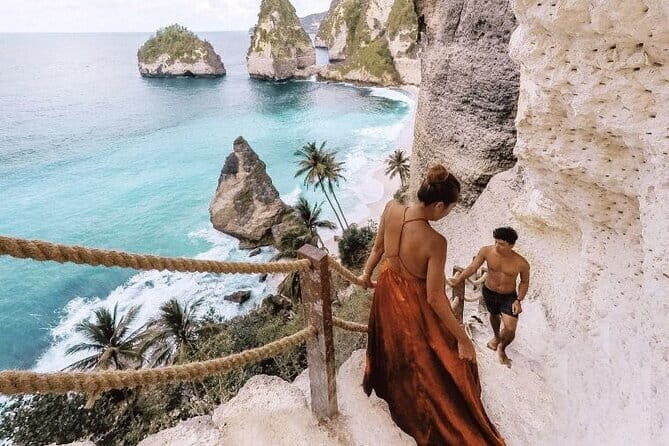
Kelingking Beach is the star for many people, mainly because the cliffs are dramatic in a way that photos don’t fully explain. You’ll see a cliff-and-bay scene that feels like it drops into the ocean.

You have about one hour on this stop, and you can choose to go down toward the beach. The trade-off: it’s a long trek if you descend, so you’ll want to decide based on your comfort level and the heat.

Swimming is possible if you choose to go down, but don’t treat Kelingking like a casual beach walk. My practical take: if you’re not feeling great about steep, uneven footing, prioritize the viewpoints and skip the descent. The cliff perspective is the main show, and you’ll still get plenty of wow.

A helpful detail from real-world expectations: it gets very hot with strong UV. In hot conditions, guides can be more valuable than you’d think—helping you queue for photo moments, finding shade breaks, and keeping the pace realistic.

Angel’s Billabong and Crystal Bay: Pools, Swimming, and Snorkel Time

Nusa Penida Island Tour - Angel’s Billabong and Crystal Bay: Pools, Swimming, and Snorkel Time
After Kelingking, you shift from cliff drama to water features.

Angel’s Billabong

Angel’s Billabong is a natural pool with clear deep water, and it’s a great spot if you want to swim. Expect about one hour here, which is enough to dip in and take photos without feeling rushed.

Because it’s a natural pool, conditions can vary. Keep it simple: if you swim, go slowly, watch how the water looks, and don’t assume every corner is equally comfortable.

Crystal Bay

Crystal Bay is a white sand beach and one of the best opportunities on the day for enjoying the water. You’ll get about two hours here, and the tour description specifically calls out swimming and snorkeling.

This is also often where you’ll notice the limits of island infrastructure. One practical note from the on-the-ground experience: toilet facilities can be imperfect at beach stops like this. If that matters to you, plan your time with a little extra patience and don’t treat facilities like a resort standard.

Having a Private Guide on Penida Changes the Whole Day

Nusa Penida Island Tour - Having a Private Guide on Penida Changes the Whole Day
This is the part I’d focus on if you’re deciding between Penida tours: who’s driving, and how they handle timing.

This trip is private on Penida too, meaning your group gets a personal chauffeur rather than a shared circuit where everyone is trying to do their own thing. That helps when photo stops are crowded and the sun is brutal.

You may also run into guide-level support that goes beyond directions. People have been happy with guides like Wayan, Putu, and Ardi for photo angles and comfort-level pacing. There’s also an example of support in tough heat—helping you find shade while queuing for the perfect spot—so you don’t bake for 20 minutes for one shot.

And the handoff between Bali and Penida matters. Names like Resna (helping with arrival logistics) and Jana (greeting on Penida) came up in real-world experiences, which is exactly what you want: a smooth check-in feeling when you step onto the island.

Logistics Reality Check: Crowds, Harbor Mess, and Dusty Walking

Nusa Penida Island Tour - Logistics Reality Check: Crowds, Harbor Mess, and Dusty Walking
Penida’s popularity is real. That means the harbor can be crowded and not always clean, and the “arrive and park” part may not be what you expect.

A couple practical issues that can affect your mood:

  • Trash and clutter around the harbor area can be visible.
  • No convenient parking lot for vehicles in some areas can force a short walk on dusty, rough roads.

None of this changes the scenery, but it does change how you experience the first hour of your day. My advice: wear closed-toe shoes if you can, keep wipes or hand sanitizer available, and don’t let the mess steal your focus. It’s a quick hurdle on the way to places that feel worth it.

Also keep your expectations flexible. If local observances affect operating times, the day may run shorter than planned. The best mindset is: assume you’ll make the most of the time you get, not that everything will follow a perfect script.

Price and Value: What $79.89 Buys You in Real Terms

Nusa Penida Island Tour - Price and Value: What $79.89 Buys You in Real Terms
The price listed is $79.89 per person, and the tour runs about 10 hours. For Penida, that’s not outrageous when you factor what’s included versus what you’d piece together yourself.

You’re getting:

  • private transfers (as described) from areas like Ubud and south Bali
  • a personal driver on Penida
  • lunch included
  • admission tickets included at the stops noted
  • a mobile ticket option

Where the value really shows is in the friction you avoid. Speed-boat timing, transferring between points, and navigating parking/traffic on busy days can burn hours. If you’re paying to remove stress and gain smoother movement, this price starts to make sense.

One small note on demand: this tour is booked on average 29 days in advance. If you’re traveling in a busy season or on a weekend, booking earlier usually helps you get the time you want without scrambling.

Who This Tour Best Fits (and Who Might Prefer Something Else)

This works best if you:

  • want a one-day highlights plan with the northwest icons
  • care about photos and don’t want to spend the day guessing routes
  • plan to swim at at least one spot (Angel’s Billabong and/or Crystal Bay)
  • like having a driver handle the movement so you can focus on scenery

You might want to choose a different style of tour if:

  • you hate early mornings and don’t cope well with heat
  • you’re very sensitive to crowds at famous viewpoints
  • you’re set on walking down to Kelingking’s beach (because it’s a long trek)
  • bathroom quality is a dealbreaker for you at beach stops

Should You Book This Nusa Penida Day Trip?

If you want a concentrated Penida day—Broken Beach, Kelingking, Angel’s Billabong, then Crystal Bay—and you like the idea of a private chauffeur managing the route, I think this is a smart booking. The combination of included lunch, admission tickets, and guide support is the kind of practical value that pays off on an island day that can easily get complicated.

I’d still go in with eyes open: expect crowds, possible short schedule changes on special days, and some harbor-level mess. If that sounds manageable, you’ll likely come away with the kind of cliff photos and water-stop memories that make Penida worth the effort.

FAQ

What time does the Nusa Penida tour start?

The tour start time is 6:30am.

How long is the tour?

It runs for about 10 hours.

Is pickup included?

Pickup is offered, and the tour description mentions private 2-way transfers from much of Ubud and south Bali.

Is this tour private?

Yes. It’s listed as a private tour/activity, meaning only your group participates.

Which stops are included?

You’ll visit Pasih Uug Beach (Broken Beach), Kelingking Beach, Angel’s Billabong, and Crystal Bay.

Is lunch included?

Yes. A local lunch is included as you explore the island’s northwest corner.

Are admission tickets included?

Admission tickets are included for the stops that are listed with admission ticket included.

Can I swim or snorkel during the day?

Angel’s Billabong is described as suitable for swimming. Crystal Bay is described as a great spot to swim and snorkel.

What happens if weather isn’t good?

The experience requires good weather. If it’s canceled due to poor weather, you’ll be offered a different date or a full refund.

What is the cancellation window?

Free cancellation is available up to 24 hours in advance for a full refund. If you cancel less than 24 hours before the start time, the amount paid isn’t refunded.
Bali ATV Rafting And Ubud Waterfall Private Tour

Bali ATV Rafting And Ubud Waterfall Private Tour - Seminyak pickup and the value of a driver who stays on task

Four stops, one packed Bali rhythm. This private combo ties together ATV riding, Ayung River rafting, and a classic photo moment at Tegenungan Waterfall, with pickup from your door and guides who keep the day moving. You’re also set up to eat well along the way, so you’re not hunting for food between activities.

Two things I like here: first, the private driver/guide approach that reduces the usual scramble of getting from one attraction to the next. Second, the way the activities are handled with real instruction and safety—especially on the rafting side, where you get proper gear and a guided run on mellow Grade II–III water.

One consideration: this day is physical and a bit soggy. Rafting typically means you’ll get drenched (and at one of the start/finish points you’ll use stairs to reach the river), so plan for wet clothes, waterproof phone moments, and comfortable footwear.

Key highlights at a glance

Bali ATV Rafting And Ubud Waterfall Private Tour - Key highlights at a glance

  • Private transfers from your door so you’re not coordinating taxis between stops
  • Ayung River rafting (Grade II–III) with professional guide support and full safety equipment
  • ATV ride through rural routes that can include rice-field views plus muddy forest/jungle tracks
  • Tegenungan Waterfall photo stop with a guide to help you nail the angles
  • Meals included: breakfast, lunch, plus water, so you stay fueled for the full 8 hours

How the day is built: ATV, rafting, waterfall, and coffee time

Bali ATV Rafting And Ubud Waterfall Private Tour - How the day is built: ATV, rafting, waterfall, and coffee time
This tour is designed for people who want multiple Bali “checkmarks” without living on the road all day. The concept is simple: you start with adrenaline on an ATV, switch gears to water thrills on the Ayung River, then finish with Tegenungan Waterfall for views and photos. There’s also a plantation stop for coffee or tea, which is a nice change of pace after the dust and water.

The smart part is that the day is paced as a combo. You’re not just doing one highlight; you’re moving through environments—rural tracks, river gorge energy, and then a lush waterfall scene. If you’re short on time in Bali (or you hate choosing between adventure and photos), this structure makes a lot of sense.

Because it’s private, you should expect your schedule to feel tighter. That can be a good thing: less waiting, more doing. Just remember you’re signing up for a full half-day-plus workout: riding, rafting, walking, and climbing a set of stairs at the river access points.

Seminyak pickup and the value of a driver who stays on task

Bali ATV Rafting And Ubud Waterfall Private Tour - Seminyak pickup and the value of a driver who stays on task
The logistics are handled with pickup offered and a private driver/guide approach. In plain terms, you show up, and the day runs. One of the best practical details from the experience reports: drivers like Wayan tend to be prompt and can stay with you from the beginning to the end, which reduces that constant “Where do we go next?” stress.

There’s also lockable storage at the rafting centre mentioned in feedback. That’s a small thing, but it matters. When you’re bouncing between an ATV and a rafting stop, you need a place for your phone, wallet, and dry clothes—without dragging everything around.

One more thing I appreciate: the day is paced so you’re not constantly standing around. For a private combo, that efficiency is part of the value. You’re paying for time-saving, not just activity admission.

ATV through rice-field scenery (and yes, expect mud)

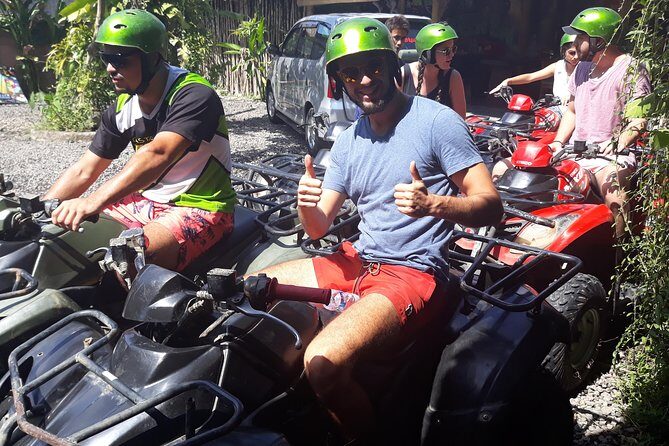
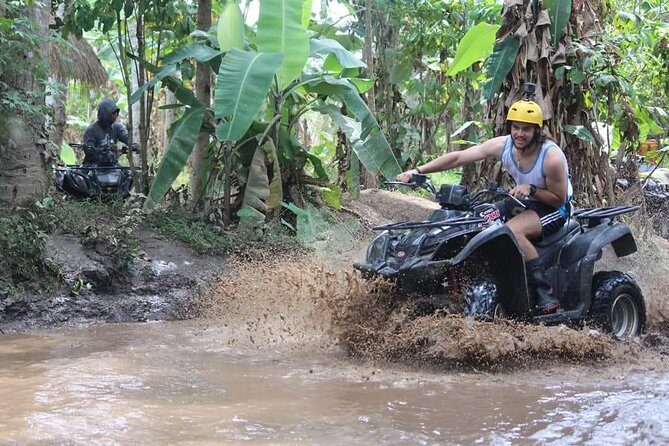
The ATV portion happens first at Ride Bali Adventure, and the riding style is geared toward fun and ease. You get automatic gear acceleration, which helps if you’re new to ATVs. Instead of focusing on driving mechanics, you can focus on steering through the route—mud, trees, and rural paths.

Based on the tour description, you’re not only riding in a single straight line. The route can include muddy stretches and forest/jungle-style tracks, with rural Balinese villa scenery mentioned as part of the overall route experience. You’ll also see the kind of green scenery that makes Bali feel like Bali, with rice-field views referenced as part of the ATV experience.

Important reality check: this is not a “polite” ride. ATVs in Bali can get messy fast. Wear clothes you’re okay replacing in your memory (not literally, but you get the idea). One experience note also mentions that the ATV format can be tandem (one ATV for two people) for certain bookings, with the option of requesting a single ride depending on the tour setup you choose. If ATV driving is the main event for you, it’s worth clarifying your ride preference before you go.

Ayung River rafting: mellow Grade II–III thrills with safety gear

Bali ATV Rafting And Ubud Waterfall Private Tour - Ayung River rafting: mellow Grade II–III thrills with safety gear
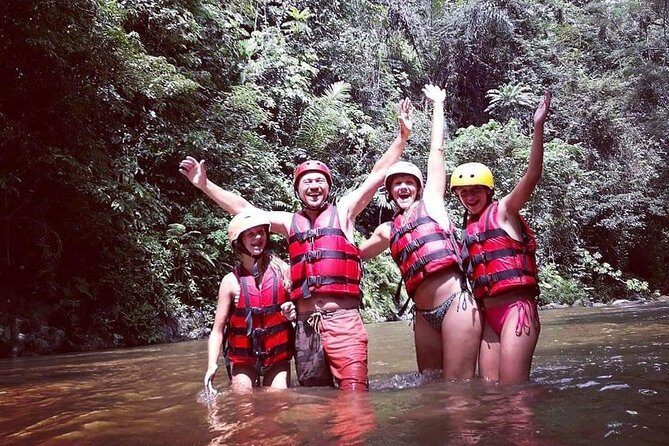
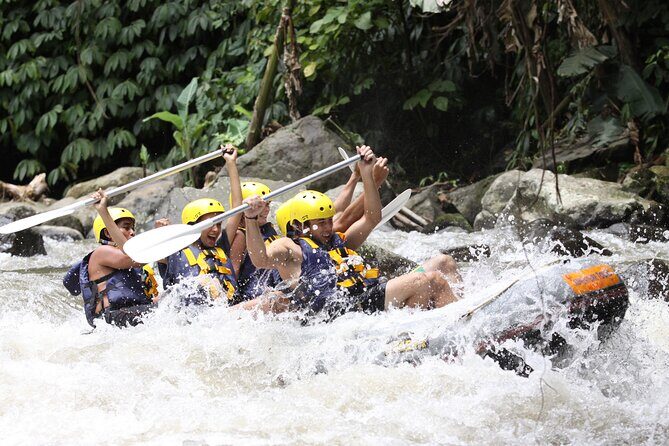
Next comes the Ayung River rafting, rated mellow Grade II–III. That’s the sweet spot for many first-time rafters: enough current to feel exciting, but generally not the kind of brutal technical rapids that intimidate people who just want a fun splash.

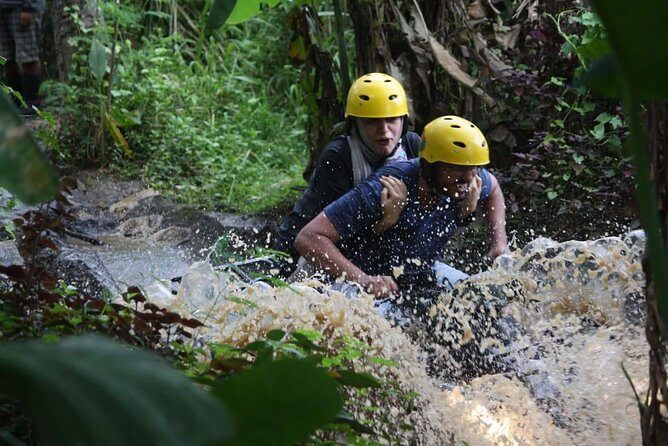
You’ll go with a friendly guide and full rafting gear, and the experience is supported by professionals. That matters because river days are partly about the fun and partly about staying calm when the water is moving faster than your brain expects.

Two practical things stand out from the feedback:

  1. The rafting experience involves stairs. At least one tour report notes you have to pass stairs to get down to the river at the start point, and again at the finish point to return to the main road. This is easy for some people and a deal-breaker for others—so consider your comfort level with stairs.
  2. Plan for wet clothes. One report specifically says they wished they’d brought extra clothes. If rafting comes first (as it does in this combo order), you’ll likely be drenched early, which can make the rest of the day less comfortable if you’re unprepared.

One more nice touch: lunch is included at the finish point and is described as an Indonesian meal. That’s a big advantage over DIY rafting days where you finish soaked and then try to figure out food fast.

Tegenungan Waterfall: the classic view stop, with a guide for photos

Bali ATV Rafting And Ubud Waterfall Private Tour - Tegenungan Waterfall: the classic view stop, with a guide for photos
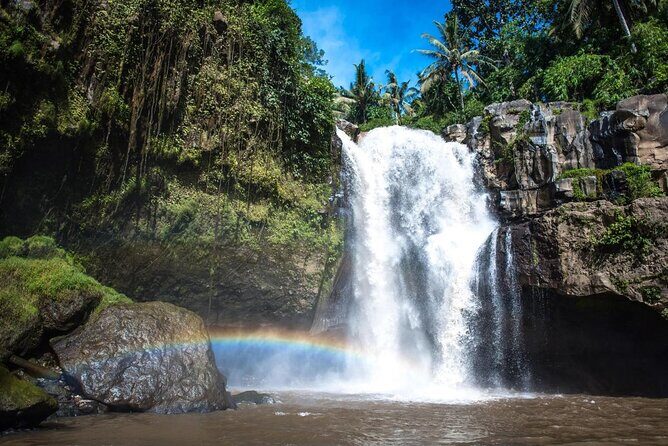
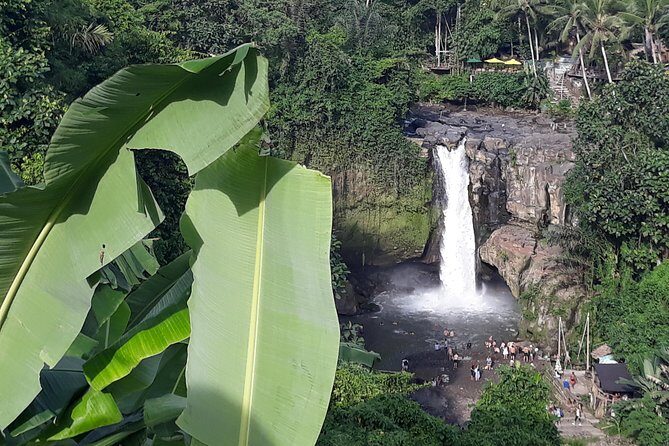
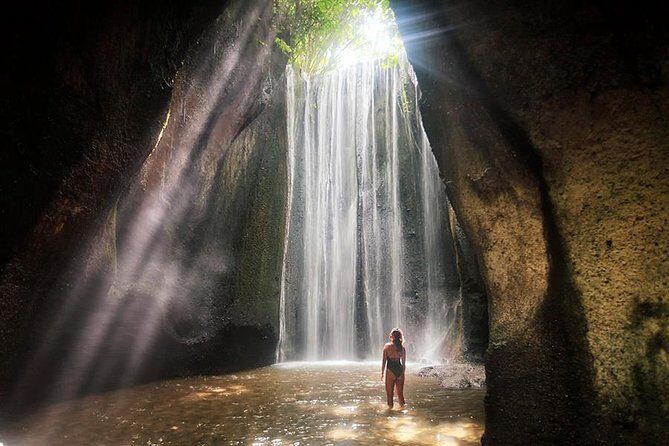
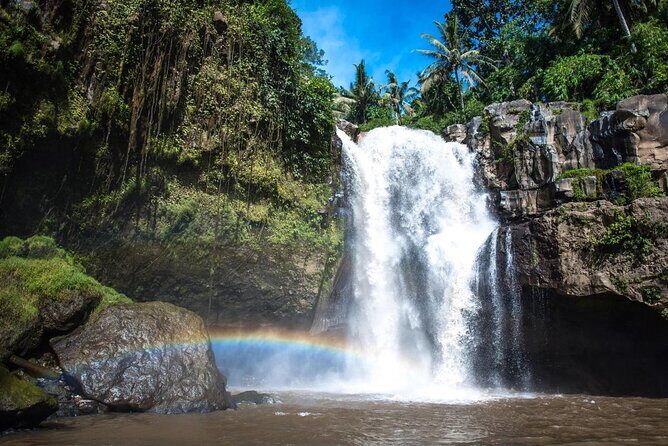
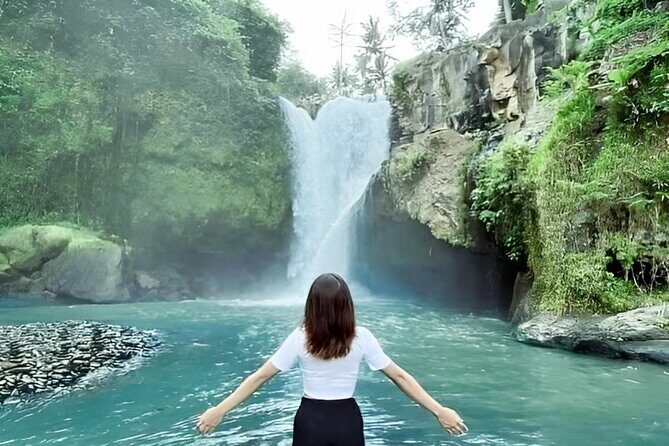
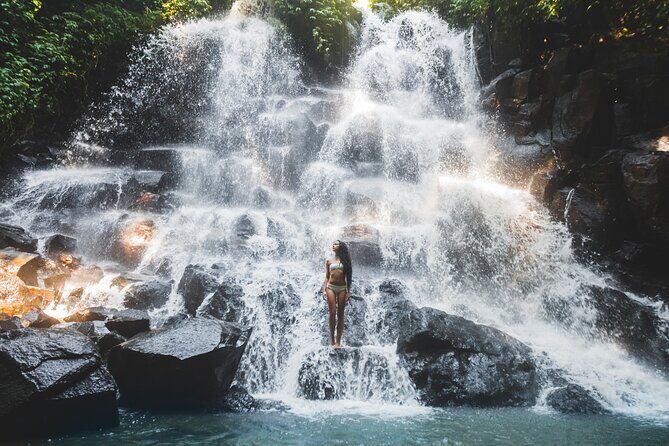
After the river, you’ll head to Tegenungan Waterfall, described as a beautiful green scenery waterfall on the Petanu River, south of Ubud. This is the “pause and look up” part of the day: you catch views, take photos, and reset your energy.

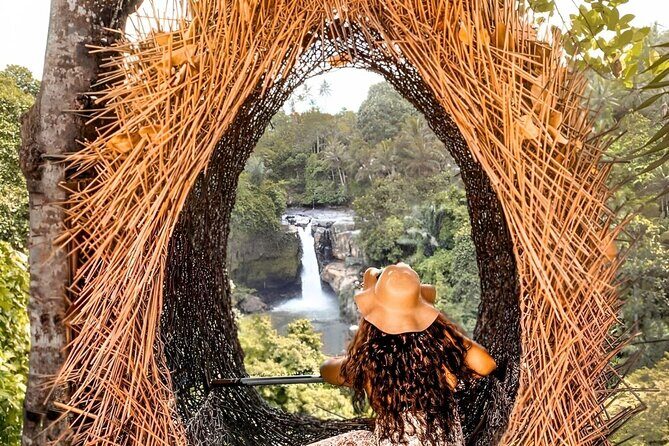
What I like about this stop is the added help for images. The tour includes a friendly professional guide who can help you capture good angles for social media. That doesn’t mean you’ll get perfect photos without trying—it just means you won’t be wandering around guessing where the best viewpoints are.

As with many popular waterfall spots in Bali, there’s also a physical side. Even though the waterfall itself isn’t described in terms of stairs in the tour info, the overall day clearly includes stair navigation at the rafting points. So keep your legs happy and don’t plan anything serious right after.

Expect the waterfall stop to be a concentrated photo and viewing window rather than a long hike. You’ll want to bring any smartphone “rain plan” you have for the day, but if you’ve already accepted that rafting means wet, this part should feel like a welcome breath.

Meals and water: why included food makes the adventure smoother

Bali ATV Rafting And Ubud Waterfall Private Tour - Meals and water: why included food makes the adventure smoother
You don’t need a breakfast box for this day. The tour description says breakfast, lunch, and water are included. That’s the kind of detail that can quietly improve your entire experience.

Here’s why it matters: when you do one activity at a time, food becomes an extra decision. With this combo, food is scheduled into the flow. You eat before you’re exhausted and before you’re too wet to be patient about finding a meal.

Lunch is described as an Indonesian meal at the end of the rafting (so you’re fueled exactly when you need it). Then you get back to movement with waterfall time, and a coffee or tea stop on a plantation is mentioned as part of the overall experience.

Even if you’re a picky eater, included meals generally reduce the chance you end up paying more than you planned or eating something that doesn’t sit well after physical activity. It’s a small cost-saver that adds up.

What to pack so you don’t spend the day uncomfortable

Bali ATV Rafting And Ubud Waterfall Private Tour - What to pack so you don’t spend the day uncomfortable
This is a “bring the right clothes” tour. You can’t avoid getting wet at least once, and you’ll likely be dealing with stairs and walking between stops.

My packing list for this kind of Bali combo would be:

  • A change of clothes (one set for after rafting)
  • A waterproof phone pouch or dry bag for your phone
  • Quick-dry sandals or shoes with grip (river mud is a real thing)
  • A towel you don’t mind using (or at least a small one)
  • Sunscreen and a hat (ATV rides tend to be exposed)
  • Cash or a card only if you know you’ll need it; otherwise, rely on included meals

One feedback note specifically wished the guide had mentioned extra clothes ahead of time. That’s the kind of note that tells me you should plan proactively, not wait for reminders.

Price and value: $63.87 for a private, multi-stop day

Bali ATV Rafting And Ubud Waterfall Private Tour - Price and value: $63.87 for a private, multi-stop day
At $63.87 per person, the value mostly comes from what’s bundled: you’re getting three main admission-style experiences (ATV, rafting, waterfall entry) plus meals and water, and you’re also getting private transfers.

If you priced this out separately—ATV, rafting, waterfall entrance, then transportation between each—your total would often climb quickly. The combo structure keeps costs under control while giving you the convenience of one plan and one driver.

Also consider the time efficiency. The tour runs about 8 hours, which is a real full-day commitment in Bali traffic. Paying for door-to-door pickup can easily save you time and coordination stress, especially if you’re staying in Seminyak and doing activities near Ubud areas.

The only “value hit” risk is if you don’t like wet activities or stairs. If you can’t handle drenched clothes or you’re uncomfortable with stair access to the river, then this tour’s packed schedule may feel less worth it for you—even at a good price.

Who this tour fits best (and who might want something else)

This combo makes sense if you want a high-energy day that checks off multiple Bali experiences in one go. It’s especially good for couples or small groups who like having their own driver and don’t want to manage details all day.

You’ll likely enjoy it if:

  • you like the idea of ATV + rafting in the same day
  • you’re comfortable getting wet and moving around afterward
  • you want guided help, not self-guided chaos

You might rethink it if:

  • stairs are a problem for you (the river access includes stair steps)
  • you’re very sensitive to getting drenched
  • you want a slow, relaxed sightseeing pace rather than an 8-hour activity run

Should you book Bali ATV and Ayung River rafting with Tegenungan Waterfall?

I’d book this tour if you want a full, practical adventure day with private transfers, included meals, and guided support that reduces the usual friction. The rafting setup on the Ayung River (Grade II–III) is a good match for people who want excitement without going full survival mode, and the ATV adds variety and Bali scenery right away.

I’d hesitate only if you have limited stamina for stairs or you absolutely hate the idea of being wet for hours. This is not a “dry and tidy” day.

If you do book, do yourself a favor: pack a change of clothes and plan for the wet factor early. Also, if ATV driving is important to you, clarify whether you’re getting tandem ATVs or a single ride setup.

FAQ

What’s included in the Bali ATV, rafting, and waterfall private tour?

The tour includes pickup, rafting with a guide and full safety equipment, the ATV experience, a visit to Tegenungan Waterfall with a guide, and access tickets. It also includes breakfast, lunch, and water.

How long is the tour?

The tour duration is about 8 hours.

Is pickup available from Seminyak?

Yes. Pickup is offered, and the tour is described as having private transfers direct from your door.

Is the rafting experience beginner-friendly?

The rafting is described as mellow Grade II–III on the Ayung River, with a professional guide and full safety equipment.

Does the tour include a waterfall visit?

Yes. You’ll visit Tegenungan Waterfall and have help from a professional guide for the viewing and photo moment.

What meal and drink options are provided?

The tour includes breakfast and lunch, plus water. Coffee or tea on a plantation is also mentioned as part of the experience.

What happens if the weather is bad?

The experience requires good weather. If it’s canceled due to poor weather, you’ll be offered a different date or a full refund.

Is the ATV ride tandem or single?

One reported setup described the ATV as tandem (one ATV ride for two people). The response also indicated a single ride option may be available depending on how you book.

What’s the cancellation window?

Free cancellation is available. You can cancel up to 24 hours in advance for a full refund. If you cancel less than 24 hours before, the amount paid isn’t refunded.
Tukad Cepung Besakih Lempuyang Temple Best of East Bali Tour

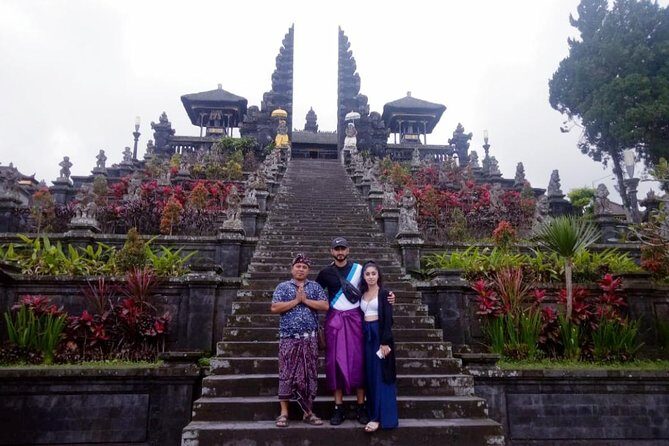
Tukad Cepung Besakih Lempuyang Temple Best of East Bali Tour - Besakih Temple (Pura Penataran Agung): Bali’s Mother Temple Energy

This is an East Bali day with serious wow power. It strings together waterfalls, temples, and views of Mount Agung in a format that’s easy to manage: an air-conditioned car, a guide doing the driving logistics, and stop times that let you enjoy each place instead of sprinting across Bali.

I especially like how the itinerary leans into the dramatic stuff you can’t easily DIY: Tukad Cepung’s cave waterfall and Lempuyang’s Gate of Heaven. And the guide support matters—people I noticed mentioning guides like Ketut, Jana, Nyoman, and Dee often talk about clear explanations, smooth pacing, and schedule tweaks when plans get messy. One thing to plan for: this is a long day with lots of steps, some wet walking, and waiting for the best photo spot at Lempuyang.

Key highlights worth your attention

  • Tukad Cepung Waterfall in a cave: you only really experience it when you go close (it’s not visible from far away)
  • Besakih Temple’s scale and importance: Bali’s main Hindu complex, with layers of shrines
  • Lunch with a Mount Agung–area view: buffet style at Lereng Agung near the volcano
  • Tirta Gangga’s royal-water vibe: palace history plus calming pools and the koi-garden feel
  • Lempuyang’s Gate of Heaven timing: a line system helps, but expect waiting and big-photo energy

How the Best of East Bali Loop Works for a 9-Hour Day

Tukad Cepung Besakih Lempuyang Temple Best of East Bali Tour - How the Best of East Bali Loop Works for a 9-Hour Day
This tour is designed around one simple goal: see East Bali’s most memorable icons without spending your energy on directions, ticket lines, or figuring out driver timing. Pickup is offered from lots of common bases (Seminyak, Kuta, Nusa Dua, Jimbaran, Canggu, Sanur, Ubud, Gianyar, and East Bali). You ride in a private air-conditioned car, and you get a professional English-speaking guide to keep the day organized.

At the same time, you should expect a reality check. Even if the estimate says about 7–8 hours including driving, the day still moves like a full loop. You’re hopping between sites that sit in different parts of the island, and roads can be narrow and windy. One smart move: pack like you’ll be walking, climbing, and occasionally getting splashed.

On top of that, guides seem to personalize the pace. In rain or schedule disruptions, Dee-style problem solving shows up: the itinerary can be adjusted so you still get a great day rather than forcing you into blocked areas.

Tukad Cepung Waterfall: The Cave Trick That Makes It Special

Tukad Cepung Besakih Lempuyang Temple Best of East Bali Tour - Tukad Cepung Waterfall: The Cave Trick That Makes It Special
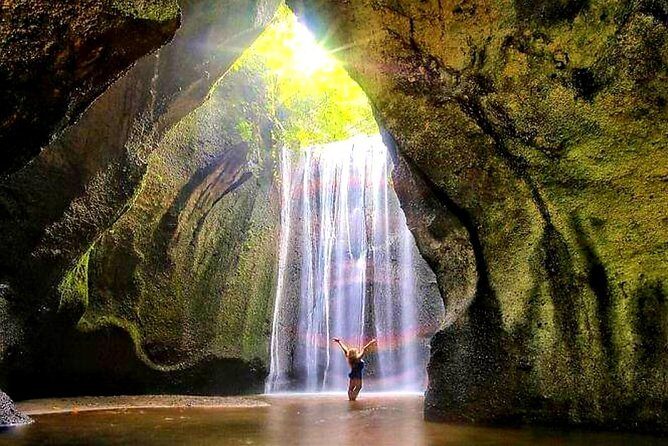
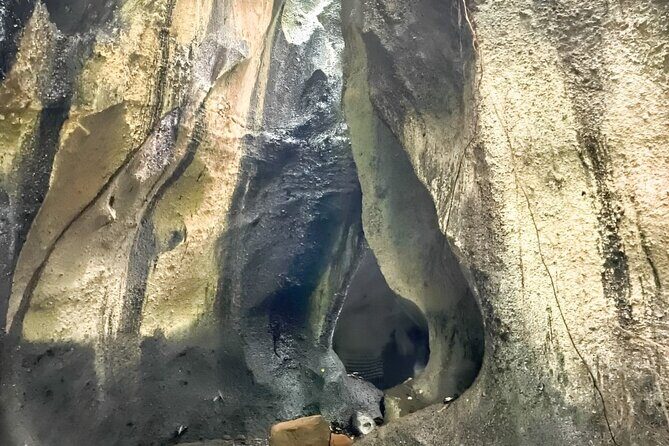
Tukad Cepung Waterfall is famous in Bali for a reason: it doesn’t look like much until you’re right there. The waterfall sits inside a cave, and you generally can’t see it from a distance. The first wow moment hits when you get close enough that the water becomes the focus—plus that cave setting changes the sound and the light.

This stop is also physical, in a very honest way. Plan for steep steps down and wading/walking through shallow water on stones to reach the viewing point. Wear shoes that can handle wet ground—hiking sandals or something with grip tends to be the safer bet. And yes, bring or expect to need something like a towel afterward; getting soaked is part of the experience.

The best timing is when you arrive earlier rather than later. People who went early described it as quieter and more peaceful, which makes the waterfall feel less like a highlight stop and more like a moment.

Main takeaway: Tukad Cepung is one of those places where the magic comes from getting a little dirty and going past the easy view. If you’re okay with wet steps, you’ll love it.

Besakih Temple (Pura Penataran Agung): Bali’s Mother Temple Energy

Tukad Cepung Besakih Lempuyang Temple Best of East Bali Tour - Besakih Temple (Pura Penataran Agung): Bali’s Mother Temple Energy
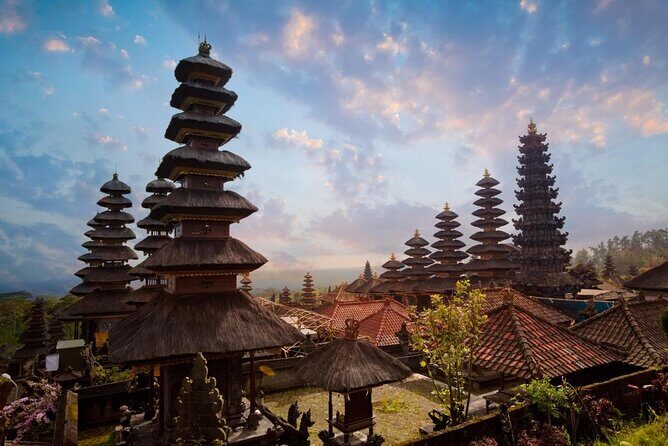
Besakih is Bali’s main Hindu place of worship, known as Pura Penataran Agung and tied to the island’s religious tradition going back centuries. It’s not one single shrine you rush through. It’s a complex—built up over time—so your visit feels more like moving through layers of sacred space than checking off a single photo spot.

This stop tends to work well with a guide. A good guide helps you understand what you’re seeing and how the site functions, especially when you’re walking around areas that feel busy. And the temple has a practical impact on your timing too: Besakih can involve local guide activity or crowd pressure in certain areas, which can change the vibe of your visit.

One balancing act to keep in mind: you’ll want enough time to appreciate the scale, but you don’t want to lose control of your schedule. The tour structure helps because your guide can keep the day moving after you’ve had time to absorb the complex.

Main takeaway: If you’re the kind of traveler who likes depth over quick snapshots, Besakih is a strong reason to choose an organized East Bali day.

Mount Agung Lunch at Lereng Agung: The Break That Actually Matters

Tukad Cepung Besakih Lempuyang Temple Best of East Bali Tour - Mount Agung Lunch at Lereng Agung: The Break That Actually Matters
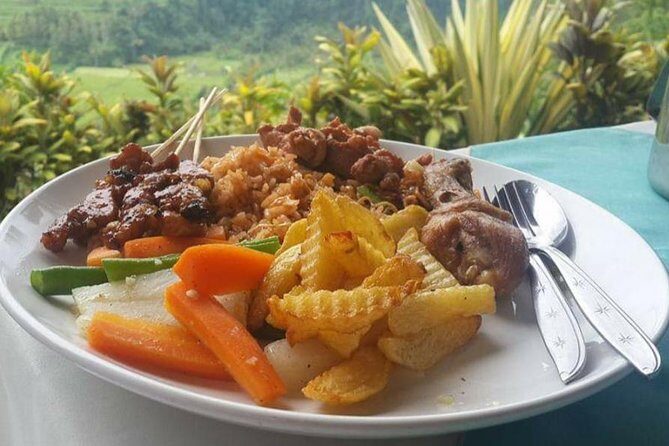
After temples, you get a lunch stop near Mount Agung: Lereng Agung, described as being at the bottom of Agung Volcano. The practical win here is a buffet meal with typical Indonesian options, plus a view that feels like a reset from the earlier walking.

This is also where heat and fatigue show up. A lunch break isn’t just food—it’s where you refuel before the next two temple-and-photo stops. If you’re not used to Bali’s sun, you’ll appreciate having this built in.

One thing to calibrate: lunch can feel a bit more tourist-friendly than you might expect. It’s still a solid stop for the price and the location, but if you’re hunting for the most local meal possible, you might prefer to treat lunch as fuel rather than a food experience.

Main takeaway: This lunch is more about timing and energy than food drama—exactly what you want mid-tour.

Tirta Gangga (Tirta Gangga Park): Royal Palace Calm and Koi Garden Atmosphere

Tukad Cepung Besakih Lempuyang Temple Best of East Bali Tour - Tirta Gangga (Tirta Gangga Park): Royal Palace Calm and Koi Garden Atmosphere
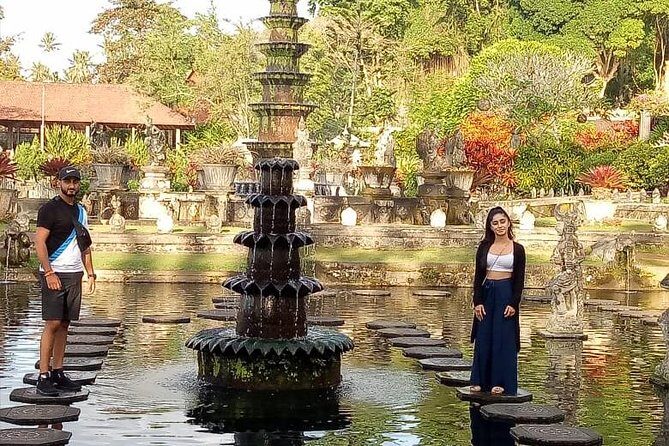
Next up is Tirta Gangga, described as a former royal palace in eastern Bali. It’s tied to the Karangasem royal family and was built in 1946 by Anak Agung Ketut Anglurah. The vibe here is quieter than temple complexes: more open space, water features, and the kind of strolling you can do slowly.

In practice, what most people latch onto is the beauty of the water setting—often talked about alongside the koi garden feel. This stop is a good counterbalance to the earlier cave waterfall and the later photo-focused gate trek.

Is it the absolute highlight for everyone? Not necessarily. Some people find it charming but less gripping than the waterfall or Gate of Heaven moment. Still, it’s a worthwhile stop if you want a calmer pace and something visually different from temple stone.

Main takeaway: Tirta Gangga is a nice breath in the middle of a busy day—and it’s easy to enjoy without rushing.

Lempuyang Temple and the Gate of Heaven: Waiting, Steps, and Photo Timing

Tukad Cepung Besakih Lempuyang Temple Best of East Bali Tour - Lempuyang Temple and the Gate of Heaven: Waiting, Steps, and Photo Timing
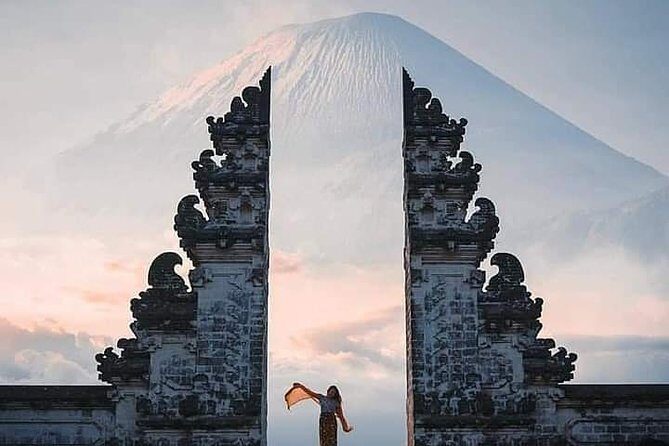
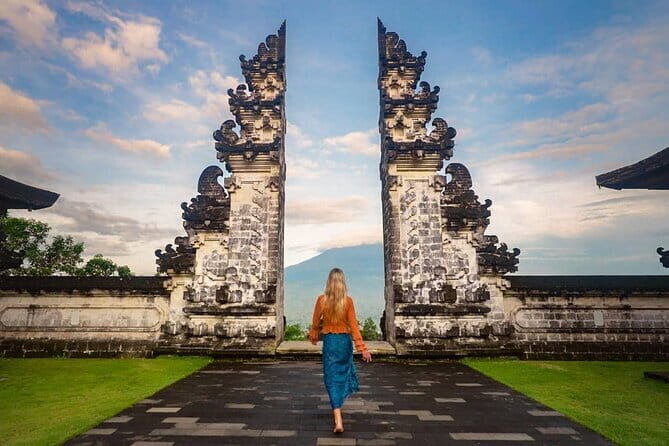
Lempuyang Temple is the reason many people book this entire East Bali route. It’s famous for the Gate of Heaven framing, where you look toward the big backdrop of Agung Volcano and across toward Selat Bali Ocean. The view from the gate is the big event—so your day ends with the kind of payoff that makes the earlier driving feel worth it.

But you need to accept the trade-offs. First: waiting. People describe the queue process as being more organized than you’d expect, including a number system and seating under a roof while you wait. Still, you’re not strolling into a quick photo—you’re waiting for your turn, and the wait can feel long depending on timing.

Second: getting to and around the temple area can be physical. One itinerary detail that came up for some visitors: a short moped ride without a helmet (or a steep walk) to reach temple areas. Since rules can vary by current local restrictions, treat this as a “be prepared” note. If you’re cautious about that ride, ask your guide what the safest option looks like that day.

Third: Lempuyang isn’t just the gate photo. People who stayed to explore said the trek through the temple grounds helped make it more than a single Instagram moment.

And in case you’re wondering: this stop often gets slotted to maximize timing. Some guides start earlier (even with sunrise-style photo priorities) to reduce waiting pressure. If your guide like Nyoman or Jana is running the day efficiently, you’ll feel it here.

Main takeaway: Lempuyang is worth it for the view, but only if you’re okay with waiting and handling some walking and steps.

Price and Logistics From Seminyak: Why This Is Such Good Value

Tukad Cepung Besakih Lempuyang Temple Best of East Bali Tour - Price and Logistics From Seminyak: Why This Is Such Good Value
The price listed for this tour is $43.34 per person, which is a big reason it sells. Here’s what you’re getting for that money, in plain terms:

  • Private air-conditioned transport and a guide handling the driving and timing
  • Entrance tickets covered via a premium all-inclusive tour voucher
  • Mineral water
  • Insurance
  • Pickup and drop-off offered across multiple popular Bali areas

Then there are the costs you might still pay:

  • Lunch is not included and is an additional personal expense (around $6 per person noted)
  • Depending on your choices, there may be additional entrance-ticket payments noted in the tour details (the listing mentions about $25 per person in certain cases)

So the value equation is pretty clear: for a full day, you’re paying less than many single-site tours, and most of your “work” is offloaded to the guide and driver. The biggest variable becomes the day’s physical demands and crowd realities at Lempuyang.

Also: watch for the “free, but voucher” kind of pricing. If everything is truly included on your voucher, great. If not, your guide should explain what you need to pay at the site.

Main takeaway: At this price point, you’re buying convenience plus major sites. The trade-off is that the day is busy, and you may still pay for lunch.

What It’s Like With Different Guides (and How That Changes Your Day)

Tukad Cepung Besakih Lempuyang Temple Best of East Bali Tour - What It’s Like With Different Guides (and How That Changes Your Day)
Even when the itinerary is the same, the guide can make or break the experience. The reviews tied to this tour name several guides, and the themes repeat.

  • Ketut is described as friendly, able to adjust the schedule, and helpful with advice
  • Nyoman is praised for explaining customs and finding a balance between guiding and giving space
  • Jana gets credit for knowledge of the area and an upbeat, engaging style
  • Dee is noted for adapting when heavy rains made bridges inaccessible
  • Kadek Sunetra is singled out for explanation and making the day enjoyable
  • Wayan is mentioned for good explanations at the temples

There’s also one cautionary note: English proficiency can vary by guide. The listing says the guide is English-speaking, and many experiences sound smooth, but if clear communication is a must for you, it’s worth choosing a time slot where you can request extra support in advance if the operator allows it.

Main takeaway: If you connect with your guide, this day flows. If you don’t, you can still see the sights, but you’ll miss some context.

Best Things to Bring (So You Don’t Hate Daylight)

Tukad Cepung Besakih Lempuyang Temple Best of East Bali Tour - Best Things to Bring (So You Don’t Hate Daylight)
This tour involves cave steps, wet stone walking, sun exposure, temple wandering, and some waiting for the gate photo. So pack like you’re going to be active.

Practical items that repeatedly make sense:

  • Hiking sandals or grippy footwear for Tukad Cepung’s stone-wading area
  • Flip-flops or an extra dry pair for after the waterfall
  • A camera (this day is built for photos)
  • Towel if you want to avoid a long, damp ride home
  • Nausea meds if you’re sensitive to winding roads and long drives (narrows and curves get mentioned)

Also, keep your expectations realistic: your lunch and drinks are separate from entrance ticket value, and you’ll likely want water and breaks at natural pauses.

Should You Book This Best of East Bali Tour?

If you want a single day that covers major East Bali icons—Tukad Cepung, Besakih, Mount Agung lunch views, Tirta Gangga, and Lempuyang—this is a strong option, especially at $43.34. I’d book it if you like temples, don’t mind walking stairs, and you’re excited for a dramatic waterfall-and-gate photo combo.

I would hesitate if you:

  • hate waiting for photos (Lempuyang involves line time)
  • get grumpy about wet footing and steep steps
  • need very high-confidence English from the first minute (it can vary by guide)
  • prefer a relaxed pace with fewer transfers

If you’re middle-of-the-road on activity and you want value plus structure, this tour is the kind of day that helps you see more of Bali without turning your trip into a navigation project.

FAQ

How long is the Tukad Cepung Besakih Lempuyang Best of East Bali Tour?

The duration is about 9 hours. The experience also notes an estimate of about 7–8 hours including travel time from your hotel.

Where does pickup and drop-off happen?

Pickup and drop-off are offered in areas including Ubud, Seminyak, Kuta, Nusa Dua, Jimbaran, Canggu, Sanur, Gianyar, and East Bali.

What attractions are included in the itinerary?

The tour includes Tukad Cepung Waterfall, Besakih Temple, a Mount Agung area lunch stop at Lereng Agung, Tirta Gangga Park, and Lempuyang Temple.

Is lunch included in the tour price?

Lunch is not included. It’s listed as an additional personal expense at a local restaurant, about $6.00 per person.

Are entrance tickets included?

Entrance tickets are included on the premium all-inclusive tour voucher. The tour also notes that special private guided-only pay entrance tickets if visiting all attraction, about $25 per person.

Does the tour provide an English-speaking guide and transportation?

Yes. You get private transportation in an air-conditioned vehicle and a professional English-speaking guide, plus mineral water and insurance.

What’s the cancellation policy?

Free cancellation is available up to 24 hours in advance for a full refund. If you cancel less than 24 hours before the start time, the amount paid is not refunded. The experience also requires good weather; if it’s canceled due to poor weather, you’ll be offered a different date or a full refund.
Private Tour: Bali UNESCO World Heritage Sites

Private Tour: Bali UNESCO World Heritage Sites - The Route Order Works: Temples Morning, Lakes Midday, Tanah Lot Sunset

One Bali day, six big highlights. This private route hits major cultural and scenic stops across the island, with pickup and admission tickets included so you can spend less time on logistics and more time looking up. One caution: it’s a long day, and weather can change the feel of the mountain-view stops.

The best part is the human one. Guides such as Adnyana, Angga, Gilang, Dew, and Dewa Putu are praised for punctual welcomes, clear explanations, and a calm, not-too-fast pace, even when the day runs long. patient pace is a big deal on a 10–12 hour itinerary.

Key Things That Make This Bali UNESCO Tour Worth Your Day

Private Tour: Bali UNESCO World Heritage Sites - Key Things That Make This Bali UNESCO Tour Worth Your Day

  • Pickup + included entry tickets keep the schedule smooth and the budget predictable.
  • A real mix of places: temple gardens, a photo gate, twin-lake viewpoints, rice terraces, and a sea sunset.
  • Multiple guide names show up repeatedly (Adnyana, Angga, Gilang, Dew, Wayan/Dewa Putu), with consistent praise for friendliness and patience.
  • Plenty of time at the big hitters like Ulun Danu Bratan, Jatiluwih rice terraces, and Tanah Lot (so you’re not just stopping for selfies).
  • Weather-ready mindset: if clouds or rain ruin a vista, you may still get something scenic instead (like a coffee-plantation style detour).

Price and Logistics: How $65 Stays Fair for a 10–12 Hour Route

Private Tour: Bali UNESCO World Heritage Sites - Price and Logistics: How $65 Stays Fair for a 10–12 Hour Route
At $65 for a private, full-day outing, the value comes from what’s bundled. You’re not just buying transport; the tour lists admission tickets included for every stop it calls out, and pickup is offered. That matters because Bali day trips can quietly get expensive once you add entrances.

You’re also paying for time. The schedule runs roughly 10 to 12 hours, starting early (7:00 am meeting time). That early start helps you hit morning temple time, then move toward the mountains and lake area, and finally land at Tanah Lot for late-afternoon light. It’s a lot of moving parts, but the pacing is the point: you spend the day at the sites, not in endless admin.

One practical tip: because it’s private, you avoid the classic group-trip headache of feeling squeezed. You can ask questions, linger where you care, and keep the same guide voice throughout the day instead of switching at each location.

The Route Order Works: Temples Morning, Lakes Midday, Tanah Lot Sunset

Private Tour: Bali UNESCO World Heritage Sites - The Route Order Works: Temples Morning, Lakes Midday, Tanah Lot Sunset
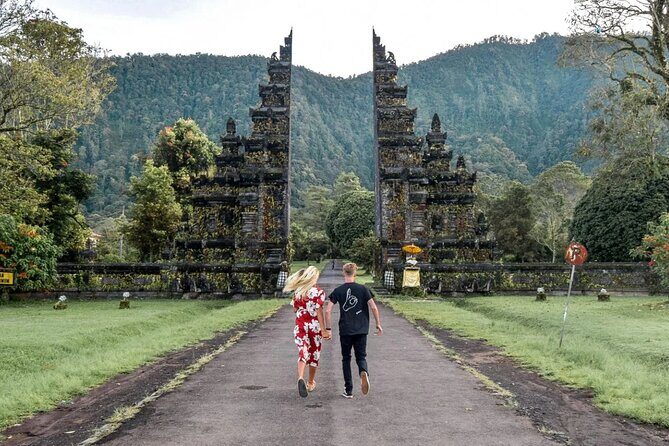
This itinerary is built like a “Bali greatest hits” checklist that also respects geography. You start with Taman Ayun in the morning, then swing to a famous photo gate at Handara, head up toward Wanagiri Hidden Hills for twin-lake views, and continue to Ulun Danu Bratan. After that, you move through Jatiluwih rice terraces and finish at Tanah Lot, timed for late day.

That flow is useful because Bali’s road time is real. If you tried to DIY this with separate taxi lines and ticket lines, it could turn into a “where did the day go” situation. Here, the transport and site stops are already stitched together into a single day plan.

Be ready for one thing: even when the tour keeps you moving, the day still feels long. You’ll likely be in the car on and off throughout the day, and you’ll want water, snacks, and the right kind of footwear (more on that later). If you’re coming off a late night, plan a calmer evening the day before.

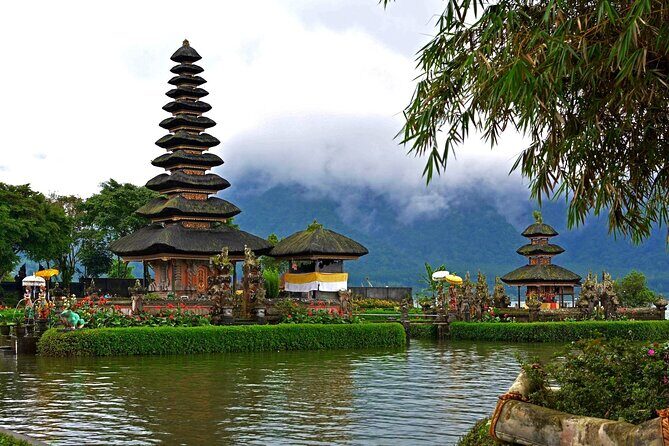
Taman Ayun Temple: A Calm Garden Temple Start That Sets the Mood

Private Tour: Bali UNESCO World Heritage Sites - Taman Ayun Temple: A Calm Garden Temple Start That Sets the Mood
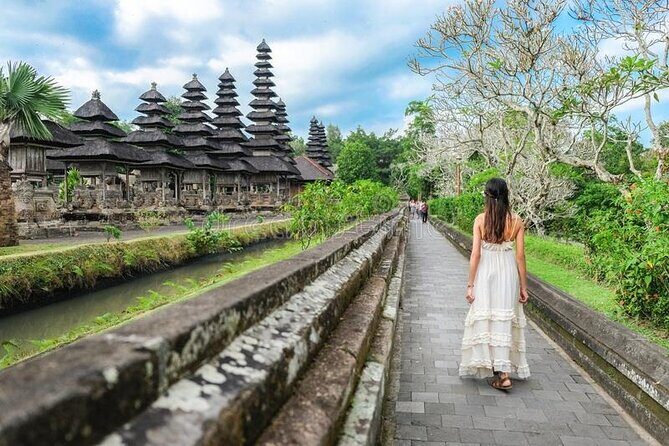
Taman Ayun is where the tour begins, with about 1 hour on-site and tickets included. This is a temple complex in a garden setting, so the experience starts slower than some other “grab and go” religious stops. You’re meant to walk, look, and absorb the Balinese architectural feel—layered structures, water features, and pathways that encourage a slow drift.

What I like about starting here is simple: it tunes you into the island’s style early. Instead of jumping straight to the “most photographed” locations, you start with a quieter cultural scene. It’s also a good spot to reset your body before the day starts climbing toward lakes and viewpoints.

Drawback? It’s not the place for rushing. If you’re the type who needs nonstop motion, you might find one hour a little too relaxed. But if you enjoy architecture and garden-temple atmosphere, it’s a smart first stop.

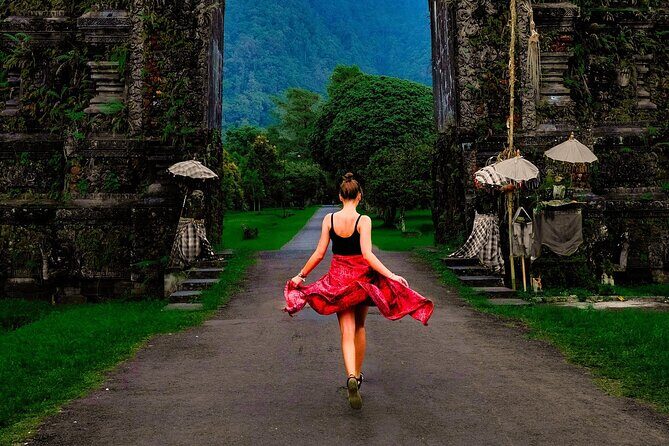
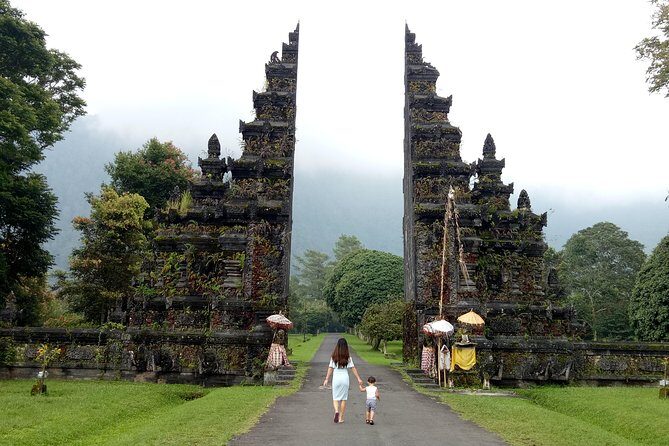
Handara Iconic Gate: Fast Photo Time With Mountain Backdrop Energy

Private Tour: Bali UNESCO World Heritage Sites - Handara Iconic Gate: Fast Photo Time With Mountain Backdrop Energy
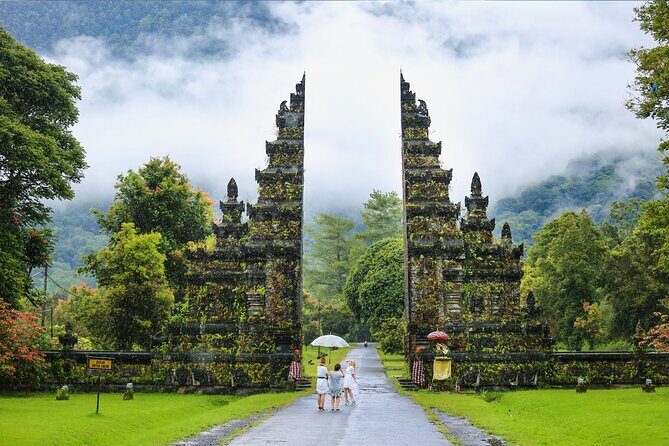
Handara Iconic Gate is short—about 30 minutes, and tickets are included. This is the stop people recognize instantly. You’re basically walking into a framed view with mountains and green surroundings behind it, built for photos.

The key is how you use the time. Don’t wait until the last minute to take your shots. Take one quick wide photo, then try a couple of angles, then give yourself 10 minutes to just stand and watch the light shift.

A consideration: weather can matter. Clouds and rain can soften the background and make the entire “gate + mountains” look less dramatic. In one described day, poor weather made the gate and nearby views less worthwhile, and the plan shifted to something else scenic instead (a coffee plantation style stop). So keep your expectations flexible here: the gate is the idea, but the weather decides the vibe.

Wanagiri Hidden Hills: Twin Lakes Views That Feel Worth the Climb

Private Tour: Bali UNESCO World Heritage Sites - Wanagiri Hidden Hills: Twin Lakes Views That Feel Worth the Climb
Wanagiri Hidden Hills gets about 45 minutes. This is a viewpoint stop where you’re up high, with panoramic views of Bali’s twin lakes, Buyan and Tamblingan. Expect mountain air, open views, and the kind of horizon you can stare at while your brain finally slows down.

This is also the stop where your day’s weather shows its hand the most. If skies clear, you’ll likely enjoy the stillness and the wide framing of the lake shapes. If it’s cloudy or rainy, the view can become hazy. The tour seems to handle this situation with flexibility, since at least one day included a switch away from the least rewarding parts of the route when weather didn’t cooperate.

How to make the most of it: bring a jacket if you tend to get cold easily at viewpoints, and keep your phone/camera ready. The best moment can be brief when clouds shift.

Ulun Danu Bratan Temple: A Lake-Edge Temple You’ll Want to Sit With

Private Tour: Bali UNESCO World Heritage Sites - Ulun Danu Bratan Temple: A Lake-Edge Temple You’ll Want to Sit With
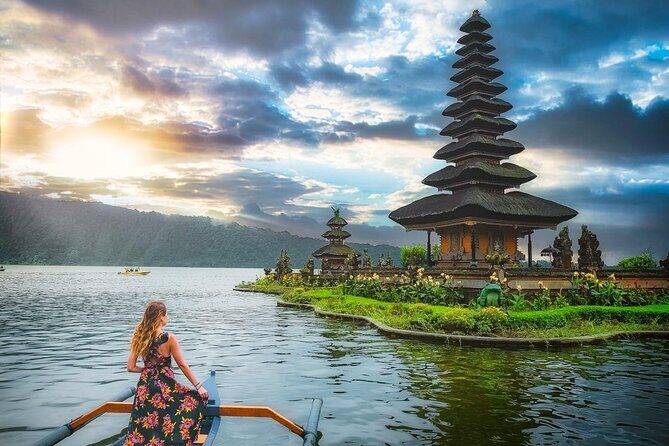
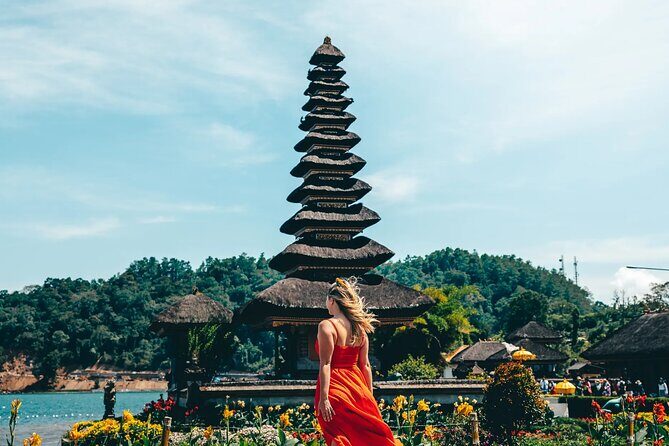
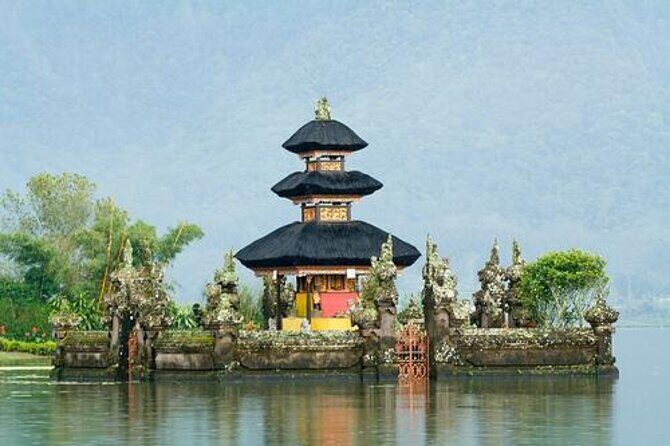
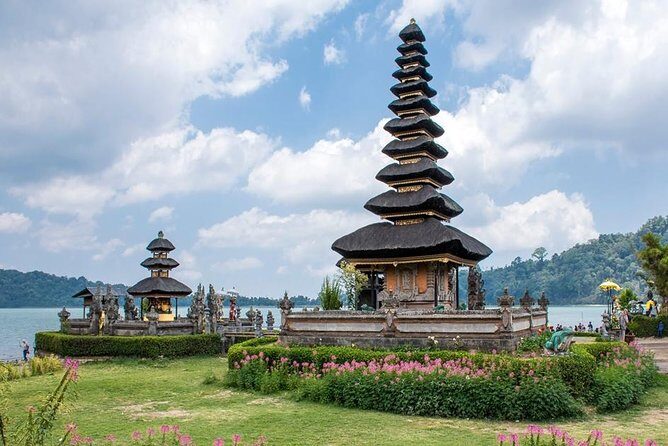
Ulun Danu Bratan Temple takes about 1 hour, and tickets are included. This is a water temple on the shores of Lake Bratan, and the experience leans toward tranquility rather than action. The architecture fits the setting, and the lake gives the place a natural framing.

One of the practical advantages of this stop is the time. One hour isn’t just enough to take photos; it gives you room to walk the grounds, watch the water, and actually understand why people slow down here.

Potential drawback: it’s still a temple stop, so plan for modest walking and basic dress expectations. Also, if the wind is strong near the lake, it can make the air feel cooler than you expect. A light layer helps.

Jatiluwih Rice Terraces: Walk the Farming System, Not Just the View

Private Tour: Bali UNESCO World Heritage Sites - Jatiluwih Rice Terraces: Walk the Farming System, Not Just the View
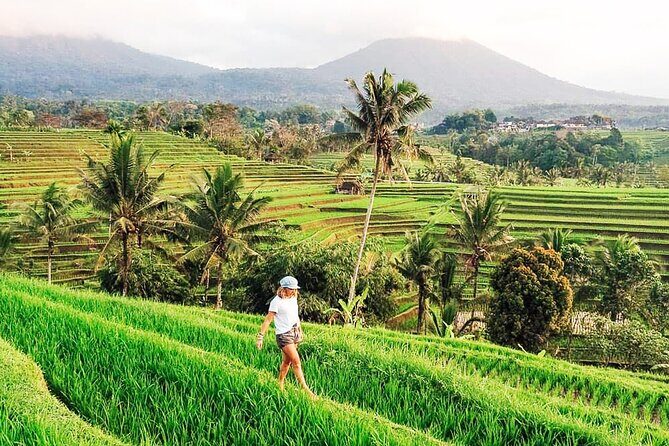
Jatiluwih Rice Terraces is about 1 hour, with admission included. This is where the tour shifts from “sightseeing stops” to “working landscape.” You’ll walk narrow pathways through terraced paddies, seeing how water management supports rice farming.

The reason this stop matters is that it turns a pretty view into a story about how people live with the land. You’re not just looking at steps of green. You’re seeing the system that keeps the terraces going—how irrigation and farming patterns connect.

One note from a real experience: sometimes you don’t go super close to every edge because of safety considerations. That’s normal. The goal is to let you see and walk without taking risks on slippery or steep spots.

What to wear: shoes with solid grip and socks you don’t mind getting dusty. These paths can be uneven. If it rained earlier, go with the shoe you trust most.

Tanah Lot Temple at Golden Hour: Sea Temple Drama for the Late Day

Private Tour: Bali UNESCO World Heritage Sites - Tanah Lot Temple at Golden Hour: Sea Temple Drama for the Late Day
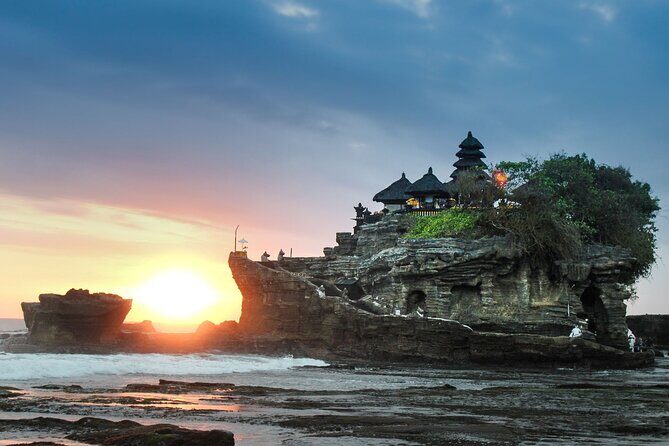
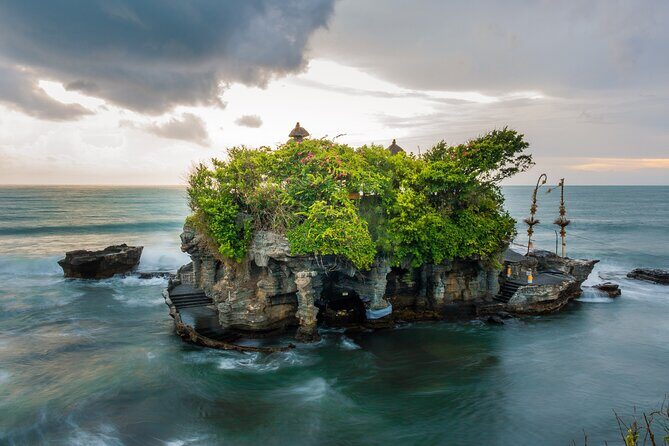
Tanah Lot Temple is the final major stop, with about 1 hour 30 minutes, and tickets included. This is a sea temple perched on a rocky outcrop along Bali’s southwestern coast. The timing is a big part of the magic: you arrive late afternoon for sunset light, so the temple and rocks catch warm color as the day goes down.

This stop is often the “wow” ending because it mixes culture with dramatic coastline scenery. You get a sense of the temple’s relationship to the sea—less “quiet garden,” more “ceremony at the edge of the water.”

A consideration: sunset light is sometimes unpredictable. If clouds roll in, it can still be beautiful, but you might not get the full golden-hour payoff. If weather shifts earlier in the day, don’t assume Tanah Lot will always look exactly like the postcard version. Still, the setting itself is impressive even without perfect skies.

Guides Make It Feel Private, Not Just Rent-a-Car

Even though it’s a private tour, the guide is the difference between a checklist and a day that feels like it has meaning. In the experiences shared, guides like Adnyana, Angga, Gilang, Dew, and Dewa Putu/Wayan are repeatedly described as punctual, kind, and patient—someone who can explain what you’re seeing without cutting you off.

You’ll notice it at the small moments:

  • When someone points out what to look for at each temple
  • When your questions get real answers, not a one-sentence shrug
  • When the group timing works because the guide keeps everyone comfortable and unhurried

One practical advantage: English quality gets mentioned in at least one account, so if you care about understanding the why behind the temples and terraces, you’re more likely to get it with the right guide.

What You Should Bring and How to Dress for This Temple + Terrace Day

This itinerary mixes temples, photo stops, viewpoint walking, rice terraces, and a sea sunset. That means your outfit should do more than look cute.

Bring:

  • A light layer (viewpoints and lake areas can feel cooler)
  • Shoes with grip for walking paths at Jatiluwih
  • A small towel or wipes if you get sweaty or muddy on the terrace paths
  • Water and a snack if you’re the kind of person who gets hungry between long drives

Dress basics:

  • You’ll be entering religious sites, so plan for respectful clothing that covers appropriately.
  • Have a plan for rain: a compact poncho or waterproof jacket can save the day if clouds roll in at Handara or Wanagiri.

If you get rain, here’s the mindset that works: treat it as a different visual style, and be open to schedule adjustments. One described day turned a weather problem into a different stop (a coffee plantation style visit), which can still be enjoyable if you go with the flow.

Who Should Book This Private Bali UNESCO World Heritage Sites Tour

This tour fits you best if you want:

  • A single-day plan that ties together multiple Bali icons without constant decision-making
  • A mix of religious sites and farming-focused places
  • A private experience where your time isn’t shared with strangers
  • Included entry tickets that reduce surprise costs

It’s also a strong option if you’re the type who likes asking questions and getting local context, because the guide component shows up clearly in the praise for this route.

Who might reconsider?

  • If you hate long days and prefer slow travel with lots of downtime, the 10–12 hour rhythm can feel like a sprint even when it’s unhurried at the sites.
  • If you only care about one specific area (say, only rice terraces or only temples), you might feel pulled in too many directions.

Should You Book It?

I’d book this private Bali UNESCO World Heritage Sites tour if you want an efficient, well-timed day that combines temples, rice terraces, lake views, and a sea sunset with admission tickets already handled. The biggest strength is the structure: pickup, included tickets, and site-by-site timing that makes sense geographically.

Skip or reconsider if you’re extremely weather-sensitive or you’re traveling with a group that needs lots of downtime between stops. In Bali, weather changes plans, and this route hits multiple outdoor viewpoints—so flexibility is part of the deal.

If you’re ready for a full day and you like seeing a lot of Bali without doing the hard planning yourself, this is the kind of tour that can leave you with photos, stories, and a clearer sense of how the island works.

FAQ

What time does the tour start?

The meeting time is listed as 7:00 am.

How long is the tour?

The duration is 10 to 12 hours (approx.).

Is pickup included?

Yes, pickup is offered.

Are admission tickets included?

Yes. The tour notes admission ticket included for each listed stop.

Is this tour private?

Yes. It’s a private tour/activity, meaning only your group participates.

What’s the cancellation policy?

You can cancel for a full refund if you cancel up to 24 hours in advance of the experience start time. If you cancel less than 24 hours before, the amount paid is not refunded.

Half-Day Tour: Uluwatu Temple and Kecak Fire Dance Show

Half-Day Tour: Uluwatu Temple and Kecak Fire Dance Show - Padang Padang Beach: A Movie-Spot Stop With Real Time to Chill

Sunset at Uluwatu hits different. This half-day private outing lines up Uluwatu Temple and the Kecak Fire Dance into one tight, beautiful route, so you’re not stuck guessing timing. You’ll get to roam the cliff temple area and catch the performance when the ocean light turns dramatic.

I especially like the way it mixes scenery and culture without dragging. Entrance fees and the Kecak ticket are part of the price, and the tour stays private for just your group. In about six hours, you’ll also get a stop at Padang Padang Beach before the show.

One real consideration: monkeys and heat at the temple area. Keep your phone and sunglasses secured, and don’t assume the cute ones will stay polite.

Key things I’d build your plan around

Half-Day Tour: Uluwatu Temple and Kecak Fire Dance Show - Key things I’d build your plan around

  • Sunset timing at Uluwatu for the best viewing mood
  • Padang Padang Beach as a legit break before the temple
  • Kecak Fire Dance included with reserved show access
  • Private, air-conditioned transfers that reduce stress
  • Monkey-smart rules that your guide helps you follow
  • Story support for the dance so you’re not lost in the action

Why Uluwatu Temple at Sunset Is the Whole Point

Half-Day Tour: Uluwatu Temple and Kecak Fire Dance Show - Why Uluwatu Temple at Sunset Is the Whole Point
Uluwatu Temple sits on Bali’s south coast cliffs, facing the Indian Ocean. That cliff setting matters because the light changes fast at sunset, and the temple looks different minute to minute. The timing is built so you’re there when the view feels most cinematic, without turning it into a late-night ordeal.

This tour also protects your afternoon from the usual Bali chaos. Instead of hopping around and figuring out transport on your own, you’re moved by air-conditioned vehicle with a driver handling the logistics. That means you can focus on the experience: short walks, good angles, and the performance that follows.

The other thing I like is the pace. You get a decent chunk of time at the temple so you can wander and not feel rushed into one photo and out. Then you settle in for the Kecak show, which is the cultural “payoff” of the evening.

Padang Padang Beach: A Movie-Spot Stop With Real Time to Chill

Half-Day Tour: Uluwatu Temple and Kecak Fire Dance Show - Padang Padang Beach: A Movie-Spot Stop With Real Time to Chill
Padang Padang Beach is one of Bali’s most famous little beach scenes, boosted by pop-culture fame from Eat Pray Love. It’s the kind of spot where you’ll see people relaxing, posing, and dipping into the water if conditions feel right. This stop is about a one-hour window with admission included, so it’s long enough to reset your energy.

Here’s the practical angle: it’s a good buffer before Uluwatu. After pickup and driving, having a beach stop helps you “arrive” instead of going straight into stairs, crowds, and show seats. You can use that time for a quick swim, grab water, or just sit and let the day cool off a bit.

The trade-off is that it’s popular. You’re not going to feel like you discovered a private paradise. If you want quiet, go for a slower wander early in your hour there and keep your expectations realistic about crowds.

Uluwatu Temple: Cliff Views, Ritual Space, and Monkey-Safe Habits

Half-Day Tour: Uluwatu Temple and Kecak Fire Dance Show - Uluwatu Temple: Cliff Views, Ritual Space, and Monkey-Safe Habits
Uluwatu Temple is a working sacred Hindu temple set right on the cliff edge. You’ll spend about two hours in the area, and that’s a sweet amount of time: enough to walk around, notice details, and still make it to the show without stress. The views over the ocean are the obvious draw, but the temple setting gives it an extra layer beyond a simple viewpoint.

Now, the big thing you need to plan for: monkeys. The temple area is known for them, and the reviews are consistent—sometimes they’re just around, and sometimes they act bold. One family had an incident where a monkey tried to take sandals from a child and a scratch happened. On the other end of the spectrum, many people just describe playful chaos like snatching items.

So here’s what you should do, no drama:

  • Keep phones and sunglasses secured in a zipped bag or pocket that closes.
  • Hold onto hats and anything that looks easy to grab.
  • Be careful with sandals and bags near temple paths.

A good guide helps a lot here. In the feedback, guides such as Berata, Gusde, Krisda, Putra, Wedana, Vicky, and Jeff are repeatedly praised for steering people correctly around the monkey zones. You don’t have to become paranoid, but you do want a plan.

Also remember Bali sunset sun can feel intense. Even when the sky looks calm, the heat at the temple area can be real. Wear breathable clothes, bring water (you’ll have bottled water on the tour), and take shade when you can.

Kecak Fire Dance at Uluwatu: What You’re Seeing and Why It Works

Half-Day Tour: Uluwatu Temple and Kecak Fire Dance Show - Kecak Fire Dance at Uluwatu: What You’re Seeing and Why It Works
The Kecak Fire Dance at Uluwatu is staged right against the temple cliff backdrop. The show is based on the Ramayana story, specifically Prince Rama’s quest to rescue Princess Sita from the demon king Ravana. You don’t need to be a mythology expert to enjoy it—the performance is designed to pull you in with rhythm, vocal chanting, and fire elements.

A helpful detail: people mention receiving a paper explaining the story, and using it to fan themselves when things get warm. That little practical touch makes a difference because it gives you something to follow while the action moves fast.

The show itself happens in a large seating area. One review notes how many people can fit in the theater, and that the costumes are colorful and striking. If you’ve only seen Kecak in one setting before, this Uluwatu version still feels special because of the cliffside atmosphere and the way the ocean backdrop frames the performance.

If you’re hoping for a quiet cultural moment, adjust your mindset. This is an event. There will be motion, noise, and lots of people shifting seats. The upside: when it starts, it becomes a unified focus for everyone around you.

The Tour Flow: How the Timing Keeps It From Feeling Like a Marathon

Half-Day Tour: Uluwatu Temple and Kecak Fire Dance Show - The Tour Flow: How the Timing Keeps It From Feeling Like a Marathon
This is built as a half-day block—about six hours total—with a clear order: beach break, temple time, then the show. Stop durations are roughly:

  • Padang Padang Beach: about 1 hour
  • Uluwatu Temple: about 2 hours
  • Kecak Fire Dance: about 1 hour

That structure matters because sunset timing is unforgiving. If you arrive late, you miss the best light at the temple and you don’t get the relaxed cushion time before seating. This tour reduces that risk by planning your arrival and transitions around the show schedule.

It’s also a private tour, meaning only your group participates. That’s a big deal for comfort. You can move at your pace, ask questions, and don’t get squeezed into a mixed crowd itinerary with people constantly coming and going.

Most reviews point to stress-free value, and the driver experience seems to be the secret sauce. People repeatedly mention guides being prompt, friendly, and helpful with local rules—especially around monkeys. Some also note the benefit of shortcuts to help avoid heavy traffic, which is a real win in Bali.

Price and Value: Why $43 Can Actually Feel Fair

Half-Day Tour: Uluwatu Temple and Kecak Fire Dance Show - Price and Value: Why $43 Can Actually Feel Fair
At $43 per person, this tour is positioned as a “pay once, show up” experience. What makes it good value isn’t just the price—it’s what’s included.

You get:

  • Air-conditioned transport and private transportation
  • Bottled water
  • All fees and taxes
  • All entrance fees
  • Ticket to Kecak Dance

That means you’re not doing that annoying math later: What did I still need to pay? Entrance fees and the show ticket are usually the biggest unknowns when you piece things together yourself. Here, those costs are folded in, which reduces friction.

There’s also a practical bonus: your day stays simpler. You’re not hunting for ticket lines, coordinating multiple payments, or worrying about whether you’ll get the right time slot. If you just want the best-of-Uluwatu experience without extra planning, this pricing model supports that goal.

You will have some personal expenses, and the overview suggests a beachfront dinner in Jimbaran Bay afterward with that part not included. Think of the tour price as covering transport + the core sights + the show, not turning into an all-you-pay meal-and-shopping package.

What to Bring (So You Don’t Spend the Whole Day Worried)

Half-Day Tour: Uluwatu Temple and Kecak Fire Dance Show - What to Bring (So You Don’t Spend the Whole Day Worried)
I’d pack for the combo of beach time, cliff temple walks, and sitting through a show in warm weather. You’ll have bottled water, but you still need to stay comfortable.

Bring:

  • A small bag that closes (monkey-proofing is the theme)
  • Sunscreen and sunglasses you can keep safe
  • Light layers for cooling down if the sea breeze hits
  • Comfortable shoes for temple paths

If you’re sensitive to heat, plan to take short breaks while you’re walking the temple area. The tour gives you time, so use it.

If you’re traveling with kids, this is where monkey awareness matters most. Some families loved the day—especially the Kecak show—but incidents can happen. So treat temple areas like a place where you keep a constant hand on the important stuff.

Who This Tour Is Best For (and Who Might Want Something Else)

Half-Day Tour: Uluwatu Temple and Kecak Fire Dance Show - Who This Tour Is Best For (and Who Might Want Something Else)
This tour fits best if you want a high-impact Bali afternoon. You get major icons close together: a famous beach, a cliff temple, and one of the most recognizable performances on the island.

It’s also a solid choice for:

  • First-timers who want an efficient route from Ubud
  • Couples who want sunset views without long planning
  • Families who want a structured, guided day
  • Solo travelers who prefer not to handle transport and ticket logistics

If you hate crowds, you might not love the show or the most famous beach stop. This is a popular region and the event draws a lot of attention. The difference here is that the tour keeps your transitions smooth, so the crowd factor doesn’t become pure frustration.

If you have mobility limits, this tour notes a moderate physical fitness level. The temple area involves walking and stairs, so if that’s a concern, it’s worth thinking carefully before you go.

Should You Book This Uluwatu Temple and Kecak Tour?

If your goal is to see Uluwatu Temple at sunset and catch the Kecak Fire Dance without messing around with logistics, I’d say book it. The value is strong because entrance fees and the show ticket are included, and the private pickup/transfer setup keeps the day calm.

I’d especially recommend it if you like structured time windows and want someone to handle the hard parts like traffic and timing. The reviews strongly highlight smooth guidance—people name drivers like Berata, Gusde, Krisda, Putra, Wedana, Manick, Dekwi, Vicky, Yudi, and Jeff as friendly and helpful with local rules.

Just go in with monkey-smart expectations and keep your valuables protected. If you do that, this becomes a memorable afternoon: cliff temple views, an unforgettable group performance, and a beach reset in between.

FAQ

What is the starting location for this tour?

The tour is in Bali with the pickup area described as Ubud, Indonesia.

How long does the tour take?

The duration is listed as about 6 hours.

How much does the tour cost?

The price is $43.00 per person.

Is this a private tour?

Yes. It’s private, so only your group participates.

What stops are included in the itinerary?

The tour includes Padang Padang Beach, Uluwatu Temple, and the Kecak and Fire Dance show.

Are entrance fees and the Kecak ticket included?

Yes. All entrance fees are included, and the ticket to the Kecak Dance is included.

What is not included in the price?

Personal expenses are not included. The beachfront dinner at Jimbaran Bay after the tour is also listed as an own expense.

Do I get a mobile ticket?

Yes. A mobile ticket is included.

Is any physical fitness level required?

The tour notes a moderate physical fitness level.

What is the cancellation policy for a full refund?

Cancellation is free up to 24 hours in advance of the experience for a full refund. If you cancel less than 24 hours before, no refund is given.

Bali Tour : Tegenungan – Tukad Cepung – Kanto Lampo – Tibumana Waterfall

Bali Tour : Tegenungan - Tukad Cepung - Kanto Lampo - Tibumana Waterfall - Door-to-Door Transport, Wi‑Fi, and a Driver Who Sets the Pace

One good day can beat weeks of bouncing around. This private Bali waterfall circuit strings together four of the area’s most photographed falls, with a driver/guide who helps you move safely and efficiently.

What I like most is the combo of door-to-door transfers and a relaxed, flexible feel at each stop. You also get onboard free Wi‑Fi, which is genuinely handy when you want to share photos on the move without hunting for signal.

One thing to keep in mind: this kind of circuit depends on the day’s conditions. The route also needs good weather, and if you’re picky about exact stops (especially Tegenungan), it’s smart to confirm the plan with your driver at the start.

Key highlights worth caring about

Bali Tour : Tegenungan - Tukad Cepung - Kanto Lampo - Tibumana Waterfall - Key highlights worth caring about

  • Four waterfalls in one outing so you’re not spending half your day in traffic
  • Free Wi‑Fi in the car to post and share as you go
  • English-speaking driver/guide who can handle timing and photos
  • Private door-to-door service in an air-conditioned car (no self-driving stress)
  • Entrance tickets are optional if you choose the upgrade
  • About 8–10 hours total, with roughly an hour at each waterfall

Why This Ubud Waterfall Route Makes Sense

Bali Tour : Tegenungan - Tukad Cepung - Kanto Lampo - Tibumana Waterfall - Why This Ubud Waterfall Route Makes Sense
If you’re basing yourself around Kuta but want the Ubud waterfall classics, this is an efficient way to do it. You get a full day that’s built around four separate sites, and the main benefit is simple: you’re not stitching together rides, parking, and directions between stops.

I also like how the four waterfalls feel different from each other. You go from a cliff-and-cave style approach (Tukad Cepung) to a more classic “lowland flow” look (Kanto Lampo), then to a twin-waterfall vibe (Tibumana), and finally to Tegenungan’s bigger, more energetic scene. That variety makes the long day feel worth it instead of repetitive.

The tour is priced as a budget-friendly group-style activity, but the experience is private for your group. That’s the best match for couples, friends, and small families who want control without the hassle of driving.

Door-to-Door Transport, Wi‑Fi, and a Driver Who Sets the Pace

Bali Tour : Tegenungan - Tukad Cepung - Kanto Lampo - Tibumana Waterfall - Door-to-Door Transport, Wi‑Fi, and a Driver Who Sets the Pace
The logistics are half the battle in Bali. This tour includes a private, comfortable air-conditioned car and pickup/round-trip transfers from hotels in Ubud and much of south Bali. Instead of wrestling with routes and signage, you’re handed the wheel of planning.

A big practical win: the driver/guide speaks English and gives you personalized insights as you go. The goal isn’t a lecture. It’s help with timing, where to stand for photos, and how to handle each waterfall’s terrain safely.

Then there’s the onboard free Wi‑Fi. It’s not “nice to have” in a touristy way—it’s useful. You can share photos immediately, and you can message friends or coordinate plans without paying roaming charges or relying on sketchy data.

One more small but real comfort factor: bottled mineral water is included. When your day involves wet spots, sun, and a few stairs or uneven ground, that matters more than you’d think.

Stop 1: Tukad Cepung and Its Cliff-Cave Waterfall Feel

Tukad Cepung is the one that surprises people the first time they see it. The waterfall sits in an area surrounded by huge rock cliffs, and getting there means slipping between cliffs that can feel like a natural corridor before you reach the falls.

That “almost cave” approach is the point. It changes how the whole scene looks. Instead of wide-open waterfall views, you get more framing, more contrast, and that signature “light effects” reputation this place has.

What to watch for (and how you’ll enjoy it more):

  • The path can involve narrow, uneven sections. Wear shoes with grip rather than flimsy flip-flops.
  • Go slower near the cliff passage. It’s easy to rush when you’re excited for photos.
  • Bring a quick camera plan: you’ll want pictures from a few different angles, but give yourself time to step back and look before shooting.

Expect about an hour here. Even though the schedule is structured, the pace is often flexible enough to let you linger if conditions are good and you’re not holding up the group.

Stop 2: Kanto Lampo’s Natural Drop from the Lowlands

Bali Tour : Tegenungan - Tukad Cepung - Kanto Lampo - Tibumana Waterfall - Stop 2: Kanto Lampo’s Natural Drop from the Lowlands
Kanto Lampo gives you a different waterfall mood. This one is described as a natural formation, and the standout detail is that it comes from the lowlands—not the typical highland hill-and-forest drip you might expect elsewhere.

Visually, that tends to translate into a more “immediately present” waterfall feel. You’re not always looking up at an enormous vertical drop; you’re more focused on the scene around the fall, the rock textures, and the way water moves through the area.

How to make this stop work for you:

  • If you care about photos, plan for a few minutes of searching for the best angle instead of snapping from the first spot you reach.
  • If you’re here mainly to swim, know that not every waterfall area is equally swim-friendly. Tegenungan is specifically known for swimming, so treat Kanto Lampo more as a viewpoint/waterfall moment.

Expect about an hour. It’s enough time to see it properly, take photos, and move on without feeling rushed.

Stop 3: Tibumana’s Twin Waterfall Look (And When It Changes)

Bali Tour : Tegenungan - Tukad Cepung - Kanto Lampo - Tibumana Waterfall - Stop 3: Tibumana’s Twin Waterfall Look (And When It Changes)
Tibumana is where the tour gets visually interesting. The waterfall is known for its twin look—two side-by-side falls that create a “twin waterfall” effect.

Here’s the nuance that matters: when the river flow above is small, then you might see only one main flow. So the experience can shift depending on water conditions.

That’s not a downside. It’s part of what keeps Tibumana feeling alive instead of like a static postcard. If your goal is the classic twin look, arrive with the expectation that nature can adjust the show.

Practical advice for enjoyment:

  • Don’t just aim for one “perfect” photo. Take a minute to look around and see how the water is behaving that day.
  • If you’re traveling in rainy-season conditions, expect the area to feel slick. Wear grippy footwear.

Like the others, you’ll have about an hour here, which is long enough to soak up the view and still keep the day moving.

Stop 4: Tegenungan Waterfall for Photos, Swimming, and Big Water Energy

Bali Tour : Tegenungan - Tukad Cepung - Kanto Lampo - Tibumana Waterfall - Stop 4: Tegenungan Waterfall for Photos, Swimming, and Big Water Energy
Tegenungan is the headline-style waterfall on this route. It’s roughly 25 meters tall and has heavy water, which is exactly why it’s so popular for pictures—and for swimming too.

This is also the stop where you feel the crowd energy more than at some of the more tucked-away falls. If you’re the type who likes people-watching and lively atmosphere, Tegenungan can deliver. If you prefer quiet nature moments, you may want to spend your time at the best viewpoints and avoid hovering in the busiest areas for too long.

To get the most out of Tegenungan:

  • Bring swimwear if that’s your plan. The tour description specifically calls out swimming as a popular activity here.
  • Bring a towel or quick-dry option if you can—between the water and the car ride, you’ll appreciate it.
  • If photos are your focus, plan to arrive ready to reposition. The falls are photogenic, but you’ll get better results from a couple different spots.

This stop, too, typically fits into about an hour. In practice, the pacing can feel unhurried because the driver can let you spend time as you want.

What to Bring for a Smooth Wet Day

Bali Tour : Tegenungan - Tukad Cepung - Kanto Lampo - Tibumana Waterfall - What to Bring for a Smooth Wet Day
This is a waterfall day, so your “packing list” should be simple and practical. The tour includes bottled water and Wi‑Fi, but it won’t provide swim or comfort items.

I recommend:

  • Grippy shoes (or water-friendly sandals with good traction)
  • Swimwear if you want to try Tegenungan
  • A small towel or quick-dry cloth
  • A waterproof phone pouch or dry bag for your electronics
  • Sun protection (hat/sunscreen), since you’ll be out for hours
  • A change of clothes for the ride back

If you’re sensitive to motion or long car time, bring a light layer anyway. It’s a private air-conditioned car, and the temperature can vary.

Also, do yourself a favor: set your expectations for time. Each stop is scheduled for about an hour, but the driver can often help adjust the flow so you don’t feel rushed.

Pacing, Weather, and the One Thing to Confirm

Bali Tour : Tegenungan - Tukad Cepung - Kanto Lampo - Tibumana Waterfall - Pacing, Weather, and the One Thing to Confirm
This experience requires good weather. That’s not just a policy line—it’s because waterfall roads and paths become less pleasant (and sometimes more dangerous) when conditions are rough.

The other practical consideration is exact stop alignment. This tour is branded around Tegenungan, and the itinerary includes it as the final stop. Still, with any waterfall circuit, plans can vary with conditions and logistics. If Tegenungan is your must-see, confirm it at pickup and make sure you know the plan before you start driving.

For pacing, here’s what usually makes the day feel good:

  • You’re not stuck doing long stretches with nothing to see.
  • You get about an hour at each stop.
  • The driver/guide can help you take pictures and manage timing so you’re not constantly sprinting.

At the end, what you remember isn’t the driving. It’s the different “styles” of waterfalls—light-and-cliff at Tukad Cepung, natural rock-and-flow at Kanto Lampo, twin-form at Tibumana, and big-water energy at Tegenungan.

Price and Value: Is $25 Worth It?

The price is $25 per person, and that’s what makes this tour stand out for many first-time Bali visitors. For a day covering four major waterfall stops—plus private air-conditioned transport, bottled water, an English-speaking driver/guide, onboard Wi‑Fi, and included insurance—this is a solid value deal.

Two value notes that matter:

  1. Entrance fees are optional. That means your final cost can shift depending on the option you select. If you prefer fewer surprises, choose the version that includes entrance tickets.
  2. You’re paying for not driving yourself. If you’ve tried Bali traffic, you already know that time and stress are real costs. The private driver/guide is part of what you’re buying.

Compared with piecing together taxis or scooters all day, you’re buying convenience plus a smoother route. And since the tour is often booked about 13 days in advance, it’s not a “wait and see” activity unless you’re flexible with timing.

Who This Tour Is Best For

This is a strong fit if you:

  • Want a fast, organized way to see multiple Ubud-area waterfalls
  • Prefer private transport over self-driving
  • Care about photos but don’t want to spend your day figuring out logistics
  • Like the idea of a driver/guide who can share helpful context as you go

It’s also a good choice for groups that want separate time at each stop. The tour is designed so you can typically take your time and not feel dragged forward.

If you hate crowds and you’re sensitive to social energy at popular sites, consider spending your time at Tegenungan strategically—arrive ready, take your shots, then enjoy the rest.

Should You Book This Bali Waterfall Tour?

I’d book it if your goal is a high-value waterfall day with minimal hassle. Four waterfalls in about 8–10 hours, private door-to-door transport, free Wi‑Fi, and an English-speaking driver/guide is a smart setup—especially if you’re not trying to self-drive.

Before you go, do one simple thing: double-check that Tegenungan is included on your specific day with your driver at pickup, since the tour is advertised for it and it’s often the main reason people book this route.

If you want a practical Bali win—good variety, manageable timing, and less stress—this one is worth your time.

FAQ

How long is the Bali waterfall tour?

It runs about 8 to 10 hours in total, with roughly 1 hour at each waterfall stop.

What waterfalls are included?

The route includes Tukad Cepung Waterfall, Kanto Lampo Waterfall, Tibumana Waterfall, and Tegenungan Waterfall.

Is pickup and drop-off included?

Yes. The tour offers 2-way transfers from hotels in Ubud and much of south Bali.

Is this tour private?

Yes. It’s private, meaning only your group participates.

Is Wi‑Fi included during the tour?

Yes. Free onboard Wi‑Fi is included.

Are entrance tickets included?

Entrance tickets are listed as optional. The tour may be booked with or without entrance fees, depending on the option you choose.

What’s included in the tour price?

Included items are a private comfortable air-conditioned car, an English-speaking driver/guide, bottle mineral water, free Wi‑Fi, optional entrance ticket coverage, and insurance.

What is not included?

Meals and any other personal expenses are not included.

What if the weather is bad?

The experience requires good weather. If it’s canceled due to poor weather, you’ll be offered a different date or a full refund.

What is the cancellation policy?

You can cancel for a full refund up to 24 hours before the experience’s start time.

3 Days for the best of Ubud Private Tour

3 Days for the best of Ubud Private Tour - Price and value: what $195 buys you (and why it matters)

Ubud can feel like a choose-your-own-adventure, and this tour keeps it simple. You get a planned loop across the best-known classics plus quieter stops, all handled by a guide so you’re not constantly figuring out routes. I like the mix of culture and adrenaline across three days, and I also like that the day-to-day logistics are taken care of.

Two things I really value here: round-trip hotel pickup in an air-conditioned vehicle and three included lunches so you can focus on sights, not meal math. I also appreciate how many entrances are handled for you, meaning less cash handling at ticket gates. You should just know there’s a moderate fitness side to it, especially with the quad bike and rafting parts.

Key highlights at a glance

3 Days for the best of Ubud Private Tour - Key highlights at a glance

  • Comfort-first private car with hotel pickup and drop-off, so you start calm and end calm
  • Famous Ubud textures: monkey forest, palace areas, rice terraces, and holy spring rituals
  • Big waterfall variety, including the cave-framed feel at Tukad Cepung
  • Adventure options built in, like the jungle swing plus quad bike and Ayung River rafting
  • Guide support that matters, with Agung specifically mentioned for helping people feel safe even without Indonesian

Why this 3-day Ubud plan feels low-stress

3 Days for the best of Ubud Private Tour - Why this 3-day Ubud plan feels low-stress
The biggest win of a private tour in Ubud is time. Without a guide and car, you spend a chunk of each day negotiating traffic, parking, and where to go next. Here, you get a structured route and a comfortable ride between stops, which makes the whole trip feel manageable.

I also like that the schedule covers different types of Ubud in a way that stays interesting. One day leans cultural and scenic. The next leans on waterfalls and village life. The last day throws in the messy-fun adrenaline, so you don’t end up with three days of only temples and viewpoints.

Private also means it’s easier to match your pace. If you want extra minutes at a viewpoint or need a short break after a stop, you’re not stuck waiting on a big group rhythm.

Price and value: what $195 buys you (and why it matters)

3 Days for the best of Ubud Private Tour - Price and value: what $195 buys you (and why it matters)
At $195 per person for about three days, this is priced like a true guided package rather than a DIY day list. The value is strongest when you price what’s included.

You’re getting:

  • Hotel pickup and drop-off with an air-conditioned vehicle
  • All fees and taxes listed as included
  • Lunch (3) included
  • Admission tickets for many stops (with a few sites specifically marked free)
  • Safety equipment for the active parts

For me, the value comes down to reducing decision fatigue. When you’re in Bali, it’s easy to overpay for taxis, forget tickets, or arrive at the wrong time for a ritual site. This tour handles the route and the basics, so you can spend your brainpower on what you came for.

One more practical point: it’s a mobile ticket format, which is handy when you’re moving between multiple locations and don’t want paper clutter.

Day 1: Sacred Monkey Forest, Ubud Palace, Tegalalang terraces, and holy water

3 Days for the best of Ubud Private Tour - Day 1: Sacred Monkey Forest, Ubud Palace, Tegalalang terraces, and holy water
Day 1 is built like a classic Ubud sampler, but it avoids the feeling of doing the same thing repeatedly. You start with nature and animals, shift into town culture, then move into rice-terrace scenery and temple spirituality.

Sacred Monkey Forest Sanctuary: seeing Ubud’s wild neighbors

You’ll walk through a place where hundreds of long-tailed macaques share space with visitors. The experience is simple in concept: observe their behavior, respect boundaries, and move carefully. You get about an hour here, which is enough time to enjoy the setting without turning it into a rushed scramble.

What to watch for: macaques are used to people, so keep small items secure and stay aware. If you’re uncomfortable around animals, it can feel intense. But if you like wildlife watching, this is a great opening act for your Ubud trip.

Ubud Traditional Art Market and Ubud Palace: quick culture hits

Then you hit two town stops with shorter time blocks.

  • Ubud Traditional Art Market is about browsing local art for a Bali memory. The time is 30 minutes, so it’s more “get a feel and pick one or two things” than deep shopping.
  • Ubud Palace is another 30-minute stop near the market area, focused on the palace architecture and the atmosphere around it.

Both are marked free for admission, which helps keep the day efficient.

Tegalalang Rice Terrace: the view you came for

You’ll spend about 30 minutes at Tegalalang Rice Terrace, an area known for its sweeping terraced pattern. This stop works best when you slow down and look at how the terraces follow the contours of the land.

Small caution: terraces can mean uneven paths. Even with a car ride between stops, you still want comfortable shoes.

Lunch at D Alas Warung: jungle views with a break built in

Lunch is at D Alas Warung, set up as a jungle restaurant experience. You get around an hour here, which is a relief after several outdoor stops. It’s also a good moment to reset before the more active parts of the afternoon.

d’Alas Swing: the jungle swing moment

Next is d’Alas Swing, where you climb into the fun of a giant jungle swing over the valley. You’ll have about 20 minutes here, which is enough time to take photos and get a few go-arounds depending on how busy it is when you arrive.

What to expect: this is the kind of stop where pictures are the point, but you’ll still want to follow staff instructions for safety and timing. The tour lists the swing admission as included.

Kintamani Highland: Mt. Batur and the lake viewpoint

Then you drive up to Kintamani Highland, with views of Mt. Batur and the lake from a high viewpoint. You’ll have about 45 minutes.

This stop is valuable because it’s a change in air and perspective. Even if you’ve seen mountain photos before, the real thing has a different weight. Just remember views can change with weather, so don’t be surprised if the sky is partly clear rather than picture-perfect.

Tirta Empul Temple: holy spring rituals

You finish the day at Tirta Empul Temple, an ancient holy spring site where local people perform water purification rituals and pray. You get about an hour.

This is the part that tends to land hardest for many people. It’s not only a “pretty temple” stop—it’s a living spiritual site. Dress and respectful behavior matter here, and it helps to go in with a calm, observant mindset.

Day 2: Tukad Cepung’s cave waterfall and village calm at Penglipuran

3 Days for the best of Ubud Private Tour - Day 2: Tukad Cepung’s cave waterfall and village calm at Penglipuran
Day 2 is all about water and quieter cultural scenes. You move from one standout natural feature to village life, then continue with more waterfall variety.

Tukad Cepung Waterfall: water framed by a cave

Your first stop is Tukad Cepung Waterfall, described as hidden in the jungle and located in an open cave between cliff walls. You’ll have around an hour.

The cave setting is the magic. Instead of the waterfall feeling like it’s just falling in open air, it feels like it’s revealed inside the rock. It also tends to create a unique light effect as you look toward the opening.

Practical consideration: bring shoes that can handle wet areas. Even with a guided plan, you’ll likely deal with slippery surfaces.

Penglipuran Village: a clean, traditional village compound

Next is Penglipuran Village, known for its traditional house compound layout and the village’s neat, orderly feel. You’ll get about an hour.

This is a good break from waterfalls because it slows you down. You’re not just looking at a landmark—you’re absorbing how a village organizes space and daily life. If you like cultural details, this stop is a strong match.

Taman Sari Waterfall: the one people go for swimming

Then you go to Taman Sari Waterfall, described as less known and having a best spot for swimming in nature, with a blue lagoon look. You’ll have about an hour.

This is one of those stops where your enjoyment depends on your comfort level with water and changing conditions. Since swimming is part of the appeal, pack a plan for how you’ll handle wet clothes.

Kanto Lampo Waterfall: a photo-friendly favorite

Finally, you visit Kanto Lampo Waterfall, a popular spot that’s especially known for Instagram photos. You’ll have around an hour.

Because it’s described as popular, you might find it gets busier than the less-known stops. The good news is that the tour pacing gives you time to enjoy it without feeling like you’re sprinting from one viewpoint to the next.

Day 3: Quad biking through mud and Ayung River rafting gear-on fun

3 Days for the best of Ubud Private Tour - Day 3: Quad biking through mud and Ayung River rafting gear-on fun
Day 3 is where the tour shifts from sightseeing into active experiences. You’ll still have a full day, but the focus is clearly on the fun, wet, and slightly adrenaline-heavy side of Ubud.

Bali Pertiwi Adventure: quad bike through Ubud jungle

First up is Bali Pertiwi Adventure, with quad biking through the jungle. The description calls out that it’s muddy and wet, and you’ll spend about two hours here.

This is the stop to approach with a no-fuss attitude. You’re not dressing for the photo; you’re dressing for the reality. If you want a controlled, polished activity, this may not be your style. But if you want a proper Bali “I did something” moment, it’s a strong finale.

Safety equipment is listed as included, which is a big deal when an activity gets physically chaotic.

Ayung Dewata Rafting: white-water fun on the Ayung River

Then you move into Ayung Dewata Rafting on the Ayung River, with about three hours for the rafting experience. The tour includes all safety equipment.

Rafting is rarely subtle, and that’s part of the appeal. You’ll get the classic white-water thrills while moving through a river setting that looks very different from temple and waterfall stops.

If you’re worried about comfort, the key question is your tolerance for being active and getting wet. The tour states a moderate physical fitness level is needed, which matters most here.

Lunches, tickets, and timing: how to keep the days from feeling rushed

3 Days for the best of Ubud Private Tour - Lunches, tickets, and timing: how to keep the days from feeling rushed
This tour builds in breaks, and that’s not an accident. You get three included lunches, plus the route is spaced so you’re not constantly eating on the go.

Lunch on Day 1 is at D Alas Warung, with jungle views, so it feels like a planned pause rather than a random food stop. For the other two lunches, the tour lists them as included, but doesn’t specify the exact places in your information set—so I’d treat lunch as provided and focus on what you eat rather than chasing one specific venue.

Ticket handling is mixed in a helpful way: some sites are marked as admission included, while a couple are free for admission. Since the tour lists all fees and taxes as included overall, you should be able to relax about gate payments at most stops.

For timing, the tour starts at 8:00 am. That’s early enough to beat some day heat and crowds, but it also means you’ll want to keep mornings simple—water, sunscreen, and a quick breakfast before pickup.

Also, plan around what’s not included: alcoholic drinks aren’t part of the package. If you want a drink later, budget for it separately.

Who this tour is best for (and where it might not fit)

3 Days for the best of Ubud Private Tour - Who this tour is best for (and where it might not fit)
This is a smart match if you want a private, structured Ubud trip that still feels adventurous. It’s especially good for:

  • Couples or small groups who want comfort and a smooth plan
  • People who like mixing temples, scenic viewpoints, and waterfalls with at least one high-energy day
  • Visitors who want a guide to help you navigate without getting stuck in language gaps

The feedback focus on guide support is a real plus. The name Agung comes up for helping people feel comfortable and safe even when Indonesian isn’t part of the conversation.

It may be less ideal if you dislike animals or are strongly uncomfortable around wildlife, since Sacred Monkey Forest is the opening stop. It also takes fitness seriously because there are physical activities and the tour expects moderate fitness.

Should you book this 3 Days for the Best of Ubud Private Tour?

3 Days for the best of Ubud Private Tour - Should you book this 3 Days for the Best of Ubud Private Tour?
I’d book it if you want three days that feel like Ubud, not just three separate half-days stitched together. The combination of major Ubud sights plus a couple of “different angle” waterfall stops, capped with quad biking and rafting, makes the trip feel complete.

You should pass or think twice if you’re avoiding anything wet, muddy, or physically active. But if you’re open to getting outdoors, wearing the right shoes, and letting the guide handle the moving parts, this tour is strong value for a private multi-day plan.

If you’re undecided, a practical rule: if you want less planning work and more doing, this is the kind of package that delivers.

FAQ

What time does the tour start?

The start time is 8:00 am.

How long is the tour?

It runs for 3 days (approx.).

Is hotel pickup and drop-off included?

Yes. You get round-trip hotel pickup and drop-off in an air-conditioned vehicle.

Is this tour private or shared with other groups?

It’s private. Only your group participates.

Are entrance tickets included?

Many stops list admission tickets as included, while some stops are marked free (for example Ubud Traditional Art Market and Ubud Palace). The tour also lists all fees and taxes as included overall.

What meals are included?

Lunch is included for three days.

What activities are included on the final day?

You’ll do quad biking at Bali Pertiwi Adventure and white-water rafting at Ayung Dewata Rafting.

Is alcohol included?

No. Alcoholic drinks aren’t included.

Bali Amazing Cooking Class

Bali Amazing Cooking Class - Cooking session: hands-on dishes, tools, and the pace

If your stomach is curious, Ubud delivers. This Bali Amazing Cooking Class strings together a traditional market, a rice-field visit, and then a full-on cooking session in a Balinese home, so you see ingredients before you touch them. It’s led by locals such as Ibu Dewi, sometimes alongside Nyoman and family, which helps the whole day feel less like a show and more like how people actually live and eat.

I love that you’re not stuck watching—this is hands-on cooking, and you get to eat what you make. I also like the structure: you shop, you learn, you cook, you sit down and enjoy the meal together in a Balinese style setting. One possible drawback: the market stop may not feel like a big, dramatic food bazaar, so if you want tons of stalls and constant action, you might find it calmer than you hoped.

The payoff is strong for the price: at about $34 per person for a roughly 5-hour experience, you typically get hotel pickup within Ubud, A/C transport, bottled water, and lunch or dinner included, not just a class.

Key takeaways before you go

  • Market + rice fields first: ingredients and farming come before the stove.
  • Family-home cooking: you cook in a real Balinese house setting with local hosts like Ibu Dewi and Nyoman’s family.
  • You eat your own food: the meal is part of the experience, not an afterthought.
  • Recipes included: you’ll leave with instructions you can use back home.
  • Bring sun protection and shoes: you’re outside during the market and rice-field parts.

Market and rice fields in Ubud: why the day starts outside

Bali Amazing Cooking Class - Market and rice fields in Ubud: why the day starts outside
A lot of cooking classes in Bali start the moment you step into the kitchen. This one starts earlier, with a look at day-to-day Balinese life—through a traditional market and a rice-field visit. That matters, because Balinese cooking is not just about spices. It’s about how ingredients are sourced and how daily routines shape what ends up on the table.

In the market, you get explanations about daily activity and what people are buying and using. Even if you don’t consider yourself a foodie, this part helps you connect the flavors you’ll cook later with the real ingredients you saw earlier. It also makes the cooking session feel more grounded: when you’re chopping, grinding, or mixing, you’ll remember the colors and textures from the stalls.

Then come the rice fields. Rice is a central part of Balinese life and food culture, so this stop adds context that you don’t get from a typical indoor market tour. You’ll learn the basics of how rice is grown, and you’ll see the landscape around Ubud that feeds so much of what you eat. You’ll also likely get some good photo moments, but don’t make camera duty your whole job—this part is meant to be watched, listened to, and understood.

One practical note: the day is paced around a morning pickup window (8:00–8:30am) or an afternoon pickup window (3:00–3:30pm). If you’re sensitive to heat, plan to take sun breaks and use sun cream. The program expects you to spend time outdoors, so casual sandals might not be ideal once you’re walking around.

Hotel pickup in Ubud: timing that actually affects the day

This experience includes hotel pickup within the Ubud area, using an A/C vehicle. That’s a big comfort factor in Bali because the roads can be slow, and you don’t want to waste the first hour of your cooking class wrestling with directions.

Pickup works by you giving the operator your hotel/room number and the right place to meet you, plus a contact number they can reach easily. If you want the day to run smoothly, do this part carefully. For Ubud hotels, it’s usually the small details that decide whether your guide finds you fast or you spend extra time waiting.

There’s also a schedule choice. The morning trip starts around 8:00–8:30am and returns to your hotel about 1:30pm. The afternoon trip starts later (3:00–3:30pm), and since the return time for afternoon isn’t listed, you should confirm it when you book. Either way, the total experience runs about 5 hours, so you’re not signing up for an all-day ordeal.

Group size is capped at a maximum of 25 travelers. That cap matters: with more space to move around, you get a better chance to ask questions while you’re cooking. And when the host is active—like Ibu Dewi and Nyoman’s family often are—small-group energy makes the day feel warmer and more personal.

In a Balinese home: what changes when the kitchen is real

Bali Amazing Cooking Class - In a Balinese home: what changes when the kitchen is real
The cooking happens in a Balinese house, not a demo studio. That setting changes the whole feel. You’ll notice it right away when you’re welcomed and oriented, and you’re doing the meal prep in a home environment that looks and works like the one your hosts live in.

Many people remember the welcome moment: a drink, sometimes homemade cake, and a clear sense that you’re joining the family rhythm for the day. That’s not just sweet hospitality—it sets a tone that encourages you to slow down, taste, and pay attention.

Then you may make an offering basket to offer to the gods before you cook. Even if you’ve never done anything like this, it’s a meaningful part of the experience because it connects food to Balinese tradition and ritual. In practice, it also acts like a first “activity break” that keeps the day from feeling like nonstop instruction.

A home kitchen also means you’re more likely to see and use traditional cooking tools and techniques. That’s a key reason this class gets such high marks: it’s not only about which dishes you make, it’s about how the dishes are created.

Cooking session: hands-on dishes, tools, and the pace

Bali Amazing Cooking Class - Cooking session: hands-on dishes, tools, and the pace
This is a hands-on class where you cook along with the instruction, then sit down to eat together afterward. That right mix is exactly what you want if you’re trying to learn, not just collect photos.

From the experience structure, expect a flow like:

  • explanation of ingredients and daily activity context
  • time at the kitchen station to start cooking
  • practice with Balinese techniques and local tools
  • tasting as you go
  • finishing and then eating the results in a Balinese style meal

What I like about this format is how it trains your memory for home cooking. If you leave with recipes and a sense of technique, you can actually recreate the flavor profile later. One thing you’ll want to watch for during the class is ingredient handling. Balinese food often depends on the balance of spice, freshness, and the way aromatics are combined. If you rush the mixing steps, the dish can taste flatter later.

The class is also known for providing recipes at the end. You’ll leave with written instructions so you’re not stuck guessing once you’re back in your own kitchen. People also mention cooking multiple dishes—some groups have reported around 10 different dishes, and others around 11 including dessert. The exact number can vary by flow and class size, but the message is consistent: you’re doing real variety, not cooking one repeat dish over and over.

For those with cooking experience: don’t worry—you’ll still benefit from technique explanations and local ingredient substitutions. For those who don’t cook much: the pacing is set up for you to work step-by-step while someone explains what matters and why.

Eating the meal you made: lunch or dinner with Balinese style

Bali Amazing Cooking Class - Eating the meal you made: lunch or dinner with Balinese style
After cooking, you eat together in a Balinese style meal. This is where the class becomes more than a lesson. You get to judge taste, texture, and balance the way the locals do—right there, while everything is fresh.

Food can be plentiful here, based on the overall feedback tone. The practical angle is that you won’t have to hunt for a meal immediately afterward. You’ll start your day with market and rice-field walking, cook for hours, and then get a proper lunch or dinner before you head back.

Dessert and favorites show up in people’s memories too, including mentions like banana dumplings. That’s a clue about the class range: you’re not limited to only savory dishes. If you like finishing a meal with something sweet, this class gives you at least one reason to look forward to the last course.

The best part: because you cook, you’re eating something you can explain. That makes it more satisfying than a meal you just ordered. If you’re trying to bring home flavor knowledge, this is a big deal.

Price and value: what you really get for $34

Bali Amazing Cooking Class - Price and value: what you really get for $34
At about $34 per person, this class is priced like a mid-range Bali activity, not a budget snack or an ultra-premium culinary tour. The value comes from what’s included, not just from the price tag.

Here’s what you typically get included:

  • cooking equipment and facilities
  • lunch or dinner
  • bottled water
  • A/C vehicle transport
  • free hotel pickup within Ubud area (other areas need coordination)
  • all fees and taxes
  • mobile ticket

What’s not included:

  • personal expenses
  • alcohol

So where does the value come from? In Bali, the cost of transportation and a proper meal can easily eat up your budget on its own. When pickup, a full meal, and cooking equipment are bundled, you’re paying for the whole day’s flow: sightseeing + education + cooking + eating.

If you compare this to classes that only do a 90-minute cooking demo, the five-hour structure is a key difference. You’re also getting context with the market and rice fields, which makes the class feel like a cultural food day, not just a kitchen workout.

What to bring (and what to skip)

Bali Amazing Cooking Class - What to bring (and what to skip)
The class asks you to bring a few practical items. Here’s the sensible list:

  • camera (for market, rice fields, and home-kitchen moments)
  • sun cream (you’ll be outdoors)
  • some cash (for personal expenses)
  • a small backpack
  • shoes (the program notes you should bring shoes)

I’d also bring a light layer. Bali sun can be intense, and even if the vehicle is A/C, being comfortable between outdoor stops and the kitchen matters. Keep your bag simple so you can move easily during market walking and rice-field paths.

If you’re a neat freak about photos: try to focus on your tasks first. You’ll enjoy the day more if you cook first and document second.

When this class fits you best (and when it might not)

Bali Amazing Cooking Class - When this class fits you best (and when it might not)
This cooking class is a strong match if you want:

  • a hands-on cooking day rather than a spectator tour
  • a Balinese home environment led by locals like Ibu Dewi and Nyoman’s family
  • context for why ingredients and techniques matter
  • recipes you can actually use later
  • hotel pickup within Ubud, so you’re not managing logistics mid-trip

It may be less ideal if you’re chasing:

  • a huge, high-energy market experience with lots of stalls
  • a culinary class focused on advanced, restaurant-level technique
  • a guaranteed wow-factor for every single dish, because home-style cooking has variety, and taste preferences differ

Balanced expectation is your friend here. You’re learning Balinese cooking the way it’s taught at home—so some dishes will feel extra special to you, and some may be simpler than what you’ve had at higher-end restaurants.

Should you book Bali Amazing Cooking Class in Ubud?

Bali Amazing Cooking Class - Should you book Bali Amazing Cooking Class in Ubud?
Yes, if you want an authentic Balinese food day with real context—market, rice fields, then cooking and eating in a family home. The biggest strengths are the combination of hands-on cooking, the included meal, and the fact that you leave with recipes, not just memories.

Before booking, decide what you’re optimizing for. If you want a fast culinary hit with minimal walking and zero outdoor time, pick a shorter class. But if you like learning where food starts—and you’re okay with a morning or afternoon schedule that includes sun and walking—this is a very solid value for Ubud.

Go in with curiosity, bring the basics (sun cream, shoes), and be ready to taste what you make right away. That’s when this class earns its high reputation.

FAQ

How long is the Bali Amazing Cooking Class in Ubud?

The experience runs about 5 hours.

Does the tour include hotel pickup?

Yes, free hotel pickup is offered within the Ubud area. For pickup outside Ubud, you’ll need to contact the operator.

What time does the morning trip start?

The morning pickup window is between 8:00am and 8:30am.

Is there an afternoon option?

Yes. Afternoon pickup is between 3:00pm and 3:30pm.

What is included in the price?

You get all cooking equipment and facilities, lunch or dinner, bottled water, A/C vehicle transport, all fees and taxes, and hotel pickup within Ubud (plus a mobile ticket).

What isn’t included?

Alcoholic beverages and personal expenses aren’t included.

What should I bring?

Bring your camera, sun cream, some cash, a small backpack, and shoes.

How big are the groups?

The group size is capped at a maximum of 25 travelers.

Mount Batur Sunrise Trekking Open Trip All-Inclusive

Mount Batur Sunrise Trekking Open Trip All-Inclusive - Summit at 06:00: sunrise views plus breakfast cooked by volcano steam

That pre-dawn climb feels intense. And in Bali, it’s also magic. This Mt. Batur sunrise trekking open trip is built around one simple goal: get you to the crater rim before the day heats up, so you can watch the sunrise and enjoy breakfast at the summit without rushing the whole experience.

I love the setup for small groups (usually 4 to 5 people per group), which keeps the pace more human and makes it easier to chat with your guide. I also like that the plan includes a coffee plantation stop afterward, so your morning isn’t just a hike—it turns into a tasting session in Kintamani.

One thing to consider: this is an early pickup trip, and punctuality matters. If you’re even slightly late to the pickup point, you can miss the start—so I’d treat the timing seriously and be ready 10–15 minutes early.

Quick hits before you go

  • Summit timing: you reach the top around 06:00, timed for sunrise views.
  • Small-group feel: open trip, typically 4–5 people, with a maximum of five travelers per guide.
  • Breakfast at the volcano: hot drinks and breakfast are served at the summit.
  • Crater-rim scenery: after sunrise, you continue the trek to admire the caldera geopark area.
  • Coffee plantation tasting: you stop to try Bali coffee, including Luwak coffee, plus teas and chocolates.

The 2 a.m. start: why this Mt. Batur sunrise trek works

Mount Batur Sunrise Trekking Open Trip All-Inclusive - The 2 a.m. start: why this Mt. Batur sunrise trek works
Starting pickup between 01:30 and 02:30 AM is not subtle. It’s early enough that the only thing you’ll be thinking about is sleep, socks, and getting out the door. The payoff is that Mt. Batur sunrise hiking is best before temperatures rise and the trail gets crowded and uncomfortable.

This tour’s rhythm is designed around that reality. You’re collected by an air-conditioned vehicle, driven to the trekking start point, and met by your local guide for a briefing before you start climbing. By the time you’re near the top, the hard part is done and the views get their turn.

In practice, this is a “get there, earn it, enjoy it” style morning. You’re not hiking for hours just to arrive at sunrise—you’re arriving at sunrise because the schedule is built for it.

Small-group climb (4 to 5) and what the guide actually does

Mount Batur Sunrise Trekking Open Trip All-Inclusive - Small-group climb (4 to 5) and what the guide actually does
The open-trip format means you’ll share the experience with other people, but you’re not packed into a huge crowd. Expect a group of about 4 to 5 people, and the tour notes a maximum of five travelers per guide. That matters, because Mt. Batur is steep enough that one fast person can throw off the whole vibe.

Your guide is local and does three key jobs for you:

  1. Equipment handoff at the start point and guidance on what to use.
  2. A safety briefing before the climb begins.
  3. Ongoing direction on route choice and what you’re seeing on the volcano.

This is where I’ve seen the experience earn strong marks in real life. Some well-liked drivers and guides named in past days include Agus (driver/organizer), Asnawa (driver), Mudi (driver), Lubak (guide), Tindih (guide), and Nanan (guide). You’re not guaranteed a specific person, of course, but the pattern is consistent: the smooth mornings tend to be the ones with clear communication and a guide who keeps you moving with purpose.

Because your guide teaches while you hike, the trek feels less like a treadmill and more like a tour of a living landscape. You’ll get explanations about Mt. Batur and how the volcano shapes the area around it.

Summit at 06:00: sunrise views plus breakfast cooked by volcano steam

Mount Batur Sunrise Trekking Open Trip All-Inclusive - Summit at 06:00: sunrise views plus breakfast cooked by volcano steam
Getting to the summit around 06:00 AM is the core selling point here. That timing gives you a solid window to wait for the sunrise without baking on the mountain.

Once you’re up there, you’re not just standing for photos. Your guide serves breakfast and hot drinks at the summit. The breakfast is cooked using the volcano’s steam, which adds a very Bali twist to a standard sunrise meal. Even if you’re not a breakfast person, this is the kind of food moment that sticks because it’s part of the setting—not an afterthought.

A practical tip: bring layers. Even if Bali is warm later in the morning, the summit wait can still feel chilly, especially if you’re sweaty from the climb and suddenly still. If you run cold, gloves or something small for your hands can make the waiting more comfortable.

Also, keep your expectations realistic. The sunrise will be the headline, but the summit is still windy and exposed. You’re there for the whole experience: the calm moment before the day breaks, the warmth of hot drinks, and the feeling that you earned the view.

Around the crater rim: caldera geopark scenery and real pacing

After sunrise and breakfast, the plan continues with more trekking around the crater rim area. You’ll have a chance to admire scenic views around the Batur caldera geopark, including the volcanic landscape and the greener parts of the region.

This section is where your hiking style matters. If you prefer steady pacing over “let’s sprint,” you’ll likely appreciate a small group and a guide who chooses the right path. The trek is doable for most people, but it’s still an uphill morning—so you should expect effort, not an easy stroll.

One consideration: a few accounts point to guides who felt rushed, so pay attention to how your group is moving and how your guide communicates pace. If you’re the type who likes time to stop, take photos calmly, or catch your breath without pressure, you may want to set your own pace early and make sure your guide understands you’re good with stops for photos.

The good news is that the tour includes instruction and route guidance, which reduces guesswork. You’re not out there trying to figure out where to step next. You follow the guide and the terrain becomes more manageable.

Coffee plantation stop in Kintamani: what you’ll taste after the hike

Mount Batur Sunrise Trekking Open Trip All-Inclusive - Coffee plantation stop in Kintamani: what you’ll taste after the hike
Not every sunrise hike earns a second act. This one does. On the way back, you visit a coffee plantation where you can taste a range of products such as Bali coffee, Luwak coffee, teas, and chocolates.

This stop is a classic Bali add-on, but it’s also a useful way to reset after your legs do their job. You’ll shift from altitude and wind to a calmer, sensory break—smelling coffee, trying small samples, and learning the story behind how these coffees and teas are processed.

A practical note: coffee tastings can vary from very casual to a bit sales-heavy. If you want to keep it relaxed, treat it like a tasting bar. Try what you like, ask quick questions, then decide what (if anything) you want to buy.

Price and included value: why $22.86 can make sense here

Mount Batur Sunrise Trekking Open Trip All-Inclusive - Price and included value: why $22.86 can make sense here
At around $22.86 per person, this tour is priced low for a sunrise trek that includes pickup (for many areas), an air-conditioned vehicle, guide time, breakfast, and hot drinks.

Here’s what the price covers, based on the tour inclusions:

  • Air-conditioned vehicle
  • Coffee and/or tea
  • All fees and taxes
  • Breakfast

Not included:

  • Lunch
  • Souvenir photos (optional to purchase)

Where the value often really lands for me: breakfast at altitude plus transportation at 2 AM is not a freebie. If you tried to arrange this on your own, you’d usually pay for some combination of driver + guide + the logistics of timing the sunrise.

That said, there can be extras depending on what gets added on the day. One common add-on that has popped up in real life is a hot spring option with an extra charge of 150,000 IDR. If you see add-ons discussed at any point, ask the total cost upfront so your budget stays predictable.

Transfers and pickup timing: the difference between smooth and stressful

Pickup timing is the first make-or-break detail. The tour pickup window is listed as 01:30–02:30 AM, depending on where you’re staying. This wide range is common in Bali pickups, but it means you should confirm your exact pickup time once you book.

The tour offers an upgrade for round-trip hotel transfers from Ubud, Seminyak, Kuta, or Canggu. If you’re staying in one of those areas, the upgrade can simplify your night-before stress: you’re not trying to arrange a taxi at an hour when even brave drivers would rather sleep.

Your day starts with the vehicle pick-up, then you’re dropped at the trekking start point. Your guide is waiting there with equipment, then you get instructions and a safety briefing before the climb.

One more practical thing: keep your phone charged. Sunrise tours run on communication. Even if everything goes right, you want easy access if your guide needs to find you fast.

Who this tour suits best (and who should think twice)

This Mt. Batur sunrise trek is a strong fit for:

  • Solo travelers who want a small group vibe without planning everything alone.
  • People who enjoy early starts in exchange for big payoff views.
  • Travelers who like local guiding and explanations, not just following a line on a map.

It may be less ideal if:

  • You need a relaxed morning. This tour is built around an early departure and a timed summit.
  • You’re very sensitive to pace changes. Some groups move faster than others, and a rushed feel can ruin the vibe for hikers who want more time to breathe.
  • You dislike cold mornings or windy summit conditions. Bring layers even if you’re starting from warm weather.

If you’re traveling with friends and want a long bonding hike, this can work too, especially because the group size stays small.

Should you book this Mt. Batur sunrise open trip?

I’d book this if you want a classic Bali sunrise experience that hits the key moments—summit timing, small-group hiking, and a real breakfast—without paying big-expense tour prices.

I’d think twice if early pickup would derail your travel rhythm. Set yourself up for success by confirming the exact pickup time, being at the pickup point early, and packing layers for the summit wait.

One last note: the experience quality is heavily tied to how your driver and guide run the morning. The best days tend to be the ones with clear communication and calm pacing, like the mornings associated with drivers such as Agus, Asnawa, and Mudi and guides like Lubak, Tindih, and Nanan. You can’t choose the person you get, but you can choose how ready you are when the clock hits 1:30–2:30 AM.

FAQ

What time is pickup for the Mt. Batur sunrise trek?

Pickup is usually scheduled between 01:30 and 02:30 AM, depending on your hotel location.

About how long does the tour take?

The duration is listed as about 8 hours.

What’s the group size for this open trip?

It’s an open trip with a shared group of about 4 to 5 people, designed to keep costs down.

Who provides the trekking equipment?

Your trekking guide will be waiting at the start point with the equipment, then gives instructions and a safety briefing before you begin.

What time do we reach the summit?

You arrive at the summit around 06:00 AM.

Is breakfast included, and is it served at the summit?

Yes. Breakfast and hot drinks are included and served at the summit, cooked by the steam of the volcano.

Is there a coffee plantation stop?

Yes. On the way back, you visit a Bali coffee plantation to taste items like Bali coffee, Luwak coffee, teas, and chocolates.

Is lunch included?

No. Lunch is not included.

Is vegetarian food available?

Yes, a vegetarian option is available—just advise when booking.

What happens if weather is poor?

The tour requires good weather. If it’s canceled due to poor weather, you’ll be offered a different date or a full refund.

Cancellation: can I get a full refund?

You can cancel up to 24 hours in advance for a full refund. If you cancel less than 24 hours before the start time, the amount paid is not refunded.
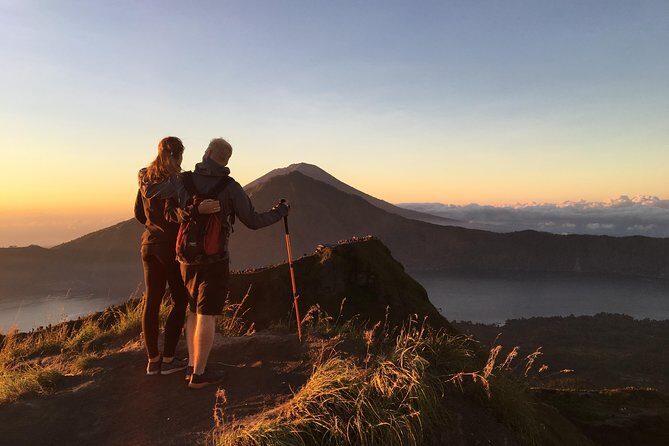
Private Mount Batur Sunset Trekking – All inclusive tour

Private Mount Batur Sunset Trekking - All inclusive tour - The climb on Mount Batur: temples, farms, rainforest, and volcanic grit

Sunset on Mount Batur feels real. I love the licensed professional guide and the moment your guide cooks bananas and eggs in the volcanic steam. It turns a hike into something you can taste and remember.

The timing also works. You’re picked up in the early afternoon, then you climb up before dusk, with walking sticks and torches included, plus bottled water, snacks, and coffee or tea.

One thing to plan for: weather can steal the sunset. Volcanic rock can also get slippery, especially on the climb and the descent, so you’ll want to move carefully with the help you’re given.

Key highlights at a glance

Private Mount Batur Sunset Trekking - All inclusive tour - Key highlights at a glance

  • Afternoon-to-sunset schedule so you skip the early sunrise alarm
  • Volcanic steam cooking for bananas or eggs at the top
  • Walking sticks and torches included for the steeper, darker parts
  • Small group cap (up to 15) while still feeling like a guided experience
  • Kintamani area stop + coffee plantation ticket for a broader Bali flavor

Why a sunset trek works better than the sunrise rush

Private Mount Batur Sunset Trekking - All inclusive tour - Why a sunset trek works better than the sunrise rush
Mount Batur is popular, and the morning rush is real. Doing it at sunset changes the whole vibe: you start later, hike in softer light, and still reach the viewpoint as the sky cools down.

I like that this tour is built as a clear alternative to the classic sunrise climb. Instead of dragging yourself out before dawn, you get an afternoon plan that ends with a proper view, plus that very Bali moment of cooking food using the volcano’s heat.

Ubud pickup to the trail start: the afternoon game plan

Your day begins with hotel pickup from Ubud, typically in the 13:00 to 14:00 window. The drive is part of the experience because it shifts you out of city mode and into countryside mode, with time to settle before the hike begins.

Once you reach the starting area around 15:00, you don’t waste time. By about 15:15 the hike is underway with a licensed professional hiking guide. This matters because on Mount Batur, pacing is everything, and having a guide guide your rhythm beats trying to “wing it” on a steep, uneven path.

The climb on Mount Batur: temples, farms, rainforest, and volcanic grit

Private Mount Batur Sunset Trekking - All inclusive tour - The climb on Mount Batur: temples, farms, rainforest, and volcanic grit
The hike isn’t just a straight up-and-down challenge. You pass Balinese holy temples and local farms, and you move through scenic rainforest sections on the way up. That variety helps the time go faster than you’d think, especially if you’re not into staring only at the trail for eight hours straight.

The climb itself is where the tour gets practical. Walking sticks are provided, and you’ll use them on the steep sections. Even then, volcanic stone can feel slick, and you’ll likely appreciate a guide who keeps an eye on footing and timing, not just speed.

A small but important detail: the tour supplies torches. That means you’re not stuck trying to find a light source when the light drops during your descent.

Getting to the top around sunset: what that viewpoint actually delivers

Private Mount Batur Sunset Trekking - All inclusive tour - Getting to the top around sunset: what that viewpoint actually delivers
Reaching the peak around 17:35 is the core magic of this tour. The goal isn’t only elevation—it’s the moment the volcano starts to look dramatic under a changing sky, with Kintamani sitting out there like a natural amphitheater.

At the top, you’re not left hanging. You enjoy the sunset view, and your guide cooks banana or eggs using volcanic steam vents. It’s a simple experience, but it’s also a lesson in how Bali’s volcano geography shows up in everyday local life.

Keep expectations flexible here. If clouds roll in, you may not get a full sunset. You can still get the volcano experience and the steam-cooked snack, which is often the most memorable part when the sky doesn’t cooperate.

Volcanic steam cooking: bananas or eggs, served with a story

Private Mount Batur Sunset Trekking - All inclusive tour - Volcanic steam cooking: bananas or eggs, served with a story
Food on Mount Batur is more than a gimmick. When your guide cooks bananas or eggs in the volcanic steam, you’re watching heat that comes from deep underground. It feels hands-on and real, unlike meals that are just packaged tourist snacks.

I also like that the guide shares information about the volcano and local culture during the climb and at the top. That turns “I walked up a mountain” into “I understand what I’m looking at.” If your guide is someone like Wayan or Mede (names you might encounter with this operator), you’ll likely get a friendly, focused explanation rather than a rushed script.

Kintamani and the coffee plantation: a nice add-on, not the main event

Private Mount Batur Sunset Trekking - All inclusive tour - Kintamani and the coffee plantation: a nice add-on, not the main event
This experience includes tickets to the Kintamani area and to a coffee plantation stop. In practice, this part gives you a break from the steep walking and a chance to see more of what the area offers beyond the volcano viewpoint.

One caution: not everyone loves the plantation portion. The coffee stop can feel more like a quick add-on than a deep, slow cultural experience, depending on how you personally enjoy demonstrations. If you’re mostly here for Mount Batur, treat the coffee plantation visit as a bonus, not the headline.

Still, it’s a helpful pause before your descent ends the day. It also rounds out the geography: volcano summit views, then countryside stops, then back to Ubud.

Descent in the dark: how the tour keeps you moving safely

Private Mount Batur Sunset Trekking - All inclusive tour - Descent in the dark: how the tour keeps you moving safely
Your descent starts around 18:00, and that’s when the provided torches make a real difference. The later you hike, the quicker light fades, and you need your steps to stay confident on uneven surfaces.

The descent is often easier than the climb in pure effort, but it can be trickier on volcanic rock. Your guide plays a key role here—slowing you down when needed and helping with the steeper, slipperier sections. That’s especially important because the tour includes walking sticks, but your actual stability comes from how you place your feet and how the guide manages the pace.

You finish the day with a return drive to your hotel around 19:30. That timing is practical because you don’t end up exhausted late at night with nowhere to go.

What’s included (and why it matters for your wallet)

Private Mount Batur Sunset Trekking - All inclusive tour - What’s included (and why it matters for your wallet)
At $25.50 per person, this tour is priced in a way that makes sense for a full half-day adventure with multiple extras included. The big win is that you’re not nickel-and-dimed for essentials.

Included:

  • Air-conditioned vehicle pickup/return
  • Snacks, bottled water, and coffee or tea
  • Torches and walking sticks
  • Entrance tickets to Mount Batur, Kintamani area, and a coffee plantation
  • Private-guided hiking with a licensed professional hiking guide/s

Not included:

  • Alcoholic beverages, soda/pop, and dinner

Here’s the value angle: many “cheap” volcano hikes don’t bundle the tickets, torches, and basic food/water. This one does, and those small costs add up fast once you’re out in the region. If you’re comparing options, check whether sticks, lights, and entrance tickets are truly covered, not just promised.

Group size, privacy feel, and what to expect with up to 15 people

The tour is called private, but the operator also caps the group at 15 travelers. That usually means you’ll still have a guided experience with your group kept reasonably small, which helps with safety and pacing.

I like this setup because it tends to balance two needs:

  • You get a guide who can watch your footing and explain what you’re seeing.
  • You avoid the worst of a huge crowd stampede on the narrow, steep sections.

If you’re hoping for a truly solo guide experience, the cap suggests it may still be shared. But in real terms, a 15-person ceiling usually feels more manageable than big-group tours.

Fitness level: moderate is the right expectation

The tour calls for moderate physical fitness. Translation: you should be comfortable with a steep hike and uneven ground, even if you don’t consider yourself a hardcore hiker.

Walking sticks are included, which helps a lot, and the guide sets a pace. Still, don’t treat it like a stroll. You’re going uphill during the afternoon and coming down near dusk, so tired legs plus volcanic rock is a combo that asks for care.

If you have knee issues or you’re nervous about uneven footing, consider choosing a gentler Bali activity instead. If you can handle a challenging climb with breaks, you should be fine.

Who should book this Mount Batur sunset trek

You’ll probably love this tour if:

  • You want sunset views without waking up at the crack of dawn.
  • You enjoy guided explanations, not just pictures from a viewpoint.
  • You like hands-on moments, like steam-cooked bananas or eggs.
  • You want a volcano hike that includes more than only the climb.

I’d steer some people away if:

  • You only care about the sunset itself and will be disappointed by cloudy weather.
  • You really dislike any coffee-plantation-style stop (it’s included, but it’s not the main event).
  • You’re looking for a very slow, leisurely walk. This is a working hike with real elevation.

Should you book Private Mount Batur Sunset Trekking?

If you want Mount Batur at a sane hour, this is an easy yes. The value is strong because you get guide expertise, entrance tickets, torches, walking sticks, and a real volcanic “wow” moment with steam-cooked food.

The main reason to pause is simple: the sunset depends on weather. If clouds move in, the view may be muted. But even then, the steam cooking and guided volcano experience still land.

FAQ

How long does the Mount Batur sunset trekking tour last?

It runs for about 8 hours, with hotel pickup in the early afternoon and return to your hotel around 19:30.

What time does hotel pickup usually happen?

Pickup is typically scheduled between 13:00 and 14:00, depending on where you’re staying.

What is included in the price?

The tour includes snacks, bottled water, coffee and/or tea, torches, bottled water, a walking stick, entrance tickets to Mount Batur, the Kintamani area, and a coffee plantation, plus an air-conditioned vehicle.

What kind of walking support do I get during the hike?

Walking sticks are provided, and torches are included for the darker parts of the hike.

Is the tour private?

It’s marketed as private, and the operator also sets a maximum group size of 15 travelers.

What is the cancellation/refund window?

You can cancel up to 24 hours in advance for a full refund. If you cancel less than 24 hours before the experience starts, the amount paid isn’t refunded.
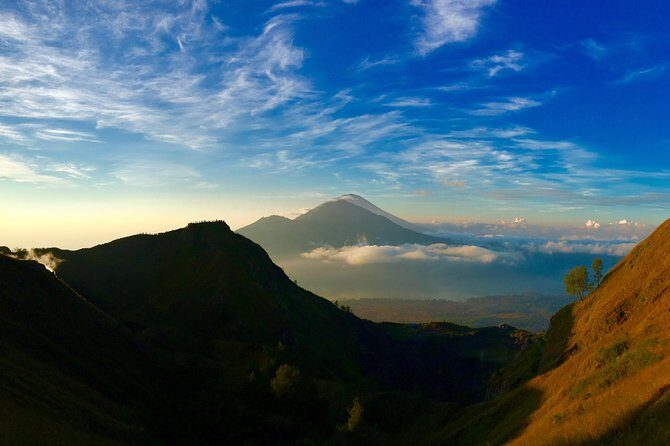
Private Full-Day Handara, Ulun Danu, Jatiluwih and Tanah Lot Tour

Private Full-Day Handara, Ulun Danu, Jatiluwih and Tanah Lot Tour - Ulun Danu Bratan Temple and Lake Beratan: where the lake matters

Sunrise-hill views meet sea-rock temples.

This private day trip is a smart hit list of Bali’s north and west highlights, with photo stops that actually look like the postcards. You’ll swing from the iconic Handara Gate to the lake-and-temple views at Ulun Danu Bratan, then finish at Tanah Lot for sunset.

I like that it’s built around a calm pace for a long day: an English-speaking driver, a private car with good A/C, and all the main entrance fees handled. You also get a buffet lunch and a bottle of mineral water per person, which keeps you from wasting time hunting for food mid-route.

One drawback to consider: the day is weather-dependent. Tanah Lot is an outdoor sunset experience, and if conditions are poor the operator can switch dates or offer a refund. Also, some communication quality can vary by driver, so it helps to be clear about what you want to know while you ride.

Key things to know before you go

Private Full-Day Handara, Ulun Danu, Jatiluwih and Tanah Lot Tour - Key things to know before you go

  • Private car with good A/C plus an English-speaking driver, so you spend the day sightseeing instead of figuring things out
  • Handara Gate is a focused photo stop, not a rushed drive-by
  • Ulun Danu Bratan gives you a real lake-temple contrast, with a clear cultural story tied to the goddess Ida Batari Dewi Ulun Danu
  • Jatiluwih rice terraces are timed for daylight views of the plateau and mountain backdrop
  • Tanah Lot sunset is the payoff, with the temple on a rock in the sea and timing set for late afternoon

A private north-and-west Bali day that’s actually efficient

Private Full-Day Handara, Ulun Danu, Jatiluwih and Tanah Lot Tour - A private north-and-west Bali day that’s actually efficient
From Ubud, this tour strings together Bali’s most in-demand scenery in one long outing: hillside gate photos, a lakeside temple, big terraced farmland views, and then the sea-rock spectacle of Tanah Lot. It’s the kind of day plan that works well if you want variety without moving hotels or planning separate drivers for each area.

You’ll typically be out for about 9 to 10 hours, starting around 8:00 am. That start time matters. It gives you daylight for the photography stops and still leaves enough time to reach Tanah Lot with a proper sunset window.

And because it’s private, your group decides the small stuff: how long you linger, when you take breaks, and how quickly you move between photo spots and temple areas. Your driver also handles the basics like route navigation, plus petrol, parking fees, and entrance fees.

Value-wise, this is priced at $70 per person, which is easier to swallow when you look at what’s included: private A/C car, an English-speaking driver, lunch, mineral water, and admission. If you were to piece this together on your own, entrance tickets plus a driver for that full circuit can add up fast.

Handara Iconic Gate: the photo stop with a view

Your morning starts with a drive into the north side of Bali, arriving at Handara Iconic Gate around the late morning. The visit window is about one hour, which is usually the right amount of time for photos without turning your day into a blur.

Handara Gate is in the village of Pancasari, Sukasada, Buleleng. The big draw is the gate itself, framed by a wide hillside backdrop. It’s one of those places where the scenery does a lot of the work for you, so even if you’re not a dedicated photographer, you’ll still walk away with solid images.

Practical angle: this is a stop where you’ll want to dress for outdoor waiting and walking. If weather is clear, the views look best in daylight. If it’s cloudy or drizzly, you may still get great photos, but the colors and contrast can shift.

Also, go in knowing this is primarily a photography and viewpoint stop. You’re not there for a long cultural program. If you want a brief explanation of what you’re seeing and why the gate became so famous, ask your driver early while you’re in the car and your attention is high.

Ulun Danu Bratan Temple and Lake Beratan: where the lake matters

Private Full-Day Handara, Ulun Danu, Jatiluwih and Tanah Lot Tour - Ulun Danu Bratan Temple and Lake Beratan: where the lake matters
After Handara, the tour heads to Ulun Danu Bratan Temple at midday. You’ll have about one hour on site, with time to take in both the temple and its lake setting.

Ulun Danu Bratan Temple is dedicated to the goddess of the lake, Ida Batari Dewi Ulun Danu. That detail matters because it turns the visit from just a pretty stop into something more meaningful. This isn’t only about architecture and photos; it’s also about how Balinese Hindu life connects with water and the landscape.

The lake itself, Lake Beratan, is a major part of the mood. On calm days, it looks serene and reflective. On misty or rainy days, the whole area can shift into a softer, moody look. Either way, you get a strong sense of place.

One consideration: this part of the day sits near lunch time, so you’ll want to stay flexible with energy. A lake-temple stop can feel chilly if the weather is damp, even when the rest of Bali is warm. If you run cold easily, plan accordingly.

Lunch at a rice-terrace view: food that keeps you going

Mid-afternoon is planned around lunch, with about one hour for the meal. Lunch is a buffet of Indonesian food, served at a restaurant location that’s described as flexible, but with amazing views of rice terrace.

This is a smart piece of the day design. You’re already doing a lot of standing, walking, and looking at scenery. A good buffet with a view gives you both fuel and a mental reset. It also breaks the rhythm between the temples and the rice terraces.

If you’re picky, buffet style can be hit-or-miss depending on what’s available that day, but the tour includes lunch and you’re not left improvising. I also like that the tour includes one bottle of mineral water per person, since a full day of stops adds up fast.

Jatiluwih Green Land rice terraces: a bigger view than you expect

Next comes Jatiluwih Rice Terrace, sometimes called Jatiluwih Green Land. You’ll get about one hour here, which is enough time to walk a bit, find a viewpoint, and still stay on schedule for Tanah Lot later.

Jatiluwih is described as a countryside plateau area with a mountain as a backdrop. That combination is the reason the views feel wide. Rice terraces are dramatic close up, but the real wow factor is often at mid-distance—when you can see how the layers step across the hillside.

What I like about this stop is that it’s not just “pretty farmland.” It’s a landscape shaped for agriculture, and your perspective changes as you move. Even with a limited time window, you can still get a few different angles.

One caution: terraced viewpoints often mean uneven ground and walking outdoors. If your group has mobility limits, it’s smart to move slowly, take breaks, and focus on the easier angles rather than forcing long distances.

Tanah Lot sunset on a sea rock: the payoff, weather and all

The final stop is Tanah Lot Bali, reached in the late afternoon with a visit planned from about 17:00 to 18:30, built specifically for sunset view.

Tanah Lot is a Balinese Hindu temple on a rock in the middle of the sea. That setting is exactly why the place is so famous. Even before sunset, the “temple surrounded by ocean” scene creates a strong visual pull, and the light changes quickly once late afternoon hits.

This is also the most weather-sensitive moment of the tour. The overall experience notes that it needs good weather, and one rain-mention in the tour feedback doesn’t automatically mean you lose everything. It does mean you should be flexible about timing, visibility, and how clear the sunset looks from your viewpoint.

If you’re the kind of person who plans your day around golden hour, this is the stop you should prioritize mentally. Your driver will time the arrival, but your best experience depends on what the sky does.

Driver quality and English: when it matters most

Private Full-Day Handara, Ulun Danu, Jatiluwih and Tanah Lot Tour - Driver quality and English: when it matters most
The tour leans on your English-speaking driver to connect the dots between stops. In practice, that’s where the day can feel either informative or purely logistical.

I’ve seen examples of high-quality guidance tied to the route. A guide named Ady has been described as professional and friendly, even with rain in the mix, and Ayra has been noted for offering explanations at the places visited and being accommodating with last-minute requests. Those are the kinds of drivers who help you understand what you’re looking at, not just where to stand for a photo.

At the same time, there’s at least one cautionary note about driver communication and whether the information was forthcoming. That doesn’t mean every day goes that way. It does mean you should actively ask your driver questions early in the day—about temple meaning, what to notice, and how close the stops are in time and distance.

Tip that works: when you’re in the car between stops, ask for a 30-second rundown of what you’ll see next and why it matters. You’ll get more out of each hour on site.

Price and value: what $70 buys for a full circuit

Private Full-Day Handara, Ulun Danu, Jatiluwih and Tanah Lot Tour - Price and value: what $70 buys for a full circuit
For $70 per person, you’re not paying just for a car ride. The tour includes:

  • Private car with good A/C
  • English-speaking driver
  • Petrol and parking fees
  • Lunch buffet (Indonesian food)
  • Mineral water
  • Entrance fees
  • All fees and taxes

That package is the core of the value. Bali costs can vary a lot depending on whether you book attractions separately and whether you need a driver who can handle English. Here, most of the add-ons are bundled.

Also, the route is structured to cover multiple “big Bali” icons in one day. If you’re staying in Ubud and you don’t want to manage multiple bookings across the island, a private full-day circuit like this can be the easiest way to get the highlights without turning your itinerary into spreadsheet work.

Your best deal comes when you want exactly what this tour offers: Handara photos, Ulun Danu at the lake, Jatiluwih terraced scenery, and Tanah Lot sunset in one run.

Who this tour fits best

This tour is a great match if you:

  • Want north and west Bali highlights in one day from Ubud
  • Care about timed sightseeing, especially the Tanah Lot sunset window
  • Prefer a private setup with an English-speaking driver and included entrances
  • Like a mix of scenic viewpoints and cultural landmarks

It’s also a smart pick for groups who want flexibility. Because it’s private, you can take your time at a stop where you’re getting photos and speed up at places where you don’t need much time.

If your group hates long drives or you need very early nights, consider that this is a full-day plan with late-afternoon return timing. You’ll be doing plenty of outdoor time, too, so wear gear that can handle sun or sudden rain.

Should you book this Handara–Ulun Danu–Jatiluwih–Tanah Lot tour?

If your goal is a one-day checklist that includes iconic gate photos, a lakeside temple with meaning, a strong terrace scenery hit, and a sunset finale, then yes, this is worth your attention.

Book it if you value convenience: private A/C car, an English-speaking driver, and entrance fees and lunch already included. You’re paying for a full circuit that would be annoying to assemble yourself.

Hold off or ask extra questions before booking if your top priority is deep interpretive detail from the driver every step of the way. The quality can be great with guides like Ady or Ayra, but since not every day’s communication is identical, it helps to be proactive with questions once you’re on board.

FAQ

How long is the Handara, Ulun Danu, Jatiluwih, and Tanah Lot private tour?

The tour duration is about 9 to 10 hours.

What time does the tour start?

The start time is 8:00 am.

Is pickup included, and is this tour private?

Pickup is offered, and the tour is private, meaning only your group participates.

What’s included in the price?

The price includes a private car with good A/C, an English-speaking driver, petrol and parking fees, a lunch buffet (Indonesian food), mineral water (1 bottle per person), entrance fees, and all fees and taxes.

Does the tour require good weather?

Yes. The experience requires good weather, and if it’s canceled due to poor weather you’ll be offered a different date or a full refund.

Can I cancel for a full refund?

Yes. You can cancel up to 24 hours in advance for a full refund. If you cancel less than 24 hours before the start time, the amount paid will not be refunded.
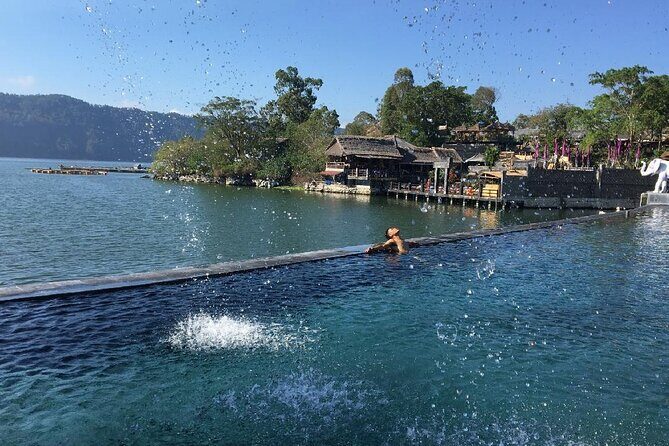
All Inclusive Sekumpul Waterfall Trekking , Handara Gate & Temple

All Inclusive Sekumpul Waterfall Trekking , Handara Gate & Temple - The Sekumpul waterfall hike: what to expect and how to be comfortable

Three stops, one gorgeous north Bali day. This all-in-one outing takes you from the southern heat to Bali’s cooler highlands, with a guided hike to Sekumpul Waterfall, plus Handara Gate photo time and the lakeside Ulun Danu Beratan Temple.

I like how this tour handles the annoying parts for you: pickup, transport, parking, and entrance tickets are wrapped into one plan. I also really value having a local guide during the Sekumpul trek, because the route can be slick and you’ll want someone who knows where to step and how to help with good photo angles.

One thing to plan for is the physical side. Sekumpul is listed as suitable for moderate physical fitness, so wear grippy shoes and be ready for an active 3-hour hike (plus bring insect repellent, and a towel/extra clothes if you want to swim).

Key things to know before you go

All Inclusive Sekumpul Waterfall Trekking , Handara Gate & Temple - Key things to know before you go

  • Handara Gate photo session built into the schedule: stop is about 30 minutes with admission included.
  • Guided Sekumpul trek for safety and direction: you get a local guide specifically for exploring the falls area.
  • Two iconic north Bali viewpoints in one day: Sekumpul’s waterfall scenery plus Ulun Danu Beratan by Lake Bratan.
  • Included lunch and drinks help you avoid decision fatigue: you’ll get a lunch at a local warung, plus bottled water and coconut water.
  • Most south Bali hotels get pickup: you skip self-drive stress and taxi back-and-forth.
  • Weather matters: the experience requires good weather, so be ready to shift dates if conditions are poor.

From South Bali chaos to cool highland air

This tour is built like a proper day plan: you start at 8:00 am and return after roughly 8 to 10 hours. That timing matters because Sekumpul and the temple are both in north Bali’s Bedugul area, where the air can feel cooler and the scenery changes fast once you leave the south behind.

What you’re really buying here is less driving anxiety and more time doing the fun parts. The package includes a private car with petrol and parking fees, plus a tour driver/guide to handle the logistics, so you’re not stuck negotiating routes, hunting parking, or calculating which scooter risks are worth it.

There’s also a nice “value stacking” effect. Admission tickets are included, and the day includes lunch and drinks, so you’re not piecing together a dozen small purchases while you’re already tired from the road.

Handara Iconic Gate: a fast photo stop that still feels worth it

All Inclusive Sekumpul Waterfall Trekking , Handara Gate & Temple - Handara Iconic Gate: a fast photo stop that still feels worth it
Your first real scene is Handara Iconic Gate. The tour gives you about 30 minutes, including admission, which is just enough time to get your bearings, walk to the key viewpoints, and capture a few solid shots without turning it into a half-day detour.

Handara is famous for its gate-and-pond setting and that popular Instagram-style viewpoint. Even if you don’t chase photos all day, this stop works because it’s a reset: you arrive in the highlands zone, stretch your legs, and get a scenic “Bali postcard” moment before you go full hike-and-temple.

A practical tip: in that kind of spot, light can change quickly. Aim to arrive, take your first wide shots, then circle a bit if you want closer angles. Also, keep an eye on your shoe choice—Sekumpul is coming later, so you don’t want to waste the day in footwear that’s hard to walk in.

The Sekumpul waterfall hike: what to expect and how to be comfortable

All Inclusive Sekumpul Waterfall Trekking , Handara Gate & Temple - The Sekumpul waterfall hike: what to expect and how to be comfortable
This is the heart of the day: Sekumpul Waterfall with about 3 hours of time, and you’ll be guided by a local guide. The area is in a lush, green jungle setting, and that’s exactly why the trek feels different from most “quick photo” waterfalls. You’re not just looking at water—you’re walking through the environment that creates it.

Here’s what I’d focus on before you go:

  • Wear comfortable, grippy shoes. The guide can help you navigate, but footwear is still on you.
  • Bring insect repellent. You’ll thank yourself once the trek starts moving through vegetated areas.
  • Be ready for a moderate hike. This isn’t marketed as a long strenuous trek, but it does require a decent fitness level.
  • Bring a towel and extra clothes if you might swim. The instructions explicitly suggest this, so treat swimming as optional—but plan for it if the moment looks good.

What makes having a local guide matter is pacing and safety. The experience is built so the guide is with you step-by-step during the waterfall trek, which helps when paths get slick or crowded and when you want to avoid wandering off the easiest routes.

And yes, bring your camera plans: Sekumpul is a “framing game.” Waterfalls look great from different levels, and a guide who knows where people can stand (without risking safety) makes the difference between a couple decent photos and a set you’ll actually keep.

Ulun Danu Beratan Temple: a water temple with mountain-lake views

After the hike, you switch gears to a more cultural scene: Ulun Danu Beratan Temple (also known as Pura Bratan). You get about 45 minutes, with admission included, and it sits on the shores of Lake Bratan near the mountains around Bedugul.

This temple is a Shaivite water temple, and it was built in 1633. That date matters because it helps you understand why the setting feels so purposeful—this is a temple designed around water, worship, and the landscape it sits in.

What you’ll likely enjoy most is the lake-and-mountain viewpoint feel. Even if you’re not a temple expert, you get a classic Bali “pause” moment after a physical morning. The temple stop also helps you balance the day: instead of only moving between photo spots and waterfalls, you get a place where you can slow down, absorb the scenery, and watch how people approach the site respectfully.

Dress code basics are usually the unglamorous part of temples anywhere in Bali, so go in with sensible coverage and comfortable layers. The day already includes walking time, so don’t dress like you’re on a beach runway.

Lunch at a local warung, plus water that actually keeps you going

This package includes lunch at a local warung in the waterfall area. It’s a straightforward included meal—meaning you shouldn’t expect fine-dining energy. Think of it as refueling so you can keep enjoying the rest of the day without hunting for food while you’re tired.

The tour also includes bottled water and coconut water, which is genuinely useful. After a hike, hydration is not a “nice to have.” It’s the difference between enjoying temple views versus feeling sluggish and cranky.

A balanced expectation check: lunch is included and it’s convenient, but some people may find the exact place a little average compared with the scenery and the rest of the day. If you’re picky about food, keep your mindset on “fuel,” and consider packing a small snack you can manage alongside what’s provided.

Transportation, timing, and the value behind the price

All Inclusive Sekumpul Waterfall Trekking , Handara Gate & Temple - Transportation, timing, and the value behind the price
The price is $68.67 per person, and it’s an all-in package with pickup, tickets, lunch, and key drinks included. That’s important because Bali can be expensive when you start adding entrance fees, taxis, and food separately. Here, those costs are bundled so you can budget with more confidence.

You’re also looking at a tour that’s typically booked about 19 days in advance. That doesn’t mean you must book early, but it’s a signal it’s a popular structure: people want the north Bali combo in one day without the stress of self-driving.

One more value detail: the experience is described as private, meaning only your group participates. That matters if you want fewer interruptions, easier photo pacing, and a smoother flow during the hike and temple stop.

And the driver/guide component is not just for driving. The day benefits from someone who can keep things moving and explain what you’re seeing. In the feedback I saw, a driver named Okta is specifically called out as friendly and professional, with explanations that made the day feel more connected than a pure transport service.

Who this tour fits best (and who should choose differently)

All Inclusive Sekumpul Waterfall Trekking , Handara Gate & Temple - Who this tour fits best (and who should choose differently)
This is a great match if you want:

  • One organized day that combines a major waterfall hike, a famous photo gate, and a lakeside temple
  • Stress-free logistics (pickup and drop-off from most south Bali hotels, plus parking included)
  • A guided experience at Sekumpul rather than a solo wander

It’s also a decent fit for people with moderate physical fitness. There’s a minimum age of 10 years old, so families traveling with older kids may find the timing workable—though the hike still demands real attention and good footwear.

If you’re someone who strongly dislikes walking on uneven ground, or you’re not comfortable with a guided hike duration of about 3 hours, you might find this day too active. You could still visit Handara and Ulun Danu Beratan, but you’d likely want a different pacing plan focused less on the trekking portion.

Should you book All Inclusive Sekumpul Waterfall + Handara + Beratan?

All Inclusive Sekumpul Waterfall Trekking , Handara Gate & Temple - Should you book All Inclusive Sekumpul Waterfall + Handara + Beratan?
I’d book this if you want the north Bali highlights without the driving headache. The included entrance tickets, lunch, and hydration help make it feel like a true all-in-one day, and the local guide at Sekumpul is the kind of detail that pays off when paths get tricky.

I’d think twice if you want a super low-key day. The Sekumpul trek is the centerpiece, and it comes with real walking time, insect risk, and footwear needs. For the right fitness level and comfort with a hike, this is a strong value way to get Handara photos, Sekumpul waterfall scenery, and Ulun Danu Beratan in one tight plan.

FAQ

What time does the tour start?

The tour starts at 8:00 am.

How long should I plan for?

Plan for about 8 to 10 hours total.

What are the main stops on this experience?

You visit Handara Iconic Gate, hike at Sekumpul Waterfall, and see Ulun Danu Beratan Temple.

Are entrance tickets included?

Yes. All entrance tickets are included.

Do I get hotel pickup and drop-off?

Pickup is offered, and it’s designed to drop off to most south Bali hotels.

What should I bring for the Sekumpul Waterfall hike?

Bring insect repellent and comfortable shoes. You’re also advised to bring a towel and extra clothes if you want to swim at the waterfall.

What happens if the weather is bad?

The experience requires good weather. If it’s canceled due to poor weather, you’ll be offered a different date or a full refund.

Ubud Full-Day Private Tour: Waterfall, Temple, Rice Terrace.

Ubud Full-Day Private Tour: Waterfall, Temple, Rice Terrace. - Pickup in Seminyak and a private ride that saves your energy

A Ubud day that feels personal and easy. This private tour strings together waterfall, temple, monkey forest, rice terraces, and an art market with hotel pickup and a private air-conditioned car just for your group. The only real catch: lunch isn’t included, so you’ll want to plan a simple way to eat while you’re out.

What makes it work well is the human touch. On past outings, guides like Debatur and Putri (Bali Karma Journey Tour) focus on keeping the day calm, taking good photos, and making sure you’re not stuck figuring things out on your own.

You’ll also start early enough to get a good chunk of your sights done—pickup at 8:30 am—and you’ll have bottled water along the way. With tickets handled and a mobile ticket, you can spend your energy on the actual Ubud stuff: temples, terraces, and those wow views that make the trip worth it.

Key things I’d actually plan around

Ubud Full-Day Private Tour: Waterfall, Temple, Rice Terrace. - Key things I’d actually plan around

  • Hotel pickup + private AC transport keeps you comfortable and saves navigation time.
  • Kanto Lampo Waterfall includes ticket time and a chance to swim in the water (bring water-friendly shoes).
  • Sacred Monkey Forest Sanctuary is guided for an easier walk-through.
  • Tegalalang Rice Terrace comes with a guide who explains the different rice kinds grown there.
  • Ubud Art Market gives you a focused look at traditional shops without turning it into a shopping marathon.
  • Tickets and fees included means you’re not constantly paying small add-ons mid-day.

Why this Ubud day works better than hopping around solo

Ubud Full-Day Private Tour: Waterfall, Temple, Rice Terrace. - Why this Ubud day works better than hopping around solo
Ubud can be a lot. It’s not just the sights—it’s the logistics: traffic, heat, tickets, and the mental overhead of coordinating rides and entry points. This private format fixes most of that by building the day around one vehicle and one guide, so you’re not constantly switching plans.

I especially like that the tour feels paced for real travel, not a checklist sprint. You get structured time at each stop (about an hour at the waterfall, temple, monkey forest, rice terraces, and the art market), and that rhythm makes the full day more doable. After you’ve done a few hours of walking and admiring, you’ll be glad you have a dedicated ride waiting.

The tour also includes the stuff that usually annoys people on DIY days: entrance tickets, all fees and taxes, and even bottled water. That doesn’t sound glamorous, but it’s the difference between a relaxing outing and a day spent counting small expenses.

Pickup in Seminyak and a private ride that saves your energy

Ubud Full-Day Private Tour: Waterfall, Temple, Rice Terrace. - Pickup in Seminyak and a private ride that saves your energy
This experience starts at 8:30 am, with pickup offered from your location area (the tour is listed in Seminyak). That matters more than it sounds, because Ubud traffic and heat can turn a simple sightseeing plan into an exhausting endurance test.

You’ll travel in a private, air-conditioned vehicle. Even if you’re fine in the heat, you’ll feel the payoff once you’re back in the car between stops—especially during the middle of the day when sun hits hardest. Plus, with mineral water bottle provided, you’re not hunting for drinks every hour.

One more practical note: this is a mobile ticket experience. That usually means less paper fuss and fewer last-minute problems at entrances, which helps when you’re trying to keep your schedule smooth.

Kanto Lampo Waterfall: swim time and a strong photo payoff

Ubud Full-Day Private Tour: Waterfall, Temple, Rice Terrace. - Kanto Lampo Waterfall: swim time and a strong photo payoff
Your day begins at Kanto Lampo Waterfall. You get about an hour here, with an admission ticket included. The highlight for many people is the chance to enjoy the waterfall and swim in the water while taking in the surrounding views.

If you plan to swim, treat this part like a mini water hike. Wear footwear that can handle slick steps, and keep an eye on where you place your feet. Waterfalls are great, but they can be slippery, and you’ll want to stay focused instead of rushing.

Even if you don’t swim, this stop is worth it for the scenery and the feeling of being in the middle of something natural rather than just watching it from a distance. It’s also a strong early-day anchor: you start with a big visual moment, then you move into temples and culture afterward.

Batuan Temple: a calm cultural stop with scenic views

Ubud Full-Day Private Tour: Waterfall, Temple, Rice Terrace. - Batuan Temple: a calm cultural stop with scenic views
Next up is Batuan Temple, with about an hour on-site and ticket included. This is a more grounded, cultural pause than the waterfall. The focus here is exploring the beauty of Bali through the temple experience, with time for you to look around and take in the setting.

Batuan is often the kind of place where a guide makes a difference. Not because you need to memorize anything, but because you’ll usually get clearer context for what you’re seeing, and that makes photos look less random. With a guide escorting you through the visit, you’re more likely to notice details you’d otherwise miss.

The tour description also hints at a broader sense of the area—views and the mix of culture and daily life that makes Bali feel specific rather than generic. If you’re the type who likes stopping to watch how things are used, this is a good match.

Sacred Monkey Forest Sanctuary: guided pacing and easier exploring

Ubud Full-Day Private Tour: Waterfall, Temple, Rice Terrace. - Sacred Monkey Forest Sanctuary: guided pacing and easier exploring
After the temple, you’ll visit Sacred Monkey Forest Sanctuary for about an hour, with admission included. You’ll be escorted by your guide as you look around the forest.

This is a stop where you’ll want structure. Even if you’re comfortable walking, the sanctuary’s layout can feel like a maze of paths once you’re inside. A guide keeps you from wandering in circles and helps you spend your time where the walking is actually worth it.

One thing I like about having a guide here is the pacing. The tour gives you a defined amount of time, so you can enjoy the atmosphere without letting it swallow your whole afternoon. If you’re sensitive to crowds or chaos, an organized visit with a schedule helps a lot.

If you’re bringing a camera, this is also a place where good guidance helps you get shots without always running after the moment. In the feedback tied to this tour, Debatur and the team are praised for taking good pictures and videos while you’re moving through the day.

Tegalalang Rice Terrace: learning how the fields work

Ubud Full-Day Private Tour: Waterfall, Temple, Rice Terrace. - Tegalalang Rice Terrace: learning how the fields work
Then comes Tegalalang Rice Terrace, again about an hour with ticket included. This is where the view usually steals the show. But the bigger value is that you’re escorted by your guide and you’ll hear explanations about many kinds of rice in the location.

That’s the difference between standing on a viewpoint and understanding what you’re actually looking at. Even a simple explanation—like what grows here and how it’s used—adds meaning to the photo. You’ll also likely walk to angles where the terraced design reads clearly.

This stop is one of the best places to slow down, because the terraces are naturally photogenic and they invite a bit of wandering. Still, you’ll have a set time window, so you can enjoy the walk without worrying about the day getting too late.

Practical tip: if you’re prone to sweating, bring sunscreen and keep water handy. You’ll have bottled water, but rice terraces mean you’ll be outside for at least part of your hour.

Ubud Art Market: browse traditional shops with a plan

Ubud Full-Day Private Tour: Waterfall, Temple, Rice Terrace. - Ubud Art Market: browse traditional shops with a plan
Ubud Art Market rounds out the day’s shopping component. You’ll have about an hour here, and the ticket/fees for the tour are included, so this is more about you choosing what to look at than negotiating every step.

This is the kind of stop that can either feel fun or feel tiring, depending on how you handle it. With limited time, you’ll get more out of it if you go in with a loose goal: maybe you want a small souvenir, maybe you’re just curious about local crafts, maybe you want gifts that don’t look like they came from a hotel shop shelf.

The tour description frames it as traditional shops in Ubud, and that’s exactly what you should look for: wood carvings, handmade items, and local craft styles. If you like photographing textures—painted detail, weaving patterns, carved faces—this can be a surprisingly rewarding hour.

The pass-by moments (like Ubud Palace) that add context

Ubud Full-Day Private Tour: Waterfall, Temple, Rice Terrace. - The pass-by moments (like Ubud Palace) that add context
In addition to the main stops, the tour includes pass-by sights around Ubud, including Ubud Palace from the central area. Even if these aren’t long stays, a quick look can help you connect the dots between the temple, the forest, and the everyday Ubud vibe.

Think of these pass-by moments as scene-setting. They help you understand where you are when you step out of the vehicle, so the day doesn’t feel like disconnected pieces. You’ll get that sense of place, plus some extra photo opportunities along the route.

Price and value: why $55.01 can make sense

At $55.01 per person for an approximately 10-hour private day, the value comes from what’s included. You’re paying for:

  • Private transportation (with air conditioning)
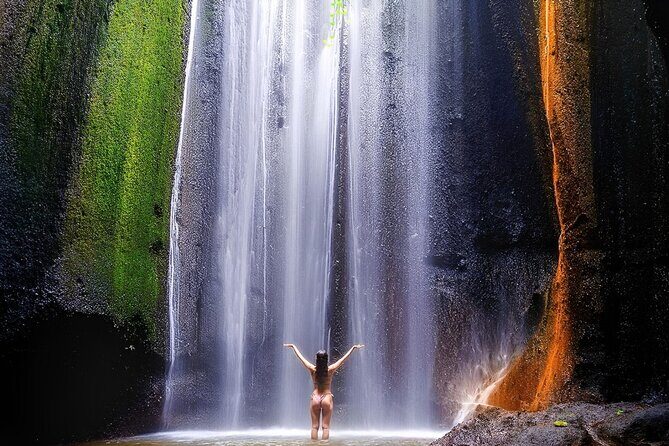
  • Hotel pickup and a dedicated schedule
  • Mineral water bottle
  • All fees and taxes
  • Entrance tickets for each listed stop

A lot of DIY costs add up fast: ride-hailing repeatedly, separate ticket lines, and the small entry fees that can feel minor until you total them. Here, the structure is doing the heavy lifting.

The other value is time and comfort. The day runs long enough that the private car isn’t a luxury—it’s what makes it sustainable. If you’ve tried Ubud day trips with shared transport, you know how often you lose time to waiting. This private format helps you keep the momentum.

The one drawback to plan around: no lunch included

Lunch not being included is the main consideration I’d put on your prep list. It’s not a dealbreaker, but you don’t want to show up hungry with only bottled water as your plan.

Because the day includes several outdoor stops, I recommend you bring a small snack for the ride or plan a quick meal strategy based on what’s closest when you wrap up the art market. If you’re someone who gets hangry after a couple hours of sun, you’ll want to treat this as part of your planning, not an afterthought.

Who this tour fits best (and who should rethink it)
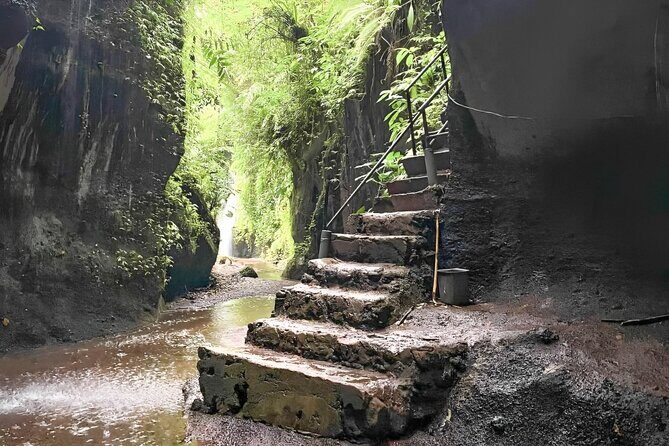
This is a great fit if you want a private Ubud day with one guide and one vehicle, and you care about convenience as much as the sights. It’s also a good match if you like photos and prefer that your day is managed by someone who can help with timing and angles—based on how the guides and drivers are described.

You should consider a different option if you want total freedom to linger indefinitely at one place or if you hate the idea of a full 10-hour day. Also, if you’re not comfortable with the idea of swimming at a waterfall, you may still enjoy Kanto Lampo, but you might prefer a tour that spends more time strictly on viewpoints.

That said, the tour’s structure makes it easier to keep your energy stable, since each stop has a defined time window and you’re not walking from place to place between destinations.

Booking checklist: make the day smoother

Before you go, think about these simple items:

  • Bring sunscreen and a hat. You’ll be outside at multiple stops.
  • If you plan to swim at the waterfall, pack water-friendly footwear.
  • Plan a snack or quick meal for the hours when lunch isn’t provided.
  • Keep your mobile ticket accessible on your phone.

And if you’re booking around the idea of rain: some guide-led days still work out even when conditions change. The key is to stay flexible and follow the guide’s cues on what’s safe and comfortable at each stop.

Should you book this Ubud Full-Day Private Tour?

If your priority is a smooth, private day that covers the main Ubud hits—waterfall, temple, monkey forest, rice terraces, and an art market—this is a strong choice. The included tickets, private air-conditioned transport, and bottled water remove a lot of friction, which is exactly what you want on a long day.

I’d book it if you like the idea of learning a bit as you go. The rice terrace stop with guide explanations, the temple visit with cultural context, and the guided pacing through the monkey forest are the kind of small supports that turn scattered sightseeing into a coherent day.

I’d hesitate only if you absolutely need lunch included or you don’t want a full 10-hour schedule. Otherwise, it’s hard to beat the value of a private, organized Ubud day at this price—especially when the guides (including Debatur and Putri) are praised for friendly, helpful service and for making the day feel more like exploring with someone you trust than following a rigid script.

FAQ

What time does the tour start?

The tour starts at 8:30 am.

How long is the Ubud private tour?

It runs for about 10 hours.

Is lunch included?

No. Lunch is not included.

Does the tour include hotel pickup and air-conditioned transportation?

Yes. Pickup is offered, and you’ll ride in a private air-conditioned vehicle.

Are entrance tickets included for the attractions?

Yes. Entrance tickets are included for the listed stops, and the tour includes all fees and taxes.

Is this tour private?

Yes. It’s a private tour/activity, and only your group participates.