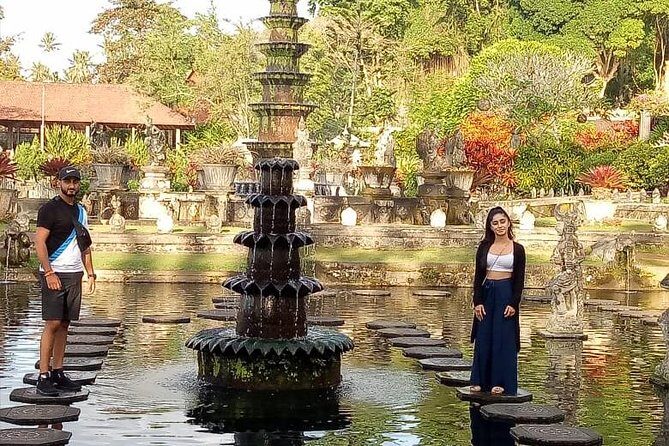
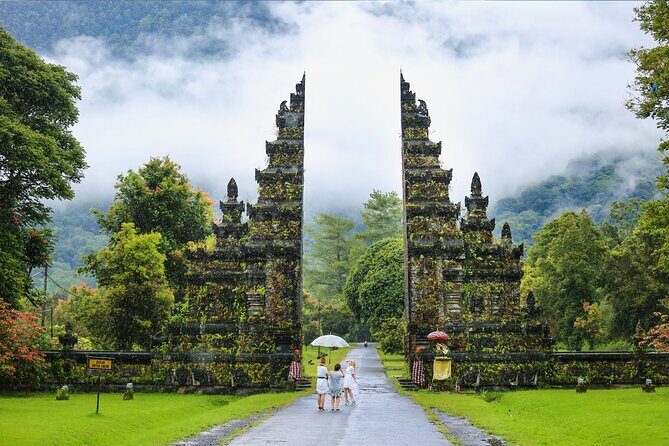
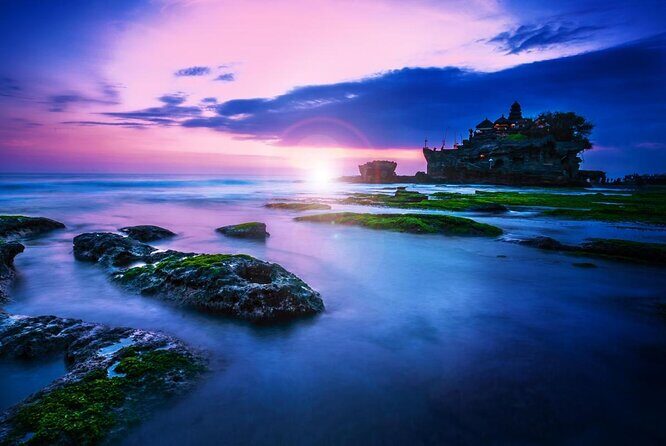
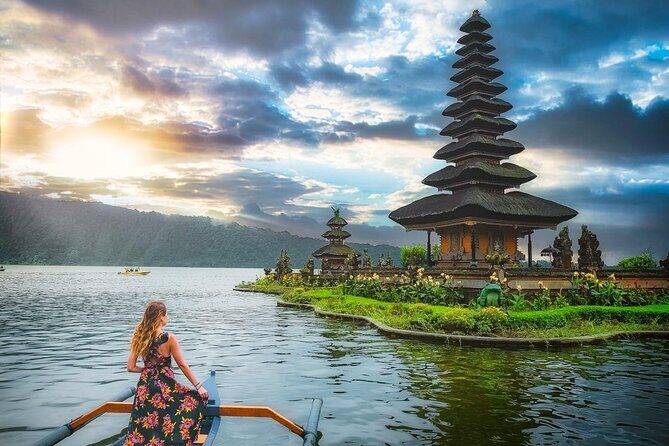
Three waterfalls and one rice-terrace wow-day.
This day works because you skip the tough logistics of getting around Ubud’s waterfall country and you still end up with clean, photo-ready stops. I really love the door-to-door pickup and the fact that entry tickets are included for all the main sights, so the day feels smooth from start to finish. The one drawback to plan for: you’ll spend real time in the van—this is a full 8-hour outing with driving between sites.
You also get a guide who helps the day run like clockwork. In the past, guides such as Made and drivers such as Mangkok have been praised for patience, smart timing, and helping with photography and bags when the ground gets tricky.
If you want a short, low-energy half-day, this might feel like a lot. But if you’re in Bali to see more than just one waterfall, it’s a very practical way to pack in the highlights.
Key Points to Know Before You Go
- Small-group size (max 15) keeps the day from feeling crowded or chaotic.
- Three waterfalls plus Tegalalang means you see both cliff-and-cave cascades and classic rice terraces.
- Entry tickets, parking, fuel, and bottled water included so you control fewer surprise costs.
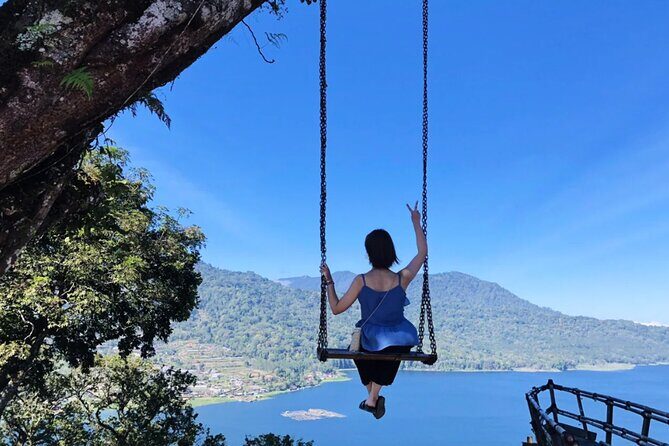
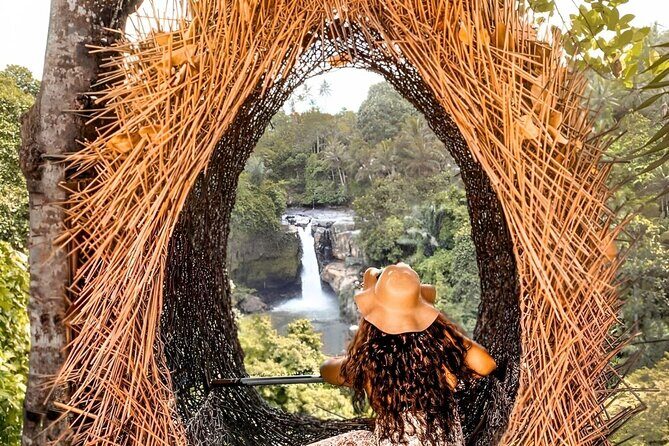
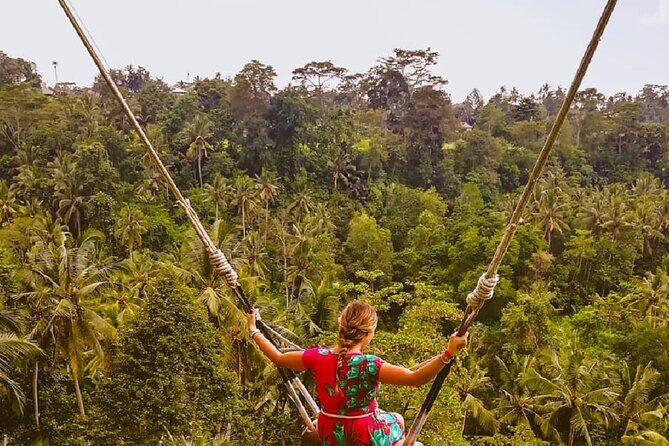
- Optional jungle swing gives you that sky-high rice paddies photo—just plan for extra swing fees.
- Guides are big on photo help and patience when paths are uneven or lighting changes fast.
Why This Ubud Waterfalls Day Tour Feels Worth It
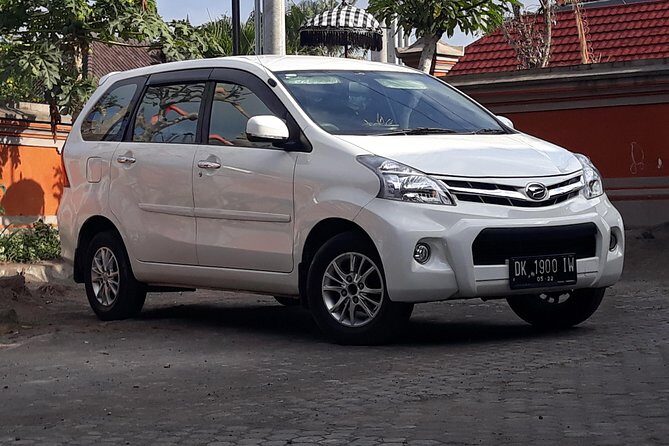
Ubud’s waterfalls are famous for a reason—but they’re also spread out. If you try to DIY it, you end up juggling road time, finding parking, and guessing which route will be easiest that day. This tour’s value is that it strings together the best-known cascades in a single organized day, with round-trip transfers and an air-conditioned vehicle.
The second value point is what’s included. You’re not just paying for transport; you’re also getting admission tickets for Kanto Lampo, Tibumana, Tukad Cepung, and Tegalalang Rice Terrace, plus parking, fuel, and bottled water. That turns the day into something closer to a “set plan” than an expensive string of add-ons.
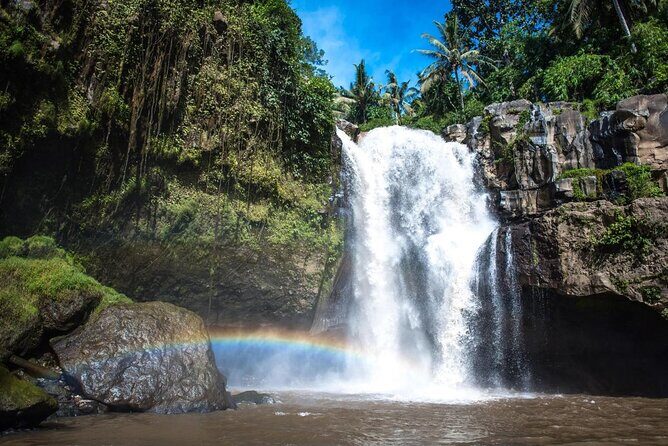
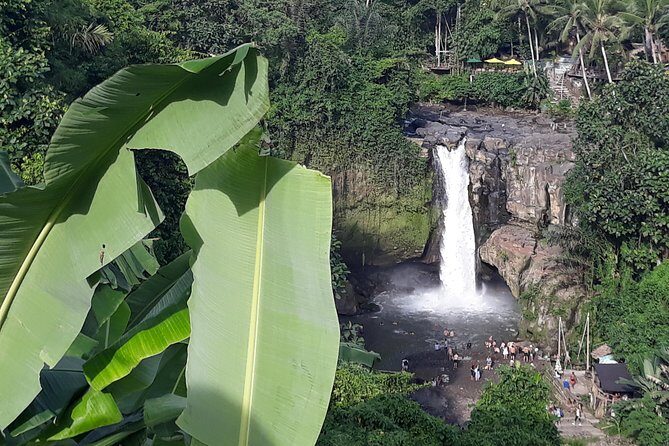
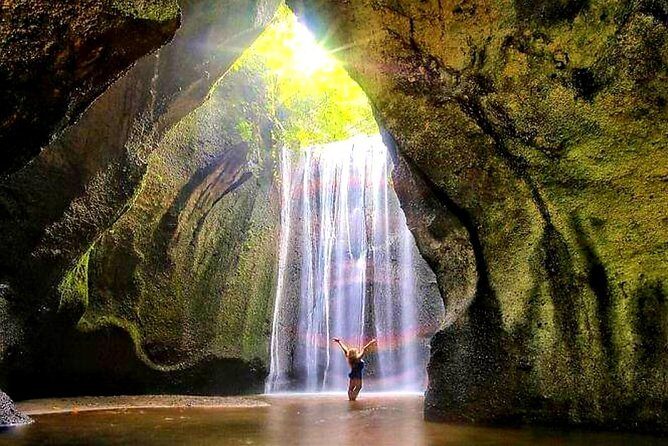
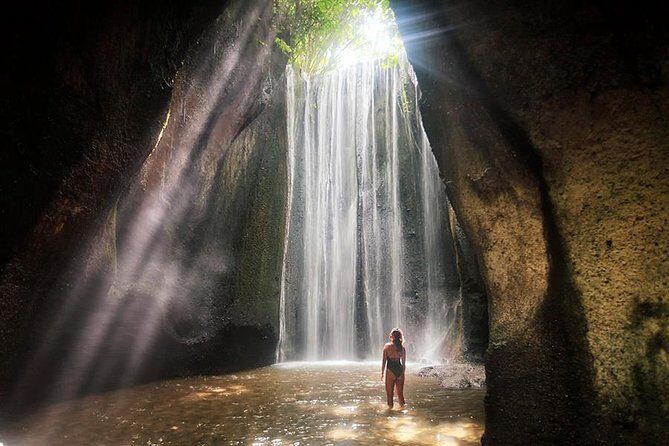
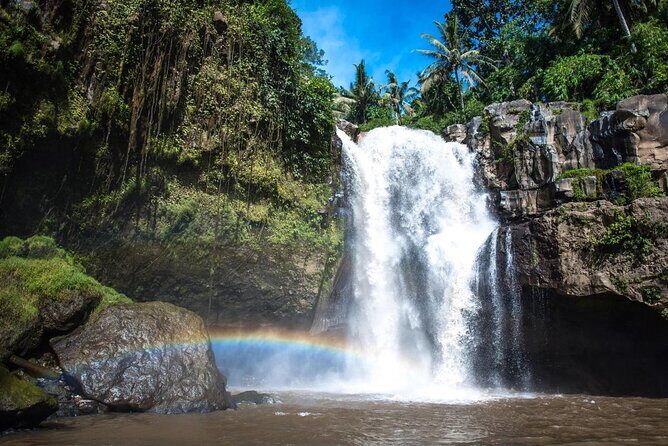
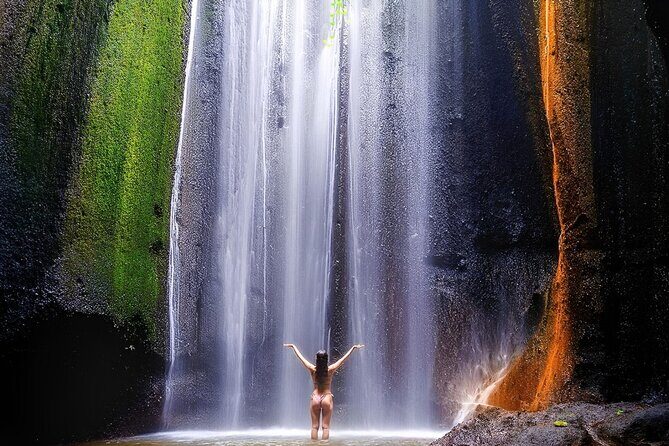
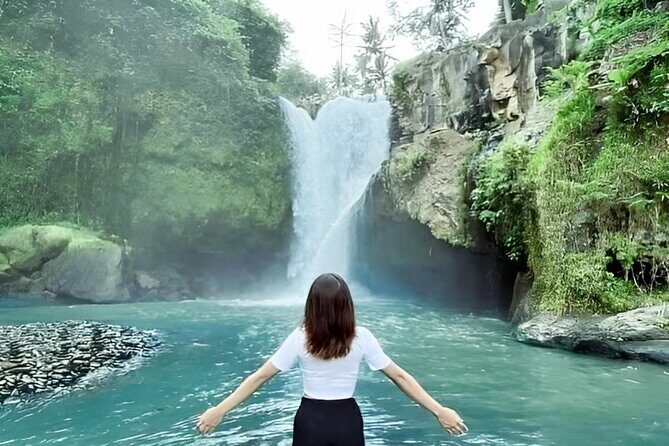
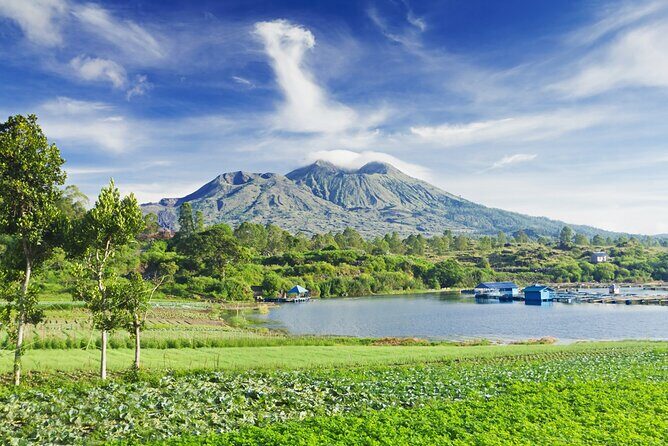
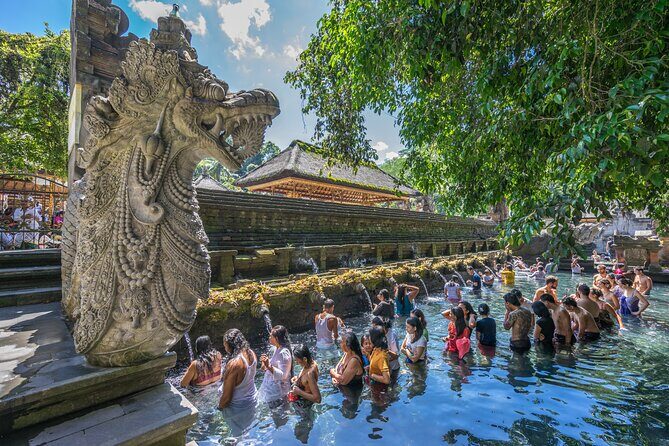
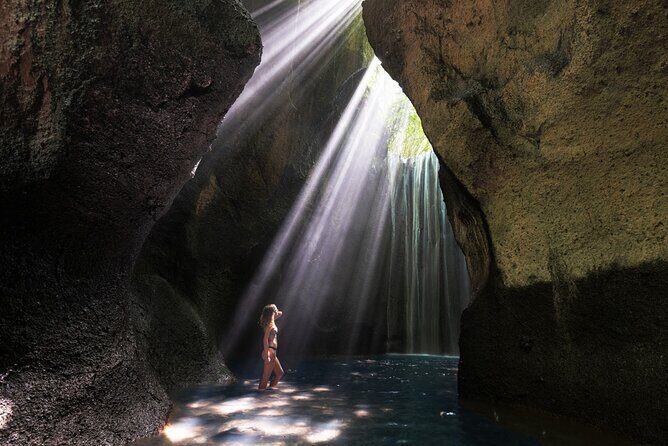
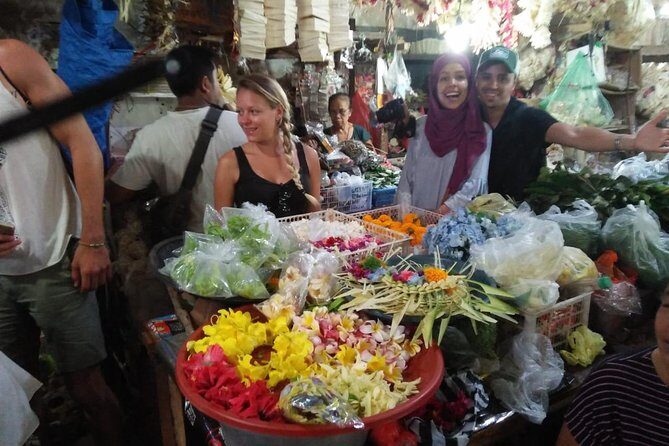
And yes, the photos are real. These are the kinds of Bali scenes that do not need filters—tiered rock falls, a serene greenery setting, and the cave light effect at Tukad Cepung, then the iconic stepped rice paddies at Tegalalang.
Getting Around Without the Van-Day Headaches

Expect a classic Bali road-day. Even though the stops are in different areas around Ubud, the tour handles the driving so you can focus on what matters: getting to each waterfall at the right time and spending real time at each one.
A few practical notes that make a big difference:
- Air-conditioned vehicle helps a lot once you’re bouncing back and forth between sites.
- Bottled water keeps you from hunting for drinks mid-route.
- The group stays small (capped at 15), so you’re not stuck waiting on a huge crowd.
Also, this is set up as a door-to-door style experience from Ubud and much of south Bali. That matters because your first and last hour often decide whether a “great idea” day turns into stress.
The day runs about 8 hours, and each main stop gets roughly 2 hours, so you’re not rushed like you would be on a quick drive-by tour.
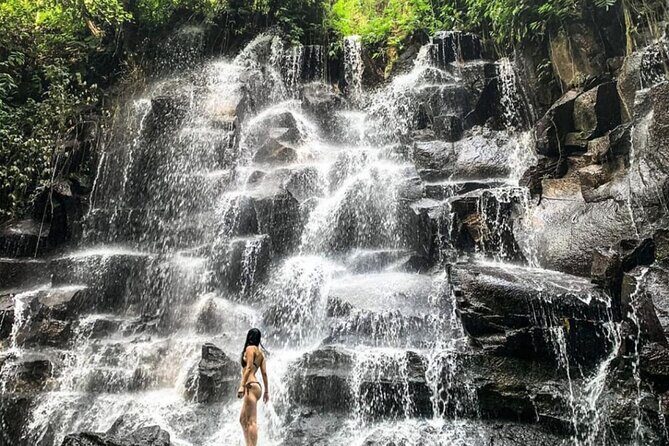
Stop 1: Kanto Lampo Waterfall and Its Tiered Rock Look
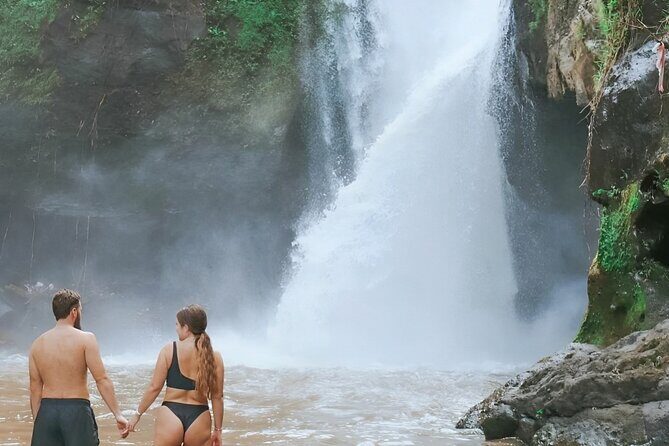
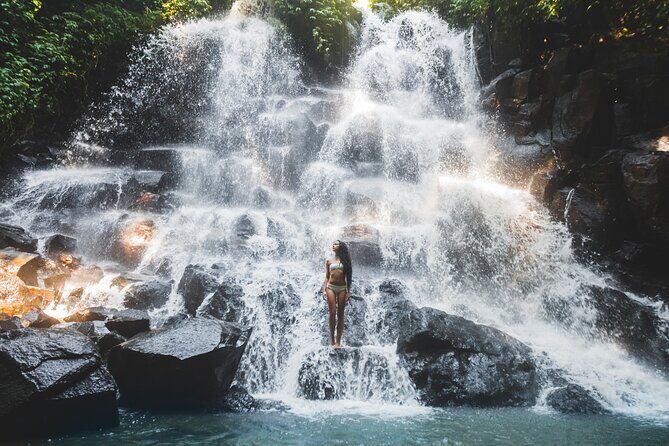
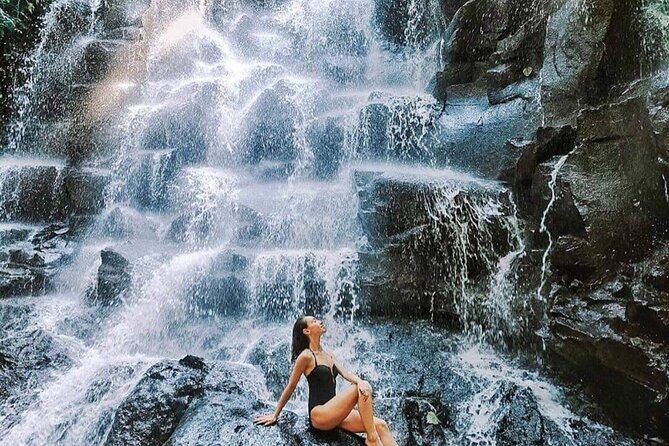
Kanto Lampo is the kind of waterfall that rewards you for slow walking and looking down as well as ahead. It’s known for tiered rock formations, which means you get multiple levels of falling water rather than one single drop. That gives you more chances to frame photos at different angles.
What I’d focus on here:
- Take a little time just to observe where the water breaks over the rocks. That’s where the best composition usually is.
- Bring shoes you’re comfortable getting a bit wet. These waterfall areas can be slippery, especially near the splash zones.
- Plan for natural pools and water access areas, because Kanto Lampo is one of those waterfalls where people linger and try to capture the “right” shot.
A practical drawback: it’s a waterfall stop, so the weather and water flow can affect how it looks. You can’t control that, but the tour’s scheduling gives you a full chance to enjoy the setting instead of a rushed glance.
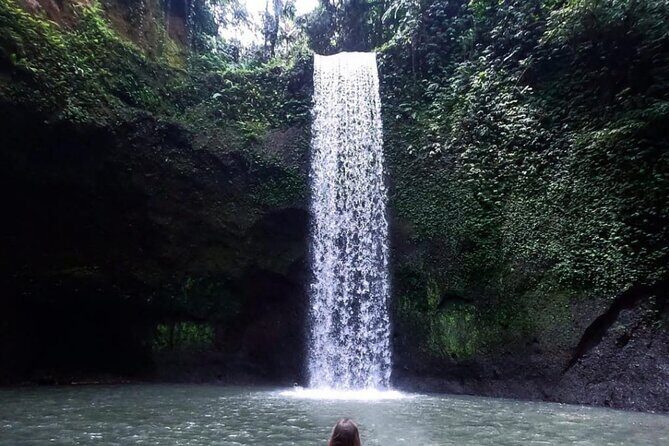
Stop 2: Tibumana Waterfall for a Calmer, Green Setting
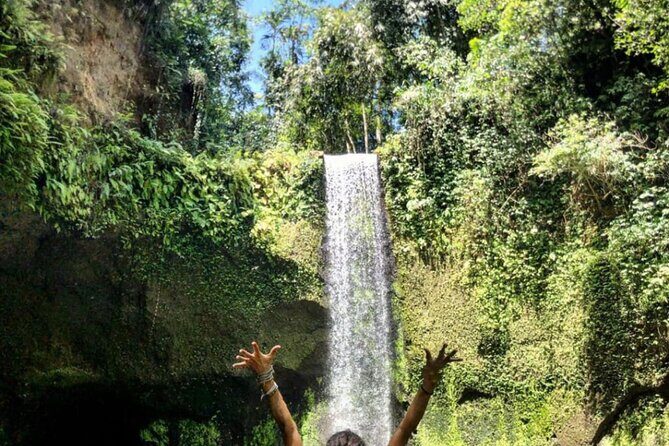
Tibumana tends to feel calmer than some more famous waterfall spots. The payoff is the serene, lush greenery around the falls and a vibe that’s easier on your senses after driving.
This stop is a nice change of pace:
- If you want photos that feel softer and quieter, Tibumana is a good match.
- If you enjoy slower pacing, the roughly 2 hours you get here means you can explore without feeling like you’re racing the clock.
Because it’s described as relatively less crowded, you’re more likely to find moments where the waterfall feels like it’s yours for a minute. That’s not something you can guarantee on your own schedule.
What to consider: any waterfall visit can mean changing footing and humidity. Take it slow, watch your step near water edges, and keep your phone secured if you’re moving around.
Stop 3: Tukad Cepung Waterfall, the Cave Light Effect
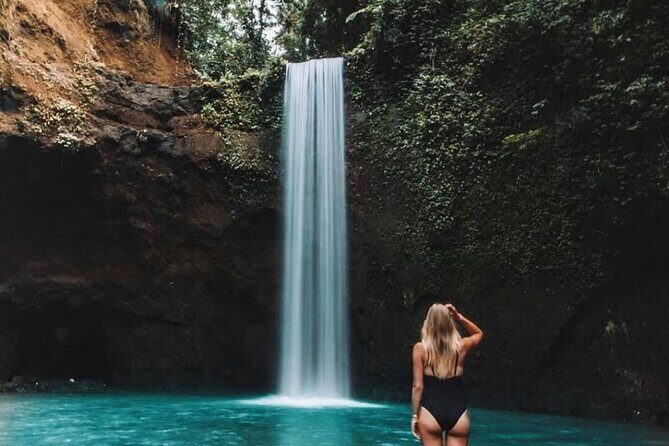
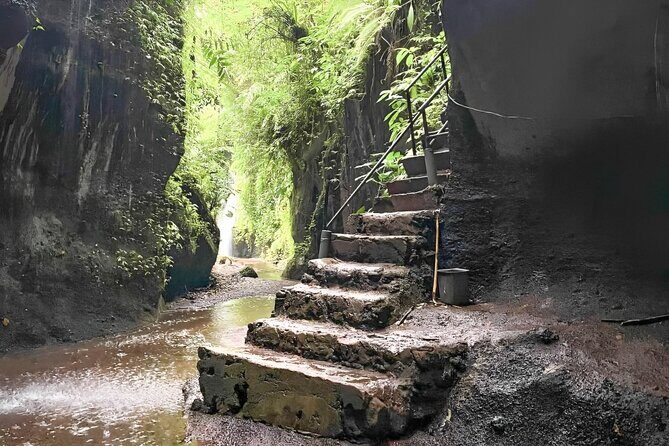
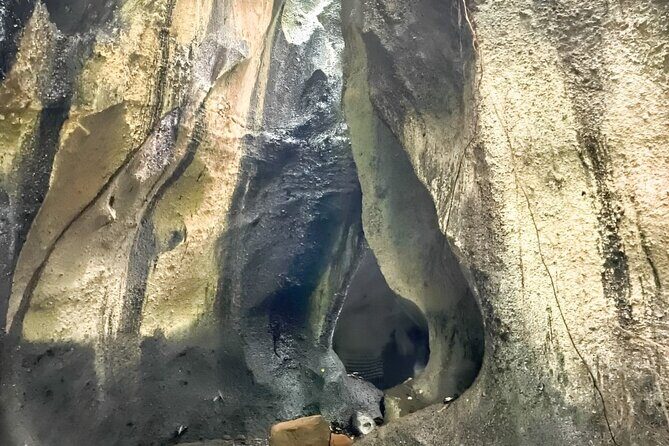
Tukad Cepung is the stop that tends to turn into a “wow” moment. Why? It’s partially concealed within a cave, and the top opening lets the light in. When the sun rays reach the interior, you get that dramatic light effect in the rock and water.
This is a waterfall where timing matters more than at the others. Even if you don’t chase technical photo angles, you’ll still notice the difference between plain daylight and the moments when light hits the cave opening.
How to enjoy Tukad Cepung:
- Plan to arrive and settle before you start moving too fast. Let your eyes adjust.
- If you’re chasing photos, pay attention to where the light falls and don’t just stand in the first spot you find.
- Keep moving carefully. Cave and rock areas can change from dry to slick quickly.
One note: because it’s in a cave setting, you might feel the damp air more strongly. That’s normal. You’re there for the light-and-water effect, not the dry comfort of a roadside stop.
Stop 4: Tegalalang Rice Terrace and the Swing Photo Option
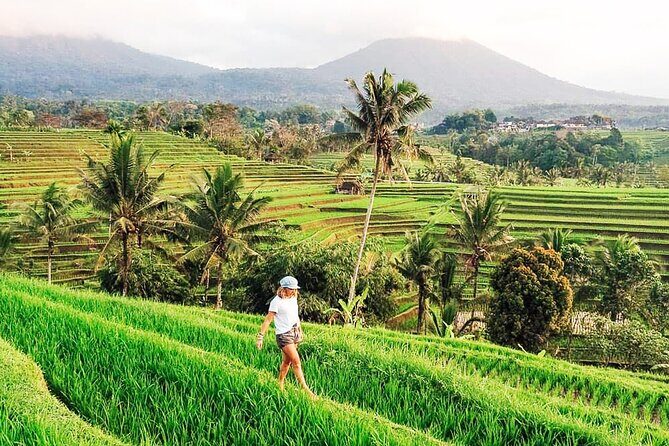
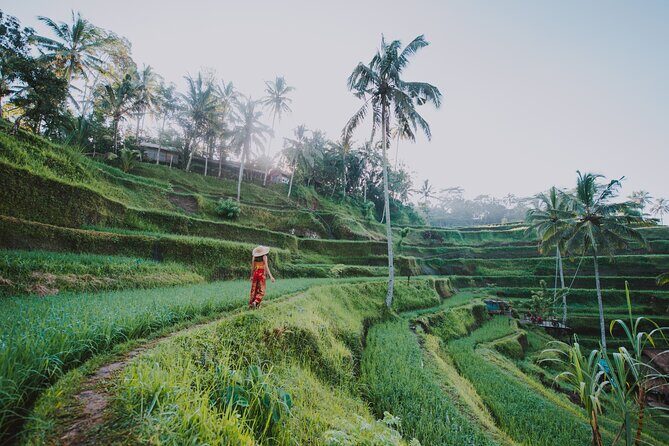
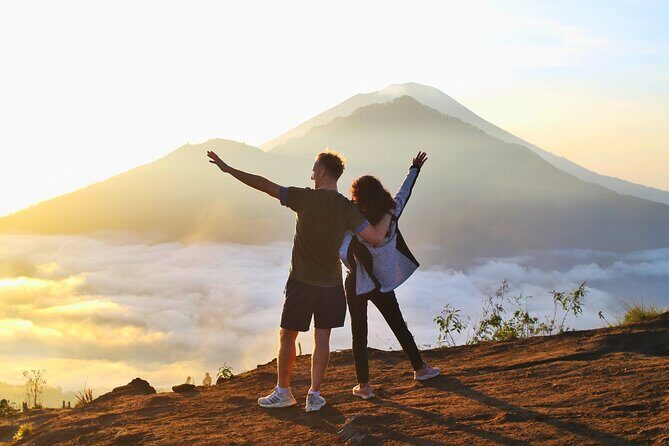
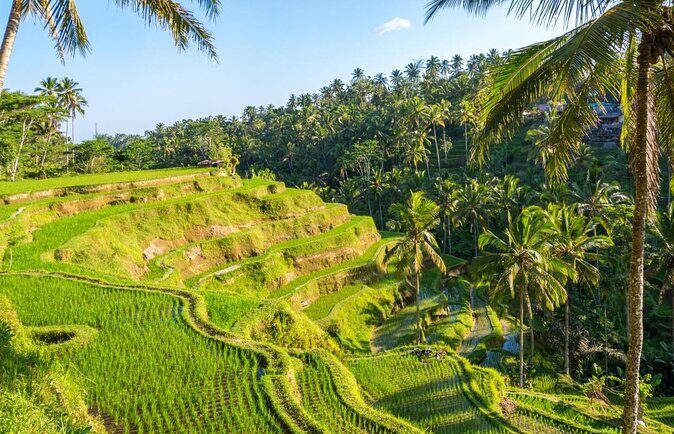
Then you shift from waterfall mode to classic Bali countryside. Tegalalang Rice Terrace is one of the most iconic images of Bali: green stepped rice paddies shaped by traditional irrigation systems.
Here’s what makes the rice terrace stop worth giving time to:
- It’s a visual payoff after the caves and cascades.
- You can slow down, stretch your legs, and get photos from multiple distances.
- It’s also the point in the day where you can breathe a bit and enjoy the “big view” without worrying about stepping into the splash zone.
About that extra photo option: you can opt to soar on an Instagram-friendly swing above the rice paddies, for an additional fee. Swing fees are not included, so treat it like an add-on you choose based on your comfort and photo priorities.
My practical take: if you’re willing to trade a little time and extra cost for a signature shot, it’s a fun way to end the day. If you’d rather keep it chill, you can still enjoy the terraces without it.
What the Included Price Really Covers (and What It Doesn’t)

At $23.38 per person, this tour’s value comes from the math of what you don’t have to buy separately. Included items cover:
- Air-conditioned vehicle
- Bottled water
- Entry tickets to all main stops (three waterfalls + rice terrace)
- Parking fees and fuel
Not included:
- Lunch
- Swing fees
So the question isn’t just “is it cheap.” It’s “does it keep costs predictable?” For many people, the included admissions are what make the day feel fair, especially when you’re visiting multiple paid sites in one trip.
Also, this tour is capped at 15 travelers, which usually means you get a better experience than you would with huge bus groups. If you care about comfort and not waiting around, that matters.
The Guide Factor: Patience, Timing, and Photo Help
One of the most consistently praised parts of this kind of waterfall day is the guide’s ability to keep it smooth. In past experiences, guides like Made have been described as patient, knowledgeable, and great at helping with photography, while drivers like Mangkok have been praised for punctuality and for helping with bags throughout the day.
Why that matters:
- Waterfall visits can change minute-to-minute (lighting, crowds, slippery ground).
- A guide who stays calm helps you get better photos without stressing out.
- Bag help and smart pacing means less time hauling stuff around and more time actually enjoying the place.
If you’re the type who likes to take photos, this kind of support makes a difference between “I got a few shots” and “I got the shots I wanted.”
Footwear, Weather, and Staying Comfortable for an 8-Hour Day
Waterfalls mean damp ground. Even if you don’t plan on getting in the water, you’ll likely walk on surfaces that can be slick. I’d bring:
- Shoes you can trust on wet stone (not brand-new slippery sneakers)
- A quick-dry layer if you run cold in shaded cave areas
Also, Bali weather can be warm and humid fast. The included vehicle and bottled water help you reset between stops, but you’ll still feel the day’s tempo.
A small, helpful mindset: plan to move slowly at each site. Waterfall days reward patience. Rushing usually leads to bad footing and missed photo angles.
Lunch Plan: Ask Your Guide and Build the Day Around It
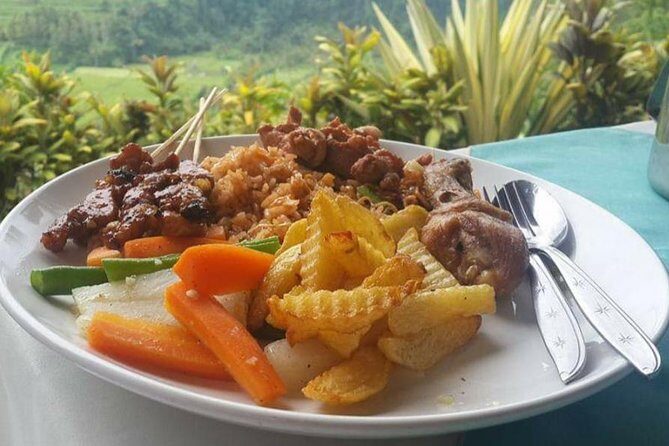
Lunch isn’t included, but this is one of those tours where the guide’s advice can upgrade your day. Past experiences have included recommendations for an amazing lunch spot, and that can end up being a highlight even when lunch itself isn’t part of the package.
So here’s what I recommend: be ready with a preference when you arrive for the mid-day meal. If you tell your guide you want something quick, local, or with a nice view, you’re more likely to land a spot that fits your energy.
Who This Tour Suits Best
This is a strong fit if you:
- Want three waterfalls in one day without wrestling with self-drive logistics
- Like photography and want time at each stop (about 2 hours per site)
- Prefer small-group pacing rather than a large bus day
- Are interested in the swing photo option at Tegalalang
It’s less ideal if you:
- Hate long drives (it’s an 8-hour day)
- Want a minimal walking day—waterfall sites often involve uneven, wet footing
- Are hoping lunch is included in the ticket
Should You Book This Ubud Waterfalls and Rice Terrace Tour?
Book it if you want a well-structured Bali day that hits the big visual hits—Kanto Lampo, Tibumana, Tukad Cepung, then Tegalalang—without you planning routes, buying multiple tickets, or timing your own transport. For the price, the included admissions and transportation do a lot of heavy lifting.
Don’t book it if you’re looking for a short outing or you’re extremely sensitive to slippery surfaces and long road time. Also, if you want only one waterfall, this itinerary is designed to satisfy a “more is more” day.
If you’re flexible, bring sturdy shoes, and let the guide set the pace, you’ll likely end the day with a stack of photos—and a calmer brain than you’d have with a DIY day.
FAQ
How long is the tour?
It runs about 8 hours.
What stops are included in the day?
You’ll visit three waterfalls: Kanto Lampo, Tibumana, and Tukad Cepung, plus Tegalalang Rice Terrace.
Is pickup included?
Pickup is offered, with round-trip transfers from Ubud and much of south Bali.
Are entry tickets included?
Yes. Entry tickets are included for Kanto Lampo, Tibumana, Tukad Cepung, and Tegalalang Rice Terrace.
What about lunch?
Lunch is not included.
Is the jungle swing included?
Swing fees are not included, though you can opt in for the swing photo experience.
What’s included in the ticket price besides admissions?
Air-conditioned vehicle, bottled water, parking fees, and fuel are included.
What’s the maximum group size?
The tour has a maximum of 15 travelers.
Can I cancel for free?
Yes, you can cancel up to 24 hours in advance for a full refund.
Do I receive a ticket on my phone?
You’ll have a mobile ticket.



.jpg)
.jpg)
.jpg)
.jpg)
.jpg)
.jpg)
.jpg)
.jpg)





.jpg)
.jpg)
.jpg)
.jpg)
.jpg)
.jpg)
.jpg)
.jpg)