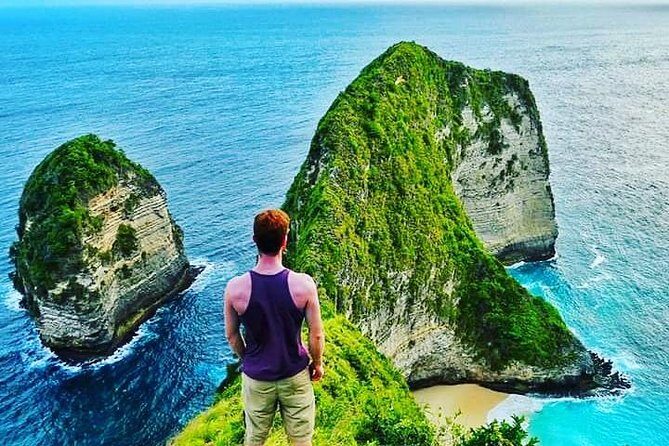
Bali Ghost Tour: The Biggest Abandoned Hotel in Bali

Bali Ghost Tour: The Biggest Abandoned Hotel in Bali - Getting there smoothly: pickup, timing, and your day plan

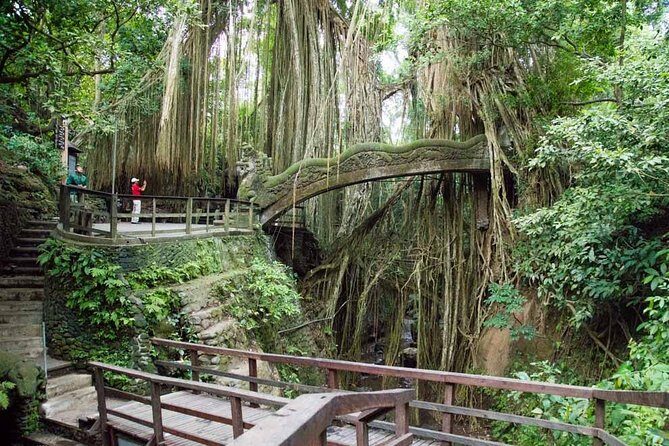
Bedugul has a serious spooky side. This private Bali ghost-style outing strings together a famous abandoned hotel, lake temples, and waterfall time, all with an air-conditioned ride and a steady plan for photos. It’s built for people who want more than a quick stop, with round-trip transfers plus an Indonesian lunch included.

Two big reasons I think you’ll like it: first, the abandoned Bedugul Hotel is treated like a local legend, so the story isn’t just for scares. Second, the itinerary is photo-friendly at every turn, from the temple lake views to swing-and-panorama spots at Wanagiri. One thing to consider: it’s a full 10-hour day with some walking, so if your pace is slow, you’ll want to plan for breaks and comfort shoes.

Key things to know before you go

Bali Ghost Tour: The Biggest Abandoned Hotel in Bali - Key things to know before you go

  • Private tour from Ubud: You’ll have your own guide and driver time, not a cramped bus shuffle.
  • Big “ghost palace” stop: The abandoned Bedugul Hotel is the star, with time to look around.
  • Photo checkpoints built in: Temple scenery, waterfall views, and Wanagiri swings and viewpoints.
  • Lunch and bottled water included: You don’t have to hunt for food between stops.
  • Moderate walking: Banyumala includes a walk you’ll want to handle comfortably.

Ubud’s Bedugul Day Trip: why this ghost-themed route works

Bali Ghost Tour: The Biggest Abandoned Hotel in Bali - Ubud’s Bedugul Day Trip: why this ghost-themed route works
If you like Bali for its mix of nature and spirituality, this kind of day tour makes sense. The abandoned hotel is the headline, sure, but the rest of the day is what keeps it from feeling like a one-note stunt. You get a temple on a lake, two waterfall/hidden-hill nature moments, and a big chunk of time where you can actually slow down and look.

I also like the pacing. The stops are spaced so you’re not sprinting nonstop, and each one has a clear “reason to be there.” That matters in Bali, where traffic can make or break your day.

Finally, the private format is the practical advantage. Guides like Radi (praised for friendly, solid English and good storytelling) can shape the pace to your interests. Other drivers and guides, such as Dekwi and Benik, have also been noted for keeping the vibe fun and the photos easy.

Getting there smoothly: pickup, timing, and your day plan

Bali Ghost Tour: The Biggest Abandoned Hotel in Bali - Getting there smoothly: pickup, timing, and your day plan
The tour starts at 8:00 am, with hotel pickup and drop-off included. You’ll ride in an air-conditioned minivan, which is a big deal if you’re doing a full-day route through cooler highlands and back again.

The day runs about 10 hours, so treat it like a real day-trip, not a casual half-day. A mobile ticket is included, and you’ll need a minimum of 2 people per booking, so solo travelers may have to pair up depending on availability.

What you’ll want to bring is simple:

  • Comfortable shoes for walking at the waterfall stop
  • Sun protection (even around lakes and hills)
  • A light layer if you run cool in the highlands

Stop 1: Ulun Danu Bratan Temple and the lake-on-the-horizon moment

Bali Ghost Tour: The Biggest Abandoned Hotel in Bali - Stop 1: Ulun Danu Bratan Temple and the lake-on-the-horizon moment
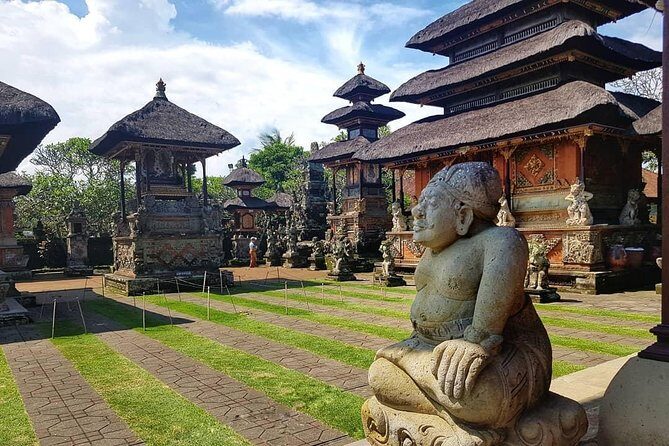
Your first major stop is Ulun Danu Bratan Temple, known for its setting on the lake of Beratan (often described as a floating-feeling temple scene). You get about 1 hour, with admission included.

This is the calm start that makes the rest of the day work. Before you go hunting eerie stories at an abandoned hotel, you get a chance to reset your eyes on something peaceful and scenic. The background hills help the photos look natural, not staged, and it’s an easy place to wander without rushing.

A practical note: temple timing can mean shifting light and crowds. If you care about photos, you’ll do better arriving ready to shoot soon after you get there, then switching to slower viewing.

Stop 2: Bedugul’s abandoned hotel, the so-called ghost palace

Bali Ghost Tour: The Biggest Abandoned Hotel in Bali - Stop 2: Bedugul’s abandoned hotel, the so-called ghost palace
Then comes the star: the abandoned Bedugul Hotel, sometimes called a ghost palace by locals. It was built around the 1990s and became the biggest hotel in that area, which is part of why the building has such strong local presence.

You’ll have about 1 hour at the property, and admission is listed as free. This stop is the one that changes the tone of the whole day. Instead of just viewing nature, you’re stepping into a structure with a built-in backstory. The tour focuses on the history and the spooky legends people associate with it, which makes the experience feel like culture plus storytelling rather than only “see a creepy place.”

Photo-wise, you’ll like this stop if you enjoy:

  • wide angles (the building’s size plays well)
  • detail shots (textures, corridors, doorways)
  • dramatic light (depending on the day)

One consideration: abandoned buildings can be unpredictable in terms of uneven ground, debris, and footing. You don’t want to treat this like an indoor museum. Watch your step, keep your gear close, and use common sense.

Stop 3: Banyumala Twin Waterfalls and the walking that’s worth it

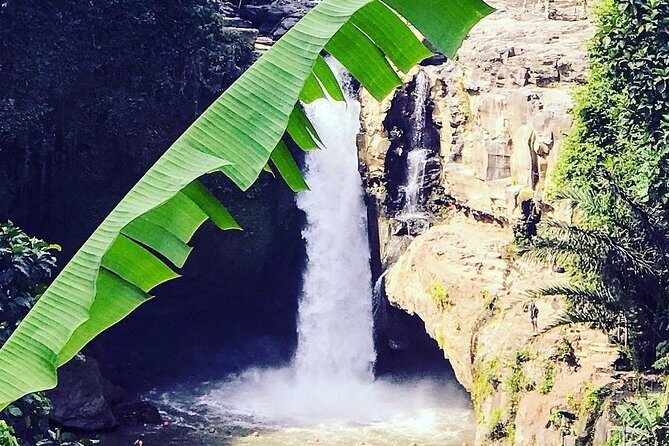
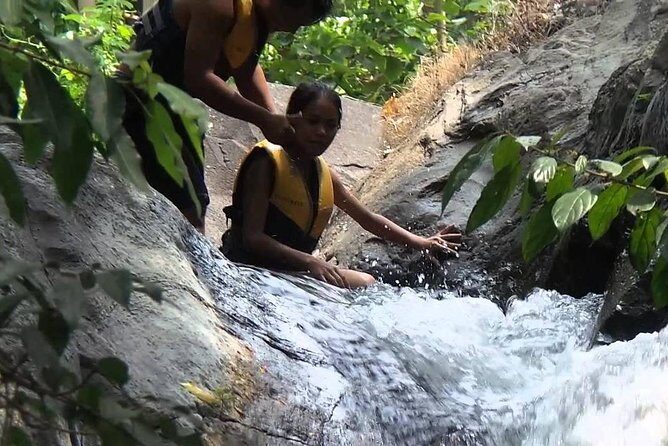
Next up is Banyumala Twin Waterfalls, one of the stops that mixes scenery with a bit of effort. It’s rated as a great place for photos and it’s also a spot where swimming may be possible (the tour highlights it as a place to enjoy and picture, with some activity built in).

You get about 1 hour here, and admission is included. The tour also notes there will be some walking. The key point for you: that walk isn’t random. It’s the kind of movement that gets you to the angles where the waterfall looks best and where the twin-water look actually lands.

If you’re comfortable with light hikes, this is a great stop. If not, you can still enjoy the view without doing everything. Just plan for uneven surfaces and keep your time realistic. Waterfall stops can turn into slower-than-planned moments, because everyone wants the same angles.

Stop 4: Wanagiri Hidden Hills, swings, nests, and Buyan Lake views
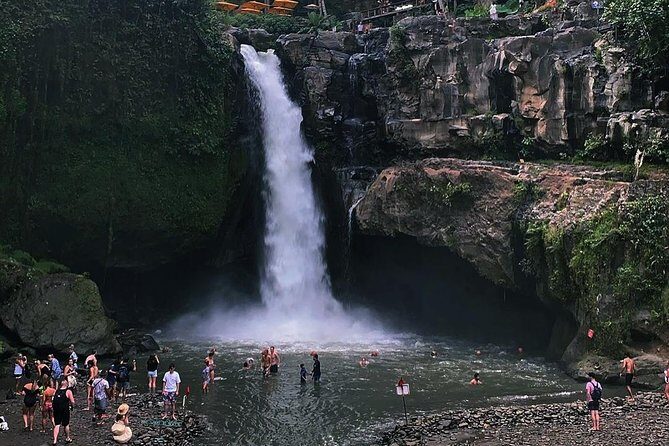
Bali Ghost Tour: The Biggest Abandoned Hotel in Bali - Stop 4: Wanagiri Hidden Hills, swings, nests, and Buyan Lake views
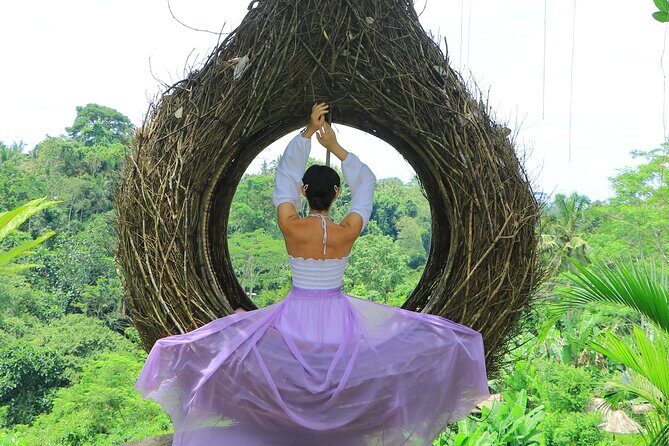
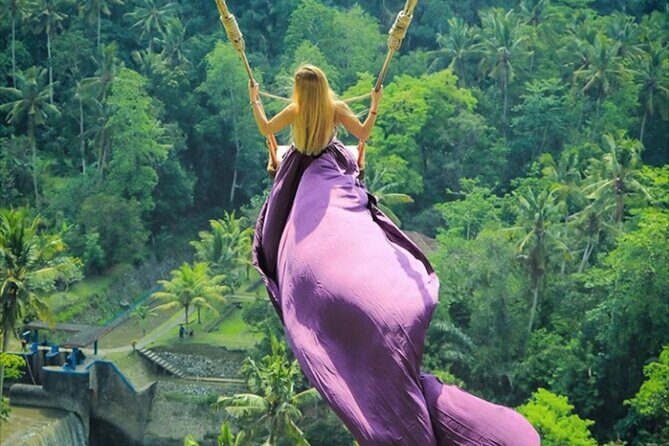
Your final scenery push is Wanagiri Hidden Hills—a highpoint for Instagram-style viewpoints. The tour highlights multiple photo setups: a swing, bird nest style photo spots, and several backdrop panoramas featuring Buyan Lake.

You’ll have about 1 hour at Wanagiri, and admission is included. This is the stop that feels most like “activity meets scenery.” You can be playful with the swing shots, then switch gears to slower panorama viewing as the sun shifts.

Why I like ending here: it’s the kind of place where you can finish the day with a “wow” view instead of rushing back immediately after the abandoned hotel. It also helps you balance the day’s tone. You start with temple calm, go spooky at Bedugul, then nature at waterfalls, and wrap with wide-open lake panoramas.

Lunch and breaks: what’s included (and what to budget)

Food is handled well for a day like this. The tour includes lunch and bottled water, which saves you from the classic problem of spending the afternoon searching for something decent in between scenic stops.

Alcoholic drinks are specifically not included, so if you want a beer or a cocktail later, plan to pay separately. The rest of the day is set up so you can stay focused on sights instead of logistics.

Guides and the private-ride advantage: Radi, Dekwi, Benik style

One of the most praised parts of this tour is the guide/driver experience. Radi is described as having good English, being friendly, and being knowledgeable in a way that makes the abandoned hotel time easier to enjoy (you understand what you’re looking at, and why the stories matter). Dekwi is also singled out for helping make the trip enjoyable. Benik is noted for being funny and nice, plus making it easy to get good photos.

You should still know what you’re booking: a private tour means the experience can feel more personal. If you like to ask questions, this setup gives you that space. If you prefer quiet, you still get a stable plan and someone to manage the ride.

Price and value: is $61.54 per person fair for 10 hours?

At $61.54 per person, the price is most convincing when you look at what’s included rather than just the headline number.

You’re paying for:

  • Private tour format (not shared bus time)
  • Hotel pickup and drop-off
  • Air-conditioned transport
  • Lunch
  • Bottled water
  • Admission coverage at multiple stops (temple, waterfall, hidden hills; plus Bedugul hotel access listed as free)

For a full day—about 10 hours—with several separate sites and transfers, the value is solid, especially if you’re traveling with a partner or small group. The main tradeoff is that the itinerary is busy, so it’s best for people who want a packed day of highlights rather than a slow sit-and-breathe trip.

Who this Bali ghost tour is best for

I’d point you to this tour if you:

  • want one day that mixes spirituality, nature, and an abandoned “ghost palace” story
  • care about photo stops more than deep academic history
  • prefer a private driver and guide for smoother timing
  • can handle moderate walking, especially at the waterfall stop

It’s also a good fit for couples and small groups. The minimum of 2 people per booking supports that vibe.

Who should think twice

You may want to reconsider if:

  • you don’t like full-day schedules and want more downtime
  • you’re sensitive to walking on uneven ground (the waterfall stop includes some walking, and the abandoned building stop requires careful footing)
  • you only want a short, focused “ghost” experience (this day also includes temple and viewpoint time)

Quick practical tips to make your day better

A few small moves can make this feel smoother:

  • Wear shoes you trust for waterfall paths and the abandoned hotel area.
  • Bring a light layer if you get chilly in the highland areas.
  • Charge your phone/camera early. You’ll use it at every stop.
  • Have a flexible photo plan: the best shots usually mean you arrive ready to move fast at the start of each stop.

Should you book this abandoned hotel ghost tour?

Book it if you want a high-energy day that mixes Bali’s spiritual visuals with one of the island’s best-known abandoned structures. The biggest value is the full package: private transfers, lunch, and multiple major stops that all have a clear photo and sightseeing payoff.

Skip or adjust expectations if you’re looking for a slow, quiet day or if walking makes you uneasy. This is a “see a lot” route, and the abandoned hotel stop rewards curiosity but demands common-sense caution.

FAQ

FAQ

How long is the Bali Ghost Tour from Ubud?

It runs for about 10 hours.

What time does the tour start?

The start time is 8:00 am.

Is hotel pickup and drop-off included?

Yes. Hotel pickup and drop-off are included.

What’s included in the price?

The tour includes transport by air-conditioned minivan, a private tour, bottled water, lunch, and all taxes, fees, and handling charges.

Are tickets included for the stops?

Admission tickets are included for Ulun Danu Bratan Temple, Banyumala Twin Waterfalls, and Wanagiri Hidden Hills. The abandoned Bedugul Hotel stop lists admission as free.

Do I need to pay for alcoholic drinks?

Alcoholic drinks are not included.

Is this tour private or shared?

It’s a private tour/activity, so only your group participates.

What’s the cancellation policy?

You can cancel for a full refund up to 24 hours before the experience’s start time. If you cancel less than 24 hours before, the amount paid is not refunded.

Bali’s Spiritual Pillars – Uluwatu Temple Tour

Bali's Spiritual Pillars - Uluwatu Temple Tour - Price and what you truly get for around $34

Sunset at Uluwatu has sharp edges.

This tour takes you to Uluwatu Temple, a Balinese Hindu sea temple perched on a cliff above the Indian Ocean, with sunset views as the main pull. You’ll also have time to photograph the coastline from up high and catch the afternoon Kecak/fire dance as an optional add-on.
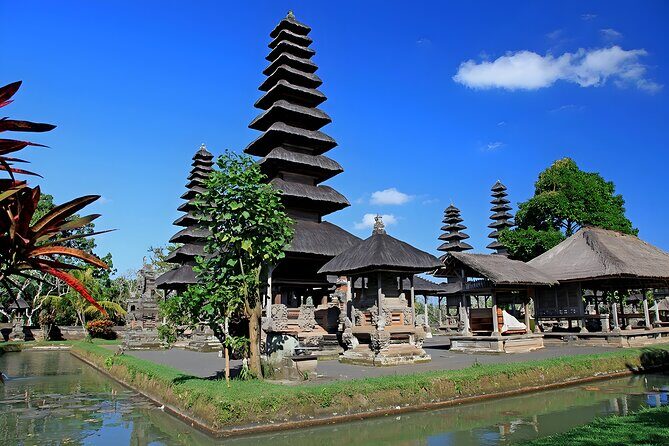
I especially like that the tour bundles the essentials: hotel pickup/drop-off (in many areas) and the entrance ticket are included. I also like the emphasis on cultural context, including the temple’s place among the sad kahyangan and its dedication to Sang Hyang Widhi Wasa as Rudra, explained by an English-speaking guide.

One drawback to plan around: it’s focused on the temple, so meals aren’t included, and the Kecak dance costs extra on your own.

Key things to know before you go

Bali's Spiritual Pillars - Uluwatu Temple Tour - Key things to know before you go

  • Cliff-top temple views at sunset: the setting is the point, especially toward late afternoon.
  • Entrance is included: you’re not juggling extra payments for the main site.
  • Pickup is available from Seminyak: plus free pickup in several other nearby areas.
  • Kecak/fire dance is optional: it’s not included, so you control the spend.
  • Private vehicle for your group: your experience stays calmer than a big bus day.
  • Bring a camera: the tour explicitly encourages photo time on the cliffs.

Uluwatu Temple: sea-temple drama above the Indian Ocean

Bali's Spiritual Pillars - Uluwatu Temple Tour - Uluwatu Temple: sea-temple drama above the Indian Ocean
Uluwatu Temple sits in Pecatu, in southern Bali, and it’s famous for one very practical reason: it’s built on a cliff edge where the ocean keeps moving below you. That height changes everything. Light hits differently, the air feels cooler than the beach areas, and the view turns scenic even before sunset starts doing its magic.

This temple is also more than a photo stop. It’s a Balinese Hindu sea temple and is regarded as one of the sad kahyangan. The dedication is to Sang Hyang Widhi Wasa in his manifestation as Rudra, which gives you a real spiritual framework for what you’re seeing, not just the rocks and waves.

If you like places that feel active and meaningful at the same time, Uluwatu tends to deliver. The temple setting makes the spiritual side visible, and the ocean backdrop makes it memorable.

Price and what you truly get for around $34

Bali's Spiritual Pillars - Uluwatu Temple Tour - Price and what you truly get for around $34
At about $34, this is a solid value day-trip style tour, mainly because key costs are bundled. You get pickup and drop-off, an experienced English-speaking driver/guide, a private vehicle, mineral bottle water, and admission to Uluwatu Temple.

That matters because sunset temple days can get expensive fast once you start adding entrance fees, transport, and guide time. Here, the entrance is included, so you’re not paying twice just to access the main experience.

What’s not included is equally important for value: meals/dinner and the Kecak dance. If you want dinner after the temple, you’ll need a plan. And if you care about catching the performance, you’ll budget for the ticket separately.

Overall, you’re paying for one focused destination done well, with transport and entry handled upfront.

Pickup from Seminyak (and why you should be on time)

This tour offers free hotel pickup for many areas, including Seminyak and several surrounding zones like Canggu, Kuta/central Kuta, Jimbaran, Nusa Dua, Sanur, and Pecatu/Uluwatu. If you’re staying in those areas, the tour is built around making the trip easy, not complicated.

There’s also a simple timing rule that saves hassle: be ready. The maximum waiting time for hotel pickup is listed as 10–15 minutes. If you’re late, the tour may move on, so it’s worth setting a wake-up alarm with a buffer.

Once you book, you should get a confirmation email and voucher instantly, and the voucher is valid only on the date specified. The operator reconfirms your pickup time in advance, so check your email and follow their timing message.

This is a private tour/activity, and only your group participates. That usually means less waiting around for other hotels and fewer stops than a shared bus setup.

A tight itinerary: what your Uluwatu visit actually feels like

Bali's Spiritual Pillars - Uluwatu Temple Tour - A tight itinerary: what your Uluwatu visit actually feels like
The itinerary is straightforward: one main stop—Uluwatu Temple. Your Uluwatu visit is about 3 hours, and the overall tour is listed at roughly 3 to 7 hours depending on timing and how you pace sunset and optional elements.

That one-stop design is a big deal. You don’t spend the day crisscrossing Bali. Instead, you spend time where the view and the temple atmosphere matter most.

Here’s what you can expect during the temple time:

  • You’ll enter Uluwatu Temple, where you’re seeing a Balinese Hindu sea temple in action.
  • You’ll have time to look around, absorb the setting, and take photos from the cliff areas.
  • If you’re aiming for sunset, timing inside the grounds becomes part of the experience, not just a background detail.

Bring your camera, and plan for slow looking. Cliff temples reward patience. You’ll want a few angles, not just one quick shot.

Also note: children must be accompanied by an adult, and most travelers can participate. If you’re traveling with kids, keep the pace realistic and don’t plan on a long wandering session beyond the tour’s window.

The temple’s meaning: sad kahyangan and Rudra context

Bali's Spiritual Pillars - Uluwatu Temple Tour - The temple’s meaning: sad kahyangan and Rudra context
Uluwatu Temple is one of the sad kahyangan, which frames it as part of a larger system of key temples. That matters because it changes how you interpret what’s going on. You’re not just watching ceremonies as a tourist show; you’re seeing a sacred place with a defined spiritual role.

The temple is dedicated to Sang Hyang Widhi Wasa in his manifestation as Rudra. If you have a guide explaining what that means, the whole visit clicks into place faster. Instead of guessing, you’ll have language for the ideas behind the site.

The value here is practical: when you understand the temple’s place in Balinese Hindu belief, you spend less time trying to piece things together and more time paying attention to details you’d otherwise miss.

I also like that the tour is built around an English-speaking driver/guide. Getting clear explanations helps if you don’t read Balinese religious texts or you’re not already familiar with how temple systems work.

One guide name that’s come up in feedback is Adie. People praised his ability to connect what you see with the background of Balinese history and culture, and that kind of interpretation is what turns a sunset photo stop into a real experience.

Sunset strategy: how to plan your time on the cliff

Bali's Spiritual Pillars - Uluwatu Temple Tour - Sunset strategy: how to plan your time on the cliff
Sunset is a major highlight of Uluwatu Temple, and for good reason. The cliff position gives you dramatic light, and the ocean adds movement to the scene even when the sky slows down.

Your best strategy is simple:

  • Aim to be ready before the sunset rush.
  • Keep your camera accessible, not buried in a bag.
  • Don’t treat sunset like one moment. Treat it like a 30–45 minute window where the sky changes fast.

Since your main visit is about 3 hours, you’ll want to time your wandering so you’re still in the right areas when the light turns best. A guided approach helps here. The driver/guide can time your flow so you’re not sprinting between viewpoints at the last second.

If you’re the type who likes to linger, this tour still works well because it’s not packed with extra stops. You can focus on the one place that really matters: the cliff and the horizon.

Kecak/fire dance: optional, timed, and usually separate

Bali's Spiritual Pillars - Uluwatu Temple Tour - Kecak/fire dance: optional, timed, and usually separate
The Kecak dance is mentioned as an afternoon performance option tied to Uluwatu Temple days. It’s specifically called out as a traditional fire/Kecak dance, and the key detail is that it’s not included in the tour price.

So if you want it, budget for it and plan your timing. The performance is an add-on you decide based on your energy level and interest. If sunset is your main goal, you can treat Kecak as the bonus.

This is how to think about it as value:

  • If you love performance arts, paying extra for Kecak can feel worth it because it’s part of Uluwatu’s cultural identity.
  • If you’re mainly here for the views and temple atmosphere, skip it and use that time for photos and slower temple walking.

Either way, your tour still gives you the core experience: Uluwatu Temple plus sunset viewing time.

Small inclusions that make a difference

A few included details may look minor, but they add up on a warm Bali day:

  • Mineral bottle water is included, which is genuinely helpful when you’re walking and waiting around for light.
  • A private vehicle keeps things comfortable on the road and reduces the chaos of group transfers.
  • A mobile ticket is used, which can simplify entry if you’re traveling light and don’t want to manage paper.

Also, because this is private and your group only participates, you can usually move at a pace that fits your style—photo pause, quick look, or a slower cultural read—without feeling rushed by a large crowd.

Who should book this Uluwatu Temple tour

This is a good match if you:

  • Want a focused temple day with sunset cliff views as the centerpiece.
  • Prefer a guided explanation rather than guessing what you’re looking at.
  • Stay in or near Seminyak (or one of the listed nearby pickup areas).
  • Want transport handled, entrance included, and a calmer private setup instead of a shared tour.

It’s less ideal if you:

  • Need meal/dinner included in the price.
  • Want a multi-stop itinerary across several attractions in one day.
  • Plan to add a performance and expect it to be included.

Should you book Bali’s Spiritual Pillars Uluwatu Temple Tour?

Yes, I’d book it if your priority is Uluwatu Temple done right: entrance included, pickup arranged, and enough time to catch sunset from a cliffside temple setting. The guide element is a strong part of the value too, especially if you care about the temple’s spiritual context (sad kahyangan, Rudra dedication) rather than only the view.

Hold off or rethink it if you’re strict about keeping the whole day fully included on one payment. Meals aren’t part of the package, and the Kecak/fire dance is an extra cost you’ll need to handle separately.

If you want a clean, efficient plan with great scenery and real cultural framing, this one makes sense for a Bali trip.

FAQ

How long is the Bali’s Spiritual Pillars Uluwatu Temple Tour?

The tour is listed at about 3 to 7 hours, with the Uluwatu Temple visit itself around 3 hours.

What is included in the tour price?

Pickup and drop-off to your hotel, an experienced English-speaking driver/guide, a private vehicle, mineral bottle water, and entrance to Uluwatu Temple.

Is the Kecak dance included?

No. The Kecak dance is not included and you’ll pay for it on your own.

Where is Uluwatu Temple located?

Uluwatu Temple is in Pecatu, in the southern area of Bali.

Do I get hotel pickup from Seminyak?

Yes. Free hotel pickup is available for accommodations in Seminyak and other listed areas (such as Canggu, Kuta/central, Jimbaran, Nusa Dua, Sanur, and Pecatu/Uluwatu).

What about ticket delivery?

You’ll receive a confirmation email and voucher instantly after booking, and the voucher is valid only on the date specified. A mobile ticket is used.

What time do I need to be ready for pickup?

The maximum waiting time for hotel pickup is 10–15 minutes, so it’s best to be ready on time.

Is this a private tour?

Yes. It’s private, and only your group will participate.

Can I cancel and get a full refund?

Yes. You can cancel up to 24 hours in advance for a full refund. If you cancel less than 24 hours before the start time, the amount paid is not refunded.

East of Bali Tour with Lempuyang Temple, Waterfall, Tirta gangga

East of Bali Tour with Lempuyang Temple, Waterfall, Tirta gangga - Price and What You’re Really Paying For ($63 and included tickets)

East Bali photos start before sunrise. This private day trip is built around three very photogenic stops, with Mt. Agung showing up in the Mt. Agung backdrop at Lempuyang’s Gate of Heaven, plus reflective statues and koi at Tirta Gangga. You’ll also get a break at Taman Sari Waterfall and its natural pool, which feels like a calmer counterpoint to the temple crowds.

I like the flexibility of a private driver. It’s your pace, your timing, and you’re not stuck waiting on other people to finish photos. I also like that your ticket costs are mostly handled up front, since admission is included for Lempuyang Temple, Tirta Gangga, and Taman Sari.

One consideration: the Gate of Heaven area can be a waiting game. Even with a private setup, one review mentioned a long wait of around 3 hours for the photo, so your departure time choice really matters.

Key things I’d plan around

East of Bali Tour with Lempuyang Temple, Waterfall, Tirta gangga - Key things I’d plan around

  • Before-dawn vs later start at Lempuyang: your timing directly affects how long you’ll wait for the Gate of Heaven shot
  • Mt. Agung in the background: this route is set up for iconic volcano + temple framing
  • Tirta Gangga koi pools and reflections: the water garden is all about symmetry, statues, and fish-filled angles
  • Taman Sari waterfall + natural pool: a scenic pause between the big-name temple moments
  • Hotel-area pickup across south Bali: Ubud, Kuta, Seminyak, Nusa Dua, Canggu, Jimbaran, and Gianyar are covered

East Bali in One Long Day: Why This Route Makes Sense

East of Bali Tour with Lempuyang Temple, Waterfall, Tirta gangga - East Bali in One Long Day: Why This Route Makes Sense
This is a solid “three stops, one day” plan for East Bali’s most camera-friendly hits. The pacing works because each stop has a different visual theme: temple symmetry, water garden reflections, then a waterfall break.

It’s also a practical way to see more than one famous site without overthinking logistics. You get a private car and an English-speaking driver, so you’re free to focus on timing, photos, and moving from place to place without coordinating public transport.

The downside is simple: it’s still a 10-hour day. If you’re the type who needs frequent downtime, you’ll want to treat this as a photogenic day, not a slow stroll day.

Price and What You’re Really Paying For ($63 and included tickets)

East of Bali Tour with Lempuyang Temple, Waterfall, Tirta gangga - Price and What You’re Really Paying For ($63 and included tickets)
At $63 per person for about 10 hours, the value is strongest because the big ticket items are included. Your package covers admission tickets for Lempuyang Temple, Taman Tirta Gangga, and Taman Sari Waterfall, plus a private car and mineral water.

That matters because admission fees add up fast when you stack multiple sites. Here, the cost is doing the heavy lifting, and you’re left to budget mainly for lunch and anything personal you want to buy.

Lunch isn’t included, so plan on that reality before you get hungry. If you know you’ll want a sit-down meal, bring a little extra time awareness so the driver can work around it.

Pickup and the Private-Driver Advantage in Ubud and South Bali

East of Bali Tour with Lempuyang Temple, Waterfall, Tirta gangga - Pickup and the Private-Driver Advantage in Ubud and South Bali
You can be picked up from Ubud and also a spread of south Bali areas, including Kuta, Seminyak, Nusa Dua, Canggu, Jimbaran, and Gianyar. That’s a big deal if you’d otherwise spend time figuring out where to meet a driver.

The tour is private, meaning it’s only your group. For families, couples, and friends traveling together, this tends to reduce stress because you’re not negotiating group pace or photo turns.

One more practical point: you’ll have a mobile ticket. That can save time at entry points compared with printed paperwork, as long as your phone battery is healthy.

Lempuyang Temple’s Gate of Heaven: The Photo Timing That Makes or Breaks It

East of Bali Tour with Lempuyang Temple, Waterfall, Tirta gangga - Lempuyang Temple’s Gate of Heaven: The Photo Timing That Makes or Breaks It
This is the headliner, and it’s clear why. Lempuyang’s Gate of Heaven is famous for the framing, plus the chance to include Mt. Agung in the background for an iconic volcano-and-temple look.

The tour gives you a choice: go before dawn to miss the longest lines, or sleep in and start later. If you care most about getting the photo with the least waiting, I’d lean toward the early option, since that’s the moment you’ll have the best shot at smoother timing.

Here’s the honest consideration: one review called out a long wait time—around 3 hours—for the photo. That doesn’t mean you’ll wait that long every day, but it does mean you should treat Gate of Heaven timing like part of the itinerary, not just an arrival detail.

Tirta Gangga Park: Koi, Reflections, and a Different Kind of Bali Beauty

East of Bali Tour with Lempuyang Temple, Waterfall, Tirta gangga - Tirta Gangga Park: Koi, Reflections, and a Different Kind of Bali Beauty
After the temple moment, you’ll head to Tirta Gangga Park. This stop is built around still water and big visual payoff: reflected statues and hundreds of koi carp, which makes the whole area feel like a living photo set.

This is also a nice shift in pace. Lempuyang is about monumental framing and crowds; Tirta Gangga is about composition and calmer angles, where you can take your time lining up reflections.

One practical benefit here is that the visual style is different enough to prevent “photo fatigue.” When your second stop looks totally different from the first, your pictures feel varied instead of repetitive.

Taman Sari Waterfall and Natural Pool: Your Scenic Reset

East of Bali Tour with Lempuyang Temple, Waterfall, Tirta gangga - Taman Sari Waterfall and Natural Pool: Your Scenic Reset
Then comes the waterfall stop, called Taman Sari Waterfall with a natural pool. The route labels it as a secret waterfall, and you’ll feel the difference as soon as you’re away from temple-style crowds.

This is the stop I think works best as a reset for your day. If your morning was all about big-name photos and timing pressure, the waterfall gives you something more relaxed: movement, water sound, and a softer vibe for photos.

Because this experience requires good weather, treat the waterfall stop like the part of the day that can change based on conditions. If visibility or water flow looks off, you may need to adjust expectations on the fly.

How the Day Feels: Pace, Stops, and What to Watch For

East of Bali Tour with Lempuyang Temple, Waterfall, Tirta gangga - How the Day Feels: Pace, Stops, and What to Watch For
The tour runs about 10 hours, which is a full day in Bali heat and traffic. The advantage is that it’s structured around exactly three major targets, so you’re not bouncing around all day.

At each stop, the goal is the same: let you take the best shots without having to manage transit. The private car and English-speaking driver help keep you moving, and mineral water coverage is included.

What to watch for is timing pressure around Lempuyang. If you start later, you’re choosing a trade: more relaxed morning logistics in exchange for potentially longer waiting when you reach the Gate of Heaven area.

What’s Included (and what isn’t) so You Can Budget Cleanly

East of Bali Tour with Lempuyang Temple, Waterfall, Tirta gangga - What’s Included (and what isn’t) so You Can Budget Cleanly
Included:

  • English-speaking driver
  • Private car
  • Mineral water
  • Admission tickets for Lempuyang Temple, Taman Tirta Gangga, and Taman Sari Waterfall
  • Pickup in listed areas like Ubud and multiple south Bali locations

Not included:

  • Lunch
  • Additional purchases

This is exactly the kind of setup that helps you avoid surprise costs. You can’t control everything (weather, crowds), but you can control your meal planning and photo schedule.

If you’re coming with a small group, this also becomes easier to justify. Ticket-heavy tours can feel expensive when they don’t include entry fees; this one does.

Who This Tour Fits Best (and who should think twice)

You’ll probably love this if your priority is photography and you want a day that’s built around recognizable East Bali icons. It’s especially good if you want one driver handling the route so you can focus on shots at Gate of Heaven, Tirta Gangga koi reflections, and the waterfall natural pool.

It’s also a great fit for people who like structure but don’t want to join a big group. A private day means you can choose your pace within the time window.

You might want to think twice if you dislike waiting in lines for photos. The Gate of Heaven timing trade is real, and one review mentioned a very long wait, so early departure is your best bet if that stress would bother you.

Should You Book This East Bali Photo Day?

Book it if you want a low-planning, high-photo day with admissions handled and a private driver doing the heavy lifting. The $63 price works best because you’re paying for a full day of transport plus three major entrances.

I’d book with extra confidence if you’re comfortable choosing your start time based on your tolerance for waiting. If you can handle an early start, you’re much more likely to get the Gate of Heaven shot without losing half the day.

Skip or reconsider if lunch planning and long waits would ruin your mood. Otherwise, this is a nicely focused route: temple drama, koi reflections, and a waterfall reset in one day.

FAQ

Where does pickup happen for this tour?

Pickup is offered from Ubud, Kuta, Seminyak, Nusa Dua, Canggu, Jimbaran, and Gianyar.

How long is the East Bali tour?

It runs about 10 hours.

Is this tour private?

Yes. It’s a private tour/activity, and only your group participates.

What attractions are included?

Admission is included for Lempuyang Temple, Taman Tirta Gangga, and Taman Sari Waterfall.

Is lunch included in the price?

No, lunch is not included.

Does the tour include tickets and water?

Yes. Mineral water is included, and admission tickets for the listed sites are included too.

Do I need to print anything for entry?

A mobile ticket is provided.

Can I choose when to depart for Lempuyang?

Yes. The tour description notes you can depart before dawn to reduce long lines or start later if you prefer.

What happens if the weather is bad?

This experience requires good weather. If it’s canceled due to poor weather, you’ll be offered a different date or a full refund.

What is the cancellation window?

You can cancel for free up to 24 hours in advance for a full refund.

Nusa Penida Island One Day Tour

Nusa Penida Island One Day Tour - The 6:30am plan: boats, pickups, and a full 9 hours

Four iconic views, one full day.

This is the kind of trip where you see Nusa Penida’s coastline in a single sweep. You’ll hit the dramatic standouts—Broken Beach, Angel’s Billabong, Kelingking Beach, and Crystal Bay—organized around the ferry schedule so you’re not wasting time figuring out transport.

What I like most is how efficiently the day is put together, plus the fact that you’re not going it alone on the island. Broken Beach (Pasih Uug) is a strong opener, and having an English-speaking driver-guide like Made Swira (known for friendly, organized service) helps everything feel smooth from pickup to drop-off.

One thing to consider: the island roads are narrow and winding, with plenty of bumpy zigzags. If you’re sensitive to motion on twisty roads, plan for that before you go.

Key highlights worth knowing before you book

Nusa Penida Island One Day Tour - Key highlights worth knowing before you book

  • 6:30am start: early pickup from your accommodation means you get on the road while the day is still cool and bright.
  • Return boat + on-island car: you don’t just buy a ticket—you get a full flow from Sanur to Nusa Penida and back.
  • Four big-name coastal stops: Broken Beach, Angel’s Billabong, Kelingking Beach, and Crystal Bay all make the list.
  • About an hour per stop: enough time for viewpoints, photos, and getting your bearings without feeling rushed nonstop.
  • English-speaking driver-guide support: smoother timing and clearer guidance while you hop between sites.
  • Road comfort matters: expect narrow, bumpy, zigzag driving on Penida.

Why Nusa Penida is built for a day trip

Nusa Penida Island One Day Tour - Why Nusa Penida is built for a day trip
Nusa Penida sits along the south-eastern coast of Bali, and it’s the largest of three related islands (with Nusa Lembongan and Nusa Ceningan). Even though it’s close on a map, it feels different once you’re there—more rugged coastline, more cliff drama, and more “stop here for the view” moments.

That’s why a one-day circuit works so well. You’re not trying to “see everything,” because you can’t. Instead, you’re doing the practical version: visiting the island’s best-known highlights in a logical order, with transfers handled for you.

And the route isn’t just one type of scenery. You’ll move from a dramatic coastal feature at Broken Beach (Pasih Uug) to a tide pool setting at Angel’s Billabong, then to the cliff lookout at Kelingking Beach, finishing with Crystal Bay for the last stop. If you only have one day, this variety is exactly what makes the trip feel worth it.

The 6:30am plan: boats, pickups, and a full 9 hours

Nusa Penida Island One Day Tour - The 6:30am plan: boats, pickups, and a full 9 hours
The day starts early—pickup around 6:30am from your hotel or accommodation. From Kuta, you’ll head to the port area (Sanur is part of the plan), then take the boat over to Nusa Penida.

Once you arrive, the time rhythm is straightforward: the tour keeps you moving between stops, and each main location is given about one hour, with entrance tickets included. After lunch, you’ll continue to the final beach stop at Crystal Bay Beach Bungalow.

Plan to treat this as a full, structured day (about 9 hours total). It’s not a slow beach day. You’ll be on the move, and you’ll likely feel the effort of travel + viewpoints + the short walking distances between photo spots. The tradeoff is that you get the “high points” without spending your day negotiating transport.

Pasih Uug (Broken Beach Villa): start with coastal drama

Nusa Penida Island One Day Tour - Pasih Uug (Broken Beach Villa): start with coastal drama
Your first major stop is Broken Beach (Pasih Uug), listed as “Broken Beach Villa” in the tour flow. This is the opener, which is a smart move. You get to see one of the island’s most talked-about coastal scenes while your day is fresh and your schedule is still intact.

What you can expect here is classic Penida energy: dramatic coastline, rock formations, and a view that looks like it was designed for photos. You’ll have about an hour to take it in, grab pictures, and enjoy the atmosphere without feeling trapped by the clock.

A practical note: viewpoints and coastal edges can be uneven or affected by wind. You don’t need hiking boots, but you’ll feel happier in closed-toe shoes with decent grip—especially if the ground looks a bit irregular around viewpoints. This is the kind of place where good shoes buy you confidence.

Angel’s Billabong: a tide pool that spills into the sea

Nusa Penida Island One Day Tour - Angel’s Billabong: a tide pool that spills into the sea
Next up is Angel’s Billabong, described as a magical tide pool on the east coast that cascades into the ocean. That detail matters, because this isn’t just a beach view. It’s a water-and-rock composition, where the timing of water movement creates the look people come for.

With about one hour here and admission included, you’ll have time to find the best angles and settle into the view. It’s an ideal stop if you like scenery that feels a little more natural and less “tourist-set-piece.”

If you’re the kind of traveler who cares about how things change with conditions, keep in mind that tide pool scenes can look different depending on water levels and wave action. You’re not controlling that, but the tour is giving you the viewpoint time to make the most of what you’re seeing.

Kelingking Beach: the iconic cliff lookout moment

Nusa Penida Island One Day Tour - Kelingking Beach: the iconic cliff lookout moment
Kelingking Beach is on the southwestern coast of Nusa Penida, in the village of Bunga Mekar. The tour frames it as a hidden beach with a breath-taking view over the hill. Even if you’re not spending lots of time on the sand itself, the key experience here is the viewpoint.

In other words: this stop is for the “wow” factor. You get a strong panoramic angle that makes the cliff scenery feel cinematic. You’ll have about an hour, so you’re not waiting around all day, and you’re not forced to rush through it either.

The only consideration is that cliff-lookout spots often come with stairs or uneven surfaces depending on where you stand. You’ll enjoy the view more if you move slowly and keep your footing steady. This is one of those locations where the best photos usually come from being patient, not sprinting.

Crystal Bay Beach Bungalow: lunch, last stop, and timing tradeoffs

Nusa Penida Island One Day Tour - Crystal Bay Beach Bungalow: lunch, last stop, and timing tradeoffs
After lunch, the tour heads to Crystal Bay Beach Bungalow in the village of Sakti, around 15 km from Nusa Penida Harbour. This stop is positioned as the final big beach experience of the day, so it’s both a reward and a bit of a “finisher.”

From a pure itinerary logic standpoint, that works. You’ve already seen the high drama cliff views and the tide pool scene, then you end with a bay-style coastal stop. It’s a nice rhythm shift.

Still, there’s a real-world tradeoff: one person felt Crystal Bay was overrated and suggested the route might be even better with time saved from skipping one beach. That doesn’t mean the stop is bad—it means you should know that this part of the circuit may be the least satisfying if you’re coming strictly for the island’s most iconic wow factor.

If you love variety and want a calm-ish finish, Crystal Bay makes sense. If you’re chasing only the biggest “must-see” images, you might wish you had extra minutes earlier—especially around Kelingking—because that’s where Penida’s cliff identity really hits.

Blue Star Bali Tour: what makes the service feel solid

Nusa Penida Island One Day Tour - Blue Star Bali Tour: what makes the service feel solid
This experience is operated by Blue Star Bali Tour, and the tour style is very much about removing hassle. You’re not just buying a seat and hoping everything works. You’re getting hotel pickup and drop-off, an air-conditioned car, and a guide-driver setup with English-speaking support.

The service reputation shows up in the details. People mentioned efficient timing, friendly drivers, and that things were organized from the early pickup through ferry travel and the driver on Nusa Penida. One standout name that came through is Made Swira—praised for outstanding service and friendliness. Another reference point is Mr. Agung, who is mentioned as an owner who provided excellent tour help, even when talking about customizing longer plans.

You should also take comfort in the structure: this is described as a private tour/activity with only your group participating. Private usually means less waiting around for strangers and more control of the pace—especially helpful on a day that’s already packed.

Is $120 good value for this one-day circuit?

At $120 per person, the big value question is: what you’re actually getting beyond a boat ticket. Here, the package includes return fast boat tickets, hotel pickup and drop-off, lunch, entrance fees, and an AC car with an English-speaking driver-guide.

For many travelers, the real cost of “DIY” isn’t just money—it’s time and uncertainty. Boats can be frequent, but timing matters, and getting from the port to cliff stops takes effort. This tour replaces all that decision-making with a schedule.

Is $120 cheap? Not really. But it’s also not overpriced for a full-day structure that stitches together multiple ticketed sites plus transport. If you’d otherwise pay separately for boat rides, entrances, a driver, and lunch—or if you’d struggle to coordinate it smoothly—this package starts to look like a fair deal.

It’s also easier to justify if you’re traveling as a pair or small group. Private setup tends to make the day feel more efficient, and that “time saved” feeling is often the part you don’t notice until you try to do it on your own.

Road comfort and practical tips for Penida’s bumpy zigzags

Here’s the honest part: the road on Nusa Penida can be rough. One clear note was that the road isn’t wide and feels almost one-way at points, with bumpy zigzag driving to each iconic area.

That means your comfort planning matters more than your shoes, sometimes more than your schedule.

A few practical ideas:

  • If you get carsick on twisty roads, consider bringing something you’ve used before. The car is air-conditioned, but the route is still winding.
  • Keep a light layer handy. Morning starts early, and coastal air can feel cooler than you expect.
  • Bring water and use your bathroom stops where you can. The tour has stops, but it’s still a condensed day.

You’re not dealing with long hikes here, but you are dealing with repeated viewpoint changes and a lot of time in transit. Treat it like an all-day “scenic driving + photo stops” experience.

Who should book this Nusa Penida one-day tour?

You should book if you want the island’s highlights without turning your day into a logistics project. This is especially good for first-timers who:

  • want Broken Beach, Angel’s Billabong, Kelingking Beach, and Crystal Bay in one outing
  • like guided organization and an English-speaking driver-guide
  • value early planning, since the day starts around 6:30am
  • don’t want to figure out transport between multiple coastal sites

You might think twice if you’re extremely sensitive to motion on twisty roads, or if you hate the idea of a packed itinerary where each main stop is about an hour. This is not a slow, linger-all-day kind of tour.

Should you book this Nusa Penida one-day tour?

Yes—if your goal is a well-organized highlights circuit and you’re okay with a long day and bumpy island roads. The best part is that the tour handles the hard parts: pickup, return boat travel, AC transport, entrance tickets, lunch, and a guide-driver who can keep the day flowing. Names like Made Swira show up as part of the reason people feel the service is smooth and efficient.

Just go in with realistic expectations: Crystal Bay may not be everyone’s favorite finish, and Penida roads can be uncomfortable for some. If you can handle that, you’ll come away with exactly what a one-day trip should deliver—several unforgettable coastal views, in a logical order.

FAQ

What time does the tour start?

The tour start time is 6:30am.

How long is the Nusa Penida one-day tour?

It runs for about 9 hours.

Does the price include hotel pickup and drop-off?

Yes. Hotel pickup and drop-off are included.

Are return boat tickets included?

Yes. Return past boat tickets are included.

What stops are included in the tour?

The tour includes Broken Beach (Pasih Uug), Angel’s Billabong, Kelingking Beach, and Crystal Bay Beach Bungalow.

Is lunch included?

Yes. Lunch is included.

Is the tour private?

It’s described as private, meaning only your group will participate.

What happens if weather is poor?

The tour requires good weather. If it’s canceled due to poor weather, you’ll be offered a different date or a full refund.

Blue Lagoon Snorkeling Kanto Lampo and Tegenungan Waterfall Tour

Blue Lagoon Snorkeling Kanto Lampo and Tegenungan Waterfall Tour - Price and value: $43 per person that actually adds up

Two islands, two waterfalls, one full day. That is the appeal of this Ubud-to-Padangbai combo tour, linking Blue Lagoon snorkeling with photo-friendly falls like Tegenungan. You get transfers from many Ubud and south Bali hotels, plus an included lunch break beside the Indian Ocean.

I like that the snorkeling is set up for real beginners. You’ll have gear included (including a life jacket) and a friendly snorkeling instructor who helps you get comfortable in the water, not just a quick handoff. Second, you’re not rushing blind through waterfalls; the time at Kanto Lampo and Tegenungan is guided so you know where to stand for the best photos.

One caution: your day can be affected by road traffic, and if it runs long you may not get the full waterfall plan. Also, reef conditions and water cleanliness can vary, and if you are hoping for a perfect coral scene every single time, go in with realistic expectations.

Key points to know before you go

Blue Lagoon Snorkeling Kanto Lampo and Tegenungan Waterfall Tour - Key points to know before you go

  • Two snorkel stops in Padangbai: Blue Lagoon first, then Tanjung Jepun, with boat transport and gear provided.
  • Beginner-friendly setup: a snorkeling instructor and life jacket help you feel confident in the water.
  • Guided waterfall photo time: you’ll get help finding the best angles at Kanto Lampo and Tegenungan.
  • Included lunch with ocean views: a proper break between ocean time and waterfall time.
  • Private group experience: only your group participates, with pickup from most areas in Ubud and south Bali.

Why this Blue Lagoon to Tegenungan day trip feels efficient

Blue Lagoon Snorkeling Kanto Lampo and Tegenungan Waterfall Tour - Why this Blue Lagoon to Tegenungan day trip feels efficient
This is the kind of Bali day that makes sense on paper and in real life. You start with water—bright, tropical, and active—then switch gears to waterfalls, where the pace slows and the photos get better. Because the itinerary stays in a tight loop between Padangbai and the Ubud area, you are not spending your day watching a clock and hoping for low traffic.

The best part for me is the balance. Snorkeling is hands-on and sensory (salt air, fish flashes, wet suits or not depending on what you choose), while the waterfall stops are about views, steps, and timing. And since lunch sits in the middle, you get a chance to reset your energy before the heavier walking and photo hunting.

If you like structure but still want the day to feel relaxed, this tour fits. It is also well paced for people who want a full itinerary without it becoming a marathon.

Price and value: $43 per person that actually adds up

Blue Lagoon Snorkeling Kanto Lampo and Tegenungan Waterfall Tour - Price and value: $43 per person that actually adds up
At $43 per person, this can look like a bargain—until you check what is included. You are not just paying for transport. You’re also covering snorkeling equipment, a snorkeling instructor setup, boat transport, waterfall admission tickets, and a lunch stop.

Let’s translate that into real-world value. If you were to piece it together on your own, the snorkeling components alone often cost more than the whole tour price, especially once you factor in gear and someone helping you feel comfortable. Add in two waterfall entrance fees plus a meal, and suddenly the price starts to feel more like a bundle deal than a random excursion.

Is it perfect value in every situation? Not always. If traffic delays you or conditions under the water are not what you hoped for, you might feel the price differently. But for most people, the inclusions make this one of the more straightforward all-in-one days in the Ubud area.

Getting from Ubud and south Bali to Padangbai: transfers matter

This tour runs with round-trip transfers from most Ubud and south Bali hotels. That sounds like standard wording, but on Bali it is a big deal. Water time starts early enough that grabbing your own transport could add stress. With pickup included, you avoid the awkward half-hour scramble to find the right corner, the right driver, and the right time.

It also matters for timing between stops. Padangbai is a key launching point for the snorkeling legs. When your day is planned as a chain—snorkel, lunch, waterfall—getting the transfer piece right can be the difference between a smooth day and a day that feels squeezed.

In one of the guides’ signatures from past experiences, the driver-guide Didak (also written as Dedik in replies) comes up as part of the smooth flow. The idea you should take from that: your logistics may be handled by a team that knows how to move people through the day.

Snorkeling at Blue Lagoon: what to expect in the water

Blue Lagoon Snorkeling Kanto Lampo and Tegenungan Waterfall Tour - Snorkeling at Blue Lagoon: what to expect in the water
Blue Lagoon is where the day’s water energy starts. You’ll get a full snorkeling session with a friendly instructor who helps you put on equipment correctly and get comfortable. The tour provides standard snorkeling equipment and a life jacket, which is especially reassuring if you’re not a confident swimmer.

You’re looking at colorful reef life—tropical fish and coral in the classic Bali snorkeling style. That said, I want you to read this as practical, not guaranteed. Reef conditions can change. Water clarity and coral health are not something any tour company can control. A past commenter expressed disappointment with the amount of debris they encountered and the lack of living coral. You should treat that as a heads-up: sometimes the ocean just isn’t in its best mood.

What you can control is your attitude and your gear fit. If you wear fins, make sure they feel snug. Keep your breathing calm. Don’t chase fish too aggressively; slow movement helps you see more without stirring up sand.

Make your instructor work for you

A strong instructor can turn a first-time snorkeling session from awkward to fun. Ask for quick pointers before you enter, then follow them for the first few minutes. You’ll likely learn where to hold your balance, how to angle your mask, and how to move without panic.

Tanjung Jepun second stop: how to get the most from the second session

After Blue Lagoon, the day continues to the second snorkeling area: Tanjung Jepun. The itinerary structure is designed so you get more than one chance to see marine life. Even if one area isn’t as clear as expected, the second stop can still deliver.

This is also a smart design for beginners. Your first minutes in the water are always the learning curve: getting the mask right, finding your rhythm, and understanding buoyancy with the life jacket. By the time you reach the next spot, you may be more relaxed and able to focus on what you’re actually seeing.

Practical tip: pay attention to how your guide positions the group. If the captain is keeping the boat stable for pickup and drop-off, follow the instructions on how to enter and exit. That keeps the whole group safer and saves time.

The lunch break with ocean views: when to snack, when to rest

After snorkeling, you get lunch with a view of the sea—exactly where you want to be between water time and waterfall time. This is your chance to eat something real and recover from the salt-air fatigue that sneaks up on you.

I like that lunch comes before the waterfalls. Waterfalls ask more of your legs and your attention: stairs, rocks, and walking to viewpoints. If you try to do that right after being in the water without a proper meal, you’ll feel it later.

What should you do at lunch? Keep it simple. Eat, drink water, and take a quick check of your phone and camera battery. You’ll want both for waterfall photos.

Kanto Lampo Waterfall: guided angles and a time you can handle

Blue Lagoon Snorkeling Kanto Lampo and Tegenungan Waterfall Tour - Kanto Lampo Waterfall: guided angles and a time you can handle
Kanto Lampo is one of those waterfalls that feels designed for photos. You get about an hour there, guided, with help finding the best picture spot. The location is in the Beng Gianyar area east of Ubud, so you’re not traveling far across Bali to reach it. It’s close enough that you still feel like you’re on a well-managed day.

The tour includes admission tickets, so you’re not spending time sorting payments and lines. That matters when you only have a set window.

What to expect on-site: you’ll be switching between viewpoint walking and the actual waterfall area. Even if the steps are not extreme, you should plan for uneven surfaces and the kind of footing that can get slick. Bring shoes you’re comfortable with if the ground is wet.

Photo tip that saves time

If your guide is taking you to the best angle, trust that process. Move when they tell you. Standing around trying to outsmart the best viewpoint usually wastes your time window. Kanto Lampo is the type of waterfall where being in the right position at the right time makes your photos look like you know what you’re doing.

Tegenungan Waterfall: viewpoints, light, and a more dramatic mood

Tegenungan is the other waterfall stop, and it plays a different role from Kanto Lampo. It’s in the south Ubud area and is described as roaring—so it tends to feel louder, wider, and more energetic.

You get guided time here too, and you’ll visit a viewpoint that’s meant for great photo angles. The guide also focuses on the timing of light, described as sun-reflection style for the viewpoint. In plain terms: the goal is to help you capture the waterfall with better lighting rather than just staring at it.

One more practical detail: you have an English-speaking guide for the visit, which is helpful when you’re trying to understand where to stand, how to move safely, and what not to do.

Also, remember that waterfall photos mean you might get mist. If you’re using a phone, keep it protected. If you’re using a camera, bring a simple way to wipe water off and keep shooting.

What a private day changes (and why Didak’s role matters)

This is listed as a private tour where only your group participates. That matters more than people think. In a group tour, you often spend time waiting while someone buys water, someone needs a different path, and someone takes ten minutes to tie a shoe. In a private setup, timing can feel smoother.

In past feedback, the experience is described as a chain of operators and guides doing their specific roles—getting you to the boat, fitting you with equipment, managing transitions. That team style usually makes the day feel structured without feeling chaotic.

The driver-guide Didak is specifically mentioned in one strong review, and that’s a real clue about what to value: if your driver and guides are organized, you get less friction between snorkeling, lunch, and the waterfall stops.

Possible drawbacks to weigh before you book

Here are the two issues you should take seriously.

1) Traffic can change the day. One disappointment pointed to insane road traffic and only getting to one waterfall. This is not unique to this tour. Bali road conditions can do that. If you have tight plans after your tour day, you should build in buffer time.

2) Water and reef conditions can vary. Another negative note described debris in the snorkeling area and the lack of living coral. That does not mean snorkeling is always disappointing here, but it does mean you should manage expectations. You might see plenty of fish, you might see fewer corals than you imagined, and on some days you may notice trash. Your guide can’t fix that, but you can decide whether the risk fits your vacation style.

If your dream is a flawless reef with tons of living coral every time, consider diversifying your plans with a backup snorkeling option or setting a more flexible mindset.

Who should book this Blue Lagoon and waterfall day

You’ll likely enjoy this tour if you want:

  • A beginner-friendly snorkeling experience with guidance and gear
  • A full day that combines ocean time with two distinct waterfall styles
  • A private-group feel with pickup and included admission tickets
  • Guided photo stops, not just drop-offs

You might skip it if:

  • You cannot tolerate schedule changes from traffic (because it’s possible)
  • You’re extremely sensitive about seeing ocean debris
  • You only care about one specific waterfall and would rather not risk missing the second

Quick checklist to make the day easier

Here are practical things to bring that match how the day works:

  • A quick-dry shirt or rash guard for snorkeling comfort
  • Water shoes or sandals with grip for slippery spots at waterfalls
  • Sunscreen (apply before snorkeling, then reapply if needed)
  • A small towel or something to dry hands and gear after water stops
  • A waterproof bag for your phone and any camera batteries

If you’re prone to seasickness, consider what you usually do on boats. Even with a stable captain and short transfers, you’ll be on a traditional boat for the snorkeling legs.

Should you book this tour?

For most people, I think it is worth booking if you go in with the right expectations. The combination of snorkeling two Padangbai spots, guided waterfall photo stops at Kanto Lampo and Tegenungan, and an included lunch makes the $43 price feel logical.

I’d book it if you like a busy but not exhausting day, want help for snorkeling beginners, and enjoy guided viewpoints. I’d be more cautious if your heart is set on a specific waterfall order with no delays, or if reef quality is the only thing that matters to you.

If you do book, I suggest you plan a flexible afternoon afterward. Traffic is real, and having breathing room keeps the day fun instead of stressful.

FAQ

How long is the Blue Lagoon, Kanto Lampo, and Tegenungan tour?

The tour runs about 5 to 7 hours, including transfers and time at each stop.

Does the tour include pickup from my hotel?

Yes. Pickup is offered from most Ubud and south Bali hotels, with round-trip transfers.

Is snorkeling equipment provided?

Yes. Snorkeling gear is included, and a life jacket is provided. A snorkeling instructor helps you feel comfortable, even if you are not an expert swimmer.

Where does the snorkeling take place?

Snorkeling happens in Padangbai at Blue Lagoon and Tanjung Jepun, with boat transportation included.

What about lunch?

Lunch is included, served with a view by the Indian Ocean.

Are waterfall entrance tickets included?

Yes. Admission tickets are included for both Kanto Lampo Waterfall and Tegenungan Waterfall.

What happens if weather is bad or I need to cancel?

This experience requires good weather. If it’s canceled due to poor weather, you’ll be offered a different date or a full refund. You can cancel up to 24 hours in advance for a full refund. If you cancel less than 24 hours before the start time, the amount paid is not refunded.

Ubud Hidden Waterfalls and Rice Terrace Tours

Ubud Hidden Waterfalls and Rice Terrace Tours - Aloha Ubud Swing at 16:00: Fun Photos, Separate Cost

Waterfalls, rice paddies, and photos without the hassle. This day tour is built around a private English-speaking driver-guide, so you’re not juggling routes, taxis, or timing. I especially love how the schedule stacks Kanto Lampo and the other big-name falls close together, which keeps the day flowing. One thing to note: the final stop is the Aloha Ubud swing, and that part isn’t included, so you’ll pay extra if you go.

What makes it feel practical is the mix of scenery and simple learning. You’re not only looking at water and views—you also walk through the rice fields and get the idea of the irrigation system while you’re there. You’ll finish with that classic swing photo moment, which is fun if you like action shots.

This is a great pick for couples, small groups, and anyone who wants a full Ubud day without making a mess of your itinerary. If you’re traveling with a service animal, it’s allowed, and most people can participate.

Key highlights you’ll care about

  • Private driver-guide handles pickup, timing, and transport door-to-door
  • 3 waterfall stops across Ubud and Bangli, built for photography and short walks
  • Tegalalang rice terraces walk with irrigation-system context, not just a quick photo stop
  • Lunch at Waroeng D’Yoni with a set-menu local meal
  • Aloha Ubud Swing is optional for budget planning since it’s not included

Private Pickup That Makes Ubud Feel Manageable

Ubud Hidden Waterfalls and Rice Terrace Tours - Private Pickup That Makes Ubud Feel Manageable
Ubud can be a lot. Even if you like planning, traffic and distance can turn a good day into a stressful one. This tour solves that by starting with a private pickup, then moving you in a tight loop around the main waterfall area.

The best part is you’re not doing the logistics yourself. Your driver-guide is with you through the major transitions, and the tour is timed around the waterfall experience rather than a random shuffle. With a schedule that’s roughly 10 hours long, you get enough time to enjoy each stop without feeling like you’re always “on your way.”

Also, the day is set up for a private group. That means you’re not stuck waiting for other people to decide whether they want to walk another 10 minutes. It’s you, your group, and the rhythm of the day.

Morning at Kanto Lampo Waterfall: Stone Walls and Photo Angles

Ubud Hidden Waterfalls and Rice Terrace Tours - Morning at Kanto Lampo Waterfall: Stone Walls and Photo Angles
You start at Kanto Lampo Waterfall at around 9:00am. This one is famous in Ubud for a reason: it has a striking look with stone walls and very clean water, and it tends to deliver strong photo results fast.

Plan for a relaxed hour here. You’re not trying to conquer a hike; you’re settling in, finding your angle, and enjoying the waterfall as a centerpiece. If you care about getting the classic waterfall shots, this is the stop where the timing and views tend to cooperate.

The practical drawback: with waterfalls like this, you should expect that parts of the area can be slippery or wet. You’ll be much happier if you bring shoes you can trust on uneven ground, and you keep an eye on footing while you’re aiming for photos.

Tibumana Waterfall at Late Morning: Time for a Proper Swim

Next up is Tibumana Waterfall, arriving around 10:00am for about an hour. The vibe here is different from Kanto Lampo. You get a greener, forest-like setting with beautiful rocks, and it’s the one where the experience naturally leans toward swimming.

This matters because a waterfall day can become repetitive if every stop is just “look, take a picture, move on.” Tibumana gives you a more active option. If the water conditions feel right for you, you can make it more than just sightseeing.

The trade-off is that swimming changes the pace. You’ll want time for getting in, enjoying it, and getting out without rushing. If you’re not into swimming, you can still enjoy the scenery, but you may find yourself watching the water while others stretch the “one hour” into more personal time.

Midday at Tukad Cepung: The Cave Waterfall and Sunlight Timing

Around 12:00pm, the itinerary shifts to Tukad Cepung Waterfall. This stop is all about the contrast: you walk in to see a waterfall inside a cave-like area, framed by stone walls, with sunlight filtering down.

That sunlight detail isn’t just a nice bonus. It’s the whole point of the experience. You’ll get the most dramatic look when the light is strong enough to show the water and cave walls clearly, which is why fitting this stop into midday matters.

Expect a bit of a “follow-the-path” feel as you move into the cave setting. It’s not described as a marathon, but you will be walking on uneven terrain. If you want great photos here, keep your expectations realistic: you can take stunning images, but you might also deal with limited space and changing angles as people move.

Set Lunch at Waroeng D’Yoni: A Local Reset for the Afternoon

At 13:00, you stop for lunch at Waroeng D’Yoni. You’re served a set menu local meal, and the tour notes it as recommended by both local people and tourists. In a day packed with water and walking, a set menu is honestly a smart move. It removes decision fatigue.

Why this works: you’re getting fuel without turning lunch into a second sightseeing plan. You eat, recharge, and you still have enough afternoon time for the rice terraces walk and the swing photo.

The only consideration is that lunch is included only if you select the option. If you want the full day plan to feel effortless, choose the lunch option so you don’t have to hunt for food mid-tour.

Tegalalang Rice Terraces Walk: Learn the Irrigation System

Around 15:00, you arrive at Tegalalang Rice Terrace. This isn’t just a viewpoint stop. You’ll walk in the rice paddies and learn about the irrigation system, which gives the landscape more meaning than a quick photo.

That irrigation-system context is what turns “pretty green scenery” into something you actually remember. Instead of only seeing terraces stacked in patterns, you start understanding how the water flows and why the paddies look the way they do. Even if you’re not a farming expert, this adds real understanding to your Ubud day.

The drawback is simple: you’re walking in the rice area. Terrain can vary, so pace yourself. If you’re in sandals, consider whether they’ll feel secure on paths that may be uneven or muddy depending on conditions.

Aloha Ubud Swing at 16:00: Fun Photos, Separate Cost

Ubud Hidden Waterfalls and Rice Terrace Tours - Aloha Ubud Swing at 16:00: Fun Photos, Separate Cost
The final scheduled stop is Aloha Ubud Swing around 16:00 for about an hour. This is the iconic “flying like birds” swing experience, and yes, it’s designed for photos.

But here’s the budget reality: the swing isn’t included. That means the tour may feel like a great value right up until you reach this moment. If you love swing photos, plan for the extra cost and treat it like the paid highlight. If you’re not a fan of height-based photo stunts, you can still enjoy the earlier parts of the day and skip the swing without ruining the tour.

Either way, it’s a nice way to end. The day starts with waterfalls, shifts into rice terraces and learning, then finishes with a playful photo moment.

Price and Value: What $30 Buys You (and What It Doesn’t)

At $30 per person, this tour is priced like a “do it all in one day” option. In that price range, the big value is the logistics: pickup and drop-off, private transportation, and guide support.

You also get entrance tickets included only if you select that option. On top of that, lunch is included if you pick the lunch option. If you choose both, the day becomes much easier to justify because you’re not paying extra at each stage.

Here’s what you should watch for:

  • Swing cost is extra since it’s not included
  • Entrance tickets and lunch depend on your selected options
  • If you want the whole day to be smooth, you’ll likely want to pick the options that cover tickets and lunch

Time-wise, the tour is about 10 hours, starting at roughly 9:00am. For a private Ubud loop, that’s long enough to actually enjoy each place. It’s not so long that you feel fried by hour five.

Value-wise, I’d call it a smart deal if you want multiple signature spots—three waterfalls plus rice terraces—without coordinating transport on your own.

Best Fit: Who This Tour Makes the Most Sense For

You’ll probably love this if you want:

  • A private day with an English-speaking driver-guide
  • A full loop covering Ubud and the nearby Bangli area
  • A balance of “see it” and “do it,” especially if you’re open to swimming at Tibumana
  • A structured schedule that still leaves time for photos

It’s also a good choice if you don’t want to spend your whole day planning. Your driver-guide keeps transitions moving, and the stop durations (about an hour each for the big sights) create a steady rhythm.

If you’re someone who hates crowds and wants long, slow wandering, a tightly timed waterfall day may feel a bit fast. In that case, you might prefer a more flexible itinerary built around fewer stops.

How to Prepare for a Waterfall and Rice Terraces Day

This is a practical day, but you’ll do better if you come ready for wet and uneven ground. Even when the schedule keeps things simple, waterfalls mean slippery surfaces and occasional splashes.

My quick checklist:

  • Wear shoes that handle wet ground well
  • Bring a light, dry layer for after swimming or changing areas
  • If you’re planning photos, keep your phone/camera bag protected from water
  • If you’re sensitive to crowds, aim to move calmly and don’t block others while shooting

If you like learning while you travel, the rice terraces irrigation angle is a nice reward for paying attention instead of only framing shots.

Should You Book This Ubud Waterfalls and Rice Terraces Tour?

Book it if you want a private, structured Ubud day that hits the key visuals: Kanto Lampo, Tibumana, Tukad Cepung, then rice terraces at Tegalalang, ending with the Aloha Ubud swing photo option. For the money, the value comes from transport and guide support, not just the list of stops.

Skip or rethink it if you’re mostly after one or two places and hate a packed schedule. Also, be honest with yourself about the swing: it’s not included, so it’s a decision you’ll likely make at the end of a long day.

If you book with the right expectations—water, photos, some walking, and a local lunch—this tour is a strong way to spend one day in Ubud without turning it into a logistical puzzle.

FAQ

How long is the Ubud Hidden Waterfalls and Rice Terrace tour?

It lasts about 10 hours.

Is hotel pickup and drop-off included?

Yes, hotel pickup and drop-off are included.

Are entrance tickets included for the waterfalls and rice terraces?

Entrance ticket fees are included only if you select that option.

Is lunch included?

Lunch at Waroeng D’Yoni is included only if you choose the lunch option (set menu local food).

Is the Aloha Ubud Swing included in the price?

No, the swing is not included.

Is this a private tour or shared with other groups?

It’s private. Only your group participates.

Can I cancel for a full refund?

Yes. You can cancel up to 24 hours in advance for a full refund.

Are service animals allowed and is the tour suitable for most people?

Service animals are allowed, and most travelers can participate.

Bali Full Day Customized Private Tour

Bali Full Day Customized Private Tour - Ubud core: art, forests, and the rice-terrace photo line that moves

A whole Bali day, on your terms.

This private tour gives you a dedicated driver and the freedom to shape the route around what you care about, from Ubud temples to waterfalls and viewpoints. What I like most is the flexibility (your itinerary can be personalized) and the English-speaking driver who talks through what you’re seeing. One thing to keep in mind: admission fees aren’t included, and trying to cram far-flung sites into a single 10-hour day can mean long drives.

Expect a clean, air-conditioned vehicle, parking taken care of, and complimentary bottled water during the ride. You also get hotel pickup and drop-off, so you’re not juggling scooters while the day is in motion. A practical drawback: with a custom day, you’ll want to be clear about your priorities early so the timing stays realistic.

Key things to know before you go

Bali Full Day Customized Private Tour - Key things to know before you go

  • Private, dedicated driver means no waiting for other groups and no fixed pacing.
  • Unlimited mileage helps if you spot something you want to add on the fly.
  • English guidance can turn temples, crafts, and water temples into stories you actually remember.
  • Admission not included, so budget for tickets at each stop (varies by site).
  • Clean, comfortable transport plus bottled water makes the long day feel easier.

A private Bali day starts with the one decision that matters: your plan

Bali can be easy to love and hard to organize. Traffic, different regions of the island, and timed temple rituals all affect your day. This tour’s big value is simple: you’re not stuck. You can keep the day centered around Ubud, or you can stretch outward, as long as you’re mindful of travel time.

The tour runs about 10 hours and is built for a small group (up to 4). That matters because it keeps things personal. You can ask questions, pause for a photo without negotiating with a crowd, and shift plans when the weather or your energy level changes.

I also like that the day includes the basics that usually slow travelers down: hotel pickup and drop-off, parking fees, and bottled water. When those are handled, you spend your brainpower on the fun part: choosing what to see next.

How the English driver really improves your temple and culture stops

Bali Full Day Customized Private Tour - How the English driver really improves your temple and culture stops
In a place like Bali, the difference between seeing a temple and understanding it can be the distance between empty photos and meaningful memories. A well-run private day makes that gap smaller.

From the experiences shared with this provider, drivers like Nata and Gusti come across as friendly, safety-minded, and comfortable answering questions. They’re also the type to explain what you’re looking at with care, not just trivia. That helps at places where details matter, like water temples and ceremonies.

You’ll also appreciate the practical way a good driver handles timing. One review noted patience when visits took around two hours. That’s the kind of flexibility you actually want on vacation.

Ubud core: art, forests, and the rice-terrace photo line that moves

Bali Full Day Customized Private Tour - Ubud core: art, forests, and the rice-terrace photo line that moves
A lot of the day can be anchored in Ubud, which is Bali’s cultural center. It’s known for traditional arts, dance, and crafts, plus waterfalls, rainforests, and Hindu temples. If this is your first time in Bali, starting here gives you a strong “Bali basics” layer.

Stop 1: Ubud (about 1 hour)

Think of Ubud as your warm-up. You’ll likely use this time to get oriented, browse craft-focused areas, or simply let the atmosphere sink in. Since your day is customizable, you can treat this hour as either sightseeing time or as a reset before you go to the more specific stops.

Good for: first-time orientation, light shopping, and easing into the day.

Watch for: Ubud can be busy, so plan to arrive with comfortable walking shoes and a water habit.

Stop 2: Sacred Monkey Forest Sanctuary (about 1 hour)

This is the Ubud stop people talk about because it’s a temple-and-nature mix. The Sacred Monkey Forest Sanctuary is home to over 1,260 long-tailed macaques and includes a temple complex.

It can be fun and surprising—watching monkeys move through the trees is almost hypnotic. But it’s also a place where you’ll need to use common sense. Keep distance, don’t tease, and hold onto belongings (especially anything shiny or tempting).

Good for: wildlife in a temple setting and easy, walkable exploration.

Watch for: animal behavior means you can’t always control how close you’ll get to your ideal photo.

Stop 3: Tegalalang Rice Terrace (about 1 hour)

The Tegallalang Rice Terraces are famous for their terraced pattern carved into the hillsides. This is where you get that classic Bali view: layered greens, paths, and viewpoints that feel like they’re built for a slow stroll.

Even if you’ve seen rice terraces before, this one has a strong visual punch. I also like it because it gives you a break from temples and crowds—just greenery and wide open views.

Good for: scenic walking and photography.

Watch for: uneven paths in places and changing light if clouds roll in.

Tirta Empul and Ulu Petanu: water that feels like a different Bali

Bali Full Day Customized Private Tour - Tirta Empul and Ulu Petanu: water that feels like a different Bali
Bali has water stops that are more than pretty backdrops. They connect to worship, rituals, and everyday life.

Stop 4: Tirta Empul Temple (about 30 minutes)

Tirta Empul is a Hindu water temple near Tampaksiring, known for its bathing structure and holy spring water. The temple compound is the focus here, and the time window is short—so you’ll want to move with purpose.

If you want cultural meaning, this is a strong choice. It’s also a good “pause” stop, since it shifts your attention from walking and viewpoints to ritual space.

Good for: spiritual sights and a different kind of Bali than rice terraces.

Watch for: it’s a short stop, so if you want extra time, ask your driver to extend it or adjust the rest of the day.

Stop 5: Ulu Petanu Waterfall (about 1 hour)

Ulu Petanu (often grouped with Kedisan-area waterfall scenery) is described as a beautiful waterfall with green views, and it’s noted as a place that may be swim-friendly depending on conditions.

Waterfall time is great because it slows the day down. You’re not just passing through—you’re giving your eyes a break and letting your senses reset. Just remember: waterfalls can mean slippery ground, and water safety rules apply.

Good for: cooling views after temple walking.

Watch for: footwear and weather. If it’s slippery or unsafe, treat it as a viewpoint stop.

Celuk Village: craft time that feels hands-on

Bali Full Day Customized Private Tour - Celuk Village: craft time that feels hands-on
A private driver day is at its best when it includes something practical and tactile, not only scenery.

Stop 6: Celuk Village (about 30 minutes)

Celuk Village is known for handicrafts—gold and silver smithing, batik, paintings, wood carvings, statues, and more. It’s essentially an art village, so even a short stop can give you a sense of how creative work fits into daily Balinese life.

Thirty minutes won’t turn you into a craft expert, but it’s enough to see what’s made locally and ask simple questions about materials or processes.

Good for: cultural flavor and quick souvenir browsing.

Watch for: short time means you should go in knowing what you want to look for.

South Bali’s Uluwatu temple: the payoff is in the timing

Bali Full Day Customized Private Tour - South Bali’s Uluwatu temple: the payoff is in the timing
Uluwatu is one of Bali’s well-known temple areas, focused on Pura Luhur Uluwatu, a sacred Hindu temple. This stop is listed as about 30 minutes, which signals it’s designed as a brief hit rather than a full slow visit.

Even in a short window, Uluwatu tends to deliver because of the setting. The temple area is visually dramatic, and it’s often the kind of stop you want to pair with good light. With a private driver, you can ask for the timing that works best for your photos.

Good for: classic temple views in a short time.

Watch for: 30 minutes can be tight if you want extra walking time or linger for photos.

West Bali’s Ulun Danu Beratan: one hour that can change the mood

Bali Full Day Customized Private Tour - West Bali’s Ulun Danu Beratan: one hour that can change the mood
Ulun Danu Beratan Temple (also called Ulun Danu Temple) is in the western part of Bali in the guidance pattern for this tour. The stop is around 1 hour. It’s the sort of temple visit that often feels quieter than the busy Ubud circuit, depending on timing and conditions.

This is a good place when you want a calmer, scenic religious stop—less “walk and rush,” more “sit with the view.”

Good for: a full hour with a slower pace.

Watch for: if you’re trying to fit too many distant stops, you might lose time on drives rather than at the temple.

Big-name temples across the island: Besakih and Lempuyang need priority

Bali Full Day Customized Private Tour - Big-name temples across the island: Besakih and Lempuyang need priority
These last temple stops are where your customization really matters. Bali stretches across different regions, and a 10-hour day forces tradeoffs.

Stop 9: Besakih Temple (about 1 hour)

Besakih Temple is noted as being on the slopes of Mount Agung. In temple-tour terms, this is often treated as a “major” stop. The stop time here is 1 hour, so you can cover the main areas without turning it into an all-day trek.

Good for: a major, meaningful temple visit.

Watch for: long drives can cut into your energy. If you’re sensitive to travel time, cluster your day.

Stop 10: Lempuyang Temple (about 15 minutes)

Lempuyang Temple is listed as a very short stop—about 15 minutes. That usually means quick viewing rather than a deep soak in the site.

This kind of stop can still be satisfying if you go with one clear goal: see what you came to see, take photos, and move on. If you want more time, you’ll need to adjust the rest of your route.

Good for: quick iconic temple viewing.

Watch for: 15 minutes disappears fast. Don’t plan to do a slow, photo-heavy exploration unless you’ve swapped time from another stop.

The elephant in the room: how to avoid a day full of driving

The itinerary list includes stops that cover different parts of Bali. That’s not wrong, but it does create a reality check. Even with a great driver, traffic and distance can swallow time.

The smartest way to use this tour is to choose a cluster:

  • If you want a classic first-time Bali day, keep it around Ubud (Ubud, Monkey Forest, rice terrace, Tirta Empul).
  • If you want nature and views, add waterfall time while keeping the rest tighter.
  • If you want multiple “name” temples, pick only a couple and treat the rest as optional.

This tour is private, but you still have one day. Make it your plan, not a checklist.

Comfort and included perks: why this feels easier than self-guided touring

A lot of Bali day trips fail on the boring stuff: seats, heat, and logistics. This one aims to remove friction.

You get:

  • an air-conditioned vehicle
  • private transportation
  • parking fees included
  • bottled water
  • hotel pickup and drop-off
  • an English-speaking driver
  • a mobile ticket option

If you’re traveling as a couple, family, or solo with flexibility needs, this setup often beats trying to drive yourself or coordinating rides between stops. It’s also a relief if you want to focus on sights rather than directions.

I’d also say there’s a value angle here. At $33 per group (up to 4) for about 10 hours, your real cost control comes from choosing whether to add or skip paid admission fees at each destination. The driver and vehicle time is already covered, so your decisions shift to what you’ll pay to enter.

Price and value: $33 per group is cheap, but plan for tickets

The price shown is $33.00 per group, up to 4, and the tour is about 10 hours. That’s unusually budget-friendly for a private day with hotel pickup, parking, and an English-speaking driver.

But here’s the tradeoff: admission fees aren’t included. Temples, sanctuaries, and other attractions may each have different ticket prices. If you want to see multiple sites in one day, your entrance fee total can add up.

The best value approach is to decide in advance:

  • Which stops are “must-see” for you.
  • Which are “nice if time allows.”
  • Whether you’d rather spend money on fewer admissions and more time at each place.

This tour also lists unlimited mileage, which is a quiet value booster. If you see something interesting along the way, you’re not stuck with a mileage limit.

One more detail: it’s listed as often booked well ahead (an average booking window around 122 days). If you’re traveling in peak periods, it’s smart to plan early so you can lock in a time that fits your schedule.

Who this tour suits best in real life

This is a strong fit if:

  • you want a flexible plan instead of a fixed group itinerary
  • you’re traveling with kids or older relatives and want fewer moving parts
  • you prefer cultural context, not only quick photo stops
  • you want to cover several Ubud-area highlights in comfort

It’s also a great choice for solo travelers who don’t want to manage transportation while trying to enjoy temples and nature.

If you’re the type who hates waiting and wants everything timed to the minute, you’ll still be fine—this is private—but you should communicate your pace so the day doesn’t drift into long stops you didn’t plan for.

Should you book the Bali Full Day Customized Private Tour?

Book it if you want a single-day plan that feels personal, with a driver who can explain what you’re looking at and a comfortable vehicle that keeps you moving. The $33 per group price is especially attractive for families or small groups, and the included bottled water, parking, and hotel pickup remove a lot of headaches.

Think twice if you want to force too many distant stops into one day. With a 10-hour schedule, you’ll get a better experience by choosing a tight cluster (Ubud-focused, or nature-focused, or one major temple plus nearby stops) rather than trying to cover everything across the island.

If you’re going to book, do one simple thing before you start: pick your top priorities (like Monkey Forest, rice terraces, a water temple, and one major temple) and let the driver handle the sequencing. That’s how this kind of private day turns into a relaxed Bali memory instead of a travel marathon.

FAQ

Is this tour private?

Yes. It’s a private tour/activity, and only your group participates.

How many people can be in a group?

The price is listed per group for up to 4 people.

How long is the tour?

The duration is about 10 hours.

Is hotel pickup and drop-off included?

Yes, hotel pickup and drop-off are included.

Are entrance fees included?

No. Admission fees are not included, and each destination has its own ticket cost.

Is bottled water included?

Yes. Bottled water is included during the journey.

Bali Swing Ubud Private Day Tour

Bali Swing Ubud Private Day Tour - Sacred Monkey Forest: Jungle Time with 12 Hectares of Macaques

Ubud can feel like a lot at first. This private day tour strings together the big sights with a private driver and a guide who can help you keep your day moving, including photo stops when you want them. I like that it covers multiple highlights without you having to book each one separately, and I really like the cultural start with the Barong & Kris Dance plus an easy rhythm through nature and temples. One thing to consider: it’s about 10 hours, so you’ll want comfortable shoes and a bit of stamina for walking.

The itinerary is built around real Ubud variety: jungle wildlife time at the Monkey Forest, classic postcard views at the Tegalalang Rice Terrace, a coffee plantation stop that includes Luwak coffee tasting, and the pretty jaw-drop of Tegenungan Waterfall. The added extras (Ubud market, silver crafts village, and a holy spring temple) make it feel more like a day with a local guide than a checklist. Bonus for language comfort: the guide is Hendra, and he’s known for being francophone, with the help of an English/French speaking setup that makes explanations smoother.

Key things I’d watch for

  • Private pacing: you can tailor your day, instead of getting shoved into a rigid group schedule
  • Photo help: your guide can take photos at key stops, so you’re not stuck asking strangers
  • Entrance fees included: you’re not scrambling for tickets across multiple attractions
  • Coffee time with Luwak tasting: Segara Windhu includes a coffee testing moment, not just a quick photo stop
  • One long day, many environments: plan for walking in forest areas and time near waterfalls

One Private Day, Instead of Five Separate Headaches

Bali Swing Ubud Private Day Tour - One Private Day, Instead of Five Separate Headaches
If you’re visiting Ubud with limited time, the smartest move is usually hiring a single private plan that connects the dots. That’s exactly what this tour does. You get private transportation in an air-conditioned car, plus WiFi on board and bottled water—small comforts that matter after you’ve sat through a morning pickup and a few transfers.

The value isn’t just convenience, either. A private format means your guide can steer timing and movement around what you actually want to see. If you like temples, you won’t have to pretend you’re just here for waterfalls. If you care more about nature scenery and photos, you can spend more time where it pays off.

Also, this style of tour usually saves you from the annoying parts: chasing tickets, figuring out the best order, and negotiating with multiple places in your limited day. With entrance fees included for the listed stops, you can keep your brain focused on Ubud instead of paperwork.

Barong & Kris Dance: A Strong Start to the Day

Bali Swing Ubud Private Day Tour - Barong & Kris Dance: A Strong Start to the Day
Your morning begins with the Barong & Kris Dance. The tour includes about an hour here, with admission covered. This matters because it sets a cultural tone right away, before the day turns into monkeys, rice terraces, and water.

What I like about starting with dance is that it gives context. Ubud is not just scenery. It’s ceremony, symbolism, and everyday life shaped by belief. Even if you don’t catch every detail of the story, you’ll understand the vibe. You’ll see performers in traditional costume and get a sense of how dance fits into Balinese life.

Practical tip: go with a camera ready, but don’t block others for long stretches. Let the show unfold first, then grab photos once the action is settled. It makes your day feel less rushed.

Sacred Monkey Forest: Jungle Time with 12 Hectares of Macaques

Bali Swing Ubud Private Day Tour - Sacred Monkey Forest: Jungle Time with 12 Hectares of Macaques
Next up is the Sacred Monkey Forest Sanctuary. You get about 1.5 hours to walk around and discover the area, which is described as a tropical forest spread over 12 hectares. The sanctuary is home to Balinese long-tailed macaques, and the whole place has that “watch your stuff” energy.

This stop is a great fit if you like wildlife and don’t mind some chaos. It’s not a zoo-style experience. It’s a real forest habitat, so the pace can be slower and more observational. And you’ll likely spend part of your time trying to get a clean photo without a monkey photobombing your frame.

Two practical considerations:

  • Keep small items secure. Bags, sunglasses, and anything easy to grab is basically an invitation.
  • Wear shoes you can trust. You’ll be moving through uneven paths.

Tegalalang Rice Terrace: Classic Views, Photo-Worthy Light

Bali Swing Ubud Private Day Tour - Tegalalang Rice Terrace: Classic Views, Photo-Worthy Light
After the monkeys, the day shifts into a slower, scenic mode at Tegalalang Rice Terrace. You’ll have about one hour to explore the rice terraces. This is one of the reasons people come to Ubud in the first place: the view lines are strong, and the scenery works from multiple angles.

There’s also a timing rhythm here. Around 1:00 pm, you’ll head to a nearby restaurant for lunch. That timing is helpful because it prevents the day from stretching too long before food. You can eat, reset, and then continue with coffee and temples without feeling like you’re running on fumes.

If you want great photos, aim for a moment when clouds soften the light. Rice terraces photograph well when the contrast isn’t too harsh. And yes, you’ll be tempted to rush. Don’t. A little extra time at the viewpoints usually pays off.

Segara Windhu Coffee Plantation and Luwak Tasting

After lunch, the tour continues toward Tampak Siring direction and includes a visit to Segara Windhu Coffee Plantations. You’ll spend about one hour here, with coffee testing included and a mention of Luwak coffee specifically.

This is where the day becomes a little more hands-on. Instead of just looking at a sign or buying a souvenir, you get a tasting moment. You’ll also get a clearer sense of how coffee fits into daily life on the island—less about a product, more about a process.

What to know before you go: coffee testing can be a bit of a sensory marathon. If you’re sensitive to strong smells, take your time and pace yourself. And if you don’t love coffee, you can still enjoy the stop for the learning and the chance to step away from temples and waterfalls for a bit.

Elephant Cave (Pura Goa Gajah): Ancient Temple Stop with Real Atmosphere

Then you’ll drive to Bedulu village for Pura Goa Gajah, also called the Elephant Cave temple. The visit is about one hour, and it’s a clear change of pace from the open views of rice terraces.

This stop is valuable because it adds depth. Instead of only seeing modern tourist highlights, you get a temple environment tied to an older place in Bali’s story. The name alone is interesting, but what matters for you on the day is the feeling of being in a sacred site that’s not just a backdrop for selfies.

Practical note: temples are places with rules. Dress and behavior matter, and your guide can help you handle that smoothly. If you’re unsure, follow the guidance from your guide and keep your movements respectful.

Tegenungan Waterfall: Rice Fields, Valley Views, and a Possible Swim

Bali Swing Ubud Private Day Tour - Tegenungan Waterfall: Rice Fields, Valley Views, and a Possible Swim
The final big nature moment on the listed route is Tegenungan Waterfall. You’ll spend about one hour here, and the tour notes it’s famous and located in the middle of rice fields, with a valley view and the sound of river flow and falling water.

This is the kind of stop that makes your brain go quiet. Even if you’ve seen waterfalls before, the combination of water and the surrounding landscape is what pulls you in. There’s also a practical upside: the time window is long enough for photos, a viewpoint walk, and—if conditions and your comfort allow—a chance to swim.

One consideration: going for a swim at a waterfall depends on safety, footing, and water conditions at the time. If you’re not a confident swimmer, treat it as optional. Still bring shoes you can handle on damp ground.

The Extra Ubud Stops: Market, Silver Craft, and a Holy Spring Temple

Bali Swing Ubud Private Day Tour - The Extra Ubud Stops: Market, Silver Craft, and a Holy Spring Temple
The day also includes additional Ubud cultural stops, including a traditional market in Ubud, a village where many locals work on silver handicrafts, and a holy spring temple.

These extras are where the tour often feels most authentic. A market stop can help you connect to everyday life—what people buy, how goods are displayed, and what local priorities look like. A silver crafts stop adds a real craft dimension, so you’re not just seeing the final product; you can understand the effort behind it. And a holy spring temple stop brings back the spiritual side of Ubud, which helps balance the more tourist-heavy moments.

Because these stops are part of the same day plan, your guide’s role becomes more important. A good guide can point out what’s worth your time and translate what you’re seeing so it doesn’t blur together.

Hendra the Francophone Guide: Why Language Changes the Day

The experience provider listed is Hendra – Guide Francophone Bali. One review specifically recommends Hendra as a francophone guide, and that shows up in how this kind of day works in real life: language isn’t a luxury. It’s how you understand what you’re looking at, how you handle small decisions on the spot, and how smoothly you move between stops.

Another thing I’d highlight: the tour notes the guide can be the best English and French speaking guide in Bali, and that matters if you’re traveling with friends or family who don’t speak Indonesian. Clear explanations make temple visits feel less confusing and help you get more out of each stop.

And the photo support is a big deal for a private day tour. When your guide can take pictures at the viewpoints you actually care about, you don’t lose time juggling your camera, your pose, and your group’s patience.

Price and Value: What $58 Covers for a 10-Hour Private Day

At $58, this is priced like a smart value option for a full-day private route. The key is what’s included. You’re getting:

  • Private transportation in an air-conditioned vehicle
  • WiFi on board and bottled water
  • Lunch
  • Entrance fees to the sites on the itinerary

When entrance fees are included across several stops, the math gets a lot easier. If you tried to piece the day together yourself—transport plus tickets plus meals—you’d likely end up spending more time managing details, and possibly more money overall.

There’s also a mention of pickup and mobile ticket. Pickup saves time and reduces stress, especially when you’re starting early. Mobile ticket support can make your day feel a bit smoother at entrance points.

One small caution: the tour is private for your group, but it also mentions group discounts. If you’re traveling with friends and can align schedules, ask about discount options so the value stays strong.

How to Make This Long Day Feel Comfortable

This is a 10-hour day, give or take. That means you should plan for a full rhythm: morning culture, jungle walking, scenic terrace time, a coffee stop, temple visits, and then a waterfall.

Here are practical ways to make it easier:

  • Wear comfortable shoes you can walk in on uneven ground (monkey forest paths and waterfall areas can be slippery).
  • Bring sunscreen and a hat. You’ll be outside for multiple segments.
  • If you plan to swim at Tegenungan, bring a dry bag or change plan. Water + phone = sadness.
  • Keep some cash for personal expenses, since personal spending isn’t included.
  • Pace your photos. Your guide can help you capture key moments, but you still need time to enjoy the place.

Also, since you’re moving between quite different environments, try to stay hydrated. Bottled water is included, but you can still sip often so the day doesn’t feel like a marathon.

Who This Tour Suits Best

This tour is a great match if you:

  • Want a first-time Ubud plan that hits major highlights without booking each spot separately
  • Like balancing culture (dance and temples) with nature (rice terraces and waterfalls)
  • Prefer a private guide who can speak French and English and explain what you’re seeing
  • Care about photos and want less stress asking strangers

If you’re the kind of traveler who loves long, slow wandering with zero structure, a 10-hour schedule might feel busy. But if you want a well-connected day that stays flexible while still covering the essentials, this format fits nicely.

Should You Book the Bali Swing Ubud Private Day Tour?

I think you should book it if your top priority is a smooth, connected day in Ubud with private transportation, entrance fees included, and a guide like Hendra who can handle language and pacing. It’s a good value when you consider you’re also getting lunch and a mix of iconic sights plus more local-style stops like the market and silver crafts village.

I’d only hesitate if you dislike long days or if you’re mainly interested in the Bali Swing part of the name. The provided route focuses on dance, monkeys, terraces, coffee, temples, and Tegenungan. If Bali Swing is part of what you want most, double-check that your exact tour includes the swing time you’re expecting.

If you want a dependable Ubud day that feels personal instead of rushed, this is a strong choice.

FAQ

How long is the Bali Swing Ubud Private Day Tour?

The tour runs about 10 hours.

Is hotel pickup included?

Yes, pickup is offered and you’ll be picked up from your hotel lobby.

What’s included in the price?

WiFi on board, private air-conditioned transportation, bottled water, lunch, and entrance fees to all the sites on the itinerary are included.

Do I need to buy tickets for each stop?

No. Entrance fees for the listed sights are included.

Is this tour private or shared with others?

It’s private. Only your group will participate.

Can I cancel if my plans change?

Yes. You can cancel up to 24 hours in advance for a full refund.

Bali Full Day Tour – East Bali Instagram Tour

Bali Full Day Tour - East Bali Instagram Tour - Tirta Gangga: the royal water palace where you can swim

Heaven Gate makes the long drive worth it. This full-day East Bali route strings together big photo moments and real, visitable places: Pura Luhur Lempuyang for the Heaven Gate viewpoint, plus Tirta Gangga and Tukad Cepung Waterfall where you can actually get in the water. I like that it’s built as a straightforward “see the icons” day, with key admission included. I also like the hands-on factor: swimming in designated pools and the short walk inside a dramatic cliff setting at Tukad Cepung. One drawback to plan for: you’ll spend a lot of time in the car, and the driver’s English may be limited even if they’re friendly.

You’ll go door-to-door with pickup in Kuta, and you’ll use a mobile ticket. This is a private tour, so it’s just your group, not a big bus full of strangers crowding your photos. Do note one big rule: women on their menstruation period are not allowed to enter the temple, so it can change what you’re able to see at Lempuyang.

Because the day relies on outdoor stops, good weather matters. If conditions are rough, you might need to switch the date or ask for a refund. Now let’s break down how this day works, what each stop really gives you, and how to decide if it’s good value for your Bali time.

Key highlights from this East Bali Instagram route

Bali Full Day Tour - East Bali Instagram Tour - Key highlights from this East Bali Instagram route

  • Heaven Gate at Pura Luhur Lempuyang: an iconic viewpoint tied to Bali’s temple system by cardinal directions.
  • Tirta Gangga swimming time: royal water palace pools fed by a sacred spring, with designated swim areas.
  • Lunch with Mount Agung and rice-terrace views: a buffet setup at Lereng Agung Restaurant.
  • Tukad Cepung’s cliff “corridor” waterfall: a short jungle walk to a waterfall framed by cliffs.
  • Private tour flow: only your group, with hotel pickup and a full day’s driving schedule.

Heaven Gate at Pura Luhur Lempuyang: what you’re really paying for

Bali Full Day Tour - East Bali Instagram Tour - Heaven Gate at Pura Luhur Lempuyang: what you’re really paying for

The day starts with Pura Luhur Lempuyang and its famous Heaven Gate viewpoint. This temple sits on the slope of Mount Lempuyang, and it’s one of Bali’s six “axial” temples (called sadkahyangan). In plain terms, it’s part of Bali’s spiritual geography: axial temples connect to the cardinal directions, so the site carries meaning beyond a photo.

What I like about this stop is how it blends the dramatic with the cultural. Yes, you’re going for the iconic gateway shot, but you’re also stepping into a living temple complex with its own layout and rules. The admission ticket is included, so you’re not hunting for the right place to pay while the light and timing are slipping away.

Here’s the key practical consideration: women on their menstruation period are not allowed to enter the temple. If you’re traveling with someone who might be affected by timing, you’ll want to plan for what they can (and can’t) do on-site. You can still visit the area around the temple, but temple entry itself follows that restriction.

Bring: respectful clothing (you’ll want shoulders and legs covered) and a bit of patience for the way temple visits move. Also, this is one of the stops people most want to photograph, so expect you’ll spend time positioning, not just walking through.

Tirta Gangga: the royal water palace where you can swim

Bali Full Day Tour - East Bali Instagram Tour - Tirta Gangga: the royal water palace where you can swim

Next is Tirta Gangga, a water palace about 4 miles northwest of Amlapura. This isn’t a generic garden stop. Tirta Gangga was built in 1948 by the last raja of Karangasem, A.A. Ngurah Ketut Karangasem, using formal pools fed by a sacred spring.

The story matters because it explains why the place looks the way it does today. In 1963, Mount Agung erupted and buried much of the nearby village of Subagan, damaging Tirta Gangga badly. Over time, it’s been restored and is now open to the public.

The big reason this stop is popular is simple: swimming is permitted in designated pools. There’s a larger pool open to anyone and a smaller one closer to the spring. That means this isn’t just “look at the water.” You get a real chance to cool off in the same sort of pool system that guests would use in the palace era.

What to watch for: the swim zones are designated, so don’t assume you can wander anywhere. Keep an eye on what’s allowed and where people are entering. If you want to swim, time it so you’re not rushing between pool areas, and wear footwear that’s okay around water.

Also, your visit comes with admission included, so again it’s less friction and more time enjoying the place.

Lunch at Lereng Agung Restaurant: fuel with Mount Agung and rice views

After Tirta Gangga, the plan includes lunch at a local restaurant around Menanga Village. The included stop is at Lereng Agung Restaurant, set up with a buffet and view of Mount Agung and rice terrace scenery.

This matters on a long day because the driving can be tiring. A proper lunch break helps you keep energy for the waterfall trek later. And a view isn’t just a bonus here—it makes the waiting and eating feel like part of the experience, not a forced stop.

Since lunch is included and the pace between stops is time-boxed (about an hour here), I recommend you use this meal strategically: eat first, then enjoy the view while you reset. If you’re someone who tends to go light when traveling, consider that you’ll likely be walking a bit at Tukad Cepung.

If you have dietary needs, the information you’ve got doesn’t specify special options. So it’s smart to plan on standard buffet choices.

Tukad Cepung Waterfall: the cliff-framed trek and swim option

Tukad Cepung Waterfall is next, reached after a short jungle trek. This is where the day turns from “temple and pools” into “nature and water in a dramatic setting.”

Tukad Cepung is located in central Bali, not on the coast, and it’s set between cliffs. That cliff framing is the big difference from many other Bali waterfalls. You don’t just stand next to a cascade—you go inside the cliff area, and it feels like stepping into a corridor of rock with the waterfall inside it.

It’s listed as a newer, more popular stop on Bali nature itineraries, which explains why it’s so in demand for Instagram-style shots. The admission ticket is included, and the stop includes an opportunity to swim in the waterfall.

A few practical notes:

  • Water levels can change with conditions, so plan on following the local cues for safe entry.
  • Wear something you can get wet and that you can also walk in.
  • A short trek doesn’t always mean flat. You’ll want shoes with grip.

Also, this is an outdoor highlight, so weather matters. If the conditions aren’t right, that’s the type of stop that can be affected.

Time, driving, and communication: the part nobody posts

Bali Full Day Tour - East Bali Instagram Tour - Time, driving, and communication: the part nobody posts

Here’s the honest part of the day: East Bali driving takes time. The route is built around several sites that are spread out, so your day is 9 hours total (approx.), and that includes significant time behind the wheel.

Even if you start early—say, you’re picked up around 5 a.m.—it can still take around 2 hours to reach the gates of heaven from areas near the airport. That’s not a flaw in the tour. It’s just Bali geography. The upside is you arrive before the day gets too hot and before crowds intensify.

One more real-world detail: the driver is described as friendly, but English may be poor. That’s common in many day-trip setups, especially outside the biggest tourist hubs. Your best defense is simple travel structure: keep your plans clear, use a translation app if you need anything, and have any must-know points written or shown in advance (like if you want to adjust timing for swimming).

This tour is private, which helps. You’re not stuck waiting for a large group. But you still can’t “speed up” the road the way you might on a city sightseeing circuit.

Price and value: is $100 per person a smart buy?

At $100 per person for a 9-hour private day tour, the value comes from what’s included and how it saves you time.

What you’re getting that’s hard to piece together efficiently on your own:

  • Hotel pickup in Kuta
  • Admission tickets included for Lempuyang Temple, Tirta Gangga, and Tukad Cepung Waterfall
  • Lunch included (buffet at Lereng Agung Restaurant)
  • Mobile ticket convenience
  • A day plan that strings together four major East Bali priorities without you needing to coordinate between them

If you’ve ever tried to DIY this kind of day, the real cost isn’t just money—it’s time and mental load. You’d need to arrange multiple admissions, figure out route timing, and manage transport across a long route. Here, you’re paying to outsource that effort.

The main “cost” is your time in the car. If you hate long driving days, this may feel like too much. But if your goal is a clear set of East Bali icons—Heaven Gate, royal pools, and a cliff-framed waterfall—this price can feel fair.

Also, this is booked fairly far in advance on average (about 73 days), which is a hint that the route stays popular.

Who this tour suits best (and who should think twice)

This tour fits well if you:

  • Want a tight East Bali day that hits the best-known photo stops
  • Like a mix of culture (Lempuyang) and water time (Tirta Gangga and Tukad Cepung)
  • Prefer private pacing over shared-group chaos
  • Value included admissions and included lunch

I’d think twice if you:

  • Get frustrated with long car rides
  • Need high-detail English support from your driver (since English may be limited)
  • Travel with someone who may be affected by the temple entry rule during menstruation timing

If you’re traveling as a pair or small group and you want a simple, guided route with fewer logistics headaches, this is the kind of day trip that can work nicely.

Should you book this East Bali Instagram tour?

Bali Full Day Tour - East Bali Instagram Tour - Should you book this East Bali Instagram tour?

I’d book it if your priority is a structured day that takes you to Lempuyang Temple’s Heaven Gate, Tirta Gangga’s royal pools, and Tukad Cepung Waterfall with real opportunities to swim. The best part for most people is that admissions and lunch are baked into the plan, so you’re not piecing everything together while also spending your day on errands.

I wouldn’t book it if you dislike driving or if your group needs very strong English guidance. Also, if temple-entry rules could affect part of your group, make sure you understand how that changes what you can do at Lempuyang.

For the right traveler, it’s a practical way to check off East Bali’s most sought-after water and temple moments in one go.

FAQ

How long is the Bali Full Day Tour – East Bali Instagram Tour?

It runs for about 9 hours.

Does the tour include hotel pickup?

Yes, pickup is offered, starting from hotels in Kuta area.

Is this a private tour?

Yes. It’s private, meaning only your group participates.

Are entrance tickets included?

Yes. Admission tickets are included for Lempuyang Temple, Tirta Gangga, and Tukad Cepung Waterfall.

Is swimming included?

Yes. Swimming is permitted at Tirta Gangga in designated pools, and there’s also a chance to swim at Tukad Cepung Waterfall.

Is lunch included?

Yes. Lunch is included at a local restaurant with a buffet, at Lereng Agung Restaurant.

Are women on their menstruation period allowed to enter the temple?

No. Women on their menstruation period are not allowed to enter the temple at Lempuyang.

Bali Private Couple Tour – Custom Itinerary

Bali Private Couple Tour – Custom Itinerary - East Bali Icons: Temples and Water Palaces Worth the Longer Day

The day you want is the day you get. This Bali private couple tour is built around a custom itinerary from Ubud, with a local driver who helps shape the route around your interests.

What makes it fun is the mix of famous sights and flexible choices. You can plan up to 5 stops along one route, so you’re not stuck ticking boxes while the day slips away.

Two things I really like: the private feel (just your group, with hotel pickup and return), and the way the day can be tailored, not standardized. One consideration: admission fees are not included for several big stops, so you’ll want to factor those into your total.

Key Things to Know Before You Go

Bali Private Couple Tour – Custom Itinerary - Key Things to Know Before You Go

  • Private, air-conditioned transportation with hotel pickup and return transfers
  • Up to 5 stops along one route, so you can focus your day instead of racing
  • English-speaking driver plus local insight for choosing the order
  • Admission fees not included for key temples like Lempuyang and Tirta Gangga
  • Good weather matters, since the experience requires it

A Custom Bali Day That Actually Feels Personal

This is a private couple tour that starts with you. Instead of one fixed plan, you choose up to 5 places along one route, and your English-speaking driver helps arrange the best flow based on what you care about most: temples, waterfalls, beaches, food, or nature.

That matters because Bali days can go sideways fast. With a custom route, you’re less likely to spend your energy on backtracking, crowded transitions, or “we’ll just stop here quickly” detours that don’t match what you came for.

The private setup also changes the vibe. You’re not negotiating with a group schedule, and you can move at a pace that fits a couple day: calm sightseeing, a slower stop for photos, or a quick turn if a spot isn’t your thing.

Price and What You’re Really Paying For at $28 per Person

Bali Private Couple Tour – Custom Itinerary - Price and What You’re Really Paying For at $28 per Person

At $28 per person (price listed), the value is about more than the sticker. The tour includes hotel pickup and return transfers, private air-conditioned transportation, an English-speaking driver, and bottled water.

What’s not included are your personal expenses and admission fees for certain attractions. From the listed not-included fees, you should expect to pay extra if your route includes:

  • Lempuyang Temple: $8 per person
  • Tirta Gangga Water Palace: $6 per person
  • Tanah Lot Temple: $5 per person
  • Tirta Empul: $6 per person

That can add up, but it’s also transparent. If you build your day around places without listed admission fees, your total may stay close to the base price. If you pick several of the paid-highlight stops, budget for the tickets early so you’re not doing math on the drive.

East Bali Icons: Temples and Water Palaces Worth the Longer Day

Bali Private Couple Tour – Custom Itinerary - East Bali Icons: Temples and Water Palaces Worth the Longer Day

This tour’s “big day” energy comes from East Bali style sightseeing: sacred hilltop views, royal water gardens, and landmark temples that people photograph for a reason. Since you can select up to five stops, you can build a day that leans dramatic, spiritual, or scenic without turning it into a marathon.

Lempuyang Temple, aka the Gate of Heaven

Lempuyang Temple is one of Bali’s oldest and most sacred temples, set high in the hills of Karangasem. You’re there for a wide, Mount Agung–framed view tied to the temple’s iconic “Gate of Heaven” reputation, with a level of significance that’s more than just scenery.

Practical note: this is the kind of stop where you’ll want time to slow down and take in what you came for. It’s also listed as an admission-ticket stop, so remember the $8 per person fee if it’s on your plan.

Tirta Gangga Water Palace: Koi Ponds and Stepping Stones

Tirta Gangga is described as a former royal retreat, built in 1948 by the King of Karangasem. It’s known for koi-filled ponds, elegant fountains, and stepping stones, which gives the visit a very different mood than temple stops.

If you and your partner like a calmer break in the day—something visual and scenic—this is the kind of stop that balances out the more ritual-focused locations. The admission fee listed is $6 per person.

Taman Ujung (Ujung Water Palace): Bridges and Tranquil Ponds

Taman Ujung Water Palace, also called Taman Soekasada Ujung, was built in the early 1900s by a King of Karangasem. Expect stone bridges, peaceful ponds, and a classic royal retreat feel that’s ideal when you want a nature-and-architecture interlude.

This one is listed as a 1-hour stop in the sample route, which is a helpful clue for pacing. It’s the kind of place that works well as a mid-day pause if your itinerary mixes temples and terraces.

Ulun Danu Beratan Temple: The Floating Temple at Lake Beratan

Ulun Danu Beratan Temple is one of Bali’s iconic landmarks, dedicated to Dewi Danu. It’s on the shores of Lake Beratan and is often called the floating temple because of how it looks from certain viewpoints around the water.

This stop is a strong choice when you want a spiritual site plus a water setting. It’s listed as about 1 hour, which makes it easier to plan without letting the day stretch too far.

Jatiluwih Green Land (Jatiluwih Rice Terraces): UNESCO Subak Views

Jatiluwih Rice Terraces are described as one of Bali’s most breathtaking landscapes, with lush rice fields cascading down slopes. They’re also recognized by UNESCO for the traditional Subak irrigation system, which is a big deal for anyone who likes seeing how agriculture, culture, and the environment connect.

If your idea of Bali isn’t just temples, this is a powerful change of pace. It’s listed as about 1 hour, making it a realistic “major stop” in a private day.

Tanah Lot Temple: A Sea Temple on a Rocky Outcrop

Tanah Lot is one of Bali’s most iconic sea temples, perched on a rocky outcrop surrounded by ocean waves. It’s dedicated to the sea god Dewa Baruna, and it’s sacred for Balinese Hindus—so it’s not just a photo location.

This is listed as an about 1-hour stop, and it carries an admission fee of $5 per person when included in your plan. The mix of spiritual setting and dramatic coastline views is exactly why Tanah Lot shows up on so many Bali lists—so if it’s on your wishlist, it makes sense to include it.

Ubud and Gianyar Options: Art, Monkeys, Waterfall Stops, and Night Market Energy

Even though the sample route spotlights East Bali icons, the tour is built for flexibility. Depending on where you want your day to start and end, you can swap in other options that fit different moods.

Here are some of the additional stops included in the tour’s broader rotation:

Sukawati Gold and Silver Craft Village (Gianyar Regency)

The village in Sukawati District (Gianyar Regency) is known for gold and silver handicrafts, with families across the area producing skilled work. This is the kind of stop that works if you want a cultural break that’s also practical for shopping and souvenirs.

Batuan Temple: Tri Kahyangan Temple Architecture

Batuan Temple is part of a village group called Tri Kahyangan, noted in the description as one of three major temples. It’s highlighted for Balinese architecture with split gates and stone work details, which makes it feel more architectural and less “instant postcard” than some sites.

If you and your partner like craftsmanship and design elements, Batuan is a nice mid-day change.

Sacred Monkey Forest: Art, Sculptures, and Temple Space

Sacred Monkey Forest is described as having carved artwork, sculptures, and a temple, with monkeys living freely in the area. This can be a memorable stop if you want Bali’s wildlife energy mixed with cultural sights.

Just be aware that this kind of place has a different pacing than a temple you walk through quietly. It’s best for couples who are comfortable sharing space with wildlife.

Kanto Lampo Waterfall: Natural Beauty in Beng Village

Kanto Lampo is listed as a beautiful waterfall attraction in Beng Village, Gianyar. The description emphasizes natural beauty, making it a good fit for a scenic break during a longer day.

If your day is temple-heavy, a waterfall stop is an easy way to shift the tone without adding a totally different itinerary style.

Cretya Ubud: Privacy and a Nature-Led Feel

Cretya Ubud is described as offering privacy, luxury, and fun, with a focus on tranquillity and excitement from nature. The description also says it’s inspired by Tegallalang, tying it visually to Ubud’s famous terrace region.

This stop sounds ideal for couples who want a “time-out” moment during sightseeing, not just another landmark.

Gianyar Night Market: Dinner That Fits the Schedule

The Gianyar night market begins around nightfall, with opening times varying between 6 and 7 pm depending on the season. It’s described as offering Balinese and Indonesian delicacies at reasonable prices.

A night market stop is a strong add-on if you want food that feels local instead of restaurant-only. It can also be a smart way to end the day without needing another ticketed attraction.

How the Stops Work Together: Building a Couple Route That Flows

The tour keeps things manageable by limiting you to up to five stops along one route. That’s the sweet spot for a private day: enough variety to keep it interesting, but not so many changes that you spend the whole time in the car.

A few sample-style ways I’d think about using the stop options (without forcing a rigid plan):

  • Spiritual day + water gardens: Lempuyang Temple paired with Tirta Gangga and Taman Ujung, then add a temple like Ulun Danu Beratan if time allows.
  • Iconic Bali coastline: Combine Tanah Lot with a mid-day stop like Jatiluwih to balance coast drama with rice-terrace views.
  • Culture + craft + nature: Add Sukawati handicrafts and Batuan Temple, then cap it with a waterfall like Kanto Lampo for a scenic finish.
  • Ubud mood reset: Pair a temple or craft stop with Cretya Ubud to get a quieter, privacy-oriented break, plus a flexible add-on like the night market if you’re still energized.

Your driver helps order the day. The point isn’t rushing from one famous spot to another; it’s stacking your priorities so your couple time still feels like your time.

Drivers Make or Break the Day: Widi, Gusti, and Komang

Bali Private Couple Tour – Custom Itinerary - Drivers Make or Break the Day: Widi, Gusti, and Komang

Because this is private, the driver experience matters. In the feedback associated with this tour, the names Widi, Gusti, and Komang come up as standout guides.

Widi is praised for being helpful and for making the day run smoothly. Gusti is noted for being knowledgeable and for waiting at each location while taking guests daily to new locations. Komang is described as fun, accommodating, and easy to recommend for a smooth, flexible day.

Even if you don’t recognize the names, treat this as a signal: the service here is built around personal attention, not just driving from point A to B.

Service Areas, Extra Time, and Going Beyond the Usual Radius

Bali Private Couple Tour – Custom Itinerary - Service Areas, Extra Time, and Going Beyond the Usual Radius

The tour’s service area includes Ubud, Gianyar, Denpasar, South Badung, Bangli, and Tabanan. If you want a longer day within these areas, you can extend your travel time for USD 5 per extra hour.

If you want to push further, travel to Gilimanuk, Lovina, or Amed Karangasem regency is possible with a USD 30 per area surcharge. That’s useful if you’re trying to combine Ubud-area time with a broader East Bali or coastal plan.

Who This Private Couple Tour Is Best For

This Bali private couple tour fits well if you want a private day that’s both flexible and structured. It’s especially good for couples who:

  • have a “must-see” list (Lempuyang, Tirta Gangga, Tanah Lot) but still want control
  • prefer fewer stops with better pacing (up to five)
  • care about local guidance and having an English-speaking driver manage the day
  • like blending temples, water settings, and scenic attractions

It’s less ideal if you want a fully ticket-included tour price. Since some major stops have listed admission fees, you’ll need to budget for those adds.

Also, the experience requires good weather, so keep your plans flexible if you’re traveling in a rainy window.

Should You Book This Bali Private Couple Tour?

I’d book it if you want a private Bali day with clear value and the freedom to shape your route. The included pickup, air-conditioned transport, and driver help keep it simple, while the ability to pick up to five stops lets you build a couple day that matches your mood.

I’d hesitate if you’re trying to keep everything inside the base price. With ticketed stops like Lempuyang and Tirta Gangga adding up, your final cost depends heavily on how many paid attractions you choose.

If you like the idea of pairing East Bali landmarks with Ubud or Gianyar options like Batuan Temple, Sacred Monkey Forest, Kanto Lampo, or the Gianyar night market, this tour structure makes it easy to do without overplanning.

FAQ

How many stops can we include in a single day?

You can list up to 5 places you want to visit, and all stops must be along one route so your itinerary can be prepared smoothly.

What’s included in the tour price?

The tour includes hotel pickup and return transfers, an English-speaking driver, bottled water, and private transportation in an air-conditioned vehicle.

Are admission fees included?

No. Admission fees are listed as not included, including Lempuyang Temple ($8 per person), Tirta Gangga Water Palace ($6 per person), Tanah Lot Temple ($5 per person), and Tirta Empul ($6 per person), plus other personal expenses.

Where does pickup work from?

Service area includes Ubud, Gianyar, Denpasar, South Badung, Bangli, and Tabanan.

Can we add extra time to the day?

Yes. You can extend your travel time within the listed service areas for USD 5 per extra hour.

What if the weather is poor?

This experience requires good weather. If it’s canceled due to poor weather, you’ll be offered a different date or a full refund.

If you tell me your ideal mix (temples vs. waterfalls vs. food, and whether you want Lempuyang or Tanah Lot), I can suggest a couple-friendly 5-stop route that matches the day you’re imagining.

Nusa Penida Tour with Iconic Photography in Kelingking

Nusa Penida Tour with Iconic Photography in Kelingking - Price Check: What the $99 Covers (and Why It Can Be Good Value)

Kelingking’s cliff view is unreal. This Nusa Penida outing strings together the big-name stops—Kelingking Cliff, Diamond Beach, Thousand Islands Viewpoint, and the Tree House—so your day feels like a greatest-hits playlist. I like the way the tour pairs each location with a guide who helps you capture photos and videos (with examples like Ketut’s Instagram-style tips), and I also like the straight-up value: lunch, bottled water, Wi‑Fi on board, and the listed entrance fees are covered.

One thing to plan for: the schedule is packed, and at Kelingking Cliff there’s the option of a steep trail down toward the water. If you’re not comfortable with uneven steps and heat, you’ll want to decide how much hiking you really want to do before you get there.

Key highlights you’ll actually care about

Nusa Penida Tour with Iconic Photography in Kelingking - Key highlights you’ll actually care about

  • Personal photographer guide: your driver-guide actively helps with photos and videos, not just navigation.
  • Iconic trio in one day: Diamond Beach, Thousand Islands Viewpoint/Tree House, and Kelingking Cliff in a single loop.
  • Entrance fees are covered: Diamond Beach, Tree House, Thousand Island View, and Kelingking all included.
  • Fastboat round trip + AC transport: you’re not stuck doing all the long travel by yourself.
  • Lunch with an island view: you get a dedicated meal stop on Nusa Penida, not just a quick snack.
  • Private tour for your group: it’s not a big mixed crowd, so pacing feels more flexible.

Why Kelingking + the Iconic Stops Make This Worth an 8-Hour Day

Nusa Penida Tour with Iconic Photography in Kelingking - Why Kelingking + the Iconic Stops Make This Worth an 8-Hour Day
This tour is built around one simple idea: if you only have time for one long Penida day, you should hit the places most people dream about. In about 8 hours, you’ll move through Kelingking Cliff, Diamond Beach, and Thousand Islands Viewpoint (plus the Tree House area) rather than wandering aimlessly.

What makes that smart is the pacing. Each stop has a clear time window—like 2 hours 30 minutes at Diamond Beach and 2 hours at Thousand Islands—so you aren’t racing from one viewpoint to another with no time to settle in. You’ll still feel the rush of a day tour, but it won’t feel chaotic.

Price Check: What the $99 Covers (and Why It Can Be Good Value)

Nusa Penida Tour with Iconic Photography in Kelingking - Price Check: What the $99 Covers (and Why It Can Be Good Value)
At $99 per person, this is the kind of day trip that can make sense if you hate surprise costs. The price includes:

  • Fastboat round trip
  • Lunch
  • Bottled water
  • An air-conditioned vehicle
  • Wi‑Fi on board
  • Entrance fees for Diamond Beach, Tree House, Thousand Island Viewpoint, and Kelingking
  • A guide who acts as a personal photographer
  • Retribution fees (covered as listed)

Here’s the practical angle: Penida days can get expensive fast once you add boats, transport, and multiple attraction fees. This tour is set up so you can focus on the sights instead of budgeting line-by-line. If you’re going with someone and you want photos without scrambling for a better viewpoint later, paying a package price usually feels easier.

Getting There From Sanur: Fastboat Rhythm and Check-In Timing

You’ll start by heading to Sanur Port. The tour includes admission/ticket, and you check in about 30 minutes before departure. That timing matters because fastboats don’t wait around forever, and you’ll want a little buffer for anything from seat changes to last-minute movement through the port.

Once you’re set, the day runs on a clear transport flow: Sanur → Penida by boat → car/vehicle legs between stops → return. The tour also mentions private transportation in an air-conditioned vehicle, which is a big comfort win during the land stretches on the island.

Also, one small but useful detail: you get Wi‑Fi on board, which can help with maps, sending photos to yourself, or just keeping your phone charged and usable for the whole day.

Sanur Beach Start: Sunrise Views Before the Main Events

Nusa Penida Tour with Iconic Photography in Kelingking - Sanur Beach Start: Sunrise Views Before the Main Events
The first stop is Sanur Beach, and it’s more than just a handshake at the start. You’ll be checking in at the port, then you’ll have time to enjoy the views—there’s mention of a statue view and a sunrise scene to start the day.

This is a nice buffer because Penida can feel intense once you hit the cliffs and beaches. Starting with a calmer, scenic moment helps you transition from travel mode into sightseeing mode.

Diamond Beach: White Sand, Turquoise Water, and a Real Photo Block

Nusa Penida Tour with Iconic Photography in Kelingking - Diamond Beach: White Sand, Turquoise Water, and a Real Photo Block
Pantai Diamond (Diamond Beach) is where the scenery starts doing the heavy lifting. The tour sets aside 2 hours 30 minutes, which is the right amount of time if you want more than one photo angle and a slow look at the shoreline.

Diamond Beach is described with the essentials you’ll be trying to capture: white sand, crystal-clear turquoise water, and dramatic limestone cliff formations. That combo matters because it gives you different kinds of shots:

  • wide shots for the dramatic coastline
  • closer shots for the water and cliff texture
  • time-based shots as light shifts (especially if clouds or sun intensity changes)

If you’re hoping for Instagram-ready framing, the tour’s photography support is relevant here. One couple described a guide who knew how to help them get the right pictures, and Diamond Beach is the kind of location where that guidance pays off.

Thousand Islands Viewpoint + Tree House: Panoramas With a Clear Two-Hour Window

Nusa Penida Tour with Iconic Photography in Kelingking - Thousand Islands Viewpoint + Tree House: Panoramas With a Clear Two-Hour Window
Next comes Thousand Islands Viewpoint and the Tree House area. You get about 2 hours here, which makes this stop feel like a true viewpoint session, not a quick stop-and-go.

The big appeal is the ocean view: you’re looking out at a spread of limestone islands and cliffs, the kind of scene that makes you want to stand in one place long enough to pick a favorite angle. The Tree House mention matters because it implies a photo-focused area you can work into your route without needing to build your own plan.

Practical note: viewpoints can be windy and hot. Bring water and take your time. With a set 2-hour window, you can slow down instead of rushing your shots.

Kelingking Cliff: The Main Event, Plus Your Choice About the Steep Trail

Nusa Penida Tour with Iconic Photography in Kelingking - Kelingking Cliff: The Main Event, Plus Your Choice About the Steep Trail
If you’re doing only one Penida “wow” spot, it’s usually Kelingking Cliff. The tour gives you about 2 hours at the attraction, and it’s presented as the big iconic stop with turquoise ocean views.

The itinerary also mentions a steep trail option down toward the beach area. That’s the key consideration here. You have a choice:

  • stay up top for the most classic lookout perspective
  • or hike down for a closer look at the coastline, then hike back up

This is where comfort and confidence matter. If you’re prone to sore knees, you’ll want to judge the trail option carefully. Even if you plan to go down, it’s smart to make that decision early so you don’t feel rushed once you’re committed.

Lunch Time on Nusa Penida: Fuel With a Scenic Pause

Nusa Penida Tour with Iconic Photography in Kelingking - Lunch Time on Nusa Penida: Fuel With a Scenic Pause
After the viewpoint-heavy stops, the tour includes time labeled as Nusa Penida with a 1-hour duration and lunch included. In practice, this is the moment where you reset: eat something, cool down, and hydrate before the final transport legs.

The listing notes that lunch comes with a stunning view, and that’s exactly the kind of detail that makes the meal feel like part of the day instead of a break you resent.

Because lunch time is scheduled—about 1 hour—you’re less likely to lose time searching for food on your own or settling for something that doesn’t match your energy level.

The Personal Photographer Factor: What You Can Expect From the Photo Help

This tour isn’t just “here are the sights.” It’s designed around getting you photos and videos while you’re there. Your driver-guide functions as a personal photographer, which changes how the day feels.

Instead of you constantly asking where to stand and when to shoot, your guide helps with on-the-spot positioning and likely timing for the best angles. That kind of coaching is exactly what people highlight—like a mention of Ketut as an amazing guide who helps people get nice photos for Instagram.

Other guide names also show up in the experience stories. One person credited Mega for an on-time pickup and smooth coordination, and another credited Wayan for being knowledgeable and polite on the island. Even without going into every detail, the pattern is clear: the guides focus on caring for your day, keeping you moving, and supporting your photography goals.

If you care about photos, this is one of the strongest reasons to pick a guided format over self-driving and guessing your best angles.

Who This Tour Fits Best (and Who Might Skip It)

I think this tour fits best if you want:

  • a one-day overview of Penida’s best-known locations
  • help with photos and videos
  • the convenience of fastboat round trip and AC transport
  • a day that includes the main attraction entrance fees and lunch in the package

It may be less ideal if you prefer slow travel. This itinerary has multiple major stops and set time blocks, so you’ll be moving throughout the day. It’s also not the best match if you know you won’t want to handle steep areas—especially with Kelingking’s steep trail option mentioned.

If you’re the type who loves collecting viewpoints but also wants your day organized, this is a strong fit.

Practical Tips Before You Go (So the Day Feels Easy)

A day on Penida means sun, wind, and steps. Even though the tour provides bottled water and comfort elements like AC vehicle, you should still pack like you’re working outdoors.

Bring:

  • comfortable shoes with grip (cliffs and uneven ground are part of the game)
  • sun protection (hat/sunscreen)
  • a camera strap or secure phone setup (photogenic places usually tempt you to move around for better angles)

Then plan your “Kelingking decision” early. If you want the view without the trail down, communicate that at the start of your Kelingking time. If you want to go down, wear shoes you trust and keep your pace steady.

Finally, charge your devices before you leave the hotel. Even with Wi‑Fi on board, your camera and phone battery will do most of the heavy lifting once you hit the cliffs.

Should You Book It? A Simple Decision Guide

Book this tour if you want the fastest path to Penida’s headline scenes—Kelingking Cliff, Diamond Beach, Thousand Islands Viewpoint, and the Tree House—with a guide who helps you take photos and keeps the day moving. The $99 price can feel fair because it bundles fastboat travel, lunch, bottled water, AC transport, Wi‑Fi, and multiple entrance fees.

Skip it if you’re looking for freedom to wander slowly or you know you don’t want to deal with steep trail options at Kelingking. In that case, you might be happier building a more flexible plan with fewer fixed stops.

If you fall in the middle—yes to icons, yes to good photos, and you can handle a packed day—this one-day format is a strong way to get maximum satisfaction out of limited time.

FAQ

How long is the Nusa Penida tour?

The tour lasts about 8 hours.

How much does the tour cost?

It’s $99.00 per person.

What’s included in the price?

The package includes lunch, bottled water, an air-conditioned vehicle, private transportation, Wi‑Fi on board, fastboat round trip, and entrance fees for Diamond Beach, Tree House, Thousand Island Viewpoint, and Kelingking, plus a guide as a personal photographer.

Is pickup available?

Yes, pickup is offered.

Are entrance tickets covered for the key sites?

Yes. Entrance fees for Diamond Beach, Tree House, Thousand Island Viewpoint, and Kelingking are included.

Do we get Wi‑Fi during the trip?

Yes, there is Wi‑Fi on board.

Does the guide help with photos and videos?

Yes. The guide acts as a personal photographer to help you capture photos and videos throughout the day.

Is it a private tour?

Yes. It’s a private tour/activity, so only your group participates.

How early do I need to check in at Sanur Port?

You’ll check in about 30 minutes before departure.

What’s the cancellation policy?

You can cancel for a full refund if you cancel up to 24 hours in advance. If you cancel less than 24 hours before the experience starts, you won’t get a refund.

Sekumpul Waterfall Tour

Sekumpul Waterfall Tour - The trek down: jungle paths, rice-field views, and crossings

Sekumpul makes Bali feel unreal. The Sekumpul Waterfall tour is built around a moderate jungle trek and a big payoff: multiple cascades framed by lush greenery, plus that classic “how is this real?” photo moment. You’ll spend focused time at the falls, with a chance to get wet where conditions allow, and a route that includes river crossings and lush scenery along the way.

I especially love the private, comfortable transportation setup for a full 8-hour day, and the fact that your guide is an English-speaking local driver. I also like that the day isn’t rushed past the main event—about 2 hours on site lets you see the waterfall properly, not just snap a quick picture and run.

One consideration: the tour price covers transport and the local driver, but the entrance fee isn’t included, so you’ll want extra cash ready. Also, an 8-hour day means there’s real travel time before and after the trek, even though the waterfall stop itself is around 2 hours.

Key highlights worth planning for

Sekumpul Waterfall Tour - Key highlights worth planning for

  • Jungle, rice-field scenery, and river crossings on the way to the falls
  • About 2 hours at Sekumpul to take photos and enjoy the viewpoint time
  • English-speaking local driver to keep things smooth
  • Close-to-the-water experience where the water can be shallow and calmer
  • Bring a towel and changing clothes since you may get splashed

Why Sekumpul feels different from Bali’s usual waterfall days

Sekumpul Waterfall is often described as the standout waterfall on the island, and the reason is simple: the falls aren’t just one single drop. You’re looking at a series of tall cascades, surrounded by dense green vegetation, which makes the whole setting feel taller, fuller, and more dramatic than a quick roadside waterfall stop.

What makes this tour a good choice is the balance between effort and reward. You’ll work for the viewpoint with a moderate hike through jungle-like scenery, with stretches that can feel wet, earthy, and very “away from the road.” Then you get that payoff at the water itself—space to slow down, take photos, and even enjoy time near the falls in a way that feels more personal than a single overlook.

I also like the practical side. This isn’t a mystery tour where you’re guessing what you’ll do all day. From the start time to the on-site timing, the structure is straightforward: get picked up, hike in, enjoy the falls, hike back, then head home.

That calm factor matters too. In particular, people highlight how Sekumpul can feel majestic but still peaceful once you’re down by the water. It’s not just about looking at a waterfall from a distance—it’s about being near it in a way that doesn’t feel like chaos.

Morning game plan: 8:00 am start from Ubud

Sekumpul Waterfall Tour - Morning game plan: 8:00 am start from Ubud
This tour starts at 8:00 am, which is a smart hour for waterfall adventures in Bali. You’ll typically get daylight, better conditions for hiking, and less time spent in the harsher midday heat later in the day.

Because it’s set up with private transportation, the ride isn’t just “hop in a shared van and hope for the best.” The idea is that you’re getting your day organized from the start: you’re picked up, then driven to where the trail begins and back again after the hike.

You might see different guide names depending on your booking, but one name that comes up for this kind of service is Wayan (often listed with Como Bali Tour). In plain terms, that matters because a good driver who speaks English helps you feel less stressed: you understand what’s happening, when to ask questions, and what to bring for the wet trek.

Also note that this tour uses mobile tickets, which is convenient. You don’t have to worry about printing anything, and you can keep everything on your phone until you’re ready to go.

One more “planning reality” item: this experience is commonly booked in advance (around 35 days on average). If you’re traveling in peak season or on a tight schedule, it’s worth booking early so you can choose a date that actually works for your other plans in Ubud.

The trek down: jungle paths, rice-field views, and crossings

Sekumpul Waterfall Tour - The trek down: jungle paths, rice-field views, and crossings
The heart of this experience is the hike to Sekumpul. The route is described as a moderate trek through lush jungle scenery, with rice-field views along the way, and it includes river crossings.

That mix is why the hike feels like part of the attraction, not just a chore. You get scenery that changes as you go—green walls of vegetation in some sections, open views where rice fields show through in others. Then you get those river-crossing moments that remind you you’re walking in nature, not on a manicured walkway.

What you should consider: water and footing. Even if the trail isn’t described as extreme, you’re in a rainy-tropical environment. Expect muddy spots, slippery stones, and the occasional moment where you’ll want to move carefully. This is exactly why the packing list matters and why a towel and changing clothes aren’t optional extras.

Comfort tip: wear shoes that can handle wet surfaces. Flip-flops may look easy, but for a hike with crossings, they’re not the best choice. If you bring footwear that you can trust on damp ground, you’ll enjoy the trek instead of thinking about it.

The good news is the tour is built for most travelers, and the hike is described as doable for people who can handle a moderate, wet walk. In other words: you don’t have to be an athlete, but you do need basic hiking sense—slow steps, good shoes, and a willingness to get a little damp.

Sekumpul itself: multiple cascades and the best photo angles

When you reach Sekumpul Waterfall, you’re dealing with a scene that’s naturally “frameable.” The falls are made of multiple tall cascades, packed into a setting surrounded by dense greenery, so your photos won’t look flat like they sometimes do at single-drop viewpoints.

Time is key here. You’ll have around 2 hours at the waterfall, which is enough for two things:

1) finding your favorite viewpoint angle

2) spending time near the water rather than only looking from one fixed spot

That extra time also helps if the conditions change—mist, light, and water intensity can shift in tropical settings throughout the morning and afternoon. With a real on-site window, you’re not stuck waiting behind the clock.

One of the most memorable elements described for Sekumpul is the “fairytale” feel once you’re down there. You’ll notice it in how the cascades stack visually and how the jungle setting makes everything feel sheltered, even when you’re standing near a powerful waterfall.

And yes—some people even mention seeing a rainbow. That isn’t something you can count on, but the conditions that create it (spray + light) can happen at waterfalls. If you see it, great. If you don’t, you’ll still have the main show: tall cascades, green surroundings, and strong waterfall mood.

Swim time and safety: where shallow water can surprise you

Sekumpul Waterfall Tour - Swim time and safety: where shallow water can surprise you
One of the most praised details about this experience is how the water can be calmer and shallower than you might expect once you hike down. People specifically note that after reaching the waterfall area, the water was shallow enough that it could feel safe to get near, even in spots where you might want to stand under the falling water.

That said, don’t treat it like a water park. Water depth and flow can vary depending on where you stand and how the waterfall is running that day. The smartest approach is to follow your local driver’s guidance and watch your step near slippery sections.

If you’re hoping for that close-to-the-water moment, the tour’s guidance on what to bring lines up perfectly. You’re encouraged to bring:

  • a bath towel
  • changing clothes
  • cash (useful for any extra on-the-ground needs)
  • sun protection (listed as sun scream)

The towel and change clothes make a big difference. You’ll enjoy the experience longer when you don’t feel stuck in wet clothes on the hike back.

Also, remember that the best “close-up” experience often requires patience. Give yourself a bit of time to find the spot where the water is manageable for you. Then slow down. The calm feeling people talk about at Sekumpul usually comes from spending time rather than rushing.

Price and value: what $38.47 covers (and what you must add)

At $38.47 per person, this tour is priced in a way that can feel like good value—especially because it includes private transportation and an English-speaking local driver for a full day.

Here’s the value math in normal traveler terms:

  • You’re paying for a full-day setup (about 8 hours total)
  • You get transport and a driver who can handle the route and communication
  • You’re not buying a buffet of extras; the day is centered on the main event

Where value depends on you: the entrance fee is not included. That means your final budget won’t be exactly the listed price. You’ll want to plan for extra cash for the entrance and any other small extras that pop up.

Not included also includes:

  • travel insurance (standard omission)
  • alcoholic beverages (also standard, but worth noting)
  • entrance fee (the one that affects your real cost)

If you want the “most value per dollar,” this tour works best when you treat it as a hike-first waterfall day. If you’re only interested in a quick photo and never get close to the water, you may feel like the transport time is more than you want. If you actually want the trek and the full on-site waterfall time, the price starts to feel more reasonable.

One more detail: it’s described as having group discounts and being private (only your group participates). If you’re traveling with at least one other person, you can also meet the two-person minimum requirement and still enjoy the private setup.

What’s included, what isn’t, and what to pack for a wet day

This is a simple set of inclusions: private transportation and an English-speaking local driver/experience.

What’s not included matters because Sekumpul is a wet, nature-based stop:

  • Entrance fee (bring cash for it)
  • Alcoholic beverages
  • Travel insurance

For the “what to pack” part, follow the list given for the tour:

  • sun scream (sun protection)
  • bath towel
  • changing clothes
  • cash

Practical add-ons that make sense for a waterfall day (even if they weren’t listed): a small waterproof bag for your phone and camera, and shoes you trust on slippery ground. Those are the items that help you enjoy the trek without constant worry.

Also plan your day around getting wet. If you show up with only one dry outfit and no towel, you’ll probably feel rushed during the return hike. When you pack properly, the hike back doesn’t feel like a punishment.

Who this tour suits best (and when to skip it)

Sekumpul Waterfall Tour - Who this tour suits best (and when to skip it)
This tour is described as suitable for most travelers, and the trek is labeled moderate. That combo is ideal for people who:

  • can handle a hike on uneven ground
  • are okay with river crossings
  • want the real Sekumpul experience, not just a distant view

If you’re traveling with a partner or a small group, the private nature is a big plus. You’re not waiting on strangers, and you can keep your pace. And because it’s only your group, it can feel more relaxed if you want time for photos and quiet moments by the water.

When to think twice: if you have very limited mobility, or if you’re uncomfortable on wet, slippery paths. The waterfall itself sounds calm in some areas, but the getting-there part is still a jungle hike with river crossings. This isn’t a short stroll on a smooth boardwalk.

Also consider your schedule in Ubud. With an 8-hour day and only about 2 hours on-site at the falls, this tour fits best when you’re ready to devote a large block of time to one big nature stop.

Should you book the Sekumpul Waterfall Tour?

I’d book this tour if your priority is a real waterfall experience with hiking, greenery, and time to actually enjoy the falls—not a quick look from far away. The standout reasons are clear: the jungle trek, the multiple-cascade beauty, and the chance to get near the water in a way that many people describe as calmer than expected.

Skip it if you only want an easy, low-effort outing or if you don’t want to deal with a wet, nature-based hike plus an extra entrance cost. Also skip it if you’re trying to squeeze too many activities into one day; the timing is built around a full waterfall adventure.

If you do book, plan smart: bring the towel and change clothes, carry sun protection, and have cash ready for the entrance fee. Do that, and Sekumpul turns into one of those Bali memories that stays with you longer than the photo.

FAQ

What is the duration of the Sekumpul Waterfall tour?

The tour is approximately 8 hours total.

What time does the tour start?

The start time is 8:00 am.

Is pickup included?

Pickup is offered, and the tour includes private transportation.

Is the entrance fee included in the price?

No. The entrance fee is not included.

What does the tour include?

It includes private transportation and an English-speaking local driver.

What should I bring?

Bring sun scream, a bath towel, changing clothes, and cash.

Is this a private tour?

Yes. It’s private, and only your group will participate.

Is there a minimum number of travelers?

Yes. There is a two-person minimum booking requirement.

Who can participate?

Most travelers can participate.

What is the cancellation policy?

Free cancellation is available up to 24 hours in advance for a full refund. If you cancel less than 24 hours before the start time, the amount paid is not refunded.

Batur Volcano Trekking And Hot Spring Private Guided Tour

Batur Volcano Trekking And Hot Spring Private Guided Tour - Tampaksiring Tea Time and Traditional Healing Herbs

2am comes fast on this Bali hike. The big draw is timing: you’re up for Mount Batur at sunrise, with a local licensed guide and safety-focused hiking gear. I especially like that you start from the usual car-park trailhead, so the climb feels straightforward, even if the mountain doesn’t exactly care about your schedule. The main drawback is the physical grind: if you don’t exercise regularly, the steep sections can force lots of stops, and the downhill can feel brutal.

What makes it more than a standard volcano trek is the payoff. You get to unwind at the Batur natural hot spring on the lake side with towel, locker, a changing area, and even a welcome drink included. That blend of effort and recovery is a smart way to spend your day, especially if you want the sunrise views without turning the whole morning into one long punishment.

Finally, the private format matters. You’re picked up from your hotel lobby and dropped back afterward in an air-conditioned vehicle, and guides like Putu, Moyo, and Kadek (Kadek Moyo) have a reputation for being patient and keeping you on track at your pace.

Key highlights at a glance

  • 2:00am start designed for sunrise timing on Mount Batur
  • Private group tour with a friendly licensed local trekking guide
  • Hike from the regular car-park trail start, giving you a clear route to the crater views
  • Natural hot spring included for 1 hour, with towel, locker, changing room, and a welcome drink
  • Tampaksiring tea time + herbs lesson in a real village setting, admission free
  • Air-conditioned pickup and drop-off to keep the logistics low-stress

2:00am Pickup and Sunrise Timing That Actually Works

Batur Volcano Trekking And Hot Spring Private Guided Tour - 2:00am Pickup and Sunrise Timing That Actually Works
This tour starts at 2:00am, and yes, that’s early. But the whole point of Mount Batur is the sky, the light, and the crater views before the day crowds the mountain. If you’re even a little on board with sunrise, you’ll likely find this schedule worth it.

The route begins from the regular trekking start area near the car park, which is helpful for your brain. You know where the climb begins and you’re not guessing around town for how to reach a trailhead at 3:30 in the morning. Plus, hotel pickup and return drop-off remove a lot of the usual Bali stress.

One practical note: sunrise hikes in general depend heavily on weather. If conditions aren’t good, the tour can be adjusted, and you’ll be offered a different date or a full refund, so don’t treat the calendar like it’s guaranteed.

Climbing Mount Batur from the Car Park: What the Trek Feels Like

You’ll spend about 4 hours on the Mount Batur portion, starting directly from the lower volcano area where most people begin. The climb is uphill and exposed enough that you’ll feel it in your legs, even if you’re fast. The guides aim to keep you moving safely, with hiking safety and equipment included.

Here’s what to expect based on real pacing on this route: if you don’t exercise regularly, you should plan for frequent breaks. One traveler described stopping every couple of minutes on the way up, and honestly, that’s not a failure—just smart pacing. The top is the reward, and your job is to get there without burning out halfway.

Also plan for the downhill. Even if you feel okay at the summit, the descent can be exhausting because the slope is steep. Your knees will notice. The guide team is there to manage the hike as a group, and patience is part of the package—Kadek and his team are specifically mentioned for waiting until everyone finished the loop.

The crater views are the headline, but the “in-between” matters too. The climb gives you that moment-by-moment shift: from darkness and cool air to the first glow over the ridges. If you’re sensitive to cold mornings, dress in layers.

Batur Natural Hot Spring on the Lake Side: The Included Reset

Batur Volcano Trekking And Hot Spring Private Guided Tour - Batur Natural Hot Spring on the Lake Side: The Included Reset
The hot spring stop runs about 1 hour, and it’s not just a token photo stop. This soak is positioned on the side of Batur Lake, which helps you feel like you’re transitioning from “climb mode” to “relax mode.” After a steep hike, you’ll likely appreciate the change of pace more than you expect.

What I like here is the built-in comfort. You get a towel, locker access, and a changing room, plus a welcome drink included. That matters because it lowers friction: you don’t have to figure out what you’ll do with your wet clothes or where to store small items during the break.

This is the part of the experience that makes it feel complete. Without the hot spring, Mount Batur sunrise can feel like pure effort. With it, you get a clear rhythm: climb, arrive, recover, and head back with your legs happier than they would be after an all-hike morning.

Tampaksiring Tea Time and Traditional Healing Herbs

Batur Volcano Trekking And Hot Spring Private Guided Tour - Tampaksiring Tea Time and Traditional Healing Herbs
After the hike and soak, you’ll stop in Tampaksiring for about 1 hour. This is a village-style break built around tea time and learning about traditional healing herbs. It’s a nice contrast to the volcano—less physical, more about how locals think about plants and wellness.

One of the advantages of this stop is the pacing. You’re not going straight from sore legs into another intense activity. Instead, you get a calm hour to slow down, refuel, and reset your attention for the return drive.

It’s also marked as admission-free, which helps the value of the overall package. The goal here isn’t luxury; it’s a glimpse at daily Balinese village life and a short education piece you can take home and actually remember.

Private Guided Format with AC Pickup and Real Local Names

Batur Volcano Trekking And Hot Spring Private Guided Tour - Private Guided Format with AC Pickup and Real Local Names
This is a private tour, meaning only your group participates. That changes the experience in subtle but meaningful ways. You can set a more realistic pace, ask questions, and you’re not trying to match a random crowd at 2:00am.

The company running the experience is Seminyak Tour Driver Bali, and the important part for you is the practical logistics: pickup from your hotel lobby and drop-back afterward via a modern air-conditioned vehicle. After a morning that starts before normal human routines, that comfort on the way back feels like part of the value, not an extra.

The guide experience seems consistently positive. Putu is named in one review tied to airport pickup and getting travelers to Ubud to catch sunrise. Moyo is mentioned for being polite and friendly. Kadek (and Kadek Moyo) is praised for patience and waiting for the full loop to be completed.

Even if your guide isn’t one of these names, the pattern is clear: the best part of a sunrise climb is someone who keeps the group safe and moving without rushing. That’s what you want when your legs are tired and the light is changing fast.

Who This Tour Fits Best (and Who Should Rethink It)

Batur Volcano Trekking And Hot Spring Private Guided Tour - Who This Tour Fits Best (and Who Should Rethink It)
This activity asks for moderate physical fitness. That doesn’t mean you need to be an athlete. It does mean you should be comfortable walking uphill for stretches and handling a steep descent.

If you don’t exercise regularly, don’t automatically skip it. Just go in with the right expectations. Expect to pause. Plan for the climb to be harder than the photos suggest. And know that it can still be worth it—one traveler described the views as incredible even with a struggle up and an exhausting steep downhill.

If your knees hate steep stairs or you’re dealing with a recent injury, this might not be your best Bali morning. The itinerary doesn’t include an easy alternative; you’ll be climbing and descending on a volcano trail.

Weather is another factor. The experience requires good weather, and if it’s canceled due to poor conditions, you’ll be offered a different date or a full refund. So build in a little flexibility if you can.

What to Pack for a Sunrise Trek Plus Hot Spring

Batur Volcano Trekking And Hot Spring Private Guided Tour - What to Pack for a Sunrise Trek Plus Hot Spring
The tour includes hiking safety and equipment from the guide team, but you’ll still want to show up prepared. The early start and the temperature change from night to morning can be dramatic.

Bring:

  • Comfortable hiking shoes with grip for steep descents
  • Layers for cold pre-sunrise air (you’ll likely warm up while climbing)
  • A small day bag for essentials so you’re not juggling items mid-hike
  • Swimwear or something you can change in and out of easily (the hot spring has changing rooms)

If you’ve got trekking poles, you may find them helpful for the downhill, but the tour data doesn’t confirm pole use one way or the other. Still, a careful descent is mostly about foot placement and control, not speed.

Also, remember that the hot spring stop includes a towel and locker access, so you don’t need to overpack for that part.

Price and Value: Is $78.34 a Fair Deal?

Batur Volcano Trekking And Hot Spring Private Guided Tour - Price and Value: Is $78.34 a Fair Deal?
At $78.34 per person for an 8-hour experience, the value depends on what you’d otherwise pay and how much you value low-stress logistics. Here’s why this pricing can feel fair:

1) You get sunrise timing plus a guide. A licensed local trekking guide and safety-focused hiking support isn’t just a nice-to-have at 2:00am.

2) Key admissions are included for Mount Batur and the hot spring.

3) The hot spring stop isn’t a bare-bones soak. You’re covered with towel, locker, changing room, and a welcome drink, and you get a full hour there.

4) Hotel pickup and drop-off in an air-conditioned vehicle reduce the hassle and cost of arranging transport yourself.

There’s also a practical sign that people plan ahead: this tour is booked on average about 172 days in advance. That suggests it’s a popular slot in Bali schedules, likely because sunrise climbs are limited by weather and timing.

Could you do it cheaper on your own? Maybe. But cheaper often comes with bigger tradeoffs: less reliable sunrise timing, more logistics, and more uncertainty around safe pacing. For many people, that’s not worth the savings.

Should You Book the Batur Sunrise Trek Plus Hot Spring?

Batur Volcano Trekking And Hot Spring Private Guided Tour - Should You Book the Batur Sunrise Trek Plus Hot Spring?
Book this tour if you want a true sunrise volcano experience with a guide, and you like the idea of a recovery reward built into the schedule. It’s a great fit for couples and small groups who don’t want to wrestle with transport or trail decisions at dawn. I’d also recommend it if you enjoy learning a bit about Balinese life beyond the view—Tampaksiring’s tea time and herbs education is a solid breather.

Pass or choose carefully if you know you’ll struggle with steep uphill and steep downhill walking. The tour assumes moderate fitness, and the mountain doesn’t soften just because you booked a private tour. Also be ready for early morning realities: sleep and cold can be the toughest parts.

If you can handle a challenging but manageable hike, the mix of crater sunrise views and an included natural hot spring reset is exactly the kind of Bali day that feels memorable instead of exhausting.

FAQ

What time does the tour start?

The tour starts at 2:00am to help you catch sunrise.

How long is the Batur volcano and hot spring private tour?

It lasts about 8 hours.

Is this tour private?

Yes. It’s a private tour/activity, and only your group will participate.

What’s included at the natural hot spring?

At the hot spring you get time to swim and relax for about 1 hour, and the included items are a towel, locker, change room, and a welcome drink.

Are admission tickets included?

Admission tickets are included for Mount Batur and for the natural hot spring. Tampaksiring’s tea time stop is listed as admission free.

Do I need a moderate fitness level?

Yes. The tour notes that travelers should have moderate physical fitness.

What if the weather is poor?

The experience requires good weather. If it’s canceled due to poor weather, you’ll be offered a different date or a full refund.

If you tell me your travel dates and fitness level (and whether you’re prone to knee pain downhill), I can help you decide if this exact sunrise timing is a good match.

Ubud private tours

Ubud private tours - Tukad Cepung Waterfall: the cave walk and the light effect

Rainforests and temples in one day. This private tour connects you to Bali’s nature and spiritual side through forest walks, cave waterfalls, and a holy water temple stop. Tukad Cepung feels special because you hear the falls before you see them, then sunlight cuts through the cave opening. I also like the day’s private flexibility, including photo help from your guide (for example, Wayan Sarianto is known for taking pictures to your liking and adjusting the pace within the tour). One thing to consider: you’ll do walking on forest trails and time outdoors, so moderate fitness and good weather matter.

What makes it more than a checklist is the guide. Your host is a local, raised on the island, so they can explain what you’re seeing through both history and ecology. You also get practical comfort perks like an air-conditioned vehicle, pickup, and a mobile ticket, with admission tickets bundled and lunch not included so you can choose what fits your day.

Key highlights to look forward to

Ubud private tours - Key highlights to look forward to

  • Tukad Cepung’s cave setting: the sound first, then shafts of light when the waterfall comes into view
  • Forest-to-waterfall pacing: short walks that keep you hearing birds and feeling the jungle atmosphere
  • Tirta Empul’s holy water temple visit: a direct look at Balinese spiritual practice and heritage
  • Ceking Rice Terrace finish: rice farming scenery with classic terraced views
  • Batik and wood carving stop: a quick, hands-on introduction to local arts and product making

Why this private Bali day works so well

Ubud private tours - Why this private Bali day works so well
This is the kind of Bali day that doesn’t rush you from one photo spot to the next. You start with nature, move into culture, then end with that green, terraced view Bali does so well. The private setup matters here: you’re not stuck syncing your pace to a big group, and you can ask your guide to slow down for a viewpoint or speed up when the trail feels slick.

The tour is presented by locally raised guides, which is a big deal on this island. It changes how the stops feel. Instead of generic facts, you get explanations tied to what the guide has seen growing up and what still matters in Bali today, including how the landscape supports wildlife and the local way of living.

Value also looks strong on paper. You pay $40 per person and entrance tickets are included across the main stops, plus you get an air-conditioned vehicle and pickup. Lunch is the main “extra,” which means you can plan for it without surprises.

Tukad Cepung Waterfall: the cave walk and the light effect

Ubud private tours - Tukad Cepung Waterfall: the cave walk and the light effect
Tukad Cepung is the opening act for a reason. You walk along a forest trail, and the soundscape builds as you get closer. Birds call overhead, other animals may make noise in the trees, and then you reach a cave entrance where the waterfall’s roar takes over.

The standout moment is how the waterfall is framed. Sunlight shafts can hit the water inside the cave, turning the scene into something more than a normal waterfall view. It’s also the kind of place where your guide’s timing helps. If you arrive when light is cooperating, the whole stop feels more dramatic.

What to watch: this is a cave-and-waterfall environment, so paths can be uneven and conditions can change with rain. Wear shoes with grip, keep an eye on footing on any slick sections, and give yourself a bit of buffer so you’re not rushing while people are trying to photograph the same moment.

Goa Raja Waterfall: big pool vibes and classic jungle scenery

After the cave stop, Goa Raja keeps the momentum but shifts the vibe. You walk through the forest to a large, picturesque pool that is fed by the waterfall. The setting feels majestic and very “Bali nature,” with that mix of greenery, water sound, and a sense of enclosure from the trees.

Why this stop works: it’s visually different from Tukad Cepung. Even if you already saw one gorgeous waterfall, Goa Raja gives you another angle and another kind of composition. You’re also spending more time in the forest corridor, which makes the day feel like a connected journey rather than stop-and-snap.

The practical consideration is crowding and comfort. The tour is designed as a private experience, but popular places still have other visitors. A tip worth keeping in mind: one guide-and-guest takeaway that comes up is that rainy season can mean fewer crowds, which can make these waterfall moments feel calmer even though conditions outside may be wetter.

Tirta Empul Temple: where culture and water are the point

Tirta Empul Temple is the day’s cultural anchor. This is one of those stops where the value isn’t only what you photograph, but what you understand about why the site exists. You enter the grounds and experience the holy water temple setting, with the spirit and heritage of Balinese people guiding what’s happening around you.

If you’re the type who likes respectful cultural moments, this is a strong match. The guide can help you interpret what you’re seeing so it doesn’t feel like you’re walking through a building without context. It’s also a good reset after the more physically active waterfall sections.

What to consider: you’ll be moving from nature into a religious site environment. Dress and behavior matter at temples, so plan to cover appropriately. Also, this stop tends to feel calmer than the waterfalls, so it’s a good time to slow your pace and listen when your guide is explaining what the water practices symbolize.

Ceking Rice Terrace: a scenic finish with real farming in view

Ubud private tours - Ceking Rice Terrace: a scenic finish with real farming in view
Ceking Rice Terrace is a satisfying ending for this kind of itinerary. You get a walking moment through terraced fields and awe-inspiring vistas in all directions. More importantly, local farmers are tending the rice fields, which makes the area feel alive rather than staged.

Why it’s worth placing near the end: after waterfalls and a temple visit, your brain usually needs an easy, visual “breather.” Rice terraces do that. You can enjoy the view, stretch your legs, and let the day’s pacing feel balanced.

Potential drawback: terraces can involve slopes and walking paths that are less forgiving than flat pavement. It’s not described as extreme, but your “moderate physical fitness” note still applies. If you’re prone to discomfort on uneven ground, wear shoes you trust and go slow on steps and ridges.

Bali Simple Wood Carving and Batik class: short but meaningful

The arts stop is a quick one, which is exactly why it fits. You’ll see the real process of wood carving and learn about painters and how artisans work. There’s also an art shop element where you can see local product making.

What I like about this segment is that it adds context to what you might otherwise see only as souvenirs. A 20-minute stop can feel brief, but for a private day it’s a practical add-on that doesn’t drag your schedule into the afternoon.

What to keep in mind: this is described as an experience stop, not a full workshop. So if you’re hoping for a long, hands-on carving session, you may find it shorter than your dream class. Still, it’s a nice way to support local craft and learn enough to shop thoughtfully.

Price and what you’re really getting for $40

Ubud private tours - Price and what you’re really getting for $40
At $40 per person, the headline value is that the tour bundles more than just driving. You get:

  • an air-conditioned vehicle
  • pickup offered
  • all fees and taxes included
  • admission tickets included for the main stops
  • a mobile ticket

The only explicit not-included item is lunch. That matters because you can budget for it without guessing. It also means the tour price stays focused on the experiences themselves, while you have freedom for food timing.

One more practical cost detail: solo travelers have a 300k IDR service fee to cover operations. If you’re traveling alone, factor that into your total budget so there’s no shock at checkout. If you’re a pair or small group, per-person cost usually feels more comfortable.

Timing, transport, and how the day can stretch

The tour runs about 6 to 10 hours depending on conditions, with notes indicating 6–8 hours including travel. That’s a wide range, and it’s mostly because roads and traffic can change the day. Your guide will manage the route, but you should be ready for some variability.

Pickup and an AC vehicle help you handle that variability. It’s easier to stay relaxed when you’re not stuck in a hot car, and you can use travel time to get oriented with your guide before you step into the next environment.

Also, since it’s private, you’re not waiting on other people’s bathroom breaks or slow photo moments. That can be a big difference in how the day feels, especially if you’re trying to fit it between other plans in Seminyak.

Weather strategy: rainy season tips and rain-dependent schedules

This experience requires good weather. That isn’t just fine print; it affects how comfortable you’ll be in forest trails, cave areas, and outdoor viewpoints. If the tour is canceled due to poor weather, you’re offered a different date or a full refund.

Here’s the useful planning tip: if you’re deciding when to go, consider the rainy season angle. One experience takeaway is that rainy season can bring fewer crowds, which can make waterfall and temple moments feel less hectic. The tradeoff is more rain-related slipperiness and a higher chance of schedule changes. If you pack accordingly and keep flexible, the upside can be worth it.

Bottom line: plan for weather, and don’t treat it like a guaranteed schedule regardless of conditions.

Who should book this private tour (and who might not)

This tour is a good match if you want a balanced day. You like nature that you can walk into, you respect cultural sites, and you want a scenic finish without adding a full extra day in the calendar.

It also works well for:

  • couples and small groups who want more control over pacing
  • photographers who care about getting the shot they want
  • people who enjoy guides who can explain ecology and history in plain, grounded language

It may not be ideal if you:

  • hate uneven or damp walking surfaces
  • want zero walking and only indoor attractions
  • are very sensitive to weather changes, since the tour depends on good conditions

Should you book Ubud private tours for this Bali route?

I’d book it if you want a private day that mixes waterfalls, a holy water temple, and rice terraces without feeling like you’re constantly commuting for nothing. The fact that admissions and fees are included makes it easier to budget, and the AC vehicle plus pickup helps the whole experience feel smooth.

I’d think twice if you’re expecting a fully flat itinerary with minimal walking or if your travel dates are inflexible and you can’t handle weather-related changes. The cave-and-waterfall parts are fantastic, but they do ask a little from your footing and your schedule.

If your priority is a guided, local-feeling day rather than a rushed checklist, this one fits the bill—especially with a guide like Nyoman Alit coordinating your route and a flexible photo-focused approach that people have highlighted with guides such as Wayan Sarianto.

FAQ

How long is the tour?

The tour is listed as 6 to 10 hours. Another note says 6–8 hours including travel time, so the exact length can vary with traffic and road conditions.

Is this tour private?

Yes. It’s a private tour/activity, meaning only your group participates.

Do I get pickup?

Yes. Pickup is offered, and the tour includes an air-conditioned vehicle.

What’s included in the price?

The tour includes all fees and taxes and includes admission tickets for the main stops. Lunch is not included.

Are mobile tickets provided?

Yes. The tour includes a mobile ticket.

Is lunch included?

No. Lunch is not included, so you’ll want to plan for food on your own during the day.

What stops are included?

The stops are: Tukad Cepung Waterfall, Goa Raja Waterfall, Tirta Empul Temple, Ceking Rice Terrace, and Bali Simple Wood Carving and Batik class.

Is the tour suitable for people with limited mobility?

The tour notes that travelers should have moderate physical fitness. It involves walking through forest areas and at the listed stops.

What about weather?

This experience requires good weather. If it’s canceled due to poor weather, you’ll be offered a different date or a full refund.

Are service animals allowed?

Yes. Service animals are allowed.

Can I cancel for free?

Free cancellation is available up to 24 hours in advance for a full refund. If you cancel less than 24 hours before the start time, the amount paid is not refunded.

Bali 2-Day Private Tour – Top Attractions at the Best Price

Bali 2-Day Private Tour – Top Attractions at the Best Price - Getting around Bali from Ubud without turning your trip into traffic math

Bali moves fast, and this tour helps you keep up. You’ll cover East Bali temples and water palaces on Day 1, then swing back through Ubud-area culture and nature on Day 2 with one private group and an air-conditioned car doing the heavy lifting. I like that your guide works out the plan and handles the driving, so you can focus on the sights instead of routing and timing.

Two things I really like: first, the route hits headline places—Lempuyang Temple and Tegalalang Rice Terraces—without forcing you into a self-guided scramble. Second, you get plenty of built-in variety, from temple rituals at Tirta Empul to animal-energy at Sacred Monkey Forest Sanctuary and the dramatic drop at Tegenungan Waterfall.

One consideration: the itinerary is packed, and several major entrances are listed as not included (and there’s also the note that tickets are only included under Price A). So you’ll want to budget extra for entry fees and plan for long sit-in-the-car hours.

Key takeaways before you go

Bali 2-Day Private Tour – Top Attractions at the Best Price - Key takeaways before you go

  • Private schedule, one car, no sharing: only your group rides together in an air-conditioned vehicle.
  • Pickup and bottled water: hassle-free round-trip transfer from your accommodation area.
  • Most famous Bali stops in 48 hours: temple-photo moments, royal water gardens, rice terraces, waterfalls, and a beach stretch.
  • Guides matter: names you may encounter like Widi, Gusti, and Ketut come up for punctuality and clear on-the-ground explanations.
  • Entrance fees may be extra: you may only be covered for tickets in the Price A category.
  • Weather can affect the plan: the experience notes good weather is required.

Price and entrance fees: what $65 buys you in real life

Bali 2-Day Private Tour – Top Attractions at the Best Price - Price and entrance fees: what $65 buys you in real life
At $65 per person (about 2 days), the value is mostly about convenience and logistics. You’re not just buying a checklist—you’re buying a driver, a private car, and a guide who sequences the stops so you spend your time looking out the window, not studying maps.

But Bali entry fees can be the part that surprises people. The tour info says admission is included for attractions only under Price A, while a set of entrance fees are listed as not included (Lempuyang Temple, Tirta Gangga, Tegalalang Rice Terrace, Monkey Forest, Tirta Empul, Elephant Cave, Tegenungan Waterfall, and more). In other words: don’t assume every single ticket is covered just because the headline price looks low.

My practical advice: when you book, confirm exactly what category your tickets fall under (Price A vs other prices). If you can’t confirm, mentally budget for extra entrances so you won’t feel blindsided mid-day.

Also note: a private tour usually means less stress, but it also means you’ll want to show up ready. When your time is managed by one driver, being late at one stop tends to ripple across the day.

Getting around Bali from Ubud without turning your trip into traffic math

Bali 2-Day Private Tour – Top Attractions at the Best Price - Getting around Bali from Ubud without turning your trip into traffic math
This is a Ubud-based plan focused on Karangasem Regency sights (Day 1) and Ubud/Tampaksiring/near-Ubud areas (Day 2). That mix is smart because it matches the island’s geography: Day 1 leans east and ocean-facing, while Day 2 keeps you in the cultural core.

What you’ll feel most is the car time. Between stops, you’ll be riding—sometimes for stretches that don’t sound exciting on paper. The tradeoff is you get to hit many attractions in two days, rather than picking one “major” thing per day.

Two perks you’ll appreciate: bottled water on the ride, and hotel pickup/return transfers that remove the “how do we get there?” anxiety. Air-conditioned transport is a lifesaver when you’re bouncing between temple heat and beach air.

Day 1: Lempuyang Temple, Tirta Gangga, and the East Bali set

Day 1 is all about big visuals and myth-meets-nature places in East Bali. It’s a full day that starts with a temple known worldwide for its “gate” views, then moves into royal-water gardens, an old-style village, and ends with ocean viewpoints and beach time.

Lempuyang Temple: the Gate of Heaven photo stop

Lempuyang Temple (Pura Lempuyang / Pura Lempuyang Luhur Karangasem) is often called the Gate of Heaven. You’re going for a serious temple setting with a distinct East Bali character: it’s not just a structure, it’s part of a landscape with forest areas and sweeping valley-and-beach scenery nearby.

What makes it worth the effort:

  • You get one of Bali’s most recognizable temple photo backdrops.
  • The temple’s religious setting feels focused, not like a theme park.

A drawback to plan for: it’s a temple stop, so you’ll want your energy in check. Also, the info lists an admission fee (IDR 100,000) that’s not included in the standard “what’s listed separately” area, so budget for it unless your ticket category covers it.

Tip for a smoother visit: don’t rush this stop. The viewing angles are the point, and if you’re moving too fast you’ll miss the calmer corners around the main view.

Tirta Gangga Water Palace: statues, springs, and cool air

After the temple, you shift to Tirta Gangga Water Palace, a famous East Bali destination with an inviting layout and a cooler-feeling atmosphere compared to the hottest midday hours. The gardens are designed with many small statues placed intentionally around the stone structures, and the statues tie to Hindu epics like Mahabharata and Ramayana.

Why it works as a travel break:

  • It’s visually detailed without being as physically demanding as some hill-and-cave stops.
  • The setting is a palate cleanser after temple crowds and long viewing waits.

Ticket note: admission is listed as IDR 40,000 and not included in the separately listed fees. Again, confirm your ticket category.

Tenganan Ancient Village: Bali aga tradition in Manggis

Tenganan is a Bali aga (traditional, older-style) village in the Manggis District, Karangasem Regency. This stop is a change of pace from “photo sights.” Instead of a single iconic frame, you get the feel of an ongoing community and local culture.

The value here is simple: you see Bali as a living place, not only as a series of landmarks. Admission is listed as IDR 10,000.

Consideration: you’ll be on a schedule. If you want deeper time here, you may feel the time limit—but one hour is still enough to get oriented and appreciate the village rhythm.

Virgin Beach (Perasi Beach): white sand with a view from above

Then you hit Virgin Beach (also called Perasi Beach). The description emphasizes something I love for beaches in Bali: it feels more like a hidden coastal moment than a crowded promenade. You also get a scenic build-up to the shore—you drive down and the view is part of the experience.

What to expect:

  • White sand and clear water
  • A small island called Pulau Paus you may see from the beach
  • A calmer, less-instant-gratification vibe than the most famous beaches

Admission is listed as IDR 30,000 (not included in the separately listed fees). Plan for sand time—also plan for the fact that beaches can eat your time fast.

Asah Hill: cliff views and sunset potential

Day 1 ends at Asah Hill (Bugbug village, Karangasem Regency), described as a hill jutting into the sea with cliffs and beach views on either side. There’s also an explicit callout that you can get a beautiful sunset here.

This is a great wrap because it turns the day from “temple and monuments” to “ocean air and big horizon.” Admission is listed as IDR 20,000.

Practical note: sunsets depend on timing and clouds. The experience also mentions good weather is required, so you may need flexibility if conditions don’t cooperate.

Day 2: Monkey Forest, Ubud market, rice terraces, and purification temples

Day 2 is more Ubud-centric, but it’s still not “just shopping and photos.” It’s a mix of animal life, rice landscapes, ritual water at a temple, an archaeological-style cave stop, and a waterfall with more than one photo angle.

Sacred Monkey Forest Sanctuary: temple carvings plus free-roaming monkeys

At Sacred Monkey Forest Sanctuary, the highlight is the combination of carved artwork, sculptures, and a temple setting with monkeys around you. It’s not a zoo vibe—monkeys are simply there, active and curious.

Why this stop is memorable:

  • You get temple art in a living environment.
  • You’ll feel the energy of wildlife right beside sacred spaces.

Admission is listed as IDR 60,000 (not included in separately listed fees). Also, the time slot is about 1 hour, so you won’t have endless time to wander—but you’ll have enough to see the key areas and then move on.

Ubud Traditional Art Market (Pasar Seni Ubud): right by Puri Saren

Next up: Ubud Traditional Art Market (Pasar Seni Ubud), opposite Puri Saren Royal Ubud Palace. This is a practical stop for lightweight shopping—silk scarves and lightweight shirts are specifically mentioned.

I like this kind of market visit because it’s quick and useful. You’re not trying to become a full-time shopper; you’re grabbing a few portable souvenirs while you’re already in Ubud.

The listed time is 30 minutes and there’s no admission mentioned. So this stop is a low-commitment add-on.

Tegalalang Rice Terrace: touristy, but still worth your feet

Tegalalang Rice Terrace is the famous rice terrace near Ubud. Yes, it’s known for photos, and yes, it can feel touristy. Still, the terraces themselves are described as stunning and still worth visiting.

Here’s the real value: you’ll see how rice farming creates texture and rhythm in the hills—terraces stacked with the kind of pattern that looks good in photos but also works in person.

Admission is listed as IDR 20,000 with about 30 minutes on the stop. If you’re short on time in Bali, this is the kind of “high visibility” place that can still deliver.

A consideration: in peak daylight the terraces can be glaring. If you’re sensitive to sun, plan your shade breaks and don’t let the crowd crush your pace.

Tirta Empul Temple: the holy spring purification idea

Tirta Empul Temple (Pura Tirta Empul), near Tampaksiring, is known for its holy spring water used for ritual purification. The description notes that the spring gives fresh water regularly and is considered holy or amritha, and that Balinese Hindus go there to cleanse their souls and ward off evil.

This is the stop where you shift from scenery appreciation to cultural understanding. Even if you’re not participating, you’re watching a real ritual setting.

Admission is listed as IDR 60,000 with about 1 hour.

Elephant Cave (Goa Gajah): relics, bathing pools, and green paddies

Then you head to Goa Gajah (Elephant Cave). The site is called that because it’s near the Elephant River. Inside, there’s a cave, relics, and ancient bathing pools, surrounded by green rice paddies and a garden setting that pulls people in.

Expect a more mysterious, slower-feeling stop compared to the bright terrace views. The listed time is only 30 minutes, though, so you’ll likely see the main highlights rather than lingering for hours.

Admission is listed as IDR 40,000 (not included in separately listed fees).

Tegenungan Waterfall: 20 meters of white cascade

Day 2 ends at Tegenungan Waterfall near Ubud. The description is specific: it’s about 20 meters high, with a white cascade over black stone cliffs into a quiet pool.

It’s also described as more than one viewpoint:

  • climbable cliffs
  • a smaller waterfall area
  • simple food stalls nearby
  • a charming grotto with a sacred spring

Admission is listed as IDR 20,000 with about 1 hour.

This last stop is a good ending because it feels like a full “body” experience after a day of walking and looking.

How the guide and driving shape the experience (and how to protect your time)

This is sold as a private tour, and that really matters because the car is doing more than transportation. It’s time management.

A useful real-world clue: guides like Widi, Gusti, and Ketut have been noted for punctual pickups and for explaining history and traditions tied to the places you visit. If your guide is the talkative, detail-oriented type, you’ll get more meaning out of each stop than you’d get from signage alone.

The caution is also simple: one review mentioned a pickup mistake (wrong hotel) and frantic driving for a separate trip. That’s not part of this exact Bali-2-days itinerary, but it’s enough to treat pickup coordination as real work.

Before the tour starts:

  • confirm your pickup address clearly
  • double-check pickup time
  • be ready at the meeting point when the driver arrives

Private means your schedule is yours. It also means mistakes are obvious when they happen.

What this tour is best for (and what it might frustrate)

Bali 2-Day Private Tour – Top Attractions at the Best Price - What this tour is best for (and what it might frustrate)
This tour fits best if you’re:

  • short on time and want multiple top sights in 48 hours
  • a first-timer who wants a high-success mix of temples, rice, wildlife, and water
  • the kind of traveler who likes asking the guide questions while you move between places

You might feel frustrated if you:

  • hate packed days and prefer slower pacing
  • want total control over entrance fees and don’t want any surprises
  • get tired after lots of driving and quick stops

The schedule is designed to squeeze a lot in, so you’ll likely walk, look, photograph, and move again. If you’re looking for deep study at one place, you’d do better with a more focused day.

Weather and practical expectations you can’t ignore

Bali 2-Day Private Tour – Top Attractions at the Best Price - Weather and practical expectations you can’t ignore
This experience explicitly requires good weather. For a route with beach time and sunset potential, that’s important. If conditions are bad, the plan can shift or cancel, and you should plan your Bali dates with some buffer.

Also, you’re bouncing between temples and outdoors. That means the day swings between shaded and sun-heavy moments. Bring your own resilience: water habits, sunscreen habits, and pace habits. The tour provides bottled water, but you’ll still feel the island’s rhythm.

Should you book this 2-day private Bali tour?

I’d book it if you want a value-forward way to see major Bali icons without building logistics yourself. The private car, pickup, and guide-driven pacing are exactly what you want when you’re trying to hit a lot in a short time.

Skip—or at least confirm deeply—if entrance fees are a dealbreaker for you. The listing strongly hints that tickets may not all be covered under your selected price option, so clarify Price A coverage before you go.

One more honest point: you’re hiring the day-to-day experience, not only the itinerary. If you get a punctual, communicative guide (the names Widi, Gusti, and Ketut have come up for that kind of service), the day feels easier and makes more sense.

If your priority is simple and efficient sightseeing with a competent driver and a guide who can explain what you’re seeing, this tour is a strong match.

FAQ

What’s the meeting point and is pickup included?

Pickup and return transfers are included, with pickup offered from your accommodation area.

Is this a private tour or a shared group tour?

It’s a private tour/activity, so only your group participates.

How long is the tour?

It’s about 2 days in total.

How much does it cost?

The price is listed as $65.00 per person.

Are admission tickets included?

Admission is included only for attractions under the Price A category, while a list of entrance fees is shown as not included for other attractions.

What attractions are included across the two days?

Day 1 includes Lempuyang Temple, Tirta Gangga, Tenganan Ancient Village, Virgin Beach, and Asah Hill. Day 2 includes Sacred Monkey Forest Sanctuary, Ubud Traditional Art Market, Tegalalang Rice Terrace, Tirta Empul Temple, Elephant Cave, and Tegenungan Waterfall.

How much time is spent at each stop?

Each stop has an estimated time listed (for example, about 1 hour at Lempuyang Temple and Tirta Gangga, and about 30 minutes at Tegalalang Rice Terrace).

What’s included besides the guide and transport?

Included items include private transportation in an air-conditioned vehicle, bottled water, and pickup/return transfers.

Is cancellation free, and what about weather?

Free cancellation is offered up to 24 hours in advance for a full refund, and the experience requires good weather.