Private Tour: Nusa Penida DiamondBeach-Tree House EastSide Island

Private Tour: Nusa Penida DiamondBeach-Tree House EastSide Island - Fast boat to Nusa Penida: why that crossing matters

Waking up early pays off here. This private Nusa Penida East Side day is built for big scenery and big photos, with a dedicated guide and driver doing the heavy lifting while you focus on views. I really like that you go beyond the one famous beach, hitting Diamond Beach, Atuh Beach, and the Molenteng Tree House in the same long day. I also like how the guide-style matters: in real-world use, guides such as Ajus and Bagus help with photos and know where the best angles are. One thing to consider: it starts at 6:00am, so this is a full-day commitment, not a slow island stroll.

The pacing is purposeful. You’ll ride a fast boat from Sanur, then spend set chunks of time exploring each spot along the east coast, with lunch and a couple of classic viewpoint/photo stops built in. My take: this tour is most valuable when you want a focused day with minimal stress, and you’re okay following a schedule to fit everything in.

Key highlights at a glance

Private Tour: Nusa Penida DiamondBeach-Tree House EastSide Island - Key highlights at a glance

  • Private guide and driver so you can ask questions and get photo help on the spot
  • Fast boat from Sanur to Nusa Penida (about 45–60 minutes each direction time-wise)
  • Diamond Beach plus Atuh Beach back-to-back for a true east-coast feel
  • Molenteng Tree House for one of the most recognizable photo locations on the island
  • Atuh King Five / Raja Lima viewpoint area with a rock-and-islands look that’s very “wow”
  • Lunch and bottled water included, plus an air-conditioned vehicle

From Ubud to Sanur: starting the day at 6:00am

Private Tour: Nusa Penida DiamondBeach-Tree House EastSide Island - From Ubud to Sanur: starting the day at 6:00am
Even if you’re not a morning person, this is the kind of tour where the early start makes sense. You’re scheduled to begin at 6:00am, and the logic is simple: you want enough daylight to cover the east side without feeling rushed at the worst possible moments.

The day kicks off with a pickup offered and then transfers to Sanur Harbor for a fast boat crossing. The boat ride is typically 45 to 60 minutes, which is fast enough to feel efficient, but still long enough that the day doesn’t begin once you step off the boat. You’ll want to treat this as a “transport + exploring” day from the very first hour.

Fast boat to Nusa Penida: why that crossing matters

Private Tour: Nusa Penida DiamondBeach-Tree House EastSide Island - Fast boat to Nusa Penida: why that crossing matters
The Sanur to Nusa Penida leg is short, but it’s the hinge of the whole experience. If you’re prone to motion discomfort, this is where you decide whether you’ll be able to enjoy the ride; the tour doesn’t list any alternative transport options.

Still, the fast boat is also what makes an 8-hour day realistic. You get a tight window to hit multiple standout locations on the east coast—something that’s hard to do if you spend too long on slower travel.

Diamond Beach: silky water, white sand, and photo-first views

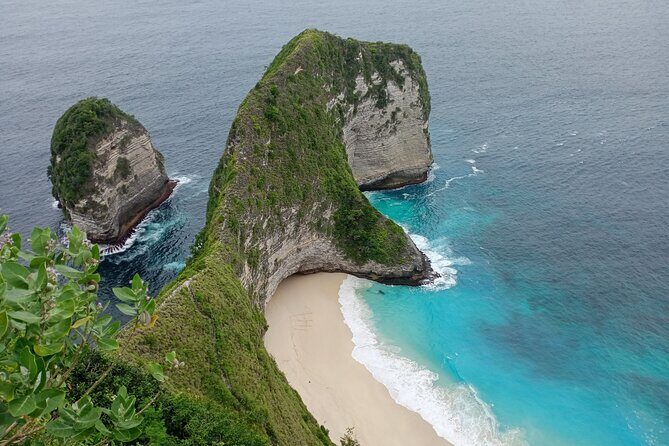
Diamond Beach is the opening big moment. It’s described as an untouched-style beach with white sand and silky blue water, sitting on the eastern tip of Nusa Penida. This stop isn’t just “walk by the view.” You typically get around 1.5 hours to explore, which is enough time to actually look around and choose photo angles instead of just snapping one and moving on.

Why it works for your day: Diamond Beach is visual from several angles, and spending time here helps you find the composition you like—especially because the coastline and cliffs create natural framing.

A practical consideration: Diamond Beach is included as a ticketed stop, and the tour schedule expects you to treat it as one of the main photo priorities. If you’re hoping for extra beach lounging, you’ll have to keep expectations aligned with the planned time.

Atuh Beach: a rustic cove right after the spotlight

Private Tour: Nusa Penida DiamondBeach-Tree House EastSide Island - Atuh Beach: a rustic cove right after the spotlight
From Diamond Beach, the tour moves to Atuh Beach, which is known for its rustic, isolated cove vibe under a sheer cliff face. You also get about 1.5 hours here, and it’s paired closely enough in time that you’re still in “east side mode,” not drifting into a different mood.

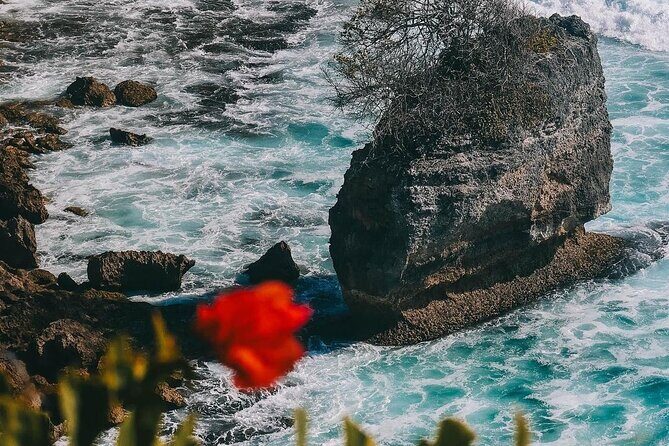
Atuh’s appeal is that it feels more like a natural hideaway than a postcard stop. It also has offshore rock formations nearby, which can give your photos a more textured, dramatic look than smooth shoreline views.

Because it’s another included ticket stop, it’s a core part of the route rather than an optional add-on. If your goal is classic Nusa Penida scenery, this is one of the moments that earns its place.

Lunch and reset on Nusa Penida: planned downtime helps

After you’ve seen the two anchor beaches, you shift into a more human rhythm. There’s a lunch window that runs roughly 1.5 to 2 hours, with lunch included.

This break matters for two reasons. First, you’re dealing with heat and sun while moving between viewpoints. Second, the day’s strongest sights happen in succession—so you want a proper pause before you go after the more “photo stop” locations later.

One note: the experience description frames lunch as a time to fill your stomach and relax. That suggests you shouldn’t plan to squeeze extra activities into the gap. Treat it as a reset so the later stops don’t feel like you’re just going through the motions.

Molenteng (Tree House): the iconic photo stop built into the schedule

The route’s most recognizable “photo moment” is Molenteng, known as the Rumah Pohon Tree House area. This is one of those stops where the location itself does a lot of the work: it’s iconic enough that you’ll instantly recognize why people plan their day around it.

You get about 1.5 hours to explore the area. That time is useful because you’re not just aiming at one frame—you can move between viewpoints and adjust your timing without feeling like you’re being rushed.

This is also where the guide’s photo help can really pay off. In guide-focused feedback from real riders, names like Ajus and Bagus come up for taking plenty of photos and finding good angles. So if tree house photos are a priority for you, this tour is designed to make that easy.

Atuh King Five and Raja Lima views: rock formations that look like islands

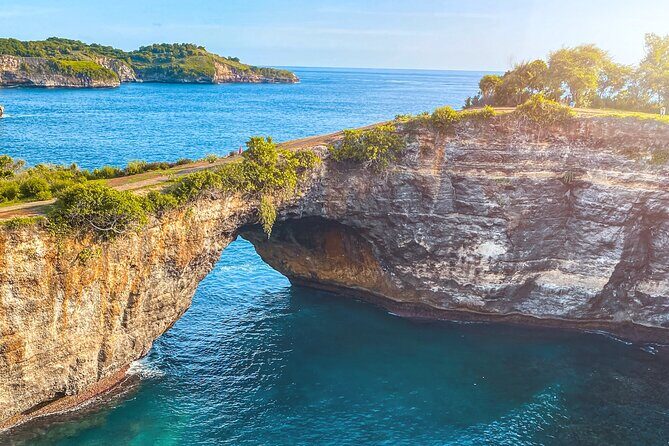
The final stretch heads to Atuh King Five, specifically aimed at the Raja Lima beach area and the famous look of protruding rocks. It’s described as similar in feeling to Raja Ampat scenery—lots of shapes, lots of broken-up coastline, and a “many islands” impression caused by the rock piles.

You typically get about 1 hour here. That’s enough time to walk the viewpoint edges, settle into a couple of photo angles, and enjoy the view without burning your energy before you turn back.

If you like scenery that feels wild and structured at the same time, this stop does it well. If you prefer long beach time and fewer lookout shots, you may wish the stop were longer—but the tradeoff is that the tour successfully covers a lot of east-coast variety in one day.

Price and value: $120 for a full private east-side day

Private Tour: Nusa Penida DiamondBeach-Tree House EastSide Island - Price and value: $120 for a full private east-side day
At $120 per person, this is not a budget bargain. But it’s also not “paying for nothing.” This is priced like what it is: a private full day built around transport, ticketed beach/access stops, and a guide who helps you with photos.

Here’s what’s included in a way that actually affects your comfort:

  • Bottled water
  • Lunch
  • Air-conditioned vehicle
  • Fuel surcharge
  • Parking fees

And tickets for the main stops are handled in the day structure, with included admissions at Diamond Beach, Atuh Beach, the later included stops, and the tour’s core land segments.

What’s not included:

  • Coffee and/or tea
  • Guide tipping

So the “value question” for you is simple. If you want a private east-side loop and you care about getting photo-ready at multiple iconic spots, this price is easier to justify. If you’re happy traveling independently and only want one beach, then the cost might feel steep.

What you’ll really experience: a day optimized for photos and coastline

This tour is clearly designed for a specific kind of traveler: you want the highlights of Nusa Penida’s east side without guessing your route or losing time. The day sequence matters. You start with Diamond Beach, move quickly into Atuh Beach, then shift to a landmark photo stop (Molenteng Tree House), and finish with the Raja Lima-style rock view.

That structure helps you in two ways:

  1. You get variety: white-sand beach, cliff cove, tree house landmark, and rocky “island-like” formations.
  2. You get built-in time at each place. Each stop isn’t a drive-by.

The only drawback is also built in: because it’s all scheduled, you don’t get to “stay as long as you want” at any one spot. You’ll be happiest here if you can enjoy a place within a planned window.

Who this private tour is best for

I’d point this toward people who:

  • Want a private guide/driver rather than joining a mixed group
  • Care about photos and appreciate someone helping you find good angles
  • Like the idea of an east-coast Nusa Penida sampler in one day
  • Prefer having lunch included and a real structure instead of improvising

It’s also a smart fit if you’re the type who wants to ask questions and get local guidance without doing research for every stop.

Should you book this Nusa Penida East Side private tour?

If your priority is seeing the most iconic east-side spots and getting strong photos with a guide who’s willing to help you capture them, I think this tour makes sense. The combination of Diamond Beach + Atuh Beach + Molenteng Tree House + Raja Lima views, plus lunch and transport support, turns it into an easy “yes” for people who want a well-run day.

I would hesitate if you hate early starts or you want maximum free time at beaches. The schedule is built to cover a lot, so the day won’t slow down just because you’re having a perfect moment at one viewpoint.

If you book, aim to treat it like a photo-and-scenery day: arrive ready to move, and let the included structure do what it’s designed to do.

FAQ

What time does the tour start?

The tour starts at 6:00am.

How long is the experience?

The duration is about 8 hours.

Where do you depart for Nusa Penida?

You depart from Sanur harbor.

How long is the fast boat ride to Nusa Penida?

The crossing is typically around 45 to 60 minutes.

Is this a private tour?

Yes. It’s a private tour/activity, and only your group participates.

What’s included in the price?

Included are bottled water, lunch, an air-conditioned vehicle, fuel surcharge, and parking fees.

What isn’t included?

Coffee and/or tea and guide tipping aren’t included.

Which stops are included during the day?

You’ll visit Diamond Beach, Atuh Beach, a lunch break on Nusa Penida, Molenteng Tree House, and Atuh King Five (Raja Lima view area).

Do I get a mobile ticket?

Yes, the tour includes a mobile ticket.

Can I get a full refund if I cancel?

Yes. Free cancellation is offered up to 24 hours in advance for a full refund.

Bali Ubud Tour

Bali Ubud Tour - Price and logistics: what $80 really covers (and what doesn’t)

Bali can feel like sensory overload. This Ubud day keeps it simple: you get a clear route inland, with a car and driver moving you point to point.

You’ll see Ubud’s signature sights in about 10 hours, including nature, temples, and local crafts, without the hassle of hopping between rides or figuring out logistics.

What I like most is the private format. Pickup and drop-off at your hotel, plus an air-conditioned vehicle, means you can keep your day comfortable and flexible, even with a tight schedule. Another strong win: bottled water and WiFi on board help you stay on track while you’re out and about.

One thing to think about: entrance tickets and lunch aren’t included, and most stops are budgeted at roughly an hour each. If you want long hangs, plan to choose what you care about most and move a little quicker at the rest.

Key highlights to know before you go

Bali Ubud Tour - Key highlights to know before you go

  • Private tour for your party means you control the pace and can adjust the order when it makes sense
  • Hotel pickup and drop-off covers multiple coastal base areas, not just Ubud
  • Air-conditioned transport + bottled water keeps the day comfortable in Ubud heat
  • Monkey Forest, Tirta Empul, and Tegenungan give you a classic mix of animals, spirituality, and scenery
  • Art Market time is a smart buffer for shopping without rushing
  • Tickets and lunch are extra so budget for them up front

Ubud in one day: how this itinerary hangs together

Bali Ubud Tour - Ubud in one day: how this itinerary hangs together
This tour is built for people who want the best-known Ubud experiences without turning the day into a transportation scavenger hunt. The big value is simple: you start with pickup, you ride in comfort, and you arrive at each stop without the stress of route planning.

The timing also works for a first visit. Most stops are scheduled at around an hour each, which is long enough to enjoy the main sights and short enough that you’re not stuck in one place while the rest of Ubud passes you by. If you’re the type who likes to see a lot, this setup feels efficient. If you’re the type who needs slow travel breathing room, you’ll probably want a longer version or add a separate time block for one priority stop.

You also get a steady rhythm of experiences. You start with the Sacred Monkey Forest Sanctuary, then shift to local shopping at the Ubud Art Market, move into countryside views at Tegalalang Rice Terrace, and then round out the spiritual and natural side with Tirta Empul and Tegenungan Waterfall.

Price and logistics: what $80 really covers (and what doesn’t)

Bali Ubud Tour - Price and logistics: what $80 really covers (and what doesn’t)
At about $80 for roughly 10 hours, the price makes the most sense because it’s paying for what’s hardest to DIY: private transport plus hotel pickup/drop-off. You’re not just buying a checklist of places—you’re buying time and convenience.

Here’s the catch: the tour price doesn’t cover entrance tickets and it doesn’t include lunch. So your real budget is tour price plus whatever admission fees apply at Monkey Forest, rice terraces, Tirta Empul, and Tegenungan. Since each stop notes tickets as not included, assume you’ll pay something at multiple points.

Still, this can be good value. Public transport to and between these inland sites can be slow, and hiring separate drivers for different legs gets expensive fast. With one air-conditioned vehicle handling the whole route, you’re paying to reduce friction.

Also note what is included: parking fees, bottled water, WiFi on board, and private transportation. That matters more than it sounds. Parking and local driving time add up, and bottled water keeps you from cutting your visit short because you’re thirsty.

The private car setup: flexibility without chaos

A private tour sounds fancy, but here it’s practical. You’re not sharing the schedule with strangers, and that means you can respond to real-world conditions like crowds or timing gaps.

In your day, flexibility shows up in small ways:

  • If you want to spend a few extra minutes at the art market, you can often do it without dragging a group along
  • If the first stop runs long, you’re less likely to lose the whole itinerary
  • If you’re taking lots of photos, you can build in pauses instead of feeling rushed

One of the best signals from the tour’s background is that the driver-guide model is strong. The guide name you may come across is Susila, and people highlight his English ability and his tendency to adapt plans to what the group wants. That kind of communication makes the day smoother, especially when you’re bouncing between temples, viewpoints, and markets.

Stop-by-stop breakdown: what to expect and how to enjoy each one

Bali Ubud Tour - Stop-by-stop breakdown: what to expect and how to enjoy each one

Stop 1: Sacred Monkey Forest Sanctuary (Padangtegal)

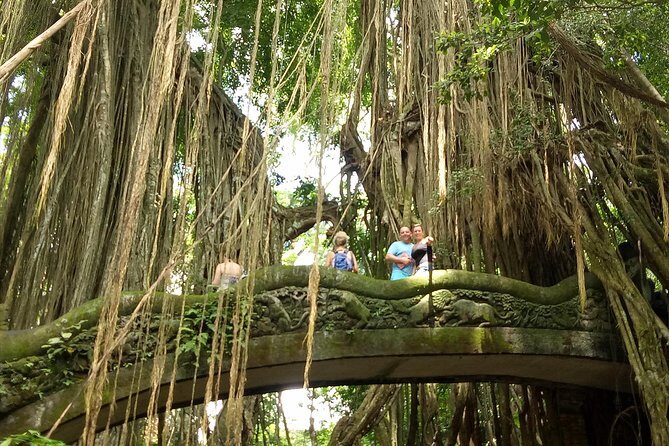
This is the big opener, and it sets the tone fast. The Sacred Monkey Forest Sanctuary is a natural sanctuary with over 700 grey long-tailed macaques, plus paved pathways through a leafy nutmeg forest.

Plan for a lively experience. Even with a paved route, you’ll be in an active wildlife environment. The upside is that it feels more like a real forest walk than a staged attraction. The downside is that you should expect constant movement and attention to the monkeys nearby—so it’s not the best first stop if you’re easily distracted or prefer quiet sightseeing.

Practical tip: bring a sense of patience. When macaques are around, the rhythm of your walk may not be fully under your control. If you want photos, keep your time focused on the best viewing moments rather than chasing every group.

Also, admission tickets aren’t included for this stop, so budget for entry.

Stop 2: Ubud Traditional Art Market (Pasar Seni Ubud)

After the forest, the art market is a nice gear shift. The Ubud Art Market, also known as Pasar Seni Ubud, is a handy place to shop for practical souvenirs: silk scarves, lightweight shirts, statues, kites, woven bags, baskets, and hats.

This stop is about browsing and buying at your own speed. Since the market time is listed as free admission, you’re not paying to enter—so it’s a low-risk chance to pick up something you actually want. I like using this kind of stop as a reset. You can cool down, wander, and compare quality without pressure.

If you care about shopping value, consider this strategy: set a small list before you arrive (like scarves or a specific type of woven item). Then stick to it. Markets can be fun, but they can also drain your budget quickly.

Stop 3: Tegalalang Rice Terrace (SUBAK irrigation scenes)

Next comes the countryside view people travel for. The Tegalalang Rice Terraces are known for scenic rice paddies and the SUBAK irrigation system, described as a traditional Balinese cooperative irrigation approach passed down through generations.

This is where the tour shifts from town energy to landscape. You’ll likely get photo-friendly angles and layered views as the terraces step down. The terraces are a “look with your eyes” kind of stop more than a hands-on activity stop, so plan to bring your best camera habits: take wide shots first, then move in for details.

Admission tickets aren’t included here either, so again, budget for entry if you want to go inside the viewing areas as set out for the site.

A small consideration: since this stop is around one hour, you’ll want to know whether you care more about views or about walking. If you’re a walker, move early in the hour. If you’re more of a “stand and shoot” person, save the walking for the end so you’re not racing before the light shifts.

Stop 4: Tirta Empul Temple (Manukaya holy spring)

Tirta Empul adds the spiritual and cultural depth. The site is described as a major temple complex and a holy mountain spring in the village of Manukaya in central Bali. It’s also linked to a legendary tale about good versus evil.

This stop tends to feel different from the others because it’s not about shopping or views. It’s about atmosphere—temple architecture, ritual space, and the meaning of the spring itself. Even if you’re not there for a long story lesson, you’ll feel that the place holds importance.

Admission tickets aren’t included, so plan for entry costs here as well.

A practical way to enjoy this stop: give yourself a few minutes just to watch what’s going on around you and let your eyes adjust. Temples often look simple at first glance, but the layout and details reward slower attention.

Stop 5: Tegenungan Waterfall (forest view, swim-friendly)

Finally, you end with nature. Tegenungan Waterfall is described as one of the beautiful waterfalls around Ubud, with forest views around the falls. It’s also noted as a good place to swim.

This is the most “hands-on” moment of the day. If you want to swim, you’ll likely want to bring what you need (swimwear, towel, and something to keep your phone secure). If you’re not swimming, still plan to spend some time near the viewing spots for that forest-and-water contrast.

Since the stop is about one hour, decide ahead of time: do you want a quick splash or a longer sit-and-watch? Waterfall time can balloon if you’re not careful, so keep an eye on your vehicle timing.

Entrance tickets aren’t included, so factor that into your end-of-day budget.

Who this tour suits best

Bali Ubud Tour - Who this tour suits best
This Bali Ubud day tour is a strong match if you:

  • Want a classic inland Ubud highlights loop in one go
  • Prefer private transport over arranging multiple rides
  • Like mixing nature, culture, and shopping without building your own schedule
  • Are okay with shorter visits per stop rather than slow wandering

It might be less ideal if you:

  • Only care about one stop and want to spend half a day there
  • Hate wildlife environments (Monkey Forest is active and animal-focused)
  • Don’t want to pay extra for entrances and would rather have a single all-in price

How to get the most out of the day

Bali Ubud Tour - How to get the most out of the day
A few habits will make this tour feel smooth instead of rushed:

  • Decide your must-see first. If you’re a “temples person,” prioritize Tirta Empul. If you’re a “nature person,” prioritize Tegenungan.
  • Keep your schedule flexible in your head, even with a plan. A private tour helps, but you still have one day and daylight.
  • Bring swim essentials if you want to swim at Tegenungan. The tour calls it swim-friendly, so you should be ready.
  • Dress for heat. Ubud can be warm, and you’ll be outside for multiple stops, including the rice terraces and waterfall area.

And if you meet Susila as your guide, it’s worth leaning into his style. People highlight his English and his ability to explain what you’re seeing, plus his habit of adapting the day and making it easy to take photos and find spots for food. That kind of guidance turns a route into a real experience.

Should you book this Bali Ubud tour?

Bali Ubud Tour - Should you book this Bali Ubud tour?
I’d book it if you want a first-time Ubud hits package with private comfort and low stress. It’s good value when you factor in hotel pickup/drop-off, air-conditioned transport, parking, WiFi, and bottled water—and when you’re okay paying separate entrance fees and skipping lunch.

I wouldn’t book it if you strongly dislike animal encounters, want long stays at viewpoints, or want an all-in package price with no extra admissions. In those cases, you might do better with a more focused half-day plan or a custom private route around just one or two priorities.

If your goal is to see Monkey Forest, art market shopping, rice terraces, Tirta Empul, and Tegenungan in one day—without juggling transport—this is a solid, practical choice.

FAQ

Bali Ubud Tour - FAQ

Is hotel pickup and drop-off included?

Yes. Pickup and drop-off at your hotel are included, with service available from major base areas including Kuta, Canggu, Seminyak, Nusa Dua, and Jimbaran.

Is this tour private or shared?

It’s a private tour/activity. Only your group participates.

How long is the tour?

The duration is listed as approximately 10 hours.

What stops are included in the itinerary?

The tour includes Sacred Monkey Forest Sanctuary, Ubud Traditional Art Market, Tegalalang Rice Terrace, Tirta Empul Temple, and Tegenungan Waterfall.

Are entrance tickets included?

No. Entrance tickets are not included for the stops listed (Monkey Forest, rice terraces, Tirta Empul, and Tegenungan).

Is lunch included?

No. Lunch is not included.

What’s included for comfort during the ride?

You get an air-conditioned vehicle, bottled water, WiFi on board, and parking fees.

What if the weather is bad?

The experience requires good weather. If it’s canceled due to poor weather, you’ll be offered a different date or a full refund.

Blue Lagoon & Tanjung Jepun Snorkeling Private Tour

Blue Lagoon & Tanjung Jepun Snorkeling Private Tour - Blue Lagoon Beach: A Calm-Water Spot for First-Time Snorkelers

Blue water time without the hassle. This private snorkeling tour takes you from Ubud to the Padang Bai area for two stops: Blue Lagoon and Tanjung Jepun. It’s built for a relaxed day on the water, with calm conditions at normal weather and a guide who handles the basics so you can focus on seeing fish and reef.

Two things I really like: you get round-trip private hotel transfer and you’re not stuck figuring out gear or timing. The other big win is the snorkeling setup: snorkeling equipment, a local boat ride, and a simple lunch are all included, which makes it feel like a complete day out rather than a half-day scramble.

One consideration: this is a minimum-age (10+) outing and it does depend on good weather, so plan for the possibility of a date change if conditions aren’t right.

Key Things You’ll Like About This Snorkeling Tour

Blue Lagoon & Tanjung Jepun Snorkeling Private Tour - Key Things You’ll Like About This Snorkeling Tour

  • Private pickup in an air-conditioned car from your hotel area (8–9 am pickup window)
  • Two snorkeling locations in one outing, with a total snorkeling time of about two hours
  • All snorkeling gear included, plus changing room and shower on site
  • Lunch and bottled water included, so you don’t burn time hunting food
  • Family-friendly pace for beginners when the sea is calm
  • Free cancellation up to 24 hours before start time, plus a weather-based alternative if needed

How the Day Flows: Ubud Pickup to Padang Bai Snorkeling

Blue Lagoon & Tanjung Jepun Snorkeling Private Tour - How the Day Flows: Ubud Pickup to Padang Bai Snorkeling
This is a straightforward, low-stress plan that starts right at your hotel. Pickup generally lands between 8 and 9 am, depending on where you’re staying. You’ll ride in an air-conditioned car to the Padang Bai area, and the ride time is manageable for a day trip because Ubud to Padang Bai is about an hour drive one way.

What I like about the flow is that you’re not standing around waiting for instructions. You meet your guide, learn the safety basics, and get your snorkeling equipment before you head to the water. That matters for first-timers because you’re not learning everything on the spot while you’re already at the reef.

Also, the tour is private. That means your group stays together from pickup to drop-off, and you’re not squeezed into a “everyone share one timing plan” situation. If you’re traveling with kids or a mixed-skill group, this kind of schedule makes life easier.

Blue Lagoon Beach: A Calm-Water Spot for First-Time Snorkelers

Blue Lagoon & Tanjung Jepun Snorkeling Private Tour - Blue Lagoon Beach: A Calm-Water Spot for First-Time Snorkelers
Your first stop is Blue Lagoon Beach, close to Padang Bai. The area is known for calm water during normal conditions, which is exactly what you want when you’re learning to snorkel or traveling with family.

Here’s what your time at the first reef is likely to feel like: you’ll gear up, get short safety guidance, then slip into the water at a comfortable pace. The water is a big part of the appeal. When conditions are right, calm water reduces the stress of staying balanced and lets you spend more effort looking around instead of fighting the current.

What you can expect to see is part of the reason this spot works well for beginners. You might spot fish like angelfish, clown fish, puffer fish, and moray eels. Even if you don’t see every species, the overall goal stays the same: reef time with clear chances to watch fish behavior up close.

A practical tip: bring extra clothes and a towel. You’ll likely get damp, and having dry clothes ready makes the ride back much nicer.

Possible drawback: Blue Lagoon is best in normal conditions. If the sea is choppy, the tour’s “calm water for beginners” advantage disappears fast, which is why weather matters here.

Tanjung Jepun Snorkeling: Second Stop, More Reef Time

After Blue Lagoon, you move on by traditional boat to the next site, Tanjung Jepun. The idea is simple: don’t waste the day with only one short reef experience. You get a second location to explore, and that extra option can help if one spot feels crowded or if visibility isn’t perfect at the first reef.

Even though you visit two places, your total snorkeling time is about two hours. That’s a good balance for most people: long enough to feel like you had a real snorkeling day, but not so long that you’re exhausted by the middle or end of the trip.

This second reef is where you can expect more variety in what you see—different reef edges, different fish activity, and different water clarity. You’re still in the same general area of Padang Bai, so the experience stays cohesive, but the two-stop format can make the day feel less “one-and-done.”

The big win here is flexibility. If you’re still getting used to breathing rhythm and buoyancy, you’ll have another place to adjust your comfort and keep enjoying the water.

Boat Ride, Gear, and the Comfort Details That Save Your Day

This tour includes the basics that usually cost you time and energy on your own: snorkeling equipment, a guide, and a local boat for the snorkeling activity. You’ll also have changing room and shower, which is a huge upgrade. After you’re wet and salty, being able to freshen up right away means you won’t spend the rest of the day feeling sticky.

The car ride also helps. One of the most consistent practical positives from similar private day trips in Bali is whether transport is comfortable. Here, the pickup uses an air-conditioned vehicle, which is a relief because the Padang Bai drive is not long, but the heat in Bali adds up fast.

What to do with your hands and camera: snorkeling makes it hard to juggle gear, so plan to keep your valuables secure and focus on the water. If you bring a waterproof phone or camera, use it when conditions feel stable and your breathing is steady. If you get nervous, prioritize watching fish over getting a perfect shot.

One more useful note: confirmation is provided at booking time, and the tour uses a mobile ticket. That’s small, but it reduces stress the day-of.

Lunch and Timing: Getting Fed Without Losing the Vibe

Blue Lagoon & Tanjung Jepun Snorkeling Private Tour - Lunch and Timing: Getting Fed Without Losing the Vibe
You’ll enjoy a simple lunch after snorkeling and before the drive back to your hotel. Bottled water is included too, so you’re not stuck rationing sips after you’ve been in the sun and saltwater.

The lunch timing is important. It keeps the day from stretching too long into the afternoon. With an overall duration of about six hours, the schedule is built to deliver a real snorkeling experience without turning it into a full workday.

Practical angle for your stomach: eat your lunch while you still feel comfortable—don’t wait until you’re already hungry and tired. Sea time can make people feel a little off, and feeding yourself early helps you stay upbeat on the ride back.

Also, because this is a private tour, lunch typically works better for groups with kids. You can usually keep the pace calmer instead of rushing a shared schedule.

Price and Value: Is $50 Worth It for a Private Tour?

Blue Lagoon & Tanjung Jepun Snorkeling Private Tour - Price and Value: Is $50 Worth It for a Private Tour?
At $50 per person, this tour sits in the “reasonable day trip” category, especially because it includes the things that often add up when you book separately: private transfers, snorkeling equipment, guide support, boat use, lunch, and bottled water.

Here’s how I think about the value:

  • If you tried to self-organize transport, gear rental, and a boat arrangement, you’d likely pay more in time and money.
  • Having gear handled for you is not just convenience. It means you can spend your energy on seeing fish and enjoying calm-water snorkeling rather than managing logistics.
  • The private setup matters if you’re traveling with a family, a small group, or anyone who benefits from a calmer, simpler timeline.

There’s also a small advantage that affects real life: pickup is included and scheduled, so you don’t need to negotiate meeting points while managing wet towels and tired kids.

If you’re on a strict budget, compare this with cheaper shared options. But if your priority is comfort, simplicity, and not dealing with extra planning, this price feels fair for a complete package.

Who This Tour Fits Best (and Who Might Want Something Else)

Blue Lagoon & Tanjung Jepun Snorkeling Private Tour - Who This Tour Fits Best (and Who Might Want Something Else)
This is ideal if you want beginner-friendly snorkeling in relatively calm conditions and you like the idea of a guide-led experience. It’s also a good fit for families because the plan is structured, not chaotic, and it includes the comfort items many parents care about: changing room and shower, plus lunch.

If you’re traveling with mixed experience levels, private format helps. Someone learning can go at a steadier pace, while more confident snorkelers still get their reef time at the planned locations.

It’s less ideal if:

  • Your group includes kids under 10 years old (minimum age applies).
  • You want a long, marathon snorkeling session. Total snorkeling time is about two hours, so you won’t get the “all-day reef hangout” style experience.
  • You’re planning around weather with a tight schedule. The tour needs good weather, and if conditions aren’t suitable, you’ll be offered a different date or a full refund.

Small Things to Bring So You Don’t Regret It

Blue Lagoon & Tanjung Jepun Snorkeling Private Tour - Small Things to Bring So You Don’t Regret It
Bring extra clothes and a towel. It’s not optional for comfort. Even if you’re careful, you’ll get wet. Dry clothes make the ride back feel civilized.

Also, wear something that dries easily for the car ride afterward. If you have a rash guard or quick-dry swimwear, that’s a smart choice. Nothing fancy—just practical.

Keep sunscreen and personal care items in a way you can access quickly. You’ll be out in sun, and snorkeling days often mean more exposure than people expect.

Quick Reality Check on Weather and Cancellations

This tour requires good weather. If it’s canceled due to poor conditions, you’ll either get an alternative date or a full refund. If you need flexibility, you can cancel for free up to 24 hours before start time for a full refund.

If you’re booking close to your travel dates, this weather dependency is the one “be ready to adapt” factor.

Should You Book This Blue Lagoon & Tanjung Jepun Private Tour?

If you want a simple, guided snorkeling day with private hotel transfer, included gear, and food handled, I’d book it. The two-stop format makes the day feel like more than one quick swim, and the calm-water angle is exactly what beginners and families care about.

Book it especially if:

  • Your group values comfort and structure
  • You don’t want to hunt down gear and transport
  • You’re aiming to see reef life like angelfish, clown fish, puffer fish, and the occasional moray

Skip it if you’re chasing a long, all-day snorkeling adventure or if your schedule can’t flex when weather turns.

FAQ

Where does this snorkeling tour take place?

It’s in the Padang Bai area of Bali, with pickup from Ubud. You’ll snorkel at Blue Lagoon Beach and Tanjung Jepun.

What time does hotel pickup happen?

Pickup is typically between 8 and 9 am, depending on your hotel location.

How long is the tour?

The tour lasts about 6 hours (approx.).

What snorkeling spots are included?

You visit two snorkeling locations: Blue Lagoon Beach first, then Tanjung Jepun.

What’s included in the tour price?

It includes snorkeling equipment, guide, local boat, changing room and shower, lunch, bottled water, and private hotel transfer.

What is not included?

Personal expenses are not included.

What is the minimum age?

The minimum age is 10 years old. Adult pricing applies to all participants.

Do I need to bring anything?

Bring extra clothes and a towel.

How does cancellation work?

You can cancel for free up to 24 hours before the experience start time for a full refund. The experience also requires good weather; if canceled due to poor weather, you’ll be offered a different date or a full refund.

Backlanes and Hidden Sites: A Self-Guided Audio Tour in Seminyak

Backlanes and Hidden Sites: A Self-Guided Audio Tour in Seminyak - The Villas and Vacant Plots Lesson: Property Law Clues in Plain Sight

Seminyak can feel like a blur of shops and villas. This walk slows it down and shows you the details you’d otherwise miss. You’ll follow a simple route between Seminyak Beach and Petitenget Beach, with an audio guide that points out small-but-meaningful sights like symbols carved into wooden doors and why you’ll notice so many statues along the way.

Two things I especially like: the way the commentary connects everyday scenes to what’s going on in Bali (including explanations tied to Indonesian property rules), and the freedom to stop whenever you want—especially in the markets and flea market area. One possible snag: the audio/GPS app can be a little finicky. In my notes, I saw instances where the sound was tricky to restart and a GPS “lost” message popped up even though you’re still on the route—so keep calm and give the phone a second.

Key Highlights to Expect on This Seminyak Audio Walk

  • VoiceMap GPS turn-by-turn that plays automatically when you’re at the right spot
  • Offline audio, maps, and geodata so you’re not trapped by spotty signal
  • Heritage details you’ll spot fast once someone points them out (door carvings, statue symbolism)
  • Markets and bargaining time at the Seminyak market and Seminyak Flea market
  • Pura Petitenget Masceti Temple on a walking route that ends by the sea at Petitenget Beach
  • Lifetime access to the tour, plus unlimited use before and after your booking date

Why This Self-Guided Seminyak Walk Works Better Than a Big Group

Backlanes and Hidden Sites: A Self-Guided Audio Tour in Seminyak - Why This Self-Guided Seminyak Walk Works Better Than a Big Group
If you like Bali at your own pace, this format fits. Instead of herding you from landmark to landmark, you get a route and an audio story you can pause, replay, or power through depending on your mood.

The best part is where the walk takes you: off the main tourist track, into narrower lanes and everyday areas where the resort district changes character. Seminyak is famous for luxury, but you also see the other side when you’re shown what to look for. This tour is built to make you notice: architectural clues, local commerce, and the sea-temple setting near Petitenget.

It’s also short enough to slot into a half-day without feeling like a full commitment. You’re looking at about 40 minutes to 1 hour, depending on how long you linger.

Getting Started at Grandmas Plus Seminyak With VoiceMap (No Tour Group Needed)

You start at Grandmas Plus Hotel Seminyak on Jl. Camplung Tanduk No.99. The walk ends at Petitenget Beach, so you’re not doing a round trip.

Here’s how it actually runs in real life:

  1. After booking, you get a ticket with instructions and a unique code.
  2. You install the VoiceMap app (Android or iOS).
  3. Enter your code, and the app provides directions to the starting point.
  4. When you’re standing in the right spot, tap Start.
  5. VoiceMap uses automatic GPS playback with turn-by-turn directions.

You can use it offline too—audio, maps, and geodata are included. That matters in Seminyak, where signal can vary block to block.

Practical note: this is a self-guided audio experience, so you’ll need your own smartphone and headphones. The tour doesn’t include transportation either. Plan on walking from your accommodations or grabbing a short ride to the start.

Seminyak Beach to Petitenget: Door Carvings, Statues, and the Little Things

Backlanes and Hidden Sites: A Self-Guided Audio Tour in Seminyak - Seminyak Beach to Petitenget: Door Carvings, Statues, and the Little Things
The audio route begins with the broad vibe of the area and then narrows into details. One of the standout segments is the story running from Seminyak Beach toward Petitenget Beach.

You’ll learn to spot heritage signals in everyday places—like symbols carved into wooden doors. Once you hear what those symbols are pointing to, doorways stop being background scenery. You start noticing how design communicates meaning, even when the buildings look modern or resort-ready.

You’ll also get an explanation of why there are so many statues in this part of Bali. That’s not just trivia. It changes how you interpret what you’re seeing: statues aren’t random decorations. They’re part of the visual language around daily life and sacred space.

If you tend to walk fast while sightseeing, this is a good place to slow down. When you’re given cues, you’ll find more on a short route than you would trying to “figure it out” on your own.

The Villas and Vacant Plots Lesson: Property Law Clues in Plain Sight

Backlanes and Hidden Sites: A Self-Guided Audio Tour in Seminyak - The Villas and Vacant Plots Lesson: Property Law Clues in Plain Sight
One of the most interesting sections links what you see on the street with something you usually don’t think about while on vacation: Indonesian property laws.

Along the way, you’ll notice abandoned villas and vacant plots of land. The audio explains why these places exist and how that connects to the legal side of property ownership. In other words, it gives you a framework for understanding the contrast you might feel in Seminyak—between polished facades and lots that look like they’re waiting for something.

This is where the audio tour earns its keep. Without commentary, empty lots can just feel like clutter. With the explanation, they become part of the story of how the area developed and why some properties sit unfinished.

Spotting Shops and Everyday Stops: Kim Soo’s Homewares Included

Backlanes and Hidden Sites: A Self-Guided Audio Tour in Seminyak - Spotting Shops and Everyday Stops: Kim Soo’s Homewares Included
This walk doesn’t treat Seminyak as a museum. It nudges you toward local businesses so you can mix sightseeing with real life.

The route points out local spots like Kim Soo’s Homewares. You’ll hear about the shop during the walk as you pass through areas where browsing feels normal rather than forced.

The takeaway for you: treat these mentions as “permission to wander.” Pop in if something catches your eye, or keep walking if you’d rather save your energy for the markets later. Because it’s self-guided, you control the tradeoff.

Seminyak Markets and the Seminyak Flea Market: Browse, Compare, Bargain

Backlanes and Hidden Sites: A Self-Guided Audio Tour in Seminyak - Seminyak Markets and the Seminyak Flea Market: Browse, Compare, Bargain
Next up is the shopping section, and it’s aimed at two different moods.

First, you’ll wander through the Seminyak markets, where you can look for local crafts and goods. This is the segment that’s best for slow browsing. You can scan materials, check prices, and get a feel for what’s being sold right in the neighborhood.

Then the audio shifts into the Seminyak Flea market vibe—this is where you’ll feel the thrill of finding a bargain. Even if you’re not a hardcore shopper, this stop is valuable because it shows you how Seminyak’s tourist economy overlaps with local retail culture.

A practical approach: set a mental budget before you start comparing stalls. In markets, “one more item” can sneak up on you fast—especially when you know you’re already on a walking loop and there’s no strict schedule.

Visiting Pura Petitenget Masceti Temple by the Sea

Backlanes and Hidden Sites: A Self-Guided Audio Tour in Seminyak - Visiting Pura Petitenget Masceti Temple by the Sea
After markets, the route turns more contemplative with Pura Petitenget Masceti Temple, described as a traditional sea temple. This is the kind of stop where you’ll want to let the audio do the explaining, because sacred spaces often reward attention more than speed.

You’ll also pass by the Masceti Temple as part of the route, so the story isn’t just one moment. It’s integrated into the approach—another reason the walk works. Instead of arriving, snapping photos, and leaving, you’ll have a chance to understand why the setting matters.

For practical respect: keep voices down, be mindful of where you stand, and follow any rules you see at the site. When you’re walking through active religious space, your behavior matters more than your camera.

Wrapping Up on Petitenget Beach: Use the Audio Ending to Plan Your Next Step

Backlanes and Hidden Sites: A Self-Guided Audio Tour in Seminyak - Wrapping Up on Petitenget Beach: Use the Audio Ending to Plan Your Next Step
The tour ends at Petitenget Beach. Before you finish walking out, the audio includes what to expect about the beach and what to do next after the tour ends.

That matters because self-guided tours can leave you stranded—done with the story but not sure what’s worth your time nearby. Here, you get a simple “okay, now what?” to transition from tour mode into vacation mode.

Your best move after the last audio track: take a breather. Sit for a few minutes, watch the sea for a moment, and then decide whether you want food, shopping, or a slower walk along the shoreline.

Price and Value: What $9.99 Buys You in Seminyak Time

At $9.99 per person, this is priced for real value—mostly because it isn’t just a one-time experience.

You get lifetime access to the tour in English, plus unlimited use before your booking date and after it. That means you can repeat it if you want a second pass for details you missed, or if you return to Seminyak later.

You’re also getting offline audio and offline maps/geodata, which saves you from data charges and reduces stress when signal drops. Add the relatively short walking time (about 40 minutes to 1 hour), and it becomes an easy “try it” option even if you only have one flexible afternoon.

It won’t replace a guided tour if you want a live guide standing next to you answering questions in real time. But for learning the basics, noticing meaning in details, and exploring at your own speed, it’s a strong deal.

The Main Caution: Restarting Audio and Occasional GPS Confusion

One drawback worth planning for: in my notes, the app’s audio could be difficult to restart, and a GPS message saying you were lost appeared twice even though you were still on the correct path.

That doesn’t mean you’ll get lost. It means you should build in a little patience with the app:

  • Give your phone a few seconds if the GPS message flashes.
  • If sound stops, check the app first before assuming you left the route.
  • Keep your battery healthy. A self-guided walk isn’t the moment to find out you’re at 2%.

You’ll still likely finish the route smoothly. Just don’t treat it like a faultless movie soundtrack—treat it like helpful navigation that sometimes needs a quick reset.

Who This Seminyak Audio Tour Fits Best

This is a great match if you:

  • Want to explore Seminyak without joining a group
  • Like walking in places that feel more local than postcard-only
  • Enjoy detail-oriented sights, like door carvings and statue explanations
  • Want a flexible schedule with optional lingering time at markets
  • Prefer offline audio so your day doesn’t depend on connectivity

It’s also useful if you like structure but hate strict timing. You get directions, and the story plays when you’re in the right spot—but you still decide when to pause and browse.

The main mismatch: if you want a truly guided experience through museums or paid attractions, this won’t do that for you. The route doesn’t guide you through any museums or other attractions mentioned en route. If you choose to enter them, you pay separately.

Should You Book This Seminyak Walking Audio Tour?

If your goal is to see Seminyak’s real texture—markets, lanes, temple atmosphere, and small heritage clues—then yes, this is worth your money. The pricing is low enough that you can take a chance, and the offline VoiceMap setup gives it a practical edge.

I’d especially recommend booking if you’re the type who likes learning while walking and you don’t want to spend time coordinating a tour group schedule. The only reason to hesitate is if you hate app-based navigation or you know your phone battery is unreliable on long outings.

If that’s you, I’d still consider it—just bring a charger-friendly plan and expect a possible hiccup now and then with audio restart.

FAQ

How much does the Seminyak audio tour cost?

It costs $9.99 per person.

How long is the tour?

It takes about 40 minutes to 1 hour, depending on how long you linger at stops.

Where do I start and where does it end?

You start at Grandmas Plus Hotel Seminyak and end at Petitenget Beach.

What do I need to use the audio tour?

You’ll need your own smartphone and headphones. The tour includes the VoiceMap app access and offline audio/maps.

Is it in English?

Yes, the tour is available in English.

Do I need cell service to use it?

No. It includes offline access to audio, maps, and geodata.

Is it really self-guided?

Yes. It’s self-guided with the VoiceMap app, and it’s listed as a private activity where only your group participates.

Is there a virtual option at home?

Yes. There is a virtual tour option at home.

What’s the cancellation policy?

Free cancellation is available. You can cancel up to 24 hours in advance for a full refund, and changes within 24 hours aren’t accepted.

Best Of Ubud Waterfalls, Rice Terrace and Jungle Swing Tour

Best Of Ubud Waterfalls, Rice Terrace and Jungle Swing Tour - Pickup and logistics: how to avoid a stressful day

A day like this is built for cameras and dry shirts. You’ll roll through Ubud-area waterfalls—including a cave canyon pour—and finish with Tegalalang rice terraces plus a high jungle swing photo stop. It’s a packed circuit, but the stops are spaced in a way that keeps the day moving.

I especially like that the price covers most of the “hard-to-plan” parts: private transportation plus entrance tickets for Kanto Lampo, Tibumana, and Tukad Cepung, then Tegalalang. One thing to consider is you’ll get wet (bring a change of clothes), and there’s at least one reported issue where the driver didn’t show up—so I’d confirm your pickup details the day before.

Key highlights you’ll care about

Best Of Ubud Waterfalls, Rice Terrace and Jungle Swing Tour - Key highlights you’ll care about

  • 3 waterfall stops in one day with time to actually enjoy the views and photos
  • Wet-ready timing, including a swim moment at Kanto Lampo
  • Private transportation with bottled water and parking handled
  • Tegalalang rice terraces for walking paths and traditional farming context
  • Jungle swing time, but the actual ride fees are not included

A 10-Hour Ubud Waterfall Circuit That Keeps You Moving

This tour is built around a classic Ubud formula: nature first, views second, then something fun and photo-heavy at the end. You’re looking at about 10 hours total, which is enough time to see five major sites without feeling like you’re racing across the island all day.

What makes it work is the sequencing. You start with Kanto Lampo for a wet, scenic intro. Then you move to Tibumana for a calmer waterfall stop. After that, you go to Tukad Cepung, where the setting changes completely because you’re under a cave-like canyon. Then you shift from water to land with Tegalalang’s rice fields, and finish with a jungle swing area meant for dramatic valley photos.

Price and value: what $29 covers, and what you’ll pay later

Best Of Ubud Waterfalls, Rice Terrace and Jungle Swing Tour - Price and value: what $29 covers, and what you’ll pay later
At $29 per person for about a 10-hour day, the value comes from bundled basics:

  • Private transportation
  • Bottled water
  • Entrance tickets for Kanto Lampo, Tibumana, Tukad Cepung, and Tegalalang rice terrace
  • Parking tickets
  • Mobile ticket

What is not included is where your budget planning matters. The tour does not include lunch, tips, or Bali Swing fees. That last one is easy to miss. You may get access for photos at the swing location, but if you want an actual ride, you’ll likely need to pay on-site.

If you’re the type who hates paying random entrance fees all day, this pricing structure is a win. You just still need to budget for food and the swing activity if you want it.

Pickup and logistics: how to avoid a stressful day

Best Of Ubud Waterfalls, Rice Terrace and Jungle Swing Tour - Pickup and logistics: how to avoid a stressful day
This experience includes pickup offered and uses private transportation. That matters in Bali because driving time can eat up energy fast when you’re doing multiple stops on your own.

Also, keep your expectations realistic for a day like this. Even with private transport, you’re switching locations frequently:

  • Waterfalls can mean walking on uneven ground and slippery surfaces.
  • Rice terraces mean sun, steps, and narrow paths.
  • The swing area is time-based because lines and ride slots can affect timing.

Two practical ideas that make the day smoother:

  • Bring a small bag you can seal after it gets wet.
  • If your schedule is tight, plan to arrive and depart with enough buffer so you’re not rushing between stops.

Kanto Lampo Waterfall: your wet intro and the swim moment

Best Of Ubud Waterfalls, Rice Terrace and Jungle Swing Tour - Kanto Lampo Waterfall: your wet intro and the swim moment
Kanto Lampo is the best place to start because it’s accessible enough that you don’t spend the morning trapped in long hikes. This is also where the tour signals its tone: you’ll get wet.

You’ll start with time at the waterfall, and the plan includes a swim start. That doesn’t mean you should treat it like a full-on swim session—it means the area is set up for getting into the water, taking photos, and enjoying the scenery up close. The waterfall is also a strong photography setting: you’ll be capturing yourself with the waterfall behind you, with fresh mountain water as part of the experience.

What to watch for: water + rocks means you want footwear with grip. And because you may end up damp, you’ll be grateful you packed a spare change of clothes.

Time on this stop: around 2 hours, and the entrance ticket is included.

Tibumana Waterfall: a calmer single-drop break

Best Of Ubud Waterfalls, Rice Terrace and Jungle Swing Tour - Tibumana Waterfall: a calmer single-drop break
Next comes Tibumana, where the mood shifts. Instead of the more intense “you’re at the waterfall” feel, Tibumana is described as a peaceful escape, known for being less crowded than some other Bali waterfall areas.

This is a single-drop waterfall. The water cascades into a clear pool, surrounded by lush greenery and jungle foliage. That combination is what makes this stop feel restorative: you get a clear view of the waterfall’s shape, plus a calmer environment for photos that don’t feel like a sprint.

Why this stop is worth it: if you only visit one waterfall, you might assume they all look similar. Tibumana helps you notice the differences—one-drop flow, clearer pool, and a more serene vibe.

Time on this stop: about 2 hours, with admission included.

Tukad Cepung Waterfall: canyon walls, sunlight, and slower moments

Best Of Ubud Waterfalls, Rice Terrace and Jungle Swing Tour - Tukad Cepung Waterfall: canyon walls, sunlight, and slower moments
Tukad Cepung is the stop that changes the setting the most. Here, the waterfall is in a cave-like canyon, so you’re not just looking at water—you’re experiencing light and stone.

Water cascades down from a rocky cliff into a shallow pool. Sunlight filters in from above, which can create a dramatic look in photos. Even if you don’t obsess over camera angles, the environment affects your senses: it feels cooler, and the canyon frames the waterfall in a way that makes it seem more “focused” than an open-air drop.

Practical consideration: canyon interiors often mean damp surfaces and uneven footing. Go slowly. Take your time. This is one of those stops where rushing can turn the experience from magical into stressful.

Time on this stop: around 2 hours, with entrance included.

Tegalalang Rice Terrace: the walk, the views, and farming basics

Best Of Ubud Waterfalls, Rice Terrace and Jungle Swing Tour - Tegalalang Rice Terrace: the walk, the views, and farming basics
After waterfalls, you’ll land in a totally different kind of scenery: the rice terraces around Tegalalang. This is one of Bali’s best-known terrace areas, but the tour doesn’t treat it like a quick photo pull-over. You’ll have time to walk along narrow paths between the fields and take in the panoramic views.

One of the tour’s advantages here is the learning angle. You’ll get some context about traditional Balinese farming methods, tied to how the area is irrigated. That’s important because rice terraces can look like “just scenery” if you don’t know how water management shapes what you see.

Time on this stop: around 2 hours, with entrance ticket included.

My advice: wear sun protection. Terrace paths are exposed, and you’ll likely want a hat or light layer even if the weather feels warm.

Ubud Jungle Swing: where the photos are, and what might cost extra

Best Of Ubud Waterfalls, Rice Terrace and Jungle Swing Tour - Ubud Jungle Swing: where the photos are, and what might cost extra
The final stop is Ubud Jungle Swing, a high-swing setup that’s become iconic because of the dramatic views over valleys and rice fields. If you like “hands in the air” style photos, this is the section of the day you’ll be thinking about.

A key detail: the tour information says Bali Swing fees are not included. That means you should be ready to pay separately if you want to actually ride the swings. If your goal is only quick photos from the platform area, you might be able to do it with less spending, but the ride itself is the part people usually pay for.

How to get the most out of it:

  • Expect some waiting time and choose a time when you’re not rushing.
  • Wear clothes that feel secure for swinging (and bring something comfortable for your hair if you’re getting close to the edge).

Time on this stop: around 2 hours, with entrance included.

What to pack for a wet-and-view day in Bali

This tour’s biggest “bring it or regret it” moment is the waterfall water. The plan explicitly notes you should bring a change of clothes, since you’ll get wet.

Here’s what I’d pack so the day stays fun, not annoying:

  • Change of clothes in a waterproof bag
  • Quick-dry top and a dry layer for later
  • Footwear with grip for slippery areas
  • A small towel or wipes
  • Sunscreen and a hat for the rice terrace portion
  • Refillable water bottle (you’ll get bottled water, but having extra helps)

Also: keep your phone and camera protected. You’ll be around waterfalls and canyons, and one careless slip can turn your photos into a soggy mess.

Who should book this tour (and who should skip it)

This experience is a good fit if you want:

  • A single-day tour from Ubud that covers multiple waterfall styles
  • A strong photo plan without having to coordinate five separate stops
  • A balance of water scenery and rice terrace walking
  • Private transportation that reduces the “how do we get there?” stress

It might not be the best choice if you:

  • Hate getting wet or don’t have a change of clothes
  • Want a super-relaxed day with long breaks at just one place
  • Have no interest in swings or rice terraces and would rather focus on one area

What about that reported driver no-show?

The tour has a solid overall rating of 4.3 from 6 reviews, but there’s one major negative point: a reported case of a driver not showing up, with a refund request after contacting the help line.

I’m not saying this will happen to you. I am saying this is worth taking seriously. Before you go, verify:

  • Your pickup time and pickup point
  • Your contact details on the booking
  • That your provider has your correct information

A small check-up can save a lot of frustration.

Should you book this tour?

I’d book this if you want a value-packed Ubud day that hits three different waterfall settings, then switches to rice terraces, and ends with a jungle swing photo moment. For the price, the included entrance tickets and transport handling make it easier to plan than DIY.

Skip it (or consider an alternative) if you can’t handle wet environments, or if you strongly prefer fewer stops and more downtime. And if you’re going on a tight schedule, do a quick confirmation of your pickup details ahead of time.

FAQ

What is the duration of the tour?

The tour lasts about 10 hours.

How much does the tour cost?

It’s listed at $29.00 per person.

Is pickup included?

Pickup is offered, and the tour includes private transportation.

Are tickets and entrances included?

Yes. Entrance tickets are included for Kanto Lampo Waterfall, Tibumana Waterfall, Tukad Cepung Waterfall, and Tegalalang rice terrace.

Will I get wet during the tour?

Yes. The day includes a swim start at Kanto Lampo, so bringing a change of clothes is recommended.

Is lunch included?

No, lunch is not included.

Are Bali Swing fees included?

No. Bali Swing fees are not included.

What is included for convenience?

The tour includes private transportation, bottled water, and parking tickets, plus a mobile ticket.

Can I cancel for a full refund?

Yes. You can cancel up to 24 hours in advance for a full refund.

How large is the group?

The tour has a maximum of 15 travelers.

Lempuyang Temple Tour With Lunch and Pick Up

Lempuyang Temple Tour With Lunch and Pick Up - Pickup, Drive Time, and What the 9–10 Hour Rhythm Feels Like

East Bali in one long day.

This Lempuyang Temple tour strings together the big eastern Bali hits—plus a beach stop and lunch—using pickup from Ubud so you’re not stuck behind the wheel on mountain roads. The main payoff is the famous gateway at Pura Lempuyang, where the view toward Mt. Agung can make your photos look way more dramatic than the rest of your Bali pictures.

What I like most is how it saves mental energy. You’re paying for a driver and planning help, so you can focus on the scenery, not navigation. I also like that the stops feel timed for photos and wandering—Tirta Gangga first, then Lempuyang, then time to breathe on the coast.

One thing to watch: the Gate of Heaven photo area can mean a long line and some wait time. If clouds roll in, the Mt. Agung view may not be as crisp as you hoped.

Key things to know before you go

Lempuyang Temple Tour With Lunch and Pick Up - Key things to know before you go

  • Ubud pickup + a full eastern Bali route: fewer logistics headaches, more time enjoying the drive-by scenery.
  • Gate of Heaven photo time is built around waiting: plan your patience for crowds at the Lempuyang photo spot.
  • Tirta Gangga is timed for a real walk: enough time to see the water palace gardens without rushing.
  • Jasri Beach break after the temples: a softer landing before the long ride back to Ubud.
  • Lunch and smart casual dress code: you’ll be set for comfort during the day.

Why This Lempuyang Temple Day Trip From Ubud Makes Sense

Lempuyang Temple Tour With Lunch and Pick Up - Why This Lempuyang Temple Day Trip From Ubud Makes Sense
If you’ve only got one day for eastern Bali, you want the plan to feel efficient, not stressful. This tour is built around that idea: someone drives, you hop from one landmark to the next, and you get a schedule that keeps you moving without turning it into a sprint.

The star is clearly Lempuyang Temple (Pura Lempuyang Luhur). It’s one of Bali’s older, highly respected temple complexes, and the reason it’s on every itinerary is the gateway people call the Gate of Heaven. The view toward Mt. Agung is the whole point, and when it lines up with the light and weather, it looks like you’re holding a postcard.

The second win is balance. You’re not only chasing photos. You also get time at Tirta Gangga (the royal water garden) and a beach segment for a change of pace. That mix matters because a day trip can otherwise feel like a long queue with legs.

Pickup, Drive Time, and What the 9–10 Hour Rhythm Feels Like

Lempuyang Temple Tour With Lunch and Pick Up - Pickup, Drive Time, and What the 9–10 Hour Rhythm Feels Like
This tour runs about 9 to 10 hours, and the schedule is designed for a day out from Ubud. In practice, that means you’ll spend a decent chunk of your time on the road heading to the far east.

One of the biggest value points here isn’t just comfort—it’s mental load. Hiring a car and handling mountain roads can turn a sightseeing day into a driving day. With pickup, you get to be a passenger. That’s especially nice if you want to keep your phone charged for photos and avoid stress if traffic or weather shifts.

You also get guidance on what to wear: smart casual. Bring sunscreen and mosquito spray. The day is long enough that you’ll feel it if you skip either.

Charly’s Chocolate Factory Stop on Jasri Beach (Yes, It’s Optional)

This route includes a stop at Charly’s Chocolate Factory on Jasri Beach. The chocolate part is listed as own expense, meaning you’re not required to buy anything—think of it as a quick break where you can snack, stretch your legs, and grab something sweet if you want.

Why this stop works: it breaks up the temple-heavy rhythm. After inland drives and temple walking, a beach-adjacent stop gives your body a reset. Even if you don’t buy chocolate, you’ll likely appreciate the change of scenery.

How to handle it: go with a flexible mindset. If you’re focused on the Lempuyang photos, treat this as a bonus, not a “must do.” A short browse is all you need.

Tirta Gangga Water Palace: Royal Water Gardens Without the Rush

Lempuyang Temple Tour With Lunch and Pick Up - Tirta Gangga Water Palace: Royal Water Gardens Without the Rush
Your first major sightseeing stop is Tirta Gangga, a royal water palace in the Karangasem regency. You’ll have about 30 minutes here, and admission ticket is not included, so you’ll likely pay on arrival.

What makes Tirta Gangga special is that it’s not just a building—you’re walking through a garden designed around water. The place is built on the kind of careful, planned layout that makes the photos look good without you having to hunt for angles. Expect shallow water features and pathways that guide your eye.

With only 30 minutes, the best strategy is simple:

  • Walk first, then stop for photos.
  • Don’t over-edit your shot. Just get the angle and move.
  • Use your guide/driver time to ask what to look for before you wander.

Potential drawback: because time is limited, you won’t have a long linger session the way you might at a smaller site. If you’re the type who likes slow garden strolling, you might feel a little brief on this stop. Still, the time is a smart trade-off to protect your Lempuyang photo window later.

Lempuyang Temple and the Gate of Heaven: The Photo Spot Problem

Lempuyang Temple Tour With Lunch and Pick Up - Lempuyang Temple and the Gate of Heaven: The Photo Spot Problem
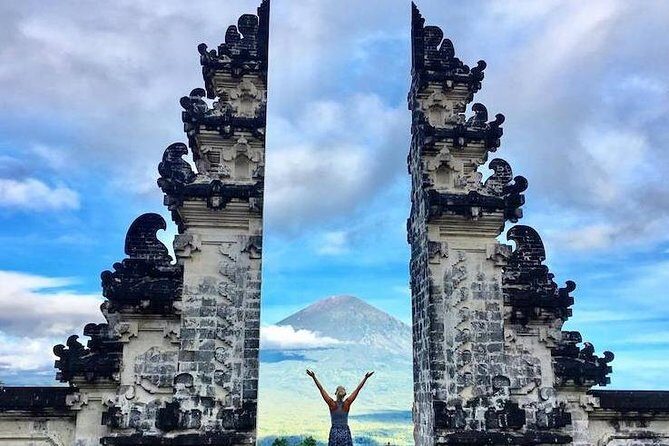
This is the reason most people book. Pura Lempuyang (also referred to as Pura Lempuyang Luhur) is among Bali’s oldest and best-regarded temples. It’s also famous for the gateway view people associate with the Gate of Heaven.

You get about 45 minutes at the temple area, and admission ticket is not included. Also note that the best results depend on conditions. One big practical note from the experience: if it’s overcast, the Mt. Agung view can be less clear. It doesn’t mean the temple isn’t beautiful—it just changes the photo payoff.

Here’s the real logistics reality: you may face waiting to take your photo at the gateway spot. That wait is the trade you make for the iconic view. If you’re the kind of traveler who hates queues, plan your expectations early and try to stay calm.

A smart way to handle the wait:

  • Treat it like part of the experience, not an interruption.
  • Bring your patience, not just your camera.
  • If you have a family group, coordinate who goes when so the line time moves efficiently.

What to wear here matters too. Smart casual is fine, but also think comfort. You’ll likely do some walking and standing.

The Water Palace and White Sand Beach Stretch: Less Temple, More Reset

Lempuyang Temple Tour With Lunch and Pick Up - The Water Palace and White Sand Beach Stretch: Less Temple, More Reset
Beyond the main sights, the day includes time described as a water palace segment and a white sand beach stop. You can think of this as the schedule giving you a breather between two temple-focused experiences.

The exact flow can vary, but the intent is consistent: after Tirta Gangga and the Lempuyang gateway area, you get a coastal pause so you can cool down, regroup, and enjoy something simpler than temple walking and photo timing.

Why this is valuable: when you’re doing eastern Bali in one day, fatigue can quietly steal your best photo moments. A beach break helps you avoid the “I’m too tired to care” feeling halfway through.

Bring water, and if you tend to get sunburned, reapply sunscreen before you settle in.

Lunch, Special Diets, and Dress Code: The Comfort Stuff That Matters

Lempuyang Temple Tour With Lunch and Pick Up - Lunch, Special Diets, and Dress Code: The Comfort Stuff That Matters
Lunch is included, and the tour notes that food for special diets is available. That’s important because long day trips often ignore real dietary needs. If you do have restrictions, tell them ahead of time—don’t wait until you’re hungry and tired.

Dress code is smart casual. That’s not formal temple attire, but it also means you shouldn’t show up in something too casual or sloppy if you’re trying to be respectful. Comfortable shoes will matter more than outfit style, especially around the temple areas.

Also plan for weather and bugs. Mosquito spray is recommended, and that’s a realistic tip for Bali days that involve outdoor time.

Guides, Drivers, and Photo Help: When the Day Feels Smooth

Lempuyang Temple Tour With Lunch and Pick Up - Guides, Drivers, and Photo Help: When the Day Feels Smooth
A day trip like this is only fun if the transport and human side are solid. The experience you want is a driver who communicates, drives safely, and helps your group manage timing.

The names that come up in the tour’s history of excellent days include Putu, Wee, and Dwiana. These guides are described as friendly and communicative, and they also show patience with taking photos—especially when families need a little extra time.

What you should look for when you’re on the ground:

  • Quick answers to where you should stand for photos
  • A calm tone when crowds build
  • Help with moving through the day without confusion

This matters because Lempuyang photo time can be chaotic. A good guide helps you feel like you’re moving with a plan, not reacting to a crowd.

Price and Value at $79.99 Per Person (What You Pay For vs. What You Don’t)

At $79.99 per person, the price is what you’re paying for the big stuff: pickup, a full day itinerary, and a private experience format for your group. You’re also getting lunch and support throughout the day.

What’s not included: admission tickets for Tirta Gangga and Lempuyang. The tour is also listed as mobile ticket, and confirmation is received at booking, which usually makes last-minute admin easier.

So is it good value? For me, it comes down to time and stress.

  • If you would otherwise spend money renting a car plus dealing with navigation and parking, the tour feels fair.
  • If you’re traveling with friends or family, splitting the cost helps even more.
  • If you prefer to go totally DIY, you might pay less—but you’re taking on the driving complexity and the timing puzzle at Lempuyang.

Also, the tour notes group discounts. If you can travel with others, ask how discounts apply when booking.

Who This Tour Fits Best (And Who Might Want a Different Plan)

This tour is a great fit if you:

  • Have only one day and want the classic eastern Bali highlights
  • Don’t want to drive mountain roads
  • Care about the Gate of Heaven photo and want a plan that handles the day efficiently
  • Appreciate a mix of temples plus a beach reset

It may not be ideal if you:

  • Hate waiting in lines and need everything to be instant
  • Want lots of free time at each stop (the schedule is structured and time-limited)
  • Are very sensitive to weather, since Mt. Agung views can change with cloud cover

Should You Book This Lempuyang Temple Tour With Lunch and Pickup?

I’d book this if your goal is clear: see Lempuyang Temple, enjoy Tirta Gangga, eat well, and get back to Ubud without driving stress. The mix of temple + water gardens + beach break is practical, and the private format for your group makes it feel less hectic than trying to DIY everything.

Just go in with two expectations set:

  • The Gate of Heaven area may involve waiting.
  • The Mt. Agung view depends on conditions.

If those points don’t bother you, this is a strong one-day way to cover eastern Bali without turning your trip into logistics homework.

FAQ

What’s the duration of the Lempuyang Temple tour?

It runs about 9 to 10 hours.

Is pickup available from Ubud?

Yes. Pickup is offered.

Do I need to pay admission tickets for Tirta Gangga and Lempuyang?

Yes. The admission tickets for those stops are not included.

Is lunch included?

Yes, lunch is included, and special diets are available if you inform them in advance.

Does the tour include a beach stop?

Yes. The itinerary includes a stop on a white sand beach, and it also includes Jasri Beach as part of the day.

Is Charly’s Chocolate Factory included in the price?

It’s included as a stop, but purchases there are own expense.

What should I wear?

The dress code is smart casual.

What should I bring with me?

Bring sunscreen and mosquito spray.

What’s the cancellation window?

You can cancel up to 24 hours in advance for a full refund.

Bali Full-Day Tours : Waterfall and Ubud Destination Trip

Bali Full-Day Tours : Waterfall and Ubud Destination Trip - Value check: $50 per person, and what you should mentally budget

A day in Ubud can feel either magical or chaotic. This one keeps you moving through the highlights—Tegenungan Waterfall, rice terraces, temples, monkeys, and then back to central Ubud for culture and shopping—without you having to plan every turn.

Two things I like a lot: first, the tour is set up as a true circuit with admission tickets included at most stops, so you’re not constantly paying or guessing what’s covered. Second, the guides named in past outings—Buddy, Agung, and Arya Kutawaringin—come across as punctual, trustworthy, and flexible, with enough personality to adjust the day if you want a little extra time somewhere.

One consideration: it’s a long day—about 7 to 10 hours—and you’ll do moderate walking. If you’re short on energy, the monkeys and waterfall areas can add up fast, especially under strong midday heat.

Quick hits before you go

Bali Full-Day Tours : Waterfall and Ubud Destination Trip - Quick hits before you go

  • Pickup from Kuta (and a private setup): only your group rides along, so you can move at your pace.
  • Tegenungan Waterfall entry included: you get dedicated time at one of Bali’s most visited falls.
  • Tegalalang Rice Terrace admission included: plan for viewpoints and photo stops within a focused hour.
  • Monkey Forest admission included: about two hours to see the macaques and the sanctuary’s grounds.
  • Goa Gajah (Elephant Cave) stops the day with a temple/archaeology moment: a good break from just “pretty views.”
  • Ubud Royal Palace is free (and art market is included): culture first, then practical souvenir shopping.

Kuta to Ubud in one long day: what the ride really means

Bali Full-Day Tours : Waterfall and Ubud Destination Trip - Kuta to Ubud in one long day: what the ride really means
Starting from Kuta, you’re basically using a full day to link together Bali’s most famous Ubud-region sights. That’s a good use of time if you’re staying in southern Bali and want “Ubud energy” without moving hotels.

The private-group format matters more than people expect. It usually means you’re not stuck waiting on strangers at each photo stop, and you can ask for small changes like more time for viewpoints or a slightly different route around traffic. In the past, guides such as Buddy and Agung have been praised specifically for being reliable and punctual, so the day tends to run like a plan rather than a guessing game.

Because the total time is 7 to 10 hours, transport is a big part of the experience. Expect some road time and consider that Bali’s traffic can swing your schedule. The payoff is you’ll cover a lot of ground in one day—waterfall, rice terrace, temple sites, monkeys, palace, and the art market.

Value check: $50 per person, and what you should mentally budget

Bali Full-Day Tours : Waterfall and Ubud Destination Trip - Value check: $50 per person, and what you should mentally budget
At $50 per person, the headline value is the mix of included stops. From the tour details, you’ve got admission included for major paid sites like:

  • Tegenungan Waterfall
  • Tegalalang Rice Terrace
  • Sacred Monkey Forest Sanctuary
  • Goa Gajah (Elephant Cave)
  • Ubud Art Market

Ubud Royal Palace is listed as free, so you’re getting that classic landmark without an added ticket cost.

What you should still budget for is what the listing doesn’t cover: snacks, drinks, personal shopping, and anything you choose to add outside the included sites. A few guides have also been noted for offering extra options like a coffee plantation stop if you want one. That kind of add-on can be a fun break—but it’s optional, not the core of the day.

Also keep expectations realistic: this price is low by Bali private-tour standards, so the best “value mindset” is to enjoy the included sights, stay flexible with timing, and not treat it like a slow, luxury-paced private retreat.

Stop 1: Tegenungan Waterfall—famous for a reason, but plan the timing

Tegenungan Waterfall is one of those Bali stops that you can’t ignore. You’ll get about 2 hours, and entrance is included. That time window is ideal: long enough to see the waterfall, take photos, and move around without feeling rushed.

Practical things to know:

  • Bring water and plan for humidity.
  • Wear shoes that won’t hate wet stone and paths.
  • If you’re prone to motion sickness or discomfort on uneven footing, keep your pace slow.

A potential drawback: waterfalls get crowded, and so do the edges where people line up for photos. A good guide will help you manage the flow—sometimes that means a less obvious viewing angle, or just timing your photos so you’re not stuck waiting for the perfect shot.

Goa Gajah (Elephant Cave): the cultural breather between nature stops

Bali Full-Day Tours : Waterfall and Ubud Destination Trip - Goa Gajah (Elephant Cave): the cultural breather between nature stops
After the waterfall, the day shifts gears with Goa Gajah Temple, an archaeological site located on the western edge of Bedulu Village, about six kilometers from central Ubud. You’ll have around 1 hour here, and admission is included.

This stop is a smart balance point. If your day starts to feel like “views, views, views,” Goa Gajah brings in an older layer—stonework, history, and a temple setting that feels calmer than the busiest selfie zones.

How to make the most of that hour:

  • Use the time to read the space, not just photograph it.
  • Ask your driver/guide what to look for in the carvings or layout.
  • Keep an eye on the ground and steps—temple areas are often uneven.

Tegalalang Rice Terrace: how to turn an icon into great photos

Bali Full-Day Tours : Waterfall and Ubud Destination Trip - Tegalalang Rice Terrace: how to turn an icon into great photos
Next up is Tegalalang Rice Terrace—a full-on Ubud icon. You’ll get about 1 hour, and admission is included.

This is where your guide can make a difference. Rice terraces are famous, so you’ll likely see crowds at the most popular angles. Still, you can get great results if you:

  • Focus on layers and leading lines (the terrace rows guide your eye).
  • Take one wide shot early, then switch to tighter views of texture and paths.
  • Keep your phone/camera safe if you’re moving on narrow paths.

A small reality check: one hour sounds short, but terraces are easy to overstay. The best approach is to set your priorities—one main viewpoint, a walk along a section (as your comfort allows), and then move on before you hit photo fatigue.

Lunch in Ubud: fueling the second half of the day

Bali Full-Day Tours : Waterfall and Ubud Destination Trip - Lunch in Ubud: fueling the second half of the day
Lunch is served at a restaurant in the Ubud area. The exact restaurant isn’t listed, but the key point is that it’s included as part of the schedule.

This matters because it prevents the classic Bali full-day problem: everyone gets hungry at the same time and you end up eating something you didn’t want. With lunch built in, you can plan your energy for the afternoon, especially for Sacred Monkey Forest, which can be an active, attention-demanding stop.

My practical advice: go for something filling but not too heavy. Your afternoon includes walking, stairs, and lots of movement in heat. If you tend to get sluggish after meals, choose lighter dishes, hydrate, and keep an eye on timing so you don’t arrive late to the monkey area.

Sacred Monkey Forest Sanctuary: the fun part with real rules

Bali Full-Day Tours : Waterfall and Ubud Destination Trip - Sacred Monkey Forest Sanctuary: the fun part with real rules
You’ll spend about 2 hours at Sacred Monkey Forest Sanctuary, with admission included. This stop is popular because it’s both a nature space and a real animal encounter.

The big “know before you go” detail is that macaques are macaques. You’re walking through their environment, and their behavior can be unpredictable if you act like a snack vendor.

A few practical ways to keep this enjoyable:

  • Keep your hands and small items controlled—pockets, bags, and zippers matter.
  • Avoid dangling accessories or food.
  • Stay aware and don’t block others when you stop for photos.

The positive side: two hours is a good amount of time. You’re not rushed, and you can move between viewpoints and temple-style areas without feeling like you’re constantly being herded.

Ubud Royal Palace (Puri Saren Ubud) and why it works after monkeys

Bali Full-Day Tours : Waterfall and Ubud Destination Trip - Ubud Royal Palace (Puri Saren Ubud) and why it works after monkeys
After the forest, you head to Ubud Royal Palace (Puri Saren Ubud). Admission is listed as free, and you’ll have about 1 hour.

Why this placement works: it shifts you from animal encounters back into human-made culture—architecture, courtyards, and a clear sense of where Ubud’s royal story fits into modern daily life. It’s also a lighter stop compared to the activity level of the monkey forest, which gives your legs a moment to recover.

If you like “less rush, more looking,” this is where you’ll benefit from having a private guide. You can take your time without worrying about dragging a group along.

Ubud Art Market: souvenirs without the endless guessing

The day ends at the Ubud Traditional Art Market, locally referred to as Pasar Seni Ubud. It’s listed as about 1 hour, with admission included.

This is where you turn the trip into tangible memories: silk scarves, lightweight shirts, handmade woven bags, and other crafts are mentioned in the tour details. The market is open daily and is busy with visitors, which usually means you’ll have options and price comparisons.

My advice here is simple:

  • Go in with a budget before you start.
  • Focus on a few categories you actually want.
  • Keep an eye on how you’ll carry purchases—especially if you’re making other stops later or packing for a return trip.

One nice plus from the private-car setup: you can keep your belongings together and easier manage shopping once you’re back on the move.

Private comfort and flexible guidance: what makes the day feel easy

The tour is a private tour/activity, so you ride with your group only. In a day packed with major sights, that’s what makes the difference between a “schedule” day and an enjoyable day.

The strongest praise pattern in the available feedback is about the drivers’ behavior:

  • Punctual, reliable, and trustworthy (Buddy and Agung are named)
  • Flexible route adjustments when you want extra time or a small detour
  • Cultural insight that turns stops from checklist items into something you understand a bit more
  • Helping with photos so you’re not always stuck behind your camera

It’s also noted that some guides may suggest additional experiences like a coffee plantation visit. If you’re into that kind of cultural add-on, it can be a fun way to slow down for a break—and it’s often the kind of stop that feels more “Bali local” than another viewpoint.

Who should book this Ubud-and-waterfall day

This tour is a good fit if you:

  • Want to see major Ubud highlights from Kuta without planning transport
  • Like the idea of included entry fees at most stops
  • Prefer a private group day with a driver who can adjust timing
  • Are comfortable with moderate walking and being out most of the day

You might want to skip or adjust if you:

  • Have very limited mobility or find stairs difficult
  • Hate long transit days and prefer shorter, slower outings
  • Are easily overwhelmed by crowds (waterfall and monkey areas can be busy)

Should you book Bali View Tours for this route?

Yes, if your goal is a full-day “great hits” tour that’s sensibly priced and guided. The inclusion of admissions at several major sites, plus lunch and private comfort, makes the value easier to justify than doing everything piecemeal.

I’d book it if:

  • You want Tegenungan Waterfall + Ubud in one shot
  • You appreciate a guide who’s willing to be flexible with your time
  • You like the mix of nature and culture (not just one or the other)

I wouldn’t book it if you’re chasing a slow, quiet, minimal-people Bali day. This is a packed circuit. The best outcome is when you go in ready to move, drink water, and treat the photos as a bonus—not a stress test.

FAQ

How long is the Bali Full-Day Tours Waterfall and Ubud Destination Trip?

The tour runs about 7 to 10 hours.

What does the tour cost?

The price is $50.00 per person.

Is pickup offered?

Yes, pickup is offered.

Is this a private tour?

Yes. It’s listed as a private tour/activity, and only your group participates.

Which stops are included during the day?

The day includes Tegenungan Waterfall, Goa Gajah Temple, Tegalalang Rice Terrace, Sacred Monkey Forest Sanctuary, Ubud Royal Palace, and Ubud Traditional Art Market.

Are admission tickets included?

Admission tickets are included for Tegenungan Waterfall, Tegalalang Rice Terrace, Sacred Monkey Forest Sanctuary, Goa Gajah Temple, and Ubud Traditional Art Market. Ubud Royal Palace is listed as free.

Is lunch included?

Lunch is included, served at a restaurant in the Ubud area.

How much time do you spend at each stop?

The listed times are: Tegenungan Waterfall (2 hours), Tegalalang Rice Terrace (1 hour), Ubud Royal Palace (1 hour), Sacred Monkey Forest Sanctuary (2 hours), Goa Gajah Temple (1 hour), and Ubud Traditional Art Market (1 hour).

What fitness level is recommended?

A moderate physical fitness level is recommended.

What is the cancellation policy?

Free cancellation is available. You can cancel up to 24 hours in advance of the start time for a full refund.

Mount Batur Sunrise Jeep Tour

Mount Batur Sunrise Jeep Tour - Sunrise breakfast on the mountain: the payoff portion of the day

Waking up before dawn can feel tough, until you see the sky change. This Mount Batur sunrise jeep tour takes you from dark mountain roads to wide-open volcano viewpoints, with sunrise as the main event. I especially like the mix of travel comfort (an air-conditioned vehicle) plus a proper volcano morning, and I also like the contrast of black lava right after the big sky moment. The main drawback is the cold early start, so plan layers and be ready for a short hike in the dark.

One more reason I’d recommend it: the whole day is built around pacing. You’re not just driving past sights, you’re guided through the volcano morning, then you get time to reset at a natural hot spring before heading back to your meeting point in Ubud.

Key Highlights to Know Before You Go

Mount Batur Sunrise Jeep Tour - Key Highlights to Know Before You Go

  • 3:00 am start means a real sunrise viewpoint, not a rushed version of it
  • Breakfast included helps you make it through the pre-dawn cold
  • Black lava fields stop gives you an up-close look at Batur’s volcanic terrain
  • Batur Natural Hotspring is included for about one hour of soaking
  • Small-but-busy planning: up to 100 travelers max, so you’ll want to follow your guide’s timing
  • Good guide energy shows up in real-world tips and photo help from guides like John, Wayan, and Arto

Why a 3:00 am Start Really Matters on Mount Batur

Mount Batur Sunrise Jeep Tour - Why a 3:00 am Start Really Matters on Mount Batur
Mount Batur sunrise tours live or die by timing, and this one starts at 3:00 am. That means you’ll be moving before you can even see much terrain, then slowly working your way toward the best light.

The early hours also explain why the day feels special. You’re not competing with late-morning crowds, and you get that quiet, expectant feeling that only happens when the whole mountain is still waking up.

The Jeep Ride: Comfortable Wheels for a Loud, Winding Morning

Mount Batur Sunrise Jeep Tour - The Jeep Ride: Comfortable Wheels for a Loud, Winding Morning
You’ll ride in an air-conditioned vehicle, and that’s a big deal at this hour. The drive is part of the experience: a Jeep-style route over winding paths gives you a sense of adventure without turning the day into a constant bumpy slog.

Pickup is offered, and the tour returns you to the meeting point at the end. That round-trip setup is practical in Ubud, where traffic can be unpredictable later in the morning.

Mount Batur Sunrise: Cold Air, Guided Views, and a Short Climb

Mount Batur Sunrise Jeep Tour - Mount Batur Sunrise: Cold Air, Guided Views, and a Short Climb
Mount Batur sits around 1,717 meters (5,633 feet) above sea level, so sunrise here comes with weather. Expect it to feel colder than you think, especially in the dark and early morning wind.

This part of the tour is designed as the main event, with admission ticket included and a set block of time at Mount Batur. Many people will walk uphill as part of reaching the viewpoint, and one guide-led pace described a walk lasting about 1.15 hours for those conditions.

A helpful practical note from real trip experience: bring warm layers, and don’t hesitate to use blankets or jacket rentals that are offered on-site. One common strategy is dressing warmly and then using rented warm items to stay comfortable during the waiting period for sunrise.

Once the light breaks, the view can be stunning. I like that the sunrise payoff isn’t just about the sun; it’s the way surrounding peaks can catch that glow, including Mount Agung in the distance when conditions line up.

Black Lava Fields: The After-Sunrise Contrast You’ll Remember

Mount Batur Sunrise Jeep Tour - Black Lava Fields: The After-Sunrise Contrast You’ll Remember
After the sunrise moment, the tour moves to the black lava area by Mount Batur. This stop is about 3 hours and includes an admission ticket, which matters because it turns the visit into more than just quick photos at the edge.

You’ll see dark, jagged volcanic surfaces that look almost unreal next to the morning sky. This is one of those places where your photos improve the moment you slow down and look at texture—sharp rocks, uneven ground, and the way the terrain stretches out.

A solid guide makes a difference here. In particular, you’ll get explanations along the way, and it’s the kind of information that helps you understand what you’re looking at, instead of just walking through a dramatic scene.

Batur Natural Hot Spring: Soak Time to Save Your Legs

Mount Batur Sunrise Jeep Tour - Batur Natural Hot Spring: Soak Time to Save Your Legs
Your morning on volcanic terrain can be harder on the body than you expect, which is why the included Batur Natural Hotspring stop is such a smart reset. You get about one hour to soak in warm, mineral-rich water.

I like that this isn’t a rushed dip. With time blocked for soaking, you can warm up properly and let your legs cool down after the early climb and uneven ground.

The setting matters too. You’ll be surrounded by natural scenery while you relax, so the hot spring feels like a genuine pause in the day rather than a check-the-box activity.

Breakfast + Air-Conditioned Transport: Small Inclusions With Big Value

Mount Batur Sunrise Jeep Tour - Breakfast + Air-Conditioned Transport: Small Inclusions With Big Value
At $20.00 per person, you’re getting a bundle, not just a ticket to stand somewhere. Included items in the package include breakfast and an air-conditioned vehicle, plus admission tickets at the key stops and time at the hot spring.

That’s where the value comes in for me. You’re paying once for a full day structure, which saves you from piecing together sunrise transport, volcano access, and separate soaking time. For many people, that convenience matters as much as the sightseeing.

Also, this kind of tour often gets booked ahead, and this one averages around 7 days in advance. If you can, plan sooner rather than later so you don’t end up settling for less convenient pickup times.

Group Size and Pacing: How to Make the Day Feel Smooth

Mount Batur Sunrise Jeep Tour - Group Size and Pacing: How to Make the Day Feel Smooth
This experience caps at a maximum of 100 travelers. That’s not tiny, but it also shouldn’t feel like a cramped herd if everyone follows the guide’s rhythm.

The pacing is built into the design of the day: one main sunrise block, then the lava stop, then hot spring recovery. If you try to do all of this independently, you’ll often spend more time coordinating than actually experiencing.

The best mindset: treat it like a guided schedule for a short window of perfect conditions. Early morning weather can be unpredictable, and the tour is weather dependent, so you should expect that the experience can change if conditions aren’t right.

What to Wear and Bring for a 3:00 am Volcano Morning

Mount Batur Sunrise Jeep Tour - What to Wear and Bring for a 3:00 am Volcano Morning
Cold is the main enemy on this tour. You’ll be waiting and walking in pre-dawn air, and the temperature at elevation can feel sharp.

Here’s the checklist I’d use:

  • Warm layers you can peel on and off as you heat up
  • Comfortable shoes for uneven, volcanic terrain
  • A jacket you’ll actually wear before sunrise
  • A plan for cold comfort (blankets or jacket rentals can be available on-site)

I also recommend bringing your own small essentials like a water bottle if you have a favorite brand, even though breakfast is included. The early start can make you thirsty before lunch.

Guide Quality: Why Names Like John, Wayan, and Arto Matter

This is a tour where guide attitude shows up fast. The best ones aren’t just drivers; they help with pacing, photos, and explanations while keeping things calm when you’re cold and sleepy.

In real experiences tied to this route, guide names that came up include John, Wayan, and Arto. They were described as courteous, helpful, patient, and strong at taking good photos and explaining volcano details and Bali context along the way.

That’s the practical point: on Mount Batur, the difference between an average sunrise and a great sunrise is often the guidance. The right guide tells you where to stand, how to time pictures, and what to look for as the sky changes.

Who This Tour Fits Best (And Who Should Rethink It)

This is a great match if you want a one-day Mount Batur sunrise experience without having to manage transport and timing on your own. It also suits people who like variety: sunrise viewpoint, black lava terrain, then hot spring recovery.

You’ll also like it if you value a guided day. The tour includes admissions and uses a structured schedule, which helps when you’re only in Bali for a short time.

The main reconsideration is early-morning discomfort. If you hate waking up before dawn or struggle in cold weather, this may feel like a big ask.

Should You Book the Mount Batur Sunrise Jeep Tour?

I’d book this tour if you want a straightforward, value-packed way to hit the best part of Mount Batur: sunrise plus the volcanic terrain plus hot spring soaking. At $20 with breakfast, air-conditioned transport, admission tickets, and a hot spring stop included, it’s a strong deal for the amount of ground the day covers.

I’d hesitate only if your biggest vacation priority is sleeping in or you dislike early starts and cold waiting. For everyone else, this is one of those experiences where the timing is the magic, and the rest of the day is set up to help you enjoy it.

FAQ

What time does the Mount Batur sunrise jeep tour start?

It starts at 3:00 am.

Where is the meeting point?

The meeting point is Mount Batur Volcano Sunrise Hike & Jeep Tour (F7V6+5WF), Jl. Monkey Forest, Ubud, Kecamatan Ubud, Kabupaten Gianyar, Bali 80571, Indonesia.

How long is the tour?

The duration is about 8 hours.

What is the price per person?

The price is $20.00 per person.

Is pickup included?

Yes, pickup is offered.

What’s included in the price?

Included items are breakfast, air-conditioned vehicle, and admission tickets for the included stops.

What’s not included?

Tips for the guide are not included.

Is the Batur Natural Hotspring included?

Yes, the tour includes Batur Natural Hotspring for about 1 hour.

Do I need a ticket on my phone?

The tour provides a mobile ticket.

What happens if the weather is bad?

The experience requires good weather. If it’s canceled due to poor weather, you’ll be offered a different date or a full refund.

Myth of Pejeng Walking Tour

Myth of Pejeng Walking Tour - Meeting point and the 8:30 am start in Bedulu

Myth meets temples in small-town Pejeng. This 2-hour walking tour strings together four meaningful stops around Pejeng, turning local legends into something you can see with your own eyes. I love the story-first approach that connects myths with real artifacts and sacred places, and I love the focused small-group feel that makes it easy to ask questions. The main catch: there are uneven steps and steep stretches, so you’ll want decent mobility before you sign up.

A big plus is the size: the tour tops out at 8 travelers, and that makes the pace feel unhurried. Start time is 8:30 am, with the meeting point at Indomaret Pejeng on Jl. Raya Dr. Ir. Sukarno No.552 in Bedulu, Blahbatuh. You should also know this tour does not include pickup or drop-off, so plan to arrive on your own.

It runs rain or shine. If there’s severe weather like an intense downpour, they’ll call you before start, and you’ll still treat it like part of the Bali day. For temple etiquette, you’ll need modest dress with a sarong that covers the legs below the knee, and the tour also asks you to bring a reusable water bottle to help reduce plastic waste.

Key highlights worth your attention

Myth of Pejeng Walking Tour - Key highlights worth your attention

  • A myth thread through four real sites: each stop ties into local stories and objects you can actually visit
  • Small-group access (max 8): easier questions, calmer timing, and less crowd stress
  • Bronze kettle drum, Bhairawa statue, and sarcophagi: you’ll see a mix of sacred and pre-Hindu material culture
  • Sarong and sash support: you’re not expected to figure it out alone at the gate
  • Coffee, tea, and a snack included: a nice reset after temple time
  • Special access to a Balinese compound: one of those “this isn’t just a look-and-leave” touches

Pejeng’s myth trail: what this 2-hour walk really connects

Myth of Pejeng Walking Tour - Pejeng’s myth trail: what this 2-hour walk really connects
This is not a long grind through Ubud. It’s a short walk built around a single theme: the myths of Pejeng, explained as you move between temples and ancient sites. In practice, that means you get the story first, then the object, statue, or structure makes sense right away.

The tour’s best trick is how it balances sacred places with older layers of Balinese life. You’re not only seeing Hindu-era temples; you’re also stepping into a museum-like stop with big pre-Hindu artifacts. That mix helps you understand why people in Bali take myths so seriously: they’re tied to where objects were found, what they were used for, and how communities interpret meaning.

With a small group, the guide can slow down when questions come up. That matters because some of the symbolism can be hard to catch if you’re trying to rush and take photos at the same time. I like that the tour is short enough that you still feel human at the end.

Meeting point and the 8:30 am start in Bedulu

Myth of Pejeng Walking Tour - Meeting point and the 8:30 am start in Bedulu
You’ll meet at Indomaret Pejeng near Bedulu, Blahbatuh, with the start at 8:30 am. That early timing is one reason this tour works: temples are calmer, the lighting is better for seeing carvings, and you’re less likely to hit the hottest part of the day right on top of your walking.

Because there’s no pickup, you’ll want to think about how you’re getting there before you book. If you’re staying in central Ubud, it’s still doable, but you should give yourself buffer time so you’re not sprinting to the meeting point.

The tour ends around the Museum Arkeologi area (listed as Museum Arkeologi F7JV+563). That means you usually finish somewhere convenient for continuing your day on your own.

Temple stop 1: Pura Penataran Sasih and the bronze kettle drum

Myth of Pejeng Walking Tour - Temple stop 1: Pura Penataran Sasih and the bronze kettle drum
Stop one is Pura Penataran Sasih, one of Bali’s oldest temples. The first thing you’ll notice is the vibe: guests wear traditional sarongs and sashes for entry, and the tone is clearly religious, not touristy.

Here’s what makes this stop memorable: you’ll have exclusive access to one of Southeast Asia’s largest bronze kettle drums. That’s not a “point-and-shoot” artifact. Your guide’s job is to explain how it fits into local belief systems and temple traditions, so it turns into an actual story you can remember.

A small caution: you’ll still be walking inside and around temple grounds, so wear footwear that’s stable. If your shoes grip poorly on stone, your legs will notice.

Temple stop 2: Pura Pusering Jagat and the directional temple idea

Myth of Pejeng Walking Tour - Temple stop 2: Pura Pusering Jagat and the directional temple idea
Next up is Pura Pusering Jagat, one of Bali’s six main Kahyangan temples. This one is connected to the island’s directional concept—believed to be at the center—so the carvings and layout matter more than you might expect.

The guide focuses on the “why” behind what you see: how a complex directional belief system plays out in temple design and how people relate to sacred geography in daily life. Even if you’re not reading every inscription, the explanation helps you understand the overall logic of the place.

This stop is around 20 minutes, so it’s not rushed, but it’s also not a long sit-down. Come with curiosity and you’ll get more out of it.

Temple stop 3: Kebo Edan’s Bhairawa statue and unusual origins

Myth of Pejeng Walking Tour - Temple stop 3: Kebo Edan’s Bhairawa statue and unusual origins
Then the walk shifts to the Kebo Edan Temple, nicknamed the Temple of the Crazy Buffalo. This small temple is known for a 13th-century Bhairawa statue, and the story around it is what makes the visit stick in your memory.

You’ll hear theories about the statue’s unusual origins, including that it was recovered from nearby rice fields. That detail turns the statue from an abstract sculpture into something tied to land, farming, and how artifacts sometimes resurface through local history.

This stop is another about 20 minutes, and the tone tends to feel more focused than expansive. It’s ideal if you like your cultural stops specific, with clear takeaways instead of vague sightseeing.

Arca Building Archaeological Museum: giant sarcophagi and pre-Hindu context

Myth of Pejeng Walking Tour - Arca Building Archaeological Museum: giant sarcophagi and pre-Hindu context
Your final stop is the Arca Building Archaeological Museum, and it’s a real change of pace. Instead of temple structures and offerings, you step into an open courtyard where you can see giant sarcophagi and learn about pre-Hindu Bali.

The tour frames this as a window into ancient Balinese life and customs. Even if your interest is mainly mythology, this stop gives you the physical background: these aren’t just stories floating in the air. They’re connected to earlier periods and to how communities treated remains, material objects, and ritual meaning.

This is listed at around 30 minutes, which feels right. You need a little extra time here because you’ll want to look closely at size and details, not just listen from a distance.

Special access, coffee, and the small costs that matter

Myth of Pejeng Walking Tour - Special access, coffee, and the small costs that matter
This tour includes more than admission tickets. You get temple donations listed as Rp 60,000, plus a local guide experience and a Balinese coffee, tea, and snack.

That snack piece is practical. Two hours around temples and walking can dry you out, and the included drink gives you a breather without needing to hunt for food mid-tour. It’s also one of the reasons this feels good value for the price.

There’s also special access to a Balinese compound, which you should think of as the difference between “seeing” and “being shown.” You get to move with the guide’s understanding of what matters, not just what looks best on a photo.

Temple etiquette: sarong rules and how to avoid awkward moments

Myth of Pejeng Walking Tour - Temple etiquette: sarong rules and how to avoid awkward moments
Temple etiquette here is straightforward: Balinese temples are sacred, and both men and women need to dress modestly with a sarong covering the legs below the knee. You can bring your own sarong or use one provided, and the tour includes sarong and sash use.

To avoid last-minute scrambles, plan to arrive already dressed for walking and bring a light layer for after. You’ll likely be asked to adjust clothing for entry, and it’s easier if your shoes and pants situation is already practical.

Also, remember that you’re moving around religious spaces. Keep your behavior calm, follow your guide’s instructions, and treat photos like a privilege, not a right.

Walking reality check: steps, surfaces, and pacing that fits most people

This is an urban walk around historic landmarks, so you should expect uneven temple stairs, steep gradients, and patchy sidewalks. The tour is labeled as doable for most travelers, but the key word is capable. If you’re worried about stairs, this is where you need to be honest with yourself.

The good news is it’s only around 2 hours, and the route is split into four focused stops rather than one long march. With a small group of up to 8, the guide can slow down if someone needs extra time.

It’s also wise to think about heat and sun, even on a morning start. The tour advises you to bring water and includes a reusable bottle reminder to reduce plastic waste.

Guides who keep the story clear (Joe, Bagus, and Win)

Part of what makes this tour work is how the guide handles questions. In guides like Joe and Bagus, you’ll find people who explain what you’re seeing instead of throwing facts at you. They also seem comfortable answering follow-up questions, which helps the myth side land for first-timers.

Another guide mentioned is Win, who was described as prepared and attentive, including helping with proper attire and bringing items like sunblock and bug repellent. That kind of thoughtful support makes a difference when you’re stepping between sacred spaces and open areas.

Bottom line: if you like your guides to translate the symbols into human terms, this tour is built for that style.

Value check: why $21.40 can feel fair (or not)

At $21.40 per person for about two hours, this isn’t a bargain you’d call “cheap,” and it’s not a premium experience either. The value comes from what you actually get in return: a local English-speaking guide, temple donations, admission tickets included at each stop, sarong and sash support, and a small food-and-drink break.

You’re also paying for access—like the bronze kettle drum stop and the special access to a Balinese compound. If you’ve ever done a temple tour where you’re shuffled past everything with no context, you can see why this structure helps.

The only reason value might not feel great is if you’re expecting a mostly scenic walk or a big “Ubud highlights” route. This is very specific to Pejeng’s myths and sacred sites. If that’s what you want, the price makes sense. If you want a broader set of sights, you might compare against other Ubud tours.

Should you book the Myth of Pejeng Walking Tour?

You should book if you want a short tour with strong storytelling, and you like cultural stops that connect myth to objects. The combination of temples plus the Arca Building Museum makes it harder to get bored, and the small group size helps you actually understand what you’re seeing.

I’d skip or consider an easier alternative if you’re sensitive to stairs and uneven ground. Even though the walking time is short, the terrain is real, and the tour doesn’t hide that fact.

If you’re starting your Bali trip and want a guided lens for religion, symbols, and local thinking, this is a good pick. Go early, wear proper shoes, and come with questions. The myth will make more sense once you stand in front of the artifacts.

FAQ

How long is the Myth of Pejeng Walking Tour?

It runs for about 2 hours (approx.).

How much does it cost?

The price is $21.40 per person.

What time does the tour start?

The start time is 8:30 am.

Where do I meet the tour and where does it end?

You meet at Indomaret Pejeng, Jl. Raya Dr. Ir. Sukarno No.552, Bedulu, Blahbatuh, Gianyar, Bali. The tour ends at Museum Arkeologi (listed as F7JV+563, Bedulu, Blahbatuh).

Is pickup or drop-off included?

No. The tour does not provide pickup or drop offs from your accommodation.

What’s included in the price?

Included are a local English-speaking guide, guided walking tour, temple donations (Rp 60,000), Balinese coffee/tea and snack, admission tickets at stops, special access to a Balinese compound, and sarong and sash.

What should I wear or bring for temple visits?

You’ll need a sarong that covers the legs below the knee. You can bring your own or use one provided, and the tour also asks you to bring a reusable bottle for water refills.

What if it rains?

The tour operates rain or shine. If conditions are severe (like an intense downpour), the provider will call you before the start.

Kintamani and Tukad Cepung Waterfall Tour

Kintamani and Tukad Cepung Waterfall Tour - Kehen Temple Built in the 11th Century

Rocks hide a waterfall surprise. This middle-of-Bali route ties together a waterfall you reach through rock corridors, an 11th-century temple, and two cultural stops that feel worlds apart from the beaches. I especially like how the day flows from nature to temples to village life, ending with the rice terraces near Ubud.

The tour’s biggest win is the people driving it. In the feedback I saw names like Nyoman and Katur, and that matches what you want on a long day: someone who can explain what you’re seeing and keep things smooth even when you wake up early. One thing to think about first is that it’s a 9-hour day starting at 8:00 am, and it depends on good weather—so plan this when you’re not gambling with rain.

Key Points You’ll Actually Care About

Kintamani and Tukad Cepung Waterfall Tour - Key Points You’ll Actually Care About

  • Tukad Cepung Waterfall: a waterfall set into rock formations, with about 2 hours to explore.
  • Kehen Temple (11th century): an old-school temple stop with a full 1 hour on site.
  • Penglipuran Village: learn how the Bali Aga (ancient Balinese) community lives and builds.
  • Kintamani views at lunch: buffet lunch with Mount Batur and the lake in sight.
  • Ceking Rice Terrace near Ubud: around 1 hour for the classic terrace photos and slow walking.
  • Guides that talk: the strongest praise centers on friendly, helpful drivers like Nyoman and Katur.

A Ubud Day Trip That Spreads Out the Best of Central Bali

This tour is built like a loop through some of Bali’s most varied scenery. You start in Ubud, then work your way toward the Batur/Kintamani region, with stops that mix dramatic nature, old religious sites, and daily life in a traditional village.

The schedule is one of the reasons it feels satisfying. Instead of doing one highlight and rushing past the rest, you get a decent chunk of time at each stop. That matters with Bali, because the drive time isn’t short, and you don’t want to feel like you’re only arriving for quick photos.

I also like that the day is structured around “things you do,” not just “things you look at.” There’s time to explore the waterfall area, time in the temple, time in a living village, a real sit-down buffet lunch, and time to walk the rice terraces. It’s a practical way to see central Bali without trying to string five separate tickets and rides together yourself.

Tukad Cepung Waterfall: Why This One Feels Different

Kintamani and Tukad Cepung Waterfall Tour - Tukad Cepung Waterfall: Why This One Feels Different
Tukad Cepung Waterfall is the kind of place you only fully get once you’re there. The standout feature is how the waterfall sits between rocks, creating a dramatic, tucked-in feeling. You’re not just viewing water from a roadside pull-off—you’re moving into the waterfall’s pocket.

You’ll spend about 2 hours here, which is important because this stop isn’t meant to be a one-minute photo stop. With that time, you can take in the view from different spots, catch the overall atmosphere, and actually enjoy the setting rather than just clock it and move on.

Practical note: this is an outdoor nature stop. Expect uneven surfaces and plan for a little dampness in the air. I’d bring shoes with grip and pack a small water bottle—simple stuff, but it keeps the day from feeling like an obstacle course.

If you care about photos, this is also a good place to slow down. The rock walls change how you see the waterfall, so you’ll likely want a few minutes to find the angle that makes the scene feel framed, not flat.

Kehen Temple Built in the 11th Century

Kintamani and Tukad Cepung Waterfall Tour - Kehen Temple Built in the 11th Century
After the waterfall, the day shifts from nature to religion with a visit to Kehen Temple, described as built in the 11th century. This stop is about calm and atmosphere. The setting gives you a sense of time depth, like you’re stepping into Bali’s spiritual architecture rather than ticking off another viewpoint.

You get about 1 hour at Kehen Temple. That’s long enough to wander, read the vibe, and take in the temple spaces without feeling rushed. Shorter temple visits can feel like you’re just walking through. An hour gives your brain a chance to notice details and patterns, like how the area is laid out and how the temple fits its surroundings.

The biggest value here is contrast. A waterfall is sensory and wet and loud in the mind. A temple is quieter and structured. Putting them in the same day makes both feel more meaningful—you’re not just bouncing from one scenic thing to another. You’re seeing Bali’s spiritual and environmental sides back-to-back.

Dress smart for temple time. Even when you’re not told exactly how, you’ll generally want clothing that lets you move comfortably and respects the site.

Penglipuran Village and Bali Aga Culture

Penglipuran Village is where the tour turns toward people and culture. You’ll spend about 1 hour learning about the traditional architecture and daily life of the Bali Aga—described as the ancient Balinese people.

What makes this stop valuable is that you’re not only watching a performance or visiting a museum setting. The focus is on how the village is built and how the community lives. That’s the kind of cultural stop that helps you understand why certain places feel the way they do—because you see the human logic behind the streets, homes, and community habits.

This also breaks up the “big scenery” rhythm. After Kehen and the waterfall, Penglipuran shifts the tempo into something slower and more grounded. Even if you’re not the type to love guided cultural explanations, you’ll likely appreciate having an hour here to ask questions and look closely at the way the village is arranged.

One consideration: one hour passes quickly. If you want to ask deeper questions about Bali Aga traditions, you’ll do best when you’re ready to speak up early rather than waiting until the last few minutes.

Mount Batur Views and Buffet Lunch in Kintamani

Then comes one of Bali’s best-known regions for views: Mount Batur and the lake in the Kintamani area. You’ll have buffet lunch here with those views as your backdrop, and you’ll spend about 1 hour 30 minutes at this stop.

This is more than a meal break. It’s a chance to reset in the middle of a long day. When you’re doing waterfall, temple, and village sightseeing back-to-back, you’ll feel it in your legs and patience. A proper lunch with Mount Batur and the lake in front of you gives the day a breathing space.

I also like that the tour builds in enough time for lunch to feel like lunch. Some day trips cram food into a 20-minute window. Here, you have time to eat without checking your watch every two bites.

Practical tip: when you’re in highland areas, conditions can change. Even if the tour only says good weather is needed overall, it doesn’t hurt to wear layers you can adjust after being in and out of sun.

Ceking Rice Terrace Near Ubud: The Best Way to End

Kintamani and Tukad Cepung Waterfall Tour - Ceking Rice Terrace Near Ubud: The Best Way to End
The final stop is the Ceking Rice Terrace near Ubud—described as a UNESCO heritage rice terrace. You’ll get around 1 hour here, which is usually just enough time to walk a bit, frame a few photos, and soak in the view without your day turning into a full hiking mission.

Rice terraces in Bali have a particular kind of calm. They feel engineered, careful, and alive. When you finish with this, the whole day makes more sense: nature (waterfall), spirituality (temple), community (village), highland landscape (Batur), then agriculture (rice terraces).

If you’re trying to decide between “scenic photos” and “slow travel,” this stop helps you do both. You can take your pictures quickly, then spend a little time lingering along the paths to enjoy how the terraces step down and how the light hits the paddies.

Wear comfortable shoes here too. Even if you’re only walking for an hour, terrace paths can be uneven, and you’ll want foot comfort to keep the experience fun instead of fussy.

The Driver Is the Difference: Nyoman and Katur Energy

This tour’s reviews strongly point to one theme: the driver isn’t just transportation. It’s part of the experience. Names that came up include Nyoman and Katur, with praise for being helpful, cheerful, and full of insight about traditions, temples, and the places around Kintamani.

That matters because central Bali can feel like a string of locations unless someone helps connect it. A good guide can turn each stop from a picture into a story. You start seeing why a temple is positioned the way it is, why a village looks the way it does, and why the waterfall’s rock setting creates its distinctive atmosphere.

It’s also a big quality-of-life thing. This is a full 9-hour day, and an early start at 8:00 am can test anyone’s patience. A friendly driver who can keep things moving smoothly makes that early morning feel less like a sacrifice and more like the price you pay for a good day.

If you value explanation and not just sightseeing, prioritize tours like this where the human factor is strong.

Price and Value: Why $78 Can Make Sense

Kintamani and Tukad Cepung Waterfall Tour - Price and Value: Why $78 Can Make Sense
At $78 per person, this tour sits in the midrange for a full-day Bali outing. The value angle comes from three factors in the tour data: pickup is offered, it’s a private tour/activity for your group, and admission tickets are included at each stop.

That matters because admissions add up fast when you’re stacking multiple sites. Here, the waterfall, temple, village, lunch stop, and rice terrace are all covered with admission ticket inclusion. When you combine that with a driver taking you between locations for the full day, the price starts to look more reasonable.

Also, the private format is a real value for many people. You’re not packed into someone else’s schedule. You’re on your own group time, which can be especially useful if you want a slower pace at the waterfall or more time asking questions in Penglipuran.

One possible drawback is that private tours can be pricier than shared ones. If budget is your only priority, you might compare options. But if you care about comfort, clear pacing, and a guide who can talk through what you’re seeing, this price is easier to justify.

Timing, Comfort, and How to Plan Your Day

The start time is 8:00 am, and the day runs about 9 hours. That means you should plan for a full-day commitment. You’ll want an early breakfast before pickup, and you’ll want to keep your energy up because you’re rotating through five major experiences.

The tour is marked as good for most travelers, and it’s a private activity where only your group participates. That reduces the “group chaos” feeling you can sometimes get on large bus tours. It’s also a better fit if you prefer asking questions freely without waiting for a guide to gather everyone.

Weather is a factor. The experience notes that it requires good weather. That’s fair for outdoor stops like the waterfall and rice terraces. If it’s raining or unpleasant, your best move is to plan a flexible day in your Bali schedule.

Mobile ticket is included, which is a nice modern convenience. Less paperwork means less friction on the day—always a win when you’re juggling multiple stops.

Finally, this kind of tour benefits from being booked ahead. It’s described as commonly booked about 21 days in advance on average. If your dates are fixed, don’t wait for the last minute.

Should You Book This Kintamani and Tukad Cepung Tour?

I’d book it if you want a balanced Bali day: waterfall drama, an old temple, a genuine traditional village visit, lunch with real landscape payoff, and a classic rice terrace finish. This isn’t only about one highlight. It’s about stacking experiences so the day feels full.

I’d think twice only if you hate early mornings or you’re stuck with one day that’s already tight on weather risk. Since it depends on good weather, you’ll be happier when you have at least some flexibility.

If you can, pick this tour when you want central Bali rather than another beach-and-shopping day. The combination of Tukad Cepung, Kehen Temple, Penglipuran, Mount Batur lunch, and Ceking Rice Terrace gives you a strong snapshot of what Bali looks like away from the coast.

FAQ

What time does the tour start?

The tour starts at 8:00 am.

How long is the tour?

The duration is about 9 hours (approx.).

Are admission tickets included?

Yes. Admission ticket inclusion is listed for each stop: Tukad Cepung Waterfall, Kehen Temple, Penglipuran Village, Mount Batur lunch stop, and Tegalalang Rice Terrace/Ceking Rice Terrace.

Is this tour private?

Yes. It’s described as a private tour/activity, meaning only your group participates.

Is pickup included?

Pickup is offered.

What if the weather is bad?

The experience requires good weather. If it’s canceled due to poor weather, you’ll be offered a different date or a full refund.

Lempuyang Temple – East Full Day Tour

Lempuyang Temple - East Full Day Tour - The Luwak coffee plantation stop: Bali Agro tourism in practical, hands-on form

Lempuyang Temple is the big draw. This East Bali day tour strings together several spiritual and scenic stops—starting with the famous Gate of Heaven viewpoint area on Mount Lempuyang, then moving through water gardens, a bat-filled cave temple, and a traditional village. It’s a packed route, but it’s also a classic way to see what eastern Bali feels like in one go.

I especially like how the itinerary combines three different kinds of sights: a holy temple complex on a mountain trail, the photo-friendly calm of Tirta Gangga water palace gardens, and the offbeat atmosphere of Goa Lawah around its cave opening. You also get private, air-conditioned transport with bottled water, which matters when you’re spending roughly 10 hours out on the road.

One consideration: this tour depends on weather, and it also relies on the operator to keep the timing straight. If the plan gets messy, it can be a pain when you’re traveling across east Bali, so you’ll want to confirm your pickup details clearly before the morning.

Key highlights worth knowing before you go

Lempuyang Temple - East Full Day Tour - Key highlights worth knowing before you go

  • Gate of Heaven photo odds: best views toward Mount Agung only happen if weather cooperates
  • Seven-temple mountain trail: Lempuyang Temple sits as a complex spread along the slopes of Mount Lempuyang
  • Tirta Gangga built for beauty: the water palace dates to 1948 and is known for pools, fountains, carvings, and statues
  • Goa Lawah Bat Cave: a temple complex built around a cave opening inhabited by bats
  • Tenganan Village feel: a traditional Balinese countryside stop focused on culture and daily social life
  • Air-conditioned, private ride: bottled water and driver/vehicle included, while tickets and lunch stay extra

Why Lempuyang Temple and the Gate of Heaven area are the whole point

If you’re going for views, Lempuyang Temple is where your morning should focus. This isn’t just one temple building—it’s a temple complex spread along a trail on Mount Lempuyang, with seven temples positioned across the mountain’s slopes. The lower part of the route is where you’ll find the famous “gateway to heaven” area, and it sets the tone: sacred space first, sightseeing second.

The best part, when conditions line up, is the sight line toward Mount Agung from the gate area. The tour description makes it clear that you’re hoping for weather support to get the strongest photo results. In other words: you can absolutely enjoy the temple itself even if the view isn’t perfect, but if your goal is that iconic mountain backdrop, you should treat the sky as part of the itinerary.

Plan on about an hour at Stop 1. That can sound short, but it’s a reasonable timeframe when you’re doing multiple stops the same day and you want time to reset later. Entrance tickets aren’t included, so budget for them and try to keep your phone or mobile ticket handy to avoid last-minute fuss.

Here’s the practical mindset I’d use: treat your time at Lempuyang as an experience that’s part calm, part effort. You’re moving along a holy site up on a mountain, and you’ll get more out of it if you slow down for the spiritual vibe and save your energy for the photo viewpoint rather than rushing through every detail.

Tirta Gangga Water Palace: the 1948 gardens you’ll actually want to linger in

Lempuyang Temple - East Full Day Tour - Tirta Gangga Water Palace: the 1948 gardens you’ll actually want to linger in
After the temple setting, you shift into something cooler and more open at Tirta Gangga. This is a water palace built in 1948, and it’s defined by pools and fountains surrounded by lush gardens and stonework. The description specifically calls out stone carvings and statues, which is a big clue: this isn’t only about greenery. There’s also a lot of craftsmanship to look at.

One interesting angle here is the mix of influences. You’ll see a unique blend of Balinese and Chinese architecture in the gardens. That blend is part of why Tirta Gangga works so well on a single-day tour. It gives you a change of pace from the steep, sacred feel of Lempuyang, without fully switching genres into something totally different.

You get about an hour at this stop. That’s usually enough time to walk the main garden paths, appreciate the carvings, and catch a few photos with the fountains and pool reflections in the background. Tickets aren’t included, so bring that extra cost into your planning. Also, if your trip includes a coffee plantation later, keep a light snack strategy in mind since you’re likely to be out all day and meals aren’t included.

The main drawback for some people is that Tirta Gangga can become more of a photo circuit if you’re not careful. I’d treat it like this: take your time at one or two “signature” spots, then do a slower loop rather than sprinting from one viewpoint to the next.

The Luwak coffee plantation stop: Bali Agro tourism in practical, hands-on form

Lempuyang Temple - East Full Day Tour - The Luwak coffee plantation stop: Bali Agro tourism in practical, hands-on form
Next up is a Luwak coffee plantation stop connected to Bali Agro tourism. The tour framing is straightforward: you’ll see how coffee is made in traditional ways and learn the process at the plantation.

What I like about this stop is that it gives you context beyond the final cup. Even without assuming anything about what you’ll taste, watching how coffee is processed and prepared locally can make your souvenir decisions feel more informed. It also breaks up the temple-heavy rhythm of the day with something agricultural and generally easier to enjoy while you’re seated or moving at a slower pace.

As described, this is about an hour long, and tickets are not included. So if you’re the type who dislikes surprise add-ons, keep an eye out for any extra fees that may come up at the plantation itself. I’d also go in with moderate expectations: it’s a learning and viewing stop first. If your goal is a full-on coffee tasting marathon, you might need to confirm what’s included once you’re there.

The best approach here is curiosity. Ask simple questions about the steps of preparation and how the plantation experience works. That way, even if you’re not a coffee superfan, you’ll still come away with something useful.

Goa Lawah and the Bat Cave: a temple complex with a very literal cave

Lempuyang Temple - East Full Day Tour - Goa Lawah and the Bat Cave: a temple complex with a very literal cave
Then you head to Pura Goa Lawah, also known as the Bat Cave temple. This one is easy to describe and hard to forget. The temple complex is built around a cave opening that’s inhabited by bats, and the name translates to Bat Cave.

The practical value of this stop is that it’s a completely different visual environment than the water palace. Where Tirta Gangga is open gardens and stone ornamentation, Goa Lawah is about the cave, the shrines around the entrance, and the lived-in atmosphere of a temple that shares space with bats.

The tour description also mentions the cave is said to extend all the way back to Besakih Temple. Even if you don’t treat that as a scientific statement, it explains the cultural idea of connected sacred spaces in Bali’s temple landscape. It gives the stop meaning beyond simply seeing animals in a cave.

You’ll spend about an hour here, and entrance tickets aren’t included. With a stop like this, I’d plan to be flexible and patient. Caves and animal-inhabited spaces have a way of bringing sensory surprises, and your day goes better if you don’t expect everything to feel like a museum display.

Tenganan Ancient Village: traditional countryside culture in an hour

After the cave temple, you shift into a quieter, more local rhythm at Tenganan Village. This is described as a traditional Balinese countryside area with unique cultures and social life.

I love village stops when they don’t feel like a performance. The value here is that it’s not only about a single temple building. You’re seeing how a community lives and organizes daily culture. With only about an hour, you won’t get a deep history lecture, but you can still pick up the feel of the place: the pace, the setting, and the everyday “this is how life works here” vibe.

Entrance tickets aren’t included, and the stop is built into the driving loop for the day. That makes it a good add-on if you want more than just temples and gardens. It’s also a helpful balance after Goa Lawah’s cave atmosphere.

One drawback to keep in mind: with only an hour, you’ll want to focus on what you can actually observe and learn quickly. Don’t assume you’ll walk away with a full cultural understanding. Instead, treat it as a taste, then spend the rest of the day asking yourself what you want to follow up on later in Bali.

The 10-hour East Bali route from Seminyak: how to plan your day

This is a full-day experience starting at 8:00 am, with an approximate duration of 10 hours. The tour is built for efficient coverage of east Bali, and that efficiency is part of the value. You’re not just going to one site—you’re hitting multiple major stops across the region.

Pickup is offered, and you ride in an air-conditioned vehicle with private transportation (meaning your group only). Bottled water is included. Petrol and the driver are included too. These details matter because the day has a long driving component, and comfort is not a small thing when you’re traveling for hours in warm weather.

Also included: bottled water and private transport, while entrance tickets and lunch are not included. That means you should plan your budget beyond the $35 tour price. In practice, you’ll likely pay for multiple entry fees across temples and the water palace, plus find a lunch option on your own.

The tour uses mobile ticket delivery, and confirmation happens at booking time. If you’re traveling with a group or you have specific timing needs, it’s worth double-checking the start time and pickup location the day before. A small delay early can cascade into a rushed-feeling day across east Bali.

Weather is another real factor. The tour is explicitly described as requiring good weather, and it even notes that your photo results from the Gate of Heaven depend on whether conditions support the view toward Mount Agung. If clouds roll in, you can still enjoy the sites, but you shouldn’t count on getting the dramatic mountain photo.

My advice: pack for a full day and keep your expectations flexible. If you’re going with the mindset of scenic and spiritual stops rather than one perfect photo shot, you’ll enjoy the day more.

Price and value: does $35 per person make sense?

At $35 per person, the headline price is low. The part that makes it feel reasonable is what you’re paying for: a driver, fuel, air-conditioned vehicle, and bottled water, plus a route that covers multiple major attractions in east Bali.

But here’s the honest balance: entrance tickets and lunch are not included. So your final day cost isn’t just $35. Think of the tour price as covering transport and logistics, while the attractions and meals are the add-on part.

Whether it’s great value depends on your travel style:

  • If you want to knock out Lempuyang, Tirta Gangga, Goa Lawah, and Tenganan in one organized day, $35 can be a smart deal because you avoid piecing it together with separate rides and timing.
  • If you already know you’ll spend lots of time independently on Bali and you prefer a slower pace, then a packaged route might feel restrictive for the day.
  • If you hate paying extra at multiple stops, you may feel nickeled-and-dimed by separate ticket costs.

Also consider the booking rhythm: this tour is reportedly booked about 12 days in advance on average. That suggests demand for this east Bali lineup. It’s a sign the route is appealing, but it doesn’t guarantee smooth execution.

The best value calculation I can offer is simple: do you want a one-day sampler of eastern Bali’s “must-sees”? If yes, the $35 transport price is attractive. If you want more freedom to linger or change stops on the fly, you might feel better with a more flexible private arrangement.

Operator reliability: a heads-up you should not ignore

The experience provider is listed as Bali Driver Recommended Tour Service, and the main thing you should watch is operational consistency. The information you have includes reports of serious confusion and last-minute driver situations, including a situation where the company couldn’t remember pickup needs for the following day and a driver was arranged late (even at midnight). There’s also a report that the driver didn’t clearly introduce himself and that the service felt disorganized.

That doesn’t mean every trip is guaranteed to go wrong. It does mean you should treat this as a tour where you need to be organized and proactive, not passive.

Here’s what I’d do to protect your day:

  • Confirm your pickup time and where you’ll be picked up from the night before.
  • Re-confirm your driver plan the morning of your tour start.
  • Keep your booking details accessible on your phone so you can quickly reference the correct date and service.

If you’re the type who panics when plans change, this operator may not be the best fit. If you’re calm, flexible, and prepared to manage day-of logistics, you still might enjoy the route itself, because the attractions are genuinely worth visiting.

Who this tour is best for (and who should skip it)

This private tour format works well if you want your day planned but still prefer not to share your vehicle with strangers. It’s a strong match for:

  • First-timers who want a tight east Bali highlights checklist
  • People who like moving between different kinds of sights: temple, water palace, cave temple, village, and agriculture
  • Anyone who values convenience—air-conditioned transport, bottled water, and a driver handling the driving

It’s less ideal for:

  • Anyone who needs a totally predictable schedule with zero last-minute changes
  • Travelers who strongly dislike extra paid entry fees and meals outside the tour price
  • People who want a very slow, unstructured day. This is a route, not a wandering option.

Also, the tour says most travelers can participate. That’s a good sign for general suitability, but always use common sense: you’ll be walking around multiple stops, and temple areas can mean uneven paths and stairs.

Should you book this Lempuyang Temple East Full Day Tour?

I’d book this only if you want an efficient east Bali “greatest hits” day and you’re okay with paying extra for tickets and lunch. The lineup is strong: Lempuyang Temple with the Gate of Heaven area and Mount Agung view potential, Tirta Gangga gardens and carvings, Goa Lawah Bat Cave, and Tenganan Village for a more cultural countryside feel. Plus, you get AC transport, bottled water, and private driving for a relatively low tour price.

But I’d also book it with eyes open. The operational reports you have point to possible confusion, so confirm your pickup details clearly and be ready to handle small disruptions. If you want a no-stress, fully dependable operator, this is the part you should think twice about.

If you do book, go for the experience of places—not the fantasy of one perfect photo. When the day clicks, you’ll leave with a memorable spread of eastern Bali scenes that would take way longer to assemble on your own.

FAQ

How long is the Lempuyang Temple East Full Day Tour?

The tour duration is listed as about 10 hours, starting at 8:00 am.

What does the tour price include?

The tour includes petrol plus a driver, an air-conditioned vehicle, bottled water, and private transportation. It also includes private group participation.

Are entrance tickets and lunch included?

No. Entrance tickets and lunch are not included.

Where is the tour located?

The tour is in Bali, with the tour location listed as Seminyak and the route focused on east Bali stops like Lempuyang Temple, Tirta Gangga, Goa Lawah, and Tenganan.

Is this a private tour?

Yes. It’s described as private transportation with only your group participating.

What happens if weather is poor?

The experience requires good weather. If it’s canceled due to poor weather, you’ll be offered a different date or a full refund.

Famous Ubud villlage and Dance Tour with Rice Terrace And Waterfall Visit

Famous Ubud villlage and Dance Tour with Rice Terrace And Waterfall Visit - Celuk Village: a quick look at Bali painting culture

One long day in Ubud can feel like a whole mini-trip. You’ll start early to catch the Sahadewa Barong Dance & Fire Dance at Batubulan, then sweep through creative stops around Ubud, ending with classic views at Tegalalang and Tegenungan waterfall. The schedule is packed, and lunch isn’t included, so you’ll want to plan for food on your own.

I really like how this tour is set up for convenience. Hotel pickup and drop-off keep the transport stress low, and the day includes all entry tickets, so you’re not bouncing around paying at each place. Still, because it runs about 8 to 10 hours, you’ll want comfortable shoes and a calm pace mindset.

Timing matters here. The day begins around 8:15–8:30 am and typically returns around 6 pm, with a mobile ticket and a guide/driver handling the route. One more note: the dress code is formal, so skip beachwear even if it’s hot.

Key highlights to know before you go

Famous Ubud villlage and Dance Tour with Rice Terrace And Waterfall Visit - Key highlights to know before you go

  • Batubulan Barong and Keris Fire Dance (9:30 to 10:30 am): a strong cultural performance in the middle of the morning.
  • Celuk + Mas creative stops: you’ll see how painting and wood carving shape village identity.
  • Ubud Traditional Art Market and Ubud Palace area: a simple way to browse local crafts and everyday goods.
  • Tegalalang rice terrace views: scenic layered rice landscapes with coconut trees and a river valley feel.
  • Bali Pulina coffee plantation stop: quick look at kopi luwak and why it’s low-production and expensive.
  • Tegenungan waterfall visit: nature scenery with built-up viewing access near the falls.

Why this Ubud culture-and-nature loop makes sense

Famous Ubud villlage and Dance Tour with Rice Terrace And Waterfall Visit - Why this Ubud culture-and-nature loop makes sense
Ubud is the kind of place where you can plan an entire week, but most of us don’t have that luxury. This tour is built for people who want variety without doing logistics all day: dance performance, art villages, a market and palace area, rice terraces, coffee, and a waterfall.

What makes the pacing work is that the main cultural show happens early, before the crowds and heat build up too much. Then you move through smaller stops—short enough to keep the day moving, but long enough to actually look around. If you’ve ever felt like Ubud turns into a blur of scooters and hurried photos, this format helps you slow down where it counts.

Also, this is a private setup for your group. That matters in Bali traffic. You’re not negotiating space with a bigger crowd plan, and your driver can adjust timing so you arrive for key moments.

The morning show: Batubulan Barong and Fire Dance

Your day centers on the Sahadewa Barong Dance & Fire Dance at Batubulan Village, scheduled from 9:30 am to 10:30 am. This is one of those performances that gives you cultural context fast. The Barong play represents an eternal fight between good and evil spirits, so it’s not just dancing for entertainment—it’s storytelling with meaning.

Here’s what I’d pay attention to as you watch:

  • The drama is structured, not random. The energy builds and the action moves with the story.
  • The Keris and fire elements are part of that symbolic contrast. Even if you don’t know the details beforehand, you’ll feel the intensity.

Practical note: because the show is timed, being punctual is a big deal. The value of a good driver/guide isn’t subtle here. In the feedback I saw, Komang G stood out for getting people to each event on time, and for handling the hectic driving rhythm without making the day stressful. That kind of reliability turns the morning from chaotic into smooth.

Celuk Village: a quick look at Bali painting culture

Famous Ubud villlage and Dance Tour with Rice Terrace And Waterfall Visit - Celuk Village: a quick look at Bali painting culture
After the show, you head to Celuk Village, in the Sukawati district of Gianyar. This stop is short—about 20 minutes—but it’s designed to give you a targeted taste of Ubud’s broader art scene.

You’ll likely see how artists and workshops support a craft community day-to-day. Even if you only have a brief window, the main payoff is perspective: Celuk is known for artistic production, not just sightseeing.

If your goal is to buy something, this is the kind of stop where you can spot styles you like before you reach the larger market later. Think of it as a warm-up for browsing, so your eye gets trained early.

Dewa Putu Toris and the painter community stop

Famous Ubud villlage and Dance Tour with Rice Terrace And Waterfall Visit - Dewa Putu Toris and the painter community stop
Next comes Dewa Putu Toris, presented as a painter’s community stop. It’s scheduled for about 15 minutes, and the entry here is listed as free.

Because the time is brief, you’ll get the most out of it if you go in with a simple intention:

  • Look for recurring themes or a consistent style.
  • Notice the tools and process more than trying to read every sign.

This is also one of the moments where a private guide can help you interpret what you’re seeing. The tour structure is built to keep you moving, but you still have time for a real look.

Mas Village wood carving: Werochana stop

Famous Ubud villlage and Dance Tour with Rice Terrace And Waterfall Visit - Mas Village wood carving: Werochana stop
Then you shift to Mas Village, focused on wood carving, with a stop at Werochana Wood Carving. This is about 20 minutes and also listed as free entry.

Wood carving in Bali isn’t casual decoration—it’s craft identity. Even within a short stop, you can see the labor that goes into the final work: block-to-shape, fine detailing, and how pieces are finished.

A smart approach for this stop:

  • Spend time finding the craftsmanship level you’re willing to pay for.
  • If you plan to purchase later, take mental notes now: small differences in design can matter a lot.

Ubud Traditional Art Market and Ubud Palace area

Famous Ubud villlage and Dance Tour with Rice Terrace And Waterfall Visit - Ubud Traditional Art Market and Ubud Palace area
By the time you reach the Ubud Traditional Art Market and the Ubud Palace area, the day starts to feel more like local life than a checklist. This stop runs around 1 hour, and entry is included.

You’ll get two different market vibes in one visit:

  • The traditional market side sells daily food and tends to open earlier.
  • The arts market side focuses more on handicrafts.

This is where you’ll want to slow down slightly. Even if you aren’t shopping, the market helps you understand what people actually buy and use, not just what tourists like to photograph. It also sets up a smoother rice terrace and waterfall experience afterward, because you won’t be stuck trying to find snacks at random times.

One more practical point: since lunch isn’t included, the market can be your best bet for a quick meal or snack. Your guide may be able to help you time it, but your best move is to think ahead so you don’t end up hangry and rushed later.

Tegalalang rice terrace: photos, shade, and real scenery

Famous Ubud villlage and Dance Tour with Rice Terrace And Waterfall Visit - Tegalalang rice terrace: photos, shade, and real scenery
Next up is Tegalalang Rice Terrace at Tegallalang Village. This stop is about 1 hour, with admission included. You’ll come for the layered views, but also because this place gives you texture: rice terraces, coconut trees, and a small river valley feel.

Why I like this kind of stop on a tour: it’s visual but not sterile. You’re not looking at one single viewpoint—you’ll see different angles as you walk around, and that helps make your photos look less repetitive.

Tips that keep things comfortable:

  • Wear shoes with grip. Some paths can be uneven.
  • Bring water and plan for sun. Even with cloud cover, the heat can move in fast.
  • If you’re sensitive to crowds, aim for a slower pace and choose one main photo spot before you wander.

This is also a good moment to reset your energy before the coffee and waterfall segments.

Bali Pulina coffee plantation: the kopi luwak angle

Famous Ubud villlage and Dance Tour with Rice Terrace And Waterfall Visit - Bali Pulina coffee plantation: the kopi luwak angle
The coffee stop is at Bali Pulina Coffee Plantation. It’s scheduled for about 20 minutes and includes admission.

The highlight here is kopi luwak, also described as civet coffee. The tour info explains why it costs more: it’s low-production, and the process involves the beans coming from coffee berries eaten by the Asian palm civet. That gives you a clear, simple explanation without turning it into a long lecture.

Reality check: 20 minutes is enough to understand the story and maybe taste, but it’s not enough to become a coffee expert. Treat this as a short educational pause in the middle of a busy day.

Also, if you know you’re not interested in coffee at all, you might want to use this time to take a break, use the restroom, and rehydrate. The tour still keeps you moving so you can get to Tegenungan.

Tegenungan waterfall: what to expect at the end of the day

Finally, you reach Tegenungan Waterfall, with about 30 minutes on site. Admission is included, and the focus is on the natural scenery: green trees and a classic waterfall setting.

There are also facilities near the falls, since the area has been developed for access and visitor viewing. That’s useful because you’re not just standing in one spot—you can usually find a vantage point.

Photo note: the waterfall can be great for quick shots, but it can also be slippery. Stay aware of where you step, and keep your phone secured if mist is in the air.

This stop works well as a closer because it’s a change of rhythm. After art, rice terraces, and coffee, nature gives your brain something different to process.

Price and logistics: does $49.85 feel fair?

At $49.85 per person, this tour is priced like a value bundle. You’re paying for a private driver/guide, hotel pickup and drop-off, parking, and all entry tickets, plus handling charges and taxes.

What’s not included is the obvious thing that can change your day: lunch and personal expenses. If you want the best value, plan to eat either before the market segment or during the market hour. When you do that, you avoid spending time and money later trying to locate food while you’re already on the clock.

For logistics, the big win is the driver’s timing. In the feedback, Komang G was specifically praised for staying on schedule and managing Bali driving stress. Another named team member, Yusand, appears in operator responses tied to positive experiences. The point is simple: when the driver is confident, you spend less energy worrying about routes and more energy enjoying stops.

One small bonus: the tour format can include flexibility on the way back. In one account, a driver even accommodated a quick supermarket stop to pick up groceries, which is a practical advantage if you’re staying somewhere with a kitchenette or you want snacks for later.

Who should book this tour (and who might skip it)

This is a great fit if you:

  • Want culture + crafts + scenery in one day.
  • Like structured timing, especially for performances like the 9:30 am dance show.
  • Prefer pickup and drop-off so you don’t manage multiple taxis.

You might hesitate if you:

  • Hate long days. This runs 8 to 10 hours.
  • Need a big sit-down lunch every day. With lunch not included, you’ll want a backup plan.

Also, the dress code is formal. If you’re arriving straight from the beach, you’ll probably need a quick clothing change.

Should you book this Ubud tour?

I’d book it if you want a fast, focused taste of what makes Ubud special: a meaningful dance show, art-village craft stops, a real market moment, then nature payoff with rice terraces and Tegenungan waterfall. The inclusion of entry tickets and pickup makes it feel like a low-friction way to hit multiple highlights without turning your day into transportation homework.

I’d skip it only if you’re the type who wants free-form exploring with no fixed timing, or if you know you’ll struggle with the long, packed schedule. Otherwise, this one-day loop is a solid value—especially when you get a driver who keeps things on time, like Komang G, and the team’s overall attention to pacing shows up in the day.

FAQ

What time does the tour start, and when does it end?

The tour starts around 8:15–8:30 am (meeting point listed as 8:30 am) and you’ll return around 6 pm. Total duration is about 8 to 10 hours.

How much does the tour cost?

The price is $49.85 per person.

Is hotel pickup and drop-off included?

Yes. Hotel pickup and drop-off are included.

Are admission tickets included?

Yes. All entry tickets are included, along with taxes, fees, and handling charges.

Is lunch included in the price?

No. Lunch is not included, and you’ll also have personal expenses during the day.

Is the tour private?

Yes. It’s a private tour/activity, so only your group participates.

What is the dress code?

The dress code is listed as formal.

Is there a vegetarian option?

Yes. A vegetarian option is available if you advise at the time of booking.

Can I cancel for free?

Yes. Free cancellation is available up to 24 hours in advance of the experience start time for a full refund.

BALI INSTAGRAM TOURS; Heaven Gate, Tirta Gangga, Tukad Cepung waterfall

BALI INSTAGRAM TOURS; Heaven Gate, Tirta Gangga, Tukad Cepung waterfall - How the Private Route Actually Feels (Pickup, Time, and Traffic Reality)

East Bali looks made for photos. This private day links three of the island’s most camera-friendly scenes: the Lempuyang Temple Gates of Heaven, Tirta Gangga’s water palace gardens, and the cave-like drama at Tukad Cepung Waterfall. I like that it’s built around lingering for pictures, not rushing you through. I also like the balance of big, iconic backdrops plus quieter details like fountains, ponds, and temple architecture.

There’s one real catch: the route depends on traffic, and busy roads can make the day feel tight. If you’re a slow shooter, plan to give each stop enough time so you don’t feel chased between viewpoints.

Key things to know before you go

BALI INSTAGRAM TOURS; Heaven Gate, Tirta Gangga, Tukad Cepung waterfall - Key things to know before you go

  • Private pacing for photos: you spend as long as you need at each stop instead of being marched along.
  • Gates of Heaven at Lempuyang: the split-gate view is designed for that classic Mt. Agung-in-the-frame moment.
  • Tirta Gangga’s water palace layout: koi ponds, fountains, and garden areas give you multiple angles in a compact zone.
  • Tukad Cepung’s light-through-the-trees effect: you’re walking into a canyon/cave area where the scene feels more cinematic than most waterfalls.
  • Pickup from Ubud and much of south Bali: it’s a full-day driver experience with hotel door-to-door convenience.

East Bali’s Most Photo-Forward Stops, Wired Into One Day

BALI INSTAGRAM TOURS; Heaven Gate, Tirta Gangga, Tukad Cepung waterfall - East Bali’s Most Photo-Forward Stops, Wired Into One Day
This tour is basically a one-day East Bali “greatest hits” route, tailored for photography time. You’re not just visiting three places—you’re visiting three places that are famous for how they look in a frame, then giving you the breathing room to get that shot without counting down minutes.

The three stops work together because they’re visually different. Lempuyang Temple gives you the iconic gate-and-sky composition with Mt. Agung as the backdrop. Tirta Gangga shifts you into royal-water-gardens mode with ponds, fountains, and structured garden spaces. Then Tukad Cepung drops you into a cave-like waterfall scene where the light effect becomes part of the experience.

If your goal is a set of photos that looks like Bali’s been sorted into storybook chapters, this does that job well. You also get a private vehicle and a driver/guide, which means you’re not stuck coordinating multiple tickets and rides.

How the Private Route Actually Feels (Pickup, Time, and Traffic Reality)

BALI INSTAGRAM TOURS; Heaven Gate, Tirta Gangga, Tukad Cepung waterfall - How the Private Route Actually Feels (Pickup, Time, and Traffic Reality)
You’ll start with hotel pickup and drop-off by private vehicle, with a driver/guide handling the moving parts. That matters because East Bali drives can be longer than they look on a map, and the day has three walking-and-looking moments that all need time.

The private nature is a big deal. Instead of a tight conveyor-belt schedule, you can pause for better angles and wait for a calmer moment at the gates or in the garden areas. One review noted they started with Tukad Cepung first, then went to Tirta Gangga and Lempuyang after—so your order may shift based on the day’s logistics.

Here’s the practical takeaway: wear patience. If traffic is heavy, the tour can still be a great day, but you need to let it take the time it takes. If you’re the type who tries to “win” the schedule, you’ll feel stressed.

Lempuyang Temple Gates of Heaven: The Split-Gate Moment With Mt. Agung Framing

Lempuyang Temple is the headline. The signature scene here is the split gate of pura penataran agung, positioned at the foot of Mount Lempuyang, with Mt. Agung often used as the dramatic background.

You’re given about an hour at this stop, which is the right length for a place like this. You’ll have time to walk in, find a good vantage point, and reset your expectations if the view isn’t perfect right away. Gates like this are famous because they’re symmetrical and photogenic, but the “real” skill is managing timing—when crowds thin out and when the angle lines up with your shot.

One smart approach: don’t treat this like a quick checkbox. If you want the classic gate composition, use your first minutes just to orient yourself—where the gate aligns best, where the background looks cleanest, and where you can stand without blocking other people.

Also, remember this is still a sacred temple area. Even when you’re focused on photos, keep your behavior respectful and stay aware of temple etiquette.

Tirta Gangga Water Gardens: Royal Water Palace Vibes and Multiple Photo Zones

BALI INSTAGRAM TOURS; Heaven Gate, Tirta Gangga, Tukad Cepung waterfall - Tirta Gangga Water Gardens: Royal Water Palace Vibes and Multiple Photo Zones
Next you’ll head to Tirta Gangga, the former royal water palace known for its ponds, fountains, and garden spaces. The palace is culturally important for Hindu Balinese practice, and Tirta Gangga itself translates to something along the lines of water/holy water, which hints at why the pools and carved garden layouts feel more than decorative.

You get around 45 minutes here, which is enough if you use it intentionally. Tirta Gangga is visually layered: you can shoot from walkway angles, then shift to closer views around the water features. The koi-adjacent areas and the garden pavilions give you that “Bali postcard, but with texture” look.

The value of this stop is that it slows you down a bit after the temple gate. Where Lempuyang gives you one big iconic structure, Tirta Gangga spreads the visual story across the grounds. You’re not stuck chasing one perfect spot—you can build a set of shots from different distances.

If you’re short on patience with walking, this is one of the easier stops to manage because much of what you want to photograph is accessible within the main water garden zones. Still, 45 minutes can go fast if you stop every two steps to check your camera settings.

Tukad Cepung Waterfall: Why the Cave-Style Walk Changes the Whole Mood

BALI INSTAGRAM TOURS; Heaven Gate, Tirta Gangga, Tukad Cepung waterfall - Tukad Cepung Waterfall: Why the Cave-Style Walk Changes the Whole Mood
Then you’ll get to Tukad Cepung Waterfall, often described as a hidden-style waterfall with light shining straight through a gap in the trees. This is the stop where the tour’s photo focus really pays off, because the experience isn’t just the waterfall—it’s the way the waterfall is framed by nature.

The route includes a walk through a canyon and then continuing into a cave area. The time here is around 45 minutes, which includes that walking component plus time to look, take photos, and wait for the light effect. The key detail you should expect is the “straight-through” look created by the openings above. That’s why the place photographs so well: your camera catches more than falling water.

A practical tip: bring calm shoes and take your time with footing. Because you’re moving through canyon/cave terrain, things can feel uneven, and you’ll want secure steps. If you’re carrying a tripod or heavy gear, keep it manageable and don’t slow the flow for others.

This stop also rewards patience. In a cave-style scene, the best light can shift as you move slightly or as the angle changes. If you try to rush it, you’ll miss the feel of what makes Tukad Cepung special.

Tickets and the Real Value of a $50 Private Day

BALI INSTAGRAM TOURS; Heaven Gate, Tirta Gangga, Tukad Cepung waterfall - Tickets and the Real Value of a $50 Private Day
The price is $50.00 per person for a full-day private experience in East Bali. That’s a bargain if you value door-to-door convenience and a driver who’s focused on getting you to the right places without you managing navigation and time splits yourself.

What you get for that price is not just a ride. You’re paying for:

  • hotel pickup and drop-off by private vehicle
  • a driver/guide
  • all fees and taxes
  • private transportation

The tour also uses a mobile ticket, which makes check-in simpler at the stops (no paper scramble).

Now, about entrance tickets: the stop details list admission tickets as included, but the overall description also mentions an option to pay as you go for attractions or upgrade to include entrance tickets. The smart move is to confirm what your specific booking includes before you arrive—because the value changes slightly depending on that option.

Even if you do end up paying for a few items separately, you’re still getting a structured day with the big East Bali sights connected in one route. For many people, that alone is worth it.

What’s Not Included: Food, Drinks, and the Little Extra Costs

BALI INSTAGRAM TOURS; Heaven Gate, Tirta Gangga, Tukad Cepung waterfall - What’s Not Included: Food, Drinks, and the Little Extra Costs
Food and drinks are not included, so plan to bring water and consider a simple lunch plan that doesn’t turn into a time sink. A full-day photo tour can make you forget to eat until you’re tired, so build a small routine: snack early, hydrate often, and don’t wait for the final stop to fix your energy.

Souvenir photos are available to purchase, but they’re not included. If you love getting a professional-looking set of Bali shots, you can treat those as optional add-ons rather than something you’re forced to buy.

DVDs are also available for purchase. If you don’t use DVDs anymore, you can ignore that entirely.

Comfort Tips for a 7–8 Hour Photo Day

BALI INSTAGRAM TOURS; Heaven Gate, Tirta Gangga, Tukad Cepung waterfall - Comfort Tips for a 7–8 Hour Photo Day
A day like this is all about staying comfortable enough to keep taking photos. Since you’ll have walking time at each stop—especially at Tukad Cepung—it’s worth showing up ready to move.

I’d plan for:

  • water and a light snack (since food isn’t included)
  • comfortable footwear for uneven or canyon-style paths where you’re walking around for angles
  • a small bag you can keep with you at temples and garden areas

Your schedule is about 7 to 8 hours, so you’ll want to treat it like a working day, not a leisurely stroll. The private nature helps, but the day still has travel time between sites.

If you’re sensitive to heat, keep an eye on your breaks. Even if the photo hunt is fun, you don’t want to lose the rest of the day because you pushed too hard at the first stop.

Who This Tour Is Best For (and Who Might Want Something Else)

This works best if you:

  • want a tightly connected East Bali route without handling transport logistics
  • care about getting the classic photos at the Gates of Heaven, Tirta Gangga, and Tukad Cepung
  • like the idea of a private guide/driver who can adjust timing when roads get messy

You might want to choose something different if you only want one or two of these stops and prefer slow, independent exploring. This is a full-day hit list, and it’s designed to cover three big experiences in one smooth loop.

It also makes sense if you’re traveling with friends and want everyone to share the camera time. Private tours reduce the friction of group timing, especially when photo angles are part of the experience.

Should You Book This East Bali Instagram Tour?

Book it if you want a day that’s built for photos but still feels like you’re seeing real places, not just snapping from a bus window. The big advantage is the private pacing—you’re not forced to leave just because a group is moving on.

I’d especially recommend it if you’re targeting all three signature scenes—Lempuyang’s split gate, Tirta Gangga’s water palace gardens, and the cave-style waterfall at Tukad Cepung. That combination is hard to stitch together well on your own without spending extra time and energy.

If you’re the kind of traveler who hates pressure, build in mental slack for traffic and for the fact that the best shots can take time. If you do that, you’ll come away with a photo set that feels like a real East Bali day, not a checklist.

FAQ

What is the duration of the tour?

It runs about 7 to 8 hours.

How much does the tour cost?

The price is $50.00 per person.

Is this a private tour?

Yes. It’s a private tour/activity, so only your group participates.

Where does pickup happen?

Pickup is offered from hotels in Ubud and much of south Bali.

Are entrance tickets included?

Admission tickets for the stops are listed as included, and the tour also mentions options related to entrance tickets. Confirm what your booking option covers.

What are the main stops?

The tour stops at Lempuyang Temple (Gates of Heaven), Tirta Gangga, and Tukad Cepung waterfall.

Is food included?

No. Food and drinks are not included.

Does the tour use mobile tickets?

Yes, it includes a mobile ticket.

Can I cancel for a full refund?

Yes. You can cancel up to 24 hours in advance for a full refund.

Gate of Heaven Tour

Gate of Heaven Tour - The ultra-early start in real life (and how to plan for it)

Bali can feel like a movie set. This Gate of Heaven tour strings together some of East Bali’s most photogenic places—Lempuyang Temple’s famous views, Tirta Gangga’s water-palace ruins, and Sidemen’s cool hill panoramas. I love how the plan is built around early-morning light and photo angles, not just check-the-box touring.

Two things stand out right away: the stops are spaced so you’re not rushed through the best moments, and the guides help you get strong photos without turning it into a chaotic line-crowd hunt. I also like that you’ll have time in Sidemen for an open-air meal with views of Sleeping Gajah Hill, which makes the day feel more local than touristy.

One thing to consider: this is an early start (starting around 4:00 am), and the long drive time plus some temple-going means you should have moderate fitness and patience with a very full day.

Key highlights you’ll care about

Gate of Heaven Tour - Key highlights you’ll care about

  • Sunrise-first schedule designed for better views at Lempuyang Temple
  • Tirta Gangga admission included, so you can spend time on the grounds instead of tickets
  • Sidemen time for a real break, with panoramic scenery and an open-air lunch option
  • Private tour format means only your group participates
  • Photo help from your guide (Yogi and Gede were both praised for pictures)

Gate of Heaven tour: what you’re really buying

Gate of Heaven Tour - Gate of Heaven tour: what you’re really buying
This is a day trip out of Seminyak into East Bali, built around three very different moods: temple drama at Lempuyang, water-palace beauty at Tirta Gangga, and a calmer village rhythm in Sidemen. If you’re aiming for Mount Agung views and classic “Bali postcard” framing, the itinerary makes sense because the big scenic payoff points are grouped together.

At $75 per person for about 10 hours, the value comes from two practical items: included admission for the two main ticket stops (Lempuyang and Tirta Gangga) and a private, guided flow that helps you hit the timing right. Add pickup (offered) and mobile ticket convenience, and it’s the kind of tour that can save you time and stress compared with piecing everything together yourself.

The other part you’re paying for is the guide’s ability to manage the day. In the reviews, Yogi and Gede are specifically praised for patient guidance and great photos. That matters on early-morning temple visits, where it’s easy to waste time just trying to figure out where to stand and when.

The ultra-early start in real life (and how to plan for it)

Gate of Heaven Tour - The ultra-early start in real life (and how to plan for it)
Starting around 4:00 am is not subtle. Even if you manage to get ready quickly, the early departure changes how you experience the whole day: you’ll feel the effort in your body before you feel the reward in the view.

Here’s how I’d plan your morning energy. Keep your morning simple: water, a snack if you’re the kind of person who needs one, and comfortable footwear. If you’re sensitive to mornings, set expectations now—this trip is for people who can handle early starts in exchange for softer light and less pressure around the iconic shots.

One review specifically praised a guide (Gede) for getting sunrise views without waiting in line. That’s exactly the kind of payoff you want from an early departure: more time taking photos, less time stuck in crowd bottlenecks.

Stop 1: Lempuyang Temple and the Gateway to Heaven views

Lempuyang Temple is famous for good reason. It’s one of Bali’s oldest Hindu temple sites, and it’s located on the slopes of Mount Lempuyang in East Bali. If Mount Agung is visible that morning, the temple views are the headline moment—one of those settings where the landscape and the religious architecture work together like a built-in photo frame.

You’ll get about 2 hours here, and the ticket admission is included. Two hours is a smart window: long enough to arrive, find good angles, take photos, and still avoid feeling like you’re rushing through sacred space. It also gives your guide time to help you pick the right spots depending on the light and crowd movement.

What I like about this stop is the blend of meaning and spectacle. Lempuyang isn’t just a viewpoint; it’s a functioning Hindu temple, which gives your visit a sense of place beyond scenery. It’s also a good place to slow down and understand the symbolism people come for, instead of only shooting pictures.

A possible drawback: temple areas can mean stairs and uneven ground, and you’ll be starting your day early. The tour notes a moderate physical fitness level, so if you’re prone to fatigue, plan for breaks and pace yourself.

Stop 2: Tirta Gangga Park, the royal water palace feel

Gate of Heaven Tour - Stop 2: Tirta Gangga Park, the royal water palace feel
After the temple, Tirta Gangga shifts the mood from steep-and-sacred to calm-and-aesthetically serene. This former royal water palace was built in 1946 by the last king of Karangasem. It was heavily damaged by the 1963 eruption of Mount Agung, and what you see today reflects that past—beauty mixed with restoration and history in the layout.

You’ll spend about 1 hour here, with admission included. An hour sounds short until you realize Tirta Gangga is a “wander and frame” kind of place. You don’t need long museum time; you need enough time to move through the water features, spot the most photogenic viewpoints, and enjoy the atmosphere without feeling time-boxed.

Why this stop works in the tour: it breaks up the morning so you don’t just keep climbing and photographing. It’s a different visual language—water, stone, and the grid of pathways that naturally guide your eyes. The result is a good set of photos that aren’t just temple silhouettes.

One more practical point: because Tirta Gangga is near Mount Agung, it often fits the overall theme of the day (Mount Agung views and East Bali’s volcanic backdrop). Even when the mountain is partially obscured, the water-palace setting still delivers strong visuals.

Stop 3: Sidemen village and Sleeping Gajah Hill views

Gate of Heaven Tour - Stop 3: Sidemen village and Sleeping Gajah Hill views
Sidemen is where the day turns more human-scale. Instead of only dramatic monuments, you get a village scene with panoramic views over hills and jungle. The time here is about slowing down, taking in the everyday setting, and getting a breather between big scenic stops.

You’ll have around 2 hours in Sidemen. This is also where lunch time comes in: the tour includes time to enjoy lunch at an open-air restaurant with views of Sleeping Gajah Hill. That detail is worth keeping in mind when you decide what to eat—this is not a rushed meal. It’s part of the experience.

The value of Sidemen isn’t just “another stop.” It’s a mindset shift. East Bali can feel more grounded than the more crowded areas, and Sidemen gives you a chance to see how people live when the day isn’t built around tourist landmarks.

Possible drawback: Sidemen can be scenic but not flashy. If you’re only here for the most famous single photo spots, you might find the village portion more relaxed than you expected. If you want a balanced day with scenery and breathing room, it’s exactly the right pace.

Your guide matters more than you think

Gate of Heaven Tour - Your guide matters more than you think
This tour’s reviews put a spotlight on guide quality. Yogi is praised for explaining the sites and their history, plus being patient and taking amazing photos for guests. Another recurring name is Gede (and Gede Putra), who is described as excellent at managing crowds and capturing sunrise views.

You’ll also notice a specific practical advantage in one review: the guide’s vehicle was described as clean and air-conditioned, and it was comfortable even for a small group, with snacks and cool towels. Not every trip will match every comfort detail, but it signals the kind of care you can expect from this operator’s guides and how they think about long drive days.

In plain terms, a great guide helps you do three things:

1) reduce wasted time,

2) find the best photo position fast, and

3) explain what you’re seeing so the pictures don’t feel empty later.

If photo timing matters to you, this is one of the biggest reasons to book a guided day instead of going fully DIY.

Getting to the right timing: sunrise and crowd control

Gate of Heaven Tour - Getting to the right timing: sunrise and crowd control
This itinerary is designed around the biggest visual payoff happening early. The temple timing matters because light and cloud cover shift quickly in the mountains. Also, popular viewing moments can attract heavy foot traffic as the morning goes on, which is why the review praise about beating crowds is such a big deal.

When your guide knows where to stand and how to work the schedule, you spend less time scrambling and more time actually enjoying the view. That’s what you want from an “early start” tour: not just waking up early, but getting better results because you did.

One small thing to remember: sunrise views depend on weather. You can still have a strong experience if the sky is less cooperative, but the big dramatic moment is always weather-dependent.

Transportation, comfort, and the pace of a 10-hour day

Gate of Heaven Tour - Transportation, comfort, and the pace of a 10-hour day
This is a long day, roughly 10 hours, and that means you need to think about comfort and pacing as much as sights. Pickup is offered, and meeting points are described as near public transportation, which can make it easier to coordinate if you’re staying in Seminyak.

The vehicle comfort matters because you’ll be transferring between different environments—early temple slopes, open water-palace pathways, then village views. Reviews mention an air-conditioned vehicle and small comfort touches like cool towels and snacks. Even if your group experiences differ slightly, expect the day to prioritize practical comfort over luxury.

Moderate fitness is part of the deal. Temple ground can be uneven, and early departures mean you’ll want your energy management plan. Wear shoes you can walk in for a while, not just for a short stroll.

Price and value: why $75 can make sense here

Let’s talk value in real terms. At $75 per person, you’re paying for:

  • guided, private flow (only your group participates),
  • included admission tickets for Lempuyang Temple and Tirta Gangga,
  • a full East Bali day packed into about 10 hours with a schedule built around key viewing windows,
  • and pickup being offered in many cases.

If you were to DIY this, you’d likely spend more than you expect once you factor in transport time, ticket purchases, and the risk of arriving at the wrong moment for sunrise views. A guided plan reduces that uncertainty.

Also, group discounts are available. If you’re traveling with friends or family, this is one of those tours where splitting the cost can push it into “great deal” territory.

Who this tour fits best

This is best for you if:

  • you want East Bali in one day,
  • you’re chasing Mount Agung-related views and classic sunrise photography,
  • you appreciate a guide who can help you with photos and explanations,
  • and you prefer a private group pace over joining a huge bus crowd.

It may be less ideal if:

  • you hate early starts and long drive days,
  • you’re looking for a slow-paced, restful itinerary,
  • or you want only the easiest flat walking.

Should you book the Gate of Heaven tour?

I think you should book this tour if you can handle the early departure and you care about getting the right timing for Lempuyang Temple. The combination of included admissions, private pacing, and guide quality (with Yogi and Gede both showing up for strong photo help and smooth crowd management) makes the day feel efficient without feeling rushed.

If you’re unsure, the decision is simple: are you willing to trade a very early morning for a stronger chance at sunrise views and better photo moments? If yes, this is a solid way to see East Bali without wasting time figuring it out yourself.

FAQ

What time does the tour start?

The tour starts around 4:00 am.

How long is the Gate of Heaven tour?

It runs for about 10 hours.

Is pickup offered?

Pickup is offered.

Is the tour private?

Yes. It’s a private tour/activity, and only your group participates.

What stops are included?

You’ll visit Lempuyang Temple, Tirta Gangga Park, and Sidemen Village.

Are admission tickets included?

Admission tickets are included for Lempuyang Temple and Tirta Gangga Park.

Will there be food in Sidemen?

You’ll have time for lunch in Sidemen at an open-air restaurant with views of Sleeping Gajah Hill.

What should my fitness level be?

You should have a moderate physical fitness level.

How do mobile tickets work for this tour?

A mobile ticket is part of the experience, and confirmation is received at booking.

Is there free cancellation?

Yes. You can cancel for a full refund up to 24 hours before the experience’s start time.

The Gates of Heaven Bali Tour : Bali Instagrammable Trip

The Gates of Heaven Bali Tour : Bali Instagrammable Trip - Lempuyang Temple and the Gates of Heaven viewpoint

Something about East Bali feels made for photos. This private day tour strings together Bali’s most camera-famous spots and a few quieter, slower moments, so you can get the shot and still enjoy the scenery. You’ll start at the Lempuyang Temple “Gates of Heaven,” then move through water-palace gardens and end with traditional village life in Tenganan Ancient Village.

I especially like that the tour is set up for convenience: hotel or villa pickup and drop-off in air-conditioned comfort, with entrance tickets handled. The other big win is the East Bali route itself—Tirta Gangga and Ujung Water Palace give you that classic fountain-and-pool look, and Virgin Beach offers a breather after temple stairs.

One thing to plan for: Lempuyang Temple can have heavy photo activity around the main viewpoint, and you may find access or timing feels more controlled than you’d expect. Also, this kind of day runs best with good weather, since the schedule depends on it.

Key highlights to know before you go

The Gates of Heaven Bali Tour : Bali Instagrammable Trip - Key highlights to know before you go

  • Gates of Heaven at Lempuyang Temple: the iconic gate view is the main photo goal, and it sets the tone for the whole day
  • Tirta Gangga’s royal water garden: a layout designed in 1948, with fountains and pools that photograph well in different light
  • Ujung Water Palace as a sister stop: same royal flavor, different angles, and a slightly more relaxed feel if you time it right
  • Virgin Beach for a calmer coastline break: less crowded than many Bali beaches, great for wide shots and downtime
  • Tenganan Ancient Village: a living community with traditional rituals such as ritual dances and a youth battle-style tradition
  • Private vehicle + English-speaking driver: you stay flexible and comfortable across a 9–10 hour day

A private East Bali photo day from Seminyak

The Gates of Heaven Bali Tour : Bali Instagrammable Trip - A private East Bali photo day from Seminyak
This tour is built as a full-day East Bali circuit that leans hard into the sights people come to Bali for—especially the photos. The payoff is that you’re not bouncing around town by yourself. From Seminyak, you’re collected in an air-conditioned vehicle with a professional English-speaking driver who also functions as your on-the-ground guide.

You’ll also appreciate the pace being structured. Each stop is long enough to get a proper visit and photos, but not so long that you lose the day to traffic. It’s ideal if you want iconic landmarks without turning your holiday into a logistics project.

And because it’s private, it’s really your party’s rhythm. Your group is the only one in the vehicle, which usually means fewer compromises with timing and fewer awkward “everyone squeeze in” moments.

Lempuyang Temple and the Gates of Heaven viewpoint

The Gates of Heaven Bali Tour : Bali Instagrammable Trip - Lempuyang Temple and the Gates of Heaven viewpoint
Lempuyang Temple is the headline stop, and it’s easy to see why. The Gates of Heaven shot is tied to this site, and the temple is believed to predate many other Hindu temples on the island. Expect temple stairs and a climb that favors comfortable shoes and a steady pace.

Here’s the practical thing to know: the main viewpoint can be dominated by professional photography setups. That can mean the best view isn’t always wide open for casual lingering, and your time there may feel more managed than you’d picture from the photos. If you care about timing and getting your moment, plan to move efficiently at the gate area and be ready to take shots quickly.

Still, even with the controlled photo energy, the gate view is dramatic. You’re working for it—physically and visually—and once you reach the right angle, it looks exactly like what you imagined: that framed view through temple architecture toward the wider scene.

If you’re bringing a camera, sunscreen still matters. Even if the temple shade helps, you’ll spend enough time outdoors for Bali sun to catch up with you.

Tirta Gangga Water Palace: the fountains-and-pools classic

The Gates of Heaven Bali Tour : Bali Instagrammable Trip - Tirta Gangga Water Palace: the fountains-and-pools classic
After the temple climb, Tirta Gangga feels like a switch into “calm and symmetry” mode. This water garden is one of Bali’s most popular designed attractions, created in 1948 by Anak Agung Anglurah Ketut Karangasem, who was the last king of Karangasem. That royal detail matters because it explains the layout: the place is built for impressive sightlines, not random strolls.

What you’ll love here is how easy it is to compose photos. The fountains and pools give you repeating lines and reflective surfaces, so you can shoot both wide and close-up without needing fancy tricks. If you like portrait-style photos, you’ll also find plenty of framing options through arches and water channels.

The only caution is that Tirta Gangga is a well-known spot. You can still enjoy it, but it helps to keep moving through the areas that give you the best shots first, then slow down. You’ll get more satisfaction when you’re not waiting for the perfect gap in crowds.

Ujung Water Palace: the sister site with more angle variety

The Gates of Heaven Bali Tour : Bali Instagrammable Trip - Ujung Water Palace: the sister site with more angle variety
Next comes Taman Ujung Sukasada (Ujung Water Palace), which is described as a sister site to Tirta Gangga. It’s located in the village of Seraya in Karangasem regency and, like Tirta Gangga, was built by the late raja of Karangasem. So yes, you’ll see the same “royal water palace” DNA—but the scenery and angles can feel different enough that it doesn’t feel like repetition.

This stop is great for people who want more than one “water palace” experience in a single day. You get another chance at photography: different viewpoints, different water reflections, and an overall change in perspective once you’re away from the Tirta Gangga structures.

Like most popular sites, the day’s timing matters. If you hit it when light is flattering and you keep your movement smooth, Ujung can feel more comfortable than the earlier stop. If you’re tired from stairs and travel time, take the moments that matter most for you and don’t try to do everything perfectly.

Virgin Beach for a less-crowded seaside reset

The Gates of Heaven Bali Tour : Bali Instagrammable Trip - Virgin Beach for a less-crowded seaside reset
After temples and water palaces, Virgin Beach is your decompression stop. It’s described as one of the best beaches in Bali if you want fewer people. That’s a big deal on an itinerary like this, because you don’t want your whole day to be standing in lines or navigating crowds between photo spots.

What you can expect is simple: white sand and crystal-clear waters. The value here is not just the scenery—it’s the break. This is where you can slow down, hydrate, and let your eyes reset after temple architecture and water garden grids.

Bring your sunscreen and plan to spend at least part of your time soaking in the view without always looking through your lens. A beach moment makes the whole day feel more rounded, not like you spent 9–10 hours chasing angles.

Tenganan Ancient Village: Bali Aga traditions you can actually see

Tenganan Ancient Village is where the day turns from postcard photography into real cultural observation. This village is known as a living museum of a bygone era, and it’s tied to the Bali Aga tradition—often associated with older customs still practiced by the community.

The key detail to plan around is what’s happening there. The village is described as having authentic traditional festival elements, including ritual dances and a battle-like tradition between local youths. That kind of activity can make your visit more than sightseeing because you’re witnessing practice, not just scenery.

If you’re respectful with your behavior, you’ll likely feel the difference right away. Dress code matters here too, since villages and temple-adjacent cultural spaces often have expectations. Smart casual is listed for the tour, so aim to stay modest and comfortable.

Also, keep in mind the timing of rituals isn’t described in detail. What that means for you: don’t go expecting a specific performance at a specific minute. Instead, go ready to watch whatever is offered during your visit window.

Price and logistics: what the $90 buys you in real life

At $90 per person, this tour positions itself as value through organization. You’re paying for a private vehicle, an English-speaking driver-guide, and entrance tickets at multiple stops—plus petrol and parking. For a day that can otherwise cost you time and stress (and separate ticket purchases), that’s a meaningful chunk of what you’re getting.

Duration is listed around 9 to 10 hours. That’s long enough to cover the full route, but short enough that you’re back in a comfortable “one day, done” rhythm. The pickup and drop-off service from areas like Seminyak, Denpasar, Ubud, Sanur, Canggu, Nusa Dua, Kuta, Jimbaran, Uluwatu, and Tanjung Benoa helps too. You don’t have to map the route or coordinate taxis between far-flung East Bali sights.

One practical upside: the tour offers group discounts and a mobile ticket. If you’re traveling with a small group, a private setup still keeps things straightforward.

A note on lunch: an Indonesian set menu lunch is included if you select that option. There’s also a vegetarian option available if you request it at booking. If you don’t select lunch, you’ll want to plan food breaks yourself, since the itinerary is clearly packed.

Timing tips that matter for photos and comfort

This kind of day succeeds with smart pacing. Lempuyang Temple requires a climb, and at the main gate area the photo activity can be intense. So I’d treat the first stop as the moment you manage your energy best—drink water before you start, move quickly to the key viewpoint, and don’t wait until you’re running on fumes.

Next, Tirta Gangga and Ujung Water Palace are places where it pays to “shoot in an order.” Get the wide compositions first, then do close-ups and details once you’ve secured the main shots. It’s an easy way to prevent the day from feeling like you missed something important.

Finally, Virgin Beach and Tenganan Village help balance the day. Beach time gives you a reset, and the village adds a human, cultural stop that doesn’t feel like another photo backdrop. That combination is why the itinerary works as more than a checklist.

What to bring and how to dress

The tour calls for smart casual dress code. For temples and cultural areas, keep things modest. Comfortable clothing and shoes make a real difference, especially because you’ll be doing temple walking and climbing.

Bring sunscreen and a camera. Sunscreen is specifically advised, and it’s hard to ignore on Bali days where you’re outside for most of the itinerary. A camera is obvious here, but also think about spare battery and a way to keep it protected near water and sand.

If you’re doing the Indonesian set menu lunch, you can also request vegetarian at booking. That’s the cleanest way to keep your day smooth without last-minute food decisions.

Should you book the Gates of Heaven Bali Tour?

Book it if you want a private, efficient East Bali day built around iconic photo locations, without doing the driving yourself. The best match is a couple, small group, or solo traveler who cares about getting the “Gates of Heaven” shot, enjoys water palaces like Tirta Gangga and Ujung, and also wants a cultural stop at Tenganan Village.

Skip it or adjust your expectations if your top priority is unhurried, free-flow access at the Lempuyang viewpoint. The main area can be controlled by professional photo setups, so if you dislike that energy, you may want to plan your expectations for a quicker, more purposeful photo session there.

Also consider the weather angle. The tour requires good weather, and if conditions are poor, you’ll be offered a different date or a full refund. If you’re visiting during a stretch of uncertain forecasts, keep your scheduling flexible.

Overall, the value is in the full package: private air-conditioned transport, English-speaking guidance, entrance tickets for multiple stops, and a route that combines photography with a real cultural village experience.

FAQ

How long is the Gates of Heaven Bali tour?

It runs about 9 to 10 hours.

Is pickup and drop-off included?

Yes. Pickup and drop-off are offered from listed areas including Seminyak (and also places like Canggu, Ubud, Sanur, Denpasar, Nusa Dua, Kuta, Jimbaran, Uluwatu, and Tanjung Benoa).

Are entrance tickets included?

Yes. All entrance tickets are included.

Is the lunch included?

Lunch is an Indonesian set menu if you select that option. A vegetarian option is available if you request it at booking.

What kind of vehicle and guide do you get?

You get a private, air-conditioned vehicle and a professional English-speaking driver who serves as the guide. The tour is private, meaning only your group participates in the vehicle.

What should I bring and wear?

Dress smart casual. Bring sunscreen and a camera. The tour also recommends good preparation for the day since it depends on good weather.