Private Ubud Day Tour Waterfalls Sacred Monkeys and Rice Fields

Private Ubud Day Tour Waterfalls Sacred Monkeys and Rice Fields - Barong Dance & Fire Dance: theatre with meaning, not just costumes

One Bali day, five strong moments.

This tour strings together classic culture and big scenery in a smart order, so you’re not stuck bouncing between random stops all day. I like the chance to watch Barong Dance & Fire Dance traditions up close, and I also like that you end with the postcard-ready sweep of Tegalalang rice terraces without turning it into a rushed photo sprint. The promise here is a local-led day that feels planned, not chaotic.

There is one trade-off: the full day clocks in around 8 hours, but a lot of that is pickup, driving, and drop-off, so you’ll get about 5 hours on-site across the main stops. Also, good English and timing seem to depend on your guide—one reviewer specifically praised Wayan, so if that name comes up for you, you’re in good hands.

Key highlights to expect

Private Ubud Day Tour Waterfalls Sacred Monkeys and Rice Fields - Key highlights to expect

  • Barong Dance & Fire Dance as a true cultural performance, with costumes and Balinese music doing the heavy lifting
  • Mas carving workshops where you can watch woodworkers at work and possibly try carving yourself
  • Tegenungan Waterfall choices, viewpoint time or a chance to go down closer for a swim
  • Sacred Monkey Forest Sanctuary with long-tailed macaques and temple spaces side by side
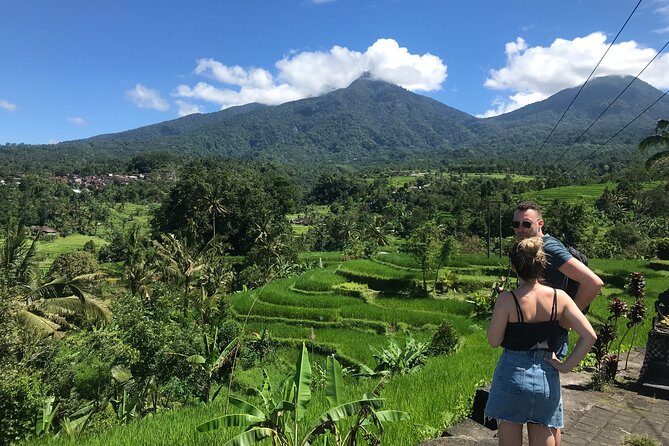
  • Tegalalang rice terraces with scenic paths, terraced viewpoints, and rice-farming context

A well-paced Ubud day that mixes culture with real scenery
Private Ubud Day Tour Waterfalls Sacred Monkeys and Rice Fields - A well-paced Ubud day that mixes culture with real scenery
Ubud is the kind of place where you can fill a day with temples, temples, temples… or you can mix in nature and craft. This itinerary does the mix. You start with performing arts, then shift to hands-on culture through wood carving, then hit a waterfall, wildlife, and finally rice terraces.

What makes this format work is the variety. Even if you’ve seen Bali’s “greatest hits” before, this order keeps you from getting temple fatigue. You also have a driver as guide, which matters when you’re trying to understand what you’re looking at instead of just snapping pictures and walking on.

The vibe is also built for practicality. You get bottled water, and the tour includes all fees and taxes, so you’re not constantly paying small admissions at each stop. At the price point listed, that’s part of the value: you spend less time doing math and more time moving.

There’s also the small-group/private angle. This is a private tour/activity, so it’s only your group. That tends to make the day feel smoother—less waiting for strangers, more ability for your guide to adjust the pace.

Barong Dance & Fire Dance: theatre with meaning, not just costumes
Private Ubud Day Tour Waterfalls Sacred Monkeys and Rice Fields - Barong Dance & Fire Dance: theatre with meaning, not just costumes
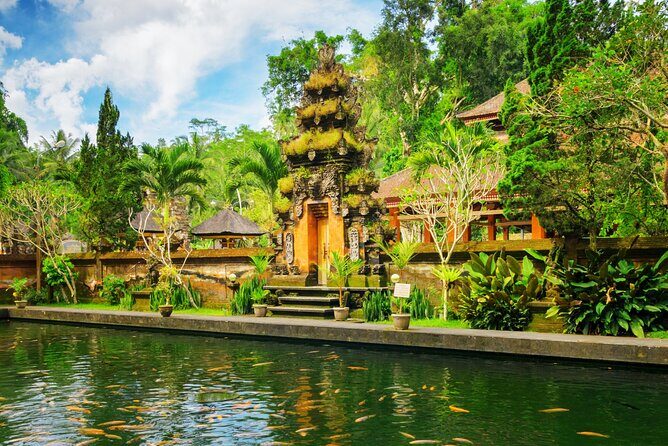
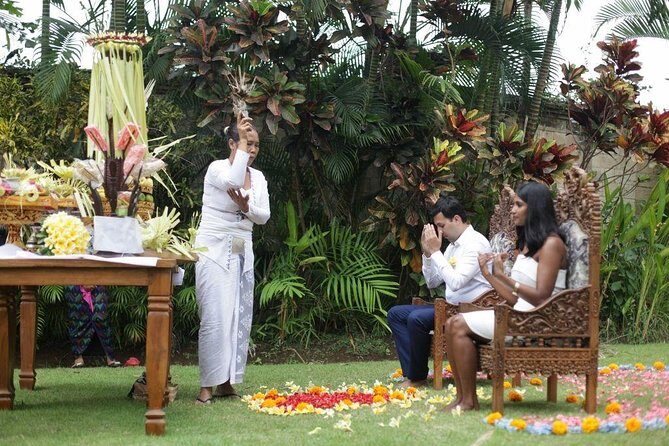
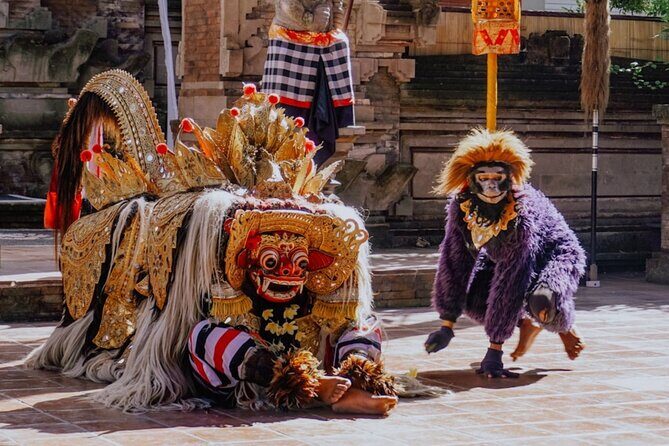
Your day opens with the Sahadewa Barong Dance & Fire Dance, a traditional Balinese performance built around the battle between good (Barong) and evil (Rangda). The story is old-school and very Balinese: it uses big characters, clear symbolism, and live music to bring the myth to life.

Even if you don’t know the plot, you’ll get a lot from how it’s staged. The elaborate costumes are the first thing you’ll notice, but the second thing is the rhythm—traditional Balinese music drives the energy. The show also gives you a mental anchor for the day. A lot of what you see later—temples, spirituality, rituals—lands better when you’ve already met Bali’s symbolic way of explaining the world.

What to watch for:

  • The way the performance uses character and music to communicate without needing a lecture
  • The energy shift in the fight theme—this is where fire-dance moments usually feel most intense

Possible drawback: this stop is one hour. If you’re the type who wants extra time for photos outside the venue or lingering to read more about the tradition, you’ll need to accept the tight schedule.

Mas Carving Center: craft as a living skill

Next up is the Mas Carving Center, where you can see skilled Balinese artisans creating intricate wood carvings. This is one of those stops that can be either boring (if you’re only shopping) or fascinating (if you like how things are made). Here, it’s framed as watching the process and understanding the designs’ cultural significance.

One of the best parts of this kind of stop is that it slows you down. You’re not just walking through a place; you’re watching hands work. Carving takes patience, and that shows in the level of detail. Even if you don’t buy anything, you get a better eye for what you’re looking at later when you see carvings around Bali.

The tour also includes a hands-on element: you can try carving yourself, if it’s offered in the way the center runs. That’s not about being an artist for a day. It’s about getting a small feel for time, pressure, and precision—three things that explain why the artwork costs what it costs.

Practical tip: bring patience for the sales side. Craft areas often come with sellers and displays. If you’re only here to watch, keep your attention on the artisans and the carving technique.

Tegenungan Waterfall: where your time is worth it
Private Ubud Day Tour Waterfalls Sacred Monkeys and Rice Fields - Tegenungan Waterfall: where your time is worth it
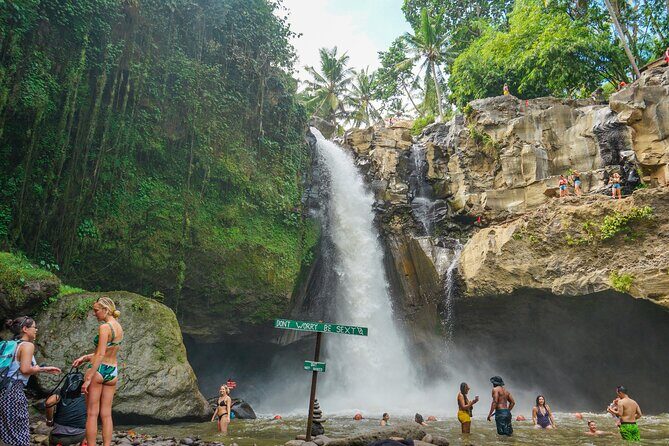
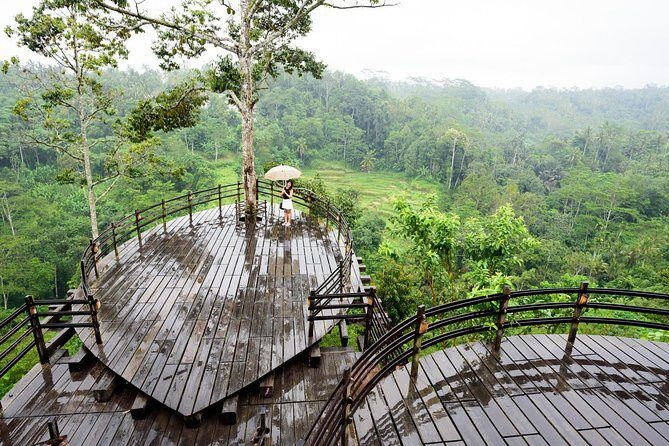
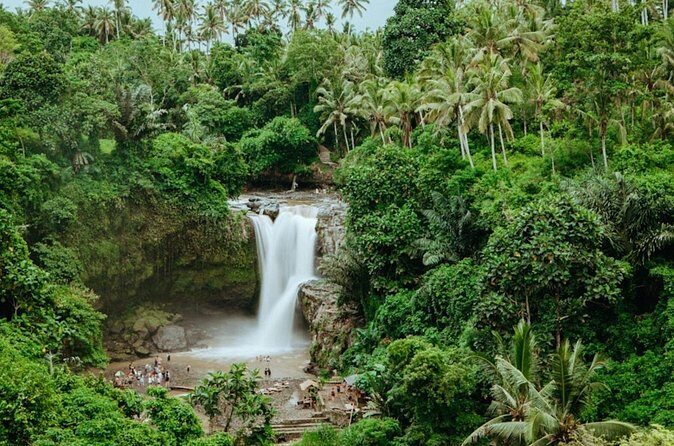
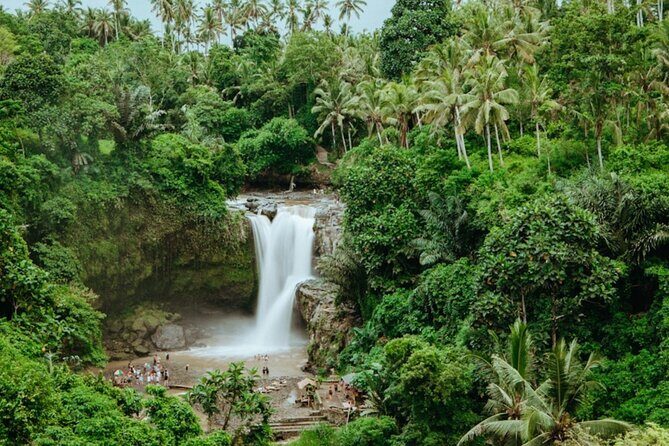
Then you hit Tegenungan Waterfall, with a lush jungle setting and a dramatic cascade that pulls you in fast. The stop includes time at an observation deck and the option to descend closer for a more intimate view. If you want the full experience, there’s also the possibility of a refreshing swim at the base area.

The key decision here is viewpoint versus getting down to the water:

  • Observation deck time is better if you want steadier footing and maximum “look around” views
  • Going down closer is better if you want the roar, the spray, and the chance to swim

For me, this stop is about choosing your own comfort level. Waterfalls attract everyone with the same promise—big photos and cool water—but the trail conditions can make or break the experience. Since the tour structure gives you about an hour, don’t spend it hesitating. Decide early, then commit.

Also, keep in mind it’s a one-hour window. The payoff is that you get a proper waterfall moment instead of driving by and moving on. But you won’t have time to turn it into an all-day hang.

Sacred Monkey Forest Sanctuary: temples, macaques, and common sense

Private Ubud Day Tour Waterfalls Sacred Monkeys and Rice Fields - Sacred Monkey Forest Sanctuary: temples, macaques, and common sense
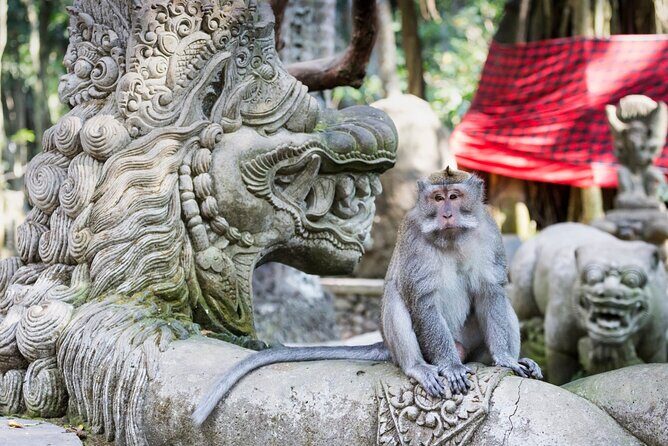
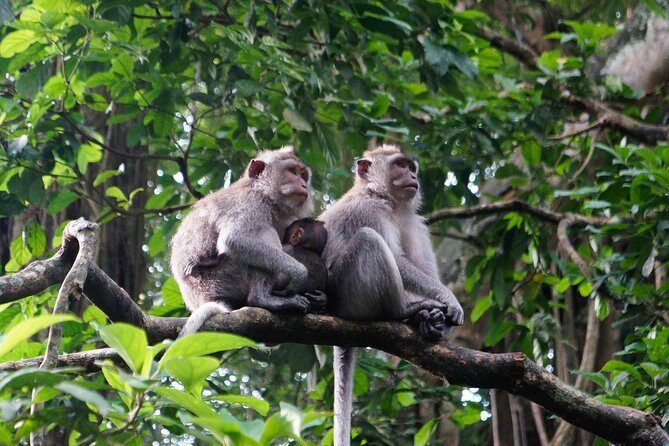
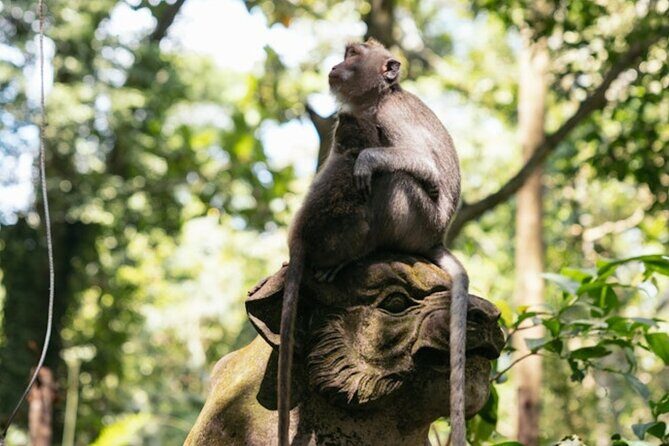
In Ubud, you can’t mention wildlife without talking about the Sacred Monkey Forest Sanctuary. Here, you’ll walk through an ancient forest area with sacred temples and long-tailed macaques living close to humans. It’s scenic, but it’s also a place where you need to use street-smart behavior.

What makes the sanctuary interesting is the mix. You’re not just looking at monkeys in a cage-like setting. You’re surrounded by greenery, temple structures, and a sense of spiritual space. The monkeys are a major part of it, but they’re not the only story.

A practical way to enjoy it:

  • Keep your belongings secure (especially anything that looks like food)
  • Don’t surprise the monkeys at close range
  • Watch what others do, then mirror the calm behavior

One thing I appreciate is that this stop gives you a break from the “sit and stare” feeling. You’re walking, looking up, then looking around. It’s active without being exhausting.

Possible drawback: animal encounters can be unpredictable. If you’re hoping for guaranteed interactions, you might feel disappointed. If you’re happy just observing and learning the vibe, it’s a good fit.

Tegalalang Rice Terraces: views, paths, and rice farming context
Private Ubud Day Tour Waterfalls Sacred Monkeys and Rice Fields - Tegalalang Rice Terraces: views, paths, and rice farming context
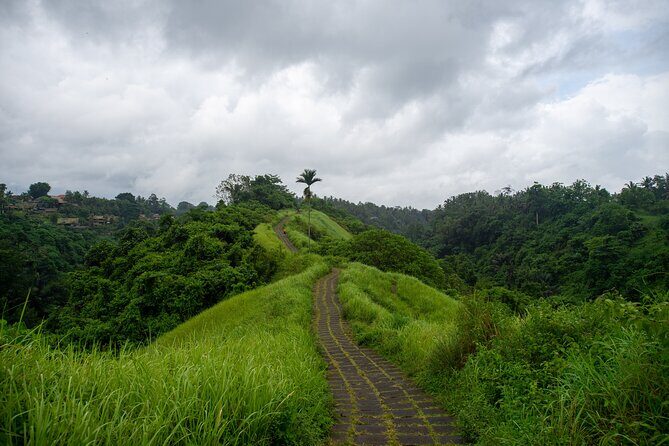
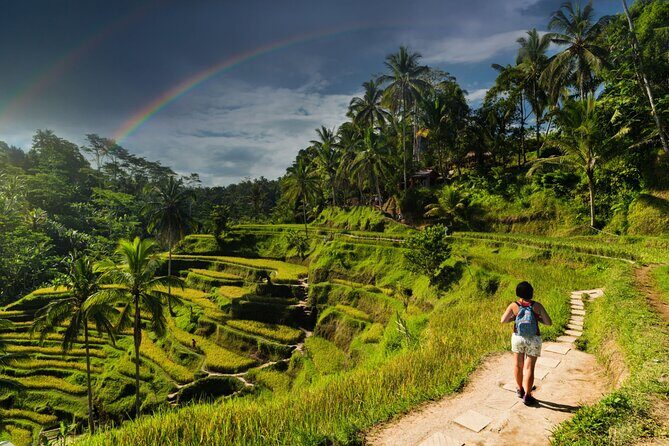
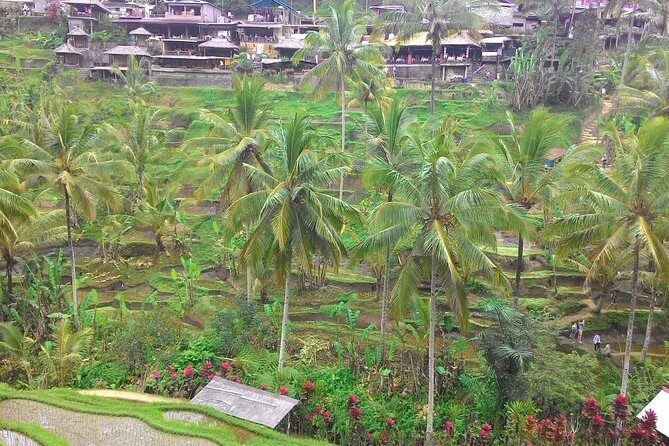
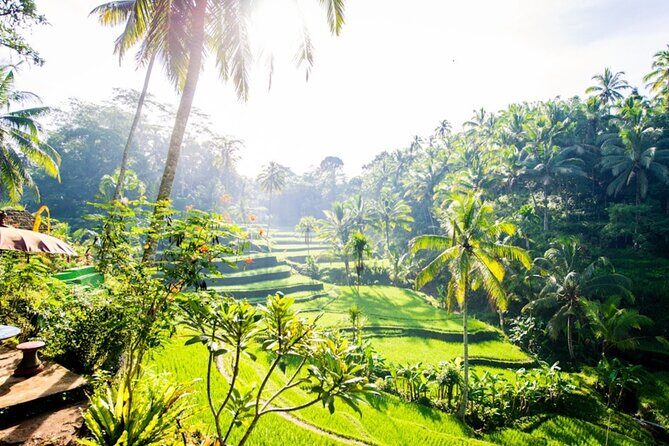
Finally, you end with Tegalalang Rice Terrace, one of the most iconic rice-paddy scenes in Bali. The terraces stack into patterned layers, and the paths give you multiple angles for photos and slow wandering.

This stop is more than scenery. The tour also aims to explain traditional Balinese rice farming. That matters, because rice terraces aren’t just a background—they’re part of a working agricultural system. When you understand that, the terraces stop looking like a perfect set and start looking like infrastructure.

How to get the most out of the hour:

  • Walk a couple of the scenic paths so you’re not repeating the same viewpoint
  • Take time to look for the farming logic in the layout—water management is usually what makes terracing possible
  • Plan a couple of photo angles early, so you’re not rushing at the end

This is also where the tour’s timing plays a role. If you’re in Bali for only a few days, you want this kind of “I get why people photograph this” moment. If you’re already rice-terraced out, focus on learning the farming side and you’ll still come away with something real.

Price and logistics: why the $27 figure can make sense

Private Ubud Day Tour Waterfalls Sacred Monkeys and Rice Fields - Price and logistics: why the $27 figure can make sense
At about $27 for an approximately full-day private outing, the value question is simple: do you get enough for your time and money?

Here, you do, mostly because:

  • Pickup and drop-off reduce stress and wasted time
  • The day includes multiple paid-access stops, and all fees and taxes are listed as included
  • You get bottled water and petrol covered, which are small costs that add up

Also, private touring can be a deal breaker or a deal-maker depending on how it’s run. Since this is built for only your group, you’re not stuck waiting on other schedules. That flexibility can matter in Bali, where traffic and stop pacing often decide whether your day feels fun or frantic.

One more practical point: you’re looking at about 5 hours of actual touring time and the rest is travel. That’s normal for Bali day plans, but it’s worth saying out loud. You’ll get plenty of stops, but you won’t get a long sit-down at any single place. If you like slow, lingering travel, you might find the pace quick. If you like variety and clean structure, this works.

About guides: the reviews highlight strong communication and cultural explaining. One reviewer praised Wayan’s English and his ability to explain cultural meaning at places like Tirta Empul (in their experience). Another praised Elvina Bali Tour for consistent contact and planning around interests. Even if your exact guide differs, that pattern points to a tour day shaped by guidance—not just transport.

Who this tour suits best (and who should choose something else)
Private Ubud Day Tour Waterfalls Sacred Monkeys and Rice Fields - Who this tour suits best (and who should choose something else)
This tour is a great match if you want a single Ubud-focused day that covers:

  • One major performance (Barong Dance & Fire Dance)
  • Craft observation (Mas carving)
  • One big nature stop (Tegenungan Waterfall)
  • One wildlife/temple walk (Monkey Forest)
  • One iconic scenery finish (Tegalalang rice terraces)

You’ll likely enjoy it most if:

  • You like variety and hate making too many independent decisions
  • You want culture explained while you’re standing in front of it
  • You want a private setup without paying premium-level luxury prices

Consider a different plan if:

  • You hate animal-related stops, even when they’re just observation
  • You prefer long, unhurried time at a single site
  • You’re the type who wants more than one hour anywhere, no exceptions

Should you book this Ubud private day?

I’d book it if your goal is a structured, good-value Bali day that hits the big cultural and scenic targets in a calm way. The best reason is simple: the stops complement each other. You get performance, craft, water, wildlife/temples, and rice terraces—so the day feels full without feeling random.

I’d also book it if you value a guide who explains meaning, not just logistics. Reviews specifically call out Wayan’s English skills and thoughtful cultural explanations, and they credit Elvina Bali Tour for checking in and shaping the day around interests.

Just go in with the right expectation: it’s a full day schedule, so you’re trading extra “linger time” for variety. If that sounds like your style, you’re set.

FAQ

How long is the tour?

The total duration is about 8 hours, including pickup and drop-off. The time spent at destinations is about 5 hours.

Is pickup offered?

Yes. Pickup is offered.

Is this tour private?

Yes. It’s a private tour/activity, and only your group participates.

What are the main stops on the tour?

The tour includes Sahadewa Barong Dance & Fire Dance, Mas Carving Center, Tegenungan Waterfall, Sacred Monkey Forest Sanctuary, and Tegalalang Rice Terrace.

What’s included in the price?

Included items are bottled water, a driver as guide, all fees and taxes, and petrol.

What isn’t included?

Personal expenses are not included.

Are admission tickets included?

Admission tickets are listed as included for each stop.

Is cancellation free?

Yes, there is free cancellation. You can cancel up to 24 hours in advance for a full refund.

Nusa Penida Private Full Day West Island Tour From Bali

Nusa Penida Private Full Day West Island Tour From Bali - Stop 1: Pasih Uug Beach and Broken Beach’s cliff hole

Four stops. One busy, stunning day.

This private West Nusa Penida tour is built around big views: cliff drama, white sand, and that classic Penida ocean edge. I like that you travel with round-trip fast boat and an air-conditioned private car, so the day feels organized instead of chaotic. It also helps that the trip includes an in-person English guide, and the quality comes through in the names people noted, like Mr. Anam, Putuk, Guttu, and Wis.

My favorite part is how the route covers the island’s west side in a logical hit list—Broken/ Pasih Uug cliff views, Angel’s Billabong, Kelingking (the T-rex cliff), and Crystal Bay—so you’re not wasting time guessing where to go. You should know one possible snag: the itinerary is outdoors and the climate can be hot, with some rough feeling travel between viewpoints, so it can be tiring. Also, swimming isn’t guaranteed to feel great for everyone, and people over 60 aren’t allowed.

Key highlights worth your attention

Nusa Penida Private Full Day West Island Tour From Bali - Key highlights worth your attention

  • Fast boat from Sanur with a round-trip ticket built in
  • Four West Nusa Penida stops that hit the island’s most famous lookouts
  • Angel’s Billabong infinity pool photo spot with ocean connection
  • Kelingking Cliff viewpoint (iconic T-rex shape)
  • Crystal Bay downtime with white sand and crystal-blue water time
  • Included lunch and admissions so you’re not constantly paying extra

A full day of West Nusa Penida from Sanur

Nusa Penida Private Full Day West Island Tour From Bali - A full day of West Nusa Penida from Sanur
This is the kind of trip that makes sense if you’re short on time but still want the classic Nusa Penida highlights. You start from Kuta, Bali based on your option—either hotel pickup or meeting at Sanur Harbour—and then you cross the water by fast boat to Nusa Penida’s Buyuk Harbour.

The day is long, roughly 8 to 10 hours, which is normal for a West Island circuit. Your advantage is that it’s private: only your group rides together in the car, and you get direct help from an in-person guide rather than a loose chatty group tour.

Getting there smoothly: pickup, fast boat, and an AC car

Logistics matter on Penida, because you don’t want to burn vacation time stuck in uncertainty. This trip uses a fast boat from Bali and a private, air-conditioned vehicle on the island, with hotel transfer services in Bali depending on your selected option.

Your starting point is the Sanur area, with the tour listed at Wijaya Buyuk Cruise in Sanur Kaja (and you return back there as well). Since the tour is booked fairly far ahead on average (about 64 days), I’d treat it as a popular route and lock it in earlier rather than hoping for last-minute availability.

Stop 1: Pasih Uug Beach and Broken Beach’s cliff hole

Nusa Penida Private Full Day West Island Tour From Bali - Stop 1: Pasih Uug Beach and Broken Beach’s cliff hole
Your first big moment is the Pasih Uug / Broken Beach area. This stop is all about the dramatic cliff scene: you’ll see the famous large hole cut into the cliff wall and walk around the viewpoint area to get that background shot everyone comes for.

Plan on about 30 minutes here. That’s enough time to look, move to a good angle, and capture photos without feeling rushed into the next place immediately. If you’re sensitive to heat, this is one of those first-stops where you’ll feel the sun early—bring water and take breaks when you can.

Stop 2: Angel’s Billabong’s natural infinity pool

Nusa Penida Private Full Day West Island Tour From Bali - Stop 2: Angel’s Billabong’s natural infinity pool
Next up is Angel’s Billabong, known for a natural infinity pool that connects visually with the Indian Ocean. You’ll have around 30 minutes here, guided, with time to take pictures and enjoy the setting.

What I like about this stop is that it’s not just a “look from far away” moment. The pool shape is the whole point, and your guide helps you get to the right viewing position for photos. If you’re coming for the classic Instagram style shot, this is one of the best bets on the West side.

Stop 3: Kelingking Cliff (the T-rex viewpoint)

Nusa Penida Private Full Day West Island Tour From Bali - Stop 3: Kelingking Cliff (the T-rex viewpoint)
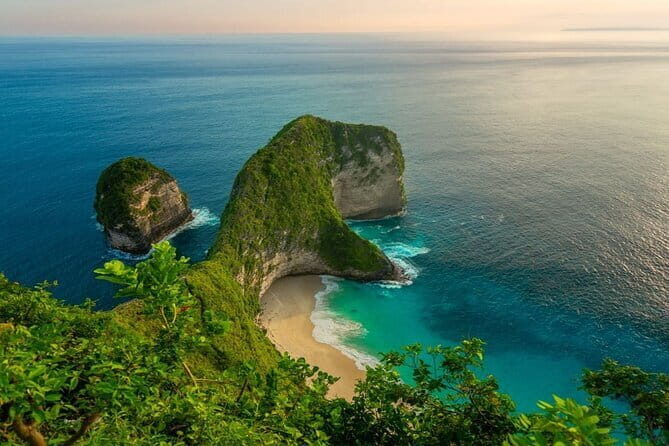
Then you get the big icon: Kelingking Cliff, often called the T-rex cliff because of the famous outline when viewed from the right angle. This stop is longer at about 1 hour, which gives you room to slow down and really take it in.

You’ll want to treat this as the “main event.” The view is the payoff, and having an hour instead of 20 minutes makes a difference if you want a few photo angles and a moment just to stare at the coastline. The downside is obvious: it’s an exposed outdoor viewpoint. Hot weather can make waiting around feel harder, so aim for good pacing and don’t try to do everything at once.

Stop 4: Crystal Bay for quiet sand and ocean time

Nusa Penida Private Full Day West Island Tour From Bali - Stop 4: Crystal Bay for quiet sand and ocean time
To end the west circuit, you’ll head to Crystal Bay, a more relaxed, quieter beach stop compared to the cliff viewpoints. You get about 1 hour to enjoy the clean white sand and the crystal-blue water, including time to swim and sunbathe.

This is the part where everyone’s vibe can differ. One review note said the swimming spot wasn’t great for them, which is a useful reminder: the water can look incredible, but conditions and comfort vary. Still, if you want a calmer finish after all the viewpoints, Crystal Bay is the right move.

Lunch in Nusa Penida: included, simple, and practical

Nusa Penida Private Full Day West Island Tour From Bali - Lunch in Nusa Penida: included, simple, and practical
A big value point here is that lunch is included at a local restaurant on Nusa Penida. When you’re doing a full-day route with multiple stops, this matters. It prevents the usual scramble to find food that fits timing, and it keeps your energy up for the afternoon viewpoints.

The tour doesn’t oversell lunch as a gourmet destination—it’s more of a practical fuel stop. Think of it as you’re buying back time and reducing decisions, which is what you want on a day that’s already long.

What you’re actually paying for (the value behind $56.77)

Nusa Penida Private Full Day West Island Tour From Bali - What you’re actually paying for (the value behind $56.77)
At $56.77 per person, the headline price looks pretty reasonable for an entire west-day circuit—especially when you factor in what’s included. You’re not just paying for a driver. You’re getting:

  • round-trip fast boat tickets
  • a private air-conditioned vehicle on the island
  • an in-person English guide
  • admission tickets for each listed stop
  • lunch
  • all fees and taxes
  • Bali hotel transfer services depending on your option

So yes, there’s still the real cost of a full day: time, heat, and getting around. But the money side is less “nickel-and-dime” than many tours because key items are bundled.

Two things to keep in mind: tips and personal expenses aren’t included, and the tour runs as a full-day block. If you’re the type who loves slow mornings and long beach hangs, this schedule may feel like a sprint.

The guide quality that can make or break Penida

Penida days can feel hectic unless someone keeps you moving with purpose. This tour leans on an in-person English guide, and the reviews you’ll see highlight a clear pattern: guides are described as careful, professional, and genuinely friendly.

People specifically mentioned guides like Mr. Anam for being soft spoken and thorough, Putuk for being friendly and story-minded, Guttu for taking good care of the group, and Wis for making the day feel memorable. I take that to mean the tour isn’t just about transporting you between scenic spots—it’s about getting you through the day with the right pacing and local context.

Pace, comfort, and how to prepare

The day is outdoors-heavy and moves between viewpoints. Even though you’re in an AC vehicle between stops, you’ll still feel the island heat while you’re at the beaches and cliff areas.

Here’s what I’d do to make the day easier:

  • Wear breathable clothes and bring water (you’ll thank yourself early).
  • Plan for sun exposure at the cliff stops.
  • Bring swim gear only if Crystal Bay water time is a priority for you.
  • Keep expectations realistic for beach conditions at a remote spot.

And one hard rule to note: people over 60 years old are disallowed. If that affects your group, you’ll need a different tour option.

Who should book this private West Island tour

This tour fits best if you:

  • have limited time and want the West Nusa Penida hits in one day
  • prefer a private setup over riding around with strangers all day
  • want admissions and lunch handled so you can focus on the scenery

It’s also a strong choice for first-timers, because the route hits the places with the clearest “must-see” payoff. If you’re chasing a lazy beach day with zero movement, you might be happier with a shorter or more flexible option.

Should you book this Nusa Penida West Island Tour?

I’d book it if your priority is iconic west-side views without wrestling the logistics yourself. The price makes sense because fast boat + transport + admissions + lunch are bundled, and the guide feedback you can see focuses on professionalism and care (not just driving around).

Skip it or rethink it if heat and rough-feeling travel will be a problem for you, or if you’re expecting Crystal Bay to be a guaranteed swimming paradise regardless of conditions. Also check the age rule for your group before you fall in love with the itinerary.

If you’re ready for a full-day photo-and-view circuit, this one is a solid way to spend it.

FAQ

How long is the Nusa Penida Private Full Day West Island Tour?

It runs about 8 to 10 hours.

Where does the tour start in Bali?

It starts at Sanur Harbour (Wijaya Buyuk Cruise in Sanur Kaja, Denpasar Selatan). Hotel pickup is offered depending on the option you select.

Is hotel pickup included?

Pickup from your hotel in Bali is offered, but it depends on the option you choose.

Which destinations are included on the West Island route?

You’ll visit Pasih Uug Beach (Broken Beach area), Angel’s Billabong, Kelingking Cliff, and Crystal Bay.

Is lunch included?

Yes. Lunch is included at a local restaurant in Nusa Penida.

Are entrance fees included?

Yes. All fees and taxes are included, and admission tickets for the stops are included as well.

Can I swim at Crystal Bay?

The tour description includes time on the beach with swimming in the crystal-blue water at Crystal Bay.

Is there any age restriction?

Yes. People over 60 years old are disallowed.

Can I cancel for a full refund?

Yes. You can cancel up to 24 hours in advance for a full refund.
All-Inclusive Bali Snorkeling at Blue Lagoon Beach & ATV Ride

All-Inclusive Bali Snorkeling at Blue Lagoon Beach & ATV Ride - Stop 1: Blue Lagoon Beach and the calm-reef experience

Blue water sounds simple. This tour makes it easy, organized, and beginner-friendly. You get 2 hours of snorkeling at two spots, plus hotel pickup/drop-off that keeps the day low-stress. I also like that the tour includes snorkeling gear and even life jackets if you are not a confident swimmer. One watch-out: the day can run long (6 to 7 hours), and you’ll want to bring swimwear and plan for optional add-ons that may extend your sightseeing.

You’ll start around 8:00 am from Seminyak and head toward the calm bays for reef snorkeling from a traditional boat. The snorkeling area is known for a sandy bottom and coral, with fish like cuttlefish, angel fish, cowfish, and moray eels possible in the area. If you choose the add-ons, you can also tack on Ubud and a quick waterfall photo stop.

Key things to know before you go

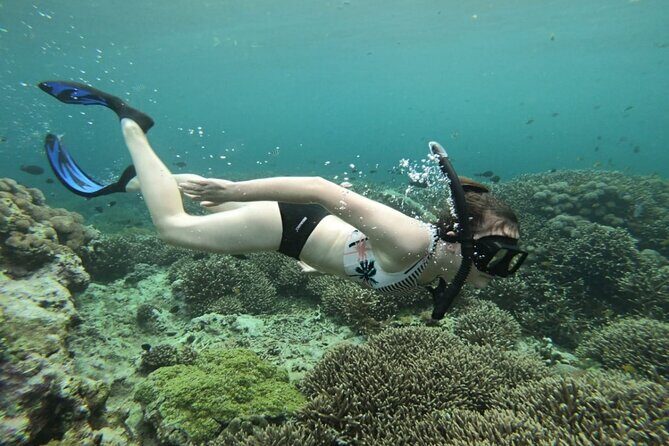
  • Two snorkeling beaches, one smooth plan: you’ll snorkel at Blue Lagoon Beach and a second spot at Tanjung Jepun Beach using a traditional boat
  • Beginner-ready water and gear: calm conditions plus fins, masks, and life jackets if you can’t swim well
  • Shower and changing rooms included: you can rinse off before heading back toward Seminyak
  • Lunch is part of the deal: included, so you’re not hunting for food mid-ride
  • Optional Ubud or waterfall time: monkey forest and Ubud Royal Palace, or Tibumana/Kanto Lampo for photos

Why Blue Lagoon and Tanjung Jepun Beach are so popular

All-Inclusive Bali Snorkeling at Blue Lagoon Beach & ATV Ride - Why Blue Lagoon and Tanjung Jepun Beach are so popular
If you’ve snorkeled in Bali before, you already know the difference between chaos and calm. This plan leans hard into the calm-water side of the island, which is a big reason it works well for families and first-timers. Blue Lagoon Beach is described as especially suited for beginners because the waters are calmer and the seabed is sandy, so you are not fighting strong surf while you get comfortable in the mask.

You’re not just going for scenery. The area is tied to coral reef snorkeling, and the tour description points to fish you can reasonably expect to see in the reef zone. Think cuttlefish, angel fish, cowfish, and even moray eels. That mix matters because it gives the experience more variety than a single “look at coral” stop.

Tanjung Jepun Beach is paired as the second snorkeling area, also tied to reef viewing in East Bali’s Amuk Bay region. It’s noted as being next to Odyssey Submarine Bali, which hints at what you’re there for: clear views over coral and colorful fish in a setting that feels accessible rather than remote.

Seminyak pickup at 8:00 am: how to plan your morning

All-Inclusive Bali Snorkeling at Blue Lagoon Beach & ATV Ride - Seminyak pickup at 8:00 am: how to plan your morning
This is a pickup-and-drop-off day trip, starting at 8:00 am. That timing is practical: you beat the heaviest traffic and you’re on the water while the day is still fresh. The tour uses an air-conditioned vehicle, which matters on a warm Bali morning, especially if you are coming from Seminyak with limited time to refuel or rest first.

Because this is a private tour/activity, only your group participates. That usually means fewer awkward delays and less waiting around with strangers. It also tends to make the day feel more “yours,” even if the schedule still follows fixed stop times.

One more morning reality check: the day is structured around snorkeling and optional add-ons. If you want pure snorkeling time, you’ll likely be happiest when you treat Ubud and the waterfall as optional extras, not required stops.

Snorkeling gear, boats, and life jackets: the hassle-free part

The tour includes snorkeling equipment, including fins, masks, and life jackets. That life jacket detail is not just a nice-to-have. If you are not a strong swimmer, it can make the difference between feeling tense and feeling safe enough to enjoy watching the reef.

You’ll also get boat transfer to the two snorkeling spots. That takes pressure off you. Instead of figuring out how to get to the water from shore, you are moved by the tour setup, then snorkel at each site as planned.

The total snorkeling time is 2 hours, split between the two locations. That is a sweet spot for many people. It gives you enough time to get comfortable in the water and actually enjoy the reef, without turning the day into a half-day of constant gear-on, gear-off.

Also: there are shower facilities and changing rooms. After you’re done in the ocean, that matters more than you’d think. It helps you stay comfortable on the ride back to Seminyak.

Stop 1: Blue Lagoon Beach and the calm-reef experience

All-Inclusive Bali Snorkeling at Blue Lagoon Beach & ATV Ride - Stop 1: Blue Lagoon Beach and the calm-reef experience
Blue Lagoon Beach is positioned as a seclusion-and-nature type of spot, not a crowded party beach. It’s located on Bali’s eastern coast near the main Padang Bai beach and local harbor, which is a useful clue: you get a pretty natural setting without going so far that the logistics become a headache.

For snorkeling, the description emphasizes a sandy bottom and calm waters. For beginners, that helps you settle in quickly. You can keep your footing more easily, and you’re less likely to feel like you’re getting swept into deep water before you’re ready.

This is also where you are likely to connect with the reef life. The tour description calls out the kind of reef fish you may see while exploring the coral areas, including cuttlefish, angel fish, cowfish, and moray eels. Even if you do not see every species, the point is clear: the reef ecology is the main attraction, not just a quick look at open water.

Possible drawback: because it’s calm and family-friendly, it’s still outdoors and it still involves water time. If you’re the type who gets tired quickly with snorkeling gear, plan your energy for the full two hours across both sites.

Second snorkeling spot: Tanjung Jepun Beach over coral and fish

All-Inclusive Bali Snorkeling at Blue Lagoon Beach & ATV Ride - Second snorkeling spot: Tanjung Jepun Beach over coral and fish
Tanjung Jepun Beach is paired as the second snorkeling stop, and it’s described as one of the best snorkeling spots in the Amuk Bay area. The tour also notes that the spot is next to Odyssey Submarine Bali, so the setting is built around marine viewing and water activities.

What you should expect here is more reef viewing and colorful fish activity, focused around coral. The description also frames it as having stunning views and colorful sea life, which tends to be what makes a second stop feel worth it. If your first snorkeling location is good, the second one keeps you from feeling like you only saw one good “bubble” of ocean life.

You’ll snorkel from a boat and then get your time in the water at this location as part of the same 2-hour snorkeling block. Practically, that means you should treat both sites as one experience, not two separate “missions.” You’ll be building comfort after the first stop.

Optional Ubud time: monkey forest and Ubud Royal Palace

All-Inclusive Bali Snorkeling at Blue Lagoon Beach & ATV Ride - Optional Ubud time: monkey forest and Ubud Royal Palace
Some versions of this tour add Ubud. If that option is chosen, you get about 3 hours in Ubud, split into two chunks:

  • Monkey forest for about 1.5 hours
  • Ubud Royal Palace for about 1.5 hours

This is not a slow, wandering day. It’s more like a focused cultural pause. The monkey forest time is useful if you want a quick hit of Ubud’s best-known nature-and-temple atmosphere, while still keeping the schedule tight.

The Royal Palace stop adds a more built-up, cultural view of Ubud. If you like the idea of balancing ocean time with cultural landmarks, this add-on makes the day feel more complete.

One consideration: any add-on turns the day from a snorkeling-focused escape into a mixed itinerary. If you’re easily tired from hopping between places, consider skipping Ubud and keeping your energy for the ocean.

Optional waterfall stop: Tibumana or Kanto Lampo for photos

All-Inclusive Bali Snorkeling at Blue Lagoon Beach & ATV Ride - Optional waterfall stop: Tibumana or Kanto Lampo for photos
If the waterfall option is selected, you’ll have about 1 hour for Tibumana Waterfall or Kanto Lampo Waterfall. You get the time to look around and take photos, and the admission is listed as included.

One reason this add-on can work well is that it’s time-limited. You can enjoy the view and leave without needing to devote half a day to the hike and trails (details like hike length aren’t specified, so the safe expectation is simply a short photo-and-look stop).

Which waterfall is the better choice? The tour data doesn’t compare them, so treat this as a pick based on what you personally recognize or what your guide confirms on the day.

Lunch, comfort, and the real value of $100

All-Inclusive Bali Snorkeling at Blue Lagoon Beach & ATV Ride - Lunch, comfort, and the real value of $100
At $100 per person for a roughly 6 to 7 hour day, the big question is: what are you actually getting for that price?

Here’s the value logic I see:

  • Transportation: air-conditioned vehicle with hotel pickup and drop-off
  • Water logistics: boat transfer to two snorkeling spots
  • Gear included: fins, masks, and life jackets if needed
  • Comfort extras: shower facilities and changing room
  • Food included: lunch is part of the package
  • Everything covered: all fees and taxes are listed as included

In other words, you are paying for convenience plus the parts of the day that are annoying to DIY—getting to the water, getting the gear, and handling the schedule. For a lot of people, that’s exactly what makes it worth it.

Two small notes to keep your expectations tidy:

  • Swimwear and towels are not included. Bring them, or you’ll be improvising at the start of a day that already has a lot going on.
  • The plan does not list a lot of spare time. This is a “do it, then move on” style tour.

Does this include the ATV ride?

The tour title mentions an ATV ride, but the detailed itinerary you provided is focused on snorkeling (plus optional Ubud and waterfall stops). The ATV timing and inclusion details are not shown in the information here.

So before you book, I’d recommend confirming how the ATV fits into the 6 to 7 hour structure and whether it’s guaranteed on your departure. If it is included, it should be reflected in the actual schedule you receive.

Who should book this snorkeling + optional Ubud tour

You’ll likely love this if:

  • You want beginner-friendly snorkeling with calm-water conditions
  • You prefer a plan with pickup, gear, boat transfer, lunch, and rinse facilities
  • You want two snorkeling stops rather than one
  • Your group includes kids or non-swimmers who still want to join (life jackets are included)

You might want to rethink it if:

  • You hate multi-stop schedules and want a pure beach day
  • You are short on time and don’t want a 6 to 7 hour outing
  • You specifically want an ATV-heavy itinerary, since the ATV details weren’t included in the itinerary information you shared

My booking call

Book it if you want a well-organized snorkeling day with calm-water conditions, two reef stops, and the kind of convenience that makes it easy to enjoy the ocean instead of managing logistics. It’s also a strong pick if you want the option to add Ubud or a short waterfall stop without turning the whole day into a full-day trek.

Skip or confirm first if the ATV ride is a deal-breaker for you, since the provided schedule details are snorkeling-centered. If that ATV is confirmed and timed well, then you’re getting even more value from the same day trip.

FAQ

What time does the tour start?

The tour start time is 8:00 am.

How long is the experience?

It runs 6 to 7 hours approximately.

Which snorkeling spots are included?

You’ll snorkel at Blue Lagoon Beach and Tanjung Jepun Beach.

Is hotel pickup and drop-off included?

Yes. Pickup and drop-off at your hotel are included.

What snorkeling equipment is provided?

You get snorkeling equipment like fins and masks, and life jackets are provided if you can’t swim.

Is lunch included?

Yes. Lunch is included.

Do I need to bring swimwear or towels?

Yes. Swimwear and towels are not included.

Waterbom Bali Tickets – Single Day Pass

Waterbom Bali Tickets - Single Day Pass - The slide lineup: The Climax, extreme rides, and plenty for different courage levels

Waterbom Bali is a simple plan for a perfect Bali day. This water park takes up almost 10 acres of prime Kuta real estate and squeezes in 20+ slides with different energy levels, from mellow float time to bigger thrill hits. Prebooking your mobile ticket also helps you skip the usual payment line, so you lose less time to waiting and more time in the fun.

I especially like the park’s focus on comfort and cleanliness. The facilities and grounds are known for feeling well kept, and the staff are welcoming right from the start. I also like the practical water choice: the salt chlorination system is designed to be gentler on skin and hair, and it’s positioned as kinder to the environment.

One possible drawback is that not everything costs the same. Your day pass covers main access, but a few headline attractions come with additional charges (like Flow Rider and other specialty rides), and the online ticket may still take a bit of validation when you arrive.

Key things I’d note before you go

Waterbom Bali Tickets – Single Day Pass - Key things I’d note before you go

  • Prebook online in your home currency to reduce transaction charges
  • Skip the payment line with a mobile ticket, then validate on arrival
  • 20+ slides plus a lazy river across carefully designed, ecologically sensitive grounds
  • Salt-chlorination water system for a more skin-friendly feel
  • Some big rides cost extra, so check what’s included vs add-ons
  • Early arrival helps: the first hour can be noticeably line-light

Waterbom Bali day pass: what you’re really buying

Waterbom Bali Tickets – Single Day Pass - Waterbom Bali day pass: what you’re really buying
This is a single-day entry ticket to Waterbom Bali in Kuta. The stated time window runs about 9 hours, with park hours from 9:00am to 6:00pm. That matters because it gives you flexibility: you can arrive at opening, or you can do a slower morning and still fit in a full circuit of rides.

The price is $42.31 per person, which is a fair deal for a full day at a major park with lots of included rides. The value isn’t just the number of attractions; it’s the way access is set up. Prebooking online is meant to save you time, since you can skip past the payment line and go straight to validation. It also helps with money management if you’re paying in your home currency and want to avoid extra transaction charges.

One more value point: you’re not just buying speed. You’re buying variety. Your pass includes entry to the park’s core ride lineup plus the lazy river, and the slides range from dynamic to mellow. That’s good if your group doesn’t all want the same intensity at the same moment.

Timing at 9:00am: how to start strong and avoid the grind

Waterbom Bali Tickets – Single Day Pass - Timing at 9:00am: how to start strong and avoid the grind
Start time is 9:00am, and that’s your best friend here. Water parks work like this: crowds build as the morning turns into mid-day. If you’re able to get there close to opening, you’ll usually find it easier to do a lot of rides quickly before lines grow.

There’s also a practical detail with prebooking: even with online tickets, you may still need time for validation at the park entrance. So I’d plan your day with a little patience for the first step in the process. Not because it’s a disaster—just because it’s a common reality when attractions rely on scanning and confirmation checks.

The big takeaway: if your goal is maximum ride time, treat 9:00am as a target, not a suggestion.

Getting in: mobile ticket, validation, and the real-world flow

Your ticket is listed as mobile, which is usually convenient. You’re also set to receive confirmation at booking time, so you should have that reference handy on your phone.

Here’s how this tends to feel in practice: you go to the park entrance, use your mobile ticket, then validate. The advantage is that you’re not stuck in a payment queue. Based on real-world experience, online tickets can still take a bit of processing time, so bring your ticket clearly, keep your phone charged, and don’t wait until the last minute to find the right screen.

Also, note there’s no transfer service included. That means you’re responsible for getting there on your own. The good news is it’s near public transportation, so you’re not forced into a private taxi if you don’t want one.

The rides: included slides vs add-on attractions

Waterbom Bali is known for having a lot of slides spread across ecologically sensitive grounds. Your pass gets you access to the park’s main ride network: over 20 slides plus the lazy river.

Some ride names help you set expectations:

  • The Climax is highlighted as Asia’s steepest slide, which strongly suggests a bigger thrill option.
  • Flow Rider is mentioned as a surfing-like ride experience.

But here’s the careful part: certain attractions are not included in standard admission and carry additional charges. From the info provided, these include:

  • Flow Rider
  • Euro Bungy
  • Water Blaster
  • plus things like spa facilities and photo services

So how should you plan? Think of it like this:

  • Plan your day around the included slide circuit and lazy river first.
  • Then decide later if you want to pay extra for the big-ticket attractions you’re most excited about.

This keeps you from getting hit with surprise costs mid-day. It also lets you adjust based on energy, heat, or how tired your group gets.

Lazy river and mellow time: why it’s worth prioritizing

A lot of people treat the lazy river as a break. I like it more than that. The lazy river is a smart way to reset your body in between heavier slides, especially in hot weather.

Because the park’s included slides cover different intensity levels, you can build a rhythm:

  • A thrilling slide
  • A calmer slide
  • Then the lazy river for cooldown time

That approach helps you keep the day going instead of burning out early.

It also helps groups with mixed preferences. If one person wants adrenaline and another wants something less intense, you can still regroup quickly and keep everyone in the same plan.

Salt water and comfort details: small things that matter in Bali heat

Waterbom Bali is described as using a salt chlorination system. The practical promise here is that it’s designed to be easier on skin and hair and also friendlier toward the environment.

That matters because repeated hours in chlorinated water can be rough—dry skin, hair that feels tacky, and the general ick factor when you’re trying to enjoy your day. Even if you’re not super sensitive, gentler water can mean you stay comfortable longer, which is the whole point of a water park day.

A few other comfort items are listed as not included:

  • Towel and locker hire
  • Gazebo rental
  • Photo services
  • Spa facilities

So plan for basics. If you hate scrambling, bring what you can (or budget for rentals once you’re there). If you’re with kids or a group, consider how long you’ll want storage and shade. The gazebo rental being extra is a good hint: you’ll have the chance to add comfort if you really need it.

Safety and restrictions: what you should check before you go

Waterbom Bali Tickets – Single Day Pass - Safety and restrictions: what you should check before you go
Waterbom Bali notes that some attractions have height, weight, and medical restrictions. It also flags that if you’re pregnant or dealing with back, neck, or heart problems, you should consider carefully whether rides are appropriate.

I’d treat that as a real planning step, not a footnote. If you’re traveling with family, check the ride rules for any height or medical limitations before you commit to a specific slide. It saves time and helps avoid a late-day letdown when someone can’t ride.

Also remember: water park safety often means you may need to change plans quickly. The included variety helps here, because you can shift toward mellow options if a certain ride doesn’t work for your group.

Who this day pass suits best

Waterbom Bali Tickets – Single Day Pass - Who this day pass suits best
This is a good fit for:

  • Families who want a mix of mellow and high-energy rides in the same place
  • Thrill seekers who want big-slide options like The Climax
  • Groups of friends who don’t all want the same intensity at the same time

Kids policy is clear: children 2 and younger are complimentary, and children 11 and younger must be accompanied by an adult at all times. So it’s family-friendly, but you’ll want to keep supervision requirements in mind.

If you’re traveling solo, you’ll still enjoy it, but the real value comes when you can make a plan around timing and pick a few rides you care about most—then fill the gaps with the included slide circuit and lazy river.

Price and value: is $42.31 a smart buy?

For a full-day ticket, $42.31 per person can feel like a “good deal” or a “meh deal” depending on how you use it.

Here’s the honest way to think about value:

  • You get admission to the park and access to the core included rides (including the lazy river and lots of slides).
  • You save time by prebooking and using a mobile ticket to skip past the payment line.
  • You can still choose to pay extra for a short list of specialty attractions (like Flow Rider), instead of paying for everything up front.

So the ticket is strongest when you’ll actually ride a bunch. If your plan is mostly to float and snack, it might feel pricey. If you plan a real rotation of slides and at least some thrill rides, it usually feels like money well spent.

One more value angle: online booking is described as saving on transaction charges by paying in your home currency. If you’re price-sensitive and you’re already shopping online for your Bali day, that’s a real advantage.

Small logistics that can make or break the day

A few practical notes from the way the experience works:

  • Arriving early usually helps with shorter lines for the first stretch of the morning.
  • Online tickets can still require validation on-site, so don’t assume it’s instant.
  • There’s no transfer included, so plan your route and budget accordingly.
  • Towels/lockers aren’t included, so decide ahead of time whether you’ll bring your own or rent.

Also, keep in mind the park’s hours are 9am–6pm. That’s plenty of time, but water parks reward a little structure. If you just wander with no plan, you can end up spending time waiting or repeating the same few rides. A simple strategy—start with the biggest priorities early—usually makes the day feel much longer.

Weather matters: the one condition you can’t control

The experience requires good weather. If it’s canceled due to poor weather, you should be offered a different date or a full refund.

So if you’re building a Bali itinerary, it helps to keep a little flexibility. Water parks are fantastic when the sun is out, but they’re harder to enjoy when conditions change.

Should you book this Waterbom Bali single-day pass?

Book it if you want:

  • A full day in a major Kuta water park with lots of included slides
  • A plan that’s easy to organize around 9:00am opening
  • The ability to choose later whether you want extra-cost headline attractions

Skip it or consider adjusting your plan if:

  • You don’t plan to ride much beyond lounging
  • Your group needs help with accessibility for height/medical restrictions
  • You’d rather avoid any chance of added fees for specialty attractions

FAQ

What is the start time and duration for the Waterbom Bali day pass?

The park hours are listed as 9:00am to 6:00pm, and the experience duration is approximately 9 hours.

Is the ticket mobile?

Yes, the ticket is provided as a mobile ticket.

What is included with the single-day pass?

Your day pass includes ticket admission to Waterbom Bali.

Are meals included?

No, meals and beverages are not included.

Are towels and lockers included?

No, towel and locker hire are not included.

Are there rides that cost extra?

Yes. A few attractions have additional charges, including Flow Rider and Euro Bungy and Water Blaster.

Do children get free admission?

Children 2 and younger are complimentary.

Are there rules for children traveling with adults?

Yes. Children 11 and younger must be accompanied by an adult at all times.

What happens if weather is poor?

The experience requires good weather. If it’s canceled due to poor weather, you’ll be offered a different date or a full refund.

Three Islands Snorkeling (3 Spots) Manta Rays – From Lembongan

Three Islands Snorkeling (3 Spots) Manta Rays - From Lembongan - Stop-by-Stop: What You’ll See at Each Reef Spot

Manta rays are the main reason. This half-day snorkeling trip is built around Manta Bay, plus other reef stops off Lembongan, where a guide helps you time your snorkeling to what the water is doing that day. You also get transfers, a welcome drink, and an underwater camera, so you’re not scrambling for basics before you get in the water.

I especially like two things: the three-stop format that shows you more than one reef zone, and the included underwater camera that makes it easier to capture the highlights without hoping you brought the right gear.

One thing to consider is crowding. The boat is shared (up to about 20), and if it runs on the high end, seating can feel tight and it’s harder to move smoothly in the water.

Key Things to Know Before You Go

Three Islands Snorkeling (3 Spots) Manta Rays - From Lembongan - Key Things to Know Before You Go

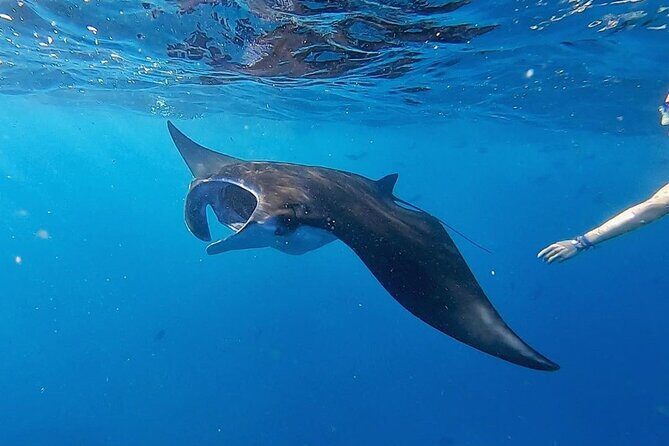
  • Manta Bay is the headline: high odds for manta rays, but sightings are never guaranteed.
  • Stops shift with conditions: Crystal Bay may be skipped in rough weather, and your route adjusts accordingly.
  • Transfers are part of the value: hotel or harbor pickup/drop on Lembongan (Ceningan pickup is not included).
  • Underwater camera included: you’ll have help capturing the action without extra planning.
  • Shared boat, shared vibe: maximum capacity is about 20, so comfort depends on group size.

Why This Snorkeling Route Centers on Manta Rays

If you’re coming to Nusa Lembongan for underwater wildlife, this trip makes sense because it’s designed around the spots where big visitors show up. Manta Bay is the standout, and it’s specifically known for manta rays, which is why this tour markets itself as a manta-focused outing.

That said, manta rays are wild animals. The tour sets you up for the best chance, not a promise. The practical takeaway: go with patience, float calmly, and keep your eyes open. When the water cooperates, the moment can be unforgettable. When it doesn’t, you still have solid coral and fish time at other reef areas.

Getting On the Water: Timing, Pickup, and Where You Meet

Three Islands Snorkeling (3 Spots) Manta Rays - From Lembongan - Getting On the Water: Timing, Pickup, and Where You Meet
This is a half-day tour that runs about 3 to 4 hours, starting at 9:30 am. Most people meet at Lagoon Bliss Captain Good, on Jl. Raya Mangrove Point, Jungutbatu, Nusa Penida, Bali.

Pickup is included from Lembongan hotels or the harbor, and you’ll also get drop-off back where you started. One important note: if you’re staying in Nusa Ceningan, you’ll need to meet at the Yellow Bridge at 09:30 am instead of expecting pickup.

Also, I like that the operator sends confirmation at booking time and that the group is capped (about 20 travelers). It’s not a private boat experience, but it’s not unlimited chaos either.

Stop-by-Stop: What You’ll See at Each Reef Spot

Three Islands Snorkeling (3 Spots) Manta Rays - From Lembongan - Stop-by-Stop: What You’ll See at Each Reef Spot
This tour visits multiple reef areas around Lembongan/Nusa Penida, and the exact order can depend on water conditions. Here’s what you should expect from the main stops listed.

Stop 1: Manta Bay (Main Manta-Ray Target)

This is where the tour earns its name. Manta Bay (often called Manta Point in the area) is the main topography for manta sightings, and the big reason you’re here is the chance to see manta rays glide through the water.

What to look for: slow-moving silhouettes, a wide wing span, and that classic smooth pass where they don’t thrash or panic—just cruise.

How to improve your odds: don’t rush toward every movement. Keep your body relaxed and your breathing steady so you don’t spook the water around you.

Possible drawback: if the sea isn’t cooperating, you might not get the clean, long viewing you hoped for. That’s simply how manta encounters work in the wild.

Stop 2: Crystal Bay (Optional if Weather Is Rough)

Crystal Bay is described as having striking scenery and very clear water, with cliffs and steep slopes as part of the setting. It’s also listed as optional in bad weather, which tells you the operator isn’t trying to force every stop no matter what.

What you’ll likely enjoy here: clearer visibility often means reef details feel sharper—coral edges, fish movement, and the overall “you can see what you’re swimming over” feeling.

What to watch out for: if this stop is skipped, don’t worry. The trip is structured so you still get other snorkeling time elsewhere.

Stop 3: Gamat Bay (Reef Life Plus Current)

Gamat Bay is known by divers for good reason, mainly because it’s beautiful and can have current. The listing notes calm-water snorkeling there, along with small caves, crevices, and plenty of reef fish and invertebrates.

In practice, this stop is often where reef lovers get happy. You’re not only hunting for one creature; you’re exploring a reef neighborhood.

Why it works: caves/crevices and reef fish tend to reward slow, steady scanning rather than quick darting. If you like watching how fish use coral structures for cover, this is a strong match.

Stop 4: Mangrove Point (Shallow Reef and Calm-Water Vibes)

Mangrove Point is a shallow reef area on the southeast side, noted for coral fish and coral formations, and it’s described as calm and relatively serene because it has limited visitors.

This stop is a nice counterbalance to the “big moment” energy of manta time and the more active reef feel of other sites. Shallow areas usually mean easier snorkeling for people who want a more relaxed session.

Good to know: shallow doesn’t mean boring. Coral fishes often concentrate where you can comfortably hover and watch.

The Underwater Camera and Photo Reality Check

This tour includes an underwater camera, which is rare at this price point. That matters because a lot of people plan to take pictures—but then realize they’re juggling a regular camera, trying to keep it from leaking, and losing shots while fighting their grip.

The underwater camera takes one worry off your mind. Add in the fact that the crew may also help with photo capture using a GoPro-style setup (there’s at least one trip where someone shared GoPro photos), and you’ve got a better chance of leaving with more than just vague memories.

My practical advice: bring a small dry bag or waterproof phone pouch if you have one. The included camera helps, but you might still want your own backup. Also, rinse your gear after the snorkel stops—saltwater and sand love to ruin anything with buttons.

Comfort, Safety, and Group Size on a Shared Boat

This isn’t a private tour. It’s a shared snorkeling boat with a maximum of 20 travelers. One review complaint called out the exact problem you’d expect: if everyone shows up and the boat is full, seating can get tight, and it can be harder to snorkel without bumping elbows.

That doesn’t mean the tour is bad. It means you should mentally prepare like you’re joining a busy-but-managed day on the water.

On the positive side, the tour includes a snorkeling guide and safety support, and it explicitly notes that non-swimmers can snorkel with the provided safety equipment and instruction. So if you’re nervous, you’re not automatically out of the game.

What helps most: keep your fins close, don’t sprint after wildlife, and give extra space around other snorkelers. On crowded days, your best snorkeling experience comes from calm movement, not speed.

Gear, Clothing, and What to Bring (So You Don’t Regret It)

Snorkeling gear is included, which is a big win. You won’t be hunting for a mask or borrowing a setup from a stranger. The tour also provides a welcome drink and bottled water, which is nice because you’ll likely get warm waiting for boarding.

You should bring:

  • comfortable clothing
  • a change of clothes
  • comfortable footwear (useful for getting on/off the boat and on uneven areas)
  • sunscreen
  • your camera
  • cash or a credit card for any self-expenses

A simple trick: bring rash-safe swimwear or a swim shirt if you’re prone to sunburn. The sea is often bright, and even when the air feels pleasant, tropical sun can sneak up fast.

Price and Value: Is $24 a Good Deal?

Three Islands Snorkeling (3 Spots) Manta Rays - From Lembongan - Price and Value: Is $24 a Good Deal?
At $24 per person, this tour stacks up well because key essentials are included: hotel/harbor transfers on Lembongan, snorkeling equipment, a snorkeling guide, a snorkeling boat, a welcome drink, bottled water, and an underwater camera.

Many tours nickel-and-dime you for transport, gear, or photo help. Here, those basics are bundled. You’re paying for time on the water plus guided reef access rather than assembling the day yourself.

The real “value check” is this: if manta rays are your top goal, you’re paying for the best shot at the right area, with guidance. If manta doesn’t show, you still get multiple reef environments—coral fish, coral formations, caves/crevices, and strong visibility options when weather allows.

Who This Tour Suits Best (And Who Might Want Another Option)

Three Islands Snorkeling (3 Spots) Manta Rays - From Lembongan - Who This Tour Suits Best (And Who Might Want Another Option)
This is a smart choice if:

  • you want a half-day snorkeling plan without building it yourself
  • manta rays are a must-do, and you’re okay with no-guarantee wildlife odds
  • you prefer guided snorkeling so you spend less time figuring out the right spots
  • you want included equipment and photo support (underwater camera)

It may be less ideal if:

  • you hate crowds or you’re very sensitive to cramped seating on a shared boat
  • you’re looking for a quiet, private snorkeling experience
  • you require a strict itinerary regardless of weather (because some stops are optional)

The Weather Factor: How to Set Your Expectations

The tour is clear that it needs good weather. And it also notes that stops can shift based on conditions. That’s not a problem—it’s reality in open water.

What you can do: check your plans for backup. If the sea is rough, the operator will aim to keep the experience safe and still get you snorkeling time, possibly by changing the route and skipping optional sites.

Should You Book This Snorkeling Trip From Lembongan?

I’d book it if your dream day includes manta rays and you want a guided, low-hassle half-day with real gear and photo help included. The stops are set up to offer both wildlife excitement (Manta Bay) and reef variety (Gamat Bay and Mangrove Point), with Crystal Bay as a bonus when conditions fit.

If you’re the kind of person who can’t handle a full boat, choose your expectations carefully. Go into it knowing it’s sharing space, not spreading out on a private charter. And if you’re flexible, you’ll likely enjoy the day more than you worry about the logistics.

If you tell me your travel dates and whether you’ll be staying in Lembongan or Ceningan, I can help you plan the cleanest day schedule around this 9:30 am start.

FAQ

What time does the tour start?

The tour starts at 9:30 am, and it runs about 3 to 4 hours.

Where is the meeting point?

You start at Lagoon Bliss Captain Good, Jl. Raya Mangrove Point, Jungutbatu, Kec. Nusa Penida, Kabupaten Klungkung, Bali 80771, Indonesia.

Is hotel pickup included?

Yes. Pickup and drop service are offered from Lembongan Island hotels or the harbor.

If I’m staying in Nusa Ceningan, do I get pickup?

No. Pickup at Nusa Ceningan is not included. Guests staying in Ceningan meet at Yellow Bridge at 09:30 am.

What snorkeling stops are included?

The tour is described as snorkeling at multiple reef spots, with Manta Bay and Gamat Bay listed as core stops. Crystal Bay is noted as optional in bad weather, and Mangrove Point is also listed.

Are manta ray sightings guaranteed?

No. The tour notes a high chance at Manta Bay, but sightings are not guaranteed since manta rays are in their natural habitat.

What’s included in the price?

Included are transfers (hotel/harbor in Lembongan), a welcome drink and bottled water, snorkeling equipment, a snorkeling boat and guide, and an underwater camera.

Can non-swimmers join?

Yes. The tour says non-swimmers can snorkel with safety equipment and snorkeling guides as their instructor.

What if the weather is poor?

The experience requires good weather. If it’s canceled due to poor weather, you’ll be offered a different date or a full refund.

1-Day Ubud Tours All-Inclusive

1-Day Ubud Tours All-Inclusive - Tegalalang Rice Terraces: The View That Sets the Tone

Rice terraces and monkeys in one day. This all-inclusive Ubud tour strings together classic sights with a guide who can explain what you’re seeing in real time. I like the pickup and the way the tour builds in Q&A-style cultural context, with guides such as Wayan Surata getting specific praise for making the day feel easy and meaningful.

My second favorite part is the “not just photos” mix: you get a lunch with a rice terraces view plus a swing experience, and you finish with coffee and herbal tea tasting. The main drawback to consider is that it’s a long, active day and it needs good weather, so plan to be flexible if rain changes the plan.

Key Things I’d Watch for Before You Go

1-Day Ubud Tours All-Inclusive - Key Things I’d Watch for Before You Go

  • A full Ubud circuit in about 10 hours so you can see multiple highlights without juggling tickets or transport
  • Guides who focus on explanations, including names like Wayan Surata and Wayan from past groups
  • Monkey Forest + temples + waterfalls, meaning the day has spiritual, wild, and scenic moments
  • The swing and terrace lunch combo, giving you downtime and fun between viewpoint stops
  • Coffee farm tasting at the end, with traditional coffee and herbal teas on the menu
  • Weather matters, since the experience requires good conditions to run smoothly

The Rhythm of This Ubud Day: Terraces First, Then Temples and Water

1-Day Ubud Tours All-Inclusive - The Rhythm of This Ubud Day: Terraces First, Then Temples and Water
This tour is built like a well-timed loop through central Ubud. You start with the rice terraces, then move into cultural stops, and you end with waterfalls and a coffee plantation finish. At about 10 hours, it’s not a slow stroll day, but it’s paced well enough that you won’t feel stuck in traffic for hours without purpose.

I like that the itinerary covers different “moods.” Rice terraces are calm and photogenic. Temples add spiritual weight. Waterfalls bring drama, and the coffee stop gives you a quiet landing at the end.

Tegalalang Rice Terraces: The View That Sets the Tone

1-Day Ubud Tours All-Inclusive - Tegalalang Rice Terraces: The View That Sets the Tone
Tegalalang Rice Terrace is a strong first stop because it gives you context for why Ubud feels different from other parts of Bali. You’re looking at working farmland and layered greenery that changes depending on where you stand and how the light hits.

What you’ll likely enjoy most here is the sense of scale. The terraces stretch out in layers, and your guide can point out how the land is shaped for growing rice. Practical note: even if the day is mostly scheduled for viewpoints, you should still come ready for some standing, walking, and uneven footing around viewpoints.

If you’re the type who likes a clear “baseline” photo early, this is your moment. Once you’ve got the terraces in your camera roll, everything else feels easier to place.

Sacred Monkey Forest Sanctuary: Close Encounters, Best With Clear Rules

The Sacred Monkey Forest Sanctuary is exactly what it sounds like—playful monkeys in a real setting, not a theme park. The best part isn’t just seeing them. It’s seeing how they behave when they’re not performing for anyone.

This stop also works well with a guide because you’ll get context and cues on how to act around animals. In a place like this, small behavior changes matter: how you move, what you carry, and how you respond to the monkeys’ approach.

One thing I’d plan for mentally: you won’t have control over the monkeys’ timing. Sometimes they’re active and curious, sometimes they’re winding down. The trick is to stay relaxed, follow your guide’s suggestions, and treat it like watching wildlife—not like a guaranteed show.

Tirta Empul Temple: Where the Tour Shifts From Scenic to Spiritual

1-Day Ubud Tours All-Inclusive - Tirta Empul Temple: Where the Tour Shifts From Scenic to Spiritual
Tirta Empul Temple adds a different kind of value to the day. Instead of only chasing sights, you’re also getting insights into Balinese customs and what sacred spaces mean in daily life.

I like this stop because it keeps your day from feeling like a checklist. Rice terraces and waterfalls are visual hits. Tirta Empul is a reminder that Bali’s culture is lived, not staged, and that temples help explain the island’s worldview.

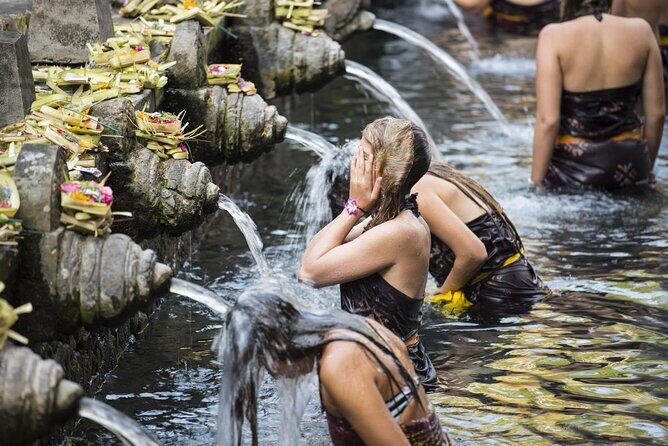
You’ll probably get more out of this portion if you ask questions. The tour’s guide is there to explain history and customs as you move between sites, and past experiences with guides like Wayan (and Wayan Surata specifically) have been praised for answering questions with patience and warmth.

Ulu Petanu Waterfall: The Stop People Hope Is Worth It

1-Day Ubud Tours All-Inclusive - Ulu Petanu Waterfall: The Stop People Hope Is Worth It
Waterfalls are often the make-or-break moment on a tour like this, and Ulu Petanu Waterfall is positioned as a highlight. In a day full of viewpoints, waterfalls add movement and sound—something your camera can struggle to capture, but your body gets immediately.

What makes this stop practical is that it breaks up the day visually. After terraces and a sanctuary, you’re ready for that fresh contrast: cooler air, misty views, and a sense of scale.

Do bring basic caution. Waterfall areas can be slippery, and the ground can be uneven near the falls. Comfortable shoes matter more than you think here, especially if you’re trying to get a good angle for photos.

Swing Experience and Lunch With a Terraces View: The Fun Break in the Middle

1-Day Ubud Tours All-Inclusive - Swing Experience and Lunch With a Terraces View: The Fun Break in the Middle
Between the big sights, the tour includes a swing experience and lunch with a rice terraces view. This is one of the smarter parts of the schedule because it gives you a mental reset. You shift from walking and observing to doing something playful, then you recharge with a sit-down meal.

The swing portion is a great choice if you like easy adrenaline. It’s also a nice way to get a different angle on the scenery, since terraces and jungle textures look totally different from up high.

For lunch, having a terraces view is more than a nice bonus. It turns a meal into part of the experience, so you don’t just eat and rush out. If you tend to get hangry during tours, this stop can genuinely make the rest of the day smoother.

Coffee Plantation Tasting: A Calm Finish Instead of a Hard Stop

1-Day Ubud Tours All-Inclusive - Coffee Plantation Tasting: A Calm Finish Instead of a Hard Stop
The tour ends at a coffee plantation area for tasting Bali’s traditional coffee and herbal teas. This final stop is a smart move, because it’s usually quieter and more restful than another temple or an extra viewpoint.

I like it because it’s hands-on but not exhausting. You get to slow down, taste what’s on offer, and ask questions if your guide has them. If you’re curious about how Bali’s coffee culture works, this is the part of the day where that curiosity has a natural place to land.

Even if you’re not a big coffee drinker, herbal tea tasting gives you an alternative and keeps the experience from feeling too focused on just one product.

Price and Logistics: Does $39.77 Feel Like Good Value?

1-Day Ubud Tours All-Inclusive - Price and Logistics: Does $39.77 Feel Like Good Value?
At $39.77 per person, the value is mostly about what’s included for a full day. You’re paying for more than transportation. You’re getting a guided route through major sights, a provided lunch, a swing experience, and a coffee/tea tasting finish—plus pickup is offered.

Here’s how to judge value without getting tricked by the low price: look at the time and decisions you’re saving. Planning a full Ubud day across monkey forest, temples, terraces, waterfalls, lunch, and coffee tasting usually means hiring multiple pieces—driver time, ticket timing, and routing. This tour bundles that into one schedule.

That said, it’s still a full day at about 10 hours. If you prefer slow travel, long café breaks, or minimal driving, this may feel like a lot. If you want a structured day that hits the big highlights, this price can feel surprisingly reasonable.

Private-Group Feel: Only Your Group, With a Driver You Can Trust

This is listed as a private tour/activity, meaning only your group participates. That matters because it reduces waiting time and makes it easier to keep your pace without blending into a larger group.

Past feedback also highlights the quality of the driving experience. One praised driver, Gede Juni, was described as considerate and safe—exactly what you want on a day with multiple road segments and frequent stops.

If you’re traveling with friends or family and want the day tailored to your group (not to strangers), private tends to be worth it. Even if the stops are fixed, your comfort and timing often improve.

Who This Tour Is Best For in Ubud

This tour makes the most sense if you want a guided “Ubud highlights” day with minimal stress. It’s a good fit for:

  • First-time Ubud visitors who want the major sites in one go
  • People who like learning context while they move between attractions
  • Travelers who value having lunch and a coffee tasting included
  • Groups that prefer a private setup instead of a crowded group bus

It may be less ideal if you want a laid-back day with lots of free time, or if you strongly dislike active walking and quick transitions between stops.

When You Should Think Twice

Keep the weather factor in mind. The experience requires good weather, and if it can’t run due to poor conditions, you should expect a different date or a full refund.

Also, think about how you handle animal encounters. Monkey forest time is part of the draw, but you’ll want to stay alert and follow your guide’s instructions. If you’re uneasy around wildlife or close animal behavior, this could be stressful.

Should You Book This Ubud All-Inclusive Tour?

I’d book it if you want one well-run day that covers Ubud’s signature mix: rice terraces, monkey forest, temples, waterfalls, a swing, lunch, and coffee tasting. For the price, it’s doing a lot of heavy lifting for you—especially if you’d otherwise have to piece together transport and timing on your own.

I’d hesitate if you hate long days or you’re arriving during a weather-iffy week. In Ubud, conditions can shift fast, and this tour is designed for good weather to keep the stops comfortable and safe.

If you want a structured, culture-plus-nature day without overthinking logistics, this one is a solid choice.

FAQ

How long is the Ubud tour?

It runs for about 10 hours.

What are the main places you visit?

The tour includes Tegalalang Rice Terrace, Sacred Monkey Forest Sanctuary, Tirta Empul Temple, and Ulu Petanu Waterfall. It also includes a swing experience, lunch, and a coffee plantation stop with coffee and herbal tea tasting.

Is pickup included?

Yes, pickup is offered.

Is this tour private or shared?

This is a private tour/activity, so only your group participates.

How much does it cost?

The price is $39.77 per person.

Do I receive tickets on my phone?

Yes, the tour uses a mobile ticket, and you receive confirmation at the time of booking.

What if the weather is bad or I need to cancel?

The experience requires good weather. If it’s canceled due to poor weather, you’ll be offered a different date or a full refund. You can cancel for a full refund up to 24 hours in advance; changes within 24 hours aren’t accepted, and cancellations less than 24 hours before the start time aren’t refunded.

Ubud Private Tour: Monkey Forest – Tirta Empul Temple

Ubud Private Tour: Monkey Forest - Tirta Empul Temple - Monkey Forest Sanctuary: temple carvings and monkey-and-temple energy

A full Ubud day, tightly packed and easy. This private tour strings together Ubud’s most famous sights with comfortable hotel pickup and an air-conditioned car, so you spend less time figuring out roads and more time looking at carvings, water temples, and rice terraces. The day’s range is the point: from monkeys and temple ponds to a waterfall drop and a night market dinner.

I especially like the door-to-door convenience. When you start with pickup and end with drop-off, the schedule feels smoother, and your guide can keep the pace in a way that works for your group. I also love the service style—Gusti (a guide named in a standout review) was described as friendly, customer-focused, and patient, with no rushing when people wanted extra time.

One thing to consider: entry fees can add up, and the tour’s details separate what’s included (Price A) from what may be charged separately for specific stops. If you’re counting every dollar, double-check whether admission tickets are truly covered for Monkey Forest, Tegalalang Rice Terrace, Tirta Empul, Elephant Cave, and Tegenungan Waterfall.

Key things to know before you go

Ubud Private Tour: Monkey Forest - Tirta Empul Temple - Key things to know before you go

  • Private vehicle + hotel pickup: fewer logistics headaches and a calmer day.
  • Big-name Ubud mix in 8–10 hours: temple water, rice terraces, a waterfall, and a cave.
  • Gusti-style pacing: the best reviews highlight a patient, not-rushed approach.
  • Admission fees need a quick check: you may pay for some entries on the day.
  • Night market for food and low-stress dinner time: one hour for snacks, eats, and casual shopping.
  • All-inclusive option exists: if you want fewer money moments, choose that.

Private Day Tour Flow in Ubud: pickup, comfort, and pacing

Ubud Private Tour: Monkey Forest - Tirta Empul Temple - Private Day Tour Flow in Ubud: pickup, comfort, and pacing
This is built for one group at a time. That matters in Ubud, where travel between sites can eat up your day if you’re doing it solo or on buses with strict schedules. Your tour includes round-trip hotel transfers and travel in a private air-conditioned vehicle, plus bottled water.

Timing is also realistic. The tour runs about 8 to 10 hours, with time at each stop ranging from 30 minutes to around 1 hour. That doesn’t sound long on paper, but it’s the right length for a “greatest hits” day—enough to see what you came for without turning the trip into a full-day marathon.

And yes, the guide experience can make or break a day like this. One of the most positive reviews singled out Gusti, praising him for being customer focused, friendly, and patient, and for not rushing when the group wanted to linger. For you, that usually means: if you want a slower look at carvings or more time near a view, you’re not likely to be yanked onward every 5 minutes.

Monkey Forest Sanctuary: temple carvings and monkey-and-temple energy

Ubud Private Tour: Monkey Forest - Tirta Empul Temple - Monkey Forest Sanctuary: temple carvings and monkey-and-temple energy
Your first major stop is the Sacred Monkey Forest Sanctuary. This isn’t just a “look at monkeys” detour. It’s tied to a temple setting, with carved artwork and sculptures woven into the sanctuary space. The monkeys are part of the show—free to move through the area, while you navigate your way around them.

What makes this stop worth planning for: you get culture plus spectacle in one place. The sanctuary setting gives you more context than a zoo-style encounter, and the temple elements help explain why this place matters locally.

Ticket note: entry is listed separately as IDR 80,000 (not included in the “not included” category). So if you don’t choose the all-inclusive style, expect to handle it on your own.

A practical consideration: this is a busy photo-and-snack stop, and it can feel chaotic if you arrive when crowds peak. Your guide’s job here is valuable—staying calm, guiding your route, and helping your group get the photos you came for without feeling like you’re constantly dodging people.

Tegalalang Rice Terrace: the Instagram-famous view that still earns time

Ubud Private Tour: Monkey Forest - Tirta Empul Temple - Tegalalang Rice Terrace: the Instagram-famous view that still earns time
Next comes Tegalalang Rice Terrace, the Ubud rice terrace you’ve probably seen in countless photos. It’s famous for a reason: the terraced fields are genuinely striking, and the viewpoints give you that stepped green pattern that reads instantly from any angle.

Yes, it’s touristy. But “touristy” doesn’t automatically mean “not worth it.” In this case, the terraces themselves are the star, and they still look impressive even with the crowd. Plan on using this time for what the place does best: walking to a couple viewpoints, grabbing your favorite framing, and letting the scene do the work.

Ticket note: entry is listed as IDR 10,000 (also not included in the not-included list). If your goal is to stay under budget, treat this as one more small fee to factor in—or choose the all-inclusive option to reduce on-the-spot payments.

Also, keep your expectations realistic. This is a working agricultural area with paths and viewpoints. If you want “quiet nature meditation time,” you might not get it here. If you want a top Ubud sight with easy photo access, it’s a solid use of time.

Tirta Empul Temple: holy spring water and ritual purification

Ubud Private Tour: Monkey Forest - Tirta Empul Temple - Tirta Empul Temple: holy spring water and ritual purification
At Tirta Empul Temple—known locally as Pura Tirta Empul—you’re stepping into a water-focused place of meaning. The temple is in the Manukaya village area near Tampaksiring. The big idea is the holy spring: a spring that gives out fresh water regularly.

Locally, Balinese Hindus consider this water holy (described as amritha) and use it for ritual purification. That’s the key context. You’re not just looking at a pond—you’re seeing a site connected to daily and spiritual practice.

This stop can feel moving in a quiet way, especially if you slow down and watch how the water and temple spaces are arranged. The guided element helps too, because it’s easier to understand what you’re seeing when someone explains the purpose behind the scenes.

Ticket note: entry is listed as IDR 50,000 (not included in the not-included list).

A gentle consideration: you’ll likely be around people in different states of focus—some there for ritual steps, others there to view. Respect matters more than anything. Your best move is to follow your guide’s direction and keep your behavior steady and quiet.

Elephant Cave (Goa Gajah): cave relics, bathing pools, and gardens

Ubud Private Tour: Monkey Forest - Tirta Empul Temple - Elephant Cave (Goa Gajah): cave relics, bathing pools, and gardens
Then you head to Goa Gajah, commonly called the Elephant Cave because it’s associated with the nearby Elephant River. This stop is described as a mysterious cave setting with relics and ancient bathing pools, surrounded by green rice paddies and gardens.

What you’re looking at here is a mix of natural space and archaeological remnants. Even without a deep background, the setting gives you a sense of age and atmosphere. The ancient bathing pools are the standout detail—this isn’t only a dark cave walk. It’s a site where the water-and-structure concept is part of the story.

Ticket note: entry is listed as IDR 50,000 (not included in the not-included list). Plan for that cost unless your package includes admissions.

Practical reality: caves can mean uneven ground and cooler, dimmer interiors. If your feet are picky, wear shoes you trust. And if you want photos, aim for steady, calm timing—this place can be popular and moving slowly in a cave environment is easier than trying to rush.

Tegenungan Waterfall: a 20-meter drop and a second-level surprise

Ubud Private Tour: Monkey Forest - Tirta Empul Temple - Tegenungan Waterfall: a 20-meter drop and a second-level surprise
From temple and cave history to open-air nature: Tegenungan Waterfall. The description is vivid—white water foams down over black stone cliffs into a pool below. The height is given at around 20 meters (about 66 feet), which is plenty for impressive waterfall photos without needing Everest-level hiking.

What makes this stop more than a quick point-and-shoot: there’s more to see. The site includes climbable cliffs, a smaller “secret” waterfall, food stalls, and a grotto that houses a sacred spring.

Ticket note: entry is listed as IDR 20,000 (not included in the not-included list).

A consideration for your day planning: waterfalls can mean messy surfaces near the base. If you’re wearing light footwear or sandals, think twice. Even if you’re not planning to get wet, you’ll appreciate traction on slick areas. Your guide can help you find safer spots to look from.

Gianyar Street Night Market: your flexible food stop and casual shopping

Ubud Private Tour: Monkey Forest - Tirta Empul Temple - Gianyar Street Night Market: your flexible food stop and casual shopping
After dark (or as night starts to settle in), you’ll head to Gianyar Street Night Market. This is the “take a breath and eat” part of the day. The market’s hours are listed roughly between 4 or 5 pm and up to 12 am, depending on the season.

What you do here: snack, taste, and wander. The market has Balinese and Indonesian delicacies at reasonable prices, plus traditional clothing for sale. It’s also the kind of place where you can try a few items without committing to a full sit-down meal.

Tour pacing detail: your time here is about 1 hour. That’s enough to cover a few stalls, try some savory bites, and grab something sweet if that’s your style.

A practical suggestion: go in hungry. With only an hour, you’ll enjoy it more if you treat it like a tasting run, not a full shopping expedition. If you’re interested in clothing or gifts, set aside a little mental budget for that too—this stop is partly food, partly local shopping.

Price and tickets: how to judge the $35 value fairly

Ubud Private Tour: Monkey Forest - Tirta Empul Temple - Price and tickets: how to judge the $35 value fairly
The tour price is listed at $35 per person, and it’s typically booked about 26 days in advance. That pricing is where the real value question lives: you’re paying for private transport, a guide, and the structure to hit several Ubud highlights without sorting routes.

But entry fees matter. Here’s what’s explicitly listed for admissions (not included in the not-included category):

  • Monkey Forest: IDR 80,000
  • Tegalalang: IDR 10,000
  • Tirta Empul: IDR 50,000
  • Elephant Cave: IDR 50,000
  • Tegenungan Waterfall: IDR 20,000

Add those up and the total comes to IDR 210,000 in entry fees across the main paid stops (not counting the night market, which doesn’t list an admission fee). Your final out-of-pocket cost depends on whether your option includes Admission tickets (Price A) or you’re covering the rest separately.

So here’s the way I’d think about value:

  • If your package truly covers admissions, $35 looks like a strong deal for a full day of transport plus multiple sites.
  • If admissions are mostly on you, the tour still buys you the convenience of private driving and guidance, but your total day spend will jump once you add IDR 80k, 50k, 50k, and so on.

Also, you get bottled water and a private, air-conditioned vehicle. In Ubud heat, that alone can be worth the difference between “cheap transport” and “comfortable day.”

Who this tour fits best in Ubud

This one is a great match if you want a greatest-hits Ubud day with minimal planning. It’s especially good for:

  • Couples or small groups who want privacy and an easy rhythm
  • First-timers who want to see Monkey Forest, a water temple, a rice terrace, a cave, and a waterfall all in one hit
  • Travelers who’d rather pay for convenience than spend time coordinating multiple tickets and ride schedules

It may be less ideal if you:

  • Want long stays at each site (this day gives shorter “hits,” not slow wander days)
  • Need a fully flexible schedule with no fixed time windows (your time at each stop is structured)
  • Are extremely budget-sensitive and would rather skip higher entry-fee attractions

Should you book this Ubud private tour?

I’d book it if you want a smooth, efficient Ubud day with private comfort and a guide who won’t bulldoze your pace. The best indicator is service quality—Gusti was specifically praised for being friendly, patient, and flexible, with no rushing.

Before you pay, do one quick check: confirm whether your option includes the admissions for the paid stops (Monkey Forest, Tegalalang, Tirta Empul, Elephant Cave, Tegenungan). If you choose the all-inclusive style, you remove most of the money-and-ticket friction. If you don’t, budget for roughly IDR 210,000 across those main sites.

If your goal is a one-day sampler of Ubud’s major icons, this private format is the practical way to do it.

FAQ

How long is the Ubud private tour?

The tour duration is listed as about 8 to 10 hours.

Is hotel pickup and drop-off included?

Yes. Hotel pick up and return transfers are included.

Is the transportation air-conditioned?

Yes. The private transportation is described as an air-conditioned vehicle.

What attractions are included in the day?

The tour includes Sacred Monkey Forest Sanctuary, Tegalalang Rice Terrace, Tirta Empul Temple, Elephant Cave (Goa Gajah), Tegenungan Waterfall, and the Gianyar Street Night Market.

Are entrance tickets included?

Admission tickets are included as Admission tickets (Price A), but entrance fees for specific stops are listed under not included (Monkey Forest, Tegalalang Rice Terrace, Tirta Empul Temple, Elephant Cave, and Tegenungan Waterfall). Check which admission package you’re selecting.

Is bottled water provided?

Yes. Bottled water is included.

Is this tour private or shared?

It’s a private tour/activity, and only your group participates.

What’s the cancellation policy?

Free cancellation is offered. You can cancel up to 24 hours in advance for a full refund. The experience also requires good weather.
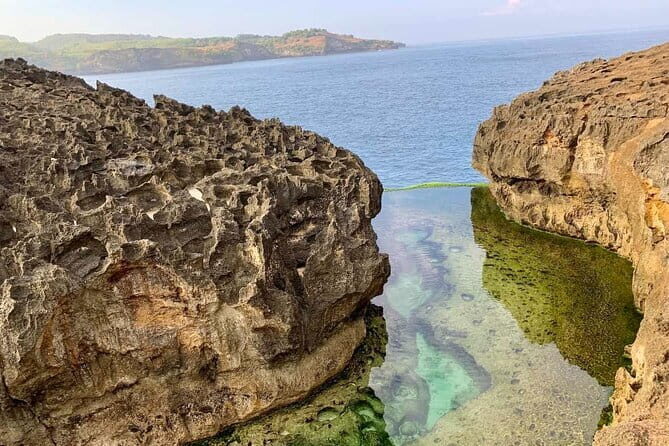
Lempuyang the Gate of Heaven Tour

Lempuyang the Gate of Heaven Tour - Tirta Gangga Water Palace: royal pools without the heavy crowds

Lempuyang Temple is famous for one reason: the view of the volcano framed through the gate. In this tour, you get help with photographic guidance while you’re at the temple, then you roll straight into two more water-and-palace stops in eastern Bali.

I like that the route is built for variety without being a marathon: you start with a sacred photo stop at Lempuyang Temple, then move to Tirta Gangga and Taman Ujung (Ujung Water Palace) for more relaxed, scenery-filled wandering. One drawback to plan for: the whole experience depends on good weather, so cloud cover or rain can affect how your photos turn out.

I also really appreciate the small practical stuff. Having entrance tickets, a sarong, mineral water, and parking fees included means less cash juggling and fewer last-minute detours. And the host matters—one review called out driver-host Wira, plus the guide sharing useful Bali information—so the day feels guided, not just driven.

Key highlights you’ll care about

Lempuyang the Gate of Heaven Tour - Key highlights you’ll care about

  • Lempuyang Temple photo help: guidance focused on getting the gate-and-volcano shot right
  • Three major sights in one day: Lempuyang plus Tirta Gangga and Taman Ujung
  • Tickets and sarong included: fewer logistics headaches at the temple gates
  • Pickup from Seminyak: start close to where you’re likely staying
  • Private feel: your group only, with a local host and straightforward routing

Lempuyang Temple Gate of Heaven: where the famous frame comes from

Lempuyang the Gate of Heaven Tour - Lempuyang Temple Gate of Heaven: where the famous frame comes from
Lempuyang Temple is the star of this day, and it’s easy to see why. The temple is strongly tied to Hindu worship, and that matters even if your main goal is the social-media-famous shot. You’re not just standing in front of a scenic structure—you’re entering a working sacred site where people come with real routines and reverence.

The tour includes time to get your photos, plus support with positioning. That’s the difference between a rushed snapshot and a shot that actually looks like the viral versions: you need the right angle, distance, and timing as light changes. Even if you don’t chase sunrise, the guidance helps you get better framing faster, so you don’t waste the best part of the visit fighting your camera.

Practical note: expect temple rules. The tour provides a sarong for entry, and that’s a big help because many visitors arrive without the right covering. You also get the admission ticket included, so you won’t be hunting for payments while others are already filing in.

How long you’re there is also smart. About 3 hours at Lempuyang gives you enough time to:

  • Get to the viewpoint area calmly
  • Take multiple tries as the view changes
  • Slow down and actually look around (the temple setting feels different once you stop rushing the photo)

The main thing to keep in mind is that the “Gate of Heaven” look relies on conditions. If the volcano view gets blocked by cloud or rain, the experience still works—you’ll still get temple atmosphere—but the exact photo payoff may be reduced.

Tirta Gangga Water Palace: royal pools without the heavy crowds

Lempuyang the Gate of Heaven Tour - Tirta Gangga Water Palace: royal pools without the heavy crowds
After Lempuyang, the day shifts tone. Tirta Gangga is often called the water palace, and it’s tied to royal use—specifically, it was used by the King of Karangasem for relaxing.

What I like about this stop is that it’s a change of pace from the intense photo mission at the temple gate. Instead of climbing through a landmark-focused area, you get space to wander and absorb the water-and-garden vibe. It’s a great mid-tour reset, and it still feels “Bali” in the sense that the site is tied to culture and power, not just a scenic backdrop.

Your time here is about 2 hours, and that’s a good slot. It’s long enough to stroll and take photos from different angles, but not so long that you start to feel like you’re waiting for something to happen.

One practical detail: admission is included, so your visit flow is smooth. The tour also includes mineral water, which helps when you’re moving between sites across eastern Bali.

If you get sweaty easily, wear breathable clothes. Water palace sites can feel humid, and you’ll be happier if your outfit matches the heat rather than your travel schedule.

Ujung Water Palace (Taman Ujung): palace views with room to breathe

Next comes Taman Ujung, also known as the Ujung Water Palace. This stop is tied to the King of Karangasem again, and the idea is similar: royal leisure, designed spaces, and scenery you can take your time with.

Here’s what makes it worth adding on this exact day: the earlier stops are iconic but very different. Lempuyang is a religious and photo-centered landmark. Tirta Gangga is water-centered and gentler in feel. Taman Ujung brings yet another texture—palace grounds that feel more open, so you’re not stuck repeating the same shot styles.

You’ll have around 2 hours here. That time window is enough to walk the main areas, pause for photos, and get a feel for why people used sites like this as leisure spaces.

The biggest advantage is pacing. By the time you reach Ujung, your body has already done the “start early / move fast” work if you chose a tighter schedule, so the day ends on a calmer note instead of turning into a last-minute scramble.

Admission is included as well, which keeps your budgeting simple. Just remember lunch is not included, so you’ll want a plan for food (either bring a simple snack earlier in the day, or grab lunch afterward).

Price and value: what $50 covers (and why it’s not just a sightseeing bargain)

At $50 per person, this is one of those Bali tour prices that can either feel like a steal or feel suspicious—depending on what’s actually covered. In this case, the inclusions are the key value driver.

Your package includes:

  • Entrance tickets for the stops
  • A local host
  • Sarong to enter the temple
  • Mineral water
  • Parking fees and taxes

Those items add up quickly when you travel on your own. Instead of paying multiple separate fees and trying to coordinate entry timing yourself, you get a smoother flow.

Also, the day is 6 to 8 hours, which matters. If a tour is cheap but only half-day, you might spend extra money later on transport or missed opportunities. Here, you’re packing three major east-Bali stops into one guided route.

Yes, lunch and personal expenses aren’t included. That’s normal, but it’s worth planning. If you’re prone to getting hungry mid-afternoon, treat lunch as a scheduled thing. Don’t rely on luck.

And a small but real comfort: the tour offers pickup from Seminyak and works with a private group setup, so your day doesn’t feel like you’re constantly weaving through a bigger crowd.

Pickup, timing, and how to not feel rushed between stops

Lempuyang the Gate of Heaven Tour - Pickup, timing, and how to not feel rushed between stops
This is a pickup-included experience from Seminyak, and it runs about 6 to 8 hours. That range matters because it tells you you’re not doing a quick dash. You’re meant to spend actual time at each site.

One detail that came up in feedback: some people prefer leaving later rather than going super early for sunrise. That’s a real tradeoff. Sunrise can make the volcano framing look more dramatic, but sleep can make the whole trip more enjoyable.

So how should you decide?

  • If you care most about the classic sunrise-style look, aim for an earlier departure.
  • If you care more about comfort and want to enjoy the day without feeling wrecked, a later departure can still work—just be ready for how clouds or haze can affect the view.

Either way, keep your expectations grounded: you’re combining temple worship, water palace touring, and royal-site exploring in a single day. It’s a packed route, but the included time at each stop helps it feel structured rather than chaotic.

And since it’s private, you’re not trapped in the slowest group pace. You can usually settle into a rhythm that fits your energy.

What’s included at each step (so you can travel lighter)

Lempuyang the Gate of Heaven Tour - What’s included at each step (so you can travel lighter)
This tour is set up to reduce the annoying costs and hassles you’d otherwise handle yourself.

You’ll have:

  • Entrance tickets covered for the temple and water palaces
  • A sarong provided for temple entry
  • Mineral water during the tour
  • Parking fees and taxes handled
  • A local host guiding you through the day

That means you can focus on what you actually came for: photos, walking the grounds, and learning enough context to make each place feel more meaningful.

What to bring:

  • Comfortable shoes for temple and palace grounds
  • A light layer or rain protection, since weather matters
  • A plan for lunch since it’s not included
  • Your own sunscreen and anything personal you might need

If you’re someone who hates rummaging through a bag at each stop, you’ll appreciate that key items are already handled for you—sarong and tickets included.

Weather is the deciding factor for the photos

The tour specifically notes that it requires good weather. That’s not just marketing. The whole Gate of Heaven idea depends on visibility—volcano views and clear skies are the difference between “this looks incredible” and “it’s pretty, but not quite the iconic frame.”

If weather is poor, you’ll either be offered a different date or a full refund. So you’re not stuck.

My advice: check the forecast the day before, but also remember that Bali weather can shift fast. If your heart is set on the volcano framing, treat this tour as something you schedule with flexibility—don’t book it as your only east-Bali day if you only have one chance.

Who this private Lempuyang tour fits best

This is a good match if you want:

  • One guided day that hits multiple eastern Bali highlights
  • Photo help at the most famous location
  • A private setup for your group, rather than joining a bigger bus tour
  • A route that includes admission fees and even the sarong

It’s especially appealing for first-time visitors who want structure. You get a coherent day: sacred gate photo, then water-palace calm, then royal palace grounds to close.

If you’re traveling with someone who doesn’t love long temple stops, this might still work because the pacing includes two more stops that feel lighter and more stroll-friendly.

If you hate any weather uncertainty, you’ll want to consider that the tour is weather-dependent. The good news is that the backup options are built in.

Should you book the Lempuyang Gate of Heaven tour?

I’d book it if your priority is getting better photos at Lempuyang Temple without doing logistics yourself, and you also want a full east-Bali day that doesn’t feel like random hopping. The value is strong because entrance tickets, sarong, parking fees, and even mineral water are included, and you still get time at all three sites.

Skip it only if:

  • You’re extremely risk-averse about weather (because the volcano framing can be affected), or
  • You prefer solo exploration with total control over timing (this tour trades flexibility for structure)

If you like guided pacing, want the iconic gate shot with help, and plan for lunch on your own, this is a solid use of your time in Bali.

FAQ

Does the tour include hotel pickup in Seminyak?

Yes. Pickup is offered from your hotel in Seminyak.

How much does the Lempuyang Gate of Heaven tour cost?

It costs $50.00 per person.

How long is the tour?

The experience runs about 6 to 8 hours.

Are entrance tickets included?

Yes. Entrance tickets are included for Lempuyang Temple, Tirta Gangga, and Ujung Water Palace.

Is a sarong included for entering the temple?

Yes. A sarong to enter the temple is included.

Is lunch included in the price?

No. Lunch and personal expenses are not included.

Is this tour private?

Yes. It’s a private tour/activity, and only your group participates.

What if the weather is poor?

The experience requires good weather. If it’s canceled due to poor weather, you’ll be offered a different date or a full refund.

What is the cancellation policy for a full refund?

You can cancel up to 24 hours in advance for a full refund. If you cancel less than 24 hours before the experience starts, the amount paid won’t be refunded.

Bali Half-Day Uluwatu Temple Sunset, Kecak Dance, Dinner

Bali Half-Day Uluwatu Temple Sunset, Kecak Dance, Dinner - Seminyak Pickup, AC Transport, And How The Day Stays Under Control

Uluwatu sunset is a hard habit to quit. This half-day trip strings together Dreamland Beach, the Uluwatu cliff temple viewpoint, Kecak & Fire Dance, and a beachside seafood dinner—so you get a full slice of South Bali without spending the whole day driving.

I really like the way this tour plans for your time: short, focused stops (about 25 minutes at Dreamland and 25 minutes at Uluwatu Temple) plus a set 1 hour slot for Kecak & Fire Dance. You also get a hotel pickup and drop-off from Seminyak, plus an English-speaking driver cum guide who keeps things moving instead of just dropping you near parking.

One thing to think about: Uluwatu shows can get crowd-heavy around the late-afternoon window, and the schedule can feel tight in busy periods. If your timing offers a choice, I’d try to aim for a later Kecak show; if not, go early and plan for a packed venue.

Key Highlights To Know Before You Go

Bali Half-Day Uluwatu Temple Sunset, Kecak Dance, Dinner - Key Highlights To Know Before You Go

  • Private, no-mix format: you and your companion only, with private full AC transport.
  • Dreamland Beach (Pantai Dreamland): a crystal-water style stop with admission included.
  • Uluwatu Temple at sunset: dramatic ocean views from a cliff temple setting.
  • Kecak & Fire Dance includes tickets: a dedicated ~1-hour viewing block.
  • Jimbaran seafood dinner: a beachside meal at Jimbaran Bay with admission included.
  • Guide quality matters here: one standout review praised Wira as a top guide.

Getting The Most Out Of Uluwatu In 6–7 Hours

Bali Half-Day Uluwatu Temple Sunset, Kecak Dance, Dinner - Getting The Most Out Of Uluwatu In 6–7 Hours

This is a half-day style outing, but it doesn’t feel like a quick drive-by. The value comes from stacking the best-known South Bali moments into one run: Dreamland Beach, then Uluwatu Temple for the cliff-and-Indian-Ocean views, followed by the stage show at Uluwatu, and finishing with seafood in Jimbaran.

Why this works for you: you avoid the slow chaos of piece-meal planning. Instead of juggling separate ticket lines, multiple rides, and different meeting points, the tour bundles it with hotel pickup and drop-off plus entrance fees and tickets at the scheduled stops.

The other practical win is pacing. Dreamland and Uluwatu Temple are both listed as about 25 minutes each, which is enough to enjoy the views and take photos without turning the day into a waiting game. Then you get a full hour for Kecak & Fire Dance, which is the part most people really came for.

Seminyak Pickup, AC Transport, And How The Day Stays Under Control

Bali Half-Day Uluwatu Temple Sunset, Kecak Dance, Dinner - Seminyak Pickup, AC Transport, And How The Day Stays Under Control

The tour starts with pickup from your hotel in Seminyak, and it returns you there at the end. You’re traveling in private full AC transport, and the driver is also listed as an English-speaking guide. That combo matters more than it sounds, because Uluwatu can be confusing for first-timers—especially around timing and where to stand, sit, or walk next.

Also, this is labeled as a private tour/activity, meaning you’re not sharing the schedule with strangers. That tends to reduce the usual stress: no one else’s pace, no regrouping for a large group, and fewer chances for your timing to drift.

You should still expect a day that runs on a route. It’s not a relaxed all-day linger. You’ll want to keep your camera handy and be ready for short transitions—especially in peak season when traffic and crowds can compress the schedule.

Pantai Dreamland Stop: A Beach Break With Included Admission

First up is Pantai Dreamland (Dreamland Beach). The planned stop is about 25 minutes, and admission is included. This is a good start because it gets you into the coastal mood before the temple crowds and show seating pressure.

What I like about this first stop for your trip: it gives you a “yes, Bali is pretty” moment early. Even if the day later becomes busy—like it can around showtime—you still get a calm, scenic window to enjoy without rushing.

Practical note: bring your basic heat protection. The tour info explicitly suggests a hat, sunscreen (listed as sun scream), and camera. That’s not just for comfort; it helps you focus on the views instead of thinking about sunburn.

If you’re the type who hates “five-minute beach photo stops,” this part might feel short. But for most people, the time box keeps the whole itinerary realistic.

GWK Culture Park: When A Short Photo Stop Adds Big Context

The tour title includes GWK (Garuda Wisnu Kencana) Culture Park, and the overview says you’ll visit it as part of the route. Even without a stated time window for this specific stop, the idea is clear: it’s a major South Bali landmark you can recognize instantly, and it adds variety beyond just beach + temple.

Why it’s a smart inclusion: many Uluwatu trips focus only on the cliff temple and the dance show. Adding GWK gives you one extra “wow” moment for photos and a change of scenery before you go full cliff-and-ocean at Uluwatu.

If you’re traveling with someone who likes architecture or big landmarks, this stop will likely land better than another short viewpoint. If your priority is only the sunset and show, you’ll still probably appreciate the visual break.

Uluwatu Temple Sunset View: The Part You’ll Remember

Bali Half-Day Uluwatu Temple Sunset, Kecak Dance, Dinner - Uluwatu Temple Sunset View: The Part You’ll Remember

Next comes Uluwatu Temple, with an included ticket and about 25 minutes. This is the “cliff temple facing the Indian Ocean” stop—famous for sunset views and that dramatic sense of place.

Here’s what to plan for: you’ll be combining cliff edges, ocean wind, and crowds. Sunset at Uluwatu is not a quiet stroll. Expect foot traffic, people waiting for the right angle, and everyone trying to capture the same view.

That makes the timing important. One review noted that around 5 pm the fire dance viewing can be too crowded, and the advice was to choose the late show if you have options. I’d take that seriously. If your tour schedule can shift the show timing, later usually means more breathing room.

Comfort tip: wear modest clothing as suggested. It’s not about fashion; it’s about being able to move and stay without awkwardness at a temple setting. Bring a camera, but also keep some space in your mind for the experience—Uluwatu hits best when you look up, not just through the lens.

Kecak & Fire Dance At Uluwatu: Crowd Reality And Timing Advice

The Kecak & Fire Dance is a dedicated block in the program, about 1 hour, with admission included. This is the show many people travel for, and the energy at Uluwatu can be something else.

The best practical advice from the experience data is about crowds and show time. A top review praised the fire dance as great, but called out that the late-afternoon slot (around 5 pm) can be packed. The fix suggested: choose the late show when possible.

So how do you use this? When you confirm your booking, ask the guide (or check your mobile ticket info) whether there’s a later Kecak show option within your tour window. If there is, lean late. If there isn’t, go with eyes open: bring patience, arrive early to find the best view you can, and don’t underestimate how quickly lines and seat areas fill.

Also, keep your expectations balanced. Fire dance at Uluwatu can look spectacular, but you’re still watching in a busy venue. Your enjoyment will be tied to how comfortable you are with crowds.

If you’re the type who needs a calm atmosphere, plan to focus on the performance itself. If you love cultural theater and group energy, this is a strong match.

Jimbaran Bay Seafood Dinner: Where The Day Ends Nicely

Bali Half-Day Uluwatu Temple Sunset, Kecak Dance, Dinner - Jimbaran Bay Seafood Dinner: Where The Day Ends Nicely

The final stop is dinner at Jimbaran Bay, with seafood served and the dinner time listed at about 1 hour. Admission is included for this part too, so you’re not piecing together dinner plans at the last minute.

One review called out grilled fish specifically and described strong service at the beach. That lines up with what Jimbaran is known for: a beachside setting where seafood is the whole point, and where the meal often feels like part of the evening atmosphere—not just a restaurant stop.

Value-wise, this matters. A lot of tours say dinner is included, then it’s a small add-on or a basic plate. Here, the menu intent is clearly seafood at Jimbaran, and that’s a big portion of the reason the trip feels complete.

Practical tip: don’t show up starving, but also don’t expect a leisurely multi-course meal. It’s an end-of-tour finish, so eat like someone who wants energy for the ride back.

Price And Value: Is $65 A Good Deal?

At $65 per person, this tour is priced as a budget-to-midrange half-day that covers a lot of the annoying parts: hotel pickup/drop-off, private AC transport, guide time, entrance fees and tickets, mineral water, and one dinner.

The value hinges on what’s included versus what you’d otherwise pay and arrange yourself:

  • If you’d have to rent multiple rides or coordinate separate tickets for Uluwatu and the dance show, the “saved hassle” becomes part of the price.
  • If you prefer a scheduled flow—Dreamland to Uluwatu to Kecak to Jimbaran—this format is built for you.
  • The private transport and no-mix setup likely helps families or couples who don’t want group timing.

Where value can slip: in very busy periods, tight scheduling can feel rushed. One low review complained the tour couldn’t fit everything after a sudden reservation and tied it to driver availability and rule understanding. That doesn’t mean it will happen to you, but it’s a real reminder that during high season, timing can change.

My take: at $65, it’s a solid deal if you want a guided hit list of South Bali highlights and you’re flexible about the pace.

What To Bring And How To Prep For Comfort

The tour info gives a clear checklist, and I’d follow it closely:

  • Modest cloth for temple stop
  • Hat for sun
  • Camera
  • Money (useful for small extras even when dinner is included)
  • Sunscreen (listed as sun scream)
  • Water is also included via mineral water

You’ll also be standing and walking at Uluwatu. Wear footwear you can handle on uneven surfaces and steps. Keep a light layer too—cliff winds can be stronger than you expect, especially near sunset.

Who Should Book This Tour (And Who Might Skip It)

This works best for:

  • Couples or friends who want a private route from Seminyak
  • People who want to see Uluwatu Temple + Kecak & Fire Dance without planning a full day
  • Travelers who like short photo windows but don’t mind crowds around the show

It might be less ideal if:

  • You want a slow, floating itinerary with lots of free time
  • You hate crowded venues and can’t adjust your show time
  • You’re booking last-minute in busy season and strongly require every single stop without any schedule changes

If you’re chasing the sunset and performance, you’ll likely feel happy with this structure. If you want solitude or extra time at one place, you may feel the clock.

Should You Book This Uluwatu Sunset Kecak Tour?

I’d book it if you want a one-day South Bali plan that covers Dreamland Beach, Uluwatu Temple, Kecak & Fire Dance, and a Jimbaran seafood dinner—all wrapped into one pickup from Seminyak with tickets and entrances included. The overall rating is decent, and the standout theme from the best feedback is that the guide can make the day feel smooth. One review credited Wira as a top guide, and that kind of guiding matters when the venue is busy.

I’d hesitate only if you’re very sensitive to crowds or if you need absolute certainty that timing won’t shift during peak season. If that’s you, ask about the Kecak show timing (late show if available) before you lock it in.

If you can be flexible and you’re aiming for the big sights, this tour is a practical way to spend your half-day.

FAQ

How long is the tour?

The total duration is listed as about 6 to 7 hours.

Does the price include hotel pickup and drop-off?

Yes. Hotel pickup and drop-off with private full AC transport is included.

Is this tour private or shared?

It’s private. It’s described as you and your companion only.

What stops are included during the day?

You’ll visit Pantai Dreamland, Uluwatu Temple, see Kecak & Fire Dance at Uluwatu, and have dinner at Jimbaran Bay.

Are entrance fees and tickets included?

Yes. All entrance fees and tickets at the scheduled stops are included.

What kind of dinner do you get in Jimbaran?

Dinner is served with seafood at Jimbaran Bay.

How long do I spend at Dreamland Beach and Uluwatu Temple?

Dreamland Beach and Uluwatu Temple are each listed at about 25 minutes.

How long is the Kecak & Fire Dance experience?

The Kecak & Fire Dance is listed as about 1 hour.

What should I bring?

Bring modest clothing, a hat, sunscreen, a camera, and money.

What is the cancellation policy?

You can cancel for a full refund if you cancel at least 24 hours in advance of the experience start time.

Can I get a mobile ticket?

The experience includes mobile ticketing, and confirmation is received at the time of booking.

FAQ

Is the driver also a guide?

Yes. The tour lists an English speaking driver (cum guide).

Are service animals allowed?

Yes, service animals are allowed.

Is the tour suitable for most travelers?

It states most travelers can participate.

Where is the tour based?

The location is Seminyak, Indonesia.

Bali Tana Lot Half day Sunset

Bali Tana Lot Half day Sunset - Pura Batu Bolong: arched rock views and the best sunset angles

Sea-temple sunsets are a whole vibe.

This half-day Bali sunset outing takes you to Tanah Lot and Pura Batu Bolong at golden hour, when the ocean light turns dramatic and the temples look extra photogenic. I especially like the pacing: two focused stops, with time built in to stroll, listen, and grab photos without rushing your feet. I also like that you’re not stuck doing this solo—an English-speaking guide plus an air-conditioned ride makes the experience feel smooth and low-stress. One thing to consider: sunset timing means you’ll feel a little time pressure, so it helps to arrive ready to move when your group is.

If you care about the sea-temple setting and practical guidance, this is an easy yes. The best guides mentioned in reviews—like Trisna, Vicky, Adri, and Tang—were praised for being patient, friendly, and informative, and one guide (Vicky) even shared complementary sweets during the experience.

Key Highlights You’ll Actually Care About

Bali Tana Lot Half day Sunset - Key Highlights You’ll Actually Care About

  • Golden-hour temple timing at Tanah Lot for peak sunset atmosphere
  • Pura Batu Bolong’s ocean views from the arched rock setting
  • Admission tickets included for both key stops
  • Air-conditioned transport and bottled water for comfort
  • English-speaking guides who keep the pace relaxed (names you might hear: Trisna, Vicky, Adri, Tang)

Tanah Lot at Golden Hour: the sea-temple experience in plain terms

Bali Tana Lot Half day Sunset - Tanah Lot at Golden Hour: the sea-temple experience in plain terms
Tanah Lot is the kind of place that looks made for postcards—then you get there and realize it’s even better in real life. You arrive during golden hour, when the sky shifts fast and the Indian Ocean turns into a mirror you can feel. The temple itself sits perched on a rocky outcrop, surrounded by water, so you get that classic sea-temple drama without needing any special tricks.

What makes this stop work for you is the combination of views and story time. You’ll spend about an hour at Tanah Lot, and your guide covers the temple’s cultural and spiritual significance while you walk around at a comfortable pace. That means you’re not just staring at rocks and hoping you understand what you’re seeing. It’s also a big photo moment, because the light changes every few minutes and the offshore setting makes compositions easier.

A practical bonus: the admission ticket is included here. That saves effort on your end and reduces the chance you end up chasing paperwork right when you’d rather be watching the sky.

Pura Batu Bolong: arched rock views and the best sunset angles

Bali Tana Lot Half day Sunset - Pura Batu Bolong: arched rock views and the best sunset angles
After Tanah Lot, you head to Pura Batu Bolong, a nearby temple known for its arched rock bridge and serene ocean views. This is the part where your sunset photos improve, even if you’re not a photo person. The temple’s offshore setting gives you that same sea-and-stone feeling, and the clifftop angles make the horizon feel wider.

You’ll have about another hour here, so it’s long enough to stroll, pause, and soak up the sunset without feeling like you’re on a conveyor belt. Your guide shares context again, so Batu Bolong feels connected to Tanah Lot rather than being a random second stop.

One of the best parts is the flexibility around where you stand for photos. There are beach or clifftop viewpoints you can use as the sun drops, and the ocean’s colors shift quickly as the light fades. You’re also in a spot where it’s easy to keep moving between viewpoints, since your time is planned for golden hour, not for a random midday detour.

Markets, textiles, and snacks: shopping without losing the soul of the sunset

Between temple moments, this tour gives you time to browse nearby markets around the Batu Bolong area. This is where you can pick up crafts and souvenirs—especially items like handicrafts and textiles—without making it your entire day. If you’re the type who likes to bring home something you can actually use, this part helps. It also works as a reset between walking on temple paths and standing still for sunset light.

You can also look for local snacks and dishes, but here’s the key detail: food is on you. Dinner meals and snacks are not included in the tour, so you’ll want to plan spending money if you’re hungry after the temples. I like that this is left open rather than forcing a preset meal that might not match your tastes.

The balance is good: you get local vibes and shopping options, but the tour is still centered on the sea temples and the golden hour sky.

Your guide experience: why people rave about names like Trisna and Vicky

Bali Tana Lot Half day Sunset - Your guide experience: why people rave about names like Trisna and Vicky
Half-day tours live or die by the guide. In this one, that shows up in the review patterns: guides like Trisna, Vicky, Adri, and Tang were praised for being patient and kind, and for not rushing people. That matters more than you might think. When you’re at a sunset site, the temptation is to sprint to the next viewpoint. A good guide keeps you moving at your group’s pace while still hitting the right light.

You’ll also want an English-speaking guide, and that’s included. The reviews highlight guides who go beyond a basic script—sharing more information than expected and keeping things fun and relaxed. One memorable example: Vicky was described as friendly and courteous, with a strong knowledge of Bali, and the guide also offered complementary sweets during the visit.

And yes, the driver side counts too. You’re on an air-conditioned vehicle for a 5 to 6 hour block, and the whole experience runs on smooth transport. A good driver means you spend less time feeling stressed about timing and more time watching the horizon.

Getting there from Kuta at 3:00 pm: timing, comfort, and realistic expectations

Bali Tana Lot Half day Sunset - Getting there from Kuta at 3:00 pm: timing, comfort, and realistic expectations
This tour starts at 3:00 pm, with an overall duration of about 5 to 6 hours. That timing is built for golden hour. In Bali, sunsets aren’t a fixed number on your phone—they shift based on season and conditions—so having a late afternoon start helps you land at both sites when the light is most dramatic.

Transport is included, with an air-conditioned vehicle and bottled water. That’s a small detail that pays off. You don’t want to waste your energy dealing with the heat before you ever reach the ocean temples.

Pickup is offered, which is ideal if you’re based in or near Kuta and don’t want to wrangle buses or rides during a time-sensitive sunset window. The tour is also described as near public transportation, which can be comforting if you’re comparing options.

Finally, this is a private tour/activity, meaning it’s just your group. That matters for a sunset tour because it reduces the constant pause-and-start feeling that can happen in bigger groups.

Price and value: what $47 per person actually covers in Bali

Bali Tana Lot Half day Sunset - Price and value: what $47 per person actually covers in Bali
At $47 per person, this tour sits in a value-friendly range for Bali sunset experiences—especially because admission tickets are included for both temple stops. You’re not only paying for the vehicle and guide. You’re also getting entry coverage for Tanah Lot and Pura Batu Bolong, plus time with an English-speaking guide.

What you should weigh as part of the value equation:

  • You get two major sea-temple stops in a single half-day block
  • Tickets are included, so you’re less likely to get stuck managing entry costs mid-day
  • Transport and water are included, which helps keep the trip comfortable
  • Food is not included, so your total spend depends on what you eat after the temples

If you were to do these stops on your own, you’d likely spend money on transport and still pay for tickets. The difference here is that the guide adds context, and the timing is built around golden hour. For many people, that’s worth the extra cost versus DIY.

Who this Bali sea-temple sunset tour is best for

Bali Tana Lot Half day Sunset - Who this Bali sea-temple sunset tour is best for
I think this tour fits best if you want a clear plan and meaningful guidance, not just movement from spot to spot. It’s a strong option for:

  • Couples and small groups who want a relaxed private experience with ocean views
  • First-timers who want the big-name sea temples without guessing where to go or what to look for
  • People who hate wasting time on long logistics during a sunset window
  • Anyone who likes markets, but doesn’t want shopping to swallow the whole afternoon

It may be less ideal if you want a long, slow exploration with lots of separate stops. This is a half-day structure: two main temples, plus optional browsing and snacks, all designed to end around sunset.

Practical tips to make the most of Tanah Lot and Batu Bolong

Bali Tana Lot Half day Sunset - Practical tips to make the most of Tanah Lot and Batu Bolong
Here are the practical things that will help you enjoy this tour more, based on what’s included and how the day is structured:

  • Plan for no dinner on the schedule. If you want a meal, set aside budget to buy it after or between the sites.
  • Bring patience for sunset timing. Golden hour light changes fast, and your schedule is built around it, so you’ll want to be ready to move when your guide says it’s time.
  • Use the mobile ticket you’ll receive. Having it ready helps you keep the visit smooth once you arrive.
  • If you get one of the guides mentioned in reviews—like Trisna, Vicky, Adri, or Tang—lean into the conversation. The guides were praised for adding more information than expected, which can turn a quick temple visit into something you actually remember.
  • Keep expectations realistic about walking. You’re touring two temples and moving through nearby market areas, so you’ll get steps in, just not an all-day trek.

Also, because it’s a private tour, you can often ask a question or request a slower pause for photos if your group needs it—just be polite about time.

Should you book this Tanah Lot Half Day Sunset tour?

My take: I’d book it if your goal is a clean, well-timed sea-temple sunset with an English-speaking guide and tickets handled for you. For $47, you’re paying for a focused experience—two iconic locations, golden hour views, and the kind of friendly, patient guiding that people highlight in reviews.

I wouldn’t book it if you want a long, free-form day with zero schedule pressure. This tour is intentionally structured, so you get less wandering time and more “hit the best light at the right places.”

If that sounds like your style, this is a great way to experience Bali’s famous sea temples from Kuta without turning sunset into a stress project.

FAQ

What time does the tour start?

The tour starts at 3:00 pm.

How long is the Bali Tana Lot Half day Sunset tour?

It runs about 5 to 6 hours.

Is this tour private?

Yes, it’s a private tour/activity, so only your group participates.

How much does the tour cost?

The price is $47.00 per person.

What is included in the price?

The tour includes an air-conditioned vehicle, bottled water, an English-speaking guide, and admission tickets for the Tanah Lot and Pura Batu Bolong stops.

Is dinner or snacks included?

No. Dinner meals and snacks are not included, so you’ll cover food costs on your own.

What’s the cancellation policy?

You can cancel for free up to 24 hours in advance for a full refund. If you cancel less than 24 hours before the start time, the amount paid is not refunded.
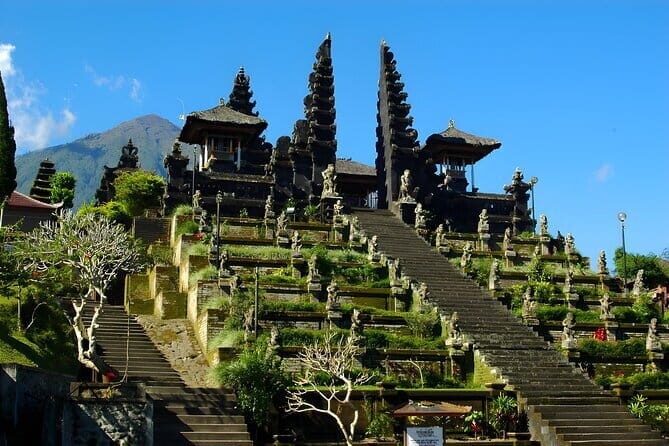
Try Scuba Diving at Tulamben Shipwreck

Try Scuba Diving at Tulamben Shipwreck - Shore-based Tulamben setup: what “it’s from the beach” means

Two wreck visits, one beginner-friendly day. The star is the USAT Liberty, a WWII shipwreck later pushed into the ocean after a volcanic eruption, and you’ll see different parts of it across two separate underwater sessions.

I like the small instructor-to-student setup (each scuba instructor works with a maximum of two participants), which makes it feel controlled and calm. I also appreciate the fact that there’s no scuba certification required, so you can try the experience with proper guidance and full gear support.

The one thing to think about: the day runs early and the travel to Tulamben takes time, and you’ll need to be comfortable in the water and pass a basic health questionnaire first.

Key things I’d mark on your planning map

Try Scuba Diving at Tulamben Shipwreck - Key things I’d mark on your planning map

  • Beginner-friendly format with no certification needed for this try-it program
  • Max two participants per instructor, which keeps instruction personal
  • Two separate shore-based underwater sessions at the USAT Liberty wreck (different sections)
  • Pickup and drop-off from multiple Bali areas, plus beachside lunch included
  • Gear and safety equipment provided, so you’re not hunting snorkel/scuba rentals
  • Vegetarian or vegan lunch options available if you tell them when booking

USAT Liberty wreck: why this one-day try feels so real

Try Scuba Diving at Tulamben Shipwreck - USAT Liberty wreck: why this one-day try feels so real
If you’re excited by shipwrecks, Tulamben is one of Bali’s most talked-about places for a reason. The main attraction here is the USAT Liberty, a large WWII-era vessel that ended up on the seabed after major natural forces pushed it into the ocean. What makes it special for a first-time scuba try is that you’re not just “seeing water.” You’re getting a guided look at a wreck that has structure, history, and clear landmarks underwater.

You’ll do two underwater sessions that explore different sections of the ship. That matters because a wreck is easier to understand when you’re not seeing everything at once. You get time to settle in during the first session, then return for a second look with better comfort and context.

This is also a place where the pacing stays practical. You’re not expected to be an expert diver. You’re expected to be a calm, teachable participant who can follow directions while you go underwater.

Pickup windows from Kuta, Seminyak, Nusa Dua, and Sanur

This experience is built around transport, and that’s a big deal in Bali where travel times can swing depending on traffic. Your day typically starts with a morning pickup from your area—options include Kuta, Legian, Seminyak, Nusa Dua, and even remote-area pickup, with another pickup route for Sanur.

Then the clock starts moving: you’ll head to Tulamben and reach the wreck area by late morning. In other words, you’re not spending your whole day sitting around. You’re doing the travel, then you’re getting straight into instruction and the first underwater session, followed by lunch and the second session.

A quick planning tip: even if pickup is smooth, you’ll still want to treat the whole day as early-to-mid-afternoon. This isn’t a late-morning activity you can casually roll into.

Shore-based Tulamben setup: what “it’s from the beach” means

Try Scuba Diving at Tulamben Shipwreck - Shore-based Tulamben setup: what “it’s from the beach” means
You’ll be working from a shore-based setup. That’s different from some deeper-water experiences that use boats. Here, you’ll do a beach launch style, which tends to feel simpler for first-timers because the environment is familiar and the entry is straightforward.

The good part for you: shore-based sessions often mean less time organizing yourself on a boat, fewer moving parts, and easier logistics. The practical downside: you still need to be comfortable with entry, mask setup, and moving through the water calmly with your instructor.

Also, since this is a beginner try program, the staff plan for safety and teaching. You won’t be left to figure things out alone. Each instructor accompanies up to two participants, so you can ask questions and get corrections fast.

Two underwater sessions at different USAT Liberty sections

Try Scuba Diving at Tulamben Shipwreck - Two underwater sessions at different USAT Liberty sections
Your day is designed around two separate visits to the wreck site.

First underwater session: This is usually where you focus on comfort—breathing, buoyancy basics, and getting used to the feel of moving underwater while following your instructor’s cues. It’s the session that helps you stop thinking about gear and start noticing the ship details.

Lunch break: After the first session, you’ll get time on land. There’s beachside lunch included, plus mineral water. You’ll also have a moment to cool down, dry off, and swap out any wet clothing. If you told them you want vegan/vegetarian, that’s arranged ahead of time.

Second underwater session: By now you’ve already got the routine. The second session lets you explore a different part of the wreck, so the underwater experience doesn’t feel repetitive. It’s also easier to remember what you saw first when you come back and compare sections.

One more note that matters: you’ll be guided through the day with safety in mind, and instruction is part of the package, not an extra add-on.

Instructor attention: the small-group advantage (Fifi and Soubon stand out)

Try Scuba Diving at Tulamben Shipwreck - Instructor attention: the small-group advantage (Fifi and Soubon stand out)
One of the most praised parts of this kind of try-scuba day is whether the instruction feels patient. In the comments I’m seeing a consistent theme: instructors are calm, clear, and ready to help you feel confident.

Two names that show up in the feedback are Fifi and Soubon. Both are described in a way that signals good communication and a “no panic” mindset—exactly what you want when your first few minutes underwater decide how fun the whole day feels.

That instructor-to-participant ratio is more than a nice-to-have. When it’s just two participants per instructor, you get:

  • quicker help with breathing and basic control
  • more immediate feedback if something feels off
  • less waiting and less confusion at key moments

If you’ve ever been nervous in water, that structure is a real comfort.

What’s included: gear, insurance, reef charge, and a real meal

Try Scuba Diving at Tulamben Shipwreck - What’s included: gear, insurance, reef charge, and a real meal
Let’s talk value, because the price is only half the story.

Included in your cost:

  • Round-trip pickup and drop-off from select Bali areas
  • Two shore-based underwater sessions at the wreck
  • All needed safety and scuba equipment
  • Scuba instructor support
  • Diving insurance
  • Environmental Management Charge (reef tax)
  • Morning tea or coffee at the office
  • Lunch and mineral water

Not included:

  • Sunscreen and a towel

That last line matters more than you’d think. Bring sunscreen you like (reef-friendly if you can) and plan for the fact that you’ll want a towel for drying off after the water. You’ll also appreciate a change of clothes, since you’ll be wet and you don’t want to sit in damp stuff during the ride back.

If you’re trying scuba for the first time and you’re comparing options, this package is strong because it covers the stuff that usually costs extra: gear, instruction, insurance, and the reef fee.

Price and planning: is $104.90 worth it?

Try Scuba Diving at Tulamben Shipwreck - Price and planning: is $104.90 worth it?
At $104.90 per person, this is priced like a true day experience, not a bargain “just show up” tour. For many first-timers, the main concern is hidden costs: what if you still need certification, or gear, or a bunch of add-ons?

Here, you’re getting a complete day flow: pickup, instruction, equipment, two underwater sessions, lunch, and the built-in fees for environmental management. The trip also caps group size at a maximum of 8 travelers, which usually means more attention and less rushing.

The booking timing can matter too. On average it’s booked about 11 days in advance, so if you’re going near a busy travel window, booking sooner is smart—especially if you want vegan/vegetarian lunch.

Who this wreck day suits best (and who should reconsider)

Try Scuba Diving at Tulamben Shipwreck - Who this wreck day suits best (and who should reconsider)
This experience fits best if you want:

  • a first scuba try without certification pressure
  • a structured day with strong instructor support
  • the specific goal of seeing the USAT Liberty wreck

It also helps if you’re comfortable and confident in the water. You don’t need to be a strong swimmer star, but you do need to be at ease following directions underwater.

You should also know the limits:

  • Minimum age is 10 years
  • You’ll complete a health questionnaire
  • Some medical conditions (examples given include asthma and heart conditions) may prevent you from diving, so you should check with your doctor
  • Diving within 24 hours of flying is not recommended

If you’re traveling with someone who isn’t up for scuba, one review notes a couple setup where one person tried scuba while another did snorkeling in the same outing. That’s a nice option if you want to stay together on the day, even if your water comfort levels differ.

Your day at a glance: timings you can plan around

Your start is early, with pickup depending on your area. The day typically looks like this:

  • Early morning pickup from Kuta/Legian/Seminyak/Nusa Dua/remote areas, and a later pickup route for Sanur
  • Travel to Tulamben Wreck, arriving before the first underwater session
  • First underwater session in the late morning
  • Lunch on land around midday
  • Second underwater session in the early afternoon
  • Return to Bali by late afternoon, then drop-off back to your accommodation area

This pacing is practical: two focused sessions, one lunch reset, then you’re back before the evening crowds and nightlife start.

What to bring (so you’re comfortable, not stressed)

You don’t need to bring scuba gear, but you do want a few comfort items:

  • A towel (not provided)
  • Sunscreen
  • A change of clothes for the ride back

If you’re the type who likes to keep everything organized, you might also bring a small dry bag or zip pouch for phone/cash during water time—just make sure it matches what the operator allows.

Should you book the USAT Liberty try-scuba day?

Yes—if you want a simple, beginner-friendly way to see a famous wreck with strong instructor attention, this is a great match. The package is full-service: gear, insurance, reef fee, two shore-based sessions, and lunch are all included, and the small instructor ratio is a real quality signal.

Consider skipping (or at least asking more questions first) if you’re not comfortable in the water yet, if you have a medical concern that might show up on the health questionnaire, or if long mornings and a travel-to-Tulamben day will be rough for you.

If you do book, tell them about vegan/vegetarian needs early. And do yourself a favor: pack sunscreen, bring a towel, and plan to treat the day as an early start, not a casual half-day.

FAQ

Do I need a scuba certification to participate?

No. This program does not require a scuba certification or previous training.

What’s the minimum age to try this experience?

The minimum age is 10 years.

How many people does each instructor work with?

For safety, each scuba instructor accompanies a maximum of two participants.

Where are pickups available?

Pickup is offered from select Bali areas including Kuta, Legian, Seminyak, Nusa Dua, remote areas, and Sanur. The experience also includes shuttle drop-off back to your accommodation area in those zones.

What’s included in the price?

Hotel pickup and drop-off (from the listed areas), diving insurance, environmental management charge (reef tax), morning tea or coffee, lunch and mineral water, all necessary scuba and safety equipment, two shore-based underwater sessions, and a professional scuba instructor.

Do I need to bring anything?

You should bring a towel and a change of clothes. Sunscreen is not included.

Are there any food options besides standard lunch?

Yes. Vegan and vegetarian options are available if you advise the operator at the time of booking.

Is there a health check or medical restriction?

Yes. You’ll complete a health questionnaire before diving, and some pre-existing medical conditions (examples given include asthma and heart conditions) may prevent you from participating, so check with your doctor if needed.

Cancellation

If you cancel up to 24 hours in advance of the experience start time, you get a full refund. Canceling less than 24 hours before the start time isn’t refunded.

Private Tour: Bali Temple and Countryside Tour

Private Tour: Bali Temple and Countryside Tour - Bali Butterfly Park: A Forest Walk With Rare Insects

Bali north feels like a reset button. This private day mixes rare wildlife at a butterfly park with calm temple stops and the big views of UNESCO Jatiluwih rice terraces. You also end with the famous Ulun Danu Bratan Temple on the lake, so the day has a nice “story” from forest to farms to water.

What I like most is that you get a private guide and car, so you are not stuck in a slow group shuffle. I also like that entrance fees are included for the stops, which makes budgeting easier when you are coming from Kuta. One thing to consider: lunch is not included, and that on-site meal can cost more than you expect.

Key things to know before you go

Private Tour: Bali Temple and Countryside Tour - Key things to know before you go

  • A full private circuit: butterfly park, Luhur Batukaru Temple, Jatiluwih terraces, and Ulun Danu Bratan
  • UNESCO time at Jatiluwih: you get a real feel for the subak irrigation system
  • Temple-and-view pacing: you will spend meaningful time at each site, not just a photo stop
  • Drive time is real: the day is about 8 to 10 hours, based on your hotel and traffic
  • Bring light layers: the mountain area can feel cooler, and a sweater or jacket helps

Why This Private North Bali Loop Makes Sense From Kuta

Private Tour: Bali Temple and Countryside Tour - Why This Private North Bali Loop Makes Sense From Kuta
From Kuta, most Bali days turn into a grab-bag of beaches or temples. This one does something smarter. It sends you north for cooler air, thicker greenery, and a mix of sacred sites tied to the island’s water and farming system.

The tour is priced at $65 per person for a private day with a driver/guide and a private vehicle. That price looks especially fair once you remember that parking, fuel surcharge, and entrance fees for the itinerary are included. You mainly have to plan for lunch, snacks, and your own drinks.

Timing matters here. Expect about 8 hours, but it can stretch to 10 hours depending on where your hotel is and traffic. You should plan for a mid-afternoon drop-off back at your hotel, not a late-night adventure.

This tour also has a wide fit: age 5 to 60. So it can work for families, though you will still want to manage patience for temple paths and walking.

Bali Butterfly Park: A Forest Walk With Rare Insects

Private Tour: Bali Temple and Countryside Tour - Bali Butterfly Park: A Forest Walk With Rare Insects
The day’s first nature stop is the Bali Butterfly Park. This place is set up for research, breeding, and preservation of butterflies and other rare insects. So it is not just a quick zoo-style photo stop. You are walking through a forest setting where the focus is on the animals and their environment.

You enter the grounds through what’s described as a magical fairy garden, then follow winding paths. The route tends to move at an easy pace, which is good if your group includes kids or anyone who tires quickly. It is also a nice way to start the day before you shift into heavier temple sights.

What to watch for:

  • Wear comfortable shoes. Even “gentle” paths can be uneven under humid conditions.
  • Bring a camera, but also leave room for your eyes. The best moments are when you slow down and let a butterfly land near you.

If you care about wildlife that is a little different from the usual Bali highlights, this stop is the one that feels most distinct.

Luhur Batukaru Temple: Quiet Stone at Mount Batukaru’s Foot

Private Tour: Bali Temple and Countryside Tour - Luhur Batukaru Temple: Quiet Stone at Mount Batukaru’s Foot
After the butterfly park, you shift into temple calm at Luhur Batukaru Temple. It sits at the foot of Mount Batukaru, which rises to 2,270 meters above sea level. That mountain height matters because it helps explain why the temple is described as being surrounded by cool natural forests.

This stop is one of those “less about crowd, more about atmosphere” places. You are not racing from gate to gate. The setting does some of the work for you. The trees, shade, and cool air make it easier to slow down and actually look.

You will spend about an hour here, which is enough for a proper walk through the temple area without turning the stop into a marathon.

A specific detail worth knowing: Luhur Batukaru features a seven-tiered tower dedicated to Mahadewa, the deity of the mountain. That gives your visit a hook. You are not just seeing a temple shape. You are seeing a symbol tied to how people understand the mountains.

If you like temples that feel more “in the forest” than “in a town,” this is a strong match.

UNESCO Jatiluwih Rice Terraces: Views Plus the Water Lesson

Private Tour: Bali Temple and Countryside Tour - UNESCO Jatiluwih Rice Terraces: Views Plus the Water Lesson
Then comes the big visual payoff: Jatiluwih rice terraces (UNESCO World Heritage-listed). This is one of Bali’s best-known rice landscapes, with over 600 hectares of terraced fields. On a clear day, the green hills can look almost unreal, because the terraces follow the contours of the land so closely.

But Jatiluwih is more than a postcard. The tour adds real context by explaining subak, an intricate irrigation system used by local farmers for centuries. If you ever wondered how rice farming works in a place with no obvious factories or modern machinery, this is where it starts to make sense.

During your time here, you will have about two hours on site. That is long enough to:

  • walk and take photos without feeling rushed,
  • look at the irrigation pattern in the fields,
  • and still have time to sit down if you need a break from the sun.

Lunch with a view (and what it costs)

You will also enjoy lunch overlooking the rice terraces. Lunch is not included in the tour price, so you should expect to pay separately. In one example, the meal was described as a bit pricey but good food. That sounds pretty typical for scenic spots, so the trick is to treat lunch as part of your budget, not as a surprise cost.

Practical advice: keep your expectations realistic. This is a viewpoint first, and a restaurant second. Still, it is a worthwhile pause if you want the terraces to be the backdrop for your meal rather than just a quick stop.

Ulun Danu Bratan Temple: The Lake-Temple You See on Postcards

Private Tour: Bali Temple and Countryside Tour - Ulun Danu Bratan Temple: The Lake-Temple You See on Postcards
The final major site is Ulun Danu Bratan Temple, set on the banks of Lake Bratan. This is widely seen as one of Bali’s icons, and it earns that reputation. The temple sits with a lakeside view and mountainous highlands in the background.

But this temple is not only about the view. It’s described as playing an important role in the worship and management of local water delivered to nearby farmers. That makes the day connect. Earlier, you learn about water management through subak at Jatiluwih. Then you end with a temple tied to how communities think about water and life.

You will have about one hour at Ulun Danu Bratan. That’s enough time to take photos, walk around at a comfortable pace, and appreciate why this is such a recognizable Bali image.

If you want one “wow” moment that feels both spiritual and scenic, this is it.

The Private-Guide Advantage (Especially on a Long Day)

Private Tour: Bali Temple and Countryside Tour - The Private-Guide Advantage (Especially on a Long Day)
A private tour is not just about avoiding other groups. It changes how your day feels. With a private driver/guide, you can adjust the pace at each stop, ask questions, and spend more time where your interests actually land.

In past experiences with this kind of tour, guides like Katut were singled out for speaking strong English and sharing detailed knowledge about the areas you visit and Bali in general. That kind of guidance matters most when you are at places like:

  • Jatiluwih, where the term subak is easy to overlook if no one explains it,
  • and temples where symbols have specific meanings, like the Mahadewa dedication at Batukaru.

Also, because this tour uses a private vehicle, you are not stuck waiting for other people’s bathroom breaks or photo sessions. When you are traveling from Kuta and trying to fit four meaningful stops into one day, that efficiency is real value.

Price, Timing, and What You Really Get for $65

Private Tour: Bali Temple and Countryside Tour - Price, Timing, and What You Really Get for $65
Let’s talk money in a practical way.

You pay $65 per person. In return, you get:

  • hotel pickup and drop-off (select hotels),
  • transport by private vehicle,
  • a driver/guide,
  • parking fees and fuel surcharge,
  • and entrance fees for every itinerary stop.

The only major item missing is lunch. So if you choose this tour, your spending plan becomes simpler: bring cash or card for lunch, drinks, and snacks.

Why it can feel like good value:

  • Jatiluwih and Ulun Danu Bratan are not tiny, quick stops.
  • Temples plus rice terraces plus a butterfly park would cost you time and money separately if you tried to arrange it all on your own.
  • The private format keeps the day from feeling like a checklist.

Why it might not be for everyone:

  • If you hate long drives, you should know this is an all-day route. The tour length is 8 to 10 hours, depending on hotel and traffic.
  • If you are traveling only for one or two “must see” places, you might prefer a shorter route.

What to Pack and How to Prepare

Private Tour: Bali Temple and Countryside Tour - What to Pack and How to Prepare
This is a practical list, not a fantasy list. To keep your day comfortable, plan for heat plus possible cooler mountain air. The guidance is to wear light, comfortable clothing and bring:

  • a small towel,
  • sunscreen,
  • sunglasses,
  • cap/hat,
  • a water bottle,
  • snacks,
  • your camera,
  • petty cash,
  • and either a sweater or jacket for cooler moments.

If you bring snacks, you can handle energy dips between stops without feeling forced to buy snacks at a premium.

Who This Tour Is Best For

This is a good fit if you want a mix of:

  • temples tied to water and farming,
  • UNESCO scenery that you actually spend time seeing,
  • and a wildlife stop that is different from typical Bali temple days.

It is also a strong option if you want your day structured but still guided. The private format helps you go at a comfortable pace while still hitting the key sites.

If you are the type who likes your travel days to feel organized and meaningful, this one delivers.

Should You Book the Bali Temple and Countryside Tour?

I’d book this tour if you want a north Bali day that connects the dots between water, farming, and spirituality. The combination of Bali Butterfly Park, Luhur Batukaru, Jatiluwih terraces, and Ulun Danu Bratan gives you variety without random detours.

I would think twice only if:

  • you want a shorter, less packed day,
  • you are very sensitive to long driving time from Kuta,
  • or you dislike paying extra for lunch at scenic spots.

If your ideal Bali day is a real tour with a plan, not just hopping in a car and hoping for the best, this private circuit is a solid choice.

FAQ

How long is the Bali Temple and Countryside Tour?

It runs about 8 hours, but it can be 8 to 10 hours depending on your hotel location and traffic.

Is hotel pickup included?

Yes, hotel pickup and drop-off are included for select hotels.

Is this tour private?

Yes. It is a private tour, so only your group participates.

What is included in the price?

The price includes parking fees, fuel surcharge, driver/guide, hotel pickup/drop-off (select hotels), private transport, and all entrance fees for the stops.

Is lunch included?

No. Lunch is not included.

What ages can join this tour?

Most travelers can participate, with an age range of 5 to 60.

How does the child rate work?

A child rate applies only when sharing with 2 paying adults.

Do I get tickets on my phone?

Yes. The tour features a mobile ticket.

What is the cancellation policy?

You can cancel for a full refund if you cancel at least 24 hours before the experience start time.

Bali Airport Transfer

Bali Airport Transfer - Getting From the Airport to Your Bali Base (Seminyak to Amed)

Bali airport transfers can be chaos. This one aims to cut the stress fast by sending a driver for a meet-and-greet pickup at Bali Ngurah Rai and guiding you to your hotel with help for luggage and an airport welcome package.

Two things I really like: you get local info plus a Bali map right at arrival (helpful when your brain is still in flight mode), and it’s a private transfer for your group (up to 5), so you’re not stuck waiting on strangers. One possible drawback to keep in mind: there have been some hard hiccups reported, including missed pickup situations, so you’ll want to stay reachable and double-check you’re at the right pickup point when the driver arrives.

Here’s the core idea: you land, you meet your driver with a sign showing your name, and you’re taken to hotels across several Bali areas. The transfer time is listed as about 3 hours, but your exact arrival time depends on where you’re staying and traffic, so I recommend treating 3 hours as an estimate, not a guarantee.

Key highlights worth planning around

Bali Airport Transfer - Key highlights worth planning around

  • Name-sign meet and greet at Ngurah Rai to help you connect quickly after baggage claim
  • Private group transfer up to 5 so you can travel together without extra waiting
  • Welcome package with local info and a Bali map for instant first-day orientation
  • Driver help with luggage and assisted check-in to reduce day-one friction
  • Coverage across popular Bali bases like Seminyak, Canggu, Ubud, and Amed
  • Mobile ticket and confirmation at booking so you have your details ready on arrival

First Minutes at Ngurah Rai: How the Meet-and-Greet Works

The best airport transfers do one job really well: they prevent you from wandering around searching for the right person. With this Bali transfer, you start at Bali Ngurah Rai Airport (Denpasar), and the process is designed for quick recognition.

After you get through arrival formalities and head into the pickup area, you’ll look for your driver waiting in the zone line holding a sign with your guest name. That sign detail matters. It’s one of those small, practical things that can save you from the usual back-and-forth with multiple drivers and confusing directions.

Once you connect, the driver is set up to handle the hands-on stuff you usually don’t want to deal with right away—luggage help and getting you moving toward your hotel. In real terms, this is how you turn a tiring arrival day into a smooth start: you spend less energy navigating, and more energy just settling into your room.

And yes, this is meant to feel like a welcome, not just transportation. Your driver is also described as bringing a welcome package that includes local information and a Bali map, plus ideas for what you can do on the island. That’s a big deal if you land without a lot of planning.

Price and Value: Why $10 per Group Can Feel Like a Deal

The price is listed as $10.00 per group (up to 5). On paper, that sounds almost too low for a private transfer. In practice, it can be a good value if you’ll truly fit within that group size and you want a direct ride without bargaining for taxis.

Here’s the value logic I’d use when deciding:

  • If you’re traveling with a small group (two friends, a couple plus a family member, etc.), the cost per person drops fast.
  • You’re paying not only for the car ride, but for the meet-and-greet structure, luggage support, and the fact that you’re going to a named hotel area without re-negotiating transport at the airport.
  • The welcome package and assisted check-in add extra “mental labor” saved. On arrival day, that’s often worth more than people expect.

The one caution is that an airport transfer is only a value if it works when you need it. The overall rating shown is 3.7 out of 5 based on 6 customer ratings, with a mix of very positive service comments and a couple of serious no-show issues. That doesn’t mean you shouldn’t book—but it does mean I’d book with your head switched on: confirm details, stay responsive, and give yourself time buffer.

Getting From the Airport to Your Bali Base (Seminyak to Amed)

Bali Airport Transfer - Getting From the Airport to Your Bali Base (Seminyak to Amed)
This transfer isn’t limited to one small corner of Bali. The drop-off options listed include a wide range of popular areas, such as Seminyak, Kuta, Legian, Canggu, Ubud, Amed, Jimbaran, Tanjung Benoa, Nusadua, Uluwatu, and Candi Dasa.

That matters because your hotel “base” determines:

  • How simple your first-day logistics are (no hopping between areas).
  • How likely you are to want to keep your plans flexible for the rest of the trip.
  • How long the ride may feel once you include traffic.

One thing I’d emphasize as you plan: the transfer duration is listed as about 3 hours (approx.). Since your destination can be anywhere from Seminyak/Canggu side to Ubud or Amed side, your time can vary. I treat the stated duration as a starting point, not a promise, especially if you’re arriving at busy hours.

If your hotel is in one of these listed areas, this service is basically designed for you: you land, connect with your driver, and go straight to your accommodation area without extra sorting.

Assisted Check-In and the Welcome Package You’ll Actually Use

Most airport rides end with a car dropping you at the curb. This one tries to do a bit more.

You can expect:

  • Assisted check-in at your lodge/hotel
  • Help with getting you to where you need to be inside the property
  • A welcome package for local information, a Bali map, and activity suggestions

Even if you’ve traveled before, arrival-day decisions are tiring. Will your room be ready? Where do you pick up breakfast? Which street is easiest to find? A welcome package won’t solve everything, but it helps you start asking better questions faster.

The Bali map and local info are especially practical if you’re staying in a resort-heavy area like Seminyak or Canggu where you may want to explore on foot or by scooter later. And the activity ideas can help you pick a first day plan that makes sense with jet lag and the time you actually have before dark.

One more small but useful detail: you’re described as being picked up from the airport area where the driver waits with a name sign. That reduces the chaos of scanning the crowd after a flight.

Timing, Traffic, and the 3-Hour Reality Check

The transfer duration is listed as about 3 hours, and that word—approx—should guide how you plan the rest of your day.

Bali traffic can move slowly, and distances can add up quickly when you’re heading between popular areas. So if you’re planning a booked activity the same day (especially one with a strict start time), I’d keep some breathing room.

Here’s how to make timing work in your favor:

  • Plan your first day around a flexible schedule.
  • Treat this transfer as the “start” of your trip, not something to squeeze between other fixed appointments.
  • If you’re arriving late at night or on a tight connection, make sure you have your phone access and confirmation details handy.

The good news is that this transfer style is built for arrival-day smoothness. You’re not expected to coordinate multiple steps. You meet the driver, you ride directly, and you get help on arrival at your hotel.

The Stuff to Watch: No-Show Reports and How You Reduce Risk

A smooth transfer is the goal. Still, it’s smart to acknowledge what could go wrong so you can avoid it.

In the feedback information provided, there are a couple of low-score cases where passengers reported the driver not showing up or not being able to find them at the pickup point. One concern mentioned is communication gaps, and another is the general mismatch between where a passenger is standing and where the driver expects them to meet.

So here’s my practical prevention checklist before you arrive:

  • Make sure your booking details match your name exactly as it appears in your reservation.
  • When you reach the pickup zone, don’t wander away. Spend a few minutes waiting in the area and keep your eyes open for the name sign.
  • Stay reachable on your phone/WhatsApp if that’s how you communicated during booking.
  • If you notice something is off, address it fast rather than assuming it will resolve itself later.

Also, one detail that I think is helpful to know: in the provider responses included with the information, there’s mention of drivers being replaced when a vehicle issue came up, plus attempts to message the passenger and a promise of refund in at least one situation. That suggests they do take problems seriously when they happen—but you shouldn’t gamble with arrival-day assumptions.

If you’re the type who likes certainty, pick arrival-day buffer time. If you’re flexible and prepared, this kind of transfer can still be a strong value.

Who This Bali Transfer Fits Best

This airport transfer is best for people who want an easy start without doing the messy airport dance.

I’d point you toward it if:

  • You’re staying in one of the listed areas (Seminyak, Canggu, Ubud, Amed, and others).
  • You’re traveling with a small group, since it’s priced per group up to 5.
  • You don’t want to negotiate taxi logistics after a long day of travel.
  • You’d like a welcome pack and a driver who helps with the first steps at your accommodation.

It’s less ideal if:

  • You require absolute zero uncertainty on a very strict schedule the same day.
  • You’re traveling solo and want the cheapest option possible regardless of service structure (though in many cases $10 per group still can be competitive, depending on what you’d pay otherwise).

Overall, the service is positioned as a support transfer. That’s a good match for first-timers and for anyone who wants Bali to begin with less friction.

Should You Book Bali Airport Transfer?

If you’re landing in Bali and your goal is a smooth first day, I think this transfer is worth serious consideration—especially because of the meet-and-greet setup, luggage help, and the welcome package with local info and a Bali map.

The case for booking is strong if you fit the target use:

  • You’re staying in the supported destination areas
  • You’ll travel as a group (up to 5) and value shared convenience
  • You want an easy connection from Bali Ngurah Rai Airport to your hotel with minimal hassle

The case for caution is also real:

  • The rating shown is 3.7/5 and there are reports of no-show problems in a small set of cases.
  • Communication and correct pickup positioning matter.

My call: book it if you want convenience and you’ll follow a solid arrival routine—stay reachable, meet near the sign with your name, and keep a little buffer. If you want a transfer that feels bulletproof with no variability at all, then you may prefer to build in an extra layer of certainty (like having a backup plan for transport).

FAQ

Where does the Bali airport transfer start?

It starts at Bali Ngurah Rai Airport (Denpasar Indonesia).

How long does the transfer take?

The duration is listed as approximately 3 hours.

What areas in Bali are included for pickup-to-hotel drop-off?

The service can take you to hotels in Kuta, Legian, Seminyak, Nusadua, Tanjung Benoa, Jimbaran, Canggu, Uluwatu, Ubud, Amed, and Candi Dasa.

Is this transfer private?

Yes. It’s described as a private tour/activity, meaning only your group participates.

How many people can be in a group booking?

The price is per group (up to 5).

Do I get a ticket and booking confirmation?

You receive a mobile ticket, and confirmation is received at the time of booking.

Is there free cancellation, and what’s the weather policy?

There is free cancellation. You can cancel up to 24 hours in advance for a full refund. If poor weather causes cancellation, you’re offered a different date or a full refund.
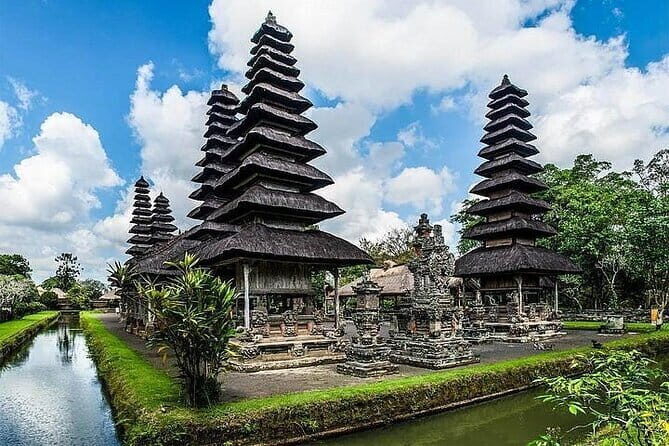
Bali Ubud & Kintamani Volcano Tour -All Inclusive

Bali Ubud & Kintamani Volcano Tour -All Inclusive - Key Highlights to Know Before You Go

Mount Batur views in one long day. This all-in-one route strings together Ubud culture, temple life, and volcanic scenery, so you’re not hopping between half-finished plans.

I like the private format and how it reduces the usual Bali hassle. You get pickup from your hotel lobby or the port, then a full day that’s planned around major stops like Monkey Forest and Kintamani’s volcano outlooks.

One consideration: it’s an 8 to 10 hour day with multiple 1-hour blocks. If you hate driving time or crowds at popular photo spots, you’ll want to manage expectations.

Two things I’d bet on

Bali Ubud & Kintamani Volcano Tour -All Inclusive - Two things I’d bet on
You’ll spend time on the iconic Ubud circuit—Sacred Monkey Forest Sanctuary and the Tegallalang rice terraces—but it’s not only about viewpoints. You also get temples and everyday Balinese life mixed in.

The other strong point is the on-the-ground guidance. In the feedback, the guide Wayan is praised for safe driving, local knowledge, and taking care of the group all day, including quick answers to questions before the tour.

A quick reality check

Bali Ubud & Kintamani Volcano Tour -All Inclusive - A quick reality check
The day includes a lot of stops that can be busy. The tour makes those stops easier by handling tickets and transport, but you still need patience for photo lines and temple rules.

Key Highlights to Know Before You Go

Bali Ubud & Kintamani Volcano Tour -All Inclusive - Key Highlights to Know Before You Go

  • Private door-to-door pickup from hotel lobby or port, with the tour ending back where you started
  • Tegallalang rice terraces plus lunch with Indonesian food served while you’re still in the green-view zone
  • Tirta Empul temple and its holy spring ritual, tied to Balinese purification beliefs
  • Kintamani Highland viewpoint for the active Mount Batur and Lake Batur panorama
  • Uma Pakel Agro Tourism for a hands-on look at tropical crops (coffee, cacao, durian, and more)
  • Admissions included across the stops, so you’re not budgeting on the fly

How the Ubud-to-Kintamani Route Fits Together

Bali Ubud & Kintamani Volcano Tour -All Inclusive - How the Ubud-to-Kintamani Route Fits Together
This tour is built like a good day plan: start in Ubud’s cultural core, then shift toward the volcano side at Kintamani. The pacing is mostly steady blocks of about an hour per stop, with short travel time between them.

You’ll also notice the tour isn’t just one theme. You get craft, wildlife, farms, and two very different temple experiences. That mix is what makes it feel like you saw more than the headline locations.

If you’re trying to do Ubud in a single day and still want Mount Batur views, this is one of the more efficient ways to do it without stringing together multiple vendors.

Pickup from Bali Charm: Start at 9:00am and Stay Put

The day begins at 9:00am, with pickup from your hotel lobby or the port. A driver and guide handle the handoff, so you can start with less logistical thinking.

The tour ends back at the meeting point you started from. That’s a small detail, but it matters if you want an easy close to your day rather than arranging a separate return ride.

This is a private tour, meaning it’s only your group. That can be a huge quality-of-day factor when the route includes busy attractions like Monkey Forest.

Pura Puseh Desa Batuan: A Temple Stop with Carving Details

Bali Ubud & Kintamani Volcano Tour -All Inclusive - Pura Puseh Desa Batuan: A Temple Stop with Carving Details
First up after pickup is Pura Puseh Desa Batuan. This temple is described as having a strong mix of history and Balinese carving, and it’s the kind of place that doesn’t feel like a roadside “checklist” stop.

Why it’s worth your time: temple architecture in Bali is a language. Even without going deep into theory, you can see the care in the stonework and layout, and it sets a calmer tone after the morning drive.

The drawback is simple: it’s still a temple. That means you’ll want to follow dress and etiquette rules. The tour includes admission, so you’re not juggling ticketing, but you still need the right mindset—quiet respect beats rushing photos.

Celuk Village Art Stop: Silver and Other Crafts Along the Way

Next is Celuk Village, an art village tied to fine craft. The tour description also calls out other commonly visited craft areas depending on the route—like Batubulan for batik, Mas for wood carving, or Batuan for painting—but your scheduled stop here is Celuk.

What you should expect from this kind of stop: demonstrations or showrooms where artisans and sellers explain materials and process. Even if you don’t buy, it helps you understand Bali beyond souvenir racks.

A practical tip: if you do browse, treat it like a showroom. Ask questions. Compare what’s being made and how it’s finished. Prices can vary a lot, and your bargaining style should match the product quality you’re seeing.

Sacred Monkey Forest Sanctuary: Iconic, Fun, and a Little Wild

Bali Ubud & Kintamani Volcano Tour -All Inclusive - Sacred Monkey Forest Sanctuary: Iconic, Fun, and a Little Wild
Then you get the star name: Sacred Monkey Forest Sanctuary in Ubud. The tour is positioned as a chance to explore the beauty of the Monkey Forest with groups of monkeys and other tropical animals.

Here’s what I’d plan for. This is a place where animals are part of the attraction. That means you should expect behavior that’s normal for a sanctuary and not “theme park polite.”

Do yourself a favor: keep bags secure, avoid sudden movement, and don’t try to pose inches from monkeys just because the photo looks easy. If you want calmer photos, go slower and watch where the monkeys are actively moving.

One more point: the tour notes Monkey Forest has an important function related to continuity. That’s a reminder that this isn’t only entertainment—it’s also part of local life and belief. Being mindful during your visit makes the whole hour feel more meaningful.

Tegallalang Rice Terraces and Lunch: The View Stop That Works

You’ll hit Tegallalang rice terrace, and the tour builds in time for lunch there with an Indonesian menu. This is one of the best “value per minute” moments of the day because you’re paying for more than a view—you’re getting a meal while you’re already in the right scenery.

Why Tegallalang matters: it’s a famous terracing landscape, and the way the fields are arranged on hillsides creates those classic layered photos. You’re also seeing rice farming as an active landscape, not a staged set.

The only drawback is timing. Rice terraces are popular, and that can mean busier walkways. If you want the best photos, go with the flow for the first part of the stop, then shift your angles for the quieter moments.

Uma Pakel Agro Tourism: Coffee, Cacao, Durian, and More

After Ubud’s cultural sights, the tour turns practical at Uma Pakel Agro Tourism. The description is specific about tropical crops you can see, including robusta coffee, pineapple, Balinese snake fruit (salak), Balinese potatoes, cacao, jack fruit, durian tree, and other fruits.

This stop works well for two types of travelers:

  • Those who want something lighter than temples and monuments
  • Anyone curious about how Bali’s daily food and flavor starts on small farms

You’re likely to get a guided explanation and a feel for what grows locally. Even if you don’t eat every sample, you’ll walk away with names you can recognize later at markets.

Keep your expectations realistic: agro tourism is not a museum. It’s an active farm-and-plantation setting, so wear comfortable shoes and expect that it’s a bit warm and active.

Kintamani Highland: Active Mount Batur and Lake Batur Views

Now you head into Kintamani Highland for the big scenery moment: views of active Mount Batur and Lake Batur. The tour also mentions Penelokan, known for a combined view of Mount Batur and black rock.

This is where the day earns its name. If you’re choosing one “volcano viewpoint” day from Bali, this stop is the most direct way to do it without a complicated itinerary.

One consideration: mountain views depend on weather and cloud cover. On clear days, it’s dramatic. On hazy days, it can still be interesting, just less sharp.

If you want photos, bring patience and a willingness to wait for small breaks in visibility.

Tirta Empul Temple: The Holy Spring Purification Stop

Next is Tirta Empul Temple, described as the holy spring temple where Balinese worshippers come for purification of the body from bad luck, based on local beliefs.

This is a very different tone from the volcano viewpoint and even from Ubud’s Monkey Forest. You’re seeing ritual water and religious practice in a way that’s more “live ceremony” than sightseeing.

If you visit, the key is respect. Watch how others do things. Keep a respectful distance during purification activity. This is the kind of stop where quiet observation can be more satisfying than trying to capture every moment on camera.

You also get about an hour, which is a good length: enough time to see what’s happening without turning it into a rushed photo session.

Second Tegallalang Rice Terrace Stop: Why You Might Get Another Look

The itinerary lists Tegallalang Rice Terrace again as a later stop. In a practical sense, that can mean a second time to explore the terrace area from another angle, or simply a longer window to work with crowds and timing.

For you, the benefit is flexibility. If the first visit is busy when you arrive, the later reappearance can sometimes give you better photo odds or a calmer stroll.

The tradeoff is repetition. If you already feel “I got the shot,” you may want to focus your second visit on walking the edges, taking a slower pace, and checking out a different view line rather than redoing the same path.

Value and Price: What $75 Is Really Buying

At $75 per person, the tour is priced as a budget-friendly way to cover a lot of ground in one day. What pushes the value higher is that it’s not just transport.

Your price includes:

  • Lunch
  • All entrance fees to the sites you visit
  • Parking fees and fuel surcharge
  • A driver cum English or Japanese speaking guide
  • Admission ticket entry for multiple stops

For many visitors, the hidden cost on Bali day tours is the “extras”: separate tickets, separate meals, and multiple transfers. Here, those parts are bundled, so you’re less likely to get surprised mid-day.

The best value tip: this tour is most worth it if you actually plan to go to the major stops listed. If you skip parts because you’re tired or the crowds are too much, the bundle loses some of its advantage.

Guide and Driving Quality: The Wayan Factor

The strongest praise in the feedback centers on the guide Wayan. The comments highlight safe driving, excellent local knowledge, and looking after the group through the whole day—not just dropping you at the next location.

That matters because this route has busy nodes and schedule pressure. A good guide helps you move efficiently, time your visits, and interpret what you’re seeing. When the driver is safe and the guide is responsive, your day feels smoother and less stressful.

Also noted: quick replies to questions before the tour and an accommodating attitude once you’re on the ground. That kind of communication is especially helpful when you’re trying to line up temple etiquette, timing, and what to expect at each stop.

Who This Tour Suits Best (and Who Might Skip It)

This is a good fit if you want:

  • A single-day plan that covers Ubud + Kintamani
  • Iconic sights like Monkey Forest and Tegallalang
  • One volcano viewing moment at Mount Batur
  • Included admissions and lunch so your day runs with fewer financial interruptions

It may be less ideal if you:

  • Prefer slow travel with lots of downtime
  • Hate wildlife areas (even in sanctuaries)
  • Don’t want a packed schedule with multiple photo stops

For most people, the private format softens the downsides. You can adjust pacing to your group while still hitting the route’s major wins.

Should You Book This Bali Ubud & Kintamani Tour?

I’d book it if you’re aiming for a well-rounded Bali day: temples, farms, Ubud icons, and Mount Batur views—without spending your vacation time figuring out tickets and transport for each stop.

I’d pass or rethink it if you’re the type who wants only one or two big attractions and then peace and quiet. The itinerary is full, and the popular stops are popular for a reason.

If you do book, set yourself up for success:

  • Wear comfortable shoes for terraces and temple areas
  • Bring a plan for sun and heat
  • Keep expectations realistic about crowds and weather at viewpoints
  • Ask your guide how to handle Monkey Forest respectfully so your hour feels safe and fun

FAQ

What time does the tour start?

The tour starts at 9:00am.

Where does pickup happen?

Pickup is offered from your hotel lobby or from the port.

How long is the Bali Ubud & Kintamani tour?

The duration is about 8 to 10 hours.

What’s included in the $75 price?

The price includes lunch, parking fees, fuel surcharge, and all entrance fees to the sites visited. It also includes an English or Japanese speaking driver cum guide.

Is this a private tour?

Yes. It’s a private tour/activity, and only your group participates.

Which locations will we visit?

You’ll visit Bali Charm pickup, Pura Puseh Desa Batuan, Celuk Village, Sacred Monkey Forest Sanctuary, Tegallalang Rice Terrace, Uma Pakel Agro Tourism, Kintamani Highland, Tirta Empul Temple, and another Tegallalang Rice Terrace stop.

Do I need a ticket, or do I get one digitally?

You get a mobile ticket.

Matasidhi Sacred Love Blessing

Matasidhi Sacred Love Blessing - Price and timing: what you’re getting for $172 per person

This is not the usual Bali dinner-and-a-temple stop. You’re stepping into a Balinese/Hindu-inspired Homa Yajna fire blessing and/or Bebayuh cleansing designed around love, letting go, and making fresh intentions as a couple.

I especially like that the ceremony isn’t just symbolic fluff. You also get a karmic reading by a Balinese shaman focused on your relationship path and advice. Another strong point: multiple couples noted the experience felt well organized, with clear explanations and a thoughtfully prepared ceremony look—dress and hair styling included.

One consideration: the vibe can be very emotional and spiritual. If you prefer light sightseeing only, or you feel uneasy about anything involving an animal release, this may not be your cup of calm.

Key highlights worth clocking before you go

Matasidhi Sacred Love Blessing - Key highlights worth clocking before you go

  • Homa Yajna fire ceremony: a sacred healing ritual drawn from ancient Vedic texts, used to let go and set new intentions
  • Bebayuh cleansing offering: designed to release negative energies and refresh your relationship promise
  • Couples karmic reading: a relationship-path read plus advice from a Balinese shaman
  • Animal release with good karma intent: a compassionate way to close the experience
  • Private, focused format: only your group participates, with pickup offered
  • Set up for the moment: couples reported the ceremony location and prepared look (outfit and hair) felt perfect

How this couples blessing works (and why it’s not just “a ritual”)

Matasidhi Sacred Love Blessing - How this couples blessing works (and why it’s not just “a ritual”)
In Ubud, love can be treated like something practical. This experience frames romance as a spiritual journey: you work on what’s in the way, you purify what’s heavy, and you set intentions for what you want next.

The main ceremony is either Homa Yajna or Bebayuh (or you may experience both, depending on how the blessing is set up for you). Homa Yajna uses a sacred healing fire tied back to ancient Vedic texts. The goal is to help you release unwanted aspects in life and bring in new intentions and a fresh start.

Bebayuh is the cleansing side. The name comes from the Balinese word Bayuh, meaning cleanse and purify negative energies. In a couples blessing, it’s also about renewing your promise together—less about grand speeches and more about resetting your emotional and spiritual “baseline.”

Price and timing: what you’re getting for $172 per person

Matasidhi Sacred Love Blessing - Price and timing: what you’re getting for $172 per person
At $172 per person for about 5 hours, this sits in the “more than an ordinary ticket, less than a multi-day retreat” category. The value comes from the combination: a private couples ceremony, pickup offered, and time with a Balinese shaman for a relationship-path karmic reading.

Also, plan ahead. The average booking window is about 42 days in advance, so if you’re traveling in a busy season, don’t wait until the last week. You’ll start at 2:00 pm and return to the meeting point by the end, which helps you keep the rest of your afternoon/evening organized.

One practical point: you’ll receive confirmation at booking, and the experience uses a mobile ticket. That’s helpful in Bali, where you’ll often be walking, waiting, and switching plans on the fly.

Meeting at Puri Ubud: getting ready for a ceremony moment

Matasidhi Sacred Love Blessing - Meeting at Puri Ubud: getting ready for a ceremony moment
You meet at Puri Ubud in Ubud, Gianyar Regency, Bali. The experience runs about five hours total and ends back at Puri Ubud.

What I like about starting at a clear meeting point is that you can arrive thinking like a guest, not like a logistics intern. You’ll be guided into the ceremony with enough structure that you know where to stand, what to do, and when.

One standout from the best feedback: couples described the whole lead-in as gentle and welcoming, with smiles and kind handling that made it easy to settle in. They also mentioned the ceremony look—dress and hair styling—and a special-feeling location.

That matters more than people expect. When you look and feel prepared, you stop overthinking and you can actually take part in the moment.

Homa Yajna fire healing: letting go and setting new love intentions

If your couples blessing includes Homa Yajna, you’ll be part of a sacred fire healing ceremony. This ritual is described as originating from ancient Vedic texts, and it’s used to help people release what they don’t want to carry anymore.

In a couples context, the meaning is straightforward. You’re not just doing something romantic-looking. You’re working with the idea that your relationship is affected by mental and emotional weight, plus the energy you bring into daily life.

During the ceremony, expect a guided flow that links the fire ritual with intention-setting. The theme is: release unwanted patterns, then call in new intentions and new life. It’s a very “clean slate” philosophy, even though the ceremony itself is rooted in deep tradition.

What to watch for

If you’re hoping for a quick photo op, this isn’t that. It’s built to be taken seriously. You’ll want a calm mindset and a willingness to sit with feelings that might show up.

If you’re expecting a Western-style “talk,” you’ll be surprised. This is a ritual experience. Understanding the symbolism comes from the explanations you’re given, plus the rhythm of the ceremony itself.

Bebayuh cleansing offering: purifying negative energies as a couple

Bebayuh is the cleansing offering side. It’s tied to the Balinese concept of Bayuh—cleansing and purifying negative energies—so positivity can come through and you can become a truer joyful, conscious version of yourselves.

For couples, Bebayuh is also about promise. The blessing renews your commitment to each other, but in a spiritual way: you’re aligning your bond with a more positive energy path.

What I find useful about this part is that it doesn’t treat conflict as a mystery. It treats it like something that can be purified. That framing can be comforting if you’re dealing with recurring tension, repeating cycles, or simply feeling emotionally “stuck.”

A note for sensitive souls

Because it’s a purification-style ritual, it can feel intense emotionally. Several couples described the experience as very emotional and profound, with a deep pull toward the heart of things. If you prefer a strictly light tone, you might still enjoy it, but you’ll have to adjust your expectations.

The karmic reading with a Balinese shaman: relationship-path advice

After Homa Yajna / Bebayuh, the experience shifts into a karmic reading session led by a Balinese shaman. This is specifically meant to read your relationship path and provide advice.

This is the part that turns the blessing from a shared moment into something you can use. Even if you don’t take everything literally, the practical value is in the guidance—especially if you want language for obstacles and luck patterns as a couple.

You’re aiming to understand:

  • your obstacles together
  • where your relationship luck might be coming from
  • what advice could help you move forward

And yes, it’s still spiritual. But it’s presented as relationship-focused, not generic self-help.

One of the praised aspects was that couples received all the explanations about the rite. That same kind of clarity tends to matter here too: you’ll want the reading to feel understandable, not like random fortune-telling.

How to get the most out of it

Go in with a specific intention, not just vague romance vibes. Think about what you want to improve, what you’re repeating, and what you want the next chapter of your relationship to feel like.

Animal release for good karma: compassionate closure

Matasidhi Sacred Love Blessing - Animal release for good karma: compassionate closure
The experience finishes with animal release, described as a compassionate act to sentient beings meant to bring good karma and fortune.

This part has a clear intention: you’re ending the blessing with an act of kindness, not just words. If the ceremony already feels heartfelt, this final action is built to land emotionally.

Consideration

If you’re very sensitive about animals or ethically uncomfortable with release-style practices, this is the one moment to think hard about. The only thing you can truly do is be honest with yourself before you go.

What the private format changes for couples

This is a private tour/activity. Only your group participates. That sounds like a small detail, but it changes everything about how a spiritual experience feels.

You’re less likely to feel rushed. You’re more likely to get time for questions. And you don’t have to manage a shared group’s energy while you’re trying to focus on your relationship.

Many couples also said they felt immediately comfortable thanks to how they were welcomed. In a private format, that kind of personal attention can feel easier to accept and harder to miss.

Who should book this (and who might not love it)

This experience is for couples in love or in a romantic relationship who want more than standard Bali sightseeing. If you’re celebrating a milestone, working through a rough patch, or just want a “we’re choosing each other again” ritual moment, it fits well.

You might also like it if:

  • you want a culturally grounded ceremony in Ubud
  • you enjoy spiritual practices as part of travel, not as an add-on
  • you appreciate being guided and explained what’s happening
  • you value emotional experiences over just taking photos

You might skip it if:

  • you want a light, casual afternoon
  • you get uncomfortable with very emotional settings
  • you’re uneasy about the animal release component

The best way to prepare: mindset beats outfits

You’ll likely be given or prepared with a ceremony look, including outfit and hair styling based on positive feedback from couples. Still, bring your own readiness.

Before you go:

  • arrive on time, because the start is 2:00 pm
  • keep your schedule open for the full 5 hours, since this is a process, not a quick ceremony
  • set a couple intention in plain language (something you can remember during emotional moments)

If you want the karmic reading to feel useful, come with the relationship topic you most want clarity on. That turns the advice into something actionable afterward.

Should you book Matasidhi Sacred Love Blessing in Ubud?

If you and your partner want a real couples ceremony—not just a temple visit—this is a strong choice. The combination of fire healing or cleansing, a relationship-focused karmic reading, and a heartfelt closing action is exactly the kind of structured spiritual experience that can feel meaningful for both of you.

I’d especially recommend it if you care about:

  • emotional depth
  • clear explanations
  • a well-managed, private couples setting

Skip it only if you want totally casual sightseeing or if the animal-release element would make you tense. If you can meet the day with an open mind and a steady heart, this one has a way of turning into a special memory fast.

FAQ

Where is the Sacred Love Blessing held?

The meeting point is Puri Ubud in Ubud, Gianyar Regency, Bali, Indonesia. The activity ends back at the meeting point.

What time does it start?

The start time is 2:00 pm.

How long does the experience take?

It runs for approximately 5 hours.

How much does it cost?

The price is $172.00 per person.

Is pickup offered?

Yes, pickup is offered.

Is it a private experience?

Yes. It is private, meaning only your group participates.

Do I need to bring a printed ticket?

You get a mobile ticket.

Is the ceremony for couples only?

Yes. It’s designed for couples who are in love or in a romantic relationship.

What happens during the ceremony?

You can expect a couple blessing based on either Homa Yajna (fire healing ceremony) or Bebayuh (cleansing offering). After that, there is a karmic reading by a Balinese shaman focused on the relationship path and advice, and then an animal release.

Is cancellation allowed?

Yes, free cancellation is available. You can cancel up to 24 hours in advance for a full refund.
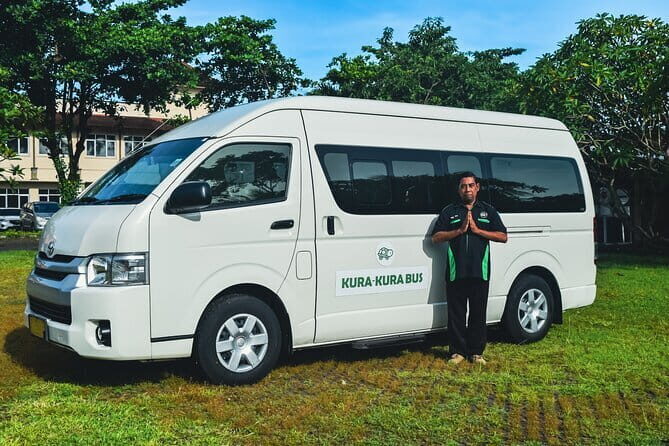
Is this experience suitable for most people?

The information provided says most travelers can participate.