Bali Airport Transfers | Bali Airport Welcome pick up | Bali Airport Taxi

Bali Airport Transfers | Bali Airport Welcome pick up | Bali Airport Taxi - Comfort and Included Extras: Small Stuff That Helps Immediately

Landing in Bali can feel like sprinting. This transfer aims to turn it into a straight line. The appeal is simple: you skip the shuffle, get a name-sign meet and greet, and ride direct to your hotel or villa with no drop-offs for other passengers.

I like that you can pick from a lot of time slots and they’re listed as precise to within the half hour. I also like the small comfort extras included from the start, like bottled water and an A/C vehicle.

One thing to watch: if your flight is delayed or road traffic spikes, you may still end up waiting. A couple of reviews mention late arrivals and a missed meet-and-greet moment, even when the driver was friendly once they showed up.

Key things I’d bank on before you book

  • Direct, private ride: no stops to drop off other travelers.
  • Name sign greeting: reduces the risk of passing the wrong person.
  • Half-hour timing precision: easier planning after customs and baggage.
  • Includes chilled basics: bottled water plus an A/C vehicle.
  • Experience varies with traffic: peak periods can create real delays on the airport approach.

From Ngurah Rai to Your Hotel: The Real Point of This Transfer
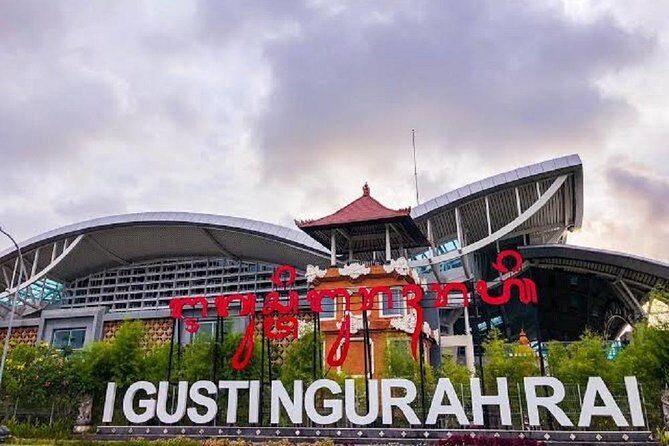
Bali Airport Transfers | Bali Airport Welcome pick up | Bali Airport Taxi - From Ngurah Rai to Your Hotel: The Real Point of This Transfer
This is a prebooked Bali airport pickup designed to get you from Ngurah Rai International Airport to where you’re staying, mostly in central-to-south Bali. The stated service area includes Seminyak and nearby areas like Legian, Kuta, Canggu, Uluwatu, Jimbaran, and Nusa Dua, plus Ubud. That’s a big deal because it covers the most common “first base” neighborhoods for a first trip.

What makes this setup especially practical is the direct nature of the ride. Instead of shared transport (or that classic game of, Who’s with whom?), you’re going point-to-point. When you’re tired, carrying luggage, and still trying to read street signs in a new language, less complexity equals less stress.

Also, the booking promise is clear: your driver will meet you at the airport holding a sign with your name. In theory, that’s what you want most after a long flight—get your bearings fast, not wander the pickup area.

The Ride Itself: How Long It Usually Takes (and Why That Matters)

The transfer time is listed as 1 to 4 hours depending on where you’re headed. That range isn’t just filler. Bali’s geography and traffic can make the difference between a quick arrival and a long sit—especially if you’re traveling from the airport into more gridlocked zones.

Here’s the practical way to think about it: if you’re staying in or near Seminyak/Legian/Kuta, you’re likely closer to the “short end” of the timing. If you’re going toward Ubud, you should plan for a more patient rhythm. Either way, the benefit is still the same: you’re in an A/C car with a private driver rather than waiting around for something to fill up.

Duration also links to your decision about which pickup time to choose (more on that in the timing section). If you select too early, you could end up feeling rushed while you go through customs and collect luggage. If you select too late, you might worry about your driver waiting. The sweet spot is choosing a time that matches how long your personal arrival process usually takes.

Meet-and-Greet, Without the Guesswork (Most of the Time)
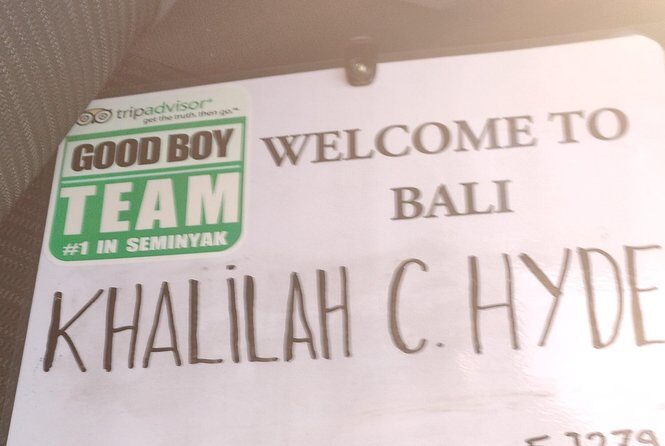
Bali Airport Transfers | Bali Airport Welcome pick up | Bali Airport Taxi - Meet-and-Greet, Without the Guesswork (Most of the Time)
The core promise here is a name sign greeting at Bali’s Ngurah Rai Airport. In plain terms, that reduces the classic airport pickup problem: you shouldn’t have to guess which driver is yours.

One review highlights the positive version of this. A passenger described a friendly driver named Putu who showed up even after an arrival that included late landing and a long customs wait, and they said they’d book again to drive around the island. Another positive review praised professionalism and noted a clean car plus cold water being provided.

But it’s also fair to acknowledge the less-perfect side. One review gave a low rating because the driver was 45 minutes late and the meet-and-greet was not as advertised. The passenger had to stand outside waiting. Another low rating complaint centers on timing expectations tied to flight arrival and customs time.

So how should you handle this as a real-world traveler? Plan for the possibility of delays on busy days. And when you book, double-check that the hotel/villa address and name are exactly what your driver needs. The information says they’ll provide the address and clearly show the hotel name, and they’ll escort you to the door of the destination hotel/villa. That door-to-door finish is part of why private transfers are worth it.

Comfort and Included Extras: Small Stuff That Helps Immediately
Bali Airport Transfers | Bali Airport Welcome pick up | Bali Airport Taxi - Comfort and Included Extras: Small Stuff That Helps Immediately
This transfer includes several basics that make the first hour feel more human:

  • Air-conditioned vehicle
  • Bottled water
  • Fuel surcharge
  • Parking fees
  • Private transportation

It doesn’t include a meal, so you’ll still want to plan for food once you’re settled. But the included water is a smart touch. After you’ve been in airport lines and then stepped into Bali humidity, you’ll be grateful for a cold drink instead of needing to hunt for one.

The A/C matters too. Bali heat can turn a simple pickup into a sweat session. An A/C car means you can cool down before you even start thinking about check-in, money exchange, or where your SIM card situation stands.

From the review summaries, the “best shuttle service” comment mentioned both cold water and a clean car. That matches the included list and suggests the standard isn’t just theoretical.

Timing Reality Check: Half-Hour Slots Meet Real Traffic
Bali Airport Transfers | Bali Airport Welcome pick up | Bali Airport Taxi - Timing Reality Check: Half-Hour Slots Meet Real Traffic
The booking system offers wide range of time slots and says the booking is precise to within the half hour. That’s useful because it helps you line up with your arrival schedule after customs and baggage.

However, timing isn’t just your flight time. Traffic around airport access roads can swing hard. One response to a late pickup complaint specifically mentions an unexpected truck accident that caused significant traffic delays. That’s a reminder: even when you choose the right time, you can still lose time to road incidents.

So here’s the approach I’d recommend:

  1. Choose your pickup time with customs and bags in mind, not just the scheduled landing time.
  2. If you’re aiming to minimize waiting, don’t forget that airport processes can vary.
  3. On peak season days (the response mentions August as peak), build a little buffer into your plan.

One review detail that really nails the tension: someone landed at 7:50am, booked pickup for 8:30am, and wanted to ensure the driver wouldn’t wait too long. Their frustration suggests that the “buffer” question is real. You want enough time to handle customs without losing your driver too long. The transfer’s half-hour precision should help, but your own timing will still matter.

Price and Value: Is $15 Per Person Worth It?
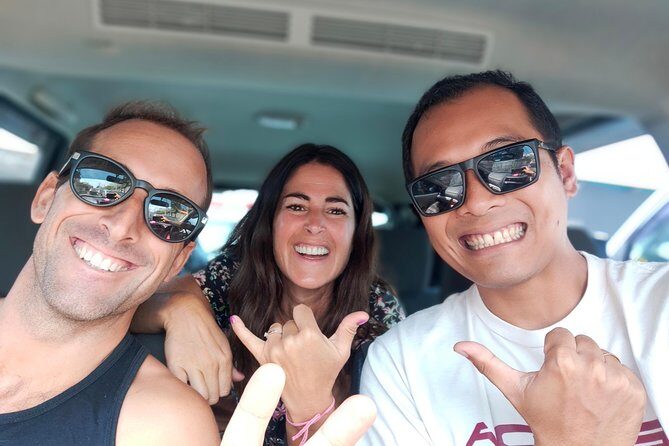
Bali Airport Transfers | Bali Airport Welcome pick up | Bali Airport Taxi - Price and Value: Is $15 Per Person Worth It?
At $15.00 per person, this feels like a strong option for a private airport transfer—especially because it’s structured to be direct, and because it includes A/C and bottled water. It also mentions group discounts, which can make the price even more sensible if you’re traveling with someone.

But here’s the honest value math from a traveler perspective: you’re paying for time saved and decisions avoided. If you’ve ever taken a shared ride after a long haul, you know the difference between being in a queue of drop-offs and being in your own car headed straight to your door.

The included fuel and parking fees also reduce the chance of surprise add-ons. That’s not just money—it’s mental load. Fewer uncertainties at the start of a trip makes the whole trip feel easier.

The only real “cost” you might run into is the one that doesn’t show up on the receipt: potential delay impacts if traffic hits or if a meet-and-greet doesn’t work smoothly. Based on reviews, most experiences look positive, but you should be aware of that downside when you’re counting on an exact timeline.

Who This Transfer Fits Best (and Who Might Want Another Plan)
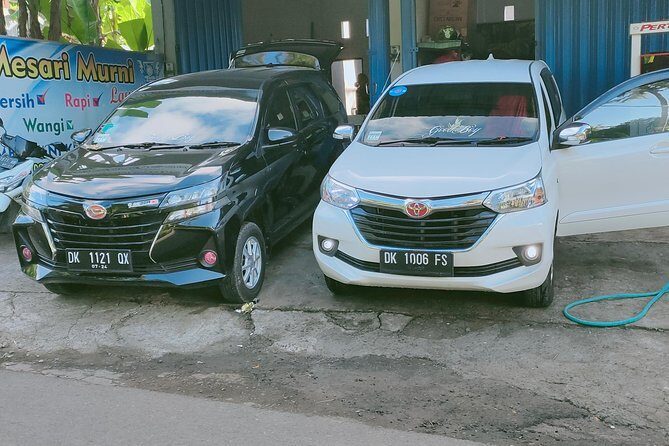
Bali Airport Transfers | Bali Airport Welcome pick up | Bali Airport Taxi - Who This Transfer Fits Best (and Who Might Want Another Plan)
This transfer is a great match if:

  • You want a private, door-to-door ride after landing.
  • You’re staying in Seminyak, Canggu, Legian, Kuta, Jimbaran, Uluwatu, Nusa Dua, or Ubud.
  • You prefer not to negotiate taxis right after customs.
  • You like the idea of a name-sign greeting so you can move on faster.

It may be less ideal if:

  • You’re extremely time-sensitive and can’t tolerate any waiting at all.
  • Your plan depends on a perfectly predictable pickup moment down to the minute.
  • You’re arriving during peak stress windows and your itinerary is rigid.

The review set also suggests that the human factor matters. A driver like Putu (friendly even with delays) can turn a stressful arrival into a smooth landing. But if the driver is late and the meet-and-greet doesn’t happen as expected, the first impression can sour fast.

Tips to Make Your Pickup Go Smoothly
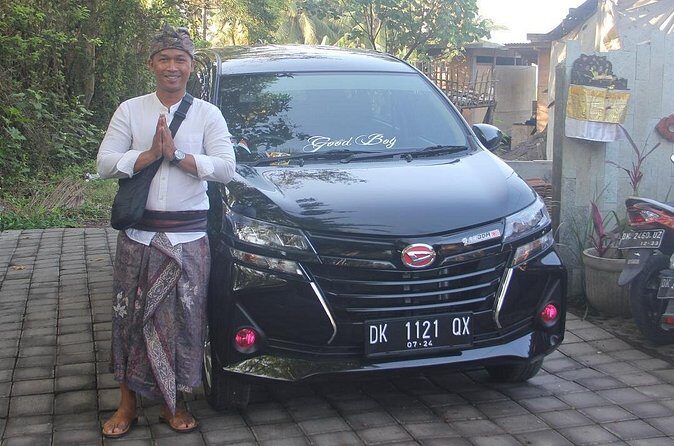
Bali Airport Transfers | Bali Airport Welcome pick up | Bali Airport Taxi - Tips to Make Your Pickup Go Smoothly
You can’t control traffic, but you can control preparation. For this kind of private transfer, I’d focus on three things:

  • Send the exact hotel/villa name and address exactly as you want it displayed. The service description emphasizes clarity here.
  • Pick the pickup time based on your real customs/baggage flow. If you tend to move quickly, you can choose closer to landing. If you usually linger, pick later.
  • Have a contact plan in case something changes. The data you provided doesn’t detail how messaging works, so I’ll keep it generic—but it’s still smart to have a way to reach the operator.

And once you’re in the car, take the included water and let the A/C do its job. That first cooling break makes you more alert for everything after check-in.

Should You Book This Bali Airport Transfer?
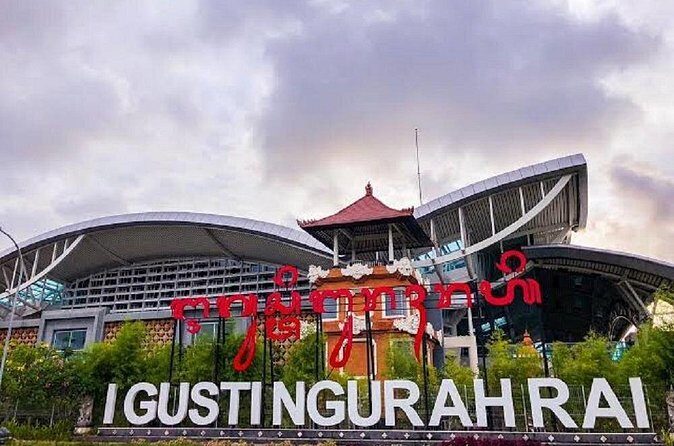
Bali Airport Transfers | Bali Airport Welcome pick up | Bali Airport Taxi - Should You Book This Bali Airport Transfer?
I’d recommend booking this if your priority is a direct private ride and you want your arrival to start with fewer decisions. The included A/C and bottled water are practical, and the name-sign greeting is exactly what you want when you’re tired and trying to locate the right person fast.

I’d be cautious if your entire day hinges on arriving at a precise minute. Based on the reviews, delays can happen, and one complaint specifically flags that a meet-and-greet didn’t match the advertised promise. In practice, that means you should build in a small buffer and choose your pickup time thoughtfully.

Overall, for many routes in Bali—especially Seminyak and the southwest areas—this looks like a sensible, value-minded way to start your trip with your sanity intact.

FAQ

How long does the Bali airport transfer take?

The duration is listed as about 1 to 4 hours, depending on your destination address.

Where does the transfer start and where does it end?

It starts at Bali Ngurah Rai Airport (Denpasar, Indonesia). It ends at your destination address (your hotel or villa), which is a different location than the airport.

Is this transfer private or shared?

This is described as a private tour/activity, so only your group participates.

What’s included in the price?

The included items are bottled water, an air-conditioned vehicle, private transportation, fuel surcharge, and parking fees. A meal is not included.

Is there a meet-and-greet service?

Yes. The driver meets you at the airport holding a sign with your name.

Is free cancellation available?

Yes, free cancellation is offered. You can cancel up to 24 hours in advance for a full refund.

Bali Lempuyang Photography Tour -All Inclusive & Private

Bali Lempuyang Photography Tour -All Inclusive & Private - Tirta Gangga Royal Water Palace: Switch From Temple Drama to Calm Gardens

You can turn a big Bali bucket list into one smooth day. This private Lempuyang photography tour mixes the famous temple photo with water gardens, jungle swings, a dramatic waterfall, and a coffee/tea stop. It’s built for fast photo decisions, not slow wandering.

Two things I like right away: hotel pickup with an air-conditioned private car and photo-focused guidance so you’re not guessing angles all day. One thing to consider: the schedule is packed with short stops and a bit of walking, so you’ll want solid shoes and a realistic pace.

Why This Private Lempuyang Photo Day Feels Easier

Bali Lempuyang Photography Tour -All Inclusive & Private - Why This Private Lempuyang Photo Day Feels Easier
The big draw is obvious: Lempuyang Temple’s Gates of Heaven with Mount Agung framed in the background. But what makes this tour practical is the way it chains multiple high-impact sights in a single outing—so you spend your time photographing and moving between locations instead of arranging separate tickets, rides, and routes.

I also like that the tour stays comfortable and straightforward. You get WiFi on board, bottled water, and lunch included, which matters when your day is likely to start early. And from guide feedback I’ve seen (like Mega and Yasa), the tone is helpful rather than pushy—patient posing, good timing, and flexibility when plans need to shift.

The only real drawback is intensity. Think: early start potential, multiple stops, and moments that involve stairs or uneven ground (especially around the waterfall and the swing). If you want a slow, no-pressure day, this may feel like a lot.

Key Highlights You’ll Actually Care About

  • Skip-the-line planning at Lempuyang Temple so you can focus on the shot, not the queue
  • Private air-conditioned transfers plus pickup and drop-off for door-to-door ease
  • Photo help with posing and angles from guides known for being patient and flexible
  • A well-paced mix of temples, water gardens, jungle, and rice terraces
  • Tickets, lunch, and bottled water included to reduce the money-and-errands hassle
  • Dietary request support (vegan, vegetarian, gluten-free, and more) if you mention it ahead

Lempuyang Temple and the Gates of Heaven: The Photo Moment You Came For

Bali Lempuyang Photography Tour -All Inclusive & Private - Lempuyang Temple and the Gates of Heaven: The Photo Moment You Came For
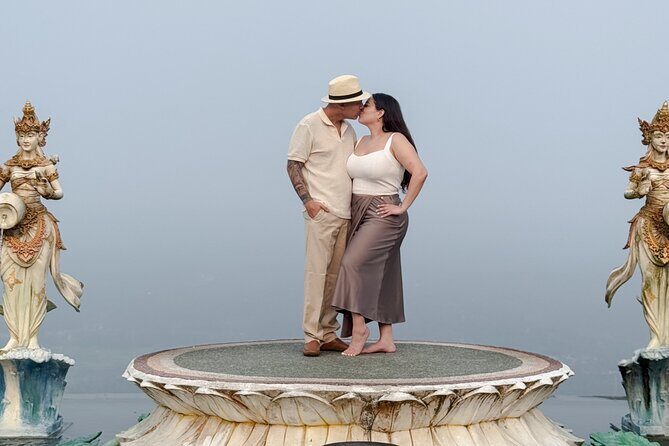
Lempuyang Temple is the star. The headline attraction is the Gates of Heaven viewpoint, where you line up for that iconic view with Mount Agung in the distance. This is the kind of shot that looks simple on Instagram, but in real life it depends on timing, crowd control, and knowing where to stand—exactly the stuff a guide can help with.

Here’s what you can expect at this stop. You’ll spend about 3 hours at the temple area, which is long enough to breathe, find angles, and watch how the light and crowds shift. You’ll also get to explore traditional Balinese temple architecture and see local rituals happening in the space, which adds context beyond the photo.

Potential friction point: the most famous viewpoints tend to be busy. The tour is positioned as queue-friendly, with arrangements that help you get to the photo setup faster than you would on your own. Still, go in with the mindset that this is popular—being early (and staying patient) usually makes the experience smoother.

Practical tip: bring a light layer. Temple mornings can feel cooler than the rest of the day, and you’ll likely spend time standing and waiting for the right framing.

Tirta Gangga Royal Water Palace: Switch From Temple Drama to Calm Gardens

Bali Lempuyang Photography Tour -All Inclusive & Private - Tirta Gangga Royal Water Palace: Switch From Temple Drama to Calm Gardens
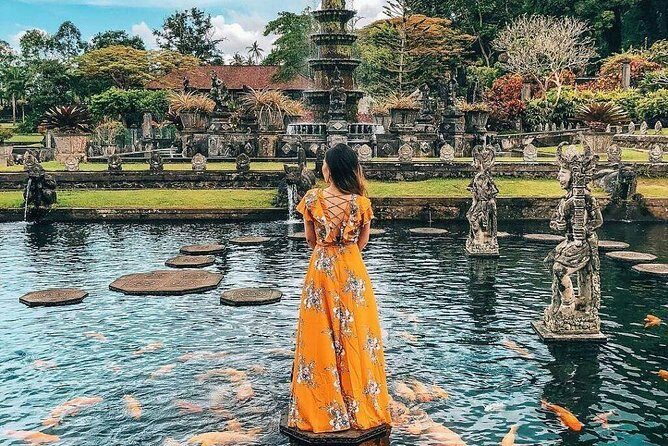
After the high-focus temple stop, Tirta Gangga gives you a reset. This former royal palace is known for water gardens, ornate fountains, and tranquil pools. Instead of one big “pose here” photo, you’ll get lots of smaller scenes: stone carvings, garden paths, and koi-filled ponds.

This is one of my favorite types of stops for a photography day because it’s visually forgiving. Even if the first few shots don’t land, the place keeps offering angles—reflections in the water, symmetrical elements, and those details that make your photos look like you planned them.

Timing matters here. You’re scheduled for about 1 hour, which is enough time to walk the main areas without letting the day drag. The drawback? Because it’s a shorter stop, you probably won’t have time to do a deep, slow explore unless your guide adjusts the pace.

If you’re the kind of person who likes variety—spiritual sites, then nature, then something playful—Tirta Gangga is the right mid-day pivot.

Happy Swing Bali (Jungle Swing): The Fun Detour That Makes Photos Feel Real

Bali Lempuyang Photography Tour -All Inclusive & Private - Happy Swing Bali (Jungle Swing): The Fun Detour That Makes Photos Feel Real
Then comes the “okay, this is going to be wild” moment: Happy Swing Bali in the jungle, with views over rice terraces. You’ll spend about 1 hour 30 minutes here, and the main activity is swinging—usually in different positions/heights depending on how you choose to do it.

This stop is valuable even if you’re not obsessed with selfies, because it adds motion and personality to your Bali photos. A swing photo doesn’t just look good; it tells a story: you were actually there and you did the thing.

What I’d watch for: swings are fun, but the physical element is real. You’ll want comfortable clothing, secure footwear (grip matters on wet paths), and the willingness to follow safety guidance so you can keep the mood light.

Also, this is exactly the kind of stop where a good guide earns their keep. When you want the best shot, you need someone to coordinate where you stand, when you swing, and how to position yourself to avoid awkward shadows and busy backgrounds.

Tukad Cepung Waterfall: Walking Into a Rock-Walled Photo Frame

Bali Lempuyang Photography Tour -All Inclusive & Private - Tukad Cepung Waterfall: Walking Into a Rock-Walled Photo Frame
Next up is Tukad Cepung Waterfall, described as a hidden natural area surrounded by lush jungle and dramatic rock formations. This one changes your day from “posed stops” to “nature discovery,” because the experience is less about a single viewpoint and more about the walk-in and reveal.

You’re scheduled for about 1 hour 30 minutes. That time is crucial, because you’ll likely do some walking through the scenery to reach the waterfall area and then spend time inside the space while the light and mist shift. The rock formations matter: they can create a natural framing effect, so timing is a big deal for photos.

The main consideration here is conditions. Waterfall areas can be slippery, and paths may not be smooth. Plan for that. If you’ve got knee issues or you hate uneven ground, you’ll want to go slowly and let your guide know so they can guide your pace and positioning.

Value check: this stop is included with its ticket, and it breaks up the day’s rhythm. After temples and gardens, it feels like a different Bali. That variety is part of why this tour works as an all-in-one day.

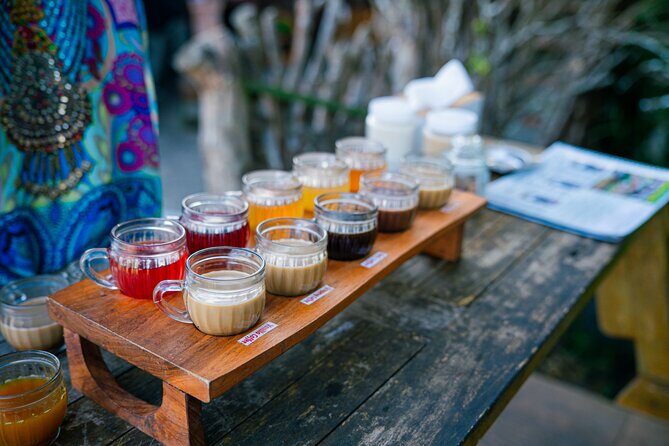
Cantik Agriculture Coffee and Tea Stop: A Smarter Break Than a Random Souvenir Shop

Bali Lempuyang Photography Tour -All Inclusive & Private - Cantik Agriculture Coffee and Tea Stop: A Smarter Break Than a Random Souvenir Shop
Then you get a calmer, practical stop at Cantik Agriculture, a coffee and tea plantation. This is one of the most useful “middle-of-the-day” choices on the route because it gives your brain something new to focus on besides photos.

You’ll see lush plantings and learn about how coffee and tea are cultivated and processed, including the well-known Bali coffee. Even if you don’t buy anything, this kind of stop helps you understand what you’re looking at when you see plantations around Bali.

Time-wise, it’s about 1 hour, which makes it a good break: long enough to learn and stretch, short enough that you don’t lose the rest of your photo momentum.

One honest consideration: plantation stops can be hit-or-miss depending on your interest in tasting and shopping. Since this is bundled into the package with entry included, your best move is to treat it as an education break, not a shopping mission. If you do want to taste or buy, ask questions first so you’re not rushed.

Tegalalang Rice Terrace: Short Walk, Big Photo Payoff

Bali Lempuyang Photography Tour -All Inclusive & Private - Tegalalang Rice Terrace: Short Walk, Big Photo Payoff
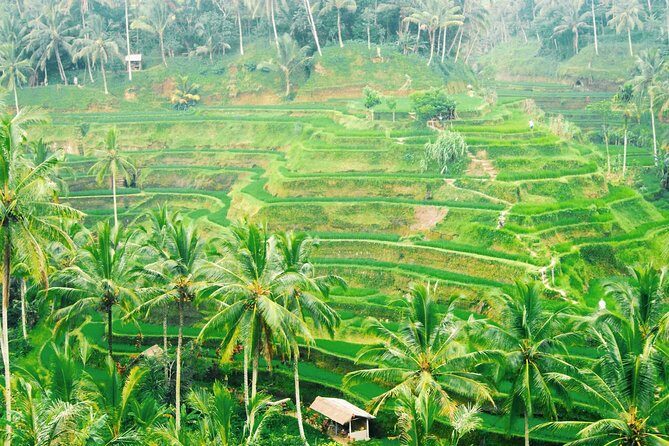
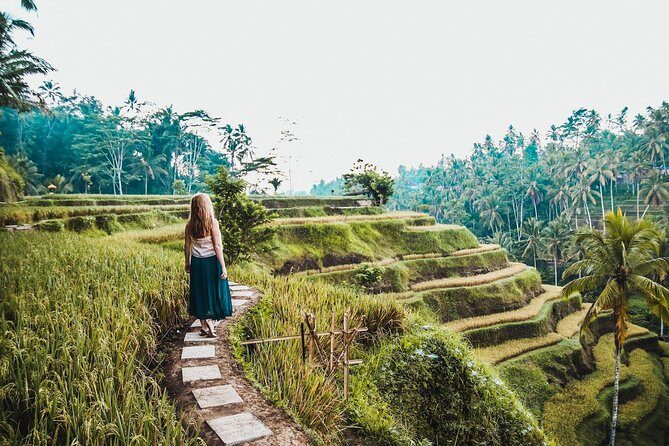
Finish strong with Tegalalang Rice Terrace. You’ll spend about 15 minutes here, and the highlight is the view of the rice fields—plus a chance to walk through the terraces and learn about traditional methods.

This stop is brief, so it’s not for a long wander. But 15 minutes can be enough if your guide helps you choose the right spots for photos and you’re ready to move. The rice terraces create layers and textures, which helps even casual photos look sharp.

The tradeoff is obvious: if you love slow, scenic walking, you may wish you had longer. If you’re doing this as part of a day built for multiple icons, the short duration is a smart way to keep energy up for the rest of the route.

Practical tip: rice terrace paths can be uneven. Wear shoes you trust, and keep your phone secure if you’re climbing for a shot.

Transportation, Timing, and Comfort (The Stuff That Makes or Breaks Day Tours)

Bali Lempuyang Photography Tour -All Inclusive & Private - Transportation, Timing, and Comfort (The Stuff That Makes or Breaks Day Tours)
This tour is private, meaning you’re only with your group. That’s not just a comfort perk—it’s a time advantage. Your guide can plan around your pace and your photo preferences, rather than waiting on a larger group schedule.

You also get an air-conditioned vehicle, WiFi on board, and pickup offered from your area (with private transportation handling the day’s travel). Add bottled water and lunch, and the day stops feeling like you’re constantly “figuring it out” between stops.

Timing note: Bali photo days often mean an early start. One guide experience I saw involved a pickup around 4:00am, which makes sense for hitting the most popular photo setup while the morning is still cool and crowds are manageable. Your exact timing may vary, but plan for an early morning if you want smoother access at the temple.

If you get motion sick, take precautions. You’ll be in the car for multiple transfers across different parts of the island.

Tickets, Meals, and Dietary Requests: How the Package Reduces Stress

One big reason this tour earns its price tag: lots of the “annoying extras” are handled for you.

Included items:

  • Lunch
  • Bottled water
  • WiFi on board
  • Ticketed access to the attractions listed (including Jungle Swing and the Bird Nest ticket)
  • Admission tickets noted for stops like the temple, Tirta Gangga, waterfall, agriculture, and rice terrace

You also have the option to request dietary needs. The package says they can accommodate vegan, vegetarian, gluten-free, and more—just mention it.

Value translation: If you were to book the sites yourself and hire separate transport, you’d spend time coordinating and money stacking up tickets. Here, the price is doing that work for you.

Price and Value: Is $99 Worth It?

At $99 per person, the best way to judge value is to look at what you don’t have to manage.

You’re paying for:

  • Private air-conditioned transfers
  • Hotel pickup offered
  • Lunch and bottled water
  • Entry/tickets across multiple paid attractions
  • A guide who helps with photos, not just driving

If you’re traveling solo or as a couple, private transport can be costly when you do it piecemeal. Bundling it into a single day is what makes a price point like this feel fair.

The only time I’d hesitate is if you already know you want only one or two stops and you don’t care about photo guidance. In that case, a simpler itinerary might be cheaper. But if your goal is a full Bali “greatest hits” photography day with less logistics work, this is positioned as good value.

Who This Bali Lempuyang Photography Tour Suits Best

This works especially well if:

  • You want icon photos without spending hours researching where to stand
  • You like a mix of culture and nature in one day
  • You’re comfortable with a packed schedule and short walks
  • You care about having a guide help with pose and angles, not just directions
  • You want private convenience while still checking off multiple top sights

It might not fit as well if you want a slow, flexible day with lots of downtime, or if physical activities like swinging and moving around waterfall terrain feel stressful.

Should You Book This Private Lempuyang Photo Day?

My take: book it if you want the classic Lempuyang shot plus a full day of varied Bali experiences—temple, water palace, jungle adventure, waterfall, plantation learning, and rice terrace views—without coordinating everything yourself.

I’d skip or rethink if you dislike busy photo hotspots, hate early starts, or need a very low-walking itinerary. This day is designed to be productive. The upside is you get a lot of iconic moments; the downside is you won’t have hours to wander slowly at every stop.

If you do book, message your needs up front (especially dietary needs). And on the day, wear shoes you can trust and let your guide know what kind of photos you want—posed, action, reflections, wide views—so you can get the best use of every stop.

FAQ

How long is the Bali Lempuyang photography tour?

The tour runs about 8 to 10 hours.

Is hotel pickup included?

Yes. The tour offers pickup, with private transportation for the day.

What’s included in the price besides transportation?

The package includes lunch, bottled water, WiFi on board, and admission tickets noted for the stops on the itinerary (including Jungle Swing & Bird Nest).

Is this a private tour?

Yes. It’s private, so only your group participates.

Can the tour accommodate dietary restrictions?

Yes. Dietary needs like vegan, vegetarian, and gluten-free can be accommodated if you mention them.

Which stops are included in the itinerary?

You’ll visit Lempuyang Temple (Gates of Heaven), Tirta Gangga, Happy Swing Bali (Jungle Swing), Tukad Cepung Waterfall, Cantik Agriculture (coffee and tea plantation), and Tegalalang Rice Terrace.

Is breakfast included?

No. Breakfast is not included.

What is the cancellation policy?

You can cancel for a full refund up to 24 hours in advance of the experience start time (free cancellation).

Explore Ubud with Electric Bike

Explore Ubud with Electric Bike - The value of $34: what you’re paying for (and what that means)

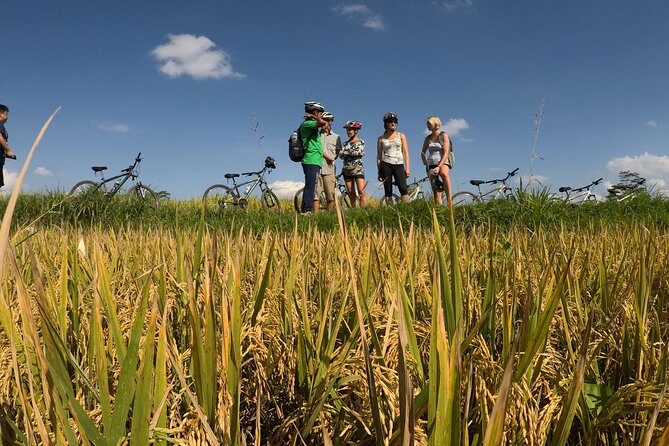
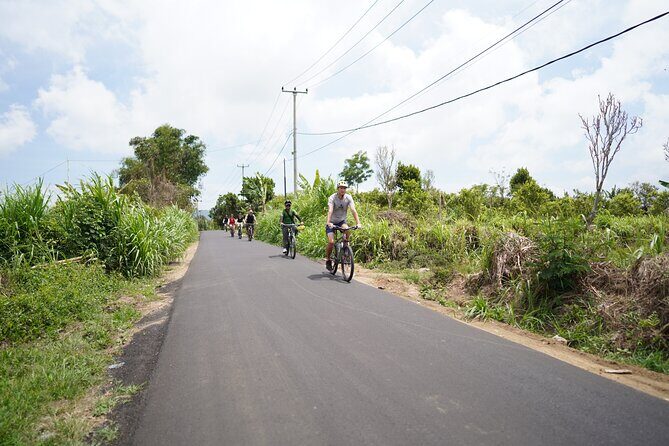
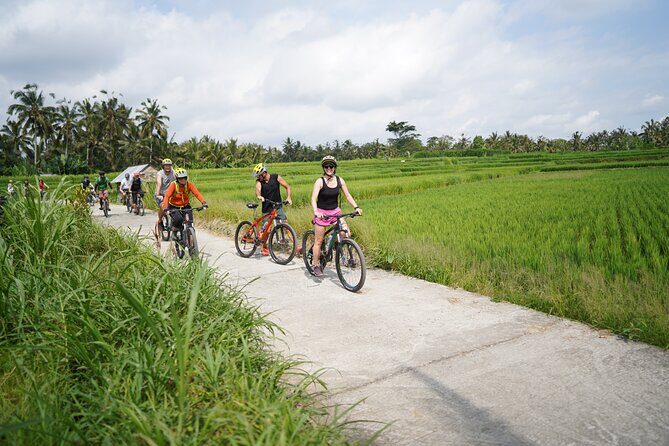
Ubud feels different on an e-bike. This small-group half-day ride is built around easy logistics (hotel transfer, skip-the-queue) and real local stops like rice terraces and a Balinese house visit. I love that the tour includes everything you need to feel safe and steady: helmet, wet-weather gear, and a safety briefing. I also love how the food is part of the experience, not an afterthought, with breakfast, lunch, and coffee or tea included. The main consideration is that you should be comfortable riding like a motorbike, and the tour expects at least moderate fitness.

You’ll start early (7:30 am) and ride for about four hours, which makes it a smart way to see Ubud without surrendering your whole day. The route is designed for an active morning, with a few focused stops for pictures and culture, then time to enjoy the views at the end. It runs in all weather conditions, so bring the right mindset: dress for rain and humidity.

Key things to know before you book

Explore Ubud with Electric Bike - Key things to know before you book

  • Helmet and wet-weather gear included, plus a proper safety briefing before you head out
  • Hotel pickup and skip-the-queue handling, so you lose less time at entry points
  • Breakfast, lunch, and coffee or tea included, which keeps the day relaxed (not scavenger-hunt style)
  • Small group up to 12 people, which usually means less waiting around at stops
  • E-bikes are motorbike-like, so basic motorbike comfort helps a lot
  • Rice terraces plus a Balinese house visit, so you see more than just scenery

What this e-bike tour in Ubud is really like

This is a half-day Ubud tour that treats riding as the main event. You’re not just shuttled from viewpoint to viewpoint; you’re moving through the area on an electric bike built for comfort and control. That matters because it changes how the villages, fields, and temples feel. You get to travel at a human pace, without the nonstop stopping that can make sightseeing feel choppy.

The tone is practical. The tour includes the gear you’d otherwise have to hunt down, and you get a safety briefing before you start riding. In Ubud, where traffic and narrow roads can be stressful, that setup helps you enjoy the morning instead of worrying about the ride.

You’ll also get fed. Breakfast happens before you ride, lunch comes partway through the experience, and refreshments include coffee or tea. For a destination where meals can be easy to overpay for, having food rolled into the price makes the tour feel more like a complete outing than a quick activity.

Morning logistics: starting at 7:30 with a smooth setup

Explore Ubud with Electric Bike - Morning logistics: starting at 7:30 with a smooth setup
The tour begins at 7:30 am, which is ideal in Bali. Early helps you beat the worst heat and gives you better light for photos around the rice terraces. You’ll also have mobile ticket access, and pickup is offered, so you can start your ride without immediately dealing with scooters and directions.

The vibe before you mount the e-bike is important. You’ll get a safety briefing and you’ll be provided a helmet and wet weather gear. Even if you think you’ll skip the rain, the gear inclusion is a big deal because it removes decision fatigue. You don’t have to guess whether you’ll need protection once you’re already on the move.

One more detail that affects how the day feels: the e-bike experience is described as motorbike-like. You don’t need to be a stunt rider, but you should be used to riding in that style. If you only feel comfortable on a bicycle, you may find the posture, throttle, or balance a little different.

The value of $34: what you’re paying for (and what that means)

Explore Ubud with Electric Bike - The value of $34: what you’re paying for (and what that means)
At $34 per person for about four hours, the tour is priced like a practical “do this now” Bali activity. The real value comes from what you’re getting bundled together:

  • Helmet, wet weather gear, and a safety briefing
  • Breakfast, lunch, and refreshments with coffee or tea
  • Admission tickets handled for stops that charge an entry fee
  • Hotel transfer and skip-the-queue convenience
  • A small group format (up to 12 people)

When tours are cheap but basic, you often end up paying extra for entry fees, meals, or transport. Here, the price aligns with a full morning plan. You can treat it as a set itinerary you don’t have to micromanage.

There is one catch, though: this tour is best when you actually want to ride and spend time outdoors. If you prefer slow, mostly indoor touring, you’ll feel the effort more than the payoff. But for many visitors, that effort is exactly what makes it memorable.

Stop 1: Greenkubu Restaurant and Swing for breakfast before riding

Explore Ubud with Electric Bike - Stop 1: Greenkubu Restaurant and Swing for breakfast before riding
Your ride starts with breakfast at Greenkubu Restaurant and Swing. This is not just a meal stop; it’s the warm-up phase of the day. You eat first, then you ride, so you’re not scrambling for food once you’re already moving.

The inclusion of an admission ticket here matters. It suggests the stop isn’t simply a quick photo roadside moment. It’s set up as part of your paid experience, which usually means you aren’t stuck negotiating entrance on the spot.

Practical tip: plan to wear something you don’t mind getting a little dusty or damp. Even with wet-weather gear, you’ll be outdoors, and Bali weather can change quickly in the morning.

The first ride segment: why the route feels manageable

After breakfast, you head out on the e-bikes with guidance. The tour includes a safety briefing, and that’s where the day becomes easier. If you’ve ever felt overwhelmed in traffic, you’ll appreciate that you’re not thrown into motion without a plan.

Also, the group size helps. With a maximum of 12 travelers, you’re less likely to get split, lost, or waiting while someone struggles to find the next turn. You should still expect to move at a guided pace, but it won’t feel like herding a large crowd.

Keep in mind the tour expects moderate physical fitness. That doesn’t mean you need to be athletic for hours, but it does mean you should be comfortable sitting on the bike, following turns, and handling short rides between stops.

Stop 2: Tegalalang rice terraces for photos and quick views

You’ll make a quick stop at Tegalalang Rice Terrace. The structure here is simple: a brief moment for pictures while you pass by and ride through the area.

That quick timing is a good strategy for two reasons. First, it keeps the half-day schedule flowing. Second, it avoids the long, slow stall that can happen at popular viewpoints when everyone arrives at once.

That said, the short stop means you shouldn’t expect a long wander through the terraces. If you’re the type who wants to linger, zoom in on details, and walk multiple paths, you’ll probably want to add an extra hour elsewhere in Ubud later. For this tour, the terraces are a highlight stop, not an all-afternoon project.

Stop 3: Tegallalang Balinese house visit for everyday culture

Explore Ubud with Electric Bike - Stop 3: Tegallalang Balinese house visit for everyday culture
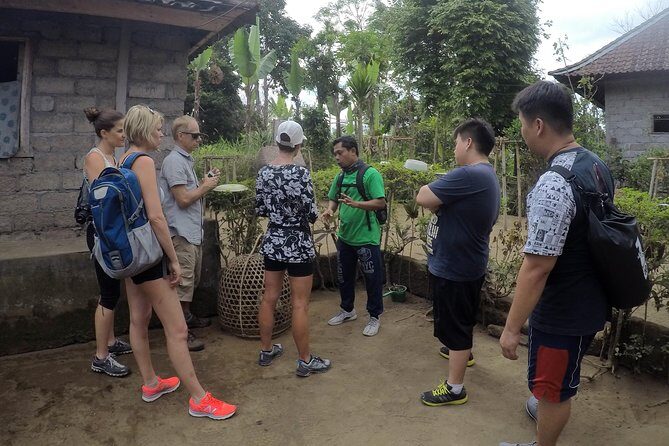
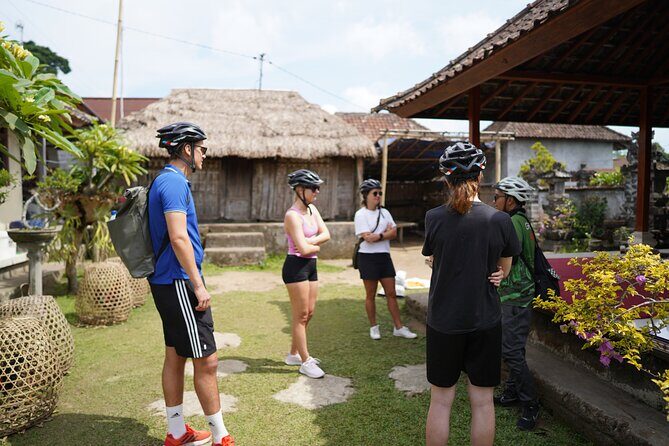
One of the strongest parts of the day is the Balinese house visit in Tegallalang. This stop is about how people live, not just what’s pretty. You’ll have around 45 minutes here, which gives enough time to observe and ask questions without feeling rushed.

Importantly, the entry for this stop is free. That means the value isn’t only in the bike ride; the cultural component is part of the tour’s real purpose.

What makes it meaningful is the everyday angle. Temples and rice terraces are often on every Bali itinerary. A house visit puts you closer to daily routines, home layouts, and local culture in a way that’s harder to replicate on your own.

Keep your expectations respectful. This is a cultural visit, so dress and behavior should match a local environment. If the group is small and the guide is present, it’s usually easier to follow social cues, ask questions, and avoid awkward moments.

The ride feels safer with Yogi guiding from the front

Explore Ubud with Electric Bike - The ride feels safer with Yogi guiding from the front
A standout detail from the experience is the role of the instructor. The guide is named Yogi, and the ride is run with a safety-first approach. You’ll typically feel supported right away because the guide leads and keeps the group moving together.

In practical terms, that matters if you’re not a frequent rider. The tour is designed for people who can handle a motorbike-like e-bike, and the guide’s job is to make that manageable: pacing, reminders, and staying organized as you transition between riding and stopping.

If you’re thinking, I can ride but I’m not confident, this is the kind of tour where that difference matters. Good guiding doesn’t just prevent accidents. It prevents the stress that can ruin a nice morning.

Meals included: breakfast, lunch, and coffee or tea

Food is part of the tour rhythm. Breakfast happens at the first stop, so you begin the ride fueled. Lunch is included later, which keeps the day from turning into a search for something affordable and open.

Refreshments include coffee or tea, which is a small detail that actually improves the experience. After time on the road, having a drink built into the plan makes the tour feel finished rather than stop-and-go.

Also, because the meals are included, you don’t have to negotiate prices or worry about finding a safe, reliable place mid-ride. That’s real value when you’re trying to travel smarter in Bali rather than spending your day solving logistics.

Ending with a Balinese feast and views

The tour finishes with a special Balinese feast, paired with impressive views. This is one of those moments where the e-bike plan pays off: you arrive at the end of the ride feeling like you earned the scenery.

The overview positions the feast as a celebration of the day, not a token snack. With the views involved, it’s a good way to close your Ubud time from a higher, more scenic vantage.

Practical note: expect to slow down after the feast. You’ll be done with riding, so plan your next activity later rather than immediately booking something at the exact end time.

Who this tour suits best (and who should think twice)

This is a great fit if you want:

  • A half-day Ubud experience with meals included
  • A small-group ride that feels organized and not chaotic
  • Rice terraces plus a cultural stop that’s more than just photos
  • A guided introduction to riding an e-bike in a motorbike-like style

It’s less ideal if:

  • You’re not comfortable riding motorbike-like equipment
  • You want a slow, wandering walking tour with lots of time at one viewpoint
  • You prefer to avoid outdoor riding and prefer private, low-movement touring

As a rule, the tour fits best when you’re flexible and open. You’re not just collecting landmarks. You’re learning how the area looks and feels from a moving, guided path.

Tips to get the most from your e-bike ride

A few small choices make a big difference on ride days in Bali:

  • Dress for rain even if the forecast looks calm. The tour provides wet weather gear, but comfort still starts with your clothing.
  • Wear shoes you trust. You’ll be stopping and starting, and you want secure footing.
  • Give yourself time to adjust. The e-bike is motorbike-like, so take the first minutes seriously.
  • Ask questions during the house visit. Forty-five minutes goes fast, so if you’re curious about daily life, now is the time.
  • Bring a calm attitude about crowds. Even with skip-the-queue convenience, popular spots can still be busy.

If you approach it like a guided morning outing rather than a strict checklist, you’ll feel the value more clearly.

Should you book Explore Ubud with Electric Bike?

I think you should book this tour if you want a practical, scenic Ubud morning that mixes nature and local culture with real included value. The safety-first setup, the small-group cap, and the guide named Yogi are the kind of details that make the difference between a stressful ride and a confident one. Add in breakfast, lunch, refreshments, a Balinese house visit, and a feast with views, and the $34 price feels more like a planned experience than a ticketed ride.

Skip it if you’re a total beginner who only feels comfortable on normal bicycles, or if you want long independent time at the rice terraces. This is designed for movement and guided stops, not hours of free roaming.

If you want an efficient way to see Ubud without doing the logistics yourself, this is one of the better “set it and forget it” half-day options.

FAQ

What does the tour include?

You get an e-bike and helmet, plus wet weather gear and a safety briefing. Breakfast, lunch, and refreshments including coffee or tea are included as well.

How long is the tour, and what time does it start?

The tour lasts about four hours and starts at 7:30 am.

Is pickup included?

Pickup is offered, so you don’t have to manage getting to the start point on your own.

How many people are in the group?

The tour has a maximum of 12 travelers.

Do I need motorbike experience?

You should be used to riding motorbikes, because the e-bike is similar to a motorbike.

What stops will we make?

You’ll have breakfast at Greenkubu Restaurant and Swing, a quick photo stop around Tegalalang rice terraces, and a Balinese house visit in Tegallalang. The day ends with a Balinese feast with views.

What happens if the weather is poor?

The tour operates in all weather conditions and you should dress appropriately. If it’s canceled due to poor weather, you’ll be offered an alternative date.

Benoa Cruise Port: Private Bali Day Tour with Local Guide

Benoa Cruise Port: Private Bali Day Tour with Local Guide - Early Tegalalang Rice Terrace: go before the crowds

Sunrise makes Ubud feel different. This private day tour strings together the main sights in an efficient loop, with a private air-conditioned vehicle and an easy pace that you can tweak to your interests. You’ll hit classic stops like Tegalalang Rice Terrace and Tirta Empul Temple, plus time to shop at Ubud’s art market and cool down at Kanto Lampo waterfall.

Two things I really like: you start with the best “soft light” scenery at Tegalalang, and the day is built around practical timing—market time when shops are active, and Kanto Lampo before it gets too late. One possible drawback: the route is full-on, and several stops involve walking, stairs, or climbing, plus some admission fees are not included.

Key things to know before you go

Benoa Cruise Port: Private Bali Day Tour with Local Guide - Key things to know before you go

  • Private ride, English-speaking driver, bottled water: you avoid the public-transit shuffle and keep the day moving.
  • A flexible day with a route constraint: you can list up to 5 desired places, but stops must fit along one route for smooth planning.
  • Early start at Tegalalang: it’s the kind of view that works best before the crowds thicken.
  • Monkey Forest needs a mindset: it’s a sanctuary with monkeys all around, so keep your stuff secure.
  • Kanto Lampo includes a climb-up option: you’ll be choosing how much effort you want to put in.
  • Some attractions cost extra: Monkey Forest and several temple options have separate entrance fees.

Ubud in one day with a private, air-conditioned loop

Benoa Cruise Port: Private Bali Day Tour with Local Guide - Ubud in one day with a private, air-conditioned loop
This is the kind of Ubud itinerary that works when you want “the highlights” without doing the math all day. You get pickup and return transfers, and you travel in a private vehicle with air conditioning, which matters when the midday heat shows up. It’s also set up as a private tour, so it’s just your group.

The big value here is how the day is sequenced. Terraces first (when the light and temperature are kinder), then a temple experience, then shopping, then nature, and finally a night market stop to round out the day. It’s not a slow cultural stroll. It’s a smart sightseeing day.

If you’re coming from the Bali cruise port side (like Benoa), double-check how pickup is handled for your specific lodging or meeting point. The included pickup is described as hotel pick up and return transfers, and the service area covers Ubud and nearby regions.

Early Tegalalang Rice Terrace: go before the crowds

Benoa Cruise Port: Private Bali Day Tour with Local Guide - Early Tegalalang Rice Terrace: go before the crowds
Your day starts at Tegalalang Rice Terrace, with a “very early” timing that’s key for both comfort and photos. The terrace valley is known for its layered green view, and this stop is the best way to kick off a Ubud day that’s otherwise a mix of temples, markets, and waterfalls.

Plan for a short work-out feel. You’ll likely do some uneven walking on paths and viewpoints, and your best angles often require changing position. If you wear grippy shoes, your day gets easier fast.

Admission for Tegalalang is not included, so decide if you want to pay that on arrival or through an entrance-fee option if offered. For me, the early start is the best trade in the whole day—once crowds and heat ramp up, the magic drops a notch.

Tirta Empul Temple: the holy water ritual in 30 stations

Benoa Cruise Port: Private Bali Day Tour with Local Guide - Tirta Empul Temple: the holy water ritual in 30 stations
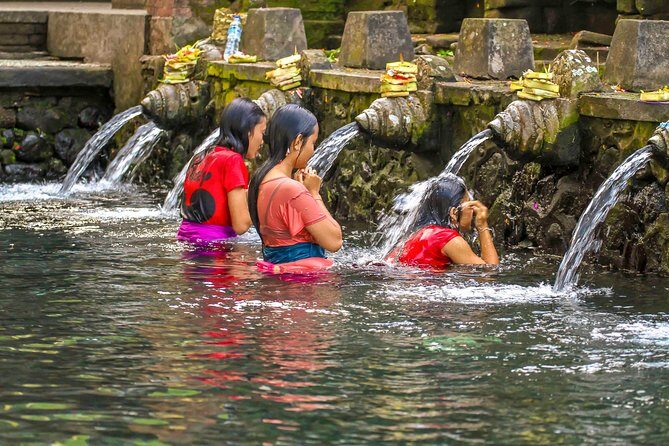
Next up is Tirta Empul Temple, famous for holy fresh water drawn from the ground. Here’s what you can expect: visitors and locals go into two purification pools, cleaning themselves at 30 stations.

This is one of those places where the atmosphere does part of the job for you. You’re not just looking at buildings—you’re observing a living ritual that still matters to locals. It’s also a good break in the day because it’s more grounded and stationary than climbing scenery.

Practical note: admission is not included, so budget for it or select an entrance-fee option if you prefer one bundled payment. Also, bring a mindset for modesty and patience—this is active, not “museum quiet.”

Ubud Traditional Art Market: shop smart, not frantic

Benoa Cruise Port: Private Bali Day Tour with Local Guide - Ubud Traditional Art Market: shop smart, not frantic
You’ll spend about 2 hours at the Ubud Art Market, and that’s a useful block of time. This is where you can browse for silk scarves, lightweight shirts, statues, kites, woven bags, baskets, and hats. If you want a few practical souvenirs (and you like comparing styles), this stop earns its place.

Two things to do here: first, set a small budget before you enter. Second, take your time walking the lanes before you buy anything. Markets are great when you treat them like browsing, not like a deadline.

The only downside is that the market can be a distraction if your goal is mostly scenery. If that’s you, keep the market time intentional—pick what you actually want, then move on to keep the day from feeling split.

Sacred Monkey Forest Sanctuary: fun, but keep your grip

Benoa Cruise Port: Private Bali Day Tour with Local Guide - Sacred Monkey Forest Sanctuary: fun, but keep your grip
Then you’ll head to the Sacred Monkey Forest Sanctuary, one of Ubud’s most popular stops. Expect a park setting with monkeys moving around freely, and the note that the area is without a fence is a big clue: you’re sharing the space.

A useful way to enjoy this stop is to treat it as wildlife behavior plus temple grounds, not as a zoo. You’ll likely see lots of monkeys near paths and viewpoints, and you’ll learn quickly that they’re fast, curious, and attracted to shiny or dangling items.

Admission for Sacred Monkey Forest Sanctuary is listed as $8 per person (not included). I’d also suggest you bring a small plan: keep bags zipped, don’t dangle snacks, and don’t try to “train” the animals with attention. It’s funny until it’s chaotic.

Kanto Lampo Waterfall: the climb-up payoff

Benoa Cruise Port: Private Bali Day Tour with Local Guide - Kanto Lampo Waterfall: the climb-up payoff
Kanto Lampo is the stop people remember. It’s a big wall of water, and it’s popular to climb up, with locals often hanging around on weekends. Your time here is about 1 hour, so you’ll want to decide early how ambitious you want to be.

If you like a little effort, climbing toward viewpoints can reward you with a dramatic perspective. If you’d rather keep it easier, you can still enjoy the waterfall and take in the energy without going all-in.

Admission isn’t listed as a separate cost in the provided details, but be ready for possible local charges and bring cash just in case. One helpful detail from the experience pattern: there may be photographers along the area who help people capture the shot, and that can be a nice add-on if you want a memory without fiddling with your own camera mid-climb.

Gianyar Street Night Market: a simple local-food and stroll finish

Benoa Cruise Port: Private Bali Day Tour with Local Guide - Gianyar Street Night Market: a simple local-food and stroll finish
To close the day, there’s a Gianyar Street Night Market stop. It’s described as an interesting highlight in the heart of Gianyar regency’s capital, and you’ll have about 1 hour here.

Night market time is where your day turns from sightseeing to atmosphere. It’s a good “reset” after temples and nature, and it gives you a chance to nibble and wander at your own pace.

Because the tour time at the market is brief, don’t expect a full food crawl. Think of it as a sampler stop: pick one or two things, walk a loop, then call it when you’re ready so you don’t feel rushed.

Price and what $33 buys you (plus the entrance-fee math)

Benoa Cruise Port: Private Bali Day Tour with Local Guide - Price and what $33 buys you (plus the entrance-fee math)
At $33 per person for a roughly 10-hour private day, the value comes from transportation and time efficiency. You’re not paying just for attractions—you’re paying for a driver, an air-conditioned vehicle, and a built-in route that strings together multiple paid-and-free stops.

Still, the day can get more expensive once you factor in admissions. Some are explicitly listed as not included, including:

  • Sacred Monkey Forest Sanctuary: $8 per person
  • Optional or alternative temple/terrace fees listed as Tanah Lot: $5, Jatiluwih Rice Terraces: $4, Lempuyang Temple: $8

Other stops like Tegalalang and Tirta Empul say admission ticket not included, but no fixed price is provided in the details you shared. So the safest move is to budget a little extra for tickets that aren’t bundled.

If you dislike surprises, choose an entrance-fee option when available. It’s usually worth it when you want the day to feel smooth and predictable, especially if you’re not fluent in payment logistics on site.

Private guide rhythm: punctual pickup and customization that actually helps

This isn’t a one-size-fits-all bus day. The tour is private, with English-speaking driver, and you can customize the itinerary to your interests. You can also extend time within the service area for $5 per extra hour if you want more slow wandering or extra photo stops.

The practical customization method matters. The service allows you to list up to 5 places in the remarks section, and it notes that all stops must be along one route to prepare your itinerary smoothly. Translation: you can personalize, but you can’t ask for completely scattered locations and expect the schedule to magically work.

There are real-world examples of how the day runs well when communication is tight. One guide described as Agung arrived promptly and kept communication via WhatsApp, and another guide named Adi was described as friendly and helpful. That kind of responsiveness is a big deal when you’re bouncing between multiple sites in one day.

Where this route makes the most sense

This tour fits best if you want a single day in Ubud that covers classic highlights without you planning the order. It’s also a smart choice if you’re short on time and still want a mix of scenery, temples, shopping, and one nature moment that feels active.

It’s less ideal if you hate walking, dislike climbing, or want long pauses. Kanto Lampo includes an option to climb up, and Monkey Forest is a live environment with monkeys right in the paths. If you’re traveling with anyone who needs a very flat, low-step schedule, you’ll want to adjust priorities in advance.

It’s also a decent pick for first-time Ubud visitors, because the day includes the most recognizable “tick-box” sights—then gives you shopping and night-market flavor so you’re not leaving only with photos of structures.

Should you book this Ubud private day tour?

I’d book it if your goal is simple: see the Ubud highlights in one private, air-conditioned day with a driver who helps the timing work. The route is efficient, the day includes both views and a couple of more local-feeling stops, and the price is low enough that you aren’t punished for paying for a ticket here and there.

I’d pause before booking if you want a relaxed pace, zero walking, or you’re very sensitive to extra admissions costs. With a full schedule, the success of the day depends on your comfort with the tempo—and on choosing entrance options that match how you like to pay.

If you do book, send your top 5 must-see places early, ask for a route that matches them, and plan for good shoes. Then you’ll get the best kind of Ubud day: early scenery, meaningful temple time, and a waterfall finish that feels like you earned your photos.

FAQ

How much does the Ubud private day tour cost?

The price is $33.00 per person.

How long is the tour?

The duration is about 10 hours.

Is pickup and drop-off included?

Yes. Hotel pick up and return transfers are included, and pickup is offered.

Is this tour private?

Yes. It’s a private tour/activity, so only your group will participate.

How do I receive my ticket?

The tour offers a mobile ticket.

Are admission tickets included?

No. Admission is not included for multiple stops. The details provided list entrance fees for Sacred Monkey Forest Sanctuary ($8 per person), and additional optional fees such as Tanah Lot Temple ($5 per person), Jatiluwih Rice Terraces ($4 per person), and Lempuyang Temple ($8 per person).

Can I customize the itinerary?

Yes. You can customize based on your interests. You can list up to 5 places in the remarks section, and stops must be along one route.

Can I extend the time on the tour?

Yes. You can extend within the listed service areas for $5 per extra hour.

What if the weather is bad?

This experience requires good weather. If it’s canceled due to poor weather, you’ll be offered a different date or a full refund.

Can the tour go beyond the main areas like Ubud?

Yes, but there’s a surcharge. Travel to Gilimanuk, Lovina, or Amed Karangasem regency is possible with a surcharge of $30 per area.

Taste & Explore Bali: Denpasar Street Food & Historic Sites

Taste & Explore Bali: Denpasar Street Food & Historic Sites - Puputan Square and Patung Catur Muka: History Written into the Streets

Pencil this one in for when you want Bali that is not all beaches and selfies. This Denpasar tour mixes street food with historic landmarks in a tight 3-hour loop that feels like a local evening plan. I like that it’s built around real vendors, with food prepared at the places you visit. One thing to think about: the focus is local gastronomy, including pork, so it is not a fit for everyone’s diet.

My favorite part is the way you get both flavors and context. You start at Pura Agung Jagatnatha, then hit Puputan Square and colonial-era monuments before heading into the markets. It’s also a small group thing, with up to 12 people, so you’re not stuck herding cats while trying to decide what to order.

The other reality check is simple: the tour includes tastings, not unlimited eating. You might want to budget a little extra if you’re the type who always wants one more snack after the main bites.

Key Things You’ll Enjoy on This Denpasar Tour

Taste & Explore Bali: Denpasar Street Food & Historic Sites - Key Things You’ll Enjoy on This Denpasar Tour

  • Small-group pacing (up to 12) that keeps you moving but not rushing
  • Temple + history stops that frame what you taste, not just where you eat
  • Babi Guling included, a dish tied to ceremonies rather than everyday convenience
  • Local vendors who sell the food for a living, plus support for local stalls
  • Badung night-market snacks like Jaje Bali alongside familiar comfort food
  • A final Arabica coffee stop at NADHI Heritage (hot or iced)

Denpasar After 4 PM: Street Food Meets Real Landmarks

This tour starts at 4:00 pm, which is a great time to experience Denpasar because the day’s heat eases and markets start to feel alive. You’ll be on foot for the cultural part, then you’ll shift into food-stop mode where the pace is less about sightseeing and more about making smart choices quickly.

What I like about the structure is the balance. You’re not just walking past temples while someone talks in the background. You stop, look, learn the basics, then you eat. That makes the whole evening easier to connect with, especially if Bali’s food scene feels overwhelming on your own.

Also, the tour is designed for a smaller group, with a maximum of 12 travelers. That matters more than people expect. In crowded food markets, you want enough space to ask questions and enough time to actually taste what you paid for.

Pura Agung Jagatnatha: A Sacred Start in the City’s Middle

Taste & Explore Bali: Denpasar Street Food & Historic Sites - Pura Agung Jagatnatha: A Sacred Start in the City’s Middle
Your first stop is Pura Agung Jagatnatha, Bali’s central Hindu temple in Denpasar. Even if you’re not deeply into religious architecture, you’ll feel the difference immediately. This is not a tourist-only backdrop. It’s a living sacred site with local life around it.

You’ll have about 15 minutes here, and admission is listed as free. That short window is intentional: it’s enough to get your bearings and notice details, without turning the visit into a rushed chore.

Two practical tips for this part:

  • Keep your expectations modest. This is a quick orientation stop, not a long guided temple immersion.
  • Bring patience. Sacred spaces are slower by nature than street markets. You’re there to observe and learn, not to speed-run photos.

If you enjoy travel where you can feel the culture working around you, this start sets a good tone. It also makes the later food stops feel less random, because you’ll understand why certain dishes connect to ceremonies.

Puputan Square and Patung Catur Muka: History Written into the Streets

Taste & Explore Bali: Denpasar Street Food & Historic Sites - Puputan Square and Patung Catur Muka: History Written into the Streets
Next up is the symbolic heart area: Puputan Square. This stop is about reflection, specifically around Bali’s 1906 resistance against colonial rule. It’s the kind of history marker that can sit quietly if you don’t have context, so a guided explanation helps you read what you’re seeing.

Right around here, you’ll also see Patung Catur Muka, the four-faced god statue. You’ll get time to take photos and to connect the iconography to what you’re being told. You’ll also encounter colonial-era landmarks like the Nederlandsch-Indië Sokkelklok and related monuments as part of the walking route.

You’re allotted about 15 minutes for this whole historic block. That’s enough to:

  • understand the main story points,
  • snap a few photos without blocking others,
  • and mentally switch gears from history into food.

One consideration: if you prefer pure food focus with minimal talking, you might find this part slightly heavier than you want. But if you like your street food tours to include meaning, this is a strong pairing.

Jalan Gajah Mada: Where Babi Guling and Bakso Take Center Stage

Taste & Explore Bali: Denpasar Street Food & Historic Sites - Jalan Gajah Mada: Where Babi Guling and Bakso Take Center Stage
After the history pieces, you’ll head to Jalan Gajah Mada, a heritage street lined with local shops and colonial-era buildings. This is where the tour really turns into what you came for: eating your way through Denpasar.

You’ll have about 30 minutes in this section, and the food plan is clear. Two highlights are included:

  • Babi Guling (Balinese roasted suckling pig)
  • Bakso (meatball soup)

Here’s why that matters: the tour doesn’t treat Babi Guling like a generic menu item. It’s traditionally tied to ceremonies. So tasting it on a food walk gives you a glimpse of Balinese culture in a way that feels more than just delicious.

A quick food reality check: Babi Guling often comes with crispy skin and rich flavors, and it can be quite satisfying. Bakso is usually the comforting counterweight—warm, savory, and easy to keep eating even if you’re still processing all the new sights.

If you’re sensitive to pork, you’ll need to skip this tour. And if you’re sensitive to strong flavors or you don’t like trying unfamiliar foods, I’d be cautious. The point here is authenticity, not gentle compromise.

Badung Market Night Market: Jaje Bali Snacks in the Real Food Zone

Taste & Explore Bali: Denpasar Street Food & Historic Sites - Badung Market Night Market: Jaje Bali Snacks in the Real Food Zone
Then you’ll move into Badung Market Dempasar Bali for a 30-minute street-food stretch. This is where the atmosphere does some of the work for you. You’re surrounded by local sellers, and you’re eating in the same places locals use.

The tour specifically calls out traditional Jaje Bali snacks. These are colorful, dessert-style bites, often made from ingredients like rice flour and coconut. The exact variety changes, but the idea stays the same: you’re tasting the lighter, sweeter side of Balinese street food that you might never notice if you only order big meals.

This is also where the tour’s community angle shows up. The experience is designed to support 4 to 6 local food stalls, with food prepared at the venues you visit and vendors who sell food for a living. In practice, that means your money is more likely to go straight to the people cooking and selling rather than being absorbed by a far-away middleman.

What to do during this part:

  • Don’t overthink it. Pick what’s offered and focus on small comparison bites.
  • Ask what the snack is and what it’s usually eaten with, even if your stomach is already voting for the next bite.

One practical note: markets are local environments. Expect some noise, some crowding, and the kind of tight movement that makes a small group helpful. It’s also a short stop, so you’ll want to be ready to taste quickly.

NADHI Heritage Coffee: Hot or Iced, Then You’re Done

Taste & Explore Bali: Denpasar Street Food & Historic Sites - NADHI Heritage Coffee: Hot or Iced, Then You’re Done
To finish, you’ll head to NADHI Heritage for coffee—authentic Indonesian Arabica, served either hot or iced. You get about 30 minutes here, which gives you enough time to slow down after the walking and snacking.

This stop works well as a final chapter. Street-food tours can leave you with sugar plus smoke plus spicy notes. Coffee helps reset your palate. It’s also a chance to ask follow-up questions with less pressure than in a market line.

If you’re the kind of person who likes a souvenir that isn’t clutter, coffee is a simple one. You get to taste it fresh, then you can decide if you want to buy beans later in your trip.

Price and Portion Reality: Is It Worth $45?

Taste & Explore Bali: Denpasar Street Food & Historic Sites - Price and Portion Reality: Is It Worth $45?
The price is $45 per person, and it’s listed as about a 3-hour experience with mobile ticket entry and a small group of up to 12.

For value, here’s what you’re really paying for:

  • guided walking between multiple key sights,
  • included tastings of Babi Guling and Bakso,
  • included snack sampling at a market (like Jaje Bali),
  • and an included coffee at the end.

You do not get unlimited food or extra drinks, so if you’re a heavy eater, you may still spend money during the tour. That’s not a bad thing—it’s normal in street food settings where portions vary and you may want one extra bite you didn’t plan for.

My take: at $45, this is a good deal if you want a guided route. If you’re traveling with local friends who can take you around, you might do this cheaper on your own. But most solo travelers and couples end up paying for convenience anyway, and that’s where the guide and small-group structure earn their keep.

Who This Tour Is Perfect For (And Who Should Skip It)

Taste & Explore Bali: Denpasar Street Food & Historic Sites - Who This Tour Is Perfect For (And Who Should Skip It)
This tour is a strong fit if you want:

  • authentic street food in Denpasar rather than curated restaurant stops,
  • a mix of culture and food in one evening,
  • and a small-group setup that keeps things from feeling like chaos.

It’s also especially good if you enjoy food with a story. Babi Guling isn’t served the same way everywhere, and tasting it in this context helps you understand why it matters.

Where it may not work:

  • The tour cannot cater to vegetarian, vegan, or gluten allergy/intolerance needs, since the stops are authentic local places.
  • It’s best for adults and older children. Children under 6 are not permitted.
  • If you don’t eat pork, this tour is an easy no.

If you’re flexible and you like trying new foods with guided context, you’ll likely leave happy. If your diet is restricted, you’ll spend the whole time hoping for alternatives that aren’t part of the plan.

Getting the Most Out of 3 Hours With Your Guide

This kind of tour lives or dies by the guide, because you’ll be moving fast and making quick choices at food stalls. In this experience, guides can include names like Putra, Lena, Srix, and Irfan, so you can expect the energy to be friendly and conversational.

To get more out of your evening:

  • Ask one practical question at each stop. What is this made from? How is it usually eaten? What should I notice about the flavor?
  • Try not to treat this as a checklist. If something looks great, go for it, even if it wasn’t your first guess.
  • Stay aware of timing. You’ll have short windows at each location, so be ready when your group is ready.

Also, keep the tour’s “local life” focus in mind. You’re not only consuming food—you’re learning how daily routines, market selling, and sacred sites connect in Denpasar.

Should You Book Taste & Explore Bali: Denpasar Street Food & Historic Sites?

Book it if you want a compact night in Denpasar that combines temples, history, and food you’ll remember. The included tastings are the core, and the route makes sense: you learn why certain cultural details matter, then you taste dishes that connect to those traditions.

Skip it if you can’t eat pork, need vegetarian/vegan options, or need gluten-free accommodations. Also skip it if you’re looking for a purely relaxed, long sit-down dinner tour. This is walking plus markets plus guided stops, with a realistic street-food pace.

If you fit the sweet spot, this is one of those trips that gives you more than a meal. You get a way of seeing the city. And that’s hard to beat for $45.

FAQ

What is the duration of the tour?

The tour lasts about 3 hours.

How much does the tour cost?

The price is $45.00 per person.

What time does the tour start?

It starts at 4:00 pm.

Where does the tour start and end?

It starts at Agung Jagatnatha Temple (Jl. Surapati No.7, Dangin Puri, Kec. Denpasar Tim., Kota Denpasar, Bali 80232) and ends at Nadhi Heritage at Jl. Gajah Mada No.122, Pemecutan, Kec. Denpasar Bar., Kota Denpasar, Bali 80231.

How many people are on the tour?

The tour has a maximum group size of 12 travelers.

What food and drinks are included?

You’ll taste Babi Guling and Bakso, sample traditional Jaje Bali snacks, and have Indonesian Arabica coffee (hot or iced).

Is this tour vegetarian or vegan friendly?

No. The tour cannot cater to vegetarian or vegan diets.

Is this tour suitable for gluten allergies?

No. The tour can’t accommodate gluten allergies/intolerances.

Can children join?

Children under 6 are not permitted.

Is the meeting point easy to reach without a car?

The start is described as near public transportation, which should make it easier to get to.

Volcano Jeep Adventure and Ubud Tour

Volcano Jeep Adventure and Ubud Tour - Mount Batur 4WD jeep: black lava, real altitude, and real bumps

A perfect Bali day is sometimes a whole mix. This one strings together Mount Batur 4WD jeep views, a Tirta Empul purification stop, and the famous jungle swing near Ubud. It is built for people who want big variety without spending half their trip figuring out transport.

I especially like the practical package: hotel pickup and drop-off plus lunch and water. You also get a local guide and admission tickets at each stop, so the day runs on rails. The one thing to watch is that this is a long day with some bumpy driving and walking, so plan for comfort over fashion.

If you want a time-efficient Ubud experience with both culture and nature, this plan makes it easy to say yes.

Key highlights worth your attention

Volcano Jeep Adventure and Ubud Tour - Key highlights worth your attention

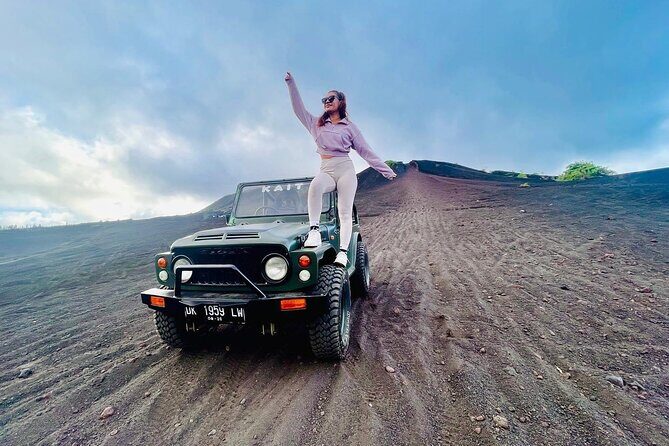
  • Mount Batur black lava trails in a custom-built 4WD jeep, aimed at the most iconic viewpoints
  • Tirta Empul purification ritual in a sacred temple setting with peaceful ponds
  • Tegalalang rice terraces with a short hike for those classic layered views
  • d’Alas Bali jungle swing over jungle and rice fields, built for big photo payoff
  • All fees, taxes, lunch, and bottled water included so you can budget with less stress

A Ubud day that actually fits a schedule

Volcano Jeep Adventure and Ubud Tour - A Ubud day that actually fits a schedule
This private tour is a smart choice when you want a lot in one go. You get around Ubud and nearby highlights without juggling separate tickets, drivers, and meeting points. The whole day runs about 10 hours, and it starts with hotel pickup in an air-conditioned vehicle.

Because it is private, the pacing is easier to handle. You’re not stuck watching a crowd speed past the quiet parts. And if weather shifts, your guide can usually keep the plan moving and adjust where needed, which matters on Bali.

The vibe is: adventure first, then culture, then views, then a fun swing finale. It is not just a photo checklist. Each stop has a different purpose, so your day feels varied instead of repetitive.

Mount Batur 4WD jeep: black lava, real altitude, and real bumps

Volcano Jeep Adventure and Ubud Tour - Mount Batur 4WD jeep: black lava, real altitude, and real bumps
Your morning begins at the feet of Mount Batur, with an off-road jeep adventure over black lava trails. This is the part of the day that feels most “Bali” in the good way: rugged terrain, big sky, and a custom-built 4WD jeep doing what 2WD vehicles can’t.

You’ll be going up to an elevation listed at about 1,717 meters. That matters because it can feel cooler and windier than the hotter Ubud base area. It is a good idea to bring layers, even if the forecast looks sunny.

What I like about the Batur segment is that it is built around the iconic viewpoint energy. The whole point of a jeep here is movement: you’re not just looking at the mountain from one spot. You’re riding the terrain and getting that sense of scale that makes Mount Batur memorable.

Practical consideration: this is off-road driving. Even if your driver takes it carefully, the path can be bumpy. If you get carsick easily, bring your usual remedy and sit where you feel most stable.

Also, in past trips, operators have emphasized safety and smooth handling. You might be guided by a jeep driver like Gri, who has been praised specifically for taking guests safely up in the 4WD.

Tirta Empul temple: what a purification ritual means in practice

Volcano Jeep Adventure and Ubud Tour - Tirta Empul temple: what a purification ritual means in practice
After the mountain adventure, you head to Tirta Empul Temple, where you’ll witness a purification ritual. The setting is described as tranquil ponds, and you can feel the change in pace right away. The jeep energy turns into something more still and observant.

This stop is about spiritual meaning, not just scenery. Tirta Empul is a sacred spot for Balinese people, and the ritual is the heart of why people come. You’ll have about 1 hour here, which is enough time to watch what is happening and to understand why locals treat this place seriously.

A few things to keep respectful and comfortable:

  • Dress modestly for a temple setting.
  • Move quietly and follow your guide’s cues.
  • Avoid blocking views of people participating in the ritual.

Possible drawback: temple rules can be more strict than you expect. If you’re relying on minimal planning for outfits, this is the moment where you might feel underdressed. A light cover-up can save the day.

If you want this part to land well, try to slow down. A ritual isn’t a spectacle; it is a practice.

Tegalalang rice terraces: a short hike with big visual payoff

Volcano Jeep Adventure and Ubud Tour - Tegalalang rice terraces: a short hike with big visual payoff
Next up is Tegalalang Rice Terrace, one of Ubud’s most famous views. You’ll get a short hike of about 45 minutes to see the rice paddies and how local people cultivate their crops.

Here’s why this stop works: rice terraces are visual geometry. The stepped rows can look unreal in photos, but they are even better in person because of the depth and the way water flows through the system. You’ll get that symmetrical look that made this area a classic.

This is also a “pause and notice” moment. Your guide can point out how farming is integrated with the landscape, but the main value is seeing it at a walking pace. You’re not just standing at a single viewpoint; you’re moving along paths that give different angles.

Practical tips to enjoy it more:

  • Wear grippy shoes. Paths can be uneven.
  • Bring sun protection, even if you start in the morning.
  • Expect some humidity and, on rainy days, slick footing.

The stops are timed to keep you from feeling rushed, but do not treat it like a stroll in a park. It is a short hike, so give your legs that respect.

d’Alas jungle swing: fun, photo-ready, and best done with a calm attitude

Volcano Jeep Adventure and Ubud Tour - d’Alas jungle swing: fun, photo-ready, and best done with a calm attitude
For the finale, you’ll ride the d’Alas Swing, a Bali jungle swing overlooking jungle and rice fields. You get about 30 minutes here, including time to set up and enjoy the ride.

This is the stop most people think of first, and it is also the stop where expectations help. If you treat it as a quick photo moment only, you’ll rush through it and miss how fun the ride can be. If you treat it like a short break at the end of a full day, it feels lighter and more rewarding.

A few practical notes:

  • Wear something that feels secure for climbing and sitting.
  • Bring a small bag for phone and valuables if needed, and ask your guide what’s best.
  • Follow staff directions closely for safety.

In many swing setups, the ride itself is short, so your enjoyment depends on how you handle the waiting time. Your best strategy is to relax, watch the views, and get ready for the moment when the swing starts moving.

Lunch, timing, and why the price feels fair

Volcano Jeep Adventure and Ubud Tour - Lunch, timing, and why the price feels fair
The price is $85 per person, and for Bali, that can be a good deal if you look at what’s included. You’re getting:

  • Lunch
  • Hotel pickup and drop-off
  • Local guide
  • Bottled water
  • All fees and taxes
  • Admission tickets at each stop (Mount Batur, Tirta Empul, Tegalalang, and the swing)

Alcoholic drinks are not included, so if you plan to have beer or cocktails, budget separately.

Where this pricing works well is when you compare it to building the day yourself. Separate transport plus tickets plus guide time adds up fast—especially for a combo like jeep adventure + temple ritual + terrace hike + swing. Here, you’re paying for convenience and reduced hassle.

The day is about 10 hours. That is long, but the stops are fairly scheduled: 3 hours for the jeep, 1 hour at Tirta Empul, 45 minutes for the rice terraces, and about 30 minutes for the swing, with transit between. If your Bali time is tight, this itinerary style is a lifesaver.

Also, the tour offers group discounts and uses a mobile ticket. Booking about 10 days in advance is typical on average, so if your dates are fixed, don’t wait until the last minute.

Who this Ubud tour suits best (and who should reconsider)

Volcano Jeep Adventure and Ubud Tour - Who this Ubud tour suits best (and who should reconsider)
This is a great fit if you want a “best-of” day around Ubud without switching plans mid-trip. It’s ideal for:

  • First-timers who want culture plus nature in one day
  • Travelers with limited time in Bali
  • People who prefer private pacing over crowded tours
  • Anyone who wants the Mount Batur jeep experience but doesn’t want to manage logistics

It may be less ideal if you:

  • Have low tolerance for rough roads (off-road jeep driving can be bumpy)
  • Need frequent long breaks
  • Want a slower, purely nature-based day with minimal stops

The private format helps a lot with comfort. But it still includes real movement: riding, walking a short terrace hike, and temple time.

The human factor: guides make the difference

Volcano Jeep Adventure and Ubud Tour - The human factor: guides make the difference
Two names came up in praise for how this day runs: Manik and Aron, plus jeep driver Gri for safe 4WD handling. What that signals is simple: you’re not just booking a route. You’re booking the people who keep it smooth.

On days with rain, one well-reviewed experience specifically noted that the ride stayed smooth even when the weather was rainy. That’s important in Bali, where conditions can shift. A good guide helps you handle it without turning your day into frustration.

If you’re the kind of traveler who likes explanations, this kind of tour usually delivers. You’ll get context in plain language: what you’re seeing, why it matters, and how to behave respectfully at the temple and in farming areas.

Should you book the Volcano Jeep Adventure and Ubud Tour?

Yes, if you want a high-value private day that mixes Mount Batur adventure, Tirta Empul culture, Ubud’s rice terraces, and a jungle swing in one organized plan. The included lunch, water, admissions, and hotel pickup make it easier to spend your money on the experience instead of nickel-and-diming tickets.

I would think twice if you hate bumpy rides or want an unhurried, low-activity day. This is a full-day program with movement built in.

If you’re aiming to make Ubud count in limited time, this one is a strong bet.

FAQ

How long is the Volcano Jeep Adventure and Ubud Tour?

It runs for approximately 10 hours.

Where does the tour take place?

The tour is based in Ubud, Indonesia, with stops around Mount Batur and nearby Ubud highlights.

What is the price per person?

The price is $85.00 per person.

Is hotel pickup and drop-off included?

Yes, hotel pickup and drop-off are included.

Does the tour include lunch and bottled water?

Yes. Lunch and bottled water are included.

Are admission tickets included?

Yes. Admission tickets are included for Mount Batur, Tirta Empul Temple, Tegalalang Rice Terrace, and the d’Alas swing.

Is the tour private?

Yes. It is a private tour, meaning only your group participates.

What is not included in the price?

Alcoholic drinks are not included.

How far in advance is this tour commonly booked?

On average, it is booked about 10 days in advance.

What is the cancellation policy?

Free cancellation is offered up to 24 hours in advance for a full refund. If you cancel less than 24 hours before the start time, the amount paid is not refunded.
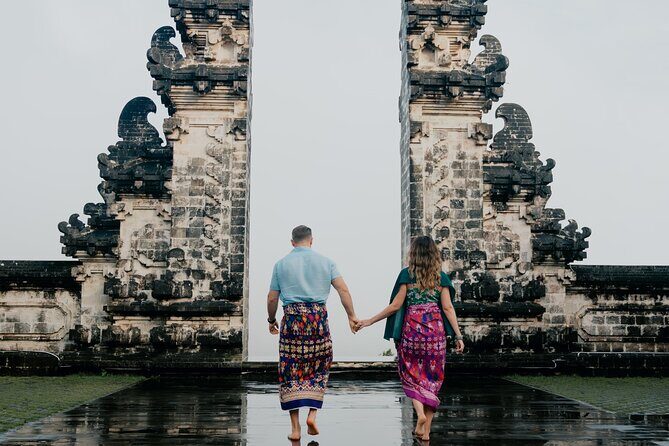
Evening Cooking Class with Romantic Dinner in Ubud

Evening Cooking Class with Romantic Dinner in Ubud - From Farm to Flavor: Harvesting Spices You’ll Actually Use

Dinner starts with mortar work.

This Ubud experience strings together Balinese culture and real food skills, from a quick look at how a local house and garden are laid out to cooking dinner with spices you help pick at a farm. You’ll learn hands-on techniques with the Lesung (traditional mortar and pestle), then finish with a candlelit meal that feels made for two.

Two things I really like: first, the pickup and drop-off in the Ubud area with a private car keeps the evening stress-free. Second, the teaching style stands out—Ron (who’s also the owner) brings humor and a relaxed, welcoming vibe, so you’re learning without feeling like you’re stuck in a classroom. One consideration: the activity requires good weather, so if conditions are poor you may need to move dates or get a refund.

Key highlights to look for

Evening Cooking Class with Romantic Dinner in Ubud - Key highlights to look for

  • West-side Ubud countryside setting before you cook, not just another restaurant kitchen
  • Farm spice harvesting tied to the menu you’ll actually cook
  • Hands-on Lesung pounding and chopping techniques for Balinese-style flavor building
  • Small-group size (up to 15 people) for more attention during cooking
  • Romantic candlelit dinner that follows the class, not a separate add-on
  • Ron’s culture-and-cooking approach, including time to chat and learn traditions

A 5-Hour Evening That Starts in a Balinese Home and Garden

Evening Cooking Class with Romantic Dinner in Ubud - A 5-Hour Evening That Starts in a Balinese Home and Garden
The experience runs for about 5 hours in Ubud, and it starts on the west side, where the mood shifts from town hustle to countryside calm. That matters, because you’re not jumping straight into cooking. You get context first.

You’ll be taken to a local Balinese house (with a look at the garden) to understand how the building sits in its setting and how people live day to day. This isn’t just sightseeing. It gives you the “why” behind ingredients, daily routines, and food culture—so when the chef later talks about what goes into Balinese dishes, it feels connected instead of random.

Practical tip: since it’s an evening activity, dress comfortably for walking around a house and garden area. You don’t need anything fancy, but do plan for uneven ground.

From Farm to Flavor: Harvesting Spices You’ll Actually Use

Evening Cooking Class with Romantic Dinner in Ubud - From Farm to Flavor: Harvesting Spices You’ll Actually Use
Next comes the farm. This is where the evening starts to feel real in your hands, not just in your stomach.

After you decide on the menu you’ll cook, you’ll explore the farm and help harvest spices that will show up in your dishes. The menu can include options like steamed fish wrapped in banana leaf, chicken meatball soup, and crepes with palm sugar and grated coconut (plus other local dishes). Even if you’re not a “foodie,” this part is surprisingly satisfying because you can see the ingredients in the same fresh state you’ll later turn into dinner.

You’ll also get an eye on how spices are used in Balinese cooking—how they’re combined, processed, and treated as the foundation of flavor. This isn’t abstract seasoning theory. It’s ingredient-to-plate work.

Possible drawback (worth planning for): farm time can take you away from shelter if the weather is unstable. Since the tour requires good weather, you’ll want to check conditions the same day.

Cooking Like Bali: Lesung, Chopping, and Techniques That Matter

Evening Cooking Class with Romantic Dinner in Ubud - Cooking Like Bali: Lesung, Chopping, and Techniques That Matter
Then you get to the heart of it: the class with a Balinese chef using fresh ingredients picked during the farm stop.

The method is part of the lesson. You’ll learn Balinese cooking techniques such as chopping and pounding spices with the Lesung. If you’ve only used bottled spice blends before, you’ll notice the difference fast. Pounding changes texture, aroma, and how spices release flavor. It’s also physical and a bit of a workout—perfect if you’ve been sitting too long in cafes around Ubud.

During the cooking, the chef explains how to cook your chosen menu items, including what ingredients are needed and how they come together. The class covers more than just “stir this, pour that.” You’ll get step-by-step understanding of how each dish is built.

What you’ll likely make (based on available menu choices)

You may be able to choose vegetarian or regular menus as part of the options. Dishes referenced in the experience include:

  • Steamed fish wrapped with banana leaf
  • Chicken meatball soup
  • Crepes sweetened with palm sugar and topped with grated coconut

Even if your exact menu differs, the style stays consistent: fresh ingredients, clear techniques, and Balinese flavors that feel distinct from the wider Indonesian palette you might know.

Value note: cooking classes are only worth it when you leave with repeatable understanding. Here, the technique talk and the spice processing help you rebuild the logic later at home.

Ron’s Culture Lesson: More Than Recipes in a Small-Group Setting

Evening Cooking Class with Romantic Dinner in Ubud - Ron’s Culture Lesson: More Than Recipes in a Small-Group Setting
This is a small-group class, capped at 15 travelers, which changes the vibe. You’re less likely to feel like a number, and that matters when you’re learning knife skills and spice work.

A standout from the reviews is Ron. Multiple people highlight his humor and friendly hosting style, plus the way he explains Balinese living and traditions alongside the food. One review specifically mentions that before cooking starts, Ron takes time to teach a bit about Balinese life and they share a tea before getting into the dishes. That’s a smart flow: it helps you slow down and pay attention before the practical work begins.

For you, this means the evening can feel both hands-on and human. You’re not just copying steps. You’re understanding the culture behind why certain ingredients and methods show up again and again.

The Candlelit Dinner That Actually Feels Like the Point

After the cooking, you don’t just get a quick bite. You sit down for a candlelight dinner, which ties the whole evening together. You’ve worked for the food, so eating it feels like a finish line, not a consolation prize.

The included drinks and food setup also helps. The experience includes:

  • Mineral water
  • A welcome drink and snacks
  • A bottle of beer

You’ll want to like the idea of a casual, romantic dinner format. If you’re the type who wants a very active nightlife plan for Ubud, this may feel more like a “one big moment” evening than a multiple-stop night out. But for many couples, that’s exactly the draw—one memorable block of time that centers on shared cooking and then sharing a table.

Food memory tip: pay attention to what you do with the spices and banana leaf wrapping (if it’s on your menu). Those are the kinds of details you’ll remember, not just the final taste.

Price and Value: What $45.82 Really Buys You in Ubud

At $45.82 per person, this isn’t just a budget activity. It’s a package: cooking class + cultural stops + farm harvesting + a candlelit dinner, with pickup and drop-off within the Ubud area and a private car.

Here’s why that can be good value:

  • You’re not paying separately for transportation, ingredients (used in the class), and the dinner.
  • You get real instruction on techniques like using the Lesung and processing spices.
  • The romantic dinner is included, so the food experience doesn’t stop at cooking.

On the other hand, it’s not the cheapest option if you’re already based outside Ubud or if you’re trying to keep every cost tight. The experience notes extra transportation costs for areas like Nusa Dua and Jimbaran and Uluwatu. If you’re not in central Ubud, ask early what transfer fee applies and whether it still makes sense for your budget.

Group discount note: the listing mentions group discounts, so if you’re traveling with friends, this can become even better per person.

Who This Cooking Class Is Best For (and Who Should Skip It)

This experience fits best if you want a specific mix:

  • Couples looking for a romantic setup without planning a fancy restaurant night
  • People who enjoy hands-on cooking and want to learn techniques, not just eat
  • Anyone who likes cultural context that’s tied to daily life and food preparation

It’s also a solid choice if you’re staying in Ubud and you want an evening that uses your time well—especially with pickup included for hotels in the Ubud area.

Consider skipping if:

  • You strongly prefer self-guided activities over organized instruction
  • You’re sensitive to weather changes, since the tour requires good weather
  • You care about bringing a photographer, because photo is not included (you’d need your own plan)

Practical Stuff to Know Before You Go

A few details will help you have a smoother evening:

  • Group size: up to 15 people means it’s social, but not crowded.
  • Menu options: you can choose vegetarian or regular menus during the experience.
  • What’s included: private car pickup and drop-off in the Ubud area, cooking class, candlelight dinner, mineral water, welcome drink and snacks, and a bottle of beer.
  • Mobile ticket: you’ll use a mobile ticket, so have it accessible on your phone.

For timing, the whole thing is about 5 hours. That’s long enough to learn and eat, but not so long that it eats your entire day. If you’re planning other activities, keep your afternoon lighter so you’re not rushing.

Should You Book This Evening Cooking Class in Ubud?

If you want an evening that blends Balinese culture, hands-on cooking, and a romantic dinner in one flow, I’d book it. The combination of farm spice harvesting, technique-focused instruction with the Lesung, and Ron’s welcoming teaching style is exactly what turns a normal activity into a memory you’ll talk about later.

I’d lean toward booking especially if:

  • You’re in Ubud and pickup convenience matters
  • You want a couples-friendly night that feels special without extra planning
  • You’re curious about how Balinese flavors build from spices and methods

If you’re on the fence, your decision comes down to one thing: are you okay with a weather-dependent outdoor portion on a countryside-style schedule? If yes, this is a strong value for a complete food-and-culture evening.

FAQ

Where does the cooking class take place?

The class is located on the west side of Ubud, in an area with green countryside surroundings.

How long is the experience?

It lasts about 5 hours.

Is hotel pickup included?

Pickup and drop-off are included for hotels in the Ubud area.

What’s included in the price?

The experience includes private car pickup and drop-off (Ubud area), the cooking class, candlelight dinner, mineral water, welcome drink and snacks, and a bottle of beer.

Are vegetarian menus available?

Yes. There are vegetarian menu options as well as regular menus you can choose during the experience.

What dishes might we cook?

Menu choices can include steamed fish wrapped with banana leaf, chicken meatball soup, and crepes with palm sugar and grated coconut.

Is the group small?

Yes. The maximum group size is 15 travelers.

What happens if the weather is bad?

The experience requires good weather. If it’s canceled due to poor weather, you’ll be offered a different date or a full refund.

Is there a photo included?

No, photo is not included.

Bali Jewelry Silver Class in Uluwatu with Gold Plating Option

Bali Jewelry Silver Class in Uluwatu with Gold Plating Option - Check-in, Wi‑Fi, and How the Class Actually Starts

Bali has a way of turning ideas into souvenirs. This silver jewelry class in Uluwatu (Jimbaran area) lets you craft something real, not just buy it off a shelf. You work with guidance from professional silversmiths to shape, polish, stamp, and hammer your design using 1–6 grams of pure silver for one jewelry piece.

Two things I especially like: the studio has in-house Wi‑Fi (so you’re not stuck on expensive roaming) and the workshop space is designed for photos, with indoor and outdoor areas. One thing to consider: if you want the gold-plating look, it’s an upgrade that costs extra.

Key Highlights You’ll Actually Care About

Bali Jewelry Silver Class in Uluwatu with Gold Plating Option - Key Highlights You’ll Actually Care About

  • Pick your design path: use your own idea or copy from templates.
  • Real tools, real steps: shaping, polishing, stamping, and hammering with professional equipment.
  • AC studio + bottled water keeps the 2-hour session comfortable.
  • In-house Wi‑Fi is a practical perk for planning the rest of your Bali day.
  • Optional gold plating for a more premium finish on your silver piece.
  • Small format: limited to up to 20 people.

Silver Jewelry in Uluwatu: What the Studio Experience Feels Like

Bali Jewelry Silver Class in Uluwatu with Gold Plating Option - Silver Jewelry in Uluwatu: What the Studio Experience Feels Like
The whole point here is hands-on jewelry making in a comfortable air-conditioned studio setting. The address for the class is in the Pecatu/Kuta Selatan area (Jl. Labuansait No.64, Pecatu, Kec. Kuta Sel., Kabupaten Badung, Bali 80361), and the session runs from a studio called Signature Jewelry Classes – Uluwatu Silver Class.

You’ll find both indoor and outdoor spaces, which matters more than you might think. In the middle of a creative class, a change of scenery helps when your hands are busy and your brain needs a reset. It also makes it easier to grab a photo between steps without feeling like you’re trapped in one room.

And yes, it’s built for social posts. The studio has Instagrammable areas, but it’s not just for show. Those same design choices make the waiting and learning parts less awkward, especially if you’re going solo or trying the activity as a couple.

Check-in, Wi‑Fi, and How the Class Actually Starts

Bali Jewelry Silver Class in Uluwatu with Gold Plating Option - Check-in, Wi‑Fi, and How the Class Actually Starts
The flow is simple. You come to the studio, check in, and settle into a cozy waiting area. Expect a relaxed start rather than a stressful scramble. There’s free Wi‑Fi, which is genuinely useful in Bali. You can handle messaging, maps, or your next stop without burning data.

The class duration is about 2 hours, so you’re not signing up for an all-day project. A shorter workshop also means you’ll stay focused. The instructor guidance covers the key stages without turning it into a long lecture series.

The class format is capped at a maximum of 20 people, which typically keeps the energy workable. You’ll have enough attention to follow what’s happening, but you still get that lively studio buzz of other people creating their own pieces.

And you’ll get bottled water, so you’re not showing up to a workshop and then needing to hunt down a drink.

Designing Your Piece: Templates or Your Own Idea

This is where the experience becomes more personal than most “make a souvenir” activities. You can start from your own design or copy from available templates. For many people, that choice is the difference between leaving with something you actually like versus something you tolerate.

You’re working with 1–6 grams of pure silver for 1 jewelry design. That silver range matters because it tells you two things:

1) the class is designed around manageable crafting time, and

2) you’re not working with random materials. You’re working with real silver in a practical amount for a take-home piece.

If you’re trying to recreate a specific ring style, you’ll want to go in with a clear idea. If your idea is more loose, templates help you get moving fast. Either way, the goal is that your final piece looks like you had a say in it—because you did.

From Shaping to Hammering: The Craft Steps You’ll Do

Bali Jewelry Silver Class in Uluwatu with Gold Plating Option - From Shaping to Hammering: The Craft Steps You’ll Do
This is a proper silversmithing workshop, not just a paint-by-numbers craft. You’ll learn each step of the process, guided by professional silversmiths, including:

  • Shaping your piece
  • Polishing it to refine the surface
  • Stamping details
  • Hammering as needed for the construction

The tools list gives you a clue about how hands-on it is. You’ll work with professional equipment like:

  • grinding wheels
  • jeweler’s saws
  • and the specialized jewelry tools used to shape fine metal

That tool selection is a big part of the value. It’s not just “watch someone else work.” You’re doing the work, learning the workflow, and leaving with a piece you built with your own hands.

It also helps that the class gives you a step-by-step path. When you’re learning a craft, the hardest part isn’t the final polish. It’s knowing what comes next. Here, you get that sequence.

Choosing the Gold Plating Upgrade: When It’s Worth It

Bali Jewelry Silver Class in Uluwatu with Gold Plating Option - Choosing the Gold Plating Upgrade: When It’s Worth It
The class includes pure silver as your base material, and there’s an optional gold plating upgrade to enhance the finish with a more luxurious look.

Here’s how I’d decide if it’s worth it for you:

  • If you want your piece to feel more like a jewelry store item, gold plating can help create that visual lift.
  • If you’re making this primarily as a meaningful Bali souvenir, you might prefer keeping it fully silver and avoiding the added cost.

Because the upgrade is optional and you’re already getting a real silver piece included, you’re not pressured into spending more. You can choose the finish that matches your budget and your style.

What You Take Home (and Why It’s a Better Souvenir)

Bali Jewelry Silver Class in Uluwatu with Gold Plating Option - What You Take Home (and Why It’s a Better Souvenir)
Your handcrafted jewelry is yours to keep and take home. That’s the core value: you walk away with an actual wearable piece created during the session, not a voucher or a factory-made item.

I also like that the class frames the experience around the full process. You’re not only making the item; you’re learning the steps that lead to it. That matters because you’ll recognize the work when you show it to friends later—especially if you made design choices along the way.

Also, the class is built for personalization. In the feedback people give this experience, the strongest theme is that it lets you tailor things to your idea—so you don’t feel stuck with a generic design.

Price and Value: Is $46.43 a Good Deal?

Bali Jewelry Silver Class in Uluwatu with Gold Plating Option - Price and Value: Is $46.43 a Good Deal?
At $46.43 per person, this is priced like a short, focused activity that still includes real materials and real instruction. Here’s what you’re getting for the money:

  • 1–6 grams of pure silver for one jewelry design
  • guidance from professional silversmiths
  • specialized jewelry-making tools during the class
  • air-conditioned studio environment
  • bottled water
  • free Wi‑Fi access
  • optional gold plating upgrade (extra charge)

The value improves if you compare it to the cost of buying a silver ring or pendant in a shop and wondering if it will feel truly personal. Here, you’re paying for instruction and materials and the satisfaction of doing it yourself.

What’s not included is also important:

  • hotel transfer is not included
  • meals are not included

So you’ll want to plan your transport and food around the class. If you’re already in the Jimbaran/Pecatu area, that’s easy. If you’re staying far away, budget a taxi or ride to get there smoothly.

Who This Bali Jewelry Class Fits Best

Bali Jewelry Silver Class in Uluwatu with Gold Plating Option - Who This Bali Jewelry Class Fits Best
This works well for:

  • couples or friends who want a shared activity with a tangible outcome
  • solo travelers who enjoy learning a skill and making something personal
  • people who want a Bali souvenir that doesn’t feel mass-produced

It may not be the best match if:

  • you only want passive sightseeing and don’t want hands-on work
  • you want an activity that’s longer and more elaborate than a 2-hour session
  • you’re not interested in working with tools and doing the steps yourself

The 2-hour length is a feature, not a flaw. You’ll leave with something done, not with “we’ll finish it later.”

Practical Tips for Planning Your Day Around It

A few practical things will help the class fit into your Bali schedule:

  • You can choose daytime or evening classes, which gives you flexibility if your afternoons are packed.
  • The activity uses a mobile ticket, so have it ready on your phone when you arrive.
  • The studio is near public transportation, so you may have options beyond hotel pickup.
  • It ends back at the meeting point, so plan your next meal or stop nearby.

If you like to keep your days simple, pick the class time that matches your energy level. Evening sessions can be a nice way to avoid peak daytime heat, but only you know your pace.

Should You Book This Uluwatu Silver Class?

If you want a hands-on Bali experience with a real take-home item, I think you should book it. For the money, you’re getting pure silver materials, professional instruction, AC comfort, and free Wi‑Fi, all in about 2 hours.

Choose it especially if:

  • you care about personalization and want to shape your own design
  • you like craft activities where you learn the process, not just the final look
  • you’re in the Jimbaran/Pecatu area and want a straightforward outing

If gold plating is calling your name, decide based on your budget and how wearable you want it to look day-to-day. Either way, the base silver piece is included.

FAQ

FAQ

How long is the Bali Jewelry Silver Class in Uluwatu?

The class lasts about 2 hours (approximately).

Where do I meet for the class?

You’ll meet at Signature Jewelry Classes – Uluwatu Silver Class, Jl. Labuansait No.64, Pecatu, Kec. Kuta Sel., Kabupaten Badung, Bali 80361, Indonesia.

What is included in the price?

The class includes bottled water, free Wi‑Fi, an air-conditioned studio environment, guidance by professional silversmiths, specialized jewelry-making tools, and 1–6 grams of pure silver for one jewelry design.

Can I use my own design?

Yes. You can work with your own design or copy templates.

What does the gold plating option include?

Gold plating is an optional upgrade with an additional charge. It enhances your silver piece with a gold finish.

Are there daytime and evening class times?

Yes. The class offers a wide range of class times, including evenings.

Do I need hotel transfer?

No. Hotel transfer is not included, so you’ll need your own way to get to the meeting point.

Are meals included?

No. Meals are not included.

Is Wi‑Fi available during the class?

Yes. The studio offers in-house Wi‑Fi access.

What is the cancellation policy?

You can cancel for a full refund up to 24 hours before the experience starts. If you cancel less than 24 hours before, the amount paid is not refunded.

1 Hour Mangrove Tour From Lembongan with Kayak, Paddle, or Boat

1 Hour Mangrove Tour From Lembongan with Kayak, Paddle, or Boat - The 1-hour session: what happens before and after

Mangroves feel different when you paddle slowly. This 1-hour kayak or SUP trip takes you into Nusa Lembongan’s mangrove ecosystem, with staff nearby for safety while you explore more independently than a big group outing. One of my favorite parts is the easy pickup and drop-off, so you do not have to rent a scooter just to try a different side of Lembongan.

You’ll also like the setup for people who just want to get on the water fast: life jackets are included, lockers are available, and a staff member keeps an eye on things while you paddle. The main catch to keep in mind is that the timing can vary a bit in practice, with some runs feeling shorter or longer than the stated 1 hour.

Key things to know before you go

1 Hour Mangrove Tour From Lembongan with Kayak, Paddle, or Boat - Key things to know before you go

  • Hotel or Yellow Bridge pickup/drop-off saves you from scooter logistics across Nusa Lembongan and Nusa Ceningan.
  • Kayak or SUP for about 1 hour gives you a focused slice of the mangroves without a half-day commitment.
  • Safety gear and supervision included, including life jackets and staff watching from nearby.
  • Wildlife spotting can be a highlight, including starfish and other small marine life you may see along the way.
  • Bottled water is not included, so plan to grab water before or after if you need it.

Mangrove paddling on Lembongan’s own schedule

This tour is built around a simple idea: the mangroves are best experienced at human speed. When you’re in a kayak or on a stand-up paddleboard, you move quietly through the mangrove roots and shallow water channels, and the whole area feels less like scenery and more like a working ecosystem.

The time window matters here. You’re not signing up for a long day where you’re just trying to make the next transfer. Instead, you get about 1 hour on the water, which is ideal if you’re already bouncing around Nusa Lembongan and just want one “active nature” stop that fits cleanly into your day.

And yes, the mangroves are the point. Even if you only have basic familiarity with them, being down there—close enough to notice changes in the water and the way mangrove roots form natural barriers—tends to make the whole place click. One reason I like this format is that it supports your curiosity: you can pause to look, slow down, and paddle through the sections that feel interesting, without someone constantly redirecting your pace.

Pickup that saves you from scooter math

1 Hour Mangrove Tour From Lembongan with Kayak, Paddle, or Boat - Pickup that saves you from scooter math
Unless you truly love driving a scooter in traffic, the pickup part is a big deal. This experience offers two-way transfers from across Nusa Lembongan, and it can also work if you’re staying on Nusa Ceningan by meeting at the Yellow Bridge.

That means you can spend your energy on the water, not on figuring out routes, parking, or whether you’re going to arrive sweaty and stressed. It also makes it easier for couples who want to do something outdoorsy without turning the day into logistics.

You also have two ways to start:

  • You can be picked up at your hotel.
  • Or you can meet directly at Lembongan watersport at Mangrove Beach in Jungutbatu.

Either way, the tour ends back at the starting meeting point, so you’re not stranded in a random corner of the island.

One practical touch: you get a mobile ticket, which usually makes it quicker at check-in when you’re moving between activities.

The 1-hour session: what happens before and after

1 Hour Mangrove Tour From Lembongan with Kayak, Paddle, or Boat - The 1-hour session: what happens before and after
Here’s the rhythm you should expect, and how to think about it as a first-timer.

First, you arrive at the watersport base at Mangrove Beach, Jungutbatu. If you’re using the transfer, the pickup brings you there. You’ll then get access to the equipment and basic support—think quick orientation and getting you geared up rather than a long lecture.

Next comes your paddle time. You’ll use a kayak or a paddleboard for the allotted period while a staff member keeps safety watch. You do not need to be a strong athlete to participate, since the activity is built for “steady paddling” rather than racing.

Then you head back to the start area and your tour ends right where you began.

Now for the reality check: the duration can shift. The tour is marketed as about 1 hour, but timing can feel different depending on conditions and route flow. Some setups have run shorter than expected, while other experiences have lasted longer than an hour. My advice is to treat the hour as a target, not a strict stopwatch promise. If you’re stacking activities on a tight schedule, leave extra buffer so the mangroves don’t derail your next stop.

Kayak vs SUP: choose your stability level

You can do this on either a kayak or an SUP. The choice comes down to balance and how you want to move.

  • Kayak: More stable for many people, especially if you want to focus on looking around. You can glide and turn without balancing in the same way as SUP.
  • SUP: More “active.” You’ll likely feel more engaged from the moment you stand up. If you already paddle boards at home or have good balance, it can be a fun way to feel connected to the water.

Either option gives you the same core experience: you’re paddling through mangrove areas at slow speed while someone is there for safety.

Also, if you have a preference about visibility, here’s something to keep in mind. Some versions of the experience have used transparent boats/kayaks, which can help you spot what’s happening below. That is not guaranteed for every departure, but it’s worth asking if the operator offers a transparent option that day.

Wildlife spotting and what makes the guide matter

The mangroves are full of life, but you don’t automatically see it all at once from a distance. This is where the guide can quietly make or break the experience.

When the guide leans into it, you can get:

  • Animal-spotting tips (including starfish)
  • Explanations of how mangroves work
  • Help capturing photos and videos while you’re out

That guidance turns random paddling into something more memorable, especially for first-timers who do not yet know what to look for.

On the other hand, not every guide will explain at the same level. In some situations, the paddling still works well, but the educational side can feel lighter. If you care about learning as you go, a simple approach helps: ask a clear question right away—what should I watch for in the mangroves, and where do you usually see the most life? Guides who love the area usually respond well, and you’ll get much more out of the hour.

Safety gear, lockers, and comfort in the tropics

1 Hour Mangrove Tour From Lembongan with Kayak, Paddle, or Boat - Safety gear, lockers, and comfort in the tropics
This is one of the more reassuring parts of the package. You get life jackets and the staff keeps safety supervision nearby. You also have lockers available if you need somewhere to stash your items.

That matters because mangrove paddling is not about getting soaked or going all-in with risky behavior. It’s about moving through an active environment. Life jackets let you focus on paddling and looking around, instead of worrying about “what if.”

A few comfort notes to plan around:

  • Expect warm, humid conditions. Even if the paddle is short, you’ll feel the heat.
  • Since bottled water is not included, bring water with you or plan to buy it before you start.
  • Pack essentials only. If you do not need valuables, leave them behind. Lockers are helpful, but a lighter load still makes the start smoother.

Price and value: how $10.70 makes sense

At $10.70 per person, this is priced like a value add-on, not a premium “full day” excursion. The reason it can feel worth it is what’s bundled.

You’re getting:

  • Round-trip hotel transfer
  • Use of kayak or paddleboard
  • Life vests and locker access

When you price those pieces separately—especially transport and equipment—it usually adds up quickly. Here, the package keeps the cost low while still giving you the essentials to enjoy the mangroves safely.

It’s also short. The hour time window is the kind of commitment that fits even on busy days. You’re not paying to sit around.

The one thing to watch is extra consumables. Bottled water is not included, so build in a small budget for hydration.

Traffic on the water: a real-world consideration

1 Hour Mangrove Tour From Lembongan with Kayak, Paddle, or Boat - Traffic on the water: a real-world consideration
Mangroves are calm when you’re watching them from the edge. On the water, you may still share the area with other boats and paddlers. One practical detail from experience: there can be a fair bit of oncoming activity, depending on the day and how many departures are in the water.

What does that mean for you?

  • Plan for a bit of “keep moving” energy rather than total silence.
  • If you’re sensitive to noise or boat traffic, set your expectations for a shared paddling zone.

This doesn’t ruin the tour, but it’s better to know than to assume you’ll have the mangroves entirely to yourself.

Who this tour is for (and who should pass)

This tour is a strong fit if you want:

  • A simple active nature outing near where you’re staying
  • A short time commitment with a clear start and end
  • A way to see the mangroves without dealing with scooters and complicated transport

It can also work well for people who like wildlife, especially if you’re excited by small sightings like starfish and other marine life that often comes into focus when a guide points it out.

You might want to skip or rethink it if:

  • Your day is scheduled down to the minute and you cannot tolerate timing variation.
  • You need a very in-depth lecture about mangroves. Some guides explain a lot; others focus more on the paddle.

Should you book this 1-hour mangrove tour?

If you’re in Nusa Lembongan and want a low-stress way to paddle through mangroves, this is an easy “yes.” The transfer is the killer value, the gear is included, and the time length makes it easy to fit into a vacation rhythm.

Just go in with the right expectations:

  • Treat the hour as approximate.
  • Bring your own water since bottled water is not included.
  • Ask your guide what to watch for early on—when they engage, the wildlife and mangrove talk can turn a good paddle into a memorable one.

If that sounds like your kind of day, book it and spend the hour slowing down. The mangroves reward patience.

FAQ

How long is the mangrove tour?

The tour is listed as about 1 hour.

Do you offer hotel pickup and drop-off?

Yes. Pickup and drop-off are offered from hotels around Nusa Lembongan. If you’re staying on Nusa Ceningan, you can meet at the Yellow Bridge.

Where does the tour start?

The activity starts at Lembongan watersport, Mangrove Beach, Jungutbatu village, Nusa Lembongan.

What do I paddle during the tour?

You can use a kayak or a stand-up paddleboard (SUP) for the duration of the tour.

Is safety equipment included?

Yes. Life jackets are included, and there is staff supervision for safety.

Are lockers available?

Yes. Lockers are available if you need them.

Is bottled water included?

No. Bottled water is not included.

What happens if weather is poor?

The experience requires good weather. If it’s canceled due to poor weather, you’ll be offered a different date or a full refund.

What is the cancellation window?

You can cancel for free up to 24 hours in advance for a full refund.

Private Tour in Nusa Penida West Island

Private Tour in Nusa Penida West Island - Getting from Ubud to Nusa Penida without the headache

West Nusa Penida moves fast. This private outing strings together the island’s most famous west-coast stops—Kelingking Beach, Angel’s Billabong, Crystal Bay, and Broken Beach—with a local driver who keeps the day flowing and explains what you’re seeing along the way.

Two things I really like: first, you get hotel pickup and drop-off in Ubud plus a comfortable air-conditioned vehicle, so you’re not piecing transit together. Second, the driver vibe matters here, and the guides’ names come up often: Bagus (humor, careful driving, strong English, great photo help), Aris (punctual and calm even when plans change), and Made (friendly, helpful, and also good at photos).

One drawback to plan around: the schedule depends on good weather and the day is long—around 9 hours including the ferry—so if you’re not into long travel days, this might feel like a lot.

Quick hits before you go

Private Tour in Nusa Penida West Island - Quick hits before you go

  • Private, just your group: no waiting for a bus full of strangers.
  • Hotel pickup in Ubud + drop-off back: you keep the logistics simple.
  • Sanur ferry is built in: the timing works as one day, not a broken-up plan.
  • First stop is Kelingking Beach: about two hours of drive, then roughly an hour on-site for the signature viewpoint.
  • Photo-friendly guidance: drivers like Bagus and Made are known for helping with angles and moments.
  • Entrance fees vary by stop: some are included, while Crystal Bay is free.

A private West-Island route that feels organized

Private Tour in Nusa Penida West Island - A private West-Island route that feels organized
This is one of those Nusa Penida days that can go either way: chaotic if you self-plan, or surprisingly smooth if someone who knows the roads handles the order. Here, you’re driven around in an air-conditioned car and taken directly from your hotel area in Ubud to the port, onto the ferry, then across Nusa Penida’s west side.

What makes the route appealing is the stop selection. You’re not just hitting one wow spot. You’re stacking multiple famous “lookouts plus coastal rock formations” in a single day: the dramatic cliff profile at Kelingking, the limestone lagoon at Angel’s Billabong, the quieter sand cove at Crystal Bay, and the arch-like landmark of Broken Beach (often called Pasih Uug).

Because it’s private, you can move at a pace that matches your group. You also have a driver who isn’t just a driver. The best versions of this tour hinge on the person behind the wheel—how they manage the bumpy sections, how they time short photo moments, and how well they explain what you’re looking at.

Getting from Ubud to Nusa Penida without the headache

Private Tour in Nusa Penida West Island - Getting from Ubud to Nusa Penida without the headache
The day is built around a full transfer plan. You start with pickup from your hotel in Ubud, then head to the port area for the boat crossing from Sanur to Nusa Penida. That matters because the island is spread out and the ferry timing is fixed—trying to “wing it” usually turns into stress.

Once you’re on Nusa Penida, you’re not stuck with motorcycles or random taxis. You’re using a comfortable, air-conditioned vehicle. That’s a big deal in practical terms: you’re spending real time in the car between viewpoints, and heat plus road dust is not a great combo when you’re also trying to enjoy the stops.

Also pay attention to the road conditions. In the day’s context, “good driver” isn’t a luxury. It’s a safety and comfort issue. The drivers for this tour are repeatedly described as careful and confident, especially on rougher, bumpy sections.

Kelingking Beach: the first big cliff moment

Private Tour in Nusa Penida West Island - Kelingking Beach: the first big cliff moment
Kelingking Beach is your first major stop. After about two hours of driving, you spend around one hour exploring the area. That’s the right kind of timing for Kelingking: long enough to get oriented and take photos, but not so long that you feel stuck if the light shifts or you want to move on.

This stop is set in the southwestern part of Nusa Penida, in the Bunga Mekar village area. What you’re really here for is the signature viewpoint—one of those places that makes you stop talking for a second and just stare. You’ll get the best experience if you treat that hour as a mini photo session plus a chance to walk at a safe, comfortable pace.

One consideration: viewpoints can mean uneven ground and lots of people at busy times (even on private tours, you’re usually still sharing the lookout area). If you’re traveling with anyone who gets tired easily, plan to take short breaks and don’t rush the edges.

Angel’s Billabong: limestone views with lagoon vibes

Private Tour in Nusa Penida West Island - Angel’s Billabong: limestone views with lagoon vibes
Next up is Angel’s Billabong, a dramatic rock formation on the island’s southwestern cliff edges. This stop is timed for about two hours, and that’s helpful because you’re not just passing through—you’re given space to see the rock lagoon from different angles.

The highlight here is the naturally formed lagoon setting inside a limestone structure. Visually, it’s one of the stops where the shapes matter as much as the views. If you enjoy photos, you’ll likely appreciate having a driver who knows where the angle changes as you move around.

The tour description also hints at the kind of experience you’ll have: there’s an option to descend to get closer to the scene. That’s a good reminder to wear gear that works for walking on uneven coastal areas. If someone in your group isn’t comfortable with steps or slopes, tell your driver early so they can help you choose the easiest path for the same viewpoint payoff.

Crystal Bay: the calmer west-coast breather

Private Tour in Nusa Penida West Island - Crystal Bay: the calmer west-coast breather
After the cliff-heavy stops, Crystal Bay is a welcome change of rhythm. It’s described as a secluded cove with about a 200-metre stretch of sand on the west coast of Nusa Penida.

What I like about this stop in the context of a one-day tour is the way it balances the day. You’re given about two hours here, which is enough time to step away from the rock formations and simply enjoy the coast. And it’s also a practical perk: the information you get for the stop notes admission is free.

Because it’s accessible via well-developed roads, this is also a stop that doesn’t feel like an ordeal. It can be a good choice for mixed groups—people who love dramatic viewpoints get their fix at Kelingking and Billabong, and the ones who prefer a slower pace get a softer landing here.

Broken Beach (Pasih Uug): the arch-like landmark stop

Private Tour in Nusa Penida West Island - Broken Beach (Pasih Uug): the arch-like landmark stop
Broken Beach is your final major attraction, also known as Pasih Uug. It’s another southwestern-edge coastal formation, and the signature feature is a hilly, arch-like rock shape that makes the spot instantly recognizable once you’re there.

Timing is about two hours, which helps because this is one of those “look first, then decide where you want to stand” stops. Good photos often come from small movements around the viewing area, so having that time window is useful.

As with the earlier coastal sites, your experience will depend on conditions. The tour runs on a schedule that expects you’ll be able to move around safely and enjoy the views in daylight. That’s why good weather is important—not just for comfort, but for clarity and visibility.

The driver experience makes or breaks the day

Private Tour in Nusa Penida West Island - The driver experience makes or breaks the day
The best thing about this tour type isn’t just the sights. It’s how the driver turns travel time into part of the experience.

In the feedback you’ll see a pattern: drivers are often described as humorous, friendly, and genuinely focused on the group. Bagus, in particular, comes up with details like being funny, well-informed, and kind—plus being a strong photographer helper. Aris is described as punctual and patient, even when a small snag came up back at the hotel and had to be sorted with reception. Made is also mentioned as an absolute pleasure and a great photo partner.

A few details worth taking seriously because they affect your day:

  • You’re likely to get real conversation, not just silence in the car.
  • You may get help with photos and timing, which can save you stress at crowded viewpoints.
  • You’ll probably feel safer and calmer with a driver who knows the roads well, especially for the bumpy sections.

This is why I think this private format is a smart value for Nusa Penida. You can hire a ride and show up at stops yourself. But the difference is that your driver helps you get the day right.

Price and value: is $72 a good deal?

Private Tour in Nusa Penida West Island - Price and value: is $72 a good deal?
At $72 per person, this can feel like a lot or like a bargain depending on what you compare it to.

Here’s how I’d judge value:

  • You’re paying for a private car, plus a full day that includes the ferry portion from Sanur to Nusa Penida.
  • You’re also paying for the driver’s time and guidance across multiple stops, not just one.
  • Group discounts exist, which can make the per-person cost drop if you’re traveling with others.
  • Pickup and drop-off mean you’re not budgeting extra for arranging local transport.

If you were to self-plan, you might save some money on paper. But you’d also risk spending that savings on wrong timing, waiting around, and energy-draining logistics. For a one-day West loop, having everything coordinated is usually worth it.

How long is it really, and how tiring will it feel?

The tour duration is around 9 hours, including the boat crossing. In a country of islands, that’s a normal reality for Nusa Penida day trips, but it’s still a long chunk of your schedule.

Your day is split into:

  • Several hours of transit combined with the ferry transfer.
  • Multiple sightseeing stops, each about one to two hours depending on the location.

Because you’re moving between viewpoints, the “tiring” part isn’t only walking. It’s also time spent in the car and the need to stay alert for safe footpaths around coastal lookouts. If you do get tired, tell your driver. Private tours are better at handling adjustments than fixed-group tours.

Best for whom (and who might want a different plan)

This private west-day trip is a great fit if:

  • You want the big-name stops (Kelingking, Angel’s Billabong, Broken Beach) without planning chaos.
  • You’re traveling with a group that appreciates one vehicle and one shared plan.
  • You value driver guidance, especially for road comfort and photo help.

You might rethink it if:

  • Your group doesn’t do well with long travel days.
  • You’re the type who wants lots of unhurried time at one spot. This route is about collecting multiple highlights in one go, not lingering for half a day at a single coastline.
  • Weather worries you. The experience depends on good conditions, and if the day is canceled for weather, you’ll need to shift dates.

Should you book this Nusa Penida West private tour?

I’d book it if you want an organized, memorable West loop and you care about the driver experience as much as the sights. It’s priced for a private day and built around a straightforward schedule: ferry transfer, comfortable car, and four signature stops in a sequence that makes sense.

I would not book it if you’re trying to keep the day super light and short. Nine hours with island travel is real time, and the best version of the tour is when you go in with that full-day mindset.

If you do book, pick good conditions for your travel window. Also think of this as a photo-and-view day: you’ll get the most satisfaction if you’re ready to move, look, adjust angles, and enjoy the coastline variety from stop to stop.

FAQ

How long does the Nusa Penida West private tour take?

It runs for about 9 hours in total, including the boat crossing from Sanur to Nusa Penida.

Is this tour private or shared?

It’s private. Only your group participates.

Do you get hotel pickup and drop-off?

Yes. Pickup and drop-off are offered at your hotel.

What stops are included on the west side?

The main stops are Kelingking Beach, Angel’s Billabong, Crystal Bay Nusa Penida, and Broken Beach (Pasih Uug).

Are admission tickets included for the stops?

Kelingking Beach, Angel’s Billabong, and Broken Beach have admission tickets included. Crystal Bay lists the admission as free.

Do I need good weather?

Yes. The experience requires good weather. If it’s canceled due to poor weather, you’ll be offered a different date or a full refund.

Can I cancel for a refund?

You can cancel up to 24 hours in advance for a full refund. If you cancel less than 24 hours before the start time, the amount paid is not refunded.
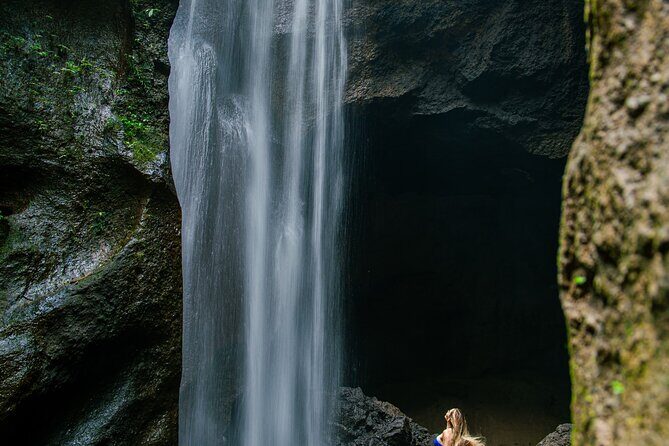
Mount Batur Sunrise Trekking (Private, Breakfast and Visiting coffee plantation)

Mount Batur starts your morning before most people start theirs. This private sunrise trek is built around one simple goal: see the active volcano wake up, then enjoy a proper breakfast with lake views. You’ll be climbing in the dark, then sitting at the top for sunrise with warm drinks, so the whole day feels like one focused plan.

I really like that this is private and guided from start to finish. With guides like Wayan Budiawan (also named Nyoman in some groups), you get help with pacing and photos, and you’re not stuck waiting for strangers. I also like the practical touches: flashlights, simple ponchos, and steam eggs at the summit, plus hot tea or coffee to keep you steady while the air is still cool.

One thing to consider: it’s a tough-style hike. The trek is about one and a half hours to the top, and it’s not a casual walk, so good hiking shoes (not included) and a warm layer matter.

Key highlights you’ll actually feel during the day

Mount Batur Sunrise Trekking (Private, Breakfast and Visiting coffee plantation) - Key highlights you’ll actually feel during the day

  • Private pickup + private guide: your group only, timed to your accommodation area
  • Summit comforts: flash light included, ponchos if needed, and hot tea/coffee after the climb
  • Steam eggs at the top: cooked using the volcano heat, a fun Bali ritual moment
  • Crater rim option after sunrise: see craters from eruptions in 1926, 1963, and 1974/1994
  • Breakfast with lake views: restaurant meal overlooking Lake Batur and Mount Batur
  • Add-ons on request: hot spring and coffee plantation available if you want to extend the experience

A sunrise plan built for real mountain mornings

Mount Batur Sunrise Trekking (Private, Breakfast and Visiting coffee plantation) - A sunrise plan built for real mountain mornings
Mount Batur is the kind of Bali activity that’s less about ticking boxes and more about earning the view. You start very early, hike while the sky is still dark, then climb down into breakfast mode. The timing is what makes it work: the climb happens at night, but sunrise happens at the summit, not somewhere in transit.

This tour runs about 10 hours total. Pickup typically happens between 1:30 and 3:00am, depending on where you’re staying. Then you drive to the trailhead, get a safety briefing, and set off before it’s fully light. If you’re the type who hates wasting time on transfers, the private setup helps. You get dropped where you need to be and you stay with the same guide.

The itinerary also gives you a key choice after sunrise. You can go straight back toward the car park, or your guide can lead you along the rim to see additional crater features.

How the early pickup and meeting point work

Mount Batur Sunrise Trekking (Private, Breakfast and Visiting coffee plantation) - How the early pickup and meeting point work
Pickup is offered from Ubud and across Bali accommodations, with start times adjusted based on your hotel location. Expect a pre-dawn start, because Mount Batur sunrise viewing depends on being at altitude before the light changes.

You’ll meet at the trailhead area at P9JM+W94, Jl. Pendakian Gn. Batur, Batur Tengah, Kec. Kintamani, Kabupaten Bangli, Bali 80652, Indonesia. The tour ends back at the meeting point (your car transfer is part of the plan back toward your hotel, with an estimated return window later in the morning).

Because it’s private, your driver and guide can keep the flow smooth. You’re also more likely to get a schedule that fits your comfort level, not someone else’s.

Practical note: even if the air feels fine in Ubud at night, it’s usually cooler near the summit. This is why the tour includes ponchos and why you should plan on bringing a warm layer (more on that later).

The uphill to the summit: what to expect in the dark

Mount Batur Sunrise Trekking (Private, Breakfast and Visiting coffee plantation) - The uphill to the summit: what to expect in the dark
After arriving at the starting point, you’ll get an introduction and safety briefing from an experienced hiking guide. Then you climb.

The trek is about 1.5 hours to reach the summit. That means you should think “steady effort” rather than “a quick walk.” You’ll be moving in the dark, so good footing is everything. This tour gives you a free flashlight use, which is a real help on uneven volcanic paths.

It’s also the part of the day where a great guide changes the whole experience. In the feedback that’s associated with this tour, Wayan Budiawan is specifically praised for staying patient and helping first-timers keep moving without rushing. That matters because the best pace is the one you can maintain.

If you want an even smoother climb, ask for walking poles on request. Poles aren’t listed as always included, but they are available.

Summit moment: eggs, tea, and the sunrise clock

Mount Batur Sunrise Trekking (Private, Breakfast and Visiting coffee plantation) - Summit moment: eggs, tea, and the sunrise clock
Once you reach the top, the tour shifts from hiking mode to sunrise mode.

Around 6:00am, you’ll be served hot tea or coffee by your guide. This isn’t just a nice extra. It’s smart: warm drinks help you feel more comfortable and can make waiting for sunrise feel less like frozen patience.

Then comes one of the most memorable included items: eggs for steaming at the top of the volcano. The heat from the volcano is used to cook eggs, which is a classic Mount Batur experience. It’s simple, but it’s a great “I’m really here” moment.

After the sunrise, your guide gives you options:

  • Head directly toward the car park
  • Or stay on the rim for extra crater viewing, guided around the edge

If you’re curious and you like photos with context, the crater rim option is worth it.

Crater rim exploring after sunrise: 1926 to 1994

Mount Batur Sunrise Trekking (Private, Breakfast and Visiting coffee plantation) - Crater rim exploring after sunrise: 1926 to 1994
From about 7:00am onward, you’ll decide how much time you want on the rim. If you choose to explore, your guide leads you around the volcanic edge to see multiple craters linked to different eruption periods.

This part of the itinerary mentions craters erupted in:

  • 1926 (second crater)
  • 1963 (third crater)
  • 1974 and 1994 (youngest crater)

What makes this meaningful is that it turns the volcano from a one-moment view into a story you can walk around. You’re not just looking at one peak; you’re seeing how the mountain has been changing over time.

A balance note: this extra rim exploring can add some walking. If your legs already feel heavy from the ascent, going straight to the next step is totally reasonable.

The descent, then Lake Batur breakfast in the Kintamani bowl

Mount Batur Sunrise Trekking (Private, Breakfast and Visiting coffee plantation) - The descent, then Lake Batur breakfast in the Kintamani bowl
You’ll make your way back down, arriving around 9:00am. Then it’s time for breakfast around 9:20am at a restaurant with overlooking Lake Batur and Mount Batur.

Breakfast here is built into the value. You’re not hiking, then immediately hunting for food. You’re also eating with a view that makes the early start feel justified.

This is also where your morning’s big effort converts into something you can enjoy calmly. If you’re coming from Ubud, this moment is a nice contrast: you’ve left the city behind and landed in a volcanic caldera setting.

The tour estimates a return to your hotel between 11:00am and 1:00pm, depending on timing and any add-ons you pick.

Optional hot spring and coffee plantation: how to plan your day

Mount Batur Sunrise Trekking (Private, Breakfast and Visiting coffee plantation) - Optional hot spring and coffee plantation: how to plan your day
Two add-ons are available on request:

  • Hot spring
  • Coffee plantation

These are not automatically part of the core schedule, so if you want them, you’ll need to ask in advance (or at least confirm before you start the day). Also, since there’s no fixed time listed for them, assume they can push your return later in the morning.

This is the right kind of add-on for people who want a “whole vibe” day. Sunrise gives you the drama; hot spring helps your muscles recover. Coffee plantation is more of a cultural/food stop, especially if you like seeing how flavors get made.

If you’re the type who wants the day to stay efficient, you can skip both and still have a complete experience.

Who this private Mount Batur sunrise trek is for

Mount Batur Sunrise Trekking (Private, Breakfast and Visiting coffee plantation) - Who this private Mount Batur sunrise trek is for
This tour is a strong fit if you want:

  • A private sunrise climb (fewer scheduling headaches)
  • A guided experience with help pacing and photos
  • A full morning that includes summit time, breakfast, and optional add-ons

It’s also a decent match for first-time hikers as long as you approach it seriously. The hike is not described as easy, but the guides associated with this tour are praised for being patient with beginners and stopping when needed.

If you have very limited stamina, you might consider whether the climb pace is something you can handle. The time to the top is around 1.5 hours, and the path is uneven by nature.

What’s included (and what you’ll need to bring)

Here’s what the tour includes, based on the provided details:

  • Private air-conditioned car
  • English-speaking driver and private trekking guide
  • Bottled water
  • Eggs for steam at the top
  • Hot tea or coffee at the summit
  • Flashlight use
  • Simple ponchos (just in case)
  • Breakfast after the hike with lake/mountain views
  • Coffee and/or tea
  • Jacket, on request
  • Walking poles, on request

Not included:

  • Running or hiking shoes
  • Warm clothes/jacket/wind breakers
  • Camera
  • Wipes
  • Snacks

So yes, you should plan to bring:

  • Hiking shoes you trust on rough ground
  • A warm layer for the predawn climb and summit waiting
  • Something for comfort (like wipes) if you don’t want to improvise

The tour gives ponchos, but ponchos are not the same thing as real warmth.

Why the timing matters: sunrise viewing without chaos

Sunrise at Mount Batur is popular. The tour’s structure helps, but the real factor is your guide’s timing and positioning. In the feedback tied to this experience, guides such as Wayan Budiawan are praised for timing to avoid crowds and help you get a good spot to watch sunrise.

Even without that, being on the volcano at the right moment is everything. The itinerary calls for you to reach the summit early enough to watch sunrise and be back down afterward for breakfast.

If photography matters to you, this is also a good setup. The guides connected to this experience are described as active with photos and videos, which is useful if you’re hiking with a phone and want clearer results.

Price and value: $39 for a big morning machine

At $39 per person, this is positioned as budget-friendly for what you get: private pickup by car, a private English-speaking guide, summit drinks, steam eggs, breakfast with views, and comfort items like flashlights and ponchos.

The biggest “value lever” here is the combination of:

  • Private guide + guide-led summit timing
  • Summit refreshments and breakfast (so you’re not buying food mid-day)
  • Transportation from the Ubud area (you’re not figuring out trailhead logistics yourself)

The price is also more attractive if you’re traveling as a group, because “private” tends to feel more worth it when you split the cost.

What could reduce value for some people is if you already have your own driver and you only want a quick sunrise glance. But if you want the full morning—climb, summit comfort, crater viewing, breakfast—this looks like a fair deal.

The small details that make the day smoother

A few details in the plan are worth noting because they help you avoid common sunrise-trek headaches:

  • Simple ponchos: useful if conditions turn damp or windy
  • Flashlight use: makes night footing safer
  • Bottled water: you’re not scrambling after the climb
  • Jacket and walking poles on request: you can travel lighter if you ask
  • Eggs and warm drinks: you get a “reward ritual” at the summit, not just a view

And if you care about the vibe, the guides connected to this experience are repeatedly described as helpful, friendly, and focused on keeping the experience fun while staying on schedule.

Should you book this Mount Batur sunrise trek?

Book it if you want a private, guided sunrise climb with summit extras (tea/coffee and steam eggs) and a real breakfast afterward. It’s a smart choice if you’re in Ubud and you’d rather let someone else handle the early-morning logistics.

Skip it (or ask more questions first) if you don’t handle early starts well, or if you’re uncertain about your ability to hike for about 1.5 hours uphill in the dark. Also think twice if you’re expecting a soft, flat walk; this is an active-volcano style trek.

If you can do early mornings and you want a genuine Bali highlight that feels like an accomplishment, this is the kind of tour that pays you back quickly—by breakfast, at latest.

FAQ

What time is pickup for the Mount Batur sunrise trek?

Pickup is typically between 1:30am and 3:00am, depending on your accommodation location.

How long does it take to hike to the summit?

The guide takes you on a trek of about one and a half hours to reach the top for sunrise.

Is this a private tour?

Yes. It’s a private tour/activity, and only your group participates.

What’s included at the summit?

You’ll have hot tea or coffee, and eggs for steaming at the top. You also get free use of a flashlight and simple ponchos.

Is breakfast included?

Yes. Breakfast is included after the hike at a restaurant with overlooking Lake Batur and Mount Batur.

Are hot springs and a coffee plantation included?

They are available on request, meaning they aren’t automatically included in the base itinerary.

What should I bring since shoes and warm clothes aren’t included?

Bring hiking or running shoes, plus warm clothing or a jacket/windbreaker. Camera and wipes are also not included.

Are walking poles and jackets included?

Walking poles and a jacket are available on request (so ask ahead if you want them).

What’s the total duration of the tour?

It’s approximately 10 hours.

Can I cancel for a full refund?

Yes. You can cancel up to 24 hours in advance for a full refund.
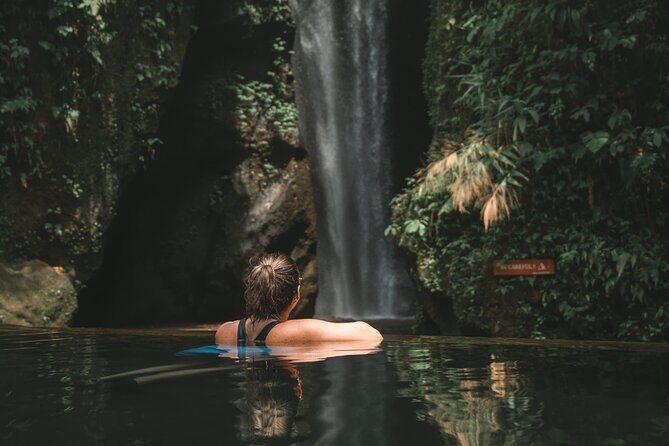
Blue Lagoon Snorkeling – Bali Best Snorkeling Site

Blue Lagoon Snorkeling - Bali Best Snorkeling Site - Private pickup from Seminyak and Ubud that keeps things stress-free

Calm water, coral fish, and your own rhythm. This trip is built around Bali’s Blue Lagoon near Padang Bai, with a private instructor and two snorkeling spots, so you can move at your comfort level without fighting a crowd.

I love the easy round-trip pickup and drop-off from Ubud and south Bali. I also like that snorkeling gear is included, meaning you’re not wasting time on extra shop stops before you even get in the water.

One possible consideration: the snorkeling block is only about 2 hours total, split between two spots. If you’re hoping for a long day at sea, this may feel short.

Key points to know before you go

Blue Lagoon Snorkeling - Bali Best Snorkeling Site - Key points to know before you go

  • Calm conditions for beginners: the lagoon is known for very gentle water, with a sandy bottom for easier entry.
  • Private, no-crowd feel: your group is the only one in the vehicle, and your instructor keeps the focus on you.
  • Two reef stops in one trip: boat transfers take you between spots so you get more chances to spot fish and coral.
  • Gear and flotation are handled: mask, fins, and life jacket are included, plus an instructor who guides you where to look.
  • Lunch is part of the plan: you get a set menu lunch at a restaurant in Padangbai after snorkeling.
  • Photography-friendly setup: the reef and small marine subjects make it a good place for close-up shots.

Blue Lagoon near Padangbai: calm water and simple entry

Blue Lagoon Snorkeling - Bali Best Snorkeling Site - Blue Lagoon near Padangbai: calm water and simple entry
This snorkeling area is popular for a reason: the water is extremely calm. That calm matters because it lowers the stress level for first-timers, families, and anyone who doesn’t want to wrestle waves just to enjoy the reef.

You’ll be snorkeling over a sandy bottom, which helps you get your bearings fast underwater. The reef is there, but the entry and swim feel more controlled than many open-ocean locations.

Private pickup from Seminyak and Ubud that keeps things stress-free

Blue Lagoon Snorkeling - Bali Best Snorkeling Site - Private pickup from Seminyak and Ubud that keeps things stress-free
You’ll start with convenient pickup and round-trip transfers. The tour can work from Ubud and south Bali, and it’s done in an air-conditioned vehicle, which is a relief in Bali’s heat.

A nice touch for solo visitors: you’re not dropped into a big group scene. In at least one case, the driver named Ayu made the whole ride feel friendly and confidence-building, which matters if you’re a little nervous about snorkeling.

Also pay attention to the small comfort rules: the dress code is smart casual. Bring swimwear under your clothes if that’s your style, but keep it simple—this is meant to be practical.

Boat transfers plus two snorkeling spots: the 2-hour rhythm

Blue Lagoon Snorkeling - Bali Best Snorkeling Site - Boat transfers plus two snorkeling spots: the 2-hour rhythm
The schedule is built around about two hours of snorkeling at two different spots. That structure is useful because it gives you a change of scenery without extending the trip into a full day.

You’ll take boat transfers between the two snorkeling areas. The included plan is also pretty efficient: after you snorkel, you have access to shower and changing room facilities, so you’re not stuck damp in the sun waiting to eat.

Keep in mind that your day is weather-dependent. If conditions aren’t good, the operator can offer another date or a full refund—so plan a little flexibility if you’re on a tight schedule.

Reef life you can actually spot: fish, eels, and a sting ray possibility

This lagoon is home to coral reef areas where you can reasonably expect to see tropical marine life. The kinds of animals mentioned include cuttle fish, angel fish, cow fish, and moray eels.

One of the fun surprises is the chance of a sting ray. That’s not something I’d promise for every session, but the fact it comes up means the waters can be interesting beyond the obvious fish.

The instructor is part of what makes this work. Your guide gives tips on where to look while you swim, so you’re not just floating and hoping the reef shows up on your first pass.

Photography in the Blue Lagoon: macro-friendly moments

Blue Lagoon Snorkeling - Bali Best Snorkeling Site - Photography in the Blue Lagoon: macro-friendly moments
If you care about underwater photos—especially close-up shots—this is a strong match. The coral reef setting and the smaller marine life mentioned (like cuttle fish and other reef fish) can create good opportunities for macro-style photography.

A smart move is to bring a camera you’re comfortable using in wet conditions. You’ll also want sunscreen on land and reapply as needed before you go in, since your skin will get hit while you’re waiting, boarding, and heading back.

And remember: calm water is great for photos because your body stays steadier. That steadiness can mean less blur and more keepers.

What’s included (and why it matters for value)

Blue Lagoon Snorkeling - Bali Best Snorkeling Site - What’s included (and why it matters for value)
This tour is priced at $65 per person, but the value is in what’s bundled. You get a private tour setup, plus equipment, instruction, and lunch—so the bill doesn’t quietly grow with add-ons.

Included highlights:

  • Private tour meaning your group is the only one in the vehicle
  • Air-conditioned vehicle
  • Boat transfers to two snorkeling spots
  • Snorkeling equipment: mask, fins, life jacket
  • Professional snorkeling instructor
  • 2-hour snorkeling at two different spots
  • Shower and changing room facilities
  • Set menu lunch, with tax and services included

That lunch piece is underrated. You’re spending time in the sun and in salty water; having a meal planned right after snorkeling makes the whole day feel smoother. There’s no need to hunt for food while you’re damp and hungry.

Lunch after snorkeling in Padangbai: a practical finish

Blue Lagoon Snorkeling - Bali Best Snorkeling Site - Lunch after snorkeling in Padangbai: a practical finish
After you snorkel, you head to Padangbai for lunch. The plan includes a set menu lunch at a restaurant there, which is convenient because it removes the decision fatigue.

Vegetarian option is available, but you need to request it at booking. If you’re picky or food-restricted, this is the moment to speak up early so lunch matches your needs.

Think of this meal as your recovery window: refuel, rinse off, change clothes, and let your body cool down before the ride back.

Gear, comfort, and small details that help you enjoy it more

Blue Lagoon Snorkeling - Bali Best Snorkeling Site - Gear, comfort, and small details that help you enjoy it more
You’re provided with all core snorkeling gear—mask, fins, and a life jacket—so you don’t need to bring anything beyond your personal items. That also means you’re less likely to be stuck with poorly fitting equipment, which can ruin a good snorkel session.

You’ll have shower and changing facilities, which is a big deal in real life. Even if you love snorkeling, you probably don’t want to stay in wet swimwear for long.

Pack items that the trip specifically asks for: sunscreen, a camera, and change of clothes. Smart casual is fine, but having a fresh layer for the drive back makes the end of the trip much more comfortable.

Price and logistics: is $65 worth it from Seminyak?

At $65 per person, this tour hits a good middle ground. It’s not the cheapest snorkeling you’ll ever find, but it also isn’t the kind of trip where you pay extra for basic necessities.

What you’re paying for is the combination of:

  • a private experience (no other participants in your vehicle),
  • guided snorkeling,
  • all equipment,
  • boat transfers to two spots,
  • and lunch included.

Most people book around 15 days in advance, which tells me the schedule can fill up when it lines up with people’s beach days. If you’re traveling during a busy period, I’d aim to lock it in sooner rather than later.

Also, the lagoon is available year-round, which is a plus for planning. Weather still matters, but at least you’re not stuck with only a few months of the year.

Who this snorkeling trip is best for

This is a great fit if:

  • you’re a beginner and want calm water,
  • you’re snorkeling with families (minimum age is 5),
  • you want a guided experience without complicated gear logistics,
  • you care about reef photography, especially close-up shots.

The maximum age listed is 60, and most travelers can participate. If you’re unsure about comfort in water, consider focusing on the calm, sandy-bottom nature of this site as your deciding factor.

Should you book Blue Lagoon Snorkeling in Bali?

If you want a snorkeling day that’s organized, calm, and photo-friendly, I think this is a smart booking. The biggest win is the “no extra hassle” setup: private transfers, gear included, an instructor to point things out, and lunch ready when you’re done.

I’d skip it only if you want a long, full-day water adventure. With about two hours snorkeling total, this feels like a focused reef outing, not an all-day sea expedition.

If your priority is a smooth first snorkel (or a good reef reset) with minimal friction, this Bali Blue Lagoon plan is worth your money—and your time.

FAQ

Where does the snorkeling trip operate?

The tour is based around the Seminyak area, but the snorkeling site is near Padang Bai, about five minutes from there.

How long is the snorkeling time?

You’ll snorkel for about 2 hours total, split between two different snorkeling spots.

Is pickup included, and from where?

Pickup is offered, with round-trip transfers from Ubud and south Bali.

What snorkeling equipment is provided?

All snorkeling gear is included: mask, fins, and a life jacket.

Is lunch included?

Yes. A set menu lunch at a Padang Bai restaurant is included, along with tax and services.

Can I request a vegetarian meal?

Yes. A vegetarian option is available if you advise the operator at booking.

What’s the cancellation policy if weather is bad?

You can cancel for a full refund up to 24 hours before the experience starts. If the trip is canceled due to poor weather, you’ll be offered a different date or a full refund.

Nusa Penida Trip with Snorkeling all-Inclusive

Nusa Penida Trip with Snorkeling all-Inclusive - Hotel Pickup and Transfers: The Part You Don’t Want to DIY

Beat the crowds on Penida, fast. This is a full-day Nusa Penida outing built for people who don’t want to negotiate, wait, or figure out transport on their own. You start early from Ubud, ride in private roundtrip transport, and spend the day mixing cliff viewpoints with planned snorkel stops.

I love the hassle-free private transfers from your hotel, because it removes the usual stress of getting to boats and timed checkpoints. I also like that the snorkeling package includes gear and adds a free photographer to help you get real photos without scrambling for a camera moment.

One thing to consider: Manta Bay can be rough, even on a fine day, and the day’s sea conditions can trigger motion or travel sickness for some people. If you’re sensitive to boat rides, plan for that before you go.

Key points to know before you go

Nusa Penida Trip with Snorkeling all-Inclusive - Key points to know before you go

  • Private pickup and roundtrip hotel transport means no lineup and no “who’s next?” confusion
  • Snorkel at 3 spots: Manta Bay, Gamat Bay, and Wall Bay, with gear included
  • Free photographer support so you can focus on the water and the views
  • Local lunch on the island included, so you’re not hunting for food mid-day
  • Penida viewpoints like Kelingking Beach, Broken Beach, Pasih Uug, and Angel’s Billabong are part of the route
  • Good weather matters since this experience runs with sea conditions in mind

How a Nusa Penida day trip runs from Ubud (7:00am to about 8 hours)

This starts at 7:00am in Ubud. The big idea is simple: you get transported to the fast boat and handled through the whole day, then returned to your hotel the same way. Because it’s private for your group, you don’t get dragged along at other people’s pace, and you’re not stuck waiting for the slowest snorkeler in the mix.

The time window is about 8 hours. That sounds tight, and it is—but it’s also the point. You’ll be on Penida long enough for multiple stops, but not so long that the day turns into a blur of long drives and repeated transfers.

Your day is built around two halves:

  • Island photo stops (cliffs and beaches)
  • Three snorkeling sessions at different bays

That split helps. You get the Penida “wow” above water, then you get the underwater payoff below the surface.

Private transfers that actually save your energy

Nusa Penida Trip with Snorkeling all-Inclusive - Private transfers that actually save your energy
When people say private transport is worth it, they often mean comfort. Here it’s more practical than that. The route is designed so you don’t waste time haggling, chasing drivers, or trying to line up boatmen while your schedule slips.

You’ll have roundtrip transportation from your hotel, plus a private driver on the island who takes you between the highlights. Another plus: the tour is set up so you avoid the common problem of coordinating too many moving parts on your own.

And yes, there’s also a small but real perk: the operator uses mobile tickets, and you should get confirmation at booking. That cuts down on the typical “where’s my ticket, who do I show it to?” scramble.

Snorkeling in Manta Bay, Gamat Bay, and Wall Bay with gear ready

Nusa Penida Trip with Snorkeling all-Inclusive - Snorkeling in Manta Bay, Gamat Bay, and Wall Bay with gear ready
You’ll snorkel at three different points: Manta Bay, Gamat Bay, and Wall Bay. Snorkeling equipment is included, so you don’t need to bring your own mask or fins. That alone makes the trip easier, especially when you’re traveling from Ubud where gear rental can be hit-or-miss.

The snorkeling focus here is on colorful sea life and the Penida manta reputation. The tour description points to coral reefs and fish life, including manta fish. It also says there’s a high chance of seeing mantas, which is great—but it’s still worth treating manta sightings as something nature controls. Your best move is to go in ready for what snorkel time gives you that day, not only what you hope to see.

Manta Bay: the highlight, and also where sea conditions matter

Manta Bay is the name people remember, and for good reason. It’s the spot tied most directly to mantas. But here’s the reality check: sea conditions can be rough, and at least one past experience noted seas were rough enough that snorkel time didn’t go as smoothly as expected.

If you get even mild motion sickness, I’d treat Manta Bay as the moment you need to be ready. The tour still goes on, but rough water can make it hard to enjoy the experience when your focus shifts to staying steady.

Gamat Bay and Wall Bay: where the variety helps

Gamat Bay and Wall Bay give you more chances to enjoy the underwater scene, even if one spot is less comfortable due to conditions. Since the snorkeling is split across three points, you’re not betting the whole day on one bay.

The underwater promise across the tour is coral reef scenes plus fish life. In practice, that means you’ll want your goggles settled, your breathing calm, and your time in the water flexible. When you spread snorkeling across multiple locations, you tend to end up with a better overall rhythm.

Top Penida viewpoints: Kelingking, Broken Beach, Pasih Uug, and Angel’s Billabong

Nusa Penida Trip with Snorkeling all-Inclusive - Top Penida viewpoints: Kelingking, Broken Beach, Pasih Uug, and Angel’s Billabong
Above water is where Nusa Penida really flexes. Your route includes famous cliff-and-coast stops such as Kelingking Beach, Broken Beach, Pasih Uug Beach, and Angel’s Billabong.

Here’s what makes this part worth it, beyond just taking photos:

  • The viewpoints are dramatic and different from Bali’s coast.
  • Seeing multiple cliff areas in one day gives you context for Penida’s rugged coastline.
  • You can enjoy short stops without spending your whole day driving.

A note on expectations: these are cliff/coastal sites, so wear shoes you feel safe in and plan for uneven ground around viewpoints. Bring water, stay aware of where you step, and treat windy moments as part of the experience.

Kelingking Beach: iconic cliff energy

Kelingking Beach is the “everyone recognizes it” stop. It’s a signature sight with soaring cliffs, and it’s usually where your camera attention goes first. This tour route includes Kelingking Beach as part of the core sightseeing block.

Broken Beach and Pasih Uug: coastlines with character

Broken Beach and Pasih Uug Beach are both about the coastline’s shapes—rock forms, cutaways, and the way waves interact with the cliffs. If you like photos that look like they belong in a travel magazine, these stops feed that.

Angel’s Billabong: for that postcard-shaped pause

Angel’s Billabong is the other must-see in the set. The tour description puts it front and center, and it’s the kind of stop where you’ll want a couple of minutes to just look before you start taking pictures.

Lunch included on Penida: one less thing to manage

Nusa Penida Trip with Snorkeling all-Inclusive - Lunch included on Penida: one less thing to manage
Lunch is included. That matters more than it sounds.

On a day trip like this, food timing is often the silent schedule-killer. Including lunch means you don’t have to hunt for a place while juggling the next transfer and the next snorkel window. You also get to fuel up so the later snorkeling portion doesn’t feel harder than it needs to.

The lunch is described as a delicious local lunch on the island, using Indonesian flavors. If you’ve ever been disappointed by “included meals” on busy excursions, this one is positioned as an actual local stop rather than just a quick snack.

The free photographer: why it’s more useful than you’d expect

Nusa Penida Trip with Snorkeling all-Inclusive - The free photographer: why it’s more useful than you’d expect
One detail I’m glad you get: a free photographer is included with the snorkeling portion. That takes a lot of pressure off you.

Instead of trying to balance your mask, your fins, your breathing, and your phone camera at the same time, you can relax and let someone capture the moments. It also means you’re less likely to miss the best shot while you’re busy thinking about angles.

And because your day includes big viewpoint stops, the tour also notes great photo support from the guide. So if your goal is “come home with more than blurry shots,” this is a smart add-on.

Price and value: is $125 for Ubud to Nusa Penida actually good?

Nusa Penida Trip with Snorkeling all-Inclusive - Price and value: is $125 for Ubud to Nusa Penida actually good?
At $125 per person, this sits in the middle of the “private day trip” range, not the cheapest option. But it looks like good value for what you’re getting: private roundtrip transport from your hotel, snorkeling equipment, lunch, three snorkeling locations, and photographer support.

Here’s how I think about value on a trip like this:

  • If you had to arrange transfers yourself, you’d likely spend time and money just matching schedules.
  • If you had to rent snorkeling gear, that’s another friction cost (and sometimes a quality roulette).
  • If you needed lunch and didn’t plan around it, you’d be making tradeoffs under time pressure.

This package is designed to remove those friction points. You’re paying for a smoother day, not just a list of stops.

Also, note that this is typically booked about 21 days in advance on average. If you want a specific date, I’d plan a bit ahead rather than waiting until the last minute and hoping weather and timing line up.

Weather and sea conditions: the real make-or-break factor

Nusa Penida Trip with Snorkeling all-Inclusive - Weather and sea conditions: the real make-or-break factor
This experience requires good weather. If weather is poor and the day can’t run, you should be offered another date or a full refund.
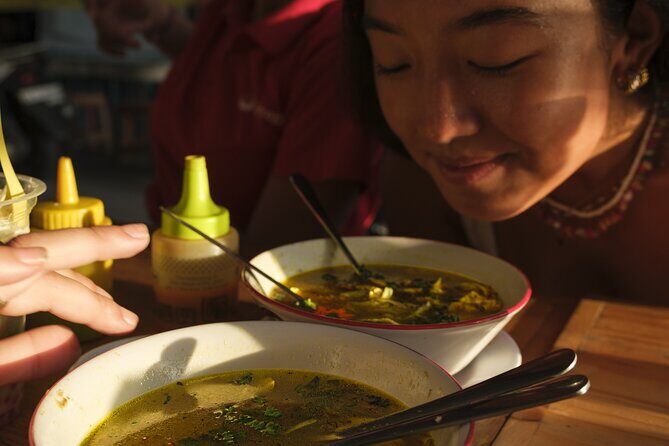
But even with good weather, sea conditions can still swing. That’s why the motion sickness warning matters. The snorkeling plan includes Manta Bay, and rough water there can affect how comfortable the day feels.

If you’re the type who gets queasy on boats, don’t treat it as a “maybe.” Treat it as a “might happen,” and plan with the same caution you’d use on any ocean crossing.

Who should book this Nusa Penida snorkeling + viewpoints tour

This is a strong match if you want:

  • A private, no-crowd day from Ubud
  • A route that mixes cliff viewpoints with three snorkeling sessions
  • Less stress from transport planning (private driver and hotel pickup/drop-off)
  • Help getting photos (free photographer)

It may be less ideal if:

  • You know you get very sick on moving water and don’t have a plan for it
  • You hate itineraries with early starts and tight timing

Most travelers can participate, and the tour is private, meaning only your group goes.

Should you book this Nusa Penida trip?

I’d book it if your priority is a smoother day with planned snorkeling stops, included gear, lunch, and photo help—especially if you don’t want to handle the logistics yourself. The private transfers from your Ubud hotel are the kind of detail you feel immediately: less waiting, fewer mix-ups, and a calmer start.

I’d think twice if motion sickness is a frequent problem for you, since Manta Bay is known to get rough. If that’s you, don’t automatically skip—just go in prepared so the sea doesn’t steal your enjoyment.

FAQ

What time does the tour start?

The start time is 7:00am.

How long is the Nusa Penida trip?

It’s approximately 8 hours.

Is snorkeling equipment included?

Yes. Use of snorkeling equipment is included.

What snorkeling spots are included?

You’ll snorkel at Gamat Bay, Wall Bay, and Manta Bay.

Is lunch included?

Yes, lunch is included.

Do I get a photographer?

Yes. There is free photographer coverage.

Is this a private tour?

Yes. It’s a private tour/activity, so only your group participates.

Can I cancel for a full refund?

Yes. You can cancel up to 24 hours in advance for a full refund, and the experience requires good weather. If it’s canceled due to poor weather, you’ll be offered another date or a full refund.
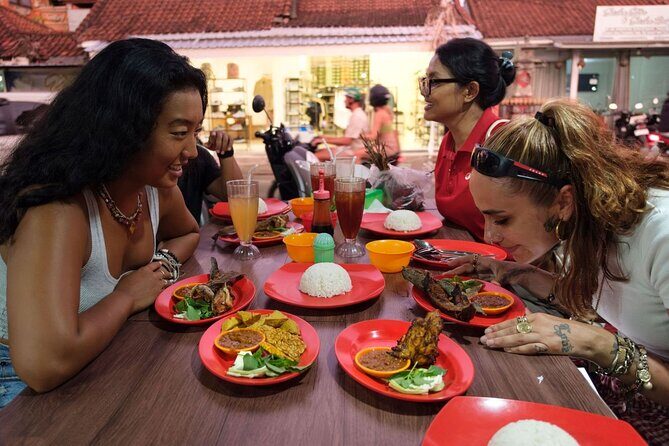
If you tell me your travel month and whether you’ve had motion sickness on boats before, I can help you decide if Manta Bay is likely to feel comfortable for you.

Essence Alchemy Workshop: create self-love blends in Ubud

Essence Alchemy Workshop: create self-love blends in Ubud - Where You Go in Ubud: Love Pure in Petulu

A little alchemy goes a long way in Ubud. This 2-hour self-love workshop mixes aromatherapy with gentle spirituality, from an oracle-style reading to a singing bowl meditation. You’ll create a personalized essential oil blend using your own intention, and then translate that into a natural face-body oil you can actually use after the workshop.

Two things I really like: you get private, close attention from the workshop leader, and you finish with a take-home product set that isn’t just a souvenir. You’re also in a small space, so you’ll want to be comfortable with a cozy setup.

The focus stays practical. You’re taught the steps of selecting, mixing, and blending essential oils, plus how to use your face and body oil in a way that matches your own goals and mood. I also love that the workshop starts with a short ritual (coffee or tea, welcome infusion, then a reading), so it feels like self-care, not a craft fair.

One consideration: the space is small and isn’t suitable for babies or wheelchairs. If you’re traveling with mobility needs or very young kids, plan carefully before you book.

Key Things You’ll Appreciate Most

Essence Alchemy Workshop: create self-love blends in Ubud - Key Things You’ll Appreciate Most

  • Private group (1 to 4 people) so you’re not stuck waiting your turn
  • Oracle-of-essences style start with intention-setting before you mix oils
  • You’ll create a face-body oil plus your own essential oil blend
  • Welcome tea/coffee and a handmade natural infusion on arrival
  • Singing bowl meditation to land the experience, not just finish with a bottle

Ubud Self-Love Workshop: What This 2 Hours Actually Feels Like

Essence Alchemy Workshop: create self-love blends in Ubud - Ubud Self-Love Workshop: What This 2 Hours Actually Feels Like
This is the kind of workshop that works even if you’re not into spiritual stuff day-to-day. You’re not asked to recite anything. You’re guided through a simple process: notice your energy, choose scents that feel right, and then turn that into a wearable, usable blend.

The vibe is calm and focused. You’ll start with a short meditation and a reading that frames the session around intention and self-love. Then the hands-on part kicks in: you’ll select, mix, and blend essential oils. The final step is also emotional, not just technical. You’ll finish with a singing bowl meditation, which helps you reset after you’ve been thinking and deciding so much.

Because it’s private (your group only, up to 4 people), you’re more likely to get real help if you second-guess your choices. And you’re less likely to feel rushed. That matters here, because scent decisions are personal. One person might want grounding. Another might want uplifting. The workshop is set up so your blend can reflect that.

Where You Go in Ubud: Love Pure in Petulu

Essence Alchemy Workshop: create self-love blends in Ubud - Where You Go in Ubud: Love Pure in Petulu
You’ll meet at LOVE PURE natural skincare products & Aromatherapy Workshops for healing and learning in Petulu, at Jl. Tirta Tawar No.5, Ubud (Bali 80571). The activity ends back at the same meeting point, so you’re not juggling multiple locations.

Petulu is a good area for a quieter, more local-feeling stop in Ubud. It’s also handy that the workshop is self-contained. You can walk in, settle, and focus. No long transfers, no awkward waiting in a café while you wait for your turn.

Also, come prepared for the space to be small. That’s not a deal-breaker if you’re comfortable with close quarters, but it is worth knowing up front.

The Welcome Part: Tea, a Natural Infusion, and Settling In

Essence Alchemy Workshop: create self-love blends in Ubud - The Welcome Part: Tea, a Natural Infusion, and Settling In
Before you mix anything, you’ll get a warm start. You’ll be offered coffee and/or tea, plus bottled water. On arrival, they also share a handmade natural infusion.

This matters more than it sounds. Essential oil workshops can feel intense fast. Having something warm in your system helps you slow down. It also keeps the experience comfortable, especially since there’s no lunch offered during the workshop.

Practical note: since lunch isn’t provided, bring something light or plan for a meal before or after. If you tend to get hangry when you’re focused on activities, treat this like a real training session.

Intention-First Start: Meditation and an Oracle Reading

Essence Alchemy Workshop: create self-love blends in Ubud - Intention-First Start: Meditation and an Oracle Reading
The session doesn’t jump straight into drops and pipettes. It starts with a short meditation and an oracle-style reading of essences. The goal is to connect what you’re choosing with what you actually need, not just what smells good at first swipe.

You’ll also do something described as recognition of your energy points. I interpret this as the workshop guiding you to pay attention to your inner signals while you make scent choices. You’re not required to have any special background. You’ll be supported through the process.

This is also where you can benefit most if you’re unsure. If you think, I don’t know what I want, this is the part that helps you get your bearings fast. It gives your choices a reason, which makes the rest of the workshop easier.

Mixing Your Essential Oil Blend: The Alchemist Moment

Essence Alchemy Workshop: create self-love blends in Ubud - Mixing Your Essential Oil Blend: The Alchemist Moment
Now the fun part. You’ll create your own natural blend, infused with intention and self-love. The workshop walks you through selecting, mixing, and blending essential oils.

Here’s the practical value: you’re not just smelling oils in isolation. You’re learning how different scents work together as a blend. That’s the difference between picking a favorite fragrance and creating something that feels like it belongs to you.

Because you get personal attention from the workshop leader, you can adjust along the way. If one note feels too strong or not right, you have a chance to tweak before you lock in the blend.

And since the workshop is limited to up to four people per session, the leader can actually keep track of what each person is doing. That makes it less chaotic than many group workshops where the instructor is talking to everyone at once.

Your Take-Home Creation: Face and Body Oil Plus a Travel Set

Essence Alchemy Workshop: create self-love blends in Ubud - Your Take-Home Creation: Face and Body Oil Plus a Travel Set
The main take-home is a natural face-body oil that you create as part of the workshop. You’re also taking home your own blend infused with intention and self-love.

But you’re not leaving empty-handed beyond the bottle. You’ll also receive a travel skincare gift set with the products.

This is where the price starts to make more sense. At $31.46 per person, many workshops give you either a small sample or a single mixed item. Here, you’re getting a usable skincare product plus an extra kit. Even if you only use the oil occasionally, it’s the kind of souvenir that can actually fit into your routine.

One more helpful detail: the workshop includes all materials, so you’re not dealing with hidden add-ons for supplies.

The Energy Landing: Singing Bowl Meditation

Essence Alchemy Workshop: create self-love blends in Ubud - The Energy Landing: Singing Bowl Meditation
Finishing with a singing bowl meditation is a smart choice. Scent work can stir up emotions. It can also just make you feel alert and thoughtful because you’ve been deciding things about yourself.

The bowl meditation helps “close the loop.” You’ve made something, you’ve chosen something, and now you come back to your body and your breath. It’s also a good reset if you’re the type who likes to come away from experiences feeling calm instead of wired.

In the short reviews I’ve seen for similar workshops, people often mention the meditation as a highlight. In other words: it’s not just a decorative ending. It’s part of the design.

Coffee, Water, and No Lunch: Plan Like This Is a Real Appointment

Essence Alchemy Workshop: create self-love blends in Ubud - Coffee, Water, and No Lunch: Plan Like This Is a Real Appointment
The workshop includes bottled water and drinks, but it doesn’t include lunch. During the session, they don’t offer food, so you should bring what you need to feel comfortable.

That doesn’t mean you need a feast. It just means you should avoid the “I’ll be fine” mistake if you’re prone to low blood sugar. Bring a snack if you think you’ll need it. And if you’re sensitive to strong scents, consider planning your timing so you’re not hungry or overly tired.

Also, because you’re working with oils, it’s a good idea to think about how you’ll keep your skin comfy afterward. You’ll take things home, so you’ll want the rest of your day to be easy.

Who This Workshop Is Best For (And Who Might Skip It)

This is best if you want a mix of hands-on skincare and a guided self-care process. You’ll likely enjoy it if:

  • you like aromatherapy and want to understand how blending works
  • you’re interested in intention-setting, meditation, or oracle-style reflection
  • you want a personalized take-home product, not just a photo moment
  • you’d appreciate small group attention and a calm pace

Skip it if:

  • you need wheelchair accessibility or you’re traveling with a baby (the space is small and not suitable)
  • you want a long, big-output class (this is 2 hours, and the format is focused, not sprawling)

Price and Value in Plain Terms

At $31.46 per person for about 2 hours, the value is driven by three things:

  1. You create something tangible: your own face-body oil plus your self-love blend.
  2. Materials are included, so there’s less risk of surprise expenses for supplies.
  3. You get time with a leader in a private session setting (up to 4 people), which improves the experience beyond what cheaper, larger-group classes sometimes deliver.

It’s also worth noting that it’s often booked about 15 days in advance. That’s not a hard rule, but if you’re traveling in high season or on a tight schedule, book earlier so you can pick a time that fits your Ubud days.

Tips to Get More From Your Self-Love Blend

A workshop like this rewards preparation, even if you don’t overthink it. Here are a few things that can help:

  • Come in with a simple intention. Try phrases like I want calm, or I want confidence. The oracle and meditation part will give you prompts, but you’ll still do better with a clear direction.
  • Don’t judge a scent in the first 20 seconds. Some oils smell one way at first and blend into something different once combined.
  • Be ready to slow down. This isn’t a rushed shopping stop. The value comes from the process of choosing and blending.
  • Plan your day so you’re not sprinting right after. Meditation helps you land the experience; give yourself space to enjoy that feeling.

Booking Checklist: What You Should Know Before You Go

This experience uses a mobile ticket, and you’ll receive confirmation at booking. It’s described as private for your group only, with sessions from one person up to four people.

Weather matters. The experience notes it requires good weather, and if it’s canceled due to poor weather, you’ll be offered a different date or a full refund. Also, there’s a minimum number of travelers required; if that minimum isn’t met, you’ll be offered a different date/experience or a full refund.
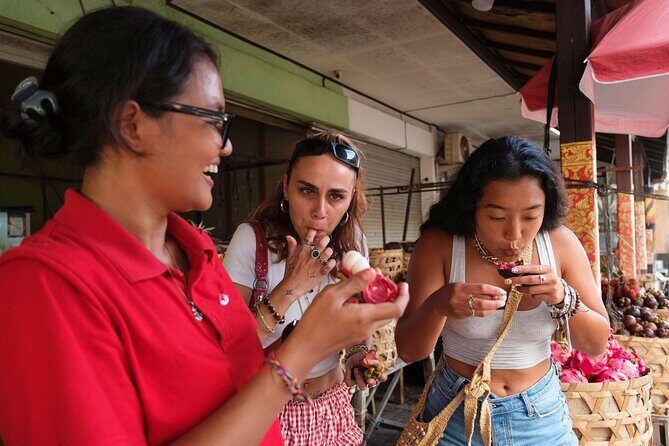

None of that should scare you, but it’s good to plan with flexibility in your Ubud schedule.

Should You Book It? My Practical Take

If you want a short, calm, meaningful workshop in Ubud where you leave with skincare you’ll actually use, I think this is a strong choice. The best part is the blend of guided intention + hands-on results. You’re not just sniffing oils; you’re making something with a personal purpose, and then you get a soothing closing ritual.

I’d especially recommend it if you value personal attention. Many people come to Ubud to feel centered, and this format does that without making it complicated. It’s also a good option if you want a creative activity that still feels grounded.

The main reason to pause is space constraints. If you have accessibility needs or you’re traveling with a baby, this setup isn’t a fit.

If those points work for you, book it and set aside two hours of mental quiet. You’ll come away with a bottle of self-love you made yourself.

FAQ

What is the duration of the Essence Alchemy Workshop?

The workshop lasts about 2 hours.

Where does the workshop take place?

It takes place in Ubud, at the LOVE PURE natural skincare products & Aromatherapy Workshops for healing and learning location in Petulu (Jl. Tirta Tawar No.5).

Is this a private experience?

Yes. It’s private for your group only, with capacity from 1 to up to 4 people per session.

What do I make during the workshop?

You’ll create your own essential oil blend infused with intention and self-love, and you’ll also make a natural face-body oil.

What is included in the price?

Materials are included, along with bottled water, coffee and/or tea, and a travel skincare gift set.

Is lunch provided?

No. During the workshop there is no lunch, so you should bring what you need to feel comfortable.

Do I need good weather?

Yes. The experience requires good weather. If canceled due to poor weather, you’ll be offered another date or a full refund.

How far in advance is it usually booked?

On average, it is booked about 15 days in advance.

Bali Dolphin Watching Sunrise Tour in Lovina Beach

Bali Dolphin Watching Sunrise Tour in Lovina Beach - On the water at Lovina Bay: timing, dolphins, and the practical stuff

Sunrise dolphins are a Bali morning you can feel. This Lovina tour sets you up for sunrise dolphin action at black-sand Lovina Beach, then keeps going with North Bali highlights and built-in transport. I love that you start early enough for the most active dolphin time, and I also like how the day includes real sightseeing stops instead of just a quick boat and a shrug. The main drawback is nature: if it rains, you may see fewer dolphins and the boat ride can get wet.

What I really like is the private-vehicle feel with door-to-door pickup and drop-off, so you can sleep through the drive and arrive organized. After dolphins, the combo of Ulun Danu Beratan Temple by the lakes and lunch with lake and temple views turns the morning out into a full-day payoff.

Key points at a glance

  • 3:00 am start gives you the best shot at active dolphins
  • Private, air-conditioned transport from your door keeps the day sane
  • Boat time plus multiple landmark stops means it is not all about one moment
  • Twin lakes + Ulun Danu Beratan Temple make the drive inland feel worth it
  • Rain can affect dolphin sightings and make the boat ride less comfortable

Lovina Dolphin Sunrise at 3:00 am: what you’re really signing up for

Bali Dolphin Watching Sunrise Tour in Lovina Beach - Lovina Dolphin Sunrise at 3:00 am: what you’re really signing up for
This is an early-day tour, starting around 3:00 am. That sounds dramatic until you remember the whole point: the dolphins around Lovina are most active at sunrise. So yes, you will be awake fast. But the payoff is that calm, pale morning light and the feeling that you are catching something before the day crowds in.

You should also know the boat experience is not private on the water. Several boats go out around the same time, and you will be sharing the bay. One booking mentioned there were a lot of boats, but they still managed to see plenty of dolphins. That tracks with how it usually works with wild animals: the more boats there are, the better the odds you’ll spot signs fast, but it does not guarantee a dolphin parade.

Then there’s weather. One traveler got drenched on the boat ride and saw only a couple of dolphins in rain. That does not mean the tour is a bust. It means you’re buying a chance at wild dolphin behavior, not a filmed documentary.

Private pickup and AC comfort from Seminyak plus the long drive factor

Bali Dolphin Watching Sunrise Tour in Lovina Beach - Private pickup and AC comfort from Seminyak plus the long drive factor
Even though the dolphins are in north Bali, your day starts in the south. Pickup is offered from a long list of areas, including Seminyak, Legian, Canggu, Kuta, Ubud, Denpasar, Sanur, Jimbaran, Nusa Dua, and Tanjung Benoa. The tour is also set up as a private experience in the vehicle, meaning you and your party ride together without other participants joining your car.

This matters more than people think, because the early start can turn “quick trip” into “why am I awake.” With private transport, you can keep things simple: meet the driver, get onboard, and let the miles happen while you sleep a bit and you do not have to coordinate with strangers.

One review example: a pickup from Nusa Dua took around 3 hours to reach Lovina. Your exact timing may vary, but plan for a long early drive. Bring patience, water, and anything you need to stay comfortable in the car before the boat part of the day.

On the water at Lovina Bay: timing, dolphins, and the practical stuff

Bali Dolphin Watching Sunrise Tour in Lovina Beach - On the water at Lovina Bay: timing, dolphins, and the practical stuff
The dolphin portion is about 2 hours at Lovina Beach with a boat ticket included. The attraction here is simple: dolphins playing and swimming near the surface when the light is still soft. If you go in expecting guaranteed action every minute, you’ll get stressed. If you go in expecting wild animals that choose their own schedule, you’ll enjoy it more.

A couple of useful real-life details from bookings help set expectations:

  • Tea, coffee, and Balinese cakes may be provided while you wait and get ready at the start of the boat time.
  • Dolphins can show up when and where they want. One booking called out the need for patience and the fact that they’re wild and free.
  • There can be times when you see only a few dolphins, and times when you see lots. Rain seems to lower the odds, and one person noted they saw fewer dolphins when it was rainy.
  • You might be able to pay for an extra dolphin swim option if it is offered that morning, but this is not something the core inclusions promise.

What you’ll want from a comfort standpoint is basic preparation. Wear sunscreen early. Bring a change of clothes for later, because mornings can be cool, but boat rides can still end up damp. Camera time is real here, yet you’ll also want to keep your hands free and your body dry if rain hits.

Git Git Waterfall stop: a needed reset after the boat

Bali Dolphin Watching Sunrise Tour in Lovina Beach - Git Git Waterfall stop: a needed reset after the boat
After the sea part, you head to Git Git Waterfall for about 1 hour. This is a nice change of pace because you go from salt air and boat movement to walking, scenery, and the sound of water.

The waterfall stop is short, so go with the mindset of a quick nature break rather than a full hike day. If you’re traveling with tight energy levels after the wake-up time, this is the kind of stop that still feels like you got out of the vehicle and onto something real.

One practical thing: shoes matter. Even if the waterfall walk is not described in detail, Bali mornings can be slippery, and the earlier boat stop can leave you a bit rushed. I’d bring footwear you can handle confidently if the ground is wet.

Tamblingan Lake and Buyan Lake: calm views with Mount Lesong as a backdrop

Bali Dolphin Watching Sunrise Tour in Lovina Beach - Tamblingan Lake and Buyan Lake: calm views with Mount Lesong as a backdrop
The itinerary then shifts to the Bedugul area with Lake Tamblingan for about 1 hour. The lake setting is described with Mount Lesong in the background, which is one of those details that helps explain the look of the area: inland Bali has a cooler, greener feel than the coast, and the view lines are wider than you might expect.

Why this stop is valuable on this specific tour: it gives you a break from the adrenaline of wildlife searching. After dolphins, your brain is still in early-morning mode. Lakes and mountain scenery reset your senses fast, and it makes the later temple stop feel even more photogenic.

You’ll also get the sense of Bedugul’s geography. One of the strengths of this tour is that it strings together places that share a similar vibe: water, scenic inland roads, and viewpoints rather than random drives to unrelated sights.

Ulun Danu Beratan Temple: the lake-and-temple moment

Bali Dolphin Watching Sunrise Tour in Lovina Beach - Ulun Danu Beratan Temple: the lake-and-temple moment
Next up is Ulun Danu Beratan Temple for about 1 hour. This is one of Bali’s most recognizable temple settings, built on the western side of Beratan Lake. If you’ve seen photos, you know the idea: temple + lake view + mountain backdrop, all in one frame.

Here’s why this stop works well after the boat: the dolphin sunrise is emotional and unpredictable, but the temple is steadier. You can slow down, look around, and actually take your time without worrying whether the animals will show up.

Also, you’re not just visiting the temple and leaving. In many tours, temple time is rushed. In this one, it’s matched with a lunch plan that keeps the view going.

Candikuning Fruit Market: a simple cultural break for snacks and photos

Bali Dolphin Watching Sunrise Tour in Lovina Beach - Candikuning Fruit Market: a simple cultural break for snacks and photos
For about 1 hour, you’ll visit Pasar Candi Kuning, also known as Candikuning Fruit Market. It’s described as a traditional fruit and vegetable market near the entrance of Bedugul Botanical Garden.

This stop gives you something different from temples and lakes: everyday Bali. You can browse produce, take photos, and grab small snacks if you want extra calories before the drive back. It is also a good moment to pick up a quick souvenir without turning it into a shopping mission.

Don’t expect a modern mall here. Expect a lively, practical market. If you like local food culture and want one stop that feels real without needing deep planning, this is the kind of add-on that fits.

Lunch with lake and temple views: the “yes, this is why” part

Bali Dolphin Watching Sunrise Tour in Lovina Beach - Lunch with lake and temple views: the “yes, this is why” part
The tour includes buffet lunch if you choose the option, and it’s described as a restaurant with lake and temple views. That’s a big deal for value because you’re already paying for a long day, a boat ticket, and multiple entrances. Having the meal planned means you’re not hunting for food with hungry timing.

I like this setup because it turns the whole morning effort into something calmer. You sit. You look. You eat. Then you can keep moving without the usual mid-day scramble.

Also, a vegetarian option is available if you advise the provider when booking. That’s worth confirming early if you have dietary needs.

Price and value: does the $80 make sense for what you get?

Bali Dolphin Watching Sunrise Tour in Lovina Beach - Price and value: does the $80 make sense for what you get?
At $80 per person, this tour is priced like a private experience with real inclusions, not just a sightseeing label.

Here’s what your money is supporting:

  • Private air-conditioned vehicle and door-to-door pickup/drop-off
  • Professional English-speaking driver
  • Boat ticket for dolphin watching
  • Entrance tickets for the stops
  • Petrol and parking fees
  • Lunch if the buffet lunch option is selected
  • Taxes and services

What you should factor in: the early start and long south-to-north drive add costs in time and fuel. In return, you get a full day that stacks wildlife time (dolphins), nature (Git Git), and the signature Bedugul temple-and-lake vibe.

Is it guaranteed dolphin heaven? No. Wild animals do not respect schedules, and rain can make a big difference. But if you go in understanding it as a chance at sunrise dolphins plus a complete day of North Bali sights, the price feels more like a package than a gamble.

Who this Bali sunrise dolphin tour is best for

This tour fits best if you:

  • Want the sunrise dolphin experience, not a late-morning “maybe we’ll see something”
  • Appreciate a structured day with entrance tickets and lunch handled
  • Like mixing coast wildlife with inland lakes and Ulun Danu Beratan Temple
  • Prefer private door-to-door transport so the early start is less painful

It may be less satisfying if you:

  • Need a fully predictable experience for wildlife viewing
  • Dislike cold mornings or wet boat rides, especially if rain hits
  • Want a slow, leisurely itinerary with no early alarm

One small but meaningful detail: because the driver is often praised for timekeeping and care, look for a guide who takes the schedule seriously. Bookings include names like Hari, Dwi, Putra, Ketut Suartanaok, Putu Badung, and Komang Arya, and several notes highlight safe, respectful driving and good on-the-day handling.

Should you book this tour?

I’d book it if your top Bali memory plan includes sunrise wildlife and you’re comfortable with an early wake-up. The mix of Lovina dolphins + Git Git waterfall + twin lakes + Ulun Danu Beratan Temple is a strong one-day “variety pack,” and the private transport removes a lot of friction.

I’d think twice if you’re hoping for guaranteed dolphin sightings. If rain is likely during your dates, go in with flexible expectations and pack for the possibility of a damp boat ride. If you can handle that, this is one of those tours where the early start actually earns its keep.

FAQ

What time does the Bali Dolphin Watching Sunrise tour start?

The start time is 3:00 am, with pickup from your accommodation area.

How long does the tour take?

The total day runs about 9 to 10 hours.

What’s included for the dolphin watching part?

You get a boat ticket to see dolphins and the included admission ticket for the Lovina dolphin stop.

Is lunch included?

A buffet lunch is included if you select the buffet lunch option. A vegetarian option is also available if you request it when booking.

What should I bring for an early sunrise boat trip?

Bring sunscreen, a camera, and a change of clothes. Also, take flip-flops or water shoes, since you may need to walk through water to reach the boat.

What happens if the weather is poor?

This experience requires good weather. If it’s canceled due to poor weather, you’ll be offered a different date or a full refund. There is also free cancellation up to 24 hours in advance for a full refund.