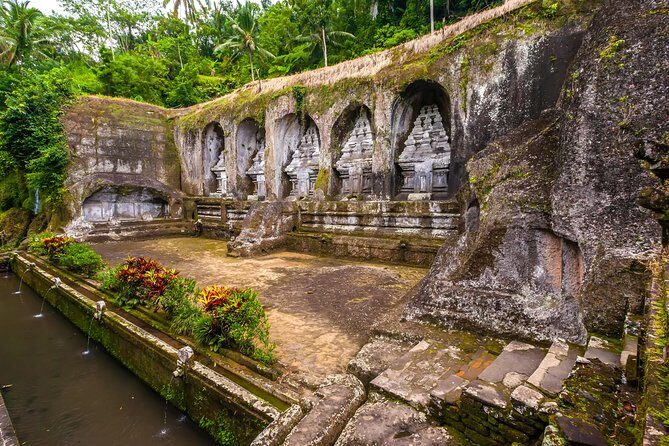
Bali Tribal Private Tour – Experience the best of Ubud, Bali

Bali Tribal Private Tour - Experience the best of Ubud, Bali - How the day flows: timing that won’t fry your schedule

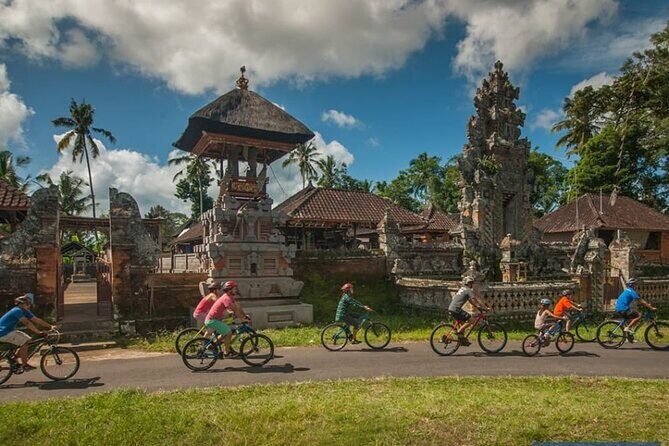
A great Bali day starts with the right pace. This private route in and around Ubud mixes Hindu sights, village life, and countryside scenery, with door-to-door private transfers from Seminyak. I like that you get a private car with an English-speaking driver, so you spend less time negotiating and more time looking around. What I love most is the room to shape the day around your interests with a real guide, not a rushed checklist.

Second, I really like the way the itinerary balances famous stops with calmer moments—temples, terraces, and the traditional art market—so it feels like a rounded Ubud experience. The main consideration is that the big headline attractions require their own entrance tickets (listed as USD 10 per person), and lunch is not included.

Key highlights worth your attention

Bali Tribal Private Tour - Experience the best of Ubud, Bali - Key highlights worth your attention

  • Private door-to-door transport from Seminyak, with an English-speaking driver and bottled water
  • Sacred Monkey Forest Sanctuary with gray macaques around Hindu temple and jungle areas
  • Tegenungan Waterfall plus time for a short walk or top-view break
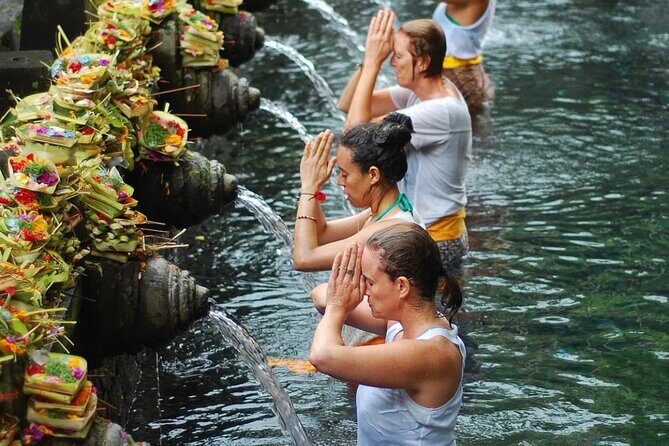
  • Tirta Empul Temple focused on a holy blessing routine before prayer
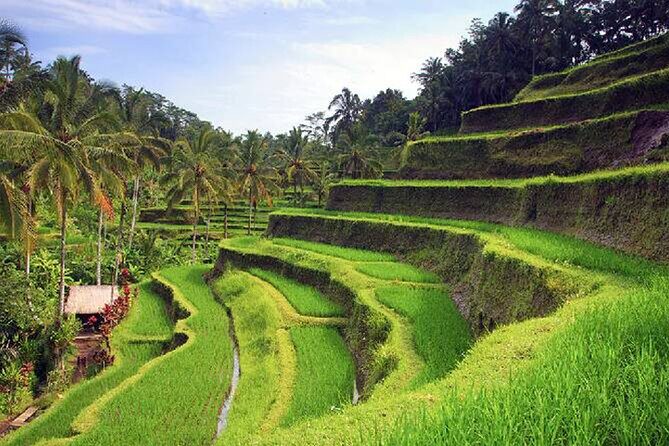
  • Tegalalang Rice Terrace with a short trek and a village lunch option in the valley area
  • Ubud Art Market and Ubud Palace for crafts, textiles, and a royal family home

Price and logistics: what $35 really buys you

Bali Tribal Private Tour - Experience the best of Ubud, Bali - Price and logistics: what $35 really buys you
This is a private tour priced at $35, with a private car, fuel, and an English-speaking driver included. That matters in Bali, because Ubud-area driving can get slow, and doing it privately saves you from joining random schedules or trying to coordinate transport on your own.

The trade-off is simple: the listed entrances are not included. The tour notes an additional entrance fee of USD 10 per person for all attractions named on the itinerary. Lunch also isn’t included, so you’ll either budget for a meal or plan to eat where the day allows. In return, you get a structured route that still leaves time to breathe—about 4 to 8 hours total depending on traffic and how long you linger at each stop.

One more practical detail: you start at 8:00 am. Earlier mornings usually help with crowd intensity at popular sites, and you’ll also have a smoother shot at finishing before the hottest part of the day.

How the day flows: timing that won’t fry your schedule

Bali Tribal Private Tour - Experience the best of Ubud, Bali - How the day flows: timing that won’t fry your schedule
The itinerary is built from short, focused blocks, which is ideal if you want variety without being exhausted. You move from one place to the next, with the longest activity windows at the waterfall, the temple water ritual site, and the rice terraces.

Here’s the rhythm you can expect:

  • Monkey Forest: about 30 minutes
  • Tegenungan Waterfall: about 45 minutes
  • Tirta Empul Temple: about 45 minutes
  • Tegalalang Rice Terrace: about 45 minutes
  • Ubud Art Market: about 45 minutes
  • Ubud Palace: about 15 minutes

Even if you don’t maximize every minute, that sequence adds up to a full Ubud highlights day. It also creates a natural pattern: nature first, then spiritual sites, then local culture and shopping, and finally the palace finish.

Stop 1: Sacred Monkey Forest Sanctuary and its temple-jungle mix

You start at Sacred Monkey Forest Sanctuary, a 12.5-hectare area where gray macaques move around alongside Hindu temples and jungle scenery. It’s a quick stop by design—about 30 minutes—so it works best if you keep your goals simple: see the temples, watch the animals from a respectful distance, and enjoy the atmosphere.

What makes this stop valuable on a private tour is interpretation. A private guide can point out what you’re looking at—how the space connects to daily beliefs and temple life—without you having to figure everything out from signage. You’re not just visiting a park; you’re getting a sense of how Hindu spaces exist in the middle of greenery.

The one drawback to consider: it’s popular. That means you may see more people than you’d get at quieter spots. If you prefer calm, plan to arrive ready to take quick photos and then move on.

Stop 2: Tegenungan Waterfall for a cool-off and quick views

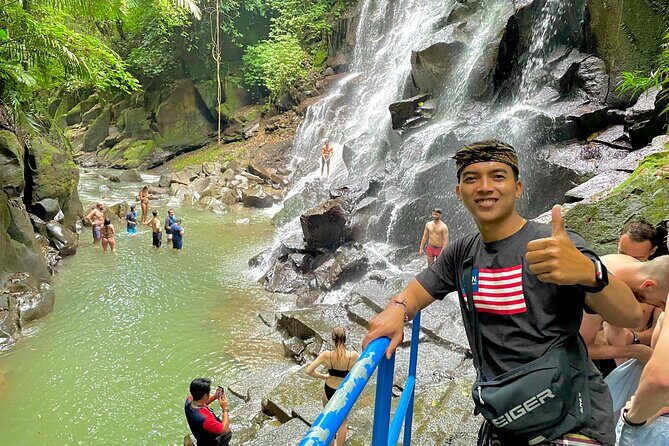
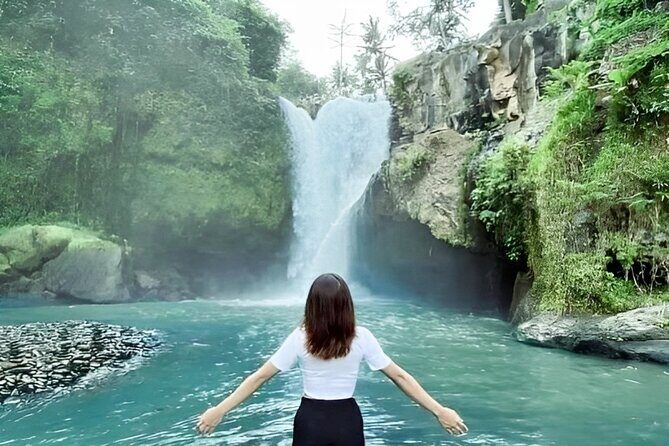
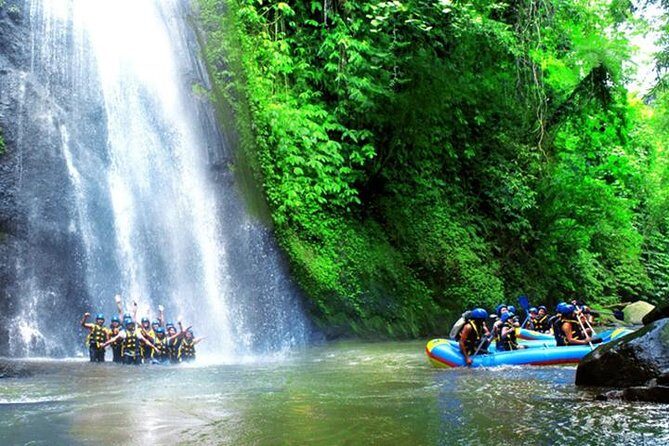
Next is Tegenungan Waterfall, described as one of the most visited waterfalls in Bali. You get about 45 minutes here, which is enough time to either enjoy the view from higher viewpoints or take a short walk closer to the falls.

This stop is great when you want a break from temples and markets. The waterfall adds a totally different feel—sound, mist, and that green, fresh air vibe you notice the moment you’re near the water. The tour also mentions you can cool off with a swim beneath the falls, so bring swimwear if you want that option.

Possible drawback: the area can be busy, especially mid-morning. If you’re photo-focused, you’ll still get what you need, but you might want to keep your expectations flexible and focus on enjoying the experience rather than fighting for the best angle.

Stop 3: Tirta Empul Temple and the holy blessing before prayer

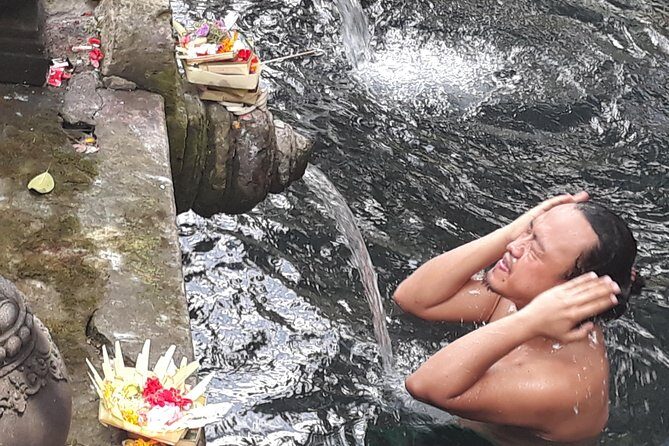
Then it’s spiritual again at Tirta Empul Temple, with about 45 minutes on the schedule. This stop stands out because it’s not just about buildings. You can see how Balinese people take part in a holy blessing before they pray at the main temple.

That context is what makes the visit feel real. Instead of treating the temple like a backdrop, you’re watching a practice. A private guide helps you understand what you’re observing, and that makes the whole stop more meaningful—especially if you want to learn about Balinese traditions and beliefs, not just collect photos.

The practical part: temple areas can involve walking and standing for periods. You’ll feel better if you wear comfortable shoes and plan for a short amount of time moving through the site.

Stop 4: Tegalalang Rice Terraces, a short trek, and farmers at work

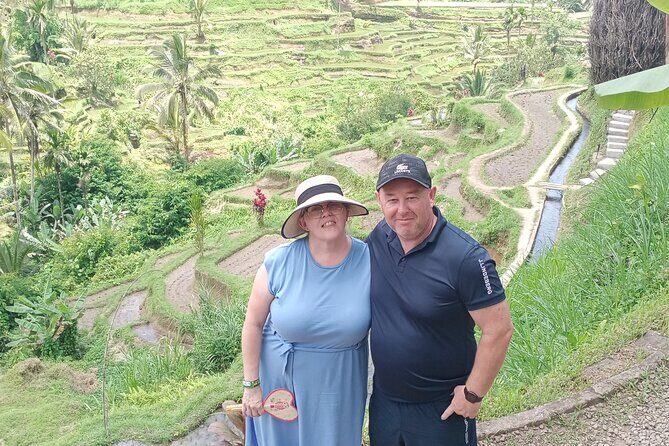
After Tirta Empul, you head to Tegalalang Rice Terrace, also about 45 minutes. The key experience here is a short trek through the terraces in Tegalalang village. You’ll see local farmers doing daily activities, which turns the scene from scenic to alive.

This is the kind of stop where a guide adds value. A private driver can explain what you’re seeing in plain terms—why terraces look the way they do, and how farming is part of village life. Even if you only walk a little, the views and the pace make it feel like a real countryside moment.

The itinerary also includes time for lunch at a small place inside the jungle with a valley and rice field view. That’s a nice setup for travelers who want a meal without breaking the flow of the day. If lunch timing matters, tell your guide early, because you’ll want enough time to eat without rushing.

Possible drawback: terraces can be slippery or uneven depending on recent weather. I’d plan on careful steps and bring footwear you trust.

Stop 5: Ubud Traditional Art Market for crafts, textiles, and local browsing

Next comes the Ubud Traditional Art Market, about 45 minutes. It’s one of the most popular markets on the island, and the tour emphasizes a very straightforward way to explore: you can walk down the middle while vendors sell Balinese handicrafts and textiles.

I like this stop because it gives you an honest feel for what daily commerce looks like in Ubud. It’s also useful for learning how to shop intentionally. You don’t have to buy. You can just compare items, look at quality, and decide what you actually want to carry home.

The only thing to keep in mind: markets can be tiring. Expect noise and lots of eye contact. If you want calm browsing, use your guide as a buffer—ask questions, get product context, and move on when you’re done.

Stop 6: Ubud Palace and the royal family home

You finish with Ubud Palace for about 15 minutes. The tour description highlights that the Royal Family still lives there, so this isn’t a dead museum space. It’s a living cultural site, which helps the day end on something grounded in present-day Bali, not only history.

Because the time is short, keep your expectations realistic. In 15 minutes, you can walk through key areas, appreciate the architecture, and get a feel for the palace’s role in Ubud life. It’s a good closer, especially after the market.

The private guide factor: how the day gets better in real time

One reason this tour earns a strong reputation is the human side. Different guides show up in the stories—Mang, Marco, Ketut, Komong, and Made—and the consistent theme is friendly, accommodating guiding.

Here’s what that typically looks like for you:

  • Your driver helps you keep the day running smoothly, instead of you constantly checking maps and timing.
  • Guides can help you customize the route a bit, including adding experiences you care about when it fits the schedule.
  • People highlight guides as being prompt and communicative, including messages ahead of pickup.

In one example, a driver worked in a stop for coffee and teas, including interest in famous Luwak coffee, and the day felt richer because it wasn’t limited to only the listed stops. In another case, the route included Bali swings along with temple time. These are clues that your guide may be flexible when the timing works and your priorities are clear.

A simple tip: if you have must-dos—like a specific food stop, a viewpoint, or a short extra activity—tell your guide at the start of the day. Private means you should use that advantage.

What’s included vs not included (and how to plan)

Included:

  • Private car and fuel
  • English-speaking driver
  • Bottled water

Not included:

  • Lunch
  • Entrance tickets: USD 10 per person for all attractions listed

This mix is pretty normal for Bali day tours. The good value angle is that you’re paying for transport and guiding, not for a bundled ticket package. If you’re traveling with a small group, you can also treat the car cost as efficient compared with hiring separate rides.

For lunch, consider choosing something simple and local, since the tour already builds in time for it during the rice terrace portion. If you’d rather eat elsewhere, confirm with your guide so you don’t lose time.

Who this tour suits best

This Bali Tribal Private Tour is a strong fit if you want:

  • A high-structure day with smart time blocks
  • A private setup starting in Seminyak
  • A tour that mixes nature, temples, and local culture (instead of only temples or only photo stops)
  • The chance to learn about Balinese traditions and beliefs through a guide’s explanations

It may be less ideal if you prefer long stays in one place. With multiple stops, you’ll see a lot, but each stop is designed to be focused rather than slow.

Should you book? My practical take

If you’re spending limited time in Bali and you want Ubud highlights without the stress of organizing transport and timing, I’d say yes—especially at this price point. The private car from Seminyak, the English-speaking driver, and the fact that the day covers top sights like Monkey Forest, Tegenungan Waterfall, Tirta Empul, Tegalalang Rice Terrace, Ubud Market, and Ubud Palace makes it efficient.

I’d only think twice if entrance tickets and lunch cost would make your budget tight. Since tickets are USD 10 per person and lunch is on you, you should budget for those add-ons up front.

One last planning note: since the tour starts at 8:00 am, you’ll want to be ready early. If you’re usually late on vacations, this is not the day to gamble.

If you want a smooth, well-paced Ubud sampler with a guide who can explain what you’re seeing and keep the day moving, this is a solid choice.

FAQ

FAQ

How long is the Bali Tribal Private Tour?

It runs about 4 to 8 hours.

What time does the tour start?

The start time is 8:00 am.

Where does the tour operate from?

The meeting location is listed as Seminyak, Indonesia, with visits around Ubud.

Is pickup included?

Pickup is offered, and the tour includes door-to-door private transfers.

Is this a private tour or shared tour?

It’s private. Only your group participates.

What’s included in the price?

Included are a private car, fuel, an English-speaking driver, and bottled water.

What is not included?

Lunch and entrance tickets are not included. Entrance tickets are listed as USD 10 per person for all attractions listed.

Do I need entrance tickets for each stop?

Yes. Entrance tickets are required and are listed as USD 10 per person for all the attractions on the itinerary.

Is a mobile ticket provided?

Yes, the tour includes a mobile ticket.

What is the cancellation policy?

You can cancel for a full refund up to 24 hours before the experience’s start time. If you cancel within 24 hours, the amount paid is not refunded.

Is the tour suitable for most travelers?

The information states most travelers can participate.

Legong Dance Show at Ubud Palace Bali

Legong Dance Show at Ubud Palace Bali - Seating and Crowds at the Palace Courtyard (This Is the Real Decider)

Royal dance, right in Ubud.

The Legong Dance Show at Ubud Palace turns Bali’s classical court tradition into a night you can actually plan around: live gamelan music, tight choreography, and a story told through facial detail and fast, precise handwork. I especially love the costumes and makeup, because they make the dancers look like living puppets of the royal stage.

One thing to consider is that the courtyard seating is limited, and some people end up standing or struggling for a clear view if they arrive late. The show is also long enough (about 90 minutes) that comfortable viewing matters more than you might expect.

Key things to know before you go

  • Live gamelan drives the whole performance, so it feels more alive than a staged recording.
  • Costumes and headdress work are a major part of the experience, not just decoration.
  • Arrive early for sightlines, because crowding can block views.
  • A dance guide helps you follow what’s happening, especially if the story is new to you.
  • The routine can feel repetitive if you’re not into long, classical sequences.

Legong Kraton at Ubud Palace: What You’re Really Watching

Legong Dance Show at Ubud Palace Bali - Legong Kraton at Ubud Palace: What You’re Really Watching
Legong is Bali’s classical court dance style at full volume. At Ubud Palace, you’re watching the Legong Kraton, a stylized performance with three dancers: a court attendant plus two legongs portraying royal figures. The movement language is specific and demanding, with controlled gestures, sharp tempo changes, and lots of facial expression.

If you’re new to Balinese dance, the first few minutes are your best time to pay attention. Once the music and patterns lock in, you start noticing how the choreography tells you what the characters are feeling without any spoken lines.

Expect a show running about 1 hour 30 minutes. That’s a decent chunk of evening time, so bring a camera you can hold steady and plan for sitting or standing through the full run.

The Story Behind the Night: Rangkesari, Royal Tension, and a Prophecy

Legong Dance Show at Ubud Palace Bali - The Story Behind the Night: Rangkesari, Royal Tension, and a Prophecy
This performance is rooted in an East Java story from the 12th–13th century. The plot centers on a king who locks Rangkesari in a stone house. Her brother, the Prince of Daha, threatens war if she isn’t freed.

As the dance unfolds, Rangkesari pleads for her release to avoid conflict. The king chooses battle anyway, and then comes the dramatic moment when he encounters a bird that predicts his death. Even without knowing the names going in, you can usually feel the shift: hope, pressure, and then that sudden turn into doom.

When I watch dance like this, the trick is to treat it like a moving picture. Watch the hands for meaning, watch the face for emotion, and watch how the dancers respond to the music’s tempo changes.

Seating and Crowds at the Palace Courtyard (This Is the Real Decider)

Legong Dance Show at Ubud Palace Bali - Seating and Crowds at the Palace Courtyard (This Is the Real Decider)
The biggest make-or-break factor is seating. Ubud Palace is an iconic setting, but it also has limited space. Start time is 7:30 PM, and the show runs about 90 minutes, so you’re not just popping in for a quick performance.

You’ll want to arrive early. The guidance is to get there 45 minutes before to secure a better seat. In practice, that early window is the difference between a satisfying view and spending half the show trying to see over people. Some folks have described the area as crowded enough that you can’t clearly make out what’s happening onstage.

If you want the best odds:

  • Go early, not late.
  • If the center view looks blocked, try for a side angle where you can still follow the dancers’ movements.
  • Bring comfortable clothing you can sit in for a long stretch.

There’s also often a short dance guide available at entry. Reading it before the performance helps you connect the movements to the story and choreography. It turns the show from just pretty motions into something you can actually follow.

Costumes, Gamelan, and the Small Details That Make It Work

This is the part you’ll remember the next day. The costumes are striking, with ornate details and theatrical makeup that give the dancers a highly stylized presence. In this kind of classical performance, those elements aren’t separate from the choreography; the costume design supports how the dancers’ arms, hands, and head positions read from the audience.

Then there’s the music: the gamelan orchestra. It’s not background noise. It’s the engine of the performance, shaping the rhythm and the dramatic timing. When the music speeds up, the dancers’ precision becomes part of the drama, and when it slows, you feel the tension shift.

If you’re hoping for a polished, professional show, this is usually where it delivers. People often single out the skill of both dancers and musicians, and it makes sense: both groups have to be on the same page for the story to land.

Ticket Value: Why This $7.25 Price Makes Sense

Legong Dance Show at Ubud Palace Bali - Ticket Value: Why This $7.25 Price Makes Sense
The ticket price is $7.25 per person, and it includes admission to the Legong Dance show. For that money, you’re paying for a live cultural performance in a historic-feeling setting with traditional musicians and specialized dance training onstage.

What you need to factor in is not the price, but your time. Because there’s no hotel pick-up or drop-off included, you’re responsible for getting there on your own. And because seating is limited, your planning affects your experience more than the ticket cost does.

Also note: this experience is listed as non-refundable and cannot be changed for any reason. If you’re the type who might get delayed, build in extra buffer time. It’s a simple way to protect your evening plan.

What’s Included vs. What You Need to Arrange Yourself

Your admission covers the show. That’s it. The big missing piece is no hotel pick-up and drop-off, so you’ll want to plan your route ahead of time. The venue is described as near public transportation, which is helpful if you’re traveling independently.

Before you go, get set up for practical arrival:

  • Start time: 7:30 PM
  • Duration: about 90 minutes
  • Bring: comfortable clothing, a camera, and cash
  • Ticket type: mobile ticket

One more note that can save stress: a Viator/TripAdvisor confirmation message may not be the official ticket. The official ticket is sent within 24 hours. If you hit a redemption problem, assistance is available via GlobalTix Customer Support live chat on WhatsApp at +65 9765 3804.

Who Should Book This (And Who Might Not Love It)

This show is a great match if you want classic Balinese dance in a very direct, no-frills format. You’ll likely enjoy it even if you don’t know Balinese dance history, because the story arc and the movement style are easy to follow once you’re watching closely.

It’s especially good for:

  • People who like live music performance (gamelan matters here)
  • Anyone who loves costume artistry and stage details
  • Viewers who can arrive early and prioritize good sightlines

It might be less satisfying if:

  • You hate being in a crowded seating area
  • You get impatient with long, classical sequences
  • You expect guaranteed front-row views

Should You Book the Legong Dance at Ubud Palace?

If you want a cultural performance that’s easy to slot into one evening, this is a solid choice. At $7.25, it’s hard to argue with the value—especially when the dancers and musicians work together so well and the story is presented with enough clarity to keep you watching.

My advice is simple: book it if you can commit to arriving early. If you’re tight on time, or you think you’ll wander in at the last minute, the limited seating can turn the experience into frustration rather than wonder.

FAQ

What time does the Legong Dance show start at Ubud Palace?

The show starts at 7:30 PM. The performance is about 90 minutes long.

How early should I arrive to get a good seat?

You’re advised to arrive about 45 minutes before the show starts to secure a good seat. Arriving early helps because seating is limited.

Is the admission ticket included in the price?

Yes. Your ticket price includes admission to the Legong Dance Show.

Do I need to arrange hotel pick-up and drop-off?

No hotel pick-up or drop-off is included. You’ll need to get to Ubud Palace on your own. The venue is near public transportation.

How does the ticket work for this booking?

You’ll receive a mobile ticket. A confirmation may arrive at booking time, but the official ticket is sent to you within 24 hours. The official ticket is only valid for the selected date.

What should I bring, and is the show suitable for children?

Bring comfortable clothing, a camera, and cash. Children are charged the same rate as adults. The information also notes that most people can participate.

Authentic Balinese Cooking Class in Ubud

Authentic Balinese Cooking Class in Ubud - Morning Class Market Tour: The Spice Shopping Part You’ll Actually Remember

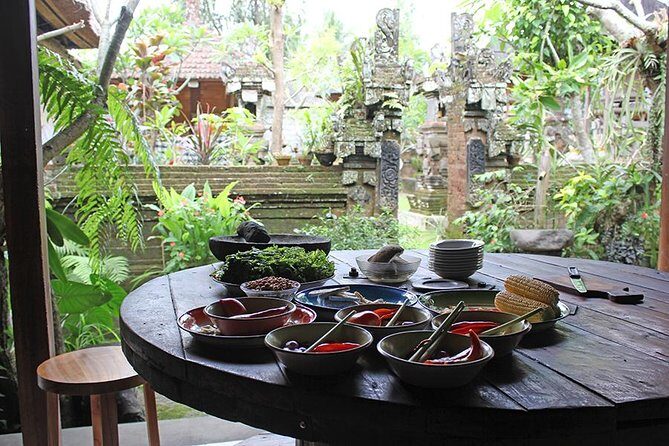
Cooking in Bali is more than food. It’s a window into daily life. This Ubud class is built around the whole chain, from spice shopping and farm harvest to hands-on cooking techniques like pounding with a lesung (mortar and pestle) and cooking with banana leaves.

I especially like two things about it: the small group size (max 15) that keeps the class practical, and the way it mixes cooking with real culture stops, including a traditional home visit and, for morning departures, a market run. One possible drawback: it’s a 5-hour outing that moves through multiple spots, so if you hate car time or want a super relaxed schedule, plan your day around it.

Key Takeaways Before You Go

Authentic Balinese Cooking Class in Ubud - Key Takeaways Before You Go

  • Small-group class (max 15) means you’ll actually cook, not just watch
  • Market stop for morning departures lets you shop spices locally
  • Farm harvest first so the ingredients feel connected to the lesson
  • Hands-on Balinese techniques like chopping and pounding in a lesung
  • Vegetarian and regular menu choices available during the class
  • Recipe PDF included so you can recreate the dishes later

Balinese Cooking in Ubud: What the Countryside Setting Really Adds

Authentic Balinese Cooking Class in Ubud - Balinese Cooking in Ubud: What the Countryside Setting Really Adds
This class is based on the west side of Ubud, in a greener, more countryside-feeling area than you might expect if you only know central Ubud. That matters, because it changes the tone of the day. You’re not just walking from one restaurant to another. You’re seeing the ingredients and routines that make Balinese cooking so spice-forward and ingredient-driven.

Expect the day to feel simple and earthy: leafy greenery, farm energy, and people doing tasks you can recognize—like gathering herbs and preparing spice pastes. You’ll also be working outdoors at points, so think practical clothes that can handle kitchen mess and a bit of humidity.

Pickup, Timing, and Small-Group Size That Keeps You Hands-On

The experience includes 2-way transfers from your Ubud-area address by air-conditioned vehicle. That sounds basic, but it’s a big deal in Bali where the distance between spots can add up quickly. If you’re staying in or near Ubud, you can spend your brainpower on learning instead of navigating traffic.

You also get a class format that keeps things personal. With a maximum of 15 travelers, you’re more likely to get close attention when you’re chopping, pounding, and assembling dishes. In a bigger group, cooking classes can turn into a group performance where a few people do the work. Here, the structure supports participation.

Another small but useful perk: you can choose among departure times, so you can fit it into your day. If you want the most energy and variety, booking the morning class is the smarter move.

Morning Class Market Tour: The Spice Shopping Part You’ll Actually Remember

Authentic Balinese Cooking Class in Ubud - Morning Class Market Tour: The Spice Shopping Part You’ll Actually Remember
If you book the morning departure, you’ll start with a traditional market visit. This is where the class earns its cultural value, not just its food value. Markets in Bali aren’t only for tourists—they’re for daily buying, and that makes everything feel more grounded.

You’ll buy spices from local stalls during this stop. Even if you’ve cooked before, there’s something different about seeing (and choosing) the ingredients where locals actually source them. You also get a feel for what spices are common in the style of food you’ll cook later.

Practical tip: if you’re camera-happy, you’ll want to come ready. Market areas are active and full of colors, but you’ll also be moving with the group, so keep your phone secure and easy to access.

A Local Balinese Home Visit: Layout, Life, and Ceremonies

Authentic Balinese Cooking Class in Ubud - A Local Balinese Home Visit: Layout, Life, and Ceremonies
Next comes a visit to a local house where you can learn about Balinese culture, lifestyle, and how homes are placed. This stop adds context that most cooking classes skip. Food in Bali isn’t separated from daily routines, beliefs, and family life. You’ll get a clearer sense of that by seeing how a typical home works and how people understand their space.

One detail that can make this stop especially memorable is that you might encounter a family celebration or ceremonial moment happening on the day of your visit. For example, you could be near a ceremony such as a one-month birthday observance following the Balinese calendar. You won’t be doing anything formal unless the family invites it—but you’ll likely see the emotion and meaning that surround everyday life.

If you’re curious about culture beyond photos, this home stop is a strong reason to choose this class over a pure cooking workshop.

The Farm Harvest: Where Ingredients Become Part of the Lesson

Authentic Balinese Cooking Class in Ubud - The Farm Harvest: Where Ingredients Become Part of the Lesson
Then you head to the farm, where the class really starts. The flow is straightforward:

1) You decide your menu choice

2) You explore the farm

3) You harvest spices that will be used during your cooking session

4) You cook with those ingredients, guided by a Balinese chef

That sequence matters. Harvesting doesn’t just create better photos. It helps you connect flavors to sources. When you later grind or chop what you picked, you’ll understand what you’re doing in a more concrete way.

The farm setting also helps pace the class. You’re not rushing from market to stove. You’re spending time looking at plants and ingredients, which makes the cooking instructions easier to follow and more memorable.

Learning the Balinese Way: Lesung, Spice Pastes, and Banana Leaves

Authentic Balinese Cooking Class in Ubud - Learning the Balinese Way: Lesung, Spice Pastes, and Banana Leaves
This is a technique-focused cooking class, and it shows in the steps you’ll practice. You can expect to learn chopping and pounding spices in the Balinese style using a lesung (mortar and pestle). That’s not just a gimmick. Pounding changes texture, and texture affects flavor. You’ll likely understand why Balinese spice pastes taste the way they do once you’ve made them yourself.

You’ll also be taught how to cook using a clear, ingredient-driven approach. The chef explains what ingredients you’ll use and what else you need to cook based on the menu option you choose. This is important if you’re worried you’ll get lost in cooking steps during the session.

One more ingredient detail to look for: Balinese cooking often includes using banana leaves for food preparation. Even if you’ve cooked with other leaf wraps before, banana leaves bring a distinct aroma and approach. It’s the kind of detail that becomes a real souvenir because you can recreate it later.

Menu Choice: Vegetarian or Regular, Chosen During the Class

Authentic Balinese Cooking Class in Ubud - Menu Choice: Vegetarian or Regular, Chosen During the Class
I like that you have options here. The class offers a variety of menus, including vegetarian and regular choices. You choose during the class, which helps you match your preferences on the spot—especially if you’re unsure what ingredients you want to work with.

For vegetarians, this kind of structure is helpful because it’s not just a bland alternative. The class format is designed to guide you through specific dishes, with the same “learn the technique” mindset.

If you have strict dietary needs beyond vegetarian (like avoiding eggs or dairy), the provided info doesn’t spell out specifics. So you’ll want to clarify that directly with the operator when booking.

Lunch and Drinks: A Real Meal, Not a Side Note

Authentic Balinese Cooking Class in Ubud - Lunch and Drinks: A Real Meal, Not a Side Note
Lunch is included, along with bottled water, plus coffee and/or tea. That matters for a 5-hour format. You don’t want to be hungry while learning grinding, chopping, and cooking steps. The meal also acts like a payoff moment. You eat what you made (or what’s closely tied to your menu choice), so you can immediately connect taste to technique.

Also, you get the practical equipment basics: cooking utensils and an apron are included. That’s one less thing you need to bring, and it helps you stay focused on cooking instead of hunting for supplies.

Price and Value: Is $49 Worth It in Real Life?

At $49 per person, this class can feel like a bargain, mainly because it stacks multiple experiences into one block of time: market spice shopping (morning), a home visit, and a farm-based cooking lesson—with lunch and drinks included.

A lot of cooking classes charge extra for the “experience” parts, like market tours or ingredient sourcing. Here, the structure is built around those elements without turning them into a separate paid day.

You should also consider what’s excluded. If you’re coming from outside the Ubud area, there are extra car fees for places like Sanur, Kuta/Seminyak/Canggu, Nusa Dua/Jimbaran, and Uluwatu. If you’re staying deep outside Ubud, the final price may rise once you add transport. But if you’re already in Ubud, the included pickup and drop-off makes the $49 feel much more complete.

One more value point: the recipe is provided as a PDF, which makes the class stick after you get home.

The Most Praised Parts: The People Factor (Chef and Driver)

In classes like this, the food matters—but the experience often hinges on the people guiding you. You may meet an instructor like Putri, and a driver like Ron, who are highlighted as standouts by past participants. Even if you don’t get those exact names, the key thing is the kind of support you’re likely to receive: friendly guidance, culture explanations, and help when questions pop up.

I’d strongly recommend using this as a conversation moment. Ask about spice uses, cooking habits, and what locals do differently at home. When the guide is fluent in the story behind the food, your meal stops being just delicious and turns into something you understand.

Should You Book This Balinese Cooking Class in Ubud?

If you want a cooking class that feels like a genuine slice of Balinese life—market, home, and farm included—this is a great choice. I’d book it if you:

  • like learning by doing, not just watching from the sidelines
  • want vegetarian-friendly options
  • enjoy spice culture and practical food technique (especially lesung-style grinding)
  • want a souvenir you can actually recreate later, via the recipe PDF

You might skip it if your schedule is too tight for a full 5 hours, or if you prefer a simple restaurant meal over a multi-stop learning day. But for most people staying in Ubud, the combination of small-group cooking + local culture stops + lunch included is exactly the kind of travel value that makes a “tour” feel like a memory.

FAQ

FAQ

How long is the Balinese cooking class in Ubud?

It’s about 5 hours.

Is pickup and drop-off included?

Yes. Pickup and drop-off are included for the Ubud area.

What’s the price per person?

The price is $49.00 per person.

Is the class small group size limited?

Yes. The maximum group size is 15 travelers.

What’s included in the experience?

Included: pickup and drop-off (Ubud area), lunch, bottled water, coffee and/or tea, air-conditioned vehicle, recipe (PDF), cooking utensil, and an apron.

Is there a market visit?

Yes, but it’s for the morning class only. You visit a traditional market and can buy spices there.

Can I choose a vegetarian menu?

Yes. There are vegetarian and regular menu options, and you can choose the menu during the class.

Where does the cooking take place?

The class is located on the west side of Ubud, in a countryside-style area.

What if the weather is bad?

The experience requires good weather. If it’s canceled due to poor weather, you’ll be offered a different date or a full refund.

Can I cancel for a full refund?

Yes. Free cancellation is available up to 24 hours in advance for a full refund. If you cancel less than 24 hours before the start time, the amount paid is not refunded.

Best of Ubud Tour with Jungle Swing Private and All Inclusive

Best of Ubud Tour with Jungle Swing Private and All Inclusive - Stop 1: Tegenungan Waterfall for Instant Nature Drama

This private Best of Ubud tour is a smart way to pack in the classics without playing logistics bingo. You get hotel pickup and drop-off plus an English-speaking driver, and the day includes the jungle swing ticket along with entrance fees—so you’re not doing surprise math between stops.

Two things I really like: you travel in an air-conditioned vehicle, and the stops are arranged for maximum sightseeing in one long day. The trip also feels personal thanks to a private setup, which matters when you want a little flexibility at busy sites.

One consideration: the day moves fast. Even Tirta Empul is listed as a very short stop, so if you want slow, meditative temple time, you may feel a bit rushed.

Key things to know before you go

Best of Ubud Tour with Jungle Swing Private and All Inclusive - Key things to know before you go

  • Entrance fees and the jungle swing ticket are included, which smooths out your budget.
  • Air-conditioned private transport makes the long day far more comfortable.
  • Tegenungan Waterfall, Sacred Monkey Forest, and Tegalalang Rice Terrace are the core “Ubud highlights” mix.
  • Your guide matters, and real examples include Komang and Alit stepping in to make the day feel organized and fun.
  • Swing photos may require extra dress rental, so expect that small add-on.

A One-Day Ubud Hit List, With a Jungle Swing in the Mix

Best of Ubud Tour with Jungle Swing Private and All Inclusive - A One-Day Ubud Hit List, With a Jungle Swing in the Mix
If you want Ubud in a single day, this tour is built for that exact goal. You’ll see the usual headline stops—waterfall, temple, monkeys, and rice terraces—then layer in the jungle swing at Alas Harum Bali Jungle Swing. It’s an efficient format, not a slow cultural retreat.

I like that it’s “best of” style without being chaotic. The structure is clear: you go site to site, you pay the key admissions once (they’re included), and you spend your time actually looking around. The private setup also helps. Even if you’re the only people in the car, you’re not stuck waiting behind someone else’s pace.

The included mineral water is a small touch, but it helps on a hot day. And because it’s all private, you’re less likely to feel like you’re being herded.

Pickup Zones and AC Comfort: Less Waiting, More Daylight

This tour includes round-trip transfers from a wide set of Bali areas: Ubud, Kuta, Seminyak, Nusa Dua, Sanur, Uluwatu, Jimbaran, Legian, and Canggu. That’s a big deal. A lot of “Ubud day trips” only pick up from Ubud or a couple nearby neighborhoods. Here, you can save time on the start and end of your day.

You’ll also ride in a super comfort air-conditioned vehicle with a driver who speaks English. In practice, that means fewer awkward moments and less time spent figuring things out on your own—especially when you’re trying to get from one attraction zone to another.

One practical tip: because pickup zones are spread out, your day can start earlier depending on where you’re staying. Build in patience for traffic on the way into Ubud.

Stop 1: Tegenungan Waterfall for Instant Nature Drama

Best of Ubud Tour with Jungle Swing Private and All Inclusive - Stop 1: Tegenungan Waterfall for Instant Nature Drama
Your day begins at Tegenungan Waterfall. It’s described as one of Bali’s most popular waterfalls that isn’t too far from the capital area, which is traveler-friendly in the sense that you’re not wasting the day on long-distance travel just to get to the first view.

This stop is listed as about 2 hours, and that’s a solid amount of time for getting photos, walking to viewpoints, and actually enjoying the scenery rather than sprinting through. Waterfalls in Bali tend to be a mix of nature and people, so having a couple hours helps you find your pace.

What to consider: you’ll likely be hot and possibly damp. Wear footwear you trust on uneven ground and bring something small to keep dry (or at least keep your phone safe). Also, keep expectations realistic: it’s a famous spot, so you’ll see other visitors.

Stop 2: Sacred Monkey Forest Sanctuary and the Temple-Plus-Animals Vibe

Best of Ubud Tour with Jungle Swing Private and All Inclusive - Stop 2: Sacred Monkey Forest Sanctuary and the Temple-Plus-Animals Vibe
Next up is Sacred Monkey Forest Sanctuary, where you’ll see gray macaques moving through a forest setting alongside Hindu temples. This is one of those places where the scenery is only half the story. The other half is the animal behavior, and how you handle it.

It’s listed for about 2 hours. That gives you time to explore temple areas, pause for photos, and still keep moving at a comfortable pace. The key here is respect. Don’t treat the macaques like props. Keep your belongings secured and follow site guidance so the animals stay animals, not troublemakers.

A useful “you’ll be glad you did it” habit: keep your camera and snacks handled carefully. Monkey encounters are often less about fear and more about preventing chaos.

Stop 3: Tegalalang Rice Terrace for Views That Actually Earn Their Time

Best of Ubud Tour with Jungle Swing Private and All Inclusive - Stop 3: Tegalalang Rice Terrace for Views That Actually Earn Their Time
Then you head to Tegalalang Rice Terrace, about 20 minutes from Ubud by drive. This is a classic Bali viewpoint—terraced fields, green slopes, and photo angles everywhere you turn.

This stop is also listed as about 2 hours, which is exactly enough time to do three things:

  • take photos from multiple viewpoints,
  • enjoy the surrounding walkways at a slow speed,
  • and not feel rushed when the light changes.

Why this stop works on a one-day tour: it gives you a different texture from waterfalls and temples. You’re shifting from water and stone into a landscape shaped by farming and time. Even if you’ve seen rice terraces before, Tegalalang is the kind of place where your brain finally says, okay, now I get it.

Stop 4: Tirta Empul Temple for a Quick Taste of a Water Temple

Best of Ubud Tour with Jungle Swing Private and All Inclusive - Stop 4: Tirta Empul Temple for a Quick Taste of a Water Temple
After the rice terraces, you’ll visit Tirta Empul Temple (Pura Tirta Empul), a Hindu water temple near Tampaksiring. The temple compound includes a bathing structure called a petirtaan, which is the heart of the site’s identity.

Here’s the one scheduling detail that can affect your enjoyment: it’s listed as 2 minutes. That doesn’t mean the temple is “bad”—it means the pacing is tight. If you love sacred sites and want longer time to watch rituals or read signage, you may wish you had more minutes here.

Still, even a very short visit can work if your goal is to check this icon off your list and get the overall feel of the place. If you’re sensitive to crowds, go in knowing it’s a stop that may feel more like a quick highlight than a full immersion.

The Extra Stops: Silver Craft, Batik Painting, and Time for Art

Best of Ubud Tour with Jungle Swing Private and All Inclusive - The Extra Stops: Silver Craft, Batik Painting, and Time for Art
Between the big-ticket nature and temple stops, the day also includes places described as the biggest silver crafting in Bali, plus stops for traditional batik painting and painting.

These stops are valuable for a simple reason: they give you a break from constant walking and sightseeing while showing you how craft culture works in Bali. Even if you don’t buy anything, it’s a chance to watch processes and see how art connects to daily life.

If you do want to shop, go in with a clear plan. Decide what you’re comfortable buying before you’re tired from a full day. Craft stops can be tempting when you’re standing right in front of the work.

Jungle Swing at Alas Harum Bali: Included Ticket, Photo Outfit Add-On

Best of Ubud Tour with Jungle Swing Private and All Inclusive - Jungle Swing at Alas Harum Bali: Included Ticket, Photo Outfit Add-On
The headline fun piece is Alas Harum Bali Jungle Swing, and the jungle swing ticket is included. So the main attraction cost is already covered in the tour price.

Here’s the practical part. One review mentioned that you’ll need to pay for a dress rental for the pictures on the swing. It wasn’t described as expensive, but it’s an extra fee you should expect if you want the full set of photo options.

What I’d do in your shoes: bring confidence and a sense of humor. This is Bali—people take it seriously, but you don’t need to. The best swing moments usually come when you stop trying to look perfect and just enjoy the view and the ride.

Also, take a moment to look around before you swing. The setting in the rice fields is part of why it’s worth doing. If you only focus on the jump, you miss the scenery that makes the experience feel special.

Price and Value: Why $33 Works (If You Want a One-Day Stack)

At $33 per person, this tour feels like good value if your priority is coverage. You’re paying for:

  • private round-trip transfers from many areas,
  • an English-speaking driver,
  • entrance fees (included),
  • mineral water,
  • parking and petrol,
  • and the jungle swing ticket.

Individually, those categories add up fast on Bali day trips. What makes this price feel fair is that you’re not paying separately for the big-ticket elements (especially entrance fees and the swing ticket). That keeps your budget calmer, which is what most people want when they’re on vacation.

There are two ways the value can slip. If you decide you want long, slow temple time everywhere, this schedule may feel too compressed. And if you arrive wanting a sit-down lunch at a specific place, meals aren’t included, so you’ll need to cover that yourself.

Your Guides Make the Day: Komang, Aris, and Alit

A strong day is usually a mix of sights plus smooth handling. In this case, the guide quality shows up in real-world examples. Komang is described as helpful at every opportunity, Aris as organized, efficient, and knowledgeable, and Alit as fun, personable, and supportive (including a guide in training who made the experience extra enjoyable).

You should use the guide’s strengths. Ask simple questions as you travel, not when you’re already standing in the queue. If you want better photo angles, say so early. If you’re unsure about timing between sites, ask for a quick plan. In a private tour, these small conversations can improve the whole flow.

Who This Tour Is Best For (and Who Might Not Love It)

This tour is a good fit if you want:

  • a one-day highlight pack of Ubud without complex planning,
  • private comfort with pickup from many Bali areas,
  • and one big adrenaline-photo moment via the jungle swing.

It may not be the best fit if you:

  • want very slow temple and ritual time (the Tirta Empul stop is extremely short),
  • dislike shopping or craft stops (silver/batik/painting stops are part of the structure),
  • or hate crowds at famous viewpoints like the waterfall and monkey forest.

If you’re traveling with a flexible attitude, you’ll probably enjoy it even more. The day mixes nature and culture, but it doesn’t pretend to be endless.

Should You Book This Best of Ubud Tour?

Book it if you want to see a lot, stay comfortable, and keep your costs under control. The included entrance fees and included jungle swing ticket are the big wins, and the pickup range makes it practical from many parts of Bali.

Skip it or consider a slower option if you’re the type who wants to linger at each sacred site or you feel stressed by tight timing. This is a highlight-day design, not a slow retreat.

If you like your Bali days structured and action-packed, you’ll likely feel happy with how this tour stacks Ubud’s greatest hits in one go.

FAQ

FAQ

What’s included in the tour price?

The tour includes hotel pickup and drop-off (from several Bali areas), mineral water, an English-speaking driver, private tour, parking fee, petrol, air-conditioning, entrance fees, and the jungle swing ticket.

What are the main stops on the day?

You’ll visit Tegenungan Waterfall, Sacred Monkey Forest Sanctuary, Tegalalang Rice Terrace, Tirta Empul Temple, plus stops related to silver crafting, traditional batik painting, and painting.

How long is the tour?

It runs about 8 to 9 hours.

Do I need to pay entrance fees separately?

No. Entrance fees are included, along with the jungle swing ticket.

Are meals included?

No. Meal fees and any other personal or optional expenses are not included.

What happens if the weather is bad?

This experience requires good weather. If it’s canceled due to poor weather, you’ll be offered a different date or a full refund.

Ubud Private Tour: Waterfalls, Temple and Rice Terraces Swing

Ubud Private Tour: Waterfalls, Temple and Rice Terraces Swing - Tegalalang rice terraces: where the swing photo happens

Ubud in one day can be chaotic. This private tour keeps it calm, with door-to-door pickup and a route built around waterfalls, temples, and the rice terraces swing. You also get onboard Wi-Fi so you can post your photos without guessing roaming costs.

Two things I really like: you’re not stuck in a slow-moving big group, and you get a driver-guide who’s sharp on phone photography—helpful if you want pics that look good, not blurry. Plus, the route mixes nature and culture, not just a string of viewpoints.

One consideration: waterfalls and the swing stop can be affected by weather. There’s also at least one report of a missed pickup, so I recommend confirming your timing the day before.

Key things I’d pencil in

Ubud Private Tour: Waterfalls, Temple and Rice Terraces Swing - Key things I’d pencil in

  • Private, air-conditioned car with hotel pickup and drop-off, so you’re not playing taxi roulette
  • Onboard Wi-Fi and bottled water, which is underrated on a long Ubud day
  • Tegalalang rice terraces + swing photo moment, a big visual payoff for the time spent there
  • Two waterfall stops: Kanto Lampo and Ulu Petanu (Ulu Petanu is described as easier to access)
  • Tirta Empul Holy Water Temple includes a sarong for the visit
  • All-Inclusive upgrade can bundle lunch and entrance fees, so you’re not counting cash all afternoon

A private Ubud route built to reduce stress

Ubud Private Tour: Waterfalls, Temple and Rice Terraces Swing - A private Ubud route built to reduce stress
If you’ve tried self-driving in Bali, you already know the stress. This tour is designed around the opposite feeling: one car, one driver-guide, and stops that make sense without constant route planning.

The big practical win is pacing. It’s private, so you can linger at Tegalalang for photos, take a real break at lunch, and move on without negotiating with strangers about when to go. And because it’s run with a driver-guide, you’re not just getting transport—you’re getting context while you’re in motion.

What makes this day “worth the long hours”

This isn’t a short hop. It’s an 8 to 10 hour full-day loop, with multiple outdoor stops and temple etiquette. That length is what gives you variety: terraces, two different waterfall experiences, and a water temple ritual, plus coffee plantation time and lunch.

If you hate “photo stop treadmill” tours, this one usually feels more human. The better-reviewed guides are repeatedly praised for being patient, adjusting to needs, and making the drive feel like part of the experience, not a chore.

Tegalalang rice terraces: where the swing photo happens

Ubud Private Tour: Waterfalls, Temple and Rice Terraces Swing - Tegalalang rice terraces: where the swing photo happens
Your day starts at the Tegalalang Rice Terraces, one of Ubud’s most famous terrace zones. Expect a scenic stroll and a lot of photo angles. Plan on wearing shoes you don’t mind getting dusty, because these paths can be uneven and slippery.

This is also where the iconic rice-terrace swing moment fits in. The setup is all about the view—people typically want wide shots showing the terraces behind them, not just a close-up on a swing frame. If rain hits, you might find the swing timing disrupted, so bring a calm mindset and be ready to shift into terrace-walk photos instead.

Admission timing: don’t let it surprise you

The terrace stop lists an admission ticket as not included, so it’s smart to budget for it if you’re choosing the standard option. If you go All-Inclusive, you’re aiming to avoid those separate ticket calculations later in the day.

Ulu Petanu waterfall: a quieter-feeling swim stop

Ubud Private Tour: Waterfalls, Temple and Rice Terraces Swing - Ulu Petanu waterfall: a quieter-feeling swim stop
Next comes Ulu Petanu Waterfall in Kedisan Village, near Tegallalang. This stop stands out because it’s described as having fewer stairs, which matters once you’ve already walked around terraces. In plain terms: you’ll likely spend more time at the waterfall and less time grinding your way down and back up.

Ulu Petanu is presented as pristine and less crowded than some louder spots, which is exactly what you want in a packed full-day itinerary. You’ll have time to enjoy the waterfall area, and there’s an option for a swim if conditions allow.

What to do for comfort at this stage

By the time you’re here, you’re usually hot, sweaty, and ready for water. This is why bringing a change of clothes and a towel is clutch. If you’re wearing flip-flops, consider something with grip for the wet areas and slippery rocks.

Also, keep an eye on the light. Waterfall photos look best when you can control glare, so moving a few steps can make a big difference.

Tirta Empul Holy Water Temple: sarong time and respectful wandering

Ubud Private Tour: Waterfalls, Temple and Rice Terraces Swing - Tirta Empul Holy Water Temple: sarong time and respectful wandering
Then you shift gears from water falls to water ritual. Tirta Empul Holy Water Temple is a sacred place where people come for purification, and it’s also a beautiful setting that slows the pace.

You’ll be given a traditional Balinese sarong for the holy water temple visit. That’s a practical inclusion because it saves you from shopping for the right garment on the spot. It also signals that the visit is meant to be taken seriously, even while you’re on a day tour.

How to get the most out of a temple stop

Temple visits can feel confusing if you only think in terms of photos. What works best is to watch how people move through the space, then follow the cues around you. If your driver-guide points out key spots and explains what’s going on, you’ll get more meaning out of the buildings and basins than you would by staring at signs.

This is one of those stops where good guidance can turn a quick visit into a memory that sticks.

D Alas Warung lunch: rice-terrace views with real food time

Ubud Private Tour: Waterfalls, Temple and Rice Terraces Swing - D Alas Warung lunch: rice-terrace views with real food time
Lunch is at D Alas Warung Restaurant, and the standout detail here is the setting: it’s described as having stunning rice terrace views. That matters because it breaks the day into two distinct moods. You’ve been outside walking and climbing. Now you get a real pause with food and a view.

Lunch is listed as included, but it depends on which option you select. The “All-Inclusive” upgrade is what bundles lunch and entrance fees, so check which version you booked if you want predictable costs.

What to expect from the meal

You can expect a choice of western or traditional Balinese dishes. The smart move is to treat lunch as refueling rather than a side quest. If you have a swimsuit, towel, or extra layer, this is a good time to reset your bag and get ready for the next waterfall.

Pemulan Bali Coffee Plantation: a guided taste of coffee culture

Ubud Private Tour: Waterfalls, Temple and Rice Terraces Swing - Pemulan Bali Coffee Plantation: a guided taste of coffee culture
After lunch comes Pemulan Bali Coffee Plantation. The visit is designed like a guided introduction to coffee and tea cultivation, including how the process works from plant to product. It’s also typically a time when you can slow down inside and ask questions without the pressure of racing between outdoor sites.

The tour includes coffee and/or tea here, which is a nice way to make the plantation stop more than just a photo walk. If you’re a coffee person, pay attention to the differences being explained, because that context makes the tasting more fun.

Coffee plantation expectations (so you don’t get disappointed)

Plantation stops can split people into two camps: love the learning, or just want the waterfall part. If you’re in the learning camp, you’ll appreciate a real guide-led explanation. If you’re mostly there for scenery, treat this as a break day moment, not the main event.

Either way, it helps the itinerary feel balanced: culture, nature, food, and then one more big payoff waterfall.

Kanto Lampo waterfall: multi-tier water and pool time

Ubud Private Tour: Waterfalls, Temple and Rice Terraces Swing - Kanto Lampo waterfall: multi-tier water and pool time
To close the day, you go to Kanto Lampo Waterfall, a multi-tier waterfall surrounded by greenery. It’s a classic Ubud waterfall scene, the kind that gives you enough angles for photos and enough water to feel like you left the city behind.

This stop also includes time to enjoy natural rock pools, and there’s mention of swim time depending on conditions. That’s why your earlier planning matters: bring the right footwear, and keep water-ready clothing in mind.

A simple “waterfall survival” checklist

When you’re doing two waterfalls in one day, your biggest enemy is getting uncomfortable too early. You’ll have an easier time if you:

  • Wear shoes/sandals that handle wet surfaces
  • Bring sunscreen and reapply if you’re exposed between stops
  • Pack a towel and change clothes for the final stretch

If you do that, the end of the day feels like a win instead of a slog.

Driver-guide skills, Wi-Fi, and photo help that actually matters

Ubud Private Tour: Waterfalls, Temple and Rice Terraces Swing - Driver-guide skills, Wi-Fi, and photo help that actually matters
A private tour is only as good as the person behind the wheel. One pattern showing up in the best feedback is that the guides are praised for English communication, cultural explanations, safe driving, and patient pacing.

Names that come up in the feedback include Kadek Jarot, Agung, Dika, Darma, Denar, and Noki. I’m not saying you’ll get the same person, but it’s useful context: the best experiences here are closely tied to driver-guide performance, and this operation clearly hires for more than just driving.

Wi-Fi on board: why it’s a big deal

On long days, Wi-Fi isn’t a luxury. It’s practical. You can message family, check directions, or upload photos without worrying about roaming. And because it’s onboard, it’s available while you’re between stops, not only when you reach a café.

That small convenience makes the time feel less like waiting and more like moving.

Price and value: what you’re really paying for

At $24.82 per person, the headline price looks friendly for a private, door-to-door day. The value depends on which option you pick.

Here’s the tradeoff:

  • If you choose All-Inclusive, you’re covering lunch and entrance fees, which can reduce decision fatigue and stop you from paying multiple small amounts during the day.
  • If you choose the standard option, some admissions are listed as not included (like the rice terrace and both waterfall stops). That means you’ll want cash or a card ready, especially for the outdoor attractions.

When this price feels like a bargain

This tour tends to feel like a good deal if you fit one of these situations:

  • You want a private driver so you can go at your pace
  • You care about photos and want help composing shots (the phone photography angle shows up a lot)
  • You’d rather pay one bundled price than track several tickets

It can also work well for first-time Bali visitors who feel overwhelmed by driving.

Should you book this Ubud waterfalls, temple, and rice terrace swing tour?

I’d book it if you want a full Ubud day that mixes terraces, waterfalls, and a temple visit without the stress of driving. The optional all-inclusive upgrade is especially attractive if you dislike surprise entrance costs.

Do it with a clear expectation: weather can affect outdoor moments, and you’ll spend real time walking near waterfalls and terraces. Also, because this is a private tour, it’s worth being organized about your meeting time and having your pickup details handy the day before.

If you prefer flexible pacing, care about respectful temple etiquette (sarong provided), and want a good balance of nature plus culture, this itinerary is a strong match. And if it’s going to be your first big Ubud day, the variety helps you understand what you want more of tomorrow.

FAQ

How long is the Ubud private tour?

It runs about 8 to 10 hours.

Is hotel pickup and drop-off included?

Yes, pickup and drop-off are offered from your accommodation.

Are entrance fees and lunch included?

Lunch and all entrance fees are included if you select the All-Inclusive option. Some stops list admission tickets as not included.

Which waterfalls does the tour include?

You’ll visit Ulu Petanu Waterfall and Kanto Lampo Waterfall.

Is Wi-Fi available during the tour?

Yes. There is complimentary Wi-Fi offered by the driver during the tour.

What should I bring for the day?

Bring comfortable footwear, sunscreen, cash or a credit card, a change of clothes, and a swimsuit plus a towel for the water parts.

Bali Best Of Ubud Tour Private and All Inclusive

Bali Best Of Ubud Tour Private and All Inclusive - Besakih Mother Temple: the big Bali spiritual stop

Bali can feel like a lot at once. This Ubud best-of day is a smart mix of temples, waterfalls, and the famous Jungle Swing, all run with private comfort. I love that you’re not hunting for tickets or figuring out routes, and you get a real guide day with names like Ngurah, Buddy, Agus, and Aji showing up in guides’ stories. One drawback to consider: it’s a full 10-hour schedule, so you’ll want good shoes and the patience to move with the day’s traffic.

The real win here is how the pacing works. You visit major sacred sites in the morning, slow down around a spring-fed temple, then pivot to the fun stuff in Ubud before finishing at Tibumana Waterfall. Just be aware the day includes lots of time outdoors—so sun, humidity, and occasional crowds at popular photo spots can affect how relaxed you feel.

Key highlights you’ll actually care about

Bali Best Of Ubud Tour Private and All Inclusive - Key highlights you’ll actually care about

  • Private hotel pickup and air-conditioned transport to keep the day comfortable
  • Besakih + Gunung Kawi Sebatu + Tibumana in one go, without self-planning
  • Jungle Swing time in Ubud for those big valley-jungle photos
  • All fees and entrance tickets handled, plus lunch and bottled water
  • Guides who manage the experience, including keeping you safe around pushy sellers

A private Ubud day that feels planned, not rushed

The best part of this tour isn’t one single stop. It’s the way the whole day hangs together: a sunrise-ish start, temple time while the light is good, then waterfalls and a swing once the day warms up. If you’re only in Bali for a short stretch, this format gives you a concentrated “greatest hits” day without feeling like you’re sprinting.

You’ll also appreciate the private setup. Your group rides together in an air-conditioned vehicle and you don’t have to wait for strangers to arrive, ask the same questions, or miss tickets while someone hunts down their phone. In the feedback I’ve seen, the guides’ communication and calm control show up again and again—names like Turah Rai, Verry, and Esa come up with the theme of smooth organization.

The other reason I like this style is simple: your time is protected. Lunch is built into the flow, entrance fees are handled, and bottled water is included. That’s one less mental load, especially if you’re visiting multiple sites that can otherwise burn time and energy.

The schedule: how the 10 hours play out

Bali Best Of Ubud Tour Private and All Inclusive - The schedule: how the 10 hours play out
The day runs about 10 hours, starting with pickup at 7:00 AM. Your exact pickup time can vary by where you stay, but you can expect an early start meant to get you to the first temple before the day gets too hot and busy.

A typical run looks like this:

  • 9:30 AM: Besakih Mother Temple
  • 11:30 AM: Gunung Kawi Sebatu Water Temple
  • 1:00 PM: Lunch
  • 2:30 PM: Jungle Swing in Ubud
  • 4:00 PM: Tibumana Waterfall
  • 6:30 PM: Return to your hotel

This timing matters because it gives you a mix of experiences without constant backtracking. You’re moving in a logical loop through key areas, and the long drive stretches are broken up by activities rather than idle waiting.

Still, go in with realistic expectations. You’re visiting four major experiences plus travel and meals. If you hate early mornings or you plan to spend lots of time lingering at each photo spot, you might feel pressure. The upside is that guides can usually help with timing so you’re not stuck waiting around.

Besakih Mother Temple: the big Bali spiritual stop

Bali Best Of Ubud Tour Private and All Inclusive - Besakih Mother Temple: the big Bali spiritual stop
Besakih is known locally as Pura Besakih, and it’s regarded as the Mother Temple of Bali. The site is large, active, and deeply tied to Balinese Hindu worship, so it’s not just scenery—it’s lived religion.

You’ll likely spend around 3 hours here, which is a good amount of time for a complex temple. You can take in the scale, notice how the grounds feel at different spots, and slow down enough to understand what you’re looking at instead of racing through.

What I’d watch for at Besakih is the combination of steps, surfaces, and crowd flow. Temples can be uneven underfoot, and the biggest sites tend to gather people quickly. A guide helps here because they can point you toward a sensible route and remind you how to behave respectfully in active sacred spaces.

Also, ask questions early. The meaning of words like Pura (a Balinese Hindu temple) is exactly the kind of context that turns a “wow, pretty” visit into a “now I get it” visit.

Gunung Kawi Sebatu: spring-fed ponds and a calmer feel

Bali Best Of Ubud Tour Private and All Inclusive - Gunung Kawi Sebatu: spring-fed ponds and a calmer feel
Next you head to Gunung Kawi Sebatu Temple, a site built around a natural spring. This temple has a softer vibe than the biggest tourist magnets. It’s known for being peaceful and pretty, and you’ll see multiple ponds and pools that give the place a cool, quiet rhythm.

Plan on about 2 hours at this stop. That time is important because it lets you take in the water features without feeling like you’re being pushed out the door for the next photo.

If you like temples that feel more intimate and less overwhelming, Sebatu is a great change of pace. It’s also a nice break before Ubud gets more about views, swings, and open-air photo moments.

One practical note: with all that water nearby, the ground can feel slick or damp depending on conditions. Wear shoes you trust and keep your steps careful. It’s a small thing, but it keeps you relaxed.

Ubud Jungle Swing: the photo, plus the reality behind it

Bali Best Of Ubud Tour Private and All Inclusive - Ubud Jungle Swing: the photo, plus the reality behind it
The Jungle Swing in Ubud is exactly what it sounds like: you swing over the jungle with a big “this is Bali” view. You’ll have about 2 hours here, and the swing admission is listed as free for this tour.

This is the stop that splits people. Some visitors treat it like a fun carnival moment; others enjoy it as a quick way to get a dramatic shot with the surrounding valley. Either way, it helps to know you’re trading a chunk of time for photos—so if you hate waiting or you’re not into big photo set-ups, you might want to treat it as a short, high-impact stop.

Where guides help is pacing and sanity. In the feedback I’ve seen, guide teams often manage the experience so you don’t get swallowed by the chaos around popular attractions. One common theme is protection from aggressive sellers—when you have a guide close by, you’re less likely to get pulled into extra purchases just by being stuck near the wrong people.

My tip: go into it ready to ask for the shot you actually want. If your main goal is a clean view of the jungle and valley, say so. If you want a calmer “swing and breathe” moment too, build that in when you’re waiting.

Tibumana Waterfall: where the day slows down again

Bali Best Of Ubud Tour Private and All Inclusive - Tibumana Waterfall: where the day slows down again
After Ubud, the day turns to water. Tibumana Waterfall is known for being beautiful and relatively quieter than the most famous falls. It’s one of the “only a few people seem to know” kind of experiences, which often means you get to enjoy the setting without as much of a crush.

You’ll spend about 2 hours here. That’s enough time to find a good viewpoint, get some photos, and enjoy the sound of the falls without feeling like a schedule robot.

A waterfall visit has two realities. First, you’ll likely be walking on uneven ground, depending on where the path leads you. Second, water means humidity, which can make the air feel heavier late in the day. If you’re going in dry season, it might be easier on your skin; if it’s humid and hot, plan to rinse sweat off your face and drink water.

The guide’s job here is underrated. They help you time the best viewing spots and keep the group moving at a safe pace. When you’re already tired, this kind of calm direction makes the difference between enjoying a place and just getting “through it.”

Price and what you truly get for $119

Bali Best Of Ubud Tour Private and All Inclusive - Price and what you truly get for $119
At $119 per person, this isn’t a bargain-backpack option. It’s closer to paying for convenience, time saved, and the stress removed from planning.

Here’s what’s included that usually costs money if you book separately:

  • Private transportation in an air-conditioned vehicle
  • English-speaking driver and tour guide
  • All fees and taxes
  • Lunch
  • Bottled water
  • A mobile ticket

If you’ve ever tried to price out Bali entrance fees plus a driver plus lunch plus the lost time of coordinating everything yourself, the “all-inclusive” angle starts to make sense. You’re paying to have the day managed end-to-end, and that’s especially valuable if you’re traveling with kids, older relatives, or just don’t want to negotiate every step.

One extra note: tips for guides are listed as not included. That’s normal in Bali, but it’s worth mentally budgeting so it doesn’t surprise you at the end of a great day.

Guides make or break a temple-and-water day

Bali Best Of Ubud Tour Private and All Inclusive - Guides make or break a temple-and-water day
This tour’s most consistently praised element is the people running it. Names that come up include Ngurah, Buddy, Gede, Agus, Verry, Aji, Turah Rai, Esa, and Jayanta. I’m not saying every guide is the same, but patterns show up: patience, clear communication, smooth timing, and a calm approach.

A big practical value: good guides help you avoid the annoyance tax. One recurring theme is that guides can protect you from pushy sellers, especially around popular photo areas. That means you’re more likely to enjoy the place rather than keep negotiating space with people who want your attention.

Guides also help your understanding. When a guide explains what you’re seeing—like the idea of Pura as a temple and how Besakih fits into Bali’s religious life—it makes the sites feel less random. And when the guide is flexible, you often get a better balance of structured time and time to wander.

If you care about getting along with your guide, it’s worth asking who you’ll have before the day starts, and requesting someone by name if the operator can accommodate it. Reviews specifically mention people asking for Ngurah, and other guides were praised strongly for being attentive and balanced.

Small moments that can add up (like coffee time)

Some days in Bali include extra cultural stops that aren’t always obvious from the core schedule. In the feedback I’ve seen, there’s mention of a coffee experience or coffee plantation-style stop as a nice add-on. If your day includes it, it’s typically a low-pressure way to add something local to the itinerary without turning your schedule into chaos.

Treat that kind of add-on as a bonus, not a guarantee. If you want it, ask your guide what’s planned for your departure day so you’re not making assumptions.

Who this tour is best for

This is a great fit if you want:

  • a private day with hotel pickup and a dedicated driver
  • a temple + waterfall + Ubud photo mix without planning
  • an experience where entrance fees and lunch are already handled

It’s also a strong choice if you dislike big group tours. The pacing works better when you’re not waiting on other people.

On the other hand, this might feel like a lot if you’re the type who wants long, slow afternoons and zero schedule pressure. It’s built to hit multiple sites in one day, so you’ll be moving most of the time.

Should you book Bali Best Of Ubud Tour?

If you’re looking for an efficient, well-run way to see major Ubud-area highlights—Besakih in the morning, Sebatu’s spring-fed calm, the Jungle Swing photo moment, then Tibumana’s waterfall—this tour is a solid booking. The included tickets, lunch, and bottled water reduce the hassle cost, which is where the real value hides.

I’d book it if you want help from a guide with names like Ngurah or Buddy, and if you’re okay with a full day outdoors and a 7:00 AM start. I’d think twice if you hate packed schedules or you want a slow, independent exploration day with lots of free time between stops.

FAQ

What is the duration of the Bali Best Of Ubud Tour?

The tour runs about 10 hours.

Where does the tour pick up from?

The tour offers pickup from your hotel, with the exact pickup time varying by your location.

What stops are included on the day?

You’ll visit Besakih Mother Temple, Gunung Kawi Sebatu Temple, the Jungle Swing area in Ubud, and Tibumana Waterfall, with lunch during the day.

Is hotel transportation included?

Yes. You get private transportation in an air-conditioned vehicle, plus an English-speaking driver and tour guide.

Are entrance fees and tickets included?

Yes. All fees and taxes are included, and admission tickets are listed as included for Besakih, Gunung Kawi Sebatu, and Tibumana. Jungle Swing admission is listed as free.

Is lunch included?

Yes, lunch is included in the tour.

Is bottled water provided?

Yes, bottled water is included.

What is the price per person?

The price is $119.00 per person.

Is tipping included in the price?

Tips for guides are not included.

What is the cancellation policy?

You can cancel up to 24 hours in advance for a full refund. If you cancel less than 24 hours before the experience’s start time, the amount paid is not refunded.

Bali Private inclusive tour: Best of Ubud in a Day

Bali Private inclusive tour: Best of Ubud in a Day - Tegenungan Waterfall: scenery and a swim option, timed right

Ubud can be a lot in one day. This private tour turns it into a doable plan with round-trip transportation and a driver who gives you context as you go. I especially like how it mixes temples, nature, and crafts in one line-up, and that you can explore independently at each stop instead of being herded everywhere. One thing to watch: the term inclusive can mean different pricing versions, so it’s smart to double-check that your entrance tickets are truly covered for your exact booking.

You get an air-conditioned private car, bottled water, and a day that runs about 8 to 10 hours. That’s a big deal in Bali, where travel time can quietly eat your sightseeing hours if you’re going it alone. The itinerary is built around major hits near Ubud, so you can see a lot without spending your day negotiating rides.

If you’re the type who wants a long lunch break and slower pacing, this may feel a bit full. But if you want your first (or next) Ubud day to be practical and efficient, this is a strong fit.

Key points worth knowing before you go

Bali Private inclusive tour: Best of Ubud in a Day - Key points worth knowing before you go

  • Private door-to-door style pickup from Jimbaran area, with an A/C car and a driver/guide.
  • Independence at every stop: you’re free to look around on your own time inside the schedule.
  • Temple + waterfall + rice terraces + monkeys in one day, so you don’t have to plan multiple trips.
  • Admission tickets are listed as included, plus bottled water to keep the day smoother.
  • Ubud Market and palace stop keep the culture side close to the town center.
  • Double-check the exact pricing type if you want guaranteed ticket coverage.

A one-day Ubud plan that saves you the logistics work

For me, the best tours don’t just show sights. They handle the boring parts: getting from place to place, timing your stops, and reducing the mental load. This one does that by stringing together the key Ubud-area experiences into a single route, with a private car and a driver who narrates along the way.

The tour also respects your time differently than a rigid group tour. You still get independence inside each location. So you can linger where you like things most, then move on without constantly checking in with a big group.

You’re paying for convenience and coverage. The stated price is $48.11 per person, and the tour runs about 8 to 10 hours. That’s generally where value comes from on Bali: time spent traveling is expensive, and the cost of fixing a bad day plan can be higher than you expect.

Start at Batuan Temple: a calmer opening before the crowds

Bali Private inclusive tour: Best of Ubud in a Day - Start at Batuan Temple: a calmer opening before the crowds
Your first stop is Puseh Batuan Temple, a village temple in Batuan, built in Isaka 944. You get about 45 minutes here, and admission is listed as included.

This is a good way to start because it’s grounded in local religious life rather than purely scenic photo stops. Temples like this can set the tone for the rest of the day: you get a sense of why the island’s culture shows up everywhere, not just in the tourist zones.

The main practical benefit: starting with a temple-style stop gives you momentum early, when the day is freshest. If later you hit the Monkey Forest area and the rice terrace walk, you’ll already be in the right frame of mind.

Tegenungan Waterfall: scenery and a swim option, timed right

Bali Private inclusive tour: Best of Ubud in a Day - Tegenungan Waterfall: scenery and a swim option, timed right
Next up is Tegenungan Waterfall for about 1 hour, again with admission listed as included. The plan focuses on the green river scenery around the falls, with a chance for sightseeing and even swimming.

This stop works well in a one-day format because it’s not just a quick look and run. One hour gives you enough time to take photos, walk viewpoints, and decide whether you want to get in the water.

My only consideration is timing and comfort. Waterfall visits can be best when the light feels right and when you’re dressed for it. Since the tour’s dress code is casual (not a specific water-ready requirement), you’ll want to think about what casual means for your own comfort if you plan to swim.

Tegalalang Rice Terrace: the classic Ubud view, with a walk-through

Bali Private inclusive tour: Best of Ubud in a Day - Tegalalang Rice Terrace: the classic Ubud view, with a walk-through
Then you head to Tegalalang Rice Terrace in Tegalalang village for about 1 hour. The experience here is about the scenic views of rice paddies, plus the chance to walk through the fields and meet local farmers.

This is one of those stops where the value isn’t only the view. It’s the feeling of stepping into an active landscape of work and daily routine. If you like seeing agriculture that’s still part of life, not just a backdrop, you’ll likely enjoy this more than you expect.

The one-day structure is important here. One hour is enough for a short walk and a look from multiple angles, without turning the terrace into a half-day detour. It keeps your afternoon from feeling rushed at Monkey Forest and the center of Ubud.

Sacred Monkey Forest Sanctuary: more than 600 monkeys in the town core

Bali Private inclusive tour: Best of Ubud in a Day - Sacred Monkey Forest Sanctuary: more than 600 monkeys in the town core
After the rice terraces, the itinerary moves to Sacred Monkey Forest Sanctuary for about 1 hour. This is the Ubud-center option for seeing monkeys up close, with the sanctuary home to more than 600 long-tailed monkeys.

If you come for the monkeys, you’ll likely get what you want: a forest walk in a famous sanctuary setting. This stop also helps diversify the day after temple, waterfall, and paddies. It’s a different kind of sensory experience.

The key practical consideration is that Monkey Forest is both a wildlife setting and a tourist magnet. That means you should expect the day to feel busier than the earlier temple stop. Plan your pace accordingly: don’t treat it like a quick photo stop if you want to actually watch the animals.

Ubud Traditional Art Market and Puri Saren: culture without the full time sink

Bali Private inclusive tour: Best of Ubud in a Day - Ubud Traditional Art Market and Puri Saren: culture without the full time sink
The next stop is Ubud Traditional Art Market for about 1 hour. This is paired with a short visit near Puri Saren or the Ubud Palace. Then the tour ends at Puri Saren Palace for about 20 minutes, with admission listed as included.

I like this combo because it keeps your cultural time efficient. You get market energy (the sounds, the stalls, the everyday vibe), plus a quick taste of palace architecture and grounds without spending hours waiting around.

At the market, you’re not locked into browsing for a whole hour if you’re not in a shopping mood. You can use the time to look around, learn the general “shape” of local crafts, and then move on.

If you do want to shop, remember the tour does not include shopping or personal expenses. So treat the market like a place to browse first, and decide later if you want to buy.

What the private transport really buys you from Jimbaran

Bali Private inclusive tour: Best of Ubud in a Day - What the private transport really buys you from Jimbaran
This tour is built around end-to-end private transportation in an A/C car, plus a driver/guide. Pickup is offered, and the tour is listed as located in Jimbaran, so you should plan around leaving from that area.

That matters more than people think. The biggest frustration in Bali is losing time to transfers, unclear routes, and decision-making while you’re already tired. A private car with a driver reduces all of that, and it also lets you keep the itinerary tight enough to fit six stops in one day.

A nice extra: the tour includes bottled water. That sounds small, but it helps when you’re moving stop to stop and you don’t want to spend your sightseeing time hunting for drinks.

Also, this is a private tour/activity, meaning only your group participates. That’s a big difference in how the day feels. Even if other people are on site, your transportation and pacing stay yours.

Entrance tickets and the inclusive wording: how to protect your budget

Bali Private inclusive tour: Best of Ubud in a Day - Entrance tickets and the inclusive wording: how to protect your budget
Here’s the practical part to get right before you go. The tour info says entrance tickets are included, and every stop lists admission as included. But there’s also a warning from past booking feedback about confusion when the listing title says inclusive.

The clear takeaway for you: confirm what you’re actually paying for. One pricing variant may include tickets as part of the “all inclusive tour,” while another may be more like a car charter where you pay your own entrance fees.

To avoid surprises, I recommend you do two things:

  • Confirm that your booking type includes admission for every stop on the route.
  • If you’re unsure, ask for a short list of what’s included in your exact price.

This one check can save you the most annoying kind of Bali problem: paying at the door after you already planned your day around tickets being handled.

Price value: when $48.11 per person makes sense

On paper, $48.11 per person for a private full-day route can look like a bargain. The reason it might be fair is that the experience bundles the big ticket costs: entrance tickets, private A/C car transport, bottled water, and a driver/guide.

But the real value depends on two things:

  1. Whether your booking truly includes all entrance tickets.
  2. Whether you’ll actually make full use of the day (six stops in about 8 to 10 hours).

If you want to see multiple Ubud highlights in one go, and you’re not trying to build your own route, then the price can feel very reasonable. If you end up paying entrance fees anyway or stretching the day because of your own timing choices, the value shifts.

So treat this as a “turnkey best-of Ubud” day: great if you want convenience, less great if you’re planning to freelance half the trip and re-price the rest.

Timing and pacing: what an 8 to 10 hour day feels like

The schedule is built from short to medium blocks:

  • 45 minutes at Batuan Temple
  • 1 hour at Tegenungan Waterfall
  • 1 hour at Tegalalang Rice Terrace
  • 1 hour at Sacred Monkey Forest Sanctuary
  • 1 hour at Ubud Traditional Art Market
  • 20 minutes at Puri Saren Palace

What’s not explicitly stated is the travel time between stops, but it’s baked into the overall 8 to 10 hour day. That’s normal for Bali: driving takes time, and the day can feel busy even with private transport.

If you’re someone who likes to “absorb” places with long stays, this tour might make you feel time-pressured. The tradeoff is that you’ll cover a lot in one day, which can be worth it if you only have limited time in Bali.

If you’re visiting for the first time and want the essential Ubud list, this route fits your reality better than a slower plan that might leave you with only two or three stops.

Who this tour is perfect for (and who should skip it)

This is a strong match for you if:

  • You want a first-time Ubud overview without planning every detail.
  • You like mixing cultural stops with nature stops in the same day.
  • You prefer private transport so you can keep the day moving smoothly.
  • You’re okay with short visits and you’ll enjoy each place on your own time.

I’d think twice if:

  • You want lots of downtime and a relaxed pace.
  • You’re a “one stop, slow and deep” kind of traveler.
  • You don’t want to check details around ticket inclusions for your specific booking type.

The small practical details that make your day easier

A few things from the tour info can help you plan better:

  • Dress code is casual, and you’ll be walking at several stops.
  • Food or lunch is not included, so plan to eat outside the itinerary window.
  • Shopping and personal expenses are not included, even if the market tempts you.
  • Child under 3 years is free, but adult pricing applies to all other participants.
  • The tour includes bottled water, so you don’t need to start the day buying drinks.

And one more “save yourself stress” tip: treat the day like a checklist of experiences, not like a museum tour. Your wins are being there at the right places and enjoying each stop for the time you have.

Should you book this Bali private Best of Ubud in a Day tour?

I’d book it if you want a tight, efficient Ubud highlights day with private A/C transport, tickets handled (assuming your booking is truly inclusive), and freedom to explore each stop at your pace. The structure is built for travelers who value time and want a mix of temple, waterfall, rice terraces, monkeys, market culture, and a palace visit without juggling separate reservations.

Don’t book it blindly if the inclusive wording could be unclear for your exact price type. Do that one double-check about ticket coverage, and you’ll remove the biggest potential downside.

If you get that right, this can be a very good way to turn a single Bali day into a memorable set of experiences instead of a stressful blur of logistics.

FAQ

How long is the tour?

It runs about 8 to 10 hours.

Is pickup included?

Yes, pickup is offered.

Is this a private tour?

Yes. It’s private, and only your group participates.

What’s included in the price?

Included items are entrance tickets, bottled water, an air-conditioned private car, and a tour driver or guide.

Is lunch or food included?

No. Food or lunch is not included.

What should I wear?

The dress code is casual.

Are tickets included for all stops?

The tour info lists entrance tickets as included for the stops on the itinerary. Still, since there may be different pricing types, it’s smart to confirm that ticket coverage applies to your specific booking.

What is the cancellation policy?

You can cancel for a full refund up to 24 hours before the experience’s start time. If you cancel less than 24 hours before, the amount paid is not refunded.

Ubud Tubing Adventure Holy Spring Temple Private Guided Tour

Ubud Tubing Adventure Holy Spring Temple Private Guided Tour - Tampaksiring: a calm coffee and panorama reset

A wet-and-wild Bali day is the plan. This private outing strings together Petanu River tubing, a real temple blessing at Tirta Empul, and a calm coffee stop in Tampaksiring—so you get variety without juggling buses.

I especially loved two things: the private guide time, with real local context (I’ve heard guides like Dee and Sandy make history make sense), and the fact that the tubing is run with a trained team and full safety focus. One thing to consider: it’s a water day, and there can be restrictions around cameras during tubing—so plan around getting wet, not filming everything.

Key highlights you’ll actually care about

Ubud Tubing Adventure Holy Spring Temple Private Guided Tour - Key highlights you’ll actually care about

  • Private, flexible pacing: you’re not stuck on a rigid group schedule, and your guide can adapt
  • Professional tubing setup at the clean Petanu River, with safety-forward guidance
  • Tirta Empul purification ceremony led alongside a friendly guide so you know what you’re looking at
  • Included admissions for tubing and Tirta Empul (so you’re not paying extra on the day)
  • Tampaksiring refresh break with complimentary tea and hot coffee plus a pretty green-village view

Tubing the Petanu River without turning it into a circus

Your day kicks off with tubing at Gekko Tubing Bali on the Petanu River. Think lazy-river energy with moments of real fun—more than a float, less than a full-on extreme stunt. The best part for me is the mix: you get stretches where you can relax, then bursts where you laugh, get splashed, and feel fully awake.

What makes this feel worth booking is the way it’s run. You’re guided by friendly, professional, trained staff, and the setup is described as meeting standard safety expectations. That doesn’t mean it’s a theme-park ride with no risk—but it does mean you’re not guessing your way through water. I like that.

About cameras and what to pack for the water

One practical heads-up: you may not be allowed to bring a camera on the tubing part. I’ve also seen guides/ops enforce this style of rule, so don’t assume you’ll be filming the whole river run. Your best move is to bring a phone only if you’re told it’s okay, and otherwise rely on the experience itself.

Also plan to wear swimming clothes. The tour’s dress notes call for swimming gear, sunblock, sandals, and spare clothing. That spare clothing detail matters more than people think. After you’re wet, you’ll be happy to change before heading to a sacred site.

Tubing reality check (the “good” and the “be ready”)

  • You’ll get wet. That’s the point.
  • You’ll be active—so bring a calm attitude, not a delicate one.
  • It’s timed into a longer day, so treat it like an adventure block, not a quick stop.

Tirta Empul and the holy spring purification ritual

Ubud Tubing Adventure Holy Spring Temple Private Guided Tour - Tirta Empul and the holy spring purification ritual
After the river, you’ll head to Tirta Empul Temple, one of Bali’s most famous sacred spring sites. This is where the tone shifts from playful chaos to quiet focus.

You join a blessing ceremony connected to the holy springs, accompanied by your guide. The key value here isn’t just seeing the temple. It’s understanding why people line up, what the purification is for, and what to do during the ceremony—especially if you’re visiting for the first time.

I love guided context at temples. Without it, you might just watch rituals from the outside. With it, you feel less like a spectator and more like you’re participating respectfully. The tour style here is built for that: professional, friendly guidance plus the explanation you’re unlikely to pick up on your own.

What to expect when you arrive

You’ll likely want to dress thoughtfully for a sacred space. The tour’s official dress guidance is swimming clothes plus spare clothing, which is a useful sign: you can go from water to temple without scrambling. Bring your sandals and sun protection as suggested, and consider the simplest plan—change quickly, then be ready to follow your guide’s lead.

Also, the temple stop is listed at about 1 hour, with admission included, so you don’t feel like you’re rushing through something important. Still, 60 minutes is not a long meditation session—so if you want time for photos or questions, stay engaged with your guide early.

Tampaksiring: a calm coffee and panorama reset

Ubud Tubing Adventure Holy Spring Temple Private Guided Tour - Tampaksiring: a calm coffee and panorama reset
Next up: Tampaksiring. This is your palate cleanser between the temple and the ride back. You’ll have a rest point break with complimentary tea and fresh hot coffee, plus a panorama view over the green village surroundings.

Why this matters: after water and a spiritual ceremony, your brain needs an easy moment. Coffee and a view can turn the day from a checklist into a story. This stop is also practical—you get a chance to dry off a bit, reorganize your things, and recharge before heading home.

The stop duration is listed at around 40 minutes. That’s enough time to refuel without dragging the tour out.

How a good private guide turns a long day into a smooth one

Ubud Tubing Adventure Holy Spring Temple Private Guided Tour - How a good private guide turns a long day into a smooth one
This is a private tour, meaning it’s just your group. That matters for two reasons.

First, your guide can give you attention that’s hard to get on bigger group tours. Second, the itinerary can be adjusted to fit your pace. The tour description highlights that flexibility, and the way the guides operate in practice is what makes the difference.

Local info you won’t get from a map

In Bali, it’s easy to focus only on famous sights. What changes everything is hearing the local meaning behind them—why one place feels calmer, why another is more crowded, and how to move respectfully.

From the guide stories I’ve seen with this tour style, names like Dee and Sandy have been praised for sharing local history and adapting for families with very different energy levels. Other guides mentioned include Gusti Arimbawa, who’s described as friendly, fluent in English, and able to take you where you want while waiting as long as you want at each stop. That’s the kind of private-guide advantage that turns a rigid schedule into something that feels like your day.

Family-friendly energy

One reason this outing earns top marks is that it works across ages. I’ve seen it described as fun for kids, parents, and grandparents in the same group. That’s a good sign if you’re traveling with mixed ages, because the structure gives you variety without requiring everyone to be the same kind of athlete.

Price and value: what $58.34 buys you (and why it can be worth it)

Ubud Tubing Adventure Holy Spring Temple Private Guided Tour - Price and value: what $58.34 buys you (and why it can be worth it)
The price is listed at $58.34 per person, and it’s typically booked about 17 days in advance. I’d frame the value like this:

You’re paying for three things at once:

  • Transport with pickup (so you avoid the stress of arranging cars yourself)
  • Guided experiences across two very different settings (river + temple)
  • Admissions included where it counts: tubing and Tirta Empul

Stop 1 (tubing) and stop 2 (Tirta Empul) both include admission tickets. Stop 3 (Tampaksiring tea and coffee) is free for that part of the day. When a tour includes the paid entries and a guide, the per-person cost can look more reasonable fast—especially if you’d otherwise pay separately for transportation and individual attraction tickets.

When the math gets less flattering

If you already have a driver lined up and you’re comfortable planning a route solo, the guide portion becomes less essential. But if you want an easy day—one plan, one guide, no logistics puzzles—this style of private day is the kind of value that saves time and mental effort.

Practical packing list: go light, go safe, go comfy

Ubud Tubing Adventure Holy Spring Temple Private Guided Tour - Practical packing list: go light, go safe, go comfy
Here’s the packing guidance you should follow closely, because it’s built for this exact day:

  • Swimming clothes
  • Sunblock
  • Sandals
  • Spare clothing (bring enough to change after tubing)
  • Money and a camera (but expect you might face camera restrictions during tubing)
  • Keep in mind the luggage note: each traveler is allowed up to 1 suitcase and 1 carry-on. Oversized items like surfboards can have restrictions, so it’s worth asking in advance if you’re traveling with unusual gear.

A smart comfort move

Bring a simple plan for your wet-to-temple transition:

1) get through tubing,

2) change immediately if you can,

3) keep your temple-time items together so nothing is soaked.

The tour is about a full day (about 8 hours), so you’ll feel the difference between packing “just enough” and packing to stay comfortable.

Timing, pace, and who this day fits best

Ubud Tubing Adventure Holy Spring Temple Private Guided Tour - Timing, pace, and who this day fits best
Duration is listed at about 8 hours. That’s long enough to feel like you left the hotel for an experience, not a quick taste. It’s also long enough that your energy management matters.

Best fit

This tour looks like a strong match if you:

  • want a first-time-friendly taste of Bali without overplanning
  • like having a guide explain what you’re seeing
  • want a mix of action (tubing) and meaning (temple ceremony)
  • travel with kids or multiple generations and need a flexible pacing setup

Considerations

This isn’t the best choice if you want a quiet, low-activity day. Tubing means movement, getting wet, and being in the river environment. If water activity stresses you out, you may want to swap to a different plan.

Should you book the Ubud tubing + Tirta Empul private day?

Ubud Tubing Adventure Holy Spring Temple Private Guided Tour - Should you book the Ubud tubing + Tirta Empul private day?
I’d book it if you want a day that feels “Bali” in two moods—play and prayer—under one private schedule. The combination of tubing on a clean river, a guided Tirta Empul purification ceremony, and a straightforward coffee-and-view break makes the day easy to love.

I’d think twice only if camera restrictions during tubing would really bother you, or if a water-and-temple day sounds like too much switching for your comfort level. If you’re okay getting wet and you like guided context, this is the kind of tour where the guide quality can make the whole day go smoothly.

If you’re booking, I’d also message ahead about camera rules for the tubing section and confirm your pickup details for your area.

FAQ

How long is the Ubud Tubing Adventure and Tirta Empul tour?

It’s listed at about 8 hours.

Is pickup and round-trip transport included?

Yes, pickup offered and round-trip transport are part of the tour.

Is this a private tour?

Yes. It’s private, and only your group participates.

Are admission tickets included?

Admission tickets are included for the tubing experience and for Tirta Empul Temple. The Tampaksiring tea/coffee stop is listed as free.

What’s the dress code for this day?

You’re advised to wear swimming clothes, use sunblock, bring sandals, and pack spare clothing. The notes also mention money and a camera.

Can I bring a vegetarian meal option?

Yes, a vegetarian option is available if you advise the operator at booking.

What luggage can I bring?

Each traveler is allowed a maximum of 1 suitcase and 1 carry-on bag. Oversized or excessive luggage may have restrictions, so ask the operator before you travel.

Is the tour suitable for most people?

The information says most travelers can participate.

What is the cancellation policy?

Free cancellation is available up to 24 hours in advance for a full refund. If you cancel less than 24 hours before the start time, it won’t be refunded.

Ubud: Private Customized Highlights Tour

Ubud: Private Customized Highlights Tour - How the custom format works: 4 stops vs 5 stops

Ubud is best when you slow down. This private tour in central Bali lets you string together famous sights and calmer corners with your own licensed guide, instead of getting herded along with strangers. You’ll get hotel pickup and complimentary bottled water, plus a sarong for temple visits.

What I like most is the human part: your guide can explain what you’re looking at in real terms, and in the reviews that standout name is Koman. I also like the flexibility—this isn’t a fixed route; you choose up to a set number of stops, so you can match your day to your energy level.
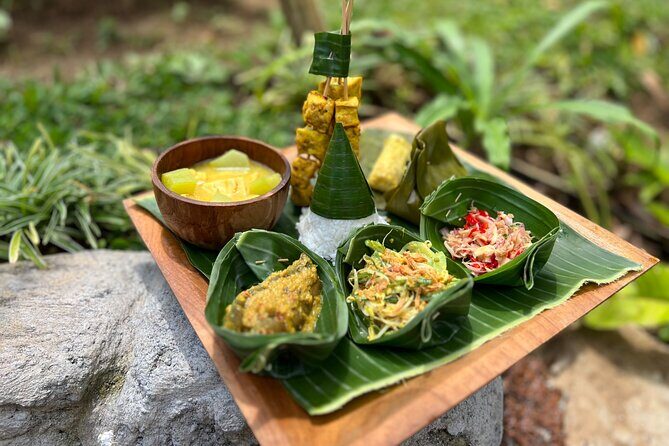
One thing to keep in mind: some listed places charge extra, and the tour is built around time windows. If you pick a heavy mix of waterfalls and temples, you’ll want good shoes and a little patience for traffic.

Key things to know before you book

Ubud: Private Customized Highlights Tour - Key things to know before you book

  • Choose your own stops: up to 4 for half-day or up to 5 for full-day, picked from a menu of highlights
  • Private, not crowded: only your group, so you can ask questions and move at your pace
  • Koman-style guidance: the guides get called out for clear explanations and friendly, helpful energy
  • Water and sarong included: a practical touch that matters in Bali’s heat and at temples
  • Rainy-season ready: bring an umbrella and rain jacket so occasional showers don’t wreck your plans
  • Some admissions aren’t included: a few specific stops are marked admission not included

Hotel pickup, cold water, and the day that starts on time

The first advantage of a private Ubud highlights tour is also the most basic: you don’t waste your morning figuring out rides. Pickup and drop-off are included for designated Ubud areas, and you’ll start straight from your hotel lobby. In the Bali heat, that matters.

You also get bottled water for staying comfortable between stops. It’s simple, but it changes how you feel walking from one attraction to the next. You’re not constantly thinking about where to buy a drink.

There are a few “nice-to-have” rules that help the trip feel smoother. The car policy includes no smoking and no drinking in the car, and because it’s private, you don’t have to deal with someone else’s schedule or indecision.

The real value in the price: $58.98 and what you avoid paying for

Ubud: Private Customized Highlights Tour - The real value in the price: $58.98 and what you avoid paying for
At $58.98 per person, this is priced like a mid-range day tour that’s trying to balance two things: you’re paying for a private driver-guide, but you’re also getting help covering the on-site costs. The inclusion list says entrance fees and bottled water are part of the experience, and many stops show admission ticket included.

Still, it’s smart to read the stop-by-stop notes in your chosen itinerary. A couple of places are marked as admission ticket not included (like Tibumana Waterfall and Umah Bali Kuno coffee). That doesn’t make the tour “bad,” but it means you should keep a little cash or card ready so you’re not surprised at checkout windows.

Time value is another part of the deal. You’ll have a 6 to 9 hour window depending on whether you pick half-day or full-day. Those hours aren’t “free time.” They’re built around a short visit at each chosen stop, so you’ll want to choose items you truly care about instead of stacking everything.

The other value piece is the guide. In the reviews, Koman is repeatedly praised for being attentive, answering questions, and keeping things fun while explaining culture. A good guide helps you see more than the postcard version.

How the custom format works: 4 stops vs 5 stops

Ubud: Private Customized Highlights Tour - How the custom format works: 4 stops vs 5 stops
This tour is designed as a menu, not a mandatory checklist. For a full-day private tour (up to 9 hours), you choose up to 5 destinations from the list. For a half-day tour (up to 6 hours), you choose up to 4 destinations.

That design is practical. Ubud traffic and the distance between areas can turn a “quick stop” into a long commute. By limiting the number of stops, the tour gives you a fighting chance to enjoy each place rather than just collecting stamps.

A good strategy is to mix categories. For example:

  • One spiritual stop + one viewpoint/walk + one cultural site + one waterfall
  • Or one temple + one rice terrace + a market/craft stop + a temple or cave complex

And if you’re traveling as a couple or small family, the private format gives you control for pacing. You can linger when it’s quiet and speed up when it’s not.

Spiritual Ubud: purification, holy water temples, and cave complexes

Ubud: Private Customized Highlights Tour - Spiritual Ubud: purification, holy water temples, and cave complexes
Ubud has more sacred sites than most people expect. The benefit of having a guide here is that you’ll understand what the place is for, not just what it looks like.

Tirta Empul Temple (admission ticket included)

This is a sacred temple tied to purification rituals. You’ll see the natural purification pools where people traditionally cleanse themselves. Your guide can explain the meaning behind the ritual, which helps you approach the site respectfully instead of treating it like a photo backdrop.

Consideration: if you’re not sure about temple etiquette, a sarong is included, which helps you get sorted quickly.

Mount Kawi (admission ticket included)

Mount Kawi is an ancient temple complex carved into rock cliffs. The setting feels dramatic, and you’ll be surrounded by greenery and rice fields. It’s a great pick if you like a site with strong “place in the landscape” energy—without needing to do a long trek like some other Bali attractions.

Watch your footing. Stone steps and wet patches happen, especially in rainy season.

Gunung Kawi Sebatu Temple (admission ticket included)

This is one of the calmer holy water temples listed. The focus is spiritual significance and purification rituals, set among gardens and koi ponds. If you want a less frenetic feel than the big-name attractions, this can work well in the mix.

Mengening Temple (admission ticket included)

Mengening Temple is described as a peaceful site with holy springs and lush greenery. It’s another purification-related stop, and having a guide helps you connect what you see to why people come here.

Elephant Cave (admission ticket included)

Elephant Cave is a historic site featuring a carved cave and sacred pools used for meditation. It’s a nice change of pace from the standard “temple with steps” vibe because the cave element creates a different kind of atmosphere.

Practical tip: caves can be cool, but they also mean uneven floors. Wear shoes you trust.

Rice terraces and ridge walks: scenic views without the chaos

Ubud: Private Customized Highlights Tour - Rice terraces and ridge walks: scenic views without the chaos
Ubud’s most famous views are popular for a reason. The trick is choosing the right time and not rushing through the meaning.

Tegalalang Rice Terrace (admission ticket included)

Tegalalang is the stepped rice field that people travel for. You’ll get breathtaking views and a look at traditional farming methods. When you understand what rice farming means in Bali’s culture, the view feels less like scenery and more like a working system.

Drawback to plan around: it’s a high-traffic area in general, so don’t expect solitude. Your guide can still help you position your timing and move efficiently.

Campuhan Ridge Walk (admission ticket included)

This is a scenic walking trail along a ridge. It’s the kind of walk that can fit sunrise or sunset vibes, and it’s a good “stretch your legs” stop between heavier sights.

Bring water (you’ll have some) and a light layer. Even when it’s warm, ridge air can shift.

Monkey Forest and palace-era Ubud: culture you can touch

Ubud: Private Customized Highlights Tour - Monkey Forest and palace-era Ubud: culture you can touch
Ubud is not only nature and waterfalls. It also has old-world cultural centers, and these stops help you see how the island’s arts and beliefs connect.

Sacred Monkey Forest Sanctuary (admission ticket included)

This is a sacred forest home to hundreds of long-tailed monkeys, plus ancient temples and lush pathways. The key word here is sanctuary: it’s not just a zoo.

What to consider: monkeys are monkeys. Keep small items secured and follow your guide’s instructions on behavior. If you want the cultural side, plan to spend your time looking at the temple elements too, not only the animals.

Ubud Palace (admission ticket included)

Ubud Palace is the historical residence of the royal family, with intricate Balinese carvings and performances. It’s a good stop when you want more “Ubud identity” and less nature-only time.

Saraswati Temple (admission ticket included)

Saraswati Temple is in central Ubud and known for its lotus ponds and Balinese architecture. It’s a beautiful contrast to the rice-and-forest areas, and it pairs nicely with Ubud Palace since both are cultural anchors.

Waterfall circuit: choose based on mood and risk

Ubud: Private Customized Highlights Tour - Waterfall circuit: choose based on mood and risk
If you like waterfalls, this tour gives you options across different styles—from strong flow photo spots to quieter, more secluded-feeling falls.

Tegenungan Waterfall (admission ticket included)

Tegenungan is near Ubud and easy to access. It has a strong water flow and good opportunities for sightseeing and photography. If you want the classic “big waterfall” experience, this is usually the straightforward pick.

Kanto Lampo Waterfall (admission ticket included)

Kanto Lampo is multi-tiered with shallow pools, so it can be ideal for cooling off and photos. It’s a great option if you want a waterfall you can interact with more than just watch from a distance.

Shoes matter here—wet rocks and slippery edges are common.

Suwat Waterfall (admission ticket included)

Suwat is described as more secluded, with crystal-clear water and a tranquil atmosphere. If your day is already loud and packed, this can be a reset.

Taman Sari Waterfall (admission ticket included)

Taman Sari is surrounded by lush vegetation and is meant to be a peaceful escape from crowds. It’s a strong choice if you prefer quieter photo angles and a slower pace.

Goa Raja Waterfall (admission ticket included)

Goa Raja flows through a cave-like rock formation, which gives it a more mystical ambiance. It’s also the sort of place where you’ll appreciate explanations about how the site feels and why visitors treat it with respect.

Tibumana Waterfall (admission ticket not included)

Tibumana is described as a hidden gem with a single cascade into a natural pool and tropical greenery. This is one of the few waterfall picks that’s marked admission ticket not included, so plan for that extra cost.

Ulu Petanu Waterfall (admission ticket included)

Ulu Petanu is described as serene and lesser-known, surrounded by forest and rice fields. It’s another good pick when you want calmer vibes and space to breathe.

Smart approach: if the day includes multiple waterfalls, pick one “easy and popular” stop (like Tegenungan) and one “quieter feel” stop (like Suwat or Ulu Petanu). You’ll be less tired and more impressed.

Art, markets, and craft stops: where culture becomes souvenirs

Ubud: Private Customized Highlights Tour - Art, markets, and craft stops: where culture becomes souvenirs
Ubud is famous for crafts, and this tour includes several ways to see and shop. The advantage of a guide is not just language—it’s knowing what you’re looking at and when it’s worth buying.

Dewa Putu Toris (free admission)

This stop focuses on classic Balinese painting styles, including mythology and daily life. If you’re curious about how Balinese stories show up in art, this can be a thoughtful cultural stop rather than just a quick building visit.

Yana Art Gallery (free admission)

Yana Art Gallery is another art-focused choice, with skilled artisans carving detailed wood sculptures. If you want to understand craft processes, galleries like this can be more meaningful than souvenir browsing.

Ubud Art Market (free admission)

Ubud Art Market is where you’ll find handcrafted souvenirs, textiles, and Balinese art. It’s a good place to browse for gifts, but keep in mind it can be busy. A guide can help you navigate quickly if you’re trying to avoid getting stuck in the same stall loop.

UC Silver Gold (free admission)

This is a stop to discover silversmith craftsmanship and shop for jewelry. If you’re shopping anyway, it’s worth bundling this with other cultural stops so you don’t add extra transport later.

Umah Bali Kuno coffee (admission ticket not included)

This stop is a beautifully designed home showcasing authentic Balinese architecture and family compounds. It’s marked as admission ticket not included, so treat it as a culture-and-coffee add-on rather than a guaranteed “included entry.”

Planning your order: how to avoid wasted time

Because you’re choosing up to 4 or 5 destinations, your itinerary order matters a lot. A practical way to think about it:

  • Start with something relatively straightforward (like a temple or palace).
  • Move toward viewpoints or scenic walks next (rice terraces or ridge walk).
  • Finish with a waterfall if you want your photos at the end and don’t mind getting wet.

Also, Bali mornings can feel different from afternoons in comfort and crowding. A ridge walk (Campuhan) can work well when the air feels cooler. And for places like Monkey Forest, earlier can be more manageable.

Your guide’s job is to manage flow and timing. In the reviews, Koman is credited with attentive planning and handling driving even with traffic. That’s a big deal for a day like this.

Rainy season reality: what to bring so the day stays fun

The tour operates in rainy season, and that changes the “feel” even if the destinations are the same. You’ll still see Bali’s beauty, but you need to arrive ready for occasional showers.

Pack an umbrella and a rain jacket. Also, consider quick-dry clothing and footwear you can trust on wet stone and slick steps. Waterfalls can be amazing after a rain, but the ground can also get dangerous if you’re wearing sandals with no grip.

Who should book this Ubud private customized highlights tour?

This is a great fit if:

  • You want a private guide who can explain culture and answer questions
  • You like tailoring your day instead of following a fixed route
  • You’re balancing big-name stops (rice terraces, monkey forest) with options that can be calmer (certain temple and waterfall picks)
  • You care about practical inclusions like hotel pickup, water, and sarong

It might be less ideal if:

  • You’re trying to do “everything” in one day, because the stop limit is there for a reason
  • You dislike changing plans based on weather or crowds
  • You don’t want to pay additional entrance fees at a couple of specific stops (those marked admission ticket not included)

Should you book it? My straight answer

Yes, you should book this tour if you want an easier, more personal Ubud day with a guide-led experience. The pricing feels fair when you use the private format wisely, and the included water and sarong are the kind of details that make temples and heat less annoying.

If you book, spend a moment choosing your 4 or 5 stops thoughtfully. Pick a mix of culture, views, and one or two waterfalls—then let your guide help shape the order. That’s when this kind of tour becomes more than a checklist. It becomes your day in Ubud.

FAQ

How long is the Ubud private customized highlights tour?

It runs about 6 to 9 hours, depending on whether you choose the half-day or full-day option.

Is it a private tour or shared group?

It’s private. Only your group participates.

How many destinations can I choose?

For a half-day tour, you choose up to 4 destinations. For a full-day tour, you choose up to 5 destinations.

Are hotel pickup and drop-off included?

Yes, pickup and drop-off are included for certain areas in Ubud.

Are entrance fees included for the attractions?

Entrance fees are listed as included, but some specific stops are marked as admission ticket not included, such as Tibumana Waterfall and Umah Bali Kuno coffee.

Is bottled water included?

Yes. Bottled water is included to help you stay hydrated in Bali’s heat.

Do I need a sarong for temple visits?

Yes, a sarong is included for temple visits.

What should I bring for rainy season?

Bring an umbrella and a rain jacket for occasional showers.

Is there free cancellation?

Yes, free cancellation is available. You can cancel up to 24 hours in advance for a full refund.

Ubud: Waterfalls, Rice Terraces, and Monkey Forest Private Tour

You’ll get a lot done in Bali’s green heart. This private Ubud tour strings together temple time, rice-terrace views, a monkey-forest walk, and a real swim stop at Tegenungan Waterfall, all with an English-speaking driver who stays with you.

What I like most is how it keeps things simple for your day: clear stops, set time windows, and pickup/drop-off from multiple beach areas (Seminyak, Kuta, Jimbaran, Sanur, Canggu, Nusa Dua, and more). The second big win is the value math. You’re not just paying for driving—you’re also covered for key entries, a provided sarong for temple visits, and bottled water.

One possible drawback: the day starts early (pickup at 8:30 am), so if you hate mornings, plan to set an alarm and accept that Ubud is best experienced before the heat and crowds stack up.

Key things to know before you go

Ubud: Waterfalls, Rice Terraces, and Monkey Forest Private Tour - Key things to know before you go

  • Private means your pace: it’s set up as a private activity, so only your group rides.
  • Admissions and essentials are included: entry to Monkey Forest, Batuan Temple, Tegalalang Rice Terraces, and Tegenungan Waterfall plus bottled water and a sarong.
  • You get a real waterfall break: Tegenungan includes time to photos and a chance to cool off in the freshwater pool.
  • Time boxed, not frantic: the itinerary gives you set windows (temple, terrace, waterfall, monkey sanctuary) so the day moves without feeling chaotic.
  • Your guide matters: several guides mentioned by name in feedback—Wayan Marcos, Pandi, Romy, Santanu, and Dama—were praised for service, timing, and knowledge.

How this private Ubud tour actually plays out

Ubud: Waterfalls, Rice Terraces, and Monkey Forest Private Tour - How this private Ubud tour actually plays out
This is the kind of Bali day that works if you’re short on time but still want variety. You’re not spending the whole day just in one area. Instead, you’re hopping between four standout Ubud-style experiences: a Hindu temple in Batuan Village, Tegalalang’s iconic rice terraces, Ubud Monkey Forest Sanctuary, and Tegenungan Waterfall for a swim break.

The logistics are also built for convenience. Pickup and drop-off are included from a wide list of southern Bali neighborhoods, which matters because getting around on your own can turn into a time sink. You also get an air-conditioned car and an English-speaking driver who accompanies you through the day.

And yes, the price can look like a steal once you realize what’s folded in: most tours like this charge extra for temple sarongs, entry fees, or the “we’ll drive you around all day” time. Here, the included items add up—especially the free admission ticket items listed for each stop.

Pickup and the 8:30 am start: good for your day, tough for your bed

Ubud: Waterfalls, Rice Terraces, and Monkey Forest Private Tour - Pickup and the 8:30 am start: good for your day, tough for your bed
The tour starts with pickup at 8:30 am. That’s early, but it’s also the smartest use of a full day in Ubud. You’ll reach your first stop with time to see it without feeling like you’re rushing from one queue to the next.

In practice, guides may adjust timing to fit your situation. One example from feedback: Santanu helped a group shift the start time later (from 8:30 to 10:30) when needed. So while the plan is structured, you can expect some flexibility if your schedule requires it.

If you’re the type of traveler who likes slow mornings, you can still enjoy the day. Just treat breakfast as a priority the night before. I’d rather be tired from early pickup and happy with the day’s coverage than rested and stuck with fewer sights.

Stop 1: Puseh Batuan Temple (Batuan Village) in about 35 minutes

Ubud: Waterfalls, Rice Terraces, and Monkey Forest Private Tour - Stop 1: Puseh Batuan Temple (Batuan Village) in about 35 minutes
Your first real cultural stop is Puseh Batuan Temple, a local Hindu temple in Batuan Village. The scheduled time window is about 35 minutes, and temple entry is included.

This short format is ideal. You’re not signing up for a long guided lecture. Instead, you get a taste of local worship space and temple etiquette—plus the tour provides a Balinese sarong, so you’re not scrambling at the last minute.

Practical tip: treat this as a respectful quick visit. Modest clothing rules usually apply in temple settings, and the included sarong is there for a reason. Wear something comfortable enough for walking, and plan to move quietly and slowly while you’re inside.

Stop 2: Tegenungan Waterfall for a photos-and-swim reset (about 45 minutes)

Ubud: Waterfalls, Rice Terraces, and Monkey Forest Private Tour - Stop 2: Tegenungan Waterfall for a photos-and-swim reset (about 45 minutes)
Then it’s a change of pace: Tegenungan Waterfall. This is one of the few waterfalls on Bali that isn’t tucked into the highlands, and that matters because it often makes the stop feel easier to reach and more time efficient.

You’re given about 45 minutes here, with admission included. The plan includes time to pose for photos and also the option to take a dip in the clean freshwater pool.

A quick reality check: waterfalls in Bali can be slippery. The tour includes water bottled, but it doesn’t say anything about towels or safety gear. So I’d treat this as a spot where you can cool down, not a place where you should expect a fully controlled “swim beach” experience.

What makes this stop worth it is the contrast. After temples and terraces, you get something physical and refreshing. Even if you don’t swim, you’ll likely want a few minutes just to watch the water and reset before you head back into sightseeing mode.

Stop 3: Tegalalang Rice Terraces for the classic Ubud view (about 40 minutes)

Ubud: Waterfalls, Rice Terraces, and Monkey Forest Private Tour - Stop 3: Tegalalang Rice Terraces for the classic Ubud view (about 40 minutes)
Tegalalang Rice Terraces are one of Bali’s most recognizable scenes, and this stop is scheduled for about 40 minutes with admission included.

What you’re seeing here is a living farming landscape: steeply terraced rice fields that curve down into a valley. The terraces are designed to help rice grow efficiently—so it’s not just pretty scenery. It’s a working system shaped by water and slope.

Why I like this kind of time block: you get the viewpoint moments without turning the terraces into a full-day event. If you’ve ever wandered too long at a major attraction, you know how easily the magic turns into “okay, I’ve seen enough photos.” Here, you get enough time to take your photos, look around, and then move on while you still care.

If you want an easy win at this stop, plan your photos early. Light can change fast, and you’ll be happier if you don’t realize halfway through that the view has shifted.

Stop 4: Sacred Monkey Forest Sanctuary for walking paths and big personalities (about 1 hour)

Ubud: Waterfalls, Rice Terraces, and Monkey Forest Private Tour - Stop 4: Sacred Monkey Forest Sanctuary for walking paths and big personalities (about 1 hour)
The last stop is the Sacred Monkey Forest Sanctuary, with about 1 hour scheduled and admission included.

This is the one that most people either love immediately or find stressful—depending on how you feel about monkeys in close proximity. The sanctuary is set up for walking, and one guide feedback nailed a practical detail: the paths are paved and easy to use, which helps when you’re weaving through shaded walkways.

During the visit, you can expect playful monkeys in their natural habitat, with opportunities to see them moving through the canopy areas, along pathways, and—yes—people feeding bananas is part of what happens there. (The key is to follow any on-site guidance and keep your focus on the experience, not fighting your way past other visitors.)

I also like that this stop is time-limited. You get a full hour to enjoy the sanctuary without it dragging the whole day down. If you’re a little monkey-phobic, you can still enjoy the environment and take your distance while you watch from safer angles.

Value check: is $62.83 per person a fair deal?

Ubud: Waterfalls, Rice Terraces, and Monkey Forest Private Tour - Value check: is $62.83 per person a fair deal?
At $62.83 per person, this tour can be a strong value because it bundles the stuff that usually costs extra.

Here’s what’s included that often adds up in Bali:

  • Pickup and drop-off from multiple southern areas
  • Air-conditioned car and an English-speaking driver-guide
  • Temple and attraction admissions at all listed stops
  • A Balinese sarong for temple visits
  • Bottled water

What’s not included: food and drink. That’s normal on Bali tours, but you should budget time and cash to buy meals or snacks at your own pace.

Also, this tour is often booked about 21 days in advance on average. That doesn’t guarantee sellout, but it does suggest you should lock it in if your dates are firm—especially if you want the early pickup slot.

For me, the best part of the value isn’t just the price. It’s that you’re paying for “time saved.” You don’t have to plan the route, confirm entry timing, or manage navigation. With a private guide staying with you, the day feels built rather than improvised.

Guides and service: what the best feedback actually tells you

Ubud: Waterfalls, Rice Terraces, and Monkey Forest Private Tour - Guides and service: what the best feedback actually tells you
Multiple names came up in positive feedback, and they point to the same theme: service quality and smooth timing.

  • Wayan Marcos was praised for options, good price, and great service with a nice atmosphere.
  • Pandi got strong marks for being so nice and for making the day fun without it feeling rushed.
  • Romy was specifically noted for making the day pleasant and for loving the variety of stops.
  • Santanu was praised for welcoming help and for adjusting timing when the group started later.
  • Dama was highlighted as a wonderful, punctual, safe driver with solid knowledge of the attractions, plus easy-to-walk paths at the monkey sanctuary.

So what should you take from this as a decision-maker? Choose this tour if you want an organized day with a guide who understands pacing and safety. If you’re the kind of traveler who hates any structure at all, you might prefer hiring a driver for shorter chunks. But if you want your day to run smoothly, this setup clearly works.

Who this tour suits best (and who might pass)

This private Ubud day tour is a good fit if:

  • you want a mix of temples, terraces, monkeys, and a waterfall swim
  • you’re staying in southern Bali areas and want easy pickup
  • you don’t want to piece together multiple separate tickets or tours
  • you’d rather have a driver-guide handle navigation and timing

It may be less ideal if:

  • you dislike early starts (pickup at 8:30 am)
  • you’re extremely sensitive to monkeys in close quarters
  • you’re looking for unstructured wandering with no timetable at all

Also note the tour states a moderate physical fitness level is recommended, and it’s not recommended for drunk travelers or for travelers bringing alcohol drink. That’s partly about comfort and partly about keeping the day safe and respectful.

Small “planning moves” that make the day better

You’ll have more fun if you plan around the reality that this is an active, ride-and-walk day.

  • Start hydrated: bottled water is included, but it helps to begin the day already hydrated.
  • Keep your swim plans simple: you have time to cool off at Tegenungan, but treat it as a quick reset, not a long beach day.
  • Respect temple visits: the included sarong is there—use it and keep your behavior calm and respectful.
  • Bring patience for transitions: Ubud traffic and short travel distances can still add up. A private driver helps, but the day is still a “drive between stops” kind of day.

Should you book this Ubud private tour?

I’d book it if you want maximum variety with minimal planning. This tour is built for people who have one day to see Ubud’s greatest hits—Batuan Temple, Tegalalang Rice Terraces, Monkey Forest, and a real waterfall swim stop at Tegenungan—while getting the convenience of pickup from major southern areas.

If you’re already spending several days in Ubud and you love slow, deep exploration, you might prefer a more focused day. But for a single-day mission, this one hits the main notes without feeling like a nonstop sprint. The included entries and essentials also make the price feel more like a “real day of value” than just paid transportation.

If you decide to go, I’d recommend booking ahead since it’s commonly scheduled about three weeks in advance, and that’s often the sweet spot for getting the time you want.

FAQ

What time does the tour start?

The start time is 8:30 am.

Where do pickups and drop-offs happen?

Pickup and drop-off are included for Ubud, Seminyak, Legian, Kuta, Jimbaran, Sanur, Tanjung Benoa, Nusa Dua, and Canggu.

How long is the tour?

It runs about 8 to 10 hours.

Is this a private tour?

Yes. It’s listed as private, so only your group participates.

Are entry fees included?

Yes. Admission is included for Sacred Monkey Forest Sanctuary, Puseh Batuan Temple, Tegalalang Rice Terraces, and Tegenungan Waterfall.

Is food included?

No. Food and drink are not included, but you can purchase them.

Is transportation provided?

Yes. You get an air-conditioned car, and an English-speaking driver accompanies you during the day.

What’s included besides admission?

You’ll get bottled water and a Balinese sarong for temple visits.

What’s the cancellation window?

Free cancellation is offered up to 24 hours in advance for a full refund.

Half-Day Electric Fat Bike Tour of Ubud

Ubud feels bigger once you ride. This half-day electric fat bike tour lets you cover local lanes and rice country with less sweat, while a guide keeps you pointed the right way. I like the small group size (max 4)—it feels personal, not rushed—and I really appreciate that lunch and bottled water are part of the deal. You get to see the UNESCO-listed Tegalalang Rice Fields without needing strong uphill legs.

One heads-up: this is still a bike tour. The rules say you must have bicycle riding experience, and you’ll want covered shoes plus sunscreen because the day can be hot and humid. Also, it’s weather-dependent, since it requires good conditions to run.

Key Highlights You’ll Actually Care About

Half-Day Electric Fat Bike Tour of Ubud - Key Highlights You’ll Actually Care About

  • Max 4 riders means more time asking questions and less waiting around
  • E-fat bike assist makes hills and uneven paths feel manageable
  • Tegalalang Rice Fields plus photo stops give you classic Ubud views on a bike
  • A traditional house visit adds context beyond just riding scenery
  • Hotel pickup in Ubud keeps the morning simple
  • Lunch on the terrace wraps the ride with an easy, local meal

Ubud on a Fat Tire, Not a Schedule

Half-Day Electric Fat Bike Tour of Ubud - Ubud on a Fat Tire, Not a Schedule
Ubud is full of roads that look friendly on a map and feel steeper once you’re on foot. This tour fixes that by swapping walking for an electric fat bike—wide tires that help on rougher ground, plus pedal assist when the route tips upward. You still ride, but the bike does a lot of the heavy lifting, which is exactly what you want in Bali heat.

The “half-day” format is also the smart part. You’re not losing your whole morning to getting from one viewpoint to the next. Instead, you get a smooth flow: meet up, get geared, ride with stops, then finish with lunch and head back.

And because the group is capped at four travelers, the guide can slow down where you want slower and speed up where you’re confident. You’re not getting steamrolled into the quickest version of Ubud.

Meeting at Jalan Bisma (Easy Start, Clear Plan)

Half-Day Electric Fat Bike Tour of Ubud - Meeting at Jalan Bisma (Easy Start, Clear Plan)
Your day begins at Jalan Bisma, starting from the Egobike Bali office. It’s a short get-ready period—around ten minutes—so you won’t spend half your trip inside waiting for instructions. You do need to be ready to ride, though, because the tour expects you to handle a bike confidently.

If you’re coming from the Ubud area, the tour offers round-trip hotel transfers, which is a big quality-of-life win. You don’t have to figure out where to park, how to coordinate a driver, or whether you picked the right pickup spot. You’re also closer to the action once you start, since Jalan Bisma is in the core area.

The E-Bike Advantage: Why This Ride Feels Different

Half-Day Electric Fat Bike Tour of Ubud - The E-Bike Advantage: Why This Ride Feels Different
This tour is priced at $23, and the value is not just the bike. You’re getting the electric fat bike, bottled water, and lunch, plus the ride guide and transfers from Ubud. When you break it down, the cost is less about transportation and more about buying a guided morning that includes food and the time-saving comfort of pedal assist.

In the reviews, people consistently mention that the bikes feel new and easy to ride, which matters a lot. A fat-tire e-bike should feel stable, and the pedal assist should help without being jerky or complicated. If you’ve been nervous about cycling in a busy place, this tour is set up to reduce that stress.

Another small but important point: you’re asked to bring covered shoes and sunscreen. That’s not just a random rule. Wide-tire bikes can throw a bit of road dust on your feet, and Bali sun is fast. If you show up in flip-flops or bare ankles, you’ll feel it.

A Guided Morning Through Rice Country and Village Lanes

Half-Day Electric Fat Bike Tour of Ubud - A Guided Morning Through Rice Country and Village Lanes
After the bike basics, you’ll ride toward the countryside. The route includes cycling along rice fields and cottages and a stop in Bentuyung village, where you’ll see daily life beyond Ubud’s main streets. This is where the e-bike helps most, because you’re not just rolling on flat roads. You’re moving through uneven terrain at a pace that still allows conversation and photo stops.

Your guide will talk as you ride—this is not silent sightseeing on two wheels. One review highlighted Kedek as very informative, and another mentioned Wayan as a great guide for explaining what you’re seeing. I like that this kind of tour doesn’t treat the landscape like a backdrop. You get a sense of how the area works, not just what it looks like in photos.

You’ll also have built-in time to stop for pictures. This sounds obvious, but the difference between a good and a meh cycling tour is whether stops are timed to let you enjoy the place. Here, the stops are part of the plan, not something you squeeze in between motion.

Tegalalang Rice Fields: The Classic View, Done at Bike Pace

Half-Day Electric Fat Bike Tour of Ubud - Tegalalang Rice Fields: The Classic View, Done at Bike Pace
The star stop is Tegalalang Rice Terrace—the UNESCO-listed rice fields that sit above the valley and create those perfect layered angles. You’ll pause at the terraces so you can take it in without racing past it.

A couple of details make this stop more fun than a quick photo halt. First, you’re there with time to get pictures from more than one angle. Second, one review mentioned access to a free swing at the rice terrace area. That’s the kind of add-on you notice immediately because it turns a viewpoint into a moment.

Just keep expectations realistic: rice terraces are stunning, but they’re also a working landscape. You’ll likely see people farming and going about normal life. A guide helps you read what you’re looking at.

One practical tip: this is a popular area, so bring your best photo strategy. Wear sunscreen, keep your phone secure, and be ready for bright sun reflecting off water and leaves.

Temple and Culture Stops That Don’t Feel Like a Checklist

Half-Day Electric Fat Bike Tour of Ubud - Temple and Culture Stops That Don’t Feel Like a Checklist
This tour isn’t just about scenery—it includes cultural stops along the way. The overview notes village temples and learning about local life, and the ride’s rhythm supports that kind of storytelling.

Where this shines is that the tour mixes the practical and the meaningful. You’re not hopping in and out of vehicles all morning. You’re moving through the same kind of paths locals might use, which gives context to your guide’s explanations.

You’ll also make a stop at a traditional house. That’s valuable because it shifts the conversation away from tourism-only images. Even if you’re not deeply familiar with Balinese architecture or household layout, you’ll likely come away with a better sense of how life is organized.

And if you’re the type who likes small interactions, you may appreciate the guide encouraging moments to pause, look, and ask questions. Reviews mention guides being attentive and friendly, with people appreciating video and photo help too.

Lunch on the Terrace: When the Ride Ends, Food Starts

Half-Day Electric Fat Bike Tour of Ubud - Lunch on the Terrace: When the Ride Ends, Food Starts
At the end of the ride, you’ll have a meal at the end of the tour on the terrace of the company’s shop. You also get bottled water during the experience, which you’ll be glad for once you’re warmed up by the ride.

In hot weather, the best part of a half-day tour is knowing you’re not just burning energy—you’re also getting a proper stop to recharge. Lunch here matters because it’s scheduled after the main sightseeing, so you’re not hungry and cranky while you’re trying to enjoy the view.

If you care about value, the lunch inclusion is one of the biggest wins. Many bike tours charge extra for food, and then you’re stuck hunting for something decent afterward. Here, the meal is built into the plan.

Pace, Fitness, and Who This Tour Suits Best

Half-Day Electric Fat Bike Tour of Ubud - Pace, Fitness, and Who This Tour Suits Best
This is a great choice if you want active travel but don’t want a hardcore workout day. You’ll cycle for hours, but the electric assist makes the ride feel more approachable than a standard fat-bike loop.

That said, don’t treat the e-bike as a guarantee that everything will feel effortless. The tour still expects bicycle riding experience. If you can’t comfortably balance on a bike, you’ll have a harder time during starts, slow turns, and short uneven sections.

It also has a maximum rider weight of 120kg. If you’re near that limit, consider contacting the operator before booking so they can confirm the bike setup works for your size.

Who it’s best for:

  • People who want to see countryside and rice terraces without a long car day
  • Couples or solo travelers who like a smaller group and good guide conversation
  • Anyone comfortable riding a bike but hoping to avoid heavy climbing in humidity

Price and Value: Why $23 Works Here

At $23 for about 4 hours, this tour offers a lot of bundled value. You’re not only paying for a bike rental. You’re paying for:

  • Guiding and route direction (so you’re not navigating)
  • Transport from Ubud to the start and back
  • Bike use including pedal assist
  • Bottled water
  • Lunch

If you compare that to doing rice terraces by scooter or hiring a private driver just to cover the same mix of villages and countryside, this price looks much more reasonable. The real bargain is the structure: you get a morning plan that includes viewpoints, context, and food, without needing to organize multiple parts of the trip.

The only “cost” you’ll really pay is your effort level. It’s not a lazy ride, and you’ll still want to dress for sun and dust. But that’s a fair trade for the access you get.

Practical Tips So Your Ride Feels Smooth

Here’s how to make the day easier from the moment you meet:

  • Wear covered shoes (closed-toe is best) so your feet are safe and comfortable.
  • Bring or use sunscreen early, not after you start sweating.
  • Expect humidity. Even on an e-bike, you’ll feel warm during stops and slow cycling.
  • Go in with bike comfort—if you haven’t ridden in a while, practice a bit before your tour.
  • Bring a phone you can handle outdoors. You’ll take photos at the rice terraces and along village routes.

Also, aim to show up ready to ride. The tour is structured in a tight half-day window, so being delayed at the start can compress your time for the key scenery.

Should You Book This Ubud Electric Fat Bike Tour?

Book it if you want a half-day that feels like real Ubud life—rice terraces, village paths, and cultural stops—without turning your day into a logistics puzzle. The small group of four and the chance to ride on an electric fat bike make it an especially good option if you want active travel but don’t want to suffer through the heat.

Skip it (or at least ask more questions) if you don’t have comfortable bike skills. This tour isn’t purely casual. You’ll be on a bike for a meaningful chunk of the morning, and the rules clearly state you need bicycle riding experience. Also, if weather looks questionable, keep in mind the tour requires good conditions.

If you fit the riding profile, this one is a strong value way to see the Ubud surrounds—fast enough to feel efficient, slow enough to actually enjoy the places.

FAQ

What is the duration of the Half-Day Electric Fat Bike Tour of Ubud?

The tour lasts about 4 hours.

Where does the tour start?

It starts at Jalan Bisma, at the Egobike Bali office.

What time does the tour begin?

The start time is 8:00 am.

Is pickup included?

Yes. Round-trip hotel transfers from Ubud are included.

What’s included in the price?

The tour includes the electric fat bike, lunch, and bottled water.

How big is the group?

The tour has a maximum group size of 4 travelers.

Do I need bicycle riding experience?

Yes. The activity requires bicycle riding experience.

Is there a rider weight limit?

Yes. The maximum rider weight is 120kg.

What places will I see during the tour?

You’ll ride in and around Ubud, including stops at Tegalalang Rice Terrace (UNESCO-listed), plus village areas and a traditional house stop.

What should I bring or wear?

Covered shoes and sunscreen are highly recommended.

What if weather is bad?

The experience requires good weather. If it’s canceled due to poor weather, you’ll be offered a different date or a full refund.

A Day Retreat In Ubud

A Day Retreat In Ubud - Morning Pickup and the 7–8am Temple Arrival Advantage

Wearing calm is the point here. This Ubud retreat focuses on spiritual purification at Mengening Temple, then slows down with yoga and a spa-style massage instead of cramming in sights.

I love the early start (roughly 7–8am) and the small group size, which makes it feel personal and unhurried. I also like that the day includes the practical stuff—air-conditioned transport, lunch, and the right materials for the ceremony (including a yoga mat and temple offering).

One consideration: this is not a photo-ops itinerary. It’s a traditional water-blessing ritual, and women who are menstruating can’t take part in the temple activity.

Key Highlights Worth Knowing

A Day Retreat In Ubud - Key Highlights Worth Knowing

  • Mengening Temple purification ritual at the sacred springs near Ubud
  • Small group (max 8) for quieter, more guided participation
  • Ceremony support included: Balinese traditional cloths, temple offering, and yoga mat
  • Yoga + yoga meditation timed into the day, not rushed at the end
  • Healthy lunch + pool break, so the spiritual work has room to settle
  • Healing massage at the spa/resort setting used by the experience

Ubud’s Sacred-Springs Focus: What Makes This Day Retreat Work

A Day Retreat In Ubud - Ubud’s Sacred-Springs Focus: What Makes This Day Retreat Work
Ubud is often sold as art, rice terraces, and scootering. This retreat keeps the spotlight on a different side of Bali: ritual, restoration, and being present.

The appeal is that the day is built around one main spiritual moment—water purification at Mengening Temple—then supports it with body care and calm. After the ceremony, you’re not sent straight back into traffic and shopping. You get a healthy lunch, a pool pause, yoga/meditation, and a healing massage.

If you want a packed day of landmarks, this can feel too slow. But if you want a reset, the pacing is the whole design.

Morning Pickup and the 7–8am Temple Arrival Advantage

A Day Retreat In Ubud - Morning Pickup and the 7–8am Temple Arrival Advantage
The day typically starts early, around 7:00–8:00am. That timing matters. It helps you reach Mengening Temple for the purification ritual when the area is less hectic, so you can follow the ceremony without feeling rushed.

You’ll meet at Pranasanti Yoga (Jl. Anak Agung Rai / Raya Silungan, Lodtunduh, Ubud, Gianyar). Pickup is also offered from your Ubud accommodation, and the operator provides an air-conditioned vehicle for getting around.

For planning, expect about 8 hours total. That’s long enough to feel like a real experience, but short enough that you won’t lose an entire travel day.

Mengening Temple Water Purification: The Main Event

A Day Retreat In Ubud - Mengening Temple Water Purification: The Main Event
Mengening Temple is the heart of the retreat. The purpose is water purification at the sacred springs near Ubud, guided as a blessing ritual rather than a quick stop.

Before you go into the temple space, you’re supported with what you need: Balinese traditional cloths and the offering to the temple. You’re also provided a yoga mat as part of the overall day plan (you’ll use it later for yoga).

The ceremony itself is led and explained during the day, and multiple guides are referenced across experiences (for example Putu and Yassa). The consistent theme: you’re walked through what’s happening and what to do, so you’re not just standing there copying hand movements.

A key rule to know (especially for women)

If you’re a woman who is menstruating, you can’t join the temple activity. That’s a firm condition tied to participation in the ritual.

The Ceremony Mood: Traditional, Calm, and Not Built for Distractions

A Day Retreat In Ubud - The Ceremony Mood: Traditional, Calm, and Not Built for Distractions
This retreat works best when you treat it like a practice day, not a sightseeing day. The energy is traditional and peaceful, with a strong focus on receiving the purification rather than racing to collect photos.

Many people describe the day as calming and restorative, and that matches the structure: early ritual, then slower transitions into lunch, yoga, pool time, and massage. If you show up planning to be fully present, you’ll get more out of it.

If you’re the type who likes constant stimulation or you’re trying to optimize your Instagram feed, this may feel like the wrong vibe. It’s intended for self-reflection and culture-first participation.

Healthy Lunch and Pool Time: Let the Day Settle

A Day Retreat In Ubud - Healthy Lunch and Pool Time: Let the Day Settle
After the temple purification, the day shifts from ritual to recovery. You’ll enjoy a healthy lunch (often described as delicious and well presented). It’s part of the balance: you do spiritual work, then you refuel without going heavy.

Then comes free time by the pool. This is more than a break between activities. It’s where the experience can land in your body and mind. You’re not expected to keep moving.

Practical detail: towels and a swimming suit are not included. If you plan to use the pool, bring your own. Also, pack a change of clothes, because temple-and-spa days tend to mean you’ll want to reset your comfort level afterward.

Yoga Meditation: What You’ll Actually Do With That Yoga Mat

A Day Retreat In Ubud - Yoga Meditation: What You’ll Actually Do With That Yoga Mat
Yoga is scheduled after the lunch phase, and it’s designed as both movement and mind quieting. The experience includes a yoga mat, and you’ll also get time for yogic meditation.

Guides and instructors are named in experiences (Nanik is mentioned as a yoga instructor). The common thread is that yoga isn’t treated like a separate fitness class—it’s presented as part of the retreat’s calmer rhythm.

Here’s what I think you’ll like: the yoga portion doesn’t try to turn you into a contortionist. It’s more about joining the day’s intention. You’ll likely leave feeling more centered than you arrived.

A practical note on comfort

You’ll want clothing that feels easy to move in. Also, hydration helps. Even if the day is calm, you’re outside for parts of it and moving through multiple segments.

Healing Massage at the Spa/Resort Stop

A Day Retreat In Ubud - Healing Massage at the Spa/Resort Stop
The retreat includes a healing massage as part of the restorative arc. Massage is repeatedly called out as a highlight, with descriptions like amazing and divine, and at least one mention of an outdoor setting with jungle-like surroundings—while still being comfortable with air-conditioning.

The point isn’t just relaxation. In a day like this, massage helps your body “agree” with what you did at the temple. After the ritual and the yoga, you get that physical release that makes the whole experience feel complete.

If you’re booking this as a couples day in Bali, this is the segment that usually seals it. And if you’re a solo traveler, it gives you a quiet, private-feeling moment within the schedule.

Transport, Group Size, and Why It Feels Personal

A Day Retreat In Ubud - Transport, Group Size, and Why It Feels Personal
This is capped at eight travelers maximum. That small size is a big part of why people rate it so highly. In a group this small, you’re easier to support during the ceremony—especially if you’re not familiar with temple etiquette or what to expect.

Transfers are also part of the value. Two-way transfers direct from your Ubud accommodation reduce friction. You spend less time figuring out logistics and more time actually participating.

Also included: air-conditioned vehicle. In Bali heat, that’s not a luxury; it’s sanity.

Price and Value: Is $85.07 Worth It?

At $85.07 per person for about 8 hours, this pricing sits in the category of a full-day experience, not a cheap add-on. So the real question is what you’re paying for.

You’re getting:

  • Temple purification participation support, including ceremony materials (traditional cloths + temple offering)
  • A healthy lunch
  • Yoga (with a yoga mat provided)
  • A healing massage
  • Air-conditioned transport and two-way transfers from Ubud (when pickup is offered)

If you tried to assemble this yourself, you’d likely spend extra time coordinating temple guidance, food, yoga, and spa services. Plus, you wouldn’t get the exact flow that’s designed to keep the day calm and connected.

The experience also scores very well: 4.9 rating with 98% recommended and 51 reviews reported. That’s not a guarantee, but it’s a strong signal that the day works for most people who book it.
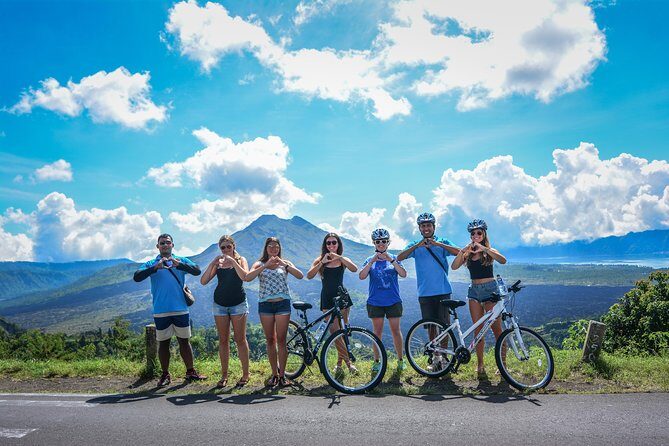
Who This Retreat Is Best For

This retreat fits best if you:

  • Want a spiritual-first day in Ubud, not a checklist of sights
  • Enjoy structured guidance and cultural etiquette support
  • Want yoga + massage in a single day without planning each step
  • Like small groups (max 8) and calmer pacing

It may not be your ideal match if you:

  • Want constant sightseeing stops or very flexible timing
  • Dislike water rituals or any temple participation constraints
  • Are relying on pool time but don’t want to bring a swimsuit and towel (not provided)

For physical comfort, it’s noted that you should have moderate physical fitness. That doesn’t mean athletic training—just enough mobility to move through temple areas and spa transitions comfortably.

What to Bring (Based on What’s Not Included)

This is where I’d keep it simple and practical:

  • A swimsuit and towel (both are not included, even if pool time is part of the day)
  • A light change of clothes, so you can refresh after temple and before massage/lunch comfort
  • Something modest and respectful for the temple environment

You should also remember: it’s weather-dependent. The experience requires good weather, so if conditions are poor, you may be offered another date or a full refund.

Should You Book This Ubud Day Retreat?

If your goal is a quiet reset in Ubud—water purification at Mengening Temple, then yoga and massage—this is an easy yes. The structure is thoughtful: it starts early, builds calm into every transition, and caps the day with true downtime at the pool.

I’d skip it if you’re chasing a fast, high-energy sightseeing day or if temple participation rules won’t work for you. Also, go in knowing it’s not built around nonstop entertainment. It’s a traditional practice day, and that’s the whole point.

If that sounds like your kind of Bali day, book it.

FAQ

What’s the duration of the Ubud retreat?

It runs for about 8 hours.

Is pickup included from Ubud accommodations?

Pickup is offered, with two-way transfers from your Ubud accommodation.

What’s included in the price?

The price includes lunch, air-conditioned vehicle, Balinese traditional cloths, an offering to the temple, and a yoga mat.

What isn’t included?

Towels and a swimming suit are not included. Also, any fees and taxes are not listed as included.

Are there any restrictions for temple participation?

Yes. Women during menstruation can’t join the temple activity.

How many people are in the group?

The group is capped at a maximum of 8 travelers.

What’s the cancellation/refund rule if weather is bad?

You can cancel for free up to 24 hours in advance for a full refund. The experience requires good weather; if it’s canceled due to poor weather, you’ll be offered a different date or a full refund.

Ubud Customized Full Day Tour – Visit Most favorite In Ubud

Ubud Customized Full Day Tour - Visit Most favorite In Ubud - Tegalalang Rice Terrace: the photo stop you can control

A full day, tailored to your pace.

This Ubud tour is interesting because it’s private and you pick the order and the mix, using an English-speaking local guide to connect the dots between temples, viewpoints, and nature. With hotel pickup and a comfortable private vehicle, you’re not stuck in a rigid bus schedule.

I especially like two things: first, the day is designed to feel flexible, with time built in for travel between stops and for lunch at a local restaurant. Second, the menu of sights fits what most first-timers come for: Tegalalang Rice Terrace, holy spring water at Tirta Empul, and waterfall time (often Kanto Lampo and Tibumana), with options like Monkey Forest, Ubud Central Market, or Jungle Swing.

One thing to consider: the big landmarks are part of the package, but entry tickets and lunch aren’t included, so your final cost will creep up. Also, the experience depends heavily on your guide; most people rave about theirs, but there’s at least one reported hiccup involving a missing guide and wasted time.

Key highlights at a glance

Ubud Customized Full Day Tour - Visit Most favorite In Ubud - Key highlights at a glance

  • Private door-to-door pickup in a dedicated vehicle, so your day starts without the scramble
  • Choose up to six activities so your itinerary matches what you actually want to see
  • Rice terraces + Tirta Empul gives you both Bali’s farming scenery and a more spiritual stop
  • Two waterfall options (often Kanto Lampo and Tibumana) for different feels in one day
  • Guide personalities matter: Abdi, Mangkok, Gusti, and Bram are specifically praised for pacing and explanations

A private Ubud day that you can actually shape

This is built for people who don’t want a standard checklist tour. You’re on a private outing, and you only share the day with your group, which makes it easier to slow down, swap order, or spend a few extra minutes at the places you care about.

The core promise is simple: you’ll use a professional local guide to make history and context click, while still going at your pace. In practice, that means the guide’s job isn’t just driving you around; it’s helping you decide how to spend the day without feeling rushed.

The tour lasts about 10 hours, which is a real full-day block. The operator also notes that extra time covers travel between locations, and there’s a stop off for lunch at a local restaurant, so you’re not purely sprinting from point A to point B.

Choosing Tegalalang, Tirta Empul, and waterfalls without feeling rushed

Ubud Customized Full Day Tour - Visit Most favorite In Ubud - Choosing Tegalalang, Tirta Empul, and waterfalls without feeling rushed
The itinerary is flexible in the way that matters: instead of being trapped in one fixed route, you can structure the day around your interests. The most common core starts with Tegalalang Rice Terrace, then moves into Tirta Empul, and continues into waterfalls, with extra Ubud add-ons as options.

A big part of the value here is pacing. One review specifically praised how Abdi helped an older traveler (age 89) by assisting around flatter areas, which is exactly the kind of practical “we’ll work with your needs” mindset you want in a private tour.

Still, you should be ready for walking. Even when the time on paper is “one or two hours,” some stops involve paths and uneven ground. If you’re bringing someone with mobility limitations, ask your guide how they plan to handle it before you lock in the schedule.

Tegalalang Rice Terrace: the photo stop you can control

Ubud Customized Full Day Tour - Visit Most favorite In Ubud - Tegalalang Rice Terrace: the photo stop you can control
Tegalalang Rice Terrace is often the first “wow” moment in Ubud. On this tour, it’s allocated about 2 hours, which gives you time to look around, grab photos, and not just stand at the first viewpoint and leave.

What I like about including this stop in a customizable day is that you’re not forced to treat it like a theme park. With a private guide, you can spend more time scanning the terraces from different angles, or you can keep it shorter if you’d rather use time elsewhere.

A quick reality check: the rice terrace can feel touristy, and one person did note that it’s a more popular area. If you’re sensitive to crowds, aim to go in with the mindset that you’ll be photographing and walking a bit, then moving on rather than lingering too long.

Tirta Empul Temple: holy spring water and meaningful context

Ubud Customized Full Day Tour - Visit Most favorite In Ubud - Tirta Empul Temple: holy spring water and meaningful context
Tirta Empul Temple is scheduled for about 1 hour, and it’s the kind of place where a guide makes the visit better. The temple is known for its holy spring water, and the value of having a local guide is understanding what you’re seeing while you’re there.

This stop also matters because it slows the day down a little. Water-and-temple sites feel calmer than waterfall chasing, and the guide’s explanations help you connect the reason behind the rituals and layout instead of just ticking off a location.

You’ll also get time for personal photos. If you’re planning your own content, this is a good mid-day checkpoint where you can reset your brain and focus before heading into nature stops.

Kanto Lampo and Tibumana waterfalls: two styles in one full day

Ubud Customized Full Day Tour - Visit Most favorite In Ubud - Kanto Lampo and Tibumana waterfalls: two styles in one full day
The tour includes waterfall time with two main options: Kanto Lampo Waterfall (about 2 hours) and Tibumana Waterfall (about 1 hour). The naming matters here because these stops are distinct experiences, not just two versions of the same “waterfall photo.”

Kanto Lampo is said to be named for the presence of Kanto Lampo trees in the area, and it’s described as having a recognizable waterfall shape. It’s also an easy stop to justify spending time on, because it’s visually memorable and works well even if you’re not trying to do anything extreme.

Tibumana is described as having two twin waterfalls and an estimated height. Even with a shorter time window, this stop gives you that “nature break” that makes the whole day feel like more than a sightseeing circuit.

A practical note: admission tickets aren’t included for these stops, so if you want to enter specific viewing areas, confirm what’s required. Your guide should help you figure out what you’re paying for, since you’re already handling other extras like lunch on your own.

Monkey Forest, Ubud Central Market, and Jungle Swing add-ons

Ubud Customized Full Day Tour - Visit Most favorite In Ubud - Monkey Forest, Ubud Central Market, and Jungle Swing add-ons
Not everyone wants the same Ubud day. That’s why this tour’s add-ons are useful, especially if you want a mix of nature, shopping, and a little fun.

Monkey Forest is listed as a major Ubud attraction that many people don’t skip. If you’re balancing your itinerary, this is a good choice when you want something cultural and active without needing a long hike between stops.

Ubud Central Market is another flexible stop, and it’s described as a place for handicraft items and other essentials. It’s also located in the center of Ubud and close to other attractions, so it can work as a “reset” between bigger sights.

Then there’s Ubud Jungle Swing, described as one of the rides that gives a valuable experience. This is a great option if you want a more playful moment in your day, but remember: it’s an optional attraction in the overall customizable plan, so it can crowd out another sight if you’re not careful with time.

My advice: pick one “fun” stop (like Jungle Swing) and one “browse” stop (like the market). That keeps the day varied without turning it into three different kinds of waiting.

The guides: Abdi, Mangkok, Gusti, Bram, and why English fluency matters

Ubud Customized Full Day Tour - Visit Most favorite In Ubud - The guides: Abdi, Mangkok, Gusti, Bram, and why English fluency matters
This is where the tour can feel excellent or merely fine. When it works well, it’s because your guide is doing more than transporting you.

Abdi is praised for being helpful and informed, and one review called out how he supported an elderly traveler by helping her get around on flatter ground. That kind of practical attention is gold in a place where your schedule moves fast.

Mangkok is described as knowledgeable, communicative, professional, and fun, and the review emphasized crafting a day full of experiences while respecting the fact that each activity needs time to actually happen. This is the guide style that makes a “customized” tour feel real rather than theoretical.

Gusti gets two different kinds of praise: one review focused on fluent English and a safe, pleasant ride, while another highlighted Gusti recommending an alternative temple stop that turned out to be the best part of the day. If you like having your itinerary improved on the spot, that’s the energy you want.

Bram also shows up strongly. One person mentioned Bram pointing out details, and another described Bram helping them add a luwak coffee farm based on his advice. If you’re curious about local coffee culture, this is the kind of informed suggestion that can make a standard stop feel personal.

There is, however, a downside reported by one traveler: a case where the agency forgot to send a guide, causing nearly two hours of waiting at the hotel. If you’re booking late in the day’s schedule or with special language needs (one review mentioned a request for French), double-check expectations in advance so you’re not stuck hoping for the best.

Price and value: what $22.50 includes and what you’ll pay separately

Ubud Customized Full Day Tour - Visit Most favorite In Ubud - Price and value: what $22.50 includes and what you’ll pay separately
At $22.50 per person, the price is hard to beat for a private, full-day Ubud plan. The catch is that this cost covers the experience framework, not every personal expense.

Included items are private transportation, parking fees, and bottled water. Pickup is also offered, which matters because starting centrally and reducing logistics time can be the difference between a good day and a half-day that feels like travel.

Not included: lunch and all entry tickets. That means your final total will depend on which sights you choose—especially if you add attractions with paid admission or rides like Jungle Swing.

Here’s how I’d judge value for your own trip: if you would otherwise pay for separate transfers and hunt down tickets on your own, this private structure often becomes a bargain. If you already planned to do only free areas and skip paid attractions, your money might be better spent on a shorter guided day or a different mix.

What the 10 hours usually feel like in Ubud

The schedule is built around travel time, not just the listed stops. You get allocated time at each location (rice terrace ~2 hours, Tirta Empul ~1 hour, Kanto Lampo ~2 hours, Tibumana ~1 hour), and the remaining time is meant for moving between places and lunch.

That’s useful because Ubud traffic and site spacing can steal hours if you plan poorly. With a private vehicle, you’re less likely to waste time waiting for other people, and your guide can also adjust order if one stop takes longer than expected.

If you tend to get tired quickly in long days, keep your “must-dos” tight: choose the best two or three core sights, then add only one or two extras like Monkey Forest or the market.

Best for who: first-timers, couples, and older travelers with real needs

This tour fits best when you want variety but still want control. It’s a strong choice for people visiting Ubud for the first time and want the famous highlights: rice terraces, Tirta Empul, and waterfalls, without turning the day into a stressful scavenger hunt.

It also makes sense for families or mixed-age groups because it’s private and can adjust. One review specifically praised support for an 89-year-old traveler, which is a reminder that a good guide pays attention to walking comfort and timing.

If you’re a hardcore “specialty guide” person—someone who wants every stop explained at a deep level with zero downtime—there’s one cautionary note. One traveler didn’t feel the guide was a specialty tour guide and didn’t enjoy the sites as much as they expected. To protect yourself, ask your guide what they’ll focus on during the day, and pick a guide style that matches your taste.

Should you book this customized Ubud full-day tour?

I’d book this if you want a private Ubud day with a plan you can actually shape, and you’re happy to pay separate entry fees and lunch. The stop mix is sensible for first-timers, and the guide names people praised—Abdi, Mangkok, Gusti, and Bram—hint that the best days are built around communication, pacing, and good on-the-fly suggestions.

I’d think twice if you’re very cost-sensitive and plan to skip most paid sites, because entry tickets can change the math. I’d also verify guide details if you have specific language requirements or tight timing, since at least one booking issue was reported involving a missing guide and lost time.

If your goal is a smooth, flexible Ubud highlights day—rice terraces, a temple stop, and waterfall nature—this is a strong-value option.

FAQ

How long is the Ubud customized full-day tour?

It’s listed at about 10 hours (approx.).

Is hotel pickup included?

Yes. The tour offers pickup, and it runs in a private vehicle.

What’s included in the price?

Included items are private transportation, parking fees, and bottled water.

Are entry tickets included for the attractions?

No. All entry tickets are not included.

Is lunch included?

No. Lunch is not included, though the tour notes there will be a stop off for lunch at a local restaurant.

Is this tour private or shared with other travelers?

It’s a private tour/activity. Only your group will participate.

Can I cancel for a full refund?

Yes, you can cancel up to 24 hours in advance for a full refund.

Wonderful Of Ubud Tours

Wonderful Of Ubud Tours - Stop 1: Sacred Monkey Forest Sanctuary (Padangtegal) in Real Life

You’ll see a lot of Bali in one day. This Ubud tour strings together wildlife, temples, rice country, and crafts without making you figure out the logistics. It’s built around a smooth, door-to-door route that keeps the day feeling easy even when you’re out for 8 to 10 hours.

Two things I really like: the English-speaking driver who stays calm and doesn’t rush you, and the smart mix of stops that range from famous sights to craft workshops. In one shared day, you get both famous photo spots and the chance to watch artisans working.

One consideration: food and drinks aren’t included, and some entrance tickets depend on the option you choose. If you hate paying add-ons later, confirm up front which tickets are included for your booking.

Key Highlights You’ll Care About

Wonderful Of Ubud Tours - Key Highlights You’ll Care About

  • Door-to-door pickup and drop-off from your hotel, using an air-conditioned vehicle
  • Sacred Monkey Forest Sanctuary with time to walk paved paths under a nutmeg forest canopy
  • Tegalalang Rice Terrace for classic North Ubud rice-terrace views
  • Craft village circuit across wood carving, batik, and silver work (several stops are marked free)
  • Goa Gajah (Elephant Cave) as your historical temple pause
  • Tegenungan Waterfall with the longest time block for photos and a slower soak-in

Booking This Full-Day “Best of Ubud” Route

Wonderful Of Ubud Tours - Booking This Full-Day “Best of Ubud” Route
This tour is priced at $33 per person for an 8 to 10-hour full-day plan in Ubud. That’s not “cheap” in the sense of skipping convenience, though. The value comes from what you’re buying: private transportation with an air-conditioned car, plus an English-speaking driver who handles the driving and timing between multiple major stops.

It also helps that it’s set up as a private activity, meaning it’s only your group. So instead of being stuck waiting on strangers, you typically get a day that feels more like you hired a car and guide for your own route.

One more practical note: the tour uses a mobile ticket, and a “cash money recommended” hint comes with it. If you’re using local ATMs or paying in small amounts during craft stops, I’d keep some cash handy just in case you encounter anything not covered by your package choice.

The Ride Comfort Factor: AC, English Driver, and Patient Timing

A day that includes monkey forest, rice terraces, and a waterfall can turn into a sweat-and-stress workout. Here, the comfort win is the air-conditioned vehicle and the driver who stays out of your way.

From the way the tour is run, you get the best version of “guided but not trapped.” You’re dropped at each stop, told where to start, and then you can explore. When it’s time to leave, the driver returns to collect you rather than hovering in your space.

The driver and guide team is associated with Rio Bali Tours, and a real name that shows up in feedback is Agung Rio. The tone of that kind of guiding matters on a day like this, because the stops vary a lot: some are calm walks, some are crowded photo zones, and one is a waterfall with longer time to linger.

Stop 1: Sacred Monkey Forest Sanctuary (Padangtegal) in Real Life

Wonderful Of Ubud Tours - Stop 1: Sacred Monkey Forest Sanctuary (Padangtegal) in Real Life
Your day kicks off at the Sacred Monkey Forest Sanctuary, also known as the Sacred Monkey Forest of Padangtegal. You’re walking through leafy forest paths with paved routes, and the big draw is that this sanctuary is home to over 700 grey long-tailed macaques.

You’ll usually have about 1 hour here. That’s long enough to do the main loop at a comfortable pace, but not so long that the crowds and animal chaos take over your entire morning.

Practical tips that matter in a monkey forest:

  • Keep your camera and phone secured, especially if you’re carrying anything shiny.
  • Expect monkeys to be curious, and don’t panic if one gets close.
  • Use sunscreen and a hat. You’ll be in sun patches between tree cover.

This stop is less about buying something and more about watching behavior and movement in a protected setting. It’s also a good “energy level” warm-up before you switch gears to quieter temple and landscape scenes.

Stop 2: Tegalalang Rice Terrace Views Without the Rush
Wonderful Of Ubud Tours - Stop 2: Tegalalang Rice Terrace Views Without the Rush
Next comes the Tegalalang Rice Terrace, one of the famous North Ubud rice-terrace areas. You get around 1 hour, which works well because rice terraces are all about timing and light. You’ll want time to find a few angles, not just snap one photo and leave.

The terraces here are famous for a reason: the layered rows and jungle framing create photo-friendly compositions from multiple viewpoints. If you like travel photos that look like you worked for them (even if you didn’t), this is one of those places.

What to watch out for:

  • It can be busy around peak visiting hours.
  • Paths can be uneven, so wear shoes with decent grip.
  • Bring water or plan to buy it later, since food and drinks aren’t included.

This is also a good stop for a short mental reset. After monkey forest, it gives you open-air views and a slower feel.

Stop 3: Goa Gajah (Elephant Cave) for a Temple Moment

Wonderful Of Ubud Tours - Stop 3: Goa Gajah (Elephant Cave) for a Temple Moment
The day continues to Goa Gajah, also called Elephant Cave Temple. This is a historically significant archaeological site and one of Bali’s well-known attractions, so you’re trading “nature viewing” for “cultural landmarks.”

You’ll have about 1 hour. That length is usually perfect for seeing the main features, taking a few photos, and reading enough to connect the place to what you’re seeing.

Why I think this stop is a smart move:

  • It breaks up the day between landscape sightseeing and the later craft village workshops.
  • It gives you a sense of Bali beyond waterfalls and rice terraces.
  • It’s a change of pace without being a long sit-down experience.

You might want a little extra patience here, because stone sites often bring visitors together at the same moments for photos. If you keep your pace steady, you’ll avoid feeling rushed.

Stop 4 and 5: Mas Carving Center and a Woodcarving/Batik Class

Wonderful Of Ubud Tours - Stop 4 and 5: Mas Carving Center and a Woodcarving/Batik Class
Then the tour pivots into crafts. First up is Mas Carving Center (often tied to wood carving artistry around Bali Mas Village). You get about 30 minutes here, and the idea is to watch carving work and see the craft style close-up.

After that comes Bali Simple Wood Carving and Batik Class for another 30 minutes. These stops are marked as admission-free in the schedule you’ll follow, which is a nice way to keep your budget from multiplying.

What’s valuable about craft stops like this isn’t buying something. It’s understanding the workflow:

  • What tools look like up close
  • How design gets transferred to materials
  • How much patience is required for small details

Also, these stops are shorter by design. If you tried to do a full craft workshop in a full-day route, the timing would wreck your waterfall time. Here, the schedule stays balanced.

Stop 6: Celuk Village for Silver Art

Wonderful Of Ubud Tours - Stop 6: Celuk Village for Silver Art
Your next craft stop is Celuk Village, which is described as the center of silver art in Bali. You’ll have about 30 minutes.

Silver centers like this are often less about a showroom and more about seeing how pieces are made and finished. Even if you don’t plan to buy, it’s worth watching the craft because you start to notice how the same “style” can show up in multiple product types.

A helpful approach: look for differences. Ask yourself if you can spot the technique behind what you’re seeing, not just the final shine.

Stop 7: Batubulan for Batik Craft

Wonderful Of Ubud Tours - Stop 7: Batubulan for Batik Craft
After silver work, the route heads to Batubulan, described as the center of batik craft. Again, it’s about 30 minutes, and it’s another admission-free style stop on the schedule.

Batik is especially interesting because it’s both an art and a process. You’ll likely see how patterns come together, and you can connect the dots between craftsmanship and the final look.

If you’re a collector, this is where you’d start thinking about what style you actually like. If you’re not, this stop still helps because it rounds out your craft understanding: wood carving, batik, and silver in one day.

Stop 8: Tegenungan Waterfall with the Time to Enjoy It

Finally, you reach Tegenungan Waterfall, which the tour describes as hidden and beautiful, with an amazing panoramic view. This is your longest stop at about 2 hours, and that time matters.

A waterfall isn’t just a sight; it’s a mood. Two hours lets you:

  • Find a vantage point you like
  • Revisit for photos as the light changes
  • Take a breather before heading back

It’s also one of the stops where you can feel the schedule loosen up a bit. The early part of the day is about moving through points of interest. This last part gives you room to slow down and actually enjoy.

Bring what you’ll need:

  • Sunscreen (you’ll be outside)
  • A camera if you like night-and-day contrast shots
  • Closed shoes, especially if surfaces are slick

What’s Included (and What You’ll Pay for Later)

Here’s where the value math gets real. The tour includes:

  • Private transportation
  • English speaking driver
  • Patrol and parking fees
  • Air-conditioned vehicle
  • Entrance tickets are listed as “included or excluded by your choice”

So the biggest variable cost is entrances. You can end up paying more or less depending on what you choose when booking. If you see an option that includes entrances, that’s usually the simplest way to keep the day predictable.

Also note:

  • Food and drinks are not included.
  • So plan a snack strategy. Even if you don’t get a full lunch, you’ll want water and something small between stops.

Where This Tour Fits Best (And Who Might Skip It)

I think this tour is a great fit if you want a one-day highlight mix and you value having everything handled. You’ll like it if you’re the type who wants to check off major Ubud sights without spending your day coordinating rides, maps, and entrance lines.

It’s also a good match if you like craft work but don’t want a half-day workshop. The craft circuit here is short enough to keep your energy and long enough to feel like more than window shopping.

You might consider a different plan if:

  • You prefer slower days with fewer stops
  • You hate paying multiple entrance fees during a tour
  • You want a food-focused itinerary (since meals aren’t included)

Quick Reality Check: Timing and Energy

An 8 to 10-hour day is still a full day. The good news is that the driver handles routing and pickup, which removes the hardest part of the logistics.

Still, your stamina matters:

  • You’ll do walk time at the monkey forest and rice terraces.
  • You’ll spend more time outside at Tegenungan.
  • You’ll be in and out of the car repeatedly, even with air-conditioning.

If you start early, stay hydrated, and wear shoes that handle uneven ground, this tour feels like a good trade: you get plenty of variety without feeling like you’re sprinting from one site to the next.

Should You Book Wonderful Of Ubud Tours?

If you want maximum Ubud variety in one day, this tour is easy to recommend. The biggest plus is the combination of door-to-door pickup, an English-speaking driver, and the way the schedule gives you time to explore each stop without constant pressure. Add in the mix of nature sights (monkey forest, rice terraces, waterfall) and cultural stops (Goa Gajah and craft villages), and you get a day that feels worth the ticket price.

I’d book it if:

  • You’re okay with a packed schedule
  • You’re willing to plan for snacks and possible entrance fees
  • You want a smooth, private route instead of figuring everything out yourself

Skip it or change your plan if your ideal trip is slow, quiet, and meal-centered. This one is built for momentum, comfort, and seeing a lot.

FAQ

What is the duration of the Wonderful Of Ubud Tours itinerary?

The tour runs about 8 to 10 hours.

Does the tour include hotel pickup and drop-off?

Yes. Door-to-door round-trip transportation from your hotel is included.

Are entrance tickets included?

Entrance tickets are either included or excluded depending on your choice during booking.

Is food provided on the tour?

No. Food and drinks are not included.

Is this a private tour?

Yes. It is private, and only your group participates.

Is there a dress code?

The dress code is smart casual.

Best of Ubud Full Day Private Guided Tour

Best of Ubud Full Day Private Guided Tour - Stop-by-stop: Barong and Kris dance, Celuk silver, and a traditional house

Ubud looks best when you’re not stuck driving. This full-day private tour strings together a lot of Bali’s most-requested Ubud sights, with a private chauffeur doing the hard part while you focus on photos and pacing. You get traditional culture, craft village stops, big photo moments, and a temple visit packed into one day.

Two things I really like here: the onboard Wi‑Fi (so you can post and navigate without burning roaming data), and the mix of nature plus culture. You’re not just watching water fall or standing in crowds; you also see how people live and worship, with guidance along the way.

One drawback to think about: it runs for about 10 hours, so it’s a full-day commitment, and the day needs good weather since the tour can be adjusted or refunded if conditions are poor.

Key highlights in plain English

Best of Ubud Full Day Private Guided Tour - Key highlights in plain English

  • Onboard Wi‑Fi in the car so your phone stays useful without extra roaming charges
  • Classic Ubud hits: Monkey Forest Sanctuary, Tegenungan Waterfall, and Tirta Empul Temple
  • Photo breaks built in at Happy Swing Bali and around the terrace viewpoints
  • Craft village time at Celuk Village for silver jewelry and design inspiration
  • Pickup across a wide area including Kuta, Seminyak, Ubud, Canggu, Sanur, Nusa Dua, and more
  • All-inclusive entry option (double-check what’s covered for your booking)

A classic Ubud day, minus the driving headache

This is the kind of day trip you book when you want the Ubud greatest-hits list without the stress of self-driving. The route covers the Ubud area and nearby highlights, plus a couple of spots that feel like they belong to Bali’s “outside-the-city” side.

The biggest advantage is the private transportation with an A/C vehicle, which matters more than people think on a long day. Between narrow roads, scooters, and traffic changes, driving in Bali can wear you down fast. Here, your job is simple: show up, enjoy, and let the driver handle the logistics.

The tour also works well if you’re staying farther south. Pickup is offered across a big spread: Kuta, Seminyak, Ubud, Canggu, Sanur, DPS, Nusa Dua, Jimbaran, and Gianyar. That means you don’t have to reorganize your entire day just to reach Ubud first.

How the private logistics work: pickup, Wi‑Fi, and timing

Best of Ubud Full Day Private Guided Tour - How the private logistics work: pickup, Wi‑Fi, and timing
This runs about 10 hours. That’s a long window, but it’s also what allows the tour to include multiple stops without feeling rushed every minute. You’ll move from one key site to the next, and you’ll get little pauses built into the schedule, like breaks for tea/coffee and time for photo stops.

A standout practical feature is onboard Wi‑Fi. On a day like this, your phone will be your camera, your map, and your messaging tool. With onboard Wi‑Fi, you can keep doing the basics without worrying about roaming costs.

You also get:

  • Mobile ticket (you don’t have to hunt for paperwork)
  • English-speaking professional guide
  • Mineral water
  • Insurance coverage

One more practical note: it’s described as private, meaning only your group participates. That usually translates to fewer interruptions and more flexibility than a big public bus day.

Stop-by-stop: Barong and Kris dance, Celuk silver, and a traditional house

Best of Ubud Full Day Private Guided Tour - Stop-by-stop: Barong and Kris dance, Celuk silver, and a traditional house
Your day starts with performance culture. The first stop is the Barong and Kris Dance. You’ll watch a traditional Balinese performance with local costumes and Balinese gamelan music, and there’s an emphasis on getting you in for a good view, plus explanation from the guide. Even if you don’t know the story, you’ll still get a sense of how performance and ritual connect in everyday Balinese life.

Next is Celuk Village, famous for silver jewelry craft. Here you’ll spend about one hour learning about traditional silver work from local artists. The tour focuses on technique and on what goes into designs made for wider markets, so it’s not just sightseeing. It’s also a place where you can spot details you’d never notice from a souvenir shop window.

Then you’ll visit a traditional Balinese house compound at Bali Traditional House Gung Aji. The key detail is the structure called Sikut Satak. Even with only a short visit (about 45 minutes), you get a real sense of how Balinese homes relate to community and architecture, not just “a house you pass by.”

A quick consideration: these early stops are where you’ll notice the most variation in pacing. If you love culture and craft, it’s a strong start. If you’re mostly there for waterfalls and views, you might want to enjoy these as a warm-up, not as your only reason for coming.

Monkey Forest Sanctuary and the swing-photo break

Then comes one of Ubud’s most famous nature stops: the Sacred Monkey Forest Sanctuary. You get about 45 minutes here. The tour is framed as watching monkeys in their own habitat and using the wooden bridge near the Champuan River for photos, with guidance to help you move around safely and efficiently.

Monkey forests are never a passive experience. You’ll be close to the animals, and it helps to have a guide setting expectations and keeping you on track. In a short time window, you’ll want to focus on a few things rather than trying to photograph everything at once.

After that, you switch from wild monkeys to a very controlled photo moment at Happy Swing Bali. This is where you get to dress up (the tour notes a photo spot with traditional-style attire) and take pictures with a friendly guide acting like a photographer. There’s also mention that additional swing options can be purchased if you want to go beyond the standard experience.

The swing break is useful because it gives you a change of pace. You’re not constantly walking or watching. You’re getting a guided photo session, then moving on.

Practical tip: if you want great photos, wear something comfortable for short walks and be ready for quick costume changes or positioning. This is a “photo energy” stop.

Tegalalang rice terraces and Tirta Empul’s sacred zones

Best of Ubud Full Day Private Guided Tour - Tegalalang rice terraces and Tirta Empul’s sacred zones
Tegalalang Rice Terrace is where the tour shifts into classic Ubud scenery. You’ll have around one hour and time to enjoy the viewpoints. This is also where lunch can come in as an additional expense, described as roughly $4 per person, depending on what you choose at a local restaurant.

The time here is long enough to:

  • enjoy the views at a comfortable pace
  • take photos without sprinting
  • grab food if you want it before the temple portion

After the terraces, you visit Tirta Empul Temple. This stop is about one hour and centers on the temple’s layout into three areas of holy space:

  • Jaba Sisi / Nista Mandala (outside area)
  • Jaba Tengah / Madya Mandala (middle area)
  • Jeruan / Utama Mandala (the main or most sacred zone)

That three-part structure is what makes Tirta Empul more than a quick temple stop. Even in limited time, the guide can help you understand what you’re seeing and why the space is arranged the way it is.

A consideration for your day: temples can require some extra attention to etiquette (dress and respectful behavior). The tour is structured to keep you moving through the areas in order, which is helpful when you’re not sure what rules apply.

Tampaksiring tea and coffee, then Tegenungan Waterfall swim time

In the afternoon, you get a breather at Tampaksiring. The tour includes a complimentary tea and coffee break in a local village garden. It’s only about 30 minutes, but it matters after a full run of temples, crafts, and walking.

You also get a panorama photo opportunity with fresh village air. Even if you don’t stay long, it gives you a reset before the final big nature stop.

That final stop is Tegenungan Waterfall (about one hour). The tour notes breathtaking views and a potential swim possibility. You’ll also be taken to the waterfall area in Petanu River Kemenuh village. This is your reward stop: it’s the part of the day where people often remember the most.

One practical note: swimming at waterfalls depends on conditions. The tour also says it requires good weather, so if rain affects the water flow or access, your experience may be adjusted. Either way, plan to bring or prepare for changing conditions.

Price and value: what $14.40 really buys in Bali

Best of Ubud Full Day Private Guided Tour - Price and value: what $14.40 really buys in Bali
On paper, $14.40 per person is a very affordable price for a private full-day plan. The value isn’t just the sights. It’s what’s bundled with them.

What you’re paying for includes:

  • pickup and drop-off in multiple areas
  • an English-speaking guide
  • private air-conditioned transportation
  • mineral water
  • insurance
  • and an entrance model described as premium all inclusive for attractions

When I see that combination, I usually think about the hidden costs you avoid: fuel, parking hassle, time lost coordinating rides, and the cost of guide time if you tried to stitch together multiple stops on your own.

That said, there’s a small detail you should confirm when you book: the info includes a line about entrances potentially needing additional payment (listed as around $20 per person if you’re only paying private guided entrance tickets for all attractions). Meanwhile, the included section also says entrance ticket coverage for premium all inclusive.

So the smart move is to check what your exact booking includes under your date and package name. If entrances are included, great. If not, budget that extra amount so you don’t hit surprise fees mid-day.

Who should book this Ubud best-of day tour

This works best for you if:

  • you want a single day to cover multiple Ubud classics
  • you’d rather spend your energy on photos and experiences than driving
  • you want English guidance across temples, craft areas, and cultural performances
  • you’re staying in South Bali areas and want pickup to avoid extra transfers

It’s also a good fit for first-timers. The route hits Monkey Forest, a major temple, a waterfall, and the terrace scenery people associate with Ubud.

If you’re the type who hates crowds at any price, you might find some stops feel busy simply because these are popular sights. The tour helps with pacing and guidance, but it can’t magically erase demand at famous locations.

Should you book? My practical verdict

I’d book this tour if your goal is a confident, all-in-one day plan: you get pickup, air-conditioning, a guide, major Ubud sights, and onboard Wi‑Fi for the moments you’ll want to share right away.

I wouldn’t book it if you want a slow, unstructured day with fewer stops. It’s designed to pack in. And the weather requirement means you should plan for possible scheduling changes if the day turns cloudy or rainy.

One more reassuring detail: the provider team’s reply mentions Putra Manik Angkeran, and the feedback they sent back to a 5-star review highlights service improvement and appreciation for using their service. That’s a small signal that they pay attention to satisfaction, not just checklists.

If you want an efficient Ubud day that feels guided but not stiff, this is a solid choice.

FAQ

How long is the Best of Ubud Full Day Private Guided Tour?

It runs for about 10 hours.

Where does the pickup and drop-off happen?

Pickup and drop-off are offered in areas including Kuta, Seminyak, Ubud, Canggu, Sanur, DPS, Nusa Dua, Jimbaran, and Gianyar.

Is onboard Wi‑Fi included?

Yes, onboard Wi‑Fi is included.

Is this a private tour or a shared group tour?

It’s a private tour/activity, meaning only your group participates.

What are the main stops on the itinerary?

Key stops include Barong and Kris Dance, Celuk Village, Balinese House Gung Aji, Sacred Monkey Forest Sanctuary, Happy Swing Bali, Tegalalang Rice Terrace, Tirta Empul Temple, Tampaksiring, and Tegenungan Waterfall.

Are entrance tickets included?

Entrance ticket coverage is described as included for attractions on a premium all inclusive setup, but there is also a note about paying entrance tickets (about $20 per person). Check what your specific booking includes.

Is lunch included?

Lunch is not included. It’s described as an additional personal expense (about $4 per person).

What’s the price per person and when is it typically booked?

The price is $14.40 per person, and it’s commonly booked about 17 days in advance on average.

Is cancellation allowed if the weather is poor?

The experience requires good weather. If canceled due to poor weather, you’ll be offered a different date or a full refund.

What’s the cancellation window?

Free cancellation is available up to 24 hours in advance of the experience start time for a full refund.